


Product Monograph - Apo-Fesoterodine
RECENT MAJOR LABEL CHANGES
| 7 WARNINGS AND PRECAUTIONS, Neurologic | 12/2024 |
|---|
TABLE OF CONTENTS
Sections or subsections that are not applicable at the time of authorization are not listed.
RECENT MAJOR LABEL CHANGES ............................................................................................. 2
TABLE OF CONTENTS ............................................................................................................... 2
PART I: HEALTH PROFESSIONAL INFORMATION ....................................................................... 4
1 INDICATIONS .................................................................................................................. 4
1.1 Pediatrics ............................................................................................................... 4
1.2 Geriatrics ............................................................................................................... 4
2 CONTRAINDICATIONS ..................................................................................................... 4
4 DOSAGE AND ADMINISTRATION .................................................................................... 4
4.1 Dosing Considerations ........................................................................................... 4
4.2 Recommended Dose and Dosage Adjustment ....................................................... 5
4.3 Reconstitution ....................................................................................................... 5
4.4 Administration ....................................................................................................... 5
4.5 Missed Dose ........................................................................................................... 5
5 OVERDOSAGE ................................................................................................................. 6
6 DOSAGE FORMS, STRENGTHS, COMPOSITION AND PACKAGING .................................... 6
7 WARNINGS AND PRECAUTIONS ...................................................................................... 7
7.1 Special Populations ................................................................................................ 9
7.1.1 Pregnant Women ................................................................................................. 10
7.1.2 Breast-feeding ..................................................................................................... 10
7.1.3 Pediatrics ............................................................................................................. 10
7.1.4 Geriatrics ............................................................................................................. 10
8 ADVERSE REACTIONS .................................................................................................... 10
8.1 Adverse Reaction Overview ................................................................................. 10
8.2 Clinical Trial Adverse Reactions............................................................................ 10
8.2.1 Clinical Trial Adverse Reactions – Pediatrics ........................................................ 13
8.3 Less Common Clinical Trial Adverse Reactions..................................................... 14
8.3.1 Less Common Clinical Trial Adverse Reactions – Pediatrics ................................. 14
8.4 Abnormal Laboratory Findings: Hematologic, Clinical Chemistry and Other Quantitative Data ................................................................................................ 14
8.5 Post-Market Adverse Reactions ........................................................................... 14
9 DRUG INTERACTIONS ................................................................................................... 14
9.2 Drug Interactions Overview ................................................................................. 14
9.3 Drug-Behavioural Interactions ............................................................................. 15
9.4 Drug-Drug Interactions ........................................................................................ 15
9.5 Drug-Food Interactions ........................................................................................ 17
9.6 Drug-Herb Interactions ........................................................................................ 17
9.7 Drug-Laboratory Test Interactions ....................................................................... 18
10 CLINICAL PHARMACOLOGY ........................................................................................... 18
10.1 Mechanism of Action ........................................................................................... 18
10.2 Pharmacodynamics .............................................................................................. 18
10.3 Pharmacokinetics ................................................................................................. 19
11 STORAGE, STABILITY AND DISPOSAL............................................................................. 22
12 SPECIAL HANDLING INSTRUCTIONS .............................................................................. 22
PART II: SCIENTIFIC INFORMATION ........................................................................................ 23
13 PHARMACEUTICAL INFORMATION ............................................................................... 23
14 CLINICAL TRIALS ........................................................................................................... 24
14.1 Trial Design and Study Demographics .................................................................. 24
14.2 Study Results ....................................................................................................... 25
14.3 Comparative Bioavailability Studies ..................................................................... 29
14.4 Immunogenicity ................................................................................................... 30
15 MICROBIOLOGY ............................................................................................................ 31
16 NON-CLINICAL TOXICOLOGY ......................................................................................... 31
17 SUPPORTING PRODUCT MONOGRAPHS ....................................................................... 33
PATIENT MEDICATION INFORMATION ................................................................................... 34
PART I: HEALTH PROFESSIONAL INFORMATION
1 INDICATIONS
APO-FESOTERODINE (fesoterodine fumarate extended-release tablet) is indicated for:
- The treatment of patients with overactive bladder with symptoms of urinary frequency, urgency, or urge incontinence or any combination of these symptoms.
1.1 Pediatrics
Pediatrics (< 18 years of age): Based on the data submitted and reviewed by Health Canada, the safety and efficacy of fesoterodine fumarate extended-release tablets in pediatric patients has not been established; therefore, Health Canada has not authorized an indication for pediatric use. See 7 WARNINGS AND PRECAUTIONS, 7.1.3 Pediatrics; 8 ADVERSE REACTIONS, 8.2 Clinical Trial Adverse Drug Reactions, 8.2.1 Pediatrics; 10 CLINICAL PHARMACOLOGY, 10.3 Pharmacokinetics, Special Populations and Conditions, Pediatrics.
1.2 Geriatrics
Geriatrics (≥ 65 years of age): Based on clinical studies, no apparent overall differences were observed in safety between older (patients ≥ 65 years) and younger patients (patients < 65 years) on fesoterodine extended-release tablets. Therefore, dosage adjustment for geriatric patients may not be required. See 7 WARNINGS AND PRECAUTIONS, 7.1.4 Geriatrics; 8 ADVERSE REACTIONS, 8.2 Clinical Trial Adverse Drug Reactions; 10 CLINICAL PHARMACOLOGY 10.3 Pharmacokinetics, Special Populations and Conditions, Geriatrics.
2 CONTRAINDICATIONS
APO-FESOTERODINE is contraindicated in patients with:
- Urinary retention
- Gastric retention
- Uncontrolled narrow-angle glaucoma
- Hypersensitivity to tolterodine L-tartrate tablets, tolterodine L-tartrate extended-release capsules.
- Hypersensitivity to this drug, or to any ingredient in the formulation, including any non-medicinal ingredient, or component of the container. For a complete listing, see 6 DOSAGE FORMS, STRENGTHS, COMPOSITION AND PACKAGING.
4 DOSAGE AND ADMINISTRATION
4.1 Dosing Considerations
Dosing of APO-FESOTERODINE (fesoterodine fumarate extended-release tablet) may be affected by the following:
- Individual response and tolerability
- Impaired hepatic function and renal impairment
- Potent CYP3A4 inhibitors
See 7 WARNINGS AND PRECAUTIONS and 4 DOSAGE AND ADMINISTRATION, 4.2 Recommended Dose and Dosage Adjustment.
4.2 Recommended Dose and Dosage Adjustment
The recommended starting dose of APO-FESOTERODINE is 4 mg once daily. Based upon individual response and tolerability, the dose may be increased to 8 mg once daily.
The daily dose of APO-FESOTERODINE should not exceed 4 mg in the following populations:
- Patients with severe renal impairment (CLCR < 30 mL/min).
- Patients taking potent CYP3A4 inhibitors, such as ketoconazole, itraconazole, miconazole, and clarithromycin.
APO-FESOTERODINE is not recommended for use in patients with severe hepatic impairment (Child-Pugh C). Dosage adjustment may not be necessary for elderly patients (> 65 years of age).
See 7 WARNINGS AND PRECAUTIONS, Hepatic/Biliary/Pancreatic; 7 WARNINGS AND PRECAUTIONS, Renal; See 7 WARNINGS AND PRECAUTIONS, 7.1.4 Geriatrics; 10 CLINICAL PHARMACOLOGY, 10.3 Pharmacokinetics, Special Populations and Conditions, Geriatrics.
Health Canada has not authorized an indication for pediatric use. See 1 INDICATIONS, 1.1 Pediatrics; 7 WARNINGS AND PRECAUTIONS, 7.1.3 Pediatrics; 10 CLINICAL PHARMACOLOGY, 10.3 Pharmacokinetics, Special Populations and Conditions, Pediatrics.
4.3 Reconstitution
Not applicable.
4.4 Administration
APO-FESOTERODINE tablets should be taken with liquid and swallowed whole. APO-FESOTERODINE can be administered with or without food (see 10 CLINICAL PHARMACOLOGY, 10.3 Pharmacokinetics, Effect of Food), and should not be chewed, divided, or crushed. APO-FESOTERODINE may be taken during the day or at night (see 10 CLINICAL PHARMACOLOGY, 10.3 Pharmacokinetics, Daytime versus Nighttime).
4.5 Missed Dose
If a dose of APO-FESOTERODINE is missed, then it should be taken as soon as the patient remembers unless it is almost time for the next dose, in which case the patient should not take the missed dose. Patients should not take 2 doses at the same time to make up for a missed dose.
5 OVERDOSAGE
Overdosage with fesoterodine could result in severe antimuscarinic effects and should be treated accordingly.
Treatment of overdosage with fesoterodine should consist of gastric lavage and activated charcoal. Treatments for symptoms are recommended as follows. For severe central anticholinergic effects (hallucinations, severe excitation), an anticholinesterase agent, such as physostigmine, may be used. If excitation and convulsions occur, administer an anticonvulsant, such as diazepam. Patients with respiratory insufficiency should be given respiratory assistance. If respiratory arrest occurs, patients should be given artificial respiration. Patients with tachycardia may be treated with a beta-blocker, and those with urinary retention may be catheterized. Patients with troublesome mydriasis may be placed in a dark room or treated with pilocarpine eye drops, or both. ECG should be monitored.
| For management of a suspected drug overdose, contact your regional poison control centre. |
|---|
6 DOSAGE FORMS, STRENGTHS, COMPOSITION AND PACKAGING
Table 1 – Dosage forms, strengths, composition and packaging
| Route of Administration | Dosage Form / Strength / Composition | Non-medicinal Ingredients |
| oral | Extended-release tablets 4 mg, 8 mg | Colloidal silicon dioxide, glyceryl behenate, hypromellose, indigotine AL lake, microcrystalline cellulose, polyethylene glycol, polyvinyl alcohol, talc and titanium dioxide. |
Description
APO-FESOTERODINE (fesoterodine fumarate extended-release tablets) is available as:
- 4 mg tablets (light blue colored, oval-shaped biconvex, film coated tablet engraved with “APO” on one side and “F4” on other side)
- 8 mg tablets (blue colored, oval-shaped biconvex, film coated tablet engraved with “APO” on one side and “F8” on other side)
APO-FESOTERODINE (fesoterodine fumarate extended-release tablets) are supplied as follows:
- Bottles of 100 tablets
7 WARNINGS AND PRECAUTIONS
Carcinogenesis and Mutagenesis
See 16 NON-CLINICAL TOXICOLOGY, Carcinogenicity.
Cardiovascular
Fesoterodine fumarate extended-release tablets, like other antimuscarinic drugs, is associated with increased heart rate that correlates with increasing dose. See 10 CLINICAL PHARMACOLOGY, 10.2 Pharmacodynamics, Cardiac Electrophysiology and Hemodynamics. Although there are no clinical trial or post-marketing data to confirm the potential for fesoterodine fumarate extended-release tablets to aggravate certain pre-existing cardiac conditions, this product is in the class anticholinergic medications which are known to have cardiac effects. Prescribers should therefore use caution when prescribing APO-FESOTERODINE to patients with ischemic heart disease, congestive heart failure, cardiac arrhythmias, or tachycardia.
Driving and Operating Machinery
Patients should be advised not to engage in potentially hazardous activities, such as driving or operating a vehicle or potentially dangerous machinery, until they know how APO-FESOTERODINE may affect them. See 8 ADVERSE REACTIONS, 8.5 Post-Market Adverse Reactions.
Endocrine and Metabolism
CYP3A4: Caution should be exercised when prescribing or up-titrating fesoterodine from 4 mg to 8 mg in patients in whom an increased exposure to the active metabolite is expected, such as with concomitant administration of CYP3A4 inhibitors.
In the presence of a potent CYP3A4 inhibitor (e.g. ketoconazole, itraconazole, miconazole and clarithromycin), doses of APO-FESOTERODINE greater than 4 mg are not recommended.
In the presence of moderate CYP3A4 inhibitors (e.g. fluconazole), no dosing adjustments are recommended.
While the effect of weak CYP3A4 inhibitors (e.g. cimetidine) was not examined in a clinical study, some pharmacokinetic interaction is expected, though less than what was observed with moderate CYP3A4 inhibitors. See 4 DOSAGE AND ADMINISTRATION; 9 DRUG INTERACTIONS, 9.4 Drug-Drug Interactions; 10 CLINICAL PHARMACOLOGY, 10.3 Pharmacokinetics, Metabolism.
CYP2D6: A subset of individuals are poor metabolizers for CYP2D6. See 10 CLINICAL
PHARMACOLOGY, 10.3 Pharmacokinetics, Metabolism.
Compared with CYP2D6 extensive metabolizers not taking ketoconazole (a potent CYP3A4 inhibitor), further increases in the exposure to the active metabolite of fesoterodine were observed in subjects who were CYP2D6 poor metabolizers taking ketoconazole. See 9 DRUG INTERACTIONS, 9.4 Drug-Drug Interactions.
Gastrointestinal
Patients at Risk of Gastric Retention: APO-FESOTERODINE (fesoterodine fumarate extended-release tablets), like other antimuscarinic drugs, should be administered with caution to patients with decreased gastrointestinal motility, including patients with severe constipation and to patients with gastrointestinal obstruction disorders (e.g. pyloric stenosis) because of the risk of gastric retention. See 2 CONTRAINDICATIONS.
Genitourinary
Patients at Risk of Urinary Retention: APO-FESOTERODINE, like other antimuscarinic drugs, should be administered with caution to patients with clinically significant bladder outlet obstruction because of the risk of urinary retention. See 2 CONTRAINDICATIONS; 9 DRUG INTERACTIONS, 9.2 Drug Interactions Overview.
Hepatic/Biliary/Pancreatic
APO-FESOTERODINE should be administered with caution to patients with impaired hepatic function. In patients with mild to moderate hepatic impairment, no dosage adjustment is required. Fesoterodine is not recommended for use in patients with severe hepatic impairment. See 4 DOSAGE AND ADMINISTRATION, 10 CLINICAL PHARMACOLOGY, 10.3 Pharmacokinetics, Special Populations and Conditions, Hepatic Insufficiency.
Immune
Angioedema of the face, lips, tongue, and/or larynx has been reported with fesoterodine. In some cases, angioedema occurred after the first dose. Angioedema associated with upper airway swelling may be life-threatening. If involvement of the tongue, hypopharynx, or larynx occurs, fesoterodine should be promptly discontinued and appropriate therapy and/or measures to ensure a patent airway should be promptly provided. See 8 ADVERSE REACTIONS, 8.5 Post-Market Adverse Reactions.
Neurologic
APO-FESOTERODINE, like other antimuscarinic drugs, should be administered with caution to patients with myasthenia gravis.
APO-FESOTERODINE is associated with anticholinergic central nervous system (CNS) effects. A variety of CNS anticholinergic effects have been reported, including headache, dizziness, and somnolence (see 8.5 Post-Market Adverse Reactions). Patients should be monitored for signs of anticholinergic CNS effects, particularly after beginning treatment or increasing the dose. Advise patients not to drive or operate heavy machinery until they know how APO-FESOTERODINE affects them. If a patient experiences anticholinergic CNS effects, dose reduction or drug discontinuation should be considered.
Ophthalmologic
APO-FESOTERODINE, like other antimuscarinic drugs, should be used with caution in patients being treated for narrow-angle glaucoma. See 2 CONTRAINDICATIONS.
Renal
APO-FESOTERODINE should be administered with caution to patients with impaired renal function. In patients with mild to moderate renal impairment, no dosage adjustment is required. Doses of fesoterodine greater than 4 mg are not recommended in patients with severe renal impairment (CLCR <30 mL/min). See 4 DOSAGE AND ADMINISTRATION; 10 CLINICAL PHARMACOLOGY, 10.3 Pharmacokinetics, Special Populations and Conditions, Renal Insufficiency.
Reproductive Health: Female and Male Potential
Fertility
No clinical trials have been conducted to assess the effect of fesoterodine on human fertility.
Findings in mice at maternally toxic doses at exposures approximately 5 to 19 times (based on lowest and highest total systemic exposure) those at the Maximum Recommended Human Dose (MRHD) show an effect on female fertility, however, the clinical implications of these animal findings are not known. Fesoterodine had no effect on male reproductive function or fertility in mice at doses up to 45 mg/kg/day. See 16 NON-CLINICAL TOXICOLOGY, Reproductive and Developmental Toxicology.
Teratogenic Risk
No dose-related teratogenicity was observed in reproduction studies performed in mice and rabbits. See 16 NON-CLINICAL TOXICOLOGY, Reproductive and Developmental Toxicology.
7.1 Special Populations
7.1.1 Pregnant Women
There are no adequate data from the use of fesoterodine in pregnant women. The potential risk for humans is unknown. Therefore, fesoterodine should be used during pregnancy only if the potential benefit to the mother outweighs the potential risk to the foetus.
Women of childbearing potential should be considered for treatment only if using adequate contraception. In animal reproduction studies, oral administration of fesoterodine to pregnant mice and rabbits during organogenesis resulted in fetotoxicity at maternal exposures that were 7 and 6 times the MRHD, respectively, based on the lowest unbound systemic exposure. See 16 NON-CLINICAL TOXICOLOGY, Reproductive and Developmental Toxicology.
7.1.2 Breast-feeding
It is not known whether fesoterodine is excreted into human milk; therefore, breastfeeding is not recommended during treatment with fesoterodine.
7.1.3 Pediatrics
Pediatrics (< 18 years of age): The safety and efficacy of fesoterodine fumarate extended-release tablets in pediatric patients have not been established. See 8 ADVERSE REACTIONS, 8.2 Clinical Trial Adverse Drug Reactions, 8.2.1 Pediatrics; 10 CLINICAL PHARMACOLOGY, 10.3 Pharmacokinetics, Special Populations and Conditions, Pediatrics.
7.1.4 Geriatrics
Geriatrics (≥ 65 years of age): No overall differences in safety or effectiveness were observed between patients younger than 65 years of age and those 65 years of age or older in the clinical studies. However, patients in these studies were highly selected and relatively healthy. The pharmacokinetics of fesoterodine are not significantly influenced by age. Dose adjustment may not be required for the elderly. See 10 CLINICAL PHARMACOLOGY, 10.3 Pharmacokinetics, Special Populations and Conditions, Geriatrics.
8 ADVERSE REACTIONS
8.1 Adverse Reaction Overview
Due to the pharmacological properties of fesoterodine, treatment may cause mild to moderate antimuscarinic effects like dry mouth, constipation, dry eyes, and dyspepsia.
8.2 Clinical Trial Adverse Reactions
Clinical trials are conducted under very specific conditions. The adverse reaction rates observed in the clinical trials; therefore, may not reflect the rates observed in practice and should not be compared to the rates in the clinical trials of another drug. Adverse reaction information from clinical trials may be useful in identifying and approximating rates of adverse drug reactions in real-world use.
The safety of fesoterodine fumarate extended-release tablets was primarily evaluated in Phase 2 and 3 controlled trials in a total of 2859 patients with overactive bladder of which 2288 were treated with fesoterodine. Of this total, 782 received fesoterodine fumarate extended-release tablets 4 mg/day, and 785 received fesoterodine fumarate extended-release tablets 8 mg/day in Phase 2 or 3 studies with treatment periods of 8 or 12 weeks. Approximately 80% of these patients had >10 weeks exposure to fesoterodine fumarate extended-release tablets.
A total of 1964 patients participated in two 12-week, Phase 3 efficacy and safety studies and subsequent open-label extension studies. In these 2 studies combined, 554 patients received fesoterodine fumarate extended-release tablets 4 mg/day and 566 patients received fesoterodine fumarate extended-release tablets 8 mg/day.
In Phase 2 and 3 placebo-controlled trials combined, the incidences of serious adverse events in patients receiving placebo, fesoterodine fumarate extended-release tablets 4 mg, and fesoterodine fumarate extended-release tablets 8 mg were 1.9%, 3.5%, and 2.9%, respectively. All serious adverse events were judged to be not related or unlikely to be related to study medication by the investigator, except for four patients receiving fesoterodine fumarate extended-release tablets who reported one serious adverse event each: angina, chest pain, gastroenteritis, and QT prolongation on ECG.
The most commonly reported adverse event in patients treated with fesoterodine fumarate extended-release tablets was dry mouth. The incidence of dry mouth was higher in those taking 8 mg/day (35%) and in those taking 4 mg/day (19%), as compared to placebo (7%). Dry mouth led to discontinuation in 0.4%, 0.4%, and 0.8% of patients receiving placebo, fesoterodine fumarate extended-release tablets 4 mg, and fesoterodine fumarate extended-release tablets 8 mg, respectively. For those patients who reported dry mouth, most had their first occurrence of the event within the first month of treatment.
The second most commonly reported adverse event was constipation. The incidence of constipation was 2% in those taking placebo, 4% in those taking fesoterodine fumarate extended-release tablets 4 mg/day, and 6% in those taking fesoterodine fumarate extended-release tablets 8 mg.
Table 2 lists adverse events, regardless of causality, that were reported in the combined Phase 3, randomized, placebo-controlled trials at an incidence greater than placebo and in 1% or more of patients treated with fesoterodine fumarate extended-release tablets 4 or 8 mg once daily for up to 12 weeks.
Table 2 - Adverse events with an incidence exceeding the placebo rate and reported by ≥1% of patients from double-blind, placebo-controlled Phase 3 trials of 12 weeks treatment duration
| System organ class/Preferred term | Fesoterodine fumarate extended-release tablets 4 mg / day N=554 % | Fesoterodine fumarate extended-release tablets 8 mg / day N=566 % | Placebo N=554 % |
Gastrointestinal disorders Dry mouth Constipation Dyspepsia Nausea Abdominal pain upper | 18.8 4.2 1.6 0.7 1.1 | 34.6 6.0 2.3 1.9 0.5 | 7.0 2.0 0.5 1.3 0.5 |
Infections Urinary tract infection Upper respiratory tract infection | 3.2 2.5 | 4.2 1.8 | 3.1 2.2 |
Eye Disorders Dry eyes | 1.4 | 3.7 | 0 |
Renal and urinary disorders Dysuria Urinary retention | 1.3 1.1 | 1.6 1.4 | 0.7 0.2 |
Respiratory disorders Cough Dry Throat | 1.6 0.9 | 0.9 2.3 | 0.5 0.4 |
General disorders Edema peripheral | 0.7 | 1.2 | 0.7 |
Musculoskeletal disorders Back pain | 2.0 | 0.9 | 0.4 |
Psychiatric disorders Insomnia | 1.3 | 0.4 | 0.5 |
Investigations ALT increased GGT increased | 0.5 0.4 | 1.2 1.2 | 0.9 0.4 |
Skin disorders Rash | 0.7 | 1.1 | 0.5 |
ALT= alanine aminotransferase, GGT= gamma glutamyltransferase
Patients also received fesoterodine fumarate extended-release tablets for up to three years in open-label extension phases of one Phase 2 and two Phase 3 controlled trials. In all open-label trials combined, 857, 701, 529, and 105 patients received fesoterodine fumarate extended-release tablets for at least 6 months, 1 year, 2 years, and 3 years respectively.
The adverse events observed during long-term, open-label studies were similar to those observed in the 12-week, placebo-controlled studies, and included dry mouth, constipation, dry eyes, dyspepsia and abdominal pain. Similar to the controlled studies, most adverse events of dry mouth and constipation were mild to moderate in intensity. Serious adverse events, judged to be at least possibly related to study medication by the investigator, and reported more than once during the open-label treatment period of up to 3 years included urinary retention (3 cases), diverticulitis (3 cases), constipation (2 cases), irritable bowel syndrome (2 cases), and electrocardiogram QT corrected interval prolongation (2 cases).
The safety of fesoterodine fumarate extended-release tablets was further established in two additional 12-week, active- and placebo-controlled, double-blind, randomized studies comparing fesoterodine fumarate extended-release tablets with tolterodine ER 4 mg and placebo. In these studies combined, 1527 patients received fesoterodine fumarate extended-release tablets 8 mg, 1552 patients received tolterodine ER 4 mg, and 755 patients received placebo. The most common treatment-emergent adverse events (dry mouth, constipation, and headache) reported with fesoterodine fumarate extended-release tablets during these 2 studies were similar to those observed in the 12-week, placebo-controlled studies.
Fesoterodine fumarate extended-release tablets was associated with an increase in heart rate that correlated with increasing dose, a well-characterized effect described for antimuscarinic drugs. In the placebo-controlled phase 3 studies in patients with overactive bladder, the mean increases in heart rate compared to placebo were approximately 3 to 4 beats/minute in the 4 mg/day group and 3 to 5 beats/minute in the 8 mg/day group. See 10 CLINICAL PHARMACOLOGY, 10.2 Pharmacodynamics, Cardiac Electrophysiology and Hemodynamics.
Geriatrics (≥ 65 years of age): Of 1567 patients who received fesoterodine fumarate extended-release tablets 4 mg/day or 8 mg/day in the Phase 2 and 3, placebo-controlled, efficacy and safety studies, 515 (33%) were 65 years of age or older, and 140 (9%) were 75 years of age or older. No overall differences in safety or efficacy were observed between patients younger than 65 years of age and those 65 years of age or older in these studies; however, the incidence of antimuscarinic adverse events, including dry mouth, constipation, dyspepsia, increase in residual urine, dizziness (at 8 mg only) and urinary tract infection, was higher in patients 75 years of age and older as compared to younger patients.
8.2.1 Clinical Trial Adverse Reactions – Pediatrics
Pediatrics (<18 years of age): An open-label pediatric Phase 2 study with fesoterodine in overactive bladder (N=10) or neurogenic detrusor overactivity (NDO: N = 11) patients aged 9 to 17 with body weight >25 kg was conducted. Patients received 4 mg once daily (N = 21) for 4 weeks, followed by dose escalation to 8 mg once daily (N = 20) for a further 4 weeks. One patient with NDO receiving fesoterodine 8 mg once daily experienced a treatment-related serious adverse event of constipation which required hospitalization and temporary discontinuation of fesoterodine. The safety and efficacy of fesoterodine fumarate extended-release tablets in pediatric populations have not been established.
8.3 Less Common Clinical Trial Adverse Reactions
This information is not available for this drug product.
8.3.1 Less Common Clinical Trial Adverse Reactions – Pediatrics
Less common clinical trial adverse reactions in the pediatric population have not been identified. Festoterodine fumarate is not authorized for use in pediatric patients. See 1 INDICATIONS, 1.1 Pediatrics.
8.4 Abnormal Laboratory Findings: Hematologic, Clinical Chemistry and Other Quantitative Data
In clinical trials comparing fesoterodine to placebo, cases of markedly elevated liver enzymes (ALT increased, GGT increased) were reported at a frequency no different than placebo. The relation to fesoterodine treatment is unclear.
8.5 Post-Market Adverse Reactions
The following events have been reported in association with fesoterodine use in worldwide post-marketing experience:
- Eye disorders: Blurred vision;
- Cardiac disorders: Palpitations;
- Central nervous system disorders: Dizziness, headache, somnolence, hypoaesthesia;
- Psychiatric disorders: Confusional state;
- Skin and subcutaneous tissue disorders: Angioedema including angioedema with airway obstruction, face edema, hypersensitivity reactions, urticaria, pruritus, rash, pharyngeal oedema, pharyngeal swelling;
- Renal and urinary disorders: Urinary retention.
Because these spontaneously reported events are from the worldwide post-marketing experience, the frequency of the events and the role of fesoterodine in their causation cannot be reliably determined.
9 DRUG INTERACTIONS
9.2 Drug Interactions Overview
Coadministration of APO-FESOTERODINE (fesoterodine fumarate extended-release tablets) with other medicinal products with anticholinergic properties may result in more pronounced therapeutic and/or adverse effects. Fesoterodine fumarate extended-release tablets are rapidly metabolized to active metabolite, 5-hydroxymethyl tolterodine (5-HMT), by nonspecific esterases; this active metabolite of fesoterodine is further metabolized, principally via CYP2D6 and CYP3A4. At therapeutic concentrations, 5-HMT does not inhibit CYP isoenzymes 1A2, 2B6,
2C8, 2C9, 2C19, 2D6, 2E1, or 3A4 and does not induce CYP isoenzymes 1A2, 2B6, 2C9, 2C19, or 3A4.
Use with Other Concomitant Therapies: Alpha-blockers for lower urinary tract symptoms (LUTS) in men: Fesoterodine fumarate extended-release tablets efficacy was not established in a study of men 40 years and older with overactive bladder symptoms taking an alpha-blocker for lower urinary tract symptoms (LUTS). No excess incidence of acute urinary retention was demonstrated. However, urinary treatment-emergent events such as urinary retention and dysuria were reported more often by men in the fesoterodine add-on group relative to the placebo add-on group (urinary retention: 2.3% versus 0.4% and dysuria: 3.2% versus 0.6%). Caution should be used when administering APO-FESOTERODINE to men with possible bladder outlet obstruction. See 7 WARNINGS AND PRECAUTIONS, Genitourinary.
9.3 Drug-Behavioural Interactions
Interactions with individual behaviour have not been established.
9.4 Drug-Drug Interactions
The drugs listed in Table 3 are based on either drug interaction case reports or studies, or potential interactions due to the expected magnitude and seriousness of the interaction (i.e., those identified as contraindicated).
Table 3 – Established or Potential Drug-Drug Interactions
| [Proper/Common name] | Source of Evidence | Effect | Clinical Comment |
| Ketoconazole (potent CYP3A4 inhibitors) | CT | The effect of ketoconazole 200 mg twice daily for 5 days increased Cmax and AUC of the active metabolite of fesoterodine by 2.0- and 2.3-fold, respectively after oral administration of fesoterodine fumarate extended-release tablets 8 mg to CYP2D6 extensive metabolizers. In CYP2D6 poor metabolizers, the effect of ketoconazole 200 mg twice daily for 5 days increased Cmax and AUC of the active metabolite of fesoterodine by 2.1- and 2.5-fold, respectively. Furthermore, in subjects who were CYP2D6 poor metabolizers and | Dose of fesoterodine greater than 4 mg are not recommended in patients taking potent CYP3A4 inhibitors such as ketoconazole, itraconazole, miconazole and clarithromycin |
| [Proper/Common name] | Source of Evidence | Effect | Clinical Comment | ||
taking ketoconazole versus subjects who were CYP2D6 extensive metabolizers and not taking ketoconazole, the Cmax and AUC increased by 4.5 and 5.7 fold, respectively. The effect of ketoconazole 200 mg once a day for 5 days increased Cmax and AUC of the active metabolite of fesoterodine by 2.2-fold in CYP2D6 extensive metabolizers and 1.5- and 1.9- fold, respectively, in CYP2D6 poor metabolizers. Furthermore, in subjects who were CYP2D6 poor metabolizers and taking ketoconazole versus subjects who were CYP2D6 extensive metabolizers and not taking ketoconazole, the Cmax and AUC increased by 3.4 and 4.2 fold, respectively. | |||||
| Fluconazole (moderate CYP3A4 inhibitors) | CT | Co-administration of fesoterodine 8 mg with fluconazole 200 mg twice daily increased Cmax and AUCinf of the active metabolite of fesoterodine by approximately 19% (11% - 28%) and 27% (18% - 36%), respectively. | The increase in the active metabolite of fesoterodine is not considered clinically relevant. No dosage adjustment is recommended when fesoterodine is co-administered with a moderate CYP3A4 inhibitor. | ||
| Cimetidine (Weak CYP3A4 inhibitors) | T | The effect of weak CYP3A4 inhibitors was not examined; it is not expected to be in excess of the effect of moderate inhibitors. | |||
| Rifampicin (CYP3A4 inducers) | CT | Following induction of CYP3A4 by rifampicin 600 mg once a day, Cmax and AUC of the active metabolite of fesoterodine decreased by | Induction of CYP3A4 may lead to reduced plasma levels of the active metabolite of | ||
| [Proper/Common name] | Source of Evidence | Effect | Clinical Comment | ||
| approximately 70% and 75%, respectively, after oral administration of fesoterodine 8 mg. The terminal half-life of the active metabolite was not changed. | fesoterodine. No dosing adjustments are recommended in the presence of CYP3A4 inducers such as rifampicin or carbamazepine. However, concomitant use of CYP3A4 inducers is not recommended. | ||||
| CYP2D6 inhibitors | T | In poor metabolizers for CYP2D6, Cmax and AUC of the active metabolite were increased 1.7- and 2-fold, respectively. | The interaction with CYP2D6 inhibitors was not tested clinically. No dosing adjustments are recommended in the presence of CYP2D6 inhibitors. | ||
| Warfarin | CT | A clinical study has shown in healthy volunteers that fesoterodine 8 mg once daily has no significant effect on the PK or the anticoagulant activity of a single 25 mg dose of warfarin. Standard therapeutic monitoring for warfarin should be continued. | |||
| Oral contraceptives | CT | In the presence of fesoterodine, there were no clinically significant changes in the plasma concentrations of combined oral contraceptives containing 0.03 mg ethinyl estradiol and 0.15 mg levonorgestrel | |||
CT = Clinical Trial; T = Theoretical
9.5 Drug-Food Interactions
Fesoterodine tablets can be taken with or without food. There is no clinically relevant effect of food on the pharmacokinetics of fesoterodine. Concomitant food intake increased the active metabolite of fesoterodine AUC by 19% and Cmax by 18%. See 4 DOSAGE AND ADMINISTRATION, 4.4 Administration; 10 CLINICAL PHARMACOLOGY, 10.3 Pharmacokinetics, Effect of Food.
9.6 Drug-Herb Interactions
Interactions with herbal products have not been established.
9.7 Drug-Laboratory Test Interactions
Interactions with laboratory tests have not been established.
10 CLINICAL PHARMACOLOGY
10.1 Mechanism of Action
Fesoterodine is a unique competitive muscarinic receptor antagonist. After oral administration, fesoterodine is rapidly and extensively hydrolyzed by nonspecific esterases to its active metabolite, 5-hydroxymethyl tolterodine (5-HMT), which is responsible for the antimuscarinic activity of fesoterodine. The conversion of fesoterodine fumarate extended-release tablets to its active metabolite is not dependent on cytochrome P450 enzymes.
Muscarinic receptors play a role in contractions of urinary bladder smooth muscle and stimulation of salivary secretion. Inhibition of these receptors in the bladder is presumed to be the mechanism by which fesoterodine produces its effects.
10.2 Pharmacodynamics
In a urodynamic study involving patients with involuntary detrusor contractions, the effects after the administration of fesoterodine on the volume at first detrusor contraction and bladder capacity were assessed. Administration of fesoterodine increased the volume at first detrusor contraction and bladder capacity in a dose-dependent manner. These findings are consistent with an antimuscarinic effect on the bladder.
Cardiac Electrophysiology and Hemodynamics
The effect of fesoterodine 4 mg (therapeutic dose) and 28 mg (supratherapeutic dose) on the ECG parameters was evaluated in a double-blind, randomized, placebo- and positive-controlled (moxifloxacin 400 mg once a day) parallel group trial with once daily treatment over a period of 3 days in 261 male and female subjects aged 44 to 65 years. Electrocardiographic parameters were measured over a 24 -hour period at pre-dose, after the first administration, and after the third administration of study medication. Fesoterodine 28 mg was chosen because this dose, when administered to CYP2D6 extensive metabolizers, results in an exposure to the active metabolite that is similar to the exposure in a CYP2D6 poor metabolizer receiving fesoterodine 8 mg together with CYP3A4 blockade. The study demonstrated that fesoterodine at doses of 4 and 28 mg/day did not prolong the QTc interval, the QRS duration, or the PR interval in a treatment related manner.
Fesoterodine fumarate extended-release tablets were associated with an increase in heart rate that correlated with increasing dose, a well-characterized effect described for antimuscarinic drugs. On day 3 of the study described above, when compared to placebo, the mean increases in heart rate averaged over 24 h, were 3 beats/minute for 4 mg/day fesoterodine and 11 beats/minute for 28 mg/day fesoterodine. See 8 ADVERSE REACTIONS.
Routine safety monitoring in this study included blood pressure assessment. On day 3 of treatment, blood pressure measurements were performed at 4 to 5 h post-dosing. Mean changes from baseline in systolic blood pressure were -1.9 mmHg (90% CI: -4.0, 0.1) with fesoterodine 4 mg/day, 0.3 mmHg (90% CI: -2.4, 2.9) with fesoterodine 28 mg/day, and -3.8 mmHg (90% CI -6.1, -1.5) with placebo. Mean changes from baseline in diastolic blood pressure were 1.4 mmHg (90% CI: -0.2, 3.1) with fesoterodine 4 mg/day, 3.7 mmHg (90% CI: -1.9, 5.4) with fesoterodine 28 mg/day, and -2.9 mmHg (90% CI -4.7, -1.1) with placebo. In phase 3 controlled clinical trials, systolic and diastolic blood pressure was assessed at steady state at each clinic visit. No difference from placebo was observed with fesoterodine at either 4 mg/day or 8 mg/day.
Cognitive Testing in Healthy Elderly
A phase I, 4-treatment, cross-over, double-blind, placebo- and positive-controlled study in elderly healthy volunteers (n=20, mean age 72 years) evaluated the effect of fesoterodine 4 mg and 8 mg, placebo and alprazolam 1 mg (positive control) on a computer-based battery of cognitive tests and memory tests (CogState Tests: comprised of a detection task, an identification task, a one-card learning task, a continuous paired associate learning task, and the Groton maze learning task) and the Rey Auditory Verbal Learning Tests (RAVLT). There were no statistically significant differences between fesoterodine 4 mg and placebo (p=0.1198) or between fesoterodine 8 mg and placebo (p=0.2459) for the primary endpoint (CogState detection task). The validity of the study assessment was confirmed by the results of the positive control. Similar results were obtained for all other pharmacodynamics endpoints, including the battery of Rey Auditory Verbal Learning Tests, which were similarly statistically non-significant between fesoterodine and placebo.
10.3 Pharmacokinetics
A summary of pharmacokinetic parameters for the active metabolite (5-HMT) after a single dose of fesoterodine fumarate extended-release tablets 4 mg and 8 mg in extensive and poor metabolizers of CYP2D6 from subjects in a fasted state is provided in Table 4.
Table 4 – Summary of geometric mean [CV] pharmacokinetic parameters for the active metabolite (5-HMT) after a single dose of fesoterodine fumarate extended-release tablets 4 mg and 8 mg in extensive and poor CYP2D6 metabolizers from subjects in a fasted state
| Fesoterodine fumarate extended-release tablets 4 mg | Fesoterodine fumarate extended-release tablets 8 mg | |||
| Parameter | EM (n=16) | PM (n=8) | EM (n=16) | PM (n=8) |
| Cmax (ng/mL) | 1.89 [43%] | 3.45 [54%] | 3.98 [28%] | 6.90 [39%] |
| Fesoterodine fumarate extended-release tablets 4 mg | Fesoterodine fumarate extended-release tablets 8 mg | |||
| Parameter | EM (n=16) | PM (n=8) | EM (n=16) | PM (n=8) |
| AUC0-tz (ng*h/mL) | 21.2 [38%] | 40.5 [31%] | 45.3 [32%] | 88.7 [36%] |
| tmax (h)a | 5 [2-6] | 5 [5-6] | 5 [3-6] | 5 [5-6] |
| t½ (h) | 7.31 | 7.31 | 8.59 | 7.66 |
EM = extensive CYP2D6 metabolizer, PM = poor CYP2D6 metabolizer, CV=coefficient of variation
Cmax = maximum plasma concentration, AUC0-tz = area under the concentration time curve from zero up to the last measurable plasma concentration, tmax = time to reach Cmax, t½= terminal half-life
aData presented as median (range)
Absorption
After oral administration, fesoterodine is well absorbed. Due to rapid and extensive hydrolysis by nonspecific esterases to its active metabolite 5-hydroxymethyl tolterodine (5-HMT), fesoterodine cannot be detected in plasma. Bioavailability of the active metabolite 5-HMT is 52%. After single or multiple-dose oral administration of fesoterodine in doses from 4 mg to 28 mg, plasma concentrations of the active metabolite are proportional to the dose. Maximum plasma levels are reached after approximately 5 hours. No accumulation occurs after multiple-dose administration.
Distribution
Plasma protein binding of the active metabolite 5-HMT is low (approximately 50%) and is bound to albumin and alpha-1-acid glycoprotein. The mean steady-state volume of distribution following intravenous infusion of the active metabolite is 169 L.
Metabolism
After oral administration, fesoterodine is rapidly and extensively hydrolyzed to its active metabolite 5-HMT. The active metabolite is further metabolized in the liver to its carboxy, carboxy-N-desisopropyl, and N-desisopropyl metabolites via two major pathways involving CYP2D6 and CYP3A4. None of these metabolites contribute significantly to the antimuscarinic activity of fesoterodine.
Variability in CYP2D6 Metabolism: A subset of individuals (approximately 7% of Caucasians and approximately 2% of African Americans) are poor metabolizers for CYP2D6. Cmax and AUC of the active metabolite are increased 1.7- and 2-fold, respectively, in CYP2D6 poor metabolizers as compared to extensive metabolizers.
Elimination
Hepatic metabolism and renal excretion contribute significantly to the elimination of the active metabolite. After oral administration of fesoterodine, approximately 70% of the administered dose was recovered in urine as the active metabolite (16%), carboxy metabolite (34%), carboxy-N-desisopropyl metabolite (18%), or N-desisopropyl metabolite (1%), and a smaller amount (7%) was recovered in feces.
The apparent terminal half-life following oral administration is approximately 7 hours.
Daytime versus Nighttime
APO-FESOTERODINE may be taken during the day or at night. In a randomized, open-label, 2-period, 2-treatment crossover, single-dose study of fesoterodine fumarate extended-release tablets 8 mg in healthy subjects, the relative bioavailability of the active metabolite of fesoterodine, as measured by AUCinf ratio, was estimated to be about 93%, and the 90% CI was contained entirely within the bioequivalence limits of 80% to 125%. The Cmax ratio was estimated to be about 78%.
When compared to daytime dosing, the modest lowering of Cmax at nighttime is unlikely to be of clinical relevance for antimuscarinic efficacy.
Effect of Food
There is no clinically relevant effect of food on the pharmacokinetics of fesoterodine. See 4 DOSAGE AND ADMINISTRATION, 4.4 Administration. In a study of the effects of food on the pharmacokinetics of fesoterodine in 16 healthy male volunteers, concomitant food intake increased the active metabolite of fesoterodine AUC by approximately 19% and Cmax by 18%.
Special Populations and Conditions
- Pediatrics: An open-label pediatric Phase 2 pharmacokinetic study with fesoterodine was conducted in 21 patients. Efficacy and safety of fesoterodine in the pediatric population have not been established. Therefore, fesoterodine should not be used in pediatric patients. See 8 ADVERSE REACTIONS, 8.2 Clinical Trial Adverse Drug Reactions, 8.2.1 Pediatrics.
- Geriatrics: The pharmacokinetics of fesoterodine was not significantly influenced by age. See 4 DOSAGE AND ADMINISTRATION.
Sex: The pharmacokinetics of fesoterodine was not significantly influenced by sex. Following a single 8 mg oral dose of fesoterodine, the mean (+/-SD) AUC and Cmax for the active metabolite of fesoterodine in 12 elderly men (mean age 67 years) were 51.8 +/- 26.1 h*ng/mL and 3.8 +/- 1.7 ng/mL, respectively. In the same study, the mean (+/-SD) AUC and Cmax in 12 elderly women (mean age 68 years) were 56.0 +/- 28.8 h*ng/mL and 4.6 +/- 2.3
- Ethnic Origin: The pharmacokinetics of fesoterodine was not significantly influenced by ethnic origin. The effects of Caucasian or Black race on the pharmacokinetics of fesoterodine were examined in a study of 12 Caucasian and 12 Black African young male volunteers. Each subject received a single oral dose of 8 mg fesoterodine. The mean (+/- SD) AUC and Cmax for the active metabolite of fesoterodine in Caucasian males were 73.0 +/- 27.8 h*ng/mL and 6.1 +/- 2.7 ng/mL, respectively. The mean (+/- SD) AUC and Cmax in Black males were 65.8 +/- 23.2 h*ng/mL and 5.5 +/- 1.9 ng/mL, respectively. In single- and multiple-dose studies in Japanese and Korean young male volunteers, following administration of 4 and 8 mg fesoterodine, the AUC and Cmax of the active metabolite of fesoterodine increased in proportion with dose, and were similar to those in Western studies.
- Hepatic Insufficiency: In patients with moderate (Child-Pugh B) hepatic impairment, Cmax and AUC of the active metabolite were increased 1.4- and 2.1-fold, respectively, as compared to healthy subjects. No dose adjustment is recommended in patients with mild or moderate hepatic impairment. Subjects with severe hepatic impairment (Child-Pugh C) have not been studied; therefore APO-FESOTERODINE is not recommended for use in these patients. See 4 DOSAGE AND ADMINISTRATION; 7 WARNINGS AND PRECAUTIONS, Hepatic/Biliary/Pancreatic.
- Renal Insufficiency: In patients with mild or moderate renal impairment (CLCR ranging from 30 to 80 mL/min), Cmax and AUC of the active metabolite 5-HMT were increased up to 1.5- and 1.8- fold respectively, as compared to healthy subjects. In patients with severe renal impairment (CLCR < 30 mL/min), Cmax and AUC were increased 2.0- and 2.3-fold, respectively. In patients with mild or moderate renal impairment, no dose adjustment is required. Doses of APO-FESOTERODINE greater than 4 mg are not recommended in patients with severe renal impairment. See 4 DOSAGE AND ADMINISTRATION; 7 WARNINGS AND PRECAUTIONS, Renal.
11 STORAGE, STABILITY AND DISPOSAL
Store between 15°C - 25°C. Protect from light and moisture.
Any unused medicinal product should be disposed of in accordance with local requirements.
12 SPECIAL HANDLING INSTRUCTIONS
There are no special handling instructions for APO-FESOTERODINE.
PART II: SCIENTIFIC INFORMATION
13 PHARMACEUTICAL INFORMATION
Drug Substance
Proper name: Fesoterodine fumarate
Chemical name:
- 1. 2-((1R)-3-(bis(1-methylethyl)amino)-1-phenylpropyl)-4-(hydroxymethyl)phenyl 2-methylpropanoate hydrogen (2E)-butenedioate (salt)
- 2. 2-((1R)-3-(Diisopropylamino)-1-phenylpropyl)-4-(hydroxymethyl)phenyl isobutyrate
- 3. 2-((1R)-3-(bis(1-methylethyl)amino)-1-phenylpropyl)-4-(hydroxymethyl)phenyl 2-methylpropanoate hydrogen (2E)-butenedioate (salt)
- 4. Isobutyric acid 2-((R)-3-diisopropylammonium-1-phenylpropyl)-4- (hydroxymethyl)phenyl ester hydrogen fumarate (IUPAC)
Molecular formula and molecular mass: C30H41NO7; 527.65 g/mol (salt); 411.58 g/mol (base)
Structural formula:
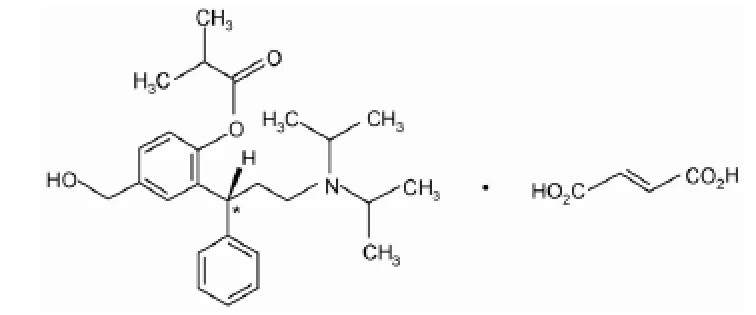
*The asterisk designates the chiral centre
Physicochemical properties:
- Appearance: Fesoterodine fumarate is a white to off-white powder.
- Melting Point: The typical melting point is 105°C to 111°C.
pKa: Fesoterodine: pKa = 10.31 ± 0.01, at 23.4°C.
Dibasic fumaric acid: pKa,1=2.94, pKa,2=4.46 at 20°C
- pH: The pH of aqueous solution at 1% (w/v) varies between 3.5 and 3.6 at 20°C.
- Solubility:
| Solvent | Solubility |
|---|---|
| Water | Freely soluble |
| Ethyl alcohol | Soluble |
| Methanol | Soluble |
| Acetic acid | Sparingly soluble |
| Isopropyl alcohol | Sparingly soluble |
| Propylene glycol | Soluble |
| Acetone | Sparingly soluble |
| DMF | Soluble |
| DMSO | Soluble |
| Acetonitrile | Sparingly soluble |
| Toluene | Very slightly soluble |
| Heptane | Very slightly soluble |
| pH 1.2 Buffer | Very soluble |
| pH 4.5 Buffer | Very soluble |
| pH 6.8 Buffer | Very soluble |
| pH 8.0 Buffer | Very soluble |
14 CLINICAL TRIALS
14.1 Trial Design and Study Demographics
The efficacy of fixed doses of fesoterodine 4 mg and 8 mg taken orally once daily was evaluated in two Phase 3 randomized, double-blind, placebo-controlled, 12-week studies. The co-primary endpoints were the change from Baseline to Week 12 in the average number of micturitions per 24 hours and a change from Baseline to Week 12 in the average number of UUI episodes per 24 hours (US analysis) or treatment response derived from the Treatment Benefit Scale (European analysis). Secondary endpoints included change in mean voided volume, daytime micturitions, urgency episodes per 24 hours, number of continent days per week, and change in severity of urgency episodes. A summary of the Patient Demographics for Study 1 and 2 is provided in Table 5.
Table 5 - Summary of patient demographics for Study 1 and Study 2
F= Female; M=Male
14.2 Study Results
Fesoterodine-treated patients had statistically significant mean reductions in the number of micturitions per 24 hours and in the number of urge incontinence episodes per 24 hours at the end of treatment compared with placebo-treated patients. Likewise, the response rate (% of patients reporting that their condition has been “greatly improved” or “improved” using a 4-point Treatment Benefit Scale) was significantly greater with fesoterodine compared with placebo. Furthermore, fesoterodine improved the mean change in the voided volume per micturition, and the mean change in the number of continent days per week. See Table 6.
Table 6 - Mean changes from baseline to end of treatment for primary and selected secondary endpoints.
| Parameter | Study 1 | Study 2 | |||||||||||||||||||
| Placebo | Feso 4 mg | Feso 8 mg | Tolterodine ER 4 mg | Placebo | Feso 4 mg | Feso 8 mg | |||||||||||||||
| Number of micturitions per 24 hours # | |||||||||||||||||||||
| N=279 | N=265 | N=276 | N=283 | N=266 | N=267 | N=267 | |||||||||||||||
| Baseline | 12.0 | 11.6 | 11.9 | 11.5 | 12.2 | 12.9 | 12.0 | ||||||||||||||
| Change from Baseline | -1.02 | -1.74 | -1.94 | -1.69 | -1.02 | -1.86 | -1.94 | ||||||||||||||
| p-value vs Pbo | - | <0.001 | <0.001 | 0.001 | - | 0.032 | <0.001 | ||||||||||||||
| Responder rate# (treatment response) | |||||||||||||||||||||
| N=279 | N=265 | N=276 | N=283 | N=266 | N=267 | N=267 | |||||||||||||||
| Responder rate | 53.4% | 74.7% | 79.0% | 72.4% | 45.1% | 63.7% | 74.2% | ||||||||||||||
| Study # | Study design | Dosage, route of administration and duration | Study subjects (n) | Mean age (Range) | Sex | Ethnic origin |
| Study 1 (Europe, Australia, New Zealand, South Africa) | controlled, parallel-arm | Fesoterodine 4 mg Fesoterodine 8 mg Placebo Tolterodine ER | N=272 N=288 N=285 N=290 | 57 years (19-86) | 81 % F 19 % M | 97 % White |
| Study 2 (USA) | Randomized, double-blind, placebo-controlled, parallel-arm | Fesoterodine 4 mg Fesoterodine 8 mg Placebo | N= 283 N= 279 N= 274 | 59 years (21-91) | 76 % F 24 % M | 82 % White 9 % Black 8% Other |
| Parameter | Study 1 | Study 2 | ||||||||||||||||||||||||
| Placebo | Feso 4 mg | Feso 8 mg | Tolterodine ER 4 mg | Placebo | Feso 4 mg | Feso 8 mg | ||||||||||||||||||||
| p-value vs Pbo | - | <0.001 | <0.001 | <0.001 | - | <0.001 | <0.001 | |||||||||||||||||||
| Number of urge incontinence episodes per 24 hours # | ||||||||||||||||||||||||||
| N=211 | N=199 | N=223 | N=223 | N=205 | N=228 | N=218 | ||||||||||||||||||||
| Baseline | 3.7 | 3.8 | 3.7 | 3.8 | 3.7 | 3.9 | 3.9 | |||||||||||||||||||
| Change from Baseline | -1.20 | -2.06 | -2.27 | -1.83 | -1.00 | -1.77 | -2.42 | |||||||||||||||||||
| p-value vs Pbo | - | 0.001 | <0.001 | 0.008 | - | 0.003 | <0.001 | |||||||||||||||||||
| Number of continent days per week | ||||||||||||||||||||||||||
| N=211 | N=199 | N=223 | N=223 | N=205 | N=228 | N=218 | ||||||||||||||||||||
| Baseline | 0.8 | 0.8 | 0.6 | 0.6 | 0.6 | 0.7 | 0.7 | |||||||||||||||||||
| Change from Baseline | 2.1 | 2.8 | 3.4 | 2.5 | 1.4 | 2.4 | 2.8 | |||||||||||||||||||
| p-value vs Pbo | - | 0.007 | <0.001 | 0.139 | - | <0.001 | <0.001 | |||||||||||||||||||
| Voided volume per micturition (mL) | ||||||||||||||||||||||||||
| N=279 | N=265 | N=276 | N=283 | N=266 | N=267 | N=267 | ||||||||||||||||||||
| Baseline | 150 | 160 | 154 | 154 | 159 | 152 | 156 | |||||||||||||||||||
| Change from Baseline | 10 | 27 | 33 | 24 | 8 | 17 | 33 | |||||||||||||||||||
| p-value vs Pbo | - | <0.001 | <0.001 | 0.002 | - | 0.150 | <0.001 | |||||||||||||||||||
The values are the mean change from baseline and the p-values represent the difference in LS mean vs Placebo
# primary end points; Feso=fesoterodine
vs=versus; Pbo=placebo
In addition, sustained efficacy was shown during a 3-year open-label extension of one phase 2 and 2 phase 3 studies. Long-term treatment with fesoterodine resulted in maintained or continued improvement in all efficacy and health-related quality of life measures.
Figures 1 to 4: The following figures show change from baseline over time in number of micturitions and urge urinary incontinence episodes per 24 hours in the two Phase 3 studies (Study 1 and Study 2, respectively).
Figure 1 - Change in number of micturitions per 24 h (Study 1)
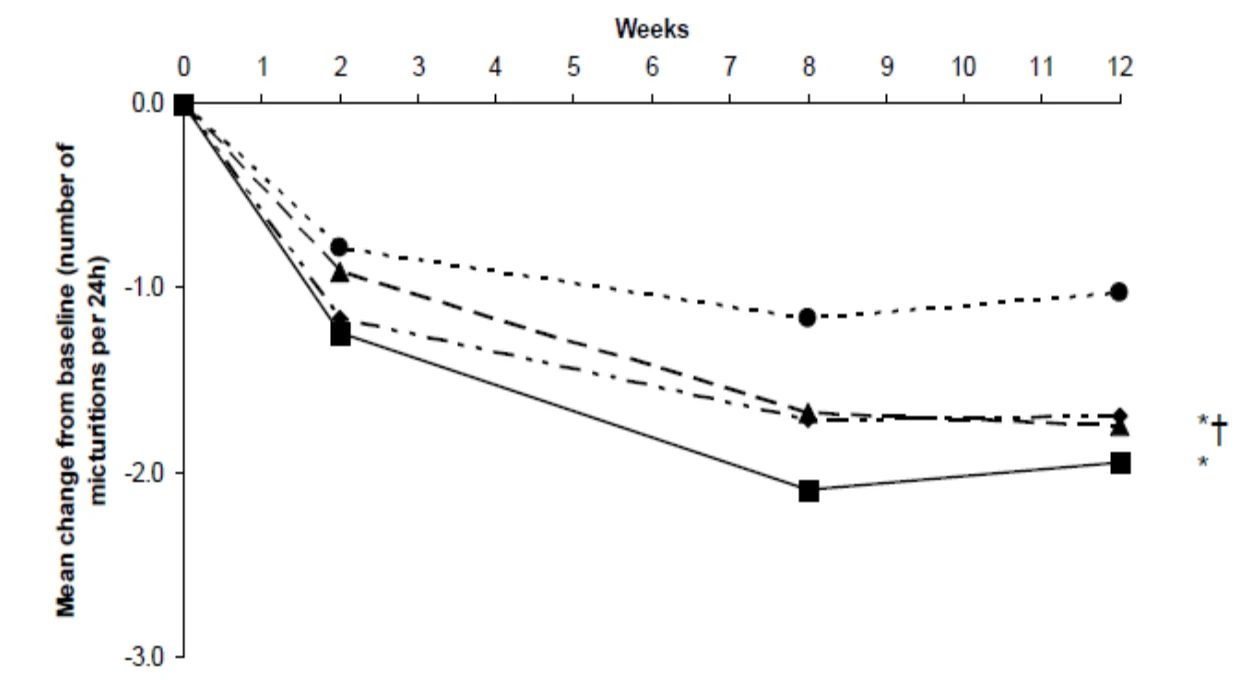

p-values vs Placebo: * p<0.001 for Fesoterodine fumarate extended-release tablets 4 mg and 8 mg; †p=0.001 for tolterodine ER 4 mg
Figure 2 - Change in urge incontinence episodes per 24 h (Study 1)
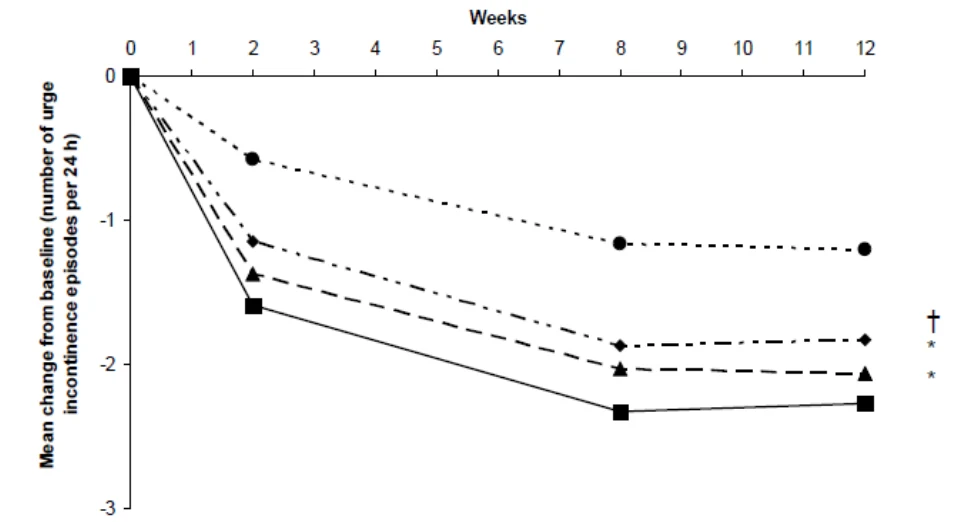

p-values vs Placebo: * p<0.001 for Fesoterodine fumarate extended-release tablets 4 mg and
8 mg; †p=0.008 for tolterodine ER 4 mg
Figure 3 - Number of micturitions per 24 h (Study 2)
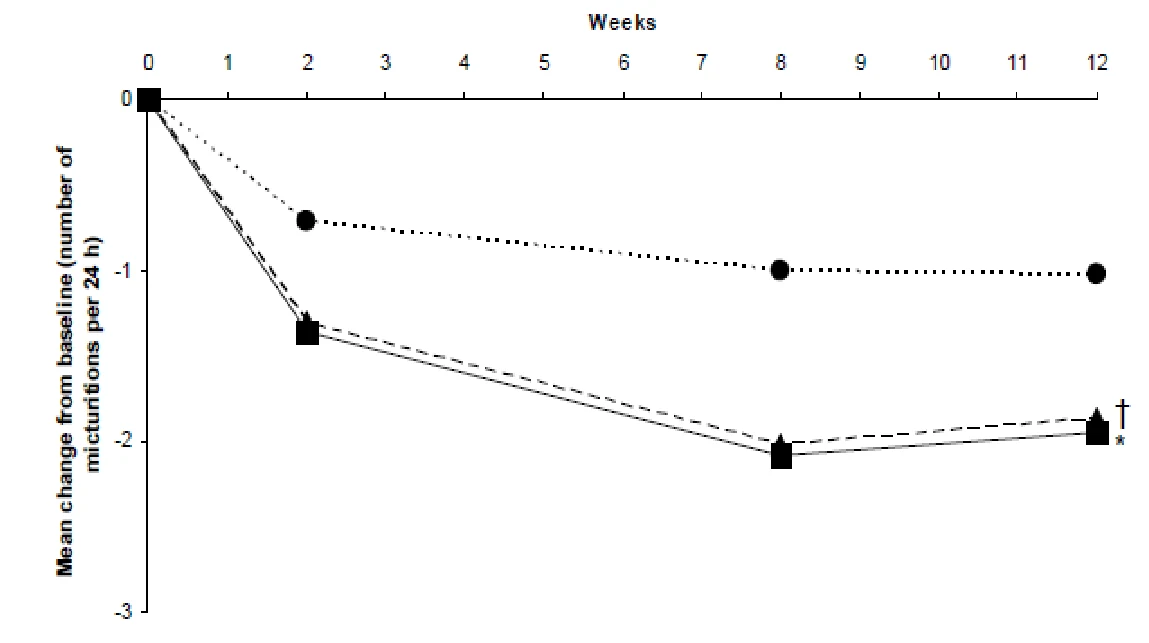

P-values vs Placebo: * p<0.001 for Fesoterodine fumarate extended-release tablets 8 mg; †p=0.032 for Fesoterodine fumarate extended-release tablets 4 mg
Figure 4 - Change in urge incontinence episodes per 24 h (Study 2)
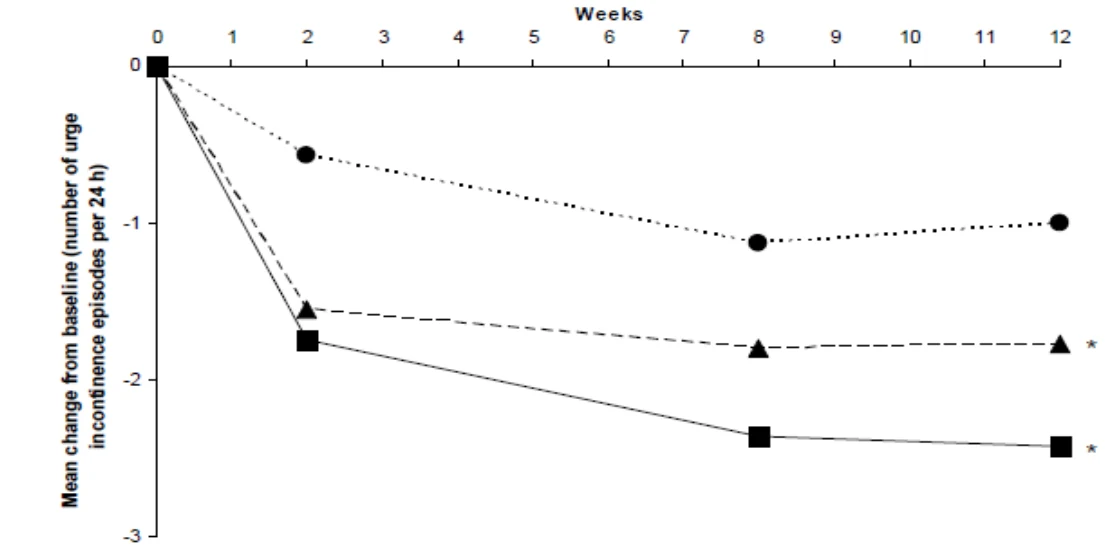

P-values vs Placebo: * p<0.001 for Fesoterodine fumarate extended-release tablets 4 mg and 8 mg
14.3 Comparative Bioavailability Studies
Fasting:
A randomized, two-way, single-dose, crossover comparative oral bioavailability study of APO-FESOTERODINE ER 8 mg Tablets (Apotex Inc.) and TOVIAZTM/MC ER 8 mg Tablets (Pfizer Canada Inc.) was conducted in healthy, adult, asian male subjects under fasting conditions. Plasma concentrations of the active metabolite of fesoterodine, 5-hydroxy methyl tolterodine, were measured and used to calculate the pharmacokinetic parameters. Comparative bioavailability data from the 42 subjects that were included in the statistical analysis are presented in the following table.
SUMMARY TABLE OF COMPARATIVE BIOAVAILABILITY DATA
5-Hydroxy Methyl Tolterodine (1 x 8 mg fesoterodine fumarate) Geometric mean Arithmetic Mean (CV%) | ||||
| Parameter | Test1 | Reference2 | % Ratio of Geometric Means | 90% Confidence Interval |
| AUCT (pg·h/mL) | 50095.76 53579.08 (37.71) | 53387.23 56223.11 (32.55) | 93.8 | 89.9 - 97.9 |
| AUCI (pg·h/mL) | 50843.82 54289.09 (37.25) | 54099.06 56907.99 (32.25) | 94.0 | 90.1 - 98.0 |
| Cmax (pg/mL) | 3958.47 4208.60 (37.32) | 4504.23 4715.91 (30.80) | 87.9 | 83.0 - 93.0 |
| Tmax3 (h) | 5.00 (2.50 – 7.00) | 5.00 (3.50 – 7.00) | ||
| T1/24 (h) | 5.56 (28.79) | 6.13 (24.29) | ||
1 APO-FESOTERODINE (fesoterodine fumarate) extended-release tablets, 8 mg (Apotex Inc.) 2 TOVIAZTM/MC (fesoterodine fumarate) extended-release tablets, 8 mg (Pfizer Canada Inc.) 3Expressed as the median (range) only 4Expressed as the arithmetic mean (CV%) only. | ||||
Fed:
A randomized, two-way, single-dose, crossover comparative oral bioavailability study of APO-FESOTERODINE ER 8 mg Tablets (Apotex Inc.) and TOVIAZTM/MC ER 8 mg Tablets (Pfizer Canada Inc.) was conducted in healthy, adult, asian male subjects under fed conditions. Plasma concentrations of the active metabolite of fesoterodine, 5-hydroxy methyl tolterodine, were measured and used to calculate the pharmacokinetic parameters. Comparative bioavailability data from the 40 subjects that were included in the statistical analysis are presented in the following table.
SUMMARY TABLE OF COMPARATIVE BIOAVAILABILITY DATA
5-Hydroxy Methyl Tolterodine (1 x 8 mg fesoterodine fumarate) Geometric mean Arithmetic Mean (CV%) | ||||
| Parameter | Test1 | Reference2 | % Ratio of Geometric Means | 90% Confidence Interval (%) |
| AUCT (pg·h/mL) | 55552.65 57351.81 (25.30) | 60869.74 63028.87 (27.69) | 91.3 | 87.5 - 95.2 |
| AUCI (pg·h/mL) | 56292.53 58135.90 (25.49) | 61503.22 63678.42 (27.67) | 91.5 | 87.7 - 95.5 |
| Cmax (pg/mL) | 4694.49 4870.65 (27.73) | 5687.20 5866.06 (24.59) | 82.5 | 78.4 - 86.9 |
| Tmax3 (h) | 4.50 (1.50 – 10.08) | 5.00 (2.50 – 8.00) | ||
| T1/24 (h) | 5.48 (38.15) | 5.48 (32.78) | ||
1 APO-FESOTERODINE (fesoterodine fumarate) extended-release tablets, 8 mg (Apotex Inc.) 2 TOVIAZTM/MC (fesoterodine fumarate) extended-release tablets, 8 mg (Pfizer Canada Inc.) 3Expressed as the median (range) only 4Expressed as the arithmetic mean (CV%) only. | ||||
14.4 Immunogenicity
This information is not available for this drug product.
15 MICROBIOLOGY
No microbiological information is required for this drug product.
16 NON-CLINICAL TOXICOLOGY
General Toxicology:
Toxicological studies have been performed in mice, rats, rabbits and dogs. The selection of the species is justified by in vitro and in vivo metabolism studies. The local tolerance was tested in guinea-pigs and rabbits. In all studies, except the acute oral and intravenous toxicity studies in mice and rats and some dose-range finding studies, negative control groups have been employed. Adequate positive control substances have proven the integrity of the genotoxicity test-battery, the skin sensitization test and the immuno-toxicology study.
Single-Dose Toxicity:
The NOEL and LD50 for both mice and rats were 100 and ≥ 316 mg/kg following oral administration, and 10 and 31.6 mg/kg after intravenous administration of fesoterodine.
Repeat-Dose Toxicity:
Rodent
In rodents, the signs of toxicity were different in mice and rats after oral administration of fesoterodine. The NOEL was 5 mg/kg in both species after 13 weeks and in mice after 26 weeks of treatment.
Dogs
No mortality occurred in dogs after oral treatment with 0, 0.5, 2.5 or 10 mg/kg fesoterodine for 13-weeks or 0, 0.5, 2.5 or 12.5 mg/kg fesoterodine for 9-months. No overt toxicity was noted and no fesoterodine-specific target organs could be identified. Mainly antimuscarinic effects were observed in the form of reduced lacrimal secretion leading to conjunctivitis in the high dose groups, a tightly filled gall bladder due to sphincter closure (after 9 months) and an increased heart rate starting at 2.5 mg/kg (dose dependent in females). No changes in the electrical complexes of the ECG were seen. In addition, the body weights were reduced in the males starting at 2.5 mg/kg and in the females in the high dose group in the 9-month study. Clinical hematology and biochemistry revealed increased platelet counts and urea concentration in blood in the high-dosed animals. All noted test-substance related effects were reversible after a 4-week recovery period. The NOEL was 0.5 mg/kg in these studies, and the NOAEL was 2.5 mg/kg.
Carcinogenicity:
No evidence of drug-related carcinogenicity was found in 24-month studies with oral administration to mice and rats. The unbound AUC of 5-HMT at the highest tolerated dose in mice corresponded to 17 to 31 times (females) and 6 to 15 times (males) the unbound human 5-HMT AUC value (46.2 ng*h/mL) in fed human poor CYP2D6 metabolizers reached with fesoterodine 8 mg, which is the Maximum Recommended Human Dose (MRHD). In rats, the unbound 5-HMT AUC at the highest tolerated dose corresponded to 4 to 13 times (females) and 6 to 24 times (males), the unbound human 5-HMT AUC (46.2 ng*h/mL) in fed human poor CYP2D6 metabolizers at the MRHD.
Genotoxicity:
Fesoterodine was not mutagenic or genotoxic in vitro (Ames tests, chromosome aberration tests) or in vivo (mouse micronucleus test).
Reproductive and Developmental Toxicology:
Fesoterodine had no effect on male reproductive function or fertility in mice at doses up to 45 mg/kg/day. The maternal No-Observed-Effect Level (NOEL) and the NOEL for effects on reproduction and early embryonic development were both 15 mg/kg/day. At a dose of 45 mg/kg/day, the resulting exposures are approximately 5 to 19 times (based on lowest and highest total systemic exposure) those at the MRHD, a lower number of corpora lutea, implantation sites and viable fetuses was observed in female mice administered fesoterodine for 2 weeks prior to mating and continuing through Day 7 of gestation. Reproduction studies have shown minor embryotoxicity (increased number of resorptions, pre-implantation and post-implantation losses). At the NOEL, based on human unbound 5-HMT AUC in the fed state (46.2 ng*h/mL), the unbound systemic exposure was 1 to 2.4 times higher in mice than in humans at the MRHD, whereas based on peak plasma concentrations, the unbound exposure in mice was 8 to 15 times higher. The Lowest-Observed-Effect Level (LOEL) for maternal toxicity was 45 mg/kg/day.
No dose-related teratogenicity was observed in reproduction studies performed in mice and rabbits. In mice treated at 7 to 30 times the human MRHD (45 mg/kg/day, oral; based on unbound 5-HMT AUC in comparison to fed human poor metabolizers at 8 mg fesoterodine), decreased live fetuses and reduced F1 fetal body weight were observed. One fetus with cleft palate was observed at each dose (15, 45, and 75 mg/kg/day), at an incidence within the background historical range. In rabbits treated at 6 to 18 times the human MRHD (27 mg/kg/day, oral; based on unbound AUC comparison to human poor metabolizers at 8 mg fesoterodine), incompletely ossified sternebrae (retardation of bone development) were observed in fetuses. Oral administration of 30 mg/kg/day fesoterodine to mice in a pre- and post-natal development study resulted in decreased body weight of the dams and delayed ear opening of the pups. No effects were noted on mating and reproduction of the F1 dams or on the F2 offspring.
Special Toxicology:
This information is not available for this drug product.
Juvenile Toxicity:
This information is not available for this drug product.
17 SUPPORTING PRODUCT MONOGRAPHS
- 1. TOVIAZ® (Fesoterodine fumarate extended-release tablets 4 mg and 8 mg), submission control 282751, Product Monograph, Pfizer Canada ULC. (MAY 23, 2024)