


Product Monograph - Apo-Gliclazide
RECENT MAJOR LABEL CHANGES
Non Applicable
TABLE OF CONTENTS
Sections or subsections that are not applicable at the time of authorization are not listed.
RECENT MAJOR LABEL CHANGES ........................................................................................... 2
TABLE OF CONTENTS ............................................................................................................ 2
PART I: HEALTH PROFESSIONAL INFORMATION ..................................................................... 4
1 INDICATIONS ................................................................................................................. 4
1.1 Pediatrics ...................................................................................................................... 4
1.2 Geriatrics ..................................................................................................................... 4
2 CONTRAINDICATIONS .................................................................................................... 4
4 DOSAGE AND ADMINISTRATION .................................................................................... 5
4.1 Dosing Considerations ................................................................................................. 5
4.2 Recommended Dose and Dosage Adjustment ............................................................ 5
4.4 Administration ............................................................................................................. 6
4.5 Missed Dose ................................................................................................................. 6
5 OVERDOSAGE ................................................................................................................ 6
6 DOSAGE FORMS, STRENGTHS, COMPOSITION AND PACKAGING ..................................... 7
7 WARNINGS AND PRECAUTIONS...................................................................................... 7
7.1 Special Populations .................................................................................................... 11
7.1.1 Pregnant Women .................................................................................................... 11
7.1.2 Breast-feeding ......................................................................................................... 11
7.1.3 Pediatrics ................................................................................................................. 11
7.1.4 Geriatrics ................................................................................................................. 12
8 ADVERSE REACTIONS ................................................................................................... 12
8.1 Adverse Reaction Overview ....................................................................................... 12
8.2 Clinical Trial Adverse Reactions ................................................................................. 12
8.3 Less Common Clinical Trial Adverse Reactions .......................................................... 12
8.4 Abnormal Laboratory Findings: Hematologic, Clinical Chemistry and Other Quantitative Data ....................................................................................................... 14
8.5 Post-Market Adverse Reactions ................................................................................. 14
9 DRUG INTERACTIONS ................................................................................................... 15
9.1 Serious Drug Interactions ........................................................................................... 15
9.2 Drug Interactions Overview ....................................................................................... 15
9.3 Drug-Behavioural Interactions ................................................................................... 15
9.4 Drug-Drug Interactions .............................................................................................. 16
9.5 Drug-Food Interactions .............................................................................................. 18
9.6 Drug-Herb Interactions .............................................................................................. 18
9.7 Drug-Laboratory Test Interactions ............................................................................. 18
10 CLINICAL PHARMACOLOGY .......................................................................................... 18
10.1 Mechanism of Action ................................................................................................... 18
10.2 Pharmacodynamics .................................................................................................... 19
10.3 Pharmacokinetics ....................................................................................................... 21
11 STORAGE, STABILITY AND DISPOSAL ............................................................................ 22
12 SPECIAL HANDLING INSTRUCTIONS .............................................................................. 22
PART II: SCIENTIFIC INFORMATION ...................................................................................... 23
13 PHARMACEUTICAL INFORMATION ............................................................................... 23
14 CLINICAL TRIALS ........................................................................................................... 24
14.3 Comparative Bioavailability Studies ........................................................................... 24
15 MICROBIOLOGY ........................................................................................................... 24
16 NON-CLINICAL TOXICOLOGY ......................................................................................... 24
17 SUPPORTING PRODUCT MONOGRAPHS ....................................................................... 30
PATIENT MEDICATION INFORMATION ................................................................................. 31
PART I: HEALTH PROFESSIONAL INFORMATION
1 INDICATIONS
APO-GLICLAZIDE (gliclazide tablets) is indicated for:
- Control of hyperglycemia in gliclazide responsive diabetes mellitus of stable, mild, non-ketosis prone, maturity onset or adult type which cannot be controlled by proper dietary management and exercise, or when insulin therapy is not appropriate.
1.1 Pediatrics
Pediatrics (<18 years of age): The safety and efficacy of APO-GLICLAZIDE in pediatric patients have not been established; therefore, Health Canada has not authorized an indication for pediatric use.
1.2 Geriatrics
Geriatrics (≥65 years of age): No significant differences in efficacy and tolerance were observed between patients over 65 years of age and younger patients, however greater sensitivity of some older individuals cannot be ruled out (see 4 DOSAGE AND ADMINISTRATION and 7.1.4 Geriatrics).
2 CONTRAINDICATIONS
APO-GLICLAZIDE is contraindicated:
- in patients who are hypersensitive or allergic to gliclazide, other sulfonylureas, sulfonamides, or to any ingredient in the formulation, including any non-medicinal ingredient, or component of the container. For a complete listing, see 6 DOSAGE FORMS, STRENGTHS, COMPOSITION AND PACKAGING.
- in patients with unstable and/or insulin-dependent (Type 1) diabetes mellitus, particularly juvenile diabetes, diabetic ketoacidosis, diabetic pre-coma and coma.
- during stress conditions such as serious infection, trauma or surgery.
- in patients with severe hepatic impairment (see 7 WARNINGS AND PRECAUTIONS).
- in patients with severe renal impairment (see 7 WARNINGS AND PRECAUTIONS).
- in patients treated with miconazole via systemic route or oromucosal gel (see 9.1 Serious Drug Interactions, 9.4 Drug-Drug Interactions).
- during pregnancy and breast-feeding (see 7.1.1 Pregnant Women and 7.1.2 Breast-feeding).
4 DOSAGE AND ADMINISTRATION
4.1 Dosing Considerations
Determination of the proper dosage for APO-GLICLAZIDE for each patient should be made on the basis of frequent determinations of blood glucose during dose titration and throughout maintenance.
Patients with renal or hepatic impairment may require dosage reduction (see 7 WARNINGS AND PRECAUTIONS). Use in patients with severe renal or hepatic impairment is contraindicated (see 2 CONTRAINDICATIONS).
In patients where on initial trial the maximal recommended dose fails to lower blood glucose adequately, the drug should be discontinued. During the course of therapy, a loss of effectiveness may occur. In general, the dosage will depend on the severity of the glycemia with ongoing adjustments should be made in order to obtain the optimal response at the lowest dosage.
It is advisable to ascertain the contribution of the drug in control of the blood glucose by discontinuing the medication semi-annually or at least annually with careful monitoring of the patient. If the need for the drug is not evident, the drug should not be resumed. In some diabetic subjects, short-term administration periods of the drug may be sufficient during periods of transient loss of blood sugar controls.
Patients receiving insulin: Maturity onset diabetics with no ketoacidosis or history of metabolic decompensation and whose insulin requirements are less than 40 units per day may be considered for gliclazide tablets therapy after cessation of insulin. If a change from insulin to APO-GLICLAZIDE is contemplated in such a patient, discontinue insulin for a period of 2 or 3 days to determine whether any therapy other than dietary regulation and exercise is needed. During this insulin-free interval, test the patient's urine at least 3 times daily for glucose and ketone bodies and monitor the results carefully. The appearance of significant ketonuria accompanied by glucosuria within 12 to 24 hours after the withdrawal of insulin, strongly suggests that the patient is ketosis prone, and precludes the change from insulin to sulfonylurea therapy.
4.2 Recommended Dose and Dosage Adjustment
- The recommended daily dosage of APO-GLICLAZIDE is 80 to 320 mg (1 to 4 tablets). The total daily dose should not exceed 320 mg.
- The recommended starting dose of APO-GLICLAZIDE is 2 tablets per day (160 mg) taken as one tablet twice a day with meals.
- Pediatrics (<18 years of age): The safety and effectiveness of APO-GLICLAZIDE have not been studied in patients under 18 years of age. APO-GLICLAZIDE is not indicated for pediatric use.
- Geriatrics (≥65 years of age): No dose adjustment is required in patients over 65 years of age (see 7.1.4 Geriatrics).
4.4 Administration
This treatment should only be prescribed if the patient is likely to have a regular food intake (including breakfast). It is important to have a regular carbohydrate intake due to the increased risk of hypoglycemia if a meal is taken late, if an inadequate amount of food is consumed or if the food is low in carbohydrate.
Doses up to 160 mg daily may be taken in a single dose but preferably at the same time each morning. Doses in excess of 160 mg should be taken in divided doses in the morning and evening with meals.
APO-GLICLAZIDE tablets must not be chewed or crushed.
4.5 Missed Dose
If a dose is forgotten, the patient should be advised to skip the missed dose and take his or her usual dose at the regular time the next day. The dose taken on the next day should not be increased to account for the missed dose.
5 OVERDOSAGE
Symptoms
Overdosage with sulfonylureas may result in hypoglycemia but it should be noted that the dosage which causes such hypoglycemia varies widely and may be within the accepted therapeutic range in sensitive individuals. The manifestations of hypoglycemia include sweating, flushing or pallor, numbness, chilliness, hunger, trembling, headache, dizziness, increased pulse rate, palpitations, increased blood pressure and apprehensiveness in mild cases. In more severe cases, coma appears. However, symptoms of hypoglycemia are not necessarily as typical as those described above and sulfonylureas may cause insidious development of symptoms mimicking cerebrovascular insufficiency.
Treatment of overdosage
Discontinue medication and treat hypoglycemia by giving dextrose promptly and in sufficient quantity. Some sulfonylurea-induced hypoglycemias may be refractory to treatment and susceptible to relapse especially in elderly or malnourished patients. Continuous dextrose infusions for hours or days have been necessary. Strict monitoring should be continued until the doctor is sure that the patient is out of danger.
Severe hypoglycemic reactions, with coma, convulsions or other neurological disorders are possible and must be treated as a medical emergency, requiring immediate hospitalization. If hypoglycemic coma is diagnosed or suspected, the patient should be given a rapid I.V. injection of 50 mL of concentrated glucose solution (20 to 30%). This should be followed by continuous infusion of a more dilute glucose solution (10%) at a rate that will maintain blood glucose levels above 1 g/L. Patients should be monitored closely and, depending on the patient's condition after this time, the doctor will decide if further monitoring is necessary.
Dialysis is of no benefit to patients due to the strong binding of gliclazide to proteins.
| For the most recent information in the management of a suspected drug overdose, contact your regional poison control centre or Health Canada's toll-free number, 1-844 POISON-X (1-844-764-7669). |
|---|
6 DOSAGE FORMS, STRENGTHS, COMPOSITION AND PACKAGING
Table 1 – Dosage Forms, Strengths, Composition and Packaging
| Route of Administration | Dosage Form / Strength / Composition | Non-medicinal Ingredients |
|---|---|---|
| oral | tablet 80 mg | Colloidal silicon dioxide, croscarmellose sodium, lactose monohydrate, magnesium stearate and microcrystalline cellulose. |
APO-GLICLAZIDE is a white, round, flat-faced, bevelled-edge tablet engraved “APO” over “80” on one side, other side cross-scored. Available in bottles of 100 and 500 tablets, unit-dose packages of 60 and 100 tablets.
7 WARNINGS AND PRECAUTIONS
General
The use of APO-GLICLAZIDE will not prevent the development of complications peculiar to diabetes mellitus.
Use of APO-GLICLAZIDE must be considered as treatment in addition to proper dietary regimen and not as substitute for diet.
Careful selection of patients is important. It is imperative that there be rigid attention to diet, careful adjustment of dosage and instruction of the patient on hypoglycemic reactions, their recognition, remedies and control as well as regular, thorough medical follow-up.
Since the effects of oral hypoglycemic agents on the vascular changes and other long-term sequelae of diabetes mellitus are not fully known, patients receiving such drugs must be closely observed for both short- and long-term complications. Periodic assessment of cardiovascular, ophthalmic, renal and hepatic status is advisable.
Use of APO-GLICLAZIDE is not recommended with medications containing alcohol, phenylbutazone (systemic route), danazol, and precautions are required when used with chlorpromazine, glucocorticoids, ritodrine, salbutamol, terbutaline and anticoagulant therapy (see 9.4 Drug-Drug Interactions).
Carcinogenesis and Mutagenesis
See 16 NON-CLINICAL TOXICOLOGY.
Driving and Operating Machinery
Exercise caution when driving or operating a vehicle or potentially dangerous machinery. Treatment with APO-GLICLAZIDE can have effects on ability to drive and use machines. Patients should be made aware of the symptoms of hypoglycemia and should be careful if driving or operating machinery, especially at the beginning of treatment (see 9.3 Drug-Behavioural Interactions).
Endocrine and Metabolism
Dysglycemia
Fluoroquinolones should be used with caution in patients receiving APO-GLICLAZIDE (see 9.4 Drug-Drug Interactions). Hypoglycemia and hyperglycemia have been reported in diabetic patients receiving concomitant treatment with fluoroquinolones, especially in elderly patients. Careful monitoring of blood glucose is recommended in all patients taking APO-GLICLAZIDE and a fluoroquinolone concomitantly.
Hypoglycemic Reactions
As with other sulfonylurea drugs, manifestations of hypoglycemia including dizziness, lack of energy, drowsiness, headache and sweating have been observed and weakness, nervousness, shakiness and paresthesia have also been reported. All sulfonylurea drugs can induce severe hypoglycemia. Particularly susceptible are elderly subjects, patients with impaired hepatic or renal function, those who are debilitated or malnourished and patients with primary or secondary adrenal insufficiency. Some cases may be severe and prolonged. Hospitalization may be necessary and glucose administration may need to be continued for several days. Hypoglycemia may be difficult to recognize in elderly patients and in patients receiving beta-blockers.
Possible other symptoms of hypoglycemia are intense hunger, nausea, vomiting, lassitude, sleep disorders, agitation, aggression, poor concentration, reduced awareness and slowed reactions, depression, confusion, visual and speech disorders, aphasia, tremor, paresis, sensory disorders, feeling of powerlessness, loss of self-control, delirium, convulsions, shallow respiration, bradycardia, drowsiness and loss of consciousness, possibly resulting in coma and lethal outcome. In addition, signs of adrenergic counter-regulation may be observed: clammy skin, anxiety, tachycardia, hypertension, palpitations, angina pectoris and cardiac arrhythmia.
Hypoglycemia is more likely to occur during periods of low-calorie diet, following prolonged or strenuous exercise, following alcohol intake or during the administration of a combination of hypoglycemic agents.
Usually, hypoglycemic symptoms disappear after intake of carbohydrates (sugar). However, artificial sweeteners have no effect. Experience with other sulphonylureas shows that hypoglycemic can recur even when measures prove effective initially. If a hypoglycemic episode is severe or prolonged, and even if it is temporarily controlled by intake of sugar, immediate medical treatment or even hospitalisation are required.
Other factors which increase the risk of hypoglycemia are: overdose of APO-GLICLAZIDE, certain endocrine disorders (thyroid disorders, hypopituitarism and adrenal insufficiency) as well as withdrawal of prolonged and/or high dose corticosteroid therapy, severe vascular disease (severe coronary heart disease, severe carotid impairment, diffuse vascular disease) and concomitant administration of certain medicines (see 9.4 Drug-Drug Interactions).
Severe hypoglycemia which mimics acute Central Nervous System (CNS) disorders may occur. Hepatic and/or renal impairment, malnutrition, debility, advanced age, alcoholism, adrenal or pituitary insufficiency may be predisposing factors.
Patients with Porphyria
Cases of acute porphyria (which can cause severe abdominal pain, gastrointestinal symptoms, unspecified neurologic symptoms along with chronic, blistering lesions on sun-exposed skin) have been reported with the use of sulfonylurea drugs (see 8.5 Post-Market Adverse Reactions). Therefore, caution should be taken in the administration of APO-GLICLAZIDE, as it may precipitate attacks of acute porphyria in patients with porphyria.
Poor Blood Glucose Control
The efficacy of gliclazide, in reducing glucose to the desired level decreases over a long period of time in many patients: this may be due to progression in the severity of the diabetes, or to a reduced response to treatment. This phenomenon is known as secondary failure and should be distinguished from primary failure, when the drug is ineffective when prescribed as first-line treatment. Adequate dose adjustment and compliance with dietary measures should be considered before classifying the patient as secondary failure. If a loss of adequate blood glucose-lowering response to APO-GLICLAZIDE is detected, the drug should be discontinued.
In patients stabilized on gliclazide therapy, loss of blood sugar control may occur in cases of acute intercurrent disease such as a fever and serious infection, in stressful situations such as trauma or surgery, or if used concomitantly with herbs such as St. John's Wort (Hypericum perforatum) preparations or any treatment that may interact with APO-GLICLAZIDE metabolism (see 9.6 Drug-Herb Interactions). Under these conditions, discontinuation of APO-GLICLAZIDE and administration of insulin should be considered.
Hematologic
Treatment of patients with glucose-6-phosphate dehydrogenase (G6PD)-deficiency with sulfonylurea agents can lead to hemolytic anemia. Since APO-GLICLAZIDE belongs to the class of sulfonylurea agents, caution should be used in patients with G6PD-deficiency and a non-sulfonylurea alternative should be considered.
Hepatic/Biliary/Pancreatic
The metabolism and excretion of sulfonylureas including APO-GLICLAZIDE may be slowed in patients with impaired hepatic function. Cases of elevated liver enzyme levels (AST, ALT, alkaline phosphatase) and isolated cases of impairment of liver function with cholestasis and jaundice, and hepatitis which can regress after withdrawal of the drug or may lead to life-threatening liver failure, have been observed (see 8 ADVERSE REACTIONS). Discontinue treatment if cholestatic jaundice appears. Therefore, APO-GLICLAZIDE is contraindicated in patients with severe hepatic impairment (see 2 CONTRAINDICATIONS).
Monitoring and Laboratory Tests
Measurement of glycated hemoglobin levels (or fasting venous plasma glucose) is recommended in assessing blood glucose control. Blood glucose self-monitoring is also recommended.
Blood glucose control in a patient receiving APO-GLICLAZIDE treatment may be affected by fever, infection, surgical intervention or when used concomitantly with St. John's Wort (Hypericum perforatum) preparations. Close monitoring is required in these patients.
In some cases, it may be necessary to administer insulin.
Hepatic function should be assessed before initiating therapy and the liver function should be assessed periodically in patients with mild to moderately impaired hepatic function.
In patients with mild to moderately impaired renal function, renal function should be assessed periodically. Blood glucose and glycated hemoglobin levels should be regularly monitored in all patients.
Elderly patients (malnourished, with impaired hepatic, renal, or adrenal function) will require periodic monitoring and special care.
Peri-Operative Considerations
In patients stabilized on gliclazide therapy, loss of blood sugar control may occur in cases of acute intercurrent disease or in stressful situations such as trauma or surgery. Under these conditions, discontinuation of APO-GLICLAZIDE and administration of insulin should be considered.
Renal
The metabolism and excretion of sulfonylureas including APO-GLICLAZIDE may be slowed in patients with impaired renal function. If hypoglycemia should occur in such patients, it may be prolonged and appropriate management should be instituted. Therefore, APO-GLICLAZIDE is contraindicated in patients with severe renal impairment (see 2 CONTRAINDICATIONS).
Sensitivity/Resistance
Due to the presence of lactose in APO-GLICLAZIDE, patients with hereditary problems of galactose intolerance, glucose-galactose malabsorption or the Lapp lactose deficiency should not take.
Skin
Serious skin and hypersensitivity reactions including rash, pruritus, urticaria, angioedema, erythema, maculopapular rashes, bullous reactions (such as Stevens-Johnson syndrome, toxic epidermal necrolysis and bullous pemphigoid) and drug rash with eosinophilia and systemic symptoms (DRESS) have been reported (see 8.5 Post-Market Adverse Reactions).
Bullous Pemphigoid
Cases of bullous pemphigoid requiring hospitalization have been reported with the use of gliclazide (see 8.5 Post-Market Adverse Reactions). In reported cases, patients typically recovered with topical or systemic immunosuppressive treatment and discontinuation of the gliclazide tablets. Tell patients to report development of blisters or erosions while receiving APO-GLICLAZIDE. If bullous pemphigoid is suspected, APO-GLICLAZIDE should be discontinued and referral to a dermatologist should be considered for diagnosis and appropriate treatment.
7.1 Special Populations
7.1.1 Pregnant Women
APO-GLICLAZIDE is contraindicated in pregnancy. It is recommended that insulin be used during pregnancy in diabetic women (see 2 CONTRAINDICATIONS).
Uncontrolled diabetes (gestational or not) is associated with a higher incidence of congenital abnormalities and perinatal mortality. Blood glucose control should be optimal around the time of conception to reduce the risk of congenital malformations.
7.1.2 Breast-feeding
APO-GLICLAZIDE is contraindicated in breast-feeding mothers because the product may potentially cause hypoglycemia in nursing infants (see 2 CONTRAINDICATIONS). Some sulfonylurea drugs are excreted in human milk although it is not known whether APO-GLICLAZIDE is one of them.
7.1.3 Pediatrics
Safety and effectiveness of APO-GLICLAZIDE in pediatrics (<18 years of age) have not been established; therefore, Health Canada has not authorized an indication for pediatric use.
7.1.4 Geriatrics
Efficacy and tolerance of APO-GLICLAZIDE, prescribed using the same therapeutic regimen in subjects over 65 years, has been confirmed in clinical trials, however greater sensitivity of some older individuals cannot be ruled out.
Severe hypoglycemia can be induced by all sulfonylurea drugs. Elderly subjects are particularly susceptible.
8 ADVERSE REACTIONS
8.1 Adverse Reaction Overview
In clinical trials involving about 2000 patients treated with gliclazide tablets, the overall incidence of adverse reaction was 10.5%; this necessitated the discontinuation of therapy in 1.2% of patients.
The most frequent adverse drug reactions are hypoglycemia and gastrointestinal disturbances (including abdominal pain, nausea, vomiting, dyspepsia, diarrhea, constipation).
Serious adverse drug reactions that resulted in hospitalization during clinical trials were malaise, acute renal failure, and thrombophlebitis.
8.2 Clinical Trial Adverse Reactions
Clinical trials are conducted under very specific conditions. The adverse reaction rates observed in the clinical trials; therefore, may not reflect the rates observed in practice and should not be compared to the rates in the clinical trials of another drug. Adverse reaction information from clinical trials may be useful in identifying and approximating rates of adverse drug reactions in real-world use.
8.3 Less Common Clinical Trial Adverse Reactions
Blood and lymphatic system disorders: leukopenia, erythrocytopenia agranulocytosis, thrombocytopenia, hemolytic anemia, pancytopenia and allergic vasculitis.
Cardiovascular disorders: angina pectoris, arteritis, cardiac failure, cerebrovascular disorder, coronary artery disorder, epistaxis, hypertension, hypotension, myocardial infarction, oedema legs, palpitation, tachycardia, thrombophlebitis, vein disorder.
Ear/Nose/Throat disorders: hearing decreased, tinnitus.
Endocrine disorders: hypothyroidism. A decrease in the uptake of radioactive iodine by the thyroid gland has been reported with other sulfonylurea drugs. This has not been shown with gliclazide tablets during a study involving 15 patients.
Gastrointestinal (GI) disorders: abdominal pain, anal fissure, appetite increased, colitis, constipation, diarrhea, duodenal ulcer, epigastric fullness, faecal incontinence, flatulence, gastric irritation, gastritis, gastroenteritis, gastroesophageal reflux, GI neoplasm benign, hemorrhoids, melena, dry mouth, nausea, oesophagitis, saliva increased, tooth ache, tooth disorder, vomiting. These reactions are generally dose-related and may disappear when the dose is reduced.
General disorders: allergy, asthenia, carpal tunnel syndrome, chest pain, fever, headache, infection, inflicted injury, fungal infection, leg pain, malaise, pain, weight increase, viral infection, otitis media.
Hepatobiliary disorders: increased liver enzymes, hepatitis, hepatomegaly.
Metabolic and nutritional disorders: gout, glycosuria, hypercholesterolemia, hyperglycemia, hyperlipaemia, hypertriglyceridemia, hypoglycemia, lipid metabolism disorder, thirst. Cases of hepatic porphyria and disulfiram-like reactions have been described with sulfonylurea drugs. Clinical experience to date has shown that gliclazide tablets has a low incidence of disulfiram type reactions.
Musculo-skeletal and connective tissue disorders: arthralgia, arthritis, arthropathy, arthrosis, back pain, bursitis, hernia congenital, myalgia, skeletal pain, spine malformation, tendinitis.
Nervous system disorders: anxiety, confusion, depression, dizziness, insomnia, nervousness, neuralgia, neuropathy.
Ophthalmologic disorders: cataract, conjunctival haemorrhage, conjunctivitis, diplopia, glaucoma, abnormal lacrimation, retinal disorder, abnormal vision, vitreous disorder, xerophthalmia.
Renal and urinary disorders: albuminuria, cystitis, nocturia, polyuria, renal calculus, renal cyst, urinary tract infections.
Reproductive system and breast disorders: balanoposthitis, benign female breast neoplasm, impotence, mastitis, menstrual disorder, prostatic disorder, vaginitis.
Respiratory: asthma, bronchitis, coughing, dyspnea, pharyngitis, pneumonia, rhinitis, sinusitis, tracheitis, upper respiratory infection.
Skin and subcutaneous tissue disorders: fungal dermatitis, eczema, erythema, hyperkeratosis, maculopapular or morbiliform rash, nail disorder, onychomycosis, pruritus, dry skin, skin disorder, skin ulceration, urticaria. These reactions may persist during treatment, which must be then interrupted. Cases of porphyria tarda and of photosensitivity have also been described with sulfonylurea drugs.
8.4 Abnormal Laboratory Findings: Hematologic, Clinical Chemistry and Other Quantitative Data
Clinical Trial Findings
The pattern of laboratory tests abnormalities previously observed with gliclazide tablets was similar to that for other sulfonylureas. Occasional mild to moderate elevations of hepatic enzymes, LDH and creatinine and decrease in natremia have been observed. These abnormalities frequently encountered with treated or untreated diabetic patients are rarely associated with clinical symptoms and generally not considered to be drug related.
8.5 Post-Market Adverse Reactions
The following additional adverse reactions have been reported during post-approval use of gliclazide tablets. Because these events are reported voluntarily from a population of uncertain size, it is generally not possible to reliably estimate their frequency or establish a causal relationship to drug exposure.
Gastrointestinal disturbance, including abdominal pain, nausea, vomiting, dyspepsia, diarrhea and constipation have been reported.
Cases of acute porphyria (which can cause severe abdominal pain, gastrointestinal symptoms, unspecified neurologic symptoms along with chronic, blistering lesions on sun-exposed skin) have been reported with the use of sulfonylurea drugs.
Skin and subcutaneous tissue disorders, rash, pruritus, urticaria, angioedema, erythema, maculopapular rashes, bullous reactions (such as Stevens-Johnson syndrome, toxic epidermal necrolysis and bullous pemphigoid) and drug rash with eosinophilia and systemic symptoms (DRESS) have been reported.
The most serious adverse drug reactions reported with gliclazide tablets are hypoglycemic coma, pancytopenia, thrombocytopenia, hepatitis, cholestatic jaundice, pyrexia, pancreatitis acute and skin reactions (pruritus and rash).
The following adverse events have also been observed with gliclazide tablets: cases of erythrocytopenia, agranulocytosis, hemolytic anemia, allergic vasculitis, hyponatremia, and elevated liver enzyme levels (AST, ALT, alkaline phosphatase); isolated cases of impairment of liver function with cholestasis and jaundice which can regress after withdrawal of the drug or may lead to life-threatening liver failure. Discontinue treatment if cholestatic jaundice appears.
9 DRUG INTERACTIONS
9.1 Serious Drug Interactions
Serious Drug Interactions
|
|---|
9.2 Drug Interactions Overview
As a result of drug interaction, hypoglycemia may be potentiated when a sulfonylurea is used concurrently with agents such as: long-acting sulfonamides, tuberculostatics, NSAIDs, fibrates, monoamine oxidase inhibitors (MAOIs), salicylates, probenecid, beta-blockers, azole antifungal agents (oral and parenteral preparations), H2 receptor antagonists, angiotensin converting enzyme inhibitors and clarithromycin. In addition, while not approved for use with other antidiabetic agents, hypoglycemia is potentiated when gliclazide is used in combination with other antidiabetic agents.
Certain drugs tend to induce hyperglycemia and may lead to loss of blood sugar control. These include diuretics (thiazides, furosemide), corticosteroids, oral contraceptives (estrogen plus progestogen), chlorpromazine, ritodrine, salbutamol, terbutaline and nicotinic acid in pharmacologic doses.
Barbiturates should be used with caution in patients receiving an oral hypoglycemic agent since they may reduce the hypoglycemic effect.
Sulfonylureas may potentiate the action of anticoagulants. Adjustment of the anticoagulant dose may be necessary.
9.3 Drug-Behavioural Interactions
This treatment should only be prescribed if the patient is likely to have a regular food intake (including breakfast). It is important to have a regular carbohydrate intake due to the increased risk of hypoglycemia if a meal is taken late, if an inadequate amount of food is consumed or if the food is low in carbohydrate. Hypoglycemia is more likely to occur during periods of low-calorie diet and following prolonged or strenuous exercise.
Intolerance to alcohol (disulfiram-like reaction: flushing, sensation of warmth, giddiness, nausea and occasionally tachycardia) may occur in patients treated with sulfonylurea. Alcohol increases the hypoglycaemic reaction (by inhibiting compensatory reactions) that can lead to the onset of hypoglycaemic coma. Avoid alcohol or medicines containing alcohol.
Treatment with APO-GLICLAZIDE can have effects on ability to drive and use machines.
Patients should be made aware of the symptoms of hypoglycemia and should be careful if driving or operating machinery, especially at the beginning of treatment.
9.4 Drug-Drug Interactions
The drugs listed in this table are based on either drug interaction case reports or studies, or potential interactions due to the expected magnitude and seriousness of the interaction (i.e., those identified as contraindicated).
Table 2 – Established or Potential Drug-Drug Interactions
| Proper/Common Name | Source of Evidence | Effect | Clinical Comment |
|---|---|---|---|
Miconazole (systemic route, oromucosal gel) | C | Increases the risk of hypoglycemia | Concomitant use is contraindicated (see 2 CONTRAINDICATIONS). Increases the hypoglycemic effect with possible onset of hypoglycemic symptoms, or even coma. |
Phenylbutazone (systemic route) | C | Increases the risk of hypoglycemia | Combination is not recommended. Increases the hypoglycemic effect of sulphonylureas (displaces their binding to plasma proteins and/or reduces their elimination). It is preferable to use a different anti-inflammatory agent, or else to warn the patient and emphasize the importance of self- monitoring. Where necessary, adjust the dose during and after treatment with the anti-inflammatory agent. |
Other antidiabetic agents (insulins, acarbose, biguanides) | C | Increases the risk of hypoglycemia | Combinations requiring precautions for use. Potentiation of the blood glucose lowering effect and thus, in some instances, hypoglycemia may occur. |
| Beta-blockers | C | Increases the risk of hypoglycemia | Combinations requiring precautions for use. Potentiation of the blood glucose lowering effect and thus, in some instances, hypoglycemia may occur. |
| Fluconazole | C | Increases the risk of hypoglycemia | Combinations requiring precautions for use. Potentiation of the blood glucose lowering effect and thus, in some instances, hypoglycemia may occur. |
| Angiotensin converting enzyme inhibitors | C | Increases the risk of hypoglycemia | Combinations requiring precautions for use. Potentiation of the blood glucose lowering effect and thus, in some instances, hypoglycemia may occur. |
| Proper/Common Name | Source of Evidence | Effect | Clinical Comment |
|---|---|---|---|
| H2-receptor antagonists | C | Increases the risk of hypoglycemia | Combinations requiring precautions for use. Potentiation of the blood glucose lowering effect and thus, in some instances, hypoglycemia may occur. |
| MAOIs | C | Increases the risk of hypoglycemia | Combinations requiring precautions for use. Potentiation of the blood glucose lowering effect and thus, in some instances, hypoglycemia may occur. |
| Sulfonamides | C | Increases the risk of hypoglycemia | Combinations requiring precautions for use. Potentiation of the blood glucose lowering effect and thus, in some instances, hypoglycemia may occur. |
| Nonsteroidal anti- inflammatory agents | C | Increases the risk of hypoglycemia | Combinations requiring precautions for use. Potentiation of the blood glucose lowering effect and thus, in some instances, hypoglycemia may occur. |
| Clarithromycin | T | Increases the risk of hypoglycemia | Combinations requiring precautions for use. May potentiate the hypoglycemic action of sulfonylurea agents. |
| Danazol | C | Causes an increase in blood glucose levels | Combination is not recommended because of diabetogenic effect of danazol. If the use of this active substance cannot be avoided, warn the patient and emphasize the importance of urine and blood glucose monitoring. It may be necessary to adjust the dose of the antidiabetic agent during and after treatment with danazol. |
Chlorpromazine (neuroleptic agent) | C | Causes an increase in blood glucose levels | Combination requiring precautions during use. High doses (>100 mg per day of chlorpromazine) increase blood glucose levels (reduced insulin release). Warn the patient and emphasize the importance of blood glucose monitoring. It may be necessary to adjust the dose of the antidiabetic active substance during and after treatment with the neuroleptic agent. |
Glucocorticoids (systemic and local route: intra- articular, cutaneous and rectal Preparations; and tetracosactide) | C | Causes an increase in blood glucose levels | Combination requiring precautions during use. Increase in blood glucose levels with possible ketosis (reduced tolerance to carbohydrates due to glucocorticoids). Warn the patient and emphasize the importance of blood glucose monitoring, particularly at the |
| Proper/Common Name | Source of Evidence | Effect | Clinical Comment |
|---|---|---|---|
| start of treatment. It may be necessary to adjust the dose of the antidiabetic active substance during and after treatment with glucocorticoids. | |||
Ritodrine, salbutamol, terbutaline (IV) | C | Causes an increase in blood glucose levels | Combination requiring precautions during use. Increased blood glucose levels due to beta-2 agonist effects. Emphasize the importance of monitoring blood glucose levels. If necessary, switch to insulin. |
Anticoagulant therapy (Warfarin and other) | C | Potentiation of anticoagulation | Combination which must be taken into account. Sulfonylureas may lead to potentiation of anticoagulation during concurrent treatment. Adjustment of the anticoagulant may be necessary. |
| Drugs containing alcohol | C | Increases the risk of hypoglycemia | Intolerance to alcohol (disulfiram-like reaction: flushing, sensation of warmth, giddiness, nausea and occasionally tachycardia) may occur in patients treated with sulfonylurea. |
| Fluoroquinolones | T | Increases the risk of dysglycemia | Combinations requiring precautions for use. Warn the patient and emphasize the importance of monitoring blood glucose. |
Legend: C = Case Study; CT = Clinical Trial; T = Theoretical
9.5 Drug-Food Interactions
Interactions with food have not been established.
9.6 Drug-Herb Interactions
St. John’s Wort
Pharmacodynamic interactions between gliclazide and the herbal remedy St. John’s Wort may occur and may lead to hyperglycemia or loss of blood glucose control.
9.7 Drug-Laboratory Test Interactions
Interactions with laboratory tests have not been established.
10 CLINICAL PHARMACOLOGY
10.1 Mechanism of Action
Gliclazide is a hypoglycemic agent of the sulfonylurea group. The hypoglycemic action of gliclazide is related to an improvement in insulin secretion from the functioning beta cells of the pancreas. It potentiates the insulin release, improves the dynamics of insulin. Increase in postprandial insulin and C-peptide secretion persists after two years of treatment. Gliclazide has extra-pancreatic actions. These metabolic actions are accompanied by hemovascular effects. However, the mechanism of action regarding these effects is still poorly understood. The clinical significance of these effects has not been established.
Effects on insulin release
In Type 2 diabetics, gliclazide restores the first peak of insulin secretion in response to glucose and increases the second phase of insulin secretion. A significant increase in insulin response is seen in response to stimulation induced by a meal or glucose.
Extra-pancreatic effects
It has been demonstrated that gliclazide increases peripheral insulin sensitivity.
In muscle: The action of insulin on glucose uptake, measured during an euglycemic hyperinsulinemic clamp is significantly increased (+35%), due to an improvement in peripheral sensitivity to insulin. This leads to an improvement in diabetes control. Gliclazide acts mainly by potentiating insulin action on muscle glycogen synthetase. Moreover, results of studies on the muscle are consistent with a post-transcriptional action of gliclazide on GLUT4 glucose carriers.
In the liver: Studies on glucose turnover show that gliclazide decreases hepatic glucose production, leading to an improvement in fasting blood glucose levels.
Hemovascular effects
Gliclazide decreases microthrombosis by two mechanisms which may be involved in complications of diabetes:
- A partial inhibition of platelet aggregation and adhesion, with a decrease in the markers of platelet activation (beta thromboglobulin, thromboxane B2).
- A restoration of the vascular endothelium fibrinolytic activity with an increase in t-PA activity.
Antioxidant effects
A controlled clinical study in diabetics has confirmed the antioxidant effects of gliclazide that were already demonstrated in clinical pharmacology: reduction in plasma levels of lipid peroxides, increase in the activity of erythrocyte superoxide dismutase.
10.2 Pharmacodynamics
Hypoglycemic activity
The main mechanism of action of gliclazide consists of an increase in the insulin secretory potential of pancreatic beta-cells in a situation of hyperglycemia. This effect of gliclazide on insulin secretion is maintained during long-term treatment in Type 2 diabetic patients.
It was observed that the administration of gliclazide was followed by:
- a consistent and significant decrease in fasting blood glucose;
- a more than 1% decrease in mean glycated hemoglobin;
- an inhibition by 12 to 27% of the rise in blood glucose after a standard meal or an oral glucose load.
A slight and transitory increase in mean fasting plasma insulin levels was occasionally observed with gliclazide treatment.
Regarding the biphasic nature of insulin secretion, the first peak that is severely blunted in Type 2 diabetes is improved during gliclazide treatment.
In addition to the effect of gliclazide on the secretion of insulin, extrapancreatic effects have also been evidenced. Gliclazide improves peripheral sensitivity to insulin and increases glucose utilization rate:
- with euglycemic hyperinsulinemic clamps in obese and non-obese Type 2 diabetic patients, it has been shown that gliclazide, after 3 months of treatment, increases the disappearance rate and metabolic clearance of glucose at the highest insulin infusion rates (100 and 300 mU/kg/h);
- in comparison to diet treatment, gliclazide also enhances insulin-stimulated glucose metabolism after 8 weeks of treatment by potentiating insulin action on skeletal muscle glycogen synthetase.
Studies on glucose turnover have also shown that basal hepatic glucose production, measured by tracer methodology, was markedly reduced (28 to 50%) after 3 months of treatment.
Hemovascular activity
Gliclazide possesses anti-platelet properties which are independent of its antidiabetic action, and improves the fibrinolytic potential in diabetic patients.
- Numerous studies have shown inhibitory effects of gliclazide on platelet aggregation and hyperadhesiveness. A statistically significant 22% decrease in collagen-induced platelet aggregation has been observed after 3 and 6 months of treatment with gliclazide in 15 patients previously well controlled under glibenclamide. A concentration-dependent inhibition of PAF-induced platelet aggregation has also been reported with gliclazide in vitro in platelet-rich plasma from healthy subjects and Type 2 diabetic patients. Finally, a consistent decrease in markers of platelet activation (e.g. beta thromboglobuline and thromboxane B2 levels) has been observed with gliclazide whether glycemic control improved or not.
- Change to gliclazide of patients treated since several years by chlorpropamide is followed by normalisation of the t-PA activity, sustained over 24 to 48 months. This has been confirmed by 2 studies in Type 1 and glibenclamide-treated Type 2 diabetics: in both, the addition of gliclazide to insulin or the switch to this sulfonylurea were followed by significant increase in t-PA and in the activity of the intrinsic fibrinolytic system.
Antioxidant activity
Gliclazide is a strong free radical scavenging agent, an effect demonstrated both in vitro and in patient. In 17 Type 2 diabetic patients switched to gliclazide and seen at regular intervals during a 36-week period, peroxidized lipids and oxidized damaged IgG decreased significantly. These effects of gliclazide on the oxidative stress have been confirmed in a double-blind study in diabetic patients. Highly significant and sustained decrease in peroxidized lipid levels and increase in erythrocyte superoxide dismutase activity were obtained with gliclazide, but not with glibenclamide.
10.3 Pharmacokinetics
Absorption
Gliclazide tablets are rapidly absorbed from the gastrointestinal tract. Following oral administration of 3 mg/kg of gliclazide tablets to 4 healthy subjects, the peak plasma levels (mean 5.0 mcg/mL) were achieved between 4 to 6 hours. The absorption half-life in man is 1.3 hours.
Distribution
The mean apparent volume of distribution in 4 healthy subjects was 20 to 40% of bodyweight.
Using equilibrium dialysis, it was shown that the majority of the drug is protein bound. At a plasma concentration of about 8 mcg/mL, 94.2% of the drug was protein bound and 5.8% was free.
Metabolism
Although more than 90% of unchanged gliclazide tablets are found in plasma following oral administration, this is extensively metabolized with little of the unchanged compound (≤1%) found in urine. Five principal metabolites have been found in urine, essentially oxidized and hydroxylated derivatives, the majority of which undergo glucuroconjugation.
Elimination
Gliclazide metabolites and conjugates are primarily (60 to 70%) eliminated via the urine, with about 10 to 20% elimination via faeces. The mean elimination half-life approximates 10.4h.
Special Populations and Conditions
- Pediatrics: Studies characterizing the pharmacokinetics of gliclazide tablets in pediatric patients have not been performed.
Geriatrics: No clinically significant modifications in the pharmacokinetic parameters have
- Sex: Gender had no clinically relevant effect on the pharmacokinetic parameters.
- Obesity: BMI had no clinically relevant effect on the pharmacokinetics of gliclazide tablets.
11 STORAGE, STABILITY AND DISPOSAL
Stability and Storage Recommendations
APO-GLICLAZIDE (gliclazide tablets) should be stored at room temperature 15°C to 30°C.
Keep out of reach of children and pets.
12 SPECIAL HANDLING INSTRUCTIONS
No special requirements.
PART II: SCIENTIFIC INFORMATION
13 PHARMACEUTICAL INFORMATION
Drug Substance
Proper name: Gliclazide
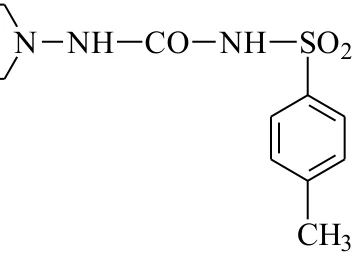
Chemical name: 1-(3-Azabicyclo[3.3.0]-oct-3-yl)-3-(p-tolylsulfonyl)urea
Molecular formula and molecular mass: C15H21N3O3S; 323.42 g/mol
Structural formula:
Physicochemical properties
Appearance: White, crystalline, virtually odourless powder.
Solubility: Practically insoluble in water, freely soluble in dichloromethane, sparingly soluble in acetone.
pKa: 5.8
| Partition Coefficient: | pH 0 to 7 8.6 9.0 10.0 | % gliclazide in organic phase (water/CHCl3) almost 100% 80% 55% 12% |
Melting Point: Approximately 168°C.
14 CLINICAL TRIALS
14.3 Comparative Bioavailability Studies
A standard, randomized, three-way crossover study was conducted in 21 healthy, adult, male volunteers under fasting conditions to evaluate the relative bioavailability of single oral doses (80 mg) of APO-GLICLAZIDE manufactured by Apotex Inc. and Diamicron® Tablets (80 mg) manufactured by Servier Canada Inc. The mean pharmacokinetic parameters of these subjects are listed:
Table 3 – Summary Table of the Comparative Bioavailability Data
Gliclazide (Dose: 1 x 80 mg) from measured data | |||
| Parameter | Geometric Mean Arithmetic Mean (CV%) | % Ratio of Means (CI%) | |
| APO-GLICLAZIDE | Diamicron®† | ||
AUC0-60 hr (mcgAhr/mL) | 53.197 56.554 (36.5) | 54.489 57.653 (35.6) | 97.6 (94.5 - 100.8) |
AUCI (mcgAhr/mL) | 55.813 60.190 (40.8) | 57.570 61.853 (40.6) | 97.0 (93.8 - 100.3) |
Cmax (mcg/mL) | 3.703 3.797 (22.3) | 3.677 3.745 (19.8) | 100.7 (95.6 - 106.0) |
| Tmax (hours)* | 4.50 (30.6) | 4.00 (28.5) | - |
| T1/2 (hours)* | 12.97 (27.3) | 13.44 (30.7) | - |
*Arithmetic means only (standard deviation) †Diamicron® is manufactured by Servier Canada Inc. and was purchased in Canada. Note: Although a three-way crossover bioavailability study was conducted, data will be provided for Apotex Lot No. XD292 and the Servier Canada Lot No. 8D0680 in support of this ANDS. | |||
15 MICROBIOLOGY
No microbiological information is required for this drug product.
16 NON-CLINICAL TOXICOLOGY
General Toxicology
Acute toxicity
Table 4 – Gliclazide Acute Toxicity Data in Different Species
| Species | Mean Weight | Number of animals per lot | LD50 mg/kg | |||
Mouse CD-SPF | 25 g | 10 M 10 F | >3000 | |||
Mouse ICR-HAN | 20 g | 10 M 10 F | >4000 | |||
Rat SD-SPF | 250 g | 10 M | 3733 | 5200 2679 | ||
| 10 F | 3407 | 5467 2123 | ||||
Rat CFY | 110 g | 6 M 6 F | >4000 | |||
| Tricolor Guinea Pig | 240 g | 48 hours | 10 days | |||
| 4 M | 1732 | 1999 1501 | 1599 | 2016 1269 | ||
| 4 F | 2244 | 2509 1944 | 2068 | 2553 1675 | ||
| Beagle dog | 7 kg | 3 M 3 F | >3000 | |||
The LD50 is greater than 3000 mg/kg in the mouse, rat and dog (i.e. 750 times the therapeutic dose) and than 2000 mg/kg in the guinea-pig (i.e. 500 times the therapeutic dose). Symptomatology is essentially linked to the hypoglycemic effect of the drug.
Sub-chronic toxicity
Maximum tolerated dose: In the dog, this dose is between 150 and 200 mg/kg by daily administration.
Four-week oral toxicity study in the Beagle dog: Groups of 4 Beagle dogs (2 males, 2 females) were treated for 30 days with 0, 15, 30, 45 or 90 mg/kg/day. At the dose of 90 mg/kg, 2 animals died as a result of prolonged hypoglycemic coma following 2 weeks of treatment. All others showed normal behaviour, with the exception of an increase in the weight of the liver. No evidence was found of any change in biochemical (apart from the fall in blood glucose), hematological and histopathological parameters.
Two-month oral toxicity study in the guinea-pig:
Groups of 10 guinea-pigs (5 males, 5 females), were treated 6 days out of 7 for 2 months with 0, 25, 50 or 100 mg/kg/day. Only male animals in the 50 mg/kg group showed delayed weight gain. All others had normal biochemical, hematological and histopathological results.
Chronic toxicity
Six-month study in the Sprague-Dawley rat: Groups of 20 rats (10 males, 10 females) weighing 300 g, were treated for 6 days out of 7 for 6 months with 0, 25, 100 or 200 mg/kg/day. Seven
 | ||||||
 | ||||||
 |  | |||||
|  |
deaths occurred as a result of technical problems. All other animals showed normal behaviour and haematological results. From a biochemical standpoint, blood urea decreased significantly in the male rats as did blood glucose in the males of the 100 mg/kg/day group. Histological examination showed an increase in the weight of the liver and kidneys in male animals, not accompanied by any histological lesion.
In a six-month rat study carried out in Japan with higher doses (0, 50, 100, 200, 400 and 800 mg/kg/day) females exhibited greater systemic toxicity when compared with males, suggesting that females may be more sensitive to the product: slight increases in liver enzymes together with slight decreases in erythrocytes counts, hematocrit values and hemoglobin concentrations at doses of 200 mg/kg and higher.
Six-month study in the Beagle dog: Groups of 6 dogs (3 males, 3 females) were treated daily for 6 months with 0, 15 or 30 mg/kg of gliclazide tablets or 50 mg/kg of tolbutamide.
From a clinical standpoint: 3 deaths (one at 15 mg/kg, two at 30 mg/kg) in the gliclazide group as a result of hypoglycemic coma; 1 convulsion, 4 cases of severe gastro-intestinal disturbances in the tolbutamide group; weight changes and food consumption were similar with both drugs.
From a laboratory standpoint: 40% fall in blood glucose in animals treated with gliclazide tablets; signs of hepatotoxicity in the tolbutamide group.
From a histological standpoint: increase in weight of the liver in the 3 deaths of the gliclazide group; increase in the weight of the liver and lesions of toxic hepatitis in 5 animals out of 6 of the tolbutamide group.
Twelve-month oral toxicity study in the Beagle dog: Groups of 8 dogs (4 males, 4 females) were treated for 12 months with 0, 12 or 24 mg/kg/day of gliclazide tablets. Four animals in each group were sacrificed after 90 days. There were no deaths; no evidence of any modification in behaviour and body weight; significant fall in blood glucose; fluctuation in certain parameters (liver enzymes, lipid profile, creatinine); at autopsy: swelling of the renal and hepatic parenchyma and at the highest dose a slight increase in the weight of the thyroid and slight decrease in the weight of the pituitary gland.
Twelve-month oral toxicity study in the rhesus monkey: Groups of 8 rhesus monkeys (4 males, 4 females) were treated daily for 12 months with 0, 20, 60 or 180 mg/kg of gliclazide tablets. No evidence was found of any modification in weight gain nor food consumption; significant fall in blood glucose; irregular rise in some liver enzymes in some animals; no abnormality by histopathological examination.
Carcinogenicity
Specific carcinogenicity studies have not been performed. The following safety data are now available: gliclazide tablets belongs to the chemical class of the phenylsulfonylurea which did not demonstrate any mutagenic or carcinogenic potential. Its metabolic pathway is consistent with the general metabolic pathway of the class; gliclazide tablets was not associated with any mutagenic action in the numerous studies performed; long term toxicity studies did not reveal any evidence of carcinogenicity; gliclazide tablets has been studied in several thousands of patients during clinical trials and has been marketed for numerous years all over the world and in particular in Europe and Japan without any suspicion of carcinogenicity.
Mutagenicity
Gliclazide: The mutagenic potential of gliclazide tablets has been sought using six mutagenesis tests, i.e. 2 gene mutation tests (Ames test); 1 in vitro chromosomal aberration test (human lymphocyte test); 2 in vivo chromosomal tests (micronucleus test); 1 unscheduled DNA synthesis test.
Gene mutation tests
Ames test
1st test: In this test, gliclazide tablets was used in the presence of 5 strains of Salmonella typhimurium (TA 1535/1537/1538/98/100) at the doses of 0, 0.005, 0.01, 0.05, 0.1, 0.5, 1, 3, 5 and 8 mg/petri dish, with and without metabolic activators. Positive controls were used for each strain with and without metabolic activators. The qualitative test showed no mutagenic effect. The quantitative test at doses of 0.005 mg to 8 mg/dish showed no significant increase in the number of revertant. Thus no mutagenic effect was seen under the experimental conditions adopted.
2nd test: This test used 7 strains of Salmonella typhimurium (TA 97/98/100/102/1535/1537/1538) at the doses of 0, 0.05, 0.1, 0.5, 1, 3, 5 and 8 mg of gliclazide tablets per petri dish, in the presence and absence of metabolic activator. Positive controls were used for each strain, with and without metabolic activators. No mutagenic effect was seen in the qualitative test. No mutagenic activity was detected in the quantitative test under the experimental conditions described.
In vitro chromosomal aberration test
Possible clastogenic potential action of gliclazide tablets on activated lymphocytes in culture was studied by the human lymphocyte test with and without metabolic activators. Maximum tolerated doses determined in the preliminary toxicity test were 0.033 mg/mL with metabolic activators and 0.1 mg/mL without metabolic activator.
Gliclazide tablets was used at the following concentrations: 0, 0.003, 0.01 and 0.033 mg/mL with metabolic activators; 0, 0.01, 0.033 and 0.1 mg/mL without metabolic activator.
Cyclophosphamide (0.02 mg/mL) and bleomycin (0.250 mg/mL) were used as positive controls with and without metabolic activators. Gliclazide tablets was not found to have any clastogenic activity under the experimental conditions described.
In vivo chromosomal aberration
Micronucleus test
1st test: The test used three groups of 10 OF1 mice: 1 negative control, 1 gliclazide tablets high dose (2 g/kg x 2), 1 gliclazide tablets low dose (1 g/kg x 2) and one group of 5 positive control mice given cyclophosphamide (50 mg/kg x 2). No evidence was found of any significant variation in the number of erythrocyte micronuclei. Gliclazide tablets was not associated with any mutagenic action detectable by the micronucleus test.
2nd test: The test used SPF Swiss mice as follows: 24 mice for the preliminary toxicology test which determined the maximum administrable dose as 3 g/kg; 108 mice in the phase 1 genetic toxicology test with study of effect/time relationship at the maximum administrable dose (MAD) (sacrifice of animals at times 24, 48 and 72 hours); 60 mice in the phase 2 genetic toxicology test with study of the dose/effect relationship at the time defined in phase 1 (t = 24 h) and using the following doses: 0, 750 (MAD/4), 1500 (MAD/2) and 3000 mg/kg (MAD).
Cyclophosphamide 50 mg/kg was used as positive control. Gliclazide tablets was found to be free of any clastogenic activity under the experimental conditions adopted in this trial involving oral administration in the Swiss mouse.
Unscheduled DNA synthesis
The potential of gliclazide tablets to induce unscheduled DNA synthesis in the liver of orally dosed male Wistar rats was investigated using an in vivo/in vitro procedure. Doses of 0, 632.5 and 2000 mg/kg of gliclazide tablets were administered by gavage. Two samples were planned and collected approximately 12 to 14 h or 2 to 4 h after dosing. Primary cultures of hepatocytes were prepared from 3 animals per dose. In vitro, the aim was to determine the net grain count. Plasma levels of gliclazide tablets were measured 2 hours after dosing with 2000 mg/kg. Under the conditions of this study, gliclazide tablets did not induce unscheduled DNA synthesis in rats properly exposed to the drug.
Paratoluenesulfonamide (PTS)
PTS is a gliclazide tablets degradation impurity which may occur in the dosage form. The mutagenic potential of PTS is well documented in the literature since this compound is also a degradation product of saccharin. The following in vitro and in vivo tests support the qualification of this impurity:
In Vitro Tests
Ames test: Strains of Salmonella typhimurium (TA 1530/1535/1538/98/100) were tested for doses ≤4.10-2 M. No mutagenic effect was observed. The same result was reported for the strains TA 1535/1537/1538/98/100 at doses up to 18000 mcg/plate, with and without metabolic activation. In a ZLM medium (with lower content of glucose and citrate) with a metabolic activator, PTS induced a slight increase over the revertant frequency in the strain TA 98 at doses ≥9600 mcg/plate.
SCE test on CHO-K1 cells: Concentrations of 0, 14, 200 and 400 mcg/mL did not show any significant difference after a 24-hour treatment in comparison with the DMSO at a concentration of 50 mcg/mL.
Test on human embryo cells: The RSa cells (ouabain-resistant) were exposed to PTS concentrations ≤1800 mcg/mL. In comparison with a UV exposure, used as a positive control, no induction of mutation to ouabain-resistance was observed after a 24-hour treatment.
In vivo tests
Drosophila test: No mutagenic effect was reported with PTS administered by abdominal injection at a dose of 5 mM. In one study, an induction of recessive lethal sex-linked mutation was observed at a concentration of 2.5 mM.
Micronucleus test: No significant increase in the micronuclei rate was reported after intraperitoneal or oral administration (2 x 855 mg/kg) in male and female mice.
Reproductive and Developmental Toxicology
Teratogenicity
Teratogenicity studies have been carried out in three species: mouse, rat and rabbit.
In the CD/SPF mouse (group of 30 females), administration of gliclazide tablets at doses of 0, 50, 200 and 500 mg/kg/day starting from mating and throughout gestation did not modify fertilization and abortion rates and had no apparent teratogenic effect.
In the CFY-SPF rat (groups of 20 females), administration of gliclazide tablets at doses of 0, 50, 100 and 200 mg/kg/day from the 6th to the 15th day of gestation did not show any embryotoxic effect.
In the SD/SPF rat (groups of 60 females), administration of gliclazide tablets at the doses of 0, 15, 30, 60, 120, 240 and 480 mg/kg/day starting from mating and throughout gestation had no effect on fertilization, gestation, mean number of foetuses or incidence of foetal abnormalities. The number of offspring surviving at 48 hours was decreased in the 15, 60, 120 and 480 mg/kg groups. No other abnormality was seen.
In the common rabbit (group of 15 females), administration of gliclazide tablets at doses of 0, 10, 25 and 50 mg/kg/day from the 6th to the 18th day of gestation had no effect on the number of foetal resorptions, percentage of abortion nor the mean number of foetuses per litter.
In the New Zealand rabbit (group of 6 females), administration of gliclazide tablets at doses of 0, 50, 75, 100 and 200 mg/kg/day for 13 days followed by an observation period of 8 days, was associated with maternotoxicity and embryotoxicity in the form of gastro-intestinal and renal lesions accompanied by anorexia and weight loss. However, there was no evidence of any teratogenic effect.
Fertility and reproduction
In the SD rat, groups of 40 females and of 20 males were treated for 8 and 70 days respectively before mating and until weaning in the females, and until 15 days after littering in the males, with gliclazide tablets at doses of 0, 10, 50 and 200 mg/kg/day.
There was no evidence of any change in fertilization or abortion rates. Foetal resorption, placental hemorrhage and foetal atrophy rates were unaffected. The genital tract of treated parents showed no abnormality imputable to treatment. No embryotoxic effect was seen on foetuses of females sacrificed before littering. In females in which gestation was allowed to run to term, a significant decrease in the viability of offspring was seen at 48 hours. No abnormality was seen during the study of fertility and reproduction in first generation offspring born of treated animals.
17 SUPPORTING PRODUCT MONOGRAPHS
- 1. DIAMICRON® (gliclazide tablets, 80 mg), submission control 229444, Product Monograph, Servier Canada Inc. (SEP 13, 2019).
- 2. DIAMICRON® MR (gliclazide modified-release tablets 30 mg and modified-release breakable tablets 60 mg), submission control 273026, Product Monograph, Servier Canada Inc. (AUG 17, 2023).