


Product Monograph - Apo-Glimepiride
SUMMARY PRODUCT INFORMATION
| Route of Administration | Dosage Form / Strength | All Nonmedicinal Ingredients |
| Oral | Tablet 1 mg, 2 mg and 4 mg | anhydrous lactose, corn starch and magnesium stearate. In addition: 1 mg tablets contain ferric oxide red, 2 mg tablets contain ferric oxide yellow and indigotine aluminum lake 12-14% (blue #2), and 4 mg tablets contain indigotine aluminum lake 12-14% (blue #2). |
INDICATIONS AND CLINICAL USE
APO-GLIMEPIRIDE (glimepiride) is indicated for:
- APO-GLIMEPIRIDE (glimepiride) is indicated as an adjunct to proper dietary management, exercise and weight reduction to lower the blood glucose in patients with type 2 diabetes whose hyperglycemia cannot be controlled by diet and exercise alone.
- APO-GLIMEPIRIDE may be used in combination with metformin when diet and exercise, and APO-GLIMEPIRIDE or metformin alone do not result in adequate glycemic control.
- APO-GLIMEPIRIDE is also indicated for use in combination with insulin to lower blood glucose in patients with type 2 diabetes whose hyperglycemia cannot be controlled by diet and exercise in conjunction with an oral hypoglycemic agent alone.
Pediatrics (<18 years of age): Safety and efficacy in pediatric type 2 diabetes patients have not been established.
Geriatrics (>65 years of age): There were no significant differences in glimepiride pharmacokinetics below or above 65 years. Elderly patients are particularly susceptible to the hypoglycemic action of glucose-lowering drugs (see WARNINGS and PRECAUTIONS, Endocrine and Metabolism, Hypoglycemia and ACTION AND CLINICAL PHARMACOLOGY, Special Populations and Conditions, Geriatrics sections).
CONTRAINDICATIONS
APO-GLIMEPIRIDE (glimepiride) is contraindicated in patients with
- Type 1 diabetes (formerly known as insulin-dependent diabetes mellitus or IDDM).
- Known hypersensitivity or allergy to APO-GLIMEPRIDE, any sulfonylurea or sulfonamides or any other component of the formulation. For a complete listing, see the Dosage Forms, Composition and Packaging section of the product monograph.
- Diabetic ketoacidosis, with or without coma. This condition should be treated with insulin.
- Pregnant or breast-feeding women.
No experience has been gained concerning the use of APO-GLIMEPIRIDE in patients with severe impairment of liver function and in dialysis patients. In patients with severe impairment of renal or hepatic function, change-over to insulin is indicated, to achieve optimal metabolic control.
WARNINGS AND PRECAUTIONS
General
Use of APO-GLIMEPIRIDE (glimepiride) must be considered as treatment in addition to a proper dietary regimen and not as a substitute for diet.
Over a period of time, patients may become progressively less responsive to therapy with oral hypoglycemic agents because of deterioration of their diabetic state. Patients should therefore be monitored with regular clinical and laboratory evaluations, including blood glucose and glycosylated hemoglobin (HbA1c) determinations, to determine the minimum effective dosage and to detect primary failure (inadequate lowering of blood glucose concentrations at the maximum recommended dosage) or secondary failure (progressive deterioration in blood sugar control following an initial period of effectiveness). The rate of primary failure will vary greatly depending upon patient selection and adherence to diet and exercise. The etiology of secondary failure is multifactorial and may involve progressive β-cell failure as well as exogenous diabetogenic factors such as obesity, illness, drugs, or tachyphylaxis to the sulfonylurea. If a loss of adequate blood glucose lowering response to a sulfonylurea is detected, the addition of a different type of oral antidiabetic drug may be considered, although insulin is often required. Certain patients who demonstrate an inadequate response or true primary or secondary failure to one sulfonylurea may benefit from a switch to another sulfonylurea.
In initiating treatment for type 2 diabetes, non-pharmacologic therapy (proper dietary management, exercise and weight reduction) should be emphasized as the initial form of treatment. Caloric restriction, weight loss and exercise are essential in the obese diabetic patient. Proper dietary management and exercise alone may be effective in controlling the blood glucose and symptoms of hyperglycemia. In addition to regular physical activity, cardiovascular risk factors should be identified and corrective measures taken when possible.
Patient Selection and Follow-up:
Careful selection of patients is important. Patients most likely to respond to sulfonylurea therapy are: obese or normal body weight; duration of diabetes less than 5 to 10 years before initiation of therapy; and, absence of ketoacidosis. It is imperative that there be careful attention to diet, careful adjustment of dosage, instruction of the patient on hypoglycemic reactions and their treatment, as well as regular, thorough follow-up examinations.
If non-pharmacologic therapy fails to reduce symptoms and/or blood glucose, the use of an oral sulfonylurea should be considered. Use of APO-GLIMEPIRIDE (glimepiride) must be viewed by both the physician and patient as a treatment in addition to diet and exercise and not as a substitute for proper dietary management, exercise and weight reduction or as a convenient mechanism for avoiding dietary restraint. Furthermore, loss of blood glucose control on diet and exercise alone may be transient, thus requiring only short-term administration of APO-GLIMEPIRIDE (glimepiride).
Cardiovascular
It has been suggested, based on a study conducted by the University Group Diabetes Program (UGDP), that certain sulfonylurea antidiabetic agents increase cardiovascular mortality in diabetic patients, a population at greater risk of cardiovascular disease. This finding was not confirmed by a more recent trial, the United Kingdom Prospective Diabetes Study (UKPDS) which showed that intensive glycemic control with either sulfonylureas or insulin did not have an adverse effect on cardiovascular outcomes. Despite questions regarding the design of these studies and interpretation of the results, the results of these studies provide a basis for caution, especially high risk patients with cardiovascular disease.
In clinical trials more patients receiving glimepiride and insulin reported an increase in peripheral edema compared to patients receiving insulin alone. Patients receiving this combination therapy should be asked to report any edema or weight gain.
Endocrine and Metabolism
Loss of control of blood glucose: When a patient stabilized on any diabetic regimen is exposed to stress such as illness during therapy, fever, trauma, infection, or surgery, a loss of glycemic control may occur. At such times, it may be necessary to adjust the dosage of APO-GLIMEPIRIDE (glimepiride), add insulin in combination with APO-GLIMEPIRIDE (glimepiride) or even use insulin monotherapy. The effectiveness of any oral hypoglycemic drug, including APO-GLIMEPIRIDE (glimepiride), in lowering blood glucose to a desired level decreases in many patients over a period of time, which may be due to progression of the severity of the diabetes or to diminished responsiveness to the drug. This phenomenon, known as secondary failure, is distinctive of primary failure in which the drug is ineffective in an individual patient when given for the first time. Should secondary failure occur or if target blood glucose levels are not attainable with APO-GLIMEPIRIDE (glimepiride) monotherapy, metformin may be added until the maximum dose of both agents is reached. Should secondary failure occur with APO-GLIMEPIRIDE (glimepiride)-metformin combination therapy, APO-GLIMEPIRIDE-insulin combination therapy may be instituted.
Hypoglycemia: All sulfonylurea drugs are capable of producing severe hypoglycemia, which may also be prolonged. In the initial weeks of treatment, the risk of hypoglycemia seen with glimepiride may be even further increased and necessitates closer and more frequent monitoring.
Signs of severe hypoglycemia can include disorientation, loss of consciousness, and seizures. The clinical picture of a severe hypoglycemic attack may resemble that of a stroke. Proper patient selection, dosage, and instructions are important to avoid hypoglycemic episodes. Elderly, debilitated or malnourished patients, and those with adrenal, pituitary, or hepatic insufficiency are particularly susceptible to the hypoglycemic action of glucose-lowering drugs. Patients with impaired renal function may be more sensitive to the glucose-lowering effect of APO-GLIMEPIRIDE (glimepiride). A starting dose of 1 mg once daily followed by appropriate dose titration is also recommended in those patients. Hypoglycemia may be difficult to recognize in the elderly and in people who are taking beta-adrenergic blocking drugs or other sympatholytic agents. Hypoglycemia is more likely to occur when caloric intake is deficient, after severe or prolonged exercise, when alcohol is ingested, or when other drugs causing lowering of blood glucose are used concomitantly with APO-GLIMEPIRIDE (See DRUG INTERACTIONS, Drug-Drug Interactions section). In clinical trials, patients receiving glimepiride in combination with insulin reported more incidence of hypoglycemia than patients on monotherapy.
If such risk factors for hypoglycemia are present, it may be necessary to adjust the dosage of APO-GLIMEPIRIDE or the entire diabetes therapy. This also applies whenever illness occurs during therapy or when the patient’s life-style changes (See DOSAGE and ADMINISTRATION section).
Severe hypoglycemia requires immediate treatment. Despite initially successful countermeasures, hypoglycemia may recur. Patient must therefore remain under close observation.
Hematologic
Spontaneous reports of severe thrombocytopenia with platelet count less than 10 000/mcL and thrombocytopenic purpura were reported from postmarketing experience (See ADVERSE REACTIONS, Post-Market Adverse Drug Reactions, Hematologic section).
Treatment of patients with G6PD-deficiency with sulfonylurea agents can lead to hemolytic anemia. Since APO-GLIMEPIRIDE belongs to the class of sulfonylurea agents, caution should be used in patients with G6PD-deficiency and a nonsulfonylurea alternative should be considered.
Immune
Persons allergic to other sulfonamide derivatives may develop an allergic reaction to APO-GLIMEPIRIDE (see CONTRAINDICATIONS).
Hypersensitivity Reactions
There have been post-marketing reports of hypersensitivity reactions in patients treated with APO-GLIMEPIRIDE, including serious reactions such as anaphylaxis, angioedema and Stevens-Johnson syndrome. If a hypersensitivity reaction is suspected, promptly discontinue APO-GLIMEPIRIDE, assess for other potential causes for the reaction, and institute alternative treatment for diabetes.
Renal
In patients with renal insufficiency, the initial dosing, dose increments, and maintenance dosage should be conservative to avoid hypoglycemic reactions.
Special Populations
Pregnant Women:
There are no adequate and well-controlled studies in pregnant women. On the basis of results from animal studies, APO-GLIMEPIRIDE (glimepiride) should not be used during pregnancy. Recent information suggests that abnormal blood glucose levels during pregnancy are associated with a higher incidence of congenital abnormalities. Experts, including the Canadian Diabetes Association and the Canadian Medical Association recommend that insulin be used during pregnancy to maintain glucose levels as close to normal as possible.
Teratogenic Effects: Glimepiride did not produce teratogenic effects in rats exposed orally up to 4000 mg/kg body weight (approximately 4,000 times the maximum recommended human dose based on surface area) or in rabbits exposed up to 32 mg/kg body weight (approximately 60 times the maximum recommended human dose based on surface area). Glimepiride has been shown to be associated with intrauterine fetal death in rats when given in doses as low as 50 times the human dose based on surface area and in rabbits when given in doses as low as 0.1 times the human dose based on surface area. This fetotoxicity, observed only at doses inducing maternal hypoglycemia, has been similarly noted with other sulfonylureas, and is believed to be directly related to the pharmacologic (hypoglycemic) action of glimepiride.
Nonteratogenic Effects: In some studies in rats, offspring of dams exposed to high levels of glimepiride during pregnancy and lactation developed skeletal deformations consisting of shortening, thickening, and bending of the humerus during the postnatal period. Significant concentrations of glimepiride were observed in the serum and breast milk of the dams as well as in the serum of the pups. These skeletal deformations were determined to be the result of nursing from mothers exposed to glimepiride.
Prolonged severe hypoglycemia (4 to 10 days) has been reported in neonates born to mothers who were receiving a sulfonylurea drug at the time of delivery. This has been reported more frequently with the use of agents with prolonged half-lives. Patients who are planning a pregnancy should consult their physician, and it is recommended that they change over to insulin for the entire course of pregnancy and lactation.
Nursing Women:
In rat reproduction studies, significant concentrations of glimepiride were observed in the serum and breast milk of the dams, as well as in the serum of the pups. Although it is not known whether glimepiride is excreted in human milk, other sulfonylureas are excreted in human milk. Since the potential for hypoglycemia in nursing infants may exist, and because of the effects on nursing animals, APO-GLIMEPIRIDE should be discontinued in nursing mothers. If APO-GLIMEPIRIDE is discontinued, and if diet and exercise alone are inadequate for controlling blood glucose, insulin therapy should be considered (See above Pregnant Woman, Nonteratogenic Effects).
Pediatrics:
Safety and efficacy in pediatric type 2 diabetes patients have not been established.
Geriatrics:
There were no significant differences in glimepiride pharmacokinetics below or above 65 years. Elderly patients are particularly susceptible to the hypoglycemic action of glucose-lowering drugs (see WARNINGS and PRECAUTIONS, Endocrine and Metabolism, Hypoglycemia and ACTION AND CLINICAL PHARMACOLOGY, Special Populations and Conditions, Geriatrics sections).
Monitoring and Laboratory Tests
Fasting blood glucose should be monitored periodically to determine therapeutic response.
Glycosylated hemoglobin (HbA1c) should also be monitored, usually every 3 to 6 months, to more precisely assess long-term glycemic control.
Hepatic function should be assessed before initiating therapy and periodically in patients with impaired hepatic function.
In patients with impaired renal function, blood and urine glucose should be regularly monitored. Elderly patients (malnourished, with impaired hepatic, renal, or adrenal function) will require periodic monitoring and special care.
Periodic assessment of cardiovascular, ophthalmic, hematologic, renal and hepatic status is recommended.
ADVERSE REACTIONS
Adverse Drug Reaction Overview
The safety profile of glimepiride has been evaluated in clinical trials and further assessed during post-marketing experience. A total of 2,013 patients were exposed to glimepiride in US controlled trials, 1,489 patients in European trials and 783 patients in Japanese trials. More than 1,800 of these patients were treated for at least 1 year.
The overall incidence of hypoglycemia with glimepiride was approximately 14% in placebo controlled trials, the incidence of hypoglycemia ranged from 2.1 to 3.1% in two long-term, well-controlled studies, and hypoglycemic episodes occurred in 22 and 51% in clinical trials involving patients treated with glimepiride in combination with metformin or insulin, respectively.
The most frequent adverse events occurring in US placebo-controlled trials were: dizziness (1.7%); asthenia (1.6%); headache (1.5%); nausea (1.1%).
The following serious adverse reactions have been reported with glimepiride:
Severe hypoglycemia that may be prolonged and even life-threatening (See OVERDOSAGE section).
Impaired liver function (e.g. with cholestasis and jaundice), as well as hepatitis which may lead to life-threatening liver failure.
Serious skin reactions with dyspnea and hypotension, sometimes progressing to shock.
Agranulocytosis or pancytopenia may develop. In addition, cases of severe thrombocytopenia with platelet count less than 10 000/mcL and thrombocytopenic purpura have been reported.
Clinical Trial Adverse Drug Reactions
Because clinical trials are conducted under very specific conditions the adverse drug reaction rates observed in the clinical trials may not reflect the rates observed in practice and should not be compared to the rates in the clinical trials of another drug. Adverse drug reaction information from clinical trials is useful for identifying drug-related adverse events and for approximating rates.
The overall incidence of hypoglycemia with glimepiride in placebo controlled trials was approximately 14% versus 2% for placebo. In two long-term (2 to 2.5 years) and well-controlled studies, the incidence of hypoglycemic reaction ranged from 2.1 to 3.1%. In clinical trials involving patients treated with glimepiride in combination with metformin or insulin, hypoglycemic episodes occurred in 22 and 51% of the patients, respectively.
Adverse events, other than hypoglycemia, considered to be possibly or probably related to study drug that occurred in US placebo-controlled trials in more than 1% of patients treated with glimepiride are shown below.
Adverse Events Occurring in > 1% Glimepiride Patients
| Glimepiride | Placebo | |||||||
| No. patients (n = 746) | % | No. patients (n = 294) | % | |||||
| Dizziness | 13 | 1.7 | 1 | 0.3 | ||||
| Asthenia | 12 | 1.6 | 3 | 1.0 | ||||
| Headache | 11 | 1.5 | 4 | 1.4 | ||||
| Nausea | 8 | 1.1 | 0 | 0.0 | ||||
Endocrine and Metabolism:
Hepatic porphyria reactions and disulfiram-like reactions have been reported with sulfonylureas; however, no cases have yet been reported with APO-GLIMEPIRIDE (glimepiride). Cases of hyponatremia have been reported with glimepiride and all other sulfonylureas, most often in patients who are on other medications or have medical conditions known to cause hyponatremia or increased release of antidiuretic hormones. Although there have been no reports for APO-GLIMEPIRIDE, the syndrome of inappropriate antidiuretic hormone (SIADH) secretion has been reported with certain other sulfonylureas, and it has been suggested that these sulfonylureas may augment the peripheral (antidiuretic) action of ADH and/or increased release of ADH.
Gastrointestinal:
Gastrointestinal (GI) disturbances e.g. nausea, GI fullness, occur occasionally. Vomiting, gastrointestinal pain, and diarrhea have been reported, but the incidence in placebo-controlled trials was similar to that of placebo. In rare cases, there may be elevation of liver enzyme levels. Sulfonylureas, including APO-GLIMEPIRIDE (glimepiride), may also - in isolated instances - cause impairment of liver function (e.g. with cholestasis and jaundice), as well as hepatitis which may also lead to life-threatening liver failure.
Skin:
Allergic or pseudoallergic skin reactions, e.g., pruritus, rash, erythema, urticaria, vasculitis, and morbilliform or maculopapular eruptions, occur in less than 1% of treated patients. Such mild reactions may develop into serious reactions with dyspnea and hypotension, sometimes progressing to shock. These may be transient and may disappear despite continued use of APO-GLIMEPIRIDE; if skin reactions persist, the drug should be discontinued. Although there have been no reports for APO-GLIMEPIRIDE, porphyria cutanea tarda has been reported with sulfonylureas.
Other Adverse Reactions:
Changes in accommodation and/or blurred vision may occur with the use of APO-GLIMEPIRIDE. This is thought to be due to changes in blood glucose, and may be more pronounced when treatment is initiated. This condition is also seen in untreated diabetic patients, and may actually be reduced by treatment. In placebo-controlled trials of APO-GLIMEPIRIDE, the incidence of blurred vision was placebo, 3.4%, and APO-GLIMEPIRIDE, 1.7%.
Less Common Clinical Trial Adverse Drug Reactions (<1%)
Clinical adverse events occurring in less than 1% of patients treated with APO-GLIMEPIRIDE in all US clinical trials are listed below by body system:
Body as a whole: abdominal pain, laboratory test abnormal, and pain in extremity
Cardiovascular: palpitation and vasodilation
Digestive: diarrhea, increased appetite, dyspepsia, anorexia, and gastrointestinal pain
Metabolic and Nutritional Disorders: hypoglycemic reaction and hyperglycemia
Nervous system: tremor, insomnia, sweating increased, nervousness, dry mouth, hot flashes, and paresthesia
Skin and appendages: pruritus and urticaria
Special Senses: blurred vision
Urogenital System: increased urinary frequency and nocturia
Abnormal Hematologic and Clinical Chemistry Findings
Elevated Serum Alanine Aminotransferase (ALT):
In placebo-controlled trials of APO-GLIMEPIRIDE, 1.9% of APO-GLIMEPIRIDE-treated patients and 0.8% of placebo-treated patients developed serum ALT greater than 2 times the upper limit of the reference range.
Post-Market Adverse Drug Reactions
The following adverse events, not seen in clinical trials, have been reported during post- marketing surveillance:
Hematologic:
Changes in the blood picture may occur. Rarely (≥1/10,000 and <1/1000), thrombocytopenia and, in isolated cases (<1/10,000), leucopenia, hemolytic anemia, erythrocytopenia, granulocytopenia, agranulocytosis or pancytopenia may develop. Cases of severe thrombocytopenia with platelet count less than 10 000/mcL and thrombocytopenic purpura have been reported.
Immune: Serious hypersensitivity reactions, including anaphylaxis, angioedema and Stevens- Johnson syndrome.
Metabolism:
Weight gain.
Skin: In isolated cases (<1/10,000), allergic vasculitis or hypersensitivity of the skin to light may occur. Alopecia.
Special Senses:
Dysgeusia.
Other:
In isolated cases (<1/10,000), a decrease in serum sodium concentration may occur.
DRUG INTERACTIONS
Overview
Glimepiride is metabolized by cytochrome P450 2C9 (CYP2C9). This should be taken into account when APO-GLIMEPIRIDE is coadministered with inducers (e.g. rifampicin) or inhibitors (e.g. fluconazole) of CYP 2C9. Genetic polymorphisms of CYP2C9 may decrease oral clearance of APO-GLIMEPIRIDE (see ACTION AND CLINICAL PHARMACOLOGY, Pharmacokinetics).
Both acute and chronic alcohol intake may potentiate or weaken the blood-glucose-lowering action of APO-GLIMEPIRIDE in an unpredictable fashion.
Drug-Drug Interactions
The drugs listed in this table are based on either drug interaction case reports or studies, or potential interactions due to the expected magnitude and seriousness of the interaction (i.e., those identified as contraindicated).
Established or Predicted Drug-Drug Interactions
| Proper Name | Ref | Effect | Clinical Comments |
|---|---|---|---|
| Acetylsalicylic acid (ASA) | CT | ↓ 34% mean glimepiride AUC ↑ 34% mean glimepiride Cl/F ↓ 4% mean glimepiride Cmax | Blood glucose and serum C-peptide concentrations were unaffected and no hypoglycemic symptoms were reported. Pooled data from clinical trials showed no evidence of clinically significant adverse interactions with uncontrolled concurrent administration of acetylsalicylic acid and other salicylates. |
| Colesevelam (bile acid sequestrant) | CT | ↓ glimepiride AUC by 18% when taken concomitantly. | Colesevelam binds to glimepiride and reduces glimepiride absorption from the gastro-intestinal tract. When colesevelam is co-administered with glimepiride, total exposure of glimepiride is reduced which may result in hyperglycemia. No interaction was observed when glimepiride was taken at least 4 hours before colesevelam. Therefore glimepiride should be administered at least 4 hours prior to colesevelam. |
| Cimetidine or ranitidine | CT | No clinically significant effect | Coadministration of either cimetidine (800 mg once daily) or ranitidine (150 mg bid) with a single 4-mg oral dose of glimepiride did not significantly alter the absorption and disposition of glimepiride, and no differences were seen in hypoglycemic symptomatology. Pooled data from clinical trials showed no evidence of clinically significant adverse interactions with uncontrolled concurrent administration of H2-receptor antagonists. |
| Proper Name | Ref | Effect | Clinical Comments |
| Propranolol | CT | ↑ glimepiride Cmax by 23% ↑ glimepiride AUC by 22% ↑ glimepiride T1/2 by 15% ↓ glimepiride Cl/F by 18% | The recovery of M1 and M2 metabolites from urine did not change. The pharmacodynamic responses to glimepiride were nearly identical in normal subjects receiving propranolol and placebo. Pooled data from clinical trials in patients with type 2 diabetes showed no evidence of clinically significant adverse interactions with uncontrolled concurrent administration of beta-blockers. However, if beta-blockers are used, caution should be exercised and patients should be warned about the potential for hypoglycemia. |
| Warfarin | CT | No clinically significant effect | Concomitant administration of glimepiride (4 mg once daily) did not alter the pharmacokinetic characteristics of R- and S-warfarin enantiomers following administration of a single dose (25 mg) of racemic warfarin to healthy subjects. No changes were observed in warfarin plasma protein binding. Glimepiride treatment did result in a slight, but statistically significant, decrease in the pharmacodynamic response to warfarin. The reductions in mean area under the prothrombin time (PT) curve and maximum PT values during glimepiride treatment were very small (3.3% and 9.9%, respectively) and are unlikely to be clinically important. |
| Ramipril | CT | No clinically significant effect | The responses of serum glucose, insulin, C-peptide, and plasma glucagon to 2 mg glimepiride were unaffected by coadministration of ramipril 5 mg once daily in normal subjects. No hypoglycemic symptoms were reported. Pooled data from clinical trials in patients with type 2 diabetes showed no evidence of clinically significant adverse interactions with uncontrolled concurrent administration of ACE inhibitors. |
| Proper Name | Ref | Effect | Clinical Comments |
| Drugs metabolized by cytochrome P450 2C9 | T | Potential interactions | Potential interactions of glimepiride with other drugs metabolized by cytochrome P450 2C9 also include phenytoin, diclofenac, ibuprofen, naproxen, and mefenamic acid. |
Legend: CT = Clinical Trial; T = Theoretical
Although no specific interaction studies were performed, pooled data from clinical trials showed no evidence of clinically significant adverse interactions with uncontrolled concurrent administration of calcium-channel blockers, estrogens, fibrates, NSAIDS, HMG CoA reductase inhibitors, sulfonamides, or thyroid hormone.
The hypoglycemic action of sulfonylureas may be potentiated by certain drugs, including anabolic steroids and male sex hormones, ACE inhibitors, insulin and other oral antidiabetics, nonsteroidal anti-inflammatory drugs and other drugs that are highly protein bound, such as azapropazone, sulfonamides (e.g. sulphaphenazole), chloramphenicol, clarithromycin, coumarins, cyclophosphamide, disopyramide, fenyramidol, fenfluramine, fibrates, fluconazole, fluoxetine, guanethidine, ifosfamide, miconazole, monoamine oxidase inhibitors, oxyphenbutazone, para-aminosalicylic acid, pentoxifylline (high dose parenteral), phenylbutazone, probenecid, propranolol, quinolones, salicylates, sulfonamide antibiotics, sulfinpyrazone, and tetracycline.
When these drugs are administered to a patient receiving APO-GLIMEPIRIDE (glimepiride), the patient should be observed closely for hypoglycemia. When these drugs are withdrawn from a patient receiving APO-GLIMEPIRIDE (glimepiride), the patient should be observed closely for loss of glycemic control.
Certain drugs tend to produce hyperglycemia and may lead to loss of glycemic control. These drugs include the thiazides and other diuretics, acetazolamide, barbiturates, corticosteroids, diazoxide, epinephrine and other sympathomimetic agents, glucagon, isoniazid, laxatives (after protracted use), nicotinic acid (in high dose), estrogens and progestogens, phenothiazines, phenytoin, rifampicin and thyroid products. When these drugs are administered to a patient receiving APO-GLIMEPIRIDE (glimepiride), the patient should be closely observed for loss of glycemic control. When these drugs are withdrawn from a patient receiving APO-GLIMEPIRIDE (glimepiride), the patient should be observed closely for hypoglycemia.
Concurrent use of H2 receptor antagonists, beta-blockers, clonidine or reserpine with APO-GLIMEPIRIDE may lead to either potentiation or weakening of the blood-glucose-lowering effect.
Under the influence of sympatholytic drugs such as beta-blockers, clonidine, guanethidine and reserpine, the signs of adrenergic counter-regulation to hypoglycaemia may be reduced or absent.
The effect of coumarin derivatives may be potentiated or weakened.
Drug-Food Interactions
Interactions with food have not been established.
Drug-Herb Interactions
Interactions with herbal products have not been established.
Drug-Laboratory Interactions
Interactions with laboratory tests have not been established.
Drug-Lifestyle Interactions
Driving a vehicle or operating machinery:
Alertness and reactions may be impaired due to hypo- or hyperglycemia, especially when beginning or after altering treatment or when APO-GLIMEPIRIDE (glimepiride) is not taken regularly. This may, for example, affect the ability to drive or to operate machinery.
DOSAGE AND ADMINISTRATION
Dosing Considerations
The patient’s fasting blood glucose and HbA1c must be measured periodically to determine the minimum effective dose for the patient; to detect primary failure, i.e., inadequate lowering of blood glucose at the maximum recommended dose of medication; and to detect secondary failure, i.e., loss of adequate blood glucose lowering response after an initial period of effectiveness. Glycosylated hemoglobin levels (HbA1c) should be performed to monitor the patient’s response to therapy.
Short-term administration of APO-GLIMEPIRIDE (glimepiride) may be sufficient during periods of transient loss of glycemic control in patients usually controlled well on diet and exercise.
Based on published literature, genetic polymorphisms of CYP2C9 may be associated with an increased response to APO-GLIMEPIRIDE. A lower dose regimen in poor metaboliser (CYP2C9*3 variant) should be considered, however an appropriate dose regimen for this patient population has not been established in clinical outcome trials (see ACTION AND CLINICAL PHARMACOLOGY, Pharmacokinetics).
Recommended Dose and Dosage Adjustment
Usual Starting Dose
The usual starting dose of APO-GLIMEPIRIDE (glimepiride) as initial therapy is 1 mg once daily, administered with breakfast or the first main meal. Those patients who may be more sensitive to hypoglycemic drugs should be titrated carefully (See WARNINGS AND PRECAUTIONS Section).
Failure to follow an appropriate dosage regimen may precipitate hypoglycemia. Patients who do not adhere to their prescribed dietary, exercise, weight loss and drug regimen are more prone to exhibit unsatisfactory response to therapy.
Adjustment of dosage must also be considered, whenever:
- The patient’s weight changes,
- The patient’s life-style changes, other factors arise which cause an increased susceptibility to hypoglycemia or hyperglycemia (see WARNINGS AND PRECAUTIONS Section).
- APO-GLIMEPIRIDE is administered with other drugs (see DRUG INTERACTIONS section)
Usual Maintenance Dose
The usual maintenance dose is 1 to 4 mg once daily. The maximum recommended dose is 8 mg once daily. After reaching a dose of 2 mg, dosage increases should be made in increments of no more than 1 mg at 1 to 2 week intervals based upon the patient’s blood glucose response. Long- term efficacy should be monitored by measurement of HbA1c levels, for example every 3 to 6 months.
APO-GLIMEPIRIDE - Metformin Combination Therapy
Combination therapy with APO-GLIMEPIRIDE (glimepiride) and metformin may be used in patients who do not respond adequately to the maximal dose of APO-GLIMEPIRIDE (glimepiride) or in secondary failure patients. With concomitant APO-GLIMEPIRIDE and metformin therapy, the desired control of blood glucose may be obtained by adjusting the dose of each drug. Attempts should be made to identify the minimum effective dose of each drug to achieve this goal. With combination APO-GLIMEPIRIDE (glimepiride) and metformin therapy, the risk of hypoglycemia may increase. Appropriate precautions should be taken.
APO-GLIMEPIRIDE - Insulin Combination Therapy
Combination therapy with APO-GLIMEPIRIDE (glimepiride) and insulin may be used in secondary failure patients. The recommended APO-GLIMEPIRIDE (glimepiride) dose is 8 mg once daily administered with the first main meal. After starting with low-dose insulin, upward adjustments of insulin can be done approximately weekly as guided by frequent measurements of fasting blood glucose. Once stable, combination-therapy patients should monitor their capillary blood glucose on an ongoing basis, preferably daily. Periodic adjustments of insulin may also be necessary during maintenance as guided by glucose and HbA1c levels.
Specific Patient Populations
APO-GLIMEPIRIDE (glimepiride) is not recommended for use in pregnancy, nursing mothers, or children. In elderly, debilitated, or malnourished patients, or in patients with renal or hepatic insufficiency, the initial dosing, dose increments, and maintenance dosage should be conservative to avoid hypoglycemic reactions (See ACTION AND CLINICAL PHARMACOLOGY, Special Populations and Conditions and WARNINGS AND PRECAUTIONS, Endocrine and Metabolism).
Changeover from Other Oral Hypoglycemic Agents
No exact dosage relationship exists between APO-GLIMEPIRIDE (glimepiride) and the other oral hypoglycemic agents. When substituting APO-GLIMEPIRIDE (glimepiride) for other oral hypoglycemic agents, it is recommended that the procedure be the same as for initial dosage starting with daily doses of 1 mg. Consideration must be given to the potency and duration of the previous antidiabetic agent. Patients should be observed carefully (1 to 2 weeks) for hypoglycemia when being transferred from longer half-life sulfonylureas (e.g., chlorpropamide) to APO-GLIMEPIRIDE (glimepiride) due to potential overlapping of drug effect.
A break from medication may be required to avoid any summation of effects entailing a risk of hypoglycemia.
Administration
APO-GLIMEPIRIDE tablets must be swallowed with sufficient amounts of liquid (approx. ½ glass), without chewing.
Missed Dose
The missed dose should be taken as soon as possible, unless it is almost time for the next dose. The patient should be advised not to take two doses at the same time.
OVERDOSAGE
Overdosage of sulfonylureas, including APO-GLIMEPIRIDE (glimepiride), can produce hypoglycemia. Mild hypoglycemic symptoms without loss of consciousness or neurologic findings should be treated with oral glucose and adjustments in drug dosage and/or meal patterns. Close monitoring should continue until the physician is assured that the patient is out of danger. Severe hypoglycemic reactions with coma, seizure, or other neurological impairment occur infrequently, but constitute medical emergencies requiring immediate hospitalization. In case of overdosage, current medical intervention for the treatment of hypoglycemia should be followed according to the condition of the patient. Patients should be closely monitored for a minimum of 24 to 48 hours, because hypoglycemia may recur after apparent clinical recovery.
| For management of a suspected drug overdose, contact your regional Poison Control Centre. |
ACTION AND CLINICAL PHARMACOLOGY
Mechanism of Action
The primary mechanism of action of glimepiride in lowering blood glucose appears to be dependent on stimulating the release of insulin from functioning pancreatic beta cells. In addition, extra-pancreatic effects may also play a role in the activity of glimepiride. This is supported by both preclinical and clinical studies demonstrating that glimepiride administration can lead to increased sensitivity of peripheral tissues to insulin. These findings are consistent with the results of a long-term, randomized, placebo-controlled trial in which glimepiride therapy improved postprandial insulin/C-peptide responses and overall glycemic control without producing clinically meaningful increases in fasting insulin/C-peptide levels. However, the mechanism by which glimepiride lowers blood glucose during long-term administration has not been clearly established.
Pharmacodynamics
A mild glucose-lowering effect first appeared following single oral doses as low as 0.5 - 0.6 mg in healthy subjects. The time required to reach the maximum effect (i.e., minimum blood glucose level [Tmin]) was about 2 to 3 hours. In type 2 diabetes (formerly known as non-insulin- dependent diabetes mellitus or NIDDM) patients, both fasting and 2-hour postprandial glucose levels were significantly lower with glimepiride (1, 2, 4, and 8 mg once daily) than with placebo after 14 days of oral dosing. The glucose-lowering effect in all active treatment groups was maintained over 24 hours.
In larger dose-ranging studies, blood glucose and glycosylated hemoglobin (HbA1c) were found to respond in a dose-dependent manner over the range of 1 to 4 mg of glimepiride once daily. Some patients, particularly those with higher fasting plasma glucose (FPG) levels, may benefit from doses of glimepiride up to 8 mg once daily. No difference in the decrease in blood glucose and HbA1c concentrations were found when glimepiride was administered once or twice daily.
In two 14-week, placebo-controlled studies in 720 subjects, the average net reduction in HbA1c for glimepiride patients treated with 8 mg once daily was 2.0% (0.02) in absolute units compared with placebo-treated patients. Efficacy results were not affected by age, gender, weight, or race.
In a 22-week, randomized, placebo-controlled study of Type 2 diabetic patients unresponsive to dietary management, glimepiride therapy improved postprandial insulin/C-peptide responses, and 75% of patients achieved and maintained control of blood glucose and HbA1c. The results of three long-term studies demonstrated that glimepiride, when administered over a prolonged treatment period of one-year (n = 986), was effective in maintaining metabolic control in type 2 diabetic patients who were responders to sulfonylurea therapy. In an extension of long-term trials with patients previously treated with glimepiride , no meaningful deterioration in mean fasting blood glucose (FBG) or HbA1c levels was seen after up to 2.5 years of glimepiride therapy (n = 445).
Combination therapy with glimepiride and metformin was compared with glimepiride and metformin monotherapy in Type 2 diabetic patients. The results of the study indicated that the combination of metformin and glimepiride was more effective than either treatment alone, with regards to improving HbA1c, fasting blood glucose and postprandial blood glucose levels.
Combination therapy with glimepiride and insulin (70% NPH/30% regular) was compared to placebo/insulin in secondary failure patients whose body weight was > 130% of their ideal body weight. Initially, 5 to 10 units of insulin were administered with the main evening meal and titrated upward weekly to achieve predefined FPG values. Both groups in this double-blind study achieved similar reductions in FPG levels but the glimepiride/insulin therapy group showed an insulin sparing effect with a use of 38% less insulin.
Glimepiride therapy is effective in controlling blood glucose without deleterious changes in the plasma lipoprotein profiles of patients treated for Type 2 diabetes.
Pharmacokinetics
Absorption: After oral administration, glimepiride is completely (100%) absorbed from the GI tract. Studies with single oral doses in normal subjects and with multiple oral doses in patients with type 2 diabetes have shown significant absorption of glimepiride within 1 hour after administration and peak drug levels (Cmax) at 2 to 3 hours. When glimepiride was given with meals, the mean Tmax (time to reach Cmax) was slightly increased (12%) and the mean Cmax and AUC (area under the curve) were slightly decreased (8% and 9%, respectively). In normal healthy volunteers, the intra-individual variabilities of Cmax, AUC, and total body clearance after oral dosing (Cl/F) for glimepiride were 23%, 17%, and 15%, respectively, and the inter-individual variabilities were 25%, 29%, and 24%, respectively.
The pharmacokinetics of glimepiride obtained from a single-dose, crossover, dose- proportionality (1, 2, 4, and 8 mg) study in normal subjects and from a single- and multiple-dose, parallel, dose-proportionality (4 and 8 mg) study in patients with type 2 diabetes are summarized below:
| Volunteers | Patients with Type 2 Diabetes | ||||||||||
|---|---|---|---|---|---|---|---|---|---|---|---|
Single Dose Mean ± SD (n) | Single Dose (Day 1) Mean ± SD (n) | Multiple Dose (Day 10) Mean ± SD (n) | |||||||||
| Cmax (ng/mL), 1 mg | 103 ± 34 (12) | ||||||||||
| 2 mg | 177 ± 44 (12) | - | - | ||||||||
| 4 mg | 308 ± 69 (12) | 352 ± 222 (12) | 309 ± 134 (12) | ||||||||
| 8 mg | 551 ± 152 (12) | 591 ± 232 (14) | 578 ± 265 (11) | ||||||||
| Tmax (h), 1 mg | 2.3 ± 0.5 (12) | - | - | ||||||||
| 2 mg | 2.4 ± 0.5 (12) | - | - | ||||||||
| 4 mg | 2.1 ± 0.6 (12) | 2.08 ± 0.51 (12) | 2.22 ± 1.21 (12) | ||||||||
| 8 mg | 2.8 ± 1.2 (12) | 2.80 ± 1.46 (14) | 3.46 ± 2.82 (11) | ||||||||
| Cl/F (mL/min), 1 mg | 55.3 ± 16.3 (12) | - | - | ||||||||
| 2 mg | 53.5 ± 15.5 (12) | - | - | ||||||||
| 4 mg | 53.6 ± 10.6 (12) | 54.2 ± 41.1 (12) | 63.4 ± 53.5 (12) | ||||||||
| 8 mg | 56.5 ± 21.1 (12) | 43.6 ± 13.0 (14) | 41.0 ± 11.2 (11) | ||||||||
| Vd/f (L), 1 mg | 10.6 ± 1.8 (12) | - | - | ||||||||
| 2 mg | 12.6 ± 2.9 (12) | - | - | ||||||||
| 4 mg | 15.7 ± 5.4 (12) | 20.8 ± 11.3 (12) | 40.2 ± 22.3 (12) | ||||||||
| 8 mg | 20.9 ± 6.9 (12) | 18.9 ± 14.1 (14) | 33.8 ± 12.6 (11) | ||||||||
| T1/2 (h), 1 mg | 1.2 ± 0.5 (12) | - | - | ||||||||
| 2 mg | 1.3 ± 0.4 (12) | - | - | ||||||||
| 4 mg | 1.5 ± 0.5 (12) | 5.30 ± 2.54 (12) | 8.82 ± 4.36 (12) | ||||||||
| Volunteers | Patients with Type 2 Diabetes | ||||||||||
| 8 mg | 1.5 ± 0.4 (12) | 4.69 ± 2.61 (14) | 9.63 ± 2.63 (11) | ||||||||
(n) = number of subjects
Vd/f = Volume of distribution calculated after oral dosing
These data indicate that glimepiride did not accumulate in serum, and the pharmacokinetics of glimepiride were not different in healthy volunteers and in type 2 diabetic patients. Oral clearance of glimepiride did not change over the 1 to 8-mg dose range, indicating linear pharmacokinetics.
Distribution: After intravenous dosing in normal subjects, the volume of distribution (Vd) was 8.8 L (113 mL/kg), and the total body clearance (CL) was 47.8 mL/min. Protein binding was greater than 99.5%.
Metabolism: Glimepiride is completely metabolized by oxidative biotransformation after either IV or oral administration. The major metabolites are the cyclohexyl hydroxy methyl derivative (M1) and the carboxyl derivative (M2). Cytochrome P450 2C9 has been shown to be involved in the biotransformation of glimepiride to M1. M1 is further metabolized to M2 by one or several cytosolic enzymes. M1, but not M2, possesses about 1/3 of the pharmacological activity as compared to its parent in an animal model; however, whether the glucose-lowering effect of M1 is clinically meaningful in humans is not clear.
Genetic polymorphisms may reduce the metabolic capability of 2C9. Some clinical studies in a limited number of subjects have shown that genetic polymorphisms of CYP2C9 affect the pharmacokinetics of glimepiride and that the carriers of CYP2C9*3 variant (3 to 8.5% of Caucasians) may have lower (18 to 75%) oral clearance and 1.3 to 5.2-fold higher exposure (AUC(0-∞)) of glimepiride. Individuals expressing this variant genotype may therefore be predisposed to have an increased response to glimepiride. Moreover, the CYP2C9 *3/*3 and *2/*3 genotypes may have an increased risk of hypoglycemia.
Excretion: When 14C-glimepiride was given as a single dose orally, approximately 60% of the total radioactivity was recovered in the urine in 7 days and metabolites M1 (predominant) and M2 accounted for 80 to 90% of that recovered in the urine. Approximately 40% of the total radioactivity was recovered in feces and metabolites M1 and M2 (predominant) accounted for about 70% of that recovered in feces. After IV dosing in patients, no significant biliary excretion of glimepiride or its M1 metabolite has been observed.
Special Populations and Conditions
Pediatrics: No studies were performed in pediatric patients.
Geriatrics: Comparison of glimepiride pharmacokinetics in type 2 diabetic patients ≤ 65 years and those > 65 years was performed in a study using a dosing regimen of 6 mg daily. There were no significant differences in glimepiride pharmacokinetics between the two age groups. The mean AUC at steady state for the older patients was about 13% lower than that for the younger patients; the mean weight-adjusted clearance for the older patients was about 11% higher than that for the younger patients (WARNINGS AND PRECAUTIONS, Endocrine and Metabolism).
Gender: There were no differences between males and females in the pharmacokinetics of glimepiride when adjusting for differences in body weight.
Race: No pharmacokinetic studies to assess the effects of race have been performed, but in placebo-controlled studies of glimepiride in patients with type 2 diabetes, the hypoglycemic effect was comparable in whites (n = 536), blacks (n = 63), and Hispanics (n = 63).
Hepatic Insufficiency: No studies were performed in patients with hepatic insufficiency.
Renal Insufficiency: A single-dose, open-label study was conducted in 15 patients with renal impairment. Glimepiride (3 mg) was administered to 3 groups of patients with different levels of mean creatinine clearance (CLcr): Group I, CLcr = 77.7 mL/min (1.30 mL/sec), n = 5; Group II, CLcr = 27.7 mL/min (0.462 mL/sec), n = 3; and Group III, CLcr = 9.4 mL/min (0.16 mL/sec), n = 7. Glimepiride was found to be well tolerated in all 3 groups. The results showed that M1 and M2 metabolites serum levels (mean AUC values) increased 2.2 and 6.1 times from Group I to Group III as renal function decreased. The apparent terminal half-life (T1/2) for glimepiride did not change, while the half-lives for metabolites M1 and M2 increased as renal function decreased. Mean urinary excretion of metabolites M1 plus M2 as percent of dose, however, decreased (44.4%, 21.9%, and 9.3% for Groups I to III).
A multiple-dose titration study was also conducted in 16 type 2 diabetic patients with renal impairment using doses ranging from 1 to 8 mg daily for 3 months. The results were consistent with those observed after single doses. All patients with a CLcr less than 22 mL/min (0.37 mL/sec) had adequate control of their glucose levels with a dosage regimen of only 1 mg daily. The results from this study suggested that a starting dose of 1 mg glimepiride may be given to type 2 diabetic patients with kidney disease, and the dose may be titrated based on fasting blood glucose levels (See WARNINGS AND PRECAUTIONS –Renal section).
Other Populations: There were no important differences in glimepiride metabolism in subjects identified as phenotypically different drug-metabolizers by their metabolism of sparteine.
The pharmacokinetics of glimepiride in morbidly obese patients were similar to those in the normal weight group, except for a lower Cmax and AUC. However, since neither Cmax nor AUC values were normalized for body surface area, the lower values of Cmax and AUC for the obese patients were likely the result of their excess weight and not due to a difference in the kinetics of glimepiride.
STORAGE AND STABILITY
Store at room temperature 15ºC to 30ºC.
Dispense in well-closed container.
DOSAGE FORMS, COMPOSITION AND PACKAGING
Availability of Dosage Forms and Packaging:
APO-GLIMEPIRIDE is available in the following strengths and package sizes:
APO-GLIMEPIRIDE 1 mg Tablets: Each pink, flat-faced, bevelled-edge, indented capsule-shaped tablet, engraved “GLM” deep bisect “1” on one side, “APO” deep bisect “APO” on the other side contains 1 mg of glimepiride. Available in bottles of 100 tablets.
APO-GLIMEPIRIDE 2 mg Tablets: Each green, flat-faced, bevelled-edge, indented capsule-shaped tablet, engraved “GLM” deep bisect “2” on one side, “APO” deep bisect “APO” on the other side contains 2 mg of glimepiride. Available in bottles of 100 tablets.
APO-GLIMEPIRIDE 4 mg Tablets: Each blue, flat-faced, bevelled-edge, indented capsule-shaped tablet, engraved “GLM” deep bisect “4” on one side, “APO” deep bisect “APO” on the other side contains 4 mg of glimepiride. Available in bottles of 100 tablets.
In addition to the active ingredient, glimepiride, each tablet also contains the non-medicinal ingredients anhydrous lactose, corn starch and magnesium stearate. In addition: 1 mg tablets contain ferric oxide red, 2 mg tablets contain ferric oxide yellow and indigotine aluminum lake 12-14% (blue #2), and 4 mg tablets contain indigotine aluminum lake 12-14% (blue #2).
PART II: SCIENTIFIC INFORMATION
PHARMACEUTICAL INFORMATION
Drug Substance
Proper name: Glimepiride
Chemical name: 1H-Pyrrole-1-carboxamide, 3-ethyl-2,5-dihydro-4-methyl-N-[2-[4-[[[[(4-methylcyclohexyl)amino]car-bonyl]amino]sulfonyl]phenyl]ethyl]-2-oxo, trans-
1-[[p-[2-(3-Ethyl-4-methyl-2-oxo-3-pyrroline-1-carboxamido)ethyl]phenyl]sulfonyl]-3-(trans-4-methylcyclohexyl)urea
Molecular formula and molecular weight: C24H34N4O5S 490.636 g/mol
Structural formula:
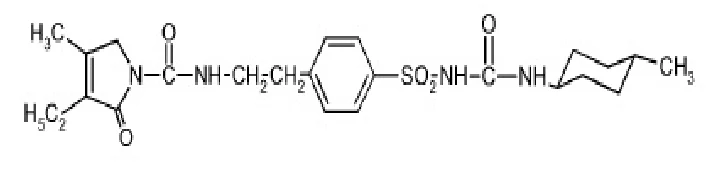
Physicochemical properties: Physical Description: White to off-white powder.
Solubility in common solvents:
| Solvent | Solubility (Parts of Solvent Required for 1 Part of Solute) | Descriptive Term (As Defined in the USP) |
| Dimethylformamide | From 10 to 30 | Soluble |
| Methanol | From 100 to 1000 | Slightly Soluble |
| Methylene Chloride | From 30 to 100 | Sparingly Soluble |
| Water | Greater than or Equal to 10,000 | Practically Insoluble |
The minimum solubility of glimepiride in the physiological range is about 0.01 mcg/mL at pH 1.2.
The quantitative aqueous pH solubility profile at ambient temperature is as follows:
| Solvent | pH | Solubility (mcg/mL) at Ambient Temperature |
|---|---|---|
| Water | 7.1 | 34.03 |
| 0.01 N HCl | 2.0 | 0.01 |
| 0.1 N HCl | 1.2 | 0.01 |
| SGF | 1.3 | 0.01 |
| Phosphate Buffer | 2.5 | 0.01 |
| Phosphate Buffer | 3.5 | 0.01 |
| Phosphate Buffer | 4.5 | 0.01 |
| Phosphate Buffer | 5.5 | 0.04 |
| Phosphate Buffer | 6.0 | 0.09 |
| Phosphate Buffer | 6.8 | 0.48 |
| Phosphate Buffer | 7.2 | 1.16 |
| Phosphate Buffer | 7.5 | 2.21 |
Polymorphism: Glimepiride exhibits polymorphism. The glimepiride used in APO-GLIMEPIRIDE Tablets is polymorphic form I.
Isomerism: As glimepiride is an achiral molecule, enantiomers are not a concern. However, the glimepiride molecule does contain a 1,4-trans-cyclohexyl moiety. Under normal conditions, isomerization of the trans form of glimepiride to the cis form is not thermodynamically favourable.
pH : 6.8 (1% aqueous suspension)
UV absorption maxima and molar absorptivity: For a solution of 0.0097 mg/mL of glimepiride in methanol scanned between 200 nm and 400 nm, a UV maximum was observed at about 229 nm (ε = 2.5 x 10⁴).
Melting Point: The melting point of the glimepiride drug substance is 207°C.
Water/octanol partition coefficient: Log P: 3.306
CLINICAL TRIALS
Comparative Bioavailability Studies
A double blinded, randomized, 2-way, single-dose, crossover comparative bioavailability study, conducted under fasting conditions, was performed on 16 healthy male and female volunteers. The rate and extent of absorption of glimepiride was measured and compared following a single oral dose of APO-GLIMEPIRIDE (glimepiride) or AMARYL® 4 mg tablets. The results from measured data are summarized in the following table.
Table 1: Summary Table of the Comparative Bioavailability Data
Glimepiride (A single 4 mg Dose: 1 x 4 mg) From Measured Data Geometric Mean Arithmetic Mean (CV %) | ||||
|---|---|---|---|---|
| Parameter | Test APO-GLIMEPIRIDE§ | Reference AMARYL ®† | Ratio of Geometric Means (%)** | 90% Confidence Interval (%)** |
AUCt (ng•h/mL) | 1149.152 1179.952 (20) | 1189.588 1226.863 (21) | 96.6 | 91.1 – 102.4 |
AUCinf (ng•h/mL) | 1257.429 1362.709 (33) | 1242.613 1282.274 (21) | 101.2 | 93.4 – 109.6 |
Cmax (ng/mL) | 218.685 227.333 (33) | 255.034 267.875 (27) | 85.7 | 73.4 – 100.1 |
| Tmax# (h) | 2.87 (34) | 2.48 (34) | ||
| Thalf# (h) | 7.81 (55) | 6.24 (35) | ||
*Expressed as arithmetic means (CV%) only. **Based on the least squares means. §APO-GLIMEPIRIDE 4 mg Tablets (Apotex Inc., Canada) †AMARYL® 4 mg Tablets (Sanofi-Aventis Canada, Inc.) were purchased in Canada. | ||||
Efficacy: Indication I
The primary indication (Indication I) for glimepiride is for use as an adjunct to diet and exercise in patients with non-insulin-dependent Type 2 diabetes mellitus whose hyperglycemia cannot be controlled by diet and exercise alone. This indication is supported by the results of three pivotal placebo-controlled trials. In addition, four non-pivotal trials provide complementary information to support the primary indication.
Trials Supporting the Efficacy of glimepiride for Indication I.
| Study | Design | Doses | Treatment Duration | No. of Subjects | |||||
| Glimepiride | Glyburide | Placebo | Study Totals | ||||||
| 1 | Fixed-dose, MC, DB, R, PC (Pivotal) | Pbo Glim: 1, 4, 8 mg qd | 14 weeks | 230 | - | 74 | 304 | ||
| 2 | Dose-titration, MC, DB, R, PC (Pivotal) | Pbo Glim: 1, 2, 3, 4, 6, 8 mg qd | 22 weeks | 123 | - | 126 | 249 | ||
| 3 | Fixed-dose, MC, DB, R, PC (Pivotal) | Pbo Glim: 8 mg qd; 4 mg bid; 16 mg qd; 8 mg bid | 14 weeks | 337 | - | 79 | 416 | ||
| 4 | Fixed-dose, MC, DB, R, CO (Non-Pivotal) | Glim: 3 mg bid; 6 mg qd | 2x4 weeks | 106 | - | - | 106 | ||
| 5 | Dose-titration, MC, DB, R, dose stratification (Non-pivotal) | Glim: 1, 2, 4, 8 mg qd; 8 mg AM and 4 mg PM; 8 mg bid Gly: 1.25, 2.5, 5, 10 mg qd; 10 mg AM and 5 mg PM; 10 mg bid | 12 months | 289 | 288 | - | 577 | ||
| 6 | Dose-titration (301)/ Long term (302) MC, DB, R, AC (Non-Pivotal) | Glim: 1-4, 6, 8 mg qd Gly: 2.5, 5, 7.5, 10 mg qd; 10 mg AM and 5 mg PM; 10 mg bid | 1-2 years | 524 | 520 | - | 1044 | ||
| 7 | Dose-titration (311)/ Long term (302) MC, DB, R, AC (Non-Pivotal) | Glim: 1-4, 6, 8 mg qd Gly: 1.75, 3.5, 5.25, 7 mg qd; 7 mg AM and 3.5 mg PM; 7 mg bid | 1-2.5 years | 425 | 427 | - | 852 | ||
MC = Multicentre; DB = Double Blinded; R = Randomised; PC = Placebo controlled,
AC = Active Controlled, CO = Glim = Glimepiride; Gly = Glyburide; Pbo = Placebo
The key efficacy variables measured in each of the three pivotal studies were:
- Primary: Fasting Plasma Glucose, HbA1C, 2-hour Postprandial Plasma Glucose;
- Secondary: C-peptide, Insulin
Clinically meaningful differences, based on general clinical experience were defined as 1.4 mmol/L for FPG levels and 0.6% (0.006) for HbA1C levels.
Primary Efficacy Results
All glimepiride treatment regimens (1 to 16 mg qd; 4 and 8 mg bid) produced significant and clinically meaningful reductions from Baseline in Fasting Plasma Glucose (FPG) and Postprandial Glucose (PPG) levels and HbA1C with one exception (HbA1C at 1 mg/day).
All dosages of glimepiride produced significant and clinically meaningful reductions in the primary efficacy variables, when compared to placebo.
| Variable | Study No. | Placebo | Median Difference from Placebo at end point a | ||||||||||||||
| 1 qd | 4 qd | 8 qd | 4 bid | 16 qd | 8 bid | ||||||||||||
| FPG (mmol/L) | 1 3 2 | 0.92 1.33 -0.50 | -2.39 | -3.92 | -4.11 -4.72 | -5.14 | -4.72 | -5.28 | |||||||||
HbA1C (%) (ratio) | 1 3 2 | 1.4 (0.014) 1.4 (0.014) -0.7 (-0.007) | -1.2 (-0.012) | -1.8 (-0.018) | -1.9 (-0.019) -2.0 (-0.020) | -2 (-0.020) | -1.9 (-0.019) | -2.2 (-0.022) | |||||||||
PPG (mmol/L) | 1 3 2 | 0.72 1.72 -0.94 | -3.50 | -5.06 | -5.17 -6.61 | -5.94 | -5.72 | -6.28 | |||||||||
a All differences from placebo were significant (p<0.001) and clinically meaningful.
When stratified by baseline FPG levels, glimepiride subjects in the high glucose stratum (13.4 –16.7 mmol/L) achieved greater reduction in median FPG levels (-4.72 mmol/L) than subjects in the lower stratum (10 to 13.3mmol/L; -2.5 mmol/L). Likewise, in the longer term placebo controlled trial, when stratified by baseline HbA1C, glimepiride subjects in the high HbA1C percentile group (≥ 75; HbA1C > 10.5% (0.105)) had a greater reduction of the HbA1C ( -3.7% (0.037)) than those in the low percentile (< 75 ; HbA1C ≤ 10.5% (0.105)) (-1.6%). These two findings suggest patients with more severe type 2 diabetes can also benefit from glimepiride treatment.
Dose regimen
No significant differences were detected between the qd and bid dose regimens for FPG or PPG levels at any of the 6, 8 or 16 mg total daily dosages as shown in the table below. These results were obtained from one pivotal and one non-pivotal trial.
| Variable | Doseb | Change from Baseline at Endpointa | |||||
| qd | bid | Difference | 95% | Cl | p-value | ||
FPG (mmol/L) | 6 mg 8 mg 8/16 mg 16 mg | -3.81 -3.2 -3.33 -3.33 | -3.3 -3.81 -4.00 -4.11 | -0.46 0.44 0.56 0.61 | -1.43 - 0.0 - | 0.51 - 1.17 - | 0.358 0.117 0.047* 0.152 |
24-hr Glucose (mmol/L) | 6 mg | -4.37 | -4.95 | 0.58 | 0.11 | 1.12 | 0.018* |
HbA1C (%)(ratio) | 8 mg 16 mg | -0.5 (-0.005) -0.5 (-0.005) | -0.5 (-0.005) -0.7 (-0.007) | -0.1 (-0.001) 0.3 (-0.003) | -0.3 0.0 | 0.2 0.5 | 0.694 0.024* |
PPGc (mmol/L) | 6 mg 8 mg 8/16 mg 16 mg | -4.39 -5.22 -4.83 -4.28 | -3.79 -4.33 -4.33 -4.36 | -0.60 -0.67 -0.11 0.50 | -1.67 - -0.83 - | 0.49 - 0.67 - | 0.283 0.326 0.809 0.410 |
a Change from baseline is the median for study 3 and the mean for study 4.
b Data for the 8/16-mg daily dosage is the combined data for both dosage levels.
c PPG is the 2-hour level after breakfast for study 3 and the 4-hour average after breakfast for study 4. Significance indicated at *p≤ 0.05.
Long-Term Efficacy
The benefits of glimepiride were maintained over long treatment periods and the treatment was as efficacious as higher and often divided dosages of glyburide or gliclazide.
Subjects in study 2 showed significant and clinically meaningful improvements in FPG and HbA1C levels after 22 weeks of treatment with glimepiride in comparison with placebo. Subjects in the studies 5, 6 and 7 showed no clinically meaningful differences in FPG/FBG and HbA1C levels between glimepiride and glyburide treatment after up to 30 months of therapy.
C-Peptide and Insulin Results
The C-peptide and insulin response to glimepiride administration was evaluated in the three pivotal studies. Results showed that glimepiride increased fasting C-peptide and insulin levels by statistically significant but not clinically meaningful amounts when compared with placebo. Glimepiride increased postprandial C-peptide and insulin levels by statistically significant and clinically meaningful amounts over placebo levels. These results suggest that in type 2 patients, the effects of glimepiride mimic the physiologic response to food intake with insulin levels comparable to placebo during fasting conditions.
Efficacy: Indication II
The second indication for glimepiride is for use in combination with metformin when diet and exercise, and glimepiride or metformin alone do not result in adequate glycemic control. The study which supports this indication is a multicenter, randomized, double-blind, double dummy study of 20 weeks duration with the following 3 parallel groups:
- 1. Glimepiride 1 to 6 mg qd + Metformin placebo tid; n = 150
- 2. Glimepiride 1 to 6 mg qd + Metformin 850 mg tid; n = 147
- 3. Metformin 850 mg tid + Glimepiride placebo qd; n = 75
The primary objective of this trial was to compare glycemic control in NIDDM patients with less than optimal response to metformin monotherapy by either switching to glimepiride alone or to combination therapy with glimepiride and metformin (End point: HbA1c). The third group consisted of the control receiving metformin alone. The secondary objectives were: Fasting blood glucose (FBG), postpandrial blood glucose (PPBG), Body mass index (BMI), triglyceride, total cholesterol, HDL cholesterol and apolipoprotein B, serum insulin and serum C-peptide, and blood pressure.
As there was no placebo group, the effect of the combination is to be interpreted as an additive effect of the two groups, rather than as an interactive drug effect.
With regard to the primary efficacy variable (HbA1c), the combination of metformin and glimepiride was more effective than either treatment alone. Mean HbA1c was similar in each group at baseline, 6.52% (0.0652) in the glimepiride group, 6.42% (0.0642) in the glimepiride + metformin group and 6.79% (0.0679) in the metformin group, for all patients without missing values, and with estimation for missing patients.
With regard to the secondary variables FBG and PPBG, the combination of metformin and glimepiride was more effective than either treatment alone. Mean FBG was similar in each group at baseline: 1.89 g/l in the glimepiride group, 1.87 g/l in the glimepiride + metformin group and 1.90 g/l in the metformin group. The mean change (± SD) from baseline to Week 20 was 0.13 ± 0.56 g/l in the glimepiride group, -0.32 ± 0.39 g/l in the glimepiride + metformin group, and 0.15 g/l ± 0.64 g/l in the metformin group. Mean PPBG was similar in each group at baseline: 2.67 g/l in the glimepiride group, 2.62 g/l in the glimepiride + metformin group and 2.74 g/l in the metformin group. The mean change (± SD) from baseline to Week 20 was 0.01 ± 0.89 g/l in the glimepiride group, -0.46 ± 0.67 g/l in the glimepiride + metformin group and 0.19 ± 1.06 g/l in the metformin group.
No treatment effect was detected for the other variables, although BMI was lower in the metformin group.
Efficacy: Indication III
The third indication for glimepiride is for use in combination therapy with insulin to lower blood glucose levels in patients who are secondary failures to sulfonylurea therapy, that is, in patients whose hyperglycemia can no longer be effectively controlled by diet and oral hypoglycemic agents alone. Support for this indication was obtained through the results of a double-blind study that compared the efficacy of combination therapy with glimepiride plus insulin vs. that obtained with placebo plus insulin. A total of 145 type 2 patients participated in the 24-week randomised, double-blind phase of this study; 72 received glimepiride plus insulin and 73 received placebo plus insulin. Each subject took fixed, oral dosages of glimepiride (8 mg bid) or placebo before breakfast and dinner, plus injections of insulin (qd, titrated to an optimised dose) before dinner.
The two primary efficacy variables were the 4-week average insulin dose at Endpoint and the change from baseline in HbA1C levels at Endpoint.
The mean daily insulin dose in the glimepiride group was approximately 30 U lower than in the placebo group, and this difference was clinically meaningful as well as statistically significant. Fewer subjects in the glimepiride group (6%) than in the placebo group (14%) required more than 100 U per day of insulin. Similarly, a greater percent of patients in the glimepiride group (64%) than in the placebo group (28%) required ≤ 50 unit of insulin. This suggests that fewer patients would require multiple daily insulin injections if treated with combination therapy rather than insulin monotherapy. The results of this study also demonstrated that variability in the insulin-titration procedure did not affect the overall outcome of combination therapy. In smaller studies, success has previously been obtained with titration procedures that were either more aggressive
1 or generally less aggressive2 than those used in the present study. Taken together, these results suggest that glimepiride plus insulin therapy would be efficacious using a variety of insulin titration procedures.
Glycemic variability (as measured by the mean within-subject variance) was lower in the glimepiride group (433 mg2/dl2) than in the placebo group (627 mg2/dl2), indicating a trend to more stable glycemic control in the glimepiride-treated group. This may become more important with very aggressive insulin titration procedures, during which the risk of serious hypoglycemia is greater.
Safety
Overall, glimepiride demonstrated a very safe adverse event profile, differing little from that of placebo. In both US and European trials, there was no drug-related pattern of deaths.
No laboratory abnormalities could be attributed to the use of the drug. The most commonly reported adverse events possibly or probably related to the use of glimepiride occurring in at least 1% of subjects in placebo-controlled studies were hypoglycemia, dizziness, asthenia, headache, rash and nausea.
No medically important interactions were seen between glimepiride and any of the demographic, disease or drug groups reviewed.
Human Ophthalmology Data
Ophthalmic examinations were carried out in over 500 subjects during long-term studies using the methodology of Taylor and West and Laties et al. No significant differences were seen between glimepiride and glyburide in the number of subjects with clinically important changes in visual acuity, intra-ocular tension, or in any of the five lens-related variables examined.
Ophthalmic examinations were carried out during long-term studies using the method of Chylack et al. No significant or clinically meaningful differences were seen between glimepiride and glipizide with respect to cataract progression by subjective LOCS II grading and objective image analysis systems, visual acuity, intraocular pressure, and general ophthalmic examination.
DETAILED PHARMACOLOGY
Animal Pharmacology
Blood glucose decreasing activity
Compared to other conventional sulfonylureas, glimepiride had more pronounced blood glucose decreasing activity in animals. In normal fasted rats and rabbits, single oral (5-400 g/kg) and intravenous (5 to 500 g/kg) doses of glimepiride were more acutely and chronically potent than
1 Riddle M, Hart J, Bingham P, Garrison C, McDaniel P. Combined therapy for obese Type 2 diabetes: suppertime mixed insulin with daytime sulfonylurea. Am J Med Sci 1992; 303: 151-156.
2 Riddle M, Hart J, Bouma D, Phillipson B, Youker G. Efficacy of bedtime NPH insulin with daytime sulfonylurea for subpopulation of type II diabetic subjects. Diabetes Care 1989; 12: 623-629.
glyburide. Following oral administration to dogs (60 and 120 g/kg), glimepiride produced faster glucose decrease and longer lasting blood glucose reduction than did glyburide.
When orally administered to rabbits and rats, the metabolites of glimepiride, M1 and M2, were found to be 3 to 2000 times less active then the parent drug.
Insulin releasing activity
In perfused islets of Langerhans and pancreas of rats, glimepiride had a more pronounced insulin secretion activity when compared to glyburide at normal and high glucose concentrations. This effect on insulin secretion is thought to be due to a different molecular interaction with ATP-sensitive potassium channel in the beta cell membrane. Unlike other sulfonylureas, glimepiride binds specifically to a 65 kDa protein located in the membrane of the beta cell. This interaction of glimepiride with its binding protein determines the probability of the ATP-sensitive potassium channel being open or closed.
In the whole-cell patch clamp, glimepiride had a higher (EC50 of 3.1 nM) depolarization activity of the beta cell membrane of the mouse than glyburide (EC50 of 4.0 nM). Glimepiride had a higher exchange rate with the binding protein resulting from a more rapid association and dissociation kinetics and a higher in vitro insulin releasing activity of glimepiride compared to that of glyburide.
The in vitro higher insulin releasing activity of glimepiride compared to that of glyburide with and in islets and pancreas of rats is only partially reflected in vivo, probably due to species specificity in dogs. In dogs, after 60 mcg/kg intravenous and 90 mcg/kg oral doses, at neither phase did glimepiride induce a higher plasma insulin release than glyburide, indicating species specificity.
The relation between plasma insulin releasing and blood glucose decreasing activity of glimepiride and other sulfonylureas in vivo suggested that the insulin-independent glucose lowering effects are more pronounced with glimepiride. In rabbits and dogs, treated intravenously (10 to 60 g/kg) and/or orally (90 g/kg) with glimepiride the lower early phase plasma insulin levels to that after glyburide was reflected in a lower blood glucose decreasing activity. In dogs, blood glucose levels remained relatively constant or decreased for up to 48 to 52 hours after dose administration although the plasma insulin values did not differ markedly from those of the control animals.
The longer-lasting blood glucose decreasing activity of glimepiride, compared to glyburide, after oral and intravenous administration, despite low insulin release in dogs, can be explained in terms of a higher extrapancreatic activity.
Extrapancreatic effects
Extrapancreatic effects may be defined as a direct stimulation or enhancement of insulin stimulation of the peripheral and/or hepatic glucose disposal. In vitro studies with diaphragm, fat cells and hepatocytes showed a direct insulin-mimetic activity of glimepiride:
- concentration-dependently inhibited gluconeogenesis and ketogenesis from alanine;
- concentration-dependently stimulated the TCA cycle;
- stimulated glucose transport, the rate limiting step of lipogenesis and glycogenesis, time- and concentration-dependently more effectively than glyburide.
In addition to the activation of glucose transport via Glut4 dephosphorylation, glimepiride also stimulated subsequent steps of glucose metabolism, the key enzymes of lipid and glycogen synthesis, which may be mediated by activation of the glycosyl-phosphatidylinositol-specific phospholipase C (GPI-PLC). In vitro studies showed that glimepiride regulated the following activities slightly more efficiently than glyburide:
- cellular cAMP-specific phosphodiesterase activity;
- reduction of protein kinase A activity;
- stimulation of glycogen synthase activity;
- stimulation of glycerol-3-P-acyltransferase activity.
In isolated rat hepatocytes, glimepiride inhibited hepatic glucose output by increasing the concentration of fructose-2,6-biphosphate.
However, direct insulin-mimetic effects (in the absence of insulin), observed in vitro, were not observed in animal’s models of insulin deficiency. In streptozotocin-diabetic rats (20 mg/kg twice daily for 5 days) and pancreatectomized and alloxan-diabetic dogs (100 mg/kg once daily for 8 days) treated orally with glimepiride and glyburide, neither compound had any effect on blood glucose. This suggested that the direct insulin-mimetic activity of sulfonylureas may depend on the presence of insulin which may control positively the expression of genes coding for certain components of the signal transduction cascade which mediates the direct insulin-mimetic effects of glimepiride in fat and muscle cells. In vitro study in 3T3 adipocytes, suggested that glimepiride increases the sensitivity of peripheral tissues for glucose transport stimulation by insulin slightly more efficiently than glyburide, which may explain the extrapancreatic effects of sulfonylureas and especially of glimepiride.
Effect on glucagon secretion
In perfused islets of Langerhans and pancreas of rats, glimepiride when compared to glyburide had no effect on glucagon release. In vivo, in normal fasted dog, a plasma glucagon increase was observed during intravenous infusion of glyburide but was not observed with glimepiride.
Safety Pharmacology
CNS-related effects
After oral administration to mice, glimepiride had no CNS-stimulating or depressant effects. Oral doses of up to 1.0 mg/kg did not affect pentobarbital anesthesia, amphetamine group toxicity, motor coordination or pentetrazole-induced ptosis and had neither an anti-convulsive nor an analgesic effect.
Cardiovascular effects
In vivo and in vitro studies showed that glimepiride has an approximately 3 to 4 fold lower cardiovascular activity than glyburide, gliclazide or glipizide. Under physiological conditions, cardiovascular effects with glyburide and glimepiride (ECG rat studies and intracoronary infusion dog study) were observed at concentrations calculated to be 200 to 300 times higher than Cmax observed in clinical trials after oral administration of therapeutic doses. Under ischemic conditions, vascular and cardiomyocytic effects were observed with glyburide at a dose of 0.15 mg/kg, i.v., but no or only slight effects with glimepiride at a dose of 0.45 to 0.5 mg/kg, i.v. The maximal plasma concentrations in the ischemic studies were probably one order of magnitude higher than the therapeutic Cmax concentrations.
As shown in various in vitro and in vivo studies, glimepiride had less influence than glyburide on the cardiomyocyte.
Glimepiride had no effect on systemic blood pressure, arterial blood flow and left ventricular contractility in anesthetized normal cats at intraduodenal doses up to 1 mg/kg.
Anti-atherogenic effect
Glimepiride had been shown to have an anti-atherogenic effect. Rabbits treated for 10 weeks with pellet diet containing 1% cholesterol and 3 ppm glimepiride, showed significantly fewer fatty streaks were seen on the intimal surface of the thoracic aorta than the control animals (20% vs. 60%). In animals treated with cholesterol diet with 7 ppm glyburide or 120 ppm gliclazide no significant inhibition of fatty streak deposition was seen.
Glimepiride affected key steps of the thrombin-induced platelet activation and aggregation such as:
- inhibiting dose-dependently, the decrease in the number of blood platelets after ADP infusion in rabbits treated with single i.v. doses up to 0.1 mg/kg or oral doses of 0.1 mg/kg once daily for 1 week. In contrast, single oral doses of up to 0.3 mg/kg were without effect.
- inhibiting the thrombin-stimulated increase of intracellular Ca 2+ in platelets of human volunteers to a similar degree as glyburide at concentrations of 20 to 40 mcM
- inhibiting selectively the cyclooxygenase pathway at concentrations up to 40 mcM, whereas glyburide inhibited both the cyclooxygenase and 12-lipoxygenase pathways
- having no effect on thrombin-induced aggregation of human platelets. This missing inhibitory effect of glimepiride on thrombin aggregation of human platelets in vitro is not contradictory (even 1 mM acetylsalicylic acid had no effect) since at the thrombin concentration used (0.2 IU/mL) platelet aggregation is independent of thromboxane A2 formation.
Gastrointestinal effects
There was no effect on gastric emptying after oral doses of up to 1 mg/kg in rats. At doses of up to 1 mg/kg i.p. in rats, glimepiride had no effect on exocrine pancreatic secretion, bile secretion or histamine-induced gastric secretion.
Anti-inflammatory effects
After oral doses of up to 1 mg/kg once daily for 4 days, glimepiride had no antiexudative effect in the granuloma pouch in rats.
In yeast-induced fevered rats body temperature was not affected by an oral dose of glimepiride of 0.1 mg/kg; however, 1.0 mg/kg induced a slight but significant drop in temperature. The antifebrile effect seems to be related to the hypoglycemic effect since it was also observed after an oral dose of 1 mg/kg glyburide and after 5 IU/kg regular insulin s.c.
A single oral dose of 0.1 mg/kg glimepiride did not affect, but 1 mg/kg inhibited carrageen paw edema in rats. The anti-inflammatory effect seems to be related to the hypoglycemic activity since it was also observed after an oral dose of 1 mg/kg glyburide and after 5 IU/kg insulin s.c.
Diuretic effects
Oral doses of up to 1.0 mg/kg glimepiride to rats had no diuretic effect.
Animal Pharmacokinetics
Glimepiride was slowly but completely absorbed after single oral administration of 0.5 mg/kg to male and female rats, male dogs and male rabbits compared with an intravenous dose. The serum protein binding was generally greater than 99% in all species studied. Following administration of 14C-glimepiride, peak blood levels were reached earlier in rats and dogs than in rabbits. Mean half-life was 1.7 h in rats, 12.5 h in the dog and 7 h in rabbits. In lactating rats, absorption was moderate and led to similar maximum blood levels of radioactivity (0.079 mcg equiv./mL) as in male animals and non-lactating females. On the basis of the radioactivity measured in milk and daily milk production, the amount excreted via this route was estimated to be less than 0.1% of the total administered dose.
After single or multiple oral dosing, the major organ of localisation in the rat was the liver. At 2, 4 and 8 hours after oral dosing of 14C-glimepiride, the concentration of radioactivity in the liver was approximately 16 fold higher than the blood. Other than the kidneys, all other organs including the pancreas contained concentrations similar to or less than those found in the blood. Similar distribution profiles were observed after intravenous administration. In rabbits, the major site of localisation was the kidneys. Pregnancy (Day 14 or Day 18) did not affect the distribution of radioactivity following oral administration of [14C]-glimepiride to rats. The concentration of radioactivity in fetal tissues was always lower than in the placenta, which in turn was lower than in maternal blood. There was no evidence of recirculation of radioactivity from the amniotic fluid to the fetus nor of accumulation of the drug or its metabolites in the fetus.
The primary route of excretion in the rat, mouse and dog was through the feces while in the rabbit the majority of radioactivity was eliminated via the kidneys. Two major metabolites could be identified, the hydroxy derivative (M1) and the carboxylic acid derivative (M2). A study in biliary cannulated rats indicated that a substantial part of the radioactivity (predominantly metabolites M1 [41%] and M2 [21%] is subject to enterohepatic recirculation. Overall, the comparison between species revealed no major qualitative pharmacologic differences with respect to metabolism among animals and man, except for the observation that the metabolite M2 could not be found in dog.
TOXICOLOGY
Acute Toxicity Studies
| Species/ Strain | Route* | Dose (mg/kg) | Test compound | No. Deaths/No. per Group (M, F) | Earliest Deaths (Days) | Observations |
|---|---|---|---|---|---|---|
Mouse HOE: NMRKf (SPF71) | PO | 10,000 | glimepiride | 0/5, 0/5 | - | A dose of 10,000 mg/kg was tolerated without signs of intoxication |
| PO | 10,000 | D85 1704 (by product) | 0/5, 0/5 | - | A dose of 10,000 mg/kg was tolerated without signs of intoxication | |
| IP | 4,000 | glimepiride | 0/3, 0/3 | - | A dose of 4,000 mg/kg was tolerated without deaths. Reduced motility and retracted flanks were observed. | |
Mouse Jcl:ICR (SPF71) | IP | 2,000 | glimepiride M1 M2 | 1/5, 0/5 0/5, 0/5 0/5, 0/5 | 2 - - | Acute Lethal Dose >2,000 mg/kg IP for glimepiride, M1, and M2. |
| PO | 2,000 500 1,000 2,000 2,000 | glimepiride HOE 490D HOE 490D HOE 490D HOE 490I | 0/5, -/- 0/5, -/- 0/5, -/- 6/7, -/- 0/5, -/- | - - - 1 - | Acute Lethal Doses: glimepiride: >2,000 mg/kg HOE 490D (decomposition product): 1,000 – 2,000 mg/kg HOE 490I (impurity): >2,000 mg/kg | |
Rat HOE:WIS Kf (SPF71) | PO | 10,000 | glimepiride | 0/5, 0/5 | - | A dose of 10,000 mg/kg was tolerated without signs of intoxication |
| PO | 5,000 | glimepiride Urethane** | 0/2, 0/2 | - | Transient, increased salivation was seen in the females only. | |
| PO | 5,000 | glimepiride Ethyl-urethane** | 0/2, 0/2 | - | Transient, increased salivation was seen in the females only. | |
| PO | 2,000 | glimepiride sulfon-amide** | 0/5, 0/5 | - | Sunken flanks, squatting posture, stilted gait, and irregular respiration were observed in both sexes. | |
| IP | 3,950 | glimepiride | 0/3, 0/3 | - | A dose of 3,950 mg/kg was tolerated without deaths. Reduced motility, squatting position and retracted flanks were observed. | |
Dog Beagle | PO | 2,000 | glimepiride | 0/2, -/- | - | Acute Lethal Dose >2,000 mg/kg |
* PO = orally IP = intraperitoneally IV = intravenously
** glimepiride production intermediates
Multidose Toxicity Studies
Species/ Strain | |||||
|---|---|---|---|---|---|
| No. of Animals per Group (M, F) | |||||
| Route* | Dose Levels | Test Compound | Duration | Key Observations | |
Rat Wistar HOE:WI Skf (SPF71) | |||||
| 15, 15 | PO | 0, 1.0, 50, 2500 mg/kg/day | glimepiride | 4 weeks | Clinical, hematological and clinico-chemical investigations revealed no pathological changes. Histological examination revealed that none of the doses of glimepiride administered led to any morphological changes. |
| 10, 10 | PO | 0, 1000, 2500 mg/kg/day | glimepiride | one month | The “No Observed Effect Level” was at 1,000 mg/kg body weight per day. However, there were no signs of clear toxicity detectable at the dose of 2,500 mg/kg body weight per day. |
| 5, 5 | PO | 0, 40, 200, 1000 mg/kg/day | glimepiride-sulfonamide (production intermediate) | 28 days | No compound-related macroscopically visible changes were observed at necropsy. Histopathological examination revealed focal cell necroses of the liver in three females of the high dose group. The “no observed effect level” was 40 mg/kg body weight per day |
| 50, 50 | PO | 0, 20, 1000, 50,000 ppm | glimepiride | 12 months | Body weight development of male rats was slightly impaired at 1000 ppm and 50,000 ppm and in the females at 50000 ppm, but feed consumption was not affected. Clinical examinations, hematological and clinico-chemical analysis, urinalysis and macroscopic inspection did not yield any compound related pathological findings. In females, heart weights were significantly decreased (all doses), liver weights decreased (1,000 ppm) and spleen weights increased (50,000 ppm). Histological examination did not reveal any compound-related morphological organ changes among treatment groups. |
| 20, 20 | Feed | 0, 1.0, 50, 2500 mg/kg/day | glimepiride | 6 months | The clinical, hematological and clinico-chemical investigation revealed no pathological changes due to study drug. The death of three animals in the 2500 mg/kg group was deemed independent of the compound. Histological examination revealed marked degranulation of the beta cells after 50 or 2,500 mg/kg. This finding was reversible within the four-week recovery period. |
| 5, 5 | IV | 0, 0.1, 1.0, 10.0 mg/kg | S 88 0610 (M1) | 14 days | All doses tested were tolerated symptom-free. The clinical, haematological, clinico-chemistry or histological examinations revealed no further compound-induced changes. |
Species/ Strain | |||||
| No. of Animals per Group (M, F) | |||||
| Route* | Dose Levels | Test Compound | Duration | Key Observations | |
| 5, 5 | IV | 0, 0.1, 1.0, 10.0 mg/kg | S 88 0611 (M2) | 14 days | The clinical examinations gave no indication of compound-induced changes. The macroscopic and microscopic examination did not reveal compound-induced organ changes. |
| 15, 15 | IV | 0, 0.1, 1.0, 10.0 mg/kg/day | glimepiride | 4 weeks | The 0.1 and 1.0 mg/kg doses were tolerated without the occurrence of any pathological changes. After 10 mg/kg there were no clinical, hematological, or clinico-chemistry changes. Histological examination revealed dose-dependent degranulation of the beta cells in the Islets of Langerhans at all doses. This finding was still present at the end of the four-week recovery period and is connected to the pharmacodynamic effect of the compound. |
Dog Beagle Hoe:BEAK | |||||
| 3, 3 | PO | 0, 0.8, 16.0, 320 mg/kg/day | glimepiride | 4 weeks | There were no relevant toxicological impairments in any of the dosage groups. A female from the highest dosage group showed a slight alteration in feed uptake. |
| 5, 5 | PO | 0, 0.8, 16.0, 320 mg/kg/day | glimepiride | 26 weeks | The administration of HOE-490 in doses of 0.8 mg/kg and 16.0 mg/kg in dogs did not lead to any relevant toxicological changes. In the highest dosage group, only a slight loss in body weight for two animals was observed. In addition, on histological examination, a degranulation of the beta cells was revealed in all dosage groups (reversible within recovery period). No compound-related toxicological effects in any of the study groups were observed. As the pharmacological effect, all dosage groups revealed a reduction in serum glucose and on histological examination, degranulation of the beta cells in the Islets of Langerhans was observed. Both of these effects were reversible within the four-week recovery period. |
| 6, 6 | PO | 0, 0.8, 16.0, 320 mg/kg/day | glimepiride | 12 months | In the highest dosage group, bilateral posterior subcapsular cataracts were observed in one male and one female at the end of the study. Very marked aggravation of the lens opacity was observed in the female whose recovery was prolonged to 12 weeks after the study. Microscopic examination revealed no histological correlate to the ophthalmological changes observed in the male and unilateral ocular degeneration of a few lens fibres in the female. In addition, on histological examination, a degranulation of the beta cells was revealed in all dosage groups. |
| 3, 3 | IV | 0, 0.08, 0.4, 2.0 mg/kg | either M1 or M2 | 2 weeks | No compound-induced toxic changes were detected in any of the dosage groups. The only pharmacological effect observed was a slight dose-dependent reduction in serum glucose at 0.40 and 2.0 mg/kg M1. |
Species/ Strain | |||||
| No. of Animals per Group (M, F) | |||||
| Route* | Dose Levels | Test Compound | Duration | Key Observations | |
| 3, 3 | IV | 0, 0.08, 0.4, 2.0 mg/kg/day | glimepiride | 4 weeks | |
| * PO = orally IP = intraperitoneally IV = intravenously | |||||
Carcinogenicity Studies and Associated Dose-Finding Studies
Species/ Strain | No. Animals /Group (M,F) | Dosage/Delivery Route | Duration | Observations | ||||||||
Mouse HOE: NMRKf (SPF71) | 48, 48 | 320, 1,265 ppm in feed | 2 weeks (toxicokinetics) | validated exposure to drug in carcinogenicity study | ||||||||
| 10, 10 | 0, 200, 1,000, 5,000, 25,000, 50,000 ppm in feed | 3 months (dose-finding) | 5,000 ppm chosen as top dose for carcinogenicity study due to saturated absorption | |||||||||
| 50, 50 | 0, 320, 1,265, 5,000 ppm in feed | 24 months (carcinogenicity) | no demonstrated carcinogenicity | |||||||||
Rat Wistar HOE: WISkf (SPF71) | 3, 3 | 0, 320, 1,000, 5,000, 10,000, 50,000 ppm in feed | 3 months (dose-finding) | 320 ppm chosen as top dose for carcinogenicity study (008166) as it caused maximum degranulation of β cells | ||||||||
| 10, 10 | 0, 320, 1,000, 5,000, 10,000, 25,000, 50,000 ppm in feed | 3 months (dose-finding) | 5,000 ppm chosen as top dose for carcinogenicity study (009620) due to saturated absorption | |||||||||
| 50, 50 | 0, 32, 100, 320 ppm in feed | 30 months (carcinogenicity) | no demonstrated carcinogenicity | |||||||||
| 50, 50 | 0, 320, 1,265, 5,000 ppm in feed | 30 months (carcinogenicity) | no demonstrated carcinogenicity | |||||||||
Mutagenicity Studies
| Study Type | Doses | Observations |
|---|---|---|
In vitro Non-mammalian Ames | ||
| negative | |||
| 4-10,000 mcg/plate |
| 4-5,000 mcg/plate | negative |
4-5,000 mcg/plate (glimepiride-sulfonamide) | negative |
4-5,000 mcg/plate (glimepiride-cis-isomer) | negative |
4-5,000 mcg/plate (glimepiride-urethane) | negative |
4-5,000 mcg/plate (glimepiride-ethylurethane) | negative |
In vitro Mammalian HGPRT in V79 Chinese Hamster Cells | |
| 50-600 mcg/mL | negative |
In vitro Mammalian Unscheduled DNA Synthesis | |
| 1-1,000 mcg/mL | negative |
In vitro Mammalian Chromosome Aberrations in V79 Chinese Hamster Cells | |
10-1,250 mcg/mL (glimepiride-urethane) | negative |
10-1,060 mcg/mL (glimepiride-ethylurethane) | negative |
10-100 mcg/mL (glimepiride-sulfonamide) | negative |
In vivo Mammalian Chromosome Analysis of Chinese Hamster | |
0-5,000 mg/kg PO 2,500 mg/kg PO (glimepiride-sulfonamide) | negative |
| In vivo Mammalian | |
| 400 mg/kg PO | negative |
| Study Type | |
|---|---|
| Doses | |
| Observations | |
| Mouse - Micronucleus | negative |
2,000 mg/kg PO (glimepiride-cis-isomer) | negative |
Reproduction Toxicity Studies
Species/ Strain | Route | Dosage | No. of animals/ group | Observations |
|---|---|---|---|---|
| Segment I: Fertility Studies | ||||
| Mouse, Jcl:ICR | PO | 0, 250, 2,500 mg/kg | 7 M | No effects on male fertility. |
Rat Hoe:WISKf (SPF71) | feed | 0, 20, 1,000, 50,000 ppm | 32 F | No effects on fertility. Postnatal effects on humerus in 1 adult offspring at 1,000 ppm and in 11 adult offspring from 7 litters at 50,000 ppm. |
| Segment II – Teratology Studies | ||||
Rat Hoe:WISKf (SPF71) | PO | 0, 1, 50, 2,500 mg/kg | 35 F | No effect on pregnancy, parturition or intrauterine development of fetuses, other than uni- or bilateral microphthalmia seen in 2 and 4 fetuses in 1 and 50 mg/kg groups, which was due to pharmacologically induced hypoglycemia. |
| Rabbit Himalayan | PO | 0.0067, 0.0212, 0.0670, 0.32, 3.2, 32 mg/kg From the 6th-18th day of pregnancy | 15 F | Hypoglycemia during pregnancy and in fetuses with doses of 0.0067 and 0.0212 mg/kg. Higher doses induced persistent hypoglycemia, intolerance, modified feed consumption and body weight, abortion, no. of uterine death. Some surviving fetuses experienced eye malformation, sternal and abdominal fissures, and/or bends of the ulna, tibia, and fibula, and shortening or bends of the femur. All findings were attributed to hypoglycemia. |
| Rabbit Himalayan White | PO | 0, 0.32 mg/kg/day HOE 490 or 0.96 mg/kg/day glibenclamide | 15 F | Both compounds produced marked, persistent hypoglycemia. Normal pregnancies were observed in 14/15 in the control group, 5/15 in HOE 490 group, and 2/15 in glibenclamide group |
| PO | 0, 0.32 mg/kg/day HOE 490 or 0.96 mg/kg/day glibenclamide | 15 F | Abortion/foetal loss in 5/15 dams treated with HOE 490, 9/15 with glibenclamide, and 1/15 controls. Hypoglycemia was considered to be cause of foetal deaths. | |
| Rabbit Japanese White | PO | 0, 3, 15 mg/kg/day HOE 490 or 50 mg/kg/day (b.i.d.) gliclazide | 4-12 F | Both drugs produced hypoglycemia and increased incidences of abortions. |
| Rabbit: Himalayan and New Zealand White | PO | 0.32 mg/kg/day | 15 F 19 F | Himalayan rabbits showed more hypoglycemia) and higher abortion rate (11/15) than New Zealand White rabbits (2/19). |
Species/ Strain | Route | Dosage | No. of animals/ group | Observations |
| Segment III: Perinatal and Postnatal Studies | ||||
Rat Hoe:WISKf (SPF71) | PO | 0, 1, 50, 2,500 mg/kg | 20-22 F | Dose-dependent increase in intrauterine foetal death in 50 and 2,500 mg/kg groups. Shortening and bending of right humerus of 1 pup from 2,500 mg/kg group. |
| Feed | 0, 50,000 ppm | 15 F | Pups exposed to HOE 490 in breast milk attained serum levels about twice that of the mothers. Dosage regimen increased number of stillbirths and retarded body weight development of pups. | |
Feed PO | 0, 20, 1,000, 5,000 ppm 0, 2,500 mg/kg | 10-30 F 10 F | Effects on humerus and femorus detected by day 4 post-partum. Intrauterine exposure affected bones only slightly. Exposure during lactation produced severe bone deformities. | |
| Feed | 50,000 ppm | 40 F | Slight increase in retarded fetuses in offspring delivered by caesarean section. The rearing group exhibited a slight increase in the number of death births and reduced body weight development in second and third week of lactation. | |
Other Toxicity Studies
Species/ Strain | Route | Dosage | No. of animals per group | Observations |
| Cataractogenic Potential | ||||
| In vitro Bovine | bovine lens in culture | 10-4M | N/A | HOE 490 had no effect on lens metabolism. |
| Rat Brown-Norway Pigmented | PO | 0, 1, 50, 250 mg/kg/day | 14 | HOE 490 has no demonstrated cocataractogenic potential. |
| Immunogenicity | ||||
| Mouse, A/J and Rat, Sprague-Dawley | SC (sensitizing) ID (challenge) | 200 mcg/mouse (HOE 490 and MI) | 5-10 M 2-3 M | Neither HOE 490 nor its metabolite MI was antigenic. |
| Guinea Pig Hartley | PO (sensitizing) IV (challenge) | 2 mg/kg (sensitizing) 2 mg/kg (challenge) | 10 M | Neither HOE 490 nor its metabolite MI was antigenic. |
Guinea Pig Pirbright White | ID | 0.1 mL of 1% solution | 10 F | Glimepiride-sulfonamide was not a sensitizer in the guinea pig maximization test. |
Toxicokinetics Studies
Species/ Strain | Dosage/ Route | Duration | No. of animals per group | Observations |
|---|---|---|---|---|
| Mouse | 320, 1265 ppm in | 2 weeks | 48 M/48 F | Four-fold increase in quantity of |
Species/ Strain | Dosage/ Route | Duration | No. of animals per group | Observations |
| Crl:NMRI BR | food | drug in feed resulted in two-fold increase in Cmax, Cave, and AUD24 | ||
Rat Wiskf (SPF71) | 1265, 5000 ppm in food | 2 weeks | 24 M/48 F | Four-fold increase in quantity of drug in feed resulted in 1.5- and 1.2-fold increase in Cmax and AUD24 respectively. Cmax and AUD24 were 2.1- and 1.6-fold higher in females than in males. |
Rat Wiskf (SPF71) | 2500 mg/kg stomach tube | 2 weeks | 24 M/24 F | AUD24 was 1.9-fold higher in females than in males (19.7 and 37.8 mcg/h/mL for males and females respectively). |
Rat Wiskf (SPF71) | 5000 ppm in food (Group 2) 2500 mg/kg stomach tube (Group 3) | 2 weeks | 10 F 10 F | In Group 2, treatment did not affect the endocrinological parameters investigated. In Group 3, a decrease in pituitary LHRH receptors and slight decrease in ovary and uterus weights was observed. No change in serum LH response and oestradiol in LHRH test and pituitary LH and FSH and ovarian oestradiol content. |
REFERENCES
Pre-clinical publications:
- 1.
Bahr M, Von Holtey M, Muller G, Eckel J. Direct stimulation of myocardial glucose transport and glucose transporter-1 (GLUT1) and GLUT4 protein expression by the sulfonylurea glimepiride. Endocrinology 1995; 136: 2547-53.
K
- 2. Bijlstra PJ, Lutterman JA, Russel FGM, Thien T, Smits P. Sulphonylurea derivatives interact selectively with vascular and pancreatic KATP channels in man. Neth J Med 1995; 47: A63-4.
- 3. Donaubauer HH, Mayer D. Acute, subchronic and chronic toxicity of the new sulfonylurea glimepiride in rats. Drug Res 1993; 43(I)5: 547-9.
- 4. Eckel J. Direct effects of glimepiride on protein expression of cardiac glucose transporters. Horm Metab Res 1996; 28: 508-11.
- 5. Gregorio F, Ambrosi F, Cristallini S, Filipponi P, Santeusanio F. Effects of glimepiride on insulin and glucagon release from isolated rat pancreas at different glucose concentrations. Acta Diabetol 1996; 33: 25-9.
- 6. Kramer W, Muller G, Geisen K. Characterization of the molecular mode of action of the sulfonylurea, glimepiride at -cells. Horm Metab Res 1996; 28: 464-8.
- 7. Ladriere L, Malaisse-Lagae F, Fuhlendorff J, Malaisse WJ. Repaglinide, glibenclamide and glimepiride administration to normal and hereditarily diabetic rats. Eur J Pharmacol 1997; 335: 227-34.
- 8. Muller G, Dearey EA, Korndorfer A, Bandlow W. Stimulation of a glycosyl-phosphatidylinositol-specific phospholipase by insulin and the sulfonylurea, glimepiride, in rat adipocytes depends on increased glucose transport. J Cell Biol 1994; 126(5): 1267-76.
- 9. Muller G, Geisen K. Characterization of the molecular mode of action of the sulfonylurea, glimepiride, at adipocytes. Horm Metab Res 1996; 28: 469-87.
- 10. Muller G, Hartz D, Punter J, Okonomopulos R, Kramer W. Differential interaction of glimepiride and glibenclamide with the β -cell sulfonylurea receptor. I. Binding characteristics. 1994; 1191: 267-77.
- 11. Muller G, Wied S. The sulphonylurea drug, glimepiride, stimulates glucose transport, glucose transporter translocation, and dephosphorylation in insulin-resistant rat adipocytes in vitro. Diabetes 1993; 42: 1852-67.
- 12.
Pan J, Chan EK, Yu E, Chen J, Schranz V, Charles MA. Prevention and cure of type I diabetes in the BB rat by islet allotransplantation and glimepiride treatment. Transplant Proc
- 1995; 27(6): 3194.
- 13. Qi R, Ozaki Y, K, Kurota K, Asazuma N, Yatomi Y, Kume S. Sulphonylurea agents inhibit platelet aggregation and [Ca2+]i elevation induced by arachidonic acid. Biochem Pharmacol 1995; 49(12): 1735-9.
- 14. Sato J, Ohsawa I, Oshida Y, Sato Y, Sakamoto N. Effects of glimepiride on in vivo insulin action in normal and diabetic rats. Diabetes Res Clin Pract 1993; 22: 3-9.
- 15. Schollmeier U, Brunk R, Mayer D. Subchronic and chronic toxicity of the new sulfonylurea glimepiride in dogs. Drug Res 1993; 43(II)(10): 1068-71.
- 16. Schwanstecher M, Manner K, Panten U. Inhibition of K+ channels and stimulation of insulin secretion by the sulfonylurea, glimepiride, in relation to its membrane binding in pancreatic islets. Pharmacol 1994; 49: 105-11.
Glimepiride clinical studies/reviews:
- 1. Anonymous (Diabetes Control and Complications Trial Research Group (DCCT)). The effect of intensive treatment of diabetes on the development and progression of long-term complications in insulin-dependent diabetes mellitus. N Engl J Med 1993; 329: 977-86.
- 2. Anonymous (UK Prospective Diabetes Study (UKPDS) Group). Intensive blood-glucose control with sulphonylureas or insulin compared with conventional treatment and risk of complications in patients with type 2 diabetes (UKPDS 33). Lancet, 1998; 352: 837-53.
- 3. Badian M, Korn A, Lehr K-H, Malerczyk V, Waldhaus W. Absolute bioavailability of glimepiride (Amaryl®) after oral administration. Drug Metab Drug Interact 1994; 11(4): 331-9.
- 4. Bijlstra PJ, Lutterman JA, Russel FGM, Thien T, Smits P. Interaction of sulphonylurea derivatives with vascular ATP-sensitive potassium channels in humans. Diabetologia 1996; 39:1083-90.
- 5. Bijlstra PJ, Russel FGM, Thien T, Lutterman A, Smits P. Effects of tolbutamide on vascular ATP-sensitive potassium channels in humans. Comparison with literature data on glibenclamide and glimepiride. Horm Metab Res 1996; 28:512-6.
- 6. Bloomgarden ZT. New and traditional treatment of glycemia in NIDDM. Diabetes Care 1996; 19(3): 295-9.
- 7. Cheng YY, Fantus G. Oral antihyperglycemic therapy for type 2 diabetes mellitus. CMAJ 2005 Jan 18; 172(2):213-26.
- 8. Clark CM, Helmy AW, Clinical trials with Glimepiride. Drugs of Today 1998; 34(5): 401-8.
- 9. Clark HE, Matthews DR. The effect of glimepiride on pancreatic -cell function under hyperglycaemic clamp and hyperinsulinaemic, euglycaemic clamp conditions in non- insulin-dependent diabetes mellitus. Horm Metab Res 1996; 28: 445-50.
- 10. Dills DG, Schneider J. Clinical evaluation of glimepiride versus glyburide in NIDDM in a double-blind comparative study. Horm Metab Res 1996; 28: 426-9.
- 11. Draeger E. Clinical profile of glimepiride. Diabetes Res Clin Pract 1995; 28(Suppl): S139-46.
- 12. Draeger KE, Wernicke-Panten K, Lomp H-J, Schuler E, Rosskamp R. Long-term treatment of type 2 diabetic patients with the new oral antidiabetic agent glimepiride (Amaryl®) a double-blind comparison with glibenclamide. Horm Metab Res 1996; 28: 419-25.
- 13. Geisen K, Vegh A, Krause E, Papp JG. Cardiovascular effects of conventional sulfonylureas and glimepiride. Horm Metab Res 1996; 28: 496-507.
- 14. Goldberg RB, Holvey SM, Schneider J. A dose-response study of glimepiride in patients with NIDDM who have previously received sulfonylurea agents. Diabetes Care 1996; 19(8): 849-56.
- 15. Jack DB. Type II diabetes: how to use the new oral medications. Geriatrics 1996; 51(4): 33-7.
- 16. Koltai MZ. Influence of hypoglucaemic sulphonylureas on the electrophysiological parameters of the heart. Diabetes Res Clin Pract 1996; Suppl 1: S15-20.
- 17. Langtry HD, Balfour JA. Glimepiride: a review of its use in the management of type 2 diabetes mellitus. Drugs 1998; 55(4): 563-84.
- 18. Levien T, Baker DE. Reviews of glimepiride and anastrozole. Hosp Pharm 1996; 31(10): 1297-1302.
- 19. Massi-Benedetti M, Herz M. Pfeiffer C. The effects of acute exercise on metabolic control in type II diabetic patients treated with glimepiride or glibenclamide. Horm Metab Res 1996; 28: 451-5.
- 20. Meltzer S, Leiter L, Daneman D, Gerstein H, Lau D, Ludwig S, Yale J-F, Zinman B, Lillie D, Steering and Expert Committees. 1998 clinical practice guidelines for the management of diabetes in Canada. CMAJ 1998; 159(8Suppl): S1-S29.
- 21. Morris AD, Boyle D, McMahon AD, Pearce H, Evans J, Newton RW. ACE Inhibitor Use Is Associated With Hospitalization for Severe Hypoglycemia in Patients With Diabetes. Diabetes Care 1997 Sept; 20(9): 1363-7.
- 22.
Niemi M, Backman JT, Neuvonen M, Laitila J, Neuvonen PJ, Kivistö KT. Effects of
- fluconazole and fluvoxamine on the pharmacokinetics and pharmacodynamics of glimepiride. Clinical Pharmacology & Therapeutics 2001 April; 69(4): 194-200.
- 23. Niemi M, Kivistö KT, Backman JT, Neuvonen PJ. Effect of rifampicin on the pharmacokinetics and pharmacodynamics of glimepiride. J Clin Pharmacol 2000; 50: 591-5.
- 24. Pogatsa G. What kind of cardiovascular alterations could be influenced positively by oral antidiabetic agents? Diabetes Res Clin Pract 1996; 31 (Suppl): S27-31.
- 25. Ratheiser K, Korn A, Waldhausl W, Komjati M, Vierhapper H, Badian M, Malerczyk V. Dose relationship of stimulated insulin production following intravenous application of glimepiride in healthy man. Drug Res 1993; 43(II)(8): 856-8.
- 26. Riddle MC. Combined therapy with a sulfonylurea plus evening insulin: safe, reliable, and becoming routine. Horm Metab Res 1996; 28: 430-3.
- 27. Riddle MC, Tactics for type II diabetes. Current Therapies for Diabetes. 1997; 26(3): 659-77.
- 28. Rosenkranz B. Pharmacokinetic basis for the safety of glimepiride in risk groups of NIDDM patients. Horm Metab Res 1996; 28: 434-9.
- 29. Rosenkranz B, Profozic V, Metelko Z, Mrzljak V, Lange C, Malerczyk V. Pharmacokinetics and safety of glimepiride at clinically effective doses in diabetic patients with renal impairment. Diabetologia 1996; 39: 1617-24.
- 30. Rosenstock J, Samols E, Muchmore DB, Schneider J. Glimepiride, a new once-daily sulfonylurea. A double-blind placebo-controlled study of NIDDM patients. Diabetes Care 1996; 19(11): 1194-9.
- 31. Rosskamp R. Safety aspects of oral hypoglycaemic agents. Diabetologia 1996; 39: 1668-72.
- 32. Rosskamp R, Wernicke-Panten K, Draeger E. Clinical profile of the novel sulfonylurea glimepiride. Diabetes Res Clin Pract 1996; 31(Suppl): S33-42.
- 33. Schneider J. An overview of the safety and tolerance of glimepiride. Horm Metab Res 1996; 28: 413-8.
- 34. Smits P. Cardiovascular effects of sulphonylurea derivatives. Diabetologia 1997; 40: S160-1.
- 35. Smits P, Bijlstra PJ, Russel FGM, Lutterman JA, Thien T. Cardiovascular effects of sulphonylurea derivatives. Diabetes Res Clin Pract 1996; 31(Suppl): S55-9.
- 36. Smits P, Bijlstra P, Thien T, Lutterman JA. Vascular effects of sulphonylurea derivatives in humans. J Mol Cell Cardiol 1995; 27:A430, Abstract PC-36.
- 37. Sonnenberg GE, Garg DC, Weidler DJ, Dixon RM, Jaber LA, Bowen AJ, DeCherney GS, Mullican WS, Stonesifer LD. Short-term comparison of once- versus twice-daily administration of glimepiride in patients with non-insulin-dependent diabetes mellitus. Ann Pharmacother 1997; 31: 671-6.
- 38. Toyota T, Fukao A, Kaneko T, Suda T, Maruhama Y, Satoh J. Clinical evaluation of glimepiride (HOE 490) in non-insulin-dependent diabetes mellitus - a double-blind placebo-controlled study / Phase III additional Study. July 14, 1997.
- 39. van der Wal PS, Draeger KE, van Iperen AM, Martini C, Aarsen M, Heine RJ. Beta cell response to oral glimepiride administration during and following a hyperglycaemic clamp in NIDDM patients. Diabet Med 1997; 14: 556-63.
- 40. Vegh A, Papp JG. Haemodynamic and other effects of sulphonylurea drugs on the heart. Diabetes Res Clin Pract 1996; 31(Suppl): S43-53.
- 41. Wolfe JK, Schneider J, Guzman J, Chylack LT. Glimepiride does not cause cataracts in humans. Invest Ophthalmol Vis Sci 1995; 36(4): S806.
- 42. Zimmerman BR. Sulfonylureas. Current Therapies for Diabetes. 1997; 26(3): 511-22.
- 43. Once-daily glimepiride in type 2 diabetes mellitus: possible tolerability advantages. Drug & Therapy Perspective 1998; 12(2): 1-5.
- 44. Product Monograph –AMARYL® (glimepiride) 1, 2 & 4 mg tablets. Sanofi-Aventis Canada Inc., Submission Control No.: 198596, Date of Revision: December 29, 2016.