


Product Monograph - Apprilon
Recent Major Label Changes
| 2026-09 |
|---|---|
| 2026-09 |
Table of Contents
Certain sections or subsections that are not applicable at the time of the preparation of the most recent authorized product monograph are not listed.
Recent Major Label Changes ............................................................................................................... 2
Table of Contents ................................................................................................................................ 2
Part 1: Healthcare Professional Information ........................................................................................ 4
- 1.
Indications .................................................................................................................................. 4
1.1. Pediatrics ................................................................................................................................4
1.2. Geriatrics ................................................................................................................................4
- 2. Contraindications ........................................................................................................................ 4
- 4.
Dosage and Administration ......................................................................................................... 4
4.1. Dosing Considerations ............................................................................................................4
4.2. Recommended Dose and Dosage Adjustment.......................................................................4
4.4. Administration ........................................................................................................................5
4.5. Missed Dose ...........................................................................................................................5
- 5. Overdose ..................................................................................................................................... 5
- 6. Dosage Forms, Strengths, Composition, and Packaging ................................................................ 5
- 7.
Warnings and Precautions ........................................................................................................... 6
General ................................................................................................................................................6
Carcinogenesis and Genotoxicity .........................................................................................................6
Gastrointestinal ...................................................................................................................................6
Hepatic/Biliary/Pancreatic ...................................................................................................................7
Immune ................................................................................................................................................7
Monitoring and Laboratory Tests ........................................................................................................7
Musculoskeletal ...................................................................................................................................7
Neurologic ............................................................................................................................................7
Ophthalmologic ...................................................................................................................................8
Renal ....................................................................................................................................................8
Reproductive Health ............................................................................................................................8
Sensitivity/Resistance ..........................................................................................................................8
Skin .......................................................................................................................................................8
7.1. Special Populations ................................................................................................................9
7.1.1. Pregnancy ..................................................................................................................... 9
7.1.2. Breastfeeding ............................................................................................................... 9
7.1.3. Pediatrics ...................................................................................................................... 9
7.1.4. Geriatrics .................................................................................................................... 10
- 8.
Adverse Reactions ..................................................................................................................... 10
8.1. Adverse Reaction Overview ................................................................................................ 10
8.2. Clinical Trial Adverse Reactions ........................................................................................... 10
8.3. Less Common Clinical Trial Adverse Reactions ................................................................... 11
8.5. Post-Market Adverse Reactions .......................................................................................... 11
- 9.
Drug Interactions ....................................................................................................................... 13
9.2. Drug Interactions Overview ................................................................................................ 13
9.3. Drug-Behaviour Interactions ............................................................................................... 13
9.4. Drug-Drug Interactions ........................................................................................................ 13
9.5. Drug-Food Interactions ....................................................................................................... 15
9.6. Drug-Herb Interactions ....................................................................................................... 15
9.7. Drug-Laboratory Test Interactions ...................................................................................... 15
- 10.
Clinical Pharmacology ............................................................................................................... 15
10.1. Mechanism of Action .......................................................................................................... 15
10.3. Pharmacokinetics ................................................................................................................ 15
- 11. Storage, Stability, and Disposal .................................................................................................. 17
Part 2: Scientific Information ............................................................................................................ 18
- 13. Pharmaceutical Information ...................................................................................................... 18
- 14.
Clinical Trials ............................................................................................................................. 18
14.1. Clinical Trials by Indication .................................................................................................. 18
- 15. Microbiology ............................................................................................................................. 20
- 16. Non-Clinical Toxicology .............................................................................................................. 20
Patient Medication Information ........................................................................................................ 23
Part 1: Healthcare Professional Information
1. Indications
APPRILON (doxycycline) modified-release capsule is indicated for:
- the treatment of only inflammatory lesions (papules and pustules) of rosacea in adult patients. No meaningful effect was demonstrated for generalized erythema (redness) of rosacea.
APPRILON contains an antibacterial ingredient, doxycycline. Misuse or overuse of APPRILON® could lead to the development of drug-resistant bacteria. To reduce the development of drug-resistant bacteria and maintain the effectiveness of doxycycline, APPRILON should only be used for the authorized indication and clinical use.
1.1. Pediatrics
Pediatrics (up to 18 years of age): No data are available to Health Canada; therefore, Health Canada has not authorized an indication for pediatric use.
1.2. Geriatrics
Geriatrics (65 years and older): Clinical studies of APPRILON did not include sufficient numbers of subjects aged 65 and over to determine whether they respond differently from younger subjects.
2. Contraindications
- APPRILON (doxycycline) modified-release capsule is contraindicated in patients who are hypersensitive to this drug, to other tetracyclines, or to any ingredient in the formulation or component of the container. For a complete listing, see 6 Dosage Forms, Strengths, Composition, and Packaging.
- women in the second or third trimester of pregnancy, or nursing women
- infants and children up to the age of 8 years
- patients with myasthenia gravis
4. Dosage and Administration
4.1. Dosing Considerations
- The dosage of APPRILON (doxycycline) modified-release capsules differs from that of doxycycline used to treat infections. Exceeding the recommended dosage may result in an increased incidence of side effects including the development of resistant organisms.
- Efficacy and safety of APPRILON for the treatment of rosacea beyond 16 weeks have not been established.
4.2. Recommended Dose and Dosage Adjustment
- One APPRILON capsule (40 mg, modified-release) should be taken once daily in the morning, on an empty stomach, preferably at least one hour prior to or two hours after the meal.
4.4. Administration
Administration of adequate amounts of fluid along with the capsule is recommended to wash down the APPRILON capsule to reduce the risk of esophageal irritation and ulceration (see 7 Warnings and Precautions ).
Special Populations:
Pediatrics (<18 years of age):
APPRILON has not been evaluated in pediatric subjects. The use of doxycycline is contraindicated in children up to the age of 8 years due to the risk of dental discolouration and decreased bone growth. See 7 Warnings and Precautions .
Gastric Insufficiency:
APPRILON is not recommended in patients with gastrectomy, gastric bypass surgery or any surgeries that bypass or exclude the duodenum, or who are otherwise deemed achlorhydric (see 10 Clinical Pharmacology).
4.5. Missed Dose
If a single dose of APPRILON is missed, that daily dose should be skipped and the patient should be instructed to take the next dose at the regular time.
5. Overdose
No cases of overdose have been reported during clinical trials with APPRILON (doxycycline) modified-release capsules. In the case of overdosage, the medication should be discontinued immediately, and the patient should be treated symptomatically. Dialysis does not alter doxycycline pharmacokinetics and therefore would not be of benefit in treating cases of overdose.
| For the most recent information in the management of a suspected drug overdose, contact your regional poison control centre or Health Canada’s toll-free number, 1-844 POISON-X (1-844-764-7669). |
|---|
- 6. Dosage Forms, Strengths, Composition, and Packaging
Table [1] – Dosage Forms, Strengths, and Composition
APPRILON (doxycycline) 40 mg modified-release capsules are available as beige, opaque, hard gelatin capsules imprinted with “GLD 40”. Each capsule contains two types of beads that together provide a dose of 40 mg of doxycycline (as doxycycline monohydrate); the immediate-release beads contain 30 mg of doxycycline and the delayed-release beads contain 10 mg of doxycycline.
APPRILON is available as 14-capsule blister cards packaged in a carton of 2 cards (28 capsules).
| Route of Administration | Dosage Form/ Strength/Composition | Non-Medicinal Ingredients |
| Oral | Modified-Release Capsule 40 mg | hypromellose, methacrylic acid copolymer, opadry beige, sugar spheres, talc and triethyl citrate |
7. Warnings and Precautions
General
APPRILON (doxycycline) modified-release capsules contain doxycycline in a formulation designed to yield plasma levels below the antimicrobial threshold. APPRILON should not be used for treating bacterial infections, providing antibacterial prophylaxis, or reducing the numbers or eliminating microorganisms associated with any bacterial disease.
Use of doxycycline with other drugs and food:
Use of doxycycline with other drugs or food may lead to drug-drug or drug-food interactions (see 9 Drug Interactions).
Concurrent use of an oral retinoid and doxycycline should be avoided due to reports of pseudotumor cerebri (see 9 Drug Interactions).
Carcinogenesis and Genotoxicity
Doxycycline hyclate was evaluated in a long-term animal study. Increases in benign tumours of the mammary gland (fibroadenoma), uterus (polyp) and thyroid (C-cell adenoma) were noted in female rats. Evidence of oncogenic activity was obtained in studies with related compounds, i.e., oxytetracycline (adrenal and pituitary tumors) and minocycline (thyroid tumors).
Data from an in vitro assay with Chinese hamster ovary (CHO) cells for potential to cause chromosomal aberrations suggest that doxycycline hyclate is a weak clastogen (see 16 Non-clinical Toxicology).
Gastrointestinal
The bioavailability of doxycycline is reported to be reduced at high pH.
APPRILON is not recommended in patients with gastrectomy, gastric bypass surgery, or any surgeries that bypass or exclude the duodenum, or who are otherwise deemed achlorhydric (see 10 Clinical Pharmacology).
Clostridium difficile-associated disease:
Clostridium difficile-associated disease (CDAD) has been reported with use of many antibacterial agents, including doxycycline. CDAD may range in severity from mild diarrhea to fatal colitis. It is important to consider this diagnosis in patients who present with diarrhea, or symptoms of colitis, pseudomembranous colitis, toxic megacolon, or perforation of colon subsequent to the administration of any antibacterial agent. CDAD has been reported to occur over 2 months after the administration of antibacterial agents. In the event of the development of diarrhea during treatment with APPRILON, the possibility of pseudomembranous colitis should be considered and appropriate therapy instituted. This may include the discontinuation of APPRILON.
Treatment with antibacterial agents may alter the normal flora of the colon and may permit overgrowth of Clostridium difficile. Clostridium difficile produces toxins A and B, which contribute to the development of CDAD. CDAD may cause significant morbidity and mortality. CDAD can be refractory to antimicrobial therapy.
If the diagnosis of CDAD is suspected or confirmed, appropriate therapeutic measures should be initiated. Mild cases of CDAD usually respond to discontinuation of antibacterial agents not directed against Clostridium difficile. In moderate to severe cases, consideration should be given to management with fluids and electrolytes, protein supplementation, and treatment with an antibacterial agent clinically effective against Clostridium difficile. Surgical evaluation should be instituted as clinically indicated, as surgical intervention may be required in certain severe cases (see 8 Adverse Reactions).
Esophagitis/Esophageal ulceration:
Rare instances of esophagitis and esophageal ulcerations have been reported in patients receiving solid oral dosage forms of tetracyclines. Most of the patients experiencing esophagitis and/or esophageal ulceration took their medication immediately before lying down. Administration of adequate amounts of fluid along with the capsule is recommended to wash down the capsule to reduce the risk of esophageal irritation and ulceration (see 4 Dosage and Administration).
Hepatic/Biliary/Pancreatic
Caution should be exercised when administering APPRILON to patients with hepatic impairment or to those receiving potentially hepatotoxic medicinal products. Doxycycline blood levels in patients treated with APPRILON are lower than in those treated with conventional antimicrobial formulations of doxycycline. However, there are no data to support safety in hepatic impairment at this lower dose.
Immune
Hypersensitivity:
There have been isolated reports of hypersensitivity reactions in clinical trials. If an allergic reaction occurs, administration of APPRILON should be discontinued at once and appropriate emergency therapy should be initiated.
Autoimmune disorders:
Autoimmune syndromes, including drug-induced lupus-like syndrome, autoimmune hepatitis, vasculitis and serum sickness have been associated with tetracycline-class antibiotics.
Symptoms may be manifested by arthralgia, fever, rash and malaise. In symptomatic patients, liver function tests, ANA, CBC, and other appropriate tests should be performed to evaluate the patient. Use of all tetracycline-class drugs should be discontinued immediately.
Some patients with spirochete infections may experience a Jarisch-Herxheimer reaction shortly after doxycycline treatment is started. This is a usually self-limiting consequence of antibiotic treatment of spirochete infections.
Monitoring and Laboratory Tests
In therapy with doxycycline, periodic laboratory evaluations of organ systems, including hematopoietic, renal and hepatic studies should be performed.
Musculoskeletal
Use of APPRILON is contraindicated in patients with myasthenia gravis due to the risk of worsening of the myasthenia gravis condition.
Neurologic
Pseudotumor cerebri (benign intracranial hypertension) in adults has been associated with the use of tetracyclines. The usual clinical manifestations are headache and blurred vision. Bulging fontanels have been associated with the use of tetracyclines in infants. While both of these conditions and related symptoms usually resolve after discontinuation of the tetracycline, the possibility for permanent sequelae exists. Patients should be questioned for visual disturbances prior to initiation of treatment with APPRILON and should be routinely checked for papilledema while on treatment.
Ophthalmologic
APPRILON should not be used in patients with ocular manifestations of rosacea (such as ocular rosacea and/or blepharitis/meibomianitis) as this patient population was not studied in clinical trials.
Renal
The anti-anabolic action of tetracyclines may cause an increase in BUN. Studies indicate that this anti-anabolic effect does not occur with the use of doxycycline in patients with impaired renal function.
Reproductive Health
Fertility
The effect of APPRILON on human fertility is unknown. However, oral administration of doxycycline hyclate adversely affected fertility and reproductive performance in rats (see 16 Non-clinical Toxicology).
Sensitivity/Resistance
Bacterial resistance to tetracyclines may develop in patients using APPRILON. Due to the potential for drug-resistant bacteria to develop during the use of APPRILON, it should only be used as indicated (see 15 Microbiology).
Development of Drug Resistant Bacteria
Prescribing APPRILON in the absence of the authorized indications is unlikely to provide benefit to the patient and risks the development of drug-resistant bacteria.
Potential for Microbial Overgrowth
As with other antibiotics, use of APPRILON may result in overgrowth of non-susceptible microorganisms, including fungi. If superinfection occurs, APPRILON should be discontinued and appropriate therapy instituted.
Although not observed in clinical trials with APPRILON, the use of tetracyclines may increase the incidence of vaginal candidiasis. APPRILON should be used with caution in patients with a history of or predisposition to candidiasis overgrowth.
Skin
Severe Cutaneous Adverse Reactions:
Severe cutaneous adverse reactions (SCARs), such as exfoliative dermatitis, erythema multiforme, Stevens-Johnson syndrome (SJS), toxic epidermal necrolysis (TEN), and drug reaction with eosinophilia and systemic symptoms (DRESS) have been reported in patients receiving doxycycline (see 8 Adverse Reactions). If severe skin reactions occur, doxycycline should be discontinued immediately and appropriate therapy should be instituted.
Photosensitivity:
Photosensitivity manifested by an exaggerated sunburn reaction has been observed in some individuals taking tetracyclines. Although this was not observed during clinical studies with APPRILON, patients should minimize or avoid sun exposure or exposure to artificial sunlight (tanning beds or UVA/B treatment) while using APPRILON and should discontinue therapy at the first sign of phototoxicity/skin erythema. The use of sunscreen and other sun protection measures should be considered by patients taking APPRILON.
Tissue Hyperpigmentation:
Tetracycline class antibiotics are known to cause hyperpigmentation in many organs. Skin and oral pigmentation has been reported to occur independently of time or amount of drug administration, whereas other pigmentation has been reported to occur upon prolonged administration.
7.1. Special Populations
7.1.1. Pregnancy
All tetracyclines form a stable calcium complex in any bone-forming tissue. A decrease in fibula growth rate has been observed in premature human infants given oral tetracycline in doses of 25 mg/kg every 6 hours. This reaction was shown to be reversible when the drug was discontinued.
Results of animal studies indicate that tetracyclines cross the placenta, are found in fetal tissues and can cause retardation of skeletal development on the developing fetus. Evidence of embryotoxicity has been noted in animals treated in early pregnancy.
APPRILON should not be used during pregnancy. Doxycycline, like other tetracycline-class antibiotics, can cause fetal harm when administered to a pregnant woman. If any tetracycline is used during pregnancy, or if the patient becomes pregnant while taking this drug, the patients should be apprised of the potential hazard to the fetus.
Use of APPRILON is contraindicated in the second and third trimester of pregnancy when the teeth are developing.
7.1.2. Breastfeeding
Use of APPRILON is contraindicated in women while they are breastfeeding due to the risk of dental discolouration and decreased bone growth in the infant. Low levels of tetracyclines are excreted in the milk of nursing women.
7.1.3. Pediatrics
Pediatrics (<18 years of age): The safety and efficacy of APPRILON in children below the age of 18 years have not been studied and therefore use in children is not recommended.
Use of APPRILON is contraindicated in infancy and childhood up to the age of 8 years due to the risk of dental discolouration and decreased bone growth. The use of drugs of the tetracycline class during tooth development (second and third trimester of pregnancy, infancy, and childhood up to the age of 8 years) may cause permanent discolouration of the teeth (yellow-grey-brown). This adverse reaction is more common during long-term use of the drug but has been observed following repeated short-term courses. Enamel hypoplasia has also been reported. Tetracycline drugs, therefore should not be used during tooth development.
7.1.4. Geriatrics
Clinical studies of APPRILON did not include sufficient numbers of subjects aged 65 and over to determine whether they respond differently from younger subjects.
8. Adverse Reactions
8.1. Adverse Reaction Overview
The total number of patients experiencing adverse reactions in clinical trials was 56 (20.8%) for the APPRILON (doxycycline) modified-release capsule treatment group (N = 269) and 38 (14.2%) for the placebo group (N = 268).
The most frequently reported adverse reactions in the APPRILON treatment group in Phase III studies were diarrhea (4.1%), headache (2.2%), abdominal pain upper (1.9%), fungal infection (1.9%), nausea (1.9%), aspartate aminotransferase increased (1.5%) and stomach discomfort (1.1%). Most adverse reactions were mild or moderate in severity. Only 4.8% of patients treated with APPRILON discontinued due to an adverse reaction. The most frequent adverse reaction leading to discontinuation was diarrhea (0.7%).
8.2. Clinical Trial Adverse Reactions
Clinical trials are conducted under very specific conditions. Therefore, the frequencies of adverse reactions observed in the clinical trials may not reflect frequencies observed in clinical practice and should not be compared to frequencies reported in clinical trials of another drug.
In two controlled clinical trials of adult patients with rosacea, 537 patients received APPRILON or placebo over a 16-week period. The adverse reactions assessed by the Investigator as probably or possibly related and reported in at least 1% of the patients treated with APPRILON in the Phase III studies are listed in Table 2 below.
Table 2 - Adverse Reactions Reported in Phase III Clinical Trials by ≥ 1% of APPRILON-treated Patients (16 Weeks)
| System organ class/preferred term | Doxycycline (N = 269) n (%) | Placebo (N = 268) n (%) | ||
| System organ class/preferred term | Doxycycline (N = 269) n (%) | Placebo (N = 268) n (%) | ||
| Gastrointestinal | ||||
Diarrhea Nausea Abdominal pain, upper Stomach discomfort | 11 (4.1) 5 (1.9) 5 (1.9) 3 (1.1) | 4 (1.5) 8 (3.0) 1 (0.4) 2 (0.7) | ||
| Nervous system | ||||
| Headache | 6 (2.2) | 11 (4.1) | ||
| Infections and infestations | ||||
| Fungal infection | 5 (1.9) | 1 (0.4) | ||
| Investigations | ||||
| AST increased | 4 (1.5) | 0 | ||
AST = Aspartate aminotransferase
8.3. Less Common Clinical Trial Adverse Reactions
The following less common adverse events have been designated by the Investigator as related (possible, probable) to treatment with APPRILON in clinical trials.
Blood and lymphatic: Anemia.
Cardiovascular: Ventricular extrasystoles, palpitations.
Ear and labyrinth: Vertigo.
Eye: Photophobia.
Gastrointestinal: Dyspepsia (heartburn), gastrointestinal discomfort, gastrointestinal pain, gastroesophageal reflux disease, gastritis, vomiting, abdominal discomfort, abdominal pain, abdominal distension, constipation, dysphagia, loose stool, dry mouth.
General disorders: Malaise, chest pain, aches.
Immune: Bronchospasm, facial edema.
Infections and infestations: Candidiasis, vaginal candidiasis, furuncle (boil), cystitis, upper respiratory tract infection, influenza, bronchitis.
Injury and poisoning: Sunburn, laceration.
Investigations: Liver function tests abnormal, alanine aminotransferase increased, blood lactate dehydrogenase increased, weight gain, blood uric acid increase, blood pressure increased.
Metabolism and nutrition: Anorexia.
Musculoskeletal and connective tissue: Muscle cramp, muscle spasm.
Nervous system: Balance disorder, dysgeusia, dizziness, ageusia.
Psychiatric: Depression, anxiety, insomnia.
Renal and urinary tract: Micturition urgency.
Reproductive: Vaginal discharge.
Respiratory, thoracic and mediastinal: Dyspnoea, pharyngolaryngeal pain, asthma.
Skin and subcutaneous tissue: Pruritus, skin burning sensation, dry skin, rash, rosacea, dermatitis, skin reaction.
8.5. Post-Market Adverse Reactions
The following events have been reported since the global launch of APPRILON. These events have been chosen for inclusion due to either their seriousness and/or frequency of reporting.
Post-market adverse reactions are reported spontaneously from a population of unknown size, thus estimates of frequency cannot be made.
Blood and lymphatic: Anemia hemolytic autoimmune, leucopenia.
Cardiovascular: Tachycardia, arrhythmia.
Eye disorders: Blurred vision, diplopia.
Gastrointestinal: Large intestine perforation, esophageal ulcer, pancreatis.
Immune: Jarisch-Herxheimer reaction.
Infections and infestations: Pseudomembranous colitis, clostridium difficile colitis, clostridial infection.
Investigations: Increased blood bilirubin, liver function tests abnormal.
Musculoskeletal and connective tissue: Myalgia.
Nervous system: Migraine,.
Skin and subcutaneous tissue: Photosensitivity reaction,
Vascular disorders: Vasculitis necrotising.
Adverse Reactions for Tetracyclines
The following adverse reactions have been observed in patients receiving tetracyclines at higher, antimicrobial doses:
Blood: hemolytic anemia, thrombocytopenia, neutropenia, and eosinophilia have been reported.
Ear and labyrinth: tinnitus
Gastrointestinal: anorexia, nausea, vomiting, diarrhea, glossitis, dysphagia, enterocolitis, and inflammatory lesions (with vaginal candidiasis) in the anogenital region. Rare instances of esophagitis and esophageal ulcerations have been reported in patients receiving the capsule forms of the drugs in the tetracycline class. Most of the patients experiencing esophagitis and/or esophageal ulceration took their medication immediately before lying down.
Hepatic: hepatotoxicity (including hepatic failure, autoimmune hepatitis and cholestasis), hepatitis (elevation of alanine aminotransferase or aspartate aminotransferase values) have been reported.
Immune System Disorders: Fixed drug eruption, Exfoliative dermatitis, Erythema multiforme, Stevens-Johnson syndrome, Toxic epidermal necrolysis, Drug reaction with eosinophilia systemic symptoms
Immune: urticaria, angioneurotic edema, anaphylaxis, anaphylactoid purpura, serum sickness, pericarditis, and exacerbation of systemic lupus erythematosus.
Musculoskeletal: arthralgia and myalgia.
Neurological: benign intracranial hypertension in adults, bulging fontanels in infants, flushing, headache,.
Other: discolouration of the thyroid gland.
Renal toxicity: rise in BUN has been reported and is apparently dose-related (see 7 Warnings and Precautions).
Skin: maculopapular and erythematous rashes, photosensitivity skin reactions, photoonycholysis, erythema multiforme, Stevens-Johnson syndrome, toxic epidermal necrolysis, exfoliative dermatitis have been reported.
9. Drug Interactions
9.2. Drug Interactions Overview
All patients receiving doxycycline, including APPRILON, should be advised to minimize or avoid sunlight or artificial ultraviolet light (see 7 Warnings and Precautions). Use of sunscreen or sunblock should be considered.
9.3. Drug-Behaviour Interactions
The interaction of APPRILON with individual behavioural risks (e.g. cigarette smoking, cannabis use, and/or alcohol consumption) has not been studied.
9.4. Drug-Drug Interactions
Interactions with other drugs have not been established.
Drug-drug interaction studies with APPRILON (doxycycline) modified-release capsules have not been conducted. The recommendations below regarding the potential interactions between doxycycline and other medications are based upon experience with higher doses of doxycycline generally used in antimicrobial formulations.
Table 3 – Established or Potential Drug-Drug Interactions
| Interacting Drug / Drug Class | Effect on Doxycycline / Interaction | Recommendation |
|---|---|---|
| Interacting Drug / Drug Class | Effect on Doxycycline / Interaction | Recommendation |
| Interacting Drug / Drug Class | Effect on Doxycycline / Interaction | Recommendation |
| Antacids and Iron Preparations | Absorption of tetracyclines including doxycycline may be inhibited by proton pump inhibitors , bi- and trivalent ions such as aluminum, calcium or magnesium (found for example in antacids, dairy products and calcium-containing fruit juices), or by iron-containing preparations, activated charcoal, chlolestryramine, bismuth chelates and sucralfate. | Such medicines should be taken after a period of 2 to 3 hours following ingestion of APPRILON. |
| Rifampicin, , Chronic alcohol abuse, Anti-epileptics: (Barbiturates, Carbamazepine, Diphenylhydantoin, Primidone, Phenytoin). | May accelerate the metabolism of doxycycline due to enzyme induction in the liver, thereby decreasing its half-life. Sub-therapeutic doxycycline concentrations may result. Enzyme inducers such as | Such medicines should be taken after a period of 2 to 3 hours following ingestion of APPRILON. |
| barbiturates, carbamazepine, and phenytoin decrease the half-life of doxycycline | ||
| Quinapril | May reduce the absorption of doxycycline due to the high magnesium content in quinapril tablets. | Quinapril, therefore, should be taken after a period of 2 to 3 hours following ingestion of APPRILON. |
| Cyclosporin | Concurrent use of cyclosporin has also been reported to decrease the half-life of doxycycline. | Consequently, there should be a 2 hours gap between the two treatments. |
| Oral retinoids | There have been reports of pseudotumor cerebri (benign intracranial hypertension) associated with the concomitant use of oral retinoids and tetracyclines. | The concurrent use of an oral retinoid and doxycycline should therefore be avoided. |
| Methoxyfluorane | The concurrent use of tetracyclines and methoxyfluorane has been reported to result in fatal renal toxicity. | Avoid concomitant administration. |
| Penicillin | Bacteriostatic drugs including doxycycline may interfere with the bactericidal action of β-lactam class antibiotics including penicillin | Concurrent use of β-lactam class antibiotics and doxycycline should be avoided |
| Anticoagulants | Doxycycline has been shown to depress plasma prothrombin activity. | If doxycycline is administered in combination with anticoagulants, coagulation parameters should be monitored and, if necessary, those patients who are on anticoagulant therapy may require downward adjustment of their anticoagulant dosage. |
| Oral contraceptives | Tetracyclines may interfere with the effectiveness of low dose oral contraceptives. | To avoid contraceptive failure, a second form of contraceptive may be advised during treatment with doxycycline. |
| Sulphonylurea oral antidiabetic agents | Doxycycline has been shown to potentiate the hypoglycemic effect of sulphonylurea oral antidiabetic agents. | If administered in combination with these medicinal products, blood glucose levels should be monitored and, if necessary, the doses of the sulphonylureas should be reduced. |
9.5. Drug-Food Interactions
The ingestion of food delayed and reduced the rate and extent of absorption of APPRILON capsules (see 10 Clinical Pharmacology). This decrease in systemic exposure can be clinically significant, and therefore it is recommended that APPRILON be taken at least one hour prior to or two hours after the meal (see 4 Dosage and Administration).
The absorption of doxycycline may be inhibited by bi- or tri-valent ions such as aluminum, zinc, calcium (found for example in dairy products and calcium-containing fruit juices), therefore these foods should be taken 2 to 3 hours following ingestion of doxycycline.
9.6. Drug-Herb Interactions
Interactions with herbal products have not been established.
9.7. Drug-Laboratory Test Interactions
False elevations of urinary catecholamine levels may occur due to interference with the fluorescence test.
10. Clinical Pharmacology
10.1. Mechanism of Action
The pathophysiology of the inflammatory lesions of rosacea is, in part, a manifestation of a neutrophil-mediated process. Doxycycline has been shown to inhibit neutrophil activity and several pro-inflammatory reactions including those associated with phospholipase A2, endogenous nitric oxide and interleukin-6. The clinical significance of these findings is not known.
10.3. Pharmacokinetics
APPRILON modified-release capsules are not bioequivalent to other doxycycline products. The pharmacokinetics of doxycycline following oral administration of APPRILON was investigated in two studies involving 61 healthy adults. Pharmacokinetic parameters for APPRILON following single oral doses and at steady-state (7 consecutive days) in fasting healthy subjects are presented in Table 4 below.
Table 4 – Summary of doxycycline pharmacokinetic parameters in healthy subjects
Cmax * (ng/mL) | Tmax ** (h) | t½* (h) | AUC0-∞ * (ng.h/mL) | CL | Vd | |
| Single Dose Mean | 510 ± 220.7 | 3.00 (1.0-4.1) | 21.2 ± 7.6 | 9227 ± 3212.8 | ||
| Steady State*** | 600 ± 194.2 | 2.00 (1.0-4.0) | 23.2 ± 6.2 | 7543 ± 2443.9 |
*Mean ±SD, **Median (Min-Max ), ***Day 7
The plasma concentration of doxycycline following administration of APPRILON was well below the level required to inhibit microorganisms commonly associated with bacterial disease.
Absorption
Doxycycline is almost completely absorbed after oral administration. In a single-dose food-effect study involving administration of APPRILON to healthy volunteers, co-administration with a 1000 calorie, high-fat, high protein meal that included dairy products reduced the bioavailability (the extent of absorption, AUC) of doxycycline from APPRILON by about 20% and reduced the peak plasma rate of absorption ( Cmax) level by 43%, compared to dosing under fasted conditions. This decrease in systemic exposure can be clinically significant. Therefore, if APPRILON is taken close to meal times, it is recommended that it be taken at least one hour before, or two hours after, meals.
Distribution
No new distribution studies have been performed with APPRILON since doxycycline is a well-established drug substance. Doxycycline is lipophilic and widely distributed in the tissues. The reported volume of distribution varies from 52.6 to 134 L. Information from the literature indicates that doxycycline is about 80-90% bound to plasma proteins.
Metabolism
No new metabolism studies have been performed with APPRILON since doxycycline is a well-established drug substance. Major metabolites of doxycycline have not been identified.
However, enzyme inducers such as barbiturates, carbamazepine, and phenytoin decrease the half-life of doxycycline (for a comprehensive list of enzyme inducers, see 9 Drug Interactions).
Excretion
Doxycycline is excreted in the urine and faeces as unchanged drug. Between 29-55% of an administered dose can be accounted for in the urine within 72 hours. Terminal half-life averaged 21.2 hours in subjects receiving a single dose of APRILON.
Special populations and conditions
- Pediatrics: pharmacokinetic studies have not been conducted in children 18 years old or younger.
- Geriatrics: Doxycycline pharmacokinetics have not been evaluated in geriatric patients.
Sex: The pharmacokinetics of APPRILON were compared in 16 male and 14 female subjects under fed and fasted conditions. Female subjects had a higher Cmax and AUC than male subjects, however a subgroup analysis by gender of the Phase 3 clinical studies did not show a gender
- difference in clinical outcome.
- Pregnancy and breastfeeding [text]
- Genetic polymorphism [text]
- Ethnic origin [text]
- Hepatic Insufficiency: Doxycycline pharmacokinetics have not been evaluated in patients with hepatic insufficiency.
- Renal Insufficiency: Studies have shown no significant difference in serum half-life of doxycycline in patients with normal and severely impaired renal function. Hemodialysis does not alter the serum half-life of doxycycline.
- Gastric Insufficiency: In a study in healthy volunteers (N=24) the bioavailability of doxycycline is reported to be reduced at high pH. This reduced bioavailability may be clinically significant in patients with gastrectomy, gastric bypass surgery or any surgeries that bypass or exclude the duodenum, or who are otherwise deemed achlorhydric.
- Storage, Stability, and Disposal
APPRILON (doxycycline) modified-release capsules should be stored at controlled room temperature (15°C to 25°C). Store in the original package to protect from light.
Part 2: Scientific Information
13. Pharmaceutical Information
Drug Substance
Non-proprietary name of the drug substance(s): doxycycline monohydrate
Chemical name: [2-Naphthacenecarboxamide,4-(dimethylamino)-1,4,4a,5,5a,6,11,12a-octahydro-3,5,10,12,12apentahydroxy-6-methyl-1,11-dioxo-, monohydrate,[4S-(4α, 4aα, 5α, 5aα, 6α, l2aα)]
or
α -6-deoxy-5-hydroxytetracycline Monohydrate
Molecular formula and molecular mass: C22H24N2O8•H2O 462.46
Structure (for biologics)/Structural formula:
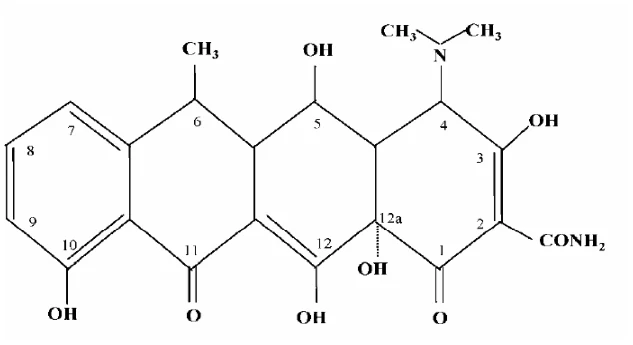
Physicochemical properties: Doxycycline monohydrate is a yellow crystalline powder
that dissolves in dilute solutions of mineral acids and in solutions of alkali hydroxides and carbonates. It is slightly soluble in methanol 1% 1M HC1, very slightly soluble in water and in alcohol, and practically insoluble in chloroform and in ether.
14. Clinical Trials
14.1. Clinical Trials by Indication
Study Demographics and Trial Design
Table 5 – Summary of Patient Demographics for Clinical Trials in Rosacea*
| Study # | Trial design | Dosage, route of administration and duration | Study subjects (n) | Mean Age (range) | Gender |
| Study # | Trial design | Dosage, route of administration and duration | Study subjects (n) | Mean Age (range) | Gender |
301 (USA, 7 centres) | Randomized, double-blind, placebo-controlled, parallel-group study | -40 mg APPRILON or placebo once daily -Oral (capsule) -16 weeks | (251) 127 APPRILON 124 placebo | 47.2 years (19 – 90 years) | 65 male 186 female |
302 (USA, 7 centres) | Randomized, double-blind, placebo-controlled, parallel-group study. Treatment period was followed by a 4-week period off therapy to evaluate the persistence of treatment effect. | -40 mg APPRILON or placebo once daily -Oral (capsule) -16 weeks on therapy, 4 weeks off therapy | (286 on therapy) 142 APPRILON 144 placebo (160 off therapy) 84 APPRILON 76 placebo | 47.0 years (19 – 82 years) | 97 male 189 female |
*Study patients had rosacea (10 to 40 papules and pustules and ≤ 2 nodules)
Study results
The following table presents the primary endpoint, which is the mean change in total inflammatory lesion count from baseline to Week 16 (Table 6).
Table 6 - Study 301 and 302: Mean change in total inflammatory lesion count from baseline to Week 16 (ITT population)
| Study 301 | Study 302 | |||||||||||||||
|---|---|---|---|---|---|---|---|---|---|---|---|---|---|---|---|---|
| APPRILON (N = 127) | Placebo (N = 124) | APPRILON (N = 142) | Placebo (N = 144) | |||||||||||||
| Baseline | ||||||||||||||||
| Mean | 19.5 | 20.3 | 20.5 | 21.2 | ||||||||||||
| (SD) | (8.8) | (10.4) | (11.1) | (12.5) | ||||||||||||
| Week 16a | ||||||||||||||||
| Mean | 7.7 | 14.4 | 11.0 | 16.9 | ||||||||||||
| (SD) | (8.0) | (16.4) | (11.3) | (14.7) | ||||||||||||
| Change from | ||||||||||||||||
| baseline | ||||||||||||||||
| Mean | -11.8 | -5.9 | -9.5 | -4.3 | ||||||||||||
| (SD) | (9.8) | (13.9) | (9.6) | (11.6) | ||||||||||||
| p-Valueb | <0.001 | <0.001 | ||||||||||||||
SD = standard deviation
Total inflammatory lesion count included the number of papules, pustules and nodules.
aWeek 16 was the last valid observation available on treatment.
bp-Value for treatment difference for change from baseline, using the Van Elteren test stratified by pooled centre.
The following table provides the proportion of treatment responders at Week 16 (Table 7).
Table 7 - Study 301 and 302: Proportion of treatment responders a at Week 16 b (ITT population)
| Treatment response | Study 301 | Study 302 | |||||||||||
|---|---|---|---|---|---|---|---|---|---|---|---|---|---|
APPRILON (N = 127) n (%) | Placebo (N = 124) n (%) | APPRILON (N = 142) n (%) | Placebo (N = 144) n (%) | ||||||||||
| Clear or Near Clear | 39 (30.7%) | 24 (19.4%) | 21 (14.8%) | 9 (6.3%) | |||||||||
| p-Value | 0.036 | 0.012 | |||||||||||
| Clear | 12 (9.4%) | 10 (8.1%) | 2 (1.4%) | 14 (5.2%) | |||||||||
| p-Valuec | 0.718 | 0.134 | |||||||||||
aTreatment responder was a patient assessed as Clear or Near Clear (defined as one or two papules) at Week 16.
bWeek 16 was the last valid observation available on treatment.
cp-Value for treatment differences was based on a Cochran-Mantel-Haenszel test stratified by pooled centre.
Patients treated with APPRILON (doxycycline) modified-release capsules did not demonstrate significant improvement in erythema when compared to those treated with placebo.
15. Microbiology
Doxycycline is a member of the tetracycline class of antibiotics. The dosage of APRILON differs from that of doxycycline used to treat infections. The plasma concentration of doxycycline following administration of APPRILON (doxycycline) modified-release capsules is below the level required to treat bacterial diseases. In vivo microbiological studies using immediate-release doxycycline (20 mg twice daily) for 6 to 18 months demonstrated no detectable effect on bacterial flora sampled from the oral cavity, skin, intestinal tract and vagina and did not reveal any evidence of increased bacterial resistance.
16. Non-Clinical Toxicology
Toxicology studies included in this section were conducted with doxycycline hyclate (not doxycycline monohydrate).
General toxicology: The oral (dietary) administration of doxycycline at 50, 250 and 500 mg/kg/day for up to 18 months in rats resulted in a reduction in liver weight at 250 and 500 mg/kg/day and pigmentation of the thyroid gland at all dosages. Histopathology revealed that one rat in the 500 mg/kg dose group had multiple areas of stomach necrosis.
Subchronic oral administration of doxycycline in beagle dogs for up to 11 days at approximately 250 mg/kg/day was associated with marked toxicity. Post-mortem examination of the mortality indicated a toxic effect in the liver and stomach.
The oral (dietary) administration of doxycycline at 5, 25 or 50 mg/kg doxycycline for up to 12 months in rhesus monkeys was studied. No deaths occurred and no treatment-related changes were reported in haematology, blood chemistry or urinalysis parameters. Animals in the 50 mg/kg dose group showed fluorescence of bones and teeth under ultraviolet light. Macroscopic observation of the thyroids revealed brownish discolouration in one animal of the 50 mg/kg dose group and a similar finding was apparent in animals of the 25 mg/kg dose group.
Histopathological examination of the thyroids confirmed the presence of a brownish pigment in three animals of the 50 mg/kg dose group.
Genotoxicity: Doxycycline hyclate demonstrated no potential to cause genetic toxicity in an in vitro point mutation study with mammalian cells (CHO/HGPRT forward mutation assay) or in an in vivo micronucleus assay conducted in CD-1 mice. However, data from an in vitro assay with CHO cells for potential to cause chromosomal aberrations suggest that doxycycline hyclate is a weak clastogen.
Positive results in in vitro mammalian cell assays have been reported for related antibiotics (tetracycline, oxytetracycline).
Carcinogenicity: Doxycycline hyclate was assessed for potential to induce carcinogenesis in a study in which the compound was administered to Sprague-Dawley rats by gavage at dosages of 20, 75, and 200 mg/kg/day for two years. Increases in benign tumours of the mammary gland (fibroadenoma), uterus (polyp) and thyroid (C-cell adenoma) were noted in females.
Noteworthy non-neoplastic findings included brown pigment in the thyroid, observed in all treated groups. Reduction in bodyweight gain and cystic endometrial hyperplasia in the uterus was observed in females treated with 200 mg/kg/day. Focal epithelial hyperplasia in the stomach was observed in males and females treated with 200 mg/kg/day. Catarrhal exudate and inflammatory cell infiltrate/inflammation in the nasopharynx was observed in males and females treated with 75 and 200 mg/kg/day.
Evidence of oncogenic activity was obtained in studies with related compounds, i.e., oxytetracycline (adrenal and pituitary tumors) and minocycline (thyroid tumors).
Reproductive and developmental toxicology: In a fertility and reproductive study, five groups of 25 male and 25 female rats were dosed by oral gavage at dose levels of 0, 50, 100, 250 or 500 mg/kg/day doxycycline hyclate. A similar control group received purified water. The males were dosed for 28 days prior to mating, throughout the mating period and until the day before necropsy. The females were dosed for 14 days prior to mating, during the mating period and until day 7 of pregnancy. The study demonstrated that the oral administration of doxycycline hyclate to Sprague-Dawley rats adversely affected fertility and reproductive performance, as evidenced by increased time for mating to occur, reduced sperm motility, velocity, and concentration, abnormal sperm morphology, and increased pre-and post implantation losses. Doxycycline induced reproductive toxicity at all dosages in the study, as even the lowest dose tested (50 mg/kg per day) induced a statistically significant reduction in sperm velocity. Note that 50 mg/kg/day is approximately 3.6 times the amount of doxycycline contained in the recommended daily dose of APPRILON (doxycycline) modified-release capsules for a 60-kg human when compared on the basis of area under the curve (AUC) estimates.
No embryo-fetal development study was performed with doxycycline. However, doxycycline is known to cross the placenta and literature data indicate that tetracyclines can have toxic effects on the developing fetus.
In a study for effects on prenatal and postnatal development, including maternal function, five groups of 25 pregnant female rats (F0 generation) were treated with doxycycline hyclate at dose-levels of 0, 50, 100, 250 or 500 mg/kg/day. Females were dosed once daily, by oral gavage, from day 18 of pregnancy (rather than day 7 when implantation occurs as recommended in the guidance) and throughout lactation until day 20 post-partum, inclusive. The F1 offspring were not mated to assess reproductive performance. The daily oral administration of doxycycline hyclate elicited maternal toxicity at 500 mg/kg/day, which included noisy breathing, a reduction in bodyweight gain, a reduction in food consumption and an increased duration of gestation.
There was also evidence of slight toxicity in the F1 generation, which was characterized by a reduction in bodyweight during lactation and post-weaning, generalized pallor and an increase in the numbers of litters containing one or more pups with clinical signs including hair-loss, piloerection and abnormal hair growth. At 250 mg/kg/day, there was evidence of slight maternal toxicity (e.g., reduction in bodyweight gain and food consumption, slight increase in the duration of gestation) and slight toxicity in the F1 generation (e.g., increase in the numbers of litters containing one or more pups with clinical signs including hair-loss, piloerection and abnormal hair growth). At 100mg/kg/day, there was an increase in the numbers of pups with hair-loss in the F1 generation but there was no apparent evidence of maternal toxicity at 100 or 50 mg/kg/day or toxicity in the F1 generation at 50 mg/kg/day.