


Patient Medication Information: uses, side effects, how to take - Arixtra
What ARIXTRA is used for:
ARIXTRA is used in adults (18 years of age and older) to:
help prevent clots from forming in the blood vessels of the legs or lungs in patients undergoing:
- knee, hip replacement or hip fracture surgeries. ARIXTRA can be used for up to one month after these types of surgeries.
- abdominal surgery, and who are at high risk of blood clot complications.
- treat blood clots in a deep vein of the legs and in the blood vessels of the lungs.
- manage severe chest pain, and treat some types of heart attack (called non ST or ST segment myocardial infarction).
Due to the risk of bleeding, ARIXTRA will be used with caution in patients who are 65 years of age and older.
How ARIXTRA works:
ARIXTRA belongs to a group of medicines called antithrombotic agents. It helps to prevent blood clotting by binding to a blood-thinning protein that is naturally produced in your body and increasing its effectiveness. This helps to block the activity of a clotting factor called Factor-Xa.
The ingredients in ARIXTRA are:
Medicinal ingredient: Fondaparinux sodium
Non-medicinal ingredients: Isotonic solution of sodium chloride, water for injection and, if necessary, sodium hydroxide or hydrochloric acid for pH adjustment.
ARIXTRA comes in the following dosage form:
Solution for injection: 2.5 mg / 0.5 mL, 5 mg / 0.4 mL, 7.5 mg / 0.6 mL and 10 mg / 0.8 mL
Do not use ARIXTRA if:
- you are allergic to fondaparinux sodium or to any of the other ingredients in ARIXTRA.
- you have an abnormally low number of platelets in your blood and a positive lab result for a specific test. Your healthcare professional will tell you if this applies to you.
- you are bleeding excessively.
- you have a bacterial infection in your heart.
To help avoid side effects and ensure proper use, talk to your healthcare professional before you take ARIXTRA. Talk about any health conditions or problems you may have, including if you:
- have an allergy to latex as a component of the syringe (i.e., needle shield) is made with a derivative of natural rubber latex. However, no natural rubber latex has been detected in this syringe component.
have an increased risk of bleeding. This includes if you:
- are 65 years of age or older.
- weigh less than 50 kg.
- have an ulcer in your stomach or bowel.
- have a bleeding disorder.
- had recent bleeding in your brain.
- had recent surgery on the brain, spinal column or eyes.
- have kidney disease (especially severe kidney problems).
- have liver disease.
- are taking any other medications that help to prevent blood clots from forming such as non-steroidal anti-inflammatory drugs (NSAIDs) (e.g., acetylsalicylic acid, naproxen, ibuprofen, celecoxib), and platelet inhibitors (e.g., clopidogrel, ticagrelor, prasugrel).
- are going to undergo surgery or a medical procedure that involves a tube (catheter) or injection into the spinal column (e.g., for epidural or spinal anesthesia or pain reduction).
are pregnant, think you might be pregnant or planning to become pregnant. ARIXTRA should not be used during pregnancy unless your healthcare professional considers the benefits to you markedly outweighs the potential risks to your unborn baby.
- are breast-feeding or planning to breast-feed. It is not known if ARIXTRA can pass into breast milk and harm your breast-fed baby. ARIXTRA is not recommended while breast-feeding.
Other warnings you should know about:
Do not stop taking ARIXTRA without first talking to your healthcare professional. If you stop taking ARIXTRA, blood clots may form and cause a stroke, heart attack, or other serious complications. This can lead to severe disability or even death.
Risk of bleeding: As with other blood thinners, taking ARIXTRA may increase the risk of bleeding from any part of the body, including internal organs. It may be serious or even life-threatening. Tell your healthcare professional right away if you have any unusual bleeding or bruising. For examples of bleeding, see the Serious side effects and what to do about them table below.
Spinal or epidural blood clots (hematoma): People who take ARIXTRA and have medicine injected into their spinal or epidural area, or have a spinal puncture, have a risk of forming a spinal or epidural blood clot. This can cause long-term or permanent loss of the ability to move (paralysis). The risk of developing a spinal or epidural blood clot is higher if:
- A thin tube called an epidural catheter is placed in your back to give certain medicines
- You take NSAIDs or a medicine to prevent blood from clotting
- You have a history of difficult or repeated epidural or spinal punctures
- You have a history of problems with the spinal column or have had surgery on the spinal column
ARIXTRA should only be used while you are receiving an epidural or spinal procedure if the benefits outweigh the possible risks. Your healthcare professional will watch you closely for symptoms of spinal or epidural blood clots during this time.
Tell your healthcare professional right away if you develop the following symptoms after an epidural or a spinal procedure:
- back pain
- tingling
- numbness
- muscle weakness (especially in your legs and feet)
- or loss of control of the bowels or bladder (incontinence)
Driving and using machines: Give yourself time after injecting ARIXTRA to see how you feel before driving a vehicle or using tools or machinery.
Testing and check-ups: Your healthcare professional may do blood tests during your treatment with ARIXTRA. These tests will:
- check the health of your kidneys (especially if you have had knee, hip replacement, hip fracture or abdominal surgeries).
- check the amount of platelets and other blood cells in your blood.
Tell your healthcare professional about all the medicines you take, including any drugs, vitamins, minerals, natural supplements or alternative medicines.
How to take ARIXTRA:
- Always use ARIXTRA as directed by your healthcare professional. Check with your healthcare professional if you are unsure.
- Don’t stop using ARIXTRA until your healthcare professional tells you to. Contact your healthcare professional if you feel you need to stop taking ARIXTRA.
- ARIXTRA is given by injection under the skin (subcutaneously) into a skin fold of the lower stomach area. Do NOT inject ARIXTRA into muscle (intramuscularly). Carefully follow the step-by-step ‘Instructions for self-injection’ guide below.
While you are in the hospital, a healthcare professional will give your first injection. The timing of the first ARIXTRA injection is very specific, depending on the condition you have. Your healthcare professional will make sure they give you the first dose at the right time to help prevent bleeding. You may need to continue your injections of ARIXTRA after you return home.
The different parts of ARIXTRA safety syringe are:
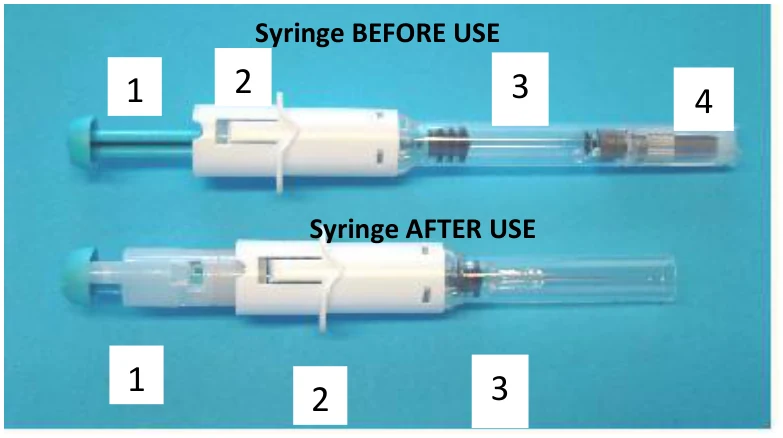
Syringe BEFORE USE
Syringe AFTER USE
1
2
3
4
1 - Plunger
2 - Finger-grip
3 - Security sleeve
4 - Rigid needle shield
1
2
3
Instructions for self-injection of ARIXTRA:
I. Before Injecting:

- 1. Inspect the solution in the syringe. Do not use if the solution is hazy, has particles in it, is discoloured or is leaking.
- 2. Wash your hands thoroughly with soap and water. Towel dry.
- 3. Sit or lie down in a comfortable position. Choose a spot in the lower stomach area, at least 5 cm from your belly button (Figure 1), for your injection. If you can’t inject in the stomach area, consult your healthcare professional for instructions.
- 4.
Do not press on the plunger prior to injection.
Figure 1
II. When ready to inject:
- 1.
Clean the injection area with an alcohol swab.
- 2. Hold the body of the syringe firmly in one hand.
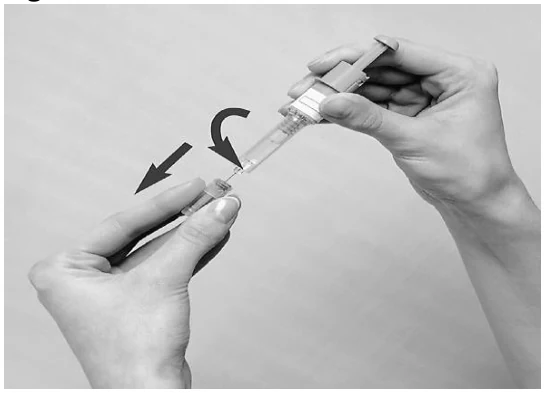
- 3. Remove the needle shield by first twisting it and then pulling it in a straight line away from the body of syringe (Figure 2). Discard the needle shield.
- 4.
Important:
- i. Do not touch the needle or allow it to come into contact with any surface prior to the injection.
- ii. The presence of a small air bubble in the syringe is normal.
- iii.
Do not try to remove this air bubble before making the injection in order to be sure that you do not lose any product.
Figure 2
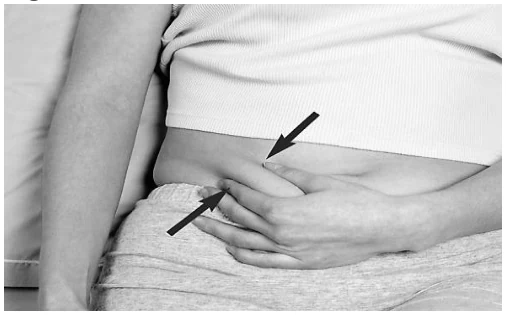
- 5. Gently pinch the skin that has been cleaned to make a fold. Hold the fold between the thumb and the forefinger during the entire injection (Figure 3).
- 6.
Alternate the left and right side of the stomach at each injection.
Figure 3
- 7.
With the other hand, hold the syringe firmly by the finger grip. Insert the full length of the needle perpendicularly (at an angle of 90°) into the skin fold (Figure 4).
Figure 4

- 8.
Inject ALL of the contents of the syringe by pressing down on the plunger as far as it goes. This will activate the automatic needle protection system (Figure 5).
Figure 5
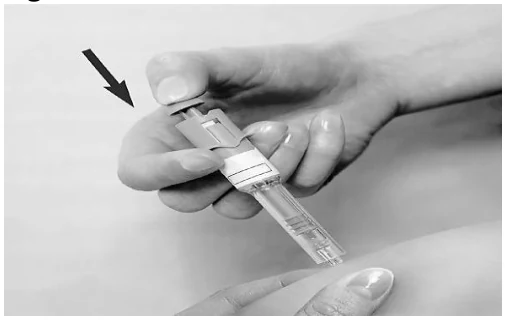
- 9. Release the plunger and the needle will withdraw automatically from the skin and retract into the security sleeve where it will be locked permanently (Figure 6).
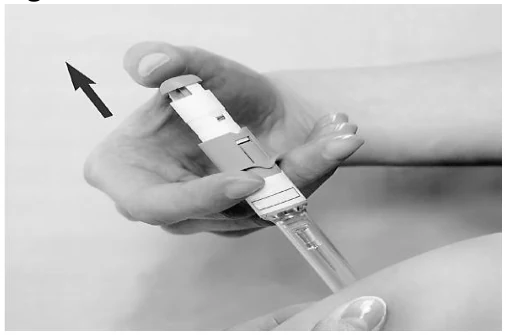
- 10.
Discard the used syringe into a sharps container as your healthcare professional has instructed you.
Figure 6
Usual dose:
For prevention of blood clots following surgery:
- The usual dose of ARIXTRA is 2.5 mg once a day.
For treatment of blood clots:
- The usual dose of ARIXTRA is 5 mg (body weight less than 50 kg), 7.5 mg (body weight between 50 to 100 kg) or 10 mg (body weight greater than 100 kg) once daily.
In the management of heart attacks or severe chest pain:
- The usual dose of ARIXTRA is 2.5 mg once daily. Your first dose may be given by intravenous injection (into a vein), depending on your condition.
Overdose:
Taking too much ARIXTRA may cause excessive bleeding.
If you think you, or a person you are caring for, have taken too much ARIXTRA, contact a healthcare professional, hospital emergency department, regional poison control centre or Health Canada’s toll-free number, 1-844 POISON-X (1-844-764-7669) immediately, even if there are no signs or symptoms.
Missed dose:
NEVER inject a double dose to make up for a forgotten missed dose. If you are not sure what to do, ask your healthcare professional before you take any action.
Possible side effects from using ARIXTRA:
These are not all the possible side effects you may have when taking ARIXTRA. If you experience any side effects not listed here, tell your healthcare professional.
Side effects with ARIXTRA may include :
- headache
- trouble falling or staying asleep
- nausea or vomiting
- feeling weak or lack of energy
- anxiety
- confusion
- dizziness
- coughing
- indigestion
- constipation
- diarrhea
- skin reactions at injection site (mild rash or itching, pain, bruising and redness)
- fever
- back pain
- flushing
- drowsiness
- vertigo (feeling of spinning)
- shortness of breath
Serious side effects and what to do about them
| Frequency/Side Effect/Symptom | Talk to your healthcare professional | Stop taking this drug and get immediate medical help | |
|---|---|---|---|
| Only if severe | In all cases | ||
| Very common | |||
| Anemia (decreased number of red blood cells): fatigue, loss of energy, looking pale, shortness of breath, weakness | X | ||
| Bleeding from the surgical wound, an injury or other medical procedure | X | ||
| Epistaxis (nosebleeds) | X | ||
| Hematuria (blood in urine): red/pink tinge to urine | X | ||
| Unexpected bruising | X | ||
| Urinary tract infection (infection in urinary system including kidneys, ureters, bladder and urethra): pain or burning sensation while urinating, frequent urination, blood in urine, pain in the pelvis, strong smelling urine, cloudy urine | X | ||
| Common | |||
| Liver disorder: yellowing of the skin or eyes, dark urine, pale stools abdominal pain, nausea, vomiting, loss of appetite | X | ||
| Syncope (fainting): a temporary loss of consciousness due to a | X | ||
| sudden drop in blood pressure | |||
| Edema: unusual swelling of the arms, hands, legs, feet and ankles, face or airway passages | X | ||
| Uncommon | |||
| Low or high blood platelet levels: bruising or bleeding for longer than usual if you hurt yourself, fatigue and weakness, or excessive blood clotting | X | ||
| Rare | |||
| Oozing from the surgical wound | X | ||
| Allergic Reaction / angioedema: difficulty swallowing or breathing, wheezing, drop in blood pressure, feeling sick to your stomach and throwing up, hives or rash, swelling of the face, lips, tongue or throat | X | ||
| Hypokalemia (low level of potassium in the blood): muscle weakness, muscle spasms, cramping, constipation, feeling of skipped heart beats or palpitations, fatigue, tingling or numbness | X | ||
| Hypotension (low blood pressure): dizziness, fainting, light-headedness, blurred vision, nausea, vomiting, fatigue (may occur when you go from lying or sitting to standing up) | X | ||
| Chest pain | X | ||
| Leg pain | X | ||
| Retroperitoneal hemorrhage (bleeding into the area behind the abdominal lining): abdominal, upper leg or groin pain, shock (lightheadedness, dizziness, sweating, fast heartbeat) | X | ||
| Intracerebral hemorrhage (bleeding in the brain): sudden, severe headache, confusion, nausea and vomiting, seizures, loss of consciousness | X | ||
| Unknown | |||
| Gastrointestinal (GI) bleeding (bleeding anywhere along the GI tract between mouth and anus): blood in vomit, black tarry stool, bright red blood in your stool or coming from rectum, rapid pulse, low blood pressure, low urine flow, confusion, weakness, dizziness | X | ||
| Adrenal hemorrhage (bleeding from the adrenal glands): pain in the abdomen or sides, nausea, vomiting, dizziness, weakness, fatigue, muscle aches | X | ||
| Pericardial hemorrhage (bleeding in the sac surrounding the heart): shortness of breath, chest fullness, sharp chest pain that may get worse when | X | ||
| breathing or lying down, palpitations, swelling in abdomen and legs, dizziness or lightheadedness | |||
| Spinal hematoma (blood around the spinal cord): pain, numbness, difficulty in walking, loss of bowel/bladder movement | X | ||
| Eye hemorrhage (bleeding in the eye): bright red patch on white part of the eye | X | ||
If you have a troublesome symptom or side effect that is not listed here or becomes bad enough to interfere with your daily activities, tell to your healthcare professional.
Reporting side effects
You can report any suspected side effects associated with the use of health products to Health Canada by:
- Visiting the Web page on Adverse Reaction Reporting (canada.ca/drug-device-reporting) for information on how to report online, by mail or by fax; or
- Calling toll-free at 1-866-234-2345.
NOTE: Contact your healthcare professional if you need information about how to manage your side effects. The Canada Vigilance Program does not provide medical advice.
Storage:
ARIXTRA should be stored below 25°C. Do not freeze.
Do not use ARIXTRA under the following conditions:
- after the expiry date stated on the label and carton;
- if you notice that particulate matter or discoloration is present in the solution;
- if you notice that the syringe is damaged;
- if you have opened a syringe and do not intend to use it straight away.
Any unused syringe should be disposed of in a safe manner.
Keep out of reach and sight of children.
If you want more information about ARIXTRA:
- Talk to your healthcare professional
- Find the full product monograph that is prepared for healthcare professionals and includes the Patient Medication Information by visiting the Health Canada Drug Product Database website (https://www.canada.ca/en/health-canada/services/drugs-health-products/drug-products/drug-product-database.html); the manufacturer’s website www.aspenpharma.ca; or by calling 1-844-330-1213.
Aspen Pharmacare Canada Inc.
201 - 2030 Bristol Circle
Oakville, ON
L6H 0H2
Date of Authorization: 2026-06-10
Trademarks are owned by or licensed to the Aspen Group of companies.