


Product Monograph - Artiss
Recent Major Label Changes
| 4.4 Administration | 2025-06 |
|---|
Recent Major Label Changes ................................................................................................. 2
Part 1: Healthcare Professional Information.......................................................................... 4
- 1.
Indications..................................................................................................................... 4
1.1. Pediatrics .................................................................................................................... 4
1.2. Geriatrics .................................................................................................................... 4
- 2. Contraindications .......................................................................................................... 4
- 3. Serious Warnings and Precautions Box ........................................................................... 4
- 4.
Dosage and Administration ............................................................................................ 5
4.2. Recommended Dose and Dosage Adjustment .......................................................... 5
4.4. Administration ........................................................................................................... 5
- 5. Overdose ..................................................................................................................... 12
- 6. Dosage Forms, Strengths, Composition, and Packaging ................................................ 12
- 7.
Warnings and Precautions ........................................................................................... 14
General ................................................................................................................................. 14
Immune ................................................................................................................................ 16
Reproductive Health ............................................................................................................. 17
7.1. Special Populations .................................................................................................. 17
7.1.1. Pregnancy ......................................................................................................... 17
7.1.2. Breastfeeding ................................................................................................... 17
7.1.3. Pediatrics .......................................................................................................... 17
7.1.4. Geriatrics .......................................................................................................... 17
- 8.
Adverse Reactions ....................................................................................................... 18
8.1. Adverse Reaction Overview ..................................................................................... 18
8.2. Clinical Trial Adverse Reactions ............................................................................... 18
8.2.1. Clinical Trial Adverse Reactions – Pediatrics.................................................... 20
8.3. Less Common Clinical Trial Adverse Reactions ........................................................ 20
8.5. Post-Market Adverse Reactions ............................................................................... 20
- 9.
Drug Interactions ......................................................................................................... 21
9.2. Drug Interactions Overview ..................................................................................... 21
9.3. Drug-Behaviour Interactions .................................................................................... 21
9.4. Drug-Drug Interactions ............................................................................................ 21
9.5. Drug-Food Interactions ............................................................................................ 21
9.6. Drug-Herb Interactions ............................................................................................ 21
9.7. Drug-Laboratory Test Interactions........................................................................... 21
- 10.
Clinical Pharmacology .................................................................................................. 21
10.1. Mechanism of Action ............................................................................................... 21
10.2. Pharmacodynamics .................................................................................................. 22
10.3. Pharmacokinetics ..................................................................................................... 22
10.4. Immunogenicity ....................................................................................................... 22
- 11. Storage, Stability, and Disposal .................................................................................... 22
Part 2: Scientific Information .............................................................................................. 24
- 13. Pharmaceutical Information ........................................................................................ 24
- 14.
Clinical Trials ............................................................................................................... 28
14.1. Clinical Trials by Indication ...................................................................................... 29
14.2. Comparative Bioavailability Studies ........................................................................ 35
- 15. Microbiology ............................................................................................................... 36
- 16. Non-Clinical Toxicology ................................................................................................ 36
Patient Medication Information ......................................................................................... 38
Part 1: Healthcare Professional Information
1. Indications
ARTISS (Fibrin Sealant (Human), Slow Set) is indicated for:
- the fixation (gluing) of autologous skin grafts and tissue flaps.
- as an adjunct to haemostasis on subcutaneous tissue surfaces to treat burns in adult and pediatric patients.
- as an adjunct to adhere tissue flaps during facial rhytidectomy surgery (face-lift).
1.1. Pediatrics
Pediatrics (1.1 – 16 years of age) or (< 16 years of age):
Efficacy and safety in the use of ARTISS (Fibrin Sealant (Human), Slow Set) has been evaluated in a clinical trial involving a group of pediatric patients and was not found to be different from an adult population.
1.2. Geriatrics
Geriatrics (> 65 years of age):
Efficacy and safety in use of ARTISS (Fibrin Sealant (Human), Slow Set) has been evaluated in a clinical trial involving a small number of geriatric patients. No overall differences in safety or effectiveness were observed between these subjects and younger subjects.
2. Contraindications
- ARTISS (Fibrin Sealant (Human), Slow Set) is contraindicated in patients who are hypersensitive to this drug or to any ingredient in the formulation including any non-medicinal ingredient or component of the container. For a complete listing, see 6 DOSAGE FORMS, STRENGTHS, COMPOSITION AND PACKAGING.
- ARTISS is contraindicated in individuals with a known hypersensitivity to Aprotinin.
- ARTISS is contraindicated for intravascular application and should not be injected directly into a blood vessel. Intravascular application may result in life threatening thromboembolic events.
- ARTISS alone should not be used for the treatment of massive brisk arterial or venous bleeding as it is not effective in this situation.
3. Serious Warnings and Precautions Box
- Life threatening thromboembolic events have occurred when ARTISS (Fibrin Sealant (Human), Slow Set) was inadvertently administered intravascularly (see 7 WARNINGS AND PRECAUTIONS, Vascular Disorders).
- Fatal air or gas embolism has occurred with application of ARTISS using pressurized air or gas (see 4 DOSAGE AND ADMINISTRATION and 7 WARNINGS AND PRECAUTIONS, Vascular Disorders)
- Severe hypersensitivity and anaphylactic reactions have been reported with ARTISS. Adequate medical treatment and provisions should be available for immediate use in the event of an anaphylactic reaction (see 7 WARNINGS AND PRECAUTIONS, Immune.)
- ARTISS is made from pooled human plasma which may contain infectious agents, such as viruses, that can cause disease (see 7 WARNINGS AND PRECAUTIONS, General)
4. Dosage and Administration
4.2. Recommended Dose and Dosage Adjustment
Application of the product must be individualized to the patient by the treating physician. In clinical trials, the individual dosages have typically ranged from 0.2-12 mL. For some procedures (e.g., the sealing of large, burned surfaces), larger volumes may be required.
The initial amount of the product to be applied at a chosen anatomic site or target surface area should be sufficient to entirely cover the intended application area. The application can be repeated, if necessary. However, avoid re-application of ARTISS (Fibrin Sealant (Human), Slow Set) to a pre-existing polymerized ARTISS layer as ARTISS may not adhere firmly to a polymerized layer.
The amount of ARTISS to be applied depends on the size of the surface to be covered. The approximate surface areas covered by each package size of ARTISS are listed in the following table:
Table 1: Approximate Surface Areas Covered by Each Package Size of ARTISS
4.4. Administration
For topical use only – do not inject.
ARTISS is available as frozen solutions for thawing.
ARTISS consists of a pre-filled double-chamber syringe (PRIMA syringe) containing Sealer
| Area to be sealed (cannula, catheter) | Area to be sealed using compressed gas (spray application) | Required package size of ARTISS |
8 cm2 16 cm2 40 cm2 | 25-100 cm2 50-200 cm2 125-500 cm2 | 2 mL 4 mL
|
Protein-Aprotinin Solution and Thrombin-Calcium Chloride Solution. ARTISS is available in 2, 4 and 10 mL pack sizes.
Various methods can be used to simultaneously apply the two components of ARTISS:
- using application cannula contained in DUPLOJECT COMBI
- using TISSEEL / ARTISS Spray Set and EASYSPRAY Pressure Regulator
- using DUPLOCATH Application Catheters or other accessories provided by Baxter
Preparation of ARTISS
- Do not use ARTISS unless it is completely thawed and warmed (liquid consistency).
- ARTISS must not be exposed to temperatures above 37°C and must not be microwaved.
- The protective syringe cap should not be removed until thawing is complete, and application tip is ready to be attached.
ARTISS may be thawed and warmed under controlled conditions using one of the two following options:
Quick Thawing/Warming Methods
An Overview of the quick thawing/warming methods is provided in Table 2
Table 2: Quick Thawing /Warming Methods at 33°C – 37°C
| Pack Size | Minimum Thawing/Warming Times | |||||||
|---|---|---|---|---|---|---|---|---|
| Sterile Water Bath (Pouches Removed) | Non-Sterile Water Bath (In Pouches) | Incubator (In Pouches) | ||||||
| 2 mL | 5 min | 15 min | 40 min | |||||
| 4 mL | 5 min | 20 min | 50 min | |||||
| 10 mL | 10 min | 35 min | 90 min | |||||
Sterile Water Bath (Recommended Method)
- Transfer the pre-filled syringe packed in the inner pouch into the sterile area.
- Remove the pre-filled syringe from the inner pouch and place the syringe directly into the sterile water heated to 33°C - 37°C ensuring the syringe is completely immersed in the water (See Table 2 for minimum thawing/warming times).
- To monitor the specified temperature range, control the water temperature using a thermometer and change the water as necessary.
Non-Sterile Water Bath
- Place the pre-filled syringe packed in both pouches, in a water bath heated to 33°C - 37°C outside the sterile area, ensuring the pouches remain immersed in the water (See Table 2 for minimum thawing/warming times).
- Remove the pouches from the water bath after thawing and warming.
- Dry the outer pouch and transfer the pre-filled syringe in the inner pouch, onto the sterile area.
Incubator
- Place the pre-filled syringe, packed in both pouches, in an incubator outside the sterile area (See Table 2 for minimum thawing/warming times).
- After thawing/warming in the incubator, remove the outer pouch and transfer the pre-filled syringe, inside the inner pouch, into the sterile area.
Thawing at Room Temperature (not above +25°C) followed by Warming in Incubator
- Thaw the pre-filled syringe, packed in both pouches, at room temperature outside the sterile area (See Table 3 for minimum thawing times).
- Warm the pre-filled syringe, packed in both pouches, in an incubator at 33°C-37°C outside the sterile area (See Table 3 for minimum thawing/warming times).
After thawing/warming in the incubator, remove the outer pouch and transfer the pre-filled syringe, inside the inner pouch, into the sterile area.
Table 3: Thawing at Room Temperature and warming in Incubator
| Pack Size | Minimum Thawing/Warming Times | |||||
|---|---|---|---|---|---|---|
| Thawing at Room Temperature (Not above +25⁰C) | Warming in Incubator (33⁰C-37⁰C) | |||||
| 2 mL | 80 min | 11min | ||||
| 4 mL | 90 min | 13 min | ||||
| 10 mL | 160 min | 25 min | ||||
Stability after Thawing
After quick thawing and warning: Once the package is opened or the product is warmed to 33°C to 37°C, it must be used within 12 hours.
Product thawed at room temperature: Unopened pouches of ARTISS, may be stored for up to 7 days at room temperature (15°C to 25°C) after removal from the freezer.
After thawing, the product must not be refrigerated or, refrozen.
Method of Application
Application Considerations
See 7 WARNINGS AND PRECAUTIONS, General and Application Precautions.
The use of ARTISS is restricted to experienced surgeons who have been trained in the use of ARTISS.
The setting rate depends on the concentration of human Thrombin contained in the Thrombin-
Calcium Chloride solution used. The ARTISS Thrombin component is provided in a 4 IU/mL concentration. Time to clot formation/ polymerization may take up to one minute to set with a Thrombin concentration of 4 IU/mL. Use of ARTISS is appropriate for surgical procedures where sufficient time for manipulation of tissues and approximation of the wound areas is demanded to glue tissues (e.g., skin grafts, tissue flaps, etc.). A 500 IU/mL Thrombin concentration is also available and marketed as TISSEEL 500 IU, Fast Set.
The sealer protein and the thrombin solutions should be clear or slightly opalescent. Do not use solutions that are cloudy, discolored, have deposits or other changes in their appearance.
Choice of Application Method/Device
- The cannulas included with DUPLOJECT COMBI System may be used for small wounds or for edges of a skin graft that did not adhere to the wound bed.
- In operation sites where access is difficult, ARTISS can be applied using DUPLOCATH Application Catheters.
- TISSEEL / ARTISS Spray Set is particularly suitable for spraying of larger areas.
Caution must be used when applying fibrin sealant using pressurized air or gas Life-threatening/fatal air or gas embolism has occurred with the use of spray devices employing a pressure regulator to administer fibrin sealants. This event appears to be related to the use of the spray device at higher than recommended pressures and in close proximity to the tissue surface. The risk appears to be higher when fibrin sealants are sprayed with air, as compared to CO2 and therefore cannot be excluded when ARTISS is used during open wound surgery.
General Application Instructions
- Before the application of ARTISS, ensure that all parts of the body outside the desired application area are sufficiently covered to prevent tissue adhesion at undesired sites.
- Prior to applying ARTISS the surface area of the wound needs to be dried by standard techniques (e.g., intermittent application of compresses, swabs, use of suction). Do not use pressurized air or gas for drying the site.
- Apply the mixed sealer protein - thrombin solution on to the recipient surface or on to the surfaces of the parts to be glued by slowly pressing on the back of the common plunger.
- In surgical procedures that require the use of minimal volumes of fibrin sealant, it is recommended to expel and discard the first few drops of product.
- After ARTISS has been applied, allow at least 3 minutes to achieve sufficient polymerization.
- To prevent ARTISS from adhering to gloves and instruments, wet these with saline before contact with Sealant.
- Ensure that the two components are quickly and thoroughly mixed, which is essential for ARTISS to gain the optimum strength. Once turbid, ARTISS can no longer be manipulated.
Immediately before application, expel and discard the first several drops from the application cannula to ensure use of adequately mixed product. Separate, sequential
- application of the two components must be avoided.
- Note: If application is interrupted, clogging will occur quickly in the cannula. In this case, replace the application cannula with a new one only immediately before application is resumed. If the openings of the joining piece are clogged, use the spare joining piece provided in the package. Application is also possible with other accessories supplied by BAXTER that are particularly suited for, e.g. application to large or difficult-to-access areas. When using these application devices, strictly follow the Instructions for Use of the devices.
- The skin graft should be attached to the wound bed immediately after ARTISS has been applied. The surgeon has up to 60 seconds to manipulate and position the graft prior to polymerization.
- If ARTISS does not fully adhere to tissue and bleeding continues, remove ARTISS clot and repeat application.
- After the flap or graft has been positioned, hold in the desired position by gentle compression for at least 3 minutes to ensure ARTISS sets properly, and the flap or graft adheres firmly to the underlying tissue.
- Solidified Sealant reaches its ultimate strength after about two hours (70% after about ten minutes).
Application Instructions by Device
- a) Simultaneous Application using application cannula contained in DUPLOJECT COMBI
For application, connect the double chamber ready-to-use syringe with the sealer protein solution and the thrombin solution to a joining piece and an application cannula – both are provided in the set with the application devices. The common plunger of the double chamber ready-to-use syringe ensures that equal volumes of the two sealant components are fed through the joining piece into the application cannula where they are blended and then applied.
Operating Instructions
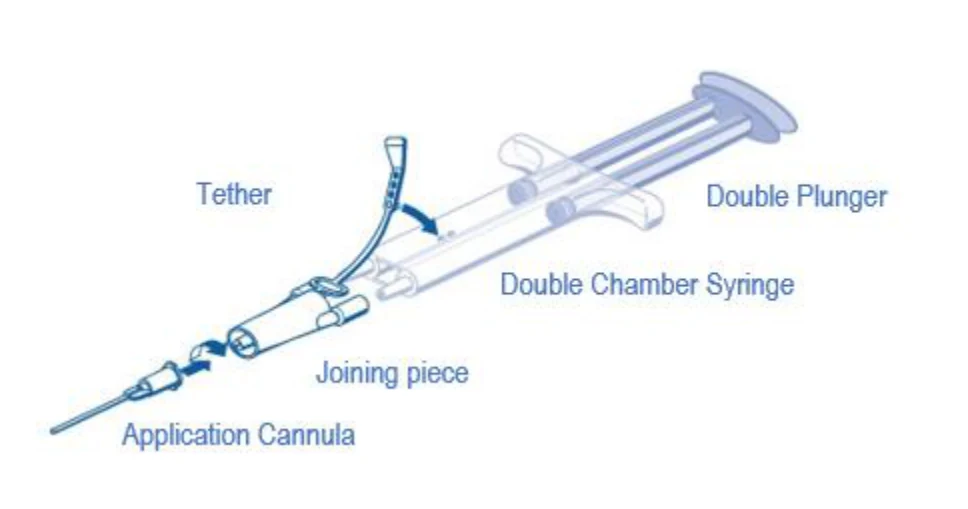
- To facilitate removal of the tip cap from the syringe, rock the tip cap by moving it backward and forward, then pull the protective cap off the syringe.
- Expel all air from the syringe prior to attaching any application device.
- Align the joining piece and tether to the side of the syringe with the tether strap hole.
Connect the nozzles of the double chamber ready-to-use syringe to the joining piece, ensuring that they are firmly attached.
- Secure the joining piece by fastening the tether strap to the double chamber ready-to-use syringe.
- If the tether strap tears, use the spare joining piece provided in the kit.
- If a spare joining piece is not available, the system can still be used if care is taken to ensure that the connection is secure and leak-proof.
- Do NOT expel the air remaining inside the joining piece.
Attach an application cannula on to the joining piece.
- Do NOT expel the air remaining inside the joining piece and inside the application cannula until you start the actual application because this may clog the application cannula.
Simultaneous Application Using Spray Set and EASYSPRAY:
Caution must be used when applying fibrin sealant using pressurized air or gas.
- Any application of air or pressurized gas is associated with a potential risk of air or gas embolism, tissue rupture, or gas entrapment with compression, which may be life-threatening.
- ARTISS must be sprayed only onto application sites that are visible.
- ARTISS must not be applied intravascularly. (See 7 WARNINGS AND PRECAUTIONS)
Note: For operation instructions please refer to the Instructions for Use provided together with TISSEEL / ARTISS Spray Set and EASYSPRAY Pressure Regulator.
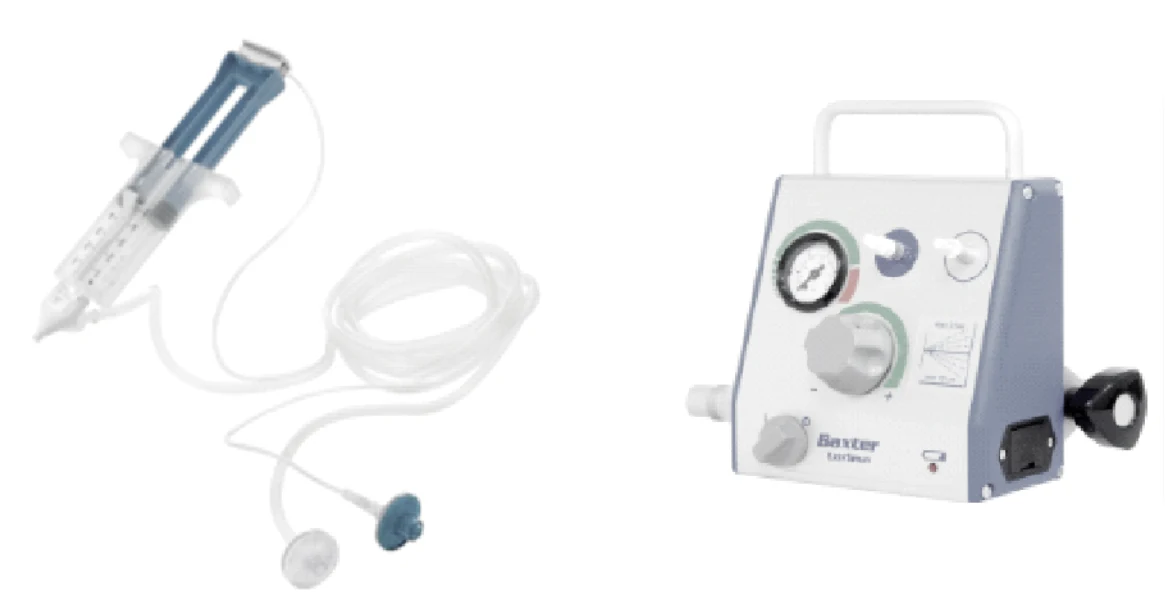
The TISSEEL / ARTISS Spray Set is particularly suitable for spraying of larger areas, e.g., to control oozing of parenchymatous organs or to adhere skin grafts. The two components are sprayed simultaneously using sterile propellant gas via EASYSPRAY Pressure Regulator, and the volume of the Solutions ejected is controlled with the PRIMA syringe plunger.
When applying ARTISS using EASYSPRAY Pressure Regulator and TISSEEL / ARTISS Spray Set, be sure to use a pressure and a distance from tissue within the ranges recommended by the manufacturer as follows:
Table 4: Recommended pressure, distance and devices for spray application of ARTISS
| Surgery | Spray set/Applicator tips to use | Pressure regulator to be used | Gas | Recommended distance from target tissue | Recommended spray pressure |
|---|---|---|---|---|---|
| Open wound surgery of subcutaneou s tissue | Artiss Spray Set | EasySpray | Medical grade CO2*, Compresse d Air or Nitrogen | 10 – 15 cm | 1.5-2.0 bar (21.8-29.0 psi) |
| Artiss Spray Set 10 pack | EasySpray | ||||
* Medical grade CO2 is the preferred gas for application, however compressed air or nitrogen are acceptable gases for administration of ARTISS in open surgery.
Equivalent spray devices, intended for specific use with ARTISS, may also be used. When using other spray devices, follow the instructions for use that are provided with the device.
When using accessory tips with this product, the instructions for use of the tips should be followed.
- c) Simultaneous Application Using DUPLOCATH Application Catheters or other accessories provided by Baxter:
In operation sites where access is difficult, ARTISS can be applied using DUPLOCATH Application Catheters or equivalent spray devices, intended for specific use with ARTISS, may also be used.
Note: When using other spray devices, please follow the Instructions for Use provided together with DUPLOCATH Application Catheter 25 or the instructions for use that are provided with the device.
In case of using other accessories provided by Baxter, please refer to the operating instructions contained in the Instructions for Use for the particular accessory.
When spraying ARTISS, changes in blood pressure, pulse, oxygen saturation and end tidal CO2 should be monitored because of the possibility of occurrence of air or gas embolism.
5. Overdose
As the product is actively used by the surgeon, overdose is very unlikely to occur. ARTISS (Fibrin Sealant (Human), Slow Set) is only to be used by a physician in a hospital setting.
Excessive thickness of the fibrin layer may negatively interfere with the product’s efficacy and the wound healing process (see 4 Dosage and Administration and 7 Warnings and Precautions)
For the most recent information in the management of a suspected drug overdose, contact your regional poison control centre or Health Canada’s toll-free number, 1-844 POISON-X (1-844-764-7669).
- 6. Dosage Forms, Strengths, Composition, and Packaging
To help ensure the traceability of biologic products, health professionals should recognise the importance of recording both the brand name and the non-proprietary (active ingredient) name as well as other product-specific identifiers such as the Drug Identification Number (DIN) and the batch/lot number of the product supplied. As with other aprotinin-containing products, documentation in the patient’s records should indicate that ARTISS contains aprotinin.
Dosage Forms and Packaging
ARTISS (Fibrin Sealant (Human), Slow Set) is available as frozen solutions for thawing.
Table 5: Dosage Forms, Strengths, Composition and Packaging
| Route of Administration | Dosage Form / Strength / Composition | Volume (Total) | Non-medicinal Ingredients | ||||
| Topical | 4 IU/mL Frozen Solutions for Thawing | 2 mL 4 mL 10 mL | 1.0 mL/ 2.0 mL/ 5.0 mL of sterile frozen ARTISS Sealer Protein (Human)-Aprotinin Solution | ||||
| 1.0 mL/ 2.0 mL/ 5.0 mL of sterile frozen Thrombin (Human) – Calcium Chloride Solution | |||||||
ARTISS also contains DUPLOJECT COMBI, the sterile accessory device set consisting of 2 joining pieces and 4 application cannulas.
The rubber stoppers are not made with natural rubber latex.
See the following Accessories Section for more accessories for use with ARTISS.
Composition
ARTISS consists of a double-chamber syringe containing Sealer Protein-Aprotinin (synthetic) Solution (syringe body 1) and Thrombin-Calcium Chloride Solution (syringe body 2).
Table 6: Composition of ARTISS Solutions in Syringe Body 1 and Syringe Body 2
| Amount | |||
| 1 | Sealer Protein (Human)-Aprotinin Solution, sterile, contains: | ||
| 96-125 mg/mL | ||
| 0.6-10 U/mL** | ||
| 72-110 mg/mL | ||
| 2-9 mg/mL | ||
| 40 – 120 µg/mL | ||
| 3,000 KIU/mL*** | ||
| 2 | Thrombin (Human)-Calcium Chloride Solution, sterile, contains: | ||
| Thrombin (Human) | 2.5 - 6.5 IU/mL**** | ||
| Calcium Chloride Solution, sterile | 36 - 44 μmol/mL | ||
* Development data, not tested at the Final Product level
** One unit corresponds to the amount of Factor XIII contained in 1 mL of fresh normal plasma.
*** 30 Kallidinogenase Inactivator Units (KIU) correspond to 1 FIP-Unit2.
**** One International Unit (IU) of Thrombin is defined as the activity contained in 0.0853 mg of the First International Standard of Human Thrombin3.
Sealer Protein Concentrate (Human)
Aprotinin Solution (Synthetic)
Thrombin (Human)
Calcium Chloride Solution
Sealer Protein-Aprotinin Solution
Thrombin-Calcium Chloride Solution
ARTISS
Nonmedicinal ingredients in the Sealer Protein-Aprotinin solution are human albumin, niacinamide and water for injection (WFI). Nonmedicinal ingredients in the Thrombin-Calcium Chloride solution are human albumin, sodium chloride and water for injection (WFI). Sodium Hydroxide and Hydrochloric Acid are used to adjust the pH in both solutions.
Accessories
The following are some accessories for use with ARTISS. A complete list of accessories can be obtained from a Baxter representative. When using these devices, strictly follow the Instructions for Use of the devices.
Table 7: Accessories Available for Use with ARTISS
EASYSPRAY Pressure Regulator | Propellant gas control unit, manometer, reducing valve, and pressure tube. |
| TISSEEL / ARTISS Spray Set (sterile, disposable) | Disposable set consisting of sterile filter with pressure line, sensing line and a spray head. |
| DUPLOCATH 25 Application Catheter | Length: approximately 25 cm (10”) Diameter: approximately 5 french (approx. 0.17 cm) Radiopaque. Sterile. Disposable. |
7. Warnings and Precautions
Please see Error! Reference source not found. Error! Reference source not found..
This product is prepared from large pools of human plasma. Thus, there is a possibility it may contain causative agents of viral or other undetermined diseases.
General
ARTISS (Fibrin Sealant (Human), Slow Set) is made from human plasma. Products made from human plasma may contain infectious agents, such as viruses, that can cause disease. This also applies to unknown or emerging viruses and other pathogens. The risk that such products will transmit an infectious agent has been reduced by screening plasma and by inactivating and removing certain viruses. All plasma units used for manufacture are ALT tested and non-reactive in tests for Hbs-antigen and antibodies to HCV, HIV-1 and HIV-2. Before further processing all individual plasma donations are subjected to an inventory hold for a possible look-back of plasma donations suspected of infection. All plasma units are tested by HIQ-PCR = Hyland Immuno Quality Assured Polymerase Chain Reaction.
Despite these measures, plasma products may still carry a risk of transmitting infectious agents, e.g., unknown viruses, and theoretically, the Creutzfeldt-Jakob disease (CJD) agent. There is also the possibility that unknown infectious agents may be present in such products. Individuals who receive infusions of blood or plasma products may develop signs and/or symptoms of some viral infections.
The measures taken are considered effective for inactivation/removal of enveloped viruses such as HIV, HBV, and HCV, and for the non-enveloped virus HAV.
Some viruses, such as parvovirus B19, are particularly difficult to remove or inactivate at this time. Parvovirus B19 most seriously affects pregnant women (fetal infection) and individuals with immunodeficiency or increased red blood cell turnover.
This product must not be used in animals.
Application Precautions
(See also 4 DOSAGE AND ADMINISTRATION-Application Considerations)
Solutions containing alcohol, iodine or heavy metals may interfere with the product’s performance due to denaturation of proteins or other mechanisms. If any of these substances have been used to clean the wound area, the area must be thoroughly rinsed before application of ARTISS.
ARTISS is not indicated for haemostasis in situations where a fast clotting of a sealant is required.
Intravascular application of ARTISS must be avoided as it can lead to intravascular coagulation, may result in life-threatening thromboembolic events and might increase the likelihood and severity of acute hypersensitivity reactions in susceptible patients.
Injection into the nasal mucosa must be avoided, as severe allergic-anaphylactoid reactions have been seen and thromboembolic events may occur.
Only a thin layer of ARTISS should be applied to avoid the formation of excess granulation tissue and to ensure gradual absorption of the solidified fibrin sealant. Excessive thickness of the fibrin layer may negatively interfere with the product’s efficacy and the wound healing process (see 4 DOSAGE AND ADMINISTRATION - Administration).
Spray Application:
ARTISS spray application should only be used if it is possible to accurately judge the spray distance.
The user is cautioned against the spray application of ARTISS with devices produced by other manufacturers. The EASYSPRAY Pressure Regulator control device and the TISSEEL / ARTISS Spray Set may be obtained from Baxter. Only use application devices licensed for the administration of ARTISS.
ARTISS must not be used with the EASYSPRAY Pressure Regulator and TISSEEL/ ARTISS Spray Set system in enclosed body areas.
When spraying ARTISS, changes in blood pressure, pulse, oxygen saturation and end tidal CO2, should be monitored because of the possibility of occurrence of air or gas embolism.
The risk of gas embolism can increase when the tissue surface gas pressure exceeds the peripheral venous pressure. Respecting the recommended distance and pressure limit prevents exceeding that threshold and includes a safety margin. To reduce the risk of a potentially life-threatening gas embolism when applying ARTISS using the EASYSPRAY Pressure
Regulator and TISSEEL / ARTISS Spray Set, be sure to use the pressure within the pressure range recommended by the spray device manufacturer. Do not spray at a pressure above 2 bar or at a distance closer than 10 cm from the surface of the tissue.
Easy Spray is designed with safety features to limit gas pressure within safe pressure range:
- Pressure Control Knob limits the user to selecting a gas pressure between 0.5 and 2.0 bar
- The Safety Valve cuts off gas flow when the pressure reaches 2.3 ±0.2 bar
- If the pressure regulator is deficient, a piezo valve shuts the circuit to prevent delivering gas with overpressure.
- Settings on 100% of the devices are verified during release of the product
- The pressure regulator component is compliant with ISO 10524-4 standard, which sets requirements on accuracy as well as safety for low pressure regulators.
- Labeling on the device states the minimal spray distance.
- The Pressure Gauge shows safe pressure range in green with red indicating pressure is too high
Immune
Hypersensitivity or allergic/anaphylactoid reactions may occur with the use of ARTISS. Cases have been reported in post-marketing experience with fibrin sealant (8.5 Post-Market Adverse Reactions). In specific cases, these reactions have progressed to become life-threatening. Such reactions are more likely if ARTISS is applied repeatedly over time or in the same setting, or if systemic aprotinin has been administered previously; however, these reactions may also occur in patients receiving ARTISS for the first time. Even if the first treatment was well tolerated, a subsequent administration of ARTISS or systemic aprotinin may not exclude the occurrence of an allergic reaction. Symptoms associated with allergic anaphylactic reactions include flush, urticaria, pruritus, nausea, drop in blood pressure, tachycardia or bradycardia, dyspnea, severe hypotension and anaphylactic shock.
Aprotinin, a monomeric polypeptide, is included in ARTISS for its antifibrinolytic properties, and is known to be associated with anaphylactic reactions. Even in the case of strict local application of aprotinin, there is a risk of anaphylactic reactions to aprotinin, particularly in the case of previous exposure.
In the event of anaphylactic/anaphylactoid or allergic-type hypersensitivity reactions, discontinue administration of ARTISS. If possible, remove any applied, polymerized product from the surgical site. Allergic and anaphylactic reactions should be managed according to current medical guidelines. Mild reactions can be managed with antihistamines. Severe hypotensive reactions require immediate resuscitative intervention. Adequate medical treatment and provisions should be available for immediate use in the event of an anaphylactic reaction.
Reproductive Health
Animal reproduction studies have not been conducted with ARTISS. It is not known whether ARTISS can affect reproductive capacity.
Vascular Disorders
Air or Gas Embolism
Life-threatening/fatal air or gas embolism has occurred with the use of spray devices employing a pressure regulator to administer fibrin sealants. This event appears to be related to the use of the spray device at higher than recommended pressures and with the applicator tip in close proximity to the tissue surface. The risk appears to be higher when fibrin sealants are sprayed with air, as compared to CO2 and therefore cannot be excluded when ARTISS is used during open wound surgery. Caution must be used when applying fibrin sealant using pressurized air or gas (see 4 DOSAGE AND ADMINISTRATION, 6 DOSAGE FORMS, STRENGTHS, COMPOSITION AND PACKAGING, 7 WARNINGS AND PRECAUTIONS – Application Precautions/Spray Application).
Thromboembolic Events
Inadvertent intravascular application of sealants have led to thromboembolic events. Intravascular application must be avoided.
7.1. Special Populations
7.1.1. Pregnancy
The safety of fibrin sealants/haemostatics for use in human pregnancy, and during labor and delivery has not been studied.
Animal reproduction studies have also not been conducted with ARTISS. Health professionals should balance the potential risks and only prescribe ARTISS if clearly needed.
See 7 WARNINGS AND PRECAUTIONS for information on Parvovirus B19 infection.
7.1.2. Breastfeeding
It is unknown if ARTISS is excreted in human milk. Precaution should be exercised because many drugs can be excreted in human milk. Health professionals should balance the potential risks and only prescribe ARTISS if clearly needed.
7.1.3. Pediatrics
The required dose of the fibrin sealant depends on the size of the surface to be covered, and the application device used. No dosing adjustment or additional precautions are required.
7.1.4. Geriatrics
No dosing adjustment or additional precautions are required.
8. Adverse Reactions
8.1. Adverse Reaction Overview
The most common adverse reactions reported in clinical trials for ARTISS (Fibrin Sealant (Human), Slow Set) include skin graft failure (25.4%) and pruritis (20.3%) (See Section 8.2 Clinical Trial Adverse Reactions).
During post marketing surveillance rare reports of life-threatening thromboembolic events have been reported following the inadvertent intravascular administration of ARTISS.
Allergic and/or anaphylactic reactions may occur in patients with a history of hypersensitivity to Aprotinin. Such reactions may be seen in the event of repeated administration, even if the first application was well tolerated. However, allergic and/or anaphylactic reactions may also occur in patients receiving ARTISS for the first time. No adverse events of this type were reported during clinical trials for ARTISS.
8.2. Clinical Trial Adverse Reactions
Note: For a discussion of the product preparations used in the clinical trials please refer to 14 CLINICAL TRIALS.
Clinical trials are conducted under very specific conditions. The adverse reaction rates observed in the clinical trials, therefore, may not reflect the rates observed in practice and should not be compared to the rates in the clinical trials of another drug. Adverse reaction information from clinical trials may be useful for identifying and approximating rates of adverse drug reactions in real-world use.
Split Thickness Sheet Skin Grafts in Treatment of Burn Wounds
The following Adverse Reactions have been reported from a clinical trial where ARTISS (FS VH S/D 4 s-apr) was used to affix split thickness sheet skin grafts to excised burn wounds (see 14 CLINICAL TRIALS, Trial 550201). All 138 subjects received two treatments (ARTISS and control) at separate sites. On the test site, ARTISS was used to secure the graft to the burn wound, and for the control site, staples (considered standard of care) were used to secure the graft to the burn wound. None of the events were classified as serious.
Table 8: Adverse Events in Study 550201 Occurring at ARTISS and Stapled Sites in ≥1.0% of Subjects (N=138)
| MedDRA System Organ Class/Preferred Term | ARTISS N=138 (%) | Stapled Site N=138 (%) | |
|---|---|---|---|
| Infections and infestations: | |||
| 6 (4.3) | 7 (5.1) | |
| Injury, poisoning, and procedural complications: | |||
| 35 (25.4) | 32 (23.2) | |
| 2 (1.4) | 14 (10.1) | |
| Skin and subcutaneous tissue disorders: | |||
| 28 (20.3) | 29 (21.0) | |
| 2 (1.4) | 3 (2.2) | |
| 2 (1.4) | 1 (0.7) | |
There was no difference in the probability of occurrence of Serious Adverse Events (SAEs) between ARTISS test sites (4.3%; n= 6) and stapled test sites (3.6%; n= 5).
Facial Rhytidectomy
The following Adverse Reactions have been reported from clinical trials where ARTISS was used for adherence of skin flaps in facial rhytidectomy surgeries (see Part II 14 CLINICAL TRIALS trial numbers 550703 and 550901). Both studies had a split-face design: on the control side of the face, closure of the flap was achieved with staples and suturing (considered standard of care); on the other side of the face, closure of the flap was achieved with ARTISS as an adjunct to staples and suturing. Adverse events that occurred on the face at an overall frequency greater than or equal to 1% are shown in the table below.
Table 9: Adverse Events in Study 550703 and 550901 Occurring at ARTISS and/or Stapled Sites in ≥1.0% of Subjects (N=120) in Facial Rhytidectom
| MedDRA System Organ Class/Preferred Term | ARTISS Site employed ARTISS as an adjunct to staples and suturing N=120 (%) | “Stapled Site” refers to the control site where both staples and sutures were used N=120 (%) | ||
|---|---|---|---|---|
| Injury, poisoning and procedural complications | ||||
| 4 (3.3) | 6 (5.0) | ||
| General disorders and administration site conditions | ||||
| 3 (2.5) | 4 (3.3) | ||
| Injury, poisoning and procedural complications | ||||
| 1 (0.8) |
| ||
* Percent is based on total number of subjects in safety analysis set: 120.
Three subjects experienced serious adverse events. Two were local: wound abscess on the ARTISS treated side of the face that was recognized on postoperative day 14 and treated by operative incision and drainage; and a case of basal cell carcinoma on the control side of the face. A third subject experienced dehydration on the second postoperative day.
8.2.1. Clinical Trial Adverse Reactions – Pediatrics
Study 550201 included 40 pediatric subjects ranging in age from 1-18 (see 14 CLINICAL TRIALS). The adverse reaction rates for pediatric subjects were consistent with the adult population. Although limitations apply due to the number of pediatric patients included in the clinical trial, no additional safety issues were noted in children.
8.3. Less Common Clinical Trial Adverse Reactions
The less common adverse events (that occurred in <1.0% of study participants who received ARTISS, classified by System Organ Class and in alphabetical order include:
- General disorders and administration site conditions: Oedema peripheral
- Injury, poisoning and procedural complications: Surgical wound with bacterial or fungus that can cause infection; Excoriation; Wound dehiscence
- Musculoskeletal and connective tissue disorders: Joint contracture
- Skin and subcutaneous tissue disorders: Skin maceration
- Vascular Disorders: Haematoma
8.5. Post-Market Adverse Reactions
The following adverse reactions have been identified during post-approval use of ARTISS. Because these reactions are reported voluntarily and the population is of uncertain size, it is not always possible to reliably estimate the frequency of these reactions.
Hypersensitivity Reactions:
Hypersensitivity reactions have been reported. Manifestations of hypersensitivity have included: application site irritation, chest discomfort, chills, headache, lethargy, restlessness, and vomiting. Severe hypersensitivity and anaphylactic reactions have also been reported in postmarket use.
Vascular disorders:
Air embolism*
* as with other fibrin sealants, life-threatening/fatal air or gas embolism has occurred when using devices with pressurized air or gas; this event appears to be related to an inappropriate use of the spray device (e.g., at higher than recommended pressure and in close proximity to the tissue surface)
Thromboembolic events:
There have been rare reports of fatalities following the misadministration of topical thrombin. Life-threatening thromboembolic events have also been reported following inadvertent intravascular application of fibrin sealants.
9. Drug Interactions
9.2. Drug Interactions Overview
Drug Interactions are not known. No formal interaction studies have been performed. ARTISS (Fibrin Sealant (Human), Slow Set) can be applied in fully heparinized patients (e.g., extracorporeal circulation).
9.3. Drug-Behaviour Interactions
The interaction of ARTISS with individual behavioural risks has not been studied.
9.4. Drug-Drug Interactions
Interactions with other drugs have not been established.
Solutions containing alcohol, iodine or heavy metals may interfere with the product’s performance due to denaturation of proteins or other mechanisms. If any of these substances have been used to clean the wound area, the area must be thoroughly rinsed before application of ARTISS.
Oxidized cellulose-containing preparations may reduce the efficacy of ARTISS and should not be used as carrier materials.
ARTISS must not be mixed with other medicinal products.
9.5. Drug-Food Interactions
Interactions with food have not been established.
9.6. Drug-Herb Interactions
Interactions with herbal products have not been established.
9.7. Drug-Laboratory Test Interactions
Interactions with laboratory tests have not been established.
10. Clinical Pharmacology
10.1. Mechanism of Action
The action of ARTISS (Fibrin Sealant (Human), Slow Set) simulates key features of the physiological process of wound closure. A highly concentrated fibrinogen Aprotinin solution, which among other ingredients contains Factor XIII co-fractionated from the plasma, and a solution of thrombin and calcium chloride are applied to the wound area, where the mixture coagulates. The presence of Factor XIII causes the fibrin to crosslink, which gives the coagulum additional resilience. Aprotinin prevents premature degradation of the clot. As a biologic material, Fibrin Sealant becomes completely absorbed at a rate which depends both on the fibrinolytic activity of the surrounding tissue and the quantity of Fibrinolysis Inhibitor added. During wound healing the Sealant clot is gradually replaced by ingrowing tissue.
Spray application of ARTISS over the wound bed provides full surface adherence of grafts and skin flaps. Full surface adherence minimizes areas of dead space between the wound bed and applied tissues. Elimination of dead space prevents shear irritation upon movement as well as reduces the void space under the skin that can host fluid build-up.
10.2. Pharmacodynamics
Thrombin is a highly specific protease that transforms the fibrinogen contained in Sealer Protein (Human) into fibrin. Part of the thrombin is adsorbed by the fibrin, and any excess thrombin is inactivated by protease inhibitors in the blood.
Fibrinolysis Inhibitor, Aprotinin, is a polyvalent protease inhibitor that prevents premature degradation of fibrin. Free Aprotinin has a half-life (t ½) of approx. 0.82 and is eliminated by the kidney. Preclinical studies with different fibrin sealant preparations simulating the fibrinolytic activity generated by extracorporeal circulation in patients during cardiovascular surgery have shown that incorporation of Aprotinin in the product formulation increases resistance of the fibrin sealant clot to degradation in a fibrinolytic environment.
10.3. Pharmacokinetics
ARTISS is intended for local application only, therefore systemic exposure or distribution to other organs or tissues is not expected and pharmacokinetic studies were not conducted.
10.4. Immunogenicity
All therapeutic proteins have the potential for immunogenicity.
The detection of antibody formation is highly dependent on the sensitivity and specificity of the assay. Additionally, the observed incidence of antibody (including neutralizing antibody) positivity in an assay may be influenced by several factors including assay methodology, sample handling, timing of sample collection, concomitant medications, and underlying disease. For these reasons, comparison of incidence of antibodies in the studies described below with the incidences of antibodies in other studies or to other products may be misleading.
- 11. Storage, Stability, and Disposal
When stored at ≤ -20°C (≤ -4°F), ARTISS (Fibrin Sealant (Human), Slow Set), in pre-filled syringes, is stable until the expiry date indicated on the label.
Room Temperature Storage: Unopened pouches, thawed at room temperature, may be stored for up to 7 days at room temperature (15°C to 25°C) after removal from the freezer.
Part 2: Scientific Information
13. Pharmaceutical Information
Drug Substance
Non-proprietary name of the drug substance(s): Fibrin Sealant (Human), Slow Set
Chemical name: Human Fibrinogen
Human Factor XIII
Synthetic Aprotinin
Human Thrombin
Calcium Chloride
Molecular formula: Not applicable
Molecular mass: Human Fibrinogen: 340,000 g/mol
Human Factor XIII: 190,000 g/mol
Synthetic Aprotinin: 6,511.5 g/mol
Human Thrombin: 33,800 g/mol
Calcium Chloride: 147.01 g/mol
Structural formula: Not applicable
Physicochemical properties:
Solutions for Tissue Sealant
Deep-frozen: colorless to pale yellow, opalescent frozen solutions.
After defrosting: colorless to pale yellow liquids.
Product Characteristics:
Sealer Protein (Human) / Aprotinin
Sealer Protein (Human) is a sterile, non-pyrogenic, vapor-heated and solvent/detergent treated preparation made from pooled human plasma. Sealer Protein (Human) is provided as a finished frozen liquid Sealer Protein-Aprotinin Solution pre-filled into one side of a double-chamber syringe (chamber containing Sealer Protein -Aprotinin Solution is marked as “1”).
The active ingredient in Sealer Protein (Human) component is fibrinogen. In addition, Factor XIII is co-purified with clottable protein from human plasma. No Factor XIII is added to the Sealer Protein (Human) manufacturing process, resulting in a Factor XIII level of 0.6-10 U/mL in the drug product. A Fibrinolysis Inhibitor, Aprotinin (Synthetic) is included in the Sealer Protein (Human) component to preclude premature fibrinolysis. To obtain Sealer Protein Concentrate (Human), cryoprecipitate derived from the plasma is dissolved in buffer solution, solvent/detergent treated, purified by precipitation and washing steps, vapor heat treated, formulated, sterile filtered, concentrated under vacuum and frozen in pre-filled syringes.
Thrombin (Human) / Calcium Chloride
Thrombin (Human) is a sterile, non-pyrogenic, vapor-heated and solvent/detergent treated preparation made from pooled human plasma. Thrombin (Human) is provided as a finished frozen liquid Thrombin-Calcium Chloride Solution pre-filled into one side of a double-chamber syringe (chamber containing Thrombin-Calcium Chloride solution is marked as “2”).
The active ingredient human Thrombin is prepared from plasma through a series of separation and filtration steps followed by incubation of the solution with calcium chloride to activate prothrombin to thrombin. The solution subsequently undergoes ultra/diafiltration, vapor heat treatment, solvent/detergent treatment, purification by ion exchange chromatography, formulation, sterile filtration, filling and freezing in pre-filled syringes.
Viral Inactivation
ARTISS (Fibrin Sealant (Human), Slow Set) is made from human plasma. Products made from human plasma may contain infectious agents, such as viruses, that can cause disease. The risk that such products will transmit an infectious agent has been reduced by screening plasma donors for prior exposure to certain viruses, by testing for the presence of certain current virus infections, and by inactivating and removing certain viruses in the course of the manufacture.
Fibrin Sealant is a two-component biological sealant produced from pooled human plasma. As for all plasma products, the following measures are implemented to ensure the safety of the product from the potential presence of pathogenic viruses in human plasma:
- Donor selection
- Donation testing of single donations and also at the mini-pool and manufacturing pool level
- The use of PCR assay system (PCR) for release of plasma pools
- Effective virus inactivation/removal steps integrated into the manufacturing process including validation
The plasma safety precautions, and virus inactivation/removal steps taken during the manufacture of ARTISS are equivalent to those used for TISSEEL VH S/D 500 IU.
Each plasma donation is tested for infectious markers for human immunodeficiency virus, types 1 and 2 (HIV-1/-2), hepatitis C virus (HCV) and hepatitis B surface antigen (HbsAg) The criteria for release of each single plasma donation for further manufacturing are as follows:
- HIV-1 / HIV-2 antibody: non-reactive
- HbsAg: non-reactive
- HCV antibody: non-reactive
Each manufacturing plasma pool is tested and released for further manufacturing only when
- non-reactive for Human Immunodeficiency Virus (HIV), Hepatitis C Virus (HCV), Hepatitis A Virus (HAV) and Hepatitis B Virus (HBV) using Nucleic Acid Testing (NAT)
- Parvovirus B19 concentration not exceeding 104 IU / mL as measured by NAT
Plasma pool are tested using HIQ-PCR = Hyland Immuno Quality Assured Polymerase Chain Reaction. With the PCR method, in general 500 genome equivalents/mL of the above viruses can be determined reliably, with the actual sensitivity of HIQ-PCR being below that. Therefore, all pools which have been tested and evaluated as being positive lead to exclusion from further processing.
The manufacturing procedure for ARTISS includes processing steps designed to further reduce the risk of viral transmission. In particular, vapor heating and solvent/detergent treatment processes are included in the manufacturing of Sealer Protein Concentrate and Thrombin. In addition the reduction factors as associated with DEAE-Sephadex Batch Chromatography and Ion Exchange Chromatography of the Thrombin drug substance purification were investigated.
The virus reduction factors (expressed as log10) of independent manufacturing steps were as follows for each of the viruses tested:
Table 10: Reduction Factors for Virus Removal and/or Inactivation
| Sealer Protein Component | ||||||
|---|---|---|---|---|---|---|
| Manufacturing Step | Mean Reduction Factors [log10] of Virus Tested* | |||||
| HIV-1 | HAV | BVDV | PRV | MM V | B19V | |
| Early Manufacturing Steps | n.d. | n.d. | n.d. | n.d. | 2.7* * | 3.4** |
| 2.3** | ||||||
| Solvent/Detergent Treatment | >5.3 | n.d. | >5.7 | >5.9 | n.d. | n.d. |
| Vapor Heat Treatment | >5.5 | >5.6 | >5.7 | >6.7 | 1.2 | 1.0 |
| Overall Reduction Factor (ORF) | >10.8 | >5.6 | >11.4 | >12.6 | 3.5 | 3.3 |
| Thrombin Component | ||||||
| Mean Reduction Factors [log10] of Virus Tested* | ||||||
| Manufacturing Step | HIV-1 | HAV | BVDV | PRV | MM V | B19V |
| Removal of Thrombin precursor protein from Cryosupernatant | 3.2 | 1.5 | 1.8 | 2.5 | 1.2 | 1.7 |
| Vapor Heat Treatment | >5.5 | >4.9 | >5.3 | >6.7 | 1.0 | >4 |
| Solvent/Detergent Treatment | >5.3 | n.d. | >5.5 | >6.4 | n.d. | n.d. |
| Ion Exchange Chromatography | n.d. | n.d. | n.d. | n.d. | 3.6 | n.d. |
| Overall Reduction Factor (ORF) | >14.0 | >6.4 | >12.6 | >15.6 | 5.8 | >5.7 |
n.d. = not determined
* The mean RF of all runs was calculated. E.g., when two runs were performed in study A and one run in study B for HIV-1, then the mean of the three RF’s was calculated and listed in the table.
** As a conservative value for general and robust Parvovirus reduction capacity in steps 1 to 8, 2.3 logs were calculated from MMV and B19V reduction factors (omitting the higher B19V reduction factor). For calculation of and rationale behind this value, see further above in the section where the corresponding study is discussed. For calculation of virus-specific overall reduction factors, however, only virus-specific individual reduction factors were considered.
HIV-1: Human immunodeficiency virus 1; HAV: Hepatitis A virus; BVDV: Bovine viral diarrhea virus, a model for Hepatitis C virus; PRV: Pseudorabies virus, a model for enveloped DNA viruses, among those Hepatitis B virus; MMV: Mice minute virus, a model for Human Parvovirus B19, B19V: Human Parvovirus B19.
14. Clinical Trials
Clinical trials were conducted to test the efficacy and safety of ARTISS (Fibrin Sealant (Human), Slow Set). The main active ingredients of both the frozen and freeze-dried formulations are identical in composition and consist of:
- Human Fibrinogen 91mg/ml
- Human Thrombin 4 IU/ml,
- Other ingredients: factor XIII, synthetic Aprotinin and Calcium chloride
The only difference between the formulation is that one is frozen, ready to use (Study 550201) vs. freeze-dried (Study 550703 & 550901)
Table 11: Summary of differences in formulation and preparation of Study 550201, 550703, and 550901
| Study # | Formulation/ Preparation |
|---|---|
| 550201 | ARTISS formulation FS VH S/D 4 s-apr a 2-component fibrin sealant with 4 IU/mL human thrombin, vapor heated, solvent detergent treated, with synthetic aprotinin, and provided in a frozen, ready-to-use formulation |
| 550703 and 550901 | The ARTISS formulation FS VH S/D 4 s-apr, a 2-component fibrin sealant with 4 IU/mL human thrombin, vapor heated, solvent detergent treated, with synthetic aprotinin (s-apr), a fibrinolysis inhibitor, provided in a freeze-dried formulation. |
14.1. Clinical Trials by Indication
Table 12: Summary of trial design and patient demographics for clinical trials in fixation of autologous skin grafts and tissue flaps and as adjunct to adhere tissue flaps in facial rhytidectomy
| Study # | Study design | Dosage, route of administration and duration | Study subjects (n) | Mean age (Range) | Sex (%) |
|---|---|---|---|---|---|
| Study # | Study design | Dosage, route of administration and duration | Study subjects (n) | Mean age (Range) | Sex (%) |
| Study # | Study design | Dosage, route of administration and duration | Study subjects (n) | Mean age (Range) | Sex (%) |
| Study # | Study design | Dosage, route of administration and duration | Study subjects (n) | Mean age (Range) | Sex (%) |
| 550201 | Phase 3, prospective, multicenter, unblinded, randomized, noninferiority, clinical trial evaluated the safety and efficacy of ARTISS 1 provided in a frozen, ready-to-use formulation for use in adhering skin grafts and promoting wound healing in subjects with burn wounds. 1 FS VH S/D 4 s-apr, a two-component fibrin sealant with 4 IU/mL human thrombin, vapor heated, solvent detergent treated, with aprotinin | Each subject served as his/her own control for tested donor sites. Site 1 (Test site): ARTISS (0.02-0.04 ml/cm2) administered locally via spray application using TISSOMAT spray device (Baxter Healthcare Corporation, Westlake Village, CA) onto donor and recipient site immediately after excision prior to autologous sheet skin graft placement. Site 2 (Control): Staples placed parallel to seam of grafts abutting designated test area, including test site with staples | 127 | 30.8 yrs (1-62) | Female 43 (33.9%) Male: 84 (66.1%) |
| Duration: Interventions were administered intraoperatively | |||||
| 550703 | Phase 2, multi-center, prospective, randomized, evaluator-blinded study, to evaluate efficacy and safety of the adjuvant use of ARTISS, provided in a freeze-dried formulation, as compared to sutures and/or staples alone, in subjects undergoing rhytidectomy. | Each subject served as his/her own control Face Side 1 (Test site): ARTISS at a recommended dosing volume of 0.02 ml/cm2 to 0.04 ml/cm2 aerosolized application to the subcutaneous plane in both the neck and the face using a painting motion from side to side via EASYSPRAY propellant gas control device and Spray Set to aerosolize and apply the ARTISS followed by placement of a Jackson-Pratt drain and application of suture and/or staple. Face Side 2 (Control): The control side of the face received placement of a Jackson-Pratt drain and suture and/or staple. | 45 | 55.1 yrs (43-70) | Female: 42 (93.3%) Male: 3 (6.7%) |
Duration: Interventions were administered intraoperatively | |||||
| 550901 | Phase 3, prospective, controlled, randomized, subject-blinded, multicenter study to evaluate safety and efficacy of the adjuvant use of ARTISS 2 provided in a freeze-dried formulation, as compared to sutures and/or staples alone, in adhering tissues in subjects undergoing rhytidectomy. 2 FS VH S/D 4 s-apr, a 2-component fibrin sealant with 4 IU/mL human thrombin, vapor heated, solvent detergent treated, with synthetic aprotinin (s-apr), | Each subject served as his/her own control. Face Side 1 (Test site): ARTISS was to be applied to 1 side of a subject’s face at a recommended dosing volume of 0.02 mL/cm2 to 0.04 mL/cm2 administered via spray to the subcutaneous plane in both the neck and the face area using a “painting motion” from side to side, followed by placement of a flat 7 mm Blake Silicone drain at the side of the face and sutures and/or staples. | 75 | 54.4 yrs (40-71) | Female: 71 (94.7%) Male: 4 (5.3%) |
(DUPLOJECT Preparation and Application System and the EASYSPRAY propellant gas control unit device and Spray Set were to be used to aerosolize and deliver the IP). Face Side 2 (Control): The control side of the face received placement of a Flat 7 mm Blake Silicone drain at the side of the face and sutures and/or staples Duration: Interventions were administered intraoperatively | |||||
Study 550201
ARTISS was investigated for fixation of split thickness sheet skin grafts in burn patients in a prospective, randomized, controlled, multicenter clinical study. The primary statistical analysis was used to test non-inferiority of ARTISS compared to staples with respect to complete wound closure at Day 28 after surgery. To assess the non-inferiority of success rate in wound closure with ARTISS as compared to that with staples, a one-sided 97.5% confidence interval for the difference of correlated proportions was calculated. The non-inferiority margin was set at -10%.
Subjects ≤ 65 years of age (including pediatric subjects) with total burn wounds
measuring ≤ 40% total body surface area (TBSA) were eligible for treatment. Subjects with electrical or chemical burns were excluded. Eligible subjects were required to have deep partial thickness or full thickness wounds. Burn wounds on digits or genitalia were not eligible for designation as a test site.
A total of 138 subjects were randomized and treated at 13 study sites. All 138 subjects were treated at one test site with ARTISS and a separate test site with staples (control). Of the 138 treated subjects, 94 (68.1%) were male and 44 (31.9%) were female. The mean ± SD age was 30.8 ± 17.6 years; 19 (13.8%) subjects were ≤ 6 years old, 21 (15.2%) subjects were 7 to 18 years old, and 98 (71.0%) were > 18 years old. The mean ± SD estimated TBSA for all burn wounds was 13.6 ± 9.2%. The mean ± SD estimated TBSA requiring skin grafting was 8.0 ± 6.9%. The mean ± SD estimated TBSA for the ARTISS test sites was 1.7 ± 0.8% and for the stapled test sites was 1.7 ± 0.7%. Burn wound thickness was classified as full thickness in 106 (76.8%) of the 138 treated subjects, and partial thickness in 32 (23.2%) subjects.
Study 550703
Study 550703 was a phase 2, multi-center, prospective, randomized, evaluator-blinded study, comparing the adjuvant use of ARTISS to sutures and/or staples (the control intervention) in subjects undergoing rhytidectomy. This was a split-face rhytidectomy study where 1 side of the face was to be treated with the investigational product as an adjuvant to the control intervention and the other side was to receive the control intervention only. In this way each subject was to serve as his/her own control. Allocation of the side of the face that was to receive ARTISS was determined according to a predefined randomization scheme. The postoperative follow-up period was planned for 14 days. Healthy male and female subjects between 18 and 75 years of age that were planned for rhytidectomy were eligible for participation in this study. A total of 45 subjects were randomized and treated at a total of 6 study sites. The number of subjects randomized at each study site ranged from 5 to 10, and no single study site randomized a majority of subjects. All randomized subjects completed the study. There were no subjects under 43 years old or older than 70 years old enrolled in the study, with 5 subjects 65 to 70 years old, inclusive.
The primary efficacy endpoint was the visual comparison of ecchymosis at Day 3 between the ARTISS-treated side of the face and the side of the face receiving the control intervention, as assessed by 5 independent blinded reviewers using standard digital photographs. The proportion of subjects whose side of the face treated with ARTISS was evaluated as having less ecchymosis than the side of the face that received the control intervention was to be compared to the proportion of subjects whose side of the face that received the control intervention was evaluated as having less ecchymosis than the side of the face treated with ARTISS. These proportions were to be compared in a 2-sided McNemar’s test of paired proportions at an alpha level of 5%.
A secondary endpoint was the total drainage at 24 hours following surgery for each side of the face, as assessed by the blinded reviewers.
Study 550901
Study 550901 was a Phase 3, prospective, controlled, randomized, subject-blinded, multicenter study to compare the adjuvant use of ARTISS to the control intervention in subjects undergoing rhytidectomy. This was a split-face rhytidectomy study where 1 side of the face was to be treated with the investigational product as an adjuvant to the control intervention and the other side was to receive the control intervention only. In this way each subject was to serve as his/her own control. Allocation of the side of the face that was to receive ARTISS was determined according to a predefined randomization scheme. The postoperative follow-up period was planned for 14 days. Subjects were 18-75 years old at the time of screening and had planned facial rhytidectomy; Subjects were excluded from the study if they were pregnant or lactating, or had undergone previous face-lift surgery.
A total of 75 subjects were randomized and treated at 7 study sites. The number of subjects randomized at each study site ranged from 7 to 12, with no single study site with a majority of subjects. All subjects completed the study. Of the 75 randomized subjects, 71 (94.7%) were females and 4 (5.3%) were males. Subject age was between 40 and 71 years old, inclusively, and 8 subjects were 65 years old or older (65-71).
The primary objective of this study was to evaluate the effect of ARTISS use on flap adherence in subjects undergoing rhytidectomy, as indicated by drainage volume; lower drainage volume indicated better flap adherence. The primary endpoint was the total drainage volume collected from each side of the face at 24 (±4 hours) post-surgery.
The primary efficacy endpoint analysis was to be carried out on the Full Analysis Set. Total volume of drainage at post-surgery on each side of the face was summarized with descriptive statistics. To assess the difference in drainage volume between the 2 sides of the face, a 2-sided paired t-test was conducted.
14.2. Comparative Bioavailability Studies
Burns (grafts) - Study 550201:
Table 13: Result of Study # 550201 in fixation of autologous skin grafts ARTISS and tissue flaps for treatment of Burns (ITT population, N=127)
| Primary Endpoints | ARTISS site % (n/N) | Control site (Staples) % (n/N) | Difference in % complete wound closure (ARTISS - Staples) (95% CI) |
|---|---|---|---|
| Non-inferiority of ARTISS versus staples with respect to complete wound closure* by Day 28, as assessed by blinded evaluators | 43.3% (55/127) | 37.0% (47/127) | 6.3% (-2.9%; 15.5%) |
* Complete Wound Closure: as full coverage of the wound with a contiguous layer of viable epithelium
ITT: Intent to Treat- all subjects with an observed primary endpoint for both face sides.
The lower limit of the 97.5% confidence interval of the difference in % complete wound closure by Day 28 between ARTISS and staples was -2.9%, which exceeded the predefined noninferiority margin of -10%.
Facial Rhytidectomy (flaps) - Studies 550703 and 550901:
Table 14: Study 550703 Primary Endpoint: Summary of Outcome of the Visual Comparisons of Ecchymosis Between Two Sides of Face as Assessed by a Majority of Blinded Reviewers on Postoperative Day 3 in Patients Undergoing Rhytidectomy ITT (N=37*)
| % (n/N) of subjects with equal degree of ecchymosis on both sides of the face | % (n/N) of subjects with less ecchymosis at the ARTISS site (ARTISS and staples/sutures) % | % (n/N) of subjects with less ecchymosis at the control side of the face (staples/sutures alone) |
|---|---|---|
| 13 (0.35) | 7 (0.19) | 17 (0.46) |
* (N= 37) indicates the number of subjects with an outcome assigned by majority of reviewers (3 or more).
Table 15: ARTISS as adjunct to staples to adhere tissue flaps in facial rhytidectomy: Drainage Volume (mL) in the First 24 hours Following Facial Rhytidectomy with ARTISS followed by Staples, and Control (sutures/staples alone), (Results of Studies 550703 and 550901, Full Analysis Set)
| Clinical Study | Mean ± SD Drainage (mL) ARTISS/Control Side of the Face | Mean ± SD Drainage (mL) Control Side of the Face | p-Value |
|---|---|---|---|
| Phase 2 (Study 550703) 45 subjects | 11.5 ± 13.7 | 26.8 ± 24.0 | < 0.0001 |
| Phase 3 (Study 550901) 75 subjects | 7.7 ± 7.4 | 20.0 ± 11.3 | < 0.0001 |
15. Microbiology
No microbiological information is required for this drug product.
16. Non-Clinical Toxicology
The studies performed with TISSEEL containing 500 IU thrombin concentration confirm the safety profile of ARTISS (Fibrin Sealant (Human), Slow Set), as the low concentration of thrombin (4 IU) is not expected to cause any further toxicity than the 500 IU thrombin concentration.
General toxicology Histological studies are considered important given that TISSEEL / ARTISS are authorized for local use. Accordingly, histology has been performed on various species in tissues ranging from skin, vessels, nerves, tendons, organ tissue to bone.
Single-dose toxicity was studied through the subcutaneous injection of TISSEEL (frozen) and TISSEEL s-apr (frozen) in rats and rabbit at 5 ml/kg and no toxicity was found. Single-dose toxicity was also studied through the intravenous injection of Synthetic Aprotinin in mouse (doses: 100,000 & 500,000 & 1,500,000 KIU/kg) and rat (doses: 200,000 & 400,000 & 800,000 KIU/kg and no toxicity was found.
Local tolerance studies using a subcutaneously implanted spongiosa block model were conducted in rats and rabbits with fibrin sealants diluted to a Thrombin concentration of 4 IU/mL. Subcutaneous application of 0.2ml/block of TISSEEL (frozen) and TISSEEL s-apr (frozen) indicated no systemic toxicity. The local tolerance of synthetic aprotinin after intravenous and paravenous application in rabbit was also tested with a dose of 0.2 ml/block and no toxicity was found.
Genotoxicity Genotoxicity of TISSEEL (frozen) was investigated using Escherichia coli where in vitro mutagenicity studies were conducted and TISSEEL (frozen) was found to be non-mutagenic. Synthetic aprotinin was also tested for mutagenic activity using the AMES test on Salmonella typhimurium and was found to be non-mutagenic.
Carcinogenicity Long-term animal studies to evaluate the carcinogenic potential of TISSEEL has not been performed.
Reproductive and developmental toxicology Long-term animal studies to determine the effect of TISSEEL on fertility has not been performed.
Juvenile toxicity Long-term animal studies related to juvenile toxicity has not been performed.
Special toxicology Studies for cellular compatibility using cytotoxicity as an endpoint were conducted intravenously on human lung fibroblasts (dose 0.5 ml/well) for TISSEEL (frozen & lyophilized) and TISSEEL s-apr (frozen). No toxicity response was found by test and reference items. This was also performed for synthetic aprotinin intravenously on human lung fibroblasts and no toxicity response was found.
A skin sensitization study was performed on guinea pigs to detect the potential of synthetic aprotinin (doses: 0.1 ml, 0.3 ml & 0.5 ml). This was done intradermal and epicutan. No skin sensitizing potential of synthetic Aprotinin was shown in a Guinea Pig Maximization Test.