


Product Monograph - Vistaseal
RECENT MAJOR LABEL CHANGES
Not applicable.
TABLE OF CONTENTS
Sections or subsections that are not applicable at the time of authorization are not listed.
PART I: HEALTH PROFESSIONAL INFORMATION .................................................................... 4
1 INDICATIONS ............................................................................................................. 4
1.1 Pediatrics ................................................................................................................ 4
1.2 Geriatrics ................................................................................................................ 4
2 CONTRAINDICATIONS ................................................................................................ 4
3 SERIOUS WARNINGS AND PRECAUTIONS BOX ........................................................... 4
4 DOSAGE AND ADMINISTRATION ................................................................................ 4
4.1 Dosing Considerations ........................................................................................... 4
4.2 Recommended Dose and Dosage Adjustment ...................................................... 5
4.4 Administration ....................................................................................................... 5
5 OVERDOSAGE .......................................................................................................... 11
6 DOSAGE FORMS, STRENGTHS, COMPOSITION AND PACKAGING .............................. 12
7 WARNINGS AND PRECAUTIONS ............................................................................... 13
7.1 Special Populations .............................................................................................. 14
7.1.1 Pregnant Women ............................................................................................. 14
7.1.2 Breast-feeding .................................................................................................. 14
7.1.3 Pediatrics .......................................................................................................... 14
7.1.4 Geriatrics .......................................................................................................... 14
8 ADVERSE REACTIONS............................................................................................... 14
8.1 Adverse Reaction Overview ................................................................................. 14
8.2 Clinical Trial Adverse Reactions ........................................................................... 15
8.3 Less Common Clinical Trial Adverse Reactions .................................................... 18
8.4 Abnormal Laboratory Findings: Hematologic, Clinical Chemistry and Other Quantitative Data ............................................................................................................. 19
9 DRUG INTERACTIONS .............................................................................................. 19
9.2 Drug Interactions Overview ................................................................................. 19
9.4 Drug-Drug Interactions ........................................................................................ 19
9.5 Drug-Food Interactions ........................................................................................ 19
9.6 Drug-Herb Interactions ........................................................................................ 19
9.7 Drug-Laboratory Test Interactions....................................................................... 19
10 CLINICAL PHARMACOLOGY ...................................................................................... 19
10.1 Mechanism of Action ........................................................................................... 19
10.2 Pharmacodynamics .............................................................................................. 20
10.3 Pharmacokinetics ................................................................................................. 20
11 STORAGE, STABILITY AND DISPOSAL ........................................................................ 20
12 SPECIAL HANDLING INSTRUCTIONS .......................................................................... 20
PART II: SCIENTIFIC INFORMATION ..................................................................................... 21
13 PHARMACEUTICAL INFORMATION .......................................................................... 21
14 CLINICAL TRIALS ...................................................................................................... 23
14.1 Clinical Trials by Indication .................................................................................. 23
15 MICROBIOLOGY ...................................................................................................... 27
16 NON-CLINICAL TOXICOLOGY .................................................................................... 27
PATIENT MEDICATION INFORMATION ................................................................................ 28
PART I: HEALTH PROFESSIONAL INFORMATION
1 INDICATIONS
VISTASEAL (Fibrin Sealant [Human]) is indicated in adult and pediatric patients (< 18 years) for supportive treatment in surgery for improvement of hemostasis, and for suture support in vascular surgery, where standard techniques are insufficient.
VISTASEAL is effective in heparinized patients.
1.1 Pediatrics
Based on the data submitted and reviewed by Health Canada, the safety and efficacy of VISTASEAL in pediatric patients (< 18 years of age) has been established; therefore, Health Canada has authorized an indication for pediatric use.
1.2 Geriatrics
Evidence from clinical studies indicate that no differences in safety or effectiveness were observed between geriatrics (> 65 years of age) and younger patients.
2 CONTRAINDICATIONS
- VISTASEAL is contraindicated in patients who are hypersensitive to this drug or to any ingredient in the formulation, including any non-medicinal ingredient, or component of the container. For a complete listing, see 6 DOSAGE FORMS, STRENGTHS, COMPOSITION AND PACKAGING.
- VISTASEAL must not be applied intravascularly.
- VISTASEAL must not be used for the treatment of severe or brisk arterial bleeding.
3 SERIOUS WARNINGS AND PRECAUTIONS BOX
Serious Warnings and Precautions
|
|---|
4 DOSAGE AND ADMINISTRATION
4.1 Dosing Considerations
- VISTASEAL should only be applied by experienced health professionals who have been trained in the use of this product (see 7 WARNINGS AND PRECAUTIONS, Application Precautions).
- VISTASEAL is for topical use only. Do not apply intravascularly.
- The volume of VISTASEAL to be applied and the frequency of application should always be oriented towards the underlying clinical needs for the patient.
- The dose to be applied is governed by variables including, but not limited to, the type of surgical intervention, the size of the area and the mode of intended application, and the number of applications.
4.2 Recommended Dose and Dosage Adjustment
Adults and pediatric patients: Application of the product must be individualised by the treating physician. In clinical trials, the adults individual dosages have typically ranged from 0.3 to 12 mL. In a pediatric clinical trial, the dosage ranged up to 12 mL for pediatric patients ≥ 2 years of age and 6 mL for pediatric patients < 2 years of age. Larger volumes may be required for surgical procedures other than those included in the clinical studies.
The initial volume of the product to be applied at a chosen anatomic site or target surface area should be sufficient to entirely cover the intended application area with a thin (1 mm thick) layer. The application can be repeated, if necessary.
The approximate surface area coverage for each VISTASEAL package size is provided in Table 1.
Table 1. Surface Area Coverage
| VISTASEAL package size | Surface area coverage (cm2) Application by dripping or spray (1 mm thick layer) |
|---|---|
| 2 mL | 16 - 22 |
| 4 mL | 32 - 44 |
| 6 mL | 48 - 66 |
| 10 mL | 80 - 110 |
Geriatric (> 65 years of age): No dose adjustments are required for patients aged 65 years or older.
4.4 Administration
Apply VISTASEAL with the syringe holder and plunger supplied, using the Dual Applicator provided. Other VISTASEAL applicator tips for specific use with this product (e.g. laparoscopic device) may also be used. When using the Dual Applicator provided, follow the instructions described below. When using other VISTASEAL applicator tips, follow the instructions for use that are provided with the applicator tips.
The product should only be administered according to the instructions and with the devices recommended for this product.
Preparation Instructions
An overview of thawing methods and storage after thawing is provided in Table 2.
Table 2. Thawing and storage after thawing
| Thawing method | Thawing time per package size | Storage after thawing | ||
|---|---|---|---|---|
| For 2 mL and 4 mL | For 6 mL and 10 mL | |||
Refrigerator (2 – 8 °C) | Minimum 7 hours | Minimum 10 hours | 7 days at 2 - 8 °C (refrigerator) in original package OR 24 hours not above 25 °C in original package | |
Thawing at 20 - 25 °C | Minimum 70 minutes | Minimum 90 minutes | ||
| Sterile water bath (37 °C) inside sterile field | Minimum 5 minutes. Do not exceed 10 minutes. | Minimum 5 minutes. Do not exceed 10 minutes. | Use immediately during the surgery | |
A. Thawing
Preferred thawing method
Refrigerator thawing
- 1.
Remove carton from freezer and place it in the refrigerator for thawing at 2 – 8 °C a minimum of 7 hours for the 2 mL and the 4 mL package sizes
a minimum of 10 hours for the 6 mL and the 10 mL package sizes
After thawing, it is not necessary to warm the product for its use.
After thawing, the solutions must be colourless or pale yellow.
Do not use solutions that are cloudy or have deposits.
Thawing at 20 - 25 oC
Remove carton from freezer, open it and take out the two blisters.
Place the blister containing the Dual Applicator on a surface at 20 - 25 oC until the fibrin sealant is ready to use.
Thaw blister with VISTASEAL pre-filled syringes 20 - 25 oC using the following steps:
- 1.
Place the blister containing the syringe holder with pre-filled syringes on a surface at 20 - 25 °C,
- a minimum of 70 minutes for the 2 mL and the 4 mL package sizes
- a minimum of 90 minutes for the 6 mL and the 10 mL package sizes
After thawing, it is not necessary to warm the product for its use.
After thawing the solutions must be colourless or pale yellow. Solutions that are cloudy or have deposits should not be used.
Post-Thawing Storage:
After thawing, the kit containing the VISTASEAL syringe holder with pre-filled syringes and Dual Applicator can be stored before use for not more than 7 days in the refrigerator at 2 – 8 °C or 24 hours not above 25 °C if it remains sealed in the original packaging. Once the blisters are opened, use VISTASEAL immediately and discard any unused contents.
Once thawed, do not refreeze.
Transferring instructions:
- 1. After thawing, remove the blister from the surface at 20 - 25 oC or from the refrigerator at 2 - 8 °C.
- 2. Open the blister and confirm that the VISTASEAL pre-filled syringes are completely thawed. Make the VISTASEAL syringe holder with pre-filled syringes available to a second person for transfer to the sterile field. The outside of the blister should not come in contact with the sterile field. See Figure 1.
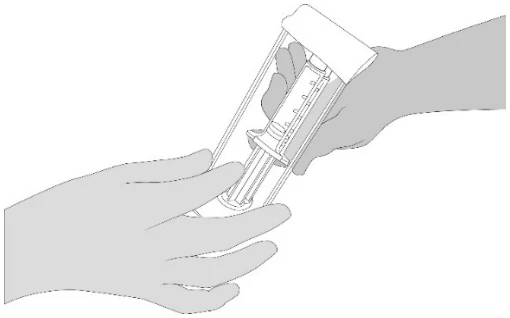
Figure 1
Sterile Water Bath (Quick thawing)
Remove carton from freezer, open it and take out the two blisters.
Place the blister containing the Dual Applicator on a surface at 20 - 25 oC until the fibrin sealant is ready to use.
Thaw VISTASEAL pre-filled syringes inside the sterile field in a sterile thermostatic water bath at a temperature of 37±2 °C using the following steps:
NOTE: Once the VISTASEAL blisters are opened, use the product immediately. Use sterile technique to avoid the possibility of contamination due to improper handling, and follow the steps below accurately. Do not remove the syringe luer cap until thawing is complete and the Dual Applicator is ready to be attached.
- 1. Open the blister and make the VISTASEAL syringe holder with pre-filled syringes available to a second person for transfer to the sterile field. The outside of the blister should not come in contact with the sterile field. See Figure 1.
- 2. Place the syringe holder with pre-filled syringes directly into the sterile water bath ensuring that it is completely immersed in the water. See Figure 2.
- 3.
At 37 °C, the time needed is approximately 5 minutes for the 2 mL, 4 mL, 6 mL, and 10 mL
- package sizes, but must not be left at this temperature for longer than 10 minutes.
The temperature of the water bath must not exceed 37 °C.
- 4. Dry the syringe holder with pre-filled syringes after thawing, using a sterile surgical gauze.
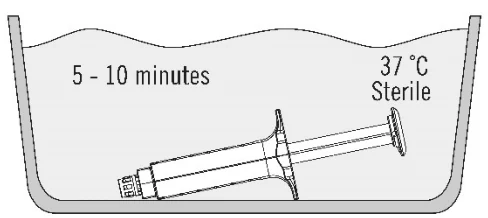
Figure 2
Confirm that the VISTASEAL pre-filled syringes are completely thawed. After thawing, the solutions must be colorless or pale yellow. Do not use solutions that are cloudy or have deposits.
Use VISTASEAL immediately and discard any unused contents.
B. Connection instructions
- 1. Open the blister and make the VISTASEAL Dual Applicator and two additional Airless Spray Tips available to a second person for transfer to the sterile field. The outside of the blister should not come in contact with the sterile field.
- 2. Hold the VISTASEAL syringe holder with syringe luer caps pointed upward. See Figure 3.
- 3.
Unscrew and discard the syringe luer cap of both fibrinogen and thrombin syringes.
See Figure 3.
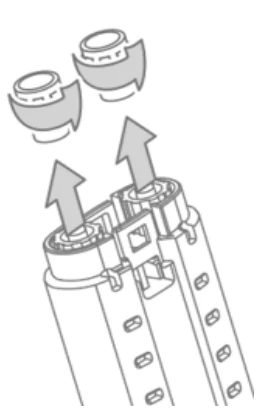
Figure 3
- 4. Hold the syringe holder with the luers pointed upward. To remove air bubbles from syringes, strike gently the side of the syringe holder one or two times while keeping the syringe holder in an upright position and lightly depress the plunger to eject air. See Figure 4.
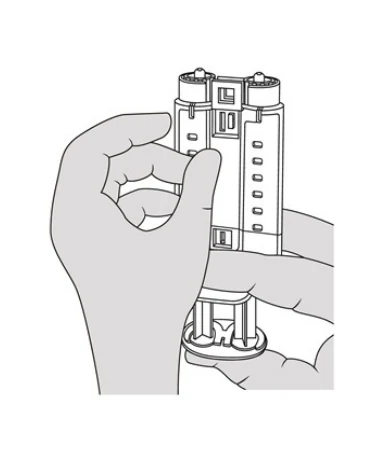
Figure 4
- 5.
Attach the Dual Applicator. See Figure 5.
NOTE: Do not depress plunger during attachment or prior to intended use because the two biologic components will pre-mix in the Airless Spray Tip, forming a fibrin clot that prevents dispensing. See Figure 6.
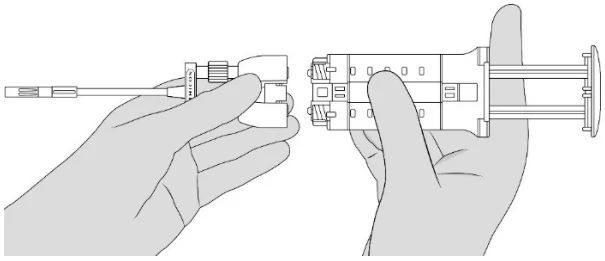
Figure 5
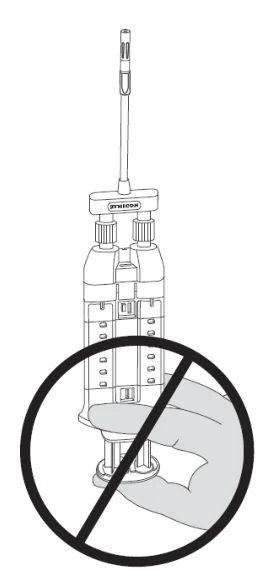
Figure 6
- 6. Tighten luer locks and ensure the Dual Applicator is firmly attached. The device is now ready to use.
Application
Prior to applying VISTASEAL, the surface area of the wound needs to be dried by standard techniques, e.g. intermittent application of compresses, swabs, use of suction devices (see 9 DRUG INTERACTIONS).
When spraying VISTASEAL, allow for at least 2 cm between end of the Airless Spray Tip and the visible tissue surface.
Application by spraying
- 1. Grasp and bend the Dual Applicator to the desired position. Tip will retain its shape.
- 2. Position the Airless Spray Tip at least 2 cm away from the target tissue. Apply firm even pressure to the plunger to spray the fibrin sealant. Increase distance accordingly to achieve desired coverage of the target area.
- 3.
If expression is stopped for any reason, change the Airless Spray Tip prior to resuming application since a clot may form inside the Airless Spray Tip. To change the Airless Spray Tip, remove the device from the patient and unscrew the used Airless Spray Tip. See Figure 7. Place the used Airless Spray Tip away from the spare Airless Spray Tips. Wipe the end of the applicator using dry or moist sterile surgical gauze. Then, connect a new Airless Spray Tip provided in the package and ensure it is firmly connected before use.
NOTE: Red indicator will not be visible if Airless Spray Tip is properly connected. See Figure 8.
NOTE: Do not continue pushing the plunger in an attempt to clear the fibrin clot within the Airless Spray Tip; otherwise the applicator device may become unusable.
NOTE: Do not trim the Dual Applicator to avoid exposing internal wire.
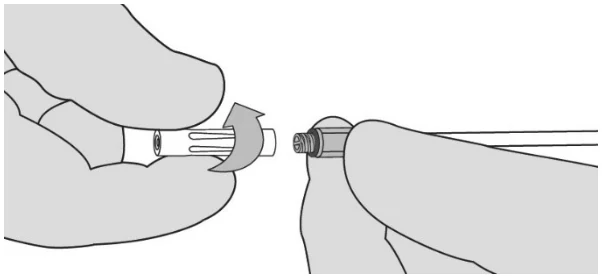
Figure 7
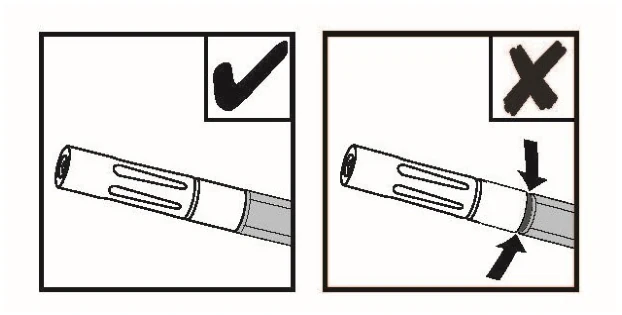
Figure 8
Application by dripping
- 1. Remove the Airless Spray Tip portion of the spray and drip tip by unscrewing the Airless Spray Tip. See Figure 7.
- 2. Grasp and bend the drip tip to the desired position. Tip will retain its shape.
- 3. During dripping, keep the end of the drip tip as close to the tissue surface as possible without touching the tissue during application.
- 4.
Apply individual drops to the surface area to be treated. To prevent uncontrolled clotting, allow the drops to separate from each other and from the end of the drip tip.
NOTE: Do not reconnect a used drip tip after it has been removed from the adapter; otherwise a clot may form inside the drip tip and the applicator device may become unusable.
5 OVERDOSAGE
Only apply as much VISTASEAL as necessary to achieve hemostasis to avoid the formation of excess granulation tissue and to ensure gradual absorption of the solidified fibrin sealant. Excessive clot thickness may interfere with the wound healing process (see 7 WARNINGS AND PRECAUTIONS, Application Precautions).
| For management of a suspected drug overdose, contact your regional poison control centre. |
|---|
6 DOSAGE FORMS, STRENGTHS, COMPOSITION AND PACKAGING
To help ensure the traceability of biologic products, health professionals should record the brand name and the non-proprietary (active ingredient) name as well as other product-specific identifiers such as the Drug Identification Number (DIN) and the batch/lot number of the product supplied.
Table 2 – Dosage Forms, Strengths, Composition and Packaging
VISTASEAL is supplied as a 2 mL, 4 mL, 6 mL or 10 mL single-use kit comprised of two pre-filled syringes (glass type I) with rubber stoppers assembled in a syringe holder. The two syringes each contain 1 mL, 2 mL, 3 mL or 5 mL sterile frozen solution of Human Fibrinogen and Human Thrombin. When thawed, both solutions are colorless or pale yellow. VISTASEAL does not contain any preservatives.
One Dual Applicator with two additional Airless Spray Tips are supplied with the product, for application by spraying or dripping. The spray tips are radiopaque. See Figure 9.
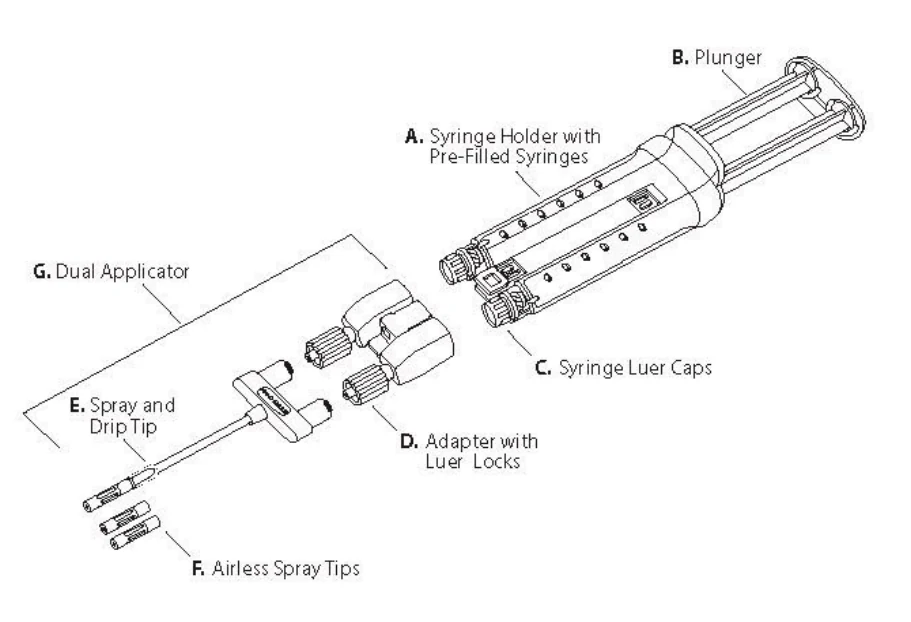
Figure 9
| Route of Administration | Dosage Form / Strength/Composition | Non-medicinal Ingredients | |
| Topical | Sterile frozen solutions of 80 mg/mL human fibrinogen and 500 IU/mL human thrombin, each in pre-filled syringes of 1 mL, 2 mL, 3 mL or 5 mL | Human fibrinogen syringe: arginine, L-glutamic acid monosodium, L-isoleucine, sodium citrate dihydrate, sodium chloride, water for injections | Human thrombin syringe: calcium chloride, glycine, human albumin, sodium chloride, water for injections |
7 WARNINGS AND PRECAUTIONS
Please see 3 SERIOUS WARNINGS AND PRECAUTIONS BOX.
This product is prepared from large pools of human plasma. Thus, there is a possibility it may contain causative agents of viral or other undetermined diseases.
General
The risk that VISTASEAL will transmit an infectious agent has been reduced by screening plasma donors for prior exposure to certain viruses, by testing for the presence of certain current virus infections, and by inactivating and/or removing certain viruses. The measures taken are considered effective for enveloped viruses such as human immunodeficiency virus (HIV), hepatitis B virus and hepatitis C virus, and for the non-enveloped hepatitis A virus (see 13 PHARMACEUTICAL INFORMATION, Viral Inactivation).
Despite these measures, VISTASEAL can still potentially transmit disease. The measures taken may be of limited value against non-enveloped viruses such as parvovirus B19. Parvovirus B19 infection may be serious for pregnant women (fetal infection) and for individuals with immunodeficiency or increased erythropoiesis (e.g. hemolytic anemia). There is also the possibility that unknown infectious agents may be present in VISTASEAL.
Individuals who receive VISTASEAL may develop signs and/or symptoms of some viral infections. ALL infections thought by a physician possibly to have been transmitted by this product should be reported by the physician or other healthcare provider to Grifols Canada Ltd. [1-866-482-5226] and Health Canada (see PATIENT MEDICATION INFORMATION, Reporting Side Effects).
Application Precautions
VISTASEAL should only be prepared and administered according to the instructions provided and with the devices recommended for this product. When using accessory tips, the instructions for use of the tips should be followed.
Before administration of VISTASEAL, care must be taken that parts of the body outside the desired application area are sufficiently protected (covered) to prevent tissue adhesion at undesired sites.
VISTASEAL should be applied as a thin layer. Excessive clot thickness may interfere with the wound healing process.
Only spray VISTASEAL if it is possible to accurately judge the distance from the airless spray tip to the tissue surface.
Adequate data are not available to support the use of this product in tissue gluing, neurosurgery, application through a flexible endoscope for treatment of bleeding or in gastrointestinal anastomoses.
Cardiovascular
Inadvertent intravascular injection of VISTASEAL could lead to thromboembolic event and disseminated intravascular coagulation (DIC).
Immune
As with any protein product, allergic-type hypersensitivity reactions are possible. Signs of hypersensitivity reactions include hives, generalised urticaria, tightness of the chest, wheezing, hypotension, and anaphylaxis. If these symptoms occur, the administration must be discontinued immediately. In case of shock, standard medical treatment for shock should be implemented.
Antibodies against components of the fibrin sealant product may occur rarely.
7.1 Special Populations
7.1.1 Pregnant Women
There are no available data with VISTASEAL use in pregnant women. Animal reproduction studies have not been performed with VISTASEAL. It is unknown whether VISTASEAL can cause fetal harm when administered to a pregnant woman or can affect reproductive capacity. Therefore, the product should be administered to pregnant women only if clearly needed. See 7 WARNINGS AND PRECAUTIONS, General (infectious agents).
7.1.2 Breast-feeding
There is no information regarding the presence of VISTASEAL in human milk, the effects on the breastfed infant, or the effects on milk production. The developmental and health benefits of breastfeeding should be considered along with the mother’s clinical need for VISTASEAL and any potential adverse effects on the breastfed infant from VISTASEAL or from the underlying maternal condition.
7.1.3 Pediatrics
The safety and efficacy of VISTASEAL in pediatric patients have been established as an adjunct to hemostasis during surgery in a randomized, active controlled, single-blinded, Phase 3b study that was performed exclusively in pediatric patients undergoing open parenchymous or soft tissue surgeries. A total of 178 pediatric patients (< 18 years of age) were randomized and treated with VISTASEAL (n=91) or EVICEL (n=87). Of the 91 subjects treated with VISTASEAL, 4 were 0 to ≤ 27 days; 19 were ≥ 28 days to ≤ 23 months; 32 were ≥ 2years to ≤ 11 years; 36 were ≥ 12 years to ≤ 17 years.
Additionally, out of a total of 500 patients administered VISTASEAL in three clinical trials there were 11 pediatric patients in two of these trials. Of these 11 patients, 5 were infants aged less than 2 years, 5 were children between the ages of 2 and 11 years, and 1 was an adolescent aged between 12 and 16 years. Only the 1 adolescent was included in the evaluation of efficacy.
There were no clinically relevant differences between pediatric patients and adults with respect to efficacy or safety.
7.1.4 Geriatrics
Clinical trials included 172 patients aged 65 years or older treated with VISTASEAL. No differences in safety or effectiveness were observed between these patients and younger patients.
8 ADVERSE REACTIONS
8.1 Adverse Reaction Overview
The most common adverse reactions reported during clinical trials were nausea, procedural pain and pruritus.
The most serious adverse drug reactions during clinical trials were abdominal and liver abscess, abdominal wound dehiscence, cellulitis, parvovirus B19 test positive, peritonitis, postoperative wound infection, postprocedural bile leak (see 7 WARNINGS AND PRECAUTIONS, Application Precautions), pulmonary embolism and deep vein thrombosis (see 7 WARNINGS AND PRECAUTIONS, Cardiovascular).
As with any protein product, allergic type hypersensitivity reactions are possible.
8.2 Clinical Trial Adverse Reactions
Clinical trials are conducted under very specific conditions. The adverse reaction rates observed in the clinical trials therefore, may not reflect the rates observed in practice and should not be compared to the rates in the clinical trials of another drug. Adverse reaction information from clinical trials may be useful in identifying and approximating rates of adverse drug reactions in real-world use.
Three single-blind, randomized, active controlled clinical studies were conducted with VISTASEAL in patients undergoing non-laparoscopic open surgical procedures using Fibrijet® drip or gas-assisted spray applicators. Control treatments included manual compression (MC) during peripheral vascular surgeries (Study IG1101), or oxidized regenerated cellulose during parenchymal hepatic resection (Study IG1102) and general soft tissue surgeries, e.g. retroperitoneal or pelvic surgery, abdominoplasties, or mastopexies (Study IG1103).
There were 500 patients treated with VISTASEAL and 377 control patients, involved in 26% vascular (graft) surgeries, 37% parenchymal tissue surgeries, and 37% soft tissue surgeries. Across all trials, the mean age was 57 years (range: 0.3 to 86 years); with 87% White patients, 49% female patients and 51% male patients. There were 11 pediatric patients aged less than 18 years old treated with VISTASEAL (see 7 WARNINGS AND PRECAUTIONS, Special Populations, Pediatrics).
In the VISTASEAL treatment group, 13% of patients experienced one or more adverse reactions, compared with 8% of control patients in the oxidized regenerated cellulose treatment group and 5% in the MC treatment group.
Tables 3 to 6 summarise the adverse drug reactions that occurred in ≥1% of patients for each study.
| Table 3. Adverse Reactions Occurring in ≥1% of Patients in Vascular Surgery | |||||||
SURGICAL PROCEDURE MedDRA preferred term | VISTASEAL | Manual Compression | |||||
| VASCULAR SURGERY (Study IG1101) | N=168 n (%) | N=57 n (%) | |||||
| Procedural pain | 4 (2.4) | 1 (1.8) | |||||
| Nausea | 2 (1.2) | 0 | |||||
| Pyrexia | 2 (1.2) | 0 | |||||
| Vascular graft complication | 2 (1.2) | 0 | |||||
| Parvovirus B19 test positive | 2 (1.2) | 0 | |||||
| Urinary retention | 2 (1.2) | 0 | |||||
| Coagulopathy | 0 | 1 (1.8) | |||||
| Sepsis | 0 | 1 (1.8) | |||||
| Urinary tract infection | 0 | 1 (1.8) | |||||
| Agitation | 0 | 1 (1.8) | |||||
| Table 4. Adverse Reactions Occurring in ≥1% of Patients in Parenchyma Surgery | ||||||
SURGICAL PROCEDURE MedDRA preferred term | VISTASEAL | Oxidized regenerated cellulose | ||||
| PARENCHYMAL TISSUE SURGERY (Study IG1102) | N=163 n (%) | N=162 n (%) | ||||
| Procedural pain | 2 (1.2) | 2 (1.2) | ||||
| Postprocedural bile leak | 2 (1.2) | 0 | ||||
| Pulmonary embolism | 2 (1.2) | 0 | ||||
| Deep vein thrombosis | 2 (1.2) | 0 | ||||
| Table 5. Adverse Reactions Occurring in ≥1% of Patients in Soft Tissue Surgery | ||||||
SURGICAL PROCEDURE MedDRA preferred term | VISTASEAL | Oxidized regenerated cellulose | ||||
| SOFT TISSUE SURGERY (Study IG1103) | N=169 n (%) | N=158 n (%) | ||||
| Procedural pain | 4 (2.4) | 4 (2.5) | ||||
| Pruritus | 4 (2.4) | 2 (1.3) | ||||
| Nausea | 4 (2.4) | 1 (0.6) | ||||
| Anemia | 2 (1.2) | 5 (3.2) | ||||
| Insomnia | 2 (1.2) | 2 (1.3) | ||||
| Hypertension | 2 (1.2) | 2 (1.3) | ||||
| Leukocytosis | 2 (1.2) | 1 (0.6) | ||||
| Ileus | 2 (1.2) | 1 (0.6) | ||||
| Prothrombin time prolonged | 2 (1.2) | 1 (0.6) | ||||
| Alanine aminotransferase increased | 2 (1.2) | 0 | ||||
| Aspartate aminotransferase increased | 2 (1.2) | 0 | ||||
| Hypercalcemia | 2 (1.2) | 0 | ||||
| Hypokalemia | 2 (1.2) | 0 | ||||
| Hyponatremia | 2 (1.2) | 0 | ||||
| Headache | 2 (1.2) | 0 | ||||
| Pyrexia | 1 (0.6) | 5 (3.2) | ||||
| Constipation | 1 (0.6) | 3 (1.9) | ||||
| Wheezing | 1 (0.6) | 2 (1.3) | ||||
In the vascular surgery study, in the VISTASEAL group, 21/168 (12.5%) patients experienced an ADR compared with 3/57 (5.3%) patients in the Manual Compression group.
In the parenchymal tissue study, in the VISTASEAL group, 11/163 (6.7%) patients experienced an ADR compared with 3/162 (1.9%) patients in the Oxidized Regenerated Cellulose group.
In the soft tissue surgery study, in the VISTASEAL treatment group, 32/169 (18.9%) patients experienced an ADR compared with 24/158 (15.2%) subjects in the Oxidized Regenerated Cellulose group.
Pediatric Study
In the Phase 3b study performed exclusively in pediatric patients undergoing open parenchymous or soft tissue surgeries that compared VISTASEAL (n=91) with EVICEL (n=87), as an adjunct to hemostasis, one adverse reaction (procedural pain) was reported in 1 (1%) subject treated with VISTASEAL.
Table 6. Adverse Reactions Occurring in ≥1% of Pediatric Patients
SURGICAL PROCEDURE System Organ Class: MedDRA preferred term | VISTASEAL | EVICEL |
| PARENCHYMOUS & SOFT TISSUE SURGERY (Study IG1405) | N=91 n (%) | N=87 n (%) |
Injury, poisoning and procedural complications: Procedural pain | 1 (1.1) | 0 |
8.3 Less Common Clinical Trial Adverse Reactions
The less common clinical trial adverse reactions are the following, classified by System Organ Class and in alphabetical order:
- Blood and lymphatic system disorders: hemorrhagic anemia, leukopenia, neutropenia.
- Cardiac disorders: atrial fibrillation, tachycardia, ventricular tachycardia.
- Eye disorders: conjunctival irritation.
- Gastrointestinal disorders: abdominal distension, pancreatitis, procedural nausea, retroperitoneal hematoma, vomiting.
- General disorders and administration site conditions: asthenia, chills, hyperthermia, edema peripheral, pain, vessel puncture site hematoma.
- Infections and infestations: abdominal abscess, cellulitis, liver abscess, peritonitis, postoperative wound infection, wound infection incision site infection, urinary tract infection, postprocedural infection, vaginal cellulitis.
- Injury, poisoning and procedural complications: abdominal wound dehiscence, contusion, incision site erythema, incision site pain, postprocedural hemorrhage, procedural hypotension, vascular graft thrombosis, wound secretion.
- Investigations: parvovirus B19 test positive, activated partial thromboplastin time prolonged, blood bilirubin increase, blood glucose increase, body temperature increased, hematocrit decreased, hemoglobin decreased, international normalised ratio increased, transaminases increased, urine output decreased, weight decreased, white blood cell count increased.
- Metabolism and nutrition disorders: hyperglycemia, hyperkalemia, hypoglycemia, hypomagnesemia.
- Musculoskeletal and connective tissue disorders: back pain, joint swelling, pain in extremity.
- Neoplasms benign, malignant and unspecified (including cysts and polyps): plasma cell myeloma.
- Nervous system disorders: disturbance in attention, hypoesthesia, somnolence.
- Psychiatric disorders: anxiety.
- Renal and urinary disorders: bladder spasm, dysuria, renal failure, urethral pain, urinary incontinence.
- Respiratory, thoracic and mediastinal disorders: cough, dyspnea, flatulence, hypoxia, laryngeal edema, pleural effusion, pleurisy, pulmonary edema, rhonchi, wheezing.
- Skin and subcutaneous tissue disorders: ecchymosis, erythema, skin irritation, pruritus.
- Vascular disorders: hypotension.
8.4 Abnormal Laboratory Findings: Hematologic, Clinical Chemistry and Other Quantitative Data
Clinical Trial Findings
Changes from baseline in complete blood count, serum clinical chemistry, and coagulation parameters were typical of open surgeries and were not notably different among the treatment groups.
9 DRUG INTERACTIONS
9.2 Drug Interactions Overview
No formal interaction studies have been performed with VISTASEAL.
9.4 Drug-Drug Interactions
VISTASEAL may be denatured after exposure to solutions containing alcohol, iodine or heavy metals (e.g. antiseptic solutions). Such substances should be removed to the greatest possible extent before applying the product.
9.5 Drug-Food Interactions
Interactions with food have not been established.
9.6 Drug-Herb Interactions
Interactions with herbal products have not been established.
9.7 Drug-Laboratory Test Interactions
Interactions with laboratory tests have not been established.
10 CLINICAL PHARMACOLOGY
10.1 Mechanism of Action
VISTASEAL is a two-component fibrin sealant consisting of human fibrinogen (component 1) and human thrombin with calcium chloride (component 2) sterile solutions that generate a cross-linked fibrin clot in a process that recreates the last stage of the human coagulation system. Fibrinogen is converted into fibrin monomers and fibrinopeptides by thrombin. The fibrin monomers aggregate and form a fibrin clot which stops the bleeding. Endogenous Factor XIIIa, which is activated from Factor XIII by thrombin, crosslinks fibrin. Calcium ions are required for both the conversion of fibrinogen and the crosslinking of fibrin.
As wound healing progresses, increased fibrinolytic activity is induced by plasmin and decomposition of fibrin to fibrin degradation products is initiated.
10.2 Pharmacodynamics
There are no relevant pharmacodynamic data on Fibrin Sealant (Human).
10.3 Pharmacokinetics
Fibrin Sealant (Human) is metabolized in the same way as endogenous fibrin by fibrinolysis and phagocytosis. No pharmacokinetic studies were conducted for Fibrin Sealant (Human).
11 STORAGE, STABILITY AND DISPOSAL
Store VISTASEAL in a freezer (at -18 °C or colder). The cold storage condition must not be interrupted until use. Keep the sterilized blister in the outer carton to protect it from light.
Thaw before use. Once thawed, do not refreeze. After thawing, the product can be stored before use not more than 7 days at 2 – 8 °C or 24 hours not above 25 °C if it remains sealed in the original packaging. Once the blister is opened, VISTASEAL should be used immediately.
Do not use after the expiration date printed on the outer carton and container labels. Discard if the package is damaged.
Any unused product or waste material should be disposed of in accordance with local requirements.
12 SPECIAL HANDLING INSTRUCTIONS
Not Applicable.
PART II: SCIENTIFIC INFORMATION
13 PHARMACEUTICAL INFORMATION
Drug Substance
Proper name: Fibrin Sealant (Human)
Chemical name: Human fibrinogen
Human thrombin
Molecular mass: Human fibrinogen: 330 KD
Human thrombin: 39 KD
Physicochemical properties: Sterile frozen solutions, light sensitive, heat labile
Product Characteristics:
The starting material for the production of both fibrinogen and thrombin components of VISTASEAL (Fibrin Sealant [Human]) is pooled human Source Plasma obtained from FDA-licensed plasma collection centers in the United States.
Human fibrinogen is obtained from Fraction I of human plasma fractionation according to a procedure based on Cohn’s method. The clarified Fraction I suspension undergoes solvent/detergent treatment and repeated precipitations by adding glycine. Subsequent steps involve nanofiltration through 35 nm and 20 nm pore size filters and ultrafiltration to exchange ionic compounds and adjust the formula and the final concentration.
Human thrombin is obtained from prothrombin complex (PTC) concentrate, captured by ion exchange resin from the Fraction I supernatant of plasma fractionation. Activation of thrombin in the PTC eluate is performed by incubation with gluconate and calcium as catalytic activator, after which the product undergoes solvent/detergent treatment. Subsequent steps involve adsorption and purification over a cationic exchange resin, diafiltration and double nanofiltration through two 15 nm pore size filters connected in series.
The fibrinogen and thrombin bulk solutions undergo sterile filtration before being aseptically filled in syringes, packaged, sterilized, and frozen.
Viral Inactivation
VISTASEAL is made from human plasma. Products made from human plasma may contain infectious agents, such as viruses, that can cause disease. The risk that such products will transmit an infectious agent has been reduced by screening plasma donors for prior exposure to certain viruses, by testing for the presence of certain current virus infections, and by the inclusion in the production process of steps with capacity to inactivate and/or remove viruses.
Plasma used in the manufacture of VISTASEAL is obtained from source plasma donors at U.S. centers approved by the U.S. Food and Drug Administration. All plasma donations are, at a minimum, screened and found to be non-reactive/negative to Hepatitis B surface antigen, Hepatitis C antibody, HIV 1/2 antibodies, as well as Hepatitis B, Hepatitis C, and HIV-1, by NAT testing. Parvovirus B19 is tested in mini-pools to ensure that Parvovirus B19 DNA concentration of plasma manufacturing pool does not exceed 1.0 x 10⁴ IU/mL.
There are three distinct processes in the manufacturing process for human fibrinogen which have been validated to effectively inactivate/remove enveloped and/or non-enveloped virus. These are solvent-detergent treatment, glycine precipitation, and nanofiltration at both 35 nm and 20 nm.
There are four distinct processes in the manufacturing process for human thrombin which have been validated to effectively inactivate/remove enveloped and/or non-enveloped virus. These are fraction I precipitation, solvent-detergent treatment, cation exchange chromatography, and double nanofiltration at 15 nm.
The capacity of the manufacturing processes for both human fibrinogen and human thrombin to remove and/or inactivate enveloped and non-enveloped viruses has been validated by laboratory spiking studies on a scaled down process model, using the viruses listed in the table below.
Table 7. Viruses used for Validation of Viral Removal/Inactivation
| Virus used for spiking studies | Model virus for |
| Human Immunodeficiency Virus Type 1 (HIV-1) | HIV-1 and HIV-2 (enveloped RNA) |
| Bovine Viral Diarrhea Virus (BVDV) | Flavivirus: Hepatitis C Virus and WNV (enveloped RNA) |
| West Nile Virus (WNV) | |
| Pseudorabies Virus (PRV) | Hepatitis B Virus and Herpesvirus (enveloped DNA) |
| Hepatitis A Virus (HAV) | HAV (non-enveloped RNA) |
| Porcine Parvovirus (PPV) | Human Parvovirus B19 (non-enveloped DNA) |
14 CLINICAL TRIALS
14.1 Clinical Trials by Indication
Adult and pediatric patients (< 18 years) for supportive treatment in surgery for improvement of hemostasis, and for suture support in vascular surgery, where standard techniques are insufficient
Table 8 - Summary of patient demographics for the clinical trials in Vascular Surgery, Parenchymal Tissue Surgery and Soft Tissue Surgery
| Study # | Trial design | Dosage, route of administration and duration | Study subjects (n) | Mean age (Range) | Sex |
| IG1101 | Phase III, randomized, single-blind, controlled trial evaluating the safety and efficacy of VISTASEAL as an adjunct to hemostasis during vascular surgery and as suture support. | VISTASEAL: applied by dripping only up to 6 mL; topical. Control: Manual Compression; unlimited number of hemostatic pads. | Part I VISTASEAL: 59 Part II VISTASEAL: 109 Control: 57 | 63.2 years (22-84) | VISTASEAL: 70% male and 30% female. Control: 54% male and 46% female. |
| IG1102 | Phase III, randomized, single-blind, controlled trial evaluating the safety and efficacy of VISTASEAL as an adjunct to hemostasis during parenchymal tissue surgery | VISTASEAL: applied by spraying only up to 12 mL; topical. Control: up to 4 sheets of oxidized regenerated cellulose, topical. | Part I VISTASEAL: 52 Control: 49 Part II VISTASEAL: 111 Control: 113 | 57.9 years (1-84) | VISTASEAL: 52.1% male and 47.9% female. Control: 52.5% male and 47.5% female. |
| IG1103 | Phase III, randomized, single-blind, controlled trial evaluating the safety and efficacy of VISTASEAL as an adjunct to hemostasis during soft tissue surgery. | VISTASEAL: applied by dripping or spraying up to 12 mL; topical. Control: up to 4 sheets of oxidized regenerated cellulose; topical. | Part I VISTASEAL: 51 Control: 52 Part II VISTASEAL: 116 Control: 108 | 47.2 years (0.3-86) | VISTASEAL: 31.7% male and 68.3% female. Control: 28.8% male and 71.3% female. |
| Study # | Trial design | Dosage, route of administration and duration | Study subjects (n) | Mean age (Range) | Sex |
| IG1405 | Phase IIIb, randomized, active controlled, single-blind, clinical trial to evaluate the safety and efficacy of VISTASEAL as an adjunct to hemostasis during open parenchyma surgery or soft tissues surgery in pediatric patients. | VISTASEAL: applied by dripping or spraying up to 12 mL for subjects ≥2 years of age and 6 mL for subjects <2 years of age; topical. Control: applied by dripping or spraying up to 12 mL for subjects ≥2 years of age and 6 mL for subjects <2 years of age; topical. | VISTASEAL: 95 Control: 91 | 8.63 years (0.0-17.9) | VISTASEAL: 57.9% male and 42.1% female. Control: 67% male and 33% female. |
Three multicentre, randomized, controlled, prospective Phase III trials were conducted using the same general two part design with VISTASEAL and Fibrijet® drip or gas-assisted spray applicators. Distance between the spray applicator and the surface of the target area was at least 10 cm and the gas pressure set between 1 to 1.75 bar.
Preliminary Part I consisted of an open label treatment of the first 2 patients randomized to the treatment groups (except for manual compression, MC) at each centre site, to familiarize the study teams with application of VISTASEAL and intra-operative procedures as well as for safety assessment. The Primary Part II involved safety and efficacy assessment in patients randomized to VISTASEAL or an active control treatment (MC or oxidized regenerated cellulose). In both parts of the studies, patients underwent an elective (non-emergency), open (non-laparoscopic) surgical procedure, wherein a target bleeding site (TBS) of moderate intensity was identified. The TBS was determined by the investigator (the surgeon), if the control of bleeding by conventional surgical techniques (including suture, ligature, and cautery) was ineffective or impractical, and required an adjunct treatment to achieve hemostasis.
In all three studies, the primary efficacy endpoint was the proportion of patients achieving hemostasis at the TBS by four minutes (T4) following treatment application, without re-bleeding until completion of the surgical closure within a 10 minutes observation period. Re-application of treatment was permitted within the first 4 minutes of hemostasis assessment, after which persistent bleeding or re-bleeding was considered treatment failure.
Pediatric clinical trial IG1405 consisted of a similar trial design as the other three studies, but with fewer (3) post-operative visits. The eligibility criteria included subjects who were <18 years of age who required an elective (non-emergency) or an emergency (applicable for preterm [up to gestational age <37 weeks] and newborn infants [0 to 27 days]), open (non-laparoscopic), pelvic, abdominal, or thoracic (non-cardiac) surgical procedure, wherein a target bleeding site (TBS) was identified and a topical hemostatic agent was indicated. The study treatments were applied on the cut parenchymous surface of a solid organ (i.e., liver) and in soft tissue (i.e., fat, muscle, or connective tissue). The maximum allowable volume of VISTASEAL was 12 mL for subjects ≥2 years of age and 6 mL for subjects <2 years of age. This study was to demonstrate the hemostatic efficacy of VISTASEAL in parenchymous and soft tissue surgery in pediatric patients.
Study IG1101
Study IG1101 was a superiority trial where patients were randomized to VISTASEAL or manual compression (gauzes or laparotomy pads) at a 2:1 ratio during Part II. A total of 225 adult patients were enrolled and underwent vascular surgical procedures utilizing polytetrafluoroethylene graft material on end-to-side arterial anastomosis or on upper extremity vascular access arterial anastomosis. Anticoagulation treatment with heparin was required before arterial clamping. The most frequent surgery types were femoral-popliteal bypass grafting, upper extremity vascular access for hemodialysis, and ilio-femoral bypass grafting. These 3 surgery types accounted for about 80% of all protocol eligible surgery types. The frequencies for all 3 surgery types were consistent between the 2 treatment groups. No pediatric patients were enrolled in this study.
Study IG1102
Study IG1102 was a non-inferiority trial where patients were randomized to VISTASEAL or oxidized regenerated cellulose at a 1:1 ratio during both Parts I and II. A total of 325 patients were enrolled and underwent an hepatic resection surgical procedure, including 5 pediatric patients ≤ 16 years enrolled only in Part I (2 VISTASEAL and 3 Control patients). No pediatric patients were enrolled in the Primary Part (II) of the study.
Study IG1103
Study IG1103 was a non-inferiority trial where patients were randomized to VISTASEAL or oxidized regenerated cellulose at a 1:1 ratio during both Parts I and II. A total of 327 patients were enrolled and underwent pelvic and retroperitoneal surgical procedures, and abdominoplasties and mastopexies. The most frequent surgery types were simple or radical hysterectomies, abdominoplasties, and radical cystectomies. There were 9 pediatric patients in the VISTASEAL treatment group and 9 pediatrics in the control group. All were included in the safety assessment (i.e. Parts I and II), however only one adolescent aged 15 years was enrolled during Part II.
Study IG1405
Study IG1405 was a non-inferiority trial where patients were randomized to VISTASEAL or EVICEL at a 1:1 ratio. A total of 178 pediatric patients(< 18 years of age) requiring an elective (non-emergent), open (non-laparoscopic), pelvic, abdominal, or thoracic (non-cardiac) surgical procedure were randomized and treated with VISTASEAL (n=91) or EVICEL (n=87). Of the 91 subjects treated with VISTASEAL, 4 were 0 to ≤ 27 days; 19 were ≥ 28 days to ≤ 23 months; 32 were ≥ 2years to ≤ 11 years; 36 were ≥ 12 years to ≤ 17 years. Forty-six patients were treated with VISTASEAL underwent parenchyma (hepatic) surgical procedures and 45 had soft tissue surgeries.
Table 9 - Results of studies IG1101, IG1102, IG1103 and IG1405 in Vascular Surgery, Parenchymal Tissue Surgery and Soft Tissue Surgery
Primary Endpoint | Study # | VISTASEAL % (n/N) | Active Control % (n/N) | RRa (95% CI) | P-valuec |
| Proportion of patients in Part II of the study achieving hemostasis at the TBS by T4 | IG1101* | 76.1 (83/109) | 22.8 (13/57) | 3.3 (2.0, 5.4) | <0.001 |
| IG1102* | 92.8 (103/111) | 80.5 (91/113) | 1.2 b (1.0, 1.3) | --- | |
| IG1103* | 82.8 (96/116) | 77.8 (84/108) | 1.1 b (0.9, 1.2) | --- | |
| Proportion of patients achieving hemostasis at the TBS by T4 | IG1405** | 96.7 (88/91) | 95.4 (83/87) | 1.01d (0.96, 1.07) | --- |
*Intent-to-treat (ITT) population: includes all patients randomized to VISTASEAL or control.
**Modified Intent-to-treat (mITT) population: all subjects in the ITT population who meet intra-operative enrollment criteria, and thus treated with any amount of investigational product.
T4: hemostatic assessment at 4 minutes following TStart (start of treatment application).
a: Risk ratio (RR) was the estimated ratio of the proportion of patients meeting the primary efficacy endpoint in the 2 treatment groups in Part II (VISTASEAL relative to control).
b: In Studies IG1102 and IG1103, VISTASEAL was deemed non-inferior to oxidized regenerated cellulose if the lower limit of the 95% confidence interval (CI) for the RR exceeded 0.8.
c: P-value was calculated from Fisher Exact Test in Study IG1101 which was designed as a superiority trial.
d: Relative risk (RR) was the estimated ratio of the proportion of patients meeting the primary efficacy endpoint in VISTASEAL versus EVICEL. For the overall category, RR is the common relative risk, stratified by type of surgery. Non-inferiority was considered to have been demonstrated if the lower limit of the 95% CI for the RR exceeded 0.8.
In Study IG1101, the rate of hemostasis at the TBS by T4 was significantly higher in the VISTASEAL treatment group (76.1%) compared to manual compression (22.8%).
In Study IG1102, the rate of hemostasis at the TBS by T4 was non-inferior in the VISTASEAL treatment group compared to oxidized regenerated cellulose. The estimated ratio of proportion achieving hemostasis by T4 in patients receiving VISTASEAL relative to the control was 1.2 (95% CI: 1.0, 1.3).
In Study IG1103, the rate of hemostasis at the TBS by T4 was non-inferior in the VISTASEAL treatment group compared to oxidized regenerated cellulose. The estimated ratio of proportion achieving hemostasis by T4 in patients receiving VISTASEAL relative to the control was 1.1 (95% CI: 0.9, 1.2).
In study IG1405, the rate of hemostasis at the TBS by T4 was non-inferior in the VISTASEAL treatment group compared to EVICEL group. The estimated ratio of proportion achieving hemostasis by T4 in patients receiving VISTASEAL relative to the control was 1.01 (95% CI: 0.96, 1.07).
15 MICROBIOLOGY
No microbiological information is required for this drug product.
16 NON-CLINICAL TOXICOLOGY
Conventional studies of toxicity and safety pharmacology were not conducted with VISTASEAL. Studies in rodents of acute toxicity with intravenously applied fibrinogen did not indicate a special hazard for humans.
No animal studies have been conducted to evaluate carcinogenic or mutagenic potential or any immunogenicity effect of VISTASEAL.