


Product Monograph - Benefix
SUMMARY PRODUCT INFORMATION
| Route of Administration | Dosage Form / Strength | Clinically Relevant Nonmedicinal Ingredients |
| Intravenous injection | Lyophilized powder nominally containing 250, 500, 1000, 1500, 2000 and 3000 IU per vial. The reconstituted product contains approximately: 50, 100, 200, 300, 400 and 600 IU/mL, respectively. | Glycine Sucrose L-Histidine Polysorbate 80 |
DESCRIPTION
BeneFIX is formulated as a sterile, nonpyrogenic, lyophilized powder preparation. It is a clear, colorless solution after reconstitution.
INDICATIONS AND CLINICAL USE
BeneFIX Coagulation Factor IX (Recombinant), is indicated for the control and prevention of hemorrhagic episodes and for routine prophylaxis in patients with hemophilia B (congenital factor IX deficiency or Christmas disease), including control and prevention of bleeding in surgical settings.
BeneFIX is not indicated for the treatment of other factor deficiencies (e.g., factors II, VII and X), nor for the treatment of hemophilia A patients with inhibitors to factor VIII, nor for the reversal of coumarin-induced anticoagulation, nor for the treatment of bleeding due to low levels of liver-dependent coagulation factors.
CONTRAINDICATIONS
Because BeneFIX Coagulation Factor IX (Recombinant), is produced in a Chinese Hamster ovary cell line, it may be contraindicated in patients with a known history of hypersensitivity to hamster protein.
WARNINGS AND PRECAUTIONS
General
Hypersensitivity
Allergic-type hypersensitivity reactions, including anaphylaxis, have been reported for all factor IX products, including BeneFIX. Frequently, these events have occurred in close temporal association with the development of factor IX inhibitors. Patients should be informed of the early symptoms and signs of hypersensitivity reactions including hives, generalized urticaria, chills (rigors), flushing, angioedema, chest tightness, laryngospasm, bronchospasm, dyspnea, wheezing, faintness, hypotension, tachycardia, blurred vision, and anaphylaxis. If allergic or anaphylactic reactions occur, administration of BeneFIX should be stopped immediately, and appropriate medical management should be given, which may include treatment for shock. Patients should be advised to discontinue use of the product and contact their physician and/or seek immediate emergency care, depending on the type/severity of the reaction, if any of these symptoms occur.
Nephrotic syndrome has been reported following immune tolerance induction with factor IX products in hemophilia B patients with factor IX inhibitors and a history of allergic reactions to factor IX. The safety and efficacy of using BeneFIX for immune tolerance induction has not been established.
In case of severe allergic reactions, alternative hemostatic measures should be considered.
Dosing of BeneFIX may differ from that of plasma-derived factor IX products.
Carcinogenesis and Mutagenesis
BeneFIX has been shown to be nonmutagenic in the Ames assay and nonclastogenic in a chromosomal aberrations assay. No investigations on carcinogenesis or impairment of fertility have been conducted.
Cardiovascular
Historically, the administration of factor IX complex concentrates derived from human plasma, containing factors II, VII, IX and X, has been associated with the development of thromboembolic complications. Although BeneFIX, Coagulation Factor IX (Recombinant), contains no Coagulation factor other than factor IX, the potential risk of thrombosis and DIC observed with other products containing factor IX should be recognized. Because of the potential risk of thromboembolic complications, caution should be exercised when administering this product to patients with liver disease, to patients post-operatively, to neonates, or to patients at risk of thromboembolic phenomena or DIC. In each of these situations, the benefit of treatment with BeneFIX should be weighed against the risk of these complications.
The safety and efficacy of BeneFIX administration by continuous infusion have not been established. There have been post-marketing reports of thrombotic events in patients receiving continuous-infusion BeneFIX through a central venous catheter, including life-threatening superior vena cava (SVC) syndrome in critically ill neonates.
Hematologic
See CARDIOVASCULAR.
Hepatic/Biliary/Pancreas
See CARDIOVASCULAR.
Immune
Activity-neutralizing antibodies (inhibitors) have been detected in patients receiving factor IX-containing products. As with all factor IX products, patients using BeneFIX should be monitored for the development of factor IX inhibitors. Patients with factor IX inhibitors may be at an increased risk of anaphylaxis upon subsequent challenge with factor IX2. Patients experiencing allergic reactions should be evaluated for the presence of inhibitor. Preliminary information suggests a relationship may exist between the presence of major deletion mutations in a patient’s factor IX gene and an increased risk of inhibitor formation and of acute hypersensitivity reactions. Patients known to have major deletion mutations of the factor IX gene should be observed closely for signs and symptoms of acute hypersensitivity reactions, particularly during the early phases of initial exposure to product. In view of the potential for allergic reactions with factor IX concentrates, the initial (approximately 10 - 20) administrations of factor IX should be performed under medical supervision where proper medical care for allergic reactions could be provided.
Peri-Operative Considerations
See CARDIOVASCULAR.
Renal
Nephrotic syndrome has been reported following immune tolerance induction with factor IX products in hemophilia B patients with factor IX inhibitors and a history of allergic reactions to factor IX. The safety and efficacy of using BeneFIX for immune tolerance induction has not been established.
Twelve days after a dose of BeneFIX for a bleeding episode, one hepatitis C antibody positive patient developed a renal infarct. The relationship of the infarct to prior administration of BeneFIX is uncertain but was judged to be unlikely by the investigator. The patient continued to be treated with BeneFIX.
Respiratory
Patients should be informed of the early symptoms and signs of hypersensitivity reactions including hives, generalized urticaria, chills (rigors), flushing, angioedema, chest tightness, dyspnea, wheezing, faintness, hypotension, tachycardia, and anaphylaxis. Patients should be advised to discontinue use of the product and contact their physician and/or seek immediate emergency care, depending on the type/severity of the reaction, if any of these symptoms occur.
Sensitivity/Resistance
See GENERAL.
Sexual Function/Reproduction
See SPECIAL POPULATIONS.
Skin
See SENSITIVITY/RESISTANCE.
Special Populations
Pregnant and Nursing Women: Animal reproduction and lactation studies have not been conducted with BeneFIX Coagulation Factor IX (Recombinant). It is not known whether BeneFIX can affect reproductive capacity or cause fetal harm when given to pregnant women. BeneFIX should be administered to pregnant and lactating women only if clearly indicated.
Pediatrics: Data from BeneFIX safety, efficacy, and pharmacokinetic studies have been evaluated in previously treated and previously untreated pediatric patients.
Nineteen (19) previously treated pediatric patients (range 4 to < 15 years) underwent pharmacokinetic evaluations for up to 24 months. The mean increase in circulating factor IX activity was 0.7 ± 0.2 IU/dL per IU/kg infused (range 0.3 to 1.1 IU/dL per IU/kg). The mean biological half-life was 20.2 ± 4.0 hours (range 14 to 28 hours).
Fifty-eight previously untreated patients [PUPs] less than 15 years of age at baseline [3 neonates (0-<1 month), 45 infants (≥1 month-<2 years), 9 children (≥2 years-<12 years) and 1 adolescent >12 years)] underwent at least one recovery assessment within 30 minutes post-infusion in the presence or absence of hemorrhage during the study. The mean increase in circulating FIX activity was 0.7 ± 0.3 IU/dL per IU/kg infused (range 0.2 to 2.1 IU/dL per IU/kg). In addition, there was no difference in the recoveries noted when data were evaluated by age group for infants (0.7 ± 0.4 IU/dL per IU/kg; range 0.2 to 2.1 IU/dL per IU/kg) and children (0.7 ± 0.2 IU/dL per IU/kg; range 0.2 to 1.5 IU/dL per IU/kg). The recoveries in these age groups were consistent with the recovery for the PUP study as a whole. There was insufficient sample size in the neonate and adolescent age groups to perform an analysis in these groups. Data from 57 patients who underwent repeat recovery testing for up to 60 months demonstrated that the average incremental FIX recovery was consistent over time.
Geriatrics: Clinical studies of BeneFIX did not include sufficient numbers of subjects aged 65 and over to determine whether they respond differently from younger subjects. As with any patient receiving BeneFIX, dose selection for an elderly patient should be individualized.
Monitoring and Laboratory Tests
Temporary correction of partial thromboplastin time (PTT) was observed. No effect on normal prothrombin time was seen. No significant increase in fibrinopeptide A or prothrombin fragment 1+2 was observed
Ability to drive and use machines
On the basis of the pharmacodynamic and pharmacokinetic profile and reported adverse reactions BeneFIX has no or negligible influence on the ability to drive or use machines.
ADVERSE REACTIONS
Adverse Drug Reaction Overview
As with the intravenous administration of any protein product, the following reactions may be observed after administration: headache, fever, chills, flushing, nausea, vomiting, lethargy, or manifestations of allergic reactions. Should evidence of an acute hypersensitivity reaction be observed, the infusion should be stopped promptly and appropriate counter measures and supportive therapy should be administered.
Clinical Trial Adverse Drug Reactions
The table below lists adverse reactions reported in the clinical trials of previously treated patients (PTPs) and previously untreated patients (PUPs). The frequencies are based on all causality treatment emergent events in pooled clinical trials with 287 subjects.
| Table 1: Adverse Reactions Reported for PTPs and PUPs | ||
|---|---|---|
| System Organ Class | ADR Term | Frequency (%) |
| Infections and infestations | Infusion-site cellulitis | 0.7 |
| Blood and lymphatic system disorders | Factor IX inhibition | 1.4 |
| Immune system disorders | Hypersensitivity | 6.6 |
| Nervous system disorders | Headache | 23.0 |
| Dizziness | 3.1 | |
| Dysgeusia | 1.4 | |
| Somnolence | 0.7 | |
| Tremor | 0.3 | |
| Eye disorders | Visual impairment | 0.7 |
| Cardiac disorders | Tachycardia | 0.7 |
| Vascular disorders | Flushing | 1.4 |
| Hypotension | 1.0 | |
| Phlebitis | 1.0 | |
| Respiratory, thoracic and mediastinal disorders | Cough | 19.2 |
| Respiratory distress | 0.3 | |
| Gastrointestinal disorders | Vomiting | 12.2 |
| Nausea | 7.3 | |
| Skin and subcutaneous disorders | Rash | 9.4 |
| Urticaria | 4.5 | |
| Table 1: Adverse Reactions Reported for PTPs and PUPs |
|---|
| System Organ Class | ADR Term | Frequency (%) |
|---|---|---|
| Renal and urinary disorders | Renal infarct | 0.3 |
| General disorders and administration site conditions | Pyrexia | 24.0 |
| Infusion-site pain | 2.1 | |
| Infusion-site reaction | 2.1 | |
| Chest discomfort | 1.4 | |
| Chills | 0.7 |
One subject discontinued BeneFIX due to pulmonary allergic-type symptoms.
Less Common Clinical Trial Adverse Drug Reactions (<1%)
In the section below the following frequency categories and terms are used:
Uncommon: ≥ 0.1% and < 1%
Rare: ≥ 0.01% and < 0.1%
Very Rare: < 0.01%
| Body as a whole | ||
| Rare | Hypersensitivity/allergic reactions (including, but not limited to hives, generalized urticaria, chills (rigors), flushing, angioedema, chest tightness, laryngospasm, bronchospasm, dyspnea, wheezing, faintness, hypotension, tachycardia, anaphylaxis) | |
| Nervous system disorders | ||
| Uncommon | Dizziness, headache, somnolence, tremor | |
| Cardiac disorders | ||
| Rare | Hypotension, tachycardia | |
| Vascular disorders | ||
| Rare | Phlebitis at the injection site | |
| Respiratory, thoracic and mediastinal disorders | ||
| Rare | Respiratory distress | |
| Very Rare | Dry cough | |
| Gastrointestinal disorders | ||
| Uncommon | Nausea | |
| Rare | Vomiting | |
| Renal and urinary disorders | ||
| Uncommon | Renal infarct | |
| Eye disorders | ||
| Uncommon | Visual impairment | |
| Skin | |
| Rare | Angioedema, cellulitis at the injection site, hives, rash |
| Special senses | |
| Uncommon | Altered taste |
| General disorder and administration site conditions | |
| Uncommon | Injection site reaction (including infusion site pruritis, infusion site erythema), infusion site pain (including infusion site irritation) |
| Rare | Fever |
Post-Market Adverse Drug Reactions
The following post-marketing adverse reactions have been reported for BeneFIX, as well as for plasma-derived factor IX products: inadequate factor IX recovery, inadequate therapeutic response, inhibitor development, anaphylaxis, laryngeal edema, angioedema, cyanosis, dyspnea, hypotension, blurred vision and thrombosis.
There have been post-marketing reports of thrombotic events in patients receiving continuous-infusion BeneFIX through a central venous catheter, including life-threatening superior vena cava (SVC) syndrome in critically ill neonates. Cases of peripheral thrombophlebitis and deep vein thrombosis (DVT) have also been reported. In some, BeneFIX was administered via continuous infusion, which is not an approved method of administration.
If any adverse reaction takes place that is thought to be related to the administration of BeneFIX, the rate of infusion should be decreased or the infusion stopped.
DRUG INTERACTIONS
Overview
No interactions of recombinant coagulation factor IX products with other medicinal products are known.
Drug-Laboratory Interactions
No interactions of recombinant coagulation factor IX products with laboratory methods are known.
DOSAGE AND ADMINISTRATION
Dosage
Treatment should be initiated under the supervision of a physician experienced in the treatment of hemophilia B.
Treatment with all factor IX products, including BeneFIX, requires individualized dosage adjustment. The dosage and duration of treatment for all factor IX products depend on the severity of the factor IX deficiency, the location and extent of bleeding, and the patient's clinical condition. Dosing of BeneFIX may differ from that of plasma-derived factor IX products.
To ensure that the desired factor IX activity level has been achieved, precise monitoring using the factor IX activity assay is advised, in particular for surgical interventions. In order to adjust the dose as appropriate, doses should be titrated taking into consideration factor IX activity, pharmacokinetic parameters (such as half-life and recovery) as well as the clinical situation.
In an eleven patient, crossover, randomized PK evaluation of BeneFIX and a single lot of high-purity plasma-derived factor IX, the recovery was lower for BeneFIX. In the clinical efficacy studies, patients were initially administered the same dose previously used for plasma-derived factor IX. Even in the absence of factor IX inhibitor, approximately half of the patients increased their dose in these studies. Titrate the initial dose upward if necessary to achieve the desired clinical response. As with some plasma-derived factor IX products, patients at the low end of the observed factor IX recovery may require upward dosage adjustment to as much as two times (2X) the initial empirically calculated dose in order to achieve the intended rise in circulating factor IX activity.
Method of Calculating Dose
The method of calculating the factor IX dose is shown in the following equation:
| Number of factor IX IU required (IU) | = | Body weight (kg) | × | Desired factor IX increase (% or IU/dL) | × | Reciprocal of observed recovery (IU/kg per IU/dL) |
In the presence of an inhibitor, higher doses may be required.
Patients ≥ 15 years
In patients ≥ 15 years, on average, one international unit of BeneFIX per kilogram of body weight increased the circulating activity of factor IX by 0.8 ± 0.2 (range 0.4 to 1.4) IU/dL. The method of dose estimation is illustrated in the following example. If you use 0.8 IU/dL average increase of factor IX per IU/kg body weight administered, then:
| Number of factor IX IU required (IU) | = | Body weight (kg) | × | Desired factor IX increase (% or IU/dL) | × | 1.2 (IU/kg per IU/dL) * |
*Reciprocal of observed recovery (IU/kg per IU/dL)
Patients < 15 years
In patients <15 years, on average, one international unit of BeneFIX per kilogram of body weight increased the circulating activity of factor IX by 0.7 ± 0.3 (range 0.2 to 2.1) IU/dL. The method of dose estimation is illustrated in the following example. If you use 0.7 IU/dL average increase of factor IX per IU/kg body weight administered, then:
| Number of factor IX IU required (IU) | = | Body weight (kg) | × | Desired factor IX increase (% or IU/dL) | × | 1.4 (IU/kg per IU/dL) * |
*Reciprocal of observed recovery (IU/kg per IU/dL)
Dosage for Bleeding Episodes and Surgery
The following chart may be used to guide dosing in bleeding episodes and surgery:
Table 2: Dosing Guide for Control and Prevention of Bleeding Episodes and Surgery
| Type of Hemorrhage | Circulating Factor IX Activity Required (% or IU/dL) | Dosing Interval (hours) | Duration of Therapy (days) | |||||
| Minor | ||||||||
| Uncomplicated hemarthroses, superficial muscle, or soft tissue | 20–30 | 12–24 | 1–2 | |||||
| Moderate | ||||||||
| Intramuscular or soft tissue with dissection, mucous membranes, dental extractions, or hematuria | 25–50 | 12–24 | Treat until bleeding stops and healing begins; about 2 to 7 days | |||||
| Major | ||||||||
| Pharynx, retropharynx, retroperitoneum, CNS, surgery | 50–100 | 12-24 | 7–10 | |||||
| Adapted from: Roberts and Eberst | ||||||||
Dosage for Prophylaxis
For long term prophylaxis against bleeding in patients with severe hemophilia B, BeneFIX may be administered. In a clinical study for routine secondary prophylaxis the average dose for previously treated adult patients (PTP) was 40 IU/kg (range 13 to 78 IU/kg) at intervals of 3 or 4 days. In younger patients, shorter dosage intervals or higher doses may be necessary. (see CLINICAL TRIALS).
Administration (Intravenous Injection)
BeneFIX is administered by intravenous (IV) infusion after reconstitution with 0.234% sodium chloride solution.
BeneFIX® should be administered using the infusion set provided in this kit, and the pre-filled diluent syringe provided or a single sterile disposable plastic syringe. In addition, the solution should be withdrawn from the vial using the vial adapter.
Detailed instructions for preparation and administration are contained in Part III: Consumer Information.
Reconstitute lyophilized BeneFIX® powder for injection with the supplied diluent (0.234% sodium chloride solution) from the pre-filled syringe provided. Gently rotate the vial until all powder is dissolved.
After reconstitution, the solution is drawn back into the syringe. The solution should be clear and colorless. The solution should be discarded if visible particulate matter or discoloration is observed.
Note: Agglutination of red blood cells in the tubing/syringe has been reported with the administration of BeneFIX. No adverse events have been reported in association with this observation. To minimize the possibility of agglutination, it is important to limit the amount of blood entering the tubing. Blood should not enter the syringe. If red blood cell agglutination is observed in the tubing or syringe, discard all material (tubing, syringe and BeneFIX solution) and resume administration with a new package.
After reconstitution, BeneFIX should be injected intravenously over several minutes. The rate of administration should be determined by the patient’s comfort level.
The reconstituted solution may be stored at room temperature prior to administration. However, BeneFIX should be administered within 3 hours after reconstitution.
BeneFIX, when reconstituted, contains polysorbate-80, which is known to increase the rate of di-(2-ethylhexyl)phthalate (DEHP) extraction from polyvinyl chloride (PVC). This should be considered during the preparation and administration of BeneFIX, including storage time elapsed in a PVC container following reconstitution. It is important that the recommendations in DOSAGE AND ADMINISTRATION be followed closely.
Note: The tubing of the infusion set included with this kit does not contain DEHP.
Dispose of all unused solution, empty vials, and used needles and syringes in an appropriate container for throwing away waste that might hurt others if not handled properly.
The administration of BeneFIX by continuous infusion has not been sufficiently evaluated in clinical trials to justify its use in this manner. BeneFIX should only be reconstituted with the diluent provided. BeneFIX should not be mixed with 5% dextrose or other parenteral infusion solutions.
OVERDOSAGE
No symptoms of overdose are known.
| For management of a suspected drug overdose, contact your regional Poison Control Centre. |
ACTION AND CLINICAL PHARMACOLOGY
Mechanism of Action
BeneFIX contains recombinant coagulation factor IX, (nonacog alfa). Recombinant coagulation factor IX is a single chain glycoprotein with an approximate molecular mass of 55,000 Daltons that is a member of the serine protease family of vitamin K-dependent coagulation factors. Recombinant coagulation factor IX is a recombinant DNA-based protein therapeutic, which has structural and functional characteristics comparable to endogenous factor IX. Factor IX is activated by factor VII/tissue factor complex in the extrinsic pathway as well as factor XIa in the intrinsic coagulation pathway. Activated factor IX, in combination with activated factor VIII, activates factor X. This results ultimately in the conversion of prothrombin to thrombin. Thrombin then converts fibrinogen into fibrin and a clot can be formed. Factor IX activity is absent or greatly reduced in patients with hemophilia B and substitution therapy may be required.
Hemophilia B is a sex-linked hereditary disorder of blood coagulation due to decreased levels of factor IX and results in profuse bleeding into joints, muscles or internal organs, either spontaneously or as a result of accidental or surgical trauma. By replacement therapy the plasma levels of factor IX are increased, thereby enabling a temporary correction of the factor deficiency and correction of the bleeding tendencies.
Pharmacodynamics
Factor IX is activated by factor VII/tissue factor complex in the extrinsic coagulation pathway as well as by factor XIa in the intrinsic coagulation pathway. Activated factor IX, in combination with activated factor VIII, activates factor X. This results ultimately in the conversion of prothrombin to thrombin. Thrombin then converts fibrinogen to fibrin, and a clot can be formed.
Factor IX is the specific clotting factor deficient in patients with hemophilia B and in patients with acquired factor IX deficiencies. The administration of BeneFIX Coagulation Factor IX (Recombinant), increases plasma levels of factor IX and can temporarily correct the coagulation defect in these patients.
Pharmacokinetics
After single intravenous (IV) doses of 50 IU/kg of BeneFIX, Coagulation Factor IX (Recombinant), in 37 previously treated adult patients (>15 years), each given as a 10-minute infusion, the mean increase from pre-infusion level in circulating factor IX activity was 0.8 ± 0.2 IU/dL per IU/kg infused (range 0.4 to 1.4 IU/dL per IU/kg) and the mean biologic half-life was 18.8 ± 5.4 hours (range 11 to 36 hours). In subsequent evaluations for up to 24 months, the pharmacokinetic parameters were similar to the initial results.
In a randomized, cross-over pharmacokinetic study, BeneFIX reconstituted in 0.234% sodium chloride diluent was shown to be pharmacokinetically equivalent to the previously marketed BeneFIX (reconstituted with Sterile Water for Injection) in 24 PTP patients (≥12 years) at a dose of 75 IU/kg. In addition, pharmacokinetic parameters were followed up in 23 of the same PTP after repeated administration of BeneFIX for six months and found to be unchanged compared with those obtained at the initial evaluation.
A summary of pharmacokinetic data are presented in Table 3:
| Table 3: Pharmacokinetic Parameter Estimates for BeneFIX (75 IU/kg) at Baseline and Month 6 in Previously Treated Patients with Hemophilia B | |||||
|---|---|---|---|---|---|
| Parameter | Baseline n = 24 Mean ± SD | Month 6 n = 23 Mean ± SD | |||
| Cmax (IU/dL) | 54.5 ± 15.0 | 57.3 ± 13.2 | |||
| AUC∞ (IU∙hr/dL) | 940 ± 237 | 923 ± 205 | |||
| t1/2 (hr) | 22.4 ± 5.3 | 23.8 ± 6.5 | |||
| CL (mL/hr/kg) | 8.47 ± 2.12 | 8.54 ± 2.04 | |||
| Recovery (IU/dL/IU/kg) | 0.73 ± 0.20 | 0.76 ± 0.18 | |||
| Abbreviations: AUC∞ = area under the plasma concentration-time curve from time zero to infinity; Cmax = peak concentration; t1/2 = plasma elimination half-life; CL = clearance; SD = standard deviation. | |||||
For specific information regarding pediatric pharmacology, see WARNINGS & PRECAUTIONS, SPECIAL POPULATIONS.
Special Populations and Conditions
Pediatrics: See WARNINGS & PRECAUTIONS, SPECIAL POPULATIONS.
Geriatrics: See WARNINGS & PRECAUTIONS, SPECIAL POPULATIONS.
Hepatic Insufficiency: See WARNINGS & PRECAUTIONS, HEPATIC/BILIARY/PANCREAS.
Renal Insufficiency: See WARNINGS & PRECAUTIONS, HEPATIC/BILIARY/PANCREAS.
STORAGE AND STABILITY
Product as packaged for sale: BeneFIX, Coagulation Factor IX (Recombinant), can be stored at room temperature or under refrigeration, at a temperature between 2°C to 30°C.
Freezing should be avoided to prevent damage to the diluent syringe.
Do not use BeneFIX after the expiry date on the label.
Product after reconstitution: The product does not contain a preservative and should be used within 3 hours.
SPECIAL HANDLING INSTRUCTIONS
Reconstituted Solutions
Detailed instructions for preparation and administration are contained in Part III: Consumer Information. Patients should follow the specific reconstitution and administration procedures provided by their physicians.
Always wash your hands before performing the following procedures. Aseptic technique should be used during the reconstitution procedure.
BeneFIX, Coagulation Factor IX (Recombinant), will be administered by intravenous (IV) infusion after reconstitution with 0.234% sodium chloride solution (diluent).
BeneFIX should be administered within 3 hours after reconstitution. The reconstituted solution may be stored at room temperature prior to administration.
Parenteral Products (for reconstitution before use)
| Vial Size | Volume of Diluent to be Added to Vial | Nominal Concentration per mL |
| 250 IU | 5 mL | 50 IU |
| 500 IU | 5 mL | 100 IU |
| 1000 IU | 5 mL | 200 IU |
| 1500 IU | 5 mL | 300 IU |
| 2000 IU | 5 mL | 400 IU |
| 3000 IU | 5 mL | 600 IU |
| Reconstitute with 0.234% sodium chloride solution (USP) |
DOSAGE FORMS, COMPOSITION AND PACKAGING
BeneFIX Coagulation Factor IX (Recombinant), is supplied in single use vials which contain nominally 250, 500, 1000, 1500, 2000 and 3000 IU per vial, one pre-filled syringe of solvent (5 ml sterile 0.234% sodium chloride solution for injection for reconstitution) with one plunger rod, one sterile vial adapter reconstitution device, one sterile infusion set, and two (2) alcohol swabs, one plaster and one gauze pad. Actual factor IX activity in IU is stated on the label of each vial. Prior to use, the 250, 500, 1000, 1500, 2000 and 3000 IU per vial dosage forms are reconstituted in 5-mL of 0.234% sodium chloride solution. The reconstituted product contains approximately: 50, 100, 200, 300, 400 and 600 IU/mL Factor IX, respectively.
After reconstitution of the lyophilized drug product, the concentrations of the excipients are 0.234% sodium chloride, 8m M L-histidine, 0.8% sucrose, 208 mM glycine and 0.004% polysorbate 80.
The container closure system for BeneFIX consists of a 10 mL USP Type I glass vial, a 20-mm- grey rubber stopper, and a 20 mm-diameter flip-off crimp seal.
PART II: SCIENTIFIC INFORMATION
PHARMACEUTICAL INFORMATION
Drug Substance
Proper name: Coagulation Factor IX (Recombinant)
Chemical name: Coagulation Factor IX (Recombinant)
Molecular formula and molecular mass: The molecular formula for BeneFIX, assuming 11 disulfide bonds, 12 Gla residues, and no other posttranslational modifications, is C2053H3114N558O665S25. Coagulation Factor IX (Recombinant) is a glycoprotein with an approximate molecular mass of 55,000 Da consisting of 415 amino acids in a single chain.
Structural formula:
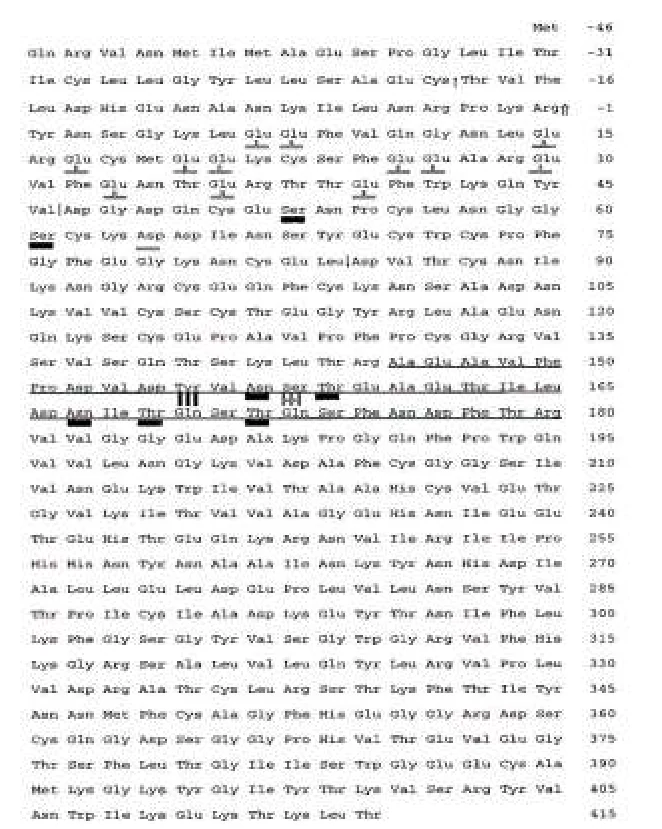
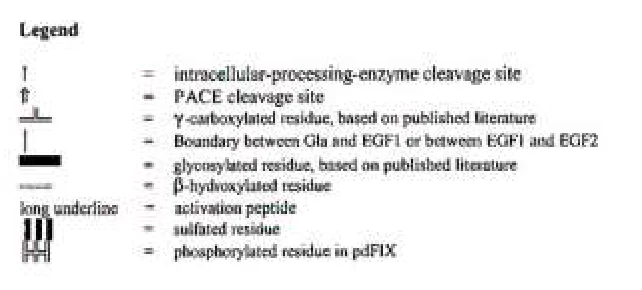
Physicochemical properties: Coagulation Factor IX (Recombinant) drug substance is a solution containing rFIX, Glycine, Histidine, Sucrose and Polysorbate 80. The solution is clear and colorless and essentially free of plainly visible particulate matter.
In lyophilized form, rFIX drug product is present as a white cake containing rFIX and excipients (Glycine, Histidine, Sucrose, and Polysorbate 80); it is essentially free from plainly visible particulate matter. After reconstitution, rFIX drug product is a clear, colorless solution that is essentially free from plainly visible particulate matter.
Product Characteristics
Coagulation Factor IX (Recombinant) is a glycoprotein with an approximate molecular mass of 55,000 Da consisting of 415 amino acids in a single chain. It has a primary amino acid sequence that is identical to the Ala148 allelic form of plasma-derived factor IX, and has structural and functional characteristics comparable to those of endogenous factor IX.
BeneFIX Coagulation Factor IX (Recombinant), is produced by a genetically engineered Chinese hamster ovary (CHO) cell line that is extensively characterized and shown to be free of infectious agents. The stored cell banks are free of blood or plasma products. The CHO cell line secretes recombinant factor IX into a defined cell culture medium that does not contain any proteins derived from animal or human sources, and the recombinant factor IX is purified by a chromatography purification process that does not require a monoclonal antibody step and yields a high-purity, active product. A membrane filtration step that has the ability to retain molecules with apparent molecular weights >70,000 Da (such as large proteins and viral particles) is included for additional viral safety. BeneFIX is predominantly a single component by SDS-polyacrylamide gel electrophoresis evaluation. The potency (in international units, IU) is determined using an in vitro one-stage clotting assay against the World Health Organization (WHO) International Standard for Factor IX concentrate. One international unit is the amount of factor IX activity present in 1 mL of pooled, normal human plasma. The specific activity of BeneFIX is greater than or equal to 200 IU per milligram of protein. BeneFIX is not derived from human blood and contains no preservatives or added animal or human components. BeneFIX is inherently free from the risk of transmission of human blood-borne pathogens such as HIV, hepatitis viruses, and parvovirus.
CLINICAL TRIALS
In 4 clinical studies of BeneFIX Coagulation Factor IX (Recombinant), a total of 128 patients (56 previously treated patients [PTPs], 9 patients participating only in the surgical study, and 63 previously untreated patients [PUPs]), received more than 28 million IU administered over a period of up to 64 months. The studies included 121 HIV-negative and 7 HIV-positive patients.
Fifty-six PTPs received approximately 20.9 million IU of BeneFIX in two clinical studies. The median number of exposure days was 83.5. These PTPs who were treated for bleeding episodes on an on-demand basis or for the prevention of bleeds were followed over a median interval of 24 months (range 1 to 29 months; mean 23.4 ± 5.3 months). Fifty-five of these PTPs received a median of 42.8 IU/kg (range 6.5 to 224.6 IU/kg; mean 46.6 ± 23.5 IU/kg) per infusion for bleeding episodes. All patients were evaluable for efficacy. One patient discontinued the study after one month of treatment due to bleeding episodes that were difficult to control; he did not have a detectable inhibitor. The patient’s dose had not been adequately titrated. The remaining 55 patients were treated successfully. Bleeding episodes that were managed successfully included hemarthroses and bleeding in soft tissue and muscle. Data concerning the severity of bleeding episodes were not reported. Eighty-eight percent of the total infusions administered for bleeding episodes were rated as providing an “excellent” or “good” response. Eighty-one percent of all bleeding episodes were managed with a single infusion of BeneFIX. One patient developed a low titer, transient inhibitor (maximum titer 1.2 BU). This patient had previously received plasma-derived products without a history of inhibitor development. He was able to continue treatment with BeneFIX with no anamnestic rise in inhibitor or anaphylaxis, however, increased frequency of BeneFIX administration was required; subsequently the patient’s factor IX inhibitor and its effect on the half-life of BeneFIX resolved.
A total of 20 PTPs were treated with rFIX for secondary prophylaxis at some regular interval during the study. Nineteen patients were administered rFIX for routine secondary prophylaxis (at least twice weekly) for a total of 345 patient-months. The average dose used by these 19 patients was 40.3 IU/kg, ranging from 13 to 78 IU/kg. One additional patient was treated weekly, using an average dose of 33.3 IU/kg, over a period of 21 months. Ninety-three percent of the responses were rated as “excellent” or “effective”. These 20 PTPs received a total of 2985 infusions of BeneFIX for routine prophylaxis. Seven of these PTPs experienced a total of 26 spontaneous bleeding episodes within 48 hours after an infusion.
Management of hemostasis was evaluated in the surgical setting. Thirty-six surgical procedures have been performed in 28 patients. Thirteen (13) minor surgical procedures were performed in 12 patients, including 7 dental procedures, 1 punch biopsy of the skin, 1 cyst removal, 1 male sterilization, 1 nevus ablation, and 2 ingrown toenail removals. Twenty-three (23) major surgical procedures were performed in 19 patients including a liver transplant, splenectomy, 3 inguinal hernia repairs, 11 orthopedic procedures, a calf-debridement and 6 complicated dental extractions.
Twenty-three (23) patients underwent 27 surgical procedures with a pulse-replacement regimen. The mean perioperative (preoperative and intraoperative) dose for these procedures was 85 ± 32.8 IU/kg (range 25-154.9 IU/kg). The mean total post-operative (inpatient and outpatient) dose was 63.1 ± 22.0 IU/kg (range 28.6-129.0).
Total BeneFIX coverage during the surgical period for the major procedures ranged from 4230 to
385,800 IU. The pre-operative dose for the major procedures ranged from 75 to 155 IU/kg. Nine of the major surgical procedures were performed using a continuous infusion regimen. Following pre-operative bolus doses (94.1-144.5 IU/kg), continuous infusion of BeneFIX was administered at a median rate of 6.7 IU/kg/hr (range of average rates: 4.3-8.6 IU/kg/hr; mean 6.4 ± 1.5 IU/kg/hr) for a median duration of 5 days (range 1-11 days; mean 4.9 ± 3.1). Circulatory factor IX levels targeted to restore and maintain hemostasis were achieved with both pulse replacement and continuous infusion regimens.
Among the surgery patients, the median increase in circulating factor IX activity was 0.7 IU/dL per IU/kg infused (range 0.3-1.2 IU/dL; mean 0.8 ± 0.2 IU/dL per IU/kg). The median elimination half-life for the surgery subjects was 19.4 hours (range 10-37 hours; mean 21.3 ± 8.1 hours).
Hemostasis was maintained throughout the surgical period, however, one patient required evacuation of a surgical wound site hematoma and another patient who received BeneFIX after a tooth extraction required further surgical intervention due to oozing at the extraction site. There was no clinical evidence of thrombotic complications in any of the patients. In seven patients for whom fibrinopeptide A and prothrombin fragment 1 + 2 were measured pre-infusion, at 4 to 8 hours, and then daily up to 96 hours, there was no evidence of significant increase in coagulation activation. Data from two other patients were judged to be not evaluable.
Sixty-three PUPs received more than 6.2 million IU of BeneFIX in an open-label safety and efficacy study over 89 median exposure days. These PUPs were followed over a median interval of 37 months (range 4 to 64 months; mean 38.1 ± 16.4 months). Fifty-four of these PUPs received a median dose of 62.7 IU/kg (range 8.2 to 292.0 IU/kg; mean 75.6 ± 42.5 IU/kg) per infusion for bleeding episodes. Fifty-one of these 54 patients were treated successfully. Bleeding episodes that were managed successfully included hemarthroses and bleeding in soft tissue and muscle. Data concerning the severity of bleeding episodes were not reported. Ninety-four percent of the infusions administered to initiate treatment of bleeding were rated as providing an “excellent” or “good” response. Seventy-five percent of all bleeding episodes were managed with a single infusion of BeneFIX. Three of these 54 patients were not successfully treated; including one episode in a patient due to delayed time to infusion and insufficient dosing and in 2 patients due to inhibitor formation. One patient developed a high titer inhibitor (maximum titer 42 BU) on exposure day 7. A second patient developed a high titer inhibitor (maximum titer 18 BU) after 15 exposure days. Both patients experienced allergic manifestations in temporal association with their inhibitor development.
Thirty-two PUPs administered BeneFIX for routine (primary or secondary) prophylaxis. Twenty-four PUPs administered rFIX at least twice weekly for a total of 2587 infusions. The mean dose per infusion was 72.5 ± 37.1 IU/kg, and the mean duration of prophylaxis was 13.4 ± 8.2 months. Eight PUPs administered rFIX once weekly for a total of 571 infusions. The mean dose per infusion was 75.9 ± 17.9 IU/kg, and the mean duration of prophylaxis was 17.6 ± 7.4 months. Ninety-eight percent of the responses were rated as “excellent” or “effective”. Five PUPs experienced a total of 6 spontaneous bleeding episodes within 48 hours after an infusion.
Twenty-three PUPs received BeneFIX for surgical prophylaxis in 30 surgical procedures. All surgical procedures were minor except 2 hernia repairs. The preoperative bolus dose ranged from 32.3 IU/kg to 247.2 IU/kg. The perioperative total dose ranged from 385 to 23280 IU. Five of the surgical procedures were performed using a continuous infusion regimen over 3 to 5 days. Surgical hemostasis with BeneFIX was achieved and efficacy was excellent or good in all rated assessments.
Prophylaxis:
Study 400-WW was a randomized, open-label, 4-period study of BeneFIX in 50 subjects aged 6 to 65 years (study population range 6 to 64 years) with a documented history of moderately severe or severe haemophilia B(FIX:C ≤2%). Subjects were to use BeneFIX in an on-demand manner for 4 months, followed by random assignment to 1 of 2 prophylaxis regimens for 4 months. This was followed by a 2-month period when subjects again used BeneFIX in an on-demand-only manner. Subjects then crossed over to the alternate prophylaxis regimen for 4 months. Dosing with BeneFIX during the on-demand treatment periods, as well as treatment of any bleeding episodes occurring during the prophylaxis periods, was at the discretion of the investigator.
In Study 400-WW, both prophylaxis regimens showed better efficacy compared with the on-demand regimen. No statistically significant differences in the annualized bleed rate (ABR) were observed between the 2 prophylaxis regimens (100 IU/kg once weekly and 50 IU/kg twice weekly). The mean (± standard deviation) ABR during the on-demand treatment period 1 and 2 were 34.3 (±21.8) and 31.1 (±22.0) vs prophylaxis regimens: 4.4 (±10.0) in 100 IU/kg once weekly and 2.8 (±5.7) in 50 IU/kg twice weekly.
However, the efficacy of BeneFIX prophylaxis in reducing the number of bleeding episodes was variable among the subjects. During 50 IU/kg twice weekly prophylaxis period (ranged 84-127 days), 28/43 (65.1%) patients had no bleeding episodes; and 15/43 (35.9%) patients had bleeding episodes (ABR ranged: 2.99 – 24.12). During 100 IU/kg weekly prophylaxis period (ranged 78 - 139 days), 25/44(56.8%) patients had no bleeding episodes, and 19/44 (43.2%) patients had bleeding episodes (ABR ranged: 2.59 – 50.51). There were 35 bleeding episodes reported during 50 IU/kg twice weekly treatment period, and 52 bleeding episodes reported during100 IU/kg once weekly treatment period.
In study B1821010, another open-label study of 25 patients (range 12-54 years; 5 subjects <18 years) comparing on-demand treatment versus prophylaxis when administered at a dose of 100 IU/kg once weekly for approximately 52 weeks, the annualized bleed rate (ABR) for the prophylaxis period was significantly lower (p < 0.0001) than the ABR for the on-demand period (mean: 3.6 ± 4.6, median: 2.0, min-max: 0.0 - 13.8 versus mean: 32.9 ± 17.4, median: 33.6, min-max: 6.1 - 69.0, respectively). Twelve subjects (48%) experienced no spontaneous bleeds during the prophylaxis period while 13 subjects experienced (52%) experience one or more bleeds during the prophylaxis period. There were 64 spontaneous bleeds during the prophylaxis period in these 13 patients. Three subjects experienced 1 spontaneous bleeding episode each within 48 hours of a previous prophylaxis infusion. All of these bleeding episodes were associated with confounding factors and were not considered occurrences of LETE. The majority of spontaneous bleeds in the prophylaxis period (47 of 64 bleeds, 73.4%) occurred >72 hours from the previous prophylaxis infusion.
DETAILED PHARMACOLOGY
See ACTION AND CLINICAL PHARMACOLOGY.
MICROBIOLOGY
Not applicable.
TOXICOLOGY
| Summary of Preclinical Toxicity Studies of BeneFIX Coagulation Factor IX (Recombinant) [FIX] | |||
|---|---|---|---|
| Study | Test Article/System | Test Animal, Dose, Duration, and Site or Route | Results |
| Biological Test Center P0795002a,e Seven Day Evaluation of Test Article 0715B01 Following a Single Intraperitoneal Injection in Mice | rFIX (Lot 0715B01)/ in vivo | ICR mouse; vehicle control, 1, 2, 10, 20, 35, and 50 IU rFIX/mouse, n = 20/group, single dose IP injection, sacrifices on Days 2 and 8 | One death at 50 IU/kg/day on Day 2. Dose-related and reversible decreases in platelet counts and increases in fibrinogen at ≥ 35 IU/mouse. Peri-ocular hemorrhage at ≥ 20 IU/mouse. Histologic lesions of thrombosis and hemorrhage at ≥ 20 IU/mouse. Treatment related thrombosis with consumptive coagulopathy at doses of ≥ 20 IU/mouse. In this study, no toxic-effect dose was 10 IU/mouse (500 IU/kg). |
| Bio-Research Laboratories Ltd. Study 54823b,f A Toxicity and Pharmacokinetic Study of Recombinant Human Factor IX Administered by Intraperitoneal Injection in the Albino Mouse for 1 to 7 Consecutive Days | rFIX (Lot 0715C01)/ in vivo | CD-1 mouse; rFIX 100, 500, 1000, and 2500 IU/kg/day (Swiss Crl:CDR -1 (ICR) mice), IP injection, n= 32/sex/group, sacrifices on Days 2 and 8 | At doses of 500, 1000, and 2500 IU/kg/day there were treatment-related deaths, signs of deteriorating condition of surviving animals, various changes in clinical pathology and ophthalmological changes. Microscopic thrombosis at dosages of 500, 1000 and 2500 IU/kg/day was observed in heart, liver, lungs and lymph nodes. Lesions suspected to be secondary were hemorrhage as a result of consumptive coagulopathy, ischemic degeneration/necrosis in numerous organs and tissues, compensatory splenic and hepatic extramedullary hematopoiesis and increased erythropoiesis in the bone marrow. 100 IU/kg/day was the no-effect level after 1 to 7 days of dosing. |
| Summary of Preclinical Toxicity Studies of BeneFIX Coagulation Factor IX (Recombinant) [FIX] |
|---|
| Study | Test Article/System | Test Animal, Dose, Duration, and Site or Route | Results |
|---|---|---|---|
| P96056-21 Toxicokinetics of rFIX in Male CD-1 Mice After IP Injection (Bio-Research Laboratories Ltd. Study 54823) | rFIX (Lot 0715C01)/ in vivo | CD-1 mice (vehicle n=3; 100, 500, 1000, 2500 IU/kg n=39), IP injection for 7 days | FIX concentrations in plasma were undetectable at 100 IU/kg. Day 1 AUC0→∞ was 6786 (500 IU/kg), 23918 (1000 IU/kg), and 50256 ng x hr/mL (2500 IU/kg). Day 6 accumulation factors for the 500, 1000, and 2500 IU/kg doses indicate no excessive accumulation. rFIX AUC0→∞ of 6786 ng x hr/mL was associated with serious toxicity in the mouse. The toxicologic effects in the mouse are likely to have minimal predictive value with respect to human risk assessment. |
| Biological Test Center P0296002a,e Seven Day Evaluation of Test Article 0715E01 and 216001A Following a Single Intraperitoneal Injection in Mice | rFIX (Lot 0715E01 and 216001A)/ in vivo | ICR male mice (n=20/lot/dose: doses of 50, 35, 20, 10, and 2 IU/mouse), single-dose IP injection, sacrifice on Day 8. | Five deaths occurred in the 200 mice dosed: 4 mice treated with Lot 0715E01 (2 at 35 IU/mouse and 2 at 10 IU/mouse) and 1 mouse treated with Lot 216001A at 50 IU/mouse. The most common clinical observation was hemorrhage in one or both of an animal’s eyes (16/200 animals). |
| Bio-Research Laboratories Ltd. Study 54595c,f A 4-Week Intravenous Bolus Injection Toxicity Study of Recombinant Human Factor IX in the Albino Rat Followed by a 4-Week Recovery Period | rFIX (Lot 0725C02)/ in vivo | Sprague-Dawley rat, saline control (n=10), vehicle control (n=20), 50 IU/kg (n=10), 100 IU/kg (n=10), and 200 IU/kg (n=20) x 4 weeks, IV bolus | Moderate dose exaggeration (2-4x human dose) for 28 consecutive days with no observed toxicity. No-effect dose was 200 IU/kg in the rat. Minimal antibody response to rFIX with just 2 animals at high dose developing low titer and transient antibody responses. |
| Bio-Research Laboratories Ltd. Study 53865d,f A 14-Day Intravenous Bolus Injection Toxicity Study of Recombinant Human Factor IX in the Beagle Dog, Followed by a 14-Day Recovery Period | rFIX (Reference Material RB2455-069) | Beagle dog, vehicle (n=10) or rFIX 50 (n=6), 100 (n=6), or 200 (n=10) IU/kg x 14 days, IV bolus-recovery 14 days in vehicle and 200 IU/kg dose groups (n = 2/sex). | No mortalities; no treatment-related effects on body weight, food consumption, ophthalmoscopy, cardiovascular parameters, hematology, clinical chemistry, urinalysis, organ weights, or gross or histopathologic examinations. Clinical signs (lying on cage floor, decreased physical activity, salivation, decreased muscle tone, pale gums, absence of toe pinch) were observed during Week 2 and correlated with the presence of anti-human FIX antibodies. The dosage of 200 IU/kg was considered to be the no-toxic-effect dose. |
a Biological Test Center Study P0795002 was conducted in compliance with U.S. Good Laboratory Practice Regulations set forth in 21 CFR 58. b Bio-Research Study 54823 was conducted in compliance with U.S. Good Laboratory Practice Regulations set forth in 21 CFR 58. c Bio-Research Study 54595 was conducted in compliance with U.S. Good Laboratory Practice Regulations set forth in 21 CFR 58, Good Laboratory Practice Regulations of the Japan Ministry of Health and Welfare (Notification No. 313), Japanese Toxicity Guidelines (Notification No. 88), and OECD Principles of Good Laboratory Practices. d Bio-Research Study 53865 was conducted in compliance with U.S. Good Laboratory Practice Regulations set forth in 21 CFR 58. e Biological Test Center, 2525 McGaw Avenue, Post Office Box 19791, Irvine, CA 92713-9791 U.S.A. f Bio-Research Laboratories Ltd., 87 Senneville Road, Senneville, Quebec, Canada H9X3R3. | |||
REFERENCES
- 1. Lusher JM, Thrombogenicity associated with factor IX complex concentrates. Semin. Hematol. 1991; 28 (3 Suppl. 6) : 3-5.
- 2. Shapiro AD, Ragni MV, Lusher JM, et al. Safety and efficacy of monoclonal antibody purified factor IX concentrate in previously untreated patients with hemophilia B. Thromb Haemost. 1996;75(1):30-35.
- 3. Roberts HR, Eberst ME. Current management of hemophilia B. Hematol Oncol Clin North Am. 1993; 7(6):1269–1280.
- 4. Shapiro AD, Di Paola J, Cohen A, et al. The safety and efficacy of recombinant human blood coagulation factor IX in previously untreated patients with severe or moderately severe hemophilia B. Blood. 2005;105(2);518-25.