


Product Monograph - Kogenate Fs (Bayer, 250 Unit, 500 Unit, 1000 Unit)
SUMMARY PRODUCT INFORMATION
Table 1 – Product Information Summary
| Route of Administration | Dosage Form, Strength | Clinically Relevant Nonmedicinal Ingredients |
| intravenous | Lyophilized powder for injection 250, 500, 1000, 2000 IU/vial | Sucrose Glycine Histidine Calcium chloride Sodium Chloride Polysorbate 80 For a complete listing see DOSAGE FORMS, COMPOSITION AND PACKAGING section. |
DESCRIPTION
KOGENATE FS is a sterile, stable, purified, nonpyrogenic, dried product, which has been manufactured by recombinant DNA technology.
INDICATIONS AND CLINICAL USE
KOGENATE FS (Antihemophilic Factor [Recombinant]) is indicated for the treatment of classical hemophilia (hemophilia A), in which there is a demonstrated deficiency of activity of the plasma clotting factor, factor VIII (FVIII). KOGENATE FS provides a means of temporarily replacing the missing clotting factor in order to correct or prevent bleeding episodes, or in order to perform emergency or elective surgery in hemophiliacs.
When used as a regular prophylactic treatment, KOGENATE FS is also indicated to prevent the occurrence of spontaneous hemorrhagic episodes and to prevent joint damage in children with no pre-existing joint damage (see Product Monograph Part II: CLINICAL TRIALS – Pediatric Prophylaxis).
Because KOGENATE FS showed comparable biological activity to other FVIII preparations, it should be used in the same manner as KOGENATE (Antihemophilic Factor [Recombinant]). This includes treatment of bleeding in certain patients with inhibitors to FVIII. In clinical studies
of KOGENATE, some patients who developed inhibitors on study continued to manifest a clinical response when inhibitor titres were less than 10 Bethesda Units (B.U.) per mL. When an inhibitor is present, the dosage requirement for FVIII is variable. The dosage can be determined only by clinical response and by monitoring of circulating FVIII levels after treatment (see DOSAGE AND ADMINISTRATION).
KOGENATE FS does not contain von Willebrand Factor and therefore, is not indicated for the treatment of von Willebrand disease.
Geriatrics (>65 years of age)
Clinical studies with KOGENATE FS did not include sufficient numbers of patients aged 65 and over to be able to determine whether they respond differently from younger patients. However, clinical experience with KOGENATE and other FVIII products has not identified differences between the elderly and younger patients. As with any patient receiving KOGENATE FS, dose selection for an elderly patient should be individualized.
Pediatrics (<18 years of age)
KOGENATE FS is appropriate for use in pediatric patients. Safety and efficacy studies have been performed in two studies (n=60) in less than 4 year old previously untreated and minimally treated pediatric patients.
CONTRAINDICATIONS
- Patients who are hypersensitive to this drug or to any ingredient in the formulation or component of the container. For a complete listing, see the DOSAGE FORMS, COMPOSITION AND PACKAGING section.
- Known hypersensitivity to mouse or hamster protein.
WARNINGS AND PRECAUTIONS
Serious Warnings and Precautions
The development of circulating neutralizing antibodies to FVIII may occur during the treatment of patients with hemophilia A (see WARNINGS AND PRECAUTIONS – Immune).
General
KOGENATE FS (Antihemophilic Factor [Recombinant]) is intended for the treatment of bleeding disorders arising from a deficiency in FVIII. This deficiency should be proven prior to administering KOGENATE FS.
Reconstitution, product administration, and handling of the administration set and needles must be done with caution. Percutaneous puncture with a needle contaminated with blood can transmit infectious viruses including HIV (AIDS) and hepatitis. Obtain immediate medical attention if
injury occurs. Place needles in a sharps container after single use. Discard all equipment, including any reconstituted KOGENATE FS product in an appropriate container.
Carcinogenesis and Mutagenesis
See Product Monograph PART II: TOXICOLOGY – Carcinogenicity/Mutagenesis for details.
Immune
The development of circulating neutralizing antibodies to FVIII may occur during the treatment of patients with hemophilia A. Inhibitor formation is especially common in young children with severe hemophilia during their first years of treatment or in patients of any age who have received little previous treatment with FVIII. Nonetheless, inhibitor formation may occur at any time in the treatment of a patient with hemophilia A. Patients treated with any rFVIII preparation, including rFVIII-FS, should be carefully monitored for the development of antibodies to rFVIII by appropriate clinical observation and laboratory tests, according to the recommendation of the patient’s hemophilia treatment center. In a clinical study about the use of continuous infusion in surgeries, heparin was used to prevent thrombophlebitis at the infusion site, as with any other long-term intravenous infusions.
Among patients treated with antihemophilic factor products, cases of hypotension, urticaria, and chest tightness in association with hypersensitivity reactions have been reported in the literature. Very rare cases of allergic and anaphylactic reactions have been reported with the predecessor product KOGENATE (Antihemophilic Factor [Recombinant]), particularly in very young patients or patients who have previously reacted to other FVIII products (see ADVERSE REACTIONS – Post-Market Adverse Drug Reactions). Serious anaphylactic reactions require immediate emergency treatment with resuscitative measures such as the administration of epinephrine and oxygen.
In clinical studies, KOGENATE FS has been used in the treatment of bleeding episodes in 37 previously untreated patients (PUPs) and 23 minimally treated pediatric patients ([MTPs], defined as having equal to or less than 4 exposure days). Bleeding episodes were treated effectively with 1 or 2 infusions of rFVIII-FS. Overall, 9 out of 60 (15%) patients developed inhibitors. This included 5 out of 37 (14%) PUPs and 4 out of 23 (17%) MTPs treated with KOGENATE FS; overall 6 out of 60 (10%) with a titer above 10 BU and 3 out of 60 (5%) with a titer below 10 BU. The median number of exposure days at the time of inhibitor detection in these patients was 9 days (range: 3 - 18 days). (1, 2)
The median number of exposure days in the clinical studies was 114 (range: 4 – 478). Four of the five patients, who had not achieved 20 exposure days at the end of the study, ultimately achieved more than 20 exposure days in poststudy follow-up and 1 of them developed a low titer inhibitor. The fifth patient was lost to follow-up.
Formation of Antibodies to Mouse and Hamster Protein
Assays to detect seroconversion to mouse and hamster protein were conducted on all patients in clinical studies. None of the patients developed specific antibodies to these proteins following study enrollment and no animal protein associated serious allergic reactions have been observed with rFVIII-FS infusions. Although no such reactions were observed, patients should be made
aware of the possibility of a hypersensitivity reaction to mouse and/or hamster protein and alerted to the early signs of such a reaction (eg, hives, localized or generalized urticaria, wheezing and hypotension). Patients should be advised to discontinue use of the product and contact their physician if such symptoms occur.
Special Populations
Pregnant Women
Animal reproduction studies have not been conducted with KOGENATE FS. It is also not known whether KOGENATE FS can cause fetal harm when administered to a pregnant woman or whether it affects reproduction capacity. KOGENATE FS should not be used during pregnancy unless the benefits clearly outweigh any potential risks. As the disease almost exclusively affects males, no females have been included in clinical studies.
Nursing Women
KOGENATE FS should not be used during lactation unless the benefits clearly outweigh any potential risks.
Geriatrics (>65 years of age)
Clinical studies with KOGENATE FS did not include sufficient numbers of patients aged 65 and over to be able to determine whether they respond differently from younger patients. However, clinical experience with KOGENATE and other FVIII products has not identified differences between the elderly and younger patients. As with any patient receiving KOGENATE FS, dose selection for an elderly patient should be individualized.
Pediatrics (<18 years of age)
KOGENATE FS is appropriate for use in pediatric patients. Safety and efficacy studies have been performed in two studies (n=60) in less than 4 year old previously untreated and minimally treated pediatric patients. According to a published study (3), children in comparison to adults present higher FVIII clearance values and thus lower recovery of FVIII, which may be explained by differences in pharmacokinetics. This information should be taken into account when dosing or following FVIII levels in such a population (see DOSAGE AND ADMINISTRATION – Dosing Considerations and Product Monograph Part II: CLINICAL TRIALS).
Monitoring and Laboratory Tests
The clinical effect of KOGENATE FS is the most important element in evaluating the effectiveness of treatment. It may be necessary to administer more KOGENATE FS than would be estimated in order to attain satisfactory clinical results. If the calculated dose fails to attain the expected FVIII levels or if bleeding is not controlled after administration of the calculated dosage, the presence of a circulating inhibitor in the patient should be suspected. Its presence should be substantiated and the inhibitor level quantitated by appropriate laboratory tests. When an inhibitor is present, the dosage requirement for rFVIII-FS is extremely variable and the dosage can be determined only by the clinical response.
ADVERSE REACTIONS
Adverse Drug Reaction Overview
During the clinical studies conducted in previously treated patients ([PTPs], defined as having more than 100 exposure days), 451 adverse events were reported in the course of 24,936 infusions (1.8%). Only 24 events in 13 patients were considered to be at least remotely related to rFVIII-FS administration (0.1%, relative to the number of infusions). In clinical studies with 73 PTPs, one patient had a pre-existing inhibitor. In the other 72 patients, followed over four years, no de novo inhibitors were observed.
Table 2 – Adverse Events in PTPs With an Established Relationship to KOGENATE FS, FVIII Products, or Parenterally Administered Proteins
System Organ Class Adverse Event | Number of Patients With AE (%) (Total Number of Patients = 73) | AE per Infusion (%) (Total Number of Infusions = 24,936) |
| General Disorders and Administration Site Conditions | ||
| Infusion site reactions | 3 (4.1) | 0.01 |
| Skin and Subcutaneous Tissue Disorders | ||
| Rash, Pruritis | 6 (8.2) | 0.02 |
In clinical studies with previously untreated patients (PUPs) and minimally treated (MTPs) pediatric patients, 726 adverse events were reported in the course of 9,389 infusions (7.7%). These included the expected complication of inhibitor development in 9 patients (see WARNINGS AND PRECAUTIONS – Immune).
Table 3 – Adverse Events in PUPs/MTPs With an Established Relationship to KOGENATE FS, FVIII Products, or Parenterally Administered Proteins
System Organ Class Adverse Event | Number of Patients With AE (%) (Total Number of Patients = 61) | AE per Infusion (%) (Total Number of Infusions = 9,389) |
| Blood and Lymphatic System Disorders | ||
| Factor VIII inhibition | 9 (15)* | N/A |
| General Disorders and Administration Site Conditions | ||
| Infusion site reactions | 4 (6.6) | 0.04 |
| Skin and Subcutaneous Tissue Disorders | ||
| Rash, Pruritis | 10 (16.4) | 0.01 |
* Denominator for de novo inhibitors is N=60 since one patient had a preexisting inhibitor.
Post-Market Adverse Drug Reactions
The following adverse reactions have been identified during postapproval use of KOGENATE FS. Because these reactions are reported voluntarily from a population of uncertain size, it is not always possible to reliably estimate their frequency or establish a causal relationship to drug exposure.
Among patients treated with KOGENATE FS, rare cases of serious allergic/hypersensitivity reactions (which may include facial swelling, flushing, hives, blood pressure decrease, nausea, rash, restlessness, shortness of breath, tachycardia, tightness of the chest, tingling, urticaria, and vomiting) have been reported, particularly in very young patients or patients who had previously reacted to other FVIII concentrates.
In extensive postregistration studies with KOGENATE FS involving more than 1000 patients, the following was observed: Less than 0.2% PTPs developed de novo inhibitors. In a subset defined as having less than 20 exposure days at study entry, less than 11% developed de novo inhibitors.
Table 4 – Post-Market Adverse Drug Reactions
| System Organ Class | Adverse Event |
| Blood and Lymphatic System Disorders | FVIII inhibition |
| Skin and Subcutaneous Tissue Disorders* | Pruritis, urticaria, rash |
| General Disorders and Administration Site Conditions* | Infusion site reaction |
| Pyrexia | |
| Immune System Disorders | Anaphylactic reaction, other hypersensitivity signs and symptoms |
*One patient may have reported more than one event
Since the launch of KOGENATE/KOGENATE FS, no confirmed cases of viral transmission have been reported.
DRUG INTERACTIONS
Drug-Drug Interactions
KOGENATE FS is a recombinant version of FVIII, a physiological human protein. Besides the known interactions of FVIII with other coagulation proteins, no other interactions with other drugs have been established.
Drug-Food Interactions
Interactions with food have not been established.
Drug-Herb Interactions
Interactions with herbal preparations have not been established.
Drug-Laboratory Interactions
There are no known laboratory interactions.
DOSAGE AND ADMINISTRATION
Dosing Considerations
Each bottle of KOGENATE FS (Antihemophilic Factor [Recombinant]) has the rFVIII-FS potency in international units stated on the label based on the one-stage assay methodology. The reconstituted product must be administered intravenously by direct syringe injection. The product must be administered within 3 hours after reconstitution. It is recommended to use the administration set provided to minimize losses of product due to adsorption and volume retention. KOGENATE FS should not be mixed with other medicinal products or infusion solutions.
According to a published study (3), children in comparison to adults present higher FVIII clearance values and thus lower recovery of FVIII which may be explained by differences in pharmacokinetics. This information should be taken into account when dosing or following FVIII levels in such a population.
Recommended Dose and Dosage Adjustment
The dosages described below are presented as general guidance. It should be emphasized that the dosage of KOGENATE FS required for hemostasis must be individualized according to the needs of the patient, the severity of the deficiency, the severity of the hemorrhage, the presence of inhibitors and the FVIII level desired. It is often critical to follow the course of therapy with FVIII level assays.
The clinical effect of KOGENATE FS is the most important element in evaluating the effectiveness of treatment. It may be necessary to administer more KOGENATE FS than would be estimated in order to attain satisfactory clinical results.
It has been shown in a clinical study performed in 14 adults with severe hemophilia A (≤1% FVIII:C) undergoing a major surgery that KOGENATE FS can be used for continuous infusion in surgeries (pre- and postoperative). In this study, heparin was used to prevent thrombophlebitis at the infusion site, as with any other long-term intravenous infusions. For the calculation of the initial infusion rate, clearance can be obtained by performing a presurgery decay curve, or by starting from an average population value (3.0-3.5 mL/h/kg) and then adjusting accordingly.
Infusion rate (in IU/kg/h) = Clearance (in mL/h/kg) x desired factor VIII level (in IU/mL)
Continuous infusion, clinical, and in vitro stability has been demonstrated using ambulatory pumps with a polyvinyl chloride (PVC) reservoir. KOGENATE FS contains low levels of polysorbate-80 as an excipient, which is known to increase the rate of di-(2-ethylhexyl)phthalate (DEHP) extraction from PVC materials. This should be considered for a continuous infusion administration (see Reconstitution: For Continuous Infusion).
If the calculated dose fails to attain the expected FVIII levels or if bleeding is not controlled after administration of the calculated dosage, the presence of a circulating inhibitor in the patient should be suspected. Its presence should be substantiated and the inhibitor level quantitated by appropriate laboratory tests. When an inhibitor is present, the dosage requirement for rFVIII-FS is extremely variable and the dosage can be determined only by the clinical response.
Some patients with low titre inhibitors (<10 B.U.) can be successfully treated with rFVIII-FS without a resultant anamnestic rise in inhibitor titre. Factor VIII levels and clinical response to treatment must be assessed to ensure adequate response. Use of alternative treatment products, such as Factor IX Complex products, Antihemophilic Factor (Porcine), recombinant Factor VIIa or Activated Procoagulant Protein may be necessary for patients with anamnestic responses to FVIII treatment and/or high titre inhibitors.
Calculation of Dosage
The in vivo percent increase in FVIII level can be estimated by multiplying the dose of rFVIII-FS per kilogram of body weight (IU/kg) by 2%. This method of calculation is based on clinical findings by Abildgaard et al (4) and is illustrated in the following examples.
Equation 1 – Calculation of KOGENATE® FS Dosage (Expected % FVIII Increase)
( )
(kg)t
body weigh
2%/IU/kg ed
administer
units #
increase
FVIII
%
Expected ×
=
40%
kg 70
2%/IU/kg
IU 1400
:
adult kg 70 afor
Example =
×
Equation 2 – Calculation of KOGENATE® FS Dosage (Dosage Required)
( ) ( )
2%/IU/kg
increase FVIII %
desired
(kg)t
body weigh
(IU)
required
Dosage ×
=
required
IU 750
2%/IU/kg
100% kg 15 :
child kg 15 afor
Example =
×
The dosage necessary to achieve hemostasis depends upon the type and severity of the bleeding episode, according to the following general guidelines.
Table 5 – Dosage Necessary to Achieve Hemostasis
| Hemorrhagic Event | Therapeutically Necessary Plasma Level of FVIII Activity | Dosage Necessary to Maintain the Therapeutic Plasma Level |
| Minor Hemorrhage (superficial, early hemorrhages, hemorrhages into joints) | 20%-40% | 10- 20 IU per kg Repeat dose if evidence of further bleeding. |
| Moderate to Major Hemorrhage (4) (hemorrhages into muscles, hemorrhages into the oral cavity, definite hemarthroses, known trauma) | 30%-60% | 15-30 IU per kg Repeat one dose at 12-24 hours if needed. |
Surgery (minor surgical procedures) | ||
| Major to Life-Threatening Hemorrhage (intracranial, intra-abdominal or intra thoracic hemorrhages, gastrointestinal bleeding, central nervous system bleeding, bleeding in the retro pharyngeal or retro peritoneal spaces or iliopsoas sheath) | 80%-100% | Initial dose 40-50 IU per kg Repeat dose 20-25 IU per kg every 8-12 hours. |
| Fractures | ||
| Head Trauma | ||
Surgery (major surgical procedures) | ~100% |
Preoperative dose 50 IU/kg Verify ~100% activity prior to surgery. Repeat as necessary after 6 to 12 hours initially and for 10 to 14 days until healing is complete.
Raise factor VIII activity presurgery with an initial bolus infusion and immediately follow with continuous infusion (in IU/h/kg) adjusting according to patient’s daily clearance and desired factor VIII levels for at least 7 days. |
Prophylaxis
FVIII products may also be administered on a regular schedule for prophylaxis of bleeding, as reported by Nilsson et al. (5, 6) In children, the recommended dose for a regular prophylaxis schedule is 25 IU/kg of body weight every other day. (7)
Immune Tolerance
FVIII products have been administered to patients on a high dose schedule in order to induce immune tolerance to FVIII, which resulted in disappearance of the inhibitor activity. There is currently no consensus among treaters to the optimal treatment schedule.
Administration
For details on precautions associated with administration (see WARNINGS AND PRECAUTIONS – General).
Rate of Administration
Data from clinical trials, including patients between 0-68 years old, shows that the entire dose is administered in a median of 5 minutes. The rate of administration, however, should be adapted to the response of each patient.
KOGENATE FS can be infused by continuous infusion. The infusion rate should be calculated based on the clearance and the desired FVIII level. In a clinical study performed in 14 adults with severe hemophilia A (≤1% FVIII:C) who underwent a major surgery, the range of infusion rates for KOGENATE FS was 0.2 to 3.6 mL/h. Example: For a 75 kg patient with a clearance of 3 mL/h/kg, the initial infusion rate would be 3 IU/h/kg to achieve a FVIII level of 100%. For calculation of mL/h, multiply infusion rate in IU/h/kg by kg bw/concentration of solution (IU/mL).
Table 6 – Calculation of Infusion Rate Based on Clearance and the Desired FVIII Level
Desired Plasma FVIII Level | Infusion Rate, IU/h/kg | Infusion Rate for 75 kg Patient, mL/h | |||
Clearance : 3 mL/h/kg | Concentrations of rFVIII Solution | ||||
| 100 IU/mL | 200 IU/mL | 400 IU/mL | |||
| 100% (1 IU/mL) | 3.0 | 2.25 | 1.125 | 0.56 | |
| 60% (0.6 IU/mL) | 1.8 | 1.35 | 0.68 | 0.34 | |
| 40% (0.4 IU/mL) | 1.2 | 0.9 | 0.45 | 0.225 | |
Higher infusion rates may be required in conditions with accelerated clearance during major bleeds and extensive tissue damage during surgical interventions. Subsequent infusion rates should be calculated based on the actual FVIII levels and recalculated clearance for each day post surgery based on the equation: clearance = infusion rate/actual FVIII level.
Reconstitution
Parenteral Products
KOGENATE FS powder should only be reconstituted with the supplied diluent (2.5 or 5.0 mL Sterile Water for Injection) using the supplied sterile transfer device. Reconstitution and dilution should be performed in accordance with good practices rules, particularly with attention to asepsis. Always work on a clean surface and wash your hands before performing the following procedures.
Vacuum Transfer
- 1. Warm the unopened diluent and the product to room temperature (no more than 37°C).
- 2. After removing the plastic flip-top caps (Figure 1: A), aseptically cleanse the rubber stoppers of both bottles with alcohol, being careful not to handle the rubber stopper.
- 3. Remove the protective cover from one end of the plastic transfer needle cartridge and penetrate the stopper of the diluent bottle (Figure 1: B).
- 4. Remove the remaining portion of the protective cover, invert the diluent bottle and penetrate the rubber seal on the product bottle (Figure 1: C) with the needle at an angle.
- 5. The vacuum will draw the diluent into the product bottle. Hold the diluent bottle at an angle to the product bottle in order to direct the jet of diluent against the wall of the product bottle (Figure 1: C). Avoid excessive foaming. If the diluent does not get drawn into the bottle, there is insufficient vacuum and the product should not be used.
- 6. After removing the diluent bottle and transfer needle (Figure 1: D), swirl continuously until completely dissolved without creating excessive foaming (Figure 1: E).
- 7. Re-swab top of reconstituted KOGENATE FS bottle with alcohol. Allow the stopper to air dry.
- 8. After the product powder is completely dissolved, withdraw solution into the syringe through the filter needle which is supplied in the package (Figure 1: F).
For Bolus Injection
- 9.
Replace the filter needle with the administration set (made with microbore tubing)
provided and inject intravenously. Note: Firmly grasp one or both wings to perform venipuncture; do not use the post-use needle shield for this purpose. Use of other administration sets without microbore tubing may result in a larger retention of the solution within the administration set.
- 10.
After infusion, lock post-use needle shield in place using one of the following methods:
a. One-hand technique: hold tubing in hand and advance needle shield with thumb and index finger until locked over needle tip (Figure 1: G). b. Two-hand technique: hold wing stationary and slide needle shield forward with other hand until locked over needle tip (Figure 1: H).
- 11. If the same patient is to receive more than one bottle, the contents of two bottles may be drawn into the same syringe through a separate unused filter needle before attaching the vein needle.
- 12.
Parenteral drug products should be inspected visually for particulate matter and discolouration prior to administration, whenever solution and container permit.
Figure 1 – Reconstitution Procedure
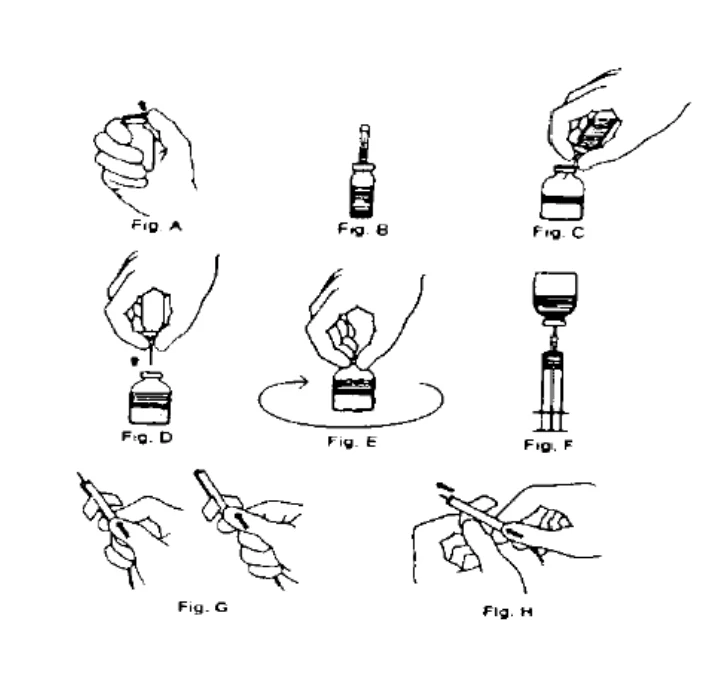
Table 7 – Reconstitution of Parenteral Products
| Vial Size | Volume of Diluent to be Added to Vial | Approximate Available Volume | Nominal Concentration per mL |
| 250 IU | 2.5 mL | 2.5 mL | 100 IU/ mL |
| 500 IU | 2.5 mL | 2.5 mL | 200 IU/mL |
| 1000 IU | 2.5 mL | 2.5 mL | 400 IU/mL |
| 2000 IU | 5.0 mL | 5.0 mL | 400 IU/mL |
For Continuous Infusion
Reconstitute KOGENATE FS according to Steps 1-8 above. Continuous infusion of KOGENATE FS must employ an infusion pump that can provide continuous delivery, deal with low volumes and low infusion speeds. Technical instructions of the pump manufacturer, including the devices to be used, should be followed. The reservoir of the pump should be filled under aseptic conditions and the reservoir and tubing should be changed at least every 24 hours. During in vitro studies, reconstituted product for continuous infusion was shown to be stable for 24 hours at temperatures up to 30°C. This should be kept in mind if the continuous infusion is not intended to be started immediately after reconstitution. In a clinical study performed in 14 adults with severe hemophilia A (≤1% FVIII:C) undergoing a major surgery, a minute amount of heparin was added to the infusion solution (final concentration of 5 U/mL) in order to prevent local thrombophlebitis at the site of the infusion. Refer to Table 6 for infusion rates.
Note: KOGENATE FS reconstituted with 2.5 or 5.0 mL Sterile Water for Injection should not be further diluted for continuous infusion.
OVERDOSAGE
No symptoms of overdose have been reported.
ACTION AND CLINICAL PHARMACOLOGY
Mechanism of Action
See INDICATIONS AND CLINICAL USE.
Pharmacodynamics
The activated partial thromboplastin time (aPTT) is prolonged in people with hemophilia. Determination of aPTT is a conventional in vitro assay for biological activity of factor VIII. Treatment with KOGENATE FS normalizes the aPTT over the effective dosing period.
Pharmacokinetics
Initial pharmacokinetic studies were conducted in 35 patients, with severe hemophilia A. (8)
Absorption
Not applicable. KOGENATE FS is administered directly into the blood stream by IV injection.
Distribution
No specific distribution studies have been performed, however after administration of KOGENATE FS (Antihemophilic Factor [Recombinant]), peak factor VIII activity decreases by a two-phase exponential decay. This is similar to that of plasma-derived factor VIII. KOGENATE FS binds to its natural protein carrier vWF and is mostly confined into the vascular space.
Metabolism
KOGENATE FS is metabolized as it produces its biological activity during the activation of the coagulation cascade.
Excretion
After administration of KOGENATE FS (Antihemophilic Factor [Recombinant]), peak factor VIII activity decreased by a two-phase exponential decay with a mean terminal half-life of about 15 hours. This is similar to that of plasma-derived factor VIII which has a mean terminal half-life of approximately 13 hours. The half-life data for rFVIII-FS were unchanged after 24 weeks of exclusive treatment, indicating continued efficacy and no evidence of FVIII inhibition.
Duration of Effect
The duration of effect is variable and dependent on the individual patient, the severity of the bleed and the clinical situation.
STORAGE AND STABILITY
KOGENATE FS (Antihemophilic Factor [Recombinant]) should be stored under refrigeration (2°C-8°C). Do not use beyond the expiration date indicated on the bottle. Storage of lyophilized powder at room temperature (up to 25°C) for 3 months, such as in home storage situations, may be done. If the product is stored outside the refrigerator, please add the date removed from refrigeration and note a new expiry date on the carton and vial. The new expiry date should be 3 months from the date product is removed from the refrigerator, or the previously stamped expiry date, whichever is shorter. Once product is removed from refrigeration, it cannot be returned to the refrigerator. Freezing must be avoided. Protect from extreme exposure to light and store the lyophilized powder in the carton prior to use.
After reconstitution, the product should be used immediately (within 3 hours) for direct syringe injection. For continuous infusion, stability has been demonstrated for 24 hours at 30°C.
SPECIAL HANDLING INSTRUCTIONS
Not applicable.
DOSAGE FORMS, COMPOSITION AND PACKAGING
KOGENATE FS (Antihemophilic Factor [Recombinant]) is supplied in the following single use bottles. A suitable volume of Sterile Water for Injection, USP, a sterile double-ended transfer needle, a sterile filter needle, and a sterile administration set are provided.
Table 8 – KOGENATE FS Vial Sizes
| Product Code | Approximate Factor VIII Activity | Diluent |
| 372-20C | 250 IU | 2.5 mL |
| 372-30C | 500 IU | 2.5 mL |
| 372-50C | 1000 IU | 2.5 mL |
| XXXXX | 2000 IU | 5.0 mL |
Each vial of KOGENATE FS contains the labelled amount of rFVIII in international units (IU). One IU, as defined by the World Health Organization standard for blood coagulation FVIII, human, is approximately equal to the level of FVIII activity found in 1 mL of fresh pooled human plasma. The final product, when reconstituted as directed, contains the following ingredients.
Table 9 – KOGENATE FS Inactive Ingredients
| Inactive Ingredient/Excipient | 250 IU, 500 IU, 1000 IU Vial Size | 2000 IU Vial Size |
| Sucrose | 0.9%-1.3% | 0.9%-1.2% |
| Glycine | 21-25 mg/mL | 20-24 mg/mL |
| Histidine | 18-23 mM | 17-22 mM |
| Calcium Chloride (CaCl2) | 2-3 mM | 1.9-2.9 mM |
| Sodium | 27-36 mEq/L | 26-34 mEq/L |
| Chloride | 32-40 mEq/L | 31-38 mEq/L |
| Polysorbate 80 | 64-96 μg/mL | 64-96 μg/mL |
The product contains no preservative. KOGENATE FS must be administered by the intravenous route.
PART II: SCIENTIFIC INFORMATION
PHARMACEUTICAL INFORMATION
Drug Substance
Proper name: KOGENATE FS
Common name: Antihemophilic Factor [Recombinant]
Product Characteristics
KOGENATE FS is produced by Baby Hamster Kidney (BHK) cells into which the human factor VIII (FVIII) gene has been introduced. The BHK cell culture medium, which is used during manufacturing contains Human Plasma Protein Solution (HPPS) and recombinant insulin, but does not contain any proteins derived from animal sources. No human or animal proteins, such as albumin, are added during the purification and formulation processes of KOGENATE FS.
KOGENATE FS is a highly purified glycoprotein consisting of multiple peptides including an 80 kD and various extensions of the 90 kD subunit.
Studies to further elucidate the carbohydrate structure of rFVIII, indicated that both pdFVIII and rFVIII contain mainly high mannose type and complex-type sugar chains.
Viral Inactivation
The purification process includes an effective solvent/detergent virus inactivation step in addition to the use of the purification methods of ion exchange chromatography, monoclonal antibody immunoaffinity chromatography, along with other chromatographic steps designed to purify recombinant FVIII (rFVIII) and remove contaminating substances.
Prion Inactivation
Additionally, the manufacturing process was investigated for its capacity to decrease the infectivity of an experimental agent of transmissible spongiform encephalopathy (TSE), considered as a model for the variant Creutzfeldt-Jakob Disease (vCJD) and Creutzfeldt-Jakob Disease (CJD) agents. Several of the individual production and raw material preparation steps in the KOGENATE FS manufacturing process have been shown to decrease TSE infectivity of that experimental model agent. TSE reduction steps included the Fraction II+III separation step for Human Plasma Protein Solution (6.0 log10) and an anion exchange chromatography step for the KOGENATE FS process (3.6 log10). These studies provide reasonable assurance that low levels of CJD/vCJD agent infectivity, if present in the starting material, would be removed.
CLINICAL TRIALS
Previously Treated Patients
Study demographics and trial design
A total of 73 patients with severe hemophilia A, age 12-59, who had been previously treated with other recombinant/plasma-derived FVIII products were treated up to 54 months in studies with rFVIII-FS in Europe and North America. A total of 24,924 infusions (or 45 million units) of rFVIII-FS were administered during the studies. A total of 5,684 bleeding episodes were treated during the studies. The majority of bleeding episodes (92.7%) were treated successfully with one or two infusions, with a median dosage of approximately 32.5 and 29.6 IU/kg per treatment infusion in Europe and North America, respectively. Prophylactic treatment accounted for 76% of infusions administered during the studies. Thirty patients have received rFVIII-FS for 41 surgical procedures (16 minor and 25 major). Hemostasis was satisfactory in all cases. One out of the 73 PTPs started the study with a pre-existing inhibitor. Excluding this patient, zero patients developed inhibitors. (1, 8, 9)
For additional details, see Product Monograph Part I: ACTION AND CLINICAL PHARMACOLOGY.
Study results
These two studies showed that KOGENATE FS demonstrates comparable efficacy to KOGENATE. Treatment with KOGENATE FS was associated with an excellent efficacy profile when used in the treatment of patients with hemophilia A.
Previously Untreated and Minimally Treated Patients
In completed clinical studies, KOGENATE FS has been used in the treatment of bleeding episodes in previously untreated patients (PUPs) and minimally treated pediatric patients (MTPs). In completed studies, 37 PUPs and 24 MTPs have been treated with 9,419 infusions of KOGENATE FS corresponding to a total of 7.5 million IU for a follow-up duration up to 3.1 years and a median of 115 exposure days. A total of 1047 bleeding episodes were treated effectively with one or two infusions of rFVIII-FS in 88.1% of cases. A total of 29 surgical procedures were performed in 23 patients. Hemostasis was satisfactory in all cases. One out of the 61 PUPs/MTPs started the study with a pre-existing inhibitor. Excluding this patient, 9 out of 60 (15%) patients developed inhibitors after a median number of 7 exposure days (range of 2 -16 exposure days). (1, 2)
Pediatric Prophylaxis
Sixty-five young boys less than 30 months of age with severe hemophilia A (factor VIII level ≤ 2 IU/dL) and normal joints, as well as a history of less than 3 hemorrhages in the same joints, were observed for 5 years in a multicenter, open-label, prospective, randomized, controlled clinical study. (7) Patients received either 25 IU/kg every other day (prophylaxis; n=32) or at least 3 doses totaling a minimum of 80 IU/kg at the time of a bleeding episode (enhanced episodic; n=33). Endpoints were joint damage evaluated by magnetic resonance imaging (MRI)
and/or radiography, as well as the frequency of bleeding episodes (joint bleeds and other bleeds). Joint damage detected by MRI or x-ray in the ankles, knees, and elbows (ie, index joints) was statistically significantly lower (P=0.002) for subjects receiving prophylactic therapy (7%) than for subjects receiving episodic therapy (42%). This corresponds to a 6.29-fold relative higher risk of experiencing joint damage for subjects treated with enhanced episodic therapy compared to prophylaxis. The mean rate of index joint hemorrhages for subjects on episodic therapy was 4.89 bleeds per year, versus 0.63 bleeds per year observed in the prophylaxis arm (P<0.001). Three subjects (9%) receiving episodic treatment experienced recurrent life-threatening hemorrhages versus no subjects receiving prophylactic treatment (P=0.238). Three patients in the prophylaxis group developed high-titer inhibitors compared to none in the enhanced episodic group. While many of the detected inhibitors were low titer and transient, the overall incidence of inhibitor development in PUPs and MTPs was 13% across both study groups, which is comparable to a demonstrated incidence of 15% in a previous randomized controlled trial. (1)
DETAILED PHARMACOLOGY
Animal Pharmacology
Pharmacologic activity of rFVIII-FS has been demonstrated in vitro in both clotting and factor Xa assays. Binding to von Willebrand Factor has also been demonstrated. The genetic, biochemical and clinical demonstration of FVIII deficiency in a colony of miniature Schnauzer dogs has been reported. As well, the efficacy of rFVIII in this animal model has been proven.
In a study of rFVIII-FS, two dogs previously untreated with FVIII were administered rFVIII-FS and two dogs previously treated with FVIII were administered rFVIII. Each preparation was infused at approximately 400 IU/kg. Animals treated with rFVIII-FS displayed a correction of bleeding time, as well as normalization of biochemical parameters of bleeding. FVIII recovery, as determined by immunoreactivity, appeared similar in all treated animals.
Animals in the safety pharmacology studies received doses of 300 IU/kg, representing a significant margin of safety when compared to the intended therapeutic dosage (25 IU/kg). The most significant effect noted was a transient increase in arterial pressure in rats, related to the relative amount of glycine in the 250 IU compared to the 500 and 1000 IU fill sizes. This is a species-specific effect observed with other proteins that use glycine as an excipient and does not present a risk to the human population.
A common test-article related finding in rabbits was a decrease in the aPTT, a measure of the activated clotting time of blood. This was not unexpected in that FVIII is required for activity. Since all animals received the same dose of material (300 IU/kg), no conclusions with regard to dose/response relationship between the aPTT and test article can be made.
In conclusion, there does not appear to be any untoward effects of rFVIII-FS on the organ systems evaluated.
In five separate infusion studies in rabbits, rFVIII-FS displayed similar pharmacokinetics to that of rFVIII. The molecule behaved similarly from experiment to experiment. There was interstudy variance with the area under the curve and clearance in one study, displaying slightly lower and higher values, respectively, versus all other studies. This is most likely the result of metabolic
differences in the rabbits used in each study. Overall, the degree of homology between studies is quite remarkable.
Human Pharmacology
The activated partial thromboplastin time (aPTT) is prolonged in people with hemophilia. Determination of aPTT is a conventional in vitro assay for biological activity of factor VIII. Treatment with KOGENATE FS normalizes the aPTT over the effective dosing period.
Absorption and Bioavailability
KOGENATE FS is administered by IV injection and the whole dose is available in the bloodstream. The recovery data for rFVIII-FS were unchanged after 24 weeks of exclusive treatment, indicating continued efficacy and no evidence of FVIII inhibition. The mean FVIII recovery measured 10 minutes following a dose of rFVIII-FS in 37 patients after 24 weeks of treatment with rFVIII-FS was 2%/IU/kg, which was unchanged from FVIII recovery determined at baseline and at weeks 4 and 12.
Pharmacokinetics
Initial pharmacokinetic studies were conducted in 35 patients, with severe hemophilia A.
Distribution
No specific distribution studies have been performed, however after administration of KOGENATE FS (Antihemophilic Factor [Recombinant]), peak factor VIII activity decreases by a two-phase exponential decay. This is similar to that of plasma-derived factor VIII. KOGENATE FS binds to its natural protein carrier vWF and is mostly confined into the vascular space.
Metabolism
No specific metabolism studies have been performed. KOGENATE FS as regular FVIII is metabolized as it produces its biological activity during the activation of the coagulation cascade.
Excretion
After administration of KOGENATE FS (Antihemophilic Factor [Recombinant]), peak factor VIII activity decreased by a two-phase exponential decay with a mean terminal half-life of about 15 hours. This is similar to that of plasma-derived factor VIII which has a mean terminal half-life of approximately 13 hours. The half-life data for rFVIII-FS were unchanged after 24 weeks of exclusive treatment, indicating continued efficacy and no evidence of FVIII inhibition.
Mean baseline clearance for 14 adult patients undergoing major surgeries with continuous infusion is 188 mL/h corresponding to 3.0 mL/h/kg (range 1.6-4.6 mL/h/kg).
TOXICOLOGY
Acute Toxicity
The acute intravenous toxicity of rFVIII-FS was determined in mice, rats, and rabbits. The intravenous LD50’s are >50, >33, and >10 mL/kg, respectively. Only rats failed to tolerate the planned dose (135 mL/kg) and this was most likely due to a species related sensitivity to the excipient, glycine. Nevertheless, with the high doses tolerated, a wide margin of safety has been shown with the doses administered in these three species.
Gal α 1-3Gal Structure in rFVIII
Studies to further elucidate the carbohydrate structure of rFVIII, indicated that both pdFVIII and rFVIII contain mainly high mannose type and complex-type sugar chains. While some overall quantitative configuration differences were observed, these were not regarded as significant: however, these investigations did reveal the presence of a unique terminal sugar structure in a minority of the rFVIII molecules, a galactose α 1-3 galactosyl (gal α 1-3 gal) group.
Biological Significance of Gal α-3
Literature reports indicate the potential for interaction of naturally occurring anti-α gal antibody with rFVIII bearing this structure. This may result in altered pharmacokinetics, reduced clinical efficacy or acute intolerance to rFVIII containing this structure. A series of preclinical experiments were conducted to address these issues.
Baboons were infused with either plasma-derived FVIII or an experimental batch of rFVIII with α gal content in the range of 5M/M FVIII (ie, approximately 10-fold greater than the amount in clinical lots of rFVIII). All preparations were labelled with radioactive iodine to facilitate monitoring. The results of these studies indicated little if any difference between the two preparations, suggesting that in this model the presence of this carbohydrate structure was of minimal (if any) biological significance. No anomalous tissue distribution or excretion of the α gal-containing rFVIII was observed.
In an effort to assess actual recovery effects of this structure, baboons were infused with large doses (300 IU/kg) of the preparations or a clinical lot of rFVIII and actual FVIII:C levels monitored over a 60 minute interval; no significant consistent difference in increment in FVIII:C titres was observed. Importantly, despite the 10-fold greater content of α gal residue in the experimental lot and the demonstration of substantial anti-α antibody titres in all animals, no acute intolerance (ie, anaphylaxis) was observed in these studies nor were any physiological or biochemical anomalies recorded over several weeks of observation. It can be concluded from these studies that the presence of this structure in rFVIII does not appear to confer any acute tolerance problems.
In conclusion, no apparent clinically or biologically significant consequence to the presence of the gal α 1-3 gal carbohydrate structure in rFVIII has been demonstrated despite evidence of circulating antibody capable of recognizing this residue in appropriate animal species. While in vitro systems clearly indicate anti-α gal antibody found in humans can bind to rFVIII bearing these structures, extrapolation to in vivo effects does not appear possible. This may be due to the
relatively low concentration of this structure in clinical lots of rFVIII, the association of FVIII with von Willebrand Factor in circulation or other as yet unexplored reasons. Results from our studies have permitted a conclusion that this carbohydrate structure confers little if any significant consequence to the biological fate of rFVIII.
Repeated Dose Toxicity
Repeated administration studies were performed in two species: rabbits and dogs. The animals were administered 305 IU/kg of rFVIII-FS intravenously on five successive days to assess the effects of repeated administration. One group of animals was sacrificed on the day following the fifth infusion (Day 6), another was sacrificed four weeks (Day 33) after the series of infusions in order to assess delayed effects.
No adverse effects were seen in rabbits with regard to weight gain, hematology, blood chemistry or necropsy. Five of the 24 rabbits showed an antibody titre prior to dosing or on Day 6 following administration of rFVIII-FS or the excipient control substance. Four of the 6 rabbits in the rFVIII-FS Day 33 group mounted an antibody titre to rFVIII-FS by Day 33. There were no apparent adverse effects in those rabbits that developed a titre. Histopathology evaluation did not reveal any treatment-related changes and no immune-mediated pathology was seen.
No adverse effects were seen in dogs with regard to urinalysis, necropsy or histopathology. Statistically significant changes in hematology and blood chemistry (both between and within groups) were observed; however, these changes were slight and not considered to be of clinical significance. Antibodies were not detected at Day 6. Three of the 4 dogs administered rFVIII-FS, as well as one dog inadvertently administered rFVIII-FS on the third day of infusion, developed an antibody titre at Day 33. No adverse effects were seen in dogs that developed an antibody titre.
Results of the acute and repeated dose studies indicate a low order of toxicity for rFVIII-FS, except for apparent immunological responses to the heterologous protein. The antibody response is not expected in the clinic. With the expected clinical dose of 25 IU/kg, a wide margin of safety of rFVIII-FS has been demonstrated in laboratory animals.
Neoantigenicity
Theoretically, the process of protein purification has the potential to induce changes in the molecule that may induce an immune response when administered. In preclinical models, many therapeutic proteins have been shown to induce an antibody response with repeated administration. In order to determine if the solvent/detergent purification process induces physical or conformation changes that produce new epitopes on the rFVIII model, four neoantigenicity studies using alternate protein: excipient ratios of rFVIII-FS and “high aggregate” lots, were performed that make use of the naturally occurring immune response to foreign proteins. The methodology involved hyperimmunization of rabbits with rFVIII-FS. Serum containing antibodies to the rFVIII-FS was tested for unique epitopes compared to rFVIII. In each study, all antibodies cross-reacted with both rFVIII and rFVIII-FS.
Carcinogenicity/Mutagenesis
In vitro evaluation of the mutagenic potential of rFVIII did not demonstrate reverse mutation or chromosomal aberrations at doses substantially greater than the maximum expected clinical dose. In vivo evaluation of rFVIII in animals using doses ranging between 10 and 40 times the expected clinical maximum also indicated that rFVIII does not possess a mutagenic potential. Long-term investigations of carcinogenic potential in animals have not been performed due to the immune response to heterologous proteins in all nonhuman mammalian species.
REFERENCES
- 1.
Kreuz W, Gill JC, Rothschild C, Manco-Johnson MJ, Lusher JM, Kellermann E, et al.
Full-length sucrose-formulated recombinant factor VIII for treatment of previously untreated or minimally treated young children with severe haemophilia A: results of an international clinical investigation. Thromb Haemost 2005;93(3):457-67.
- 2.
Lusher J, Abildgaard C, Arkin S, Mannucci PM, Zimmermann R, Schwartz L, et al.
Human recombinant DNA-derived antihemophilic factor in the treatment of previously untreated patients with hemophilia A: final report on a hallmark clinical investigation. J Thromb Haemost 2004;2(4):574-83.
- 3.
Barnes C, Lillicrap D, Pazmino-Canizares J, Blanchette V, Stain A, Clark D, et al.
Pharmacokinetics of recombinant factor VIII (Kogenate FS) in children and causes of inter-patient variability. Haemophilia 2006;12(Suppl. 4):40-9.
- 4.
Abildgaard CF, Simone JV, Corrigan JJ, Seeler RA, Edelstein G, Vanderheiden J, et al.
Treatment of hemophilia with glycine-precipitated factor 8. N Engl J Med 1966;275(9):471-5.
- 5. Nilsson IM, Berntorp E, Lofqvist T, Pettersson H. Twenty-five years' experience of prophylactic treatment in severe haemophilia A and B. J Intern Med 1992;232(1):25-32.
- 6.
Carcao MD, Aledort L. Prophylactic factor replacement in hemophilia. Blood Rev
2004;18(2):101-13.
- 7.
Manco-Johnson MJ, Abshire TC, Shapiro AD, Riske B, Hacker MR, Kilcoyne R, et al.
Prophylaxis versus episodic treatment to prevent joint disease in boys with severe hemophilia. N Engl J Med 2007;357(6):535-44.
- 8. Abshire TC, Brackmann HH, Scharrer I, Hoots K, Gazengel C, Powell JS, et al. Sucrose formulated recombinant human antihemophilic factor VIII is safe and efficacious for treatment of hemophilia A in home therapy--International Kogenate-FS Study Group. Thromb Haemost 2000;83(6):811-6.
- 9. Scharrer I, Brackmann HH, Sultan Y, Abshire T, Gazengel C, Ragni M, et al. Efficacy of a sucrose-formulated recombinant factor VIII used for 22 surgical procedures in patients with severe haemophilia A. Haemophilia 2000;6(6):614-8.