


Product Monograph - Esperoct
RECENT MAJOR LABEL CHANGES
| 1 Indications, 1.1. Pediatrics | 09/2022 |
|---|---|
| 7 Warnings and Precautions, 7.1.3 Pediatrics | 09/2022 |
TABLE OF CONTENTS
TABLE OF CONTENTS .................................................................................................. 2
PART I: HEALTH PROFESSIONAL INFORMATION .................................................... 4
1 INDICATIONS ...................................................................................................... 4
1.1 Pediatrics ..................................................................................................... 4
1.2 Geriatrics ..................................................................................................... 4
2 CONTRAINDICATIONS ....................................................................................... 4
4 DOSAGE AND ADMINISTRATION ..................................................................... 4
4.1 Dosing Considerations................................................................................. 4
4.2 Recommended Dose and Dosage Adjustment ............................................ 5
4.3 Administration .............................................................................................. 7
4.4 Reconstitution .............................................................................................. 7
4.5 Missed Dose ................................................................................................ 8
5 OVERDOSAGE .................................................................................................... 8
6 DOSAGE FORMS, STRENGTHS, COMPOSITION AND PACKAGING ............. 8
7 WARNINGS AND PRECAUTIONS .................................................................... 10
7.1 Special Populations ................................................................................... 11
7.1.1 Pregnant Women ................................................................................... 11
7.1.2 Breast-feeding ........................................................................................ 11
7.1.3 Pediatrics ............................................................................................... 11
7.1.4 Geriatrics ................................................................................................ 12
8 ADVERSE REACTIONS .................................................................................... 12
8.1 Adverse Reaction Overview ...................................................................... 12
8.2 Clinical Trial Adverse Reactions ................................................................ 12
8.3 Post-Market Adverse Reactions ................................................................ 14
9 DRUG INTERACTIONS ..................................................................................... 14
9.1 Overview .................................................................................................... 14
10 CLINICAL PHARMACOLOGY ........................................................................... 14
10.1 Mechanism of Action .............................................................................. 14
10.2 Pharmacodynamics ................................................................................ 14
10.3 Pharmacokinetics ................................................................................... 15
11 STORAGE, STABILITY AND DISPOSAL ......................................................... 17
12 SPECIAL HANDLING INSTRUCTIONS ............................................................ 17
PART II: SCIENTIFIC INFORMATION ......................................................................... 18
13 PHARMACEUTICAL INFORMATION ............................................................... 18
14 CLINICAL TRIALS ............................................................................................. 20
14.1 Trial Design and Study Demographics ................................................... 20
14.2 Study Results ......................................................................................... 21
16 NON-CLINICAL TOXICOLOGY ......................................................................... 25
PATIENT MEDICATION INFORMATION ..................................................................... 26
PART I: HEALTH PROFESSIONAL INFORMATION
1 INDICATIONS
ESPEROCT® (Antihemophilic Factor VIII (Recombinant, B-Domain Truncated), polyethylene-glycol (PEG)-ylated) is indicated for use in adults and children with hemophilia A (congenital Factor VIII deficiency) for:
- Routine prophylaxis to prevent or reduce the frequency of bleeding episodes
- On-demand treatment and control of bleeding episodes
- Perioperative management of bleeding.
ESPEROCT® is not indicated for the treatment of von Willebrand disease.
1.1 Pediatrics
Pediatrics (< 18 years of age): Based on the data submitted and reviewed by Health Canada, the safety and efficacy of ESPEROCT® in previously treated pediatric patients has been established; therefore, Health Canada has authorized an indication for pediatric use [see 7.1.3 WARNINGS AND PRECAUTIONS, Special Populations, Pediatrics and 14.2 CLINICAL TRIALS].
1.2 Geriatrics
Geriatrics (> 65 years of age): Clinical studies of ESPEROCT® did not include sufficient numbers of subjects age 65 and over to determine whether or not they respond differently than younger subjects.
2 CONTRAINDICATIONS
Patients who are hypersensitive to this drug or to any ingredient in the formulation, including any non-medicinal ingredient (including hamster protein), or component of the container. For a complete listing, see 6 DOSAGE FORMS, STRENGTHS, COMPOSITION AND PACKAGING.
4 DOSAGE AND ADMINISTRATION
4.1 Dosing Considerations
- Treatment should be initiated under the supervision of a physician experienced in the treatment of hemophilia A.
- The dose, dosing interval and duration of the substitution therapy depend on the severity of the FVIII deficiency, on the location and extent of the bleeding, on the targeted FVIII activity level and the patient’s clinical condition.
- Patients may vary in their pharmacokinetic (e.g., half-life, in vivo recovery) and clinical response. The dose and the frequency of ESPEROCT® should be based on the individual clinical response.
- In the case of major surgical interventions in particular, monitoring of the FVIII substitution therapy by measurement of plasma FVIII activity is necessary. If monitoring of FVIII activity is performed, use a chromogenic or one-stage clotting assay appropriate for use with ESPEROCT® [see 7 WARNINGS AND PRECAUTIONS, Monitoring and Laboratory Tests].
The number of units of FVIII administered is expressed in International Units (IU), which is
- related to the current WHO concentrate standard for FVIII products. The activity of FVIII in plasma is expressed either as percentage (relative to normal human plasma level) or in IU per dL (relative to the current International Standard for FVIII in plasma).
- One IU of FVIII activity corresponds to the quantity of FVIII in one mL of normal human plasma.
- The calculation of the required dose of FVIII is based on the empirical finding that 1 IU FVIII per kg body weight raises the plasma FVIII activity by 2 IU/dL.
ESPEROCT® may be dosed to achieve a specific target FVIII activity level for on-demand treatment/control of bleeding episodes or perioperative management [see Table 1-1 and Table 1-2]. To achieve a specific target FVIII activity level, use the following formula:
Dosage Required = Body Weight x Desired FVIII Increase x 0.5 (IU/kg per IU/dL)
(IU) (kg) (IU/dL or % normal)
4.2 Recommended Dose and Dosage Adjustment
Routine prophylaxis with ESPEROCT®
Adults and adolescents (12 years and above): The recommended dose is 50 IU of ESPEROCT® per kg body weight every 4 days.
Children (below 12 years): A dose of 60 IU/kg (50–75 IU) of ESPEROCT® per kg body weight administered twice weekly.
The dose regimens may be individually adjusted to less or more frequent dosing based on bleeding episodes.
On-demand Treatment and Control of Bleeding Episodes
Guidance for dosing of ESPEROCT® for the on-demand treatment and control of bleeding episodes is provided in Table 1-1.
Maintain plasma FVIII activity level at or above the described plasma levels (in IU per dL or % of normal).
The frequency of doses and duration of therapy should always be individually adjusted for optimal clinical effectiveness.
The expected in vivo increase in FVIII level expressed as IU per dL (or % of normal) is estimated using the following formula:
Estimated Increment of FVIII (IU/dL or % of normal) = Total Dose (IU) Body Weigℎt (kg) x 2 (IU/dL per IU/kg)
Table 1-1: Dosing for Treatment and Control of Bleeding Episodes
| Type of Bleeding | Desired Peak FVIII Level (IU/dL or % of normal)1 | Dose (IU/kg)2 | Frequency of Doses | |
|---|---|---|---|---|
| Age Group | Repeat Dose | |||
Minor Early hemarthrosis, mild muscle bleeding, or oral bleeding | 20–40 | 40 | ≥ 12 years | One dose should be sufficient |
| 65 | < 12 years | |||
Moderate More extensive hemarthrosis, muscle bleeding, or hematoma | 30–60 | 40 | ≥ 12 years | An additional dose may be administered after 24 hours |
| 65 | < 12 years | |||
Major Life- or limb-threatening hemorrhages, gastro- intestinal bleeding, intracranial, intraabdominal or intrathoracic bleeding, fractures | 60–100 | 50 | ≥ 12 years | Additional dose(s) may be administered approximately every 24 hours |
| 65 | < 12 years | |||
1 As suggested by the World Federation of Hemophilia
2 Dosage proposal based on clinical trial data with ESPEROCT®
Perioperative Management
The dose level and dosing intervals for surgery depend on the procedure and local practice. The frequency of doses and duration of therapy should always be individually adjusted based on individual clinical response.
Table 1-2 includes general recommendation for dosing of ESPEROCT® for perioperative management. Consideration should be given to maintain a FVIII activity at or above the target range.
Table 1-2: Dosing for Perioperative Management
| Type of Surgery | Target FVIII Level (IU/dL or % of normal)1 | Pre-operative Dose (IU/kg)2 | Frequency of Doses | |
|---|---|---|---|---|
| Age Group | Repeat Dose | |||
Minor Including tooth extraction | 30–60 | 50 | ≥ 12 years | Additional dose(s) can be administered after 24 hours if necessary |
| 65 | < 12 years | |||
Major Intracranial, intra-abdominal, intrathoracic, or joint replacement surgery | 80–100 | 50 | ≥ 12 years | Additional doses can be administered approximately every 24 hours for the first week and then approximately every 48 |
| 65 | < 12 years | |||
| hours until wound healing has occurred |
1 As suggested by the World Federation of Hemophilia
2 Dosage proposal based on clinical trial data with ESPEROCT®
4.3 Administration
- ESPEROCT® should be administered by intravenous injection (over approximately 2 minutes) after reconstitution of the lyophilised powder with 4 mL 0.9% sodium chloride solvent (provided).
- Do not administer reconstituted ESPEROCT® in the same tubing or container with other medications.
- In case of self-administration or administration by a caregiver, appropriate training is required.
Injecting ESPEROCT® via needleless connectors for intravenous (IV) catheters
The prefilled solvent syringe with sterile vial adapter, together serve as a needleless reconstitution system named the MixPro®.
Caution: The MixPro® prefilled solvent syringe is made of glass and is designed to be compatible with standard luer-lock connections. Some needleless connectors with an internal spike are incompatible with the prefilled syringe. This incompatibility may prevent administration of the drug and/or result in damage to the needleless connector.
Follow the instructions for use that come with the needleless connector. Administration through a needleless connector may require withdrawal of the reconstituted solution into a standard 10 mL sterile luer-lock plastic syringe.
If you have encountered any problems with attaching the prefilled solvent syringe to any luer-lock compatible device, or have any questions please contact Novo Nordisk at 1-800-465-4334.
For detailed instructions on how to administer ESPEROCT® refer to the PATIENT MEDICATION INFORMATION section of the Product Monograph.
4.4 Reconstitution
Table 1-3: Reconstitution
| Vial Size | Volume of Solvent to be Added to Vial | Approximate Concentration After Reconstitution |
| 500 IU/vial | 4 mL | 125 IU/mL |
| 1000 IU/vial | 4 mL | 250 IU/mL |
| 1500 IU/vial | 4 mL | 375 IU/mL |
| 2000 IU/vial | 4 mL | 500 IU/mL |
| 3000 IU/vial | 4 mL | 750 IU/mL |
- ESPEROCT® should be used immediately after it has been reconstituted.
- ESPEROCT® should not be mixed or reconstituted with injection solutions other than the provided sodium chloride solvent.
- If you cannot use the reconstituted ESPEROCT® solution immediately, it must be used within 24 hours when stored in the refrigerator at 2°C - 8°C, within 4 hours when stored at room temperature ≤ 30°C, or within 2 hours when stored between 30°C and 40°C. Store the reconstituted product in the vial, with the vial adapter and the syringe still attached.
- Do not freeze reconstituted ESPEROCT® solution or store it in syringes. Keep reconstituted ESPEROCT® solution out of direct light.
- After reconstitution, the solution should be clear and colourless. Do not use solutions that are cloudy or have deposits.
4.5 Missed Dose
Patients who forget a dose should be advised to inject the missed dose immediately and to continue treatment at regular intervals as required. Patients should not inject a double dose to make up for a forgotten dose.
5 OVERDOSAGE
Overdose of ESPEROCT® up to 114 IU/kg has been reported in clinical trials using ESPEROCT®. No clinical symptoms associated with overdoses of ESPEROCT® have been reported.
6 DOSAGE FORMS, STRENGTHS, COMPOSITION AND PACKAGING
Table 1-4: Dosage Forms, Strengths, Composition and Packaging
ESPEROCT® is supplied as a white to off-white lyophilized powder in a single-use vial.
The solvent for reconstitution of ESPEROCT® is 0.9% sodium chloride solution and is supplied as a clear colorless solution in a prefilled syringe.
The ESPEROCT® package contains 1 vial of ESPEROCT® and 1 MixPro® prefilled solvent syringe with sterile vial adapter, which serves as a needleless reconstitution system.
| For management of a suspected drug overdose, contact your hemophilia treatment centre or your regional poison control centre. |
|---|
| Route of Administration | Dosage Form / Strength / Composition | Non-medicinal Ingredients |
| Intravenous injection | Lyophilized powder for solution: 500, 1000, 1500, 2000 and 3000 IU/vial | Powder Calcium chloride dihydrate, L-histidine, L-methionine, polysorbate 80, sodium chloride, sucrose Solvent Sodium chloride, water for injections |
Each ESPEROCT® package contains:
- 1 glass vial (type I) with ESPEROCT® powder and chlorobutyl rubber stopper, an aluminum seal with a plastic snap-off cap
- 1 sterile vial adapter (with 25 micrometer filter) for reconstitution
- 1 prefilled syringe containing 4 mL of solvent with a backstop (polypropylene), a rubber plunger (bromobutyl), and a rubber tip cap (bromobutyl).
- 1 plunger rod (polypropylene)
The rubber stopper, rubber tip cap and rubber plunger have not been made with natural rubber latex.
After reconstitution, ESPEROCT® contains the following non-medicinal ingredients:
| Contents | Quantity per mL in the withdrawal volume | Function |
|---|---|---|
| Sodium chloride | 18 mg/mL | Stabiliser |
| L-Histidine | 1.5 mg/mL | Buffer |
| Sucrose | 3 mg/mL | Stabiliser |
| Polysorbate 80 | 0.1 mg/mL | Surfactant |
| L-Methionine | 0.055 mg/mL | Antioxidant |
| Calcium chloride dihydrate | 0.25 mg/mL | Stabiliser |
DESCRIPTION
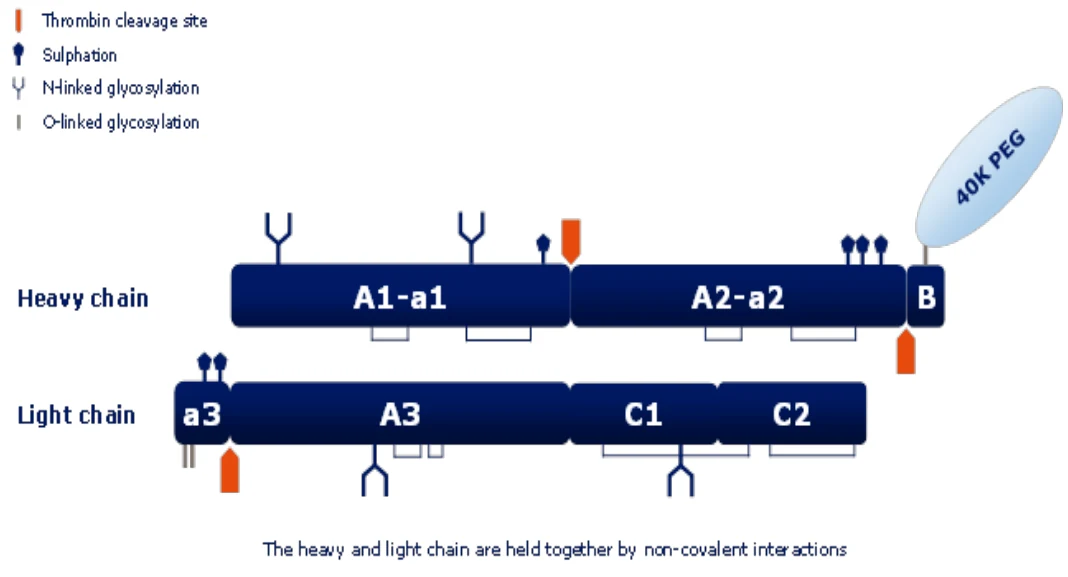
Recombinant human FVIII is produced in Chinese Hamster Ovary (CHO) cells and contains 21 amino acids of the endogenous B-domain. ESPEROCT® is a purified recombinant human FVIII product with a 40 kDa polyethylene-glycol (PEG) conjugated to the O-linked glycan in the truncated B-domain. When ESPEROCT® is activated by thrombin at the site of injury, the B-domain containing the PEG moiety and the a3-region are cleaved off, thus generating activated FVIII (FVIIIa) which is similar in structure to native FVIIIa.
The protein part of ESPEROCT® is a polypeptide with a molecular mass of 166 kDa. It contains a heavy chain of 87 kDa and a light chain of 79 kDa held together by non-covalent interactions. The molecular mass of ESPEROCT® is 216 kDa including post-translational modifications and PEG moiety.
The recombinant FVIII protein is purified by a series of chromatographic steps, including an affinity chromatography step using a monoclonal antibody, expressed in CHO cells, to selectively isolate recombinant FVIII from the cell culture medium. The conjugation of the PEG-group is performed by an enzymatic reaction during the purification of ESPEROCT®. The production process includes two dedicated, validated viral clearance steps, namely a detergent treatment step for inactivation and a 20 nm filtration step for removal of viruses.
No additives of human or animal origin are used in the cell culture, purification, conjugation, or formulation of ESPEROCT®.
7 WARNINGS AND PRECAUTIONS
Immune
Hypersensitivity
Allergic-type hypersensitivity reactions are possible with ESPEROCT®. The product contains traces of hamster proteins, which in some patients may cause allergic reactions. If symptoms of hypersensitivity occur, patients should be advised to immediately discontinue the use of ESPEROCT® and contact their physician. Patients should be informed of the early signs of hypersensitivity reactions including hives, generalized urticaria, tightness of the chest, wheezing, hypotension, and anaphylaxis.
In case of anaphylactic shock, standard medical treatment for anaphylactic shock should be implemented.
Inhibitors
The formation of neutralizing antibodies (inhibitors) to FVIII is a known complication in the management of individuals with hemophilia A. These inhibitors are usually IgG immunoglobulins directed against the FVIII procoagulant activity, which are quantified in Bethesda Units (BU) using the modified Bethesda assay. The risk of developing inhibitors is correlated to the severity of the disease as well as the exposure to FVIII, this risk being highest within the first 20 exposure days. Rarely, inhibitors may develop after the first 100 exposure days.
The clinical relevance of inhibitor development will depend on the titre of the inhibitor, with low titre inhibitors which are transiently present or remain consistently low titre, posing less of a risk of insufficient clinical response than high titre inhibitors.
Anti-Polyethylene Glycol Antibodies and Decreased Factor VIII Activity
Anti-polyethylene glycol (PEG) antibodies were identified in some patients in the post-marketing setting following administration of ESPEROCT®, and may be associated with unexpected decreases in FVIII activity in the absence of inhibitors to FVIII. Some patients switched to other products to treat their hemophilia A. Appropriate determination of FVIII activity upon switching should be considered.
Monitoring and Laboratory Tests
In general, all patients treated with coagulation FVIII products should be carefully monitored for the development of inhibitors by appropriate clinical observations and laboratory tests. If the expected FVIII activity plasma levels are not attained, or if bleeding is not controlled with an appropriate FVIII replacement therapy, then testing for the presence of FVIII inhibitors should be performed. In patients with high levels of inhibitor, FVIII therapy may not be effective and other therapeutic options should be considered. Management of such patients should be directed by physicians with experience in the care of hemophilia and FVIII inhibitors.
During the course of treatment, appropriate determination of FVIII activity levels is advised to guide adjustments of the dosing regimen of ESPEROCT®, if needed. Individual patients may vary in their response to FVIII, demonstrating different half-lives and incremental recoveries. In the case of major surgical interventions in particular, monitoring of the FVIII substitution therapy by measurement of plasma FVIII activity is necessary. Monitoring of post dose FVIII activity is recommended in previously untreated patients” [see 7.1.3 WARNINGS AND PRECAUTIONS, Pediatrics and 8.2 Clinical Trial Adverse Reactions, Previously untreated patients].
FVIII activity levels can be monitored with a validated test (one-stage clotting or chromogenic assays). FVIII activity levels can be affected by the type of activated partial thromboplastin time (aPTT) reagent used in the one-stage clotting assay. Some silica-based aPTT reagents can underestimate the activity of ESPEROCT® by approximately 50%. If an appropriate one-stage clotting or chromogenic assay is not available locally, then use of a reference laboratory is recommended.
Decreased Factor FVIII activity in Previously Untreated Patients (PUPs)
In 17 out of 59 PUPs without inhibitors, transiently decreased factor VIII incremental recovery has been observed. For all patients, decreased incremental recovery was observed after a few exposures with ESPEROCT® and associated with increasing anti-PEG IgG titers in PUPs without inhibitors to factor VIII.
Peri-Operative Considerations
ESPEROCT® is indicated in the perioperative management of patients with hemophilia A. Careful monitoring of replacement therapy is necessary in cases of major surgery or life-threatening bleeding episodes. Data on surgery are not available for children < 12 years of age.
7.1 Special Populations
7.1.1 Pregnant Women
Animal reproduction studies have not been conducted with ESPEROCT®. Given the rare occurrence of hemophilia A in women, experience regarding the use of ESPEROCT® during pregnancy is not available. Therefore, the benefit of using ESPEROCT® during pregnancy must be assessed against the risk for the mother and baby and the product should be used only if clearly needed.
7.1.2 Breast-feeding
Theoretical considerations would indicate that FVIII products could be present in human breast milk, but based on the rare occurrence of hemophilia A in women, experience regarding the use of FVIII products during breastfeeding is not available. Therefore, ESPEROCT® should only be used during breastfeeding if clearly indicated.
7.1.3 Pediatrics
Safety and efficacy were evaluated in 93 previously treated pediatric patients <18 years of age, who received at least one dose of ESPEROCT®; all received routine prophylaxis [see 14.2 CLINICAL TRIALS]. Thirty-four (34) of these subjects (36.6%) were 1 to <6 years of age; 34 subjects (36.6%) were 6 to <12 years of age; and 25 subjects (27%) were 12 to <18 years of age. The safety profile of ESPEROCT® was comparable between previously treated pediatric subjects and adult subjects.
In some previously untreated patients (PUPs), decreased FVIII incremental recovery has been observed in the absence of detectable Factor VIII inhibitors [see 8.2 Clinical Trial Adverse Reactions, Previously untreated patients]. The decreased factor VIII incremental recovery occurred after a few exposures to ESPEROCT® and was generally transient. For all patients, decreased incremental recovery was observed with increasing anti-PEG IgG titers in PUPs without inhibitors to factor FVIII. Close monitoring of PUPs including monitoring of the patient’s clinical status and post dose FVIII activity is recommended until the incremental recovery is normalized.
7.1.4 Geriatrics
Clinical studies of ESPEROCT® did not include sufficient numbers of subjects age 65 and over to determine whether or not they respond differently than younger subjects.
8 ADVERSE REACTIONS
8.1 Adverse Reaction Overview
The most frequently reported adverse reactions (incidence ≥1%) in clinical trials were rash, erythema, pruritus, and injection site reactions.
8.2 Clinical Trial Adverse Reactions
Because clinical trials are conducted under very specific conditions, the adverse reaction rates observed in the clinical trials may not reflect the rates observed in practice and should not be compared to the rates in the clinical trials of another drug. Adverse reaction information from clinical trials is useful for identifying drug-related adverse events and for approximating rates.
Previously treated patients:
The safety of ESPEROCT® has been evaluated in 270 unique subjects (202 adults/adolescents and 68 children) across five prospective, multi-centre clinical studies in previously treated patients (PTPs) with severe hemophilia A (<1% endogenous FVIII activity) and no history of inhibitors. As many patients participated in more than one trial, the sum of patients in the individual trials is higher than the total number of unique patients. All patients received at least one dose of ESPEROCT®. A previously treated patient was defined as a subject with a history of at least 150 exposure days to other FVIII products (adolescents/adult subjects) or 50 exposure days to other FVIII products (children below 6 years). Total exposure to ESPEROCT® was 80,425 exposure days corresponding to 889 patient years of treatment.
During the clinical trial program in previously treated patients, adverse reactions occurred at a rate of 0.10 events per patient year of exposure. The most frequently reported adverse reactions were rash (5.2%), injection site reaction (2.6%), erythema (1.9%), and pruritus (1.5%).
Table 1-5: Frequencies of adverse drug reactions in clinical trials in previously treated patients
| System Organ Class | Preferred term | Frequency (%) | Frequency# |
|---|---|---|---|
| Blood and lymphatic system disorders | Factor VIII inhibition**** | 1/235*** (0.4%) | Uncommon |
| General disorders and administration site conditions | Injection site reaction** | 7/270 (2.6%) | Common |
| Immune system disorders | Hypersensitivity | 2/270 (0.7%) | Uncommon |
| Skin and subcutaneous tissue disorders | Rash | 14/270 (5.2%) | Common |
|---|---|---|---|
| Skin and subcutaneous tissue disorders | Erythema | 5/270 (1.9%) | Common |
| Skin and subcutaneous tissue disorders | Pruritus | 4/270 (1.5%) | Common |
# Frequencies have been evaluated according to the following convention: very common (≥ 1/10), common (≥ 1/100 to < 1/10), uncommon (≥ 1/1,000 to < 1/100), rare (≥ 1/10,000 to < 1/1,000), very rare (< 1/10,000); not known (cannot be estimated from the available data).
** Preferred terms included in injection site reactions: Injection site reaction, Vessel puncture site hematoma, Infusion site reaction, Injection site erythema, Injection site rash, Vessel puncture site pain, and Injection site swelling.
*** The number of patients at risk (denominator) is patients who have a minimum of 50 exposure days to ESPEROCT® or who have confirmed inhibitory antibodies against FVIII regardless of the number of exposure days.
****The confirmed Factor VIII inhibitor patient was identified by an initial inhibitor test result of ≥ 0.6 Bethesda units (BU) confirmed in a second sample taken no more than 2 weeks later.
The safety profile of ESPEROCT® was comparable between previously treated pediatric patients and adults.
Immunogenicity: Subjects were monitored for neutralizing and non-neutralizing antibodies to FVIII, PEG, and CHO host cell protein (HCP). One previously treated subject developed confirmed neutralizing antibodies to FVIII (13.5 Bethesda Units), and three additional subjects developed transient non-neutralizing antibodies to FVIII. Pre-existing anti-PEG antibodies were detected in 32 subjects of whom 20 had no anti-PEG antibodies at the end of the trials. Eleven patients developed anti-PEG antibodies of whom 9 were transient anti-PEG antibodies and two remained positive. The anti-PEG antibodies had no clinical significance. Nine subjects developed anti-CHO HCP antibodies with no clinical consequence.
The detection of antibodies is highly dependent on the sensitivity and specificity of the assay. Additionally, the observed incidence of antibody (including neutralizing antibody) positivity in an assay may be influenced by several factors, including assay methodology, sample handling, timing of sample collection, concomitant medications, and underlying disease.
Previously untreated patients:
In the 3908 study, low incremental recovery (IR) was identified after exposure to ESPEROCT® in 17 previously untreated patients without detectable Factor VIII inhibitors. Low IR was defined as at least 2 consecutive measurements <0.6 (IU/dL)/(IU/kg). At the first measurement (corresponding to the first exposure to N8-GP), all patients had IR values within normal range. At EDs 5 and 10, all IR values for all 17 patients were below 0.6 (IU/dL)/(IU/kg). As of final DBL, the IR in 13 patients had returned to levels within the expected range (i.e., ≥0.6 (IU/dL)/(IU/kg)), and 4 patients were withdrawn.
The frequencies of adverse reactions as observed in 81 unique subjects are listed in Table 1-6. The categories of adverse reactions presented in Table 1-6 are according to the MedDRA system organ classification (SOC and Preferred Term Level).
Table 1-6: Frequency of adverse drug reactions in clinical trials for PUPs
| System Organ Class | Preferred Term | Frequency % | Frequency |
|---|---|---|---|
Skin and subcutaneous tissue disorders | Rash | 1/81 (1,2%) | Common |
Skin and subcutaneous tissue disorders | Erythema | 1/81 (1,2%) | Common |
| General disorders and administration site conditions | Injection site reaction* | 2/81 (2,5%) | Common |
| Immune system disorders | Drug hypersensitivity | 2/81 (2,5%) | Common |
| Blood and lymphatic system | Factor VIII inhibition** | 21/70 (30.0 %). | Very common |
*covering preferred terms: Injection site swelling and Vessel puncture site haematoma
** covering confirmed factor VIII inhibitor patients in patients at risk (with at least 10 exposure days)
8.3 Post-Market Adverse Reactions
Immune – decreased factor VIII activity may be associated with anti-PEG antibodies.
9 DRUG INTERACTIONS
9.1 Overview
No interaction studies have been performed, and no interactions of ESPEROCT® with other medicinal products have been reported.
10 CLINICAL PHARMACOLOGY
10.1 Mechanism of Action
When injected into a hemophilia patient, FVIII binds to endogenous von Willebrand factor (VWF), which stabilizes FVIII during circulation. At the site of injury, FVIII is activated and released from VWF. FVIII is activated by thrombin and acts as a co-factor for activated FIX (FIXa) on the surface of the activated platelets where the FVIIIa/FIXa complex converts FX to activated FX (FXa). FXa then leads to the generation of thrombin and to the formation of a stable hemostatic plug.
ESPEROCT®, a glycoPEGylated form of recombinant anti-hemophilic FVIII temporarily replaces the missing coagulation FVIII needed for effective hemostasis in congenital hemophilia A patients. The FVIII in ESPEROCT® is conjugated to a 40-kDa polyethylene glycol molecule, which slows down its removal from the blood circulation, prolonging its half-life compared to the non-pegylated molecule.
10.2 Pharmacodynamics
The administration of ESPEROCT® increases plasma levels of FVIII and can temporarily correct the coagulation defect in the hemophilia A patients, as reflected by a decrease in activated partial thromboplastin time (aPTT).
10.3 Pharmacokinetics
In total, 129 single-dose pharmacokinetic (PK) profiles of ESPEROCT® were evaluated in 86 patients (including 24 pediatric patients < 12 years).
All pharmacokinetic studies with ESPEROCT® were conducted in previously treated patients with severe hemophilia A (FVIII <1%). Patients received a single dose of 50 IU/kg, and blood samples were collected prior to dosing and at multiple time points up to 96 hours after dosing.
The half-life was 19 hours for ESPEROCT® and 12 hours for unmodified FVIII products in adults, using the chromogenic assay.
Pharmacokinetic parameters
A total of 108 single dose pharmacokinetic profiles at 50 IU/kg ESPEROCT® were evaluated in 69 patients. The single-dose pharmacokinetic parameters are comparable between young children (< 6 years) and older children (6 to <12 years), and between adolescents (12 to <18 years) and adults (≥18 years).
Incremental recovery appeared to be lower while body weight adjusted clearance appeared to be higher in children compared to adults and adolescents. In general, there was a trend of increasing incremental recovery and decreasing clearance (mL/h/kg) with age. This corresponds to a higher volume of distribution per kg body weight in children compared to adults (Table 1-6).
Table 1-6: Single-dose pharmacokinetic parameters of ESPEROCT® 50 IU/kg, by age, using the chromogenic assay (geometric mean [CV%])
| PK Parameter | <6 years | 6 - <12 years | 12 - <18 years | ≥18 years |
|---|---|---|---|---|
| Number of patients | N=13 | N=11 | N=3 | N=42 |
| Number of profiles | 13 | 11 | 5 | 79 |
| IR (IU/dL per IU/kg)a | 1.80 (29) | 1.99 (25)c | 2.79 (12) | 2.63 (22) |
| Maximum FVIII activity (IU/dL)a | 101.2 (28) | 119.6 (25) | 133.2 (9) | 134.4 (23) |
| t1/2 (hours) | 13.6 (20) | 14.2 (26) | 15.8 (43) | 19.9 (34) |
| AUCinf (IU*hour/dL) | 2147 (47) | 2503 (42) | 3100 (44) | 3686 (35) |
| CL (mL/hour/kg) | 2.6 (45) | 2.4 (40) | 1.5 (43) | 1.4 (32) |
| Vss (mL/kg) | 44.2 (34) | 41.2 (25) | 33.4 (10) | 37.7 (27) |
| MRT (hours) | 17.0 (22) | 17.3 (31) | 21.7 (45) | 25.2 (29)b |
Abbreviations: AUC = area under the FVIII activity time profile; t1/2 = terminal half-life; MRT = mean residence time; CL = clearance; Vss = volume of distribution; IR = Incremental recovery
a Incremental recovery and FVIII activity were assessed 30 min post-dosing for patients ≥ 12 years and 60 min post-dosing (first sample) for children < 12 years.
b Calculation based on 67 profiles.
Observed pre-dose (trough) and post-dose (peak) plasma FVIII activity levels at steady state during prophylactic treatment with ESPEROCT® are presented in Table 1-7.
Table 1-7: Steady-state trough and peak plasma FVIII activity by age and dose regimen of ESPEROCT® based on the chromogenic assay (geometric mean [95% CI])
60 IU/kg twice weekly (50–75 IU/kg)** | 50 IU/kg Every 4 days* | |||||
|---|---|---|---|---|---|---|
| <6 years | 6 - <12 years | 12 -<18 years | ≥18 years | |||
| # of patients | 31 | 34 | 23 | 143 | ||
Mean trough IU/dL (95% CI) min, max* | 1.2 (0.8;1.6) | 2.0 (1.5;2.7) | 2.7 (1.8;4.0) | 3.0 (2.6;3.5) | ||
Mean peak IU/dL (95% CI) min, max* | 125.0 (118.7;131.6) | 143.3 (136.8;150.2) | 125.1 (116,0;135.0) | 137.9 (133.9;142.2) | ||
* Data included in analysis: NN7088-3859 main phase until 36 weeks at 50 IU/kg Q4D. Only measurements collected at steady-state for the given prophylaxis treatment are included in the analyses.
**Data included in analysis: NN7088-3885 interim 1 - main phase 60 IU/kg (50-75 IU/kg) twice weekly. Only measurements collected at steady state for the given prophylaxis treatment are included in the analyses. Measurements are included if within time window of prophylaxis treatment interval +/- 2 days, (i.e. 1.5–5.5 days for twice weekly, 2–6 days for Q4D) and if at least twice the prophylaxis treatment interval after last treatment of bleed.
Predicted Time of Factor VIII Activity Above 5 %
Steady-state FVIII activity profiles were predicted using a one-compartment model with first-order elimination with PK parameters of clearance (CL) and volume of distribution (Vss).
Pharmacokinetic predictions showed that patients dosed every 3-4 days in all age groups were above 5% FVIII activity (i.e. in the range of mild hemophilia) for the majority of time (72-95% of time).
11 STORAGE, STABILITY AND DISPOSAL
Prior to Reconstitution
Store refrigerated (2°C – 8°C). Do not freeze.
Store in the original package in order to protect from light.
ESPEROCT® vials can be stored in the refrigerator (2°C - 8°C) up to the expiration date stated on the label.
During the shelf-life, ESPEROCT® may also be stored at room temperature:
up to 30°C for a single period not exceeding 12 months
or
- up to 40°C for a single period not exceeding 3 months
Once the product has been taken out of the refrigerator the product must not be returned to the refrigerator. Record the date when the product was removed from the refrigerator in the space provided on the product carton.
Do not use ESPEROCT® after the end of the specified room temperature storage period at up to 30°C or 40°C, or after the expiration date stated on the carton, whichever occurs earlier.
After Reconstitution
Chemical and physical in-use stability have been demonstrated for 24 hours when stored in a refrigerator at 2°C – 8°C, 4 hours when stored at room temperature up to 30°C, and 2 hours when stored between 30°C and 40°C.
From a microbiological point of view, the product should be used immediately after reconstitution. If not used immediately, in-use storage times and conditions prior to use are the responsibility of the user and would normally not be recommended for longer than as stated above, unless reconstitution has taken place in controlled and validated aseptic conditions.
The reconstituted solution should be stored in the vial, with the vial adapter and the syringe still attached.
The reconstituted medicinal product should be inspected visually for particulate matter and discolouration prior to administration. The solution should be clear and colourless. Do not use solutions that are cloudy or have deposits.
12 SPECIAL HANDLING INSTRUCTIONS
After injection, safely dispose of the syringe with the infusion set and the vial with the vial adapter.
Any unused medicinal product or waste material should be disposed of in accordance with local requirements.
PART II: SCIENTIFIC INFORMATION
13 PHARMACEUTICAL INFORMATION
Drug Substance
Proper name: Antihemophilic Factor VIII (Recombinant, B-Domain Truncated), PEGylated
Chemical name: turoctocog alfa pegol
Molecular formula: C7480H11381N1999O2177S62
Molecular mass: 166 kDa (excluding post-translational modifications and PEG moiety)
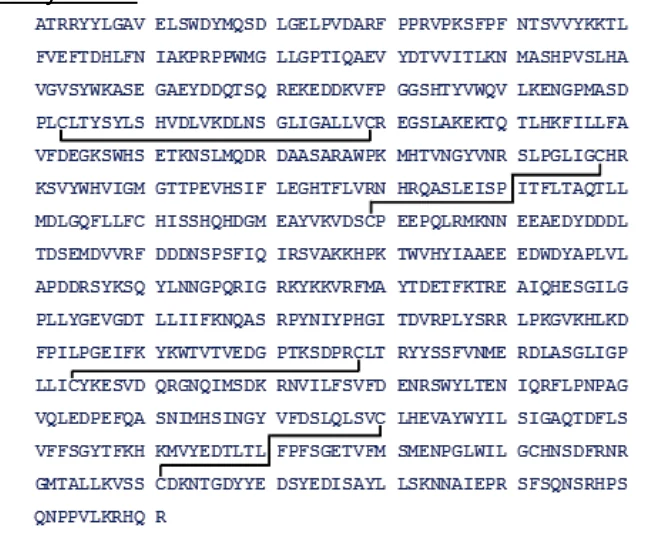
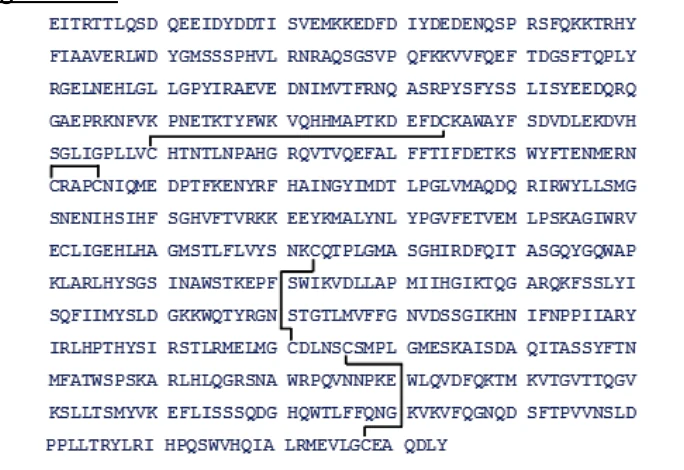
Structural formula:
Heavy chain
Light chain
Figure 1 Theoretical amino acid sequence of turoctocog alfa pegol with disulphide bridges indicated
 |
|---|
 |
|---|
Physicochemical properties:
| Appearance, colour, physical state | The purified turoctocog alfa pegol drug substance appears as a clear and colourless solution |
|---|---|
| Solubility | The physical appearance of turoctocog alfa pegol drug substance (tested in concentration range 0.2-6 mg/ml) is a solution |
| Aqueous pH-solubility profile | Precipitation is observed between pH 2 and 4. Aggregation and degradation can be detected at pH lower than 5 and above pH 9 |
| pI value | As turoctocog alfa pegol is a mixture of different glycoforms, it does not possess a distinct pI value |
Product Characteristics
Antihemophilic Factor VIII (Recombinant, B-Domain Truncated), PEGylated, or turoctocog alfa pegol, is a recombinant human FVIII product with a specific glycoPEGylation on the O-linked glycan (primarily on Ser750 in the 21 amino acid B-domain). Turoctocog alfa pegol is produced by enzymatic glycoPEGylation of turoctocog alfa intermediate (truncated recombinant human FVIII containing 21 amino acids of the native B-domain). The size of the polyethylene glycol (PEG) attached to the O-linked glycan is 40kDa. When turoctocog alfa pegol is activated by thrombin, the B-domain containing the PEG moiety and the a3-region are cleaved off, thus generating activated rFVIII which is similar in structure to native FVIIIa.
The post-translational modifications of turoctocog alfa intermediate include disulphide bridges, tyrosine sulphations and glycosylations. Six potential tyrosine sulphation sites are present and all have been confirmed. Two N-linked glycosylations are present in the light chain and two N-linked glycosylations are present in the heavy chain. The N-linked glycan structures are mainly high mannose or complex type structures and the majority of the complex, bi-antennary structures are sialylated. Two O-linked glycosylation sites (Thr5 and Thr6) are present in the light chain and one O-linked glycosylation site (Ser750) is present in the B-domain.
Figure 2: Structure of turoctocog alfa pegol with post-translational modifications, disulphide bridges and PEG moiety indicated
 |
|---|
14 CLINICAL TRIALS
14.1 Trial Design and Study Demographics
Table 2-1: Summary of patient demographics for clinical trials in hemophilia A
| Study # | Study design | Dosage, route of administration and duration | Study subjects (n) | Mean age (Range) | Sex |
Trial 3859 Pivotal trial Main phase (complete) | A multi-centre, open-label, non-controlled trial evaluating the safety, efficacy and PK in prophylaxis and treatment of bleeds in previously treated adolescent and adult patients. Treatment groups: on-demand and prophylaxis (non-randomized). | Prophylaxis 50 IU/kg Q3−4D On-demand 20–75 IU/kg | Total = 186+ 175 12 | Mean= 31.1 years Range= 12−66 years | Male |
Trial 3859 Pivotal trial Extension part 1 (complete) | Treatment groups: on-demand and 50 IU/kg Q3−4D prophylaxis (non-randomized); 75 IU/kg Q7D and 50 IU/kg Q4D prophylaxis (randomized 2:1) | Patients not eligible for randomization Eligible patients who continued on 50 IU/kg Q3-4D Prophylaxis (randomized) 50 IU/kg Q4D 75 IU/kg Q7D On-demand 20–75 IU/kg | Total = 150 23 65 17 38 7 | ||
Trial 3885 Pediatric trial Main phase (complete) | A multi-centre, open-label, single-arm, non-controlled trial to assess safety, efficacy and PK in previously treated children <12 years of age. | Prophylaxis ~60 IU/kg (50−75) twice weekly* Treatment of bleeds 20–75 IU/kg | 68 | Mean= 6.0 years Range= 1-11 years | Male |
Trial 3860 Surgery trial (On-going) | A multi-centre, open-label, single-arm, non-controlled trial evaluating the efficacy and safety during surgical procedures in previously treated adolescent and adult patients ≥12 years old. | Pre-surgery period Pre-operative dose aiming for a FVIII activity level of 80−100%. Post-operative period Days 1−6: At the investigator’s discretion, aiming for a FVIII activity level above 50% considering WFH guidelines. Days 7−14: At the investigator’s discretion. | 34# | Mean= 40.8 years Range= 15−69 years | Male |
Q4D: every fourth day dosing; Q3−4D: patients starting dose was every fourth day, subsequently patients could switch to twice weekly*; Q7D: every seventh day dosing
+One patient switched from on-demand to prophylaxis during the pivotal part of the main phase.
# Of the total 34 patients who were exposed to trial product, 33 patients had 45 surgeries in the trial.
The efficacy of ESPEROCT® has been evaluated in three multinational, open-label, non-controlled trials in male subjects with severe hemophilia A (<1% endogenous FVIII activity). All subjects were previously treated, which was defined as having received other FVIII products for ≥150 exposure days for adolescents and adults, and ≥50 exposure days for pediatric subjects. The key exclusion criteria across trials included known or suspected hypersensitivity to trial or related products and known history of FVIII inhibitors or current inhibitor ≥0.6 BU.
The efficacy evaluation included 254 PTP subjects in the following trials:
Adult/adolescent trial (Trial 3859): This trial included 186 subjects, 161 adults (18 to 65 years old) and 25 adolescents (12 to <18 years old); it consisted of a Main Phase and two Extension Phases. During the Main Phase, 175 subjects received the prophylaxis regimen which consisted of 50 IU every 3-4 days (Q3-4D), while 12 adults chose to be treated on-demand. All subjects received at least one dose of ESPEROCT® and are evaluable for safety and efficacy. A total of 165 subjects (91%) completed the Main Phase of this trial.
- Extension 1: This extension compared two dose regimens: 75 IU/kg every 7 days (Q7D) and 50 IU/kg Q4D. The randomization was open to subjects who received 50 doses of ESPEROCT® and who experienced 2 or fewer bleeds during the last 6 months in the Main Phase. Of the 150 subjects who continued into Extension 1, 55 subjects chose to be randomized (2:1) to 75 IU/kg Q7D (38 subjects) and 50 IU/kg Q4D (17 subjects). Of the remaining 95 subjects, 7 were treated on-demand, 23 were not eligible to be randomized, and 65 eligible subjects chose to continue on 50 IU/kg Q3-4D. A total of 139 subjects (93%) completed Extension 1.
- Pediatric trial (Trial 3885): This trial included 68 subjects who were evenly divided with 34 in each age group, <6 and 6–<12 years of age. All subjects received the same prophylaxis regimen of approximately 60 IU/kg (50–75 IU/kg) twice weekly. A total of 63 subjects (93%) completed the Main Phase.
Surgery trial (Trial 3860): In the surgery trial, 33 previously treated adolescents/adults underwent 45 major surgeries. The dose level of ESPEROCT® was chosen so that FVIII activity at least as recommended by World Federation of Hemophilia (WFH) guidelines was targeted. All subjects returned to the adult/adolescent trial after the surgery trial assessments were completed.
14.2 Study Results
Routine Prophylaxis in Adults / Adolescents
The efficacy of ESPEROCT® in routine prophylaxis was demonstrated for the adolescent/ adult population (see Table 2-2). During the Main Phase of the adult/adolescent trial, 186 subjects had at least 50 EDs. The estimated median annualized bleeding rate (ABR) in adults and adolescents treated every 3-4 days was 1.18 (IQR: 0.00:4.25).
Table 2-2: Efficacy in adult/adolescent prophylaxis, median ABR by age, treatment regimen, and bleed type
Prophylaxis (50 IU/kg Q3-4D) | On-demand | ||||
|---|---|---|---|---|---|
| Age Range | 12–<18 years | ≥18 years | ≥12 years | ≥18 years | |
| # of patients | 25 | 150 | 175 | 12 | |
| Mean treatment duration (years) | 0.85 | 0.81 | 0.82 | 1.33 |
|---|---|---|---|---|
All bleeds (%) # of subjects without bleeds (%) Median ABR (IQR) | 6 (24%) 2.22 (0.87;4.73) | 64 (43%) 1.17 (0.00;3.71) | 70 (40%) 1.18 (0.00;4.25) | 0 30.87 (18.64;38.51) |
Spontaneous bleeds # of subjects without bleeds (%) Median ABR (IQR) | 14 (56%) 0.00 (0.00;1.47) | 85 (57%) 0.00 (0.00;1.85) | 99 (57%) 0.00 (0.00;1.82) | 0 19.35 (12.07;31.04) |
Traumatic bleeds # of subjects without bleeds (%) Median ABR (IQR) | 9 (36%) 1.33 (0.00;2.58) | 93 (62%)
| 102 (58%) 0.00 (0.00;1.74) | 2 4.32 (0.77;9.93) |
Joint bleeds # of subjects without bleeds (%) Median ABR (IQR) | 9 (36%) 1.22 (0.00;2.84) | 76 (51%) 0.00 (0.00;2.84) | 85 (49%) 0.85 (0.00;2.84) | 0 19.35 (4.48;28.76) |
Routine Prophylaxis in Children <12 Years of Age
Overall, 68 children below 12 years received prophylactic treatment with ESPEROCT® at 60 IU/kg (50–75 IU/kg) twice weekly. The prophylactic effect of ESPEROCT® was demonstrated with an estimated median ABR rate of 1.95 (IQR: 0.00; 2.79) (see Table 2-3). Of the 68 children, 29 (42.6%) did not experience any bleeding episodes during the Main Phase of the trial. Of the 13 subjects with 17 documented target joints at baseline, 10 subjects (77%) and 14 target joints (82%) did not have any bleeds during the Main phase of the trial.Table 2-3: Efficacy in pediatric prophylaxis, median ABR by age and bleed type
Prophylaxis Regimen 60 IU/kg (50–75 IU/kg) Twice Weekly (every 3–4 days) | ||||
|---|---|---|---|---|
| Age Range | < 6 years | 6 –< 12 years | < 12 years | |
| # of patients | N=34 | N=34 | N=68 | |
| Mean treatment duration (years) | 0.46 | 0.51 | 0.48 | |
All bleeds # of subjects without bleeds (%) Median ABR (IQR) | 15 (44%) 1.94 (0.00;2.08) | 14 (41%) 1.97 (0.00;3.91) | 29 (43%) 1.95 (0.00;2.79) | |
Spontaneous bleeds # of subjects without bleeds (%) Median AsBR (IQR) | 28 (82%) 0.00 (0.00;0.00) | 27 (79%) 0.00 (0.00; 0.00) | 55 (81%) 0.00 (0.00; 0.00) | |
Traumatic bleeds # of subjects without bleeds (%) Median AtBR (IQR) | 19 (56%) 0.00 (0.00; 2.03) | 17 (50%) 0.88 (0.00;2.04) | 36 (53%) 0.00 (0.00;2.03) | |
Joint bleeds # of subjects without bleeds (%) Median AjBR (IQR) | 27 (79%) 0.00 (0.00;0.00) | 22 (65%) 0.00 (0.00;2.00) | 49 (72%) 0.00 (0.00;1.95) | |
On-demand Treatment and Control of Bleeding Episodes
The overall success rate (95% CI) for treatment of bleeds when pooling data from completed non-surgical trials was 84.7% (CI 81.3 ; 87.6). Of the 1506 bleeds, 1314 (87.3%) were rated excellent or good in their response to ESPEROCT®, 167 (11.1%) were moderate, 6 (0.4%) were rated as having no improvement, and for 19 (1.3%) the response to treatment was missing.
Doses used for treatment of bleeding episodes depended on age, treatment regimen and the severity of the bleed.
Of the 1407 mild and moderate bleeding episodes in all subjects in the adolescent/adult study, the median dose used was 42 IU/kg. For subjects who were on the on-demand arm the median initial dose was 28 IU/kg and 88.4% of the bleeds were treated successfully with a single dose. In subjects receiving routine prophylaxis, the median initial dose was 52 IU/kg, and 76.4% of the bleeds were successfully treated with a single dose. Of the 15 severe bleeds, 12 (80%) required more than one dose with a total median dose of 111 IU/kg.
In the pediatric study, 70 mild/moderate bleeds in children < 12 years old receiving routine prophylaxis were treated with a median initial dose of 64 IU/kg per injection, with 63% treated with a single injection. When needed, additional median doses of 62 IU/kg were used at approximately 24 hour intervals. The median total dose was 70 IU/kg per bleed.
The median dose to treat a bleeding episode was 51.9 IU/kg across all age groups; 94% of the bleeds were resolved with 1-2 injections of ESPEROCT® and 81% were resolved with 1 injection. There was no difference in the response to treatment across age groups (see Table 2-4).
Table 2-4: Summary of efficacy in control of bleeding episodes by age
| Age range | < 6 years | 6–< 12 years | 12–<18 years | ≥ 18 years | Total | |
|---|---|---|---|---|---|---|
| # of patients | N=34 | N=34 | N=25 | N=161 | N=254 | |
| # of bleeds | 30 | 40 | 112 | 1324 | 1506 | |
| Dose used for treatment of bleed from start to stop (IU/kg per bleed) median (Min;Max) | 71.2 (63;124) | 69.3 (50; 296) | 53.0 (21;1575) | 50.9 (17;489) | 51.9 (17;1575) | |
| # of injections | 1 – 2 | 23 (76.7%) | 33 (82.5%) | 99 (88.4%) | 1265 (95.5%) | 1420 (94.3%) |
| > 2 | 7 (23.3%) | 7 (17.5%) | 13 (11.6%) | 59 (4.5%) | 155 (5.7%) | |
| Response to first treatment | Excellent/ Good | 24 (80.0%) | 31 (77.5%) | 84 (75.0%) | 1175 (88.7%) | 1314 (87.3%) |
| Moderate | 4 (13.3%) | 7 (17.5%) | 20 (17.9%) | 136 (10.3%) | 167 (11.1%) |
Definition of Hemostatic Response:
Excellent: Abrupt pain relief and/or clear improvement in objective signs of bleeding within approximately 8 hours after a single injection.
Good: Definite pain relief and/or improvement in signs of bleeding within approximately 8 hours after a single injection, but possibly requiring more than one injection for complete resolution.
Moderate: Probable or slight beneficial effect within approximately 8 hours after the first injection, but usually requiring more than one injection.
There were 1,506 bleeds reported in 171 of 254 subjects across the clinical trials, and the most common bleed types were joint (65.2%), muscle (14.5%), and subcutaneous (8.9%). Of the 982 joint bleeds 87.9% were successfully treated, while 219 muscular bleeds and 134 subcutaneous bleeds had successful hemostatic responses of 80.8% and 97.0%, respectively.
Perioperative Management
The hemostatic efficacy was evaluated in 45 major surgeries performed in 33 patients. The exposure during surgery comprised of a total of 979 exposure days of ESPEROCT® corresponding to a total of 6.4 exposure years.
The hemostatic effect of ESPEROCT® was rated as ‘excellent’ and ‘good’ in 43 out of 45 major surgeries (95.6 %), while the effect was rated as ‘moderate’ in 2 surgeries (4.4 %). No surgeries had an outcome rated as ‘none’ or ‘missing’.
The median pre-operative dose for adults and adolescents undergoing major surgeries was 52 IU/kg, and the median total dose was 702 IU/kg. During post-operative days 1-6, the median dose was 32 IU/kg at approximately 24 hour intervals. During post-operative days 7-14, the median dose was 36 IU/kg at approximately 28 hour intervals. The number of doses and duration of treatment varied by procedure.
Table 2-5: Summary of hemostatic response during major surgery
| Description of surgery | Hemostatic response | |||
|---|---|---|---|---|
| Number of surgeries | Excellent/ Good | Moderate | None | |
| Orthopedic surgeries | ||||
| Joint replacement | 15 | 14 (93.3%) | 1 (6.7%) | 0 |
| Arthroscopic interventions | 9 | 9 (100.0%) | 0 | 0 |
| Other orthopedic interventions | 17 | 16 (94.1%) | 1 (5.9%) | 0 |
| Non-orthopedic surgery | 4 | 4 (100%) | 0 | 0 |
The hemostatic effect was assessed by the investigator post-operatively and rated as:
Excellent: Better than expected/predicted in this type of procedure.
Good: As expected in this type of procedure.
Moderate: Less than optimal for the type of procedure but hemostatic response maintained without change of treatment regimen.
None: Bleeding due to inadequate therapeutic response with adequate dosing, change of regimen required.
16 NON-CLINICAL TOXICOLOGY
Carcinogenesis, mutagenesis, and impairment of fertility studies in animals have not been performed.
ESPEROCT® was administered in a repeat-dose toxicity study in immunodeficient rats (50–1200 IU/kg/4d for 52 weeks). No treatment related histopathological changes or adverse findings were observed. PEG was not detected in brain tissue (including choroid plexus) by a PEG specific immuno-histochemical staining.