


Product Monograph - Adynovate
RECENT MAJOR LABEL CHANGES
None at time of authorization.
TABLE OF CONTENTS
Sections or subsections that are not applicable at the time of authorization are not listed.
RECENT MAJOR LABEL CHANGES ........................................................................................ 2
None at time of authorization. .................................................................................................. 2
TABLE OF CONTENTS ............................................................................................................. 2
PART I: HEALTH PROFESSIONAL INFORMATION ................................................................. 4
1 INDICATIONS ................................................................................................................. 4
1.1 Pediatrics ............................................................................................................... 4
1.2 Geriatrics .............................................................................................................. 4
2 CONTRAINDICATIONS .................................................................................................. 4
4 DOSAGE AND ADMINISTRATION ................................................................................ 4
4.1 Dosing Considerations ........................................................................................... 4
4.2 Recommended Dose and Dosage Adjustment ....................................................... 5
4.3 Reconstitution ........................................................................................................ 8
4.4 Administration ........................................................................................................ 9
4.5 Missed Dose ........................................................................................................ 10
5 OVERDOSAGE ............................................................................................................. 10
6 DOSAGE FORMS, STRENGTHS, COMPOSITION AND PACKAGING ....................... 10
7 WARNINGS AND PRECAUTIONS ............................................................................... 12
7.1 Special Populations ............................................................................................. 13
7.1.1 Pregnant Women .............................................................................................13
7.1.2 Breast-feeding ..................................................................................................13
7.1.3 Pediatrics .........................................................................................................13
7.1.4 Geriatrics: .........................................................................................................13
8 ADVERSE REACTIONS ............................................................................................... 13
8.1 Adverse Reaction Overview ................................................................................. 13
8.2 Clinical Trial Adverse Reactions........................................................................... 13
8.2.1 Clinical Trial Adverse Reactions – Pediatrics ....................................................14
8.3 Less Common Clinical Trial Adverse Reactions ................................................... 14
8.3.1 Less Common Clinical Trial Adverse Reactions – Pediatrics ............................14
8.4 Abnormal Laboratory Findings: Hematologic, Clinical Chemistry and Other Quantitative Data ........................................................................................................... 14
8.5 Post-Market Adverse Reactions ........................................................................... 15
9 DRUG INTERACTIONS ................................................................................................ 15
9.1 Drug Interactions Overview .................................................................................. 15
9.2 Drug-Behavioural Interactions .............................................................................. 15
9.3 Drug-Drug Interactions ......................................................................................... 15
9.4 Drug-Food interactions ........................................................................................ 15
9.5 Drug-Herb Interactions ......................................................................................... 15
9.6 Drug-laboratory test interactions .......................................................................... 15
10 CLINICAL PHARMACOLOGY ...................................................................................... 15
10.1 Mechanism of Action ........................................................................................ 15
10.2 Pharmacodynamics .......................................................................................... 15
10.3 Pharmacokinetics ............................................................................................. 16
11 STORAGE, STABILITY AND DISPOSAL ..................................................................... 18
12 SPECIAL HANDLING INSTRUCTIONS ........................................................................ 18
PART II : SCIENTIFIC INFORMATION .................................................................................... 19
13 PHARMACEUTICAL INFORMATION ........................................................................... 19
14 CLINICAL TRIALS ........................................................................................................ 20
14.1 Clinical Trials by Indication ............................................................................... 20
14.2 Immunogenicity ................................................................................................ 26
15 MICROBIOLOGY .......................................................................................................... 27
16 NON-CLINICAL TOXICOLOGY .................................................................................... 27
PATIENT MEDICATION INFORMATION ................................................................................. 28
PART I: HEALTH PROFESSIONAL INFORMATION
1 INDICATIONS
ADYNOVATE, Antihemophilic Factor [Recombinant], PEGylated, is a pegylated recombinant Antihemophilic factor (ADVATE) and is indicated in patients with hemophilia A (congenital factor VIII deficiency) for:
- Control and prevention of bleeding episodes
- Prophylaxis to prevent or reduce the frequency of bleeding episodes
- Perioperative management
Safety and efficacy data for previously untreated patients are not yet available.
ADYNOVATE is not indicated for the treatment of von Willebrand disease.
Treatment should be administered under the supervision of a qualified health professional who is experienced in the use of coagulation agents and in the management of bleeding disorders.
1.1 Pediatrics
Pediatrics (<12 years of age): Based on the data submitted and reviewed by Health Canada, the safety and efficacy of ADYNOVATE in pediatric patients has been established. Therefore, Health Canada has authorized an indication for pediatric use (see 14 CLINICAL TRIALS).
1.2 Geriatrics
Geriatrics (> 65 years of age):
Clinical studies of ADYNOVATE did not include subjects aged 65 and over.
2 CONTRAINDICATIONS
ADYNOVATE is contraindicated in patients who have had prior anaphylactic reaction to ADYNOVATE, to the parent molecule (ADVATE), mouse or hamster protein, or excipients of ADYNOVATE (Tris, calcium chloride, mannitol, sodium chloride, trehalose, glutathione, histidine, and/or polysorbate 80).
For a complete listing, see section 6 DOSAGE FORMS, STRENGTHS, COMPOSITION AND PACKAGING.
4 DOSAGE AND ADMINISTRATION
4.1 Dosing Considerations
For intravenous use after reconstitution only.
- Dosage and duration of treatment depend on the severity of factor VIII deficiency, the location and extent of the bleeding, and the patient’s clinical condition. Careful monitoring of replacement therapy is necessary in cases of life-threatening bleeding episodes.
- Each vial of ADYNOVATE states the factor VIII potency in international units.
- Potency assignment is determined using a one-stage clotting assay. A field study has indicated that plasma factor VIII levels can be monitored using either a chromogenic substrate assay or a one stage clotting assay.
4.2 Recommended Dose and Dosage Adjustment
1 IU of ADYNOVATE per kg body weight is expected to increase the circulating level of factor VIII by 2% (IU/dL).
The expected in vivo peak increase in factor VIII level expressed as IU per dL (or % of normal) is estimated using the following formula:
Estimated Increment = [Total Dose (IU) x 2 (IU/dL per IU/kg)
of factor VIII body weight (kg)]
(IU/dL or % of normal)
The dose to achieve a desired in vivo peak increase in factor VIII level may be calculated using the following formula:
Dose = Body Weight x Desired factor VIII Rise x 0.5 (IU/kg per IU/dL)
(IU) (kg) (IU/dL or % of Normal)
Patients may vary in their pharmacokinetic (e.g., half-life, in vivo recovery) and clinical response. Base the dose and frequency of ADYNOVATE on the individual clinical response.
Control and Prevention of Bleeding Episodes
A guide for dosing of ADYNOVATE for the control and prevention of bleeding episodes is provided in Table 1. Maintain plasma factor VIII activity level at or above the described plasma levels (in IU per dL or % of normal).
Table 1: Dosing for Control and Prevention of Bleeding Episodes
| Type of Bleeding | Factor VIII Level (IU/dL or % of normal) | Dose (IU/kg) | Frequency of Dosing |
Minor Early hemarthrosis, mild muscle bleeding, or mild oral bleeding episode. | 20 – 40 | 10-20 | Repeat every 12 to 24 hours until the bleeding episode is resolved. |
Moderate Moderate bleeding into muscles, bleeding into the oral cavity, definite hemarthroses, and known trauma. | 30 – 60 | 15-30 | Repeat every 12 to 24 hours until the bleeding episode is resolved. |
Major Significant gastrointestinal bleeding, intracranial, intra- abdominal or intrathoracic bleeding, central nervous system bleeding, bleeding in the retropharyngeal or retroperitoneal spaces or iliopsoas sheath, fractures, head trauma. | 60 – 100 | 30-50 | Repeat every 8 to 24 hours until the bleeding episode is resolved. |
Perioperative Management
A guide for dosing ADYNOVATE during surgery (perioperative management) is provided in Table 2. Consideration should be given to maintain a factor VIII activity at or above the target range.
Table 2: Dosing for Perioperative Management
| Type of Surgery | Factor VIII Level Required (% of normal or IU/dL) | Dose (IU/kg) | Frequency of Doses | Duration of Treatment |
|---|---|---|---|---|
Minor Including tooth extraction | 60-100 | 30-50 | Single dose within one hour before surgery. | Single dose or repeat as needed to control bleeding* |
| Repeat after 8-24 hours to maintain factor VIII trough levels at 30-60% of normal for the first postoperative 24 hours or longer | ||||
Major Intracranial, intra- abdominal, or intrathoracic surgery, joint replacement surgery | 80-120 (pre- and post- operative) | 40-60 | Single dose within one hour before the operation. | Until adequate wound healing |
Day 1 to 3 (first 72 hours): Repeat doses every 8-24 hours to maintain factor VIII trough levels of ≥80% | ||||
Day 4 to 7: Repeat doses every 8-24 hours to maintain factor VIII trough levels of ≥50% | ||||
After day 7: Repeat doses every 8-24 hours to maintain factor VIII trough levels of ≥30% | ||||
* For dental procedures, adjunctive therapy may be considered.
Prophylaxis
ADYNOVATE is administered less frequently than recombinant antihemophilic factor (ADVATE).
The recommended dose is:
- 40-50 IU/kg of ADYNOVATE administered 2 times per week in adolescents and adults (12 years and older) and
- 40-60 IU/kg of ADYNOVATE administered 2 times per week in children (less than 12 years).
Individualized Dosing
Administer up to 80 IU per kg to maintain targeted factor VIII trough levels greater than or equal to 1%. Adjust the dose and/or dose frequency based on the patient’s clinical response.
4.3 Reconstitution
Table 3: Reconstitution
| Vial Size | Volume of Diluent to be Added to Vial | Approximate Available Volume | Concentration per mL |
| 2 mL (250 IU) | 2 mL | 2 mL | 125 IU |
| 2 mL (500 IU) | 2 mL | 2 mL | 250 IU |
| 2 mL (750 IU) | 2 mL | 2 mL | 375 IU |
| 2 mL (1000 IU) | 2 mL | 2 mL | 500 IU |
| 2 mL (1500 IU) | 2 mL | 2 mL | 750 IU |
| 5 mL (250 IU) | 5 mL | 5 mL | 50 IU |
| 5 mL (500 IU) | 5 mL | 5 mL | 100 IU |
| 5 mL (750 IU) | 5 mL | 5 mL | 150 IU |
| 5 mL (1000 IU) | 5 mL | 5 mL | 200 IU |
| 5 mL (1500 IU) | 5 mL | 5 mL | 300 IU |
| 5 mL (2000 IU) | 5 mL | 5 mL | 400 IU |
| 5 mL (3000 IU) | 5 mL | 5 mL | 600 IU |
Preparation and Reconstitution
- 1. Use aseptic technique (clean and germ free) and a flat work surface during the reconstitution procedure.
- 2. Allow the vials of ADYNOVATE and diluent to reach room temperature before use.
- 3. Remove plastic caps from the ADYNOVATE and diluent vials.
- 4. Cleanse rubber stoppers with an alcohol wipe and allow drying prior to use.
- 5. Open the BAXJECT II Hi-Flow device package by peeling away the lid, without touching the inside (Figure A). Do not remove the device from the package.
- 6. Turn the package over. Press straight down to fully insert the clear plastic spike through the diluent vial stopper (Figure B).
- 7. Grip the BAXJECT II Hi-Flow package at its edge and pull the package off the device (Figure C). Do not remove the blue cap from the BAXJECT II Hi-Flow device. Do not touch the exposed purple plastic spike.
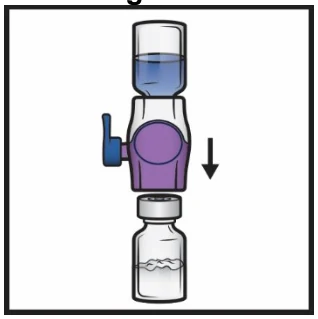
- 8.
Turn the system over so that the diluent vial is on top. Quickly insert the purple plastic spike fully into the ADYNOVATE vial stopper by pushing straight down
(Figure D). The vacuum will draw the diluent into the ADYNOVATE vial.
- 9. Swirl gently until ADYNOVATE is completely dissolved. Do not refrigerate after reconstitution.
4.4 Administration
Administration
Visually inspect the reconstituted ADYNOVATE solution for particulate matter and discoloration prior to administration.
- The appearance of ADYNOVATE is clear and colorless.
- Do not use if particulate matter or discoloration is observed.
- Administer ADYNOVATE as soon as possible, but no later than 3 hours after reconstitution.
Administration Steps:
- 1.
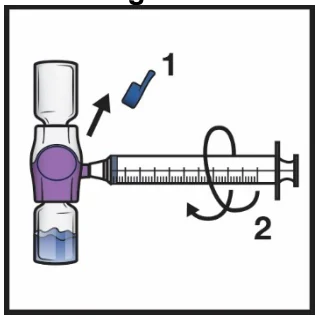
Remove the blue cap from the BAXJECT II Hi-Flow device. Connect the syringe to the BAXJECT II Hi-Flow device (Figure E). Use of a Luer-lock syringe is recommended.
Do not inject air.
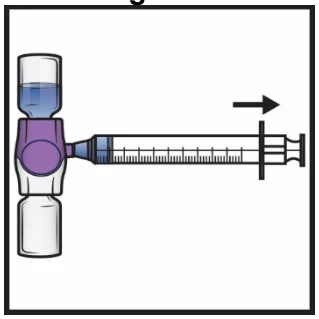
- 2. Turn the system upside down (ADYNOVATE vial now on top). Draw the factor concentrate into the syringe by pulling the plunger back slowly (Figure F).
- 3.
Disconnect the syringe; attach a suitable needle and inject intravenously as instructed under Administration by Bolus Infusion. If a patient is to receive more than one vial of ADYNOVATE, the contents of multiple vials may be drawn into the same syringe.
A BAXJECT II Hi-Flow device is required to reconstitute of each vial of ADYNOVATE and diluent needed.
- 4. Administer ADYNOVATE over a period of less than or equal to 5 minutes (maximum infusion rate 10 mL per min).
| Figure A | Figure B | Figure C |
|---|---|---|
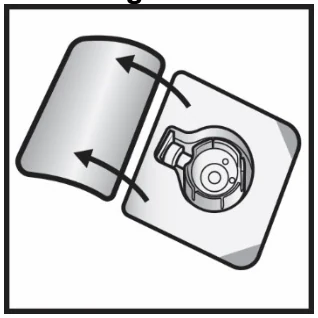 | 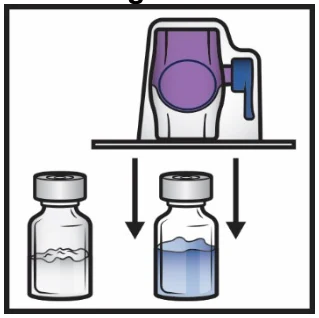 | 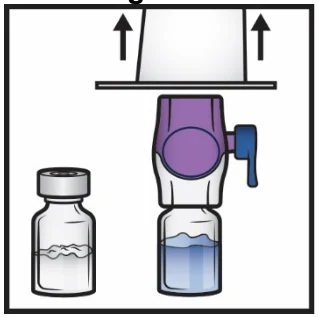 |
| Figure D | Figure E | Figure F |
|---|
4.5 Missed Dose
Patients should be advised to proceed immediately with a regular administration of ADYNOVATE and to continue treatment at regular intervals as required.
5 OVERDOSAGE
The effects of higher than recommended doses of ADYNOVATE have not been characterized.
| For management of a suspected drug overdose, contact your hemophilia treatment centre or regional Poison Control Centre. |
|---|
6 DOSAGE FORMS, STRENGTHS, COMPOSITION AND PACKAGING
To help ensure the traceability of biologic products, including biosimilars, health professionals should recognise the importance of recording both the brand name and the non-proprietary (active ingredient) name as well as other product-specific identifiers such as the Drug Identification Number (DIN) and the batch/lot number of the product supplied. It is also strongly recommended that every time ADYNOVATE is administered, health professionals record the patient name, time and date of administration, and quantity of administered dose.
 |  |  |
|---|
Table 4: Dosage Forms, Strengths, Composition and Packaging
ADYNOVATE is formulated as a sterile, non-pyrogenic, preservative-free, white to off-white powder for intravenous injection and is supplied in a single-use vial. ADYNOVATE is reconstituted with 2mL or 5mL sterile Water for Injection.
ADYNOVATE single-use vials contain nominally 250, 500, 750, 1000, 1500, 2000 and 3000 international units. The actual factor VIII potency is labeled on each ADYNOVATE vial.
Each carton of ADYNOVATE includes the following:
- A single-use vial of ADYNOVATE lyophilized powder
Sterile water for injection
- 250, 500, 750, 1000 and 1500 IU: A vial of 2 mL or 5 mL sterile Water for Injection (USP, Ph.Eur.) as diluent for reconstitution prior to intravenous injection.
- 2000 or 3000 IU: A vial of 5 mL sterile Water for Injection (USP, Ph. Eur., Ph. Eur.) as diluent for reconstitution prior to intravenous injection.
- A BAXJECT II Hi-Flow reconstitution device
A separate carton may be provided, containing some or all of the following components:
- 1 infusion set
- 1 10 mL sterile syringe
- 2 sterile alcohol swabs
- 2 bandages
When reconstituted with the provided diluent (sterile Water for Injection), ADYNOVATE contains the following: Sodium Chloride, Histidine, Calcium Chloride x 2 H2O, Tris(hydroxymethyl)-aminomethan, Glutathione, Trehalose dehydrate, Mannitol, and Polysorbate 80.
| Route of Administration | Dosage Form / Strength/Composition | Non-medicinal Ingredients |
| Intravenous Injection | Lyophilized Powder for Intravenous Injection. 250, 500, 750, 1000, and 1500 IU/vial supplied with 2mL or 5mL sterile Water for Injection (USP, Ph.Eur.) for reconstitution. 2000 and 3000 IU/vial supplied with 5mL sterile Water for Injection (USP, Ph.Eur.) for reconstitution. | Calcium Chloride x 2 H2O Glutathione Histidine Mannitol Polysorbate 80 Sodium Chloride Trehalose dehydrate Tris(hydroxymethyl)-aminomethan |
7 WARNINGS AND PRECAUTIONS
General
As with all FVIII products, the clinical response to ADYNOVATE may vary. If bleeding is not controlled with the recommended dose, the plasma level of Factor VIII should be determined and a sufficient dose of ADYNOVATE should be administered to achieve a satisfactory clinical response.
If the patient’s plasma Factor VIII level fails to increase as expected or if bleeding is not controlled after adequate dosing, the presence of an inhibitor (neutralizing antibodies) should be suspected and appropriate testing performed. See Neutralizing Antibodies below.
Immune
Hypersensitivity Reactions
Hypersensitivity reactions can occur following administration of ADYNOVATE. Hypersensitivity reactions have been reported with ADYNOVATE. Allergic-type hypersensitivity reactions, including anaphylaxis, are rare complications of treatment with recombinant antihemophilic factor, including ADYNOVATE and its parent molecule, ADVATE. Immediately discontinue administration and initiate appropriate treatment if hypersensitivity reactions occur.
Neutralizing Antibodies
Formation of neutralizing antibodies (inhibitors) to factor VIII can occur following administration of factor VIII products. Evaluate patients regularly for the development of factor VIII inhibitors by appropriate clinical observations and laboratory tests. Perform an assay that measures factor VIII inhibitor concentration if the plasma factor VIII level fails to increase as expected, or if bleeding is not controlled with expected dose. Inhibitor development has been reported with ADYNOVATE.
Monitoring and Laboratory Tests
Monitor plasma factor VIII activity by performing a validated test (e.g., the one-stage clotting or chromogenic substrate assay) to confirm the adequate factor VIII levels have been achieved and maintained [see 4 DOSAGE AND ADMINISTRATION].
Monitor for the development of factor VIII inhibitors. Perform the Bethesda inhibitor assay if expected factor VIII activity plasma levels are not attained, or if bleeding is not controlled with the expected dose of ADYNOVATE, use Bethesda Units (BU) to report inhibitor levels.
PEG Exposure
Polyethylene glycol (PEG) exposure levels resulting from ADYNOVATE therapy are very low. Based upon available experimental data, there is also a lack of evidence supporting the potential for accumulation of the specific PEG (20kDA) used in the pegylation of ADYNOVATE. The potential for PEG accumulation with ADYNOVATE is therefore considered to be low.
7.1 Special Populations
7.1.1 Pregnant Women
ADYNOVATE should be used during pregnancy only if the potential benefit justifies the potential risk. Animal reproduction studies have not been conducted with ADYNOVATE. Experience regarding the use of factor VIII during pregnancy is not available. It is also not known whether ADYNOVATE can cause fetal harm when administered to a pregnant woman or whether it can affect reproduction capacity.
7.1.2 Breast-feeding
Experience regarding the use of factor VIII during breast-feeding is not available. It is not known whether this drug is excreted in human milk. Because many drugs are excreted in human milk, caution should be exercised when ADYNOVATE is administered to a nursing woman.
7.1.3 Pediatrics
The safety and efficacy of ADYNOVATE in routine prophylaxis and the treatment of bleeding episodes have been evaluated in 66 previously treated children aged less than 12 years. There were no severe bleeding episodes in the study.
Data on perioperative management are not available for children < 12 years.
Pharmacokinetic studies in children (<12 years) have demonstrated higher clearance, a shorter half-life and lower incremental recovery of factor VIII compared to adults.
7.1.4 Geriatrics:
Clinical studies of ADYNOVATE did not include subjects aged 65 and over.
8 ADVERSE REACTIONS
8.1 Adverse Reaction Overview
The most common adverse drug reactions (incidence ≥ 1%) reported in the clinical trials were headache, diarrhea, dizziness, nausea, and rash. Monitor for the development of FVIII inhibitors [See 7 WARNINGS AND PRECAUTIONS and 14.2 Immunogenicity].
8.2 Clinical Trial Adverse Reactions
Clinical trials are conducted under very specific conditions. The adverse reaction rates observed in the clinical trials; therefore, may not reflect the rates observed in practice and should not be compared to the rates in the clinical trials of another drug. Adverse reaction information from clinical trials may be useful in identifying and approximating rates of adverse drug reactions in real-world use.
The safety of ADYNOVATE was evaluated in 6 multi-center, prospective, open label clinical trials and 1 ongoing study in 365 previously treated patients (PTPs) and previously untreated patients (PUPs) with severe hemophilia A (FVIII < 1% of normal), who received at least one dose of ADYNOVATE. Table 5 lists the adverse reactions reported during clinical studies.
Table 5: Adverse Reactions Reported for ADYNOVATE
Legend: ADR frequency is based upon the following scale: Very Common (≥1/10); Common (≥1/100 - <1/10), Uncommon (≥1/1,000 - <1/100), Rare (≥1/10,000 - <1/1,000), Very Rare (<1/10,000)
Frequencies presented were calculated using all adverse events, related and unrelated.
8.2.1 Clinical Trial Adverse Reactions – Pediatrics
The safety of ADYNOVATE in routine prophylaxis and the treatment of bleeding episodes were comparable between children, adolescents and adults.
8.3 Less Common Clinical Trial Adverse Reactions
Blood and Lymphatic Disorders: Factor VIII Inhibition
Eye Disorders: Ocular Hyperaemia
Immune System Disorders: Hypersensitivity
Investigations: Eosinophil Count Increased
Investigations Injury, Poisoning And Procedural Complications: Infusion Related Reaction
Skin and Subcutaneous Tissue Disorders: Rash pruritic
Vascular Disorders: Flushing
8.3.1 Less Common Clinical Trial Adverse Reactions – Pediatrics
The safety of ADYNOVATE in routine prophylaxis and the treatment of bleeding episodes were comparable between children, adolescents and adults.
8.4 Abnormal Laboratory Findings: Hematologic, Clinical Chemistry and Other Quantitative Data
No clear trends over time were seen for clinical chemistry parameters, hematology parameters or lipid parameters. In the majority of subjects (50% or more), clinical chemistry, hematology and lipid parameters were normal at baseline and subsequent visits.
| MedDRA System Organ Class | MedDRA Preferred Term (Version 19.0) | Number of Subjects n (%) (N=365) | Frequency Category |
|---|---|---|---|
| Gastrointestinal Disorders | Diarrhea | 25 (6.849%) | Common |
| Nausea | 8 (2.192%) | Common | |
| Nervous System Disorders | Headache | 41 (11.233%) | Very Common |
| Dizziness | 7 (1.92%) | Common | |
| Skin and Subcutaneous Tissue Disorders | Rash | 10 (2.74%) | Common |
| Urticaria | 7 (1.92%) | Common |
8.5 Post-Market Adverse Reactions
The following post-market adverse drug reactions have been reported: Factor VIII inhibition, anaphylactic reaction and other hypersensitivity signs and symptoms.
9 DRUG INTERACTIONS
9.1 Drug Interactions Overview
There are no known drug interactions reported with ADYNOVATE. No drug interaction studies have been performed.
9.2 Drug-Behavioural Interactions
Not applicable.
9.3 Drug-Drug Interactions
Interactions with other drugs have not been established.
9.4 Drug-Food interactions
Interactions with food have not been established.
9.5 Drug-Herb Interactions
Interactions with herbal products have not been established.
9.6 Drug-laboratory test interactions
Interactions with laboratory tests have not been established.
10 CLINICAL PHARMACOLOGY
10.1 Mechanism of Action
ADYNOVATE, a pegylated form of recombinant antihemophilic factor (ADVATE), temporarily replaces the missing coagulation factor VIII needed for effective hemostasis in congenital hemophilia A patients. ADYNOVATE exhibits an extended terminal half-life through pegylation of the parent molecule, ADVATE, which reduces binding to the physiological factor VIII clearance receptor (LRP1).
10.2 Pharmacodynamics
Hemophilia A is a disorder characterized by a deficiency of functional coagulation factor
VIII, resulting in a prolonged, patient plasma clotting time as measured by the activated partial thromboplastin time (aPTT). Treatment with ADYNOVATE normalizes the aPTT over the effective dosing period.
10.3 Pharmacokinetics
Adults and Adolescents Pharmacokinetics
The pharmacokinetics (PK) of ADYNOVATE was evaluated in a multi-center, prospective, open label study and compared with ADVATE in 26 subjects prior to initiation of prophylactic treatment with ADYNOVATE and in 22 subjects after 6 months of treatment with ADYNOVATE. A single dose of 45 IU/kg was utilized for both products. The PK parameters, as shown in Table 6 and Table 7, were based on plasma coagulation factor VIII activity measured by the one-stage clotting assay and are presented by age groups (adults and adolescents).
The terminal plasma half-life of ADYNOVATE was 1.4- to 1.5-fold, using the One-stage Clotting Assay or Chromogenic Assay, longer than ADVATE. Incremental recovery was comparable between both products. The PK parameters determined after 6 months of prophylactic treatment with ADYNOVATE were consistent with the initial parameter estimates. After 6 months of prophylactic treatment with ADYNOVATE a mean terminal half-life of 16.39 hours in adults and 15.06 hours in adolescents was determined. The PK profiles were comparable between adolescents and adults. The data demonstrate that ADYNOVATE has an extended circulating half-life.
Table 6: Pharmacokinetic Parameters in Adults (greater than or equal to 18 years) (Arithmetic Mean ± SD)
| Cmax [IU/dL] | Tmax [h] | Terminal half-life [h] | AUC0-Inf [IU·h/dL] | CL [mL/(kg·h)] | Vss [dL/kg] | MRT [h] | Incremental Recovery [(IU/dL)/(IU/kg)] | |
|---|---|---|---|---|---|---|---|---|
ADVATE Upon Initial Dose N = 18 | 117 ± 20 | 0.33 ± 0.19 | 10.83 ± 2.08 | 1286 ± 390 | 3.88 ± 1.24 | 0.50 ± 0.11 | 13.41 ± 3.00 | 2.57 ± 0.43 |
ADYNOVATE Upon Initial Dose N = 18 | 122 ± 29 | 0.46 ± 0.29 | 14.69 ± 3.79 | 2264 ± 729 | 2.27 ± 0.84 | 0.43 ± 0.11 | 20.27 ± 5.23 | 2.66 ± 0.68 |
ADYNOVATE ≥ 50 Eds N = 16 | 105 ± 25 | 0.38 ± 0.18 | 16.39 ± 5.28 | 2062 ± 575 | 2.37 ± 0.77 | 0.49 ± 0.17 | 21.09 ± 4.73 | 2.33 ± 0.55 |
Methodology: PK parameters were estimated from individual PK curves of each subject;
Abbreviations: Cmax: maximum observed activity; AUC: area under the curve;
MRT: mean residence time; CL: clearance; Vss: body weight adjusted volume of distribution at steady- state
Table 7: Pharmacokinetic Parameters in Adolescents (12 to less than 18 years) (Arithmetic Mean ± SD)
| Cmax [IU/dL] | Tmax [h] | Terminal half-life [h] | AUC0-Inf [IU·h/dL] | CL [mL/(kg·h)] | Vss [dL/kg] | MRT [h] | Incremental Recovery [(IU/dL)/(IU/kg)] | |
|---|---|---|---|---|---|---|---|---|
ADVATE Upon Initial Dose N = 8 | 89 ± 29 | 0.21 ± 0.04 | 9.45 ± 2.45 | 902 ± 400 | 6.07 ± 3.05 | 0.67 ± 0.31 | 11.63 ± 2.94 | 1.94 ± 0.52 |
ADYNOVATE Upon Initial Dose N = 8 | 95 ± 25 | 0.26 ± 0.10 | 13.43 ± 4.05 | 1642 ± 752 | 3.87 ± 3.31 | 0.56 ± 0.18 | 17.96 ± 5.49 | 2.12 ± 0.60 |
ADYNOVATE ≥ 50 Eds N = 6 | 100 ± 42 | 0.71 ± 1.16 | 15.06 ± 4.08 | 1868 ± 807 | 2.75 ± 0.96 | 0.51 ± 0.13 | 19.47 ± 5.32 | 2.22 ± 0.88 |
Methodology: PK parameters were estimated from individual PK curves of each subject;
Abbreviations: Cmax: maximum observed activity; AUC: area under the curve;
MRT: mean residence time; CL: clearance; Vss: body weight adjusted volume of distribution at steady- state
Special Populations and Conditions
No analyses of effects of intrinsic factors such as age, sex, race, renal, or hepatic impairment on Pharmacokinetic outcomes have been conducted.
Pediatrics:
A nonlinear mixed effects model approach was used to derive a population PK model and to estimate individual PK parameters by empirical Bayesian estimates from the model (Table 8). Prior to the start of the 6-month prophylactic treatment phase of the trial they underwent PK analysis with a single dose of 60 ±5 IU/kg ADVATE followed by a single dose of 60 ±5 IU/kg ADYNOVATE. All evaluable subjects who participated in the PK portion of the study had one pre-infusion blood draw and 3 post-infusion blood draws (resulting in 92 evaluable samples for ADVATE and 88 evaluable samples for ADYNOVATE). The latter were randomly selected from 3 choices for each blood draw.
Table 8: Pharmacokinetic Parameters in Children (less than 12 years) (Arithmetic Mean ± SD)
| Cmax [IU/dL] | Terminal half-life [h] | AUC0-Inf [IU·h/dL] | CL [mL/(kg·h)] | Vss [dL/kg] | MRT [h] | Incremental Recovery [(IU/dL)/(IU/kg)] | |
|---|---|---|---|---|---|---|---|
ADYNOVATE Upon Initial Dose N = 14 < 6 years | 114.8 ± 29.99 | 11.8 ± 2.43 | 1947 ± 757 | 3.53 ± 1.294 | 0.56 ± 0.12 | 17.0 ± 3.50 | 1.89 ± 0.488 |
ADYNOVATE Upon Initial Dose N = 17 6 to < 12 years | 114.8 ± 32.59 | 12.4 ± 1.67 | 2012 ± 495 | 3.11 ± 0.762 | 0.54 ± 0.09 | 17.8 ± 2.42 | 1.95 ± 0.474 |
Methodology: Means and standard deviations of PK parameters were derived from individual subject data for Incremental Recovery and Cmax, and the
means and standard deviations of all other PK parameters were derived from empirical Bayes estimates from a population PK model; the eta-shrinkage values for the empirical Bayes estimates were less than 30%;
Abbreviations: Cmax: maximum observed activity; AUC: area under the curve;
MRT: mean residence time; CL: clearance; Vss: body weight adjusted volume of distribution at steady- state
11 STORAGE, STABILITY AND DISPOSAL
Powder form (prior to reconstitution):
Store at refrigerated temperature; 2°to 8°C (36°to 46°F). Do not
freeze.
- May be stored at room temperature not to exceed 30°C (86°F) for a period of up to 3 months.
- Write the date on the carton when ADYNOVATE is removed from refrigeration.
- After storage at room temperature, do not return the product to the refrigerator.
- Store vials in their original box and protect them from exposure to light.
Reconstituted product:
- Refer to Section 4.3 Reconstitution for preparation and reconstitution instructions.
- Reconstitute ADYNOVATE with 2 mL or 5 mL Sterile Water for Injection. Use within 3 hours after reconstitution.
- Inspect parenteral drug products for particulate matter and discoloration prior to administration. The solution should be clear and colorless in appearance. Do not administer if particulate matter or discoloration is found and notify Takeda.
Do not use product:
- After the expiration date printed on the carton or vial.
- If powder stored at room temperature for more than 3 months.
- If reconstituted for more than 3 hours.
Please refer to 12 SPECIAL HANDLING INSTRUCTIONS regarding safe disposal of ADYNOVATE and administration components.
12 SPECIAL HANDLING INSTRUCTIONS
Following administration of ADYNOVATE, discard any unused portion. The infusion kit should be disposed of in a puncture resistant container. Patients or caregivers should be instructed on how to properly dispose of used vials, syringes, needles, reconstitution devices and unused product in accordance with local and provincial laws.
PART II : SCIENTIFIC INFORMATION
13 PHARMACEUTICAL INFORMATION
Drug Substance
Proper name: Antihemophilic Factor (Recombinant), PEGylated
Chemical name: Antihemophilic Factor (Recombinant), PEGylated
Molecular formula and molecular mass: The molecular weight of the rFVIII is about 280kDa while the PEGylated molecule has a molecular weight of approximately 330 kDa.
Structural formula:
Full Length FVIII

Physicochemical properties:
ADYNOVATE is manufactured by PEGylation of the commercially produced final bulk rFVIII substance from ADVATE. ADVATE is PEGylated with 20 kDa branched chain PEG molecules primarily on the lysine residues.
Product Characteristics
ADYNOVATE is a human recombinant factor VIII (rFVIII) conjugated with a polyethylene glycol (PEG) reagent. More specifically, the rFVIII used for the conjugation is the active substance of Shire´s licensed medicinal product ADVATE approved by Health Canada in 2006. ADVATE is a full length human rFVIII. The full-length FVIII molecule contains the entire 908 amino acid B domain that regulates quality control, secretion, and regulatory roles within plasma and is present in the full-length plasma-derived factor VIII. The protein component of ADVATE is derived from a Chinese Hamster Ovary (CHO) cell line using a plasma-protein-free method and a virus inactivation step. The PEG reagent used has a size of 20 kDa with a branched structure and is covalently attached to primary amines, primarily lysine residues, of the rFVIII. The PEG moiety is conjugated to the ADVATE molecule to increase the plasma half-life through the reduction of the LRP-1 receptor-mediated clearance of the factor VIII molecule. The cell culture, purification process, pegylation and formulation used in the manufacture of ADYNOVATE do not use additives of human or animal origins.
14 CLINICAL TRIALS
14.1 Clinical Trials by Indication
ADYNOVATE, Antihemophilic Factor [Recombinant], PEGylated, is a pegylated recombinant Antihemophilic factor (ADVATE) and is indicated in patients with hemophilia A (congenital factor VIII deficiency) for control and prevention of bleeding episodes, prophylaxis to prevent or reduce the frequency of bleeding episodes, and Perioperative management
Table 9: Summary of patient demographics for clinical studies in Hemophilia A patient population
| Study # | Study design | Dosage, route of administration and duration | Study subjects | Mean age (Range) | Sex | ||||
261201 Pivotal Study | A multicenter, non-randomized, open label, 2-arm study | Total = 137 | Male | ||||||
Arm 1: Prophylaxis 40-50 IU per kg twice weekly | 120 | 28 (12,58) | |||||||
Arm 2: On-Demand 10-60 IU per kg | 17 | 29 (12,58) | |||||||
261204 Surgical Study | A multicenter, open label, uncontrolled study | Preoperative: Minor: Dose is tailored to raise the plasma level of FVIII to 30-60% of normal. Major: Dose is tailored to raise the plasma level of FVIII to 80-120% of normal. Intra- and Postoperative Minor: The postoperative, pre-infusion FVIII levels should be kept at 30-60% of normal for the first 24 hours or longer as deemed necessary by the investigator. Major: The postoperative, pre-infusion FVIII levels should be at least 80% of normal for the first postoperative 72 hours and at least 50% on postoperative Days 4-7. From Day 8 until discharge the FVIII levels should not fall below 30% or as specified in the FVIII substitution plan. | 22 | 34.8 (16, 61) | Male | ||||
| Study # | Study design | Dosage, route of administration and duration | Study subjects | Mean age (Range) | Sex | ||||||
261202 Pediatric Study | A multicenter, open label, uncontrolled study | Prophylaxis 40-60 IU per kg twice weekly PK 60 ± 5 IU per kg | 66 | 6.0 (1, 11) | Male (65) and Female (1) | ||||||
261302 Continu ation Study | A multicenter, open label, uncontrolled study | Fixed-dose prophylaxis: | Total = 216 | 22.8 (1, 61) | Male (215) and Female (1) | ||||||
| 151 | ||||||||||
| 65 | ||||||||||
| PK-tailored prophylaxis: based on individual PK to maintain a FVIII trough level ≥3%, not to exceed 80 IU/kg and FVIII peak levels not to exceed 200% | 25 | ||||||||||
261303 PK-guided study | A randomized, multi-center, uncontrolled study | PK-guided to maintain FVIII target trough levels at: | Total = 121 | 30.9 (12, 61) | Male | ||||||
| 1-3% with infusions approx. twice weekly OR | 57 | ||||||||||
| approx. 10% (8-12%) with infusions every other day | 58 | ||||||||||
Adults and Adolescents (≥ 12 years of age) (Study 261201)
The safety, efficacy, and PK of ADYNOVATE were evaluated in a multicenter, open label, prospective, non-randomized, two-arm clinical study that assessed the efficacy of a twice weekly prophylactic treatment regimen, assessed the efficacy of on-demand treatment, and determined hemostatic efficacy in the treatment of bleeding episodes. A total of 137 male PTPs (12 to 65 years of age) with severe hemophilia A received at least one infusion with ADYNOVATE. Twenty-five of the subjects were adolescent (12 to less than 18 years of age).
Subjects received either prophylactic treatment (n = 120) with ADYNOVATE at a dose of 40-50 IU per kg twice weekly or on-demand treatment (n = 17) with ADYNOVATE at a dose of 10-60 IU per kg for a 6 month period. The mean dose per prophylaxis infusion was 44.4 IU per kg with a median dosing interval of 3.6 days. Out of 98 subjects who indicated that their pre-study treatment regimen was prophylaxis with another factor VIII concentrate, 91 out of 98 (93%) subjects experienced a reduction in dosing frequency during the study, with a median reduction of 33.7%. One hundred eighteen out of 120 (98%) prophylaxis subjects remained on the starting recommended regimen without dose adjustment, and 2 subjects increased their dose to 60 IU/kg during prophylaxis.
Pediatric (< 12 years of age) (Study 261202)
The safety, efficacy, PK, immunogenicity and HRQoL in pediatric PTPs with severe hemophilia A were assessed in a multicenter, open-label, prospective, uncontrolled clinical study. There were 2 age cohorts of subjects, with the following age ranges: <6 years and 6 to <12 years. A total of 73 subjects were enrolled, of which 66 were dosed (32 subjects aged <6 years and 34 subjects aged 6 to <12 years). Subjects were to receive twice weekly prophylactic treatment with 50 ±10 IU/kg of ADYNOVATE over a period of 6 months or at least 50 Eds, whichever occurred last.
The mean (SD) prophylactic dose during the trial was 51.1 IU/kg (5.5) and ranged from 39.9 to 66.8 IU/kg. In the event of a bleeding episode, subjects were to be treated with additional infusions of ADYNOVATE, 10 – 20 ± 5 IU/kg for minor bleeds, 15 – 30 ± 5 IU/kg for moderate bleeds and 30 – 60 ± 5 IU/kg for severe bleeds. Hemostatic efficacy was evaluated in 70 bleeding episodes. The majority of bleeding episodes (56/70) were treated with higher doses than guidelines recommend [average dose 43.20 IU/kg (SD=13.95)].
Study Results
Efficacy in Control of Bleeding
A total of 518 bleeding episodes were treated with ADYNOVATE in study 261201 (per protocol). The median dose per infusion to treat a minor, moderate, severe/major and all bleeding episodes was 25.5 (IQR: 20.7) IU/kg, 30.9 (IQR: 20.1) IU/kg, 36.4 (IQR: 15.5) IU/kg, and 29.0 (IQR: 19.2) IU per kg, respectively. Efficacy in control of bleeding episodes is summarized in Table 10.
Table 10: Summary of Efficacy in Control of Bleeding in Study 261201
| Location of Bleeding Episode | All | Joint | Non-Joint |
| Number of Bleeding Episodes Treated | 518 | 394 | 124 |
Number of Infusions to Treat Bleeding Episodes | |||
| 1 infusion | 85.5% | 85.8% | 84.7% |
| 2 infusions | 10.4% | 10.7% | 9.7% |
| Total (1 or 2) infusions) | 95.9% | 96.4% | 94.4% |
| Rate of Success in the Treatment of Bleeding Episodesa | |||
| Excellent or good | 96.1% | 97.0% | 93.5% |
a Excellent was defined as full relief of pain and cessation of objective signs of bleeding; good was defined as definite pain relief and/or improvement in signs of bleeding; Fair defined as probable and/or slight relief of pain and slight improvement in signs of bleeding after a single infusion. Required more than 1 infusion for complete resolution; None defined as no improvement or condition worsens.
Prophylaxis Adults and Adolescents (≥ 12 years of age)
A total of 101 subjects in study 261201 (per protocol) received a twice a week regimen in the prophylaxis arm, and an additional 17 subjects were treated episodically in the on-demand arm. The median annualized bleed rate (ABR) in the on-demand treatment arm was 41.5 bleeds and the ABR in the twice a week prophylaxis group was 1.9 bleeds (Table 11).
Table 11: Median (IQR*) Annualized Bleed Rate by Treatment in Study 261201
Bleeding Episode Etiology | On-Demand Treatment (IQR) | Routine Prophylaxis Treatment (IQR) |
| Overall | 41.5 (19.4) | 1.9 (5.8) |
| Joint | 38.1 (20.1) | 0.0 (2.0) |
| Non-Joint | 3.7 (7.2) | 0.0 (2.1) |
| Spontaneous | 21.6 (22.0) | 0.0 (2.2) |
| Traumatic | 9.3 (25.5) | 0.0 (2.0) |
* Interquartile range (IQR) is defined as the difference between the 75th percentile (3rd quartile) and the 25th percentile (first quartile)
The majority of the bleeds during prophylaxis (92%) were of minor/moderate severity. The median ABR for the 17 adolescent subjects on prophylaxis was 6.0 and the median ABR for the 84 subjects 18 years and older on prophylaxis was 1.9. A comparison of the estimated ABRs in the pre-study period to the on-study period is shown in Table 12.
Table 12: Estimated Annualized Bleeding Rates in the Pre-Study Period as Compared to the Estimated Annualized Bleeding Rates in the On-study Period in Study 261201
| Prophylaxis pre- and on-study period. Subjects 18 to 65 years of age | Prophylaxis pre- and on-study period. Subjects 12 to 17 years of age | |
Number of subjects on prophylactic regimen prior to study | 66 | 16 |
Estimated Annualized Bleeding Rates : Mean ± SD; Median (range) Pre-study On-study | 10.64 ± 13.15 8.00 (0.00, 52.00) 3.64 ± 4.57 1.99 (0.00, 18.43) | 6.06 ± 5.09 4.50 (0.00, 16.00) 6.18 ± 6.31 4.05(0.00, 18.17) |
Adult subjects on prophylaxis with or without target joints at screening experienced a median annualized joint bleed rate (AJBR) of 0.0. Adolescent subjects on prophylaxis with target joints experienced a median AJBR of 1.8 as compared to 0.0 for subjects without target joints. Forty out of 101 subjects (40%) experienced no bleeding episodes, 58 out of 101 subjects (57 %) experienced no joint bleeding episodes, and 58 out of 101 subjects (57%) experienced no spontaneous bleeding episodes in the prophylaxis arm. All subjects in the on-demand arm experienced a bleeding episode, including a joint or spontaneous bleeding episode.
Impact on Quality of Life (Study 261201)
Adults and Adolescents (≥ 12 years of age)
In study 261201, changes in patient report outcomes from screening to the end of study visit were assessed for the Haemo-SYM Questionnaire and the Short Form (SF-36) Questionnaire.
SF-36 Questionnaire
Higher scores indicate better HRQoL on the SF-36 Questionnaire. Change scores were calculated as the value at study completion minus the value at baseline, therefore, a negative change score indicates a worsening of HRQoL. Conversely, a positive value for change indicates improved HRQoL.
On average, subjects treated on prophylaxis reported improved mean HRQoL (>1 point change) on 3 of the 10 SF-36 scores, including Role-Physical (+1.31), Bodily Pain (+2.08), and the Physical Component Score (+1.36). Little change (< 1 point change) was reported on the remaining 7 SF-36 scores. On demand subjects (n=12) reported lower mean HRQoL (>1 point change) on 6 of the 10 SF-36 scores, including Physical Functioning (-2.46), Role Physical (-3.67), Social Functioning (-3.18), Mental Health (-3.29), the Physical Component Score (-1.58) and the Mental Component Score (-1.14). Little change (< 1 point change) was reported on the remaining 4 SF-36 scores.
Haemo-SYM Questionnaire
Higher scores indicate more severe symptoms on the Haemo-SYM. Change scores were calculated as the value at study completion minus the value at baseline, therefore, a negative change score indicates an improvement (reduction in symptoms). Conversely, a positive change score indicates worsening symptoms. Prophylaxis subjects (n=82) reported a mean improvement in both bleed severity (-4.17) and pain severity (-1.22) and thus the total symptom score (-2.70). On-demand subjects (n=11) reported a mean improvement in bleed severity (-4.24) and in the total score (-2.20).
With respect to quality of life data collected with both the SF-36 and Haemo-SYM, instruments, patients on prophylaxis demonstrated improvement in domain scores relative to patients treated on-demand.
Prophylaxis in Pediatrics (< 12 years of age)
In Study 261202 , the safety and efficacy of ADYNOVATE was evaluated in a total of 73 pediatric PTPs with severe hemophilia A, of which 66 subjects were dosed (32 subjects aged <6 years and 34 subjects aged 6 to <12 years). The prophylactic regimen was 40 to 60 IU/kg of ADYNOVATE twice a week, with a mean (SD) dose of 51.1 IU/kg (5.5).
The ABR was analyzed in a negative binomial model with the presence or absence of target joints and age at screening <6 years versus 6 to <12 years as covariates, and the duration of the observation period in years as an offset. The point estimate for the overall mean ABR was 3.04 (95% CI 2.21 – 4.19) with a median of 2.0, 1.16 (95% CI 0.74 – 1.83) with a median of 0 for spontaneous bleeds, and 1.10 (95% CI 0.64 – 1.91) with a median of 0 for joint bleeds. Of the 66 subjects treated prophylactically, 25 (38%) experienced no bleeding episodes, 44 (67%) experienced no spontaneous bleeding episodes, and 48 (73%) experienced no joint bleeding episodes.
ABR was assessed on the basis of the 96 total bleeding episodes that were observed during the pediatric trial, of which 70 were treated. Of these 70 bleeding episodes (35 minor and 35 moderate), 82.9% were controlled with 1 infusion and 91.5% were controlled with 1 or 2 infusions. Control of bleeding was rated excellent or good in 63 out of 70 (90%) bleeding episodes.
Efficacy in Perioperative Management
In study 261204, a total of 26 procedures, 21 major and 5 minor were performed in 21 unique subjects between 16 and 61 years of age. The 21 major surgeries comprised 14 orthopedic (3 knee replacements, 1 hip replacement, 1 hip replacement revision, 3 arthroscopic synovectomies, 1 elbow cyst extirpation, 1 needle removal from the elbow, 3 alloplastic knee surgeries and 1 Achilles tendon reconstruction) and 7 non-orthopedic procedures (5 dental, 1 mediport placement and 1 gastric band insertion). The preoperative loading dose ranged from 36 IU/kg to 99 IU/kg (median: 60 IU/kg) and the total postoperative dose ranged from 23 IU/kg to 769 IU/kg (median: 183 IU/kg). The median total dose (including all administrations from pre-surgical PK and loading doses to post-hospital follow-up) for major orthopedic surgeries was 629 IU/kg (range: 464-1457 IU/kg, the median total dose for major non-orthopedic surgeries was 489 IU/kg (range: 296-738 IU/kg) and the median total dose for minor surgeries (which does not include pre-surgical PK) was 120 IU/kg (range: 104-151 IU/kg). The median time after hospital discharge to end of intensified treatment was 9 days (range: 2 – 40 days) and average dose frequency during this period was 7 infusions per week (range: 3.5 – 10.5).
Overall hemostatic efficacy was rated as excellent (blood loss and transfusion requirements less than or equal to that expected for the same type of procedure performed in a non-hemophilic patient) for all 24 (21 major, 3 minor) procedures with available assessments. Five blood transfusions were administered post-operatively for 4 major surgeries in 3 unique subjects.
Long-Term Prophylaxis Treatment in Pediatric and Adult Subjects (Study 261302)
In study 261302, the safety and efficacy of Adynovate in prophylaxis and treatment of bleeding episodes was studied in 216 previously treated patients with severe hemophilia A, including 65 subjects < 12 years of age. The mean (SD) exposure was 195.4 (101.57) prophylactic exposure days (Eds) per subject.
Subjects received prophylactic dosing regimens such as fixed-dose twice weekly (N=186), fixed dose every 5 days (N=56), fixed dose every 7 days (N=15) or PK-tailored dose targeting FVIII trough levels ≥ 3% at least twice weekly (N=25). For all of these regimens, mean spontaneous
ABR was between 1.0 and 1.8. Hemostatic efficacy was evaluated in 910 bleeding episodes treated with ADYNOVATE and was rated excellent or good in 88.5% of bleeding episodes. The majority of bleeding episodes were treated with one (74.0%) or two (15.4%) infusions.
PK-guided Prophylaxis in Adults and Adolescents (≥ 12 years of age) (Study 261303)
The safety and efficacy of ADYNOVATE was evaluated in a prospective, randomized, open-label multicenter study in 121 (115 randomized) adolescents (12-18 years old) and adult PTPs with severe hemophilia A for a 12 months treatment period. The study compared 2 PK-guided prophylactic dosing regimens of ADYNOVATE that targeted Factor VIII trough levels of 1-3% dosed twice weekly (N=57) or 8-12% dosed every other day (N=58), by assessing the proportions of subjects achieving a total ABR of 0 in the second 6-month study period.
The average prophylactic doses administered in the 1-3% and 8-12 % trough arms were 3,866.1 IU/kg per year [mean (SD) infusions/week = 2.3 (0.58)] and 7,532.8 IU/kg per year [(mean (SD) infusions/week = 3.6 (1.18)], respectively.
The primary endpoint of the study, proportion of subjects who had a total ABR of 0 during the second 6 month period, was not reached in the ITT patient population. In the study, the proportion of the patient population with an ABR of 0 for the 1-3% and 8-12% treatment arms was 42% and 62%, respectively. This difference between trough arms was not statistically significant in the ITT population.
14.2 Immunogenicity
Clinical trial subjects were monitored for neutralizing (inhibitory) antibodies to factor VIII. None of the subjects who participated in one or more of 6 completed clinical trials in previously treated patients (PTPs) (n=243) developed persistent neutralizing (inhibitory) antibodies against FVIII of ≥ 0.6 BU/mL (based on the Nijmegen modification of the Bethesda assay). One patient developed a transient FVIII inhibitor at the lower limit of positivity (0.6 BU) during PK-guided prophylaxis targeting a FVIII level of 8-12%. Repeat testing did not confirm the presence of inhibitor. One subject had a single positive FVIII inhibitor result (0.6 BU) at 24 months in the continuation study. Inhibitor titer at retesting was negative.
From an ongoing study in previously untreated patients < 6 years with severe hemophilia A, 9 cases of FVIII inhibitor development associated with treatment with ADYNOVATE were reported.
The detection of antibodies that are reactive to FVIII is highly dependent on many factors, including the sensitivity and specificity of the assay, sample handling, timing of sample collection, concomitant medications and underlying disease. For these reasons, comparison of the incidence of antibodies to rurioctocog alfa pegol with the incidence of antibodies to other products may be misleading.
Immunogenicity was also evaluated by measuring the development of binding IgG and IgM antibodies against factor VIII, PEGylated (PEG)-factor VIII, PEG and Chinese hamster ovary (CHO) protein using validated ELISA assays. No subject developed persistent treatment-emergent binding antibodies against FVIII, PEG-FVIII or PEG. Binding antibodies that were detected prior to exposure to ADYNOVATE, that transiently developed during the trials or were still detectable at study completion or data cutoff could not be correlated to any impaired treatment efficacy. There was no causal relationship between observed adverse events and binding antibodies except in one subject, a PUP where a causal relationship could neither be confirmed nor ruled out based on available data. No subject had pre-existing or treatment-emergent antibodies to CHO protein.
15 MICROBIOLOGY
No microbiological information is required for this drug product.
16 NON-CLINICAL TOXICOLOGY
General Toxicology
Safety pharmacology studies demonstrated no evidence of thrombogenic potential or adverse effects on respiratory and cardiovascular function.
Single and repeated doses did not show signs of toxicity for ADYNOVATE in laboratory animals (mouse, rat, rabbit, and cynomolgus monkeys). No toxicity was observed for ADYNOVATE in rats and monkeys after repeated dosing even at the highest dose levels tested (700 IU/FVIII/kg).
Complete excretion of the 20 kDa PEG moiety was observed in a preclinical study investigating the distribution and excretion of radiolabelled ADYNOVATE (tritium labeled PEG reagent) after a single intravenous high dose in rats, representing at least a 30-fold excess over a typical single clinical dose.
Carcinogenicity
No studies have been conducted with the active ingredient in ADYNOVATE to assess its mutagenic or carcinogenic potential.
Reproductive and Developmental Toxicology
Animal studies on reproductive and developmental toxicity of ADYNOVATE have not been conducted.