


Product Monograph - Beriplex P/N 1000
Recent Major Label Changes
|
|---|
Table of Contents
Certain sections (as indicated in section 2.1. of the PM Guidance) or subsections that are not applicable at the time of the preparation of the most recent authorized product monograph are not listed.
Recent Major Label Changes ................................................................................................... 2
Table of Contents ................................................................................................................... 2
Part 1: Healthcare Professional Information ........................................................................... 4
- 1.
Indications ....................................................................................................................... 4
1.1. Pediatrics .................................................................................................................. 4
1.2. Geriatrics .................................................................................................................. 4
- 2. Contraindications ............................................................................................................ 4
- 3. Serious Warnings and Precautions Box ............................................................................ 4
- 4.
Dosage and Administration ............................................................................................. 4
4.1. Dosing Considerations .............................................................................................. 4
4.2. Recommended Dose and Dosage Adjustment ......................................................... 5
4.3. Reconstitution .......................................................................................................... 5
4.4. Administration .......................................................................................................... 8
4.5. Missed Dose ............................................................................................................. 8
- 5. Overdose ......................................................................................................................... 8
- 6. Dosage Forms, Strengths, Composition, and Packaging ................................................... 9
- 7.
Warnings and Precautions ............................................................................................. 10
General ............................................................................................................................... 10
Hematologic ....................................................................................................................... 10
Immune .............................................................................................................................. 11
Monitoring and Laboratory Tests ....................................................................................... 12
Sensitivity/Resistance ......................................................................................................... 12
7.1. Special Populations ................................................................................................ 12
7.1.1. Pregnancy ...................................................................................................... 12
7.1.2. Breastfeeding ................................................................................................ 12
7.1.3. Pediatrics ....................................................................................................... 12
7.1.4. Geriatrics ....................................................................................................... 13
- 8.
Adverse Reactions ......................................................................................................... 13
8.1. Adverse Reaction Overview .................................................................................... 13
8.2. Clinical Trial Adverse Reactions .............................................................................. 13
8.5. Post-Market Adverse Reactions ............................................................................. 17
- 9.
Drug Interactions ........................................................................................................... 17
9.2. Drug Interactions Overview .................................................................................... 17
9.3. Drug-Behaviour Interactions .................................................................................. 18
9.4. Drug-Drug Interactions ........................................................................................... 18
9.5. Drug-Food Interactions........................................................................................... 18
9.6. Drug-Herb Interactions ........................................................................................... 18
9.7. Drug-Laboratory Test Interactions ......................................................................... 18
- 10.
Clinical Pharmacology ................................................................................................... 18
10.1. Mechanism of Action .............................................................................................. 18
10.2. Pharmacodynamics ................................................................................................ 19
10.3. Pharmacokinetics ................................................................................................... 19
10.4. Immunogenicity ...................................................................................................... 21
- 11. Storage, Stability, and Disposal ...................................................................................... 21
- 12. Special Handling Instructions ......................................................................................... 21
Part 2: Scientific Information ................................................................................................ 22
- 13. Pharmaceutical Information .......................................................................................... 22
- 14.
Clinical Trials .................................................................................................................. 23
14.1. Clinical Trials by Indication ..................................................................................... 23
Acquired Coagulation Factor Deficiency .................................................................... 23
14.2. Comparative Bioavailability Studies ....................................................................... 29
- 15. Microbiology ................................................................................................................. 30
- 16. Non-Clinical Toxicology .................................................................................................. 30
Patient Medication Information ........................................................................................... 32
Part 1: Healthcare Professional Information
1. Indications
Beriplex® P/N (Human prothrombin complex) is indicated in adults (≥ 18 years of age) for the treatment of bleeding and perioperative prophylaxis of bleeding in acquired deficiency of the prothrombin complex coagulation factors, such as deficiency caused by treatment with vitamin K antagonists, or in case of overdose of vitamin K antagonists, when rapid correction of the deficiency is required.
No adequate study in subjects with congenital deficiency is available. Beriplex® P/N can be used for the treatment of bleeding and perioperative prophylaxis of bleeding in congenital deficiency of any of the vitamin K dependent coagulation factors only if purified specific coagulation factor product is not available.
1.1. Pediatrics
Pediatrics (< 18 years of age): No data are available to Health Canada; therefore, Health Canada has not authorized an indication for pediatric use.
1.2. Geriatrics
Geriatrics (> 65 years of age): The posology and method of administration in older people (> 65 years) is equivalent to the general recommendations.
2. Contraindications
- Hypersensitivity to the active substance or to any of the excipients listed in section 6 Dosage Forms, Strengths, Composition, and Packaging.
- In the case of disseminated intravascular coagulation, prothrombin complex-preparations may only be applied after termination of the consumptive state.
- Known history of heparin-induced thrombocytopenia.
3. Serious Warnings and Precautions Box
- The use of prothrombin complex concentrates is associated with the risk of thrombosis. Cases of thrombosis have been observed in conjunction with treatment with Beriplex® P/N (see Section 7 Warnings and Precautions, Subsections General and Hematologic).
4. Dosage and Administration
4.1. Dosing Considerations
The amount should be calculated on an individual patient basis. Dosage must be adapted to the different circulating half-lives of the respective coagulation factors in the prothrombin complex (See 10 Clinical Pharmacology, Pharmacokinetics).
Individual dosage requirements can only be identified on the basis of regular determinations of the individual plasma levels of the coagulation factors of interest, or on global tests of the prothrombin complex levels (INR, Quick’s test), and a continuous monitoring of the clinical condition of the patient.
In case of major surgical interventions, precise monitoring of the substitution therapy by means of coagulation assays is essential (specific coagulation factor assays and/or global tests for prothrombin complex levels).
Administer Vitamin K concurrently to patients receiving Beriplex®. Repeated dosing with Beriplex® for patients requiring urgent reversal of vitamin K antagonist treatment is not supported by clinical data and therefore not recommended.
Reversing vitamin K antagonists exposes patients to the thromboembolic risk of the underlying disease. Resumption of anticoagulation should be carefully considered as soon as possible (See 7 Warnings and Precautions, Hematologic).
4.2. Recommended Dose and Dosage Adjustment
- Bleeding and perioperative prophylaxis of bleedings during vitamin K antagonist treatment.
The dose will depend on the International Normalized Ratio (INR) before treatment and the targeted INR. The pre-treatment INR should be measured as close as possible to the time of dosing in order to calculate the appropriate dose of Beriplex®. In the following table, approximate doses (mL/kg body weight [b.w.] of the reconstituted product and IU of Factor IX/kg b.w.) required for normalisation of INR (e.g. ≤ 1.3) at different initial INR levels are given.
| Pre-treatment INR* | 2.0 – 3.9 | 4.0 – 6.0 | > 6.0 |
|---|---|---|---|
| Approximate dose mL/kg b.w. † | 1 | 1.4 | 2 |
| Approximate dose IU (Factor IX)/kg b.w. | 25 | 35 | 50 |
* INR = [prothrombin time of patient’s sample / prothrombin time of control plasma]ISI. The results are used to calculate the relative sensitivity of the sample compared with the WHO standard International Sensitivity Index (ISI).
† Dose based on actual potency stated on the vial, which vary from 20-31 Factor IX IU/mL after reconstitution.
Dose is based on body weight up to but not exceeding 100 kg. For patients weighing more than 100 kg the maximum single dose (IU of Factor IX) should therefore not exceed 2500 IU for an INR of 2.0 - 3.9, 3500 IU for an INR of 4.0 - 6.0 and 5000 IU for an INR of > 6.0.
The correction of the vitamin K antagonist-induced impairment of haemostasis is commonly reached approximately 30 minutes after the injection. Administer Vitamin K concurrently to patients receiving Beriplex®. Vitamin K is administered to maintain Vitamin K-dependent clotting factor levels once the effects of Beriplex® have diminished.
These recommendations are based on data from clinical studies with a limited number of subjects. Recovery and the duration of effect may vary, therefore monitoring of INR during and after treatment is mandatory.
4.3. Reconstitution
See section 11 Storage, Stability, and Disposal for the recommended storage period and conditions.
Beriplex® P/N should be reconstituted according to the instructions below.
Parenteral Products:
Reconstitution and withdrawal must be carried out under aseptic conditions.
Bring the Product and the solvent (diluent) to room temperature. Ensure that the product and solvent vial flip caps are removed and that the stoppers are treated with an antiseptic solution and allowed to dry prior to opening the Mix2Vial® package.
- 1. Open the Mix2Vial® package by peeling off the lid. Do not remove the Mix2Vial® from the blister package.
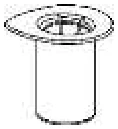
- 2. Place the solvent vial on an even, clean surface and hold the vial tight. Take the Mix2Vial® together with the blister package and push the spike of the blue adapter end straight down through the solvent vial stopper.

- 3. Carefully remove the blister package from the Mix2Vial® set by holding at the rim, and pulling vertically upwards. Make sure that you only pull away the blister package and not the Mix2Vial® set.
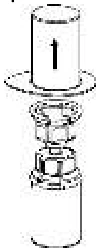
- 4. Place the product vial on an even and firm surface. Invert the solvent vial with the Mix2Vial® set attached and push the spike of the transparent adapter end straight down through the product vial stopper. The solvent will automatically flow into the product vial.

- 5. With the diluent and Beriplex® P/N vial still attached to the Mix2Vial® set, gently swirl the Beriplex® P/N vial to ensure the product is fully dissolved. Do not shake.

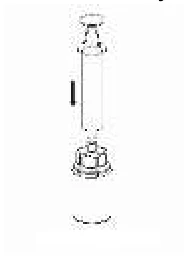
- 6. With one hand grasp the product side of the Mix2Vial® set, and with the other hand grasp the solvent side and unscrew counterclockwise the set carefully into two pieces. Discard the solvent vial with the blue Mix2Vial® adapter attached.

- 7. Draw air into an empty, sterile syringe. While the product vial is upright, connect the syringe to the Mix2Vial®´s Luer Lock fitting by screwing clockwise. Inject air into the product vial.
Withdrawal and application:
- 8. While keeping the syringe plunger pressed, turn the system upside down and draw the solution into the syringe by pulling the plunger back slowly.

- 9. Now that the solution has been transferred into the syringe, firmly hold on to the barrel of the syringe (keeping the syringe plunger facing down) and disconnect the transparent Mix2Vial® adapter from the syringe by unscrewing counterclockwise.

4.4. Administration
This medicinal product must not be mixed with other medicinal products except those mentioned in the section Reconstitution and Administration.
The solution should be clear or slightly opalescent. After filtering/withdrawal, the reconstituted product should be inspected visually for particulate matter and discoloration prior to administration. Do not use solutions that are cloudy or have deposits.
Ensure that no blood enters the syringe filled with product, as there is a risk that the blood could coagulate in the syringe and fibrin clots could therefore be administered to the patient. The reconstituted solution should be administered intravenously by a separate injection/infusion line (not more than 3 IU/kg/min, max. 210 IU/min, approximately 8 mL/min).
In case more than one vial of Beriplex® is required, it is possible to pool several vials of Beriplex® for a single infusion via a commercially available infusion device.
The Beriplex® solution must not be diluted.
Because Beriplex® P/N contains no preservative; the reconstituted product should be used immediately to ensure its sterility. However, if it is not administered immediately, storage shall not exceed 3 hours at room temperature.
4.5. Missed Dose
Not applicable.
5. Overdose
Overdosage with prothrombin complex concentrates has been associated with instances of myocardial infarction, disseminated intravascular coagulation, venous thrombosis and pulmonary embolism. The risk of thromboembolic complications or disseminated intravascular coagulation due to overdosage is increased in patients at risk of these complications. Regular monitoring of the coagulation status will help avoid overdosage.
For the most recent information in the management of a suspected drug overdose, contact your regional poison control centre or Health Canada’s toll-free number, 1-844 POISON-X (1-844-764-7669).
- 6. Dosage Forms, Strengths, Composition, and Packaging
To help ensure the traceability of biologic products, healthcare professionals should record both the brand name and the non-proprietary (active ingredient) name as well as other product-specific identifiers such as the Drug Identification Number (DIN) and the batch/lot number of the product supplied.
Table 1: Dosage Forms, Strengths, and Composition
Description
Beriplex® P/N is available in two presentations: Beriplex® P/N 500 / Beriplex® P/N 1000. It is supplied as a lyophilized powder (white or slightly coloured) in a single use vial along with a suitable volume of Sterile Water for Injection, Ph.Eur. provided as a solvent (diluent) (Table 2). The product package also includes a needle-less filter transfer device Mix2Vial® for the reconstitution and withdrawal of the product.
Table 2: Beriplex® P/N presentation
| Beriplex® P/N presentation | Factor IX/Vial | Solvent (Diluent) |
| Beriplex® P/N 500 | 500 IU Factor IX/vial | Single vial of 20 mL |
| Beriplex® P/N 1000 | 1000 IU factor IX/vial | Single vial of 40 mL |
Each vial of Beriplex® P/N contains the ingredients listed in Table 3.
Table 3: List of medicinal ingredients in Beriplex® P/N
| Medicinal ingredients | Content after reconstitution (IU/mL) | Beriplex® P/N 500 | Beriplex® P/N 1000 |
|---|---|---|---|
| Factor II | 20 - 48 | 380 – 800 IU/vial | 760 – 1600 IU |
| Factor VII | 10 - 25 | 200 – 500 IU/vial | 400 – 1000 IU |
| Factor IX | 25 | 500 IU/vial | 1000 IU |
| Factor X | 22 - 60 | 500 – 1020 IU/vial | 1000 – 2040 IU |
| Protein C | 15 - 45 | 420 – 820 IU/vial | 840 – 1640 IU |
| Protein S | 12 - 38 | 240 – 680 IU/vial | 480 – 1360 IU |
Beriplex® P/N also contains the following non-medicinal ingredients: Heparin, human antithrombin III, human albumin, sodium chloride, sodium citrate and HCl or NaOH in small amount for pH adjustment. The components used in the packaging for Beriplex® P/N are latex-free.
Beriplex® P/N 500 and Beriplex® P/N 1000, commonly known as Beriplex® P/N, are lyophilized plasma
| Route of Administration | Dosage Form/ Strength/Composition | Non-Medicinal Ingredients |
| Intravenous injection | Solvent and powder for solution / 500 IU or 1000 IU* * Factor IX is considered the lead factor for potency | Heparin, human albumin, human antithrombin III, sodium chloride, sodium citrate |
protein preparations containing all the essential vitamin K dependent human coagulation factors (Factors II, VII, IX and X) and the thrombo-inhibitor proteins C and S. Beriplex® P/N is available in two presentations: Beriplex® P/N 500 and Beriplex® P/N 1000. Factor IX is considered the lead factor for the potency of the preparation.
Since Beriplex® P/N is manufactured from human plasma, there is a risk that it may carry infectious agents. Therefore, standard measures are taken to prevent infections resulting from its use (see 13 Pharmaceutical Information, Viral Inactivation).
7. Warnings and Precautions
Please see 3 Serious Warnings and Precautions Box.
General
In patients with acquired deficiency of the vitamin K-dependent coagulation factors (e.g. as induced by treatment of vitamin K antagonists), Beriplex® P/N should only be used when rapid correction of the prothrombin complex levels is necessary, such as major bleedings or emergency surgery. In other cases, reduction of the dose of the vitamin K antagonist and/or administration of vitamin K is usually sufficient.
Patients being treated with Vitamin K antagonists (VKA) therapy have underlying disease states that predispose them to thromboembolic events. Potential benefits of reversing VKA should be weighed against the potential risks of thromboembolic events, especially in patients with the history of a thromboembolic event.
As reported with other PCCs, both fatal and non-fatal arterial and venous thromboembolic complications have been reported with Beriplex® P/N in clinical trials and post-marketing surveillance. Monitor patients receiving Beriplex® P/N for signs and symptoms of thromboembolic events.
Beriplex® P/N was not studied in subjects who had a thromboembolic event, myocardial infarction, disseminated intravascular coagulation, cerebral vascular accident, transient ischemic attack, unstable angina pectoris, or severe peripheral vascular disease within the prior 3 months. Beriplex® P/N may not be suitable in patients with thromboembolic events in the prior 3 months.
In congenital deficiency of any of the vitamin K-dependent factors, specific coagulation factor products should be used when available.
Hematologic
There is a risk of thrombosis or disseminated intravascular coagulation when patients with either congenital or acquired deficiency are treated with human prothrombin complex, particularly with repeated dosing. The risk may be higher in treatment of isolated factor VII deficiency, since the other vitamin K-dependent coagulation factors, with longer half-lives, may accumulate to levels considerably higher than normal. Patients given human prothrombin complex should be observed closely for signs or symptoms of disseminated intravascular coagulation or thrombosis.
Because of the risk of thromboembolic complications, close monitoring should be exercised when administering Beriplex® P/N to patients with a history of coronary heart disease or myocardial infarction, to patients with liver disease, to patients pre- or postoperatively, to neonates or to patients at risk of thromboembolic phenomena or disseminated intravascular coagulation or simultaneous inhibitor deficiency. In each of these situations, the potential benefit of treatment with Beriplex® P/N should be weighed against the potential risk of such complications.
In patients with disseminated intravascular coagulation, it may, under certain circumstances, be necessary to substitute the coagulation factors of the prothrombin complex. This substitution may, however, only be carried out after termination of the consumptive state (e.g. by treatment of the underlying cause, persistent normalization of the antithrombin III level).
Reversing vitamin K antagonists exposes patients to the thromboembolic risk of the underlying disease. Resumption of anticoagulation should be carefully considered as soon as possible.
Beriplex® P/N contains up to 2 IU/mL of heparin. Undesirable reactions may include the development of heparin-induced thrombocytopenia, type II (HIT, type II). Characteristic signs of HIT are a platelet count drop > 50 per cent and/or the occurrence of new or unexplained thromboembolic complications during heparin therapy. Onset is typically from 4 to 14 days after initiation of heparin therapy but may occur within 10 hours in patients recently exposed to heparin (within the previous 100 days).
Nephrotic syndrome has been reported in isolated cases following attempted immune tolerance induction in haemophilia B patients with factor IX inhibitors and a history of allergic reaction.
No data is available regarding the use of Beriplex® P/N in case of perinatal bleeding due to vitamin K deficiency in neonates.
Beriplex® P/N has not been studied in patients with severe ischemic vascular disorder.
Immune
Products manufactured from human blood or plasma present a risk of contamination by viruses such as HIV, hepatitis-causing viruses (HBV, HCV and HAV) as well as Parvovirus B19 (B19V). In theory, it is also possible for these products to transmit the agent responsible for the Creutzfeldt-Jakob disease (CJD) and the variant Creutzfeldt-Jakob disease (vCJD), i.e. the human equivalent of mad cow disease. The risk of transmission of prions, the causative agents of CJD/vCJD, through the use of Beriplex® P/N is negligible due to the fact that donors at risk of CJD/vCJD are excluded from blood donation permanently. Furthermore, studies using experimental TSE agents considered models for CJD and vCJD, have shown that some of the manufacturing steps of Beriplex® P/N are capable of removing prions in sufficient amounts so as to provide additional protection should these agents find their way in the plasma used as starting material for Beriplex® P/N. Stringent measures to prevent infections resulting from the use of medicinal products prepared from human blood or plasma have been put in place and include selection of donors, screening of individual donations and plasma pools for specific markers of infection and the inclusion of manufacturing steps for the effective inactivation/removal of viruses. However, despite these measures, the possibility of transmitting infectious agents cannot be totally excluded with regards to unknown or emerging viruses and other pathogens.
The measures taken are considered effective for enveloped viruses such as HIV, HBV and HCV, and for the non-enveloped viruses HAV and B19V.
Appropriate vaccination (hepatitis A and B) should be considered for patients in regular/repeated receipt of human plasma-derived prothrombin complex products.
It is strongly recommended that every time that Beriplex® P/N is administered to a patient, the name and batch number of the product are recorded in order to maintain a link between the patient and the batch of the product. All infections suspected by a physician to have been transmitted by this product should be reported to CSL Behring at 1-866-773-7721. The physician should discuss the risks and benefits of this product with the patient.
Monitoring and Laboratory Tests
Regular determinations of the individual plasma levels of the coagulation factors of interest, or global tests of the prothrombin complex levels (INR, Quick’s test), as well as continuous monitoring of the clinical condition of the patient are necessary in order to assess a patient’s individual dosage requirements.
Precise monitoring of the substitution therapy by means of coagulation assays (specific coagulation factor assays and/or global tests for prothrombin complex levels) is essential in cases of major surgical interventions.
A decrease of platelet count after the administration of Beriplex® P/N was observed in the clinical studies as well as the animal studies. The clinical relevance of this finding is unknown.
Sensitivity/Resistance
Anaphylactic reactions have been observed in patients with antibodies to factors contained in Beriplex® P/N. Hypersensitivity reactions including nausea, vomiting, flushing, urticaria, tachycardia, angioedema, hypotension, tachypnea, dyspnea, wheezing, pulmonary edema, bronchospasm and circulatory collapse have been observed with Beriplex® P/N.
If allergic or anaphylactic-type reactions occur, the administration of Beriplex® P/N has to be stopped immediately (e.g. discontinue injection) and an appropriate treatment has to be initiated. Therapeutic measures depend on the kind and severity of the undesirable effect. The current medical standards for shock treatment are to be observed.
Replacement therapy may lead to the formation of circulating antibodies inhibiting one or more of the human prothrombin complex factors. If such inhibitors occur, the condition will manifest itself as a poor clinical response. In such cases, it is recommended to contact a specialized haemophilia center for guidance.
7.1. Special Populations
7.1.1. Pregnancy
The safety of human prothrombin complex for use in human pregnancy has not been established. Animal studies are not suitable to assess the safety with respect to pregnancy, embryonal/fetal development, parturition or postnatal development.
Therefore, human prothrombin complex should be used during pregnancy only if clearly indicated.
7.1.2. Breastfeeding
The safety of human prothrombin complex for use during lactation has not been established. Animal studies are not suitable to assess the safety with respect to pregnancy, embryonal/fetal development, parturition or postnatal development.
Therefore, human prothrombin complex should be used during lactation only if clearly indicated.
7.1.3. Pediatrics
Pediatrics (< 18 years of age): No data are available to Health Canada; therefore, Health Canada has not authorized an indication for pediatric use.
7.1.4. Geriatrics
Geriatrics (> 65 years of age): The posology and method of administration in older people is equivalent to the general recommendations.
8. Adverse Reactions
8.1. Adverse Reaction Overview
Common (≥1/100 to <1/10) adverse reactions (ARs) observed in subjects receiving Beriplex® P/N were thromboembolic events (including cases with fatal outcome), headache and body temperature increased.
Allergic or anaphylactic-type reactions have been uncommonly (≥1/1000 to <1/100) observed, including severe anaphylactic reactions. Furthermore disseminated intravascular coagulation, as well as development of antibodies have been observed (unknown frequency). See section 7 Warnings and Precautions.
8.2. Clinical Trial Adverse Reactions
Clinical trials are conducted under very specific conditions. Therefore, the frequencies of adverse reactions observed in the clinical trials may not reflect frequencies observed in clinical practice and should not be compared to frequencies reported in clinical trials of another drug.
The evaluation of the safety of Beriplex® P/N is based on data from 3 clinical studies performed with Beriplex® P/N and on post-marketing experience data for the product (See 14 Clinical Trials, Table 9).
Uncontrolled Study
BE1116_3001 study
A total of 43 subjects received one dose of Beriplex® P/N. Of these, 25 subjects experienced at least one adverse event (AE), however, most of these AEs were symptoms related to surgery or perioperative factors. Only 2 AEs were assessed as related to Beriplex® P/N: the AEs labelled “pulmonary embolism” and “laboratory test abnormal”. The subject who experienced abnormal laboratory test had abnormal prothrombin fragments 1 and 2 (F1+2) levels immediately after infusion. This increase could at least partly be attributed to the content of Beriplex® P/N. These levels were already elevated above normal range before infusion, indicating that some activation of coagulation was already ongoing in this subject before the infusion of Beriplex® P/N.
The pulmonary embolism AE occurred in close timely relation with a second infusion of commercially available Beriplex® P/N and led to the death of the subject. Even though the embolism occurred shortly after the administration of Beriplex® P/N and was assessed as possibly related to the latter, other contributing factors (metastatic gastrointestinal cancer and arrhythmia absoluta) were also present in this case.
Four other subjects died due to AEs, one due to cardiac death, one due to renal failure acute, acute respiratory failure and empyema, a third one due to hemodynamic instability and the fourth one due to dyspnea, leucopenia, pleural effusion and cardiac decompensation. However, these deaths were assessed as not related to Beriplex® P/N.
Randomized Plasma-Controlled Trials
BE1116_3002 study
In a prospective, randomized, open-label, active-controlled multicenter non-inferiority trial, 212 subjects who required urgent reversal of VKA therapy due to acute major bleeding were enrolled and randomized to treatment; 103 were treated with Beriplex® P/N and 109 with plasma. Subjects ranged in age from 26 years to 96 years.
BE1116_3003 study
In a prospective, randomized, open-label, active-controlled, multicenter non-inferiority trial, 176 subjects who required urgent reversal of VKA therapy due to the need for an urgent surgical or urgent invasive procedure were enrolled; 88 were treated with Beriplex® P/N and 88 with plasma. Subjects ranged in age from 27 years to 94 years.
In both controlled studies, patients with a history of a thrombotic event, myocardial infarction, cerebral vascular accident, transient ischemic attack, unstable angina pectoris, severe peripheral vascular disease, or disseminated intravascular coagulation, within the previous 3 months were excluded from participating.
Treatment-emergent adverse events (TEAEs) are defined as adverse events that developed or worsened following exposure to the study product.
Table 4 contains TEAE terms, which were considered at least possibly related to study treatment in ≥ 2 subjects in one of the two treatment groups. The number and percentage of subjects with these events is based on all events, including events considered related as well as those considered unrelated to treatment.
Table 4: Summary of TEAEs following Beriplex®or Plasma Administration in RCTs
No. (%) of subjects
Beriplex® P/N (N = 191)
Plasma (N = 197)
Various SOCs
Thromboembolic events (TEEs)
Nervous system disorders
See separate TEE table
Headache
14 (7.3%)
7 (3.6%)
Respiratory, thoracic, and mediastinal disorders
Dyspnea/Respiratory distress/Hypoxia
7 (3.7%)
10 (5.1%)
Pulmonary edema
3 (1.6%)
10 (5.1%)
Cardiac disorders
Tachycardia/Ventricular tachycardia
12 (6.3%)
5 (2.5%)
Cardiac failure congestive
5 (2.6%)
8 (4.1%)
Metabolism and nutrition disorders
Fluid overload
0 (0%)
7 (3.6%)
Blood and lymphatic disorders
Anemia*
General disorders and administration site conditions
Oedema peripheral
Pyrexia/Hyperthermia
Musculoskeletal and connective tissue disorders
Pain in extremity
Injury, poisoning and procedural complications
Transfusion reaction
Investigations
International normalized ratio increased/abnormal
11 (5.8%)
12 (6.3%)
7 (3.7%)
1 (0.5%)
0 (0%)
5 (2.6%)
18 (9.1%)
13 (6.6%)
11 (5.6%)
3 (1.5%)
4 (2.0%)
0 (0%)
*including haematocrit decreased and haemoglobin decreased
Thromboembolic Events
Patients who interrupt VKA treatment are believed to be at increased risk of developing thromboembolic complications. In both studies, most subjects had multiple risk factors for TEEs. Possible TEEs were evaluated by the investigator or an independent and blinded safety adjudication board. Table 5 shows an overview of the thromboembolic events that were observed in the acute major bleeding and the urgent surgery/invasive procedures RCTs.
In the two RCTs, thromboembolic TEAEs occurred at similar frequencies in the Beriplex® P/N and the plasma groups. There were 14 subjects in the Beriplex® P/N group (7.3%) and 14 subjects in the plasma group (7.1%) who experienced possible TEEs. In the combined Beriplex® P/N group, for 9 subjects these were assessed as at least possibly related to study treatment, in the combined plasma group, 7 subjects had TEEs that were rated at least possibly related. In 8 subjects in the Beriplex® P/N group and in 9 subjects in the plasma group, the TEEs were considered serious (both studies combined). Of these, 5 subjects in the Beriplex® P/N group and 6 patients in the plasma group had serious TEEs that were assessed at least possibly related to study treatment.
Table 5: TEAEs (TEEs only) Following Beriplex® P/N or Plasma Administration in RCTs
System Organ Class Preferred Term | No. (%) of subjects | ||||||||||||||
|---|---|---|---|---|---|---|---|---|---|---|---|---|---|---|---|
| Acute Major Bleeding Study | Urgent Surgery/ Invasive Procedures Study | ||||||||||||||
| Beriplex® P/N (N = 103) | Related* | Plasma (N = 109) | Related* | Beriplex® P/N (N = 88) | Related* | Plasma (N = 88) | Related* | ||||||||
| Any possible TEE | 8 (7.8%) | 7 (6.4%) | 6 (6.8%) | 7 (8.0%) | |||||||||||
| TEEs at least possibly related | 5 (4.9%) | 3 (2.8%) | 4 (4.5%) | 4 (4.5%) | |||||||||||
| Cardiac disorders | |||||||||||||||
| Myocardial infarction | 1 (1.0%) | 2 (1.8%) | 1 (0.9) | 0 | 2 (2.3%) | 2 (2.3) | |||||||||
| Myocardial ischemia | 0 | 2 (1.8%) | 2 (1.8) | 0 | 0 | ||||||||||
| Nervous system disorders | |||||||||||||||
| Ischemic stroke | 3 (2.9%) | 2 (1.9) | 0 | 1 (1.1%) | 1 (1.1) | 0 | |||||||||
| Cerebrovascular Accident | 0 | 1 (0.9%) | 1 (1.1%) | 1 (1.1%) | |||||||||||
| Embolic cerebral infarction | 0 | 0 | 0 | 1 (1.1%) | 1 (1.1) | ||||||||||
| Cerebrovascular disorder | 0 | 1 (0.9%) | 0 | 0 | |||||||||||
| Transient ischemic attack | 0 | 0 | 0 | 1 (1.1%) | |||||||||||
| Vascular disorders | |||||||||||||||
| Venous thrombosis limb / calf | 1 (1.0%) | 1 (1.0) | 0 | 0 | 0 | ||||||||||
| Venous thrombosis limb / radial vein | 1 (1.0%) | 0 | 1 (1.1%) | 1 (1.1) | 0 | ||||||||||
| Thrombosis (microthrombosis of toes) | 0 | 0 | 1 (1.1%) | 1 (1.1) | 0 | ||||||||||
| Deep vein thrombosis (DVT) | 1 (1.0%) | 1 (1.0) | 0 | 1 (1.1%) | 1 (1.1) | 1 (1.1%) | 1 (1.1) | ||||||||
| Thrombophlebitis | 0 | 1 (0.9%) | 0 | 0 | |||||||||||
| Respiratory, thoracic and mediastinal disorders | |||||||||||||||
| Pulmonary embolism | 0 | 0 | 0 | 1 (1.1%) | |||||||||||
| Other | |||||||||||||||
| Thrombosis in device | 1 (1.0%) | 1 (1.0) | 1 (0.9%) | 0 | 0 | ||||||||||
| Vena cava filter insertion | 0 | 0 | 1 (1.1%) | 0 | |||||||||||
| Catheter related complication | 0 | 0 | 1 (1.1%) | 0 | |||||||||||
*Related AEs were defined as events whose relationship to study treatment was rated as related, probably related, or possibly related. The table does not include unexplained deaths. More than one thromboembolic event entries per subject possible.
N = total number of subjects
Deaths, Other Serious Adverse Events, and Other Significant Adverse Events:
Uncontrolled Study:
The number of deaths and serious adverse events was as expected for a study population comprising acutely and severely ill patients. In the uncontrolled Study BE1116_3001, three (3) out of 43 patients died within 7 days after receiving Beriplex® P/N. Two (2) of these 3 deaths were assessed as not related to administration of Beriplex® P/N. Only 1 of these 3 deaths, due to pulmonary embolism, was assessed as possibly related to Beriplex® P/N. Two (2) deaths in Study BE1116_3001 occurred 1-6 months after receiving Beriplex® P/N. Both of these deaths were assessed as not related to Beriplex® P/N. In addition, 1 patient in Study BE1116_3001 experienced two arterial embolisms at 4 days and 7 days after receiving Beriplex® P/N. The outcome was unknown.
Controlled Studies:
In the RCTs (Studies BE1116_3002 and BE1116_3003), serious adverse reactions in subjects receiving Beriplex® P/N included ischemic cerebrovascular accident (stroke), DVT, thrombosis, and venous insufficiency. Serious adverse reactions in both RCTs for plasma included myocardial ischemia, myocardial infarction, fluid overload, embolic cerebral infarction, pulmonary edema, respiratory failure, and DVT.
There were a total of 10 subjects (9.7%) who died in the Beriplex® P/N group (1 additional death occurred on day 46 just after completion of the study reporting period) and 5 (4.6%) who died in the plasma group in the plasma-controlled RCT in acute major bleeding. The 95% confidence interval for the Beriplex® P/N minus plasma between-group difference in deaths ranged from -2.7% to 13.5%. From the plasma-controlled RCT in urgent surgery/invasive procedures, there were a total of 3 subjects (3.4%) who died in the Beriplex® P/N group (1 additional death occurred on day 48 after completion of the study reporting period) and 8 (9.1%) who died in the plasma group. The 95% confidence interval for the Beriplex® P/N minus plasma between-group difference in deaths in this trial ranged from -14.6% to 2.7%. One death in the Beriplex® P/N group in the RCT in Acute Major Bleeding and one death in the plasma group in the RCT in urgent surgery/invasive procedures were considered possibly related to study treatment according to an assessment of masked data by an independent safety adjudication board.
No factors common to all deaths were identified, except for the frequent findings of a high comorbidity burden, advanced age, and death after being placed on comfort care. Although, a greater proportion of subjects in the RCT in acute major bleeding than in the RCT in surgery/invasive procedure received the highest two recommended doses of Beriplex® P/N because more subjects in the trial in acute major bleeding had a baseline INR in the ranges of 4‒6 and > 6.0, an analysis of deaths and factor levels in subjects with major bleeding revealed that subjects who died had similar median factor levels to subjects that did not die. Additionally, outliers with supraphysiologic factor levels did not have a mortality rate out of proportion to the overall population.
8.5. Post-Market Adverse Reactions
The Adverse Drug Reactions listed below have been identified during post-marketing use of Beriplex® P/N. This list does not include reactions already reported in clinical trials with Beriplex® P/N (see 8.2 Clinical Trial Adverse Reactions).
- Disseminated intravascular coagulation
- Development of antibodies
The lack of effect is generally considered a listed/ expected adverse experience for any drug. Cases of lack of effect have been reported.
9. Drug Interactions
9.2. Drug Interactions Overview
Human prothrombin complex products neutralise the effect of vitamin K antagonist treatment, but no interactions with other medicinal products are known.
9.3. Drug-Behaviour Interactions
The interaction of Beriplex® P/N with individual behavioural risks (e.g. cigarette smoking, cannabis use, and/or alcohol consumption) has not been studied.
9.4. Drug-Drug Interactions
Beriplex® P/N neutralises the effects of vitamin K antagonist treatments.
9.5. Drug-Food Interactions
Interactions with food have not been established. Beriplex® P/N contains up to 343 mg sodium (approximately 15 mmol) per 100 ml. This should be taken into consideration for patients on a controlled sodium diet.
9.6. Drug-Herb Interactions
Interactions with herbal products have not been established.
9.7. Drug-Laboratory Test Interactions
When performing clotting tests which are sensitive to heparin in patients receiving high doses of human prothrombin complex, the heparin as a constituent of the administered product must be taken into account.
10. Clinical Pharmacology
10.1. Mechanism of Action
The coagulation factors II, VII, IX and X, which are synthesised in the liver with the help of vitamin K, are commonly called the prothrombin complex. In addition to these coagulation factors Beriplex® P/N contains the vitamin K dependent coagulation inhibitors Protein C and Protein S.
Factor VII is the inactive enzyme precursor of the active serine protease factor VIIa by which the extrinsic pathway of blood coagulation is initiated. Factor VIIa forms a complex with tissue thromboplastin which in turn activates coagulation factors IX and X, whereby factor IXa and Xa are formed. With further activation of the coagulation cascade, prothrombin (factor II) is activated and transformed to thrombin. By the action of thrombin, fibrinogen is converted to fibrin, which results in clot formation. The normal generation of thrombin is also of vital importance for platelet function as a part of the primary haemostasis.
The other ingredients found in Beriplex® P/N, Protein C and Protein S, are also synthesized in the liver. The biological activity of Protein C is enforced by the cofactor Protein S. About 60% of the protein S is complexed to C4b binding protein (C4BP), presumably directing C4BP to cell surfaces at the site of injury. The remaining 40% of protein S functions as an anticoagulant co-factor for activated protein C in enhancing the inactivation of the pro-coagulatory factors Va and VIIIa in order to confine clot formation to the sites of vascular injury. Protein C deficiency is associated with an increased risk of thrombosis.
Isolated severe deficiency of factor VII leads to reduced thrombin formation and a bleeding tendency due to impaired fibrin formation and impaired primary haemostasis. Isolated deficiency of factor IX is one of the classical haemophilias (haemophilia B). Isolated deficiency of factor II or factor X is very rare but in severe form they cause a bleeding tendency similar to that seen in classical haemophilia.
Acquired deficiency of the vitamin K-dependent coagulation factors occurs during treatment with vitamin K antagonists. If the deficiency becomes severe, a severe bleeding tendency results, characterised by retroperitoneal or cerebral bleeds rather than muscle and joint haemorrhage.
Severe hepatic insufficiency also results in markedly reduced levels of the vitamin K-dependent coagulation factors and a clinical relevant bleeding tendency. However this is often complex due to a simultaneously ongoing low-grade intravascular coagulation, low platelet levels, deficiency of coagulation inhibitors and disturbed fibrinolysis.
The administration of human prothrombin complex provides an increase in plasma levels of the vitamin K-dependent coagulation factors, and can temporarily correct the coagulation defect of patients with deficiency of one or several of these factors.
10.2. Pharmacodynamics
In the plasma-controlled RCT in acute major bleeding, the International Normalized Ratio (INR) was determined at varying time points after the start or end of infusion, depending upon study design. The median INR was above 3.0 prior to the infusion and dropped to a median value of 1.20 by the 30 minute time point after start of Beriplex® infusion. By contrast, the median value for plasma was 2.4 at 30 minutes after the start of infusion. The INR differences between Beriplex® and plasma were statistically significant in randomized plasma-controlled trial in bleeding up to 12 hours after start of infusion (Table 6).
The relationship between these or other INR values and clinical hemostasis in patients has not been established.
Table 6: Median INR (Min-Max) after Start of Infusion in RCTs
| Study | Treatment | Baseline | 30 min | 1 hr | 2-3 hr | 6-8 hr | 12 hr | 24 hr | ||||||||
|---|---|---|---|---|---|---|---|---|---|---|---|---|---|---|---|---|
| Acute Major Bleeding Study | Beriplex® P/N (N = 98) | 3.90 (1.8–20.0) | 1.20* (0.9–6.7) | 1.30* (0.9–5.4) | 1.30* (0.9–2.5) | 1.30* (0.9–2.1) | 1.20* (0.9–2.2) | 1.20 (0.9–3.8) | ||||||||
| Plasma (N = 104) | 3.60 (1.9–38.9) | 2.4 (1.4–11.4) | 2.1 (1.0–11.4) | 1.7 (1.1–4.1) | 1.5 (1.0–3.0) | 1.4 (1.0–3.0) | 1.3 (1.0–2.9) | |||||||||
| Urgent Surgery/ Invasive Procedures Study | Beriplex® P/N (N = 87) | 2.90 (2.0–17.0) | 1.30* (0.9–7.0) | 1.20* (0.9–2.5) | 1.30* (0.9–39.2) | 1.30* (1.0–10.3) | NC | 1.20 (0.9–2.7) | ||||||||
| Plasma (N = 81) | 2.90 (2.0–26.7) | 2.15 (1.4–5.4) | 1.90 (1.3–5.7) | 1.70 (1.1–3.7) | 1.60 (1.0–5.8) | NC | 1.30 (1.0–2.7) | |||||||||
* Statistically significant difference compared to plasma by 2-sided Wilcoxon test INR = international normalized ratio; NC = not collected.
10.3. Pharmacokinetics
Pharmacokinetic and in-vivo recovery (IVR) data were generated in a healthy volunteer study (N = 15) and in two studies in reversal of vitamin K antagonist treatment for acute major bleeding or urgent surgery/invasive procedures (N = 98, N = 87). PK parameters obtained from data derived from the study of healthy subjects may not be directly applicable to patient with INR elevation due to VKA anticoagulation therapy. The IVR is the increase in measurable factor level in plasma (IU/mL) that may be expected following an infusion of factors (IU/kg) administered as a dose of Beriplex®.
Incremental IVRs for Factors II, VII, IX, X, and Proteins C and S occurred within the 3-hour time interval. Pharmacokinetics and incremental IVR are shown in Table 7 and Table 8.
Table 7: Vitamin K-Dependent Coagulation Factor Pharmacokinetics after a Single Beriplex® Infusion in Healthy Subjects (Mean (SD), N = 15)
| Parameter | Factor IX | Factor II | Factor VII | Factor X | Protein C | Protein S |
|---|---|---|---|---|---|---|
| Terminal half-life (h) | 42.4 (41.6) | 60.4 (25.5) | 5.0 (1.9) | 31.8 (8.7) | 49.6 (32.7) | 50.4 (13.4) |
| IVR (units/dL per units/kg b.w.)* | 1.6 (0.4) | 2.2 (0.3) | 2.5 (0.4) | 2.2 (0.4) | 2.9 (0.3) | 2.0 (0.3) |
| AUC (IU/dL x h) | 1850.8 (1001.4) | 7282.2 (2324.9) | 512.9 (250.1) | 6921.5 (1730.5) | 5397.5 (2613.9) | 3651.6 (916.3) |
| Clearance (mL/ kg x h) | 3.7 (1.6) | 1.0 (0.3) | 7.4 (4.1) | 1.3 (0.3) | 1.5 (0.9) | 1.2 (0.3) |
| MRT (h)† | 47.3 (49.5) | 82.0 (34.2) | 7.1 (2.7) | 45.9 (12.6) | 62.4 (42.1) | 70.3 (18.3) |
| Vdss (mL/kg)‡ | 114.3 (54.6) | 71.4 (13.7) | 45.0 (10.7) | 55.5 (6.7) | 62.2 (17.4) | 78.8 (11.6) |
* IVR: In Vivo Recovery
† MRT: Mean Residence Time
‡ Vdss: Volume of Distribution at steady state
Table 8: In vivo Recovery in RCTs*
Parameter
Incremental (units/dL per units/kg b.w.)
Acute Major Bleeding Study
(N = 98)
Urgent Surgery/Invasive Procedures Study
(N = 87)
Mean (SD)
95% CI†
Mean (SD)
95% CI†
Factor IX
1.29 (0.71)
(1.14–1.43)
1.15 (0.57)
(1.03–1.28)
Factor II
2.00 (0.88)
(1.82–2.18)
2.14 (0.74)
(1.98–2.31)
Factor VII
2.15 (2.96)
(1.55–2.75)
1.90 (4.50)
(0.92–2.88)
Factor X
1.96 (0.87)
(1.79–2.14)
1.94 (0.69)
(1.79–2.09)
Protein C
2.04 (0.96)
(1.85–2.23)
1.88 (0.68)
(1.73–2.02)
Protein S
2.17 (1.66)
(1.83–2.50)
2.81 (1.95)
(2.38–3.23)
* ITT-E: Intention to Treat – Efficacy Population
† CI: Confidence Interval
Absorption
Since Beriplex® P/N is administered intravenously, the preparation is available immediately; bioavailability is proportional to the dose administered.
Distribution
Beriplex® P/N is distributed in the organism in the same manner as the endogenous coagulation factors II, VII, IX and X.
Metabolism
Beriplex® P/N is metabolized in the same way as the endogenous coagulation factors II, VII, IX and X.
Elimination
Beriplex® P/N is excreted in the same manner as the endogenous coagulation factors II, VII, IX, X.
10.4. Immunogenicity
Therapeutic proteins have the potential for immunogenicity.
The detection of antibody formation is highly dependent on the sensitivity and specificity of the assay. Additionally, the observed incidence of antibody (including neutralizing antibody) positivity in an assay may be influenced by several factors including assay methodology, sample handling, timing of sample collection, concomitant medications, and underlying disease. For these reasons, comparison of incidence of antibodies in the studies described below with the incidences of antibodies in other studies or to other products may be misleading.
- 11. Storage, Stability, and Disposal
Beriplex® P/N 500 and Beriplex® P/N 1000 can be stored either in the refrigerator or at room temperature (at +2°C to +25°C) for the period indicated by the expiration date printed on the carton and the vial label. The shelf life of Beriplex® P/N is 36 months. Avoid freezing, which may damage the solvent container. Keep Beriplex® P/N in its box during storage.
12. Special Handling Instructions
Any unused product or waste material should be disposed of in accordance with local requirements.
Part 2: Scientific Information
13. Pharmaceutical Information
Drug Substance
Non-proprietary name of the drug substance(s): Human coagulation factors II, VII, IX and X, Protein C and Protein S
Molecular formula and molecular mass: Factor II: ≈ 71.6 kDa
Factor VII: 50 kDa
Factor IX: 57 kDa
Factor X: 58.8 kDa
Protein C: 62 kDa
Protein S: 69 kDa
Physicochemical properties: Beriplex® P/N is available as a powder for solution which is soluble in water.
Product Characteristics:
Beriplex® P/N is a lyophilized plasma protein preparation of the human prothrombin complex containing the blood coagulation factors II, VII, IX and X, as well as protein C and protein S. Factor IX is the lead factor for the potency of the preparation as stated on the label. The measured factor II potency is not less than 70 % and not more than 150 % of the measured factor IX potency. The preparation is sterile, pyrogen-free and does not contain any antimicrobial preservative.
Viral Inactivation
Because Beriplex® P/N is manufactured from human plasma pools there is a risk that it may carry infectious agents such as human immunodeficiency virus type 1 (HIV-1) and type 2 (HIV-2), hepatitis B virus (HBV), hepatitis C virus (HCV) and hepatitis A virus (HAV), as well as parvovirus B19 (B19V). Three principal complementary approaches are used to prevent the potential contamination of the final medicinal product:
- selecting and testing the source material for the absence of detectable viruses;
- testing the plasma pool for fractionation for the absence of contaminating infectious viruses;
- virus inactivation and removal by manufacturing steps from which selected steps are tested in virus validation studies for their capacity to inactivate and/or remove viruses.
Selection of the source material for the production of Beriplex® P/N with regard to minimal virus load is performed rigorously by selection of plasma centres, plasma donors and donations. Plasma collection centres are licensed and inspected by the competent authorities and audited by CSL Behring. The suitability of donors is confirmed by physical examination, intensive questioning (based on a pre-defined questionnaire) and a deferral policy. All donations are tested for serological markers (mandatory testing for hepatitis B antigen [HBsAg], antibodies against HIV-1, HIV-2 and HCV).
In addition, sample pools of donations are tested for the presence of genomic material of HAV, HBV, HCV, HIV-1 and high titres of B19V by NAT / PCR and reactive donations are interdicted. As a quality control measurement, only plasma pools for fractionation, which are negative for HBsAg and antibodies against HIV 1/2 and non-reactive for HAV RNA, HBV DNA, HCV RNA, HIV-1 RNA and high titres of B19V DNA, are released. The NAT / PCR testing complements donor selection and serological testing. Therefore, the plasma pools for fractionation may contain only very low levels, if any, of the transfusion relevant viruses HBV, HCV and HIV-1 as well as HAV. Furthermore, the plasma pool for fractionation has a limited load of B19V (≤ 4 log10 IU B19V DNA/ml), which complements the virus reduction capacity of the manufacturing procedure to inactivate/remove B19V.
Experiments were performed to evaluate selected manufacturing steps of the Beriplex® P/N manufacturing process for their capacity to inactivate or remove various viruses. Throughout Beriplex® P/N’s manufacturing process, the following steps have been identified as having an effective potential for virus inactivation and/or removal: Pasteurisation (heat treatment in aqueous solution at 60°C for 10 hours) and virus filtration (20 nm filtration with 2 filters in series). Further manufacturing steps contribute to the overall virus reduction capacity: ammonium sulfate precipitation followed by calcium phosphate adsorption. The step of ammonium sulfate precipitation was also validated for its virus reduction capacity.
The results of the virus validation studies showed an efficient and robust inactivation of enveloped viruses and HAV by pasteurisation as well as an effective and robust removal of all viruses studied by filtration. Furthermore, B19V was shown to be inactivated by pasteurisation by a mean reduction factor of 3.5 log10. It is therefore concluded that the manufacturing procedure of Beriplex® P/N provides a high margin of safety with regard to a wide range of viruses. The measures taken are considered effective for enveloped viruses such as HIV, HBV and HCV and for the non-enveloped viruses HAV and B19V.
14. Clinical Trials
14.1. Clinical Trials by Indication
Acquired Coagulation Factor Deficiency
A Phase III uncontrolled clinical study (BE1116_3001) has been performed with Beriplex® P/N in individuals with an acquired deficiency of the coagulation factors of the prothrombin complex. The clinical study was designed to assess the clinical efficacy and general clinical safety.
In addition, Study BE1116_1001 was performed to examine the pharmacokinetic (PK) properties of a single dose of Beriplex® P/N in healthy subjects (See section 10 Clinical Pharmacology).
Two prospective randomized controlled non-inferiority trials have been performed with Beriplex® P/N in subjects with acquired coagulation factor deficiency due to oral Vitamin K antagonist. The clinical studies were designed to compare the efficacy and safety of Beriplex® P/N and plasma.
Table 9 presents a summary of the key features of the abovementioned studies.
Table 9: Summary of Patient Demographics for Clinical Trials in Acquired Coagulation Factor Deficiency
| Study # | Study design | Dosage, route of administration and duration | Study subjects (n) | Age (range) | Sex |
| BE1116_1001 | Prospective Open label Uncontrolled Single-center Phase I. | Single i.v. dose of 50 IU of Factor IX per kg b.w. over a period of about 19 min (≈ 200 IU/min). | Healthy subjects (n=15). | 44 (18-62) years | 7 F/ 8 M |
| BE1116_3001 | Prospective Open label Uncontrolled Multi-center Multinational Phase III. | Single i.v. dose of 25, 35, or 50 IU of Factor IX per kg b.w. (depending on baseline INR) over a period of about 12 min (≈188 IU/min). | Subjects with acquired deficiency of coagulation factors and requiring urgent reversal of oral anticoagulation (n=43). | 70 (22-85) years | 22 F / 21 M |
| BE1116_3002 | Prospective Open label Active-controlled Non inferiority Multicenter RCT | Single dose of Beriplex® P/N (25, 35, or 50 IU/kg) based on nominal Factor IX content or plasma (10, 12, or 15 mL/kg) calculated according to the subject’s baseline INR (2‒< 4, 4‒6, > 6, respectively) | Subjects with acquired coagulation factor deficiency due to oral Vitamin K antagonist therapy treated for acute major bleeding (n=212). | Beriplex®: 72 (29-96) years Plasma: 72 (26-92) years | Beriplex®: 48 F / 50 M Plasma: 53 F / 51 M |
| BE1116_3003 | Prospective Open-label Active-controlled Non inferiority Multicenter RCT | Single doses of Beriplex® P/N (25, 35, or 50 IU/kg) based on nominal Factor IX content and plasma (10, 12, or 15 mL/kg) calculated according to the subject’s baseline INR (2‒< 4, 4‒6, > 6, respectively). | Subjects with acquired coagulation factor deficiency due to oral Vitamin K antagonist therapy treated because of their need for an urgent surgery/invasive procedure (n=176). | Beriplex®: 70 (32-94) years Plasma: 66 (27-90) years | Beriplex®: 37 F / 50 M Plasma: 31 F / 50 M |
i.v. = intravenous; b.w. = body weight; INR = International Normalized Ratio; F = Female; M = Male
Uncontrolled Study
Study BE1116_3001
In the study, 43 patients (22 females, 21 males), were treated with Beriplex® P/N. All of the subjects were Caucasian. The investigators provided an assessment and/or judgement of the clinical efficacy of the Beriplex® P/N treatment in stopping ongoing bleeding or in avoiding excessive bleeding during surgical procedures. Study BE1116_3001 was undertaken to provide pivotal efficacy data for Beriplex® P/N in the reversal of coagulopathy in subjects treated with oral anticoagulants and who require immediate correction of their INR due to emergency surgery or acute bleeding.
The primary objective of this study was to demonstrate the capability of Beriplex® P/N to reverse effectively the oral anticoagulation effect by decreasing the INR values. The secondary objectives were to examine the capability of Beriplex® P/N to adequately increase the plasma levels of coagulation Factors II, VII, IX, X, Protein C, and Protein S to assess the cessation of spontaneously and traumatically induced bleedings or avoidance of excessive hemorrhages during and after emergency surgical interventions, as well as to evaluate its safety and tolerability.
Subjects received a single infusion of 25, 35, or 50 IU of Factor IX per kg b.w., depending on their baseline INR (2-<4, 4-6, >6, respectively).
INR, prothrombin time, Factor II, VII, IX and X activity, Protein C and Protein S were determined at baseline, 30 min, and 1, 3, 6, 12, 24, and 48 h after the end of the Beriplex® P/N infusion. Viral serology consisted of enzyme immunoassay testing of anti-HIV-1/HIV-2, anti-HCV, anti-HAV (IgG/IgM), anti-parvovirus B19 (IgG/IgM) antibodies, and HBsAg and polymerase chain reaction (PCR) testing of PCR parvovirus B19, PCR-HAV, PCR-HBV, PCR-HCV, and PCR-HIV. Tests were performed at baseline, and at Day 8–11 for anti-parvovirus B19, at 1 month after infusion for anti-parvovirus B19 (IgG/IgM) and anti-HAV (IgG/IgM), and at 3 months after infusion for anti-HCV, anti-HIV-1/-2, anti-HAV (IgG/IgM), and HBsAg.
A rapid decrease in INR to ≤1.3 within 30 min after administration of Beriplex® P/N was achieved in 40 of 43 subjects (93%) in the ITT population. Three of 43 subjects (7%) did not have a rapid decrease of INR as defined per protocol. However, their 30 min post-infusion INR was 1.4 which, from a clinical point of view, can be considered almost normalized. The single infusion of Beriplex® P/N led to a direct increase of all plasma levels for Factors II, VII, IX, X, Protein C and Protein S reaching normal or near-normal median values.
In general 1 IU of Factor IX per kg b.w. can be expected to raise the plasma Factor IX activity by 1.3% (0.013 IU/mL) of normal; 1 IU Factor VII per kg b.w. raises the plasma Factor VII activity by 1.6% (0.016 IU/mL) of normal; and 1 IU Factor II or Factor X per kg b.w. raises the plasma Factor II or Factor X activity, respectively, by 1.9% (0.019 IU/mL) of normal. Approximately a 2% increase for each IU per kg b.w. can be expected for Protein C and Protein S.
Clinical efficacy was assessed by the investigators as very good in 40 of 43 (93%) of the subjects and satisfactory in 2 of 43 (5%) of the subjects. Thus Beriplex® P/N can be considered to have been effective for 42 of 43 (98%) of the subjects in this study. The investigator’s assessment of treatment with Beriplex® P/N in the remaining subject was questionable, i.e. not effective. This subject was treated for bladder bleeding and suffered from a malignant bladder tumor, with a history of hematuria one week prior to inclusion in the study. The bleeding was most likely from malignant epithelium, and could not have been stopped through normalization of the coagulation system alone.
Randomized Plasma-Controlled Trials
Study BE1116_3002
The efficacy of Beriplex® P/N has been evaluated in a prospective, open label, (blinded assessor), active-controlled, non-inferiority, multicenter RCT in subjects who had been treated with VKA therapy and who required urgent replacement of their Vitamin K dependent clotting factors to treat acute major bleeding. A total of 216 subjects with acquired coagulation factor deficiency due to oral Vitamin K antagonist therapy were randomized to a single dose of Beriplex® P/N or plasma. Two hundred twelve (212) subjects received Beriplex® P/N or plasma for acute major bleeding in the setting of a baseline INR ≥ 2.0 and recent use of a VKA anticoagulant. The doses of Beriplex® P/N (25 units/kg, 35 units/kg, or 50 units/kg) based on nominal Factor IX content and plasma (10 mL/kg, 12 mL/kg, or 15 mL/kg) were calculated according to the subject’s baseline INR (2‒< 4, 4‒6, > 6, respectively). The observation period lasted for 90 days after the infusion of Beriplex® P/N or plasma. The modified efficacy (ITT-E) population for Beriplex® P/N included 98 subjects and for plasma included 104 subjects. Additionally, intravenous Vitamin K was administered.
The efficacy endpoint was hemostatic efficacy for the time period from the start of infusion of Beriplex® P/N or plasma until 24 hours. Efficacy was adjudicated as “effective” or “not effective” by a blinded, independent Endpoint Adjudication Board for all subjects who received study product. Criteria for effective hemostasis were based upon standard clinical assessments including vital signs, hemoglobin measurements, and CT assessments at pre-defined time points, as relevant to the type of bleeding (i.e., gastrointestinal, intracranial hemorrhage, visible, musculoskeletal, etc.). The proportion of subjects with effective hemostasis was 72.4% in the Beriplex® P/N group and 65.4% in the plasma group. The lower limit of the 95% confidence interval (CI) for the difference in proportions of Beriplex® P/N minus plasma was -5.8%, which exceeded -10% and thereby demonstrated the non-inferiority of Beriplex® P/N versus plasma (the study’s primary objective) (Table 10). Because the lower limit of the CI was not greater than zero, the prospectively defined criterion for superiority of Beriplex® P/N for hemostatic efficacy (a secondary objective) was not met.
Table 10: Rating of Hemostatic Efficacy in Subjects with Acute Major Bleeding
Rating
No. (%) of subjects [95% CI]
Difference Beriplex® P/N – Plasma (%) [95% CI]*
Beriplex® P/N (N = 98)
Plasma (N = 104)
“Effective” hemostasis
71 (72.4%)
[62.3; 82.6]
68 (65.4%)
[54.9; 75.8]
(7.1%) [-5.8; 19.9]
* Beriplex® P/N non-inferior to plasma if lower limit of 95% CI > –10%; Beriplex® P/N superior to plasma if lower limit of 95% CI > 0.
CI = confidence interval; N = number of subjects
An additional endpoint was the reduction of INR to ≤ 1.3 at 30 minutes after the end of infusion of Beriplex® P/N or plasma for all subjects that received study product. The proportion of subjects with this decrease in INR was 62.2% in the Beriplex® P/N group and 9.6% in the plasma group. The 95% confidence interval for the difference in proportions of Beriplex® P/N minus plasma was 39.4% to 65.9%. The lower limit of the 95% CI of 39.4% demonstrated superiority of Beriplex® P/N versus plasma for this endpoint (Table 11).
Table 11: Decrease of INR (1.3 or Less at 30 Minutes after End of Infusion) in Acute Major Bleeding RCT
Rating
No. (%) of subjects [95% CI]
Difference Beriplex® P/N – Plasma (%) [95% CI]*
Beriplex® P/N (N = 98)
Plasma (N = 104)
Decrease of INR
to ≤ 1.3 at 30 min
61 (62.2%)
[52.6; 71.8]
10 (9.6%)
[3.9; 15.3]
(52.6%) [39.4; 65.9]
* Beriplex® P/N non-inferior to plasma if lower limit of 95% CI > –10%; Beriplex® P/N superior to plasma if lower limit of 95% CI > 0.
CI = confidence interval; INR = international normalized ratio; N = total subjects
Study BE1116_3003
The efficacy of Beriplex® P/N has been evaluated in a prospective, open-label, active-controlled, non-inferiority, multicenter RCT in subjects who had been treated with VKA therapy and who required urgent replacement of their Vitamin K--dependent clotting factors because of their need for an urgent surgery/invasive procedure. A total of 181 subjects with acquired coagulation factor deficiency due to oral Vitamin K antagonist therapy were randomized to a single dose of Beriplex® P/N or plasma. One hundred seventy-six (176) subjects received Beriplex® P/N or plasma because of their need for an urgent surgery/invasive procedure in the setting of a baseline INR ≥ 2.0 and recent use of a VKA anticoagulant. The doses of Beriplex® P/N (25 units/kg, 35 units/kg, or 50 units/kg) based on nominal Factor IX content and plasma (10 mL/kg, 12 mL/kg, or 15 mL/kg) were calculated according to the subject’s baseline INR (2‒< 4, 4‒6, > 6, respectively). The observation period lasted for 90 days after the infusion of Beriplex® P/N or plasma. The modified efficacy (ITT-E) population for Beriplex® P/N included 87 subjects and for plasma included 81 subjects. Additionally, oral or intravenous Vitamin K was administered.
The efficacy endpoint was hemostatic efficacy for the time period from the start of infusion of Beriplex® P/N or plasma until the end of the urgent surgery/invasive procedure. Criteria for effective hemostasis were based upon the difference between predicted and actual blood losses, subjective hemostasis rating, and the need for additional blood products containing coagulation factors. The proportion of subjects with effective hemostasis was 89.7% in the Beriplex® P/N group and 75.3% in the plasma group. The lower limit of the 95% confidence interval (CI) for the difference in proportions of Beriplex® P/N minus plasma was 2.8%, which exceeded -10% and thereby demonstrated the non-inferiority of Beriplex® P/N versus plasma (the study’s primary objective) (Table 12). Because the lower limit of the CI was greater than 0, the prospectively defined criterion for superiority of Beriplex® P/N for hemostatic efficacy (a secondary objective) was also met.
Table 12: Rating of Hemostatic Efficacy in Urgent Surgery/Invasive Procedure RCT
Rating
No. (%) of subjects [95% CI]
Difference Beriplex® P/N – Plasma (%) [95% CI]*
Beriplex® P/N (N = 87)
Plasma (N = 81)
“Effective” hemostasis
78 (89.7%)
[83.3; 96.1]
61 (75.3%)
[65.9; 84.7]
(14.3%) [2.8; 25.8]
* Beriplex® P/N non-inferior to plasma if lower limit of 95% CI > –10%; Beriplex® P/N superior to plasma if lower limit of 95% CI > 0.
CI = confidence interval; N = number of subjects
An additional endpoint was the reduction of INR to ≤ 1.3 at 30 minutes after the end of infusion of Beriplex® P/N or plasma for all subjects that received study product. The proportion of subjects with this decrease in INR was 55.2% in the Beriplex® P/N group and 9.9% in the plasma group. The 95% confidence interval for the difference in proportions of Beriplex® P/N minus plasma was 31.9% to 56.4%. The lower limit of the 95% CI of 31.9% demonstrated superiority of Beriplex® P/N versus plasma for this endpoint (Table 13). The relationship between a decrease in INR to less than or equal to 1.3 and clinical hemostatic efficacy has not been established.
Table 13: Decrease of INR (1.3 or Less at 30 Minutes after End of Infusion) in Urgent Surgery/Invasive Procedure RCT
Rating
No. (%) of subjects [95% CI]
Difference Beriplex® P/N – Plasma (%) [95% CI]*
Beriplex® P/N (N = 87)
Plasma (N = 81)
Decrease of INR to ≤ 1.3 at 30 min
48 (55.2%)
[44.7; 65.6]
8 (9.9%)
[3.4; 16.4]
(45.3%) [31.9; 56.4]
* Beriplex® P/N non-inferior to plasma if lower limit of 95% CI > -10%; Beriplex® P/N superior to plasma if lower limit of 95% CI > 0.
CI = confidence interval; INR = international normalized ratio; N = total subjects
In RCTs, levels of Coagulation Factors II, VII, IX, X, and Antithrombotic Proteins C and S were measured after the infusion of Beriplex® P/N or plasma and the results were similar for subjects with acute major bleeding or subjects requiring an urgent surgery or invasive procedure. In the plasma-controlled RCT in acute major bleeding, the mean duration of Beriplex® P/N infusion was 24 minutes (± 32 minutes) and the mean duration of infusion for plasma was 169 minutes (± 143 minutes). The mean infusion volume of Beriplex® P/N was 105 mL ± 37 mL and the mean infusion volume of plasma was 865 mL ± 269 mL. In the plasma-controlled RCT for patients needing urgent surgery/invasive procedures, the mean duration of Beriplex® P/N infusion was 21 minutes (± 14 minutes) and the mean duration of infusion for plasma was 141 minutes (± 113 minutes). The mean infusion volume of Beriplex® P/N was 90 mL ± 32 mL and the mean infusion volume of plasma was 819 mL ± 231 mL.
The increase in mean factor levels over time following Beriplex® P/N and plasma administration in the plasma-controlled RCT in acute major bleeding is shown in Figure 1. Factor levels over time following Beriplex® P/N and plasma administration in the plasma-controlled RCT for patients needing urgent surgery/invasive procedures are not shown, but showed similar profiles. Levels of some factors continued to increase at later time points, consistent with the effect of concomitant Vitamin K treatment. Formal pharmacokinetic parameters were not derived because of the effect of Vitamin K on factor levels at time points required for pharmacokinetic profiling.
Figure 1: Mean Factor Levels (Factors II, VII, IX, X, Proteins C & S) over 24 hours in Acute Major Bleeding RCT
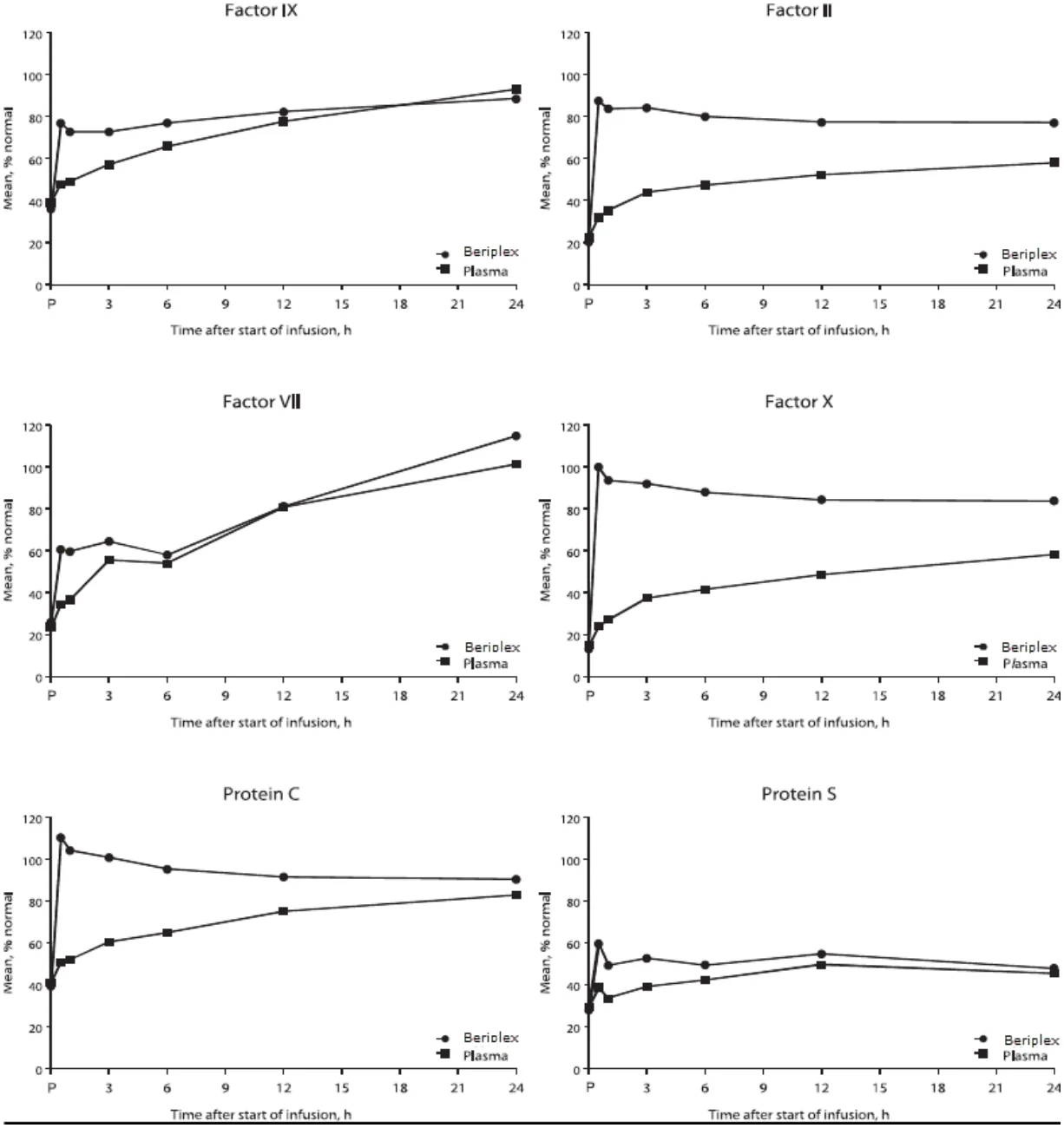
Time axis is scheduled measuring time: hours after start of infusion (P=pre-infusion)
14.2. Comparative Bioavailability Studies
Not applicable.
15. Microbiology
No microbiological information is required for this drug product.
16. Non-Clinical Toxicology
General toxicology
Toxicological animal studies were performed with either Beriplex® P/N or its predecessor Beriplex® HS. The difference between the two products is the addition of a nanofiltration step in the manufacturing of Beriplex® P/N to reduce potential virus burden. The nanofiltration step is only designed as a second virus inactivation step, no changes in the product are expected. Therefore the animal studies performed with Beriplex® HS are also valid for Beriplex® P/N.
Single-dose toxicity studies
The i.v. single-dose toxicity of Beriplex® HS was evaluated in mice and rats. Three groups of five male and five female mice received a single intravenous injection of Beriplex® HS at a dose of 20, 60 or 200 IU/kg. A fourth group of mice received an isotonic saline solution and served as control group. Criteria evaluated for compound effects included survival, clinical signs, body weight data and gross pathology. All mice tolerated the intravenous injection of Beriplex® HS. The 20 and 60 IU/kg doses were well tolerated whereas the 200 IU/kg dose induced mild signs of toxicity with one mouse died 4 days after injection.
The same study was carried out in rats as well except that the rats received Beriplex® HS at doses of 20, 50 or 100 IU/kg. All the rats tolerated the intravenous injection of Beriplex® and all the doses studied were well tolerated.
Three groups of 26 rats (13 male and 13 female each) received single i.v. doses of 50, 100 and 500 IU/kg b.w. Beriplex® P/N. A fourth group (8 male and 8 female) received isotonic saline and was used as control. For all groups 10 rats were allocated to the main study. The treatment groups were complemented by 16 animals for the assessment of toxicokinetics and the placebo group was complemented by 6 animals. During the observation period clinical signs, body weight, food consumption and survival was recorded. In addition coagulation, hematology, clinical chemistry and urinalysis were performed prior to necropsy. On day 5 after the treatment, the animals were sacrificed and subjected to a histopathological evaluation (including macroscopic changes at necropsy). Toxicokinetics was determined pre-dose and at 0.25, 1, 3, 8 hours, 1, 3 and 5 days after treatment. The no-observed-adverse-effect level (NOAEL) in this study was established at 100 IU /kg b.w.
Local tolerance studies
Two studies were conducted in the rabbit to assess the local tolerance of Beriplex® HS and Beriplex® P/N.
The first study was conducted in three groups of 8 rabbits (4 males and 4 females) who received Beriplex® HS at 100 IU/5 ml either as an intravenous (i.v.) or intra-arterial (i.a.) injection or at 2 IU/0.1 ml as a paravenous (p.v.) injection in the left ear. An isotonic saline solution was injected in the right ear in the same manner as the studied substance on the left ear and served as control.
Clinical signs during and after the injections were recorded and an histopathological analysis of the injection site was conducted 1 and 2 days after the i.v. or i.a. injections or 2 and 7 days after the p.v. injection.
Beriplex® HS caused slight to moderate tissue alteration up to 24 hours following its i.a., i.v. and 48 hours following its p.v. injection. Most of the animals had recovered from their local irritations by the end of the experiment and it was concluded that Beriplex® HS was moderately tolerable after i.v., i.a. or p.v. injection. One animal in the i.v. group presented with a thrombus. The latter was most likely due to a combination of blood vessel insult due to the injection itself and the high concentration of coagulation factors. It was therefore suggested that Beriplex® HS be administered as slow infusions.
In the second study, five male rabbits received a single 5 mL i.v. injection, containing 125 IU, of Beriplex® P/N into their right ear. An isotonic saline solution was injected under the same conditions in their left ear and served as control. Immediately after the injection and 3 days later, the injection sites were investigated and clinical signs recorded. Three days after the injection, a histopathological analysis of the injection site was conducted. Results showed that Beriplex® P/N was well tolerated following intravenous injection.
Other toxicity studies
A safety pharmacology study was performed with one male and one female beagle dog The effects of Beriplex® HS at a cumulative dose of 90 IU/kg b.w. (given as subsequent doses of 10, 20 and 60 IU/kg i.v. with 5 min. intervals) were evaluated. Cardiovascular, respiratory and clinical chemistry parameters were monitored over a 1 hour observation period.
Cardiovascular, respiratory, hematological (except a mild and reversible decrease of leukocyte and platelet numbers) and clinical chemistry parameters were not influenced by the treatment. In conclusion, Beriplex® HS was well tolerated in two beagle dogs up to a cumulative dose of 90 IU/kg b.w.
Two safety pharmacology studies with a cumulative dose of Beriplex® P/N of 350 IU/kg b.w. (25, 75 and 250 IU/kg i.v. with 5 min. intervals) were performed on a total of 24 (12 males and 12 females) beagle dogs. Possible effects on vital systems were evaluated by recording cardiovascular, respiratory and clinical chemistry parameters over a 1 hour observation period.
Cardiovascular parameters were not influenced by the treatment, except for an increase of systolic and diastolic blood pressure. This effect appeared not to be dose-dependent and is frequently observed in this type of studies following the application of high volumes. Thus it was concluded that Beriplex® P/N was well tolerated in beagle dogs at a cumulative dose of 350 IU/kg b.w.
Finally, a study on 12 beagle dogs (6 males and 6 females) was conducted to investigate the influence of Beriplex® P/N on the coagulation system. The animals were treated with a dose of 25 (group 2), 75 (group 3) and 250 (group 4) IU of Beriplex® P/N per kg b.w. intravenously. The control animals (group 1) were treated with the vehicle solution of Beriplex® P/N under the same conditions. The animals were monitored for 7 days after the administration of Beriplex® P/N or the vehicle.
Results showed that the administration of Beriplex® P/N evoked no signs of coagulation activation in the group treated with 25 IU/kg of Beriplex® P/N, a moderate one in the group treated with 75 IU/kg of Beriplex® P/N and a clear one in the group treated with 250 IU/kg of Beriplex® P/N. A clear sign of consumption of coagulation factors was not observed, since fibrinogen, Quick’s value, antithrombin III and platelet count did not change significantly.