


Product Monograph - Jivi (Bayer, 250 Unit)
RECENT MAJOR LABEL CHANGES
Not Applicable
TABLE OF CONTENTS
Sections or subsections that are not applicable at the time of authorization are not listed.
RECENT MAJOR LABEL CHANGES ...................................................................................................................... 2
TABLE OF CONTENTS .......................................................................................................................................... 2
PART I: HEALTH PROFESSIONAL INFORMATION ............................................................................................. 4
1 INDICATIONS .........................................................................................................................4
1.1 Pediatrics ..................................................................................................................................... 4
1.2 Geriatrics ..................................................................................................................................... 4
2 CONTRAINDICATIONS ............................................................................................................4
4 DOSAGE AND ADMINISTRATION .............................................................................................4
4.1 Dosing Considerations ................................................................................................................. 4
4.2 Recommended Dose and Dosage Adjustment ............................................................................ 5
4.3 Reconstitution ............................................................................................................................. 7
4.4 Administration ........................................................................................................................... 10
4.5 Missed Dose............................................................................................................................... 10
5 OVERDOSAGE ...................................................................................................................... 10
6 DOSAGE FORMS, STRENGTHS, COMPOSITION AND PACKAGING ............................................ 10
7 WARNINGS AND PRECAUTIONS ............................................................................................ 11
7.1 Special Populations .................................................................................................................... 12
8 ADVERSE REACTIONS ........................................................................................................... 13
8.1 Adverse Reaction Overview ....................................................................................................... 13
8.2 Clinical Trial Adverse Reactions ................................................................................................. 13
9 DRUG INTERACTIONS ........................................................................................................... 15
9.2 Drug Interactions Overview ....................................................................................................... 15
9.4 Drug-Drug Interactions .............................................................................................................. 15
9.5 Drug-Food Interactions .............................................................................................................. 15
9.6 Drug-Herb Interactions .............................................................................................................. 15
9.7 Drug-Laboratory Test Interactions ............................................................................................ 15
10 CLINICAL PHARMACOLOGY ................................................................................................... 16
10.1 Mechanism of Action ................................................................................................................. 16
10.2 Pharmacodynamics ................................................................................................................... 16
10.3 Pharmacokinetics ...................................................................................................................... 16
11 STORAGE, STABILITY AND DISPOSAL ..................................................................................... 19
12 SPECIAL HANDLING INSTRUCTIONS ....................................................................................... 19
PART II: SCIENTIFIC INFORMATION ................................................................................................................. 20
13 PHARMACEUTICAL INFORMATION ....................................................................................... 20
14 CLINICAL TRIALS ................................................................................................................... 21
14.1 Clinical Trials by Indication ........................................................................................................ 21
15 MICROBIOLOGY ................................................................................................................... 26
16 NON-CLINICAL TOXICOLOGY ................................................................................................. 26
PATIENT MEDICATION INFORMATION ........................................................................................................... 28
PART I: HEALTH PROFESSIONAL INFORMATION
1 INDICATIONS
JIVI (Antihemophilic Factor [Recombinant, B-domain deleted, PEGylated]) is indicated in previously treated adults and adolescents (≥12 years of age) with hemophilia A (congenital Factor VIII deficiency) for:
- Routine prophylactic treatment to prevent or reduce the frequency of bleeding episodes
- Control and prevention of episodic bleeding
- Peri-operative management of bleeding (surgical prophylaxis)
JIVI does not contain von Willebrand factor and is not indicated for the treatment of von Willebrand disease.
Safety and efficacy for previously untreated patients (PUPs) have not been studied.
1.1 Pediatrics
Pediatrics (<12 years of age): The safety and efficacy of JIVI has not been established in pediatric patients less than 12 years of age. JIVI is not indicated for use in children < 12 years of age due to a greater risk for hypersensitivity reactions (see 7.1.3 Pediatrics ).
1.2 Geriatrics
Geriatrics (>65 years of age): Clinical studies of JIVI did not include subjects aged 65 and over. Other reported clinical experience has not identified differences in responses between the elderly and younger patients (see 7.1.4 Geriatrics).
2 CONTRAINDICATIONS
- Antihemophilic Factor (Recombinant, B-domain deleted, PEGylated) is contraindicated in patients who have had prior anaphylactic reaction to this drug or its components, or to mouse or hamster protein. For a complete listing, see 6 DOSAGE FORMS, STRENGTHS, COMPOSITION AND PACKAGING.
4 DOSAGE AND ADMINISTRATION
4.1 Dosing Considerations
- Each vial of JIVI (Antihemophilic Factor [Recombinant, B-domain deleted, PEGylated]) is labelled with the actual Factor VIII potency expressed in International Units (IU). The labelled potency is based on the chromogenic substrate (CS) assay.
- The total recommended maximum dose per infusion is approximately 6000 IU (rounded to vial size) (see 4.2 Recommended Dose and Dosage Adjustment, Prophylaxis treatment).
- Treatment should be initiated under the supervision of a physician experienced in the treatment of hemophilia.
4.2 Recommended Dose and Dosage Adjustment
The dosage and duration must be individualized according to the patient's needs (weight, severity of disorder of the hemostatic function, the site and extent/severity of the bleeding and the Factor VIII level desired). The clinical effect of Factor VIII is the most important element in evaluating the effectiveness of treatment.
The calculation of the required dosage of Factor VIII is based on the empirical finding that 1 IU Factor VIII per kg body weight raises the plasma Factor VIII activity by 2.0% (1.5% to 2.5%) (or IU/dL).
Patients may vary in their pharmacokinetic and clinical response. Dose and frequency should be based on individual response.
The required dose of JIVI is determined using the following formulas:
Equation 1: Calculation of Required Dose Required dose (IU) = body weigℎt (kg) × desired % FVIII rise expected observed ⁄ recovery Example for a 70 kg adult: 70 kg × 100% 2%/IU/kg = 3500 IU required
Equation 2: Calculation of Expected % FVIII Increase Expected % FVIII increase = (# units administered) × 2%/ IU kg⁄ body weigℎt (kg) Example for a 70 kg adult: 1400 IU × 2%/ IU kg⁄ 70 kg = 40%
On-demand treatment
The dosage necessary to achieve hemostasis depends on the type and severity of the bleeding episode.
In the case of the following hemorrhagic events, the Factor VIII activity should not fall below the given plasma activity level (in % of normal or IU/dL) in the corresponding period. Table 1 can be used to guide dosing in bleeding episodes:
Table 1: Guidance for On-Demand Treatment and Control of Bleeding Episodes for Adolescents and Adults
| Degree of Hemorrhage/Hemorrhagic Event | Factor VIII Activity Level Required (% or IU/dL) | Recommended Dose (IU/kg) | Frequency of Doses (Hours) | Duration of Therapy |
|---|---|---|---|---|
Minor (e.g., early hemarthrosis, minor muscle, oral bleeds) | 20-40 | 10-20 | Repeat every 24-48 hours | Until bleeding is resolved |
Moderate (e.g., more extensive hemarthorosis, muscle bleeding, or hematoma) | 30-60 | 15-30 | Repeat infusion every 24-48 hours | Until bleeding is resolved |
Major (e.g., intracranial, intra-abdominal or intrathoracic hemorrhage; gastrointestinal bleeding; central nervous system bleeding; bleeding in the retropharyngeal or retroperitoneal spaces; or iliopsoas sheath, life or limb threatening hemorrhage) | 60-100 | 30-50 | Repeat infusion every 8 to 24 hours | Until bleeding is resolved |
Perioperative management
A guide for dosing JIVI during surgery (perioperative management) is provided in Table 2. Consideration should be given to maintaining a Factor VIII activity at or above the target range.
Table 2: Guidance for Perioperative Management (during surgery) for Adolescents and Adults
| Type of Surgery | Factor VIII Activity Level Required (% or IU/dL) | Recommended Dose (IU/kg) | Frequency of Doses (Hours) | Duration of Therapy (Days) |
|---|---|---|---|---|
Minor (e.g., tooth extraction) | 30-60 (pre- and post-operative) | 15-30 | Every 24 hours | At least 1 day, until healing is achieved |
Major (e.g., intracranial, intra-abdominal, intrathoracic, or joint replacement surgery) | 80-100 (pre- and post-operative) | 40-50 | Repeat dose every 12-24 hours | Until adequate wound healing, then therapy for at least another 7 days to maintain Factor VIII activity of 30-60% (IU/dL) |
Prophylaxis treatment
All treatment decisions for identifying appropriate prophylactic treatment regimens should be guided by clinical judgment based on individual patient characteristics and treatment response (see 14 CLINICAL TRIALS and 10.3 Pharmacokinetics).
The recommended initial regimen is 30-40 IU/kg twice weekly.
Based on the bleeding episodes, the regimen may be adjusted to 45-60 IU/kg every 5 days.
A regimen may be further individually adjusted to more or less frequent dosing.
Treatment monitoring
It is recommended that plasma Factor VIII activity levels of JIVI be measured using chromogenic substrate (CS) assays.
One-stage (OS) assays can be used with reagents and/or kits that have been validated to be compatible with accurate measurement of plasma Factor VIII activity levels of JIVI. For modified long-acting Factor VIII products, it is known that the results are dependent on the reference standard and activated partial thromboplastin time (aPTT) reagent used, resulting in a possible over- or under-estimation of Factor VIII activity. The suitability of the OS assay should be ascertained when selecting the reagents to be used for monitoring Factor VIII activity of JIVI.
Factor VIII activity of JIVI can be accurately measured in plasma using validated CS or OS assays, which was determined in a field study. All CS assays tested were able to accurately detect plasma Factor VIII activity levels of JIVI. For OS assays, aPTT reagents, such as ellagic acid based Actin FSL, as well as silica based SynthasIL and Pathromtin, demonstrated accuracy in measuring activity of JIVI.
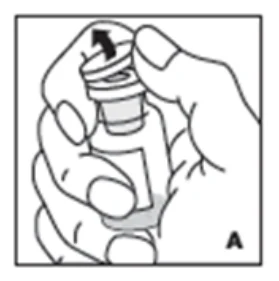
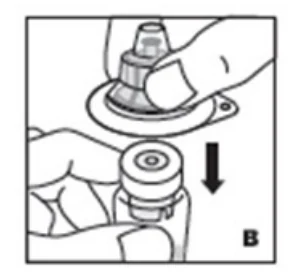
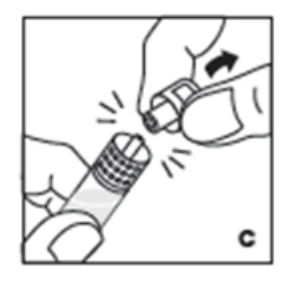
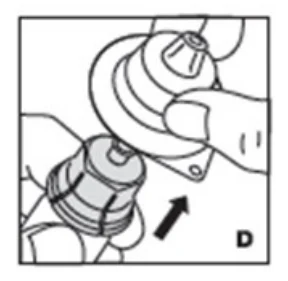
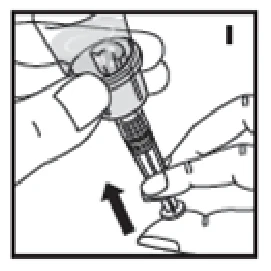
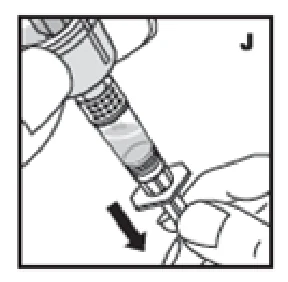
4.3 Reconstitution
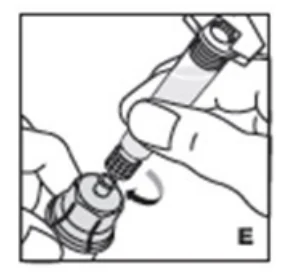
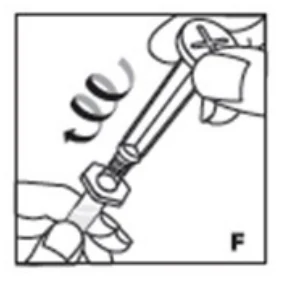
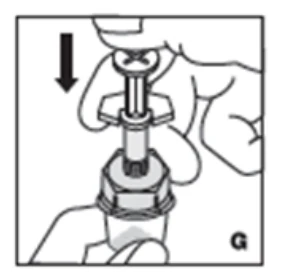
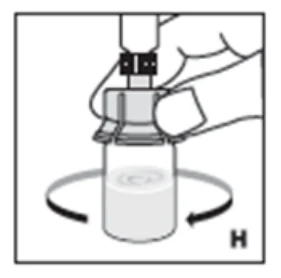
JIVI powder should only be reconstituted with the supplied diluent (2.5 mL Sterile Water for Injection) using the prefilled syringe. Reconstitution should be performed in accordance with good practices rules, with particular attention to asepsis.
If any component of the package is damaged or already opened, do not use this component. The reconstituted product must be filtered prior to administration to remove potential particulate matter in the solution. Filtering is achieved by using the provided Vial Adapter.
Always work on a clean surface and wash your hands before performing the following procedures:
| |
|---|---|
|  |
|  |
|---|---|
|  |
|  |
|  |
|  |
| |
|---|---|
| |
| |
| |
|
If the same patient is to receive more than one bottle, reconstitute each bottle with the diluent syringe provided then combine solutions in a larger syringe (not provided) and administer as usual.
Parenteral drug products should be inspected visually for particulate matter and discolouration prior to administration, whenever solution and container permit.
 | |
 | |
 | |
 | |
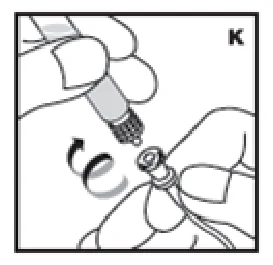 |
Table 3: Reconstitution of Parenteral Products
| Vial Size | Volume of Diluent to be Added to Vial | Approximate Available Volume | Nominal Concentration per mL |
|---|---|---|---|
| 250 IU | 2.5 mL | 2.5 mL | 100 IU/mL |
| 500 IU | 2.5 mL | 2.5 mL | 200 IU/mL |
| 1000 IU | 2.5 mL | 2.5 mL | 400 IU/mL |
| 2000 IU | 2.5 mL | 2.5 mL | 800 IU/mL |
| 3000 IU | 2.5 mL | 2.5 mL | 1200 IU/mL |
4.4 Administration
JIVI (Antihemophilic Factor [Recombinant, B-domain deleted, PEGylated]) with Vial Adapter (with a 15 micrometer filter) is a needleless system that prevents needlestick injuries during reconstitution (see 7 WARNINGS AND PRECAUTIONS, General).
Infuse JIVI intravenously over a period of 1 to 15 minutes, depending on the total volume. Adapt the rate of administration to the response of each individual patient (maximum infusion rate 2.5 mL/min).
- The reconstituted product must be administered intravenously.
- The product must be administered within 3 hours after reconstitution.
- It is recommended to use the administration set provided to minimize losses of product due to adsorption and volume retention.
- JIVI should not be mixed with other medicinal products or solvents.
4.5 Missed Dose
Patients should be advised to proceed immediately with a regular administration of JIVI and continue treatment at regular intervals as required.
Double doses are generally not required to compensate for forgotten individual doses.
5 OVERDOSAGE
No symptoms of overdose have been reported.
| For management of a suspected drug overdose, contact your regional poison control centre. |
6 DOSAGE FORMS, STRENGTHS, COMPOSITION AND PACKAGING
Table 4: Dosage Forms, Strengths, Composition and Packaging
| Route of Administration | Dosage Form/ Strength/Composition | Non-medicinal Ingredients |
|---|---|---|
| Intravenous | Lyophilized powder for injection 250, 500, 1000, 2000, 3000 IU/vial | Calcium chloride, Glycine, Histidine, Polysorbate 80, Sodium chloride, Sucrose |
JIVI (Antihemophilic Factor [Recombinant, B-domain deleted, PEGylated]) is a sterile, nonpyrogenic, preservative-free, white to slightly yellow lyophilized powder for reconstitution with water as diluent for intravenous (IV) injection. The product is supplied in single use vials containing dosage strengths of 250,
500, 1000, 2000 and 3000 International Units (IU) in 2.5 mL fill size. For each dosage strength, the actual assayed potency is directly printed on each vial label. The container closure system consists of a 10 mL, Type I glass vial sealed with a bromobutyl grey stopper and an aluminum crimp seal with plastic flip-off cap plus Vial Adapter. The Vial Adapter was designed to connect with the 2.5 mL sterile water for injection (sWFI), prefilled diluent syringe, EP, USP. JIVI is formulated with the following excipients for the final container: 59 mg glycine, 27 mg sucrose, 8.4 mg histidine, 4.7 mg sodium chloride, 1.0 mg calcium chloride dihydrate, and 0.216 mg polysorbate 80. The pH of the reconstituted product is pH of 6.6-7.0.
The specific activity of JIVI is approximately 10,000 IU/mg protein.
7 WARNINGS AND PRECAUTIONS
General
JIVI (Antihemophilic Factor [Recombinant, B-domain deleted, PEGylated]) is intended for the treatment of bleeding disorders as a consequence of a deficiency in coagulation Factor VIII. This deficiency should be confirmed prior to administering JIVI.
Reconstitution, product administration, and handling of the administration set must be done with caution. Percutaneous puncture with a needle contaminated with blood can transmit infectious viruses including HIV (AIDS) and hepatitis. Obtain immediate medical attention if injury occurs. Place needles in a sharps container after single use. Discard all equipment, including any reconstituted JIVI product in an appropriate container.
If a central venous access device (CVAD) is required, risk of CVAD-related complications including local infections, bacteremia and catheter site thrombosis should be considered.
Hemophilia A patients with cardiovascular risk factors or diseases may have the same risk to develop cardiovascular events as nonhemophilia patients when clotting has been normalized by treatment with Factor VIII.
Carcinogenesis and Mutagenesis
See 16 NON-CLINICAL TOXICOLOGY for details.
Hypersensitivity Reactions
Hypersensitivity reactions have occurred with JIVI (see Table 5). Early signs of hypersensitivity reactions could progress to anaphylaxis.
Patients should be made aware of potential early signs of hypersensitivity reactions, including chest tightness, dizziness, mild hypotension, nausea, and urticaria during infusion which could progress to anaphylactic reactions. Symptomatic treatment and therapy for hypersensitivity should be instituted as appropriate. If allergic or anaphylactic reactions occur, the injection/infusion should be stopped immediately. In case of anaphylaxis, the current medical standards for treatment should be observed.
Hypersensitivity reactions may also be related to antibodies against PEG [see Immune Response to Polyethylene Glycol (PEG)].
Immune Response to Polyethylene Glycol (PEG)
A clinical immune response associated with anti-PEG antibodies, manifested as symptoms of acute hypersensitivity and/or loss of drug effect has been observed, in the first 4 EDs, primarily in patients <6 years of age (10 out of 44) (see 10 CLINICAL PHARMACOLOGY, Pediatrics:). One patient ≥6 years of age
(1 out of 163) developed a hypersensitivity reaction on the 4th exposure day associated with increase in anti-PEG IgM antibodies. (see Hypersensitivity Reactions; 8 ADVERSE REACTIONS, Immunogenicity; and 10 CLINICAL PHARMACOLOGY, Pediatrics:). This clinical immune response was transient and occurred in the absence of Factor VIII inhibitors and patients were able to resume their previous effective Factor VIII therapy without delay.
In case of clinical suspicion of loss of drug effect, testing for Factor VIII inhibitors (see Inhibitors) and Factor VIII recovery is recommended.
A low post-infusion Factor VIII level in the absence of detectable Factor VIII inhibitors indicates that loss of drug effect is likely due to anti-PEG antibodies. JIVI should be discontinued and patients switched to a previously effective Factor VIII product.
Inhibitors
The formation of neutralizing antibodies (inhibitors) to Factor VIII is a known complication in the management of individuals with hemophilia A. These inhibitors are usually IgG immunoglobulins directed against the Factor VIII procoagulant activity, which are quantified in Bethesda Units (BU) per mL of plasma using the modified Bethesda assay.
In general, all patients treated with coagulation Factor VIII products should be carefully monitored for the development of inhibitors by appropriate clinical observations and laboratory tests.
Monitoring and Laboratory Tests
Monitor plasma Factor VIII activity by performing a validated test (one-stage assay or chromogenic substrate assay) to confirm the adequate Factor VIII levels have been achieved and maintained (see 4 DOSAGE AND ADMINISTRATION, Treatment monitoring).
Monitor for development of Factor VIII inhibitors. Perform a Bethesda inhibitor assay if expected Factor VIII plasma levels are not attained or if bleeding is not controlled with the expected dose of JIVI. Use Bethesda Units (BU) to report inhibitor titres.
7.1 Special Populations
7.1.1 Pregnant Women
JIVI should be used during pregnancy only if the potential benefit justifies the potential risk. Animal reproduction studies have not been conducted with JIVI. Experience regarding the use of Factor VIII during pregnancy is not available. It is also not known whether JIVI can cause fetal harm when administered to a pregnant woman or whether it can affect reproduction capacity.
7.1.2 Breast-feeding
Based on the very rare occurrence of hemophilia A in women, experience regarding the use of Factor VIII during breast-feeding is not available. Therefore, Factor VIII should be used during lactation only if clearly indicated.
7.1.3 Pediatrics
Pediatrics (<12 years of age): The safety and efficacy of JIVI has not been established in pediatric patients less than 12 years of age. JIVI is not indicated for use in children < 12 years of age due to a greater risk for hypersensitivity reactions. In completed clinical studies with 73 pediatric previously treated patients (PTPs) < 12 years of age (44 PTPs < 6 years, 29 PTPs 6 to < 12 years), adverse reactions due to an immune response to PEG were observed in children less than 6 years of age. In 23% of subjects in the age group < 6 years of age, loss of drug effect due to neutralizing anti-PEG IgM antibodies during the first 4 exposure days (EDs) was observed. In 7% of the subjects < 6 years of age, loss of drug effect was concurrent with hypersensitivity reactions.
7.1.4 Geriatrics
Geriatrics (>65 years of age): Clinical studies did not include patients over 65 years of age. As with any patient receiving rFVIII, dose selection for an elderly patient should be individualized.
In general, dose selection for an elderly patient should be cautious, usually starting at the low end of the dosing range, reflecting the greater frequency of decreased hepatic, renal, or cardiac function, and of concomitant disease and other drug therapy.
8 ADVERSE REACTIONS
8.1 Adverse Reaction Overview
The most frequently reported (≥5%) adverse reactions in clinical trials in PTPs were headache, cough and pyrexia (see Table 5).
8.2 Clinical Trial Adverse Reactions
Clinical trials are conducted under very specific conditions. The adverse reaction rates observed in the clinical trials; therefore, may not reflect the rates observed in practice and should not be compared to the rates in the clinical trials of another drug. Adverse reaction information from clinical trials may be useful in identifying and approximating rates of adverse drug reactions in real-world use.
A total of 221 subjects constituted the safety population from three studies. Subjects who received JIVI for perioperative management (n=17) with treatment period of 1 to 3 weeks were excluded from pooled safety analysis but included in analysis for inhibitor development. The median EDs for adults and adolescents (≥ 12 years of age) was 131 EDs (range: 1–309) per subject and the median EDs for subjects < 12 years of age was 53 EDs (range: 1–68) per subject.
Table 5: Adverse Reactions Reported for JIVI
MedDRA Standard System Organ Class Preferred term | Subjects ≥12 years of age N (%) N=148 | All Subjects N (%) N = 221 |
|---|---|---|
| Gastrointestinal Disorders | ||
| Abdominal pain | 5 (3.4%) | 9 (4.1%) |
| Nausea | 8 (5.4%) | 9 (4.1%) |
| Vomiting | 5 (3.4%) | 10 (4.5%) |
| General Disorders and Administration Site Conditions | ||
| Injection site reactions* | 2 (1.4%) | 4 (1.8%) |
| Pyrexia | 8 (5.4%) | 20 (9.0%) |
| Immune System Disorders | ||
| Hypersensitivity | 3 (2.1%) | 8 (3.6%) |
| Nervous System Disorders | ||
| Dizziness | 3 (2.0%) | 3 (1.4%) |
| Dysgeusia | 0 | 1 (0.5%) |
| Headache | 21 (14.2%) | 29 (13.1%) |
| Psychiatric Disorders | ||
| Insomnia | 4 (2.7%) | 5 (2.3%) |
| Respiratory, Thoracic and Mediastinal Disorders | ||
| Cough | 10 (6.8%) | 18 (8.1%) |
| Skin and Subcutaneous Tissue Disorders | ||
| Erythema** | 2 (1.4%) | 3 (1.4%) |
| Pruritus | 1 (0.7%) | 2 (0.9%) |
| Rash*** | 3 (2.0%) | 9 (4.1%) |
| Vascular Disorders | ||
| Flushing | 1 (0.7%) | 1 (0.5%) |
- * includes Injection site pruritus and Injection site rash
- ** includes Erythema and Erythema multiforme
- *** includes Rash and Rash papular
A total of 121 subjects continued in long-term safety extension studies. The median total time in study (main and extension study) for adults and adolescents (≥ 12 years of age) was 3.9 years (range 0.8 to 7.0 years) and patients accumulated a median of 224 EDs (range 23-698) per subject.
There was no change in the safety profile during the extension study for adults and adolescents (≥ 12 years of age).
Immunogenicity
Immunogenicity was evaluated during clinical trials with JIVI in 158 (including surgery patients) previously treated adolescents (≥12 years of age) and adults diagnosed with severe hemophilia A (FVIII <1%), and ≥150 previous EDs. One trial included 73 pediatric PTPs <12 years of age (refer to 10 CLINICAL PHARMACOLOGY, Pediatrics).
Factor VIII Inhibitors
No de novo or confirmed cases of inhibitor against Factor VIII occurred. A single unconfirmed positive result of a low titre of Factor VIII inhibitor (1.7 BU/mL) was reported in one adult patient undergoing surgery.
Anti-PEG Antibodies
Immunogenicity against PEG was evaluated by anti-PEG screening and specific IgM anti-PEG ELISA assays [see 7 WARNINGS AND PRECAUTIONS, Immune Response to Polyethylene Glycol (PEG)]. One patient (19 years of age) with pre-existing asthma, presented at 4 EDs with a clinical hypersensitivity reaction after infusion of JIVI. Subject reported headache, abdominal pain, and shortness of breath, and flushing, all of which resolved following standard asthma treatment. No further medical intervention was required. The event was associated with a transient increase of IgM anti-PEG anti-body titre, which was negative upon retest during follow-up.
No clinical immune response to PEG resulting in loss of drug efficacy or hypersensitivity was observed from the fifth ED through the end of the extension studies.
In the extension study, seven patients were transiently positive for anti-PEG antibodies with low titres at a single visit. One patient was transiently positive for both anti-JIVI and anti-PEG antibodies at a single visit. The detected antibodies had no known clinical significance.
9 DRUG INTERACTIONS
9.2 Drug Interactions Overview
Interactions with other drugs, food, herbal products and laboratory tests have not been established.
9.4 Drug-Drug Interactions
Interactions with other drugs have not been established.
9.5 Drug-Food Interactions
Interactions with food have not been established.
9.6 Drug-Herb Interactions
Interactions with herbal products have not been established.
9.7 Drug-Laboratory Test Interactions
Interactions with laboratory tests have not been established.
10 CLINICAL PHARMACOLOGY
10.1 Mechanism of Action
JIVI (Antihemophilic Factor [Recombinant, B-domain deleted, PEGylated]), a PEGylated form of recombinant antihemophilic factor, temporarily replaces the missing endogenous coagulation Factor VIII needed for effective prevention and control of bleeding episodes in congenital hemophilia A patients (see 10.3 Pharmacokinetics). PEGylation of the A3 domain reduces clearance of Factor VIII resulting in an extended half-life and increased AUC.
10.2 Pharmacodynamics
The activated partial thromboplastin time (aPTT) is prolonged in people with hemophilia. Determination of aPTT is a conventional in vitro assay for measuring biological activity of Factor VIII. Treatment with JIVI normalizes the aPTT similar to that achieved with plasma-derived Factor VIII. The administration of JIVI increases plasma levels of Factor VIII and can temporarily correct the coagulation defect in hemophilia A patients.
10.3 Pharmacokinetics
In a Phase I multi-centre, non-randomized, open-label, parallel-group design clinical trial, the pharmacokinetics (PK) of JIVI were evaluated and compared to KOGENATE FS following single- and multiple-dose administration in two cohorts of previously treated subjects aged 18 years of age and older with severe hemophilia A. Single doses of JIVI 25 IU/kg and 60 IU/kg, and KOGENATE FS 25 IU/kg and 50 IU/kg were given. PK was also evaluated after dosing with 25 IU/kg given twice weekly and 60 IU/kg given once weekly for 8 weeks. The PK parameters were based on plasma Factor VIII activity measured by the chromogenic substrate (CS) and one-stage clotting (OS) assays.
Compared with KOGENATE FS, JIVI had a reduced clearance that resulted in a ~1.4 fold increase in half-life based on CS assay (N=7; 25 IU/kg: 18.6 h vs. 13.3 h for JIVI and KOGENATE FS, respectively) and dose normalized AUC.
Compared with KOGENATE FS, JIVI had a reduced clearance that resulted in a 1.5-fold increase in half-life based on OS assay (N=7; 25 IU/kg: 21.4 h vs. 14.1 h for JIVI and KOGENATE FS, respectively) and dose normalized AUC.
The PK profile obtained at week 8, after repeated dosing, was consistent with the PK profile obtained after the first dose. Dose proportional increases in AUCnorm and Cmax,norm were observed between the doses of 25 and 60 IU/kg.
In a Phase II/III study, the PK of JIVI was investigated in 22 PTPs (≥12 years of age) with severe Hemophilia A following administration of single dose 60 IU/kg of JIVI prior to initiation of prophylactic treatment and in 16 subjects after 6 months of prophylaxis treatment with JIVI. The PK data demonstrate that JIVI provides better coverage over the dosing interval with prolonged circulating t½ and increased AUCnorm.
PK profile obtained in 16 patients, after repeated dosing over 6 months, was consistent with the PK profile after the first dose.
Table 6 summarizes the PK parameters after single dose based on plasma Factor VIII activity measured by the CS assay and OS assay.
Table 6: Pharmacokinetic Parameters (Arithmetic Mean ± SD) for JIVI following a Single Dose based on Chromogenic and One-stage assay
| Chromogenic assay | One-stage assay | |||
|---|---|---|---|---|
| PK Parameters (unit) | 25 IU/kg | 60 IU/kga | 25 IU/kg | 60 IU/kga |
| n=7 | n=29 | n=7 | n=29 | |
| AUC (IU*h/dL) | 1640 ± 550 | 4060 ± 1420 | 1640 ± 660 | 4150 ± 1060 |
| Cmax (IU/dL) | 64.2 ± 9.2 | 167 ± 30 | 69.4 ± 11.3 | 213 ± 71 |
| t½ (h) | 18.6 ± 4.6 | 17.9 ± 4.0 | 21.4 ± 13.1 | 17.4 ± 3.8 |
| MRTIV (h) | 26.7 ± 6.6 | 25.8 ± 5.9 | 29.0 ± 14.0 | 24.5 ± 5.4 |
| Vss (mL/kg) | 42.8 ± 5.0 | 39.4 ± 6.3 | 44.7 ± 5.4 | 36.0 ± 6.5 |
| CL (mL/h) | 142 ± 33 | 121 ± 53 | 146 ± 44 | 114 ± 41 |
| CL (mL/h/kg) | 1.68 ± 0.39 | 1.63 ± 0.52 | 1.74 ± 0.54 | 1.52 ± 0.38 |
| Recovery [(IU/dL)/(IU/kg)] | 2.13 ± 0.47 | 2.53 ± 0.43b | 2.21 ± 0.55 | 3.25 ± 0.84b |
AUC: area under the curve; Cmax: maximum drug concentration in plasma after single dose; t½: terminal half-life; MRTIV: mean residence time after an IV administration; VSS: apparent volume distribution at steady-state; CL: clearance
- a Combined data from Phase 1 and Phase 2/3 study
- b Recovery value could not be calculated for one subject
Based on data from Phase I and Phase II/III studies in subjects 12-65 years of age given 60 IU/kg of JIVI once weekly, JIVI has a prolonged mean t1/2 17.4 hours (OS assay) and 17.9 hours (CS assay).
In the Phase II/III main study pre-dose (trough) plasma levels were repeatedly collected in all patients at steady-state during prophylactic treatment; the results are presented in Table 7 by treatment regimen for patients ≥12 years.
Table 7: Trough Factor FVIII Levels (Arithmetic Mean ± SD) During Main Study Period in Patients ≥ 12 Years Following Different Prophylactic Treatment Regimens Based on Chromogenic Assay
| Treatment Regimen | 2 times per week 30-40 IU/kg | Every 5 days 45-60 IU/kg |
|---|---|---|
| Main Study | n=15 (Day 3) n=16 (Day 4) | n=32 |
| Trough (IU/dL) | Day 3: 6.8 ± 3.4 Day 4: 2.9 ± 2.1 | 2.4 ± 2.3 |
A population PK model was developed based on measurements (from dense PK sampling and all recovery samples) throughout the 3 clinical studies (N = 206). Table 8 provides PK parameters based on the population PK model.
Table 8: PK Parameters (geometric mean [%CV]) Based on Population PK Estimates, Using Chromogenic Substrate Assay
| PK parameter(unit) | 12 to <18 years of age N=12 | ≥ 18 years of age N=133 | Total (≥ 12 years) N=145 |
|---|---|---|---|
| AUC (IU*h/dL)* | 3441 (34.2) | 4052 (31.1) | 3997 (31.6) |
| AUCnorm (h*kg/dL) | 57.4 (32.6) | 67.5 (30.6) | 66.6 (31.0) |
| t1/2 (h) | 16.8 (25.2) | 17.4 (28.8) | 17.4 (28.4) |
| VSS (dL/kg) | 0.423 (15.5) | 0.373 (15.6) | 0.376 (15.9) |
| CL (dL/h/kg) | 0.0174 (34.2) | 0.0148 (31.1) | 0.0150 (31.6) |
AUC: area under the curve; AUCnorm: AUC normalized; t½: terminal half-life; VSS: apparent volume distribution at steady-state; CL: clearance
- * AUC calculated for a dose of 60 IU/kg
Incremental Recovery
For PTPs ≥12 years of age, summary statistics of FVIII recovery at start and end of treatment, and overall across all visits were calculated based on the one-stage and chromogenic assays for a total of 132 patients (see Table 9).
Table 9 :Overall Incremental FVIII Recovery [IU/dL per IU/kg]
| PROTECT VIII Main study (ITT population) | ||
|---|---|---|
| Chromogenic assay, N=131 | ||
| Median | 2.623 | |
| (Q1; Q3) | (2.333; 3.018) | |
| One-stage assay, N=132 | ||
| Median | 2.830 | |
| (Q1; Q3) | (2.427; 3.516) | |
N = number of patients, (on-demand and prophylaxis, combined)
Note: If a FVIII concentration value is below the lower limit of quantification (LLOQ), a data point with the value of one-half the LLOQ is used for calculation.
Overall FVIII recovery values are calculated across all visits for each patient first, and then across all patients, using valid FVIII pre- and post- infusion levels.
Special Populations and Conditions
Pediatrics:
Pediatrics (<12 years of age): In completed clinical studies with 73 pediatric PTPs (44 PTPs <6 years of age, 29 PTPs 6 to <12 years of age), adverse reactions due to immune response to PEG were observed in some children <≤6 years of age. Loss of drug effect due to neutralizing anti-PEG IgM antibodies during the first 4 EDs was observed in 23% of children <6 years of age. In 7% of the patients, loss of drug effect was combined with hypersensitivity reactions (see 7 WARNINGS AND PRECAUTIONS, Hypersensitivity Reactions). The immune response was transient. No triggers or predictors of the immune response to PEG could be identified.
JIVI is not indicated for use in previously untreated patients (PUPs).
JIVI is not indicated for use in pediatric patients <12 years of age.
Geriatrics:
Geriatrics (>65 years of age): Clinical studies did not include patients over 65 years of age. As with any patient receiving rFVIII, dose selection for an elderly patient should be individualized.
Hepatic Insufficiency:
Dose adjustment for patients with hepatic impairment has not been studied in clinical trials.
Renal Insufficiency:
Dose adjustment for patients with renal impairment has not been studied in clinical trials.
11 STORAGE, STABILITY AND DISPOSAL
JIVI (Antihemophilic Factor [Recombinant, B-domain deleted, PEGylated]) should be stored under refrigeration (2-8°C). Do not freeze.
Keep the vial and the pre-filled syringe in the outer carton in order to protect from light.
Do not use beyond the expiration date indicated on the labels and cartons.
The lyophilized powder may be stored at a temperature up to 25°C for 6 months or up to 30°C for 3 months, such as in home storage situations.
If the product is stored outside the refrigerator, please add the date removed from refrigeration and note a new expiry date on the carton and vial. The new expiry date should be 6 months (25°C) or 3 months (30°C) from the date product is removed from the refrigerator, or the previously stamped expiry date, whichever is shorter. Once product is removed from refrigeration, it cannot be returned to the refrigerator.
After reconstitution, the product should be used immediately (within 3 hours).
12 SPECIAL HANDLING INSTRUCTIONS
Not applicable.
PART II: SCIENTIFIC INFORMATION
13 PHARMACEUTICAL INFORMATION
Drug Substance
| Proper name: | Antihemophilic Factor (Recombinant, B-domain deleted, PEGylated) |
|---|---|
| Chemical name: | Antihemophilic Factor (Recombinant), PEGylated |
| Molecular formula and molecular mass: | C3895H5939N1029O1140S29 for the heavy chain (excludes signal peptide but includes the linker peptide) C3550H5401N955O1026S34 for the light chain The average molecular weight of Antihemophilic Factor (Recombinant, B-domain deleted, PEGylated) is approximately 234 kDa. |
| Structural formula: | |
| Physicochemical properties: | Antihemophilic Factor (Recombinant, B-domain deleted, PEGylated) Drug Product is white to slightly yellow solid before reconstitution and clear colourless liquid after reconstitution with water for injection. The reconstituted Drug Product has a nominal pH of 6.8. |
Product Characteristics
JIVI (Antihemophilic Factor [Recombinant, B-domain deleted, PEGylated]) is a B-domain deleted (BDD) recombinant human coagulation FVIII molecule which is site-specifically conjugated with polyethylene glycol to prolong its half-life (therapeutic activity) in circulation while retaining full biological coagulant activity. JIVI is produced by site-specific conjugation of the BDD-rFVIII variant K1804C at the cysteine amino acid position 1804 (within the A3 domain) with a single maleimide-derivatized, 60 kilodalton (kDa) branched PEG (two 30 kDa PEG) moiety. The A3 domain was selected for conjugation to provide a consistent coagulation activity, high PEGylation efficiency, and to conceal an epitope region for inhibitors. The BDD-rFVIII variant corresponds to amino acids 1-754 and 1649-2332 of human blood coagulation Factor VIII with a heavy-chain (A1 and A2 domains) and a light-chain (A3, C1 and C2 domains) heterodimer (linked by a metal bridge).
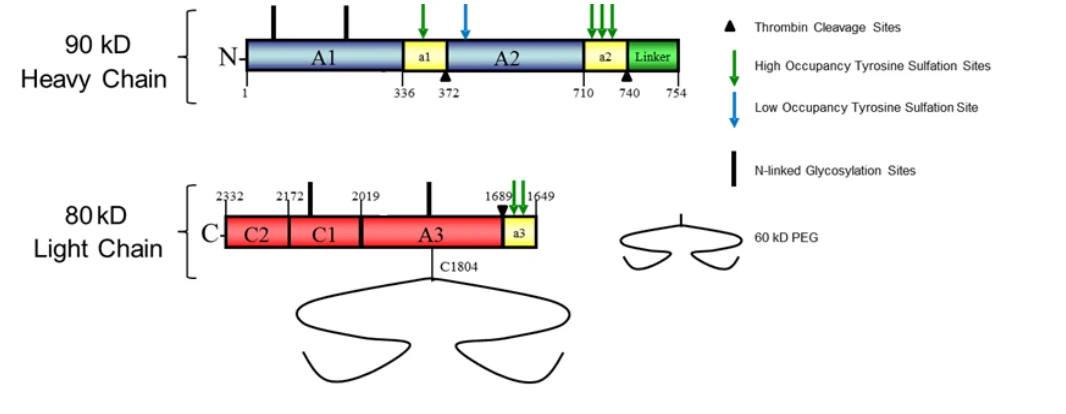 |
The molecular weight of the protein is approximately 234 kDa based on the calculated average molecular weight of the BDD-rFVIII variant of 165 kDa, plus glycosylation (~4 kDa), and the average molecular weight of the single maleimide-derivatized 60 kDa branched PEG moiety. Functional characterization of JIVI shows comparable mechanism of action to that of rFVIII product with a prolonged plasma half-life (see 10.3 Pharmacokinetics).
The active protein (or starting molecule), prior to conjugation is a recombinant BDD rFVIII produced by recombinant DNA technology in Baby Hamster Kidney (BHK) cells and the conjugated protein is prepared without the addition of any human- or animal- derived protein. This applies to the cell culture process, purification, site-specific PEGylation and final formulation. The manufacturing process of JIVI involves propagation of the recombinant production cell line with the harvest isolation process consisting of continuous filtration of tissue culture fluid and anion exchange chromatography on a membrane adsorber capsule.
Viral Inactivation
The process intermediate is purified from process- and product-related impurities using a series of chromatography and filtration steps including 20 nm viral filtration, prior to conjugation to the 60 kDa maleimide PEG moiety. The mono-PEGylated JIVI active molecule is separated from product-related species by chromatography and then formulated by ultrafiltration. The cell culture, PEGylation, purification process and formulation used in the manufacture of JIVI do not use any additives of human or animal origins.
14 CLINICAL TRIALS
14.1 Clinical Trials by Indication
Previously treated adults and adolescents (≥12 years of age) with hemophilia A
The pharmacokinetics, safety and efficacy of JIVI (Antihemophilic Factor [Recombinant, B-domain deleted, PEGylated]) for on demand treatment, perioperative management of bleeding and routine prophylaxis in subjects with severe hemophilia A was evaluated in a clinical study (PROTECT VIII). Immunocompetent male subjects with severe hemophilia A (Factor VIII activity <1%) and no history of Factor VIII inhibitors were eligible for the trial.
Table 10: Summary of Patient Demographics for Clinical Trial in On demand Treatment, Peri-operative Management of Bleeding and Prophylaxis
| Study # | Trial Design | Dosage, route of administration, and duration | Study subjects (n) | Median Age (Range) (years) | Sex |
|---|---|---|---|---|---|
| Study 1 (PROTECT VIII) | Multi-national, open-label, uncontrolled, partially randomized | Part A: On-demand arm:
Prophylaxis arm:
Part B: Peri-operation, 3 weeks Optional: Extension Part A patients to accumulate at least 100 EDs Part B | 20 114 16 121 7 | 48 (22-61) 33 (12-62) 42 (13-61) 36 (12-62) 37 (13-61) | male |
Study 1 (PROTECT VIII): A multi-national, open-label, uncontrolled, partially randomized study in adolescents and adults (age 12 to 65 years of age) PTPs (≥150 EDs). Part A of the study evaluated the pharmacokinetics (single dose of 60 IU/kg), safety and efficacy of JIVI for on-demand treatment and routine prophylaxis with three regimens. Safety and efficacy of JIVI in hemostasis during major surgical procedures was evaluated in Part B. The main study duration (Part A) was 36 weeks. An optional extension study included patients completing Part A to accumulate at least 100 EDs. The primary efficacy variable was annualized bleed rate (ABR).
In Part A of this study, a total of 134 PTPs (including 13 subjects aged 12 to 17 years) received at least one infusion of JIVI and 132 subjects were evaluable for efficacy (see Table 11). One hundred and twenty-six (126) (94%) subjects completed the main study (prophylaxis group: N=108; on-demand group; N=18). The median time in the main study for the prophylaxis arms was 255 days with 59 EDs.
A total of 121 subjects continued treatment in the extension study (107 subjects received prophylaxis; 14 subjects continued on-demand treatment), for a median of 3.2 years (range 0.1 – 6.3 years). Thirty-six (36) subjects were treated for a total of ≥ 5 years. One hundred and ten (110) subjects were treated for at least 100 EDs.
Table 11: Overview of Study 1 (PROTECT VIII – Part A Main) for Adolescent and Adult PTPs (≥12 Years of Age)
PROTECT VIII – Part A Main N=134 | ||||||
|---|---|---|---|---|---|---|
On demand (N=20) | Prophylaxisa (N=112) | |||||
Previous Factor VIII treatment type: n (% ) On-Demand (episodic) Prophylaxis | 20 (100.0%) 0 (0%) | 23 (20.5%) 89 (79.5%) | ||||
| # of Target joints at baseline: (mean; SD) | 2.5 ± 2.1 | 1.5 ± 1.5 | ||||
Joint hemorrhage history (mean #; SD of joint bleeds during 12 months prior study) | 23.6 ± 18.8 | 9.5 ± 15.2 | ||||
- a Comprises all prophylaxis regimens (week 10-36); 2 subjects dropped out after single infusion, 2 additional patients dropped out during run-in without efficacy data.
The treatment of breakthrough bleeds and perioperative management were at the investigator’s discretion based on standard of care.
Efficacy in Routine Prophylaxis
In Study 1 (PROTECT VIII), one hundred and ten (110) subjects received JIVI for prophylaxis during main efficacy period (week 10-36). Of these, total of 107 subjects participated in an optional extension study.
All (N = 110) subjects in the prophylaxis treatment arms began treatment with twice weekly infusions of 25 IU/kg for 10 weeks (run-in phase). Eighty-eight percent of subjects (97 of 110) experienced ≤1 breakthrough bleeds during run-in phase and qualified for randomization (1:1) to an extended dosing interval of either every 5 days or once-weekly for an additional 26 weeks (Week 10-36; [26 weeks, approx. 6.5 months]). Subjects (N = 43) assigned to the every 5 day treatment regimen began treatment with a dose of 45 IU/kg (up to 60 IU/kg). Forty-three (43) subjects assigned to the every 7 day treatment regimen were treated with a fixed dose of 60 IU/kg (maximum total dose approximately 6000 IU, rounded to full vials). Eleven (11) subjects eligible for randomization remained on the 2 times per week treatment because the limit in the randomization groups was reached. Subjects (N = 13) ineligible for randomization, experienced ≥2 spontaneous bleed during 10 week run-in phase continued on 2 times per week dosing frequency (30-40 IU/kg) for the additional 26 weeks.
The compliance for prophylaxis treatment was nearly 100% for all regimens.
Prophylaxis dose per treatment regimen is summarized in Table 12. In the main part of the study (Week 10-36), the majority (99/110 [90 %]) of subjects did not change their treatment regimens. All subjects in the every 5-day regimen (43/43) and 2 times per week regimens (24/24) remained in their assigned treatment arm until Week 36.
During the extension study, most patients continued their treatment regimen of the main study. Twenty-three (23) patients were treated 2 times per week, 33 patients every 5-days, 23 patients every 7 days, and 28 patients changed treatment regimens (variable frequency). The median prophylaxis dose per infusion was 47.8 IU/kg. Patients treated 2 times per week and every 5 days reported a median prophylaxis dose per infusion (range) of 37.5 IU/kg (27-43 IU/kg) and 46.2 IU/kg (41-60 IU/kg), respectively, and a mean (±SD) total annual dose (IU/kg/year) of 3881.82 (±711.51) and 3648.80 (±500.84), respectively.
Table 12: Prophylaxis Treatment Adolescents and Adults – Treatment Exposure
| PROTECT VIII Main Study (Part A)a (Week 10-36) | |||
|---|---|---|---|
| Patients per regimen (n) | 2 times per week 30-40 IU/kg | Every 5 days 45-60 IU/kg | |
| n) | Eligible for randomizationb | Ineligible for randomizationc | |
| Patients per regimen (n) | N=11 | N=13 | N=43 |
| Median prophylaxis dose/infusion (range) | 30.6 IU/kg (29-41 IU/kg) | 39.2 IU/kg (33-42 IU/kg) | 45.3 IU/kg (39-58 IU/kg) |
Total dose (IU/kg/year) (Mean ± SD) | 3341.1 ± 381.7 | 4497.8 ± 653.4 | 3671.8 ± 637.3 |
- a Main efficacy period, 26 week treatment periods
- b Eligible for randomization - Subjects completed the run-in phase after the every 5- and 7-day arms were filled; remained in the 2 times per week arm
- c Ineligible for randomization - Subjects with ≥ 2 spontaneous bleeds during the first 10 weeks.
The ABR was calculated based on the time treated in the assigned treatment regimen (see Table 13).
During the 26-week treatment period, the median ABR was 2.09 for all prophylaxis groups combined. Forty-two (42) subjects (38.2%) in the prophylaxis arms had no bleeds during the 26-week period. For subjects in the on-demand group, median ABR was 23.42. The ABR was significantly lower (p<0.0001) with each of the prophylaxis compared to on-demand treatment as calculated by the negative binomial regression model. The ABR by regimen is summarized in Table 13.
The median ABR in the every 7 days treatment arm was 3.85 for the ITT population. Twenty-six percent of subjects in this arm experienced bleeding and moved to more frequent dosing during Part A of Study 1.
During the extension study, the overall median (Q1; Q3) total ABR was 1.49 in the combined prophylaxis groups and 34.1 (20.3; 36.6) in the on-demand group. The median (Q1; Q3) total and joint ABR was 1.6 (0.8; 3.6) and 0.7 (0; 1.7) in the 2 times per week treatment arm, respectively, and 1.2 (0; 4.6) and 1.0 (0; 3.7) in the every 5 day treatment arm, respectively.
Table 13: ABR (median [Q1, Q3]) in Adults and Adolescents by Treatment Regimen, PROTECT VIII Main Study
| PROTECT VIII Main Study (Week 10-36) | ||||
|---|---|---|---|---|
| N = number of patients | 2times per week 30-40 IU/kg | Every 5 days 45-60 IU/kg | On-demanda | |
Eligible for randomization N=11 | Ineligible for randomization N = 13 | N=43 | N=20 | |
| ABR Median (Q1; Q3) | ||||
| All Bleeds | 1.93 (0.0; 5.24) | 4.11 (2.0; 10.6) | 1.93 (0.0; 4.23) | 24.1 (17.8; 37.3) |
| Spontaneous Bleeds | 0.0 (0.0; 1.93) | 3.87 (0.0; 4.11) | 0.0 (0.0; 3.99) | 14.3 (7.3; 22.7) |
| Joint Bleeds | 1.93 (0.0;5.24) | 4.01 (1.98; 8.03) | 1.86 (0.0; 3.99) | 16.3 (11.6; 30.3) |
| Subjects with Zero Bleeding Episodes % (n) | 45.5% (5) | 15.4% (2) | 44.2% (19) | 0 (0) |
- a The treatment period for on-demand was Weeks 0-36.
Efficacy in Control of Bleeding Episodes
A total of 386 bleeding episodes were treated with JIVI during Week 0 to 36 in the on-demand arm and 316 in all prophylaxis groups combined.
The majority of bleeds were successfully treated with 1 or 2 infusions in approximately 90% of the subjects in both the on-demand and prophylaxis groups (see Table 14). The median time interval between 1st and 2nd infusion was 1 day. The subjects’ assessment of response to treatment in the electronic patient diary (EPD) (ie, adequacy of hemostasis for treatment of bleeds based on a 4-point scale: excellent, good, moderate, poor) was available for 693 of 702 bleeding episodes during the main study, and rated as either good or excellent in 73.3% of treatment, 23.4% were rated as moderate and 3.3% as poor.
During the extension study, in the on-demand arm (N=14) and combined prophylaxis arms (N=107), 1086 and 816 bleeds were treated with JIVI, with 95.1% and 92.4% of bleeds being treated with 1 or 2 infusions, respectively. The response to treatment of bleeds was assessed as “Excellent” or “Good” for 81.1% and 85.2% of bleeds in the on-demand and combined prophylactic arms, respectively.
Table 14: On-demand Treatment and Control of Bleeding Episodes
| Characteristics of Bleeding Episodes | PROTECT VIII Main Study | |
|---|---|---|
On Demand N = 20 | Total Prophylaxis N = 112 | |
| Total number of bleeds treated | 386 | 316 |
| % of bleeds treated with | ||
| 1 infusion | 307 (79.5%) | 262 (82.9%) |
| 1 or 2 infusions | 352 (91.2%) | 284 (89.9%) |
| ≥ 3 infusions | 34 (8.8%) | 32 (10.1%) |
| Response to treatment of bleeds assessed as “Excellent” or “Good”: n/total (%) | 252 (65.8%) | 256 (82.6%) |
Excellent: Abrupt pain relief and/or improvement in signs of bleeding with no additional infusion administered
Good: Definite pain relief and/or improvement in signs of bleeding, but possibly requiring more than one infusion for complete resolution
Moderate: Probable or slight improvement, with at least one additional infusion for complete resolution
Poor: No improvement or condition worsened.
Perioperative Management
A total of 17 subjects successfully completed 20 major surgeries in Part B using JIVI for hemostasis. Fourteen major surgeries were orthopedic joint surgeries (3 arthroplasties, 6 joint replacements and 3 synovectomies, 2 other joint procedures). For all 20 major surgeries, treatment with JIVI provided ‘good’ or ‘excellent’ hemostatic control. The initial JIVI pre-surgery doses administered ranged between 2500 and 5000 IU. The median total dose per surgery was 16,250 IU (218.8 IU/kg) with a median of 35.1 IU/kg/infusion.
A total of 34 minor surgeries performed in 19 subjects were reported during Part A of the main or extension study. More than half of these surgeries were dental procedures. No subjects required blood transfusions. The adequacy of hemostasis during minor surgeries was assessed as either “good” or “excellent” in all reported cases. No hemostasis-related complications were reported.
15 MICROBIOLOGY
No microbiological information is required for this drug product.
16 NON-CLINICAL TOXICOLOGY
General Toxicology:
The single-dose, and repeated-dose nonclinical systemic toxicity studies in rats and rabbits did not identify any adverse effects related to JIVI or PEG.
Single dose studies in rats with the radiolabeled PEG moiety showed that there was no indication of retention or irreversible binding of radioactivity in the animal body. Specifically, no residual radioactivity was detected in the brain, indicating that the radio-labelled PEG compound did not cross the blood brain barrier. PEG 60 kDa moiety when tested alone did not show any toxicity after acute or repeated administration over 4 weeks in rats and rabbits at high doses. Excretion of the 60 KDa PEG moiety of JIVI via urine and feces was demonstrated in rats.
No adverse effects were observed in immune-deficient rats intravenously injected with JIVI (40–1200 IU/kg/injection), twice weekly for 26 weeks in a chronic study. No evidence of accumulation of the PEG component of JIVI was detected by immunohistochemical staining in the brain (including the choroid plexus), spleen, or kidneys in animals sacrificed at 13 and 26 weeks. PEG was not detected in the cerebrospinal fluid.
No indication of any local intolerance was seen at the IV injection sites in rats and rabbits.
Genotoxicity:
Genotoxicity studies conducted with the PEG 60 kDa component of JIVI showed no indication of genotoxicity.
Carcinogenicity:
No carcinogenicity studies were conducted. Due to its mechanism of action limited to the coagulation cascade. In general PEG molecules of various sizes, and Factor VIII products are not genotoxic, have been used in patients for many years, and have not shown any indication of a carcinogenic potential.
Reproductive and Developmental Toxicology:
Embryo-fetal development has not been assessed in animals since the patient population is mainly male.
Reproductive organs were evaluated by histology in the systemic toxicity studies. No effect on male and female reproductive organs was seen in repeated administration toxicity studies.
Juvenile Toxicity:
Studies in juvenile animals (rat) did not identify age specific effects.