


Product Monograph - Afstyla
SUMMARY PRODUCT INFORMATION
| Route of Administration | Dosage Form / Strength | Clinically Relevant Nonmedicinal Ingredients |
| Intravenous (IV) | Lyophilized powder with diluent for reconstitution: 250 IU1/vial, 500 IU/vial, 1000 IU/vial, 1500 IU/vial, 2000 IU/vial, 2500 IU/vial, 3000 IU/vial | Calcium chloride, L-Histidine, Polysorbate 80, Sodium chloride, Sucrose. For a complete listing see the section DOSAGE FORMS, COMPOSITION AND PACKAGING. |
DESCRIPTION
AFSTYLA (Antihemophilic Factor VIII (Recombinant), SingleChain) is a single-chain recombinant Factor VIII (rVIII-SingleChain) produced in Chinese hamster ovary (CHO) cells.
AFSTYLA is a preservative-free, sterile, non-pyrogenic, lyophilized white or slightly yellow powder or friable mass (“loose cake”) to be reconstituted with Sterile Water for Injection (diluent, included with the product) for intravenous injection. AFSTYLA is available in single-use vials containing the labeled amount of Factor VIII (FVIII) activity, expressed in IU. Each vial contains nominally 250, 500, 1000, 1500, 2000, 2500 or 3000 IU of AFSTYLA. AFSTYLA is purified by a controlled multi-step process including two dedicated virus reduction steps complementing each other in their mode of action (see section PHARMACEUTICAL INFORMATION, subsection Viral Inactivation).
1 The number of units of Factor VIII administered is expressed in IU, which are related to the current WHO standard for Factor VIII products. One IU of Factor VIII activity in plasma is equivalent to that quantity of Factor VIII in 1 mL of normal plasma. Factor VIII activity in plasma is expressed either as a percentage (relative to normal human plasma) or in IU (relative to an International Standard for Factor VIII in plasma).
INDICATIONS AND CLINICAL USE
AFSTYLA (Antihemophilic Factor VIII (Recombinant), SingleChain) is a recombinant DNA-derived, antihemophilic factor indicated in adults and children with hemophilia A (congenital Factor VIII deficiency) for:
- Control and prevention of bleeding episodes,
- Routine prophylaxis to prevent or reduce the frequency of bleeding episodes,
- Perioperative management of bleeding (surgical prophylaxis).
Safety and efficacy data are not available for previously untreated patients (PUPs).
AFSTYLA is not indicated for treatment of Von Willebrand disease.
Geriatrics (> 65 years of age):
See section WARNINGS AND PRECAUTIONS, subsection Special Populations.
Pediatrics (< 18 years of age):
See section WARNINGS AND PRECAUTIONS, subsection Special Populations.
CONTRAINDICATIONS
AFSTYLA (Antihemophilic Factor VIII (Recombinant), SingleChain) is contraindicated in patients who have had life-threatening hypersensitivity reactions, including anaphylaxis to AFSTYLA or any of its components, or hamster protein (for a complete listing, see section DOSAGE FORMS, COMPOSITION AND PACKAGING).
WARNINGS AND PRECAUTIONS
Hypersensitivity Reactions
Allergic-type hypersensitivity reactions, including anaphylaxis, are possible with AFSTYLA. Patients should be informed of the early signs of hypersensitivity reactions that may progress to anaphylaxis (including hives, generalized urticaria, tightness of the chest, wheezing, hypotension and pruritus). Immediately discontinue administration and initiate appropriate treatment if hypersensitivity reactions occur.
For patients with previous hypersensitivity reactions, pre-medication with antihistamines may be considered.
Inhibitors
Formation of neutralizing antibodies (inhibitors) to Factor VIII has been reported following administration of Factor VIII products, including AFSTYLA. Previously untreated patients (PUPs) are at greatest risk for inhibitor development with all Factor VIII products, including AFSTYLA. Patients should be monitored for the development of neutralizing antibodies (inhibitors) by appropriate clinical observations and laboratory tests. If expected Factor VIII plasma activity levels are not attained, or if bleeding is not controlled after AFSTYLA administration, the presence of an inhibitor (neutralizing antibody) should be suspected. If such inhibitors occur, the condition will manifest itself as an insufficient clinical response.
Catheter-related complications
If a central venous access device (CVAD) is required, risk of CVAD-related complications including local infections, bacteremia and catheter site thrombosis should be considered.
Sexual Function/Reproduction
Animal reproduction studies have not been conducted with AFSTYLA.
Special Populations
Pregnant Women:
No developmental or animal reproduction toxicity studies were conducted with AFSTYLA. Thus, the risk of developmental toxicity including structural abnormalities, embryo-fetal and/or infant mortality, functional impairment, and alterations to growth cannot be evaluated. Because Factor VIII is an endogenous protein, effects on embryotoxicity by Factor VIII are not expected. AFSTYLA should be given to a pregnant woman only if clearly needed.
Nursing Women:
No animal studies were performed investigating the excretion of AFSTYLA into milk or its effect on lactation. Given that Factor VIII is an endogenous protein, effects on lactation by Factor VIII are not expected. Use AFSTYLA only if clearly needed when treating a nursing woman.
Pediatrics (<18 years of age):
Fourteen adolescent subjects (≥12 to <18 years) were enrolled in the adult and adolescent safety and efficacy trial, and 35 subjects (0 to <6 years) and 49 subjects (≥6 to <12 years) were enrolled in a pediatric trial (see sections ADVERSE REACTIONS, ACTION AND CLINICAL PHARMACOLOGY, and CLINICAL TRIALS).
Pharmacokinetic studies in children have demonstrated a shorter half-life and lower recovery of Factor VIII compared to adults. Because clearance (based on per kg body weight) has been shown to be higher in the pediatric population (0 to <12 years), higher and/or more frequent dosing based on body weight may be needed (see section ACTION AND CLINICAL PHARMACOLOGY).
The listed warnings and precautions apply both to adults and children.
Geriatrics (> 65 years of age):
Clinical studies of AFSTYLA did not include subjects aged over 65 years.
Monitoring and Laboratory Tests
- Factor VIII plasma activity in patients receiving AFSTYLA can be monitored using either a chromogenic substrate assay or a one-stage clotting assay due to the consistent and predictable discrepancy in factor VIII activity measurements between the two assay formats. Efficacy results of a large pivotal clinical study confirmed that the chromogenic substrate assay results most accurately reflect the clinical hemostatic potential. Therefore the chromogenic substrate assay should be used to determine factor VIII activity in patient samples if available. If the one-stage method is used to determine factor VIII activity in patient samples, results should be interpreted taking into account that one-stage assay results are approximately 45% lower than those of the chromogenic substrate assay (i.e. the one-stage assay results can be aligned to chromogenic substrate acquired results by multiplying the one-stage result with 2).
- Monitor for the development of Factor VIII inhibitors. Perform a Bethesda inhibitor assay if expected factor VIII plasma levels are not attained or if bleeding is not controlled with the expected dose of AFSTYLA. Use Bethesda Units (BU) to report inhibitor levels.
ADVERSE REACTIONS
Adverse Drug Reaction Overview
The most common adverse reactions (≥ 1% of subjects) reported in clinical trials were rash, pyrexia, dizziness, hypersensitivity, and paraesthesia.
A single serious adverse reaction of hypersensitivity was reported in clinical trials with AFSTYLA. This event was controlled by administration of steroids and antihistamines allowing hospital discharge on the day of the event.
Clinical Trial Adverse Drug Reactions
Because clinical trials are conducted under very specific conditions the adverse reaction rates observed in the clinical trials may not reflect the rates observed in practice and should not be compared to the rates in the clinical trials of another drug. Adverse drug reaction information from clinical trials is useful for identifying drug-related adverse events and for approximating rates.
Completed Clinical Trials:
In the completed Study 1001 (12 to 64 years), the 174 subjects treated had a mean (SD) of 82.2 (61.35) Exposure Days (EDs) and a mean (SD) study duration of 258.8 (163.52) days (ie, 8.5 months and 52 (29.9%) subjects achieved at least 100 EDs.
In the completed Study 3002 (1 to 11 years), the 84 subjects treated had a mean (SD) of 62.4 (24.73) EDs and a mean (SD) study duration of 183.5 (61.16) days (ie, 6.0 months). There were 65 (77.4%) subjects who had achieved at least 50 EDs and 8 (9.5%) subjects who had achieved at least 100 EDs.
During completed clinical trials with AFSTYLA conducted in 258 adult and pediatric Previously Treated Patients, there were 475 adverse events reported in 177/258 (68.6%) subjects who received a total of 19,905 injections. Of these 475 events, 20 (4.2%) were reported as related to AFSTYLA in 14/258 (5.4%) subjects.
Hypersensitivity or allergic reactions (which may include angioedema, burning and stinging at the injection site, chills, flushing, generalized urticaria, headache, hives, hypotension, lethargy, nausea, restlessness, tachycardia, tightness of the chest, tingling, vomiting, wheezing) have been observed with the use of factor VIII products and may in some cases progress to severe anaphylaxis (including shock) (see section WARNINGS AND PRECATUIONS, subsection Hypersensitivity Reactions). Hypersensitivity reactions were observed in clinical trial of AFSTYLA (see Table 1), no anaphylactic reactions were reported.
Patients with hemophilia A may develop neutralizing antibodies (inhibitors) to factor VIII, including AFSTYLA. If such inhibitors occur, the condition will manifest itself as an insufficient clinical response. No such reactions have been identified in clinical trials in previously treated patients with AFSTYLA.
The table presented below is according to the MedDRA system organ classification (SOC and Preferred Term level).
Table 1: Tabulated List of Adverse Reactions (AR) According to the MedDRA System Organ Classification
| MedDRA System Organ Class | Adverse Reaction MedDRA Preferred Term | No. of Subjects (N=258) n (%), No. of Events | ||
|---|---|---|---|---|
| ARs overall | ARs assessed as related to treatment by the investigator | |||
| Immune system disorders | Hypersensitivity | 4 (1.6), 5 | 4 (1.6), 5 | |
| Nervous system disorders | Dizziness | 5 (1.9), 6 | 2 (0.8), 2 | |
| Paraesthesia | 3 (1.2), 3 | 1 (0.4), 1 | ||
| Skin and subcutaneous tissue disorders | Rash | 10 (3.9), 11 | 1 (0.4), 1 | |
| Erythema | 1 (0.4), 1 | 1 (0.4), 1 | ||
| Pruritus | 1 (0.4), 1 | 1 (0.4), 1 | ||
| General disorders and administration site conditions | Pyrexia | 9 (3.5), 10 | 1 (0.4), 1 | |
| Injection site pain | 2 (0.8), 2 | 1 (0.4), 1 | ||
| Chills | 1 (0.4), 2 | 1 (0.4), 2 | ||
| Feeling hot | 1 (0.4), 1 | 1 (0.4), 1 | ||
N = total number of unique subjects in Studies
On-going Clinical Trials:
Inhibitor development has been observed in PUPs in an ongoing study. A majority of patients with inhibitors experienced resolution (of inhibitors) with continued treatment with AFSTYLA.
Post-Market Adverse Drug Reactions
Because post-marketing reporting of adverse reactions is voluntary and from a population of uncertain size, it is not always possible to reliably estimate the frequency of these reactions or establish a causal relationship to product exposure.
The following adverse reaction has been identified during post-marketing use of AFSTYLA. This list does not include reactions already reported in clinical studies with AFSTYLA [see Clinical Trial Adverse Drug Reactions].
- Blood and lymphatic systems disorders: Factor VIII inhibition
DRUG INTERACTIONS
No interactions of AFSTYLA with other medicinal products have been reported. In the absence of compatibility studies, this medicinal product must not be mixed with other medicinal products, diluents or solvents except those provided in the product package.
DOSAGE AND ADMINISTRATION
Dosing Considerations
Initiate treatment of AFSTYLA under the supervision of a physician experienced in the treatment of hemophilia.
The decision for an individual patient on the use of home treatment of bleeding and prophylaxis of bleeding in patients with hemophilia A should be made by the treating physician who should ensure that appropriate training is provided and the use is reviewed at intervals.
For intravenous use after reconstitution only.
- Each vial label of AFSTYLA states the factor VIII potency in International Units (IU).
- The dose and duration of treatment depend on the severity of the Factor VIII deficiency, the location and extent of bleeding, and the patient’s clinical condition.
- Plasma Factor VIII levels can be monitored using either a chromogenic assay or a one-stage clotting assay (See section WARNINGS AND PRECAUTIONS, subsection Monitoring and Laboratory tests).
- The chromogenic substrate assay results most accurately reflect the clinical hemostatic potential. If using the one-stage clotting assay to monitor FVIII activity level, the one-stage assay results can be aligned to chromogenic substrate acquired results by multiplying the one-stage result by 2.
Recommended Dose and Dosage Adjustment
Calculating Required Dose
The calculation of the required dose of Factor VIII is based on the empirical finding that 1 IU Factor VIII per kg body weight raises the plasma Factor VIII level by 2 IU/dL.
The expected in vivo peak increase in Factor VIII level expressed as IU/dL (or % of normal) is estimated using the following formula:
Estimated Increment of Factor VIII (IU/dL or % of normal) =
[Total Dose (IU)/body weight (kg)] x 2 (IU/dL per IU/kg)
The dose to achieve a desired in vivo peak increase in Factor VIII level may be calculated using the following formula:
Dose (IU) = body weight (kg) x Desired Factor VIII rise (IU/dL or % of normal) x 0.5 (IU/kg per IU/dL)
The amount of AFSTYLA to be administered and the frequency of administration should always be oriented to the clinical effectiveness in the individual case.
Routine Prophylaxis
- The recommended starting regimen is 20-50 IU/kg of AFSTYLA administered 2 to 3 times a week. In children the recommended starting regimen is 20-50 IU/kg of AFSTYLA administered 2 to 3 times a week. However, higher and/or more frequent dosing based on body weight may be needed because clearance (based on per kg body weight) has been shown to be higher in the pediatric population (0 to 12 years of age) (See section ACTION AND CLINICAL PHARMACOLOGY, subsection Pharmacokinetics).
- The regimen may be adjusted based on patient response.
Control and Prevention of Bleeding Episodes
A guide for dosing AFSTYLA in the control and prevention of bleeding episodes is provided in Table 2. Consideration should be given to maintaining a Factor VIII activity at or above the target range.
Table 2: Dosing for Control and Prevention of Bleeding Episodes
| Type of Bleeding Episode | Factor VIII Activity Level Required (% or IU/dL) | Dose (IU/kg) | Frequency of Doses (hours) |
| Early hemarthrosis, muscle bleeding or oral bleeding | 20-40 | 10-20 | Repeat injection every 12-24 hours until the bleeding is resolved. |
| More extensive hemarthrosis, muscle bleeding or hematoma | 30-60 | 15-30 | Repeat injection every 12-24 hours until the bleeding is resolved. |
| Life-threatening hemorrhages | 60-100 | 30-50 | Repeat injection every 8-24 hours until bleed is resolved. |
Perioperative Management of Bleeding
A guide for dosing AFSTYLA during surgery (perioperative management of bleeding) is provided in Table 3. Consideration should be given to maintaining a Factor VIII activity at or above the target range.
Table 3: Target Factor VIII Activity Levels for Perioperative Management of Bleeding
| Type of Bleeding Episode | Factor VIII Activity Level Required (% or IU/dL) | Dose (IU/kg) | Frequency of Doses (hours) / Duration of Therapy (days) |
Minor (including tooth extraction) | 30-60 | 15-30 | Repeat injection every 24 hours for at least 1 day, until healing is achieved. |
| Major | 80-100 (pre- and postoperative) | 40-50 | Repeat injection every 8-24 hours until adequate wound healing, then continue therapy for at least another 7 days to maintain a Factor VIII activity of 30-60% (IU/dL). |
Previously untreated patients
The safety and efficacy of AFSTYLA in previously untreated patients have not yet been established.
Administration
- Use aseptic technique when administering AFSTYLA.
- Administer AFSTYLA at room temperature within 4 hours after reconstitution.
- For injection of AFSTYLA, the provided administration sets are recommended to be used because treatment failure can occur as a consequence of factor VIII adsorption to the internal surface of some injection equipment.
- Administer by intravenous injection. The rate of administration should be determined by the patient’s comfort level.
- The patient should be observed for any immediate reaction. If any reaction takes place that might be related to the administration of AFSTYLA, the rate of injection should be decreased or the application should be stopped, as required by the clinical condition of the patient.
- As with any coagulation product, care should be taken that no blood should enter the syringe, as there is a possibility of fibrin clot formation.
- AFSTYLA is for single use only. Contains no preservatives. Discard partially used vials as per local requirements.
- It is strongly recommended that every time that AFSTYLA is administered to a patient, the name and batch number of the product are recorded in order to maintain a link between the patient and the batch of the medicinal product.
Preparation and Reconstitution
- Reconstitute AFSTYLA using aseptic technique with the diluent and Mix2Vial® transfer set provided in the product package. The AFSTYLA solution must not be further diluted and should be administered by a separate injection/infusion line.
- Do not mix AFSTYLA with other medicinal products.
- Do not use AFSTYLA beyond the expiration date on the vial label and carton.
- Visually inspect the reconstituted solution for particulate matter prior to administration. The solution should be colorless, clear or slightly opalescent and free from visible particles. Do not use if visibly cloudy or if discoloration or particulate matter is observed.
The procedures provided in Table 4 are general guidelines for the preparation and reconstitution of AFSTYLA.
Table 4: AFSTYLA Reconstitution Instructions
| Follow the steps below and use aseptic techniques to administer AFSTYLA. | |||
| A | PREPARATION Prepare the vials/Mix2Vial® and infusion supplies. Ensure that the diluent and AFSTYLA vials are at room temperature. Prepare syringes, infusion sets and other supplies for the administration. | ||
| B | RECONSTITUTION: follow these steps to reconstitute AFSTYLA. | ||
| 1 | Clean Stoppers: Remove the flip caps from both vials (AFSTYLA and diluent). Wipe the rubber stoppers with an antiseptic and allow the rubber stopper to dry. | ||
| 2 | Open the Mix2Vial® package by peeling away the lid. To maintain sterility, leave the Mix2Vial® set in its clear outer package. | 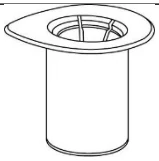 | |
| 3 | Prepare Diluent Vial: Place the diluent vial on an even flat surface and hold the vial tightly. Grip the Mix2Vial® keeping it in the package. Push the plastic spike at the blue end of the Mix2Vial® set firmly through the center of the diluent vial stopper. | 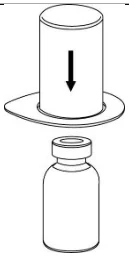 | |
| 4 | Remove the Mix2Vial® packaging: While holding the diluent vial, carefully remove the outer package from the Mix2Vial® set. Make sure that you pull off only the package, not the Mix2Vial® set. | 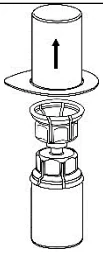 | |
| 5 | Transfer Diluent into AFSTYLA Vial: Place the product vial on an even flat surface and hold the vial tight. Invert the diluent vial with the Mix2Vial® set attached to it and push the plastic spike of the clear end of the Mix2Vial® end firmly through the stopper of the AFSTYLA vial. The diluent will transfer into the AFSTYLA vial automatically. | 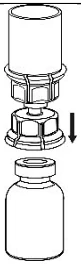 |
| 6 | Dissolve AFSTYLA: With the diluent and AFSTYLA vial still attached to the Mix2Vial® set, gently swirl the AFSTYLA vial to ensure the product is fully dissolved. Do not shake the vial. | 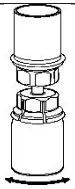 |
| 7 | Unscrew empty diluent (Blue) vial: With one hand, grip the clear end of the Mix2Vial® set and with the other hand grip the blue end of the Mix2Vial® set and unscrew the set into two pieces. | 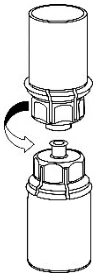 |
| 8 | Load the syringe: Draw air into an empty, sterile syringe. Use the syringe provided with the product. With the AFSTYLA vial upright, screw the syringe to the Mix2Vial® set. Inject air into the product vial. While keeping the syringe plunger pressed, invert the AFSTYLA vial and draw the solution into the syringe by pulling the plunger back slowly. | 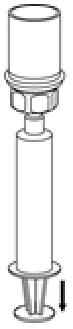 |
| 9 | Prepare the administration set equipped with microbore tubing: Once the solution has been transferred into the syringe, firmly grip the barrel of the syringe (keeping the plunger facing down) and unscrew the syringe from the Mix2Vial® set. Attach the syringe to the provided infusion set or another suitable administration set. |  |
| 10 | After reconstitution, administration should begin promptly or within 4 hours. |
| C | Administer AFSTYLA using aseptic technique:
|
OVERDOSAGE
No symptoms of overdose with AFSTYLA have been reported. One patient was reported to have received more than double the prescribed dose. No related adverse events were reported with this overdose.
| For management of a suspected drug overdose, contact your regional Poison Control Centre. |
ACTION AND CLINICAL PHARMACOLOGY
Mechanism of Action
AFSTYLA is a recombinant protein that replaces the missing coagulation factor VIII needed for effective hemostasis. AFSTYLA is a single chain recombinant factor VIII construct where most of the B-domain occurring in wild-type, full-length factor VIII is removed. After activation the AFSTYLA molecule formed has an amino acid sequence identical to factor VIIIa formed from endogenous, full length factor VIII. Additionally the single-chain design results in high binding affinity of AFSTYLA to von Willebrand Factor.
Pharmacodynamics
Hemophilia A is an x-linked hereditary disorder of blood coagulation due to decreased levels of factor VIII and results in profuse bleeding into joints, muscles or internal organs, either spontaneously or as result of accidental or surgical trauma. By replacement therapy the plasma levels of factor VIII are increased, thereby enabling a temporary correction of the factor deficiency and correction of the bleeding tendencies.
Pharmacokinetics1, 2
Adults (≥ 18 years)
The pharmacokinetics (PK) of AFSTYLA were evaluated in 81 previously treated subjects following an intravenous injection of a single dose of 50 IU/kg.
The PK parameters (Table 5) were based on plasma Factor VIII activity measured by the chromogenic assay after the first dose (initial PK assessment). The PK profile obtained 3 to 6 months after the initial PK assessment was comparable with the PK profile obtained after the first dose.
Table 5 : Pharmacokinetic Parameters (Arithmetic Mean, CV%) Following a Single Injection of 50 IU/kg of AFSTYLA versus 50 IU/kg of Advate - Chromogenic Assay
| PK Parameters | AFSTYLA 50 IU/kg (N=81) | Advate 50IU/kg (N=27) |
| IR (IU/dL)/(IU/kg) | 2.00 (20.8) | 2.32 (16.4) |
| Cmax (IU/dL) | 106 (18.1) | 116 (15.5) |
| AUC0-inf (IU*h/dL) | 1960 (33.1) | 1550 (35.5) |
| t1/2 (h) | 14.2 (26.0) | 13.3 (32.8) |
| MRT (h) | 20.4 (25.8) | 17.1 (32.5) |
| CL (mL/h/kg) | 2.90 (34.4) | 3.68 (38.2) |
| Vss (mL/kg) | 55.2 (20.8) | 57.1 (19.7) |
IR = incremental recovery recorded at 30 minutes after injection; Cmax = maximum concentration; AUC0-inf = area under the Factor VIII activity time curve extrapolated to infinity; t1/2 = half-life; MRT = mean residence time; CL = body weight adjusted clearance; Vss = body weight adjusted volume of distribution at steady-state.
Adolescents and Children (< 18 years)
The pharmacokinetics (PK) of AFSTYLA were evaluated in 10 adolescents (12 to <18 years of age) and 39 children (0 to <12 years of age) following an intravenous injection of a single dose of 50 IU/kg.
The PK parameters were based on plasma factor VIII activity measured by the chromogenic substrate assay.
Table 6: Comparison of Pharmacokinetic Parameters by Age Category (Arithmetic Mean, CV%) Following a Single Injection of 50 IU/kg of AFSTYLA - Chromogenic Assay
| PK Parameters | 0 to <6 years (N=20) | 6 to <12 years (N=19) | 12 to <18 years (N=10) |
|---|---|---|---|
| IR (IU/dL)/(IU/kg) | 1.60 (21.1) | 1.66 (19.7) | 1.69 (24.8) |
| Cmax (IU/dL) | 80.2 (20.6) | 83.5 (19.5) | 89.7 (24.8) |
| AUC0-inf (IU*h/dL) | 1080 (31.0) | 1170 (26.3) | 1540 (36.5) |
| t1/2 (h) | 10.4 (28.7) | 10.2 (19.4) | 14.3 (33.3) |
| MRT (h) | 12.4 (25.0) | 12.3 (16.8) | 20.0 (32.2) |
| CL (mL/h/kg) | 5.07 (29.6) | 4.63 (29.5) | 3.80 (46.9) |
| Vss (mL/kg) | 71.0 (11.8) | 67.1 (22.3) | 68.5 (29.9) |
IR = incremental recovery recorded at 30 minutes after injection for subjects 12 to < 18 years and at 60 minutes after injection for subjects 1 to < 12 years; Cmax = maximum concentration; AUC = area under the factor VIII activity time curve extrapolated to infinity; t1/2 = half-life; MRT = mean residence time; CL = body weight adjusted clearance; Vss = body weight adjusted volume of distribution at steady-state.
STORAGE AND STABILITY
- Store in the refrigerator at +2 °C to +8 °C. Do not freeze. Store vial in original carton to protect from light. AFSTYLA may be stored at room temperature, not to exceed +25°C, for a single period of up to 3 months.
- If removing the product from the refrigerator for storage at room temperature please note the new room temperature expiration date (should be 3 months from the date product is removed from the refrigerator) on the carton in the area provided.
- After storage at room temperature, do not return the product to the refrigerator.
- Do not use AFSTYLA beyond the expiration date printed on the vial or the new expiration date that was noted on the carton following removal from refrigeration, whichever is earlier.
Product after reconstitution: the product administration should begin promptly or within 4 hours.
DOSAGE FORMS, COMPOSITION AND PACKAGING
AFSTYLA (Antihemophilic Factor VIII (Recombinant), SingleChain) is a preservative-free, sterile, non-pyrogenic, white or slightly yellow lyophilized powder or friable mass (“loose cake”) to be reconstituted with Sterile Water for Injection (diluent) for intravenous injection. AFSTYLA is available in single-use vials with actual Factor VIII activity printed on the vial label and the product carton, expressed in IU. Each vial contains nominally 250, 500, 1000, 1500, 2000, 2500 or 3000 IU of AFSTYLA.
Non-Medicinal Ingredients: calcium chloride, L-Histidine, Polysorbate 80, Sodium chloride, Sucrose.
Table 7: Reconstitution Diluent Volume
| Lyophilized AFSTYLA Format | Diluent Volume for Reconstitution | Concentration of Product Once Reconstituted |
| 250 IU | 2.5 mL | 100 IU/mL |
| 500 IU | 2.5 mL | 200 IU/mL |
| 1000 IU | 2.5 mL | 400 IU/mL |
| 1500 IU | 5 mL | 300 IU/mL |
| 2000 IU | 5 mL | 400 IU/mL |
| 2500 IU | 5 mL | 500 IU/mL |
| 3000 IU | 5 mL | 600 IU/mL |
The package contains one single-use product vial of AFSTYLA, one vial of Sterile Water for Injection (Diluent), one Mix2Vial® filter transfer set, one package insert and an inner carton. The inner carton contains one syringe and one infusion set.
All the components of the AFSTYLA product package are latex free.
PART II: SCIENTIFIC INFORMATION
PHARMACEUTICAL INFORMATION
Drug Substance
Proper name: Antihemophilic Factor VIII (Recombinant), SingleChain
Chemical name: Lonoctocog Alfa
Molecular formula and molecular mass: rVIII-SingleChain is expressed as a single chain glycoprotein of 1444 amino acids with a molecular weight of ~170 kDa.
Structural formula: It is a construct where most of the B-domain occurring in wild-type, full-length factor VIII and 4 amino acids of the adjacent acidic a3 domain were removed (amino acids 765 to 1652 of full-length factor VIII). The newly formed linkage of the heavy and light chain of factor VIII introduces a new N-glycosylation site. As the furin cleavage site present in wild type factor VIII between the B-domain and the a3 domain was removed, AFSTYLA is expressed as a single chain factor VIII molecule. After activation the AFSTYLA molecule formed has an amino acid sequence identical to factor VIIIa formed from endogenous, full length factor VIII.
Physicochemical properties: White or slightly yellow powder or friable mass (“loose cake”) and clear, colourless solvent for solution for injection.
Product Characteristics
AFSTYLA is a single-chain recombinant Factor VIII (rVIII-SingleChain) produced in Chinese hamster ovary (CHO) cells. It is a construct where the B-domain occurring in wild type full-length Factor VIII has been truncated and 4 amino acids of the adjacent acidic a3 domain were removed (amino acids 765 to 1652 of full-length Factor VIII). AFSTYLA is expressed as a single chain Factor VIII molecule with covalent linkage between heavy and light chains; thereby keeping the molecule in the single chain form resulting in increased stability and increased von Willebrand Factor (VWF) affinity. The post-translational modifications are comparable to endogenous Factor VIII.
The potency in International Units (IU) is determined using the chromogenic assay.
Viral Inactivation
AFSTYLA is purified by a controlled multi-step process including two dedicated virus reduction steps complementing each other in their mode of action. This consists of solvent/detergent-treatment (SD-treatment) and a virus filtration step employing filters with a mean pore size of 19 nm (Planova 20N) as well as the virus reduction capacity of the VIIISelect Immunoaffinity chromatography (IAC) step.
CLINICAL TRIALS3, 4
The pharmacokinetics, safety and efficacy of AFSTYLA was evaluated in two studies; a study in adults/adolescents as well as a study in children. The studies characterized the PK of AFSTYLA and determined hemostatic efficacy in the control of bleeding events, the prevention of bleeding events in prophylaxis and in the adult/adolescent study determined hemostatic efficacy during perioperative management of bleeding in subjects undergoing surgical procedures.
Table 8: Study design and Demographics
| Study # | Study design/ Type of Study | # of Subjects | Median Age (Range) | Gender |
|---|---|---|---|---|
| Study 1001 | A prospective multicenter, open-label with surgery sub-study Safety, Efficacy and PK | 174 subjects a Surgery sub-study: 13 subjects | 31.3 (12, 64) years | Males |
| Study 3002 | A prospective multicenter, open-label Safety, Efficacy and PK | 84 subjects a 0 to < 6years: 35 subjects (thereof 20 subjects with PK data) ≥ 6 to <12 years: 49 subjects (thereof 19 subjects with PK data) | 7.0 (1, 11) years | Males |
a Safety population
The adult/adolescent study enrolled a total of 175 previously treated male subjects with severe hemophilia A (<1% endogenous FVIII activity). Subjects ranged in age from 12 to 65 years, including 14 adolescent subjects (≥12 to <18 years). Of the 175 enrolled subjects, 174 received at least one dose of AFSTYLA and 173 (99%) were evaluable for efficacy. A total of 161 subjects (92.5%) completed the study. A total of 120 (69.0%) of subjects were treated for at least 50 exposure days (EDs) and 52 (29.9%) of those subjects were treated for at least 100 EDs. Subjects received a total of 14,592 injections with a median of 67.0 (range 1 to 395 injections per subject).
The pediatric study enrolled 84 previously treated male subjects with severe hemophilia A (35 subjects 0 to <6 years and 49 subjects ≥6 to <12 years). Of the 84 enrolled subjects, all received at least one dose of AFSTYLA and 83 (99%) were evaluable for efficacy. A total of 65 (77.4 %) subjects were treated for at least 50 EDs and 8 (9.5%) of those subjects were treated for at least 100 EDs. Subjects received a total of 5,313 injections with a median of 59 (range 4 to 145 injections per subject).
Control and prevention of bleeding episodes
In the adult/adolescent study (≥12 years), a total of 848 bleeding episodes were treated with AFSTYLA and 835 received an efficacy assessment by the investigator. The majority of the bleeding episodes were localized in joints. The median dose per injection used to treat a bleeding episode was 31.7 IU/kg.
In the pediatric study (<12 years) a total of 347 bleeding episodes were treated with AFSTYLA all of which received an efficacy assessment by the investigator. The majority of the bleeding episodes were localized in joints. The median dose per injection used to treat a bleeding episode was 27.3 IU/kg.
Efficacy in control of bleeding episodes is summarized in Table 9.
Table 9: Efficacy* of AFSTYLA in control of bleeding
| Adult and Adolescent (≥12 to 65 years of age) | Pediatric (0-<12 years of age) | |
| Bleeding Episodes Treated | (N = 848) | (N=347) |
| Number of injections | ||
| 1 injection, n (%) | 686 (80.9%) | 298 (85.9%) |
| 2 injections, n (%) | 107 (12.6%) | 34 (9.8%) |
| 3 injections, n (%) | 29 (3.4%) | 8 (2.3%) |
| >3 injections, n (%) | 26 (3.1%) | 7 (2.0%) |
| Efficacy evaluation by investigator* | (N = 835) | (N=347) |
| Excellent or Good, n (%) | 783 (93.8%) | 334 (96.3%) |
| Moderate, n (%) | 52 (6.2%) | 12 (3.5%) |
| No response, n (%) | 0 | 1 (0.3%) |
* Excellent: Pain relief and/or improvement in signs of bleeding (i.e., swelling, tenderness, and/or increased range of motion in the case of musculoskeletal hemorrhage) within approximately 8 hours after the first infusion; Good: Pain relief and/or improvement in signs of bleeding at approximately 8 hours after the first infusion, but requires two infusions for complete resolution; Moderate: Probable or slight beneficial effect within approximately 8 hours after the first infusion; requires more than two infusions for complete resolution; No response: No improvement at all or condition worsens (i.e., signs of bleeding) after the first infusion and additional hemostatic intervention is required with another FVIII product, cryoprecipitate, or plasma for complete resolution.
Routine prophylaxis
In the adult/adolescent and pediatric studies, subjects received prophylaxis in a regimen that was determined by the investigator, taking into account the subject’s FVIII treatment regimen used prior to enrollment and the subject’s bleeding phenotype. In the adult/adolescent study (> 12 years), 54% of the 146 subjects on prophylaxis received AFSTYLA 3 times a week; 32% of subjects received AFSTYLA 2 times a week; 6% received AFSTYLA every other day, and 8% of subjects received other regimens. Sixty-three of 146 subjects (43%) experienced no bleeding episodes while on prophylaxis. There were no severe or life-threatening bleeds (e.g. intracranial hemorrhage) in subjects receiving prophylaxis. For subjects who received prophylaxis both prior to and during the study, the median observed AsBR was 5 bleeding episodes/year for the period prior to study and 0 bleeding episodes/year during the study. Based on a Poisson regression model, the AsBR was significantly reduced by 88% (p<0.0001). The median prescribed dose for subjects on a 3 times a week regimen was 30 IU/kg per injection, and for subjects on a 2 times a week regimen 35 IU/kg.
In the pediatric study (<12 years), 54% of the 80 subjects on prophylaxis received AFSTYLA 2 times a week; 30% of subjects received AFSTYLA 3 times a week; 4% received AFSTYLA every other day, and 12% of subjects received other regimens. Twenty-one of 80 subjects (26%) experienced no bleeding episodes while on prophylaxis. There was one severe bleed (hip joint hemorrhage) in the pediatric study that was successfully treated. For subjects on prophylaxis the overall ABR was 3.69, with a median ABR of 2.30 for subjects on a 3 times a week regimen and 4.37 for subjects on a 2 times a week regimen. The median AsBR (0.00) was identical between subjects on the 3 times a week and 2 times a week regimens. The median prescribed dose for subjects on a 3 times a week regimen was 32 IU/kg per injection and for subjects on a 2 times a week regimen was 35 IU/kg.
The ABRs for Prophylaxis and On demand in both studies are summarized in Table 10.
Table 10: Summary of annualized bleeding rate (ABR) by AFSTYLA treatment regimen
| Adult/adolescent study | Pediatric study | |||||||||
Prophylaxis (N = 146) | On demand (N = 27) | Prophylaxis (N = 80) | On demand (N = 3) | |||||||
Overall ABR Median (IQR*) | 1.14 (0–4.2) | 19.64 (6.2–46.5) | 3.69 (0 - 7.2) | 78.56 (35.1 - 86.6) | ||||||
Annualised Spontaneous Bleeding Rate (AsBR) Median (IQR*) | 0 (0–2.4) | 11.73 (2.8–36.5) | 0 (0 - 2.2) | 31.76 (0 - 42.7) | ||||||
| Number of subjects with zero bleeding episodes | 63 (43.2%) | 1 (3.7%) | 21 (26.3%) | 0 | ||||||
* IQR = interquartile range, 25th percentile to 75th percentile.
Control and prevention of bleeding episodes in the perioperative setting
Thirteen subjects in the adult/adolescent study underwent a total of 16 surgical procedures. Overall, investigators assessed hemostatic efficacy of AFSTYLA in surgical prophylaxis as excellent in 15 of 16 surgeries and as good in 1 of 16 surgeries (see Table 11). Median factor consumption on the day of surgery was 89.4 IU/kg (range 40.5–108.6 IU/kg).
Table 11: Efficacy of AFSTYLA in surgical prophylaxis
| Procedure | Efficacy Evaluation* | Factor Consumption (IU/kg) (pre- and intra-operatively) |
| Extraction of wisdom teeth | Excellent | 51.09 |
| Abdominal hernia repair | Excellent | 47.89 |
| Elbow replacement | Excellent | 108.58 |
| Ankle arthroplasty | Excellent | 76.83 |
| Knee replacement (5) | Excellent (4), Good (1) | 92.49 100.9 67.26 105.79 86.09 |
Cholecystectomy and Lengthening of the Achilles tendon combined with: Straightening of the right toes | Excellent Excellent | 105.95 |
| Circumcision (3) | Excellent (3) | 99.04 92.74 81.5 |
| Open reduction internal fixation (ORIF) right ankle | Excellent | 89.36 |
| Hardware removal, right ankle | Excellent | 40.45 |
* Excellent: Hemostasis clinically not significantly different from normal (e.g., achieved hemostasis comparable to that expected during similar surgery in a non-factor deficient patient) in the absence of other hemostatic intervention and estimated blood loss during surgery is not more than 20% higher than the predicted blood loss for the intended surgery; Good: Normal or mildly abnormal hemostasis in terms of quantity and/or quality (e.g., slight oozing, prolonged time to hemostasis with somewhat increased bleeding compared to a non-factor deficient patient in the absence of other hemostatic intervention) or estimated blood loss is >20%, but ≤30% higher than the predicted blood loss for intended surgery; Moderate: Moderately abnormal hemostasis in terms of quantity and/or quality (e.g., moderate hemorrhage that is difficult to control) with estimated blood loss greater than what is defined as good; Poor/No Response: Severely abnormal hemostasis in terms of quantity and/or quality (e.g., severe hemorrhage that is difficult to control) and/or additional hemostatic intervention required with another FVIII product, cryoprecipitate, or plasma for complete resolution.
DETAILED PHARMACOLOGY
See Section ACTION AND CLINICAL PHARMACOLOGY.
MICROBIOLOGY
Not applicable.
TOXICOLOGY5, 6
The toxicological program included studies after single or repeated bolus dosing in rodent and non-rodent species. Rats and monkeys were selected as they represent the standard animals for these types of toxicological investigations and rVIII-SingleChain was shown to be pharmacologically active in these species.
A single i.v. bolus injection of 50, 250 or 1500 IU/kg body weight rVIII-SingleChain was assessed in rats and monkeys. A single i.v. injection of rVIII-SingleChain at doses up to 1500 IU/kg was well tolerated in rats and monkeys with no toxicologically significant changes. The NOAEL was considered to be 1500 IU/kg for both species.
The repeat-dose studies (daily treatment on 28 consecutive days) were performed in rats and monkeys, since the clinical practice in prophylaxis therapy of hemophilia A patients ideally is life-long treatment.
In rats, rVIII-SingleChain was administered i.v. at doses of 50, 250 and 1250 IU/kg.
Overall, the administration of rVIII-SingleChain by i.v. (bolus) injection at doses up to 1250 IU/kg/day was well tolerated with no findings indicative of adverse toxicity. An immune response against the heterologous human protein, resulting in the formation of antibodies against rVIII-SingleChain, was apparent within the rVIII-SingleChain-treated groups after 16 and 28 days of treatment. Under the conditions of this study, the NOAEL is considered to be 1250 IU/kg, the highest dose applied here.
In monkeys rVIII- SingleChain was administered i.v. at doses of 50, 150 and 500 IU/kg, and was also well tolerated. An immune response resulting in the formation of antibodies against human heterologous protein rVIII-SingleChain was apparent within the rVIII-SingleChain-treated groups after 13 and 28 days of treatment. Under the conditions of this study, the NOAEL is considered to be the highest dose tested, i.e. 500 IU/kg.
Local tolerance investigations were included in the single-dose and repeat-dose toxicity studies in rats and monkeys, showing good tolerability of rVIII-SingleChain following i.v. administration. Furthermore, a separate local tolerance study was performed in rabbits investigating i.v., i.a. and p.v. injection of rVIII-SingleChain. rVIII-SingleChain was well tolerated with no local or systemic signs of reaction to treatment.
In an in vivo thrombogenicity test in rabbits [Giles et al, 1980; Wessler et al, 1955], rVIII-SingleChain showed minimal prothrombotic potential at a dose of 1000 IU/kg, with the NOAEL considered to be 500 IU/kg.
In vitro studies regarding genotoxicity and in vivo studies investigating the carcinogenic potential of rVIII-SingleChain have not been conducted. Animal reproductive and developmental toxicity studies were also not conducted with rVIII-SingleChain.
REFERENCES
- 1. Klamroth R, Simpson M, Von Depka-Prondzinski M, Gill JC, Morfini M, Powell J S, Santagostino E, Davis J, Huth-Kuhne A, Leissinger C, Neumeister P, Bensen-Kennedy D, Feussner A, Limsakun T, Zhou M, Veldman A, St. Ledger K, Blackman N, Pabinger I. Comparative pharmacokinetics of rVIII-SingleChain and octocog alfa (Advate®) in patients with severe haemophilia A. Haemophilia. 2016; 22: 730-738.
- 2. Zhang Y, Roberts J, Tortorici M, Veldman A, St. Ledger K, Feussner A, Sidhu J. Population pharmacokinetics of recombinant coagulation factor VIII-SingleChain in patients with severe hemophilia A. J. Thromb. Haemost. 2017; 15: 1106–14.
- 3. Mahlangu J, Kuliczkowski K, Abdul Karim F, Stasyshyn O, Kosinova MV, Lepatan LM, Skotnicki A, Boggio LN, Klamroth R, Oldenburg J, Hellmann A, Santagostino E, Baker RI, Fischer K, Gill JC, P’ng S, Chowdary P, Escobar MA, Djambas Khayat C, Rusen L, Bensen-Kennedy D, Blackman N, Limsakun T, Veldman A, St. Ledger K, Pabinger I, AFFINITY Investigators. Efficacy and safety of rVIII-SingleChain: results of a phase 1/3 multicenter clinical trial in severe hemophilia A. Blood. 2016; 128(5): 630-637.
- 4. Stasyshyn O, Djambas Khayat C, Iosava G, Ong J, Abdul Karim F, Fischer K, Veldman A, Blackman N, St. Ledger K, Pabinger I. Safety, efficacy and pharmacokinetics of rVIII-SingleChain in children with severe hemophilia A: results of a multicenter clinical trial. Journal of Thrombosis and Haemostasis. 2017. 15: 636-644.
- 5. Giles AR, Johnston M, Hoogendoorn H, Blajchman M, Hirsh J. The thrombogenicity of prothrombin complex concentrates: I. The relationship between in vitro characteristics and in vivo thrombogenicity in rabbits. Thromb Res. 1980; 17(3-4):353-66.
- 6. Wessler S, Ward K, Ho C. Studies in intravascular coagulation. III. The pathogenesis of serum-induced venous thrombosis. J. Clin. Invest. 1955; 34, 647-651.