


Product Monograph - Idelvion
RECENT MAJOR LABEL CHANGES
| 1 INDICATIONS | 11/2023 |
|---|---|
| 8 ADVERSE REACTIONS, 8.2 Clinical Trial Adverse Reactions | 11/2023 |
TABLE OF CONTENTS
Sections or subsections that are not applicable at the time of authorization are not listed.
RECENT MAJOR LABEL CHANGES ............................................................................................ 2
TABLE OF CONTENTS .............................................................................................................. 2
PART I: HEALTH PROFESSIONAL INFORMATION ...................................................................... 4
1 INDICATIONS ............................................................................................................... 4
1.1 Pediatrics ................................................................................................................ 4
1.2 Geriatrics ................................................................................................................ 4
2 CONTRAINDICATIONS ................................................................................................. 4
4 DOSAGE AND ADMINISTRATION ................................................................................. 4
4.1 Dosing Considerations ............................................................................................ 4
4.2 Recommended Dose and Dosage Adjustment ....................................................... 4
4.3 Reconstitution ........................................................................................................ 7
4.4 Administration ........................................................................................................ 9
4.5 Missed Dose ......................................................................................................... 10
5 OVERDOSAGE ............................................................................................................ 10
6 DOSAGE FORMS, STRENGTHS, COMPOSITION AND PACKAGING ............................... 10
7 WARNINGS AND PRECAUTIONS ................................................................................ 11
7.1 Special Populations............................................................................................... 12
7.1.1 Pregnant Women ........................................................................................... 12
7.1.2 Breast-feeding ................................................................................................ 12
7.1.3 Pediatrics ........................................................................................................ 13
7.1.4 Geriatrics ........................................................................................................ 13
8 ADVERSE REACTIONS ................................................................................................ 13
8.1 Adverse Reaction Overview .................................................................................. 13
8.2 Clinical Trial Adverse Reactions, ........................................................................... 13
8.2.1 Clinical Trial Adverse Reactions – Pediatrics ................................................... 14
8.3 Less Common Clinical Trial Adverse Reactions ..................................................... 14
8.3.1 Less Common Clinical Trial Adverse Reactions – Pediatrics ............................ 14
8.4 Abnormal Laboratory Findings: Hematologic, Clinical Chemistry and Other Quantitative Data ........................................................................................................... 14
8.5 Post-Market Adverse Reactions ........................................................................... 14
9 DRUG INTERACTIONS ................................................................................................ 15
9.2 Drug Interactions Overview .................................................................................. 15
9.3 Drug-Behavioural Interactions .............................................................................. 15
9.4 Drug-Drug Interactions ......................................................................................... 15
9.5 Drug-Food Interactions ......................................................................................... 15
9.6 Drug-Herb Interactions ......................................................................................... 15
9.7 Drug-Laboratory Test Interactions ........................................................................ 15
10 CLINICAL PHARMACOLOGY ....................................................................................... 15
10.1 Mechanism of Action ...................................................................................... 15
10.2 Pharmacodynamics ........................................................................................ 15
10.3 Pharmacokinetics ........................................................................................... 16
11 STORAGE, STABILITY AND DISPOSAL ......................................................................... 18
12 SPECIAL HANDLING INSTRUCTIONS ........................................................................... 18
PART II: SCIENTIFIC INFORMATION ....................................................................................... 19
13 PHARMACEUTICAL INFORMATION ............................................................................ 19
14 CLINICAL TRIALS ........................................................................................................ 20
14.1 Clinical Trials by Indication ............................................................................. 20
Routine Prophylaxis and Control of Bleeding in PTPs >12 Years ..................................... 20
Routine Prophylaxis and Control of Bleeding in PTPs <12 Years ..................................... 23
Perioperative Management ........................................................................................... 23
14.2 Immunogenicity .............................................................................................. 24
15 MICROBIOLOGY ........................................................................................................ 24
16 NON-CLINICAL TOXICOLOGY ..................................................................................... 24
PATIENT MEDICATION INFORMATION .................................................................................. 26
PART I: HEALTH PROFESSIONAL INFORMATION
1 INDICATIONS
IDELVION (Coagulation Factor IX (Recombinant), Albumin Fusion Protein (rIX-FP)) is an antihemophilic factor indicated in patients with Hemophilia B (congenital FIX deficiency) for:
- Routine prophylaxis to prevent or reduce the frequency of bleeding episodes
- Control and prevention of bleeding episodes
- Control and prevention of bleeding in the perioperative setting
1.1 Pediatrics
Pediatrics (<18 years): Based on the data submitted and reviewed by Health Canada, the safety and efficacy of IDELVION in pediatric patients has been established for the treatment of patients with Hemophilia B. Therefore, Health Canada has authorized an indication for pediatric use.
1.2 Geriatrics
See section 7 WARNINGS AND PRECAUTIONS, 7.1 Special Populations.
2 CONTRAINDICATIONS
IDELVION, Coagulation Factor IX (Recombinant), Albumin Fusion Protein (rIX-FP), is contraindicated in patients who have a known hypersensitivity to IDELVION, any of its components, excipients or hamster protein. See 7 WARNINGS AND PRECUATIONS. For a complete listing, see 6 DOSAGE FORMS, STRENGTHS, COMPOSITION AND PACKAGING.
4 DOSAGE AND ADMINISTRATION
4.1 Dosing Considerations
Treatment with IDELVION should be initiated under the supervision of a healthcare professional experienced in the treatment of Hemophilia.
The decision on the use of home treatment of bleeding and prophylaxis of bleeding in patients with Hemophilia B should be made by the treating healthcare professional. The healthcare professional should ensure that appropriate training is provided and the use is reviewed at intervals.
For intravenous use after reconstitution only.
- Each vial of IDELVION has the recombinant FIX (rFIX) potency in International Units (IU) stated on the carton and vial label.
- Dosage and duration of treatment with IDELVION depends on the severity of FIX deficiency, the location and extent of bleeding and the patient’s clinical condition and response.
4.2 Recommended Dose and Dosage Adjustment
Routine Prophylaxis
The recommended dose is 25 to 40 IU of IDELVION per kg body weight every 7 days, or 50 to 75 IU of IDELVION per kg every 14 days.
Patients ≥18 years who are well-controlled on a 14-day regimen may be switched to a dose of 100 IU of IDELVION per kg every 21 days.
Adjust the dosing regimen based upon the individual patient’s clinical condition and response.
Calculating Required Dose
The calculation of the required dose of IDELVION is based on the empirical finding that one IU of IDELVION per kg body weight is expected to increase the circulating level of FIX by an average of 1.3 IU/dL (1.3% of normal) in patients ≥12 years of age and by 1.0 IU/dL (1.0% of normal) in patients <12 years of age.
The required dose of IDELVION for treatment of bleeding episodes is determined using the following formula:
Required Units (IU) = body weight (kg) x desired FIX rise (% of normal or IU/dL) x (reciprocal of recovery (IU/kg per IU/dL))
OR
Increase in FIX IU/dL (or % of normal) = Dose (IU) x Recovery (IU/dL per IU/kg)/body weight (kg)
Adjust the dose based on the individual patient’s clinical condition and response.
Patients <12 years of Age
For an incremental recovery of 1 IU/dL per 1 IU/kg, the dose is calculated as follows:
Dose (IU) = body weight (kg) x desired FIX increase (IU/dL) x 1 dL/kg
Example
- 1. A peak level of 50 % of normal is required in a 20 kg patient with severe Hemophilia B. The appropriate dose would be 20 kg x 50 IU/dL x 1 dL/kg = 1000 IUs.
- 2. A dose of 1000 IUs of IDELVION, administered to a 25 kg patient, should be expected to result in a peak post-injection FIX increase of 1000 IUs/25 kg x 1.0 (IU/dL per IU/kg) = 40 IU/dL (40 % of normal).
Patients ≥12 years of Age
For an incremental recovery of 1.3 IU/dL per 1 IU/kg, the dose is calculated as follows:
Dose (IU) = body weight (kg) x desired FIX increase (IU/dL) x 0.77 dL/kg
Example
- 3. A peak level of 50 % of normal is required in an 80 kg patient with severe Hemophilia B. The appropriate dose would be 80 kg x 50 IU/dL x 0.77 dL/kg = 3080 IUs.
- 4. A dose of 2000 IUs of IDELVION, administered to an 80 kg patient, should be expected to result in a peak post-injection FIX increase of 2000 IUs x 1.3 (IU/dL per IU/kg) /80 kg = 32.5 IU/dL (32.5% of normal).
Control and Prevention of Bleeding Episodes and Perioperative Management
A guide for dosing IDELVION in the control and prevention of bleeding episodes and perioperative management is provided in Table 1 and Table 2, respectively. Ensure that the FIX activity level is achieved and maintained in the corresponding period. The recommended circulating FIX level requirement for pediatric patients is the same as for adults (see section 10 CLINICAL PHARMACOLOGY).
Table 1 – Dosing for Control and Prevention of Bleeding Episodes
Table 2 – Dosing for Perioperative Management
| Type of Bleeding Episode | Circulating FIX Level Required (%) (IU/dL) | Frequency of Dose (hours) / Duration of Therapy (days) |
Minor or Moderate Hemarthrosis, muscle bleeding (except iliopsoas) or oral bleeding | 30-60 | Single dose of 25-50 IU/kg should be sufficient for majority of bleeds. Maintenance dose after 48-72 hours, if there is further evidence of bleeding. |
Major Life threatening hemorrhages, deep muscle bleeding, including iliopsoas | 60-100 | 50-80 IU/kg Repeat every 48-72 hours for the first week. Maintenance dose weekly until bleeding stops and healing is achieved. |
| Type of Surgery | Circulating FIX Required (% or IU/dL) | Dosing Interval (hours) Duration of Therapy (days) |
Minor Including uncomplicated tooth extraction | 50-80 (initial level) | Single dose of 40-60 IU/kg should be sufficient for a majority of minor surgeries. If needed, maintenance dose after 48-72 hours until bleeding stops and healing is achieved. |
| Major | 60-100 (initial level) | 50-80 IU/kg Repeat dose every 48-72 hours for the first week. Maintenance dose 1-2 times per week until bleeding stops and healing is achieved. |
4.3 Reconstitution
Table 3 – Reconstitution Diluent Volume
| Lyophilized rIX-FP Format | Diluent Volume for Reconstitution | Concentration of product once reconstituted |
|---|---|---|
| 250 IU | 2.5 mL | 100 IU/mL |
| 500 IU | 2.5 mL | 200 IU/mL |
| 1000 IU | 2.5 mL | 400 IU/mL |
| 2000 IU | 5 mL | 400 IU/mL |
| 3500 IU | 5 mL | 700 IU/mL |
- Reconstitute IDELVION using aseptic technique with diluent provided in the kit.
- Do not use IDELVION beyond the expiration date on the vial label and carton.
- Visually inspect the reconstituted solution for particulate matter and discoloration prior to administration. The solution should be a yellow to colorless clear liquid and free from visible particles. Do not use if discoloration or particulate matter is observed.
The procedures provided in Table 4 are general guidelines for the preparation and reconstitution of IDELVION.
Table 4 – IDELVION Reconstitution Instructions
| Follow the steps below and use aseptic techniques to administer IDELVION. | ||
| A | PREPARATION | |
Prepare the vials/Mix2Vial® and infusion supplies. Ensure that the diluent and IDELVION vials are at room temperature. Prepare syringes, infusion sets and other supplies for the administration. | ||
| B | RECONSTITUTION: follow these steps to reconstitute IDELVION | |
| 1 | Clean Stoppers: Remove the flip caps from both vials (IDELVION and diluent). Wipe the rubber stoppers with an antiseptic and allow the rubber stopper to dry. | |
| 2 | Open the Mix2Vial® package by peeling away the lid. To maintain sterility, leave the Mix2Vial® set in its clear outer package. | 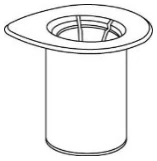 |
| 3 | Prepare Diluent Vial: Place the diluent vial on an even flat surface and hold the vial tightly. Grip the Mix2Vial® keeping it in the package. Push the plastic spike at the blue end of the Mix2Vial® set firmly through the centre of the diluent vial stopper. | 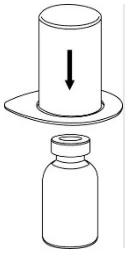 |
| 4 | Remove the Mix2Vial® packaging: While holding the diluent vial, carefully remove the outer package from the Mix2Vial® set. Make sure that you pull off only the package, not the Mix2Vial® set. | 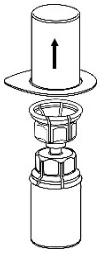 |
| 5 | Transfer Diluent into IDELVION Vial: Place the IDELVION vial on an even flat surface and hold the vial tight. Invert the diluent vial with the Mix2Vial® set attached to it and push the plastic spike of the clear end of the Mix2Vial® end firmly through the stopper of the IDELVION vial. The diluent will transfer into the IDELVION vial automatically. | 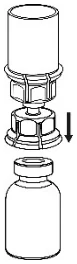 |
| 6 | Dissolve IDELVION: With the diluent and IDELVION vial still attached to the Mix2Vial® set, gently swirl the IDELVION vial to ensure the product is fully dissolved. Do not shake the vial. | 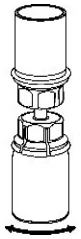 |
| 7 | Unscrew empty diluent (Blue) vial: With one hand, grip the clear end of the Mix2Vial® set and with the other hand grip the blue end of the Mix2Vial® set and unscrew the set into two pieces. | 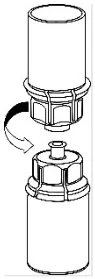 |
| 8 | Load the syringe: Draw air into an empty, sterile syringe. Use the syringe provided with the product. With the IDELVION vial upright, screw the syringe to the Mix2Vial® set. Inject air into the product vial. While keeping the syringe plunger pressed, invert the IDELVION vial and draw the solution into the syringe by pulling the plunger back slowly. | |
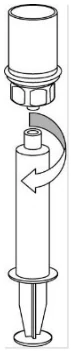
| 9 | Prepare the administration set equipped with microbore tubing: Once the solution has been transferred into the syringe, firmly grip the barrel of the syringe (keeping the plunger facing down) and unscrew the syringe from the Mix2Vial® set. Attach the syringe to the provided infusion set or another suitable administration set. | |
| 10 | After reconstitution, administration should begin promptly or within 3 hours. | |
| 11 | Use a separate, unused Mix2Vial® transfer set for each product vial. | |
| C | ADMINISTRATION | |
Administer IDELVION using aseptic technique:
| ||
4.4 Administration
- Do not mix IDELVION with other medicinal products.
- Administer by intravenous injection. The rate of administration should be determined by the patient’s comfort level.
- Use aseptic technique when administering IDELVION.
- Administer IDELVION at room temperature.
- For injection of IDELVION, the provided administration sets are recommended to be used because treatment failure can occur as a consequence of Factor IX adsorption to the internal surface of some injection equipment.
 | ||
 |
- As with any coagulation product, care should be taken that no blood should enter the syringe, as there is the possibility of fibrin clot formation.
- IDELVION is for single use only. Following administration, discard any unused solution and all administration equipment in an appropriate manner as per local requirements.
- It is strongly recommended that every time that IDELVION is administered to a patient, the name and batch number of the product are recorded in order to maintain a link between the patient and the batch of the medicinal product.
4.5 Missed Dose
Not applicable
5 OVERDOSAGE
No symptoms of overdose with IDELVION have been reported.
| For management of a suspected drug overdose, contact your regional poison control centre. |
|---|
6 DOSAGE FORMS, STRENGTHS, COMPOSITION AND PACKAGING
To help ensure the traceability of biologic products, including biosimilars, health professionals should recognise the importance of recording both the brand name and the non-proprietary (active ingredient) name as well as other product-specific identifiers such as the Drug Identification Number (DIN) and the batch/lot number of the product supplied.
Table 5 – Dosage Forms, Strengths, Composition and Packaging
IDELVION, Coagulation Factor IX (Recombinant), Albumin Fusion Protein (rIX-FP), is a preservative free, sterile, non pyrogenic, lyophilized powder to be reconstituted with Sterile Water for Injection (SWFI) for intravenous injection. IDELVION is available in single-use vials containing actual FIX activity printed on the vial label and product carton, expressed in International Units (IU). Each vial contains nominally 250 IU, 500 IU, 1000 IU, 2000 IU, or 3500 IU of IDELVION and must be reconstituted with the respective supplied volume of SWFI (diluent) (see 4 DOSAGE AND ADMINISTRATION, 4.3 reconstitution).
The package contains one single-use product vial of IDELVION, one vial of SWFI (Diluent), one Mix2Vial® filter transfer set and an inner carton. The inner carton contains one syringe and one infusion set.
After reconstitution of the lyophilized powder, all dosage strengths yield a clear, yellow to colorless solution. The concentrations of excipients based on the presentation are summarized in Table 6.
| Route of Administration | Dosage Form/ Strength/Composition | Clinically Relevant Non-medicinal Ingredients |
| Intravenous Injection | Lyophilized powder in following nominal strengths: 250 IU/vial, 500 IU/vial, 1000 IU/vial, 2000 IU/vial, 3500 IU/vial | Mannitol, Polysorbate 80, Sucrose, Tri-sodium citrate. For a complete listing see 6 DOSAGE FORMS, STRENGTHS, COMPOSITION AND PACKAGING. |
Table 6 – Excipients within each nominal composition of IDELVION following reconstitution with SWFI
| Excipient | Nominal Composition after Reconstitution with SWFI | ||||||||||
|---|---|---|---|---|---|---|---|---|---|---|---|
| 250 IU vial | 500 IU vial | 1000 IU vial | 2000 IU vial | 3500 IU vial | |||||||
| Tri-sodium citrate | 6.5 mg/mL | 6.5 mg/mL | 6.5 mg/mL | 6.5 mg/mL | 6.5 mg/mL | ||||||
| Polysorbate 80 | 0.06 mg/mL | 0.12 mg/mL | 0.24 mg/mL | 0.24 mg/mL | 0.24 mg/mL | ||||||
| Mannitol | 18 mg/mL | 29 mg/mL | 29 mg/mL | 29 mg/mL | 29 mg/mL | ||||||
| Sucrose | 7 mg/mL | 12 mg/mL | 12 mg/mL | 12 mg/mL | 12 mg/mL | ||||||
7 WARNINGS AND PRECAUTIONS
Cardiovascular
Because of the potential risk of thrombotic complications with the use of FIX-containing products, clinical surveillance for early signs of thrombotic and consumptive coagulopathy should be initiated with appropriate biological testing when administering this product to patients with liver disease, to patients post-operatively, to new-born infants, or to patients at risk of thrombotic phenomena or DIC. In each of these situations, the benefit of treatment with IDELVION should be weighed against the risk of these complications.
Immune
Hypersensitivity Reactions
Hypersensitivity reactions, including anaphylaxis, have been reported with IDELVION. If signs or symptoms of anaphylaxis or hypersensitivity reactions (including hives, generalized urticaria, tightness of the chest, wheezing, hypotension and anaphylaxis) occur, immediately discontinue administration and initiate appropriate treatment. Due to the risk of allergic reactions with FIX-containing products, it is recommended that the initial administration of FIX is performed under medical supervision where proper medical care for allergic reactions can be provided.
The active ingredient, rIX-FP, is a purified protein derived from a Chinese Hamster Ovary (CHO) cell line therefore, patients treated with this product may develop hypersensitivity to these non-human mammalian proteins.
Factor IX Inhibitors
Formation of inhibitors to FIX has been reported with the use of FIX replacement therapy, including IDELVION, in treating Hemophilia B. Evaluate patients regularly for the development of neutralizing antibodies (inhibitors) by appropriate clinical observations or laboratory tests. Perform a Bethesda assay that confirms the presence of an inhibitor and quantifies the titre if expected plasma FIX activity levels are not attained, or if the bleeding is not controlled with an appropriate dose. Contact a specialized Hemophilia treatment centre if bleeding is not controlled with the previously successful dose. Evaluate patients experiencing allergic reactions for the presence of an inhibitor. Closely observe patients for signs and symptoms of acute hypersensitivity reactions, particularly during early phases of exposure to the product.
Monitoring and Laboratory Tests
Monitor FIX activity plasma levels to confirm that adequate FIX levels have been achieved and are maintained. If using a one-stage aPTT assay, FIX activity can vary by the laboratory carrying out the assay including the type of aPTT reagent used. It is recommended, where possible, that the same laboratory and reagents for the one-stage aPTT assay be used to measure a patient’s FIX activity over the duration of their treatment. If changes are made to the one-stage assay (i.e. laboratory, reagents and equipment), any reported change in FIX activity could be due to the changes in the assay rather than a real change in FIX activity when compared to prior FIX activity measurements. Measurement with a one-stage clotting assay using a kaolin-based aPTT reagent or Actin FS aPTT reagent will likely result in an underestimation of activity level.
Monitor for the development of inhibitors if expected FIX activity plasma levels are not attained, or if bleeding is not controlled with the recommended dose of IDELVION. Perform a Bethesda assay to determine if FIX inhibitors are present.
Renal
Nephrotic syndrome has been reported following attempted immune tolerance induction using FIX-containing products in Hemophilia B patients with Factor IX inhibitors. The safety and efficacy of using IDELVION for immune tolerance induction have not been established.
Reproductive Health: Female and Male Potential
Animal reproduction and developmental toxicity studies have not been conducted with IDELVION. However, no adverse effects on reproductive organs were observed by macroscopic and microscopic pathological investigations in animal repeated dose toxicity studies. No investigations on impairment of fertility have been conducted.
7.1 Special Populations
7.1.1 Pregnant Women
Animal reproduction and developmental toxicity studies have not been conducted with IDELVION. It is also not known whether IDELVION can cause fetal harm when administered to a pregnant woman or can affect reproduction capacity. Based on the rare occurrence of Hemophilia B in women, experience regarding the use of FIX during pregnancy is not available. IDELVION should be given to a pregnant woman only if clearly needed.
7.1.2 Breast-feeding
IDELVION should only be administered to nursing mothers if clearly needed. Lactation studies have not been conducted with IDELVION. It is not known whether IDELVION is excreted into human milk. Caution should be exercised if IDELVION is administered to nursing mothers.
7.1.3 Pediatrics
Pediatrics (<18 years of age): In clinical studies that included 34 subjects <18 years old, the prophylactic administration with IDELVION every 7, 10, and 14 days was successful in prevention of spontaneous bleeding episodes requiring treatment (see section 14 CLINICAL TRIALS). The PK profile of IDELVION shows an average 5-fold increase in half-life when compared to a licensed regular acting FIX product. The data support a weekly to every 14-day dosing regimen for patients <18 years. There were no apparent differences in the safety profile in subjects <18 years as compared to adults (see section 8 ADVERSE REACTIONS). Compared to adults, incremental recovery appeared to be slightly lower and body weight adjusted clearance appeared to be higher (see section 10 CLINICAL PHARMACOLOGY).
7.1.4 Geriatrics
Clinical studies of IDELVION did not include subjects over 65 to determine whether or not they respond differently from younger subjects.
8 ADVERSE REACTIONS
8.1 Adverse Reaction Overview
The most common adverse reactions (incidence ≥1%) reported in clinical trials were headache and dizziness.
8.2 Clinical Trial Adverse Reactions
Clinical trials are conducted under very specific conditions. The adverse reaction rates observed in the clinical trials; therefore, may not reflect the rates observed in practice and should not be compared to the rates in the clinical trials of another drug. Adverse reaction information from clinical trials may be useful in identifying and approximating rates of adverse drug reactions in real-world use.
Previously Treated Patients (PTPs)
In five multicentre, prospective, open-label clinical trials with IDELVION, 114 PTPs (exposed to a FIX-containing product for ≥100 exposure days) were evaluated. A total of 16,326 injections were administered over a median of 1,543.5 days (range: 25 to 2,565 days), with a median 3,835.29 IU per injection (range: 849.8 to 8,852.3 IU). The median total amount of rIX-FP administered was 445,128.0 IU (range: 1,900.0-1,607,781.3).
Three subjects withdrew from the study due to an adverse reaction (headache, infusion related reaction, gamma-glutamyltransferase increased). No neutralizing antibodies (inhibitors) to FIX have been observed in IDELVION clinical trials which enrolled PTPs. Adverse reactions that occurred in > 0.5% of subjects are listed in Table 7.
No antibodies to CHO host cell protein have been detected with the use of IDELVION. No events of anaphylaxis or thrombosis were reported.
Table 7 – Summary of Adverse Reactions (PTPs)
| MedDRA Standard System Organ Class | MedDRA Preferred Term (Adverse Reaction) | Number of subjects n (%), (N=114) | Frequency Category (per patient) |
|---|---|---|---|
| Nervous system disorders | Headache | 2 (1.8) | Common |
| Dizziness | 2 (1.8) | Common | |
| Immune system disorders | Hypersensitivity | 1 (0.9) | Uncommon |
| Skin and subcutaneous tissue disorders | Rash | 1 (0.9) | Uncommon |
| Eczema | 1 (0.9) | Uncommon |
Legend: The frequency of adverse reactions is based on percentage of related events in rIX-FP clinical studies. It is estimated on a per-patient basis and categorised as very common (≥1/10), common (≥1/100 to <1/10), uncommon (≥1/1,000 to <1/100), rare (≥1/10,000 to <1/1,000) and very rare (<1/10,000).
Previously Untreated Patients (PUPs)
For a study enrolling PUPs, 8.3% of patients developed Factor IX inhibitors when treated with IDELVION (1 out of 12).
In the completed study with previously untreated patients (PUPs), 11 of 12 PUPs had a total of 137 treatment-emergent adverse events, of which most were mild or moderate. There were 2 PUPs who had 5 events considered related to IDELVION.
8.2.1 Clinical Trial Adverse Reactions – Pediatrics
For pediatric data refer to section 8.2 Clinical Trial Adverse Reactions.
8.3 Less Common Clinical Trial Adverse Reactions
Not applicable.
8.3.1 Less Common Clinical Trial Adverse Reactions – Pediatrics
Not applicable.
8.4 Abnormal Laboratory Findings: Hematologic, Clinical Chemistry and Other Quantitative Data
Not applicable.
8.5 Post-Market Adverse Reactions
Because post-marketing reporting of adverse reactions is voluntary and from a population of uncertain size, it is not always possible to reliably estimate the frequency of these reactions or establish a causal relationship to product exposure.
The following adverse reaction has been identified during post-marketing use of IDELVION. This list does not include reactions already reported in clinical studies with IDELVION (see section 8 ADVERSE REACTIONS, subsection 8.2 Clinical Trial Adverse Drug Reactions).
- Blood and Lymphatic System Disorders: FIX inhibition / Inhibitor development
9 DRUG INTERACTIONS
9.2 Drug Interactions Overview
Not applicable.
9.3 Drug-Behavioural Interactions
Not applicable.
9.4 Drug-Drug Interactions
There are no known drug interactions reported with IDELVION. No drug interactions studies have been performed.
9.5 Drug-Food Interactions
Interactions with food have not been established.
9.6 Drug-Herb Interactions
Interactions with herbal products have not been established.
9.7 Drug-Laboratory Test Interactions
Interactions with laboratory tests have not been established.
10 CLINICAL PHARMACOLOGY
10.1 Mechanism of Action
IDELVION is a recombinant protein that temporarily replaces the missing coagulation Factor IX needed for effective hemostasis. IDELVION is comprised of genetically fused recombinant coagulation Factor IX and recombinant albumin. IDELVION provides for an extended duration of effect due to prolongation of the half-life when fused to albumin, which has a long intrinsic half-life, compared to standard half-life recombinant Factor IX products. IDELVION remains intact in the circulation until FIX is activated, whereupon albumin is cleaved, releasing activated FIX (FIXa) when it is needed for coagulation.
10.2 Pharmacodynamics
Hemophilia B is an X-linked hereditary disorder of blood coagulation affecting mainly males resulting from decreased FIX activity due to defective or missing FIX protein and can result in profuse bleeding into joints, muscles or internal organs, either spontaneously or as a result of accidental or surgical trauma. The plasma levels of FIX are increased by replacement therapy, thereby enabling a temporary correction of the factor deficiency and correction of the bleeding tendencies.
FIX is activated by Factor VII/tissue factor complex in the extrinsic pathway as well as Factor XIa in the intrinsic coagulation pathway. Activated FIX, in combination with activated Factor VIII, activates Factor X. This results ultimately in the conversion of prothrombin to thrombin. Thrombin then converts fibrinogen into fibrin and a clot can be formed.
The administration of IDELVION increases plasma levels of FIX, and temporarily corrects the coagulation defect in these patients.
10.3 Pharmacokinetics
Adults (≥18 years)
The pharmacokinetics of IDELVION were evaluated following intravenous injections of single doses of 25, 50, 75 and 100 IU/kg. The PK parameters were based on plasma FIX activity measured by the one-stage clotting assay. Blood samples for PK analysis were collected prior to dosing and up to 504 hours (21 days) after dosing.
Table 8 provides the pharmacokinetic parameters following a single 25 IU/kg, 50 IU/kg, 75 IU/kg or 100 IU/kg dose of IDELVION.
Table 8 – Pharmacokinetic Parameters (Arithmetic Mean, CV %) Following a Single Injection of 25 IU/kg, 50 IU/kg, 75 IU/kg or 100 IU/kg of IDELVION
| PK Parameters | 25 IU/kg (N=7) | 50 IU/kg (N=47) | 75 IU/kg (N=8) | 100 IU/kg (N=16) |
|---|---|---|---|---|
| IRa (IU/dL)/(IU/kg) | 1.65 (11.3) | 1.30 (23.8) | 1.08 (19.8) | 1.02 (12.6) |
| Cmaxa (IU/dL) | 41.1 (12.7) | 66.6 (26.7) | 82.0 (19.7) | 102.2 (12.6) |
| AUC0-inf (h*IU/dL) | 4658 (36.2) | 7482 (28.4) | 9345 (19.7) | 17068 (19.2) |
| t1/2 (h) | 118.4 (38.0) | 104.2 (25.4) | 103.7 (17.7) | 143.2 (26.1) |
| MRT (h) | 152.9 (23.8) | 142.8 (22.7) | 144.5 (13.7) | 189.2 (21.2) |
| CL (mL/h/kg) | 0.57 (31.1) | 0.731 (26.8) | 0.84 (19.8) | 0.61 (19.2) |
| Vss (dL/kg) | 0.86 (31.6) | 1.020 (27.9) | 1.20 (22.6) | 1.12 (10.7) |
| Time to 1% FIX Activity (d)b | 18.0 | 25.5 | 30.0 | 34.0 |
| Time to 3% FIX Activity (d)b | 10.5 | 16.5 | 20.5 | 24.5 |
| Time to 5% FIX Activity (d)b | 7.5 | 12.5 | 16.5 | 20.0 |
a = corrected for baseline levels
b = Estimated time to median FIX activity maintained above the pre-specified %
IR = incremental recovery recorded 30 minutes after injection; AUC = area under the FIX activity time curve; t1/2 = half-life; MRT = mean residence time; CL = body weight adjusted clearance; Vss = body weight adjusted volume of distribution at steady-state.
In the pivotal trial, after a single dose of 50 IU/kg IDELVION has a prolonged circulating half-life, increased area under the FIX activity time curve, lower clearance and an increased incremental recovery compared with a standard-half-life FIX replacement product. The mean (CV%) incremental recovery of IDELVION was 1.30 (23.8%) which is higher than that of the previous FIX product [pdFIX or rFIX; 1.00 (25.7%)]. Therefore, one IU/kg IDELVION provides a mean increase of 1.30 IU/dL in the circulating level of FIX.
Repeat PK assessment for up to 30 weeks demonstrated a stable pharmacokinetic profile and that incremental recovery was consistent over time.
The mean Factor IX activity at day 21 following a single dose of 100 IU/kg IDELVION was 6.4%. The mean Factor IX activity at day 14 following a single dose of 75 IU/kg IDELVION was 6.65%. The mean Factor IX activity at days 7, 10, and 14 following a single dose of 50 IU/kg IDELVION was 13.76%, 9.59%, and 6.1%, respectively. The mean Factor IX activity at days 7, 10, and 14 following a single dose of 25 IU/kg IDELVION was 8.62%, 5.02% and 2.96%, respectively.
PTPs (<18 years)
Pharmacokinetics parameters of rIX-FP were evaluated in 5 adolescents (12 to <18 years of age) and 27 children (1 to <12 years of age) in open-label, multi-centre studies following a 50 IU/kg intravenous injection of IDELVION. The PK samples were collected prior to dosing and at multiple time points up to 336 hours (14 days) after dosing.
Table 9 summarizes the PK parameters calculated from the pediatric data of 32 subjects 1 to <18 years of age. These parameters were estimated based on the plasma FIX activity over time profile. Compared to adults, incremental recovery appeared to be slightly lower and body weight-adjusted clearance appeared to be higher in children.
Table 9 – Comparison of Pharmacokinetic Parameters by Age Category (Arithmetic Mean, CV%) Following a Single Injection of 50 IU/kg of IDELVION
| PK Parameters | 1 to <12 years (N=27) | 12 to <18 years (N=5) |
|---|---|---|
| IRa (IU/dL)/(IU/kg) | 1.01 (22.5) | 1.11 (27.7) |
| Cmaxa (IU/dL) | 50.9 (21.8) | 55.3 (28.1) |
| AUC0-inf (h*IU/dL) | 4788 (31.3) | 5347 (48.2) |
| t1/2 (h) | 91.0 (17.7) | 87.3 (35.7) |
| MRT (h) | 125.8 (17.4) | 119 (31.2) |
| CL (mL/h/kg) | 1.13 (27.1) | 1.08 (39.3) |
| Vss (dL/kg) | 1.38 (21.0) | 1.16 (14.0) |
a = corrected for baseline levels
IR = incremental recovery recorded 30 minutes after injection; AUC = area under the FIX activity time curve; t1/2 = half-life; MRT = mean residence time; CL = body weight adjusted clearance; Vss = body weight adjusted volume of distribution at steady-state.
11 STORAGE, STABILITY AND DISPOSAL
- Store at +2 °C to +25° C. Do not freeze.
- IDELVION is stable for the period indicated by the expiration date printed on the outer carton and vial label.
- Store vial in original carton to protect from light.
Product after reconstitution: the product administration should begin promptly or within 3 hours.
12 SPECIAL HANDLING INSTRUCTIONS
Not applicable.
PART II: SCIENTIFIC INFORMATION
13 PHARMACEUTICAL INFORMATION
Drug Substance
Proper name: Coagulation Factor IX (Recombinant), Albumin Fusion Protein (rIX-FP)
Chemical name: Albutrepenonacog Alfa
Molecular formula and molecular mass: Full length rIX-FP is expressed as a single chain glycopeptide of 1018 amino acids with a molecular weight of ~125 kDa.
Structural formula: The primary amino acid sequence is comparable to the most prevalent Thr148 allelic form of native FIX. rIX-FP was generated by the genetic fusion of recombinant human albumin to recombinant FIX. FIX complementary DNA (cDNA) was joined to human albumin cDNA by a FIX-derived cleavable linker sequence extended by an N-terminal proline residue.
Physicochemical properties: The purified drug substance is a yellow to colorless solution that is visibly free of particulates. It is produced to have a minimum concentration of 8 mg/mL protein with a specific activity no less than 53 IU/mg.
Pharmaceutical standard: The number of units of FIX administered is expressed in International Units (IU), which are related to the current WHO standard for FIX products. One IU of FIX activity in plasma is equivalent to that quantity of FIX in one mL of normal human plasma. FIX activity in plasma is expressed either as a percentage (relative to normal human plasma) or in IU (relative to an International Standard for FIX in plasma).
Product Characteristics:
IDELVION is comprised of genetically fused recombinant coagulation Factor IX and recombinant albumin. The fusion of the cDNA of human albumin to the cDNA of human coagulation Factor IX (FIX) enables the protein to be produced as a single recombinant protein and assures product homogeneity by avoiding chemical conjugation. The rFIX portion is identical to the Thr148 allelic form of plasma-derived FIX. The cleavable linker between the rFIX and albumin molecules is derived from the endogenous activation peptide in native FIX. rIX-FP remains intact in the circulation until FIX is activated, whereupon albumin is cleaved off, releasing activated FIX (FIXa) only when it is needed for coagulation.
No human or animal proteins are added during any stage of manufacturing or formulation of IDELVION. IDELVION is a glycoprotein consisting of 1018 amino acids secreted by a genetically engineered Chinese Hamster ovary (CHO) cell line. The CHO cell line secretes rIX-FP into a chemically defined, cell culture medium that does not contain hormones with the exception of recombinant human insulin, and the rIX-FP is purified by a chromatography purification process that does not require a monoclonal antibody step. The linker is derived from the actual activation peptide in native FIX . The manufacturing process includes three validated virus reduction steps. Two of these validated reduction steps are dedicated, namely solvent/detergent treatment and virus removal by filtration (nanofiltration). Trace amounts of hamster proteins may be present in the IDELVION final product.
The potency in International Units (IU) is determined using an in vitro activated partial thromboplastin time (aPTT)-based one-stage clotting assay calibrated against the World Health Organization (WHO) International Standard for FIX concentrate.
Viral Inactivation
The manufacturing process has two dedicated, orthogonal virus reduction steps including nanofiltration.
14 CLINICAL TRIALS
14.1 Clinical Trials by Indication
Routine Prophylaxis and Control of Bleeding in PTPs >12 Years
Study demographics and trial design
The efficacy, pharmacokinetics (PK) and safety of IDELVION were evaluated in a prospective, open-label, multicentre clinical study that compared episodic (on-demand) treatment to weekly routine prophylaxis. The hemostatic efficacy was assessed for on demand treatment and control of bleeding episodes, routine prophylaxis once every 7, 10 or 14 days, and perioperative management of major or minor surgical, dental or other invasive procedures. The PK of IDELVION was evaluated in all subjects in the pivotal study, except those who completed a PK assessment in a prior study.
A total of 63 male PTPs with severe Hemophilia B (≤2% endogenous FIX activity), between 12 and 61 years of age (median 30 years) received IDELVION for up to 27 months. Forty subjects in the prophylaxis arm received weekly routine prophylaxis at an initial dose of 35 to 50 IU/kg, with median dose of 40 IU/kg of IDELVION at the end of the weekly prophylaxis period. Twenty-six out of 40 subjects in the prophylaxis arm subsequently crossed-over to every 10- or 14-day routine prophylaxis and received 50 to 75 IU/kg of IDELVION after approximately 26 weeks of weekly prophylaxis.
Twenty-three subjects in the on-demand arm received IDELVION as needed for the treatment of bleeding episodes and of these 19 subjects subsequently crossed-over to weekly prophylaxis after approximately 26 weeks of episodic treatment. If a subject required a surgical procedure during the study, the subject could be enrolled in the surgical substudy. Refer to subsection Perioperative Management for results.
In the open-label extension study, 11 of 54 PTPs ≥18 years switched to an extended prophylaxis regimen of once every 21 days after 6 months of stable treatment on the 14-day regimen. If a subject required a surgical procedure during the study, the subject could be enrolled in the surgical substudy. Refer to Perioperative Management below for results.
Study results
Based on a matched pairs design, the median percent reduction in the number of spontaneous bleeds per year (annualized spontaneous bleeding rate, [AsBR]) with IDELVION prophylaxis compared to on-demand was 93.5% (IQR 89.3%, 100%). A comparison of annualized bleeding rates for subjects treated for on-demand therapy and weekly prophylaxis in 19 subjects evaluable for efficacy is summarized in Table 10.
Table 10 - Comparison of Annualized Bleeding Rates for Subjects Treated for On-demand Therapy and Weekly Prophylaxis
| Bleeding episode etiology | On-demand (n=19)* | Weekly Prophylaxis (n=19)* | Percent Reduction in ABR with prophylaxis (n=19)* |
|---|---|---|---|
Spontaneous Mean (SD) Median IQR Range | 14.6 (8.42) 15.4 8.0, 18.0 2.0, 39.5 | 0.9 (1.17) 0.7 0, 1.6 0, 4.2 | 93.5 (8.03) 95.9 89.3, 100 75.2, 100 |
Total† Mean (SD) Median IQR Range | 20.8 (9.19) 19.2 16.7, 25.8 2.0, 46.1 | 2.9 (4.81) 1.6 0, 4.3 0, 21.1 | 88.0 (14.01) 90.9 81.2, 100 54.3, 100 |
* Based on matched pairs design
† Total includes spontaneous and traumatic bleeds
IQR = interquartile range, defined for 25th percentile and 75th percentile; SD = standard deviation; Subjects evaluable for efficacy are subjects who received at least one dose of on-demand treatment, and one dose of prophylaxis treatment.
Based on matched pairs design for AsBRs, both 7-day prophylaxis and 14-day prophylaxis regimens with IDELVION were demonstrated to be effective. The AsBRs in subjects on weekly and 14-day prophylaxis are summarized in Table 11.
Table 11 - Comparison of Annualized Spontaneous Bleeding Rate by Prophylaxis Regimen
| Bleeding Episode Etiology | Weekly Routine Prophylaxis (n=21)* | 14-day Prophylaxis (n=21)* |
|---|---|---|
Spontaneous Mean (SD) Median IQR Range | 0.28 (1.01) 0 0, 0 0, 4.5 | 1.07 (2.1) 0 0, 1 0, 7.3 |
* Based on a matched pairs design
IQR = interquartile range; SD = Standard deviation
The 21-day regimen was non-inferior to the 7-day regimen reducing AsBR (Table 12) and ABR.
Table 12 - Annualized Spontaneous Bleeding Rates of 21-day Regimen (PTPs ≥18 years) in the Extension Study Versus 7-day Regimen
| Bleeding Episode Etiology | |||
|---|---|---|---|
7-day Regimen (n =11*) | 21-day Regimen (n =11*) | Mean Difference (95% CI) of 7-day / Extended Regimen | |
| Spontaneous | |||
| Mean (SD) | 0.14 (0.48) | 0.60 (1.41) | −0.45 (−1.46, 0.56) |
| Median (min, max) | 0.0 (0.0, 1.6) | 0.0 (0.0, 4.7) | - |
| IQR | 0.0, 0.0 | 0.0, 0.5 | - |
Notes: For the 7-day prophylaxis regimen, data from extension study were combined with those from pivotal study.
Results only from PTPs who were on each regimen for ≥ 12 weeks.
A total of 358 bleeding events were treated with IDELVION; 93.6% of bleeds were resolved with one injection and 98.6% with no more than two injections. Assessment of response to each injection was recorded in an eDiary by subjects at 24 hours after treatment. Overall treatment efficacy was assessed for each bleeding episode by the investigator based on a 4-point scale.
Efficacy in control of bleeding episodes is summarized in Table 13.
Table 13 - Efficacy* in Control of Bleeding
| Number of Bleeding Episodes Requiring Treatment (n = 358) | |||||||
|---|---|---|---|---|---|---|---|
| Number of injections to treat bleeding episodes | |||||||
| 1 injection, n (%) | 335 (93.6) | ||||||
| 2 injections, n (%) | 18 (5.0) | ||||||
| 1 or 2 injections, n (%) | 353 (98.6) | ||||||
| >2 injections, n (%) | 5 (1.4) | ||||||
| Assessment of Efficacy* | |||||||
| Excellent or Good efficacy, n (%) | 337 (94.1) | ||||||
| Moderate efficacy, n (%) | 9 (2.5) | ||||||
| Poor/no response, n (%) |
| ||||||
* Excellent: Pain relief and/or unequivocal improvement in objective signs of bleeding and no additional infusion required in order to achieve hemostasis; Good: Definite pain relief and/or improvement in signs of bleeding at approximately 8 hours after the first infusion, but may require a second infusion; Moderate: Probable or slight beneficial effect, and requires more than two infusions to achieve hemostasis; Poor/no response: No improvement at all or condition worsens, additional hemostatic intervention is required. Responses evaluated at approximately 24 hours after treatment.
Routine Prophylaxis and Control of Bleeding in PTPs <12 Years
Study demographics and trial design
The efficacy of IDELVION has been evaluated in a phase 3 study, in which a total of 27 male PTPs between 1 and 10 years (median age 6.0 years) with 12 patients < 6 years, received IDELVION for prophylaxis and control of bleeding episodes. All 27 subjects received weekly prophylaxis treatment with IDELVION for a mean time on study of 13.1 months (9, 18 months). If a subject required a surgical procedure during the study, the subject could be enrolled in the surgical substudy. Refer to subsection Perioperative Management for results.
In the open-label extension study, 8 of 24 PTPs <12 years switched to a once every 14 days regimen after 6 months of stable treatment on the 7-day regimen. If a subject required a surgical procedure during the study, the subject could be enrolled in the surgical substudy. Refer to Perioperative Management for results.
Study results
The routine weekly prophylaxis regimen with rIX-FP was effective in the prevention of bleeding episodes. The median (Q1, Q3) ABR (total bleeding episodes) and AsBR during prophylaxis treatment in the efficacy population were 3.12 (0.91, 5.91) and 0.00 (0.00, 0.91) bleeding episodes/subject/year, respectively. The target joints (defined as 3 or more spontaneous bleeds into a single joint within a consecutive 6-months period) reported in 3 subjects prior to study entry were resolved during the study. All subjects maintained a weekly routine prophylaxis regimen throughout.
Of the 106 bleeding episodes, the majority (94; 88.7%) were treated with single injection, 103; 97.2% were treated with 1-2 injections. Haemostatic efficacy at resolution of a bleed was rated excellent or good in 96% of all treated bleeding episodes.
The 14-day regimen in children confirmed the non-inferiority to the 7-day regimen reducing AsBR (Table 14) and ABR.
Table 14 - Annualized Spontaneous Bleeding Rates of 14-day Regimen (PTPs <12 years) in the Extension Study Versus 7-day Regimen
| N=8 | Annualized Spontaneous Bleeding Rate | ||
|---|---|---|---|
| 7-day Regimen | 14-day Regimen | Mean Difference (95% CI) of 7-day / 14-day Regimen | |
| Mean (SD) | 0.58 (1.070) | 1.74 (2.017) | −1.16 (−2.63, 0.31) |
| Median (min, max) | 0.0 (0.0, 2.4) | 1.1 (0.0, 5.0) | - |
| IQR | 0.0, 1.1 | 0.0, 3.4 | - |
Notes: For the 7-day prophylaxis regimen, data from extension study were combined with those from pivotal study.
Results only from PTPs who were on each regimen for ≥ 12 weeks.
Perioperative Management
Study demographics and trial design
See above under section Routine Prophylaxis and Control of Bleeding in PTPs >12 Years and section Routine Prophylaxis and Control of Bleeding in PTPs <12 Years.
Study Results
In the two pivotal studies and the extension study, a total of 21 subjects (5-59 years of age) received IDELVION for perioperative management of 30 surgical procedures. Dose was individualized based on the subject’s PK and clinical response to treatment. These included 15 orthopedic surgeries, a double mastectomy liposuction (n=1), hemorrhoidectomy (n=2), rhinoplasty, submucosal resection and inferior turbinectomy (n=1), circumcision (n=2), umbilical hernia and circumcision (n=1), teeth extractions (n=5), embolism of scrotal variceal (n=1), excision of pigmented nevus (n=1) and endoscopic mucosal resection (n=1).
A single preoperative bolus was used in 96.7% (n=29) of surgeries. Hemostatic efficacy was rated as excellent or good in ≥ 95.5% of the surgeries. During the 14-day postoperative period, patients received between 0 and 11 infusions and FIX consumption was between 0 and 444.1 IU/kg. Six patients undergoing surgery were discharged from the surgical treatment site on the same day.
14.2 Immunogenicity
See section 8 ADVERSE REACTIONS.
15 MICROBIOLOGY
No microbiological information is required for this drug product.
16 NON-CLINICAL TOXICOLOGY
General Toxicology
The toxicological program included studies after single or repeated bolus dosing in rodent and non-rodent species. Rats and monkeys were selected as they represent the standard animals for these types of toxicological investigations and rIX-FP was shown to be pharmacologically active in these species.
A single intravenous bolus injection of rIX-FP at doses up to 500 IU/kg was well tolerated in cynomolgus monkeys and rats with no toxicologically significant changes. The No Observed Adverse Effect Level (NOAEL) was considered to be 500 IU/kg for both species.
The repeat-dose studies (28 days) reflect the clinical practice of multiple treatments for Hemophilia B patients. Due to the expected immune response against the heterologous human protein, an interim sacrifice was carried out at Day 6. Overall, administration of rIX-FP by intravenous injections on 28 consecutive days at doses up to 500 IU/kg/day was well tolerated in the rat with no findings indicative of adverse toxicity and a NOAEL of 500 IU/kg was considered under the conditions of this study.
The same was observed following repeated dosing in cynomolgus monkeys leading to a NOAEL of 500 IU/kg.
Local tolerance investigations were included in the single-dose and repeat-dose toxicity studies in rats and monkeys. Furthermore, a separate local tolerance study was performed in rabbits with no local or systemic signs of reaction to treatment leading to the overall conclusion that rIX-FP was locally well tolerated following repeated intravenous bolus injections in the rat and cynomolgus monkey and following a single intravenous, intra-arterial and perivenous administration to rabbits.
The thrombogenic potential of rIX-FP was evaluated using a modified Wessler stasis model in rabbits, a standard model to investigate thrombogenicity. There was no indication of thrombogenic activity at the three doses of rIX-FP tested, i.e. 75 IU/kg, 150 IU/kg and 500 IU/kg.
Carcinogenicity
Nonclinical studies evaluating the carcinogenic potential of rIX-FP have not been conducted.
Genotoxicity
To evaluate the potential genotoxicity risk, two in vitro studies were performed with rIX-FP, i.e. the bacterial reverse mutation test (Ames test) and the chromosome aberration test in human lymphocytes. Both assays showed no evidence of mutagenic activity.
Reproductive and Developmental Toxicology
Animal reproductive and developmental toxicity studies were also not conducted with rIX FP. However, no adverse effects on reproductive organs were observed by macroscopic and microscopic pathological investigations in repeated dose toxicity studies.