


Product Monograph - Vonvendi
RECENT MAJOR LABEL CHANGES
None.
TABLE OF CONTENTS
Sections or subsections that are not applicable at the time of authorization are not listed.
RECENT MAJOR LABEL CHANGES ................................................................................ 2
TABLE OF CONTENTS....................................................................................................... 2
PART I: HEALTH PROFESSIONAL INFORMATION ....................................................... 4
1 INDICATIONS ........................................................................................................... 4
1.1 Pediatrics .......................................................................................................... 4
1.2 Geriatrics .......................................................................................................... 4
2 CONTRAINDICATIONS ........................................................................................... 4
4 DOSAGE AND ADMINISTRATION ......................................................................... 4
4.1 Dosing Considerations..................................................................................... 4
4.2 Recommended Dose and Dosage Adjustment .............................................. 5
4.3 Reconstitution................................................................................................... 7
4.4 Administration................................................................................................. 10
4.5 Missed Dose................................................................................................... 11
5 OVERDOSAGE ....................................................................................................... 11
6 DOSAGE FORMS, STRENGTHS, COMPOSITION AND PACKAGING ............ 12
7 WARNINGS AND PRECAUTIONS........................................................................ 13
7.1 Special Populations ....................................................................................... 14
7.1.1 Pregnant Women ........................................................................................ 14
7.1.2 Breast-feeding............................................................................................. 14
7.1.3 Pediatrics..................................................................................................... 14
7.1.4 Geriatrics ..................................................................................................... 15
8 ADVERSE REACTIONS......................................................................................... 15
8.1 Adverse Reaction Overview .......................................................................... 15
8.2 Clinical Trial Adverse Reactions ................................................................... 15
8.3 Less Common Clinical Trial Adverse Reactions .......................................... 17
8.5 Post-Market Adverse Reactions.................................................................... 17
9 DRUG INTERACTIONS.......................................................................................... 17
9.2 Drug Interactions Overview ........................................................................... 17
9.4 Drug-Drug Interactions .................................................................................. 17
9.5 Drug-Food Interactions .................................................................................. 17
9.6 Drug-Herb Interactions .................................................................................. 17
9.7 Drug-Laboratory Test Interactions ................................................................ 17
10 CLINICAL PHARMACOLOGY............................................................................... 17
10.1 Mechanism of Action .................................................................................. 17
10.2 Pharmacodynamics .................................................................................... 18
10.3 Pharmacokinetics........................................................................................ 18
11 STORAGE, STABILITY AND DISPOSAL ............................................................ 19
12 SPECIAL HANDLING INSTRUCTIONS................................................................ 19
PART II: SCIENTIFIC INFORMATION ............................................................................. 20
13 PHARMACEUTICAL INFORMATION ................................................................... 20
14 CLINICAL TRIALS .................................................................................................. 20
14.1 Clinical Trials by Indication......................................................................... 20
Treatment of Bleeding Episodes............................................................................. 21
Treatment in Case of Surgery................................................................................. 23
15 MICROBIOLOGY .................................................................................................... 26
16 NON-CLINICAL TOXICOLOGY ............................................................................. 26
PATIENT MEDICATION INFORMATION ......................................................................... 27
PART I: HEALTH PROFESSIONAL INFORMATION
1 INDICATIONS
VONVENDI (von Willebrand factor (Recombinant)) is indicated for:
- Treatment and Control of bleeding episodes in adults (age ≥18 years) diagnosed with von Willebrand Disease (VWD).
- Perioperative management of bleeding in adults (age ≥18 years) diagnosed with VWD.
1.1 Pediatrics
Pediatrics (age <18): No data are available to Health Canada; therefore, Health Canada has not authorized an indication for pediatric use.
1.2 Geriatrics
Geriatrics (age ≥65): There is insufficient data to recommend the use of VONVENDI in elderly patients.
2 CONTRAINDICATIONS
VONVENDI is contraindicated in patients who have had a serious hypersensitivity reaction to this drug or to any ingredient in the formulation, including any non-medicinal ingredient, mouse or hamster proteins, or component of the container. For a complete listing, see Dosage Forms, Strengths, Composition, and Packaging.
4 DOSAGE AND ADMINISTRATION
4.1 Dosing Considerations
Treatment with VONVENDI should be supervised by a physician experienced in the treatment of hemostatic disorders.
Dosage and frequency must be personalized according to clinical judgment and based on the patient’s weight, type and severity of the bleeding episodes and surgical intervention, and also based on monitoring of appropriate clinical and laboratory measures (See 7 WARNINGS AND PRECAUTIONS, Monitoring and Laboratory Tests).
Hemostasis cannot be ensured until Factor VIII coagulant (FVIII:C) activity is at least 40 IU/dL (i.e., ≥40% of normal activity). Depending on the patient’s baseline FVIII:C level, a single infusion of rVWF is expected, in a majority of patients, to lead to an increase in endogenous FVIII:C activity above 40% within 6 hours. If the patient’s baseline plasma FVIII:C level is <40% or is unknown, and an immediate rise in FVIII:C is required, then an approved recombinant FVIII (rFVIII) product (i.e., one that does not contain VWF) should be administered with the first infusion of VONVENDI to achieve a hemostatic plasma FVIII:C level. However, if an immediate rise in FVIII:C is not necessary, or if the baseline FVIII:C level is sufficient to ensure hemostasis, then VONVENDI should be administered without rFVIII.
In case of major bleeding events or major surgeries requiring repeated, frequent infusions, monitoring of FVIII:C level is recommended, to decide if rFVIII infusion is needed for subsequent infusions and to avoid an excessive rise in FVIII:C.
Patients should be monitored for the development of neutralizing antibodies (inhibitors) against VWF or FVIII. If the expected VWF:RCo activity (Ristocetin cofactor activity) plasma levels are not attained, or if bleeding is not controlled with an appropriate dose, an assay should be performed to determine if a VWF or FVIII inhibitor is present. See 7 WARNINGS AND PRECAUTIONS, Sensitivity/Resistance.
4.2 Recommended Dose and Dosage Adjustment
Health Canada has not authorized an indication for pediatric use.
Treatment of Bleeding Episodes (On-Demand Treatment)
Rapid correction of both VWF:RCo and FVIII:C levels is important in the successful management of acute bleeding episodes.
The first dose of VONVENDI should be 40 to 80 IU/kg body weight. Replacement levels of VWF:RCo > 60 IU/dL (60%) and FVIII:C > 40 IU/dL (40%) should be achieved. Dosing guidelines for treatment of minor and major bleeding are provided in Table 1.
Administer VONVENDI with recombinant FVIII (rFVIII) if the FVIII:C level is <40% or is unknown in all situations where a rapid correction to the hemostatic plasma level of FVIII:C should be achieved (such as treatment of an acute hemorrhage, severe trauma or emergency surgery), in order to control bleeding. The rFVIII dose should be calculated according to the difference between the patient’s baseline plasma FVIII:C level and the desired peak FVIII:C level to achieve an appropriate plasma FVIII:C level based on the approximate mean incremental recovery of 2.0 (IU/dL)/(IU/kg). Administer the complete dose of VONVENDI followed by rFVIII within 10 minutes.
| Table 1– Dosing Recommendations for the Treatment of Minor and Major Bleeding | ||||
|---|---|---|---|---|
| Type of Bleeding | Initial Dosea (IU VWF:RCo/kg body weight) | Subsequent Dose | ||
Minor (e.g. epistaxis, oral bleeding, menorrhagia) | 40 to 50 IU/kg | 40 to 50 IU/kg every 8 to 24 hours (or as long as deemed clinically necessary) | ||
Majorb (e.g. severe or refractory epistaxis, menorrhagia, gastrointestinal bleeding, central nervous system trauma, hemarthrosis, or traumatic hemorrhage) | 50 to 80 IU/kg | 40 to 60 IU/kg every 8 to 24 hours for approximately 2-3 days (or as long as deemed clinically necessary) | ||
a If rFVIII is administered, see rFVIII product monograph for dosing, reconstitution and administration instructions. b A bleed could be considered major if red blood cell transfusion is either required or potentially indicated or if bleeding occurs in a critical anatomical site (e.g., intracranial or gastrointestinal (GI) hemorrhage). | ||||
Administer a subsequent dose of 40 to 60 IU/kg of VONVENDI every 8 to 24 hours as per the dosing ranges in Table 1, or as long as clinically necessary. In major bleeding episodes, maintain trough levels of VWF:RCo > 50% as long as deemed clinically necessary.
Treatment in Case of Surgery
Assess baseline FVIII:C level prior to initiation of any surgical procedure. The recommended minimum FVIII:C target levels prior to initiating the surgical procedure are 30 IU/dL for minor surgery and 60 IU/dL for major surgery.
To raise endogenous FVIII:C level to the recommended minimum target level (30 IU/dL for minor surgery and 60 IU/dL for major surgery), a dose of 40 to 60 IU/kg VONVENDI may be administered 12 to 24 hours prior to initiating surgery.
FVIII:C level should be assessed within 3 hours prior to initiating the surgical procedure. If the level is at the recommended minimum target level, administer a dose of VONVENDI alone within 1 hour prior to the procedure to maintain adequate levels of VWF:RCo and FVIII:C (Table 2). If the FVIII:C level is below the recommended minimum target level, administer VONVENDI in addition to rFVIII to raise FVIII:C to target level.
Refer to Table 2 for recommended VWF:RCo and FVIII:C target peak plasma levels for the prevention of excessive bleeding during and after surgery. When possible, incremental recovery (IR) for rVWF should be determined before an elective surgery. If the IR is not available, assume an IR of 2.0 IU/dL per IU/kg for rVWF.
| Table 2 – Recommended VWF:RCo and FVIII:C Target Peak Plasma Levels for the Prevention of Excessive Bleeding During and After Surgery | |||
|---|---|---|---|
| Type of Surgery | VWF:RCo Target Peak Plasma Level | FVIII:C Target Peak Plasma Levela. | Calculation of rVWF Dose (to be administered within 1 hour prior to surgery) (IU VWF:RCo required) |
| Minor | 50 - 60 IU/dL | 40 - 50 IU/dL | ∆b. VWF:RCo x BW (kg) /IRc. |
| Major | 100 IU/dL | 80 - 100 IU/dL | |
| a. Additional rFVIII may be required to attain the recommended FVIII:C target peak plasma levels. Dosing calculation should be determined based on the IR and product monograph. | |||
| b. ∆ = Target peak plasma VWF:RCo - baseline plasma VWF:RCo. | |||
| c. IR = [Plasma VWF:RCo at 30 minutes post-infusion (IU/dL) – Plasma VWF:RCo at baseline (IU/dL)] / Dose (IU/kg) | |||
After the initiation of the surgical procedure, the VWF:RCo and FVIII:C plasma levels should be monitored and the intra and postoperative substitution regimen should be individualized according to the pharmacokinetic (PK) results, intensity and duration of the hemostatic challenge, and the institution’s standard of care.
In general, the frequency of VONVENDI dosing should range between every 12 hours and every 48 hours. Refer to Table 3 for recommended VWF:RCo and FVIII:C target trough plasma levels and minimum duration of treatment for subsequent maintenance doses during and after surgery.
| Table 3 – Recommended VWF:RCo and FVIII:C Target Trough Plasma Level and Minimum Duration of Treatment Recommendations for Subsequent Maintenance Doses | ||||||||||||||
|---|---|---|---|---|---|---|---|---|---|---|---|---|---|---|
| Type of Surgery | VWF:RCo Target Trough Plasma Level | FVIII:C Target Trough Plasma Level | Minimum Duration of Treatment | Frequency of Dosing | ||||||||||
Up to 72 hours Post Surgery | After 72 hours Post Surgery | Up to 72 hours Post Surgery | After 72 hours Post Surgery | |||||||||||
| Minor | ≥ 30 IU/dL | - | > 30 IU/dL | - | 48 hours | Every 12-24 hours / Every other day | ||||||||
| Major | > 50 IU/dL | > 30 IU/dL | > 50 IU/dL | > 30 IU/dL | 72 hours | Every 12-24 hours / Every other day | ||||||||
4.3 Reconstitution
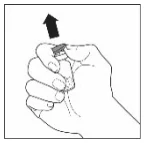
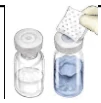
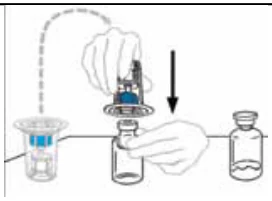
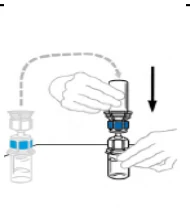
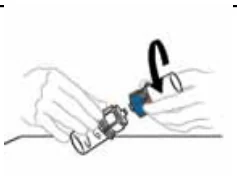
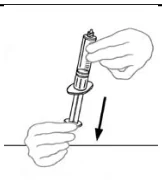
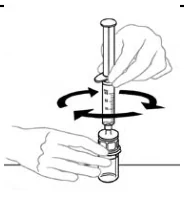
Do not shake the solution containing the reconstituted product. Even if the Reconstitution Steps are precisely followed, it is not uncommon for a few flakes or particles to remain in the product vial after reconstitution (step 6). The filter included in the Mix2Vial device removes those particles completely. Filtration does not influence dosage calculations.
Use reconstituted product within 3 hours to avoid risk of microbial contamination. Do not refrigerate after reconstitution.
Note: This product must not be mixed in the same syringe with any other medicinal products.
Reconstitution Steps
| Steps | Image Example |
|---|---|
|  |
|  |
|
|  |
|---|---|
|  |
Note: It is not uncommon for some flakes or particles to remain in the reconstituted vial. The filter included in the Mix2Vial device will remove extraneous flakes and particles, and resulting solution in the syringe should be clear and colourless. | 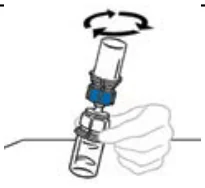 |
|  |
|  |
|  |
|  |
|  | |||||
|---|---|---|---|---|---|---|
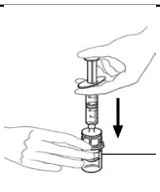
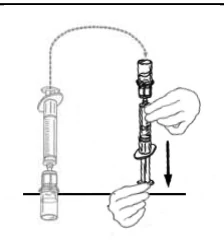
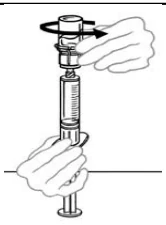
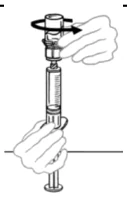
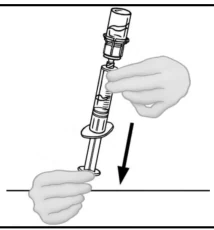
NOTE: If the dose requires more than one vial of VONVENDI:
|  | |||||
|  | |||||
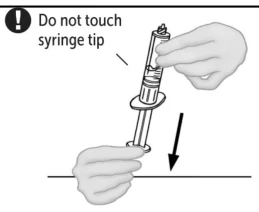 | ||||||
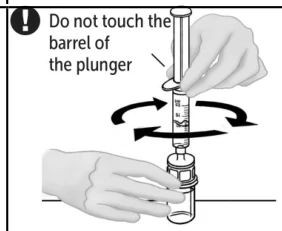 | ||||||
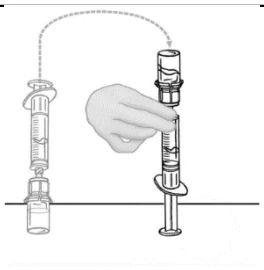 | ||||||
| 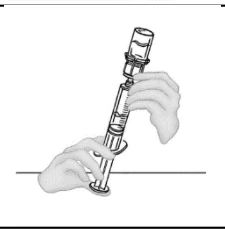 | |||||
|  |
|---|---|
| Note: If the dose requires more than two vials of reconstituted VONVENDI, use a NEW plastic syringe. No more than two vials of VONVENDI may be pooled into a single syringe. |
4.4 Administration
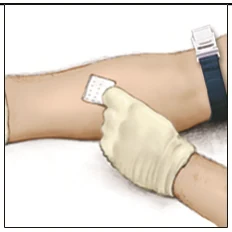
The Reconstitution steps (see Reconstitution) should be followed closely prior to administration. Reconstituted product should be inspected visually prior to administration. After withdrawal from the vial, the reconstituted solution within the syringe should be a clear, colourless solution, free from particles.
Do not administer the solution if particulate matter, or colouration or cloudiness is found in the syringe.
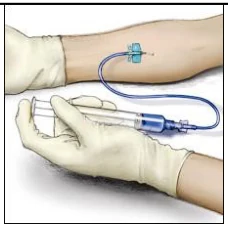
Administer the product intravenously (IV) following the administration steps. The rate of administration should be a rate slow enough that ensures the comfort of the patient, up to a maximum of 4 mL/min.
It is strongly recommended that every time VONVENDI is administered, the patient name and batch number of the product are recorded to maintain a link between the patient and the batch of the product.
If you need to infuse recombinant factor VIII (rFVIII), reconstitute rFVIII as instructed in the product monograph for that product. rFVIII should be administered within 10 minutes after you have infused the complete dose of VONVENDI.
Administration Steps:
4.5 Missed Dose
Double doses are generally not required to compensate for forgotten individual doses. Patients should be advised to proceed immediately with a regular administration of VONVENDI and to continue treatment at regular intervals as required.
5 OVERDOSAGE
The effects of higher than recommended doses of VONVENDI have not been characterized (See 7 WARNINGS AND PRECAUTIONS, Cardiovascular, Thrombogenicity for risk of thrombotic events).
| Steps | Image Example |
| |
|  |
Note:
|  |
| |
|
6 DOSAGE FORMS, STRENGTHS, COMPOSITION AND PACKAGING
VONVENDI is supplied in a package with a single-dose vial of lyophilized powder, a vial of Sterile Water for Injection, a reconstitution device (Mix2Vial), and package insert.
Each vial of VONVENDI is labeled with the actual amount of recombinant von Willebrand factor (rVWF) activity in international units (IU), as measured with the Ristocetin cofactor assay (VWF:RCo). The specific activity of VONVENDI is approximately 110 IU VWF:RCo/mg protein.
VONVENDI is reconstituted using Sterile Water for Injection and administered intravenously (IV). The 650 IU vial is reconstituted with 5 mL of Sterile Water for Injection; the 1300 IU vial is reconstituted with 10 mL of Sterile Water for Injection. VONVENDI contains approximately 130 IU rVWF:RCo/mL when reconstituted.
Components used in the packaging of VONVENDI are not made with natural rubber latex.
Description
VONVENDI is a purified recombinant von Willebrand factor (rVWF) expressed in Chinese Hamster Ovary (CHO) cells. VONVENDI is produced and formulated without the addition of any exogenous human- or animal-derived plasma proteins. The only proteins present in the final container product other than rVWF are trace quantities of mouse immunoglobulin (recombinant IgG from the immunoaffinity purification), proteins from the host CHO cells, rFurin (used to further process rVWF), and recombinant factor VIII (rFVIII).
Von Willebrand factor is a large multimeric glycoprotein that is normally found in plasma, and stored as ultra-large multimers in alpha-granules of platelets and intracellular organelles known as Weibel-Palade bodies, prior to secretion into the blood. Once the VWF is released to the blood stream and in contact with ADAMTS13 (a proteolytic enzyme in blood), it is cleaved to
| For management of a suspected drug overdose, contact your regional poison control centre. |
|---|
| Table 4 – Dosage Forms, Strengths, Composition and Packaging | ||
| Route of Administration | Dosage Form / Strength/Composition | Non-medicinal Ingredients |
| Intravenous Injection | Lyophilized Powder for Solution
For reconstitution
| Glycine, Mannitol, Polysorbate 80 (Tween-80), Trehalose dihydrate, Tri-sodium citrate dihydrate The product contains no preservative. |
smaller sizes (detected by gel electrophoresis as the appearance of multiple satellite bands), representing the various multimers of VWF within the circulation. VONVENDI is a rVWF that contains ultra-large multimers in addition to all of the multimers found in plasma as it is not exposed to proteolysis by ADAMTS13 during the manufacturing process.
VONVENDI is formulated as a sterile, non-pyrogenic, and white to off-white lyophilized powder for intravenous injection and is supplied in a single-use vial. VONVENDI is reconstituted with Sterile Water for Injection.
7 WARNINGS AND PRECAUTIONS
Cardiovascular
Thrombogenicity
There is a risk of occurrence of thrombotic events particularly in patients with known risk factors for thrombosis, such as history of thrombotic events, ischemic stroke, coronary artery disease, low ADAMTS13 levels (such as may occur in patients with certain inflammatory diseases, liver failure, or alcoholic hepatitis), and patients undergoing a major surgery, especially orthopedic or cardiac surgery. Patients who are at risk for thrombosis should be monitored for early signs of thrombosis, and prophylaxis measures against thromboembolism should be instituted according to current recommendations and standard of care.
In clinical trials, one out of 80VWD patients treated with VONVENDI developed proximal deep venous thrombosis in the perioperative period after undergoing total hip replacement.
In patients requiring frequent doses of VONVENDI in combination with rFVIII, plasma levels for FVIII:C activity should be monitored to avoid sustained excessive FVIII:C plasma levels, which may increase the risk of thrombotic complications. It is not recommended to administer VONVENDI in combination with a plasma derived FVIII product containing VWF.
Immune
Hypersensitivity Reactions
Hypersensitivity reactions (including serious reactions such as anaphylaxis) have occurred with rVWF and rFVIII. Symptoms of hypersensitivity may include but are not limited to angioedema, rash, urticaria, pruritus, paresthesias, tightness of the throat, chest pain or tightness, difficulty breathing, hypotension, dizziness, nausea or fainting.
Patients and/or their caregivers should be informed of the early signs of hypersensitivity reactions and they should be advised to discontinue use of the product immediately and contact their physician if such symptoms occur.
Adequate medical treatment and provisions should be available for immediate use for a potential anaphylactic reaction. Since inhibitor antibodies can occur concomitantly with anaphylactic reactions, evaluate patients experiencing an anaphylactic reaction for the presence of inhibitors.
VONVENDI contains trace amounts of mouse immunoglobulin G and hamster proteins and there exists a remote possibility that patients treated with this product may develop hypersensitivity to these non-human mammalian proteins.
Monitoring and Laboratory Tests
Appropriate laboratory tests should be performed on the patient’s plasma at suitable intervals to assure that adequate rVWF:RCo and rFVIII:C activity levels have been reached and are maintained.
Patients should be monitored for the development of VWF or FVIII neutralizing antibodies (inhibitors) if the expected VWF activity (VWF:RCo) plasma levels are not attained or if bleeding is not controlled with an appropriate dose of rVWF or rVWF/rFVIII.
For patients who will undergo surgical procedures, the surgery should be started only after normalization of the activated partial thromboplastin time (aPTT).
Sensitivity/Resistance
Neutralizing Antibodies (Inhibitors)
Neutralizing antibodies (inhibitors) to VWF and/or factor VIII can occur, especially in Type 3 VWD patients. If the expected plasma level of VWF activity (VWF:RCo) is not attained, an appropriate assay should be performed to determine if an anti-VWF antibody and anti-FVIII antibody are present. In patients with high levels of anti-VWF neutralizing antibodies, VWF therapy may not be effective and other therapeutic options should be considered to establish hemostasis.
Treatment of VWD patients who have high-titer of non-neutralizing VWF binding antibodies (due to previous treatments such as plasma-derived VWF or blood transfusions) may require a higher dose to overcome the binding antibody effect and such patients could be managed clinically by administration of higher doses of VONVENDI based on the PK data for each individual patient.
7.1 Special Populations
7.1.1 Pregnant Women
The safety of VONVENDI for use in pregnant women has not been established. Healthcare professionals should balance the potential risks and only prescribe VONVENDI if clearly needed.
The extent of exposure in pregnancy during clinical trials was very limited.
7.1.2 Breast-feeding
The safety of VONVENDI for use in lactating women has not been established. Healthcare professionals should balance the potential risks and only prescribe VONVENDI if clearly needed.
7.1.3 Pediatrics
Pediatrics (age <18): No data are available to Health Canada; therefore, Health Canada has not authorized an indication for pediatric use.
7.1.4 Geriatrics
Geriatrics (age ≥65): There is insufficient data to recommend the use of VONVENDI in elderly patients.
8 ADVERSE REACTIONS
8.1 Adverse Reaction Overview
The most common adverse drug reactions (incidence ≥ 2%) reported in the clinical trials were headache, nausea, vomiting, dizziness, vertigo and pruritus generalised.
8.2 Clinical Trial Adverse Reactions
Because clinical trials are conducted under very specific conditions, the adverse reaction rates observed in the clinical trials may not reflect the rates observed in practice and should not be compared to the rates in the clinical trials of another drug. Adverse reaction information from clinical trials is useful for identifying drug-related adverse events and for approximating rates.
The adverse drug reactions (ADR) presented in Table 5 have been reported in 80 patients with von Willebrand disease (severe type 1 or 2, and type 3 VWD) from a Phase 1 dose escalation study (070701), a Phase 3 study (071001) in the treatment of bleeding episodes, and a Phase 3 surgical study (071101).Two patients were treated with rVWF in both 070701 and 071001 studies; one patient was treated with rVWF in both 071001 and 071101 studies.
A temporal association with an infusion (i.e. during or within 24 hours after infusion) was observed for 28% (53/187) of the overall number of adverse events (AEs). The total of 3 serious AEs reported in 2 patients in the safety population (80 patients) were of moderate severity and all non-serious AEs were of mild or moderate severity.
In the surgery study (071101), one asymptomatic patient with ADAMTS13 at 37% of the normal plasma levels, was diagnosed with deep vein thrombosis which was revealed by imaging conducted as a part of the hospital’s standard of care for high-risk patients, 3 days after total hip replacement surgery, while receiving VONVENDI.
| Table 5 – Clinical Trials Adverse Drug Reactions (ADRs) | ||||
| System Organ Class (SOC) | Preferred Term (PT)a | Frequency Category by Patientb | Number and Frequency (%) by Patientc (N=80) | Number and Frequency (%) by Infusiond (N=476) |
| Cardiac Disorders | Tachycardia | Common | 1 (1.3) | 1 (0.2) |
| Gastrointestinal Disorders | Vomiting | Common | 3 (3.8) | 4 (0.8) |
| Nausea | Common | 3 (3.8) | 3 (0.6) | |
| General Disorders and Administration Site Conditions | Chest discomfort | Common | 1 (1.3) | 1 (0.2) |
| Infusion site paraesthesia | Common | 1 (1.3) | 1 (0.2) | |
| Table 5 – Clinical Trials Adverse Drug Reactions (ADRs) | ||||
| System Organ Class (SOC) | Preferred Term (PT)a | Frequency Category by Patientb | Number and Frequency (%) by Patientc (N=80) | Number and Frequency (%) by Infusiond (N=476) |
| Investigations | Electrocardiogram T wave inversion | Common | 1 (1.3) | 1 (0.2) |
| Heart rate increased | Common | 1 (1.3) | 1 (0.2) | |
| Nervous System Disorders | Headachee | Very Common | 8 (10) | 19 (4.0) |
| Dizziness | Common | 3 (3.8) | 3 (0.6) | |
| Vertigo | Common | 2 (2.5) | 3 (0.6) | |
| Tremor | Common | 1 (1.3) | 1 (0.2) | |
| Dysgeusia | Common | 1 (1.3) | 1 (0.2) | |
| Vascular Disorders | Deep venous thrombosis | Common | 1 (1.3) | 2 (0.4) |
| Hypertension | Common | 1 (1.3) | 2 (0.4) | |
| Hot flush | Common | 1 (1.3) | 1 (0.2) | |
| Skin and Subcutaneous Tissue Disorders | Pruritus generalised | Common | 2 (2.5) | 2 (0.4) |
a MedDRA version 24.1 b Frequency categories common (≥ 1/100 to < 1/10). c Frequency by patient = total number of patients experiencing the AE divided by total number of patients (N) and multiplied by 100. d Frequency by infusions = total number of adverse events divided by total number of infusions (N) and multiplied by 100. e The reported events of headache were considered by the investigator to be unrelated to treatment | ||||
Immunogenicity
The immunogenicity of VONVENDI was assessed in clinical trials by monitoring the development of neutralizing antibodies against VWF and FVIII, as well as binding antibodies against VWF, Furin, Chinese hamster ovary (CHO) protein and mouse immunoglobulin G (IgG). Neutralizing antibodies against either VWF or FVIII were not observed.
Of the patients who received VONVENDI in the clinical studies, one patient who was treated perioperatively and for whom no adverse events or lack of hemostatic efficacy was reported, developed treatment-emergent non-neutralizing binding antibodies against VWF following a transfusion of packed red blood cells. Binding antibodies against potential impurities such as rFurin, CHO-protein or mouse IgG were not observed after treatment with VONVENDI.
The detection of antibody formation is highly dependent on the sensitivity and specificity of the assay. Additionally, the observed incidence of antibody (including neutralizing antibody) positivity in an assay may be influenced by several factors including assay methodology, sample handling, timing of sample collection, concomitant medications, and underlying disease. For these reasons, it may be misleading to compare the incidence of antibodies to VONVENDI in the studies described above with the incidence of antibodies in other studies or to other products.
8.3 Less Common Clinical Trial Adverse Reactions
None
8.5 Post-Market Adverse Reactions
The following adverse reactions have been identified during post-approval use of VONVENDI. Because these reactions are reported voluntarily from a population of uncertain size, it is not always possible to reliably estimate their frequency or establish a causal relationship to drug exposure.
General Disorders and Administration Site Conditions: Infusion related reaction (may include symptoms such as tachycardia, flushing, dyspnea and blurred vision)
Immune System Disorders: Anaphylactic reaction
9 DRUG INTERACTIONS
9.2 Drug Interactions Overview
No interaction studies have been performed with VONVENDI.
9.4 Drug-Drug Interactions
Interactions with other drugs have not been established.
9.5 Drug-Food Interactions
Interactions with food have not been established. This medicinal product contains 5.2 mg sodium in each 650 IU vial or 10.4mg sodium in each 1300 IU vial. This is equivalent to 2.2 % of the WHO recommended maximum daily intake of 2 g sodium for an adult, assuming a body weight of 70 kg and a dose of 80 IU/kg body weight. This is to be taken into consideration by patients on a controlled sodium diet.
9.6 Drug-Herb Interactions
Interactions with herbal products have not been established.
9.7 Drug-Laboratory Test Interactions
Interactions with laboratory tests have not been established.
10 CLINICAL PHARMACOLOGY
10.1 Mechanism of Action
Administration of rVWF allows correction of the hemostatic abnormalities exhibited by patients who suffer from VWF deficiency (von Willebrand disease) at two levels: 1) to promote hemostasis by mediating platelet adhesion to damaged vascular sub-endothelial matrix (e.g. collagen) and platelet aggregation, and 2) as a carrier protein for FVIII, protecting it from rapid proteolysis.
The adhesive activity of rVWF depends on the size of its multimers, with ultra-large multimers being the most effective in supporting interactions with collagen and platelet receptors.
The binding capacity and affinity of rVWF to factor VIII in plasma is comparable to that of endogenous VWF, allowing for rVWF to reduce factor VIII clearance. After the first infusion of rVWF, the FVIII:C level is expected, in a majority of patients, to rise above 40% within 6 hours and to peak within 24 hours, depending on the baseline FVIII:C level.
10.2 Pharmacodynamics
There have been no specific pharmacodynamics studies on rVWF.
10.3 Pharmacokinetics
The pharmacokinetic profile of rVWF in patients with VWD was determined in 3 clinical trials. Table 6 summarizes the PK parameters of VONVENDI after infusions of VONVENDI at 50 IU VWF:RCo /kg (PK50) in all 3 studies and at 80 IU/kg (PK80) in Study 071001. In Study 070701, ADVATE at 38.5 IU rFVIII:C/kg was co-infused with rVWF.
PK parameters at 50 IU/kg were comparable in the 3 studies, taking into account the inter-individual differences among the patient populations. Within 60 minutes post-infusion, mean concentration of VWF:RCo reached peak levels (Tmax: approximately 0.6-0.8 h across studies) with a mean IR of 1.7-2.0 (IU/dL)/(IU/kg) for VWF:RCo and gradually declined post-infusion. rVWF binds to endogenous FVIII and is distributed mainly in the intravascular space with mean Vss of approximately 0.7 to 0.8 dL/kg. The mean elimination t1/2 of VWF:RCo was in the range of 17.8 to 22.6 h. The rVWF PK profile was comparable at 50 IU/kg (with or without rFVIII) and 80 IU/kg VWF:RCo.
In all studies, FVIII:C level was also assessed. When rFVIII was co-administered in addition to the PK infusions of rVWF, a substantial increase in FVIII levels immediately after infusion was observed, as expected. After infusion of rVWF alone, the median concentration (IU/dL) of (endogenous) FVIII:C increased from a median baseline level of 2 to 27.0 at 3 hours, 44.0 at 6 hours and 67.0 at 12 hours, reaching a peak of 86.0 at 24 hours.
Table 6 – Pharmacokinetic Assessment of VWF:RCo Activity (Studies 070701, 071001 and 071101) | ||||
| Parameter | Phase 1 PK50 (Study 070701) Mean (95% CI) SD | Phase 3 PK50 (Study 071001) Mean (95% CI) SD | Phase 3 PK80 (Study 071001) Mean (95% CI) SD | Surgery PK50 (Study 071101) Mean (95% CI) SD |
Cmax (U/dL) | 76.5 (67.1; 85.8) 21.09 | 93.6 (81.5; 105.8) 21.04 | 155.7 (138.2; 173.2) 31.62 | 96.3 (81.5; 111.1) 22.00 |
Table 6 – Pharmacokinetic Assessment of VWF:RCo Activity (Studies 070701, 071001 and 071101) | ||||
| Parameter | Phase 1 PK50 (Study 070701) Mean (95% CI) SD | Phase 3 PK50 (Study 071001) Mean (95% CI) SD | Phase 3 PK80 (Study 071001) Mean (95% CI) SD | Surgery PK50 (Study 071101) Mean (95% CI) SD |
| Tmax (h) | 0.8 (0.6; 1.0) 0.50 | 0.7 (0.5; 0.9) 0.28 | 0.6 (0.4; 0.7) 0.23 | 0.7 (0.6; 0.7) 0.09 |
| T1/2 (h) | 19.3 (14.3; 24.3) 10.99 | 22.6 (19.5; 25.7) 5.34 | 19.1 (16.7; 21.5) 4.32 | 17.8 (12.9; 22.8) 7.34 |
AUC0-inf (h·U/dL) | 1541.4 (1295.7; 1787.2) 554.31 | 2105.4 (1858.6; 2352.3) 427.51 | 2939.0 (2533.2; 3344.8) 732.72 | 1834.4 (1259.0; 2409.7) 856.45 |
| CL (dL/kg/h) | 0.04 (0.03; 0.05) 0.028 | 0.02 (0.02; 0.03) 0.005 | 0.03 (0.02; 0.03) 0.009 | 0.03 (0.02; 0.04) 0.011 |
| VSS (dL/kg) | 0.8 (0.7; 0.9) 0.25 | 0.8 (0.7; 0.9) 0.15 | 0.7 (0.6; 0.9) 0.22 | 0.7 (0.5; 0.8) 0.20 |
IR ([IU/dL] / [IU/kg] | 1.7 (1.4; 2.0) 0.62 | 1.9 (1.6; 2.1) 0.41 | 2.0 (1.7; 2.2) 0.39 | 2.0 (1.7; 2.3) 0.45 |
Cmax = Maximum plasma concentration; Tmax = Time to reach Cmax; T1/2 = Half-life; AUC0-inf = Area under the curve (time 0 to infinity); CL = Clearance; Vss = Volume of distribution at steady state; IR = incremental recovery.
Special Populations and Conditions
No analyses of effects of intrinsic factors such as age, sex, race, renal or hepatic impairment on Pharmacokinetic outcomes have been conducted.
11 STORAGE, STABILITY AND DISPOSAL
Store below 30°C. Do not freeze. Do not use beyond the expiration date.
Use reconstituted product within 3 hours to avoid risk of microbial contamination.
12 SPECIAL HANDLING INSTRUCTIONS
None
PART II: SCIENTIFIC INFORMATION
13 PHARMACEUTICAL INFORMATION
Drug Substance
Proper name: von Willebrand factor (Recombinant)
Chemical name: vonicog alfa (INN)
Molecular mass: The recombinant von Willebrand Factor (rVWF) monomer has a molecular weight of approximately 260 kDa.
Physicochemical properties: The Final Drug Product (FDP) contains rVWF multimers ranging from Low (approximately 500 kDa) to Ultra Large (up to 20000 kDa) and can consist of over approximately 80 monomers.
Product Characteristics
Recombinant VWF is collected from the immunoaffinity purification column used in the manufacture of ADVATE (recombinant FVIII).
Purification steps of recombinant VWF include viral inactivation.
14 CLINICAL TRIALS
14.1 Clinical Trials by Indication
The safety, efficacy and pharmacokinetics (PK) of VONVENDI were assessed in three, open label, multicenter clinical trials in a total of 80 patients with severe VWD. In these trials, patients received rVWF with recombinant rFVIII (ADVATE) at a ratio of 1.3 (± 0.2) to 1.0 (VWF:RCo/kg to FVIII:C/kg) based on expected incremental recoveries of 1.5 and 2.0 IU/dL per IU/kg, respectively.
Most patients were White (89%) and the remaining were Asian (11%). The main exclusion criteria were history of hypersensitivity, neutralizing antibodies (inhibitors) against VWF or FVIII and thromboembolic events.
Fifty-one, unique, patients were exposed to rVWF during two Phase III trials, Study 071001 (Table 7) and Study 071101 (Table 10).
Treatment of Bleeding Episodes
| Table 7 – Summary of patient demographics for Phase III clinical trial Study 071001 in patients with VWD | ||||||||
| Study # | Trial design | Dosage, route of administration and duration | Study patients (n)a | Mean age (Range) | Sex (n) | |||
| 071001 | Phase 3, multicenter, part-randomized study to assess the PK, safety and efficacy of rVWF:rFVIII and rVWF in the treatment of bleeding episodes in type 3 and severe types 1 & 2 VWD. | Intravenous Injection In Arms 1, 2 and 3, patients underwent a PK assessment by infusion of 50 ± 5 IU/kg rVWF:RCo (Arms 1 and 2) or 80 ± 5 IU/kg rVWF:RCo (Arm 3) at an infusion rate of up to 4 mL/min. | 37 | 36.9 (18 - 64) | Male (17) and Female (20) | |||
a One patient was exposed to rVWF in both study 071001 and study 071101
Study 071001
In Study 071001, the majority of patients (29/37 [78.4%]) had type 3 VWD; 5 (13.5%) had type 2A VWD, 1 (2.7%) had type 2N VWD and 2 (5.4%) had type 1 VWD.
Study 071001 consisted of two parts: Part A was the PK assessments alone (Arm 2: PK50 only [without treatment of BEs]), or PK assessments (Arm 1: PK50 and Arm 3: PK80) plus on-demand treatment period(s) of 6 months for bleeding episodes (BEs), on-demand treatment for BEs only (Arm 4). Patients receiving treatment for PK assessments and/or BEs in Part A were to be entered into Part B to continue on-demand treatment for BEs for 6 additional months for a total of 12 months in the study.
For all patients, BEs were to be initially treated with an infusion of rVWF with rFVIII at a ratio of 1.3 to 1 (i.e., 30% more VONVENDI than ADVATE (rFVIII)), and subsequently with rVWF with or without rFVIII based on FVIII:C levels. The aim of the initial dose of VONVENDI with rFVIII was to achieve target plasma levels of greater than 60 IU/dL (60%) VWF:RCo and greater than 40 IU/dL (40%) of FVIII:C. In cases where no FVIII:C levels were available, the individual patient’s PK data were used to determine the rFVIII dose. In this situation, rFVIII dosing was at the discretion of the investigator.
For treatment of minor bleeding events, all patients received 40 to 50 IU/kg rVWF:RCo (1 or 2 doses).
For treatment of major bleeds, Type 1 patients received an initial dose of 50 to 75 IU/kg, then 40 to 60 IU/kg every 8 to 12 hours or as needed for 3 days to keep the trough level of VWF:RCo >50%; then 40 to 60 IU/kg daily for a total of up to 7 days of treatment. Type 2 and Type 3, patients received an initial dose of 60 to 80 IU/kg rVWF:RCo then 40 to 60 IU/kg every 8 to 12 hours or as needed for 3 days to keep the trough level of VWF:RCo >50%; then 40 to 60 IU/kg daily for a total of up to 7 days of treatment.
The primary efficacy endpoint was the number of patients with treatment success for control of bleeding episodes. Treatment success was defined as a mean efficacy rating score of less than 2.5 (i.e., rated as “excellent” or “good”) for all bleeding episodes in a patient treated with
VONVENDI (with or without ADVATE) during the trial period. The efficacy rating was assessed using a 4-point rating scale (1 - Excellent; 2 - Good; 3 - Moderate; 4 - None), comparing the prospectively estimated number of infusions needed to treat the bleeding episodes to the actual number of infusions administered.
Secondary efficacy measures were the number of treated bleeding episodes with an efficacy rating of “excellent” or “good”, the number of infusions and number of units of VONVENDI, administered with or without ADVATE, per bleeding episode.
The primary efficacy assessments of treatment success (Excellent/Good) for bleeds were made prospectively and excluded GI bleeds. Eighteen patients were included in the primary outcome assessment after excluding 2 patients with only GI bleeds (and no other bleeds requiring VONVENDI), and 2 patients in whom the number of infusions to control a bleed was estimated retrospectively. The rate of patients (n=18) with treatment success was 100% (95% CI 81.5 to 100).
Sensitivity analyses of treatment success for bleeding episodes including GI bleeds and those bleeding episodes made retrospectively (n=22: 17 with Type 3 VWD, 4 with Type 2A VWD and 1 with Type 2N VWD) confirmed the primary analysis.
All bleeding episodes treated with VONVENDI and ADVATE or VONVENDI alone were controlled with an efficacy rating of excellent (96.9%) or good (3.1%). Control of bleeding episodes was consistent across all degrees of bleeding severity.
For an overview of hemostatic efficacy by bleeding severity and number of infusions required to treat a bleeding episode refer to Table 8. A total of 192 bleeding episodes treated with VONVENDI were reported in 22/37 patients.
| Table 8 – Number of Infusions by Severity of Bleeding Episodes | |||||
| Number of Infusions per Bleed | Severity of Bleeding Episodes | ||||
| Minor n (%) n=122 | Moderate n (%) n=61 | Major/Severe n (%) n=7 | Unknown n (%) n=2 | All n (%) n=192 | |
| 1 | 113 (92.6%) | 41 (67.2%) | 1 (14.3%) | 2 (100%) | 157 (81.8%) |
| 2 | 8 (6.6%) | 13 (21.3%) | 4 (57.1%) | 0 (0.0) | 25 (13.0%) |
| 3 | 1 (0.8%) | 6 (9.8%) | 2 (28.6%) | 0 (0.0) | 9 (4.7%) |
| 4 | 0 (0.0) | 1 (1.6%) | 0 (0.0) | 0 (0.0) | 1 (0.5%) |
| Median | 1 | 1 | 2 | 1 | 1 |
| Range | 1-3 | 1-4 | 1-3 | 1-1 | 1-4 |
The median actual dose of VONVENDI with ADVATE administered per bleeding episode (n=166) was 46.5 (90% CI, 43.3 to 48.2) IU/kg and 33.6 (90% CI, 32.4 to 36.8) IU/kg respectively. The median actual dose of VONVENDI alone administered per bleeding episode (n=30) was 52.8 (90% CI, 52.6 to 55.7) IU/kg. A single infusion was observed to be effective in 81.8% of bleeds.
In relation to bleeding severity, the median cumulative dose of VONVENDI (with or without rFVIII) to treat a bleeding episode was 43.3 (range, 25.2 to 158.2) IU/kg for minor bleeding episodes (n=122), 52.7 (range, 23.8 to 184.9) IU/kg for moderate bleeding episodes (n=61),
100.0 (range, 57.5 to 135.0) IU/kg for major bleeding episodes (n=7).
Table 9 summarizes data obtained for number of infusions and efficacy rating per bleeding episode by location.
| Table 9 – Efficacy by Bleeding Episode Location | ||
| Bleeding Episodes by Location (n) | Median Number of Infusions (Range) | Rating (%) |
Joint (n=59) | 1 (1 to 3) | Excellent (96.6%) |
| Good (3.4%) | ||
GI (n=6) | 1 (1 to 2) | Excellent (83.3%) |
| Good (16.7%) | ||
Mucosal: Genital Tract Female (n=45) | 1 (1 to 4) | Excellent (97.8%) |
| Good (2.2%) | ||
Mucosal: Nasopharyngeal (n=42) | 1 (1 to 2) | Excellent (97.6%) |
| Good (2.4%) | ||
Mucosal: Mouth and Oral Cavity (n=26) | 1 (1 to 4) | Excellent (100%) |
Treatment in Case of Surgery
| Table 10 – Summary of patient demographics for Phase III clinical trial Study 071101 in patients with VWD | ||||||||
| Study # | Trial design | Dosage, route of administration and duration | Study patients (n)a | Mean age (Range) | Sex (n) | |||
| 071101 | Phase 3, multicenter, prospective, uncontrolled, non-randomized study to assess the efficacy and safety of rVWF with or without rFVIII for perioperative management of patients with severe VWD undergoing major, minor, or oral elective surgical procedures. | Intravenous Injection Patients underwent a PK assessment by infusion of 50 ± 5 IU/kg rVWF:RCo at an infusion rate of up to 4 mL/min. At 12-24 hours before surgery, patients received a dose of 40-60 IU/kg rVWF:RCo. Within 1 hour prior to surgery, patients received a dose of rVWF with or without rFVIII (depending on preoperative FVIII:C levels). | 15 for major (10), minor (4), and oral (1) procedures | 39.3 (20-70) | Male (7) and Female (8) | |||
Study 071101
In Study 071101, the majority of patients (8/15 [53.3%]) had Type 3 VWD; 2 (13.3%) had Type 2A VWD, 1 (6.7%) had Type 2B VWD, 1 (6.7%) had Type 2M VWD, and 3 (20.0%) had Type 1 VWD.
In Study 071101, patients underwent a baseline PK assessment following the infusion of 50±5 IU/kg rVWF:RCo to guide the preoperative priming dose. At 12-24 hours before surgery, patients received a priming dose of 40-60 IU/kg rVWF:RCo to allow the endogenous FVIII levels to increase to at least 30 IU/dL (minor and oral surgery) or 60 IU/dL (major surgery) before the loading dose of rVWF with or without rFVIII was administered. Within 3 hours of the surgery, the patient’s FVIII: C levels were assessed with a target of 30 IU/dL for minor and oral surgeries and 60 IU/dL for major surgeries. If target FVIII levels prior to loading dose administration were not reached, rFVIII was to be administered in addition to rVWF in order to raise FVIII:C levels to recommended levels.
Within 1 hour prior to surgery, patients received a dose of VONVENDI with or without ADVATE (depending on the target FVIII:C levels at the 3-hour pre-surgery assessment). VWF:RCo, FVIII:C, and IR for each patient, when known, were used to guide the initial dose and subsequent doses. The target peak plasma levels were 50-60 IU/dL for VWF:RCo and 40-50 IU/dL for FVIII:C for minor and oral surgeries, and 100 IU/dL for VWF:RCo and 80-100 IU/dL FVIII:C for major surgery.
Major surgeries referred to any surgery which has a significant risk of large volume blood loss, (including but not limited to any major orthopedic, abdominal, gynecological, cardiovascular, head and neck surgeries), minor surgeries referred to minimally invasive procedures and endoscopies, and oral surgeries comprised extractions of fewer than three “non-molar” teeth with no bone involvement. The surgery started after normalization of the activated partial thromboplastin time (aPTT). Dose modifications based on pre-infusion VWF/FVIII levels were performed as needed. All subsequent infusions of rVWF and rFVIII post-surgery, in case pre-infusion levels were not available prior to the consecutive infusion(s) in a timely manner, were recommended to be based on pre-infusion levels from the previous day (maximum of 24 hours) to be used by the investigator for dosing calculations and doses were adjusted as needed.
The primary outcome measure was the overall assessment of hemostatic efficacy assessed 24 hours after last perioperative VONVENDI infusion or at completion of day 14 visit, whichever occurred earlier. Proportion of treatment success (Excellent/Good) was determined using a specified 4-point rating scale (1 - Excellent; 2 - Good; 3 - Moderate; 4 - None). Assessment was based on the expected hemostasis that would be achieved for the same type of surgical procedure in a normal subject, taking into consideration blood loss during surgery and postoperative bleeding, and need for additional hemostatic medications.
A total of 15 patients received 121 infusions of rVWF with or without rFVIII during the study. Of these, a total of 11 infusions of rVWF with rFVIII were administered in 5 of these patients.
All 15 patients treated with VONVENDI (with or without ADVATE) for major (10), minor (4), and oral (1) elective surgical procedures had overall hemostatic efficacy ratings of “excellent” or “good”. Most patients (73.3%) had “excellent” overall hemostatic efficacy ratings; of these, 7 underwent major surgery and 4 underwent minor surgery. The remaining 26.7% of patient had “good” overall hemostatic efficacy ratings: 3 underwent major surgery and 1 underwent oral surgery. All 8 patients with VWD Type 3, the subtype classified as absolute VWF deficiency, had overall hemostatic efficacy ratings of “excellent” (87.5%) or “good” (12.5%).
For patients treated with VONVENDI (with or without ADVATE), the median total postoperative dose within the first 7 days after surgery was 114.2 IU/kg with a range of 23.8 to 318.9 IU/kg (n=13) and 76.2 IU/kg with a range of 23.8 to 214.4 IU/kg for the next 7 postoperative days (n=8).
For patients treated with VONVENDI alone, the median total postoperative dose within the first 7 days after surgery was 103.4 IU/kg with a range of 23.8 to 318.9 IU/kg (n=12) and 94.5 IU/kg with a range of 23.8 to 214.4 IU/kg for the next 7 postoperative days (n=7).
Table 11 summarizes the data obtained for VONVENDI treatment by surgery type.
| Table 11 – VONVENDI Treatment Summary by Surgery Typea (Study 071101: Safety Analysis Set) | ||||||||
| Parameter | Minor | Major | Oral | Overall | ||||
| Mean | Median (Min-Max) | Mean | Median (Min-Max) | Mean | Median (Min-Max) | Mean | Median (Min-Max) | |
| Number of Doses to Treat Surgery | 3.0 | 3.0 (2-4) | 9.3 | 9.0 (4-15) | 5.0 | 5.0 (5-5) | 7.3 | 6.0 (2-15) |
| Exposure Days to Treat Surgery | 3.0 | 3.0 (2-4) | 8.6 | 8.0 (4-15) | 4.0 | 4.0 (4-4) | 6.8 | 6.0 (2-15) |
| Pre-operative Dose 12-24 h before surgery [IU/kg] | 57.3 | 57.2 (55.0-59.9) | 49.8 | 49.3 (37.4-57.6) | 36.1 | 36.1 (36.1-36.1) | 50.9 | 55.0 (36.1-59.9) |
| Pre-operative Dose 1 h before surgery [IU/kg] | 33.2 | 39.3 (8.0-46.4) | 42.8 | 37.6 (15.7-82.7) | 18.1 | 18.1 (18.1-18.1) | 38.6 | 35.8 (8.0-82.7) |
| Intra-operative Dose [IU/kg] | NA | NA | NA | NA | 18.1 | 18.1 (18.1-18.1) | 18.1 | 18.1 (18.1-18.1) |
| Total Post-operative Dose (Days 0-14) [IU/kg] | 79.3 | 79.3 (42.8-115.9) | 225.7 | 233.9 (47.7-533.3) | 36.1 | 36.1 (36.1-36.1) | 188.6 | 197.9 (36.1-533.3) |
a Infusions to treat surgery refers to the total of the 12-24 hour pre-operative infusions, 1 hour pre-operative initial doses, intra-operative doses and post-operative doses. IP infusions to treat the bleed / maintain hemostasis are taken into account as post-operative infusions | ||||||||
15 MICROBIOLOGY
Not Applicable.
16 NON-CLINICAL TOXICOLOGY
Preclinical data reveal no special hazard of rVWF for humans based on studies of safety pharmacology, acute toxicity, repeated dose toxicity, local tolerance, immunogenicity and genotoxicity.
No investigations on carcinogenicity, fertility impairment and fetal development have been conducted. In a human ex vivo placenta perfusion model, it has been demonstrated that rVWF does not cross the human placental barrier.