


Product Monograph - ASA EC
SUMMARY PRODUCT INFORMATION
| Route of Administration | Dosage Form / Strength | Clinically Relevant Nonmedicinal Ingredients |
| Oral | ASA EC Acetylsalicylic Acid Delayed-Release Tablets, USP, 81mg | Lactose |
For a complete listing see DOSAGE FORMS, COMPOSITION AND PACKAGING.
INDICATIONS AND CLINICAL USE
ASA EC (acetylsalicylic acid, ASA) is indicated for the relief of pain, fever and inflammation of a variety of conditions such as influenza, common cold, low back and neck pain, dysmenorrhea, headache, toothache, sprains and strains, fractures, myositis, neuralgia, synovitis, arthritis, bursitis, burns, injuries, following surgical and dental procedures.
ASA EC is also indicated for the following uses, based on its platelet aggregation inhibitory properties:
| ASA EC DIN 02426811 |
| ASA EC DIN 02426811 |
| gastrointestinal bleeding. | |
| ASA EC DIN 02426811 |
| ASA EC DIN 02426811 |
| ASA EC DIN 02426811 |
ASA is generally considered to be the primary therapy for most forms of arthritis.
CONTRAINDICATIONS
- Patients who are hypersensitive to ASA, salicylates, non-steroidal anti-inflammatory drugs (NSAIDs), analgesics, antipyretics or other ingredients in the product or component of the container. For a complete listing, see DOSAGE FORMS, COMPOSITION AND PACKAGING section of the product monograph.
- Acute gastrointestinal ulcer
- History of gastrointestinal ulcers
- Hemorrhagic diathesis
- Active or Severe hepatic failure, renal failure, or congestive heart failure
- Patients with a history of asthma induced by the administration of salicylates or substances with a similar action, notably non-steroidal anti-inflammatory drugs
- Combination with methotrexate at doses of 15mg/week or more (see DRUG INTERACTIONS);
- Last trimester of pregnancy (see “Special Populations”)
WARNINGS AND PRECAUTIONS
General
ASA is one of the most frequent causes of accidental poisonings in toddlers and infants. Tablets or caplets should be kept well out of the reach of children.
ASA should be administered cautiously to patients with:
- uncontrolled hypertension
- impaired hepatic, renal function or cardiovascular circulation (e.g. renal vascular disease, congestive heart failure, volume depletion, major surgery, sepsis or major haemorrhagic events)
- a history of bleeding tendencies, significant anemia and/or hypothrombinemia
- concomitant treatment with anticoagulants (see DRUG INTERACTIONS)
- concomitant treatment with NSAIDs, such as ibuprofen and naproxen in patients taking ASA regimen (see DRUG INTERACTIONS)
Hypersensitivity
ASA may precipitate bronchospasm and induce asthma attacks or other hypersensitivity reactions. Risk factors are present bronchial asthma, hay fever, nasal polyps, or chronic respiratory disease. This applies also for patients showing allergic reactions (e.g. cutaneous reactions, itching, urticaria) to other substances.
Hematologic
Due to effect on platelet aggregation, ASA may be associated with an increased risk of bleeding. Caution is necessary when salicylates and anticoagulants are prescribed concurrently, as salicylates can depress the concentration of prothrombin in the plasma.
Peri-Operative Considerations
Due to its inhibitory effect on platelet aggregation which persists for several days after administration, ASA may lead to an increased bleeding tendency during and after surgical operations (including minor surgeries, e.g. dental extractions).
Special Populations
Women attempting to conceive:
During the first and second trimester of pregnancy, acetylsalicylic acid containing drugs should not be given unless clearly necessary. If acetylsalicylic acid containing drugs are used by a woman attempting to conceive, or during the first and second trimester of pregnancy, the dose should be kept as low as possible and duration of treatment as short as possible.
Based on the limited published data available, the studies in humans showed no consistent effect of acetylsalicylic acid on impairment of fertility and there is no conclusive evidence from animal studies.
Pregnant Women:
Acetylsalicylic acid inhibits prostaglandin synthesis. Inhibition of prostaglandin synthesis may adversely affect the pregnancy and/or the embryo/foetal development. Data from epidemiological studies raise concern about an increased risk of miscarriage and of malformations after the use of a prostaglandin synthesis inhibitor in early pregnancy. The risk is believed to increase with dose and duration of therapy. Available data do not support any association between intake of acetylsalicylic acid and an increased risk for miscarriage. For acetylsalicylic acid the available epidemiological data regarding malformation are not consistent, but an increased risk of gastroschisis could not be excluded. A prospective study with exposure in early pregnancy (1st-4th month) of about 14,800 mother-child pairs has not yielded any association with an elevated rate of malformations.
During the third trimester of pregnancy, all prostaglandin synthesis inhibitors may expose the foetus to:
- cardiopulmonary toxicity (with premature closure of the ductus ateriosus and pulmonary hypertension);
- renal dysfunction, which may progress to renal failure with oligo-hydroamniosis;
Use of any prostaglandin synthesis inhibitors at the end of pregnancy may expose the mother and the child to:
- possible prolongation of bleeding time, an anti-aggregating effect which may occur even after very low doses;
- inhibition of uterine contractions resulting in delayed or prolonged labour.
Consequently, acetylsalicylic acid is contraindicated in the third trimester of pregnancy.
Nursing Women:
ASA and its metabolites pass into breast milk in small quantities. Since no adverse effects on the infant have been observed after occasional use, interruption of breast-feeding is usually unnecessary. However, on regular use or on intake of high doses, breast feeding should be discontinued early.
Pediatrics:
A possible association between Reye's syndrome and the use of salicylates has been suggested but not established. Reye's syndrome has also occurred in many patients not exposed to salicylates. ASA should not be used in children and teenagers for viral infections with or without fever without consulting a physician. In certain viral illnesses, especially influenza A, influenza B and varicella, there is a risk of Reye’s syndrome, a very rare but possibly life-threatening illness requiring immediate medical action. The risk may be increased when ASA is given concomitantly; however, no causal relationship has been proven. Should persistent vomiting occur with such diseases; this may be a sign of Reye’s syndrome.
Low Uric Acid Excretion:
At low doses, ASA reduces excretion of uric acid. This can trigger gout in patients who already tend to have low uric acid excretion.
Glucose-6-Phosphate Dehydrogenase (G6PD) Deficiency:
In patient suffering from glucose-6-phosphate dehydrogenase (G6PD) deficiency, ASA may induce hemolysis or haemolytic anemia. Factors that may increase the risk of haemolysis are high dosage, fever, or acute infections.
Elderly:
In general, ASA should be used with caution in elderly patients (≥ 60 years of age), as these patients may be more susceptible to adverse reactions.
Monitoring and Laboratory Tests
Salicylates can produce changes in thyroid function tests.
Isolated cases of liver function disturbances (transaminases increase) have been described.
ADVERSE REACTIONS
Many adverse reactions due to ASA ingestion are dose-related. The following is a list of adverse reactions that have been reported in the literature and from both clinical and post-marketing experience.
Gastrointestinal (the frequency and severity of these adverse effects are dose-related): nausea, vomiting, diarrhea, gastrointestinal bleeding and/or ulceration, dyspepsia, heartburn, hematemesis, melena, abdominal pain, rarely gastrointestinal inflammation, and intestinal diaphragm disease with frequency not known (especially in long-term treatment).
Bleeding: Due to platelet inhibition, bleedings e.g. perioperative haemorrhage, hematomas, epistaxis, urogenital bleedings, and gingival bleedings may occur.
Serious bleedings, such as gastrointestinal tract hemorrhages, and cerebral hemorrhages are rare. Isolated cases of potentially life threatening bleedings have been reported, especially in patients with uncontrolled hypertension and/or concomitant antihemostatic agents.
Ear: dizziness, tinnitus, vertigo, hearing loss. Dizziness and tinnitus have been reported, which may be indicative of an overdose.
Hematologic: leukopenia, thrombocytopenia, purpura, anemia. Anemia with respective laboratory and clinical signs and symptoms, such as asthenia, pallor, and hypoperfusion is generally caused by bleeding (e.g. occult microbleeding, acute or chronic bleeding). Hemolysis and hemolytic anemia in patients with severe forms of glucose-6-phosphate dehydrogenase (G6PD) deficiency has been reported.
Dermatologic and hypersensitivity: urticaria, pruritus, skin eruptions, asthma, anaphylaxis, edema, nasal congestion and rhinitus. Severe allergic reactions, including anaphylactic shock are very rarely reported.
Miscellaneous: mental confusion, drowsiness, sweating, thirst. Transient hepatic impairment with increase in liver transaminases has very rarely been reported. Renal impairment and acute renal failure have been reported.
DRUG INTERACTIONS
Overview
ASA should be used with caution with other products that have anticoagulation or antiplatelet effects, as these effects may be potentiated. Drugs that bind to protein binding sites should also be used cautiously since ASA may displace drugs from their protein binding site.
Contraindicated Interactions
Methotrexate, used at doses of 15 mg/week or more: Increased hematological toxicity of methotrexate (due to decreased renal clearance of methotrexate by anti-inflammatory agents in general and displacement of methotrexate from its plasma protein binding by salicylates). See CONTRAINDICATIONS.
Drug-Drug Interactions
Methotrexate, used at 15 mg/week or less: Salicylates may retard the elimination of methotrexate by decreasing renal clearance of methotrexate, displacing methotrexate from protein binding sites, and thereby increasing its hematological toxicity.
Anti-coagulants, thrombolytics / other inhibitors of platelet aggregation / hemostasis, e.g. warfarin, heparin: Caution is necessary when salicylates and anticoagulants, thrombolytics / other inhibitors of platelet aggregation / hemostasis prescribed concurrently, as salicylates can depress the concentration of prothrombin in the plasma, leading to an increased risk of bleeding.
Oral hypoglycemics, e.g. insulin, sulfonylureas: Large doses of salicylates have a hypoglycemic action and may enhance the effect of oral hypoglycemic agents. Diabetics receiving concurrent salicylate and hypoglycemic therapy should be monitored closely; reduction of the sulfonylurea hypoglycemic drug dosage may be necessary.
Diuretics: Diuretics in combination with acetylsalicylic acid at higher doses leads to decreased glomerular filtration via decreased prostaglandin synthesis. As a result, sodium excretion may be decreased by salicylate administration.
Uricosuric Agents: Salicylates in large doses are uricosuric agents; smaller amounts may depress uric acid clearance and thus decrease the uricosuric effects of other drugs.
Valproic Acid: Salicylates may alter valproic acid (VPA) metabolism and may displace VPA from protein binding sites, possibly intensifying the effects of VPA. Caution is recommended when VPA is administered concomitantly with salicylates.
Glucocorticoids (systemic), except hydrocortisone used as replacement therapy in Addison’s disease: Decreased blood salicylate levels during corticosteroid treatment and risk of salicylate overdose after this treatment is stopped via increased elimination of salicylates by corticosteroids. Concurrent use may increase the incidence of gastrointestinal bleeding and ulceration.
Angiotensin Converting Enzyme (ACE) Inhibitors: The hyponatremic and hypotensive effects of ACE inhibitors may be diminished by the concomitant administration of ASA due to its indirect effect on the renin-angiotensin conversion pathway (i.e. inhibition of vasodilatory prostaglandins leading to decreased glomerular filtration). The potential interaction may be related to the dose of ASA (3 g/day or more).
Selective Serotonin Re-uptake Inhibitors (SSRIs): Increased risk of upper gastrointestinal bleeding due to possibly synergistic effect.
Digoxin: Plasma concentrations of digoxin are increased due to a decrease in renal excretion.
NSAIDS:
ASA and other NSAIDs: The use of other NSAIDs with salicylates at high doses (≥ 3g/day) may increase the risk of ulcers and gastrointestinal bleeding due to a synergistic effect.
Ibuprofen: Ibuprofen can interfere with the anti-platelet effect of low dose ASA (81-325 mg per day). Long-term daily use of ibuprofen may render ASA less effective when used for cardioprotection and stroke prevention. To minimize this interaction, regular users of ibuprofen and of low-dose, immediate-release ASA should take the ibuprofen at least one hour after and 11 hours before the daily ASA dose. The use of delayed-release (e.g. enteric-coated) ASA is not recommended when using ibuprofen regularly.
Naproxen: Naproxen may attenuate the irreversible platelet inhibition induced by acetylsalicylic acid. Clinical pharmacodynamic data suggest that concurrent (same day) naproxen sodium usage for more than one day consecutively inhibits the effect of low-dose acetylsalicylic acid on platelet activity and this inhibition may persist for up to several days after stopping naproxen sodium therapy. The clinical relevance of this interaction is not known. Treatment with naproxen, in patients with increased cardiovascular risk may limit the cardiovascular protection of acetylsalicylic acid (see “Special warnings and precautions for use”)
Healthcare professionals should advise consumers and patients regarding the appropriate concomitant use of NSAIDs (i.e. ibuprofen or naproxen) and ASA.
Drug-Food Interactions
Interactions with food have not been established.
Drug-Herb Interactions
Interactions with herb have not been established.
Drug-Laboratory Interactions
Salicylates can produce changes in thyroid function tests.
Drug-Lifestyle Interactions
Alcohol: Increased damage to gastrointestinal mucosa and prolonged bleeding time due to additive effects of acetylsalicylic acid and alcohol. Patients having 3 or more alcoholic drinks per day should consult their physician before use.
DOSAGE AND ADMINISTRATION
ASA EC tablets should preferably be taken after meals, with plenty of liquid.
Dosing Considerations
Please see below for specific dosing instructions for each indication.
Recommended Dose and Dosage Adjustment
Analgesic and antipyretic:
Adults: 1-2 tablets (325 mg to 650 mg) orally every 4-6 hours, not to exceed a total daily dose of 4 g.
Children under 12: 10 to 15 mg/kg every 6 hours, not to exceed a total daily dose of 2.4 g.
Consult a physician if fever lasts more than 3 days, pain lasts longer than 5 days, new symptoms occur or redness/swelling is present.
Anti-inflammatory:
Adults: 3 tablets (975 mg) 4 to 6 times a day, up to 30 tablets daily, may be required for optimal anti-inflammatory effect. A blood level between 15 and 30 mg per 100 mL is in the desirable therapeutic range.
Children: 60 to 125 mg/kg daily in 4 to 6 divided doses.
Platelet aggregation inhibitor:
Suspected Acute Myocardial Infarction: An initial dose of at least 162 mg chewed or crushed to ensure rapid absorption as soon as a myocardial infarction is suspected. The same dose should be given as maintenance over the next 30 days. After 30 days, consider further therapy based on dosage and administration for prevention of recurrent MI (see Prior Myocardial Infarction).
Prevention of a first non-fatal myocardial infarction: 81 - 325 mg once daily, according to the individual needs of the patient, as determined by the physician.
Prior Myocardial Infarction or Unstable Angina Pectoris: 81 - 325 mg daily according to the individual needs of the patient, as determined by the physician.
Transient Ischemic Attack and Secondary Prevention of Atherothrombotic Cerebral Infarction: 81 - 325 mg daily according to the individual needs of the patient, as determined by the physician.
Prophylaxis of Venous Thromboembolism after total hip replacement: 162 - 325mg (of ASA EC 81 mg) daily according to the individual needs of the patient, as determined by the physician.
Rheumatic Fever:
A total daily dosage of 80 mg per kilogram of body weight administered in divided doses to allay the pain, swelling and fever.
OVERDOSAGE
Mild Overdose or Early Poisoning - burning in the mouth, lethargy, nausea, vomiting, tinnitus, sweating, thirst, tachycardia or dizziness.
Moderate Overdose - all of the symptoms from mild overdose plus tachypnea, hyperpyrexia, sweating, dehydration, loss of coordination, restlessness, mental confusion.
Severe Overdose - all of the symptoms from moderate overdose plus hypotension, hallucinations, stupor, hypoglycemia, convulsions, cerebral edema, oliguria, renal failure, cardiovascular failure, coma, hemorrhage, metabolic acidosis, respiratory alkalosis and/or failure.
Emergency Management:
- 1. Immediate transfer to hospital and maintain cardiovascular and respiratory support;
- 2. Gastric lavage, administration of activated charcoal;
- 3. Check of acid-base balance and correct if necessary;
- 4. Alkaline diuresis so as to obtain urine pH between 7.5 and 8 should be considered when plasma salicylate concentration is greater than 500 mg/L (3.6 mmol/L) in adults or 300 mg/L (2.2 mmol/L) in children;
- 5. Hemodialysis should be considered in severe poisoning 800 mg/L (5.8 mmol/L) in adults and 700 mg/L (5.0 mmol/L) in children, as renal elimination of salicylates may be slow due to the presence of acidic urine and renal failure. Hemodialysis should also be considered if the patient is experiencing severe systemic metabolic acidosis (arterial pH < 7.2), acute renal failure, pulmonary edema or CNS symptoms such as: drowsiness, agitation, coma or convulsions;
- 6. Fluid losses should be replaced with hypotonic solution (e.g. half saline) and supplemented with glucose 50 to 100 g/L;
- 7. Symptomatic treatment.
Fatal Dose: varies from 10 to 30 g of ASA. However, (in one case) 130 g of ASA was ingested without fatal outcome.
| For management of a suspected drug overdose, contact your regional Poison Control Centre. |
ACTION AND CLINICAL PHARMACOLOGY
Mechanism of Action
ASA interferes with the production of prostaglandins in various organs and tissues through acetylation of the enzyme cyclo-oxygenase. Prostaglandins are themselves powerful irritants and produce headaches and pain on injection in man. Prostaglandins also appear to sensitize pain receptors to other noxious substances such as histamine and bradykinin. By preventing the synthesis and release of prostaglandins in inflammation, ASA may avert the sensitization of pain receptors.
The antipyretic activity of ASA is due to its ability to interfere with the production of prostaglandin E1 in the brain. Prostaglandin E1 is one of the most powerful pyretic agents known.
The inhibition of platelet aggregation by ASA is due to its ability to interfere with the production of thromboxane A2 within the platelet. Thromboxane A2 is, largely, responsible for the aggregating properties of platelets.
In vitro studies have shown that ASA enhances the activity of the Nitric oxide (NO)-cGMP system and heme oxygenase-1 (HO-1) by acting on endothelial NO synthase site.
Pharmacokinetics
Absorption:
When ASA is taken orally, it is rapidly absorbed from the stomach and proximal small intestine. The gastric mucosa is permeable to the non-ionized form of acetylsalicylic acid, which passes through the stomach wall by a passive diffusion process.
Optimum absorption of salicylate in the human stomach occurs in the pH range of 2.15 to 4.10. Absorption in the small intestine occurs at a significantly faster rate than in the stomach. After an oral dose of 0.65 g ASA, the plasma acetylsalicylate concentration in man usually reaches a level between 0.6 and 1.0 mg % in 20 minutes after ingestion and drops to 0.2 mg % within an hour. Within the same period of time, half or more of the ingested dose is hydrolyzed to salicylic acid by esterases in the gastrointestinal mucosa and the liver, the total plasma salicylate concentration reaching a peak between one or two hours after ingestion, averaging between 3 and 7 mg %. Many factors influence the speed of absorption of ASA in a particular individual at a given time; tablet disintegration, solubility, particle size, gastric emptying time, psychological state, physical condition, nature and quantity of gastric contents, etc., all affect absorption.
Distribution:
Distribution of salicylate throughout most body fluids and tissues proceeds at a rapid rate after absorption. Aside from the plasma itself, fluids which have been found to contain substantial amounts of salicylate after oral ingestion include spinal, peritoneal and synovial fluids, saliva and milk. Tissues containing high concentrations of the drug are the kidney, liver, heart and lungs. Concentrations in the brain are usually low, and are minimal in feces, bile and sweat.
The drug readily crosses the placental barrier. At clinical concentrations, from 50% to 90% of the salicylate is bound to plasma proteins especially albumin, while acetylsalicylic acid itself is bound to only a very limited extent. However, ASA has the capacity of acetylating various proteins, hormones, DNA, platelets and hemoglobin, which at least partly explains its wide-ranging pharmacological actions.
Metabolism:
The liver appears to be the principal site for salicylate metabolism, although other tissues may also be involved. The three chief metabolic products of ASA or salicylic acid are salicyluric acid, the ether or phenolic glucuronide and the ester or acyl glucuronide. A small fraction is also converted to gentisic acid and other hydroxybenzoic acids. The half-life of ASA in the circulation is from 13 to 19 minutes so that the blood level drops quickly after absorption is complete. However, the half-life of the salicylate ranges between 3.5 and 4.5 hours, which means that 50% of the ingested dose leaves the circulation within that time.
Excretion:
Excretion of salicylates occurs principally via the kidney, through a combination of glomerular filtration and tubular excretion, in the form of free salicylic acid, salicyluric acid, as well as phenolic and acyl glucuronides. Salicylate can be detected in the urine shortly after its ingestion but the full dose requires up to 48 hours for complete elimination. The rate of excretion of free salicylate is extremely variable, reported recovery rates in human urine ranging from 10% to 85%, depending largely on urinary pH. In general, it can be stated that acid urine facilitates reabsorption of salicylate by renal tubules, while alkaline urine promotes excretion of the drug.
With the administration of 325 mg, elimination of ASA is linear following a first order kinetics. At high concentrations, elimination half life increases.
Special Populations and Conditions:
Absorption and clearance of salicylates are not affected by gender or age.
STORAGE AND STABILITY
ASA EC: Store between 15°C and 30°C.
SPECIAL HANDLING INSTRUCTIONS
Not applicable.
DOSAGE FORMS, COMPOSITION AND PACKAGING
ASA EC: Each round, white to off-white, film-coated tablet contains 81 mg Acetylsalicylic Acid with the non-medicinal ingredients: Colloidal Silicon Dioxide, Glyceryl Stearate, Lactose Anhydrous, Methacrylic Acid Copolymer, Methylated Silica, Methylcellulose, Polydimethylsiloxane, Polysorbate 65, Pregelatinized Starch, Sodium Bicarbonate, Sodium Lauryl Sulphate, Sorbic Acid, Stearic Acid, Sulfuric Acid, Talc, Titanium Dioxide and Triethyl Citrate.
Supplied in bottles of 1000 (for dispensing use only) tablets.
PART II: SCIENTIFIC INFORMATION
PHARMACEUTICAL INFORMATION
Drug Substance
Proper name: Acetylsalicylic acid
Chemical name: 2-(Acetyloxy) benzoic acid; salicylic acid acetate
Molecular formula: C9H8O4
Molecular mass: 180.16
Structural formula:
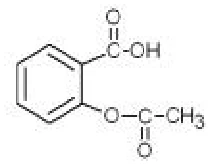
Physicochemical properties:
Description: White granules, commonly tabular or needle-like, or white crystalline powder. Odourless or having a faint odour.
Solubility: Slightly soluble in water; freely soluble in alcohol; soluble in chloroform and ether; sparingly soluble in absolute ether.
pK value (25°C): 3.49
Melting Point: 135°C (rapid heating)
CLINICAL TRIALS
Study demographics and trial design
Anti-Platelet Aggregation Studies
Study # Cross-reference | Trial design | Dosage, route of administration and duration | Study subjects (n=number) | Mean age (Range) | Gender | |
|---|---|---|---|---|---|---|
| Indication: Reducing the risk of vascular mortality in patients with a suspected acute myocardial infarction | ||||||
| ISIS – 2 | Multicentre international 2x2 factorial, randomized double blind, placebo controlled study. | 160 mg oral for 30 days after suspected acute MI. (Median follow-up to 15 months). | ASA 8587, Streptokinase 8592, ASA + Strep 4292, Placebo 4300 | Not available | Not available | |
| Indication: Reducing the risk of a first non-fatal myocardial infarction in individuals deemed to be at sufficient risk of such an event by their physician | ||||||
| TPT | Randomized, factorial, placebo-controlled, parallel-group study | warfarin (mean) 4.1 mg, ASA 75 mg | warfarin + ASA 1,277 warfarin + ASA placebo 1,268 ASA + warfarin placebo 1,268 ASA placebo + warfarin placebo 1,272 | 45-69 years | Male | |
| HOT | Prospective, randomized, open with blinded endpoint evaluation (PROBE). ASA component was double blinded | ASA 75 mg or placebo; felodine 5mg, inhibitors, β-blockers, diuretics mean - 3.8 years | 19,567 subjects of which 18,790 were randomized to ASA or Placebo (ASA = 9,399; Placebo = 9,391) | 61.5 years – mean (50-80 years) | Male 53% Female 47% | |
Platelet Aggregation Studies (continued)
Study # Cross-reference | Trial design | Dosage, route of administration and duration | Study subjects (n=number) | Mean age (Range) | Gender |
|---|---|---|---|---|---|
| Indication: Reducing the risk of morbidity and death in patients with unstable angina and in those with previous myocardial infarction | |||||
| RISC | Prospective randomized, double blind, placebo controlled, multicentre study | ASA 75 mg daily for 3 months after initial heparin by IV for 5 days |
| 58 years | Male |
RISC Trial, 12 month follow-up | Prospective randomized, double blind, placebo controlled, multicentre study | ASA 75 mg daily for 3 months after initial IV heparin for 5 days |
| 58 years | Male |
Verheugt et al. | Prospective, randomized, placebo controlled, comparative multicentre study | ASA 100 mg for approx. 3 months | ASA 50 Placebo 50 | ASA 61 years Placebo 64 years | ASA 72% male Placebo 76% male |
| SAPAT | Prospective, randomized, double blind placebo controlled, multicentred study | ASA 75 mg daily for up to 6 years (median 50 months) | ASA 1009 Placebo 1026 | 52 years | ASA male 51% Placebo males 53% |
| Indication: Reducing the risk of transient ischemic attacks (TIA) and for secondary prevention of atherothrombotic cerebral infarction | |||||
| SALT | Prospective, randomized, double blind, placebo controlled, multicentre study | ASA 75 mg daily for minimum of 12 months and maximum of 63 months (mean 30.6 months) | ASA 676 Placebo 684 | 50-79 years ASA mean: 67 years PLA mean: 66.8 years | ASA 65.4% male Placebo 66.2% male |
Lindblad et al. | Prospective, randomized, double blind placebo controlled study | ASA 75 mg daily for 6 months | ASA 117 Placebo 115 | 66 years (40-81 years) | 75% male |
Study results
Platelet Aggregation Studies Results
| Study # | Primary Endpoints | Associated value and statistical significance for ASA compared to Placebo | |
| Indication: Reducing the risk of vascular mortality in patients with a suspected acute myocardial infarction | |||
| Value | ASA vs. Placebo | ||
| ISIS – 2 | Vascular death after 5 week period | ASA 9.4%, Placebo 11.8% Odds reduction 23% | 2p < 0.00001 ASA was statistically significantly better than placebo |
| Indication: Reducing the risk of a first non-fatal myocardial infarction in individuals deemed to be at sufficient risk of such an event by their physician | |||
| TPT | All ischemic heart disease defined as the sum of fatal and non-fatal events (i.e. coronary death and fatal and non-fatal myocardial infarction). | ASA 10.2%, Placebo 13.3% 20% reduction in IHD | p = 0.04 ASA was statistically significantly better than placebo |
| HOT | Major cardiovascular events were defined as all (fatal and non-fatal) myocardial infarctions, all (fatal and non-fatal) strokes, and all other cardiovascular deaths. | Reduction in all cardiovascular events by 15 % and all myocardial infarction by 36% | p=0.03 p = 0.002 ASA was statistically significantly better than placebo |
Platelet Aggregation Studies Results (continued)
| Study # | Primary Endpoints | Associated value and statistical significance for ASA compared to Placebo and Comparator | ||
| Indication: Reducing the risk of morbidity and death in patients with unstable angina and in those with previous myocardial infarction | ||||
| Value | ASA vs. Placebo | ASA vs. Comparator | ||
| RISC | Death or non-fatal MI | 5 days: Risk Ratio 0.43 (CI 0.21-0.91) 30 days: Risk Ratio 0.31 (CI 0.18-0.53) 90 days: Risk Ratio 0.36 (0.21-0.57) | p=0.03 p<0.0001 p<0.0001 ASA was statistically significantly better than placebo | Heparin was not statistically significantly better than placebo and there was no comparison to ASA |
| RISC Trial, 12 month follow-up | MI and death | 6 months: ASA-35 events, heparin 76 events. Risk Ratio 0.46 (CI 0.31-0.67) 12 months, ASA 44 events, heparin 85 events. Risk Ratio 0.52 (CI 0.37-0.72) | p<0.0001 p=0.0001 ASA was statistically significantly better than placebo | Not Performed |
| Verheugt et al. | Reinfarction rate | ASA 2 patients (4%), Placebo 9 patients (18%) | p<0.03 ASA was statistically significantly better than placebo | Not Performed |
| SAPAT | non-fatal or fatal MI or sudden death | ASA 8%, Placebo 12% | p=0.003 ASA was statistically significantly better than placebo | Not Performed |
| Indication: Reducing the risk of transient ischemic attacks (TIA) and for secondary prevention of atherothrombotic cerebral infarction | |||
| Value | ASA vs. Placebo | ||
| SALT | Risk of stroke or death | 18 % reduction in risk: Relative Risk 0.82 (CI 0.67-0.99) | p=0.02 ASA was statistically significantly better than placebo |
| Lindblad et al. | Stroke (without complete recovery) at 6 months | ASA 2 cases, Placebo 11 cases | p=0.01 ASA was statistically significantly better than placebo |
DETAILED PHARMACOLOGY
Analgesia:
The analgesic effect of ASA has been recognized and utilized clinically for more than half a century. The degree of analgesia attained with ASA is moderate but it has proved highly suitable in the management of pathological pain of mild to moderate severity. As regards site of action, both peripheral and CNS factors appear to contribute significantly to the pain relief afforded by ASA. As for mechanism of action, the accumulated evidence of recent years indicates that ASA acts by interfering with the synthesis and release of prostaglandins, thereby averting the sensitization of pain receptors to mechanical stimulation or to other mediators.
Antipyresis:
Interference with the synthesis and release of prostaglandins is also involved in the antipyretic activity of ASA. ASA effects a significant reduction in elevated body temperature, but has little effect on normal body temperature. This latter is maintained by a delicate balance between heat production and heat loss, with the hypothalamus regulating the set point at which body temperature is maintained. Fever is induced by synthesis and release of prostaglandins in this temperature regulating area and ASA acts by interfering with this process. Heat production is not inhibited but dissipation of heat is augmented by increased peripheral blood flow and by sweating.
Anti-inflammatory effect:
Components of the anti-inflammatory action of the salicylates are increased capillary resistance, thus reducing capillary leakage in response to local toxins, interference with the production of tissue-destructive lysosomal enzymes and inhibition of the synthesis of prostaglandin E compounds which have been shown to be potent mediators of the inflammatory process. Besides interfering with the synthesis of prostaglandins ASA also acts by interfering with lymphocyte activation and lymphokine production. Lymphokines are produced by activated thymus lymphocytes which are abundant in the inflammatory tissues of patients suffering from rheumatoid arthritis. They cause increased vascular permeability and white blood cell chemotaxis, activate macrophages and stimulate lymphocyte DNA synthesis. They also induce release of tissue-destructive lysosomal enzymes as well as prostaglandins. The prostaglandins themselves, besides causing many manifestations of inflammation also act as a potent negative feedback mechanism by inhibiting lymphokine production. An in-depth review of the effects of ASA on the lymphocyte-macrophage axis in inflammation has been published.
Effects on platelets: relation to hemostasis and thrombosis:
Platelets play an important role in normal hemostasis and clinical pathologic and experimental evidence indicates that their aggregation may play an equally important role in the evolution of a variety of disease states including cerebrovascular disease, ischemic heart disease and myocardial infarction. ASA inhibits platelet aggregation by irreversibly acetylating platelet cyclo-oxygenase, thereby blocking the production of prostaglandin endoperoxides PGG2 and PGH2 which are precursors of the major platelet-aggregating material, thromboxane A2, which is also a powerful vasoconstrictor. However, ASA does not prevent the adherence of platelets to damaged vessel walls or the release of granule contents from these adherent platelets. As the anuclear platelets are unable to synthesize new enzyme molecules to replace those that have been inactivated, inhibition of platelet aggregation by ASA thus persists for the life of the platelets.
Daily administration of 20 to 40 mg of ASA to healthy volunteers reduced platelet thromboxane production but inhibited platelet aggregation only partially. When administered to patients recovering from myocardial infarction, 50 mg ASA daily had the same effects on thromboxane production, platelet aggregation and bleeding times as 324 mg daily. Other studies show that ASA doses of 40 to 325 mg daily suppressed thromboxane production by at least 80%, but 80 mg ASA daily was the lowest dose required for maximum cumulative thrombocyte function inhibition. The protective effect of ASA against experimentally induced thrombosis or atherosclerosis has been demonstrated in several animal models.
Besides inhibiting the biosynthesis of thromboxane A2 by platelets, ASA also interferes with the production of prostacyclin (PGI2) by vascular endothelial cells, the above-mentioned prostaglandin endoperoxides being common precursors of both thromboxane A2 and prostacyclin. This latter compound is one of the most powerfully acting platelet deaggregators and vasodilators and thus it would appear that the interference with the hemostatic processes by ASA depends on the thromboxane-prostacyclin balance. In fact, it has been suggested that under some conditions, high doses of ASA may be thrombogenic. However, in contrast to platelets, the vascular endothelial cells are able to regenerate cyclo-oxygenase in a relatively short time and therefore therapeutic doses of ASA are likely to produce a lesser inhibition of the vascular prostacyclin system than of the platelet thromboxane-forming mechanism. In fact, there is no clinical evidence to indicate that high doses of ASA would result in an increased risk of thromboembolism. Indeed, quite the contrary was observed and, in a controlled study, paradoxical shortening of the bleeding time was not observed at a daily ASA dose of 3.6 g. Lower dosages of ASA make selective blocking of the TxA2-synthesis without a simultaneous blocking of PGI2-production possible.
The use of ASA in patients with a suspected acute myocardial infarction was investigated in a large multi-centre trial involving over 17,000 patients. Treatment with ASA resulted in a 23% reduction in the risk of vascular mortality versus placebo at 5 weeks. This use translates to a reduction of 24 deaths and 14 non-vascular events per 1000 patients treated.
The effect of time to therapy revealed that patients treated with ASA “early” (0 to 4 hours) versus “late” (5 to 24 hours) after symptom onset experienced reductions in the odds of vascular death of 25% versus 21%, versus placebo at 5 weeks. ‘Early’ treatment with ASA resulted in the saving of 4 additional lives per 1000 patients versus ‘late’ treatment.
Long term follow-up (up to 10 years) of patients in this study established that the early survival advantage to ASA persisted long term, and that this prolonged benefit was additive to that of fibrinolytic therapy.
The use of ASA for secondary prevention of thrombotic events is supported by a comprehensive overview of a number of clinical trials involving patients who already had some type of vascular disease (myocardial infarction, unstable angina, stroke or transient cerebral ischemia). Overall, these studies point to a 26-28 % reduction of the combined endpoints of MI, stroke, or vascular deaths by treatment with ASA alone at doses of 75 to 325 mg daily. Studies which directly compared low doses with higher doses (30-1200 mg/day), indicated that the incidence of gastrointestinal adverse effects were significantly less common with the lower doses.
In a study in patients undergoing coronary artery bypass surgery (CABG), patients given ASA at a dosage of 80 mg to 650 mg within 48 hours of revascularization had a risk of dying reduced to 1.3% as compared to 4.0% for those who did not receive treatment (P<0.001). There was a reduction in the incidence of myocardial infarction of 2.8% vs. 5.4%, p < 0.001. In total, the reduction in fatal and non-fatal outcomes was lower in those who received ASA, 10.6% vs. 18.6% in those who did not (p<0.001). The investigators Perioperative Ischemia Research Group (PIRG) concluded that early use of ASA after coronary by-pass surgery is safe and is associated with a reduce risk of death and ischemic complications involving the heart, brain, kidneys and gastrointestinal tract.
There was no ASA dose effect observed for either fatal or non-fatal outcomes with total doses lower than 325 mg daily.
Recent discussions have focused on the efficacy of ASA for the primary prevention of myocardial infarction and stroke. Two large scale randomized trials, aimed at evaluating prophylactic use of ASA, were conducted among apparently healthy male physicians (22,000 in the United States and 5,000 in the United Kingdom) and their results have been published. In the summary overview of the combined results presented by the principal investigators, the authors state that: “Taken together, these two primary prevention studies demonstrate a significant (p < 0.0001) reduction in non-fatal myocardial infarction of about one third.”
On the other hand, the same two studies have not indicated any reduction in overall vascular mortality and also suggested a slight increase in the risk of non-fatal disabling stroke. Current controversy exists about the applicability of these findings, obtained in a selected population, to the general public. As well, the optimum dosage regimen still remains an open question in this regard. Thus, the use of ASA for primary prevention should remain, in the words of the principal investigators:
"a matter of judgment in which the physician considers the cardiovascular risk profile of the patient and balances the known hazards of ASA…against the clearly established reduction in the incidence of a first myocardial infarction".
Effect of Ibuprofen on Platelet Aggregation, Bleeding and Clotting Times in Normal Volunteers.
Experimental data suggest that ibuprofen may inhibit the effect of low dose ASA (81-325 mg per day) on platelet aggregation when they are dosed concomitantly. In one study, when a single dose of ibuprofen 400mg was taken within 8 hours before or within 30 minutes after immediate release ASA dosing (81mg), a decreased effect of acetylsalicylic acid on the formation of thromboxane or platelet aggregation occurred. However, the limitations of these data and the uncertainties regarding extrapolation of ex vivo data to the clinical situation imply that no firm conclusions can be made for regular ibuprofen use, and no clinically relevant effect is considered to be likely for occasional ibuprofen use. In a more recent double blind, randomized, placebo-controlled trial with healthy subjects by Cryer et. al, 2005, it has been shown that the drug-drug interaction is absent when immediate release ASA (81 mg) was taken 1 hour before taking ibuprofen (400 mg, TID) and also when ibuprofen was given 11 hours before the intake of low dose ASA. Thus, in order to adequately minimize potential interaction, the recommended dosing schedule for immediate release low dose ASA is to wait at least 11 hours after or 1 hour before taking up to a 400 mg dose of ibuprofen.
MICROBIOLOGY
Not applicable
TOXICOLOGY
The clinical and pathological signs of poisoning from toxic and lethal oral doses of ASA have been extensively described for man, much less extensively for other species.
The acute toxicity of ASA in animals has been studied and reviewed in detail by Boyd. The signs of poisoning in rats from doses in the lethal range are due to varying degrees of gastroenteritis, hepatitis, nephritis, pulmonary edema, encephalopathy, shock and minor toxic effects on other organs and tissues. Death is due to convulsions or cardiovascular shock. The major difference between species appears to be the ability to vomit toxic doses seen in man, cats and dogs, but not in mice, rats and rabbits. Otherwise, the pathological reaction to toxic doses of ASA is similar in all species in which such studies have been reported. The acute oral LD50 values have been reported as being over 1.0 g/kg in man, cat and dog, 0.92 g/kg in female and 1.48 g/kg in male albino rats, 1.19 g/kg in guinea pig, 1.1 g/kg in mouse and 1.8 g/kg in rabbit.
Chronic toxicity studies were reported in mice and rats. When ASA was administered at 2 to 20 times the maximum tolerated clinical dose to mice for up to one year, a dose-related deleterious effect was observed on mean survival time, number of young born and number of young raised to weaning age. No evidence of carcinogenic effect was found.
The chronic oral LD50 in male albino rats has been reported as 0.24 g/kg/day when given for 100 days. At these daily doses ASA produced no anorexia and no loss of body weight. It did produce polydipsia, aciduria, diuresis, drowsiness, hyperreflexia, piloerection, rapid and deep respiration, tachycardia, and during the second month, soft stools, epistaxis, sialorrhea, dacryorrhea and death in hypothermic coma. Autopsy disclosed the presence of a hypertrophied stomach, renal congestion, mild hepatitis and pneumonitis. While teratogenic effects were noted in animals at near lethal doses, there is no evidence to indicate that ASA is teratogenic in man.
REFERENCES
Abbatiello ER KM, Weisbroth S. The effect of prostaglandins and prostaglandin inhibitors on spermatogenesis. International Journal of Fertility. 1975;20(3): 177-82.
Abbott F, Kassam J, Orr J, and K. Farrell. The effects of ASPIRIN on valproic acid metabolism. Clin. Pharmacol. Ther. 1986; 40:94-100.
Ali NAJ, Al-Naama LM, Khalid LO. Haemolytic potential of three chemotherapeutic agents and ASPIRIN in glucose-6-phosphate dehydrogenase deficiency. East Mediterr Health J. 1999 May; 5(3):457-64.
Altman R, Boullon F, Rouvier J, Raca R, de la Fuente, Favaloro R. ASPIRIN and prophylaxis of thromboembolic complications in patients with substitute heart valves. J Thorac Cardiovasc Surg 1976; 72: 127-9.
Amrein PC, Ellman L, Harris WH. ASPIRIN prolongation of bleeding time and perioperative blood loss. JAMA 1981; 245: 1825-8.
Analgesic-antipyretic and anti-inflammatory agents: the salicylates. In: Goodman and Gilman’s, The Pharmacological Basis of Therapeutics, 9th Edition, Hardman JG, Limbird LE, Gilman (eds), McGraw-Hill, USA, 1996.
Antiplatelet Trialists' Collaboration. Collaborative overview of randomised trials of antiplatelet therapy - I: Prevention of death, myocardial infarction, and stroke by prolonged antiplatelet therapy in various categories of patients. Br Med J 1994; 308: 81-106.
Antiplatelet Trialists' Collaboration. Collaborative overview of randomised trials of antiplatelet therapy - II: Maintenance of vascular graft or arterial patency by antiplatelet therapy. Br Med J 1994; 308: 158-68.
Antiplatelet Trialists' Collaboration. Collaborative overview of randomised trials of antiplatelet therapy - III: Reduction in venous thrombosis and pulmonary embolism by antiplatelet prophylaxis among surgical and medical patients. Br Med J 1994; 308: 235-46.
Antiplatelet Trialists' Collaboration. Secondary prevention of vascular disease by prolonged antiplatelet treatment. Br Med J 1988; 296: 320-31.
Antonucci R, Zaffanello M, Puxeddu E, Porcella A, Cuzzolin L, Pilloni MD, Fanos V. Use of non-steroidal anti-inflammatory drugs in pregnancy: impact on the fetus and newborn. Curr Drug Metab. 2012 May 1; 13(4):474-90.
Anzellotti P et al. Low-dose naproxen interferes with the antiplatelet effects of aspirin in healthy subjects: recommendations to minimize the functional consequences. Arthritis Rheum. 2011;63:850-859.
Asok Kumar R CN. Effects of acetylsalicylic acid on reproductive organs of adolescent male rats. Endocrinologia Experimentalis. 1988;22(3):187-95.
ASPIRIN Myocardial Infarction Study Research Group. A randomized controlled trial of ASPIRIN in persons recovered from myocardial infarction. JAMA 1980; 243: 661-9.
ASPIRIN Myocardial Infarction Study Research Group: The ASPIRIN myocardial infarction study: final results. Circulation 1980; 62 (Suppl V): V79-V84.
Bailey JM. Prostacyclins, thromboxane and cardiovascular disease. Tr Biochem Sci 1979; 4: 68-71.
Baxster, K. Stockley’s Drug Interactions, 9 Edition. Royal Pharmaceutical Society, 2010; 1123, 1135-1136.
Boston Collaborative Drug Surveillance Group. Regular ASPIRIN intake and acute myocardial infarction. Br Med J 1974; 1: 440-3.
Bousser MG, Eschwege E, Haguenau M, Lefaucconnier JM, Thibult N, et al. "AICLA" controlled trial of ASPIRIN and dipyridamole in the secondary prevention of athero_thrombotic cerebral ischema. Stroke 1983; 14:5-14.
Boyd EM. Analgesic abuse. Maximal tolerated daily doses of acetylsalicylic acid. Can Med Assoc J 1968; 99: 790-8.
Boyd EM. The acute oral toxicity of acetylsalicylic acid. Toxic Appl Pharmac 1959; 1: 229-39.
Breddin K, Loew D, Lechner K, Oberla K, Walter E. The German_Austrian trial. A comparison of acetylsalicylic acid, placebo and phenprocoumon in secondary prevention of myocardial infarction. Circulation 1980; 62 (Suppl V): V63-V72.
Breddin K, Loew D, Lechner K, Uberla K, Walter E. Secondary prevention of myocardial infarction: Comparison of treatment with acetylsalicylic acid, phenprocoumon or placebo. A multicentre 2 year prospective study. Int Congr Ser 1979; 470: 263-8.
Cairns JA, Gent M, Singer J, Finnie KJ, Froggatt GM, et al. ASPIRIN, sulfinpyrazone, or both in unstable angina. Results of a Canadian multicenter trial. N Engl J Med 1985; 313: 1369-75.
Canadian Cooperative Study Group. A randomized trial of ASPIRIN and sulfinpyrazone in threatened stroke. N Engl J Med 1978; 299: 53-9.
Capone M et al. Pharmacodynamic interaction of naproxen with low-dose aspirin in healthy subjects. J Am Coll Cardiol 2005; 45 (8): 1295-30.
Casey RG, Tan M, Ryan J, Gillen P. Nonsteroidal anti-inflammatory induced small bowel obstruction. Irish journal of medical science. 2002;171(2):118.
Catella-Lawson F, Reilly MP, Kapoor SC, Cucchiara AJ, DeMarco S, Tournier B, Vyas SN, FitzGerald GA. Cyclooxygenase inhibitors and the antiplatelet effects of Aspirin. N Engl J Med. 2001 Dec 20;345(25):1809-17.
Cenedella RJ CW. Effect of aspirin upon male mouse fertility. Prostaglandins. 1973;4(2):285-90.
Chen WC, Lin KH, Huang YT, Tsai TJ, Sun WC, Chuah SK, et al. The risk of lower gastrointestinal bleeding in low-dose aspirin users. Alimentary pharmacology & therapeutics. 2017;45(12):1542-50.
Chernolesskiy A, Lanzon-Miller S, Hill F, Al-Mishlab T, Thway Y. Subacute small bowel obstruction due to diaphragm disease. Clinical medicine. 2010;10(3):296-8.
Christopher J. Needs and Peter M. Brooks. Clinical Pharmacokinetics of the Salicylates. Clinical Pharmacokinetics 1985 10: 164-177.
Clark DA BD, Chaouat G. Effect of prostaglandin synthesis inhibitors on spontaneous and endotoxin-induced abortion in mice. Journal of Reproductive Immunology. 1993;24(1):29-44.
Clive DM, Stoff JS. Renal syndromes associated with non-steroidal anti-inflammatory use. N Engl J Med. 1984 Mar 1; 310(9):563-72.
Clopath P. The effect of acetylsalicylic acid (ASA) on the development of atherosclerotic lesions in miniature swine. Br J Exp Path 1980; 61: 440-3.
Conte D NM, Fillo S, De Giorgio G, Isidori A, Romanelli F. Aspirin inhibition of naloxone-induced luteinizing hormone secretion in man. Journal of Clinical Endocrinology and Metabolism. 1996;81(5):1772-5.
Conte D RF, Fillo S, Guidetti L, Isidori A, Franceschi F, et al. Aspirin inhibits androgen response to chorionic gonadotropin in humans. American Journal of Physiology - Endocrinology and Metabolism. 1999;277(6):1032-7.
Coronary Drug Project Research Group. ASPIRIN in coronary heart disease. J Chron Dis 1976; 29: 625-42.
Coronary Drug Project Research Group. ASPIRIN in coronary heart disease. Circulation 1980; 62 (Suppl V): V59-V62.
Cortina G, Wren S, Armstrong B, Lewin K, Fajardo L. Clinical and pathologic overlap in nonsteroidal anti-inflammatory drug-related small bowel diaphragm disease and the neuromuscular and vascular hamartoma of the small bowel. The American journal of surgical pathology. 1999;23(11):1414-7.
Craven LL. Acetylsalicylic acid, Possible preventive coronary thrombosis. Ann West Med Surg 1950; 4: 95-9.
Craven LL. Prevention of coronary and cerebral thrombosis. Miss Valley Med J 1956; 78: 213-5.
Cryer B, Berlin RG, Cooper SA, et al. Double-blind, randomized, parallel, placebo-controlled study of ibuprofen effects on thromboxane B2 concentrations in aspirin-treated healthy adult volunteers. Clin Ther 2005;27(2):185-91.
Czaplicki S, Gietka J, Suzek K. The frequency of coronary heart disease and myocardial infarction in rheumatoid arthritis patients. Cor Vasa 1978; 20: 249-54.
Dalton SO, Johansen C, Mellemkjoer L, Nøgård B, Sørsen HT, Olsen JH. Use of selective serotonin reuptake inhibitors and risk of upper gastrointestinal tract bleeding: a populationbased cohort study. Arch Intern Med. 2003 Jan 13; 163(1):59-64.
Danese CA, Voletti CD, Weiss HJ. Protection by ASPIRIN against experimentally induced arterial thrombosis in dogs. Thrombos Diathes Haemorrh 1971; 25: 288-96.
Danial AK, Al-Mouakeh A, Danial YK, Nawlo AA, Khalil A, Al-Haj A. A rare cause of small bowel diaphragm disease presenting with palpated abdominal mass. Journal of surgical case reports. 2019;2019(8):rjz230.
Dargan PI, Wallace CI, and Jones AL. An evidence based flowchart to guide the management of acute salicylate (ASPIRIN) overdose. Emer Med J 2002; 19:206-209.
De Caterina R, Giannessi D, Boem A, Bernini W, Battaglia D, Michelassi C, Dell’Amico F, L’Abbate A, Patrignani P, Patrono C. Equal antiplatelet effects of ASPIRIN 50 or 324 mg/day in patients after acute myocardial infarction. Thromb Haemostas 1985; 54: 528-32.
De Gaetano G. Primary prevention of vascular disease by ASPIRIN. Lancet 1988; 1: 1093- 1094.
De Petris G, López J. Histopathology of diaphragm disease of the small intestine: a study of 10 cases from a single institution. Am J Clin Pathol. 2008;Oct;130(4):518-25.
Dentali F, Ageno W, Rezoagli E, Rancan E, Squizzato A, Middeldorp S, et al. Low-dose aspirin for in vitro fertilization or intracytoplasmic sperm injection: a systematic review and a meta-analysis of the literature. Journal of thrombosis and haemostasis: JTH. 2012;10(10):2075-85.
De Swiet M, Fryers G. Review: the use of ASPIRIN in pregnancy. J Obstet Gynecol. 1990; 10:467- 482.
Didolkar AK GA, Joshi UM, Sheth AR, Roychowdhury D. Effects of aspirin on blood plasma levels of testosterone, LH and FSH in maturing male rats. International Journal of Andrology. 1980;3(3):312-8.
Di Luigi L, Rossi C, Sgro P, Fierro V, Romanelli F, Baldari C, et al. Do non-steroidal anti-inflammatory drugs influence the steroid hormone milieu in male athletes? International journal of sports medicine. 2007;28(10):809-14.
Dunn MJ, Scharschmidt L, Zambraski E. Mechanisms of nephrotoxicity of non-steroidal anti-inflammatory drugs. Arch Toxicol Suppl. 1984; 7:328-37.
Dunn MJ, Zambraski EJ. Renal effects of drugs that inhibit prostaglandin synthesis. Kidney Int. 1980 Nov; 18(5):609-622.
Editorial. ASPIRIN after myocardial infarction. Lancet 1980; 1: 1172-3.
Editorial. Trials of drugs for prevention of 'secondary' MIs indecisive. Hosp Prac (April) 1980: 53-4.
Ellershaw JE, Kelly MJ. Corticosteroids and peptic ulceration. Palliative medicine. 1994;8(4):313-9.
Elwood PC, Sweetnam PM. ASPIRIN and secondary mortality after myocardial infarction. Lancet 1979; 2: 1313-5.Ekaluo UB IE, Udokpoh AE. Sperm head abnormality and mutagenic effects of aspirin, paracetamol and caffeine containing analgesics in rats. Internet Journal of Toxicology. 2010;7(1).
Emami NH, Lafout FM, Mohammadghasemi F. Administration of melatonin protects against acetylsalicylic acid-induced impairment of male reproductive function in mice. Iranian journal of basic medical sciences. 2018;21(2):124-9.
Evans M, Fored CM, Bellocco R, Fitzmaurice G, Fryzek JP, McLaughlin JK, Nyrén O, Elinder CG. Acetaminophen, ASPIRIN and progression of advanced chronic kidney disease. Nephrol Dial Transplant. 2009 Jun; 24(6):1908-18.
Farah AE, Rosenberg F. Potential therapeutic application of ASPIRIN and other cyclo-oxygenase inhibitors. Br J Clin Pharmac 1980; 10: 261S-78S.
Fields WS, Lemak NA, Frankowski RF, Hardy RJ. Controlled trial of ASPIRIN in cerebral ischemia. Stroke 1977; 8: 301-16.
Fitzgerald GA, Oates JA, Hawiger J, Maas RL, Roberts LJ 2nd, Lawson JA and Brash AR. Endogenous biosynthesis of prostacyclin and thromboxane and platelet function during chronic administration of ASPIRIN in man. Clin Invest 1983; 71: 676-88.
Flower RJ, Moncada S, Vane JR. Analgesic _ antipyretics and anti-inflammatory agents; drugs employed in the treatment of gout. In: The Pharmacological Basis of Therapeutics, Chapter 29, 1980, 682-692.
Fored CM, Ejerblad E, Lindblad P, Fryzek JP, Dickman PW, Signorello LB, Lipworth L, Elinder CG, Blot WJ, McLaughlin JK, Zack MM, Nyrén O. Acetaminophen, ASPIRIN, and chronic renal failure. N Engl J Med. 2001 Dec 20; 345(25):1801-8.
Frattarelli JL, McWilliams GDE, Hill MJ, Miller KA, Scott RT, Jr. Low-dose aspirin use does not improve in vitro fertilization outcomes in poor responders. Fertility and sterility. 2008;89(5):1113-7.
Garcia Rodriguez LA, Lin KJ, Hernandez-Diaz S, Johansson S. Risk of upper gastrointestinal bleeding with low-dose acetylsalicylic acid alone and in combination with clopidogre l and other medications. Circulation. 2011;123(10):1108-15.
Gargot D, Chaussade S, d'Alteroche L, Desbazeille F, Grandjouan S, Louvel A, et al. Nonsteroidal anti-inflammatory drug-induced colonic strictures: two cases and literature review. The American journal of gastroenterology. 1995;90(11):2035-8.
Genton E. A perspective on platelet - suppressant drug treatment in coronary artery and cerebrovascular disease. Circulation 1980; 62: V111-V121.
Glader BE. Evaluation of the hemolytic role of ASPIRIN in glucose-6-phosphate dehydrogenase deficiency. J Pediatri. 1976 Dec; 89(6):1027-8.
Green LH, Seroppian E, Handin RI. Platelet activation during exercise-induced myocardial ischemia. N Engl J Med 1980; 302: 193-7.
Groeneveld E, Broeze KA, Lambers MJ, Haapsamo M, Dirckx K, Schoot BC, et al. Is aspirin effective in women undergoing in vitro fertilization (IVF)? Results from an individual patient data meta-analysis (IPD MA). Human reproduction update. 2011;17(4):501-9.
Grosser N, Schröder H. ASPIRIN protects endothelial cells from oxidant damage via the nitric oxide-cGMP pathway. Arterioscler Thromb Vasc Biol. 2003 Aug 1; 23(8):1345-51. Epub 2003 Jun 26.
Grosser N, Abate A, Oberle S, Vreman HJ, Dennery PA, Becker JC, Pohle T, Seidman DS, Schröder H. Heme oxygenase-1 induction may explain the antioxidant profile of Aspirin. Biochem Biophys Res Commun. 2003 Sep 5;308(4):956-60.
Guslandi M. Gastric toxicity of antiplatelet therapy with low-dose ASPIRIN. Drugs 1997; 53: 1-5.
Haddad LM et al. Clinical Management of Poisoning and Drug Overdose 3rd ed. Chap 50, Salicylate Toxicity. W.B. Saunders Company ©1998, p. 675-687.
Haft JI. Platelets and coronary artery disease. Prim Card 1979; June: 97-104.
Halter F, Gut A, Ruchti C. Intestinal pathology from NSAIDs. Inflammopharmacology. 1996;4, 43–60
Hansson L, Zanchetti A, Carruthers SG, Dahlöf B, Elmfeldt D, Julius S, Ménard J, Rahn KH, Wedel H, and Westerling S. Effects of intensive blood-pressure lowering and low-dose ASPIRIN in patients with hypertension: principal results of the Hypertension Optimal Treatment (HOT) randomised trial. HOT Study Group. Lancet. 1998 Jun 13; 351(9118):1755-62.
Harker LA, Slichter SJ. Studies of platelet and fibrinogen kinetics in patients with prosthetic heart valves. N Engl J Med 1970; 283: 1302-5.
Harris WH, Salzman EW, Athanasoulis CA, Waltman AC, Baum S, De Sanctis RW. ASPIRIN prophylaxis of venous thromboembolism after total hip replacement. N Engl J Med 1977: 297: 1246-9.
Harris WH, Salzman EW, Athanasoulis CA, Waltman AC, Baum S, De Sanctis RW. Comparison of warfarin, low molecular_weight dextran, ASPIRIN and subcutaneous heparin in prevention of venous thromboembolism following total hip replacement. J Bone Joint Surg 1974; 56: 1552-62.
Harrison MJG, Marshall J, Meadows JC, Russell RWR. Effect of ASPIRIN in Amaurosis Fugax. Lancet 1971; 2: 743-4.
Hayashi Y, Yamamoto H, Taguchi H, Sunada K, Miyata T, Yano T, et al. Nonsteroidal anti-inflammatory drug-induced small-bowel lesions identified by double-balloon endoscopy: endoscopic features of the lesions and endoscopic treatments for diaphragm disease. Journal of gastroenterology. 2009;44 Suppl 19:57-63.
Hennekens CH, Peto R, Hutchison GB, Doll R. An overview of the British and American ASPIRIN studies. N Engl J Med 1988; 318: 923-4.
Hirsh J, Dalen JE, Fuster V, Harker LB, Salzman EW. ASPIRIN and other platelet-active drugs. The relationship between dose, effectiveness and side effects. Chest 1992; 102: 327S-36S.
Hoffman W, Forster W. Two year Cottbus reinfarction study with 30 mg ASA per day. Prostaglandins, Leukotrienes and Essential Fatty Acid 1991; 44: 159-69.
Hoffman W, Nitschke M, Muche J, Kampe W, Handreg W, Forster W. Reevaluation of the Cottbus reinfarction study with 30 mg ASPIRIN per day 4 years after the end of the study. Prostaglandins, Leukotrienes and Essential Fatty Acids 1991; 42: 137-9.
Hogben AMC, Tocco DJ, Brodie BB, Schanker LS. On the mechanism of intestinal absorption of drugs. J Pharm Ther 1959; 125: 275-82.
Hollifield, JW. Failure of ASPIRIN to Antagonize the Antihypertensive Effect of Spironolactone in Low-Renin Hypertension. Southern Medical Journal 1976; 69(8): 1034-1036.
Hsia J, Hamilton WP, Kleiman N, Roberts R, Chaitman BR, Ross AM for the Heparin- ASPIRIN Reperfusion Trial (HART) Investigators. A comparison between heparin and low-dose ASPIRIN as adjunctive therapy with tissue plasminogen activator for acute myocardial infarction. N Engl J Med 1990; 323: 1433-7.
Hsieh YY TH, Chang CC, Lo HY, Chen CL. Low-dose aspirin for infertile women with thin endometrium receiving intrauterine insemination: A prospective, randomized study. Journal of Assisted Reproduction and Genetics. 2000;17(3):174-7.
Hume M, Bierbaum B, Kurlakose TX, Surprenant J. Prevention of post_operative thrombosis by ASPIRIN. Amer J Surg 1977; 133: 420-2.
ISIS-2 (Second International Study of Infarct Survival) Collaborative Group. Randomised trial of intravenous streptokinase, oral ASPIRIN, both, or neither among 17,187 cases of suspected acute myocardial infarction: ISIS-2. Lancet. 1988 Aug 13;2(8607):349-60.
Jakubowski JA, Stampfer MJ, Vaillancourt R, Deykin D. Cumulative antiplatelet effect of lowdose enteric coated ASPIRIN. Br J Haematol 1985; 60: 635-42.
James MJ, Walsh JA. Effects of ASPIRIN and alcohol on platelet thromboxane synthesis and vascular prostacyclin synthesis. Thromb Res. 1985 Sep 1; 39(5):587-93.
Jennings JJ, Harris WH, Sarmiento A. A clinical evaluation of ASPIRIN prophylaxis of thromboembolic disease after total hip arthroplasty. J Bone Joint Surg 1976; 58: 926-8.
Jonnalagadda S, Prakash C. Intestinal strictures can impede wireless capsule enteroscopy. Gastrointestinal endoscopy. 2003;57(3):418-20.
Juul-Moller S, Edvardsson N, Jahnmatz B, Rosen A, Sorensen S, Omblus R, for the Swedish Angina Pectoris ASPIRIN Trial (SAPAT) Group: Double-blind trial of ASPIRIN in primary prevention of myocardial infarction in patients with stable chronic angina pectoris. Lancet 1992; 340: 1421-5.
Kaufman DW, Kelly JP, Wiholm BE, Laszlo A, Sheehan JE, Koff RS, Shapiro S. The risk of acute major upper gastrointestinal bleeding among users of ASPIRIN and ibuprofen at various levels of alcohol consumption. Am J Gastroenterol. 1999 Nov; 94(11):3189-3196.
Kelly ME, McMahon LE, Jaroszewski DE, Yousfi MM, De Petris G, Swain JM. Small- bowel diaphragm disease: seven surgical cases. Archives of surgery. 2005;140(12):1162- 6.
Koomanan N, Ko Y, Yong W, Ng R, Wong Y, Lim S, et al. Clinical Impact of Drug– Drug Interaction Between Aspirin and Prednisolone at a Cancer Center. Clinical Therapeutics. 2012;Volume 34(Issue 12).
Kumpuris AG, Luchi RJ, Waddell CC, Miller RR. Production of circulating platelet aggregates by exercise in coronary patients. Circulation 1980; 61: 62-5.
Kurth T, Glynn RJ, Walker AM, Rexrode KM, Buring JE, Stampfer MJ, Hennekens CH, Gaziano JM. Analgesic use and change in kidney function in apparently healthy men. Am J Kidney Dis. 2003 Aug; 42(2):234-44.
Lang J, Price AB, Levi AJ, Burke M, Gumpel JM, Bjarnason I. Diaphragm disease: pathology of disease of the small intestine induced by non-steroidal anti-inflammatory drugs. Journal of clinical pathology. 1988;41(5):516-26.
Levi S, de Lacey G, Price AB, Gumpel MJ, Levi AJ, Bjarnason I. "Diaphragm-like" strictures of the small bowel in patients treated with non-steroidal anti-inflammatory drugs. The British journal of radiology. 1990;63(747):186-9.
Levin A, Stevens L, McCullough PA. Cardiovascular disease and the kidney: tracking a killer in chronic kidney disease. Postgrad Med. 2002 Apr; 111(4):53-60.
Levin A. Clinical epidemiology of cardiovascular disease in chronic kidney disease prior to dialysis. Semin Dial. 2003 Mar-Apr;16(2):101-5.
Lewis HD Jr, Davis JW, Archibald DG, Steinke WE, Smitherman TC, et al. Protective effects of ASPIRIN against acute myocardial infarction and death in men with unstable angina. Results of a Veterans Administration Cooperative Study. N Engl J Med 1983; 309: 396-403.
Lindblad B, et al. Does low-dose acetylsalicylic acid prevent stroke after carotid surgery? A double-blind, placebo-controlled randomized trial. Stroke 1993; 24:1125-8.
Luo PJ, Lin XH, Lin CC, Luo JC, Hu HY, Ting PH, et al. Risk factors for upper gastrointestinal bleeding among aspirin users: An old issue with new findings from a population-based cohort study. Journal of the Formosan Medical Association = Taiwan yi zhi. 2019;118(5):939-44.
MacDonald TM, Wei L. Effect of ibuprofen on cardioprotective effect of ASPIRIN. Lancet. 2003 Feb 15; 361(9357):573-4.
Maiden L. Capsule endoscopic diagnosis of nonsteroidal antiinflammatory drug-induced enteropathy. Journal of gastroenterology. 2009;44 Suppl 19:64-71.
Malseed R, Malseed Z. ASPIRIN: a pharmacologic profile. Amer J Pharm 1978; July-Aug: 150: 99-106.
Mangano DT. ASPIRIN and mortality from coronary bypass surgery. N Engl J Med. 2002 Oct 24; 347(17):1309-17.
Masclee GM, Valkhoff VE, Coloma PM, de Ridder M, Romio S, Schuemie MJ, et al. Risk of upper gastrointestinal bleeding from different drug combinations. Gastroenterology. 2014;147(4):784-92 e9; quiz e13-4.
McCann RL, Hagen P, Fuchs JCA. ASPIRIN and dipyridamole decrease intimal hyperplasia in experimental vein grafts. Ann Surg 1980; 191: 238-43.
McInerney KA, Hatch EE, Wesselink AK, Rothman KJ, Mikkelsen EM, Wise LA. Preconception use of pain-relievers and time-to-pregnancy: a prospective cohort study. Human reproduction. 2017;32(1):103-11.
McKenna R, Bachmann F, Kaushal SP, Galante JO. Thromboembolic disease in patients undergoing total knee replacement. J Bone Joint Surg 1976; 58: 928-32.
Medical Research Council’s General Practice Research Framework. Thrombosis prevention trial:randomized trial of low-intensity oral anticoagulation with warfarin and low-dose ASPIRIN in the primary prevention of ischaemic heart disease in men at increased risk. Lancet 1998:351:233-41.
Meek IL, Vonkeman HE, Kasemier J, Movig KL, van de Laar MA. Interference of NSAIDs with the thrombocyte inhibitory effect of aspirin: a placebo-controlled, ex vivo, serial placebo- controlled serial crossover study. Eur J Clin Pharmacol. 2013;69:365-71.
Mehta J, Mehta P, Burger C, Pepine CJ. Platelet function studies in coronary heart disease. IV. Effect of ASPIRIN. Atherosclerosis 1978; 31: 169-75.
Mehta J, Mehta P, Pepine CJ, Contic CR. Platelet aggregation studies in coronary heart disease. VII. Effect of ASPIRIN and tachycardia stress on aortic and coronary venous blood. Am J Cardiol 1980; 45: 945-51.
Mehta P, Mehta J. Platelet function studies in coronary heart disease. V. Evidence for enhanced platelet microthrombus formation activity in acute myocardial infarction. Am J Cardiol 1979; 43: 757-60.
Mirande MD, Mirande RA. Management of a postbulbar duodenal ulcer and stricture causing gastric outlet obstruction: A case report. Annals of medicine and surgery. 2018;29:10-3.
Monahan DW, Starnes EC, Parker AL. Colonic strictures in a patient on long-term non- steroidal anti-inflammatory drugs. Gastrointestinal endoscopy. 1992;38(3):385-8.
Montgomery PR, Berger LG, Mitenko PA, Sitar DS. Salicylate metabolism: effects of age and sex in adults. Clin Pharmacol Ther. 1986 May; 39(5):571-6.
Morley J. Mechanism of action of ASPIRIN in inflammation. Proc Roy Soc Med 1977; 70: 32-6.
Moschos CB, Haider B, De La Cruz C, Lyons MM, Regan TJ. Antiarrhythmic effects of ASPIRIN during non_thrombotic coronary occlusion. Circulation 1978; 57:681-4.
Mumford SL, Silver RM, Sjaarda LA, Wactawski-Wende J, Townsend JM, Lynch AM, et al. Expanded findings from a randomized controlled trial of preconception low-dose aspirin and pregnancy loss. Human reproduction. 2016;31(3):657-65.
Mundall J, Quintero P, Von Kaulla KN, Harmon R, Austin J. Transient monocular blindness and increased platelet aggregability treated with ASA. Neurology 1972; 22: 280-5.
Munipalle PC, Garud T, Light D. Diaphragmatic disease of the colon: systematic review. Colorectal disease: the official journal of the Association of Coloproctology of Great Britain and Ireland. 2013;15(9):1063-9.
Murray MD, Black PK, Kuzmik DD, Haag KM, Manatunga AK, Mullin MA, Hall SD, Brater DC. Acute and chronic effects of nonsteroidal antiinflammatory drugs on glomerular filtration rate in elderly patients. Am J Med Sci. 1995 Nov; 310(5):188-97.
Murray MD, Brater DC. Effects of NSAIDS on the kidney. Prog Drug Res. 1997; 49:155-71.
Nair AB, Jacob S. A simple practice guide for dose conversion between animals and human. Journal of basic and clinical pharmacy. 2016;7(2):27-31.
Nobles CJ, Mendola P, Mumford SL, Kim K, Sjaarda L, Hill M, et al. Metabolic Syndrome and the Effectiveness of Low-dose Aspirin on Reproductive Outcomes. Epidemiology. 2019;30(4):573-81.
Noor MT, Dixit P, Kochhar R, Nagi B, Dutta U, Singh K, et al. NSAIDs-Related Pyloroduodenal Obstruction and Its Endoscopic Management. Diagnostic and therapeutic endoscopy 2011;2011:967957.
Oldenhof J, Hochberg M, Schiff M, Brune K. Effect of maximum OTC doses of naproxen sodium or acetaminophen on low-dose aspirin inhibition of serum thromboxane B2. Curr. Med. Res. Opin. 2010; 26 (6): 1497-1504
Orme M. ASPIRIN all round? Br Med J 1988; 296: 307-8.
Orr J, Abbott F, Farrell K, Ferguson S, Sheppard I, and W Godolphin, Interaction between valproic acid and ASPIRIN in epileptic children: Serum protein binding and metabolic effects. Clin. Pharmacol.Ther. 1982:31:642-649.
Oyedeji KO BA, Adigun AK. Effect of aspirin on reproductive functions in male Albino rats. Research Journal of Pharmacology. 2013;7(2):16-20.
Packham MA, Mustard JF. Pharmacology of platelet affecting drugs. Circulation 1980; 62: V26-V41.
Patrignani P, Filabozzi P, Patrono C. Selective cumulative inhibition of platelet thromboxane production by low-dose ASPIRIN in healthy subjects. J Clin Invest 1982; 69: 1366-72.
Patrono C, Ciabattoni G, Patrignani P, Pugliese F, Filabozzi P, Catella F, Davì G, Forni L.
Clinical pharmacology of platelet cyclooxygenase inhibition. Circulation. 1985;72:1177-84.
Penner RM, Williams CN. Resolution of multiple severe nonsteroidal anti-inflammatory drug-induced colonic strictures with prednisone therapy: a case report and review of the literature. Canadian journal of gastroenterology = Journal canadien de gastroenterologie. 2003;17(8):497-500.
Persantine_ASPIRIN Reinfarction Study (PARIS) Research Group: The Persantine ASPIRIN reinfarction study. Circulation 1980; 62 (Suppl V): V85-V88.
Pick R, Chediak J, Glick G. ASPIRIN inhibits development of coronary atherosclerosis in cynomolgus monkeys (Macaca Fascicularis) fed on atherogenic diet. J Clin Invest 1970; 63: 158-62.
Pugliese F, Ciabattoni G. The role of prostaglandins in the control of renal function: renal effects of nonsteroidal anti-inflammatory drugs. Clin Exp Rheumatol. 1984 Oct-Dec;2(4):345-52.
Rao GH, Johnson GG, Reddy KR, White JG. Ibuprofen protects platelet cyclooxygenase from irreversible inhibition by aspirin. Arteriosclerosis. 1983;3:383-388
Relman AS. ASPIRIN for the primary prevention of myocardial infarction. N Engl J Med 1988; 318: 245-6.
Renaud S, Godu J. Thrombosis prevention by acetylsalicylic acid in hyperlipemic rats. CMAJ 1970: 103; 1037-40.
RISC Group. Risk of myocardial infarction and death during treatment with low dose ASPIRIN and intravenous heparin in men with unstable coronary artery disease. Lancet 1990; 336: 827-30.
Roberts MS, Joyce RM, McLeod LJ, Vial JH, Seville PR. Slow-release ASPIRIN and prostaglandin inhibition. Lancet 1986; 1(8490): 1153-4.
Robinson MH, Wheatley T, Leach IH. Nonsteroidal antiinflammatory drug-induced colonic stricture. An unusual cause of large bowel obstruction and perforation. Digestive diseases and sciences. 1995;40(2):315-9.
Ross R, Glomset JA. Pathogenesis of atherosclerosis. N Engl J Med 1976; 295: 369_377, 420-5.
Roth GJ, Stanford N, Majenus PW. Acetylation of prostaglandin synthase by ASPIRIN. Proc Nat Acad Sci 1975; 72: 3073-6.
Rowland M, Riegelman S. Pharmacokinetics of acetylsalicylic acid and salicylic acid after intravenous administration in man. J Pharm Sci 1968; 57: 1313-9.
SALT Collaborative Group. Swedish ASPIRIN Low-Dose Trial (SALT) of 75 mg ASPIRIN as secondary prophylaxis after cerebrovascular ischaemic events. Lancet 1991; 338: 1345-9.
Salzman EW, Harris WH, De Sanctis RW. Reduction in venous thromboembolism by agents affecting platelet function. N Engl J Med 1971; 284: 1287-92.
Sarnak MJ, Levey AS. Cardiovascular disease and chronic renal disease: a new paradigm. Am J Kidney Dis. 2000 Apr; 35(4 Suppl 1): S117-31.
Schafer A, Handin R. The role of platelets in thrombotic and vascular disease. Proj Cardio Dis 1979; 22: 31-52.
Schisterman EF, Mumford SL, Schliep KC, Sjaarda LA, Stanford JB, Lesher LL, et al. Preconception low dose aspirin and time to pregnancy: findings from the effects of aspirin in gestation and reproduction randomized trial. The Journal of clinical endocrinology and metabolism. 2015;100(5):1785-91.
Schrör K. Acetylsalicylic acid. Chapter 3 Toxicity and Drug Safety: Section 3.2.2.2 Mode of ASPIRIN Action; WILEY-VCH Verlag GmbH & Co. KGaA Weinheim 2009; 180-181.
Scott JE PT. A quantitative study of the effects of acetylsalicylic acid on spermatogenesis and organs of the rat. International Journal of Fertility. 1978;23(4):282-7.
Shahidi NT, Westring DW. Acetylsalicylic acid-induced hemolysis and its mechanism. J Clin Invest. 1970 Jul; 49(7):1334-40.
Shalev O. Long-term, low-dose ASPIRIN is safe in glucose-6-phosphate dehydrogenase deficiency. DICP. 1991 Oct; 25(10):1074-75.
Shirlow R HM, Volovsky M, MacLachlan V, Vollenhoven B. The effects of adjuvant therapies on embryo transfer success. Journal of Reproduction and Infertility. 2017;18(4):368-78.
Sjaarda LA, Radin RG, Silver RM, Mitchell E, Mumford SL, Wilcox B, et al. Preconception Low-Dose Aspirin Restores Diminished Pregnancy and Live Birth Rates in Women With Low-Grade Inflammation: A Secondary Analysis of a Randomized Trial. The Journal of clinical endocrinologyand metabolism. 2017;102(5):1495-504.
Slesser AA, Wharton R, Smith GV, Buchanan GN. Systematic review of small bowel diaphragm disease requiring surgery. Colorectal disease: the official journal of the Association of Coloproctology of Great Britain and Ireland. 2012;14(7):804-13.
Slone D, Siskind V, Heinonen OP, Monson RR, Kaufman DW, Shapiro S. ASPIRIN and congenital malformations. Lancet. 1976 Jun 26; 1(7974):1373-5.
Smith MJH. Plasma_salicylate concentrations after small doses of acetylsalicylic acid. J Pharm Pharmacol 1951; 3: 409-14.
Soreff J, Johnson H, Diener L, Göransson L. Acetylsalicylic acid in a trial to diminish thromboembolic complications after elective hip surgery. Acta Orthop Scand 1975; 46: 246-55.
Spirnak JP, Monahan DW. Colonic diaphragms associated with long-term use of nonsteroidal antiinflammatory drugs. AJR American journal of roentgenology. 1993;160(5):1148-9.
Spiro HM, Milles SS. Clinical and physiologic implications of the steroid-induced peptic ulcer. The New England journal of medicine. 1960;263:286-94.
Steering Committee of the Physicians’ Health Study Research Group. Final report on the ASPIRIN component of the ongoing Physicians' Health Study. Steering Committee of the Physicians' Health Study Research Group. N Engl J Med. 1989 Jul 20; 321(3):129-35.
Stockman III JA, Lubin B, Oski FA. ASPIRIN-induced hemolysis: the role of concomitant oxidant (H2O2) challenge. Pediatr Res. 1978 Sept; 12(9):927-31.
Stutz G ZJ, Santillán ME, Vincenti L, De Cuneo MF, Ruiz RD. The effect of alcohol, tobacco, and aspirin consumption on seminal quality among healthy young men. Archives of Environmental Health. 2004;59(11):548-52.
Tamura I, Fujita T, Tsumura H, Morita Y, Yoshida M, Toyonaga T, et al. Low-dose aspirin-induced gastroduodenal mucosal injury in Japanese patients with arteriosclerotic disease. Internal medicine. 2010;49(23):2537-45.
Tata LJ, Fortun PJ, Hubbard RB, Smeeth L, Hawkey CJ, Smiths CJP, Whitaker HJ, Farrington CP, Card TR, West J. Does concurrent prescription of selective serotonin reuptake inhibitors and non-steroidal anti-inflammatory drugs substantially increase the risk of upper gastrointestinal bleeding? Aliment Pharmacol Ther. 2005 Aug 1; 22(3):175-81.
The Dutch TIA Trial Study Group. A comparison of two doses of ASPIRIN (30 mg vs. 283 mg a day) in patients after a transient ischemic attack or minor ischemic stroke. N Engl J Med 1991;325: 1261-6.
UK-TIA Study Group. United Kingdom transient ischaemic attack (UK-TIA) ASPIRIN trial: interim results. Br Med J 1988; 296: 316-20.
USFDA-CDER. Estimating the Maximum Safe Starting Dose in Initial Clinical Trials for Therapeutics in Adult Healthy Volunteers 2005.
Vane JR. Inhibition of prostaglandin synthesis as a mechanism of action for ASPIRIN-like drugs. Nature New Biol 1971; 231: 232-5.
Verheugt FWA, van der Loarse A, Funke-Kupper AJ, Sterkman LGW, Galema TW, Roos JP. Effects of early intervention with low-dose ASPIRIN (100 mg) on infarct size, reinfarction and mortality in anterior wall acute myocardial infarction. Am J Cardiol 1990; 66: 267-70.
Wallentin LC and The Research Group on Instability in Coronary Artery Disease in Southeast Sweden. ASPIRIN (75 mg/day) after an episode of unstable coronary artery disease: Long-term effects on the risk for myocardial infarction, occurrence of severe angina and the need for revascularization. J Am Coll Cardiol 1991; 18: 1587-93.
Weiss HJ, Aledort LM, Kochwa S. The effect of salicylates on the hemostatic properties of platelets in man. J Clin Invest 1968; 47: 2169-80.
Weiss HJ. Antiplatelet therapy (second of two parts). N Engl J Med 1978; 298: 1403-6.
Weitz JI. Blood Coagulations and Anticoagulant, Fibrinolytic, and Antiplatelet Drugs.
Goodman and Gilman’s: The Pharmacological Basis of Therapeutics. Lawrence L Brunton.12th ed. McGraw Hill. New York. 2011.
Wessinger S, Kaplan M, Choi L, Williams M, Lau C, Sharp L, Crowell MD, Keshavarzian A, Jones MP. Increased use of selective serotonic reuptake inhibitors in patients admitted with gastrointestinal hemorrhage: a multicenter retrospective analysis. Alimet Pharmacol Ther. 2006 Apr 1; 23(7):934-44.
Wright HN. Chronic toxicity studies of analgesic and anti-pyretic drugs and congeners. Toxicol Appl Pharmacol 1967; 11: 280-92.
Young VP, Giles AR, Pater J, Corbett WE. Sex differences in bleeding time and blood loss in normal subjects following ASPIRIN ingestion. Thromb Research 1980; 20: 705-9.
Zambraski EJ, Dunn MJ. Renal effects of ASPIRIN 1992 Edited by Vane JR and Botting RM in: ASPIRIN and other salicylates. London-New York-Tokyo-Melbourne-Madras: Chapman & Hall Medical; 510-530.
Zuik M, Mandel MA. Methotrexate-salicylate interaction: a clinical and experimental study. Surg Forum. 1976; 26:567-9.
ASPIRIN Product Monograph, Bayer Inc., Date of revision: May 19, 2021, Control number 248124.