


Product Monograph - Asmanex Twisthaler
1 INDICATIONS
ASMANEX® Twisthaler® (mometasone furoate dry powder inhaler), a preventative agent, is indicated for:
- the prophylactic management of steroid-responsive bronchial asthma in patients 4 years of age and older.
1.1 Pediatrics
Pediatrics (<18 years of age): Safety and effectiveness in children less than 4 years of age have not been established.
1.2 Geriatrics
Geriatrics (> 65 years of age): Adverse events in this population were similar in type and incidence to those reported in younger patients.
2 CONTRAINDICATIONS
ASMANEX® Twisthaler® is contraindicated in patients who are hypersensitive to this drug or to milk proteins, which are contained in the excipient lactose, or to any ingredient in the formulation, including any non-medicinal ingredient, or component of the container. For a complete listing, see Dosage Forms, Strengths, Composition and Packaging.
ASMANEX® Twisthaler® therapy is contraindicated in the primary treatment of status asthmaticus or other acute episodes of asthma where intensive measures are required.
ASMANEX® Twisthaler® is contraindicated in patients with untreated systemic fungal, bacterial, viral or parasitic infections, active or latent tuberculous infection of the respiratory tract, or ocular herpes simplex.
4 DOSAGE AND ADMINISTRATION
General
ASMANEX® Twisthaler® should be administered by oral inhalation only. After each dose, patients should be advised to rinse their mouth with water and spit out the contents without swallowing.
4.1 Dosing Considerations
The lowest dose of ASMANEX® Twisthaler® (mometasone furoate) required to maintain good asthma control should be used. When the patient’s asthma is well controlled, a reduction in the dose of ASMANEX® Twisthaler® should be attempted in order to identify the lowest possible dose required to maintain control. Such an attempt at dose reduction should be carried out on a regular basis.
ASMANEX® Twisthaler® should be administered by the orally inhaled route in patients 4 years of age and older. Individual patients will experience a variable time to onset and degree of symptom relief.
Since the effect of ASMANEX® Twisthaler® depends on its regular use and on the proper technique of inhalation, patients should be made aware of the prophylactic nature of therapy with inhaled mometasone furoate, and that for optimum benefit, ASMANEX® Twisthaler® should be taken regularly, even when the patient is asymptomatic.
Improvement in asthma control following inhaled administration of ASMANEX® Twisthaler® can occur within 24 hours of beginning treatment, although maximum benefit may not be achieved for 1 to 2 weeks or longer. The safety and efficacy of ASMANEX® Twisthaler® when administered in excess of recommended doses have not been established.
If patients find that relief with short-acting bronchodilator treatment becomes less effective or they need more inhalations than usual, medical attention should be sought.
Patients using inhaled bronchodilators should be advised to use the bronchodilator before the ASMANEX® Twisthaler® in order to enhance the penetration of mometasone furoate into the bronchial tree. Several minutes should lapse between the use of the two inhalers to allow for some bronchodilation to occur.
In the presence of excessive mucous secretion, the drug may fail to reach the bronchioles. Therefore, if an obvious response is not obtained after ten days, attempts should be made to remove the mucous with expectorants and/or with a short course of systemic corticosteroid treatment.
Treatment with ASMANEX® Twisthaler® should not be stopped abruptly, but tapered off gradually.
4.2 Recommended Dose and Dosage Adjustment
Table 1: Recommended dose for ASMANEX® Twisthaler®
Total Daily Dose for Patients 12 years of age & older | Recommended Administration by Oral Inhalation |
| 200 mcg per day* | 200 mcg once a day in the evening |
| 400 mcg per day* | 400 mcg once a day in the evening or 200 mcg twice a day (one inhalation in the morning and one inhalation in the evening) |
| Patients receiving systemic corticosteroids | |
| 800 mcg per day** (maximum daily dose) | 400 mcg twice a day (one inhalation in the morning and one inhalation in the evening) |
| Total Daily Dose for Pediatric Patients 4 to 11 years of age | Recommended Administration by Oral Inhalation |
| 100 mcg per day* | 100 mcg once a day in the evening |
* Recommended doses ** Once reduction of oral steroid dose is complete, titrate to the lowest effective dose. | |
Adults and adolescents (12 years of age and older)
The recommended doses are 200 mcg or 400 mcg administered by oral inhalation once daily in the evening. Asthma control is better achieved if once daily dosing is administered in the evening.
In some patients, such as those previously on high doses of inhaled corticosteroids, 200 mcg given twice daily may provide more adequate asthma control.
The dose of ASMANEX® Twisthaler® should be individualized and titrated to the lowest dose at which effective control of asthma is maintained.
Patients receiving systemic corticosteroids
For patients with asthma who require oral corticosteroids, the recommended starting dose of ASMANEX® Twisthaler® is 400 mcg twice daily, which is the maximum recommended dose. Once reduction of the oral steroid dose is complete, titrate ASMANEX® Twisthaler® to the lowest effective dose.
Initially, in patients with severe asthma, ASMANEX® Twisthaler® is for use concurrently with the patient’s usual maintenance dose of systemic corticosteroid. After approximately one week, gradual withdrawal of the systemic corticosteroid is initiated by reducing the daily or alternate daily dose. The next reduction is made after an interval of one to two weeks, depending on the response of the patient. Gradual withdrawal of the systemic steroid is started by reducing the daily dose by 1.0 milligram of prednisone, or its equivalent of other corticosteroid, at not less than weekly intervals, if the patient is under close observation. A slow rate of withdrawal is strongly recommended. During withdrawal of oral corticosteroids, patients must be carefully monitored for signs of unstable asthma, including objective measures of airway function, and for adrenal insufficiency (see WARNINGS AND PRECAUTIONS). During dose reduction, some patients may experience systemic corticosteroid withdrawal (e.g., joint and/or muscular pain, lassitude and depression), despite maintenance or even improvement in pulmonary function. Such patients are encouraged to continue with ASMANEX® Twisthaler® treatment, but must be monitored for objective signs of adrenal insufficiency. If evidence of adrenal insufficiency occurs, increase the systemic corticosteroid doses temporarily and thereafter continue withdrawal more slowly.
Pediatric patients (4 to 11 years of age)
The recommended dose is 100 mcg administered by oral inhalation once daily in the evening.
4.3 Administration
ASMANEX® Twisthaler® is to be administered by oral inhalation only.
Proper Use of the Inhalation Device: To ensure the proper dosage and administration of the drug, the patient must be instructed by a physician or other health professional in the proper use of the inhaler and to read the Product Insert contained in the package (see PATIENT MEDICATION INFORMATION).
As a general rule, rinsing of the mouth and gargling with water after each inhalation can help in preventing the occurrence of candidiasis. Cleansing dentures has the same effect.
4.4 Missed Dose
If a dose is missed, patients should be instructed to take the next dose when it is due.
5 OVERDOSAGE
The potential for acute toxic effects following overdose with ASMANEX® Twisthaler® (mometasone furoate dry powder inhaler) is low. Because of low systemic bioavailability and an absence of acute drug-related systemic findings in clinical studies, overdose is unlikely to require any treatment other than observation. If used at excessive doses for prolonged periods, systemic effects such as suppression of HPA axis function and hypercorticism may occur. Single daily doses as high as 1200 mcg per day for 28 days were well-tolerated and did not cause a significant reduction in plasma cortisol AUC (94% of placebo AUC). Single oral doses up to 8000 mcg have been studied on human volunteers with no adverse events reported.
If higher than recommended doses are administered over prolonged periods, gradual reduction of the inhaled dose may be required. Treatment with ASMANEX® Twisthaler® should be continued at a dose sufficient to control asthma.
For management of a suspected drug overdose, contact your regional poison control centre.
6 DOSAGE FORMS, STRENGTHS, COMPOSITION AND PACKAGING
Table 2 – Dosage Forms, Strengths, Composition and Packaging.
Route of Administration | Dosage Form / Strength | Nonmedicinal Ingredients |
| Oral Inhalation | Dry Powder Inhaler/ 100 mcg mometasone furoate/metered inhalation Dry Powder Inhaler/ 200 mcg mometasone furoate/metered inhalation Dry Powder Inhaler/ 400 mcg mometasone furoate/metered inhalation | Lactose anhydrous (which contains trace amounts of milk protein) |
Dosage forms
The ASMANEX® Twisthaler® product is available as:
- ASMANEX® Twisthaler® 100 mcg/metered inhalation; 30 metered doses
- ASMANEX® Twisthaler® 200 mcg/metered inhalation; 60 metered doses
- ASMANEX® Twisthaler® 400 mcg/metered inhalation; 60 metered doses
- ASMANEX® Twisthaler® 400 mcg/metered inhalation; 30 metered doses
ASMANEX® Twisthaler® is also approved in the following sample sizes (not available for sale):
- ASMANEX® Twisthaler® 100 mcg/metered inhalation; 7 metered doses
- ASMANEX® Twisthaler® 200 mcg/metered inhalation; 14 metered doses
- ASMANEX® Twisthaler® 400 mcg/metered inhalation; 14 metered doses
Composition
ASMANEX® Twisthaler® (mometasone furoate dry powder inhaler) is a cap-activated inhalation driven multi-dose dry powder inhaler which contains mometasone furoate and lactose. Each metered actuation of the ASMANEX® Twisthaler® oral inhaler contains 100, 200 or 400 mcg mometasone furoate. The nonmedicinal ingredient is lactose anhydrous.
Packaging
ASMANEX® Twisthaler® (mometasone furoate dry powder inhaler) is comprised of an assembled plastic cap-activated dosing mechanism with dose counter, drug product agglomerates storage unit and mouthpiece, covered by a white screw cap which bears the product label. The body of the inhaler is white. The turning grip has a clear plastic window indicating the number of doses remaining.
- The 100 mcg inhaler has a grey turning grip.
- The 200 mcg inhaler has a pink turning grip.
- The 400 mcg inhaler has a maroon turning grip.
Each inhaler is supplied in a protective foil pouch with a Patient Medication Information leaflet.
The components of the container/closure system which may contact the patient or the drug product are composed of polypropylene (PP), acrylonitrile butadiene styrene (ABS), polyester, or stainless steel.
7 WARNINGS AND PRECAUTIONS
General
It is essential that patients be instructed that ASMANEX® Twisthaler® is a preventative agent which must be taken daily at the intervals recommended by their doctors and is not to be used as acute treatment for an asthmatic attack.
Patients should be advised to inform subsequent physicians of their current or prior use of corticosteroids.
Discontinuance
Treatment with ASMANEX® Twisthaler® should not be stopped abruptly, but tapered off gradually.
Transferring from Systemic Corticosteroid Therapy
The replacement of a systemic steroid with inhaled steroid must be gradual and carefully supervised by the physician since upon withdrawal, systemic symptoms (e.g. joint and/or muscular pain, lassitude, depression) may occur despite maintenance or improvement of respiratory function (see DOSAGE AND ADMINISTRATION).
For transfer of patients being treated with oral corticosteroids, ASMANEX® Twisthaler® should first be added to the existing oral steroid therapy, which is then gradually withdrawn.
Particular care is needed for patients who are transferred from systemically active corticosteroids to ASMANEX® Twisthaler® because deaths due to adrenal insufficiency have occurred in asthmatic patients during and after transfer from systemic corticosteroids to less systemically available inhaled corticosteroids. After withdrawal from systemic corticosteroids, a number of months are required for recovery of hypothalamic-pituitary-adrenal (HPA) function.
Patients who have been previously maintained on 20 mg or more per day of prednisone (or its equivalent) may be most susceptible, particularly when their systemic corticosteroids have been almost completely withdrawn. During this period of HPA suppression, patients may exhibit signs and symptoms of adrenal insufficiency when exposed to trauma, surgery or infection (particularly gastroenteritis) or other conditions associated with severe electrolyte loss. Although the ASMANEX® Twisthaler® inhaler may provide control of asthma symptoms during these episodes, in recommended doses it supplies less than normal physiological amounts of glucocorticoid systemically and does NOT provide the mineralocorticoid activity necessary for coping with these emergencies.
During periods of stress including trauma, surgery, or infection, or severe asthma attack, patients who have been withdrawn from systemic corticosteroids should be instructed to resume oral corticosteroids immediately and to contact their physicians for further instruction. These patients should also be instructed to carry a supply of oral corticosteroids and a medical identification card indicating that they may need supplementary systemic corticosteroids during periods of stress or severe asthma attack.
Transfer of patients from systemic corticosteroid therapy to the ASMANEX® Twisthaler® inhaler may unmask allergic conditions previously suppressed by the systemic corticosteroid therapy (e.g., rhinitis, conjunctivitis, and eczema).
Carcinogenesis and Mutagenesis
See NON-CLINICAL TOXICOLOGY.
Ear/Nose/Throat
Oropharyngeal Candidiasis
During clinical trials with ASMANEX® Twisthaler®, oral candidiasis (thrush), which is associated with the use of this class of medicinal products, occurred in some patients. This infection may require treatment with appropriate antifungal therapy while still continuing treatment with ASMANEX® Twisthaler®. However in some patients discontinuance of ASMANEX® Twisthaler® may be necessary (see DRUG INTERACTIONS). Patients should be instructed to contact their physician if they notice the appearance of white patches in the mouth or have a sore throat.
Adequate oral hygiene is of primary importance in minimizing overgrowth of micro-organisms such as Candida albicans. After dosing with Asmanex Twisthaler, advise patients to rinse their mouth with water and spit out the contents without swallowing. (see DOSAGE AND ADMINISTRATION).
Endocrine and Metabolism
HPA-Axis Effect
ASMANEX® Twisthaler® will permit control of asthma symptoms with less suppression of HPA function than therapeutically equivalent oral doses of prednisone.
Inhaled mometasone furoate is absorbed into the circulation and can be systemically active particularly at higher doses (see ACTION AND CLINICAL PHARMACOLOGY, Pharmacodynamics). Exceeding the recommended dosage or co-administration with a strong cytochrome P450 3A4 (CYP3A4) inhibitor, such as ketoconazole, which is known to increase plasma levels of mometasone furoate when taken concomitantly, may result in hypothalamic-
pituitary-adrenal (HPA) dysfunction (see DRUG INTERACTIONS, Drug-Drug Interactions).
Because of the possibility of systemic absorption of inhaled corticosteroids, patients treated with these drugs should be observed carefully for any evidence of systemic corticosteroid effects. Particular care should be taken in observing patients postoperatively or during periods of stress for evidence of inadequate adrenal response.
It is possible that systemic corticosteroid effects such as hypercorticism and adrenal suppression may appear in a small number of patients, particularly at higher doses. If such changes occur, the ASMANEX® Twisthaler® inhaler dose should be reduced slowly, consistent with accepted procedures for management of asthma symptoms and for tapering of systemic steroids.
The effects of ASMANEX® Twisthaler® on adrenal function have been evaluated in 2 clinical studies in adult asthmatic patients. Both clinical studies were specifically designed to assess the effect of ASMANEX® Twisthaler® on adrenal function as assessed by 24-hour plasma cortisol.
In a clinical trial involving 60 adult male and female asthmatic patients comparing 24-hour plasma cortisol AUC following administration of ASMANEX® Twisthaler® doses of 400 mcg, 800 mcg or 1200 mcg once daily, 200 mcg twice daily, or placebo (n=12 per treatment) over 28 days, there were no dose-related or time-related changes observed.
In a second trial involving 64 adult asthmatic patients treated for 28 days (16 per treatment), 24-hour serum cortisol AUC was marginally (10%) reduced from that of placebo following ASMANEX® Twisthaler® doses of 400 mcg twice daily for 28 days. With ASMANEX® Twisthaler® doses of 800 mcg twice daily (twice the maximum recommended dose) and prednisone 10 mg once daily (positive control), reductions after 28 days were 21% and 64% from that of placebo, respectively.
The effects of ASMANEX® Twisthaler® on adrenal function in the pediatric population were assessed in one randomized, double-blind, placebo-controlled, parallel-group clinical trial with ASMANEX® Twisthaler® administered at doses of 100 mcg twice daily, 200 mcg twice daily, 400 mcg twice daily over 29 days to 50 pediatric patients with asthma aged 6 to 11 years of age. HPA-axis function was assessed by 12-hour plasma cortisol AUC and 24-hour urinary-free cortisol concentrations. The mean differences from placebo (n=7) in the groups treated with ASMANEX® Twisthaler® 100 mcg twice daily (n=12), 200 mcg twice daily (n=12) and 400 mcg twice daily (n=11) were 3.4 mcg mcg•hr/dL, -16.0 mcg•hr/dL, and -17.9 mcg•hr/dL, respectively. Based on analysis of covariance (ANCOVA) results, the 100 mcg twice daily group was comparable to placebo. The 200 mcg twice daily group was not significantly different from placebo (P=0.078), and the 400 mcg twice daily group was marginally significantly different from placebo (P=0.050).
Effect on Growth
A reduction of growth velocity in children or teenagers may occur as a result of inadequate control of chronic diseases such as asthma or from use of corticosteroids for treatment. Physicians should closely follow the growth of children and adolescents taking corticosteroids by any route and weigh the benefits of corticosteroid therapy and asthma control against the possibility of growth suppression if a child/adolescent’s growth appears slowed.
Bone Metabolism
Osteoporosis and fracture are major complications of long-term asthma treatment with parenteral or oral steroids. Inhaled corticosteroid therapy is also associated with dose-dependent bone loss although the degree of risk is less than with oral steroids. It is not yet known whether the peak bone density achieved during youth is adversely affected if substantial amounts of inhaled corticosteroids are administered prior to 30 years of age. Failure to achieve maximal bone density during youth could increase the risk of osteoporotic fracture when those individuals reach 60 years of age and older.
In a 2-year double-blind study in 103 male and female asthma patients 18 to 50 years of age previously maintained on bronchodilator therapy (baseline FEV1 85%-88% predicted), treatment with ASMANEX® Twisthaler® 200 mcg twice daily resulted in significant reductions in lumbar spine (LS) BMD at the end of the treatment period compared to placebo. The mean change from baseline to endpoint in the lumbar spine BMD was -0.015 (-1.43%) for the ASMANEX® Twisthaler® group compared to 0.002 (0.25%) for the placebo group.
In another 2-year double-blind study in 87 male and female asthma patients 18 to 50 years of age previously maintained on bronchodilator therapy (baseline FEV1 82%-83% predicted), treatment with ASMANEX® Twisthaler® 400 mcg twice daily demonstrated no statistically significant changes in lumbar spine BMD at the end of the treatment period compared to placebo. The mean change from baseline to endpoint in the lumbar spine BMD was -0.018 (-1.57%) for the ASMANEX® Twisthaler® group compared to -0.006 (-0.43%) for the placebo group.
In a 52 week study which compared the effect on bone mineral density (BMD) of a 400 mcg dose of ASMANEX® Twisthaler® versus montelukast 10 mg each given once daily in the evening to subjects with asthma, the mean change in lumbar spine BMD from baseline to endpoint was 0.009 (+0.9%) for the ASMANEX® Twisthaler® group versus 0.013 (+1.2%) for the montelukast group.
Hypothyroidism
There is an enhanced effect of corticosteroids on patients with hypothyroidism.
Exceeding Recommended Dose
Administration of ASMANEX® Twisthaler® in amounts greater than the recommended dosages has not been shown to give a better control of bronchial asthma.
Hematologic
Eosinophilic Conditions
In rare cases, patients on inhaled corticosteroids may present with systemic eosinophilic conditions, with some patients presenting with clinical features of vasculitis consistent with Churg-Strauss syndrome, a condition that is often treated with systemic corticosteroid therapy.
These events usually, but not always, have been associated with the reduction and/or withdrawal of oral corticosteroid therapy following the introduction of inhaled corticosteroid. Cases of serious eosinophilic conditions have been reported with other inhaled corticosteroids in this clinical setting. Physicians should be alert to eosinophilia, vasculitic rash, worsening pulmonary symptoms, cardiac complications, and/or neuropathy presenting in their patients. A causal relationship between inhaled corticosteroid and these underlying conditions has not been established.
Hypoprothrombinemia
Acetylsalicylic acid should be used cautiously in conjunction with corticosteroids in hypoprothrombinemia.
Hepatic/Biliary/Pancreatic
There is an enhanced effect of corticosteroids on patients with cirrhosis.
Immune
Corticosteroids may mask some signs of infections and new infections may appear. Persons who are on drugs which suppress the immune system are more susceptible to infections than healthy individuals. Chickenpox and measles, for example, can have a more serious or even fatal course in nonimmune children or adults on corticosteroids. In such children or adults who have not had these diseases, particular care should be taken to avoid exposure. How the dose, route, and duration of corticosteroid administration affect the risk of developing a disseminated infection is not known. The contribution of the underlying disease and/or prior corticosteroid treatment to the risk is also not known. If exposed to chickenpox, prophylaxis with varicella zoster immune globulin (VZIG) may be indicated. If exposed to measles, prophylaxis with pooled intramuscular immunoglobulin (IG) may be indicated (see the respective package inserts for complete VZIG and IG prescribing information). If chickenpox develops, treatment with antiviral agents may be considered. Stopping the administration of mometasone furoate until the infection is eradicated may be required.
Monitoring and Laboratory Tests
Although patients in clinical trials have received the ASMANEX® Twisthaler® inhaler on a continuous basis for periods of 1 year, the long-term local and systemic effects of ASMANEX® Twisthaler® in human subjects are not completely known. In particular, the effects resulting from chronic use of the ASMANEX® Twisthaler® inhaler on developmental or immunological processes in the mouth, pharynx, trachea, and lung are unknown. ASMANEX® Twisthaler® has not demonstrated any short-term HPA axis suppression. However, as with all inhaled corticosteroids, HPA axis function and haematological status should be assessed periodically during long term therapy.
Increasing use of short-acting inhaled bronchodilators to control symptoms indicates deterioration of asthma control. Sudden and progressive deterioration in asthma control is potentially life-threatening and consideration should be given to increasing corticosteroid dosage. Patients should be instructed to contact their physician immediately when episodes of asthma that are not responsive to bronchodilators occur during the course of treatment with the ASMANEX® Twisthaler® inhaler. Lack of response or severe exacerbations of asthma should be treated by increasing the dose of ASMANEX® Twisthaler® and, if necessary, by giving a systemic steroid and/or an antibiotic if there is an infection.
For patients at risk, monitoring of bone and ocular effects (cataract and glaucoma) should also be considered in patients receiving maintenance therapy with ASMANEX® Twisthaler®.
It is recommended that the height of children and adolescents receiving prolonged treatment with inhaled corticosteroids is regularly monitored.
Ophthalmologic
Glaucoma may be exacerbated by inhaled corticosteroid treatment for asthma or rhinitis. In patients with established glaucoma who require long-term inhaled corticosteroid treatment, it is prudent to measure intraocular pressure before commencing the inhaled corticosteroid and to monitor it subsequently. In patients without established glaucoma, but with a potential for developing intraocular hypertension (e.g. the elderly), intraocular pressure should be monitored at appropriate intervals.
In elderly patients treated with inhaled corticosteroids, the prevalence of posterior subcapsular and nuclear cataracts is probably low but increases in relation to the daily and cumulative lifetime dose. Cofactors such as smoking, ultraviolet B exposure, or diabetes may increase the risk. Children may be less susceptible.
Visual disturbance may be reported with systemic and topical (including, intranasal, inhaled and intraocular) corticosteroid use. If a patient presents with symptoms such as blurred vision or other visual disturbances, the patient should be considered for referral to an ophthalmologist for evaluation of possible causes of visual disturbances; this may include cataract, glaucoma or rare diseases such as central serous chorioretinopathy (CSCR) which have been reported after use of systemic and topical corticosteroids.
Respiratory
Acute Asthma Episodes
ASMANEX® Twisthaler® is not indicated for rapid relief of acute bronchospasm but for regular daily treatment of the underlying inflammation. Patients should have a short acting beta2-agonist available at all times to relieve acute asthmatic symptoms. Patients must be informed of the need to seek medical treatment immediately if their asthma deteriorates suddenly.
Inhalation Induced Bronchospasm
As with other inhaled asthma medications, bronchospasm may occur with an immediate increase in wheezing after dosing. If bronchospasm occurs following dosing with the ASMANEX® Twisthaler® inhaler, it should be treated immediately with a fast-acting inhaled bronchodilator. Treatment with the ASMANEX® Twisthaler® inhaler should be discontinued and alternative therapy instituted.
Systemic Effects of Corticosteroids
Systemic effects of inhaled corticosteroids may occur, particularly at high doses prescribed for prolonged periods. These effects are much less likely to occur than with oral corticosteroids. Possible systemic effects include adrenal suppression, growth retardation in children and adolescents, decrease in bone mineral density (see Endocrine and Metabolism), and cataracts and glaucoma (see Ophthalmologic). Therefore, it is important that the dose of inhaled corticosteroid is titrated to the lowest dose at which effective control of asthma is maintained.
7.1 Special Populations
7.1.1 Pregnant Women
There are no adequate and well-controlled studies in pregnant women. Mometasone furoate, like other corticosteroids, should be used during pregnancy only if the potential benefits justify the potential risk to the fetus. Experience with oral corticosteroids since their introduction in pharmacologic doses, as opposed to physiologic doses, suggests that rodents are more prone to teratogenic effects from corticosteroids than humans. In addition, because there is a natural increase in corticosteroid production during pregnancy, most women will require a lower exogenous corticosteroid dose and many will not need corticosteroid treatment during pregnancy.
Nonteratogenic Effects: Hypoadrenalism may occur in infants born to women receiving corticosteroids during pregnancy. Such infants should be carefully monitored.
7.1.2 Breast-feeding
There are no studies on excretion of mometasone furoate in human milk. Since other glucocorticoids are excreted in human milk, the use of mometasone furoate in nursing mothers requires that the possible benefits of the drug be weighed against the potential risk to the infant.
7.1.3 Pediatrics
Pediatrics (<18 years of age): Safety and effectiveness in children less than 4 years of age have not been established.
A 52-week, placebo-controlled, parallel-group study was conducted to assess the potential growth effects of ASMANEX® Twisthaler® in 187 prepubescent children (131 males and 56 females) 4 to 9 years of age with asthma who were previously maintained on an inhaled beta-agonist. Treatment groups included ASMANEX® Twisthaler® 100 mcg twice daily (n=44), 200 mcg once daily in the morning (n=50), 100 mcg once daily in the morning (n=48), and placebo (n=45).
For each patient, an average growth velocity was determined using an individual regression approach. The mean growth velocities, expressed as least-squares mean in cm per year, for ASMANEX® Twisthaler® 100 mcg twice daily, 200 mcg once daily in the morning, 100 mcg once daily in the morning, and placebo were 5.88, 5.82, 6.42, and 6.52 cm/year, respectively.
There was no statistical difference in growth velocity between ASMANEX® Twisthaler® 100 mcg once daily in the morning and placebo (P=0.76). Growth velocity for the ASMANEX® Twisthaler® 200 mcg once daily in the morning treatment group was significantly less than placebo (P=0.02), and the difference between ASMANEX® Twisthaler® 100 mcg twice daily and placebo was not significant (P=0.10). Comparisons between active treatments showed that growth velocity for the ASMANEX® Twisthaler® 200 mcg once daily in the morning treatment group was significantly lower than for the 100 mcg once daily in the morning treatment group (P=0.04).
The potential growth effects of prolonged treatment with orally inhaled corticosteroids should be weighed against clinical benefits obtained and the availability of safe and effective non-corticosteroid treatment alternatives. To minimize the systemic effects of orally inhaled corticosteroids, including ASMANEX® Twisthaler®, each patient should be titrated to his/her lowest effective dose.
7.1.4 Geriatrics
Adverse events in this population were similar in type and incidence to those reported in younger patients.
8 ADVERSE REACTIONS
8.1 Adverse Reaction Overview
In general, inhaled corticosteroid therapy may be associated with dose dependent increases in the incidence of ocular complications, reduced bone density, suppression of HPA axis responsiveness to stress, and inhibition of growth velocity in children. Oral candidiasis can also occur in some patients and may be treated with antifungal therapy (see WARNINGS AND PRECAUTIONS).
Rare instances of glaucoma, increased intraocular pressure, and cataracts have been reported following the inhaled administration of corticosteroids.
8.2 Clinical Trial Adverse Reactions
Because clinical trials are conducted under very specific conditions, the adverse reaction rates observed in the clinical trials may not reflect the rates observed in practice and should not be compared to the rates in the clinical trials of another drug. Adverse reaction information from clinical trials is useful for identifying drug-related adverse events and for approximating rates.
Adults and adolescents (12 years of age and older)
Safety data is based on 8 placebo-controlled clinical trials (C96-134; C96-136; C96168; C96-186; C96-196, C98-475, P01545 and P01978). The total number of patients (12 years of age and older with asthma) participating in these studies was 2058, of which 1407 were exposed to all doses of ASMANEX® Twisthaler®.
Table 3: Treatment-emergent adverse events (whether considered drug-related or non-drug related by the investigator) occurring in patients 12 years of age and older at an incidence of ≥ 3% and more commonly than placebo
Adverse Events
MF DPI 200 mcg BID n=433 (%) | MF DPI 400 mcg BID n=74 (%) | MF DPI 200 mcg QD AM/PM n=441(%) | MF DPI 400 mcg QD AM/PM n=459 (%) | Placebo n=615 (%) | |
| Headache | 90 (21) | 22 (30) | 100 (23) | 73 (16) | 130 (21) |
| Nasopharyngitis | 39 (9) | 11 (15) | 37 (8) | 46 (10) | 50 (8) |
| Oropharyngeal pain | 37 (9) | 9 (12) | 37 (8) | 36 (8) | 34 (6) |
| Oral/oropharyngeal candidiasis | 26 (6) | 8 (11) | 13 (3) | 22 (5) | 11 (2) |
| Upper respiratory tract infection | 28 (6) | 11 (15) | 36 (8) | 41 (9) | 42 (7) |
| Back pain | 27 (6) | 8 (11) | 18 (4) | 11 (2) | 28 (5) |
| Dysmenorrhea | 24 (6) | 2 (3) | 16 (4) | 11(2) | 18 (3) |
| Sinusitis | 23 (5) | 6 (8) | 20 (5) | 18 (4) | 31 (5) |
| Rhinitis allergic | 22 (5) | 6 (8) | 27 (6) | 22 (5) | 32 (5) |
| Nasal congestion | 19 (4) | 3 (4) | 30 (7) | 10 (2) | 29 (5) |
| Sinus headache | 13 (3) | 3 (4) | 15 (3) | 15 (3) | 7 (1) |
| Myalgia | 12 (3) | 5 (7) | 12 (3) | 8 (2) | 13 (2) |
| Abdominal discomfort | 11 (3) | 1 (1) | 13 (3) | 2 (<1) | 8 (1) |
| Arthralgia | 11 (3) | 4 (5) | 5 (1) | 13 (3) | 11 (2) |
| Influenza | 10 (2) | 7 (9) | 15 (3) | 13 (3) | 7 (1) |
| Cough | 9 (2) | 6 (8) | 10 (2) | 9 (2) | 22 (4) |
| Nausea | 9 (2) | 3 (4) | 9 (2) | 10 (2) | 13 (2) |
| Neck pain | 9 (2) | 2 (3) | 3 (1) | 1 (<1) | 9 (1) |
| Pain in the extremity | 9 (2) | 4 (5) | 8 (2) | 7 (2) | 10 (2) |
| Abdominal pain upper | 8 (2) | 0 | 13 (3) | 5 (1) | 8 (1) |
| Sinus congestion | 8 (2) | 3 (4) | 11 (2) | 8 (2) | 16 (3) |
| Rhinorrhea | 7(2) | 2 (3) | 9 (2) | 8 (2) | 11 (2) |
| Dysphonia | 5 (1) | 2 (3) | 1 (<1) | 11 (2) | 6 (1) |
| Dizziness | 4 (1) | 3 (4) | 2 (<1) | 5 (1) | 4 (1) |
| Pharyngitis | 4 (1) | 3 (4) | 4 (1) | 2 (<1) | 6 (1) |
| Viral infection | 4 (1) | 2 (3) | 4 (1) | 2 (<1) | 7 (1) |
Viral upper respiratory tract infection | 4 (1) | 2 (3) | 4 (1) | 9 (2) | 6 (1) |
| Fatigue | 3 (1) | 3 (4) | 4 (1) | 9 (2) | 2 (<1) |
| Sneezing | 3 (1) | 2 (3) | 6 (1) | 2 (<1) | 2 (<1) |
| Arthritis | 2 (<1) | 2 (3) | 7 (2) | 1 (<1) | 3 (<1) |
| Candidiasis | 2 (<1) | 4 (5) | 1 (<1) | 0 | 1 (<1) |
| Conjunctivitis | 2 (<1) | 2 (3) | 3 (1) | 2 (<1) | 0 |
| Eye pruritus | 1 (<1) | 2 (3) | 5 (1) | 1 (<1) | 8 (1) |
| Gastroenteritis viral | 1 (<1) | 2 (3) | 4 (1) | 1 (<1) | 7 (1) |
| Influenza like illness | 1 (<1) | 3 (4) | 3 (1) | 1 (<1) | 0 |
MF DPI: Mometasone Furoate Dry Powder Inhaler
BID: twice daily
QD AM: Once daily in the morning
QD PM: Once daily in the evening
The most common treatment-emergent adverse events (whether considered drug-related or non-drug related by the investigator) reported in these placebo-controlled clinical studies were headache, nasopharyngitis, oropharyngeal pain and oral/oropharyngeal candidiasis. Headache occurred in 30% of patients treated with ASMANEX® Twisthaler® 400 mcg BID, 21% of patients treated with 200 mcg BID and 23% and 16% of patients treated with 200 mcg and 400 mcg once daily respectively. The incidence in placebo-treated patients was 21%.
Among patients with severe asthma treated with oral corticosteroids who received ASMANEX® Twisthaler® 400 micrograms BID for 12 weeks, oral/oropharyngeal candidiasis was reported by 11% of patients (vs. 2% with placebo).
Nasopharyngitis was reported by 8% to 15% of patients in active treatment groups and in 8% of placebo-treated patients
Oropharyngeal pain was reported by 8% to 12% of patients treated with all doses of ASMANEX® Twisthaler®, vs. 6% in placebo-treated patients.
There was no suggestion of an increased risk for adverse events in adolescents or patients 65 years of age or older.
Systemic effects of inhaled corticosteroids may occur, particularly when prescribed at high doses for prolonged periods. No systemic adverse events were reported in clinical trials with ASMANEX® Twisthaler®.
8.3 Less Common Clinical Trial Adverse Reactions
Less Common Clinical Trial Adverse Drug Reactions (<3%)
The following additional treatment-related adverse reactions occurred in the clinical trials (C96-134; C96-136; C96168; C96-186; C96-196, C98-475, P01545 and P01978) in patients using ASMANEX® Twisthaler® with an incidence of <3% and occurred at a greater incidence than placebo.
Cardiac disorders: tachycardia
Ear and labyrinth disorders: ear pain
Eye disorders: conjunctival disorder
Gastrointestinal disorders: diarrhea, dry mouth, retching, abdominal pain, constipation, lip swelling, stomatitis, tongue ulceration, salivary hypersecretion, glossodynia
General disorders and administration site conditions: non-cardiac chest pain, chest pain, feeling hot, pain, thirst
Injury, poisoning and procedural complications: excoriation, contusion
Investigations: platelet count decreased, hepatic enzymes increased
Metabolism and nutrition disorders: decreased appetite, hypercholesterolemia
Musculoskeletal and connective tissue disorders: musculoskeletal chest pain, arthritis, musculoskeletal stiffness
Nervous system disorders: migraine, aphonia
Psychiatric disorders: depression, stress
Reproductive system and breast disorders: dysfunctional uterine bleeding, premenstrual syndrome
Respiratory, thoracic and mediastinal disorders: increased upper airway secretion, nasal polyps, epistaxis, nasal congestion, pharyngeal erythema, pharyngeal oedema, respiratory distress, rhinitis perennial, rhinitis seasonal, prolonged expiration, throat irritation
Skin and subcutaneous tissue disorders: dermatitis, pruritus generalized, urticaria, hyperhidrosis
Less Common Clinical Trial Treatment Emergent Adverse Events (<2%)
In this trial, the following additional treatment-emergent adverse events (whether considered drug-related or non-drug related by the investigator) occurred in patients using ASMANEX® Twisthaler® with an incidence of <2% and occurred at a greater incidence than placebo.
Ear and labyrinth disorders: middle ear effusion
Eye disorders: eye disorder
Gastrointestinal disorders: diarrhoea, dysphagia, mouth ulceration
General disorders and administrative site conditions: mass
Infections and infestations: infection parasitic, sinusitis, fungal skin infection
Injury, poisoning and procedural complications: ecchymosis, insect bite, skin trauma
Liver and biliary system disorders: aspartate aminotransferase (AST) increased, alanine aminotransferase (ALT) increased
Musculoskeletal and connective tissue disorders: musculoskeletal pain Nervous system disorders: migraine, tremor
Respiratory, thoracic and mediastinal disorders: laryngitis
Skin and subcutaneous tissue disorders: ecchymosis, rash, skin burning sensation, skin lesion
8.4 Clinical Trial Adverse Reactions (Pediatrics)
Pediatric patients (4 to 11 years of age)
In three, 12-week clinical trials involving 902 pediatric patients 4 to 11 years of age, patients with asthma were previously maintained on bronchodilators and/or inhaled corticosteroids. The safety results from 1 trial are described in Table 4for ASMANEX® Twisthaler® 100 mcg once daily in the evening. The safety results from the other 2 trials showed similar findings.
Overall treatment emergent adverse events were reported with approximately the same frequency by patients treated with ASMANEX® Twisthaler® and those receiving placebo.
Table 4: Treatment-emergent adverse events (whether considered drug-related or non-drug related by the investigator) occurring in patients 4 to 11 years of age and at an incidence of ≥2% and more commonly than placebo
| Adverse Events | MF DPI 100 mcg QD PM n=98 (%) | Placebo n=99 (%) |
| Fever | 7 (7) | 5 (5) |
| Abdominal Pain | 6 (6) | 2 (2) |
| Allergy | 4 (4) | 3 (3) |
| Vomiting | 3 (3) | 2 (2) |
| Urinary Tract Infection | 2 (2) | 2 (0) |
| Bruise | 2 (2) | 2 (0) |
MF DPI: Mometasone Furoate Dry Powder Inhaler QD PM: Once daily in the evening
The most common treatment-emergent adverse events (whether considered drug-related or non-drug related by the investigator) reported in this placebo-controlled clinical study were fever, abdominal pain, allergy, and vomiting.
Long-Term Clinical Trials Experience in Children 4 to 11 Years of Age
In a 52-week, active-controlled, long-term safety trial, 152 patients with asthma 4 to 11 years of age were treated with ASMANEX® Twisthaler® 100 mcg twice daily or 200 mcg once daily. The safety profile for ASMANEX® Twisthaler® in the 52-week trial was similar to the findings in the
12-week clinical trials.
8.5 Post-Market Adverse Reactions
The following additional adverse reactions have been reported in post-marketing use with ASMANEX: hypersensitivity reactions (e.g., rash, pruritus, angioedema and anaphylactic reaction), asthma aggravation (e.g.,cough, dyspnea, wheezing and bronchospasm), and vision blurred.
9 DRUG INTERACTIONS
9.1 Overview
In clinical studies, the concurrent administration of the ASMANEX® Twisthaler® inhaler and other drugs commonly used in the treatment of asthma was not associated with any unusual adverse events.
9.2 Drug-Drug Interactions
Inhibitors of Cytochrome P450 3A4: Studies have shown that mometasone furoate is primarily and extensively metabolized in the liver of all species investigated and undergoes extensive metabolism to multiple metabolites. Mometasone furoate is metabolized by CYP3A4. After oral administration of ketoconazole, a strong inhibitor of CYP3A4, the mean plasma concentration of orally inhaled mometasone furoate increased, and plasma cortisol levels appeared to decrease.
Co-treatment with CYP3A inhibitors (e.g., ketoconazole, itraconazole, clarithromycin, atazanavir, indinavir, nelfinavir, saquinavir, ritonavir, cobicistat-containing products), is expected to increase the risk of systemic side-effects. The combination should be avoided unless the benefit outweighs the increased risk of systemic corticosteroid side-effects, in which case patients should be monitored for systemic corticosteroid side-effects.
Acetylsalicylic acid: Use with caution in conjunction with corticosteroids in hypoprothrombinemia.
10 ACTION AND CLINICAL PHARMACOLOGY
10.1 Mechanism of Action
Mometasone furoate is a corticosteroid demonstrating anti-inflammatory properties and exerts its effects primarily through glucocorticoid receptors. The precise mechanism of corticosteroid action on asthma is not known. Corticosteroids have been shown to have a wide range of effects on multiple cell types (e.g., mast cells, eosinophils, neutrophils, macrophages and lymphocytes) and mediators (e.g., histamine, eicosanoids, leukotrienes, and cytokines) involved in inflammation.
10.2 Pharmacodynamics
Mometasone furoate has been shown in vitro to exhibit a binding affinity for the human glucocorticoid receptor which is approximately 12 times that of dexamethasone, 7 times that of triamcinolone acetonide, 5 times that of budesonide, and 1.5 times that of fluticasone.
In a study to examine the relative potency of ligand-induced gene activation of the glucocorticoid responsive elements, mometasone furoate was the most potent glucocorticoid in activating the glucocorticoid receptor with an activity approximately 46x that of dexamethasone, 23x that of triamcinolone acetonide, 13x that of budesonide and 1.8x that of fluticasone.
In cell culture, mometasone furoate was shown to be at least ten times more potent than other steroids, including beclomethasone dipropionate (BDP), betamethasone, hydrocortisone and dexamethasone, at inhibiting the synthesis/release of IL-1, IL-6 and TNFα. Mometasone furoate (IC50=0.12 nM) was also at least six times more potent than BDP and betamethasone at inhibiting IL-5 production.
Mometasone furoate was more potent than budesonide, beclomethasone dipropionate, triamcinolone acetonide and hydrocortisone acetate at inhibiting basophil histamine release (IC50=0.3 nM) and reducing eosinophil survival (IC50=0.7 nM).
In a preclinical model, the compound has been shown to reduce the accumulation of eosinophils markedly at the site of an allergic reaction. In allergic mice with IgE-mediated allergy, inhaled mometasone furoate at doses as low as 13 mcg/kg inhibited eosinophil infiltration into bronchoalveolar lavage fluid and the lung bronchi and bronchioles.
Additionally, mometasone furoate reduced the number of lymphocytes, and the levels of messenger RNA for the proallergic cytokines IL-4 and IL-5.
Mometasone furoate demonstrated no mineralocorticoid, androgenic, antiandrogenic, or estrogenic activity but like other glucocorticoids, demonstrated progesterone-like activities in preclinical studies. The ratio of glucocorticoid to progesterone receptor activation for mometasone furoate was comparable to other glucocorticoids studied. However, the clinical significance of these findings in relation to minimally detectable plasma concentrations of mometasone furoate when administered via dry powder inhaler at recommended doses is unknown. After administration of a single inhaled dose of mometasone furoate to adult male rats, the highest drug levels were seen in the esophagus, airways, and mouth.
In a clinical trial, ASMANEX® Twisthaler® has been shown to reduce airway reactivity to adenosine monophosphate in hyperreactive patients. In another trial, pretreatment with the ASMANEX® Twisthaler® inhaler for 5 days significantly attenuated the early and late phase reactions following inhaled allergen challenge and also reduced allergen-induced hyperresponsiveness to methacholine. ASMANEX® Twisthaler® treatment was also shown to attenuate the increase in inflammatory cells (total and activated eosinophils) in induced sputum following allergen and methacholine challenge. The clinical significance of these findings is not known.
Studies in asthmatic patients have demonstrated that ASMANEX® Twisthaler® treatment provides a favorable ratio of topical to systemic activity in that a high degree of effectiveness is achieved with minimal systemic exposure at recommended doses.
10.3 Pharmacokinetics
Absorption: Following inhalation of 1000 mcg of tritiated mometasone furoate inhalation powder by 6 healthy human subjects, systemic exposure to mometasone furoate was low. Following an inhaled single 400 mcg dose of ASMANEX® Twisthaler® by 24 healthy subjects, plasma concentrations for most subjects were near or below the lower quantitation limit (LOQ) for the assay (50 pcg/mL). However, when a new, more sensitive assay with a 200-fold lower LOQ of 0.25 pcg/mL was used, inhalation of ASMANEX® Twisthaler® resulted in quantifiable plasma concentrations in all subjects. The estimates of the mean absolute bioavailability of 400 mcg mometasone furoate inhaled from the ASMANEX® Twisthaler® were 16% for healthy volunteers and 10% for asthmatics. Following administration of a 400 mcg dose twice daily for 28 days, concentration-time profiles were discernible, but with large inter-subject variability.
Distribution: Based on the study employing a 1000 mcg inhaled dose of tritiated mometasone furoate inhalation powder in humans, no appreciable accumulation of mometasone furoate in the red blood cells was found. Following an intravenous 400 mcg dose of mometasone furoate, the plasma concentrations showed a biphasic decline, with a mean steady-state volume of distribution of 152 liters. The in vitro protein binding for mometasone furoate was reported to be 98 to 99% (in a concentration range of 5 to 500 ng/mL).
Metabolism: Studies have shown that mometasone furoate is primarily and extensively metabolized to multiple metabolites in the liver of all species investigated. Although not all metabolites were fully characterized, the major metabolic pathways across species appeared to be 6-β hydroxylation, hydrolysis of the furoate ester and substitution of the C21 chlorine with a hydroxyl group. In vitro studies have confirmed the primary role of CYP 3A4 in the metabolism of this compound (see 8.2 Drug-Drug Interactions).
Elimination: Following intravenous administration, plasma concentrations showed a biphasic decline, with a terminal half-life of 4.5 hours. Following a tritiated 1000 mcg inhaled dose in humans, drug-derived radioactivity was eliminated mainly in the feces (74%) and to a lesser extent into the urine (8%). A terminal phase half-life was not calculated for any subject in this study due to an insufficient number of data points above the LOQ.
Special Populations and Conditions
The effects of renal impairment, hepatic impairment, age or gender on mometasone furoate pharmacokinetics have not been adequately investigated.
11 STORAGE, STABILITY AND DISPOSAL
Store in a dry place at room temperature (15 °C to 30 °C). Use within 2 months after opening protective foil pouch.
PART II: SCIENTIFIC INFORMATION
13 PHARMACEUTICAL INFORMATION
Drug Substance
Proper name: Mometasone furoate
Chemical name: 9,21-dichloro-11β,17-dihydroxy-16α-methylpregna-1,4 diene-3,20-dione 17-(2-furoate)
Molecular formula and molecular mass: C27H30Cl2O6 - 521.44 daltons
Structural formula:
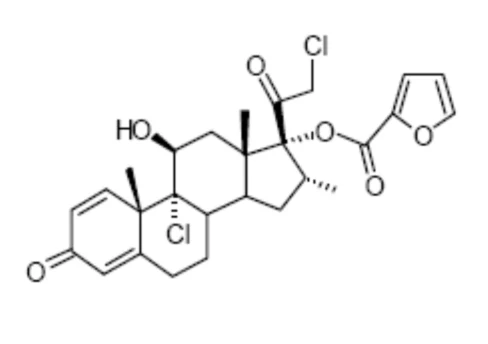
Physicochemical properties: white powder; at 23 °C, practically insoluble in water; slightly soluble in ethyl acetate, methanol, ethanol and isopropanol; soluble in acetone.
14 CLINICAL TRIALS
14.1 Trial Design and Study Demographics
The efficacy of ASMANEX® Twisthaler® (mometasone furoate dry powder inhaler) treatment has been evaluated in controlled clinical studies involving more than 4000 patients with varying degrees of asthma severity.
Adults and adolescents (12 years of age and older)
Double-blind placebo-controlled trials of 12 week duration have shown that ASMANEX® Twisthaler® treatment at delivered doses within the range of 200–800 mcg per day resulted in improved lung function as measured by forced expiratory volume in one second (FEV1) and peak expiratory flow, improved asthma symptom control, and decreased need for inhaled beta-2 agonist. Improved lung function was observed within 24 hours of the start of treatment in some patients, although maximum benefit was not achieved before 1 to 2 weeks or longer. Improved lung function was maintained for the duration of treatment.
Table 5: Summary of Patient Demographics for ASMANEX® Twisthaler® Safety and Efficacy Clinical Trials in Asthma
| Study # | Trial design Subject population | Dosage, route of administration and duration | No. of Subjects | Mean Age | Gender Male/ Female | |
| C96-136 | Randomized Multicenter Double-blind Parallel group Placebo controlled Adult & adolescent subjects previously maintained on Inhaled short-acting beta-agonists alone. | All the study therapies, including placebo, were given by oral inhalation. MF DPI 100 mcg/ actuation QD AM Two oral inhalations per day MF DPI 200 mcg/ actuation QD AM Two oral inhalations per day Placebo 12 weeks double blind followed by 9 months to compare AM & PM dosing. | 72 77 87 Total: 236 | 33 31 35 | 34/38 35/42 41/46 | |
| C98-475 | Randomized Multicenter Double-blind Placebo-controlled Parallel-group Adult & adolescent subjects previously maintained on Inhaled short-acting beta-agonists alone | All the study therapies, including placebo, were given by oral inhalation. MF DPI 200 mcg/ actuation QD PM Placebo 12 weeks | 100 95 Total: 195 | 29.7 28.6 | 47/53 47/48 | |
| C96-134 | Randomized Multicenter Dose ranging Compared to placebo and beclomethasone dipropionate Adult & adolescent subjects previously maintained on inhaled corticosteroids | All the study therapies, including placebo, were given by oral inhalation. MF DPI 100 mcg/ actuation BID MF DPI 200 mcg/ actuation BID MF DPI 400 mcg/ actuation BID BDP 168 mcg/ actuation BID Placebo 12 weeks | 76 70 74 71 74 Total: 365 | 38 36 37 37 37 | 35/41 28/42 27/47 24/47 29/45 |
| C96-196 | Randomized Multicenter Parallel group Placebo controlled Adult & adolescent subjects previously maintained on inhaled corticosteroids. | All the study therapies, including placebo, were given by oral inhalation. MF DPI 200 mcg/ actuation QD AM MF DPI 200 mcg/ actuation QD PM MF DPI 400 mcg/ actuation QD AM MF DPI 200 mcg/ actuation BID Placebo 14 weeks (2 wks open label period +12 wks double blind period) | 58 54 58 58 58 Total: 286 | 40 38 36 42 41 | 22/36 20/34 28/30 26/32 18/40 | |
| P01978 | Randomized Multicenter Single-blind placebo/ICS reduction period followed by double-blind treatment period. Adult & adolescent subjects with a diagnosis of mild to moderate persistent asthma, previously maintained on inhaled corticosteroids | All the study therapies, including placebo, were given by oral inhalation. MF DPI 400 mcg/actuation QD PM MF DPI 200 mcg/actuation BID Placebo 12 weeks | 92 89 87 Total: 268 | 37.1 40 38.2 | 37/55 27/62 30/57 | |
| P01545 | Randomized Multicenter Single-blind placebo/ICS reduction period followed by a double-blind treatment period. Adult & adolescent subjects with a diagnosis of mild to moderate persistent asthma, previously maintained on inhaled corticosteroids | All the study therapies, including placebo, were given by oral inhalation. MF DPI 200 mcg/ actuation QD PM MF DPI 200 mcg/actuation BID MF DPI 400 mcg/actuation QD PM (one oral inhalation) MF DPI 400 mcg QD PM (two oral inhalations) Placebo 12 weeks | 78 81 80 78 83 Total: 400 | 39.9 36.8 36.6 40.3 35.9 | 31/47 33/48 27/53 33/45 37/46 | |
| Randomized | DOUBLE BLIND PERIOD |
MF DPI: Mometasone Furoate Dry Powder Inhaler
BDP: Beclomethasone Dipropionate
ICS: Inhaled Corticosteroids
QD: Once daily
QD AM: Once daily in the morning
QD PM: Once daily in the evening
BID: Twice daily
Pediatric Patients 4 to 11 Years of Age
The efficacy of ASMANEX® Twisthaler® in patients with asthma 4 to 11 years of age was evaluated in three 12-week, randomized, double-blind, placebo-controlled, parallel-group clinical trials. These trials included 630 patients receiving ASMANEX® Twisthaler®, ranging from 4 to 11 years of age. Patients received ASMANEX® Twisthaler® 100 mcg once daily in the evening (n=98), 100 mcg once daily in the morning (n=181), 100 mcg twice daily (n=179), or 200 mcg once daily in the morning (n=172).
| C96-137 | Multicenter Placebo controlled Adult & adolescent subjects maintained on oral prednisone. | All the study therapies, including placebo, were given by oral inhalation. 2 x MF DPI 200 mcg/ actuation BID 2 x MF DPI 400 mcg/ actuation BID Placebo 3 months | 46 43 43 Total: 132 | 49 53 55 | 22/24 16/27 24/19 | |
All the study therapies, including placebo, were given by oral inhalation. OPEN LABEL PERIOD 4 x MF DPI 200 mcg/ actuation BID 3 x MF DPI 200 mcg/ actuation BID 2 x MF DPI 200 mcg/ actuation BID 9 months | 128 | 53 | 59/69 |
The results for 1 clinical trial are described below. The other 2 clinical trials are supportive of efficacy for ASMANEX® Twisthaler® administered at 100 mcg once daily in paediatric patients with asthma.
The study demographics and trial design for this study are described in Table 6.
Table 6: Summary of Patient Demographics for ASMANEX® Twisthaler® Safety and Efficacy Clinical Trial in Asthma
14.2 Study Results
Adults and adolescents (12 years of age and older)
Patients Not Receiving Corticosteroid Therapy
In a 12-week double-blind study in 236 patients with mild to moderate asthma (mean baseline FEV1=2.6 L) who were not adequately controlled by bronchodilators alone, endpoint FEV1 was significantly increased following ASMANEX® Twisthaler® 400 mcg once daily or 200 mcg once daily inhalation as compared to placebo (14%, 15% vs. 2.5%, respectively).
| Study # | Trial design Subject population Duration | Dosage | No. of Subjects | Mean Age | Gender Male/ Female |
| P01431 | Randomized Multicenter Double-blind Placebo controlled Parallel group Subjects aged 4 to 11 years, inclusive, with asthma of at least 6 months duration previously maintained on inhaled corticosteroids 12 weeks | MF DPI 100 mcg /actuation QD PM MF DPI 100 mcg /actuation BID Placebo | 98 99 99 Total: 296 | 9 8.7 8.2 | 57/41 67/32 63/36 |
Table 7: FEV1 (liters) - Change from Baseline by Treatment Group During the 3-Month Phase (All Treated Subjects) [Study No. C96-136]
MF DPI 200 mcg QD AM* | MF DPI 400 mcg QD AM* | Placebo | |||||||
| N | Meana | Mean % Changea | N | Mean | Mean % Change | N | Mean | Mean % Change | |
| Baseline | 72 | 2.60 | --- | 76 | 2.57 | --- | 86 | 2.61 | --- |
| Endpointb | 72 | 0.35 | 14.8% | 76 | 0.35 | 14.2% | 86 | 0.06 | 2.5% |
P-Value Treatments vs. Placebo: p <0.01
*: Given as 2 inhalations of 100 mcg per actuation/200 mcg per actuation.
a: Baseline means and mean changes from Baseline are LS means (adjusted means) which were obtained from an ANOVA model with treatment and center effects. Means of percent changes were raw means. b: Endpoint = last visit for each subject.
In a 12-week double-blind parallel-group study in 195 patients, previously maintained on short-acting inhaled beta-agonists, FEV1 for the placebo group at the endpoint increased 6.0% from baseline compared with 16.8% in the ASMANEX® Twisthaler® group. Overall, the data demonstrate that a once daily dose of 200 mcg QD PM is effective as initiation therapy in subjects with mild to moderate asthma.
Table 8: FEV1 (liters) - Change from Baseline by Treatment Group (All Treated Subjects) [Study No. C98-475]
| MF DPI 200 mcg QD PM | Placebo | |||||
| N | Meana | Mean % Change a | N | Mean | Mean % Change | |
| Baseline | 100 | 2.55 | 95 | 2.64 | ||
| Endpointb | 100 | 0.43 | 16.8% | 95 | 0.16 | 6.0% |
P-Value Treatments vs. Placebo: p <0.01
a: Means of percent changes were raw means. All the other means presented in this table were LS means, which were based on an ANOVA model with treatment and center effects.
b: Endpoint= last available data for each subject.
Patients Previously Maintained on Inhaled Corticosteroids
In a 12-week double-blind study of 365 patients with mild to moderate asthma (mean baseline FEV1=2.6 L while on previous inhaled steroid regimen), endpoint FEV1 was significantly increased (5%–7%) when patients were switched to daily doses of 200 to 800 mcg of ASMANEX® Twisthaler® treatment as compared to a decrease of 7% when switched to placebo.
Table 9: FEV1 (liters) - Change from Baseline by Treatment Group (All Treated Subjects)
[Study No. C96-134]
| MF DPI 100 mcg BID | MF DPI 200 mcg BID | MF DPI 400 mcg BID | Placebo | |||||||||
| N | Meana | Mean % Changea | N | Mean | Mean % Change | N | Mean | Mean % Change | N | Mean | Mean % Change | |
| Baseline | 76 | 2.61 | 70 | 2.67 | 73 | 2.49 | 74 | 2.48 | ||||
| Endpointb | 76 | 0.14 | 4.8% | 70 | 0.18 | 7.1% | 73 | 0.15 | 6.2% | 74 | -0.16 | -6.6% |
P-Value Treatments vs. Placebo: p <0.01
Means of percent changes were raw means. All the other means presented in this table were LS means, which were based on an ANOVA model with treatment and center effects.
Endpoint= last visit for each subject
In another study of 286 inhaled corticosteroid treated patients stabilized on 200 mcg mometasone furoate twice daily (mean baseline FEV1=2.6 L), FEV1 was effectively maintained over the 12 weeks of study when patients were randomized to either ASMANEX® Twisthaler® 400 mcg once daily or 200 mcg twice daily treatment, while decreasing 10% for those switched to placebo. Additionally, some patients effectively maintained their FEV1 on a reduced dose of 200 mcg once daily, particularly when administered in the evening.
Table 10: FEV1 (liters) - Percent Change from Baseline by Treatment Group (All Treated Subjects) [Study No. C96-196]
MF DPI 200 mcg QD AM | MF DPI 200 mcg QD PM | MF DPI 400 mcg QD AM | MF DPI 200 mcg BID | Placebo | |||||||||||
| N | Meana | Mean % Changea | N | Mean | Mean % Change | N | Mean | Mean % Change | N | Mean | Mean % Change | N | Mean | Mean % Change | |
| Baseline | 58 | 2.57 | 54 | 2.49 | 58 | 2.64 | 58 | 2.75 | 58 | 2.68 | |||||
| Endpointb | 58 | -0.22 | -8.4% | 54 | 0.03 | 1.5% | 58 | -0.01 | -1.4% | 58 | -0.03 | -0.6% | 58 | -0.30 | -9.8% |
P-Value Treatments vs. Placebo: p <0.01
a: Means of percent changes were raw means. All the other means presented in this table were LS means, which were based on an ANOVA model with treatment and center effects. b: Endpoint= last visit for each subject.
In a 12-week study with a single-blind placebo/ICS reduction run-in period followed by the double-blind treatment period in 268 subjects with mild to moderate asthma, there was a statistically significant increase in FEV1 from baseline at endpoint (primary efficacy variable), for both ASMANEX® Twisthaler® 400 mcg QD PM: 21.8% and ASMANEX® Twisthaler® 200 mcg BID: 24.6% vs. placebo: 3.7%. There were no statistically significant differences between ASMANEX® Twisthaler® 400 mcg QD PM and ASMANEX® Twisthaler® 200 mcg BID for the primary efficacy variable. This suggests that once-daily dosing in the evening is as effective as twice daily dosing in subjects with mild or moderate asthma.
Table 11: FEV1 (liters) - Change from Baseline (All Randomized Subjects) [Study No. P01978]
| MF DPI 200 mcg BID | MF DPI 400 mcg QD PM | Placebo | |||||||
| N | LS Meana | Mean % Changeb | N | LS Mean | Mean % Change | N | LS Mean | Mean % Change | |
| Baseline | 88 | 2.15 | 91 | 2.25 | 87 | 2.11 | |||
| Endpointc | 88 | 0.51 | 24.6% | 91 | 0.47 | 21.8% | 87 | 0.08 | 3.7% |
P-Value Treatments vs. Placebo: p <0.001
a: LS Means and pooled standard deviations are obtained from the two-way ANOVA model with treatment and center effects.
b: Mean percent changes are raw means.
c: Endpoint= last visit for the subject.
In another 12-week double-blind study, with a single-blind placebo/ICS reduction run-in period in 400 subjects with mild persistent and moderate asthma who had been previously maintained on inhaled corticosteroids, a statistically significant increase in FEV1 at endpoint from baseline compared to placebo was observed for ASMANEX® Twisthaler® 200 mcg QD PM and ASMANEX® Twisthaler® 400 mcg administered as 400 mcg QD PM or as 200 mcg BID. A statistically significant increase in FEV1 from baseline compared to placebo was observed within 1 week of treatment and was consistent over the treatment period. These data suggest that ASMANEX® Twisthaler® 200 mcg QD and ASMANEX® Twisthaler® 400 mcg QD PM are as effective as 200 mcg BID. More consistent improvement on secondary endpoints was achieved with 400 mcg per day than with 200 mcg per day in this study population.
Table 12: FEV1 (Liters) - Change from Baseline (All Randomized Subjects) [Study No. P01545]
MF DPI 200 mcg QD PM | MF DPI 400 mcg QD PM | MF DPI 400 mcg QD PM (2 inhalations) | MF DPI 200 mcg BID | Placebo | |||||||||||
| N | Meana | Mean % Changeb | N | Mean | Mean % Change | N | Mean | Mean % Change | N | Mean | Mean % Change | N | Mean | Mean % Change | |
| Baseline | 78 | 2.18 | 80 | 2.28 | 78 | 2.24 | 80 | 2.26 | 83 | 2.19 | |||||
| Endpointc | 78 | 0.41 | 19.2% | 80 | 0.41 | 19.2% | 78 | 0.49 | 21.7% | 80 | 0.51 | 23.7% | 83 | 0.16 | 7.8% |
P-Value Treatments vs. Placebo: p <0.001
a: LS Means and pooled standard deviations are obtained from the two-way ANOVA model with treatment and center effects.
b: Mean percent changes are raw means.
c: Endpoint= last visit for the subject.
Patients Previously Maintained on Oral Corticosteroids
In a 12-week double blind trial involving 132 patients requiring high doses of inhaled corticosteroids and oral prednisone (baseline mean daily oral prednisone requirement of 12 mg; baseline FEV1 of 1.8L), patients who received ASMANEX® Twisthaler® 400 mcg twice daily significantly reduced their oral prednisone dose relative to those on placebo (46% reduction vs. 164% increase in oral prednisone, respectively) while simultaneously achieving significantly increased lung function (14% increase vs. 12% decrease in FEV1, respectively).
Table 13: Prednisone Dose (mg day) Percent Change from Baseline by Treatment Group (All Treated Subjects; 3-Month Phase) [Study No. C96-137]
| MF DPI 400 mcg BID | Placebo | |||||
| N | Mean % Change a | Meana | N | Mean % Change | Meana | |
| Baseline | 45 | 11.93 | 43 | 11.56 | ||
| Endpointb | 45 | -46.0% | -6.33 | 43 | 164.4% | 11.81 |
P-Value Treatment vs. Placebo: p <0.01
a: All the means presented in this table were LS means, which were based on an ANOVA model with treatment and center effects.
b: Endpoint= last dose of prednisone for each subject.
Pediatric Patients 4 to 11 Years of Age
This 12-week, placebo-controlled trial of 296 patients 4 to 11 years of age with asthma of at least 6 months duration (mean % predicted FEV1 at baseline ranging from 77.3%-79.7%) was conducted to demonstrate the efficacy of the ASMANEX® Twisthaler® administered at 100 mcg once daily in the evening in the treatment of asthma. Patients were treated with ASMANEX® Twisthaler® 100 mcg once daily in the evening (n=98), 100 mcg twice daily (n= 99) or placebo (n=99) for 12 weeks. The primary endpoint was the mean change from baseline to endpoint in percent-predicted morning pre-dose FEV1. For the primary endpoint, the mean change from baseline in the ASMANEX® Twisthaler® 100 mcg once daily in the evening treatment group (4.73) was statistically significant compared to placebo (-1.77). Table 14 displays the results for % predicted FEV1 change from baseline at endpoint.
In this study, secondary endpoints of morning and evening peak expiratory flow, quality of life assessment, percentage of subjects evaluated as improved, and rescue medication use were supportive of efficacy of ASMANEX® Twisthaler®.
Table 14: % Predicted FEV1 (liters) - Change from Baseline by Treatment Group (All Randomized Subjects) [Study No. P01431]
| MF DPI 100 mcg QD PM | Placebo | |||
| N | LS Meana | N | LS Meana | |
| Baseline | 98 | 79.21 | 99 | 77.31 |
| Endpointb | 98 | 4.73 | 99 | -1.77 |
P-Value Treatment vs Placebo: p <0.002
a: LS Means and pooled standard deviations are obtained from the two-way ANOVA model with treatment and center effects
b: Endpoint is last non-missing visit for subject
16 NON-CLINICAL TOXICOLOGY
In a series of studies designed to maximize exposure to mometasone furoate, there was no unique or special finding regardless of route of administration or formulation. In single- and multiple dose toxicology studies and in reproductive toxicity studies, all findings were typical glucocorticoid class effects and obeyed the well-established dose-response and dose-duration relationships for systemic pharmacologic effects of glucocorticoids. Difficult and prolonged parturition observed in Segment I and Segment III reproduction studies may be related to the progestational effect of mometasone furoate. Reductions in maternal weight gain, fetal weight, and offspring viability, and the occurrence of typical malformations and skeletal variations (reduced ossification) were glucocorticoid class effects.
Mometasone furoate is devoid of androgenic, antiandrogenic, estrogenic or antiestrogenic activity but, like other glucocorticosteroids, it exhibits some antiuterotrophic activity and delays vaginal opening in animal models at high oral doses of 56 mg/kg/day and 280 mg/kg/day.
The incidence and/or severity of the pharmacologic effects were clearly related to systemic exposure levels regardless of dose route and/or formulation. While findings observed in the intranasal studies were also observed in the studies conducted with other dose routes and mometasone furoate formulations (including the lactose powder formulation), the incidence and/or severity of the changes were greater in the inhalation studies due to greater systemic exposure.
Based on results of multiple mutagenicity studies and of two carcinogenicity studies, one each in mice and rats, mometasone furoate should not pose a genetic hazard or increase the risk of cancer to patients exposed in a clinical setting. In particular, there was no statistically significant dose-response relationship for any tumor type in either the mouse or rat carcinogenicity study. In the study with mice, an apparent increase in mesenchymal tumors of the bladder and seminal vesicles was considered to have no relevance to assessment of human risk because it is a species- and strain-specific finding without a human correlate. An apparent increase in incidence of pancreatic cell hyperplasia in mid- and high-dose groups (1.0 and 2.0 mcg/L, respectively), and islet cell neoplasia in the high-dose group of male rats was attributed to the well-established metabolic effects of prolonged administration of glucocorticoids (increased glucose and/or insulin resistance). Increase in the incidence of tumors of islet cells are induced by other steroids, and reflect a non-genotoxic mechanism in a species with unique endocrinologic sensitivity.
Acute Toxicity
Two acute inhalation toxicity studies were conducted in mice (i.e., 4-hr whole-body exposure to micronized, pure, mometasone furoate powder). In the first study, the mean estimated doses were 582 mg/kg (in mice) and 394 mg/kg (for rats), assuming 100% deposition. No clinical signs were observed in either species during the 36-day post-exposure observation period. However, lower body weights compared to pretreatment values were observed in both species. In the second study, rats were exposed by whole body exposure to 0.68 mg/L micronized mometasone furoate powder for 4 hours, and then observed for 3 weeks. Weight loss occurred during the observation period; while rales, ano-genital staining, soft stools and emaciation were the principal clinical observations. At necropsy, several rats had discolored lungs, small spleens and discolored brown skin.
Multiple-Dose Toxicity
Two-week, one-month, three-month, six-month and one-year (dog only) studies were conducted in rats and dogs with the lactose containing mometasone furoate dry powder inhaler. No unexpected (non-glucocorticoid related) effects were observed at any dose in any of the studies. Mometasone furoate:lactose powder agglomerate (1:19) was well-tolerated when administered by nose-only inhalation to rats one hour daily for two weeks at target exposure concentrations of 0.13, 0.50 or 2.0 mcg/L. Based on organ weight changes and histopathology findings, the target organs for inhaled mometasone furoate (lactose formulation) were trachea (globule leukocytes), spleen, thymus and bone marrow of both males and females, and mammary gland of females. Glucocorticoid activity was shown as lymphoid depletion accompanied by lympholysis of the thymus in males and females. Progestational-like changes were enhanced lobuloalveolar development and secretion in mammary glands of females at the high dose level.
Mometasone furoate:lactose powder agglomerate (1:5.8 or 1:19) was well-tolerated when administered by nose-only inhalation to male and female rats one hour daily for one month at exposure concentrations of 0.13, 0.50, or 2.0 mcg/L. Based on organ weight changes and histopathology findings, the target organs for inhaled MF were lymph nodes, thymus, trachea (globule leukocytes) and, in females, bone marrow, mammary gland, and reproductive tract. Glucocorticoid activity was shown as lymphoid depletion accompanied by lympholysis of the thymus in males and females. Progestational-like changes were enhanced lobuloalveolar development and secretion in mammary glands of females.
Mometasone furoate:lactose powder agglomerate (1:19) was also well-tolerated when administered by nose-only inhalation to rats one hour daily for three months at exposure concentrations of 0.13, 0.50 or 2.0 mcg/L. Based on organ weight changes and histopathology findings, the target organs were trachea (globule leukocytes), thymus, lymph nodes and, in females, mammary gland. Glucocorticoid activity was shown as lymphoid depletion accompanied by lympholysis of the thymus and lymphoid depletion in mesenteric lymph nodes. Progestational-like changes were as observed in the one month study. Thymic, lymphoid and progestational-like changes were reversed following a 4-week recovery period.
Mometasone furoate:lactose powder agglomerate (1:5.8) was well-tolerated when administered by nose-only inhalation to male and female rats one hour daily for six months at exposure concentrations of 0.13, 0.50, or 2.0 mcg/L. Based on organ weight changes and histopathological findings, the target tissues for inhaled MF were lymphoid tissues, thymus, tracheal epithelium (globule leukocytes), hair follicles, and, in females, mammary gland and reproductive tract. Glucocorticoid activity was observed as lymphoid depletion of the thymus in males and females at 0.50 mcg/L and 2.0 mcg/L exposures, respectively. Progestational-like changes were similar to those observed in the previous studies.
Daily administration of mometasone furoate:lactose (1:19) powder agglomerate by mouth-only inhalation to beagle dogs for 30 minutes per day for 14 days at concentrations of 1, 4 and 16 mcg/L was well tolerated. Organ weight changes and histopathologic changes were observed in the thymus, spleen, gut-associated lymphoid tissue and peripheral lymph nodes. A no-effect dose for glucocorticoid effects was not identified. The no-effect dose for progestational effects was >16 mcg/L.
Daily administration of mometasone furoate:lactose powder agglomerates by mouth-only inhalation to beagle dogs for 30 minutes per day for 28 days at aerosol concentrations of 0.1, 0.5, 4.0 (1:5.8), and 4.0 (1:19) mcg/L was also well tolerated. Adrenal atrophy was observed at the high-dose (4.0 mcg/L), with reduced absolute and relative weights and vacuolization of the zona fasciculate in females exposed to 0.5 mcg/L and in males and females in the high-dose groups (4.0 mcg/L). There was a minimal increase in bone marrow adipose tissue of the 4.0 mcg/L males and females. The no-effect dose for glucocorticoid effects in this study was 0.1 mcg/L (1:5.8). The no-effect dose for progestational activity was 4.0 mcg/L.
Daily administration of mometasone furoate:lactose (1:19) powder agglomerate by mouth-only inhalation to beagle dogs for 30 minutes per day for 13 weeks at concentrations of 0.1, 0.5, or 4.0 mcg/L was well tolerated. No unexpected effects were seen at any dose. Target organs for this inhaled MF lactose formulation were the adrenal gland, thymus and gut-associated lymphoid tissue and various lymph nodes. The no-effect dose for glucocorticoid activity was 0.1 mcg/L. The no-effect dose for progestational effects was >4.0 mcg/L.
Beagle dogs were administered mometasone furoate:lactose agglomerates (1:5.8) by mouth-only inhalation for 30 minutes per day for 6 months at concentrations of 0.1, 0.5, and 4.0 mcg/L. Target organs were the adrenal glands, liver, and lymph nodes. The no-effect dose for glucocorticoid activity was 0.1 mcg/L on the basis of minimal effects on cholesterol levels at an exposure concentration of 0.5 mcg/L. The no-effect dose for progestational effects was >4.0 mcg/L.
Daily administration of mometasone furoate:lactose agglomerate (1:5.8) by mouth-only administration to beagle dogs for 30 minutes per day for 12 months at concentrations of 0.1, 0.5, and 4.0 mcg/L was well tolerated. Target organs were the adrenal glands of both sexes and reproductive organs in females based on histopathologic changes. The no-effect exposure concentration for MF:lactose agglomerate was 0.5 mcg/L. The no-effect concentration for progestational activity was >4.0 mcg/L. There were no lactose-related findings in this study.
Mutagenicity
Mometasone furoate was non-mutagenic in the mouse lymphoma assay and the salmonella/ mammalian microsome mutagenicity bioassay. Mometasone furoate was negative in the mouse bone marrow erythrocyte micronucleus assay, the rat bone marrow clastogenicity assay, the UDS assay in rat hepatocytes and the mouse mitotic male germ-cell clastogenicity assay, and the Chinese hamster lung cell chromosomal aberrations assay. At cytotoxic doses in Chinese hamster ovary cell cultures, mometasone furoate induced a dose-related increase in simple chromosome aberrations when continuously exposed (7.5 hours) in the nonactivation phase, but not in the presence of rat liver S9 fraction. This finding is not considered to be of significance in the risk assessment of mometasone furoate, since the S9 phase of the chromosomal-aberration assay and all in vivo assays were negative.
Carcinogenicity
The carcinogenicity potential of inhaled mometasone furoate (aerosol with CFC propellant and surfactant) at concentrations of 0.25 to 2.0 mcg/L was investigated in 24-month studies in mice and rats. Typical glucocorticoid-related effects, including several non-neoplastic lesions, were observed. No statistically significant dose-response relationship was detected for any of the tumor types. The apparent increase in mouse bladder/seminal vesicle mesenchymal tumors is considered to have no relevance in human carcinogenic risk assessment since it is a species- and strain-specific finding with no human correlate. The greater incidence of pancreatic islet cell hyperplasia in male rats who received 1.0 and 2.0 mcg/L is attributed to the well established metabolic effects (increased glucose and/or insulin resistance) following prolonged administration of glucocorticoids. Increases in pancreatic islet cell tumors, which are induced by other steroids, reflects a non-genotoxic mechanism operative in an endocrinologically uniquely sensitively species.
Reproductive toxicity and Teratogenicity
In subcutaneous Segment I and III studies, mometasone furoate was well tolerated at doses up to 7.5 mcg/kg (2.6 times the human dose by inhalation).
At 15 mcg/kg, prolonged gestation and difficult labor as well as a reduction in maternal body weight gain occurred, along with a reduction in offspring survival and body weight.
There was no effect on fertility. Like other glucocorticoids, mometasone furoate is a teratogen in rodents and rabbits. Teratology studies were conducted in rats, mice and rabbits by the oral, topical (dermal), and/or subcutaneous routes. Umbilical hernia occurred in rats administered >600 mcg/kg dermally, cleft palate in mice administered 180 mcg/kg subcutaneously, and gallbladder agenesis, umbilical hernia, and flexed front paws in rabbits administered >150 mcg/kg dermally. In these teratogenicity studies, there were also reductions in maternal body weight gains, effects on fetal growth (lower fetal body weight and/or delayed ossification) in rats, rabbits and mice, and reduced offspring survival in mice.