


Product Monograph - Auro-Tramadol
SUMMARY PRODUCT INFORMATION
| Route of Administration | Dosage Form / Strength | Nonmedicinal Ingredients |
| Oral | Tablet / 50 mg | Lactose Monohydrate, Microcrystalline Cellulose, Com Starch, Povidone USP, Sodium Starch Glycolate, Magnesium Stearate and Instacoat Universal White ICG-U-I0352. Instacoat Universal White ICG-U-I0352 contains: Hypromellose, Titanium dioxide, Polyethylene glycol, Polysorbate 80, Carnauba wax. |
INDICATIONS AND CLINICAL USE
Adults
Auro-Tramadol (tramadol hydrochloride) is indicated for the management of moderate to moderately severe pain.
Geriatrics (> 65 years of age):
In general, dose selection for an elderly patient should be cautious, usually starting at the low end of the dosing range, reflecting the greater frequency of decreased hepatic, renal, or cardiac function, concomitant disease or other drug therapy.
Healthy elderly subjects aged 65 to 75 years administered tramadol have plasma concentrations and elimination half-lives comparable to those observed in healthy subjects less than 65 years of age. Auro-Tramadol should be administered with greater caution in patients older than 75 years, due to the greater potential for adverse events in this population (see WARNINGS AND PRECAUTIONS and DOSAGE AND ADMINISTRATION).
Pediatrics (< 18 years of age):
The safety and efficacy of tramadol hydrochloride has not been studied in the pediatric population. Therefore, use of Auro-Tramadol is not recommended in patients under 18 years of age.
CONTRAINDICATIONS
Patients who are hypersensitive to the active substance (tramadol hydrochloride) or other
- opioid analgesics or to any ingredient in the formulation. For a complete listing, see the DOSAGE FORMS, COMPOSITION AND PACKAGING section of the Product Monograph.
- Patients with known or suspected mechanical gastrointestinal obstruction (e.g., bowel obstruction or strictures) or any diseases/conditions that affect bowel transit (e.g., ileus of any type).
- Patients with suspected surgical abdomen (e.g., acute appendicitis or pancreatitis).
- Patients with severe renal or hepatic impairment (creatinine clearance of less than 30 mL/min and/or Child-Pugh Class C).
- Patients with mild pain that can be managed with other pain medications.
- Patients with acute or severe bronchial asthma, chronic obstructive airway, or status asthmaticus.
- Patients with acute respiratory depression, elevated carbon dioxide levels in the blood and cor pulmonale.
- Patients with acute alcoholism, delirium tremens, and convulsive disorders.
- Patients with severe CNS depression, increased cerebrospinal or intracranial pressure, and head injury.
- Patients taking monoamine oxidase inhibitors (MAOIs) (or within 14 days following discontinuation of such therapy).
- Any situation where opioids are contraindicated, including acute intoxication with any of the following: alcohol, hypnotics, centrally acting analgesics, opioids or psychotropic drugs. Auro-Tramadol may worsen central nervous system and respiratory depression in these patients.
- Pediatric patients less than 18 years of age who have undergone tonsillectomy and/or adenoidectomy for obstructive sleep apnea syndrome.
- Pediatric patients less than 12 years of age.
WARNINGS AND PRECAUTIONS
SERIOUS WARNINGS AND PRECAUTIONS Limitations of Use Because of the risks of addiction, abuse, and misuse with opioids, even at recommended doses, and because of the risks of overdose and death with immediate release opioid formulations, Auro-Tramadol (tramadol hydrochloride) tablets should only be used in patients for whom alternative treatment options (e.g., non-opioid analgesics) are ineffective, not tolerated, or would be otherwise inadequate to provide appropriate management of pain (see DOSAGE AND ADMINISTRATION). Addiction, Abuse, and Misuse Auro-Tramadol poses risks of opioid addiction, abuse, and misuse, which can lead to overdose and death. Each patient’s risk should be assessed prior to prescribing Auro-Tramadol, and all patients should be monitored regularly for the development of these behaviours or conditions (see WARNINGS AND PRECAUTIONS). Auro-Tramadol should be stored securely to avoid theft or misuse. Life-threatening Respiratory Depression: OVERDOSE Serious, life-threatening, or fatal respiratory depression may occur with use of Auro- |
Tramadol. Infants exposed in-utero or through breast milk are at risk of life-threatening respiratory depression upon delivery or when nursed. Patients should be monitored for respiratory depression, especially during initiation of Auro-Tramadol or following a dose increase. Do not cut, break, crush, chew, or dissolve Auro-Tramadol tablets. This can lead to dangerous adverse events including death (see WARNINGS AND PRECAUTIONS). Further, instruct patients of the hazards related to taking opioids including fatal overdose. Accidental Exposure Accidental ingestion of even one dose of Auro-Tramadol especially by children, can result in a fatal overdose of tramadol (see DOSAGE AND ADMINISTRATION, Disposal, for instructions on proper disposal). Neonatal Opioid Withdrawal Syndrome Prolonged maternal use of Auro-Tramadol during pregnancy can result in neonatal opioid withdrawal syndrome, which may be life-threatening (see WARNINGS AND PRECAUTIONS). Interaction with Alcohol The co-ingestion of alcohol with Auro-Tramadol should be avoided as it may result in dangerous additive effects, causing serious injury or death (see WARNINGS AND PRECAUTIONS and DRUG INTERACTIONS). Risks From Concomitant Use With Benzodiazepines or Other CNS Depressants Concomitant use of opioids with benzodiazepines or other central nervous system (CNS) depressants, including alcohol, may result in profound sedation, respiratory depression, coma, and death (see WARNINGS AND PRECAUTIONS, Neurologic and DRUG INTERACTIONS).
|
General
Patients should be instructed not to give Auro-Tramadol (tramadol hydrochloride) tablets to anyone other than the patient for whom it was prescribed, as such inappropriate use may have severe medical consequences, including death. Auro-Tramadol should be stored securely to avoid theft or misuse.
Auro-Tramadol should only be prescribed by persons knowledgeable in the administration of potent opioids, in the management of patients receiving potent opioids for the treatment of pain, and in the detection and management of respiratory depression, including the use of opioid antagonists.
Patients should be cautioned not to consume alcohol while taking Auro-Tramadol as it may increase the chance of experiencing serious adverse events, including death.
Seizure Risk
Seizures have been reported in patients receiving tramadol within the recommended dosage range. Spontaneous post-marketing reports indicate that seizure risk is increased with doses of tramadol hydrochloride above the recommended range (see Neurologic and DRUG INTERACTIONS, Drug-Drug Interactions). Concomitant use of Auro-Tramadol increases the seizure risk in patients taking:
- serotonergic drugs including selective serotonin reuptake inhibitors (SSRI antidepressants or anorectics) or serotonin- norepinephrine reuptake inhibitors (SNRIs);
- tricyclic antidepressants (TCAs) (e.g., imipramine and amitriptyline) and other tricyclic compounds (e.g., cyclobenzaprine, promethazine, etc.); or
- other opioids.
Administration of tramadol may enhance the seizure risk in patients taking:
- monoamine oxidase inhibitors (MAOIs) (see CONTRAINDICATIONS);
- neuroleptics; or
- other drugs that reduce the seizure threshold.
Risk of convulsions may also increase in patients with epilepsy, those with a history of seizures or in patients with a recognized risk for seizure (such as head trauma, metabolic disorders, alcohol and drug withdrawal, central nervous system [CNS] infections). In Auro-Tramadol overdose, naloxone administration may increase the risk of seizure (see OVERDOSAGE, Treatment).
Anaphylactic Reactions
Serious and rarely, fatal anaphylactic reactions have been reported in patients receiving therapy with tramadol. When these rare reactions do occur, it is often following the first dose. Other reported allergic reactions include pruritus, hives, bronchospasm, angioedema, toxic epidermal necrolysis and Stevens-Johnson syndrome. Patients with a history of anaphylactic reactions to codeine and other opioids may be at increased risk and therefore should not receive Auro-Tramadol (see CONTRAINDICATIONS).
Abuse and Misuse
Like all opioids, Auro-Tramadol is a potential drug of abuse and misuse, which can lead to overdose and death. Therefore, Auro-Tramadol should be prescribed and handled with caution.
Patients should be assessed for their clinical risks for opioid abuse or addiction prior to being prescribed opioids. All patients receiving opioids should be routinely monitored for signs of misuse and abuse.
Opioids, such as Auro-Tramadol, should be used with particular care in patients with a history of alcohol and illicit/prescription drug abuse. However, concerns about abuse, addiction, and diversion should not prevent the proper management of pain.
Auro-Tramadol is intended for oral use only. Do not chew or crush the tablets. Abuse of oral dosage forms can be expected to result in serious adverse events, including death.
Auro-Tramadol should not be used in opioid-dependent patients since it cannot suppress morphine withdrawal symptoms, even though it is an opioid agonist.
Dependence/Tolerance
As with other opioids, tolerance and physical dependence may develop upon repeated administration of Auro-Tramadol and there is a potential for development of psychological dependence.
Physical dependence and tolerance reflect the neuroadaptation of the opioid receptors to chronic exposure to an opioid, and are separate and distinct from abuse and addiction. Tolerance, as well as physical dependence, may develop upon repeated administration of opioids, and are not by themselves evidence of an addictive disorder or abuse.
Patients on prolonged therapy should be tapered gradually from the drug if it is no longer required for pain control. Withdrawal symptoms may occur following abrupt discontinuation of therapy or upon administration of an opioid antagonist. Some of the symptoms that may be associated with abrupt withdrawal of an opioid analgesic include body aches, diarrhea, gooseflesh, loss of appetite, nausea, nervousness or restlessness, anxiety, runny nose, sneezing, tremors or shivering, stomach cramps, tachycardia, trouble with sleeping, unusual increase in sweating, palpitations, unexplained fever, weakness and yawning (see ADVERSE REACTIONS and DOSAGE AND ADMINISTRATION, Adjustment or Reduction of Dosage).
Carcinogenesis and Mutagenesis
See Product Monograph PART II, TOXICOLOGY.
Risk of Overdosage
Serious potential consequences of overdosage with Auro-Tramadol are central nervous system depression, respiratory depression and death. In treating an overdose, primary attention should be given to maintaining adequate ventilation along with general supportive treatment (see OVERDOSAGE).
Do not prescribe Auro-Tramadol for patients who are suicidal or addiction-prone.
Auro-Tramadol should not be taken in doses higher than those recommended by the physician. The judicious prescribing of tramadol is essential to the safe use of this drug. With patients who are depressed or suicidal, consideration should be given to the use of non-narcotic analgesics.
Cardiovascular
Tramadol administration may result in severe hypotension in patients whose ability to maintain adequate blood pressure is compromised by reduced blood volume, or concurrent administration of drugs such as phenothiazines and other tranquilizers, sedative/hypnotics, tricyclic antidepressants or general anesthetics. These patients should be monitored for signs of hypotension after initiating or titrating the dose of Auro-Tramadol.
The use of Auro-Tramadol in patients with circulatory shock should be avoided as it may cause vasodilation that can further reduce cardiac output and blood pressure.
QTc Interval Prolongation: The effect of tramadol on the QT/QTc interval was evaluated in a dedicated randomized, double-blind, 4-way crossover, placebo- and positive-controlled, multiple dose ECG study in healthy subjects (N=62). The study involved administration of tramadol at a supra-therapeutic dose of 100 mg every 6 h on days 1-3 (400 mg/day), with a single 100 mg dose on day 4, or 150 mg every 6 h (600 mg/day) on days 1-3, with a single 150 mg dose on day 4. The maximum placebo-adjusted mean change from baseline in the QTcF interval was 5.5 ms (90% CI
3.2, 7.8) in the 400 mg/day treatment arm and 6.5 ms (90% CI 4.1, 8.8) in the 600 mg/day mg treatment arm, both occurring at the 8h time point. Both treatment groups were within the 10 ms threshold for QT prolongation (see ACTION AND CLINICAL PHARMACOLOGY, Cardiac Electrophysiology). Post-marketing experience with the use of tramadol containing products included rare reports of QT prolongation reported with an overdose (see ADVERSE REACTIONS, Other Adverse Experiences Previously Reported in Clinical Trials or Post-Marketing Reports; DRUG INTERACTIONS, QTc Interval-Prolonging Drugs; OVERDOSAGE).
Many drugs that cause QTc prolongation are suspected to increase the risk of torsade de pointes.
Torsade de pointes is a polymorphic ventricular tachyarrhythmia. Generally, the risk of torsade de pointes increases with the magnitude of QTc prolongation produced by the drug. Torsade de pointes may be asymptomatic or experienced by the patient as dizziness, palpitations, syncope, or seizures. If sustained, torsade de pointes can progress to ventricular fibrillation and sudden cardiac death.
Particular care should be exercised when administering Auro-Tramadol to patients who are suspected to be at an increased risk of experiencing torsade de pointes during treatment with a QTc-prolonging drug.
Risk factors for torsade de pointes in the general population include, but are not limited to, the following:
- female gender;
- age 65 years or older;
- baseline prolongation of the QT/QTc interval;
- presence of pathological genetic variants affecting cardiac ion channels or regulatory proteins, especially congenital long QT syndromes;
- family history of sudden cardiac death at <50 years;
- cardiac disease (e.g., myocardial ischemia or infarction, congestive heart failure, left ventricular hypertrophy, cardiomyopathy, conduction system disease);
- history of arrhythmias (especially ventricular arrhythmias, atrial fibrillation, or recent conversion from atrial fibrillation);
- electrolyte disturbances (e.g., hypokalemia, hypomagnesemia, hypocalcemia);
- bradycardia (<50 beats per minute);
- acute neurological events (e.g., intracranial or subarachnoid hemorrhage, stroke, intracranial trauma);
- nutritional deficits (e.g., eating disorders, extreme diets);
- diabetes mellitus;
- autonomic neuropathy.
When drugs that prolong the QTc interval are prescribed, healthcare professionals should counsel their patients concerning the nature and implications of the ECG changes, underlying diseases and disorders that are considered to represent risk factors, demonstrated and predicted drug-drug interactions, symptoms suggestive of arrhythmia, risk management strategies, and other information relevant to the use of the drug.
Use in Drug and Alcohol Addiction
Auro-Tramadol is an opioid with no approved use in the management of addictive disorders. Its proper usage in individuals with drug or alcohol dependence, either active or in remission is for the management of pain requiring opioid analgesia. Patients with a history of addiction to drugs or alcohol may be at higher risk of becoming addicted to Auro-Tramadol unless used under extreme caution and awareness.
Endocrine and Metabolism
Adrenal Insufficiency
Cases of adrenal insufficiency have been reported with opioid use, more often following greater than one month of use. Presentation of adrenal insufficiency may include non-specific symptoms and signs including nausea, vomiting, anorexia, fatigue, weakness, dizziness, and low blood pressure. If adrenal insufficiency is suspected, confirm the diagnosis with diagnostic testing as soon as possible. If adrenal insufficiency is diagnosed, treat with physiologic replacement doses of corticosteroids. Wean the patient off of the opioid to allow adrenal function to recover and continue corticosteroid treatment until adrenal function recovers. Other opioids may be tried as some cases reported use of a different opioid without recurrence of adrenal insufficiency. The information available does not identify any particular opioids as being more likely to be associated with adrenal insufficiency.
Hyponatremia
Hyponatremia has been reported very rarely with the use of tramadol, usually in patients with predisposing risk factors, such as elderly patients and/or patients using concomitant medications that may cause hyponatremia (e.g., antidepressants, benzodiazepines, diuretics). In some reports, hyponatremia appeared to be the result of the syndrome of inappropriate antidiuretic hormone secretion (SIADH) and resolved with discontinuation of tramadol and appropriate treatment (e.g., fluid restriction). During Auro-Tramadol treatment, monitoring for signs and symptoms of hyponatremia is recommended for patients with predisposing risk factors.
Gastrointestinal Effects
Tramadol and other morphine-like opioids have been shown to decrease bowel motility. Tramadol may obscure the diagnosis or clinical course of patients with acute abdominal conditions (see CONTRAINDICATIONS).
Neonatal Opioid Withdrawal Syndrome (NOWS)
Prolonged maternal use of opioids during pregnancy can result in withdrawal signs in the neonate. Neonatal opioid withdrawal syndrome, unlike opioid withdrawal syndrome in adults, may be life-threatening.
Neonatal opioid withdrawal syndrome presents as irritability, hyperactivity and abnormal sleep pattern, high pitched cry, tremor, vomiting, diarrhea and failure to gain weight. The onset, duration, and severity of neonatal opioid withdrawal syndrome vary based on the specific opioid used, duration of use, timing and amount of last maternal use, and rate of elimination of the drug by the newborn.
Neurologic
Serotonin toxicity / Serotonin syndrome: Serotonin toxicity also known as serotonin syndrome is a potentially life-threatening condition and has been reported with tramadol, including tramadol hydrochloride, particularly during combined use with other serotonergic drugs. (See DRUG INTERACTIONS).
Serotonin toxicity is characterised by neuromuscular excitation, autonomic stimulation (e.g. tachycardia, flushing) and altered mental state (e.g. anxiety, agitation, hypomania). In accordance with the Hunter Criteria, serotonin toxicity diagnosis is likely when, in the presence of at least one serotonergic agent, one of the following is observed:
- Spontaneous clonus
- Inducible clonus or ocular clonus with agitation or diaphoresis
- Tremor and hyperreflexia
- Hypertonia and body temperature >38°C and ocular clonus or inducible clonus.
If concomitant treatment with Auro-Tramadol and other serotonergic agents is clinically warranted, careful observation of the patient is advised, particularly during treatment initiation and dose increases (see DRUG INTERACTIONS). If serotonin toxicity is suspected, discontinuation of the serotonergic agents should be considered.
Interactions with Central Nervous System (CNS) Depressants (including benzodiazepines and alcohol): Tramadol should be used with caution and in a reduced dosage during concomitant administration of other opioid analgesics, general anesthetics, phenothiazines and other tranquilizers, sedative-hypnotics, tricyclic antidepressants, antipsychotics, antihistamines, benzodiazepines, centrally-active anti-emetics and other CNS depressants. Respiratory depression, hypotension and profound sedation, coma or death may result.
Observational studies have demonstrated that concomitant use of opioid analgesics and benzodiazepines increases the risk of drug-related mortality compared to use of opioid analgesics alone. Because of similar pharmacological properties, it is reasonable to expect similar risk with the concomitant use of other CNS depressant drugs with opioid analgesics (see DRUG INTERACTIONS). If the decision is made to prescribe a benzodiazepine or other CNS depressant concomitantly with an opioid analgesic, prescribe the lowest effective dosages and minimum durations of concomitant use. In patients already receiving an opioid analgesic, prescribe a lower initial dose of the benzodiazepine or other CNS depressant than indicated in the absence of an opioid, and titrate based on clinical response. If an opioid analgesic is initiated in a patient already taking a benzodiazepine or other CNS depressant, prescribe a lower initial dose of the opioid analgesic, and titrate based on clinical response. Follow patients closely for signs and symptoms of respiratory depression and sedation.
Advise both patients and caregivers about the risks of respiratory depression and sedation when Auro-Tramadol is used with benzodiazepines or other CNS depressants (including alcohol and illicit drugs). Advise patients not to drive or operate heavy machinery until the effects of concomitant use of the benzodiazepine or other CNS depressant have been determined. Screen patients for risk of substance use disorders, including opioid abuse and misuse, and warn them of the risk for overdose and death associated with the use of additional CNS depressants including alcohol and illicit drugs
(see DRUG INTERACTIONS).
Auro-Tramadol should not be consumed with alcohol as it may increase the chance of experiencing dangerous side effects, including death (see CONTRAINDICATIONS; ADVERSE REACTIONS, Sedation and DRUG INTERACTIONS).
Severe pain antagonizes the subjective and respiratory depressant actions of opioid analgesics. Should pain suddenly subside, these effects may rapidly become manifest.
Head Injury: The respiratory depressant effects of tramadol, and the capacity to elevate cerebrospinal fluid pressure, may be greatly increased in the presence of an already elevated intracranial pressure produced by trauma. Also, tramadol may produce confusion, miosis, vomiting and other side effects which obscure the clinical course of patients with head injury. In such patients, tramadol must be used with extreme caution and only if it is judged essential (see CONTRAINDICATIONS).
Opioid induced hyperalgesia: Opioid induced hyperalgesia (OIH) is a paradoxical response to an opioid in which there is an increase in pain perception despite stable or increased opioid exposure. It differs from tolerance, in which higher opioid doses are required to achieve the same analgesic effect or treat recurring pain. Clinically, OIH may be associated with high opioid doses, long term opioid treatment, and intra-operative opioid use. OIH may manifest as an unexplained increase in pain, more diffuse pain than pre-existing, or as pain from ordinary (i.e. non-painful) stimuli (allodynia) in the absence of disease progression. When OIH is suspected, the dose of opioid should be reduced or tapered off, if possible. It is reasonable to consider opioid rotation, or the use of a non-opioid strategy for pain control. There is currently no well-established treatment for OIH.
Peri-Operative Considerations
Auro-Tramadol is not indicated for pre-emptive analgesia (administration pre-operatively for the management of post-operative pain). Auro-Tramadol should only be used during post-operative period in patients that can take oral medications.
The administration of analgesics in the peri-operative period should be managed by healthcare providers with adequate training and experience (e.g., by an anesthesiologist).
Tramadol and other morphine-like opioids have been shown to decrease bowel motility. Ileus is a common post-operative complication, especially after intra-abdominal surgery with opioid analgesia. Caution should be taken to monitor for decreased bowel motility in post-operative patients receiving opioids. Standard supportive therapy should be implemented.
Psychomotor Impairment
Auro-Tramadol may impair the mental and/or physical abilities needed for certain potentially hazardous activities such as driving a car or operating machinery. Patients should be cautioned accordingly. Patients should also be cautioned about the combined effects of tramadol with other CNS depressants, including other opioids, phenothiazine, sedative/hypnotics and alcohol.
Respiratory
Respiratory Depression: Administer Auro-Tramadol cautiously in patients at risk for respiratory depression. In these patients, alternative non-opioid analgesics should be considered. When large doses of Auro-Tramadol are administered with anesthetic medications or alcohol, respiratory depression may result. Respiratory depression should be treated as an overdose. If naloxone is to be administered, use cautiously because it may precipitate seizures (see Seizure Risk and OVERDOSAGE).
Serious, life-threatening, or fatal respiratory depression has been reported with the use of opioids, even when used as recommended. Respiratory depression from opioid use, if not immediately recognized and treated, may lead to respiratory arrest and death. Management of respiratory depression may include close observation, supportive measures, and use of opioid antagonists, depending on the patient’s clinical status. Tramadol should be used with extreme caution in patients with substantially decreased respiratory reserve, pre-existing respiratory depression, hypoxia or hypercapnia (see CONTRAINDICATIONS).
While serious, life-threatening, or fatal respiratory depression can occur at any time during the use of Auro-Tramadol, the risk is greatest during the initiation of therapy or following a dose increase. Patients should be closely monitored for respiratory depression when initiating therapy with Auro-Tramadol and following dose increases.
Life-threatening respiratory depression is more likely to occur in the elderly, cachectic, or debilitated patients because they may have altered pharmacokinetics or altered clearance compared to younger, healthier patients.
To reduce the risk of respiratory depression, proper dosing and titration of Auro-Tramadol are essential. Overestimating the Auro-Tramadol dose when converting patients from another opioid product can result in a fatal overdose with the first dose. In these patients, the use of non-opioid analgesics should be considered, if feasible (see WARNINGS AND PRECAUTIONS, Special Populations, Special Risk Groups, and DOSAGE AND ADMINISTRATION).
Sleep Apnea: Opioids can cause sleep-related breathing disorders such as sleep apnea syndromes (including central sleep apnea [CSA]) and hypoxia (including sleep-related hypoxia) (see ADVERSE REACTIONS). Opioid use increases the risk of CSA in a dose-dependent fashion. Evaluate patients on an ongoing basis for the onset of a new sleep apnea, or a worsening of an existing sleep apnea. In these patients, consider reducing or stopping the opioid treatment if appropriate, using best practices for tapering of opioids (see DOSAGE AND ADMINISTRATION, Adjustment or Reduction of Dosage; WARNINGS AND PRECAUTIONS, Dependence/Tolerance).
Use with MAO Inhibitors (MAOIs):
Concomitant use of Auro-Tramadol with MAOIs is contraindicated (see CONTRAINDICATIONS).
Animal studies have shown increased deaths with combined administration of MAOIs and tramadol. Concomitant use of Auro-Tramadol with MAOIs increases the risk of adverse events, including seizure (see Seizure Risk and DRUG INTERACTIONS) and serotonin syndrome (see Serotonin Syndrome).
Cytochromes P450 (CYP) 2D6 Ultra-Rapid Metabolism: Some individuals may be CYP2D6 ultra-rapid metabolizers. These individuals convert tramadol more rapidly than other people into its more potent opioid metabolite O-desmethyltramadol (M1). Even at labelled dosage regimens, this rapid conversion could result in higher than expected opioid-like side effects including life-threatening or fatal respiratory depression or experience signs of overdose (such as extreme sleepiness, confusion, or shallow breathing) (see OVERDOSAGE, Symptoms; WARNINGS
AND PRECAUTIONS, Special Populations, Labour, Delivery and Nursing Women; DRUG INTERACTIONS, Overview). The prevalence of this CYP2D6 phenotype varies widely in the population (see ACTION AND CLINICAL PHARMACOLOGY, Special Populations and Conditions, Race).
Use in Patients with Chronic Pulmonary Disease: Monitor patients with significant chronic obstructive pulmonary disease or cor pulmonale, and patients having a substantially decreased respiratory reserve, hypoxia, hypercapnia, or pre-existing respiratory depression for respiratory depression, particularly when initiating therapy and titrating with Auro-Tramadol, as in these patients, even usual therapeutic doses of Auro-Tramadol may decrease respiratory drive to the point of apnea. In these patients, use of alternative non-opioid analgesics should be considered, if possible. The use of Auro-Tramadol is contraindicated in patients with acute or severe bronchial asthma, chronic obstructive airway, or status asthmaticus (see CONTRAINDICATIONS).
Sexual Function/Reproduction
Long-term use of opioids may be associated with decreased sex hormone levels and symptoms such as low libido, erectile dysfunction, or infertility (see ADVERSE REACTIONS, Androgen deficiency).
Special Populations
Special Risk Groups: Tramadol should be administered with caution to patients with a history of alcohol and drug abuse and in a reduced dosage to debilitated patients, and in patients with severely impaired pulmonary function, Addison’s disease, hypothyroidism, myxedema, toxic psychosis, prostatic hypertrophy or urethral stricture.
Pregnant Women: Studies in humans have not been conducted. While animal reproduction studies have revealed no evidence of harm to the fetus due to tramadol (see TOXICOLOGY, Teratogenicity). Auro-Tramadol crosses the placental barrier and is not recommended to be administered to pregnant women unless in the judgement of the physician, potential benefits outweigh the risks.
Pregnant women using opioids should not discontinue their medication abruptly as this can cause pregnancy complications. Tapering should be slow and under medical supervision to avoid serious adverse events to the fetus.
Prolonged maternal use of opioids during pregnancy can result in withdrawal signs in the neonate. Neonatal opioid withdrawal syndrome (NOWS), unlike opioid withdrawal syndrome in adults, may be life-threatening (see WARNINGS AND PRECAUTIONS, Neonatal Opioid Withdrawal Syndrome, ADVERSE REACTIONS, Other Adverse Experiences Previously
Reported in Clinical Trials or Post-marketing Reports).
Labour, Delivery and Nursing Women: Since opioids can cross the placental barrier and are excreted in breast milk, Auro-Tramadol is not recommended to be used in nursing women and during labour and delivery unless, in the judgement of the physician, the potential benefits outweigh the risks. The use of opioids during childbirth might results in respiratory depression in the newborn infant. Naloxone, a drug that counters the effects of opiates, should be readily available if Auro-
Tramadol is used in this population.
Following a single 100 mg i.v. dose of tramadol, the cumulative excretion in breast milk within 16 hours post-dose was 100 mcg of tramadol (0.1% of the maternal dose) and 27 mcg of M1.
Tramadol is subject to the same polymorphic metabolism as codeine, with ultra-rapid metabolizers of CYP2D6 substrates being potentially exposed to life-threatening levels of O-desmethyltramadol (M1). At least one death was reported in a breast-feeding infant who was exposed to high levels of morphine in breast milk because the mother was an ultra-rapid metabolizer of codeine. A baby breast-feeding from an ultra-rapid metabolizer mother taking tramadol could potentially be exposed to high levels of M1, and experience life-threatening respiratory depression. Therefore, maternal use of tramadol can lead to serious adverse reactions, including death in nursing infants (see WARNINGS AND PRECAUTIONS, Respiratory).
Pediatrics (< 18 years of age): The use of Auro-Tramadol is contraindicated in children below 12 years of age (see CONTRAINDICATIONS). The safety and efficacy of tramadol hydrochloride has not been studied in the pediatric population. Therefore, use of Auro-Tramadol tablets is not recommended in patients under 18 years of age. Further, adolescent patients (12 to 18 years old) who are obese or have conditions such as obstructive sleep apnea or severe lung disease may be at increased risk of serious breathing problems; the use of Auro-Tramadol is not recommended in these pediatrics patients. Because of the risk of life-threatening respiratory depression and death, avoid the use of Auro-Tramadol in adolescents (12 to 18 years old) who have other risk factors that may increase their sensitivity to the respiratory depressant effects of tramadol. Risk factors include conditions associated with hypoventilation such as postoperative status, obstructive sleep apnea and concomitant use of other medications that cause respiratory depression.
Geriatrics (> 65 years of age): In general, dose selection for an elderly patient should be cautious, usually starting at the low end of the dosing range and titrate slowly, reflecting the greater frequency of decreased hepatic, renal or cardiac function and concomitant disease or other drug therapy. In patients over 75 years of age, daily doses in excess of 300 mg are not recommended (see DOSAGE AND ADMINISTRATION and ACTION AND CLINICAL PHARMACOLOGY, Special Populations and Conditions).
A total of 455 elderly (65 years of age or older) subjects were exposed to tramadol hydrochloride in controlled clinical trials. Of those, 145 subjects were 75 years of age and older. In studies including geriatric patients, treatment-limiting adverse events were higher in subjects over 75 years of age compared to those under 65 years of age. Specifically, 30% of those over 75 years of age had gastrointestinal treatment-limiting adverse events compared to 17% of those under 65 years of age. Constipation resulted in discontinuation of treatment in 10% of those over 75.
Patients with Hepatic Impairment
Auro-Tramadol is contraindicated in patients with severe hepatic impairment (see CONTRAINDICATIONS). Metabolism of tramadol and M1 is reduced in patients with advanced cirrhosis of the liver. In cirrhotic patients, adjustment of the dosing regimen is recommended (see DOSAGE AND ADMINISTRATION).
With the prolonged half-life in these conditions, achievement of steady-state is delayed, so that it may take several days for elevated plasma concentrations to develop.
Patients with Renal Impairment
Auro-Tramadol is contraindicated in patients with severe renal impairment (see CONTRAINDICATIONS). Impaired renal function results in a decreased rate and extent of excretion of tramadol and its active metabolite, M1. Metabolism of tramadol and M1 is reduced in patients with advanced cirrhosis of the liver. In cirrhotic patients, adjustment of the dosing regimen is recommended (see DOSAGE AND ADMINISTRATION).
With the prolonged half-life in these conditions, achievement of steady-state is delayed, so that it may take several days for elevated plasma concentrations to develop.
ADVERSE REACTIONS
Adverse Drug Reaction Overview
Adverse effects of tramadol hydrochloride tablets are similar to those of other opioid analgesics, and represent an extension of pharmacological effects of the drug class. The major hazards of opioids include respiratory and central nervous system depression and to a lesser degree, circulatory depression, respiratory arrest, shock and cardiac arrest.
The most frequently observed adverse reactions are dizziness, nausea, constipation, headache, somnolence and vomiting as presented in Table 1.1.
Clinical Trial Adverse Drug Reactions
Because clinical trials are conducted under very specific conditions the adverse reaction rates observed in the clinical trials may not reflect the rates observed in practice and should not be compared to the rates in the clinical trials of another drug. Adverse drug reaction information from clinical trials is useful for identifying drug-related adverse events and for approximating rates.
Incidence of Adverse Reactions for Tramadol Hydrochloride in Chronic Trials of Non-Malignant Pain (non-titration trials)
Tramadol hydrochloride was administered to 550 patients during the double-blind or open-label extension periods in studies of chronic non-malignant pain. Of these patients, 375 were 65 years old or older. Table 1.1 reports the cumulative incidence rate of adverse reactions by 7, 30 and 90 days for the most frequent reactions (5% or more by 7 days). The most frequently reported events were in the central nervous system and gastrointestinal system. The overall incidence rates of adverse experiences in these trials were similar for tramadol hydrochloride and the active control groups, acetaminophen with codeine, and aspirin with codeine; however, the rates of withdrawals due to adverse events appeared to be higher in the tramadol hydrochloride group. In the tramadol treatment groups, 16.8-24.5% of patients withdrew due to an AE, compared to 9.6-11.6% for acetaminophen with codeine and 18.5% for aspirin with codeine.
Table 1.1: Cumulative Incidence of Adverse Reactions for Tramadol Hydrochloride in Chronic Trials of Non-Malignant Pain
Percentage of Patients with Adverse Reaction N = 427 | |||||||
| Up to 7 Days | Up to 30 Days | Up to 90 Days | |||||
| Dizziness/Vertigo | 26% | 31% | 33% | ||||
| Nausea | 24% | 34% | 40% | ||||
| Constipation | 24% | 38% | 46% | ||||
| Headache | 18% | 26% | 32% | ||||
| Somnolence | 16% | 23% | 25% |
| Vomiting | 9% | 13% | 17% |
| Pruritus | 8% | 10% | 11% |
| “CNS Stimulation” a | 7% | 11% | 14% |
| Asthenia | 6% | 11% | 12% |
| Sweating | 6% | 7% | 9% |
| Dyspepsia | 5% | 9% | 13% |
| Dry Mouth | 5% | 9% | 10% |
| Diarrhea | 5% | 6% | 10% |
a “CNS Stimulation” is a composite of nervousness, anxiety, agitation, tremor, spasticity, euphoria, emotional lability and hallucinations
Two titration trials showed that the incidence of withdrawal due to AEs could be significantly reduced by using dose titration.
Incidence of Adverse Reactions for Tramadol Hydrochloride CAPSS-047 Titration Trial
In the double–blind phase of this pivotal trial, gastrointestinal complaints (primarily nausea and vomiting) and dizziness were the adverse events reported most frequently by tramadol-treated subjects, Table 1.2. Most of the adverse events were assessed as mild or moderate in intensity and resolved.
Table 1.2 Adverse Events in CAPSS-047 - Double-Blind Phase - Frequently Reported (≥2%a) Adverse Eventsb and Total Incidence of AEs Summarized by WHOART Body System, Treatment Group and Preferred Term
AEs in CAPSS-047 Double-Blind Phase ≥2% of patients Tramadol Group/Titration Schedule | ||||||
| Body System | 10-days to 200 mg/day N = 54 | 16-days to 200 mg/day N = 59 | 13-days to 150 mg/day N = 54 | |||
| Preferred Term | n | % | n | % | n | % |
| Any Adverse Event | 41 | 75.9 | 41 | 69.5 | 33 | 61.1 |
Body as a Whole -- General Disorders Influenza-like symptoms Pain Fatigue | 0 1 0 | 0.0 1.9 0.0 | 2 2 0 | 3.4 3.4 0.0 | 0 0 2 | 0.0 0.0 3.7 |
Central and Peripheral Nervous System Disorders Dizziness Headache | 4 10 | 7.4 18.5 | 4 9 | 6.8 15.3 | 4 7 | 7.4 13.0 |
Gastrointestinal System Disorders Mouth Dry Constipation Diarrhea Vomiting Nausea | 0 4 4 10 29 | 0.0 7.4 7.4 18.5 53.7 | 1 2 3 7 25 | 1.7 3.4 5.1 11.9 42.4 | 3 6 1 4 18 | 5.6 11.1 1.9 7.4 33.3 |
Psychiatric Disorders Insomnia Somnolence | 1 5 | 1.9 9.3 | 2 4 | 3.4 6.8 | 2 0 | 3.7 0.0 |
| Reproductive Disorders, Female Menstrual Disorder | 0 | 0.0 | 2 | 2.0 | 0 | 0.0 |
| Reproductive Disorders, Male Epididymitis | 0 | 0.0 | 0 | 0.0 | 1 | 11.1 |
Respiratory Systems Disorders Coughing Sinusitis | 0 1 | 0.0 1.9 | 3 2 | 5.1 3.4 | 0 2 | 0.0 3.7 |
| Upper Resp Tract Infection | 2 | 3.7 | 0 | 0.0 | 0 | 0.0 |
Skin and Appendages Disorders Pruritus Rash | 2 0 | 3.7 0.0 | 1 2 | 1.7 3.4 | 4 2 | 7.4 3.7 |
a Preferred terms reported by ≥ 2% of subjects in one or more treatment groups, intent-to-treat population.
b Number of patients with adverse event; numbers shown are all events regardless of relationship to study drug.
Sedation: Sedation is a common side effect of opioid analgesics, especially in opioid naïve individuals. Sedation may also occur partly because patients often recuperate from prolonged fatigue after the relief of persistent pain. Most patients develop tolerance to the sedative effects of opioids within three to five days and, if the sedation is not severe, will not require any treatment except reassurance. If excessive sedation persists beyond a few days, the dose of the opioid should be reduced and alternate causes investigated. Some of these are: concurrent CNS depressant medication, hepatic or renal dysfunction, brain metastases, hypercalcemia and respiratory failure. If it is necessary to reduce the dose, it can be carefully increased again after three or four days if it is obvious that the pain is not being well controlled. Dizziness and unsteadiness may be caused by postural hypotension, particularly in elderly or debilitated patients, and may be alleviated if the patient lies down.
Nausea and Vomiting: Nausea is a common side effect on initiation of therapy with opioid analgesics and is thought to occur by activation of the chemoreceptor trigger zone, stimulation of the vestibular apparatus and through delayed gastric emptying. The prevalence of nausea declines following continued treatment with opioid analgesics. When instituting therapy with an opioid for chronic pain, the routine prescription of an antiemetic should be considered. In the cancer patient, investigation of nausea should include such causes as constipation, bowel obstruction, uremia, hypercalcemia, hepatomegaly, tumor invasion of celiac plexus and concurrent use of drugs with emetogenic properties. Persistent nausea which does not respond to dosage reduction may be caused by opioid-induced gastric stasis and may be accompanied by other symptoms including anorexia, early satiety, vomiting and abdominal fullness. These symptoms respond to chronic treatment with gastrointestinal prokinetic agents.
Constipation: Practically all patients become constipated while taking opioids on a persistent basis. In some patients, particularly the elderly or bedridden, fecal impaction may result. It is essential to caution the patients in this regard and to institute an appropriate regimen of bowel management at the start of prolonged opioid therapy. Stimulant laxatives, stool softeners, and other appropriate measures should be used as required. As fecal impaction may present as overflow diarrhea, the presence of constipation should be excluded in patients on opioid therapy prior to initiating treatment for diarrhea.
Incidence 1% to less than 5% possibly causally related: the following lists adverse reactions that occurred with an incidence of 1% to less than 5% in clinical trials, and for which the possibility of a causal relationship with tramadol hydrochloride exists.
Body as a Whole: Malaise.
Cardiovascular: Vasodilation.
Central Nervous System: Anxiety, Confusion, Coordination disturbance, Euphoria, Miosis, Nervousness, Sleep disorder.
Gastrointestinal: Abdominal pain, Anorexia, Flatulence.
Musculoskeletal: Hypertonia.
Skin: Rash.
Special Senses: Visual disturbance.
Urogenital: Menopausal symptoms, Urinary frequency, Urinary retention.
Incidence less than 1%, possibly causally related: the following lists adverse reactions that occurred with an incidence of less than 1% in clinical trials and/or reported in post-marketing experience.
Body as a Whole: Accidental injury, Allergic reaction, Anaphylaxis, Death, Suicidal tendency, Weight loss, Serotonin syndrome (mental status change, hyperreflexia, fever, shivering, tremor, agitation, diaphoresis, seizures and coma).
Cardiovascular: Orthostatic hypotension, Syncope, Tachycardia.
Central Nervous System: Abnormal gait, Amnesia, Cognitive dysfunction, Depression, Difficulty in concentration, Hallucinations, Paresthesia, Seizure (see WARNINGS AND PRECAUTIONS), Tremor.
Respiratory: Dyspnea.
Skin: Stevens-Johnson syndrome/Toxic epidermal necrolysis, Urticaria, Vesicles.
Special Senses: Dysgeusia.
Urogenital: Dysuria, Menstrual disorder.
The following adverse effects occur less frequently with opioid analgesics and include those reported in tramadol hydrochloride clinical trials, whether related or not to tramadol hydrochloride.
Other adverse experiences, causal relationship unknown: A variety of other adverse events were reported infrequently in patients taking tramadol hydrochloride during clinical trials and/or reported in post-marketing experience. A causal relationship between tramadol hydrochloride and these events has not been determined. However, the most significant events are listed below as alerting information to the physician.
Cardiovascular: Abnormal ECG, Hypertension, Hypotension, Myocardial ischemia, Palpitations, Pulmonary edema, Pulmonary embolism.
Central Nervous System: Migraine, Speech disorders.
Gastrointestinal: Gastrointestinal bleeding, Hepatitis, Stomatitis, Liver failure.
Laboratory Abnormalities: Creatinine increase, Elevated liver enzymes, Hemoglobin decrease, Proteinuria.
Sensory: Cataracts, Deafness, Tinnitus.
Other Adverse Experiences Previously Reported in Clinical Trials or Post-Marketing Reports
Adverse events which have been reported with the use of tramadol products include: allergic reactions (including anaphylaxis, angioneurotic edema and urticaria), bradycardia, convulsions, drug dependence, drug withdrawal (including agitation, anxiety, gastrointestinal symptoms, hallucinations (auditory and visual), hyperkinesia, insomnia, nervousness, tremors), hyperactivity, hypoactivity, hypotension, worsening of asthma and respiratory depression. Other adverse events which have been reported with the use of tramadol products and for which a causal association has not been determined include: difficulty concentrating, hepatitis, liver failure, pulmonary edema, Stevens-Johnson syndrome and suicidal tendency.
Serotonin syndrome (whose symptoms may include mental status change, hyperreflexia, fever, shivering, tremor, agitation, diaphoresis, seizures and coma) has been reported with tramadol when used concomitantly with other serotonergic agents such as SSRIs and MAOIs. Post- marketing experience with the use of tramadol-containing products included rare reports of delirium, miosis, mydriasis, and speech disorder, and very rare reports of movement disorder including dyskinesia and dystonia.
Electrocardiogram QT prolonged, ventricular fibrillation, and ventricular tachycardia have been reported during post-market use.
Cases of hypoglycemia have been reported in patients taking tramadol, mostly in patients with pre-disposing risk factors, including diabetes, elderly and renal insufficiency. Caution should be exercised when prescribing tramadol to diabetic patients. More frequent monitoring of blood glucose levels may be appropriate, including at initiation or dose increase.
Androgen deficiency: Chronic use of opioids may influence the hypothalamic-pituitary-gonadal axis, leading to androgen deficiency that may manifest as low libido, impotence, erectile dysfunction, amenorrhea, or infertility. The causal role of opioids in the clinical syndrome of hypogonadism is unknown because the various medical, physical, lifestyle, and psychological stressors that may influence gonadal hormone levels have not been adequately controlled for in studies conducted to date. Patients presenting with symptoms of androgen deficiency should undergo laboratory evaluation.
Hallucinations: Visual and auditory hallucinations have been reported at therapeutic doses of tramadol, during post-marketing experience, in a higher rate in elderly patients compared to younger patients. This is consistent with potential risk factors of polypharmacy, hepatic and renal impairment, and comorbid conditions being more common among elderly patients.
DRUG INTERACTIONS
Overview
Based on its pharmacodynamic and pharmacokinetic properties, tramadol exhibits a potential for pharmacodynamic and pharmacokinetic interactions. The various types of interaction, associated general recommendations and lists of examples are described in Table 1.3 below. These lists of examples are not comprehensive and therefore it is recommended that the label of each drug that is co-administered with tramadol be consulted for information related to interaction pathways, potential risks, and specific actions to be taken with regards to co-administration (see ACTION AND CLINICAL PHARMACOLOGY, Pharmacokinetics, Metabolism).
Table 1.3 Drug Interactions with Auro-Tramadol
| Inhibitors of CYP2D6 | |
| Mechanism: | Enzyme inhibition resulting in decreased rate of metabolism of tramadol |
| Clinical Impact: | The concomitant use of Auro-Tramadol and CYP2D6 inhibitors may result in an increase in the plasma concentration of tramadol and a decrease in the plasma concentration of M1, particularly when an inhibitor is added after a stable dose of Auro-Tramadol is achieved. Since M1 is a more potent μ-opioid agonist, decreased M1 exposure could result in decreased therapeutic effects, and may result in signs and symptoms of opioid withdrawal in patients who had developed physical dependence to tramadol. Increased tramadol exposure |
can result in increased or prolonged therapeutic effects and increased risk for serious adverse events including seizures, serotonin syndrome, and QTc interval prolongation, potentially resulting in cardiac arrhythmias. After stopping an inhibitor of CYP2D6, as the effects of the inhibitor decline, the tramadol plasma concentration will decrease and the M1 plasma concentration will increase which could increase or prolong therapeutic effects but also increase adverse reactions related to opioid toxicity and may cause potentially fatal respiratory depression (see ACTION AND CLINICAL PHARMACOLOGY, Pharmacokinetics). | |
| Intervention: | If concomitant use of an inhibitor of CYP2D6 is necessary, follow patients closely for adverse reactions including opioid withdrawal, seizures and serotonin syndrome, QTc interval prolongation, potentially resulting in cardiac arrhythmias (see WARNINGS AND PRECAUTIONS, Cytochromes P450 (CYP) 2D6 Ultra-Rapid Metabolism). If an inhibitor of CYP2D6 is discontinued, consider lowering Auro-Tramadol dosage until stable drug effects are achieved. Follow patients closely for adverse events including respiratory depression and sedation. |
| Examples | Quinidine, fluoxetine, paroxetine, amitriptyline and bupropion |
| Inhibitors of CYP3A4 | |
| Mechanism: | Enzyme inhibition resulting in decreased rate of metabolism of tramadol |
| Clinical Impact: | The concomitant use of Auro-Tramadol and an inhibitor of CYP3A4 can increase the plasma concentration of tramadol and may result in a greater amount of metabolism via CYP2D6 and greater levels of M1. Increased tramadol exposure resulting from CYP3A4 inhibition can also be associated serious adverse events, including seizures, serotonin syndrome, and QTc interval prolongation, potentially resulting in cardiac arrhythmias. After stopping an inhibitor of CYP3A4, as the effects of the inhibitor decline, the tramadol plasma concentration will decrease, resulting in decreased opioid efficacy and possibly signs and symptoms of opioid withdrawal in patients who had developed physical dependence to tramadol. |
| Intervention: | If concomitant use is necessary, consider dosage reduction of Auro-Tramadol until stable drug effects are achieved. Follow patients closely for increased risk of serious adverse events including seizures and serotonin syndrome, QTc interval prolongation, potentially resulting in cardiac arrhythmias and adverse reactions related to opioid toxicity including potentially fatal respiratory depression, particularly when an inhibitor is added after a stable dose of Auro-Tramadol is achieved. If an inhibitor of CYP3A4 is discontinued, consider increasing the Auro-Tramadol dosage until stable drug effects are achieved and follow patients for signs and symptoms of opioid withdrawal. |
| Examples | Macrolide antibiotics (e.g., erythromycin), azole-antifungal agents (e.g. ketoconazole), protease inhibitors (e.g., ritonavir) |
| CYP3A4 Inducers | |
| Mechanism: | Enzyme induction resulting in increased rate of metabolism of tramadol. |
| Clinical Impact: | The concomitant use of Auro-Tramadol and an inducer of CYP3A4 can decrease the plasma concentration of tramadol, resulting in decreased efficacy or onset of a withdrawal syndrome in patients who have developed physical dependence to tramadol. |
| After stopping an inducer of CYP3A4, as the effects of the inducer decline, the tramadol plasma concentration will increase, which could increase or prolong both the therapeutic effects and adverse reactions, and may cause serious respiratory depression, seizures and serotonin syndrome. | |
| Intervention: | If concomitant use is necessary, consider increasing the Auro-Tramadol dosage until stable drug effects are achieved. Follow patients for signs of opioid withdrawal. If an inducer of CYP3A4 is discontinued, consider Auro-Tramadol dosage reduction and monitor for seizures and serotonin syndrome, and signs of sedation and respiratory depression. Patients taking carbamazepine, an inducer of CYP3A4, may have a significantly reduced analgesic effect of tramadol. Because carbamazepine increases tramadol metabolism and because of the seizure risk associated with tramadol, concomitant administration of Auro-Tramadol and carbamazepine is not recommended. |
| Examples: | Rifampin, carbamazepine, phenytoin |
| Benzodiazepines and Other Central Nervous System (CNS) Depressants including alcohol | |
| Mechanism: | Additive or synergistic pharmacodynamic effect |
| Clinical Impact: | Due to additive pharmacological effect, the concomitant use of benzodiazepines or other CNS depressants (e.g., other opioids, sedatives/hypnotics, antidepressants, anxiolytics, tranquilizers, muscle relaxants, general anesthetics, antipsychotics, phenothiazines, neuroleptics, antihistamines, antiemetics, and alcohol) and beta-blockers, increases the risk of hypotension, respiratory depression, profound sedation, coma, and death. If concomitant use of Auro-Tramadol with a CNS depressant is clinically necessary, prescribe the lowest effective dosages and minimum duration for both drugs, and follow patients closely for signs of respiratory depression. |
| Intervention: | Reserve concomitant prescribing of these drugs for use in patients for whom alternative treatment options are inadequate. Limit dosages and durations to the minimum required. Follow patients closely for signs of respiratory depression and sedation (see WARNINGS AND PRECAUTIONS). |
| Examples: | Benzodiazepines and other sedatives/hypnotics, antidepressants, anxiolytics, tranquilizers, muscle relaxants, general anesthetics, other opioids, antipsychotics, phenothiazines, neuroleptics, antihistamines, antiemetics, alcohol. |
| Serotonergic Drugs | |
| Mechanism: | Additive or synergistic pharmacodynamic effect |
| Clinical Impact: | Concomitant use of tramadol with serotonergic drugs increases the risk of adverse events, including seizures and serotonin syndrome. |
| Intervention: | Use caution when administering Auro-Tramadol in patients taking serotonergic drugs and monitor for signs of adverse events. Discontinue Auro-Tramadol if serotonin syndrome is suspected. |
| Examples: | Selective serotonin reuptake inhibitors (SSRIs), serotonin and norepinephrine reuptake inhibitors (SNRIs), tricyclic antidepressants (TCAs), triptans, 5-HT3 receptor antagonists, drugs that affect the serotonin neurotransmitter system (e.g., mirtazapine and trazodone), some muscle relaxants (e.g. cyclobenzaprine), MAOIs (e.g. linezolide and methylene blue, lithium or St. John’s Wort), serotonin-precursors such as L-tryptophan, with drugs which |
| impair metabolism of serotonin and with drugs which may impair metabolism of tramadol (CYP2D6 and CYP3A4 inhibitors). | |
| Monoamine Oxidase Inhibitors (MAOIs) | |
| Mechanism | Additive or synergistic pharmacodynamic effect |
| Clinical Impact: | The concomitant use of Auro-Tramadol with MAOIs, or use within 14 days of their discontinuation, is contraindicated due to the increased risk of seizures and serotonin syndrome (see CONTRAINDICATIONS). MAOI interactions with opioids may manifest as serotonin syndrome (see WARNINGS AND PRECAUTIONS, Serotonergic Drugs) or opioid toxicity (e.g., respiratory depression, coma) (see WARNINGS AND PRECAUTIONS, Respiratory). |
| Intervention: | Do not use Auro-Tramadol in patients taking MAOIs or within 14 days of stopping such treatment. |
| Examples: | phenelzine, tranylcypromine, linezolid |
| Warfarin | |
| Clinical Impact: | As medically appropriate, periodic evaluation of prothrombin time should be performed when Auro-Tramadol and these agents are administered concurrently due to reports of increased International Normalized Ratio (INR) in some patients. Post-marketing surveillance of tramadol has revealed rare reports of alteration of warfarin effect, including elevation of prothrombin times. |
| Intervention: | Monitor the prothrombin time of patients on warfarin for signs of an interaction and adjust the dosage of warfarin as needed. |
| Cimetidine | |
| Clinical Impact: | Concomitant administration of tramadol and cimetidine does not result in clinically significant changes in tramadol pharmacokinetics. |
| Digoxin | |
| Clinical Impact: | Post-marketing surveillance of tramadol has revealed rare reports of digoxin toxicity. |
| Intervention: | Follow patients for signs of digoxin toxicity and treat as needed. |
QTc Interval-Prolonging Drugs:
The concomitant use of Auro-Tramadol with QTc interval-prolonging drugs should be avoided.
Drugs that have been associated with QTc interval prolongation and/or torsade de pointes include, but are not limited to, the examples in the following list. Chemical/pharmacological classes are listed if some, although not necessarily all, class members have been implicated in QTc interval prolongation and/or torsade de pointes:
- Class IA antiarrhythmics (e.g., quinidine, procainamide, disopyramide)
- Class III antiarrhythmics (e.g., amiodarone, sotalol, ibutilide, dronedarone)
- Class 1C antiarrhythmics (e.g., flecainide, propafenone)
- antipsychotics (e.g., chlorpromazine, pimozide, haloperidol, droperidol, ziprasidone, risperidone)
- antidepressants (e.g., fluoxetine, citalopram, venlafaxine, tricyclic/tetracyclic antidepressants [e.g., amitriptyline, imipramine, maprotiline])
- opioids (e.g., methadone)
- macrolide antibiotics and analogues (e.g., erythromycin, clarithromycin, azithromycin, tacrolimus)
- quinolone antibiotics (e.g., moxifloxacin, levofloxacin, ciprofloxacin)
- pentamidine
- antimalarials (e.g., quinine, chloroquine)
- azole antifungals (e.g., ketoconazole, fluconazole, voriconazole)
- domperidone
- 5-hydroxytryptamine (5-HT)3 receptor antagonists (e.g., ondansetron)
- tyrosine kinase inhibitors (e.g., sunitinib, nilotinib, ceritinib, vandetanib)
- arsenic trioxide
- histone deacetylase inhibitors (e.g., vorinostat)
- beta-2 adrenoceptor agonists (e.g., salmeterol, formoterol)
Drugs that Affect Electrolytes
The use of Auro-Tramadol with drugs that can decrease electrolyte levels should be avoided to the extent possible. Drugs that can decrease electrolyte levels include, but are not limited to, the following:
- loop, thiazide, and related diuretics
- laxatives and enemas
- amphotericin B
- high-dose corticosteroids
- proton pump inhibitors
The above list of potentially interacting drugs is not comprehensive. Current information sources should be consulted for newly approved drugs that prolong the QTc interval or decrease electrolytes, as well as for older drugs for which these effects have recently been established. (See WARNINGS AND PRECAUTIONS, Cardiovascular; ADVERSE REACTIONS, Other Adverse Experiences Previously Reported in Clinical Trials or Post-Marketing Reports; ACTION AND CLINICAL PHARMACOLOGY, Cardiac Electrophysiology).
Drug-Food Interactions
Oral administration of tramadol hydrochloride with food does not significantly affect its rate or extent of absorption; therefore, Auro-Tramadol can be administered without regard to food.
Drug-Lifestyle Interactions
The concomitant use of alcohol should be avoided (see WARNINGS AND PRECAUTIONS, Serious Warnings and Precautions Box).
DOSAGE AND ADMINISTRATION
Auro-Tramadol should only be used in patients for whom alternative treatment options are ineffective or not tolerated (e.g., non-opioid analgesics).
Do not cut, break, crush, chew or dissolve Auro-Tramadol tablets. This can lead to dangerous adverse events including death (see WARNINGS AND PRECAUTIONS).
For acute pain, it is recommended that Auro-Tramadol be used for a maximum of 7 days at the lowest dose that provides adequate pain relief.
All doses of opioids carry an inherent risk of fatal or non-fatal adverse events. This risk is increased with higher doses. Each patient should be assessed for their risk prior to prescribing Auro-Tramadol, as the likelihood of experiencing serious adverse events can depend upon the type of opioid, duration of treatment, level of pain as well as the patient’s own level of tolerance. In addition, the level of pain should be assessed routinely to confirm the most appropriate dose and the need for further use of Auro-Tramadol (see Recommended Dose and Dosage Adjustment below).
Dosing Considerations
Auro-Tramadol (tramadol hydrochloride) tablets should only be used during post-operative period in patients that can take oral medications (see WARNINGS AND PRECAUTIONS, Peri- operative Considerations).
Auro-Tramadol is not indicated for rectal administration.
Do not co-administer Auro-Tramadol tablets with other tramadol-containing products.
Due to the differences in pharmacokinetic properties, Auro-Tramadol tablets are not interchangeable with tramadol extended-release formulations.
Auro-Tramadol may be taken with or without food.
The maximum recommended dose of Auro-Tramadol should not be exceeded. The lowest effective dose should be used for the shortest period of time consistent with individual patient treatment goals.
Recommended Dose and Dosage Adjustment
Good pain management practice dictates that the dose be individualized according to patient need using the lowest beneficial dose. Studies with tramadol in adults have shown that starting at the lowest possible dose and titrating upward will result in fewer discontinuations and increased tolerability.
Adults:
Dose Titration:
Dose titration is the key to success with opioid analgesic therapy. Proper optimization of doses scaled to the relief of the individual's pain should aim at administration of the lowest dose which will achieve the overall treatment goal of satisfactory pain relief with acceptable side effects.
Dosage adjustments should be based on the patient's clinical response.
For patients with moderate to moderately severe chronic pain not requiring rapid onset of analgesic effect, the tolerability of Auro-Tramadol can be improved by initiating therapy with the following titration regimen: Auro-Tramadol should be started at 25 mg/day (half Auro-Tramadol scored tablet) qAM and titrated in 25 mg increments as separate doses every 3 days to reach 100 mg/day (25 mg q.i.d.). Thereafter the total daily dose may be increased by 50 mg as tolerated every 3 days to reach 200 mg/day (50 mg q.i.d.) as shown in Table 1.4 below.
| Table 1.4: Initiation Titration Dose of Auro-Tramadol by Days | ||||||
| Days 1 to 3 | Days 4 to 6 | Days 7 to 9 | Days 10 to 12 | Days 13 to 15 | Days 16 to 18 | |
Initiate at 25 mg (AM) (half Auro-Tramadol scored tablet) | 25 mg b.i.d. | 25 mg t.i.d. | 25 mg q.i.d. | 50 mg t.i.d. | 50 mg q.i.d. |
After titration, Auro-Tramadol 50 to 100 mg can be administered as needed for pain relief every 4 to 6 hours not to exceed 400 mg/day.
For the subset of patients for whom rapid onset of analgesic effect is required and for whom the benefits outweigh the risk of discontinuation due to adverse events associated with higher initial doses, Auro-Tramadol 50 mg to 100 mg can be administered as needed for pain relief every 4 to 6 hours, not to exceed 400 mg per day.
Patients with Renal Impairment:
Auro-Tramadol is contraindicated in patients with severe renal impairment (see CONTRAINDICATIONS).
Patients with Hepatic Impairment:
Auro-Tramadol is contraindicated in patients with severe hepatic impairment (see CONTRAINDICATIONS). The recommended dose for adult patients with cirrhosis is 50 mg every 12 hours.
Geriatrics (> 65 years old):
Respiratory depression has occurred in the elderly following administration of large initial doses of opioids to patients who were not opioid-tolerant or when opioids were co-administered with other agents that can depress respiration. Auro-Tramadol should be initiated at a low dose and slowly titrated to effect. For elderly patients over 75 years old, total dose should not exceed 300 mg/day (see WARNINGS AND PRECAUTIONS and ACTION AND CLINICAL PHARMACOLOGY).
Pediatric Patients (< 18 years old):
The safety and effectiveness of tramadol hydrochloride has not been studied in the pediatric population. Therefore, use of Auro-Tramadol tablets is not recommended in patients under 18 years of age.
Use with Non-Opioid Medications:
If a non-opioid analgesic is being provided, it may be continued. If the non-opioid is discontinued, consideration should be given to increasing the opioid dose to compensate for the non-opioid analgesic. Auro-Tramadol can be safely used concomitantly with usual doses of other non-opioid analgesics.
Management of Patients Requiring Rescue Medication:
If Auro-Tramadol is used as rescue medication in conjunction with extended-release tramadol tablets, the total daily dose of tramadol should not exceed 400 mg. Fentanyl products should not be used as rescue medication in patients taking Auro-Tramadol.
Adjustment or Reduction of Dosage:
Physical dependence with or without psychological dependence tends to occur with chronic administration of opioids, including Auro-Tramadol. Withdrawal (abstinence) symptoms may occur following abrupt discontinuation of therapy. These symptoms may include body aches, diarrhea, gooseflesh, loss of appetite, nausea, nervousness or restlessness, runny nose, sneezing, tremors or shivering, stomach cramps, tachycardia, trouble with sleeping, unusual increase in sweating, palpitations, unexplained fever, weakness and yawning. Do not stop use of Auro-Tramadol abruptly (see WARNINGS AND PRECAUTIONS, Dependence/Tolerance).
Following successful relief of moderate to severe pain, periodic attempts to reduce the opioid dose should be made. Smaller doses or complete discontinuation may become feasible due to a change in the patient’s condition or mental state. Patients on prolonged therapy should be withdrawn gradually from the drug if it is no longer required for pain control. In patients who are appropriately treated with opioid analgesics and who undergo gradual withdrawal for the drug, these symptoms are usually mild (see WARNINGS AND PRECAUTIONS). Tapering should be carried out under medical supervision.
Patients should be informed that reducing and/or discontinuing opioids decreases their tolerance to these drugs. If treatment needs to be re-initiated, the patient must start at the lowest dose and titrate up to avoid overdose.
Disposal
Auro-Tramadol should be kept in a safe place, out of the sight and reach of children before, during and after use. Auro-Tramadol should not be used in front of children, since they may copy these actions.
Auro-Tramadol should never be disposed of in household trash. Disposal via a pharmacy take back program is recommended. Unused or expired Auro-Tramadol should be properly disposed of as soon as it is no longer needed to prevent accidental exposure to others, including children or pets. If temporary storage is required before disposal, a sealed child-proof container, such as a biohazard waste container or a lockable medication box could be obtained from a pharmacy.
Missed Dose
If the patient forgets to take one or more doses, they should take their next dose at the next scheduled time and in the normal amount.
OVERDOSAGE
| For management of a suspected drug overdose, contact your regional poison control centre. |
Accidental ingestion
Accidental ingestion of Auro-Tramadol can result in respiratory depression and seizures due to an overdose of tramadol. Respiratory depression and seizures have been reported in a child following ingestion of a single tablet.
Fatalities due to tramadol overdose have also been reported.
Symptoms
Symptoms of overdosage with Auro-Tramadol are respiratory depression, somnolence progressing to stupor or coma, skeletal muscle flaccidity, cold and clammy skin, constricted pupils, seizures, bradycardia, hypotension, toxic leukoencephalopathy, delayed post-hypoxic leukoencephalopathy, cardiac arrest, and death. In addition, cases of QT prolongation have been reported during overdose.
Deaths due to overdose have been reported with abuse and misuse of tramadol (see WARNINGS AND PRECAUTIONS, Abuse and Misuse). Review of case reports has indicated that the risk of fatal overdose is further increased when tramadol is abused concurrently with alcohol or other CNS depressants, including other opioids.
Treatment
A single or multiple overdose with Auro-Tramadol may be a potentially lethal polydrug overdose, and consultation with a regional poison control centre is recommended.
In treating an overdose of Auro-Tramadol, primary attention should be given to maintaining adequate ventilation along with general supportive treatment. Supportive measures (including oxygen and vasopressors) should be employed in the management of circulatory shock and pulmonary edema accompanying overdose as indicated. Cardiac arrest or arrhythmias may require cardiac massage or defibrillation.
While naloxone will reverse some, but not all, symptoms caused by overdosage with tramadol, the risk of seizures is also increased with naloxone administration. Seizures may be controlled with diazepam.
In animals, convulsions following the administration of toxic doses of tramadol could be suppressed with barbiturates or benzodiazepines but were increased with naloxone. Naloxone administration did not change the lethality of an overdose in mice.
Based on experience with tramadol, hemodialysis is not expected to be helpful in an overdose because it removes less than 7% of the administered dose in a 4-hour dialysis period.
Emptying of the gastric contents is useful to remove any unabsorbed drug.
ACTION AND CLINICAL PHARMACOLOGY
Mechanism of Action
Tramadol hydrochloride is a centrally acting synthetic opioid analgesic. Although its mode of action is not completely understood, from animal tests, at least two complementary mechanisms appear applicable: binding of parent and M1 metabolite to μ-opioid receptors and weak inhibition of reuptake of norepinephrine and serotonin.
Opioid activity is due to both low affinity binding of the parent compound and higher affinity binding of the O-demethylated metabolite M1 to μ-opioid receptors. In animal models, M1 is up to 6 times more potent than tramadol in producing analgesia and 200 times more potent in μ-opioid binding. Tramadol-induced analgesia is only partially antagonized by the opiate antagonist naloxone in several animal tests. The relative contribution of both tramadol and M1 to human analgesia is dependent upon the plasma concentrations of each compound (see Pharmacokinetics).
Tramadol has been shown to inhibit reuptake of norepinephrine and serotonin in vitro, as have some other opioid analgesics. These mechanisms may contribute independently to the overall analgesic profile of tramadol hydrochloride. Analgesia in humans begins approximately within one hour after administration and reaches a peak in approximately two to three hours.
Apart from analgesia, tramadol hydrochloride administration may produce a constellation of symptoms (including dizziness, somnolence, nausea, constipation, sweating and pruritus) similar to that of opioids. In contrast to morphine, tramadol has not been shown to cause histamine release. At therapeutic doses, tramadol hydrochloride has no effect on heart rate, left-ventricular function or cardiac index. Orthostatic hypotension has been observed.
Pharmacodynamics
Central Nervous System:
Tramadol produces respiratory depression by direct action on brain stem respiratory centres. The respiratory depression involves both a reduction in the responsiveness of the brain stem centres to increases in CO2 tension and to electrical stimulation.
Tramadol depresses the cough reflex by direct effect on the cough centre in the medulla. Antitussive effects may occur with doses lower than those usually required for analgesia.
Tramadol causes miosis, even in total darkness. Pinpoint pupils are a sign of opioid overdose but are not pathognomonic (e.g., pontine lesions of hemorrhagic or ischemic origin may produce similar findings). Marked mydriasis rather than miosis may be seen with hypoxia in the setting of oxycodone overdose.
Gastrointestinal Tract and Other Smooth Muscle:
Tramadol causes a reduction in motility associated with an increase in smooth muscle tone in the antrum of the stomach and duodenum. Digestion of food in the small intestine is delayed and propulsive contractions are decreased. Propulsive peristaltic waves in the colon are decreased, while tone may be increased to the point of spasm resulting in constipation. Other opioid-induced effects may include a reduction in gastric, biliary and pancreatic secretions, spasm of the sphincter of Oddi, and transient elevations in serum amylase.
Endocrine System:
Opioids may influence the hypothalamic-pituitary-adrenal or -gonadal axes. Some changes that can be seen include an increase in serum prolactin and decreases in plasma cortisol and testosterone. Clinical signs and symptoms may be manifest from these hormonal changes.
Immune System:
In vitro and animal studies indicate that opioids have a variety of effects on immune functions, depending on the context in which they are used. The clinical significance of these findings is unknown.
Cardiac Electrophysiology:
In a randomized, double-blind, 4-way crossover, placebo- and positive-controlled, multiple dose
ECG assessment study in healthy subjects (N=62), the following tramadol treatments were tested: A) 100 mg every 6 h on days 1-3 (400 mg/day), with a single 100 mg dose on day 4 and
B) 150 mg every 6 h (600 mg/day) on days 1-3, with a single 150 mg dose on day 4. The maximum dose for tramadol hydrochloride is 300 mg/day. In both treatment arms, the maximum difference from placebo in the mean change from baseline QTcF interval occurred at the 8 h time point: 5.5 ms (90% CI 3.2, 7.8) in the 400 mg/day treatment arm and 6.5 ms (90% CI 4.1, 8.8) in the 600 mg/day mg treatment arm. Both treatment groups were within the 10 ms threshold for QT prolongation (see WARNINGS AND PRECAUTIONS, Cardiovascular; ADVERSE REACTIONS, Other Adverse Experiences Previously Reported in Clinical Trials or Post-Marketing Reports; DRUG INTERACTIONS, QTc Interval-Prolonging Drugs; DOSAGE AND ADMINISTRATION, Recommended Dose and Dosage Adjustment; OVERDOSAGE).
Pharmacokinetics
The analgesic activity of tramadol hydrochloride is due to both parent drug and the M1 metabolite (see Mechanism of Action). Tramadol is administered as a racemate and both the [-] and [+] forms of both tramadol and M1 are detected in the circulation. Tramadol is well absorbed orally with an absolute bioavailability of 75%. Tramadol has a volume of distribution of approximately 2.7 L/kg and is only 20% bound to plasma proteins. Tramadol is extensively metabolized by a number of pathways, including CYP2D6 and CYP3A4, as well as by conjugation of parent and metabolites. One metabolite, M1, is pharmacologically active in animal models. The formation of M1 is dependent upon CYP2D6 and as such is subject to inhibition, which may affect the therapeutic response (see DRUG INTERACTIONS). Tramadol and its metabolites are excreted primarily in the urine with observed plasma half-lives of 6.3 and 7.4 hours for tramadol and M1, respectively. Linear pharmacokinetics have been observed following multiple doses of 50 and 100 mg to steady-state.
Absorption:
Racemic tramadol is rapidly and almost completely absorbed after oral administration. The mean absolute bioavailability of a 100 mg oral dose is approximately 75%. The mean peak plasma concentration of racemic tramadol and M1 occurs at two and three hours, respectively, after administration in healthy adults. In general, both enantiomers of tramadol and M1 follow a parallel time course in the body following single and multiple doses although small differences (∼ 10%) exist in the absolute amount of each enantiomer present. Steady-state plasma concentrations of both tramadol and M1 are achieved within two days with q.i.d. dosing. There is no evidence of self-induction (see Figure 1.1 and Table 1.5 below).
Figure 1.1: Mean Tramadol and M1 Plasma Concentration Profiles after a Single 100 mg Oral Dose and after Twenty-Nine 100 mg Oral Doses of Tramadol HCl Given q.i.d.
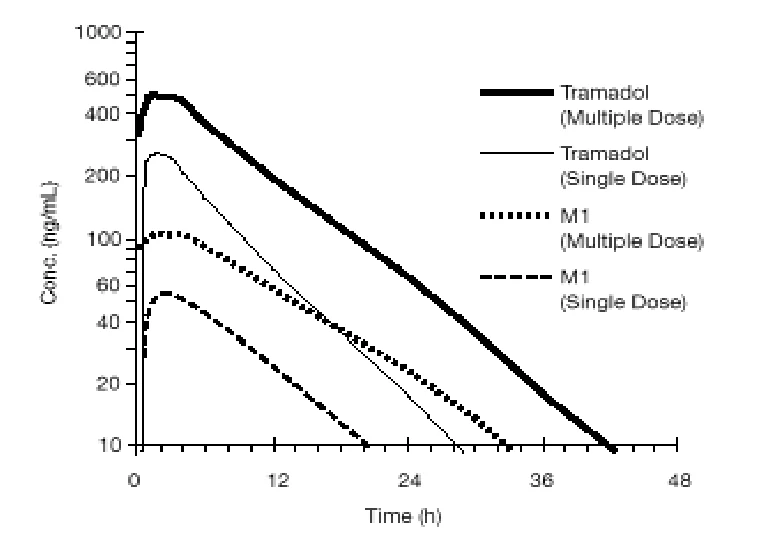
Table 1.5 Mean (%CV) Pharmacokinetic Parameters for Racemic Tramadol and M1 Metabolite
| Population/ Dosage Regimena | Parent Drug/ Metabolite | Cmax (ng/mL) | Time to Peak (hrs) | Clearance/Fb (mL/min/kg) | t1/2 (hrs) |
Healthy Adults, 100 mg q.i.d., MD p.o. | Tramadol M1 | 592 (30) 110 (29) | 2.3 (61) 2.4 (46) | 5.90 (25) c | 6.7 (15) 7.0 (14) |
Healthy Adults, 100 mg SD p.o. | Tramadol M1 | 308 (25) 55.0 (36) | 1.6 (63) 3.0 (51) | 8.50 (31) c | 5.6 (20) 6.7 (16) |
Geriatric, (>75 yrs) 50 mg SD p.o. | Tramadol M1 | 208 (31) d | 2.1 (19) d | 6.89 (25) c | 7.0 (23) d |
Hepatic Impaired, 50 mg SD p.o | Tramadol M1 | 217 (11) 19.4 (12) | 1.9 (16) 9.8 (20) | 4.23 (56) c | 13.3 (11) 18.5 (15) |
Renal Impaired, CLcr10-30 mL/min 100 mg SD i.v. | Tramadol M1 | c c | c c | 4.23 (54) c | 10.6 (31) 11.5 (40) |
Renal Impaired,CLcr<5 mL/min 100 mg SD i.v. | Tramadol M1 | c c | c c | 3.73 (17) c | 11.0 (29) 16.9 (18) |
- a SD = Single dose, MD = Multiple dose, p.o.= Oral administration, i.v.= Intravenous administration, q.i.d. = Four times daily
- b F represents the oral bioavailability of tramadol
- c Not applicable
- d Not measured
Distribution:
The volume of distribution of tramadol was 2.6 and 2.9 L/kg in male and female subjects, respectively, following a 100 mg intravenous dose. The binding of tramadol to human plasma proteins is approximately 20% and binding also appears to be independent of concentration up to 10 mcg/mL. Saturation of plasma protein binding occurs only at concentrations outside the clinically relevant range.
Metabolism:
Following oral administration, tramadol is extensively metabolized by a number of pathways, including CYP2D6 and CYP3A4, as well as by conjugation of parent and metabolites. Approximately 30% of the dose is excreted in the urine as unchanged drug, whereas 60% of the dose is excreted as metabolites. The major metabolic pathways appear to be N- and O-demethylation and glucuronidation or sulfation in the liver. Metabolite M1 (O-desmethyltramadol) is pharmacologically active in animal models. Formation of M1 is dependent on CYP2D6 and as such is subject to inhibition, which may affect the therapeutic response (see DRUG INTERACTIONS).
Approximately 7% of the population has reduced activity of the CYP2D6 isoenzyme of cytochrome P450. These individuals are “poor metabolizers” of debrisoquine, dextromethorphan, and tricyclic antidepressants, among other drugs. Based on a population PK analysis of Phase I studies in healthy subjects, concentrations of tramadol were approximately 20% higher in “poor metabolizers” versus “extensive metabolizers”, while M1 concentrations were 40% lower. In vitro drug interaction studies in human liver microsomes indicate that inhibitors of CYP2D6 such as fluoxetine and its metabolite norfluoxetine, amitriptyline and quinidine inhibit the metabolism of tramadol to various degrees. The full pharmacological impact of these alterations in terms of either efficacy or safety is unknown. Concomitant use of serotonin reuptake inhibitors and MAO inhibitors may enhance the risk of adverse events, including seizure (see WARNINGS AND PRECAUTIONS) and serotonin syndrome.
Excretion:
Tramadol is eliminated primarily through metabolism by the liver and the metabolites are eliminated primarily by the kidneys. The mean terminal plasma elimination half-lives of racemic tramadol and racemic M1 are 6.3 ± 1.4 and 7.4 ± 1.4 hours, respectively. The plasma elimination half-life of racemic tramadol increased from approximately six hours to seven hours upon multiple dosing.
Special Populations and Conditions
Pediatrics: Individuals under 18 years of age should not take Auro-Tramadol tablets. The pharmacokinetics of tramadol hydrochloride tablets have not been studied in pediatric patients below 18 years of age.
Geriatrics:
Healthy elderly subjects aged 65 to 75 years have plasma tramadol concentrations and elimination half-lives comparable to those observed in healthy subjects less than 65 years of age. In subjects over 75 years, maximum serum concentrations are elevated (208 vs. 162 ng/mL) and the elimination half-life is prolonged (7 vs. 6 hours) compared to subjects 65 to 75 years of age. Adjustment of the daily dose is recommended for patients older than 75 years (see DOSAGE AND ADMINISTRATION).
Gender:
The absolute bioavailability of tramadol was 73% in males and 79% in females. The plasma clearance was 6.4 mL/min/kg in males and 5.7 mL/min/kg in females following a 100 mg i.v. dose of tramadol. Following a single oral dose, and after adjusting for body weight, females had a 12 % higher peak tramadol concentration and a 35 % higher area under the concentration-time curve compared to males. The clinical significance of this difference is unknown.
Race:
Some patients are CYP2D6 ultra-rapid metabolizers of tramadol due to a specific genotype. These individuals convert tramadol into its active metabolite, M1, more rapidly and completely than other people leading to higher-than-expected serum M1 levels. The prevalence of this CYP2D6 phenotype varies widely and has been estimated at 0.5 to 1% in Chinese, Japanese and Hispanics, 1 to 10% in Caucasians, 3% in African Americans, and 16 to 28% in North Africans, Ethiopians, and Arabs.
Data are not available for other ethnic groups (see WARNINGS AND PRECAUTIONS, Respiratory and Special Populations, Labour, Delivery and Nursing Women).
In contrast, some patients exhibit the CYP2D6 poor metabolizer phenotype and do not convert tramadol to the active M1 metabolite sufficiently to benefit from the analgesic effect of the drug (see DRUG INTERACTIONS, Overview). The prevalence of this CYP2D6 phenotype is about 5-10 percent in Caucasians and 1 percent of Asians.
Hepatic Impairment:
Metabolism of tramadol and M1 is reduced in patients with advanced cirrhosis of the liver, resulting in both a larger area under the concentration time curve for tramadol and longer tramadol and M1 elimination half-lives (13 hrs for tramadol and 19 hrs for M1). In cirrhotic patients, adjustment of the dosing regimen is recommended (see CONTRAINDICATIONS, WARNINGS AND PRECAUTIONS and DOSAGE AND ADMINISTRATION).
Renal Impairment:
Excretion of tramadol and metabolite M1 is reduced in patients with creatinine clearance of less than 30 mL/min, adjustment of dosing regimen in this patient population is recommended. The total amount of tramadol and M1 removed during a 4-hour dialysis period is less than 7% of the administered dose (see CONTRAINDICATIONS, WARNINGS AND PRECAUTIONS and DOSAGE AND ADMINISTRATION).
STORAGE AND STABILITY
Store at room temperature (15ºC to 30ºC). Keep out of the sight and reach of children.
Because of the risks associated with accidental ingestion, misuse, and abuse, advise patients to store Auro-Tramadol securely.
SPECIAL HANDLING INSTRUCTIONS
Auro-Tramadol should never be thrown into household trash, where children and pets may find it. It should be returned to a pharmacy for proper disposal.
DOSAGE FORMS, COMPOSITION AND PACKAGING
| Dosage form | Tablets |
| Strength | 50 mg |
| Description | White to off-white, Capsule shaped, coated tablet debossed with ‘T’ on one side and 0' and '3' on either of the scored side. |
| Composition | Lactose Monohydrate, Microcrystalline Cellulose, Com Starch, Povidone USP, Sodium Starch Glycolate, Magnesium Stearate and Instacoat Universal White ICG-U-I0352. Instacoat Universal White ICG-U-I0352 contains: Hypromellose, Titanium dioxide, Polyethylene glycol, Polysorbate 80, Carnauba wax. |
| Packaging | HDPE bottles of 100 Tablets. |
PART II: SCIENTIFIC INFORMATION
PHARMACEUTICAL INFORMATION
Drug Substance
Proper name: Tramadol Hydrochloride
Chemical name: (±)Cis-2-[(DIMETHYLAMINO)METHYL]-1-(3-METHOXYPHENYL) CYCLOHEXANOL HYDROCHLORIDE
Or
(1RS,2RS)-2-[(DIMETHYLAMINO) METHYL]-1-(3-METHOXYPHENYL) CYCLOHEXANOL HYDROCHLORIDE
Or
RACEMIC 1(e)-(m-METHOXYPHENYL)-2(e)-DIMETHYLAMINO METHYLCYCLOHEXANE-1(a)-OL HYDROCHLORIDE
Or
(1R,2R)(1S,2S)-2-[(DIMETHYLAMINO)-METHYL]-1-(3-METHOXYPHENYL)-CYCLOHEXANOL HYDROCHLORIDE
Or
(RR,SS)-2-[(DIMETHYLAMINO)METHYL]--1-(3-METHOXYPHENYL)CYCLOHEXANOL HYDROCHLORIDE
Molecular formula and molecular mass: C16 H25 NO2 ·HCl and 299.8 g/mol
Structural formula:
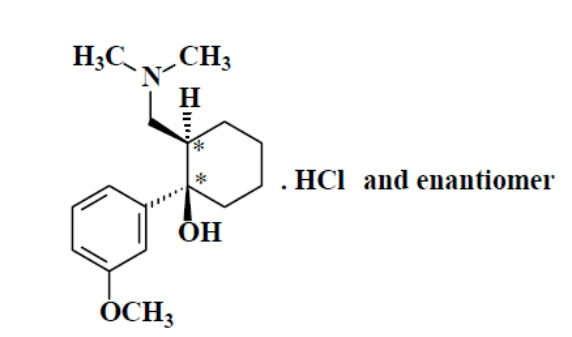
Physicochemical properties: White or almost white, crystalline powder. Freely soluble in water & methanol and Very slightly soluble in acetone. Melting point between 180-184°C.
CLINICAL TRIALS
Comparative Bioavailability
A double blind, randomized, two treatment, two sequence, two period, cross-over, single-dose oral bioequivalence study of Auro-Tramadol Tablets 50 mg [Test; Aurobindo Pharma Limited, India manufactured for Auro Pharma Inc. (Canada)] versus Ultram (Tramadol hydrochloride tablets 50 mg) (Reference: Janssen Inc., Canada) was conducted in 32 healthy, adult, human subjects under fasting conditions. A summary of the bioavailability data of 32 subjects who completed the study is presented in the following table.
Summary Table of The Comparative Bioavailability Data For Tramadol
Tramadol (1 X 50 mg) From measured data Geometric Mean Arithmetic Mean (CV %) | ||||
|---|---|---|---|---|
| Parameter | Test* | Reference† | % Ratio of Geometric Means | 90% Confidence Interval |
AUC0→t (hr. ng/mL) | 2031.2 2132.3 (32.8) | 2058.3 2166.9 (33.8) | 98.7 | 95.7-101.8 |
AUC0→∞ (hr. ng/mL) | 2124.2 2247.6 (35.9) | 2155.0 2287.8 (36.8) | 98.6 | 95.5-101.7 |
Cmax (ng/mL) | 223.6 230.6 (26.3) | 227.9 234.4 (25.8) | 98.1 | 93.2-103.4 |
| Tmax§ (hr) | 1.6 (0.7-3.5) | 1.5 (0.7-3.0) | ||
| T½$ (hr) | 7.6 (22.9) | 7.8 (21.3) | ||
*Auro-Tramadol (Tramadol Hydrochloride Tablets USP) 50 mg, by Auro Pharma Inc.
† Ultram® (Tramadol Hydrochloride) Tablets 50 mg, of Janssen Inc., Canada were purchased from Canada.
§ Expressed as the median (range) only.
$ Expressed as arithmetic mean (% CV) only.
Tramadol hydrochloride was evaluated in single-dose trials (dental and surgery), multiple-dose, [short-term trials (dental and surgery), long-term trials (chronic malignant and non-malignant pain), and trials evaluating the impact of dose titration on tolerability]. Clinical trials in non-malignant pain included patients with osteoarthritis, low back pain, diabetic neuropathy and fibromyalgia. These trials included a randomized, double-blind, parallel group design, and in each of the single-dose and short-term multiple-dose trials tramadol was compared to a standard reference analgesic (either codeine, ASA/codeine or APAP/propoxyphene), placebo or to both. The active controls were included to establish model sensitivity. The efficacy of tramadol in these trials was established based on Total Pain Relief (TOTPAR), Sum of Pain Intensity Difference (SPID) and time to remedication.
Collectively, a total of 2549 patients with dental pain, 1940 patients with surgical pain, 170 patients with chronic malignant pain, 119 patients with sub-acute low back pain, and 2046 patients with chronic non-malignant pain were enrolled into the 28 efficacy trials. Of the 6824 total patients enrolled into these trials, 4075 were randomized to a tramadol treatment arm.
Study Results
Acute Pain, Single- and Multiple-Dose Studies
Tramadol hydrochloride has been given in single oral doses of 50, 75 and 100 mg to patients with pain following surgical procedures and pain following oral surgery (extraction of impacted molars).
Results of these trials demonstrated statistically superior pain relief for tramadol compared to placebo. Data from these key trials provide information regarding the optimal analgesic dosage range of tramadol.
In single-dose dental trials, tramadol was superior to placebo at doses of 100 mg or greater (p : 0.05). In addition, tramadol at doses of 100mg or greater were equivalent to or statistically superior to the reference analgesics for Total Pain Relief (TOTPAR) and Sum of Pain Intensity Difference (SPID) across the entire evaluation interval. The results of the multiple-dose short- term trials in acute pain also provide evidence for efficacy of tramadol in the management of acute pain.
Tramadol has been studied in three long-term controlled trials involving a total of 820 patients, with 530 patients receiving tramadol. Patients with a variety of chronic painful conditions were studied in double-blind trials of one to three months duration.
Titration Trials
Two titration trials, TPS DOS and CAPSS-047, provide information regarding appropriate dose titration during chronic use of tramadol. These trials show that a longer titration period can significantly reduce the incidence of adverse events, and the frequency of withdrawal due to adverse events, leading to improved tolerability and overall benefit-risk profile. Efficacy evaluations in these studies suggest that slowing the rate of titration improves tolerability and does not negatively impact on drug efficacy.
In a randomized, blinded clinical study with 129 to 132 patients per group, a 10-day titration to a daily tramadol hydrochloride dose of 200 mg (50 mg q.i.d.), attained in 50 mg increments every 3 days, was found to result in fewer discontinuations due to dizziness or vertigo than titration over only 4 days or no titration. In a second study with 54 to 59 patients per group, patients who had nausea or vomiting when titrated over 4 days were randomized to re-initiate tramadol hydrochloride therapy using slower titration rates.
A 16-day titration schedule, starting with 25 mg qAM and using additional doses in 25 mg increments every third day to 100 mg/day (25 mg q.i.d.), followed by 50 mg increments in the total daily dose every third day to 200 mg/day (50 mg q.i.d.), resulted in fewer discontinuations due to any cause than did a 10-day titration schedule. See Figure 2.1.
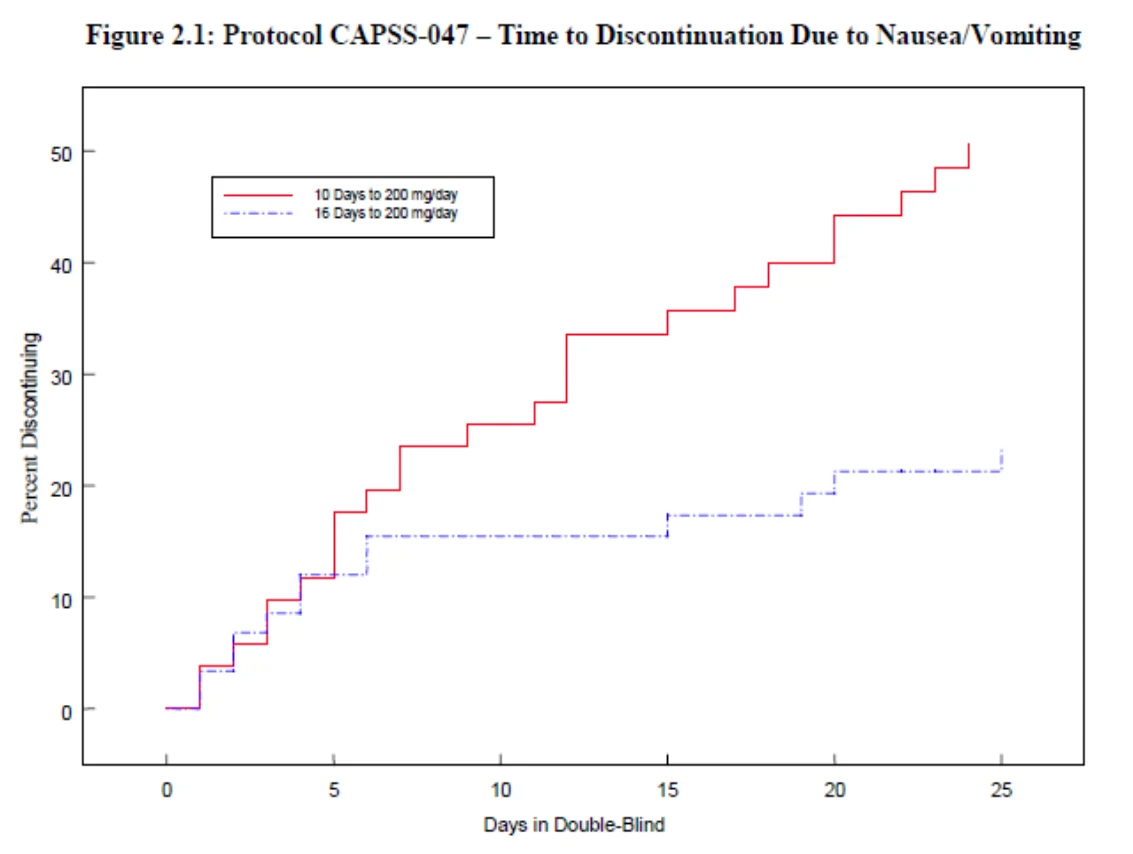
DETAILED PHARMACOLOGY
Pharmacodynamics
Tramadol HCl, 2-[(dimethylamino)methyl]-1-(3-methoxyphenyl) cyclohexanol HCl, is a centrally acting synthetic analgesic compound. It is thought to produce its analgesic effect through at least two complementary mechanisms of action: agonist activity at the μ-opioid receptor and weak inhibition of neuronal monoamine reuptake. These dual activities are observed in studies conducted in vitro as well as in nonclinical animal models of antinociception. In studies conducted in vitro, tramadol inhibited binding to native rat μ-opioid receptor at approximately the same concentration at which it blocked the reuptake of norepinephrine and serotonin. The K1 values for μ-opioid receptor affinity and monoamine reuptake inhibitory activities are 2.1 and ~ 1 mcM, respectively. Tramadol affinities for recombinant human opioid receptors (K1 = 17 mcM) were slightly weaker than those observed at the rat receptors. Apart from analgesia, tramadol may produce a constellation of symptoms similar to that of an opioid.
Tramadol is an efficacious analgesic in a wide variety of standard analgesic models of acute, tonic, chronic, or neuropathic pain. In some of these studies, specific antagonists were used to probe the mechanism of tramadol's antinociceptive action. In contrast to the full blockade of morphine antinociception by naloxone, the antinociceptive action of tramadol in most tests is only partially blocked by naloxone. Furthermore, although the antinociception of morphine is unaffected by the alpha2-adrenergic antagonist yohimbine or the serotonergic antagonist ritanserin, each of these antagonists reduces tramadol's antinociception. These pharmacologic studies suggest the contribution of both opioid and monoamine mechanisms to tramadol antinociception.
In drug interaction studies carried out with tramadol, a substantial increase in toxicity was found after pretreatment with an MAO inhibitor, tranylcypromine. The antinociceptive effect of the compound was reduced by concomitant administration of barbiturates and atropine, and was virtually eliminated by tranylcypromine. Physostigmine potentiated the antinociceptive effect of a sub-maximal dose of tramadol. Other potential drug interactions based on enzyme induction or displacement from protein binding were thought to be unlikely with tramadol as no inductive effect on liver enzymes has been found for this agent and the protein binding is too low to induce relevant interference with the binding of other compounds.
Pharmacokinetics
Tramadol was rapidly absorbed after oral administration in the mouse, rat, and dog. In dogs, the mean absolute bioavailability of a single 20 mg/kg oral dose of tramadol (Avicel formulation in gelatin capsules) was 81.8%, with maximum plasma concentrations achieved in about one hour. Distribution of radioactivity into tissues was rapid following the intravenous administration of 14C-labelled tramadol to rats, with the highest concentration of radioactivity found in the liver. Radioactivity levels in the brain were comparable to plasma levels for the first 2 hours post- injection, demonstrating that the drug crosses the blood brain barrier. Concentrations in the kidneys, lungs, spleen, and pancreas were also higher than the serum concentration.
The major metabolic pathway was qualitatively similar for all species studied, including mouse, rat, hamster, guinea pig, rabbit, and man, and involved both Phase I (N- and O-demethylation and 4-hydroxylation; eight metabolites) and Phase II (glucuronidation or sulfation; thirteen metabolites) reactions. The primary metabolite mono-O-desmethyltramadol (M1) has antinociceptive activity. In biochemical studies, (±) mono-O-desmethyltramadol and its enantiomers each had greater affinity for opioid receptors and were less potent inhibitors of monoamine uptake than were the corresponding parent compounds.
Excretion was primarily by the renal route in the animal species studied. After oral administration, fecal excretion was approximately 13% in rats and dogs, and 80% of 14C-labelled tramadol doses were excreted in the urine within 72 to 216 hours of dosing. Amounts of unchanged tramadol excreted in the urine were higher in man (approximately 30% of the dose) than in animals (approximately 1%).
Tramadol is a mild inducer of ethoxycoumarin deethylase activity in the mouse and dog.
TOXICOLOGY
Acute Toxicity
The acute toxicity of tramadol hydrochloride has been examined in the rat. The results of the study are summarized in the following table.
Table 2.1: Acute Toxicity Studies Summary
Species/Strain Age/B.W. | No./Sex/ Group Duration | Route | Vehicle | Dosage Levels (mg/kg) | Lethality | Results |
| Rat | 5M or 8M | p.o. | 1% | Tramadol: 150 | No | No-treatment-related |
| Crl:COBS® | single dose | (gavage) | aqueous | APAP: 300 | mortality | mortality, clinical |
| (WI) | HPMC | Tramadol/APAP: | observations, or effects on | |||
| BR | 150/300 | body weight. | ||||
| Age: 7 to 8 wk | Vehicle Control: | |||||
| B.W. Range: | 1% | |||||
| 161 | aqueous HPMC | |||||
| to 220 g | (9 mL/kg) | |||||
| APAP = acetaminophen; B.W. = body weight; HPMC = hydroxypropylmethylcellulose; M = male; F = female; mo = month; p.o. = oral; wk = week; ↑ = increased; ↓= decreased | ||||||
Long-Term Toxicity
Multi-dose toxicity studies were conducted in rats and dogs. The following table summarizes the results of the two pivotal multi-dose studies.
Table 2.2: Multi-dose Toxicity Studies–Protocol Summaries/Results
Species/Strain Age/B.W. | No./Group/ Duration/Route | Dosage (mg/kg/day) | Evaluated Parameters | Results |
| Rat | 10 |
| Mortality, clinical observations, B.W., food consumption, ophthalmological examination, drug metabolism, hematology, coagulation, clinical chemistry, urinalysis, organ weights, gross pathology, histopathology | Vehicle Control: Four M deaths (attributed to dosing errors); alopecia in both sexes 7.5/65: Alopecia in both sexes; 8 liver weights in males 22.5/195: One M death (cause of death not determined); alopecia in both sexes; 8 liver weights in males; slightly 8 urine volume in females 45/390: Alopecia, 8 salivation, slightly higher urine volume in both sexes; mild treatment related increases in K+ concentration, slightly 9 RBC, 8 MCV, MCH, 8 liver weights, slightly 9 ALT and AST activity and 8 ALP in females 45: Alopecia, 8 salivation, in both sexes; slightly 9 ALT and AST activity and 8 ALP in females. 390: 8 salivation, slightly higher urine volume in both sexes; 8 liver weights in males; slightly 9 RBC, 8 MCV, MCH in males; alopecia, mild treatment related increases in K+ concentration, slightly 9 ALT and AST activity and 8 ALP in females. Additional findings: (1) higher kidney weights in males dosed with APAP or tramadol/APAP; (2) lower adrenal gland weights in males dosed with tramadol and/or APAP. |
| Crl:CD® BR, | 3 mo | 0.5% Methocel | ||
| VAF/Plus® | p.o. (gavage) | (10 mL/kg/day) | ||
| ||||
| 7.5/65 | ||||
| 22.5/195 | ||||
| 45/390 | ||||
45 | ||||
390 | ||||
ALP = alkaline phosphatase; ALT = alanine aminotransferase; APAP = acetaminophen; AST = aspartate aminotransferase; K = potassium; MCH = mean corpuscular hemoglobin; MCV = mean corpuscular volume; mo = month; p.o. = oral; RBC = red blood cell; wk = week; 8 = increased; 9 = decreased
Table 2.2: Multi-dose Toxicity Studies - Protocol Summaries/Results (continued)
Species/Strain Age/B.W. | No./Group/ Duration/Route | Dosage (mg/kg/day) | Evaluated Parameters | Results |
| Dog | 4 |
| Mortality, clinical observations, B.W., estimated food consumption, electrocardiographic/ophthalmological/ physical examination, drug absorption, hematology. Coagulation, clinical chemistry, urinalysis, gross pathology, microscopic histopathology, organ weights. | 7.5/65: NOAEL 22.5/195: One male dog was sacrificed moribund on Day 32. 9 activity, discoloured/food emesis, decreased/absent feces, discoloured urine, urine stained coat, jaundice, occult blood in urine, 9 B.W. early in study related to 9 food consumption, slightly to moderately 9 RBC, Hb, and Hct counts, 8 MCV, reticulocyte and platelet counts, slightly to moderately 8 ALT, ALP, GGT, and urine bilirubin values, changes in liver, kidney, bone marrow, spleen, (males) and thymus (males) in both sexes; fine tremor, edema in males; hunched posture, emaciation, ataxia, pallor, 8 total bilirubin, in females 22.5: 9 B.W. early in study related to 9 food consumption in both sexes. 195: 9 B.W. early in study related to 9 food consumption, slightly to moderately 9 RBC, Hb, and Hct counts, 8 MCV, reticulocyte and platelet counts, 8 urine bilirubin, changes in liver, kidney, bone marrow, spleen (males), and thymus (males) in both sexes; slightly 8 ALP, GGT, and total bilirubin values in females |
| Beagle | 3 mo | 0.5% Methocel | ||
| p.o. (gavage) | (1 mL/kg/b.i.d.) | |||
| daily dose | ||||
| divided between |
| |||
| two dosing | 7.5/65 | |||
| sessions approx. | 22.5/195 | |||
| 5.5 h apart | ||||
22.5 | ||||
195 | ||||
a Continuation of 4 week dog study results
ALP = alkaline phosphatase; ALT = alanine aminotransferase; APAP = acetaminophen; AST = aspartate aminotransferase; K = potassium; MCH = mean corpuscular hemoglobin; MCV = mean corpuscular volume; mo = month; p.o. = oral; RBC = red blood cell; wk = week; 8 = increased; 9 = decreased; Hb = Hemoglobin; Hct = Hematocrit; GGT = ɤ-glutamyl transferase
Carcinogenicity
A slight, but statistically significant, increase in two common murine tumors, pulmonary and hepatic, was observed in a mouse carcinogenicity study, particularly in aged mice. Mice were dosed orally up to 30 mg/kg (90 mg/m2 or 0.36 times the maximum daily human dosage of 246 mg/m2) for approximately two years, although the study was not done with the Maximum Tolerated Dose. This finding is not believed to suggest risk in humans. No such finding occurred in a rat carcinogenicity study (dosing orally up to 30 mg/kg, 180 mg/m2, or 0.73 times the maximum daily human dosage).
Mutagenicity
Tramadol was not mutagenic in the following assays: Ames Salmonella microsomal activation test, CHO/HPRT mammalian cell assay, mouse lymphoma assay (in the absence of metabolic activation), dominant lethal mutation tests in mice, chromosome aberration test in Chinese hamsters, and bone marrow micronucleus tests in mice and Chinese hamsters. Weakly mutagenic results occurred in the presence of metabolic activation in the mouse lymphoma assay and micronucleus test in rats. Overall, the weight of evidence from these tests indicates that tramadol does not pose a genotoxic risk to humans.
Teratogenicity: No effects on fertility were observed for tramadol at oral dose levels up to 50 mg/kg (300 mg/m2) in male rats and 75 mg/kg (450 mg/m2) in female rats. These dosages are 1.2 and 1.8 times the maximum daily human dosage of 246 mg/m2, respectively.
Tramadol has been shown to be embryotoxic and fetotoxic in mice, (120 mg/kg or 360 mg/m2), rats (≥25 mg/kg or 150 mg/m2) and rabbits (≥75 mg/kg or 900 mg/m2) at maternally toxic dosages, but was not teratogenic at these dose levels. These dosages on a mg/m2 basis are 1.4, ≥0.6, and ≥3.6 times the maximum daily human dosage (246 mg/m2) for mouse, rat and rabbit, respectively.
No drug-related teratogenic effects were observed in progeny of mice (up to 140 mg/kg or 420 mg/m2), rats (up to 80 mg/kg or 480 mg/m2) or rabbits (up to 300 mg/kg or 3600 mg/m2) treated with tramadol by various routes. Embryo and fetal toxicity consisted primarily of decreased fetal weights, skeletal ossification and increased supernumerary ribs at maternally toxic dose levels. Transient delays in developmental or behavioral parameters were also seen in pups from rat dams allowed to deliver. Embryo and fetal lethality were reported only in one rabbit study at 300 mg/kg (3600 mg/m2), a dose that would cause extreme maternal toxicity in the rabbit. The dosages listed for mouse, rat and rabbit are 1.7, 1.9 and 14.6 times the maximum daily human dosage (246 mg/m2), respectively.
Tramadol was evaluated in peri-and post-natal studies in rats. Progeny of dams receiving oral (gavage) dose levels of 50 mg/kg (300 mg/m2 or 1.2 times the maximum daily human tramadol dosage) or greater had decreased weights, and pup survival was decreased early in lactation at 80 mg/kg (480 mg/m2 or 1.9 and higher the maximum daily human dose).
| Table 2.3: Reproductive Study – Summary | ||||
Species/Strain (No./Group) | Route/Duration | Dosage (mg/kg/day) | Observations | Results |
| Rat | p.o. (gavage) |
| Maternal B.W.; food consumption, clinical signs, and post-mortem exam; number of corpora lutea, implantations, fetuses, resorptions, and pre- and postimplantation loss; fetal weight; fetal alterations | 10/87: 9 B.W. gain during treatment; 8 B.W. gain during postdose period; 9 food consumption during treatment 25/217: 8 alopecia during and after treatment; B.W. loss at treatment initiation; 9 B.W. gain during treatment; 8 B.W. gain during postdose period; 9 food consumption during treatment 50/434: 8 alopecia during and after treatment; B.W. loss at treatment initiation; 9 B.W. gain during treatment; 8 B.W. gain during postdose period; 9 food consumption during treatment; 9 fetal B.W.; 8 supernumerary ribs (attributed to maternal stress, not drug treatment) 50: 8 alopecia during and after treatment; B.W. loss at treatment initiation; 9 B.W. gain during treatment; 8 B.W. gain during postdose period; 9 food consumption during treatment; 9 fetal B.W. Embryo/fetal NOAEL for tramadol/APAP combination: 25/217 mg/kg/day |
| Crl:CD® BR, | 0.5% Methocel | |||
| VAF/Plus® | Gestation | (10 mL/kg/day) | ||
| Days 6 | ||||
| 28/group | through 17 |
| ||
| 10/87 | ||||
| 25/217 | ||||
| 50/434 | ||||
50 | ||||
APAP = acetaminophen; B.W. = body weight; NOAEL = no-observed-adverse-effect level; p.o. = oral; 8 = increased; 9 = decreased
Dependence Liability
The physical dependence liability potential associated with the chronic use of tramadol has been evaluated in a number of animal studies, including investigations in the mouse, rat, and monkey. A slight degree of antinociceptive tolerance to tramadol evolved in the mouse studies, but there was little or no indication of the development of physical dependence. No evidence of dependence was observed in the rat study. However, in dogs addicted to morphine, withdrawal symptoms were relieved by tramadol. In primate studies, which evaluated the physical dependence and reinforcement properties of tramadol, the physical dependence of the drug was deemed to be low.
REFERENCES
ULTRAM® (Tramadol hydrochloride tablets) Product Monograph by Janssen Inc., Canada. Date of Revision: March 10, 2022, Control Number: 256187.