


Product Monograph - Ava-Furosemide
ACTIONS AND CLINICAL PHARMACOLOGY
Animal experiments using stop-flow and micropuncture techniques have demonstrated that furosemide inhibits sodium reabsorption in the ascending limb of Henle's loop as well as in both proximal and distal tubules. The action of furosemide on the distal tubule is independent of any inhibitory effect on carbonic anhydrase or aldosterone.
Furosemide may promote diuresis in cases which have previously proved resistant to other diuretics.
Furosemide has no significant pharmacological effects other than on renal function.
Absorption, Metabolism and Excretion: In man, furosemide is rapidly absorbed from the gastrointestinal tract. The diuretic effect of furosemide is apparent within 1 hour following oral administration and the peak effect occurs in the first or second hour. The duration of action is 4 to 6 hours but may continue up to
8 hours. Following i.v. administration of the drug, the diuresis occurs within 30 minutes and the duration of action is about 2 hours.
Urinary excretion is accomplished both by glomerular filtration and proximal tubular secretion, together this accounts for roughly only 2/3 of the ingested dose, the remainder being excreted in the feces. A small fraction is metabolized by cleavage of the side chain. Table 1 summarizes the elimination kinetics of furosemide.
| Table 1 - Furosemide | ||||||
| Elimination Kinetics | ||||||
| Subjects | Route of Administration | Dose (mg) | Rate of Administration | Billiary Excretion | Max. Serum Concentration | t 1/2 (h) |
| Normal | Oral | 40 | - | 10 to 15% | <1 µg/mL | 4.0 |
| Normal | I.V. | 40 | Bolus | 10 to 15% | 2.5 µg/mL | 4.5 |
Renal insufficiency | I.V. | 1000 | 25 mg/min | 60% | 53 μg/mL | 13.5 |
Renal insufficiency | I.V. | 1000 | 4 mg/min | - | 29 μg/mL | - |
INDICATIONS AND CLINICAL USE
AVA-FUROSEMIDE (furosemide) is indicated in the treatment of edema associated with congestive heart failure, cirrhosis of the liver, nephrosis, chronic nephritis as well as other edematous states amenable to diuretic therapy.
AVA-FUROSEMIDE can also be used alone in the control of mild to moderate hypertension or in combination with other antihypertensive agents in the treatment of more severe cases. Hypertensive patients who cannot be adequately controlled with thiazides will probably also not be adequately controllable with furosemide alone.
CONTRAINDICATIONS
AVA-FUROSEMIDE (furosemide) is contraindicated in patients with complete renal shutdown. If increasing azotemia and oliguria occur during treatment of severe progressive renal disease, the drug should be discontinued. Therapy with furosemide should not be initiated in patients with hepatic coma and precoma or in states of electrolyte depletion until the basic condition is improved or corrected.
Severe hyponatremia, hypokalemia, hypovolemia or hypotension must be regarded as contraindications until serum electrolytes, fluid balance and blood pressure have been restored to normal levels.
Furosemide is also contraindicated in patients with a known history of hypersensitivity to this compound.
As furosemide may be capable of displacing bilirubin from albumin at least in vitro, it should not be administered to jaundiced newborn infants or to infants suffering from diseases (e.g., Rh incompatibility, familial non-hemolytic jaundice, etc.) with the potential of causing hyperbilirubinemia and possibly kernicterus.
WARNINGS
Furosemide is a potent diuretic which if given in excessive amounts can lead to a profound diuresis with water and electrolyte depletion. Therefore, careful medical supervision is required, and dose and dose schedule have to be adjusted to the individual patient's needs (see DOSAGE AND
ADMINISTRATION).
Cases of tinnitus and reversible deafness have been reported. There have also been some reports of cases, the majority in children undergoing renal transplantation, in which permanent deafness has occurred. In these latter cases, the onset of deafness was usually insidious and gradually progressive up to 6 months after furosemide therapy. Hearing impairment is more likely to occur in patients with severely reduced renal function who are given large doses of furosemide parenterally, at a rate exceeding 4 mg/min or in patients who are also receiving drugs known to be ototoxic.
Sulfonamide diuretics have been reported to decrease arterial responsiveness to pressor amines and to enhance the effect of tubocurarine. Great caution should be exercised in administering curare or its derivatives to patients undergoing therapy with furosemide and it is advisable to discontinue furosemide for
1 week prior to any elective surgery.
Pregnancy: The teratogenic and embryotoxic potential of furosemide in humans is unknown. The drug should not be used in pregnant women or in women of childbearing potential unless in the opinion of the attending physician the benefits to the patient outweigh the possible risk to the fetus.
Lactation: It should be noted that diuretics may partially inhibit lactation and that furosemide passes into the breast milk.
PRECAUTIONS
General: During long-term therapy a high-potassium diet is recommended. Potassium supplements may be required especially when high doses are used for prolonged periods. Particular caution with potassium levels is necessary when the patient is on digitalis glycosides, potassium-depleting steroids, or in the case of infants and children. Potassium supplementation, diminution in dose, or discontinuation of furosemide therapy may be required.
Since rigid sodium restriction is conducive to both hyponatremia and hypokalemia, strict restriction in sodium intake is not advisable in patients receiving furosemide therapy.
Furosemide may lower the state of patient alertness and/or reactivity particularly at the start of treatment, as a result of a reduction in blood pressure and of other adverse reactions. (See ADVERSE REACTIONS). Geriatrics: Excessive diuresis induced by furosemide may result in dehydration and reduction of blood volume, with circulatory collapse and with the possibility of vascular thrombosis and embolism particularly in elderly patients. Furosemide may cause electrolyte depletion.
Children: Furosemide may lower serum calcium levels, and rare cases of tetany have been reported.
Accordingly, periodic serum calcium concentrations should be obtained.
Special Diseases and Conditions: Increases in blood glucose and alterations in glucose tolerance tests with abnormalities of the fasting and 2-hour postprandial blood sugar levels have been observed. Rare cases of precipitation of diabetes mellitus have been reported.
Asymptomatic hyperuricemia can occur and gout may rarely be precipitated.
It may be advisable to hospitalize patients with hepatic cirrhosis and ascites prior to initiating therapy.
Sudden alterations of fluid and electrolyte balance in patients with cirrhosis may precipitate hepatic coma;
therefore, strict observation is necessary during the period of diuresis. Supplemental potassium chloride and, if required, an aldosterone antagonist, are helpful in preventing hypokalemia and metabolic alkalosis.
Laboratory Tests: Frequent serum electrolyte and CO2 content determinations should be performed during he first few months of therapy and periodically thereafter. It is essential to replace electrolyte losses and to maintain fluid balance so as to avoid any risk of electrolyte depletion (hyponatremia, hypochloremia, hypokalemia, hypomagnesemia or hypocalcemia), hypovolemia, or hypotension.
Checks on urine and blood glucose should be made at regular intervals especially in diabetics and in those suspected of latent diabetes when receiving furosemide. Increases in blood glucose and alterations in glucose tolerance tests with abnormalities of the fasting and 2-hour postprandial blood sugar levels have been observed.
Frequent BUN determinations during the first few months of therapy and periodically thereafter, as well as regular observations for possible occurrences of blood dyscrasias, liver damage or idiosyncratic reactions are advisable.
Drug Interactions
Sulfonamide diuretics have been reported to decrease arterial responsiveness to pressor amines and to enhance the effect of tubocurarine or curare-type muscle relaxants.
In edematous hypertensive patients being treated with antihypertensive agents, care should be taken to reduce the dose of these drugs when furosemide is administered, since furosemide potentiates their hypotensive effect. Especially in combination with ACE inhibit ors, a marked hypotension may be seen sometimes progressing to shock. The concomitant administration of furosemide with ACE inhibitors may lead to deterioration in renal function and, in isolated cases, to acute renal failure.
Since furosemide is a sulfonamide derivative, it should be used with caution in patients with known sulfonamide sensitivity.
In case of concomitant abuse of laxatives, the risk of an increased potassium loss should be considered.
Glucocorticoids, carbenoxolone and licorice may also increase potassium loss.
Administration of furosemide to diabetic patients may result in possible decrease of diabetic control.
Dosage adjustments of the anti-diabetic agent may be needed.
Renal clearance of lithium is decreased in patients receiving furosemide, and lithium toxicity may result.
Concurrent administration of furosemide and sucralfate should be avoided, as sucralfate reduces the absorption of furosemide and hence weakens its effect.
Patients receiving high doses of salicyclates in conjunction with furosemide may experience salicylate toxicity at lower doses because of competition for renal excretory sites.
Nonsteroidal anti-inflammatory drugs (e.g., indomethacin, acetylsalicylic acid) may attenuate the effect of furosemide and may cause renal failure in case of pre-existing hypovolemia. Probenecid and anticonvulsant drugs (phenytoin, carbamazepine, phenobarbital) may also attenuate the effect of furosemide.
Clinical studies have shown that the administration of indomethacin can reduce the natriuretic and antihypertensive effect of furosemide in some patients. This response has been attributed to inhibition of prostaglandin synthesis by indomethacin. Therefore, when indomethacin is added to the treatment of a patient receiving furosemide or furosemide is added to the treatment of a patient receiving indomethacin, the patient should be closely observed to determine if the desired effect of furosemide is obtained.
Indomethacin blocks the furosemide-induced increase in plasma-renin activity. This fact should be kept in mind when evaluating plasma-renin activity in hypertensive patients.
Hearing impairment is more likely to occur in patients who are also receiving drugs known to be ototoxic
(e.g., aminoglycosides antibiotics, ethacrynic acid and cisplatin) (see Warnings).
Pediatrics: The concurrent use of chlorothiazide has been reported to decrease hypercalciuria and to dissolve some calculi.
In premature infants, furosemide many precipitate renal calcifications (nephrolithiasis and
nephrocalcinosis). When administered to premature infants with respiratory distress syndrome in the first few weeks of life, diuretic treatment with furosemide may accentuate the risk of a patent ductus arteriosus.
ADVERSE REACTIONS
Adverse reactions are categorized by body system:
Metabolic
Electrolyte depletion has occurred during therapy with furosemide, especially in patients receiving higher doses with a restricted salt intake. Electrolyte depletion manifests itself by adverse reactions attributed to various body systems: weakness, dizziness, drowsiness, polyuria, polydipsia, orthostatic hypotension, lethargy, leg cramps, sweating, bladder spasms, anorexia, vomiting, mental confusion and meteorism (see
PRECAUTIONS).
Transient elevations of BUN have been observed, especially in patients with renal insufficiency.
As with other diuretics, there may be a transient rise in serum creatinine, uric acid (this may lead to gout attack in predisposed patients), cholesterol and triglyceride levels during furosemide treatment.
Treatment with furosemide has occasionally caused some deterioration in cases of manifest diabetes, or has made latent diabetes manifest.
Pre-existing metabolic alkalosis (e.g., in decompensated cirrhosis of the liver) may be aggravated. Cardiovascular
Too vigorous diuresis may induce orthostatic hypotension or acute hypotensive episodes.
In extreme cases, hypovolemia may lead to dehydration, circulatory collapse and thrombophilia.
Thrombophlebitis and emboli have been reported.
CNS and Special Senses
At the commencement of treatment, excessive diuresis may give rise, especially in elderly patients, to a feeling of pressure in the head, dizziness, dryness of the mouth or blurring of vision.
Paresthesia, vertigo, and xanthopsia have been reported.
Cases of tinnitus and reversible deafness have been reported. There have also been some reports of cases, the majority in children undergoing renal transplantation, in which permanent deafness has occurred. In these latter cases, the onset of deafness is usually insidious and gradually progressive up to 6 months after furosemide therapy. Hearing impairment is more likely to occur in patients with severely reduced renal function or in patients who are also receiving drugs known to be ototoxic (see WARNINGS).
Dermatologic and Hypersensitivity
Various forms of dermatitis, including uticaria, erythema multiforme, exfoliative dermatitis, pruritus and epidermolysis bullosa have occurred.
Dermatologic and hypersensitivity reactions to furosemide also include purpura, photosensitivity, rash.
Systemic hypersensitivity reactions include vasculitis, interstitial nephritis and necrotizing angiitis. Hematologic
Anemia, eosinophilia, leukopenia and thrombocytopenia (with purpura) have occurred, as well as agranulocytosis, aplastic anemia and hemolytic anemia.
Urogenital
Symptoms of obstructed micturition (e.g., in hydroephrosis, prostatic hypertrophy, ureterostenosis) may become manifest or may be aggravated during medication with diuretics.
Gastrointestinal
Pancreatitis, anorexia, jaundice (intrahepatic cholestatic jaundice) oral and gastric burning, diarrhea, nausea, vomiting and constipation have been reported. Rare occurrences of sweet taste have been reported.
SYMPTOMS AND TREATMENT OF OVERDOSAGE
Symptoms
Dehydration, electrolyte depletion and hypotension may be caused by overdosage or accidental ingestion.
In cirrhotic patients, overdosage may precipitate hepatic coma.
Treatment
The drug should be discontinued and appropriate corrective treatment applied: replacement of excessive fluid and electrolyte losses; serum electrolytes, carbon dioxide level and blood pressure should be determined frequently. Adequate drainage must be assured in patients with urinary bladder outlet obstruction (such as prostatic hypertrophy).
DOSAGE AND ADMINISTRATION
Adults
Edema
The usual initial dose is 40 to 80 mg. Ordinarily a prompt diuresis ensues and the starting dose can then be maintained or even reduced. If a satisfactory diuresis has not occurred within 6 hours, succeeding doses should be increased by increments of 20 to 40 mg, if necessary. Maximum daily dose: 200 mg. Once the effective single dose has been determined, it may be repeated 1 to 3 times a day.
The mobilization of edema may be most efficiently and safely accomplished by utilizing an intermittent dosage schedule in which furosemide is given for 2 to 4 consecutive days each week. With doses exceeding 120 mg/day, careful clinical and laboratory observations are particularly advisable.
Hypertension
A dosage schedule of 20 to 40 mg twice daily is recommended. Individualized therapy is of great importance. Careful observations for changes in blood pressure must be made when furosemide is used with other antihypertensive drugs, especially during initial therapy. The dosage of other agents must be reduced by a least 50 % as soon as furosemide is added to the regimen to prevent an excessive drop in blood pressure. As the blood pressure falls under the potentiating effect of furosemide, a further reduction in dosage, or even discontinuation of other antihypertensive drugs may be necessary. It is further recommended, if 40 mg twice daily does not lead to a clinically satisfactory response, to add other antihypertensive agents, rather than an increase in the dose of furosemide.
Children
Therapy should be instituted in the hospital, in carefully selected patients, under close observation with frequent monitoring or serum electrolytes.
The initial dose should be in the range of 0.5 to 1.0 mg/kg body weight.
The total daily dose (given in divided doses of 6 to 12 hours apart) should not exceed 2 mg/kg. In the newborn and in premature babies, the daily dose should not exceed 1 mg/kg.
An intermittent dosage schedule should be adopted as soon as possible using the minimum effective dose at the longest possible intervals. Particular caution with regard to potassium levels is always desirable when furosemide is used in infants and children.
PHARMACEUTICAL INFORMATION
Drug Substance
Common name: Furosemide
Molecular Formula: C12H11CIN2O5S
Chemical Name: 4-chloro-N-furfuryl-5-sulfamoylanthranilic acid.
Structural Formula: 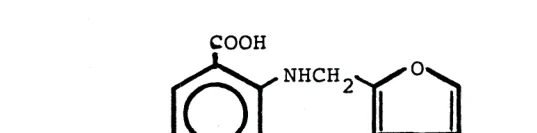
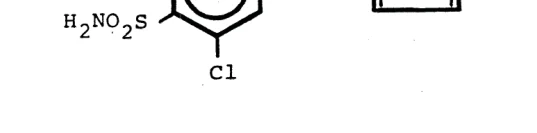
Molecular Weight: 330.75
Description: Furosemide is a white or almost white crystalline powder, which is odourless and almost tasteless. It is soluble in alcohol and ether and practically insoluble in water and chloroform.
Composition
In addition to furosemide, each tablet contains the non-medicinal ingredients lactose monohydrate, microcrystalline cellulose, croscarmellose sodium, magnesium stearate, colloidal silicon dioxide, D & C
Yellow # 10 Aluminum Lake 14-18% (40 and 80 mg tablet only) and Sunset Yellow Aluminum Lake 40%
(40 and 80 mg tablets only).
Stability and Storage Recommendations
Store at room temperature (15-30°C). Protect from light.
AVAILABILITY OF DOSAGE FORMS
AVA-FUROSEMIDE 20 mg: Each white, round, flat-faced tablet engraved ‘20’ on one side contains furosemide 20 mg. Available in bottles of 100 tablets.
AVA-FUROSEMIDE 40 mg: Each yellow, round, flat-faced, scored tablet engraved ‘40’ on one side contains furosemide 40 mg. Available in bottles of 100 tablets.
AVA-FUROSEMIDE 80 mg: Each yellow, capsule-shaped, flat-faced, partially scored tablet engraved ‘80’ on one side contains furosemide 80 mg. Available in bottles of 100 tablets.
PHARMACOLOGY
Pharmacology of the Kidney: Furosemide possesses no significant pharmacological effects apart from its effect on kidney function.
The diuretic effect of furosemide has been demonstrated in the dog. Diuresis and sodium excretion have been produced with doses of 0.125 mg/kg administered intravenously and with doses of 0.5 mg/kg administered orally. The maximum excretion of water and sodium was obtained by administering 12.5 mg/kg orally and 25 mg/kg intravenously. Increased excretion of potassium can only be obtained by administering doses exceeding 1 mg/kg. The drug takes effect rapidly after intravenous or oral administration and its action lasts 2 and 4 hours respectively.
Administered by the intravenous route furosemide produces immediate diuresis and its effect is unilateral after injecting into a renal artery. Its action, therefore, is directly on the kidney. The diuretic response is prompt and of a relatively short duration. When the drug reaches its maximum diuretic effect, the kidney can excrete 30 to 40 percent of the filtered sodium load along with a small quantity of potassium. Chloride is the main anion. The administration of furosemide increases potassium excretion by increased potassium secretion by the distal tubules. The diuretic action of furosemide is independent of the acid-base balance.
In the presence of acidosis or alkalosis the diuretic induces chloruresis without increasing bicarbonate excretion. The drug exerts no inhibitory effect on carbonic anhydrase.
Furosemide inhibits reabsorption of sodium in the ascending limb of Henle's loop (free water production).
Micropuncture techniques have shown that furosemide also acts on the excretor sites of the proximal tubule. A partial inhibition of sodium in the distal tubule has also been observed. Furosemide reduces uric acid in the urine and prolonged administration of the drug may lead to hyperuricemia. Since the urate is transported in the proximal tubule, the effect of the drug on uric acid excretion also suggests the proximal tubule site of action.
The administration of furosemide may induce extracellular metabolic alkalosis primarily because of a disproportionate loss of chloride but also as a result of a variable depletion of potassium.
TOXICOLOGY
ACUTE TOXICOLOGY
The LD50 for furosemide in mice has been determined to be 2940 mg/kg orally and 595 mg/kg intraperitoneally. In rats, the LD50 values were 2020 mg/kg orally and 670 mg/kg intraperitoneally. The signs of acute intoxication were dehydration, cyanosis, tremor, cachexia and convulsions. The LD50 was lower in newborn rats than in adult rats.
Subacute Toxicity - Rats: Three groups, each containing 12 rats (equal numbers of males and females), were given oral doses of 0, 50 or 200 mg/kg for 30 days. Significant weight loss and exhaustion were observed, especially in high dose animals, probably as a result of excessive diuresis. Histopathological examination revealed a chronic prostatitis in 4 rats, chronic pericarditis in 4 rats, hydronephrosis in 2 rats and localized necrosis of the liver in 1 rat. In the control group only one case each of chronicprostatitis, localized necrosis of the liver and hydro-nephrosis were observed.
Chronic Toxicity - Rats: Five groups of 20 young Wistar rats, which had just been weaned were treated with 0, 50, 100, 200 and 400 mg/kg/day, 5 days per week for 52 weeks. The drug was administered orally in an aqueous suspension by gastric intubation.
During the first week of drug administration, the majority of the rats in the 400 mg/kg group and half the group receiving 200 mg/kg developed symptoms such as a discharge from the eye, lethargy, anorexia, dyspnea and weight loss. In the groups treated with 100, 200 and 400 mg/kg, there were one, two and ten deaths out of 20 animals. All the animals that died during treatment exhibited lesions of the heart and kidney which were probably induced by electrolyte depletion. There was a significant reduction in the growth rates of the two highest dose animals.
There was a significant, dose-related increase in the relative weight of the kidneys. Drug-related lesions were seen in the heart and kidney. Histopathological examination revealed severe focal fibrosis in the myocardium similar to those induced by potassium deficiency. The kidneys showed a degeneration of the epithelium of the tubules characterized by enlarged cells and increased cytoplasmic density. This lesion was seen most often in the two groups receiving the highest doses and rarely in the other groups. Chronic Toxicity - Dogs: Five groups of 4 beagles each received the drug in capsule form in doses of 0,
10, 30, 100 and 350 mg/kg. During the first week, the animals receiving the highest dose of the drug developed anorexia, generalized weakness and partial paralysis of the hind quarters. The symptoms were accompanied by reduced levels of serum sodium and potassium and body weight loss. The dose was reduced to 250 mg/kg after two of the four dogs died.
Levels of blood sugar and urea nitrogen were elevated in the animals treated with the highest doses. These normalized after treatment was stopped. Urinalysis remained normal throughout the investigation except for urinary volume, creatinine and electrolyte levels. These changes are in keeping with the action of a diuretic drug.
Pathological examination of the entire group showed no significant or consistent effect on organ weight.
Renal lesions in the form of calcification or scarring of the renal parenchyma were observed. These changes are consistent with long term administration of a diuretic.
Reproductive and Teratologic Studies in Animals:
Rabbits: Experiments in rabbits revealed that fetal death may precede maternal death. In two studies, maternal death and abortions occurred after doses of 25 and 50 mg/kg. At 100 mg/kg none of the pregnant rabbits survived. A higher incidence of hydronephrosis (swelling of the pelvic area and in some cases of the ureters) was observed in the fetuses of rabbits treated with furosemide than was seen in the offspring of the control animals.
Mice: A higher incidence of hydronephrosis was also observed.
Other Species: Furosemide exerted no teratogenic effect on dogs or rats.
REFERENCES
- 1.
Berman, L.B. and Ebrahimi, A.: Experiences with Furosemide in Renal Disease. Proc. Soc. Exp. Biol.
Med. 118:333, (1965).
- 2.
Brenner, B.M. et al.: An Inhibitory Effect of Furosemide on sodium Reabsorption on the Proximal
Tubule of the Rat Nephron. J. Clin. Invest. 48: 290-300, (1969).
- 3.
Fraser, A.G. et al.: The Effects of Furosemide on the Osmolality of the Urine and the composition of
Renal Tissue. J. Pharm. And Exp. Ther. 148:88, (1965).
- 4.
Goodman, L.S. and Gilman, A.: The Pharmacological Basis of Therapeutics: Macmillan Co., Toronto,
4th Edition, (1970).
- 5.
Hook, J.B. and Williamson, H.E.: Addition of the Saluretic Action of Furosemide to the Saluretic
Action of Certain Other Agents. J. Pharm. And Exp. Ther. 148:88, (1965).
- 6. Hutcheon, D.E. et al.: Diuretic Action of Furosemide. Arch. Intern. Med. 115:542, (1965).
- 7. Kerr, D.N.S. and Robson, A.O.: CCVIII - Frusemide. The Practitioner, 194:694, (1965).
- 8. Robson, A.O. et al.: The Diuretic Response to Frusemide. The Lancet, 2:1085, (1964).
- 9. Stokes, W. and Nunn, L.C.A.: A New Effective Diuretic - Lasix. Brit. Med. J. 2:910, (1964).
- 10.
Suki, W. et al.: The Site of Action of Furosemide and Other Sulfonamide Diuretics in the Dog. J. Clin.
Invest. 44:1458, (1965).
- 11.
Timmerman, R.J. et al.: Evaluation of Fursemide, A New Diuretic Agent. Curr. Ther. Res. 6:88,
(1964).
- 12. Verel, D. et al.: A Clinical Trial of Frusemide. The Lancet, 2:1088, (1964).