


Product Monograph - Boostrix-Polio
RECENT MAJOR LABEL CHANGES
| Section | Date |
|---|---|
| 1 INDICATIONS | AUG 2021 |
| 4 DOSAGE AND ADMINISTRATION, 4.2 Recommended Dose and Dosage Adjustment | AUG 2021 |
| 7 WARNINGS AND PRECAUTIONS, 7.1.1 Pregnant Women | AUG 2021 |
| 7 WARNINGS AND PRECAUTIONS, Guillain-Barré Syndrome | SEP 2022 |
| 4 DOSAGE AND ADMINISTRATION, 4.4 Administration | APR 2023 |
TABLE OF CONTENTS
Sections or subsections that are not applicable at the time of authorization are not listed.
TABLE OF CONTENTS .............................................................................................................. 2
PART I: HEALTH PROFESSIONAL INFORMATION ...................................................................... 4
1 INDICATIONS ............................................................................................................... 4
2 CONTRAINDICATIONS ................................................................................................. 4
4 DOSAGE AND ADMINISTRATION ................................................................................. 4
4.1 Dosing Considerations ............................................................................................ 4
4.2 Recommended Dose and Dosage Adjustment ....................................................... 5
4.3 Administration ........................................................................................................ 6
5 OVERDOSAGE .............................................................................................................. 6
6 DOSAGE FORMS, STRENGTHS, COMPOSITION AND PACKAGING ................................. 6
7 WARNINGS AND PRECAUTIONS .................................................................................. 7
7.1. Special Populations................................................................................................. 9
7.1.1 Pregnant Women ............................................................................................. 9
7.1.2 Breast-feeding .................................................................................................. 9
8 ADVERSE REACTIONS .................................................................................................. 9
8.2 Clinical Trial Adverse Reactions .............................................................................. 9
8.3 Less Common Clinical Trial Adverse Reactions ..................................................... 10
8.5 Post-Market Adverse Reactions ........................................................................... 12
9 DRUG INTERACTIONS ................................................................................................ 12
9.3 Drug-Behavioural Interactions .............................................................................. 12
9.4 Drug-Drug Interactions ......................................................................................... 12
9.5 Drug-Food Interactions ......................................................................................... 13
9.6 Drug-Herb Interactions ......................................................................................... 13
9.7 Drug-Laboratory Test Interactions ........................................................................ 13
10 CLINICAL PHARMACOLOGY ....................................................................................... 13
11 STORAGE, STABILITY AND DISPOSAL ......................................................................... 15
PART II: SCIENTIFIC INFORMATION ....................................................................................... 15
13 PHARMACEUTICAL INFORMATION ............................................................................ 15
14 CLINICAL TRIALS ........................................................................................................ 15
14.1 Clinical Trials by Indication ............................................................................. 15
Booster vaccination against diphtheria, tetanus and pertussis ...................................... 15
Passive protection against pertussis in infants (below 3 months of age) born to mothers vaccinated during pregnancy ......................................................................................... 21
16 NON-CLINICAL TOXICOLOGY ..................................................................................... 21
PATIENT MEDICATION INFORMATION .................................................................................. 23
PART I: HEALTH PROFESSIONAL INFORMATION
1 INDICATIONS
BOOSTRIX-POLIO (combined diphtheria, tetanus, acellular pertussis (adsorbed) and inactivated poliomyelitis) vaccine is indicated for:
- Booster vaccination against diphtheria, tetanus, pertussis and poliomyelitis of individuals from the age of four years onwards.
- Passive protection against pertussis in early infancy following maternal immunisation during pregnancy (see 4 DOSAGE AND ADMINISTRATION, 7 WARNINGS AND PRECAUTIONS, and 14 CLINICAL TRIALS)
BOOSTRIX-POLIO is not intended for primary immunization.
2 CONTRAINDICATIONS
- Patients who are hypersensitive to any component of the vaccine or to individuals having shown signs of hypersensitivity after previous administration of diphtheria, tetanus, pertussis or poliomyelitis vaccines (see 6 DOSAGE FORMS, STRENGTHS, COMPOSITION AND PACKAGING).
- BOOSTRIX-POLIO (combined diphtheria, tetanus, acellular pertussis (adsorbed) and inactivated poliomyelitis) vaccine contains traces of neomycin and polymyxin. The vaccine should not be used in individuals with known hypersensitivity to neomycin and polymyxin.
- BOOSTRIX-POLIO is contraindicated if the individual has experienced an encephalopathy of unknown etiology, occurring within 7 days following previous vaccination with pertussis containing vaccine. In these circumstances, adult-type combined diphtheria tetanus and poliomyelitis vaccine should be used.
- BOOSTRIX-POLIO should not be administered to individuals who have experienced transient thrombocytopenia or neurological complications following an earlier immunization against diphtheria and/or tetanus.
4 DOSAGE AND ADMINISTRATION
4.1 Dosing Considerations
Tetanus Prophylaxis in Wound Management
Table 1 summarizes the recommended use of immunizing agents in wound management. It is important to ascertain the number of doses of toxoid previously given and the interval since the last dose. When a tetanus booster dose is required, the combined preparation of tetanus and diphtheria toxoid formulated for adults (Td) is preferred. Appropriate cleansing and debridement of wounds is imperative, and use of antibiotics may be considered.
Some individuals with humoral immune deficiency, including those with HIV infection, may not respond adequately to tetanus toxoid. Therefore, tetanus immune globulin (TIG) should be used in addition to tetanus toxoid if a wound occurs that is not clean, regardless of the time elapsed since the last booster.
Table 1 Guide to Tetanus Prophylaxis in Wound Management
| History of Tetanus Immunization | Clean, minor wounds | All other wounds | ||||||
|---|---|---|---|---|---|---|---|---|
| Td or Tdap* | Tig** | Td or Tdap* | Tig | |||||
| Uncertain of < 3 doses of an immunization series† | Yes | No | Yes | Yes | ||||
| ≥ 3 doses received in an immunization series† | No‡ | No | No§ | No¶ | ||||
Adult type combined tetanus and diphtheria toxoids or a combined preparation of diphtheria, tetanus and acellular pertussis. If the individual is < 7 years old a tetanus toxoid-containing vaccine is given as part of the routine childhood immunization.
**Tetanus immune globulin, given at a separate site from Td (or Tdap).
† The immunization series for tetanus is described in the text (Schedule and Dosage).
‡Yes, if > 10 years since last booster.
§Yes, if > 5 years since last booster. More frequent boosters not required and can be associated with increased adverse events. The bivalent toxoid, Td, is not considered to be significantly more reactogenic than T alone and is recommended for use in this circumstance. The individual should be informed that Td (or Tdap) has never been given.
¶Yes, if individuals are known to have a significant humoral immune deficiency state (e.g. HIV, agammaglobulinemia) since immune response to tetanus toxoid may be suboptimal.
4.2 Recommended Dose and Dosage Adjustment
A single 0.5 mL dose of the vaccine is recommended.
Repeat vaccination against diphtheria, tetanus and poliomyelitis should be performed at intervals as per official recommendations (generally 10 years).
If BOOSTRIX-POLIO is administered to a pregnant woman, it should ideally be done during the third trimester of pregnancy or according to recommendations from the National Advisory Committee on Immunization (NACI).
BOOSTRIX-POLIO should not be mixed with other vaccines in the same syringe.
BOOSTRIX-POLIO is for deep intramuscular injection.
4.3 Administration
Pre-filled syringe Instructions
Hold the syringe by the barrel, not by the plunger. Unscrew the syringe cap by twisting it anticlockwise. | |
|---|---|
To attach the needle, connect the hub to the Luer Lock Adaptor and rotate a quarter turn clockwise until you feel it lock. Do not pull the syringe plunger out of the barrel. If it happens, do not administer the vaccine. |
Prior to vaccination, the vaccine should be well shaken in order to obtain a homogeneous turbid white suspension and visually inspected for any foreign particulate matter and/or variation of physical aspect prior to administration. In the event of either being observed, do not administer the vaccine, and any unused vaccine or waste material should be disposed of in accordance with local requirements.
5 OVERDOSAGE
| For management of a suspected drug overdose, contact your regional poison control centre. |
|---|
6 DOSAGE FORMS, STRENGTHS, COMPOSITION AND PACKAGING
To help ensure the traceability of biologic products, including biosimilars, health professionals should recognise the importance of recording both the brand name and the non-proprietary (active
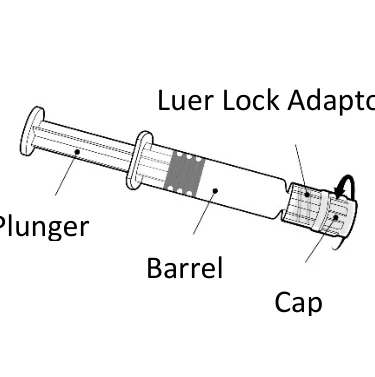 Plunger Barrel Cap Luer Lock Adaptor | |
|---|---|
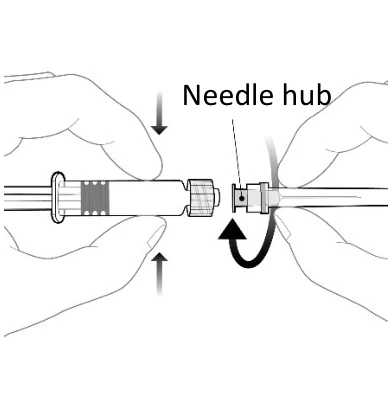 Needle hub |
ingredient) name as well as other product-specific identifiers such as the Drug Identification Number (DIN) and the batch/lot number of the product supplied.
Table 2 Administration Route, Dosage Form, Strength, Non-medicinal Ingredients
| Route of Administration | Dosage Form / Strength | Non-medicinal Ingredients |
| Intramuscular | Suspension for injection/ not less than 2.5 limit of flocculation (‘Lf’), or 2 IU (‘International Units') of diphtheria toxoid; 8 mcg of filamentous haemagglutinin, 2.5 mcg of pertactin (69 kDa outer membrane protein), 8 mcg of pertussis toxoid, 40 D-antigen units (DU) of Type 1 poliovirus, 8 DU Type 2 polio virus and 32 DU Type 3 polio virus and not less than 5 Lf (20 IU) of tetanus toxoid. | 0.5 mg aluminum (as aluminum salts), medium 199, sodium chloride, water for injection. Residues*: neomycin sulphate and polymyxin B sulphate. |
*From the manufacturing process.
Packaging
BOOSTRIX-POLIO is available in 0.5 mL pre-filled syringes (type I glass) with a plunger stopper (butyl rubber) and with a rubber tip cap in packages of 1 or 10.
Description
BOOSTRIX-POLIO (combined diphtheria, tetanus, acellular pertussis (adsorbed) and inactivated poliomyelitis) vaccine is presented as a turbid white suspension in a single dose prefilled syringe. Upon storage, a white deposit and clear supernatant can be observed. This is a normal finding.
7 WARNINGS AND PRECAUTIONS
General
It is good clinical practice that immunization should be preceded by a review of the medical history (especially with regards to previous immunization and possible occurrence of undesirable events).
As with any other vaccine, BOOSTRIX-POLIO (combined diphtheria, tetanus, acellular pertussis (adsorbed) and inactivated poliomyelitis) vaccine may not protect 100% of individuals receiving the vaccine.
BOOSTRIX-POLIO should under no circumstances be administered intravascularly.
As with other vaccines, the administration of BOOSTRIX-POLIO should be postponed in individuals suffering from moderate or severe illness with or without fever. The presence of minor illnesses with or without a low-grade fever are not a contraindication.
If any of the following events occur in temporal relation to administration of whole-cell DTP or acellular DTP vaccine, the decision to give subsequent doses of vaccine containing the pertussis component should be carefully considered. There may be circumstances, such as high incidence of pertussis, in which the potential benefits outweigh possible risks, particularly since these events have not been proven to cause permanent sequelae.
- Temperature of ≥ 40.0oC within 48 hours of vaccination, not due to another identifiable cause.
- Collapse or shock like state (hypotonic hyporesponsive episode) within 48 hours of vaccination.
- Persistent, inconsolable crying lasting ≥ 3 hours, occurring within 48 hours of vaccination.
- Convulsions with or without fever, occurring within 3 days of vaccination.
Collapse or shock-like state (hypotonic-hyporesponsive episode) and convulsions have been reported very rarely following immunisation of children with products containing one or more of the antigenic constituents of BOOSTRIX-POLIO.
Syncope (fainting) can occur following, or even before, any vaccination as a psychogenic response to the needle injection. It is important that procedures are in place to avoid injury from faints.
Guillain-Barré Syndrome
A review by the National Academy of Medicine found evidence for a causal relationship between receipt of tetanus toxoid and both Guillain-Barré syndrome (GBS) and brachial neuritis. If GBS occurred within 6 weeks of receipt of prior vaccine containing tetanus toxoid, the decision to give BOOSTRIX-POLIO or any vaccine containing tetanus toxoid should be based on careful consideration of the potential benefits and possible risks.
Hematologic
BOOSTRIX-POLIO should be administered with caution to individuals with thrombocytopenia or a bleeding disorder since bleeding may occur following an intramuscular administration to these individuals. Firm pressure should be applied to the injection site (without rubbing) for at least 2 minutes.
Immune
HIV infection is not considered as a contraindication. The expected immunological response may not be obtained after vaccination of immunosuppressed individuals, e.g. individuals on immunosuppressive therapy.
Neurologic
In children with progressive neurological disorders, including infantile spasms, uncontrolled epilepsy or progressive encephalopathy, it is better to defer pertussis (Pa or Pw) immunization until the condition is corrected or stable. However, the decision to give pertussis vaccine must be made on an individual basis after careful consideration of the risks and benefits.
A history or a family history of convulsions and a family history of an adverse event following DTP vaccination do not constitute contraindications.
Sensitivity/Resistance
As with other injectable vaccines, appropriate medication (e.g. Epinephrine 1:1000) should be readily available for immediate use in case of anaphylaxis or anaphylactoid reactions following administration of the vaccine. For this reason, the vaccinee should remain under medical supervision for 30 minutes after immunization. For initial management of anaphylaxis, please refer to the current Canadian Immunization Guide.
7.1. Special Populations
7.1.1 Pregnant Women
Data from post-marketing surveillance where pregnant women were exposed to BOOSTRIX-POLIO do not suggest vaccine related adverse effect on pregnancy or on the health of the fetus/newborn child.
Human data from prospective clinical studies on the use of BOOSTRIX (dTpa component of BOOSTRIX-POLIO) and BOOSTRIX-POLIO during the first and second trimester of pregnancy are not available. Animal studies do not indicate direct or indirect harmful effects with respect to female fertility, pregnancy, embryonal/fetal development, parturition or post-natal development (see 16 NON-CLINICAL TOXICOLOGY).
7.1.2 Breast-feeding
Adequate human data on the use during lactation and adequate animal reproductive studies are not available. BOOSTRIX-POLIO should be used during lactation, after evaluation of the risk of disease and probable benefit of vaccination.
8 ADVERSE REACTIONS
8.2 Clinical Trial Adverse Reactions
Clinical trials are conducted under very specific conditions. The adverse reaction rates observed in the clinical trials; therefore, may not reflect the rates observed in practice and should not be compared to the rates in the clinical trials of another drug. Adverse reaction information from clinical trials may be useful in identifying and approximating rates of adverse drug reactions in real-world use.
Children from 4 to 9 years of age
The safety profile presented in Table 3 is based on data from clinical trials where BOOSTRIX-POLIO was administered to 908 children (from 4 to 9 years of age).
Table 3 Very Common and Common Clinical Trial Adverse Events in Children from 4 to 9 years of age
| Frequency | Adverse Event | System/Organ Class |
|---|---|---|
Very Common: ≥ 1/10 | injection site reactions (including pain, redness and swelling) | General disorders and administration site conditions |
| Somnolence | Nervous system disorders | |
Common: ≥ 1/100 and <1/10 | fever ≥37.5◦C (including fever >39◦C), injection site reactions (such as haemorrhage) | General disorders and administration site conditions |
| Anorexia | Metabolism and nutrition disorders |
| Frequency | Adverse Event | System/Organ Class |
|---|---|---|
| Irritability | Psychiatric disorders | |
| Headache | Nervous system disorders | |
| gastrointestinal disorders* | Gastrointestinal disorders* |
*Refers to adverse reactions additionally reported during clinical trials with BOOSTRIX, where BOOSTRIX was administered to 839 children (from 4 to 9 years of age).
Adults, adolescents, and children, from the age of 10 years onwards
The safety profile presented in Table 4 is based on data from clinical trials where BOOSTRIX-POLIO was administered to 955 adults, adolescents and children (above 10 years of age).
Table 4 Very Common and Common Clinical Trial Adverse Events in Adults, adolescents and children from the age of 10 years onwards
| Frequency | Adverse Event | System/Organ Class |
|---|---|---|
Very Common: ≥ 1/10 | injection site reactions (including pain, redness and swelling), fatigue | General disorders and administration site conditions |
| malaise* | ||
| headache | Nervous system disorders | |
Common: ≥ 1/100 and <1/10 | injection site reactions (such as injection site mass and injection site abscess sterile)* | General disorders and administration site conditions |
| fever ≥37.5◦C, injection site reactions (such as haematoma) | ||
| gastrointestinal disorders | Gastrointestinal disorders | |
| nausea* | ||
*Refers to adverse reactions additionally reported during clinical trials with BOOSTRIX, where BOOSTRIX was administered to 1,931 adults, adolescents and children (above 10 years of age).
The most common events occurring after vaccine administration in both groups were pain, redness and swelling reported by 31.3 – 82.3% of subjects overall. These usually had their onset within the first day after vaccination. All resolved without sequelae.
8.3 Less Common Clinical Trial Adverse Reactions
Children from 4 to 9 years of age
The safety profile presented in Table 5 is based on data from clinical trials where BOOSTRIX-POLIO was administered to 908 children (from 4 to 9 years of age).
Table 5 Uncommon Clinical Trial Adverse Events in Children 4 to 9 years of age
| Frequency | Adverse Event | System/Organ Class |
|---|---|---|
Uncommon: ≥ 1/1,000 and <1/100 | injection site reactions (such as induration)*, pain* | General disorders and administration site conditions |
| Fatigue | ||
| sleep disorder, apathy | Psychiatric disorders | |
| dry throat | Respiratory, thoracic and mediastinal disorders | |
| diarrhea, vomiting, abdominal pain, nausea | Gastrointestinal disorders | |
| upper respiratory tract infection* | Infections and infestations* | |
| disturbances in attention* | Nervous system disorders* | |
| conjunctivitis* | Eye disorders* | |
| rash* | Skin and subcutaneous tissue disorders* | |
*Refers to adverse reactions additionally reported during clinical trials with BOOSTRIX, where BOOSTRIX was administered to 839 children (from 4 to 9 years of age).
Adults, adolescents, and children, from the age of 10 years onwards
The safety profile presented in Table 6 is based on data from clinical trials where BOOSTRIX-POLIO was administered to 955 adults, adolescents and children (above 10 years of age).
Table 6 Uncommon Clinical Trial Adverse Events in Children from the age of 10 years onwards
| Frequency | Adverse Event | System/Organ Class |
|---|---|---|
Uncommon: ≥ 1/1,000 and <1/100 | fever > 39◦C, chills, pain | General disorders and administration site conditions |
| influenza like illness* | ||
| oral herpes | Infections and infestations | |
| upper respiratory tract infection*, pharyngitis* | ||
| lymphadenopathy | Blood and lymphatic system disorders | |
| decreased appetite | Metabolism and nutrition disorders | |
| paraesthesia, somnolence, dizziness | Nervous system disorders | |
| syncope* | ||
| Frequency | Adverse Event | System/Organ Class |
|---|---|---|
| asthma | Respiratory, thoracic and mediastinal disorders | |
| cough* | ||
| pruritus | Skin and subcutaneous tissue disorders | |
| hyperhidrosis*, rash* | ||
| myalgia, arthralgia | Musculoskeletal and connective tissue disorders | |
| joint stiffness*, musculoskeletal stiffness* | ||
| diarrhea*, vomiting* | Gastrointestinal disorders | |
*Refers to adverse reactions additionally reported during clinical trials with BOOSTRIX, where BOOSTRIX was administered to 1,931 adults, adolescents and children (above 10 years of age).
8.5 Post-Market Adverse Reactions
Table 7 Post-Market Adverse Reactions
| Frequency | Adverse Event | System/Organ Class |
|---|---|---|
Rare: ≥ 1/10,000 and <1/1,000 | extensive swelling of the vaccinated limb, asthenia | General disorders and administration site conditions |
| angioedema | Blood and lymphatic system disorders | |
| convulsions (with or without fever) | Nervous system disorders | |
| urticaria | Skin and subcutaneous tissue disorders | |
Very rare: <1/10,000 | allergic reactions, including anaphylactic and anaphylactoid reactions | Immune system disorders |
Subjects fully primed with 4 doses of DTPa followed by BOOSTRIX-POLIO at around 4-8 years of age show no increased reactogenicity after the second BOOSTRIX-POLIO dose administered 5 years later.
9 DRUG INTERACTIONS
9.3 Drug-Behavioural Interactions
The vaccine is unlikely to produce an effect on the ability to drive and use machines.
9.4 Drug-Drug Interactions
The drugs listed in this section are based on either drug interaction case reports or studies, or potential interactions due to the expected magnitude and seriousness of the interaction (i.e., those identified as contraindicated).
Concomitant use with other inactivated vaccines or with immunoglobulin has not been studied. There is no evidence, to date, to indicate that co-administration will result in interference with the immune responses. However, extrapolation to new future vaccines cannot be made. When considered necessary, BOOSTRIX-POLIO (combined diphtheria, tetanus, acellular pertussis (adsorbed) and inactivated poliomyelitis) vaccine, can be administered simultaneously with other vaccines or immunoglobulin, at a different injection site.
As with other vaccines, individuals receiving immunosuppressive therapy or individuals with immunodeficiency may not achieve an adequate response.
Interactions with other drugs have not been established.
Coadministration with live attenuated MMR/V vaccines in children aged 3-6 year:
BOOSTRIX-POLIO was coadministered with MMR/V vaccines in 2 clinical studies with 406 children aged 3-6 years. In these studies, upper respiratory tract infection and rash were commonly reported. Fever, irritability, fatigue, loss of appetite and gastrointestinal disorders (including diarrhoea and vomiting) were reported with a higher frequency (very common) when compared to Adverse reactions reported in clinical trials with BOOSTRIX-POLIO, while all other adverse reactions occurred at the same or lower frequency.
9.5 Drug-Food Interactions
Interactions with food have not been established.
9.6 Drug-Herb Interactions
Interactions with herbal products have not been established.
9.7 Drug-Laboratory Test Interactions
Interactions with laboratory tests have not been established.
10 CLINICAL PHARMACOLOGY
Diphtheria
Diphtheria is a serious communicable disease, primarily a localized and generalized intoxication caused by diphtheria toxin, an extracellular protein metabolite of toxigenic strains of Corynebacterium diphtheriae. The disease occurs most frequently in unimmunised or partially immunized individuals. The incidence of diphtheria in Canada has decreased from 9,000 cases reported in 1924 to extremely low levels. Only one or two cases have been reported annually in recent years. The case fatality rate remains 5% to 10%, with the highest death rates in the very young and elderly. If immunization levels are allowed to fall and adults do not receive booster doses, disease re-emergence may appear as demonstrated in the Commonwealth of Independent States (former Soviet Union), where tens of thousands of cases with substantial mortality have been reported. Protection against disease is due to the development of neutralizing antibodies to the diphtheria toxin. Following adequate immunization with diphtheria toxoid, it is generally accepted that protection persists for at least 10 years. Serum antitoxin levels of at least 0.01 antitoxin units per mL are generally regarded as protective. This significantly reduces both the risk of developing diphtheria and the severity of clinical illness. Immunization with diphtheria toxoid does not, however, eliminate carriage of C. diphtheriae in the pharynx or nose or on the skin.
Tetanus
Tetanus is an intoxication manifested primarily by neuromuscular dysfunction caused by a potent exotoxin released by Clostridium tetani. Immunization is highly effective, provides long lasting protection and is recommended for the entire population. Only 1 to 7 with an average of 5 cases of tetanus are reported annually in Canada while no deaths have been recorded since 1995. The disease continues to occur almost exclusively among persons who are unvaccinated or inadequately vaccinated or whole vaccination histories are unknown or uncertain.
Spores of C. tetani are ubiquitous. Naturally acquired immunity to tetanus toxin does not occur. Thus, universal primary immunization and timed booster doses to maintain adequate tetanus antitoxin levels are necessary to protect all age groups. Protection against disease is due to the development of neutralizing antibodies to the tetanus toxin. Tetanus toxoid is a highly effective antigen and a completed primary series generally induces serum antitoxin levels of at least 0.01 antitoxin units per mL, a level which has been reported to be protective. It is generally accepted that protection persists for at least 10 years. To maintain immunity to tetanus following completion of primary immunization, booster doses administered as Td are recommended at 10 yearly intervals.
Pertussis
Pertussis (whooping cough) is a disease of the respiratory tract caused by Bordetella pertussis. Pertussis is highly communicable and can affect individuals of any age; however, severity is greatest among young infants.
Although there is no established serologic correlate of protection against pertussis, majority of pregnant women were found to have undetectable anti-pertussis toxin levels. Newborn infants therefore remain susceptible until their first vaccination at two months of age. Immunization in pregnancy provides newborn infants benefits from the transfer of the maternal antibodies.
Antigenic components of B. pertussis believed to contribute to protective immunity include: pertussis toxin; filamentous hemagglutinin; and pertactin (69kDa). Although the role of these antigens in providing protective immunity in humans is not well understood, clinical trials which evaluated candidate acellular DTP vaccines manufactured by GlaxoSmithKline supported the efficacy of three component INFANRIX (DTaP). Recently published data suggests a higher importance of the PT and pertactin (69kDa) components in providing protection against pertussis.
Poliomyelitis
Poliovirus is an enterovirus that belongs to the picornavirus family. Three serotypes of poliovirus have been identified (types 1, 2 and 3). Poliovirus is highly contagious with the predominant mode of transmission being person-to-person via the fecal-oral route. Infection may be spread indirectly through contact with infectious saliva or feces or by contaminated water or sewage.
Replication of poliovirus in the pharynx and intestine is followed by a viremic phase where involvement of the central nervous system can occur. While poliovirus infections are asymptomatic or cause nonspecific symptoms (low-grade fever, malaise, anorexia and sore throat) in 90% to 95% of individuals, 1% to 2% of infected persons will develop paralytic disease.
Following the introduction of inactivated poliovirus vaccines (IPV/ POLIO) in Canada in 1955, the indigenous disease has been eliminated. Since 1980, 12 paralytic cases have been reported in Canada,
11 of which were determined to be vaccine-associated paralytic poliomyelitis (VAPP), with Oral Polio Vaccine (OPV). The last reported case of VAPP occurred in 1995.
Forty seven studies involving over 19,000 infants and children have been conducted in developed and developing countries with GlaxoSmithKline’s enhanced inactivated poliovirus vaccine, as trivalent IPV vaccine or as a part of DTPa-IPV based combinations.
11 STORAGE, STABILITY AND DISPOSAL
BOOSTRIX-POLIO (combined diphtheria, tetanus, acellular pertussis (adsorbed) and inactivated poliomyelitis) vaccine must be stored at 2oC to 8oC. Do not use beyond the expiry date printed on the label and packaging.
Protect from light.
DO NOT FREEZE; discard if vaccine has been frozen.
PART II: SCIENTIFIC INFORMATION
13 PHARMACEUTICAL INFORMATION
Drug Substance
Proper name: Combined diphtheria, tetanus, acellular pertussis (adsorbed) and inactivated poliomyelitis vaccine
Product Characteristics:
BOOSTRIX-POLIO (combined diphtheria, tetanus, acellular pertussis and inactivated poliomyetitis) vaccine contains combined diphtheria and tetanus toxoids, and three purified pertussis antigens [pertussis toxoid (PT), filamentous haemagglutinin (FHA) and pertactin (69 kDalton outer membrane protein)], adsorbed onto aluminum salts, and inactivated polio virus types 1, 2 and 3.
14 CLINICAL TRIALS
14.1 Clinical Trials by Indication
Booster vaccination against diphtheria, tetanus and pertussis
A summary of the pivotal and follow-up trials of BOOSTRIX-POLIO in vaccinees of different ages is presented in Table 8.
Table 8 Summary of studies (Total cohort)
| Study ID | Trial Design, Study Duration | Study and control vaccines | Number of subjects enrolled | Gender %Male Median Age (range) |
| One month after vaccination with BOOSTRIX-POLIO (see Table 9) | ||||
| Study ID | Trial Design, Study Duration | Study and control vaccines | Number of subjects enrolled | Gender %Male Median Age (range) |
| dTpa-IPV-001 | Partially blinded, randomized, phase III , controlled. Approx. 1 month | 1 vaccination visit
| 136 823 | 51.0% 5.0 years (4-8) |
| dTpa-IPV-002 | Open, randomized, multicenter, phase II, controlled. Approx. 1 month | 1 vaccination visit
| 111 220 441 | 41.2% 11.0 years (10-14) |
| dTpa-IPV-003 | Open, randomised, multicentre, phase III, controlled | 1 vaccination visit
| 270 270 266 | 44.3% 39.0 years (15-93) |
| Persistence 5 years after vaccination of children with BOOSTRIX-POLIO (see Table 10) and second booster dose with BOOSTRIX-POLIO (see Table 11) | ||||
| dTpa-IPV-008 | Open, non-randomised, multicentre, phase IV | 1 vaccination visit
All subjects received a dose of BOOSTRIX-POLIO | 64 351 | 51.6% 11.0 years (9-14) |
| Vaccination of subjects ≥ 40 years of age with BOOSTRIX- POLIO | ||||
| dTpa-034 | Double blind, randomised, multicentre, phase III |
| 155 152 153 | 41.3% 57.0 years (40-85) |
* 3 consistency lots of dTpa-IPV
** Trademark owned by Sanofi Pasteur
More than 1,500 subjects received BOOSTRIX-POLIO (combined diphtheria, tetanus, acellular pertussis and inactivated poliomyetitis) vaccine in 3 pivotal clinical studies assessing seropositivity one month after receiving BOOSTRIX-POLIO, children (4 to 8 years of age), adolescents (10 to 14 years of age) and adults (15 years of age and older). The children 4 to 8 years of age were previously vaccinated with four doses of DTPa or DTPa-based combinations and at least 3 doses of OPV or IPV. The adolescents 10 to 14 years of age had received primary and booster vaccination with DTPw in infancy and childhood and subjects in the 15 and older age range had in many cases received primary vaccination with diphtheria, tetanus, pertussis and polio vaccines. The percent seroprotective rates and vaccine responses of the 3 pivotal studies are presented in Table 9. Each of the 3 pivotal studies compared BOOSTRIX-POLIO to BOOSTRIX and IPV given separately.
Table 9 Percent seropositive* one month after vaccination with BOOSTRIX-POLIO
| Clinical Studies | Timing | Anti-D | Anti-T | Anti-PT | Anti-FHA | Anti-PRN | Anti-Polio | ||
|---|---|---|---|---|---|---|---|---|---|
| Type 1 | Type 2 | Type 3 | |||||||
4 to 8 years of age (n=779) | Pre | 67.2 | 83.9 | 37.2 | 97.3 | 89.1 | 98.0 | 99.6 | 88.6 |
| Post | 100.0 | 99.9 | 99.6 | 100.0 | 99.9 | 100.0 | 100.0 | 100.0 | |
10 to 14 years of age (n=429) | Pre | 73.7 | 95.8 | 53.5 | 98.8 | 78.8 | 96.9 | 97.6 | 79.4 |
| Post | 100.0 | 100.0 | 99.3 | 100.0 | 100.0 | 100.0 | 100.0 | 100.0 | |
≥ 15 years of age (n=261) | Pre | 54.4 | 88.1 | 56.3 | 98.8 | 59.8 | 95.4 | 92.0 | 88.7 |
| Post | 83.5 | 99.6 | 97.7 | 100.0 | 97.7 | 99.6 | 99.6 | 99.1 | |
* Percentage of vaccinees having anti-diphtheria (Anti-D) and anti-tetanus (Anti-T) antibody titres > 0.1 IU/mL post vaccination (seroprotection) Percentage of vaccinees having anti-PT, anti-FHA, anti-PRN antibody titres ≥ 5 EL.U/mL; percentage of vacinees having anti-polio seroprotective antibody titres ≥ 8. Pre = blood sample taken just prior to booster vaccination Post = blood sample taken approximately 1 month after booster dose. | |||||||||
As with other adult-type diphtheria and tetanus vaccines, BOOSTRIX-POLIO induces higher seroprotection rates and higher titres of both anti-D and anti-T antibodies in children and adolescents as compared to adults.
In clinical studies, seroprotection and vaccine response rates to all antigens after a booster dose of BOOSTRIX-POLIO were similar to the licensed controlled vaccines studied.
A total of 344 children vaccinated with BOOSTRIX-POLIO between 4 and 8 years of age had antibody persistence five years later (see Table 10).
Table 10 Persistence of Responses Observed 5 Years after Vaccination with BOOSTRIX-POLIO
| Antigen | Response(1) | Number of Subjects (N) | Children from the age of 4 -8 years % vaccinees demonstrating response (CI) | ||||
| 5 years persistence(3) | |||||||
| Diphtheria | ≥ 0.1 IU/ml | 341 | 89.4% (85.7-92.5) | ||||
| ≥ 0.016 IU/ml(2) | 98.2% (96.3-99.2) | ||||||
| Tetanus | ≥ 0.1 IU/ml | 342 | 98.5% (96.6-99.5) | ||||
| Pertussis | |||||||
| Pertussis toxoid | ≥ 5 EL.U/mL | 337 | 40.9% (35.7-46.4) | ||||
Filamentous haemagglutinin | ≥ 5 EL.U/mL | 340 | 99.7% (98.4-100) | ||||
| Pertactin | ≥ 5 EL.U/mL | 342 | 97.1% (94.7-98.6) | ||||
| Poliovirus | |||||||
| Poliovirus type 1 | ≥ 8 ED50 | 340 | 98.8 % (97.0-99.7) | ||||
| Poliovirus type 2 | ≥ 8 ED50 | 341 | 99.7% (98.4-100) | ||||
| Poliovirus type 3 | ≥ 8 ED50 | 341 | 97.1% (94.7-98.6) | ||||
(1) Response: Where, after five years, a concentration of antibodies against diphtheria and tetanus ≥ 0.1 IU/mL was considered as seroprotection, a concentration of antibodies against pertussis ≥ 5 EL.U/mL was considered as seropositivity and dilution titres against poliovirus types 1, 2 and 3 of 1:8 were considered as positive.
(2) Percentage of participants with antibody concentrations associated with protection against disease (≥ 0.1 IU/mL by ELISA assay or ≥ 0.016 IU/mL by an in-vitro Vero-cell neutralisation assay).
(3) Children were 9-13 years old at the time of persistence measurement
N = number of subjects with available results
CI = Confidence Interval (95%)
The immunogenicity of BOOSTRIX-POLIO, administered 5 years after a previous booster dose of BOOSTRIX-POLIO at 4 to 8 years of age, has been evaluated. One month post vaccination, > 99 % of subjects were seropositive against pertussis and seroprotected against diphtheria, tetanus and all three polio types (see Table 11).
Table 11 Immunogenicity of a second booster dose of BOOSTRIX-POLIO administered 5 years after the first dose in children 4 to 8 years of age
| Antigen | Response1 | Number of subjects (N) | Children 9 to 13 years % vaccinees demonstrating response (CI) |
| Diphtheria | ≥ 0.1 IU/mL | 336 | 100% (98.9-100) |
| Tetanus | ≥ 0.1 IU/mL | 336 | 100% (98.9-100) |
| Pertussis | |||
| Pertussis toxoid | ≥ 5 EL.U/mL | 335 | 99.7% (98.3-100) |
Filamentous haemagglutinin | ≥ 5 EL.U/mL | 336 | 100% (98.9-100) |
| Pertactin | ≥ 5 EL.U/mL | 336 | 100% (98.9-100) |
| Poliovirus | |||
| Poliovirus type 1 | ≥ 8 ED50 | 335 | 100% (98.9-100) |
| Poliovirus type 2 | ≥ 8 ED50 | 335 | 100% (98.9-100) |
| Poliovirus type 3 | ≥ 8 ED50 | 333 | 100% (98.9-100) |
(1) Response: Where, one month after the second booster dose, a concentration of antibodies against diphtheria and tetanus ≥ 0.1 IU/mL was considered as seroprotection, a concentration of antibodies against pertussis ≥ 5 EL.U/mL was considered as seropositivity and dilution titres against poliovirus types 1, 2 and 3 of 1:8 were considered as positive.
N = number of subjects with available results
CI = Confidence Interval (95%)
After administration of one dose of BOOSTRIX-POLIO to 140 adults ≥ 40 years of age that had not received any diphtheria and tetanus containing vaccine in the past 20 years, at least 96.4% of adults were seropositive for all three pertussis antigens and 77.7% and 95.7% were seroprotected against diphtheria and tetanus, respectively. After administration of two additional doses of a diphtheria and tetanus containing vaccine one and six months after the first dose of BOOSTRIX-POLIO, the seroprotection rates for diphtheria and tetanus reached 100%.
Diphtheria and Tetanus
One month after vaccination, 100% of subjects up to 14 years of age and 83.5% of the subjects 15 years of age and older were seroprotected against diphtheria (≥0.1 IU/mL). One month after vaccination all subjects up to 14 years of age and 99.6 % of the subjects 15 years of age and older had seroprotective anti-tetanus antibody concentrations (≥0.1 IU/mL).
Polio
More than 99% of subjects were seropositive to all three polio types one month after a booster dose of BOOSTRIX-POLIO.
Pertussis
One month after vaccination, over 97.7% of subjects who received BOOSTRIX-POLIO were seropositive for anti-PT, anti-FHA or anti-PRN antibodies (≥5 EL.U/mL).
The pertussis antigens contained in BOOSTRIX-POLIO are an integral part of the paediatric acellular pertussis combination vaccine (INFANRIX), for which efficacy after primary vaccination has been demonstrated in a household contact efficacy study. The antibody titres to all three pertussis components following vaccination with BOOSTRIX-POLIO were at least as high or higher than those observed during the household contact efficacy trial. Based on these comparisons, BOOSTRIX-POLIO would provide protection against pertussis, however the degree and duration of protection afforded by the vaccine are undetermined.
Protective efficacy of pertussis
There is currently no correlate of protection defined for pertussis; however, the protective efficacy of GlaxoSmithKline DTPa (INFANRIX) vaccine against WHO defined typical pertussis (≥ 21 days of paroxysmal cough with laboratory confirmation) was demonstrated in the following 3 dose primary studies:
A prospective blinded household contact study performed in Germany (3, 4, 5 months schedule).
Based on data collected from secondary contacts in households where there was an index case with typical pertussis, the protective efficacy of the vaccine was 88.7%. Protection against laboratory confirmed mild disease, defined as 14 days or more of cough of any type was 73% and 67% when defined as 7 days or more of cough of any type.
An NIH sponsored efficacy study performed in Italy (2, 4, 6 months schedule).
The vaccine efficacy was found to be 84%. When the definition of pertussis was expanded to include clinically milder cases with respect to type and duration of cough, the efficacy of INFANRIX was calculated to be 71% against > 7 days of any cough and 73% against > 14 days of any cough. In a follow up of the same cohort, the efficacy was confirmed up to 5 years after completion of primary vaccination without administration of a booster dose of pertussis.
As infants cannot begin their pertussis vaccination course until they are at least 6 weeks old and three doses of vaccine need to be given, vaccination does not confer complete protection until infants have received all 3 doses. Several studies have shown that adults are a significant source of pertussis in the first week of life. It could be expected that immunization of immediate close contacts of newborn infants, such as parents, grandparents and healthcare workers, would reduce exposure of pertussis to infants not yet adequately protected through immunization. Booster immunization with BOOSTRIX-POLIO, an acellular pertussis vaccine with reduced antigen content of diphtheria toxoids and pertussis, has demonstrated that the vaccine was immunogenic and well tolerated in clinical studies in which adolescents and adults have received BOOSTRIX-POLIO.
Passive protection against pertussis in infants (below 3 months of age) born to mothers vaccinated during pregnancy
In a randomized, cross-over, placebo-controlled study (DTPA-047), higher pertussis antibody concentrations were demonstrated at delivery in the cord blood of infants born to mothers vaccinated with BOOSTRIX (N=291) versus placebo (N=292) after 27 weeks of pregnancy. The concentrations of antibodies against the pertussis antigens PT, FHA and PRN were respectively 8, 16 and 21 times higher in the cord blood of infants born to vaccinated mothers versus controls.
Immunogenicity in infants and toddlers born to mothers vaccinated during pregnancy
In two follow-up studies (DTPA-048, -049), more than 500 infants and toddlers born to mothers vaccinated with BOOSTRIX or placebo after 27 weeks of pregnancy, received primary and booster vaccination of INFANRIX hexa and Prevnar* 13. Antibody response to diphtheria, tetanus, hepatitis B, inactivated polio virus, Haemophilus influenzae type b or pneumococcal antigens were comparable between infants/toddlers born to vaccinated mothers and infants/toddlers born to unvaccinated mothers. Lower concentrations of antibodies against all pertussis antigens (PT, FHA and PRN) were observed post primary vaccination and against PT and FHA antigens post booster vaccination in infants/toddlers born to vaccinated mothers compared to infants/toddlers born to unvaccinated mothers. However, 92.1% to 98.1% of infants and toddlers born to vaccinated mothers showed a booster response (post-booster antibody concentration ≥2 times the pre-booster antibody concentration) against these pertussis antigens.
*Trademark owned by Wyeth LLC
Effectiveness in the protection against pertussis disease in infants born to women vaccinated during pregnancy:
BOOSTRIX or BOOSTRIX-POLIO vaccine effectiveness (VE) was evaluated in three published observational studies, in UK, Spain and Australia (Amirthalingam G et al, 2016 Clin Infect Dis. 63(suppl_4):S236-S243; Bellido-Blasco J et al, 2017 Euro Surveill. 22(22); Saul N et al, 2018 Vaccine 36(14):1887-1892). The vaccine was used during the third trimester of pregnancy for passive protection of infants below 3 months of age against pertussis disease.
Across the three studies, VE against pertussis disease for infants below 3 months of age born to mothers vaccinated during the third trimester of pregnancy with BOOSTRIX or BOOSTRIX-POLIO ranged between 69% to 90.9%.
If maternal vaccination occurs within two weeks before delivery, VE in the infant may be lower than these figures.
16 NON-CLINICAL TOXICOLOGY
Intramuscular administration during the organogenesis phase of pregnancy of 100 µl BOOSTRIX (dTpa) to rats previously primed with INFANRIX (DTaP) vaccine or 100 µl dTpa-IPV vaccine to rats previously primed with INFANRIX-IPV (DTPa-IPV) was well tolerated during pregnancy and lactation and both treatment regimes were considered to be a no-toxic-effect-level for the parental female.
The treatment regime outlined for BOOSTRIX (dTpa) vaccine was considered to be a no-observed-effect-level (NOEL) for pre- and post-natal survival and development of the offspring. Although an isolated and slight retardation of some ossification parameters was observed among dTpa-IPV treated fetuses on Day 20 gestation, no sustained effects were observed after parturition. Post-natal survival and development measures in the offspring were unaffected and therefore, this treatment regime was designated a no-observed-adverse-effect-level (NOAEL).
There were no biologically significant effects of treatment on bodyweight or bodyweight change either before pairing or throughout gestation or lactation.
Bodyweight change, relative to Day 0 of gestation was significantly lower than Control for Group 3 (dTpa-IPV) from Day 6-17 of gestation. However, bodyweight gains from Day 6 of gestation (the first day of dosing during gestation) were similar to Control and intergroup differences were considered to be of no toxicological significance.
The clinical significance of these observations is unknown.
Nonclinical data obtained with BOOSTRIX-POLIO reveal no specific hazard for humans based on conventional studies of female fertility and embryo-fetal development in rats and rabbits, and also parturition and postnatal toxicity in rats (up to the end of the lactation period).