


Product Monograph - Bydureon
SUMMARY PRODUCT INFORMATION
| Route of Administration | Dosage Form / Strength | Clinically Relevant Nonmedicinal Ingredients |
| Subcutaneous | Powder / 2 mg/dose (weekly) | Powder: Poly (D,L-lactide-co-glycolide) For a complete listing see DOSAGE FORMS, COMPOSITION AND PACKAGING section. |
INDICATIONS AND CLINICAL USE
Monotherapy:
BYDUREON is indicated as an adjunct to diet and exercise to improve glycemic control in patients with type 2 diabetes mellitus for whom metformin is inappropriate due to contraindications or intolerance.
Combination with metformin:
BYDUREON is indicated in patients with type 2 diabetes mellitus to improve glycemic control in combination with metformin when metformin used alone, with diet and exercise, does not provide adequate glycemic control.
Combination with a sulfonylurea:
BYDUREON is indicated in patients with type 2 diabetes mellitus to improve glycemic control in combination with a sulfonylurea when the sulfonylurea used alone, with diet and exercise, does not provide adequate glycemic control.
Combination with metformin and a sulfonylurea:
BYDUREON is indicated in patients with type 2 diabetes mellitus to improve glycemic control in combination with metformin and a sulfonylurea when dual therapy with these two agents, with diet and exercise, does not provide adequate glycemic control.
Combination with basal insulin (alone or with metformin):
BYDUREON is indicated in patients with type 2 diabetes mellitus to improve glycemic control in combination with basal insulin (alone or with metformin) when therapy with these agents, with diet and exercise, does not provide adequate glycemic control.
Geriatrics (≥65 years of age):
Greater sensitivity of some older individuals cannot be ruled out. Clinical experience in patients 75 years of age and older is very limited. Therefore, use with caution in the elderly (see WARNINGS AND PRECAUTIONS; DOSAGE AND ADMINISTRATION and ACTION AND CLINICAL PHARMACOLOGY).
Pediatrics (<18 years of age):
The safety and efficacy of BYDUREON have not been established in pediatric patients. Therefore, BYDUREON should not be used in pediatric patients.
CONTRAINDICATIONS
BYDUREON is contraindicated in patients with:
- known hypersensitivity to this product or any of its components. For a complete listing of ingredients, see the DOSAGE FORMS, COMPOSITION AND PACKAGING section of the Product Monograph.
- a personal or family history of medullary thyroid carcinoma (MTC) or in patients with Multiple Endocrine Neoplasia syndrome type 2 (MEN 2) (see WARNINGS AND PRECAUTIONS).
- end-stage renal disease (ESRD) or severe renal impairment (creatinine clearance <30 mL/min), including patients on dialysis (see WARNINGS AND PRECAUTIONS and ACTION AND CLINICAL PHARMACOLOGY, Pharmacokinetics, Special Populations and Conditions).
WARNINGS AND PRECAUTIONS
Serious Warnings and Precautions Thyroid C-cell tumours
|
General
BYDUREON should not be used in patients with type 1 diabetes or for the treatment of diabetic ketoacidosis.
BYDUREON and BYETTA® (exenatide twice daily) should not be used concomitantly, as they contain the same medicinal ingredient and this could result in an overdose.
BYDUREON should not be used in combination with other GLP-1 agonists or dipeptidyl peptidase-4 (DPP-4) inhibitors, as these have similar mechanisms of action and have not been studied together.
BYDUREON has not been studied with warfarin. There have been spontaneously reported cases of increased INR, sometimes associated with bleeding, with concomitant use of warfarin and exenatide. Closer monitoring of INR is recommended after initiation or alteration of exenatide therapy in patients taking warfarin (see ADVERSE REACTIONS, Post-Market Adverse Drug Reactions and DRUG INTERACTIONS, Drug-Drug Interactions).
After discontinuation of BYDUREON, plasma levels of exenatide decline over 10 weeks (see ACTION AND CLINICAL PHARMACOLOGY). Choice of other medicinal products and dose selection should be considered accordingly, as adverse reactions may continue and the anti-glycemic effect may persist until exenatide levels decline (see DOSAGE AND ADMINISTRATION, Dosing Consideration).
BYDUREON must not be administered by intravenous or intramuscular injection (see DOSAGE AND ADMINISTRATION).
Carcinogenesis and Mutagenesis
Risk of Thyroid C-cell tumours
BYDUREON is contraindicated in patients with a personal or family history of medullary thyroid carcinoma (MTC) or in patients with Multiple Endocrine Neoplasia syndrome type 2 (MEN 2) (see CONTRAINDICATIONS).
Exenatide extended-release caused a dose-related and treatment-duration-dependent increase in the incidence of thyroid C-cell tumours (adenomas and/or carcinomas) at clinically relevant exposures in rats, compared to controls. A statistically significant increase in malignant thyroid C-cell carcinomas was observed in female rats receiving exenatide extended-release at 25-times clinical exposure compared to controls, and higher incidences were noted in males compared to controls in all treated groups at ≥2-times clinical exposure. It is unknown whether BYDUREON will cause thyroid C-cell tumours, including MTC, in humans, as the human relevance of exenatide extended-release-induced rodent thyroid C-cell tumours has not been determined (see TOXICOLOGY, Carcinogenicity).
Serum calcitonin is a biological marker of MTC. Patients with MTC usually have calcitonin values >50 ng/L. Patients with thyroid nodules noted on physical examination or neck imaging or elevated levels of serum calcitonin should be evaluated. Routine monitoring of serum calcitonin or thyroid ultrasound is of uncertain value for early detection of MTC in patients treated with BYDUREON.
Cardiovascular
Heart Rate Increase: BYDUREON causes an increase in heart rate, which may lead to worsening of cardiac conditions in patients with a history of ischemic heart disease or tachyarrhythmias. Caution should be observed in these patient populations (see ADVERSE REACTIONS; DRUG INTERACTIONS, Drug-Drug Interactions and ACTION AND CLINICAL PHARMACOLOGY, Cardiac Electrophysiology).
PR Interval Prolongation: BYDUREON causes a prolongation of the heart rate-corrected PR interval of the electrocardiogram (see DRUG INTERACTIONS, Drug-Drug Interactions and ACTION AND CLINICAL PHARMACOLOGY, Cardiac Electrophysiology). Caution should be observed in patients with underlying structural heart disease, pre-existing conduction system abnormalities, ischemic heart disease, or cardiomyopathies, as these patients may be at increased risk for developing cardiac conduction abnormalities. Prolongation of the PR interval has also been associated with an increased risk of incident atrial fibrillation; therefore, caution is warranted in patients with a history of atrial fibrillation.
Endocrine and Metabolism
Hypoglycemia
Use with a sulfonylurea or insulin: The risk of hypoglycemia was increased when BYDUREON was used in combination with a sulfonylurea in clinical trials (see ADVERSE REACTIONS). To reduce the risk of hypoglycemia associated with the use of a sulfonylurea or insulin, a decrease in the dose of sulfonylurea or insulin may be considered (see DOSAGE AND ADMINISTRATION, Recommended Dose and Dosage Adjustment).
Gastrointestinal
Exenatide has not been studied in patients with severe gastrointestinal disease, including gastroparesis. Its use is commonly associated with gastrointestinal adverse effects, including nausea, vomiting, and diarrhea. Therefore, the use of BYDUREON is not recommended in patients with severe gastrointestinal disease.
Hepatic/Biliary/Pancreas
Pancreatitis
Based on post-market data, exenatide has been associated with acute pancreatitis, including fatal and non-fatal hemorrhagic or necrotizing pancreatitis. After initiation of BYDUREON, patients should be observed carefully for signs and symptoms of pancreatitis (including persistent severe abdominal pain, sometimes radiating to the back, which may be accompanied by vomiting). If pancreatitis is suspected, BYDUREON should promptly be discontinued and appropriate management should be initiated. If pancreatitis is confirmed, BYDUREON should not be restarted. Antidiabetic therapies other than BYDUREON may be considered in patients with a history of pancreatitis or in patients with other risk factors for pancreatitis (e.g. gallstones, alcoholism, or hypertriglyceridemia).
Hematologic
Post-marketing reports have associated BYDUREON with drug-induced thrombocytopenia (DITP) (See ADVERSE REACTIONS, Post-market Adverse Drug Reactions). Patients should be instructed to promptly report the development of signs and symptoms of thrombocytopenia, such as easy or excessive bruising or prolonged bleeding. If thrombocytopenia is suspected, direct platelet count should be performed. Management of DITP includes cessation of the suspect drug, to aid in drug clearance from the circulation and associated recovery from DITP. Drug-dependent platelet reactive antibodies can persist for many years, and patients of suspected DITP should be advised to indefinitely avoid the causative drug.
Immune
Hypersensitivity
Serious hypersensitivity reactions, including anaphylaxis and angioedema, have been reported post-market in patients treated with exenatide. If a hypersensitivity reaction is suspected, discontinue BYDUREON, assess for other potential causes and institute alternative treatment for diabetes (see ADVERSE REACTIONS, Post-Market Adverse Drug Reactions).
Immunogenicity
Patients may develop antibodies to exenatide following treatment with BYDUREON. In controlled studies of BYDUREON, the incidence of anti-exenatide antibodies in BYDUREON treated patients ranged from 49.3 to 68.1 %.
High titers of anti-exenatide antibodies may result in an attenuated glycemic response to BYDUREON. If there is worsening glycemic control or failure to achieve targeted glycemic control with BYDUREON, alternative antidiabetic therapy should be considered.
Other than injection site reactions, patients positive for exenatide antibodies generally displayed similar rates and types of adverse events as antibody negative patients (see ADVERSE REACTIONS, Immunogenicity).
Injection-Site Reactions
Serious injection-site reactions (e.g., abscess, cellulitis, and necrosis), with or without subcutaneous nodules, have been reported post-market with the use of BYDUREON. Isolated cases required surgical intervention.
The overall incidence of potentially immune-related injection site reactions (including induration, pruritus erythema, and injection site nodule) was higher in antibody-positive patients, compared with antibody negative patients, with a greater incidence in those with higher titer antibodies (see ADVERSE REACTIONS).
Renal
BYDUREON is contraindicated in patients with severe renal impairment (creatinine clearance <30mL/min) or end-stage renal disease (ESRD), including patients receiving dialysis, as it has not been investigated in this patient population (see CONTRAINDICATIONS).
Clinical experience in patients with moderate renal impairment (creatinine clearance 30 to 50 mL/min) is very limited; therefore, BYDUREON should be used with caution in patients with moderate renal impairment. BYDUREON should be used with caution in renal transplant patients.
There have been spontaneously reported events of altered renal function with exenatide, including increased serum creatinine, renal impairment, worsened chronic renal failure and acute renal failure, sometimes requiring hemodialysis or kidney transplantation. Some of these events occurred in patients receiving one or more pharmacologic agents known to affect renal function/hydration status and/or in patients experiencing events that may affect hydration, including nausea, vomiting and/or diarrhea. Concomitant agents included angiotensin converting enzyme inhibitors, nonsteroidal anti-inflammatory drugs, and diuretics. Reversibility of altered renal function has been observed with supportive treatment and discontinuation of exenatide and potentially causative agents.
Special Populations
Pregnant Women: BYDUREON should not be used during pregnancy. There are no adequate and well-controlled studies in pregnant women. The potential risk for humans is unknown.
Administration of exenatide extended-release to pregnant rats during organogenesis caused fetal growth retardation. Based on animal data, exenatide may cause fetal harm (see PART II: TOXICOLOGY).
Women of childbearing potential: Women of childbearing potential should use contraception during BYDUREON treatment. Due to its long washout period, BYDUREON should be discontinued at least 3 months before a planned pregnancy.
Nursing Women: There are no adequate and well-controlled studies in nursing women. BYDUREON is not recommended for use in nursing women (see PART II: TOXICOLOGY).
Pediatrics (<18 years of age): The safety and efficacy of BYDUREON have not been established in pediatric patients. BYDUREON should not be used in pediatric patients.
Geriatrics (≥65 years of age): Greater sensitivity of some older individuals cannot be ruled out. Clinical experience in patients 75 years of age and older is very limited. Therefore, use with caution in the elderly (see WARNINGS AND PRECAUTIONS; DOSAGE AND ADMINISTRATION and ACTION AND CLINICAL PHARMACOLOGY).
Monitoring and Laboratory Tests
Renal Function
Assessment of renal function is recommended prior to initiation of BYDUREON and periodically thereafter, as appropriate (see CONTRAINDICATIONS and DOSAGE AND ADMINISTRATION).
Anticoagulation
INR should be monitored frequently until stable when BYDUREON is co-administered with warfarin (see DRUG INTERACTIONS).
ADVERSE REACTIONS
Adverse Drug Reaction Overview
The safety of BYDUREON was assessed in nine 24 to 30 week comparator-controlled trials (n = 2045) and two 10 and 15 week placebo-controlled studies (n = 51), with a total of 2096 patients with type 2 diabetes.
In these trials, the most commonly observed adverse events in BYDUREON-treated patients were: gastrointestinal related [nausea (16.3%), diarrhea (10.8%), vomiting (7.0%) and constipation (6.5%)], injection site reactions [induration (6.8%), nodules (6.8%), pruritus (6.1%), erythema (3.3%)], hypoglycemia (1.9% without a sulfonylurea, 12.1% with a sulfonylurea, confirmed cases only), nasopharyngitis (10%) and headache (7.1%).
Serious adverse events were reported in 3.2% of BYDUREON-treated patients. No single SAE was reported with an incidence greater than 0.15%.
The incidence of withdrawal due to adverse events was 4.6% (n=97) for BYDUREON-treated patients. The most common adverse events leading to withdrawal for BYDUREON-treated patients were injection site nodule 0.4%, nausea 0.4%, diarrhea 0.2%, headache 0.2%, injection site pruritus 0.2%, and vomiting 0.2%.
When BYDUREON was administered with insulin glargine with or without metformin for 28 weeks in a placebo-controlled study, the most common adverse events reported in the BYDUREON group (n = 231) were urinary tract infection (7.8%), injection site nodule (5.2%), and nausea (5.2%). Serious adverse events were reported by 4.8% of BYDUREON-treated patients. No single serious adverse event was reported by more than 1 patient (0.4%) in the BYDUREON group. The incidence of withdrawal of BYDUREON treatment because of adverse events was 3.9% (n = 9). No single adverse event leading to withdrawal of BYDUREON treatment was reported by more than 1 patient (0.4%).
Clinical Trial Adverse Drug Reactions
Because clinical trials are conducted under very specific conditions, the adverse reaction rates observed in the clinical trials may not reflect the rates observed in practice and should not be compared to the rates in the clinical trials of another drug. Adverse drug reaction information from clinical trials is useful for identifying drug-related adverse events and for approximating rates.
Tables 1 - 3 summarize the incidences of treatment-related adverse events with an incidence of ≥1% and reported in at least two BYDUREON-treated patients in any of the studies within the table. These are provided for three comparator-controlled 24-30 week trials of BYDUREON used as monotherapy, or added on to oral antidiabetic agents and one 28-week placebo-controlled trial of BYDUREON added on to basal insulin glargine with or without metformin.
Table 1 Incidence of treatment-relateda adverse events (excluding hypoglycemiab) reported in ≥1% and at least two BYDUREON-treated patients in a monotherapy trial versus pioglitazone, sitagliptin and metformin
| System Organ Class/Preferred Term | Study GWCH (N=820) 26 weeks | |||||||||
|---|---|---|---|---|---|---|---|---|---|---|
BYDUREON 2 mg QW (N=248) | pioglitazone 45 mg QD (N=163) | sitagliptin 100 mg QD (N=163) | metformin 2000 mg QD (N=246) | |||||||
| % | ||||||||||
Gastrointestinal disorders Abdominal pain Abdominal pain upper Constipation Diarrhea Dyspepsia Eructation Flatulence Nausea Vomiting | 2.4 1.2 5.2 4.0 4.0 1.6 1.6 12.9 2.8 | 0.6 1.2 0.6 2.5 1.8 0 0.6 3.7 1.8 | 1.8 0.6 0.6 3.1 1.2 0 0.6 3.1 1.2 | 1.2 1.2 1.6 11.0 1.2 0 1.2 7.7 2.4 | ||||||
General disorders and administration site conditions c Asthenia Injection site bruising Injection site erythema Injection site induration Injection site nodule Injection site pain Injection site pruritus Injection site reaction Nodule | 1.6 1.2 3.2 1.6 9.7 2.0 4.4 1.2 3.6 | 0 0 0 0.6 3.1 1.2 0.6 0.6 1.2 | 0.6 0.6 1.8 1.8 6.1 1.8 1.8 0.6 0 | 0 0.8 1.2 2.0 8.9 0.4 1.2 0 2.0 | ||||||
Metabolism and Nutrition disorders Decreased appetite | 1.6 | 0 | 0.6 | 1.6 | ||||||
Nervous system disorders Dizziness | 1.2 | 1.2 | 0 | 0.8 | ||||||
Skin and subcutaneous tissue disorders Pruritus Skin mass | 1.6 2.4 | 0.6 0 | 0.6 0 | 0.4 2.0 | ||||||
a As assessed by the clinical investigator.
b See Hypoglycemia subsection of ADVERSE REACTIONS, and Table 4.
c Investigators were to report injection site nodules as adverse events only if associated with other symptoms (such as pain, induration, redness, bleeding, or inflammation).
N = The number of intent-to-treat patients
Table 2 Treatment-relateda adverse events (excluding hypoglycemiab) reported in ≥1% and at least two BYDUREON-treated patients in comparator-controlled add-on combination trials versus BYETTA (exenatide twice daily) in patients on a background of diet and exercise with or without oral antidiabetic agentsc
| System Organ Class/Preferred Term | Study 2993LAR-105 (N=295) 30 weeks | Study BCB108 (N=252) 24 weeks | |||||||||||
|---|---|---|---|---|---|---|---|---|---|---|---|---|---|
BYDUREON 2 mg QW (N=148) | BYETTA 5 µg/10 µg BID (N=145) | BYDUREON 2 mg QW (N=129) | BYETTA 5 µg/10 µg BID (N=123) | ||||||||||
| % | % | ||||||||||||
Gastrointestinal disorders Abdominal distension Constipation Diarrhea Dyspepsia Eructation Flatulence Gastrointestinal sounds abnormal Gastroesophageal reflux disease Nausea Vomiting | 1.4 7.4 10.1 5.4 2.7 2.7 2.0 4.7 19.6 9.5 | 0.7 2.8 4.1 1.4 0 0.7 0 0.7 30.3 11.0 | 0 0 5.4 2.3 0 0 0 0.8 9.3 3.1 | 1.6 0.8 3.3 1.6 0 1.6 0 0.8 30.9 8.1 | |||||||||
General disorders and administration site conditions d Fatigue Injection site bruising Injection site erythema Injection site hematoma Injection site hemorrhage Injection site nodule Injection site pain Injection pruritus Injection site rash Malaise | 4.1 4.1 7.4 1.4 2.7 1.4 2.7 18.2 2.7 1.4 | 0.7 6.9 0 0.7 1.4 0 3.4 1.4 0.7 0 | 0.8 2.3 5.4 1.6 0 3.1 0.8 4.7 0 0 | 0.8 4.1 2.4 0.8 0 0 0 0.8 0 0 | |||||||||
Investigations Lipase increase | 0 | 0 | 1.6 | 0.8 | |||||||||
Metabolism and nutritional disorders Decreased appetite | 3.4 | 1.4 | 2.3 | 0.8 | |||||||||
Nervous system disorders Dizziness Headache Somnolence Tremor | 1.4 2.0 1.4 2.0 | 1.4 0.7 0 0 | 0.8 0 0 0 | 1.6 4.1 0 0 | |||||||||
a As assessed by the clinical investigator.
b See Hypoglycemia subsection of ADVERSE REACTIONS, and Table 4.
c Oral antidiabetic agents included metformin and/or a sulfonylurea (see INDICATIONS and CLINICAL TRIALS).
d Investigators were to report injection site nodules as adverse events only if associated with other symptoms (such as pain, induration, redness, bleeding, or inflammation).
N = The number of intent-to-treat patients
Table 3 Treatment-relateda adverse events (excluding hypoglycemiab) reported in ≥1% and at least two BYDUREON-treated patients versus Placebo in patients on a background of diet and exercise and basal insulin with or without metforminc
| System Organ Class/Preferred Term | Study D5553C00002 (N=460) 28 weeks | ||||
|---|---|---|---|---|---|
BYDUREON 2 mg QW (N=231) | PLACEBO (N=229) | ||||
| % | % | ||||
Gastrointestinal disorders Nausea Diarrhea Dyspepsia | 3.0 2.2 1.7 | 2.6 1.3 0 | |||
General disorders and administration site conditions c Injection site nodule Injection pruritus Injection site erythema | 5.2 1.7 1.3 | 0.4 1.3 0 | |||
a As assessed by the clinical investigator.
b See Hypoglycemia subsection of ADVERSE REACTIONS.
c Investigators were to report injection site nodules as adverse events only if associated with other symptoms (such as pain, induration, redness, bleeding, or inflammation).
N = The number of patients who received at least 1 dose of randomized medication; patients analyzed as treated (safety analysis set)
Less Common Clinical Trial Adverse Drug Reactions
The following is a list of less common treatment-related adverse events, reported in <1% of patients (and in at least 2 patients) and reported at a greater frequency in BYDUREON-treated patients than in comparator-treated patients in nine comparator-controlled 24-30 week trials, or placebo-treated patients in a 28-week placebo-controlled trial in combination with basal insulin with or without metformin and which are not represented in Tables 1, 2 or 3.
Eye disorders: Diabetic retinopathy
Gastrointestinal disorders: Abdominal discomfort, abdominal pain upper, eructation
General disorders and administration site conditions: Application site nodule, Induration, Infusion site induration, Injection site reactions (including discolouration, exfoliation, swelling), Malaise, Therapeutic response unexpected
Infections and infestations: Rhinoscleroma
Investigations: Lipase abnormal, Weight decreased
Nervous system disorders: Dizziness, Headache, Tremor
Skin and subcutaneous tissue disorders: Eczema, Rash, Skin induration, Skin mass
Vascular disorders: Hypertension, Intra-abdominal hematoma
Immunogenicity
Patients may develop antibodies to exenatide following treatment with BYDUREON.
Anti-exenatide antibodies were measured in BYDUREON-treated patients in eight comparator-controlled 24-30 week studies of BYDUREON. The incidence of treatment-emergent antibodies to BYDUREON at the last treatment visit ranged from 49.3-68.1%. The majority of antibody-positive subjects had lower antibody titers. The level of glycemic control in patients with low antibody titers (<625) was generally comparable to that observed in patients negative for anti-exenatide antibodies. About 12% of the BYDUREON-treated patients had higher titer (≥625) antibodies. Of these patients, approximately half had an attenuated glycemic response to BYDUREON (reduction in HbA1c of less than 0.7% relative to baseline). If there is worsening of glycemic control or failure to achieve targeted glycemic control, alternative antidiabetic therapy should be considered (see WARNINGS AND PRECAUTIONS, Immune).
The incidence of potentially immunogenic injection site reactions (including injection site induration, injection site pruritus, nodule, and erythema) during the 30-week and 26-week studies was 23.6% for antibody positive patients and 12.4% for antibody negative patients (see WARNINGS AND PRECAUTIONS, Immune).
Injection Site Reactions
Injection site reactions were observed more frequently in BYDUREON-treated patients than in BYETTA (exenatide twice daily)-treated patients. Subcutaneous injection site nodules were observed very frequently; most were asymptomatic and resolved over 4 to 8 weeks (see WARNINGS AND PRECAUTIONS, Immune).
Serious injection-site reactions have been reported with post-market use of BYDUREON, including abscess, cellulitis, and necrosis, with or without subcutaneous nodules, and rare cases have required surgical treatment.
Hypoglycemia
The incidence of hypoglycemia was increased when BYDUREON was used in combination with a sulfonylurea (see WARNINGS AND PRECAUTIONS, Hypoglycemia). To reduce the risk of hypoglycemia associated with the use of a sulfonylurea or insulin, reduction in the dose of sulfonylurea or insulin may be considered (see DOSAGE AND ADMINISTRATION, Recommended Dose and Dosage Adjustment).
Table 4 summarizes the incidence and rate of minor hypoglycemia in 3 comparator-controlled 24- to 30-week trials of BYDUREON used as monotherapy or as add-on to metformin, a sulfonylurea, pioglitazone, or a combination of these oral antidiabetic agents. In these trials, a minor hypoglycemia event was defined as symptoms of hypoglycemia with a concomitant glucose <2.5 mmol/L and the patient was able to self-treat.
Table 4 Incidence (% of subjects) and Rate (episodes/subject year) of Minor ϕ Hypoglycemia in the Monotherapy Trial and Combination Therapy Trials
| Study | Incidence: % of subjects (Event rate episodes/subject year) |
| GWCH (26 week monotherapy trial) (N=820) | |
| BYDUREON 2 mg QW (N=248) | 2.0 (0.05) |
| Sitagliptin 100 mg/day (N=163) | 0.0 (0.0) |
| Pioglitazone 30 - 45 mg/day (N=163) | 0.0 (0.0) |
| Metformin 1000 – 2500 mg/day (N=246) | 0.0 (0.0) |
| BCB108 (24 week add on to metformin, a sulfonylurea, pioglitazone or a combination of two of these oral agents trial) (N=252) | |
| With Concomitant Sulfonylurea Use | |
| BYDUREON 2 mg QW (N=40) | 12.5 (0.75) |
| BYETTA 10 ug BID (N=34) | 11.8 (0.31) |
| Without Concomitant Sulfonylurea Use | |
| BYDUREON 2 mg QW (N=89) | 0.0 (0.0) |
| BYETTA 10 ug BID (N=89) | 0.0 (0.0) |
| 2993LAR-105 (30 week add on to with metformin, a sulfonylurea, pioglitazone or a combination of two of these oral agents trial) (N=293) | |
| With Concomitant Sulfonylurea Use | |
| BYDUREON 2 mg QW (N=55) | 14.5 (0.57) |
| BYETTA 10 ug BID (N=52) | 15.4 (0.38) |
| Without Concomitant Sulfonylurea Use | |
| BYDUREON 2 mg QW (N=93) | 0.0 (0.0) |
| BYETTA 10 ug BID (N=93) | 1.1 (0.02) |
ϕ Reported event that has symptoms consistent with hypoglycemia with a concomitant glucose <2.5 mmol/L and the patient was able to self-treat.
N = The number of intent-to-treat patients. Note: Percentages are based on the number of intent-to-treat patients in each treatment group.
There were 3 reported events of major hypoglycemia in nine 24 to 30 week comparator-controlled trials, one each in the BYDUREON, BYETTA and insulin treatment groups; the BYDUREON treated subject was taking concomitant metformin, and the other 2 patients were taking concomitant sulfonylurea. Major hypoglycemia was defined as loss of consciousness, seizure, or coma (or other mental status change consistent with neuroglycopenia) which resolved after administration of glucagon or glucose, or required third-party assistance to resolve due to severe impairment in consciousness or behavior. Patients also had to have a concomitant glucose <2.5 mmol/L.
In a 28-week placebo-controlled trial of BYDUREON added to basal insulin glargine (alone or with metformin), there were no recorded episodes of major hypoglycemia in the study. Thirteen patients (5.6%) in the BYDUREON group and 13 patients (5.7%) in the placebo group experienced a minor hypoglycemic event and 68 patients (29.4%) in the BYDUREON group and 64 patients (27.9%) in the placebo group experienced other hypoglycemic events.
Increased Heart Rate
A mean increase in heart rate (HR) of 2.8 beats per minute (bpm) from baseline (74 bpm) was observed in the pooled BYDUREON clinical studies, compared to 1.5 bpm for the pooled incretin comparator group and a decrease of -0.4 bpm for the non-incretin comparator group.
Fifteen percent of BYDUREON treated patients had mean increases in heart rate of ≥10 bpm, compared to approximately 5% to 10% of subjects within the other treatment groups.
Loss of Body Weight
In a 52-week study, the proportion of BYDUREON treated patients with ≥5% and ≥10% weight loss from baseline was 31.1% and 12.2%, respectively, at last visit.
Post-Market Adverse Drug Reactions
Additional adverse reactions have been reported with BYDUREON. Because these reactions are reported voluntarily from a population of uncertain size, it is generally not possible to reliably estimate their frequency or establish a causal relationship to drug exposure.
Gastrointestinal Disorders: Abdominal distension, Abdominal pain, Acute pancreatitis, Hemorrhagic and necrotizing pancreatitis (sometimes fatal), Constipation, Eructation, Flatulence
General Disorders and Administration Site Conditions: Injection-site reactions
Hematological: Drug-induced thrombocytopenia (See WARNINGS AND PRECAUTIONS)
Immune System Disorders: Anaphylactic reaction
Investigations: INR increased with concomitant warfarin use (some reports associated with bleeding)
Metabolism and Nutrition Disorders: Dehydration (generally associated with nausea, vomiting and/or diarrhea), Weight decreased
Nervous System Disorders: Dysgeusia, Somnolence
Renal and Urinary Disorders: Altered renal function, including acute renal failure (sometimes requiring hemodialysis), Worsened chronic renal failure, Renal impairment, Increased serum creatinine, Kidney transplant, Kidney transplant dysfunction
Skin and Subcutaneous Tissue Disorders: Alopecia, Angioedema, Generalized pruritus and/or urticaria, Macular or papular rash
DRUG INTERACTIONS
Overview
Drug interactions between BYDUREON and metformin or a sulfonylurea have not been studied in specific pharmacokinetic drug-drug interaction studies. The dose of a sulfonylurea or insulin may require adjustment due to the increased risk of hypoglycemia associated with sulfonylurea or insulin therapy (see WARNINGS AND PRECAUTIONS, Endocrine and Metabolism; ADVERSE REACTIONS, Hypoglycemia and DOSAGE AND
ADMINISTRATION, Recommended Dose and Dosage Adjustment).
Drug-Drug Interactions
Drugs that Increase Heart Rate: BYDUREON causes an increase in heart rate (see ADVERSE REACTIONS and ACTION AND CLINICAL PHARMACOLOGY, Cardiac Electrophysiology). Caution should be observed if BYDUREON is administered with other drugs that also increase heart rate, such as drugs with sympathomimetic or anticholinergic activity (see WARNINGS AND PRECAUTIONS, Cardiovascular).
Drugs that Cause PR Interval Prolongation: BYDUREON causes an increase in the PR interval (see ACTION AND CLINICAL PHARMACOLOGY, Cardiac Electrophysiology). The impact on the PR interval of co-administration of BYDUREON with other drugs that prolong the PR interval (including, but not limited to, antiarrhythmics, non-dihydropyridine calcium channel blockers, beta adrenoceptor blockers, digitalis glycosides, HIV protease inhibitors, and somatostatin analogues) has not been evaluated. As a result, co-administration of BYDUREON with these drugs should be undertaken with caution (see WARNINGS AND PRECAUTIONS, Cardiovascular).
Orally Administered Drugs: In a study using 1000 mg acetaminophen as a marker of gastric emptying, either with or without a meal, following 14 weeks of BYDUREON therapy (2 mg weekly), no significant changes in acetaminophen AUC were observed compared to the control period. Acetaminophen Cmax decreased by 16% (fasting) and 5% (fed) and Tmax was increased from approximately 1 hour in the control period to 1.4 hours (fasting) and 1.3 hours (fed). BYDUREON has no clinically significant effect on acetaminophen pharmacokinetics.
However, exenatide slows gastric emptying which has the potential to reduce the rate of absorption of some orally administered drugs. Use with caution when administering oral medications with BYDUREON.
The following drug interaction studies have been conducted with exenatide BID (BYETTA) but not with BYDUREON.
Digoxin: Co-administration of repeated doses of exenatide 10 µg BID decreased the Cmax of oral digoxin (0.25 mg QD) by 17% and delayed the Tmax by approximately 2.5 h; however, the overall steady-state pharmacokinetic exposure (AUC) was not changed.
HMG CoA reductase inhibitors: Lovastatin AUC and Cmax were decreased approximately 40% and 28%, respectively, and Tmax was delayed about 4 h when exenatide 10 µg BID was administered concomitantly with a single dose of lovastatin (40 mg) compared with lovastatin administered alone.
Lisinopril: In patients with mild to moderate hypertension stabilized on lisinopril (5 to 20 mg/day), exenatide 10 µg BID did not alter steady-state Cmax or AUC of lisinopril. Lisinopril steady-state Tmax was delayed by 2 h. There were no changes in 24-h mean systolic and diastolic blood pressure.
Warfarin: In a controlled clinical pharmacology study in healthy volunteers taking exenatide (5 µg BID daily on days 1-2 and 10 µg BID on days 3-9), a delay in warfarin Tmax of about 2 hours was observed when warfarin was administered 35 minutes after exenatide administration on Day 4. No clinically relevant effects on Cmax or AUC were observed and exenatide 10 µg BID did not have a significant effect on INR. However there have been spontaneously reported cases of increased INR, sometimes associated with bleeding, with concomitant use of warfarin and exenatide. Closer monitoring of INR is recommended after initiation or alteration of exenatide therapy in patients taking warfarin (see WARNINGS AND PRECAUTIONS, General and ADVERSE REACTIONS, Post-Market Adverse Drug Reactions).
Combination Oral Contraceptives (ethinyl estradiol and levonorgestrel): In healthy females, the administration of a combination oral contraceptive, ethinyl estradiol and levonorgestrel, 30 min after exenatide 10 µg BID resulted in a 45% reduction of the Cmax of ethinyl estradiol, a 27% to 41% reduction in Cmax of levonorgestrel, and a delay in Tmax of up to approximately 4.5 h; however, exenatide 10 µg BID did not affect AUC of ethinyl estradiol or levonorgestrel. When the oral contraceptive was administered 1 hour before exenatide BID, pharmacokinetic profiles of ethinyl estradiol or levonorgestrel were not altered.
Drug-Food Interactions
Interactions with food have not been established.
Drug-Herb Interactions
Interactions with herbal products have not been established.
Drug-Laboratory Interactions
Interactions with laboratory tests have not been established.
Drug-Lifestyle Interactions
When exenatide is used in combination with a sulfonylurea or insulin, patients should be advised to take precautions to avoid hypoglycemia while driving or using machinery.
DOSAGE AND ADMINISTRATION
Dosing Considerations
Switching from BYETTA (exenatide twice daily) to BYDUREON (exenatide for extended-release injectable suspension): Patients switching from BYETTA to BYDUREON may experience transient elevations in blood glucose concentrations, which generally improve within the first two weeks after initiation of therapy.
Discontinuation of BYDUREON: After discontinuation of BYDUREON, plasma levels of exenatide decline over 10 weeks (see WARNINGS AND PRECAUTIONS, General; DOSAGE AND ADMINISTRATION and ACTION AND CLINICAL PHARMACOLOGY). Choice of other medicinal products and dose selection should be considered accordingly, as adverse reactions may continue and the anti-hyperglycemic effect may persist until exenatide levels decline.
Recommended Dose and Dosage Adjustment
BYDUREON should be administered once every seven days (weekly). The dose can be administered at any time of day, with or without meals.
When BYDUREON is added to a sulfonylurea or insulin, a decrease in the dose of the sulfonylurea or insulin may be considered to reduce the risk of hypoglycemia (see WARNINGS AND PRECAUTIONS, Endocrine and Metabolism).
BYDUREON and insulin must be administered as two separate injections.
Renal Impairment
BYDUREON is contraindicated in patients with end-stage renal disease (ESRD) or severe renal impairment (creatinine clearance <30 mL/min), including patients on dialysis (see CONTRAINDICATIONS).
No dosage adjustment of BYDUREON is required in patients with mild renal impairment (creatinine clearance 50 to 80 mL/min). BYDUREON should be used with caution in patients with moderate renal impairment (creatinine clearance 30 to 50 mL/min). BYDUREON should be used with caution in renal transplant patients (see WARNINGS AND PRECAUTIONS, Renal and ACTION AND CLINICAL PHARMACOLOGY, Special Populations and Conditions).
Hepatic Impairment
No dosage adjustment is required in patients with hepatic impairment (see ACTION AND CLINICAL PHARMACOLOGY, Special Populations and Conditions).
Geriatrics (≥65 years of age)
A greater sensitivity of some older individuals cannot be ruled out. Use caution when initiating BYDUREON in patients 65 years of age or older (see WARNINGS AND PRECAUTIONS, Special Populations).
Missed Dose
If a dose of BYDUREON is missed, the patient should take it as soon as they remember within 3 days after the missed dose. The patient can take the next dose at the usual weekly time.
If it has been longer than 3 days after the missed dose, the patient should skip the dose and take BYDUREON at the next usual weekly time. The patient should not take an extra dose of BYDUREON to make up for the missed dose.
Administration
Appropriate training is recommended for non-healthcare professionals administering the product. The “Instructions for Use”, which are attached to the PATIENT MEDICATION INFORMATION and also provided in the carton, must be followed carefully by the patient.
BYDUREON is intended for subcutaneous (SC) self-administration by the patient. BYDUREON must not be administered intravenously or intramuscularly. BYDUREON is administered as a SC injection in the abdomen, thigh or upper arm region. Advise patients to use a different injection site each week when injecting in the same region.
BYDUREON is provided in a pen injector consisting of a dual chamber glass cartridge (containing 2 mg exenatide in the front chamber and diluent in the rear chamber) with a bypass channel and one injection needle (one spare needle is provided in the carton). Do not substitute or reuse needles or any other components in the pen injector.
The diluent should be visually inspected prior to use. Use the diluent only if it is clear and free of particulate matter. After suspension, use only if the mixture is white to off-white and cloudy. BYDUREON must be injected immediately after the powder is suspended in the diluent.
OVERDOSAGE
Signs and symptoms of overdose that have been observed with BYDUREON include severe nausea, severe vomiting and rapidly declining blood glucose concentrations. In the event of overdose, appropriate supportive treatment should be initiated according to the patient’s clinical signs and symptoms and should include close monitoring of blood glucose, hydration status and renal function.
For management of a suspected drug overdose, contact your regional Poison Control Centre.
ACTION AND CLINICAL PHARMACOLOGY
Exenatide, a GLP-1 receptor agonist, is a 39 amino acid peptide amide. The amino acid sequence of exenatide partially overlaps that of the endogenous incretin glucagon-like peptide 1 (GLP-1). Exenatide once weekly (BYDUREON) is a subcutaneously injectable extended-release formulation developed as an extension to the approved BYETTA immediate-release, twice-daily (BID) product line.
Mechanism of Action
Incretins, such as GLP-1, enhance glucose-dependent insulin secretion and exhibit other glucoregulatory actions following their release into the circulation from the gut.
Exenatide is a GLP-1 receptor agonist that mimics several antihyperglycemic actions of incretins. Exenatide has been shown to bind to and activate the known human GLP-1 receptor in vitro. This leads to an increase in both glucose-dependent synthesis of insulin and in vivo secretion of insulin from pancreatic beta cells by mechanisms involving cyclic AMP and/or other intracellular signaling pathways. Exenatide promotes insulin release from pancreatic beta cells in the presence of elevated glucose concentrations. As blood glucose concentrations decrease, insulin secretion subsides.
Pharmacodynamics
Exenatide improves glycemic control by reducing fasting and postprandial glucose concentrations in patients with type 2 diabetes through multiple mechanisms of action. Exenatide enhances glucose-dependent insulin secretion and restores first-phase insulin secretion. Exenatide suppresses glucagon secretion during periods of hyperglycemia in patients with type 2 diabetes. Exenatide also slows gastric emptying. These actions work together to reduce fasting and postprandial glucose concentrations by modulation of both glucose appearance and glucose disposal.
Glucose-dependent insulin secretion: The effect of exenatide infusion on glucose-dependent insulin secretion rate was investigated in 11 healthy subjects. On average, the insulin secretion rate response was glucose-dependent (Figure 1).
Figure 1 Insulin secretion rates (pmol/L/min) by treatment, time, and glycemic condition in healthy subjects (N=11)
-30-0 90-120 150-180 210-240 270-360 0 100 200 300 400 Mean (SE ) Insu li n Secreti on Ra te (pmo l/ L/ min ) Target Glucose Concentrations 5 (mmol/L) Recovery 4 3.2 * Time Relative to Study Medication Infusion (minutes) Treatment: Placebo Exenatide Hypoglycemia 

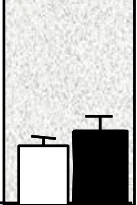
Subjects underwent a stepwise insulin-induced hypoglycemic clamp during IV infusion of exenatide or placebo in a cross-over study design. Study medication infusion was started at time = 0 min. Statistical assessments were for the last 30 min of each glycemic step, during which the target glucose concentrations were maintained. * p<0.05, exenatide treatment relative to placebo. min Minute(s); SE Standard error.
Glucagon secretion: In patients with type 2 diabetes, exenatide moderates glucagon secretion and lowers serum glucagon concentrations during periods of hyperglycemia. Lower glucagon concentrations lead to decreased hepatic glucose output and decreased insulin demand. However, exenatide does not impair the normal glucagon response to hypoglycemia.
Gastric emptying: Exenatide slows gastric emptying thereby reducing the rate at which meal-derived glucose appears in the circulation.
Fasting and Postprandial Glucose: Exenatide improves glycemic control through the immediate and sustained effects of lowering both fasting and postprandial glucose concentrations in patients with type 2 diabetes.
Fasting Glucose
In a single-dose crossover trial in patients with type 2 diabetes, plasma glucose concentrations under fasting conditions were significantly reduced with exenatide compared with placebo. In a separate 15-week controlled study, where fasting glucose was assessed on a weekly basis, exenatide once weekly (BYDUREON) treatment resulted in a mean reduction in fasting glucose of 0.94 mmol/L following two weeks of therapy. The full effect on fasting glucose was not observed until approximately 9 weeks.
Postprandial Glucose
In patients with type 2 diabetes, exenatide reduces postprandial plasma glucose concentrations. In a 30-week controlled study of exenatide once weekly (BYDUREON) compared to exenatide twice daily (BYETTA), postprandial glucose levels were measured during a mixed meal tolerance test in a subset of patients with type 2 diabetes mellitus. Following treatment for 14 weeks, when steady-state concentrations had been achieved, the LS mean change from baseline was significantly greater with BYETTA (-7.0 mmol/L) than BYDUREON (-5.3 mmol/L).
Cardiac Electrophysiology: A randomised, 3-period, placebo- and positive-controlled, double-blind, crossover study was performed to assess the electrophysiological effects of exenatide at therapeutic concentrations on the 12-lead electrocardiogram in healthy subjects (N=74). Exenatide was administered by continuous intravenous infusion at rates selected to maintain plasma concentrations of 200 pg/mL (Day 1), 300 pg/mL (Day 2), and 500 pg/mL (Day 3).
Heart Rate: Exenatide was associated with concentration-related increases in heart rate. All comparisons of change from baseline heart rate between exenatide and placebo were positive on days 1, 2, and 3, with 90% confidence intervals excluding zero. The maximum mean difference from placebo in heart rate was 12.88 bpm (90% CI 11.48, 14.28) on day 1, 14.06 bpm (90% CI 12.74, 15.37) on day 2, and 15.09 bpm (90% CI 13.66, 16.52) on day 3 (see WARNINGS AND PRECAUTIONS, Cardiovascular and DRUG INTERACTIONS, Drugs that Increase Heart Rate).
PR Interval: Exenatide resulted in prolongation of the heart rate-corrected PR interval (PRc) at all time points on days 1, 2, and 3, with 90% CIs excluding zero at most time points. The maximum mean difference from placebo in PRc was 5.91 ms (90% CI 3.71, 8.12) on day 1, 4.17 ms (90% CI 1.66, 6.68) on day 2, and 6.20 ms (90% CI 3.67, 8.72) on day 3 (see WARNINGS AND PRECAUTIONS, Cardiovascular and DRUG INTERACTIONS, Drugs that Cause PR Interval Prolongation).
QTc Interval: No sustained or concentration-related effect on the QTcP (QTcP=QT/RR0.332) interval was observed on days 1 to 3.
Pharmacokinetics
Table 5 Summary Statistics of Exenatide 2 mg Once Weekly Pharmacokinetic Parameters at Steady-state in Patients with Type 2 Diabetes Mellitus
| Pharmacokinetic Parameters | Cssmax (pg/ml) | Tssmax (h) | AUCss (pg*h/ml) | Cssave (pg/ml) |
| Geometric Mean (CV %) | 432.7 (86.3) | 6.0 | 50484 (69.7) | 300.2 (69.8) |
Cssmax Steady-state maximum concentration; Tssmax Time to maximum steady-state concentration; AUCss Steady-state area under the time-concentration curve during a dosing interval (one week); Cssave Steady-state average concentration; Tss max median and range is displayed instead of mean; CV Coefficient of variation.
The pharmacokinetics of BYDUREON was comparable between healthy volunteers and Type 2 Diabetes Mellitus patients. After discontinuation of BYDUREON, plasma levels of exenatide decline over 10 weeks to below minimal detectable concentrations of 10 pg/mL (see WARNINGS AND PRECAUTIONS, General and DOSAGE AND ADMINISTRATION).
Absorption:
Following a single dose of BYDUREON, exenatide is released from the microspheres over approximately 10 weeks. There is an initial period of release of surface-bound exenatide followed by a gradual release of exenatide from the microspheres. This results in two subsequent peaks of exenatide in plasma at around week 2 and weeks 6 to 7, respectively, representing the hydration and erosion of the microspheres.
Following weekly administration of BYDUREON, mean drug concentrations exceed minimal efficacious concentrations (~ 50 pg/mL) in 2 weeks. A gradual increase in the average plasma exenatide concentration occurs over 6 to 7 weeks, after which steady-state concentrations (approximately 300 pg/mL) are achieved. At steady-state, peak to trough fluctuation (78%) is minimal. Once weekly dosing of BYDUREON, achieves concentrations similar to the peak concentration attained with exenatide 10 μg twice daily (BYETTA).
Distribution: The mean apparent volume of distribution of exenatide following subcutaneous administration of a single dose of exenatide 10 µg BID (BYETTA) is 28.3 L.
Metabolism and Elimination: Nonclinical studies have shown that exenatide is predominantly eliminated by glomerular filtration with subsequent proteolytic degradation. The mean apparent clearance of exenatide in humans is 9.1 L/h and is independent of dose.
Dose proportionality, Accumulation, Time-dependency: The mean Cssave for BYDUREON is approximately dose proportional between the doses of 0.8 to 2 mg administered once weekly.
The geometric mean Cssave at steady state for exenatide 2 mg once weekly is about 8.6-fold higher than those observed after a single dose. Accumulation occurred gradually over the first 6 to 7 weeks of therapy, after which steady state Cssave concentrations were maintained in the intended therapeutic range.
The exenatide Cssave were comparable up to at least 52 weeks, indicating that exenatide clearance or absorption from BYDUREON did not alter over time.
Special Populations and Conditions
Geriatrics: Population pharmacokinetic analysis of patients (range from 19 to 83 years) suggests that age does not influence the pharmacokinetic properties of exenatide to a clinically meaningful extent. The Cssave for 2 mg BYDUREON in patient ≥65 years of age was 24.2% higher than in patients <65 years of age.
Pediatrics: BYDUREON has not been studied in pediatric patients
Sex: Population pharmacokinetic analysis of male and female patients suggests that sex has no clinically relevant influence on the steady state concentrations of exenatide. The Cssave for 2 mg BYDUREON in females was 9.2% higher than in males.
Race: Population pharmacokinetic analysis of patients including Caucasian, non-Caucasian and Asian suggests that race has no significant influence on the pharmacokinetics of exenatide. The Cssave for 2 mg BYDUREON in Caucasian patients was 5.6% and 7.1% higher than in non-Caucasian and Asian patients, respectively.
Body Mass Index: Population pharmacokinetic analysis of patients with body mass indices (BMI) ≥30 kg/m2 and <30 kg/m2 suggests that BMI has no significant effect on the pharmacokinetics of exenatide. The Cssave for 2 mg BYDUREON in patients with BMI <30 kg/m2 was 5.6% higher than in patients with BMI ≥30 kg/m2.
Hepatic Impairment: No pharmacokinetic study has been performed in patients with acute or chronic hepatic insufficiency. Because exenatide is cleared primarily by the kidney, hepatic impairment is not expected to affect blood concentrations of exenatide (see DOSAGE AND ADMINISTRATION and ACTION AND CLINICAL PHARMACOLOGY, Pharmacokinetics, Metabolism and Elimination).
Renal Impairment: BYDUREON has not been studied in patients with severe renal impairment (creatinine clearance <30 mL/min) or end-stage renal disease (ESRD), including patients on dialysis. Population pharmacokinetic analysis of renally-impaired patients receiving 2 mg BYDUREON indicate that there is a 62% and 33% increase in exposure in moderate (N=10) and mild (N=56) renally-impaired patients, respectively, as compared to patients with normal renal function (N=84) (see WARNINGS AND PRECAUTIONS and DOSAGE AND ADMINISTRATION).
In a study of BYETTA in subjects with ESRD on dialysis, mean exenatide exposure increased by 3.4-fold compared to that of subjects with normal renal function.
Genetic polymorphism: The influence of genetic polymorphism on the pharmacokinetics of BYDUREON has not been evaluated.
STORAGE AND STABILITY
BYDUREON should be stored in the refrigerator at 2°C to 8°C, up to the expiration date or until preparing for use. The pen injector can be kept at room temperature (not to exceed 30°C) for no more than a total of 4 weeks, if needed. Do not freeze BYDUREON. Do not use BYDUREON if it has been frozen. Protect from light.
BYDUREON should not be used past the expiration date. The expiration date for the pen injector can be found on the carton and pen injector.
Keep BYDUREON out of reach of children and pets.
The BYDUREON pen must be discarded after use in a puncture-resistant container, with the needle attached.
SPECIAL HANDLING INSTRUCTIONS
Use the diluent only if it is clear and free of particulate matter. After suspension, the mixture should be white to off-white and cloudy.
BYDUREON must be administered immediately after the exenatide powder is suspended in the diluent.
The “Instructions for Use”, which are attached to the PATIENT MEDICATION INFORMATION and also included in the carton, must be carefully followed.
Do not substitute needles or any other components in the product packaging.
BYDUREON must not be mixed with other medicinal products.
DOSAGE FORMS, COMPOSITION AND PACKAGING
Dosage Form
BYDUREON is a sterile powder which is combined with a diluent to formulate an extended release suspension of exenatide (2 mg/dose) for once every seven days (weekly) subcutaneous administration.
Packaging
BYDUREON is supplied as a kit which contains:
- 4 single dose pens
- One extra needle (23 gauge, 9/32”)
- Patient Medication Information
- Instructions for Use
BYDUREON is supplied in a pen injector containing a dual-chamber glass cartridge injector with a bypass channel and injection needle. Each pen injector contains:
- 2 mg exenatide (as a white to off-white powder) filled into the front chamber of the glass cartridge pen injector
- Sufficient diluent filled in the rear chamber of the glass cartridge injector pen to deliver 0.65 mL after reconstitution
- One injection needle (23 gauge, 9/32")
Composition
Powder: Exenatide, poly (D,L-lactide-co-glycolide), sucrose
Diluent: Carboxymethylcellulose sodium, dibasic sodium phosphate heptahydrate, monobasic sodium phosphate monohydrate, polysorbate 20, sodium chloride, water for injection
PART II: SCIENTIFIC INFORMATION
PHARMACEUTICAL INFORMATION
Drug Substance
Common name: exenatide
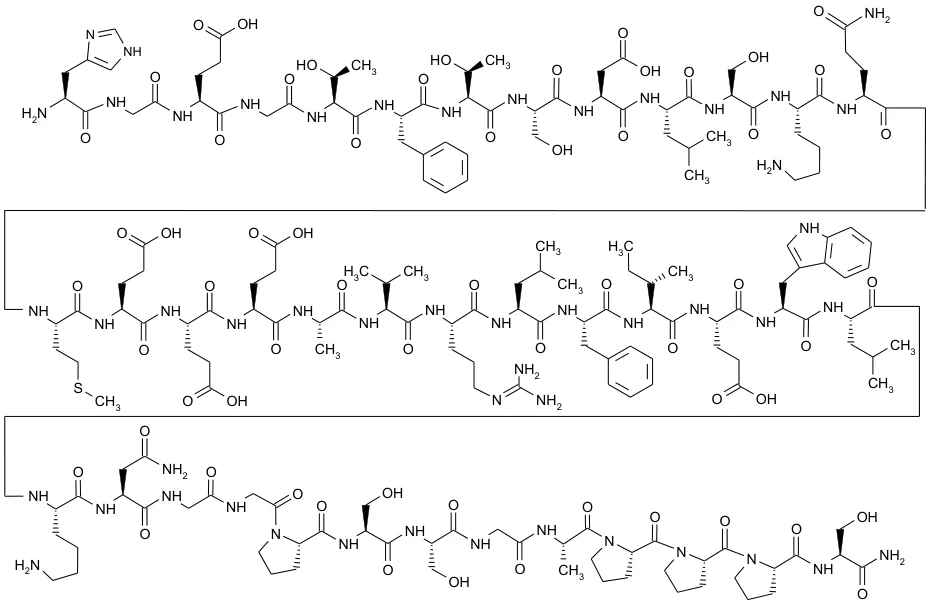
Chemical name: Exenatide is a 39-amino acid peptide amide. The amino acid sequence of exenatide is as follows:
H-His-Gly-Glu-Gly-Thr-Phe-Thr-Ser-Asp-Leu-Ser-Lys-Gln-Met-Glu-Glu-Glu-Ala-Val-Arg-Leu-Phe-Ile-Glu-Trp-Leu-Lys-Asn-Gly-Gly-Pro-Ser-Ser-Gly-Ala-Pro-Pro-Pro-Ser-NH2
Chemical name (USAN):
L-histidylglycyl-L-glutamylglycyl-L-threonyl-L-phenylalanyl-L-threonyl-L-seryl-L-aspartyl-L-leucyl-L-seryl-L-lysyl-L-glutaminyl-L-methionyl-L-glutamyl-L-glutamyl-L-glutamyl-L-alanyl-L-valyl-L-arginyl-L-leucyl-L-phenylalanyl-L-isoleucyl-L-glutamyl-L-tryptophanyl-L-leucyl-L-lysyl-L-asparaginylglycylglycyl-L-prolyl-L-seryl-L-serylglycyl-L-alanyl-L-prolyl-L-prolyl-L-prolyl-L-serinamide
Molecular formula and molecular mass: C184H282N50O60S, 4186.6 Daltons
Structural formula:
Physicochemical properties: Exenatide drug substance is a white to off-white powder. Exenatide is freely soluble in water and pH 4.5 acetate buffer.
CLINICAL TRIALS
Study demographics and trial design
Table 6 Summary of patient demographics for clinical trials in specific indication
| Trial design and duration | Dosage, route of administration and treatments | Study subjects per treatment arm N=number | Mean age (Range) | Gender (% M/F) |
|---|---|---|---|---|
| Study GWCH - 26-week comparator-controlled study comparing BYDUREON (as monotherapy) versus metformin, sitagliptin and pioglitazone in patients who were inadequately treated with diet and exercise. | ||||
| Phase 3, multicenter, randomized, 26-week, comparator-controlled monotherapy study, followed by a 10 week off-treatment follow-up period |
Subjects randomized in a 3:3:2:2 ratio to exenatide QW + placebo PO, Met + exenatide QW placebo, Pio + exenatide QW placebo, and Sita + exenatide QW placebo. | Exenatide QW N=248 Metformin N=246 Pioglitazone N=163 Sitagliptin N=163 | 54 years (20-82) | 59/41 |
| Study BCB108 - 24 week comparator-controlled study comparing BYDUREON (exenatide once weekly) versus BYETTA (exenatide twice daily) in patients inadequately treated with diet and exercise or inadequately treated with one or two oral antidiabetic agents, including metformin and/or a sulfonylurea. | ||||
| Phase 3, randomized, 24-week, 2-arm, open-label, comparator-controlled study |
Subjects continued their usual diabetes treatment throughout the 24-week treatment period. | Exenatide QW N=129 Exenatide BID N=123 | 56 years (23-83) | 57/43 |
| Study 2993LAR-105 - 30-week comparator-controlled study comparing BYDUREON (exenatide once weekly) versus BYETTA (exenatide twice daily) in patients inadequately treated with diet and exercise or inadequately treated with one or two oral antidiabetic agents, including metformin and/or a sulfonylurea. | ||||
| Phase 3, randomized, 30-week, 2-arm, open-label, comparator-controlled study; followed by an open-ended uncontrolled assessment period |
Subjects continued their usual diabetes treatment throughout the 30-week treatment period and the open-ended assessment period. After 30 weeks of treatment, all subjects received Exenatide QW 2 mg. | Exenatide QW N=148 Exenatide BID N=147 | 55 years (19-80) | 53/47 |
| Study GWBR - 26-week comparator-controlled study comparing BYDUREON versus insulin glargine in patients inadequately treated with metformin or with metformin + sulfonylurea. | ||||
| Trial design and duration | Dosage, route of administration and treatments | Study subjects per treatment arm N=number | Mean age (Range) | Gender (% M/F) |
|---|---|---|---|---|
| Phase 3, randomized, 26-week, 2-arm, open-label, comparator-controlled study; followed by a 130-week, open-label comparator-controlled assessment period, plus a 10-week off-treatment follow-up period |
Subjects continued their usual diabetes treatment throughout the 26-week treatment period and the open-ended assessment period. After Week 48, addition of OADs or change to the dose of MET or SU were permitted as needed. | Exenatide QW N=233 Insulin glargine N=223 | 58 years (26-84) | 53/47 |
| Study D5553C00002 – 28 week placebo controlled study comparing BYDUREON versus placebo in patients inadequately treated with basal insulin with or without metformin | ||||
| Phase 3, randomized, double-blind, 28-week, placebo-controlled study; plus a 10-week off-treatment follow-up period |
Subjects continued on titrated basal insulin glargine with or without metformin treatment throughout the 28-week treatment period. | Exenatide QW N=230 Placebo N=228 | 58 years (20-80) | 48/52 |
BID Twice daily; OAD Oral antidiabetes drug; Met metformin; Pio pioglitazone; PO Per oral; QAM Every morning; QW Once weekly; SC Subcutaneous; Sita sitagliptin; T2DM Type 2 diabetes mellitus.
Study Results
Comparator-Controlled Clinical Trials
BYDUREON was studied as monotherapy and in combination with oral anti-diabetic agents, including metformin and/or a sulfonylurea.
BYDUREON monotherapy versus sitagliptin, pioglitazone or metformin in patients inadequately treated with diet and exercise
In the double-blind Study GWCH (n=820), BYDUREON was compared to sitagliptin (100 mg/day), titrated pioglitazone (30-45 mg/day) and titrated metformin (1000-2500 mg/day) over a 26-week treatment period followed by a 10-week off-treatment follow-up period. Approximately 13% of patients in this study were aged ≥65 years. The majority of patients in this study were Caucasian (67%), followed by East Asian (12%), West Asian (9%), Hispanic (8%) and Black (3%). The mean duration of diabetes was 2.7 years (median: 1.3 years), and the mean body mass index (BMI) was 31.2 kg/m2 (range: 21.2 to 45.3 kg/m2), with 54% having a BMI ≥30 kg/m2. BYDUREON demonstrated non-inferiority to metformin regarding mean reduction in HbA1c at 26 weeks of treatment. Approximately 94% of patients in this comparator arm were on ≥1500 mg/day metformin from Week 16. Treatment with BYDUREON showed a statistically significant reduction (p<0.01) in HbA1c relative to baseline, when compared with sitagliptin (see Table 7). Non-inferiority of BYDUREON to pioglitazone was not demonstrated.
Table 7 Results of 26-week trial of BYDUREON monotherapy versus sitagliptin, pioglitazone and metformin in patients inadequately treated with diet and exercise (intent-to-treat patients)
| Study GWCH | BYDUREON 2 mg QW | Sitagliptin 100 mg/day | Metformin 1000-2500 mg/day | ||||||
|---|---|---|---|---|---|---|---|---|---|
| N | 248 | 163 | 246 | ||||||
| HbA1c (%) | |||||||||
| Mean baseline | 8.4 | 8.4 | 8.6 | ||||||
| Mean change from baseline at week 26ϕ | -1.6 | -1.2 | -1.5 | ||||||
Mean difference from sitagliptin (98.3% CI)∞ϕ† | -0.39* (-0.63, -0.16) | ||||||||
Mean difference from metformin (98.3% CI)∞ϕ† | -0.05 (-0.26, 0.17) | ||||||||
| Patients (%) achieving HbA1c <7% | 63* | 43 | 55 | ||||||
| Fasting serum glucose (mmol/L) | |||||||||
| Mean baseline | 9.8 | 9.7 | 9.9 | ||||||
| Mean change from baseline at week 26ϕ | -2.3 | -1.1 | -2.0 | ||||||
Mean difference from sitagliptin (95% CI)ϕ | -1.12* (-1.56, -0.68) | ||||||||
Mean difference from metformin (95% CI)ϕ | -0.28 (-0.66, 0.10) | ||||||||
| Body weight (kg) | |||||||||
| Mean baseline | 87.5 | 88.6 | 85.9 | ||||||
| Mean change from baseline at week 26ϕ | -2.0 | -0.8 | -2.0 | ||||||
Mean difference from sitagliptin (95% CI)ϕ | -1.28* (-1.92, -0.63) | ||||||||
Mean difference from metformin (95% CI)ϕ | -0.04 (-0.61, 0.53) | ||||||||
CI = confidence interval, N= number of patients in each treatment group, QD = Once daily, QW = Once weekly, *p<0.01, BYDUREON versus sitagliptin, ∞ The primary efficacy analysis was adjusted for multiple comparisons and a two-sided 98.3% confidence interval was utilized to assess difference between treatments (Bonferroni adjustment), ϕ Least squares means were obtained using a mixed model repeated measure analysis with treatment, pooled country, visit, baseline HbA1c and treatment as fixed effects and patient as random effects. †The non-inferiority margin was set at +0.3% in this study.
BYDUREON (exenatide once weekly) versus BYETTA (exenatide twice daily) in patients inadequately treated with diet and exercise or inadequately treated with one or two oral diabetic agents, including metformin and/or a sulfonylurea
BYDUREON was compared to BYETTA 5 µg twice daily for 4 weeks followed by BYETTA 10 µg twice daily in two open-label studies. One study (Study BCB108, n=252) was of 24 weeks in duration. The other was 30 weeks (Study 2993LAR-105, n= 295), followed by an open-ended uncontrolled extension where all patients were treated with BYDUREON 2 mg once weekly.
In study BCB108, 19% of patients were aged ≥65 years. The majority of patients in this study were Caucasian (61%), followed by Hispanic (28%), Black (7%) and Asian (4%). The mean duration of diabetes was 7.0 years (median: 6.0), and the mean body mass index was 33.3 kg/m2 (range: 23.2 to 45.1), with 66% having a BMI ≥30 kg/m2. Of randomized patients, 19% were on a background of diet and exercise alone and 68% were on a treatment background of metformin and/or a sulfonylurea. The remaining patients were on oral antidiabetic treatment backgrounds not approved for use with BYDUREON. Among patients on a background that included metformin, 96% were on metformin ≥1500 mg/day.
In study 2993LAR-105, 17% of patients were aged ≥65 years. The majority of patients in this study were Caucasian (78%), followed by Hispanic (12%) and Black (10%). The mean duration of diabetes was 6.7 years (median: 5.8), and the mean body mass index was 34.9 kg/m2 (range: 25.0 to 52.8), with 84% having a BMI ≥30 kg/m2. Of randomized patients, 15% of patients were on a background of diet and exercise alone and 69% were on a treatment background of metformin and/or a sulfonylurea. The remaining patients were on oral antidiabetic treatment backgrounds not approved for use with BYDUREON. Among patients on a background that included metformin, 76% were on metformin ≥1500 mg/day.
BYDUREON resulted in a statistically significant reduction in HbA1c compared to patients receiving BYETTA (Table 8).
A greater proportion of subjects on BYDUREON compared to subjects on BYETTA achieved an HbA1c of <7.0 % in Study BCB108 and ≤7.0% in Study 2993LAR-105 (Table 8).
In Study BCB108, the average baseline body weight in the BYDUREON group was 97.0 kg. At Week 24, the least squares mean difference (95% CI) from baseline was -2.3 (-3.1, -1.6) kg in the exenatide QW arm. This endpoint was not tested against the comparator.
In Study 2993LAR-105, the average baseline body weight in the BYDUREON group was 102 kg. At Week 30, the least squares mean difference (95% CI) from baseline was -3.7 (-4.59, -2.75) kg in the exenatide QW arm. This difference from baseline was not significantly different from that observed with BYETTA.
Table 8 Results of two trials of BYDUREON versus BYETTA (exenatide twice daily) in combination with diet and exercise alone, or oral antidiabetic agents, including metformin and/or a sulfonylurea (intent-to-treat patients)
BYDUREON 2 mg QW | BYETTA 10 µg BID | ||||
| Study BCB108 (24 weeks) | |||||
|---|---|---|---|---|---|
| N | 129 | 123 | |||
| HbA1c (%) | |||||
| Mean baseline | 8.5 | 8.4 | |||
| Mean change from baseline at week 24 ϕ | -1.6 | -0.9 | |||
Mean difference between treatments (95% CI) ϕ | -0.67** (-0.94, -0.39) | ||||
| Patients (%) achieving HbA1c <7% | 58** | 30 | |||
| Fasting serum glucose (mmol/L) | |||||
| Mean baseline | 9.6 | 9.3 | |||
| Mean change from baseline at week 24 ϕ | -1.4 | -0.3 | |||
Mean difference between treatments (95% CI)ϕ | -1.11** (-1.72, -0.56) | ||||
| Study 2993LAR-105 (30 weeks) | |||||
| N | 148 | 147 | |||
| HbA1c (%) | |||||
| Mean baseline | 8.3 | 8.3 | |||
| Mean change from baseline at week 30 ϕ | -1.9 | -1.5 | |||
Mean difference between treatments (95% CI) ϕ | -0.33* (-0.54, -0.12) | ||||
| Patients (%) achieving HbA1c ≤7% | 73 | 57 | |||
| Fasting serum glucose (mmol/L) | |||||
| Mean baseline | 9.6 | 9.2 | |||
| Mean change from baseline at week 30 ϕ | -2.3 | -1.4 | |||
Mean difference between treatments (95% CI)ϕ | -0.94** (-1.35, -0.52) | ||||
CI= confidence interval, N= number of patients in each treatment group, QW = Once weekly, BID= twice daily, ϕ Least squares (LS) means are adjusted for baseline HbA1c strata, background antihyperglycemic therapy, and baseline value of the dependent variable (if applicable), *p<0.05 treatment vs comparator, **p<0.01 treatment vs comparator
BYDUREON versus insulin glargine QD in patients inadequately treated with metformin or with metformin and a sulfonylurea
In Study GWBR (n=456), BYDUREON was compared to insulin glargine QD over an open-label 26-week treatment period followed by a 130-week open-labelled comparator-controlled assessment period plus a 10-week off-treatment follow-up period. The results demonstrated a decrease in mean HbA1c from baseline to Week 26 of -1.48% for BYDUREON and -1.32% for insulin glargine [least square mean difference of -0.16 (p=0.047)]. BYDUREON treatment significantly lowered mean body weight from baseline to Week 26 (-2.63 kg), compared with insulin glargine (+1.42 kg), and was associated with fewer hypoglycemic events.
Combination with Basal Insulin
BYDUREON versus Placebo as add-on to basal insulin alone or in combination with metformin
A 28-week, double-blind, placebo-controlled trial was conducted to evaluate the efficacy and safety of BYDUREON (n=230) versus placebo (n=228) when added to titrated basal insulin glargine, with or without metformin, in patients with type 2 diabetes with inadequate glycemic control.
All patients initially entered an 8 week insulin dose optimization phase. Patients on sulfonylurea therapy discontinued sulfonylurea. The dose of insulin glargine was titrated according to the INITIATE algorithm1 to a target fasting plasma glucose of 4.0 to 5.5 mmol/L. Patients with HbA1c ≥7.0% and ≤10.5% were then randomly assigned to receive either BYDUREON or placebo. Insulin glargine dose titration continued throughout the treatment phase of the study. Patients who had been on metformin at baseline (≥1,500 mg/day) continued on the same type and dose of metformin therapy throughout the study.
The majority of the patients (87%) were White, 10% Black or African American, 1% Asian, 1% Other, <1% American Indian or Alaska Native, and <1% Pacific Islander.
The primary endpoint was the change in HbA1c from baseline to Week 28. BYDUREON achieved a significantly greater reduction in HbA1c at Week 28 than that observed with placebo (Table 9).
1 Yki-Järvinen H, Juurinen L, Alvarsson M, et al. Initiate Insulin by Aggressive Titration and Education (INITIATE): a randomized study to compare initiation of insulin combination therapy in type 2 diabetic patients individually and in groups. Diabetes Care 2007 Jun;30(6):1364-9.
Table 9 28-week placebo-controlled trial of BYDUREON as add-on to insulin glargine alone or in combination with metformin (intent-to-treat patients)
BYDUREON 2 mg QW + Titrated Insulin Glargine | Placebo + Titrated Insulin Glargine | |||||
| Study D5553C00002 (28 weeks) | ||||||
|---|---|---|---|---|---|---|
| N | 230 | 228 | ||||
| HbA1c (%) | ||||||
| Mean baseline | 8.5 | 8.5 | ||||
| Mean change from baseline at week 28 ϕ | -1.0 | -0.2 | ||||
Mean difference between treatments (95% CI) ϕ | -0.74* (-0.94, -0.54) | |||||
| Patients (%) achieving HbA1c <7% | 33* | 7 | ||||
| Body weight (kg) | ||||||
| Mean baseline | 94 | 94 | ||||
| Mean change from baseline at week 28 ϕ | -1.0 | 0.5 | ||||
Mean difference between treatments (95% CI)ϕ | -1.52* (-2.19, -0.85) | |||||
CI= confidence interval, N= number of patients in each treatment group, QW = Once weekly, ϕ Least squares (LS) means and treatment group difference(s) in the change from baseline values at Week 28 are modeled using a mixed model with repeated measures (MMRM) including treatment, region, baseline HbA1c stratum (<9.0% or ≥9.0%), baseline SU-use stratum (yes vs. no), week and treatment by week interaction as fixed factors, and baseline value as a a covariate. *p<0.001 treatment vs comparator (adjusted for multiplicity), Analyses exclude measurements post rescue therapy and post premature discontinuation of study medication
The change from baseline to Week 28 in fasting plasma glucose was -0.6 mmol/L for the BYDUREON group and -0.1 mmol/L for the placebo group.
DETAILED PHARMACOLOGY
Exenatide is a 39-amino acid peptide amide that exhibits approximately 50% sequence identity with that of the mammalian endogenous incretin glucagon-like peptide-1 (GLP-1) secreted in response to a meal by intestinal L-cells.4 In vitro pharmacology studies have shown that exenatide can bind and activate the human GLP-1 receptor leading to an increase in both synthesis and secretion of insulin from pancreatic beta-cells.6 In vitro studies have also demonstrated that exenatide is not substantially degraded by the protease dipeptidyl peptidase-4 (DPP-4), which explains the longer duration of pharmacologic effects observed with exenatide, when compared to native GLP-1.
Nonclinical Pharmacodynamics
Nonclinical pharmacology studies support the concept that exenatide is a GLP-1 receptor agonist that acts through multiple mechanisms to promote lowering of plasma glucose concentrations and to lower HbA1c. Exenatide decreases fasting glucose concentrations in animal models of type 2 diabetes (rat, mouse, and monkey) and exhibits a durable effect to lower HbA1c in diabetic mice and rats.7 Beneficial actions of exenatide on glucose and HbA1c were consistent, whether dosed twice-daily with exenatide or dosed once over 4 weeks with exenatide extended-release in ZDF rats.5, 7 Improvements in glycemic control are achieved via modulation of both the rate of glucose appearance in the circulation (slowing of gastric emptying, reduced food intake, and suppression of inappropriately elevated glucagon secretion) and the rate of glucose clearance (enhanced glucose-dependent insulin secretion, improved insulin sensitivity, and increased beta-cell mass). Reduced food intake in animal models of type 2 diabetes was associated with reduced weight gain.10
Nonclinical Pharmacokinetics
Exenatide was absorbed over an extended period of time following a subcutaneous injection of BYDUREON, with a relative bioavailability compared to BYETTA calculated to be approximately 63% in rat and 23% in monkey. Treatment-emergent antibodies to exenatide developed over time in both rats and monkeys and impacted the measured plasma concentrations. Exenatide was eliminated primarily by the kidney. Studies performed in rats, mice, rabbits, and humans to evaluate the potential for exenatide to cross the placental barrier provide support that the fetal to maternal ratio is low.
Clinical Pharmacodynamics
BYDUREON treatment resulted in a mean reduction in fasting glucose following two weeks of therapy with the full effect observed at approximately 9 weeks. Data from a mixed meal tolerance test in patients with type 2 diabetes show a mean change from baseline in 2 hour postprandial plasma glucose of -5.3 mmol/L following 14 weeks of once weekly BYDUREON treatment.
Clinical Pharmacokinetics
There is an initial release of exenatide within hours following a single subcutaneous dose of BYDUREON followed by a gradual release of exenatide from the microspheres resulting in two subsequent peaks at approximately week-2 and weeks 6 to 7. Accumulation occurs gradually over the first 6 to 7 weeks of once weekly administration, after which steady state is achieved with a 8.6-fold accumulation of exenatide Cssave compared to the first dose. The mean apparent volume of distribution of exenatide following subcutaneous administration of a single dose of exenatide 10 µg BID (BYETTA) is 28.3 L. Exenatide is primarily cleared via passive renal mechanisms. The mean apparent clearance of exenatide in humans is 9.1 L/h. BYDUREON has no clinically significant effect on acetaminophen pharmacokinetics.
Safety Pharmacology
Safety pharmacology studies examined exenatide-related cardiovascular, renal, nervous, and endocrine system effects. Exenatide produced acute, dose-dependent hemodynamic effects including increases in mean arterial blood pressure and heart rate in rats. These effects appeared to be transient and were not observed in other species. Exenatide at nominal concentrations of 5.9 and 91.1 µM did not affect hERG currents in HEK293 cells stably transfected with hERG DNA
(N=3/treatment). No differences from vehicle in heart rate or electrocardiogram changes were detected in an escalating dose cardiovascular safety pharmacology study performed in free-moving conscious telemetry monkeys (N=3), receiving single subcutaneous doses of 30, 300, and 1000 µg/kg exenatide. Exenatide produced an acute, profound diuresis and natriuresis in rats, and a mild diuresis in mice. No exenatide-related effects on renal function were detected in monkeys.
TOXICOLOGY
Acute Toxicity
Single-dose toxicity studies were conducted with exenatide in mice, rats, and monkeys. No lethality or serious toxicity was observed in mice, rats, or monkeys at doses up to 1500 µg/kg (intravenous), 30,000 µg/kg (subcutaneous), or 5000 µg/kg (subcutaneous) respectively.
Repeat-Dose Toxicity
Repeat-dose toxicity studies were conducted with exenatide for extended-release injectable suspension in rats and monkeys. Decreased body weight gain and food consumption, a known pharmacologic effect of exenatide, were observed in rats. Reversible, dose-related injection site reactions (erythema, swelling, inflammation, thickening, and granulomas associated with the presence of microspheres) were observed in placebo microsphere- and exenatide-treated groups in both species. No target organ toxicities occurred in rats or monkeys at subcutaneous doses up to 9 mg/kg Q2W (18 weeks) or 1.1 mg/kg Q1W (39 weeks), respectively, with corresponding systemic exposures of up to 27 and 14 times the human exposure resulting from the recommended dose of 2 mg/week based on plasma area under the curve (AUC), respectively.
Repeat-dose toxicity studies were conducted with exenatide in mice, rats, and monkeys. Decreased body weight gain and food consumption, a known pharmacologic effect of exenatide, were observed in all repeat-dose toxicity studies. No target organ toxicities occurred in mice, rats, or monkeys at subcutaneous doses up to 760 µg/kg/day (182 days), 250 µg/kg/day (91 days), or 150 µg/kg/day (273 days), respectively, with corresponding systemic exposures of up to 157, 37, and 183 times the human exposure resulting from the recommended dose of 2 mg/week based on AUC, respectively.
Carcinogenicity
A 104-week carcinogenicity study was conducted with exenatide for extended-release injectable suspension in male and female rats at doses of 0.3, 1.0 and 3.0 mg/kg (2, 9, and 26-times human systemic exposure based on AUC, respectively) administered by subcutaneous injection every other week. A statistically significant increase in thyroid C-cell tumour incidence was observed in both males and females. The incidence of C-cell adenomas was statistically significantly increased at all doses (27% to 31%) in females and at 1.0 and 3.0 mg/kg (46% and 47%, respectively) in males compared with the control group (13% for males and 7% for females). A statistically significantly higher incidence of C-cell carcinomas occurred in the high dose group females (6%), while numerically higher incidences of 3%, 7%, and 4% (non-statistically significant versus controls) were noted in the low, mid, and high dose group males compared with the control group (0% for both males and females). An increase in benign fibromas was seen in the skin subcutis at injection sites of males given 3 mg/kg. No treatment-related injection site fibrosarcomas were observed at any dose. The no-observed-adverse-effect level (NOAEL) for carcinogenicity was less than 0.3 mg/kg (<2 times human exposure resulting from the recommended dose of 2 mg/week, based on AUC).
A 104-week carcinogenicity study was conducted with exenatide in male and female rats at doses of 18, 70, or 250 µg/kg/day administered by bolus subcutaneous injection. An apparent numerical increase in benign thyroid C-cell adenomas was observed in female rats given the high dose of 250 µg/kg/day. This dose has a systemic exposure 37 times the human exposure resulting from the recommended dose of 2 mg/week, based on AUC. This increased incidence was not statistically significant when adjusted for survival. There was no tumourigenic response in male rats.
In a 104-week carcinogenicity study conducted with exenatide in mice at doses of 18, 70, or 250 µg/kg/day administered by bolus subcutaneous injection, no evidence of tumours was observed at doses up to 250 µg/kg/day, a systemic exposure up to 23 times the human exposure resulting from the recommended dose of 2 mg/week, based on AUC.
Mutagenicity
Exenatide and exenatide for extended-release injectable suspension were not mutagenic or clastogenic, with or without metabolic activation, in the Ames bacterial mutagenicity assay or chromosomal aberration assay in Chinese hamster ovary cells. Exenatide was negative in the in vivo mouse micronucleus assay.
Reproduction
In mouse fertility studies with subcutaneous doses of 6, 68 or 760 µg/kg/day exenatide, males were treated for 4 weeks prior to and throughout mating and females were treated 2 weeks prior to and throughout mating until Gestation Day 7. No adverse effect on fertility was observed at 760 µg/kg/day, a systemic exposure 148 times the human exposure resulting from the recommended dose of 2 mg/week, based on AUC.
Development
Fetuses from pregnant rats given subcutaneous doses of exenatide for extended-release injectable suspension at 0.3, 1 or 3 mg/kg on gestation days 6, 9, 12 and 15 demonstrated reduced fetal growth at all doses and produced skeletal ossification deficits at 1 and 3 mg/kg in association with maternal effects (decreased food intake and decreased body weight gain). There was no evidence of malformations. Doses of 0.3, 1 and 3 mg/kg correspond to systemic exposures of 3, 7 and 17-times, respectively, the human exposure resulting from the recommended dose of 2 mg/week, based on AUC. Both the maternal and developmental NOAELs for exenatide extended-release in rats were less than 0.3 mg/kg.
In pregnant mice given subcutaneous doses of 6, 68, 460, or 760 µg/kg/day exenatide from Gestation Day 6 through 15 (organogenesis), fetal growth was slowed at doses ≥68 µg/kg/day exenatide. Administration of higher doses of exenatide (≥460 µg/kg/day) was associated with skeletal effects known to be associated with slowed fetal growth. The NOAEL for developmental effects in mice was 6 µg/kg/day (1.2 times the human exposure resulting from the recommended dose of 2 mg/week, based on AUC).
In pregnant rabbits given subcutaneous doses of 0.2, 2, 22, 156, or 260 µg/kg/day exenatide from Gestation Day 6 through 18 (organogenesis), fetal growth was slowed at doses greater than or equal to 22 µg/kg/day. The NOAEL for developmental effects in rabbits was 2 µg/kg/day (4.8 times the human exposure resulting from the recommended dose of 2 mg/week, based on AUC).
In pregnant mice given subcutaneous doses of 6, 68, or 760 µg/kg/day exenatide from Gestation Day 6 through Lactation Day 20 (weaning), slowed neonatal growth was observed in the F1 offspring at doses ≥68 µg/kg/day. Increased perinatal and neonatal mortality occurred in the F1 offspring at 760 µg/kg/day. The NOAEL for developmental toxicity in mice was 6 µg/kg/day (1.2 times the human exposure resulting from the recommended dose of 2 mg/week, based on AUC).
REFERENCES
- 1. Blevins T, Pullman J, Malloy J, Yan P, Kristin T, Schulteis C, Trautmann M, Porter L. DURATION-5: Exenatide Once Weekly Resulted in Greater Improvements in Glycemic Control Compared with Exenatide Twice Daily in Patients with Type 2 Diabetes. J Clin Endocrinol Metab 2011; 96(5):1301–1310.
- 2. Diamant M, Gaal LV, Stranks S, Northrup J, Cao D, Taylor K, Trautmann M. Once weekly exenatide compared with insulin glargine titrated to target in patients with type 2 diabetes (DURATION-3): an open-label randomised trial. Lancet 2010; 375: 2234–43.
- 3. Drucker DJ, Buse JB, Kristin T, Kendal DM, Trautmann M, Zhuang D, Porter L. Exenatide once weekly versus twice daily for the treatment of type 2 diabetes: a randomised, open-label, non-inferiority study (DURATION-1). Lancet 2008; 372:1240-50.
- 4. Eng J, Kleinman WA, Singh L, Singh G, Raufman JP. Isolation and characterization of exendin-4, an exendin-3 analogue from Heloderma suspectum venom. J Biol Chem. 1992; 267:7402-7405.
- 5. Gedulin, BR, Nikoulina SE, Smith PA, Gedulin G, Neilsen GL, Baron AD, Parkes DG, Young AA. Exenatide (Exendin-4) Improves Insulin Sensitivity and -Cell Mass in Insulin-Resistant Obese fa/fa Zucker Rats Independent of Glycemia and Body Weight. Endocrinology 2005; 146(4):2069–2076.
- 6. Goke R, Fehmann HC, Linn T, Schmidt H, Krause M, Eng J, Goke B. Exendin-4 is a high potency agonist and truncated exendin-(9-39)-amide an antagonist at the glucagons-like peptide-1-(7-36) amide receptor of insulin-secreting beta-cells. J Biol Chem. 1993; 268:19650-19655.
- 7. Parkes DG, Mace KF, Tratmann ME. Discovery and development of exenatide: the first antidiabetic agent to leverage the multiple benefits of the incretin hormone, GLP-1. Expert Opin. Drug Discov. 2013; 8(2):219-244.
- 8. Ridge T, Moretto T, MacConell L, Pencek R, Han J, Schulteis C, Porter L. Comparison of safety and tolerability with continuous (exenatide once weekly) or intermittent (exenatide twice daily) GLP-1 receptor agonism in patients with type 2 diabetes. Diabetes Obes Metab. 2012;14(12):1097-1103. (DURATION-1; DURATION-5)
- 9. Russell-Jones D, Cuddihy RM, Hanefeld M, Kumar A, Gonzalez JG, Chan M, Wolka AM, Boardman MK. Efficacy and Safety of Exenatide Once Weekly Versus Metformin, Pioglitazone, and Sitagliptin Used as Monotherapy in Drug-Naive PatientsWith Type 2 Diabetes (DURATION-4). Diabetes Care 2012; 35:252–258.
- 10. Szayna M, Doyle ME, Betkey JA, Holloway HW, Spencer RGS, Greig NH, Egan JM. Exendin-4 decelerates food intake, weight gain, and fat deposition in Zucker rats. Endocrinology. 2000; 141:1936-1941.