


Product Monograph - Calcium Chloride Injection USP (Juno Pharma Canada)
RECENT MAJOR LABEL CHANGES
| 1 INDICATIONS | 06/2026 |
|---|---|
| 2 CONTRAINDICATIONS (2) | 06/2026 |
| 4 DOSAGE AND ADMINISTRATION | 06/2026 |
| 7 WARNINGS AND PRECAUTIONS | 06/2026 |
TABLE OF CONTENTS
Certain sections or subsections that are not applicable at the time of the preparation of the most recent authorized product monograph are not listed.
RECENT MAJOR LABEL CHANGES .................................................................................................. 2
TABLE OF CONTENTS .................................................................................................................... 2
PART I: HEALTH PROFESSIONAL INFORMATION ............................................................................ 4
1 INDICATIONS .................................................................................................................... 4
1.1 Pediatrics ........................................................................................................................ 4
1.2 Geriatrics ......................................................................................................................... 4
2 CONTRAINDICATIONS ....................................................................................................... 4
4 DOSAGE AND ADMINISTRATION ....................................................................................... 4
4.1 Dosing Considerations .................................................................................................... 4
4.2 Recommended Dose and Dosage Adjustment ............................................................... 5
4.4 Administration ................................................................................................................. 5
4.5 Missed Dose .................................................................................................................... 5
5 OVERDOSAGE ................................................................................................................... 5
6 DOSAGE FORMS, STRENGTHS, COMPOSITION AND PACKAGING ........................................ 6
7 WARNINGS AND PRECAUTIONS ........................................................................................ 6
7.1 Special Populations ......................................................................................................... 7
7.1.1 Pregnant Women ............................................................................................................ 7
7.1.2 Breastfeeding .................................................................................................................. 8
7.1.3 Pediatrics ......................................................................................................................... 8
7.1.4 Geriatrics ......................................................................................................................... 8
8 ADVERSE REACTIONS ........................................................................................................ 8
8.1 Adverse reaction overview .............................................................................................. 8
8.2 Clinical Trial Adverse Reactions ....................................................................................... 9
8.2.1 Clinical Trial Adverse Reactions – Pediatrics ................................................................... 9
8.3 Less Common Clinical Trial Adverse Reactions ............................................................... 9
8.3.1 Less Common Clinical Trial Adverse Reactions – Pediatrics ............................................ 9
8.4 Abnormal Laboratory Findings: Hematologic, Clinical Chemistry and Other Quantitative Data ............................................................................................................ 9
8.5 Post-Market Adverse Reactions ...................................................................................... 9
9 DRUG INTERACTIONS ........................................................................................................ 9
9.4 Drug-Drug Interactions ................................................................................................... 9
9.5 Drug-Food Interactions ................................................................................................. 10
9.6 Drug-Herb Interactions ................................................................................................. 11
9.7 Drug-Laboratory Test Interactions ................................................................................ 11
10 CLINICAL PHARMACOLOGY ............................................................................................. 11
10.1 Mechanism of Action .................................................................................................... 11
10.2 Pharmacodynamics ....................................................................................................... 11
10.3 Pharmacokinetics .......................................................................................................... 11
11 STORAGE, STABILITY AND DISPOSAL ............................................................................... 12
12 SPECIAL HANDLING INSTRUCTIONS ................................................................................. 12
PART 2: SCIENTIFIC INFORMATION ............................................................................................. 13
13 PHARMACEUTICAL INFORMATION .................................................................................. 13
14 CLINICAL TRIALS ............................................................................................................. 13
14.1 Trial Design and Study Demographics .......................................................................... 13
14.2 Study Results ................................................................................................................. 13
14.3 Comparative Bioavailability Studies .............................................................................. 13
14.4 Immunogenicity ............................................................................................................ 13
15 MICROBIOLOGY .............................................................................................................. 14
16 NON-CLINICAL TOXICOLOGY ........................................................................................... 14
17 SUPPORTING PRODUCT MONOGRAPHS .......................................................................... 14
PATIENT MEDICATION INFORMATION ........................................................................................ 15
PART I: HEALTH PROFESSIONAL INFORMATION
1 INDICATIONS
Calcium Chloride Injection USP is indicated:
- For the treatment of hypocalcemia in conditions where a prompt increase in blood plasma calcium levels is required.
- In the treatment of magnesium intoxication due to overdosage of magnesium sulfate.
- To combat the deleterious effects of hyperkalemia as measured by electrocardiography (ECG), pending correction of the increased potassium level in the extracellular fluid.
In cardiac resuscitation when weak or inadequate contractions return following defibrillation or when epinephrine injection has failed to strengthen myocardial contractions.
Limitations of Use
The safety and effectiveness of calcium chloride injection for long-term use has not been established.
1.1 Pediatrics
No data are available to Health Canada; therefore, Health Canada has not authorized an indication for pediatric use.
1.2 Geriatrics
An evaluation of current literature revealed no clinical experience identifying differences in response between elderly and younger patients. In general, dose selection for an elderly patients should be cautious, usually starting at the low end of the dosing range, reflecting the greater frequency of decreased hepatic, renal, or cardiac function, and of concomitant disease or concomitant medications.
2 CONTRAINDICATIONS
Calcium Chloride Injection USP is contraindicated:
- For cardiac resuscitation in the presence of ventricular fibrillation.
- In patients with the risk of existing digitalis toxicity.
- In the treatment of patients with asystole and electromechanical dissociation.
- When mixed or administered simultaneously with ceftriaxone intravenous solutions, even via different infusion lines or at different infusion sites, as it can lead to precipitation of ceftriaxone- calcium (see 7 WARNINGS AND PRECAUTIONS, General: Risk of Ceftriaxone- Calcium Precipitation).
- For injection into tissues, since it is irritating to veins and severe necrosis and sloughing may occur.
- In patients who are hypersensitive to this drug or to any ingredient in the formulation, including any non-medicinal ingredient, or component of the vial. For a complete listing, see 6 DOSAGE FORMS, STRENGTHS, COMPOSITION AND PACKAGING.
4 DOSAGE AND ADMINISTRATION
4.1 Dosing Considerations
Caution: Do not use intramuscularly or subcutaneously to avoid necrosis calcinosis cutis, see
7 WARNINGS AND PRECAUTIONS, General: Tissue Necrosis and Calcinosis. Administer Calcium Chloride Injection by slow intravenous infusion (not to exceed 1 mL/minute), in a central or deep vein.
Avoid the concomitant use of Calcium Chloride Injection USP with digoxin. If concomitant use is unavoidable, monitor ECG closely during administration of Calcium Chloride Injection USP.
Because of its additive effect, calcium should be administered very cautiously to a patient who is digitalized or who is taking effective doses of digitalis or digitalis-like preparations (see 9 DRUG INTERACTIONS).
4.2 Recommended Dose and Dosage Adjustment
- The usual adult dosage in hypocalcemic disorders ranges from 200 mg to 1000 mg at intervals of 1 to 3 days, depending on the response of the patient and/or results of serum calcium determinations. Repeated injections may be required because of rapid excretion of calcium. The recommended starting dose of Calcium Chloride Injection USP in adults with renal impairment is 200 mg (see 7 WARNINGS AND PRECAUTIONS, General: Renal).
- In magnesium intoxication, an initial adult dose of 500 mg (5 mL) should be administered promptly, and the patient observed for signs of recovery before further doses are given.
- In hyperkalemic ECG disturbances of cardiac function, the dosage of Calcium Chloride Injection USP should be titrated by constant monitoring of ECG changes during administration.
- In cardiac resuscitation, the usual adult dosage ranges from 500 mg to 1 g (5 to 10 mL) intravenously, or from 200 to 800 mg (2 to 8 mL) when injected into the ventricular cavity.
4.4 Administration
Administer Calcium Chloride Injection USP by slow intravenous infusion (not to exceed 1 mL/min) in a central or deep vein in adult patients (with or without renal impairment) and/or in cardiac resuscitation, by injection into the ventricular cavity. It must not be injected into the myocardium.
Do not administer by bolus, see 7 WARNINGS AND PRECAUTIONS, General: Hypotension, Bradycardia, Arrhythmias and Syncope with Rapid Administration and 7 WARNINGS AND PRECAUTIONS, General: Tissue Necrosis and Calcinosis. The maximum recommended infusion rate is 1 mL/minute (100 mg/minute).
- Additional administration instructions regarding Calcium Chloride Injection USP are as follows: The usual precautions for intravenous therapy should be observed. Visually inspect for particulate matter and discoloration prior to administration (the solution is clear, and the seal is intact). Do not administer if the solution is unclear or the seal is not intact.
- Stop the administration if the patient complains of any administration-related discomfort; administration may be resumed when symptoms disappear. Following injection, the patient should remain recumbent for a short time.
- Discard the unused portion.
- If time permits, allow the solution to warm to body temperature.
4.5 Missed Dose
This information is not applicable for this drug product.
5 OVERDOSAGE
Overdose of Calcium Chloride Injection USP may lead to hypercalcemia. Symptoms of hypercalcemia typically develop when the total serum calcium concentration is ≥12 mg/dL, and include shortening of QT interval, bradycardia, hypertension, anorexia, nausea, vomiting, bowel hypomotility and constipation, muscle weakness, bone pain, decreased concentration, depression, weakness, fatigue, confusion, hallucinations, disorientation, hypotonicity, seizures, and coma. Hypercalcemia effects on kidney include diminished ability to concentrate urine and diuresis.
In the event of overdose, promptly discontinue Calcium Chloride Injection USP, the patient should be re-evaluated and appropriate countermeasures should be instituted, if necessary. Symptoms of overdose include: anorexia, nausea, vomiting, decreased concentration, depression, fatigue confusion, hallucinations, disorientation, hypotonicity, seizures, constipation, abdominal pain, muscle weakness, mental disturbances, polydipsia, polyuria, bone pain, nephrocalcinosis, renal calculi and, in severe cases, cardiac arrhythmias and coma (see 7 WARNING AND PRECAUTIONS and 8 ADVERSE REACTIONS).
6 DOSAGE FORMS, STRENGTHS, COMPOSITION AND PACKAGING
Table 1 – Dosage Forms, Strengths, and Composition
| Route of Administration | Dosage Form / Strength / Composition | Non-medicinal Ingredients |
|---|---|---|
| Intravenous or intraventricular cavity injection | 100 mg/mL / Calcium Chloride Dihydrate | Hydrochloric Acid and/or Sodium Hydroxide for pH adjustment, Water for Injection USP |
Calcium Chloride Injection USP is supplied in boxes of 10 single-use vials of 10 mL & 50 mL.
7 WARNINGS AND PRECAUTIONS
General
Risk of Ceftriaxone-Calcium Precipitation
Ceftriaxone must not be mixed or administered simultaneously with any calcium-containing IV solutions, even via different infusion lines or at different infusion sites as it can lead to precipitation of ceftriaxone-calcium (see 2 CONTRAINDICATIONS).
Calcium chloride injection and ceftriaxone intravenous solutions may be administered sequentially one after another if infusion lines at different sites are used, or if the infusion lines are replaced or infusion lines are thoroughly flushed between infusions with physiological salt solution to avoid precipitation.
Aluminum Toxicity
Calcium chloride injection contains aluminum that may be toxic. Aluminum may reach toxic levels with prolonged parenteral administration if kidney function is impaired.
Research indicates that patients with impaired kidney function, who receive parenteral levels of aluminum at greater than 4 to 5 mcg/kg/day can accumulate aluminum at levels associated with central nervous system and bone toxicities. Tissue loading may occur at even lower amounts of aluminum.
Exposure to aluminum from calcium chloride injection at the recommended dose is not more than 10 mcg. When prescribing Calcium Chloride Injection USP in patients receiving parenteral nutrition solutions, limit the total daily patient exposure to aluminum to no more than 5 mcg/kg/day.
Hypotension, Bradycardia, Arrhythmias and Syncope with Rapid Administration
Rapid injection of calcium chloride injection may cause vasodilation, decreased blood pressure, bradycardia, arrhythmias, syncope, and cardiac arrest. It is particularly important to prevent a high concentration of calcium from reaching the heart because of the danger of cardiac syncope. Too rapid an injection exceeding 1 mL/min may lead to hypotension and cardiac syncope (see 4 DOSAGE AND ADMINISTRATION). If injected into the ventricular cavity in cardiac resuscitation, it must not be injected into the myocardial tissue.
Arrhythmias with Concomitant Digoxin Use
Arrhythmias may occur if Calcium Chloride Injection and digoxin are administered together. Hypercalcemia resulting from an overdose of Calcium Chloride Injection increases the risk of digoxin toxicity. Avoid the use of Calcium Chloride Injection in patients receiving digoxin. If concomitant therapy is necessary, closely monitor ECG and calcium levels (see 9.4 DRUG-DRUG INTERACTIONS).
Tissue Necrosis and Calcinosis
Administration of calcium chloride injection in patients with local trauma may result in calcinosis cutis due to transient increase in local calcium concentration. Calcinosis cutis can occur with or without extravasation of calcium chloride injection, is characterized by abnormal dermal deposits of calcium salts, and clinically manifests as papules, plaques, or nodules that may be associated with erythema, swelling, or induration. Tissue necrosis, ulceration, and secondary infection are the most serious complications.
Calcium Chloride Injection USP is irritating to veins and must not be injected into tissues, since severe necrosis and sloughing may occur (see 2 CONTRAINDICATIONS).
To minimize the risk of tissue necrosis, ulceration and calcinosis, administer Calcium Chloride Injection USP slowly through a small needle into a large vein (see 4.4 Administration). Avoid extravasation or accidental injection into perivascular tissues. Should perivascular infiltration occur, immediately discontinue intravenous administration at that site and treat as needed. Local infiltration of the affected area with 1% procaine hydrochloride, to which hyaluronidase may be added, will often reduce venospasm and dilute the calcium remaining in the tissues locally. Local application of heat may also be helpful.
Renal
The use of Calcium Chloride Injection USP in patients with renal impairment may increase the risk of a higher calcium-phosphorus product. For patients with renal impairment, initiate Calcium Chloride Injection USP at the lowest recommended dose within the recommended dose range (see 4 DOSAGE AND ADMINISTRATION). Monitor serum calcium levels frequently based on the severity of the renal impairment and the risk of a high calcium-phosphorus product (e.g., every 4 hours).
7.1 Special Populations
7.1.1 Pregnant Women
Risk Summary
Administration of Calcium Chloride Injection USP for the treatment of acute symptomatic hypocalcemia during pregnancy is not expected to cause major birth defects, miscarriage, or adverse maternal or fetal outcomes. There are risks to the mother and the fetus associated with development of hypocalcemia during pregnancy (see Clinical Considerations below). Animal reproduction studies have not been conducted with calcium chloride injection.
The estimated background risk of major birth defects and miscarriage for the indicated populations are unknown. All pregnancies have a background risk of birth defect, loss, or other adverse outcomes.
Calcium crosses the placenta. There are no adequate and well-controlled studies in pregnant women. Therefore, it is not known whether developmental toxicity may occur with the use of calcium chloride. There are no available animal data that evaluate the drug-associated risk. Calcium chloride should be given to a pregnant woman only if clearly needed.
Clinical Considerations
Disease-associated Maternal and/or Embryo/Fetal/Neonatal Risk
Maternal hypocalcemia can result in an increased rate of spontaneous abortion, premature and dysfunctional labor, and possibly preeclampsia. Infants born to mothers with hypocalcemia can develop fetal and neonatal hyperparathyroidism, which in turn can cause fetal and neonatal skeletal demineralization, subperiosteal bone resorption, osteitis fibrosa cystica and neonatal seizures.
7.1.2 Breastfeeding
It is not known whether calcium chloride injection would have an impact on the calcium content of the human milk in lactating women. Calcium chloride should be administered to lactating women only if clearly indicated. Studies assessing the effects of calcium chloride in breastfed children have not been performed. Studies to assess the effect of calcium chloride on milk production or excretion have not been performed. The developmental and health benefits of breastfeeding should be considered along with the mother’s clinical need for calcium chloride injection, and any potential adverse effects on the breastfed child from calcium chloride injection or from the underlying maternal condition.
7.1.3 Pediatrics
Pediatrics (< 18 years of age): No data are available to Health Canada; therefore, Health Canada has not authorized an indication for pediatric use.
7.1.4 Geriatrics
Patients over 65 years of age: An evaluation of current literature revealed no clinical experience identifying differences in response between elderly and younger patients. In general, dose selection for an elderly patient should be cautious, usually starting at the low end of the dosing range, reflecting the greater frequency of decreased hepatic, renal, or cardiac function, and of concomitant disease or concomitant medications.
8 ADVERSE REACTIONS
8.1 Adverse reaction overview
The following serious adverse reactions are also described elsewhere in the labeling:
End-Organ Damage due to Intravascular Ceftriaxone-Calcium Precipitates (see 7 WARNINGS AND PRECAUTIONS, General: Risk of Ceftriaxone- Calcium Precipitation) • Hypotension, Bradycardia, Arrhythmias, and Syncope with Rapid Administration (see
WARNINGS AND PRECAUTIONS, General: Hypotension, Bradycardia, Arrhythmias, and Syncope with Rapid Administration)
- Arrhythmias with Concomitant Digoxin Use (see 7 WARNINGS AND PRECAUTIONS, General: Arrhythmias with Concomitant Digoxin Use)
- Tissue Necrosis and Calcinosis (see 7 WARNINGS AND PRECAUTIONS, General: Tissue Necrosis and Calcinosis) Aluminum toxicity (see 7 WARNINGS AND PRECAUTIONS, General: Aluminum Toxicity
8.2 Clinical Trial Adverse Reactions
This information is not available for this drug product.
8.2.1 Clinical Trial Adverse Reactions – Pediatrics
This information is not available for this drug product.
8.3 Less Common Clinical Trial Adverse Reactions
This information is not available for this drug product.
8.3.1 Less Common Clinical Trial Adverse Reactions – Pediatrics
This information is not available for this drug product.
8.4 Abnormal Laboratory Findings: Hematologic, Clinical Chemistry and Other Quantitative Data
This information is not available for this drug product.
8.5 Post-Market Adverse Reactions
The following adverse reactions have been identified in literature and postmarketing reports of calcium chloride. Because some of these reactions were reported voluntarily from a population of uncertain size, it is not always possible to reliably estimate their frequency or establish a causal relationship to drug exposure:
Nervous system disorders: Paraesthesia (upon rapid injection), calcium taste
General disorders and administration site conditions: Sense of oppression, sense of “heat wave”, local burning sensation, injection site extravasation, injection site reactions
Cardiovascular disorders: Peripheral vasodilatation, decreased blood pressure
9 DRUG INTERACTIONS
9.4 Drug-Drug Interactions
The drugs listed in this table are based on either drug interaction case reports or studies , or potential interactions due to the expected magnitude and seriousness of the interaction (i.e., those identified as contraindicated).
Table 3 - Established or Potential Drug-Drug Interactions
Proper/Common name | Source of Evidence | Effect | Clinical comment |
|---|---|---|---|
| Calcium Channel Blockers | C | Administration of calcium chloride injection may reduce the response to calcium channel blockers. | Avoid the concomitant use of Calcium Chloride Injection USP with calcium channel blockers. Calcium-containing products, like Calcium Chloride Injection USP, may decrease the effectiveness of calcium channel blockers. If concomitant use is unavoidable, monitor blood pressure closely during administration of Calcium Chloride Injection USP. |
| Ceftriaxone | C | Ceftriaxone must not be mixed or administered simultaneously with any calcium-containing IV solutions, even via different infusion lines or at different infusion sites as it can lead to precipitation of ceftriaxone-calcium (see 2 CONTRAINDICATIONS). | Calcium chloride and ceftriaxone intravenous solutions may be administered sequentially one after another if infusion lines at different sites are used, or if the infusion lines are replaced or thoroughly flushed between infusions with physiological salt solution to avoid precipitation. |
| Digitalis or digitalis- like preparations | C | Synergistic arrhythmias may occur with concomitant use. The use of calcium chloride injection may result in hypercalcemia which increases the risk of digoxin toxicity (see 7 WARNINGS AND PRECAUTIONS, General: Arrhythmias with Concomitant Digoxin Use). | Avoid the concomitant use of Calcium Chloride Injection USP with digoxin. If concomitant use is unavoidable, monitor ECG closely during administration of Calcium Chloride Injection USP. Because of its additive effect, calcium should be administered very cautiously to a patient who is digitalized or who is taking effective doses of digitalis or digitalis-like preparations see 7 WARNINGS AND PRECAUTIONS). |
| Drugs that increase the risk of hypercalcemia | Co-administration of drugs that increase risk of hypercalcemia with Calcium Chloride Injection USP can further increase the risk of hypercalcemia. | Increase frequency of monitoring of calcium concentrations in patients taking concomitant Calcium Chloride Injection USP and other drugs that increase the risk of hypercalcemia (e.g., calcipotriene, estrogen, lithium, parathyroid hormone, teriparatide, thiazide diuretics, Vitamin A, and Vitamin D). |
Legend: C = Case Study
9.5 Drug-Food Interactions
Interactions with food have not been established.
9.6 Drug-Herb Interactions
Interactions with herbal products have not been established.
9.7 Drug-Laboratory Test Interactions
Interactions with laboratory tests have not been established.
10 CLINICAL PHARMACOLOGY
10.1 Mechanism of Action
Intravenous administration of calcium chloride increases serum ionized calcium concentration. Calcium chloride dissociates into ionized calcium in plasma.
10.2 Pharmacodynamics
The normal serum calcium concentrations range from 8.8 to 10.4 mg/dL (2.2 to 2.6 mM). The exposure-response relationship and time course of pharmacodynamic response for the safety and effectiveness of calcium chloride injection have not been fully characterized.
10.3 Pharmacokinetics
Absorption
Calcium chloride injection is 100% bioavailable following intravenous injection.
Distribution
Body calcium exists in two major compartments in which the skeleton accounts for 99% of the total body calcium, and only 1% of the total body calcium is in the body fluids. The calcium in the body fluids can exist in three forms: ionized (~50%), protein-bound (~40%) and complexed with other anions (~10%). The main calcium-binding proteins include albumin and globulin in serum.
Metabolism
Calcium itself does not undergo direct metabolism.
Elimination
Approximately 80% of body calcium is excreted in the feces as insoluble salts; urinary excretion accounts for the remaining 20%.
Calcium is excreted by the kidney through a combination of glomerular filtration and tubular reabsorption. A significant increase in urinary excretion of calcium was observed during and after intravenous infusion of calcium chloride.
Specific Populations and Conditions
The effect of age, gender, race, ethnicity, renal or hepatic impairments on the pharmacokinetics of calcium have not been evaluated in clinical studies.
11 STORAGE, STABILITY AND DISPOSAL
Store between 15°C and 30°C. Protect from freezing.
Parenteral drug products should be inspected visually for particulate matter and discolouration prior to administration, whenever solution and vial permit. Do not use unless the solution is clear and the vial or seal is intact. Discard if the solution contains a precipitate.
Single-use; discard unused portion.
12 SPECIAL HANDLING INSTRUCTIONS
Liquid in glass vial. Handle with care. Inspect vial for damage prior to use.
PART 2: SCIENTIFIC INFORMATION
13 PHARMACEUTICAL INFORMATION
Drug Substance
Proper name: Calcium chloride
Chemical name: Calcium; dichloride; dihydrate
Molecular formula and molecular mass: CaCl2 2H2O (dihydrate) ; 147.01 g/ mol
Structural formula:
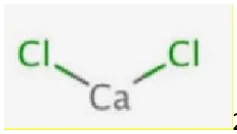
2H2O
Physicochemical properties:
Calcium Chloride Injection USP is a sterile, nonpyrogenic, hypertonic solution for containing 100 mg/mL (0.7 mmol/mL or 1.4 mEq/mL) of calcium chloride, dihydrate (0.7 mmol/mL or 1.4 mEq/mL of Ca++ and 1.4 mmol/mL or 1.4 mEq/mL of CI-) in Water for Injection USP. It is supplied in boxes of 10 single-use vials of 10 mL & 50 mL, for intravenous injection. The solution is administered only by intravenous or intraventricular cavity injection as a calcium replenisher.
The solution contains no bacteriostat, antimicrobial agent nor added buffer (except for pH adjustment) and is intended only for use as a single-use injection. When smaller doses are required, the unused portion should be discarded. As per USP testing, when diluted with water for injection to make a 5% solution, the pH of calcium chloride injection is 5.5 to 7.5. The solution may contain hydrochloric acid and/or sodium hydroxide for pH adjustment. The osmolar concentration is 2.04 mOsm/mL (calc.).
Calcium Chloride USP dihydrate is chemically designated CaCl2 ·2H2O (dihydrate) white, odourless fragments or granules freely soluble in water.
Calcium Chloride Injection, USP contains no more than 1,000 mcg/L of aluminum, see 7 WARNINGS AND PRECAUTIONS, General: Hypotension, Bradycardia, Arrhythmias, and Syncope with Rapid Administration).
14 CLINICAL TRIALS
14.1 Trial Design and Study Demographics
This information is not available for this drug product.
14.2 Study Results
This information is not available for this drug product.
14.3 Comparative Bioavailability Studies
This information is not available for this drug product.
14.4 Immunogenicity
This information is not available for this drug product.
15 MICROBIOLOGY
No microbiological information is required for this drug product.
16 NON-CLINICAL TOXICOLOGY
This information is not available for this drug product.
17 SUPPORTING PRODUCT MONOGRAPHS
- 1. Calcium Chloride Injection USP, Solution, 100 mg/mL, submission control 301524, Product Monograph, Pfizer Canada ULC. (February 06, 2026)