


Product Monograph - Claritin Allergy + Sinus
1. INDICATIONS
CLARITIN ALLERGY + SINUS (loratadine 5 mg & pseudoephedrine sulfate 120 mg) modified-release tablets are indicated for the fast and long-lasting relief of nasal and ocular symptoms of upper respiratory mucosal congestion, such as in allergic rhinitis.
CLARITIN® ALLERGY + SINUS EXTRA STRENGTH (loratadine 10 mg/pseudoephedrine sulfate 240 mg) modified-release tablets are indicated for the fast and long-lasting relief of symptoms associated with allergic rhinitis, including nasal congestion, sinus pressure and sinus congestion, sneezing, postnasal drip/discharge and tearing and redness of the eyes.
CLARITIN ALLERGY + SINUS and CLARITIN® ALLERGY + SINUS EXTRA STRENGTH are intended for short-term use only unless taken under medical supervision.
1.1 Pediatrics
No data are available to Health Canada; therefore, Health Canada has not authorized an indication for pediatric use of loratadine and pseudoephedrine sulfate combination products in children under the age of 12 years.
1.2 Geriatrics
Refer to WARNINGS AND PRECAUTIONS section.
2. CONTRAINDICATIONS
CLARITIN® ALLERGY + SINUS (loratadine 5 mg & pseudoephedrine sulfate 120 mg) modified-release tablets and CLARITIN® ALLERGY + SINUS EXTRA STRENGTH (loratadine 10 mg/pseudoephedrine sulfate 240 mg) modified-release tablets are contraindicated in:
- Patients who are hypersensitive to this drug or any ingredient in the formulation including the metabolite Descarboethoxy-loratadine (desloratadine) and any non-medicinal ingredient or component of the container. For a complete listing, see DOSAGE FORMS, STRENGTHS, COMPOSITION AND PACKAGING section.
- Patients who are hypersensitive to adrenergic agents or to other drugs of similar chemical structures.
- Patients receiving MAO inhibitor therapy or within 14 days of discontinuing such treatment.
- Patients with narrow-angle glaucoma, urinary retention, hypertension, severe coronary artery disease or hyperthyroidism.
4. DOSAGE AND ADMINISTRATION
4.1 Dosing Considerations
The safety and efficacy of loratadine and pseudoephedrine sulfate combination products in children under the age of 12 have not been established.
4.2 Recommended Dose and Dosage Adjustment
Adults and Children, 12 years of age and older:
CLARITIN® ALLERGY + SINUS (loratadine 5 mg and 120 mg pseudoephedrine sulfate)
The recommended dose is one modified release tablet every 12 hours with a glass (250 ml) of water. Do not take more than 2 tablets in 24 hours.
Because of the lack of experience with long-term use of this drug, its use should be limited to three months unless recommended by a physician.
Health Canada has not authorized an indication for pediatric use.
CLARITIN® ALLERGY + SINUS EXTRA STRENGTH (loratadine 10 mg and 240 mg pseudoephedrine sulfate)
The recommended dose is one modified release tablet daily with a glass (250 ml) of water, preferably upon waking. It may be taken without regard to mealtime. Do not take more than 1 tablet in 24 hours.
Because of the lack of experience with long-term use of this drug, its use should be limited to three months unless recommended by a physician.
Health Canada has not authorized an indication for pediatric use.
4.4 Administration
Do not crush, break, chew or dissolve the tablet or tablet. Swallow whole with water.
4.5 Missed Dose
If you miss taking your dose on time, do not worry; take your dose when you remember. Do not exceed the maximum daily dose.
5. OVERDOSAGE
In the event of overdosage, treatment, which should be started immediately, is symptomatic and supportive. Discontinuation of use, gastric lavage and support of vital functions are advised.
Symptoms associated with overdoses
Loratadine: Somnolence, tachycardia and headache have been reported.
Sympathomimetics: They may vary from CNS depression (sedation, apnea, diminished mental alertness, cyanosis, coma, cardiovascular collapse) to stimulation (insomnia, hallucination, tremors or convulsions) to death. Other signs and symptoms may be euphoria, excitement, tachycardia, palpitations, thirst, perspiration, nausea, dizziness, tinnitus, ataxia, blurred vision and hypertension or hypotension. Stimulation is particularly likely in children, as are atropine-like signs and symptoms (dry mouth; fixed, dilated pupils; flushing; hyperthermia; and gastrointestinal symptoms).
In large doses sympathomimetics may give rise to giddiness, headache, nausea, vomiting, sweating, thirst, tachycardia, precordial pain, palpitations, difficulty in micturition, muscular weakness and tenseness, anxiety, restlessness and insomnia. Many patients can present a toxic psychosis with delusions and hallucinations. Some may develop cardiac arrhythmias, circulatory collapse, convulsions, coma and respiratory failure.
Treatment
Emergency treatment should be started immediately. There is no specific antidote. Treatment of overdosage consists of single-dose activated charcoal. Use should be considered in a patient who presents within 1 hour of ingestion. Activated charcoal is contraindicated in a patient with diminished level of consciousness unless airway is protected. In some rare situations, gastric lavage may be appropriate if initiated within 1 hour of ingestion, though this technique has not been proven to be beneficial and is thus rarely used due to risks of complications and lack of efficacy. Its use is contraindicated in patients with unprotected airways, in patients where use would increase risk and severity of aspiration, and in patients at risk of hemorrhage or GI perforation. Ipecac has not been shown to be beneficial based on experimental and clinical studies.
Loratadine is not cleared by hemodialysis to any appreciable extent. It is not known if loratadine is removed by peritoneal dialysis.
After emergency treatment, the patient should continue to be medically monitored.
Treatment of the signs and symptoms of overdosage is symptomatic and supportive. Stimulants (analeptic agents) should not be used. Vasopressors may be used to treat hypotension. Short-acting barbiturates, diazepam or paraldehyde may be administered to control seizures. Hyperpyrexia, especially in children, may require treatment with tepid water sponge baths or hypothermic blanket. Apnea is treated with ventilatory support.
| For management of a suspected drug overdose, contact your regional poison control centre. |
6. DOSAGE FORMS, STRENGTHS, COMPOSITION AND PACKAGING
Table 1 - Dosage Forms, Strengths, Composition and Packaging
CLARITIN® ALLERGY + SINUS is available in blister packages of 10’s, 20’s and 30’s. Each tablet is white to off-white, film coated, round, extra deep convex with “Claritin A+S” printed in black ink on one side of the tablet.
CLARITIN® ALLERGY + SINUS EXTRA STRENGTH is available in blister packages of 15’s. Each tablet is white, oval, biconvex and coated.
7. WARNINGS AND PRECAUTIONS
Cardiovascular
Sympathomimetics should be used with caution in patients receiving digitalis. Sympathomimetics should be used with caution in patients with cardiovascular disease. Sympathomimetics may cause cardiovascular collapse with accompanying hypotension. Pseudoephedrine use has been associated with increased heart rate and increased blood pressure.
Dependence/Tolerance
There are no data available to indicate that abuse or dependency occurs with loratadine.
Pseudoephedrine sulfate, like other CNS stimulants, has been abused. At high doses, subjects commonly experience mood elevation, decreased appetite and a sense of increased energy, physical strength, mental capacity and alertness. Anxiety, irritability and loquacity also have been reported. With continued use, tolerance develops; the user increases the dose and ultimately toxicity occurs. Depression may follow rapid withdrawal.
Endocrine and Metabolism
Sympathomimetics should be used with caution in patients with diabetes mellitus.
| Brand name | Route of Administration | Dosage Form / Strength/Composition | Non-medicinal Ingredients |
| CLARITIN® ALLERGY + SINUS | oral | modified-release tablet / 5 mg and 120 mg / loratadine and pseudoephedrine sulfate | black ink, croscarmellose sodium, calcium phosphate dibasic, hypromellose, lactose, magnesium stearate, povidone, titanium dioxide. |
| CLARITIN® ALLERGY + SINUS EXTRA STRENGTH | oral | modified-release tablet / 10 mg and 240 mg / loratadine and pseudoephedrine sulfate | carnauba wax, dibasic calcium phosphate dihydrate, ethylcellulose, hydroxypropyl cellulose, hydroxypropyl methylcellulose, magnesium stearate, polyethylene glycol, povidone, silicon dioxide, sucrose, and titanium dioxide. |
Gastrointestinal
Sympathomimetics should be used with caution in patients with stenosing peptic ulcer or pyloroduodenal obstruction.
CLARITIN® ALLERGY + SINUS EXTRA STRENGTH should not be used by patients who have a history of difficulty in swallowing tablets or who have upper gastrointestinal narrowing or abnormal esophageal peristalsis.
Genitourinary
Sympathomimetics should be used with caution in patients with prostatic hypertrophy or bladder neck obstruction.
Hepatic/Biliary/Pancreatic
Because the doses of fixed combination products cannot be individually titrated, CLARITIN® ALLERGY + SINUS and CLARITIN® ALLERGY +SINUS EXTRA STRENGTH modified-release tablets should generally be avoided in patients with severe hepatic impairment
Monitoring and Laboratory Tests
Loratadine should be discontinued approximately 48 hours prior to skin testing procedures since antihistamines may prevent or diminish otherwise positive reactions to dermal reactivity indicators.
The in vitro addition of pseudoephedrine sulfate to sera containing the cardiac isoenzyme MB of serum creatine phosphokinase progressively inhibits the activity of the enzyme. The inhibition becomes complete over six hours.
Neurologic
Sympathomimetics may cause central nervous system (CNS) stimulation, excitability and convulsions.
Ophthalmologic
Sympathomimetics should be used with caution in patients with increased intraocular pressure.
Renal
Because the doses of fixed combination products cannot be individually titrated, CLARITIN® ALLERGY + SINUS and CLARITIN® ALLERGY +SINUS EXTRA STRENGTH modified-release tablets should generally be avoided in patients with severe renal impairment or renal tubular acidosis.
Reproductive Health: Female and Male Potential
Teratogenic Risk
Loratadine & pseudoephedrine sulfate were not considered teratogenic in animal studies. See NON-CLINICAL TOXICOLOGY section.
Skin
Acute generalized exanthematous pustulosis (AGEP), a form of severe skin reaction, may occur with pseudoephedrine-containing products in isolated cases. If signs and symptoms such as the sudden occurrence of small (generalized) pustules, erythema, or fever are observed, patients should discontinue using the drug.
7.1 Special Populations
7.1.1 Pregnant Women
The safe use of CLARITIN® ALLERGY + SINUS and CLARITIN® ALLERGY + SINUS EXTRA STRENGTH has not been established. There was no evidence of direct animal teratogenicity in reproduction studies performed on rats and rabbits with up to 30 times the proposed clinical dose. Because animal reproduction studies are not always predictive of human response, CLARITIN® ALLERGY + SINUS and CLARITIN® ALLERGY + SINUS EXTRA STRENGTH are not recommended for use in pregnant women.
7.1.2 Breast-feeding
Loratadine and its active metabolite are eliminated in the breast milk of lactating women with milk concentrations being similar to plasma concentrations. Through 48 hours after dosing, only 0.029% of the loratadine dose is eliminated in the milk as unchanged loratadine and its active metabolite, descarboethoxy-loratadine (desloratadine). Pseudoephedrine has been reported to be excreted into breast milk of lactating women. The use of CLARITIN® ALLERGY + SINUS and CLARITIN® ALLERGY + SINUS EXTRA STRENGTH in breast-feeding women is therefore not recommended.
7.1.3 Pediatrics
No data are available to Health Canada; therefore, Health Canada has not authorized an indication for pediatric use of loratadine and pseudoephedrine sulfate combination products in children under the age of 12 years.
7.1.4 Geriatrics
In patients 60 years of age or older, sympathomimetics are also more likely to cause adverse reactions such as confusion, hallucination, convulsions, CNS depression and death. Consequently, caution should be exercised when administering a long-acting formulation to this patient group.
8. ADVERSE REACTIONS
8.2 Clinical Trial Adverse Reactions
Clinical trials are conducted under very specific conditions. The adverse reaction rates observed in the clinical trials; therefore, may not reflect the rates observed in practice and should not be compared to the rates in the clinical trials of another drug. Adverse reaction information from clinical trials may be useful in identifying and approximating rates of adverse drug reactions in real-world use.
CLARITIN® ALLERGY + SINUS (5 mg loratadine & 120 mg pseudoephedrine sulfate)
During controlled clinical studies with the recommended dosage, the incidence of adverse effects associated with CLARITIN® ALLERGY + SINUS (loratadine & pseudoephedrine sulfate) modified-release tablets was comparable to that of placebo, with the exception of insomnia and dry mouth both of which were commonly reported. Other most frequently [≥5%] reported adverse reactions associated with CLARITIN® ALLERGY + SINUS (loratadine & pseudoephedrine sulfate) modified-release tablets, their components and placebo are listed on Table 2.
Table 2 - Number (%) of Patients Reporting Adverse Experiences (probably or possibly related to treatment) ≥5% incidence during treatment with CLARITIN® ALLERGY + SINUS, either component alone (loratadine or pseudoephedrine) or placebo in clinical studies
| Adverse Experience | CLARITIN® ALLERGY + SINUS % (n = 632) | Loratadine % (n = 396) | Pseudoephedrine % (n = 395) | Placebo % (n = 532) |
|---|---|---|---|---|
| Dizziness | 27 (4) | 4 (1) | 10 (5) | 8 (2) |
| Dry Mouth | 93 (15) | 17 (4) | 41 (10) | 21 (4) |
| Fatigue | 26 (4) | 22 (6) | 14 (4) | 13 (2) |
| Headache | 64 (10) | 48 (12) | 34 (9) | 52 (10) |
| Insomnia | 113 (18) | 16 (4) | 66 (17) | 20 (4) |
| Nervousness | 33 (5) | 11 (3) | 30 (8) | 5 (1) |
| Sedation | 41 (6) | 29 (7) | 18 (5) | 23 (4) |
CLARITIN® ALLERGY + SINUS EXTRA STRENGTH (10 mg loratadine & 240 mg pseudoephedrine sulfate)
Adverse experiences reported during the study with CLARITIN® ALLERGY + SINUS EXTRA STRENGTH (loratadine 10 mg/pseudoephedrine sulfate 240 mg) modified-release tablets, administered once daily, were similar to those previously encountered during treatment with CLARITIN® ALLERGY + SINUS tablets (loratadine 5 mg/pseudoephedrine sulfate 120 mg), administered twice daily. No unusual or unexpected adverse events were reported.
In clinical studies, the most frequently reported adverse events associated with CLARITIN® ALLERGY + SINUS EXTRA STRENGTH modified-release tablets were headache, dry mouth, insomnia and somnolence.
Table 3 - Number (%) of Patients Reporting Adverse Experiences (probably or possibly related to treatment) ≥5% incidence during treatment with CLARITIN® ALLERGY + SINUS EXTRA STRENGTH modified-release tablets, Loratadine, Pseudoephedrine sulfate or placebo in clinical studies.
| Adverse Experience | CLARITIN® ALLERGY + SINUS EXTRA STRENGTH % (n = 583) | Loratadine % (n = 217) | Pseudoephedrine sulfate % (n = 220) | Placebo % (n = 370) |
|---|---|---|---|---|
| Dry Mouth | 55 (9) | 7 (3) | 16 (7) | 11 (3) |
| Headache | 53 (9) | 21 (10) | 21 (10) | 39 (11) |
| Insomnia | 38 (7) | 2 (1) | 17 (8) | 4 (1) |
| Somnolence | 47 (8) | 9 (4) | 9 (4) | 14 (4) |
With exception of headache, which was occasionally severe, most of the adverse events associated with CLARITIN® ALLERGY + SINUS EXTRA STRENGTH modified-release tablets were mild to moderate in severity.
8.3 Less Common Clinical Trial Adverse Reactions
CLARITIN® ALLERGY + SINUS (5 mg loratadine & 120 mg pseudoephedrine sulfate)
Rare adverse reactions in decreasing order of frequency included nausea, abdominal distress, anorexia, thirst, tachycardia, pharyngitis, rhinitis, acne, pruritus, rash, urticaria, arthralgia, confusion, dysphonia, hyperkinesia, hypoesthesia, decreased libido, paresthesia, tremor, vertigo, flushing, postural hypotension, increased sweating, eye disorders, earache, tinnitus, taste abnormality, agitation, apathy, depression, euphoria, paroniria, increased appetite, change in bowel habits, dyspepsia, eructation, hemorrhoids, tongue discoloration, tongue disorder, vomiting, transient abnormal hepatic function, dehydration, increased weight, hypertension, palpitation, migraine, bronchospasm, coughing, dyspnea, epistaxis, nasal congestion, sneezing, nasal irritation, dysuria, micturition disorder, nocturia, polyuria, urinary retention, asthenia, back pain, leg cramps, malaise and rigors.
CLARITIN® ALLERGY + SINUS EXTRA STRENGTH (10 mg loratadine & 240 mg pseudoephedrine sulfate)
Rarely reported events in decreasing order of frequency included dizziness, fatigue, anorexia, nervousness, nausea, epistaxis, rhinitis, lacrimal gland disorder, asthenia, hyperkinesia, constipation, dyspepsia, palpitation, tachycardia, thirst, agitation, irritability, coughing, dyspnea, nasal irritation, and pharyngitis.
8.5 Post-Market Adverse Reactions
- As with other sympathomimetic amines, CNS stimulation, muscular weakness, tightness in the chest and syncope may also be encountered.
- During the marketing of loratadine, alopecia, anaphylaxis (including angioedema), abnormal hepatic function, dizziness, palpitations and tachycardia have been reported rarely.
- Very rare adverse events include convulsions or seizures which have been reported during the post-marketing of loratadine.
- There were rare post-marketing reports of mechanical upper gastrointestinal tract obstruction in patients taking the original round tablet formulation of CLARITIN® ALLERGY + SINUS EXTRA STRENGTH. In many of these cases, patients have had a history of difficulty in swallowing tablets or had known upper gastrointestinal narrowing or abnormal esophageal peristalsis.
9. DRUG INTERACTIONS
9.3 Drug-Behavioural Interactions
When administered concomitantly with alcohol, loratadine has no potentiating effect as measured by psychomotor performance studies.
9.4 Drug-Drug Interactions
Sympathomimetic drug-drug interactions
When sympathomimetic drugs are given to patients receiving monoamine oxidase (MAO) inhibitors, hypertensive reactions, including hypertensive crises, may occur.
The antihypertensive effects of methyldopa, mecamylamine, reserpine, veratrum alkaloids and guanethidine may be reduced by sympathomimetics.
Beta-adrenergic blocking agents may also interact with sympathomimetics.
Increased ectopic pacemaker activity can occur when pseudoephedrine sulfate is used concomitantly with digitalis.
Antacids increase the rate of pseudoephedrine sulfate absorption. Kaolin decreases it.
The antibacterial agent, furazolidone, is known to cause a dose-related inhibition of MAO. Although there are no reports of a hypertensive crisis caused by the concurrent administration of pseudoephedrine and furazolidone, they should not be taken together.
Care should be taken in the administration of CLARITIN® ALLERGY + SINUS and CLARITIN® ALLERGY + SINUS EXTRA STRENGTH concomitantly with other sympathomimetic amines because the combined effects on the cardiovascular system may be harmful to the patient.
Loratadine drug-drug interactions
Increases in plasma concentrations of loratadine have been reported after concomitant use with ketoconazole, erythromycin or cimetidine in controlled clinical trials, but without clinically significant changes (including electrocardiographic). Other drugs known to inhibit hepatic metabolism should be co-administered with caution until definitive interaction studies can be completed.
9.7 Drug-Laboratory Test Interactions
Loratadine should be discontinued approximately 48 hours prior to skin testing procedures since antihistamines may prevent or diminish otherwise positive reactions to dermal reactivity indicators.
The in vitro addition of pseudoephedrine sulfate to sera containing the cardiac isoenzyme MB of serum creatine phosphokinase progressively inhibits the activity of the enzyme. The inhibition becomes complete over six hours.
10. CLINICAL PHARMACOLOGY
10.1 Mechanism of Action
Loratadine is a long-acting tricyclic antihistamine with selective peripheral H1 receptor antagonistic activity.
Pseudoephedrine sulfate, one of the naturally occurring alkaloids of Ephedra and an orally administered vasoconstrictor, produces a gradual but sustained decongestant effect facilitating shrinkage of congested mucosa in upper respiratory areas. The mucous membrane of the respiratory tract is decongested through the action of the sympathetic nerves.
10.2 Pharmacodynamics
Loratadine exhibits a dose-related inhibition of the histamine-induced skin wheal and flare response in humans which is rapid in onset, is apparent at two hours and persists throughout the 24-hour observation period. There was no evidence of tolerance to this effect developing after 28 days of dosing with loratadine tablets.
In a study in which loratadine was administered at 40 mg (4 times the clinical dose) for 90 days, no clinically significant increase in the QTc was seen on ECGs.
Whole body autoradiographic studies in rats and monkeys, radiolabeled tissue distribution studies in mice and rats, and in vivo radioligand studies in mice have shown that neither loratadine nor its metabolites readily cross the blood-brain barrier. Radioligand binding studies with guinea pig lung and brain H1-receptors indicate that there was preferential binding to peripheral versus central nervous system H1-receptors.
10.3 Pharmacokinetics
Absorption:
Loratadine
After oral administration of loratadine in the conventional tablet formulation, the drug is rapidly and well absorbed and undergoes an extensive first pass metabolism.
The pharmacokinetic parameters of loratadine and its major metabolite descarboethoxyloratadine (desloratadine) are comparable in healthy adult volunteers and healthy geriatric volunteers.
In patients with chronic renal impairment both the AUC and peak plasma levels (Cmax) increased for loratadine and its metabolite descarboethoxyloratadine (desloratadine) as compared to the AUCs and Cmax of patients with normal renal function.
In patients with chronic alcoholic liver disease, the AUC and peak plasma levels (Cmax) of loratadine were double while the pharmacokinetic profile of the active metabolite descarboethoxyloratadine (desloratadine) was not significantly changed from that in patients with normal liver function.
Pseudoephedrine sulphate
After oral administration, pseudoephedrine sulfate is readily and completely absorbed.
Distribution:
Loratadine
Loratadine is highly bound (97 % to 99 %) and its active metabolite descarboethoxyloratadine (desloratadine) moderately bound (73 % to 76 %) to plasma proteins.
Loratadine and its active metabolite descarboethoxyloratadine (desloratadine) are eliminated in the breast milk of lactating women with milk concentrations being similar to plasma concentrations. Through 48 hours after dosing, only 0.029% of the loratadine dose is eliminated in the milk as unchanged loratadine and its active metabolite, descarboethoxyloratadine (desloratadine).
Pseudoephedrine sulfate
Pseudoephedrine has been reported to be excreted into breastmilk of lactating women
Metabolism:
Loratadine
After oral administration, loratadine is rapidly and well absorbed and undergoes an extensive first pass metabolism, mainly by CYP3A4 and CYP2D6. The major metabolite descarboethoxyloratadine (desloratadine) is pharmacologically active.
Loratadine and descarboethoxyloratadine (desloratadine) achieve maximum plasma concentrations (Tmax) between 1–1.5 hours and 1.5–3.7 hours after administration, respectively.
Pseudoephedrine sulphate
Pseudoephedrine sulphate undergoes incomplete hepatic metabolism by N demethylation to an inactive metabolite.
Elimination:
Loratadine
At doses of 10, 20 and 40 mg, the loratadine elimination half-life (T-1/2ß) ranged from 7.8-11.0 hours.
Descarboethoxy-loratadine, the major active metabolite, T-1/2ß ranged from 17 to 24 hours. The accumulation indices, calculated by Cmax and the area under the curve (AUC) ratios did not change after the 5th day, indicating little or no accumulation of either loratadine or its metabolite after a multiple once per day dosage regimen. The T-1/2ß at steady state levels for loratadine and its active metabolite were 14.4 and 18.7 respectively, similar to that reported following a single oral dose (Hilbert et al. 1987).
Approximately 40% of the dose is excreted in the urine and 42% in the feces over a 10-day period. Approximately 27% of the dose is eliminated in the urine during the first 24 hours largely in the conjugated form. Unchanged drug is present only in trace quantities in the urine and the active metabolite descarboethoxyloratadine (desloratadine) represents only 0.4 to 0.6% of the administered loratadine dose.
The mean elimination half-lives of loratadine and its metabolite descarboethoxyloratadine (desloratadine) in patients with chronic renal impairment were not significantly different from that observed in normal subjects. Hemodialysis does not have an effect on the pharmacokinetics of loratadine or its active metabolite descarboethoxyloratadine (desloratadine) in subjects with chronic renal impairment.
In patients with chronic alcoholic liver disease the elimination half-lives for loratadine and its metabolite descarboethoxyloratadine (desloratadine) were 24 hours and 37 hours, respectively, and increased with increasing severity of liver disease.
Pseudoephedrine sulfate
The elimination half-life of pseudoephedrine in humans ranges from 5 to 8 hours. The drug and its metabolite are excreted in urine, 55-75 % of a dose is excreted unchanged. Urinary pH can affect the elimination half-life of pseudoephedrine prolonging it when alkaline (pH 8) and reducing it when acidic (pH 5).
CLARITIN® ALLERGY + SINUS (5 mg loratadine & 120 mg pseudoephedrine sulfate)
A two-way crossover study was conducted in 12 healthy male volunteers to determine the single-dose and steady-state bioequivalence of loratadine/pseudoephedrine sulfate tablets as compared to a control (a 5 mg loratadine capsule and a 120 mg pseudoephedrine sulfate tablet).
Each phase of the two-way crossover study consisted of two segments. In segment I, each volunteer received a loratadine/pseudoephedrine sulfate tablets (Treatment A) or control (Treatment B) on day 2 at 8 a.m. In segment II, each volunteer received Treatment A or B at 8 a.m. and 8 p.m. for 10 days. Plasma concentrations of pseudoephedrine sulfate were determined by high pressure liquid chromatography (HPLC) after single and multiple doses of the drug. Plasma concentrations of loratadine and its metabolite, descarboethoxyloratadine, were determined by radioimmunoassay (RIA) and HPLC, respectively, only after multiple doses. Plasma levels, AUC, Cmax and Tmax were analyzed via a cross-over analysis of variance in which effect of treatment, subject and phase were extracted. The results clearly establish the comparative bioavailability of loratadine/pseudoephedrine sulfate tablets to its components following a single dose and multiple (10 days) doses. There were no significant differences (<0.05) following single or multiple doses between Treatments A and B for AUC, Cmax and Tmax values. Comparative bioavailability and comparative clinical efficacy has been demonstrated between the loratadine/pseudoephedrine sulfate tablets and the control (a 5 mg loratadine capsule and a 120 mg pseudoephedrine sulfate tablet).
Table 4 - Mean (N=12) Pharmacokinetic Parameters of Pseudoephedrine Sulfate after Single Dose Treatment of Loratadine/Pseudoephedrine sulfate
| Parameter | Test: 5 mg loratadine / 120 mg pseudoephedrine sulfate tablets | Control: 5 mg loratadine capsule and a 120 mg pseudoephedrine sulfate tablet | P-Value |
|---|---|---|---|
AUC (ng x hr/ml) | 3922.21 | 3686.22 | 0.39 |
Cmax (ng/ml) | 284.60 | 262.15 | 0.40 |
Tmax (hr) | 6.33 | 6.50 | 0.81 |
Table 5 - Mean (N=12) Pharmacokinetic Parameters of Pseudoephedrine Sulfate after Multiple (10 Day Doses) Treatment of Loratadine/Pseudoephedrine sulfate
| Parameter | Test: 5 mg loratadine / 120 mg pseudoephedrine sulfate tablets | Control: 5 mg loratadine capsule and a 120 mg pseudoephedrine sulfate tablet | P-Value |
|---|---|---|---|
AUC (ng x hr/ml) | 6182.60 | 6343.31 | 0.71 |
Cmax (ng/ml) | 464.21 | 453.42 | 0.77 |
Tmax (hr) | 3.92 | 4.38 | 0.35 |
Table 6 - Mean (N=12) Pharmacokinetic Parameters of Loratadine after Multiple (10 Day Doses) Treatment of Loratadine/Pseudoephedrine sulfate
| Parameter | Test: 5 mg loratadine / 120 mg pseudoephedrine sulfate tablets | Control: 5 mg loratadine capsule and a 120 mg pseudoephedrine sulfate tablet | P-Value |
|---|---|---|---|
AUC (ng x hr/ml) | 4.98 | 3.89 | 0.06 |
Cmax (ng/ml) | 1.67 | 1.67 | 0.99 |
Tmax (hr) | 1.67 | 1.38 | 0.39 |
Table 7 - Mean (N=12) Pharmacokinetic Parameters of Descarboethoxyloratadine after Multiple (10 Day Doses) Treatment of Loratadine/Pseudoephedrine sulfate
| Parameter | Test: 5 mg loratadine / 120 mg pseudoephedrine sulfate tablets | Control: 5 mg loratadine capsule and a 120 mg pseudoephedrine sulfate tablet | P-Value |
|---|---|---|---|
AUC (ng x hr/ml) | 83.31 | 117.16 | 0.25 |
Cmax (ng/ml) | 5.15 | 5.20 | 0.95 |
Tmax (hr) | 2.55 | 5.95 | 0.34 |
CLARITIN® ALLERGY + SINUS EXTRA STRENGTH (10 mg loratadine & 240 mg pseudoephedrine sulfate)
A drug interaction cross-over study was performed to compare CLARITIN® ALLERGY + SINUS EXTRA STRENGTH modified-release tablets to the individual components (loratadine 10 mg and pseudoephedrine sulfate 240 mg). Coadministration of loratadine did not affect the bioavailability of pseudoephedrine. Similarly, coadministration of pseudoephedrine did not affect the pharmacokinetics of descarboethoxyloratadine although it resulted in the slightly higher (8%) bioavailability of loratadine: Cmax=2.79 ng/mL when administered in combination versus Cmax=2.55 ng/mL when administered alone. This is not considered to be of clinical significance.
Another study was conducted to characterize and compare the pharmacokinetic profile of loratadine, descarboethoxyloratadine and pseudoephedrine following oral administration of CLARITIN® ALLERGY + SINUS EXTRA STRENGTH given once daily and CLARITIN® ALLERGY + SINUS (loratadine 5 mg / pseudoephedrine sulfate 120 mg) given every 12 hours. The results of this study show that after multiple doses to steady state, CLARITIN® ALLERGY + SINUS EXTRA STRENGTH and the CLARITIN® ALLERGY + SINUS comparator were equivalent with respect to the bioavailability of loratadine and descarboethoxyloratadine (based on AUC), and bioequivalent for pseudoephedrine.
A randomised, single-dose, open-label, five-way crossover study was conducted in order to evaluate the bioavailability of loratadine and desloratadine following administration of five different CLARITIN® formulations. This study demonstrated that the mean Cmax and AUC values for loratadine and desloratadine were bioequivalent between the CLARITIN® 10mg immediate release tablet and CLARITIN® ALLERGY + SINUS EXTRA STRENGTH modified-release tablets.
Table 8 - Arithmetic mean pharmacokinetic parameters of loratadine for the CLARITIN® 10 mg immediate release tablet and CLARITIN® ALLERGY + SINUS EXTRA STRENGTH modified-release tablet.
| Parameter | CLARITIN ®10 mg immediate release tablet | CLARITIN® ALLERGY + SINUS EXTRA STRENGTH modified-release tablet |
|---|---|---|
| Cmax (ng/ml) | 3.12 | 3.68 |
AUC (ng x hr/ml) | 8.76 | 9.34 |
| Tmax (hr) | 1.52 | 1.23 |
Table 9 - Arithmetic mean pharmacokinetic parameters of desloratadine (loratadine’s major metabolite) for the CLARITIN® 10 mg immediate release tablet and CLARITIN® ALLERGY + SINUS EXTRA STRENGTH modified-release tablet.
| Parameter | CLARITIN ®10 mg immediate release tablet | CLARITIN® ALLERGY + SINUS EXTRA STRENGTH modified-release tablet |
|---|---|---|
| Cmax (ng/ml) | 3.40 | 3.54 |
AUC (ng x hr/ml) | 48.6 | 50.3 |
| Tmax (hr) | 2.06 | 1.79 |
A multiple-dose study was conducted to determine the steady-state bioequivalence of CLARITIN® ALLERGY + SINUS EXTRA STRENGTH modified-release tablets administered once daily as compared to a reference standard consisting of loratadine 10 mg tablet given once daily and pseudoephedrine sulfate 120 mg CLARITIN® ALLERGY + SINUS tablet in twice-a-day administration. The results of the study showed that CLARITIN® ALLERGY + SINUS EXTRA STRENGTH modified-release tablets and the reference standard were equivalent with respect to the bioavailability of pseudoephedrine, although the comparator in this study was a delayed-release pseudoephedrine sulfate formulation intended for twice-a-day dosing. CLARITIN® ALLERGY + SINUS EXTRA STRENGTH modified-release tablets and the reference standard gave similar mean plasma concentrations for loratadine; however, no statistical conclusion regarding the bioequivalency could be made due to the low plasma drug concentrations and high intersubject variability.
Food studies
A single-dose study was conducted to evaluate and compare the effect of food on the oral bioavailability of pseudoephedrine when administered as a CLARITIN® ALLERGY + SINUS EXTRA STRENGTH modified-release tablet or a pseudoephedrine sulfate SR (sustained release) tablet. The bioavailability of pseudoephedrine from the CLARITIN® ALLERGY + SINUS EXTRA STRENGTH modified-release tablet or the pseudoephedrine SR (sustained release) tablet was not affected significantly by food intake.
When administered with a high-fat meal, as compared with administration in a fasting state, the Cmax of pseudoephedrine was 22% higher from the CLARITIN® ALLERGY + SINUS EXTRA STRENGTH modified-release tablet and 25% higher from the pseudoephedrine sulfate SR tablet: Cmax=304.5 ng/mL when pseudoephedrine was given after a 10-hour fast, Cmax=382.5 ng/mL when pseudoephedrine was given with breakfast and Cmax=376.6 ng/mL when pseudoephedrine + loratadine was given with breakfast. However, this difference is not considered to be clinically relevant.
A second food effect study was conducted with CLARITIN® ALLERGY + SINUS EXTRA STRENGTH modified-release tablet. In this study, a standardized high-calorie, high-fat breakfast significantly increased the Cmax and AUC of loratadine by a mean of 53% and 76%, respectively, compared to the administration of CLARITIN® ALLERGY + SINUS EXTRA STRENGTH under fasted conditions (p<0.05). In contrast to loratadine, there was a very small and non-significant increase in descarboethoxyloratadine Cmax and AUC values when CLARITIN® ALLERGY + SINUS EXTRA STRENGTH was given with food. Concomitant food slightly (7%) but significantly (p<0.05) increased the mean peak plasma pseudoephedrine concentrations, without significantly affecting the rate or extent of pseudoephedrine absorption.
Considering the magnitude of changes, the pharmacodynamics and safety of pseudoephedrine and loratadine, the increases in the plasma concentrations of these compounds that may occur when CLARITIN® ALLERGY + SINUS EXTRA STRENGTH is given with food are not expected to be clinically important.
In vitro in vivo correlation (IVIVC)
A single-dose study was conducted to characterize the pharmacokinetic profile of pseudoephedrine following oral administration of three specially formulated loratadine/pseudoephedrine sulfate tablets with different in vitro release profiles and the standard CLARITIN® ALLERGY + SINUS EXTRA STRENGTH modified-release tablet formulation. In vitro release profiles were characterized by "very fast", "fast", or "slow" dissolution tablets of loratadine/pseudoephedrine sulfate formulations. A positive correlation was obtained between in vitro dissolution rates and in vivo bioavailability of pseudoephedrine for varying formulations of loratadine/ pseudoephedrine sulfate.
- 11. STORAGE, STABILITY AND DISPOSAL
CLARTIN® ALLERGY + SINUS: Store between 15° and 30°C.
CLARITIN® ALLERGY + SINUS EXTRA STRENGTH: Store between 15° and 30°C. Protect from exposure to excessive moisture
- 12. SPECIAL HANDLING INSTRUCTIONS
None.
PART II: SCIENTIFIC INFORMATION
- 13. PHARMACEUTICAL INFORMATION
Drug Substance
Proper name: loratadine
Chemical name: 1-Piperidinecarboxylic acid, 4-(8-chloro-5,6-dihydro- 11H-benzo[5,6] cyclohepta[1,2-β] pyridin-11-ylidene)-, ethyl ester.
Molecular formula and molecular mass:
C22H23ClN2O2 / 382.89
Structural formula:
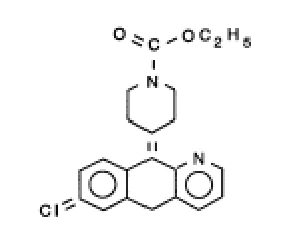
Physicochemical properties: White to off-white powder which melts between 131 ° and 137 °C.
Drug Substance
Proper name: pseudoephedrine sulfate
Chemical name: Benzenemethanol, a-[1-(methylamino)-ethyl]-, [S-(R*,R*)]-, sulfate (2:1) (salt)
Molecular formula and molecular mass:
(C10H15NO)2.H2SO4 / 428.54
Structural formula:
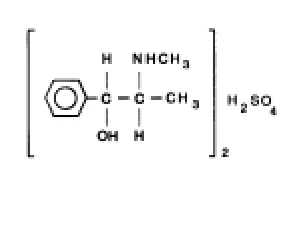
Physicochemical properties: White to off-white crystals or powder.
14. CLINICAL TRIALS
14.1 Trial Design and Study Demographics
CLARITIN ALLERGY + SINUS (5 mg loratadine & 120 mg pseudoephedrine sulfate)
The efficacy and safety of CLARITIN ALLERGY + SINUS modified-release Tablets were studied in well controlled comparative trials against loratadine 5 mg, pseudoephedrine sulfate 120 mg and placebo.
Efficacy Evaluation Parameters
Multicentric, randomized, double-blind, paralleled-group studies were conducted during the Fall and Spring allergy seasons in various geographic areas with patients having signs and symptoms of seasonal allergic rhinitis. Antigen skin tests were conducted prior to the start of the study to confirm patients' hypersensitivity to the seasonal pollens indigenous to the geographic area. Study medications and placebo were administered orally twice daily for 14 days in four studies and for 28 days in one study. Nasal signs and symptoms considered for evaluation included nasal discharge, stuffiness, itching and sneezing. Non-nasal signs and symptoms such as itching, tearing, redness of eyes and itching of ears or palate were also evaluated. Severity of individual signs and symptoms was measured at baseline and at days 4,8 and 15 in the 14-day studies and weekly in the 28-day study. The primary efficacy variable was the change from baseline in total symptom score at the previously specified time points during therapy. The major time points used to determine efficacy were the first treatment evaluation (study day 4 in the 14-day studies and week 1 in the 28-day study) and the endpoint evaluation which was defined as the patient's last valid evaluation in the study.
CLARITIN® ALLERGY + SINUS EXTRA STRENGTH (10 mg loratadine & 240 mg pseudoephedrine sulfate)
The efficacy and safety of CLARITIN® ALLERGY + SINUS EXTRA STRENGTH modified-release tablets were studied in:
- a well controlled comparative trial against loratadine, pseudoephedrine and placebo
- two well controlled comparative trials against CLARITIN® ALLERGY + SINUS (5 mg loratadine & 120 mg pseudoephedrine sulfate) modified-release tablets, and placebo.
14.2 Study Results
CLARITIN® ALLERGY + SINUS (5 mg loratadine & 120 mg pseudoephedrine sulfate)
I. Total Symptom Scores - Fall Studies
In both studies conducted during the Fall allergy season, patients treated with CLARITIN® ALLERGY + SINUS (loratadine & pseudoephedrine sulfate) modified-release tablets demonstrated a statistically significant decrease (p<0.05) in total symptom score, as well as in total nasal and non-nasal symptoms when compared with placebo-treated patients at both day 4 and endpoint evaluations.
When compared with the individual active components, one of these studies showed that CLARITIN® ALLERGY + SINUS (loratadine & pseudoephedrine sulfate) modified-release tablets were significantly more effective (p<0.05) than loratadine and pseudoephedrine sulfate alone in reducing overall total and total nasal symptoms. Furthermore, CLARITIN® ALLERGY + SINUS (loratadine & pseudoephedrine sulfate) modified-release tablets were as effective as loratadine and significantly more effective [p<0.05] than pseudoephedrine sulfate in reducing total non-nasal symptoms at both day 4 and endpoint evaluations.
I. Total Symptom Scores -Spring Studies
In these two studies patients treated with CLARITIN® ALLERGY + SINUS (loratadine & pseudoephedrine sulfate) modified-release tablets showed a statistically significant decrease (p<0.05) (p<0.01) in total symptom score and in total nasal and non-nasal symptoms when compared with placebo-treated patients at both the initial and endpoint treatment evaluations.
In one of the studies CLARITIN® ALLERGY + SINUS (loratadine & pseudoephedrine sulfate) modified-release tablets were significantly more effective (p<0.04) than loratadine in reducing overall total symptoms and total nasal symptoms at endpoint evaluation. In addition, a separate analysis of treatment effects was conducted for those patients who had high and low total symptom scores at baseline. This analysis was performed to differentiate clearly the contribution of each active component to the efficacy of CLARITIN® ALLERGY + SINUS (loratadine & pseudoephedrine sulfate) modified-release tablets. In patients with more severe baseline total symptoms, CLARITIN® ALLERGY + SINUS (loratadine & pseudoephedrine sulfate) modified-release tablets were considerably better than pseudoephedrine sulfate in reducing total symptoms and total non-nasal symptoms. A trend towards a statistically significant effect favouring CLARITIN® ALLERGY + SINUS (loratadine & pseudoephedrine sulfate) modified-release tablets over pseudoephedrine sulfate was evident in the reduction of total nasal symptoms.
Results of the other study demonstrated that at both day 4 and endpoint evaluations, CLARITIN® ALLERGY + SINUS (loratadine & pseudoephedrine sulfate) modified-release tablets were significantly better (p≤0.01) than loratadine and pseudoephedrine sulfate in reducing mean total symptom scores. At the endpoint evaluation, mean decreases in total nasal and non-nasal symptoms were also statistically significant (p≤0.05) in those patients treated with CLARITIN® ALLERGY + SINUS (loratadine & pseudoephedrine sulfate) modified-release tablets.
In the other study, results also indicated that when compared with the individual components CLARITIN® ALLERGY + SINUS (loratadine & pseudoephedrine sulfate) modified-release tablets were significantly more effective (p<0.05) than loratadine and pseudoephedrine sulfate alone in relieving nasal and non-nasal symptoms of seasonal allergic rhinitis.
A 28-day study corroborated further the findings of the Fall and Spring 14-day studies. CLARITIN® ALLERGY + SINUS (loratadine & pseudoephedrine sulfate) modified-release tablets were consistently and statistically (p<0.05) more effective than placebo in decreasing mean total, total nasal and total non-nasal symptoms scores at both week 1 and endpoint evaluations. Magnitudes of symptom improvement with both CLARITIN® ALLERGY + SINUS (loratadine & pseudoephedrine sulfate) modified-release tablets and placebo were similar to those observed in the previous studies. Moreover, effects of symptom relief with CLARITIN® ALLERGY + SINUS (loratadine & pseudoephedrine sulfate) modified-release tablets were maintained throughout the four-week treatment course.
II. Nasal Stuffiness Symptom Scores
The effects of CLARITIN® ALLERGY + SINUS (loratadine & pseudoephedrine sulfate) modified-release tablets on nasal stuffiness, the symptom most likely to respond to treatment with pseudoephedrine sulfate, were assessed separately in all studies. Mean percent reduction in nasal stuffiness scores in patients treated with CLARITIN® ALLERGY + SINUS (loratadine & pseudoephedrine sulfate) modified-release tablets ranged from 40% to 48% in the Fall studies and from 41% to 55% in the Spring studies.
In most cases, CLARITIN® ALLERGY + SINUS (loratadine & pseudoephedrine sulfate) modified-release tablets were significantly more effective (p<0.05) than placebo in reducing this symptom.
Moreover, pseudoephedrine sulfate was significantly more effective (p<0.05) than placebo in three of the four studies, while loratadine alone was not significantly better than placebo in any of the studies. CLARITIN® ALLERGY + SINUS (loratadine & pseudoephedrine sulfate) modified-release tablets were comparable or slightly superior to pseudoephedrine sulfate alone in reducing nasal stuffiness.
Safety
CLARITIN® ALLERGY + SINUS (loratadine & pseudoephedrine sulfate) modified-release tablets were well tolerated in all patients. No serious or unusual adverse experiences were reported with any of the study medications. No clinically meaningful changes from baseline were observed in either vital sign determinations during treatment or in post-treatment laboratory tests in any of the studies.
In summary, the results of these clinical trials clearly demonstrate that CLARITIN® ALLERGY + SINUS (loratadine & pseudoephedrine sulfate) modified-release tablets are safe and more effective than either of its components alone or placebo in the treatment of patients with seasonal allergic rhinitis.
CLARITIN® ALLERGY + SINUS EXTRA STRENGTH (10 mg loratadine & 240 mg pseudoephedrine sulfate)
The efficacy of once-daily CLARITIN® ALLERGY + SINUS EXTRA STRENGTH was shown by its consistent pattern of superiority when compared with placebo in reducing the symptoms of seasonal allergic rhinitis. Total, total nasal, total nonnasal, rhinorrhea and nasal stuffiness symptom scores were significantly reduced (p<0.05) in patients treated with CLARITIN® ALLERGY + SINUS EXTRA STRENGTH modified-release tablets compared to placebo. When compared with its individual components, improvement in symptom scores in patients treated with CLARITIN® ALLERGY + SINUS EXTRA STRENGTH modified-release tablets were consistently greater, numerically, than that seen in patients treated with either loratadine or pseudoephedrine alone.
The comparability of CLARITIN® ALLERGY + SINUS EXTRA STRENGTH modified-release tablets to CLARITIN® ALLERGY + SINUS was shown in two studies.
- In one study, CLARITIN® ALLERGY + SINUS EXTRA STRENGTH and CLARITIN® ALLERGY + SINUS were generally comparable in improving total nasal, total nonnasal and total symptom scores. CLARITIN® ALLERGY + SINUS EXTRA STRENGTH and CLARITIN® ALLERGY + SINUS were significantly more effective than placebo in reducing composite scores at Day 4 and Endpoint (p<0.05).
- In another study, CLARITIN® ALLERGY + SINUS EXTRA STRENGTH and CLARITIN® ALLERGY + SINUS improvement in composite symptom scores was not different at key time points. Investigator evaluations of therapeutic response were consistent with symptom score evaluations.
14.3 Comparative Bioavailability Studies
CLARITIN® ALLERGY + SINUS (loratadine 5 mg & pseudoephedrine sulfate 120 mg)
Open-label, randomized, 4-period crossover study comparing the bioequivalence of a single dose of the test formulation (loratadine 5 mg/pseudoephedrine sulfate 120 mg; 12-Hour Extended-Release Tablet) to a single dose of CLARITIN® ALLERGY + SINUS (Reference formulation, loratadine 5 mg/pseudoephedrine sulfate 120 mg; 12-Hour Extended-Release Tablet) under fasted and fed conditions. The study was performed on 54 healthy adult subjects with a washout phase of 14 days between doses.
SUMMARY TABLES OF THE COMPARATIVE BIOAVAILABILITY DATA
Loratadine (Fasted Condition) (1 x 5 mg) From measured data Uncorrected for potency Geometric Mean Arithmetic Mean (CV %) | ||||
|---|---|---|---|---|
| Parameter | Test1 | Reference2 | % Ratio of Geometric Means | 90% Confidence Interval |
AUCT (pg·hr/mL) | 3132.1 4902.3 (129.68) | 3194.5 4928.8 (117.41) | 96.33 | 89.32 - 103.89 |
AUCI (pg·hr/mL) | 3419.3 5361.8 (128.21) | 3488.2 5397.6 (116.53) | 96.29 | 89.18 - 103.96 |
CMAX (pg/mL) | 1330 1830 (92.8) | 1150 1650 (99.3) | 114.91 | 103.20 - 127.96 |
TMAX3 (h) | 1.00 (0.995 - 1.50) | 1.50 (0.998 - 5.00) | Not applicable | Not applicable |
| T½ (h) | 10.1 (122) | 11.0 (114) | Not applicable | Not applicable |
- 1. Test = CLARITIN®-D 12-HOUR Extended-Release Tablet (loratadine 5 mg/pseudoephedrine sulfate 120 mg)
- 2. Reference = CLARITIN® ALLERGY + SINUS (loratadine 5 mg/pseudoephedrine sulfate 120 mg) (Canada)
- 3. Expressed as the median (min-max)
Loratadine (Fed Condition) (1 x 5 mg) From measured data Uncorrected for potency Geometric Mean Arithmetic Mean (CV %) | ||||
|---|---|---|---|---|
| Parameter | Test1 | Reference2 | % Ratio of Geometric Means | 90 % Confidence Interval |
AUCT (pg·hr/mL) | 5711.0 7480.8 (85.712) | 6008.1 8274.9 (95.307) | 95.29 | 88.39 - 102.71 |
AUCI (pg·hr/mL) | 6298.1 8239.9(84.393) | 6483.1 8975.8 (94.957) | 95.77 | 88.62 - 103.50 |
CMAX (pg/mL) | 1380 1770 (72.2) | 1520 1970 (75.4) | 91.03 | 81.81 - 101.30 |
TMAX3 (h) | 2.50 (1.00 - 5.00) | 2.50 (1.50 - 6.00) | Not applicable | Not applicable |
| T½ (h) | 15.2 (84.4) | 15.0 (88.2) | Not applicable | Not applicable |
- 1. Test = CLARITIN®-D 12-HOUR Extended-Release Tablet (loratadine 5 mg/pseudoephedrine sulfate 120 mg)
- 2. Reference = CLARITIN® ALLERGY + SINUS (loratadine 5 mg/pseudoephedrine sulfate 120 mg) (Canada)
- 3. Expressed as the median (min-max)
Pseudoephedrine (Fasted Condition) (1 x 120 mg) From measured data Uncorrected for potency Geometric Mean Arithmetic Mean (CV %) | ||||
|---|---|---|---|---|
| Parameter | Test1 | Reference2 | % Ratio of Geometric Means | 90% Confidence Interval |
AUCT (ng·hr/mL) | 4147 4242 (21.81) | 4054 4197 (26.43) | 102.21 | 98.73 – 105.82 |
AUCI (ng·hr/mL) | 4208 4303 (21.61) | 4104 4244 (26.13) | 101.38 | 98.15 – 104.71 |
CMAX (ng/mL) | 377 383 (17.2) | 366 373 (19.5) | 103.39 | 99.36 – 107.58 |
TMAX3 (h) | 5.00 (3.50-8.00) | 5.50 (2.00-10.0) | Not applicable | Not applicable |
| T½ (h) | 5.10 (17.0) | 5.04 (19.8) | Not applicable | Not applicable |
- 1. Test = CLARITIN®-D 12-HOUR Extended-Release Tablet (loratadine 5 mg/pseudoephedrine sulfate 120 mg)
- 2. Reference = CLARITIN® ALLERGY + SINUS (loratadine 5 mg/pseudoephedrine sulfate 120 mg) (Canada)
- 3. Expressed as the median (min-max)
Pseudoephedrine (Fed Condition) (1 x 120 mg) From measured data Uncorrected for potency Geometric Mean Arithmetic Mean (CV %) | ||||
|---|---|---|---|---|
| Parameter | Test1 | Reference2 | % Ratio of Geometric Means | 90 % Confidence Interval |
AUCT (ng·hr/mL) | 3744 3842 (23.80) | 3930 4080 (28.05) | 99.05 | 91.81 – 98.41 |
AUCI (ng·hr/mL) | 3808 3905 (23.47) | 3976 4125 (27.81) | 94.61 | 91.59 – 97.72 |
CMAX (ng/mL) | 403 411 (20.3) | 384 394 (22.4) | 104.43 | 100.36 – 108.67 |
TMAX3 (h) | 5.00 (3.00 – 12.0) | 6.00 (4.50 – 8.04) | Not applicable | Not applicable |
| T½ (h) | 4.74 (15.7) | 4.97 (20.7) | Not applicable | Not applicable |
- 1. Test = CLARITIN®-D 12-HOUR Extended-Release Tablet (loratadine 5 mg/pseudoephedrine sulfate 120 mg)
- 2. Reference = CLARITIN® ALLERGY + SINUS (loratadine 5 mg/pseudoephedrine sulfate 120 mg) (Canada)
- 3. Expressed as the median (min-max)
15. MICROBIOLOGY
No microbiological information is required for this drug product.
16. NON-CLINICAL TOXICOLOGY
General Toxicology:
Loratadine/pseudoephedrine sulfate
In acute and single-dose studies, loratadine & pseudoephedrine sulfate modified-release tablets exhibited a low order of toxicity. Acute oral LD50 values ranged from approximately 600 mg/kg in mice to about 2000 mg/kg in rats. Cynomolgus monkeys tolerated single doses up to 240 mg/kg. Loratadine/pseudoephedrine sulfate tablets were no more toxic than either their individual components, and observed effects were generally related to the pseudoephedrine component.
Loratadine & pseudoephedrine sulfate modified-release tablets were administered orally for 3 months to rats and monkeys. Loratadine & pseudoephedrine modified-release tablets were well tolerated in rats at doses up to 200 mg/kg/day, which is 40 times the proposed maximum clinical dose. In monkeys, daily doses up to 50 mg/kg/day were also well tolerated. Severe toxicity was observed in monkeys at a dose of 125 mg/kg/day and was attributed to the effects of the pseudoephedrine component.
Loratadine
In acute and single-dose toxicity studies, loratadine exhibits a low order of toxicity. It is relatively well tolerated in rats and monkeys treated for periods up to 2 years. In these studies, rats received oral doses of loratadine ranging from 2 to 240 mg/kg/day while monkeys were given doses ranging from 0.4 to 90 mg/kg/day.
During long-term loratadine toxicity studies conducted in mice, rats and monkeys, changes were observed in reproductive organs of male rats, consisting of weight reduction of the prostate gland and the testes; those changes were without consequence after a recovery period of 28 days. Similar changes in the male rat have been observed after administering drugs like antazoline, dexchlorpheniramine, meclozine, phenbenzamine and pyribenzamine.
Pseudoephedrine sulfate
This sympathomimetic agent is known to be less toxic and to produce less side effects than the ephedrine isomers, while being as potent as ephedrine as a bronchodilator and nasal decongestant.
Carcinogenicity:
Carcinogenicity studies demonstrate that loratadine is not carcinogenic. Likewise, pseudoephedrine sulfate is not considered to be carcinogenic. Therefore, loratadine & pseudoephedrine sulfate modified-release tablets are no more toxic than loratadine or pseudoephedrine sulfate alone
Genotoxicity:
Mutagenicity studies demonstrate that loratadine is not mutagenic. Likewise, pseudoephedrine sulfate is not considered to be mutagenic. Therefore, loratadine & pseudoephedrine sulfate modified-release tablets are no more toxic than loratadine or pseudoephedrine sulfate alone.
Reproductive and Developmental Toxicology:
Loratadine & pseudoephedrine sulfate modified-release tablets were not teratogenic when administered orally to rats and rabbits during the period of organogenesis. The course of pregnancy or embryo/fetal viability of rats was not affected at doses up to 150 mg/kg/day (30 times the proposed clinical dose). Loratadine & pseudoephedrine sulfate modified-release tablets did not directly affect embryo/fetal viability or offspring development of rabbits at doses up to 120 mg/kg/day.
Teratology studies demonstrate that loratadine is not teratogenic. Likewise, pseudoephedrine sulfate is not considered to be teratogenic. Therefore, loratadine & pseudoephedrine sulfate modified-release tablets are no more toxic than loratadine or pseudoephedrine sulfate alone.