


Product Monograph - Allegra-D
RECENT MAJOR LABEL CHANGES
TABLE OF CONTENTS
RECENT MAJOR LABEL CHANGES ............................................................................... 2
TABLE OF CONTENTS ...................................................................................................... 2
PART I: HEALTH PROFESSIONAL INFORMATION ..................................................... 4
1 INDICATIONS .......................................................................................................... 4
1.1 Pediatrics ................................................................................................................ 4
1.2 Geriatrics ................................................................................................................ 4
2 CONTRAINDICATIONS .......................................................................................... 4
4 DOSAGE AND ADMINISTRATION ....................................................................... 5
4.1 Dosing Considerations ............................................................................................ 5
4.2 Recommended Dose and Dosage Adjustment ........................................................ 5
4.3 Administration ........................................................................................................ 5
4.4 Missed Dose ........................................................................................................... 5
5 OVERDOSAGE ......................................................................................................... 5
6 DOSAGE FORMS, STRENGTHS, COMPOSITION AND PACKAGING ............. 7
7 WARNINGS AND PRECAUTIONS ......................................................................... 7
7.1 Special Populations ................................................................................................ 8
7.1.1 Pregnant Women .............................................................................................. 9
7.1.2 Breast-feeding .................................................................................................. 9
7.1.3 Pediatrics .......................................................................................................... 9
7.1.4 Geriatrics .......................................................................................................... 9
8 ADVERSE REACTIONS .......................................................................................... 9
8.2 Clinical Trial Adverse Reactions ................................................................................ 9
8.3 Less Common Clinical Trial Adverse Reactions ...................................................... 11
8.4 Abnormal Laboratory Findings: Hematologic, Clinical Chemistry and Other Quantitative Data ........................................................................................................... 12
8.5 Post-Market Adverse Reactions ............................................................................... 12
9 DRUG INTERACTIONS ........................................................................................ 12
9.1 Drug-Drug Interactions......................................................................................... 12
9.2 Drug-Food Interactions......................................................................................... 13
9.3 Drug-Herb Interactions ......................................................................................... 14
9.4 Drug-Laboratory Test Interactions ....................................................................... 14
10 CLINICAL PHARMACOLOGY ............................................................................ 14
10.1 Mechanism of Action ..................................................................................... 14
10.2 Pharmacodynamics ......................................................................................... 14
10.3 Pharmacokinetics ............................................................................................ 16
11 STORAGE, STABILITY AND DISPOSAL ............................................................ 20
12 SPECIAL HANDLING INSTRUCTIONS .............................................................. 21
PART II: SCIENTIFIC INFORMATION ......................................................................... 22
13 PHARMACEUTICAL INFORMATION ................................................................ 22
14 CLINICAL TRIALS ................................................................................................ 23
14.1 Trial Design and Study Demographics ........................................................... 23
14.2 Study Results .................................................................................................. 23
15 MICROBIOLOGY .................................................................................................. 24
16 NON-CLINICAL TOXICOLOGY .......................................................................... 25
PATIENT MEDICATION INFORMATION ..................................................................... 32
PART I: HEALTH PROFESSIONAL INFORMATION
1 INDICATIONS
ALLEGRA®-D (fexofenadine HCL 60 mg/pseudoephedrine HCL 120 mg) sustained-release caplet is indicated for:
The effective relief of sneezing, rhinorrhea, itchy nose/palate/throat, itchy/watery/red eyes, and temporary relief of nasal congestion associated with seasonal allergic rhinitis;
Patients who may not receive complete relief from antihistamines alone and in whom both the antihistaminic properties of fexofenadine hydrochloride and the nasal decongestant properties of pseudoephedrine hydrochloride are desired.
1.1 Pediatrics
Allegra-D is not indicated for children <12 years of age.
1.2 Geriatrics
The elderly are more likely to have adverse reactions to sympathomimetic amines. Therefore, the use of ALLEGRA-D in this population should be discussed with a doctor before use (see WARNINGS AND PRECAUTIONS and ACTION AND CLINICAL PHARMACOLOGY).
2 CONTRAINDICATIONS
ALLEGRA-D (fexofenadine HCL 60mg/pseudoephedrine 120mg) is contraindicated in patients with a known hypersensitivity or idiosyncrasy to this drug or to any ingredient in the formulation, including to any non-medicinal ingredient, or component of the container, to adrenergic agents or to other drugs of similar chemical structures. For a complete listing, see the DOSEAGE FORMS, COMPOSITION AND PACKAGING section of the product monograph. ALLEGRA-D is also contraindicated in the following patients:
- with severe or uncontrolled hypertension,
- severe coronary artery disease,
- At risk of angle closure glaucoma
- At risk of urinary retention related to urethroprostatic disorders.
- With concomitant use of monoamine oxidase (MAO) inhibitor therapy or within fourteen (14) days of stopping such treatment.
- Who have shown sensitivity to adrenergic agents (manifestations include insomnia, dizziness, weakness, tremor, or arrhythmias
- With a history of seizures
- With concomitant use of other vasoconstrictor agents used as nasal decongestants, whether administered orally or nasally
- With moderate to severe renal impairment (glomerular filtration rate less than 60 mL/min)
4 DOSAGE AND ADMINISTRATION
4.1 Dosing Considerations
Children under 12 years of age
Safety and effectiveness of ALLEGRA-D have not been established in this population. Therefore, use of ALLEGRA-D in this population is not recommended.
Geriatrics (> 65 years of age):
The elderly are more likely to have adverse reactions to sympathomimetic amines. Therefore, use of ALLEGRA-D in this population should be discussed with a doctor before use.
Use in renal impairment
Patients with Renal Impairment: Caution should be exercised when administering ALLEGRA-D to patients with mild to moderate renal impairment, particularly if accompanied by cardiovascular disease. ALLEGRA-D is contraindicated in patients with severe renal impairment (see CONTRAINDICATIONS).
A dose of one caplet once daily is recommended as a starting dose (see WARNINGS AND PRECAUTIONS).
Use in Hepatic Impairment
No dose adjustment is required.
4.2 Recommended Dose and Dosage Adjustment
Adults and Children 12 years of age and older
One ALLEGRA-D (fexofenadine HCl 60 mg/pseudoephedrine 120 mg) sustained-release caplet twice daily, swallowed whole on an empty stomach.
Patient should be informed that the inactive ingredients of ALLEGRA-D may be eliminated in the feces in a form that may resemble the original caplet.
4.3 Administration
Do not take with fruit juices.
The pseudoephedrine portion of the bilayer tablet is sustained-release, therefore the caplet should be swallowed whole, and not be crushed.
4.4 Missed Dose
If the patient forgets to take one or more doses, they should take their next dose at the next scheduled time and in the normal amount. Two doses should not be taken at the same time.
5 OVERDOSAGE
In the event of overdosage, treatment which should be started immediately, is symptomatic and supportive. Discontinuation of use, gastric lavage or induction of emesis (except in patients with impaired consciousness) and support of vital functions are advised.
Fexofenadine
Most reports of fexofenadine hydrochloride overdose contain limited information. However, dizziness, drowsiness, and dry mouth have been reported. Single doses up to 800 mg and doses up to 690 mg BID for one month or 240 mg QD for one year were studied in healthy subjects without the development of clinically significant adverse events as compared to placebo. The maximum tolerated dose of fexofenadine hydrochloride was not established.
The expected pharmacological effects in cases of overdose would be caused by the sympathomimetic properties of pseudoephedrine affecting the nervous, psychiatric and cardiac systems. Serious effects associated with pseudoephedrine overdosage include respiratory difficulty, convulsions, arrhythmias, hypertension and cardiovascular collapse.
Manifestations
These may vary from CNS depression (sedation, apnea, diminished mental alertness, cyanosis, coma, cardiovascular collapse) to stimulation (insomnia, hallucination, tremors or convulsions) to death. Other signs and symptoms may be euphoria, excitement, tachycardia, palpitations, thirst, perspiration, nausea, dizziness, tinnitus, ataxia, blurred vision and hypertension or hypotension. Stimulation is particularly likely in children, as are atropine-like signs and symptoms (dry mouth; fixed, dilated pupils; flushing; hyperthermia; and gastrointestinal symptoms).
The expected pharmacological effects in cases of overdose would be caused by the sympathomimetic properties of pseudoephedrine affecting the nervous, psychiatric and cardiac systems.
Treatment
The patient should be induced to vomit, even if emesis has occurred spontaneously. Pharmacologically-induced vomiting by the administration of ipecac syrup is a preferred method. However, vomiting should not be induced in patients with impaired consciousness. The action of ipecac is facilitated by physical activity and by the administration of 240 to 360 milliliters of water. If emesis does not occur within 15 minutes, the dose of ipecac should be repeated. Precautions against aspiration must be taken, especially in children. Following emesis, adsorption of any drugs remaining in the stomach may be attempted by the administration of activated charcoal as a slurry with water. If vomiting is unsuccessful, or contraindicated, gastric lavage should be performed. Physiologic saline solution is the lavage solution of choice, particularly in children. In adults, tap water can be used; however, as much as possible of the amount administered should be removed before the next instillation. Saline cathartics draw water into the bowel by osmosis and therefore may be valuable for their action in rapid dilution of bowel content.
Fexofenadine is not effectively cleared by hemodialysis from the blood.
Excretion of pseudoephedrine is increased by lowering the pH of the urine.
After emergency treatment, the patient should continue to be medically monitored.
Stimulants (analeptic agents) should not be used. Vasopressors may be used to treat hypotension. Short-acting barbiturates, diazepam or paraldehyde may be administered to control seizures. Hyperpyrexia, especially in children, may require treatment with tepid water sponge baths or hypothermic blanket. Apnea is treated with ventilatory support.
| For management of a suspected drug overdose, contact your regional poison control centre. |
|---|
6 DOSAGE FORMS, STRENGTHS, COMPOSITION AND PACKAGING
Table – Dosage Forms, Strengths, Composition and Packaging
Composition
Each caplet contains immediate-release 60 mg fexofenadine hydrochloride and sustained-release 120 mg pseudoephedrine hydrochloride.
ALLEGRA-D (fexofenadine hydrochloride 60gmg/pseudoephedrine hydrochloride 120mg) is available as a bi-layer clear film coated caplet (capsule-shaped tablet) with one half (lengthwise) white to off-white and the other half tan. The fexofenadine layer is an immediate-release formulation; the pseudoephedrine layer is a sustained-release formulation. The caplets are engraved with “06/012D” on the white layer.
ALLEGRA-D caplets are available in blister packs of 10, and 30 caplets.
7 WARNINGS AND PRECAUTIONS
General
Do not take with fruit juices.
Sympathomimetics should be used with caution in patients receiving digitalis.
Sympathomimetics may cause central nervous system (CNS) stimulation and convulsions or cardiovascular collapse with accompanying hypotension.
Neurological and psychiatric symptoms and irregular heartbeat have been reported after systemic administration of vasoconstrictors, especially with overdose.
Do not use concurrently with other antihistamines and decongestants.
Carcinogenesis and Mutagenesis
(No human data available, see TOXICOLOGY section for animal data).
Cardiovascular
ALLEGRA-D should be used upon medical advice in patients with hypertension, heart disease
| Route of Administration | Dosage Form / Strength/Composition | Non-medicinal Ingredients |
| Oral | Sustained-Release caplets, fexofenadine HCl 60 mg / pseudoephedrine HCl 120 mg | Carnauba wax, corn starch, croscarmellose sodium, hydroxypropyl methyl cellulose, magnesium stearate, microcrystalline cellulose, polyethylene glycol, silicon dioxide and stearic acid. |
or stroke.
Treatment should be discontinued if patients develop:
- Hypertension
- Tachycardia, palpitations, cardiac arrhythmias
Dependence/Tolerance
There are no data available to indicate that abuse or dependency occurs with ALLEGRA-D.
Endocrine and Metabolism
ALLEGRA-D should be used upon medical advice in patients with diabetes, or hyperthyroidism.
Neurologic
Pseudoephedrine, like other sympathomimetic amines, may produce central nervous system stimulation with convulsions.
ALLEGRA-D should be used upon medical advice in patients with hyperreactivity to ephedrine or psychosis.
ALLEGRA-D should be used upon medical advice in patients with concomitant administration of methylphenidate or antimigraine agents, especially ergot alkaloid vasoconstrictors (because of the α-sympathomimetic activity of pseudoephedrine).
Treatment should be discontinued if patients develop:
- Any neurological symptoms such as onset or worsening of headache.
There have been rare cases of posterior reversible encephalopathy (PRES)/reversible cerebral vasoconstriction syndrome (RCVS) reported with sympathomimetic drugs, including pseudoephedrine. Symptoms reported included sudden onset of severe headache, nausea, vomiting, and visual disturbances. Most cases improved or resolved within a few days following appropriate treatment. Pseudoephedrine should be discontinued immediately, and medical advice sought if signs/symptoms of PRES/RCVS develop.
Ophthalmologic
ALLEGRA-D should be used with caution in patients with increased intraocular pressure.
Renal
ALLEGRA-D should be used with caution in patients with renal disease.
Patients with decreased renal function should be given a lower initial dose, one caplet per day, due to the reduced elimination of fexofenadine and pseudoephedrine.
7.1 Special Populations
Patients with Renal Impairment: Caution should be exercised when administering ALLEGRA-D to patients with mild renal impairment, particularly if accompanied by cardiovascular disease.
7.1.1 Pregnant Women
There are no adequate and well controlled studies in pregnant women. ALLEGRA-D should be used during pregnancy only if the potential benefit justifies the potential risk to the fetus.
7.1.2 Breast-feeding
ALLEGRA-D is not recommended for nursing women unless the potential benefit to the patient outweighs the potential risk to the infant. Following administration of terfenadine to nursing mothers, fexofenadine crosses into human breast milk and pseudoephedrine administered alone, distributes into breast milk.
Pseudoephedrine is excreted in breast milk.
7.1.3 Pediatrics
Safety and effectiveness of ALLEGRA-D have not been established in children under 12 years of age, therefore, Health Canada has not authorized an indication in this patient population.
7.1.4 Geriatrics
The elderly are more likely to have adverse reactions to sympathomimetic amines. Elderly patients may also be more sensitive to the effects on the central nervous system (CNS). Therefore, use of ALLEGRA-D in this population should be discussed with a doctor before use.
8 ADVERSE REACTIONS
8.2 Clinical Trial Adverse Reactions
Because clinical trials are conducted under very specific conditions the adverse reaction rates observed in the clinical trials may not reflect the rates observed in practice and should not be compared to the rates in the clinical trials of another drug. Adverse drug reaction information from clinical trials is useful for identifying drug-related adverse events and for approximating rates.
Adverse events reported in the clinical trials were similar to adverse events reported in placebo-controlled clinical trials for fexofenadine and similar to effects attributable to pseudoephedrine hydrochloride.
Of the 651 patients that were enrolled in the safety and efficacy clinical trial and were evaluated for intent-to-treat, 218 received fexofenadine HCl 60 mg, 218 received pseudoephedrine HCl 120 mg, and 215 received fexofenadine HCl 60 mg/ pseudoephedrine HCl 120 mg combination.
Of the 177 subjects enrolled in the pharmacokinetic studies, 21 were also exposed to fexofenadine hydrochloride 60 mg alone and 22 were exposed to pseudoephedrine hydrochloride 120 mg alone.
A total of 392 subjects have been exposed to ALLEGRA-D and were evaluable for safety. Of these 392 subjects, 177 were healthy volunteers exposed to the treatment drug in six pharmacokinetic studies and 215 were patients suffering from seasonal allergic rhinitis (SAR) who were enrolled in a safety and efficacy clinical trial.
In clinical pharmacokinetic trials, subjects receiving ALLEGRA-D reported adverse events similar to adverse events reported in placebo-controlled trials for fexofenadine and similar effects attributable to pseudoephedrine.
In the controlled clinical efficacy and safety study there were no statistically significant differences among the treatment groups with respect to sex, race, weight, height and years since first episode of Seasonal (ragweed) Allergic Rhinitis (SAR) occurred. No statistically significant differences between treatment groups were found for baseline symptom assessments with the exception of sneezing.
Out of 651 patients evaluated for safety in the safety and efficacy trial, 280 patients (43%) experienced one or more adverse events. The most common adverse events were headache 14%, insomnia 10%, nausea 4%, dry mouth 3%, dizziness 2%.
Adverse events considered possibly or probably related to study medication occurred in 17% of the patients receiving fexofenadine, 37% of the patients receiving pseudoephedrine and 35% of the patients who received the combination. These are presented in the following table.
Table 1: Adverse Events Possibly/Probably Related to Study Medication in the Clinical Trial
| System | Treatment Group | |||||||||
| System | Treatment Group | |||||||||
Fexofenadine n=218 n (%) 36 (17) | Pseudoephedrine n=218 n (%) 80 (37) | ALLEGRA-D n=215 n (%) 75 (35) | Total n=651 n (%) 191 (29) | |||||||
Fexofenadine n=218 n (%) 36 (17) | Pseudoephedrine n=218 n (%) 80 (37) | ALLEGRA-D n=215 n (%) 75 (35) | Total n=651 n (%) 191 (29) | |||||||
| Total Occurrence (pts with one or more adverse event) | ||||||||||
| Total Occurrence (pts with one or more adverse event) | ||||||||||
| Neurologic | ||||||||||
| Headache | 16 (7.3) | 27 (12.4) | 20 (9.3) | 63 (9.7) | ||||||
| Dizziness | 0 (0.0) | 6 (2.8) | 4 (1.9) | 10 (1.5) | ||||||
| Psychomotor Hyperactivity | 1 (0.5) | 2 (0.9) | 2 (0.9) | 5 (0.8) | ||||||
| Drowsiness | 0 (0.0) | 3 (1.4) | 1 (0.5) | 4 (0.6) | ||||||
| Psychiatric | ||||||||||
| Insomnia | 4 (1.8) | 28 (12.8) | 24 (11.2) | 56 (8.6) | ||||||
| Nervousness | 1 (0.5) | 4 (1.8) | 3 (1.4) | 8 (1.2) | ||||||
| Agitation | 0 (0.0) | 3 (1.4) | 4 (1.9) | 7 (1.1) | ||||||
| Anxiety | 0 (0.0) | 3 (1.4) | 3 (1.4) | 6 (0.9) | ||||||
| Restlessness | 1 (0.5) | 2 (0.9) | 1 (0.5) | 4 (0.6) | ||||||
| Gastrointestinal | ||||||||||
| Nausea | 1 (0.5) | 10 (4.6) | 12 (5.6) | 23 (3.5) | ||||||
| Dry mouth | 1 (0.5) | 12 (5.5) | 6 (2.8) | 19 (2.9) | ||||||
| Dyspepsia | 1 (0.5) | 1 (0.5) | 4 (1.9) | 6 (0.9) | ||||||
| Dry Throat | 1 (0.5) | 2 (0.9) | 2 (0.9) | 5 (0.8) | ||||||
| Respiratory | ||||||||||
| Throat Irritation | 2 (0.9) | 0 (0.0) | 3 (1.4) | 5 (0.8) | ||||||
| Epistaxis | 2 (0.9) | 1 (0.5) | 1 (0.5) | 4 (0.6) | ||||||
| Sinus Headache | 0 (0.0) | 2 (0.9) | 2 (0.9) | 4 (0.6) | ||||||
| Body as a Whole | ||||||||||
| Abdominal Pain | 1 (0.5) | 1 (0.5) | 1 (0.5) | 3 (0.5) | ||||||
| Fatigue | 0 (0.0) | 1 (0.5) | 2 (0.9) | 3 (0.5) | ||||||
| Cardiovascular | ||||||||||
| Palpitation | 0 (0.0) | 2 (0.9) | 4 (1.9) | 6 (0.9) | ||||||
| Tachycardia | 0 (0.0) | 4 (1.8) | 2 (0.9) | 6 (0.9) | ||||||
| Dermatologic | ||||||||||
| Rash | 0 (0.0) | 1 (0.5) | 2 (0.9) | 3 (0.5) | ||||||
| Acne | 0 (0.0) | 0 (0.0) | 2 (0.9) | 2 (0.3) | ||||||
8.3 Less Common Clinical Trial Adverse Reactions
Less Common Clinical Trial Adverse Drug Reactions (<1%)
Body as a whole: In rare cases, rash, urticaria, pruritus, and hypersensitivity reactions with manifestations such as angioedema, chest tightness, dyspnea, flushing and systemic anaphylaxis, fatigue, tenseness, weakness, chills, lassitude, neck pain, thoracic cage pain, chest pain, thirst, pallor, asthenia.
Cardiovascular: AV block, atrial arrhythmia, tachycardia, palpitations, pressor activity/hypertension, heart murmur, syncope, cardiovascular collapse, cardiac arrhythmia,
Dermatologic: rash, urticaria, pruritus, acne, cold sweat, seborrhea, hyperhidrosis, acute generalized exanthematous pustulosis (AGEP)
Gastrointestinal: abdominal pain, nausea, vomiting, dry mouth, decreased appetite, ischemic colitis, constipation, dyspepsia, diarrhea, dry throat, dry lips, aphthous stomatitis
Hematologic: eosinophilia, leukocytosis, neutrophilia
Hepatic & Biliary system: bilirubinemia, AST increased, ALT increased
Metabolic & Nutritional: hyperkalemia, hyperlipemia, hypoglycemia, hyperglycemia
Musculo-skeletal system: myopathy, knee pain, tendon rupture
Neurologic: stroke, headache, seizures, dizziness, drowsiness, psychomotor hyperactivity, somnolence, tremor, mild CNS stimulation
Ophthalmic: dry eyes
Psychiatric: anxiety, agitation, hallucinations, nervousness, restlessness, irritability, anorexia, increased energy, depersonalization, sleep disorders or paroniria. Manic symptoms such as insomnia, high or irritable mood, inflated self-esteem, increased activity or restlessness, racing thoughts, talking fast, and distractibility.
Renal and Urinary: Dysuria, urinary retention, difficulty in micturition
Respiratory system: epistaxis, hemoptysis, nasal dryness, nasal irritation, pharyngitis, sinusitis, wheezing, dyspnea, respiratory difficulty
Special senses: taste perversion, taste metallic.
8.4 Abnormal Laboratory Findings: Hematologic, Clinical Chemistry and Other Quantitative Data
Abnormal Hematologic and Clinical Chemistry Findings
Statistically significant mean changes from baseline to end study were observed for ALT, albumin, hemoglobin, RBC, WBC, chloride and total cholesterol. However, these changes were not considered clinically significant.
8.5 Post-Market Adverse Reactions
Renal and urinary disorders: cases of urinary retention have been reported.
Psychiatry: Manic symptoms such as insomnia, high or irritable mood, inflated self-esteem, increased activity or restlessness, racing thoughts, talking fast, and distractibility have been reported.
Skin: Cases of acute generalised exanthematous pustulosis (AGEP) have been reported.
Events that have been reported during controlled trials with incidences less than 1% and similar to placebo have been reported rarely during postmarketing surveillance include: fatigue, insomnia, nervousness, and sleep disorders or paranoia. In rare cases, rash urticaria, pruritis and hypersensitivity reactions such as angioedema, chest tightness, dyspnea, flushing and systemic anaphylaxis have been reported.
9 DRUG INTERACTIONS
9.1 Drug-Drug Interactions
Fexofenadine HCl has no effect on the pharmacokinetics of erythromycin and ketoconazole. The coadministration of fexofenadine hydrochloride with erythromycin or ketoconazole resulted in no significant increases in QTc. No differences in adverse effects were reported whether this agent was administered alone or in combination with erythromycin or ketoconazole.
No interaction between fexofenadine and omeprazole was observed.
Since fexofenadine HCl does not undergo hepatic biotransformation, it is unlikely to interact with drugs that rely upon hepatic metabolism.
The administration of a single 20 mL dose of Maalox (aluminum and magnesium hydroxide) suspension followed 15 min later by a single oral dose of 120 mg fexofenadine HCl resulted in a significant reduction in fexofenadine bioavailability (41% reduction in AUC (0-30h); 43% reduction in Cmax). This interaction has been explained on the basis that up to 27.8% of fexofenadine is physically bound to Maalox in the stomach at pH of 4 or greater. It is advisable to leave 2 hours between administration of fexofenadine hydrochloride and aluminum and magnesium containing antacids. (See PATIENT MEDICATION INFORMATION).
Concomitant use of pseudoephedrine with monoamine oxidase inhibitors (MAOI) may lead to paroxysmal hypertension and hyperthermia, which can be fatal. Because of the long duration of action of MAOIs, this interaction can occur up to 2 weeks after discontinuation of the MAOI. Therefore, use of ALLEGRA-D concomitantly with MAOI or within 2 weeks after MAOI treatment discontinuation is contraindicated.
Concomitant use of pseudoephedrine with antihypertensive drugs that interfere with sympathetic activity may reduce their antihypertensive effects.
Concomitant use of pseudoephedrine with antihypertensive drugs that interfere with sympathetic activity may reduce the decongestive effect of pseudoephedrine.
Concomitant use of pseudoephedrine with sympathomimetic or vasoconstrictor agents may have additive cardiovascular effects
Concomitant use of pseudoephedrine with tricyclic antidepressants may diminish or enhance the effect of pseudoephedrine.
Concomitant use of pseudoephedrine with digitalis, quinidine or tricyclic antidepressants may increase risk of cardiac arrhythmia. P-gp inducers (such as apalutamide) may reduce the exposure of fexofenadine. A clinical drug-drug interaction study showed that co-administration of apalutamide and a single oral dose of 30 mg fexofenadine resulted in a 30 % decrease in AUC and 7 % in Cmax of fexofenadine. Clinical impact on the pharmacodynamics and efficacy has not been studied.
9.2 Drug-Food Interactions
Do not take with fruit juices. Co-administration of ALLEGRA-D with a high fat meal decreased fexofenadine bioavailability; however, the rate or extent of pseudoephedrine absorption was not affected. ALLEGRA-D should be taken on an empty stomach.
9.3 Drug-Herb Interactions
Interactions with herbal products have not been established.
9.4 Drug-Laboratory Test Interactions
ALLEGRA-D should be discontinued approximately 3 days prior to skin testing procedures since antihistamines may prevent or diminish otherwise positive reactions to dermal reactivity indications.
10 CLINICAL PHARMACOLOGY
10.1 Mechanism of Action
ALLEGRA-D (fexofenadine HCl 60 mg/pseudoephedrine HCl 120 mg) is a combination product containing a nonsedating antihistamine with selective peripheral H1-receptor antagonist activity and an orally active sympathomimetic amine that exerts a decongestant action on the nasal mucosa.
Fexofenadine is the predominant human and animal active metabolite of terfenadine. Fexofenadine hydrochloride inhibits histamine induced skin wheal and flare responses. Following single and twice daily oral administration, antihistaminic effects occur within one hour, achieve a maximum at two to three hours, and last a minimum of 12 hours. There is no evidence of tolerance to these effects after 28 days of dosing.
Pseudoephedrine hydrochloride is an orally active sympathomimetic amine which exerts a decongestant action on the nasal mucosa. Pseudoephedrine hydrochloride is recognized as an effective agent for the relief of nasal congestion due to allergic rhinitis.
In randomized, double-blind, placebo-controlled trials, a daily dose of fexofenadine 60 mg b.i.d. was shown to be effective in relieving the symptoms of seasonal allergic rhinitis (trees and grasses in the spring or ragweed pollen in the fall). These symptoms consisted of sneezing, rhinorrhea, itchy nose/palate/throat and itchy, watery, red eyes.
In a randomized, double-blind, parallel-design safety and efficacy study, a daily dose of fexofenadine HCl 60 mg/pseudoephedrine 120 mg b.i.d. was more effective than the decongestant alone (pseudoephedrine 120 mg b.i.d.) for histamine-mediated symptoms of seasonal allergic rhinitis, and more effective than the antihistamine component alone (fexofenadine 60 mg b.i.d.) for the non-histamine-mediated symptoms of seasonal allergic rhinitis. Moreover, the combination therapy demonstrated higher improvement in the regular daily activities and work productivity than its components alone. There was no statistically significant difference in the treatment effect in subgroups defined by age, sex, race or weight.
10.2 Pharmacodynamics
Fexofenadine HCl
Animal Pharmacology
Fexofenadine hydrochloride inhibited antigen-induced bronchospasm in sensitized guinea pigs and inhibited histamine release from peritoneal mast cells of the rat. In laboratory animals, no anticholinergic or α1-adrenergic-receptor blocking effects were observed. Moreover, no sedative or other central nervous system effects were observed. Radiolabelled tissue distribution studies in rats indicated that fexofenadine did not cross the blood-brain barrier.
Fexofenadine had no effects on general behaviour until doses approaching toxic levels were reached (mice :> 200 mg/kg i.p.; rats: > 100 mg/kg, i.p.).
Fexofenadine’s activity in a battery of miscellaneous tests was unremarkable. It had no effect on prothrombin time, platelet aggregation, electrolyte excretion, or gastric/intestinal motility; lack of effect on gastric acid secretion indicated no H2-receptor antagonist activity.
Fexofenadine HCl had no blocking effect on delayed rectifier K+ current in adult guinea pig myocytes (10-5M) and only a very weak blocking effect on cloned delayed rectifier K+ channel from human heart (583 fold less potent than terfenadine); these concentrations of fexofenadine are approximately 32 times greater than the therapeutic concentration in man. Similarly, concentrations 32 times greater than the therapeutic concentration in man had no effect on calcium channel currents, or action potential duration in guinea pig myocytes, or Na+ channel current in rat neonatal myocytes.
Doses of fexofenadine HCl ten times greater than doses of terfenadine that were associated with prolongation of QTc intervals did not prolong QTc intervals in anesthetized rabbits and conscious dogs. Fexofenadine levels that were shown to have no effect on QTc in conscious dogs following 30 mg/kg bid for five days were associated with plasma concentrations 15 times higher than the maximum plasma concentrations achieved in man at steady state with the recommended clinical dose (4,382 vs 299 ng/mL).
Human Pharmacology
Pharmacodynamics - Fexofenadine Hydrochloride
Fexofenadine HCl was shown to inhibit the H1-mediated effect of injected histamine in producing skin wheal and flare in a dose dependent manner, with the 40 mg bid dose being the minimum effective dose. Both 60 and 180 mg bid doses significantly diminished the ability of histamine to induce wheals and flares, with the effect appearing within 2 hours of drug ingestion and lasting for at least 12 hours. Chronic treatment for 7 days demonstrated no reduction in effect. Elderly subjects showed a similar pattern of histamine wheal suppression compared to young adults. There was no evidence of tolerance to these effects after 28 days of dosing. The percent inhibition in flare and wheal area reaches a maximum, despite continuing increase in plasma fexofenadine concentration beyond 200 ng/mL. Studies attempting to correlate plasma levels of fexofenadine with histamine wheal inhibition are inconclusive.
Four randomized, double-blind, placebo-controlled multicentre studies were conducted in 3157 subjects with seasonal allergic rhinitis. Two studies each were conducted during the spring and fall allergy seasons. Forty-three percent of subjects were female and 57% male. Eighty-three percent were Caucasian, 8% black and 9% other. Ages ranged from 11 - 68 years (mean of 33 years); weights from 30 - 178 kg (mean of 73 kg). Years since first episode occurred and successive years of seasonal allergy ranged from 2 - 62 years, with means of 18 and 17 years, respectively.
In three trials, fexofenadine hydrochloride 60 mg twice daily significantly reduced total symptom scores (the sum of the individual scores for sneezing, rhinorrhea, itchy nose/palate/throat, itchy, watery red eyes) compared to placebo. Statistically significant reduction in symptom scores was observed following the first 60 mg dose, with the effect maintained throughout the 12 hour interval.
Since, in general, significant reduction in symptom severity was observed in both the morning and evening, the studies support a twice daily dosing regimen.
In human dose tolerance studies, no evidence of increased QTc was observed with fexofenadine at single doses up to 800 mg or twice daily doses up to 690 mg for 28.5 days. No statistically significant increase in mean QTc interval compared to placebo was observed in 714 seasonal allergic rhinitis patients given fexofenadine HCl in doses of 60 mg to 240 mg twice daily for two weeks. Also, no statistically significant effect on QTc intervals was observed in healthy volunteers given fexofenadine HCl up to 400 mg twice daily for 6.5 days and 240 mg once daily for one year when compared to placebo.
Administration of 60 mg fexofenadine HCl/ 120 pseudoephedrine HCl combination twice daily for two weeks to 213 seasonal allergic rhinitis patients demonstrated no statistically significant increase in the mean QTc interval compared to fexofenadine HCl administered alone (60 mg twice daily (n=215), or compared to pseudoephedrine HCl (120 mg twice daily n=215) administered alone.
In the erythromycin interaction study, there was no significant effect on daily mean or maximum QT, HR, PR or QRS (machine data). For QTc and PR, the frequency of outliers was the same for the combination as for erythromycin alone while the frequency of outliers for fexofenadine alone was less than that for erythromycin alone.
In the ketoconazole interaction study, there were no significant changes in mean or maximum QT, HR (maximum HR was statistically increased when fexofenadine was given in combination with ketoconazole but a change of 5.4 bpm is not considered to be clinically relevant), or QRS. Mean and maximum PR were increased with ketoconazole alone but not with fexofenadine alone or when the two drugs are administered concurrently.
Pharmacodynamics - Pseudoephedrine Hydrochloride
Pseudoephedrine is an orally active sympathomimetic amine and exerts a decongestant action on the nasal mucosa similar to that of ephedrine. It is an effective nasal decongestant and bronchodilator. Decongestion of the nasal mucosa occurs through vasoconstriction and the relief of obstructed air passages by a direct action on the smooth muscle of the bronchi. Pseudoephedrine produces peripheral effects similar to those of ephedrine and central effects similar to, but less intense than, amphetamines. It has the potential for excitatory side effects. The vasopressor effect of pseudoephedrine is less than that of ephedrine. At the recommended oral dose, pseudoephedrine has little or no pressor effect in normotensive adults.
10.3 Pharmacokinetics
Pharmacokinetics - ALLEGRA-D
(Fexofenadine HCl 60 mg/pseudoephedrine HCl 120 mg)
Six clinical pharmacokinetic studies were conducted with a total of 177 healthy volunteers exposed to ALLEGRA-D for durations ranging from 1 to 12 days. Two of the studies investigated prototype formulations with varying release rates of pseudoephedrine. The remaining four studies are summarized in Table 2, below:
Table 2: Allegra-D- Pharmacokinetics and Bioavailability
| Study Title | Design Dosing Regimen | Results | |
| 1 | Pivotal bioequivalence of 60 mg fexofenadine HCl/120 mg pseudoephedrine HCl combination product. | Open, randomized, 2-period Xover, multiple dose, single center. a + b | Both the fexofenadine HCl and pseudoephedrine HCl portions of the combination caplet were bioequivalent to the reference capsule and caplet under steady-state conditions. |
| 2 | The effect of food on the pharmacokinetics of fexofenadine/pseudoephedrine combination product. | Open, randomized, 2-period Xover, single dose, single center. a versus b under fasting vs fed conditions | Administration of food significantly decreased fexofenadine absorption from the combination caplet (decreased adjusted mean AUC and Cmax by 44% & 47% respectively) but had no significant impact on pseudoephedrine absorption (adjusted mean AUC was decreased by 7% while Cmax increased by 6%). |
| 3 | Effect of pseudoephedrine on the pharmacokinetics of fexofenadine. | Open, randomized, 3-period Xover, single dose, single center. treatments a,b,c | The study demonstrated that the pharmacokinetics of fexofenadine were not altered when co-administered with pseudoephedrine HCl. The pharmacokinetics of pseudoephedrine HCl were not altered when co-administered with fexofenadine HCl. |
| 4 | Single dose bioequivalence of 60 mg fexofenadine HCl/120 mg pseudoephedrine HCl combination product in healthy male volunteers. | Open, randomized, complete two-period Xover single dose design. treatments a,b | The fexofenadine HCl 60 mg/pseudoephedrine HCl/120 mg combination caplet is bioequivalent to the reference 60 mg marketed Allegra capsule and 120 mg marketed Sudafed® 12-hour caplet in terms of extent of fexofenadine and pseudoephedrine absorption based on AUC (0-∞) after a single dose. |
Key for treatments:
Study # 1
Treatment a: Fexofenadine HCl 60 mg immediate-release capsule and Sudafed® 12-Hour 120 mg extended-release caplet.
Treatment b: Combination bilayer wax matrix fexofenadine HCl 60 mg immediate-release and pseudoephedrine HCl 120 mg extended-release caplet.
Study # 2
Treatment a: Combination bilayer wax matrix fexofenadine HCl 60 mg immediate release and pseudoephedrine HCl 120 mg extended-release caplet given to fasted subjects.
Treatment b: Combination bilayer wax matrix fexofenadine HCl 60 mg immediate release and pseudoephedrine HCl 120 mg extended-release caplet given after a high fat breakfast.
Study # 3
Treatment a: Combination bilayer wax matrix fexofenadine HCl 60 mg immediate release and pseudoephedrine HCl 120 mg extended-release caplet.
Treatment b: Combination bilayer wax matrix fexofenadine HCl 60 mg immediate release and pseudoephedrine HCl 120 mg extended-release caplet (10-20% faster than treatment a).
Treatment c: Combination bilayer wax matrix fexofenadine HCl 60 mg immediate release and pseudoephedrine HCl 120 mg extended-release caplet (10-15% slower than treatment a).
Study # 4
Treatment a: Allegra 60 mg immediate release capsule and Sudafed®12-Hour extended-release caplet.
Treatment b: Combination bilayer wax matrix fexofenadine HCl 60 mg immediate release and pseudoephedrine HCl 120 mg extended-release caplet.
Pharmacokinetics - Fexofenadine Hydrochloride
The following table summarizes the pharmacokinetic properties of fexofenadine HCl in man, rat, and dog.
Table 3
Comparison of Single Dose Pharmacokinetic Parameters Between Humans and Various Animal Species | ||||
| Parameters | Human (60 mg, 0.78 mg/kg; n=27) | Human (240 mg, 3.12 mg/kg; n=23) | Rat (30 mg/kg; n=3) | Dog (8.7 mg/kg; n=3) |
| Absolute Bioavailability (%) | 33* | 33* | 2.9 | 57 (15%) |
| Extent of Absorption (%) | Unknown | Unknown | 25 | Unknown |
| AUC(0-∞) (ng/mL•h) | 1348 (41%) | 6571 (35%) | 436 | 45197 (29%) |
| Cmax (ng/mL) | 209 (45%) | 1119 (49%) | 457 | 10563 (24%) |
| tmax (h) | 1.42 (50%) | 1.52 (41%) | 0.5 | 1.2 (66%) |
| Oral Clearance (L/h/kg) | 0.658 (53%) | 0.493 (38%) | 62.0 § | 0.186 (25%) § |
| Half-life (h) | 13.05 (30%) | 14.03 (46%) | 4.8 | 13.2 (14%) |
| Renal Clearance (L/h/kg) | 0.0561 (25%) | 0.0545 (24%) | N/A | 0.0114 (54%) |
| Recovery of fexofenadine in Urine (% Dose) | 9.54 (40%) | 11.4 (27%) | 0.63 (25%) | 5.63 (32%) |
| Recovery of fexofenadine in Feces (% Dose) | 66.7 (4.12%) | N/A | 87.2 (0.6%) | 78.1 (0.3%) |
| Protein Binding (% Bound) | 69.4% | N/A | 89% | 94% |
( ) Coefficient of variation in % N/A Not available * Indirect estimate
§ Calculated for CLs/F and converted from mL/min/kg to L/h/kg
¶ [14C] radioactivities | ||||
On a mg dose per kg body weight basis, systemic exposure of fexofenadine in dogs is 2.47 times higher than in humans, and in rats is 145 times less than that in humans.
Absorption
Fexofenadine HCl + Pseudoephedrine HCl
Fexofenadine hydrochloride was rapidly absorbed following multiple dose administration of the 60 mg fexofenadine hydrochloride/120 mg pseudoephedrine hydrochloride caplet to healthy volunteers with a mean peak fexofenadine plasma concentration 233 ng/mL, which occurred 2.1 hours postdose. Pseudoephedrine hydrochloride, in the same study, produced a mean peak pseudoephedrine plasma concentration of 405 ng/mL which occurred 4.8 hours postdose.
Co-administration of ALLEGRA-D with a high fat meal decreased fexofenadine bioavailability; however, the rate or extent of pseudoephedrine absorption was not affected. ALLEGRA-D should be taken on an empty stomach.
Fexofenadine HCl
Fexofenadine hydrochloride is rapidly absorbed following oral administration. The single and multiple dose pharmacokinetics of fexofenadine hydrochloride were linear from 20 mg to 120 mg doses. Tmax occurs at approximately 2.6 hours and Cmax is approximately 209 ng/mL following oral administration of a single 60 mg dose.
Following a single 60 mg oral dose, 80% of the total fexofenadine HCl dose was recovered in the feces and 11% was recovered in the urine. Following multiple dosing, fexofenadine has an apparent elimination half-life of 11 to 16 hours. Steady state pharmacokinetic parameters following 60 mg bid dosing are: AUCss (0-12h) = 1367 ng/mL•h, Cmax = 299 ng/mL, Cmin = 29 ng/mL, tmax = 1 h.
The pharmacokinetics of fexofenadine HCl in seasonal allergic rhinitis patients are similar to that of otherwise healthy subjects. Peak fexofenadine plasma concentrations were similar between adolescent (12-16 years of age) and adult patients.
Distribution:
Fexofenadine is 60% to 70% bound to plasma proteins, primarily albumin and α1-acid glycoprotein.
Pseudoephedrine hydrochloride is extensively distributed into extravascular sites (apparent volume of distribution between 2.6 and 3.5 L/kg). The protein binding of pseudoephedrine in humans is not known.
Metabolism:
Approximately 5% of the total dose of fexofenadine hydrochloride and less than 1% of the total oral dose of pseudoephedrine hydrochloride were eliminated by hepatic metabolism.
Elimination:
Pseudoephedrine
Pseudoephedrine HCl has been shown to have a mean elimination half-life of 4-8 hours which is dependent on urine pH. The elimination half-life is decreased at urine pH lower than 6 and may be increased at urine pH higher than 8. About 43% to 96% of an administered dose is excreted unchanged in the urine; the remainder is apparently metabolized in the liver.
Special Populations and Conditions
There are no data available on special populations following the administration of ALLEGRA-D. The following presentation is related to the pharmacokinetics in special populations following a single 80 mg oral dose of fexofenadine HCl. The pharmacokinetics were compared to those from normal subjects in a separate study of similar design. While subjects’ weights were relatively uniform between the studies, the special population patients were older than the healthy, young volunteers. Thus, an age effect may be confounding the pharmacokinetic differences observed.
- Pediatrics (<12 years): Safety and effectiveness of ALLEGRA-D have not been established in this population, therefore, use of ALLEGRA-D in this population is not recommended.
- Geriatrics: The pharmacokinetics of fexofenadine in healthy elderly individuals (>65 years old, n=20) were different from those observed in healthy younger individuals following a single oral dose of 80 mg fexofenadine HCl. Mean AUC was 63% higher (control value = 1788 ng/mL•h), oral clearance 30% lower (control value = 48 L/h), renal clearance 24% less (control value = 3.6 L/h), Cmax 68% higher (control value = 248.7 ng/mL) and half-life 10% longer (15.2 h).
- Sex: The steady state AUC and Cmax values in female subjects (n=20) were 33% and 46% higher, respectively, than those observed in male subjects (n=20). Renal clearance was equivalent. There was no indication of any difference in safety or efficacy.
- Hepatic Insufficiency: The pharmacokinetics of fexofenadine in 14 patients with hepatic disease (moderate, n = 9; moderate to severe, n = 5), did not differ substantially from that observed in healthy subjects. The lack of effect may be explained by the fact that none of the patients investigated suffered from complete biliary obstruction, as biliary excretion is one of the major elimination pathways for fexofenadine.
- Renal Insufficiency: Following a single 80 mg oral dose, renal clearance is decreased to 68, 15 and 3% of the control value (3.63 L/h) in patients with mild to moderate impairment (creatinine clearance 41-80 mL/min; n = 9), moderate to severe impairment (creatinine clearance 11-40 mL/min; n = 10) and dialysis patients (creatinine clearance <10 mL/min; n = 10). The corresponding AUC 0-∞ and Cmax were increased by 80, 154 and 88%, respectively (control value = 1788.1 ng/mL•h), and by 58, 78 and 54%, respectively (control value = 248.7 ng/mL). The half-life increased from 13.7 hours to 22.8, 24.8 and 18.9 hours, respectively.
11 STORAGE, STABILITY AND DISPOSAL
Store ALLEGRA-D (fexofenadine hydrochloride 60mg/pseudoephedrine hydrochloride 120mg) caplets at 15-30°C. Protect from light and moisture.
12 SPECIAL HANDLING INSTRUCTIONS
Not applicable.
PART II: SCIENTIFIC INFORMATION
13 PHARMACEUTICAL INFORMATION
Drug Substance
Proper name: fexofenadine hydrochloride
Chemical name: ± - 4-[1-hydroxy-4-[4-(hydroxydiphenylmethyl)-1-piperidinyl] -butyl] - α,α-dimethyl benzeneacetic acid, hydrochloride
Molecular formula and molecular mass: C32H39NO4.HCl 538.13
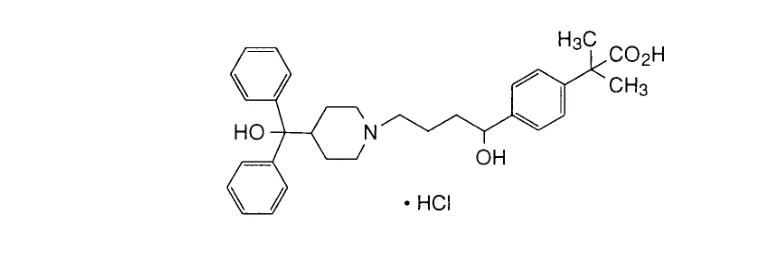
Structural formula:
Physicochemical properties:
Physical Form: Fexofenadine is a white to off-white crystalline powder
Solubility: Freely soluble in methanol and ethanol. Slightly soluble in chloroform and water. Insoluble in hexane
pK: Fexofenadine hydrochloride is a racemate and exists as a zwitterion in aqueous media at physiological pH, with a pK1= 4.25 and a pK2= 9.53
Drug Substance
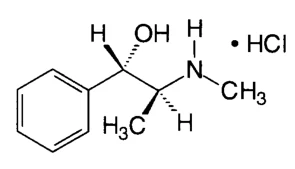
Proper name: pseudoephedrine hydrochloride
Chemical name: [S-(R*,R*)]-α-[1-(methylamino)ethyl] benzenemethanol hydrochloride
Molecular formula and molecular mass: C10H15NO.HCI 201.70
Structural formula:
Physicochemical properties:
Physical Form: Fine, white to off-white crystals or powder, having a faint characteristic odour
Solubility: Very soluble in water, freely soluble in alcohol, sparingly soluble in chloroform
pK: 9.22
14 CLINICAL TRIALS
14.1 Trial Design and Study Demographics
One comparative study of the safety and efficacy of a twice-daily administration of ALLEGRA-D (fexofenadine HCl 60 mg/pseudoephedrine HCl 120 mg) versus its components alone in the management of ragweed seasonal allergy was conducted in 651 patients during the ragweed pollen season.
Efficacy Evaluation Parameters
This was a Canadian multicenter, randomized, double-blind, parallel-design safety and efficacy study conducted during the ragweed pollen season. The duration of the study for a given patient was approximately 3 weeks during which he/she was seen by the investigator on 4 occasions: 2 screening/baseline visits (week 1 & 2) and two treatment visits (weeks 3 & 4). Patients who met study criteria were then randomized to double-blind study medication (fexofenadine HCl 60 mg BID, pseudoephedrine HCl 120 mg BID or fexofenadine HCl 60 mg-pseudoephedrine HCl 120 mg BID combination) and treated for two weeks.
Efficacy variables were based on the patient’s assessment of symptom severity. A total of 5 symptoms were assessed: nasal congestion; sneezing; rhinorrhea; itchy nose, palate and/or throat; itchy, watery, red eyes. A 5-point subjective rating scale was used ranging from symptom not present to very severe as to warrant an immediate visit to the physician.
The following symptom scores were used to assess the efficacy of the treatments: Total Symptom Score (TSS= Sum of Individual Symptom Scores), Nasal Congestion Score (NCS), total Symptom Score minus Nasal Congestion Score (TSS-NCS). Throughout the study, patients assessed their allergy symptoms daily reflectively and instantaneously at prespecified hours.
The primary efficacy parameters were change from baseline in average 7:00 p.m. reflective TSS-NCS: comparing fexofenadine-pseudoephedrine combination versus pseudoephedrine; and change from baseline in average 7:00 p.m. reflective NCS: comparing fexofenadine-pseudoephedrine combination versus fexofenadine. These primary parameters were selected to demonstrate that each active component of the combination product made a contribution to the claimed effects.
14.2 Study Results
The combination treatment group showed a quantitative effect in the reduction of TSS-NCS using the reflective evaluations. The fexofenadine HCl 60 mg-pseudoephedrine HCl 120 mg combination treatment was statistically significantly superior to pseudoephedrine HCl 120 mg in reducing the 7:00 p.m. reflective TSS - NCS (p < 0.0001). Similarly, the combination dose group was statistically significantly superior to fexofenadine HCl 60 mg dose group in reducing the 7:00 p.m. reflective NCS (p=0.0005).
Table4: Analysis of 7:00 p.m. Reflective TSS-NCS*, NCS** by Treatment Group (Intent-to-Treat Population)
| Variable | TSS-NCS* | NCS** | ||||||||||||
Fexofenadine (n = 218) | Pseudoephedrine (n = 218) | ALLEGRA-D (n = 215) | Fexofenadine (n = 218) | Pseudoephedrine (n = 218) | ALLEGRA-D (n = 215) | |||||||||
| Baseline Mean ± SE1 | 8.19 ± 0.137 | 7.97 ± 0.138 | 7.84 ± 0.135 | 2.36 ± 0.030 | 2.34 ± 0.029 | 2.32 ± 0.031 | ||||||||
| Double-blind Period Mean ± SE1 | 6.00 ± 0.147 | 6.51 ± 0.162 | 5.54 ± 0.165 | 1.98±0.041 | 1.88 ± 0.041 | 1.76 ± 0.046 | ||||||||
| Change from Baseline Mean ± SE2 | -2.05 ± 0.137 | -1.42 ± 0.137 | -2.32 ± 0.139 | -0.36 ± 0.040 | -0.45 ± 0.040 | -0.56 ± 0.040 | ||||||||
| Comparisons: | p-Values | |||||||||||||
| TSS - NCS* | NCS** | |||||||||||||
| Overall treatment differences | 0.0013 | 0.00233 | ||||||||||||
| Fexofenadine vs. Combination | 0.15793 | 0.00053 | ||||||||||||
| Pseudoephedrine vs Combination | 0.00013 | 0.05903 | ||||||||||||
| Treatment-by-site interaction | 0.30784 | 0.10904 | ||||||||||||
| Treatment-by-baseline interaction | 0.24445 | 0.41715 | ||||||||||||
1 Within group mean and standard error 2 Least square mean and pooled standard error from ANCOVA model containing site, treatment and baseline 3 P-value from ANCOVA model containing site, treatment and baseline 4 P-value from ANCOVA model containing site, treatment, baseline and treatment-by-site interaction 5 P-value from ANCOVA model containing site, treatment, baseline, treatment-by-site interaction and treatment-by-baseline interaction * TSS-NCS: Total Symptom Score, excluding Nasal Congestion Score ** NCS: Nasal Congestion Score | ||||||||||||||
Safety
ALLEGRA-D caplets (fexofenadine HCl 60 mg-pseudoephedrine HCl 120 mg) were well tolerated in all patients. No serious treatment emergent adverse events were reported during this trial. Clinical laboratory results were similar in the three groups. No clinically significant changes were observed either for the ECG parameters or the vital signs. Work productivity was significantly improved in the combination dose group compared to pseudoephedrine dose group.
The results of this study demonstrate that a twice daily fexofenadine 60 mg-pseudoephedrine 120 mg combination is safe, well tolerated and more effective than the decongestant alone (pseudoephedrine 120 mg b.i.d.) for histamine-mediated symptoms (TSS-NCS) and more effective than the antihistamine component alone (fexofenadine 60 mg b.i.d.) for the non-histamine-mediated symptoms (NCS). Moreover, the combination therapy demonstrates higher improvement in the regular daily activities and work productivity than its components alone.
15 MICROBIOLOGY
Not Applicable.
16 NON-CLINICAL TOXICOLOGY
Acute Toxicity:
Fexofenadine HCl
The approximate LD50 in the mouse, rat and dog is provided below.
Table 2
| LD50 Values for Fexofenadine HCl | ||
| Species | Route | LD50 (mg/kg) |
| Mice | Oral (gavage) | >5146 |
| Rat | Oral (gavage) | >5146 |
| Dog | Oral (gavage) | >2000 |
For the 14 day duration of study in each of these species, no clinical signs of toxicity were observed. No effects on body weight or food consumption were observed in any species. In rodent species there were no treatment related findings noted at necropsy. Necropsy results indicated a high incidence of gross uterine lesions (dilated/fluid filled/congested) in female rats but these were not related to dose. No necropsy data is available for dogs, as all were returned to stock at study end.
Pseudoephedrine HCl
The intravenous LD50 in mice was found to be approximately 88-89 mg/kg. The intravenous minimum lethal dose (MLD) of pseudoephedrine in rabbits is 75 mg/kg, compared to 60 mg/kg for ephedrine. The subcutaneous MLD for pseudoephedrine in rabbits is 500 mg/kg.
Immediate-release capsules of pseudoephedrine were compared with 120 mg sustained-release pseudoephedrine in the dog. The oral MLD for the immediate-release material was observed to be approximately 200 mg/kg while that of the sustained-release preparation was approximately 510 mg/kg. Mydriasis, muscle tremors, hyperactivity, head jerk, loss of the righting reflex and death were elicited with both forms at these dosages.
Necropsy revealed similar gross lesions in all dogs that died, consisting of marked hepatic and renal congestion and hemorrhages in the myocardium.
Terfenadine/Pseudoephedrine Combination
Table 3
| Species/ Strain | Number of Animals/Group | Doses | Route of Administration Duration | Results |
Rat Cox (SD) | 5M + 5F 10M + 10F received terfenadine alone | T 600 mg/kg alone P 420-3200 mg/kg alone P 420-3200 mg/kg + T 600 mg/kg | oral gavage single dose | Addition of terfenadine significantly reduced oral toxicity of pseudoephedrine HCl: LD50 pseudoephedrine alone = 1674 mg/kg LD50 pseudoephedrine + terfenadine 600 mg/kg = 3017 mg/kg |
SD: Sprague Dawley
Subchronic Toxicity Studies
Fexofenadine HCl
Multidose toxicity studies with fexofenadine HCl for up to 1 month duration were undertaken in Beagle dogs.
An oral tolerance study at daily oral doses of fexofenadine HCl of 10 and 30 mg/kg x 10 days and 100 and 300 mg/kg x 15 days indicated that fexofenadine HCl was well tolerated with the exception of sporadic episodes of diarrhea and emesis. A sex difference in the plasma levels of fexofenadine was observed; with females having higher plasma concentrations than males (100 mg/kg dose x 15 days gave 1 hour plasma concentrations of 53,504 and 12,171 ng/mL, respectively). Similar sex differences were reflected in the AUC.
A one month oral toxicity study in Beagle dogs dosed tid at 90, 300 and 900 mg/kg/day showed sporadic and reversible episodes of emesis and salivation at the high dose level. There were no drug-related changes in the ECG, body weight, food consumption, hematology, clinical chemistry, urinalysis parameters, organ weights, gross or histopathology findings. A reversible vehicle-related anemia was observed in all groups including controls. Again, plasma concentrations tended to be higher in females as compared to males and increased as dose increased. The AUC0-8h also tended to be higher for females than for males, particularly at the highest dose.
In the one month pharmacokinetic study bridging to the chronic terfenadine study in dogs, the toxicity observed in the terfenadine dog studies was not observed in the one month fexofenadine HCl study (with the exception of trembling at weeks 2 and 3 in all three female dogs) although fexofenadine exposure (AUC and Cmax) was much greater in the fexofenadine HCl study (see table below).
Pseudoephedrine HCl
Subacute oral toxicity studies were performed in Beagle dogs for a period of 39 days and in mongrel dogs for 30 days. Treatment rates of 0, 10, 25 and 50 mg/kg/day were used for both 120 mg sustained-release pseudoephedrine and an immediate-release pseudoephedrine, animals being dosed once daily with 120 mg sustained-release pseudoephedrine and twice daily with the latter formulation. Initially, dose levels of 100 mg/kg/day were also used, but at this rate a death occurred in each treatment group within the first two days of treatment, and this dose level was discontinued.
Clinical signs were similar in all dogs with dose-level related degrees of anxiety, mydriasis, polypnea, hyperactivity, cyanosis, convulsions and paresis of rear quarters. Food consumption and body weight decreased in a dose-response relationship with the greater decreases being produced by the immediate-release form. Hemoglobin and packed cell volume decreases were slight to moderate at all treatment levels with both drugs, while clinical chemistry and urinalysis results were unaffected by treatment.
In addition, subacute (30 days) oral toxicity studies of 120 mg sustained-release pseudoephedrine have been performed in New Zealand White Rabbits with daily oral mean doses of 0, 40, 100, or 160.5 mg/kg of the controlled-released formulation of d-pseudoephedrine hydrochloride being administered. Treatment with 160.5 mg/kg/day but not with 40 or 100 mg/kg/day of 120 mg sustained-release pseudoephedrine produced variable mydriasis in all rabbits, restlessness in some animals and self-mutilation of the skin due to apparent hyperesthesia in one rabbit. Treatment with the high dose level also had a slight detrimental effect on body weight.
Focal hepatic necrosis was noted in two high dose animals. No deaths occurred as a result of treatments. Results indicate that oral dose levels of 40 or 100 mg/kg/day of 120 mg sustained-release pseudoephedrine are “no effect” treatment levels in the rabbit.
Long Term Toxicity Studies
Fexofenadine HCl
The carcinogenic potential and the chronic and reproductive toxicity of fexofenadine hydrochloride were based upon carcinogenicity and reproductive toxicity studies conducted with terfenadine, with appropriate pharmacokinetic bridging studies to demonstrate that there was adequate fexofenadine exposure (based on plasma area-under-the-curve [AUC] values).
In rats, the bioavailability of fexofenadine HCl is extremely low (approximately 3%) because of poor absorption and high first pass extraction. Hence, administration of terfenadine results in higher systemic levels of fexofenadine metabolite than the administration of fexofenadine HCl. Therefore, all of the toxicity data generated in this species with terfenadine adequately characterize the toxicological profile of fexofenadine HCl, since systemic exposure to fexofenadine in the preclinical studies with terfenadine was greater after oral administration of terfenadine than after the oral administration of fexofenadine HCl.
In contrast to the rat, systemic levels of fexofenadine were 3 x higher after the oral administration of fexofenadine HCl in the dog as compared to an equimolar dose of terfenadine. Systemic exposure in the dog toxicity studies was over 200 times that achieved at steady state in humans with 60 mg bid dosing of fexofenadine HCl.
In the bridging studies, the experimental conditions (doses, dosing vehicle, dosing regimen, etc.) employed were identical to those used in the terfenadine chronic toxicity, carcinogenicity, and reproductive studies. Doses selected were equal to the high dose in the original terfenadine studies. Systemic levels of fexofenadine, as assessed by plasma AUC data, exceeded that observed in man following 60 mg terfenadine bid by 3 to 26 fold and, following 60 mg bid fexofenadine HCl, by 4 to 37 fold, depending on the dose and species (see table below).
Table 4
| Exposure to Fexofenadine in Chronic Terfenadine Toxicity Studies and the Relationship to Human Exposure at Therapeutic Doses of Terfenadine and Fexofenadine HCl (both at 60 mg bid) | |||||
| New Studies Bridging | To Original Terfenadine Studies | Species | Bioavailability of fexofenadine | AUC Ratio* Animal/Man After Doses of Terfenadine | AUC Ratio Animal/Man After Doses of Fexofenadine HCl |
One month terfenadine 80 mg/kg/day (capsule) | Two year oral Capsule | Dog | Cmax 4,986 ng/mL AUC0-24 46,644 ng/mL•h | 12 | 17 |
One month terfenadine 150 mg/kg/day (diet) | 18 month dietary carcinogenicity study | Mouse | Cmax 689 ng/mL AUC0-24 11,444 ng/mL•h | 2.9 | 4.2 |
One month terfenadine 150 mg/kg/day (diet) | Two year dietary carcinogenicity study | Rat | Cmax 675 ng/mL AUC0-24 11,618 ng/mL•h | 2.9 | 4.2 |
Terfenadine 300 mg/kg/day (gavage) | Teratology | Rat | Cmax 946 ng/mL AUC0-24 11,927 ng/mL•h | 3.0 | 4.4 |
Terfenadine 300 mg/kg/day (gavage) | Teratology | Rabbit | Cmax 9.313 ng/mL AUC0-24 101,631 ng/mL•h | 26 | 37 |
* Based on a 60 mg bid dose in man [Cmax = 341 ng/mL and AUC0-24 = 3.944 ng/mL•h (2 x AUC0-12 of 1,972 ng/mL•h)]
[Cmax = 299 ng/mL and AUC0-24 = 2.734 ng/mL•h (2 x AUC0-12 of 1,367 ng/mL•h)] | |||||
Terfenadine/Pseudoephedrine Combination
Table 5
| Long-Term Toxicity | ||||
| Species/Strain | Number of Animals/Group | Doses | Route of Administration Duration | Results |
Rat Cox (SD) | 5M + 5F | P 150-1200 mg/kg/day alone T/P in 1:2 ratio from 75/150 mg/kg/day to 600/1200 mg/kg/day | oral gavage single daily dose for 18-21 days | Death and clinical signs (body weight loss, depression, tremors, nasal discharge, excessive salivation) noted in those rats that received the terfenadine/ pseudoephedrine HCl combination were also observed in those groups that received the same doses of pseudoephedrine HCl alone. Necropsy observations and histopathologic examinations of tissues failed to reveal any target organ toxicity. |
Rat Cox (SD) | 20M + 20F | T/P in 1:2 ratio 0/0, 15/30, 50/100 or 150/300 mg/kg/day | oral gavage single daily dose for 3 months | Treatment was well-tolerated, with only slight decreases in body weight gain and food consumption and mild adrenergic clinical signs (excessive salivation, wet belly) and alopecia at doses of 50/100 mg/kg/day T/P and higher. These effects were most likely attributable to pseudoephedrine. Mild ALT elevation was seen in the 150/300 mg/kg/day group. Histopathologic examination revealed no treatment-related effects other than mild alopecia. |
Dog beagle | 3M + 3F 4M + 4F in highest dose groups | T/P in 1:2 ratio 0/0, 2.5/5, 12.5/25, or 25/50 mg/kg/day P alone 5 or 50 mg/kg/day | oral gavage single daily dose for 3 months | High doses of T/P (25/50 mg/kg/day combination) or P alone (50 mg/kg/day), when administered by gavage to dogs, caused numerous deaths after the first dose. Although hemorrhagic areas were found in the myocardia of 6 of the 7 dogs that died or were sacrificed, these lesions did not appear to be of sufficient severity to account for the deaths. In all probability, the deaths resulted from cardiac and/or CNS (respiratory) failure caused by pseudoephedrine HCl. The surviving dogs were able to tolerate the T/P combination (reduced to 20/40 mg/kg/day) and P alone (reduced to 40 mg/kg/day) for 3 months with only mild adrenergic effects (hyperactivity, ataxia, head bobbing, rapid and shallow breathing, mydriasis). No cardiac lesions were found in those dogs that survived the 3 month treatment period. |
SD: Sprague Dawley
Carcinogenicity: No evidence of carcinogenicity was observed when mice and rats were exposed to fexofenadine plasma AUC values four times the human therapeutic value (based on 60 mg fexofenadine hydrochloride bid dose) for 18 and 24 months, respectively.
In the terfenadine mouse chronic toxicity/carcinogenicity study doses of 50 and 150 mg/kg/day did not enhance tumour development. Mice receiving 150 mg/kg/day in the diet exhibited a 5% decrease in weight gain compared to controls, indicating that this dose approached the maximum tolerated dose.
In the terfenadine rat chronic toxicity/carcinogenicity study, doses up to 150 mg/kg/day administered via the diet for two years showed no apparent carcinogenic effects. Rats receiving 150 mg/kg/day in the diet exhibited a 10% decrease in body weight gain, and an increase in relative liver weights compared to controls.
Genotoxicity: Fexofenadine HCl was tested in the in vitro Salmonella - Escherichia coli/mammalian microsome reverse mutation assay, the Chinese hamster ovary cell/hypoxanthine -guanine-phosphoribosyl transferase (CHO/HGPRT) forward mutation assay and the in vitro chromosome aberration assay utilizing rat lymphocytes. In all tests, fexofenadine HCl was found to be negative. Fexofenadine HCl was also negative in the in vivo mouse bone marrow micronucleus test which determines the potential for chromosome aberrations and spindle malfunction.
Reproductive and Developmental Toxicology: The data generated in the Segment I, II, and III reproduction studies for terfenadine support the safety of fexofenadine HCl as well.
Oral doses of 50-300 mg/kg/day terfenadine did not produce any embryo lethality or teratogenicity in the mouse nor did terfenadine exhibit any teratogenic potential or delay in fetal development in the rat.
In rat reproduction and fertility studies, dose-related reductions in implants and increases in post implantation losses were observed at fexofenadine plasma AUC values greater than or equal to three times human therapeutic value. These effects occurred at maternally toxic doses.
No evidence of teratogenicity was observed in the rabbit at doses of 0, 30, 100 or 300 mg/kg/day.
Terfenadine + Pseudoephedrine Combination
Table 6
| Species/Strain | Number of Animals /Group | Doses | Route of Administration Duration | Results |
| Species/Strain | Number of Animals /Group | Doses | Route of Administration Duration | Results |
Rat Cox (SD) | 20F | T/P in 1:2 ratio 0/0, 15/30, 50/100 or 150/300 mg/kg/day | oral gavage single daily dose on Days 7 through 18 of gestation (Day 1 = day sperm plug found) | A 1:2 combination of terfenadine/pseudoephedrine HCl, when administered to pregnant rats during organogenesis at dosages of 0, 15/30, 50/100 or 150/300 mg/kg/day, produced no true teratologic effects. Maternal toxicity was apparent in the high dose group as indicated by reduced food consumption, reduced body weight, and other clinical signs. These maternal effects resulted in reduced fetal weights, delayed ossification, and wavy ribs in a few fetuses at the high dose. These findings were interpreted as indicative of maternal and fetal toxicity at the highest dose (150/300 mg/kg/day), while lower dosages exhibited little, if any, drug induced effects. |
Rabbit New Zealand White | 18F | T/P in 1:2 ratio 0/0, 10/20, 30/60 or 100/200 mg/kg/day | oral gavage single daily dose on Days 7 through 19 of gestation (Day 1 = day of insemination) | A 1:2 combination of terfenadine/pseudoephedrine HCl, when administered to pregnant rabbits during the period of organogenesis at dosages of 0, 10/20, 30/60 or 100/200 mg/kg/day produced no apparent teratologic effects. A mild toxic effect in the high dose was suggested by a slight increase in maternal deaths and a slight decrease in litter and fetal weights. |
SD: Sprague Dawley