


Product Monograph - Clopixol
Recent Major Label Changes
| 3 Serious Warnings and Precautions Box | 2025-07 |
|---|---|
| 4 Dosage and Administration, 4.1 Dosing Considerations | 2025-07 |
| 4 Dosage and Administration, 4.4 Administration | 2025-07 |
| 4 Dosage and Administration, 4.5 Missed Dose | 2025-07 |
| 7 Warnings and Precautions, General | 2026-07 |
| 7 Warnings and Precautions, Dependence, Tolerance and/or Abuse Liability | 2025-07 |
| 7 Warnings and Precautions, Endocrine and Metabolism | 2025-07 |
| 7 Warnings and Precautions, Monitoring and Laboratory Tests | 2025-07 |
| 7 Warnings and Precautions, Musculoskeletal | 2026-07 |
| 7 Warnings and Precautions, Neurologic | 2026-07 |
| 7 Warnings and Precautions, 7.1.4 Geriatrics | 2025-07 |
Table of Contents
Certain sections or subsections that are not applicable at the time of the preparation of the most recent authorized product monograph are not listed.
Recent Major Label Changes ................................................................................................. 2
Table of Contents ................................................................................................................. 2
Part 1: Healthcare Professional Information.......................................................................... 5
- 1.
Indications ................................................................................................................ 5
1.1. Pediatrics ................................................................................................................ 5
1.2. Geriatrics ................................................................................................................ 5
- 2. Contraindications ...................................................................................................... 5
- 3. Serious Warnings and Precautions Box ...................................................................... 5
- 4.
Dosage and Administration ....................................................................................... 6
4.1. Dosing Considerations ........................................................................................... 6
4.2. Recommended Dose and Dosage Adjustment ...................................................... 6
4.2.1. Discontinuing Treatment ................................................................................... 9
4.4. Administration ....................................................................................................... 9
4.5. Missed Dose ........................................................................................................... 9
- 5. Overdose ................................................................................................................ 10
- 6. Dosage Forms, Strengths, Composition, and Packaging ............................................ 10
- 7.
Warnings and Precautions ....................................................................................... 11
General ............................................................................................................................. 11
Cardiovascular .................................................................................................................. 11
Dependence, Tolerance and/or Abuse Liability ............................................................... 12
Driving and Operating Machinery .................................................................................... 12
Endocrine and Metabolism .............................................................................................. 12
Genitourinary ................................................................................................................... 13
Hematologic ..................................................................................................................... 13
Hepatic/Biliary/Pancreatic ............................................................................................... 13
Monitoring and Laboratory Tests .................................................................................... 13
Musculoskeletal ............................................................................................................... 13
Neurologic ........................................................................................................................ 13
Ophthalmologic ................................................................................................................ 15
Renal ................................................................................................................................ 15
Reproductive Health ........................................................................................................ 15
7.1. Special Populations .............................................................................................. 15
7.1.1. Pregnancy ......................................................................................................... 15
7.1.2. Breastfeeding ................................................................................................... 16
7.1.3. Pediatrics .......................................................................................................... 16
7.1.4. Geriatrics .......................................................................................................... 16
- 8.
Adverse Reactions ................................................................................................... 16
8.1. Adverse Reaction Overview ................................................................................. 16
8.2. Clinical Trial Adverse Reactions ........................................................................... 17
8.3. Less Common Clinical Trial Adverse Reactions .................................................... 20
8.5. Post-Market Adverse Reactions ........................................................................... 21
- 9.
Drug Interactions .................................................................................................... 22
9.1. Serious Drug Interactions .................................................................................... 22
9.2. Drug Interactions Overview ................................................................................. 22
9.3. Drug-Behaviour Interactions ................................................................................ 23
9.4. Drug-Drug Interactions ........................................................................................ 23
9.5. Drug-Food Interactions ........................................................................................ 25
9.6. Drug-Herb Interactions ........................................................................................ 25
9.7. Drug-Laboratory Test Interactions....................................................................... 25
- 10.
Clinical Pharmacology ............................................................................................. 25
10.1. Mechanism of Action ....................................................................................... 25
10.2. Pharmacodynamics .......................................................................................... 25
10.3. Pharmacokinetics ............................................................................................. 26
- 11. Storage, Stability, and Disposal ................................................................................ 28
Part 2: Scientific Information .............................................................................................. 29
- 13. Pharmaceutical Information .................................................................................... 29
- 14.
Clinical Trials ........................................................................................................... 31
14.1. Clinical Trials by Indication .............................................................................. 31
- 15. Microbiology ........................................................................................................... 31
- 16. Non-Clinical Toxicology ........................................................................................... 31
Patient Medication Information ......................................................................................... 34
Part 1: Healthcare Professional Information
1. Indications
CLOPIXOL (zuclopenthixol hydrochloride), CLOPIXOL ACUPHASE (zuclopenthixol acetate injection) and CLOPIXOL DEPOT (zuclopenthixol decanoate injection) are indicated for:
- the management of the manifestations of schizophrenia.
CLOPIXOL (zuclopenthixol tablets as zuclopenthixol hydrochloride) may be used during initial treatment and for maintenance treatment. CLOPIXOL ACUPHASE (zuclopenthixol acetate injection) is intended for the initial treatment of acute psychotic episodes or exacerbation of psychosis associated with schizophrenia. CLOPIXOL DEPOT (zuclopenthixol decanoate injection) is intended for maintenance treatment.
1.1. Pediatrics
Pediatrics (< 18 years of age): The safety and efficacy of CLOPIXOL, CLOPIXOL ACUPHASE and CLOPIXOL DEPOT in pediatric patients under the age of 18 years have not been established, therefore Health Canada has not authorized an indication for pediatric use (see 7.1.3 Pediatrics).
1.2. Geriatrics
Geriatrics (> 65 years of age): The pharmacokinetics, safety, and efficacy of CLOPIXOL, CLOPIXOL ACUPHASE and CLOPIXOL DEPOT in geriatric patients with schizophrenia have not been systematically evaluated in clinical trials. Caution should thus be exercised in dose selection for a geriatric patient, recognizing the more frequent hepatic, renal and cardiac dysfunctions in this population (see 4.2 Recommended Dose and Dosage Adjustment and 7.1.4 Geriatrics).
CLOPIXOL, CLOPIXOL ACUPHASE and CLOPIXOL DEPOT are not approved for use in geriatric patients with dementia (see 3 Serious Warnings and Precautions Box).
2. Contraindications
CLOPIXOL, CLOPIXOL ACUPHASE and CLOPIXOL DEPOT are contraindicated in:
- Acute alcohol, barbiturate or opiate intoxication.
- Central Nervous System (CNS) depression due to any cause, comatose states, suspected or established subcortical brain damage or circulatory collapse.
- Patients who are hypersensitive to this drug, thioxanthenes, or to any ingredient in the formulation, including any non-medicinal ingredient or component of the container. For a complete listing, see 6 Dosage Forms, Strengths, Composition, and Packaging.
3. Serious Warnings and Precautions Box
- Neuroleptic malignant syndrome (NMS) is a rare, sometimes fatal, neurological disorder that has been reported in association with antipsychotic drugs including zuclopenthixol (see 7 Warnings and Precautions, Neurologic and 8.5 Post-Market Adverse Reactions).
Increased mortality in geriatric patients with dementia: Geriatric patients with dementia treated with antipsychotic drugs are at an increased risk of death compared to those treated
- with placebo (see 7.1.4 Geriatrics). CLOPIXOL, CLOPIXOL ACUPHASE and CLOPIXOL DEPOT are not approved for use in geriatric patients with dementia.
4. Dosage and Administration
4.1. Dosing Considerations
Patients on long-term therapy (CLOPIXOL or CLOPIXOL DEPOT), particularly on high doses, should be monitored carefully and evaluated periodically to decide whether the maintenance dosage can be lowered.
CLOPIXOL
Dosage should be individualized according to the patient’s condition. In general, small doses should be used initially and increased until an optimal response is obtained.
CLOPIXOL ACUPHASE
CLOPIXOL ACUPHASE is intended for use during acute psychotic episodes or exacerbation of psychosis associated with schizophrenia, when compliance with oral medication may be unreliable. CLOPIXOL ACUPHASE has an onset of action within 2-4 hours, and a duration of action of 2-3 days following a single intramuscular injection. Significant dose-dependent sedation occurs within 2 hours of injection, usually reaching a maximum after 8 hours. Tolerance to the sedative effect may develop with repeated injection. Maximum serum concentrations of zuclopenthixol are reached, on average, 24 to 48 hours after injection (see 4.4 Administration).
CLOPIXOL ACUPHASE is not intended for long-term use, and the duration of treatment should not exceed two weeks. The maximum cumulative dosage should not exceed 400 mg, and the number of injections should not exceed four.
Following treatment with CLOPIXOL ACUPHASE, antipsychotic therapy, when indicated, should be continued with either oral or long-acting injectable antipsychotic medications such as CLOPIXOL (tablets) or CLOPIXOL DEPOT (zuclopenthixol decanoate), respectively.
CLOPIXOL DEPOT
CLOPIXOL DEPOT is intended for maintenance treatment of chronic schizophrenia in patients who have been stabilized with oral or other short-acting medication, and who might benefit from transfer to long-acting injectable therapy (see 4.4 Administration).
Co-injection of CLOPIXOL ACUPHASE and CLOPIXOL DEPOT
For patients with exacerbation of chronic psychoses, CLOPIXOL ACUPHASE and CLOPIXOL DEPOT can be mixed in a syringe and given as one injection (co-injection) (see 4.4 Administration).
CLOPIXOL ACUPHASE cannot be mixed with other antipsychotic depot formulations.
4.2. Recommended Dose and Dosage Adjustment
CLOPIXOL
When initiating treatment with CLOPIXOL (tablets), it is recommended that the drug be given in two or three divided doses (i.e., BID or TID). During the maintenance phase of treatment CLOPIXOL may be given as a single nighttime dose.
For acute psychosis, the usual starting dose is 10-50 mg/day, which may be increased by 10-20 mg every 2-3 days, according to the patient’s response. The usual therapeutic range is 20 mg to 60 mg daily. However, as with other antipsychotic drugs, some patients may require lower, while others may require higher dosage in order to obtain optimal benefit. Daily dosage higher than 100 mg is not recommended. For maintenance therapy, dosage should be reduced to the lowest level compatible with symptom control. The usual maintenance dose is 20-40 mg/day.
CLOPIXOL ACUPHASE
Dosage should be individually adjusted according to the patient’s condition. The usual dose is 50-150 mg (1-3 mL) administered intramuscularly and repeated if necessary, at intervals of 2-3 days. Some patients may need an additional injection 1 or 2 days after the first injection.
Due to the delay in reaching peak zuclopenthixol blood levels and maximum pharmacologic effect, close supervision is required in order to minimize the risk of over-medication or insufficient suppression of psychotic symptoms.
The maximum cumulative dosage should not exceed 400 mg, and the number of injections should not exceed four.
Tables 1a and 1b below provide guidelines for dosage form conversion. CLOPIXOL should usually be started 2 to 3 days after the last injection of CLOPIXOL ACUPHASE. If CLOPIXOL DEPOT is used for maintenance, it can be given concomitantly with the last injection of CLOPIXOL ACUPHASE (see 4.1 Dosing Considerations, Co-injection of CLOPIXOL ACUPHASE and CLOPIXOL DEPOT).
CLOPIXOL DEPOT
Close supervision is required during the period following initiation of CLOPIXOL DEPOT treatment, in order to minimize the risk of over-medication or insufficient suppression of psychotic symptoms. Supplemental oral antipsychotic medication may be required in diminishing dosage during this period.
The usual maintenance dose is 150-300 mg intramuscularly, every 2-4 weeks. Some patients may require higher or lower doses, or shorter intervals between doses.
During treatment with CLOPIXOL DEPOT, the patient should be maintained at the lowest dose level compatible with adequate symptom control.
Table 2 below provides guidelines for conversion from CLOPIXOL to CLOPIXOL DEPOT.
Table 1a Suggested Dose to be Used When Transferring Patients from CLOPIXOL ACUPHASE to CLOPIXOL
| CLOPIXOL ACUPHASE Dose | CLOPIXOL Dose* |
| 50 mg | 20 mg daily |
| 100 mg | 40 mg daily |
| 150 mg | 60 mg daily |
*Initial total daily dose usually given in divided dosages (see 4.2 Recommended Dose and Dose Adjustment, CLOPIXOL).
Table 1b Suggested Dose to be Used When Transferring Patients from CLOPIXOL ACUPHASE to CLOPIXOL DEPOT
| CLOPIXOL ACUPHASE Dose | CLOPIXOL DEPOT Dose* |
| 50 mg | 100 mg Q2 weekly |
| 100 mg | 200 mg Q2 weekly |
| 150 mg | 300 mg Q2 weekly |
*See 4.2 Recommended Dose and Dose Adjustment, CLOPIXOL DEPOT.
Table 2 Suggested Dose to be Used When Transferring Patients from CLOPIXOL to CLOPIXOL DEPOT
| CLOPIXOL Dose | CLOPIXOL DEPOT Dose* |
| up to 20 mg daily | 100 mg Q2 weekly |
| 25 mg to 40 mg daily | 200 mg Q2 weekly |
| 50 mg to 75 mg daily | 300 mg Q2 weekly |
| more than 75 mg daily | 400 mg Q2 weekly |
*See 4.2 Recommended Dose and Dose Adjustment, CLOPIXOL DEPOT.
Dose Adjustment with Co-injection of CLOPIXOL ACUPHASE and CLOPIXOL DEPOT
See 4.1 Dosing Considerations, Co-injection of CLOPIXOL ACUPHASE and CLOPIXOL DEPOT.
Special Populations
Use in pediatric patients: Health Canada has not authorized an indication for pediatric use (see 1.1 Pediatrics).
Use in geriatric patients: The use of zuclopenthixol in geriatric patients with schizophrenia has not been systematically evaluated. Caution should thus be exercised in dose selection for a geriatric patient, recognizing the more frequent hepatic, renal and cardiac dysfunctions in this population.
Use in patients with hepatic impairment: The use of zuclopenthixol in patients with impaired liver function has not been studied. As zuclopenthixol is extensively metabolized by the liver and primarily excreted in the bile (see 10.3 Pharmacokinetics), caution should be exercised in dose selection for patients with this condition.
Use in patients with renal impairment: The use of zuclopenthixol in patients with impaired renal function has not been studied. Caution should be exercised in dose selection for patients with this condition.
4.2.1. Discontinuing Treatment
Abrupt discontinuation of zuclopenthixol may be accompanied by withdrawal symptoms. The most common symptoms are nausea, vomiting, anorexia, diarrhoea, rhinorrhoea, sweating, myalgias, paraesthesias, insomnia, restlessness, anxiety, and agitation. Patients may also experience vertigo, alternate feelings of warmth and coldness, and tremor. Symptoms generally begin within 1 to 4 days of withdrawal and abate within 7 to 14 days.
4.4. Administration
CLOPIXOL
Tablets shall be swallowed with water and not chewed.
CLOPIXOL ACUPHASE and CLOPIXOL DEPOT
How to open an ampoule:
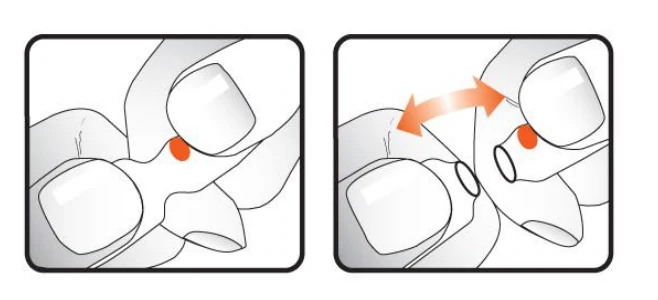
The ampoule can only be broken in one direction. The breaking point can be found on the neck of the ampoule next to the red dot. The pressure must be applied under the red dot.
Hold the ampoule with the red dot facing up. Position your thumbs on each side of the neck of the ampoule, one on the top of the red dot and the other on the label. Apply pressure using your index fingers and snap the ampoule in an upward direction. Keep the ampoule away from you at all times when opening.
CLOPIXOL ACUPHASE is administered by deep intramuscular injection into the gluteal region. Injection volumes exceeding 2 mL should be distributed between 2 injection sites. Local tolerability is good.
CLOPIXOL DEPOT is administered by deep intramuscular injection into the gluteal region. Injection volumes exceeding 2 mL should be distributed between 2 injection sites. Local tolerability is good.
Co-injection of CLOPIXOL ACUPHASE and CLOPIXOL DEPOT
Since CLOPIXOL ACUPHASE and CLOPIXOL DEPOT are dissolved in the same vehicle, mixing will not affect the pharmacokinetics of either formulation and will allow the administration of an acute and maintenance dose with one injection. Subsequent doses of CLOPIXOL DEPOT and the interval between injections should be adjusted according to the patient’s response.
CLOPIXOL ACUPHASE cannot be mixed with other antipsychotic depot formulations.
4.5. Missed Dose
CLOPIXOL (tablets)
A missed dose should be taken at the next scheduled dose. Doses should not be doubled.
CLOPIXOL ACUPHASE and CLOPIXOL DEPOT
In case of a missed dose, it shall be administered as soon as possible. The following dose would then be administered as per the usual dosing interval.
5. Overdose
The symptoms are likely to be somnolence, coma, extrapyramidal symptoms, convulsions, hypotension, QT prolongation, Torsade de Pointes, cardiac arrest, ventricular arrhythmias, shock, or hyper- or hypothermia.
There is no specific antidote for zuclopenthixol. Treatment should be symptomatic and supportive. Measures aimed at supporting the respiratory and cardiovascular systems should be instituted. Hypotension and circulatory collapse may be counteracted by use of IV fluids. Adrenaline (epinephrine) must not be used as further lowering of blood pressure may result. In cases of severe extrapyramidal reactions, antiparkinsonian medication should be administered. Close monitoring and medical supervision should continue until the patient recovers.
In managing overdose, the physician should consider the possibility of multiple drug involvement.
For the most recent information in the management of a suspected drug overdose, contact your regional poison control centre or Health Canada’s toll-free number, 1-844 POISON-X (1-844-764-7669).
- 6. Dosage Forms, Strengths, Composition, and Packaging
Table 3 - Dosage Forms, Strengths, and Composition
Description
CLOPIXOL:
10 mg tablets: Each light red-brown, round, biconvex, film-coated tablet contains 10 mg zuclopenthixol as zuclopenthixol hydrochloride. Supplied in bottles of 100 tablets.
| Route of Administration | Dosage Form / Strength/Composition | Non-Medicinal Ingredients |
| oral | tablet 10 mg, 25 mg zuclopenthixol (as zuclopenthixol hydrochloride) | castor oil (hydrogenated), copovidone, ferric oxide, glycerol, hypromellose, lactose, macrogol 6000, magnesium stearate, microcrystalline cellulose, potato starch, talc, titanium dioxide |
| intramuscular injection | solution 50 mg/mL (as zuclopenthixol acetate) | medium-chain triglycerides |
| solution 200 mg/mL (as zuclopenthixol decanoate) | medium-chain triglycerides |
25 mg tablets: Each red-brown, round, biconvex, film-coated tablet contains 25 mg zuclopenthixol as zuclopenthixol hydrochloride. Supplied in bottles of 100 tablets.
CLOPIXOL ACUPHASE:
Clear, yellowish oil, practically free from particles, supplied in colourless glass ampoules of 1 mL and 2 mL, in packages of 5 ampoules.
Each 1 mL and 2 mL ampoule of CLOPIXOL ACUPHASE contains zuclopenthixol acetate 50 mg/mL in medium-chain triglycerides.
CLOPIXOL DEPOT:
Clear, yellowish oil, practically free from particles, supplied in clear glass ampoules of 1 mL in packages of 10 ampoules.
Each 1 mL ampoule of CLOPIXOL DEPOT contains zuclopenthixol decanoate 200 mg/mL in medium-chain triglycerides.
7. Warnings and Precautions
See 3 Serious Warnings and Precautions Box.
General
Anticholinergic Effects: Although the anticholinergic effect of zuclopenthixol is weak, it may potentiate the effects of concurrent anticholinergic medications (see 9.4 Drug-Drug Interactions).
Body Temperature Regulation: Disruption of the body’s ability to reduce core body temperature has been attributed to antipsychotic agents. Appropriate care is advised when prescribing zuclopenthixol for patients who will be experiencing conditions which may contribute to an elevation of core temperature, e.g. exercising strenuously, exposure to extreme heat, receiving concomitant medication with anticholinergic activity, or being subject to dehydration.
Antiemetic Effects: An antiemetic effect of zuclopenthixol has been observed in animals. Since this effect may also occur in man, zuclopenthixol may mask signs of toxicity resulting from overdosage of other drugs, or may mask symptoms of disease such as brain tumor or intestinal obstruction.
Cardiovascular
Caution should be used when using zuclopenthixol in patients with advanced cardiovascular disease or in those at risk of developing conduction abnormalities. Zuclopenthixol should be used with caution in patients with risk factors for stroke or with a history of stroke.
QT interval: As with other drugs belonging to the therapeutic class of antipsychotics, zuclopenthixol may cause QT prolongation (see 8.5 Post-Market Adverse Reactions). Persistently prolonged QT intervals may increase the risk of malignant arrhythmias. Therefore, zuclopenthixol should be used with caution in susceptible individuals (with hypokalemia, hypomagnesia or genetic predisposition) and in patients with a history of cardiovascular disorders, e.g. QT prolongation, significant bradycardia (<50 beats per minute), a recent acute myocardial infarction, uncompensated heart failure, or cardiac arrhythmia. Concomitant treatment with other antipsychotics should be avoided.
Increases in the QT interval related to antipsychotic treatment may be exacerbated by the co-administration of other drugs known to significantly increase the QT interval. Co-administration of such drugs should be avoided (see 9.4 Drug-Drug Interactions).
Cerebrovascular accidents: An approximately 3-fold increase risk of cerebrovascular adverse events has been seen in randomized placebo controlled clinical trials in the dementia population with some atypical antipsychotics. The mechanism for this increased risk is not known. An increased risk cannot be excluded for other antipsychotics or other patient populations. Zuclopenthixol should be used with caution in patients with risk factors for stroke.
Dependence, Tolerance and/or Abuse Liability
Zuclopenthixol has not been systematically studied in humans or animals for its potential for abuse, tolerance, or physical dependence. Withdrawal symptoms have been described after abrupt discontinuation of zuclopenthixol therapy (see 4.2.1 Discontinuing Treatment).
Driving and Operating Machinery
Occupational Hazards Sedative Effects: Sedation is known to occur with zuclopenthixol. While taking CLOPIXOL, CLOPIXOL ACUPHASE or CLOPIXOL DEPOT, patients should be cautioned not to drive, operate dangerous machinery or engage in activities that require alertness or physical coordination if they are experiencing any of these effects.
Endocrine and Metabolism
Hyperprolactinemia: Antipsychotic drugs elevate prolactin levels with the effect persisting during chronic administration. Since tissue culture experiments indicate that approximately one third of human breast cancers are prolactin dependent in vitro, zuclopenthixol should only be administered to patients with previously detected breast cancer if the benefits outweigh the potential risks. Caution should also be exercised when considering zuclopenthixol treatment in patients with pituitary tumors. Possible manifestations associated with elevated prolactin levels are amenorrhea, galactorrhea, and menorrhagia (see 8.5 Post-Market Adverse Reactions).
Chronic administration of zuclopenthixol (30 mg/kg/day for two years) in rats resulted in small, but significant, increases in the incidence of thyroid parafollicular carcinomas and, in females, of mammary adenocarcinomas and of pancreatic islet cell adenomas and carcinomas. An increase in the incidence of mammary adenocarcinomas is a common finding for D2 antagonists which increase prolactin secretion when administered to rats. An increase in the incidence of pancreatic islet cell tumors has been observed for some other D2 antagonists. The physiological differences between rats and humans with regard to prolactin make the clinical significance of these findings unclear, but it is accepted as not predicting an oncogenic risk in patients.
Long-standing hyperprolactinemia when associated with hypogonadism may lead to decreased bone mineral density in both female and male subjects.
Hyperglycemia: Diabetic ketoacidosis (DKA) has occurred in patients with no reported history of hyperglycemia. Patients should have baseline and periodic monitoring of blood glucose and body weight (see 7 Warnings and Precautions, Monitoring and Laboratory Tests).
Lactose: Because CLOPIXOL tablets contain lactose monohydrate, patients with rare hereditary problems of galactose intolerance, the Lapp lactase deficiency or glucose-galactose malabsorption should not take CLOPIXOL tablets.
Genitourinary
Rare cases of priapism have been reported with antipsychotic use, such as zuclopenthixol. This adverse reaction, as with other psychotropic drugs, did not appear to be dose-dependent and did not correlate with the duration of treatment.
Hematologic
Thrombocytopenia, neutropenia, leukopenia, granulocytopenia and agranulocytosis have been reported during antipsychotic use, including with zuclopenthixol decanoate. Therefore, it is recommended that patients have their complete blood count (CBC) tested prior to starting zuclopenthixol and then periodically throughout the treatment (see 7 Warnings and Precautions, Monitoring and Laboratory Tests).
Venous Thromboembolism: Cases of venous thromboembolism (VTE) have been reported with antipsychotic drugs. All possible risk factors for VTE should be identified before and during treatment with CLOPIXOL, CLOPIXOL ACUPHASE and CLOPIXOL DEPOT and preventive measures undertaken.
Hepatic/Biliary/Pancreatic
Impaired Liver Function: The use of zuclopenthixol in patients with impaired liver function has not been studied. As zuclopenthixol is extensively metabolized by the liver and primarily excreted in the bile (see 10.3 Pharmacokinetics), caution should be exercised in dose selection for patients with this condition.
Monitoring and Laboratory Tests
Patients should have baseline and periodic monitoring of blood glucose and body weight.
Complete blood count (CBC) should be tested prior to starting zuclopenthixol and then periodically throughout the treatment.
Musculoskeletal
Rhabdomyolysis: Cases of rhabdomyolysis in absence of neuroleptic malignant syndrome (NMS) have been reported with use of zuclopenthixol at the recommended doses. Serious outcomes including acute pancreatitis, acute kidney injury, acute hepatitis, coma and fatalities have been reported. Most cases had confounding factors such as concomitant medications or comorbidities with a known association to rhabdomyolysis. Consider discontinuing zuclopenthixol if markedly elevated creatine phosphokinase concentrations are observed or myopathy is suspected or diagnosed.
Neurologic
Neuroleptic Malignant Syndrome: Neuroleptic malignant syndrome (NMS) is a potentially fatal symptom complex that has been reported in association with antipsychotic drugs including zuclopenthixol.
NMS is characterized by hyperthermia, muscle rigidity, altered consciousness, and signs of autonomic instability including irregular blood pressure, tachycardia, cardiac arrhythmias and diaphoresis. Additional signs may include greatly elevated creatine phosphokinase, myoglobinuria (rhabdomyolysis) and acute renal failure.
The diagnostic evaluation of patients with this syndrome is complicated. In arriving at a diagnosis, it is important to identify cases where the clinical presentation includes both serious medical illness (e.g., pneumonia, systemic infection, etc.) and untreated or inadequately treated extrapyramidal signs and symptoms should be identified. Other important considerations in the differential diagnosis include central anticholinergic toxicity, heat stroke, drug fever and primary central nervous system pathology.
The management of NMS should include immediate discontinuation of all antipsychotic drugs including zuclopenthixol, intensive monitoring of symptoms, and treatment of any associated medical problems. There is no general agreement about specific pharmacological treatment for NMS. If a patient requires antipsychotic drug treatment after recovery from NMS, the reintroduction of therapy should be carefully considered, since recurrence of NMS has been reported.
Patients with Parkinsonism, including Parkinson’s Disease: Zuclopenthixol should be used with caution in patients with parkinsonism, as it is known that dopamine antagonists such as zuclopenthixol can exacerbate motor symptoms.
Seizures: Zuclopenthixol should be used with caution in patients with a history of convulsive disorders, as drugs of this class are known to lower seizure threshold.
Tardive Dyskinesia: Tardive dyskinesia is a potentially irreversible neurological syndrome associated with the use of antipsychotic drugs, including zuclopenthixol (see 8.2 Clinical Trial Adverse Reactions). It is characterized by stereotypical, repetitive, involuntary movements of the jaw, tongue and in some cases, the extremities. Tardive dyskinesia occurs more frequently in geriatric patients. However, patients of any age can be affected. The risk of developing tardive dyskinesia and the chance of it becoming irreversible are believed to increase as the duration of treatment and the cumulative dose of antipsychotic drugs increase. However, the syndrome can develop, although less commonly, after relatively brief periods of treatment at low doses. Tardive dyskinesia may remit, partially or completely, if antipsychotic drug treatment is withdrawn. Antipsychotic drug treatment itself, however, may suppress the signs and symptoms of tardive dyskinesia, thereby masking the underlying process.
In view of these considerations, zuclopenthixol should be prescribed in a manner that is most likely to minimize the risk of tardive dyskinesia. The lowest effective dose and the shortest duration of treatment should be used, and treatment should be discontinued at the earliest opportunity, or if a satisfactory response cannot be obtained. If the signs and symptoms of tardive dyskinesia appear during treatment, discontinuation of zuclopenthixol should be considered.
Extrapyramidal reactions: Extrapyramidal reactions may occur, especially during the first few days after an injection and in the early days of treatment. Similarly, these may occur with the tablets especially in the early days of treatment. In most cases these side effects can be satisfactorily controlled by reduction of dosage and/or use of antiparkinsonian drugs. However, the routine prophylactic use of antiparkinsonian drugs is not recommended. Antiparkinsonian drugs do not alleviate tardive dyskinesia and may aggravate them. Reduction in dosage or, if possible, discontinuation of zuclopenthixol therapy is recommended. In persistent akathisia, a benzodiazepine or propranolol may be useful.
Dysphagia: Dysphagia can occur secondary to extrapyramidal symptoms as well to sialorrhea, sedation and neuroleptic malignant syndrome and may lead to life-threatening complications such as aspiration pneumonia and choking. CLOPIXOL, CLOPIXOL ACUPHASE and CLOPIXOL DEPOT should be used with caution in patients at risk for aspiration pneumonia (see 7.1.4 Geriatrics and 8.3 Less Common Clinical Trial Adverse Reactions).
Ophthalmologic
Anticholinergic Effects: Although its anticholinergic effects are weak, zuclopenthixol use should be avoided in patients who are known to have, or suspected of having narrow angle glaucoma.
Photosensitivity Reactions: Photosensitivity reactions, pigmentary retinopathy and lenticular and corneal deposits have been reported with related drugs. Lens opacity has been reported rarely with zuclopenthixol.
Renal
Impaired Renal Function: The use of zuclopenthixol in patients with impaired renal function has not been studied. Caution should thus be exercised in dose selection for patients with this condition.
Reproductive Health
- Fertility
Animal studies have shown reproductive toxicity. Administration of zuclopenthixol to male and female rats was associated with a slight delay in mating. In an experiment where zuclopenthixol was administered via the diet, impaired mating performance and reduced conception rate was noted (see 16 Non-Clinical Toxicology, Reproductive and developmental toxicology).
- Function
If clinically significant hyperprolactinaemia, galactorrhoea, amenorrhoea or sexual dysfunctions occur, a dose reduction (if possible) or discontinuation should be considered. The effects are reversible on discontinuation.
7.1. Special Populations
7.1.1. Pregnancy
The safe use of zuclopenthixol during pregnancy has not been established. Zuclopenthixol was not teratogenic in either rats or rabbits, however, increases in the number of stillbirths, reduced pup survival and delayed development of pups were seen in rats. The clinical significance of these findings is unclear. It has been shown that zuclopenthixol crosses the placenta of mice (see 16 Non-Clinical Toxicology, Reproductive and developmental toxicology).
Neonates exposed to antipsychotic drugs (including zuclopenthixol) during the third trimester of pregnancy are at a risk for extrapyramidal and/or withdrawal symptoms following delivery. There have been reports of agitation, hypertonia, hypotonia, tremor, somnolence, respiratory distress and feeding disorder in these neonates. These complications have varied in severity; while in some cases symptoms have been self-limited, in other cases neonates have required intensive care unit support and prolonged hospitalization.
Zuclopenthixol should not be administered during pregnancy unless the expected benefit to the patient outweighs the potential risk to the fetus.
7.1.2. Breastfeeding
Zuclopenthixol is excreted in human milk with an average milk/serum concentration ratio of approximately 0.3. The safe use of zuclopenthixol during lactation has not been established.
7.1.3. Pediatrics
Pediatrics (< 18 years of age): Based on the data submitted and reviewed by Health Canada, the safety and efficacy of zuclopenthixol in pediatric patients under the age of 18 years have not been established; therefore Health Canada has not authorized an indication for pediatric use (see 1.1 Pediatrics).
7.1.4. Geriatrics
Geriatrics (> 65 years of age): The pharmacokinetics, safety, and efficacy of zuclopenthixol in geriatric patients with schizophrenia have not been systematically evaluated in clinical trials. Caution should thus be exercised in dose selection for a geriatric patient, recognizing the more frequent hepatic, renal and cardiac dysfunctions in this population (see 4.2 Recommended Dose and Dosage Adjustment).
Use in Geriatric Patients with Dementia
Overall Mortality: Geriatric patients with dementia-related psychosis treated with antipsychotic drugs are at an increased risk of death. In a meta-analysis of 13 controlled clinical trials, geriatric patients with dementia treated with atypical antipsychotic drugs had an increased risk of mortality compared to placebo. Observational studies suggest that, similar to atypical antipsychotic drugs, treatment with conventional antipsychotic drugs may increase mortality. The extent to which the findings of increased mortality in observational studies may be attributed to the antipsychotic drug as opposed to some characteristic(s) of the patients is not clear. CLOPIXOL, CLOPIXOL ACUPHASE and CLOPIXOL DEPOT are not indicated for the treatment of geriatric patients with dementia.
Cerebrovascular Adverse Events (CVAEs) Including Stroke in Geriatric Patients with Dementia: An increased risk of cerebrovascular adverse events has been seen in the dementia population in clinical trials with some atypical antipsychotics. The mechanism for this increased risk is not known. There is insufficient data to know if there is an increased risk of cerebrovascular events associated with zuclopenthixol. An increased risk, however, cannot be excluded. Zuclopenthixol is not indicated in geriatric patients with dementia.
8. Adverse Reactions
8.1. Adverse Reaction Overview
The most frequently reported adverse reactions include somnolence, extrapyramidal disorder and dry mouth, which are categorized as very common (frequency >10%). Insomnia, tremor, dizziness, fatigue, headache, palpitations, constipation, and salivary hypersecretion are reported as common (frequency
≥1% and <10%).
The most severe reactions reported are convulsions as uncommon (frequency ≥0.1% and <1%), QT prolongation as rare (frequency ≥0.01% and <0.1%) and NMS as very rare (frequency <0.01%).
Patients should be advised of the risk of severe constipation during zuclopenthixol treatment, and that they should tell their doctor if constipation occurs or worsens, as they may need laxatives.
The majority of adverse events are dose dependent. The frequency and severity are most pronounced in the early phase of treatment and decline during continued treatment.
8.2. Clinical Trial Adverse Reactions
Clinical trials are conducted under very specific conditions. Therefore, the frequencies of adverse reactions observed in the clinical trials may not reflect frequencies observed in clinical practice and should not be compared to frequencies reported in clinical trials of another drug.
Adverse events were recorded in controlled and uncontrolled European and Canadian clinical trials in which 1922 patients were treated with either CLOPIXOL (zuclopenthixol hydrochloride), CLOPIXOL ACUPHASE (zuclopenthixol acetate) or CLOPIXOL DEPOT (zuclopenthixol decanoate).
Table 4 Treatment Emergent Adverse Events Reported with CLOPIXOL, CLOPIXOL ACUPHASE and CLOPIXOL DEPOT at a Frequency of >1% from the Combined European and Canadian Clinical Trial Database
| System organ class/preferred term | CLOPIXOL (n=523) (%) | CLOPIXOL ACUPHASE (n=588) (%) | CLOPIXOL DEPOT (n=811) (%) | |||
| System organ class/preferred term | CLOPIXOL (n=523) (%) | CLOPIXOL ACUPHASE (n=588) (%) | CLOPIXOL DEPOT (n=811) (%) | |||
| System organ class/preferred term | CLOPIXOL (n=523) (%) | CLOPIXOL ACUPHASE (n=588) (%) | CLOPIXOL DEPOT (n=811) (%) | |||
| System organ class/preferred term | CLOPIXOL (n=523) (%) | CLOPIXOL ACUPHASE (n=588) (%) | CLOPIXOL DEPOT (n=811) (%) | |||
| Body as a Whole | ||||||
| Asthenia/Fatigue | 79 (15.1) | 46 (7.8)b | 111 (13.7 )b | |||
| Malaise | 12 (2.3) | - | - | |||
| Pain | 9 (1.7) | - | - | |||
| Paleness | 6 (1.1) | - | - | |||
| Syncope | 6 (1.2) | - | 5 (0.6) | |||
| Cardiovascular | ||||||
| Tachycardia | 19 (3.6) | 58 (9.9) | 21 (2.6) | |||
| Postural Hypotension | 13 (2.5) | 2 (0.2) | - | |||
| Arterial Hypotension | 9 (1.7) | - | - | |||
| Palpitation | 7 (1.3) | - | 15 (1.8) | |||
| Gastrointestinal | ||||||
| Mouth dry | 79 (15.1) | 148 (25.2) | 106 (13.1) b | |||
| Constipation | 41 (7.8) | 4 (0.7) b | 51 (6.3) b | |||
| Salivation increased | 40 (7.6) | 58 (9.9) | 52 (6.4) | |||
| Vomiting | 17 (3.2) | 6 (1.0) | 17 (2.1) | |||
| GI Disorder NOS | 15 (2.9) | 1 (0.2) | 10 (1.2) | |||
| Nausea | 10 (1.9) | 4 (0.7) | 11 (1.4) | |||
| Diarrhea | 4 (0.8) | 4 (0.7) | 9 (1.1) | |||
| Dyspepsia | - | - | 10 (1.2) | |||
| Metabolic and Nutritional | ||||||
| Weight increase | 20 (3.8) | - | 17 (2.1) | |||
| Weight decrease | 17 (3.2) | - | 14 (1.7) | |||
| Thirst | 5 (1.0) | - | 17 (2.1) b | |||
| Musculoskeletal System | ||||||
| Myalgia | - | - | 10 (1.2) | |||
| Neurological | ||||||
| Hypertonia | 98 (18.7) | 150 (25.5) | 37 (4.6) | |||
| Tremor | 98 (18.7) | 122 (20.7) b | 68 (8.4) | |||
| Hyperkinesia (Akathisia) | 71 (13.6) b | 94 (16.0) b | 107 (13.2) | |||
| Extrapyramidal Disorder | 68 (13.0) | 3 (0.5) | 97 (12.0) | |||
| Dizziness | 59 (11.3) | 121 (20.6) | 55 (6.8) b | |||
| Hypokinesia | 39 (7.4) b | 122 (20.7) b | 82 (10.1) | |||
| Vertigo | 27 (5.2) | 6 (1.0) | 16 (2.0) | |||
| Headache | 26 (5.0) | 8 (1.4) | 43 (5.3) b | |||
| Dystonia | 25 (4.8) | 83 (14.1) | 56 (6.9) | |||
| Dyskinesia Tardive | 15 (2.9) | 1 (0.2) | 7 (0.9) | |||
| Gait Abnormal | 11 (2.1) | - | 6 (0.7) | |||
| Neurological Disorder NOS | 9 (1.7) | - | 1 (0.1) | |||
| Paraesthesia | 6 (1.1) | 18 (3.1) | 15 (1.8) | |||
| Dyskinesia | - | 1 (0.2) | 10 (1.2) | |||
| Psychiatric | ||||||
| Somnolence/Drowsiness | 169 (32.3)b | 95 (16.2)bc | 159 (19.6)b | |||
| Anxiety/Nervousness | 88 (16.9) | 24 (4.1) | 70 (8.6) | |||
| Insomnia | 85 (16.2) | 27 (4.6)b | 84 (10.4) b | |||
| Agitation | 52 (9.9) | 7 (1.2)b | 11 (1.4) | |||
| Depression | 41 (7.8) | 18 (3.1) | 59 (7.3) | |||
| Concentration impaired | 40 (7.6) | 15 (2.6) | 32 (3.9) b | |||
| Anorexia | 20 (3.8) | - | 12 (1.5) | |||
| Hallucination | 18 (3.4) | - | - | |||
| Apathy | 17 (3.2) | 14 (2.4) | 7 (0.9) | |||
| Confusion | 14 (2.7) | 1 (0.2) | 3 (0.4) | |||
| Amnesia | 13 (2.5) | 12 (2.0) | 13 (1.6) | |||
| Dreaming Abnormal | 12 (2.3) | 12 (2.0) | 12 (1.5) | |||
| Appetite increased | 5 (1.0) | 1 (0.2) | 18 (2.2) | |||
| Reproductive | ||||||
| Libido decreased | 17 (3.2) | 1 (0.2) | 11 (1.4) | |||
| Menstrual disorder | 5 (2.2) | - | 12 (4.3) b | |||
| Ejaculation failure | 1 (0.4) | 1 (0.3) | 8 (1.8) b | |||
| Anorgasmia female | 1 (0.4) | - | 3 (1.1) | |||
| Skin and Appendages | ||||||
| Sweating increased | 16 (3.0) | 7 (1.2) | 47 (5.8) b | |||
| Pruritus | - | 1 (0.2) | 17 (2.1) | |||
| Seborrhoea | 8 (1.5) | - | 2 (0.2) | |||
| Skin Disorder | 7 (1.3) | - | - | |||
| Urinary | ||||||
| Micturition Disorder | 16 (3.0) | 3 (0.5) | 26 (3.2) | |||
| Vision | ||||||
| Accommodation Abnormal | 29 (5.5) | 65 (11.0) | 33 (4.1) | |||
| Vision Abnormal | 19 (3.6) | - | 17 (2.1) b | |||
a The incidence of adverse events is not directly comparable across formulations, as distinct clinical trials were conducted for each dosage form. Trial duration varied considerably between formulations (i.e., 2-12 weeks for CLOPIXOL; 3-9 days for CLOPIXOL ACUPHASE; and 4-52 weeks for CLOPIXOL DEPOT).
b Incidence in Canadian studies at least 10 percentage points higher than the combined European and Canadian incidence.
c Somnolence was not rated as an adverse event in many European CLOPIXOL ACUPHASE trials, as sedation was considered a therapeutic effect. Therefore, the incidence of this event is considered under-represented for the CLOPIXOL ACUPHASE formulation.
8.3. Less Common Clinical Trial Adverse Reactions
Adverse events reported in clinical trials, occurring at rates of 1% or less, are provided in the summary below for all three formulations together:
Blood and Lymphatic System Disorders: Purpura
Cardiac Disorders: Hypotension
Ear and Labyrinth Disorders: Hyperacusis, tinnitus
Eye Disorders: Conjunctivitis
Gastrointestinal Disorders: Abdominal pain, dysphagia, gastric ulcer, glossitis, meteorism, toothache
General Disorders and Administration Site conditions: Application site disorder, chest pain, precordial chest pain, fever, hot flushes
Immune System Disorders: Allergic reaction
Musculoskeletal and Connective Tissue Disorders: Arthritis, back pain
Nervous System Disorders: Acute dyskinesia, ataxia, convulsions, hyperreflexia, hypotonia, migraine, oculogyric crisis, speech disorder, mydriasis, faintness
Psychiatric Disorders: Drug dependence, excitability, irritability, increased libido, melancholia, paroniria
Renal and Urinary Disorders: Polyuria, urinary incontinence, urinary infection, urinary retention
Reproductive System and Breast Disorders: Erectile dysfunction, galactorrhea, gynecomastia, dry vagina
Respiratory, Thoracic and Mediastinal Disorders: Dyspnea, nasal congestion, pharyngitis, rhinitis
Skin and Subcutaneous Tissue Disorders: Dermatitis, photosensitivity reaction, abnormal pigmentation, rash, erythematous rash, psoriasiform rash
8.5. Post-Market Adverse Reactions
Adverse events not listed above that have been reported since CLOPIXOL, CLOPIXOL ACUPHASE and CLOPIXOL DEPOT were introduced on the market are provided below.
Blood and Lymphatic System Disorders
Thrombocytopenia, leukopenia, neutropenia, agranulocytosis
Cardiac Disorders
As with other drugs belonging to the therapeutic class of antipsychotics, rare cases of QT prolongation, ventricular arrhythmias, ventricular fibrillation, ventricular tachycardia, Torsade de Pointes and sudden unexplained death have been reported with zuclopenthixol.
Endocrine Disorders
Hyperprolactinaemia
Gastrointestinal disorders
Flatulence
General Disorders and Administration Site Reactions
Hypothermia. Peripheral edema has occasionally been reported.
Hepatobiliary Disorders
Cholestatic hepatitis, jaundice
Alterations in liver function, particularly increased bilirubin levels have occasionally been reported. Transient increases in ALT and ALP values may also occur.
Immune System Disorders
Anaphylactic reaction, hypersensitivity
Metabolism and Nutrition Disorders
Hyperglycaemia, impaired glucose tolerance, hyperlipidaemia, decreased appetite
Musculoskeletal and Connective Tissue Disorders
Muscle rigidity, trismus, torticollis, rhabdomyolysis
Nervous System Disorders
Parkinsonism, neuroleptic malignant syndrome (NMS)
Pregnancy, puerperium and perinatal conditions
Drug withdrawal syndrome neonatal
Reproductive System and Breast Disorders
Priapism
Vascular Disorders
Venous thromboembolism
9. Drug Interactions
9.1. Serious Drug Interactions
- CLOPIXOL, CLOPIXOL ACUPHASE and CLOPIXOL DEPOT are contraindicated in barbiturate, opiate or alcohol intoxication (see 9.4 Drug-Drug Interactions).
- QT prolongation may occur due to interaction between CLOPIXOL, CLOPIXOL ACUPHASE and CLOPIXOL DEPOT and other drugs, including antipsychotics, class Ia and III antiarrhythmics, some macrolides, some quinolone antibiotics, lithium and CYP2D6 inhibitors. Caution is warranted when CLOPIXOL, CLOPIXOL ACUPHASE and CLOPIXOL DEPOT are co-administered with these drugs (see 9.4 Drug-Drug Interactions).
9.2. Drug Interactions Overview
Zuclopenthixol enhances the sedative response to alcohol and the effects of barbiturates and other CNS depressants. It should not be administered with high doses of hypnotics due to the possibility of potentiation.
Zuclopenthixol should not be given concomitantly with adrenergic antagonists or similar acting compounds, since antipsychotic drugs such as zuclopenthixol may block the antihypertensive effect of these compounds.
Many antipsychotic and tricyclic antidepressant drugs may mutually inhibit the metabolism of each other.
Concomitant use of metoclopramide increases the risk of extrapyramidal symptoms.
Zuclopenthixol may antagonize the effects of levodopa and dopamine agonists.
Tardive dyskinesia is not alleviated and may be aggravated by antiparkinsonian drugs (see 7 Warnings and Precautions, Neurologic).
Since zuclopenthixol is partly metabolized by CYP2D6, concomitant use of drugs known to inhibit this enzyme may lead to decreased clearance of zuclopenthixol.
Long-acting depot antipsychotics (such as CLOPIXOL DEPOT) should be used with caution in combination with other medicines known to have a myelosuppressive potential, as these cannot rapidly be removed from the body in conditions where this may be required.
Drugs Known to Increase the QT Interval
Increases in the QT interval related to antipsychotic treatment may be exacerbated by the co-administration of other drugs known to significantly increase the QT interval. Co-administration of such drugs should be avoided. Relevant classes include:
- Class Ia and III antiarrhythmics (e.g. quinidine, amiodarone, sotalol)
- Some antipsychotics (e.g. thioridazine)
- Some macrolides (e.g. erythromycin)
- Some quinolone antibiotics (e.g. moxifloxacin)
The above list is not exhaustive and other individual drugs known to significantly increase QT interval (e.g. lithium) should be avoided.
Drugs known to cause electrolyte disturbances such as thiazide diuretics (hypokalemia) and drugs known to increase the plasma concentration of zuclopenthixol should also be used with caution as they may increase the risk of QT prolongation and malignant arrhythmias.
9.3. Drug-Behaviour Interactions
Zuclopenthixol enhances the sedative response to alcohol. Combination use of zuclopenthixol with alcohol should be avoided.
The interaction of CLOPIXOL, CLOPIXOL ACUPHASE and CLOPIXOL DEPOT with individual behavioural risks (e.g., cigarette smoking, cannabis use) has not been studied.
9.4. Drug-Drug Interactions
The drugs listed in this table are based on either drug interaction case reports or studies, or potential interactions due to the expected magnitude and seriousness of the interaction (i.e., those identified as contraindicated).
Table 5 - Established or Potential Drug-Drug Interactions
| [Non-proprietary name(s) of the drug product(s)] | Source of evidence | Effect | Clinical comment |
| Barbiturates and other CNS depressants | T | Potentiation of the effects of barbiturates and other CNS depressants | CLOPIXOL, CLOPIXOL ACUPHASE and CLOPIXOL DEPOT should not be administered along with high doses of hypnotic drugs. |
| Adrenergic antagonists and similar acting drugs | T | No/reduced antihypertensive effect of these drugs | CLOPIXOL, CLOPIXOL ACUPHASE and CLOPIXOL DEPOT should not be administered concomitantly. |
| Anticholinergic drugs | T | Because zuclopenthixol has weak anticholinergic effects (see 7. Warnings and Precautions, General - Anticholinergic effects), the effects of concurrent anticholinergic drugs may be potentiated. | Caution is warranted with concomitant administration. |
| Antipsychotics and Tricyclic antidepressant (TCA) | T | Inhibition of metabolism of CLOPIXOL, CLOPIXOL ACUPHASE and CLOPIXOL DEPOT and/or the interacting other antipsychotic/TCA | Caution is warranted. |
| Metoclopramide | T | Increased risk of extrapyramidal symptoms | Caution is warranted. |
| Levodopa and dopamine agonist drugs | T | Reduced effect of levodopa and dopamine agonist | Caution is warranted. |
| CYP2D6 inhibitors | T |
| Caution is warranted. |
| Drugs with myelosuppressive effect | T | Increased myelosuppression effect | Long-acting depot antipsychotics (such as CLOPIXOL DEPOT) should be used with caution in combination with other medicines known to have a myelosuppressive potential, as these cannot rapidly be removed from the body in conditions where this may be required. |
| T | Exacerbation of QT prolongation due to additive effect | Co-administration with CLOPIXOL, CLOPIXOL ACUPHASE and CLOPIXOL DEPOT should be avoided. |
| Thiazide diuretics | T | Increased risk of QT prolongation and malignant arrhythmia due to electrolyte disturbance (hypokalemia) | Caution is warranted with concomitant administration. |
Legend: T = Theoretical
9.5. Drug-Food Interactions
CLOPIXOL may be taken with or without food.
9.6. Drug-Herb Interactions
Interactions with herbal products have not been established.
9.7. Drug-Laboratory Test Interactions
Interactions with laboratory tests have not been established.
10. Clinical Pharmacology
10.1. Mechanism of Action
Zuclopenthixol, a thioxanthene derivative, has high affinity for both dopamine D1 receptors and dopamine D2 receptors. Zuclopenthixol also has high affinity for α1-adrenergic and 5-HT2 receptors. It has weaker histamine H1 receptor blocking activity, and even lower affinity for muscarinic cholinergic and α2-adrenergic receptors.
10.2. Pharmacodynamics
Zuclopenthixol has proven to be a potent neuroleptic in all the behavioural studies for neuroleptic
(dopamine receptor blocking) activity, i.e. antagonism of stereotypic behaviour in rodents induced by dopamine agonists (methylphenidate, amphetamine, apomorphine), antiemetic and antistereotypic effect in dogs, antagonism of hyperactivity in rodents induced by 6,7-ADTN, antagonism of circling behaviour induced by DA agonists in unilaterally 6-OHDA lesioned rats, catalepsy and inhibition of conditioned avoidance response. The acute pharmacological effect of zuclopenthixol resembles that of perphenazine and haloperidol in many respects. Correlation is found between the potency of individual neuroleptics in the in vivo test models, the affinity for dopamine D2 binding sites in vitro and the average, daily oral antipsychotic doses.
Like most neuroleptics, zuclopenthixol possess α1-adrenolytic properties. The peripheral α1-adrenoceptor blockade is claimed to be responsible for cardiovascular side effects such as orthostatic hypotension and tachycardia. Zuclopenthixol is approximately half as potent as chlorprothixene. The antihistaminic potency is of the same order of magnitude as that of diphenhydramine and, therefore, zuclopenthixol possibly may diminish the alcohol-disulfiram reaction. The anticholinergic activity is very weak. Inhibition of locomotor activity, inhibition of electrically-induced EEG arousal reaction and prolongation of alcohol- and barbiturate-induced sleeping time indicate a sedative action of zuclopenthixol. Like most other neuroleptics, zuclopenthixol increases the serum prolactin level.
10.3. Pharmacokinetics
The pharmacokinetics of zuclopenthixol appear to be linear over the dosage range studied. A strong correlation exists between dose and steady state serum level, and between dose and area under the serum concentration time curve.
CLOPIXOL ACUPHASE and CLOPIXOL DEPOT
CLOPIXOL ACUPHASE and CLOPIXOL DEPOT are long-acting forms of zuclopenthixol that have been made more lipophilic by esterification with acetic and decanoic acid, respectively. Both esters of zuclopenthixol are dissolved in medium-chain triglycerides and when injected intramuscularly, diffuse slowly from the oil depot to the body water phase where they are rapidly hydrolyzed to the active substance, zuclopenthixol. Once hydrolyzed, zuclopenthixol is distributed, metabolized, and excreted as described.
Table 6 - Summary of CLOPIXOL Pharmacokinetic Parameters
| Cmax | Tmax | t½ (h) | AUC0-∞ | CL | Vd | |
| Single dose mean | Not known | 4 hours | 20 hours | Not known | 0.9 L/min | 20 L/kg |
Table 7 - Summary of CLOPIXOL DEPOT Pharmacokinetic Parameters
| Cmax | Tmax | t½ (h) | AUC0-∞ | CL | Vd | |
| Single dose mean | Not known | 3-7 days | 19 days | Not known | 0.9 L/min | 20 L/kg |
Table 8 - Summary of CLOPIXOL ACUPHASE Pharmacokinetic Parameters
| Cmax | Tmax | t½ (h) | AUC0-∞ | CL | Vd | |
| Single dose mean | 41 ng/ml (Dose 100 mg) | 24-48 hours | Not known | Not known | 0.9 L/min | 20 L/kg |
Absorption
CLOPIXOL
Maximum serum concentrations of zuclopenthixol are reached in approximately 4 hours (range 2-12 hours) following administration. Oral bioavailability is about 44%. The mean steady state serum level of zuclopenthixol corresponding to a daily 20 mg dose of zuclopenthixol hydrochloride is about 13 ng/mL (33 nmol/L).
CLOPIXOL ACUPHASE
Maximum serum concentrations of zuclopenthixol are reached, on average, 24 to 48 hours after intramuscular injection, followed by a gradual decline. Average maximum serum concentration of zuclopenthixol corresponding to a 100 mg intramuscular dose of zuclopenthixol acetate is 41 ng/mL (102 nmol/L). Three days after injection, serum levels are approximately one-third the maximum.
CLOPIXOL DEPOT
Maximum serum concentrations of zuclopenthixol are reached 3 to 7 days following intramuscular injection. The serum concentration time curve declines exponentially with a half-life of 19 days, reflecting the rate of release from the oil depot. Zuclopenthixol decanoate, when given at a dose of 200 mg every 2 weeks, results, on average, in a steady state zuclopenthixol serum concentration of approximately 10 ng/mL (25 nmol/L), when measured immediately prior to the next injection.
Distribution
The apparent volume of distribution is 20 L/kg. Protein binding is approximately 98%.
Metabolism
The metabolism of zuclopenthixol is mainly by sulfoxidation, side chain N-dealkylation and glucuronic acid conjugation. The metabolites are devoid of pharmacological activity.
Elimination
The elimination half-life is approximately 20 hours (range 12-28 hours). Zuclopenthixol is excreted mainly in feces with about 10% excreted in the urine. Approximately 0.1% of a dose is excreted unchanged in the urine. The systemic clearance is approximately 0.9 L/min.
Special populations and conditions
- Geriatrics
No specific studies have been performed with zuclopenthixol acetate in geriatric patients. However, studies with zuclopenthixol dihydrochloride and zuclopenthixol decanoate have shown no pharmacokinetic difference in this patient group.
- Hepatic Insufficiency
No data available.
- Renal Insufficiency
Based on the above characteristics for elimination it is reasonable to assume that reduced kidney function is likely not to have much influence on the serum levels of parent drug.
- 11. Storage, Stability, and Disposal
CLOPIXOL should be stored between 15°C and 25°C. Any expired material should be disposed of in accordance with local requirements.
CLOPIXOL ACUPHASE is provided in single-dose ampoules which should be stored between 15°C and 25°C and protected from light. Discard unused portion.
CLOPIXOL DEPOT is provided in single-dose ampoules which should be stored between 15°C and 25°C and protected from light. Discard unused portion.
Part 2: Scientific Information
13. Pharmaceutical Information
CLOPIXOL
Drug Substance
Non-proprietary name of the drug substance(s): zuclopenthixol hydrochloride
Chemical name: cis(Z)-4-[3-(2-chlorothioxanthen-9-ylidene)propyl]-1-piperazineethanol dihydrochloride
Molecular formula and molecular mass: C22H25ClN2OS • 2HCl
473.91
Structural formula:
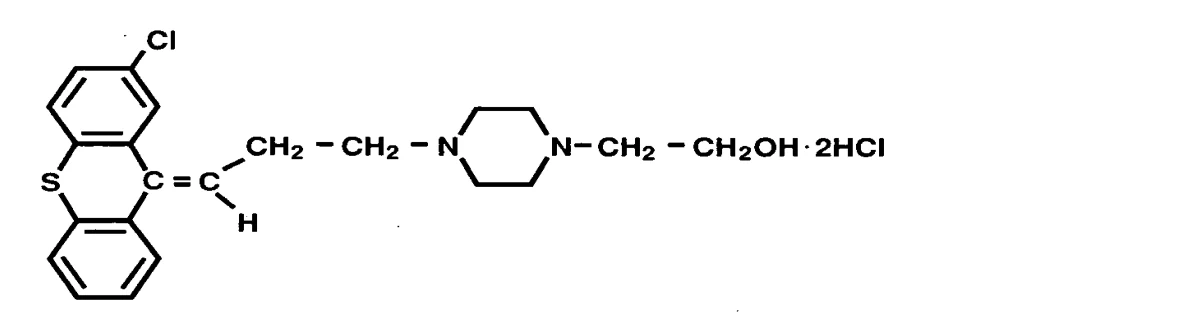
Physicochemical properties: Zuclopenthixol hydrochloride is an off-white, granular powder having a slight odor and a bitter taste. Melting range about 250°C. It is very soluble in water, sparingly soluble in 96% ethanol, slightly soluble in chloroform and very slightly soluble in ether.
Pharmaceutical standard: Lundbeck standard
CLOPIXOL ACUPHASE
Drug Substance
Non-proprietary name of the drug substance(s): Zuclopenthixol acetate
Chemical name: cis(Z)-4-[3-(2-chlorothioxanthen-9-ylidene)propyl]-l-piperazineethanol acetate
Molecular formula and molecular mass: C24H27ClN2O2S
443.04
Structural formula:
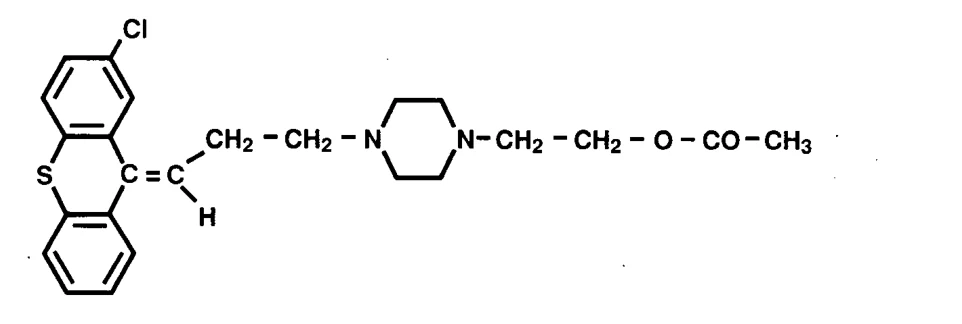
Physicochemical properties: Zuclopenthixol acetate is a yellowish viscous oil with a slight odor. It can crystallize with a melting point of about 50°C. It is very slightly soluble in water, but very soluble in 96% ethanol, ether, and dichloromethane.
Pharmaceutical standard: Lundbeck standard
CLOPIXOL DEPOT
Drug Substance
Non-proprietary name of the drug substance(s): Zuclopenthixol decanoate
Chemical name: cis(Z)-4-[3-(2-chlorothioxanthen-9-ylidene)propyl]-1-piperazineethanol decanoate
Molecular formula and molecular mass: C32H43ClN2O2S
555.27
Structural formula:
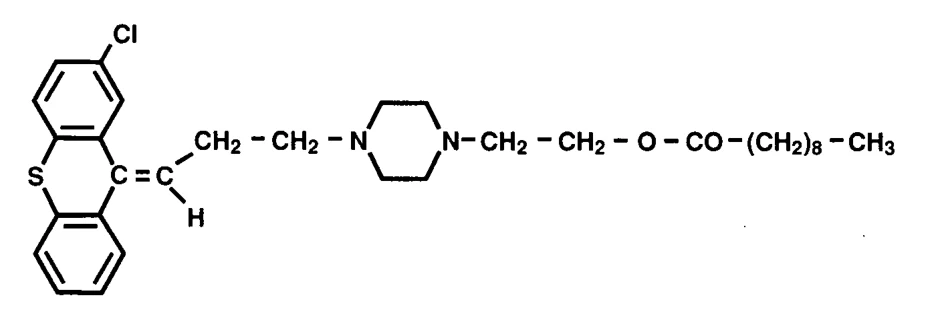
Physicochemical properties: Zuclopenthixol decanoate is a yellowish viscous oil with a slight odor. It can crystallize with a melting point of about 30°C. It is very slightly soluble in water, but very soluble in 96% ethanol, ether, and chloroform.
Pharmaceutical standard: Lundbeck standard
14. Clinical Trials
14.1. Clinical Trials by Indication
Clinical trial data on which the indication was originally authorized are not available.
15. Microbiology
No microbiological information is required for this drug product.
16. Non-Clinical Toxicology
General toxicology:
Acute Toxicity
CLOPIXOL (Zuclopenthixol hydrochloride): Zuclopenthixol has a low acute toxicity with LD50 values in mice of 539-653 mg/kg after oral administration and 85-91 mg/kg after intravenous administration. Values in rats of 320-386 mg/kg after oral administration and greater than 800 mg/kg after intramuscular administration were found. The animals became markedly sedated and convulsive attacks were seen before death. Histological examination revealed no abnormalities.
CLOPIXOL ACUPHASE (Zuclopenthixol acetate): LD50 was greater than 402 mg/kg after intramuscular injection to mice and rats. Clinical signs and mortality were also recorded for 7 days after dosing. Marked sedation was seen one hour after dosing and lasted for several days. During this period the animals did not eat or drink; they died from starvation and dehydration. Histological examination revealed no abnormalities.
CLOPIXOL DEPOT (Zuclopenthixol decanoate): The LD50 was greater than 1600 mg/kg after intramuscular injection to mice and rats. Clinical signs and mortality were also recorded for 7 days after dosing. Sedation occurred only 24 hours after dosing. The animals were able to eat and drink and therefore, the mortality rates with decanoate were less during the 7 days, in spite of the considerably higher doses as compared to zuclopenthixol acetate. Histological examination revealed no abnormalities.
Chronic Toxicity
CLOPIXOL (Zuclopenthixol hydrochloride): In chronic toxicity studies carried out for 6 months in rats and dogs only the highest orally administered doses (30 mg/kg/day) of zuclopenthixol caused weak unspecific toxic reactions. No significant histopathological, biochemical or hematological changes were noted; therefore, there were no findings of concern for the therapeutic use of zuclopenthixol.
In rats, inhibition of body weight gain was the only treatment-related finding. In dogs, the high dosages caused loss of condition because of sedation, slight hypotrophy of the organs of the genital tract (decreased weight of ovaries, uterus, testicles and prostate), very mild increase of lipofuscin granules in liver cells and posterior lenticular opacities. However, since no report on lenticular opacities in patients has appeared during the many years the isomeric mixture of clopenthixol has been used in Europe in contrast to some phenothiazines; this finding is considered to be without clinical relevance.
CLOPIXOL ACUPHASE (Zuclopenthixol acetate): Four-week toxicity studies with zuclopenthixol acetate in oil have been performed in rats and dogs. The rats received 5, 15 or 30 mg/kg every third day and the dogs 5 or 25 mg/kg every third day. The investigations did not demonstrate any serious changes that could be ascribed to zuclopenthixol acetate.
CLOPIXOL DEPOT (Zuclopenthixol decanoate): Six-month toxicity studies with zuclopenthixol decanoate in oil have been performed in rats and dogs. The rats received 10, 35 or 120 mg/kg every week and the dogs 10, 30 or 100 mg/kg every week. The investigations did not demonstrate any serious changes that could be ascribed to zuclopenthixol decanoate. A dose-dependent, slight sedation was seen, but this effect gradually receded during continued medication.
Genotoxicity:
Zuclopenthixol hydrochloride has been tested for mutagenicity in the Ames test with 5 different strains of Salmonella typhimurium bacteria with and without rat liver microsome fraction. The highest concentration tested showed an antibacterial effect but no mutagenic effects were seen with any of the concentrations or strains tested.
Additional studies (human lymphocytes and mouse micronucleus test) with zuclopenthixol hydrochloride also gave negative results. Since the results of these tests were negative and the molecular structure of zuclopenthixol is not related to any other molecule with known mutagenic potential it is concluded that zuclopenthixol has no mutagenic potential.
Carcinogenicity:
Male and female rats (250 of each) of the Wistar strain were divided to five groups of 50 males and 50 females. The animals received zuclopenthixol hydrochloride at dosages of 2, 10, or 30 mg/kg/day in the diet for 2 years. Two control groups received untreated diet. No effect on tumor incidence or the number of benign/malignant tumor-bearing animals was seen following the administration of zuclopenthixol hydrochloride. There was also no significant organ-related toxicity amongst the various non-tumor microscopic findings.
Reproductive and developmental toxicology:
CLOPIXOL (Zuclopenthixol hydrochloride): Zuclopenthixol hydrochloride was administered to pregnant rats at dose levels of 0, 1, 5, 15, and 30 mg/kg/day p.o. on the 6th to the 15th day of gestation. No major effects were found and based on data from reproduction toxicity studies there is no reason to have special concern for the use of zuclopenthixol in women of childbearing potential. Skeletal examination revealed only slight retardation of skull ossification in the control group and in the 1 and 30 mg/kg/day groups. However, zuclopenthixol was not considered to be responsible. In the 15 to 30 mg/kg/day dose groups the mean body weight gain of the pregnant rats was reduced from day 15 and 9 of the gestation period, respectively. The clinical significance of these findings is unclear and it is possible that the effect on pups was due to neglect from the dams that were exposed to doses of zuclopenthixol producing maternal toxicity.
Zuclopenthixol hydrochloride was also administered to rabbits at dose levels of 2, 8, and 30 mg/kg/day p.o. and at dose levels of 0, 3, 9.5 and 30 mg/kg/day p.o. over day 6 to 18 of gestation to determine any embryotoxicity or teratogenicity. The animals were killed on day 29 of gestation and the fetuses examined. In the embryotoxicity study no dose-related effects were demonstrated on the implantations and in the teratogenicity study no dose-related clinical signs were noted; abortions occurred in all groups but the incidence was not excessive or dose-related.
In a fertility study, male rats were dosed for 10 weeks prior to mating and the female rats were dosed for 3 weeks prior to mating, during pregnancy, and until weaning. The dose levels administered were 0, 1, 5, and 15 mg/kg/day orally by gavage. The length of the mating period was increased in the 5 and 15 mg/kg/day dose groups, the mating period being almost twice as long as that of the control group. However, no dose-dependent teratological changes were seen in any of the fetuses apart from a significant increase in the frequency of wavy ribs in the 15 mg/kg/day group. The litter size and the litter weight were not affected by the treatment, except in the highest dosage group, 15 mg/kg/day. The progeny development was considered normal and no adverse effects were observed in the third generation.
CLOPIXOL ACUPHASE (Zuclopenthixol acetate): No reproduction studies have been performed on zuclopenthixol acetate, as it is hydrolyzed to zuclopenthixol and acetic acid and therefore reference is made to the study on zuclopenthixol hydrochloride.
CLOPIXOL DEPOT (Zuclopenthixol decanoate): Zuclopenthixol decanoate dissolved in vegetable oil as the vehicle was administered subcutaneously to four groups of 20 mated mice on day 6 of gestation. The groups received the vehicle, 10, 20 or 50 mg/kg of zuclopenthixol decanoate, respectively.
The maternal body weight was recorded on day 0, from day 6 to 15 and on day 18 of gestation. All mice were killed on day 18 of pregnancy. The uterus from each animal was excised, weighed and examined for total number of implantations, number of fetal resorptions (early and late) and number of live and dead fetuses. The weight of each litter was measured.
No indications of adverse effect on pregnancy or fetal development were observed in any of the groups. In conclusion, zuclopenthixol decanoate is without selective embryotoxicity or specific teratogenicity in the mouse.
The effect of zuclopenthixol decanoate was also studied in the rat. In spite of a body weight loss from commencement of treatment to day 9 and a statistically significant depression of maternal body weight in the 50 mg/kg group including day 15 of gestation, no indications of adverse effects on pregnancy and fetal development were observed. Consequently zuclopenthixol decanoate in vegetable oil is devoid of selective embryotoxicity or specific teratogenicity in the rat.
Zuclopenthixol decanoate dissolved in vegetable oil has been given intramuscularly to three groups of 22 mated rabbits. The dose levels were 10, 20, and 50 mg/kg of zuclopenthixol decanoate. A control group of 22 mated rabbits received 0.25 mL/kg i.m. of vegetable oil.
Maternal body weight was recorded on day 0 and from day 6-29 of pregnancy. All rabbits were killed on day 29 of gestation. The uterus and ovaries were removed and the number and distribution of all live fetuses, early deaths and late deaths were noted. The number of corpora lutea graviditatis was counted. The viscera were examined and fetuses were stained with alizarin for skeletal examination.
Neither the maternal body weight gains nor the weights of the fetuses were reduced by the treatments. No effects of the soft tissues or skeleton and ossification were detected in the fetuses following visceral dissection and staining of the skeletons. Consequently zuclopenthixol decanoate in vegetable oil is devoid of teratogenic potential in the rabbit.