


Product Monograph - Fluanxol Depot 10%- Liq IM 100mg/mL
SUMMARY PRODUCT INFORMATION
Route of Administration | Dosage Form / Strength | Nonmedicinal Ingredients |
| oral | tablet / 0.5 mg, 3 mg, 5 mg | Betadex, croscarmellose sodium, hydroxypropylcellulose, lactose monohydrate, magnesium stearate, microcrystalline cellulose, maize starch, talc, yellow iron oxide, sunset yellow FCF (FC&C yellow #6 aluminum lake), vegetable oil, water |
| intramuscular injection | depot / 2%, 10% | medium-chain triglycerides |
INDICATIONS AND CLINICAL USE
Fluanxol tablets (flupentixol dihydrochloride) and Fluanxol Depot (flupentixol decanoate) are indicated for:
- maintenance therapy of chronic schizophrenic patients whose main manifestations do not include excitement, agitation or hyperactivity.
Geriatrics (> 65 years of age): The pharmacokinetics, safety, and efficacy of flupentixol in elderly patients with schizophrenia have not been systematically evaluated in clinical trials. Caution should thus be exercised in dose selection for an elderly patient, recognizing the more frequent hepatic, renal and cardiac dysfunctions in this population.
Pediatrics (< 18 years): Since the safety and efficacy of flupentixol in children has not been established, its use is not recommended in the pediatric age group.
CONTRAINDICATIONS
- Patients with known hypersensitivity to thioxanthenes, flupentixol or to any ingredient in the formulation or component of the container. For a complete listing, see the Dosage Forms, Composition and Packaging section of the product monograph. The possibility of cross-sensitivity between the thioxanthenes and phenothiazine derivatives should be considered.
- Alcohol, barbiturate or opiate intoxication.
- Patients with CNS depression due to any cause, comatose states, suspected or established subcortical brain damage or circulatory collapse.
- Patients with liver damage, cerebrovascular or renal insufficiency, and severe cardiovascular disorders.
Flupentixol is not indicated for the management of severely agitated psychotic patients, psychoneurotic patients or geriatric patients with confusion and/or agitation. As with phenothiazines, flupentixol should not be used concomitantly with large doses of hypnotics due to the possibility of potentiation.
WARNINGS AND PRECAUTIONS
Serious Warnings and Precautions
- Neuroleptic malignant syndrome (NMS) is a rare, sometimes fatal, neurological disorder that has been reported in association with antipsychotic drugs including flupentixol (see WARNINGS AND PRECAUTIONS, Neurologic and ADVERSE REACTIONS).
Elderly Patients with Dementia
Analyses of thirteen placebo-controlled trials with various atypical antipsychotics (modal duration of 10 weeks) in elderly patients with dementia showed a mean 1.6 fold increase in the death rate in the drug-treated patients. Although the causes of death were varied, most of the deaths appeared to be either cardiovascular (e.g., heart failure, sudden death) or infectious (e.g., pneumonia) in nature. Observational studies suggest that, similar to atypical antipsychotic drugs, treatment with conventional antipsychotic drugs may increase mortality. The extent to which the findings of increased mortality in observational studies may be attributed to the antipsychotic drug as opposed to some characteristic(s) of the patients is not clear. Flupentixol is not indicated for the treatment of patients with dementia (see PRECAUTIONS, Use in Elderly, Use in Geriatric Patients with Dementia).
Adverse Reactions related to Drug Accumulation
To lessen the likelihood of adverse reactions related to drug accumulation, patients on long-term therapy, particularly on high doses, should be evaluated periodically to decide whether the maintenance dosage can be lowered or drug therapy discontinued.
Anticholinergic Effects
Although its anticholinergic properties are relatively weak, flupentixol should be used with caution in patients who are known or are suspected to have glaucoma. See OPHTHALMOLOGIC for more details.
Caution should also be taken in patients who might be exposed to extreme heat, or organophosphorus insecticides or who are receiving atropine or related drugs. Paralytic ileus has occasionally been reported, particularly in the elderly, when several drugs with anticholinergic effects have been used simultaneously.
Antiemetic Effects
The antiemetic effect observed with flupentixol in animal studies may also occur in man; therefore, the drug may mask signs of toxicity due to overdosage of other drugs, or it may mask the symptoms of disease, such as brain tumour or intestinal obstruction.
Cardiovascular
Cardiotoxicity: As with other drugs belonging to the therapeutic class of antipsychotics, flupentixol may cause QT prolongation. Persistently prolonged QT intervals may increase the risk of malignant arrhythmias. Therefore, flupentixol should be used with caution in susceptible individuals (with hypokalemia, hypomagnesia, or genetic predisposition) and in patients with a history of cardiovascular disorders, e.g. QT prolongation, significant bradycardia (<50 beats per minute), a recent acute myocardial infarction, uncompensated heart failure, or cardiac arrhythmia. Concomitant treatment with other antipsychotics should be avoided.
Increases in the QT interval related to antipsychotic treatment may be exacerbated by the co-administration of other drugs known to significantly increase the QT interval. Co-administration of such drugs should be avoided (see DRUG INTERACTIONS.)
Cardiovascular Disease: Caution should be used when using flupentixol in patients with severe arteriosclerosis or in those who may have a propensity for development of defects in cardiac conduction.
Cerebrovascular Accidents: An approximately 3-fold increased risk of cerebrovascular adverse events has been seen in randomized placebo controlled clinical trials in the dementia population with some atypical antipsychotics. The mechanism for this increased risk is not known. An increased risk cannot be excluded for other antipsychotics or other patient populations. Flupentixol is not indicated in patients with dementia.
Vascular disease: Flupentixol should be used with caution in patients with risk factors for stroke or with a history of stroke.
Venous Thromboembolism: Cases of venous thromboembolism (VTE) have been reported with antipsychotic drugs. All possible risk factors for VTE should be identified before and during treatment with flupentixol and preventive measures undertaken.
Elderly Patients with Dementia (See section beneath the Serious Warnings and Precautions box.)
Endocrine and Metabolism
Hyperprolactemia: Neuroleptic drugs elevate prolactin levels; the elevation persists during chronic administration. Tissue culture experiments indicate that approximately one-third of human breast cancers are prolactin-dependent in vitro, a factor of potential importance if the prescription of these drugs is contemplated in a patient with a previously detected breast cancer. Although disturbances such as galactorrhea, amenorrhea, gynecomastia and impotence have been reported, the clinical significance of elevated serum prolactin levels is unknown for most patients. An increase in mammary neoplasms has been found in rodents after chronic administration of neuroleptic drugs. Neither clinical studies, nor epidemiologic studies conducted to date, however, have shown an association between chronic administration of these drugs and mammary tumorigenesis; the available evidence is considered too limited to be conclusive at this time.
Long-standing hyperprolactinemia, when associated with hypogonadism, may lead to decreased bone mineral density in both female and male subjects.
Hyperglycemia: Diabetic ketoacidosis (DKA) has occurred in patients with no reported history of hyperglycemia. Patients should have baseline and periodic monitoring of blood glucose and body weight.
Genitourinary: Rare cases of priapism have been reported with antipsychotic use, such as flupentixol. This adverse reaction, as with other psychotropic drugs, did not appear to be dose-dependent and did not correlate with the duration of treatment.
Evaluation of Tolerance and Response
Severe adverse reactions requiring immediate medical attention may occur and are difficult to predict. Therefore, the evaluation of tolerance and response, and establishment of adequate maintenance therapy require careful stabilization of each patient under continuous, close medical observation and supervision.
Hematologic
Neutropenia, leukopenia, granulocytopenia and agranulocytosis have been reported during antipsychotic use, including with flupentixol decanoate. Therefore, it is recommended that patients have their complete blood count (CBC) tested prior to starting flupentixol and then periodically throughout the treatment.
Hepatic/Biliary/Pancreatic/Renal
Liver damage has been reported with this class of drugs. Therefore, hepatic function tests are advisable, particularly during the first months of therapy. Should this disorder occur, supportive treatment should be instituted and the drug discontinued.
Neurologic
Flupentixol is not recommended for excitable, overactive or manic patients, and the relative lack of sedating effect may cause restlessness and insomnia.
Neuroleptic Malignant Syndrome: Neuroleptic malignant syndrome is a potentially fatal symptom complex that has been reported in association with neuroleptic drugs (see ADVERSE REACTIONS). The clinical manifestations of neuroleptic malignant syndrome are hyperpyrexia, muscle rigidity, altered mental status (including catatonic signs), and evidence of autonomic instability (irregularity of pulse or blood pressure, tachycardia, diaphoresis, and cardiac arrhythmias). Additional signs may include elevated creatine phosphokinase, myoglobinuria (rhabdomyolysis), and acute renal failure.
The diagnostic evaluation of patients with this syndrome is complicated. Cases in which the clinical presentation includes both serious medical illness (e.g., pneumonia, systemic infection, etc.) and untreated or inadequately treated extrapyramidal signs and symptoms should be identified. Other important considerations in the differential diagnosis include central anticholinergic toxicity, heat stroke, drug fever and primary central nervous system pathology.
The management of neuroleptic malignant syndrome should include the immediate discontinuation of antipsychotic drugs and nonessential concurrent therapies. Intensive symptomatic treatment and medical monitoring is required. Concomitant serious medical problems for which specific treatments are available should be dealt with appropriately. No general agreement exists regarding specific pharmacological treatment regimens for uncomplicated neuroleptic malignant syndrome.
If a patient requires antipsychotic drug treatment following recovery from neuroleptic malignant syndrome, the potential reintroduction of drug therapy should be carefully considered. As recurrences of neuroleptic malignant syndrome have been reported, careful patient monitoring is necessary.
Occupational Hazards Sedative Effects: Although flupentixol is a relatively non-sedating drug, sedation may occur in some patients. Therefore, ambulatory patients should be warned about engaging in activities such as driving a car or operating machinery and about the concomitant use of alcohol and other CNS depressant drugs, since potentiation of their effects may occur.
Patients with Parkinson’s Disease: Flupentixol should be used with caution in patients with Parkinsonism, as it is known that dopamine antagonists such as flupentixol, can cause a deterioration of the disease.
Seizures: Flupentixol should be used with caution in patients with a history of convulsive disorders, as drugs of this class are known to lower seizure threshold.
Tardive Dyskinesia: Tardive dyskinesia is a syndrome consisting of potentially irreversible, involuntary, dyskinetic movement that may develop in patients receiving treatment with antipsychotic drugs (see ADVERSE REACTIONS).
The possibility of the development of irreversible dyskinesia should be borne in mind when patients are on prolonged therapy. Although the syndrome appears to be most prevalent in the elderly, especially elderly female patients, it is impossible to predict at the onset of treatment which patients are likely to develop tardive dyskinesia.
Both the risk of developing tardive dyskinesia and the likelihood that it will become irreversible, increase with the total cumulative dose of the antipsychotic agent and the duration of treatment. However, less commonly, the syndrome can develop after relatively brief periods of treatment at low doses. Although there is no established treatment of tardive dyskinesia, the syndrome may remit, partially or completely, following withdrawal of the antipsychotic drug. Antipsychotic treatment may itself suppress the signs and symptoms of tardive dyskinesia, possibly masking the underlying process. However, the effects of symptomatic suppression on the long-term course of the syndrome are not known.
In view of these considerations, flupentixol should be prescribed in a manner that is most likely to minimize the risk of tardive dyskinesia. As with any antipsychotic drug, flupentixol should be administered at the smallest dose and for the shortest duration of treatment that is consistent with a satisfactory clinical response. Chronic use should be reserved for patients who appear to be obtaining a substantial benefit from the drug. The need for continued treatment should be reassessed at periodic intervals.
If the signs and symptoms of tardive dyskinesia develop during treatment with flupentixol, withdrawal of the drug should be considered. However, some patients may require continued antipsychotic treatment despite the presence of this syndrome.
Ophthalmologic
Anticholinergic Effects: Although its anticholinergic effects are weak, flupentixol use should be avoided in patients who are known to have, or suspected of having narrow angle glaucoma.
Photosensitivity Reactions: Photosensitivity reactions, pigmentary retinopathy and lenticular and corneal deposits have been reported with related drugs. Lens opacity has been reported rarely with flupentixol.
Patients Undergoing Surgery
Patients on large doses of flupentixol who are undergoing surgery should be watched carefully for possible hypotensive phenomena and anesthetic or central nervous system depressant drug dosages may have to be reduced.
Sexual Function / Reproduction
Adverse events such as hyperprolactinaemia, galactorrhoea, amenorrhoea, libido decreased, erectile dysfunction and ejaculation failure have been reported in patients. These events may have a negative impact on female and/or male sexual function and fertility.
If clinical significant hyperprolactinaemia, galactorrhoea, amenorrhoea or sexual dysfunction occurs, a dose reduction (if possible) or discontinuation should be considered. The effects are reversible on discontinuation.
Animal reproduction studies have shown reproductive toxicity. In preclinical fertility studies in rats, flupentixol slightly affected the pregnancy rate of female rats; effects were seen at doses well in excess of those applied during clinical use. (See TOXICOLOGY, Reproductive Toxicity.)
Special Populations
Cerebrovascular Adverse Events (CVAEs) including stroke in Elderly Patients with Dementia: An increased risk of cerebrovascular adverse events has been seen in the dementia population in clinical trials with some atypical antipsychotics. The mechanism for this increased risk is not known. There is insufficient data to know if there is an increased risk of cerebrovascular events associated with flupentixol. An increased risk however cannot be excluded. Flupentixol is not indicated in elderly patients with dementia.
Geriatrics (> 65 years of age): The pharmacokinetics, safety, and efficacy of flupentixol in elderly patients with schizophrenia have not been systematically evaluated in clinical trials. Caution should thus be exercised in dose selection for an elderly patient, recognizing the more frequent hepatic, renal and cardiac dysfunctions in this population.
Mortality in Geriatric Patients with Dementia-related Psychosis: In elderly patients with dementia-related psychosis, the efficacy and safety of flupentixol has not been studied. Observational studies suggest that elderly patients with dementia-related psychosis treated with antipsychotic drugs are at an increased risk of death. Flupentixol is not indicated for the treatment of patients with dementia-related psychosis.
Pregnant and Nursing Women: The safety of flupentixol in pregnancy and breast-feeding women has not been established. As flupentixol is found in breast milk in low concentrations, it is not likely to affect the infant when therapeutic doses are used.
Non-Teratogenic Effects
Neonates exposed to antipsychotic drugs (including flupentixol) during the third trimester of pregnancy are at a risk for extrapyramidal and/or withdrawal symptoms following delivery. There have been reports of agitation, hypertonia, hypotonia, tremor, somnolence, respiratory
distress and feeding disorder in these neonates. These complications have varied in severity; while in some cases symptoms have been self-limited, in other cases neonates have required intensive care unit support and prolonged hospitalization.
Flupentixol should not be administered to women of childbearing potential, unless, in the opinion of the physician, the expected benefit to the patient outweighs the potential risk to the fetus or child.
Pediatrics (< 18 years): Since the safety and efficacy of flupentixol in children has not been established, its use is not recommended in the pediatric age group.
Reduced renal function: Based on the characteristics for elimination it is reasonable to assume that reduced kidney function is likely not to have much influence on the serum levels of parent drug.
Reduced hepatic function: No data available.
ADVERSE REACTIONS
Undesirable effects are for the majority dose dependent. The frequency and severity are most pronounced in the early phase of treatment and decline during continued treatment.
Adverse Drug Reaction Overview
The most common adverse reactions reported with flupentixol have been extrapyramidal symptoms, occurring in up to 30% of patients.
Flupentixol shares many of the pharmacologic properties of other thioxanthenes and phenothiazines. Therefore, the known adverse reactions of these drugs should be borne in mind when flupentixol is used.
Autonomic Nervous System
Dry mouth, blurred vision, constipation, excessive salivation, excessive perspiration, nausea, difficulty in micturition, dizziness, palpitations and fainting have been observed with flupentixol but are uncommon. Miosis, mydriasis, paralytic ileus, polyuria, nasal congestion, glaucoma, tachycardia, hypotension, hypertension, fluctuations in blood pressure, non-specific ECG changes and cardiac arrhythmias have been reported with related drugs. If hypotension occurs, epinephrine should not be used as pressor agent since a paradoxical further lowering of blood pressure may result.
Central Nervous System
Extrapyramidal symptoms, including hypo- and hyperkinetic states, tremors, pseudoparkinsonism, dystonia, hypertonia, akathisia, oculogyric crises, opisthotonos, hyperreflexia and tardive dyskinesia (see WARNINGS AND PRECAUTIONS, Tardive Dyskinesia and below) have been reported with flupentixol. The symptoms, if they are to occur, usually appear within the first few days of a drug administration and can usually be controlled or
totally curtailed by reduction in dosage and/or standard anticholinergic antiparkinsonian medication. The incidence of extrapyramidal symptoms appears to be more frequent with the first few injections of Fluanxol Depot (flupentixol decanoate), and diminishes thereafter. The routine prophylactic use of antiparkinsonian medication is not recommended. Extrapyramidal reactions may be alarming, and patients should be forewarned and reassured.
Other CNS effects reported with flupentixol include restlessness, insomnia, overactivity, psychomotor agitation, hypomania, epileptiform convulsions, headache, drowsiness, somnolence, depression, fatigue, and anergia.
Persistent Tardive Dyskinesia: As with all antipsychotic agents, tardive dyskinesia may appear in some patients on long-term therapy or may occur after drug therapy has been discontinued. The risk seems to be greater in elderly patients on high dose therapy, especially females. The symptoms are persistent and in some patients appear to be irreversible. The syndrome is characterized by rhythmical involuntary movements of the tongue, face, mouth, or jaw (e.g. protrusion of tongue, puffing of cheeks, puckering of mouth, chewing movements). Sometimes these may be accompanied by involuntary movements of the extremities.
There is no known effective treatment for tardive dyskinesia; antiparkinsonian agents usually do not alleviate the symptoms of this syndrome and may aggravate them. It is suggested that all antipsychotic agents be discontinued if these symptoms appear. Should it be necessary to reinstitute treatment, or increase the dosage of the agent, or switch to a different antipsychotic agent, the syndrome may be masked. The physician may be able to reduce the risk of this syndrome by minimizing the unnecessary use of neuroleptic drugs and reducing the dose or discontinuing the drug, if possible, when manifestations of this syndrome are recognized, particularly in patients over the age of fifty. It has been reported that fine vermicular movements of the tongue may be an early sign of the syndrome and if the medication is stopped at that time, the syndrome may not develop (see WARNINGS AND PRECAUTIONS, Tardive Dyskinesia).
Metabolic and Endocrine
Weight change, galactorrhea, elevation in serum prolactin levels, impotence, loss of libido, and sexual excitement have been reported with flupentixol. Related drugs have been also associated with breast enlargement, menstrual irregularities, false positive pregnancy tests, peripheral edema, gynecomastia, hypo- and hyperglycemia and glycosuria.
Miscellaneous
Patients should be advised of the risk of severe constipation during flupentixol treatment, and that they should tell their doctor if constipation occurs or worsens, as they may need laxatives.
Sudden, unexpected and unexplained deaths have occasionally been reported in patients who have received certain phenothiazine derivatives. Previous brain damage or seizures may be predisposing factors; high doses should be avoided in known seizure patients. Several patients have shown flare-ups of psychotic behaviour patterns shortly before death. Autopsy findings have usually revealed acute fulminating pneumonia or pneumonitis, aspiration of gastric contents or intramyocardial lesions.
The following adverse reactions have also occurred with phenothiazine derivatives: photosensitivity, systemic lupus erythematosus-like syndrome, hypotension severe enough to cause fatal cardiac arrest, altered electrocardiographic and electroencephalographic tracings, altered cerebrospinal fluid proteins, cerebral edema, asthma, laryngeal edema, and angioneurotic edema. Skin pigmentation and lenticular and corneal opacities have been seen with long-term use of phenothiazines.
Toxic and Allergic
Eosinophilia, leukopenia, agranulocytosis, jaundice and increased levels of ALT, AST and alkaline phosphatase have been reported with flupentixol. Other antipsychotic drugs have been associated with thrombocytopenic or nonthrombocytopenic purpura, hemolytic anemia and pancytopenia. If any soreness of the mouth, gums or throat or any symptoms of upper respiratory infection occur and confirmatory leukocyte count indicates cellular depression, therapy should be discontinued and other appropriate measures instituted immediately.
Skin reactions, such as pruritus, rash, urticaria, erythema, seborrhea, eczema, exfoliative dermatitis, and contact dermatitis have been reported with flupentixol or related drugs. The possibility of anaphylactoid reactions occurring in some patients should be borne in mind.
Post-Market Adverse Drug Reactions
Adverse events not listed above that have been reported since flupentixol was introduced on the market are provided below.
Blood and Lymphatic System Disorders
Thrombocytopenia, leukopenia, neutropenia, granulocytopenia, agranulocytosis have been reported during antipsychotic use. Therefore, it is recommended that patients have their complete blood count (CBC) tested prior to starting flupentixol and then periodically throughout the treatment.
Cardiac Disorders
As with other drugs belonging to the therapeutic class of antipsychotics, rare cases of QT prolongation, ventricular arrhythmias - ventricular fibrillation, ventricular tachycardia, Torsade de Pointes and sudden unexplained death have been reported for flupentixol.
Eye Disorders
Accomodation disorder
Gastrointestinal Disorders
Vomiting, dyspepsia, diarrhoea, abdominal pain, flatulence
General Disorders
Asthenia
Metabolism and Nutrition Disorders
Hyperglycaemia, glucose tolerance abnormal, increased appetite
Musculoskeletal and Connective Tissue Disorders
Muscle rigidity, myalgia
Nervous System Disorders
Speech disorder, Neuroleptic Malignant Syndrome (NMS) (see WARNINGS AND PRECAUTIONS)
Psychiatric Disorders
Nervousness, confusional state
Renal and Urinary Disorders
Urinary retention
Reproductive System Disorders
Ejaculation failure, erectile dysfunction, gynaecomastia, amenorrhoea
Respiratory, Thoracic and Mediastinal Disorders
Dyspnoea
Vascular Disorders
Hot flush
DRUG INTERACTIONS
Overview
Flupentixol enhances the sedative response to alcohol and the effects of barbiturates and other CNS depressants. It should not be administered with high doses of hypnotics due to the possibility of potentiation.
Flupentixol should not be given concomitantly with guanethidine or similar acting compounds, since antipsychotic drugs such as flupentixol may block the antihypertensive effect of these compounds.
Many antipsychotic and tricyclic antidepressant drugs may mutually inhibit the metabolism of each other.
Concomitant use of metoclopramide increases the risk of extrapyramidal symptoms.
Flupentixol may antagonize the effects of levodopa and dopamine agonists.
Long-acting depot antipsychotics (such as Fluanxol Depot) should be used with caution in
combination with other medicines known to have a myelosuppressive potential, as these cannot rapidly be removed from the body in conditions where this may be required.
Drugs Known to Increase the QT Interval
Increases in the QT interval related to antipsychotic treatment may be exacerbated by the co-administration of other drugs known to significantly increase the QT interval. Co-administration of such drugs should be avoided. Relevant classes include:
- Class Ia and III antiarrhythmics (e.g. quinidine, amiodarone, sotalol)
- Some antipsychotics (e.g. thioridazine)
- Some macrolides (e.g. erythromycin)
- Some quinolone antibiotics (e.g. moxifloxacin)
The above list is not exhaustive and other individual drugs known to significantly increase QT interval (e.g. lithium) should be avoided.
Drugs known to cause electrolyte disturbances such as thiazide diuretics (hypokalemia) and drugs known to increase the plasma concentration of flupentixol should also be used with caution as they may increase the risk of QT prolongation and malignant arrhythmias.
DOSAGE AND ADMINISTRATION
Dosing Considerations
Fluanxol (flupentixol dihydrochloride) tablets
The dosage of Fluanxol tablets should be individualized and adjusted according to the severity of symptoms and tolerance to the drug. The maintenance dose can usually be given as a single morning dose.
The antipsychotic effect increases with increasing dosage; in addition some sedation should be anticipated.
Following stabilization on Fluanxol tablets, patients may be treated with Fluanxol Depot (flupentixol decanoate), administered by the intramuscular route.
When changing the medication from oral flupentixol to maintenance treatment with flupentixol decanoate the following guidelines should be used:
x mg p.o. daily corresponds to 4x mg decanoate every 2 weeks.
x mg p.o. daily corresponds to 8x mg decanoate every 4 weeks.
For example:
3 mg p.o. daily corresponds to 12 mg decanoate every 2 weeks.
3 mg p.o. daily corresponds to 24 mg decanoate every 4 weeks.
Oral flupentixol should be continued during the first week after the first injection but in diminishing dosage.
Patients being transferred from other depot preparations should receive a dose in the ratio of 40 mg flupentixol decanoate equivalent to 25 mg fluphenazine decanoate, to 200 mg zuclopenthixol decanoate, or to 50 mg haloperidol decanoate.
Fluanxol Depot (flupentixol decanoate)
The onset of action usually occurs in the range of 24 to 72 hours after injection and the improvement of symptoms continues for two to four weeks. However, there is considerable variation in the individual response of patients to flupentixol decanoate and its use for maintenance therapy requires careful supervision.
Flupentixol decanoate is administered by deep intramuscular injection into the gluteal region. Injection volumes exceeding 2 ml should be distributed between 2 injection sites. Local tolerability is good.
Fluanxol Depot is NOT for intravenous use.
As a long-acting depot preparation, Fluanxol Depot has been found useful in the maintenance treatment of non-agitated chronic schizophrenic patients who have been stabilized with short-acting neuroleptics and might benefit from transfer to a longer acting injectable medication. The changeover of medication should aim at maintaining a clinical outcome similar to or better than that obtained with the previous therapy. To achieve and maintain the optimum dose, the changeover from other neuroleptic medication should proceed gradually and constant supervision is required during the period of dosage adjustment in order to minimize the risk of overdosage or insufficient suppression of psychotic symptoms before the next injection.
Recommended Dose and Dosage Adjustment
Fluanxol tablets
The initial recommended dose of Fluanxol tablets is one mg three times a day. This may be increased, if necessary, by one mg every 2 to 3 days until there is effective control of psychotic symptoms. The usual maintenance dosage is 3 to 6 mg daily in divided doses, although doses of up to 12 mg daily or more have been used in some patients.
During the initial Fluanxol tablet therapeutic period, disturbance of sleep may occur, especially in those patients who have previously received neuroleptics possessing a marked sedative effect. In this event, the evening dose of Fluanxol tablets may be reduced.
Fluanxol Depot
Patients not previously treated with long-acting depot neuroleptics should be given an initial test dose of 5 mg (0.25 mL) to 20 mg (1.0 mL) of Fluanxol Depot 2%. An initial dose of 20 mg (1.0 mL) of Fluanxol Depot 2% is usually well tolerated; however, a 5 mg (0.25 mL) test dose of Fluanxol Depot 2% is recommended in elderly, frail and cachectic patients, and in patients whose individual or family history suggests a predisposition to extrapyramidal reactions. In the subsequent five to ten days, the therapeutic response and the appearance of extrapyramidal symptoms should be carefully monitored. Oral neuroleptic drugs may be continued, but in diminishing dosage, during this period.
In patients previously treated with long-acting depot neuroleptics who displayed good tolerance to these drugs, an initial dose of 20 to 40 mg (1.0 to 2.0 mL) of Fluanxol Depot 2% may be adequate.
Subsequent doses and the frequency of administration must be determined for each patient. There is no reliable dosage comparability between a shorter acting neuroleptic and depot flupentixol, and, therefore, the dosage of the long-acting drug must be individualized.
Except in particularly sensitive patients, a second dose of 20 (1.0 mL) to 40 mg (2.0 mL) of Fluanxol Depot 2% can be given 4 to 10 days after the initial injection. Subsequent dosage adjustments are made in accordance with the response of the patient, but the majority of patients can be adequately controlled by 20 to 40 mg (1.0 to 2.0 mL) of Fluanxol Depot 2% every two to three weeks. The optimal amount of the drug has been found to vary with the clinical
circumstances and individual response. Doses greater than 80 mg (4.0 mL) of Fluanxol Depot 2% are usually not deemed necessary, although higher doses have been used occasionally in some patients.
Although the response to a single injection usually lasts for two to three weeks, it may last for four weeks or more, particularly when higher doses are used. Since higher doses increase the incidence of extrapyramidal reactions and other adverse effects, the amount of drug used should not be increased merely in order to prolong the intervals between injections. With higher doses there may also be more variability in the action of Fluanxol Depot and, therefore, unit dose increments should not exceed 20 mg (1.0 mL) of Fluanxol Depot 2%. After an appropriate dosage adjustment is achieved, regular and continuous supervision and reassessment is considered essential in order to permit any further dosage adjustments that might be required to ensure use of the lowest effective individual dose and avoid troublesome side effects.
Patients who require higher doses of Fluanxol Depot to control symptoms of schizophrenia and/or those who complain of discomfort with a large injection volume may be administered Fluanxol Depot 10% (100 mg/mL) in preference to Fluanxol Depot 2% (20 mg/mL).
Use in the Elderly: The use of flupentixol in elderly patients with schizophrenia has not been systematically evaluated. Caution should thus be exercised in dose selection for an elderly patient, recognizing the more frequent hepatic, renal and cardiac dysfunctions in this population.
Hepatic Impairment: the use of flupentixol is contraindicated in patients with impaired liver function.
Renal Impairment: the use of flupentixol is contraindicated in patients with impaired renal function.
Missed Dose
Fluanxol tablets
A missed dose should be taken at the next scheduled dose. Doses should not be doubled.
Discontinuation of Treatment
Fluanxol Tablets
Abrupt discontinuation of flupentixol may be accompanied by withdrawal symptoms. The most common symptoms are nausea, vomiting, anorexia, diarrhoea, rhinorrhoea, sweating, myalgias, paraesthesias, insomnia, restlessness, anxiety, and agitation. Patients may also experience vertigo, alternate feelings of warmth and coldness, and tremor. Symptoms generally begin within 1 to 4 days of withdrawal and abate within 7 to 14 days.
Abrupt withdrawal after short-term administration of antipsychotic drugs does not generally pose problems. However, transient dyskinetic signs are experienced by some patients on maintenance therapy after abrupt withdrawal. The signs are very similar to those described for tardive dyskinesia (see WARNINGS AND PRECAUTIONS, Tardive Dyskinesia), except for duration. 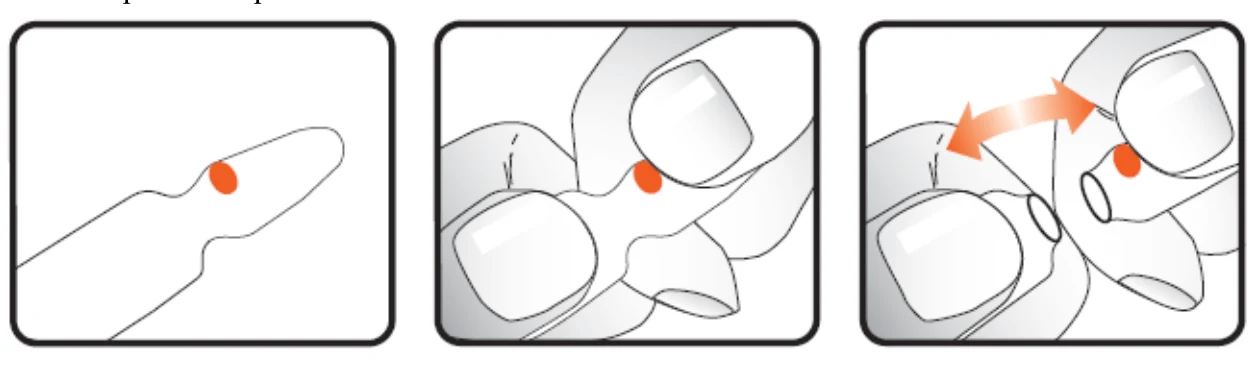
Although it is not known whether gradual withdrawal of antipsychotic drugs will decrease the incidence of withdrawal emergent neurological signs, gradual withdrawal would appear to be advisable.
Administration
Fluanxol tablets
Fluanxol tablets may be taken with or without food.
Fluanxol Depot
As with all oily injections it is important to ensure, by aspiration before injection, that inadvertent intravascular injection does not occur.
As with all parenteral drug products, the injection should be inspected visually for clarity, particulate matter, precipitate, discoloration and leakage prior to administration, whenever solution and container permit. Solution showing haziness, particulate matter, precipitate, discoloration or leakage should not be used. Discard unused portion.
How to open an ampoule:
The ampoule can only be broken in one direction. The breaking point can be found on the neck of the ampoule next to the red dot. The pressure must be applied under the red dot.
Hold the ampoule with the red dot facing up. Position your thumbs on each side of the neck of the ampoule, one on the top of the red dot and the other on the label. Apply pressure using your index fingers and snap the ampoule in an upward direction. Keep the ampoule away from you at all times when opening.
Flupentixol decanoate should not be mixed with depot formulations with sesame oil as the vehicle because this would result in definite changes in the pharmacokinetic properties of the involved preparations.
OVERDOSAGE
For management of a suspected drug overdose, contact your regional Poison Control Centre.
Overdosage can be characterized by sedation, frequently preceded by extreme agitation, excitement, confusion, somnolence, coma, convulsions and hyperthermia/hypothermia. Extrapyramidal symptoms may develop, and respiratory and circulatory collapse may occur.
ECG changes, QT prolongation, Torsades de Pointes, cardiac arrest and ventricular arrhythmias have been reported when flupentixol is administered in overdose together with drugs known to affect the heart.
Treatment is symptomatic.
An airway should be maintained. Severe hypotension calls for the immediate use of an I.V. vasopressor drug, such as levarterenol. Epinephrine should not be used, as a further lowering of blood pressure may result. Antiparkinsonian medication should be administered only if extrapyramidal symptoms develop.
Fluanxol (flupentixol dihydrochloride) tablets
In the case of Fluanxol (flupentixol dihydrochloride) tablet overdose, gastric lavage should be carried out immediately and measures aimed at supporting the respiratory and cardiovascular systems instituted.
Fluanxol Depot (flupentixol decanoate)
No further injections should be given until the patient shows signs of relapse and the dosage then should be decreased.
ACTION AND CLINICAL PHARMACOLOGY
Mechanism of Action:
Flupentixol is a thioxanthene derivative with antipsychotic properties.
The exact mechanism of action of flupentixol has not been established. Its effects resemble those of the phenothiazine, fluphenazine, in that it belongs among the antipsychotic drugs which are less likely to cause sedation and hypotension, but have greater propensity for producing extrapyramidal reactions.
Pharmacokinetics
Flupentixol dihydrochloride (Tablet)
The kinetics is linear.
Absorption:
Flupentixol dihydrochloride is well absorbed from the gastrointestinal tract. Oral bioavailability is about 40%. Based upon radioisotope monitoring in man, the drug reaches maximum serum concentrations within 3 to 8 hours.
Steady state plasma levels are achieved in about 7 days. The mean minimum steady state level corresponding to 5 mg flupentixol orally once-a-day was about 1.7 ng/ml (3.9 nmol/l).
Distribution:
The highest levels of flupentixol as reflected by radioactivity count are found in the lungs, liver, and spleen, while concentrations in the brain are considerably lower, and only a little higher than concentrations found in the blood.
The apparent volume of distribution (Vd)β is about 14.1 l/kg. The plasma protein binding is about 99 %.
Metabolism:
Flupentixol is metabolized by sulfoxidation, dealkylation (splitting of the distal ethanolic group in the side chain) and conjugation to glucuronic acid. The metabolites of flupentixol are devoid of psychopharmacological activity.
In the rat, flupentixol dihydrochloride is metabolized in the liver to the sulphoxide and glucuronide derivatives. In the feces, it is found mainly in the unchanged state and in the urine as the unchanged drug with the sulphoxide and glucuronide derivatives.
Excretion:
The more hydrophilic metabolites, sulfoxides and glucuronides are excreted with urine, the more lipophilic ones, flupentixol and dealkyl-flupentixol, with feces. Quantitatively, the fecal excretion dominates.
The elimination half-life (T½ β) is about 35 hours and the mean systemic clearance (Cls) is about 0.29 l/min.
Flupentixol decanoate (Depot)
The kinetics is linear.
Absorption:
The esterification of flupentixol results in the slow release of the drug from the injection site with consequent prolongation of duration of action.
Studies in rats and dogs with 3H-flupentixol decanoate have revealed that flupentixol decanoate diffuses slowly from the oil solution into the extracellular fluid from where it is distributed via the blood stream to the different tissues of the body.
In pharmacokinetic studies measuring flupentixol blood levels, peak concentrations of the drug were found between days 4 and 7, following intramuscular injections of 40 mg of Fluanxol Depot 2% or 10%. It could still be detected in the blood three weeks after injection.
Distribution:
The highest levels of flupentixol as reflected by radioactivity count are found in the lungs, liver, and spleen, while concentrations in the brain are considerably lower, and only a little higher than concentrations found in the blood.
The apparent volume of distribution (Vd)β is about 14.1 l/kg. The plasma protein binding is about 99 %.
Metabolism:
Flupentixol is metabolized by sulfoxidation, dealkylation (splitting of the distal ethanolic group in the side chain) and conjugation to glucuronic acid. The metabolites of flupentixol are devoid of psychopharmacological activity.
Flupentixol decanoate is efficiently hydrolized in vivo to flupentixol which is present in all tissues of the body.
Excretion:
With an estimated half-life of 3 weeks (reflecting the release from the depot) steady state conditions will be attained after about 3 months' repeated administration. The half-life of the drug calculated from excretion data has been shown to be eight days for the rat and about 12 days for the dog. Peak serum levels occur within the first 24 hours in rats and at 7 days after injection in dogs, but significant levels of radioactivity are found up to five weeks after administration.
STORAGE AND STABILITY
Fluanxol (flupentixol dihydrochloride) tablets
Store at room temperature (15 to 25°C) in a well-closed container.
Fluanxol Depot (flupentixol decanoate)
Fluanxol Depot should be stored between 15°C and 25°C and protected from light.
DOSAGE FORMS, COMPOSITION AND PACKAGING
Fluanxol (flupentixol dihydrochloride) tablets
Fluanxol 0.5 mg tablet: Each round, slightly bi-convex, yellow film-coated tablet is marked “FD” and contains 0.5 mg of flupentixol as the dihydrochloride. Available in bottles of 100.
Fluanxol 3 mg tablet: Each round, slightly bi-convex, ochre, film-coated tablet is marked “FI” and contains 3.0 mg of flupentixol as the dihydrochloride. Available in bottles of 100.
Fluanxol 5 mg tablet: Each oval, slightly bi-convex, ochre, film-coated tablet is marked “FK” and contains 5.0 mg of flupentixol as the dihydrochloride. Available in bottles of 100.
In addition to the active ingredient, flupentixol dihydrochloride, each tablet also contains the following nonmedicinal ingredients: Betadex, croscarmellose sodium, hydroxypropylcellulose, lactose monohydrate, magnesium stearate, microcrystalline cellulose, maize starch, talc, yellow iron oxide, sunset yellow FCF (FC&C yellow #6 aluminum lake), vegetable oil, water
Fluanxol Depot (flupentixol decanoate)
Fluanxol Depot 2%: Each ampoule or vial contains cis(Z)-flupentixol decanoate 20 mg/mL in medium chain triglycerides. Available in the following formats:
- boxes of 10 x 20 mg (1 mL) colourless, glass ampoules
Fluanxol Depot 10%: Each ampoule or vial of Fluanxol Depot 10% contains cis(Z)-flupentixol decanoate 100 mg/mL in medium chain triglycerides. Available in the following formats:
- boxes of 10 x 100 mg (1 mL) colourless, glass ampoules
PART II: SCIENTIFIC INFORMATION
PHARMACEUTICAL INFORMATION
Fluanxol (flupentixol dihydrochloride) tablets
Drug Substance
Proper Name: flupentixol dihydrochloride
Chemical Name: 2-trifluoromethyl-9-[2-hydroxyethyl)-
piperazin-1-yl]propylidene]thioxanthene dihydrochloride
Molecular Formula: C23H25F3N2OS•2HCl
Structural Formula:
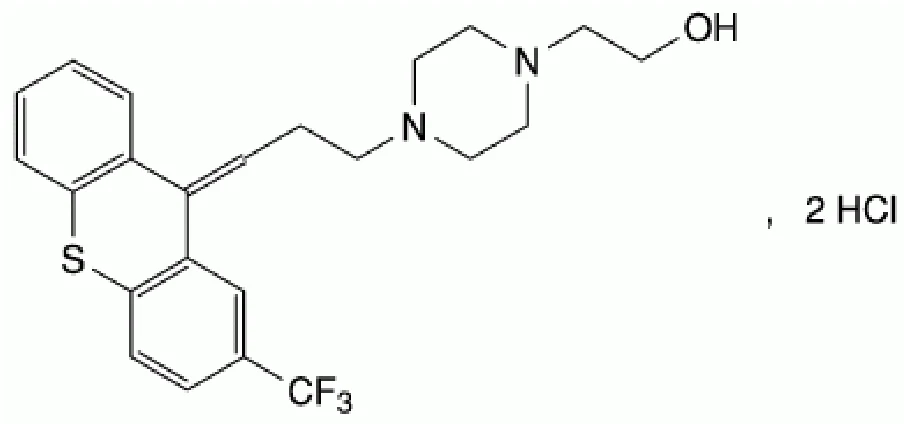
Commercially available flupentixol dihydrochloride is a mixture of cis and trans isomers of flupentixol dihydrochloride, occurring in approximately a one to one ratio. For practical purposes, the trans isomer is without pharmacological activity and the data presented reflects the activity of flupentixol dihydrochloride in its commercial form.
Molecular Weight: 507.45
Physical Form: Off-white granular powder which has a slight odour and bitter taste.
Solubility: Flupentixol dihydrochloride is very soluble in water, soluble in
96% ethanol, very slightly soluble in chloroform, and practically insoluble in ether.
pH: pH of a 1% solution in water is about 2.5
pK: 2.5 and 5.6
Melting point: about 238°C
Fluanxol Depot (flupentixol decanoate)
Drug Substance
Common Name: cis(Z)-flupentixol decanoate
Chemical Name: cis(Z)-2-trifluoromethyl-9-(3-(4-(2-hydroxyethyl)-1-piperazinyl)-propylidene)-thioxanthene decanoic acid ester
Structural Formula:
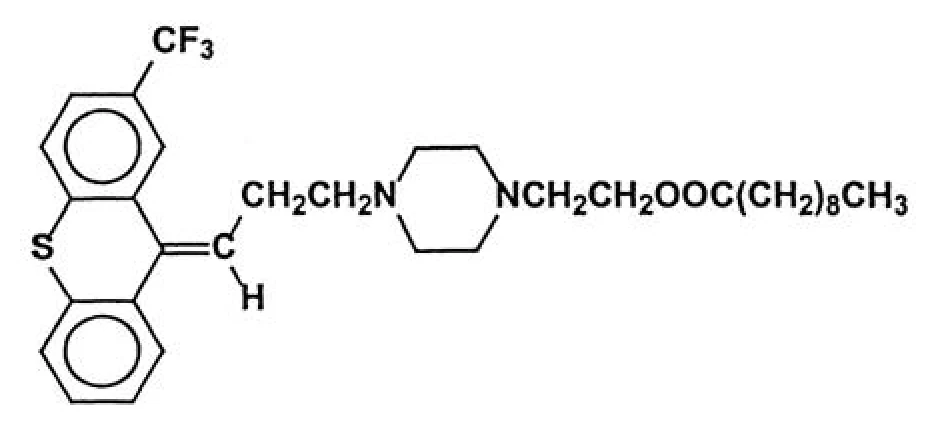
Molecular Formula: C33H43F3N2O2S
Molecular Weight: 588.82
Description: yellow, viscous oil with a slight odour.
Solubility: water: very slightly soluble ethanol 96%: soluble ether and chloroform: freely soluble
Partition Coefficient: log P (octanol/phosphate buffer pH 7.4): ~ 6
DETAILED PHARMACOLOGY
Flupentixol reduces spontaneous activity in mice and induces a cataleptic state as determined by the vertical rod test. The drug antagonizes amphetamine-induced stereotyped behaviour and apomorphine-induced compulsive gnawing in rats as well as methylphenidate-induced compulsive gnawing in mice. It is also effective in preventing apomorphine-induced emesis in dogs.
Flupentixol inhibits the conditioned and, at higher doses, the unconditioned avoidance response in rats. It is also effective in releasing conflict-suppressed behaviour in rats. Flupentixol provides some protection against amphetamine-induced stimulation prolongs alcohol- and barbiturate-induced sleeping time in mice in only very high doses indicating a very weak sedative action in clinical use. It protects rats against isoniazid and pentetrazol convulsions, and, in higher doses, against electroconvulsions.
Flupentixol displays very weak anticholinergic activity in isolated guinea pig ileum and weak adrenolytic activity. It does not inhibit monoamine oxidase, nor does it inhibit the reuptake of adrenergic transmitters of adrenergic nerve endings.
Flupentixol antagonizes the effect of dopamine on cyclic AMP in the olfactory tubule and nucleus accumbens in the rat and antagonizes the dopamine agonist 2-amino-6,7-dihydroxyl-1,2,3,4,tetrahydro-napthalene in the striatum.
With the exception of minor drops in blood pressure seen when the drug is given by the intravenous route, it is without effect on the cardiovascular system of dogs. Blood pressure was also reduced by flupentixol in anesthetized rats and cats.
Like most other neuroleptics, flupentixol inhibits the prolactin inhibiting factor, resulting in an increase in serum prolactin levels.
TOXICOLOGY
Acute Toxicity
Flupentixol dihydrochloride
LD50 in mg/kg
Route of Administration Mice Rats I.V. 71 ± 9 74 ± 10 I.P. 240 ± 47 213 ± 28 I.M. > 400 > 400 P.O. 875 ± 48 1530 ± 257
One male dog administered a single dose of 20 mg/kg intramuscularly became sedated after 15 minutes. Sedation progressed, and one hour post-injection the dog was completely relaxed without any muscle tone and could not be aroused. 18 to 24 hours later the dog was still heavily sedated and could not stand up, although the eyes were open. Normal behaviour was observed 48 hours post-injection.
Parenteral administration of flupentixol dihydrochloride produced extensive local tissue reaction in all species.
Flupentixol decanoate
The parenteral LD50 of flupentixol decanoate is greater than 200 mg/kg in rats. Mice administered 400 mg/kg orally or parenterally survived for three days. The majority died between the fourth and tenth day after becoming sedated and being unable to eat or drink.
Subacute and Chronic Toxicity
Flupentixol dihydrochloride
1 mg/kg given to rats subcutaneously for 30 consecutive days produced, apart from local reactions, some sedation with concomitant minor depression of food intake and growth and a decrease in uterine weights.
In a 3-month study, rats received 15 to 60 mg/kg/day of flupentixol dihydrochloride in the diet and, in another study, 10 to 40 mg/kg/day was consumed in the diet for a period of one year. Sedation, reduced growth and decreased uterine weights were observed at all dose levels.
Two 6-month studies were conducted in dogs with doses of flupentixol dihydrochloride ranging from 0.5 to 20 mg/kg/day. The drug was given orally in tablet form. At 0.5 mg/kg, the only effects noted were a slight increase in serum sodium values after 7 weeks of drug administration, a slight decrease in serum sodium after 19 and 25 weeks, and lower serum gamma globulin than in controls after 19 weeks (only one dog of each sex received the drug for 6 months).
At the 2 mg/kg dose, some of the dogs showed an increase in serum alpha globulin and transaminase levels. At post mortem, a decrease in absolute and relative uterine and prostate weights was observed, and the histopathology showed increased incidence of pigment in liver cells.
20 mg/kg produced progressive sedation, lethargy, ataxia and relaxed nictitating membrane during the first hour after dosing, followed by sleep, catatonia and shivering for the next 4 to 6 hours. These effects wore off by the following morning, but reappeared after each dosing throughout the experimental period. Body weight gain was depressed and all animals in the group showed increased alpha globulin levels after 3 or 6 months of drug administration. Some of the dogs had also increased alkaline phosphatase levels. Post mortem examination showed a substantial decrease in absolute and relative uterine and prostate weights, and histopathological examination showed pigment in the liver cells of all animals in this group as well as periarteritis nodosa in 3 of 6 dogs.
Flupentixol decanoate
10 or 15 mg/kg of flupentixol decanoate was administered twice weekly to rats for seven weeks. It was associated with some inhibition of growth secondary to sedation causing reduced food
intake, a decrease in red blood cells (males only), and an increase in serum creatinine. At post mortem, the only significant finding, apart from a slight decrease in liver weight in males, was a localized subcutaneous reaction around the oil droplets. During a ten-week recovery period the oil droplets disappeared gradually, but not completely.
Dogs were administered 0, 2 and 6 mg/kg/week intramuscularly for 26 weeks. The only significant findings were a heavy local reaction with some encapsulated small oil drops at the injection site, slight swelling of the popliteal gland (16th week), some inter- and intramuscular fibrosis with hyperplasia of the popliteal lymph node and an apparently dose-related transient increase in alpha globulins with concurrent decrease in beta and gamma globulins.
Reproductive Toxicity
Flupentixol dihydrochloride
5, 10, 15 and 25 mg/kg/day of flupentixol dihydrochloride was administered orally to mice on days 6 to 12 of gestation. The results are suggestive of an abortifacient effect at all dose levels, as only 60% and 47% respectively of the dams at the two lowest dose levels and none at the higher dose levels went to term. There were no obvious signs of fetotoxicity in the young born in the lower dose groups.
In the rat, three studies were carried out, using Wistar and Sprague-Dawley strains. In one experiment, 50 to 100 mg/kg/day was administered by gavage on day 4 to 13 of gestation; in a second experiment, 5 to 50 mg/kg/day was given by gavage on days 2 to 21; and in a third study, 15 and 30 mg/kg/day were given in the diet from 3 weeks prior to mating until weaning.
At 100 mg/kg, the dams displayed hypersensitivity and retarded growth with 2 dams dying before parturition. The resorption rate was 45%. Resorptions also occurred at 50 mg/kg in the first study. In the second study, 2 dams in the 50 mg/kg group died, the incidence of resorptions was increased, and the dams that bore viable young were poor mothers, resulting in most of the pups dying before weaning. Three pups in the 50 mg/kg group and one in the 25 mg/kg group had cleft palates. With 5 mg/kg, there was a 50% reduction of litter size at weaning. In the third study, in which the drug was administered before mating and continued until weaning, there were no births in the 30 mg/kg group and only one dam had a single resumption site, indicating that excess sedation interfered with mating. In the 15 mg/kg group only 4 of 20 dams bore viable young; these had no abnormalities.
New Zealand white rabbits were given 2, 20 and 40 mg/kg flupentixol dihydrochloride per day on days 6 to 16 of gestation. Abortifacient effects were noted at all dose levels and the dams in the mid and high dose groups were hypersensitive. Reduced implantation rates occurred with 40 mg/kg.
Flupentixol decanoate
Flupentixol decanoate was administered on day 6 of gestation to mice and rats (10 and 20 mg/kg s.c.) and to rabbits (2 and 6 mg/kg i.m.). Dams were not adversely affected. However, an abortificacient effect occurred in mice receiving 20 mg/kg.
In reproductive studies with flupentixol hydrochloride, a similar abortifacient effect was noted in mice and rabbits. In rats, fetotoxic effects (reduced conception rates, increased resorptions, retarded growth and poor weaning performances) were observed. Four cases of cleft palate were found in three litters of rats receiving 50 or 25 mg/kg/day.
Carcinogenicity
Flupentixol dihydrochloride
A 104 week carcinogenicity study was performed in rats. 250 male and 250 female rats of the Wistar strain were allocated to 5 groups of 50 males and 50 females. The animals received flupentixol dihydrochloride at dosages of 1.0, 3.5 or 12.0 mg/kg/day orally, mixed in the diet. Two control groups received untreated diet. At the end of the 104 week treatment period, all surviving rats were killed and subjected to a full necropsy with tissue retention. Aside from red or brown staining in all groups including controls, with a slight increase in the frequency and severity in animals of both sexes receiving the drug at 12.0 mg/kg/day, no signs of reaction to treatment were observed.
Marked reductions in body weight gain were seen in both sexes receiving 12.0 mg/kg/day. The weights achieved by the males and females at this dose after 104 weeks were 70% of respective control values.
Males receiving 3.5 mg/kg/day showed an inferior growth pattern to controls from early in the study, with achieved weights at termination being 87% of controls. The females at this dose level remained similar to controls throughout the treatment period. Males receiving 1.0 mg/kg/day showed a significant reduction in body weight gain during part of the study, when compared to the control groups. This was not present during weeks 100 and 104. Females at this dose level remained similar to controls throughout the treatment period.
The overall food consumption values showed marked reductions throughout the treatment period in both sexes at 12.0 mg/kg/day; with males achieving 86% and females 83% of control values. A reduction was also evident in both sexes in the group receiving 3.5 mg/kg/day, with overall food consumption values of 94% of control values, respectively.
Treatment was associated with an increase in the accumulation of hemosiderin in the liver of females receiving 12.0 mg/kg/day.
Males receiving 12.0 mg/kg/day showed a statistically significant increase (p>0.01) in the incidence of pituitary adenomas. The nature and biological characteristics of other tumours
diagnosed were consistent with those occurring commonly in the rat and were considered to be of no significance.
REFERENCES
- 1.
Astrup, C. et al.: A Study of Flupenthixol Decanoate and Pipotiazine Undecylenate in
Schizophrenics. Acta Psychiatr. Scand. 50(5): 481-491, 1974.
- 2.
Carney, M.W.P. and Sheffield, B.F.: The Long-Term Maintenance Treatment of
Schizophrenic Out-Patients with Depot Flupenthixol. Curr. Med. Res. Opin. 1(7): 423-426, 1973.
- 3.
Carney, M.W.P. and Sheffield, B.F.: Comparison of Antipsychotic Depot Injections in the
Maintenance Treatment of Schizophrenia. Br. J. Psychiatry. 129: 476-481, 1976.
- 4. Chowdhury, M.E.H. and Chacon, C.: Depot Fluphenazine and Flupenthixol in the Treatment of Stabilized Schizophrenics. A Double-Blind Comparative Trial. Compr. Psychiatry. 21: 135-139, 1980.
- 5.
Dogliani, P. et al.: Clinical Observations on the Therapeutic Activity of Flupenthixol in the
Treatment of Chronic Schizophrenia. Arzneimittel-Forsch. 20: 1126-1140, 1970.
- 6.
Gerlach, J. et al.: Peroral and Parenteral Administration of Long-Acting Neuroleptics: A
Double-Blind Study of Penfluridol compared to Flupenthixol Decanoate in the Treatment of Schizophrenia. Acta Psychiatr. Scand. 52: 132-144, 1975.
- 7.
Gibson, A.C.: Depot Injections and Tardive Dyskinesia. Br. J. Psychiatry. 133: 361-365,
1978.
- 8.
Gottfries, C.G. and Green, L.: Flupenthixol Decanoate in Treatment of Out-Patients. Acta
Psychiatr. Scand. Suppl. 255: 15-24, 1974.
- 9.
Gottfries, C.G.: Flupenthixol and Trifluoperazine: A Double-Blind Investigation in the
Treatment of Schizophrenics. Br. J. Psychiatry. 119: 547-548, 1971.
- 10.
Gross, H. and Kaltenback, E.: Flupenthixol (Fluanxol,(R) a New Neuroleptic Agent of the
Thioxanthene Group (Clinical Observations in Psychiatric Patients). Acta Psychiat. Scand. 41:42-56, 1965.
- 11.
Hamilton, M. et al.: A Comparative Trial of the Decanoates of Flupenthixol and
Fluphenazine. Psychopharmacology. 64: 225-229, 1979.
- 12. Johnson, D.A.W. and Malik, N.A.: A Double-Blind Comparison of Fluphenazine Decanoate and Flupenthixol Decanoate in the Treatment of Acute Schizophrenia. Acta Psychiatr. Scand. 51: (4) 257-267, 1975.
- 13.
Johnstone, E.C. et al.1: Mechanism of the Antipsychotic Effect in the Treatment of Acute
Schizophrenia. The Lancet, Apr. 22:848-851, 1978.
- 14.
Johnstone, E.C. et al.: The Outcome of Severe Acute Schizophrenic Illnesses after One
Year. Br. J. Psychiatry. 134: 28-33, 1979.
- 15.
Kelly, H.B. et al.: Clinical and Social Comparison of Fluphenazine Decanoate and
Flupenthixol Decanoate in the Community Maintenance Therapy of Schizophrenia. Int. Pharmacopsychiatry. 12: 54-64, 1977.
- 16. Knights, A. et al.: Depressive and Extrapypramidal Symptoms and Clinical Effects: A Trial of Fluphenazine versus Flupenthixol in Maintenance of Schizophrenic Out-Patients. Br. J. Psychiatry. 135: 515-523, 1979.
- 17.
Mamiya Ket al.: Lithium concentration correlates with QTc in patients with psychosis.
Journal of Electrocardiology 2005; 38: 148-151.
- 18.
McCreadie, R.G. et al.: High Dose Flupenthixol Decanoate in Chronic Schizophrenia. Br. J.
Psychiatry. 135: 175-179, 1979.
- 19.
Nielsen, I.M. et al.: The Comparative Pharmacology of Flupenthixol and Some Reference
Neuroleptics. Acta Pharmacol. Toxicol. 33: 353-362, 1973.
- 20.
Noller Nielsen, I. et al.: the Comparative Pharmacology of Flupenthixol and Some
Reference Neuroleptics. Acta Pharmacol. et Toxicol. 33:353-362, 1973.
- 21.
Noreik, K. And Rimestad, S.: A Therapeutic Trial of Flupenthixol. Nord. Psychiatry.
19:372-379, 1965.
- 22.
Pinto, R. et al.: A Double-Blind Comparison of Flupenthixol Decanoate and Fluphenazine
Decanoate in the Treatment of Chronic Schizophrenia. Acta Psychiatr. Scand. 60 (4): 313-322, 1979.
- 23. Poeldinger, W.: Comparative Clinical Psychiatric Results with Thiaxanthene Derivatives with Special Reference to Flupenthixol. Arzneimittel-Forsch. 17: 1133-1135, 1967.
- 24.
Rimestad, S.: Long-term Treatment with Flupenthixol . Nordisk Medicin. 78:1514-1518,
1967.
- 25.
Trueman, H.R. and Valentine, M.G.: Flupenthixol Decanoate in Schizophrenia. Br. J.
Psychiatry. 124: 58-59, 1974.