


Product Monograph - Combogesic
1 INDICATIONS
COMBOGESIC® (Acetaminophen/Ibuprofen) is indicated in adults over 18 years for the:
- short term management of mild to moderate acute pain
- reduction of fever.
1.1 Pediatrics
Pediatrics (< 18 years of age): No data are available to Health Canada; therefore, Health Canada has not authorized an indication for pediatric use.
1.2 Geriatrics
Geriatrics (> 65 years of age): Evidence from clinical studies and experience suggests that use in the geriatric population is associated with differences in safety or effectiveness and a brief discussion can be found in the appropriate sections (see Warnings and Precautions – Special Populations – Geriatrics).
2 CONTRAINDICATIONS
COMBOGESIC® is contraindicated in:
- The peri-operative setting of coronary artery bypass graft surgery (CABG). Although COMBOGESIC® has NOT been studied in this patient population, a selective COX-2 inhibitor NSAID studied in such a setting has led to an increased incidence of cardiovascular/thromboembolic events, deep surgical infections and sternal wound complications.
- The third trimester of pregnancy, because of risk of premature closure of the ductus arteriosus and prolonged parturition.
- Patients with severe uncontrolled heart failure.
- Patients with known hypersensitivity to acetaminophen, ibuprofen or to any of the components/excipients.
- Patients with systemic lupus erythematosus, as an anaphylaxis-like reaction with fever may occur, particularly when ibuprofen has been administered previously.
- Patients with a history of asthma, urticaria, or allergic-type reactions after taking ASA or other NSAIDs (i.e. complete or partial syndrome of ASA-intolerance - rhinosinusitis, urticaria/ angioedema, nasal polyps, asthma). Fatal anaphylactoid reactions have occurred in such individuals. Individuals with the above medical problems are at risk of a severe reaction even if they have taken NSAIDs in the past without any adverse reaction. The potential for cross-reactivity between different NSAIDs must be kept in mind (see Warnings and Precautions – Hypersensitivity Reactions – Anaphylactoid Reactions).
- Patients with active gastric/duodenal/peptic ulcer, active GI bleeding.
- Patients with cerebrovascular bleeding or other bleeding disorders.
- Patients with inflammatory bowel disease.
- Patients with severe liver impairment or active liver disease.
Patients with severe renal impairment (creatinine clearance <30 mL/min or 0.5 mL/sec)
- or deteriorating renal disease (individuals with lesser degrees of renal impairment are at risk of deterioration of their renal function when prescribed NSAIDs and must be monitored) (see Warnings and Precautions – Renal).
- Patients with known hyperkalemia (see Warnings and Precautions – Renal – Fluid and Electrolyte Balance).
- Children and adolescents less than 18 years of age (see Indications).
- Patients with active alcoholism as chronic excessive alcohol ingestion may predispose patients to hepatotoxicity.
- Patients with blood formation disturbances.
3 SERIOUS WARNINGS AND PRECAUTIONS BOX
Risk of Cardiovascular (CV) Adverse Events: Ischemic Heart Disease, Cerebrovascular Disease, Congestive Heart Failure (NYHA II-IV) (see Warnings and Precautions – Cardiovascular).
COMBOGESIC® contains the non-steroidal anti-inflammatory drug (NSAID); Ibuprofen. Use of some NSAIDs is associated with an increased incidence of cardiovascular adverse events (such as myocardial infarction, stroke or thrombotic events) which can be fatal. The risk may increase with duration of use. Patients with cardiovascular disease or risk factors for cardiovascular disease may be at greater risk.
Caution should be exercised in prescribing COMBOGESIC® to any patient with ischemic heart disease (including but NOT limited to acute myocardial infarction, history of myocardial infarction and/or angina), cerebrovascular disease (including but NOT limited to stroke, cerebrovascular accident, transient ischemic attacks and/or amaurosis fugax) and/or congestive heart failure (NYHA II-IV).
Use of medicines such as COMBOGESIC®, can promote sodium retention in a dose dependent manner, through a renal mechanism, which can result in increased blood pressure and/or exacerbation of congestive heart failure. (See also Warnings and Precautions – Renal – Fluid and Electrolyte Balance).
Risk of Gastrointestinal (GI) Adverse Events Use of medicines such as COMBOGESIC®, are associated with an increased incidence of gastrointestinal adverse events (such as peptic/duodenal ulceration, perforation, obstruction and gastrointestinal bleeding). Elderly patients are at greater risk for serious gastrointestinal events (see Warnings and Precautions – Gastrointestinal).
Risk in Pregnancy: Caution should be exercised in prescribing COMBOGESIC® during the first and second trimesters of pregnancy. Use of NSAIDS at approximately 20 weeks of gestation or later may cause oligohydramnios, and renal dysfunction including renal failure (see Warnings and Precautions). COMBOGESIC® is CONTRAINDICATED for use during the third trimester because of risk of premature closure of the ductus arteriosus and uterine inertia (prolonged parturition) (see Contraindications).
LIVER WARNING: COMBOGESIC® contains acetaminophen which has been associated with cases of acute liver failure, at times resulting in liver transplant and death. Most of the cases of liver injury are associated with the use of acetaminophen at doses that exceed 4,000 milligrams per day, and often involve more than one acetaminophen-containing product (see Warnings and Precautions – Hepatic/Biliar/Pancreatic).
Allergy alert: acetaminophen may cause serious skin reactions. Symptoms may include: skin reddening, blisters, rash.
4 DOSAGE AND ADMINISTRATION
4.1 Dosing Considerations
- For oral administration and short term use only.
- Do not take for fever for more than 3 days or pain for more than 5 days unless directed by a physician.
- Do not take COMBOGESIC® tablets with other acetaminophen or ibuprofen containing products.
- Take with food or milk if stomach upset occurs.
- Do not take more than 12 tablets per day.
4.2 Recommended Dose and Dosage Adjustment
For the short-term management of mild to moderate acute pain and the reduction of fever, the recommended adult dose of COMBOGESIC® is 1-2 tablets every 6 hours. If pain or fever does not respond to 2 tablets, 3 tablets may be taken at subsequent doses, but only on the advice of a physician. Do not exceed 12 tablets over a 24-hour period.
Pediatrics (< 18 years of age): Safety and effectiveness of COMBOGESIC® in pediatric and adolescent patients have not been established; therefore, Health Canada has not authorized an indication for pediatric use (see Indications).
Geriatrics (≥ 65 years of age): No adjustment in labelled dosage is necessary for older patients, who require acetaminophen therapy. Those who require therapy for longer than 3 days should consult their physician for condition monitoring; however, no reduction in recommended dosage is necessary. However, caution should be taken with regard to the use of ibuprofen as it should not be taken by adults over the age of 65 without consideration of co-morbidities and co-medications because of an increased risk of adverse effects, in particular heart failure, gastrointestinal ulceration and renal impairment (see Warnings and Precautions – Special Populations).
4.3 Administration
This product is recommended to be taken with a full glass of water.
4.4 Missed Dose
If the patient forgets a dose, they should take it as soon as they remember. But if it is almost time for the next dose, they should not take the missed dose. Instead, they must take the next scheduled dose. The patient should not try to make up for the missed dose by taking a double dose next time.
5 OVERDOSAGE
COMBOGESIC® is a combination product. The clinical presentation of overdose may include the signs and symptoms of acetaminophen toxicity, ibuprofen toxicity, or both.
Symptoms
Acetaminophen: Liver injury and even failure can occur following acetaminophen overdose. Symptoms of acetaminophen overdose in the first 24 hours are pallor, nausea, vomiting, anorexia and abdominal pain. Liver damage may become apparent 12 to 48 hours after ingestion. Abnormalities of glucose metabolism and metabolic acidosis may occur. In severe poisoning, hepatic failure may proceed to encephalopathy, coma and death. Acute renal failure with acute tubular necrosis may develop in the absence of severe liver damage. Cardiac arrhythmias have been reported. Liver damage is possible in adults who have taken 10 g or more of acetaminophen, due to excess quantities of a toxic metabolite.
Ibuprofen: Symptoms include nausea, abdominal pain and vomiting, dizziness, convulsion and rarely, loss of consciousness. Clinical features of overdose with ibuprofen which may result are depression of the central nervous system and the respiratory system.
Treatment
Acetaminophen: Prompt treatment is essential in the management of acetaminophen overdose even when there are no obvious symptoms, because of the risks of liver injury, which presents after some hours or even days delay. Medical treatment is advised, without delay in any patient who has ingested 7.5 g or more of acetaminophen in the preceding 4 hours. Gastric lavage should be considered. Specific therapy to reverse liver injury with an antidote such as acetylcysteine (intravenous) or methionine (oral) should be instituted as soon as possible.
Acetylcysteine is most effective when administered during the first 8 hours following ingestion of the overdose and the effect diminishes progressively between 8 and 16 hours. It used to be believed that starting treatment more than 15 hours after overdose was of no benefit and might possibly aggravate the risk of hepatic encephalopathy. However, late administration has now been shown to be safe, and studies of patients treated up to 36 hours after ingestion suggest that beneficial results may be obtained beyond 15 hours. Furthermore, administration of intravenous acetylcysteine to patients who have already developed fulminant hepatic failure has been shown to reduce morbidity and mortality.
An initial dose of 150 mg/kg of acetylcysteine in 200 mL 5% glucose is given intravenously over 15 minutes, followed by an I.V. infusion of 50 mg/kg in 500 mL 5% glucose over 4 hours and then 100 mg/kg in 1 litre 5% glucose over 16 hours. The volume of I.V. fluids should be modified for children.
Methionine is given orally as 2.5 g every 4 hours up to 10 g. Methionine treatment must be started within 10 hours after ingestion of acetaminophen; otherwise, it will be ineffective and may exacerbate liver damage.
Evidence of serious symptoms may not become apparent until 4 or 5 days following overdose and patients should be carefully observed for an extended period.
Ibuprofen: Treatment should be symptomatic and supportive and include the maintenance of a clear airway and monitoring of cardiac and vital signs until stable. Gastric lavage is only recommended within 60 minutes after ingestion of a life-threatening dose. Because the drug is acidic and is excreted in the urine, it is theoretically beneficial to administer alkali and induce diuresis. In addition to supportive measures, the use of oral activated charcoal may help to reduce the absorption and reabsorption of ibuprofen tablets.
For management of a suspected drug overdose, contact your regional poison control centre.
6 DOSAGE FORMS, STRENGTHS, COMPOSITION AND PACKAGING
Table 1 - Dosage Forms, Strengths, Composition and Packaging.
Description
COMBOGESIC® tablets are white, biconvex, capsule-shaped, film-coated tablets, available in blister pack sizes of 3, 6, 30 and 70 tablets.
7 WARNINGS AND PRECAUTIONS
Please see the Serious Warnings and Precautions Box at the beginning of Part I: Health Professional Information.
General
- Frail or debilitated patients may tolerate side effects less well and therefore special care should be taken in treating this population. To minimize the potential risk for an adverse event, the lowest effective dose should be used for the shortest possible duration. As with other NSAIDs, caution should be used in the treatment of elderly patients who are more likely to be suffering from impaired renal, hepatic or cardiac function. For high-risk patients, alternate therapies that do not involve NSAIDs should be considered.
- COMBOGESIC® is NOT recommended for use with other NSAIDs, with the exception of low-dose ASA for cardiovascular prophylaxis, because of the absence of any evidence demonstrating synergistic benefits and the potential for additive adverse reactions. (See Drug Interactions – Drug/Drug Interactions – Acetylsalicylic acid (ASA)).
Carcinogenesis and Mutagenesis
Ibuprofen is considered not to present a genotoxic or carcinogenic hazard to human subjects. Acetaminophen also is considered not to present a genotoxic hazard to human subjects at therapeutic doses, based on a CPMP review in 1996 (see Non-clinical Toxicology – Carcinogenesis).
| Route of Administration | Dosage Form / Strength / Composition | Non-medicinal Ingredients |
| Oral | Film coated tablets Acetaminophen 325mg/ Ibuprofen 97.5 mg | Croscarmellose sodium Corn/Maize starch Magnesium stearate Microcrystalline cellulose Opadry white OYLS 58900 film coating, containing: Hypromellose Lactose monohydrate Macrogol Sodium citrate dihydrate Titanium dioxide Pregelatinized starch Talc |
Cardiovascular
COMBOGESIC® contains a non-steroidal anti-inflammatory drug (NSAID). Use of some NSAIDs is associated with an increased incidence of cardiovascular adverse events (such as myocardial infarction, stroke or thrombotic events) which can be fatal. The risk may increase with duration of use. Patients with cardiovascular disease or risk factors for cardiovascular disease may be at greater risk.
Caution should be exercised in prescribing COMBOGESIC® to patients with risk factors for cardiovascular disease, cerebrovascular disease, or renal disease, such as any of the following (NOT an exhaustive list):
- Hypertension
- Dyslipidemia / Hyperlipidemia
- Diabetes Mellitus
- Congestive Heart Failure (NYHA I)
- Coronary Artery Disease (Atherosclerosis)
- Peripheral Arterial Disease
- Smoking
- Creatinine Clearance < 60 mL/min or 1 mL/sec
Use of COMBOGESIC® can lead to new hypertension or can worsen pre-existing hypertension, either of which may increase the risk of cardiovascular events as described above. Thus blood pressure should be monitored regularly. Consideration should be given to discontinuing COMBOGESIC® should hypertension either develop or worsen with its use.
Use of COMBOGESIC® can induce fluid retention and edema, and may exacerbate congestive heart failure, through a renally-mediated mechanism. (See Warnings and Precautions – Renal – Fluid and Electrolyte Balance).
For patients with a high risk of developing an adverse CV event, other management strategies that do NOT include the use of medicines that contain NSAIDs should be considered first. To minimize the potential risk for an adverse CV event, the lowest effective dose should be used for the shortest possible duration.
Endocrine and Metabolism
Corticosteroids: COMBOGESIC® is NOT a substitute for corticosteroids. It does NOT treat corticosteroid insufficiency. Abrupt discontinuation of corticosteroids may lead to exacerbation of corticosteroid-responsive illness. Patients on prolonged corticosteroid therapy should have their therapy tapered slowly if a decision is made to discontinue corticosteroids. (See Drug Interactions – Drug-Drug Interactions – Glucocorticoids).
Gastrointestinal
Serious GI toxicity (sometimes fatal), such as peptic / duodenal ulceration, inflammation, perforation, obstruction and gastrointestinal bleeding, can occur at any time, with or without warning symptoms, in patients treated with NSAIDs, such as COMBOGESIC® . Minor upper GI problems, such as dyspepsia, commonly occur at any time. Health care providers should remain alert for ulceration and bleeding in patients treated with COMBOGESIC®, even in the absence of previous GI tract symptoms. Most spontaneous reports of fatal GI events are in elderly or debilitated patients and therefore special care should be taken in treating this population. To minimize the potential risk for an adverse GI event, the lowest effective dose should be used for the shortest possible duration. For high-risk patients, alternate therapies that do not involve NSAIDs should be considered. (See Warnings and Precautions – Special Populations – Geriatrics).
Patients should be informed about the signs and/or symptoms of serious GI toxicity and instructed to discontinue using COMBOGESIC® and seek emergency medical attention if they experience any such symptoms. The utility of periodic laboratory monitoring has NOT been demonstrated, nor has it been adequately assessed. Most patients who develop a serious upper GI adverse event on NSAID therapy have no symptoms. Upper GI ulcers, gross bleeding or perforation, caused by NSAIDs, appear to occur in approximately 1% of patients treated for 3-6 months, and in about 2-4% of patients treated for one year. These trends continue, thus increasing the likelihood of developing a serious GI event at some time during the course of therapy. Even short-term therapy has its risks.
Caution should be taken if prescribing COMBOGESIC® to patients with a prior history of peptic / duodenal ulcer disease or gastrointestinal bleeding as these individuals have a greater than 10-fold higher risk for developing a GI bleed when taking a NSAID than patients with neither of these risk factors. Other risk factors for GI ulceration and bleeding include the following: Helicobacter pylori infection, increased age, prolonged use of NSAID therapy, excess alcohol intake, smoking, poor general health status or concomitant therapy with any of the following:
- Anti-coagulants (e.g. warfarin)
- Anti-platelet agents (e.g. ASA, clopidogrel)
- Oral corticosteroids (e.g. prednisone)
- Selective Serotonin Reuptake Inhibitors (SSRIs) (e.g. citalopram, fluoxetine, paroxetine, sertraline).
Genitourinary
Some NSAIDs are associated with persistent urinary symptoms (bladder pain, dysuria, and urinary frequency), hematuria or cystitis. The onset of these symptoms may occur at any time after the initiation of therapy with a NSAID. Should urinary symptoms occur, in the absence of an alternate explanation, treatment with COMBOGESIC® should be stopped to ascertain if symptoms disappear. This should be done before urological investigations or treatments are carried out.
Hematologic
NSAIDs inhibiting prostaglandin biosynthesis interfere with platelet function to varying degrees; patients who may be adversely affected by such an action, such as those on anti-coagulants or suffering from haemophilia or platelet disorders should be carefully observed when COMBOGESIC® is administered.
Anti-coagulants: Numerous studies have shown that the concomitant use of NSAIDs and anti-coagulants increases the risk of bleeding. Concurrent therapy of COMBOGESIC® with warfarin requires close monitoring of the international normalized ratio (INR). Even with therapeutic INR monitoring, increased bleeding may occur.
Anti-platelet Effects: NSAIDs inhibit platelet aggregation and have been shown to prolong bleeding time in some patients. Unlike acetylsalicylic acid (ASA), their effect on platelet function is quantitatively less, or of shorter duration, and is reversible.
COMBOGESIC® and other medicines that contain NSAIDs have no proven efficacy as anti-platelet agents and should NOT be used as a substitute for ASA or other anti-platelet agents for prophylaxis of cardiovascular thromboembolic diseases. Anti-platelet therapies (e.g. ASA) should NOT be discontinued. There is some evidence that use of NSAIDs with ASA can markedly attenuate the cardioprotective effects of ASA. (See Drug Interactions – Drug-Drug Interactions – Acetylsalicylic Acid (ASA)).
Concomitant administration of COMBOGESIC® with low dose ASA increases the risk of GI ulceration and associated complications.
Blood dyscrasias: Blood dyscrasias (such as neutropenia, leukopenia, thrombocytopenia, aplastic anemia and agranulocytosis) associated with the use of NSAIDs are rare, but could occur with severe consequences.
Anemia is sometimes seen in patients receiving NSAIDs. This may be due to fluid retention, GI blood loss, or an incompletely described effect upon erythropoiesis. Patients on long-term treatment with NSAIDs, including COMBOGESIC® should have their haemoglobin or haematocrit checked if they exhibit any signs or symptoms of anemia or blood loss.
Hepatic/Biliary/Pancreatic
COMBOGESIC® contains acetaminophen which has been associated with cases of acute liver failure, at times resulting in liver transplant and death. Most of the cases of liver injury are associated with the use of acetaminophen at doses that exceed 4,000 milligrams per day, and often involved more than one acetaminophen-containing product. The excessive intake of acetaminophen may be intentional to cause self-harm or unintentional as patients attempt to obtain more pain relief or unknowingly take other acetaminophen-containing products (see Serious Warnings and Precautions Box).
The risk of acute liver failure is higher in individuals with underlying liver disease and in individuals who ingest alcohol while taking acetaminophen. Instruct patients to look for acetaminophen or APAP on package labels and not to use more than one product that contains acetaminophen. Instruct patients to seek medical attention immediately upon ingestion of more than 4,000 milligrams of acetaminophen per day, even if they feel well. Borderline elevations of one or more liver tests may occur in up to 15% of patients taking NSAIDs, including ibuprofen-containing COMBOGESIC®. These laboratory abnormalities may progress, may remain unchanged, or may be transient with continuing therapy. Notable elevations of ALT or AST (approximately three or more times the upper limit of normal) have been reported in approximately 1% of patients in clinical trials with NSAIDs. In addition, rare cases of severe hepatic reactions, including jaundice, fulminant hepatitis, liver necrosis, and hepatic failure, some of them with fatal outcomes have been reported. A patient with symptoms and/or signs suggesting liver dysfunction, or with abnormal liver test values, should be evaluated for evidence of the development of a more severe hepatic reaction while on therapy with ibuprofen. If clinical signs and symptoms consistent with liver disease develop, or if systemic manifestations occur (e.g., eosinophilia, rash, etc.), COMBOGESIC® should be discontinued.
Hypersensitivity Reactions
Anaphylactoid Reactions: As with NSAIDs in general, anaphylactoid reactions might occurred in patients without known prior exposure to COMBOGESIC®. COMBOGESIC® should NOT be given to patients with the ASA-triad. This symptom complex typically occurs in asthmatic patients who experience rhinitis with or without nasal polyps, or who exhibit severe, potentially fatal bronchospasm after taking ASA or other NSAIDs (see Contraindications).
ASA-Intolerance: COMBOGESIC® should NOT be given to patients with complete or partial syndrome of ASA-intolerance (rhinosinusitis, urticaria/angioedema, nasal polyps, asthma) in whom asthma, anaphylaxis, urticaria/angioedema, rhinitis or other allergic manifestations are precipitated by ASA or other NSAIDs. Fatal anaphylactoid reactions have occurred in such individuals. As well, individuals with the above medical problems are at risk of a severe reaction even if they have taken NSAIDs in the past without any adverse reaction (see Contraindications).
Cross-sensitivity: Patients sensitive to one NSAID may be sensitive to any of the other NSAIDs as well.
Serious skin reactions: (See Warnings and Precautions – Skin).
Immune
(See Warnings and Precautions – Infection – Aseptic Meningitis).
Infection
COMBOGESIC®, as with any other product containing NSAIDs, may mask signs and symptoms of an underlying infectious disease.
Aseptic Meningitis: Rarely, with some NSAIDs, the symptoms of aseptic meningitis (stiff neck, severe headaches, nausea and vomiting, fever or clouding of consciousness) have been observed. Patients with autoimmune disorders (systemic lupus erythematosus, mixed connective tissue diseases, etc.) seem to be pre-disposed. Therefore, in such patients, the health care provider must be vigilant to the development of this complication.
Neurologic
Some patients may experience drowsiness, dizziness, blurred vision, vertigo, tinnitus, hearing loss, insomnia or depression with the use of medicines containing NSAIDs, such as COMBOGESIC®. If patients experience such adverse reaction(s), they should exercise caution in carrying out activities that require alertness.
Ophthalmologic
Blurred and/or diminished vision, scotomata, and/or changes in color vision have been reported in patients receiving ibuprofen. If a patient develops such complaints while receiving COMBOGESIC®, the drug should be discontinued, and the patient should have an ophthalmologic examination which includes central visual fields and color vision testing.
Peri-Operative Considerations
(See Contraindications – Coronary Artery Bypass Graft Surgery).
Psychiatric
(See Warnings and Precautions – Neurologic).
Renal
Long term administration of NSAIDs to animals has resulted in renal papillary necrosis and other abnormal renal pathology. In humans, there have been reports of acute interstitial nephritis, hematuria, low grade proteinuria and occasionally nephrotic syndrome.
Renal insufficiency due to NSAID use is seen in patients with pre-renal conditions leading to reduction in renal blood flow or blood volume. Under these circumstances, renal prostaglandins help maintain renal perfusion and glomerular filtration rate (GFR). In these patients, administration of a NSAID may cause a reduction in prostaglandin synthesis leading to impaired renal function. Patients at greatest risk of this reaction are those with pre-existing renal insufficiency (GFR < 60 mL/min or 1 mL/s), dehydrated patients, patients on salt restricted diets, those with congestive heart failure, cirrhosis, liver dysfunction, taking angiotensin-converting enzyme inhibitors, angiotensin-II receptor blockers, cyclosporin, diuretics, and those who are elderly. Serious or life-threatening renal failure has been reported in patients with normal or impaired renal function after short term therapy with NSAIDs. Even patients at risk who demonstrate the ability to tolerate a NSAID under stable conditions may decompensate during periods of added stress (e.g. dehydration due to gastroenteritis). Discontinuation of NSAIDs is usually followed by recovery to the pre-treatment state.
Caution should be used when initiating treatment with NSAIDs, such as COMBOGESIC®, in patients with considerable dehydration. Such patients should be rehydrated prior to initiation of therapy. Caution is also recommended in patients with pre-existing kidney disease.
Advanced Renal Disease: No information is available from controlled clinical studies regarding the use of COMBOGESIC® in patients with impaired renal function. Therefore, treatment with COMBOGESIC® is not recommended in these patients with advanced renal disease. If COMBOGESIC® therapy must be initiated, close monitoring of the patient’s renal function is advisable (see Contraindications).
Fluid and Electrolyte Balance: Use of medicines that contain NSAIDs, such as COMBOGESIC®, can promote sodium retention in a dose-dependent manner, which can lead to fluid retention and edema, and consequences of increased blood pressure and exacerbation of congestive heart failure. Thus, caution should be exercised in prescribing COMBOGESIC® in patients with a history of congestive heart failure, compromised cardiac function, hypertension, increased age or other conditions predisposing to fluid retention (See Warnings and Precautions – Cardiovascular).
Use of medicines that contains NSAIDs, such as COMBOGESIC®, can increase the risk of hyperkalemia, especially in patients with diabetes mellitus, renal failure, increased age, or those receiving concomitant therapy with adrenergic blockers, angiotensin-converting enzyme inhibitors, angiotensin-II receptor antagonists, cyclosporin, or some diuretics. Electrolytes should be monitored periodically (see Contraindications).
Respiratory:
ASA-induced asthma is an uncommon but very important indication of ASA and NSAID sensitivity. It occurs more frequently in patients with asthma who have nasal polyps.
Sexual Function / Reproduction
The use of COMBOGESIC® as with any drug known to inhibit cyclooxygenase/prostaglandin synthesis, may impair fertility and is not recommended in women attempting to conceive. Therefore, in women who have difficulties conceiving, or who are undergoing investigation of infertility, withdrawal of COMBOGESIC® should be considered.
Skin
In rare cases, serious skin reactions such as Stevens-Johnson syndrome, toxic epidermal necrolysis, exfoliative dermatitis and erythema multiforme have been associated with the use of some NSAIDs. Because the rate of these reactions is low, they have usually been noted during post-marketing surveillance in patients taking other medications also associated with the potential development of these serious skin reactions. Thus, causality is NOT clear. These reactions are potentially life threatening but may be reversible if the causative agent is discontinued and appropriate treatment instituted. Patients should be advised that if they experience a skin rash they should discontinue their NSAID and contact their physician for assessment and advice, including which additional therapies to discontinue.
7.1 Special Populations
7.1.1 Pregnant Women
COMBOGESIC® is CONTRAINDICATED for use during the third trimester of pregnancy because of risk of premature closure of the ductus arteriosus and the potential to prolong parturition. Caution should be exercised in prescribing COMBOGESIC® to women who are trying to conceive, during the first and second trimesters of pregnancy or if breastfeeding.
Use of NSAIDs, including COMBOGESIC®, at approximately 20 weeks gestation or later in pregnancy may cause fetal renal dysfunction leading to oligohydramnios and, in some more severe cases, neonatal respiratory, musculoskeletal and renal problems (see Non-Clinical Toxicology). Published studies and post-marketing reports describe maternal NSAID use at approximately 20 weeks gestation or later in pregnancy associated with fetal renal dysfunction leading to oligohydramnios, and in some cases, neonatal renal impairment, or failure. NSAIDs were shown to cause significant reduction in fetal urine production prior to reduction of amniotic fluid volume. There have also been a limited number of case reports of maternal NSAID use and neonatal renal dysfunction without oligohydramnios, some of which were irreversible, even after treatment discontinuation.
These adverse outcomes are seen, on average, after days to weeks of treatment, although oligohydramnios has been infrequently reported as soon as 48 hours after NSAID initiation. Oligohydramnios is often, but not always, reversible with treatment discontinuation. Complications of prolonged oligohydramnios may, for example, include limb contractures and delayed lung maturation. In some post-marketing cases of impaired neonatal renal function, invasive procedures such as exchange transfusion or dialysis were required.
If, after careful consideration of alternative treatment options for pain management, NSAID treatment is necessary anywhere from the middle (onset approximately 20 weeks) to the end of the second trimester of pregnancy, it is recommended that the lowest effective dose and shortest duration possible.
Consider ultrasound monitoring of fetal well-being, including of amniotic fluid volume assessment if COMBOGESIC® treatment extends beyond 48 hours. It is recommended that NSAIDs treatment be discontinued if oligohydramnios occurs, followed by appropriate medical follow up.
Inform pregnant women not to use COMBOGESIC® and other NSAIDs from the third trimester of pregnancy because of the risk of the premature closing of the fetal ductus arteriosus [see Contraindications]. If treatment with COMBOGESIC® is needed for a pregnant woman anywhere from the middle (onset approximately 20 weeks gestation) to the end of the second trimester of pregnancy, advise her that she may need to be monitored for oligohydramnios, if treatment continues for longer than 48 hours.
Inhibition of prostaglandin synthesis may adversely affect pregnancy and/or the embryo- foetal development. Data from epidemiological studies suggest an increased risk of miscarriage and of cardiac malformation after use of a prostaglandin synthesis inhibitor in early pregnancy.
In animals, administration of a prostaglandin synthesis inhibitor has been shown to result in increased pre- and post-implantation loss and embryo-foetal lethality. In addition, increased incidences of various malformations, including cardiovascular, have been reported in animals given a prostaglandin synthesis inhibitor during the organogenetic period.
7.1.2 Breast-feeding
Small amounts of acetaminophen and ibuprofen are known to pass into breast milk. Caution should be exercised in prescribing COMBOGESIC® to women who are breastfeeding (or planning to breastfeed).
7.1.3 Pediatrics
Pediatrics (< 18 years of age): Safety and effectiveness of COMBOGESIC® in pediatric and adolescent patients have not been established; therefore, Health Canada has not authorized an indication for pediatric use (see Indications).
7.1.4 Geriatrics (≥ 65 years of age)
Patients older than 65 years and frail or debilitated patients are more susceptible to a variety of adverse reactions. The incidence of these adverse reactions increases with dose and duration of treatment. In addition, these patients are less tolerant to ulceration and bleeding. The chance of stomach bleeding is higher if you are: age 60 or older, have had stomach ulcers or bleeding problems, take a blood thinner or steroid drug, take with other drugs containing an NSAID like acetylsalicylic acid (ASA), ibuprofen, naproxen, or prescription anti-inflammatory drugs, have 3 or more alcoholic drinks every day while using this product. Most reports of fatal GI events are in this population. Older patients are also at risk of lower esophageal injury including ulceration and bleeding. For such patients, consideration should be given to a starting dose lower than the one usually recommended, with individual adjustment when necessary and under close supervision.
7.1.5 Monitoring and Laboratory Tests
For Monitoring and Laboratory Tests related to the use of COMBOGESIC® see Warnings and Precautions – Fluid and Electrolyte Balance, Gastrointestinal, Hematologic, Hepatic, Renal and Special populations: Geriatrics.
Pregnancy: If COMBOGESIC® is administered in the middle (approximately 20 weeks) to the end of the second trimester, it is recommended that pregnant women on COMBOGESIC® be closely monitored for amniotic fluid volume since COMBOGESIC® may result in reduction of amniotic fluid volume and even oligohydramnios (see Special Populations). COMBOGESIC® is CONTRAINDICATED for use in the third trimester of pregnancy.
8 ADVERSE REACTIONS
8.1 Adverse Reaction Overview
Adverse effects of COMBOGESIC® (acetaminophen and ibuprofen) tablets are similar to those of the individual ingredients and represent an extension of their pharmacological effects. The major hazards of ibuprofen, like other NSAIDs, are gastrointestinal disturbances including bleeding and thromboembolic events. For acetaminophen, the major hazard is hepatotoxicity following overdose.
The Safety Database included 922 patients (from double-blind phases of the 4 clinical efficacy studies) that received full doses of either FDC (FDC 325/97.5 and FDC 500/150), acetaminophen alone, ibuprofen alone or placebo (see Clinical Trials). The most common adverse reactions (incidence of ≥ 2% for patients receiving COMBOGESIC®) were: nausea, vomiting, post-procedural hemorrhage, headache, dizziness, somnolence, and swelling of the face (Table 2).
8.2 Clinical Trial Adverse Reactions
Because clinical trials are conducted under very specific conditions, the adverse reaction rates observed in the clinical trials may not reflect the rates observed in practice and should not be compared to the rates in the clinical trials of another drug. Adverse reaction information from clinical trials is useful for identifying drug-related adverse events and for approximating rates.
The clinical trials of COMBOGESIC® have been conducted using postoperative dental pain and arthroscopic pain models lasting between 24 and 48 hours.
The data described below reflect exposure to COMBOGESIC® in 261 patients. COMBOGESIC® was studied primarily in placebo-and active-controlled trials (n = 217 COMBOGESIC®-treated patients in placebo-controlled studies, and n = 44, COMBOGESIC®-treated patients in non-placebo-controlled studies).
The population was aged between 16 and 74 (mean = 31), 61% were female, and 84% were Caucasian. During the double-blind treatment periods of the clinical trials, COMBOGESIC® was administered orally every 6 hours for up to 48 hours.
The most common adverse reactions (incidence of ≥ 2%) are shown by system organ class (SOC) in Table 2.
Table 2 – Treatment-emergent adverse events reported in at least 2% of patients receiving COMBOGESIC® by organ system during double-blind treatment.
| Combogesic®* | Placebo | Acetaminophen | Ibuprofen | |
|---|---|---|---|---|
| (n=261) | (n=199) | (n=231) | (n=231) |
Adverse Reactions
| % | % | % | % | ||
| Gastrointestinal disorders | |||||
| Nausea | 15 | 23 | 19 | 12 | |
| Vomiting | 7 | 10 | 10 | 3 | |
| Injury, poisoning and procedural complications | |||||
| Post Procedural Hemorrhage | 2 | 2 | <1 | 1 | |
Nervous system disorders
Headache
5
7
6
4
Dizziness
3
5
4
4
Somnolence
2
1
1
0
Skin and subcutaneous tissue disorders
Swelling face
2
3
4
4
*This number included all those who took full doses of FDC 325/97.5 and FDC 500/150 pooled from the 4 clinical studies.
The most commonly affected SOCs were Gastrointestinal Disorders and Nervous System Disorders. In no case did the incidence of adverse reactions in patients treated with COMBOGESIC® exceed the incidence of adverse reactions in the placebo group. In fact, the incidence of reactions in the COMBOGESIC® group was consistently lower than the incidence seen in the placebo group. Furthermore, the incidence of any common adverse reaction in the COMBOGESIC® group did not exceed the incidence recorded in either of the mono-component treatment groups, suggesting that the safety profile of COMBOGESIC® is comparable to similar doses of either acetaminophen or ibuprofen alone.
8.3 Less Common Clinical Trial Adverse Reactions
Adverse reactions occurring fewer than 2% of COMBOGESIC®-treated patients in clinical trials are presented in Table 3.
Table 3 – Treatment-emergent adverse events reported in fewer than 2% of patients receiving COMBOGESIC® by organ system during double-blind treatment.
| Ear and labyrinth disorders | Ear pain, vertigo |
|---|---|
| Gastrointestinal disorders | Abdominal discomfort, abdominal pain, constipation, diarrhoea, dry mouth, dyspepsia, eructation, abnormal gastrointestinal sounds, dry lips |
| General disorders and administration site conditions | Cold sweat, infusion site phlebitis, peripheral oedema |
| Infections and infestations | Alveolar osteitis |
| Investigations | Increased body temperature |
| Musculoskeletal and connective tissue disorders | Joint stiffness, neck pain |
| Nervous system disorders | Abnormal dreams, hallucination |
| Respiratory and | Cough, epistaxis, oropharyngeal pain, pharyngeal ulceration, |
| thoracic and mediastinal disorders | pharyngo-laryngeal pain, rhinorrhea |
| Skin and subcutaneous tissue disorders | Hyperhidrosis, night sweats, pruritus, rash |
| Vascular disorders | Flushing, hot flush, hypotension |
8.4 Abnormal Laboratory Findings: Hematologic, Clinical Chemistry and other
The clinical studies of COMBOGESIC® were not specifically designed to detect any abnormal laboratory values which might be associated with using acetaminophen and ibuprofen in a fixed combination. The pharmacokinetic studies of COMBOGESIC® demonstrated that there is no potential drug interaction when the two drugs are administered together.
Normal hematology and biochemistry, including renal and liver functions, were monitored only in one study of the FDC 500/150. Blood samples were collected prior to the first dose of study medication and at Day 8-10. Study participants were treated with the FDC 500/150 for a 24 hour double-blind treatment period, following which participants took either the FDC 500/150 or acetaminophen 500 mg for up to 4 days during an open label phase treatment. Therefore, the hematology and biochemistry results obtained at Day 8-10 follow-up visit reflect the safety status of patients who have taken FDC 500/150 or acetaminophen tablets in multiple doses (up to 4 days) for the treatment of post-operative pain. Overall, 229 of the 300 (76%) subjects requested the FDC 500/150 for the open label phase, and the remainder requested acetaminophen 500 mg.
Hematology parameters, including hemoglobin (Hb) levels were compared between baseline and Day 8-10. One participant had a significant increase in white blood cell count at Day 8-10 due to a respiratory tract infection. The changes from baseline to the Day 8-10 visit are comparable between the two groups. A decreasing trend in the Hb levels at Day 8-10 was not observed. Changes by group are summarized in Table 4.
Liver enzyme levels and renal function were compared between the baseline and Day 8-10 among the two groups. Renal function, including the serum creatinine and urea level did not change significantly from baseline to Day 8-10 between the two groups. Changes by group are summarized in Table 6. In total, seven out of 222 participants treated with FDC 500/150 reported 18 episodes of increased liver enzyme levels (including AST, ALT, ALP and GGT) and serum bilirubin levels. For five of the subjects, the last dose was taken at least three days prior to the Day 8-10 assessment.
Table 4 – Changes in laboratory results in one clinical trial of the FDC 500/150.
| Median change from Baseline to Day 8-10 | FDC 500/150 N=229 | Acetaminophen N=71 |
|---|---|---|
| Hematology | ||
| Hb (g/L) | -1.0 | -1.0 |
| Biochemistry | ||
| AST (U/L) | 0 | -1 |
| ALT (U/L) | 2 | 1 |
| ALP (U/L) | 2 | 2 |
| Total Bilirubin (µmol/L) | -1 | -1 |
| Direct Bilirubin (µmol/L) | 0 | 0 |
8.5 Clinical Trial Adverse Reactions (Pediatrics)
Not applicable.
8.6 Post-market Adverse Drug Reactions
A similar fixed dose combination containing 500 mg acetaminophen and 150 mg ibuprofen has been in wide OTC use for a number of years in highly regulated markets where this product originated, Australia and New Zealand. Currently, more than 89 million tablets have been sold globally, with more than 15 million tablets in the EU without any unexpected safety events. The Periodic Safety Update Report covers a considerable amount of data from well-regulated territories such as Australia, NZ, UK and Italy, which pro-actively monitor all medicines related adverse events.
Approximately 1,86 million patients in the UK and Italy have used the FDC 500/150 and more than 6,08 million patients in the rest of the world (excluding the EU) with limited AEs reported so far. This data confirms extensive use, including relatively less regulated circumstances such as Pharmacy (AU, NZ, UAE) or even Grocery (NZ) distribution.
Common adverse reactions reported in patients treated with acetaminophen or ibuprofen but not observed at this frequency in clinical trials of COMBOGESIC® occurring at a frequency of (≥ 1/100, < 1/10) are tabulated below.
Table 5 – Common adverse reactions reported in patients taking acetaminophen or ibuprofen (frequency of ≥ 1/100, < 1/10), but not observed in clinical trials of COMBOGESIC®.
| Cardiovascular disorders | Oedema, fluid retention; fluid retention generally responds promptly to discontinuation of the drug. |
|---|---|
| Ear and labyrinth disorders | Tinnitus (for medicines containing ibuprofen). |
| Gastrointestinal disorders | Abdominal pain, diarrhea, dyspepsia, stomach discomfort, flatulence, constipation, slight gastrointestinal blood loss that may cause anemia in exceptional cases. |
| Investigations | Alanine aminotransferase increased, gamma-glutamyl-transferase increased and liver function tests abnormal with acetaminophen. Blood creatinine increased and blood urea increased. |
| Nervous system disorders | Nervousness. |
| Skin and subcutaneous tissue disorders | Rash (including maculopapular type), pruritus. |
Adverse reactions reported in patients treated with acetaminophen or ibuprofen but not observed in clinical trials of COMBOGESIC® have been ranked under headings of frequency using the following convention and are presented in Table 6:
Uncommon (≥ 1/1000, < 1/100);
Rare (≥ 1/10000, < 1/1000);
Very rare (< 1/10000)
Not known (cannot be estimated from the available data).
Table 6 – Adverse reactions reported in patients taking acetaminophen or ibuprofen at a frequency of < 1/100, but not observed in clinical trials of COMBOGESIC®.
| Blood and lymphatic system disorders | Uncommon: Decrease in hemoglobin and hematocrit. Although a causal relationship has not been established, bleeding episodes (e.g. epistaxis, menorrhagia) have been reported in during therapy with the drug. Very Rare: Hematopoietic disorders (agranulocytosis, anemia, aplastic anemia, hemolytic anemia leucopenia, neutropenia, pancytopenia and thrombocytopenia with or without purpura) have been reported following ibuprofen use, but were not necessarily causally related to the drug. |
|---|---|
| Cardiovascular disorders | Common: Oedema, fluid retention; fluid retention generally responds promptly to discontinuation of the drug. Very Rare: Palpitations; tachycardia; arrhythmia and other cardiac dysrhythmias have been reported. Hypertension and cardiac failure have been reported in association with NSAID treatment. |
| Eye disorders | Uncommon: Amblyopia (blurred and/or diminished vision, scotomata and/or changes in colour vision) have occurred but is usually reversed after cessation of therapy. Any patient with eye complaints should have an ophthalmological examination which includes central vision fields. |
| Gastrointestinal disorders | Uncommon: Peptic/gastrointestinal ulcer, perforation or gastrointestinal hemorrhage, with symptoms of melaena hematemesis sometimes fatal, particularly in the elderly. Ulcerative stomatitis and exacerbation of colitis and Crohn's disease have been reported following administration. Less frequently gastritis has been observed and pancreatitis reported. Very rare: Esophagitis, formation of intestinal diaphragm-like strictures. |
| General disorders and administration site conditions | Very Rare: Fatigue and malaise. |
| Hepatobiliary disorders | Very Rare: Hepatic damage, especially during long-term treatment, hepatic failure. Abnormal liver function, hepatitis and jaundice. In overdose acetaminophen can cause acute hepatic failure, hepatic failure, hepatic necrosis and liver injury. |
| Immune system disorders | Uncommon: Other allergic reactions have been reported but a causal relationship has not been established: Serum sickness, lupus erythematosus syndrome, Henoch-Schönlein vasculitis, angioedema. Very Rare: Hypersensitivity reactions including skin rash and cross-sensitivity with sympathomimetics have been reported. |
| Infections and infestations | Very rare: Exacerbation of infection-related inflammations (e.g. development of necrotising fasciitis) coinciding with the use of NSAIDs has been described. |
| Investigations | Uncommon: Aspartate aminotransferase increased, blood alkaline phosphatase increased, blood creatine phosphokinase increased, hemoglobin decreased and platelet count increased. Rare: elevated uric acid concentrations in the blood. |
| Metabolic and nutrition disorders | Uncommon: Gynecomastia, hypoglycemic reaction. Very Rare: In the case of metabolic acidosis, causality is uncertain as more than one drug was ingested. The case of metabolic acidosis followed the ingestion of 75 grams of acetaminophen, 1.95 grams of acetylsalicylic acid, and a small amount of a liquid household cleaner. The patient also had a history of seizures which the authors reported may have contributed to an increased lactate level indicative of metabolic acidosis. Metabolic side effects have included hypokalemia. Metabolic side effects including metabolic acidosis have been reported following a massive overdose of acetaminophen. |
| Nervous system disorders | Rare: Paresthesia, hallucinations, dream Very Rare: paradoxical stimulation, optic neuritis, psychomotor |
| impairment, extrapyramidal effects, tremor and convulsions. | |
| Renal and urinary disorders | Uncommon: Urinary retention. Rare: Kidney tissue damage (papillary necrosis), particularly in long-term therapy. Very Rare: Nephrotoxicity in various forms, including interstitial nephritis, nephrotic syndrome, and acute and chronic renal failure. Adverse renal effects are most often observed after overdose, after chronic abuse (often with multiple analgesics), or in association with acetaminophen - related hepatotoxicity. Acute tubular necrosis usually occurs in conjunction with liver failure, but has been observed as an isolated finding in rare cases. A possible increase in the risk of renal cell carcinoma has been associated with chronic acetaminophen use as well. One case-control study of patients with end-stage renal disease suggested that long term consumption of acetaminophen may significantly increase the risk of end-stage renal disease particularly in patients taking more than 1000 mg per day. |
| Respiratory and thoracic and mediastinal disorders | Uncommon: Thickened respiratory tract secretions. Very Rare: Respiratory reactivity including: asthma, exacerbation of asthma, bronchospasm and dyspnoea. |
| Skin and subcutaneous tissue disorders | Very Rare: Alopecia. Hyperhidrosis, purpura and photosensitivity. Exfoliative dermatoses. Bullous reactions including erythema multiforme, Stevens Johnson Syndrome and Toxic Epidermal Necrolysis. Very rare cases of serious skin reactions have been reported. In exceptional cases, severe skin infections and soft-tissue complications may occur during varicella infection. |
9 DRUG INTERACTIONS
9.1 Overview
This product may interfere with some medicines. These include:
- warfarin, a medicine used to prevent blood clots
- medicines to treat epilepsy
- chloramphenicol, an antibiotic used to treat ear and eye infections
- probenecid, a medicine used to treat gout
- zidovudine, a medicine used to treat HIV (the virus that causes AIDs)
- medicines used to treat tuberculosis such as isoniazid
- acetylsalicylic acid, salicylates or other NSAID medicines
- medicines to treat high blood pressure or other heart conditions diuretics, also called fluid tablets.
9.2 Drug-Drug Interactions
The drugs listed in the Table 7 are based on either drug interaction case reports or studies, or potential interactions due to the expected magnitude and seriousness of the interaction (i.e., those identified as contraindicated).
Table 7 – Established or Potential Drug-Drug Interactions.
| Proper/Common name | Source of Evidence | Effect | Clinical comment |
| ACE-inhibitors, beta-blockers and diuretics | T | NSAIDs may diminish the antihypertensive effect of ACE-inhibitors, beta-blockers and diuretics. | This interaction should be given consideration in patients taking NSAIDs concomitantly with ACE-inhibitors, beta-blockers and diuretics. |
| Acetylsalicylic acid (ASA) | T | When ibuprofen is administered with ASA, its protein binding is reduced, although the clearance of free ibuprofen is not altered. Also the use of NSAID with low dose of ASA is used for cardiovascular protection, keep in mind this combination is associated with additive adverse reactions. | The clinical significance of this interaction is not known; however, as with other NSAIDs, concomitant administration of ibuprofen and aspirin is not generally recommended because of the potential for increased adverse effects. |
| Diuretics | CT | Ibuprofen can reduce the natriuretic effect-of furosemide and thiazides in some patients. | This response has been attributed to inhibition of renal prostaglandin synthesis. During concomitant therapy with NSAIDs, the patient should be observed closely for signs of renal failure (see Warnings and Precautions – Renal) as well as to assure diuretic efficacy. |
| Lithium | T | Ibuprofen produced an elevation of plasma lithium levels and a reduction in renal lithium clearance in a study of eleven normal volunteers. | The mean minimum lithium concentration increased 15% and the renal clearance of lithium was decreased by 19% during this period of concomitant drug administration. This effect has been attributed to inhibition of renal prostaglandin synthesis by ibuprofen. Thus, when ibuprofen and lithium are administered concurrently, subjects should be observed carefully for signs of lithium toxicity. (Read circulars for lithium preparation before use of such concurrent therapy.) |
| Methotrexate | CT | NSAIDs have been reported to | Caution should be used when NSAIDs are administered |
| competitively inhibit methotrexate accumulation in rabbit kidney slices. This may indicate that they could enhance the toxicity of methotrexate. | concomitantly with methotrexate | ||
| Warfarin-type anticoagulants | CT | Ibuprofen tablets significantly affected prothrombin times or a variety of other clotting factors when administered to individuals on coumarin- type anticoagulants. | Bleeding has been reported when ibuprofen and other NSAIDs have been administered to patients on coumarin-type anticoagulants, the physician should be cautious when administering ibuprofen to patients on anticoagulants. The effects of warfarin and NSAIDs on GI bleeding are synergistic, such that the users of both drugs together have a risk of serious GI bleeding higher than users of either drug alone. Periodic evaluation of prothrombin time should be performed when COMBOGESIC® and warfarin-like compounds are administered concurrently |
| Glucocorticoids | CT | Concomitant use of NSAIDs and oral glucocorticoids increases the risk of GI adverse events such as ulceration and bleeding. | This is especially the case in older (> 65 years of age) individuals. |
Legend: C = Case Study; CT = Clinical Trial; T = Theoretical
9.3 Drug-Food Interactions
Following single dose administration of three COMBOGESIC® tablets with a high fat, high calorie breakfast, acetaminophen peak plasma concentration (Cmax) was reduced but the extent of absorption (AUCT) was not affected when compared to administration under fasting conditions. For ibuprofen, Cmax and AUCT were bioequivalent when administered under fasting and high fat, high calorie fed conditions. There was a delay in Tmax for both analytes when comparing administration under fed conditions to fasting conditions.
9.4 Drug-Herb Interactions
Interactions with herbal products have not been established.
9.5 Drug-Laboratory Test Interactions
Using current analytical systems, acetaminophen does not cause interference with laboratory assays. However, there are certain methods with which the possibility of laboratory interference exists, as described below.
Acetaminophen can interfere with laboratory tests for serum uric acid using phosphotungstic acid and blood sugar tests using glucose-oxidase-peroxidase.
Also, Acetaminophen in therapeutic doses may interfere with the determination of 5-hydroxyindoleacetic acid (5HIAA), causing false-positive results. False determinations may be eliminated by avoiding acetaminophen ingestion several hours before and during the collection of the urine specimen.
9.6 Drug-Lifestyle Interactions
The concomitant use of alcohol should be avoided (see Warnings and Precautions).
10 ACTION AND CLINICAL PHARMACOLOGY
10.1 Mechanism of Action
COMBOGESIC® contains acetaminophen and ibuprofen. Acetaminophen is a non-opiate, non-salicylate analgesic. Although the exact site and mechanism of analgesic action of acetaminophen is not clearly defined, it appears that it induces analgesia by elevation of the pain threshold. The potential mechanism may involve inhibition of the nitric oxide pathway mediated by a variety of neurotransmitter receptors including N-methyl-D-aspartate and substance P. Ibuprofen possesses analgesic and anti-pyretic activities. Its mode of action, like that of other NSAIDs, is not completely understood, but may be related to prostaglandin synthetase inhibition.
10.2 Pharmacodynamics
Pharmacodynamic biomarkers are not applicable to this product.
10.3 Pharmacokinetics
A single-dose pharmacokinetic study of COMBOGESIC® in volunteers showed no drug interactions between acetaminophen and ibuprofen. The purpose of the study was to evaluate the pharmacokinetic parameters of different doses of COMBOGESIC® when taken as one, two or three tablets (treatments A, B and C, respectively) and to determine the effect of food on the pharmacokinetic profile of COMBOGESIC® when taken as 3 tablets (treatment D). A total of 27 healthy subjects completed the crossover study.
Dose proportionality was determined for Cmax, AUC0→t, AUC0→∞ parameters for both acetaminophen and ibuprofen as determined by the correlation coefficients (r) which were all above 0.98. Each of the p-values of Cmax AUC0→t, AUC0→∞ were significant at the 5% level for ibuprofen whereas significance was reached for AUC0→t, AUC0→∞ at the 5% level for acetaminophen. Overall, this suggests dose proportionality for both acetaminophen and ibuprofen. P-values are tabulated below in Table 8.
Table 8 – P-values obtained from ibuprofen and acetaminophen dose proportionality results after single dose administration of Treatments A (one tablet 325/97.5), B (two tablets 650/195) and C (three tablets 975/292.5) in fasting condition.
Absorption
Acetaminophen and ibuprofen are both readily absorbed in the gastrointestinal tract. Following single dose administration of three COMBOGESIC® tablets under fasting conditions, Cmax occurred at approximately 0.68 hours and 1.7 hours for acetaminophen and ibuprofen, respectively. Acetaminophen and ibuprofen AUCT and Cmax increased proportionately following administration of one to three COMBOGESIC® tablets to healthy male subjects under fasting conditions.
Food Effect
Following administration of three COMBOGESIC® tablets to 27 healthy male subjects under high fat, high calorie fed conditions, the time to Cmax occurred at 1.14 hours and 1.44 hours for acetaminophen and ibuprofen, respectively. There was a significant decrease in Cmax (27%) but not AUCT for acetaminophen when compared to administration under fasting conditions. For ibuprofen, Cmax and AUCT were equivalent under fasting and high fat, high calorie fed conditions. The observed effect of food on COMBOGESIC® pharmacokinetics is not considered clinically relevant, and COMBOGESIC® may be administered with or without food. In Phase 3 clinical trials, COMBOGESIC® was administered without regard to meals. It is recommended to take COMBOGESIC® with food or milk if stomach upset occurs (see Dose and Administration).
Distribution: Acetaminophen appears to be widely distributed throughout most body tissues except fat. Its apparent volume of distribution is about 0.9 L/kg. A relative small portion (~20%) of acetaminophen is bound to plasma protein.
Metabolism: Acetaminophen is primarily metabolized in the liver by first-order kinetics and involves three principal separate pathways:
- a) conjugation with glucuronide;
- b) conjugation with sulfate; and
- c) oxidation via the cytochrome, P450-dependent, mixed-function oxidase enzyme pathway to form a reactive intermediate metabolite, which conjugates with glutathione and is then further metabolized to form cysteine and mercapturic acid conjugates. The principal cytochrome P450 isoenzyme involved appears to be CYP2E1, with CYP1A2 and CYP3A4 as additional pathways.
In adults, the majority of acetaminophen is conjugated with glucuronic acid and, to a lesser extent, with sulfate. These glucuronide-, sulfate-, and glutathione-derived metabolites lack
| Ingredient | P-value | ||||
|---|---|---|---|---|---|
| Acetaminophen | |||||
| Cmax, | 0.1215 | ||||
| AUC0→t | 0.025 | ||||
| AUC0→∞ | 0.028 | ||||
| Ibuprofen | |||||
| Cmax, | 0.012 | ||||
| AUC0→t | 0.002 | ||||
| AUC0→∞ | 0.011 | ||||
biologic activity. In premature infants, newborns, and young infants, the sulfate conjugate predominates.
Ibuprofen is rapidly metabolized and eliminated in the urine. The excretion of ibuprofen is virtually complete 24 hours after the last dose. The serum half-life is 1.8-2.0 hours.
The metabolic pathways of acetaminophen and ibuprofen are distinct and there should be no drug interactions where the metabolism of one affects the metabolism of the other. A formal study using human liver enzymes to investigate such a possibility failed to find any potential drug interaction on the metabolic pathways.
In another study, the effect of ibuprofen on the oxidative metabolism of acetaminophen was evaluated in healthy volunteers under fasted conditions. The study results indicated that ibuprofen did not alter the amount of acetaminophen undergoing oxidative metabolism, as the amount of acetaminophen and its metabolites (glutathione-, mercapturate-, cysteine-, glucuronide- and sulfate- acetaminophen) were similar when administered alone, as acetaminophen, or with the concomitant administration of ibuprofen. This study clears any added hepatic risks from the hepatotoxic metabolite, NAPQI, from acetaminophen if administered with ibuprofen.
Elimination: The half-life of acetaminophen is about 2 to 3 hours in adults. It is somewhat shorter in children and somewhat longer in neonates and in cirrhotic patients. Acetaminophen is eliminated from the body primarily by formation of glucuronide and sulfate conjugates in a dose-dependent manner. Less than 9% of acetaminophen is excreted unchanged in the urine.
The elimination half-life of ibuprofen is in the range of 1.9 to 2.2 hours. Studies have shown that following ingestion of ibuprofen 45% to 79% of the dose was recovered in the urine within 24 hours as metabolite A (25%), (+)-2-[p-(2hydroxymethyl-propyl) phenyl]propionic acid and metabolite B (37%), (+)-2-[p-(2carboxypropyl) phenyl]propionic acid; the percentages of free and conjugated ibuprofen were approximately 1% and 14%, respectively.
Special Populations and Conditions
Pediatrics: The pharmacokinetics of COMBOGESIC® have not been studied in pediatric patients below 18 years of age.
Pregnancy and Breast-feeding: The pharmacokinetics of COMBOGESIC® have not been studied during pregnancy.
Hepatic Insufficiency: The pharmacokinetics and tolerability of COMBOGESIC® in patients with impaired hepatic function have not been studied. Since acetaminophen is extensively metabolized by the liver, the use of COMBOGESIC® in patients with hepatic impairment is not recommended.
Renal Insufficiency: The pharmacokinetics of COMBOGESIC® in patients with renal impairment have not been studied. While there is minimal risk of acetaminophen toxicity in patients with moderate to severe renal failure, ibuprofen is excreted primarily in the urine and thus, renal impairment may result in its accumulation in the body. The use of COMBOGESIC® in patients with renal impairment is not recommended.
11 STORAGE, STABILITY AND DISPOSAL
Store in the original blister package in order to protect from light.
Keep out of the sight and reach of children.
Store at room temperature (15 to 30°C).
12 SPECIAL HANDLING INSTRUCTIONS
Not applicable.
PART II: SCIENTIFIC INFORMATION
13 PHARMACEUTICAL INFORMATION
Drug Substance (Acetaminophen)
Proper name: Acetaminophen
Chemical name:
- N-(4-hydroxyphenyl) acetamide
- p-Hydroxyacetanilide
- p-Acetamidophenol
- N-acetyl-p-aminophenol
Molecular formula and molecular mass:
C8H9NO2
151.16
Structural formula:
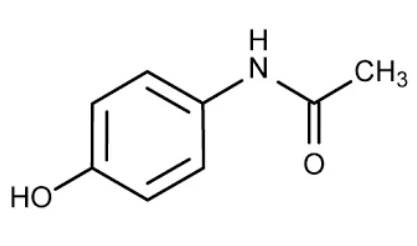
Figure 1 – Acetaminophen structure
Physicochemical properties:
Appearance: A white, odourless, crystalline powder with a slightly bitter taste.
Solubility: Soluble in boiling water and 1N sodium hydroxide, freely soluble in alcohol.
Chirality: There are no chiral centers in Acetaminophen.
UV Max. (pH 13) At 250 nm
Polymorphism: Acetaminophen exhibits polymorphism.
Elemental composition:
C 63.56%
H 6.00%
N 9.27%
O 21.17%
pKa values: Weak organic acid with a value of 9.5.
Drug Substance (Ibuprofen)
Proper name: Ibuprofen
Chemical name:
- α-Methyl-4-(2-methylpropyl)-benzene acetic acid
- p-Isobutyl hydratropic acid
- 2-(4-Isobutylphenyl) propionic acid
Molecular formula and molecular mass:
C13H18O2
206.28
Structural formula:
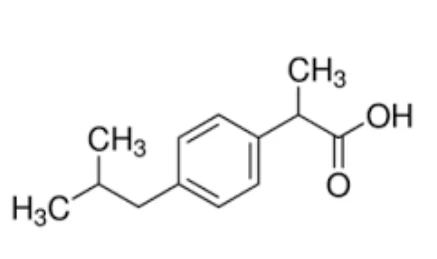
Figure 2: Ibuprofen structure
Physicochemical properties:
Appearance: White to off-white fine crystalline powder with slight characteristic odour.
Solubility: Practically insoluble in water, very soluble in alcohol, in methanol, in acetone and in chloroform, slightly soluble in ethyl acetate.
Melting Range: 75.0°C - 78.0°C
Stereoisomerism: Exists as racemic mixture of R & S isomers.
Polymorphism: None.
14 CLINICAL TRIALS
In this section, efficacy studies sponsored by AFT Pharmaceuticals are summarized. Overall, the fixed dose combination of acetaminophen 325 mg and ibuprofen 97.5 mg (FDC 325/97.5) demonstrated superior efficacy over either active used on their own. This finding was reinforced by studies of a fixed dose combination of acetaminophen 500 mg and ibuprofen 150 mg (FDC 500/150) which had the same 3.3:1 ratio of acetaminophen to ibuprofen and an almost identical cumulative daily dose as FDC 325/97.5 (97.5%). Analyses of single and multiple dose data pooled from multiple studies also unequivocally demonstrated the superior analgesic efficacy of the combination over comparable doses of both monocomponents as well as a series of other strengths. Finally, literature data reinforced the assertion that combined administration of acetaminophen and ibuprofen at recommended OTC doses was more effective than either ingredient used on their own.
14.1 Trial Design and Study Demographics
Table 9 – Summary of patient demographics for clinical trials in Short term management of mild to moderate acute pain.
| Study # | Trial design | Dosage, route of administration and duration | Study subjects (n) | Mean age | Sex (n) |
| Pivotal Efficacy Study of FDC 325/97.5 (AFT-MX-6) | Randomized, double-blind, placebo-controlled trial | 3 tablets of either FDC 325/97.5 (acetaminophen 325 mg + ibuprofen 97.5 mg), acetaminophen 325 mg, ibuprofen 97.5 mg or placebo orally taken every six hours Duration Up to 48 hours after the first dose of study drug | 408 (placebo 75, FDC 325/97.5 110, acetaminophen 111, ibuprofen 112) | 25 | Male: 133 Female: 275 |
| Supportive studies with FDC 500/150 | |||||
AFT-MX-1 Clinical Efficacy and Safety in an acute pain model | Randomized active-control | Tablet, acetaminophen 500 mg + ibuprofen 150 mg, orally taken every six hours Duration Up to 48 hours after the first dose of study drug | 122 (acetaminophen 43, ibuprofen 39, the combination 40) | 24 | Male: 41 Female: 81 |
| AFT-MX-3 | Double-blind, placebo-controlled, randomized, parallel group |
| 159 (Full dose 30, half dose 34, quarter dose 46, placebo 49) | 24 | Male: 69 Female: 90 |
| AFT-MX-6E | Double-blind, placebo-controlled, randomized, parallel group | Oral administration every 6 hours up to 24 hours of 2 tablets of
Duration of 24 hours | 300 (placebo 75, combination 77, acetaminophen 73, ibuprofen 75) | 46 | Male: 185 Female: 115 |
Pivotal Phase 3 Efficacy Study of FDC 325/97.5 (AFT-MX-6)
The populations in the 4 treatment groups in AFT-MX-6 were comparable with respect to demographics as shown below in Table 10.
Table 10 – Demographic information for the ITT population by age, weight, ethnicity and gender.
Ibuprofen 97.5 mg | FDC 325/97.5 | Acetaminophen 325 mg | Placebo | ||
|---|---|---|---|---|---|
| N=112 | N=110 | N=111 | N=75 | ||
| Age | |||||
| Mean | 24.4 | 26.1 | 26.1 | 24.9 | |
| SD | 6.7 | 7.9 | 7.8 | 6.4 | |
| Weight | |||||
| Mean | 71.7 | 72.1 | 72.2 | 73.8 | |
| SD | 13.5 | 13.9 | 13.4 | 15.4 | |
| Race | |||||
| Caucasian | 91 (81%) | 96 (87%) | 98 (88%) | 60 (80%) | |
| Pacific Islander | 1 | 1 | 0 | 1 | |
| Maori | 4 | 5 | 0 | 2 | |
| Other | 21 | 11 | 16 | 15 | |
| Gender | |||||
| Male | 30 (27%) | 41 (37%) | 35 (32%) | 27 (36%) | |
14.2 Study Results
Table 11 – Primary endpoints of the studies AFT-MX-6, AFT-MX-1, AFT-MX-6E and AFT-MX-3.
* The two formulations (FDC 500/150 and FDC 325/97.5) were bioequivalent for all parameters (Cmax, AUC0→t and AUC0→∞) under both fed and fasted conditions with the exception of Cmax for acetaminophen which was bioequivalent under fed conditions only. The FDC 325/97.5 formulation had a higher Cmax (19% higher) for acetaminophen under fasted conditions than the FDC 500/150 formulation, but this difference was considered not clinically relevant
Pivotal Efficacy Study of FDC 325/97.5 (AFT-MX-6)
Analysis of Primary Efficacy Endpoint
Data from 408 participants were available for ITT analysis of the time-adjusted SPIDs derived from the VAS pain intensity scores up to 48 hours after the first dose of study medication. All the 408 subjects received the first dose of study medication and have had at least two VAS pain score following the first dose of study medication to allow the calculation of the primary endpoint.
Female
82
69
76
48
| Study | Primary Endpoint | Results |
|---|---|---|
| AFT-MX-6 | Time-adjusted Sum of Pain Intensity Differences (SPID) from baseline over 48 hours – calculated as the area under the curve of pain intensity differences from baseline on 100 mm VAS. (Time-adjusted SPID48) | Combination was superior to all comparators in terms of primary endpoint. Note: The dose was comparable to 500/150 as it was 97.5% of the full dose i.e. 1000 mg vs 975 mg Acetaminophen and 300 mg vs 292.5 mg Ibuprofen. Bioequivalence studies between FDC 500/150 and FDC 325/97.5 demonstrated bioequivalence*. |
| AFT-MX-1 | Time-adjusted Area Under the Curve for VAS pain at rest and on activity over 48 hours (Time-adjusted AUC at rest, Time-adjusted AUC on activity) | Combination was superior to monotherapies for primary endpoint. |
| AFT-MX-6E | Time-adjusted SPID24 | Combination was superior to placebo for primary endpoint. Monotherapies were not superior to placebo for primary endpoint. |
| AFT-MX-3 | Time-adjusted SPID24 | The fixed-effect of treatment was tested on this endpoint in the general linear model and was highly significant (p=0.002). For the primary endpoint, all doses of the combination [including the claimed 1-2 tablet dose] were superior to placebo. |
Table 12 and Figure 3 summarise the means of time-adjusted SPIDs calculated from VAS pain intensity scores by treatment group. All subjects’ data available was used for this primary endpoint analysis. If rescue medication was taken (oxycodone 5-10 mg every 4-6 hours as required), the Pre-rescue VAS score was carried forward 6 hours to ensure that the additive effect of the rescue analgesic was not included in the analysis (a 6-hour time interval is sufficient for the analgesic effect of rescue to have worn off).
In subjects who discontinued the study and stopped recording VAS pain intensity scores within the first 12 hours, the time-adjusted SPID was estimated using a multiple imputation approach which incorporated a multiple regression estimation procedure that used pre-discontinuation measures for the outcome, age, gender, stratum and number of molar extracted.
In subjects, who had some missing data points, the SPID was calculated using intermediate points interpolated VAS scores. Pair-wise comparison was conducted between FDC 325/97.5 and each of the other three study groups to compare the efficacy.
The analysis of time-adjusted SPID 0-48hrs suggested that FDC 325/97.5 (mean=31.48, SE=1.93) provided more effective pain relief than placebo (mean=13.94, SE=2.27), acetaminophen (mean=17.46, SE=1.89) or ibuprofen (22.70, SE=1.91) with a high level of statistical significance (p<0.001).
Table 12 – Summary of Time-adjusted SPIDs by study Group (Pre-Rescue VAS pain score carried forward for the next 6 hours.
FDC 325/97.5
Acetaminophen 325 mg
Ibuprofen
97.5 mg
Placebo
N=110
N=112
N=111
N=75
Mean
31.48
17.46
22.7
13.94
SE
1.93
1.89
1.91
2.27
95% CI
27.71 - 35.26
13.75 - 21.17
18.96 - 26.43
9.5 - 18.38
P-value vs.
FDC 325/97.5
-
<0.001
<0.001
<0.001
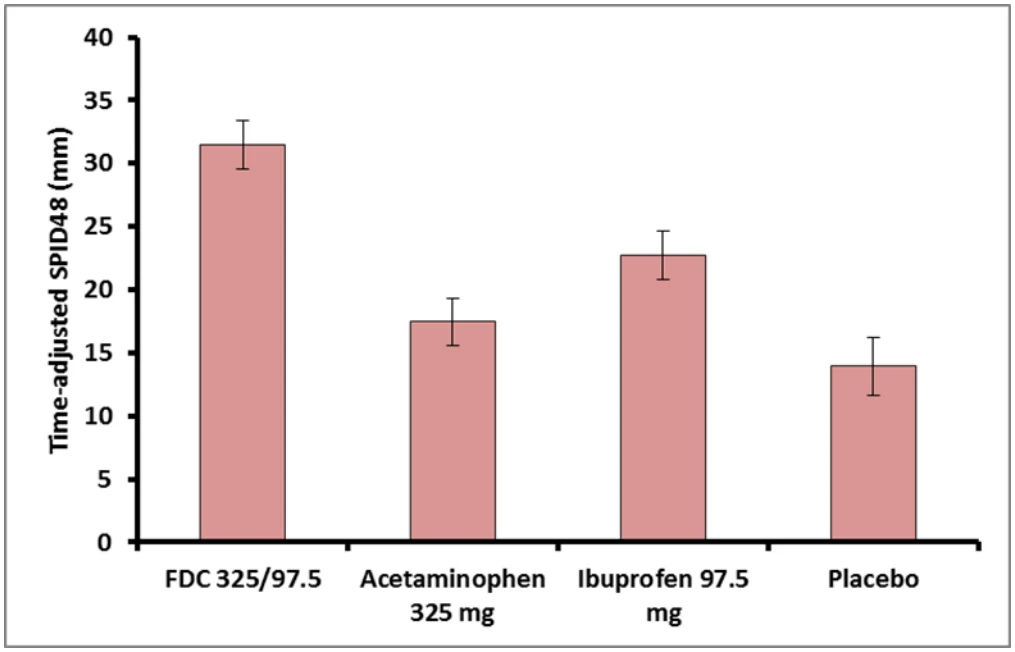
Figure 3 – Mean (with Standard Error bars) of time-adjusted SPID48 by treatment group.
15 MICROBIOLOGY
No microbiological information is required for this drug product.
16 NON-CLINICAL TOXICOLOGY
16.1 General Toxicology
The adverse effects of ibuprofen and acetaminophen have been extensively studied. The primary toxicities associated with ibuprofen involve the GI tract (irritation and bleeding) and kidney (interstitial nephritis, renal papillary necrosis) in all species. The primary toxicity associated with acetaminophen involves the liver (hepatocellular necrosis). For each of these toxicities, all available literature was reviewed for anything that would suggest a toxicologic interaction. AFT Pharmaceuticals also sponsored two combination toxicity studies in rats:
- A single-dose study to evaluate and compare the acute toxicity of oral doses of ibuprofen and acetaminophen alone or in combination.
- A 7-day study to evaluate and compare the GI and renal effects of daily oral doses of ibuprofen and acetaminophen alone or in combination.
16.1.1 Acute Toxicity
AFT Pharmaceuticals sponsored a GLP-compliant, single-dose toxicity study in rats to evaluate the acute toxicity of ibuprofen and acetaminophen when co-administered at a ratio matching that of FDC 325/97.5 and to compare the results to those with each drug alone at the same dose levels. To accomplish these objectives, the study was conducted in two phases, designated as a Maximum Tolerated Dose (MTD) Phase and an Acute Toxicity Phase.
In the MTD Phase, rats tolerated groups of 6 rats (3/sex) were given single oral doses of acetaminophen at 1000 mg/kg or ibuprofen at 500 mg/kg, observed for 6 days for clinical signs of toxicity and changes in body weight, and then were euthanized and necropsied to record gross pathologic findings. Rats tolerated single oral doses of acetaminophen at 1000 mg/kg with only a few minor transient clinical signs that resolved within 2 days; therefore, this was considered to be the single-dose MTD. Rats also tolerated single oral doses of ibuprofen at 500 mg/kg, but with clinical signs of ill health and circumstantial evidence of blood loss (pallor, dehydration) several days post-dose. Although all effects resolved by 6 days post-dose, and there were no gross pathologic findings at 7 days post-dose, 500 mg/kg was considered to slightly exceed the single- dose MTD.
In the Acute Toxicity Phase, groups of 10 rats (5/sex) were given a single dose of ibuprofen at the MTD (300 mg/kg), acetaminophen at the MTD (1000 mg/kg), or the two drugs in combination at the same dose levels (i.e., at an ibuprofen-to-acetaminophen ratio of 1-to-3.3). Rats were observed for 7 days for clinical signs of toxicity and changes in body weight, and then were euthanized and necropsied. At necropsy, gross pathologic findings were recorded. The acetaminophen dose level was the “limit dose” recommended by ICH Guidance Document M3 (R2). The ibuprofen dose level, which was driven by the desire to match the ibuprofen-to-acetaminophen ratio in Combogesic®, was near the single-dose MTD.
In summary, the only effects of co-administering single oral doses of acetaminophen and ibuprofen at a ratio matching that in Combogesic® were a greater incidence of staining on the head than administration of either drug alone and a slower recovery from transient acetaminophen-related weight loss.
16.1.2 Repeated Dose Toxicity
The objectives of this study were to evaluate the GI and renal effects of co-administering daily oral doses of ibuprofen and acetaminophen to rats for seven days at a ratio matching that of FDC 325/97.5 (i.e., at an ibuprofen-to-acetaminophen ratio of 1-to-3.3) and to compare those effects to administration of either drug alone.
To accomplish this objective, groups of 10 female rats were given daily oral gavage doses of vehicle (0.5% carboxymethylcellulose/0.1% Tween 80 in water), ibuprofen at 24 mg/kg/day, acetaminophen at 80 mg/kg/day, or both ibuprofen and acetaminophen (at 24 and 80 mg/kg/day, respectively) for seven consecutive days, and then were euthanized and necropsied the day after the last dose. Female rats were used for this study because they are less prone than males to develop chronic progressive nephropathy (CPN), a spontaneous, age-related, degenerative condition unique to rats that might interfere with the ability to detect differences in renal toxicity (Hard et al., 2009). The dose levels in this study (24 mg/kg of ibuprofen and 80 mg/kg of acetaminophen) approximated the dose levels that a 60-kg patient would receive from using FDC 325/97.5 at the maximum recommended dose of two tablets four times a day (20 mg/kg of ibuprofen and 67 mg/kg of acetaminophen).
In life, rats were observed twice daily for clinical signs of toxicity, changes in body weight, food consumption, hematology, clinical chemistry, and urinalysis parameters. At necropsy, macroscopic pathologic findings were recorded. Additionally, the stomach, duodenum, and kidneys were opened and examined for abnormalities under a dissecting microscope at 4x magnification. Following this examination, these organs were placed in 10% neutral buffered formalin and subsequently processed and examined by light microscopy for histopathologic findings.
Female rats tolerated daily oral doses of ibuprofen and acetaminophen for seven days, either alone or in combination at a ratio matching FDC 325/97.5, without evidence of GI toxicity; specifically, there were no drug-related histopathologic findings in the stomach or duodenum of any group. The only findings potentially related to either drug were slight differences in a few hematology parameters with one or both drugs alone and with the drugs in combination. None of the differences in hematology parameters was great enough to be considered adverse.
Based on these results, co-administering acetaminophen and ibuprofen to rats at a ratio matching that in FDC 325/97.5 (i.e., at an ibuprofen-to-acetaminophen ratio of 1-to-3.3) and at dose levels approximately equal to those that patients would receive from using FDC 325/97.5 at the maximum recommended dose did not increase the risk of GI toxicity.
16.2 Carcinogenesis, Mutagenesis, and Impairment of Fertility
Studies to evaluate the potential effects of COMBOGESIC® on carcinogenicity, mutagenicity, or impairment of fertility have not been conducted.
16.2.1 Carcinogenesis
Long-term studies in animals to evaluate the carcinogenic potential of ibuprofen have not been conducted.
Long-term studies in mice and rats have been completed by the National Toxicology Program to evaluate the carcinogenic potential of acetaminophen. In 2-year feeding studies, F344/N rats and B6C3F1 mice were fed a diet containing acetaminophen up to 6000 ppm. Female rats demonstrated equivocal evidence of carcinogenic activity based on increased incidences of mononuclear cell leukemia at 1.2 times the maximum human daily dose (MHDD) of 2.6 grams/day, based on a body surface area comparison. In contrast, there was no evidence of carcinogenic activity in male rats (1.1 times) or mice (1.9-2.2 times the MHDD, based on a body surface area comparison).
16.2.2 Mutagenesis
In published studies, ibuprofen was not mutagenic in the in vitro bacterial reverse mutation assay (Ames assay).
Acetaminophen was not mutagenic in the bacterial reverse mutation assay (Ames test). In contrast, acetaminophen tested positive for induction of sister chromatid exchanges and chromosomal aberrations in in vitro assays using Chinese hamster ovary cells. In the published literature, acetaminophen has been reported to be clastogenic when administered a dose of 1500 mg/kg/day to the rat model (3.6-times the MHDD, based on a body surface area comparison). In contrast, no clastogenicity was noted at a dose of 750 mg/kg/day (2.8-times the MHDD, based on a body surface area comparison), suggesting a threshold effect.
16.2.3 Impairment of Fertility
In a published study, dietary administration of ibuprofen to male and female rats 8-weeks prior to and during mating at dose levels of 20 mg/kg (0.06-times the MRHD based on body surface area comparison) did not impact male or female fertility or litter size.
In other studies, adult mice were administered ibuprofen intraperitoneally at a dose of 5.6 mg/kg/day (0.0085-times the MRHD based on body surface area comparison) for 35 or 60 days in males and 35 days in females. There was no effect on sperm motility or viability in males but decreased ovulation was reported in females.
In studies of acetaminophen conducted by the National Toxicology Program, fertility assessments have been completed in Swiss mice via a continuous breeding study. There were no effects on fertility parameters in mice consuming up to 1.7 times the MHDD of acetaminophen, based on a body surface area comparison. Although there was no effect on sperm motility or sperm density in the epididymis, there was a significant increase in the percentage of abnormal sperm in mice consuming 1.7 times the MHDD (based on a body surface area comparison) and there was a reduction in the number of mating pairs producing a fifth litter at this dose, suggesting the potential for cumulative toxicity with chronic administration of acetaminophen near the upper limit of daily dosing.
Published studies in rodents report that oral acetaminophen treatment of male animals at doses that are 1.2 times the MHDD and greater (based on a body surface area comparison) result in decreased testicular weights, reduced spermatogenesis, reduced fertility, and reduced implantation sites in females given the same doses. These effects appear to increase with the duration of treatment. The clinical significance of these findings is not known.