


Product Monograph - Extra Strength Nighttime Pain Reliever / Sleep Aid
SUMMARY PRODUCT INFORMATION
Table 1:
Route of Administration | Dosage Form / Strength | Clinically Relevant Non medicinal Ingredients |
| Oral | Tablets (Caplets) Acetaminophen 500 mg Diphenhydramine HCl 25 mg | None. For a complete listing see Dosage Forms, Composition and Packaging section. |
INDICATIONS AND CLINICAL USE
Extra Strength Nighttime Pain Reliever / Sleep Aid (acetaminophen/ diphenhydramine) is a combination analgesic/sleep aid. Extra Strength Nighttime Pain Reliever / Sleep Aid acts quickly to provide effective relief of nighttime mild to moderate pain and accompanying sleeplessness associated with back and body pain, headaches, muscle aches and pains, arthritis pain, menstrual pain, dental pain, and aches and pains due to colds and the flu. It also improves the duration of sleep in these circumstances.
Geriatrics (> 65 years of age):
Evidence from clinical studies suggests that acetaminophen is safe for use in elderly patients. Due to the diphenhydramine hydrochloride component, Extra Strength Nighttime Pain Reliever / Sleep Aid should not be used by elderly patients who experience confusion at night time as it may cause dizziness, sedation and hypotension [See WARNINGS AND PRECAUTIONS].
Pediatrics (< 16 years of age):
Extra Strength Nighttime Pain Reliever / Sleep Aid is not recommended for children under 16 years of age.
CONTRAINDICATIONS
Patients with known or suspected hypersensitivity to acetaminophen/diphenhydramine hydrochloride, or any non-medicinal ingredient of Extra Strength Nighttime Pain Reliever / Sleep Aid caplets should not use this product. For a complete list of excipients see Dosage Forms, Composition and Packaging.
WARNINGS AND PRECAUTIONS
|
General
Acetaminophen-containing products should be kept out of the reach of children. Packages contain enough medication to seriously harm a child.
Consumers should not exceed 4 g/day of acetaminophen or use two or more acetaminophen- containing products together. This includes combination products that contain acetaminophen. Do not use with other products containing salicylates or any other pain or fever medicine, or with any other product containing diphenhydramine, even one used on skin.
Physicians should be cognizant of and supervise the use of acetaminophen in patients with chronic alcoholism, serious kidney or serious liver disease. Physicians should alert their patients who regularly consume large amounts of alcohol not to exceed the recommended doses of acetaminophen. Alcohol warning: Chronic heavy alcohol abusers may be at increased risk of liver toxicity from excessive doses of acetaminophen and should ask their doctor whether they should take acetaminophen or other pain relievers or fever reducers.
Extra Strength Nighttime Pain Reliever / Sleep Aid should not be taken for pain for more than 5 days without consulting a physician. Patients should consult a physician if redness or swelling is present in an area of pain, if symptoms do not improve or if they worsen, or if new symptoms such as wheezing, rash, itching or persistent headache occur, as these may be signs of a condition that requires medical attention.
Patients with the following conditions should be advised to consult a physician before using diphenhydramine: a respiratory condition such as emphysema, chronic bronchitis, or acute or chronic bronchial asthma or chronic pulmonary disease; glaucoma; difficulty in urination due to enlargement of the prostate gland.
Diphenhydramine may enhance the sedative effects of central nervous system depressants including alcohol, sedatives, and tranquilizers resulting in marked drowsiness. While taking this product, consumers should be advised to avoid alcoholic beverages and consult their healthcare professional prior to taking with central nervous system depressants.
Gastrointestinal
Extra Strength Nighttime Pain Reliever / Sleep Aid should be used with caution in patients with stenosing peptic ulcer or pyloroduodenal obstruction.
Hepatic/Biliary/Pancreatic
Slower metabolism of acetaminophen, increased activity of the cytochrome P450 enzyme system, or depleted glutathione stores are cited as theoretical risk factors for acetaminophen hepatotoxicity in patients with chronic liver disease. However, acetaminophen has been studied in both adults and children with a wide variety of liver diseases including various types of cirrhosis, hepatitis (including hepatitis C), nodular transformation, congenital hepatic fibrosis, and α1-antitrypsin deficiency. In none of these conditions is there evidence of an increased risk for hepatotoxicity at currently recommended acetaminophen doses but the studies were insufficiently powered to definitely establish the extent of risk.
Forrest et al (1979) compared acetaminophen metabolism following a single 1500 mg dose in normal subjects, patients with mild liver disease, and patients with severe liver disease. There were no significant differences in overall 24-hour urinary excretion of acetaminophen and glucuronide, sulfate, cysteine, and mercapturic acid conjugates, evidence that acetaminophen metabolism was similar to that in normal subjects. However, the elimination half-life was significantly prolonged in patients with severe liver disease.
At the currently recommended doses acetaminophen is a suitable analgesic choice for use in patients with chronic stable liver disease when used under physician supervision.
Acetaminophen may cause hepatotoxicity in situations of intentional overdose (e.g. attempted suicide), unintentional overdose (e.g. overdosing when pain relief is not satisfactory), simultaneous use of multiple acetaminophen-containing preparations, accidental overdose or in very rare cases, after recommended doses, although causality has not been determined. The hepatotoxic reaction can be severe and life-threatening. Early symptoms following a hepatotoxic overdose may include nausea, vomiting, diaphoresis, lethargy, and general malaise. If appropriate treatment is not instituted, these may progress to upper quadrant pain, confusion, stupor, and sequelae of hepatic necrosis, such as jaundice, coagulation defects, hypoglycemia, and encephalopathy. Renal failure and cardiomyopathy may also occur. In the event of known or suspected overdosage, treatment with N-acetyl cysteine should be instituted immediately (see OVERDOSAGE), even when there are no obvious symptoms. Failure to promptly treat acetaminophen hepatotoxicity with N-acetyl cysteine can result in liver failure, leading to liver transplantation and/or death.
Chronic Alcohol Use: Excessive alcohol use may increase risk of liver toxicity from acetaminophen overdose (acute or chronic) (Critchley 1982 and 1983, Kuffner 1997).
Prospective data from Kuffner et al (1997, 2001) demonstrate that chronic alcoholics can take recommended doses of acetaminophen without the added risk of liver injury. In these prospective, placebo controlled studies; the researchers evaluated an actively drinking group of alcoholics with a high prevalence of malnourishment. The study participants abruptly stopped their daily alcohol intake and took acetaminophen the next day. This should theoretically make them vulnerable to acetaminophen injury because their CYP2E1 would be maximally induced from the alcohol and there would be no alcohol present to compete with acetaminophen for metabolism by CYP2E1. There was no statistically significant difference in mean values for AST, ALT or INR for alcoholics given four grams per day of acetaminophen compared to placebo. Additionally, the researchers performed an analysis of the malnourished patients that showed there was no increase in AST or AST levels in these patients. Study limitations include a limited duration of 2 days and exclusion of patients with pre-existing AST or ALT elevations greater than 120 U/L. Study results do not preclude the possibility of an idiosyncratic hepatic reaction.
Ophthalmologic
Due to the anti-cholinergic properties of diphenhydramine, Extra Strength Nighttime Pain Reliever / Sleep Aid should not be used in patients with a history of increased intraocular pressure (glaucoma).
Renal
Based on available clinical data, acetaminophen can be used in patients with chronic renal disease without dosage adjustment. Martin et al (1991) found that patients with chronic renal failure had higher plasma concentrations of acetaminophen and the inactive glucuronide and sulfate metabolites than healthy subjects during repeated dosing up to ten days.
Several single-dose studies demonstrate accumulation of acetaminophen metabolites in patients with moderate chronic renal failure and in anephric patients for whom hemodialysis appeared to be the major route of elimination (Lowenthal 1976, Chan 1997, Prescott 1989, Øie 1975). The habitual consumption of acetaminophen should be discouraged. If indicated medically, the long-term use of acetaminophen should be supervised by a physician.
A National Kidney Foundation position paper notes that physicians preferentially recommend acetaminophen to patients with renal failure because of the bleeding complications associated with ASA use in these individuals (Henrich 1996). Acetaminophen was recommended as the non-narcotic analgesic of choice for episodic use in patients with underlying renal disease.
Extra Strength Nighttime Pain Reliever / Sleep Aid should not be used in patients with bladder neck obstruction.
Respiratory
Extra Strength Nighttime Pain Reliever / Sleep Aid should not be used in patients with chronic lung disease, unless directed by a physician.
Sensitivity/Resistance
Sensitivity reactions to acetaminophen are rare and may manifest as rash, urticaria, dyspnea, hypotension, laryngeal edema, angioedema, bronchospasm, or anaphylaxis. Cross-reactivity in ASA-sensitive persons has been rarely reported.
Serious skin reactions such as acute generalized exanthematous pustulosis (AGEP), Stevens - Johnson syndrome (SJS), and toxic epidermal necrolysis (TEN), have been reported very rarely in patients receiving acetaminophen. Patients should be informed about the signs of serious skin reactions, and use of the drug should be discontinued at the first appearance of skin rash or any other sign of hypersensitivity.
Special Populations
Pregnant Women:
There are no adequate and well-controlled studies of diphenhydramine, acetaminophen or the combination in pregnant women. This product should not be used during pregnancy unless the potential benefit of treatment to the mother outweighs the possible risk to the developing fetus.
Currently there is no evidence to suggest that acetaminophen is teratogenic when used as recommended. However, data for continuous high daily doses are not sufficient, and safety during pregnancy has not yet been established.
Issues of risks in pregnancy are multifactorial. The information provided cannot be substituted for direct patient consultation. Acetaminophen is believed to be non-teratogenic in humans. However, existing studies have not assessed the effect of very high doses. The Motherrisk Collaborative Perinatal project monitored 50,282 mother-child pairs, of which 226 had first trimester exposure to acetaminophen and 781 had used acetaminophen at any time during their pregnancy. No evidence was found to suggest a relationship between acetaminophen use and major or minor malformations (Briggs 2002). In a surveillance study of Michigan Medicaid recipients conducted between 1985 and 1992 involving 229,101 completed pregnancies, 9,146 newborns had been exposed to acetaminophen during the first trimester (Briggs 2002). This data do not support an association between acetaminophen use and the occurrence of birth defects. Another cohort study, using prescription monitoring, found no excess risk for malformation, and no evidence that acetaminophen influenced fetal growth (Thulstrup 1999). Finally, as part of a larger study, 697 women used acetaminophen with or without codeine in their first trimester. No teratogenic risk was found (Aselton 1985).
A prospective study investigated the outcome of pregnancy in 300 women who had self- administered an overdose of acetaminophen, either alone, or as part of a combined preparation. Exposure to overdose occurred in all trimesters. The majority of the pregnancies had normal outcomes. The malformation rate was within the expected range. There was no obvious relationship between the time of exposure and the time of delivery. The overall conclusion was that acetaminophen overdose is not an indication for termination of pregnancy (McElhatton 1997).
In a long-term developmental follow-up study, acetaminophen did not adversely affect IQ or behavior measures at four years of age (Streissguth 1987). Height, weight and head circumference were also not affected by exposure to acetaminophen in utero.
Unlike ASA, which has been shown to profoundly affect platelet function, there does not seem to be a risk of hemorrhage associated with acetaminophen use at term (Pearson 1978, Rudolph 1981).
A review by Quinlan et al (2003), states that diphenhydramine has been used to control nausea and vomiting during pregnancy. One study found an association between diphenhydramine and cleft lip and palate, but a subsequent study did not support this finding (Quinlan 2003).
Nursing Women:
There are no adequate and well-controlled studies of diphenhydramine, acetaminophen or the combination in breast-feeding women. This product should not be used during breastfeeding unless the potential benefit of treatment to the mother outweighs the possible risk to the nursing infant.
Geriatrics (> 65 years of age): Acetaminophen at currently recommended doses can be used safely by elderly patients. Results of well-designed clinical studies indicate that a dose reduction of acetaminophen, to avoid potential increased risk for toxicity, is not necessary. In a comprehensive metabolic study by Miners et al (1988), the formation and clearance of glucuronide and glutathione conjugates were the same in young and elderly adults, although clearance of the sulphate conjugate and unchanged acetaminophen were reduced. This finding provides prospective scientific data that the amount of acetaminophen metabolized via the oxidative pathway, from which the highly reactive intermediate, NAPQI, is generated, does not increase with age. Recently, Bannwarth et al (2001) evaluated the multiple-dose pharmacokinetics of acetaminophen in elderly patients. After seven days of repeat dosing, acetaminophen did not accumulate in the plasma, and the elimination half-life was the same as that reported for young adults.
Elderly patients who require therapy for longer than 5 days should consult their physician for condition monitoring; however, no reduction in recommended dosage is necessary. The American Geriatrics Society Clinical Practice Guidelines for the Management of Chronic Pain in Older Persons (1998) recommend acetaminophen as the drug of choice for relieving mild to moderate musculoskeletal pain, with the maximum dosage not to exceed 4000 mg daily. Acetaminophen is safe for use in the elderly population as currently labelled.
Because of the diphenhydramine hydrochloride component, Extra Strength Nighttime Pain Reliever / Sleep Aid should not be used by elderly patients who experience confusion at night time as it may cause dizziness, sedation and hypotension.
Pediatrics (< 16 years of age): Do not administer to children less than 16 years of age.
Glucose-6-Phosphate Dehydrogenase (G6PD) Deficiency: In therapeutic doses, acetaminophen does not shorten the lifespan of red blood cells and does not produce any clinically perceptible destruction of circulating red blood cells (Chan 1976, Cottafava.1990, Beutler 1984).
Obese Adults: Results of well-designed clinical studies indicate that a dose reduction of acetaminophen, to avoid potential increased risk for toxicity, is not necessary. O’Shea et al (1994) studied the pharmacokinetics of chlorzoxazone (a putative probe for CYP2E1 activity) to evaluate the effect of obesity on CYP2E1 activity. The authors concluded that CYP2E1 is induced in obese adults and that this could impact the metabolic pathway of a number of drugs metabolized by CYP2E1, including acetaminophen. However, acetaminophen pharmacokinetic data have been investigated in obese adults (Abernethy 1982). In this prospective study, 650 mg acetaminophen was administered intravenously to obese men (297 lb), obese women (194 lb), control men (155 lb) and control women (121 lb). Acetaminophen distribution volume per total body weight was slightly lower in the obese adults but, more importantly, the half-life and metabolic clearance per total body weight did not differ among groups.
ADVERSE REACTIONS
Adverse Drug Reaction Overview
Results of clinical trials conducted with Extra Strength Nighttime Pain Reliever / Sleep Aid (acetaminophen/ diphenhydramine hydrochloride) caplets have shown that this combination product presents no additional risk compared to its individual active ingredients.
Adverse Drug Reactions of Acetaminophen
Central Nervous System Effects: Acetaminophen at recommended doses has no obvious effects on central nervous system function. In an overdose situation, central nervous system effects are uncommon.
Gastrointestinal Effects: Acetaminophen at recommended doses does not cause gastric irritation, gastric erosions, occult or overt gastrointestinal blood loss or ulcers (Hoftiezer 1982, Johnson and Driscoll 1981). Blot and McLaughlin (2000) conducted an independent analysis of case-control data from a study conducted by the American College of Gastroenterology. The risk of gastrointestinal bleeding increased two to three-fold among recent users of ASA, ibuprofen and other NSAIDs at OTC doses, and the risk was also dose-related. In contrast, the use of acetaminophen was not associated with an increased risk of gastrointestinal bleeding.
Hematologic Effects: Acetaminophen does not have any immediate or delayed effects on small vessel hemostasis, as measured by bleeding time. In normal volunteers receiving a single dose of acetaminophen (975 or 1950 mg) or multiple doses of acetaminophen (1950 mg daily for 6 weeks), no change in bleeding time or platelet aggregation was observed (Mielke 1976). In another study, a single 1000 mg dose of acetaminophen was given to normal volunteers and did not affect bleeding time or platelet aggregation (Seymour 1984). Patients with hemophilia receiving multiple doses of acetaminophen showed no significant changes in bleeding time (Kasper and Rapaport 1972, Mielke 1981).
Hematological reactions including thrombocytopenia, leucopenia, pancytopenia, neutropenia, and agranulocytosis have been reported, although these are rare and causality has not been established.
Hepatic Effects: As an illustration of the margin of safety of acetaminophen at supratherapeutic doses, a comparison of serum concentrations of acetaminophen over time for a standard 15 mg/kg dose and for a dose exceeding the standard by a multiple of 5 (75 mg/kg) are shown in Figure 1. The serum concentrations are drawn relative to the risk line for hepatotoxicity and treatment line of the Rumack-Matthew nomogram used to manage acute overdoses. The mean plasma concentrations for this supratherapeutic dose are well below the risk and treatment lines of the nomogram at all times. However to minimize the risk for adverse effects, the maximum recommended dose should not be exceeded.
Figure 1: Mean Data for a Standard (1 g, 15 mg/kg) and Higher (5.6 g, 75 mg/kg) Dose Relative to Risk and Treatment Lines of the Acetaminophen Nomogram
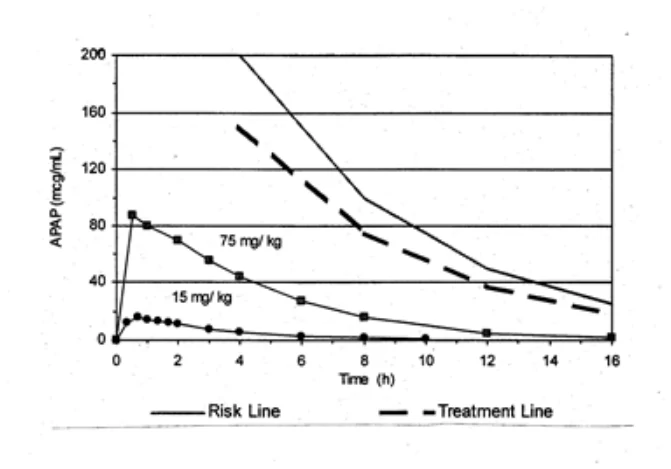
Acetaminophen in overdosage may cause hepatotoxicity. In adults and adolescents, hepatotoxicity may occur following ingestion of greater than 150 mg/kg over a period of 8 hours or less. Fatalities are infrequent (less than 3% to 4% of untreated cases in which blood levels exceed the treatment line) and have rarely been reported with overdoses less than 7.5 g. In children, amounts less than 150 mg/kg are unlikely to produce hepatotoxicity. In both adults and children, toxicity associated with acetaminophen is usually caused by ingestion of quantities of the drug that are significantly above the recommended dosage range. Hepatotoxicity, ranging from transient sharp transaminase elevations to fatal, fulminant hepatic failure, is the most common result of clinically significant overdosage (Linden and Rumack 1984).
In a double-blind, placebo-controlled clinical study, healthy adults were given 4, 6 and 8 g/d of acetaminophen over 3 days (Gelotte 2003). Plasma concentrations did not accumulate with repeat doses. Clinically all doses were well tolerated by the subjects and aminotransferase values stayed within normal limits throughout the study. These data provide information related to the margin of safety but are not intended to support dosing beyond the maximum recommended dose of 4 g/day.
A report has suggested that hepatotoxicity following greater than the recommended dose of acetaminophen may be enhanced by both prolonged fasting and/or chronic alcohol abuse (Whitcomb and Block 1994).
Acute Alcohol Use: Acute alcohol ingestion refers to the occasional or intermittent use of alcohol. When taken together, alcohol competes with acetaminophen for CYP2E1. CYP2E1 accepts alcohol more readily than acetaminophen; therefore, less NAPQI is produced (Forrest 1982). In the presence of alcohol, acetaminophen may be diverted to the glucuronidation and sulfation pathways. The overall result is that a smaller percentage of acetaminophen may be expected to be metabolized to the toxic intermediate, NAPQI, than would otherwise be the case (Rumack 2002). NAPQI production is increased above baseline for the period up to 18-24 hours post ethanol clearance from the body. In healthy adults, at normal labeled doses of acetaminophen, the temporary increase in NAPQI production is more than accommodated by normal glutathione stores in the liver.
Hypersensitivity: Sensitivity reactions are rare and may manifest as rash, urticaria, dyspnea, hypotension, laryngeal edema, angioedema, bronchospasm, or anaphylaxis. Cross-reactivity in ASA-sensitive persons has been rarely reported. If sensitivity is suspected, discontinue use of the drug.
Renal Effects: Acute nephrotoxicity has been reported following massive overdose either as a sequela of hepatic failure or, occasionally, in the absence of hepatic failure (Rumack and Matthew 1975). Clinical data have established that acetaminophen in recommended doses is not nephrotoxic.
Some studies suggest an association between the chronic long-term use of acetaminophen and renal effects. Results, however, are conflicting, limited by recall bias and confounded by the inability to determine whether analgesic use preceded or followed the onset of renal disease (Edwards 1971, Gates & Temple 1989, Murray 1983, Nelson 1995, Perneger 1994, Sandler 1989).
Case control studies have suggested a weak association between habitual acetaminophen use and prevalence of chronic renal failure and end stage renal disease (Heinrich 1996). This National Kidney Foundation position paper concludes that acetaminophen has been preferentially recommended by physicians to patients with renal failure and that there is no evidence that occasional use of acetaminophen caused renal injury. In this position paper, acetaminophen was recommended as the non-narcotic analgesic of choice for episodic use in patients with underlying renal disease.
Adverse Drug Reactions of Diphenhydramine Hydrochloride
Drowsiness, dizziness, dryness of mouth, nausea and nervousness may occur with the use of diphenhydramine. Other infrequently reported effects include vertigo, palpitations, blurred vision, headache, restlessness, insomnia and thickening of the bronchial secretions.
Clinical Trial Adverse Drug Reactions
Because clinical trials are conducted under very specific conditions the adverse reaction rates observed in the clinical trials may not reflect the rates observed in practice and should not be compared to the rates in the clinical trials of another drug. Adverse drug reaction information from clinical trials is useful for identifying drug-related adverse events and for approximating rates.
Two randomized, double-blind, placebo-controlled, single-dose, parallel-group studies have been conducted in a total of 423 post-oral surgery patients with phase-shifted sleep to compare the efficacy of acetaminophen 1000 mg (2 x 500 mg) and diphenhydramine 50 mg (2 x 25 mg) as an analgesic and sleep-aid when taken in combination and alone versus placebo. All study medications were well tolerated and no safety issues were identified. No deaths or other severe adverse events were reported and no subjects withdrew from the study due to an adverse event. The severity and nature of adverse events were similar among treatment groups. Of the two studies, treatment-related adverse events (2 in total) were observed only in Study AADPWS4002.
Study AADPWS4002
Overall, six (1.8%) subjects reported adverse events; event rates were similar across treatment groups. Treatment-related adverse events (including adverse events with a reasonable possibility of being related to study treatment) were reported by two (<1%) subjects. Nausea was reported by two subjects treated with diphenhydramine 50 mg and by one subject treated with acetaminophen 1000 mg. Epistaxis was reported by two subjects treated with the combination of acetaminophen 1000 mg/diphenhydramine 50 mg. Other adverse events were reported by no more than one subject per treatment group.
Study AADPWS4001
Overall, four (4.7%) subjects reported adverse events; event rates were similar across treatment groups. No treatment-related adverse events were reported. Two subjects reported headache, one each in the placebo and acetaminophen 1000 mg groups. Two subjects in the acetaminophen 1000 mg/diphenhydramine 50 mg group reported adverse events; tremor and hemorrhage were each reported by one subject.
Post-Market Adverse Drug Reactions
Adverse drug reactions (ADRs) identified during post-marketing experience with diphenhydramine, acetaminophen or the combination are included in Table 2 and Table 3.
The frequencies are provided according to the following convention:
Very common ≥ 1/10
Common ≥ 1/100 and < 1/10
Uncommon ≥ 1/1,000 and <1/100
Rare ≥ 1/10,000 and <1/1,000
Very rare < 1/10,000
Not known (cannot be estimated from the available data)
In Table 2, ADRs identified are presented by frequency category based on 1) incidence in adequately designed clinical trials or epidemiology studies, if available or 2) when incidence is unavailable, frequency category is listed as Not known.
In Table 3, the same ADRs are presented with ADR frequency categories estimated from spontaneous reporting rates where the numerator represents total number of reported Company AEs under given PT or medical concept and denominator represents exposure data calculated from sales data.
Table 2: Adverse Drug Reactions Identified During Post-Marketing Experience with Diphenhydramine, Acetaminophen or the Combination by Frequency Category Estimated from Clinical Trials or Epidemiology Studies
| SOC | |
|---|---|
| Frequency category | Adverse Event Preferred Term |
| Cardiac Disorders | |
| Not known | Palpitations |
| Not known | Tachycardia |
| Ear and Labyrinth Disorders | |
| Uncommon | Tinnitus |
| Eye Disorders | |
| Not known | Vision blurred |
| Gastrointestinal Disorders | |
| Not known | Constipation |
| Not known | Diarrhoea |
| Not known | Dry mouth |
| Not known | Dyspepsia |
| Not known | Nausea |
| Not known | Vomiting |
| Immune System Disorders | |
| Not known | Anaphylactic reaction |
| Not known | Hypersensitivity |
| Investigations | |
| Not known | Transaminases increased† |
| General Disorders and Administration Site Conditions | |
| Common | Asthenia |
| Nervous System Disorders | |
| Uncommon | Agitation |
| Not known | Coordination abnormal |
| Not known | Convulsion |
| Common | Dizziness |
| Not known | Headache |
| Uncommon | Insomnia |
| Not known | Paraesthesia |
| Very common | Sedation |
| Common | Somnolence |
| Not known | Tremor |
| Psychiatric Disorders | |
| Uncommon | Confusional state |
| Not known | Hallucination |
| Uncommon | Irritability |
| Uncommon | Nervousness |
| Not known | Psychomotor hyperactivity |
| Renal and Urinary Disorders | |
| Not known | Urinary retention |
| Respiratory, Thoracic and Mediastinal Disorders | |
| Not known | Chest discomfort |
| SOC |
|---|
| Frequency category | Adverse Event Preferred Term |
|---|---|
| Common | Dry throat |
| Not known | Nasal dryness |
| Skin and Subcutaneous Tissue Disorders | |
| Not known | Rash pruritic |
| Not known | Pruritus |
| Uncommon | Rash |
| Not known | Urticaria |
| Vascular Disorders | |
| Not known | Hypotension |
| † Low level transaminase elevations may occur in some patients taking labeled doses of paracetamol; these elevations are not accompanied with liver failure and usually resolve with continued therapy or discontinuation of paracetamol | |
Table 3: Adverse Drug Reactions Identified During Post-Marketing Experience with Diphenhydramine, Acetaminophen or the Combination by Frequency Category Estimated from Spontaneous Reporting Rates*
| SOC | |
|---|---|
| Frequency category | Adverse Event Preferred Term |
| Cardiac Disorders | |
| Vary rare | Palpitations |
| Vary rare | Tachycardia |
| Ear and Labyrinth Disorders | |
| Vary rare | Tinnitus |
| Eye Disorders | |
| Vary rare | Vision blurred |
| Gastrointestinal Disorders | |
| Vary rare | Constipation |
| Vary rare | Diarrhoea |
| Vary rare | Dry mouth |
| Vary rare | Dyspepsia |
| Vary rare | Nausea |
| Vary rare | Vomiting |
| Immune System Disorders | |
| Vary rare | Anaphylactic reaction |
| Vary rare | Hypersensitivity |
| Investigations | |
| Vary rare | Transaminases increased† |
| General Disorders and Administration Site Conditions | |
| Vary rare | Asthenia |
| Nervous System Disorders |
| SOC |
|---|
| Frequency category | Adverse Event Preferred Term |
|---|---|
| Vary rare | Agitation |
| Vary rare | Coordination abnormal |
| Vary rare | Convulsion |
| Vary rare | Dizziness |
| Vary rare | Headache |
| Vary rare | Insomnia |
| Vary rare | Paraesthesia |
| Vary rare | Sedation |
| Vary rare | Somnolence |
| Vary rare | Tremor |
| Psychiatric Disorders | |
| Vary rare | Confusional state |
| Vary rare | Hallucination |
| Vary rare | Irritability |
| Vary rare | Nervousness |
| Vary rare | Psychomotor hyperactivity |
| Renal and Urinary Disorders | |
| Vary rare | Urinary retention |
| Respiratory, Thoracic and Mediastinal Disorders | |
| Vary rare | Chest discomfort |
| Vary rare | Dry throat |
| Vary rare | Nasal dryness |
| Skin and Subcutaneous Tissue Disorders | |
| Vary rare | Rash pruritic |
| Vary rare | Pruritus |
| Vary rare | Rash |
| Vary rare | Urticaria |
| Vascular Disorders | |
| Vary rare | Hypotension |
* Patient exposure was estimated by calculation from sales data from IMS MIDASTM † Low level transaminase elevations may occur in some patients taking labeled doses of paracetamol; these elevations are not accompanied with liver failure and usually resolve with continued therapy or discontinuation of paracetamol | |
DRUG INTERACTIONS
Overview
Specific clinical trials evaluating the drug interactions with the Extra Strength Nighttime Pain Reliever / Sleep Aid combination have not been conducted. Drug interactions with the individual active ingredients are well-documented.
Drug-Drug Interactions
Acetaminophen
Alcohol
Studies evaluating the metabolism of doses up to 20 mg/kg of acetaminophen in chronic alcohol abusers and a study evaluating the effects of 2 days of acetaminophen dosing at 4000 mg/day in chronic alcoholics undergoing detoxification, have yielded inconsistent results with regard to effects on acetaminophen pharmacokinetics and demonstrate no evidence of adverse effect on liver function tests (Critchley 1982, 1983, Kuffner 1997, 2001, Skinner 1990, Villeneuve 1983).
Anticoagulants
Patients who concomitantly medicate with warfarin-type anticoagulants and regular doses of acetaminophen have occasionally been reported to have unforeseen elevations in their international normalized ratio [INR]. Physicians should be cognizant of this potential interaction and monitor the INR in such patients closely while therapy is established. Many factors, including diet, medications and environmental and physical states, may affect how a patient responds to anticoagulant therapy (Physicians’ Desk Reference® 1999). There have been several reports that suggest that acetaminophen may produce hypoprothrombinemia (elevated INR or prothrombin time) when administered with coumarin derivatives. In other studies, prothrombin time did not change (Antlitz & Awalt 1969, Kwan 1999, Udall 1970). Reported changes have been generally of limited clinical significance; however, periodic evaluation of prothrombin time should be performed when these agents are administered concurrently.
In the period immediately following discharge from the hospital or whenever other medications are initiated, discontinued, or taken regularly, it is important to monitor patient response to anticoagulation therapy with additional prothrombin time or INR determinations (Physicians’ Desk Reference® 1999). Despite the potential for interaction, acetaminophen is the least likely OTC analgesic to interfere with anticoagulant therapy and thereby remains the OTC analgesic of choice for concomitant use.
Anticonvulsants
Some reports have suggested that patients taking long-term anticonvulsants, who overdose on acetaminophen, may be at increased risk of hepatotoxicity because of accelerated metabolism of acetaminophen (Bray 1992, Miners 1984). Available data are conflicting. A 7-year retrospective study of acetaminophen overdose admissions indicates that the overall mortality rate was not significantly different for patients taking concomitant anticonvulsant medications (Makin 1995).
Carbamazapine: At usual oral therapeutic doses of acetaminophen and carbamazepine, no special dosage adjustment is generally required. Carbamazepine is primarily metabolized by CYP3A4 (Levy 1995), whereas acetaminophen is metabolized primarily via CYP2E1. It is not known whether there is increased risk from an acetaminophen overdose in patients on chronic carbamazepine therapy.
Hydantoins: At usual oral therapeutic doses of acetaminophen and hydantoins, no special dosage adjustment or monitoring is generally required. Pharmacokinetic studies indicate that phenytoin primarily induces the glucuronidation pathway, whereas glutathione-derived metabolites are not increased in patients on chronic phenytoin therapy (Prescott 1981). Additionally, data demonstrate that phenytoin is metabolized primarily by CYP2C9 and CYP2C19 (Levy 1995), whereas acetaminophen is primarily metabolized by CYP2E1 (Slattery 2002). These data indicate that there is no increased risk of acetaminophen hepatotoxicity in patients on chronic hydantoin therapy who use the recommended dose of acetaminophen.
Diflunisal
Professional literature from the manufacturer of diflunisal cautions that concomitant administration of diflunisal with acetaminophen increases plasma acetaminophen concentrations by approximately 50% in normal volunteers. Acetaminophen had no effect on diflunisal plasma levels. The clinical significance of this finding has not been established; however, caution should be exercised with concomitant administration of diflunisal and acetaminophen and patients should be monitored carefully.
Isoniazid
Some reports suggest that patients on chronic isoniazid therapy may be at risk for developing hepatotoxicity from an acetaminophen overdose. Since patients on isoniazid therapy may develop hepatic effects from isoniazid alone, data from individual case reports are unclear as to whether chronic administration of isoniazid may increase the risk of acetaminophen toxicity. Isoniazid is primarily metabolized by CYP2E1 and induces CYP2E1. Studies in healthy subjects demonstrate that isoniazid blocks the formation of the toxic metabolite NAPQI when administered concomitantly with acetaminophen, but increases NAPQI formation when acetaminophen is administered one day after discontinuation of isoniazid. Thus, concomitant use of isoniazid is unlikely to potentiate the risk of acetaminophen-induced hepatotoxicity at recommended doses. The isoniazid induction of CYP2E1 is short-lived, lasting only 12 to 48 hours after the discontinuation of isoniazid; it is during this period the toxicity of an acetaminophen overdose may be potentiated.
Diphenhydramine Hydrochloride
Diphenhydramine inhibits CYP2D6 leading to a clinically significant drug-drug interaction when co-administered with compounds that likewise require metabolism via cytochrome P450, such as with metoprolol, tricyclic antidepressants, antiarrhythmic drugs, antipsychotics and tramadol (Bartra 2006, Sharma 2003). Diphenhydramine may enhance the sedative effects of central nervous system depressants, including alcohol (Cohen 1987, Burns 1980) sedatives and tranquilizers.
Drug-Food Interactions
Interactions with food have not been established.
Drug-Herb Interactions
Interactions with herbal products have not been established.
Drug-Laboratory Test Interactions
Interactions with laboratory tests have not been established.
DOSAGE AND ADMINISTRATION
Recommended Dose and Use Direction
Adult use only (16 years and older): Extra Strength Nighttime Pain Reliever / Sleep Aid (acetaminophen/ diphenhydramine hydrochloride) is to be taken as a single dose of 2 caplets at bed-time, or as directed by a physician. Do not exceed 2 caplets in 24 hours. Do not take for more than 5 consecutive nights unless directed by a physician.
Evidence from clinical studies suggests that acetaminophen is safe for use in elderly patients.
Because of the diphenhydramine hydrochloride component, Extra Strength Nighttime Pain Reliever / Sleep Aid should not be used by elderly patients who experience confusion at night time as this drug may produce excitation rather than sedation in the elderly.
OVERDOSAGE
Acetaminophen
In adults and adolescents (≥ 12 years of age), hepatic toxicity may occur following ingestion of greater than 7.5 to 10 grams over a period of 8 hours or less. Fatalities are infrequent (less than 3-4% of untreated cases) and have rarely been reported with overdoses of less than 15 grams. In children (<12 years of age), an acute overdosage of less than 150 mg/kg has not been associated with hepatic toxicity. Early symptoms following a potentially hepatotoxic overdose may include: anorexia, nausea, vomiting, diaphoresis, pallor and general malaise. Clinical and laboratory evidence of hepatic toxicity may not be apparent until 48 to 72 hours post-ingestion (Temple 2005).
Serious toxicity or fatalities have been extremely infrequent following an acute acetaminophen overdose in young children, possibly because of differences in the way they metabolize acetaminophen (Temple 2005).
The following are clinical events associated with acetaminophen overdose that if seen with overdose are considered expected, including fatal events due to fulminant hepatic failure or its sequelae.
Table 4. Adverse Drug Reactions Identified with Overdose of Acetaminophen
Metabolism and Nutrition Disorders:
Anorexia
Gastrointestinal Disorders:
Vomiting, Nausea, Abdominal discomfort
Hepatobiliary Disorders:
Hepatic necrosis, Acute hepatic failure, Jaundice, Hepatomegaly, Liver tenderness
General Disorders and Administration Site Conditions:
Pallor, Hyperhidrosis, Malaise
Investigations:
Blood bilirubin increased, Hepatic enzymes increased, International normalized ratio increased, Prothrombin time prolonged, Blood phosphate increased, Blood lactate increased
The following clinical events are sequelae to acute hepatic failure and may be fatal. If these events occur in the setting of acute hepatic failure (Feldman 2006, Flomenbaum 2006) associated with acetaminophen overdose (adults and adolescents: > 12 years of age: > 7.5 gm within 8 hours; children < 12 years of age: > 150 mg/kg within 8 hours), they are considered expected.
Table 5: Expected Sequelae to Acute Hepatic Failure Associated with Acetaminophen Overdose
Infections and Infestations:
Sepsis, Fungal infection, Bacterial infection
Blood and Lymphatic System Disorders:
Disseminated intravascular coagulations, Coaulopathy, Thrombocytopenia
Metabolism:
Hypoglycemia, Hypophosphatemia, Metabolic Acidosis, Lactic Acidosis
Nervous System Disorders:
Coma (with massive acetaminophen overdose or multiple drug overdose), Encephalopathy, Brain Oedema
Cardiac Disorders:
Cardiac myopathy
Vascular Disorders:
Hypotension
Respiratory, Thoracic and Mediastinal Disorders:
Respiratory Failure
Gastrointestinal Disorders:
Pancreatitis, Gastrointestinal haemorrhage
Renal and Urinary Disorders:
Acute renal failure
General Disorders and Administration Site Conditions:
Multi-organ failure
Hepatic injury is the principal toxic effect of a substantial acetaminophen overdose. The physician should be mindful that there is no early presentation that is pathognomic for the overdose. A high degree of clinical suspicion must always be maintained.
Untreated acetaminophen overdoses may produce hepatotoxicity. Acetaminophen hepatotoxicity occurs as a threshold effect and is characterized by a lack of toxicity at lower/therapeutic doses. Acetaminophen hepatotoxicity occurs after major depletion of glutathione, an endogenous detoxifying substance. Once the threshold is exceeded, increasing acetaminophen doses may produce increasing degrees of hepatotoxicity, unless N-acetylcysteine (NAC) is administered.
The clinical course of acetaminophen overdose generally occurs in a three-phase sequential pattern. The first phase begins shortly after ingestion and lasts for 12 to 24 hours. The patient may manifest signs of gastrointestinal irritability, nausea, vomiting, anorexia, diaphoresis, pallor and general malaise. If toxicity continues, there is a latent phase of up to 48 hours. During this second phase, initial symptoms abate and the patient may feel better. However, hepatic enzymes, bilirubin, and prothrombin time or INR values will progressively rise. Right upper quadrant pain may develop as the liver becomes enlarged and tender. Most patients do not progress beyond this phase, especially if given N-acetylcysteine (NAC) treatment early in the course. Signs and symptoms of the third phase depend on the severity of hepatic damage and usually occur from three to five days following overdose ingestion. Symptoms may be limited to anorexia, nausea, general malaise, and abdominal pain in less severe cases or may progress to confusion, stupor and sequelae of hepatic necrosis including jaundice, coagulation defects, hypoglycemia, and encephalopathy, as well as renal failure and cardiomyopathy. Death, if it occurs, is generally the result of complications associated with fulminant hepatic failure. Mortality rates in patients with toxic plasma levels who do not receive antidote therapy range from 3% to 4%.
Due to the wide availability of acetaminophen, it is commonly involved in single and mixed drug overdose situations and the practitioner should screen for its presence in a patient’s serum. Acute toxicity after single dose overdoses of acetaminophen can be anticipated when the overdose exceeds 150 mg/kg. Chronic alcohol abusers, cachectic individuals, and persons taking pharmacologic inducers of the hepatic P450 microsomal enzyme system may be at risk with lower exposures.
Specific Antidote: Any individual presenting with a possible acetaminophen overdose should be treated with N-acetylcysteine (NAC), even if the amount of acetaminophen ingested is unknown or questionable. A blood sample for determination of the plasma acetaminophen concentration should be obtained as early as possible, but no sooner than four hours following ingestion. Do not await the results of assays for plasma acetaminophen levels before initiating treatment NAC. If the acetaminophen plasma level is found to plot above the treatment line on the acetaminophen overdose nomogram, NAC treatment should be continued for a full course of therapy. NAC is used clinically to treat acute acetaminophen overdose, and acts by interacting with the oxidative intermediate, NAPQI. NAC administered by either the i.v. or the oral route is known to be a highly effective antidote for acetaminophen poisoning. It is most effective when administered within 8 hours of a significant overdose but reports have indicated benefits to treatment initiated well beyond this time period. It is imperative to administer the antidote as early as possible in the time course of acute intoxication to reap the full benefits of the antidote's protective effects. For full prescribing information, consult the product monograph for NAC.
Diphenhydramine
Mild to Moderate Symptoms- Somnolence, anticholinergic syndrome (mydriasis, flushing, fever, dry mouth, urinary retention, decreased bowel sounds), tachycardia, (Flomenbaum 2006) mild hypertension, nausea and vomiting are common after overdose. Agitation, confusion and hallucinations may develop with moderate poisoning (Klasco 2010).
Severe Symptoms - Effects may include delirium, psychosis, seizures, coma, (Dart 2004) hypotension, QRS widening, and ventricular dysrhythmias, including torsades de pointe, but are generally only reported in adults after large ingestions. Rhabdomyolysis and renal failure may rarely develop in patients with prolonged agitation, coma or seizures (Klasco 2010). Death may occur as a result of respiratory failure or circulatory collapse (Dart 2004).
Overdose During Pregnancy: Acetaminophen is one of the most common overdoses in pregnancy. Hepatic toxicity of acetaminophen follows the formation of the highly reactive metabolite N-acetyl-p-benzoquinoneimine produced by acetaminophen metabolism through the cytochrome P450 mixed function oxidase system. Hepatic failure can be prevented by timely administration of NAC either orally for 72 hours, or intravenously (IV) for 20 hours (Prescott 1979,
Smilkstein 1988).
Acetaminophen crosses the human placenta so the fetus is theoretically at risk when maternal overdose of acetaminophen occurs (McElhatton 1990). Acetaminophen can be transformed to its toxic metabolite since the oxidative capacity of fetal microsomes is present in the fetus by 14 weeks gestation (Yaffe 1970).
Studies on placental transfer of NAC in rats and sheep yielded conflicting results (Selden 1991). Placental transfer of N-acetylcysteine in humans was demonstrated in 4 women treated with NAC for acetaminophen overdose during labour. NAC blood levels in the fetuses were within the range associated with therapeutic doses of NAC administered to adults with acetaminophen poisoning (Horrowitz 1997).
Fetal toxicity and stillbirth after a large (e.g. 30 g) acetaminophen overdose has been reported, but others observed a normal outcome for the offspring after acetaminophen overdose in pregnancy. A large case series investigated the pregnancy outcome in 300 women who had overdosed with acetaminophen. In this group, 118 cases occurred in the first trimester, 103 in the second trimester and 79 in the third trimester. Forty-nine of these mothers were treated with specific antidotes (33 with NAC and 16 with methionine). There were 219 live-born infants, 11 having malformations (including minor); none had been exposed to acetaminophen during the first trimester. Nine women were treated with NAC during the first trimester; there were two elective terminations; two spontaneous abortions, and five healthy babies in this group (McElhatton 1997).
In summary, acetaminophen overdose during pregnancy should be treated according to regular protocols in order to prevent maternal and potentially fetal toxicity. Unless severe maternal toxicity develops, an acetaminophen overdose does not increase the risk for birth defects or adverse pregnancy outcomes.
General Management: When the possibility of acetaminophen overdose exists, treatment should begin immediately and include appropriate decontamination of the gastrointestinal tract, proper supportive care, careful assessment of appropriately timed serum acetaminophen estimations evaluated against the Rumack-Matthew nomogram, timely administration of NAC as required and appropriate follow-up care. Liver function tests should be performed initially and repeated at 24-hour intervals.
Physicians unfamiliar with the current management of acetaminophen overdose should consult with a Poison Control Centre immediately. Telephone numbers for local Poison Control Centres are available in the local phone directory. Delays in initiation of appropriate therapy may jeopardize the patient's chances for full recovery.
| For management of a suspected drug overdose, contact your regional Poison Control Centre. |
ACTION AND CLINICAL PHARMACOLOGY
Mechanism of Action
Acetaminophen
Acetaminophen (N-acetyl-p-aminophenol, 4-hydroxyacetanilide) is an analgesic and antipyretic drug, with minimal or no anti-inflammatory effects. Although the precise mechanism of action is not totally understood, work by Boutaud et al (2002) suggests acetaminophen is an inhibitor of the peroxidase portion of cyclooxygenase (prostaglandin H synthase inhibitor) and that the concentration of hydroperoxide contributes to the cellular selectivity in its action. Depending on the redox state and substrate concentrations surrounding the enzymes, acetaminophen may or may not have a significant inhibitory effect. This accounts for its selective activity on pain and fever with little anti-inflammatory effect. At therapeutic doses, acetaminophen does not inhibit cyclooxegenase (COX) in peripheral tissues which would explain its weak anti-inflammatory activity (Ouellet 2001).
It is postulated that the analgesic effect is produced by elevation of the pain threshold and the antipyretic effect is produced through action on the hypothalamic heat-regulating centre.
Diphenhydramine Hydrochloride
Diphenhydramine competes with histamine for H1 receptor sites on effector cells in the gastrointestinal tract, blood vessels and respiratory tract. Anticholinergic and sedative effects are also seen (Merck Manuals Online Medical Library).
Pharmacodynamics
Acetaminophen
The optimal effective analgesic dose of acetaminophen was demonstrated in dental pain studies and is 1000 mg every four to six hours, up to 4000 mg daily. At least 500 published and unpublished controlled clinical trials in adults and children have evaluated acetaminophen for the relief of pain or fever. These studies include single and multiple dose treatments. Most studies were less than 14 days in duration, although the longest study duration was two years. No significant safety issues were reported in any of these studies.
Moreover, at recommended doses, acetaminophen has not been shown to increase the risk of developing renal diseases or upper gastrointestinal ulceration/bleeding (Edwards 1971, Hofteizer 1982, Johnson and Driscoll 1981, Langman 1994, Peura 1997, Prescott 1990, Rexrode 2001, Singh 2000). This observation is consistent with its minimal inhibitory effect on peripheral prostaglandin synthesis and on gastric prostaglandin synthesis (Cryer 2002, Jackson 1984).
Acetaminophen is considered equipotent to ASA and ibuprofen, within the recommended OTC dosing ranges, in its analgesic and antipyretic effects. Acetaminophen at recommended doses does not cause the type of gastrointestinal complications associated with NSAID-containing products, such as gastric irritation, gastric erosions, occult or overt gastrointestinal blood loss, or ulcers. Unlike these drugs, however, acetaminophen has no anti-inflammatory effect at clinically relevant doses in humans.
Diphenhydramine Hydrochloride
Diphenhydramine is a H1 –antagonist and has sedative properties. Besides its antihistaminic activity, diphenhydramine also demonstrated effective antimuscarinic and antiserotonin activities, all probably related to its sedative property which is one of the most pronounced among the first-generation antihistamines. The secondary sedative effect is related to CNS depression and the effects can vary from slight drowsiness to deep sleep and can also include the inability to concentrate, lassitude, dizziness, muscular weakness and difficulty with coordination.
Pharmacokinetics
Acetaminophen
Absorption
Oral acetaminophen is rapidly and almost completely absorbed from the gastrointestinal tract primarily in the small intestine. This absorption process occurs by passive transport. Peak plasma concentrations occur within 0.4 to 1 hour depending on the product formulation. Although high-fat foods delay the time to peak concentration for up to an hour, the dose is completely absorbed.
Distribution
Acetaminophen is uniformly distributed throughout most body fluids, but not in fatty tissue. As a result, the volume of distribution in adults ranges between 0.8 and 1.0 L/kg (Forrest et al.1982, Ameer 1983). Since acetaminophen has low protein binding in plasma of only 10% to 25%, it does not compete with drugs that are highly protein bound (Levy 1981, Milligan 1994).
Metabolism
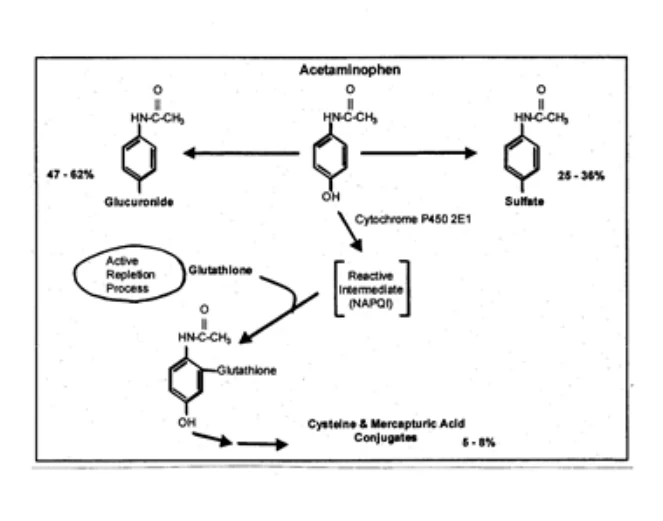
Acetaminophen is primarily metabolized by the liver via three principal separate pathways: conjugation with glucuronide, conjugation with sulfate and oxidation via the cytochrome P450 mixed function oxidase system (Slattery 2002).
Both the glucuronic and oxidative pathways adhere to a first-order rate process, which means the concentration of acetaminophen metabolized increases as the concentration in the liver increases. The sulfate pathway adheres to the Michaelis-Menten kinetics, which means the concentration of acetaminophen remains constant once the concentration in the liver increases above a saturation level. A schematic of acetaminophen metabolism is shown in Figure 2.
The major metabolic pathway is glucuronidation, where 47% to 62% of the acetaminophen dose conjugates with glucuronide. These glucuronide conjugates are inactive and nontoxic, and are secreted in bile and eliminated in the urine. The second major pathway is sulfation, where 25% to 36% of the dose conjugates with sulfate. These sulfate ester conjugates are also inactive and nontoxic and are excreted in the urine. The third pathway is oxidation, where 5% to 8% of the dose is metabolized via the cytochrome P450 enzyme system. The cytochrome P450 isoenzyme that is primarily responsible is CYP2E1. When acetaminophen is metabolized by CYP2E1, it forms a highly reactive intermediate, N-acetyl-p-benzoquinoneimine (NAPQI). Since NAPQI is highly reactive, it cannot be measured outside the liver nor can it accumulate. This intermediate is rapidly inactivated by hepatocellular stores of glutathione to form cysteine and mercapturate conjugates, which are both inactive and nontoxic. These conjugates are excreted in the urine.
Figure 2: Acetaminophen Metabolism
Elimination
Acetaminophen undergoes first-order elimination from the body, and has a short plasma half-life that ranges from 2 to 3 hours in healthy young and elderly adults and from 1.5 to 2.9 hours in children (Miners 1988, Triggs 1975, Briant1976, Divoll 1982, Divoll 1982, Divoll 1982, Bedjaoui 1984, Bannwarth 1992, Nahata 1984, Walson 1989, Brown 1992, Kelley 1992, Rømsing 2001). Since acetaminophen clears rapidly from the body, repeated doses do not lead to accumulation of acetaminophen plasma concentrations.
Diphenhydramine Hydrochloride
Diphenhydramine peak plasma concentrations occur in 2-3 hours and are similar in young and elderly healthy men and women while diphenhydramine half-life is somewhat longer and more variable in elderly men. The pharmacokinetics of diphenhydramine are affected by ethnic origin, the mean plasma levels of diphenhydramine are lower in Asians compared to Caucasians. Furthermore, greater tissue distribution (Vd: 480 versus 292 L/70 kg) and faster drug clearances (79 versus 51 L/70 kg/hr) are seen in Asians compared to Caucasians. Nonrenal clearance (around 33 L/h) is the major contributor to the overall clearance (Cl/F approximately 45 L/h) of diphenhydramine with the renal clearance of unchanged drug contributing only about 1 L/h. The oral bioavailability of diphenhydramine ranges from 43 to 72 %.
Diphenhydramine is highly lipophilic and easily crosses the blood-brain barrier causing sedation. Due to its lipophilic character, diphenhydramine also undergoes extensive hepatic metabolism. Diphenhydramine is rapidly and almost completely metabolized in the liver, by demethylation, principally to diphenylmethoxyacetic acid. Low circulating plasma concentrations of antihistamines are in part explained by significant first-pass effect and tissue distribution. Diphenhydramine inhibits CYP2D6 leading to a clinically significant drug-drug interaction when co-administered with compounds that likewise require metabolism via cytochrome P450, such as metoprolol, tricyclic antidepressants, antiarrhythmic drugs, antipsychotics and tramadol (Sharma 2003, Bartra 2006).
Special Populations and Conditions
Hepatic Insufficiency: Slower metabolism of acetaminophen, increased activity of the cytochrome P450 enzyme system, or depleted glutathione stores are cited as theoretical risk factors for acetaminophen hepatotoxicity in patients with chronic liver disease. However, acetaminophen has been studied in both adults and children with a wide variety of liver diseases including various types of cirrhosis, hepatitis (including hepatitis C), nodular transformation, congenital hepatic fibrosis, and α1-antitrypsin deficiency. In none of these conditions is there evidence of an increased risk for hepatotoxicity at currently recommended acetaminophen doses but the studies were insufficiently powered to definitely establish the extent of risk [ See WARNINGS AND PRECAUTIONS].
Renal Insufficiency: Based on available clinical data, acetaminophen can be used in patients with chronic renal disease without dosage adjustment. Martin et al (1991) found that patients with chronic renal failure had higher plasma concentrations of acetaminophen and the inactive glucuronide and sulfate metabolites than healthy subjects during repeated dosing up to ten days.
Several single-dose studies demonstrate accumulation of acetaminophen metabolites in patients with moderate chronic renal failure and in anephric patients for whom hemodialysis appeared to be the major route of elimination (Lowenthal 1976, Chan 1997, Prescott 1989, Øie 1975) [See WARNINGS AND PRECAUTIONS].
STORAGE AND STABILITY
Extra Strength Nighttime Pain Reliever / Sleep Aid (acetaminophen/ diphenhydramine hydrochloride) caplets are to be stored between 15°C to 25°C.
SPECIAL HANDLING INSTRUCTIONS
Not applicable.
DOSAGE FORMS, COMPOSITION AND PACKAGING
Blue, capsule shaped, biconvex film-coated Extra Strength Nighttime Pain Reliever / Sleep Aid (Acetaminophen 500 mg/ Diphenhydramine Hydrochloride 25 mg) caplets, marked A163 are available in PVC/PVDC/Al blisters of 16 caplets (8 x 2 caplets/carton) & child-resistant and tamper-evident bottles of 30 caplets.
The non-medicinal ingredients are: povidone, cellulose microcrystalline, crospovidone, silica colloidal anhydrous, stearic acid, macrogol, methacrylic acid copolymer type C, polyvinyl alcohol, sodium bicarbonate, talc, titanium dioxide, FD&C blue #1 aluminum lake, FD&C yellow #5 aluminum lake
PART II: SCIENTIFIC INFORMATION
PHARMACEUTICAL INFORMATION
Drug Substance - Acetaminophen
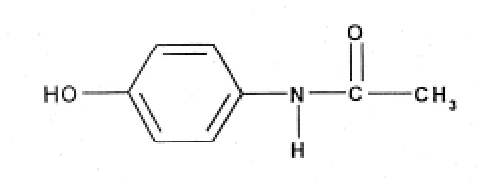
Proper Name: Acetaminophen (APAP)
Chemical Name: N-acetyl-p-aminophenol
Structural Formula:
Physicochemical Properties:
Molecular Weight: 151.16
Physical Form: White, crystalline powder
Solubilities: Soluble in methanol, ethanol, DMF, acetone, ethyl acetate; very slightly soluble in cold, more so in hot, water
pH/pKa: 5.4-6.9 (pH of aqueous suspension); pKa: 9.5
Melting range: 168-172 °C
Drug Substance – Diphenhydramine Hydrochloride
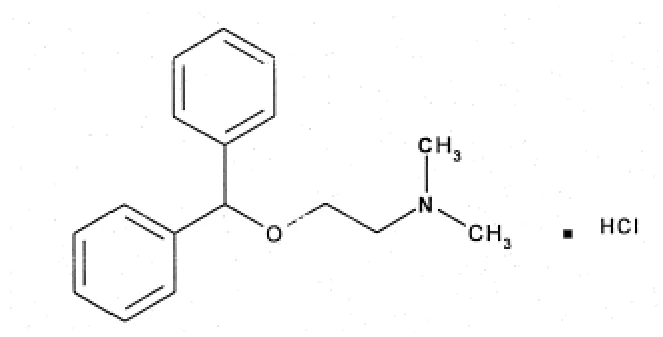
Proper Name: Diphenhydramine Hydrochloride (DPH)
Chemical Name: 2-Diphenylmethoxy-N,N-dimethylethanamine HCl
Structural Formula:
Physicochemical Properties:
Molecular Weight: 291.41
Physical Form: White to off-white crystalline powder
Solubilities: 1 g dissolves in 1 mL water, 2 mL alcohol, 2 mL chloroform, 50mL acetone, very slightly soluble in benzene, ether
pH/pKa: 5.5 (1% aqueous solution)
Melting Range: 167- 172°C
CLINICAL TRIALS
Comparative Bioavailability Studies
A randomized, single dose, three way crossover bioequivalence study of Extra Strength Nighttime Pain Reliever / Sleep Aid (Acetaminophen 500 mg & Diphenhydramine Hydrochloride 25 mg Caplets) of Teva Canada Limited and Extra Strength TYLENOL® Nighttime (Acetaminophen 500 mg & Diphenhydramine Hydrochloride 25 mg Caplets) of McNeil Consumer Healthcare, Division of Johnson & Johnson Inc., Canada was performed on 30 healthy male and female subjects from 20 - 54 years of age under fasting conditions. The results of a third arm of the study in which Panadol Night Film-coated tablets (Paracetamol 500 mg & Diphenhydramine Hydrochloride 25 mg) of GlaxoSmithKline Consumer Healthcare (Ireland) Limited were administered in the fasted state are not presented here. The results from measured data in 29 subjects are summarized in the following tables.
SUMMARY TABLE OF THE COMPARATIVE BIOAVAILABILITY DATA
[Acetaminophen]
Acetaminophen (1 x 500 mg) From measured data Geometric Mean Arithmetic Mean (CV %) | ||||
|---|---|---|---|---|
| Parameter | Test* | Reference† | % Ratio of Geometric Means | 90% Confidence Interval |
AUCT (µg.h/mL) | 26.2 27.8 (41.8) | 25.4 26.3 (25.7) | 102.6 | 96.1 - 109.5 |
AUCI (µg.h/mL) | 27.0 28.6 (41.3) | 26.0 26.9 (25.0) | 102.6 | 97.6 - 107.9 |
Cmax (µg/mL) | 7.4 7.7 (29.3) | 7.3 7.7 (33.9) | 101.6 | 92.6 - 111.5 |
Tmax§ (h) | 0.75 (0.33 - 2.67) | 0.75 (0.33 - 2.00) | ||
T½ € (h) | 3.4 (24.7) | 3.3 (29.2) | ||
* Extra Strength Nighttime Pain Reliever / Sleep Aid (Acetaminophen 500 mg & Diphenhydramine Hydrochloride 25 mg Caplets) of Teva Canada Limited
† Extra Strength TYLENOL® Nighttime (Acetaminophen 500 mg & Diphenhydramine Hydrochloride 25 mg Caplets, McNeil Consumer Healthcare, Division of Johnson & Johnson Inc.) were purchased in Canada.
§ Expressed as the median (range) only
€ Expressed as the arithmetic mean (CV%) only
SUMMARY TABLE OF THE COMPARATIVE BIOAVAILABILITY DATA
[Diphenhydramine]
Diphenhydramine (1 x 25 mg) From measured data Geometric Mean Arithmetic Mean (CV %) | ||||
|---|---|---|---|---|
| Parameter | Test* | Reference† | % Ratio of Geometric Means | 90% Confidence Interval |
AUCT (µg.h/mL) | 407.9 437.1 (34.9) | 416.4 446.1 (37.3) | 98.0 | 93.2 - 103.0 |
AUCI (µg.h/mL) | 425.8 457.0 (35.4) | 432.0 464.0 (37.7) | 98.6 | 93.8 - 103.6 |
Cmax (µg/mL) | 50.7 53.6 (31.1) | 50.4 54.1 (42.3) | 100.7 | 94.5 - 107.3 |
Tmax§ (h) | 2.00 (1.33 - 4.00) | 2.00 (1.67 - 4.00) | ||
T½ € (h) | 11.3 (19.9) | 11.1 (19.5) | ||
* Extra Strength Nighttime Pain Reliever / Sleep Aid (Acetaminophen 500 mg & Diphenhydramine Hydrochloride 25 mg Caplets) of Teva Canada Limited
† Extra Strength TYLENOL® Nighttime (Acetaminophen 500 mg & Diphenhydramine Hydrochloride 25 mg Caplets, McNeil Consumer Healthcare, Division of Johnson & Johnson Inc.) were purchased in Canada.
§ Expressed as the median (range) only
€ Expressed as the arithmetic mean (CV%) only
Study demographics and trial design
Two randomized, double-blind, placebo-controlled, single-dose, parallel-group studies (Studies AADPWS4002 and AADPWS4001) were conducted to evaluate the effects of acetaminophen and diphenhydramine hydrochloride, in combination and separately, versus placebo on sleep in subjects post-oral surgery with phase-shifted sleep. The two studies were very similar in design. Table 6 summarizes the clinical trial designs and highlights the main differences.
Table 6: Summary of Clinical Design
| Study ID | Trial Design | Study & Ctrl Drugs: Dose, Route | Study Subjects Mean age (range) | Main Inclusion Criteria | Phase-shifted sleep interval |
|---|---|---|---|---|---|
| AADPWS4002 | Randomized, double-blind, placebo- controlled, parallel- group, single dose | APAP/DPH caplets: 2 x APAP500 mg /DPH25 mg, oral APAP caplets: 2 x 500 mg, oral DPH capsules: 2 x 25 mg, oral APAP Placebo caplet: 2 inert caplets, oral DPH Placebo capsules: 2 inert capsules, oral | 338 18.2 yrs (16 – 45yrs) | Subjects experiencing mild, moderate or severe post-surgical pain after surgical extraction of up to 2 third molars including only one mandibular third molar at least partially impacted | At least 5 hours earlier than usual |
| AADPWS4001 | Randomized, double-blind, placebo- controlled, parallel- group, single dose | APAP/ DPH caplets: 2 x APAP500 mg /DPH25 mg, oral APAP caplets: 2 x 500 mg, oral Placebo caplets: 2 inert caplets, oral | 85 19.5 yrs (16 – 45 yrs) | Subjects experiencing mild, moderate or severe post-operative pain after surgical extraction of 1- 2 third molars including only one mandibular third molar at least partially impacted | At least 5 hours earlier than usual |
The primary efficacy endpoint of both studies was total sleep time, as assessed by actigraphy. Secondary endpoints included global assessment of study medication as a sleep-aid, wake after sleep onset, sleep latency, global assessment of study medication as a pain reliever, and time to rescue in minutes. Subjective assessments of sleep refreshment and sleep quality were also performed.
Study Results
Results from Study AADPWS4002 and AADPWS4001 indicate that, for the pain and sleep variables measured, the combination of acetaminophen 1000 mg and diphenhydramine hydrochloride 50 mg provided significantly greater relief than placebo for dental pain (p<0.001, Studies AADPWS4002, AADPWS4001) and sleeplessness (total sleep time: p<0.001, Studies AADPWS4002, AADPWS4001). Studies AADPWS4002 and AADPWS4001 also demonstrated that the combination of acetaminophen 1000 mg and diphenhydramine hydrochloride 50 mg provided statistically greater relief of sleeplessness when compared with acetaminophen 1000 mg alone (p=0.001, Study AADPWS4002; p=0.003, Study AADPWS4001).
Study AADPWS4002
The study results demonstrated the significant individual contributions of both acetaminophen and diphenhydramine hydrochloride to the analgesic/sleep aid combination product. In addition, this study demonstrated the incremental statistically significant benefit of diphenhydramine hydrochloride, a sleep aid, when combined with acetaminophen, a pain reliever, in subjects with pain and sleeplessness. Acetaminophen 1000 mg in combination with diphenhydramine hydrochloride 50 mg provided statistically significantly greater relief of sleeplessness when compared with acetaminophen 1000 mg alone, diphenhydramine hydrochloride 50 mg alone, and placebo, and provided statistically significantly greater relief of dental pain when compared with diphenhydramine hydrochloride and placebo.
The least squares mean total sleep times were 287.31 minutes for subjects treated with the combination of acetaminophen 1000 mg/diphenhydramine hydrochloride 50 mg, 226.37 minutes for subjects treated with acetaminophen 1000 mg, 174.57 minutes for subjects treated with diphenhydramine hydrochloride 50 mg, and 63.12 minutes for subjects treated with placebo. Total sleep time was statistically significantly longer for subjects treated with the combination of acetaminophen 1000 mg/diphenhydramine hydrochloride 50 mg compared with subjects treated with acetaminophen 1000 mg (p = 0.001), diphenhydramine hydrochloride 50 mg (p < 0.001), and placebo (p < 0.001). In addition, total sleep time was statistically significantly longer for subjects treated with acetaminophen 1000 mg compared with those treated with placebo (p < 0.001), and marginally significantly longer compared with those treated with diphenhydramine hydrochloride 50 mg (p = 0.053). Total sleep time was also statistically significantly longer for subjects treated with diphenhydramine hydrochloride 50 mg compared with those treated with placebo (p < 0.001). These results demonstrate the statistically significant incremental benefit of diphenhydramine hydrochloride in combination with acetaminophen compared with acetaminophen alone in relief of sleeplessness in this study.
The global assessment of study medication as a pain reliever was the primary assessment of pain relief. The least squares mean global assessment of study medication as a pain reliever were 1.66 for subjects treated with the combination of acetaminophen 1000 mg/diphenhydramine hydrochloride 50 mg, 0.99 for subjects treated with diphenhydramine hydrochloride 50 mg, 1.77 for subjects treated with acetaminophen 1000 mg, and 0.40 for subjects treated with placebo. The global assessment was statistically significantly greater for subjects treated with the combination of acetaminophen 1000 mg/diphenhydramine hydrochloride 50 mg compared with those treated with diphenhydramine hydrochloride 50 mg (p < 0.001), and compared with those treated with placebo (p < 0.001). These results demonstrate the statistically significant benefit of acetaminophen in pain relief in this study.
Study AADPWS4001
Overall the results demonstrated that the combination of acetaminophen 1000 mg with diphenhydramine hydrochloride 50 mg provided statistically significantly greater relief of sleeplessness when compared with acetaminophen 1000 mg alone and compared with placebo, and provided statistically significantly greater relief of dental pain when compared with placebo. The results also show that the presence of diphenhydramine hydrochloride conferred a statistically significant incremental benefit when in combination with acetaminophen compared with acetaminophen alone in relief of sleeplessness.
The protocol-specified primary endpoint was total sleep time, as objectively assessed by actigraphy. The least squares mean total sleep times were 359.96 minutes for subjects treated with the combination of acetaminophen 1000 mg/diphenhydramine hydrochloride 50 mg, 252.30 minutes for subjects treated with acetaminophen 1000 mg, and 127.37 minutes for subjects treated with placebo. Total sleep time was statistically significantly longer for subjects treated with the combination of acetaminophen 1000 mg/diphenhydramine hydrochloride 50 mg compared with those treated with acetaminophen 1000 mg (p = 0.003) and compared with those treated with placebo (p < 0.001). In addition, total sleep time was statistically significantly longer for subjects treated with acetaminophen 1000 mg compared with those treated with placebo (p = 0.013). These results demonstrate the statistically significant incremental benefit of diphenhydramine hydrochloride in combination with acetaminophen compared with acetaminophen alone in relief of sleeplessness in this study.
The global assessment of study medication as a pain reliever was the primary assessment of pain relief. The least squares mean global assessment of study medication as a pain reliever were 2.00 for subjects treated with the combination of acetaminophen 1000 mg/diphenhydramine hydrochloride 50 mg, 1.77 for subjects treated with acetaminophen 1000 mg, and 0.37 for subjects treated with placebo. The global assessment was statistically significantly greater for subjects treated with the combination of acetaminophen 1000 mg/diphenhydramine hydrochloride 50 mg compared with those treated with placebo (p < 0.001). These results demonstrate the statistically significant benefit of acetaminophen in pain relief in this study.
DETAILED PHARMACOLOGY
Acetaminophen
Animal Pharmacology
Pharmacology studies have been conducted on the individual active ingredients. Pharmacology studies in rats demonstrated that orally administered acetaminophen produced analgesia comparable to that of phenacetin and elevated pain threshold in rabbits given electric shock. The mechanism of action of acetaminophen is related to its ability to block the biosynthesis of prostaglandins with specific inhibition of prostaglandin synthetase in the central nervous system, explaining its lack of anti-inflammatory activity (Ameer and Greenblatt 1977).
Human Pharmacology
Although the exact site and mechanism of analgesic action is not clearly defined, acetaminophen appears to produce analgesia by elevation of the pain threshold (Flower 1985, Guzman 1964, Lim 1964). The potential mechanism may involve inhibition of the nitric oxide pathway mediated by a variety of neurotransmitter receptors including N-methyl-D-aspartate and substance P (Bjorkman 1994).
Investigations indicate that endogenous pyrogens produced by leukocytes cause an elevation of prostaglandin E (PGE) in the cerebrospinal fluid. Fever results when the elevated PGE acts on the preoptic area of the anterior hypothalamus to decrease heat loss and increase heat gain. Acetaminophen has been shown to inhibit the action of endogenous pyrogens on the heat- regulating centers in the brain by blocking the formation and release of prostaglandins in the central nervous system (Ameer 1977, Atkins 1974, Koch-Weser 1976, Milton 1976). Inhibition of arachidonic acid metabolism is not requisite for the antipyretic effect of acetaminophen (Clark 1985). Acetaminophen does not depend upon the activation of the arginine vasopressin V-1 receptor to induce antipyresis as has been noted in rats treated with indomethacin and salicylates (Wilkinson 1990, 1993). This has been demonstrated in animals by observing a decrease in both fever and PGE activity following administration of acetaminophen to unanesthetized cats, and in rabbits and dogs when brain prostaglandin synthetase was inhibited by the administration of acetaminophen (Feldberg 1972, Flower 1972).
Diphenhydramine Hydrochloride
Animal Pharmacology
Diphenhydramine showed histamine-H1-antagonist activity in several animal models, including the rat. In addition to antihistaminic activity, diphenhydramine also demonstrated effective antimuscarinic and antiserotonin activities in studies conducted in adult Wistar rats (Niemegeers 1982).
Human Pharmacology
Diphenhydramine is a first generation antihistamine and is a H1 receptor antagonist. Antagonism is achieved through blocking the effect of histamine more than blocking its production or release. Diphenhydramine inhibits most responses of smooth muscle to histamine and the vasoconstrictor effects of histamine. The antagonism may also produce anticholinergic effects, antiemetic effects, and significant sedative side effects.
MICROBIOLOGY
Not applicable.
TOXICOLOGY
Repeat Dose Toxicity
14-Day Toxicity Studies
Acetaminophen
Fourteen day toxicity studies in F344/N rats, showed acetaminophen in the diet was well tolerated by rats following oral administration of 0, 800, 1600, 3100, 6200 or 12500 ppm, for 14 days. Similarly, toxicity studies in B6C3F1 mice showed that acetaminophen was well tolerated by the mice following administration of 0, 250, 500, 1000, 2000 or 4000 ppm for 14 days. All animals survived until the end of the study. No compound related lesions were found at necropsy (National Toxicology Program 394).
Diphenhydramine Hydrochloride
In F344/N rats, oral doses of 0, 620, 1250, 2500, 5000 or 10000 ppm diphenhydramine hydrochloride in the diet were administered for 14 consecutive days. All rats in the 10000 ppm group and 9/10 rats in the 5000 ppm group died before the end of the studies. In B6C3F1 mice administered 0, 310, 620, 1250, 2500 or 5000 ppm diphenhydramine hydrochloride showed that all animals in the 5000 ppm group, 4 animals per sex in the 2500 ppm group and 4 male animals in the 1250 ppm group died before the end of studies (National Toxicology Program 355).
13-Week Toxicity Studies
Acetaminophen
Repeat dose toxicity studies were carried out for 13 weeks on F344/N rats and B6C3F1 mice administered 0, 800, 1600, 3200, 6400, 12500 or 25000 ppm acetaminophen in the diet. In the 25000 ppm group, chronic active liver inflammation of mild to moderate severity and acetaminophen related minimal tubular regeneration was seen in the kidneys of all animals. Similarly, in the 25000 ppm group, all male rats exhibited testicular atrophy while the female rats had atrophy of the uterus and ovary (National Toxicology Program 394).
Diphenhydramine Hydrochloride
In 13-week studies in F344/N rats, administered 0, 156, 313, 625, 1250 and 2500 ppm diphenhydramine hydrochloride in the diet, cytoplasmic vacuolization of the liver was found in all animals from 313 ppm dosage upwards. B6C3F1 mice, administered 0, 78, 156, 313, 625 and 1250 ppm of diphenhydramine hydrochloride in the diet, showed no compound-related histopathologic effects (National Toxicology Program 355).
Carcinogenicity Studies
Acetaminophen
Carcinogenicity studies for 2 years (103 weeks) duration were included in F344/N rats and B6C3F1 mice administered 0, 600, 3000 or 6000 ppm acetaminophen in the feed. There was no evidence of carcinogenicity of acetaminophen in male and female B6C3F1 mice in all the dose groups. Similarly there was no evidence of acetaminophen carcinogenicity in the male rats in the 600, 3000 or 6000 ppm groups whereas the female rats showed equivocal increased incidences of mononuclear cell leukemia, with higher dosage (National Toxicology Program 394).
Diphenhydramine Hydrochloride
Long term carcinogenicity studies were performed in male F344/N rats administered 0, 313 or 625 ppm, and in B6C3F1 male and female mice as well as female rats administered 0, 156 or 313 ppm diphenhydramine hydrochloride for 103 weeks in the diet. The incidence of glial cell tumors in the high dose male rats and alveolar / bronchiolar adenomas in low dose male rats was slightly greater than in the controls. Female rats showed significant incidences of adenomas in the anterior pituitary gland. However, incidences of neoplastic lesions were not considered to be compound related. There was also no evidence of carcinogenicity in mice (National Toxicology Program 355).
Genotoxicity Studies
Acetaminophen
Acetaminophen genotoxicity studies were done in S. typhimurium strains TA100, TA102, TA1535, TA1537 or TA98 with or without S9. There was no evidence of mutagenicity in these tests (National Toxicology Program 394, Rannug 1995). Cytogenicity tests with Chinese Hamster ovary cells showed that acetaminophen induced sister chromatid exchanges and chromosomal aberrations both in the presence and absence of S9. In the sister chromatid test, positive responses were observed over a concentration range of 5-150 μg/mL in the absence of S9 whereas in the presence of S9, only the highest dose 5000 μg/mL produced a significant increase in the sister chromatid exchanges. In the chromosomal aberration test without S9, acetaminophen concentrations of 1257-5000 μg/mL produced significant increases in the percentage of aberrant cells (National Toxicology Program 394).
Diphenhydramine Hydrochloride
Diphenhydramine hydrochloride did not show any mutagenic potential in genotoxicity tests. S.typhimurium strains TA98, TA100, TA1535 or TA1537 did not exhibit positive results for mutagenicity when tested in the presence or absence of metabolic activation. In cytogenetic tests with Chinese Hamster ovary cells, chromosomal aberrations were not observed in the presence of metabolic activation (S9) but were induced in the absence of metabolic activation (S9). There was no induction of sister chromated exchanges with or without S9. These studies established that diphenhydramine hydrochloride is not genotoxic (National Toxicology Program 355).
Reproductive and Teratology Studies
Acetaminophen
For reproductive toxicity analysis, Lamb et al (1997) tested acetaminophen for its effects on reproduction and fertility in CD-1 mice, following the RACB protocol (Reel 1992). The toxicity produced by acetaminophen in the diet of Swiss mice was on the growing neonate. Fertility end points (ability to bear normal numbers of normal-weight young) were generally not affected (Lamb 1997).
Diphenhydramine Hydrochloride
Teratologic studies in timed-pregnant CD® rats, administered 0, 25, 50 or 100 mg/ kg per day diphenhydramine hydrochloride on gestational days 6 through 15 showed that maternal body weight gain was lower in the high dose group than the controls. Teratology studies performed in CD® -1 mice, administered 0, 40, 80 or 160 mg/kg diphenhydramine hydrochloride per day on days 6 through 15 of gestation showed no dose related resorptions, dead or malformed fetuses, but an increased incidence of cleft palate was observed with higher doses (National Toxicology Program 355).
REFERENCES
- 1. Abernethy DR, Divoll M, Greenblatt DJ, et al. Obesity, sex and acetaminophen disposition. Clin Pharmacol Ther June 1982;31(6):783-790.
- 2. Ameer B, Greenblatt DJ. Acetaminophen. Annals of Internal Medicine 1977; Volume 87, Number 2: 202-209.
- 3. Ameer B, Divoll M, Abernethy DR, et al. Absolute and relative bioavailability of oral acetaminophen preparations. J Pharm Sci 1983 Aug; 72(8):955-958.
- 4. American Geriatrics Society Panel on Chronic Pain in Older Persons. Clinical Practice Guidelines: The Management of Chronic Pain in Older Persons. J Am Geriatr Soc. 1998;46:635-651.
- 5. Antlitz AM, Awalt LF. A double-blind study of acetaminophen used in conjunction with oral anticoagulant therapy. Curr Ther Res. 1969;11:360-361
- 6. Aselton P, Jick H, Milunsky A, Hunter JR, Stergachis A. First-trimester drug use and congenital disorders. Obstet Gynecol 1985; 65:451-455.
- 7. Atkins E, Bodel P. Fever. In: Grant L, Mucluskey RT, eds. The Inflammatory Process. 5th ed. New York, NY: Academic Press; 1974;1:467-514.
- 8. Bannwarth B, Netter P, Lapicque F, et al. Plasma and cerebrospinal fluid concentrations of paracetamol after a single intravenous dose of propacetamol. Br J Clin Pharmacol 1992;34:79-81.
- 9. Bannwarth B, Pehourcq F, Lagrange F, et al. Single and multiple dose pharmacokinetics of acetaminophen (paracetamol) in polymedicated very old patients with rheumatic pain. J Rheumatol 2001; 28:182-184.
- 10. Bartra J, Valero AL, Cuvillo AD, Davila I, Jauregui I, Montoro J et al.. Interactions of the H1 antihistamines. J Investig Allergol Clin Immunol 2006; Vol 16: 29-36.
- 11. Bedjaoui A, Demotes-Mainard F, Raynal F, et al. Influence de l’âge et du sexe sur la pharmacocinétique du paracétamol [Influence of age and sex on the pharmacokinetics of paracetamol]. Thérapie 1984; 39:353-359.
- 12. Berlin CM, Yaffe SJ, Ragni M. Disposition of acetaminophen in milk, saliva, and plasma of lactating women. Pediatr Pharmacol 1980; 1: 135-141.
- 13. Beutler E. Acetaminophen and G^PD deficiency. Acta Haematol. 1984;72:211-212.
- 14. Bitzen PO et al. Excretion of paracetamol in human breast milk. Eur J Clin Pharmacol 1981; 20: 123-125.
- 15. Bjorkman R, Hallman KM, Hedner J, Hedner T, Henning M. Acetaminophen blocks spinal hyperalgesia induced by NMDA and substance P. Pain. 1994;57:259-264.
- 16. Blot WJ, McLaughlin JK. Over the counter non-steroidal anti-inflammatory drugs and risk of gastrointestinal bleeding. J Epidemiol Biostate 2000;5(2):137-142.
- 17. Boutaud O, Aronoff DM, Richardson JH, et al. Determinants of the cellular specificity of acetaminophen as an inhibitor of prostaglandin H2 synthases. PNAS 2002;99(10):7130-7135.
- 18. Briant RH, Dorrington RE, Cleal J, et al. The rate of acetaminophen metabolism in the elderly and the young. J Am Geriatr Soc 1976 Aug; 24(6):359-361.
- 19. Bray GP, Harrison PM, O’Grady JG, Tredger JM, Williams R. Long-term anticonvulsant therapy worsens outcome in paracetamol-induced fulminant hepatic failure. Hum Exp Toxicol. 1992;11:265-270.
- 20. Briggs GG, Freeman RK, Yaffe SJ. Drugs in Pregnancy and Lactation. 4th Ed. Baltimore: Williams and Wilkins. 2002.
- 21. Briggs GG, Freeman RK, Yaffe SJ. Drugs in Pregnancy and Lactation, 7th Ed. 2005;493-495.
- 22. Brown RD, Wilson JT, Kearns GL, et al. Single-dose pharmacokinetics of ibuprofen and acetaminophen in febrile children. J Clin Pharmacol 1992 Mar;32(3):231-241.
23 Burns M, Moskowitz H. Effects of diphenhydramine and alcohol on skills performance. Eur J Clin Pharm 1980;17(4):259-66.
- 24. Chan MTV, et al. Single-dose pharmacokinetics of paracetamol and its conjugates in Chinese non-insulin-dependent diabetic patients with renal impairment. Eur J Clin Pharmacol 1997;52:285-288.
- 25. Chan TK, Todd D, Tso SC. Drug-induced haemolysis in glucose-6-phosphate dehydrogenase deficiency. Br Med J. 1976;2:1227-1229.
- 26. Clark WG, Holdeman M, Lipton JM. Analysis of the antipyretic action of a- melanocyte-stimulating hormone in rabbits. J Physiol. 1985;359:459-465.
- 27. Cohen AF, Hamilton MJ, Peck AW. The effect of acrivastine (BW825c), diphenhydramine, and terferadinein combincation with alcohol on human CNS performance. Eur J Clin Pharm 1987; 32(3): 279-288.
- 28. Cottafava F, Neiri S, Franzone G, Sanguinetti M, Bertolazzi L, Ravera G. Double-blind controlled comparison of placebo and paracetamol in patients with G-6-PD deficiency. Pediatr Med Chir. 1990;12:633-638.
- 29. Critchley JA, Cregeen RJ, Balali-Mood M, Pentland B, Prescott LF. Paracetamol metabolism in heavy drinkers. Br J Clin Pharmacol. 1982; 13:276P-277P.
- 30. Critchley JA, Dyson EH, Scott AW, Jarvie DR, Prescott LF. Is there a place for cimetidine or ethanol in the treatment of paracetamol poisoning? Lancet. 1983; 1:1375-1376.
- 31. Cryer B. Risk of NSAIDs: Focus on GI risks of OTC NSAIDs. Presentation given to the FDA Nonprescription Drug Advisory Committee on September 20, 2002.
- 32. Dart RC, Caravati EM, McGuigan MA, et al. Medical Toxicology – 3rd Ed. 2004. 397-401.
- 33. Divoll M, Abernathy DR, Ameer B, et al. Acetaminophen kinetics in the elderly. Clin Pharmacol Ther 1982; 31:151-156.
- 34. Divoll M, Ameer B, Abernathy DR, et al. Age does not alter acetaminophen absorption. J Am Geriatrics Soc 1982;30:240-244.
- 35. Divoll M, Greenblatt DJ, Ameer B, et al. Effect of food on acetaminophen absorption in young and elderly subjects. J Clin Pharmacol 1982 Nov/Dec;22:571-576.
- 36. Edwards OM, Edwards P, Huskisson EC, Taylor RT. Paracetamol and renal damage. Br Med J. 1971;2:87-89.
- 37. Feldberg W, Gupta KP, Milton AS, Wendlandt S. Effect of bacterial pyrogen and antipyretics on prostaglandin activity in cerebrospinal fluid of unanaesthetized cats. Br J Pharmacol. 1972;46:550P-551P.
- 38. Feldman: Sleisenger & Fordtran’s Gastrointestinal and Liver Disease, 8th ed. Chapter 90 Acute Liver Failure, copyright 2006.
- 39. Flomenbaum NE, Goldfrank LR, et al. Goldfrank’s Toxicologic Emergencies – 8th Ed. 2006. The McGraw-Hill Companies, Inc.
- 40. Flower RJ, Vane JR. Inhibition of prostaglandin synthetase in brain explains the antipyretic activity of paracetamol (4-acetamidophenol). Nature. 1972;240:410-411.
- 41. Flower RJ, Moncada S, Vane JR. Analgesic-antipyretics and anti-inflammatory agents; drugs employed in the treatment of gout. In: Gilman AG, Goodman LS, Gilman A, eds. The Pharmacologic Basis of Therapeutics. 7th ed. Elmsford, NY: Pergamon Press, Inc; 1985:692-695.
- 42. Forrest JA, Adrianenssens P, Finlayson ND, Prescott LF. Paracetamol metabolism in chronic liver disease. Eur J Clin Pharmacol. 1979;15:427-431.
- 43. Forrest JA, Clements JA, Prescott LF. Clinical pharmacokinetics of paracetamol. Clin Pharmacokinet 1982;7:93-107.
- 44. Gates TN, Temple AR. Analgesic use and chronic renal disease. N Engl J Med. 1989; 321:1125
- 45. Gelotte CK, Audler J, Lynch JM et al. Three day dosing of paracetamol up to 8g/day in health adults: pharmacokinetic and clinical laboratory outcomes. Fort Washington, PA: McNeil Consumer & Specialty Pharmaceuticals; 2003.
- 46. Guzman F, Braun C, Lim RKS, Potter GD, Rodgers DW. Narcotic and non-narcotic analgesics which block visceral pain evoked by intra-arterial injection of bradykinin and other analgesic agents. Arch Intern Pharmacodyn Ther. 1964;149:571-588.
- 47. Henrich WL, Agodoa LE, Barrett B, et al. Analgesics and the kidney: summary and recommendations to the Scientific Advisory Board of the National Kidney Foundation from an Ad Hoc Committee of the National Kidney Foundation. Am J Kidney Dis. 1996; 27:162-165.
- 48. Hoftiezer JW, O’Laughlin JC, Ivey KJ. Effects of 24 hours of ASA, Bufferin, paracetamol and placebo on normal human gastroduodenal mucosa. Gut 1982;23:692-697.
- 49. Horrowitz RS, Dart RC, Jarvie DR, et. al. Placental transfer of N-acetylcysteine following human maternal acetaminophen toxicity. J Toxicol Clin Toxicol 1997; 35:447-451.
- 50. Jackson CH, MacDonald NC, Cornett JWD. Acetaminophen: A practical pharmacologic overview. Can Med Assoc J 1984 Jul 1;131:25-32.
- 51. Johnson PC, Driscoll T. Comparison of plain and buffered ASA with acetaminophen in regard to gastrointestinal bleeding. Curr Ther Res. 1981;30:79-84.
- 52. Kasper CK, Rapaport SI. Bleeding times and platelet aggregation after analgesics in hemophilia. Ann Intern Med. 1972;77:189-193.
- 53. Kelley MT, Walson PD, Edge JH, et al. Pharmacokinetics and pharmacodynamics of ibuprofen isomers and acetaminophen in febrile children. Clin Pharmacol Ther 1992 Aug; 52(2): 181-189.
- 54. Klasco RK (Ed): POISINDEX® System (Healthcare Series Vol 142). Thomson Reuters, Greenwood Village, Colorado, USA. Available at: http://csi.micromedex.com (expires 01/2010).
- 55. Koch-Weser J. Drug therapy: acetaminophen. N Engl J Med. 1976;295:1297-1300.
- 56. Kuffner EK, Bogdan GM, Dart RC. Evaluation of hepatotoxicity in alcoholics from therapeutic dosing of acetaminophen. J Toxicol 1997; 35(5):561.
- 57. Kuffner EK, Dart RC, Bogdan GM, et al. Effect of maximal daily doses of acetaminophen on the liver of alcoholic patients: A randomized, double-blind, placebo-controlled trial. Arch Intern Med 2001 Oct 8; 161(18):2247-2252.
- 58. Kwan D, Bratle WR, Walker SE. The effects of acetaminophen on pharmacokinetics and pharmacodynamics of warfarin. J Clin Pharmacol. 1999;39:68-75.
- 59. Lamb et al. Acetaminophen. Environmental Health Perspectives 2003; 1997.
- 60. Langman MJS, Weil J, Wainwright P, et al. Risks of bleeding peptic ulcer associated with individual non-steroidal anti-inflammatory drugs. Lancet 1994 April 30;343:1075-1078.
- 61. Levy G. Comparative Pharmacokinetics of ASA and acetaminophen. Arch Intern Med 1981 Feb 23;141:279.
- 62. Levy RH. Cytochrome P450 isozymes and antiepileptic drug interactions. Epilepsia. 1995;36(suppl 5):S8-S13.
- 63. Lim RKS, Guzman F, Rogers DW, et al. Site of action of narcotic and non-narcotic analgesics determined by blocking bradykinin-evoked visceral pain. Arch Intern Pharmacodyn. 1964;152:25-58.
- 64. Linden CH, Rumack BH. Acetaminophen overdose. Emerg Med Clin North Am. 1984; 2:103-119.
- 65. Lowenthal DT, Øie S, Van Stone JC, et al. Pharmacokinetics of acetaminophen elimination by anephric patients. J Pharmacol Exp Ther 1976;196(3):570-578.
- 66. Makin AJ, Wendon J, Williams R. A 7-year experience of severe acetaminophen-induced hepatotoxicity (1987-1993). Gastroenterology. 1995;109:1907-1916.
- 67. Martin U, Temple RM, Winney RJ, Prescott LF. The disposition of paracetamol and the accumulation of its glucuronide and sulphate conjugates during multiple dosing in patients with chronic renal failure. Eur J Clin Pharmacol. 1991;41:43-46.
- 68. McElhatton PR, Sullivan FM, Volans GN. Paracetamol overdose in pregnancy analysis of the outcomes of 300 cases referred to the teratology information service. Reprod Toxicol 1997; 11(1):85-94.
- 69. McElhatton PR, Sullivan FM, Volans GM, Fitzpatrick R. Paracetamol poisoning in pregnancy: an analysis of the outcomes of cases referred to the Teratology Information Service of the National Poisons Service. Hum Exp Toxicol 1990; 9:147-153.
- 70. Merck Manuals Online Medical Library [Internet]. New Jersey: Merck Sharpe & Dohme Corp.; ©2009-2010 [ last updated: 2009] Available from: http://www.merckmanuals.com/professional/lexicomp/diphenhydramine.html
- 71. Mielke CH Jr. Comparative effects of ASA and acetaminophen on hemostasis. Arch Intern Med. 1981;141:305-310.
- 72. Mielke CH Jr, Heiden D, Britten AF, Ramos J, Flavell P. Hemostasis, antipyretics, and mild analgesics: acetaminophen versus ASA. JAMA. 1976;235:613-616.
- 73. Milligan TP, Morris HC, Hammond PM, et al. Studies on paracetamol binding to serum proteins. Ann Clin Biochem 1994; 31:492-496.
- 74. Milton AS. Modern views on the pathogenesis of fever and the mode of action of antipyretic drugs. J Pharm Pharmacol. 1976;28(suppl 4):393-399.
- 75. Miners JO, Attwood J, Birkett DJ. Determinants of acetaminophen metabolism: effect of inducers and inhibitors of drug metabolism on acetaminophen’s metabolic pathways. Clin Pharmacol Ther. 1984;35:480-486.
- 76. Miners JO, et al. Comparison of paracetamol metabolism in young adult and elderly males. Eur J Clin Pharmacol 1988:35:157-160.
- 77. Murray TG, Stolley PD, Anthony JC, Schinnar R, Hepler-Smith E, Jeffreys JL. Epidemiologic study of regular analgesic use and end-stage renal disease. Arch Intern Med. 1983; 143:1687-1693.
- 78. Naga Rani MA, Joseph T, Narayanan R. Placental transfer of paracetamol. J Indian Med Assoc 1989;87:182-183.
- 79. Nahata MC, Powell DA, Durell DE. Acetaminophen kinetics in infants and children after single and repeated doses. Clin Pharmacol Ther 1984;35(2):262.
- 80. National Toxicology Program: Technical Report 355. Toxicology and carcinogenesis studies of diphenhydramine hydrochloride (CAS No. 147-24-0) in F344/N rats and B6C3F1 mice. September, 1989.
- 81. National Toxicology Program: Technical Report Series No.394. Toxicology and carcinogenesis studies of acetaminophen (CAS No.103-90-2) in F344/N rats and B6C3F1 mice (feed studies): U.S. Department of Health and Human Services; NIH.
- 82. Nelson EB. Kidney failure and analgesic drugs. N Engl J Med. 1995;332:1514-1515.
- 83. Niemegeers, Awouters CJEFHL, Janssen PAJ. The In Vivo Pharmacological Profile of Histamine (H1) Antagonists in the Rat. Drug Development Research 1982; 2:559-566.
- 84. Notrianni LJ, Oldham HG, Bennett PN. Passage of paracetamol into breast milk and its subsequent metabolism by the neonate. Br J Clin Pharmacol 1987; 24: 63-67.
- 85. O’Brien TE. Excretion of Drugs in human milk. Am J Hosp Pharm 1974; 31: 844-54.
- 86. Øie S, Lowenthal DT, Briggs WA, et al. Effect of hemodialysis on kinetics of acetaminophen elimination by anephric patients. Clin Pharmacol Ther 1975 Dec;18(6):680-686.
- 87. O’Shea D, Davis SN, Kim RB, et al. Effect of fasting and obesity in humans on the 6- hydroxylation of chlorzoxazone: a putative probe of CYP2E1 activity. Clin Pharmacol Ther 1994 Oct;56(4):359-67.
- 88. Ouellet M, Percival MD. Mechanisms of acetaminophen inhibiton of cyclooxygenase isoforms. Archives of Biochemistry and Biophysics 2001;387(2):273-280.
- 89. Pearson HA. Comparative effects of ASA and acetaminophen on hemostasis. Pediatrics 1978; 62:926-929.
- 90. Perneger TV, Whelton PK, Klag MJ. Risk of kidney failure associated with the use of acetaminophen, ASA, and nonsteroidal anti-inflammatory drugs. N Engl J Med. 1994;331:1675-1679.
- 91. Peura DA, Lanza FL, Gostout CJ, Foutch PG, and contributing ACG member and fellows. Report of the American College of Gastroenterology Institute for Clinical Research and Education; The American College of Gastroenterology Bleeding Registry: Preliminary Findings. Am J Gastroenterol. 1997;92:924-928.
- 92. Physicians’ Desk Reference® 53rd e. Montvale, NJ: Medical Economics Company; 1999.
- 93. Prescott LF, Critchley JA, Balali-Mood M, Pentland B. Effects of microsomal enzyme induction on paracetamol metabolism in man. Br J Clin Pharmacol. 1981;12:149-153.
- 94. Prescott LF, Illingsworth RN, Critchley RJ, et al. Intravenous N-acetylcysteine: the treatment of choice for paracetamol poisoning. Br Med J 1979; 2:1097-1100.
- 95. Prescott LF, Mattison P, Menzies DG, Manson LM. The comparative effects of paracetamol and indomethacin on renal function in healthy female volunteers. Br J Clin Pharmacol. 1990; 29:403-412.
- 96. Prescott LF, Speirs GC, Critchley JA, Temple RM, Winney RJ. Paracetamol disposition and metabolite kinetics in patients with chronic renal failure. Eur J Clin Pharmacol. 1989;36:291-297.
- 97. Quinlan J., Hill D. Nausea and Vomiting of Pregnancy. American Family Physician 2003;68:121-8.
- 98. Rannug U, Holme JA, Hongslo JK, Sram R. An evaluation of the genetic toxicity of paracetamol. International commission for protection against environmental mutagens and carcinogens. Mutat Res 1995; 327: 179-200.
- 99. Reel JR, Lawton AD, Lamb JC, IV (1992). Reproductive toxicity evaluation of acetaminophen in Swiss CD-1 mice using a continuous breeding protocol. Fundam. Appl. Toxicol. 18. 233-239.
100. Rexrode KM, Buring JE, Glynn RJ, et al. Analgesic use and renal function in men. JAMA 2001 Jul 18; 286(3):315-321.
101. Rollins DE, von Bahr C, Glaumann H, et al. Paracetamol: potentially toxic metabolite formed by human fetal and adult liver microsomes and isolated fetal liver cells. Science 1979; 205:1414-1416.
102. Rømsing J, Ostergaard D, Senderovitz T, et al. Pharmacokinetics of oral diclofenac and acetaminophen in children after surgery. Paediatr Anaesth 2001 Mar;11(2):205-213.
103. Rudolph AM. Effects of ASA and acetaminophen in pregnancy and in the newborn. Arch Intern Med 1981; 141:358-363.
104. Rumack BH, Matthew H. Acetaminophen poisoning and toxicity. Pediatrics. 1975; 55: 871-876.
105. Rumack BH. Acetaminophen hepatotoxicity: The first 35 years. Clinical Toxicology 2002; 40(1):3-20.
106. Sandler DP, Smith JC, Weinberg CR, et al. Analgesic use and chronic renal disease. N Engl J Med. 1989;320:1238-1243.
107. Selden BS, Curry SC, Clark RF, et. al. Transplacental transport of N-acetylcysteine in an ovine model. Ann Emerg Med 1991; 20:1069-1072.
108. Seymour RA, Williams FM, Oxley A, et al. A comparative study of the effects of ASA and paracetamol on platelet aggregation and bleeding time. Eur J Clin Pharmacol. 1984;26:567-571.
109. Sharma A, Hamelin BA. Classic Histamine H1 Receptor Antagonists: A critical Review of their Metabolic and Pharmacokinetic Fate from a Bird’s Eye View. Current Drug Metabolism. 2003; 4: 105-129.
110. SIMPLY SLEEP® e-Monograph.
111. Singh G. Gastrointestinal complications of prescription and over-the-counter nonsteroidal anti-inflammatory drugs: A view from the ARAMIS database. Am J Ther 2000; 7:115-121.
112. Skinner MH, Matano R, Hazle W, Blaschke TF. Acetaminophen metabolism in recovering alcoholics. Methods Find Exp Clin Pharmacol. 1990;12:513-515.
113. Slattery JT. Acetaminophen metabolism and pharmacokinetics. Presentation given to the FDA Nonprescription Drug Advisory Committee on September 19, 2002.
114. Smilkstein MJ, Knapp GL, Kulig KW, Rumack BH. Efficacy of oral N-acetylcysteine in the treatment of acetaminophen overdose. Analysis of the national multi-centre study (1976 to 1985). N Engl J Med 1988; 319:1557-1562.
115. Streissguth A, Treder RP, Barr HM, Shepard TH, Bleyer WA. Aspirin and acetaminophen use by pregnant women and subsequent child IQ and attention decrements. Teratol 1987; 35:211-219.
116. Temple AR, Baggish JS. Guidelines for the Management of Paracetamol Overdose.McNeil Consumer & Specialty Pharmaceuticals, 2005.
117. Thulstrup AM, Sorensen HT, et. al. Fetal growth and adverse birth outcomes in women receiving prescriptions for acetaminophen during pregnancy. Am J Perinatol 1999; 16(7):321-326.
118. Triggs EJ, Nation RL, Long A, et al. Pharmacokinetics in the Elderly. Eur J Clin Pharmacol 1975;8:55-62.
119. TYLENOL® Prescribing Information version dated July 23, 2009.
120. Udall JA. Drug interference with warfarin therapy. Clin Med. 1970:20-25.
121. Villeneuve JP, Raymond G, Bruneau J, Colpron L, Pomier-Layrargues G. Pharmacokinetics and metabolism of acetaminophen in normal, alcoholic, and cirrhotic subjects. Gastroenterol Clin Biol. 1983;7:898-902.
122. Walson PD, Galletta G, Braden NJ, et al. Ibuprofen, acetaminophen, and placebo treatment of febrile children. Clin Pharmacol Ther 1989 Jul;46(1):9-17.
123. Whitcomb DC, Block GD. Association of acetaminophen hepatotoxicity with fasting and ethanol use. JAMA. 1994;272:1845-1850.
124. Wilkinson MF, Kasting NW. Vasopressin release within the ventral septal area of the rat brain during drug-induced antipyresis. Am J Physiol. 1993;264:R1133-R1138.
125. 12. Wilkinson MF, Kasting NW. Central vasopressin V1-blockade prevents salicylate but not acetaminophen antipyresis. J Appl Physiol. 1990;68:1793-1798.
126. Yaffe SJ, Rane a, Sjovist F, et. al. The presence of a monooxygenase system in human fetal liver microsomes. Life Sci 1970; 9:1189-1200.
127. Product Monograph for Extra Strength TYLENOL® Nighttime (Acetaminophen 500 mg & Diphenhydramine Hydrochloride 25 mg Caplets), Manufactured by McNeil Consumer Healthcare, Markham, Canada (Control No.: 192759; Date of Revision: May 17, 2016).