


Product Monograph - Combogesic IV
1 INDICATIONS
COMBOGESIC IV (Acetaminophen/Ibuprofen Solution for Infusion) is indicated for the short term management of:
- mild to moderate pain
- moderate to severe pain as an adjunct to opioid analgesics
and where an intravenous route of administration is considered clinically necessary and/or when other routes of administration are not possible.
1.1 Pediatrics
Pediatrics (< 18 years): No data are available to Health Canada; therefore, Health Canada has not authorized an indication for pediatric use.
1.2 Geriatrics
Geriatrics (> 65 years of age): Evidence from clinical studies and experience suggests that use in the geriatric population is associated with differences in safety or effectiveness (see Warnings and Precautions – Special Populations – Geriatrics).
2 CONTRAINDICATIONS
COMBOGESIC IV is contraindicated in:
- COMBOGESIC IV is contraindicated in patients who are hypersensitive to acetaminophen, ibuprofen or to any ingredient in the formulation, including any non-medicinal ingredient, or component of the container. For a complete listing, see 6 DOSAGE FORMS, STRENGTHS, COMPOSITION AND PACKAGING.
- Patients with a history of asthma, urticaria, or allergic-type reactions after taking ASA or other NSAIDs (i.e. complete or partial syndrome of ASA-intolerance - rhinosinusitis, urticaria/ angioedema, nasal polyps, asthma) (see Warnings and Precautions – Hypersensitivity Reactions – Anaphylactoid Reactions).
- The peri-operative setting of coronary artery bypass graft surgery (CABG) (see WARNINGS AND PRECAUTIONS – Peri-operative).
- Patients with severe uncontrolled heart failure.
- Patients with cerebrovascular bleeding or other bleeding disorders.
- Patients with severe liver impairment or active liver disease.
- Patients with active gastric/duodenal/peptic ulcer, active GI bleeding.
- Patients with inflammatory bowel disease.
- Patients with severe renal impairment (creatinine clearance <30 mL/min or 0.5 mL/sec) or deteriorating renal disease (individuals with lesser degrees of renal impairment are at risk of deterioration of their renal function when prescribed NSAIDs and must be monitored) (see Warnings and Precautions – Renal).
Patients with systemic lupus erythematosus, as an anaphylaxis-like reaction with fever may
- Patients with known hyperkalemia (see Warnings and Precautions – Renal – Fluid and Electrolyte Balance).
- Patients with blood formation disturbances.
- Patients with active alcoholism as chronic excessive alcohol ingestion may predispose patients to hepatotoxicity.
- The third trimester of pregnancy, because of risk of premature closure of the ductus arteriosus and prolonged parturition (see WARNINGS AND PRECAUTIONS – Special Populations).
- Women who are breastfeeding, because of the potential for serious adverse reactions in nursing infants.
- Children and adolescents less than 18 years of age.
3 SERIOUS WARNINGS AND PRECAUTIONS BOX
Serious Warnings and Precautions
Cardiovascular Risk: COMBOGESIC IV contains ibuprofen, a nonsteroidal anti-inflammatory drug (NSAID). NSAIDs cause an increased risk of serious cardiovascular thrombotic events, including myocardial infarction and stroke, which can be fatal. This risk may occur early in treatment and may increase with duration of use (see Warnings and Precautions – Cardiovascular, Renal) COMBOGESIC IV is contraindicated for treatment of peri-operative pain in the setting of coronary artery bypass graft (CABG) surgery Gastrointestinal Risk: NSAIDs cause an increased risk of serious gastrointestinal adverse events including bleeding, ulceration, and perforation of the stomach or intestines, which can be fatal. These events can occur at any time during use and without warning symptoms. Elderly patients are at greater risk for serious gastrointestinal events ((see Warnings and Precautions – Gastrointestinal) Use During Pregnancy: COMBOGESIC IV is not recommended for use during the first and second trimesters of pregnancy, unless the benefit outweighs the risk to the fetus. Use of NSAIDS at approximately 20 weeks of gestation or later may cause fetal renal dysfunction leading to oligohydramnios and neonatal renal impairment or failure (see WARNINGS AND PRECAUTIONS). COMBOGESIC IV is contraindicated for use during the third trimester because of risk of premature closure of the ductus arteriosus and uterine inertia (prolonged parturition) (see CONTRAINDICATIONS). Hepatotoxicity: COMBOGESIC IV contains acetaminophen. Acetaminophen has been associated with cases of acute liver failure, at times resulting in liver transplant and death. Most of the cases of liver injury are associated with doses of acetaminophen that exceed 4,000 mg per day, and often involve more than one acetaminophen-containing product Allergy alert: acetaminophen may cause serious skin reactions. Symptoms may include skin reddening, blisters, rash. |
|---|
Medication Errors: Caution is recommended when prescribing, preparing, and administering COMBOGESIC IV to avoid dosing errors which could result in accidental overdose and death (see DOSAGE AND ADMINISTRATION and OVERDOSAGE). In particular, ensure that:
|
|---|
4 DOSAGE AND ADMINISTRATION
4.1 Dosing Considerations
For intravenous administration and short-term use for up to two days. Undesirable effects may be minimised by using the lowest effective dose for the shortest duration necessary to control symptoms.
The safety and efficacy of COMBOGESIC IV has been evaluated in treatment of post-operative pain for up to 2 days (8 doses) with additional safety data in a small number of patients treated for up to 5 days (20 doses). Patients who require longer treatment may be dosed to a maximum of 5 days if justified by ongoing benefit-risk assessments.
Lower total daily doses may be used. Clinical pharmacology data using an oral COMBOGESIC formulation show that using half or even quarter of the total daily dose could achieve comparable pain relief (see 10.1 Pharmacodynamics).
Prolonged or frequent use is discouraged. It is recommended that a suitable analgesic oral treatment be used as soon as this route of administration is possible.
The maximum daily dose of acetaminophen or ibuprofen includes all routes of administration (intravenous, oral and rectal) and all products containing acetaminophen/ibuprofen (oral solutions/drops, syrup, pills, capsules, suppositories, etc.). In order to avoid the risk of overdose, check that other medicines administered do not contain either ibuprofen, acetaminophen or its prodrug. Adjust dose as required.
Take care when prescribing and administering COMBOGESIC IV to avoid dosing errors due to confusion between milligram (mg) and millilitre (mL), which could result in accidental overdose and death. Ensure the proper dose is communicated and dispensed. When writing prescriptions, include both the total dose in mg and the total dose in volume. Ensure the dose is measured and administered accurately.
4.2 Recommended Dose and Dosage Adjustment
Adults (weighing > 50 kg)
Administer one vial (100 ml) COMBOGESIC IV as 15-minute infusion every 6 hours, as necessary. Do not exceed a total daily dose of four vials (400 ml), which equates to 4000 mg (4 g) acetaminophen and 1200 mg (1.2 g) ibuprofen.
Adults (weighing ≤ 50 kg)
Adults weighing 50 kg or under should be dosed according to their weight, at a dosage of 1.5 ml/kg (15 mg/kg acetaminophen + 4.5 mg/kg ibuprofen), as a 15-minute infusion every 6 hours, as necessary.
This equates to a maximum single dose of 75 ml (discard remaining medicine in vial), and a total daily dose of 3000 mg (3 g) acetaminophen and 900 mg ibuprofen.
Pediatrics (< 18 years of age):
Safety and effectiveness of COMBOGESIC IV in pediatric and adolescent patients have not been established; therefore, Health Canada has not authorized an indication for pediatric use (see Indications).
Geriatrics (≥ 65 years of age):
Caution should be taken with regard to the use of ibuprofen as it should not be taken by adults over the age of 65 without consideration of co-morbidities and co-medications because of an increased risk of adverse effects, in particular heart failure, gastrointestinal ulceration and renal impairment (see Warnings and Precautions – Special Populations). The use of a lower dose for a shorter duration should be considered.
Hepatic Impairment:
COMBOGESIC IV should not be used in patients with severe hepatic impairment (see 2 CONTRAINDICATIONS). In patients with impaired hepatic function or additional risk factors for hepatoxicity, longer dosing intervals and/or reduced total daily dose may be warranted.
Renal Impairment:
COMBOGESIC IV should not be used in patients with severe renal impairment (creatinine clearance ≤ 30 mL/min) (see 2 CONTRAINDICATIONS). Caution should be taken in patients with renal insufficiency, dehydrated patients, patients on salt restricted diets, those with congestive heart failure, cirrhosis, liver dysfunction, taking angiotensin-converting enzyme inhibitors, angiotensin-II receptor blockers, cyclosporin, diuretics, and those who are elderly (see WARNINGS AND PRECAUTIONS – Renal). In these patients, longer dosing intervals and/or reduced total daily dose may be warranted.
4.3 Reconstitution
COMBOGESIC IV is a single-use solution for infusion, which does not require re-constitution. Any unused portion of the solution must be discarded.
4.4 Administration
- COMBOGESIC IV is administered as a 15-minute infusion every 6 hours, as necessary.
- DO NOT USE if particulate matter, cloudiness or change in color of the solution is observed.
- In the absence of compatibility studies, COMBOGESIC IV should not be mixed with diluents or with other medicines.
- The solution should be used in one patient on one occasion only. It contains no antimicrobial preservative. Any unused solution should be discarded.
- If less than a full vial is required for a single dose, the correct amount should be infused and the remaining solution discarded.
4.5 Missed Dose
If a dose is missed, it should be administered as soon as remembered. If it is almost time for the next dose, the missed dose should not be administered and the next scheduled dose should be given. Do not try to make up for the missed dose by taking a double dose next time.
5 OVERDOSAGE
COMBOGESIC IV is a combination product. The clinical presentation of overdose may include the signs and symptoms of acetaminophen toxicity, ibuprofen toxicity, or both.
Symptoms
Acetaminophen
In acute acetaminophen overdosage, dose-dependent, potentially fatal hepatic necrosis is the most serious adverse effect. Renal tubular necrosis, hypoglycemic coma, and thrombocytopenia also occur. Plasma acetaminophen levels > 300 mcg/mL at 4 hours after oral ingestion were associated with hepatic damage in 90% of patients; minimal hepatic damage is anticipated if plasma levels at 4 hours <150 mcg/mL or < 37.5 mcg/mL at 12 hours after ingestion.
Early symptoms following a potentially hepatotoxic overdose may include: nausea, vomiting, diaphoresis, and general malaise. Clinical and laboratory evidence of hepatic toxicity may not be apparent until 48 to 72 hours post-ingestion.
Ibuprofen
Symptoms include nausea, abdominal pain and vomiting, dizziness, convulsion and rarely, loss of consciousness. Clinical features of overdose with ibuprofen which may result are depression of the central nervous system and the respiratory system.
Treatment
Acetaminophen
Acetylcysteine (chemical name N-acetyl-L-cysteine or NAC) is the antidote for acetaminophen. If an acetaminophen overdose is evident, administer the entire course of NAC treatment. If an acetaminophen overdose is suspected, obtain a serum acetaminophen assay at approximately 4 hours following acetaminophen administration. Obtain liver function studies initially and repeat at 24-hour intervals. As a guide to the treatment of overdose, the acetaminophen level can be plotted against time on a nomogram (Rumack-Matthew) which can be used to predict acetaminophen toxicity, and therefore the need for NAC treatment. The lower toxic line on the nomogram is equivalent to 150 mcg/mL at 4 hours and 37.5 mcg/mL at 12 hours. If serum level is above the lower line, administer the entire course of NAC treatment. Withhold NAC therapy if the acetaminophen level is below the lower line.
Ibuprofen
Treatment should be symptomatic and supportive and include the maintenance of a clear airway and monitoring of cardiac and vital signs until stable.
| For management of a suspected drug overdose, contact your regional poison control centre or Health Canada's toll-free number, 1-844 POISON-X (1-844-764-7669) |
|---|
6 DOSAGE FORMS, STRENGTHS, COMPOSITION AND PACKAGING
Table 1– Dosage Forms, Strengths, Composition and Packaging
Description
COMBOGESIC IV is a sterile clear, colourless, non pyrogenic, isotonic solution free from visible particles. Each 100 mL vial contains acetaminophen 1000 mg and ibuprofen (as ibuprofen sodium ) 300 mg intended for intravenous infusion. It has a pH of 6.3-7.3 and an osmolality of 285-320 mOsmol/kg.
COMBOGESIC IV is available in cartons of 10 vials of 100 mL.
The stopper is not made with natural rubber latex.
7 WARNINGS AND PRECAUTIONS
Please see the SERIOUS WARNINGS AND PRECAUTIONS BOX at the beginning of Part I Health Professional Information
General
- Frail or debilitated patients may tolerate side effects less well and therefore special care should be taken in treating this population. To minimize the potential risk for an adverse event, the lowest effective dose should be used for the shortest possible duration. As with other NSAIDs, caution should be used in the treatment of elderly patients who are more likely to be suffering from impaired renal, hepatic, or cardiac function. For high-risk patients, alternate therapies that do not involve NSAIDs should be considered.
- COMBOGESIC IV is NOT recommended for use with other NSAIDs, with the exception of low-dose ASA for cardiovascular prophylaxis, because of the absence of any evidence demonstrating synergistic benefits and the potential for additive adverse reactions. (See Drug Interactions – Drug/Drug Interactions – Acetylsalicylic acid (ASA)].
Carcinogenesis and Mutagenesis
See 16 NON-CLINICAL TOXICOLOGY.
Cardiovascular
COMBOGESIC IV contains a non-steroidal anti-inflammatory drug (NSAID). Use of some NSAIDs is associated with an increased incidence of cardiovascular adverse events (such as myocardial infarction, stroke, or thrombotic events) which can be fatal. The risk may increase with duration of use. Patients with cardiovascular disease or risk factors for cardiovascular disease may be at greater risk.
| Route of Administration | Dosage Form / Strength/Composition | Non-medicinal Ingredients |
| Intravenous | Acetaminophen 10 mg/mL and Ibuprofen (as ibuprofen sodium ) 3 mg/mL, Solution | Cysteine hydrochloride monohydrate, Disodium phosphate dihydrate, Mannitol, Hydrochloric acid (for pH adjustment), Sodium hydroxide (for pH adjustment), and Water for injection |
Caution should be exercised in prescribing COMBOGESIC IV to patients with risk factors for cardiovascular disease, cerebrovascular disease, or renal disease, such as any of the following (NOT an exhaustive list):
- Hypertension
- Dyslipidemia / Hyperlipidemia
- Diabetes Mellitus
- Congestive Heart Failure (NYHA I)
- Coronary Artery Disease (Atherosclerosis)
- Peripheral Arterial Disease
- Smoking
- Creatinine Clearance < 60 mL/min or 1 mL/sec
Use of COMBOGESIC IV can lead to new hypertension or can worsen pre-existing hypertension, either of which may increase the risk of cardiovascular events as described above. Thus blood pressure should be monitored regularly. Consideration should be given to discontinuing COMBOGESIC®IV should hypertension either develop or worsen with its use.
For patients with a high risk of developing an adverse CV event, other management strategies that do NOT include the use of medicines that contain NSAIDs should be considered first. To minimize the potential risk for an adverse CV event, the lowest effective dose should be used for the shortest possible duration.
Endocrine and Metabolism
Corticosteroids: COMBOGESIC IV is NOT a substitute for corticosteroids. It does NOT treat corticosteroid insufficiency. Abrupt discontinuation of corticosteroids may lead to exacerbation of corticosteroid-responsive illness. Patients on prolonged corticosteroid therapy should have their therapy tapered slowly if a decision is made to discontinue corticosteroids. (See Drug Interactions – Drug-Drug Interactions – Glucocorticoids).
Gastrointestinal
Serious GI toxicity (sometimes fatal), such as peptic / duodenal ulceration, inflammation, perforation, obstruction and gastrointestinal bleeding, can occur at any time, with or without warning symptoms, in patients treated with NSAIDs, such as COMBOGESIC IV. Minor upper GI problems, such as dyspepsia, commonly occur at any time. Health care providers should remain alert for ulceration and bleeding in patients treated with COMBOGESIC IV even in the absence of previous GI tract symptoms. Most spontaneous reports of fatal GI events are in elderly or debilitated patients and therefore special care should be taken in treating this population. To minimize the potential risk for an adverse GI event, the lowest effective dose should be used for the shortest possible duration. For high-risk patients, alternate therapies that do not involve NSAIDs should be considered. (See Warnings and Precautions – Special Populations – Geriatrics).
Patients should be informed about the signs and/or symptoms of serious GI toxicity and instructed to discontinue using COMBOGESIC IV and seek emergency medical attention if they experience any such symptoms. The utility of periodic laboratory monitoring has NOT been demonstrated, nor has it been adequately assessed. Most patients who develop a serious upper GI adverse event on NSAID therapy have no symptoms. Upper GI ulcers, gross bleeding or perforation, caused by NSAIDs, appear to occur in approximately 1% of patients treated for 3-6 months, and in about 2-4% of patients treated for one year. These trends continue, thus increasing the likelihood of developing a serious GI event at some time during the course of therapy. Even short-term therapy has its risks.
Caution should be taken if prescribing COMBOGESIC IV to patients with a prior history of peptic / duodenal ulcer disease or gastrointestinal bleeding as these individuals have a greater than 10-fold higher risk for developing a GI bleed when taking a NSAID than patients with neither of these risk factors. Other risk factors for GI ulceration and bleeding include the following: Helicobacter pylori infection, increased age, prolonged use of NSAID therapy, excess alcohol intake, smoking, poor general health status or concomitant therapy with any of the following:
- Anti-coagulants (e.g. warfarin)
- Anti-platelet agents (e.g. ASA, clopidogrel)
- Oral corticosteroids (e.g. prednisone)
- Selective Serotonin Reuptake Inhibitors (SSRIs) (e.g. citalopram, fluoxetine, paroxetine, sertraline).
Genitourinary
Some NSAIDs are associated with persistent urinary symptoms (bladder pain, dysuria, and urinary frequency), hematuria or cystitis. The onset of these symptoms may occur at any time after the initiation of therapy with a NSAID. Should urinary symptoms occur, in the absence of an alternate explanation, treatment with COMBOGESIC IV should be stopped to ascertain if symptoms disappear. This should be done before urological investigations or treatments are carried out.
Hematologic
Risk of Bleeding: NSAIDs inhibiting prostaglandin biosynthesis interfere with platelet function to varying degrees; patients who may be adversely affected by such an action, such as those on anti-coagulants or suffering from haemophilia or platelet disorders should be carefully observed when COMBOGESIC IV is administered.
Anti-coagulants: Numerous studies have shown that the concomitant use of NSAIDs and anti-coagulants increases the risk of bleeding. Concurrent therapy of COMBOGESIC IV with warfarin requires close monitoring of the international normalized ratio (INR). Even with therapeutic INR monitoring, increased bleeding may occur.
Anti-platelet Effects: NSAIDs inhibit platelet aggregation and have been shown to prolong bleeding time in some patients. Unlike acetylsalicylic acid (ASA), their effect on platelet function is quantitatively less, or of shorter duration, and is reversible.
COMBOGESIC IV and other medicines that contain NSAIDs have no proven efficacy as anti-platelet agents and should NOT be used as a substitute for ASA or other anti-platelet agents for prophylaxis of cardiovascular thromboembolic diseases. Anti-platelet therapies (e.g. ASA) should NOT be discontinued. There is some evidence that use of NSAIDs with ASA can markedly attenuate the cardioprotective effects of ASA. (See Drug Interactions – Drug-Drug Interactions – Acetylsalicylic Acid (ASA)).
Concomitant administration of COMBOGESIC IV with low dose ASA increases the risk of GI ulceration and associated complications.
Blood dyscrasias: Blood dyscrasias (such as neutropenia, leukopenia, thrombocytopenia, aplastic anemia and agranulocytosis) associated with the use of NSAIDs are rare, but could occur with severe consequences.
Anemia is sometimes seen in patients receiving NSAIDs. This may be due to fluid retention, GI blood loss, or an incompletely described effect upon erythropoiesis. Patients on long-term treatment with NSAIDs, including COMBOGESIC IV should have their haemoglobin or haematocrit checked if they exhibit any signs or symptoms of anemia or blood loss.
Hepatic/Biliary/Pancreatic
Hepatoxicity: COMBOGESIC IV contains acetaminophen which has been associated with cases of acute liver failure, at times resulting in liver transplant and death. Most of the cases of liver injury are associated with the use of acetaminophen at doses that exceed 4,000 milligrams per day, and often involved more than one acetaminophen-containing product. The excessive intake of acetaminophen may be intentional to cause self-harm or unintentional as patients attempt to obtain more pain relief or unknowingly take other acetaminophen-containing products (see Serious Warnings and Precautions Box).
Acetaminophen is contraindicated in patients with severe hepatic impairment or severe active liver disease. Use caution when administering acetaminophen in patients with mild to moderate hepatic impairment or active hepatic disease, alcohol dependence, or chronic malnutrition (low reserves of hepatic glutathione). Acetylcysteine (chemical name N-acetyl-L-cysteine or NAC), the antidote for acetaminophen, may be considered in cases of overdose (see 5 OVERDOSAGE).
Immune
Hypersensitivity Reactions: There have been post marketing reports of hypersensitivity and anaphylaxis associated with the use of acetaminophen and NSAIDs. Clinical signs included swelling of the face, mouth, and throat, respiratory distress, urticaria, rash, and pruritus. There were infrequent reports of life-threatening anaphylaxis requiring emergent medical attention. COMBOGESIC IV should be immediately discontinued if symptoms associated with allergy or hypersensitivity occur
Anaphylactoid Reactions: As with NSAIDs in general, anaphylactoid reactions might occurred in patients without known prior exposure to COMBOGESIC IV. COMBOGESIC IV should NOT be given to patients with the ASA-triad. This symptom complex typically occurs in asthmatic patients who experience rhinitis with or without nasal polyps, or who exhibit severe, potentially fatal bronchospasm after taking ASA or other NSAIDs (see Contraindications).
ASA-Intolerance: COMBOGESIC IV should NOT be given to patients with complete or partial syndrome of ASA-intolerance (rhinosinusitis, urticaria/angioedema, nasal polyps, asthma) in whom asthma, anaphylaxis, urticaria/angioedema, rhinitis or other allergic manifestations are precipitated by ASA or other NSAIDs. Fatal anaphylactoid reactions have occurred in such individuals. As well, individuals with the above medical problems are at risk of a severe reaction even if they have taken NSAIDs in the past without any adverse reaction (see Contraindications).
Cross-sensitivity: Patients sensitive to one NSAID may be sensitive to any of the other NSAIDs as well.
Serious skin reactions: (See Warnings and Precautions – Skin).
Infection: COMBOGESIC IV, as with any other product containing NSAIDs, may mask signs and symptoms of an underlying infectious disease.
Aseptic Meningitis: Rarely, with some NSAIDs, the symptoms of aseptic meningitis (stiff neck, severe headaches, nausea and vomiting, fever or clouding of consciousness) have been observed. Patients with autoimmune disorders (systemic lupus erythematosus, mixed connective tissue diseases, etc.) seem to be pre-disposed. Therefore, in such patients, the health care provider must be vigilant to the development of this complication.
Monitoring and laboratory tests
Serious GI tract ulcerations and bleeding, hepatoxicity and renal injury can occur without warning symptoms or signs. Laboratory indicators for haematology, coagulation, and clinical chemistry, especially those that are indicative of liver and renal functions, should be monitored in conjunction with the diagnosis and treatment of the underlying patient disease conditions.
Neurologic
Some patients may experience drowsiness, dizziness, blurred vision, vertigo, tinnitus, hearing loss, insomnia or depression with the use of medicines containing NSAIDs, such as COMBOGESIC IV. If patients experience such adverse reaction(s), they should exercise caution in carrying out activities that require alertness.
Ophthalmologic
Blurred and/or diminished vision, scotomata, and/or changes in color vision have been reported in patients receiving ibuprofen. If a patient develops such complaints while receiving COMBOGESIC IV, the drug should be discontinued, and the patient should have an ophthalmologic examination which includes central visual fields and color vision testing.
Peri-Operative Considerations
Although COMBOGESIC IV has NOT been studied in this patient population, a selective COX-2 inhibitor NSAID studied in such a setting has led to an increased incidence of cardiovascular/thromboembolic events, deep surgical infections and sternal wound complications. (See Contraindications – Coronary Artery Bypass Graft Surgery).
Renal
Long term administration of NSAIDs to animals has resulted in renal papillary necrosis and other abnormal renal pathology. In humans, there have been reports of acute interstitial nephritis, hematuria, low grade proteinuria and occasionally nephrotic syndrome.
Renal insufficiency due to NSAID use is seen in patients with pre-renal conditions leading to reduction in renal blood flow or blood volume. Under these circumstances, renal prostaglandins help maintain renal perfusion and glomerular filtration rate (GFR). In these patients, administration of a NSAID may cause a reduction in prostaglandin synthesis leading to impaired renal function. Patients at greatest risk of this reaction are those with pre-existing renal insufficiency (GFR < 60 mL/min or 1 mL/s), dehydrated patients, patients on salt restricted diets, those with congestive heart failure, cirrhosis, liver dysfunction, taking angiotensin-converting enzyme inhibitors, angiotensin-II receptor blockers, cyclosporin, diuretics, and those who are elderly. Serious or life-threatening renal failure has been reported in patients with normal or impaired renal function after short term therapy with NSAIDs. Even patients at risk who demonstrate the ability to tolerate a NSAID under stable conditions may decompensate during periods of added stress (e.g. dehydration due to gastroenteritis). Discontinuation of NSAIDs is usually followed by recovery to the pre-treatment state.
Caution should be used when initiating treatment with NSAIDs, such as COMBOGESIC IV, in patients with considerable dehydration. Such patients should be rehydrated prior to initiation of therapy. Caution is also recommended in patients with pre-existing kidney disease.
Advanced Renal Disease: No information is available from controlled clinical studies regarding the use of COMBOGESIC IV in patients with impaired renal function. Therefore, treatment with COMBOGESIC IV is not recommended in these patients with advanced renal disease. If COMBOGESIC IV therapy must be initiated, close monitoring of the patient’s renal function is advisable (see Contraindications).
Fluid and Electrolyte Balance: Use of medicines that contain NSAIDs, such as COMBOGESIC IV, can promote sodium retention in a dose-dependent manner, which can lead to fluid retention and edema, and consequences of increased blood pressure and exacerbation of congestive heart failure. Thus, caution should be exercised in prescribing COMBOGESIC IV in patients with a history of congestive heart failure, compromised cardiac function, hypertension, increased age or other conditions predisposing to fluid retention (See Warnings and Precautions – Cardiovasculari).
Hyperkalemia: Use of medicines that contains NSAIDs, such as COMBOGESIC IV, can increase the risk of hyperkalemia, especially in patients with diabetes mellitus, renal failure, increased age, or those receiving concomitant therapy with adrenergic blockers, angiotensin-converting enzyme inhibitors, angiotensin-II receptor antagonists, cyclosporin, or some diuretics. Electrolytes should be monitored periodically (see Contraindications).
Respiratory:
ASA-induced asthma is an uncommon but very important indication of ASA and NSAID sensitivity. It occurs more frequently in patients with asthma who have nasal polyps.
Reproductive health: Female and male potential
- Fertility: The use of COMBOGESIC IV as with any drug known to inhibit cyclooxygenase/prostaglandin synthesis, may impair fertility and is not recommended in women attempting to conceive. Therefore, in women who have difficulties conceiving, or who are undergoing investigation of infertility, withdrawal of COMBOGESIC IV should be considered.
Skin
Serious skin reactions:
Use of acetaminophen and some NSAIDs, such as ibuprofen, have been associated with rare post-market cases of serious, fatal or otherwise life-threatening skin reactions, such as:
- Drug reaction with eosinophilia and systemic symptoms (DRESS)
- Stevens-Johnson syndrome,
- toxic epidermal necrolysis,
- exfoliative dermatitis and
- erythema multiforme
- acute generalized exanthematous pustulosis
Patients appear to be at higher risk for these events early in the course of therapy, with the onset of cases usually occurring within the first month of treatment. These reactions may be reversible if the causative agent is discontinued and appropriate treatment instituted. Patients should be advised that they should discontinue their treatment at the first appearance of a skin rash, mucosal lesions or any other sign of hypersensitivity, and contact their physician immediately for assessment and advice, including which therapies to discontinue.
DRESS typically, although not exclusively, presents with fever, rash, lymphadenopathy, and/or facial swelling. Other clinical manifestations may include hepatitis, nephritis, hematological abnormalities, myocarditis, or myositis. Sometimes symptoms of DRESS may resemble an acute viral infection, and eosinophilia is often present. Because this disorder is variable in its presentation, other organ systems not noted here may be involved. It is important to note that early manifestations of hypersensitivity, such as fever or lymphadenopathy, may be present even though rash is not evident.
7.1 Special Populations
7.1.1 Pregnant Women
COMBOGESIC IV is CONTRAINDICATED for use during the third trimester of pregnancy because of risk of premature closure of the ductus arteriosus and the potential to prolong parturition. COMBOGESIC IV use is not recommended during the first and second trimesters of pregnancy, particularly from the middle to end of the second trimester of pregnancy (onset at approximately 20 weeks) due to possible fetal renal dysfunction leading to oligohydramnios and, in some cases, neonatal renal impairment or failure.
Published studies and postmarketing reports describe maternal NSAID use at approximately 20 weeks gestation or later in pregnancy associated with fetal renal dysfunction leading to oligohydramnios, and in some cases, neonatal renal impairment or failure. NSAIDs were shown to cause significant reduction in fetal urine production prior to reduction of amniotic fluid volume. There have also been a limited number of case reports of maternal NSAID use and neonatal renal dysfunction and renal impairment without oligohydramnios, some of which were irreversible, even after treatment discontinuation.
These adverse outcomes are seen, on average, after days to weeks of treatment, although oligohydramnios has been infrequently reported as soon as 48 hours after NSAID initiation. Complications of prolonged oligohydramnios may for example, include limb contractures and delayed lung maturation. In some postmarketing cases of impaired neonatal renal function, invasive procedures such as exchange transfusion or dialysis were required.
If after careful consideration of the benefit-risk, NSAID treatment is considered necessary to be administered anywhere from the middle (onset at approximately 20 weeks) to the end of the second trimester of pregnancy, the use should be limited to the lowest effective dose and shortest duration possible. It is also recommended that ultrasound monitoring of amniotic fluid be considered if NSAID treatment extends beyond 48 hours and that treatment be discontinued if oligohydramnios occurs, followed by appropriate medical follow up.
Inhibition of prostaglandin synthesis may adversely affect pregnancy and/or the embryo-fetal development. Data from epidemiological studies suggest an increased risk of miscarriage and of cardiac malformation after use of a prostaglandin synthesis inhibitor in early pregnancy. In animals, administration of a prostaglandin synthesis inhibitor has been shown to result in increased pre- and post-implantation loss and embryo-fetal lethality. In addition, increased incidences of various malformations, including cardiovascular, have been reported in animals given a prostaglandin synthesis inhibitor during the organogenetic period.
7.1.2 Breast-feeding
Small amounts of acetaminophen and ibuprofen are known to pass into breast milk. COMBOGESIC IV should not be used in women who are breastfeeding.
7.1.3 Pediatrics
Pediatrics (< 18 years of age): Safety and effectiveness of COMBOGESIC IV in pediatric and adolescent patients have not been established; therefore, Health Canada has not authorized an indication for pediatric use (see Indications).
7.1.4 Geriatrics
Patients older than 65 years and frail or debilitated patients are more susceptible to a variety of adverse reactions. The incidence of these adverse reactions increases with dose and duration of treatment. In addition, these patients are less tolerant to ulceration and bleeding. The chance of stomach bleeding is higher if you are: age 60 or older, have had stomach ulcers or bleeding problems, take a blood thinner or steroid drug, take with other drugs containing an NSAID like acetylsalicylic acid (ASA), ibuprofen, naproxen, or prescription anti-inflammatory drugs, have 3 or more alcoholic drinks every day while using this product. Most reports of fatal GI events are in this population. Older patients are also at risk of lower esophageal injury including ulceration and bleeding. For such patients, consideration should be given to a starting dose lower than the one usually recommended, with individual adjustment when necessary and under close supervision.
8 ADVERSE REACTIONS
8.1 Adverse Reaction Overview
Adverse effects of COMBOGESIC IV (acetaminophen and ibuprofen) are similar to those of the individual ingredients and represent an extension of their pharmacological effects. The major hazards of ibuprofen, like other NSAIDs, are gastrointestinal disturbances including bleeding and thromboembolic events. For acetaminophen, the major hazard is hepatotoxicity following overdose.
The most common adverse reactions (greater than or equal to 3%) are infusion site pain, nausea, vomiting, constipation, headache, dizziness, somnolence, infusion site extravasation.
8.2 Clinical Trial Adverse Reactions
Clinical trials are conducted under very specific conditions. The adverse reaction rates observed in the clinical trials; therefore, may not reflect the rates observed in practice and should not be compared to the rates in the clinical trials of another drug. Adverse reaction information from clinical trials may be useful in identifying and approximating rates of adverse drug reactions in real-world use.
Two phase 3 clinical trials have been conducted with COMBOGESIC IV to assess efficacy and safety in postoperative musculoskeletal pain and soft tissue pain models. In the active controlled study, AFT-MXIV-07, 276 participants were treated every 6 hours with COMBOGESIC IV, acetaminophen IV, ibuprofen IV or placebo for a treatment period of 48 hours (8 doses). In an open label study, AFT-MXIV-11, 169 participants were treated for 48 hours and 50 participants were treated five days (20 doses) with COMBOGESIC IV. The study population for AFT-MXIV-07 was comprised of adults aged 18 to 65 years, mean age: 42 years. AFT-MXIV-11 included adults aged 19 – 87 years, mean age: 53 years. Safety data for the first 48 hours of both studies was pooled. Overall, 59.3% of the patients (N = 182/307) administered COMBOGESIC IV experienced one or more treatment-emergent adverse event (TEAE) during the first 48 hours of treatment, accounting for a total of 436 TEAEs (see Table 2).
The most common TEAEs were related to the infusion site (infusion site pain, infusion site extravasation), or affected the gastrointestinal (nausea, vomiting, constipation) or nervous (dizziness, headache, somnolence) systems.
Table 2: Common TEAEs (occurring in ≥ 3% of COMBOGESIC IV-treated participants)
Adverse Reactions
| COMBOGESIC IV (N=307) % | Acetaminophen (N=75) % | Ibuprofen (N=76) % | Placebo (N=50) % | |
|---|---|---|---|---|
| Gastrointestinal disorders | ||||
| Nausea | 16.3 | 33.3 | 34.2 | 32.0 |
| Vomiting | 6.2 | 14.7 | 6.6 | 2.0 |
| Constipation | 7.2 | 5.3 | 5.3 | 8.0 |
| Infusion Site Complications | ||||
| Infusion site pain | 17.6 | 0.0 | 9.2 | 2.0 |
| Infusion site extravasation | 6.5 | 2.7 | 6.6 | 14.0 |
| Nervous System Disorders | ||||
| Headache | 5.5 | 6.7 | 6.6 | 20.0 |
| Dizziness | 7.2 | 9.3 | 9.2 | 18.0 |
|---|---|---|---|---|
| Somnolence | 3.9 | 8.0 | 7.9 | 6.0 |
Other skin and subcutaneous-related TEAEs (pruritis, hyperhidrosis) also affected around 2-3% of the study population, as did procedural nausea and polyuria.
8.3 Abnormal Laboratory Findings: Hematologic, Clinical Chemistry and Other Quantitative Data
Clinical Trial Findings
The AFT-MXIV-07 study was not specifically designed to detect any abnormal laboratory values which might be associated with using acetaminophen and ibuprofen in a fixed combination.
AFT-MXIV-11 included an assessment of clinical laboratory values at baseline and at the end of treatment. Clinically significant changes from baseline in laboratory test results were classified as adverse events and included in all analyses of adverse events.
There were a large number of shifts in hematocrit, hemoglobin and erythrocytes from normal at baseline to low at end of treatment, affecting 28.5%, 29.8% and 26.6% of subjects with available evaluations respectively.
Elevations in the hepatic enzymes ALT and AST were frequent; shifts from normal to < 3 x the upper limit of normal (ULN) occurred in 10.5% and 9.6% of subjects with available evaluations, elevations to ≥ 3x ULN occurred in 2.6% and 2.2% of subjects with available evaluations, respectively. Elevations were transient, as levels reduced to normal, or to lower levels, in participants with repeated laboratory tests conducted at follow-up.
Increases in platelets occurred in 6 patients treated for ≥ 5 days compared to none in subjects treated for ≤ 48 hours; however, none of these elevations resulted in platelet values considered clinically significant.
8.4 Post-Market Adverse Reactions
Because post-market adverse events are reported voluntarily from a population of uncertain size, it is generally not possible to reliably estimate their frequency or establish a causal relationship to drug exposure. The following adverse events have been reported with acetaminophen or ibuprofen:
Table 3 – Common adverse reactions reported in patients taking acetaminophen or ibuprofen (frequency of ≥ 1/100, < 1/10)
| Cardiovascular disorders | Oedema, fluid retention; fluid retention generally responds promptly to discontinuation of the drug. |
|---|---|
| Ear and labyrinth disorders | Tinnitus (for medicines containing ibuprofen). |
| Gastrointestinal disorders | Abdominal pain, diarrhea, dyspepsia, stomach discomfort, flatulence, constipation, slight gastrointestinal blood loss that may cause anemia in exceptional cases. |
|---|---|
| Investigations | Alanine aminotransferase increased, gamma-glutamyl-transferase increased and liver function tests abnormal with acetaminophen. Blood creatinine increased and blood urea increased. |
| Nervous system disorders | Nervousness. |
| Skin and subcutaneous tissue disorders | Rash (including maculopapular type), pruritus. |
Table 4– Adverse reactions reported in patients taking acetaminophen or ibuprofen at a frequency of < 1/100
| Blood and lymphatic system disorders | Uncommon: Decrease in hemoglobin and hematocrit. Although a causal relationship has not been established, bleeding episodes (e.g. epistaxis, menorrhagia) have been reported in during therapy with the drug. Very Rare: Hematopoietic disorders (agranulocytosis, anemia, aplastic anemia, hemolytic anemia leucopenia, neutropenia, pancytopenia and thrombocytopenia with or without purpura) have been reported following ibuprofen use, but were not necessarily causally related to the drug. |
|---|---|
| Cardiovascular disorders | Common: Oedema, fluid retention; fluid retention generally responds promptly to discontinuation of the drug. Very Rare: Palpitations; tachycardia; arrhythmia and other cardiac dysrhythmias have been reported. Hypertension and cardiac failure have been reported in association with NSAID treatment. |
| Eye disorders | Uncommon: Amblyopia (blurred and/or diminished vision, scotomata and/or changes in colour vision) have occurred but is usually reversed after cessation of therapy. Any patient with eye complaints should have an ophthalmological examination which includes central vision fields. |
| Gastrointestinal disorders | Uncommon: Peptic/gastrointestinal ulcer, perforation or gastrointestinal hemorrhage, with symptoms of melaena hematemesis sometimes fatal, particularly in the elderly. Ulcerative stomatitis and exacerbation of colitis and Crohn’s disease have been reported following administration. Less frequently gastritis has been observed and pancreatitis reported. Very rare: Esophagitis, formation of intestinal diaphragm-like strictures. |
| General disorders and administration site conditions | Very Rare: Fatigue and malaise. |
|---|---|
| Hepatobiliary disorders | Very Rare: Hepatic damage, especially during long-term treatment, hepatic failure. Abnormal liver function, hepatitis and jaundice. In overdose acetaminophen can cause acute hepatic failure, hepatic failure, hepatic necrosis and liver injury. |
| Immune system disorders | Uncommon: Other allergic reactions have been reported but a causal relationship has not been established: Serum sickness, lupus erythematosus syndrome, Henoch-Schönlein vasculitis, angioedema. Very Rare: Hypersensitivity reactions including skin rash and cross-sensitivity with sympathomimetics have been reported. |
| Infections and infestations | Very rare: Exacerbation of infection-related inflammations (e.g. development of necrotising fasciitis) coinciding with the use of NSAIDs has been described. |
| Investigations | Uncommon: Aspartate aminotransferase increased, blood alkaline phosphatase increased, blood creatine phosphokinase increased, hemoglobin decreased and platelet count increased. Rare: elevated uric acid concentrations in the blood. |
| Metabolic and nutrition disorders | Uncommon: Gynecomastia, hypoglycemic reaction. Very Rare: In the case of metabolic acidosis, causality is uncertain as more than one drug was ingested. The case of metabolic acidosis followed the ingestion of 75 grams of acetaminophen, 1.95 grams of acetylsalicylic acid, and a small amount of a liquid household cleaner. The patient also had a history of seizures which the authors reported may have contributed to an increased lactate level indicative of metabolic acidosis. Metabolic side effects have included hypokalemia. Metabolic side effects including metabolic acidosis have been reported following a massive overdose of acetaminophen. |
| Nervous system disorders | Rare: Paresthesia, hallucinations, dream Very Rare: paradoxical stimulation, optic neuritis, psychomotor impairment, extrapyramidal effects, tremor and convulsions. |
| Renal and urinary disorders | Uncommon: Urinary retention. Rare: Kidney tissue damage (papillary necrosis), particularly in long-term therapy. Very Rare: Nephrotoxicity in various forms, including interstitial nephritis, nephrotic syndrome, and acute and chronic renal failure. |
Adverse renal effects are most often observed after overdose, after chronic abuse (often with multiple analgesics), or in association with acetaminophen - related hepatotoxicity. Acute tubular necrosis usually occurs in conjunction with liver failure, but has been observed as an isolated finding in rare cases. A possible increase in the risk of renal cell carcinoma has been associated with chronic acetaminophen use as well. One case-control study of patients with end-stage renal disease suggested that long term consumption of acetaminophen may significantly increase the risk of end-stage renal disease particularly in patients taking more than 1000 mg per day. | |
| Respiratory and thoracic and mediastinal disorders | Uncommon: Thickened respiratory tract secretions. Very Rare: Respiratory reactivity including: asthma, exacerbation of asthma, bronchospasm and dyspnoea. |
|---|---|
| Skin and subcutaneous tissue disorders | Very Rare: Alopecia. Hyperhidrosis, purpura and photosensitivity. Exfoliative dermatoses. Bullous reactions including erythema multiforme, Stevens Johnson Syndrome and Toxic Epidermal Necrolysis. Very rare cases of serious skin reactions have been reported. In exceptional cases, severe skin infections and soft-tissue complications may occur during varicella infection. |
9 DRUG INTERACTIONS
9.2 Drug Interactions Overview
Drugs that Interfere with Hemostasis (e.g. warfarin, aspirin, SSRIs/SNRIs): Monitor patients for bleeding who are concomitantly taking COMBOGESIC IV with drugs that interfere with hemostasis. Concomitant use of COMBOGESIC IV and analgesic doses of aspirin is not generally recommended.
ACE Inhibitors, Angiotensin Receptor Blockers (ARB), or Beta-Blockers: Concomitant use with COMBOGESIC IV may diminish the antihypertensive effect of these drugs. Monitor blood pressure. Concomitant use in the elderly, volume depleted, or those with renal impairment may result in deterioration of renal function. In such high risk patients, monitor for signs of worsening renal function.
Diuretics: NSAIDs can reduce natriuretic effect of furosemide and thiazide diuretics. Monitor patients for signs of worsening renal function and to assure diuretic efficacy including antihypertensive effects.
Digoxin: Concomitant use with COMBOGESIC IV can increase serum concentration and prolong half-life of digoxin. Monitor serum digoxin levels.
9.3 Drug-Behavioural Interactions
The concomitant use of alcohol should be avoided.
9.4 Drug-Drug Interactions
The drugs listed in table 3 below are based on either drug interaction case reports or studies, or potential interactions due to the expected magnitude and seriousness of the interaction (i.e., those identified as contraindicated).
Table 5: Established or Potential Drug-Drug Interactions.
Proper/ Common name | Source of Evidence | Effect | Clinical comment |
| ACE-inhibitors, beta-blockers and diuretics | T | NSAIDs may diminish the antihypertensive effect of ACE-inhibitors, beta-blockers and diuretics. In patients who are elderly, volume-depleted (including those on diuretic therapy), or have renal impairment, co-administration may result in deterioration of renal function, including possible acute renal failure. These effects are usually reversible. | Monitor blood pressure to ensure that the desired blood pressure is obtained. Monitor for signs of worsening renal function. Patients should be adequately hydrated. |
| Acetylsalicylic acid (ASA) and other NSAIDs | T | When ibuprofen is administered with ASA, its protein binding is reduced, although the clearance of free ibuprofen is not altered. In a clinical study, the concomitant use of an NSAID and aspirin was associated with a significantly increased incidence of GI adverse reactions as compared to use of the NSAID alone. | Concomitant administration of ibuprofen and aspirin is not generally recommended because of the potential for increased adverse effects. |
| Diuretics | CT | Ibuprofen can reduce the natriuretic effect-of furosemide and thiazides | During concomitant therapy with NSAIDs, the patient should be observed closely for signs of renal |
Proper/ Common name | Source of Evidence | Effect | Clinical comment | |||||||
| in some patients. This response has been attributed to inhibition of renal prostaglandin synthesis. | failure (see Warnings and Precautions – Renal) as well as to assure diuretic efficacy. | |||||||||
| Lithium | T | Ibuprofen produced an elevation of plasma lithium levels and a reduction in renal lithium clearance in a study of eleven normal volunteers. This effect has been attributed to inhibition of renal prostaglandin synthesis by ibuprofen. | When ibuprofen and lithium are administered concurrently, subjects should be observed carefully for signs of lithium toxicity. | |||||||
| Methotrexate | CT | NSAIDs have been reported to competitively inhibit methotrexate accumulation in rabbit kidney slices. This may indicate that they could enhance the toxicity of methotrexate. | Caution should be used when NSAIDs are administered concomitantly with methotrexate | |||||||
| Warfarin-type anticoagulants | CT | Ibuprofen tablets significantly affected prothrombin times or a variety of other clotting factors when administered to individuals on coumarin- type anticoagulants. | Bleeding has been reported when ibuprofen and other NSAIDs have been administered to patients on coumarin-type anticoagulants, the physician should be cautious when administering ibuprofen to patients on anticoagulants. The effects of warfarin and NSAIDs on GI bleeding are synergistic, such that the users of both drugs together have a risk of serious GI bleeding higher than users of either drug alone. Periodic evaluation of prothrombin time should be performed when COMBOGESIC IV and warfarin-like compounds are administered concurrently | |||||||
| Glucocorticoids | CT | Concomitant use of NSAIDs and oral | Monitor patients, particularly | |||||||
Proper/ Common name | Source of Evidence | Effect | Clinical comment |
| glucocorticoids increases the risk of GI adverse events such as ulceration and bleeding. | those over 65 years of age, for signs of bleeding. | ||
| Cyclosporin and Tacrolimus | T | Co-administration of cyclosporin or tacrolimus and any NSAID may increase their nephrotoxic effect due to the NSAID effect on renal prostaglandins | Patients should be monitored for necessary dosage adjustment and for signs of worsening renal function |
| Selective Serotonin Reuptake Inhibitors (SSRIs) | T | Concomitant administration of NSAIDs and SSRIs may increase the risk of gastrointestinal ulceration and bleeding | Monitor patients for signs of bleeding |
| Digoxin | T | An increase in serum digoxin level has been noted with some NSAIDS | Monitor serum digoxin levels |
| Anti-platelet Agents | T | There is an increased risk of bleeding, via inhibition of platelet function, where anti-platelet agents are combined with NSAIDs. | Monitor patients for signs of bleeding |
| Enzyme Inducing Drugs (eg. Bariturates, isoniazid, zidovudine, carbamazepine) | T | Enzyme inducers may alter metabolism | Caution is advised |
| Tyrosine Kinase Inhibitors | T | Tyrosine kinase inhibitors inhibit acetaminophen glucuronidation in vitro and may increase systemic exposure. | Caution is recommended in patients with hepatic impairment or at risk of hepatotoxicity. |
| Busulfan | T | Busulfan is eliminated via conjugation with glutathione. Use with acetaminophen may result in reduced clearance of busulfan. | Caution is recommended. |
Proper/ Common name | Source of Evidence | Effect | Clinical comment |
| Probenecid | T | Probenecid causes an almost 2-fold reduction in clearance of acetaminophen by inhibiting its conjugation with glucoronic acid. | A reduction in dosage should be considered |
| Drugs that induce or regulate CYP2E1 | T | The metabolism of acetaminophen may be altered | The clinical consequences of these effects have not been established. |
Legend: C = Case Study; CT = Clinical Trial; T = Theoretical
9.5 Drug-Food Interactions
Interactions with food have not been established.
9.6 Drug-Herb Interactions
Interactions with herbal products have not been established.
9.7 Drug-Laboratory Test Interactions
Using current analytical systems, acetaminophen does not cause interference with laboratory assays. However, there are certain methods with which the possibility of laboratory interference exists, as described below.
Acetaminophen can interfere with laboratory tests for serum uric acid using phosphotungstic acid and blood sugar tests using glucose-oxidase-peroxidase.
Also, Acetaminophen in therapeutic doses may interfere with the determination of 5-hydroxyindoleacetic acid (5HIAA), causing false-positive results. False determinations may be eliminated by avoiding acetaminophen ingestion several hours before and during the collection of the urine specimen.
10 CLINICAL PHARMACOLOGY
10.1 Mechanism of Action
COMBOGESIC IV contains acetaminophen and ibuprofen as active drug substances.
Acetaminophen is a non-opioid, non-salicylate analgesic. The site and mechanism for the analgesic effect of acetaminophen has not been determined but is thought to primarily involve central actions.
The mechanism of action of Ibuprofen, like that of other NSAIDs, is not completely understood, but may be related to prostaglandin synthetase inhibition.
10.2 Pharmacodynamics
Acetaminophen
Acetaminophen is an analgesic and antipyretic agent that has little anti-inflammatory activity.
Ibuprofen
Ibuprofen is an NSAID with analgesic, antipyretic, and anti-inflammatory activities.
Data from a clinical pharmacology study using an oral Combogesic formulation show that at half or even quarter the total daily dose of acetaminophen/ibuprofen combination achieved comparable pain relief to the full dose as measured with a time-adjusted Summed Pain Intensity Difference (SPID) as the primary endpoint. The study was conducted in patients after 2 – 4 third molar extractions at total dose of acetaminophen 4000 mg and ibuprofen 1200 mg, or half and quarter of the total dose in 24 hours, compared with placebo. The SPID data were 20.12 ± 18.01 on full dose, 20.44 ± 20.78 on half dose, 19.25 ± 19.99 on quarter dose, vs. 6.63 ± 19.79 on placebo (p < 0.01 against placebo). The dose response is practically absent in the dose range studied. Consistent with the data of the primary endpoint, the data of the percentage of patients achieving 50% pain reduction at 6 hours were 50.00% on full dose, 44.10% on half dose, 45.70% on quarter dose, and 18.4% on placebo.
10.3 Pharmacokinetics
Absorption
COMBOGESIC IV is administered as a 15-minute infusion, and the peak plasma concentration of each drug is reached at the end of the infusion. The two active drugs in COMBOGESIC IV reach peak plasma levels in the same time frame and have similar plasma half-lives (acetaminophen 2.39 ± 0.27 hours, ibuprofen 1.88 ± 0.28 hours).
The pharmacokinetic parameters of COMBOGESIC IV and a half dose of COMBOGESIC IV were assessed in 29 healthy volunteers and compared against IV monotherapy and an oral dose of an acetaminophen and ibuprofen combination tablet. The pharmacokinetic parameters for acetaminophen and ibuprofen after each treatment are presented in Table 4.
Table 6: Mean (SD) pharmacokinetic parameters of acetaminophen and ibuprofen in each treatment group.
| Treatment (Mean ± SD) | |||||||||||||
|---|---|---|---|---|---|---|---|---|---|---|---|---|---|
| Acetaminophen | COMBOGESIC IV IV infusion, 15 min | Acetaminophen IV IV infusion, 15 min | COMBOGESIC IV Half dose IV infusion, 15 min | Acetaminophen /Ibuprofen oral tablet* | |||||||||
| Cmax (µg/mL) | 26.7 ± 5.8 | 26.2 ± 5.4 | 12.9 ± 2.6 | 14.9 ± 6.3 | |||||||||
| AUC0-t (µg.h/mL) | 37.6 ± 9.8 | 35.8 ± 8.7 | 18.3 ± 4.8 | 35.0 ± 9.4 | |||||||||
| AUC0-∞ (µg.h/mL) | 39.4 ± 10.6 | 37.7 ± 9.5 | 19.3 ± 5.1 | 37.0 ± 10.4 | |||||||||
| Tmax (h) | 0.25 (end of infusion) | 0.25 (end of infusion) | 0.25 (end of infusion) | 0.73 ± 0.42 | |||||||||
| t1/2 (h) | 2.39 ± 0.27 | 2.38 ± 0.25 | 2.44 ± 0.25 | 2.51 ± 0.33 | |||||||||
| Ibuprofen | COMBOGESIC IV IV infusion, 15 min | Ibuprofen IV IV infusion, 15 min | COMBOGESIC IV Half dose IV infusion, 15 min | Acetaminophen /Ibuprofen oral tablet* |
|---|---|---|---|---|
| Cmax (µg/mL) | 39.5 ± 6.9 | 40.3 ± 7.5 | 39.5 ± 6.9 | 19.6 ± 5.2 |
| AUC0-t (µg.h/mL) | 73.5 ± 16.5 | 72.2 ± 15.6 | 73.5 ± 16.5 | 70.4 ± 16.2 |
| AUC0-∞ (µg.h/mL) | 74.7 ± 17.4 | 73.4 ± 16.5 | 74.7 ± 17.4 | 72.2 ± 17.4 |
| Tmax (h) | 0.25 (end of infusion) | 0.25 (end of infusion) | 0.25 (end of infusion) | 1.49 ± 0.89 |
| t1/2 (h) | 1.88 ± 0.28 | 1.87 ± 0.27 | 1.88 ± 0.30 | 1.99 ± 0.36 |
*Acetaminophen/Ibuprofen tablets = 2x acetaminophen 500 mg/ibuprofen 150 mg film-coated tablets (not marketed in Canada).
The AUCT, AUCI and T1/2 pharmacokinetic parameters were similar following a single dose of COMBOGESIC IV administered either intravenously or orally. The Cmax of the intravenous formulation was twice that of the oral formulation and as expected, the Tmax following intravenous administration was achieved much faster (in 15 minutes) than with the oral formulation.
Distribution:
Acetaminophen appears to be widely distributed throughout most body tissues except fat. Its apparent volume of distribution is about 0.9 L/kg. A relative small portion (~20%) of acetaminophen is bound to plasma protein. Ibuprofen is highly bound (90-99%) to plasma proteins.
Metabolism:
Acetaminophen is primarily metabolized in the liver by first-order kinetics and involves three principal separate pathways:
- a) conjugation with glucuronide;
- b) conjugation with sulfate; and
- c) oxidation via the cytochrome P450-dependent, mixed-function oxidase enzyme pathway to form a reactive intermediate metabolite, which conjugates with glutathione and is then further metabolized to form cysteine and mercapturic acid conjugates. The principal cytochrome P450 isoenzyme involved appears to be CYP2E1, with CYP1A2 and CYP3A4 as additional pathways.
In adults, the majority of acetaminophen is conjugated with glucuronic acid and, to a lesser extent, with sulfate. Less than 5% is excreted unchanged. These glucuronide-, sulfate-, and glutathione-derived metabolites lack biologic activity. In premature infants, newborns, and young infants, the sulfate conjugate predominates. The metabolites of acetaminophen include a minor hydroxylated intermediate which has hepatotoxic activity. This active intermediate is detoxified by conjugation with glutathione; however, it can accumulate following acetaminophen overdosage and if left untreated has the potential to cause severe and even irreversible liver damage.
Ibuprofen is rapidly metabolized to inactive compounds in the liver mainly by glucuronidation and eliminated in the urine. The excretion of ibuprofen is virtually complete 24 hours after the last dose. The serum half-life is 1.8 to 2.0 hours.
The metabolic pathways of acetaminophen and ibuprofen are distinct and there should be no drug interactions where the metabolism of one affects the metabolism of the other. A formal study using human liver enzymes to investigate such a possibility failed to find any potential drug interaction on the metabolic pathways. In another study, the effect of ibuprofen on the oxidative metabolism of acetaminophen was evaluated in healthy volunteers under fasted conditions. The study results indicated that ibuprofen did not alter the amount of acetaminophen undergoing oxidative metabolism, as the amount of acetaminophen and its metabolites (glutathione-, mercapturate-, cysteine-, glucuronide- and sulfate- acetaminophen) were similar when administered alone, as acetaminophen, or with the concomitant administration of ibuprofen (as a fixed combination).
Elimination
Acetaminophen is eliminated from the body primarily by formation of glucuronide and sulfate conjugates in a dose-dependent manner. Less than 9% of acetaminophen is excreted unchanged in the urine. Acetaminophen elimination half-life varies from about 1 to 3 hours.
Ibuprofen is rapidly metabolized and eliminated in the urine. The excretion of ibuprofen is virtually complete 24 hours after the last dose. The serum half-life is 1.9 to 2.2 hours.
Special Populations and Conditions
- Pediatrics: The pharmacokinetics of COMBOGESIC IV have not been studied in pediatric patients below 18 years of age.
- Pregnancy and Breast-feeding: The pharmacokinetics of COMBOGESIC IV have not been studied during pregnancy.
- Hepatic Insufficiency: The pharmacokinetics and tolerability of COMBOGESIC IV in patients with impaired hepatic function have not been studied. Since acetaminophen is extensively metabolized by the liver, the use of COMBOGESIC IV in patients with hepatic impairment is not recommended.
- Renal Insufficiency: The pharmacokinetics of COMBOGESIC IV in patients with renal impairment have not been studied. While there is minimal risk of acetaminophen toxicity in patients with moderate to severe renal failure, ibuprofen is excreted primarily in the urine and thus, renal impairment may result in its accumulation in the body. The use of COMBOGESIC IV in patients with renal impairment is not recommended.
11 STORAGE, STABILITY AND DISPOSAL
Store at controlled room temperature, 15°C to 25°C.
Do not refrigerate or freeze. Store in the original carton in order to protect from light.
Visually inspect for particulate matter and discoloration prior to administration, whenever solution and container permit. If visibly opaque particles, discoloration or other foreign particulates are observed, the solution should not be used.
In the absence of compatibility studies, this medicine should not be mixed with diluents and with other medicines.
If less than a full vial is required for a single dose, the correct amount should be infused and the remaining solution discarded.
The solution should be used in one patient on one occasion only. It contains no antimicrobial preservative. Any unused solution should be discarded.
12 SPECIAL HANDLING INSTRUCTIONS
No special handling instructions are required for this product.
PART II: SCIENTIFIC INFORMATION
13 PHARMACEUTICAL INFORMATION
Drug Substance
Acetaminophen
Proper name: acetaminophen
Chemical name: N-acetyl-p-aminophenol
Molecular formula and molecular mass: C8H9NO2 151.16 g/mol
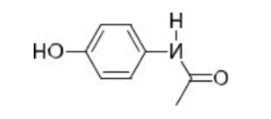
Structural formula:
Physicochemical properties: Acetaminophen occurs as a white, odorless powder with a melting point between 168-1720C
Ibuprofen Sodium Dihydrate
Proper/Common name: ibuprofen sodium
Chemical name: 2-(4-Isobutyl phenyl) propionic acid sodium salt dihydrate
Molecular formula and molecular mass: C13H21O4Na.2H2O 264.29 g/mol
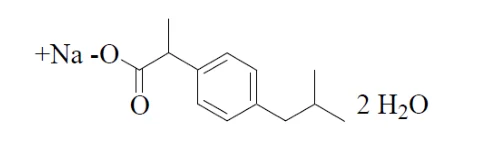
Structural formula:
Physicochemical properties: Ibuprofen Sodium Dihydrate occurs as a white powder that is freely soluble in water.
14 CLINICAL TRIALS
14.1 Clinical Trials by Indication
Indication:
- Short term management of mild-to-moderate pain, moderate to severe pain as an adjunct to opioid analgesics
Table 7 – Summary of patient demographics for clinical trials
| Study # | Study design | Dosage, route of administration and duration | Study subjects (n) | Mean age (Range) | Sex |
|---|---|---|---|---|---|
| AFT-MXIV-07 | Phase 3, placebo-controlled, prospective, randomized, double-blind, parallel-design trial comparing the analgesic efficacy and safety of COMBOGESIC IV with acetaminophen alone, ibuprofen alone and placebo, after bunionectomy surgery. | Combogesic IV (full dose 10mg/ml paracetamol + 3mg/ml ibuprofen in 100ml solution for infusion) Paracetamol IV (10mg/ml) Ibuprofen IV (3mg/ml) Placebo IV All multiple-dose treatment up to 48 hours | 276 patients undergoing bunionectomy surgery | 42.4 years (18 – 65) | Male n = 51 (18.5%); Female n = 225 (81.5%) |
The pivotal study of COMBOGESIC IV, was a phase 3, placebo-controlled, prospective, randomized, double-blind, parallel-design trial comparing the analgesic efficacy and safety of COMBOGESIC IV with acetaminophen alone, ibuprofen alone and placebo, after bunionectomy surgery.
The primary efficacy endpoint was the time-adjusted Sum of Pain Intensity Differences over 48 hours (SPID48) with each pre-rescue Visual Analogue Scale (VAS) carried forward up to 2 hours. An analysis of covariance was used for the primary efficacy analysis with treatment as the fixed effect and baseline pain intensity score as the covariate on the intent to treat population.
The analysis of time-adjusted SPID48 demonstrated that COMBOGESIC IV (least square mean (LSM) = 36.7, standard error (SE) = 2.2) provided more effective pain relief than placebo (LSM = 17.5, SE = 2.7), acetaminophen (LSM = 19.3, SE = 2.2) or ibuprofen (LSM = 24.6, SE = 2.2).
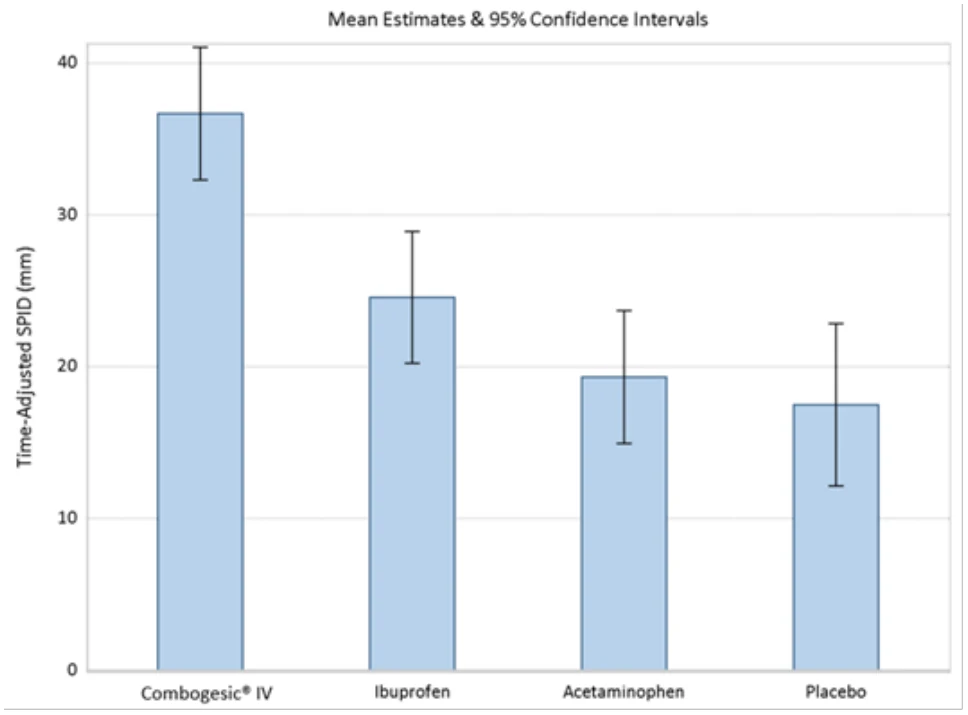
Figure 1: Time-adjusted SPID48 with Pre-Rescue VAS Score Carried Forward up to 2 Hours
16 NON-CLINICAL TOXICOLOGY
General Toxicology:
The adverse effects of ibuprofen and acetaminophen have been extensively studied. The primary toxicities associated with ibuprofen involve the GI tract (irritation and bleeding) and kidney (interstitial nephritis, renal papillary necrosis) in all species. The primary toxicity associated with acetaminophen involves the liver (hepatocellular necrosis).
A 14-day repeat-dose toxicity study in rats was conducted to compare the toxicity profile of different doses of COMBOGESIC IV. Rats tolerated four times daily 15-minute IV infusions of acetaminophen/ibuprofen at dose levels of 100/30 mg/kg/day (equivalent to 0.24 times the MHRD for acetaminophen by body surface area comparison). At doses of 200/60 mg/kg/day (0.48 times the MHRD), some animals experienced GI mucosal irritation and at doses of 400/120 mg/kg/day (0.97 times the MHRD), some animals experienced GI mucosal damage (necrosis and ulceration) that was associated with adverse clinical signs. Similar GI mucosal damage was also observed in animals treated with equivalent doses of ibuprofen alone (120 mg/kg/day).
The effect of single intravenous or perivenous doses of COMBOGESIC IV (in an acute local irritation study in male rabbits showed that COMBOGESIC IV has little potential to produce local irritation when administered intravenously at a concentration of 10mg acetaminophen/3mg ibuprofen given as a fixed dose volume of 0.3 ml per ear.
Moreover, when conducting an in vitro blood compatibility assessment, no additional haemolysis, plasma protein flocculation/precipitation or platelet aggregation was observed with COMBOGESIC IV than with acetaminophen IV or ibuprofen IV alone.
Carcinogenicity: Long-term studies in animals to evaluate the carcinogenic potential of ibuprofen have not been conducted.
Long-term studies in mice and rats have been completed by the National Toxicology Program to evaluate the carcinogenic potential of acetaminophen. In 2-year feeding studies, F344/N rats and B6C3F1 mice were fed a diet containing acetaminophen up to 6000 ppm. Female rats demonstrated equivocal evidence of carcinogenic activity based on increased incidences of mononuclear cell leukemia at 0.8 times the maximum human daily dose (MHDD) of 4 grams/day, based on a body surface area comparison. In contrast, there was no evidence of carcinogenic activity in male rats (0.7 times) or mice (1.2-1.4 times the MHDD, based on a body surface area comparison).
Genotoxicity: In published studies, ibuprofen was not mutagenic in the in vitro bacterial reverse mutation assay (Ames assay).
Acetaminophen was not mutagenic in the bacterial reverse mutation assay (Ames test). In contrast, acetaminophen tested positive for induction of sister chromatid exchanges and chromosomal aberrations in in vitro assays using Chinese hamster ovary cells. In the published literature, acetaminophen has been reported to be clastogenic when administered a dose of 1500 mg/kg/day to the rat model (3.6-times the MHDD, based on a body surface area comparison). In contrast, no clastogenicity was noted at a dose of 750 mg/kg/day (2.8-times the MHDD, based on a body surface area comparison), suggesting a threshold effect.
Reproductive and Developmental Toxicology:
Developmental Studies:
Studies in pregnant rats that received oral acetaminophen during organogenesis at doses up to 0.85 times the maximum human daily dose (MHDD= 4 grams/day, based on a body surface area comparison) showed evidence of fetotoxicity (reduced fetal weight and length) and a dose-related increase in bone variations (reduced ossification and rudimentary rib changes). Offspring had no evidence of external, visceral, or skeletal malformations.
When pregnant rats received oral acetaminophen throughout gestation at doses of 1.2 times the MHDD (based on a body surface area comparison), areas of necrosis occurred in both the liver and kidney of pregnant rats and fetuses. These effects did not occur in animals that received oral acetaminophen at doses 0.3 times the MHDD (based on a body surface area comparison).
In a continuous breeding study, pregnant mice received 0.25, 0.5, or 1.0% acetaminophen via the diet (357, 715, or 1430 mg/kg/day). These doses are approximately 0.43, 0.87, and 1.7 times the MHDD, respectively, based on a body surface area comparison. A dose-related reduction in body weights of fourth and fifth litter offspring of the treated mating pair occurred during lactation and post-weaning at all doses. Animals in the high dose group had a reduced number of litters per mating pair, male offspring with an increased percentage of abnormal sperm, and reduced birth weights in the next generation pups.
In a published study, female rabbits given 7.5, 20, or 60 mg/kg ibuprofen (0.12, 0.32, or 0.97-times the maximum human daily dose of 1200 mg of ibuprofen based on a body surface area comparison) from Gestation Days 1 to 29, no clear treatment- related adverse developmental effects were noted This dose was associated with significant maternal toxicity (stomach ulcers, gastric lesions). In the same publication, female rats were administered 7.5, 20, 60, 180 mg/kg ibuprofen (0.06, 0.16, 0.48,1.5-times the maximum daily dose) did not result in clear adverse developmental effects. Maternal toxicity (gastrointestinal lesions) was noted at 20 mg/kg and above. In a published study, rats were orally dosed with 300 mg/kg ibuprofen (2.4-times the maximum human daily dose of 1200 mg based on a body surface area comparison) during Gestation Days 9 and 10 (critical time points for heart development in rats).
Ibuprofen treatment resulted in an increase in the incidence of membranous ventricular septal defects. This dose was associated with significant maternal toxicity including gastrointestinal toxicity. One incidence each of a membranous ventricular septal defect and gastroschisis was noted fetuses from rabbits treated with 500 mg/kg (8.1-times the maximum human daily dose) from Gestation Day 9 to 11.
Impairment of Fertility:
In a published study, dietary administration of ibuprofen to male and female rats 8-weeks prior to and during mating at dose levels of 20 mg/kg (0.16-times the MRHD based on body surface area comparison) did not impact male or female fertility or litter size.
In other studies, adult mice were administered ibuprofen intraperitoneally at a dose of 5.6 mg/kg/day (0.023-times the MRHD based on body surface area comparison) for 35 or 60 days in males and 35 days in females. There was no effect on sperm motility or viability in males but decreased ovulation was reported in females.
In studies of acetaminophen conducted by the National Toxicology Program, fertility assessments have been completed in Swiss mice via a continuous breeding study. There were no effects on fertility parameters in mice consuming up to 1.7 times the MHDD of acetaminophen, based on a body surface area comparison. Although there was no effect on sperm motility or sperm density in the epididymis, there was a significant increase in the percentage of abnormal sperm in mice consuming 1.7 times the MHDD (based on a body surface area comparison) and there was a reduction in the number of mating pairs producing a fifth litter at this dose, suggesting the potential for cumulative toxicity with chronic administration of acetaminophen near the upper limit of daily dosing.
Published studies in rodents report that oral acetaminophen treatment of male animals at doses that are 1.2 times the MHDD and greater (based on a body surface area comparison) result in decreased testicular weights, reduced spermatogenesis, reduced fertility, and reduced implantation sites in females given the same doses. These effects appear to increase with the duration of treatment. The clinical significance of these findings is not known.