


Product Monograph - Diacetylmorphine Hydrochloride
RECENT MAJOR LABEL CHANGES
| 4 DOSAGE AND ADMINISTRATION, 4.3 Reconstitution | 09/2023 |
|---|
TABLE OF CONTENTS
RECENT MAJOR LABEL CHANGES ............................................................................................ 2
TABLE OF CONTENTS .............................................................................................................. 2
PART I: HEALTH PROFESSIONAL INFORMATION ...................................................................... 4
1 INDICATIONS ............................................................................................................... 4
1.1 Pediatrics ................................................................................................................ 4
1.2 Geriatrics ................................................................................................................ 4
2 CONTRAINDICATIONS ................................................................................................. 4
3 SERIOUS WARNINGS AND PRECAUTIONS BOX ............................................................ 5
4 DOSAGE AND ADMINISTRATION ................................................................................. 7
4.1 Dosing Considerations ............................................................................................ 7
4.2 Recommended Dose and Dosage Adjustment ....................................................... 7
4.3 Reconstitution ........................................................................................................ 8
4.4 Administration ...................................................................................................... 10
4.5 Missed Dose ......................................................................................................... 10
5 OVERDOSAGE ............................................................................................................ 10
6 DOSAGE FORMS, STRENGTHS, COMPOSITION AND PACKAGING ............................... 12
7 WARNINGS AND PRECAUTIONS ................................................................................ 12
7.1 Special Populations............................................................................................... 19
7.1.1 Pregnant Women ........................................................................................... 19
7.1.2 Breast-feeding ................................................................................................ 19
7.1.3 Pediatrics ........................................................................................................ 19
7.1.4 Geriatrics ........................................................................................................ 19
8 ADVERSE REACTIONS ................................................................................................ 19
8.1 Adverse Reaction Overview .................................................................................. 19
8.2 Clinical Trial Adverse Reactions ............................................................................ 20
8.5 Post-Market Adverse Reactions ........................................................................... 22
9 DRUG INTERACTIONS ................................................................................................ 23
9.1 Serious Drug Interactions ..................................................................................... 23
9.2 Drug Interactions Overview .................................................................................. 23
9.3 Drug-Behavioural Interactions .............................................................................. 24
9.4 Drug-Drug Interactions ......................................................................................... 24
9.5 Drug-Food Interactions ......................................................................................... 28
9.6 Drug-Herb Interactions ......................................................................................... 29
9.7 Drug-Laboratory Test Interactions ........................................................................ 29
10 CLINICAL PHARMACOLOGY ....................................................................................... 29
10.1 Mechanism of Action ...................................................................................... 29
10.2 Pharmacodynamics ........................................................................................ 29
10.3 Pharmacokinetics ........................................................................................... 30
11 STORAGE, STABILITY AND DISPOSAL ......................................................................... 32
12 SPECIAL HANDLING INSTRUCTIONS ........................................................................... 32
PART II: SCIENTIFIC INFORMATION ....................................................................................... 33
13 PHARMACEUTICAL INFORMATION ............................................................................ 33
14 CLINICAL TRIALS ........................................................................................................ 34
14.1 Clinical Trial Design by Indication ................................................................... 34
15 MICROBIOLOGY ........................................................................................................ 35
16 NON-CLINICAL TOXICOLOGY ..................................................................................... 35
PATIENT MEDICATION INFORMATION .................................................................................. 38
PART I: HEALTH PROFESSIONAL INFORMATION
1 INDICATIONS
Diacetylmorphine Hydrochloride (diamorphine hydrochloride) for injection is indicated as supervised injectable opioid agonist therapy (siOAT) for adult patients with severe opioid use disorder who use injectable opioids and have failed previous attempts at opioid agonist therapy, including methadone maintenance therapy.
Diacetylmorphine Hydrochloride should be provided and monitored as part of a comprehensive, individualized opioid dependence treatment program consisting of medical, social, and psychological support.
Diacetylmorphine Hydrochloride can be administered in combination with supplemental oral methadone to prevent withdrawal symptoms.
Diacetylmorphine Hydrochloride should only be administered under the supervision of a licensed health professional experienced in the treatment of severe opioid use disorder and trained in the administration of injectable opioid agonist therapy in accordance with all applicable provincial and territorial professional requirements and clinical practice guidelines.
To ensure patient safety, Diacetylmorphine Hydrochloride should only be administered in facilities equipped and staffed to immediately recognize serious adverse reactions, including potentially fatal respiratory depression and seizures, and initiate immediate treatment and resuscitation measures if needed (see 2 CONTRAINDICATIONS, 7 WARNINGS AND PRECAUTIONS and 4 DOSAGE AND ADMINISTRATION).
1.1 Pediatrics
Pediatrics (<18 years of age): No data are available to Health Canada; therefore, Health Canada has not authorized an indication for pediatric use.
1.2 Geriatrics
Geriatrics: No data are available to Health Canada; therefore, Health Canada has not authorized an indication for geriatric use.
Geriatric patients may be more susceptible to adverse reactions associated with opioid medications
Caution is advised due to the likelihood of comorbid disease, concomitant medication, and the increased prevalence of decreased hepatic, renal or cardiac impairment (see 7.1.4 Geriatrics).
2 CONTRAINDICATIONS
Diacetylmorphine Hydrochloride is contraindicated in:
- patients who are hypersensitive to diamorphine hydrochloride or other opioid agonists, or to any ingredients in the formulation (see 6 DOSAGE FORMS, STRENGTHS, COMPOSITION AND PACKAGING)
- patients without opioid use disorder and who are not currently taking high doses or high concentrations of opioids
patients with known or suspected mechanical gastrointestinal obstruction (e.g. bowel obstruction
- or strictures) or any diseases/conditions that affect bowel transit (e.g. ileus of any type)
- patients with acute or severe bronchial asthma, chronic obstructive airway, or status asthmaticus
- patients with acute respiratory depression, elevated carbon dioxide levels in the blood and/or cor pulmonale
- patients with acute alcoholism, delirium tremens, and convulsive disorders
- patients with severe CNS depression, increased cerebrospinal fluid or intracranial pressure, and/or head injury
- patients taking monoamine oxidase inhibitors (MAOIs) (or within 14 days of such therapy)
- patients with signs of intoxication, including due to centrally acting sedatives and/or stimulants, or in any other acute clinical condition that would increase the risk of an adverse event with the use of diamorphine hydrochloride.
- patients with bipolar disorder, schizophrenia, or other psychiatric disorders with active psychotic symptoms refractory to medical management.
3 SERIOUS WARNINGS AND PRECAUTIONS BOX
General
Never inject Diacetylmorphine Hydrochloride into the jugular or femoral vein. Addiction, Abuse, and Misuse Diacetylmorphine Hydrochloride poses a risk of opioid addiction, abuse, and misuse, which can lead to overdose and death.
Life-Threatening Respiratory Depression Serious, life-threatening, or fatal respiratory depression may occur with use of Diacetylmorphine Hydrochloride. Infants exposed in utero or through breast milk are at risk of life-threatening respiratory depression upon delivery or when nursed. The use of Diacetylmorphine Hydrochloride during pregnancy and breast feeding is not recommended and should only be considered if the potential benefit to the mother justifies the potential risk to the fetus or infant.
|
|---|
Accidental Exposure Care should be taken to decrease the risk of accidental exposure during the reconstitution of Diacetylmorphine Hydrochloride (see 4.3 Reconstitution). Care should be taken to ensure all syringes are properly and securely disposed. Neonatal Opioid Withdrawal Syndrome Prolonged maternal use of Diacetylmorphine Hydrochloride during pregnancy can result in neonatal opioid withdrawal syndrome, which may be life-threatening (see 7 WARNINGS AND PRECAUTIONS). Risk of Concomitant Use with Alcohol, Benzodiazepines or Other CNS Depressants Concomitant use of opioids with benzodiazepines or other CNS depressants, including alcohol may result in serious injury, profound sedation, somnolence, respiratory depression, coma, and death (see 7 WARNINGS AND PRECAUTIONS, Neurologic; 7 WARNINGS AND PRECAUTIONS, Psychomotor Impairment, and 9 DRUG INTERACTIONS).
Seizure Risk
|
|---|
4 DOSAGE AND ADMINISTRATION
4.1 Dosing Considerations
- Diacetylmorphine Hydrochloride is available only through controlled distribution.
- Initiate Diacetylmorphine Hydrochloride therapy over several days. Dosing must be individualized for each patient.
- During the titration phase, consistent daily and documented assessment of patient response is the most reliable method to determine subsequent dosing. Monitor patients for 30 minutes following injection for signs of withdrawal symptoms, overdose, respiratory depression, and sedation.
- Patient supervision and monitoring throughout treatment is essential for the minimization of serious risks associated with injectable Diacetylmorphine Hydrochloride use in siOAT.
- Diacetylmorphine Hydrochloride should only be administered in a setting where emergency naloxone, appropriate resuscitation equipment, and healthcare professionals with training in cardiopulmonary resuscitation are available.
- Diacetylmorphine Hydrochloride should be prescribed in combination with appropriate supportive psychological and social services.
- Do not inject Diacetylmorphine Hydrochloride into the jugular or femoral vein due to the risk of jugular vein thrombosis, deep neck infections, pneumothorax, endocarditis, and sepsis.
- Health professionals should be experienced in providing supervised injectable opioid substitution therapy and are referred to regional and/or national clinical treatment guidelines regarding recommended dosing protocols.
- Patients may be eligible to receive supplemental methadone to help prevent withdrawal symptoms, or may, at any time, transition to methadone to avoid withdrawal symptoms. To decrease the risk of withdrawal during transition to or from Diacetylmorphine Hydrochloride, the dosing of methadone should be properly calculated to ensure patients receive the same degree of saturation of opiate receptors.
- The primary objective of the maintenance phase is to achieve a balance between the most effective dose with the most optimal safety profile.
4.2 Recommended Dose and Dosage Adjustment
The initiation, titration, dosage, and dosage regimen of Diacetylmorphine Hydrochloride should be individualized to decrease risks, particularly those related to overdose and respiratory depression.
Single injection doses should not exceed 400 mg per injection. Maximum daily dose should not exceed 1000 mg.
Dosing should be reduced in patients taking benzodiazepines or other CNS depressants, zidovudine, chloramphenicol, quinidine, metoclopramide; patients with severely impaired pulmonary function, Addison’s disease, hypothyroidism, myxedema, toxic psychosis, prostatic hypertrophy, or urethral stricture, hepatic or renal impairment (see 9 DRUG INTERACTIONS)
Dose Conversion for Oral Methadone:
Conversion ratios for opioids are subject to variations in kinetics governed by genetics and other factors. For patients who are transitioning to or from siOAT with Diacetylmorphine Hydrochloride, it is critical to maintain the average degree of saturation of opiate receptors to prevent withdrawal symptoms and to avoid overdosage.
Health professionals are referred to the Product Monograph for methadone products indicated for the treatment of opioid use disorder, as appropriate.
Hepatic Impairment:
Diacetylmorphine Hydrochloride is not recommended in patients with severe hepatic impairment.
Due to an increased risk of exposure to diamorphine hydrochloride and its metabolites, caution is advised when using Diacetylmorphine Hydrochloride in patients with moderate hepatic impairment. Healthcare professionals are advised to initiate treatment with Diacetylmorphine Hydrochloride at the lowest possible dose and titrate slowly with extended dosing intervals in patients with moderate hepatic impairment.
Renal Impairment:
Diacetylmorphine Hydrochloride is not recommended in patients with severe renal impairment (GFR <10 mL/min), including patients undergoing dialysis.
In patients with mild to moderate renal impairment, the starting dose should be reduced according to the degree of renal impairment. Patients with renal impairment should be closely monitored during dose titration.
Table 1 - Diamorphine hydrochloride dosage reduction of reduced GFR rate
| GFR (mL/min) | Diamorphine dosage (% of normal) |
|---|---|
| >50 | 100 |
| 20-50 | 75 |
| 10-20 | 50 |
| <10 | Not recommended |
Geriatrics:
Health Canada has not authorized an indication for geriatric use (see 1 INDICATIONS).
Diacetylmorphine Hydrochloride should be initiated at a lower dose and slowly titrated to effect (see 7 WARNINGS AND PRECAUTIONS).
Respiratory depression has occurred in the elderly following administration of large initial dose of opioids in patients who were not opioid tolerant or when opioids were co-administered with other agents that can depress respiration.
Pediatrics:
Health Canada has not authorized an indication for pediatric use (see 1 INDICATIONS).
4.3 Reconstitution
Reconstitution of Diacetylmorphine Hydrochloride should be performed according to standard aseptic practices for the compounding of non-hazardous sterile preparations. All materials used in the preparation of reconstituted solution are of standard, pharmacy-grade materials used in the compounding of non-hazardous, sterile preparations.
Diacetylmorphine Hydrochloride does not contain any preservatives. Accordingly, vials should only be punctured once. The entire contents of the vial should be prepared in a single compounding event, with the unused portions discarded appropriately. Once reconstituted, the solution should be dispensed into individual patient syringes within 4 hours. See 11 STORAGE, STABILITY AND DISPOSAL for information on the storage of individualized patient syringes.
To prepare the reconstituted solution, follow the instructions below:
Reconstitution of 200 mg vial
- Diacetylmorphine Hydrochloride is reconstituted using sterile water for injection.
- Add the volume of sterile water for the 200 mg vial size as shown in the following table. Shake the vial until the powder is fully dissolved.
| Vial Size | Volume of Water to be Added to Vial | Approximate Available Volume | Concentration per mL |
|---|---|---|---|
| 200 mg | 1.9 mL | 2.0 mL | 100 mg/mL |
- The reconstituted product should be a clear, colourless to light-beige solution; it should be inspected visually for particulate matter and discoloration prior to administration. Do not use any vials exhibiting particulate matter or discoloration.
Reconstitution of 5 g vial
- The 5 g vial size is recommended for pharmacy compounding use only.
- Diacetylmorphine Hydrochloride is reconstituted using sterile water for injection.
- Add the volume of sterile water for the 5 g vial size as shown in the following table. Shake the vial until the powder is fully dissolved.
| Vial Size | Volume of Water to be Added to Vial | Approximate Available Volume | Concentration per mL |
|---|---|---|---|
| 5 g | 46.5 mL | 50 mL | 100 mg/mL |
- The reconstituted product should be a clear, colourless to light-beige solution; it should be inspected visually for particulate matter and discoloration prior to administration. Do not use any vials exhibiting particulate matter or discoloration.
To extract the reconstituted solution, follow the instructions below:
- Using the dispensing pin attached to the vial, extract the reconstituted solution from the vial using an appropriate-sized syringe and dispense the solution into a collector bag; filtering the reconstituted solution through a 5-micron filter attached to a dispensing pin on the collector bag.
- Using the dispensing pin on the collector bag, fill the individual patient-specific syringes according to the prescribed dose.
Product-specific compatibility studies have been performed using BBraun Mini-Spike dispensing pins and sterile EVA collector bags. Product compatibility in the EVA bags was demonstrated for up to 3 hours.
Store reconstituted solution prepared in sterile plastic syringes (1 mL, 3 mL, and 5 mL) in the refrigerator (2-8°C) for up to 14 days, or at 25 ± 2°C for up to 48 hours (see 11 STORAGE, STABILITY AND DISPOSAL).
Note the date of reconstitution.
4.4 Administration
Diacetylmorphine Hydrochloride is intended for supervised, self-injection by intravenous or intramuscular routes of administration. Diacetylmorphine Hydrochloride should be self-injected under supervision by health professionals trained to detect adverse reactions, including overdose and respiratory depression.
Patients should be monitored before, during and after injection to monitor patient safety, including for signs of intoxication and withdrawal, and to avoid diversion. Due to elevated risk of co-morbid injection-related infections (e.g., septicemia, endocarditis, pneumonia, infective osteomyelitis) in people who inject drugs, extreme caution is recommended when considering use of Diacetylmorphine Hydrochloride for injection in patients with existing infections. Proper injection technique should be used to reduce the risk of infections.
Do not inject Diacetylmorphine Hydrochloride into the jugular or femoral vein.
4.5 Missed Dose
Missed Dose / Treatment Interruption
Withdrawal symptoms may occur following missed doses and are expected after abrupt discontinuation of therapy. In addition, if treatment with Diacetylmorphine Hydrochloride is interrupted, re-initiation of dose titration may be necessary, starting at a decreased dose for patient safety, since rapid loss of tolerance may occur, posing a significant risk of overdose.
Patients on prolonged siOAT who decide to discontinue siOAT with Diacetylmorphine Hydrochloride should be gradually tapered off the drug under medical supervision.
5 OVERDOSAGE
Symptoms
Serious potential consequences of overdosage with diamorphine hydrochloride is characterized by respiratory depression (decreased respiratory rate and/or tidal volume, Cheyne-Stokes respiration, cyanosis), dizziness, confusion, altered mental state, extreme somnolence progressing to stupor or coma, pneumonia aspiration, skeletal muscle flaccidity, cold and clammy skin, constricted pupils, and sometimes bradycardia and hypotension. In severe overdosage, particularly following intravenous injection, apnea, circulatory collapse, cardiac arrest, and death may occur.
Healthcare professionals should consider complications of drug injection use when treating overdosage with Diacetylmorphine Hydrochloride as these may affect the clinical presentation of diamorphine hydrochloride overdose. Complications of drug injection use may include (and are not limited to):
- infections (e.g., HIV, HCV, skin and soft-tissue infections, infective endocarditis, and rare-life threatening bacterial infections that may present with signs and symptoms that mimic intoxication, such as malaise or stupor)
- comorbid disease including respiratory disease (e.g., pneumonia, septic pulmonary embolism, talc granulomatosis, emphysema, pulmonary hypertension, pulmonary edema, pneumothorax)
- cardiovascular disease (e.g., endocarditis)
- renal disease (e.g., focal glomerular sclerosis, glomerulonephritis, nephrotic syndrome, chronic kidney disease
- liver disease (e.g., severe hepatic impairment)
- mental health disorders (e.g., bipolar mood disorder, schizophrenia, major depressive disorder)
- polysubstance abuse (e.g., alcohol)
- the use of concomitant medications for the treatment of comorbid disease, including CNS depressants (see 7 WARNINGS AND PRECAUTIONS, 9 DRUG INTERACTIONS)
Overdosage with Diacetylmorphine Hydrochloride may cause prolonged or recurrent seizure activity which may lead to hypoxia, hypercarbia, pulmonary aspiration of gastric contents, lactic acidosis, hyperthermia, and rhabdomyolysis. Initial treatment should include airway management with adequate oxygenation and ventilation, stabilization of blood pressure and heart rate, rapid bedside testing of serum glucose concentration and core body temperature, and treatment with anti-convulsant medication (e.g., benzodiazepines, barbiturates). The choice of anti-convulsant medication should be considered with caution due to the risk of drug-drug interactions with diamorphine hydrochloride (see 9 DRUG INTERACTIONS).
Healthcare professionals should consider the risk of fetal injury due to maternal hypoxia in cases of overdosage of Diacetylmorphine Hydrochloride in pregnant women.
Treatment
Re-establishment of adequate respiratory exchange through provision of a patent airway and institution of assisted or controlled ventilation should be initiated immediately.
Naloxone should be administered cautiously to individuals who are known or suspected to be physically dependent on diamorphine hydrochloride (heroin), as treatment with naloxone will precipitate an acute withdrawal syndrome, the severity of which will depend on the degree of physical dependence, the dose of diamorphine hydrochloride administered, and the dose of opioid antagonist delivered.
Symptoms of acute opioid withdrawal syndrome include, but are not limited to: body aches, pain, fever/pyrexia, sweating/hyperhidrosis, runny nose, sneezing, piloerection, yawning, weakness, asthenia, shivering, chills, trembling/tremor, convulsions/seizures, nervousness, restlessness, irritability, aggressive behaviour, diarrhea, nausea, vomiting, abdominal cramps, increased blood pressure, and tachycardia.
| For management of a suspected drug overdose, contact your regional poison control centre. |
|---|
6 DOSAGE FORMS, STRENGTHS, COMPOSITION AND PACKAGING
Table 3 – Dosage Forms, Strengths, Composition and Packaging
Description
200 mg per vial
White, to off-white lyophilized powder in a 3 mL, clear glass vial closed with a grey rubber stopper and a royal blue top button seal. The 200 mg vial format is available in boxes of 10 x 200 mg vials.
5 g per vial
White, to off-white lyophilized powder in a 100 mL, clear glass vial closed with a grey rubber stopper and a red top button seal. The 5 g vial format is available in boxes of 1 x 5 g vials.
7 WARNINGS AND PRECAUTIONS
Please see 3 SERIOUS WARNINGS AND PRECAUTIONS BOX
General
Patients prescribed supervised injectable Diacetylmorphine Hydrochloride for treatment of refractory injection heroin use disorder should be presumed to be tolerant to opioids. The initial dose should be selected based on the relative potency of diamorphine hydrochloride and the opioid previously used by the patient (see 4 DOSAGE AND ADMINISTRATION).
Diacetylmorphine Hydrochloride for injection should be only prescribed by healthcare professionals who are knowledgeable in the continuous administration of potent opioids, in the management of patients receiving potent opioids, the treatment of chronic opioid use disorder, and the in the detection and management of respiratory depression, including the use of opioid analgesics.
Diacetylmorphine Hydrochloride for injection should be stored securely to avoid theft or misuse.
Patients should be cautioned not to consume alcohol and other central nervous system depressants while taking Diacetylmorphine Hydrochloride as it may increase the chance of experiencing serious adverse events, including death.
Abuse and Misuse
Diacetylmorphine Hydrochloride is a controlled substance under Schedule I of the Controlled Drugs and Substances Act and is scheduled under the Narcotics Control Regulations.
Like all opioids, diamorphine hydrochloride has the potential for abuse and misuse which can lead to overdose and death. Therefore, Diacetylmorphine Hydrochloride should be prescribed and handled with care. Treatment should be provided under supervision with appropriate measures in place to ensure compliance, prevent diversion and monitor patient safety.
| Route of Administration | Dosage Form / Strength/Composition | Non-medicinal Ingredients |
| Intravenous or intramuscular injection | 200 mg per vial 5 g per vial | None |
Carcinogenesis and Mutagenesis
See 16 NON-CLINICAL TOXICOLOGY
Cardiovascular
Severe Hypotension: Diacetylmorphine Hydrochloride administration may result in severe hypotension in patients whose ability to maintain adequate blood pressure is compromised by reduced blood volume, or concurrent administration of such drugs as phenothiazines and other tranquilizers, sedatives, hypnotics, tricyclic antidepressants, or general anesthetics. These patients should be monitored for signs of hypotension after initiating or titrating the dose of Diacetylmorphine Hydrochloride.
The use of Diacetylmorphine Hydrochloride in patients with circulatory shock should be avoided as it may cause vasodilation that can further reduce cardiac output and blood pressure.
Rapid intravenous injection of opioid analgesics increases the possibility of hypotension and respiratory depression and should be avoided (see 4 DOSAGE AND ADMINISTRATION).
Dependence / Tolerance
Patients on prolonged siOAT therapy who decide to discontinue sIOAT should be tapered gradually under medical supervision from the drug (see 4.2 Recommended Dose and Dosage Adjustment)
Withdrawal symptoms may occur following missed doses and are expected after abrupt discontinuation of therapy. In addition, if treatment with Diacetylmorphine Hydrochloride is interrupted, re-initiation of dose titration may be necessary, starting at a decreased dose for patient safety, since rapid loss of tolerance may occur, posing a significant risk of overdose (see 4 DOSAGE AND ADMINISTRATION).
Endocrine and Metabolism
Adrenal insufficiency
Cases of adrenal insufficiency have been reported with opioid use, more often following greater than one month of use. Presentation of adrenal insufficiency may include non-specific symptoms and signs including nausea, vomiting, anorexia, fatigue, weakness, dizziness, and low blood pressure. If adrenal insufficiency is suspected, confirm the diagnosis with diagnostic testing as soon as possible. If adrenal insufficiency is diagnosed:
- Treat with physiologic replacement doses of corticosteroids with monitoring by an endocrinologist.
- Patients can be transitioned to another opioid as some cases reported use of a different opioid without recurrence of adrenal insufficiency. The information available does not identify any particular opioid as being more likely to be associated with adrenal insufficiency.
- Healthcare professionals should seek the best options for their patients on a case-by-case basis.
Gastrointestinal
Diacetylmorphine Hydrochloride and other morphine-like opioids have been shown to decrease bowel motility. Diacetylmorphine Hydrochloride may obscure the diagnosis or clinical course in patient with acute abdominal conditions (see 2 CONTRAINDICATIONS).
Hepatic/Biliary/Pancreatic
In the Phase 3 clinical trial which demonstrated the efficacy of injectable diamorphine hydrochloride in siOAT for patients with severe, refractory opioid use disorder, patients were excluded if they had serum bilirubin >2.5 x normal or Stage II or greater hepatic encephalopathy.
Caution should be exercised in prescribing siOAT to patients with chronic hepatic disease. Opioids may induce biliary spasm resulting in pain. (see 4 DOSAGE AND ADMINISTRATION).
Neonatal Opioid Withdrawal Syndrome (NOWS)
Prolonged maternal use of opioids during pregnancy can result in withdrawal signs in the neonate. Neonatal opioid withdrawal syndrome, unlike opioid withdrawal syndrome in adults, may be life-threatening.
Neonatal opioid withdrawal syndrome presents as irritability, hyperactivity, and abnormal sleep pattern, high-pitched cry, tremor, vomiting, diarrhea, and failure to gain weight. The onset, duration, and severity of neonatal withdrawal syndrome vary based on the specific opioid used, duration of use, timing and amount of last maternal use, and rate of elimination of the drug by the newborn.
Neurologic
Interaction with CNS Depressants (including benzodiazepines and alcohol):
Diacetylmorphine Hydrochloride should never be used with alcohol and used with caution in a reduced dosage during concomitant administration of other opioids, general anesthetics, phenothiazines and other tranquilizers, sedatives, hypnotics, tricyclic antidepressants, antipsychotics, antihistamines, benzodiazepines, centrally acting antiemetics and other CNS depressants. Respiratory depression, hypotension and profound sedation, coma or death may result (3 SERIOUS WARNINGS AND PRECAUTIONS BOX.
- If co-administration of benzodiazepines or other CNS depressants is medically necessary, prescribe the lowest effect dosage for a minimum duration of concomitant use.
- In patients already taking opioids, prescribe a lower initial dose of the benzodiazepine or other CNS depressant than indicated in the absence of an opioid, and titrate based on clinical response.
- If diamorphine hydrochloride is initiated in a patient already taking a benzodiazepine or other CNS depressant, start with a lower dose of the opioid and titrate based on clinical response.
- Advise and follow patients closely for signs and symptoms of respiratory depression and sedation.
Patients with opioid use disorder should be warned of the risks of overdose and death associated with the use of additional CNS depressants including alcohol and illicit drugs (see 9 DRUG INTERACTIONS).
Seizure Risk
Seizure events have been reported with Diacetylmorphine Hydrochloride in the recommended dose range in the clinical studies (see 8 ADVERSE REACTIONS). Precaution should be used when diamorphine hydrochloride is administered concomitantly with other substances that may enhance seizure risk in patients taking:
- Opioids
- Benzodiazepines
- Selective serotonin re-uptake inhibitors (SSRI antidepressants or anorectics)
- Tricyclic antidepressants (TCAs), and other tricyclic compounds (e.g., cyclobenzaprine, promethazine, etc.)
- MAO inhibitors
- Neuroleptics
- Other drugs that reduce the seizure threshold
Risk of convulsions may also increase in patients with epilepsy, those with a history of seizures, or in patients with a recognized risk for seizure (such as head trauma, metabolic disorders, alcohol and drug withdrawal, CNS infections).
The choice of anti-convulsant medication (e.g., benzodiazepines, barbiturates) should be considered with caution due to the risk of drug-drug interactions with diamorphine hydrochloride (see 9 DRUG INTERACTIONS).
Serotonin Toxicity / Serotonin Syndrome
Serotonin toxicity also known as serotonin syndrome is a potentially life-threatening condition and has been reported with opioids, including diamorphine hydrochloride, particularly during combined use with other serotonergic drugs. Diacetylmorphine Hydrochloride should not be used in combination with MAO inhibitors or serotonin-precursors (such as L-tryptophan, oxitriptan) and should be used with caution in combination with other serotonergic drugs (triptans, certain tricyclic antidepressants, lithium, tramadol, St. John’s Wort) due to risk of serotonergic syndrome (See 9 DRUG INTERACTIONS).
Serotonin toxicity is characterised by neuromuscular excitation, autonomic stimulation (e.g., tachycardia, flushing) and altered mental state (e.g., anxiety, agitation, hypomania). In accordance with the Hunter Criteria, serotonin toxicity diagnosis is likely when, in the presence of at least one serotonergic agent, one of the following is observed:
- Spontaneous clonus
- Inducible clonus or ocular clonus with agitation or diaphoresis
- Tremor and hyperreflexia
- Hypertonia and body temperature >38°C and ocular clonus or inducible clonus.
If concomitant treatment with Diacetylmorphine Hydrochloride and other serotonergic agents is clinically warranted, careful observation of the patient is advised, particularly during treatment initiation and dose increases (see 9 DRUG INTERACTIONS). If serotonin toxicity is suspected, discontinuation of the serotonergic agents should be considered.
Head Injury and Increased Intracranial Pressure
Elevated intracranial pressure produced by head trauma may greatly increase the respiratory depressant effects of Diacetylmorphine Hydrochloride, including the capacity of, and to elevate cerebrospinal fluid pressure. Diacetylmorphine Hydrochloride may produce confusion, miosis, vomiting and other side effects which obscure the existence, extent, or clinical course of patients with head injury. In such patients, diamorphine hydrochloride must be used with extreme caution and only if it is judged essential (see 2 CONTRAINDICATIONS). Clinicians should maintain a high index of suspicion for adverse drug reactions when evaluating altered mental status in patients receiving Diacetylmorphine Hydrochloride with head injury and/or increased intracranial pressure.
Psychomotor Impairment
Patients should be advised to not drive or operate heavy machinery. Diacetylmorphine Hydrochloride may impair the mental and/or physical abilities needed for certain potentially hazardous activities such as driving a car or operating machinery. This is to be expected, especially at the beginning of treatment, at any change in dosage, and/or when Diacetylmorphine Hydrochloride is taken in combination with other CNS depressants, including other opioids, alcohol, sedatives, phenothiazine, hypnotics, and illicit drugs.
Psychiatric
Patients with severe psychiatric conditions, i.e., patients with bipolar mood disorder, schizophrenia, or other psychiatric disorders with active psychotic symptoms refractory to medical management in the 6 months prior to study start, and patients with Major Depression requiring electroconvulsive therapy in the 12 months prior to study start were excluded from the Phase 3 clinical trial.
Renal
Caution should be exercised in prescribing siOAT to patients with chronic renal disease. Diacetylmorphine Hydrochloride is not recommended in patients with severe renal impairment (GFR <10 mL/min) or in patients undergoing dialysis. (see 4 DOSAGE AND ADMINISTRATION, Renal Impairment:).
Reproductive Health: Female and Male Potential
See 7.1 Special Populations, Pregnancy and 7 WARNINGS AND PRECAUTIONS Neonatal Opioid Withdrawal Syndrome (NOWS)for information on the use of Diacetylmorphine Hydrochloride during pregnancy.
- Fertility
Long-term use of opioids may be associated with infertility (see 8.5 ADVERSE REACTIONS, Post-Market Adverse Reactions).
- Function
Long-term use of opioids may be associated with decreased sex hormone levels and symptoms such as low libido, erectile dysfunction, or infertility (see 8.5 ADVERSE REACTIONS, Post-Market Adverse Reactions).
- Teratogenic Risk
In mice and hamsters, CNS defects (exencephaly, cranioschisis) were observed after the single application of high doses during the organogenesis phase. In rodents, disturbances in segmentation, which have been manifested in growths at the vertebrae have been observed. Exposure to diamorphine hydrochloride in the early gestational period is associated with congenital malformations and increased fetal loss.
Women of childbearing potential are recommended to use protection during sexual intercourse.
Respiratory
Respiratory Depression
Serious, life-threatening, or fatal respiratory depression has been reported with the use of opioids, even when used as recommended. Respiratory depression from opioid use, if not immediately recognized and treated, may lead to respiratory arrest and death. Management of respiratory depression may include close observation, supportive measures, and use of opioid antagonists, depending on the patient’s clinical status.
Diacetylmorphine Hydrochloride should only be administered in a setting where naloxone, appropriate resuscitation equipment, and healthcare professionals with training in cardiopulmonary resuscitation are available.
Diacetylmorphine Hydrochloride should be used with extreme caution in patients with pre-existing respiratory depression, hypoxia, hypercapnia, or decreased respiratory reserve such as: asthma, chronic obstructive pulmonary disease (COPD), cor pulmonale, severe obesity, sleep apnea syndrome, myxedema, kyphoscoliosis, or CNS depression (see 2 CONTRAINDICATIONS).
Risk of serious, life-threatening, or fatal respiratory depression can occur at any time during the use of Diacetylmorphine Hydrochloride, however the risk is greatest during the initiation of therapy, the re-initiation of therapy or following dose increases. Patients should be closely monitored for respiratory depression when initiating therapy and when re-initiating therapy after a disruption in treatment with Diacetylmorphine Hydrochloride and following dose increases.
Life-threatening respiratory depression is more likely to occur in the elderly, cachectic, or debilitated patients because they may have altered pharmacokinetics or altered clearance compared to younger, healthier patients.
To reduce the risk of respiratory depression, proper dosing and titration of Diacetylmorphine Hydrochloride is essential. Overestimating the dose of Diacetylmorphine Hydrochloride when converting patients from another opioid can result in a fatal overdose with the first dose.
If respiratory depression does occur, it should be treated as an overdose. If naloxone is to be administered, use cautiously because it may precipitate seizures (see 7 WARNINGS AND PRECAUTIONS, Seizure Risk, and 5 OVERDOSAGE).
Sleep Apnea
Opioids can cause sleep-related breathing disorders such as sleep apnea syndrome, including central sleep apnea (CSA) and hypoxia (including sleep-related hypoxia). Opioid use increases the risk of CSA in a dose-dependent manner.
- Evaluate patients on an on-going basis for the onset of new or worsening sleep apnea.
Consider reducing or stopping the opioid treatment if appropriate, using best practices to for tapering opioids (see 7 WARNINGS AND PRECAUTIONS, Dependence / Tolerance, and 4 DOSAGE AND ADMINISTRATION).
Concomitant Oral Methadone Treatment
Due to the pharmacokinetic properties of methadone (such as its long half-life and slow bioaccumulation) compared to other opioids, as well as the high degree of individual variability in absorption rates, metabolism, potency and cross-tolerance with other opioids, a dose increase of methadone may take several days to reach steady-state concentration and maximum therapeutic effect, and this can cause delayed emergence of serious adverse effects like respiratory depression.
Certain SSRIs, such as fluoxetine and fluvoxamine may influence the metabolism of methadone. This should be considered when switching from diamorphine hydrochloride to methadone, or if supplementing diamorphine hydrochloride with methadone.
Health care professionals assessing patients undergoing siOAT with concomitant oral methadone should be familiar with the risks of such treatment and procedures to mitigate these risks.
Use in Patients with Chronic Pulmonary Disease
Extreme caution should be exercised in prescribing siOAT to patients with chronic pulmonary disease due to risks associated with respiratory depression (see 7 WARNINGS AND PRECAUTIONS, Respiratory Depression). Dosing should be reduced in patients with severely impaired pulmonary function.
Opioids have been associated with the development of pulmonary edema resulting in acute onset of hypoxic respiratory failure usually 12-24 hours after use and resolving within 24-48 hours.
Opioids can cause bronchoconstriction and worsening of pre-existing airway disease.
Patients with chronic respiratory disease resulting in a resting respiratory rate of greater than 20 per minute were excluded from the Phase 3 trial.
Skin
Generalized and localized hypersensitivity reactions have been observed with the use of injectable diamorphine hydrochloride.
Special Considerations
The greater inherent risk of overdose with injectable treatment compared to oral opioid agonist therapy should be individually considered in each case.
Use Extreme Caution with siOAT in case of the following:
- Existing injection-related infection (e.g., septicemia, endocarditis, pneumonia, infective osteomyelitis)
- Coagulation disorders (e.g., due to concomitant anticoagulants, severe hepatic disease)
In the above situations, oral treatments should be preferentially prescribed.
Use caution with siOAT in case of the following:
- Patients who cannot safely self-inject their medication, due to either inadequate venous access in “low-risk” sites (with consequent injecting in neck or groin veins), or persistently poor injecting technique not remedied by education about injection
- Patients with chronic medical conditions such as respiratory, hepatic, or renal disease or a history of recent head injury
- Older adults
In the above situations, oral OAT or other forms of treatment may be more appropriate.
7.1 Special Populations
7.1.1 Pregnant Women
Data are limited on the relative safety of siOAT with diamorphine hydrochloride in pregnant women with severe opioid use disorder who have been continuing to inject illicit opioid and for whom treatment options such as methadone have been ineffective (see 7 WARNINGS AND PRECAUTIONS, Teratogenic Risk).
Prolonged maternal use of opioids during pregnancy can result in withdrawal signs in the neonate. Neonatal Opioid Withdrawal Syndrome (NOWS), unlike opioid withdrawal syndrome in adults, can be life-threatening (see 7 WARNINGS AND PRECAUTIONS, Neonatal Opioid Withdrawal Syndrome (NOWS) and 8.5 ADVERSE REACTIONS, Post-Market Adverse Reactions).
Due to the risk of NOWS and the associated serious and potentially life-threatening risk of respiratory depression, use of diamorphine hydrochloride in pregnant women is not recommended and should only be considered if the potential benefit to the mother justifies the potential risk to the fetus
Pregnant women using opioids should not discontinue their medication abruptly as this can cause pregnancy complication such as miscarriage or still-birth. Tapering should be slow and under medical supervision to avoid serious adverse events to fetus.
7.1.2 Breast-feeding
Since opioids can cross the placental barrier and are excreted in breast milk, it is not recommended to use diamorphine hydrochloride in pregnant or breast-feeding women and should only be considered if the potential benefit to the mother justifies the potential risk to the infant. The extent of transfer of diamorphine as a percentage of the maternal dose is unknown.
7.1.3 Pediatrics
Health Canada has not authorized an indication for use in the pediatric population.
7.1.4 Geriatrics
Health Canada has not authorized an indication for use in geriatric patients. Caution is advised, in recognition of the likelihood of concomitant disease and drug therapies and the greater frequency of decreased hepatic, renal or cardiac function.
8 ADVERSE REACTIONS
8.1 Adverse Reaction Overview
The adverse effects of Diacetylmorphine Hydrochloride for Injection are similar to those of other opioids and are representative of the pharmacological class. The major risks include seizures, respiratory depression, central nervous system depression and apnea. To a lesser degree, circulatory depression, respiratory arrest, shock, and cardiac arrest have occurred.
siOAT is designed to prevent withdrawal symptoms. Withdrawal symptoms and signs include lacrimation, rhinorrhea, sneezing, yawning, excessive perspiration, gooseflesh, fever, chilliness alternating with flushing, restlessness, irritability, weakness, anxiety, depression, dilated pupils, tremors, tachycardia, abdominal cramps, body aches, involuntary twitching and kicking movements, anorexia, nausea, vomiting, diarrhea, intestinal spasms, and weight loss. Withdrawal symptoms should be recognized and managed accordingly.
The most frequently observed adverse effects of diamorphine hydrochloride are injection-site reactions (localized itchiness, generalized uticaria, raised blotchiness at injection site), somnolence, nausea, and vomiting.
8.2 Clinical Trial Adverse Reactions
Clinical trials are conducted under very specific conditions. The adverse reaction rates observed in the clinical trials; therefore, may not reflect the rates observed in practice and should not be compared to the rates in the clinical trials of another drug. Adverse reaction information from clinical trials may be useful in identifying and approximating rates of adverse drug reactions in real-world use.
The safety of diamorphine hydrochloride as a supervised injectable opioid substitution therapy for adult patients with severe opioid use disorder who use injectable opioids and have failed previous attempts at opioid agonist therapy was evaluated in two Phase 3 randomized clinical trial (NAOMI and SALOME).
In the NAOMI study, a total of 251 opioid-dependent, treatment-refractory injection drug users with a history of chronic injection heroin use were randomized to receive 2-3 times daily supervised self-injected diamorphine hydrochloride (n=115) with or without supplemental optimized once daily oral methadone maintenance therapy (MMT) or optimized once-daily oral methadone (ooMMT) (n=111). A small proportion of study participants were randomized to received supervised, injectable hydromorphone as a control (n=25). The injection treatment arm of the study was conducted under double-blind conditions. Patient safety was evaluated over a 15-month period (12 months treatment + 3-month transition to available, approved addiction treatment options).
The most common adverse events reported in the NAOMI trial were diseases of the skin and subcutaneous tissue (54.7%) and general symptoms and signs involving cognition, perception, emotional state and behaviour (10.5%), most of which were reported in the diamorphine hydrochloride treatment group (11.4% vs 4.5% in the MMT arm). The most common adverse events in the MMT treatment arm were diseases of the skin and subcutaneous tissue (23%), diseases of the respiratory system (15.2%) and injury and certain other consequences of external causes (10.3%).
The most common treatment-related adverse events of mild intensity were generalized skin eruptions due to drugs and medicaments (4.38%). The most common treatment-related adverse events of moderate intensity were generalized skin eruptions due to drugs and medicaments (43.31%) and somnolence (8.63%). Adverse events of the skin and subcutaneous tissue were primarily mild and moderate allergic reaction (facial flushing, pins, and needles, and generalized uticaria; localized itchiness, raised blotchiness at injection site), and only 0.4% of these events were considered severe in intensity
There were 167 adverse events of severe intensity, of which 106 events were considered to have some relationship to treatment. The most common severe DAM-related adverse events were drowsiness (45 events), overdose (11 events), and seizures (29 events) (see 8 ADVERSE REACTIONS, Seizures and Overdose). None of the adverse events required discontinuation of treatment and almost all were resolved without sequelae.
In the SALOME study, a total of 202 opioid-dependent, treatment-refractory injection drug users with a chronic history of injection heroin use were randomized to receive 2-3 times daily supervised self-injected diamorphine hydrochloride (DAM, n=102) or self-injected hydromorphone (HM, n=100), with or without optimized oral methadone maintenance therapy. Patient safety was evaluated over a 6-month period
The most frequent adverse events by system organ class were nervous system disorders (21.7%), infections and infestations (16.8%), gastrointestinal disorders (14%) and injury, poisoning and procedural complications (11.8%). Most of the adverse events under the nervous systems disorders were somnolence (drowsiness). Nervous system disorders accounted for 14.9% and 27.0% of AEs in the HM and DAM groups respectively. A total of 178 minor or moderate histamine reactions, including localized itchiness, raised blotchiness at the injection site with or without facial flushing, feelings of pins and needles and generalized uticarial, were reported in the study, 111 events in the HM treatment arm and 67 events in the diamorphine treatment arm.
The most common treatment-related adverse events of mild intensity included immediate post-injection reactions (66/154; 42.9%) and application site pruritis (46/154; 29.9%). Most of the immediate post-injection and application site pruritis reactions in the mild intensity category were related to the medication and a higher number of those events occurred in the HM arm (HM n=72; DAM n=40). Other frequent mild related AEs included nausea, and somnolence, but these occurred less frequently as mild events compared to as moderate events.
Severe adverse events with some relationship to study medication included seizures (DAM n=11; HM n=0); overdose (DAM n=11; HM n=3); somnolence (DAM n=20; HM n=2); toxicity to various agents (DAM n=5; HM n=1) and immediate post-injection reaction (DAM n=3; HM n=2) (see 8 ADVERSE REACTIONS, Seizures and Overdose). . Of the moderate adverse events with some relationship to study medication, somnolence accounted for 160 events (DAM n=126; HM n=34). Constipation, nausea, immediate post-injection reactions and application site pruritis also accounted for event of moderate intensity with some relationship to treatment and were similarly distributed across both treatment arms.
Overdose
In the NAOMI clinical study, a total of 13 overdoses reported, 6 of moderate intensity and 7 of severe intensity. A total of 10 patients in the diamorphine treatment group experience overdose (8.7%).
In the SALOME clinical study, a total of 14 overdoses classed as related serious AEs were reported: 3 in the HM group (n=2 subjects; 2%) and 11 in the DAM treatment group (n=9 subjects; 8.8%).
Seizures
In the NAOMI clinical study, a total of 29 seizures were reported in the diamorphine treatment arm as having some relation to study medication, 2 of mild intensity, 17 of moderate intensity and 10 of severe intensity. A total of 6 subjects in the diamorphine treatment arm reported seizures corresponding to an incidence of occurrence of 5.2%.
In the SALOME clinical study, 11 seizures were reported in 4 subjects (3.9%) in the diamorphine treatment group; 1 subject with a history of seizures had 4 seizures, 2 participants had 3 seizures each, and one participant had 1 seizure.
8.5 Post-Market Adverse Reactions
Adverse Reactions Reported with diamorphine hydrochloride siOAT
The following adverse events have been reported with use of supervised, injectable diamorphine hydrochloride as an opioid agonist therapy for treatment refractory chronic opioid-dependent injection heroin users at the following frequencies:
Very common (1/10); Common (1/100 to 1/10); Uncommon (1/1000 to 1/100); Rare (1/10,000) and Very rare (1/10,000)
Endocrine disorders:
Very common: decrease in blood levels of luteinizing hormone and follicle stimulating hormone; increased prolactin; increased blood glucose levels
Eye Disorders:
Uncommon: visual impairment
Unknown: blurred vision; miosis; diplopia
Gastrointestinal disorders:
Very common: delayed gastric transit
Unknown: paralytic ileus
Hepatobiliary Disorders:
Uncommon: hepatic enzymes increased
Unknown: biliary colic
Immune System Disorders
Unknown: Anaphylactic reactions and hypersensitivity; diminished immunocompetence during changes in consumption and withdrawal.
Renal and Urinary Disorders:
Uncommon: urinary retention, urinary hesitancy
Metabolism and Nutritional Disorders:
Common: decreased appetite
Nervous System Disorders:
Uncommon: myoclonus, paraesthesia; tremor; presyncope
Rare: lethargy
Unknown: convulsions; dyskinesia; syncope; increased intracranial pressure; nystagmus
Psychiatric Disorders:
Common: anxiety; confusional state; euphoric mood; dysphoria
Uncommon: agitation; hallucination; nightmares; mood altered
Unknown: nervousness, disorientation
Respiratory, Thoracic, and Mediastinal Disorders:
Uncommon: dyspnea
Rare: Respiratory depression
Unknown: bronchospasm and laryngospasm
Reproductive System and Breast Disorders:
Very common: amenorrhea, sexual function disorders (loss of libido)
Skin and Subcutaneous Tissue Disorders
Very common: pruritis; uticaria
Generalized Disorders and Administration Site Conditions:
Common: asthenia, injection site reaction, weakness
Uncommon: drug withdrawal syndrome, fatigue, malaise, peripheral edema
Unknown: drug tolerance, chills, drug withdrawal syndrome neonatal, feeling abnormal
9 DRUG INTERACTIONS
9.1 Serious Drug Interactions
| Due to additive pharmacological effect, the concomitant use of benzodiazepines or other CNS depressants (e.g., other opioids; sedatives/hypnotics; antidepressants; anxiolytics; tranquilizers; muscle relaxants; general anaesthetics; antipsychotics; phenothiazines; neuroleptics; antihistamines; anti-emetics; and alcohol), MAOIs as well as beta-blockers, increases the risk of respiratory depression, profound sedation, coma, and death. See 2 CONTRAINDICATIONS, 7 WARNINGS AND PRECAUTIONS, Neurologic; Interactions with CNS Depressants and 9.2 Drug Interactions Overview |
|---|
9.2 Drug Interactions Overview
Interactions with Benzodiazepines and Other CNS Depressants: Due to additive pharmacological effect, the concomitant use of benzodiazepines or other CNS depressants (e.g. other opioids; sedatives/hypnotics; antidepressants; anxiolytics; tranquilizers; muscle relaxants; general anaesthetics; antipsychotics; phenothiazines; neuroleptics; anti-histamines; anti-emetics; and alcohol) as well as beta-blockers, increases the risk of respiratory depression, profound sedation, coma, and death. Reserve concomitant prescribing of these drugs for use in patients for whom alternative treatment options are inadequate. If such combined therapy is contemplated, a dose reduction of one or both agents should be considered (see 4 DOSAGE AND ADMINISTRATION). Limit dosages and durations to the minimum required. Follow patients closely for signs of respiratory depression and sedation (see 7 WARNINGS AND PRECAUTIONS, Neurologic; Interaction with CNS Depressants (including benzodiazepines and alcohol):(including benzodiazepines and alcohol) and 7 WARNINGS AND PRECAUTIONS, Psychomotor Impairment). Diacetylmorphine Hydrochloride should not be administered when alcohol is consumed, or when alcohol intoxication is suspected as this may increase the chance of experiencing dangerous side effects (see 2 CONTRAINDICATIONS).
Administration with mixed activity agonist/antagonist opioids: The use of mixed agonist/antagonist or partial agonist opioids in patients receiving siOAT with diamorphine hydrochloride may precipitate withdrawal symptoms.
MAO Inhibitors: MAO inhibitors are contraindicated with Diacetylmorphine Hydrochloride (see 2 CONTRAINDICATIONS). MAOIs intensify the effects of opioid drugs which can cause anxiety, confusion, and decreased respiration. Diacetylmorphine Hydrochloride is contraindicated in patients receiving MAO inhibitors or who have used them within the previous 14 days (see 2 CONTRAINDICATIONS).
Serotonergic Agents: Coadministration of Diacetylmorphine Hydrochloride with a serotonergic agent, such as Selective Serotonin Reuptake Inhibitor (SSRI) or a Serotonin Norepinephrine Re-uptake
Inhibitor (SNRI), may increase the risk of serotonin toxicity, a potentially life-threatening condition (see 7 WARNINGS AND PRECAUTIONS).
Antidepressants, especially tricyclics, can cause cardiac conduction disturbances, lower the seizure threshold, and promote disturbances in thyroid hormones. It is recommended, in case of doubt, to perform an EEG and an ECG and to monitor thyroid function.
9.3 Drug-Behavioural Interactions
The concomitant use of alcohol, psychoactive substances, and other pharmaceutical drugs such as benzodiazepines (prescribed or illicit) are not recommended (see 2 CONTRAINDICATIONS and 7 WARNINGS AND PRECAUTIONS).
9.4 Drug-Drug Interactions
The drugs listed in this table are based on either drug interaction case reports or studies, or potential interactions due to the expected magnitude and seriousness of the interaction (i.e., those identified as contraindicated).
Due to the biotransformation of diamorphine hydrochloride to morphine, and the pharmacodynamic action of the morphine metabolite, known or potential drug-drug interactions for diamorphine hydrochloride and/or morphine are listed. In some cases, the clinical relevance to diamorphine hydrochloride is unknown
Table 4 - Established or Potential Drug-Drug Interactions
| [Proper/Common name] | Source of Evidence | Effect | Clinical comment | |||
| CNS-Depressants | ||||||
| Ethanol (alcohol) | Post-mortem pharmacology case study | Inhibition of hydrolysis of diamorphine hydrochloride and 6-MAM; ethanol inhibited the glucuronidation of morphine dose-dependently in vitro. Leads to increased levels of 6-MAM and morphine | Ethanol increases the risk of overdose. Avoid the concomitant use of Diamorphine hydrochloride and alcohol. | |||
| [Proper/Common name] | Source of Evidence | Effect | Clinical comment | |||
| Benzodiazepines | In vitro Cohort study Systematic Review | Competitive inhibition of glucuronidation M3G formation is relatively more inhibited by oxazepam. Trend for decrease in M3G/morphine serum ratio in morphine-treated patients. | Co-administration of diamorphine hydrochloride with benzodiazepines is associated with an increased risk of overdose. Co-administration is not recommended, however, if medically necessary, a reduction in the initial dose of Diacetylmorphine Hydrochloride and/or the benzodiazepine and a slow titration to effect is recommended (see 2 CONTRAINDICATIONS; 7 WARNINGS AND PRECAUTIONS) . | |||
| Barbiturates (secobarbital) | CT | Pharmacodynamic interaction | Secobarbital increases the respiratory depressant effect of morphine. The clinical relevance to Diacetylmorphine Hydrochloride is unknown. However, the concomitant use of Diacetylmorphine Hydrochloride with barbiturates should be undertaken with caution. If medically necessary, a reduction in the initial dose of Diacetylmorphine Hydrochloride is recommended. | |||
| Phenothiazides | Pharmacodynamic interaction | Phenothiazides potentiate the depressant effect of morphine on the CNS, particularly with respect to respiration. Co-administration of morphine and phenothiazides can result in significant hypotension. The clinical relevance to Diacetylmorphine Hydrochloride is unknown. However, the concomitant use of Diacetylmorphine Hydrochloride with phenothiazides should be undertaken with caution. If medically necessary, a reduction in the initial dose of Diacetylmorphine Hydrochloride is recommended. | ||||
| Antidepressants | ||||||
| [Proper/Common name] | Source of Evidence | Effect | Clinical comment | |||
| Amitriptyline, nortriptyline, fluoxetine | In vitro case report Literature review | Competitive and non-competitive inhibition of glucuronidation; bioavailability of morphine is increased. | The degree of analgesia of oral morphine is increased by the concurrent use of some tricyclic antidepressants. The concomitant use of Diacetylmorphine Hydrochloride and tricyclic antidepressants may result in an increase in the half-life of morphine, and therefore should be used with caution at a reduced dosage. | |||
| Tricyclics | Literature review | Cardiac conduction disturbances, lowered seizure threshold, disturbances in thyroid hormones | The concomitant use of Diacetylmorphine Hydrochloride with tricyclic antidepressants should be undertaken with caution at a reduced dosage (see 7 WARNINGS AND PRECAUTIONS). | |||
MAOIs SSRIs | Concomitant use of opioids with SSRIs is associated with Serotonin Toxicity. Diacetylmorphine Hydrochloride is contraindicated in combination with MAO inhibitors or serotonin-precursors (such as L-tryptophan, oxitriptan) and should be used with caution in combination with other serotonergic drugs (triptans, certain tricyclic antidepressants, lithium, tramadol, St. John’s Wort) due to risk of serotonergic toxicity (see 7 WARNINGS AND PRECAUTIONS). | |||||
| Histamine receptor antagonists | ||||||
| Ranitidine | Pharmacokine tic clinical study | Inhibition of glucuronidation | Increased morphine effects observed. The concomitant use of Diacetylmorphine Hydrochloride with ranitidine should be undertaken with caution at a reduced dosage. | |||
| Cimetidine | Literature review | Decreased metabolism of morphine | Respiratory depression, potentially fatal, occurred in patients receiving cimetidine with morphine. The concomitant use of Diacetylmorphine Hydrochloride with cimetidine should be undertaken with caution at a reduced dosage. | |||
| Antiretrovirals | ||||||
| Zidovudine | In vitro | Inhibition of glucuronidation causing morphine sparing | The concomitant use of Diacetylmorphine Hydrochloride with zidovudine should be undertaken with caution at a reduced dosage. | |||
| [Proper/Common name] | Source of Evidence | Effect | Clinical comment | |||
| Ritonavir | Ritonavir reduces serum concentrations of diamorphine hydrochloride by 50%, possibly altering the pharmacodynamic effects although an increase in blood-brain-barrier permeability has been reported with ritonavir | The concomitant use of Diacetylmorphine Hydrochloride with Ritonavir should be undertaken with caution. Interactions with other antiretrovirals remain to be determined. | ||||
| Antibiotics | ||||||
| Rifampin | CT | P-gp induction; Rifampin significantly reduces the peak plasma concentration and AUC of diamorphine hydrochloride | Rifampin significantly reduces the analgesic effect of morphine. The clinical significance with respect to Diacetylmorphine Hydrochloride is unknown. However, the concomitant use of Diacetylmorphine Hydrochloride with Rifampin should be undertaken with caution. | |||
| Cloramphenicol | T | Competitive inhibition of glucuronidation causing morphine sparing | The concomitant use of Diacetylmorphine Hydrochloride with Chloramphenicol should be undertaken with caution in a reduced dosage. | |||
| Anti-arrhythmics | ||||||
| Quinidine | In vivo | P-gp blocker | The toxicity of morphine may be increased with the co-administration of quinidine and morphine. The clinical relevance to Diacetylmorphine Hydrochloride is unknown. However, the concomitant use of Diacetylmorphine Hydrochloride with Quinidine should be undertaken with caution in a reduced dosage. | |||
| P-gp blockers | ||||||
| Probenecid | T | OATP blocker; Rodent anti-nociception increased | Unknown clinical relevance. | |||
| [Proper/Common name] | Source of Evidence | Effect | Clinical comment | |||
| Valspodar | In vivo | P-gp blocker; in healthy volunteers, the AUC of i.v morphine and M3G increased | Insignificant pharmacodynamic effects noted. The clinical relevance for Diacetylmorphine Hydrochloride is unknown. | |||
| Opioids | ||||||
| Oral Methadone | Pharmacodynamic effect; long-half-life and slow bioaccumulation of methadone; high degree of individual variability in absorption rates, metabolism, potency, and cross tolerance with other opioids | A dose increase of methadone may take several days to reach steady-state concentration and maximum therapeutic effect, and this can cause delayed emergence of serious adverse effects like respiratory depression. | ||||
| Neuroleptics | ||||||
| Clozapine | Literature review | Possible changes in the EEG | Increased risk of seizures. Neuroleptics may additionally cause sedative activity. An EEG is recommended in case of doubt. | |||
| Analgesics | ||||||
| Acetaminophen | T | Induction of glucuronidation | Unknown clinical relevance. | |||
| NSAIDs | T | Pharmacodynamic interactive effect | Unknown clinical relevance | |||
| P2Y12 Inhibitors | ||||||
| Ticagrelor, Prasugrel, clopidogrel | CT | Morphine-induced impairment of gut motility; i.v morphine significantly reduced the absorption of ticagrelor and delayed the absorption of clopidogrel. i.v. morphine can reduce the peak plasma concentration of prasugrel | The concomitant use of Diacetylmorphine Hydrochloride should be undertaken with caution. | |||
| [Proper/Common name] | Source of Evidence | Effect | Clinical comment |
| Oral Contraceptives | |||
| Literature review | Clearance of morphine is approximately doubled by the concurrent use of oral contraceptives | Alterations in the dosage of morphine are needed. The clinical relevance for Diacetylmorphine Hydrochloride is unknown. | |
| Prokinetic Agents | |||
| Metoclopramide | Metoclopramide increases the rate of absorption of oral morphine | Metoclopramide exacerbates the sedative effects of morphine. The concomitant use of Diacetylmorphine Hydrochloride with Metoclopramide should be undertaken with caution in a reduced dosage. |
Legend: C = Case Study; CT = Clinical Trial; T = Theoretical
9.5 Drug-Food Interactions
Interactions with food have not been established.
9.6 Drug-Herb Interactions
Diacetylmorphine Hydrochloride should be used with caution with serotonergic herbs such as St. John’s Wort.
Interactions with other herbal products have not been established.
9.7 Drug-Laboratory Test Interactions
Interactions with laboratory tests have not been established.
10 CLINICAL PHARMACOLOGY
10.1 Mechanism of Action
Opioid analgesics have multiple actions but exert their primary effects on the central nervous system and organs containing smooth muscle. The principal actions of therapeutic value are analgesia and sedation. Opioid analgesics also suppress the cough reflex and cause respiratory depression, mood changes, mental clouding, euphoric mood, dysphoria, nausea, vomiting, increased cerebrospinal fluid pressure, pinpoint constriction of the pupils, increased biliary tract pressure, increased parasympathetic activity and transient hyperglycemia.
The precise mode of analgesic action of opioid analgesics is unknown. However, specific CNS opiate receptors have been identified. Opioids are believed to express their pharmacological effects by combining with these receptors.
10.2 Pharmacodynamics
There are 3 main opioid receptors (μ, δ, and κ), with various subtypes (e.g., μ1, μ2), and the N/OFQ receptor (formerly Opioid-receptor-like-1). Each opioid receptor has a unique anatomical distribution in the brain, spinal cord and periphery. Opioids demonstrate different activities at these receptors (e.g., analgesia, respiratory depression, reduced GI motility, etc.).
Cardiovascular System
Diacetylmorphine Hydrochloride may produce release of histamine with or without associated peripheral vasodilation. Manifestations of histamine release and/or peripheral vasodilatation may include pruritus, flushing, red eyes, hyperhidrosis and/or orthostatic hypotension.
The risk on QT prolongation has not been evaluated.
Central Nervous System (CNS) effects
The pharmacodynamic effects of opioids on the CNS include analgesia, sedation, respiratory depression, increased intracranial pressure, miosis, suppression of the cough, euphoria.
Diacetylmorphine Hydrochloride depresses respiration by several mechanism and neuronal sites of action. Hypoxic and hypercapnic responses are strongly affected by opioids and appear to be strongly mediated in the brainstem. Respiratory depression occurs by direct effect on the medullary/respiratory center. The diminished sensitivity at this region results in an elevation of pCO2 with resultant cerebral vasodilation, increased cerebral perfusion pressure, and increased intracranial pressure. Therapeutic doses of morphine depress all phases of respiratory activity (rate, minute volume, and tidal exchange) and may produce irregular and periodic breathing.
The suppression of the cough reflex is mediated in part through a direct effect on a cough center in the medulla.
Endocrine System
Opioids may influence the hypothalamic-pituitary-adrenal or -gonadal axes. Some changes that can be seen include an increase in serum prolactin and decreases in plasma cortisol and testosterone. Clinical signs and symptoms may be manifest from these hormonal changes.
Gastrointestinal Tract and Other Smooth Muscle
Diacetylmorphine Hydrochloride causes a reduction in motility associated with an increase in smooth muscle tone in the antrum of the stomach and duodenum. Digestion of food in the small intestine is delayed and propulsive contractions are decreased. Propulsive peristaltic waves in the colon are decreased, while tone may be increased to the point of spasm resulting in constipation. Other opioid-induced effects may include a reduction in gastric, biliary, and pancreatic secretions, spasm of the sphincter of Oddi, and transient elevations in serum amylase.
Hepatobiliary System
Opioids may induce biliary spasm.
Immune System
Human and animal studies indicate that opioids have a variety of effects on immune functions, depending on the context in which they are used. The clinical significance of these findings is unknown.
10.3 Pharmacokinetics
Intravenous (i.v) and intramuscular (i.m) administration of diacetylmorphine were used to determine the pharmacokinetics of diacetylmorphine and its metabolites in 8 heroin-dependent adults (mean daily heroin dose >300 mg).
Table 5 - Pharmacokinetic Parameters in chronic heroin injection drug users following intravenous (i.v) or intramuscular (i.m) administration of diacetylmorphine.
Dose (mg) | Cmax (μmol/L) | Tmax (Min) | t½ (min) | AUC0-∞ (μmol·min/L) | CL (L/min) | Vss (L) | |
| Single dose mean – i.v | 146 ± 48 | 10.7 ± 3.7 | 0.3 ± 0.2 | 3.0 ± 1.0 | 30 ± 10 | 11.6 ± 2.8 | 37 ± 16 |
| Single dose mean – i.m | 155 ± 35 | 7.6 ± 3.2 | 5 ± 2 | Not assessed | 116 ± 43 | Not assessed | Not assessed |
Absorption
Intravenous
Diacetylmorphine is rapidly hydrolysed to 6-monoacetylmorphine (6-MAM) and morphine by serum and liver esterase following intravenous administration of a single mean dose 146 ± 48 mg. Peak plasma concentration (Cmax) values diacetylmorphine and 6-MAM were 10.7 μmol/L and 17.5 μmol/L, respectively. Peak plasma concentrations of 6-MAM are reached within 0.3 mins after i.v and are detected in the blood for 1-3 hours after diacetylmorphine administration. After diacetylmorphine administration, the terminal half-lives of M3G/M6G ranged from 2.0 to 6.4 hrs. Time to peak plasma concentrations varied from 0.7 to 5.1 hours. The half-live of morphine glucuronides does not depend on the route of administration.
Intramuscular
Following intramuscular injection diacetylmorphine, 6-MAM, and morphine plasma concentrations rise rapidly, and peak within approximately 5, 6, and 17 minutes, respectively. AUCs for diacetylmorphine, 6-MAM, morphine, M3G and M6G increased proportionally with dose. The half-life of the morphine metabolite varies between 100-280 mins, which is comparable to observations following administration of morphine.
The mean bioavailability of i.m diacetylmorphine was 380% ± 157%; at least 3 to 4 times greater than i.v administration. The mean relative bioavailability of 6-MAM and morphine was 120% ± 30% and 134% ± 54%, respectively.
Distribution:
At physiological pH, 40% of DAM (pKa 7.6) on average is in non-ionized form and is therefore available for membrane transport. DAM ester bonds are rapidly hydrolyzed in plasma. The 6-MAM metabolite of diacetylmorphine is highly lipophilic and may have a higher receptor affinity that diacetylmorphine. Estimates of the volume of distribution of DAM vary between 60 to 100 L. Following i.v administration, the volume of distribution at steady state was 37 ± 16 L.
Metabolism:
Diacetylmorphine is rapidly hydrolysed to 6-monoacetylmorphine (6-MAM) and morphine by serum and liver esterases. After i.v administration, approximately 70% of the total diacetylmorphine dose is recovered in urine, mainly as conjugated morphine (55%). Other metabolites found in minor quantities include normorphine- glucuronide, codeine, morphine-3-6-diglucuronide and morphine-3-ethersulphate. Glucuronidation is catalysed primarily in the liver by UGT2B7 and in minor quantities by UGT1A1, with some minor glucuronidation occurring in the brain, kidney, and intestines. UGT 2B7 or UGT1A1 polymorphisms do not contribute significantly to the variability in the morphine/morphine glucuronide ratio. After excretion in bile, morphine-glucuronides are hydrolysed into morphine in the digestive tract by β-glucuronidase enzymes of the colon flora, making the morphine available for re-absorption into the circulation. The contribution of enterohepatic cycling to the total bioavailability of morphine is probably considerable.
Elimination:
Estimates on the mean diacetylmorphine clearances of 128-1939L/hr significantly exceeded the hepatic and renal blood flow of 80L/hr and 60L/hr for an average 80 kg adult, reflecting the tissue and plasma metabolism of diacetylmorphine. Following i.v. administration diacetylmorphine clearance was 11.6 ± 2.8 L/min (660 L/hr). After heroin injection, 6-MAM was detected in plasma for 1-3 hours. About 1.3% of the total intravenous heroin dose was recovered as 6-MAM in urine. 6-MAM was detectable for 1.2 – 4.3 hours in urine after i.v injection or inhalation of 2.6 to 20 mg diacetylmorphine. Estimates of half-life and clearance ranged from 5.4 to 52 min and from 564 to 607 L/hr, respectively.
There is little data on the use of diamorphine hydrochloride in patients on dialysis. Drugs that are hydrophilic, have low protein-binding, low volume of distribution and of low molecular weight are considered dialyzable. Diacetylmorphine is widely distributed in tissues (estimated Vd of 60 – 100L), is bound approximately 20%-40% to serum albumin and is lipophilic. Further, a case report suggests that M6G does not undergo complete dialysis removal, re-equilibrating back into the CNS to cause excessive sedation. Therefore, it is not recommended to use Diacetylmorphine Hydrochloride in patients undergoing dialysis.
Special Populations and Conditions
- Pediatrics
The pharmacokinetics of diamorphine hydrochloride in pediatric patients has not be determined.
- Geriatrics
The pharmacokinetics of diamorphine hydrochloride in geriatric patients has not been determined.
- Pregnancy and Breast-feeding
Opioids are excreted in breastmilk. The extent of transfer of diacetylmorphine as a percentage of the maternal dose is unknown.
- Hepatic Insufficiency
There is little data on the pharmacokinetics of diamorphine hydrochloride in patients with severe opioid use disorder with hepatic impairment. The glucuronidation of morphine may be decreased resulting in an accumulation of morphine which can increase the risk of sedation, respiratory depression and overdose.
- Renal Insufficiency
There is little data on the pharmacokinetics of diamorphine hydrochloride in patients with renal insufficiency. However, as the metabolism of diacetylmorphine to morphine and the pharmacokinetics of the active morphine metabolite derived from diacetylmorphine is similar to that of morphine administered intravenously, data on the pharmacokinetics of morphine in patients with renal insufficiency can serve as a guide. Morphine clearance in renal failure is not significantly difference from clearance in non-renally compromised subjects, however, the glucuronide metabolites are renally excreted, and in renal failure these metabolites accumulate. M6G achieves high serum levels in patients with reduced renal function, and although it crosses the blood-brain-barrier slowly, once in the CNS its effects can be prolonged.
11 STORAGE, STABILITY AND DISPOSAL
Store lyophilized powder at 15-30°C. Protect from light.
Reconstituted solution: when prepared in accordance with standard aseptic non-hazardous sterile compounding procedures (see 4.3 Reconstitution), reconstituted solution prepared in sterile plastic syringes (1 mL, 3 mL, and 5 mL) can be stored in the refrigerator (2-8 °C) for up to 14 days, or at 25 ± 2 °C for up to 48 hours.
12 SPECIAL HANDLING INSTRUCTIONS
Not applicable
PART II: SCIENTIFIC INFORMATION
13 PHARMACEUTICAL INFORMATION
Drug Substance
Proper name: diamorphine hydrochloride monohydrate
Chemical name: [(4R,4aR,7S,7aR,12bS)-9-acetyloxy-3-methyl-2,4,4a,7,7a,13-hexahydro-1H-4,12-methanobenzofuro[3,2-e]isoquinoline-7-yl] acetate,hydrate,hydrochloride
Molecular formula and molecular mass: C21H23NO5 HCl · H2O; 423.9 g/mol
Structural formula:
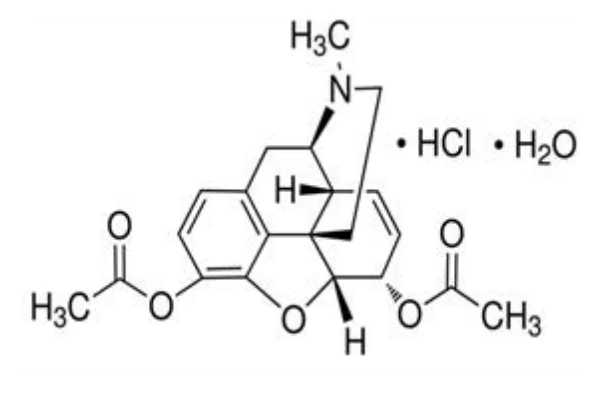
Physicochemical properties:
Physical appearance: White, to off-white crystalline powder.
Solubility: Freely soluble in water; soluble in ethanol, practically insoluble in ether.
14 CLINICAL TRIALS
14.1 Clinical Trial Design by Indication
The effectiveness of supervised, self-injected diacetylmorphine (siOAT) for treatment-refractory heroin-dependent adults is supported by data gathered in the North American Opiate Medication Initiative (NAOMI) Phase III randomized, controlled trial.
Supervised injectable opioid agonist therapy (siOAT) for adult patients with severe, treatment refractory opioid use disorder
In the phase 3 clinical trial (NAOMI Trial) demonstrating the efficacy of supervised injectable diamorphine hydrochloride for severe refractory opioid use disorder, following completion of the dose adjustment phase, diamorphine hydrochloride was administered up to a maximum of 3 times per day, with a mean daily dose prescribed was 465 mg; the mean co-prescribed daily dosage of methadone was 42.7 mg.
Table 6 - Summary of patient demographics for clinical trials in patients with severe, refractory, injection opioid use disorder
| Study # | Study design | Dosage, route of administration and duration | Study subjects (n) | Mean age (Range) | Sex |
| NAOMI | Randomized, open-label, controlled trial | DAM: (i.v) titrated to effect (mean dose received 395.3 ± 171 mg/day) + optimized oral methadone (mean dose received 42.7 mg/day) Methadone (p.o): dosed to effect. Mean dose received: 95.3 ± 41.7 mg/day HM (i.v): titrated to effect; mean daily dose 198 mg + optimized oral methadone (42.7 mg/day) | DAM: 115 Methadone: 111 HM: 25 | 39.7 ± 8.6 years | M: 61.4% F: 38.6% |
Eligible subjects had DSM-IV-confirmed opioid use disorder with ≥5 years of regular opioid use defined as injecting opioids ≥4 days/week in the month prior to enrollment and in 8 of the 12 previous months.
At least 50% of injections during the prior year must have involved heroin. Subjects were recruited from Vancouver, British Columbia and Montreal, Quebec.
Efficacy was measured on two primary endpoints: Treatment Retention, defined as any of the following outcomes at 12 months: (a) compliant with study medication on at least 10 of the 14 days prior to the 12-month date; (b) enrolled in a detoxification program; (c) enrolled in a drug-free program; or (d) confirmed abstinent during this 2 week interval; and Treatment Response, defined as demonstrating ≥20% improvement relative to baseline in illicit drug use and/or criminal justice subscales of the European Addiction Severity Index (EuropASI) (decrease in illicit drug use and/or engagement in illegal activity) and ≥10% deterioration on at most one of the remaining 7 EuropASI subscales relative to baseline.
Table 7 - Results of NAOMI – Treatment Retention and Treatment Response
| Primary Endpoints a | DAM | MMT | Relative Risk (95% CI) |
| Treatment Retention | |||
| Not Retained | 14 (12.2%) | 51 (45.9%) | 1.62 (1.35-1.95) P<0.001 |
| Retained | 101 (87.8%) | 60 (54.1%) | |
| Treatment Response | |||
| Non-responders | 38 (33.0%) | 58 (52.3%) | 1.40 (1.11-1.77) P=0.004 |
| Responder | 77 (67.0%) | 53 (47.7%) | |
a The analysis of retention at 12 months was on an intent-to-treat basis. The 12-month retention rate for each group was calculated as the number in that group retained at 12 months divided by the total number allocated to that group. The 12-month retention rates in the heroin arm and the methadone arm were compared using a two-sample test of proportions (chi-square test). Response rates were compared between the heroin and methadone arms on an intent-to-treat basis. The difference in response rates were analyzed using a two-sample test of proportions (chi-square test) at the 12-month point. Because there were two primary outcomes, the alpha level for significance testing was set at 0.025. Relative risk (RR) and 95% confidence intervals (95% CI) were calculated for both POM.
15 MICROBIOLOGY
No microbiological information is required for this drug product.
16 NON-CLINICAL TOXICOLOGY
No long-term animal studies have been performed to evaluate carcinogenic or mutagenic potential or whether Diacetylmorphine Hydrochloride affects fertility in males or females.
General Toxicology:
The LD50 of diacetylmorphine administered intravenously is 21.8 mg/kg in mouse and 22.5 mg/kg in rat. In dogs, doses of approximately 0.20 mg/kg caused clinical signs, including sedation and respiratory depression. In dogs, doses of 0.58 mg/kg, parenteral diacetylmorphine caused increased duration of effects. Respiratory difficulty and aggressive behaviour with clinical signs lasting up to 8 hours. The minimum lethal dose of heroin for the dog and cat is 25 mg/kg and 20 mg/kg s.c., respectively.
Genotoxicity:
The clastogenic effects of diacetylmorphine has been assessed in pregnant Macaca mulatta monkeys and their offspring. Monkeys in the third trimester were administered daily i.v injections of diacetylmorphine at ascending doses ranging from 0.5 mg/kg to 1.5 mg/kg over a 6-month period that covered the last 3 months of pregnancy and 3 months of the post-partum period, or saline. Analysis of the final blood cultures showed that heroin mothers had a two-fold increase in sister chromatin exchanges compared to control mothers. Aneuploidy in the final blood cultures of heroin-exposed animals (16.0%) was more than double that of the controls (7.0%) (p<0.001). Aneuploidy in the bone marrow of heroin mothers (24.5%) was almost double that of controls (14%) (p<0.001).
Sister chromatin exchanges in blood cultures in heroin babies were significantly increased, with nearly twice as many as the control babies and cultured leukocytes has 10 times as many breaks. Bone marrow analyses showed that aneuploidy in the heroin babies was more than double that of the controls.
Chromosome aberrations levels in newborns 12 h to 31 days postpartum born to heroin-addicted mothers were 6 -7 times higher than control infants.
During metabolization, diacetylmorphine is transformed into morphine. There are clear positive results for the mutagenic potential of morphine; they indicate that morphine has clastogenic action and also deploys this effect on germinal cells. Based on the results of several mutagenicity tests, morphine is considered a mutagenic substance; such an effect must also be assumed in man. Therefore, effective contraception is imperative when administering diacetylmorphine.
Carcinogenicity:
The incidence of cancer in injection opiate users is high. The elevated risk of cancer in this population is thought to be a reflection of the elevated risk of oncogenic viral infection and a decreased immune response in this high-risk population rather than a direct mutagenic and clastogenic effect of opiates. Opioids can have a dose-dependent effect on natural killer (NK) cell cytotoxicity.
Laboratory studies have demonstrated a link between opioid receptor activation and altered angiogenesis and tumor growth in melanoma, lung cancer and human squamous cell carcinoma.
In a murine model of breast cancer xenografts using breast cancer cells (MCF-7) implanted in nude mice, clinically relevant doses of morphine (10 μM) led to significantly increased tumor volumes and increased tumour vascularization (microvessel density, total vessel length, and branching). This effect was inhibited by co-administration of naloxone.
There are no long-term animal studies of carcinogenic potential
Reproductive and Developmental Toxicology:
Exposure to heroin in utero has been associated with neurochemical changes in behavioural centres of the brain in murine and rat models of chronic heroin use. Doses of 10 mg/kg/day in pregnant rodents have been shown to produce changes in apoptotic signalling, upregulation of cholinergic presynaptic transporters and cholinergic activation in the hippocampus and hippocampus-related displayed behavioural deficits of offspring. These results suggest a neurobehavioural teratogenicity associated with chronic pre-natal heroin exposure.
Pregnant Lakeview outbred golden hamsters were administered s.c injection of diacetylmorphine at various doses on days 8, 9, and 10 of gestation. There was a relatively constant percent increase in fetal teratogenic response for each maternal dose level of diacetylmorphine administered. Multiple injections induced a large increase in the percentage of malformed fetuses. Fetuses also had reduced weight compared to controls.
During metabolization, diacetylmorphine is transformed into morphine. Subcutaneous administration of 500 mg/kg of morphine on day 9 of gestation in CF-1 albino mice showed that number of resorptions at this dose was not high, however the total number of partial resorptions was very high. Soft tissue malformations were observed in offspring of morphine-treated mice. Missing from the skull of exencephalic fetal skeletons were frontal, parietal, interparietal, and occipital ossifications. In 6 fetuses, testicular descent was retarded. Some fetuses presented with rib and vertebral fusions.
In mice and hamsters, CNS defects (exencephaly, cranioschisis) were observed after the single application of high doses during the organogenesis phase. In mice, noted disturbances in segmentation, which have been manifested in growths at the coasts and vertebrae have been observed. Following administration of a high dose (70 mg/kg/day) to rats during days 5–20 of gestation, the gestation was only 6%, which suggests effects on the pre implanted embryo or on the implantation process.
Special Toxicology:
In freely moving rats, the self-administration of 100-200 μg/kg of diacetylmorphine was associated with transient changes in oxygen and glucose levels in the NAc. The NAc oxygen level decrease peaked after 2 minutes and returned to baseline 10 minutes after injection. The onset of glucose increase occurred 4-6 mins after administration, following an initial decrease immediately after administration.