


Product Monograph - Suboxone
RECENT MAJOR LABEL CHANGES
| 4 Dosage and Administration, 4.4 Administration | 03/2023 |
|---|---|
| 7 Warnings and Precautions, Gastrointestinal | 03/2023 |
TABLE OF CONTENTS
Sections or subsections that are not applicable at the time of authorization are not listed.
RECENT MAJOR LABEL CHANGES .......................................................................................... 2
TABLE OF CONTENTS ............................................................................................................ 2
PART I: HEALTH PROFESSIONAL INFORMATION .................................................................... 4
1 INDICATIONS ............................................................................................................. 4
1.1 Pediatrics .................................................................................................................. 4
1.2 Geriatrics .................................................................................................................. 4
2 CONTRAINDICATIONS ................................................................................................ 4
3 SERIOUS WARNINGS AND PRECAUTIONS BOX ........................................................... 5
4 DOSAGE AND ADMINISTRATION ................................................................................ 6
4.1 Dosing Considerations ............................................................................................. 6
4.2 Recommended Dose and Dosage Adjustment ........................................................ 7
4.4 Administration ....................................................................................................... 10
4.5 Missed Dose ........................................................................................................... 11
5 OVERDOSAGE .......................................................................................................... 12
6 DOSAGE FORMS, STRENGTHS, COMPOSITION AND PACKAGING .............................. 13
7 WARNINGS AND PRECAUTIONS ............................................................................... 15
7.1 Special Populations ................................................................................................ 24
7.1.1 Pregnant Women ............................................................................................. 24
7.1.2 Breast-feeding .................................................................................................. 25
7.1.3 Pediatrics .......................................................................................................... 25
7.1.4 Geriatrics .......................................................................................................... 26
8 ADVERSE REACTIONS............................................................................................... 26
8.1 Adverse Reaction Overview ................................................................................... 26
8.2 Clinical Trial Adverse Reactions ............................................................................. 27
8.3 Less Common Clinical Trial Adverse Reactions ...................................................... 32
8.5 Post-Market Adverse Reactions ............................................................................. 33
9 DRUG INTERACTIONS .............................................................................................. 34
9.1 Serious Drug Interactions ...................................................................................... 34
9.2 Drug Interactions Overview ................................................................................... 34
9.3 Drug-Behavioural Interactions ............................................................................... 35
9.4 Drug-Drug Interactions .......................................................................................... 36
9.5 Drug-Food Interactions .......................................................................................... 40
9.6 Drug-Herb Interactions .......................................................................................... 40
9.7 Drug-Laboratory Test Interactions......................................................................... 40
10 CLINICAL PHARMACOLOGY ...................................................................................... 40
10.1 Mechanism of Action ....................................................................................... 40
10.2 Pharmacodynamics .......................................................................................... 40
10.3 Pharmacokinetics ............................................................................................. 42
11 STORAGE, STABILITY AND DISPOSAL ........................................................................ 47
12 SPECIAL HANDLING INSTRUCTIONS .......................................................................... 48
PART II: SCIENTIFIC INFORMATION ..................................................................................... 49
13 PHARMACEUTICAL INFORMATION .......................................................................... 49
14 CLINICAL TRIALS ...................................................................................................... 50
14.1 Clinical Trials by Indication .............................................................................. 50
15 MICROBIOLOGY ...................................................................................................... 51
16 NON-CLINICAL TOXICOLOGY .................................................................................... 51
PATIENT MEDICATION INFORMATION ................................................................................ 53
PATIENT MEDICATION INFORMATION ................................................................................ 64
PART I: HEALTH PROFESSIONAL INFORMATION
1 INDICATIONS
SUBOXONE® (buprenorphine and naloxone) is indicated for:
- substitution treatment in adults with problematic opioid drug dependence.
1.1 Pediatrics
Pediatrics (<18 years of age): Based on the data submitted and reviewed by Health Canada, the safety and efficacy of SUBOXONE in pediatric patients has not been established; therefore, Health Canada has not authorized an indication for pediatric use.
1.2 Geriatrics
Geriatrics (> 65 years of age): The safety and efficacy of SUBOXONE have not been established in adults over 65 years of age.
In general, dose selection for an elderly patient should be cautious, usually starting at the low end of the dosing range, reflecting the greater frequency of decreased hepatic, renal, respiratory or cardiac function, concomitant disease or other drug therapy.
2 CONTRAINDICATIONS
- Patients who are hypersensitive to buprenorphine, naloxone, or to any ingredient in the formulation (For a complete listing, see 6 DOSAGE FORMS, STRENGTHS, COMPOSITION AND PACKAGING).
- Opioid naïve patients.
- Patients with severe respiratory insufficiency: e.g., acute or severe bronchial asthma, chronic obstructive airway, status asthmaticus, acute respiratory depression, and/or cor pulmonale.
- Patients with severe hepatic impairment.
- Patients with acute alcoholism or delirium tremens.
- Patients with known or suspected mechanical gastrointestinal obstruction (e.g., bowel obstruction or strictures) or any diseases/conditions that affect bowel transit (e.g., ileus of any type).
- Patients with suspected surgical abdomen (e.g., acute appendicitis or pancreatitis).
- Patients with severe CNS depression, increased cerebrospinal or intracranial pressure, and head injury.
- Patients taking monoamine oxidase (MAO) inhibitors (or within 14 days of such therapy).
- Patients with convulsive or seizure disorders.
3 SERIOUS WARNINGS AND PRECAUTIONS BOX
Serious Warnings and Precautions
|
|---|
|
|---|
4 DOSAGE AND ADMINISTRATION
4.1 Dosing Considerations
- Altering the tablet or film to take it by routes other than the indicated routes can lead to serious adverse events including death. Do not cut, break, crush, swallow or chew SUBOXONE.
Appropriate security measures should be taken to safeguard stocks of SUBOXONE against diversion. SUBOXONE must be dispensed on a daily basis under the supervision of a healthcare professional until the patient has sufficient clinical stability and is able to safely store SUBOXONE take-home doses. |
|---|
- SUBOXONE is indicated for substitution treatment in adults with problematic opioid drug dependence. Naloxone is an antagonist at mu-opioid receptors. The intention of the naloxone component is to deter injection and intranasal misuse and abuse in individuals physically dependent on mu-opioid full agonists.
Opioid drug dependence is a chronic relapsing disease; length of treatment must be
- tailored for each patient depending on his/her condition.
- Patients prescribed SUBOXONE should be carefully monitored within a framework of medical, social, and psychological support as part of a comprehensive opioid-dependence treatment program.
SUBOXONE should only be prescribed by physicians who meet the following requirements:
- 1. Experience in substitution treatment in opioid drug dependence, and
- 2. Completion of a recognized SUBOXONE Training Program.
The SUBOXONE Training Program is a risk management program founded on the following four core components that provide for the safe and effective use of the drug within a framework of medical, social and psychological support:
- o training of the prescribing physicians in the use of SUBOXONE;
- o maintenance of a list of SUBOXONE Training Program trained physicians;
- o daily dosing supervised by a healthcare professional, progressing to unsupervised administration as the patient’s clinical stability permits;
- o take-home doses once the patient has sufficient clinical stability and is able to safely store SUBOXONE. Take-home doses should be assessed and reviewed on a regular basis.
- • Physicians may obtain more information about the SUBOXONE Training Program by calling the following toll-free phone number: 1-877-782-6966.
- • The SUBOXONE Training Program is accessible to HCPs only using the following link: suboxonetrainingprogram.ca.
4.2 Recommended Dose and Dosage Adjustment
Health Canada has not authorized an indication for pediatrics use (See 1.1 Pediatrics)
Induction
Precautions to be taken before induction
Baseline liver function tests and documentation of viral hepatitis status are recommended prior to commencing therapy. Regular monitoring of liver function is recommended.
Prior to induction, consideration should be given to the type of opioid dependence (i.e., long- or short-acting opioid products), the time since last opioid use, and the degree or level of opioid dependence. To avoid precipitating opioid withdrawal, induction with SUBOXONE should be undertaken when objective and clear signs of opioid withdrawal are evident.
Patients taking heroin (or other short-acting opiates)
For patients dependent on heroin or short-acting opioids, the first dose of SUBOXONE should be started when objective signs of moderate opioid withdrawal appear, but not less than 6 hours after the patient last used opioids.
A score equal to or greater than 13 on the Clinical Opiate Withdrawal Scale (COWS) may be a useful reference.
Patients taking methadone (or long-acting opioid products)
For patients receiving methadone, the methadone maintenance dose should be reduced to the minimum methadone daily dose that the patient can tolerate before beginning SUBOXONE therapy. The first SUBOXONE dose should be started only when objective signs of moderate opioid withdrawal appear (e.g., COWS score equal to or greater than 13), and generally not less than 24 hours after the patient last used methadone because of the long half-life of methadone.
Induction dosage
For induction, SUBOXONE tablet and film should only be administered sublingually.
Patients should be started with an initial dose of 2 mg or 4 mg and the dose may be titrated upwards in 2 or 4 mg increments of buprenorphine, at approximately 2‐hour intervals, under supervision. The suggested total dose target on Day 1 is within the range of 8 – 12 mg.
On Day 2, a single daily dose between 8 mg to 16 mg SUBOXONE is recommended.
It is recommended that an adequate treatment dose, titrated to clinical effectiveness, be achieved as rapidly as possible (e.g., over one to two days). In some studies, a too-gradual induction over several days led to a high drop-out rate of buprenorphine patients during the induction period.
During initiation of treatment, closer dosing supervision is recommended to ensure proper sublingual placement of the dose and to observe patient response to treatment as a guide to effective dose titration according to clinical effect.
Patients who have been opioid abstinent and wish to return to treatment should be initiated with a 2 mg SUBOXONE dose and then have their dosages titrated per physician’s judgement.
Maintenance
Dosage stabilisation and maintenance therapy
For maintenance therapy, SUBOXONE film may be administered buccally or sublingually while SUBOXONE tablet should only be administered sublingually.
Following treatment induction, the patient should be rapidly stabilised on an adequate maintenance dose by titrating to clinical effect. Dose titration in increments or decrements of 2 - 8 mg buprenorphine to a level that holds the patient in treatment and suppresses opioid withdrawal is guided by reassessment of the clinical and psychological status of the patient.
Clinical studies have shown that a maintenance dose of 12 mg to 16 mg of SUBOXONE used once daily is clinically effective for most patients. Doses should not exceed a maximum single daily dose of 24 mg.
During maintenance therapy, it may be necessary to periodically re-stabilise the patient to a new maintenance dosage in response to changing patient needs.
Less-than-daily dosing
Following successful induction and after the patient is receiving a stable dose, the frequency of SUBOXONE dosing may be decreased to dosing every other day at twice the individually titrated daily dose. For example, a patient who receives a stable daily dose of 8 mg may be given 16 mg on alternate days, with no medication on the intervening days. However, the dose given on any one day should not exceed 24 mg.
In some patients, following successful induction and after the patient is receiving a stable dose, the frequency of SUBOXONE dosing may be decreased to 3 times a week (for example on Monday, Wednesday and Friday). The dose on Monday and Wednesday should be twice the individually-titrated daily dose, and the dose on Friday should be three times the individually titrated daily dose, with no medication on the intervening days. However, the dose given on any one day should not exceed 24 mg. Patients requiring a titrated dose greater than 8 mg/day may not find this regimen adequate.
Patients with problematic drug dependence upon concomitant CNS-active substances, including alcohol, should not be treated with the increased doses required by the less-than-daily dosing regimen intended for use in a supervised dose setting. Patients with sporadic use of concomitant non-opioid medications should be monitored closely, and all patients dosed on a less-than-daily basis should be observed for at least 1.5 hours following the first dose administration initiating less-than-daily dosing.
Reducing dosage and terminating treatment (medical taper)
The decision to discontinue therapy with SUBOXONE should be made as part of a comprehensive treatment plan. To avoid withdrawal symptoms and potential relapse to illicit drug use, the SUBOXONE dose may be progressively decreased over time until treatment can be discontinued. The decision to taper should be made by the prescriber, patient, and counsellor/support staff. The risk of relapse following withdrawal of treatment should be considered.
To avoid opioid overdose, patients should be informed that reducing and/or discontinuing any opioids including SUBOXONE decreases their tolerance to these drugs. If treatment needs to be re-initiated, the patient must start at the lowest dose and titrate up to avoid overdose.
Dose adjustments for patients with hepatic impairment
SUBOXONE is contraindicated in patients with severe hepatic impairment and may not be appropriate for patients with moderate hepatic impairment. Dose adjustments may be considered in cases of mild to moderate hepatic impairment, and patients should be monitored for signs and symptoms of precipitated opioid withdrawal, toxicity or overdose caused by increased levels of naloxone and / or buprenorphine (see 10.3 Pharmacokinetics).
Dose adjustments for patients with renal impairment
Caution is recommended when dosing patients with severe renal impairment (CLcr <30 mL/min) which may require dose adjustment.
4.4 Administration
It is recommended that the minimum number of tablet(s) or film(s) be used to achieve the dose.
Patients should not swallow or consume food or drink until SUBOXONE is completely dissolved.
Proper administration technique should be described and demonstrated to the patient. SUBOXONE should not be moved after placement.
Advise patients to do the following after the product has completely dissolved in the oral mucosa: take a sip of water, swish gently around the teeth and gums, and swallow. Advise patients to wait for at least one hour after taking SUBOXONE before brushing teeth (see 7 WARNINGS AND PRECAUTIONS, Gastrointestinal).
SUBOXONE Tablet Administration
SUBOXONE tablet should be placed under the tongue until completely dissolved.
When multiple tablets are needed to achieve the prescribed dosage, a patient may place all tablets sublingually at the same time or in two separate portions, the second portion to be placed sublingually directly after the first portion has dissolved.
SUBOXONE Film Administration
For induction, SUBOXONE film should be administered sublingually.
Once induction is complete (typically within 2 days), patients can be switched between buccal and sublingual administration without significant risk of under- or over-dosing. However, patients should be monitored when switching between sublingual and buccal sites of administration.
SUBOXONE film should be placed under the tongue or on the inside of either cheek until completely dissolved. It is advised that patients moisten their mouths prior to dosing.
For sublingual use, when more than one film is necessary to achieve the prescribed dose, the additional film should be placed under the tongue on the opposite side from the first film avoiding overlapping or stacking the films. If a third film is necessary to achieve the prescribed dose, it should be placed under the tongue after the first two films have dissolved.
For buccal use, when more than one film is necessary to achieve the prescribed dose, an additional film should be placed on the inside of the opposite cheek. If a third film is necessary to achieve the prescribed dose, it should be placed on the inside of the right or left cheek after the first two films have dissolved.
No more than two films should be administered at the same time.
SUBOXONE film should be used immediately upon opening and not stored for any length of time. Avoid manipulating the film with wet hands.
Switching Between SUBOXONE Tablet and SUBOXONE Film
When switching from tablet to film, SUBOXONE film should be administered sublingually. Patients who are stabilized on sublingually-administered film can be switched to buccally-administered film.
Patients being switched between SUBOXONE tablet and SUBOXONE film should be started on the same dosage of the previously administered product. However, dosage adjustments may be necessary when switching between the tablet and film and other buprenorphine products. Not all strengths and combinations of the SUBOXONE film are bioequivalent to SUBOXONE tablet as observed in pharmacokinetic studies with both the 8 mg / 2 mg and the 12 mg / 3 mg films leading to significantly higher plasma levels of buprenorphine and naloxone compared to the same dose of tablets (see 10.3 Pharmacokinetics).
Patients should be monitored for symptoms related to over-dosing when switching from tablet to film or under-dosing when switching from film to tablet.
Combining different formulations or alternating between film and tablet formulations is not advised.
Switching Between Sublingual and Buccal Sites of Administration (Film only)
The systemic exposure of buprenorphine between buccal and sublingual administration of SUBOXONE film is similar. Therefore, once induction is complete (typically within 2 days), patients can switch between buccal and sublingual administration without significant risk of under- or over-dosing. However, patients should be monitored when switching between sublingual and buccal sites of administration.
Clinical Supervision
It is recommended that treatment be initiated with supervised administration progressing to unsupervised administration as the patient’s clinical stability permits. During the initiation of treatment, closer supervision of dosing is recommended to ensure proper sublingual placement of the dose and to observe patient response to treatment as a guide to effective dose titration according to clinical effect.
As the patient becomes stabilised in treatment, longer intervals between patient assessments may be appropriate based upon patient compliance with treatment, effectiveness of the treatment plan, and overall patient progress. It is also recommended that the prescription quantity for unsupervised administration be determined with consideration for the frequency of patient visits and the patient’s ability to manage supplies of take-home medication.
4.5 Missed Dose
Missed doses are notable as they may contribute to a loss of tolerance to buprenorphine. The more doses a patient misses, the greater the loss of tolerance. Patients should be reassessed to ensure they are receiving an appropriate dose on resumption of SUBOXONE treatment. The resumption dose may need to be adjusted back to levels used during SUBOXONE induction.
If the patient has relapsed to full agonist opioids, the patient should be advised to suspend resumption of their SUBOXONE until they are in moderate opioid withdrawal due to the risk of precipitated withdrawal.
5 OVERDOSAGE
Clinical Presentation
Signs and symptoms of opioid overdose include miosis (pinpoint pupils), sedation, hypotension, toxic leukoencephalopathy, delayed post-hypoxic leukoencephalopathy, respiratory depression, and death. Nausea and vomiting may be observed.
The major symptom requiring intervention is respiratory depression, which could lead to respiratory arrest and death.
Treatment of Overdose
In the event of overdose, general supportive measures should be instituted, including close monitoring of respiratory and cardiac status of the patient. Symptomatic treatment of respiratory depression, following standard intensive care measures, should be performed. A patent airway and assisted or controlled ventilation must be assured. The patient should be transferred to an environment where full resuscitation facilities are available.
If the patient vomits, care must be taken to prevent aspiration of the vomitus.
Due to the extremely slow dissociation of buprenorphine from opioid receptors, naloxone even at high doses of 10-35 mg/70 kg may be of limited value in the management of buprenorphine overdose. Use of an opioid antagonist (e.g., naloxone) is nevertheless recommended, despite the modest effect it may have in reversing the respiratory symptoms of buprenorphine compared to its effects on full agonist opioid agents.
If naloxone is used, the long duration of action of buprenorphine should be taken into consideration when determining the length of treatment and medical surveillance needed to reverse the effects of an overdose. Naloxone can be cleared more rapidly than buprenorphine, allowing for a return of previously controlled buprenorphine overdose symptoms, so a continuing infusion may be necessary. Ongoing IV infusion rates should be titrated to patient response. If infusion is not possible, repeated dosing with naloxone may be required. Carefully monitor the patient until spontaneous respiration is reliably re-established. Even in the face of improvement, continued medical monitoring is required for at least 24 hours because of the possibility of extended effects of buprenorphine.
| For management of a suspected drug overdose, contact your regional poison control centre. |
|---|
6 DOSAGE FORMS, STRENGTHS, COMPOSITION AND PACKAGING
Table 1 - Dosage Forms, Strengths, Composition and Packaging
| Route of Administration | Dosage Form / Strength / Composition | Packaging | Non-medicinal Ingredients |
|---|---|---|---|
| Sublingual use | Sublingual tablet 2 mg / 0.5 mg: 2 mg buprenorphine/ 0.5 mg naloxone | White to creamy white hexagon (6 sided) tablet with ‘N2’ printed on the one side. Each box contains 4 unit-dose blisters of 7 tablets each. 28 tablets per box. | Acesulfame potassium; anhydrous citric acid; lactose monohydrate; magnesium stearate; mannitol; natural lemon & lime flavour; povidone K30; sodium citrate; starch, corn. |
| Sublingual tablet 8 mg / 2 mg: 8 mg buprenorphine/ 2 mg naloxone | White to creamy white hexagon (6 sided) tablet with ‘N8’ printed on the one side. Each box contains 4 unit-dose blisters of 7 tablets each. 28 tablets per box. | ||
| Sublingual tablet 12 mg / 3 mg: 12 mg buprenorphine/ 3 mg naloxone | White to creamy white round tablet with “N12” printed on the one side. Each box contains 4 unit-dose blisters of 7 tablets each. 28 tablets per box. | ||
| Sublingual tablet 16 mg / 4 mg: 16 mg buprenorphine/ 4 mg naloxone | White to creamy white round tablet with “N16” printed on the one side. Each box contains 4 unit-dose blisters of 7 tablets each. 28 tablets per box. | ||
| Sublingual use or Buccal use | Film, soluble 2 mg / 0.5 mg: 2 mg buprenorphine / 0.5 mg naloxone | Orange rectangle film, nominal dimensions 22.0 mm x 12.8 mm, with a white printed logo (N2). Each film is packaged in an individually sealed child-resistant foil pouch. 30 films per box. | Acesulfame potassium; anhydrous citric acid; hypromellose, unspecified; macrogol; maltitol; natural lime flavour; sodium citrate; Sunset yellow; white ink. |
| Film, soluble 4 mg / 1 mg: 4 mg buprenorphine / 1 mg | Orange rectangle film, nominal dimensions 22.0 mm x 25.6 mm, with a | ||
| Route of Administration | Dosage Form / Strength / Composition | Packaging | Non-medicinal Ingredients |
|---|---|---|---|
| naloxone | white printed logo (N4). Each film is packaged in an individually sealed child-resistant foil pouch. 30 films per box. | ||
| Film, soluble 8 mg / 2 mg: 8 mg buprenorphine / 2 mg naloxone | Orange rectangle film, nominal dimensions 22.0 mm x 12.8 mm, with a white printed logo (N8). Each film is packaged in an individually sealed child-resistant foil pouch. 30 films per box. | ||
| Film, soluble 12 mg / 3 mg: 12 mg buprenorphine / 3 mg naloxone | Orange rectangle film, nominal dimensions 22.0 mm x 19.2 mm, with a white printed logo (N12). Each film is packaged in an individually sealed child-resistant foil pouch. 30 films per box. | ||
7 WARNINGS AND PRECAUTIONS
Please see 3 SERIOUS WARNINGS AND PRECAUTIONS BOX.
General
SUBOXONE is indicated for substitution treatment in adults with problematic opioid drug dependence, and, as with other opioid substitution medications, should be used within the framework of medical, social and psychological support as part of a comprehensive opioid-dependence treatment program.
As with other opioids, SUBOXONE should be used with caution in patients with the following conditions:
- myxedema, hypothyroidism, or adrenal cortical insufficiency (e.g., Addison's disease);
- toxic psychoses;
- hypotension, prostatic hypertrophy or urethral stricture.
Opioid-induced miosis, changes in the level of consciousness, or changes in the perception of pain as a symptom of disease, may interfere with patient evaluation or obscure the diagnosis or clinical course of concomitant disease. Opioids should be administered with caution to elderly or debilitated patients (see 7.1.4 Geriatrics).
Addiction, Abuse, and Misuse
SUBOXONE contains buprenorphine, a substance that can be misused or abused in a manner similarly to other opioids, legal or illicit, which can lead to overdose and death. This risk is increased with the abuse of buprenorphine and alcohol and other substances, especially benzodiazepines. Consider these risks and the patient’s stability in treatment for opioid use disorder when determining whether SUBOXONE is appropriate for the patient. Buprenorphine is sought by people with opioid use disorders and is subject to criminal diversion. This should be considered when prescribing SUBOXONE in situations when the clinician is concerned about an increased risk of misuse, abuse, or diversion.
Prescribe and dispense SUBOXONE with appropriate precautions to minimize risk of misuse, abuse, or diversion, and ensure appropriate protection from theft, including in the patient’s home. Clinical monitoring appropriate to the patient’s level of stability and periodic re-evaluation of therapy is essential. Multiple refills should not be prescribed early in treatment and should be given only with appropriate patient follow-up visits.
Monitor all patients receiving SUBOXONE and refer patients who have conditions indicative of diversion or progression of opioid dependence and addictive behaviors to more intensive and structured treatments for substance use.
Sub-optimal treatment with SUBOXONE may prompt medication misuse by the patient, leading to overdose or treatment dropout. A patient who is under-dosed with SUBOXONE may continue responding to uncontrolled withdrawal symptoms by self-medicating with opioids, alcohol or sedative-hypnotics such as benzodiazepines.
The combining of buprenorphine with naloxone in SUBOXONE is intended to deter misuse and abuse of the buprenorphine. Intravenous or intranasal misuse of SUBOXONE is expected to be less likely than with buprenorphine alone since the naloxone in SUBOXONE can precipitate withdrawal in individuals dependent on heroin, methadone, or other opioid agonists.
Some risks of misuse and abuse include overdose, respiratory depression and hepatic injury, and spread of blood borne viral infections. Some adverse effects attributed to the act of misuse rather than the medicinal product have included: local reactions, such as cellulitis or abscess that are sometimes septic, potentially serious acute hepatitis, pneumonia, endocarditis, and other serious infections.
Extra precautions are required in patients dependent upon concomitant CNS-active substances, including alcohol, and patients with sporadic use of concomitant non-opioid medications.
Carcinogenesis and Mutagenesis
See 16 NON-CLINICAL TOXICOLOGY.
Cardiovascular
Hypotension
SUBOXONE may cause orthostatic hypotension in ambulatory patients.
SUBOXONE administration may result in severe hypotension in patients whose ability to maintain adequate blood pressure is compromised by reduced blood volume, or concurrent administration of drugs such as phenothiazines, and other tranquilizers, sedatives/hypnotics, tricyclic antidepressants or general anesthetics. These patients should be monitored for signs of hypotension after initiating or titrating the dose of SUBOXONE.
QTc prolongation
Products containing buprenorphine have been shown to be associated with QTc prolongation.
SUBOXONE should not be used in patients with a history of Long QT Syndrome or an immediate family member with this condition, or those taking Class IA antiarrhythmic medications (e.g., quinidine, procainamide, disopyramide), Class IC antiarrhythmic medications (e.g., flecainide, propafenone) or Class III antiarrhythmic medications (e.g., amiodarone).
QTc prolongation may lead to an increased risk of ventricular arrhythmias including torsade de pointes. Torsade de pointes is a polymorphic ventricular tachyarrhythmia. Generally, the risk of torsade de pointes increases with the magnitude of QTc prolongation produced by the drug. Torsade de pointes may be asymptomatic or experienced by the patient as dizziness, palpitations, syncope, or seizures. If sustained, torsade de pointes can progress to ventricular fibrillation and sudden cardiac death. Particular care should be exercised when prescribing SUBOXONE to patients who are suspected to be at an increased risk of experiencing torsade de pointes during treatment with a QTc-prolonging drug (see 9 DRUG INTERACTIONS).
Risk factors for torsade de pointes in the general population include, but are not limited to, the following: female gender; age ≥65 years; baseline prolongation of the QTc interval; presence of pathological genetic variants affecting cardiac ion channels or regulatory proteins, especially congenital long QT syndromes; family history of sudden cardiac death at <50 years of age; cardiac disease (e.g., myocardial ischemia or infarction, congestive heart failure, cardiomyopathy, conduction system disease); history of arrhythmias; electrolyte disturbances (e.g., hypokalemia, hypomagnesemia, hypocalcemia) or conditions leading to electrolyte disturbances (e.g., persistent vomiting, eating disorders); bradycardia; acute neurological events (e.g., intracranial or subarachnoid haemorrhage, stroke, intracranial trauma); diabetes mellitus; and autonomic neuropathy.
When drugs that prolong the QTc interval are prescribed, healthcare professionals should counsel their patients concerning the nature and implications of the ECG changes, underlying diseases and disorders that are considered to represent risk factors, demonstrated and predicted drug-drug interactions, symptoms suggestive of arrhythmia, risk management strategies, and other information relevant to the use of the drug. Patients should be advised to contact their healthcare provider immediately to report any new chest pain or discomfort, changes in heartbeat, palpitations, dizziness, light-headedness, fainting, or changes in or new use of other medications.
The use of SUBOXONE in patients with circulatory shock should be avoided as it may cause vasodilation that can further reduce cardiac output and blood pressure.
Dependence/Tolerance
7.1 Buprenorphine is a partial agonist at the mu-opioid receptor and chronic administration produces physical dependence with or without psychological dependence, characterized by withdrawal upon abrupt discontinuation or rapid taper. Withdrawal (abstinence) symptoms may include body aches, diarrhea, gooseflesh, loss of appetite, nausea, nervousness or restlessness, runny nose, sneezing, tremors or shivering, stomach cramps, tachycardia, trouble with sleeping, unusual increase in sweating, palpitations, unexplained fever, weakness and yawning (see 8.2 Clinical Trial Adverse ReactionsClinical Trial Adverse Reactions
). The withdrawal syndrome is typically milder than seen with full agonists and may be delayed in onset.
Patients who elect to discontinue treatment with SUBOXONE should be monitored for withdrawal signs and symptoms.
Driving and Operating Machinery
SUBOXONE may impair the mental and/or physical abilities needed for certain potentially hazardous activities such as driving a car or operating machinery.
Patients should be cautioned about operating hazardous machinery and automobiles, until they are reasonably certain that SUBOXONE therapy does not adversely affect their ability to engage in such activities.
SUBOXONE may cause orthostatic hypotension, drowsiness, dizziness, or impaired thinking, especially during treatment induction and dose adjustment. If used together with alcohol or central nervous system depressants (such as benzodiazepines, tranquilizers, sedatives or hypnotics), the effect is likely to be more pronounced.
Endocrine and Metabolism
Adrenal Insufficiency
Cases of adrenal insufficiency have been reported with opioid use, more often following long term use. Presentation of adrenal insufficiency may include non-specific symptoms and signs including nausea, vomiting, anorexia, fatigue, weakness, dizziness, and low blood pressure. If adrenal insufficiency is suspected, confirm the diagnosis with diagnostic testing as soon as possible. If adrenal insufficiency is diagnosed, treat with physiologic replacement doses of corticosteroids. Wean the patient off the opioid to allow adrenal function to recover and continue corticosteroid treatment until adrenal function recovers.
Gastrointestinal
Buprenorphine, a component of SUBOXONE, and other morphine-like opioids have been shown to decrease bowel motility and increase intracholedochal pressure. SUBOXONE may obscure the diagnosis or clinical course of patients with acute abdominal conditions, and should be administered with caution to patients with dysfunction of the biliary tract.
Dental Adverse Events
Cases of dental caries, some severe (i.e., tooth fracture, tooth loss), have been reported following the use of transmucosal buprenorphine‐containing products. Reported events include cavities, tooth decay, dental abscesses/infection, rampant caries, tooth erosion, fillings falling out, and, in some cases, total tooth loss. Treatment for these events included tooth extraction, root canal, dental surgery, as well as other restorative procedures (i.e., fillings, crowns, implants, dentures). Multiple cases were reported in individuals without any prior history of dental problems. However, the causality has not been established in all the cases.
Refer patients to dental care services and encourage them to have regular dental checkups while taking SUBOXONE. Educate patients to seek dental care and strategies to maintain or improve oral health while being treated with transmucosal buprenorphine‐containing products. Strategies include, but are not limited to, gently rinsing the teeth and gums with water and then swallowing after SUBOXONE has been completely dissolved in the oral mucosa. Advise patients to wait for at least one hour after taking SUBOXONE before brushing teeth (see 4.4 Administration).
Hepatic/Biliary/Pancreatic
Cases of cytolytic hepatitis and hepatitis with jaundice have been observed in individuals receiving buprenorphine in clinical trials and through post-marketing adverse event reports. The spectrum of abnormalities ranges from transient asymptomatic elevations in hepatic transaminases to case reports of hepatic failure, hepatic necrosis, hepatorenal syndrome, hepatic encephalopathy and death. In many cases, the presence of pre-existing liver enzyme abnormalities, infection with hepatitis B or hepatitis C virus, concomitant usage of other potentially hepatotoxic drugs, and ongoing injection drug use may have played a causative or contributory role. In other cases, insufficient data were available to determine the etiology of the abnormality. Withdrawal of buprenorphine has resulted in amelioration of acute hepatitis in some cases; however, in other cases no dose reduction was necessary. The possibility exists that buprenorphine had a causative or contributory role in the development of the hepatic abnormality in some cases. Liver function tests, prior to initiation of treatment are recommended to establish a baseline. Periodic monitoring of liver function during treatment is also recommended. A biological and etiological evaluation is recommended when a hepatic event is suspected. Depending on the case, SUBOXONE may need to be carefully discontinued to prevent withdrawal signs and symptoms and a return by the patient to illicit drug use, and strict monitoring of the patient should be initiated.
Immune
Allergic Reactions
Cases of acute and chronic hypersensitivity to buprenorphine have been reported both in clinical trials and in the post-marketing experience. The most common signs and symptoms include rashes, urticaria, and pruritus. Cases of bronchospasm, angioedema, and anaphylactic shock have been reported. A history of hypersensitivity to buprenorphine or naloxone or any component of the formulation is a contraindication to SUBOXONE use.
Monitoring and Laboratory Tests
Baseline liver function tests and documentation of viral hepatitis status are recommended prior to commencing therapy. Regular monitoring of liver function is recommended. Patients who are positive for viral hepatitis, on concomitant medicinal products and/or have existing liver dysfunction are at greater risk of liver injury.
Neonatal Opioid Withdrawal Syndrome (NOWS)
Neonatal opioid withdrawal syndrome (NOWS) is an expected and treatable outcome of prolonged use of opioids during pregnancy, whether that use is medically-authorized or illicit. Unlike the opioid withdrawal syndrome in adults, the NOWS may be life-threatening if not recognized and treated in the neonate. Healthcare professionals should observe newborns for signs of NOWS and manage accordingly.
NOWS may present as irritability, hyperactivity and abnormal sleep pattern, high pitched cry, tremor, vomiting, diarrhea, and/or failure to gain weight. Signs of neonatal withdrawal usually occur in the first days after birth. The duration and severity of NOWS may vary. Due to the long half-life of buprenorphine, neonatal monitoring for several days should be considered at the end of pregnancy to minimize the risk of respiratory depression or withdrawal syndrome in neonates. Based on the currently available data, the incidence of NOWS is not clear and there does not appear to be a dose-response relationship.
Advise pregnant women receiving opioid addiction treatment with SUBOXONE of the risk of a NOWS and ensure that appropriate treatment for the newborn will be available.
This risk of NOWS and the risk of exposure to SUBOXONE during pregnancy must be balanced against the risk of untreated opioid addiction. The decision to discontinue SUBOXONE therapy during pregnancy should be made as part of a comprehensive treatment plan (see 7.2.1
Pregnant Women).
Neurologic
Interactions with Central Nervous System Depressants (including benzodiazepines and alcohol): Buprenorphine should be used with caution during concomitant administration of other opioids, general anesthetics, phenothiazines and other tranquilizers, sedative-hypnotics, tricyclic antidepressants, antipsychotics, antihistamines, benzodiazepines, centrally-active anti-emetics and other CNS depressants. Respiratory depression, hypotension and profound sedation, coma or death may result.
Observational studies have demonstrated that concomitant use of opioids and benzodiazepines increases the risk of drug-related mortality compared to use of opioids alone. Because of similar pharmacological properties, it is reasonable to expect similar risk with the concomitant use of other CNS depressant drugs with opioids (see 9 DRUG INTERACTIONS). If the decision is made to prescribe a benzodiazepine or other CNS depressant concomitantly with an opioid, prescribe the lowest effective dosages and minimum durations of concomitant use. In patients already receiving an opioid, prescribe a lower initial dose of the benzodiazepine or other CNS depressant than indicated in the absence of an opioid, and titrate based on clinical response. If an opioid is initiated in a patient already taking a benzodiazepine or other CNS depressant, prescribe a lower initial dose of the opioid, and titrate based on clinical response. Follow patients closely for signs and symptoms of respiratory depression and sedation.
Advise both patients and caregivers about the risks of respiratory depression and sedation when SUBOXONE is used with benzodiazepines or other CNS depressants (including alcohol and illicit drugs). Advise patients not to drive or operate heavy machinery until the effects of concomitant use of the benzodiazepine or other CNS depressant have been determined. Screen patients for risk of substance use disorders, including opioid abuse and misuse, and warn them of the risk for overdose and death associated with the use of additional CNS depressants including alcohol and illicit drugs (see 9 DRUG INTERACTIONS).
SUBOXONE should not be consumed with alcohol as it may increase the chance of experiencing dangerous side effects, including death (see 2 CONTRAINDICATIONS and 8 ADVERSE REACTIONS and 9 DRUG INTERACTIONS).
Serotonin Toxicity / Serotonin Syndrome:
Serotonin toxicity, also known as serotonin syndrome, is a potentially life-threatening condition and has been reported with buprenorphine, including SUBOXONE, particularly during combined use with other serotonergic drugs (See 9 DRUG INTERACTIONS). Serotonin toxicity is characterised by neuromuscular excitation, autonomic stimulation (e.g., tachycardia, flushing) and altered mental state (e.g., anxiety, agitation, hypomania). In accordance with the Hunter Criteria, serotonin toxicity diagnosis is likely when, in the presence of at least one serotonergic agent, one of the following is observed:
- Spontaneous clonus
- Inducible clonus or ocular clonus with agitation or diaphoresis
- Tremor and hyperreflexia
- Hypertonia and body temperature >38°C and ocular clonus or inducible clonus.
If concomitant treatment with SUBOXONE and other serotonergic agents is clinically warranted, careful observation of the patient is advised, particularly during treatment initiation and dose increases (see 9 DRUG INTERACTIONS). If serotonin toxicity is suspected, discontinuation of the serotonergic agents should be considered.
Elevation of Cerebrospinal Fluid Pressure
Buprenorphine, like other opioids, may elevate cerebrospinal fluid pressure and should be used with caution in patients with a history of seizure, head injury, intracranial lesions, and other circumstances when cerebrospinal pressure may be increased. Buprenorphine can produce miosis and changes in the level of consciousness, or changes in the perception of pain as a symptom of disease and may interfere with patient evaluation or obscure the diagnosis or clinical course of concomitant disease. As buprenorphine is an opioid, pain as a symptom of disease may be attenuated.
Peri-Operative Considerations
SUBOXONE is not indicated for the treatment of pain. There have been reported deaths of opioid‐naïve individuals who received a 2 mg dose of buprenorphine as a sublingual tablet for analgesia.
Pain Management
While on SUBOXONE, situations may arise where patients need acute pain management, or may require anesthesia. Treat patients receiving SUBOXONE with a non-opioid analgesic whenever possible. Patients requiring opioid therapy for analgesia may be treated with a high-affinity full opioid analgesic under the supervision of a physician, with particular attention to respiratory function. Higher doses may be required for analgesic effect. Therefore, a higher potential for toxicity exists with opioid administration. If opioid therapy is required as part of anesthesia, patients should be continuously monitored in an anesthesia care setting by persons not involved in the conduct of the surgical or diagnostic procedure. The opioid therapy should be provided by individuals specifically trained in the use of anesthetic drugs and the management of the respiratory effects of potent opioids, specifically the establishment and maintenance of a patent airway and assisted ventilation.
Advise patients of the importance of instructing their family members, in the event of emergency, to inform the treating healthcare provider or emergency room staff that the patient is physically dependent on an opioid and that the patient is being treated with SUBOXONE.
Precipitation of Opioid Withdrawal Syndrome
Because of the partial agonist properties of buprenorphine, SUBOXONE can precipitate withdrawal symptoms in opioid-dependent patients if administered before the agonist effects resulting from recent opioid use or misuse have subsided.
To avoid precipitating an opioid withdrawal syndrome during induction onto SUBOXONE from short-acting or long-acting opioids, the patient should show objective signs and symptoms of at least moderate withdrawal prior to induction dosing. For example, a moderate score of withdrawal, equal or greater than 13 on the Clinical Opiate Withdrawal Scale (COWS) may be a useful reference assessment.
Withdrawal symptoms may also be associated with sub-optimal dosing.
Because it contains naloxone, SUBOXONE may produce marked and intense withdrawal signs and symptoms if misused or abused intranasally or by injection by individuals dependent on full opioid agonists such as heroin, morphine or methadone.
Renal
Renal elimination plays a relatively minor role (see 10.3 Pharmacokinetics) in the overall clearance of buprenorphine; therefore, dose modification based on renal function is not required. However, metabolites of buprenorphine accumulate in patients with advanced renal failure and caution is recommended when dosing patients with severe renal impairment (CLcr <30 mL/min) which may require dose adjustment.
The effects of renal failure on naloxone pharmacokinetics are unknown.
Reproductive Health: Female and Male Potential
Fertility
Dietary administration of buprenorphine in the rat at dose levels of 500 ppm or greater (equivalent to approximately 47 mg/kg/day or greater; estimated exposure approximately 28 times the recommended human daily sublingual dose of 16 mg on a mg/m2 basis) produced a reduction in fertility demonstrated by reduced female conception rates. A dietary dose of 100 ppm (equivalent to approximately 10 mg/kg/day; estimated exposure approximately 6 times the recommended human daily sublingual dose of 16 mg on a mg/m2 basis) had no adverse effect on fertility.
Sexual Function/Reproduction
Long-term use of opioids may be associated with decreased sex hormone levels and symptoms such as low libido, erectile dysfunction, or infertility (see 8 ADVERSE REACTIONS).
Respiratory
Life-Threatening Respiratory Depression
Clinically significant respiratory depression and death may occur in patients receiving SUBOXONE. A number of cases of death due to respiratory depression have been reported, particularly when buprenorphine was used by IV route and in combination with benzodiazepines, when high dose buprenorphine was administered to individuals not physically dependent on opioids, or with concomitant administration of buprenorphine with other depressants such as alcohol or other opioids. Deaths have also been reported in association with concomitant administration of buprenorphine and other CNS depressants. Patients should be warned of the potential danger of the self-administration of benzodiazepines or other depressants while under treatment with SUBOXONE, particularly when SUBOXONE is misused or abused.
Infants exposed in-utero or through breast milk are at risk of life-threatening respiratory depression upon delivery or when nursed (see 7.2 Special Populations). SUBOXONE may cause severe, possibly fatal, respiratory depression in children who accidentally ingest it. Protect children against exposure and access (see 12 SPECIAL HANDLING INSTRUCTIONS).
SUBOXONE should be used with caution in patients with compromised respiratory function (e.g., decreased respiratory reserve, hypoxia, hypercapnia, or kyphoscoliosis), in the elderly and in debilitated patients. Patients with the physical and/or pharmacological risk factors above should be monitored, and dose reduction may be considered.
Opioids can cause sleep-related breathing disorders including central sleep apnea (CSA) and sleep-related hypoxemia. Opioid use increases the risk of CSA in a dose-dependent fashion. In patients who present with CSA, consider decreasing the opioid dosage using best practices for opioid taper (see 4 DOSAGE AND ADMINISTRATION).
In the case of overdose, primary management should be the re-establishment of adequate ventilation with mechanical assistance of respiration, as required. In patients with respiratory depression, symptomatic treatment following standard intensive care measures should be instituted (see 5 OVERDOSAGE).
Information for Patients
- Patients should be advised to keep SUBOXONE out of reach and sight of children to prevent accidental ingestion that can result in death. Patients should be advised not to take this medicine in front of children. Patients should be advised that if a child is exposed to SUBOXONE, medical attention should be sought immediately.
- Patients should be warned that it is extremely dangerous to self-administer non-prescribed benzodiazepines, sedatives, tranquilizers, antidepressants or alcohol while taking SUBOXONE, which may result in serious harm or death. Patients prescribed benzodiazepines or other CNS depressants should be cautioned to use them only as directed by their physician.
- Patients should inform their physician if other prescription medications are currently being used or are prescribed for future use.
- Patients should be cautioned to keep SUBOXONE in a safe place, and to protect it from theft. Patients should be advised never to give SUBOXONE to anyone else, as it may cause harm or death. Selling or giving away this medicine is against the law.
- Patients should inform their family members that, in the event of overdose, the treating physician or emergency staff should be informed that the patient is physically dependent on narcotics and is being treated with SUBOXONE.
- Patients should be cautioned about driving a car or operating hazardous machinery, including automobiles, until they are reasonably certain that SUBOXONE therapy does not adversely affect their ability to engage in such activities. SUBOXONE may impair the mental or physical abilities required for the performance of potentially dangerous tasks such as driving or operating machinery, especially during drug induction and dose adjustment.
- Patients should be cautioned that, like other opioids, SUBOXONE may cause orthostatic hypotension in ambulatory individuals.
- Patients should be advised not to change the dosage of SUBOXONE without consulting their physician.
- Patients should be informed that SUBOXONE can cause opioid drug dependence and that opioid withdrawal signs and symptoms may occur when the medication is discontinued. Patients seeking to discontinue treatment with buprenorphine for opioid dependence should be advised to work closely with their physician on a tapering schedule and should be apprised of the potential to relapse.
- Women of childbearing potential, who become pregnant or are planning to become pregnant, should be advised to consult their physician regarding the possible risks to their baby if they are exposed to SUBOXONE during pregnancy. Patients who are breastfeeding should be warned to monitor the infant for drowsiness and difficulty breathing.
- Athletes should be aware that this medicine may cause a positive reaction to "anti-doping tests" and should inform the authorities that they are being treated with SUBOXONE.
7.2 Special Populations
7.2.1 Pregnant Women
Limited published data from clinical trials, observational studies, and case reports on the use of buprenorphine in pregnancy do not indicate an increased risk of major malformations. Buprenorphine can cross the placental barrier and can be life-threatening to the fetus. There are no adequate and well-controlled studies of SUBOXONE use in pregnant women; therefore, it should be used during pregnancy only if the potential benefit to the mother justifies the potential risk to the fetus.
Prolonged maternal use of opioids during pregnancy can result in withdrawal signs in the neonate. Neonatal Opioid Withdrawal Syndrome (NOWS), unlike opioid withdrawal syndrome in adults, may be life-threatening (see 7 WARNING AND PRECAUTIONS, Neonatal Opioid Withdrawal Syndrome).
Pregnant women using SUBOXONE should not discontinue their medication abruptly as this can cause pregnancy complication such as miscarriage or still-birth. If SUBOXONE is discontinued, tapering should be slow and under medical supervision to avoid serious adverse events to the fetus, withdrawal symptoms in the pregnant woman and potential relapse to illicit drug use. The decision to discontinue SUBOXONE therapy during pregnancy should be made by the prescriber, patient, and counsellor/support staff as part of a comprehensive treatment plan. The risk of relapse following withdrawal of treatment should be considered (see 7 WARNINGS AND PRECAUTIONS) Healthcare professionals should continue to meet with patients throughout their pregnancy to monitor the management of the opioid addiction, to minimize the risk of reintroducing opioids and to reinstate SUBOXONE at the appropriate dose if required (see 4 DOSAGE AND ADMINISTRATION).
Dosage adjustments of buprenorphine may be required during pregnancy, even if the patient was maintained on a stable dose prior to pregnancy. Withdrawal signs and symptoms should be monitored closely, and the dose adjusted as necessary. If the pregnant woman has chosen to discontinue treatment at any point during her pregnancy or postpartum period (see Reducing dosage and terminating treatment (medical taper)), and subsequently chooses to restart treatment, the treatment should be initiated with 2 mg and then titrated per physician’s judgement.
Reproductive and developmental studies in rats and rabbits identified adverse events at clinically relevant doses. Pre- and post-natal development studies in rats demonstrated dystocia, increased neonatal deaths, and developmental delays. No clear teratogenic effects were seen with a range of doses equivalent to or greater than the human dose. However, in a few studies, some events such as acephalus, omphalocele, and skeletal abnormalities were observed but these findings were not clearly treatment-related. Embryo-fetal death was also observed in both rats and rabbits.
Labor and Delivery
Since opioids can cross the placental barrier and are excreted in breast milk, SUBOXONE is not recommended to be used during labour and delivery unless, in the judgement of the physician, the potential benefits outweigh the risks. Life-threatening respiratory depression may occur in the newborn if any opioid is administered to the mother during pregnancy. This risk is further increased if another opioid is administered during labour and delivery. Closely monitor neonates for signs of respiratory depression. An opioid antagonist such as naloxone should be available for reversal of opioid induced respiratory depression in the neonate. Naloxone dosing in neonates should be conducted with caution to avoid triggering an iatrogenic acute NOWS (see 7 WARNING AND PRECAUTIONS, Neonatal Opioid Withdrawal Syndrome).
7.2.2 Breast-feeding
There are no data on the combination product buprenorphine/naloxone in breastfeeding, however oral absorption of naloxone is limited. Buprenorphine and its metabolite norbuprenorphine are excreted in human milk and infant urine. Limited data from two published studies that included 13 lactating women in total, who were maintained on a sublingual dose of 2.4 to 24 mg/day, did not report adverse reactions in infants exposed to buprenorphine through breast milk and suggest that infant buprenorphine exposure through breast milk is less than 1% of the maternal daily dose.
Caution should be exercised when SUBOXONE is administered to a nursing woman. The developmental and health benefits of breastfeeding should be considered along with the mother’s clinical need for SUBOXONE and any potential adverse effects on the breastfed child from the drug or from the underlying maternal condition. Nursing mothers taking SUBOXONE should be advised to monitor the infant for increased drowsiness and breathing difficulties and infants should be regularly monitored by a health care professional.
Life-threatening respiratory depression may occur in the neonate if opioids are administered to a nursing mother.
7.2.3 Pediatrics
Based on the data submitted and reviewed by Health Canada, the safety and efficacy of SUBOXONE in pediatric patients has not been established; therefore, Health Canada has not authorized an indication for pediatric use.
7.2.4 Geriatrics
The safety and efficacy of SUBOXONE have not been established in adults over 65 years of age.
In general, dose selection for an elderly patient should be cautious, usually starting at the low end of the dosing range and titrating upwards slowly, reflecting the greater frequency of decreased hepatic, renal, or cardiac function, and of concomitant disease or other drug therapy.
Patients with Hepatic Impairment
SUBOXONE is contraindicated in patients with severe hepatic impairment and may not be appropriate for patients with moderate hepatic impairment. If SUBOXONE is used in this patient population, caution is advised (see 10.3 Pharmacokinetics).
Both buprenorphine and naloxone are extensively metabolized by the liver. In patients with moderate and severe hepatic impairment, plasma levels and half-life values of both buprenorphine and naloxone were found to be markedly increased compared to healthy subjects. This effect was more pronounced in patients with severe hepatic impairment.
Hepatic impairment results in a reduced clearance of naloxone to a much greater extent than buprenorphine, and the doses of buprenorphine and naloxone in this fixed-dose combination product cannot be individually titrated. Therefore, patients with severe hepatic impairment will be exposed to substantially higher levels of naloxone than patients with normal hepatic function. This may result in an increased risk of precipitated withdrawal at the beginning of treatment (induction) and may interfere with buprenorphine’s efficacy throughout treatment. In patients with moderate hepatic impairment, the differential reduction of naloxone clearance compared to buprenorphine clearance is not as great as in patients with severe hepatic impairment. Dose adjustments may be considered in cases of mild to moderate hepatic impairment, and patients should be monitored for signs and symptoms of precipitated opioid withdrawal, toxicity or overdose caused by increased levels of naloxone and / or buprenorphine. As with other opioids, buprenorphine has been shown to increase intracholedochal pressure and should therefore be administered with caution to patients with dysfunction of the biliary tract.
Patients with Renal Impairment
Renal elimination plays a relatively minor role (see 10.3 Pharmacokinetics) in the overall clearance of buprenorphine; therefore, dose modification based on renal function is generally not required. However, metabolites of buprenorphine accumulate in patients with advanced renal failure. Caution is recommended when dosing patients with severe renal impairment (CLcr <30 mL/min) which may require dose adjustment.
The effects of renal failure on naloxone pharmacokinetics are unknown.
8 ADVERSE REACTIONS
8.1 Adverse Reaction Overview
Clinically significant respiratory depression and death may occur in patients receiving SUBOXONE, particularly when used in combination with benzodiazepines and other CNS depressants such as other opioids or alcohol (see 7 WARNINGS AND PRECAUTIONS).
In patients with marked opioid dependence, initial administration of SUBOXONE can produce an opioid-withdrawal effect similar to that associated with naloxone.
8.2 Clinical Trial Adverse Reactions
Clinical trials are conducted under very specific conditions. The adverse reaction rates observed in the clinical trials; therefore, may not reflect the rates observed in practice and should not be compared to the rates in the clinical trials of another drug. Adverse reaction information from clinical trials may be useful in identifying and approximating rates of adverse drug reactions in real-world use.
SUBOXONE Tablet
In the pivotal clinical studies (CR96/013 [double-blind] and CR96/014 [open label extension]), of 472 patients treated with sublingual tablets containing buprenorphine in combination with naloxone, 334 patients were treated for 3 months, 261 patients were treated for greater than 6 months and 100 patients were treated up to one year. The most used dose was 16 mg/day. Treatment-emergent adverse events reported in the pivotal clinical study of SUBOXONE (≥ 1.0 % of SUBOXONE treated patients) are listed in Table 2.
The most commonly-reported treatment related adverse reactions reported during the pivotal clinical studies were headache and signs and symptoms commonly associated with drug withdrawal (e.g., abdominal pain, anxiety, diarrhoea, muscle aches, insomnia, headache, constipation, nausea and hyperhidrosis). Some reports of seizure, vomiting, diarrhoea, and elevated liver function tests were considered serious.
Table 2 Treatment-Emergent Adverse Events Reported in Pivotal Clinical Study of SUBOXONE Tablet (≥1.0 % of SUBOXONE-Treated Patients)
| Treatment-Emergent Adverse Event | Number (%) N = 472 | ||
| Body as a Whole | |||
| Headache | 202 (42.8%) | ||
| Pain | 197 (41.7%) | ||
| Withdrawal Syndrome | 194 (41.1%) | ||
| Infection | 149 (31.6%) | ||
| Pain Back | 132 (28.0%) | ||
| Flu Syndrome | 89 (18.9%) | ||
| Pain Abdominal | 77 (16.3%) | ||
| Injury Accidental | 72 (15.3%) | ||
| Asthenia | 48 (10.2 %) | ||
| Chills | 44 (9.3%) | ||
| Fever | 36 (7.6%) | ||
| Pain Chest | 23 (4.9%) | ||
| Abscess | 17 (3.6%) | ||
| Pain Neck | 12 (2.5%) | ||
| Malaise | 9 (1.9%) | ||
| Allergic Reaction | 8 (1.7%) | ||
| Edema Face | 8 (1.7%) | ||
| Cyst | 7 (1.5%) | ||
| Infection Viral | 5 (1.1%) | ||
| Neck Rigid | 5 (1.1%) | ||
| Cardiovascular System | |||
| Vasodilation | 29 (6.1%) | ||
| Hypertension | 17 (3.6%) | ||
| Migraine | 13 (2.8%) | ||
| Digestive System | |||
| Constipation | 115 (24.4%) | ||
| Nausea | 76 (16.1%) | ||
| Vomiting | 61 (12.9%) | ||
| Dyspepsia | 45 (9.5%) | ||
| Diarrhea | 50 (10.6%) | ||
| Tooth Disorder | 37 (7.8%) | ||
| Liver Function Abnormal | 18 (3.8%) | ||
| Anorexia | 16 (3.4%) | ||
| Nausea/Vomiting | 13 (2.8%) | ||
| Flatulence | 11 (2.3%) | ||
| Abscess Periodontal | 10 (2.1%) | ||
| Gastrointestinal Disorder | 7 (1.5%) |
| Ulcer Mouth | 6 (1.3%) |
| Stomatitis | 5 (1.1%) |
| Hemic and Lymphatic System | |
| Anemia | 7 (1.5%) |
| Ecchymosis | 6 (1.3%) |
| Lymphadenopathy | 5 (1.1%) |
| Metabolism and Nutritional Disorders | |
| Peripheral Edema | 24 (5.1%) |
| Weight Decreased | 15 (3.2%) |
| Hyperglycemia | 5 (1.1%) |
| Musculoskeletal System | |
| Myalgia | 31 (6.6%) |
| Arthralgia | 20 (4.2%) |
| Leg Cramps | 13 (2.8%) |
| Joint Disorder | 9 (1.9%) |
| Arthritis | 5 (1.1%) |
| Nervous System | |
| Insomnia | 138 (29.2%) |
| Depression | 70 (14.8%) |
| Anxiety | 65 (13.8%) |
| Nervousness | 42 (8.9%) |
| Somnolence | 40 (8.5%) |
| Dizziness | 33 (7.0%) |
| Paresthesia | 28 (5.9%) |
| Agitation | 10 (2.1%) |
| Dream Abnormal | 9 (1.9%) |
| Drug Dependence | 9 (1.9%) |
| Hypertonia | 9 (1.9%) |
| Libido Decreased | 9 (1.9%) |
| Tremor | 7 (1.5%) |
| Thinking Abnormal | 6 (1.3%) |
| Respiratory System | |
| Rhinitis | 75 (15.9%) |
| Pharyngitis | 64 (13.6%) |
| Cough Increased | 36 (7.6%) |
| Asthma | 21 (4.4%) |
| Pneumonia | 12 (2.5%) |
| Lung Disorder | 10 (2.1%) |
| Bronchitis | 9 (1.9%) |
| Dyspnea | 9 (1.9%) |
| Respiratory Disorder | 7 (1.5%) |
| Sinusitis | 7 (1.5%) |
| Sputum Increased | 5 (1.1%) |
| Yawning | 6 (1.3%) |
| Skin and Appendages | |
| Sweating | 74 (15.7%) |
| Rash | 23 (4.9%) |
| Pruritus | 11 (2.3%) |
| Dry Skin | 6 (1.3%) |
| Herpes Simplex | 6 (1.3%) |
| Nodule Skin | 6 (1.3%) |
| Urticaria | 6 (1.3%) |
| Acne | 5 (1.1%) |
| Contact Dermatitis | 5 (1.1%) |
| Special Senses | |
| Conjunctivitis | 14 (3.0%) |
| Lacrimation Disorder | 14 (3.0%) |
| Eye Disorder | 8 (1.7%) |
| Pain Ear | 8 (1.7%) |
| Amblyopia | 5 (1.1%) |
| Urogenital System | |
| Dysmenorrhea | 19 (4.0%) |
| Urinary Tract Infection | 19 (4.0%) |
| Urine Abnormal | 12 (2.5%) |
| Impotence | 11 (2.3%) |
| Vaginitis | 11 (2.3%) |
| Dysuria | 9 (1.9%) |
| Hematuria | 8 (1.7%) |
SUBOXONE Film
The clinical safety of SUBOXONE film was evaluated in an open-label study (RB-US-07-0001) of 194 patients treated with SUBOXONE film administered sublingually and 188 patients treated with the film administered buccally over a period of 12 weeks. The most commonly-reported, treatment-related adverse reactions associated with the administration of SUBOXONE film were oral mucosal erythema and oral hypoaesthesia.
Table 3 Treatment-Emergent Adverse Events Reported in an Open-Label Study of SUBOXONE Film (≥1.0 % of SUBOXONE-Treated Patients by Treatment Group)
| System Organ Class - Preferred Term | Sublingual Number (%) N=194 | Buccal Number (%) N=188 | |||
| Gastrointestinal Disorders | |||||
| Oral mucosal erythema | 2 (1.0%) | 6 (3.2%) | |||
| Nausea | 3 (1.5%) | 3 (1.6%) | |||
| System Organ Class - Preferred Term | Sublingual Number (%) N=194 | Buccal Number (%) N=188 | |||||
| Toothache | 2 (1.0%) | 4 (2.1%) | |||||
| Vomiting | 3 (1.5%) | 2 (1.1%) | |||||
| Gastroesophageal reflux disease | 1 (0.5%) | 3 (1.6%) | |||||
| Glossodynia | 3 (1.5%) | 1 (0.5%) | |||||
| Constipation | 1 (0.5%) | 2 (1.1%) | |||||
| Hypoaesthesia oral | 2 (1.0%) | 1 (0.5%) | |||||
| General Disorders and Administration Site Conditions | |||||||
| Pain | 3 (1.5%) | 3 (1.6%) | |||||
| Oedema peripheral | 1 (0.5%) | 2 (1.1%) | |||||
| Infections and Infestations | |||||||
| Sinusitis | 3 (1.5%) | 4 (2.1%) | |||||
| Upper respiratory tract infection | 4 (2.1%) | 2 (1.1%) | |||||
| Pharyngitis streptococcal | 2 (1.0%) | 2 (1.1%) | |||||
| Urinary tract infection | 3 (1.5%) | 1 (0.5%) | |||||
| Influenza | 2 (1.0%) | 1 (0.5%) | |||||
| Nasopharyngitis | 0 (0%) | 3 (1.6%) | |||||
| Cellulitis | 0 (0%) | 2 (1.1%) | |||||
| Tooth abscess | 2 (1.0%) | 0 (0%) | |||||
| Injury, Poisoning and Procedural Complications | |||||||
| Skin laceration | 2 (1.0%) | 1 (0.5%) | |||||
| Road traffic accident | 0 (0%) | 2 (1.1%) | |||||
| Metabolism and Nutrition Disorders | |||||||
| Gout | 1 (0.5%) | 2 (1.1%) | |||||
| Musculoskeletal and Connective Tissues Disorders | |||||||
| Back pain | 3 (1.5%) | 1 (0.5%) | |||||
| Arthralgia | 2 (1.0%) | 0 (0%) | |||||
| Muscle spasms | 0 (0%) | 2 (1.1%) | |||||
| Musculoskeletal pain | 2 (1.0%) | 0 (0%) | |||||
| Nervous System Disorders | |||||||
| Headache | 2 (1.0%) | 3 (1.6%) | |||||
| Migraine | 1 (0.5%) | 2 (1.1%) | |||||
| Pregnancy, Puerperium and Perinatal Conditions | |||||||
| Pregnancy | 2 (1.0%) | 0 (0%) | |||||
| Psychiatric Disorders | |||||||
| Stress | 2 (1.0%) | 1 (0.5%) | |||||
| Drug dependence (craving) | 0 (0%) | 2 (1.1%) | |||||
| Renal and Urinary Disorders | |||||||
| Nephrolithiasis | 2 (1.0%) | 2 (1.1%) | |||||
| System Organ Class - Preferred Term | Sublingual Number (%) N=194 | Buccal Number (%) N=188 | |||||
| Respiratory, Thoracic and Mediastinal Disorders | |||||||
| Cough | 0 (0%) | 2 (1.1%) | |||||
| Skin and Subcutaneous Tissue Disorders | |||||||
| Dermatitis contact | 2 (1.0%) | 0 (0%) | |||||
8.3 Less Common Clinical Trial Adverse Reactions
SUBOXONE Tablet
Treatment-emergent adverse reactions reported as less common (<1%) in the pivotal SUBOXONE clinical studies (CR96/013, CR96/014) included:
Body as a Whole: carcinoma, cellulitis, chills/fever, hangover, heat stroke, hernia, human immunodeficiency virus (HIV) test positive, hostility, hypothermia, infection fungal, infection parasitic, neoplasia, overdose, pain chest (substernal), pain flank, pain pelvic, photosensitivity, pain rib and suicide attempt.
Cardiovascular System: angina pectoris, bradycardia, electrocardiogram abnormal, hypotension, myocardial infarction, palpitation, phlebitis, tachycardia, thrombosis, thrombophlebitis (deep), vascular disorder and varicose vein.
Digestive System: appetite increased, colitis, dry mouth, dysphagia, eructation, gastritis, gamma glutamyl transpeptidase increased, gingivitis, glossitis, gum hemorrhage, rectal hemorrhage, hematemesis, hepatitis C, rectal disorder, saliva increased, stomatitis/ulcer, tenesmus, tooth caries, ulcer peptic, stomach ulcer hemorrhage and tongue discoloration.
Endocrine System: sexual function abnormal.
Hemic and Lymphatic System: leukocytosis, leucopenia, methemoglobin, thrombocythemia, thrombocytopenia and white blood cells abnormal.
Metabolism and Nutritional Disorders: alanine aminotransferase increased, albuminuria, alkaline phosphatase increased, aspartate aminotransferase increased, blood urea nitrogen increased, creatinine increased, edema, electrolytes abnormal, hypercholesteremia, hyperlipidemia, hypoglycemia, hypokalemia, lactate dehydrogenase increased, weight increased.
Musculoskeletal System: bursitis, myasthenia, pain bone, spasm general, tendon disorder and tenosynovitis.
Nervous System: amnesia, apathy, convulsion, depersonalization, emotional lability, euphoric mood, hallucination, hyperkinesia, miosis, neuralgia, neuropathy, paralysis facial, speech disorder, stupor, twitch, urinary retention and vertigo.
Respiratory System: emphysema, epistaxis, hemoptysis, hiccup, laryngitis, pleural disorder and voice alteration.
Skin and Appendages: alopecia, exfoliative dermatitis, fungus dermatitis, hair disorder, lichen dermatitis, melanoma skin, neoplasia skin, psoriasis, rash maculopapular, rash vesiculobullous, skin disorder and ulcer skin
Special Senses: corneal lesion, deafness, ear disorder, otitis media, pain eye, tinnitus.
Urogenital System: amenorrhea, ejaculation abnormal, fibrocystic breast, leukorrhea, mastitis, menorrhagia, menstrual disorder, metrorrhagia, neoplasia breast, nephrolithiasis, orchitis, pain breast, pain kidney, papanikolaou smear suspicious, unintended pregnancy, prostate disorder, salpingitis, testis disorder, urethritis, urination impaired, urinary frequency, and urinary urgency.
SUBOXONE Film
Treatment-emergent adverse reactions reported as less common (<1%) in the open-label SUBOXONE film clinical study (RB-US-07-0001) included:
Cardiac Disorders: palpitations
Eye Disorders: blurred vision
Gastrointestinal Disorders: mouth edema, oral pain, oral paraesthesia
Injury, Poisoning and Procedural Complications: poisoning (intoxication)
Nervous System Disorders: disturbance in attention, somnolence
Psychiatric Disorders: withdrawal syndrome, insomnia
Skin and Subcutaneous Tissue Disorders: hyperhidrosis
8.5 Post-Market Adverse Reactions
Table 4 lists adverse drug reactions reported during post-marketing surveillance, not reported elsewhere in the label, some of which may have only been observed with buprenorphine alone in the treatment of opioid dependence. Adverse drug reactions are presented by MedDRA System Organ Class in order by preferred term.
Table 4 Adverse Drug Reactions Collected Through Post-Marketing Surveillance
| System Organ Class | Preferred Term |
|---|---|
| Hepatobiliary disorders | Cytolytic hepatitis Hepatorenal syndrome Jaundice |
| Investigations | Transaminases increased |
| Nervous system disorders | Hepatic encephalopathy Syncope |
The following post-marketing events were seen with other buprenorphine-containing products.
Nausea: Nausea is a common side effect with opioids and is thought to occur by activation of the chemoreceptor trigger zone, stimulation of the vestibular apparatus and through delayed gastric emptying. The prevalence of nausea declines following continued treatment.
Constipation: Practically all patients become constipated while taking opioids on a persistent basis. In some patients, particularly the elderly or bedridden, fecal impaction may result. Stimulant laxatives, stool softeners, and other appropriate measures should be used as required. As faecal impaction may present as overflow diarrhoea, the presence of constipation should be excluded in patients on opioid therapy prior to initiating treatment for diarrhoea.
Androgen deficiency: Chronic use of opioids may influence the hypothalamic-pituitary-gonadal axis, leading to androgen deficiency that may manifest as low libido, impotence, erectile dysfunction, amenorrhea, or infertility. The causal role of opioids in the clinical syndrome of hypogonadism is unknown because the various medical, physical, lifestyle, and psychological stressors that may influence gonadal hormone levels have not been adequately controlled for in studies conducted to date. Patients presenting with symptoms of androgen deficiency should undergo laboratory evaluation.
9 DRUG INTERACTIONS
9.1 Serious Drug Interactions
Serious Drug Interactions Risks from concomitant use of opioids with benzodiazepines or other central nervous system (CNS) depressants, including alcohol, may result in profound sedation, respiratory depression, coma, and death (see 7 WARNINGS AND PRECAUTIONS).
|
|---|
9.2 Drug Interactions Overview
Interaction with Benzodiazepines and Other Central Nervous System (CNS) Depressants:
Due to additive pharmacologic effect, the concomitant use of benzodiazepines or other CNS depressants (e.g., other opioids, sedatives/hypnotics, antidepressants, anxiolytics, tranquilizers, muscle relaxants, general anesthetics, antipsychotics, phenothiazines, neuroleptics, antihistamines, antiemetics, gabapentin, pregabalin, baclofen, and alcohol) and beta-blockers, increases the risk of respiratory depression, profound sedation, coma, and death. Reserve concomitant prescribing of these drugs for use in patients for whom alternative treatment options are inadequate. Limit dosages and durations to the minimum required. Follow patients closely for signs of respiratory depression and sedation (see 7 WARNINGS AND PRECAUTIONS). SUBOXONE should not be consumed with alcohol as it may increase the chance of experiencing dangerous side effects.
9.3 Drug-Behavioural Interactions
Alcohol can increase the sedative effect of opioids. Alcoholic beverages should be avoided while taking SUBOXONE
9.4 Drug-Drug Interactions
The drugs listed in this table are based on either drug interaction case reports or studies, or potential interactions due to the expected magnitude and seriousness of the interaction (i.e., those identified as contraindicated).
Table 5 Established or Potential Drug-Drug Interactions
| Proper/Common name | Source of Evidence | Effect | Clinical comment |
| Benzodiazepines | C, CT | There have been a number of reports regarding coma and death associated with the misuse and abuse of the combination of buprenorphine and benzodiazepines. In many, but not all of these cases, buprenorphine was misused by self-injection of crushed buprenorphine tablets. Preclinical studies have shown that the combination of benzodiazepines and buprenorphine altered the usual ceiling effect on buprenorphine-induced respiratory depression, making the respiratory effects of buprenorphine appear similar to those of full opioid agonists. | Closely monitor patients with concurrent use of SUBOXONE and benzodiazepines. Warn patients that it is extremely dangerous to self-administer benzodiazepines while taking SUBOXONE and warn patients to use benzodiazepines concurrently with SUBOXONE only as directed by their healthcare provider. |
Non-Benzodiazepine Central Nervous System (CNS) Depressants Alcohol, non-benzodiazepine sedatives/hypnotics, anxiolytics, tranquilizers, muscle relaxants, general anesthetics, antipsychotics, and other opioids. | C, CT | Due to additive pharmacologic effects, the concomitant use of non-benzodiazepine CNS depressants, including alcohol, can increase the risk of hypotension, respiratory depression, profound sedation, coma, and death. | Reserve concomitant prescribing of these drugs for use in patients for whom alternative treatment options are inadequate. Limit dosages and durations to the minimum required. Follow patients closely for signs of respiratory depression and sedation. |
| Naltrexone | CT, T | Naltrexone is an opioid antagonist that can block the pharmacological effects of buprenorphine. | For opioid-dependent patients currently receiving SUBOXONE treatment, the antagonist naltrexone may precipitate a sudden onset of |
| Proper/Common name | Source of Evidence | Effect | Clinical comment |
| prolonged and intense opioid withdrawal symptoms. For patients currently receiving naltrexone treatment, the intended therapeutic effects of SUBOXONE administration may be blocked by the naltrexone antagonist. | |||
Inhibitors of CYP3A4 Macrolide antibiotics (e.g., erythromycin), azole-antifungal agents (e.g. ketoconazole), protease inhibitors (e.g., ritonavir) | CT, T | The concomitant use of buprenorphine and CYP3A4 inhibitors can increase the plasma concentration of buprenorphine, resulting in increased or prolonged opioid effects, particularly when an inhibitor is added after a stable dose of SUBOXONE is achieved. After stopping a CYP3A4 inhibitor, as the effects of the inhibitor decline, the buprenorphine plasma concentration will decrease, potentially resulting in decreased opioid efficacy or a withdrawal syndrome in patients who had developed physical dependence to buprenorphine. | Monitor patients for respiratory depression and sedation at frequent intervals. |
CYP3A4 Inducers Rifampin, carbamazepine, phenytoin, phenobarbital | T | The concomitant use of buprenorphine and CYP3A4 inducers can decrease the plasma concentration of buprenorphine, potentially resulting in decreased efficacy or onset of a withdrawal syndrome in patients who have developed physical dependence on buprenorphine. After stopping a CYP3A4 inducer, as the effects of the inducer decline, the buprenorphine plasma concentration will increase, which could increase or prolong both therapeutic effects and adverse | If patients stabilized on SUBOXONE require treatment with CYP3A4 inducers, they should be monitored for opioid withdrawal signs and symptoms. |
| Proper/Common name | Source of Evidence | Effect | Clinical comment |
| reactions and may cause serious respiratory depression. | |||
Serotonergic Drugs Selective serotonin reuptake inhibitors, serotonin and norepinephrine reuptake inhibitors, tricyclic antidepressants (TCAs), triptans, 5-HT3 receptor antagonists, drugs that affect the serotonin neurotransmitter system (e.g., mirtazapine, trazodone, tramadol), monoamine oxidase (MAO) inhibitors (those intended to treat psychiatric disorders and also others, such as linezolid and intravenous methylene blue). | C, CT | The concomitant use of opioids with other drugs that affect the serotonergic neurotransmitter system has resulted in serotonin syndrome. | If concomitant use is warranted, carefully monitor the patient for signs and symptoms of serotonin syndrome, particularly during treatment initiation, and during dose adjustment of the serotonergic drug. |
Monoamine Oxidase Inhibitors (MAOIs) Phenelzine, tranylcypromine, linezolid | C, CT | MAOI interactions with opioids may manifest as serotonin syndrome or opioid toxicity (e.g., respiratory depression, coma). | The use of SUBOXONE is not recommended for patients taking MAOIs or within 14 days of stopping such treatment. |
| QTc interval-prolonging drugs* | T | Opioid use with QTc interval-prolonging drugs may increase the risk of QTc interval prolongation and/or torsade de pointes | Concomitant use with other QTc interval-prolonging drugs should be avoided. |
| Diuretics | T | Opioids can reduce the efficacy of diuretics by inducing the release of antidiuretic hormone. | Monitor patients for signs of diminished diuretics and/or effects on blood pressure and increase the dosage of the diuretic, as needed. |
| Anticholinergics | T | Concomitant use of anticholinergic drugs may | Monitor patients for signs of urinary |
| Proper/Common name | Source of Evidence | Effect | Clinical comment |
| increase the risk of urinary retention and/or severe constipation, which may lead to paralytic ileus. | retention or reduced gastric motility. | ||
| Antiretrovirals | CT | Non-nucleoside reverse transcriptase inhibitors (NNRTIs) are metabolized principally by CYP3A4. Efavirenz, nevirapine, and etravirine are known CYP3A4 inducers, whereas delaviridine is a CYP3A4 inhibitor. Significant pharmacokinetic interactions between NNRTIs and buprenorphine have been shown in clinical studies, but these pharmacokinetic interactions did not result in any significant pharmacodynamic effects. | Exercise caution. Therapeutic concentration monitoring is recommended. |
Legend: C = Case Study; CT = Clinical Trial; T = Theoretical
* Chemical/pharmacological classes are listed if some, although not necessarily all, class members have been implicated in QTc interval prolongation and/or torsade de pointes: Class IA antiarrhythmics (e.g., quinidine, procainamide, disopyramide), Class III antiarrhythmics (e.g., amiodarone, sotalol, ibutilide, dronedarone), Class 1C antiarrhythmics (e.g., flecainide, propafenone), antipsychotics (e.g., chlorpromazine, pimozide, haloperidol, droperidol, ziprasidone, risperidone), antidepressants (e.g., fluoxetine, citalopram, tricyclic/tetracyclic antidepressants [e.g., amitriptyline, imipramine, maprotiline]), opioids (e.g., methadone), macrolide antibiotics and analogues (e.g., erythromycin, clarithromycin, azithromycin, tacrolimus), quinolone antibiotics (e.g., moxifloxacin, levofloxacin, ciprofloxacin), pentamidine, antimalarials (e.g., quinine, chloroquine), azole antifungals (e.g., ketoconazole, fluconazole, voriconazole), domperidone, angrelide, ivabradine, 5-hydroxytryptamine (5-HT)3 receptor antagonists (e.g., ondansetron), tyrosine kinase inhibitors (e.g., sunitinib, nilotinib, ceritinib, vandetanib), arsenic trioxide, histone deacetylase inhibitors (e.g., vorinostat), beta-2 adrenoceptor agonists (e.g., salmeterol, formoterol).
9.5 Drug-Food Interactions
Interactions with food have not been studied.
9.6 Drug-Herb Interactions
Interactions with herbal products have not been studied.
9.7 Drug-Laboratory Test Interactions
Interactions with laboratory tests have not been established.
10 CLINICAL PHARMACOLOGY
10.1 Mechanism of Action
Buprenorphine is a partial agonist at the mu-opioid receptor and an antagonist at the kappa opioid receptor. Buprenorphine has a high affinity for mu-opioid receptors, therefore reducing the binding ability, and thus the activity, of other opioids on these receptors. Buprenorphine’s activity in opioid maintenance treatment is attributed to its slowly reversible link with the mu opioid receptors in the brain, which prolongs activity at the receptor, leading to reduced opioid withdrawal symptoms.
Naloxone is an antagonist at mu, delta, and kappa-opioid receptors. Because of its almost complete first-pass metabolism and low sublingual bioavailability, naloxone administered orally or sublingually has no detectable pharmacological activity. However, if misused or abused intranasally or by injection by a person dependent upon a full opioid agonist, the presence of naloxone in SUBOXONE can produce marked opioid antagonist effects that can prompt the immediate onset of opioid withdrawal symptoms as a deterrent to misuse and abuse.
10.2 Pharmacodynamics
Subjective Effects
Comparison of buprenorphine with full agonists such as methadone and hydromorphone suggest that sublingual buprenorphine produces typical opiate agonist effects, which are limited by a ceiling effect.
Buprenorphine 16 mg had opioid agonist effects similar to 4 mg intramuscular hydromorphone, and equivalent to about 30 mg intramuscular morphine.
Opioid agonist ceiling effects were also observed in a double-blind parallel group, dose ranging comparison of single doses of 1, 2, 4, 8, 16 or 32 mg buprenorphine sublingual solution (comparable approximately to 1.5 mg, 3 mg, 6 mg, 12 mg, 24 mg and 48 mg, respectively, of the tablet form), oral methadone (15, 30, 45 or 60 mg) and placebo. The treatments were given in ascending dose order at intervals of at least one week to 16 opioid-experienced, male subjects who were not physically dependent. Both drugs produced typical opioid agonist effects. For all measures for which drugs produced an effect, buprenorphine produced a dose-related response but, in each case, there was a dose which produced no further effects. In contrast, the highest dose of methadone (60 mg) always produced the greatest effects.
Physiologic Effects
Buprenorphine effects were assessed in opioid-experienced subjects administered 12 mg sublingually or up to 16 mg by IV injection to examine cardiovascular, respiratory and subjective effects at doses comparable to those used for treatment of opioid dependence.
Compared to placebo, there were no statistically significant differences among any of the treatment conditions for blood pressure, heart rate, respiratory rate, O2 saturation or skin temperature across time. Systolic blood pressure was higher for the 8 mg buprenorphine IV group than placebo (3-hour AUC values). Minimum and maximum effects were similar across all treatments. Subjects remained responsive to low voice and responded to computer prompts. Some subjects showed irritability, but no other changes were observed.
The respiratory effects of sublingual buprenorphine solution (1, 2, 4, 8, 16 or 32 mg) were compared to those of oral methadone (15, 30, 45 or 60 mg) in non-dependent, opioid experienced healthy male volunteers. In this study, hypoventilation not requiring mechanical intervention was reported more frequently after buprenorphine sublingual solution doses of 4 mg and higher (4 mg solution comparable approximately to a 6 mg tablet dose) than after methadone at these doses tested. Both drugs decreased O2 saturation to the same degree.
Effect of Naloxone
Naloxone had no clinically significant effect when administered by the sublingual route; plasma concentrations are low and decline rapidly. SUBOXONE, when administered sublingually even to an opioid-dependent population, was recognized as an opioid agonist, whereas when administered intramuscularly, combinations of buprenorphine with naloxone produced opioid antagonist actions similarly to naloxone. In methadone-maintained patients and heroin-dependent subjects, IV administration of buprenorphine/naloxone combinations precipitated opioid withdrawal and was perceived as unpleasant and dysphoric. In morphine-stabilized subjects, intravenously administered combinations of buprenorphine with naloxone produced opioid antagonist and withdrawal effects that were ratio-dependent; the most intense withdrawal effects were produced by 2:1 and 4:1 ratio, less intense by an 8:1 ratio.
Androgen Deficiency
Chronic use of opioids may influence the hypothalamic-pituitary-gonadal axis, leading to androgen deficiency that may manifest as low libido, impotence, erectile dysfunction, amenorrhea, or infertility. The causal role of opioids in the clinical syndrome of hypogonadism is unknown because the various medical, physical, lifestyle, and psychological stressors that may influence gonadal hormone levels have not been adequately controlled for in studies conducted to date. Patients presenting with symptoms of androgen deficiency should undergo laboratory evaluation.
Cardiovascular System
Opioids may produce release of histamine with or without associated peripheral vasodilation.
Manifestations of histamine release and/or peripheral vasodilatation may include pruritus, flushing, red eyes, hyperhidrosis and/or orthostatic hypotension.
Central Nervous System
Opioids produce respiratory depression by direct action on brain stem respiratory centers. The respiratory depression involves both a reduction in the responsiveness of the brain stem centers to increases in CO2 tension and to electrical stimulation.
Opioids depress the cough reflex by direct effect on the cough center in the medulla. Antitussive effects may occur with doses lower than those usually required for analgesia.
Opioids cause miosis, even in total darkness. Pinpoint pupils are a sign of opioid overdose but are not pathognomonic (e.g., pontine lesions of hemorrhagic or ischemic origin may produce similar findings). Marked mydriasis rather than miosis may be seen with hypoxia in the setting of oxycodone overdose.
Gastrointestinal Tract and Other Smooth Muscle
Opioids cause a reduction in motility associated with an increase in smooth muscle tone in the antrum of the stomach and duodenum. Digestion of food in the small intestine is delayed and propulsive contractions are decreased. Propulsive peristaltic waves in the colon are decreased, while tone may be increased to the point of spasm resulting in constipation. Other opioid induced effects may include a reduction in gastric, biliary and pancreatic secretions, spasm of the sphincter of Oddi, and transient elevations in serum amylase.
Endocrine System
Opioids may influence the hypothalamic-pituitary-adreno or -gonadal axes. Some changes that can be seen include an increase in serum prolactin and decreases in plasma cortisol and testosterone. Clinical signs and symptoms may be manifest from these hormonal changes.
Immune System
In vitro and animal studies indicate that opioids have a variety of effects on immune functions, depending on the context in which they are used. The clinical significance of these findings is unknown.
10.3 Pharmacokinetics
Absorption
When taken orally, buprenorphine undergoes first-pass hepatic metabolism with N-dealkylation and glucuroconjugation in the small intestine. The use of this medication by the oral route is therefore ineffective.
SUBOXONE tablet
When SUBOXONE tablet was administered sublingually, there was wide inter-subject variability in the absorption of buprenorphine but within-subject variability was low. Plasma levels of buprenorphine increased linearly with the dose in the range of 2 mg to 16 mg, although the increase was not directly dose proportional. Mean Cmax for sublingual tablet doses of 2 mg, 8 mg, 12 mg and 16 mg were, respectively, 0.780, 2.58, 4.60 and 5.51 (ng/mL). Mean AUC0-inf for sublingual tablet doses of 2 mg, 8 mg, 12 mg and 16 mg were, respectively, 7.65, 25.3, 43.9 and 54.7 (h*ng/mL).
Naloxone mean peak plasma concentrations were achieved at approximately 1 hr post-dose. Plasma levels of naloxone increased linearly with the dose in the range of 0.5 mg to 4 mg, although the increase was not directly dose proportional.
Naloxone has not been found to affect the pharmacokinetics of buprenorphine, and both buprenorphine alone and buprenorphine/naloxone sublingual tablets deliver similar plasma concentrations of buprenorphine.
SUBOXONE film
In several pharmacokinetic studies following the administration of different dosages, a dose of one or two 2 mg / 0.5 mg SUBOXONE films administered sublingually or buccally showed comparable buprenorphine and naloxone bioavailability to the same total dose of SUBOXONE tablets. In contrast, one 8 mg / 2 mg and one 12 mg / 3 mg SUBOXONE film administered sublingually or buccally showed higher relative bioavailability for both buprenorphine and naloxone compared to the same total dose of SUBOXONE tablets. A combination of one 8 mg / 2 mg and two 2 mg / 0.5 mg SUBOXONE films (total dose of 12 mg / 3 mg) administered sublingually showed comparable buprenorphine and naloxone bioavailability to the same total dose of SUBOXONE tablets, while buccally administered SUBOXONE film showed higher relative bioavailability. Table 6 below illustrates the relative increase in exposure to buprenorphine and naloxone associated with SUBOXONE films compared to SUBOXONE tablets and shows the effect of route of administration.
In a multisite, double-blind controlled trial, 92 SUBOXONE tablet patients were randomized to receive either SUBOXONE film or tablets following 7 days of supervised tablet dosing. The ability of study participants to remove SUBOXONE film at 30 seconds after administration was assessed using SUBOXONE placebo film (n = 36); none of the study participants provided one film could remove some or all of the film. When more than one film was administered, some participants were able to remove at least some of the film at 30 seconds.
Across clinical studies, dissolution times were generally lower for SUBOXONE film compared to SUBOXONE tablet. Mean dissolution times ranged from 5.4 to 8.3 minutes for the film administered sublingually, 4.2 to 11.8 minutes for the film administered buccally, and 7.2 to 12.4 minutes for the tablet administered sublingually. The 2 mg / 0.5 mg and 12 mg / 3 mg SUBOXONE films took approximately one minute longer to dissolve compared with the same dose tablet when administered buccally.
Table 6 Changes in Pharmacokinetic Parameters for SUBOXONE Film in Comparison to SUBOXONE Tablet
| Dosage | PK Parameter | Increase in Buprenorphine | Increase in Naloxone | ||||
|---|---|---|---|---|---|---|---|
| Film Sublingual Compared to Tablet Sublingual | Film Buccal Compared to Tablet Sublingual | Film Buccal Compared to Film Sublingual | Film Sublingual Compared to Tablet Sublingual | Film Buccal Compared to Tablet Sublingual | Film Buccal Compared to Film Sublingual | ||
1 x 2 mg / 0.5 mg | Cmax | - | 25% | - | - | - | - |
| AUC0-last | - | 19% | - | - | 20% | 17% | |
2 x 2 mg / 0.5 mg | Cmax | - | - | - | - | - | - |
| AUC0-last | - | 23% | 16% | - | 24% | 24% | |
1 x 8 mg / 2 mg | Cmax | 28% | 34% | - | 41% | 54% | - |
| AUC0-last | 20% | 25% | - | 30% | 43% | - | |
1 x 12 mg / 3 mg | Cmax | 43% | 52% | - | 63% | 81% | - |
| AUC0-last | 29% | 34% | - | 49% | 63% | - | |
1 x 8 mg / 2 mg plus 2 x 2 mg / 0.5 mg | Cmax | - | 27% | - | - | 38% | - |
| AUC0-last | - | 23% | - | - | 30% | 19% | |
Note: 1. “–” represents no change when the relative mean Cmax and the 90% confidence interval of the relative mean AUC0-last values are within the 80% to 125% limit. 2. There are no data for the 4 mg/1 mg strength film; it is compositionally proportional to 2 mg/0.5 mg strength film and has the same size of 2 x 2 mg/0.5 mg film strength.
Distribution:
Buprenorphine is approximately 96% protein bound, primarily to alpha and beta globulin. Naloxone is approximately 45% protein bound, primarily to albumin.
Metabolism:
Buprenorphine is primarily metabolized through N-dealkylation by liver microsomal CYP3A4. The parent molecule and the primary dealkylated metabolite, norbuprenorphine, undergo subsequent glucuronidation.
Norbuprenorphine binds to opioid receptors in vitro; however, it is not known whether norbuprenorphine contributes to the overall effect of SUBOXONE. Naloxone is metabolized in the liver, primarily by glucuronide conjugation. Naloxone undergoes direct glucuronidation to naloxone 3-glucuronide, as well as N-dealkylation, and reduction of the 6-oxo group.
Elimination
Buprenorphine is eliminated in the feces (~70%), the rest (~30%) being eliminated in the urine. In feces, almost all of the buprenorphine and norbuprenorphine were free (buprenorphine, 33% free and 4.8% conjugated; norbuprenorphine, 21% free and 2.1% conjugated). In urine, most of buprenorphine and norbuprenorphine were conjugated (buprenorphine, 1% free and 8.4% conjugated; norbuprenorphine, 2.7% free and 8.8% conjugated).
Based on studies performed with SUBOXONE tablet and film, buprenorphine has a mean elimination half-life from plasma ranging from 24 to 42 hours and naloxone has a mean elimination half-life from plasma ranging from 2 to 12 hours.
Drug Interactions Studies
CYP3A4 Inhibitors and Inducers
Buprenorphine has been found to be a CYP2D6 and CYP3A4 inhibitor and its major metabolite, norbuprenorphine, has been found to be a moderate CYP2D6 inhibitor in in vitro studies employing human liver microsomes. However, the relatively low plasma concentrations of buprenorphine and norbuprenorphine resulting from therapeutic doses are not expected to raise significant drug-drug interaction concerns.
Special Populations and Conditions
- Pediatrics Individuals under 18 years of age should not take SUBOXONE.
Geriatrics The safety and efficacy of SUBOXONE have not been established in adults over 65 years of age.
In general, dose selection for an elderly patient should be cautious, usually starting at the low end of the dosing range and titrating upwards slowly, reflecting the greater frequency of decreased hepatic, renal, or cardiac function, and of concomitant disease or other drug therapy.
Hepatic Insufficiency SUBOXONE is contraindicated in patients with severe hepatic impairment and may not be appropriate for patients with moderate hepatic
- impairment. If SUBOXONE is used in this patient population, caution is advised.
Both buprenorphine and naloxone are extensively metabolized by the liver. In a pharmacokinetic study, the disposition of buprenorphine and naloxone were determined after administering a 2 mg / 0.5 mg SUBOXONE tablet in subjects with varied degrees of hepatic impairment as indicated by Child-Pugh criteria. The disposition of buprenorphine and naloxone in patients with hepatic impairment were compared to disposition in subjects with normal hepatic function.
In subjects with mild hepatic impairment, the changes in mean Cmax, AUC0-last, and half-life values of both buprenorphine and naloxone were not clinically significant. No dosing adjustment should be required in patients with mild hepatic impairment, but close monitoring is advised.
For subjects with moderate and severe hepatic impairment, mean Cmax, AUC0-last, and half-life values of both buprenorphine and naloxone were increased; the effects on naloxone are greater than that on buprenorphine (Table 7).
Table 7 Changes in Pharmacokinetic Parameters in Subjects with Moderate and Severe Hepatic Impairment
| Hepatic Impairment | PK Parameters | Increase in buprenorphine compared to healthy subjects | Increase in naloxone compared to healthy subjects |
|---|---|---|---|
| Moderate | Cmax | 8% | 170% |
| AUC0-last | 64% | 218% | |
| Half-life | 35% | 165% | |
| Severe | Cmax | 72% | 1030% |
| AUC0-last | 181% | 1302% | |
| Half-life | 57% | 122% |
* Single dose of a SUBOXONE 2.0 / 0.5 mg tablet administered.
The difference in magnitude of the effects on naloxone and buprenorphine are greater in subjects with severe hepatic impairment than subjects with moderate hepatic impairment.
Hepatic impairment results in a reduced clearance of naloxone to a much greater extent than buprenorphine, and the doses of buprenorphine and naloxone in this fixed-dose combination product cannot be individually titrated. Therefore, patients with severe hepatic impairment will be exposed to substantially higher levels of naloxone than patients with normal hepatic function. This may result in an increased risk of precipitated withdrawal at the beginning of treatment (induction) and may interfere with buprenorphine’s efficacy throughout treatment. In patients with moderate hepatic impairment, the differential reduction of naloxone clearance compared to buprenorphine clearance is not as great as in patient with severe hepatic impairment. Dose adjustments may be considered in cases of mild to moderate hepatic impairment, and patients should be monitored for signs and symptoms of precipitated opioid withdrawal, toxicity or overdose caused by increased levels of naloxone and / or buprenorphine.
As with other opioids, buprenorphine has been shown to increase intracholedochal pressure and should therefore be administered with caution to patients with dysfunction of the biliary tract.
HCV infection
In subjects with HCV infection but no sign of hepatic impairment, the changes in the mean Cmax, AUC0-last, and half-life values of buprenorphine and naloxone were not clinically significant in comparison to healthy subjects without HCV infection.
Renal Insufficiency Renal elimination plays a relatively minor role (~ 30%) in the overall clearance of SUBOXONE. No dose modification based on renal function is required but caution is recommended when dosing subjects with severe renal impairment.
No differences in buprenorphine pharmacokinetics were observed between 9 dialysis-dependent and 6 normal patients following a single IV administration of 0.3 mg buprenorphine. The effects of renal failure on naloxone pharmacokinetics are unknown. Buprenorphine plasma concentrations and buprenorphine clearance following continuous infusion at a median infusion rate of 161 μg/h (range 36-230 μg/h) for a median duration of 30 h (2-565 h) were similar in patients with normal and impaired renal functions. In patients with renal failure, plasma concentrations of norbuprenorphine were increased by a median of four times, and buprenorphine-3-glucoronide concentrations by a median of 15 times.
11 STORAGE, STABILITY AND DISPOSAL
Store between 15oC to 30oC. Store in its original packaging until use.
Advise patients to store SUBOXONE safely and out of sight and reach of children and to destroy any unused medication appropriately to prevent accidental exposure to others, including children or pets. If temporary storage is required before disposal, a sealed child-proof container, such as a biohazard waste container or a lockable medication box could be obtained from a pharmacy.
SUBOXONE should never be disposed of in household trash. Disposal via a pharmacy take back program is recommended. Consult with a pharmacist and/or consult with www.healthsteward.ca for information on responsible pharmaceutical disposal options.
12 SPECIAL HANDLING INSTRUCTIONS
SUBOXONE should be kept in a safe place out of the sight and reach of children before, during and after use. SUBOXONE should not be used in front of children, since they may copy these actions. Do not give to others.
PART II: SCIENTIFIC INFORMATION
13 PHARMACEUTICAL INFORMATION
Drug Substance
Buprenorphine
Proper name: buprenorphine hydrochloride
Chemical name: 21-cyclopropyl-7α-[(S)-1-hydroxy-1,2,2-trimethyl-propyl]-6,14-endo-ethano-6,7,8,14-tetrahydrooripavine hydrochloride
Molecular formula and molecular mass: C29H41NO4•HCl; 504.1
Structural formula:
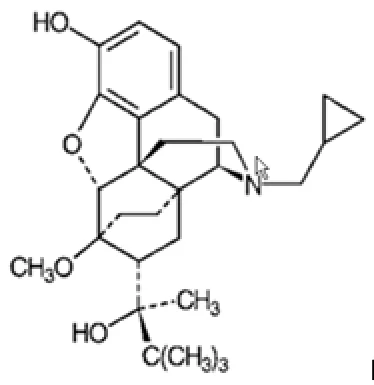
HCl
Physicochemical properties:
| Physical Form: | White to off-white crystalline powder |
|---|---|
| Solubility: | Sparingly soluble in water, freely soluble in methanol, soluble in alcohol, practically insoluble in cyclohexane |
| pKa: | pK1 = 8.42 ± 0.03 |
| pK2 = 9.83 ± 0.03 | |
| pH: | 4.0 to 6.0 |
| Partition: | Log N (octanol/phosphate-citrate buffer pH 6.57) = 3.37 |
| Coefficients: | Log N (heptane/phosphate-citrate buffer pH 7.55) = 3.43 |
| Melting Point: | 287° ± 2°C with apparent decomposition |
Naloxone
Proper name: naloxone hydrochloride dihydrate
Chemical name: 17-Allyl-4,5 α -epoxy-3, 14-dihydroxymorphinan-6-one hydrochloride dihydrate Molecular formula and molecular mass: C19H21NO4•HCl•2H2O; 399.87
Structural formula:
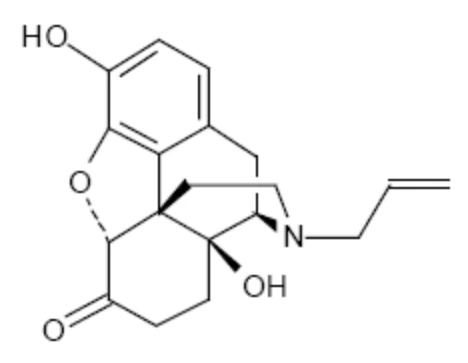
HCl. 2H2O
Physicochemical properties:
| Physical Form: | White to off-white powder. |
|---|---|
| Solubility: | Soluble in water and alcohol, practically insoluble in ether. |
| pKa: | 7.94 at 20 °C |
| pH: | 2.5 to 3.5 |
| Melting Point: | 200 – 205 °C |
14 CLINICAL TRIALS
14.1 Clinical Trials by Indication
- Substitution treatment in adults with problematic opioid drug dependence.
SUBOXONE Tablet Trial Design and Study Demographics
Efficacy and safety data of the combination of buprenorphine and naloxone (Studies CR96/013 + CR96/014)
This was a one-year multicenter, placebo-controlled study comprising a 4-week randomized double-blind comparison of buprenorphine/naloxone (SUBOXONE tablet), buprenorphine and placebo tablets followed by a 48-week open-label safety study of buprenorphine/naloxone. In the first 4-week double-blind phase, 323 heroin-addicted subjects received either placebo, buprenorphine 16 mg/day, or combination treatment of 16 mg buprenorphine + 4 mg naloxone (combination tablet) per day. For subjects randomized to active treatment dosing began with one 8 mg tablet of buprenorphine on day 1, followed by 16 mg (two 8 mg tablets) of buprenorphine on day 2. Subjects continued on 16 mg/day for four weeks. On day 3, subjects randomized to buprenorphine + naloxone were switched to the combination tablet. Subjects were seen daily in the clinic (Monday through Friday) for dosing and efficacy assessments. Subjects received one hour of individual counselling per week and a single session of HIV education. Outcome measures were % of urine samples negative for opioids and self-reported craving for opioids.
Comparative efficacy of buprenorphine and methadone (Study CR88/130)
subjects age 21-50 years received sublingual buprenorphine (8 mg/day) or methadone (20 mg/day and 60 mg/day), during a 3-10 day induction phase, a 16-week maintenance phase and a 7 week detoxification phase. Buprenorphine was titrated to the maintenance dose by day 3; methadone doses were titrated more gradually. Maintenance dosing continued through week 17. Study drugs were tapered by approximately 70-80% per week over weeks 18-to-24, with placebo dosing for the last two weeks. Subjects received individual and/or group counselling weekly. Outcome measures were retention time in treatment, urine samples negative for opioids, and failure to maintain abstinence.
Study Results
Efficacy and safety data of the combination of buprenorphine and naloxone (Studies CR96/013 + CR96/014)
The percentage of thrice-weekly urine samples that were negative for opioids was higher for subjects treated with buprenorphine (20.7%) or the combination tablet (17.8%) than for those who received placebo (both at p<0.001). Both active treatment buprenorphine treated groups reported significantly less craving than placebo (p<0.001).
Comparative efficacy of buprenorphine and methadone (Study CR88/130)
Buprenorphine was as effective as methadone, 60 mg/day, and both were superior to methadone, 20 mg/day, in reducing illicit opioid use and maintaining participants in treatment for 25 weeks
15 MICROBIOLOGY
Not Applicable
16 NON-CLINICAL TOXICOLOGY
The non-clinical studies below were all conducted with SUBOXONE tablets or with a combination of buprenorphine/naloxone at a ratio of 4:1.
Pre-clinical and clinical doses or exposures are compared based on the clinical dose of 16 mg / 4 mg buprenorphine / naloxone, or 16 mg buprenorphine. Preclinical doses or exposures are expressed as multiples of the corresponding clinical counterpart.
General Toxicology: The toxicity profiles of buprenorphine and buprenorphine with naloxone in animals after a 28-day exposure period are similar in that no consistent target organ was identified, even at high oral doses.
No consistent pattern of undesirable effects was apparent in the subacute studies conducted, other than a sedative effect which is a direct consequence of the pharmacological activity of the test substance mixture.
Minimal to moderate hyperplasia of the bile duct with associated peribiliary fibrosis occurred in dogs following 52 weeks oral dosing of buprenorphine 75 mg/kg/day.
Carcinogenicity: A carcinogenicity study of buprenorphine/naloxone (4:1 ratio) in rats at dietary levels yielding doses of approximately 7, 31, and 123 mg/kg/day (4-, 18-, and 44- fold clinical exposure) showed statistically significant increases in benign testicular Leydig cell adenomas in all dose groups. No other drug-related tumours were noted.
Genotoxicity: Buprenorphine/naloxone (4:1 ratio) was not mutagenic in a bacterial mutation assay (Ames test) using four strains of S. typhimurium and two strains of E. coli, in an in vitro cytogenetic assay in human lymphocytes or in an IV micronucleus test in rats.
Reproductive and Developmental Toxicology: Administration of buprenorphine/naloxone (4:1 ratio) to rats at 500 ppm or greater in the diet resulted in reduction in female fertility, however, there were no adverse effects on fertility in females at clinically relevant dose levels.