


Product Monograph - Metadol-D (Knight Therapeutics)
RECENT MAJOR LABEL CHANGES
| None at time of most recent authorization. |
|---|
TABLE OF CONTENTS
Sections or subsections that are not applicable at the time of authorization are not listed.
RECENT MAJOR LABEL CHANGES .......................................................................................... 2
TABLE OF CONTENTS ............................................................................................................ 2
PART I: HEALTH PROFESSIONAL INFORMATION .................................................................... 4
1 INDICATIONS ............................................................................................................. 4
1.1 Pediatrics ................................................................................................................ 4
1.2 Geriatrics ................................................................................................................ 4
2 CONTRAINDICATIONS ................................................................................................ 4
3 SERIOUS WARNINGS AND PRECAUTIONS BOX ........................................................... 5
4 DOSAGE AND ADMINISTRATION ................................................................................ 6
4.1 Dosing Considerations ........................................................................................... 6
4.2 Recommended Dose and Dosage Adjustment ...................................................... 7
4.3 Reconstitution ........................................................................................................ 9
4.4 Administration ..................................................................................................... 10
4.5 Missed Dose ......................................................................................................... 10
5 OVERDOSAGE .......................................................................................................... 10
6 DOSAGE FORMS, STRENGTHS, COMPOSITION AND PACKAGING .............................. 12
7 WARNINGS AND PRECAUTIONS ............................................................................... 12
7.1 Special Populations .............................................................................................. 20
7.1.1 Pregnant Women ............................................................................................. 20
7.1.2 Breast-feeding .................................................................................................. 22
7.1.3 Pediatrics (<18 years of age) ............................................................................ 22
7.1.4 Geriatrics (>65 years of age) ............................................................................ 22
8 ADVERSE REACTIONS............................................................................................... 22
8.1 Adverse Reaction Overview ................................................................................. 22
8.5 Post-Market Adverse Reactions ........................................................................... 24
9 DRUG INTERACTIONS .............................................................................................. 25
9.1 Serious Drug Interactions .................................................................................... 25
9.2 Drug Interactions Overview ................................................................................. 25
9.3 Drug-Behavioural Interactions ............................................................................. 28
9.4 Drug-Drug Interactions ........................................................................................ 28
9.5 Drug-Food Interactions ........................................................................................ 32
9.6 Drug-Herb Interactions ........................................................................................ 32
9.7 Drug-Laboratory Test Interactions....................................................................... 32
10 CLINICAL PHARMACOLOGY ...................................................................................... 32
10.1 Mechanism of Action ........................................................................................... 32
10.2 Pharmacodynamics .............................................................................................. 32
10.3 Pharmacokinetics ................................................................................................. 33
11 STORAGE, STABILITY AND DISPOSAL ........................................................................ 36
12 SPECIAL HANDLING INSTRUCTIONS .......................................................................... 36
PART II: SCIENTIFIC INFORMATION ..................................................................................... 37
13 PHARMACEUTICAL INFORMATION .......................................................................... 37
14 CLINICAL TRIALS ...................................................................................................... 37
15 MICROBIOLOGY ...................................................................................................... 37
16 NON-CLINICAL TOXICOLOGY .................................................................................... 37
PATIENT MEDICATION INFORMATION ................................................................................ 40
PART I: HEALTH PROFESSIONAL INFORMATION
1 INDICATIONS
METADOL-D (methadone hydrochloride oral solution and oral concentrate) is indicated in adult patients for:
- the detoxification treatment of opioid addiction (heroin or other morphine-like drugs); as well as the maintenance treatment of opioid addiction (heroin or other morphine-like drugs).
Patients prescribed METADOL-D should be carefully monitored within a framework of medical, social and psychological support as part of a comprehensive opioid dependence treatment program.
METADOL-D is not indicated as an as-needed (prn) analgesic.
NOTE: If methadone is administered for treatment of heroin dependence for more than 180 days, the procedure passes from treatment of the acute withdrawal syndrome (detoxification) to maintenance therapy.
1.1 Pediatrics
Pediatric (< 18 years of age): No data are available to Health Canada. Therefore, Health Canada has not authorized an indication for pediatric use.
1.2 Geriatrics
Geriatrics (> 65 years of age): The safety and efficacy of METADOL-D in patients 65 years and older have not been established.
In general, dose selection for an elderly patient should be cautious, usually starting at the low end of the dosing range, reflecting the greater frequency of decreased hepatic, renal, or cardiac function, concomitant disease or other drug therapy (see 10 CLINICAL PHARMACOLOGY, Special Populations and Conditions, Geriatrics).
2 CONTRAINDICATIONS
- Patients who are hypersensitive to the active substance methadone hydrochloride or other opioid analgesics, to any ingredient in the formulation, or to any component of the container. For a complete listing, see the 6 DOSAGE FORMS, STRENGTHS AND PACKAGING section of the Product Monograph.
- In patients with known or suspected mechanical gastrointestinal obstruction (e.g., bowel obstruction or strictures) or any diseases/conditions that affect bowel transit (e.g., ileus of any type).
- Patients with suspected surgical abdomen (e.g., acute appendicitis or pancreatitis).
- Patients with acute or severe bronchial asthma, chronic obstructive airway, hypercarbia or status asthmaticus.
- Patients with acute respiratory depression (in the absence of resuscitative equipment or in unmonitored settings), elevated carbon dioxide levels in the blood and cor pulmonale.
- Patients with acute alcoholism, delirium tremens, and convulsive disorders.
- Patients with severe central nervous system (CNS) depression, increased cerebrospinal or intracranial pressure, and head injury.
- Patients taking monoamine oxidase inhibitors (MAOIs) (or within 14 days of such therapy)
- Patients with diarrhea, which is associated with pseudomembranous colitis caused by cephalosporins, lincomycins (possibly including topical clindamycin), or penicillins, or to patients having diarrhea caused by poisoning, until toxic material has been eliminated from the gastrointestinal tract.
3 SERIOUS WARNINGS AND PRECAUTIONS BOX
Addiction, Abuse, and Misuse METADOL-D poses risks of opioid addiction of the morphine type, and accordingly, carries the same potential for abuse, and misuse, which can lead to overdose and death. Each patient’s risk should be assessed prior to prescribing METADOL-D, and all patients should be monitored regularly for the development of these behaviours or conditions (see 7 WARNINGS AND PRECAUTIONS, Abuse and Misuse). METADOL-D should be stored securely to avoid theft or misuse. Life-threatening Respiratory Depression: OVERDOSE Serious, life-threatening, or fatal respiratory depression may occur with use of METADOL-D. Infants exposed in-utero or through breast milk are at risk of life-threatening respiratory depression upon delivery or when nursed. Patients should be monitored for respiratory depression, especially during initiation of METADOL-D or following a dose increase. Patients must be instructed on the hazards related to taking opioids including fatal overdose. Deaths have been reported during initiation of methadone treatment for opioid dependence. In some cases, drug interactions with other drugs, both licit and illicit, have been suspected. However, in other cases, deaths appear to have occurred due to the respiratory or cardiac effects of methadone and too-rapid titration without appreciation for the accumulation of methadone over time. It is critical to understand the pharmacokinetics of methadone and to exercise vigilance during treatment initiation, during conversion from one opioid to another and during dose titration (see 4 DOSAGE AND ADMINISTRATION). Patients must also be strongly cautioned against self-medicating with CNS depressants during initiation of methadone treatment. Respiratory depression is the chief hazard associated with methadone hydrochloride administration. Methadone’s peak respiratory depressant effects are typically delayed. This characteristic can contribute to cases of iatrogenic overdose, particularly during treatment initiation and dose titration. QT interval prolongation Cases of QT interval prolongation and serious arrhythmia (torsades de pointes) have been observed during treatment with methadone. Most cases involve patients being treated for pain with large, multiple daily doses of methadone, although cases have been reported in patients receiving doses commonly used for maintenance treatment of opioid addiction. Accidental Exposure Accidental ingestion of even one dose of METADOL-D especially by children, can result in a fatal overdose of methadone hydrochloride (see 11 STORAGE, STABILITY AND DISPOSAL, Disposal). Neonatal Opioid Withdrawal Syndrome Prolonged maternal use of METADOL-D during pregnancy can result in neonatal opioid withdrawal syndrome, which may be life-threatening (see 7 WARNINGS AND PRECAUTIONS, Dependence/Tolerance, Neonatal Opioid Withdrawal Syndrome (NOWS)). Interaction with Alcohol The co-ingestion of alcohol with METADOL-D should be avoided as it may result in dangerous additive effects, due to increased plasma levels of methadone hydrochloride, which can result in overdose, serious injury or death (see 7 WARNINGS AND PRECAUTIONS, Dependence/Tolerance, Use in Drug and Alcohol Addiction and 9.3 Drug-Behavioural Interactions). Risks From Concomitant Use With Benzodiazepines Or Other CNS Depressants Concomitant use of opioids with benzodiazepines or other central nervous system (CNS) depressants, including alcohol, may result in profound sedation, respiratory depression, coma, and death (see 7 WARNINGS AND PRECAUTIONS, Neurologic, Interactions with CNS Depressants and 9.2 Drug Interactions Overview).
|
|---|
4 DOSAGE AND ADMINISTRATION
4.1 Dosing Considerations
When administering METADOL-D, consider the benefits and the risks of higher doses as they are associated with an increased risk of adverse events and overdose.
Patients prescribed METADOL-D (methadone hydrochloride oral solution and oral concentrate) should be carefully monitored and provided appropriate supportive psychological and social services.
Methadone differs from many other opioid agonists in several important ways. Methadone’s pharmacokinetic properties, coupled with high inter-patient variability in its absorption, metabolism, and relative analgesic potency, necessitate a cautious and highly individualized approach to prescribing.
The complexities associated with methadone dosing can contribute to cases of iatrogenic overdose, particularly during treatment initiation, during conversion from one opioid to another and during dose titration. A high degree of “opioid tolerance” does not eliminate the possibility of methadone overdose, iatrogenic or otherwise. Deaths have been reported during conversion to methadone from chronic, high dose treatment with other opioid agonists and during initiation of methadone treatment of addiction in subjects previously abusing high doses of other agonists.
METADOL-D is not indicated for rectal administration.
4.2 Recommended Dose and Dosage Adjustment
Adults (over 18 years):
For Detoxification Treatment:
Methadone may be used for detoxification using a short-term protocol involving the administration of gradually decreasing doses over a period not exceeding 180 days to the point of abstinence. Orally administer 15 to 40 mg once a day, or as needed, to control observed withdrawal symptoms. Dosage should be reduced at one- or two-day intervals according to patient response.
In detoxification, the patient may receive methadone when there are significant symptoms of withdrawal. The dosage schedules indicated below are recommended but could be varied in accordance with clinical judgment. Initially, a single oral dose of 15 to 20 mg of methadone will often be sufficient to suppress withdrawal symptoms. Additional methadone may be provided if withdrawal symptoms are not suppressed or if symptoms reappear. When patients are physically dependent on high doses, it may be necessary to exceed these levels. Forty mg per day in single or divided doses will usually constitute an adequate stabilizing dosage level. Stabilization can be continued for two to three days, and then the amount of methadone normally will be gradually decreased. The rate at which methadone is decreased will be determined separately with each patient. The dose of methadone can be decreased on a daily basis or at two-day intervals, but the amount of intake shall always be sufficient to keep withdrawal symptoms at a tolerable level. In hospitalized patients, a daily reduction of 20 percent of the total daily dose may be tolerated and may cause little discomfort. In ambulatory patients, a somewhat slower schedule may be needed. If methadone is administered for more than 180 days, the procedure is considered to have progressed from detoxification or treatment of the acute withdrawal syndrome to maintenance treatment, even though the goal and intent may be eventual total withdrawal.
Dose adjustment should be cautious; deaths have occurred in early treatment due to the cumulative effects of the first several days’ dosing. Patients should be reminded that the dose will “hold” for a longer period of time as tissue stores of methadone accumulate.
For Maintenance Treatment:
Methadone may be used in a maintenance treatment program of varying duration. Patients may remain in methadone maintenance treatment indefinitely or may be ready for a medically supervised taper at some point. Regardless of maintenance or detoxification treatment, increased risk of relapse following withdrawal of methadone treatment should be considered.
It is important that the initial dosage be adjusted to the individual on the basis of their opioid tolerance. If a patient has been a heavy user of heroin up to the day of admission, he/she may be given 20 mg 4 to 8 hours later or 40 mg in a single oral dose. On the other hand, if the patient enters treatment with little or no opioid tolerance (e.g., if he/she has recently been released from jail or other confinement), the initial dosage may be one half these quantities. When there is any doubt, the smaller dose should be used initially. The patient should then be kept under observation, and, if symptoms of abstinence are distressing, additional 10 mg doses may be administered as needed. Subsequently, the dosage should be adjusted individually, as tolerated and required, up to a level of 80 mg daily. The majority of patients can be treated at a dose lower than 80 mg/day.
Prescribers are referred to clinical practice treatment standards and guidelines in their area.
Maximum Daily Dose: Up to 120 mg per day.
Special Considerations for a Pregnant Patient:
Caution should be taken in the maintenance treatment of pregnant patients. Dosage levels should be kept as low as possible if continued methadone treatment is deemed necessary. It is the physician’s responsibility to assure that each patient is fully informed concerning the possible risks to pregnant women or her unborn child from the use of methadone (see the 7.1.1 Pregnant Women).
For opioid-dependent pregnant women, methadone maintenance should be provided at the lowest accepted dose which prevents withdrawal symptoms (usually less than 80 mg/day). In later pregnancy, an increase by 10 - 20 mg and/or divided dose may be required.
Treatment should be provided throughout pregnancy to protect the fetus and for a minimum of six months post-partum.
Patients Not Receiving Opioids at the Time of Initiation of methadone hydrochloride Treatment:
METADOL-D should not be used in opioid naive patients.
Risk of Relapse in Patients on Methadone Maintenance Treatment of Opioid Addiction:
Abrupt opioid discontinuation can lead to development of opioid withdrawal symptoms (see 7 WARNINGS AND PRECAUTIONS, Dependence/Tolerance).Presentation of these symptoms has been associated with an increased risk of susceptible patients to relapse to illicit drug use and should be considered when assessing the risks and benefit of methadone use.
Patients with Hepatic Impairment:
Dosage adjustments should be based on the patient’s clinical response (see 7 WARNINGS AND PRECAUTIONS, Hepatic/Biliary/Pancreatic).
Patients with Renal Impairment:
Dosage adjustments should be based on the patient’s clinical response (see 7 WARNINGS AND PRECAUTIONS, Renal).
Pediatrics (< 18 years of age):
Health Canada has not authorized an indication for pediatric use (see 1.1 Pediatrics).
Geriatrics (> 65 years of age):
Respiratory depression has occurred in the elderly following administration of large initial doses of opioids to patients who were not opioid-tolerant or when opioids were co-administered with other agents that can depress respiration. METADOL-D should be initiated at a low dose and slowly titrated to effect (see 7.1.4 Geriatrics and 10.2 Pharmacodynamics, Special Populations and Conditions, Geriatrics).
Adjustment or Reduction of Dosage:
Physical dependence with or without psychological dependence tends to occur with chronic administration of opioids, including METADOL-D. Physical dependence is manifested by withdrawal (abstinence) symptoms after abrupt discontinuation of therapy or upon administration of an antagonist.
These symptoms may include anxiety, body aches, chills, diarrhea, gooseflesh, increased blood pressure or respiratory rate, irritability, joint pain, lacrimation, loss of appetite, myalgia, mydriasis, nausea, nervousness or restlessness, runny nose, sneezing, tremors or shivering, stomach cramps, tachycardia, trouble with sleeping, unusual increase in sweating, palpitations, unexplained fever, vomiting, weakness and yawning.
In general, chronically administered methadone should not be abruptly discontinued. Rather, patients on prolonged therapy should be withdrawn gradually from the drug if it is no longer required. In patients who undergo gradual withdrawal of the drug, these symptoms are usually mild (see 7 WARNINGS AND PRECAUTIONS, Dependence/Tolerance). Tapering should be individualized and carried out under medical supervision.
After interruption of chronic dosing, if methadone treatment is to be continued, starting doses should be low and patients should be titrated slowly to effect in order to avoid severe toxicity and respiratory depression.
Patients should be informed that reducing and/or discontinuing opioids decreases their tolerance to these drugs. If treatment needs to be re-initiated, the patient must start at the lowest dose and titrate up to avoid overdose.
4.3 Reconstitution
Dispensing Guideline for Opioids
METADOL-D Oral Solution and Oral Concentrate must be dispensed in 100 mL of a vehicle that does not easily lend itself to injection.
METADOL-D (Oral Solution and Oral Concentrate) has been found compatible with 100 mL of the following diluents prepared, where applicable, according to the manufacturer’s instructions:
- Grape flavoured Kool-Aid®
- Orange flavoured Tang®
- Allen’s® Apple Juice
- Crystal Light® Tangerine-Grapefruit flavoured
- Crystal Light® Lemonade flavoured
®Tang is a registered TM of Intercontinental Great Brands LLC, East Hanover, New Jersey.
®Kool-Aid and Crystal Light are registered TMs of Kraft Foods Group Brands LLC, Chicago, Illinois.
®Allen’s is a registered TM of Canada Dry Mott's Inc, Mississauga, Ontario.
Note: Both METADOL-D Oral Concentrate (10 mg/mL) and METADOL-D Oral solution (1 mg/mL) must be mixed with one of the above solutions (diluents) before dispensing.
Diluted solutions should be refrigerated (2°C to 8°C) and stored for a period not exceeding 7 days in Allen’s® Apple Juice, and 14 days in all other diluents mentioned above (see 11 STORAGE, STABILITY AND DISPOSAL).
Pharmacist Compounding Information for Treatment of Opioid Dependence Preparation Using METADOL-D Oral Concentrate (10 mg/mL):
| Dilution Chart to prepare 100 mL of Solution | ||
| Daily Dose | METADOL-D (concentrate) | Diluent* |
| 20 mg | 2 mL | qs at 100 mL |
| 40 mg | 4 mL | qs at 100 mL |
| 60 mg | 6 mL | qs at 100 mL |
| 80 mg | 8 mL | qs at 100 mL |
| 100 mg | 10 mL | qs at 100 mL |
*See Dispensing Guideline for Opioids sub-section above for recommended diluents.
4.4 Administration
For details on reconstitution before administration, refer to 4.3 Reconstitution.
4.5 Missed Dose
If the patient forgets to take one or more doses, they should take their next dose at the next scheduled time and in the normal amount.
5 OVERDOSAGE
Signs and Symptoms: Serious overdosage of methadone is characterized by respiratory depression (a decrease in respiratory rate and/or tidal volume, Cheyne-Stokes respiration, cyanosis), extreme somnolence progressing to stupor or coma, maximally constricted pupils, skeletal-muscle flaccidity, cold and clammy skin and, sometimes, bradycardia and hypotension. In severe overdosage, particularly by the intravenous route, apnea, circulatory collapse, cardiac arrest, and death may occur.
Other important adverse events reported with methadone overdose include toxic leukoencephalopathy, delayed post-hypoxic leukoencephalopathy, sudden sensorial hearing loss, rhabdomyolysis progressing to renal failure, serotonin syndrome and hypoglycemia.
Treatment: Primary attention should be given to the reestablishment of adequate respiratory exchange through provision of a patent airway and institution of assisted or controlled ventilation. If a non-tolerant person, especially a child, takes a large dose of methadone, effective narcotic antagonists are available to counteract the potentially lethal respiratory depression. The physician must remember, however, that methadone is a long-acting depressant (thirty-six to forty-eight hours), whereas the antagonist act for much shorter periods (one to three hours). The patient must, therefore, be monitored continuously for recurrence of respiratory depression and may need to be treated repeatedly with the narcotic antagonist as needed. If the diagnosis is correct and respiratory depression is due only to overdosage of methadone, the use of respiratory stimulants is not indicated.
Opioid antagonists should not be administered in the absence of clinically significant respiratory or cardiovascular depression. In an individual physically dependant on opioids, the administration of the usual dose of an opioid antagonist may precipitate an acute withdrawal syndrome. The severity of this syndrome will depend on the degree of physical dependence and the dose of the antagonist administered. If antagonists must be used to treat serious respiratory depression in the physically dependant patient, the antagonist should be administered with extreme care and by titration with smaller than usual doses of the antagonist.
Intravenously administered naloxone or nalmefene may be used to reverse signs of intoxication. Because of the relatively short half-life of naloxone as compared with methadone, repeated injections may be required until the status of the patient remains satisfactory. Naloxone may also be administered by continuous intravenous infusion.
Oxygen, intravenous fluids, vasopressors, and other supportive measures should be employed as indicated.
Note: In an individual physically dependent on opioids, the administration of the usual dose of opioid antagonist will precipitate an acute withdrawal syndrome. The severity of this syndrome will depend on the degree of physical dependence and the dose of the antagonist administered. The use of an opioid antagonist in such a person should be avoided if possible. If it must be used to treat serious respiratory depression in the physically dependent patient, the antagonist should be administered with extreme care and by titration with smaller than usual doses of the antagonist (10 - 20% of the usual recommended initial dose of the antagonist).
| For the most recent information in the management of a suspected drug overdose, contact your regional poison control centre or Health Canada’s toll-free number, 1-844 POISON-X (1-844-764-7669). |
|---|
6 DOSAGE FORMS, STRENGTHS, COMPOSITION AND PACKAGING
Table 1 – Dosage Forms, Strengths, Composition and Packaging
METADOL-D is available in the following dosage forms: oral solution and oral concentrate.
METADOL-D Oral Solution (1mg/mL): Clear unflavored and colorless liquid.
METADOL-D Oral Concentrate (10mg/mL): Clear unflavored and colorless liquid.
Packaging:
METADOL-D Oral Solution: Available in 100 mL and 250 mL amber plastic bottles.
METADOL-D Oral Concentrate: Available in 100 mL and 250 mL amber glass bottles, as well as in 1 L amber plastic bottles.
7 WARNINGS AND PRECAUTIONS
May be habit forming.
FOR ORAL USE ONLY
Please see 3 SERIOUS WARNINGS AND PRECAUTIONS BOX.
General
METADOL-D (methadone hydrochloride oral solution and oral concentrate) is for oral administration only. This preparation must not be injected. It is recommended that METADOL-D oral solution and oral concentrate, if dispensed, be packaged in child-resistant containers and kept out of the reach of children to prevent accidental ingestion.
Methadone Hydrochloride, a synthetic opioid, is a controlled substance (Classification N) listed in Schedule I of the Controlled Drugs and Substances Act (CDSA). Appropriate security measures should be taken to safeguard stock of methadone against diversion.
Patients should be instructed not to give METADOL-D (methadone hydrochloride) to anyone other than the patient for whom it was prescribed, as such inappropriate use may have
| Route of Administration | Dosage Form / Strength/Composition | Non-medicinal Ingredients | ||
| Oral | Solution 1mg/mL Methadone hydrochloride | Citric acid, dextrose, glycerin, methylparaben, polyethylene glycol, sodium benzoate, sodium cyclamate and water | ||
Concentrate 10mg/mL Methadone hydrochloride | Citric acid, dextrose, glycerin, propylene glycol, sodium benzoate, sodium cyclamate and water | |||
severe medical consequences, including death.
METADOL-D should be stored securely to avoid theft or misuse.
METADOL-D should only be prescribed by persons knowledgeable in the continuous administration of potent opioids, in the management of patients receiving potent opioids, and in the detection and management of respiratory depression, including the use of opioid antagonists.
Patients should be cautioned not to consume alcohol while taking METADOL-D as it may increase the chance of experiencing serious adverse events, including death.
Abuse and Misuse
Like all opioids, METADOL-D is a potential drug of abuse and misuse, which can lead to overdose and death. Therefore, METADOL-D should be prescribed and handled with caution. In addition, parenteral drug abuse is commonly associated with transmission of infectious disease such as hepatitis and HIV.
Patients should be assessed for their clinical risks for opioid abuse or addiction prior to being prescribed opioids. All patients receiving opioids should be routinely monitored for signs of misuse and abuse.
METADOL-D is sought by people with addiction to opioids and is subject to diversion. This should be considered when prescribing METADOL-D in situations when the clinician is concerned about an increased risk of misuse, abuse, or diversion. Prescribe and dispense METADOL-D with appropriate precautions to minimize risk of misuse, abuse, or diversion, and ensure appropriate protection from theft, including in the patient’s home.
METADOL-D is intended for oral use only. Abuse of oral dosage forms can be expected to result in serious adverse events, including death.
Like morphine, methadone is a μ-opioid agonist with an abuse liability and is subject to criminal diversion.
Carcinogenesis and Genotoxicity
See 16 NON-CLINICAL TOXICOLOGY, Carcinogenicity and Genotoxicity sections.
Cardiovascular
Methadone administration may result in severe hypotension in patients whose ability to maintain adequate blood pressure is compromised by reduced blood volume, or concurrent administration of drugs such as phenothiazines and other tranquilizers, sedative/hypnotics, tricyclic antidepressants or general anesthetics. These patients should be monitored for signs of hypotension after initiating or titrating the dose of METADOL-D.
Cardiac Conduction Effects: This information is intended to alert the prescriber to comprehensively evaluate the risks and benefits of methadone treatment. The intent is not to deter the appropriate use of methadone in patients with a history of cardiac disease.
Laboratory studies, both in vivo and in vitro, have demonstrated that methadone inhibits cardiac potassium channels and prolongs the QT interval. Cases of QT interval prolongation and serious arrhythmia (torsades de pointes) have been observed during treatment with methadone. These cases appear to be more commonly associated with, but not limited to, higher dose treatment (>200 mg/day). Most cases involve patients being treated for pain with large, multiple daily doses of methadone, although cases have been reported in patients receiving doses commonly used for maintenance treatment of opioid addiction.
Methadone should be administered with particular caution to patients already at risk for development of prolonged QT interval (e.g., cardiac hypertrophy, concomitant diuretic use, hypokalemia, hypomagnesemia). Careful monitoring is recommended when using methadone in patients with a history of cardiac conduction abnormalities, those taking medications affecting cardiac conduction, and in other cases where history or physical exam suggest an increased risk of dysrhythmia. QT prolongation has also been reported in patients with no prior cardiac history who have received high doses of methadone. Patients developing QT prolongation while on methadone treatment should be evaluated for the presence of modifiable risk factors, such as concomitant medications with cardiac effects, drugs which might cause electrolyte abnormalities, and drugs which might act as inhibitors of methadone metabolism. For use of methadone to treat pain, the risk of QT prolongation and development of dysrhythmias should be weighed against the benefit of adequate pain management and the availability of alternative therapies.
The use of methadone in patients already known to have prolonged QT interval has not been systemically studied.
In using methadone an individualized benefit to risk assessment should be carried out and should include evaluation of patient presentation and complete medical history. For patients judged to be at risk, careful monitoring of cardiovascular status, including QT prolongation and dysrhythmias and those described previously should be performed.
If a patient taking methadone experiences symptoms suggestive of an arrhythmia (such as palpitations, dizziness, light-headedness, or syncope), that patient should seek immediate medical attention.
Methadone, like other opioids, may produce orthostatic hypotension in ambulatory patients.
The use of METADOL-D in patients with circulatory shock should be avoided as it may cause vasodilation that can further reduce cardiac output and blood pressure.
Dependence/Tolerance
As with other opioids, tolerance and physical dependence may develop upon repeated administration of METADOL-D and there is a potential for development of psychological and physical dependence as well as tolerance. Methadone should be prescribed and administered with the same degree of caution appropriate to the use of morphine.
Physical dependence and tolerance reflect the neuroadaptation of the opioid receptors to chronic exposure to an opioid, and are separate and distinct from abuse and addiction. Tolerance, as well as physical dependence, may develop upon repeated administration of opioids, and are not by themselves evidence of an addictive disorder or abuse.
Patients on prolonged therapy should be tapered gradually from the drug if it is no longer required. Withdrawal symptoms may occur following abrupt discontinuation of therapy or upon administration of an opioid antagonist (see 4.2 Recommended Dose and Dosage, Adjustment or Reduction of Dosage). Some of the symptoms that may be associated with abrupt withdrawal of an opioid include body aches, diarrhea, gooseflesh, loss of appetite, nausea, nervousness or restlessness, anxiety, runny nose, sneezing, tremors or shivering, stomach cramps, tachycardia, trouble with sleeping, unusual increase in sweating, palpitations, unexplained fever, weakness and yawning (see 8 ADVERSE REACTIONS).
Incomplete Cross-Tolerance between Methadone and Other Opioids: Patients tolerant to other opioids may be incompletely tolerant to methadone. Incomplete cross-tolerance is a particular concern for patients tolerant to other μ-opioid agonists when converting to methadone, making determination of dosing during opioid conversion complex. Deaths have been reported during conversion from chronic, high dose treatment with other opioid agonists. Therefore, it is critical to understand the pharmacokinetics of methadone when converting patients from other opioids (see 7 WARNINGS AND PRECAUTIONS, Respiratory and 4 DOSAGE AND ADMINISTRATION). A high degree of “opioid tolerance” does not eliminate the possibility of methadone toxicity.
Use in Drug and Alcohol Addiction: Opioids, such as METADOL-D, should be used with particular care in patients with a history of alcohol and illicit/prescription drug abuse.
Neonatal Opioid Withdrawal Syndrome (NOWS): Special care is required for the infant born to a mother who has been dependent on methadone and/or other opioids. Newborn infants who have been exposed to opioids in uteri within four weeks of delivery are potentially dependent and must be closely observed for withdrawal symptoms for at least two weeks. Neonatal opioid withdrawal syndrome, unlike opioid withdrawal syndrome in adults, may be life-threatening.
Signs of neonatal opioid withdrawal syndrome include: irritability, hyperactivity and abnormal sleep pattern, increased respiratory rate, excessive or high pitched crying, tremor, vomiting, diarrhea, sneezing, yawning, fever and failure to gain weight. The onset of withdrawal symptoms in infants is usually in the first days after birth but may be delayed for two to four weeks. The severity may also vary, along with the duration, which can range from a few days to weeks or even months. This variability is due to the specific opioid used, duration of use, timing and amount of last maternal use, and rate of elimination of the drug by the newborn.
There is no clear association between the dose of methadone taken during pregnancy and the development or intensity of NOWS; studies have demonstrated mixed results. In addition, there is currently no consensus on the appropriate management of infant withdrawal (see also 7.1.1 Pregnant Women).
Driving and Operating Machinery
METADOL-D may impair the mental and/or physical abilities needed for certain potentially hazardous activities such as driving a car or operating machinery. Patients should be cautioned accordingly. Patients should also be cautioned about the combined effects of methadone hydrochloride with other CNS depressants, including other opioids, phenothiazine, sedative/hypnotics and alcohol.
Endocrine and Metabolism
Adrenal Insufficiency: Cases of adrenal insufficiency have been reported with opioid use, more often following greater than one month of use. Presentation of adrenal insufficiency may include non-specific symptoms and signs including nausea, vomiting, anorexia, fatigue, weakness, dizziness, and low blood pressure. If adrenal insufficiency is suspected, confirm the diagnosis with diagnostic testing as soon as possible. If adrenal insufficiency is diagnosed, treat with physiologic replacement doses of corticosteroids. Wean the patient off of the opioid to allow adrenal function to recover and continue corticosteroid treatment until adrenal function recovers. Other opioids may be tried as some cases reported use of a different opioid without recurrence of adrenal insufficiency. The information available does not identify any particular opioids as being more likely to be associated with adrenal insufficiency.
Patients with Anxiety: Since methadone, as used by tolerant subjects as a constant maintenance dosage, is not a tranquillizer, patients who are maintained on this drug will react to life problems and stresses with the same symptoms of anxiety as do other individuals. The physician should not confuse such symptoms with those of opioid abstinence and should not attempt to treat anxiety by increasing the dosage of methadone. The action of methadone in maintenance treatment is limited to the control of opioid symptoms and is ineffective for relief of general anxiety.
Patients with Acute Pain: Maintenance patients on a stable dose of methadone who experience physical trauma, postoperative pain or other causes of acute pain cannot be expected to derive analgesia from their stable dose of methadone regimens. Such patients should be given analgesics, including opioids that would be indicated in other patients experiencing similar nociceptive stimulation. Due to the opioid tolerance induced by methadone, when opioids are required for management of acute pain in methadone patients, somewhat higher and/or more frequent doses will often be required than would be the case for other, non-tolerant patients.
Gastrointestinal
Methadone hydrochloride and other morphine-like opioids have been shown to decrease bowel motility. Methadone hydrochloride may obscure the diagnosis or clinical course of patients with acute abdominal conditions (see 2 CONTRAINDICATIONS).
Hepatic/Biliary/Pancreatic
The use of methadone has not been extensively evaluated in patients with hepatic insufficiency. Methadone is metabolized in the liver and patients with liver impairment may be at risk of accumulating methadone after multiple dosing.
Neurologic
Head Injury: The respiratory depressant effects of methadone hydrochloride, and the capacity to elevate cerebrospinal fluid pressure, may be greatly increased in the presence of an already elevated intracranial pressure produced by trauma. Also, methadone hydrochloride may produce confusion, miosis, vomiting and other side effects which obscure the clinical course of patients with head injury. In such patients, methadone hydrochloride must be used with extreme caution and only if it is deemed essential (see
2 CONTRAINDICATIONS).
Interactions with CNS Depressants (including benzodiazepines and alcohol): Methadone hydrochloride should be used with caution and in a reduced dosage during concomitant administration of other opioids analgesics, general anesthetics, phenothiazines and other tranquilizers, sedative-hypnotics, tricyclic antidepressants, antipsychotics, antihistamines, benzodiazepines, gabapentinoids, baclofen, centrally-active anti-emetics and other CNS depressants including alcohol. Respiratory depression, hypotension and profound sedation, coma or death may result.
Observational studies have demonstrated that concomitant use of opioid analgesics and benzodiazepines increases the risk of drug-related mortality compared to use of opioid analgesics alone. Because of similar pharmacological properties, it is reasonable to expect similar risk with the concomitant use of other CNS depressant drugs with opioid analgesics (see 9.2 Drug Interactions Overview). If the decision is made to prescribe a benzodiazepine or other CNS depressant concomitantly with an opioid analgesic, prescribe the lowest effective dosages and minimum durations of concomitant use. In patients already receiving an opioid analgesic, prescribe a lower initial dose of the benzodiazepine or other CNS depressant than indicated in the absence of an opioid, and titrate based on clinical response. If an opioid analgesic is initiated in a patient already taking a benzodiazepine or other CNS depressant, prescribe a lower initial dose of the opioid analgesic, and titrate based on clinical response. Follow patients closely for signs and symptoms of respiratory depression and sedation.
Advise both patients and caregivers about the risks of respiratory depression and sedation when METADOL-D is used with benzodiazepines or other CNS depressants (including alcohol and illicit drugs). Advise patients not to drive or operate heavy machinery until the effects of concomitant use of the benzodiazepine or other CNS depressant have been determined. Screen patients for risk of substance use disorders, including opioid abuse and misuse, and warn them of the risk for overdose and death associated with the use of additional CNS depressants including alcohol and illicit drugs (see 9 DRUG INTERACTIONS).
METADOL-D should not be consumed with alcohol as it may increase the chance of experiencing dangerous side effects, including death (see 2 CONTRAINDICATIONS and 8 ADVERSE REACTIONS, Sedation, and 9 DRUG INTERACTIONS).
Serotonin toxicity / Serotonin syndrome: Serotonin toxicity also known as serotonin syndrome is a potentially life-threatening condition and has been reported with methadone, including METADOL-D, particularly during combined use with other serotonergic drugs. (See 9.4 Drug-Drug Interactions, Serotonergic Drugs).
Serotonin toxicity is characterized by neuromuscular excitation, autonomic stimulation (e.g. tachycardia, flushing) and altered mental state (e.g. anxiety, agitation, hypomania). In accordance with the Hunter Criteria, serotonin toxicity diagnosis is likely when, in the presence of at least one serotonergic agent, one of the following is observed:
- Spontaneous clonus
- Inducible clonus or ocular clonus with agitation or diaphoresis
- Tremor and hyperreflexia
- Hypertonia and body temperature > 38°C and ocular clonus or inducible clonus.
If concomitant treatment with METADOL-D and other serotonergic agents is clinically warranted, careful observation of the patient is advised, particularly during treatment initiation and dose increases (see 9.4 Drug-Drug Interactions, Serotonergic Drugs). If serotonin toxicity is suspected, discontinuation of the serotonergic agents should be considered.
Renal
The use of methadone has not been extensively evaluated in patients with renal insufficiency.
Reproductive Health: Female and Male Potential
See sections 2 CONTRAINDICATIONS and 7.1.1 Pregnant Women.
Fertility
Long term use of opioids may be associated with symptoms such as infertility (See 16 NON-CLINICAL TOXICOLOGY, Reproductive and Developmental Toxicology).
Function
Long-term use of opioids may be associated with decreased sex hormone levels and symptoms such as low libido and erectile dysfunction (See 8.5 Post-Market Adverse Reactions, Androgen deficiency).
Teratogenic Risk
Methadone does not appear to be teratogenic in the rat or rabbit models. However, following large doses, methadone produced teratogenic effects in the guinea pig, hamster and mouse (see 16 NON-CLINICAL TOXICOLOGY, Teratogenicity).
Respiratory
Respiratory Depression: Serious, life-threatening, or fatal respiratory depression has been reported with the use of opioids, even when used as recommended. Respiratory depression from opioid use, if not immediately recognized and treated, may lead to respiratory arrest and death. Management of respiratory depression may include close observation, supportive measures, and use of opioid antagonists, depending on the patient’s clinical status. Methadone hydrochloride should be used with extreme caution in patients with substantially decreased respiratory reserve, pre-existing respiratory depression, hypoxia or hypercapnia (see 2 CONTRAINDICATIONS).
There is significant risk of respiratory depression if the patient is switched abruptly from other opioids to methadone. Conversion to methadone should be undertaken with caution.
While serious, life-threatening, or fatal respiratory depression can occur at any time during the use of METADOL-D, the risk is greatest during the initiation of therapy or following a dose increase. Patients should be closely monitored for respiratory depression when initiating therapy with METADOL-D and following dose increases.
Life-threatening respiratory depression is more likely to occur in the elderly, cachectic, or debilitated patients because they may have altered pharmacokinetics or altered clearance compared to younger, healthier patients.
To reduce the risk of respiratory depression, proper dosing and titration of METADOL-D are essential (see 4 DOSAGE AND ADMINISTRATION). Overestimating the METADOL-D dose when converting patients from another opioid product can result in a fatal overdose with the first dose (see 7 WARNINGS AND PRECAUTIONS, Special Populations, Special Risk Groups and 4 DOSAGE AND ADMINISTRATION).
Methadone’s peak respiratory depressant effects are typically delayed. These characteristics can contribute to cases of iatrogenic overdose, particularly during treatment initiation and dose titration.
Sleep Apnea: Opioids can cause sleep-related breathing disorders such as sleep apnea syndromes (including central sleep apnea [CSA]) and hypoxia (including sleep-related hypoxia). Opioid use increases the risk of CSA in a dose-dependent fashion. Evaluate patients on an ongoing basis for the onset of a new sleep apnea, or a worsening of an existing sleep apnea. In these patients, consider reducing or stopping the opioid treatment if appropriate, using best practices for tapering of opioids. (See 4.2 Recommended Dose and Dosage Adjustment, Adjustment or Reduction of Dosage; 7 WARNINGS AND PRECAUTIONS; Dependence/Tolerance).
Use in Patients with Chronic Pulmonary Disease: Respiratory depression is the chief hazard from methadone hydrochloride. Respiratory depression is a particular potential problem in elderly or debilitated patients as well as those suffering from conditions accompanied by hypoxia or hypercapnia when even moderate therapeutic doses may dangerously decrease pulmonary ventilation.
Monitor patients with significant chronic obstructive pulmonary disease or cor pulmonale, and patients having a substantially decreased respiratory reserve (such as asthma, severe obesity, sleep apnea syndrome, myxedema, kyphoscoliosis, CNS depression or coma), hypoxia, hypercapnia, or preexisting respiratory depression for respiratory depression, particularly when initiating therapy and titrating with METADOL-D, as in these patients, even usual therapeutic doses of METADOL-D may decrease respiratory drive while simultaneously increasing airway resistance to the point of apnea. If warranted, methadone should be employed only under careful medical supervision at the lowest effective dose.
The use of METADOL-D is contraindicated in patients with acute or severe bronchial asthma, chronic obstructive airway, or status asthmaticus (see 2 CONTRAINDICATIONS).
7.1 Special Populations
Special Risk Groups:
Methadone hydrochloride given on a fixed-dose schedule may have a narrow therapeutic index in certain patient populations, especially when combined with other drugs, and should be reserved for cases where the benefits of detoxification or maintenance therapy for opioid addiction outweigh the known potential risks of cardiac conduction abnormalities, respiratory depression, altered mental states and postural hypotension.
METADOL-D (Methadone hydrochloride oral solution and oral concentrate) should be given with caution to patients with a history of alcohol and drug abuse and the initial dose should be reduced in certain patients, such as the elderly or debilitated; those with severe impairment of hepatic or renal function, hypothyroidism, Addison's disease, hypothyroidism, myxedema, toxic psychosis, prostatic hypertrophy, or urethral stricture; patients who are known to be sensitive to central nervous system depressants, such as those with cardiovascular, pulmonary, renal, or hepatic disease; and in patients with comorbid conditions or concomitant medications which may predispose to dysrhythmia. The usual precautions appropriate to the use of parenteral opioids should be observed and the possibility of respiratory depression should always be kept in mind.
7.1.1 Pregnant Women
There are no controlled studies of methadone use in pregnant women that can be used to establish safety.
Methadone should be used during pregnancy only if the potential benefit justifies the potential risk to the fetus.
It is the physician’s responsibility to ensure that female patients are fully informed concerning the possible risks to a pregnant woman or her unborn child from both the use of methadone, and stopping the use of methadone. Care of pregnant patients should be under the supervision of a physician experienced in the management of this patient population in opioid addiction (see also 10.2 Pharmacodynamics, Special Populations and Conditions, Pregnancy and Breast-feeding).
Methadone crosses the placental barrier and has been detected in amniotic fluid and cord plasma, at concentrations proportional to maternal plasma, and also in new-born urine, at lower concentrations than corresponding maternal urine. Methadone and its primary metabolite have been detected in samples of meconium.
Abnormal fetal nonstress tests (NSTs) have been reported to occur more frequently when the test is performed 1-2 hours after a maintenance dose of methadone in late pregnancy compared to controls.
A retrospective series of 101 pregnant opiate-dependent women who underwent inpatient opiate detoxification with methadone did not demonstrate any increased risk of miscarriage in the 2nd trimester or premature delivery in 3rd trimester.
Prolonged maternal use of opioids during pregnancy can result in withdrawal signs in the neonate. Neonatal opioid withdrawal syndrome (NOWS), unlike opioid withdrawal syndrome in adults, may be life-threatening (see 7 WARNINGS AND PRECAUTIONS, Dependence/Tolerance, Neonatal Opioid Withdrawal Syndrome).
Studies show methadone exposure to be associated with an increased risk of very pre-term birth (< 32 weeks of gestation), being small for gestational age (< 10th percentile), admission to the neonatal unit, and diagnosis of a major congenital anomaly.
Several studies have suggested that infants prenatally exposed to methadone present decreased fetal growth with reduced birth weight, length, and/or head circumference compared to controls. Moreover, it has been suggested that prenatally exposed infants are at a higher risk of presenting neurodevelopmental and neuropsychological impairments, as well as visual (see 7.1.1 Pregnant Women, Neonate Growth and Development).
Additional information on the potential risks of methadone with pre-natal opioid exposure may be derived from animal data (see 16 NON-CLINICAL TOXICOLOGY, Teratogenicity).
Neonate Growth and Development: Exposure to opioids in utero can result in the development of the life-threatening, Neonatal Opioid Withdrawal Syndrome (see 7 WARNINGS AND PRECAUTIONS, Dependence/Tolerance, Neonatal Opioid Withdrawal Syndrome).
There are conflicting reports on whether the risk of sudden infant death syndrome (SIDS) is increased in infants born to women treated with methadone during pregnancy.
Prenatal opioid exposure, including to methadone, is suggested to have an effect on the visual system and on brain development.
Lower performance on tests of cognitive function and neurodevelopmental abnormalities have been found in some, although not all, studies and children have been shown to demonstrate mild, but persistent deficits in performance on psychometric and behavioral tests. It is unclear whether these differences in performance are caused by the direct effects of in-utero exposure to methadone or indirectly by genetic and environmental risk factors, or are a consequence of pre-term birth.
Ophthalmic Abnormalities: Infants prenatally exposed to methadone are at risk of a range of visual problems, the underlying causes of which are not clear. Ophthalmic abnormalities included reduced acuity, nystagmus, delayed visual maturation, strabismus, refractive errors, and cerebral visual impairment. Those infants with NOWS severe enough to receive pharmaceutical treatment may be at particular risk of developing nystagmus. Delayed visual development has also been reported. Exposure to opioid including methadone, during pregnancy may result in permanently reduced vision and nystagmus.
Additional information on the potential risks of pre-natal methadone exposure on the development of the brain may be derived from animal data (see 16 NON-CLINICAL TOXICOLOGY, Teratogenicity).
Labour and Delivery: As with all opioids, administration of methadone to the mother shortly before delivery may result in some degree of respiratory depression in the newborn, especially if higher doses are used. Naloxone, a drug that counters the effects of opioids, should be readily available if METADOL-D is used in this population.
Methadone is not recommended for obstetric analgesia because its long duration of action increases the probability of respiratory depression in the newborn. Narcotics with mixed agonist-antagonist properties should not be used for pain control during labor in patients chronically treated with methadone because they may precipitate acute withdrawal.
7.1.2 Breast-feeding
Methadone is secreted into human milk. Caution should be exercised when METADOL-D is administered to a nursing woman. There have been rare cases of sedation, respiratory depression and death in infants exposed to methadone through breast milk.
The evaluation of the risks and benefits of breastfeeding while on methadone maintenance therapy should be done jointly by the physician and the patient. Patients who express a desire to breastfeed should clearly understand why they should not use illicit substances or any other drug not prescribed by their health professional while breastfeeding and how the use of additional drugs can pose additional risks to the breastfeeding infant beyond those associated with METADOL-D.
Mothers using METADOL-D should receive specific information about how to identify respiratory depression and sedation in their babies. They should know when to contact a health professional or seek immediate medical care.
Women being treated with METADOL-D for any indication who are already breast-feeding should be counseled to wean breastfeeding gradually in order to prevent the development of withdrawal symptoms in the infant.
7.1.3 Pediatrics (<18 years of age)
No data are available to Health Canada; therefore, Health Canada has not authorized an indication for pediatric use.
7.1.4 Geriatrics (>65 years of age)
In general, dose selection for an elderly patient should be cautious, usually starting at the low end of the dosing range and titrate slowly, reflecting the greater frequency of decreased hepatic, renal, or cardiac function, and of concomitant disease or other drug therapy (see 4.2 Recommended Dose and Dosage Adjustment, Geriatrics and 10.2 Pharmacodynamics, Special Populations and Conditions, Geriatrics).
8 ADVERSE REACTIONS
8.1 Adverse Reaction Overview
Adverse effects of METADOL-D are similar to those of other opioid analgesics, and represent an extension of pharmacological effects of the drug class. The major hazards of opioids include respiratory and central nervous system depression and to a lesser degree, circulatory depression, respiratory arrest, shock and cardiac arrest.
Heroin Withdrawal: During the induction phase of methadone maintenance treatment, patients are being withdrawn from heroin and may therefore show typical withdrawal symptoms, which should be differentiated from methadone-induced side effects. They may exhibit some or all of the following symptoms associated with acute withdrawal from heroin or other opiates: lacrimation, rhinorrhea , sneezing, yawning, excessive perspiration, goose flesh, fever, chilliness alternating with flushing, restlessness, irritability, "sleepy yen", weakness, anxiety, depression, dilated pupils, tremors, tachycardia, abdominal cramps, body aches, involuntary twitching and kicking movements, anorexia, nausea, vomiting, diarrhea, intestinal spasms, and weight loss.
Initial Administration: The initial methadone dose should be carefully titrated to the individual. Induction too rapid for the patient’s sensitivity is more likely to produce adverse effects.
The major hazards of methadone are respiratory depression and, to a lesser degree, systemic hypotension. Respiratory arrest, shock, cardiac arrest and death have occurred.
Maintenance on a Stabilized Dose: During prolonged administration of methadone, there is a gradual, yet progressive disappearance of side effects over a period of several weeks. However, constipation and sweating often persist.
The most frequently observed adverse effects of METADOL-D include lightheadedness, dizziness, sedation, nausea, vomiting, and sweating. These effects seem to be more prominent in ambulatory patients and in those who are not suffering severe pain. In such individuals, lower doses of methadone are advisable.
Sedation: Sedation is a common side effect of opioid analgesics, especially in opioid naïve individuals. Sedation may also occur partly because patients often recuperate from prolonged fatigue after the relief of persistent pain. Most patients develop tolerance to the sedative effects of opioids within three to five days and, if the sedation is not severe, will not require any treatment except reassurance. If excessive sedation persists beyond a few days, the dose of the opioid should be reduced and alternate causes investigated. Some of these are: concurrent CNS depressant medication, hepatic or renal dysfunction, brain metastases, hypercalcemia and respiratory failure. If it is necessary to reduce the dose, it can be carefully increased again after three or four days if it is obvious that the pain is not being well controlled. Dizziness and unsteadiness may be caused by postural hypotension, particularly in elderly or debilitated patients, and may be alleviated if the patient lies down.
Nausea and Vomiting: Nausea is a common side effect on initiation of therapy with opioid analgesics and is thought to occur by activation of the chemoreceptor trigger zone, stimulation of the vestibular apparatus and through delayed gastric emptying. The prevalence of nausea declines following continued treatment with opioid analgesics. When instituting therapy with an opioid for chronic pain, the routine prescription of an antiemetic should be considered. In the cancer patient, investigation of nausea should include such causes as constipation, bowel obstruction, uremia, hypercalcemia, hepatomegaly, tumor invasion of celiac plexus and concurrent use of drugs with emetogenic properties. Persistent nausea which does not respond to dosage reduction may be caused by opioid-induced gastric stasis and may be accompanied by other symptoms including anorexia, early satiety, vomiting and abdominal fullness. These symptoms respond to chronic treatment with gastrointestinal prokinetic agents.
Constipation: Practically all patients become constipated while taking opioids on a persistent basis. In some patients, particularly the elderly or bedridden, fecal impaction may result. It is essential to caution the patients in this regard and to institute an appropriate regimen of bowel management at the start of prolonged opioid therapy. Stimulant laxatives, stool softeners, and other appropriate measures should be used as required. As fecal impaction may present as overflow diarrhea, the presence of constipation should be excluded in patients on opioid therapy prior to initiating treatment for diarrhea.
Other adverse reactions that have been reported in patients receiving methadone include the following:
Body as a Whole: asthenia (weakness), edema, headache
Cardiovascular: Arrhythmias, bigeminal rhythms, bradycardia, extrasystoles, tachycardia, Torsade de Pointes, ventricular fibrillation, ventricular tachycardia. ECG abnormalities, prolonged QT interval, T-wave inversion, cardiomyopathy, flushing, heart failure, hypotension, palpitations, phlebitis, syncope
Digestive: Abdominal pain, anorexia, biliary tract spasm, constipation, dry mouth, glossitis
Investigations: ECG abnormal, Electrocardiogram QT prolonged, T-wave inversion
Metabolic and Nutritional: Anorexia, hypokalemia, hypomagnesemia, weight gain
Nervous: Agitation, confusion, seizures, disorientation, dysphoria, euphoria, insomnia
Reproductive system and breast disorders: amenorrhea, reduced libido and/or potency
Respiratory: Pulmonary edema, respiratory depression (see 7 WARNINGS AND PRECAUTIONS, Respiratory; Respiratory Depression)
Special senses: Visual disturbances
Urogenital: Antidiuretic effect, amenorrhea, urinary retention or hesitancy, reduced libido and/or potency
Abnormal Hematologic and Clinical Chemistry Findings: Reversible thrombocytopenia has been described in patients with chronic hepatitis.
8.5 Post-Market Adverse Reactions
Androgen deficiency: Chronic use of opioids may influence the hypothalamic-pituitary-gonadal axis, leading to androgen deficiency that may manifest as low libido, impotence, erectile dysfunction, amenorrhea, or infertility. The causal role of opioids in the clinical syndrome of hypogonadism is unknown because the various medical, physical, lifestyle, and psychological stressors that may influence gonadal hormone levels have not been adequately controlled for in studies conducted to date. Patients presenting with symptoms of androgen deficiency should undergo laboratory evaluation.
Metabolic and Nutritional Disorders: Cases of hypoglycemia have been reported in patients taking methadone.
General disorders and administration site conditions: Drug ineffective
Isolated reports have been received for drug ineffectiveness following a switch between different methadone products. The current data are insufficient to support an estimate of the incidence or to establish causation. Patients presenting with symptoms of withdrawal following formulation change should be clinically monitored and dose titrated as needed.
9 DRUG INTERACTIONS
9.1 Serious Drug Interactions
|
|---|
9.2 Drug Interactions Overview
Interactions with CNS Depressants (including benzodiazepines and alcohol): Due to additive pharmacologic effect, the concomitant use of benzodiazepines or other CNS depressants (e.g. other opioids, sedatives/hypnotics, antidepressants, anxiolytics, tranquilizers, muscle relaxants, general anesthetics, antipsychotics, phenothiazines, neuroleptics, antihistamines, antiemetics, gabapentinoids such as gabapentin and pregabalin, baclofen and alcohol) and beta-blockers, increases the risk of respiratory depression, profound sedation, coma, and death. Deaths associated with illicit use of methadone have frequently involved concomitant benzodiazepine misuse. Reserve concomitant prescribing of these drugs for use in patients for whom alternative treatment options are inadequate. Limit dosages and durations to the minimum required. Follow patients closely for signs of respiratory depression and sedation (see 7 WARNINGS AND PRECAUTIONS, Neurologic, Interactions with Central Nervous System Depressants (including benzodiazepines and alcohol) and Driving and Operating Machinery). METADOL-D should not be consumed with alcohol as it may increase the chance of experiencing dangerous side effects.
Anti-retroviral agents:
Nevirapine: Based on the known metabolism of methadone, nevirapine may decrease plasma concentrations of methadone by increasing its hepatic metabolism. Opioid withdrawal syndrome has been reported in patients treated with nevirapine and methadone concomitantly. Methadone-maintained patients beginning nevirapine therapy should be monitored for evidence of withdrawal and methadone dose should be adjusted accordingly.
Efavirenz: Coadministration of efavirenz in HIV-infected methadone-maintenance patients has resulted in decreased methadone plasma concentrations associated with signs of opioid withdrawal, and necessitating increases in methadone dose.
Ritonavir and Ritonavir/lopinavir: Reduced plasma methadone levels have been observed after administration of ritanovir alone or ritanovir/lopinavir combination. Withdrawal symptoms were however, inconsistently observed. Caution is warranted when administering methadone to patients receiving ritonavir-containing regimens in addition to other drugs known to decrease methadone plasma levels.
Zidovudine: Experimental evidence suggests that methadone increases the area under the concentration-time curve (AUC) of zidovudine with possible toxic effects.
Didanosine and Stavudine: Experimental evidence suggests that methadone decreased the AUC and peak levels for didanosine and stavudine, with a more significant decrease for didanosine. Methadone disposition was not substantially altered.
Cytochrome P450 inhibitors: Since the metabolism of methadone is mediated by the CYP3A4 isozyme, coadministration of drugs that inhibit CYP3A4 activity may cause decreased clearance of methadone. The expected clinical results would be increased or prolonged opioid effects. Thus patients coadministered with inhibitors of CYP3A4 such as azole antifungal agents (e.g., ketoconazole), macrolide antibiotics (e.g., erythromycin), while receiving methadone should be carefully monitored and dosage adjustment made if warranted. Some selective serotonin reuptake inhibitors (SSRI’s) (i.e. sertraline, fluvoxamine) upon coadministration may increase methadone plasma levels and result in increased opiate effects or toxicity.
Specifically, repeat dose administration of oral voriconazole (400mg Q12h for 1 day, then 200mg Q12h for 4 days) increased the Cmax and AUC of pharmacologically active R-methadone by 31% (90% CI: 22%, 40%) and 47% (90% CI: 38%, 57%), respectively, in subjects receiving a methadone maintenance dose (30-100 mg QD). Increased plasma concentrations of methadone have been associated with toxicity including QT prolongation. Frequent monitoring for adverse events and toxicity related to methadone is recommended during coadministration. Dose reduction of methadone may be needed.
Cytochrome P450 inducers: The following drug interactions were reported following coadministration of methadone with inducers of cytochrome P450 enzymes:
Rifampin/Rifampicin: In patients well-stabilized on methadone, concomitant administration of rifampin resulted in marked reduction in serum methadone levels and concurrent appearance of withdrawal symptoms.
Phenytoin: In a pharmacokinetic study with patients on methadone maintenance therapy, phenytoin administration (250 mg b.i.d. initially for 1 day followed by 300 mg QD for 3-4 days) resulted in ~50% reduction in methadone exposure and concurrently withdrawal symptoms occurred. Upon discontinuation of phenytoin, the incidence of withdrawal symptoms decreased and the methadone exposure increased and was comparable to pre-phenytoin dose scenario.
Phenobarbital, carbamazepine: Administration of methadone along with other CYP3A4 inducers, such as phenobarbital or carbamazepine, may result in withdrawal symptoms.
Potentially Arrhythmogenic Agents: Extreme caution is necessary when any drug known to have the potential to prolong the QT interval is prescribed in conjunction with methadone. Pharmacodynamic interactions may occur with concomitant use of methadone and potentially arrhythmogenic agents such as class I and III antiarrhythmics, some neuroleptics and tricyclic antidepressants, and calcium channel blockers. Caution should also be exercised when prescribing concomitant drugs capable of inducing electrolyte disturbances that may prolong the QT interval (hypomagnesemia, hypokalemia). These include diuretics, laxatives, and in rare cases mineralocorticoid hormones.
Monoamine Oxidase Inhibitors (MAOIs):
Therapeutic doses of meperidine have precipitated severe reactions in patients concurrently receiving monoamine oxidase inhibitors or those who have received such agents within 14 days. Similar reactions thus far have not been reported with methadone; but if the use of methadone is necessary in such patients, a sensitivity test should be performed in which repeated small incremental doses are administered over the course of several hours while the patient’s condition and vital signs are under careful observation.
Opioid antagonist, mixed agonist/antagonist, and partial agonists drugs: Patients who are on prolonged methadone therapy or are addicted to heroin may experience withdrawal symptoms, when given opioid antagonists or mixed agonist/antagonist drugs. Examples of such agents are naloxone, naltrexone, pentazocine, nalbuphine, butorphanol, and buprenorphine.
Protease inhibitors: Agenerase: Coadministration of methadone with Agenerase resulted in a decrease in the Cmax and AUC of the active methadone enantiomer (R-enantiomer) of 25% and 13% respectively, while the Cmax, AUC and Cmin of the inactive methadone enantiomer (S-enantiomer) were decreased by 48%, 40% and 23% respective. When methadone is coadministered with Agenerase, patients should be monitored for methadone underdosing, in particular if low-dose ritonavir is also given. As compared to a non-matched historical control group, coadministration of methadone and Agenerase resulted in a 30%, 27% and 25% decrease in serum Agenerase AUC, Cmax and Cmin respectively. No recommendations can be made regarding adjustment of Agenerase dose when Agenerase is coadministered with methadone.
Viracept: When coadministered with Viracept, changes are reported for total plasma methadone; changes for the individual R-enantiomer and S-enantiomer were similar. Dosage of methadone may need to be increased.
Non–nucleoside reverse transcriptase inhibitors:
Rescriptor: Dosage of methadone may need to be decreased when coadministered with Rescriptor.
Desipramine: Blood levels of desipramine have increased with concurrent methadone therapy.
Use with Mixed Agonist/Antagonist Opioid Analgesics: Agonist/ antagonist analgesics (i.e., pentazocine, nalbuphine, butorphanol, or buprenorphine) should not be administered to patients who have received or are receiving a course of therapy with a pure opioid agonist, such as methadone hydrochloride. In this situation, mixed agonist/antagonist analgesics may reduce the effect of methadone hydrochloride and/or may precipitate withdrawal symptoms.
Serotonergic Drugs:
Some selective serotonin reuptake inhibitors (SSRIs) (e.g., sertraline, fluvoxamine) may increase methadone plasma levels upon co-administration with METADOL-D and result in increased opioid effects and/or toxicity.
Coadministration of METADOL-D with serotonergic drugs, such as a Selective Serotonin Re-uptake Inhibitor, a Serotonin Norepinephrine Re-uptake Inhibitor or other serotonergic drug, may increase the risk of serotonin syndrome, a potentially life-threatening condition (see 7 WARNINGS AND PRECAUTIONS, Neurologic, Serotonin toxicity / Serotonin syndrome). If concomitant use is warranted, carefully observe the patient, particularly during treatment initiation and dose adjustment. Discontinue METADOL-D if serotonin syndrome is suspected.
9.3 Drug-Behavioural Interactions
The concomitant use of alcohol should be avoided. (See 3 SERIOUS WARNINGS AND PRECAUTIONS BOX).
9.4 Drug-Drug Interactions
The drugs listed in this table are based on either drug interaction case reports or studies, or potential interactions due to the expected magnitude and seriousness of the interaction (i.e., those identified as contraindicated).
Table 2 – Established or Potential Drug-Drug Interactions
| Proper/Common Name | Source of Evidence | Effect | Clinical Comment |
|---|---|---|---|
| Monoamine oxidase inhibitors | C | ↑ Methadone | May also increase the risk of serotonin syndrome, a potentially life-threatening condition. |
| Selective serotonin re-uptake inhibitors | C | ↑ Methadone | May increase methadone plasma levels upon co-administration with Clinical Comment |
| Proper/Common Name | Source of Evidence | Effect | |
| METADOL-D and result in increased opioid effects and/or toxicity. | |||
SSRIs, SNRIs, TCAs, MAOIs (including linezolide and methylene blue), triptans, other serotonergic drugs (e.g., lithium) and serotonin-precursors such as L-tryptophan | C, T | ↑ Methadone | May also increase the risk of serotonin syndrome, a potentially life-threatening condition. |
| Potentially arrhythmogenic agents | T, C | ↑ Methadone | Extreme caution is necessary when any drug known to have the potential to prolong the QT interval is prescribed in conjunction with METADOL-D. Pharmacodynamic interactions may occur with concomitant use of METADOL-D and potentially arrhythmogenic agents such as Class I and III anti-arrhythmics, some neuroleptics and tricyclic antidepressants, and calcium channel blockers. Caution should also be exercised when prescribing METADOL-D concomitantly with drugs capable of inducing electrolyte disturbances (hypomagnesemia, hypokalemia) that may prolong the QT interval. These drugs include diuretics, laxatives, and, in rare cases, mineralocorticoid hormones. |
Abacavir, efavirenz, nelfinavir, nevirapine, ritonavir Proper/Common Name | CT, C | ↓ Methadone | Co-administration of these anti-retroviral agents resulted in increased clearance or decreased plasma levels of methadone. Patients taking methadone who begin treatment with these anti-retroviral drugs should be monitored for |
| Source of Evidence | Effect | Clinical Comment | |
| Phenytoin, Carbamazepine | ↓ Methadone | Induces methadone metabolism with resulting risk of reduced analgesic effect and/or precipitating withdrawal symptoms. Adjustment of the dose of methadone should be | |
| evidence of withdrawal effects and methadone dose should be adjusted accordingly. | |||
| Lopinavir + ritonavir combination | T | ↓ Methadone | Co-administration may result in increased clearance or decreased plasma levels of methadone. |
| Amprenavir | CT | ↓ Methadone | Methadone blood concentrations are decreased by the administration of abacavir plus amprenavir. |
| Histamine H2 antagonists such as cimetidine | T | ↑ Methadone | Can reduce the protein binding of methadone resulting in increased opioid action. |
| Delavirdine | T | ↑ Methadone | Dosage of methadone may need to be decreased when co-administered with delavirdine. |
| Rifampin / Rifampicin | C | ↓ Methadone | Reduced plasma levels and increased urinary excretion of methadone can occur with concurrent administration of rifampicin. Adjustment of the dose of methadone may be necessary. |
| Ciprofloxacin | C | ↑ Methadone | Plasma levels of methadone may increase with concurrent administration of ciprofloxacin due to inhibition of CYP1A2 and CYP3A4. Concomitant use may lead to sedation, confusion and respiratory depression. |
| Erythromycin | T, C | ↑ Methadone | Theoretically erythromycin may increase methadone levels due to decreased methadone metabolism. |
| Fluconazole | CT, C | ↑ Methadone | May raise methadone levels, due to decreased methadone metabolism. |
| Ketoconazole | T | ↑ Methadone | May raise methadone levels, due to decreased methadone metabolism. |
| Vorizonazole | CT, C C | ↑ Methadone | May raise methadone levels due to decreased methadone metabolism. |
| Proper/Common Name | Source of Evidence | Effect | Clinical Comment |
| considered. | |||
| Phenobarbital | T | ↓ Methadone | Induces methadone metabolism with resulting risk of reduced analgesic effect and/or precipitating withdrawal symptoms. |
| Primidone | T | ↓ Methadone | Induces methadone metabolism with resulting risk of reduced analgesic effect and/or precipitating withdrawal symptoms. |
| Domperidone and metoclopramide | T | ↑ Methadone | May increase the speed of onset but not the extent of methadone absorption by reversing the delayed gastric emptying associated with opioids. Conversely, methadone may antagonise the effect of domperidone/metoclopramide on gastro-intestinal activity. |
| Methadone | T | ↓ Ciprofloxacin | Reduced serum concentrations of ciprofloxacin may occur. |
| Methadone | C | ↓ Didanosine ↓ Stavudine | Experimental evidence demonstrated that methadone decreased the area under the concentration-time curve (AUC) and peak levels for didanosine and stavudine, with a more significant decrease for didanosine. Methadone disposition was not substantially altered. |
| Methadone | CT | ↑ Zidovudine | Experimental evidence demonstrated that methadone increased the AUC of zidovudine which could result in toxic effects. |
| Methadone | C | ↑ Desipramine | Plasma levels of desipramine have increased with concurrent methadone administration. |
| Methadone | T | ↓ Domperidone and Metoclopramide | Methadone may antagonise the effect of domperidone/metoclopramide on gastro-intestinal activity. |
| Methadone | T | ↓ Mexiletine | Methadone delays the absorption of mexiletine. |
Legend: C = Case Study; CT = Clinical Trial; T = Theoretical
9.5 Drug-Food Interactions
Interactions with food have not been established.
9.6 Drug-Herb Interactions
Administration of methadone along with other CYP3A4 inducers, such as St. John’s Wort, may result in withdrawal symptoms.
9.7 Drug-Laboratory Test Interactions
Interactions with laboratory tests have not been established.
10 CLINICAL PHARMACOLOGY
10.1 Mechanism of Action
Methadone hydrochloride is a µ-agonist synthetic opioid with multiple actions qualitatively similar to those of morphine, the most prominent of which involve the central nervous system and organs composed of smooth muscle. The principal actions of therapeutic value are analgesia and sedation and detoxification or maintenance in opiate addiction. The methadone abstinence syndrome, although qualitatively similar to that of morphine, differs in that the onset is slower, the course is more prolonged, and the symptoms are less severe.
10.2 Pharmacodynamics
Central Nervous System: Methadone hydrochloride produces respiratory depression by direct action on brain stem respiratory centres. The respiratory depression involves both a reduction in the responsiveness of the brain stem centres to increases in CO2 tension and to electrical stimulation.
Methadone hydrochloride depresses the cough reflex by direct effect on the cough centre in the medulla.
Methadone hydrochloride causes miosis, even in total darkness. Pinpoint pupils are a sign of opioid overdose but are not pathognomonic (e.g., pontine lesions of hemorrhagic or ischemic origin may produce similar findings).
Gastrointestinal Tract and Other Smooth Muscle: Methadone causes a reduction in motility associated with an increase in smooth muscle tone in the antrum of the stomach and duodenum. Digestion of food in the small intestine is delayed and propulsive contractions are decreased. Propulsive peristaltic waves in the colon are decreased, while tone may be increased to the point of spasm resulting in constipation. Other opioid-induced effects may include a reduction in gastric, biliary and pancreatic secretions, spasm of the sphincter of Oddi, and transient elevations in serum amylase.
Cardiovascular System: Methadone hydrochloride may produce release of histamine with or without associated peripheral vasodilation. Manifestations of histamine release and/or peripheral vasodilatation may include pruritus, flushing, red eyes, hyperhidrosis and/or orthostatic hypotension.
Endocrine System: Opioids may influence the hypothalamic-pituitary-adrenal or -gonadal axes. Some changes that can be seen include an increase in serum prolactin, and decreases in plasma cortisol and testosterone. Clinical signs and symptoms may be manifest from these hormonal changes.
Immune System: In vitro and animal studies indicate that opioids have a variety of effects on immune functions, depending on the context in which they are used. The clinical significance of these findings is unknown.
Many of the actions of methadone, in various animal species, are characteristic of those seen with other opioid agonists which exert their activity primarily at the mu receptor. The analgesic effect and other morphine-like properties of methadone are exhibited chiefly by the l-form.
The effect of methadone in common laboratory animal paradigms is qualitatively the same as that of morphine, e.g., the Straub reaction in mice, purposeless excitement in cats, and effects on behaviour and reflex activity in decorticate, decerebrate and spinal dogs and cats. Methadone has an effect similar to that of morphine on circulation and respiration and on smooth muscle. In rats or dogs chronically injected, tolerance to the analgesic effect of methadone develops at nearly the same rate as for morphine. However, dogs rendered only moderately tolerant to methadone are even more tolerant to other opioids than they are to methadone itself.
The heightened activity and increased lability found for methadone in the rat may be related to the persistence of pharmacologically active concentrations of the drug. Exposure to the prenatal period produces a significant delay in postnatal brain growth associated with a reduction in brain DNA content measured at 21 days of age. Studies of plasma drug concentrations indicate a plasma half-life in the rat of only a few hours, but studies using titrated methadone indicate that following prenatal administration, methadone accumulates and persists in neonatal brain and liver for long periods and may alter the maturation of the cholinergic-adrenergic or catecholamine systems (See 16 NON-CLINICAL TOXICOLOGY, Teratogenicity).
10.3 Pharmacokinetics
When administered orally, methadone is approximately one half as potent as when given parenterally. Oral administration results in a delay of the onset, a lowering of the peak, and an increase in the duration of analgesic effect, if applicable. The steady-state elimination half-life of methadone is approximately 25 hours. Large inter-individual variability in elimination half-life may necessitate 2 to 9 days for steady-state serum levels.
Acutely, methadone has similar effects to other opioids; however, its pharmacological properties are significantly different from other opioid agonists in that it is extremely long-acting (36 to 48 hours) in humans.
After interruption of chronic dosing, if methadone treatment is to be continued, starting doses should be low and patients should be titrated slowly to effect in order to avoid severe toxicity and respiratory depression.
Absorption
Methadone is one of the more lipid soluble opioids, and is well absorbed from the gastrointestinal tract. Following oral administration, the bioavailability of methadone ranges between 36 to 100% and peak plasma concentrations are achieved between 1 and 7.5 hours. Dose proportionality of methadone pharmacokinetics is not known. However, after administration of daily oral doses ranging from 10 to 225 mg, the steady-state plasma concentrations ranged between 65 to 630 ng/mL and the peak concentrations ranged between 124 to 1255 ng/mL. Effect of food on the bioavailability of methadone has not been evaluated.
Distribution
Methadone undergoes fairly extensive first pass metabolism. It is bound to albumin and other plasma proteins and to tissue proteins (probably lipoproteins), the concentrations in lung, liver and kidneys being much higher than in the blood. Methadone is unusual in the opioid class, in that there is extensive binding to tissue proteins and fairly slow transfer between some parts of this tissue reservoir and the plasma. Methadone is a lipophilic drug and the steady-state volume of distribution ranges between 1.0 to 8.0 L/kg. In plasma, methadone is predominantly bound to a1-acid glycoprotein (85% to 90%). Marked variations in plasma levels occur in dependent persons on a stable dose of oral methadone, without any relation to symptoms. Methadone is secreted in saliva, sweat, breast milk, amniotic fluid and umbilical cord plasma. The concentration in cord blood is about half the maternal levels.
Metabolism
Methadone is primarily metabolized by N-demethylation to an inactive metabolite, 2-ethylidene- 1,5-dimethyl-3,3-diphenylpyrrolidene (EDDP). Cytochrome P450 enzymes, primarily CYP3A4, CYP2B6, CYP2C19, and to a lesser extent CYP2C9 and CYP2D6, are responsible for conversion of methadone to EDDP and other inactive metabolites, which are excreted mainly in the urine.
Elimination
The elimination of methadone is mediated by extensive biotransformation, followed by renal and fecal excretion. Published reports indicate that after multiple dose administration the apparent plasma clearance of methadone ranged between 1.4 and 126 L/h, and the terminal half-life (T½) was highly variable and ranged between 8 and 59 hours in different studies. Since methadone is lipophilic, it has been known to persist in the liver and other tissues. The slow release from the liver and other tissues may prolong the duration of methadone action despite low plasma concentrations.
Special Populations and Conditions
- Pediatrics (< 18 years of age): The pharmacokinetics of METADOL-D have not been evaluated in the pediatric population. Individuals under 18 years of age should not take METADOL-D.
- Geriatrics (> 65 years of age): Clinical studies of Methadone Hydrochloride in the injectable formulation did not include sufficient numbers of subjects aged 65 and over to determine whether they respond differently from younger subjects. Other reported clinical experience has not identified differences in responses between the elderly and younger patients. In general, dose selection for an elderly patient should be cautious, usually starting at the low end of the dosing range, reflecting the greater frequency of decreased hepatic, renal, or cardiac function and of concomitant disease or other drug therapy.
Pregnancy and Breast-feeding: Methadone is secreted in saliva, breast milk, amniotic fluid and umbilical cord plasma. The disposition of oral methadone has been studied in approximately 30 pregnant patients in 2nd and 3rd trimesters. Elimination of methadone was significantly changed in pregnancy. Total body clearance of methadone was increased in pregnant patients compared to the same patients postpartum or to non-pregnant opioid-dependent women. The terminal half-life of methadone is decreased during second and third trimesters. The decrease in plasma half-life and increased clearance of methadone resulting in lower methadone trough levels during pregnancy can lead to withdrawal symptoms in some pregnant patients. The dosage may need to be increased or the dosing interval decreased in pregnant patients receiving methadone (see 4.2 Recommended Dose and Dosage Adjustment, Special Considerations for a Pregnant Patient).
Pregnant women have significantly lower trough plasma concentrations, increased plasma methadone clearance and shorter half-life than after delivery. Dosage adjustment using higher doses or administering the daily dose in divided doses may be necessary in pregnant women treated with methadone.
Teratogenic Effects: Methadone should be used during pregnancy only if the potential benefit justifies the potential risk to the fetus. There are no controlled studies of methadone use in pregnant women that can be used to establish safety. However, an expert review of published data on experiences with methadone use during pregnancy by TERIS - the Teratogen Information System - concluded that maternal use of methadone during pregnancy as part of a supervised, therapeutic regimen is unlikely to pose a substantial teratogenic risk (quantity and quality of data assessed as “limited to fair”, however, the data are insufficient to state that there is no risk (TERIS, last reviewed October, 2002).
Pregnant women involved in methadone maintenance programs have been reported to have significantly improved prenatal care, improved fetal outcomes, and reduced mortality when compared to pregnant women using illicit drugs. Several factors complicate the interpretation of investigations of the children of women who took methadone during pregnancy. These include: the maternal use of illicit drugs, other maternal factors such as nutrition, infection, and psychosocial circumstances, limited information regarding dose and duration of methadone use during pregnancy. In addition, reported studies generally compare the benefit of methadone to the risk of untreated addiction to illicit drugs; the relevance of these findings to pain patients prescribed methadone during pregnancy is unclear.
Breast-feeding: At maternal oral doses of 10-80 mg/day, methadone concentrations from 50 to 570μg/L in milk have been reported, which, in the majority of samples, were lower than maternal serum drug concentration at steady state. Peak methadone levels in milk occur approximately 4-5 hours after an oral dose. Based on an average milk consumption of 150 mL/kg/day, an infant would consume approximately 17.4μg/kg/day, which is approximately 2/3% of the oral maternal dose. Methadone has been detected in very low plasma concentrations in some infants whose mothers were taking methadone.
- Hepatic Insufficiency: The use of methadone has not been extensively evaluated in patients with hepatic insufficiency. Methadone is metabolized in the liver and patients with liver impairment may be at risk of accumulating methadone after multiple dosing.
- Renal Insufficiency: The use of methadone has not been extensively evaluated in patients with renal insufficiency.
11 STORAGE, STABILITY AND DISPOSAL
Dispense in tight containers, protect from light. Store at room temperature (15°C to 30°C). Protect from freezing.
Keep out of reach and sight of children.
Disposal
METADOL-D should be kept in a safe place, out of the sight and reach of children before, during and after use. METADOL-D should not be used in front of children, since they may copy these actions.
METADOL-D should never be disposed of in household trash. Disposal via a pharmacy take back program is recommended. Unused or expired METADOL-D should be properly disposed of as soon as it is no longer needed to prevent accidental exposure to others, including children or pets. If temporary storage is required before disposal, a sealed child-proof container, such as a biohazard waste container or a lockable medication box could be obtained from a pharmacy.
12 SPECIAL HANDLING INSTRUCTIONS
Not applicable.
PART II: SCIENTIFIC INFORMATION
13 PHARMACEUTICAL INFORMATION
Drug Substance
Proper name: Methadone Hydrochloride
Chemical name: 6-Dimethylamino-4,4-diphenyl-3-heptanone hydrochloride
Molecular formula and molecular mass: C21H27NO HCl; 345.91 g/mol
Structural formula:
Physicochemical properties:
Description: White odourless crystalline powder with a bitter taste.
Solubility: Soluble in water; freely soluble in alcohol and in chloroform; practically insoluble in ether and in glycerin.
pKa and pH: A 1% solution in water has a pH of 4.5 - 5.6; pKa (20°C) 8.23; pH of the Oral Concentrate: 1.0 - 6.0, pH of the dilute oral solution: 1.0 - 4.0.
Partition coefficient: 2.1 [log P octanol/water at pH 7.4]
Melting point: 233°C - 236oC
14 CLINICAL TRIALS
The clinical trial data on which the original indication was authorized is not available.
15 MICROBIOLOGY
No data available.
16 NON-CLINICAL TOXICOLOGY
General Toxicology:
In animals, methadone is three to ten times more toxic than morphine, according to the species, and two to three times more toxic than meperidine.
In comparative acute toxicity studies in rats, methadone on a weight-for weight basis is about 10 times more toxic than morphine orally, about 6 times more toxic subcutaneously, and about 25 times more toxic intravenously. The l-isomer of methadone, which accounts for
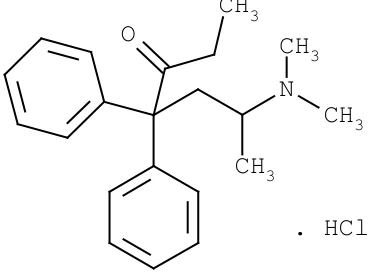
nearly all the analgesic activity of the racemic mixture, is little if any more toxic than dl-methadone.
The following Table summarizes the acute toxicity data for dl-methadone obtained in rats and mice:
| LD50 values (mg/kg) | ||
|---|---|---|
| Route | Mouse | Rat |
| s.c. | 27 | 48 |
| i.p. | 31 | 33 |
| i.v. | 18 | - |
A single dog injected subcutaneously with 50 mg/kg of dl-methadone suffered violent convulsions and died 4 hours after injection.
Rats administered a daily dose of 4 mg/kg methadone hydrochloride subcutaneously for ten weeks showed retarded growth. At autopsy, the only gross change noted was a slight increase in liver weight to body weight ratio. Considerable local subcutaneous irritation was observed at the injection sites.
Young adult mongrel female dogs (n=8) injected twice daily on weekdays, and once daily on weekends, with a dose of 2 mg/kg of methadone for up to 16 weeks, exhibited the following extreme side effects: general depression, narcosis, and sedation. Tolerance to these effects was shown to develop much more slowly with methadone than with morphine. Other long-term effects were bradycardia to which no tolerance developed, vomiting, and reduction in voltages of P and R waves on the electrocardiogram. Signs observed after withdrawal of methadone included increase in resting respiratory rate, tachycardia, loss of appetite, and pronounced muscular tremors, with twitching and rigidity.
Carcinogenicity:
Data from published reports of carcinogenicity studies indicate that there was a significant increase in pituitary adenomas in female B6C2F1 mice consuming 15 mg/kg/day methadone for two years. This dose was approximately 0.6 times a human daily oral dose of 120 mg/day, on a body surface area basis. However, this finding was not seen in mice consuming 60 mg/kg/day (approximately 2.5 times a human daily oral dose of 120 mg/day). Furthermore, in a two-year study of dietary administration of methadone to Fischer 344 rats, there was no clear evidence for treatment related increase in the incidence of neoplasms, at doses as high as 28 mg/kg/day in males and 88 mg/kg/day in females (approximately 2.3 times and 7.1 times, respectively, a human daily oral dose of 120 mg/day) based on body surface area comparison.
Genotoxicity:
In published reports, methadone tested negative in tests for chromosome breakage and disjunction and sex-linked recessive lethal gene mutations in germ cells of Drosophila using feeding and injection procedures. Methadone treatment of male mice increased sex chromosome and autosome univalent chromosomes and translocations in multivalent chromosomes. Methadone tested positive in the E.coli DNA repair system and Neurospora crassa and mouse lymphoma forward mutation assays.
Reproductive and Developmental Toxicology:
Methadone, like morphine, blocks ovulation in the rat but only at doses approaching toxicity.
Teratogenicity:
Methadone does not appear to be teratogenic or embryotoxic in the rat or rabbit models. However, following large doses, methadone produced teratogenic effects in the guinea pig, hamster and mouse.
One published study found that in hamster fetuses, subcutaneous methadone doses of 31 mg/kg or greater (estimated exposure was approximately 2 times a human daily oral dose of 120 mg/day on a mg/m2 basis, or equivalent to a human daily intravenous dose of 120 mg/day) on day 8 of gestation produced exencephaly and neurological effects. Some of the reported effects were observed at doses that were maternally toxic. In another study, a single subcutaneous dose of 22-24 mg/kg methadone (estimated exposure was approximately equivalent to a human daily oral dose of 120 mg/day on a mg/m2 basis; or half a human daily intravenous dose of 120 mg/day) on day 9 of gestation in mice also produced exencephaly in 11% of the embryos. However, no effects were reported in rats and rabbits at oral doses up to 40 mg/kg (estimated exposure was approximately 3 and 6 times, respectively, a human daily oral dose of 120 mg/day on a mg/m2 basis; or 1.5 and 3 times a human daily intravenous dose of 120 mg/day) during days 6-15 and 6-18, respectively.
Administration of a 5, 10, 15 or 20 mg/kg regimen of methadone to gravid rats on the last two weeks of gestation showed a dose-related increase in resorptions and stillbirths, but no teratogenicity. The two intermediate dose levels produced body weights that were reduced at birth but similar to controls by weaning.
Gravid rats administered a 5, 10, or 15 mg/kg regimen of methadone on the last two weeks of gestation showed blood levels of methadone which were dose-related, corresponding to the levels found in human subjects receiving daily maintenance doses of approximately 30, 60 and 100 mg, respectively.
Behavioral teratology studies have suggested that dose levels producing a relatively high maternal and offspring mortality may yield survivors that are more resistant to the toxic effects of the drug and thus not show effects seen among the lower dose-level groups.
Published animal studies suggest that perinatal exposure to opioids including methadone may alter neuronal development and behaviour in the offspring. Perinatal methadone exposure in rats has been linked to alterations in learning ability, motor activity, thermal regulation, nociception responses and sensitivity to other drugs. Additional animal data demonstrates evidence for neurochemical changes in the brains of methadone-treated offspring, including the cholinergic, dopaminergic noradrenergic and serotonergic systems.