


Product Monograph - Duragesic 12
SUMMARY PRODUCT INFORMATION
Route of Administration | Dosage Form / Strength | Nonmedicinal Ingredients |
| Transdermal | Patch Five strengths with 1.25, 2.5, 5, 7.5, and 10 mg fentanyl per patch, delivering 12, 25, 50, 75, 100 mcg/h fentanyl respectively for 72 hours | polyester film, alcohol, hydroxyethyl cellulose, ethylene-vinyl acetate, silicone adhesive, water |
INDICATIONS AND CLINICAL USE
Adults
DURAGESIC (fentanyl transdermal system) is indicated in the management of persistent, moderate to severe chronic pain that cannot be managed by other means such as opioid combination products or immediate-release opioids, and only in patients:
- who require continuous around-the-clock opioid analgesia for an extended period of time and
who are already receiving opioid therapy at a total daily dose of at least 60 mg/day
Morphine Equivalents.
The initial dose of DURAGESIC should be obtained or calculated from the conversion tables (see DOSAGE AND ADMINISTRATION), and must not be higher than that dose which is equivalent to the total dose of opioids the patient is receiving at the time of the switch to the patch.
Because serious or life-threatening hypoventilation could occur, DURAGESIC should not be used in:
- non-opioid-tolerant patients
- the management of postoperative pain
Special Populations
Pediatrics
The use of DURAGESIC in children under 18 years of age is not recommended, as dosage requirements for the safe and efficacious use of DURAGESIC have not been established for this patient population. Life-threatening hypoventilation has been reported in some pediatric patients receiving DURAGESIC.
Elderly and Debilitated Patients
In elderly, cachectic, or debilitated patients, DURAGESIC may have altered pharmacokinetics due to poor fat stores, muscle wasting or altered clearance (see DOSAGE AND ADMINISTRATION). Therefore, it may be appropriate, according to clinical judgment, to initiate these patients on a lower DURAGESIC dose than that which the conversion tables recommend, including the use of the 12 mcg/h dose by itself or in combination with another dose, provided the patient is not opioid-naive (see CONTRAINDICATIONS). The 12 mcg/h strength may also be used for dose titration up or down, as using small increments for dose adjustment is recommended to enhance tolerability of opioid therapy (see DOSAGE AND ADMINISTRATION).
CONTRAINDICATIONS
Because serious or life-threatening hypoventilation could occur, DURAGESIC is contraindicated in:
- 1) patients with acute or postoperative pain, including use in out-patient or day surgeries;
- 2) patients with mild, intermittent or short duration pain that can otherwise be managed;
- 3) opioid-naive patients (at any dose, including 12 mcg/h dose);
- 4) situations of significant respiratory depression, especially in unmonitored settings where there is a lack of resuscitative equipment; and
- 5) patients who have acute or severe bronchial asthma.
Because serious or life-threatening hypoventilation could occur, the maximum initiation dose of DURAGESIC should not be higher than that equivalent to the total dose of opioids the patient is receiving at the time of the switch (see conversion tables in DOSAGE AND ADMINISTRATION).
DURAGESIC is contraindicated in patients who have or are suspected of having paralytic ileus.
DURAGESIC is contraindicated in patients with known hypersensitivity to fentanyl, other opioids, or to the adhesives present in the system.
WARNINGS AND PRECAUTIONS
General
Use in non-opioid-tolerant patients, or use of an initiating dose which is higher than the opioid equivalent to which the patient is tolerant at the time of the switch, may lead to fatal respiratory depression.
The following contraindications reduce the potential risk of serious or life-threatening hypoventilation: DURAGESIC should not be used in the management of acute or postoperative pain since there is no opportunity for dose titration during short-term use and serious or life-threatening hypoventilation could result. Similarly, DURAGESIC should not be administered to patients who do not have some degree of tolerance to opioid-induced side effects. DURAGESIC should ONLY be prescribed to patients who require continuous opioids for pain management, and who are tolerant to at least the morphine equivalent of the lowest initiating DURAGESIC dose.
The initial dose of DURAGESIC should be obtained from the conversion tables in DOSAGE AND ADMINISTRATION, and must not be higher than that dose which is equivalent to the total dose of opioids the patient is receiving at the time of the switch to the patch. It may be appropriate, according to clinical judgment, to initiate some patients on a lower DURAGESIC dose than that which the conversion tables recommend, which may include use of the 12 mcg/h dose. Opioid-naive patients should not be given DURAGESIC at any dose, inclusive of 12 mcg/h (see CONTRAINDICATIONS). In general, the 12 mcg/h dose, which allows for smaller dose increases than does the 25 mcg/h patch, is to be used for titration/adjustments of dosage (see DOSAGE AND ADMINISTRATION).
The use of DURAGESIC in children under 18 years of age is not recommended, as dosage requirements for the safe and efficacious use of DURAGESIC have not been established for this patient population. Life-threatening hypoventilation has been reported in some pediatric patients receiving DURAGESIC.
DURAGESIC should only be prescribed by persons knowledgeable in the continuous administration of potent opioids, in the management of patients receiving potent opioids for treatment of pain, and in the detection and management of respiratory depression including the use of opioid antagonists.
Since serum fentanyl concentrations decline gradually after system removal, patients who have experienced serious adverse events should be monitored for at least 24 hours after DURAGESIC removal or until the adverse reaction has subsided.
As with other CNS depressants, patients who have received DURAGESIC should be closely monitored especially for signs of respiratory depression until a stable maintenance dose is reached.
Due to the formation of a subcutaneous depot of fentanyl, not only does continued exposure occur after system removal but, in the case of removal prior to attainment of peak fentanyl exposure, fentanyl plasma levels may, in fact, continue to increase after removal of DURAGESIC patches.
Using damaged or cut DURAGESIC patches can result in rapid release of the contents of the patch and absorption of a potentially fatal dose of fentanyl. A patch that has been divided, cut, or damaged in any way should not be used. If the gel from the drug reservoir accidentally contacts the skin, the area should be washed with clear water.
DURAGESIC patches are intended for transdermal use on intact skin only; use on compromised skin can lead to increased exposure to fentanyl.
Placing DURAGESIC in the mouth, chewing it, swallowing it, or using it in any ways other than indicated may cause choking or overdose that could result in death.
Risk of Unintentional Increase in Drug Exposure
Patients with Fever: Serum fentanyl concentrations could theoretically increase by approximately one-third for patients with a body temperature of 40°C (104°F) due to temperature-dependent increases in fentanyl release from the system and increased skin permeability. Patients who develop fever should be monitored for opioid side effects and have their DURAGESIC dose adjusted if necessary.
External Heat Sources: All patients should be advised to avoid exposing the DURAGESIC application site to direct external heat sources, such as heating pads, electric blankets, heated water beds, heat or tanning lamps, hot water bottles, prolonged hot baths, saunas and hot whirlpool spa baths, intensive sunbathing, etc.
Accidental Exposure to DURAGESIC
Serious medical consequences, including death, have occurred when people were accidentally exposed to DURAGESIC. Examples of accidental exposure include transfer of a DURAGESIC patch while hugging, sharing a bed, or moving a patient.
Disposal of DURAGESIC
DURAGESIC should be kept out of the reach of children before and after use.
Used systems should be folded so that the adhesive side of the system adheres to itself, then flushed down the toilet immediately upon removal. If the gel from the drug reservoir accidentally contacts the skin, the area should be washed with clear water. Patients should dispose of any systems remaining from a prescription as soon as they are no longer needed. Unused systems should be removed from their pouch and flushed down the toilet (see DOSAGE AND ADMINISTRATION and SPECIAL HANDLING INSTRUCTIONS).
Cardiovascular
Intravenous fentanyl may produce bradycardia. Fentanyl should be administered with caution to patients with bradyarrhythmias.
Concomitant Use of Central Nervous System Depressants
When patients are receiving DURAGESIC, the dose of additional opioids or other CNS- depressant drugs (including alcohol beverages, benzodiazepines, general anesthetics, muscle relaxants and sedating over-the-counter antihistamines) should be reduced by at least 50%. The concomitant use of CNS depressants may result in hypotension, respiratory depression and profound sedation, coma or death (see DRUG INTERACTIONS).
Concomitant Use of CYP3A4 Inhibitors
The concomitant use of DURAGESIC with cytochrome P450 3A4 inhibitors (ritonavir, ketoconazole, itraconazole, troleandomycin, clarithromycin, nelfinavir, nefazodone, verapamil, diltiazem, and amiodarone) may result in an increase in fentanyl plasma concentrations, which could increase or prolong adverse drug effects and may cause potentially fatal respiratory depression. In this situation special patient care and observation are appropriate. Therefore, the concomitant use of transdermal fentanyl and CYP3A4 inhibitors is not recommended unless the patient is closely monitored, for an extended period of time, for signs of respiratory depression, with dosage adjustments made as warranted (see DRUG INTERACTIONS).
Potential for Abuse and Diversion
DURAGESIC contains a high concentration of a potent opioid, fentanyl, which along with other opioids of the morphine type has high potential for abuse and associated risk of fatal overdose due to respiratory depression. The high fentanyl content in DURAGESIC patches may be a particular target for abuse and diversion, with alternative routes of administration potentially resulting in overdose from uncontrolled delivery of the opioid.
This risk should be considered when administering, prescribing, or dispensing DURAGESIC in situations where the healthcare professional is concerned about increased risk of misuse, abuse or diversion. Concerns about abuse, addiction and diversion should not prevent the proper management of pain. Patients should be assessed for their clinical risks for opioid abuse or addiction prior to being prescribed opioids. All patients receiving opioids should be routinely monitored for signs of misuse and abuse.
Since DURAGESIC may be diverted for non-medical use, careful record keeping of prescribing information, including quantity, frequency, and renewal requests is strongly advised. Proper assessment of the patient, proper prescribing practices, periodic re-evaluation of therapy, and proper dispensing and storage are appropriate measures that help to limit abuse of opioid drugs (see Dependence/Tolerance).
Dependence/Tolerance
Drug Dependence vs. Abuse
Fentanyl is an opioid substance and can produce drug dependence similar to that produced by morphine. DURAGESIC, therefore, has the potential for abuse. However, tolerance as well as both physical and psychological dependence may develop upon repeated administration of opioids, and are not by themselves evidence of an addictive disorder or abuse. Iatrogenic addiction following appropriate opioid administration for relief of severe pain is relatively rare. Physicians should not let concerns of physical dependence deter them from using adequate amounts of opioids in the management of severe pain when such use is indicated. Patients at increased risk of opioid abuse may still be appropriately treated with modified-release opioid formulations; however, these patients will require monitoring for signs of misuse, abuse, or addiction.
Drug or Alcohol Dependence
Use of DURAGESIC in combination with CNS depressants, including alcohol, can result in increased risk to the patient (see DRUG INTERACTIONS).
DURAGESIC should be used with caution in individuals who have a history of drug or alcohol abuse, especially those outside a medically controlled environment. While the management of severe pain in patients with a history of addiction requires special consideration, the use of opioids is not necessarily contraindicated in these patients. There may also be an increased risk of diversion in this population; this risk may be decreased by attention to patterns of prescription requests, and by prescribing opioids only as part of an ongoing relationship between a patient and a healthcare provider.
“Drug seeking” behaviour includes emergency calls or visits near the end of office hours; refusal to undergo appropriate examination, testing or referral; repeated “loss” of prescriptions; tampering with prescriptions; “doctor shopping” to obtain additional prescriptions; and reluctance to provide prior medical records or contact information for other treating physician(s).
Head Injuries and Increased Intracranial Pressure
DURAGESIC should not be used in patients who may be particularly susceptible to the intracranial effects of CO2 retention such as those with evidence of increased intracranial pressure, impaired consciousness, or coma. Opioids may obscure the clinical course of patients with head injury. DURAGESIC should be used with caution in patients with brain tumours.
Hepatic/Biliary/Pancreatic
Because of the hepatic metabolism of fentanyl, DURAGESIC should be used with caution in patients with liver dysfunction.
DURAGESIC may cause spasm of the sphincter of Oddi and should be used with caution in patients with biliary tract disease, including acute pancreatitis. Opioids like DURAGESIC may cause increases in the serum amylase concentration.
Psychomotor Impairment
DURAGESIC may impair mental and/or physical ability required for the performance of potentially hazardous tasks such as driving a car or operating machinery. Patients using DURAGESIC should not drive or operate dangerous machinery unless they are tolerant to the effects of the drug.
Renal
Because of the renal excretion of fentanyl, DURAGESIC should be used with caution in patients with kidney dysfunction.
Respiratory
Respiratory Depression
As with all potent opioids, some patients may experience significant respiratory depression (including respiratory distress, apnea, bradypnea, hypoventilation, dyspnea) with DURAGESIC; caution must be exercised and patients carefully observed for untoward reactions. While most patients using DURAGESIC chronically develop tolerance to fentanyl-induced hypoventilation, episodes of slowed respiration may occur at any time during therapy. A small number of patients have experienced clinically significant hypoventilation with DURAGESIC; medical intervention generally was not required in these instances. The incidence of respiratory depression increases as the DURAGESIC dose is increased.
Hypoventilation can occur throughout the therapeutic range of fentanyl serum concentrations. However, the risk of hypoventilation increases at serum fentanyl concentrations greater than 2 ng/mL in non-opioid-tolerant patients, especially for patients who have an underlying pulmonary condition or who receive usual doses of opioids or other CNS drugs associated with hypoventilation in addition to DURAGESIC (see DRUG INTERACTIONS regarding the use of concomitant CNS active drugs). The use of DURAGESIC should be monitored by clinical evaluation. As with other drug-level measurements, serum fentanyl concentrations may be useful clinically, although they do not reflect patients’ sensitivity to fentanyl and should not be used by physicians as a sole indicator of effectiveness or toxicity.
The duration of the respiratory depressant effect of DURAGESIC may extend beyond the removal of the system (see also OVERDOSAGE concerning respiratory depression).
Use in Patients with Chronic Pulmonary Disease
Fentanyl should be used with caution in patients with chronic pulmonary disease, patients with decreased respiratory reserve and others with potentially compromised respiration. Normal analgesic doses of opioids may further decrease respiratory drive in these patients to the point of respiratory failure.
Information for Patients
A patient information sheet is included in the package of DURAGESIC patches dispensed to the patient.
Patients receiving DURAGESIC patches should be given the following instructions by the physician:
- 1. Patients should be advised that DURAGESIC patches contain fentanyl, an opioid pain medicine similar to morphine, hydromorphone, methadone, oxycodone, and oxymorphone.
- 2.
Patients should be advised that each DURAGESIC patch may be worn continuously for
72 hours, and that each patch should be applied to a different skin site after removal of the previous transdermal patch.
- 3.
Patients should be advised that DURAGESIC patches should be applied to intact, non-irritated, and non-irradiated skin on a flat surface such as the chest, back, flank, or upper arm. Additionally, patients should be advised of the following:
- In young children or persons with cognitive impairment, the patch should be put on the upper back to lower the chances that the patch will be removed and placed in the mouth.
- Hair at the application site should be clipped (not shaved) prior to patch application.
- If the site of DURAGESIC application must be cleansed prior to application of the patch, do so with clear water.
- Do not use soaps, oils, lotions, alcohol, or any other agents that might irritate the skin or alter its characteristics.
- Allow the skin to dry completely prior to patch application.
- 4.
Patients should be advised that DURAGESIC should be applied immediately upon removal from the sealed package and after removal of the protective liner. Additionally, the patient should be advised of the following:
- The DURAGESIC patch should not be used if the seal is broken, or if it is altered, cut, or damaged in any way prior to application. This could lead to the rapid release of the contents of the DURAGESIC patch and absorption of a potentially fatal dose of fentanyl. The transdermal patch should be pressed firmly in place with the palm of the hand for 30 seconds, making sure the contact is complete, especially around the edges.
- The patch should not be folded so that only part of the patch is exposed.
- 5.
Patients should be advised that, while wearing the patch, they should avoid exposing the
DURAGESIC application site to direct external heat sources, such as:
- heating pads,
- electric blankets,
- heat lamps,
- saunas,
- hot tubs, and
- heated water beds, etc.
- 6. Patients should be advised that there is a potential for temperature-dependent increase in fentanyl release from the patch that could result in an overdose of fentanyl; therefore, if patients develop a high fever while wearing the patch, they should contact their physician.
- 7.
Patients should be advised that if they experience problems with adhesion of the
DURAGESIC MAT patch, they may tape the edges of the patch with first aid tape. If problems with adhesion persist, patients may overlay the patch with a transparent adhesive film dressing.
- 8. Patients should be advised that if the patch falls off before 72 hours a new patch may be applied to a different skin site.
- 9. Patients should be advised to fold (so that the adhesive side adheres to itself) and immediately flush down the toilet used DURAGESIC patches after removal from the skin.
- 10. Patients should be instructed that, if the gel from the drug reservoir accidentally contacts the skin, the area should be washed clean with clear water and not soap, alcohol, or other chemicals, because these products may increase the ability of fentanyl to go through the skin.
- 11. Patients should be advised that the dose of DURAGESIC should NEVER be adjusted without the prescribing healthcare professional’s instruction.
- 12. Patients should be advised that DURAGESIC may impair mental and/or physical ability required for the performance of potentially hazardous tasks (e.g., driving, operating machinery).
- 13. Patients should be advised to refrain from any potentially dangerous activity when starting on DURAGESIC or when their dose is being adjusted, until it is established that they have not been adversely affected.
- 14. Patients should be advised that DURAGESIC should not be combined with alcohol or other CNS depressants (e.g. sleep medications, tranquilizers) because dangerous additive effects may occur, resulting in serious injury or death.
- 15. Patients should be advised to consult their physician or pharmacist if other medications are being or will be used with DURAGESIC.
- 16. Patients should be advised of the potential for severe constipation.
- 17. Patients should be advised that if they have been receiving treatment with DURAGESIC and cessation of therapy is indicated, it may be appropriate to taper the DURAGESIC dose, rather than abruptly discontinue it, due to the risk of precipitating withdrawal symptoms.
- 18. Patients should be advised that DURAGESIC contains fentanyl, a drug with high potential for abuse.
- 19. Patients, family members and caregivers should be advised to protect DURAGESIC from theft or misuse in the work or home environment.
- 20. Patients should be advised that DURAGESIC should never be given to anyone other than the individual for whom it was prescribed because of the risk of death or other serious medical problems to that person for whom it was not intended.
- 21. Patients should be instructed to keep DURAGESIC in a secure place out of the reach of children due to the high risk of fatal respiratory depression.
- 22. When DURAGESIC is no longer needed, the unused patches should be removed from their pouches, folded so that the adhesive side of the patch adheres to itself, and flushed down the toilet.
- 23. Women of childbearing potential who become or are planning to become pregnant should be advised to consult a physician prior to initiating or continuing therapy with DURAGESIC.
- 24. Patients should be informed that accidental exposure or misuse may lead to death or other serious medical problems.
- 25. Patients should be informed that, if the patch dislodges and accidentally sticks to the skin of another person, they should immediately take the patch off, wash the exposed area with water and seek medical attention for the accidentally exposed individual.
Special Populations
Pregnant Women: Fentanyl has been shown to impair fertility and to have an embryocidal effect in rats when given in intravenous doses 0.3 times the human dose for a period of 12 days. No evidence of teratogenic effects has been observed after the administration of fentanyl to rats. The safe use of fentanyl has not been established with respect to possible adverse effects upon human fetal development. Neonatal withdrawal syndrome has been reported in newborn infants with chronic maternal use of DURAGESIC during pregnancy. DURAGESIC should not be used in women of childbearing potential unless, in the judgment of the physician, the potential benefits outweigh the possible hazards.
Use of DURAGESIC during childbirth is not recommended because fentanyl passes through the placenta and may cause respiratory depression in the newborn child.
Nursing Women: Fentanyl is excreted in human milk; therefore, DURAGESIC is not recommended for use in nursing women because of the possibility of effects in their infants. Pediatrics (< 18 years of age): The use of DURAGESIC in children under 18 years of age is not recommended, as dosage requirements for the safe and efficacious use of DURAGESIC have not been established for this patient population. Life-threatening hypoventilation has been reported in some pediatric patients receiving DURAGESIC.
Elderly and Debilitated Patients: In elderly, cachectic, or debilitated patients, DURAGESIC may have altered pharmacokinetics due to poor fat stores, muscle wasting or altered clearance (see DOSAGE AND ADMINISTRATION). Therefore, it may be appropriate, according to clinical judgment, to initiate these patients on a lower DURAGESIC dose than that which the conversion tables recommend, including the use of the 12 mcg/h dose by itself or in combination with another dose, provided the patient is not opioid-naive (see CONTRAINDICATIONS). The 12 mcg/h strength may also be used for dose titration up or down, as using small increments for dose adjustment is recommended to enhance tolerability of opioid therapy (see DOSAGE AND ADMINISTRATION). As with all DURAGESIC patients, they should be carefully monitored for pain levels and adverse events, particularly hypoventilation.
ADVERSE REACTIONS
Clinical Trial Adverse Drug Reactions
Cancer Trials - Adults
Open-Label and Active-Control Double-Blind Studies
The safety of DURAGESIC has been evaluated in 153 cancer patients and 357 postoperative patients. The duration of DURAGESIC use varied in cancer patients; 56% of patients used DURAGESIC for over 30 days, 28% continued treatment for more than 4 months, and 10% used DURAGESIC for more than 1 year. In cancer patients, DURAGESIC was administered in doses of 25 mcg/h to 600 mcg/h. Patients with acute pain used DURAGESIC for 1 to 3 days.
Respiratory depression, the most serious adverse reaction, was observed in 3 (2%) of the cancer patients and 13 (4%) of postoperative patients. Hypotension and hypertension were observed in 11 (3%) and 4 (1%) of the opioid-naive patients.
Placebo-Controlled Study
Adverse events occurring at a greater frequency than placebo were identified in a placebo-controlled clinical trial of DURAGESIC (25 mcg/h to 100 mcg/h) in cancer patients. Patients were stabilized on morphine for 7 days, and those who achieved adequate pain relief (n=131) were then switched to DURAGESIC. During the initial open-label dose-titration and stabilization period of 15 days, a total of 43 patients dropped out; four experienced dyspnea, three nausea and one severe hallucinations.
Following this stabilization period, the nine-day double-blind period began, with patients randomized to either continue the dose of DURAGESIC achieved during stabilization (n=47) or to switch to placebo (n=48). Rescue morphine was available. The median dose of DURAGESIC was 50 mcg/h. Adverse events during this period, as reported by at least 1 DURAGESIC patient (2.1%), and with a higher frequency of occurrence versus placebo include: vomiting (4.3% vs. 0%), and the following events at 2.1% vs. 0%: abscess, vertigo, hemorrhage, abdominal pain and jaundice.
Chronic Non-Cancer Pain Trials – Adults
The safety findings from the two primary trials (FEN-INT-12, n=248 patients, and FEN-INT-13, n=532 patients) are described below (see Product Monograph, Part II: CLINICAL TRIALS, Chronic Non-Cancer Pain (CNCP) Trials for methodological details on the trials).
Safety Findings
Adverse events related to respiratory depression (reported as either bradypnea or hypoventilation) have been reported in 3/780 (0.4%) of the CNCP patients, leading to discontinuation in all three cases.
There were nine deaths (all in the one-year trial): four were due to cardiac events, three to pneumonia, one to a cerebrovascular event, and one to cancer.
The discontinuation rates were 16% for the one-month crossover trial (FEN-INT-12) and 43% for the one-year trial (FEN-INT-13).
Of the 780 patients, 149 (19%) received less than one month DURAGESIC treatment, 272 (35%) used DURAGESIC for one to six months, 137 (18%) for six months to one year, and 222 patients (28%) continued treatment for more than one year.
Among patients who completed the one-year trial (n=301 of 530 ITT patients), the mean dose at the 12-month endpoint was 90.4 mcg/h, with the most common dose being 75 mcg/h.
Most Common Adverse Events
A causal relationship of adverse events to DURAGESIC was not always determined. The most commonly observed adverse events in the non-cancer chronic pain clinical trials, regardless of causal relationship, are: nausea or vomiting, somnolence, constipation, sweating, headache, dizziness, pruritus and depression.
Other reported adverse reactions occurring in > 1% of patients that are probably or likely related to DURAGESIC treatment are:
Application Site: application site reaction
Body as a Whole: fatigue, pain, malaise, asthenia, hot flushes, withdrawal syndrome, back pain, rigors, temperature changed sensation
Central & Peripheral Nervous System: tremor, vertigo, hypertonia
Gastrointestinal System: dry mouth, diarrhea, abdominal pain, dyspepsia Heart Rate and Rhythm: palpitation
Liver and Biliary System: hepatic enzymes increased, gamma-GT increased Metabolic and Nutritional: weight decreased, LDH increased
Psychiatric: anorexia, anxiety, confusion, insomnia, nervousness, agitation, hallucination, concentration impaired, emotional lability, amnesia
Respiratory System: dyspnea
Skin and Appendages: rash erythematous, skin disorder
Chronic Pain Trials - Pediatrics
The safety of DURAGESIC has been evaluated in 293 opioid-tolerant pediatric patients (age 18 years or less) with chronic pain, with n=63 receiving DURAGESIC for at least 2 months. Approximately 60% of the patients had underlying pain due to malignancy. The numbers of patients in the lower age ranges were as follows: n=2 patients < 2 years old; n=65 patients 2 to < 6 years old; n=100 patients 6 to <12 years old. The most commonly reported adverse events regardless of causality include: vomiting (14.3%), nausea (11.6%), constipation (9.2%), pruritus (8.2%), and somnolence (5.8%). Three patients experienced respiratory depression within 96 hours of beginning DURAGESIC; two of these patients died. The underlying condition of the patients contributed to the deaths. The third patient’s decreased respiratory rate was resolved after temporary discontinuation of DURAGESIC.
Dosing recommendations for the safe and effective use of DURAGESIC in this patient population have not been established, in view of the combination of:
- i) the variety of factors which could lead to overexposure from DURAGESIC in children as compared to adults (including smaller body weight and significantly different body surface area; differential skin characteristics; potential for magnification, compared to adults, of the impact of amount of body fat stores, muscle wasting, fever, external heat), and
ii) the limitations in both formal PK data (see ACTION AND CLINICAL
PHARMACOLOGY, Pharmacokinetics, Special Populations and Conditions) and exposure data (as above).
Post-Market Adverse Drug Reactions
In post-marketing experience, deaths from hypoventilation have been reported in cases of inappropriate use of DURAGESIC.
Other opioid-related adverse reactions include: nausea, vomiting, constipation, hypotension, bradycardia, somnolence, headache, confusion, hallucination, euphoria, pruritus, sweating, tachycardia, paresthesia, sexual dysfunction, and urinary retention.
Skin reactions such as rash, erythema and itching have occasionally been reported. These reactions usually resolve within 24 hours or upon removal of the patch.
There have been very rare reports of anaphylactic and anaphylactoid reaction, including Stevens-Johnson syndrome, airway constriction, swelling, anaphylactic shock, and two deaths that occurred within 24 hours of the anaphylactic reaction. In one case, it was the caregiver of the patient who experienced dyspnea, urticaria and swelling, within ten minutes of applying the patch to the patient.
There have also been rare reports of convulsions, including clonic convulsions and grand mal convulsions. In two cases, vegetative state or coma was reported to immediately follow the convulsions.
Opioid withdrawal symptoms, such as nausea, vomiting, diarrhea, anxiety and shivering are possible in some patients after conversion from their previous opioid analgesic to DURAGESIC or if therapy is stopped suddenly. There have been very rare reports of newborn infants experiencing neonatal withdrawal syndrome when mothers chronically used DURAGESIC during pregnancy (see WARNINGS AND PRECAUTIONS: Special Populations, Pregnant Women).
DRUG INTERACTIONS
Overview
Additive Effects of Other CNS Depressants
Hypoventilation, hypotension and profound sedation or coma may occur with the concomitant use of other central nervous system depressants (including other opioids, sedatives or hypnotics, general anesthetics, phenothiazines, tranquilizers); skeletal muscle relaxants, sedating antihistamines, and alcoholic beverages may produce additive depressant effects. When combined therapy is contemplated, the dose of each agent should be reduced by at least 50%.
Drug-Drug Interactions
CYP 3A4 Inhibitors
Fentanyl, a high clearance drug, is rapidly and extensively metabolized mainly by the human cytochrome P450 3A4 isoenzyme system (CYP3A4); therefore, potential interactions may occur when DURAGESIC is given concurrently with agents that affect CYP3A4 activity. Coadministration with agents that induce 3A4 activity may reduce the efficacy of DURAGESIC. The concomitant use of transdermal fentanyl with ritonavir or other 3A4 inhibitors such as ketoconazole, itraconazole, troleandomycin, clarithromycin, nelfinavir, nefazodone, verapamil, diltiazem, amiodarone, and erythromycin may result in an increase in fentanyl plasma concentrations which could increase or prolong adverse drug effects and may cause serious respiratory depression (see also WARNINGS AND PRECAUTIONS, Concomitant Use of CYP3A4 Inhibitors). In this situation, special patient care and observation are appropriate. The concomitant use of CYP3A4 inhibitors and DURAGESIC is not recommended, unless the patient is closely monitored.
MAO Inhibitors
Severe and unpredictable potentiation by MAO inhibitors has been reported with opioid analgesics. Since the safety of fentanyl in this regard has not been established, the use of fentanyl in patients who have received MAO inhibitors during the previous 14-day period is not recommended. Conversely, the use of MAO inhibitors in patients who have received fentanyl in the previous 14-day period is not recommended.
DOSAGE AND ADMINISTRATION
General
DURAGESIC should only be prescribed by persons knowledgeable in the continuous administration of potent opioids, in the management of patients receiving potent opioids for treatment of pain, and in the detection and management of respiratory depression including the use of opioid antagonists.
At the time of the switch to DURAGESIC, patients must be tolerant to opioid therapy of comparable potency to that of the intended initiating dose. Use of DURAGESIC in patients who are non-opioid-tolerant, or insufficiently tolerant, may lead to fatal respiratory depression.
Dosing Considerations
DURAGESIC doses must be individualized based upon the status of each patient and should be assessed at regular intervals after application. Proper optimization of doses scaled to the relief of the individual’s pain should aim at the regular administration of the lowest dose of DURAGESIC which will maintain the patient free of pain at all times. Dosage of the drug must be individualized according to the response and tolerance of the patient. The most important factor to be considered in determining the appropriate dose is the extent of pre-existing opioid tolerance. Reduced doses of DURAGESIC are suggested for the elderly and other groups discussed in WARNINGS AND PRECAUTIONS.
There has been no systematic evaluation of DURAGESIC as an initial opioid analgesic in the management of chronic pain. Most patients in the clinical trials were converted to DURAGESIC from other opioid therapies on which inadequate to moderate pain control had been experienced prior to conversion.
Initiation of DURAGESIC in patients who are opioid-naive is contraindicated at any dose (see CONTRAINDICATIONS). The initial dose of DURAGESIC should be obtained from the conversion tables in DOSAGE AND ADMINISTRATION, and must not be higher than that dose which is equivalent to the total dose of opioids the patient is receiving at the time of the switch to the patch. It may be appropriate, according to clinical judgment, to initiate some patients on a lower DURAGESIC dose than that which the conversion tables recommend, including the use of the 12 mcg/h dose by itself or in combination with another dose, provided the patient is not opioid-naive (see CONTRAINDICATIONS).
In general the 12 mcg/h dose, which allows for smaller dose increases than does the 25 mcg/h patch, is to be used for titration/adjustments of dosage (For oral morphine equivalency in dose adjustment, see Recommended Dose and Dose Adjustment, Dose Titration, Titration Dose Increment). The 12 mcg/h dose is not included in the conversion tables (Tables 1.1 and 1.2) because it is generally not to be used as the initiating dose.
Opioid analgesics may be only partially effective in relieving dysesthetic pain, postherpetic neuralgia, stabbing pains, activity-related pain and some forms of headache. That is not to say that patients with these types of pain should not be given an adequate trial of opioid analgesics, but it may be necessary to refer such patients at an early time to other forms of pain therapy.
DURAGESIC has a high potential for abuse and diversion (see WARNINGS AND PRECAUTIONS).
Concomitant Use of CYP3A4 Inhibitors
The concomitant use of DURAGESIC with cytochrome P450 3A4 inhibitors (including ritonavir, ketoconazole, itraconazole, troleandomycin, clarithromycin, nelfinavir, nefazodone, verapamil, diltiazem, and amiodarone) may result in an increase in fentanyl plasma concentrations, which could increase or prolong adverse drug effects and may cause potentially fatal respiratory depression. Patients concomitantly exposed to DURAGESIC and potent CYP3A4 inhibitors should be carefully monitored for an extended period of time and dosage adjustments should be made if warranted (see DRUG INTERACTIONS).
Recommendations Regarding Selection of Initiating Dose
Pediatrics
The use of DURAGESIC in children under 18 years of age is not recommended as dosage requirements for the safe and efficacious use of DURAGESIC have not been established for this patient population. Life-threatening hypoventilation has been reported in some pediatric patients receiving DURAGESIC.
Adults: Initial Dose Selection
In selecting an initial DURAGESIC dose, attention should be given to 1) the daily dose, potency, and characteristics of the opioid the patient has been taking previously (e.g. whether it is a pure agonist or mixed agonist-antagonist), 2) the reliability of the relative potency estimates used to calculate the DURAGESIC dose needed (potency estimates may vary with the route of administration), 3) the degree of opioid tolerance, and 4) the general condition and medical status of the patient.
At the time of the switch to DURAGESIC, patients must be tolerant to opioid therapy of comparable potency to that of the intended initiating dose. It may be appropriate, according to clinical judgment, to initiate some patients on a lower DURAGESIC dose than that which the conversion tables recommend, which may include use of the 12 mcg/h dose. The 12 mcg/h dose is not included in the conversion tables (Tables 1.1 and 1.2), because it is generally to be used for dose adjustment rather than as the initiation dose, except in the case of patients who, because of their clinical status, are to be initiated on a lower dose than that which the conversion tables recommend. Overestimating the DURAGESIC dose when converting patients from another opioid medication can result in fatal overdose with the first dose. Due to the mean elimination half-life of 17 hours of DURAGESIC, patients who are thought to have had a serious adverse
event, including overdose, will require monitoring and treatment for at least 24 hours or until the adverse event has subsided.
Parenteral/Oral/Equianalgesic Potency Conversion
To convert adult patients from oral or parenteral opioids to DURAGESIC, use Table 1.1.
Alternatively, for adult patients taking opioids or doses not listed in Table 1.1, use the following methodology:
- 1. Calculate the previous 24-hour analgesic requirement expressed in morphine equivalents.
- 2.
Use Table 1.2 to convert this equianalgesic morphine dose to the recommended initial
DURAGESIC dose. This conversion recommendation is intentionally conservative to minimize the potential for DURAGESIC overdosage.
For delivery rates in excess of 100 mcg/h, multiple systems may be applied.
Because of the gradual increase in serum fentanyl concentration over the first 24 hours following initial system application, the initial evaluation of the maximum analgesic effect of DURAGESIC cannot be made before 24 hours of wearing. Patients should use short-acting analgesics after the initial dose application as needed until analgesic efficacy with DURAGESIC is attained.
Elderly, Cachectic, or Debilitated Patients: Initial Dose Selection
In patients from these populations, DURAGESIC may have altered pharmacokinetics due to poor fat stores, muscle wasting or altered clearance. Therefore, it may be appropriate, according to clinical judgment, to initiate these patients on DURAGESIC at a dose level lower than that which the conversion tables recommend, including the use of the 12 mcg/h dose by itself or in combination with another dose, provided the patient is not opioid-naive (see CONTRAINDICATIONS). As with all DURAGESIC patients, they should be carefully monitored for pain levels and adverse events, particularly hypoventilation.
Dose Adjustment
Dose titration is the key to success with opioid analgesic therapy. The recommended initial DURAGESIC dose based upon the daily morphine dose is conservative, and 50% of patients are likely to require a dose increase after initial application of DURAGESIC. If analgesia is insufficient after the initial application, the first dosage increase should occur three days after application, while all subsequent dosage increases should occur six days following the previous application.
Initial Dosage Increase: The initial DURAGESIC dosage may be increased after 3 days based on the daily dose of supplemental analgesics required by the patients in the second or third day of the initial application.
All Other Dosage Increases: Physicians are advised that it may take up to 6 days after increasing the dose of DURAGESIC for the patient to reach equilibrium on the new dose. Therefore, patients should wear a higher dose through two applications before any further increase in dosage is made on the basis of the average daily use of a supplemental analgesic.
Titration Dose Increment: Dosage of DURAGESIC must be individualized according to the pain relief and tolerance of the patient. Appropriate dosage increase increments should be based on the daily dose of supplementary opioids, using the ratio of 45-59 mg/24 hours of oral morphine to a 12 mcg/h increase in DURAGESIC dose. For example, if at the end of the required 6-day duration with a new patch strength, a patient is consuming an average daily dose of 150 mg of oral morphine, then the recommended DURAGESIC dose increase would be 3x12 mcg/h, which can be achieved by three 12 mcg/h patches, or one of 25 mcg/h and one of 12 mcg/h. The use of 12 mcg/h in the ratio for calculation of DURAGESIC dose increases allows for achieving smaller increments when needed, i.e. increments that are as close as possible to the actual average amount of supplementary oral morphine. Some patients may continue to require periodic supplemental doses of short-acting analgesic for “breakthrough” pain.
Maintenance
The majority of patients are adequately maintained with DURAGESIC administered every 72 hours. A small number of patients may not achieve adequate analgesia using this dosing interval and may require systems to be applied every 48 hours rather than every 72 hours. If breakthrough pain repeatedly occurs at the end of the dosing interval, it is generally an indication for a dosage increase rather than more frequent administration. An increase in the DURAGESIC dose should be considered before changing dosing intervals in order to maintain patients on a 72-hour regimen.
Some patients may require additional or alternative methods of opioid administration when the DURAGESIC dose exceeds 300 mcg/h.
Decreased Dosing or Discontinuation of DURAGESIC
Following the successful relief of severe pain, periodic attempts should be made to reduce the opioid dose. Lower doses or complete discontinuation of the opioid analgesic may become feasible due to physiological change or improved mental state of the patient.
Opioid withdrawal symptoms, such as nausea, vomiting, diarrhea, anxiety and shivering, are possible in some patients after conversion or dose decrease. For patients requiring discontinuation of opioids, a gradual downward titration in small increments, such as in steps of 25%, is recommended since it is not known at what dose level the opioid may be discontinued without producing the signs and symptoms of abrupt withdrawal (see Dose Adjustment, Titration Dose Increment).
For all downward titration, it is important to note that it takes 17 hours or more for the fentanyl serum concentration to fall by 50% after system removal.
Safe Use of Tables 1.1 and 1.2
To convert patients to another opioid, remove DURAGESIC and titrate the dose of the new analgesic, based upon the patient’s report of pain, until adequate analgesia has been attained. Tables 1.1 and 1.2 should not be used to convert from DURAGESIC to other opioid therapies. Because the conversion to DURAGESIC is conservative, use of Tables 1.1 and 1.2 for conversion to other analgesic therapies can overestimate the dose of the new agent. Overdosage of the new analgesic agent is possible.
Table 1.1 1 # Dose Conversion Guidelines Dose Conversion Guidelines are Unidirectional and for Chronic use.
Use this table to convert patients from other opioids TO DURAGESIC only. Do NOT use this table to convert patients from DURAGESIC to other opioids; doing so may result in overdose and toxicity
Current Analgesic Daily Dosage (mg/d)
Oral morphine 60-134 135-179 180-224 225-269 270-314 315-359 360-404
IM/IV morphine2 30-66 67-90 91-111 112-134 135-157 158-179 180-202
Oral oxycodone 30-66 67-90 91-112 113-134 135-157 158-179 180-202
Oral codeine 150-447 448-597 598-747 748-897 898-1047 1048-1197 1198-1347
Oral
hydromorphone
8-16 17-22 23-28 29-33 34-39 40-45 46-51
IV
hydromorphone3
4.0-8.4 8.5-11.4 11.5-14.4 14.5-16.5 16.6-19.5 19.6-22.5 22.6-25.5
⇓ ⇓ ⇓ ⇓ ⇓ ⇓ ⇓
Recommended
DURAGESIC
Dose
25 mcg/h 37 mcg/h 50 mcg/h 62 mcg/h 75 mcg/h 87 mcg/h 100 mcg/h
Alternatively, for adult patients taking opioids or doses not listed in Table 1.1, use the conversion methodology outlined above with Table 1.2.
# 12 mcg/h dose is not included in this table because it generally should not be used as the initiating dose, except in the case of patients for whom clinical judgment deems it appropriate to start DURAGESIC at less than 25 mcg/h; DURAGESIC at any dose is contraindicated in opioid-naive patients (see CONTRAINDICATIONS).
1Table 1.1 should not be used to convert from DURAGESIC to other therapies because this conversion to DURAGESIC is conservative. Use of Table 1.1 for conversion to other analgesic therapies can overestimate the dose of the new agent. Overdosage of the new analgesic agent is possible (see DOSAGE AND ADMINISTRATION, Safe Use of Tables 1.1 and 1.2).
2Based on clinical experience in patients with chronic pain, the conversion ratio of 10 mg parenteral morphine is equal to approximately 20-30 mg oral morphine. In the table above, calculation is based on a 1:2 parenteral to oral dose ratio. For some patients, a 1:3 parenteral to oral dose ratio (10 mg parenteral morphine = 30 mg oral morphine) may be more appropriate. The respective IM/IV morphine equivalents for DURAGESIC doses with a 1:3 ratio are:
IM/IV morphine
(mg/d) at 1:3
parenteral to oral
dose ratio
| 20-44 | 45-60 | 61-75 | 76-90 | 91-104 | 105-119 |
120-134
Recommended DURAGESIC Dose
| 25 mcg/h | 37 mcg/h | 50 mcg/h | 62 mcg/h | 75 mcg/h | 87 mcg/h |
100 mcg/h
3The conversion ratio of parenteral hydromorphone to oral hydromorphone of 1:2 is based on clinical experience in patients with chronic pain. Reference: Parenteral Drug Therapy Manual, Vancouver General Hospital, Pharmaceutical Sciences Clinical Services.
Table 1.2 Recommended DURAGESIC Dose Based Upon Daily Oral Morphine Dose ‡ #
Oral 24-hour morphine (mg/day) | DURAGESIC Dose (mcg/h) | |
| Dose Adjustment | 45-59 | 12 |
| Initiation Dose | 60-134 135-179 180-224 225-269 270-314 315-359 360-404 405-494 495-584 585-674 675-764 765-854 855-944 945-1034 1035-1124 | 25 25+12 50 50+12 75 75+12 100 125 150 175 200 225 250 275 300 |
‡ In clinical trials these ranges of chronic daily oral morphine doses were used as a basis for conversion to DURAGESIC. See Recommended Dose and Dosage Adjustment, Dose Adjustment.
# 12 mcg/h dose is included in this table for dose adjustment. 12 mcg/h dose generally should not be used as the initiating dose, except in the case of patients for whom clinical judgment deems it appropriate to start DURAGESIC at less than 25 mcg/h; DURAGESIC at any dose is contraindicated in opioid-naive patients (see CONTRAINDICATIONS).
Administration
Application of DURAGESIC Patch
DURAGESIC should be applied to non-irritated and non-irradiated skin on a flat surface such as the chest, back, flank, or upper arm. Hair at the application site should be clipped (not shaved) prior to application. If the site of DURAGESIC application must be cleansed prior to application of the system, do so with clear water. Do not use soaps, oils, lotions, alcohol, or any other agents that might irritate the skin or alter its characteristics. Allow the skin to dry completely prior to system application.
DURAGESIC should be applied immediately upon removal from the sealed package. The system should not be altered, e.g., cut, in any way prior to its application. The transdermal system should be pressed firmly in place with the palm of the hand for 30 seconds, making sure the contact is complete, especially around the edges.
Each DURAGESIC system may be worn continuously for 72 hours. A new system should be applied on a different skin site after removal of the previous transdermal system.
Disposal of DURAGESIC Patch
Used systems should be folded so that the adhesive side of the system adheres to itself, then flushed down the toilet immediately upon removal (see SPECIAL HANDLING INSTRUCTIONS).
OVERDOSAGE
Symptoms
The manifestations of fentanyl overdosage are an extension of its pharmacologic actions with the most serious effect being respiratory depression.
Treatment
For management of respiratory depression, immediate countermeasures include removing the DURAGESIC and physically or verbally stimulating the patient. These actions can be followed by administration of a specific opioid antagonist such as naloxone. The duration of respiratory depression following an overdose may be longer than the effects of the opioid antagonist’s action (the half-life of naloxone ranges from 30 to 81 minutes). The interval between IV antagonist doses should be carefully chosen because of the possibility of re-narcotization after system removal; repeated administration of naloxone may be necessary. Reversal of the opioid effect may result in acute onset of pain and release of catecholamines.
If the clinical situation warrants, establish and maintain a patent airway, administer oxygen and assist or control respiration as indicated, and use an oropharyngeal airway or endotracheal tube if necessary. If depressed respiration is associated with muscular rigidity, an intravenous neuromuscular blocking agent may be required to facilitate assisted or controlled respiration. Adequate body temperature and fluid intake should be maintained.
If severe or persistent hypotension occurs, the possibility of hypovolemia should be considered, and managed with appropriate parenteral fluid therapy.
ACTION AND CLINICAL PHARMACOLOGY
Pharmacodynamics
Fentanyl is an opioid analgesic which interacts predominantly with the μ-opioid receptor. Fentanyl produces analgesia, sedation, respiratory depression, constipation, and physical dependence but appears to have less emetic activity than other opioid analgesics. Fentanyl may produce muscle rigidity, miosis, cough reflex suppression, alterations in mood, bradycardia and bronchoconstriction.
Analgesic blood levels of fentanyl may cause nausea and vomiting directly by stimulating the chemoreceptor trigger zone, but nausea and vomiting are significantly more common in ambulatory than in recumbent patients, as is postural syncope.
Opioids increase the tone and decrease the propulsive contractions of the smooth muscle of the gastrointestinal tract. The resultant prolongation in gastrointestinal transit time may be responsible for the constipating effect of fentanyl. Because opioids may increase biliary tract pressure, some patients with biliary colic may experience worsening rather than relief of pain.
While opioids generally increase the tone of urinary tract smooth muscle, the net effect tends to be variable, in some cases producing urinary urgency, in others, difficulty in urination.
At therapeutic dosages, fentanyl usually does not exert major effects on the cardiovascular system. However, some patients may exhibit orthostatic hypotension and fainting.
Histamine assays and skin wheal testing in man indicate that histamine release rarely occurs with fentanyl. Assays in man show no clinically significant histamine release in dosages up to 50 mcg/kg.
Both the minimum effective concentration and the concentration at which toxicity occurs rise with increasing tolerance. The rate of development of tolerance varies widely among individuals.
Pharmacokinetics
DURAGESIC provides continuous systemic delivery of fentanyl for up to 72 hours. Fentanyl is released along the concentration gradient existing between the saturated solution of the drug in the reservoir of the system and the lower concentration in the skin.
Adults
Absorption:
Following initial DURAGESIC administration, serum fentanyl concentrations increase gradually, generally levelling off between 12 and 24 hours and remaining relatively constant for the remainder of the 72-hour application period. Peak serum levels of fentanyl generally occur between 24 and 72 hours after the first application.
Serum fentanyl concentrations achieved are proportional to the DURAGESIC delivery rate. With continuous use, serum fentanyl concentrations continue to rise for the first few system applications. After several sequential 72-hour applications, patients reach and maintain a steady-
state serum concentration that is determined by individual variation in skin permeability and body clearance of fentanyl (see Table 1.3).
The kinetics of fentanyl in normal subjects following application of a 100 mcg/hr DURAGESIC patch were bioequivalent with or without a Bioclusive™ overlay (polyurethane film dressing).
Table 1.3
Pharmacokinetic Parameters of TTS (fentanyl) in Adults
Mean (SD) Maximal Concentration Cmax (ng/mL)
Mean (SD) Time to Maximal Concentration
Tmax (h)
DURAGESIC 12 mcg/h 0.3 (0.2) 27.5 (9.6) DURAGESIC 25 mcg/h 0.6 (0.3) 38.1 (18.0) DURAGESIC 50 mcg/h 1.4 (0.5) 34.8 (15.4) DURAGESIC 75 mcg/h 1.7 (0.7) 33.5 (14.5) DURAGESIC 100 mcg/h 2.5 (1.2) 36.8 (15.7)
After DURAGESIC removal, serum fentanyl concentrations decline gradually, falling about 50% in approximately 17 (range 13-22) hours. Continued absorption of fentanyl from the skin accounts for a slower disappearance of the drug from the serum than is seen after an IV infusion, where the apparent half-life ranges from 3-12 hours.
Distribution: The average volume of distribution for fentanyl is 6 L/kg (range 3-8, n=8). The average clearance in patients undergoing various surgical procedures is 46 L/h (range 27-75, n=8). Mean values for unbound fractions of fentanyl in plasma are estimated to be between 13% and 21%.
Metabolism: Skin does not appear to metabolize fentanyl delivered transdermally. Fentanyl is metabolized primarily in the liver. In humans, the drug is metabolized primarily by N-dealkylation to norfentanyl and other inactive metabolites.
Excretion: Approximately 75% of an IV fentanyl dose is excreted in urine, mostly as metabolites, with less than 10% representing unchanged drug. Approximately 9% of the dose is recovered in the feces, primarily as metabolites.
Special Populations and Conditions
Pediatrics Under 18 Years of Age: In a pharmacokinetic study with non-opioid-tolerant patients, 8 children aged 1.5 to 5 years old on 25 mcg/h patches were compared to 8 adults on 50 mcg/h patches. The comparative “dose per mean body weight” i.e. mcg/hr/kg was 1.67 for children vs. 0.67 for adults. Mean Cmax was 50% higher in the children and mean AUC ~25% higher, with both mean Tmax and mean half-life shorter (approx. 50% and 75% of the adult values, respectively). For 6 of the 8 children, there was no apparent plateau in plasma concentrations. Adjusting for either body weight or body surface area, clearance in pediatric subjects was found to be about 20%-40% higher than in adults.
Analyses of population pharmacokinetics data in pediatrics indicate that the variability in fentanyl AUC and Cmax values at steady state (Css) correlated with changes in body surface area (BSA) values observed in subjects. An increase in BSA of 0.1 m2 is predicted to result in a 4.8% increase in clearance and 4.6% decrease in Css.
Dosing recommendations for the safe and effective use of DURAGESIC in this patient population have not been established, in view of the combination of:
- i) the variety of factors which could lead to overexposure from DURAGESIC in children as compared to adults (including smaller body weight and significantly different body surface area; differential skin characteristics; potential for magnification, compared to adults, of the impact of amount of body fat stores, muscle wasting, fever, external heat), and
ii) the limitations in both formal PK data (as above) and exposure data (see ADVERSE
REACTIONS, Clinical Trial Adverse Drug Reactions, Chronic Pain Trials - Pediatrics)
Elderly or Debilitated Patients: In elderly, cachectic, or debilitated patients, DURAGESIC may have altered pharmacokinetics due to poor fat stores, muscle wasting or altered clearance. The clearance of fentanyl may be reduced, and the terminal half-life prolonged (see DOSAGE AND ADMINISTRATION).
Hepatic Insufficiency: No data available
Renal Insufficiency: No data available
STORAGE AND STABILITY
DURAGESIC is stable for 2 years from date of manufacturing when stored in sealed pouch between 15° and 25°C. Do not refrigerate or freeze.
SPECIAL HANDLING INSTRUCTIONS
DURAGESIC should be kept out of the reach of children before and after use.
DURAGESIC patches should not be divided, cut, or damaged in any other way since this leads to uncontrolled release of fentanyl.
Used systems should be folded so that the adhesive side of the system adheres to itself, then flushed down the toilet immediately upon removal. If the gel from the drug reservoir accidentally contacts the skin, the area should be washed with clear water. Do not use soap, alcohol or other solvents to remove the gel because they may enhance the drug’s ability to penetrate the skin. Patients should dispose of any systems remaining from a prescription as soon as they are no longer needed. Unused systems should be removed from their protective pouch and flushed down the toilet.
Wash hands, with water only, after applying or removing the patch.
DOSAGE FORMS, COMPOSITION AND PACKAGING
DURAGESIC is a transdermal patch providing continuous systemic delivery of fentanyl, a potent opioid analgesic, for 72 hours.
DURAGESIC is a rectangular transparent unit comprising a protective liner and four functional layers. Proceeding from the outer surface toward the surface adhering to the skin, these layers are: 1) an occlusive backing layer of polyester/ethylene vinyl acetate (EVA) film, 2) a drug reservoir of fentanyl and alcohol 95% USP gelled with hydroxyethyl cellulose and purified water, 3) an EVA copolymer membrane that controls the rate of fentanyl delivery to the skin surface, and 4) a layer of silicone adhesive. A peelable protective FCD/polyester liner covering the adhesive layer must be removed before the system can be applied.
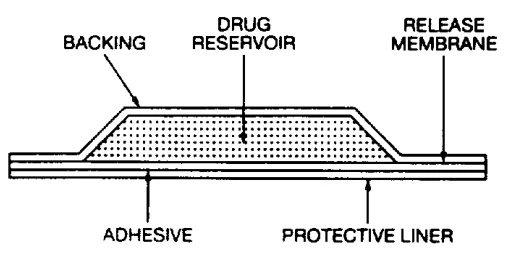
DURAGESIC is available in five different strengths. Each system is labelled with a nominal flux, which represents the average amount of drug delivered to the systemic circulation per hour across average skin. The active component of the system is fentanyl. The amount of fentanyl released from each system per hour is proportional to the surface area (25 mcg/h per 10 cm2). The 5, 10, 20, 30 and 40 cm2 systems are designed to deliver 12, 25, 50, 75 or 100 mcg/h fentanyl to the systemic circulation, representing approximately 0.3, 0.6, 1.2, 1.8 or 2.4 mg per day, respectively. The remaining components are pharmacologically inactive. The composition per unit area of all system sizes is identical. Less than 0.2 mL of alcohol is released from the system during a 72-hour use.
Total fentanyl contents and system sizes for the five strengths are summarized below:
Table 1.4
| Dosea (mcg/h) | Size, as Active Surface Area (cm2) | Fentanyl content (mg) |
| 12b | 5 | 1.25 |
| 25 | 10 | 2.5 |
| 50 | 20 | 5 |
| 75 | 30 | 7.5 |
| 100 | 40 | 10 |
a: Nominal delivery rate per hour b: Nominal delivery rate is 12.5 mcg/h
DURAGESIC is supplied in cartons containing 5 individually packaged systems.
PART II: SCIENTIFIC INFORMATION
PHARMACEUTICAL INFORMATION
Drug Substance
Common name: fentanyl base
Chemical name: N-phenyl-N-(1-2-phenylethyl-4-piperidyl)propanamide
Molecular formula and molecular mass: C22H28N2O, 336.46
Structural formula:
CH2
CH2
CH2 CH2
N N
C
O
Physiochemical properties: Fentanyl base is a white or slightly creamy white crystalline powder with a melting range of 84°-86°C. It is very slightly soluble in water (0.16 mg/mL), slightly soluble in a neutral buffer (1.2 mg/mL), freely soluble in ethanol, acetonitrile and methylene chloride. The n-octanol: water partition coefficient is 860:1. The pKa is 8.4.
CLINICAL TRIALS
Cancer Trials - Adults
During the pre-marketing phase, clinical trials were conducted in 153 patients to evaluate the efficacy and safety of DURAGESIC (fentanyl transdermal system) therapy for pain due to cancer. The studies were open-labelled with the exception of one trial which incorporated a randomized, double-blind crossover component (DURAGESIC therapy versus placebo) in 46 patients. Doses in these studies varied between 25 and 600 mcg/h. Patients used DURAGESIC therapy continuously for up to 866 days; 56% received DURAGESIC therapy for over 30 days, 28% continued treatment for more than 4 months and 10% used DURAGESIC therapy for more than 1 year. The results of these studies demonstrated that: 1) satisfactory analgesia was achieved in the majority of patients, and 2) DURAGESIC therapy was accepted by cancer patients, their caregivers and physicians.
Since the introduction of DURAGESIC therapy, additional trials have been conducted in approximately 350 chronic cancer pain patients to confirm earlier conclusions. In the largest of these, a Canadian post-marketing surveillance study in 199 patients, a reduction in pain intensity and improved pain relief and well-being were observed in the 127 patients evaluable for efficacy.
Patient preference for DURAGESIC therapy over their previous analgesic therapy was also observed. In these patients, the average treatment duration was 68 days (range: 17 - 118). The mean dose for all study patients increased from 51 mcg/h at baseline to 128 mcg/h at the last dose on therapy.
Chronic Non-Cancer Pain (CNCP) Trials - Adults
The safety of DURAGESIC has been evaluated in 908 patients with chronic pain conditions from a total of 5 trials. Pain conditions included low back pain, neuropathic pain and AIDS-associated pain. One of the two primary trials was an open-label single-arm one-year study with 530 patients (FEN-INT-13), and the other an open-label two-month crossover trial with 250 patients and slow-release morphine as the comparator (FEN-INT-12). In both trials, neuropathic and nociceptive pain were present in 50% and 71% of the patients, respectively. The most frequent body regions causing pain were the lower back (43% of the patients) and lower limbs (22%); the body systems most frequently responsible for pain were the nervous (45%), and musculoskeletal systems and connective tissue (43%). The most common etiology was degenerative, mechanical (38%) or trauma (26%). Patients ranged from 22 to 88 years in age, with a median age of 49 years. Patients had experienced chronic pain for a median duration of six years, and reported at least moderate pain control over the preceding 7 days from a stable daily dose of opioids. For more detail on the safety profiles from these two primary trials, see ADVERSE REACTIONS, Clinical Trial Adverse Drug Reactions.
DETAILED PHARMACOLOGY
Animal Pharmacology
Fentanyl exerts a typical opioid analgesic effect. Results were obtained in animal studies to define this activity.
Fentanyl was effective in the Haffner tail clamp test in mice, a test used to detect opioid analgesic activity. The ED50 for fentanyl was calculated to be 0.08 mg/kg s.c. and that for morphine, 15 mg/kg s.c. The onset of the analgesic effect occurred in 4 minutes with fentanyl and the duration was 30 minutes.
The compound exhibited activity in the tail-withdrawal test in rats, a test measuring the time elapsing for a rat to remove its tail from a water bath heated to 55°C. Fentanyl was found to be 269 times more potent than morphine after subcutaneous administration and had a faster onset and shorter duration of action than the latter compound.
Fentanyl has been shown to produce analgesia in rabbits as evidenced by the failure of a painful stimulus applied to the trigeminal nerve to produce desynchronization of the EEG. Depression of the cortical activating system was evidenced by the increased cortical potentials seen after administration of fentanyl.
Low concentrations of fentanyl shifted the oxygen dissociation curve to the left, whereas high concentrations were ineffective.
Fentanyl, like other potent opioid analgesics, produces skeletal muscle rigidity. This muscular rigidity can be blocked or reversed by succinylcholine. Fentanyl has been demonstrated to have no effect on neuromuscular transmission in anesthetized cats.
The interaction of fentanyl with diazepam and pancuronium was investigated in the anesthetized dog. Fentanyl alone in a dose of 0.5 mg/kg IV decreased heart rate, cardiac output and arterial pressure in these animals. The administration of diazepam, 0.5 mg/kg IV after fentanyl caused some reversal of the decrease in heart rate and cardiac output. The subsequent administration of pancuronium completely reversed the decreased heart rate, cardiac output and arterial pressure. A decrease in cardiac output and arterial pressure leads to decreased pulmonary arterial pressure and blood flow.
Fentanyl was administered to anesthetized dogs in increasing dosages from 0.002 to 0.16 mg/kg IV. These doses caused no change in left ventricular pressure. Doses up to 0.03 mg/kg increased left ventricular maximum dp/dt, heart rate and cardiac afterload. Higher doses decreased pressure-time index and myocardial oxygen consumption by approximately 30%. Higher doses of fentanyl, administered rapidly, produced a fall in mean peripheral arterial pressure.
Moreover, other studies conducted in anesthetized dogs demonstrate that fentanyl decreases lactate production in the ischemic ventricle. This decrease in myocardial lactate production indicates that the compound decreased myocardial oxygen demand. Cardiovascular dynamics are not compromised in anesthetized dogs receiving large doses of fentanyl or fentanyl plus nitrous oxide.
In anesthetized cats, fentanyl produced a central sympatho-inhibitory effect, with the main site of action being the medulla oblongata.
Fentanyl, administered to isolated dog Purkinje and ventricular muscle fibres, was devoid of any action on cardiac transmembrane potentials.
When fentanyl was administered to anesthetized dogs with experimental coronary occlusion at a dose of 0.05 mg/kg IV, it markedly decreased heart rate, left ventricular maximum dp/dt and cardiac output. These effects were reversed by the administration of atropine. Fentanyl was effective in preventing the occurrence of ventricular fibrillation in these animals.
Intra-arterial injections of fentanyl in anesthetized dogs in doses of 0.01 and 0.05 mg caused no change in femoral blood flow. Intra-arterial injection of 0.2 mg of fentanyl caused a decrease in vascular resistance indicating that higher doses of the compound possess a vasodilator component.
In anesthetized dogs, fentanyl significantly lowered pulmonary arterial pressure as well as pulmonary arterial driving pressure with little change in pulmonary vascular resistance and compliance. This reduction of pulmonary arterial pressure by fentanyl is caused by a decrease in pulmonary blood flow resulting from a decrease in cardiac output and mean arterial pressure.
In mice, fentanyl induced an increase in spontaneous motor activity, Straub tail reaction, increased muscle tone, respiratory depression and convulsions.
In dogs, fentanyl induced decreased motor activity, ataxia, decreased responsiveness to auditory and painful stimuli, respiratory depression, salivation and defecation. Nalorphine, 1 mg/kg IV, caused an immediate reversal of the central depression induced by fentanyl, indicating that the compound was acting by an opioid-like mechanism.
Fentanyl induced a constipating effect in mice. In approximately equivalent analgesic doses, morphine appeared to have a greater constipating effect.
Fentanyl possesses a spasmogenic effect on the sphincter of Oddi in guinea pigs.
Human Pharmacology
The pharmacokinetics of fentanyl transdermal system were determined in serum of human surgical patients using radioimmunoassay and GC mass spectrophotometry. The time course of serum fentanyl concentrations was demonstrated during application and after removal of fentanyl transdermal system applied for 24 hours, daily application for 3 days, and system application for a 72-hour period.
Following initial system application, there is a 1 to 2 hour lag time before serum fentanyl concentrations are detected (0.2 mg/mL). Serum fentanyl concentrations increase gradually, generally levelling off between 12 and 24 hours. The amount of drug delivered by transdermal system fentanyl is proportional to the size of the system. Absorption of fentanyl continues throughout the entire 72-hour dosing interval. The serum fentanyl kinetics are linear within the dose range studied (25 - 100 mcg/h) and do not change with multiple doses.
Following system removal, serum fentanyl concentrations decline gradually, falling about 50% in approximately 17 hours. Continued absorption of fentanyl from the skin accounts for a slower disappearance of the drug from the serum than is seen after an IV infusion, where the apparent half-life is 7 hours. Fentanyl delivered transdermally is 92% bioavailable.
As with other opioid analgesics, fentanyl produces respiratory depression which may last longer than the analgesic effect. The absolute duration cannot be stated definitively, because it will vary considerably depending on a number of factors, such as size and number of doses, method of administration, physical condition of the patient, other drugs given, if any, and the parameters of respiratory function that are observed. It has been reported, however, that in comparison with meperidine or morphine at doses producing similar degrees of respiratory depression, the onset and peak effect occur sooner with fentanyl and the observed parameters return to, or toward, control levels more rapidly.
The ventilatory effects of fentanyl, within the therapeutic range of 0.75 ng/mL to 3.0 ng/mL, were evaluated in normal volunteers. End tidal CO2 concentration increased and the slope of the ventilatory-CO2 response curve decreased with increasing fentanyl concentration. At equianalgesic serum concentrations, there were no significant differences between alfentanil, morphine and fentanyl on ventilatory effects.
Fentanyl can produce skeletal muscle rigidity, the occurrence of which is related primarily to the speed of intravenous injection.
Rarely, there have been reports of bronchoconstriction in conjunction with the use of IV fentanyl. It has been said that this effect is usually encountered in patients with allergic diathesis, such as bronchial asthma, and may be attributed to histamine release.
In general, fentanyl appears to produce only minimal effects on the cardiovascular system. There is a tendency toward transient bradycardia. There may be some hypotension, particularly following the administration of nitrous oxide to unstressed patients. However, in patients undergoing surgery, even when in relatively poor physical condition and given moderate to large doses, the relative stability of cardiovascular function has been particularly noted as well as the ability to reposition patients without significant blood pressure changes.
Observations on the occurrence of skin whealing at the injection site and assays of plasma histamine indicate that fentanyl rarely causes histamine release, and is therefore not likely to be associated with the opioid-induced hypotension attributed to this phenomenon.
Consistent with results seen in animal studies, fentanyl appears to be associated with minimal emetic activity in man. However, data from clinical studies can be difficult to interpret because they are subject to distortions introduced by such elements as the procedures being performed and the other drugs used.
TOXICOLOGY
Fentanyl has been administered by the oral, intravenous, intramuscular or subcutaneous routes either acutely or subacutely to rats, mice, guinea pigs, hamsters and cats. Laboratory animals tolerate relatively large doses of fentanyl in comparison to the doses recommended for human use (generally not more than 0.002-0.005 mg/kg).
Acute Toxicity
Intravenous LD50 determinations showed that the rat and guinea pig, with an LD50 in the 2 - 3 mg/kg range, were the most sensitive species tested; the mouse and dog were more tolerant, having LD50’s in the 11 - 14 mg/kg range. Intramuscular LD50 determinations showed that the rat was the most sensitive species tested, having an LD50 of 1 mg/kg; the most tolerant species was the hamster with an LD50 of 65 mg/kg.
Subacute Toxicity - Rats
Four weeks of repeated administration of fentanyl by the intramuscular route (0, 0.1 and 0.4 mg/kg/day) and intravenous routes (0, 0.01, 0.02, 0.03, 0.05 and 0.075 mg/kg/day) were without effect on hematologic profile, food consumption, or gross or microscopic examination, with the exception of some local irritation at intramuscular sites. Intramuscular administration was associated with a low mortality incidence; following intravenous administration, mortality was present at 0.03 mg/kg/day and above.
Oral administration of fentanyl at doses of 5, 10, 20, 40, 80, 160 and 320 mg/kg/day for 14 days resulted in mortality at 10 mg/kg/day and above; survivors were noted to have bloody urine and bloody diarrhea which subsided during the second week of treatment.
Subacute Toxicity - Dogs
Intramuscular administration of 0, 0.1 and 0.4 mg/kg/day of fentanyl for four weeks did not produce significant effects on hematologic profile, body weight, organ weight, or gross or microscopic examinations. Intravenous administration of 0.1, 0.3 and 1.0 mg/kg/day for four weeks did not produce any mortality or significant gross lesions.
Physical signs associated with intravenous treatment included slight decrease in body weight, sedation, hypercapnia and decreased food consumption at all dosage levels, and convulsions principally at the high-dosage level. In addition, dogs in the high-dosage group had some pathology of the liver (mild cholestasis and granular cytoplasm in hepatocytes) and kidney (granular casts in collecting tubules or vacuolation) that may have been drug related; however, none of the lesions were considered severe or irreversible.
Tissue Irritation Studies
Tissue irritation studies demonstrated that transdermal system fentanyl elicited mild skin irritation and had little or no sensitization potential.
Studies of rabbits receiving 28 and 90 days of transdermal fentanyl administration showed no differences among the 3 treatment groups (negative control, TT placebo and TT fentanyl) with regard to hematology, blood chemistries or histological evaluations of skin and systemic tissues.
Teratology
Adult rats of a Wistar substrain were used in studies to determine the possible teratological effects of fentanyl on dams and their offspring. Three successive generations received fentanyl subcutaneously during the first 21 days of pregnancy, in daily doses of 0.04, 0.08, 0.16 and 0.31 mg/rat. No congenital abnormalities were produced in the experimental groups, but there were dose-related decreases in dam survival, survival in utero and average litter size and weight. A slight delay in delivery time and an increased mortality of the newborn were also observed in rats receiving fentanyl.
Mutagenicity
Fentanyl tested negative in the Ames Assay, UDS assay and Mammalian Cell Transformation Assay. Fentanyl did not cause chromosomal aberrations in vitro in human lymphocytes or in Chinese hamster ovary cells in the presence or absence of an exogenous metabolic source.
In the L5178Y Mouse Lymphoma Assay, fentanyl was nongenotoxic without activation. With activation, fentanyl at concentrations of 37 mcg/mL and higher demonstrated mutation frequencies above control levels; these concentrations are approximately 2,000 times greater than plasma levels observed with a fentanyl transdermal system in clinical use.
REFERENCES
Preclinical
- 1. Daskalopoulos N, Laubie M, Schmitt H. Localization of the central sympatho-inhibitory effect of a narcotic analgesic agent, fentanyl, in cats. Eur. J. Pharmacol. 1975;33:91-97.
- 2. Freye E. Cardiovascular effects of high dosages of fentanyl, meperidine and naloxone in dogs. Anesth. Analg. 1974;53:40-47.
- 3. Gardocki JF, Yelnosky J. A study of some of the pharmacologic actions of fentanyl citrate. Toxic. Appl. Pharmacol. 1964;6:48-62.
- 4. Jageneau AHM, van Gerven W, Kruger R, van Belle H, Reneman RS. An improved animal model for studying the effect of drugs on myocardial metabolism during ischemia, in: Roy, P.-E. and Rona, G., eds.: Recent Advances in Studies on Cardiac Structure and Metabolism. Vol. 10, Baltimore, University Park Press, 1975:331-341.
- 5. Janssen PAJ, Niemegeers CJE, Dony JGH. The inhibitory effect of fentanyl and other morphine-like analgesics on the warm water induced tail withdrawal reflex in rats. Arzneim.-Forsch. 1963;13:502-507.
- 6. Liu WS, Bidway AV, Stanley TH, Isern-Amaral J. Cardiovascular dynamics after large doses of fentanyl and fentanyl plus N2O in the dog. Anesth. Analg. 1976;55:168-172.
- 7. Liu WS, Bidway AV, Stanley TH, Loeser EA, Bidway V. The cardiovascular effects of diazepam and of diazepam and pancuronium during fentanyl and oxygen anesthesia. Can. Anaesth. Soc. J. 1976;23:395-403.
- 8. Petty C, Bageant T. The effect of morphine, meperidine, fentanyl and naloxone on the oxyhemoglobin dissociation curve. J. Pharmacol. Exp. Ther. 1974;190:176-179.
- 9. Wojtczak J, Beresewicz A. Electrophysiological effects of the neuroleptanalgesic drugs on the canine cardiac tissue. Naunyn-Schmiedeberg's Arch. Pharmacol. 1974;286:211-220.
- 10. Zattoni J, Giunta F. Behavioral and electroencephalographic changes induced by a new synthetic morphine-like analgesic in the rabbit. Boll. Soc. Ital. Biol. Sper. 1964;40:1491-1501.
Clinical
- 11. Allen GD, Meyer RA. An evaluation of the analgesic activity of meperidine and fentanyl. Anesth. Progr. 1973;20:72-75.
- 12. Ahmedzai S, and Brooks D, et al. Transdermal fentanyl versus sustained-release oral morphine in cancer pain: preference, efficacy, and quality of life. J. Pain Symptom. Manage. 1997;13:254-261.
- 13. Andrews CJH, Prys-Roberts C. Fentanyl - a review. Clin. Anesthesiol. 1983;1:97-122.
- 14.
Caplan RA, Southam M. Transdermal drug delivery and its application to pain control.
Adv. Pain Res. 1990;14:233-40.
- 15. Duthie DJR, Rowbotham DJ, Wyld R, Henderson PD, Nimmo WS. Plasma fentanyl concentrations during transdermal delivery of fentanyl to surgical patients. Br J Anaesth. 1988;60:614-18.
- 16. Ferrari HA, Gorten RJ, Talton IH, Canent R, Goodrich JK. The action of droperidol and fentanyl on cardiac output and related hemodynamic parameters. Southern Med. J. 1974;67:49-53.
- 17. Foley K. The treatment of cancer pain. NEJM 1985;313(2):84-95.
- 18.
Foley KM, In: Cancer, Principles and Practice of Oncology, 4th Ed., VT Devita, Jr.,
S Hellman, SA Rosenberg (Ed.), JB Lippincott Co., Philadelphia, pp. 2417-2448, 1993.
- 19. Gourlay GK, Cousins MJ. Strong analgesics in severe pain. Drugs 1984;28:79-91.
- 20. Holley FO, van Steennis CV. Postoperative analgesia with fentanyl: pharmacokinetics and pharmacodynamics of constant-rate i.v. and transdermal delivery. Br. J. Anaesth. 1988;60:608-613.
- 21.
Levy S, Jacobs S, Johnson J, Schultz N, Kowal C, Meisler A, Lee J, Boggio K.
Transdermal fentanyl: pain and quality of life effects. Presented at the 24th Annual Meeting of the American Society of Clinical Oncology, May 22-24, 1988, New Orleans, Louisiana, 292.
- 22. Jeal W and Benfield P. Transdermal fentanyl: a review of its pharmacological properties and therapeutic efficacy in pain control. Drugs 1997;53:109-138.
- 23. Miser AW, Narang PK, Dothage JA, Young RC, Sindelar W, Miser JS. Transdermal fentanyl for pain control in patients with cancer. Pain 1989;37:15-21.
- 24.
Plezia PM, Kramer TH, Linford J, Hameroff SR. Transdermal fentanyl:
pharmacokinetics and preliminary clinical evaluation. Pharmacotherapy 1989;9:2-9.
- 25.
Ramagnoli A, Keats AS. Respiratory depression by fentanyl and morphine in man.
Abstract of paper presented to the 59th Annual Meeting of the Federation of American Societies for Experimental Biology. Atlantic City, April 13-18, 1975. In: Federation Proceedings 1975;34:757.
- 26. Schleimer R, Benjamine E, Eisele J, Henderson G. Radioimmunoassay of fentanyl pharmacokinetics in man. Proc. Western Pharmacol. Soc. 1976;19:237-238.
- 27. Simmonds MA, Blain C, Richenbacher J, Southam MA, Hershey MS. A new approach to the administration of opiates: TTS (fentanyl) in the management of pain in patients with cancer. J. Pain Symptom Management 1988;3(3):S18.
- 28. Sokoll MD, Hoyt JL, Gergis SD. Studies in muscle rigidity, nitrous oxide and narcotic analgesic agents. Anesth. Analg. 1972;51:16-20.
- 29. Stoelting RK, Gibbs RS, Creasser CS, Peterson C. Hemodynamic and ventilatory responses to fentanyl, fentanyl-droperidol and nitrous oxide in patients with acquired valvular heart disease. Anesthesiology 1975;2:319-324.
- 30. Tammisto T, Takki S, Tiokka P. A comparison of the circulatory effects in man of the analgesics fentanyl, pentazocine and pethidine. Brit. J. Anaesth. 1970;42:317-324.
- 31. Varvel JR, Shafer SL, Hwang SS, Coen PA, Stanski DR. Absorption characteristics of transdermally administered fentanyl. Anesthesiology 1989;70:928-34.
- 32.
Woodroffe MA, Hays H. Fentanyl transdermal system. Pain management at home. Can
Fam Physician 1997:43:268-272.
- 33.
Allan L, Hays H, Jensen N-H, Le Polain de Waroux B, Bolt M, Donald R, Kalso E.
Randomised crossover trial of transdermal fentanyl and oral morphine in chronic non-cancer pain. British Medical Journal 2001; 322:1154-58.
- 34.
Milligan K, Lanteri-Minet M, Borchert K, Helmers H, Donald R, Kress H-G, Adriaensen
H, Moulin D, Jarvimaki V, Haazen L. Evaluation of long-term efficacy and safety of transdermal fentanyl in the treatment of chronic non-cancer pain. Journal of Pain 2001; 2(4): 197-204.
- 35.
Parenteral Drug Therapy Manual, Vancouver General Hospital, Pharmaceutical Sciences
Clinical Services.
- 36.
Skater TL. Practice Guidelines for Transdermal Opioids in Malignant Pain. Drugs: 64
(23) 2629 – 2638, 2004.
- 37.
Berdine HJ, Nesbit SA. Equianalgesic Dosing of Opioids. Journal of Pain & Palliative
Care Pharmacotherapy: 20 (4) 79 – 84, 2006.
- 38. Johnson BL, Gross J. Chapter 8, Pharmacological Treatment of Cancer Pain in Handbook of Oncology Nursing, Jones & Bartlett Publishers, 1998. p. 313 – 327.
- 39.
Ripamont, C. Pharmacology of Opioid Analgesia: Clinical Principles in Cancer Pain:
Assessment and Management, edited by Bruera E and Portenoy RK. Cambridge University Press, 2003. p. 124.