


Product Monograph - Instanyl
SUMMARY PRODUCT INFORMATION
Route of Administration | Dosage Form / Strength | Nonmedicinal Ingredients |
| Nasal | Nasal spray 1 dose of 100 microliters containing: 50, 100, 200 mcg fentanyl (as fentanyl citrate) | Disodium phosphate dihydrate, Purified water, Sodium dihydrogen phosphate dihydrate |
INDICATIONS AND CLINICAL USE
Adults
INSTANYL™ (fentanyl nasal spray) is indicated only for the management of breakthrough pain in cancer patients, 18 years of age and older, who are already receiving, and who are tolerant to, continuous opioid therapy for their persistent baseline cancer pain.
Patients considered opioid tolerant are those who are taking at least 60 mg of oral morphine daily or an equianalgesic dose of another opioid daily for a week or longer.
All patients starting treatment with INSTANYL™ must begin with titration from the 50 mcg dose (see DOSAGE AND ADMINISTRATION).
This product must not be used in opioid non-tolerant patients because life-threatening respiratory depression could occur in patients not taking chronic opiates. For this reason, INSTANYL™ is contraindicated in the management of acute or postoperative pain, including headache/migraine, dental pain, or use in the emergency room.
INSTANYL™ is intended to be used only by healthcare professionals who are knowledgeable of, and skilled in the use of opioids to treat cancer pain.
Geriatrics (> 65 years of age):
Limited data on pharmacokinetics, efficacy and safety are available for the use of INSTANYL™ in patients above 65 years of age. In clinical trials elderly tend to titrate to a lower effective strength than patients less than 65 years of age. Elderly patients may be more sensitive to the effects of fentanyl than the younger population. In the elderly, elimination of fentanyl may be slower and the terminal elimination half-life may be longer, which may result in accumulation of the active substance and a greater risk of undesirable effects. Therefore, exercise caution when titrating INSTANYL™ in elderly patients.
Pediatrics (<18 years of age):
INSTANYL™ is not indicated for use in children under 18 years of age, as dosage requirements for the safe and effective use of INSTANYL™ have not been established for this patient population.
CONTRAINDICATIONS
Because serious or life-threatening hypoventilation could occur, INSTANYL™ (fentanyl citrate) is contraindicated in:
- Opioid non-tolerant patients (e.g. use in acute or post-operative pain, headache/migraine, dental pain, or use in the emergency room);
- Severe respiratory depression or severe obstructive lung conditions
See boxed Serious Warnings and Precautions for details regarding proper patient selection.
INSTANYL™ is also contraindicated in patients with known intolerance or hypersensitivity to fentanyl or to any ingredient in the formulation or component of the container. Anaphylaxis and hypersensitivity have been reported in association with the use of other fentanyl products. For a complete listing, see the DOSAGE FORMS, COMPOSITION AND PACKAGING section.
The use of INSTANYL™ in patients with damage to the nasal cavity from previous facial radiotherapy and recurrent episodes of epistaxis is also contraindicated.
WARNINGS AND PRECAUTIONS
Serious Warnings and Precautions
PROPER PATIENT SELECTION
INSTANYL™ is intended to be used only in the care of opioid tolerant patients with cancer and only by healthcare professionals who are knowledgeable of, and skilled in, the use of opioids to treat cancer pain.
INSTANYL™ is indicated only for the management of breakthrough pain in patients with cancer, 18 years of age and older, who are already receiving and who are tolerant to continuous opioid therapy for their persistent baseline cancer pain. Patients considered opioid tolerant are those who are taking at least 60 mg of oral morphine daily, 25 mcg of transdermal fentanyl per hour, 30 mg oxycodone daily, 8 mg of oral hydromorphone daily, 25 mg oral oxymorphone daily or an equianalgesic dose of another opioid for a week or longer.
INSTANYL™ is contraindicated for use in opioid non-tolerant patients including those using opioids intermittently, on an as needed basis
Fentanyl products which are designed to manage breakthrough pain, including INSTANYL™, should not be used in patients who are receiving partial opioid agonists such as buprenorphine or agents with some opioid effects such as tramadol, as the safety of their concomitant use has not been established
RESPIRATORY DEPRESSION
Fatal respiratory depression can occur in patients treated with INSTANYL™, including following use in opioid non-tolerant patients and improper dosing. The substitution of INSTANYL™ for any other fentanyl product may result in fatal overdose.
Due to the risk of respiratory depression in opioid non-tolerant patients, INSTANYL™ is contraindicated in the management of acute or postoperative pain, including headache/migraine, dental pain, or use in the emergency room.
Special care must be used when dosing with INSTANYL™. If the breakthrough pain episode is not relieved with one dose, only ONE additional dose may be administered no sooner than 10 minutes after the first dose. Patients should then wait at least 4 hours before taking another dose (see DOSAGE AND ADMINISTRATION).
INSTANYL™ must be kept out of the sight and reach of children.
The concomitant use of INSTANYL™ with strong and moderate cytochrome P450 3A4 inhibitors may result in an increase in fentanyl plasma concentrations, and may cause potentially fatal respiratory depression (see DRUG INTERACTIONS).
MEDICATION ERRORS
When prescribing, do not convert patients on a mcg per mcg basis from any other fentanyl product to INSTANYL™. If patients are using other opioid-containing products for breakthrough pain, they MUST be started on INSTANYL™ at the initial dose of 50 mcg.
Regardless of the opioid dose used for the background cancer pain patients beginning treatment with INSTANYL™ must begin with titration from the 50 mcg dose (see DOSAGE AND ADMINISTRATION).
When dispensing, do not substitute an INSTANYL™ prescription for any other fentanyl product. Substantial differences exist in the pharmacokinetic profile of INSTANYL™ compared to other fentanyl products that result in clinically important differences in the extent of absorption of fentanyl. As a result of these differences, the substitution of INSTANYL™ for any other fentanyl product may result in fatal overdose. INSTANYL™ is NOT a generic version of any other fentanyl product.
Patients and their caregivers must be instructed that INSTANYL™ contains a medicine in an amount which can be fatal to children, in individuals for whom it is not prescribed, and in those who are not opioid tolerant. All nasal spray units must be kept out of reach and sight of children and opened units properly discarded.
ABUSE POTENTIAL
INSTANYL™ contains fentanyl, an opioid agonist and a Schedule 1 controlled substance, with an abuse liability similar to other opioid analgesics. INSTANYL™ can be abused in a manner similar to other opioid agonists, legal or illicit. This should be considered when prescribing or dispensing INSTANYL™ in situations where the physician or pharmacist is concerned about an increased risk of misuse, abuse, or diversion. Opioid substances which include fentanyl, morphine, oxycodone, hydromorphone, oxymorphone, and methadone have a high potential for abuse and risk of fatal overdose due to respiratory depression.
General
Before patients are titrated with INSTANYL™, it is expected that the patient’s background persistent pain is controlled through the use of chronic opioid therapy and that they are experiencing no more than four (4) episodes of breakthrough cancer pain per day.
Cardiovascular
Intravenous fentanyl may produce bradycardia. INSTANYL™ should be administered with caution to patients with bradyarrhythmias.
Concomitant use of Central Nervous System Depressants
The concomitant use of INSTANYL™ with other central nervous system depressants, including other opioids, sedatives or hypnotics, general anaesthetics, phenothiazines, tranquillisers, skeletal muscle relaxants, sedating antihistamines and alcoholic beverages may produce additive depressant effects (e.g. hypoventilation, hypotension, and profound sedation). Patients on concomitant CNS depressants should be monitored for a change in opioid effects that may warrant an adjustment to the dose of INSTANYL™ (see DRUG INTERACTIONS).
Concomitant Use of CYP 3A4 Inhibitors
Fentanyl is metabolised mainly via the human cytochrome P450 3A4 isoenzyme system (CYP 3A4). Therefore, caution is advised if fentanyl is given concomitantly with CYP 3A4 inhibitors. The concomitant use of INSTANYL™ with strong CYP 3A4 inhibitors (e.g. ritonavir, ketoconazole, itraconazole, troleandomycin, clarithromycin, and nelfinavir) or moderate CYP 3A4 inhibitors (e.g., amprenavir, aprepitant, diltiazem, erythromycin, fluconazole, fosamprenavir, and verapamil) may result in increased fentanyl plasma concentrations possibly causing potentially fatal respiratory depression. Similar effects could be seen after concurrent ingestion of grapefruit juice, which is known to inhibit CYP 3A4.
Patients receiving INSTANYL™ who begin therapy with, or increase the dose of CYP 3A4 inhibitors should be carefully monitored for signs of opioid toxicity over an extended period of time (see DRUG INTERACTIONS).
Concomitant Use of MAO Inhibitors
INSTANYL™ is not recommended for use in patients who have received monoamine oxidase (MAO) inhibitors within 14 days because severe and unpredictable potentiation by MAO inhibitors has been reported with opioid analgesics.
Dependence/Tolerance and Withdrawal
Tolerance and physical and/or psychological dependence may develop upon repeated administration of opioids such as fentanyl. However, iatrogenic addiction following therapeutic use of opioids is rare.
The administration of INSTANYL™ is guided by the response of the patient. Physical dependence is not ordinarily a concern when treating a patient with chronic cancer pain, and fear of tolerance and physical dependence should not deter using doses that adequately relieve the pain.
Opioid analgesics may cause physical dependence. Physical dependence results in withdrawal symptoms in patients who abruptly discontinue the drug. Withdrawal also may be precipitated through the administration of drugs with opioid antagonist activity, e.g.,
naloxone, nalmefene or mixed agonist/antagonist analgesics (pentazocine, butorphanol, buprenorphine, nalbuphine).
Physical dependence does not usually occur, to a clinically significant degree, until after several weeks of continued opioid usage. Tolerance, in which increasingly larger doses are required in order to produce the same degree of analgesia, is initially manifested by a shortened duration of analgesic effect, and subsequently, by decreases in the intensity of analgesia.
Potential for Abuse and Diversion
INSTANYL™ contains fentanyl, a µ-opioid agonist and a Schedule I controlled substance with high potential for abuse similar to hydromorphone, methadone, morphine, oxycodone, and oxymorphone. Fentanyl can be abused and is subject to misuse and criminal diversion. Handle INSTANYL™ appropriately to minimize the risk of diversion, including restriction of access and accounting procedures as appropriate to the clinical setting.
Concerns about abuse and addiction should not prevent the proper management of pain. However, all patients treated with opioids require careful monitoring for signs of abuse and addiction, because use of opioid analgesic products carries the risk of addiction even under appropriate medical use.
Addiction is a primary, chronic, neurobiological disease, with genetic, psychosocial, and environmental factors influencing its development and manifestations. It is characterized by behaviours that include one or more of the following: impaired control over drug use, compulsive use, continued use despite harm, and craving. Drug addiction is a treatable disease, utilizing a multidisciplinary approach, but relapse is common. “Drug-seeking” behaviour is very common in addicts and drug abusers.
Abuse and addiction are separate and distinct from physical dependence and tolerance. Physicians should be aware that addiction may not be accompanied by concurrent tolerance and symptoms of physical dependence in all addicts. In addition, abuse of opioids can occur in the absence of addiction and is characterized by misuse for nonmedical purposes, often in combination with other psychoactive substances. Since INSTANYL™ may be diverted for nonmedical use; careful record keeping of prescribing information, including quantity, frequency, and renewal requests is strongly advised.
Proper assessment of patients, proper prescribing practices, periodic re-evaluation of therapy, and proper dispensing and storage are appropriate measures that help to limit abuse of opioid drugs.
Drug or Alcohol Dependence
Use of INSTANYL™ in combination with CNS depressants, including alcohol, can result in increased risk to the patient (see DRUG INTERACTIONS section).
Ear/Nose/Throat
If recurrent episodes of epistaxis or nasal discomfort is experienced an alternative administration form for treatment of breakthrough cancer pain should be considered. The overall extent of fentanyl exposure in subjects with symptoms of an upper respiratory infection in a common cold (rhinorrhoea, sneezing, and sinus fullness) is comparable to that in healthy subjects. Concomitant use of nasal decongestants should be avoided (see DRUG INTERACTIONS). When initiating treatment with INSTANYL™, alternative administration forms should be considered for concurrent treatment of concomitant diseases that can be treated via nasal administration.
Head Injuries and Increased Intracranial Pressure
Fentanyl should be used with extreme caution in patients who may be particularly susceptible to the intracranial effects of CO2 retention, such as those with evidence of increased intracranial pressure, impaired consciousness or coma. Opioids may obscure the clinical course of a patient with a head injury and should be used only if clinically warranted.
Hepatic/Biliary/Pancreatic
Fentanyl should be administered with caution to patients with liver dysfunction. The influence of liver impairment on the pharmacokinetics of INSTANYL™ has not been evaluated. However, when administered intravenously the clearance of fentanyl is decreased in hepatic impairment due to alterations in metabolic clearance and plasma proteins.
Fentanyl may cause spasm of the sphincter of Oddi and INSTANYL™ should be used with caution in patients with biliary tract disease, including acute pancreatitis. Opioids may cause increases in serum amylase concentration.
Psychomotor Impairment
Opioid analgesics like fentanyl may impair the mental or physical ability required for the performance of potentially hazardous tasks. Patients should be advised not to drive or operate machinery if they are feeling sleepy or dizzy, have blurred or double vision, or have difficulty in concentrating while using INSTANYL™.
Renal
The influence of renal impairment on the pharmacokinetics of INSTANYL™ has not been evaluated. However, when administered intravenously the clearance of fentanyl is decreased in renal disease due to alterations in metabolic clearance and plasma proteins.
Respiratory
Respiratory Depression (Hypoventilation)
Respiratory depression is the chief hazard of opioids, including fentanyl, the active ingredient in INSTANYL™. Respiratory depression is more likely to occur in patients with underlying respiratory disorders and elderly or debilitated patients, usually following large initial doses in opioid non-tolerant patients, or when opioids are given in conjunction with other drugs that depress respiration.
As with all opioids, there is a risk of clinically significant respiratory depression associated with the use of INSTANYL™. Particular caution should be used when titrating INSTANYL™ in patients with non-severe chronic obstructive pulmonary disease or other medical conditions predisposing them to respiratory depression, as even doses of INSTANYL™ that are normally therapeutic may further decrease respiratory drive to the point of respiratory failure.
Respiratory depression from opioids is manifested by a reduced urge to breathe and a decreased rate of respiration, often associated with the “sighing” pattern of breathing (deep breaths separated by abnormally long pauses). Carbon dioxide retention from opioid-induced respiratory depression can exacerbate the sedating effects of opioids.
Use in Patients with Chronic Pulmonary Disease
Fentanyl should be used with caution in patients with chronic pulmonary disease, patients with decreased respiratory reserve and others with potentially compromised respiration. Normal analgesic doses of opioids may further decrease respiratory drive in these patients to the point of respiratory failure.
Special Populations
Pregnant Women: There are no adequate and well-controlled studies in pregnant women. INSTANYL™ should be used during pregnancy only if the potential benefit justifies the potential risk to the fetus. Studies in animals have shown reproductive toxicity. The potential risk for humans is unknown. INSTANYL™ should not be used in pregnancy unless clearly necessary.
Following long-term treatment, fentanyl may cause withdrawal in the new-born infant. It is advised not to use fentanyl during labour and delivery (including caesarean section) because fentanyl passes through the placenta and may cause respiratory depression in the fetus. If INSTANYL™ is administered; an antidote for the child should be readily available.
Nursing Women: Fentanyl is excreted into human milk; therefore, women should not breast-feed while taking INSTANYL™ because of the possibility of sedation and respiratory depression in their infants. Symptoms of opioid withdrawal may occur in infants at the cessation of nursing by women using INSTANYL™.
Pediatrics (< 18 years of age):
INSTANYL™ is not indicated for use in children under 18 years of age, as dosage requirements for the safe and effective use of INSTANYL™ have not been established for this patient population.
Geriatrics (> 65 years of age):
Limited data on pharmacokinetics, efficacy and safety are available for the use of INSTANYL™ in patients aged 65 years and older. In clinical trials elderly tend to titrate to a lower effective strength than patients less than 65 years of age. Elderly patients may be more sensitive to the effects of fentanyl, than the younger population. In the elderly, elimination of fentanyl may be slower and the terminal elimination half-life may be longer, which may result in accumulation of the active substance and a greater risk of undesirable effects. Therefore, exercise caution when titrating INSTANYL™ in elderly patients.
Information for Patients/Caregivers
The physician should advise the patient/caregiver that a Consumer Information leaflet is included in the package of INSTANYL™ dispensed to the patient. The patient/caregiver should read this leaflet very carefully before starting treatment with INSTANYL™. Patients receiving INSTANYL™ or their caregiver should be given the following instructions by the physician:
Patients and their caregivers must be instructed that children, especially small children, exposed to INSTANYL™ are at high risk of FATAL RESPIRATORY DEPRESSION. Patients and their caregivers must be instructed to keep INSTANYL™ out of the sight and reach of children.
- 1. Patients should be informed that accidental use by individuals (including children) other than the patient for whom it was originally prescribed, may lead to severe, even fatal, consequences.
- 2. Patients should be advised that INSTANYL™ contains fentanyl, an opioid pain medicine similar to morphine, hydromorphone, methadone, oxycodone and oxymorphone.
- 3.
Patients should be advised that INSTANYL™ should be taken as directed by the physician and the dose of INSTANYL™ should never be adjusted without the prescribing physician’s instruction.
a. The dose of INSTANYL™ will be adjusted until the physician finds the right dose for the patient that achieves adequate analgesia with tolerable side effects.
b. INSTANYL™ should be used a maximum of twice for each episode of breakthrough cancer pain. The initial dose is taken at the onset of the breakthrough cancer pain episode, if adequate pain relief is not achieved after a minimum of 10 minutes a second dose can be administered. The patient should be instructed to wait four hours before treating the next episode of breakthrough cancer pain.
c. INSTANYL™ should not be used for more than four episodes of breakthrough cancer pain in one day. If the patient has more than four episodes of breakthrough cancer pain each day, the dose of the opioid pain medicine for the persistent background cancer pain may need to be changed.
d. Once the right dose for the patient has been found, the patient should not change the dose of INSTANYL™ unless directed by their physician.
- 4. INSTANYL™ comes in single-dose nasal sprays sealed in child-resistant blister packages. Patients should be advised not to open the package until ready to use.
- 5. Patients should be advised that INSTANYL™ may impair mental and/or physical ability required for the performance of potentially hazardous tasks (e.g., driving, operating machinery).
- 6. Patients should be advised that INSTANYL™ should not be combined with alcohol or other CNS depressants (e.g. sleep medications, tranquilizers) because dangerous additive effects may occur, resulting in serious injury or death.
- 7. Patients should be advised to consult their physician or pharmacist if other medications are being or will be used with INSTANYL™.
- 8. Patients should be advised that INSTANYL™ contains fentanyl, a drug with high potential for abuse. Patients, family members and caregivers should be advised to protect INSTANYL™ from theft or misuse in the work or home environment.
- 9. Patients should be instructed to keep INSTANYL™ in a secure place out of the sight and reach of children due to the high risk of fatal respiratory depression.
- 10. When INSTANYL™ is no longer needed, the unused INSTANYL™ single-dose nasal sprays should be returned to the pharmacy in the child-resistant blister for safe disposal.
- 11. Patients should be informed that accidental exposure or misuse may lead to death or other serious medical problems.
- 12. Patients should be advised to report episodes of uncontrolled breakthrough cancer pain and adverse experiences occurring during therapy. Individualization of dosage is essential to make optimal use of this medication.
- 13. Patients should be advised of the most common adverse reactions that may occur while taking INSTANYL™: nausea, vertigo, vomiting, somnolence.
- 14. Patients should be advised that INSTANYL™ should never be given to anyone other than the individual for whom it was prescribed.
- 15. Women of childbearing potential who become or are planning to become pregnant should be advised to consult a physician prior to initiating or continuing therapy with INSTANYL™. Women who are breast-feeding or pregnant should not use INSTANYL™.
ADVERSE REACTIONS
Adverse Drug Reaction Overview
Typical opioid adverse reactions are to be expected with INSTANYL™. Frequently, most opioid-associated adverse reactions will cease or decrease in intensity with continued use of INSTANYL™. The most serious adverse reactions associated with all opioids, including INSTANYL™, are respiratory depression (potentially leading to apnoea or respiratory arrest), circulatory depression, hypotension and shock. Follow all patients for symptoms of respiratory depression.
Clinical Trial Adverse Drug Reactions
Because clinical trials are conducted under very specific conditions the adverse reaction rates observed in the clinical trials may not reflect the rates observed in practice and should not be compared to the rates in the clinical trials of another drug. Adverse drug reaction information from clinical trials is useful for identifying drug-related adverse events and for approximating rates.
The safety of INSTANYL™ has been evaluated in 364 adult patients with breakthrough cancer pain exposed to nasal fentanyl. INSTANYL™ was generally well tolerated in clinical trials with a low incidence of adverse drug reactions. The overall safety profile was similar to other fentanyl products.
The clinical trials of INSTANYL™ were designed to evaluate safety and efficacy in treating breakthrough cancer pain. All patients were also taking concomitant opioids, such as sustained-release morphine or transdermal fentanyl, for their persistent background pain. Thus, it is not possible to definitively separate the effects of INSTANYL™ alone.
Common Clinical Trial Adverse Events (≥ 5%)
Treatment Emergent Adverse Events with an overall frequency of ≥ 5% that occurred during two pivotal trials (N=166), which include all events whether considered by the clinical investigator to be related to the study drug or not (regardless of causality), are listed in Table
1.
Table 1. Treatment Emergent Adverse Events which occurred during 2 pivotal clinical trials of nasal fentanyl in breakthrough pain in cancer patients at a frequency of ≥ 5% (regardless of causality)
| System Organ Class Preferred Term | 50 μg (N=152) % | 100 μg (N=154) % | 200 μg (N=150) % | Total, (N=166) % |
| Ear and Labyrinth Disorders | ||||
| Vertigo | 2.0 | 3.2 | 3.3 | 7.2 |
| Gastrointestinal Disorders | ||||
| Nausea | 2.0 | 5.8 | 4.7 | 12.0 |
| Vomiting | 1.3 | 3.9 | 4.0 | 8.4 |
| Constipation | 3.3 | 3.2 | 3.3 | 9.0 |
| General disorders and administration site conditions | ||||
| Asthenia | 1.3 | 2.6 | 2.7 | 6.0 |
Less Common Clinical Trial Adverse Events (≥ 0.01% to <5%)
Additional adverse events occurring in clinical trials with an incidence of less than 1% include the following:
Cardiovascular: Hypotension
Ear and labyrinth: Motion sickness
Gastrointestinal: Constipation, stomatitis, dry mouth
General: Pyrexia
Nervous system: Sedation, myoclonus, paraesthesia, dysaesthesia, dysgeusia, somnolence, dizziness, headache
Psychiatric: Dependence, insomnia
Respiratory, thoracic and mediastinal: Respiratory depression, epistaxis, nasal ulcer, rhinorrhea, throat irritation
Skin and subcutaneous tissue: Pain of skin, pruritus, hyperhidrosis Vascular disorders: Hot flushes
Post-Market Adverse Drug Reactions
Not known
Respiratory, thoracic and mediastinal: nasal septum perforation
DRUG INTERACTIONS
Overview
Drug-Drug Interactions
Additive Effects of Other CNS Depressants
The concomitant use of other central nervous system depressants, including other opioids, sedatives or hypnotics, general anaesthetics, phenothiazines, tranquillisers, skeletal muscle relaxants, sedating antihistamines and alcoholic beverages may produce additive depressant effects (e.g. hypoventilation, hypotension and profound sedation).
Patients on concomitant CNS depressants must be monitored for a change in opioid effects that may warrant adjustment to the dose of INSTANYL™.
Drug or Alcohol Dependence
Use of INSTANYL™ in combination with CNS depressants, including alcohol, can result in increased risk to the patient.
CYP 3A4 Inhibitors
Fentanyl is metabolised mainly via the human cytochrome P450 3A4 isoenzyme system (CYP 3A4), therefore potential interactions may occur when INSTANYL™ is given concurrently with agents that affect CYP 3A4 activity. The concomitant use of INSTANYL™ with CYP 3A4 inhibitors (e.g. indinavir, nelfinavir, ritonavir, clarithromycin, itraconazole, ketoconazole, nefazodone, saquinavir, telithromycin, aprepitant, diltiazem, erythromycin, fluconazole, verapamil or cimetidine) could cause a potentially dangerous increase in fentanyl plasma concentrations, which could increase or prolong adverse drug effects and may cause potentially fatal respiratory depression. Patients receiving INSTANYL™ who begin therapy with, or increase the dose of, CYP 3A4 inhibitors should be carefully monitored for signs of opioid toxicity over an extended period of time. Dosage increases of both INSTANYL™ and CYP 3A4 inhibitors should be done conservatively (see WARNINGS AND PRECAUTIONS).
CYP 3A4 Inducers
The concomitant use of INSTANYL™ with CYP3A4 inducers (e.g., barbiturates, carbamazepine, efavirenz, glucocorticoids, modafinil, nevirapine, oxcarbazepine, phenobarbital, phenytoin, pioglitazone, rifabutin, rifampin, St. John's wort, or troglitazone) may result in a decrease in fentanyl plasma concentrations, which could decrease the efficacy of INSTANYL™. Patients receiving INSTANYL™ who stop therapy with, or decrease the dose of, CYP3A4 inducers should be monitored for signs of increased INSTANYL™ activity and the dose of INSTANYL™ should be adjusted accordingly.
MAO Inhibitors
INSTANYL™ is not recommended for use in patients who have received monoamine oxidase (MAO) inhibitors within 14 days because severe and unpredictable potentiation by MAO inhibitors has been reported with opioid analgesics.
Serotonergic Drugs
Coadministration of fentanyl with a serotonergic agent, such as a selective Serotonin Reuptake Inhibitor or a Serotonin Norepinephrine Reuptake Inhibitor, may increase the risk of serotonin syndrome, a potentially life threatening condition.
Use of Other Nasal Products
In a pharmacokinetic interaction study it was found that the maximum plasma concentration of INSTANYL™ was reduced about 50% by the concomitant use of oxymetazoline, while the time to reach Cmax (Tmax) was doubled. This may reduce the efficacy of INSTANYL™. The concomitant use of nasal decongestants should be avoided.
Concomitant use of INSTANYL™ and other medicinal products (other than oxymetazoline) administered via the nose has not been evaluated in the clinical trials. It is recommended that alternative administration forms should be considered for concomitant treatment of concurrent diseases that can be treated via nasal administration.
Drug-Food Interactions
The ingestion of grapefruit and grapefruit juice, which are CYP 3A4 inhibitors, could result in an increase in fentanyl plasma concentrations.
Drug-Herb Interactions
Interactions with herbal products have not been established.
Drug-Laboratory Interactions
Interactions with laboratory tests have not been established.
DOSAGE AND ADMINISTRATION
General
As with all opioids, the safety of patients using such products is dependent on healthcare professionals prescribing them in strict conformity with their approved labelling with respect to patient selection, dosing, and proper conditions for use (see WARNINGS AND PRECAUTIONS).
Dosing Considerations
Adults
INSTANYL™ is indicated for the management of breakthrough cancer pain in adults already receiving and who are tolerant to maintenance opioid therapy for chronic cancer pain. Patients considered opioid tolerant are those who are taking continuous medicine consisting of one of: at least 60 mg of oral morphine daily, at least 25 mcg/hr of transdermal fentanyl, at least 30 mg of oral oxycodone daily, at least 8 mg of oral hydromorphone daily, at least 25 mg oral oxymorphone daily, or an equianalgesic dose of another opioid daily for a week or longer.
Recommended Dose and Dosage Adjustment
Dose Titration
INSTANYL™ doses should be individually titrated to the dose that provides adequate analgesia (pain relief) with tolerable side effects. Patients must be carefully monitored during the titration process.
The dose of INSTANYL™ for the treatment of breakthrough cancer pain is not predicted from the daily maintenance dose of opioid used to manage the persistent cancer pain and MUST be determined by dose titration.
Before patients are titrated with INSTANYL™, it is expected that their background persistent pain is controlled by use of chronic opioid therapy and that they are experiencing no more than four (4) episodes of breakthrough cancer pain per day.
Starting Dose: All patients MUST begin treatment using one 50 mcg dose in one nostril.
Due to differences in pharmacokinetic properties and individual variability, patients switching from another fentanyl product for breakthrough pain must be started on no greater than 50 mcg of INSTANYL™.
When prescribing, do not switch patients from any other fentanyl product to INSTANYL™ as INSTANYL™ is not equivalent on a mcg per mcg basis with any other fentanyl product.
Method of Titration
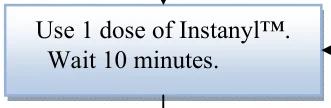
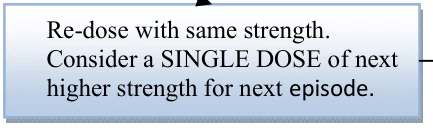
The initial strength should be one dose of 50 mcg in one nostril, titrating upwards as necessary through the range of available strengths (50, 100 and 200 mcg). If adequate analgesia is not obtained re-dosing of the same strength may be administered at the earliest after 10 minutes, preferably in the other nostril. DO NOT ADMINISTER MORE THAN TWO DOSES FOR EACH BREAKTHROUGH PAIN EPISODE. Each titration step (dose strength) should be evaluated in several episodes.
Figure 1. Dose Titration





Maintenance Therapy
Once the appropriate dose for pain management has been established, according to the steps described above, the patient should be maintained on this strength of INSTANYL™. If the patient has insufficient pain relief re-dosing with the same strength can be done at the earliest after 10 minutes, this dose should preferably be taken in the other nostril.
Dose Re-Adjustment
Generally, the maintenance strength of INSTANYL™ should be increased when a patient requires more than one dose per breakthrough cancer pain episode for several consecutive episodes. Dose adjustment of the background opioid therapy may be required if the patient consistently presents with more than four breakthrough cancer pain episodes in 24 hours. If adverse reactions are intolerable or persistent, the strength should be reduced or treatment with INSTANYL™ replaced by other analgesics.
Maximum daily dose
Treatment of up to four breakthrough cancer pain episodes, each with no more than two doses of INSTANYL™ separated by at least 10 minutes.
Patients should wait at least 4 hours before treating another breakthrough cancer pain episode with INSTANYL™ during both titration and maintenance therapy.
Discontinuation of Therapy
INSTANYL™ can be discontinued immediately if the patient no longer experiences breakthrough cancer pain episodes, provided the treatment for the persistent background pain
Start at 50 mcg
Use 1 dose of Instanyl™.
Wait 10 minutes.
Adequate pain relief with one dose of Instanyl™?
No
Yes
Dose obtained Re-dose with same strength.
Consider a SINGLE DOSE of next higher strength for next episode.
is kept as prescribed. If discontinuation of all opioid therapy is required, the recent INSTANYL™ dose should be taken into consideration for a gradual downward opioid titration to avoid the possibility of abrupt withdrawal effects.
Administration of INSTANYL™
INSTANYL™ is intended for nasal use and is delivered as a fine mist.
It is recommended that the patient’s head is in an upright position when administrating INSTANYL™.
Use in Children
INSTANYL™ is not indicated for use in children under 18 years of age, as dosage requirements for the safe and effective use of INSTANYL™ have not been established for this patient population.
Use in the Elderly
In clinical trials elderly tend to titrate to a lower effective strength than patients less than 65 years of age. Elderly patients may be more sensitive to the effects of fentanyl, compared with the younger population. In the elderly, elimination of fentanyl may be slower and the terminal elimination half-life may be longer, which may result in accumulation of the active substance and a greater risk of undesirable effects. Therefore, exercise caution when titrating INSTANYL™ in elderly patients.
Use in Special Patient Populations
Special care should be taken during the titration process in patients with renal or liver dysfunction.
OVERDOSAGE
For management of a suspected drug overdose, contact your regional Poison Control Centre.
Clinical Presentation
The manifestations of INSTANYL™ overdosage are an extension of its pharmacological actions with the most serious effect being respiratory depression.
Treatment of Overdosage
Treatment of Overdosage (Accidental Ingestion) in the Opioid Non-Tolerant Person For treatment of accidental ingestion in the opioid non-tolerant person, provide ventilatory support, intravenous access should be obtained, and naloxone or other opioid antagonists should be employed as clinically indicated. The duration of respiratory depression following overdose may be longer than the effects of the opioid antagonist's action (e.g., the half-life of naloxone ranges from 30 to 81 minutes) and repeated administration of naloxone or other
opioid antagonists may be necessary. Consult the product monographs of the individual opioid antagonist for details about such use.
Treatment of Overdose in Opioid Tolerant Patients
For treatment of overdose in opioid-tolerant patients, provide ventilatory support and obtain intravenous access as clinically indicated. The judicious use of naloxone or another opioid antagonist may be warranted in some instances, but it is associated with the risk of precipitating an acute withdrawal syndrome.
General Considerations for Overdose
Management of severe INSTANYL™ overdose includes: Securing a patent airway, assisting or controlling ventilation, establishing intravenous access, and where swallowed, gastrointestinal decontamination by lavage and/or activated charcoal, once the patient’s airway is secure. In the presence of hypoventilation or apnea, assist or control ventilation, and administer oxygen as indicated.
Although muscle rigidity interfering with respiration has not been seen following the use of INSTANYL™, this is possible with fentanyl and other opioids. If it occurs, manage by the use of assisted or controlled ventilation, by the administration of an opioid antagonist, and, as a final alternative, by the administration of a neuromuscular blocking agent.
If severe or persistent hypotension occurs, hypovolemia should be considered and the condition should be managed with appropriate parenteral fluid therapy.
ACTION AND CLINICAL PHARMACOLOGY
Mechanism of Action
Fentanyl is an opioid analgesic interacting primarily with the opioid μ-receptor, located in the brain, spinal cord and smooth muscle, as a pure agonist with a low affinity for the δ- and κ-opioid receptors. The principal pharmacological effects of fentanyl are on the central nervous system (CNS). The primary therapeutic action, and clinically most useful pharmacological effect, of INSTANYL™ is rapid analgesia.
Pharmacodynamics
The pharmacological effects of opioid agonists include analgesia, anxiolysis, euphoria, feelings of relaxation, respiratory depression, constipation, miosis and cough suppression. Like all pure opioid agonist analgesics, with increasing doses there is increasing analgesia, unlike with mixed agonist/antagonists or non-opioid analgesics, where there is a limit to the analgesic effect with increasing doses. With pure opioid agonist analgesics, there is no defined maximum dose; the ceiling to analgesic effectiveness is imposed only by tolerability of side effects, the more serious of which may include somnolence and respiratory depression. Secondary actions include increase in the tone and decrease in the contractions
of the gastrointestinal smooth muscle, which results in prolongation of gastrointestinal transit time and may be responsible for the constipation typically seen with opioids.
Analgesia
The analgesic effects of fentanyl are related to the blood level of the drug, if proper allowance is made for the delay into and out of the CNS (a process with a 3-to-5-minute half-life). The duration of analgesia of INSTANYL™ is 30 to 60 minutes. In opioid-naive individuals, analgesia occurs at blood levels of 1 to 2 ng/mL, while blood levels of 10-20 ng/mL would produce surgical anaesthesia and profound respiratory depression.
In general, the effective concentration and the concentration at which toxicity occurs increase with increasing tolerance with any and all opioids. The rate of development of tolerance varies widely among individuals. As a result, the dose of INSTANYL™ should be individually titrated to achieve the desired effect.
Central Nervous System
The precise mechanism of the analgesic action is unknown although fentanyl is known to be a μ-opioid receptor agonist. Specific CNS opioid receptors for endogenous compounds with opioid- like activity have been identified throughout the brain and spinal cord and play a role in the analgesic effects of this drug.
Fentanyl produces respiratory depression by direct action on brain stem respiratory centres. The respiratory depression involves both a reduction in the responsiveness of the brain stem to increases in carbon dioxide and to electrical stimulation. Fentanyl causes miosis even in total darkness. Pinpoint pupils are a sign of opioid overdose but are not pathognomonic (e.g. pontine lesions of hemorrhagic or ischemic origin may produce similar findings).
Urinary and Gastrointestinal Systems
Opioids increase the tone and decrease the propulsive contractions of the smooth muscle of the gastrointestinal tract. The resultant prolongation in gastrointestinal transit time may be responsible for the constipating effect of fentanyl. Because opioids may increase biliary tract pressure, some patients with biliary colic may experience worsening rather than relief of pain.
Other opioid induced-effects may include a reduction in gastric, biliary, and pancreatic secretions, spasm of the sphincter of Oddi, and transient elevations in serum amylase. While opioids generally increase the tone of urinary tract smooth muscle, the net effect tends to be variable, in some cases producing urinary urgency, in others, difficulty in urination.
Cardiovascular System
Fentanyl may produce release of histamine with or without associated peripheral vasodilation. Manifestations of histamine release or peripheral vasodilation may include pruritus, flushing, red eyes, sweating, and orthostatic hypotension.
Endocrine System
Opioid agonists have been shown to have a variety of effects on the secretion of hormones. Opioids inhibit the secretion of ACTH, cortisol, and luteinizing hormone (LH) in humans.
They also stimulate prolactin, growth hormone (GH) secretion, and pancreatic secretion of insulin and glucagon in humans and other species (rats, dogs). Thyroid stimulating hormone (TSH) has been shown to be both inhibited and stimulated by opioids.
Respiratory System
All opioid μ-receptor agonists, including fentanyl, produce dose dependent respiratory depression. The risk of respiratory depression is less in patients receiving chronic opioid therapy who develop tolerance to respiratory depression and other opioid effects.
Peak respiratory depressive effect has been observed as early as 15 to 30 minutes from the start of oral transmucosal fentanyl citrate product administration and may persist for several hours. Serious or fatal respiratory depression can occur even at recommended doses. Fentanyl depresses the cough reflex as a result of its CNS activity. Although not observed with intranasal fentanyl products in clinical trials, fentanyl given rapidly by intravenous injection in large doses may interfere with respiration by causing rigidity in the muscles of respiration. Therefore, physicians and other healthcare providers should be aware of this potential complication.
Pharmacokinetics
Table 2. Summary of INSTANYL™’s Pharmacokinetic Parameters in opioid tolerant cancer patients
| Parameter* | INSTANYL™ dose | ||
| 50 mcg | 100 mcg | 200 mcg | |
| Cmax (pg/mL) | 350.9 (225.88) | 595.2 (400.06) | 1194.8 (700.13) |
| AUC0-∞ (pg•h/mL) | 925.6 (570.0) | 1802.6 (928.0) | 2354.5 (1270.7) |
| T½ (h) | 3.2 (1.8) | 4.2 (3.2) | 3.5 (1.3) |
| Tmax (min) | 15 [6, 90] | 12 [6, 90] | 15 [6, 25] |
* Mean (SD); Median [range]
Absorption:
Fentanyl is highly lipophilic. Clinical data show that fentanyl is absorbed very rapidly through the nasal mucosa. Nasal drug absorption is aided by a highly vascular epithelium and relatively large surface area. Upon intranasal administration, fentanyl becomes available to the systemic circulation and after a lag-time of only a few minutes the clinical effects can be observed.
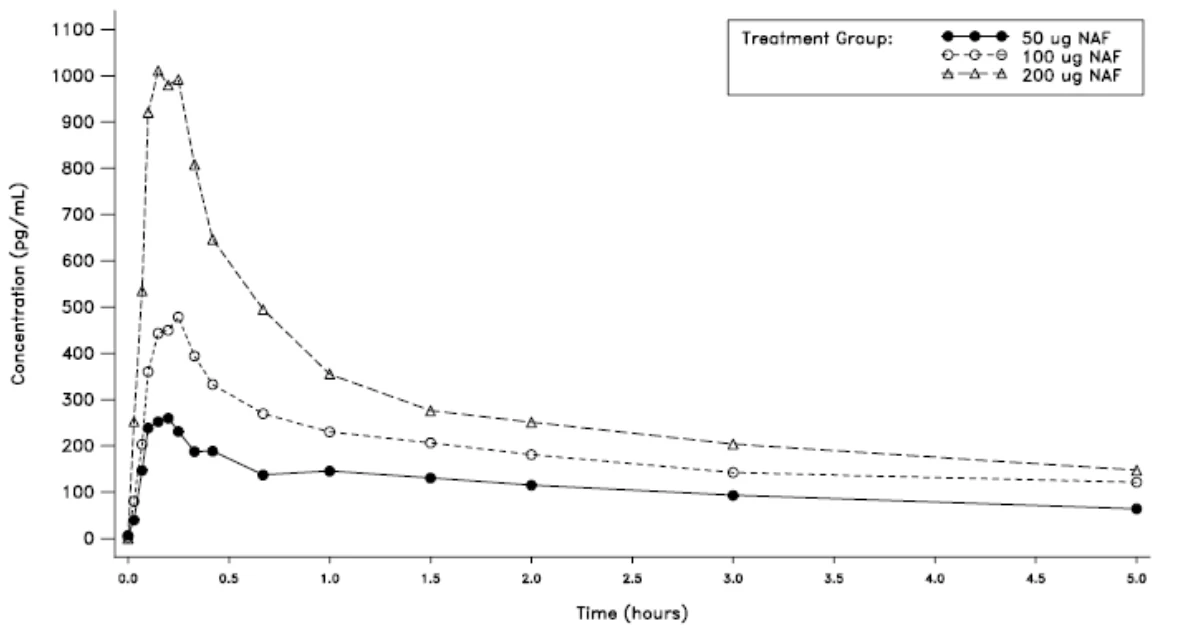
Administration of INSTANYL™ in single doses ranging from 50 to 200 mcg fentanyl per dose in opioid tolerant cancer patients produces a rapid Cmax level of 0.35 to 1.2 ng/mL. The corresponding median Tmax are 12 to 15 minutes. Overall, the pharmacokinetic parameters after intranasal administration were similar in healthy patients, however, higher values for Tmax were observed in a dose-proportionality study in healthy volunteers.
Following nasal application of INSTANYL™ the absolute bioavailability is about 89%. The absorption of INSTANYL™ across the nasal mucosa avoids first-pass hepatic metabolism, yielding a bioavailability substantially higher than oral or oral transmucosal administration.
Average plasma fentanyl levels following single doses of INSTANYL™ in cancer patients are shown in Figure 2.
Figure 2. Average Fentanyl Plasma Concentrations over Time, after 50, 100 and 200 mcg INSTANYL™
INSTANYL™ shows linear kinetics. Dose linearity of INSTANYL™ from 50 mcg to 400 mcg has been demonstrated in healthy subjects.
In a study comparing the bioavailability of the same nominal doses of INSTANYL™ and an oral transmucosal fentanyl citrate (OTFC) in 24 healthy subjects, the fentanyl absorption rate and extent of absorption were substantially greater with INSTANYL™ (76% greater maximum plasma concentration (Cmax) and approximately 59% greater systemic exposure (AUC0-∞)
The effect of upper respiratory infections on the absorption of INSTANYL™ was assessed in subjects with the common cold. Following one 200 mcg INSTANYL™ dose, the extent of absorption was comparable between subjects with a common cold and matched healthy subjects. Thus, symptoms of the common cold (rhinorrhoea, sneezing and sinus fullness) do not alter the absorption of INSTANYL™.
In another study the effect of nasal vasoconstriction on fentanyl absorption was investigated. Subjects with allergic rhitinis received oxymetazoline nasal spray (nasal vasoconstrictor) one hour prior to INSTANYL™. Comparable bioavailability (AUC) of fentanyl was achieved with and without oxymetazoline, while fentanyl Cmax decreased and Tmax increased by a factor two when oxymetazoline was administered. The overall extent of fentanyl exposure in subjects with allergic rhinitis without prior treatment with nasal vasocontrictor is comparable
to that in healthy subjects. Concomitant use of nasal vasoconstrictor should be avoided (see DRUG-DRUG INTERACTIONS).
Distribution:
Fentanyl is highly lipophilic. Fentanyl exhibits three compartment distribution kinetics. Animal data shows that following absorption, fentanyl is rapidly distributed to the brain, heart, lungs, kidneys and spleen followed by a slower redistribution to muscles and fat. The plasma protein binding of fentanyl is approximately 80%. The volume of distribution for fentanyl is 4 L/kg. After intravenous administration of fentanyl the initial distribution half-life is approximately 6 minutes and a similar half-life is seen after the nasal administration of INSTANYL™.
Metabolism:
Fentanyl is metabolised primarily in the liver via CYP 3A4. The major metabolite, norfentanyl is inactive.
Excretion:
About 75% of fentanyl is excreted into the urine, mostly as inactive metabolites, with less than 10% as unchanged active substance. About 9% of the dose is recovered in the faeces primarily as metabolites. The elimination half-life is approximately 3-4 hours for INSTANYL™ in cancer patients. The terminal elimination half-life was up to 15 hours in healthy subjects.
Special Populations and Conditions
Pediatrics: The pharmacokinetics of INSTANYL™ has not been studied in children aged less than 18 years.
Geriatrics: Elderly patients may have a reduced clearance, a prolonged half-life and higher sensitivity to fentanyl than younger patients, which may result in accumulation of the active substance and a greater risk of undesirable effects.
Gender: After adjustment for body weight, there were no gender related differences in pharmacokinetics of INSTANYL™.
Hepatic Insufficiency: The influence of liver impairment on the pharmacokinetics of INSTANYL™ has not been determined. However, the clearance of intravenously administered fentanyl is decreased in hepatic disease due to alterations in metabolic clearance and plasma proteins.
Renal Insufficiency: The influence of renal impairment on the pharmacokinetics of INSTANYL™ has not been determined. However, the clearance of intravenously administered fentanyl is decreased in renal disease due to alterations in metabolic clearance and plasma proteins.
STORAGE AND STABILITY
Store at room temperature (15 to 30 °C), in the child-resistant blister.
SPECIAL HANDLING INSTRUCTIONS
Patients and their caregivers must be instructed that INSTANYL™ (fentanyl) contains medicine in an amount that can be fatal in children, in individuals for whom it is not prescribed, and in those who are not opioid tolerant. Patients and their caregivers must be instructed to keep INSTANYL™ out of the sight and reach of children.
In the case of a damaged nasal spray unit, caused from dropping the unit following removal from the blister packaging, the INSTANYL™ nasal spray unit should be discarded.
Disposal of INSTANYL™
Patients and members of their household must be instructed to dispose of any unused nasal spray units remaining from a prescription as soon as they are no longer needed. The unused nasal spray units should be returned, in their child-resistant blisters, to the pharmacy.
DOSAGE FORMS, COMPOSITION AND PACKAGING
INSTANYL™ is supplied as a fine mist nasal spray solution within a single-dose nasal spray unit, consisting of a vial (clear type I glass) and coated rubber stopper integrated within a plastic nasal spray unit, and are available in three colour-coded strength presentations:
1 dose of 100 microliters containing 50 mcg of fentanyl - Orange
1 dose of 100 microliters containing 100 mcg of fentanyl - Purple
1 dose of 100 microliters containing 200 mcg of fentanyl - Greenish-Blue
Each single-dose nasal spray unit is individually packed in a child-resistant blister. The blisters are also colour-coded, as above, by strength and are available in pack sizes of 2, 6, 8 and 10 nasal sprays.
Not all pack sizes may be marketed.
INSTANYL™ contains the following non-medicinal ingredients: sodium dihydrogen phosphate dihydrate, disodium phosphate dihydrate, and purified water.
PART II: SCIENTIFIC INFORMATION
PHARMACEUTICAL INFORMATION
Drug Substance
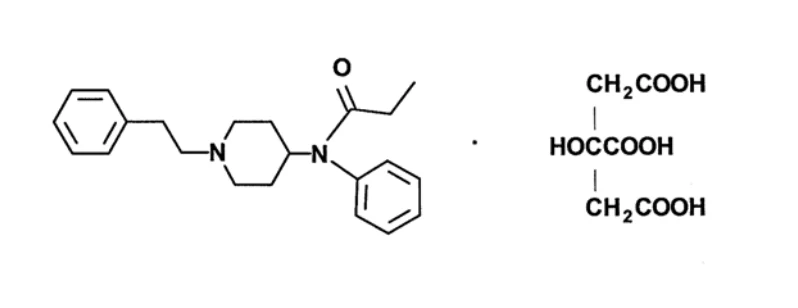
Proper name: Fentanyl citrate
Chemical name: a) Propanamide, N-phenyl-N-[1-(2-phenylethyl)-4-piperidinyl]-,
2-hydroxy-1,2,3-propanetricarboxylate (1:1)
- b) N-(1-Phenethyl-4-piperidyl)propionanilide citrate (1:1)
Molecular formula and molecular mass:
Molecular formula: C22H28N2O•C6H8O7
Molecular mass: 528.6
Structural formula:
Physicochemical properties:
Physical Description: white to off-white crystalline powder
Solubility: Sparingly soluble or soluble in water. Soluble in methanol.
pKa: 8.3
CLINICAL TRIALS
Study Demographics and Trial Design
Table 3. Summary of Patient Demographics for Pivotal (FT-017-IM and FT-018-IM) Clinical Trials in the Management of Breakthrough Cancer Pain
| Study # | Trial Design and Duration | Route of Administration and Dosage | Study Subjects | Mean Age (Range) | Gender (%) |
| FT-017-IM | Randomized, double-blind, placebo- controlled, cross-over 8 BTCP episodes (~ 3 weeks) | Intranasal spray Fixed dose (50, 100 or 200 mcg) of INSTANYL™ and placebo | 159 randomised 152 in ITT 138 completed | 61.6 (35-79) | M: 52.6 F: 47.4 |
FT-018-IM Kress et al. 2009 | Open-label dose-titration Up to 6 weeks Randomized, double-blind, placebo- controlled, cross-over 8 BTCP episodes (up to 3 weeks) Uncontrolled safety follow-up | Intranasal spray Titrated effective dose (50, 100 or 200 mcg) of INSTANYL™ and placebo | 113 randomised 110 completed efficacy phase | 60.6 (35-79) | M: 50 F: 50 |
BTCP = Breakthrough Cancer Pain
Pivotal Studies
The efficacy and safety of INSTANYL™ in opioid-tolerant cancer patients with breakthrough cancer pain was investigated in two pivotal studies. These studies demonstrated the efficacy and safety of INSTANYL™. No distinct correlation between the maintenance opioid dose and INSTANYL™ dose have been established.
Study FT-017-IM was a randomized, double-blind, placebo-controlled, cross-over study. All patients in FT-017-IM were receiving stable doses of chronic opioid treatment equivalent to 60-500 mg/day oral morphine or to 25-200 mcg/hour transdermal fentanyl, which in general reduced the intensity of the background pain to a mild level (≤ 4 on an 11-point NRS). Patients included in this study were also experiencing breakthrough cancer pain episodes at least 3 times per week but not more than 4 episodes per day.
All patients initially received a test dose of 200 mcg INSTANYL™ in order to assess tolerability. Patients who tolerated the test dose then received a single dose of 50, 100 or 200 mcg INSTANYL™ or placebo in a randomized order for the treatment of 8 breakthrough cancer pain episodes. Each dose and placebo were administered for two breakthrough cancer pain episodes, for a total of 8 self-treated episodes over approximately 3 weeks (maximum of
one episode per day), if insufficient pain relief was experienced a second dose of the same strength was taken after 10 minutes.
The pain intensity difference at 10 minutes (PID10) after the first treatment spray was the primary efficacy endpoint. The secondary efficacy variables were the sum of the pain intensity differences over the time interval of 0-60 minutes (SPID0-60), the general impression score, and the relationship between the dose of background pain opioid treatment and the titrated dose of INSTANYL™.
A clinically meaningful improvement in pain control for breakthrough cancer pain by 10 minutes post-dose was demonstrated (PID10 and PID10 responder rate). The PID10, primary endpoint, was statistically significantly higher for all doses of INSTANYL™ (50, 100 and 200 mcg) than placebo (p<0.001) (Table 4). The proportion of responders at 10 minutes increased with dose. In both the pivotal clinical trials clinically meaningful pain relief was achieved by 10 minutes post-dose, as demonstrated by the primary endpoint, PID10. The mean pain intensity difference (PID) can be seen in Figure 3 below, the persistence of pain relief beyond the first 10 minutes was sustained for 60 minutes, with PIDmax occurring at between 30 to 60 minutes post-dose.
Table 4. Study FT-017-IM Primary Efficacy Endpoint – PID10 by INSTANYL™ Dose
| ITT population | PID10 Mean (SD) | PID10 versus placebo LS mean (CI) | PID10 responder rate (%) Mean (SD) |
| Placebo (N=145) | 1.41 (1.33) | 22.07 (33.27) | |
| Fentanyl 50 mcg (N=148) | 1.82 (1.43) | 0.41 (0.17, 0.64)* | 29.05 (37.35) |
| Fentanyl 100 mcg (N=148) | 2.23 (1.51) | 0.81 (0.57, 1.04)* | 41.55 (41.40) |
| Fentanyl 200 mcg (N=147) | 2.65 (1.77) | 1.24 (1.01, 1.48)* | 49.66 (43.99) |
CI=confidence interval; ITT=intent to treat; LS=least squares; SD=standard deviation; PID10=pain intensity difference at 10 minutes.
* p<0.001 compared to placebo.
Figure 3. Mean PID over Time by INSTANYL™ Dose (Study FT-017-IM)
ITT population. Note that symbols for each dose level are offset to enable visual comparison. ITT=intent to treat; NAF=nasal fentanyl (INSTANYL™); PID=pain intensity difference.
Both of the secondary endpoints, sum of the pain intensity difference at the first 60 minutes post-dose (SPID0-60) and general impression scores, were supportive of the primary efficacy endpoint and were statistically significantly higher (p<0.001) for all doses of INSTANYL™ compared with placebo.
The effect for all efficacy parameters increased with dose, and all doses of INSTANYL™ were well tolerated and clinically effective regardless of the background level of opioid use.
A second pivotal study, FT-018-IM, for breakthrough pain in cancer patient consisted of three phases: an open-label dose-titration phase, a double-blind, randomized, placebo-controlled, cross-over efficacy assessment phase, and an uncontrolled safety follow-up phase. The primary objectives of the study were to confirm the efficacy of INSTANYL™ titrated to doses 50, 100 or 200 mcg for the treatment of breakthrough pain in cancer patients. All patients in the study were receiving stable doses of chronic opioid treatment equivalent to 60-500 mg/day oral morphine or to 25-200 mcg/hour transdermal fentanyl, which in general reduced the intensity of the background pain to a mild level (≤ 4 on an 11-point NRS). Patients included in this study were also experiencing breakthrough cancer pain episodes at least 3 times per week but not more than 4 episodes per day.
In the dose titration phase, the INSTANYL™ dose was increased from 50 to 200 mcg depending on efficacy and tolerability, until 3 of 4 episodes were treated successfully. In the
efficacy phase, the optimal dose from the titration phase was tested against placebo for the treatment of 8 episodes of breakthrough cancer pain (6 with INSTANYL™, 2 with placebo) over a period of approximately 3 weeks. Patients received a single dose at the onset of each episode of breakthrough cancer pain (up to 4 per day), with a second dose allowed after 10 minutes if the first dose provided inadequate pain relief.
In the efficacy phase, the primary efficacy endpoint was PID10 reflecting the importance of a fast onset of action and rapid pain relief. The secondary efficacy variables were SPID0-60, general impression score, and the relationship between the dose of background pain opioid treatment and the titrated INSTANYL™ dose.
INSTANYL™ (all doses pooled) was found to be superior to placebo in treating breakthrough pain in cancer patients, all doses of INSTANYL™ provided higher mean PID10 scores in comparison with placebo. For all fentanyl doses pooled, PID10 scores were statistically significantly higher than placebo, with a least squares (LS) mean versus placebo of 1.26 (p<0.001). INSTANYL™ was statistically superior to placebo for the primary efficacy endpoint of PID10 (Table 5).
Table 5. Study FT-018-IM Primary Efficacy Endpoint – PID10
| ITT population | PID10 Mean (SD) | PID10 responder rate (%) Mean (SD) |
| Placebo (N=110) | 1.28 (1.45) | 20.91 (34.12) |
| Fentanyl (all doses) (N=111) | 2.56 (1.38) | 51.08 (38.11) |
| LS mean [95% CI] fentanyl all doses versus placebo | 1.26 (1.03, 1.48)* | ND |
CI=confidence interval; ITT=intent to treat; LS=least squares; ND=not done; SD=standard deviation; PID10=pain intensity difference at 10 minutes.
* p<0.001 compared to placebo
Secondary efficacy endpoints were generally supportive of the primary outcome. All of the INSTANYL™ dose groups (combined), when compared with placebo, had statistically significantly higher mean SPID0-60 (1.87 vs. 0.94, respectively; p<0.001) and general impression scores (3.63 vs. 1.89, respectively; p<0.001).
DETAILED PHARMACOLOGY
Primary Pharmacodynamics
It is well-established that fentanyl is a potent, short-acting, synthetic, pure µ-opioid receptor agonist with the main pharmacologic activity being analgesia. The analgesic potency of fentanyl is approximately 100-fold greater than that of morphine. Fentanyl produces effective analgesia without significant respiratory depression at plasma concentrations ranging from 0.6-2 ng/mL. At higher plasma concentrations (>2 ng/mL), significant respiratory depression may occur. Significant non respiratory side effects associated with fentanyl include muscle rigidity, bradycardia, hypotension, nausea and vomiting, pruritus, and urinary retention. As with other narcotic analgesics, subjects may become tolerant to the effects of fentanyl after repeated administration.
Dependence
Recently, the effects of fentanyl withdrawal on brain reward function and somatic withdrawal symptoms were evaluated in male Wistar rats. The rats were trained on a modified discrete-trial intracranial self-stimulation procedure and implanted with 14-day minipumps containing saline or fentanyl citrate (1.2 mg/kg/day). Abrupt cessation of fentanyl administration resulted in a time-dependent elevation in brain reward thresholds and somatic withdrawal signs suggesting a severe deficit in brain reward function. Naloxone resulted in a dose-dependent elevation in brain reward thresholds and somatic withdrawal signs in fentanyl-treated rats; however, it did not alter the response latencies.
Pharmacokinetics
The pharmacokinetic profile of fentanyl is well established and consistent. Immediately following administration by any route, fentanyl is rapidly taken up by the brain, heart, and lung. Within 30 min, there is redistribution to other organs such as fat, muscle, and glandular tissues, followed by subsequent elimination mainly via urine.
TOXICOLOGY
Single and Repeat Dose Toxicity
Acute toxicity of fentanyl has been extensively studied in a range of non-clinical species by a range of different routes. At high doses marked clinical signs are observed, such as loss of muscle control, respiratory depression, cyanosis and mortality, with death generally considered to be due to respiratory depression. These effects are consistent with observed serious and fatal respiratory depression in cases of fentanyl and other µ-opioid receptor agonist overdose. Fentanyl has been shown to be safe and effective in clinical use for a number of years and is currently marketed in a number of different formulations. A single dose acute toxicity study in the rat showed a range of 14-29 mg/kg for the oral LD50, the LD50 in mice is 11.2mg/kg following i.v. administration and 62 mg/kg following s.c. administration.
Repeat-dose toxicology studies have been performed for other fentanyl products administered by other routes. In a 4-week intravenous (i.v.) toxicity study in rats, no adverse effects were noted at 0.025 mg/kg/day. The exposure at the dose of 0.025 mg/kg/day i.v. and the dose of 0.010 mg/kg i.v. have been looked at in two studies where no adverse effects were seen.
Genotoxicity
The genotoxic potential of fentanyl and remifentanil, a fentanyl opiate analogue, has been extensively assessed. Fentanyl has been shown to be non-genotoxic in the Ames bacterial mutation, in vitro cytogenetics, in vitro mouse lymphoma mutagenesis assays, as well as an in vivo micronucleus cytogenetic assay and in a UDS assay. The results with the structurally related compound remifentanil are consistent with fentanyl and lend support for the lack of genotoxicity with this class of drug.
Carcinogenicity
Carcinogenicity studies (26-week dermal alternative bioassay in Tg.AC transgenic mice; two-year subcutaneous carcinogenicity study in rats) did not induce any findings indicative of oncogenic potential.
Reproductive and Developmental Toxicity
In a fertility and early embryonic development study in rats, a male-mediated effect was observed at high doses (300 mcg/kg/day, s.c.) and is consistent with the sedative effects of fentanyl in animal studies. Furthermore, studies in female rats revealed reduced fertility and enhanced embryonal mortality. More recent studies showed that effects on the embryo were due to maternal toxicity and not to direct effects of the substances on the developing embryo. In a study on pre- and postnatal development the survival rate of offspring was significantly reduced at doses which slightly reduced maternal weight. This effect could either be due to altered maternal care or a direct effect of fentanyl on the pups. Effects on somatic development and behaviour of the offspring were not observed. Teratogenic effects have not been demonstrated.
Local Tolerance
The local tolerance of INSTANYL™ has been evaluated in two studies in the Göttingen mini-pigs. These studies showed no adverse clinical signs indicative of systemic toxicity or local toxicity at the site of administration, and demonstrated that INSTANYL™ administration was well tolerated.
REFERENCES
- 1. Ashburn MA, Streisand J, Zhang J, Love G, Rowin M, Niu S, et al. The iontophoresis of fentanyl citrate in humans. Anesthesiology 1995;82(5):1146-53
- 2. Christrup LL, Foster D, Popper LD, Troen T, Upton R. Pharmacokinetics, efficacy and
- 3. Hagen NA, Fisher K, Victorino C, Farrar JT. A titration strategy is needed to manage breakthrough cancer pain effectively: observations from data pooled from three clinical trials. J Palliat Med 2007;10(1):47-55
- 4.
Kassa S, Moksnes K, Nolte T, Lefebvre-Kuntz D, Popper L, Kress HG.
Pharmacokinetics of intranasal fentanyl spray in patients with cancer and breakthrough pain. J Opioid Mang 2010;6(1):17-26
- 5.
Kress HG, Oronska A, Kaczmarek Z, Kaasa S, Colberg T, Nolte T. Efficacy and
Tolerability of Intranasal Fentanyl Spray 50 to 200 mcg for breakthrough pain in patients with cancer: a phase II, multinational, randomized, double-blind, placebo-controlled, crossover trial with a 10-month, open-label extension treatment period. Clin Thera 2009;31(6):1177-1191
- 6.
McClain D, Hug C. Intravenous Fentanyl Kinetics. Clin Pharmcol Ther. 1980;
28(1):106-114
- 7. Moksnes K, Fredheim OV, Klepstad P, Kassa S, Angelsen A, Nilsen T, Dale O. Early pharmacokinetics of nasal fentanyl: is there a significant arterio-venous difference? Eur J Clin Pharmacol 2008;64(5):497-502
- 8. O'Neil G, Paech M, Wood F. Preliminary clinical use of a patient-controlled intranasal analgesia (PCINA) device. Anaesth Intensive Care 1997;25(4):408-12
- 9. Peng PW, Sandler AN. A review of the use of fentanyl analgesia in the management of acute pain in adults. Anesthesiology 1999;90(2):576-599
- 10. Portenoy RK, Payne D, Jacobsen P. Breakthrough pain: characteristics and impact in patients with cancer pain. Pain 1999;81:129-134
- 11. Villiger JW, Ray LJ, Taylor KM. Characteristics of [3H] fentanyl binding to the opiate receptor. Neuropharmacology 1983; 22:447-452
- 12. Zeppetella G. Nebulized and intranasal fentanyl in the management of cancer-related breakthrough pain. Palliat Med 2000;14(1):57-8
- 13. Zeppetella G. An assessment of the safety, efficacy, and acceptability of intranasal fentanyl citrate in the management of cancer-related breakthrough pain: a pilot study. J Pain Symptom Manage 2000;20:253-8