


Product Monograph - Abstral
SUMMARY PRODUCT INFORMATION
Route of Administration | Dosage Form / Strength | All Nonmedicinal Ingredients |
| Sublingual | Sublingual tablets containing: 100 micrograms fentanyl (as 157.1 mcg fentanyl citrate), 200 micrograms fentanyl (as 314.2 mcg fentanyl citrate) 300 micrograms fentanyl (as 471.3 mcg fentanyl citrate) 400 micrograms fentanyl (as 628.4 mcg fentanyl citrate) 600 micrograms fentanyl (as 942.6 mcg fentanyl citrate) 800 micrograms fentanyl (as 1,257 mcg fentanyl citrate) | Croscarmellose sodium, magnesium stearate, mannitol, silicified microcrystalline cellulose |
INDICATIONS AND CLINICAL USE
Adults
ABSTRAL (fentanyl citrate sublingual tablets) is indicated only for the management of breakthrough pain in patients with cancer, 18 years of age and older, who are already receiving, and who are tolerant to, opioid therapy for their persistent baseline cancer pain.
Patients considered opioid tolerant are those who are taking at least 60 mg/day morphine equivalents for a week or longer.
ABSTRAL is not indicated as an as-needed (prn) analgesic for acute pain other than breakthrough cancer pain.
Geriatrics (> 65 years of age):
In general, dose titration for an elderly patient should be cautious, reflecting the greater frequency of decreased hepatic, renal, or cardiac function, concomitant disease or other drug therapy (see ACTION AND CLINICAL PHARMACOLOGY, Special Populations and Conditions, Geriatrics).
Pediatrics (< 18 years of age):
The safety and efficacy of ABSTRAL has not been studied in the pediatric population. Therefore the use of ABSTRAL is not recommended in patients under 18 years of age.
CONTRAINDICATIONS
ABSTRAL (fentanyl citrate sublingual tablets) is contraindicated in:
- Patients with known intolerance or hypersensitivity to the active substance fentanyl or other opioid analgesics or to any ingredient in the formulation or component of the container. Anaphylaxis and hypersensitivity have been reported in association with the use of oral transmucosal fentanyl products. For a complete listing, see the DOSAGE FORMS, COMPOSITION AND PACKAGING section of the Product Monograph.
- Opioid non-tolerant patients including those using opioids intermittently, on an as-needed basis, because serious or life-threatening hypoventilation could occur.
- The management of acute pain other than breakthrough pain or postoperative pain, including headache/migraine, dental pain, or use in the emergency room).
- Patients with known or suspected mechanical gastrointestinal obstruction (e.g., bowel obstruction or strictures) or any diseases/conditions that affect bowel transit (e.g., ileus of any type).
- Patients with suspected surgical abdomen (e.g., acute appendicitis or pancreatitis).
- Patients with mild pain that can be managed with other pain medications.
- Patients with acute or severe bronchial asthma, chronic obstructive airway, or status asthmaticus.
- Patients with acute respiratory depression, elevated carbon dioxide levels in the blood and cor pulmonale.
- Patients with acute alcoholism, delirium tremens, and convulsive disorders.
- Patients with severe CNS depression, increased cerebrospinal or intracranial pressure, and head injury.
- Patients taking monoamine oxidase (MAO) inhibitors (or within 14 days of such therapy).
Women who are breast-feeding or during labour and delivery (see SERIOUS
WARNING AND PRECAUTIONS and WARNINGS AND PRECAUTIONS).
WARNINGS AND PRECAUTIONS
SERIOUS WARNINGS AND PRECAUTIONS
Limitations of Use
Because of the risks of addiction, abuse, and misuse with opioids, even at recommended doses, and because of the risks of overdose and death with immediate release opioid formulations, ABSTRAL (fentanyl citrate sublingual tablets) should only be used in the management of breakthrough pain in patients with cancer, 18 years of age or older, who are already receiving and who are tolerant to opioid therapy for their persistent baseline cancer pain.
Addiction, Abuse, and Misuse
ABSTRAL poses risks of opioid addiction, abuse, and misuse, which can lead to overdose and death. Each patient’s risk should be assessed prior to prescribing ABSTRAL, and all patients should be monitored regularly for the development of these behaviours or conditions (see WARNINGS AND PRECAUTIONS). ABSTRAL should be stored securely to avoid theft or misuse.
Life-threatening Respiratory Depression: OVERDOSE
Serious, life-threatening, or fatal respiratory depression may occur with use of ABSTRAL. Infants exposed in-utero or through breast milk are at risk of life-threatening respiratory depression upon delivery or when nursed. Patients should be monitored for respiratory depression, especially during initiation of ABSTRAL or following a dose increase. Further, instruct patients of the hazards related to taking opioids including fatal overdose.
Administration
ABSTRAL sublingual tablets must be allowed to completely dissolve in the sublingual cavity. Cutting, chewing, breaking, crushing, chewing, sucking, dissolving outside of the sublingual cavity or swallowing ABSTRAL can lead to dangerous adverse events including death (see WARNINGS AND PRECAUTIONS).
Accidental Exposure
Accidental ingestion of even one dose of ABSTRAL, especially by children, can result in a fatal overdose of fentanyl (see DOSAGE AND ADMINISTRATION, Disposal, for
SERIOUS WARNINGS AND PRECAUTIONS
instructions on proper disposal).
Neonatal Opioid Withdrawal Syndrome
Prolonged maternal use of ABSTRAL during pregnancy can result in neonatal opioid withdrawal syndrome, which may be life-threatening (see WARNINGS AND PRECAUTIONS).
Interaction with Alcohol
The co-ingestion of alcohol with ABSTRAL should be avoided as it may result in dangerous additive effects, causing serious injury or death (see WARNINGS AND PRECAUTIONS and DRUG INTERACTIONS).
Risks From Concomitant Use With Benzodiazepines Or Other CNS Depressants Concomitant use of opioids with benzodiazepines or other central nervous system (CNS) depressants, including alcohol, may result in profound sedation, respiratory depression, coma, and death (see WARNINGS AND PRECAUTIONS, Neurologic and DRUG INTERACTIONS).
- Reserve concomitant prescribing of ABSTRAL and benzodiazepines or other CNS depressants for use in patients for whom alternative treatment options are inadequate.
- Limit dosages and durations to the minimum required.
- Follow patients for signs and symptoms of respiratory depression and sedation.
General
Patients and their caregivers should be instructed not to give ABSTRAL (fentanyl citrate sublingual tablets) to anyone other than the patient for whom it was prescribed; as such inappropriate use may have severe medical consequences, including death. ABSTRAL should be stored securely to avoid theft or misuse.
ABSTRAL should only be prescribed by persons knowledgeable in the continuous administration of potent opioids, in the management of patients receiving potent opioids for the treatment of cancer pain, and in the detection and management of respiratory depression, including the use of opioid antagonists.
Due to the potential serious undesirable effects that can occur when taking an opioid therapy such as ABSTRAL, patients and their caregivers should be made fully aware of the importance of taking ABSTRAL correctly and what action to take should symptoms of overdose occur.
It is important that the long-acting opioid treatment used to treat the patient's persistent pain has been stabilized before starting ABSTRAL therapy. In cases where patients regularly experience more than 4 breakthrough pain episodes per day, increasing the opioid maintenance dose has to
be considered before starting the titration process.
ABSTRAL has not been studied in patients with mouth wounds or mucositis. There may be a risk of increased systemic drug exposure in such patients and therefore extra caution is recommended during dose titration.
Patients should be cautioned not to consume alcohol while taking ABSTRAL as it may increase the chance of experiencing serious adverse events, including death.
Hyperalgesia that will not respond to a further dose increase of fentanyl can occur at particularly high doses. A fentanyl dose reduction or change in opioid may be required.
Abuse and Misuse
Like all opioids, ABSTRAL is a potential drug of abuse and misuse, which can lead to overdose and death. Therefore, ABSTRAL should be prescribed and handled with caution.
Patients should be assessed for their clinical risks for opioid abuse or addiction prior to being prescribed opioids. All patients receiving opioids should be routinely monitored for signs of misuse and abuse.
Opioids, such as ABSTRAL, should be used with particular care in patients with a history of alcohol and illicit/prescription drug abuse. However, concerns about abuse, addiction, and diversion should not prevent the proper management of pain.
Carcinogenesis and Mutagenesis
See TOXICOLOGY section.
Cardiovascular
Fentanyl administration may result in severe hypotension in patients whose ability to maintain adequate blood pressure is compromised by reduced blood volume, or concurrent administration of drugs such as phenothiazines and other tranquilizers, sedative/hypnotics, tricyclic antidepressants or general anesthetics. These patients should be monitored for signs of hypotension after initiating or titrating the dose of ABSTRAL.
The use of ABSTRAL in patients with circulatory shock should be avoided as it may cause vasodilation that can further reduce cardiac output and blood pressure.
Fentanyl may produce bradycardia. Therefore, ABSTRAL should be used with caution in patients with previous or pre-existing bradyarrhythmias.
Dependence/Tolerance
As with other opioids, tolerance and physical dependence may develop upon repeated administration of ABSTRAL and there is a potential for development of psychological dependence.
Physical dependence and tolerance reflect the neuroadaptation of the opioid receptors to chronic exposure to an opioid, and are separate and distinct from abuse and addiction. Tolerance, as well as physical dependence, may develop upon repeated administration of opioids, and are not by themselves evidence of an addictive disorder or abuse.
Guide the administration of ABSTRAL by the response of the patient. Physical dependence is not ordinarily a concern when treating a patient with chronic cancer pain, and fear of tolerance and physical dependence should not deter using doses that adequately relieve the pain.
For patients no longer requiring their prolonged opioid therapy for the baseline cancer pain control, the ABSTRAL dose should be taken into consideration, before the gradual downward titration of other opioids, to minimize possible withdrawal effects. In patients who continue to take their chronic opioid therapy for persistent pain but no longer require treatment for breakthrough pain, ABSTRAL therapy should be discontinued immediately. The treatment by chronic opioids for the baseline cancer pain should be kept as prescribed. If discontinuation of all opioid therapy is required, the patient must be closely followed by the doctor in order to avoid the possibility of abrupt withdrawal effects.
Withdrawal symptoms may occur following abrupt discontinuation of therapy or upon concomitant administration of drugs with opioid antagonist activity, e.g., naloxone, nalmefene or of mixed agonist/antagonist analgesics, e.g., pentazocine, butorphanol, buprenorphine, nalbuphine (see DRUG INTERACTIONS). Some of the symptoms that may be associated with abrupt withdrawal of an opioid analgesic include body aches, diarrhea, gooseflesh, loss of appetite, nausea, vomiting, nervousness or restlessness, anxiety, runny nose, sneezing, tremors or shivering, stomach cramps, tachycardia, trouble with sleeping, unusual increase in sweating, palpitations, unexplained fever, weakness and yawning (see ADVERSE REACTIONS and DOSAGE AND ADMINISTRATION, Discontinuation of Therapy).
Use in Drug and Alcohol Addiction
ABSTRAL is an opioid with no approved use in the management of addictive disorders. Its proper usage in individuals with drug or alcohol dependence, either active or in remission is for the management of breakthrough cancer pain. Patients with a history of addiction to drugs or alcohol may be at higher risk of becoming addicted to ABSTRAL, extreme caution and awareness is warranted to mitigate the risk.
Endocrine
Adrenal Insufficiency: Cases of adrenal insufficiency have been reported with opioid use, more often following greater than one month of use. Presentation of adrenal insufficiency may include non-specific symptoms and signs including nausea, vomiting, anorexia, fatigue, weakness, dizziness, and low blood pressure. If adrenal insufficiency is suspected, confirm the diagnosis
with diagnostic testing as soon as possible. If adrenal insufficiency is diagnosed, treat with physiologic replacement doses of corticosteroids. Wean the patient off of the opioid to allow adrenal function to recover and continue corticosteroid treatment until adrenal function recovers. Other opioids may be tried as some cases reported use of a different opioid without recurrence of adrenal insufficiency. The information available does not identify any particular opioids as being more likely to be associated with adrenal insufficiency.
Gastrointestinal Effects
Fentanyl and other morphine-like opioids have been shown to decrease bowel motility. Fentanyl may obscure the diagnosis or clinical course of patients with acute abdominal conditions (see CONTRAINDICATIONS).
Neonatal Opioid Withdrawal Syndrome (NOWS)
ABSTRAL is not recommended to be used in pregnant women unless, in the judgment of the physician, the potential benefits outweigh the risks. If ABSTRAL was used during pregnancy, special attention to NOWS is warranted.
Prolonged maternal use of opioids during pregnancy can result in withdrawal signs in the neonate. Neonatal opioid withdrawal syndrome, unlike opioid withdrawal syndrome in adults, may be life-threatening.
Neonatal opioid withdrawal syndrome presents as irritability, hyperactivity and abnormal sleep pattern, high pitched cry, tremor, vomiting, diarrhea and failure to gain weight. The onset, duration, and severity of neonatal opioid withdrawal syndrome vary based on the specific opioid used, duration of use, timing and amount of last maternal use, and rate of elimination of the drug by the newborn.
Neurologic
Interactions with Central Nervous System Depressants (including benzodiazepines and alcohol): Fentanyl should be used with caution and in a reduced dosage during concomitant administration of other opioid analgesics, general anesthetics, phenothiazines and other tranquilizers, sedative-hypnotics, tricyclic antidepressants, antipsychotics, antihistamines, benzodiazepines, centrally-active anti-emetics and other CNS depressants. Respiratory depression, hypotension and profound sedation, coma or death may result.
Observational studies have demonstrated that concomitant use of opioid analgesics and benzodiazepines increases the risk of drug-related mortality compared to use of opioid analgesics alone. Because of similar pharmacological properties, it is reasonable to expect similar risk with the concomitant use of other CNS depressant drugs with opioid analgesics (see DRUG INTERACTIONS). If the decision is made to prescribe a benzodiazepine or other CNS depressant concomitantly with an opioid analgesic, prescribe the lowest effective dosages and minimum durations of concomitant use. In patients already receiving an opioid analgesic, prescribe a lower initial dose of the benzodiazepine or other CNS depressant than indicated in
the absence of an opioid, and titrate based on clinical response. Follow patients closely for signs and symptoms of respiratory depression and sedation.
Advise both patients and caregivers about the risks of respiratory depression and sedation when ABSTRAL is used with benzodiazepines or other CNS depressants (including alcohol and illicit drugs). Advise patients not to drive or operate heavy machinery until the effects of concomitant use with the benzodiazepine or other CNS depressant have been determined. Screen patients for risk of substance use disorders, including opioid abuse and misuse, and warn them of the risk of overdose and death associated with the use of additional CNS depressants including alcohol and illicit drugs (see DRUG INTERACTIONS).
ABSTRAL should not be consumed with alcohol as it may increase the chance of experiencing dangerous side effects, including death (see CONTRAINDICATIONS and ADVERSE REACTIONS, Sedation, and DRUG INTERACTIONS).
Severe pain antagonizes the subjective and respiratory depressant actions of opioid analgesics. Should pain suddenly subside, these effects may rapidly become manifest.
Head Injury: The respiratory depressant effects of fentanyl, and the capacity to elevate cerebrospinal fluid pressure, may be greatly increased in the presence of an already elevated intracranial pressure produced by trauma. Also, fentanyl may produce confusion, miosis, vomiting and other side effects which obscure the clinical course of patients with head injury. In such patients, fentanyl must be used with extreme caution and only if it is judged essential (see CONTRAINDICATIONS).
Serotonin Syndrome: Caution is advised when ABSTRAL is co-administered with drugs that affect the serotoninergic neurotransmitter systems. The concomitant administration of ABSTRAL and serotonergic drugs (e.g. anti-depressants, migraine medications) could cause a rare but potentially life-threatening condition. This may occur within the recommended dose. If such events (characterized by clusters of symptoms such as hyperthermia, rigidity, myoclonus, autonomic instability with possible rapid fluctuations of vital signs, mental status changes including confusion, irritability, extreme agitation progressing to delirium and coma and/or gastrointestinal symptoms such as nausea, vomiting, diarrhea) occur, the healthcare professional should determine whether treatment with ABSTRAL and/or the serotoninergic drug should be discontinued and supportive symptomatic treatment should be initiated. ABSTRAL should not be used in combination with MAO inhibitors or serotonin-precursors (such as L-tryptophan, oxitriptan) and should be used with caution in combination with other serotonergic drugs (triptans, certain tricyclic antidepressants, lithium, tramadol, St. John’s Wort) due to the risk of serotonergic syndrome (see DRUG INTERACTIONS).
Pancreatic/Biliary
Fentanyl may cause spasm of the sphincter of Oddi and ABSTRAL should be used with caution in patients with biliary tract disease, including acute pancreatitis. Opioids may cause increases in serum amylase concentration.
Psychomotor Impairment
ABSTRAL may impair the mental and/or physical abilities needed for certain potentially hazardous activities such as driving a car or operating machinery. Patients should be cautioned accordingly. Patients should also be cautioned about the combined effects of fentanyl with other CNS depressants, including other opioids, phenothiazine, sedative/hypnotics and alcohol.
Respiratory
Respiratory Depression: Serious, life-threatening, or fatal respiratory depression has been reported with the use of opioids, even when used as recommended. Respiratory depression from opioid use, if not immediately recognized and treated, may lead to respiratory arrest and death. Management of respiratory depression may include close observation, supportive measures, and use of opioid antagonists, depending on the patient’s clinical status. Fentanyl should be used with extreme caution in patients with substantially decreased respiratory reserve, pre-existing respiratory depression, hypoxia or hypercapnia (see CONTRAINDICATIONS).
While serious, life-threatening, or fatal respiratory depression can occur at any time during the use of ABSTRAL, the risk is greatest during the initiation of therapy or following a dose increase or when opioids are given in conjunction with other drugs that depress respiration. Patients should be closely monitored for respiratory depression when initiating therapy with ABSTRAL, following dose increases and when administered in conjunction with other drugs that depress respiration.
Life-threatening respiratory depression is more likely to occur in patients with underlying respiratory disorders and in the elderly, cachectic, or debilitated patients because they may have altered pharmacokinetics or altered clearance compared to younger, healthier patients.
To reduce the risk of respiratory depression, proper dosing and titration of ABSTRAL are essential. When prescribing, do not convert patients on a mcg per mcg basis from any other oral transmucosal fentanyl product to ABSTRAL.Overestimating the ABSTRAL dose when converting patients from another opioid product can result in a fatal overdose with the first dose. If patients are using other opioid-containing products for breakthrough pain and are to be switched to ABSTRAL, they must always begin ABSTRAL therapy at the initial dose of 100 mcg (see DOSAGE AND ADMINISTRATION).
Use in Patients with Chronic Pulmonary Disease: Monitor patients with significant chronic obstructive pulmonary disease or cor pulmonale, and patients having a substantially decreased respiratory reserve, hypoxia, hypercapnia, or preexisting respiratory depression for respiratory depression, particularly when initiating therapy and titrating with ABSTRAL, as in these patients, even usual therapeutic doses of ABSTRAL may decrease respiratory drive to the point of apnea. In these patients, use of alternative non-opioid analgesics should be considered, if possible. The use of ABSTRAL is contraindicated in patients with acute or severe bronchial asthma, chronic obstructive airway, or status asthmaticus (see CONTRAINDICATIONS).
Sexual Function/Reproduction
Long-term use of opioids may be associated with decreased sex hormone levels and symptoms such as low libido, erectile dysfunction, or infertility (see ADVERSE REACTIONS, Post-Marketing Experience).
Special Populations
Special Risk Groups: Fentanyl should be administered with caution to patients with a history of alcohol and drug abuse and in a reduced dosage to debilitated patients, and in patients with severely impaired pulmonary function, Addison’s disease, hypothyroidism, myxedema, toxic psychosis, prostatic hypertrophy or urethral stricture.
Pregnant Women: Studies in humans have not been conducted. ABSTRAL crosses the placental barrier and is not recommended to be administered to pregnant women unless, in the judgment of the physician, potential benefits outweigh the risks.
Prolonged maternal use of opioids during pregnancy can result in withdrawal signs in the neonate. Neonatal Opioid Withdrawal Syndrome (NOWS), unlike opioid withdrawal syndrome in adults, may be life-threatening (see WARNINGS AND PRECAUTIONS, SERIOUS CAUTIONS AND PRECAUTIONS and Neonatal Opioid Withdrawal Syndrome (NOWS)).
Pregnant women using opioids for their persistent baseline cancer pain should not discontinue their medication abruptly as this can cause pregnancy complication such as miscarriage or still-birth. Tapering of these opioids should be slow and under medical supervision to avoid serious adverse events to the fetus. If ABSTRAL is used during pregnancy, ABSTRAL should be discontinued immediately if the patient no longer experiences breakthrough pain episodes (see DOSAGE AND ADMINISTRATION, Discontinuation of therapy).
Transient neonatal muscular rigidity has been observed in infants whose mothers were treated with intravenous fentanyl.
Fentanyl has been shown to impair fertility and to have an embryocidal effect in rats at doses of 30 mcg/kg IV or 160 mcg/kg SC. Conversion to human equivalent doses indicates this is within the range of the human recommended dosing for ABSTRAL.
Fentanyl citrate was not teratogenic when administered to pregnant animals. In published studies, pregnant rats were treated with fentanyl (10, 100, or 500 mcg/kg/day) via implanted micro-osmotic minipumps from Day 7 to 21 of their 21-day gestation period. The highest dose in these tests, 500 mcg/kg/day was approximately 6 times the human dose of 800 mcg every 6 hours on a mg/m2 basis. Intravenous administration of fentanyl (10 or 30 mcg/kg/day) to pregnant female rats from gestation Day 6 to 18, was embryo or fetal toxic, and caused a slightly increased mean delivery time in the 30 mcg/kg/day group, but was not teratogenic.
Labour, Delivery and Nursing Women: Since opioids can cross the placental barrier and are excreted in breast milk, ABSTRAL is contraindicated in nursing women and during labour and delivery. Life-threatening respiratory depression can occur in the infant if opioids are
administered to the mother. Naloxone, a drug that counters the effects of opioids, should be readily available if ABSTRAL is used in this population.
Breastfeeding should not be restarted until at least 5 days after the last administration of fentanyl.
Pediatrics (< 18 years of age): The safety and efficacy of ABSTRAL have not been studied in the pediatric population. Therefore, use of ABSTRAL is not recommended in patients under 18 years of age.
Geriatrics (> 65 years of age): In general, dose titration for an elderly patient should be cautious, titrating slowly to reflect the greater frequency of decreased hepatic, renal, or cardiac function, and of concomitant disease or other drug therapy (see DOSAGE AND ADMINISTRATION and ACTION AND CLINICAL PHARMACOLOGY, Special Populations and Conditions, Geriatrics). Nonetheless, all patients starting treatment with ABSTRAL must begin with titration from the 100 mcg dose (see DOSAGE AND ADMINISTRATION).
Elderly patients may be more sensitive to the effects of fentanyl compared with the younger population. In the elderly, elimination of fentanyl may be slower and the terminal elimination half-life may be longer, which may result in accumulation of the active substance and a greater risk of undesirable effects.
Patients with Hepatic Impairment: ABSTRAL should be administered with caution to patients with liver dysfunction.
The influence of liver impairment on the pharmacokinetics of ABSTRAL has not been determined. However, the clearance of intravenously administered fentanyl is decreased in hepatic disease due to alterations in metabolic clearance and plasma proteins (see DOSAGE AND ADMINISTRATION and ACTION AND CLINICAL PHARMACOLOGY sections).
Patients with Renal Impairment: The influence of renal impairment on the pharmacokinetics of ABSTRAL has not been determined. However, the clearance of intravenously administered fentanyl is decreased in renal disease due to alterations in metabolic clearance and plasma proteins (see DOSAGE AND ADMINISTRATION and ACTION AND CLINICAL PHARMACOLOGY sections).
Information for patients/caregiver
The physician should advise the patient/caregiver that a Consumer Information leaflet is included in the package of ABSTRAL dispensed to the patient. The patient/caregiver should read this leaflet very carefully before starting treatment with ABSTRAL.
Patients receiving ABSTRAL or their caregiver should be given the following instructions by the physician:
- 1. Patients should be informed that accidental use by individuals (including children) other than the patient for whom it was originally prescribed, may lead to severe, even fatal, consequences.
- 2. Patients should be advised that ABSTRAL contains fentanyl, an opioid pain medicine similar to morphine, hydromorphone, methadone, oxycodone and oxymorphone.
- 3.
Patients should be advised that ABSTRAL should be taken as directed by the physician and the dose of ABSTRAL should NEVER be adjusted without the prescribing physician’s instruction.
a. The dose of ABSTRAL will be adjusted until the physician finds the right dose for the patient that achieves adequate analgesia with tolerable side effects.
b. ABSTRAL should be used only one time for each episode of breakthrough cancer pain. Doses of ABSTRAL should be separated by at least 2 hours.
c. ABSTRAL should not be used for more than four episodes of breakthrough cancer pain in one day. If the patient has more than four episodes of breakthrough pain each day, the dose of the opioid pain medicine for the persistent baseline cancer pain may need to be changed.
d. Once the right dose for the patient has been found, the patient should not change the dose of ABSTRAL unless directed by their physician.
- 4. ABSTRAL comes in individually sealed child-resistant blister packages. Patients should be advised not to open the package until ready to use. Once opened, the entire ABSTRAL sublingual tablet should be used right away. Instructions for opening the blister package are included in the Consumer Information.
- 5. Patients should be advised not to eat or drink anything until the ABSTRAL sublingual tablet is completely dissolved under their tongue and they can no longer feel it in their mouth.
- 6. Patients should be advised to never chew, suck or swallow this medication, as this will decrease its activity.
- 7. Patients should be advised that ABSTRAL may impair mental and/or physical ability required for the performance of potentially hazardous tasks (e.g., driving, operating machinery).
- 8.
Patients should be advised that ABSTRAL should not be combined with alcohol or other
CNS depressants (e.g. sleep medications, tranquilizers) because dangerous additive effects may occur, resulting in serious injury or death.
- 9. Patients should be advised to consult their physician or pharmacist if other medications are being or will be used with ABSTRAL.
- 10. Patients should be advised that ABSTRAL contains fentanyl, a drug with high potential for abuse. Patients, family members and caregivers should be advised to protect ABSTRAL from theft or misuse in the work or home environment.
- 11. Patients should be instructed to keep ABSTRAL in a secure place out of the sight and reach of children due to the high risk of fatal respiratory depression.
- 12. As soon as ABSTRAL is no longer needed, the unused ABSTRAL sublingual tablets should be properly disposed of to prevent accidental exposure to others, including children or pets. ABSTRAL should never be disposed of in the household trash. Disposal via a pharmacy take back program is recommended. If for any reason a tablet is broken or damaged or is removed from the mouth before it has completely disintegrated, it should be disposed of in accordance with the instructions provided above.
- 13. Patients should be informed that accidental exposure or misuse may lead to death or other serious medical problems.
- 14. Patients should be advised to report episodes of uncontrolled breakthrough pain and adverse experiences occurring during therapy. Individualization of dosage is essential to make optimal use of this medication.
- 15. Patients should be advised of the most common adverse reactions that may occur while taking ABSTRAL: nausea, constipation, somnolence and headache.
- 16. Patients should be advised that ABSTRAL should never be given to anyone other than the individual for whom it was prescribed.
- 17. Women of childbearing potential who become or are planning to become pregnant should be advised to consult a physician prior to initiating or continuing therapy with ABSTRAL. Women who are pregnant should be informed of the risks to their baby if they are exposed to ABSTRAL in utero. Women who are pregnant should not use ABSTRAL unless, in the judgement of the physician, the potential benefits outweigh the risks.
- 18. Women who are breast-feeding should not use ABSTRAL.
ADVERSE REACTIONS
Adverse Drug Reaction Overview
Adverse effects of ABSTRAL (fentanyl citrate sublingual tablets) are similar to those of other opioid analgesics, and represent an extension of pharmacological effects of the drug class. The major hazards of opioids include respiratory and central nervous system depression and to a lesser degree, circulatory depression, respiratory arrest, shock and cardiac arrest. Follow all patients for symptoms of respiratory depression.
The most frequently observed adverse effects of ABSTRAL are nausea, constipation, somnolence and headache. Opioid side effects should be expected and managed accordingly.
Clinical Trial Adverse Drug Reactions
Because clinical trials are conducted under very specific conditions the adverse reaction rates observed in the clinical trials may not reflect the rates observed in practice and should not be compared to the rates in the clinical trials of another drug. Adverse drug reaction information from clinical trials is useful for identifying drug-related adverse events and for approximating rates.
The safety of ABSTRAL has been evaluated in 311 opioid-tolerant adult cancer patients with breakthrough pain. Two hundred and seventy (270) of these patients were treated in multiple dose Phase III studies. The average duration of therapy for patients in multiple dose studies was 131 days with 120 treated for ≥ 60 days, 110 treated for ≥ 90 days, and 44 patients completed the studies after 1 year.
During the course of the multiple-dose studies in cancer patients, substantial numbers of patients were exposed to more than 100 doses of ABSTRAL; 36 subjects in the 800 mcg assigned dose group took more than 500 doses of ABSTRAL.
Common Clinical Trial Adverse Drug Reactions (≥ 5%)
Table 1 lists the treatment-emergent adverse events, regardless of causality, with a frequency of ≥ 5% that occurred in any of the doses during short-term administration during titration periods of multiple-dose Phase III studies and are listed by maximum dose received.
In short-term administration, the most common ADR was nausea in 8.9% and somnolence in 5.2 % of subjects.
Table 1. Summary of TEAEs Reported During the Open-label Titration
Phase in at Least 5% of Patients in Any Dose Group – Multiple-dose Studies in Cancer Patients
| System Organ Class Preferred Term | Abstral Dose | Total (N=270) n (%) | |||||
| 100 mcg (N=22) n (%) | 200 mcg (N=23) n (%) | 300 mcg (N=55) n (%) | 400 mcg (N=38) n (%) | 600 mcg (N=52) n (%) | 800 mcg (N=80) n (%) | ||
| Gastrointestinal disorders | |||||||
| Nausea | 1 (4.5) | 4 (17.4) | 9 (16.4) | 2 (5.3) | 2 (3.8) | 6 (7.5) | 24 (8.9) |
| Vomiting | 1 (4.5) | 2 (8.7) | 2 (3.6) | 1 (2.6) | 1 (1.9) | 3 (3.8) | 10 (3.7) |
| Diarrhea | 0 | 2 (8.7) | 3 (5.5) | 0 | 2 (3.8) | 0 | 7 (2.6) |
| Nervous system disorders | |||||||
| Somnolence | 0 | 2 (8.7) | 4 (7.3) | 4 (10.5) | 2 (3.8) | 2 (2.5) | 14 (5.2) |
| Dizziness | 1 (4.5) | 1 (4.3) | 3 (5.5) | 4 (10.5) | 0 | 1 (1.3) | 10 (3.7) |
| Headache | 0 | 0 | 1 (1.8) | 1 (2.6) | 3 (5.8) | 1 (1.3) | 6 (2.2) |
| General disorders and administration site conditions | |||||||
| Fatigue | 1 (4.5) | 2 (8.7) | 2 (3.6) | 0 | 2 (3.8) | 1 (1.3) | 8 (3.0) |
| Asthenia | 0 | 1 (4.3) | 0 | 2 (5.3) | 0 | 0 | 3 (1.1) |
| Psychiatric disorders | |||||||
| Insomnia | 1 (4.5) | 2 (8.7) | 0 | 1 (2.6) | 2 (3.8) | 0 | 6 (2.2) |
| Anxiety | 2 (9.1) | 1 (4.3) | 0 | 0 | 0 | 0 | 3 (1.1) |
| Blood and lymphatic system disorders | |||||||
| Anemia | 0 | 0 | 3 (5.5) | 1 (2.6) | 0 | 0 | 4 (1.5) |
Table 2 lists treatment-emergent adverse events, regardless of causality, with an overall frequency of ≥ 5% that occurred during the open-label maintenance phase of multiple-dose Phase III studies and are listed by dose received.
During the open-label maintenance phase, a total of 28 TEAEs were reported by at least 5% of patients overall. Of these 28 TEAEs, nausea (22.0% of patients), vomiting (13.7%); fatigue (12.5%), edema peripheral (10.7%), and stomatitis, back pain, and dehydration (10.1% each) occurred at the highest incidences.
Table 2. Summary of TEAEs Reported During the Open-label Maintenance
Phase in at Least 5% of Patients Overall by Dose – Multiple-dose Studies in Cancer Patients
| System Organ Class Preferred Term | Abstral Dose | Total (N=168) n (%) | |||||
| 100 mcg (N=7) n (%) | 200 mcg (N=12) n (%) | 300 mcg (N=22) n (%) | 400 mcg (N=20) n (%) | 600 mcg (N=35) n (%) | 800 mcg (N=72) n (%) | ||
| Gastrointestinal disorders | |||||||
| Nausea | 3 (42.9) | 1 (8.3) | 6 (27.3) | 2 (10.0) | 6 (17.1) | 19 (26.4) | 37 (22.0) |
| Vomiting | 0 | 0 | 4 (18.2) | 4 (20.0) | 6 (17.1) | 9 (12.5) | 23 (13.7) |
| Stomatitis | 1 (14.3) | 1 (8.3) | 2 (9.1) | 3 (15.0) | 4 (11.4) | 6 (8.3) | 17 (10.1) |
| Constipation | 0 | 0 | 2 (9.1) | 3 (15.0) | 2 (5.7) | 7 (9.7) | 14 (8.3) |
| Diarrhea | 0 | 0 | 2 (9.1) | 3 (15.0) | 5 (14.3) | 3 (4.2) | 13 (7.7) |
| Abdominal pain | 0 | 1 (8.3) | 1 (4.5) | 1 (5.0) | 3 (8.6) | 4 (5.6) | 10 (6.0) |
| Infections and infestations | |||||||
| Bronchitis | 1 (14.3) | 0 | 1 (4.5) | 2 (10.0) | 0 | 6 (8.3) | 10 (6.0) |
| Upper respiratory tract infection | 0 | 0 | 0 | 0 | 7 (20.0) | 3 (4.2) | 10 (6.0) |
| Pneumonia | 1 (14.3) | 0 | 1 (4.5) | 1 (5.0) | 1 (2.9) | 5 (6.9) | 9 (5.4) |
| Urinary tract infection | 0 | 1 (8.3) | 1 (4.5) | 0 | 4 (11.4) | 3 (4.2) | 9 (5.4) |
| General disorders and administration site conditions | |||||||
| Fatigue | 0 | 0 | 3 (13.6) | 3 (15.0) | 6 (17.1) | 9 (12.5) | 21 (12.5) |
| System Organ Class Preferred Term | Abstral Dose | Total (N=168) n (%) | |||||
| 100 mcg (N=7) n (%) | 200 mcg (N=12) n (%) | 300 mcg (N=22) n (%) | 400 mcg (N=20) n (%) | 600 mcg (N=35) n (%) | 800 mcg (N=72) n (%) | ||
| Edema peripheral | 2 (28.6) | 1 (8.3) | 1 (4.5) | 2 (10.0) | 4 (11.4) | 8 (11.1) | 18 (10.7) |
| Asthenia | 0 | 1 (8.3) | 1 (4.5) | 1 (5.0) | 5 (14.3) | 6 (8.3) | 14 (8.3) |
| Nervous system disorders | |||||||
| Headache | 0 | 1 (8.3) | 1 (4.5) | 2 (10.0) | 1 (2.9) | 7 (9.7) | 12 (7.1) |
| Muscoloskeletal and connective tissue disorders | |||||||
| Back pain | 1 (14.3) | 2 (16.7) | 2 (9.1) | 0 | 4 (11.4) | 8 (11.1) | 17 (10.1) |
| Arthralgia | 1 (14.3) | 0 | 1 (4.5) | 3 (15.0) | 3 (8.6) | 6 (8.3) | 14 (8.3) |
| Pain in extremity | 2 (28.6) | 0 | 2 (9.1) | 2 (10.0) | 0 | 4 (5.6) | 10 (6.0) |
| Neoplasms benign, malignant and unspecified (incl cysts and polyps) | |||||||
| Cancer pain | 1 (14.3) | 0 | 0 | 1 (5.0) | 4 (11.4) | 8 (11.1) | 14 (8.3) |
| Investigations | |||||||
| Weight decreased | 0 | 1 (8.3) | 0 | 7 (35.0) | 2 (5.7) | 5 (6.9) | 15 (8.9) |
| Respiratory, thoracic and mediastenal disorders | |||||||
| Dyspnea | 0 | 1 (8.3) | 0 | 2 (10.0) | 5 (14.3) | 2 (2.8) | 10 (6.0) |
| Metabolism and nutrition disorders | |||||||
| Dehydration | 0 | 1 (8.3) | 1 (4.5) | 3 (15.0) | 3 (8.6) | 9 (12.5) | 17 (10.1) |
| Anorexia | 0 | 0 | 0 | 3 (15.0) | 4 (11.4) | 6 (8.3) | 13 (7.7) |
| Hypokaleamia | 0 | 0 | 2 (9.1) | 1 (5.0) | 1 (2.9) | 6 (8.3) | 10 (6.0) |
| Skin and subcutaneous tissue disorders | |||||||
| Rash | 0 | 1 (8.3) | 0 | 1 (5.0) | 3 (8.6) | 5 (6.9) | 10 (6.0) |
| Blood and lymphatic system disorders | |||||||
| Anemia | 0 | 2 (16.7) | 1 (4.5) | 2 (10.0) | 6 (17.1) | 5 (6.9) | 16 (9.5) |
| Psychiatric disorders | |||||||
| Insomnia | 1 (14.3) | 0 | 0 | 0 | 3 (8.6) | 9 (12.5) | 13 (7.7) |
| Anxiety | 1 (14.3) | 1 (8.3) | 0 | 1 (5.0) | 3 (8.6) | 6 (8.3) | 12 (7.1) |
| Vascular disorders | |||||||
| Hypotension | 0 | 1 (8.3) | 1 (4.5) | 0 | 3 (8.6) | 4 (5.6) | 9 (5.4) |
Sedation: Sedation is a common side effect of opioid analgesics, especially in opioid naïve individuals. Sedation may also occur partly because patients often recuperate from prolonged fatigue after the relief of persistent pain. Most patients develop tolerance to the sedative effects of opioids within three to five days and, if the sedation is not severe, will not require any treatment except reassurance. If excessive sedation persists beyond a few days, the dose of the opioid should be reduced and alternate causes investigated. Some of these are: concurrent CNS depressant medication, hepatic or renal dysfunction, brain metastases, hypercalcemia and respiratory failure. If it is necessary to reduce the dose, it can be carefully increased again after three or four days if it is obvious that the pain is not being well controlled. Dizziness and unsteadiness may be caused by postural hypotension, particularly in elderly or debilitated patients, and may be alleviated if the patient lies down.
Nausea and Vomiting: Nausea is a common side effect on initiation of therapy with opioid analgesics and is thought to occur by activation of the chemoreceptor trigger zone, stimulation of the vestibular apparatus and through delayed gastric emptying. The prevalence of nausea declines following continued treatment with opioid analgesics. When instituting therapy with an opioid for chronic pain, the routine prescription of an antiemetic should be considered. In the cancer patient, investigation of nausea should include such causes as constipation, bowel obstruction, uremia, hypercalcemia, hepatomegaly, tumor invasion of celiac plexus and concurrent use of drugs with emetogenic properties. Persistent nausea which does not respond to dosage reduction may be caused by opioid-induced gastric stasis and may be accompanied by other symptoms including anorexia, early satiety, vomiting and abdominal fullness. These symptoms respond to chronic treatment with gastrointestinal prokinetic agents.
Constipation: Practically all patients become constipated while taking opioids on a persistent basis. In some patients, particularly the elderly or bedridden, fecal impaction may result. It is essential to caution the patients in this regard and to institute an appropriate regimen of bowel management at the start of prolonged opioid therapy. Stimulant laxatives, stool softeners, and other appropriate measures should be used as required. As fecal impaction may present as overflow diarrhea, the presence of constipation should be excluded in patients on opioid therapy prior to initiating treatment for diarrhea.
The following adverse effects occur less frequently with opioid analgesics and include those reported in ABSTRAL clinical trials, whether related or not to fentanyl.
Less Common Clinical Trial Adverse Drug Reactions (<5%)
The following adverse events were reported in the administration of ABSTRAL at a frequency < 5% in the safety and efficacy studies (two Phase III studies).
Blood and lymphatic system disorders: coagulopathy, febrile neutropenia, iron deficiency anemia, leucopenia, leukocytosis, lymphadenopathy, neutropenia, pancytopenia, thrombocytopenia.
Cardiac disorders: bradycardia, sinus bradycardia, sinus tachycardia, tachycardia, ventricular tachycardia.
Ear and labyrinth disorders: ear pain, vertigo.
Eye disorders: vision blurred.
Gastrointestinal disorders: abdominal discomfort, abdominal distension, abdominal pain upper, aphthous stomatitis, ascites, cheilitis, colonic polyp, dental caries, dry mouth, dyspepsia, dysphagia, epigastric discomfort, fecal incontinence, gastritis, gastroesophageal reflux disease, gingival ulceration, gingivitis, hemorrhoids, hyperchlorhydria, impaired gastric emptying, intestinal obstruction, lip ulceration, mouth ulceration, small intestinal obstruction, stomach discomfort, tongue disorder, tongue ulceration, toothache.
General disorders and administration site conditions: axillary pain, chills, drug withdrawal syndrome, facial pain, gait disturbance, generalized edema, malaise, mucosal inflammation, non-cardiac chest pain, pain, pitting edema, pyrexia.
Hepatobiliary disorders: cholecystitis, hepatomegaly, jaundice.
Immune system disorders: drug hypersensitivity.
Infections and infestations: candidiasis, cellulitis, central line infection, cystitis, gastroenteritis viral, herpes zoster, hordeolum, infection, influenza, lobar pneumonia, lower respiratory tract infection, lung infection, nasopharyngitis, oropharyngeal candidiasis, pharyngitis, pharyngitis streptococcal, respiratory tract infection, sinusitis, tooth abscess, tooth infection.
Injury, poisoning and procedural complications: accidental overdose, contusion, excoriation, fall, procedural nausea, procedural pain, rib fracture, skin laceration, thermal burn, tooth fracture.
Investigations: blood alkaline phosphatase increased, blood creatinine increased, blood potassium decreased, blood potassium increased, blood testosterone decreased, blood urea increased, blood uric acid increased, breath sounds abnormal, cardiac murmur, liver function test abnormal, weight increased.
Metabolism and nutrition disorders: cachexia, decreased appetite, hypoglycaemia, hypomagnesaemia, hyponatraemia.
Musculoskeletal and connective tissue disorders: exostosis, groin pain, intervertebral disc protrusion, joint stiffness, joint swelling, muscle spasms, musculoskeletal chest pain, musculoskeletal discomfort, musculoskeletal pain, musculoskeletal stiffness, myalgia, neck pain, pain in jaw.
Neoplasms benign, malignant and unspecified (incl cysts and polyps): breast cancer metastatic, colon cancer metastatic, fibroadenoma of breast, lung cancer metastatic, lung neoplasm, metastases to central nervous system, metastases to liver, metastatic pain, prostate cancer metastatic.
Nervous system disorders: amnesia, convulsion, coordination abnormal, disturbance in attention, dizziness, dysgeusia, hypoaesthesia, lethargy, migraine, neuropathy peripheral, paraesthesia, parosmia, sensory loss, somnolence, spinal cord compression, tremor.
Psychiatric disorders: affect lability, agitation, confusional state, depression, disorientation, dysphoria, euphoric mood, mental status change, panic attack, paranoia, sleep disorder, stress.
Renal and urinary disorders: dysuria, nephrolithiasis, pollakiuria, renal acute failure, urinary
incontinence, urinary retention.
Reproductive system and breast disorders: erectile dysfunction, pelvic pain, vaginal hemorrhage.
Respiratory, thoracic and mediastinal disorders: atelectasis, chronic obstructive pulmonary disease, cough, epistaxis, hypoxia, nasal congestion, oropharyngeal pain, pleural effusion, pulmonary embolism, pulmonary oedema, respiratory failure, respiratory tract congestion, throat tightness, wheezing.
Skin and subcutaneous tissue disorders: alopecia, decubitus ulcer, dermatitis, drug eruption, ecchymosis, erythema, hyperhidrosis, increased tendency to bruise, night sweats, pruritus, pruritus allergic, skin lesion, skin ulcer, swelling face.
Vascular disorders: deep vein thrombosis, hypertension, hot flush, lymphoedema, orthostatic hypotension, pallor.
Post-Market Adverse Drug Reactions
Spontaneous reports received are consistent with the safety profile observed in clinical trials.
Post-marketing reports describe patients with symptoms suggestive of, or diagnostic of, serotonin syndrome following the concomitant use of fentanyl with a serotonergic drug, such as a Selective Serotonin Reuptake Inhibitor or a Serotonin Norepinephrine Reuptake Inhibitor (See also DRUG INTERACTIONS).
Post-marketing reports of ABSTRAL and/or other fentanyl-containing compounds have reported the following adverse reactions: fall, flushing and hot flush, diarrhea, respiratory depression, peripheral oedema, convulsion, hallucination, swollen tongue.
Opioid withdrawal symptoms, such as nausea, vomiting, diarrhea, anxiety, tremor, sweating, and shivering, have been observed with transmucosal fentanyl and are possible if ABSTRAL is stopped suddenly (see DOSAGE AND ADMINISTRATION, Discontinuation of Therapy).
Androgen deficiency: Chronic use of opioids may influence the hypothalamic-pituitary-gonadal axis, leading to androgen deficiency that may manifest as low libido, impotence, erectile dysfunction, amenorrhea, or infertility. The causal role of opioids in the clinical syndrome of hypogonadism is unknown because the various medical, physical, lifestyle, and psychological stressors that may influence gonadal hormone levels have not been adequately controlled for in studies conducted to date. Patients presenting with symptoms of androgen deficiency should undergo laboratory evaluation.
DRUG INTERACTIONS
Overview
Interaction with Benzodiazepines and Other Central Nervous System (CNS) Depressants: Due to additive pharmacologic effect, the concomitant use of benzodiazepines or other CNS depressants (e.g. other opioids, sedatives/hypnotics, antidepressants, anxiolytics, tranquilizers, muscle relaxants, general anesthetics, antipsychotics, phenothiazines, neuroleptics, antihistamines, antiemetics, and alcohol) and beta-blockers, increases the risk of respiratory depression, profound sedation, coma, and death. Reserve concomitant prescribing of these drugs for use in patients for whom alternative treatment options are inadequate. Limit dosages and durations to the minimum required. Follow patients closely for signs of respiratory depression and sedation (see WARNINGS AND PRECAUTIONS, Neurologic, Interactions with Central Nervous System Depressants (including benzodiazepines and alcohol) and Psychomotor Impairment). ABSTRAL should not be consumed with alcohol as it may increase the chance of experiencing dangerous side effects.
Patients on concomitant CNS depressants must be monitored for a change in opioid effects that may warrant adjustment to the dose of ABSTRAL.
Fentanyl products designed to manage breakthrough pain, including ABSTRAL, should not be used in patients who are receiving agents with some opioid effects such as tramadol, as the safety of their concomitant use has not been established.
Drug-Drug Interactions
Interaction with CYP 3A4 Inhibitors: Fentanyl is rapidly and extensively metabolized mainly by the human cytochrome P450 3A4 isoenzyme system (CYP3A4); therefore, potential interactions may occur when ABSTRAL is given concurrently with agents that affect CYP3A4 activity. The concomitant use of ABSTRAL with CYP 3A4 inhibitors (e.g. indinavir, nelfinavir, ritonavir, clarithromycin, itraconazole, ketoconazole, nefazodone, saquinavir, telithromycin, aprepitant, diltiazem, erythromycin, fluconazole, grapefruit juice, verapamil, or cimetidine) may result in a potentially dangerous increase in fentanyl plasma concentrations, which could increase or prolong adverse drug effects and may cause potentially fatal respiratory depression. Patients receiving ABSTRAL who begin therapy with, or increase the dose of, CYP 3A4 inhibitors should be carefully monitored for signs of opioid toxicity over an extended period of time. Dosage increases of both ABSTRAL and CYP 3A4 inhibitors should be done conservatively (see WARNINGS AND PRECAUTIONS section).
The concomitant use of ABSTRAL with CYP 3A4 inducers (e.g. barbiturates, carbamazepine, efavirenz, glucocorticoids, modafinil, nevirapine, oxcarbazepine, phenobarbital, phenytoin, pioglitazone, rifabutin, rifampin, St. John's wort, or troglitazone) may result in a decrease in fentanyl plasma concentrations, which could decrease the efficacy of ABSTRAL (see WARNINGS AND PRECAUTIONS section).
Interaction with MAO Inhibitors: ABSTRAL is not recommended for use in patients who have received MAO inhibitors within 14 days, because severe and unpredictable potentiation by MAO inhibitors has been reported with opioid analgesics.
Interaction with Serotonergic Drugs: Coadministration of fentanyl with a serotonergic agent, such as a Selective Serotonin Reuptake Inhibitor (SSRI), a Serotonin Norepinephrine Reuptake Inhibitor (SNRI) or a Monoamine Oxidase Inhibitor (MOAI), may increase the risk of serotonin syndrome, a potentially life-threatening condition. (See also WARNINGS AND PRECAUTIONS, Serotonin Syndrome and ADVERSE REACTIONS, Post-Market Adverse Drug Reactions).
Interaction with Mixed Agonist/Antagonist Analgesics: The concomitant use of ABSTRAL with mixed agonist/antagonist analgesics (e.g., buprenorphine, butorphanol, nalbuphine, pentazocine) is not recommended. They have high affinity to opioid receptors with relatively low intrinsic activity and therefore partially antagonise the analgesic effect of fentanyl and may induce withdrawal symptoms in opioid-dependent patients (see WARNINGS AND PRECAUTIONS, Dependence/Tolerance).
Drug-Food Interactions
Grapefruit and grapefruit juice, which are CYP3A4 inhibitors, may result in a potentially dangerous increase in fentanyl plasma concentrations.
Drug-Herb Interactions
Interactions with herbal products have not been established.
Drug-Laboratory Interactions
Interactions with laboratory tests have not been established.
Drug-Lifestyle Interactions
Interactions with lifestyle products have not been established.
The concomitant use of alcohol should be avoided (see WARNINGS AND PRECAUTIONS, General).
DOSAGE AND ADMINISTRATION
ABSTRAL should only be used for the management of breakthrough pain in patients with cancer, 18 years of age or older, who are already receiving and who are tolerant to opioid therapy for their underlying persistent baseline cancer pain.
Patients considered opioid tolerant are those who are taking at least: 60 mg oral morphine/day, 25 mcg transdermal fentanyl/hour, 30 mg of oral oxycodone/day, 8 mg oral hydromorphone/day, 25 mg oral oxymorphone/day, or an equianalgesic dose of another opioid for a week or longer.
ABSTRAL sublingual tablets should not be cut, chewed, broken, crushed, sucked, dissolved outside of the sublingual cavity or swallowed, but must be allowed to completely dissolve in the sublingual cavity.
To ensure the complete dose is administered, ABSTRAL should only be used if the sublingual tablet is intact. If for any reason a tablet is broken or damaged it should be properly disposed of according to the instructions outlined in the DOSAGE AND ADMINISTRATION, Disposal section.
As with all opioids, the safety of patients using such products is dependent on healthcare professionals prescribing them in strict conformity with their approved labeling with respect to patient selection, dosing, and proper conditions for use.
ABSTRAL should only be prescribed by persons knowledgeable in the management of patients receiving potent opioids for the treatment of cancer pain.
Dosing Considerations
When prescribing, do not convert patients on a mcg per mcg basis from any other oral transmucosal fentanyl product to ABSTRAL. If patients are using other opioid-containing products for breakthrough pain and are to be switched to ABSTRAL, they always begin ABSTRAL therapy at the initial dose of 100 mcg.
When dispensing, do not substitute ABSTRAL prescription from any other fentanyl product. Substantial differences exist in the pharmacokinetic profile of ABSTRAL compared to other fentanyl products that result in clinically important differences in the extent of absorption of fentanyl. As a result of these differences, the substitution of ABSTRAL for any other fentanyl product may result in fatal overdose. ABSTRAL is NOT a generic version of any other fentanyl product.
ABSTRAL doses must be individualized based upon the status of each patient and should be assessed at regular intervals. Individually titrate ABSTRAL to a dose that provides adequate analgesia with an acceptable level of adverse reactions.
ABSTRAL is not indicated for rectal administration.
ABSTRAL tablets should be placed on the floor of the mouth directly under the tongue
immediately after removal from the blister unit. Patients should be advised not to eat or drink anything until the tablet is completely dissolved.
In patients who have a dry mouth, water may be used to moisten the buccal mucosa before taking ABSTRAL.
Recommended Dose and Dosage Adjustment
Adults:
Dose Titration:
The dose of ABSTRAL is not predicted from the daily maintenance dose of opioid used to manage the persistent cancer pain and MUST be determined by dose titration. The optimal dose of ABSTRAL will be determined by dose titration in individual patients.
Dose titration is the key to success with opioid analgesic therapy. Proper optimization of doses scaled to the relief of the individual's pain should aim at administration of the lowest dose which will achieve the overall treatment goal of satisfactory pain relief with acceptable side effects.
Several dose strengths of ABSTRAL are available for use during the dose titration phase.
Dosage adjustments should be based on the patient's clinical response.
Starting Dose:
All patients MUST begin treatment using one 100 mcg ABSTRAL sublingual tablet.
Patients should be carefully supervised until an optimal dose is reached for breakthrough pain control, i.e. which provides adequate analgesia with acceptable adverse reactions for each episode of breakthrough pain.
Direct switching from other fentanyl containing products to ABSTRAL must not occur without re-titration because of differences in pharmacokinetic properties, different absorption profiles and individual variability. If patients are switched from another fentanyl containing product, a new dose titration with ABSTRAL is required and patients must be started on no greater than 100 mcg of ABSTRAL.
When prescribing, do not switch patients from any other fentanyl product to ABSTRAL as ABSTRAL is not equivalent on a mcg per mcg basis with any other fentanyl product.
Start all patients with a single 100 mcg tablet.
- If adequate analgesia is obtained within 30 minutes of administration of the 100 mcg tablet, continue to treat subsequent episodes of breakthrough pain with this dose.
- Patients must wait at least 2 hours before treating another episode of breakthrough pain with ABSTRAL.
Subsequent Dose/Titration
The following dose titration regimen is recommended, however in all cases the physician should take into account the clinical need of the individual patient, age, co-existing illness or medical condition, and concomitant medications.
If adequate analgesia was not obtained with the first 100 mcg dose, continue dose escalation in a stepwise manner over consecutive breakthrough episodes until adequate analgesia with tolerable side effects is achieved. Increase the dose by 100 mcg multiples up to 400 mcg as needed. If adequate analgesia is not obtained with a 400 mcg dose, the next titration step is 600 mcg. If adequate analgesia is not obtained with a 600 mcg dose, the next titration step is 800 mcg. During titration, patients can be instructed to use multiples of 100 mcg tablets and/or 200 mcg tablets for any single dose. Instruct patients not to use more than 4 at one time. Doses above 800 mcg ABSTRAL should not be used.
Once adequate pain relief is achieved with a dose between 100 and 800 mcg ABSTRAL, the patient should get a prescription for ABSTRAL of the dose determined by titration (i.e., 100, 200, 300, 400, 600 or 800 mcg) to treat subsequent episodes.
Single doses should be separated by at least 2 hours. ABSTRAL should only be used once per breakthrough cancer pain episode, i.e. ABSTRAL should not be redosed within an episode.
During any episode of breakthrough cancer pain, if adequate pain relief is not achieved after ABSTRAL, the patient may use a rescue medication (other than ABSTRAL, after 30 minutes) as directed by their healthcare provider.
ABSTRAL Titration Process
ABSTRAL dosing for a subsequent episode should be separated by at least 2 hours
| ABSTRAL dose | Using |
| 200 mcg | 2 x 100 mcg tablets, or 1 x 200 mcg tablets |
| 300 mcg | 3 x 100 mcg tablets, or 1 x 300 mcg tablets |
| 400 mcg | 4 x 100 mcg tablets, or 2 x 200 mcg tablets, or 1 x 400 mcg tablets |
| 600 mcg | 3 x 200 mcg tablets, or 1 x 600 mcg tablets |
| 800 mcg | 4 x 200 mcg tablets, or 1 x 800 mcg tablets |
The initial dose is 100 mcg ABSTRAL
Adequate pain relief achieved within 30 minutes?
Yes No
Rescue medication is permitted (other than ABSTRAL, after 30 minutes)
Increase ABSTRAL dose at next breakthrough pain episode by incremental titration according to table below
Use this dose for subsequent breakthrough pain episodes
In order to minimize the risk of opioid-related adverse reactions and to identify the appropriate dose, it is imperative that patients be supervised closely by health professionals during the titration process.
Maintenance Therapy:
Once an appropriate dose for pain management has been established, instruct patients to use only one ABSTRAL tablet of the appropriate strength per dose. Maintain patients on this dose.
If adequate analgesia is not obtained after use of ABSTRAL, the patient may use rescue medication other than ABSTRAL (after 30 minutes) as directed by their healthcare provider. No more than one dose of ABSTRAL may be used to treat an episode of breakthrough pain. Patients must wait at least 2 hours before treating another episode of breakthrough pain with ABSTRAL.
Dose Re-Adjustment:
If the response (analgesia or adverse reactions) to the titrated ABSTRAL dose markedly changes, an adjustment of dose may be necessary to ensure that an optimal dose is maintained.
During maintenance treatment, if the prescribed dose no longer adequately manages the breakthrough cancer pain episode for several consecutive episodes, increase the dose of ABSTRAL as described in Dose Titration. Once a successful dose is determined, each episode is treated with a single tablet. Use of ABSTRAL should be limited to four episodes of breakthrough pain per day, and administration of ABSTRAL must be separated by at least 2 hours.
If more than four episodes of breakthrough pain are experienced per day, then the dose of the long-acting opioid used for persistent underlying cancer pain should be re-evaluated. If the long-acting opioid or dose of long-acting opioid is changed, then the ABSTRAL dose should be re-evaluated and re-titrated as necessary to ensure the patient is on an optimal dose.
It is imperative that any dose re-titration of any opiate analgesic is monitored carefully by a health professional.
Discontinuation of Therapy:
Physical dependence with or without psychological dependence tends to occur with chronic administration of opioids, including ABSTRAL. Withdrawal (abstinence) symptoms may occur following abrupt discontinuation of therapy. These symptoms may include body aches, diarrhea, gooseflesh, loss of appetite, nausea, vomiting, nervousness or restlessness, runny nose, sneezing, tremors or shivering, stomach cramps, tachycardia, trouble with sleeping, unusual increase in sweating, palpitations, unexplained fever, weakness and yawning.
Patients on prolonged therapy should be withdrawn gradually from their chronic opioid therapy used for their persistent baseline cancer pain if it is no longer required for pain control. In
patients who are appropriately treated with opioid analgesics and who undergo gradual withdrawal for the drug, these symptoms are usually mild (see WARNINGS AND PRECAUTIONS). Tapering of these opioids should be individualized and carried out under medical supervision.
Following successful relief of moderate to severe pain, periodic attempts to reduce the opioid dose used for baseline cancer pain therapy should be made. Smaller doses or complete discontinuation may become feasible due to a change in patient’s condition or mental state. In patients who continue to take their chronic opioid therapy for persistent pain but no longer require treatment for breakthrough pain, ABSTRAL therapy should be discontinued immediately. The treatment for the persistent baseline cancer pain should be kept as prescribed. If discontinuation of all opioid therapy is required, the patient must be closely followed by the doctor in order to avoid the possibility of abrupt withdrawal effects.
Patient should be informed that reducing and/or discontinuing opioids decreases their tolerance to these drugs. If treatment needs to be re-initiated, the patient must start at the lowest dose and titrate up to avoid overdose.
Patients with Hepatic Impairment:
Special care should be taken during the titration process in patients with liver dysfunction.
Patients with Renal Impairment:
Special care should be taken during the titration process in patients with kidney dysfunction.
Geriatrics:
Elderly patients may be more sensitive to the effects of fentanyl, compared with the younger population. In the elderly, elimination of fentanyl may be slower and the terminal elimination half-life may be longer, which may result in accumulation of the active substance and a greater risk of undesirable effects. Therefore, exercise caution when titrating ABSTRAL in elderly patients (see WARNINGS AND PRECAUTIONS and ACTION AND CLINICAL PHARMACOLOGY).
Disposal
ABSTRAL should be kept in a safe place, out of the sight and reach of children before, during and after use. ABSTRAL should not be used in front of children, since they may copy these actions.
ABSTRAL should never be disposed of in the household trash. Disposal via a pharmacy take back program is recommended. Broken, damaged, unused or expired ABSTRAL should be properly disposed of as soon as it is no longer needed to prevent accidental exposure to others,
including children or pets. If temporary storage is required before disposal, a sealed child-proof container, such as a biohazard waste container or a lockable medication box could be obtained from a pharmacy.
Missed Dose
Instruct patient to take ABSTRAL when they require it for the management of their breakthrough cancer pain. Patients should not take another dose of ABSTRAL sooner than 2 hours after their last dose. Patients should also not take a double dose to make up for a previously untreated breakthrough pain episode.
OVERDOSAGE
For management of a suspected drug overdose, contact your regional Poison Control Centre.
Clinical Presentation
The manifestations of ABSTRAL (fentanyl citrate sublingual tablets) overdosage are an extension of its pharmacological actions with the most serious significant effect being respiratory depression.
Immediate Management of Opioid Overdose
Immediate management of opioid overdose includes removal of the ABSTRAL tablet, if still in the mouth. Ensure a patent airway, physical and verbal stimulation of the patient, assessment of the level of consciousness, ventilatory and circulatory status, and assisted ventilation (ventilatory support) if necessary.
Treatment of Overdosage (Accidental Ingestion) in the Opioid NON-Tolerant Person
For treatment of accidental ingestion in the opioid non-tolerant person, provide ventilatory support, obtain intravenous access, and administer naloxone or other opioid antagonists as clinically indicated. The duration of respiratory depression following overdose may be longer than the effects of the opioid antagonist’s action (e.g., the half-life of naloxone ranges from 30 to 81 minutes) and repeated administration of naloxone or other opioid antagonists may be necessary. Consult the product monograph of the individual opioid antagonist for details about such use.
Treatment of Overdose in Opioid-Tolerant Patients
For treatment of overdose in opioid-tolerant patients, provide ventilatory support and obtain intravenous access as clinically indicated. Judicious use of naloxone or another opioid antagonist
may be warranted in some instances, but it is associated with the risk of precipitating an acute withdrawal syndrome.
Although muscle rigidity interfering with respiration has not been seen following the use of ABSTRAL, this is possible with fentanyl and other opioids. If it occurs, it should be managed by the use of assisted ventilation, by an opioid antagonist, and as a final alternative, by a neuromuscular blocking agent.
General Considerations for Overdose
Management of severe ABSTRAL overdose includes: securing a patent airway, assisting or controlling ventilation, establishing intravenous access, and gastrointestinal decontamination by lavage and/or activated charcoal, once the patient’s airway is secure. In the presence of hypoventilation or apnea, assist or control ventilation, and administer oxygen as indicated.
Patients with overdose should be carefully observed and appropriately managed until their clinical condition is well controlled.
Although muscle rigidity interfering with respiration has not been seen following the use of ABSTRAL, this is possible with fentanyl and other opioids. If it occurs, manage by the use of assisted or controlled ventilation, by the administration of an opioid antagonist, and as a final alternative, by a neuromuscular blocking agent.
ACTION AND CLINICAL PHARMACOLOGY
Mechanism of Action
Fentanyl, a pure opioid agonist, acts primarily through interaction with μ-opioid receptors located in the brain, spinal cord and smooth muscle. The primary site of therapeutic action is the central nervous system (CNS). The clinically most useful pharmacological effect of the interaction of fentanyl with μ-opioid receptors is analgesia.
Pharmacodynamics
Fentanyl is a potent μ-opioid agonist/analgesic with rapid onset of analgesia and short duration of action. Fentanyl is approximately 100-fold more potent than morphine as an analgesic. Secondary effects of fentanyl on central nervous system (CNS), respiratory and gastro-intestinal function are typical of opioid analgesics and are considered to be class effects.
Pharmacological effects of opioid agonists include analgesia, anxiolysis, euphoria, feelings of relaxation, respiratory depression, constipation, miosis and cough suppression. Like all pure opioid agonist analgesics, with increasing doses there is increasing analgesia, unlike with mixed agonist/antagonists or non-opioid analgesics, where there is a limit to the analgesic effect with
increasing doses. With pure opioid agonist analgesics, there is no defined maximum dose; the ceiling to analgesic effectiveness is imposed only by tolerability of side effects, the more serious of which may include somnolence and respiratory depression.
Secondary actions include increase in the tone and decrease in the contractions of the gastrointestinal smooth muscle, which results in prolongation of gastrointestinal transit time and may be responsible for the constipation typically seen with opioids.
Analgesia: The analgesic effects of fentanyl are related to the blood level of the drug, if proper allowance is made for the delay into and out of the CNS (a process with a 3-to-5-minute half-life). In opioid-naive individuals, analgesia occurs at blood levels of 1 to 2 ng/mL, while blood levels of 10-20 ng/mL would produce surgical anaesthesia and profound respiratory depression.
In general, the effective concentration and the concentration at which toxicity occurs increase with increasing tolerance with any and all opioids. The rate of development of tolerance varies widely among individuals. As a result, the dose of ABSTRAL (fentanyl citrate sublingual tablets) should be individually titrated to achieve the desired effect.
Central Nervous System: The precise mechanism of the analgesic action is unknown although fentanyl is known to be a µ-opioid receptor agonist. Specific CNS opioid receptors for endogenous compounds with opioid-like activity have been identified throughout the brain and spinal cord and play a role in the analgesic effects of this drug.
Fentanyl produces respiratory depression by direct action on brain stem respiratory centers. The respiratory depression involves both a reduction in the responsiveness of the brain stem centers to increases in carbon dioxide (CO2) tension and to electrical stimulation.
Fentanyl depresses the cough reflex by direct effect on the cough centre in the medulla. Antitussive effects may occur with doses lower than those usually required for analgesia.
Fentanyl causes miosis, even in total darkness. Pinpoint pupils are a sign of opioid overdose but are not pathognomonic (e.g., pontine lesions of hemorrhagic or ischemic origin may produce similar findings).
Urinary and Gastrointestinal Systems: Fentanyl causes a reduction in motility associated with an increase in smooth muscle tone in the antrum of the stomach and duodenum. Digestion of food in the small intestine is delayed and propulsive contractions are decreased. Propulsive peristaltic waves in the colon are decreased, while tone may be increased to the point of spasm resulting in constipation. Because opioids may increase biliary tract pressure, some patients with biliary colic may experience worsening rather than relief of pain. Other opioid-induced effects may include a reduction in gastric, biliary and pancreatic secretions, spasm of the sphincter of Oddi, and transient elevations in serum amylase.
While opioids generally increase the tone of urinary tract smooth muscle, the net effect tends to
be variable, in some cases producing urinary urgency, in others, difficulty in urination.
Cardiovascular System: Fentanyl may produce release of histamine with or without associated peripheral vasodilation. Manifestations of histamine release and/or peripheral vasodilation may include pruritus, flushing, red eyes, hyperhidrosis and/or orthostatic hypotension.
Endocrine System: Opioid agonists have been shown to have a variety of effects on the secretion of hormones. Opioids may influence the hypothalamic-pituitary-adrenal or -gonadal axes. Some changes that can be seen include an increase in serum prolactin, and decreases in plasma cortisol and testosterone.
Opioids inhibit the secretion of ACTH, and luteinizing hormone (LH) in humans. They also stimulate growth hormone (GH) secretion, and pancreatic secretion of insulin and glucagon in humans and other species (rats, dogs). Thyroid stimulating hormone (TSH) has been shown to be both inhibited and stimulated by opioids.
Clinical signs and symptoms may be manifest from these hormonal changes.
Immune System: In vitro and animal studies indicate that opioids have a variety of effects on immune functions, depending on the context in which they are used. The clinical significance of these findings is unknown.
Respiratory System: All opioid μ-receptor agonists, including fentanyl, produce dose dependent respiratory depression. The risk of respiratory depression is less in patients receiving chronic opioid therapy who develop tolerance to respiratory depression and other opioid effects. Peak respiratory depressive effects may be seen as early as 15 to 30 minutes from the start of oral transmucosal fentanyl citrate product administration and may persist for several hours.
Serious or fatal respiratory depression can occur even at recommended doses. Fentanyl depresses the cough reflex as a result of its CNS activity. Although not observed with sublingual fentanyl products in clinical trials, fentanyl given rapidly by intravenous injection in large doses may interfere with respiration by causing rigidity in the muscles of respiration.
Therefore, physicians and other healthcare providers should be aware of this potential complication.
Pharmacokinetics
Absorption: Fentanyl is a highly lipophilic drug. It is absorbed very rapidly through the oral mucosa and more slowly through the gastrointestinal tract. Orally administered fentanyl undergoes pronounced hepatic and intestinal first pass effects.
ABSTRAL (fentanyl citrate sublingual tablets) is a rapidly disintegrating sublingual tablet formulation. Its absorption across the mucosa avoids first-pass metabolism, resulting in a
substantially greater bioavailability than after oral administration. Rapid absorption of fentanyl occurs over about 30 minutes following administration of ABSTRAL.
The bioavailability of ABSTRAL has been estimated to be 54%.
Dose proportionality across the 100-800 microgram ABSTRAL dose range has been demonstrated after single and repeated dosing in a parallel-group Phase I study (n=12 for each dose). Mean plasma fentanyl levels following single doses of ABSTRAL are shown in Figure 1. Figure 1: Mean Plasma Fentanyl Concentration Versus Time After Administration of Single Doses of 100, 200, 400 and 800 mcg ABSTRAL to Healthy Subjects
0
0.2
0.4
0.6
0.8
1
1.2
1.4
0 4 8 12 16 20 24
Time (h)
100 mcg
200 mcg
400 mcg
800 mcg
Pharmacokinetic parameters are presented in Table 3.
Table 3. Mean (CV%) Fentanyl Pharmacokinetic Parameters After Administration of 100, 200, 400 and 800 mcg Doses of ABSTRAL to Healthy Subjects (n=12 per Dose Level)
| Parameter | Unit | Abstral ODT dose | |||
| 100 mcg | 200 mcg | 400 mcg | 800 mcg | ||
| Cmax | (ng/mL) | 0.187 (33) | 0.302 (31) | 0.765 (38) | 1.42 (33) |
| Tmax a | (min) | 30 [19-120] | 52 [16-240] | 60 [30-120] | 30 [15-60] |
| Tfirst a | (min) | 15 [14-25] | 15 [6-16] | 15 [5-15] | 5 [5-15] |
| AUC0-inf | (ng.h/mL) | 0.974 (34) | 1.92 (27) | 5.49 (35) | 8.95 (33) |
| T1/2 | (h) | 5.02 (51) | 6.67 (30) | 13.5 (37) | 10.1 (34) |
a: median (range)
Overall, the range of individual tmax and tfirst values was similar for the tested dose level. Individual dose-normalized Cmax and AUC values were within the same range for all dose levels, indicating dose proportionality across the tested dose range of 100 to 800 mcg. Dose proportionality was also shown statistically after single and multiple dosing.
Similar pharmacokinetic profiles were seen in cancer patients.
Distribution: Fentanyl is highly lipophilic. Animal data showed that following absorption, fentanyl is rapidly distributed to the liver, brain, heart, lungs, kidneys and spleen followed by a slower redistribution to muscles and fat. The plasma protein binding of fentanyl is 72-84% in humans. The main binding protein is alpha-1-acid glycoprotein, but both albumin and lipoproteins contribute to some extent. The free fraction of fentanyl increases with acidosis. The average volume of distribution for fentanyl is 3-5 L/kg.
Metabolism: The absorption of fentanyl following administration of ABSTRAL occurs mainly through the oral mucosa, minimizing hepatic and intestinal first pass effect. Fentanyl is metabolised in the liver by N-dealkylation and hydroxylation via the cytochrome p450 isoenzyme CYP3A4 to compounds that were not found to be pharmacologically active in animal studies.
Excretion: Fentanyl is predominantly eliminated as metabolites in urine and to a lesser extent in faeces. After an intravenous dose, less than 8% of the total dose is eliminated unchanged. Approximately 75% of an intravenous dose is excreted in urine and 9% in faeces. The total plasma clearance of fentanyl was 0.5 L/hr/kg (range 0.3 - 0.7 L/hr/kg).
Special Populations and Conditions
Pediatrics: Individuals under 18 years of age should not take ABSTRAL sublingual tablets. The pharmacokinetics of ABSTRAL have not been studied in children and adolescents aged less than 18 years.
Geriatrics: In general, dose titration for an elderly patient should be cautious, titrating slowly to reflect the greater frequency of decreased hepatic, renal, or cardiac function, and of concomitant disease or other drug therapy (see DOSAGE AND ADMINISTRATION, Geriatrics). Nonetheless, all patients starting treatment with ABSTRAL must begin with titration from the 100 mcg dose (see DOSAGE AND ADMINISTRATION).
No formal study has been performed to assess ABSTRAL pharmacokinetics in elderly subjects or patients. In the elderly, elimination of fentanyl may be slower and the terminal elimination half-life may be longer, which may result in accumulation of the active substance and a greater risk of undesirable effects.
Gender: No gender effect was observed in healthy subjects after repeated administration of ABSTRAL.
Race: Fentanyl pharmacokinetics were compared after single ascending doses of 50, 100, 150 and 200 mcg ABSTRAL administered to Caucasian (n=11) and Japanese (n=10) healthy male subjects. No marked difference was observed between Caucasians and Japanese subjects.
Hepatic Impairment: The influence of liver impairment on the pharmacokinetics of ABSTRAL has not been determined. However, the clearance of intravenously administered fentanyl is decreased in hepatic disease due to alterations in metabolic clearance and plasma proteins.
Renal Impairment: The influence of renal impairment on the pharmacokinetics of ABSTRAL has not been determined. However, the clearance of intravenously administered fentanyl is decreased in renal disease due to alterations in metabolic clearance and plasma proteins.
STORAGE AND STABILITY
Storage and handling
ABSTRAL (fentanyl citrate sublingual tablets) is supplied in individually sealed child-resistant blister packages. The amount of fentanyl contained in ABSTRAL can be fatal to a child. The tablet should be used immediately after opening the child-resistant package. Patients and their caregivers must be instructed to keep ABSTRAL out of the sight and reach of children.
Store at room temperature between 15oC and 30oC (59-86oF).
Store in the original packaging in order to protect from moisture. Do not use if the blister package has been opened.
SPECIAL HANDLING INSTRUCTIONS
Patients and their caregivers must be instructed that ABSTRAL (fentanyl citrate sublingual tablets) contains medicine in an amount that can be fatal in children, in individuals for whom it is not prescribed, and in those who are not opioid tolerant. Patients and their caregivers must be instructed to keep ABSTRAL in a safe place, out of the sight and reach of children before, during and after use (see DOSAGE AND ADMINISTRATION, Disposal, for instructions on proper disposal).
DOSAGE FORMS, COMPOSITION AND PACKAGING
ABSTRAL (fentanyl citrate sublingual tablets) is formulated as a white tablet available in six strengths, distinguishable by the shape of the tablet.
All tablets are white and show the following distinguishable characteristics:
- 100 mcg tablet (fentanyl as fentanyl citrate) is a round tablet
- 200 mcg tablet (fentanyl as fentanyl citrate) is an oval-shaped tablet
- 300 mcg tablet (fentanyl as fentanyl citrate) is a triangle-shaped tablet
- 400 mcg tablet (fentanyl as fentanyl citrate) is a diamond-shaped tablet
- 600 mcg tablet (fentanyl as fentanyl citrate) is a “D”-shaped tablet
- 800 mcg tablet (fentanyl as fentanyl citrate) is a capsule-shaped tablet
Composition:
The ABSTRAL tablet formulations also contain the following non-medicinal ingredients: mannitol, silicified microcrystalline cellulose, croscarmellose sodium and magnesium stearate.
Packaging:
ABSTRAL is supplied in individually sealed child-resistant blister packages contained in a cardboard outer carton, in pack sizes of 10 and or 30 sublingual tablets.
Two pack sizes, of 10 and 30 tablets, are proposed for 100, 200, 300, 400, 600 and 800 mcg strengths.
Blister cards will be packaged in cardboard cartons. The packaging is color-coded for each ABSTRAL tablet strength.
- 100 mcg tablet (fentanyl as fentanyl citrate) – LIGHT BLUE
- 200 mcg tablet (fentanyl as fentanyl citrate) – DARK ORANGE
- 300 mcg tablet (fentanyl as fentanyl citrate) – BROWN
- 400 mcg tablet (fentanyl as fentanyl citrate) – VIOLET
- 600 mcg tablet (fentanyl as fentanyl citrate) – TURQUOISE
- 800 mcg tablet (fentanyl as fentanyl citrate) – INDIGO
PART II: SCIENTIFIC INFORMATION
PHARMACEUTICAL INFORMATION
Drug Substance
Proper name: Fentanyl citrate
Chemical name: The chemical names of Fentanyl citrate are N-(1-phenethyl-4-piperidyl) propionanilide citrate (1:1) or N-Phenyl-N-(1-(2-phenylethyl)-4-piperidinyl) propanamide citrate (1:1)
Molecular formula: C22H28N2O·C6H8O7
Molecular mass: Free base: 336.5 Citrate salt: 528.6
Structural formula:
CH3 N
N
O
OH
CO2H HO2C
CO2H
,
Physicochemical properties: Fentanyl citrate is a crystalline powder. Fentanyl is a highly lipophilic compound (octanol-water partition coefficient at pH 7.4 is 816:1) that is freely soluble in organic solvents and sparingly soluble in water (1:40). The pKa of the tertiary nitrogens are 7.3 and 8.4. There are no known polymorphs of fentanyl citrate.
Drug Product
ABSTRAL (fentanyl citrate sublingual tablets) is a rapidly disintegrating sublingual tablet
| formulation containing fentanyl citrate designed for oral transmucosal delivery. The | ||
| specifications of the finished drug product when tested in vitro is to obtain a complete | ||
| disintegration of the tablet within 30 seconds. | ||
Each available strength of ABSTRAL sublingual tablets contains:
100 micrograms fentanyl (as 157.1 mcg fentanyl citrate)
200 micrograms fentanyl (as 314.2 mcg fentanyl citrate)
300 micrograms fentanyl (as 471.3 mcg fentanyl citrate)
400 micrograms fentanyl (as 628.4 mcg fentanyl citrate)
600 micrograms fentanyl (as 942.6 mcg fentanyl citrate)
800 micrograms fentanyl (as 1257 mcg fentanyl citrate)
CLINICAL TRIALS
Study Demographics and Trial Design:
The efficacy of ABSTRAL was investigated in Study EN3267-005, a randomized, double-blind, placebo-controlled, multicenter phase III study in 131 opioid-tolerant cancer patients with breakthrough pain. All patients (N = 131) were receiving a stable, fixed-schedule oral opioid regimen equivalent to 60 to 1000 mg of oral morphine per day or transdermal fentanyl therapy equivalent to 50 to 300 mcg/h; who were on a stable dose of opioid medication for relief of breakthrough pain; and who were experiencing at least one but not more than 4 episodes of breakthrough pain per day.
Patients were titrated to a single effective dose of ABSTRAL for adequate treatment of their breakthrough pain in an initial open-label phase. Patients who were successfully titrated were then included in a double-blind, randomized, placebo-controlled phase of up to 2 weeks, during which 10 episodes of breakthrough pain were treated with ABSTRAL (7 doses) or placebo (3 doses). Patients who completed the double-blind phase elected to continue in an open-label extension phase using ABSTRAL to treat breakthrough pain episodes for up to 12-months.
Open-label titration identified a successful dose of ABSTRAL, within the range of 100 to 800 mcg. A “successful” dose was defined as the one, single dosage strength of ABSTRAL that successfully treated all breakthrough pain episodes that occurred for 2 consecutive days with tolerable side effects. Of the 131 patients enrolled, 53 (40.5%) discontinued during the titration period.
The final titrated dose of ABSTRAL for breakthrough cancer pain was not predictable from the background opioid dose underlying the need for individual titration starting at 100 mcg. 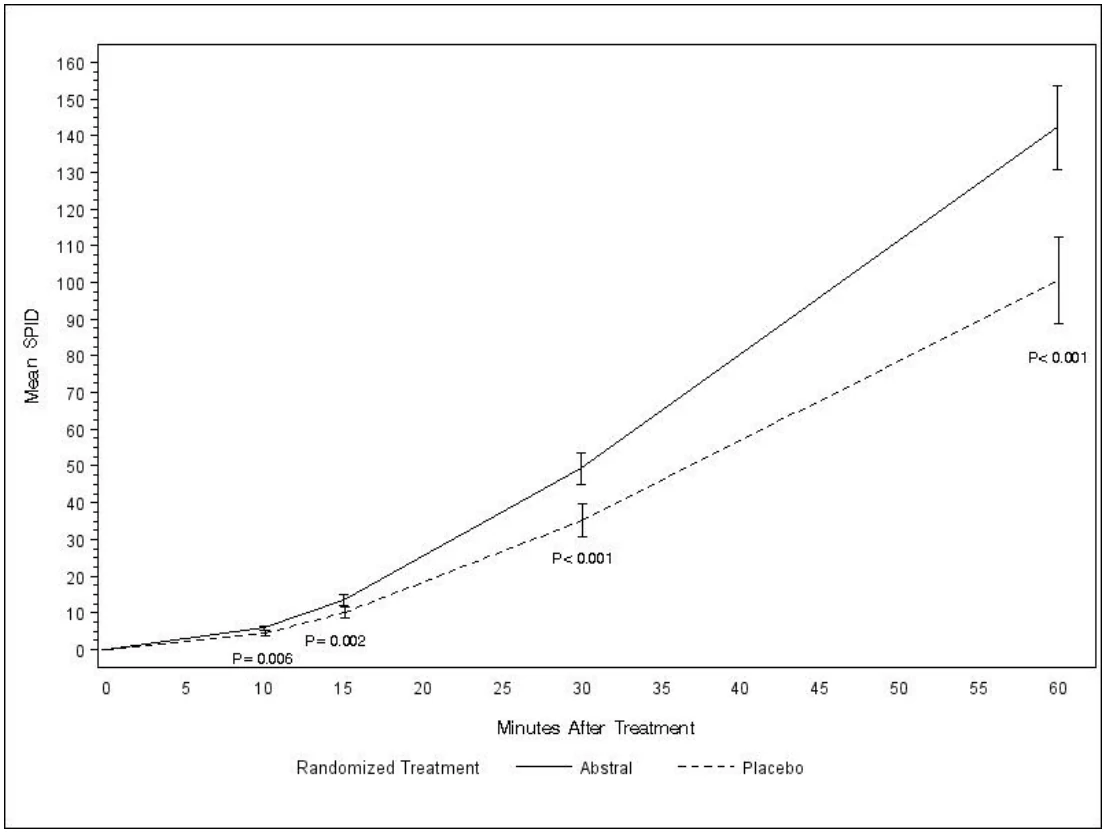
The mean age of subjects in the ITT population (n=131) was 55.0 years (range 21-80 years) with 54.2% female and 45.8% male.
Study results:
The primary efficacy endpoint was the sum of pain intensity difference (SPID) from Baseline to 30 minutes after treating breakthrough pain episodes with study medication. ABSTRAL was found to be superior to placebo in treating cancer breakthrough pain as measured by SPID over the first 30 minutes of a breakthrough episode (49.3, 35.23 respectively, p=0.0004). The difference of least square means between the treatments was 14.08 (95% CI: 6.515, 21.637).
The difference in SPID reached statistical significance (p = 0.006) as early as 10 minutes post-dose and the difference continued to be statistically significant through all time points thereafter until the final assessment at 60 minutes post-dose (Figure 2).
Figure 2: Mean Sum Pain Intensity Difference (SPID) for ABSTRAL Compared to
Placebo
Secondary endpoints in addition to SPID at time points other than 30 minutes provide supporting evidence of the efficacy of ABSTRAL in breakthrough pain.
ABSTRAL was also shown to provide improved reduction in pain intensity (PID) from the first measured time point (10 minutes) that was significantly different to placebo (1.16 vs. 0.88 respectively; p=0.0055). The statistically significant difference was maintained to at least 60 minutes.
The distribution of effective doses identified in the titration phase in this study and in a second Phase III open-label safety study (EN3267-007) following an identical titration regimen is shown in Table 4.
Table 4: Effective dose of ABSTRAL following initial titration in Phase III studies
| ABSTRAL Dose (mcg) | n (%) N=174 |
| 100 | 11 (6.3) |
| 200 | 15 (8.6) |
| 300 | 35 (20.1) |
| 400 | 25 (14.4) |
| 600 | 40 (23.0) |
| 800 | 48 (27.6) |
DETAILED PHARMACOLOGY
Primary Pharmacodynamics: It is well-established that fentanyl is a potent, short-acting, synthetic, pure μ-opioid receptor agonist with the main pharmacologic activity being analgesia. The analgesic potency of fentanyl is approximately 100-fold greater than that of morphine. Fentanyl produces effective analgesia without significant respiratory depression at plasma concentrations ranging from 0.6-2 ng/mL. At higher plasma concentrations (>2 ng/mL), significant respiratory depression may occur. Significant nonrespiratory side effects associated with fentanyl include muscle rigidity, bradycardia, hypotension, nausea and vomiting, pruritus, and urinary retention. As with other narcotic analgesics, subjects may become tolerant to the effects of fentanyl after repeated administration.
Dependence: Recently, the effects of fentanyl withdrawal on brain reward function and somatic withdrawal symptoms were evaluated in male Wistar rats. The rats were trained on a modified discrete-trial intracranial self-stimulation procedure and implanted with 14-day minipumps containing saline or fentanyl citrate (1.2 mg/kg/day). Abrupt cessation of fentanyl administration resulted in a time-dependent elevation in brain reward thresholds and somatic withdrawal signs suggesting a severe deficit in brain reward function. Naloxone resulted in a dose-dependent
elevation in brain reward thresholds and somatic withdrawal signs in fentanyl-treated rats; however, it did not alter the response latencies.
Central Nervous System: Behavioural changes observed in rodents and dogs following administration of fentanyl are typical of opioid analgesics (i.e., class effects). In rodents these include increased spontaneous activity, circling, Straub tail, and increased muscle tone. Convulsions occur at high doses that also produce mortality. In dogs, decreased motor activity, ataxia, decreased responsiveness, bradycardia, respiratory depression, salivation and defecation occur. Signs of central depression are reversed immediately by administration of nalorphine.
Cardiovascular Effects:
In Vitro Studies
Fentanyl has been tested for activity on cardiac human ether-a-go-go related gene (HERG) K+ currents. Fentanyl was found to inhibit HERG with an IC50 of 1.8 µM. This concentration is approximately 400-fold higher than the concentration reached with the highest strengths of ABSTRAL (approximately 4.4 nM (1.5 mcg/mL)).
Fentanyl has also been tested for effects on action potential duration (APD) in canine cardiac purkinje fibers at concentrations of 0.095, 0.19 and 0.95 µM. Fentanyl caused a significant lengthening of action potential duration at all concentrations tested. The effects of fentanyl at 0.19 µM were not reversed by the addition of 5.5 µM naloxone, suggesting that these effects are not mediated by opioid-receptors.
In Vivo Studies
At anaesthetic doses (0.02 mg/kg IV and above), fentanyl produces bradycardia, due at least in part to centrally mediated changes in vagal tone. This effect is preventable or reversible by administration of muscarinic antagonists. In unanesthetized monkeys, no significant effects on cardiovascular function occurred at dose levels below those which produced apnea (0.064 mg/kg).
A study was conducted in dogs to evaluate the effects of intravenously administered fentanyl on cardiovascular and respiratory function. Fentanyl administered at doses of 0.003, 0.01 and 0.03 mg/kg did not affect blood pressure at any dose. There were no effects on heart rate, QT and QTc interval at 0.003 and 0.01 mg/kg. At 0.03 mg/kg, heart rate was statistically significantly decreased at 0.5 hours and 1 hour after dosing; means were 60.8% and 79.0% lower than respective control values. A small, transient increase in QTc interval from 0.5 to 2 hours after dosing at the same dose level was considered without physiological significance.
Respiratory Effects: All commonly used µ-opioid agonists produce respiratory depression. In animal models, respiratory depression generally occurs rapidly after fentanyl administration and recovers quickly, in parallel with rapid absorption, brain:plasma equilibration and elimination of fentanyl. However, in some cases respiratory depression may be prolonged or even delayed because of tissue redistribution.
In unanaesthetized rhesus monkeys, significant respiratory effects occurred at IV bolus doses of 0.002 mg/kg whereas analgesic effects were identified at double that dose. In dogs, respiratory and analgesic effects occurred at similar cumulative doses. No ceiling effect with regard to respiratory depression was observed in rats or humans.
No effects on the respiratory system were noted in dogs given 0.003 mg/kg fentanyl intravenously. No effects on respiratory rate, PaO2, or haemoglobin oxygen saturation were observed at any of the administered doses (0.003, 0.01 and 0.03 mg/kg). A decrease in arterial blood pH and an increase in PaCO2 were observed 1 hour after administration at 0.01 and 0.03 mg/kg.
Gastrointestinal Effects: Virtually all commonly used opioids produce GI effects through a combination of central and peripheral actions, which are well described. Gastric and intestinal motility are generally reduced. Prolonged gastric emptying can lead to increased risk of esophageal reflux. Intestinal secretions are decreased, which coupled with delayed passage and increased water absorption, often leads to constipation. It has been reported that transdermal fentanyl produces considerably less intestinal side effects than oral morphine. In rat studies, the safety margin between intestinal effects and efficacy for fentanyl is much higher than that for morphine.
Fentanyl, like other opioids can cause contraction of the smooth muscle along the biliary tree and spasm of the sphincter of Oddi, leading to increased fluid pressure in the gall bladder.
In dogs administered fentanyl by intramuscular injection, no emetic activity was observed at doses of 1 or 2.5 mg/kg, whereas similar doses of morphine produced emesis in 60-90% of animals.
TOXICOLOGY
Single and Repeat Dose Toxicity
Following acute dosing, fentanyl has a high therapeutic index (LD50/ED50); which is higher than for morphine. Clinical signs observed in animals following acute administration of fentanyl are typical of opioid analgesics. These include increased motor activity, increased muscle tone and circling, Straub tail and mydriasis for rodents; and decreased motor activity and responsiveness to painful stimuli, ataxia, bradycardia, respiratory depression, salivation, and defecation in dogs. Convulsions occur in rodents and dogs at high doses.
An acute oral toxicity study with fentanyl citrate conducted in dogs at a dose of 35 mg/kg showed bradypnea, flaccid muscle tone, postural abnormalities, pale oral mucosa and conjunctiva and loss of response to sound and touch. One animal also showed tonic convulsion,
twitching, mydriasis, coma and loss of light reflex whereas another also appeared with miosis and somnolence. These symptoms had disappeared by day 4 post administration.
Repeat-dose toxicity studies of fentanyl have been described in rats (intramuscular, intravenous), rabbits (topical), and dogs (intramuscular, intravenous). There was no evidence of any target-organ toxicity in any species. In dogs given fentanyl intravenously for 4 weeks, mild cholestasis was observed at 1 mg/kg/day, which is consistent with known biliary effects of opioids.
Genotoxicity
Fentanyl showed no evidence of genotoxicity in the Ames Salmonella mutagenicity assay, in the primary rat hepatocyte unscheduled DNA synthesis assay, in the BALB/c 3T3 transformation test, or in the human lymphocyte and CHO chromosomal aberration in vitro assays. When subjected to genotoxicity testing fentanyl showed no genotoxic activity in the Bacterial Reverse Mutation Assays (Salmonella and E.Coli), in the in vitro mouse lymphoma mutagenesis assay, or in the in vivo micronucleus assay in mice.
Like other opioids fentanyl showed mutagenic effects in vitro in mammalian cells. A mutagenic risk with therapeutic use seems unlikely since effects were induced only at very high concentrations.
Carcinogenicity
Carcinogenicity studies (26-week dermal alternative bioassay in Tg.AC transgenic mice; two-year subcutaneous carcinogenicity study in rats) with fentanyl did not reveal any findings indicative of oncogenic potential. Evaluation of brain slides from the carcinogenicity study in rats revealed brain lesions in animals administered high doses of fentanyl citrate. The relevance of these findings to humans is unknown.
Reproduction Toxicity
No impairment of fertility was observed in rat administered subcutaneous fentanyl at doses of up to 0.5 mg/kg/day. The literature contains reports on the potential effects of fentanyl on embryo-fetal development in the mouse, rat, rabbit and sheep. No evidence of fentanyl teratogenicity was found in mice. Administration of fentanyl to pregnant female Sprague-Dawley rats (0, 10, 100, or 500 mcg/kg/day) from day 14 prior to gestation and during the entire gestational period did not produce any evidence of teratogenicity, the high dose being approximately 6-fold the human dose of 800 mcg every 6 hours on a mg/m2 basis.
Teratological effects of fentanyl on rats receiving subcutaneously fentanyl at daily doses of 0.04, 0.08, 0.16 and 0.31 mg/rat showed dose-related maternal toxicity but no congenital abnormalities.
In sheep, epidural administration of fentanyl at doses of 50 to 100 mcg/kg from days 124-238 of gestation had no effect on uterine blood flow and tone. Furthermore, there were no
cardiovascular or acid-base effects in maternal or foetal sheep for up to 2 hours post-drug epidural administration.
Local Tolerance
No irritation was observed in an evaluation of the irritation potential of representative formulations of ABSTRAL on the oral mucosa in guinea pigs. Repeated administration of a representative placebo formulation of ABSTRAL was conducted in the Syrian hamster cheek pouch model to assess the irritation potential of the tablet’s excipients and showed no evidence of tissue irritation upon histological examination.
REFERENCES
Arndt JO, Mikat M, Parasher C. Fentanyl’s analgesic, respiratory, and cardiovascular actions in relation to dose and plasma concentration in unanesthetized dogs. Anesthesiology 1984; 61:355-361.
Blair JR, Pruett JK, Introna RP, et al. Cardiac electrophysiologic effects of fentanyl and sufentanil in cardiac Purkinje fibers. Anesthesiology 1989; 71:565-70.
Craft JB Jr, Robichaux AG, Kim HS, et al. The maternal and fetal cardiovascular effects of epidural fentanyl in the sheep model. Am J Obstet Gynecol 1984; 148:1098-1104.
Dahan A, Yassen A, Bijl H, et al. Comparison of the respiratory effects of intravenous buprenorphine and fentanyl in humans and rats. Br J Anaesth 2005;94:825-34.
Fujinaga M, Stevenson JB, Mazze RI. Reproductive and teratogenic effects of fentanyl in Sprague-Dawley rats. Teratology 1986; 34:51-57.
Gardocki JF, Yelnosky J. A Study of some of the pharmacologic actions of fentanyl citrate. Toxicol Appl Pharmacol 1964; 19:48-62.
Goromaru T, Matsuura H, Yoshimura N et al. Identification and quantitative determination of fentanyl metabolites in patients by gas chromatography-mass spectrometry. Anesthesiology 1984; 61:73-77.
Gutstein HB, Akil H. Opioid Analgesics. In, Goodman and Gilman’s The Pharmacological Basis of Therapeutics, Tenth edition. McGraw-Hill, New York. pp 569-620.
Hendrix PK, Robinson EP, Raffe MR. Methoctramine, a cardioselective muscarinic cholinergic antagonist, prevents fentanyl-induced bradycardia in the dog. J Vet Pharmacol Ther 1995; 18:87-93.
Hug CC Jr, Murphy MR. Fentanyl disposition in cerebrospinal fluid and plasma and its relationship to ventilatory depression in the dog. Anesthesiology 1979; 50:342-349.
Hug C, Murphy R. Fentanyl Disposition in Cerebrospinal Fluid and Plasma and its Relationship to Ventilatory Depression in the Dog. Anaesthesiology 1979; 50: 342-349.
Ibrahim AE, Feldman J, Karim A, Kharasch ED. Simultaneous assessment of drug interactions with low- and high-extraction opioids: application to parecoxib effects on the pharmacokinetics and pharmacodynamics of fentanyl and alfentanil. Anesthesiology 2003;98(4):853-61.
Katchman AN, McGroary KA, Kilborn MJ, et al. Influence of opioid agonists on cardiac human ether-a-go-go-related gene K+ currents. J Pharmacol Exp Ther 2002; 303:688-694.
Labroo RB, Paine MF, Thummel KE, Kharasch ED. Fentanyl metabolism by human hepatic and intestinal cytochrome P450 3A4: implications for interindividual variability in disposition, efficacy, and drug interactions. Drug Metab Dispos. 1997; 25(9):1072-1080.
Lehmann KA, Schmitz KF, Daub D. Disposition of fentanyl in human blood. Anaesthesist 1983; 32:329-34.
Lennernäs B, Frank-Lissbrant I, Lennernäs H, Kälkner KM, Derrick R, Howell J. Sublingual administration of fentanyl to cancer patients in an effective treatment of breakthrough pain: results from a randomized phase II study. Palliat Med 2010; 24(3): 286-293.
Martin LVH, Jurand A. The absence of teratogenic effects of some analgesics used in anaesthesia. Additional evidence from a mouse model. Anaesthesia 1992; 47:473-476.
Mather, 1983, Clinical Pharmacokinetics of Fentanyl and its Newer Derivatives. Clin Pharmacokinetics 1983; 8:422-446
McClain D, Hug C. Intravenous Fentanyl Kinetics. Clin. Pharmcol. Ther. 1980; 28 (1):106-114.
Murkin J, Moldenhaeur C, Hug C, Epstein C. Absence of Seizures during Induction of Anesthesia with High-Dose Fentanyl. 1984; 63: 489-494
Nussmeier NA, Benthuysen JL, Steffey EP, et al. Cardiovascular, respiratory, and analgesic effects of fentanyl in unanesthetized rhesus monkeys. Anesth Anal 1991; 72:221-226.
Peng PW, Sandler AN. A review of the use of fentanyl analgesia in the management of acute pain in adults. Anesthesiology 1999; 90(2):576-599.
Portenoy RK, Hagen NA. Breakthrough pain: Definition, prevalence and characteristics. Pain 1990; 41:273-281.
Rauck RL, Tark M, Reyes E, Hayes TG, Bartkowiak AJ, Hassman D, Nalamachu S, Derrick R, Howell J. Efficacy and long-term tolerability of sublingual fentanyl orally disintegrating tablet in the treatment of breakthrough cancer pain. Curr Med Res Opin. 2009; 25(12):2877-2885.
Rospond RM. A new transmucosal fentanyl for breakthrough cancer pain. Cancer Pract. 1999;7(6):317-20.
Streisand JB, Varvel JR, Stanski DR, et al. Absorption and bioavailability of oral transmucosal fentanyl citrate. Anesthesiology 1991;75(2):223-229.
Tateishi T, Krivoruk Y, Ueng YF et al. Identification of human liver cytochrome P-450 3A4 as the enzyme responsible for fentanyl and sufentanil N-dealkylation. Anesth Analg 1996; 82(1):167-72
Tegeder I, Lotsch J, Geisslinger G. Pharmacokinetics of opioids in liver disease. Clin Pharmacokinet 1999; 37(1):17-40.
Villiger JW, Ray LJ, Taylor KM. Characteristics of [3H] fentanyl binding to the opiate receptor. Neuropharmacology 1983; 22:447-52.
Yuge O, Kitahata LM, Collins JG, et al. Fentanyl and alfentanil suppress brain stem pain transmission. Anesth Analg 1985; 64:597-600.
Darwish M, Kirby M, Robertson P, et al. Absolute and relative bioavailability of fentanyl buccal tablet and oral transmucosal fentanyl citrate. J Clin Pharmacol 2007;47(3):343-50.