


Product Monograph - Meperidine Hydrochloride Injection USP (Icu Medical Canada)
SUMMARY PRODUCT INFORMATION
Route of Administration | Dosage Form / Strength | Nonmedicinal Ingredients |
| Intravenous | Sterile solution 10 mg/mL | Glacial acetic acid, sodium acetate anhydrous, water for injection |
INDICATIONS AND CLINICAL USE
Adults
Meperidine Hydrochloride Injection USP, administered by slow intravenous injection, is indicated for the temporary relief of moderate to severe pain.
Meperidine Hydrochloride Injection USP is not indicated as an as-needed (prn) analgesic.
Meperidine should not be used for treatment of chronic pain. Prolonged meperidine use may increase the risk of toxicity (e.g. seizures) from the accumulation of the meperidine metabolite, normeperidine.
Geriatrics (> 65 years of age)
In general, dose selection for an elderly patient should be cautious, usually starting at the low end of the dosing range, reflecting the greater frequency of decreased hepatic, renal, or cardiac function, concomitant disease or other drug therapy.
Pediatrics (< 19 years of age)
The safety and efficacy of Meperidine Hydrochloride Injection USP has not been studied in the pediatric population. Therefore the use of Meperidine Hydrochloride Injection USP is not recommended in patients under 19 years of age.
CONTRAINDICATIONS
- Patients who are hypersensitive to the active substance meperidine or other opioid analgesics or to any ingredient in the formulation. For a complete listing, see the DOSAGE FORMS, COMPOSITION AND PACKAGING section of the Product Monograph.
- In patients with known or suspected mechanical gastrointestinal obstruction (e.g., bowel obstruction or strictures) or any diseases/conditions that affect bowel transit (e.g., ileus of any type).
- Patients with suspected surgical abdomen (e.g., acute appendicitis or pancreatitis).
- Patients with mild pain that can be managed with other pain medications.
- Patients with acute or severe bronchial asthma, chronic obstructive airway, or status asthmaticus.
- Patients with acute respiratory depression, elevated carbon dioxide levels in the blood and cor pulmonale.
- Patients with acute alcoholism, delirium tremens, and convulsive disorders.
- Patients with severe CNS depression, increased cerebrospinal or intracranial pressure, and head injury.
- Patients taking monoamine oxidase (MAO) inhibitors (or within 14 days of such therapy).
WARNINGS AND PRECAUTIONS
SERIOUS WARNINGS AND PRECAUTIONS
Limitations of Use
Because of the risks of addiction, abuse, and misuse with opioids, even at recommended doses, and because of the risks of overdose and death with immediate release opioid formulations, Meperidine Hydrochloride Injection USP should only be used in patients for whom alternative treatment options (e.g., non-opioid analgesics) are ineffective, not tolerated, or would be otherwise inadequate to provide appropriate management of pain (see DOSAGE AND ADMINISTRATION).
Addiction, Abuse, and Misuse
Meperidine Hydrochloride Injection USP poses risks of opioid addiction, abuse, and misuse, which can lead to overdose and death. Each patient’s risk should be assessed prior to prescribing Meperidine Hydrochloride Injection USP, and all patients should be monitored regularly for the development of these behaviours or conditions (see WARNINGS AND PRECAUTIONS, Abuse and Misuse). Meperidine Hydrochloride Injection USP should be stored securely to avoid theft or misuse.
Life-threatening Respiratory Depression: OVERDOSE
Serious, life-threatening, or fatal respiratory depression may occur with use of Meperidine Hydrochloride Injection USP. Infants exposed in-utero or through breast milk are at risk of life-threatening respiratory depression upon delivery or when nursed. Patients should be monitored for respiratory depression, especially during initiation of Meperidine Hydrochloride Injection USP or following a dose increase. Further, instruct patients of the hazards related to taking opioids including fatal overdose.
SERIOUS WARNINGS AND PRECAUTIONS
Accidental Exposure
Accidental exposure of even one dose of Meperidine Hydrochloride Injection USP, especially by children, can result in a fatal overdose of meperidine (see DOSAGE AND ADMINISTRATION, Disposal, for instructions on proper disposal).
Neonatal Opioid Withdrawal Syndrome
Prolonged maternal use of Meperidine Hydrochloride Injection USP during pregnancy can result in neonatal opioid withdrawal syndrome, which may be life-threatening (see WARNINGS AND PRECAUTIONS, Neonatal Opioid Withdrawal Syndrome (NOWS)).
Interaction with Alcohol
Caution should be observed when administering meperidine to patients who have been or are taking alcohol. Meperidine Hydrochloride Injection USP should be avoided as it may result in dangerous additive effects, causing serious injury or death (see WARNINGS AND PRECAUTIONS and DRUG INTERACTIONS).
Risks From Concomitant Use With Benzodiazepines Or Other CNS Depressants Concomitant use of opioids with benzodiazepines or other central nervous system (CNS) depressants, including alcohol, may result in profound sedation, respiratory depression, coma, and death (see WARNINGS AND PRECAUTIONS, Neurologic and DRUG INTERACTIONS).
- Reserve concomitant prescribing of Meperidine Hydrochloride Injection USP and benzodiazepines or other CNS depressants for use in patients for whom alternative treatment options are inadequate.
- Limit dosages and durations to the minimum required.
- Follow patients for signs and symptoms of respiratory depression and sedation.
General
Meperidine Hydrochloride Injection USP should be stored securely to avoid theft or misuse.
Meperidine Hydrochloride Injection USP should only be prescribed by persons knowledgeable in the continuous administration of potent opioids, in the management of patients receiving potent opioids for the treatment of pain, and in the detection and management of respiratory depression, including the use of opioid antagonists.
Meperidine is contraindicated in patients who are receiving monoamine oxidase (MAO) inhibitors or those who have recently received such agents. Therapeutic doses of meperidine have occasionally precipitated unpredictable, severe, and occasionally fatal reactions in patients who have received such agents within 14 days. The mechanism of these reactions is unclear, but may be related to a preexisting hyperphenylalaninemia. Some have been characterized by coma, severe respiratory depression, cyanosis, and hypotension, and have resembled the syndrome of acute opioid overdose. In other reactions the predominant manifestations have been
hyperexcitability, convulsions, tachycardia, hyperpyrexia, and hypertension. Although it is not known that other narcotics are free of the risk of such reactions, virtually all of the reported reactions have occurred with meperidine. If an opioid is needed in such patients, a sensitivity test should be performed in which repeated, small, incremental doses of morphine are administered over the course of several hours while the patient's condition and vital signs are under careful observation. (Intravenous hydrocortisone or prednisolone have been used to treat severe reactions, with the addition of intravenous chlorpromazine in those cases exhibiting hypertension and hyperpyrexia. The usefulness and safely of opioid antagonists in the treatment of these reactions is unknown.)
Patients should be cautioned not to consume alcohol while taking Meperidine Hydrochloride Injection USP as it may increase the chance of experiencing serious adverse events, including death.
Hyperalgesia that will not respond to a further dose increase of meperidine can occur at particularly high doses. A meperidine dose reduction or change in opioid may be required.
Meperidine should not be used for the treatment of chronic pain. Meperidine should only be used in the treatment of acute episodes of moderate to severe pain. Prolonged meperedine use may increase the risk of toxicity (e.g., seizures) from the accumulation of the meperidine metabolite, normeperidine.
Abuse and Misuse
Like all opioids, Meperidine Hydrochloride Injection USP is a potential drug of abuse and misuse, which can lead to overdose and death. Therefore, Meperidine Hydrochloride Injection USP should be prescribed and handled with caution.
Patients should be assessed for their clinical risks for opioid abuse or addiction prior to being prescribed opioids. All patients receiving opioids should be routinely monitored for signs of misuse and abuse.
Opioids, such as Meperidine Hydrochloride Injection USP, should be used with particular care in patients with a history of alcohol and illicit/prescription drug abuse. However, concerns about abuse, addiction, and diversion should not prevent the proper management of pain.
Cardiovascular
Meperidine administration may result in severe hypotension in patients whose ability to maintain adequate blood pressure is compromised by reduced blood volume, or concurrent administration of drugs such as phenothiazines and other tranquilizers, sedative/hypnotics, tricyclic antidepressants or general anesthetics. Meperidine may produce orhostatic hypotension in ambulatory patients. These patients should be monitored for signs of hypotension after initiating or titrating the dose of Meperidine Hydrochloride Injection USP.
The use of Meperidine Hydrochloride Injection USP in patients with circulatory shock should be avoided as it may cause vasodilation that can further reduce cardiac output and blood pressure.
Rapid intravenous injection of opioid analgesics increases the possibility of hypotension and respiratory depression and should be avoided (see DOSAGE AND ADMINISTRATION).
Meperidine should be used with caution in patients with atrial flutter and other supraventricular tachycardias because of a possible vagolytic action which may produce an increase in ventricular response rate.
Dependence/Tolerance
As with other opioids, tolerance and physical dependence may develop upon repeated administration of Meperidine Hydrochloride Injection USP and there is a potential for development of psychological dependence.
Physical dependence and tolerance reflect the neuroadaptation of the opioid receptors to chronic exposure to an opioid, and are separate and distinct from abuse and addiction. Tolerance, as well as physical dependence, may develop upon repeated administration of opioids, and are not by themselves evidence of an addictive disorder or abuse.
Patients on prolonged therapy should be tapered gradually from the drug if it is no longer required for pain control. Withdrawal symptoms may occur following abrupt discontinuation of therapy or upon administration of an opioid antagonist. Severe opioid abstinence syndrome is characterized by restlessness, lacrimation, rhinorrhea, yawning, perspiration, goosebumps, restless sleep or "yen" and mydriasis during the first 24 hours. These symptoms increase in severity and, over the next 72 hours, may be accompanied by increasing irritability, anxiety, weakness, twitching and spasm of muscles; kicking movements, severe backache, abdominal and leg pain; abdominal and muscle cramps; hot and cold flashes; insomnia; nausea, anorexia, vomit-ing, intestinal spasm, diarrhea; coryza and repetitive sneezing; increase in body temperature, blood pressure, respiratory rate and heart rate. Because of excessive loss of fluids through sweating, vomiting and diarrhea, there is usually marked weight loss, dehydration, ketosis, and disturbances in acid-base balance. Cardiovascular collapse may occur. Without treatment, most observable symptoms disappear in 5 to 14 days; however, there appears to be a phase of secondary or chronic abstinence which may last for 2 to 6 months characterized by insomnia, irritability and muscular aches.
In the treatment of physical dependence on meperidine, the patient may be detoxified by gradual reduction of opioid dosage. If abstinence symptoms become severe, the patient may be given methadone. Temporary administration of tranquilizers and sedatives may aid in reducing patient anxiety and opioid craving. Gastrointestinal disturbances or dehydration should be treated accordingly.
A drug-dependent woman who is pregnant should undergo withdrawal treatment prior to delivery.
Infants born to opioid-dependent mothers are often themselves physically dependent. Diagnosis begins with a maternal history of drug abuse; chromatographic analysis of the neonate's urine will assist in the diagnosis. Symptoms usually occur over the first 4 days after birth and include
irritability, high-pitched shrill cry, tremor, hyperactivity, vomiting, diarrhea, fever, sustained embracing reflex and seizures. Opioids, barbiturates, phenothiazines or sedative-hypnotics have been used to treat withdrawal symptoms in addicted neonates (see ADVERSE REACTIONS; DOSAGE AND ADMINISTRATION, Adjustment or Reduction of Dosage).
Use in Drug and Alcohol Addiction
Meperidine Hydrochloride Injection USP is an opioid with no approved use in the management of addictive disorders. Its proper usage in individuals with drug or alcohol dependence, either active or in remission is for the management of pain requiring opioid analgesia. Patients with a history of addiction to drugs or alcohol may be at higher risk of becoming addicted to Meperidine Hydrochloride Injection USP; extreme caution and awareness are warranted to mitigate the risk.
Endocrine
Adrenal Insufficiency: Cases of adrenal insufficiency have been reported with opioid use, more often following greater than one month of use. Presentation of adrenal insufficiency may include non-specific symptoms and signs including nausea, vomiting, anorexia, fatigue, weakness, dizziness, and low blood pressure. If adrenal insufficiency is suspected, confirm the diagnosis with diagnostic testing as soon as possible. If adrenal insufficiency is diagnosed, treat with physiologic replacement doses of corticosteroids. Wean the patient off of the opioid to allow adrenal function to recover and continue corticosteroid treatment until adrenal function recovers. Other opioids may be tried as some cases reported use of a different opioid without recurrence of adrenal insufficiency. The information available does not identify any particular opioids as being more likely to be associated with adrenal insufficiency.
Gastrointestinal Effects
Meperidine and other morphine-like opioids have been shown to decrease bowel motility. Meperidine may obscure the diagnosis or clinical course of patients with acute abdominal conditions (see CONTRAINDICATIONS).
Neonatal Opioid Withdrawal Syndrome (NOWS)
Prolonged maternal use of opioids during pregnancy can result in withdrawal signs in the neonate. Neonatal opioid withdrawal syndrome, unlike opioid withdrawal syndrome in adults, may be life-threatening.
Neonatal opioid withdrawal syndrome presents as irritability, hyperactivity and abnormal sleep pattern, high pitched cry, tremor, vomiting, diarrhea and failure to gain weight. The onset, duration, and severity of neonatal opioid withdrawal syndrome vary based on the specific opioid used, duration of use, timing and amount of last maternal use, and rate of elimination of the drug by the newborn.
Meperidine Hydrochloride Injection USP is not recommended to be used in pregnant women unless, in the judgement of the physician, the potential benefits outweigh the risks. If Meperidine Hydrochloride Injection USP was used during pregnancy, special attention to NOWS is warranted.
The comparative fetal and neonatal respiratory depressant tendencies of equivalent analgesic
doses of all drugs in this class have been determined. Generally, however, meperidine is considered safer in this respect than morphine and analogs (hydromorphone, methadone).
Neurologic
Interactions with Central Nervous System Depressants (including benzodiazepines and alcohol): Meperidine should be used with caution and in a reduced dosage during concomitant administration of other opioid analgesics, general anesthetics, phenothiazines and other tranquilizers, sedative-hypnotics, tricyclic antidepressants, antipsychotics, antihistamines, benzodiazepines, centrally-active anti-emetics and other CNS depressants. Respiratory depression, hypotension and profound sedation, coma or death may result.
Observational studies have demonstrated that concomitant use of opioid analgesics and benzodiazepines increases the risk of drug-related mortality compared to use of opioid analgesics alone. Because of similar pharmacological properties, it is reasonable to expect similar risk with the concomitant use of other CNS depressant drugs with opioid analgesics (see DRUG INTERACTIONS). If the decision is made to prescribe a benzodiazepine or other CNS depressant concomitantly with an opioid analgesic, prescribe the lowest effective dosages and minimum durations of concomitant use. In patients already receiving an opioid analgesic, prescribe a lower initial dose of the benzodiazepine or other CNS depressant than indicated in the absence of an opioid, and titrate based on clinical response. If an opioid analgesic is initiated in a patient already taking a benzodiazepine or other CNS depressant, prescribe a lower initial dose of the opioid analgesic, and titrate based on clinical response. Follow patients closely for signs and symptoms of respiratory depression and sedation.
Advise both patients and caregivers about the risks of respiratory depression and sedation when Meperidine Hydrochloride Injection USP is used with benzodiazepines or other CNS depressants (including alcohol and illicit drugs). Advise patients not to drive or operate heavy machinery until the effects of concomitant use of the benzodiazepine or other CNS depressant have been determined. Screen patients for risk of substance use disorders, including opioid abuse and misuse, and warn them of the risk for overdose and death associated with the use of additional CNS depressants including alcohol and illicit drugs (see DRUG INTERACTIONS). Meperidine Hydrochloride Injection USP should not be administered if patients have been or are consuming alcohol as it may increase the chance of experiencing dangerous side effects, including death (see CONTRAINDICATIONS; ADVERSE REACTIONS, Sedation; and DRUG INTERACTIONS).
Severe pain antagonizes the subjective and respiratory depressant actions of opioid analgesics. Should pain suddenly subside, these effects may rapidly become manifest.
Meperidine may aggravate pre-existing convulsions in patients with convulsive disorders. If the dosage of meperidine is escalated substantially above recommended levels because of tolerance, convulsions may occur in individuals without a history of convulsive disorders.
Head Injury: The respiratory depressant effects of meperidine, and the capacity to elevate cerebrospinal fluid pressure, may be greatly increased in the presence of an already elevated intracranial pressure produced by trauma, other intracranial lesions, or pre-existing increase in intracranial pressure. Meperidine produces effects which may obscure neurological signs of
further increase in pressure in patients with head injuries. Also, meperidine may produce confusion, miosis, vomiting and other side effects which obscure the clinical course of patients with head injury. In such patients, meperidine must be used with extreme caution and only if it is judged essential (see CONTRAINDICATIONS).
Serotonin Syndrome: Meperidine Hydrochloride Injection USP could cause a rare but potentially life-threatening condition resulting from concomitant administration of serotonergic drugs (e.g. anti-depressants, migraine medications). Treatment with the serotoninergic drug should be discontinued if such events (characterized by clusters of symptoms such as hyperthermia, rigidity, myoclonus, autonomic instability with possible rapid fluctuations of vital signs, mental status changes including confusion, irritability, extreme agitation progressing to delirium and coma) occur and supportive symptomatic treatment should be initiated. Meperidine Hydrochloride Injection USP should not be used in combination with MAO inhibitors or serotonin-precursors (such as L-tryptophan, oxitriptan) and should be used with caution in combination with other serotonergic drugs (triptans, certain tricyclic antidepressants, lithium, tramadol, St. John’s Wort) due to the risk of serotonergic syndrome (see DRUG INTERACTIONS).
Peri-Operative Considerations
Meperidine Hydrochloride Injection USP is not indicated for pre-emptive analgesia (administration pre-operatively for the management of post-operative pain).
In the case of planned chordotomy or other pain-relieving operations, patients should not be treated with Meperidine Hydrochloride Injection USP for at least 24 hours before the operation and Meperidine Hydrochloride Injection USP should not be used in the immediate post-operative period.
Physicians should individualize treatment, moving from parenteral to oral analgesics as appropriate. Thereafter, if Meperidine Hydrochloride Injection USP is to be continued after the patient recovers from the post-operative period, a new dosage should be administered in accordance with the changed need for pain relief. The risk of withdrawal in opioid-tolerant patients should be addressed as clinically indicated.
The administration of analgesics in the peri-operative period should be managed by healthcare providers with adequate training and experience (e.g., by an anesthesiologist).
Meperidine and other morphine-like opioids have been shown to decrease bowel motility. Ileus is a common post-operative complication, especially after intra-abdominal surgery with opioid analgesia. Caution should be taken to monitor for decreased bowel motility in post-operative patients receiving opioids. Standard supportive therapy should be implemented.
Meperidine Hydrochloride Injection USP should not be used in the early post-operative period (12 to 24 hours post-surgery) unless the patient is ambulatory and gastrointestinal function is normal.
Meperidine should be used with caution in patients about to undergo surgery of the biliary tract,
since it may cause spasm of the sphincter of Oddi.
Psychomotor Impairment
Meperidine Hydrochloride Injection USP may impair the mental and/or physical abilities needed for certain potentially hazardous activities such as driving a car or operating machinery. Patients should be cautioned accordingly. Patients should also be cautioned about the combined effects of meperidine with other CNS depressants, including other opioids, phenothiazine, sedative/hypnotics and alcohol.
Respiratory
Respiratory Depression: Serious, life-threatening, or fatal respiratory depression has been reported with the use of opioids, even when used as recommended. Respiratory depression from opioid use, if not immediately recognized and treated, may lead to respiratory arrest and death. Management of respiratory depression may include close observation, supportive measures, and use of opioid antagonists, depending on the patient’s clinical status. Meperidine should be used with extreme caution in patients with acute asthma attack, chronic obstructive pulmonary disease or cor pulmonale, substantially decreased respiratory reserve, pre-existing respiratory depression, hypoxia or hypercapnia (see CONTRAINDICATIONS).
While serious, life-threatening, or fatal respiratory depression can occur at any time during the use of Meperidine Hydrochloride Injection USP, the risk is greatest during the initiation of therapy or following a dose increase. Patients should be closely monitored for respiratory depression when initiating therapy with Meperidine Hydrochloride Injection USP and following dose increases.
Life-threatening respiratory depression is more likely to occur in the elderly, cachectic, or debilitated patients because they may have altered pharmacokinetics or altered clearance compared to younger, healthier patients.
To reduce the risk of respiratory depression, proper dosing and titration of Meperidine Hydrochloride Injection USP are essential. Overestimating the Meperidine Hydrochloride Injection USP dose when converting patients from another opioid product can result in a fatal overdose with the first dose. In these patients, the use of non-opioid analgesics should be considered, if feasible (see WARNINGS AND PRECAUTIONS, Special Populations, Special Risk Groups; and DOSAGE AND ADMINISTRATION).
Use in Patients with Chronic Pulmonary Disease: Monitor patients with significant chronic obstructive pulmonary disease or cor pulmonale, and patients having a substantially decreased respiratory reserve, hypoxia, hypercapnia, or preexisting respiratory depression for respiratory depression, particularly when initiating therapy and titrating with Meperidine Hydrochloride Injection USP, as in these patients, even usual therapeutic doses of Meperidine Hydrochloride Injection USP may decrease respiratory drive to the point of apnea. In these patients, use of alternative non-opioid analgesics should be considered, if possible. The use of Meperidine Hydrochloride Injection USP is contraindicated in Patients with acute or severe bronchial asthma, chronic obstructive airway, or status asthmaticus (see CONTRAINDICATIONS).
Use in Ambulatory Patients
Meperidine may impair the mental and/or physical abilities required for the performance of potentially hazardous tasks such as driving a car or operating machinery. The patient should be cautioned accordingly.
Sexual Function/Reproduction
Long-term use of opioids may be associated with decreased sex hormone levels and symptoms such as low libido, erectile dysfunction, or infertility (see ADVERSE REACTIONS, Post-Marketing Experience).
Special Populations
Special Risk Groups: Meperidine should be administered with caution to patients with acute alcoholism, or with a history of alcohol and drug abuse and in a reduced dosage to debilitated patients, and in patients with, CNS depression or coma, severely impaired hepatic, renal or pulmonary function, adrenocortical insufficiency (e.g., Addison’s disease), hypothyroidism, myxedema, toxic psychosis, prostatic hypertrophy, urethral stricture delirium tremens or kyphoscoliosis.
Pregnant Women: Studies in human have not been conducted. Meperidine Hydrochloride Injection USP crosses the placental barrier and is not recommended to be administered to pregnant women unless, in the judgement of the physician, potential benefits outweigh the risks.
Prolonged maternal use of opioids during pregnancy can result in withdrawal signs in the neonate. Neonatal Opioid Withdrawal Syndrome (NOWS), unlike opioid withdrawal syndrome in adults, can be life-threatening (see WARNINGS AND PRECAUTIONS, Neonatal Opioid Withdrawal Syndrome (NOWS)).
Pregnant women using opioids should not discontinue their medication abruptly as this can cause pregnancy complication such as miscarriage or still-birth. Tapering should be slow and under medical supervision to avoid serious adverse events to the fetus.
Meperidine administered a short time (i.e., up to 4 hours) prior to delivery to women with no history of chronic abuse or dependence, has been associated with a delay in initial respiration and transient respiratory depression in the neonate. Respiratory depression may be produced in the neonate even in its absence in the mother, presumably because of an immature blood-brain barrier in the neonate. The comparative fetal and neonatal respiratory depressant tendencies of equivalent analgesic doses of all drugs in this class have been determined. Generally, however, meperidine is considered safer in this respect than morphine and analogs (hydromorphone, methadone).
Labour, Delivery and Nursing Women: Since opioids can cross the placental barrier and are excreted in breast milk, Meperidine Hydrochloride Injection USP is not recommended to be used in nursing women and during labour and delivery unless, in the judgement of the physician, the potential benefits outweigh the risks. Life-threatening respiratory depression can occur in the infant if opioids are administered to the mother. Naloxone, a drug that counters the effects of
opioids, should be readily available if Meperidine Hydrochloride Injection USP is used in this population.
Occasionally, meperidine may prolong labour through actions which temporarily reduce the strength, duration and frequency of uterine contraction. However, this effect is not consistent and may be offset by an increased rate of cervical dilatation which tends to shorten labour.
Meperidine should be used with caution in women delivering premature infants, since respiratory depression in the neonate may occur. Neonates whose mothers received meperidine during labor should be observed closely for signs of respiratory depression. A specific opioid antagonist, naloxone, is available for reversal of opioid-induced respiratory depression in the neonate.
Pediatrics (< 19 years of age): The safety and efficacy of Meperidine Hydrochloride Injection USP have not been studied in the pediatric population. Therefore, use of Meperidine Hydrochloride Injection USP is not recommended in patients under 19 years of age.
Geriatrics (> 65 years of age): In general, dose selection for an elderly patient should be cautious, usually starting at the low end of the dosing range and titrate slowly, reflecting the greater frequency of decreased hepatic, renal, or cardiac function, and of concomitant disease or other drug therapy (see DOSAGE AND ADMINISTRATION).
ADVERSE REACTIONS
Adverse Drug Reaction Overview
Adverse effects of Meperidine Hydrochloride Injection USP are similar to those of other opioid analgesics, and represent an extension of pharmacological effects of the drug class. The major hazards of opioids include respiratory and central nervous system depression and to a lesser degree, circulatory depression, respiratory arrest, shock and cardiac arrest.
Most Frequently Observed
Lightheadedness, dizziness, sedation, nausea, vomiting, sweating, dysphoria and euphoria.
These effects seem to be more prominent in ambulatory patients and in those not experiencing severe pain. In such individuals, lower doses are advised. Some adverse reactions in ambulatory patients may be alleviated if the patient lies down.
Less Frequently Observed
Central Nervous System Weakness, headache, agitation, tremor, uncoordinated muscle movements, alterations of mood (nervousness, apprehension, depression, floating feeling), dreams, muscle rigidity, transient hallucinations and disorientation, visual disturbances, insomnia, increased intracranial pressure. Isolated cases of seizures have been reported.
Gastrointestinal Dry mouth, constipation, biliary tract spasm, laryngospasm, anorexia, diarrhea and cramps, taste alterations.
Cardiovascular Flushing of the face, chills, tachycardia, bradycardia, palpitations, faintness, syncope, hypotension, hypertension, and phlebitis following intravenous injection.
Genitourinary Urinary retention or hesitancy, reduced libido and/or potency, alterations in rate or strength of uterine contraction during labor.
Dermatologic Pruritus, urticaria, other skin rashes, wheal and flare over the vein with intravenous injection, edema, diaphoresis.
Other Antidiuretic effect, paresthesia, muscle tremor, blurred vision, nystagmus, diplopia, miosis, pain at injection site.
Sedation: Sedation is a common side effect of opioid analgesics, especially in opioid naïve individuals. Sedation may also occur partly because patients often recuperate from prolonged fatigue after the relief of persistent pain. Most patients develop tolerance to the sedative effects of opioids within three to five days and, if the sedation is not severe, will not require any treatment except reassurance. If excessive sedation persists beyond a few days, the dose of the opioid should be reduced and alternate causes investigated. Some of these are: concurrent CNS depressant medication, hepatic or renal dysfunction, brain metastases, hypercalcemia and respiratory failure. If it is necessary to reduce the dose, it can be carefully increased again after three or four days if it is obvious that the pain is not being well controlled. Dizziness and unsteadiness may be caused by postural hypotension, particularly in elderly or debilitated patients, and may be alleviated if the patient lies down.
Nausea and Vomiting: Nausea is a common side effect on initiation of therapy with opioid analgesics and is thought to occur by activation of the chemoreceptor trigger zone, stimulation of the vestibular apparatus and through delayed gastric emptying. The prevalence of nausea declines following continued treatment with opioid analgesics. When instituting therapy with an opioid for chronic pain, the routine prescription of an antiemetic should be considered. In the cancer patient, investigation of nausea should include such causes as constipation, bowel obstruction, uremia, hypercalcemia, hepatomegaly, tumor invasion of celiac plexus and concurrent use of drugs with emetogenic properties. Persistent nausea which does not respond to dosage reduction may be caused by opioid-induced gastric stasis and may be accompanied by other symptoms including anorexia, early satiety, vomiting and abdominal fullness. These symptoms respond to chronic treatment with gastrointestinal prokinetic agents.
Constipation: Practically all patients become constipated while taking opioids on a persistent basis. In some patients, particularly the elderly or bedridden, fecal impaction may result. It is essential to caution the patients in this regard and to institute an appropriate regimen of bowel management at the start of prolonged opioid therapy. Stimulant laxatives, stool softeners, and other appropriate measures should be used as required. As fecal impaction may present as
overflow diarrhea, the presence of constipation should be excluded in patients on opioid therapy prior to initiating treatment for diarrhea.
Post-Marketing Experience
Androgen deficiency: Chronic use of opioids may influence the hypothalamic-pituitary-gonadal axis, leading to androgen deficiency that may manifest as low libido, impotence, erectile dysfunction, amenorrhea, or infertility. The causal role of opioids in the clinical syndrome of hypogonadism is unknown because the various medical, physical, lifestyle, and psychological stressors that may influence gonadal hormone levels have not been adequately controlled for in studies conducted to date. Patients presenting with symptoms of androgen deficiency should undergo laboratory evaluation.
DRUG INTERACTIONS
Interaction with Benzodiazepines and Other Central Nervous System (CNS) Depressants: Due to additive pharmacologic effect, the concomitant use of benzodiazepines or other CNS depressants (e.g. other opioids, sedatives/hypnotics, antidepressants, anxiolytics, tranquilizers, muscle relaxants, general anesthetics, antipsychotics, phenothiazines, neuroleptics, antihistamines, antiemetics, and alcohol) and beta-blockers, increases the risk of respiratory depression, profound sedation, coma, and death. Reserve concomitant prescribing of these drugs for use in patients for whom alternative treatment options are inadequate. Limit dosages and durations to the minimum required. Follow patients closely for signs of respiratory depression and sedation (see WARNINGS AND PRECAUTIONS, Neurologic, Interactions with Central Nervous System Depressants (including benzodiazepines and alcohol) and Psychomotor Impairment). Meperidine Hydrochloride Injection USP should not be consumed with alcohol as it may increase the chance of experiencing dangerous side effects.
Drug-Drug Interactions
The concomitant use of other central nervous system depressants including sedatives or hypnotics (including barbiturates), other narcotic analgesics, tricyclic antidepressants, general anesthetics, phenothiazines, tranquilizers and alcohol may produce additive depressant effects. Respiratory depression, hypotension and profound sedation or coma may occur.
MAO (Monoamine Oxidose) Inhibitors
Meperidine, when given to a patient receiving a MAO inhibitor, may precipitate CNS excitation or depression. Some reactions are characterized by excitation, sweating, hypertension, tachycardia, hyperpyrexia and convulsions. Other reactions have included respiratory depression, cyanosis, fever, rigidity, hypotension, unconsciousness, nystagmus, deep coma, and have resembled the syndrome of acute narcotic overdose. Several deaths have been reported. If an opioid is needed in such patients, a sensitivity test should be performed in which repeated, small, incremental doses of morphine are administered over the course of several hours while the patient's condition and vital signs are under observation. (Intravenous hydrocortisone or prednisolone have been used to treat severe reactions, with the addition of intravenous chlorpro-mazine in those cases exhibiting hypertension and hyperpyrexia. The usefulness and safety of opioid antagonists in the treatment of these reactions is unknown.)
Skeletal Muscle Relaxants
Meperidine may enhance the neuromuscular-blocking action of skeletal muscle relaxants and produce an increased degree of respiratory depression.
Cimetidine/Ranitidine
Cimetidine reduced the clearance and volume of distribution of meperidine in healthy subjects, whereas ranitidine did not.
Serotonin Syndrome
Coadministration of meperidine with a serotonergic agent, such as a Selective Serotonin Re-uptake Inhibitor or a Serotonin Norepinephrine Re-uptake Inhibitor, may increase the risk of serotonin syndrome, a potentially life-threatening condition (see WARNINGS AND PRECAUTIONS).
Drug-Lifestyle Interactions
The concomitant use of alcohol should be avoided (see WARNINGS AND PRECAUTIONS, General).
Incompatibility
Meperidine is incompatible with soluble barbiturates, aminophylline, heparin, morphine sulfate, methicillin, phenytoin, sodium bicarbonate, iodide, sulfadiazine, and sulfisoxazole.
DOSAGE AND ADMINISTRATION
Meperidine Hydrochloride Injection USP should only be used in patients for whom alternative treatment options are ineffective or not tolerated (e.g., non-opioid analgesics).
Meperidine Hydrochloride Injection USP is indicated for the temporary relief of moderate to severe pain.
All doses of opioids carry an inherent risk of fatal or non-fatal adverse events. This risk is increased with higher doses. Each patient should be assessed for their risk prior to prescribing Meperidine Hydrochloride Injection USP, as the likelihood of experiencing serious adverse events can depend upon the type of opioid, duration of treatment, level of pain as well as the patient’s own level of tolerance. In addition, the level of pain should be assessed routinely to confirm the most appropriate dose and the need for further use of Meperidine Hydrochloride Injection USP (see DOSAGE &ADMINISTRATION - Adjustment or reduction of Dosage).
Dosing Considerations
Meperidine Hydrochloride Injection USP should be used with caution within 12 hours pre-operatively and within the first 12-24 hours post-operatively (see WARNINGS AND PRECAUTIONS, Peri-operative Considerations).
Meperidine Hydrochloride Injection USP is not indicated for rectal administration.
Rapid intravenous injection of opioid analgesics increases the possibility of hypotension and respiratory depression.
Recommended Dose and Dosage Adjustment
For use with compatible infusion pumps only. Dosage should be adjusted according to the severity of the pain and the response of the patient.
When administered intravenously, Meperidine Hydrochloride Injection USP should be given very slowly. Rapid intravenous injection increases the incidence of adverse reactions as described above. This drug should be administered intravenously only if an opioid antagonist (i.e. naloxone) and the facilities for assisted or controlled respiration are immediately available. When meperidine is given parenterally, especially intravenously, the patient should be lying down.
Adults:
The usual adult dose is 15 to 35 mg per hour, administered intravenously as required.
Dosage of meperidine should be carefully adjusted according to the severity of pain and the response of the patient. Reduced dosage is indicated in poor-risk patients, in the very young or very old, in patients with impaired renal or hepatic function and in patients receiving other central nervous system depressants. For surgical patients, dosage should be based on response of the patient, other premedications and concomitant medications, the anesthetic being used and the nature and duration of the operation.
Occasionally, it may be necessary to exceed the usual dosage recommended in cases of exceptionally severe pain or in patients who become tolerant.
Parenteral drug products should be inspected visually for particulate matter and discoloration prior to administration (see WARNINGS AND PRECAUTIONS).
For the equivalences of commonly used opioid analgesics, please refer to Table 1. Conversion ratios for opioids are subject to variations in kinetics governed by genetics and other factors. When switching from one opioid to another, consider reducing the calculated dose by 25-50% to minimize the risk of overdose. Subsequently, up-titrate the dose, as required, to reach the appropriate maintenance dose.
Table 1: OPIOID ANALGESICS: APPROXIMATE ANALGESIC EQUIVALENCES1
Drug Equivalent Dose (mg)2
(compared to morphine 10 mg IM)
Duration of Action (hours)
Parenteral Oral
Strong Opioid Agonists:
Morphine
Oxycodone
Hydromorphone
Anileridine
Levorphanol
Meperidine6
Oxymorphone
Methadone5
Heroin
10 15 1.5 25 2
75 1.5
-
5-8
603 304 7.5 75 4
300 5 (rectal)
-
10-15
3-4
2-4
2-4
2-3
4-8
1-3
3-4
-
3-4
Weak Opioid Agonists:
Codeine
Propoxyphene
120 50
200 100
3-4
2-4
Mixed Agonist-Antagonists7:
Pentazocine6
Nalbuphine
Butorphanol
60 10 2
180
-
-
3-4
3-6
3-4
Footnotes:
1References:
Expert Advisory Committee on the Management of Severe Chronic Pain in Cancer Patients, Health and Welfare Canada. Cancer pain: A monograph on the management of cancer pain. Ministry of Supplies and Services Canada, 1987. Cat. No. H42-2/5-1984E.
Foley KM. The treatment of cancer pain. N Engl J Med 1985;313(2):84-95.
Aronoff GM, Evans WO. Pharmacological management of chronic pain: A review. In: Aronoff GM, editor. Evaluation and treatment of chronic pain. 2nd ed. Baltimore (MD): Williams and Wilkins; 1992. p. 359-68. Cherny NI, Portenoy RK. Practical issues in the management of cancer pain. In: Wall PD, Melzack R, editors. Textbook of pain. 3rd ed. New York: Churchill Livingstone; 1994. p. 1437-67.
2 Most of the data were derived from single-dose, acute pain studies and should be considered an approximation for selection of doses when treating chronic pain. As analgesic conversion factors are approximate and patient response may vary, dosing should be individualized according to relief of pain and side effects. Because of incomplete cross-tolerance, dose reductions of 25% to 50% of the equianalgesic dose may be appropriate in some patients when converting from one opioid to another, particularly at high doses.† Upward titration may be required to reach appropriate maintenance doses.
†Levy MH. Pharmacologic treatment of cancer pain. N Engl J Med 1996;335:1124-1132.
3 For acute pain, the oral or rectal dose of morphine is six times the injectable dose. However, for chronic dosing, clinical experience indicates that this ratio is 2-3:1 (i.e., 20-30 mg of oral or rectal morphine is equivalent to 10 mg of parenteral morphine).
4 Based on single entity oral oxycodone in acute pain.
5 Extremely variable equianalgesic dose. Patients should undergo individualized titration starting at an equivalent to 1/10 of the morphine dose.
6 Not recommended for the management of chronic pain.
7 Mixed agonist-antagonists can precipitate withdrawal in patients on pure opioid agonists.
Geriatrics:
Respiratory depression has occurred in the elderly following administration of large initial doses of opioids to patients who were not opioid-tolerant or when opioids were co-administered with other agents that can depress respiration. Meperidine Hydrochloride Injection USP should be initiated at a low dose and slowly titrated to effect (see WARNINGS AND PRECAUTIONS).
Use with Non-Opioid Medications:
If a non-opioid analgesic is being provided, it may be continued. If the non-opioid is discontinued, consideration should be given to increasing the opioid dose to compensate for the non-opioid analgesic. Meperidine Hydrochloride Injection USP can be safely used concomitantly with usual doses of other non-opioid analgesics.
Dose Titration:
Dose titration is the key to success with opioid analgesic therapy. Proper optimization of doses scaled to the relief of the individual's pain should aim at administration of the lowest dose which will achieve the overall treatment goal of satisfactory pain relief with acceptable side effects.
Dosage adjustments should be based on the patient’s clinical response.
Adjustment or Reduction of Dosage:
Physical dependence with or without psychological dependence tends to occur with chronic administration of opioids, including Meperidine Hydrochloride Injection USP. Withdrawal (abstinence) symptoms may occur following abrupt discontinuation of therapy. These symptoms may include body aches, diarrhea, goosebumps, loss of appetite, nausea, nervousness or restlessness, runny nose, sneezing, tremors or shivering, stomach cramps, tachycardia, trouble with sleeping, unusual increase in sweating, palpitations, unexplained fever, weakness and yawning.
Following successful relief of moderate to severe pain, periodic attempts to reduce the opioid dose should be made. Smaller doses or complete discontinuation may become feasible due to a change in the patient’s condition or mental state. Patients on prolonged therapy should be withdrawn gradually from the drug if it is no longer required for pain control. In patients who are appropriately treated with opioid analgesics and who undergo gradual withdrawal for the drug, these symptoms are usually mild (see WARNINGS AND PRECAUTIONS). Tapering should be individualised and carried out under medical supervision.
Patient should be informed that reducing and/or discontinuing opioids decreases their tolerance to these drugs. If treatment needs to be re-initiated, the patient must start at the lowest dose and titrate up to avoid overdose.
Disposal
Meperidine Hydrochloride Injection USP should be kept in a safe place, out of the sight and reach of children before, during and after use. Meperidine Hydrochloride Injection USP should not be used in front of children, since they may copy these actions.
OVERDOSAGE
For management of a suspected drug overdose, contact your regional Poison Control Centre.
Symptoms:
Acute overdosage with Meperidine Hydrochloride Injection USP is manifested by respiratory depression, somnolence progressing to stupor or coma, skeletal muscle flaccidity, cold and clammy skin, maximally constricted pupils and sometimes, bradycardia and hypotension. In acute overdosage, particularly following intravenous injection, apnea, circulatory collapse, cardiac arrest and death may occur.
Treatment:
In the treatment of overdosage, primary attention should be given to the re-establishment of adequate respiratory exchange through provision of a patent airway and institution of assisted or controlled ventilation. The opioid antagonist, naloxone, is a specific antidote against respiratory depression which may result from overdosage or unusual sensitivity to opioids. A dose of naloxone (usually 0.2 to 0.4 mg) should be administered intravenously simultaneously with respiratory resuscitation. The dose can be repeated in 3 minutes. Naloxone should not be administered in the absence of clinically significant respiratory or circulatory depression. Naloxone should be administered cautiously to individuals, including neonates of mothers who are known or suspected to be physically dependent on opiates. In such cases, an abrupt and complete reversal of opioid effects may precipitate an acute abstinence syndrome.
If the drug is ingested, induce emesis unless coma or convulsions are imminent. Gastric lavage may be beneficial even several hours after ingestion.
NOTE: In an individual physically dependent on opioids, administration of the usual dose of an opioid antagonist will precipitate an acute withdrawal syndrome. The severity will depend on the degree of physical dependence and dose of the antagonist administered. Use of an opioid antagonist in such a person should be avoided. If necessary to treat serious respiratory depression in the physically dependent patient, the antagonist should be administered with extreme care and by titration with smaller than usual doses of the antagonist.
Supportive measures (including oxygen, vasopressors) should be employed in the management of circulatory shock and pulmonary edema accompanying overdosage as indicated. Cardiac arrest or arrhythmias may require cardiac massage or defibrillation.
ACTION AND CLINICAL PHARMACOLOGY
Pharmacodynamics
Central Nervous System:
Meperidine has multiple actions but exerts its primary effects on the central nervous system (CNS) and organs containing smooth muscle. The principal actions of therapeutic value are analgesia and sedation. A significant feature of the analgesia is that it occurs without loss of con-sciousness. Meperidine causes respiratory depression, mood changes, mental clouding, euphoria, dysphoria, nausea, vomiting and electroencephalographic changes. The precise mode of
analgesic action of meperidine is unknown. However, specific CNS opiate receptors and endogenous compounds with morphine-like activity have been identified and are likely to form a nexus between their biochemical mechanism and the clinical observation of analgesia.
Meperidine produces respiratory depression by direct action on brain stem respiratory centres. The respiratory depression involves both a reduction in the responsiveness of the brain stem centres to increases in CO2 tension and to electrical stimulation.
Meperidine depresses the cough reflex by direct effect on the cough centre in the medulla. Antitussive effects may occur with doses lower than those usually required for analgesia.
Meperidine causes miosis, even in total darkness. Pinpoint pupils are a sign of opioid overdose but are not pathognomonic (e.g., pontine lesions of hemorrhagic or ischemic origin may produce similar findings). Marked mydriasis rather than miosis may be seen with hypoxia in the setting of meperidine overdose.
Gastrointestinal Tract and Other Smooth Muscle: Gastric, biliary and pancreatic secretions are decreased by meperidine. Meperidine causes a reduction in motility associated with an increase in smooth muscle tone in the antrum of the stomach and duodenum. Digestion of food in the small intestine is delayed and propulsive contractions are decreased. Propulsive peristaltic waves in the colon are decreased, while tone may be increased to the point of spasm resulting in constipation. Other opioid-induced effects may include a reduction in gastric, biliary and pancreatic secretions, spasm of the sphincter of Oddi, and transient elevations in serum amylase. Meperidine may prolong labour, possibly through its action on the uterus, although the precise mechanism is not known.
Cardiovascular System:
Meperidine produces peripheral vasodilation which may result in orthostatic hypotension. Release of histamine occurs with the use of these drugs and may contribute to opioid-induced hypotension. Manifestations of histamine release and/or peripheral vasodilation may include pruritus, flushing, red eyes and sweating.
Effects on the myocardium after the intravenous administration of meperidine are not significant in normal man but may be more variable in patients with coronary artery disease.
Although it is difficult to correlate plasma concentrations of individual agents with a given degree of analgesia, the fall-off in analgesic effect roughly parallels the decrease in plasma concentration after single doses.
Endocrine System:
Opioids may influence the hypothalamic-pituitary-adrenal or -gonadal axes. Some changes that can be seen include an increase in serum prolactin, and decreases in plasma cortisol and testosterone. Clinical signs and symptoms may be manifest from these hormonal changes.
Immune System: In vitro and animal studies indicate that opioids have a variety of effects on immune functions, depending on the context in which they are used. The clinical significance of
these findings is unknown.
Special Populations and Conditions
Pediatrics: Individuals under 19 years of age should not take Meperidine Hydrochloride Injection USP.
STORAGE AND STABILITY
Store between 20°C and 25°C; however, brief exposure up to 40°C does not adversely affect the product. Protect from freezing.
SPECIAL HANDLING INSTRUCTIONS
Not applicable.
DOSAGE FORMS, COMPOSITION AND PACKAGING
Meperidine Hydrochloride Injection USP 10 mg/mL is a sterile, nonpyrogenic, hypotonic solution.
Composition:
Each mL contains meperidine hydrochloride 10 mg in water for injection. Sodium acetate anhydrous 1.5 mg and glacial acetic acid 0.0012 mL are added as buffers; pH 4.5 (approximately).
The solution contains no bacteriostatic or antimicrobial agent and is intended only for use as a single-dose unit to provide multiple injections via a compatible infusion pump only. When the dosing requirement is completed, the unused portion should be discarded in an appropriate manner.
Packaging:
Meperidine Hydrochloride Injection USP 10 mg/mL is supplied in a 30 mL single-dose PCA (Patient-Controlled Analgesia) vial.
This vial is for insertion into a compatible infusion device only, using a compatible PCA injector, set with anti-siphon valve and LifeCare PCATM infuser. Remove caps from vial and vial injector. Insert injector into vial and rotate vial clockwise about 3 turns or until stopper is pierced by metal cannula. To prime set, see PCA set instructions. To load vial injector assembly into infusion device, refer to operating manual of infusion device.
PART II: SCIENTIFIC INFORMATION
PHARMACEUTICAL INFORMATION
Drug Substance
Proper name:
Meperidine Hydrochloride
Chemical name:
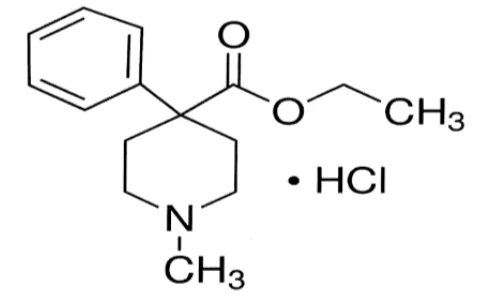
Ethyl 1-methyl-4-phenylisonipecotate hydrochloride
Molecular formula and molecular mass: Molecular formula: C15 H21NO2 .HCl
Molecular mass: 283.79 g/moL
Structural formula:
Physicochemical Properties:
A white crystalline substance with a melting point of 186° to 189°C. It is readily soluble in water, has a neutral reaction and a slightly bitter taste. The solution is not decomposed by a short period of boiling.