


Product Monograph - Elavil
RECENT MAJOR LABEL CHANGES
| 3 SERIOUS WARNINGS AND PRECAUTIONS BOX | 05/2023 |
|---|---|
| 7 WARNINGS AND PRECAUTIONS | 05/2023 |
| 7 WARNINGS AND PRECAUTIONS, 7.1.1 Pregnant Women | 05/2023 |
TABLE OF CONTENTS
Sections or subsections that are not applicable at the time of authorization are not listed.
RECENT MAJOR LABEL CHANGES ............................................................................................. 2
TABLE OF CONTENTS ............................................................................................................... 2
PART I: HEALTH PROFESSIONAL INFORMATION ....................................................................... 4
1 INDICATIONS ................................................................................................................ 4
1.1 Pediatrics ................................................................................................................. 4
1.2 Geriatrics ................................................................................................................. 4
2 CONTRAINDICATIONS .................................................................................................. 4
3 SERIOUS WARNINGS AND PRECAUTIONS BOX ............................................................. 5
4 DOSAGE AND ADMINISTRATION .................................................................................. 5
4.1 Dosing Considerations ............................................................................................. 5
4.2 Recommended Dose and Dosage Adjustment ........................................................ 6
4.4 Administration ......................................................................................................... 8
4.5 Missed Dose ............................................................................................................ 8
5 OVERDOSAGE ............................................................................................................... 8
6 DOSAGE FORMS, STRENGTHS, COMPOSITION AND PACKAGING ................................ 10
7 WARNINGS AND PRECAUTIONS ................................................................................. 10
7.1 Special Populations................................................................................................ 16
7.1.1 Pregnant Women ............................................................................................ 16
7.1.2 Breast-feeding ................................................................................................. 17
7.1.3 Pediatrics ......................................................................................................... 17
7.1.4 Geriatrics ......................................................................................................... 17
8 ADVERSE REACTIONS ................................................................................................. 17
8.1 Adverse Reaction Overview ................................................................................... 17
8.2 Clinical Trial Adverse Reactions ............................................................................. 18
8.3 Less Common Clinical Trial Adverse Reactions ...................................................... 18
8.4 Abnormal Laboratory Findings: Hematologic, Clinical Chemistry and Other Quantitative Data ............................................................................................................ 18
8.5 Post-Market Adverse Reactions ............................................................................ 18
9 DRUG INTERACTIONS ................................................................................................. 20
9.1 Serious Drug Interactions ...................................................................................... 20
9.2 Drug Interactions Overview ................................................................................... 20
9.3 Drug-Behavioural Interactions ............................................................................... 20
9.4 Drug-Drug Interactions .......................................................................................... 20
9.5 Drug-Food Interactions .......................................................................................... 27
9.6 Drug-Herb Interactions .......................................................................................... 27
9.7 Drug-Laboratory Test Interactions ......................................................................... 27
10 CLINICAL PHARMACOLOGY ........................................................................................ 28
10.1 Mechanism of Action ....................................................................................... 28
10.2 Pharmacodynamics ......................................................................................... 28
10.3 Pharmacokinetics ............................................................................................ 28
11 STORAGE, STABILITY AND DISPOSAL .......................................................................... 29
12 SPECIAL HANDLING INSTRUCTIONS ............................................................................ 29
PART II: SCIENTIFIC INFORMATION ........................................................................................ 30
13 PHARMACEUTICAL INFORMATION ............................................................................. 30
14 CLINICAL TRIALS ......................................................................................................... 30
15 MICROBIOLOGY ......................................................................................................... 30
16 NON-CLINICAL TOXICOLOGY ...................................................................................... 31
PATIENT MEDICATION INFORMATION ................................................................................... 32
PART I: HEALTH PROFESSIONAL INFORMATION
1 INDICATIONS
ELAVIL® (amitriptyline hydrochloride) is indicated for:
- Drug management of depressive illness.
- Depressive illness of psychotic or endogenous nature and in selected patients with neurotic depression. Endogenous depression is more likely to be alleviated than are other depressive states. ELAVIL®, because of its sedative action, is also of value in alleviating the anxiety component of depression.
As with other tricyclic antidepressants, ELAVIL® may precipitate hypomanic episodes in patients with bipolar depression. These drugs are not indicated in mild depressive states and depressive reactions.
1.1 Pediatrics
Pediatrics (< 18 years of age): Health Canada has not authorized an indication for pediatric use.
1.2 Geriatrics
Geriatrics (> 65 years of age): Evidence from clinical studies and experience suggests that use in the geriatric population is associated with differences in safety or effectiveness. See 4.2 Recommended Dose and Dosage Adjustment and 7.1.4 Geriatrics.
2 CONTRAINDICATIONS
ELAVIL (amitriptyline hydrochloride) is contraindicated in:
- Patients who are hypersensitive to amitriptyline hydrochloride or to any ingredient in the formulation, including any non-medicinal ingredient, or component of the container. For a complete listing, see 6 DOSAGE FORMS, STRENGTHS, COMPOSITION AND PACKAGING. Cross-sensitivity with other dibenzazepine compounds is a possibility.
- Patients with recent myocardial infarction or acute congestive heart failure.
- Patients with severe liver impairment.
- Combination with cisapride (no longer marketed in Canada) due to the increased risk for QT interval prolongation and arrhythmia.
- Combination with a monoamine oxidase inhibitor (MAOI) due to the risk of serotonin toxicity (a combination of symptoms that may include agitation, confusion, tremor, myoclonus, and hyperthermia). Hyperpyretic crises, severe convulsions, and deaths have occurred in patients receiving concomitant tricyclic antidepressants and MAOIs. Treatment with a MAOI should be discontinued at least 14 days before initiating treatment with amitriptyline. Similarly, amitriptyline treatment should be discontinued at least 14 days before starting a MAOI. See 7 WARNINGS AND PRECAUTIONS, Neurologic.
3 SERIOUS WARNINGS AND PRECAUTIONS BOX
Serious Warnings and Precautions
|
|---|
4 DOSAGE AND ADMINISTRATION
4.1 Dosing Considerations
Dosage should be initiated at a low level and increased gradually according to tolerance and clinical response.
Cardiac
Prior to initiating treatment with ELAVIL:
a cardiac evaluation, including blood pressure and electrocardiogram examinations,
- should be performed, particularly in patients with a history of cardiovascular disorders
- Electrolyte disturbances such as hypokalemia should be treated.
See 7 WARNINGS AND PRECAUTIONS, Cardiovascular.
Cardiac function and ECG should also be periodically monitored during treatment with ELAVIL, including after a dose increase or after initiating treatment with a potentially interacting medicine, particularly in patients with a history of cardiovascular disorders (see 7 WARNINGS AND PRECAUTIONS, Cardiovascular; 7 WARNINGS AND PRECAUTIONS, Monitoring and Laboratory Tests; 9 DRUG INTERACTIONS).
Drug interactions
Consider the potential for drug interactions such as monoamine oxidase inhibitors, thyroid medications, QT-prolonging drugs, and CYP450 inhibitors and inducers, prior to and during treatment with ELAVIL (see 2 CONTRAINDICATIONS, 3 SERIOUS WARNINGS AND PRECAUTIONS BOX, 9 DRUG INTERACTIONS).
Monitor for agitation, suicidal tendencies
Rigorous clinical monitoring for suicidal ideation or other indicators of potential for suicidal behaviour is advised in patients of all ages, especially when initiating therapy or during any change in dose or dosage regimen. This includes monitoring for agitation-type, emotional and behavioural changes. See 7 WARNINGS AND PRECAUTIONS, Psychiatric, Clinical Worsening and Suicide Risk.
Discontinuation
When discontinuing ELAVIL, the dosage should be tapered gradually (see 7 WARNINGS AND PRECAUTIONS, Dependence and Tolerance; 8.5 Post-Market Adverse Reactions).
4.2 Recommended Dose and Dosage Adjustment
Outpatient Adults
The recommended initial dose for ambulatory patients is 25 mg 3 times a day. Depending upon tolerance and response, this may be increased gradually to a total of 150 mg a day. Increases are made preferably in the late afternoon and/or bedtime doses. The sedative effect is usually rapidly apparent. The antidepressant activity may be evident within 3 or 4 days or may take up to 30 days to develop adequately.
Hospitalized Patients
Severely ill or hospitalized patients may require 100 mg a day initially. This can be increased gradually to 200 mg a day if necessary. A small number of hospitalized patients may need as much as 300 mg a day.
Pediatric Patients
Health Canada has not authorized an indication for pediatric use.
Elderly Patients
When considering the use of amitriptyline in elderly patients, the potential risks must be balanced with clinical need. See 7.1.4 Geriatrics. In general, lower dosages are recommended for these patients. In those patients who may not tolerate higher doses, 50 mg daily may be satisfactory. The dose may be administered in divided doses or as a single dose preferably in the evening or at bedtime.
Maintenance
When satisfactory improvement has been reached, dosage should be reduced to the lowest amount that will maintain relief of symptoms. The usual maintenance dose is 50 to 100 mg/day in divided doses; however, in suitable patients, the total daily dosage may be given in a single dose, preferably at bedtime. It is appropriate to continue maintenance therapy throughout the active phase of the depression and for the expected duration of the depressive episode, in order to lessen the possibility of relapse.
Plasma Levels
Because of the wide variation in the absorption and distribution of tricyclic antidepressants in body fluids, it is difficult to directly correlate plasma levels and therapeutic effect. However, determination of plasma levels may be useful in identifying patients who appear to have toxic effects and may have excessively high levels, or those in whom lack of absorption or non-compliance is suspected. Because of increased intestinal transit time and decreased hepatic metabolism in elderly patients, plasma levels are generally higher for a given oral dose of amitriptyline hydrochloride than in younger patients.
Elderly patients should be monitored carefully and quantitative serum levels obtained as clinically appropriate. Adjustments in dosage should be made according to the patient's clinical response and not on the basis of plasma levels.
Concomitant use with inhibitors or inducers of cytochrome P450 enzymes
Increased levels of amitriptyline have been observed when amitriptyline was co-administered with inhibitors of cytochrome P450 enzymes (see 9.4 Drug-Drug Interactions).
Consider monitoring amitriptyline plasma levels when ELAVIL is co-administered with another drug known or expected to inhibit the metabolism of amitriptyline. Dosage adjustments of amitriptyline may be required (see Plasma Levels above). When one of these other drugs is withdrawn from co-therapy, an increased dose of amitriptyline may be required.
Dosage adjustments may also be required when ELAVIL is co-administered with inducers of cytochrome P450 enzymes (see 9.4 Drug-Drug Interactions).
Use in CYP2D6 or CYP2C19 poor metabolizers
These patients may have higher plasma concentrations of amitriptyline (see 9.2 Drug Interactions Overview). Dosage adjustment should be considered.
Hepatic Insufficiency
Amitriptyline is primarily metabolized in the liver. In patients with mild or moderate hepatic impairment, use caution when initiating treatment with ELAVIL. Lower doses may be required.
ELAVIL is contraindicated in patients with severe hepatic impairment (see 2 CONTRAINDICATIONS).
4.4 Administration
ELAVIL tablets should be swallowed whole with water. ELAVIL can be administered with or without food.
4.5 Missed Dose
If the patient misses a dose, instruct the patient to take the dose as soon as they remember. If it is almost time for the next dose, inform the patient to skip the missed dose and continue the regular dosing schedule.
5 OVERDOSAGE
Deaths by deliberate or accidental overdosage have occurred with this class of drugs. There has been a report of a fatal dysrhythmia occurring as late as 56 hours after amitriptyline overdose. Since the propensity for suicide is high in depressed patients, a suicide attempt by other means may occur during the recovery phase. The possibility of simultaneous ingestion of other drugs (including alcohol) should also be considered.
Symptoms
High doses may cause temporary confusion, disturbed concentration, or transient visual hallucinations.
Cardiac symptoms: ECG abnormalities such as prolongation of the PR, QRS and QT intervals, rightward axis shift in the terminal QRS complex, changes to ST-segment and T-wave, bundle branch block, ventricular tachycardia and fibrillation, congestive heart failure.
Overdosage may also cause tachycardia, severe hypotension, drowsiness, convulsions, CNS depression including stupor and coma, hyperthermia or hypothermia, flushing, urinary retention, constipation, dilated pupils, disorders of ocular motility, polyradiculoneuropathy, agitation, hyperactive reflexes, muscle rigidity, vomiting, or any of those listed under 8 ADVERSE REACTIONS. Symptoms of overdose may vary in severity depending on various factors such as the amount of drug absorbed, the interval between drug ingestion and start of treatment, and the age of the patient.
In patients with glaucoma, even average doses may precipitate an attack.
Treatment
Signs and symptoms of toxicity develop rapidly after tricyclic antidepressant overdose; therefore, hospital monitoring is required as soon as possible.
In managing overdose, consider the possibility of multiple drug overdose, interactions among drugs, and unusual drug kinetics.
Treatment is symptomatic and supportive. Cardiac arrhythmias and CNS involvement pose the greatest threat and may occur suddenly even when initial symptoms appear to be mild.
Therefore, patients who may have ingested an overdosage of amitriptyline, particularly children, should be hospitalized and kept under close surveillance.
General: Obtain an ECG and immediately initiate cardiac monitoring. Protect the patient’s airway, establish an intravenous line and initiate gastric decontamination. A minimum of six hours of observation with cardiac monitoring and observation for signs of CNS or respiratory depression, hypotension, cardiac dysrhythmias and/or conduction blocks, and seizures is necessary. If signs of toxicity occur at any time during the period, extended monitoring is required. There are case reports of patients succumbing to fatal dysrhythmias late after overdose; these patients had clinical evidence of significant poisoning prior to death and most received inadequate gastrointestinal decontamination. Monitoring of plasma drug levels should not guide management of the patient.
Gastrointestinal Decontamination: Administration of activated charcoal may help to reduce the absorption of the drug. EMESIS IS CONTRAINDICATED. If consciousness is impaired, the airway should be secured prior to gastrointestinal decontamination.
Cardiovascular: A maximal limb lead QRS duration of ≥ 0.10 seconds may be the best indication of the severity of the overdose. Intravenous sodium bicarbonate should be used to maintain the serum pH in the range of 7.45 to 7.55. If the pH response is inadequate, hyperventilation may also be used. Concomitant use of hyperventilation and sodium bicarbonate should be done with extreme caution, with frequent pH monitoring. A pH > 7.60 or a pCO2 < 20 mm Hg is undesirable. Dysrhythmias unresponsive to sodium bicarbonate therapy/hyperventilation may respond to lidocaine or bretylium. Type 1A and 1C antiarrhythmics are generally contraindicated (e.g., quinidine, disopyramide and procainamide and flecainide).
In rare instances, hemoperfusion may be beneficial in acute refractory cardiovascular instability in patients with acute toxicity. However, hemodialysis, peritoneal dialysis, exchange transfusions, and forced diuresis generally have been reported as ineffective in tricyclic antidepressant poisoning.
CNS: In patients with CNS depression early intubation is advised because of the potential for abrupt deterioration. Seizures should be controlled with benzodiazepines, or if these are ineffective, other anticonvulsants (e.g., phenobarbital).
Since it has been reported that physostigmine may cause severe bradycardia, asystole and seizures, its use is not recommended in cases of overdosage with tricyclic antidepressants. The use of phenytoin is also not recommended in cases of overdosage with tricyclic antidepressants.
Pediatric Management: The principles of management of pediatric and adult overdosages are similar. It is strongly recommended that the physician contact the local poison control center for specific pediatric treatment.
| For management of a suspected drug overdose, contact your regional poison control centre. |
|---|
6 DOSAGE FORMS, STRENGTHS, COMPOSITION AND PACKAGING
Table 1 – Dosage Forms, Strengths, Composition and Packaging
| Route of Administration | Dosage Form / Strength/Composition | Non-medicinal Ingredients |
| Oral | Tablet 10 mg, 25 mg, 50 mg, and 75 mg of amitriptyline hydrochloride | Carnauba wax, colloidal silicon dioxide, croscarmellose sodium, hydroxypropyl methylcellulose, magnesium stearate, microcrystalline cellulose, polyethylene glycol and titanium dioxide. In addition to the above ingredients the tablets also contain the following non-medicinal ingredients: ELAVIL® 10 mg tablets: dye Brilliant Blue FCF AL Lake 12%. ELAVIL® 25 mg tablets: dye D & C Yellow #I0 AL 14-18%. ELAVIL® 50 mg tablets: dyes Indigotine AL Lake 12-14% (Blue #2) and Sunset Yellow AL Lake 40%. ELAVIL® 75 mg tablets: dye Sunset Yellow AL Lake 40%. |
ELAVIL® 10 mg: Each blue, round, biconvex, film coated tablet, engraved '10' on one side contains 10 mg of amitriptyline hydrochloride. Available in bottles of 100 and 1000, unit dose packages of 100 (10 x 10) tablets.
ELAVIL® 25 mg: Each yellow, round, biconvex, film coated tablet, engraved '25' on one side contains 25 mg of amitriptyline hydrochloride. Available in bottles of 100, 1000 and 3000, unit dose packages of 100 (10 x 10) tablets.
ELAVIL® 50 mg: Each brown, round, biconvex, film coated tablet, engraved '50' on one side contains 50 mg of amitriptyline hydrochloride. Available in bottles of 100 and 1000, unit dose packages of 100 (10 x 10) tablets.
ELAVIL® 75 mg: Each orange, round, biconvex, film coated tablet, engraved '75' on one side contains 75 mg of amitriptyline hydrochloride. Available in bottles of 100 tablets.
7 WARNINGS AND PRECAUTIONS
Please see 3 SERIOUS WARNINGS AND PRECAUTIONS BOX.
General
The potency of amitriptyline is such that addition of other antidepressant drugs generally does not result in any additional therapeutic benefit. Untoward reactions have been reported after the combined use of antidepressant agents having varying modes of activity. Accordingly, combined use of amitriptyline and other antidepressant drugs should be undertaken only with due recognition of the possibility of potentiation and with a thorough knowledge of the pharmacology of both drugs. There have been no reports of untoward events when patients receiving amitriptyline were changed immediately to protriptyline or vice versa.
Cardiovascular
Tricyclic antidepressant drugs, including amitriptyline, have been reported to produce arrhythmias, sinus tachycardia, prolongation of the conduction time and severe hypotension, particularly at high doses. Myocardial infarction and stroke have been reported with drugs of this class. See 8.5 Post-Market Adverse Reactions. Cardiac arrhythmias and severe hypotension may also occur at normal doses in patients with pre-existing cardiovascular disease. A few instances of unexpected deaths have been reported in patients with cardiovascular disorders. Therefore, ELAVIL should be used with caution in patients with a history of cardiovascular disease, such as myocardial infarction, congestive heart failure (see 2 CONTRAINDICATIONS) and conduction abnormalities (e.g. AV block grades I to III), or arrhythmias. Close cardiovascular and ECG monitoring should be undertaken in such patients. An ECG should be performed prior to starting treatment, at steady state, after an increase in dose or after starting any potentially interacting medicine (see 7 WARNINGS AND PRECAUTIONS, Monitoring and Laboratory Tests and 4.1 Dosing Considerations).
QT interval prolongation
Cases of QT interval prolongation and arrhythmia have been reported during the post-marketing period. Caution is advised in patients with significant bradycardia, uncompensated heart failure, or in patients with other risk factors for QT interval prolongation and torsades de pointe including, but not limited to:
- congenital long QT syndrome
- Age > 65 years
- Female sex
- Concomitant use of other QTc-prolonging medicines (see 9 DRUG INTERACTIONS)
- Electrolytes disturbances (e.g., hypokalemia, hyperkalemia, hypomagnesaemia, hypocalcemia). Electrolyte disturbances should be treated prior to the initiation of treatment with ELAVIL.
Concomitant use of ELAVIL with medicines that inhibit the metabolism of amitriptyline may also increase the risk for QT interval prolongation and torsades de pointes (see 9.4 Drug-Drug Interactions).
Consideration should be given to stopping amitriptyline treatment or reducing the dose if the QTc interval is > 500ms or increases by > 60ms.
Unmasking of Brugada Syndrome
There have been post-marketing reports of an association between treatment with tricyclic antidepressants and the unmasking of Brugada syndrome. Brugada syndrome is a disorder characterized by syncope, abnormal ECG findings, and a risk of sudden death. ELAVIL should generally be avoided in patients with Brugada syndrome or those suspected of having Brugada syndrome.
Dental Effects
Prolonged treatment with tricyclic antidepressants can lead to an increased incidence in dental caries.
Dependence/Tolerance
Withdrawal Symptoms
Withdrawal symptoms may occur after abrupt cessation of treatment with ELAVIL (see 8.5 Post-Market Adverse Reactions). When discontinuing ELAVIL, the dose should be tapered gradually over several weeks to minimize the risk of discontinuation symptoms, and the patient should be closely monitored.
Driving and Operating Machinery
Amitriptyline may impair mental and/or physical abilities required for performance of hazardous tasks, such as operating machinery or driving a motor vehicle. Patients should be advised to avoid such tasks until they know how amitriptyline affects them.
Endocrine and Metabolism
Changes in blood glucose levels
Both elevation and lowering of blood glucose levels have been reported with amitriptyline (see 8.5 Post-Market Adverse Reactions). Dosage adjustments of antidiabetic agents may be required with concomitant ELAVIL treatment.
Concomitant use with thyroid medications
Caution is recommended when amitriptyline is administered to hyperthyroid patients or those receiving thyroid medication. Cardiac arrhythmias may develop when tricyclic antidepressants are used concomitantly with thyroid medications (see 3 SERIOUS WARNINGS AND PRECAUTIONS BOX).
Hyponatremia/Syndrome of inappropriate antidiuretic hormone secretion
Hyponatremia and/or syndrome of inappropriate antidiuretic hormone secretion may occur with tricyclic antidepressants, including amitriptyline (see 8.5 Post-Market Adverse Reactions). Elderly patients, patients taking diuretics, and patients who are otherwise volume depleted, may be at greater risk for this event.
Gastrointestinal
Amitriptyline should be used with caution in patients with pylorus stenosis and paralytic ileus.
Tricyclic antidepressants may give rise to paralytic ileus, particularly in elderly and in hospitalized patients. The risk may be increased in patients concurrently taking anticholinergic drugs. Close supervision and careful adjustment of dosage are required in this situation (see 9.4 Drug-Drug Interactions). Appropriate measures should be taken if constipation occurs.
Genitourinary
Due to its anticholinergic activity, amitriptyline should be used with extreme caution in patients with a history of urinary retention and prostatic hypertrophy (see 3 SERIOUS WARNINGS AND PRECAUTIONS BOX). Close supervision and careful adjustment of dosage are required when amitriptyline is used with other anticholinergic drugs (see 9.4 Drug-Drug Interactions).
Hematologic
Isolated cases of bone marrow depression, including agranulocytosis, leukopenia, eosinophilia, purpura, thrombocytopenia, have been reported with tricyclic antidepressants (see 8.5 Post-Market Adverse Reactions).
Amitriptyline should be used with caution in patients with a history of blood disorders. Periodic monitoring of leukocyte and differential blood cell counts is recommended in these patients.
Concomitant Use with Coumarin Drugs
Tricyclic antidepressants may potentiate the anticoagulant effect of coumarin drugs (e.g., warfarin). Careful monitoring of plasma prothrombin is recommended when ELAVIL is initiated or discontinued in patients concomitantly treated with coumarin drugs.
Hepatic/Biliary/Pancreatic
ELAVIL is contraindicated in patients with severe liver impairment (see 2 CONTRAINDICATIONS).
Hepatic adverse events, such as altered liver function, hepatic failure, hepatitis and jaundice, have been reported with amitriptyline (see 8.5 Post-Market Adverse Reactions). Amitriptyline should be used with caution in patients with impaired liver function. Periodic monitoring of hepatic function is recommended in these patients.
Monitoring and Laboratory Tests
- Particularly in patients with a history of cardiovascular disorders, cardiac function and ECG should be periodically monitored during treatment with ELAVIL, including after a dose increase or after initiating treatment with a potentially interacting medicine (see 7 WARNINGS AND PRECAUTIONS, Cardiovascular, 9 DRUG INTERACTIONS).
- In patients with a history of blood disorders, periodic monitoring of leukocyte and differential blood cell counts is recommended (see 7 WARNINGS AND PRECAUTIONS, Hematologic).
- In patients with impaired liver function, periodic monitoring of hepatic function is recommended (see 7 WARNINGS AND PRECAUTIONS, Hepatic/Biliary/Pancreatic).
Musculoskeletal
Exposure to tricyclic antidepressants may increase the risk of bone fracture. The possibility of fracture should be considered in the care of patients treated with ELAVIL. Elderly patients and patients with important risk factors for bone fractures should be advised of possible adverse events which increase the risk of falls, such as dizziness and orthostatic hypotension.
Neurologic
Seizures
ELAVIL is known to lower the convulsive threshold. ELAVIL should be used with extreme caution patients with a history of seizure disorder.
Serotonin toxicity/Neuroleptic Malignant Syndrome
Serotonin toxicity, also known as serotonin syndrome, is a potentially life-threatening condition and has been reported with ELAVIL, particularly during combined use with other serotonergic drugs (see 8.5 Post-Market Adverse Reactions).
Serotonin toxicity is characterized by neuromuscular excitation, autonomic stimulation (e.g., tachycardia, flushing) and altered mental state (e.g., anxiety, agitation, hypomania). In accordance with the Hunter criteria, serotonin toxicity diagnosis is likely when, in the presence of at least one serotonergic agent, one of the following is observed:
- Spontaneous clonus
- Inducible clonus or ocular clonus with agitation or diaphoresis
- Tremor and hyperreflexia
- Hypertonia and body temperature >38°C and ocular clonus or inducible clonus
Neuroleptic malignant syndrome (NMS) has also been reported with ELAVIL, with and without concomitant medications known to cause NMS (see 8.5 Post-Market Adverse Reactions). The clinical manifestations of neuroleptic malignant syndrome often overlap with those of serotonin toxicity, including hyperthermia, hypertonia, altered mental status, and autonomic instability. In contrast to serotonin toxicity, patients with neuroleptic malignant syndrome may present with “lead pipe” muscle rigidity as well as hyporeflexia.
The concomitant use of ELAVIL with monoamine oxidase inhibitors is contraindicated (see 2 CONTRAINDICATIONS). ELAVIL should be used with caution in patients receiving other serotonergic drugs or antipsychotics/neuroleptics. If concomitant treatment with ELAVIL and other serotonergic agents and/or antipsychotics/neuroleptics is clinically warranted, careful observation of the patient is advised, particularly during treatment initiation and dose increases (see 9.4 Drug-Drug Interactions). Serotonin toxicity and neuroleptic malignant syndrome may result in potentially life-threatening conditions. If serotonin toxicity or neuroleptic malignant syndrome is suspected, discontinuation of ELAVIL should be considered.
Ophthalmologic
Due to its anticholinergic activity, amitriptyline should be used with extreme caution in patients with increased intraocular pressure and narrow-angle glaucoma (see 3 SERIOUS WARNINGS AND PRECAUTIONS BOX). Close supervision and careful adjustment of dosage are required when amitriptyline is used with other anticholinergic drugs (see 9.4 Drug-Drug Interactions).
As with other antidepressants, ELAVIL can cause mydriasis, which may trigger an angle -closure attack in a patient with anatomically narrow ocular angles. See 8.5 Post-Market Adverse Reactions. Healthcare professionals should inform patients to seek immediate medical assistance if they experience eye pain, changes in vision or swelling or redness in or around the eye. In patients with narrow-angle glaucoma, even average doses may precipitate an attack.
Decreased lacrimation and accumulation of mucoid secretions, due to the anticholinergic properties of tricyclic antidepressants, may cause damage to the corneal epithelium in patients with contact lenses.
Peri-Operative Considerations
ELAVIL is contraindicated in the acute recovery period following myocardial infarction (see 2 CONTRAINDICATIONS).
Anesthetics given during tricyclic antidepressant therapy may increase the risk of arrhythmias and hypotension. ELAVIL should be discontinued several days before elective surgery if possible.
Psychiatric
Clinical Worsening and Suicide Risk
Pediatrics - Placebo-Controlled Clinical Trial Data: Analyses of placebo-controlled clinical trial safety databases from SSRIs and newer antidepressants suggest that the use of these drugs in patients under the age of 18 may be associated with behavioural and emotional changes, including an increased risk of suicidal ideation and behaviour over that of placebo. ELAVIL is not indicated for use in pediatric patients (see 1.1 Pediatrics).
Adults and Pediatrics: Patients with depression may experience worsening of their depression and/or emergence of suicidal ideation and behaviour (suicidality) or unusual changes in behaviour, whether or not they are taking antidepressant medications, and this risk may persist until significant remission occurs. Suicide is a known risk of depression and certain other psychiatric disorders, and these disorders themselves are the strongest predictors of suicide. Antidepressants may however have a role in inducing worsening of depression and emergence of suicidality in certain patients during the early phases of treatment. To minimize the risk of intentional overdose, prescriptions for ELAVIL should be written for the smallest possible quantity consistent with good patient management.
The following symptoms, anxiety, agitation, panic attacks, insomnia, irritability, hostility, aggressiveness, impulsivity, akathisia (psychomotor restlessness), hypomania, and mania, have been reported in adult and pediatric patients being treated with antidepressants for depression as well as for other indications, both psychiatric and nonpsychiatric. Although a causal link between the emergence of such symptoms and either the worsening of depression and/or the emergence of suicidal impulses has not been established, such symptoms may represent precursors to emerging suicidality.
All patients being treated with antidepressants for any indication should be monitored appropriately and observed closely for clinical worsening, suicidality, agitation, irritability, unusual changes in behavior, and the other symptoms described above, especially during the initial few months of a course of drug therapy, or at times of dose changes, either increases or decreases. Patients, families and caregivers of patients should be alerted about the need to report such symptoms immediately to healthcare professionals.
Psychosis, Mania/Hypomania and Other Neuropsychiatric Phenomena
A major depressive episode may be the initial presentation of bipolar disorder. Patients with bipolar disorder may be at an increased risk of experiencing manic episodes when treated with antidepressants alone. Therefore, the decision to initiate symptomatic treatment of depression should only be made after patients have been adequately assessed to determine if they are at risk for bipolar disorder.
When amitriptyline is used to treat the depressive component of schizophrenia, activation or exacerbation of existing psychotic manifestation may occur. Hyperactive or agitated patients may become overstimulated when treated with amitriptyline. Paranoid delusions, with or without associated hostility, may be exaggerated. A reduction in dose or discontinuation of amitriptyline should be considered under these circumstances.
Electroconvulsive therapy
Concurrent administration of amitriptyline and electroconvulsive therapy may increase the hazards of therapy. Such treatment should be limited to patients for whom it is essential.
Renal
ELAVIL should be used with caution in patients with tumors of the adrenal medulla (e.g., pheochromocytoma, neuroblastoma), in whom the drug may provoke a hypertensive crisis.
Reproductive Health: Female and Male Potential
Fertility
Amitriptyline reduced the pregnancy rate in rats. No data on the effects of amitriptyline on human fertility are available.
Skin
Rare cases of drug reaction with eosinophilia and systemic symptoms (DRESS), a potentially life-threatening adverse drug reaction, have been reported with the use of tricyclic antidepressants, including amitriptyline. DRESS consists of a combination of three or more of the following: cutaneous reaction (such as rash or exfoliative dermatitis), eosinophilia, fever, lymphadenopathy and one or more systemic complications such as hepatitis, nephritis, pneumonitis, myocarditis, and pericarditis. If DRESS is suspected, discontinue amitriptyline immediately.
7.1 Special Populations
7.1.1 Pregnant Women
Amitriptyline and its main metabolite nortriptyline have been shown to cross the placental barrier. There are no adequate and well-controlled studies in pregnant women to establish the safety of amitriptyline during pregnancy. Although a causal relationship has not been established, there have been a few reports of adverse events, including CNS effects, limb deformities, or developmental delay, in infants whose mothers had taken amitriptyline during pregnancy.
Exposure to tricyclic antidepressants in mid to late pregnancy may increase the risk for preeclampsia.
When considering treatment with amitriptyline in pregnant women or women who may become pregnant, the potential benefits must be weighed against the possible hazards to mother and child. Amitriptyline is not recommended during pregnancy unless clearly necessary and only after careful consideration of the risk/benefit.
Withdrawal symptoms including tremors, lethargy, colic, irritability, hypotonia/hypertonia, convulsions, poor suckling reflex, irregular breathing, respiratory depression, and possibly anticholinergic symptoms (urinary retention and constipation) have been reported in neonates whose mother received tricyclic antidepressants during the third trimester of pregnancy.
7.1.2 Breast-feeding
Amitriptyline and its metabolites are excreted in breast milk. A risk to the suckling child cannot be excluded. Because of the potential for serious adverse reactions in infants from amitriptyline, a decision should be made whether to discontinue nursing or discontinue the drug, taking into account the importance of the drug to the mother.
7.1.3 Pediatrics
Pediatrics (< 18 years of age): Health Canada has not authorized an indication for pediatric use.
7.1.4 Geriatrics
Geriatrics (> 65 years of age): Geriatric patients are particularly sensitive to the anticholinergic side effects of tricyclic antidepressants including amitriptyline hydrochloride. Peripheral anticholinergic effects include tachycardia, urinary retention, constipation, dry mouth, blurred vision, and exacerbation of narrow angle glaucoma. Central nervous system anticholinergic effects include cognitive impairment, psychomotor slowing, confusion, sedation, and delirium. Elderly patients taking amitriptyline hydrochloride may be at increased risk for falls.
Elderly patients should be started on low doses of amitriptyline and observed closely due to the greater frequency of decreased hepatic function, concomitant disease and other drug therapy in elderly patients. See 4.2 Recommended Dose and Dosage Adjustment.
8 ADVERSE REACTIONS
8.1 Adverse Reaction Overview
Clinical trial data on which the indication was originally authorized is not available. Adverse reactions associated with amitriptyline use are listed in 8.5 Post-Market Adverse
Reactions.
The most serious adverse effects include unexpected death in patients with cardiovascular disorders, asystole, syncope, ventricular arrhythmias, heart block, myocardial infarction, stroke, paralytic ileus, glaucoma, increased intraocular pressure, bone marrow depression, hepatitis.
8.2 Clinical Trial Adverse Reactions
Clinical trial data on which the indication was originally authorized is not available.
8.3 Less Common Clinical Trial Adverse Reactions
Clinical trial data on which the indication was originally authorized is not available.
8.4 Abnormal Laboratory Findings: Hematologic, Clinical Chemistry and Other Quantitative Data
Clinical trial data on which the indication was originally authorized is not available.
8.5 Post-Market Adverse Reactions
Note: Included in the listing which follows are a few adverse reactions which have not been reported with this specific drug. However, pharmacological similarities among the tricyclic antidepressant drugs require that each of the reactions be considered when amitriptyline is administered.
Blood and lymphatic system disorders: bone marrow depression, including agranulocytosis, leukopenia, eosinophilia, purpura, thrombocytopenia.
Cardiac disorders: myocardial infarction, changes in AV conduction, Brugada syndrome, asystole, syncope, palpitation, arrhythmias, heart block, ventricular tachycardia, fibrillation, unexpected death in patients with cardiovascular disorders.
Very rare cases of cardiomyopathy have been reported with amitriptyline.
Endocrine disorders: gynecomastia in the male, syndrome of inappropriate ADH (antidiuretic hormone) secretion.
Eye disorders: blurred vision, disturbance of accommodation, precipitation of latent glaucoma, aggravation of existing glaucoma, and mydriasis. Amitriptyline hydrochloride tablets can cause mild pupillary dilation, which in susceptible individuals, can lead to an episode of angle-closure glaucoma.
Gastrointestinal disorders: nausea, epigastric distress, heartburn, vomiting, stomatitis, peculiar taste, diarrhea, parotid swelling, black tongue, constipation, paralytic ileus especially in the elderly, dry mouth.
General disorders and administration site conditions: fatigue, jitteriness, hyperpyrexia, weakness, increased perspiration, edema.
Hepatobiliary disorders: hepatitis (including altered liver function and jaundice), hepatic failure.
Investigations: alteration in EEG patterns, increased intraocular pressure, non-specific ECG changes, prolonged conduction time, QT interval prolongation, elevation and lowering of blood sugar levels, weight gain, weight loss.
Metabolism and nutrition disorders: anorexia, increased appetite.
Musculoskeletal and connective tissue disorders: lupus-like syndrome (migratory arthritis, positive ANA and rheumatoid factor).
Nervous system disorders: epileptiform seizures, coma, dizziness, tremors, numbness, tingling, paresthesia of the extremities, peripheral neuropathy, headache, ataxia, extrapyramidal symptoms including abnormal involuntary movements and tardive dyskinesia, dysarthria, tinnitus, incoordination, giddiness, slurred speech and ageusia.
A syndrome resembling neuroleptic malignant syndrome (NMS) has been very rarely reported after starting or increasing the dose of amitriptyline, with and without concomitant medications known to cause NMS. Symptoms have included muscle rigidity, fever, mental status changes, diaphoresis, tachycardia, and tremor (see 7 WARNINGS AND PRECAUTIONS, Neurologic).
Very rare cases of serotonin toxicity have been reported with amitriptyline in combination with other drugs that have a recognized association with serotonin toxicity (see 7 WARNINGS AND PRECAUTIONS, Neurologic).
Psychiatric disorders: drowsiness, activation of latent schizophrenia, disorientation, confusional states, hallucinations, delusions, hypomanic reactions, disturbed concentration, nightmares, insomnia, restlessness, agitation, excitement, anxiety.
Renal and urinary disorders: urinary retention, dilatation of the urinary tract, urinary frequency.
Reproductive system and breast disorders: testicular swelling, impotence in the male, breast enlargement and galactorrhea in the female, increased or decreased libido.
Skin and subcutaneous tissue disorders: skin rash, urticaria, photosensitization, edema of the face and tongue, itching, alopecia, drug reaction with eosinophilia and systemic symptoms (DRESS).
Vascular disorders: stroke, hypotension, hypertension.
Withdrawal Symptoms: Abrupt cessation of treatment after prolonged administration may produce nausea, headache, and malaise. Gradual dosage reduction has been reported to produce, within 2 weeks, transient symptoms including irritability, restlessness, and dream and sleep disturbance. Rare instances have been reported of mania or hypomania occurring within 2 to 7 days following cessation of chronic therapy with tricyclic antidepressants. These symptoms are not indicative of addiction.
9 DRUG INTERACTIONS
9.1 Serious Drug Interactions
Serious Drug Interactions
|
|---|
9.2 Drug Interactions Overview
Metabolism of amitriptyline
Tricyclic antidepressants (TCA) including amitriptyline are primarily metabolized by the hepatic cytochrome P450 isozymes CYP2D6 and CYP2C19, which are polymorphic in the population.
The biochemical activity of the drug metabolizing isozyme CYP2D6 is reduced in a subset of the Caucasian population (about 7% to 10% of Caucasians are so called “poor metabolizers”); reliable estimates of the prevalence of reduced P450 2D6 isozyme activity among Asian, African, and other populations are not yet available. The biochemical activity of the drug metabolizing isozyme CYP2C19 is also reduced in a subset of the population (CYP2C19 poor metabolizers). Poor metabolizers have higher than expected plasma concentrations of tricyclic antidepressants (TCAs) when given usual doses. For instance, in CYP2D6 poor metabolizers the increase in plasma concentration may be small, or quite large (8-fold increase in plasma AUC of the TCA), depending on the fraction of the drug metabolized by CYP2D6.
Other isozymes involved in the metabolism of amitriptyline are CYP3A4, CYP1A2 and CYP2C9.
9.3 Drug-Behavioural Interactions
Alcohol: Amitriptyline may enhance the response to alcohol.
In addition, concomitant use of alcohol and amitriptyline may result in increased amitriptyline plasma concentrations. Patients should be advised to avoid alcohol during treatment with amitriptyline.
9.4 Drug-Drug Interactions
The drugs listed in this table are based on either drug interaction case reports or studies, or potential interactions due to the expected magnitude and seriousness of the interaction (i.e., those identified as contraindicated).
Table 2 - Established or Potential Drug-Drug Interactions
| Proper/Common name | Source of Evidence | Effect | Clinical comment |
| Adrenergic neurone blockers | T | ↓ Antihypertensive effects | Tricyclic antidepressants may counteract the antihypertensive effects of centrally acting antihypertensives such as guanethidine, betanidine, reserpine, clonidine and methyldopa. It is advisable to review all antihypertensive therapy during treatment with tricyclic antidepressants. There is an increased risk of hypertension on clonidine withdrawal. |
| Anticholinergic drugs | T CT | ↑ Anticholinergic effects Hyperpyrexia | Tricyclic antidepressants may potentiate the effects of anticholinergic drugs on the eye, central nervous system, bowel and bladder and close supervision and careful adjustment of dosage are required. Paralytic ileus, urinary retention or acute glaucoma may occur in patients taking tricyclic antidepressants in combination with anticholinergic-type drugs, particularly in elderly or hospitalized patients. Amitriptyline for enuresis should not be combined with an anticholinergic drug. Hyperpyrexia has been reported when tricyclic antidepressants are administered with anticholinergic agents, particularly during hot weather. |
| Barbiturates and CNS depressants | T | ↑ Effects of barbiturates and CNS depressants | Amitriptyline may enhance the effects of barbiturates and other CNS depressants. |
| Proper/Common name | Source of Evidence | Effect | Clinical comment |
| Baclofen | T | ↑ muscle relaxant effect | Tricyclic antidepressants, such as amitriptyline, may enhance the muscle relaxant effect of baclofen. |
| Coumarin drugs (e.g., warfarin) | T | ↑ Anticoagulant effect | Tricyclic antidepressants may potentiate the anticoagulant effect of coumarin drugs. Careful monitoring of plasma prothrombin is recommended. |
| Disulfirama | CT | Delirium | Delirium has been reported with concurrent administration of amitriptyline and disulfiram. |
| Diuretics | T | Hypokalemia | Combination of amitriptyline with diuretics may lead to hypokalemia, which in turn increases the risk of QTc prolongation. Hypokalemia should be treated prior to administration of amitriptyline. See 7 WARNINGS AND PRECAUTIONS, Cardiovascular. |
| Iobenguane | T | Inaccurate imaging results | Antidepressants that inhibit the function of the norepinephrine transporter, such as amitriptyline, have the potential to interfere with iobenguane imaging results. Before iobenguane administration, drugs known or expected to interfere with iobenguane uptake should be discontinued, as clinically tolerated. |
| Proper/Common name | Source of Evidence | Effect | Clinical comment |
| Neuroleptics (e.g., phenothiazines [fluphenazine, thioridazinea], butyrophenones [haloperidol]) | T CT | ↑ Seizures ↑ risk of cardiac side effects Hyperpyrexia | Tricyclic antidepressants and neuroleptics mutually inhibit the metabolism of each other. This may result in increased tricyclic antidepressant and neuroleptic plasma level, a lowered convulsion threshold, and seizures. It may be necessary to adjust the dosage of these drugs. Combination with thioridazine may also cause cardiac arrhythmias. Co-administration of amitriptyline and thioridazine should be avoided. Hyperpyrexia has been reported when tricyclic antidepressants are administered with neuroleptic drugs, particularly during hot weather. |
| Nitrates (e.g., nitroglycerin) | T | Severe hypotension ↓ Sublingual nitrates | Nitrates should be used with caution in combination with tricyclic antidepressants, such as amitriptyline, as it may lead to an augmentation of the hypotensive effect of nitrates. Clinical monitoring is recommended, and dose adjustment may be required. Because of their anticholinergic properties, tricyclic antidepressants can cause dry mouth, which may decrease the absorption of sublingual nitrates. |
| Proper/Common name | Source of Evidence | Effect | Clinical comment |
| Opioids (e.g., buprenorphine, methadone, tramadol) | T | ↑ Risk for serotonin toxicity, urinary retention, and constipation ↑ Risk for seizures and opioid toxicity with concomitant use of tramadol. ↑ Risk for serious cardiovascular effects with concomitant use of methadone | Concomitant use of tricyclic antidepressants, such as amitriptyline, and opioids, such as buprenorphine, methadone and tramadol, may increase the risk of serotonin toxicity, a potentially life-threatening condition. Concomitant use with opioids may also increase the risk for urinary retention and constipation. Concomitant use of tricyclic antidepressants, such as amitriptyline, and tramadol also increases the risk for seizures. In addition, this combination can inhibit the metabolism of tramadol to the active metabolite and thereby increasing tramadol concentrations, potentially causing opioid toxicity. Use caution when using amitriptyline and methadone concomitantly due to a potential for additive effects on the QT interval and increased risk of serious cardiovascular effects. |
| Pitolisant | T | ↓ effectiveness of pitolisant | Pitolisant increases the level of histamine in the brain. Concomitant use of tricyclic antidepressants with H1 receptor antagonist properties, such as amitriptyline, should be avoided. |
| Proper/Common name | Source of Evidence | Effect | Clinical comment | ||
| Sympathomimetic drugs | T | ↑ Cardiovascular effects | Tricyclic antidepressants may potentiate the cardiovascular effects of sympathomimetic drugs. Close supervision and careful adjustment of dosage are required when amitriptyline is administered with sympathomimetic drugs, including epinephrine combined with local anesthetics. | ||
| Topiramate | T | ↑ Amitriptyline | Some patients may experience a large increase in amitriptyline concentration in the presence of topiramate and any adjustments in amitriptyline dose should be made according to the patient’s clinical response and not on the basis of plasma levels. | ||
| Valproic acid | T | ↑ Amitriptyline ↑ Seizures | Amitriptyline plasma concentration can be increased by valproic acid. Clinical monitoring is therefore recommended. Concomitant use with tricyclic antidepressants may lower the seizure threshold. Dosage adjustment for valproic acid may be necessary to control seizures. | ||
| aNo longer marketed in Canada | |||||
Legend: C = Case Study; CT = Clinical Trial; T = Theoretical
Cytochrome P450 inhibitors: Certain drugs that inhibit the activity of CYP2D6 make normal metabolizers resemble poor metabolizers. A given dose of tricyclic antidepressant may become abruptly toxic when a drug that inhibits CYP2D6 is introduced as concomitant therapy.
The drugs that inhibit CYP2D6 include some that are not metabolized by the enzyme such as cimetidine, quinidine, bupropion, duloxetine, fluoxetine, paroxetine and terbinafine, and many that are substrates for CYP2D6 such as many other antidepressants, phenothiazines (see Table 2 above), and the Type 1C antiarrhythmics propafenone and flecainide.
Cimetidine (which is also a CYP1A2 and CYP3A4 inhibitor) has been reported to reduce hepatic metabolism of certain tricyclic antidepressants, thereby delaying elimination and increasing steady-state concentrations of these drugs. Clinically significant effects have been reported with the tricyclic antidepressants when used concomitantly with cimetidine. Increases in plasma levels of tricyclic antidepressants, and in the frequency and severity of side effects, particularly anticholinergic, have been reported when cimetidine was added to the drug regimen.
Antifungals such as fluconazole (CYP2C9, CYP2C19 and CYP3A4 inhibitor) and terbinafine have also been observed to increase serum levels tricyclic antidepressants, including amitriptyline, and accompanying toxicity. Syncope and torsade de pointes have occurred.
Fluvoxamine (CYP1A2, CYP2C9, CYP2C19, CYP2D6 and CYP3A4 inhibitor) was also shown to increase amitriptyline plasma concentrations and this combination should be avoided.
Other CYP450 inhibitors, such as ketoconazole, itraconazole, protease inhibitors (e.g., ritonavir), diltiazem, verapamil (all CYP3A4 inhibitors), methylphenidate and modafinil, may also increase plasma levels of amitriptyline and accompanying toxicity.
Concomitant use of amitriptyline with drugs that can inhibit the cytochrome P450 enzymes involved in its metabolism may require lower doses than usually prescribed for either amitriptyline or the other drug. Furthermore, whenever one of these other drugs is withdrawn from co-therapy, an increased dose of amitriptyline may be required. Monitoring of amitriptyline plasma levels should be considered whenever ELAVIL is going to be co-administered with another drug known or expected to inhibit amitriptyline metabolism.
Cytochrome P450 inducers: Oral contraceptives, rifampicin, phenytoin, barbiturates, and carbamazepine may increase the metabolism of tricyclic antidepressants, resulting in lowered plasma levels of tricyclic antidepressants and reduced antidepressant response. In addition, amitriptyline may increase plasma levels of carbamazepine and phenytoin. Dosage adjustment of these drugs may be necessary.
Serotonergic agents
While selective serotonin reuptake inhibitors (SSRIs), e.g., fluoxetine, sertraline, and paroxetine, inhibit CYP2D6 (see previous subsection), they may vary in the extent of inhibition. The extent to which SSRI-TCA interactions may pose clinical problems will depend on the degree of inhibition and the pharmacokinetics of the SSRI involved. Nevertheless, caution is indicated in the co-administration of TCAs with any of the SSRIs as well as in switching from one class to the other. Of particular importance, sufficient time must elapse before initiating TCA treatment in a patient being withdrawn from fluoxetine, given the long half-life of the parent and active metabolite (at least 5 weeks may be necessary).
Co-administration of ELAVIL with serotonergic agents such as SSRIs, SNRIs, lithium, ozanimod, opioids and triptans may lead to additive effects on the serotonergic system and serotonin toxicity may occur (see 7 WARNINGS AND PRECAUTIONS, Neurologic).
QT-prolonging drugs
Concomitant use of drugs that prolong the QT interval with tricyclic antidepressants such as ELAVIL may increase the likelihood of ventricular arrhythmias.
Drugs that have been associated with QT/QTc interval prolongation and/or torsade de pointes include, but are not limited to, the examples in the following list. Chemical/pharmacological classes are listed if some, although not necessarily all, class members have been implicated in QT/QTc prolongation and/or torsade de pointes:
- Class IA antiarrhythmics (e.g., quinidine, procainamide, disopyramide);
- Class III antiarrhythmics (e.g., amiodarone);
- Class 1C antiarrhythmics (e.g., flecainide, propafenone);
- antipsychotics (e.g., pimozide, haloperidol);
- antidepressants (e.g., fluoxetine, tricyclic/tetracyclic antidepressants);
- opioids (e.g., methadone);
- macrolide antibiotics and analogues (e.g., erythromycin, clarithromycin, tacrolimus);
- quinolone antibiotics (e.g., ciprofloxacin);
- antimalarials (e.g., quinine, chloroquine);
- azole antifungals (e.g., ketoconazole);
- domperidone;
- 5-HT3 receptor antagonists (e.g., ondansetron);
- tyrosine kinase inhibitors (e.g., sunitinib);
- histone deacetylase inhibitors (e.g., vorinostat);
- beta-2 adrenoceptor agonists (e.g., salmeterol).
The above list of potentially interacting drugs is not comprehensive. Current information sources should be consulted for newly approved drugs that prolong the QT/QTc interval as well as for older drugs for which these effects have recently been established.
9.5 Drug-Food Interactions
Grapefruit juice, known to be a CYP3A4 inhibitor, may increase plasma levels of amitriptyline and accompanying toxicity.
9.6 Drug-Herb Interactions
St.John’s wort, an inducer of CYP3A4, may increase the metabolism of tricyclic antidepressants, resulting in lowered plasma levels of tricyclic antidepressants and reduced antidepressant response.
9.7 Drug-Laboratory Test Interactions
Interactions with laboratory tests have not been established.
10 CLINICAL PHARMACOLOGY
10.1 Mechanism of Action
Amitriptyline hydrochloride is a tricyclic antidepressant with sedative properties. Its mechanism of action in man is not known. Amitriptyline inhibits the membrane pump mechanism responsible for the re-uptake of transmitter amines, such as norepinephrine and serotonin, thereby increasing their concentration at the synaptic clefts of the brain. Amitriptyline has pronounced anticholinergic properties and produces EKG changes and quinidine-like effects on the heart. See 8 ADVERSE REACTIONS. It also lowers the convulsive threshold and causes alterations in EEG and sleep patterns.
10.2 Pharmacodynamics
Amitriptyline has qualitatively similar pharmacologic actions to other tricyclic antidepressants in experimental animals. It is more sedative than imipramine, reducing spontaneous motor activity at lower doses. It also prolongs hexobarbital sleeping time, produces ataxia and has a disruptive effect on EEG activity and conditioned behaviour. Amitriptyline antagonizes or reverses the depressant effects of reserpine and tetrabenazine and potentiates the pressor effects of norepinephrine and various behavioural effects of amphetamine. It possesses anticholinergic, antihistaminergic and weak antiserotonergic action. Amitriptyline also decreases body temperature, lowers blood pressure in the anesthetized dog and has a quinidine-like effect on the heart.
10.3 Pharmacokinetics
Absorption
Amitriptyline is absorbed slowly from the gastrointestinal tract in experimental animals.
Orally administered amitriptyline is readily absorbed and rapidly metabolized. Steady-state plasma concentrations vary widely and this variation may be genetically determined.
Distribution:
The drug is distributed in liver, lung, and brain tissue.
Metabolism:
Amitriptyline is detoxified in the liver where it undergoes N-demethylation to nortriptyline, which is further demethylated.
Elimination
Amitriptyline is primarily excreted in the urine, mostly in the form of metabolites, with some excretion also occurring in the feces.
Amitriptyline is excreted in the urine and bile as conjugates of the cis and trans isomers of 10-hydroxynortriptyline.
Special Populations and Conditions
- Pediatrics (< 18 years of age): Health Canada has not authorized an indication for use in pediatric patients.
- Geriatrics: Information is not available. Elderly patients should be started on low doses of amitriptyline and observed closely due to the greater frequency of decreased hepatic function, concomitant disease and other drug therapy in elderly patients. See 7.1.4 Geriatrics and 4.2 Recommended Dose and Dosage Adjustment.
- Sex: Information is not available.
- Genetic Polymorphism: Tricyclic antidepressants (TCA) including amitriptyline are primarily metabolised by the hepatic cytochrome P450 isozymes CYP2D6 and CYP2C19, which are polymorphic in the population. Patients known to be poor CYP2D6 or CYP2C19 metabolisers may have higher plasma levels of amitriptyline (see 9.2 Drug Interactions Overview). Dosage adjustments should be considered (see 4.2 Recommended Dose and Dosage Adjustment).
- Ethnic Origin: Information is not available.
- Hepatic Insufficiency: Information is not available. ELAVIL is contraindicated in patients with severe liver impairment (see 2 CONTRAINDICATIONS). Amitriptyline should be used with caution in patients with impaired liver function.
- Renal Insufficiency: Information is not available.
- Obesity: Information is not available.
11 STORAGE, STABILITY AND DISPOSAL
Store at room temperature (15°C to 30°C). Keep in a tightly closed container.
ELAVIL should never be disposed of in household trash. Disposal via a pharmacy take back program is recommended.
12 SPECIAL HANDLING INSTRUCTIONS
None.
PART II: SCIENTIFIC INFORMATION
13 PHARMACEUTICAL INFORMATION
Drug Substance
Proper name: Amitriptyline hydrochloride
Chemical name: 1-propanamine, 3-(10,11-dihydro-5H-dibenzo[a,d]- cyclohepten-5-ylidene)-N,N-dimethyl-hydrochloride
Molecular formula and molecular mass: C20H23N • HCI and 313.86 g/mol
Structural formula:
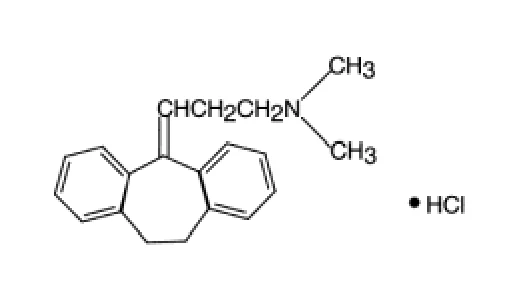
Physicochemical properties: Amitriptyline hydrochloride is a white or practically white, odorless or practically odorless, crystalline powder or small crystals. Freely soluble in water, in alcohol, in chloroform, and in methanol; insoluble in ether.
Pharmaceutical standard: USP
14 CLINICAL TRIALS
The clinical trial data on which the original indication was authorized is not available.
15 MICROBIOLOGY
No microbiological information is required for this drug product.
16 NON-CLINICAL TOXICOLOGY
General Toxicology:
ACUTE
| SPECIES | ROUTE | SEX | LD50 (mg of base/kg) | 95% FUDUCIAL LIMITS |
| Mice | PO | F | 289 | (249 – 335) |
| IP | F | 76 | (71 – 81) | |
| SO | F | 328 | (279 – 386) | |
| Rats | PO | F | 464 | (370 – 583) |
| PO | M | 600 | (403 – 872) | |
| IP | F | 67 | (59 – 76) | |
| IP | M | 77 | (67 – 88) | |
| SC | F | 1350 | (1130 – 1162) | |
| SC | M | 1235 | (1010 – 1510) |
Signs of toxicity included sedation, ataxia, ptosis, lacrimation, decreased respiratory rate, partial loss of righting reflex and convulsions.
SUBACUTE AND CHRONIC
Dogs: Oral doses of 20 and 40 mg/kg/day were tolerated for 6 months without hematologic, biochemical or anatomical evidence of drug toxicity. Signs of drug effect included slight to marked sedation, a slight tachycardia, slight ataxia, and occasionally, excessive salivation and emesis. Oral doses of 80 mg/kg/day in a 6 month study were not well tolerated: 2 of 4 dogs died within 3 weeks after exhibiting severe ataxia and sedation. No other drug-related effects were observed. Doses of 100 mg/kg/day or greater were not tolerated for more than a few days. The only effect observed was a small amount of fat in the periportal region of the liver without evidence of necrosis.
Rats: 0, 15, 30 or 60 mg/kg/day were given orally by gavage, 5 days a week, for periods up to 48 weeks. Doses of 60 mg/kg/day produced a moderate depression of body weight and a slight increase in liver weight.
Carcinogenicity: Information is not available.
Genotoxicity: Information is not available.
Reproductive and Developmental Toxicology: Information is not available.
Special Toxicology: Information is not available.
Juvenile Toxicity: Information is not available.