


Product Monograph - Desipramine (AA Pharma)
RECENT MAJOR LABEL CHANGES
| 4 DOSAGE AND ADMINISTRATION, 4.2 Recommended Dose and Dosage Adjustment | 12/2022 |
|---|---|
| 7 WARNINGS AND PRECAUTIONS, Neurologic | 12/2022 |
| 7 WARNINGS AND PRECAUTIONS, Ophthalmologic | 12/2022 |
| 7 WARNINGS AND PRECAUTIONS, 7.1.4 Geriatrics | 12/2022 |
TABLE OF CONTENTS
Sections or subsections that are not applicable at the time of authorization are not listed.
RECENT MAJOR LABEL CHANGES ........................................................................................... 2
TABLE OF CONTENTS ............................................................................................................. 2
PART I: HEALTH PROFESSIONAL INFORMATION ..................................................................... 4
1 INDICATIONS .............................................................................................................. 4
1.1 Pediatrics ................................................................................................................... 4
1.2 Geriatrics .................................................................................................................... 4
2 CONTRAINDICATIONS ................................................................................................. 4
3 SERIOUS WARNINGS AND PRECAUTIONS BOX ............................................................ 5
4 DOSAGE AND ADMINISTRATION ................................................................................. 5
4.1 Dosing Considerations ............................................................................................... 5
4.2 Recommended Dose and Dosage Adjustment .......................................................... 6
4.3 Administration ........................................................................................................... 7
4.4 Missed Dose ............................................................................................................... 7
5 OVERDOSAGE ............................................................................................................. 7
6 DOSAGE FORMS, STRENGTHS, COMPOSITION AND PACKAGING ................................. 9
7 WARNINGS AND PRECAUTIONS ................................................................................ 10
7.1 Special Populations .................................................................................................. 13
7.1.1 Pregnant Women.............................................................................................. 13
7.1.2 Breast-feeding .................................................................................................. 14
7.1.3 Pediatrics .......................................................................................................... 14
7.1.4 Geriatrics........................................................................................................... 14
8 ADVERSE REACTIONS ................................................................................................ 14
8.1 Adverse Reaction Overview ..................................................................................... 14
8.2 Clinical Trial Adverse Reactions ............................................................................... 14
8.5 Post-Market Adverse Reactions .............................................................................. 15
9 DRUG INTERACTIONS ............................................................................................... 16
9.1 Serious Drug Interactions ........................................................................................ 16
9.2 Drug Interactions Overview ..................................................................................... 16
9.3 Drug-Behavioural Interactions ................................................................................ 17
9.4 Drug-Drug Interactions ............................................................................................ 17
9.5 Drug-Food Interactions ............................................................................................ 18
9.6 Drug-Herb Interactions ............................................................................................ 18
9.7 Drug-Laboratory Test Interactions .......................................................................... 18
10 CLINICAL PHARMACOLOGY ....................................................................................... 18
10.1 Mechanism of Action ............................................................................................... 18
10.2 Pharmacodynamics .................................................................................................. 18
10.3 Pharmacokinetics ..................................................................................................... 19
11 STORAGE, STABILITY AND DISPOSAL ......................................................................... 20
12 SPECIAL HANDLING INSTRUCTIONS ........................................................................... 20
PART II: SCIENTIFIC INFORMATION ...................................................................................... 21
13 PHARMACEUTICAL INFORMATION ............................................................................ 21
14 CLINICAL TRIALS ....................................................................................................... 21
14.1 Clinical Trials by Indication ...................................................................................... 21
14.2 Comparative Bioavailability Studies ....................................................................... 22
15 MICROBIOLOGY ........................................................................................................ 22
16 NON-CLINICAL TOXICOLOGY ..................................................................................... 23
17 SUPPORTING PRODUCT MONOGRAPHS .................................................................... 24
PATIENT MEDICATION INFORMATION ................................................................................. 25
PART I: HEALTH PROFESSIONAL INFORMATION
1 INDICATIONS
DESIPRAMINE (desipramine hydrochloride) is indicated for:
- the treatment of endogenous depressive illness, including the depressed phase of manic depressive illness, involutional melancholia and psychotic depression.
It may also be indicated in the management of depression of a non-psychotic degree such as in selected cases of depressive neurosis.
Patients with transient mood disturbances or normal grief reaction are not expected to benefit from tricyclic antidepressants.
1.1 Pediatrics
Pediatrics (<18 years of age): No data are available to Health Canada; therefore, Health Canada has not authorized an indication for pediatric use. See 7 WARNINGS AND PRECAUTIONS, Psychiatric, Potential Association with Behavioural and Emotional Changes, including Self-Harm.
1.2 Geriatrics
Geriatrics: Use in the geriatric population is associated with differences in safety See 7.1.4 Geriatrics.
2 CONTRAINDICATIONS
- Monoamine oxidase inhibitors (MAOIs): DESIPRAMINE should not be given concomitantly with, or within 2 weeks of, treatment with a monoamine oxidase inhibitor drug. Hyperpyretic crises, severe convulsions and death have occurred in patients receiving MAO inhibitors and tricyclic antidepressants. See 7 WARNINGS AND PRECAUTIONS, Neurologic, Serotonin Syndrome; 4.1 Dosing Considerations; and 9.1 Serious Drug Interactions.
- Cardiac impairment: DESIPRAMINE is contraindicated in the acute recovery period following myocardial infarction or in cases of poorly controlled cardiac decompensation See 7 WARNINGS AND PRECAUTIONS, Cardiovascular; and 8.5 Post-Market Adverse Reactions Cardiovascular.
- Hypersensitivity: DESIPRAMINE is contraindicated in patients who are hypersensitive to this drug or to any ingredient in the formulation, including any non-medicinal ingredient, or component of the container. For a complete listing, see 6 DOSAGE FORMS, STRENGTHS, COMPOSITION AND PACKAGING. Cross sensitivity between DESIPRAMINE and other dibenzazepines is a possibility.
3 SERIOUS WARNINGS AND PRECAUTIONS BOX
Serious Warnings and Precautions
Extreme caution should be used when DESIPRAMINE is given in the following situations:
|
|---|
4 DOSAGE AND ADMINISTRATION
4.1 Dosing Considerations
- Lower dosages are recommended for elderly and debilitated patients. Lower dosages are also recommended for outpatients compared to hospitalized patients, who are closely supervised.
- Dosage should be initiated at a low level and increased gradually according to tolerance and clinical response. An increase in psychomotor activity is observed as an early manifestation of the effects of DESIPRAMINE; however, a significant antidepressant effect should not be expected before the end of the second week.
- Following remission, maintenance medication may be required for a period of time and should be at the lowest dose that will maintain remission.
- Steady state plasma concentrations of tricyclic antidepressants can vary considerably between individuals given the same oral dose. See 10.3 Pharmacokinetics.
- This drug should be discontinued as soon as possible prior to elective surgery because of possible cardiovascular effects.
Signs of intolerance and toxicity
- Clinical symptoms of intolerance, especially drowsiness, dizziness, and postural hypotension, should alert the physician to the need for reduction in dosage. See also 5 OVERDOSAGE.
- The best available evidence of impending toxicity from very high doses of DESIPRAMINE is prolongation of the QRS or QT intervals on the electrocardiogram (ECG). Prolongation of the PR interval is also significant, but less closely correlated with plasma levels.
- If serious adverse events occur, the dosage should be reduced or treatment altered.
- Plasma DESIPRAMINE measurement would constitute the optimal guide to dosage monitoring. Therapeutic actions of tricyclic antidepressants seem to be related to their plasma steady state concentration.
Important interactions
- DESIPRAMINE should not be co-administered with a monoamine oxidase inhibitor drug. When DESIPRAMINE is substituted for a MAO inhibitor, at least 2 weeks should elapse between the treatments; administration of DESIPRAMINE should then be started cautiously and should be increased gradually. See 7 WARNINGS AND PRECAUTIONS, Neurologic, Serotonin Syndrome and 9.1 Serious Drug Interactions.
- See 9.1 Serious Drug Interactions regarding concomitant use of thyroid medication. See 9.4 Drug- Drug Interactions regarding concomitant use of anticholinergic and sympathomimetic drugs, drugs inhibiting the norepinephrine transporter (NET), and fluoxetine.
4.2 Recommended Dose and Dosage Adjustment
Usual Adult Dose
- Dosages should be initiated at a lower level (25-50 mg per day) and increased gradually according to tolerance and clinical response. A significant antidepressant effect should not be expected before the end of the second week. See 4.1 Dosing Considerations, above.
- The usual adult maintenance dose is 100 to 200 mg per day.
- In more severely ill patients, dosage may be further increased gradually to 300 mg/day if necessary. Dosages above 300 mg/day are not recommended.
- Treatment of patients requiring as much as 300 mg should generally be initiated in hospitals, where regular visits by the physician, skilled nursing care, and frequent electrocardiograms (ECG’s) are available.
- Initial therapy may be administered in divided doses or a single daily dose. Maintenance therapy may be given on a once-daily schedule for patient convenience and compliance.
Pediatric
- Health Canada has not authorized an indication for pediatric use (<18 years of age). See 7 WARNINGS AND PRECAUTIONS - Potential Association with Behavioural and Emotional Changes, Including Self-Harm
Elderly and Debilitated Patient Dose
- The usual elderly and debilitated patient dose is 25 to 100 mg daily. Dosage should be initiated at a lower level and increased according to tolerance and clinical response to a usual maximum of 100 mg daily.
- In more severely ill patients, dosage may be further increased to 150 mg/day. Doses above 150 mg/day are not recommended in these patients.
- Initial therapy may be administered in divided doses or a single daily dose. Maintenance therapy may be given on a once-daily schedule for patient convenience and compliance.
4.3 Administration
DESIPRAMINE tablets should be swallowed with water.
4.4 Missed Dose
In the event that a patient misses a dose, they should be instructed to take that dose as soon as they can. However, if it is almost time for their next dose, they should skip the missed dose, and take the next dose at the scheduled time.
5 OVERDOSAGE
In patients presenting with signs of peripheral atropine effects, agitation and cardiac arrhythmias, the possibility of tricyclic antidepressant overdosage should be entertained. In view of the extensive tissue and protein binding of these drugs, blood and urine levels may not accurately reflect the extent of intoxication but may be helpful in identifying the presence of the drug.
The following signs and symptoms of overdosage may occur. Reflecting CNS intoxication, the patient may exhibit pressure of speech, agitation, hallucinations, hyperacusia, choreoathetoid movements and myoclonus which may be mistaken for seizures, increased tendon reflexes, Babinski reflex, grand mal seizures and hyperactive coma progressing to flaccid coma. The cardiovascular complications are the most life threatening and may involve arrhythmias including tachycardia, nodal tachycardia, atrioventricular block, intraventricular conduction delays and asystole as well as myocardial damage, congestive heart failure and shock. In general, other signs of intoxication would also resemble those of atropine poisoning and would include flushed skin, dry mouth, dilated pupils, pyrexia, urinary retention with distended bladder and rarely, adynamic ileus.
General management measures as in other cases of coma and shock would be applicable including bladder catheterization, cardiac monitoring, etc. Early appropriate evacuation of the ingested material and/or the use of activated charcoal is indicated.
Injectable physostigmine salicylate is presently considered the treatment of choice in the reversal of the more severe CNS and cardiovascular complications of poisoning from tricyclic antidepressants. In uncomplicated cases, however, the use of this drug may not be indicated, or, may be used as a therapeutic trial only, in a reduced dosage of 1 mg injected slowly intravenously. In adults, the usual dosage of physostigmine in severe cases of poisoning would be 1 mg to 2 mg injected intravenously over a period of about 2 minutes. The therapeutic response may be seen, often dramatically, within 5 minutes of the injection. Since physostigmine is a short-acting drug, repeat injections in more severe, responsive, cases may be needed at 30 to 60 minute intervals, provided there are no serious signs of cholinergic effects. According to one author, the initial pediatric dose should be 0.5 mg administered slowly, intravenously, in cases of acute tricyclic antidepressant poisoning. If toxic signs persist and no serious cholinergic effects are produced, the drug can be re-administered at 5 minute intervals until a maximum dose of 2 mg is obtained.
If physostigmine salicylate is used, atropine sulfate should be available to reverse excessive cholinergic effects such as bradycardia, marked salivation, emesis and bronchospasm. In the event of such a cholinergic crisis, atropine sulfate in a dosage equal to one-half of the physostigmine dosage may be given in order to control the muscarinic effects of the physostigmine.
Other measures of value in tricyclic antidepressant overdose may include diazepam for the control of persistent seizures and careful management of electrolyte and acid-base balance.
The various dialysis techniques are relatively ineffective in reversing signs of overdosage because of the low free plasma levels and the firm tissue and protein binding of these drugs. Forced diuresis is of limited value. Digitalis, if possible, should be avoided due to its tendency to aggravate cardiac conduction problems.
Prolonged observation of at least a week is strongly recommended since deaths attributed to arrhythmias have been reported many days following an apparent recovery from a tricyclic antidepressant overdose.
Fatalities with desipramine
Higher case fatality rates have been reported in the overdose cases with desipramine compared to other tricyclic antidepressants. However, the proportion of fatalities due to desipramine overdose alone in these reports cannot be properly assessed.
| For management of a suspected drug overdose, contact your regional poison control centre. |
|---|
6 DOSAGE FORMS, STRENGTHS, COMPOSITION AND PACKAGING
Table – Dosage Forms, Strengths, Composition and Packaging
10 mg - Each blue, round, biconvex, film-coated tablet, engraved 10 on one side, other side plain, contains 10 mg desipramine hydrochloride. Available in bottles of 100 tablets.
25 mg - Each yellow-orange, round, biconvex, film-coated tablet, engraved 25 on one side, other side plain, contains 25 mg desipramine hydrochloride. Available in bottles of 100 tablets.
50 mg - Each green, round, biconvex, film-coated tablet, engraved 50 on one side, other side plain, contains 50 mg desipramine hydrochloride. Available in bottles of 100 tablets.
75 mg - Each orange, round, biconvex, film-coated tablet, engraved 75 on one side, other side plain, contains 75 mg desipramine hydrochloride. Available in bottles of 100 tablets.
100 mg - Each peach, round, biconvex, film-coated tablet, engraved 100 on one side, other side plain, contains 100 mg desipramine hydrochloride. Available in bottles of 100 tablets.
| Route of Administration | Dosage Form / Strength/Composition | Non-medicinal Ingredients |
| oral | Film-coated tablets containing desipramine hydrochloride DIN# - Strength 02216248 - 10 mg 02216256 - 25 mg 02216264 - 50 mg 02216272 - 75 mg 02216280 - 100 mg | Including the film coating: Brilliant blue FCF aluminum lake 12% (10 mg and 50 mg), carnauba wax, colloidal silicon dioxide, D&C yellow #10 aluminum lake 14-18% (25 mg and 50 mg), dextrates, hydroxypropyl methylcellulose, ferric-ferrous oxide (50 mg), magnesium stearate, polyethylene glycol, sunset yellow aluminum lake 40% (25 mg, 75 mg and 100 mg), titanium dioxide (10 mg, 25 mg, 50 mg and 100 mg). |
7 WARNINGS AND PRECAUTIONS
Please see 3 SERIOUS WARNINGS AND PRECAUTIONS BOX.
General
It is important that DESIPRAMINE be dispensed in the least possible quantities to depressed out-patients, since suicide has been accomplished with this class of drug. Ordinary prudence requires that children not have access to this drug, or to potent drugs of any kind; if possible, this drug should be dispensed in containers with child-resistant safety closures.
Storage of this drug in the home must be supervised responsibly.
Anticholinergic
The more common adverse reactions of DESIPRAMINE involve anticholinergic effects such as dry mouth, disturbances of visual accommodation, constipation and mild urinary retention. Extreme caution should be used when treating patients with a history of urinary retention or glaucoma, because of the anticholinergic properties of DESIPRAMINE.
Carcinogenesis and Mutagenesis
The clinical trial data on which the original indication was authorized is not available.
Cardiovascular
DESIPRAMINE is contraindicated in the acute recovery period following myocardial infarction or in cases of poorly controlled cardiac decompensation.
Extreme caution should be used when DESIPRAMINE is given to patients with:
- thyroid disease or those taking thyroid medication, because of the possibility of cardiovascular toxicity, including arrhythmias;
- cardiovascular disease.
Patients with cardiovascular disorders should be closely monitored. Tricyclic antidepressant drugs have been reported to produce arrhythmias, sinus tachycardia, prolongation of the conduction time and severe hypotension, particularly at high doses. Myocardial infarction and stroke have been reported with drugs of this class (see 8.5 Post-Market Adverse Reactions, Cardiovascular). Cardiac arrhythmias and severe hypotension may also occur at normal doses in patients with pre-existing cardiovascular disease. A few instances of unexpected death have been reported in patients with cardiovascular disorders. Therefore, these drugs should be used with caution in patients with a history of cardiovascular disease, such as myocardial infarction, congestive heart failure and conduction abnormalities. See also 7 WARNINGS AND PRECAUTIONS, Peri-Operative Considerations.
There has been a report of fatal dysrhythmia occurring as late as 56 hours after overdose with amitriptyline, another tricyclic antidepressant with generally similar pharmacokinetics.
The best available evidence of impending toxicity from very high doses of desipramine hydrochloride is prolongation of the QRS or QT intervals on the electrocardiogram (ECG). Prolongation of the PR interval is also significant, but less closely correlated with plasma levels. DESIPRAMINE can also decrease the magnitude and increase the width of the T wave. These ECG changes are seen most frequently in elderly patients, as is postural hypotension.
Driving and Operating Machinery
DESIPRAMINE may impair the mental and/or physical abilities required for the performance of potentially hazardous tasks such as driving a car or operating machinery; therefore, the patient should be cautioned accordingly.
Endocrine and Metabolism
Both elevation and lowering of blood sugar levels have been reported.
Extreme caution should be used when DESIPRAMINE is given to patients with thyroid disease or those taking thyroid medication, because of the possibility of cardiovascular toxicity, including arrhythmias.
Gastrointestinal
The more common adverse reactions of DESIPRAMINE involve anticholinergic effects, including effects on the gastrointestinal system, such as dry mouth, and constipation.
Genitourinary
Extreme caution should be used if treating patients with a history of urinary retention, due to the anticholinergic properties of DESIPRAMINE. (3 SERIOUS WARNINGS AND PRECAUTIONS BOX.)
Hematologic
Leukocyte and differential counts should be performed in any patient who develops fever and sore throat during therapy; the drug should be discontinued if there is evidence of pathologic neutrophil depression.
Hepatic/Biliary/Pancreatic
The clinical trial data on which the original indication was authorized is not available.
Monitoring and Laboratory Tests
Both elevation and lowering of blood sugar levels have been reported.
Leukocyte and differential counts should be performed in any patient who develops fever and sore throat during therapy; the drug should be discontinued if there is evidence of pathologic neutrophil depression.
Neurologic
- Seizures
DESIPRAMINE is known to lower the convulsive threshold. Extreme caution should be used if treating patients with a history of seizure disorder with DESIPRAMINE. See also 5 OVERDOSAGE.
- Serotonin toxicity / Serotonin syndrome
Serotonin toxicity, also known as serotonin syndrome, is a potentially life-threatening condition and has been reported with tricyclic antidepressants.
Serotonin toxicity is characterised by neuromuscular excitation, autonomic stimulation (e.g. tachycardia, flushing) and altered mental state (e.g. anxiety, agitation, hypomania). In accordance with the Hunter Criteria, serotonin toxicity diagnosis is likely when, in the presence of at least one serotonergic agent, one of the following is observed:
- Spontaneous clonus
- Inducible clonus or ocular clonus with agitation or diaphoresis
- Tremor and hyperreflexia
- Hypertonia and body temperature >38°C and ocular clonus or inducible clonus
If concomitant treatment with DESIPRAMINE and other serotonergic agents is clinically warranted, careful observation of the patient is advised, particularly during treatment initiation and dose increases. See 2 CONTRAINDICATIONS, 4.1 Dosing Considerations, and 9.4 Drug-Drug Interactions. If serotonin toxicity is suspected, discontinuation of the serotonergic agents should be considered.
- Electroconvulsive Therapy (ECT)
There is limited clinical experience in the concurrent administration of ECT and antidepressant drugs. Thus, if such treatment is essential, the possibility of increased risk relative to benefits should be considered.
Ophthalmologic
- Angle-Closure Glaucoma
As with other antidepressants, DESIPRAMINE can cause mydriasis, which may trigger an angle-closure attack in a patient with anatomically narrow ocular angles. Healthcare providers should inform patients to seek immediate medical assistance if they experience eye pain, changes in vision or swelling or redness in or around the eye.
- Peri-Operative Considerations
DESIPRAMINE is contraindicated in the acute recovery period following myocardial infarction. DESIPRAMINE should be discontinued as soon as possible prior to elective surgery because of possible cardiovascular effects. Hypertensive episodes have been observed during surgery in patients taking DESIPRAMINE. See 7 WARNINGS AND PRECAUTIONS, Cardiovascular.
Psychiatric
- Potential Association with the Occurrence of Behavioural and Emotional Changes, Including Self-Harm
It is unknown whether increased risk of suicidal ideation and behaviour is associated with the use of older antidepressants (e.g. DESIPRAMINE) in pediatric patients and/ or adults. However, analyses of placebo-controlled clinical trial safety databases from SSRIs and other newer antidepressants suggest that use of these drugs in patients under the age of 18 may be associated with behavioural and emotional changes, including an increased risk of suicidal ideation and behaviour over that of placebo. Thus, rigorous clinical monitoring for suicidal ideation or other indicators of potential for suicidal behaviour is advised in patients of all ages given any antidepressant drug. This includes monitoring for emotional and behavioural changes.
- Activation of Mania/Hypomania
DESIPRAMINE therapy in patients with manic-depressive illness may induce a hypomanic state after the depressive phase terminates.
- Schizophrenia
DESIPRAMINE may cause exacerbation of psychosis in schizophrenic patients.
Renal
This drug is known to be substantially excreted by the kidney, and the risk of toxic reactions to this drug may be greater in patients with impaired renal function. Because elderly patients are more likely to have decreased renal function, care should be taken in dose selection, and it may be useful to monitor renal function.
7.1 Special Populations
7.1.1 Pregnant Women
Safe use of DESIPRAMINE during pregnancy and lactation has not been established; therefore, if it is to be administered to pregnant patients, nursing mothers, or women of child-bearing potential, the possible benefits must be weighed against the possible hazards to mother and child. Animal reproductive studies have been inconclusive.
7.1.2 Breast-feeding
It is unknown if DESIPRAMINE is excreted in human milk. Precaution should be exercised because many drugs can be excreted in human milk.
7.1.3 Pediatrics
DESIPRAMINE is not recommended for use in children since safety and effectiveness in the pediatric age group have not been established. See 7 WARNINGS AND PRECAUTIONS, Potential Association with Behavioural and Emotional Changes, Including Self-Harm; and 8.5 Post-Market Adverse Reactions, Cardiovascular.
7.1.4 Geriatrics
Use in the geriatric population is associated with differences in safety. Lower dosages are recommended for elderly and debilitated patients. Cardiovascular side effects may be reflected in ECG changes, which are seen most frequently in elderly patients, as is postural hypotension. The elderly are more prone to confusional states. See 8.5 Post-Market Adverse Reactions, Psychiatric.
This drug is known to be substantially excreted by the kidney, and the risk of toxic reactions to this drug may be greater in patients with impaired renal function. Because elderly patients are more likely to have decreased renal function, care should be taken in dose selection, and it may be useful to monitor renal function.
8 ADVERSE REACTIONS
8.1 Adverse Reaction Overview
Commonly Observed Adverse Events
The more common adverse reactions involve anticholinergic effects such as dry mouth, disturbances of visual accommodation, constipation and mild urinary retention. Also commonly seen are “light headedness”, drowsiness, increased perspiration and mild tremors as well as insomnia. Adverse reactions of the cardiovascular system may be much more serious; however, these occur less frequently.
8.2 Clinical Trial Adverse Reactions
The clinical trial data on which the indication was originally authorized is not available. See 8.5 Post-Market Adverse Reactions, below.
8.5 Post-Market Adverse Reactions
NOTE: Included in the listing that follows are a few adverse reactions that have not been reported with desipramine hydrochloride. The pharmacologic similarities among the tricyclic antidepressant drugs, however, require that each of the reactions be considered when DESIPRAMINE is administered.
Cardiovascular
Hypotension, hypertension, tachycardia, palpitation, arrhythmias, heart block, myocardial infarction, stroke, premature ventricular contractions, ventricular tachycardia, ventricular fibrillation, sudden death.
There has been a report of an “acute collapse” and “sudden death” in an eight-year old (18 kg) male, treated for two years for hyperactivity. There have been additional reports of sudden death in children.
Psychiatric
Confusional states (especially in the elderly) with hallucinations, disorientation, delusions; anxiety, restlessness, agitation; insomnia and nightmares; hypomania; exacerbation of psychosis.
Neurologic
Numbness, tingling, paresthesias of extremities, incoordination, ataxia, tremors; peripheral neuropathy; extrapyramidal symptoms; seizures; alteration in EEG patterns; tinnitus.
Anticholinergic
Dry mouth and rarely associated sublingual adenitis; blurred vision, disturbance of accommodation, mydriasis; constipation, paralytic ileus; urinary retention, delayed micturition, dilation of urinary tract.
Allergic
Skin rash, petechiae, urticaria, itching, photo-sensitization (excessive exposure to sunlight should be avoided), edema (of face and tongue or general), drug fever, cross sensitivity with other tricyclic drugs.
Hematologic
Bone marrow depressions including agranulocytosis, eosinophilia, purpura, thrombocytopenia.
Hepatic/Biliary/Pancreatic
Hepatitis, jaundice (simulating obstructive), altered liver function, elevated alkaline phosphatase levels, elevated liver function tests, increased pancreatic enzyme levels.
Gastrointestinal
Anorexia, nausea and vomiting, epigastric distress, peculiar taste, abdominal cramps, diarrhea, stomatitis, black tongue.
Endocrine
Gynecomastia in the male, breast enlargement and galactorrhoea in the female; increased or decreased libido, impotence, painful ejaculation, testicular swelling; elevation or depression of blood sugar levels; syndrome of inappropriate antidiuretic hormone secretion (SIADH).
Other
Weight gain or loss; perspiration, flushing, urinary frequency, nocturia; parotid swelling, drowsiness, dizziness, weakness and fatigue, headache; alopecia.
Withdrawal Symptoms
Though not indicative of addiction, abrupt cessation of treatment after prolonged therapy may produce nausea, headache, malaise and abdominal cramping.
9 DRUG INTERACTIONS
9.1 Serious Drug Interactions
Serious Drug Interactions
|
|---|
9.2 Drug Interactions Overview
DESIPRAMINE may potentiate the effect of a variety of drugs.
9.3 Drug-Behavioural Interactions
Patients should be warned that, while taking DESIPRAMINE, their response to alcoholic beverages or other CNS depressants may be exaggerated.
9.4 Drug-Drug Interactions
- Anticholinergic and Sympathomimetic drugs
Close supervision and careful adjustment of dosage are required when this drug is administered concomitantly with anticholinergic or sympathomimetic drugs. See 7 WARNING AND PRECAUTIONS, Anticholinergic; 8.5 Post-Market Adverse Reactions, Anticholinergic; 10 CLINICAL PHARMACOLOGY.
- Monoamine oxidase inhibitors (MAOIs)
DESIPRAMINE should not be co-administered with, or within 2 weeks of, a monoamine oxidase inhibitor drug. Hyperpyretic crises, severe convulsions and death have occurred in patients receiving MAO inhibitors and tricyclic antidepressants such as DESIPRAMINE. When DESIPRAMINE is substituted for a MAO inhibitor, at least 2 weeks should elapse between the treatments; administration of DESIPRAMINE should then be started cautiously and increased gradually.
- Thyroid
Prescribe DESIPRAMINE with extreme caution for hyperthyroid patients or for patients receiving thyroid medication. Transient cardiac arrhythmias have occurred in rare instances in patients who have been receiving other tricyclic compounds concomitantly with thyroid medication.
- Serotonergic agents
If concomitant treatment with DESIPRAMINE and other serotonergic agents is clinically warranted, careful observation of the patient is advised, particularly during treatment initiation and dose increases. See 7 WARNINGS AND PRECAUTIONS, Serotonin Syndrome.
- Inhibition of the Norepinephrine Transporter (NET)
DESIPRAMINE may decrease the effect of drugs that rely upon neuronal uptake via the Norepinephrine Transporter (NET). For example, desipramine can block the antihypertensive effect of guanethidine and similarly acting compounds by blocking their uptake into adrenergic neurons.
- Fluoxetine (Prozac)
There have been greater than twofold increases of previously stable plasma levels of tricyclic antidepressants when fluoxetine has been administered in combination with these agents.
9.5 Drug-Food Interactions
Interactions with food have not been established.
9.6 Drug-Herb Interactions
Interactions with herbal products have not been established.
9.7 Drug-Laboratory Test Interactions
Interactions with laboratory tests have not been established.
10 CLINICAL PHARMACOLOGY
10.1 Mechanism of Action
Desipramine hydrochloride displays an antidepressant property similar to that of other tricyclic antidepressants. It is the active “in vivo” metabolite of imipramine and as such, shares many of imipramine’s pharmacologic effects.
The anticholinergic actions of desipramine hydrochloride are responsible for many of the commonly observed side effects of the drug. Desipramine hydrochloride causes ECG changes such as prolongation of the P-R interval and a decreased magnitude with an increased width of the T wave. These ECG changes are seen most frequently in elderly patients as is postural hypotension. Desipramine hydrochloride is known to lower the convulsive threshold.
Desipramine hydrochloride increases the percentage of Stage 4 sleep (deep sleep) and decreases the percentage of REM sleep. A partial recovery of REM sleep is seen after 3 to 5 weeks of drug administration. However, in spite of this recovery, a REM rebound occurs following rapid drug withdrawal, which is experienced as an increase in dreaming. The significance of these effects on the sleep cycle remains to be clarified.
An increase in psychomotor activity is observed as an early manifestation of the effects of desipramine hydrochloride; however, a significant antidepressant effect should not be expected before the end of the second week.
10.2 Pharmacodynamics
The central nervous system is the principal site of pharmacologic action of desipramine hydrochloride. In comparison with imipramine hydrochloride, its action against reserpine is more rapid and frequently more effective. It is not a MAO inhibitor and does not change brain catecholamine or brain serotonin levels.
In mice and rats, desipramine hydrochloride antagonized and in some instances “reversed” the depressant effects of reserpine and a synthetic benzoquinolizine derivative (RO-4-1284).
In dogs and cats, desipramine hydrochloride had a transient biphasic depressor-pressor response following a low i.v. dose. As the dose was increased, the depressor phase predominated. Recovery from the vasodepression began immediately upon termination of the injection, and with high doses it was often incomplete.
Initial doses of desipramine hydrochloride increased the pressor effects of epinephrine and norepinephrine in the dog. In the cat, the epinephrine pressor action was frequently decreased, whereas, the effect on the norepinephrine response was inconsistent. The contractile effect of both amines on the nictitating membrane increased.
The vasopressor effect of serotonin in dogs and cats was diminished or completely blocked by desipramine hydrochloride but the pressor effect was usually prolonged. Serotonin-induced contractions of the cat nictitating membrane were increased; however, serotonin’s contractile effects on the isolated rat uterus were inhibited by desipramine hydrochloride.
Desipramine hydrochloride possessed weak anticholinergic, antispasmodic, and antihistaminic properties in tests in dogs and in the isolated guinea pig ileum. Pharmacologic studies have shown that desipramine hydrochloride does not inhibit monoamine oxidase or affect the release of brain amines by reserpine.
10.3 Pharmacokinetics
Therapeutic actions of tricyclic antidepressants seem to be related to their plasma steady state which, given the same oral dosages, can vary considerably from one individual to another. The largest influence on steady state levels seems to be genetic; however, the influence of concomitant drug administration is also of some practical clinical significance (see 4 DOSAGE AND ADMINISTRATION).
See 14.2 Comparative Bioavailability Studies.
Absorption
Desipramine hydrochloride is easily absorbed from the gastrointestinal tract following oral administration.
Distribution:
Desipramine hydrochloride is extensively bound to tissue and plasma proteins in the order of 90 - 95%.
Metabolism:
Desipramine hydrochloride is inactivated by hydroxylation and by further demethylation in the liver.
Elimination:
Desipramine hydrochloride is excreted as a glucuronide largely in the urine (approximately 70%) and partly in the bile.
Special Populations and Conditions
- Pediatrics The clinical trial data on which the indication was originally authorized is not available. Health Canada has not authorized an indication for pediatric use.
- Geriatrics The clinical trial data on which the indication was originally authorized is not available.
- Sex The clinical trial data on which the indication was originally authorized is not available.
- Pregnancy and Breast-feeding The safe use of desipramine hydrochloride during pregnancy and breast-feeding has not been established. It is unknown if desipramine is excreted in human milk.
- Genetic Polymorphism The clinical trial data on which the indication was originally authorized is not available.
- Ethnic Origin The clinical trial data on which the indication was originally authorized is not available.
- Hepatic Insufficiency The clinical trial data on which the indication was originally authorized is not available.
- Renal Insufficiency The clinical trial data on which the indication was originally authorized is not available.
- Obesity The clinical trial data on which the indication was originally authorized is not available.
11 STORAGE, STABILITY AND DISPOSAL
Store at 15°C to 30°C in a tightly closed container. Avoid extreme heat.
12 SPECIAL HANDLING INSTRUCTIONS
None.
PART II: SCIENTIFIC INFORMATION
13 PHARMACEUTICAL INFORMATION
Drug Substance
Proper name: desipramine hydrochloride
Chemical name: 1) 5H-Dibenz[b,f]azepine-5-propanamine, 10,11 -dihydro-N-methyl-monohydrochloride;
- 2) 10,11 -Dihydro-5-[3-(methyl-amino)-propyl]-5H-dibenz-[b,f]azepine monohydrochloride.
Molecular formula and molecular mass: C18H22N2 . HCl; 302.85 g/mol
Structural formula:
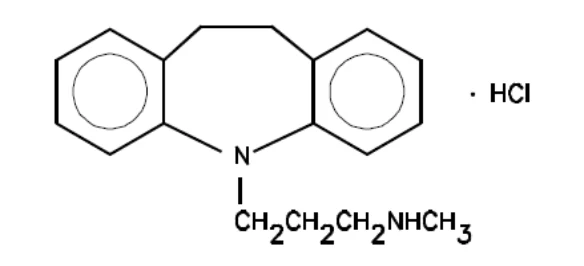
Desipramine HCl is the N-demethylated form of Imipramine HCl.
Physicochemical properties: Desipramine hydrochloride is a white to off-white, crystalline powder which is readily soluble in water and alcohol. It is freely soluble in chloroform and methanol; it is insoluble in ether. The melting point is approximately 213°C. An 8% solution of desipramine HCl in water has a pH of 4.5 to 5.7.
14 CLINICAL TRIALS
14.1 Clinical Trials by Indication
This information is not available for this drug product.
Study Results
This information is not available for this drug product.
14.2 Comparative Bioavailability Studies
A randomized, two way, single dose (1 x 50 mg), crossover comparative bioavailability study of DESIPRAMINE (AA Pharma Inc.) and NORPRAMIN (Marion Merrell Dow (Canada) Inc.) was conducted in healthy, adult, male subjects under fasting conditions. The results obtained from the 20 subjects that were included in the statistical analysis are presented in the following table.
SUMMARY TABLE OF THE COMPARATIVE BIOAVAILABILITY DATA
Desipramine (1 x 50 mg) Geometric Mean Arithmetic Mean (CV%) | ||||
| Parameter | Test1 | Reference2 | % Ratio of Geometric Means | 90% Confidence Interval |
AUCT (ng•h/mL) | 1075.3 1269.7 (62.7) | 1046.0 1256.8 (66.0) | 102.8 | 95.2 – 111.0 |
AUCI (ng•h/mL) | 1189.8 1418.2 (66.7) | 1175.3 1438.3 (71.8) | 101.2 | 93.6 – 109.5 |
Cmax (ng/mL) | 40.9 43.2 (33.1) | 42.2 45.2 (36.5) | 96.9 | 90.8 – 103.4 |
Tmax3 (h) | 5.5 (2.0 – 6.0) | 5.5 (2.0 – 6.0) | ||
T1/24 (h) | 23.6 (46.7) | 24.3 (53.1) | ||
1 DESIPRAMINE (desipramine as desipramine hydrochloride) tablet, 50 mg (AA Pharma Inc.)
2 NORPRAMIN (desipramine as desipramine hydrochloride) tablet, 50 mg (Marion Merrell Dow (Canada) Inc.)
3 Expressed as median (range)
4 Expressed as arithmetic mean (CV%) only
15 MICROBIOLOGY
No microbiological information is required for this drug product.
16 NON-CLINICAL TOXICOLOGY
General Toxicology:
The acute oral toxicity (LD50) of desipramine hydrochloride is approximately 300 mg/kg in mice and rats. This is similar to that of imipramine hydrochloride. The i.v. LD50 is approximately 20 mg/kg in mice, rats, and dogs.
After 6 months of chronic oral toxicity studies in rats and dogs, desipramine hydrochloride in doses of 7 and 15 mg/kg did not produce significant evidence of toxic effects.
At 30 mg/kg, there was evidence of cloudy swelling of the renal tubular epithelium in rats and dogs that did not follow a typical dose response pattern. After 1 year, 2 of 14 rats treated with desipramine hydrochloride (15 mg/kg) had fatty metamorphosis of the liver; however, there was no evidence of the cloudy swelling of the renal tubular epithelium at this time. No significant toxic effects were found in the dog after 1 year of treatment at 15 mg/kg. Convulsions occurred in dogs given daily oral doses of desipramine hydrochloride at a dose of 30 mg/kg. Death occurred in approximately 50% of these animals.
Studies in dogs have indicated that there is a potential of toxic interaction between monoamine oxidase inhibitors and desipramine hydrochloride. Therefore, these compounds should not be combined in therapy nor should they be given in succession.
Carcinogenicity:
This information is not available for this drug product.
Genotoxicity:
This information is not available for this drug product.
Reproductive and Developmental Toxicology: Reproductive and teratologic studies with desipramine hydrochloride in rats and rabbits have not produced evidence of adverse effects on the development of fetuses during two successive generations. Viability of fetuses, however, was diminished as litter sizes were smaller in treated rats. Stillbirth rates were also higher in treated rats.
Special Toxicology:
This information is not available for this drug product.
Juvenile Toxicity:
This information is not available for this drug product.
17 SUPPORTING PRODUCT MONOGRAPHS
- 1. NORPRAMIN® (desipramine hydrochloride tablets USP; 25, 50 and 150 mg), Submission Control Number: 105948, Product Monograph, sanofi-aventis Canada Inc., Revision Date: October 12, 2006