


Product Monograph - Apo-Imipramine Tablets
RECENT MAJOR LABEL CHANGES
| 1 INDICATIONS | 07/2024 |
|---|---|
| 2 CONTRAINDICATIONS | 07/2024 |
| 3 SERIOUS WARNINGS AND PRECAUTIONS BOX | 07/2024 |
| 4 DOSAGE AND ADMINISTRATION, 4.2 Recommended Dose and Dosage Adjustment | 07/2024 |
| 7 WARNINGS AND PRECAUTIONS, Cardiovascular | 07/2024 |
| 7 WARNINGS AND PRECAUTIONS, Dental Effects | 07/2024 |
| 7 WARNINGS AND PRECAUTIONS, Endocrine and Metabolism | 07/2024 |
| 7 WARNINGS AND PRECAUTIONS, Gastrointestinal | 07/2024 |
| 7 WARNINGS AND PRECAUTIONS, Hematologic | 07/2024 |
| 7 WARNINGS AND PRECAUTIONS, Musculoskeletal | 07/2024 |
| 7 WARNINGS AND PRECAUTIONS, Neurologic | 05/2023 |
| 7 WARNINGS AND PRECAUTIONS, Ophthalmologic | 07/2024 |
| 7 WARNINGS AND PRECAUTIONS, Peri-Operative Considerations | 07/2024 |
| 7 WARNINGS AND PRECAUTIONS, Skin | 07/2024 |
| 7 WARNINGS AND PRECAUTIONS, 7.1.1 Pregnant Women | 07/2024 |
| 7 WARNINGS AND PRECAUTIONS, 7.1.4 Geriatrics | 07/2024 |
TABLE OF CONTENTS
Sections or subsections that are not applicable at the time of authorization are not listed.
RECENT MAJOR LABEL CHANGES ........................................................................................... 2
TABLE OF CONTENTS ............................................................................................................. 2
PART I: HEALTH PROFESSIONAL INFORMATION ..................................................................... 4
1 INDICATIONS ................................................................................................................ 4
1.1 Pediatrics ................................................................................................................... 4
1.2 Geriatrics ................................................................................................................... 4
2 CONTRAINDICATIONS ................................................................................................... 4
3 SERIOUS WARNINGS AND PRECAUTIONS BOX ............................................................... 5
4 DOSAGE AND ADMINISTRATION ................................................................................... 5
4.1 Dosage Considerations ............................................................................................. 5
4.2 Recommended Dose and Dosage Adjustment ......................................................... 7
4.4 Administration .......................................................................................................... 8
4.5 Missed Dose .............................................................................................................. 8
5 OVERDOSAGE ............................................................................................................... 8
6 DOSAGE FORMS, STRENGTHS, COMPOSITION AND PACKAGING.................................. 10
7 WARNINGS AND PRECAUTIONS .................................................................................. 10
7.1 Special Populations ................................................................................................. 16
7.1.1 Pregnant Women .................................................................................................... 16
7.1.2 Breast-feeding......................................................................................................... 17
7.1.3 Pediatrics................................................................................................................. 17
7.1.4 Geriatrics................................................................................................................. 17
8 ADVERSE REACTIONS .................................................................................................. 17
8.1 Adverse Reaction Overview .................................................................................... 17
8.5 Post-Market Adverse Reactions.............................................................................. 19
9 DRUG INTERACTIONS.................................................................................................. 19
9.1 Serious Drug Interactions ....................................................................................... 19
9.3 Drug-Behavioural Interactions................................................................................ 19
9.4 Drug-Drug Interactions ........................................................................................... 19
9.5 Drug-Food Interactions ........................................................................................... 27
9.6 Drug-Herb Interactions ........................................................................................... 27
9.7 Drug-Laboratory Test Interactions.......................................................................... 27
10 CLINICAL PHARMACOLOGY ......................................................................................... 27
10.1 Mechanism of Action .............................................................................................. 27
10.3 Pharmacokinetics.................................................................................................... 27
11 STORAGE, STABILITY AND DISPOSAL ........................................................................... 28
12 SPECIAL HANDLING INSTRUCTIONS ............................................................................. 28
PART II: SCIENTIFIC INFORMATION ...................................................................................... 29
13 PHARMACEUTICAL INFORMATION .............................................................................. 29
14 CLINICAL TRIALS.......................................................................................................... 29
15 MICROBIOLOGY .......................................................................................................... 29
16 NON-CLINICAL TOXICOLOGY ....................................................................................... 30
PATIENT MEDICATION INFORMATION ................................................................................. 31
PART I: HEALTH PROFESSIONAL INFORMATION
1 INDICATIONS
APO-IMIPRAMINE TABLETS (imipramine hydrochloride tablets) is indicated for:
- The relief of symptoms of depressive illness.
As with other tricyclic antidepressants, APO-IMIPRAMINE TABLETS may precipitate hypomanic episodes in patients with bipolar depression. These drugs are not indicated in mild depressive states and depressive reactions.
1.1 Pediatrics
Pediatrics (<18 years of age): No data are available to Health Canada; therefore, Health Canada has not authorized an indication for pediatric use.
1.2 Geriatrics
Geriatrics (≥65 years of age): Evidence from clinical studies and experience suggests that use in the geriatric population is associated with differences in safety or effectiveness. See 4.2 Recommended Dose and Dosage Adjustment and 7.1.4 Geriatrics.
2 CONTRAINDICATIONS
APO-IMIPRAMINE TABLETS (imipramine hydrochloride tablets) is contraindicated in:
- Patients who are hypersensitive to imipramine hydrochloride or to any ingredient in the formulation, including any non-medicinal ingredient, or component of the container. For a complete listing, see 6 DOSAGE FORMS, STRENGTHS, COMPOSITION AND PACKAGING.
- Patients with known or suspected hypersensitivity to tricyclic antidepressants (TCA) belonging to the dibenzazepine group.
- In conjunction with, or within 14 days before or after treatment with monoamine oxidase inhibitors (MAOIs) (see 9.1 Serious Drug Interactions). Hypertensive crises, hyperactivity, hyperpyrexia, spasticity, severe convulsions or coma, and death have been reported in patients receiving MAO inhibitors and TCAs (see 4.1 Dosing Considerations; 7 WARNINGS AND PRECAUTIONS, Neurologic, Serotonin toxicity/Serotonin syndrome; and 9.1 Serious Drug Interactions).
- During the acute recovery phase following a myocardial infarction and in the presence of acute congestive heart failure. See 7 WARNINGS AND PRECAUTIONS, Cardiovascular.
- Patients with narrow angle glaucoma, as the condition may be aggravated due to the atropine-like effects of the drug. See 7 WARNINGS AND PRECAUTIONS, Ophthalmologic, Angle-Closure Glaucoma.
3 SERIOUS WARNINGS AND PRECAUTIONS BOX
Serious Warnings and Precautions
Extreme caution should be used when APO-IMIPRAMINE TABLETS is given in the following situations:
- Cases of QT interval prolongation, cardiac arrhythmia and severe hypotension have been reported. A few instances of unexpected death have also been reported in patients with cardiovascular disorders. Myocardial infarction and stroke have been reported with drugs of this class. Extreme caution is advised in patients with a history of cardiovascular disorders (e.g., significant bradycardia, myocardial infarction, congestive or uncompensated heart failure), conduction abnormalities or patients with risk factors for QT interval prolongation, such as the concomitant use of those concurrently taking QT-prolonging drugs. See 2 CONTRAINDICATIONS; 5 OVERDOSAGE; 7 WARNINGS AND PRECAUTIONS, Cardiovascular; 8.5 Post-Market Adverse Reactions; 8.1 Adverse Reaction Overview, Cardiac disorders; 9.4 Drug-Drug Interactions.
- Unmasking of Brugada syndrome has been reported with tricyclic antidepressants. APO-IMIPRAMINE TABLETS should be avoided in patients with Brugada syndrome or those suspected of having Brugada syndrome (see 7 WARNINGS AND PRECAUTIONS, Cardiovascular; 8.5 Post-Market Adverse Reactions).
- In patients with a history or urinary retention or prostatic hypertrophy, or in patients with increased intraocular pressure or narrow angle glaucoma, because of the anticholinergic properties of APO-IMIPRAMINE TABLETS. See 7 WARNINGS AND PRECAUTIONS, General; 7 WARNINGS AND PRECAUTIONS, Ophthalmologic.
- In patient with thyroid disease or those taking thyroid medication, because of the possibility of cardiovascular toxicity, including arrhythmias. See 7 WARNINGS AND PRECAUTIONS, Endocrine and Metabolism.
- In patients with a history of a seizure disorder, because APO-IMIPRAMINE TABLETS has been shown to lower the seizure threshold. See 7 WARNINGS AND PRECAUTIONS, Neurologic.
- Clinical Worsening and Suicide Risk: Increased risk of self-harm, harm to others, suicidal thinking and behavior with antidepressant use. Closely monitor all antidepressant-treated patients for clinical worsening and for emergence of agitation-type and/or suicidal thoughts and behaviors (see 7 WARNINGS AND PRECAUTIONS, Psychiatric).
4 DOSAGE AND ADMINISTRATION
4.1 Dosage Considerations
Cardiovascular
Prior to initiating treatment with APO-IMIPRAMINE TABLETS:
- a cardiac evaluation, including blood pressure and electrocardiogram examinations, should be performed, particularly in patients with a history of cardiovascular disorders.
- Electrolyte disturbances such as hypokalemia should be treated.
See 7 WARNINGS AND PRECAUTIONS, Cardiovascular.
Patients with circulatory liability or with cardiovascular disease should receive APO-IMIPRAMINE TABLETS in low dosage and under careful observation and only when a clear indication for the drug has been established. See 7 WARNINGS AND PRECAUTIONS, Cardiovascular.
Renal
Exercise extreme caution when APO-IMIPRAMINE TABLETS is used in patients with urinary retention, particularly in the presence of prostatic enlargement. See 7 WARNINGS AND PRECAUTIONS, Renal.
Pregnant women
APO-IMIPRAMINE TABLETS should not be used during the first trimester of pregnancy. See 7.1.1 Pregnant Women.
Breast-feeding
The use of APO-IMIPRAMINE TABLETS should be avoided during breast-feeding. See 7.1.2 Breast-feeding.
Elderly Patients
Elderly patients should receive APO-IMIPRAMINE TABLETS in low dosage and under careful observation and only when a clear indication for APO-IMIPRAMINE TABLETS has been established. See 7.1.4 Geriatrics.
Important interactions
When APO-IMIPRAMINE TABLETS is substituted for a MAOI, at least 14 days should elapse between the treatments. Administration of APO-IMIPRAMINE TABLETS should then be started cautiously and increased gradually. See 9.1 Serious Drug Interactions, 9.4 Drug-Drug Interactions.
Consider the potential for drug interactions such as monoamine oxidase inhibitors, thyroid medications, QT-prolonging drugs, and CYP450 inhibitors and inducers, prior to and during treatment with APO-IMIPRAMINE TABLETS (see 2 CONTRAINDICATIONS, 3 SERIOUS WARNINGS AND PRECAUTIONS BOX, 9 DRUG INTERACTIONS).
4.2 Recommended Dose and Dosage Adjustment
Initial dose
Adult patients: The recommended initial dosage is 25 mg three times/day. This should be increased gradually as required and tolerated, up to 150 mg/day. Dosage over 200 mg/day is not recommended for outpatients. Severely ill or hospitalized patients may require up to 300 mg/day.
Elderly patients: The recommended initial dosage is 30 to 40 mg/day. Increase the dose by 10 mg/day to a maximum of 100 mg/day. See 1.2 Geriatrics; 7.1.4 Geriatrics.
Pediatric patients (<18 years of age): Health Canada has not authorized an indication for pediatric use.
Maintenance
In suitable subjects, the maintenance dose may be administered in a single dose before bedtime. It does not have as much sedative effect as amitriptyline which may be used at bedtime for this effect.
Plasma Levels
Because of the wide variation in the absorption and distribution of tricyclic antidepressants in body fluids, it is difficult to directly correlate plasma levels and therapeutic effect. However, determination of plasma levels may be useful in identifying patients who appear to have toxic effects and may have excessively high levels, or those in whom lack of absorption or non-compliance is suspected. Because of increased intestinal transit time and decreased hepatic metabolism in elderly patients, plasma levels are generally higher for a given oral dose of imipramine hydrochloride tablets than in younger patients.
Elderly patients should be monitored carefully and quantitative serum levels obtained as clinically appropriate. Adjustments in dosage should be made according to the patient's clinical response and not on the basis of plasma levels.
Discontinuation
When discontinuing APO-IMIPRAMINE TABLETS, the dosage should be tapered gradually over several weeks (see 7 WARNINGS AND PRECAUTIONS, Dependence and Tolerance; 8.5 Post-Market Adverse Reactions.
4.4 Administration
APO-IMIPRAMINE TABLETS should be swallowed whole with water.
4.5 Missed Dose
If the patient misses a dose, instruct the patient to take the dose as soon as they remember. If it is almost time for the next dose, inform the patient to skip the missed dose and continue the regular dosing schedule.
5 OVERDOSAGE
Deaths by deliberate or accidental overdosage have occurred with this class of drugs. Children have been reported to be more sensitive than adults to an acute overdosage of APO-IMIPRAMINE TABLETS. An acute overdose in infants or young children must be considered serious and potentially fatal.
Since the propensity for suicide is high in depressed patients, a suicide attempt by other means may occur during the recovery phase. The possibility of simultaneous ingestion of other drugs should also be considered.
Symptoms: High doses may cause temporary confusion, disturbed concentration, transient visual hallucinations, agitation, hyperactive reflexes, muscle rigidity, vomiting, or hyperpyrexia, in addition to anything listed under Adverse Effects. Based on APO-IMIPRAMINE TABLETS known pharmacologic actions, overdosage may cause drowsiness, hypothermia, tachycardia, and other arrhythmic abnormalities such as bundle branch block, ECG evidence of impaired conduction and congestive heart failure. Other manifestations may be dilated pupils, convulsions, severe hypotension, stupor, and coma. All patients suspected of an overdose should be admitted to a hospital as soon as possible.
Treatment: No specific antidote is available, and treatment is essentially symptomatic and supportive. Cardiac arrhythmias and CNS involvement pose the greatest threat with tricyclic antidepressant overdosage and may occur suddenly even when initial symptoms appear to be mild. Therefore, patients who may have ingested an overdose of APO-IMIPRAMINE TABLETS, particularly children, should be hospitalized and kept under close surveillance.
Activated charcoal may be administered to reduce absorption of the drug.
An adequate airway should be established in comatose patients and assisted ventilation instituted, if necessary, but respiratory stimulants should not be used. Hyperpyrexia should be controlled by external measures, such as ice packs and cooling sponge baths. Acidosis may be treated by cautious administration of sodium bicarbonate. Adequate renal function should be maintained.
External stimulation should be minimized to reduce the tendency to convulsions. If convulsions occur, anticonvulsants (preferably i.v. diazepam) should be administered. Barbiturates may intensify respiratory depression, particularly in children, and aggravate hypotension and coma. Paraldehyde may be used in some children to counteract muscular hypertonus and convulsions with less likelihood of causing respiratory depression. If the patient fails to respond rapidly to anticonvulsants, artificial ventilation should be instituted. Prompt control of convulsions is essential since they aggravate hypoxia and acidosis and may thereby precipitate cardiac arrhythmias and arrest.
ECG monitoring in an intensive care unit is recommended in all patients, particularly in the presence of ECG abnormalities, and should be maintained for several days after the cardiac rhythm has returned to normal. A patient who has ingested a toxic overdose of a tricyclic antidepressant may remain medically and psychiatrically unstable for several days due to sustained excessive drug levels. Unexpected cardiac deaths have occurred up to 6 days after overdosage with other antidepressants. The QRS interval of the electrocardiogram appears to be a reliable correlate of the severity of overdosage. If the QRS interval exceeds 100 milliseconds any time during the first 24 hours after dosage, cardiac function should be continuously monitored for 5 to 6 days.
Life-threatening cardiac arrhythmias may respond to lidocaine. Quinidine, procainamide and disopyramide generally should be avoided in the management of conduction abnormalities and cardiac arrhythmias since these agents may further depress myocardial conduction and contractility. Because of its effect on cardiac conduction, digitalis should be used only, with caution. If rapid digitalization is required for the treatment of congestive heart failure, special care should be exercised in using the drug.
Shock should be treated with supportive measures such as intravenous fluids, plasma expanders and oxygen. The use of corticosteroids in treating shock is controversial and may be contraindicated in tricyclic antidepressant overdose. Hypotension usually responds to elevation of the foot of the bed. Pressor agents, such as norepinephrine (but not epinephrine), are rarely indicated and should be given only after careful consideration and under continuous monitoring.
Since it has been reported that physostigmine may cause severe bradycardia, asystole and seizures, its use is not recommended in cases of overdosage with tricyclic antidepressants. The use of phenytoin is also not recommended in cases of overdosage with tricyclic antidepressants.
Peritoneal and hemodialysis are of no value because of low plasma concentrations of the drug. Most of the administered dose is distributed in tissue and not in plasma. When aggressive medical management is inadequate, hemoperfusion, but not hemodialysis, has shown some good results.
For management of a suspected drug overdose, contact your regional poison control centre or Health Canada's toll-free number, 1-844 POISON-X (1-844-764-7669).
6 DOSAGE FORMS, STRENGTHS, COMPOSITION AND PACKAGING
Table 1 – Dosage Forms, Strengths, Composition and Packaging
APO-IMIPRAMINE TABLETS (imipramine hydrochloride) 10 mg tablets: Each light brown, round, biconvex, film-coated tablet, engraved “10” on one side, other side is plain, contains imipramine hydrochloride 10 mg.
APO-IMIPRAMINE TABLETS (imipramine hydrochloride) 25 mg tablets: Each light brown, round, biconvex, film-coated tablet, engraved “25” on one side, other side is plain, contains imipramine hydrochloride 25 mg.
APO-IMIPRAMINE TABLETS (imipramine hydrochloride) 50 mg tablets: Each light brown, round, biconvex, film-coated tablet, engraved “50” on one side, other side is plain, contains imipramine hydrochloride 50 mg.
APO-IMIPRAMINE TABLETS (imipramine hydrochloride) 75 mg tablets: Each light brown, round, biconvex, film-coated tablet, engraved score over “75” on one side, other side plain, contains imipramine hydrochloride 75 mg.
Available in bottles of 100 or 1000 tablets.
7 WARNINGS AND PRECAUTIONS
Please see 3 SERIOUS WARNINGS AND PRECAUTIONS BOX.
General
- Dental Effects
Prolonged treatment with tricyclic antidepressants can lead to an increased incidence in dental caries.
| Route of Administration | Dosage Form / Strength/Composition | Non-medicinal Ingredients |
| Oral | Tablet 10 mg ,25 mg, 50 mg and 75 mg of imipramine hydrochloride | Carnauba wax, hydroxypropyl methylcellulose, lactose monohydrate (in 25 mg, 50 mg, and 75 mg tablets only), magnesium stearate, microcrystalline cellulose, polyethylene glycol, red ferric oxide, sunset yellow aluminum lake 40%, titanium dioxide, and yellow ferric oxide. |
Cardiovascular
APO-IMIPRAMINE TABLETS is contraindicated in the acute recovery period following myocardial infarction and in the presence of acute congestive heart failure. See 2 CONTRAINDICATIONS.
Exercise extreme caution when APO-IMIPRAMINE TABLETS is given to patients with coronary thrombosis, angina pectoris, disorders of cardiac rate or rhythm or conduction.
Patients with circulatory liability or with cardiovascular disease should receive APO-IMIPRAMINE TABLETS in low dosage and under careful observation and only when a clear indication for APO-IMIPRAMINE TABLETS has been established. A few instances of unexpected death have occurred in patients with cardiovascular disorders.
Tricyclic antidepressant drugs, including amitriptyline, have been reported to produce arrhythmias, sinus tachycardia, prolongation of the conduction time and severe hypotension, particularly at high doses. Myocardial infarction and stroke have been reported with drugs of this class. See 8.5 Post-Market Adverse Reactions. Cardiac arrhythmias and severe hypotension may also occur at normal doses in patients with pre-existing cardiovascular disease. A few instances of unexpected deaths have been reported in patients with cardiovascular disorders. Therefore, APO-IMIPRAMINE TABLETS should be used with caution in patients with a history of cardiovascular disease, such as myocardial infarction, congestive heart failure (see 2 CONTRAINDICATIONS) and conduction abnormalities (e.g. AV block grades I to III), or arrhythmias. Close cardiovascular and ECG monitoring should be undertaken in such patients. An ECG should be performed prior to starting treatment, at steady state, after an increase in dose or after starting any potentially interacting medicine (see 7 WARNINGS AND PRECAUTIONS, Monitoring and Laboratory Tests and 4.1 Dosing Considerations).
- QT interval prolongation
Cases of QT interval prolongation and arrhythmia have been reported during the post-marketing period. Caution is advised in patients with significant bradycardia, uncompensated heart failure, or in patients with other risk factors for QT interval prolongation and torsades de pointe including, but not limited to:
- congenital long QT syndrome
- Age > 65 years
- Female sex
- Concomitant use of other QTc-prolonging medicines (see 9 DRUG INTERACTIONS)
Electrolytes disturbances (e.g., hypokalemia, hyperkalemia, hypomagnesaemia, hypocalcemia). Electrolyte disturbances should be treated prior to the initiation of treatment with APO-IMIPRAMINE TABLETS.
Concurrently taking QT-prolonging drugs. Electrolyte disturbances (hypokalemia, hyperkalemia, hypomagnesaemia) are also known to increase the proarrythmic risk.
Concomitant use of APO-IMIPRAMINE TABLETS with medicines that inhibit the metabolism of amitriptyline may also increase the risk for QT interval prolongation and torsades de pointes (see 9.4 Drug-Drug Interactions).
- Unmasking of Brugada Syndrome
There have been post-marketing reports of an association between treatment with tricyclic antidepressants and the unmasking of Brugada syndrome. Brugada syndrome is a disorder characterized by syncope, abnormal ECG findings, and a risk of sudden death. APO-IMIPRAMINE TABLETS should generally be avoided in patients with Brugada syndrome or those suspected of having Brugada syndrome.
Dependence/Tolerance
- Withdrawal Symptoms
Withdrawal symptoms may occur after abrupt cessation of treatment with APO-IMIPRAMINE TABLETS (see 8.1 Adverse Reaction Overview and 8.5 Post-Market Adverse Reactions). When discontinuing APO-IMIPRAMINE TABLETS, the dose should be tapered gradually over several weeks to minimize the risk of discontinuation symptoms, and the patient should be closely monitored.
Driving and Operating Machinery
APO-IMIPRAMINE TABLETS may impair mental and/or physical abilities required for performance of hazardous tasks, such as operating machinery or driving a motor vehicle. Patients should be advised to avoid such tasks until they know how APO-IMIPRAMINE TABLETS affects them.
Endocrine and Metabolism
- Concomitant use with thyroid medications
Caution is recommended when APO-IMIPRAMINE TABLETS is administered to hyperthyroid patients or those receiving thyroid medication. Cardiac arrhythmias may develop when tricyclic antidepressants are used concomitantly with thyroid medications (see 3 SERIOUS WARNINGS AND PRECAUTIONS BOX).
- Hyponatremia/Syndrome of inappropriate antidiuretic hormone secretion
Hyponatremia and/or syndrome of inappropriate antidiuretic hormone secretion may occur with tricyclic antidepressants (see 8.1 Adverse Reaction Overview). Elderly patients, patients taking diuretics, and patients who are otherwise volume depleted, may be at greater risk for this event.
Gastrointestinal
APO-IMIPRAMINE TABLETS should be used with caution in patients with pylorus stenosis and paralytic ileus.
Tricyclic antidepressants may give rise to paralytic ileus, particularly in elderly and in hospitalized patients. The risk may be increased in patients concurrently taking anticholinergic drugs. Close supervision and careful adjustment of dosage are required in this situation (see 9.4 Drug-Drug Interactions). Appropriate measures should be taken if constipation occurs.
Genitourinary
APO-IMIPRAMINE TABLETS should be used with extreme caution in patients with a history of urinary retention and prostatic hypertrophy (see 3 SERIOUS WARNINGS AND PRECAUTIONS BOX). Close supervision and careful adjustment of dosage are required when APO-IMIPRAMINE TABLETS is used with other anticholinergic drugs (see 9.4 Drug-Drug Interactions).
Hematologic
Leukocyte and differential counts should be performed in any patient who develops fever and sore throat during therapy; the drug should be discontinued if there is evidence of pathologic neutrophil depression.
Isolated cases of bone marrow depression, including agranulocytosis, leukopenia, eosinophilia, purpura, thrombocytopenia, have been reported with tricyclic antidepressants (see 8.1 Adverse Reaction Overview).
- Concomitant Use with Coumarin Drugs
Tricyclic antidepressants may potentiate the anticoagulant effect of coumarin drugs (e.g., warfarin). Careful monitoring of plasma prothrombin is recommended when APO-IMIPRAMINE TABLETS is initiated or discontinued in patients concomitantly treated with coumarin drugs.
Hepatic/Biliary/Pancreatic
APO-IMIPRAMINE TABLETS should be used with caution in patients with hepatic impairment. Periodic monitoring of liver function is recommended in these patients.
Monitoring and Laboratory Tests
- Particularly in patients with a history of cardiovascular disorders, cardiac function and ECG should be periodically monitored during treatment with APO-IMIPRAMINE TABLETS, including after a dose increase or after initiating treatment with a potentially interacting medicine (see 7 WARNINGS AND PRECAUTIONS, Cardiovascular, 9 DRUG INTERACTIONS).
- In patients with a history of blood disorders, periodic monitoring of leukocyte and differential blood cell counts is recommended (see 7 WARNINGS AND PRECAUTIONS, Hematologic).
- In patients with impaired liver function, periodic monitoring of hepatic function is recommended (see 7 WARNINGS AND PRECAUTIONS, Hepatic/Biliary/Pancreatic).
Musculoskeletal
Exposure to tricyclic antidepressants may increase the risk of bone fracture. The possibility of fracture should be considered in the care of patients treated with APO-IMIPRAMINE TABLETS. Elderly patients and patients with important risk factors for bone fractures should be advised of possible adverse events which increase the risk of falls, such as dizziness and orthostatic hypotension.
Neurologic
- Serotonin toxicity / Serotonin syndrome
Serotonin toxicity, also known as serotonin syndrome, is a potentially life-threatening condition and has been reported with tricyclic antidepressants, including APO-IMIPRAMINE TABLETS.
Serotonin toxicity is characterized by neuromuscular excitation, autonomic stimulation (e.g., tachycardia, flushing) and altered mental state (e.g., anxiety, agitation, hypomania). In accordance with the Hunter Criteria, serotonin toxicity diagnosis is likely when, in the presence of at least one serotonergic agent, one of the following is observed:
- Spontaneous clonus
- Inducible clonus or ocular clonus with agitation or diaphoresis
- Tremor and hyperreflexia
- Hypertonia and body temperature >38°C and ocular clonus or inducible clonus
Neuroleptic malignant syndrome (NMS) has also been reported with APO-IMIPRAMINE TABLETS, with and without concomitant medications known to cause NMS (see 8.5 Post-Market Adverse Reactions). The clinical manifestations of neuroleptic malignant syndrome often overlap with those of serotonin toxicity, including hyperthermia, hypertonia, altered mental status, and autonomic instability. In contrast to serotonin toxicity, patients with neuroleptic malignant syndrome may present with “lead pipe” muscle rigidity as well as hyporeflexia.
The concomitant use of APO-IMIPRAMINE TABLETS with monoamine oxidase inhibitors is contraindicated (see 2 CONTRAINDICATIONS). APO-IMIPRAMINE TABLETS should be used with caution in patients receiving other serotonergic drugs or antipsychotics/neuroleptics. If concomitant treatment with APO-IMIPRAMINE TABLETS and other serotonergic agents is clinically warranted, careful observation of the patient is advised, particularly during treatment initiation and dose increases. See 2 CONTRAINDICATIONS, 4 DOSAGE AND ADMINISTRATION, and 9 DRUG INTERACTIONS. Serotonin toxicity and neuroleptic malignant syndrome may result in potentially life-threatening conditions. If serotonin toxicity is suspected, discontinuation of the serotonergic agents should be considered.
Ophthalmologic
- Angle-Closure Glaucoma
APO-IMIPRAMINE TABLETS is contraindicated in patients with narrow angle glaucoma. As with other antidepressants, APO-IMIPRAMINE TABLETS can cause mydriasis, which may trigger an angle-closure attack in a patient with anatomically narrow ocular angles. Health professionals should inform patients to seek immediate medical assistance if they experience eye pain, changes in vision or swelling or redness in or around the eye.
Exercise extreme caution when APO-IMIPRAMINE TABLETS is used in patients with glaucoma.
Decreased lacrimation and accumulation of mucoid secretions, due to the anticholinergic properties of tricyclic antidepressants, may cause damage to the corneal epithelium in patients with contact lenses.
Peri-Operative Considerations
APO-IMIPRAMINE TABLETS is contraindicated in the acute recovery period following myocardial infarction (see 2 CONTRAINDICATIONS).
Anesthetics given during tricyclic antidepressant therapy may increase the risk of arrhythmias and hypotension. APO-IMIPRAMINE TABLETS should be discontinued several days before elective surgery if possible.
Psychiatric
APO-IMIPRAMINE TABLETS should be used cautiously in hyperactive or agitated patients, in epileptic patients, or ambulatory, seriously depressed patients with suicidal tendencies.
The possibility of suicide in depressed patients remains during treatment and until significant remission occurs, this type of patient should not have access to large quantities of the drug.
- Clinical Worsening and Suicide Risk
Pediatrics - Placebo-Controlled Clinical Trial Data: Analyses of placebo-controlled clinical trial safety databases from SSRIs and newer antidepressants suggest that the use of these drugs in patients under the age of 18 may be associated with behavioural and emotional changes, including an increased risk of suicidal ideation and behaviour over that of placebo. APO-IMIPRAMINE TABLETS is not indicated for use in pediatric patients (see 1.1 Pediatrics).
Adults and Pediatrics: Patients with depression may experience worsening of their depression and/or emergence of suicidal ideation and behaviour (suicidality) or unusual changes in behaviour, whether or not they are taking antidepressant medications, and this risk may persist until significant remission occurs. Suicide is a known risk of depression and certain other psychiatric disorders, and these disorders themselves are the strongest predictors of suicide.
Antidepressants may however have a role in inducing worsening of depression and emergence of suicidality in certain patients during the early phases of treatment. To minimize the risk of intentional overdose, prescriptions for APO-IMIPRAMINE TABLETS should be written for the smallest possible quantity consistent with good patient management.
The following symptoms, anxiety, agitation, panic attacks, insomnia, irritability, hostility, aggressiveness, impulsivity, akathisia (psychomotor restlessness), hypomania, and mania, have been reported in adult and pediatric patients being treated with antidepressants for depression as well as for other indications, both psychiatric and nonpsychiatric. Although a causal link between the emergence of such symptoms and either the worsening of depression and/or the emergence of suicidal impulses has not been established, such symptoms may represent precursors to emerging suicidality.
All patients being treated with antidepressants for any indication should be monitored appropriately and observed closely for clinical worsening, suicidality, agitation, irritability, unusual changes in behavior, and the other symptoms described above, especially during the initial few months of a course of drug therapy, or at times of dose changes, either increases or decreases. Patients, families and caregivers of patients should be alerted about the need to report such symptoms immediately to health professionals
Renal
Exercise extreme caution when APO-IMIPRAMINE TABLETS is used in patients with urinary retention, particularly in the presence of prostatic enlargement.
Skin
Rare cases of drug reaction with eosinophilia and systemic symptoms (DRESS), a potentially life-threatening adverse reaction, have been reported with the use of tricyclic antidepressants. DRESS consists of a combination of three or more of the following: cutaneous reaction (such as rash or exfoliative dermatitis), eosinophilia, fever, lymphadenopathy and one or more systemic complications such as hepatitis, nephritis, pneumonitis, myocarditis, and pericarditis. If DRESS is suspected, discontinue APO-IMIPRAMINE TABLETS immediately.
7.1 Special Populations
7.1.1 Pregnant Women
Exposure to tricyclic antidepressants in mid to late pregnancy may increase the risk for preeclampsia.
When considering treatment with APO-IMIPRAMINE TABLETS in pregnant women or women who may become pregnant, the potential benefits must be weighed against the possible hazards to mother and child. APO-IMIPRAMINE TABLETS is not recommended during pregnancy unless clearly necessary and only after careful consideration of the risk/benefit.
Withdrawal symptoms including tremors, lethargy, colic, irritability, hypotonia/hypertonia, convulsions, poor suckling reflex, irregular breathing, respiratory depression, and possibly anticholinergic symptoms (urinary retention and constipation) have been reported in neonates whose mother received tricyclic antidepressants during the third trimester of pregnancy.
7.1.2 Breast-feeding
The use of APO-IMIPRAMINE TABLETS should be avoided during breast-feeding.
7.1.3 Pediatrics
Pediatrics (<18 years of age): Health Canada has not authorized an indication for pediatric use.
7.1.4 Geriatrics
Geriatrics (> 65 years of age): Geriatric patients are particularly sensitive to the anticholinergic side effects of tricyclic antidepressants including APO-IMIPRAMINE TABLETS. Peripheral anticholinergic effects include tachycardia, urinary retention, constipation, dry mouth, blurred vision, and exacerbation of narrow angle glaucoma. Central nervous system anticholinergic effects include cognitive impairment, psychomotor slowing, confusion, sedation, and delirium. Elderly patients taking imipramine hydrochloride may be at increased risk for falls.
Elderly patients should receive APO-IMIPRAMINE TABLETS in low dosage and under careful observation and only when a clear indication for APO-IMIPRAMINE TABLETS has been established. See 4.2 Recommended Dose and Dosage Adjustment.
8 ADVERSE REACTIONS
8.1 Adverse Reaction Overview
Clinical trial data on which the indication was originally authorized is not available.
Although the listing which follows includes a few adverse reactions which have not been reported with this specific drug, the pharmacological similarities among the tricyclic antidepressant drugs require that each of the reactions be considered when APO-IMIPRAMINE TABLETS is administered.
Blood and lymphatic system disorders: bone marrow depression including agranulocytosis; eosinophilia; purpura; thrombocytopenia.
Cardiac disorders: tachycardia, palpitation, myocardial infarction, arrhythmias, heart block.
Endocrine disorders: gynecomastia in the male.
Eye disorders: blurred vision, disturbances of accommodation, mydriasis.
Gastrointestinal disorders: dry mouth, and rarely, associated sublingual adenitis, constipation, paralytic ileus, nausea and vomiting, epigastric distress, diarrhea, peculiar taste, stomatitis, abdominal cramps, black tongue, parotid swelling.
General disorders and administration site conditions: edema (general or of face and tongue), drug fever, weakness, fatigue, headache.
Hepatobiliary disorders: jaundice (simulating obstructive), altered liver function.
Immune system disorders: cross-sensitivity with desipramine.
Injury, poisoning and procedural complications: falls.
Investigations: alterations in EEG patterns, elevation or depression of blood sugar levels, weight gain or loss.
Metabolism and nutrition disorders: anorexia.
Nervous system disorders: numbness, tingling, paresthesia of extremities; incoordination, ataxia, tremors; peripheral neuropathy; extrapyramidal symptoms; seizures, drowsiness, dizziness, tinnitus.
Psychiatric disorders: confusional states (especially in the elderly) with hallucinations, disorientation, delusions, anxiety, restlessness, agitation; insomnia and nightmares; hypomania; exacerbation of psychosis.
Renal and urinary disorders: urinary retention, delayed micturition, dilation of the urinary tract, urinary frequency.
Reproductive system and breast disorders: breast enlargement and galactorrhea in the female; increased or decreased libido, impotence; testicular swelling.
Skin and subcutaneous tissue disorders: skin rash, petechiae, urticaria, itching, photosensitivity (avoid excessive exposure to sunlight), perspiration, flushing.
Vascular disorders: hypotension, hypertension, stroke.
Withdrawal symptoms: though not indicative of addiction, abrupt cessation of treatment after prolonged therapy may produce nausea, headache and malaise.
8.5 Post-Market Adverse Reactions
Cardiac disorders: Brugada syndrome
Skin and subcutaneous tissue disorders: Drug Reaction with Eosinophilia and Systemic Symptoms (DRESS).
Withdrawal Symptoms: Rare instances have been reported of mania or hypomania occurring within 2 to 7 days following cessation of chronic therapy with tricyclic antidepressants. These symptoms are not indicative of addiction.
9 DRUG INTERACTIONS
9.1 Serious Drug Interactions
Serious Drug Interactions
- Co-Administration with Monoamine Oxidase inhibitors (MAOIs). See 2 CONTRAINDICATIONS, 9.4 Drug-Drug Interactions.
- Thyroid Medication: See 3 SERIOUS WARNINGS AND PRECAUTIONS BOX and 7 WARNINGS AND PRECAUTIONS, Endocrine and Metabolism.
9.3 Drug-Behavioural Interactions
Patients should be warned that, while taking APO-IMIPRAMINE TABLETS their responses to alcoholic beverages may be exaggerated.
9.4 Drug-Drug Interactions
The drugs listed in this table are based on either drug interaction case reports or studies, or potential interactions due to the expected magnitude and seriousness of the interaction (i.e., those identified as contraindicated).
Table 2 - Established or Potential Drug-Drug Interactions
| Proper/Common name | Source of Evidence | Effect | Clinical comment |
| Proper/Common name | Source of Evidence | Effect | Clinical comment |
| Proper/Common name | Source of Evidence | Effect | Clinical comment |
| Proper/Common name | Source of Evidence | Effect | Clinical comment |
| Proper/Common name | Source of Evidence | Effect | Clinical comment |
| Proper/Common name | Source of Evidence | Effect | Clinical comment |
| Adrenergic neuron blockers | T | ↓Antihypertensive effects | Tricyclic antidepressants may counteract the antihypertensive effects of centrally acting antihypertensives such as guanethidine, betanidine, reserpine, clonidine and methyldopa. It is advisable to review all antihypertensive therapy during treatment with tricyclic antidepressants. There is an increased risk of hypertension on clonidine withdrawal. |
| Anticholinergic drugs | T CT | ↑ Anticholinergic effects Hyperpyrexia | Tricyclic antidepressants may potentiate the effects of anticholinergic drugs on the eye, central nervous system, bowel and bladder and close supervision and careful adjustment of dosage are required. Paralytic ileus, urinary retention or acute glaucoma may occur in patients taking tricyclic antidepressants in combination with anticholinergic-type drugs, particularly in elderly or hospitalized patients. Hyperpyrexia has been reported when tricyclic antidepressants are administered with anticholinergic agents, particularly during hot weather. |
| Baclofen | T | ↑muscle relaxant effect | Tricyclic antidepressants, such as amitriptyline, may enhance the muscle relaxant effect of baclofen. |
| Cimetidine | T | ↑ imipramine | Caution should be exercised if imipramine is administered together with cimetidine since cimetidine has been shown to inhibit the metabolism of several tricyclic antidepressants and clinically significant increases in plasma levels of imipramine may occur. |
| CNS depressants or anticholinergic agents | T | ↑ CNS depressants or anticholinergic agents | Patients should be warned that, while taking imipramine their responses to other CNS depressants or anticholinergic agents may be exaggerated. |
| Coumarin drugs (e.g., warfarin) | T | ↑Anticoagulant effect | Tricyclic antidepressants may potentiate the anticoagulant effect of coumarin drugs. Careful monitoring of plasma prothrombin is recommended. |
| Iobenguane | T | Inaccurate imaging results | Antidepressants that inhibit the function of the norepinephrine transporter, such as imipramine, have the potential to interfere with iobenguane imaging results. Before iobenguane administration, drugs known or expected to interfere with iobenguane uptake should be discontinued, as clinically tolerated. |
| Methylphenidate | T | ↑ activity and plasma concentrations of tricyclic antidepressants | |
| Monoamine Oxidase inhibitors (MAOIs) | T | Hyperpyretic crises, severe convulsive seizures and death may occur. The potentiation of adverse effects can be serious, or even fatal. | The concomitant use of APO-IMIPRAMINE TABLETS with MAOI is contraindicated. See 2 CONTRAINDICATIONS and 7 WARNINGS AND PRECAUTIONS, Neurologic. When APO-IMIPRAMINE TABLETS is substituted for a MAOI, at least 14 days should elapse between the treatments. Administration of APO-IMIPRAMINE TABLETS should then be started cautiously and increased gradually. |
| Neuroleptics (e.g., phenothiazines [fluphenazine, thioridazinea], butyrophenones [haloperidol]) | T CT | ↑ Seizures ↑ risk of cardiac side effects Hyperpyrexia | Tricyclic antidepressants and neuroleptics mutually inhibit the metabolism of each other. This may result in increased tricyclic antidepressant and neuroleptic plasma level, a lowered convulsion threshold, and seizures. It may be necessary to adjust the dosage of these drugs. Combination with thioridazine may also cause cardiac arrhythmias. Co-administration of imipramine and thioridazine should be avoided. Hyperpyrexia has been reported when tricyclic antidepressants are administered with neuroleptic drugs, particularly during hot weather. |
| Nitrates (e.g., nitroglycerin) | T | Severe hypotension ↓ Sublingual nitrates | Nitrates should be used with caution in combination with tricyclic antidepressants, as it may lead to an augmentation of the hypotensive effect of nitrates. Clinical monitoring is recommended, and dose adjustment may be required. Because of their anticholinergic properties, tricyclic antidepressants can cause dry mouth, which may decrease the absorption of sublingual nitrates. |
| Norepinephrine or epinephrine | T | ↑ cardiovascular effects of norepinephrine or epinephrine | |
| Opioids (e.g., buprenorphine, methadone, tramadol) | T | ↑ Risk for serotonin toxicity, urinary retention, and constipation ↑ Risk for seizures and opioid toxicity with concomitant use of tramadol. | Concomitant use of tricyclic antidepressants, and opioids, such as buprenorphine, methadone and tramadol, may increase the risk of serotonin toxicity, a potentially life-threatening condition. Concomitant use with opioids may also increase the risk for urinary retention and constipation. Concomitant use of tricyclic antidepressants and tramadol also increases the risk for seizures. In addition, this combination can inhibit the metabolism of tramadol to the active metabolite and thereby increasing tramadol concentrations, potentially causing opioid toxicity. |
| Pitolisant | T | ↓effectiveness of pitolisant | Pitolisant increases the level of histamine in the brain. Concomitant use of tricyclic antidepressants with H1 receptor antagonist properties, should be avoided. |
| Sympathomimetic drugs | T | ↑Cardiovascular effects | Tricyclic antidepressants may potentiate the cardiovascular effects of sympathomimetic drugs. Close supervision and careful adjustment of dosage are required when imipramine is administered with sympathomimetic drugs, including epinephrine combined with local anesthetics. |
| Valproic acid | T | ↑Seizures | Concomitant use with tricyclic antidepressants may lower the seizure threshold. Dosage adjustment for valproic acid may be necessary to control seizures. |
Legend: T = Theoretical, Case Study; CT
Cytochrome P450 inhibitors: Certain drugs that inhibit the activity of CYP2D6 make normal metabolizers resemble poor metabolizers. A given dose of tricyclic antidepressant may become abruptly toxic when a drug that inhibits CYP2D6 is introduced as concomitant therapy.
The drugs that inhibit CYP2D6 include some that are not metabolized by the enzyme such as cimetidine, quinidine, bupropion, duloxetine, fluoxetine, paroxetine and terbinafine, and many that are substrates for CYP2D6 such as many other antidepressants, phenothiazines (see Table 2 above), and the Type 1C antiarrhythmics propafenone and flecainide.
Cimetidine (which is also a CYP1A2 and CYP3A4 inhibitor) has been reported to reduce hepatic metabolism of certain tricyclic antidepressants, thereby delaying elimination and increasing steady-state concentrations of these drugs. Clinically significant effects have been reported with the tricyclic antidepressants when used concomitantly with cimetidine. Increases in plasma levels of tricyclic antidepressants, and in the frequency and severity of side effects, particularly anticholinergic, have been reported when cimetidine was added to the drug regimen.
Antifungals such as fluconazole (CYP2C9, CYP2C19 and CYP3A4 inhibitor) and terbinafine have also been observed to increase serum levels tricyclic antidepressants, and accompanying toxicity. Syncope and torsade de pointes have occurred.
Cytochrome P450 inducers: Oral contraceptives, rifampicin, phenytoin, barbiturates, and carbamazepine may increase the metabolism of tricyclic antidepressants, resulting in lowered plasma levels of tricyclic antidepressants and reduced antidepressant response. In addition, imipramine may increase plasma levels of carbamazepine and phenytoin. Dosage adjustment of these drugs may be necessary.
QT-prolonging drugs
Concomitant use of drugs that prolong the QT interval with tricyclic antidepressants such as APO-IMIPRAMINE TABLETS may increase the likelihood of ventricular arrhythmias.
Drugs that have been associated with QT/QTc interval prolongation and/or torsade de pointes include, but are not limited to, the examples in the following list. Chemical/pharmacological classes are listed if some, although not necessarily all, class members have been implicated in QT/QTc prolongation and/or torsade de pointes:
- Class IA antiarrhythmics (e.g., quinidine, procainamide, disopyramide);
- Class III antiarrhythmics (e.g., amiodarone);
- Class 1C antiarrhythmics (e.g., flecainide, propafenone);
- antipsychotics (e.g., pimozide, haloperidol);
- antidepressants (e.g., fluoxetine, tricyclic/tetracyclic antidepressants);
- opioids (e.g., methadone);
- macrolide antibiotics and analogues (e.g., erythromycin, clarithromycin, tacrolimus);
- quinolone antibiotics (e.g., ciprofloxacin);
- antimalarials (e.g., quinine, chloroquine);
- azole antifungals (e.g., ketoconazole);
- domperidone;
- 5-HT3 receptor antagonists (e.g., ondansetron);
- tyrosine kinase inhibitors (e.g., sunitinib);
- histone deacetylase inhibitors (e.g., vorinostat);
- beta-2 adrenoceptor agonists (e.g., salmeterol).
The above list of potentially interacting drugs is not comprehensive. Current information sources should be consulted for newly approved drugs that prolong the QT/QTc interval as well as for older drugs for which these effects have recently been established.
Serotonergic agents
While selective serotonin reuptake inhibitors (SSRIs), e.g., fluoxetine, sertraline, and paroxetine, inhibit CYP2D6, they may vary in the extent of inhibition. The extent to which SSRI-TCA interactions may pose clinical problems will depend on the degree of inhibition and the pharmacokinetics of the SSRI involved. Nevertheless, caution is indicated in the co-administration of TCAs with any of the SSRIs as well as in switching from one class to the other. Of particular importance, sufficient time must elapse before initiating TCA treatment in a patient being withdrawn from fluoxetine, given the long half-life of the parent and active metabolite (at least 5 weeks may be necessary).
Co-administration of APO-IMIPRAMINE TABLETS with serotonergic agents such as SSRIs, SNRIs, lithium, ozanimod, opioids and triptans may lead to additive effects on the serotonergic system and serotonin toxicity may occur (see 7 WARNINGS AND PRECAUTIONS, Neurologic).
9.5 Drug-Food Interactions
Interactions with food have not been established. Grapefruit juice, a CYP3A4 inhibitor, may increase plasma levels of APO-IMIPRAMINE TABLETS and accompanying toxicity.
9.6 Drug-Herb Interactions
Interactions with herbal products have not been established. St. John’s wort, an inducer of CYP3A4, may increase the metabolism of tricyclic antidepressants, resulting in lowered plasma levels of tricyclic antidepressants and reduced antidepressant response.
9.7 Drug-Laboratory Test Interactions
Interactions with laboratory tests have not been established.
10 CLINICAL PHARMACOLOGY
10.1 Mechanism of Action
The mechanism of antidepressant action of imipramine is not clear although it has been shown to block the reuptake of various neurotransmitters at the neuronal membrane. As a result, the actions of norepinephrine and serotonin may be potentiated. Imipramine has strong anticholinergic actions as well. Imipramine is not an MAO inhibitor.
10.3 Pharmacokinetics
Absorption:
Imipramine is absorbed after oral administration with peak plasma levels occurring within 1 hour to 2 hours.
Distribution:
The half-life of imipramine ranges from 8 hours to 16 hours.
Metabolism:
Imipramine is extensively metabolised by the liver. One metabolite, desipramine, is active.
Imipramine undergoes first-pass metabolism in the liver when administered orally. Enterohepatic circulation and secretion of the drugs and their metabolites into gastric juice may occur.
Elimination
The metabolites are excreted primarily by the kidney.
Special Populations and Conditions
There is no relevant pharmacokinetic data available for special populations. The data on which the indication was originally authorized is not available.
11 STORAGE, STABILITY AND DISPOSAL
Store at controlled room temperature (15°C-30°C).
Keep out of reach and sight of children.
APO-IMIPRAMINE TABLETS should never be disposed of in household trash. Disposal via a pharmacy take back program is recommended.
12 SPECIAL HANDLING INSTRUCTIONS
None.
PART II: SCIENTIFIC INFORMATION
13 PHARMACEUTICAL INFORMATION
Drug Substance
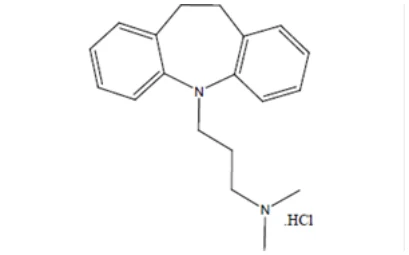
Proper name: imipramine hydrochloride.
Chemical name: a) 10,11-Dihydro-N,N-dimethyl-5H-dibenz[b,f]azepine-5-propanamine Hydrochloride
- b) 5-(3-dimethylaminopropyl)-10,11-dihydro-5H-dibenz[b,f]azepine Hydrochloride
- c) N-(γ-dimethylaminopropyl)Iminodibenzyl Hydrochloride
Molecular formula and molecular mass: C19H24CIN2 and 316.88 g/mol
Structural formula:
Physicochemical properties:
Description White crystalline powder, slightly hygroscopic
Solubility Soluble in water, Soluble in DMF and DMSO.
Stability Stable, air sensitive, hygroscopic material.
14 CLINICAL TRIALS
The clinical trial data on which the original indication was authorized is not available.
15 MICROBIOLOGY
No microbiological information is required for this drug product.
16 NON-CLINICAL TOXICOLOGY
No long-term animal studies have been performed to evaluate carcinogenic or mutagenic potential or whether imipramine hydrochloride tablets affects fertility in males or females.