


Product Monograph - Elyxyb
RECENT MAJOR LABEL CHANGES
N/A
TABLE OF CONTENTS
Sections or subsections that are not applicable at the time of authorization are not listed.
RECENT MAJOR LABEL CHANGES ............................................................................................ 2
TABLE OF CONTENTS .............................................................................................................. 2
PART I: HEALTH PROFESSIONAL INFORMATION ...................................................................... 4
1 INDICATIONS ............................................................................................................... 4
1.1 Pediatrics .............................................................................................................. 4
1.2 Geriatrics .............................................................................................................. 4
2 CONTRAINDICATIONS ................................................................................................. 4
3 SERIOUS WARNINGS AND PRECAUTIONS BOX ............................................................ 5
4 DOSAGE AND ADMINISTRATION ................................................................................. 6
4.1 Dosing Considerations .......................................................................................... 6
4.2 Recommended Dose and Dosage Adjustment ..................................................... 6
4.4 Administration ...................................................................................................... 7
5 OVERDOSAGE .............................................................................................................. 7
6 DOSAGE FORMS, STRENGTHS, COMPOSITION AND PACKAGING ................................. 8
7 WARNINGS AND PRECAUTIONS .................................................................................. 8
7.1 Special Populations ............................................................................................. 16
7.1.1 Pregnant Women ........................................................................................... 16
7.1.2 Breast-feeding ................................................................................................ 17
7.1.3 Pediatrics ........................................................................................................ 17
7.1.4 Geriatrics ........................................................................................................ 17
8 ADVERSE REACTIONS ................................................................................................ 17
8.1 Adverse Reaction Overview ................................................................................ 17
8.2 Clinical Trial Adverse Reactions .......................................................................... 17
8.3 Less Common Clinical Trial Adverse Reactions ................................................... 18
8.4 Abnormal Laboratory Findings: Hematologic, Clinical Chemistry and Other
Quantitative Data ........................................................................................................... 19
8.5 Post-Market Adverse Reactions ......................................................................... 19
9 DRUG INTERACTIONS ................................................................................................ 20
9.2 Drug Interactions Overview ................................................................................ 20
9.3 Drug-Behavioral Interactions .............................................................................. 20
9.4 Drug-Drug Interactions ....................................................................................... 20
9.5 Drug-Food Interactions ....................................................................................... 28
9.6 Drug-Herb Interactions ....................................................................................... 28
9.7 Drug-Laboratory Test Interactions ...................................................................... 28
10 CLINICAL PHARMACOLOGY ....................................................................................... 28
10.1 Mechanism of Action .......................................................................................... 28
10.2 Pharmacodynamics ............................................................................................ 29
10.3 Pharmacokinetics ............................................................................................... 29
11 STORAGE, STABILITY AND DISPOSAL ......................................................................... 30
12 SPECIAL HANDLING INSTRUCTIONS ........................................................................... 31
PART II: SCIENTIFIC INFORMATION ....................................................................................... 32
13 PHARMACEUTICAL INFORMATION ............................................................................ 32
14 CLINICAL TRIALS ........................................................................................................ 32
14.1 Clinical Trials by Indication ................................................................................. 32
Migraine with or without aura ....................................................................................... 32
14.2 Comparative Bioavailability Studies.................................................................... 33
15 MICROBIOLOGY ........................................................................................................ 35
16 NON-CLINICAL TOXICOLOGY ..................................................................................... 35
PATIENT MEDICATION INFORMATION .................................................................................. 39
PART I: HEALTH PROFESSIONAL INFORMATION
1 INDICATIONS
ELYXYB (celecoxib oral solution) is indicated for the acute treatment of migraine with or without aura in adults.
ELYXYB is not indicated for prophylaxis of migraine.
For patients with an increased risk of developing cardiovascular (CV) and/or gastrointestinal (GI) adverse events, other management strategies that do NOT include the use of NSAIDs, including ELYXYB, should be considered first (see 2 CONTRAINDICATIONS and 7 WARNINGS AND PRECAUTIONS).
The safety and efficacy of treating multiple migraine attacks with ELYXYB in a one-month-period have not been studied. Therefore, ELYXYB should be used for the fewest number of days per month as needed, based on individual treatment goals, in order to minimize the potential risk for cardiovascular or gastrointestinal adverse events (see 2 CONTRAINDICATIONS and 7 WARNINGS AND PRECAUTIONS).
1.1 Pediatrics
Pediatrics (< 18 years of age): The safety and efficacy of ELYXYB in pediatric patients have not been studied; therefore, Health Canada has not authorized an indication for pediatric use (see 2 CONTRAINDICATIONS; 7.1.3 Pediatrics).
1.2 Geriatrics
Geriatrics (> 65 years of age): Evidence from clinical studies and postmarket experience with celecoxib suggests that use in the geriatric population is associated with differences in safety (see 7.1.4 Geriatrics).
2 CONTRAINDICATIONS
ELYXYB is contraindicated in:
- The perioperative pain setting of Coronary Artery Bypass Graft (CABG) surgery. Although ELYXYB has NOT been studied in this patient population, a selective COX-2 inhibitor NSAID studied in such a setting has led to an increased incidence of cardiovascular/thromboembolic events, deep surgical infections and sternal wound complications (see 7 WARNINGS AND PRECAUTIONS, Cardiovascular).
- The third trimester of pregnancy, because of risk of premature closure of the ductus arteriosus and prolonged parturition.
- Women who are breastfeeding, because of the potential for serious adverse reactions in nursing infants.
- Severe uncontrolled heart failure.
- Patients who are hypersensitive to this drug or to any ingredient in the formulation, including any non-medicinal ingredient, or component of the container. For a complete listing, see 6 DOSAGE FORMS, STRENGTHS, COMPOSITION AND PACKAGING.
- Patients who have demonstrated allergic-type reactions to sulfonamides.
- History of asthma, urticaria, or allergic-type reactions after taking acetylsalicylic acid (ASA) or other NSAIDs (i.e. complete or partial syndrome of ASA-intolerance - rhinosinusitis, urticaria/angioedema, nasal polyps, asthma). Fatal anaphylactoid reactions have occurred in such individuals. Individuals with the above medical problems are at risk of a severe reaction even if they have taken NSAIDs in the past without any adverse reaction. The potential for cross-reactivity between different NSAIDs must be kept in mind (see 7 WARNINGS AND PRECAUTIONS, Immune, Anaphylactoid Reactions).
- Active gastric / duodenal / peptic ulcer, active gastrointestinal bleeding.
- Cerebrovascular bleedings.
- Inflammatory bowel disease.
- Severe liver impairment or active liver disease.
- Severe renal impairment (creatinine clearance < 30 mL/min or 0.5 mL/sec) or deteriorating renal disease (individuals with lesser degrees of renal impairment are at risk of deterioration of their renal function when prescribed NSAIDs and must be monitored) (see 7 WARNINGS AND PRECAUTIONS, Renal).
- Known hyperkalemia (see 7 WARNINGS AND PRECAUTIONS, Renal, Fluid and Electrolyte Balance).
- Children and adolescents less than 18 years of age.
3 SERIOUS WARNINGS AND PRECAUTIONS BOX
Serious Warnings and Precautions
|
|---|
adverse cardiovascular event, other management strategies that do NOT include NSAIDs should be considered first. Use of NSAIDs, such as ELYXYB, can promote sodium retention in a dose-dependent manner, through a renal mechanism, which can result in increased blood pressure and/or exacerbation of congestive heart failure. See also 7 WARNINGS AND PRECAUTIONS, Renal, Fluid and Electrolyte Balance Coronary Artery Bypass Graft (CABG) Surgery: ELYXYB is contraindicated in the setting of coronary artery bypass graft (CABG) surgery (see 2 CONTRAINDICATIONS; 7 WARNINGS AND PRECAUTIONS, Cardiovascular).
|
|---|
4 DOSAGE AND ADMINISTRATION
4.1 Dosing Considerations
- The safety and efficacy of treating multiple migraine attacks with ELYXYB in a one-month period has not been studied. Therefore, ELYXYB should be used for the fewest number of days per month as needed, based on individual treatment goals, in order to minimize the potential risk for cardiovascular or gastrointestinal adverse events (see 2 CONTRAINDICATIONS; 3 SERIOUS WARNINGS AND PRECAUTIONS BOX; 7 WARNINGS AND PRECAUTIONS).
- ELYXYB is not indicated for prophylaxis of migraine.
4.2 Recommended Dose and Dosage Adjustment
Adults
The recommended dose of ELYXYB is 120 mg (4.8 mL) taken orally, with or without food.
The maximum dose in a 24-hour period is 120 mg (4.8 mL). The safety and efficacy of a second dose in a 24-hour period have not been studied.
ELYXYB should be used for the fewest number of days per month, as needed.
Hepatic Impairment:
Mild: No dose adjustment is needed for patients with mild hepatic impairment (Child-Pugh 5-6).
Moderate: Caution should be exercised in administrating celecoxib to patients with moderate hepatic impairment based on history of celecoxib administration in those patients. The maximum recommended dose of ELYXYB in patients with moderate hepatic impairment (Child-Pugh 7-9) is 60 mg (2.4 mL) (see 10.3 Pharmacokinetics, Special Populations and Conditions; 4.4 Administration).
Severe: ELYXYB is contraindicated in patients with severe hepatic impairment (Child-Pugh > 9) (see 2 CONTRAINDICATIONS).
Renal Insufficiency: No dose adjustment is necessary for patients with creatinine clearance > 30 mL/min (see 10.3 Pharmacokinetics, Special Populations and Conditions). ELYXYB is contraindicated in patients with severe renal impairment (estimated creatinine clearance < 30 mL/min) (see 2 CONTRAINDICATIONS).
CYP2C9 Poor Metabolizers or Concomitant use of CYP2C9 inhibitors: Caution should be exercised in administrating celecoxib to patients who are known, or suspected to be, CYP2C9 poor metabolizers based on previous history/experience with other CYP2C9 substrates or to patients who are concomitantly treated with CYP2C9 inhibitors. The maximum recommended dose in these patients is 60 mg (2.4 mL) (see 7 WARNINGS AND PRECAUTIONS, Endocrine and Metabolism; 9.2 Drug Interactions Overview; 9.4 Drug-Drug Interactions; 10.3 Pharmacokinetics, Special Populations and Conditions).
Pediatrics (< 18 years of age)
Health Canada has not authorized an indication for pediatric use (see 2 CONTRAINDICATIONS).
Geriatrics (> 65 years of age)
Caution should be exercised in dose selection for an elderly patient, recognizing the more frequent hepatic and renal dysfunctions in this population (see 7 WARNINGS AND PRECAUTIONS, General; 7.1.4 Geriatrics; 10.3 Pharmacokinetics, Special Populations and Conditions)
4.4 Administration
Patients must drink the entire amount of ELYXYB directly from the bottle.
ELYXYB can be taken with or without food.
Reduced Dose (i.e., patients with moderate hepatic impairment, who are CYP2C9 poor metabolizers or taking concomitant CYP2C9 inhibitors): Patients must use an oral dosing syringe to precisely measure the prescribed amount of ELYXYB. Patients may obtain oral dosing syringes from their pharmacy. Patients must be informed that a household teaspoon is not an accurate measuring device. The unused portion of ELYXYB must be discarded.
5 OVERDOSAGE
Symptoms following acute NSAID overdoses, including celecoxib, are usually limited to lethargy, drowsiness, nausea, vomiting, and epigastric pain, which are generally reversible with supportive care. Gastrointestinal bleeding can occur. Hypertension, acute renal failure, respiratory depression, and coma may occur, but are rare. Anaphylactoid reactions may occur following an overdose.
Patients should be managed by symptomatic and supportive care following an NSAID overdose. There are no specific antidotes. No information is available regarding the removal of celecoxib by hemodialysis, but based on its high degree of plasma protein binding (> 97%), dialysis is unlikely to be useful in overdose. Due to high protein binding, forced diuresis, alkalinization of urine, or hemoperfusion may also not be useful. Emesis and/or activated charcoal (60 to 100 g in adults, 1 to 2 g/kg in children) and/or osmotic cathartic may be indicated in patients seen within 4 hours of ingestion with symptoms or following a large overdose.
| For the most recent information in the management of a suspected drug overdose, contact your regional poison control centre or Health Canada’s toll free number, 1-844 POISON-X (1-844-764-7669). |
|---|
6 DOSAGE FORMS, STRENGTHS, COMPOSITION AND PACKAGING
Dosage Forms, Strengths, Composition and Packaging
Each unit dose of ELYXYB contains 120 mg of celecoxib in 4.8 mL of solution provided in a 10 mL bottle.
7 WARNINGS AND PRECAUTIONS
Please see 3 SERIOUS WARNINGS AND PRECAUTIONS BOX.
General
Frail or debilitated patients may tolerate side effects less well and therefore special care should be taken in treating this population. To minimize the potential risk of an adverse event, ELYXYB should be used for the fewest number of days per month as needed, based on individual treatment goals. As with other NSAIDs, caution should be used in the treatment of elderly patients who are more likely to be suffering from impaired renal, hepatic or cardiac function (see 4.2 Recommended Dose and Dosage Adjustment; 7.1.4 Geriatrics). For high-risk patients, alternative therapies that do not involve NSAIDs should be considered.
Concomitant use of NSAIDs: ELYXYB is NOT recommended for use with other NSAIDs, with the exception of low-dose ASA for cardiovascular prophylaxis, because of the absence of any evidence demonstrating synergistic benefits and the potential for additive adverse reactions (see 9.4 Drug-Drug Interactions).
There is no consistent evidence that concurrent use of aspirin mitigates the increased risk of serious CV thrombotic events associated with NSAID use (see 7 WARNINGS AND PRECAUTIONS, Cardiovascular, Cardiovascular Thrombotic Events).
The concurrent use of aspirin and an NSAID, such as ELYXYB, increases the risk of serious gastrointestinal (GI) events (see 7 WARNINGS AND PRECAUTIONS, Gastrointestinal).
| Route of Administration | Dosage Form / Strength/Composition | Non-medicinal Ingredients |
| Oral | Solution, 120 mg/4.8 mL (25 mg/mL) | Acesulfame potassium, banana flavor, bubble gum flavor, ethyl alcohol, glycerin, glyceryl monocaprylate, L-menthol, lauroyl polyoxyl-32 glycerides, medium chain triglycerides, monoammonium glycyrrhizinate, peppermint flavor, polyoxyl 35 castor oil, polyoxyl 40 hydrogenated castor oil, propyl gallate, purified water, and sucralose. |
Carcinogenesis and Mutagenesis
See 16 NON-CLINICAL TOXICOLOGY, Carcinogenicity; 16 NON-CLINICAL TOXICOLOGY Genotoxicity.
Cardiovascular
ELYXYB is a non-steroidal anti-inflammatory drug (NSAID). Use of some NSAIDs is associated with an increased incidence of cardiovascular adverse events (such as myocardial infarction, stroke or thrombotic events) which can be fatal. The risk may increase with duration of use. Patients with cardiovascular disease or risk factors for cardiovascular disease may be at greater risk.
Caution should be exercised in prescribing ELYXYB to patients with risk factors for cardiovascular disease, cerebrovascular disease or renal disease, such as any of the following (NOT an exhaustive list):
- Hypertension
- Dyslipidemia / Hyperlipidemia
- Diabetes Mellitus
- Congestive Heart Failure (NYHA I)
- Coronary Artery Disease (Atherosclerosis)
- Peripheral Arterial Disease
- Smoking
- Creatinine Clearance < 60 mL/min or 1 mL/sec
- Acute myocardial infarction, history of myocardial infarction and/or angina
- Stroke, cerebrovascular accident, transient ischaemic attacks, and/or amaurosis fugax
Use of NSAIDs, such as ELYXYB, can lead to new hypertension or can worsen pre-existing hypertension, either of which may increase the risk of cardiovascular events as described above. Thus blood pressure should be monitored regularly. Consideration should be given to discontinuing ELYXYB should hypertension either develop or worsen with its use.
Use of NSAIDs, such as ELYXYB, can induce fluid retention and edema, and may exacerbate congestive heart failure, through a renal-mediated mechanism (see 7 WARNINGS AND PRECAUTIONS, Renal, Fluid and Electrolyte Balance).
For patients with a high risk of developing an adverse CV event, other management strategies that do NOT include the use of NSAIDs should be considered first. To minimize the potential risk for an adverse CV event, ELYXYB should be used for the fewest number of days per month as needed, based on individual treatment goals.
Cardiovascular Thrombotic Events: Celecoxib, particularly at doses higher than 200 mg per day, is associated with an increased risk of serious cardiovascular (CV) thrombotic events (such as myocardial infarction and stroke), which can be fatal. This increased risk is comparable to that with high doses of diclofenac (≥ 150 mg per day) or ibuprofen (≥ 2400 mg per day). Some observational studies showed that the increased risk of the CV thrombotic events began as early as the first weeks of treatment. Such risk increased with duration of NSAID treatment.
Clinical trials of several cyclooxygenase (COX-2) selective and nonselective NSAIDs of up to three years duration have shown an increased risk of serious cardiovascular (CV) thrombotic events, including myocardial infarction (MI) and stroke, which can be fatal. Based on available data, it is unclear that the risk for CV thrombotic events is similar for all NSAIDs. The relative increase in serious CV thrombotic events over baseline conferred by NSAID use appears to be similar in those with and without known CV disease or risk factors for CV disease. However, patients with known CV disease or risk factors had a higher absolute incidence of excess serious CV thrombotic events, due to their increased baseline rate.
Some observational studies found that this increased risk of serious CV thrombotic events began as early as the first weeks of treatment. The increase in CV thrombotic risk has been observed most consistently at higher doses.
In a trial with celecoxib capsules, there was about a threefold increased risk of the composite endpoint of cardiovascular death, MI, or stroke for the celecoxib 400 mg twice daily and celecoxib 200 mg twice daily treatment arms compared to placebo. The increases in both celecoxib dose groups versus placebo-treated patients were mainly due to an increased incidence of myocardial infarction.
In a trial conducted to assess the relative cardiovascular thrombotic risk of a COX-2 inhibitor, celecoxib, compared to the non-selective NSAIDs naproxen and ibuprofen, it was shown that celecoxib 100 mg twice daily was non-inferior to naproxen 375 to 500 mg twice daily and ibuprofen 600 to 800 mg three times daily for the composite endpoint of the Antiplatelet Trialists’ Collaboration (APTC), which consists of cardiovascular death (including hemorrhagic death), non-fatal myocardial infarction, and non-fatal stroke.
Physicians and patients should remain alert for the development of such events, throughout the entire treatment course, even in the absence of previous CV symptoms. Patients should be informed about the symptoms of serious CV events and the steps to take if they occur.
There is no consistent evidence that concurrent use of aspirin mitigates the increased risk of serious CV thrombotic events associated with NSAID use.
Peri-Operative Setting of Coronary Artery Bypass Graft (CABG) Surgery: Two large, controlled clinical trials of a COX-2 selective NSAID administered in the first 10 to 14 days following CABG surgery found an increased incidence of myocardial infarction and stroke. NSAIDs, including ELYXYB, are contraindicated in the perioperative pain setting of CABG surgery (see 2 CONTRAINDICATIONS; 3 SERIOUS WARNINGS AND PRECAUTIONS BOX).
Post-Myocardial Infarction (MI) Patients: Observational studies conducted in the Danish National Registry have demonstrated that patients treated with NSAIDs in the post-MI period were at increased risk of reinfarction, CV-related death, and all-cause mortality beginning in the first week of treatment. In this same cohort, the incidence of death in the first year post-MI was 20 per 100 person years in NSAID-treated patients compared to 12 per 100 person years in non-NSAID exposed patients. Although the absolute rate of death declined somewhat after the first year post-MI, the increased relative risk of death in NSAID users persisted over at least the next four years of follow-up.
Avoid the use of ELYXYB in patients with a recent MI unless the benefits are expected to outweigh the risk of recurrent CV thrombotic events. If ELYXYB is used in patients with a recent MI, monitor patients for signs of cardiac ischemia.
Endocrine and Metabolism
Corticosteroids: ELYXYB is not a substitute for corticosteroids. It does NOT treat corticosteroid insufficiency. Abrupt discontinuation of corticosteroids may lead to exacerbation of corticosteroid-responsive illness. Patients on prolonged corticosteroid therapy should have their therapy tapered slowly if a decision is made to discontinue corticosteroids (see 9.4 Drug-Drug Interactions).
CYP2C9 Poor Metabolizers: Caution should be exercised in administrating celecoxib to patients who are known, or suspected to be, CYP2C9 poor metabolizers based on previous history/experience with other CYP2C9 substrates (see 9.2 Drug Interactions Overview). Dose adjustments are recommended in patients who are CYP2C9 poor metabolizers (see 4.2 Recommended Dose and Dosage Adjustment; 4.4 Administration).
Gastrointestinal
Serious GI toxicity (sometimes fatal), such as peptic / duodenal ulceration, inflammation, perforation, obstruction and gastrointestinal bleeding, can occur at any time, with or without warning symptoms, in patients treated with NSAIDs, such as ELYXYB. Minor upper GI problems, such as dyspepsia, commonly occur at any time. Health care providers should remain alert for ulceration and bleeding in patients treated with ELYXYB, even in the absence of previous GI tract symptoms. Most spontaneous reports of fatal GI events are in elderly or debilitated patients and therefore special care should be taken in treating this population. To minimize the potential risk for an adverse GI event, ELYXYB should be used for the fewest number of days per month as needed, based on individual treatment goals. For high-risk patients, alternate therapies that do not involve NSAIDs should be considered (see 7.1.4 Geriatrics).
Patients should be informed about the signs and/or symptoms of serious GI toxicity and instructed to discontinue using ELYXYB and seek emergency medical attention if they experience any such symptoms. The utility of periodic laboratory monitoring has NOT been demonstrated, nor has it been adequately assessed. Most patients who develop a serious upper GI adverse event on NSAID therapy have no symptoms. Even short-term therapy has its risks.
Caution should be taken if prescribing ELYXYB to patients with a prior history of peptic / duodenal ulcer disease and/or gastrointestinal bleeding as these individuals have a greater than 10-fold higher risk for developing a GI bleed when taking a NSAID than patients with neither of these risk factors. Other risk factors for GI ulceration and bleeding include the following: Helicobacter pylori infection, increased age, prolonged use of NSAID therapy, excess alcohol intake, smoking, poor general health status or concomitant therapy with any of the following:
- Anticoagulants (e.g., warfarin)
- Anti-platelet agents (e.g., ASA, clopidogrel)
- Oral corticosteroids (e.g., prednisone)
- Selective serotonin reuptake inhibitors (SSRIs) (e.g., citalopram, paroxetine, fluoxetine, sertraline)
There is no definitive evidence that the concomitant administration of histamine H2-receptor antagonists and/or antacids will either prevent the occurrence of gastrointestinal side effects or allow the continuation of ELYXYB when and if these adverse reactions appear.
The concurrent use of aspirin and a NSAID, such as ELYXYB, increases the risk of serious gastrointestinal (GI) events.
Genitourinary
Some NSAIDs are associated with persistent urinary symptoms (bladder pain, dysuria, urinary frequency), hematuria or cystitis. The onset of these symptoms may occur at any time after the initiation of therapy with an NSAID. Should urinary symptoms occur, in the absence of alternate explanation, treatment with ELYXYB should be stopped to ascertain if symptoms disappear. This should be done before urological investigations or treatments are carried out.
Hematologic
NSAIDs inhibiting prostaglandin biosynthesis interfere with platelet function to varying degrees;
patients who may be adversely affected by such an action, such as those on anticoagulants or suffering from hemophilia or platelet disorders, should be carefully observed when ELYXYB is administered.
Anti-coagulants: The concomitant use of NSAIDs and anticoagulants increases the risk of bleeding and should be done with caution. Concurrent therapy of ELYXYB with anticoagulants requires close monitoring of the international normalized ratio (INR)/anticoagulation (see 9.4 Drug-Drug Interactions).
Even with therapeutic INR monitoring, increased bleeding may occur.
In post-marketing experience, serious bleeding events (some of them fatal) have been reported, predominantly in the elderly, in patients receiving celecoxib concurrently with warfarin or similar agents (see 8.5 Post-Market Adverse Reactions).
Anti-platelet Effects: NSAIDs inhibit platelet aggregation and have been shown to prolong bleeding time in some patients. Unlike acetylsalicylic acid (ASA), their effect on platelet function is quantitatively less, or of shorter duration, and is reversible. Celecoxib does not generally affect platelet counts, prothrombin time (PT), or partial thromboplastin time (PTT), and does not appear to inhibit platelet aggregation.
Celecoxib and other NSAIDs have no proven efficacy as anti-platelet agents and should NOT be used as a substitute for ASA or other anti-platelet agents for prophylaxis of cardiovascular thromboembolic diseases. Anti-platelet therapies (e.g., ASA) should NOT be discontinued. There is some evidence that use of NSAIDs with ASA can markedly attenuate the cardioprotective effects of ASA (see 9.4 Drug-Drug Interactions).
Concomitant administration of ELYXYB with low dose ASA increases the risk of GI ulceration and associated complications (see 9.4 Drug-Drug Interactions).
Blood dyscrasias: Blood dyscrasias (such as neutropenia, leukopenia, thrombocytopenia, aplastic anemia and agranulocytosis) associated with the use of nonsteroidal anti-inflammatory drugs (NSAIDs) are rare, but could occur with severe consequences.
Anemia is sometimes seen in patients receiving NSAIDs, including ELYXYB. This may be due to fluid retention, GI blood loss, or an incompletely described effect upon erythropoiesis. Patients on long term treatment with NSAIDS should have their hemoglobin or hematocrit checked if they exhibit any signs or symptoms of anemia or blood loss. In controlled clinical trials, the incidence of anemia was 0.6% with celecoxib capsules and 0.4% with placebo. Serious potentially fatal bleeding events have been reported, predominantly in the elderly, in patients receiving celecoxib capsules concurrently with warfarin or similar agents (see 8.5 Post-Market Adverse Reactions; 9.4 Drug-Drug Interactions).
Hepatic/Biliary/Pancreatic
As with other NSAIDs, borderline elevations of one or more liver enzyme tests (AST, ALT, alkaline phosphatase) may occur in up to 15% of patients. These laboratory abnormalities may progress, may remain essentially unchanged, or may be transient with continuing therapy.
In controlled clinical trials of celecoxib capsules, the incidence of borderline elevations of liver associated enzymes was 6% for celecoxib and 5% for placebo, and approximately 0.2% of patients taking celecoxib and 0.3% of patients taking placebo had notable elevations of ALT and AST.
A patient with symptoms and/or signs suggesting liver dysfunction, or in whom an abnormal liver test has occurred, should be evaluated for evidence of the development of a more severe hepatic reaction while on therapy with ELYXYB. Severe hepatic reactions, including liver necrosis and hepatic failure (with fatal outcomes or requiring liver transplant), fulminant hepatitis (with fatal outcome), cholestatic hepatitis (with fatal outcome) and jaundice have been reported with celecoxib.
Although such reactions are rare, if abnormal liver tests persist or worsen, if clinical signs and symptoms consistent with liver disease develop (e.g. nausea, fatigue, pruritus, jaundice, right upper quadrant tenderness, and/or flu-like symptoms), or if systemic manifestations occur (e.g., eosinophilia, associated with rash), ELYXYB should be discontinued (see 2 CONTRAINDICATIONS).
If there is a need to prescribe this drug in the presence of impaired liver function, it must be done under strict observation (see 4.2 Recommended Dose and Dosage Adjustment).
Immune
Allergies to Sulfonamides: See 2 CONTRAINDICATIONS.
Anaphylactoid Reactions: As with NSAIDs in general, anaphylactoid reactions have occurred in patients without known prior exposure to celecoxib. In post-marketing experience, very rare cases of anaphylactic/anaphylactoid reactions and angioedema have been reported in patients receiving celecoxib capsules. ELYXYB should NOT be given to patients with the ASA-triad. This symptom complex typically occurs in asthmatic patients who experience rhinitis with or without nasal polyps, or who exhibit severe, potentially fatal bronchospasm after taking ASA or other NSAIDs (see 2 CONTRAINDICATIONS).
Aseptic Meningitis: Rarely, with some NSAIDs, the symptoms of aseptic meningitis (stiff neck, severe headaches, nausea and vomiting, fever or clouding of consciousness) have been observed. Patients with autoimmune disorders (systemic lupus erythematosus, mixed connective tissues diseases, etc.) seem to be pre-disposed. Therefore, in such patients, the physician must be vigilant to the development of this complication.
ASA-Intolerance: ELYXYB should not be given to patients with the complete or partial syndrome of ASA-intolerance (rhinosinusitis, urticaria/angioedema, nasal polyps, asthma) in whom asthma, anaphylaxis, urticaria/angioedema, rhinitis or other allergic manifestations are precipitated by ASA or other NSAIDs. Fatal anaphylactoid reactions have occurred in such individuals. As well, individuals with the above medical problems are at risk of a severe reaction even if they have taken NSAIDs in the past without any adverse reaction (see 2 CONTRAINDICATIONS).
Infection: ELYXYB, in common with other NSAIDs, may mask signs and symptoms of an underlying infectious disease.
Monitoring and Laboratory Tests
Cardiovascular (Hypertension): Blood pressure should be monitored regularly during therapy with ELYXYB.
Hematologic: Patients on long-term treatment with NSAIDs, including ELYXYB, should have their hemoglobin, hematocrit, and blood cell count checked if they exhibit any signs or symptoms of anemia or blood loss.
Concurrent therapy of ELYXYB with anticoagulants requires close monitoring of the international normalized ratio (INR)/anticoagulation.
Hepatic: Patients with symptoms and/or signs of liver dysfunction, or in whom an abnormal liver function test has occurred, should be monitored carefully for evidence of the development of a more severe hepatic reaction while on therapy with ELYXYB. If abnormal liver tests persist or worsen, ELYXYB should be discontinued.
Pregnancy: If ELYXYB is administered in the middle (approximately 20 weeks) to the end of the second trimester, it is recommended that pregnant women on ELYXYB be closely monitored for amniotic fluid volume since ELYXYB may result in reduction of amniotic fluid volume and even oligohydramnios (see 3 SERIOUS WARNINGS AND PRECAUTIONS BOX; 7.1.1 Pregnant Women). ELYXYB is contraindicated for use in the third trimester of pregnancy (see 2 CONTRAINDICATIONS).
Renal: Renal function (serum creatinine and serum urea etc.) should be monitored in high-risk populations, such as the elderly, patients with advanced renal disease, patients with cardiovascular disease and diabetes mellitus, as well as in the setting of concomitant use of diuretics and ACE inhibitors (see 2 CONTRAINDICATIONS). If abnormal renal tests persist or worsen, ELYXYB should be discontinued.
Patients on long-term treatment with NSAIDs, including ELYXYB, should have their electrolytes, such as serum potassium, checked regularly if they exhibit any signs or symptoms of renal disease.
Neurologic
Some patients may experience drowsiness, dizziness, blurred vision, vertigo, tinnitus, hearing loss, insomnia or depression with the use of NSAIDs, such as ELYXYB. If patients experience such adverse reaction(s), they should exercise caution in carrying out activities that require alertness.
Medication Overuse Headache: Overuse of acute migraine drugs (e.g., ergotamine, triptans, opioids, NSAIDs or combination of these drugs for 10 or more days per month), including ELYXYB, may lead to exacerbation of headache (medication overuse headache). Medication overuse headache may present as migraine-like daily headaches or as a marked increase in frequency of migraine attacks. Detoxification of patients, including withdrawal of the overused drugs and treatment of withdrawal symptoms (which often includes a transient worsening of headache) may be necessary.
Ophthalmologic
Blurred and/or diminished vision has been reported with the use of NSAIDs. If such symptoms develop, ELYXYB should be discontinued and an ophthalmologic examination performed. Ophthalmic examination should be carried out at periodic intervals in any patient receiving ELYXYB for an extended period of time.
Peri-Operative Considerations
Coronary Artery Bypass Graft (CABG) Surgery: See 2 CONTRAINDICATIONS; 3 SERIOUS WARNINGS AND PRECAUTIONS BOX; 7 WARNINGS AND PRECAUTIONS, Cardiovascular.
Renal
Long-term administration of NSAIDs to animals has resulted in renal papillary necrosis and other abnormal renal pathology. In humans, there have been reports of acute interstitial nephritis, hematuria, low grade proteinuria and occasionally nephrotic syndrome and acute glomerulonephritis.
Renal insufficiency due to NSAID use is seen in patients with pre-renal conditions leading to reduction in renal blood flow or blood volume. Under these circumstances, renal prostaglandins help maintain renal perfusion and glomerular filtration rate (GFR). In these patients, administration of an NSAID may cause a reduction in prostaglandin synthesis leading to impaired renal function. Patients at greatest risk of this reaction are those with pre-existing renal insufficiency (GFR < 60 mL/min or 1 mL/s), dehydrated patients, patients on salt restricted diets, those with congestive heart failure, cirrhosis, liver dysfunction, taking angiotensin-converting enzyme inhibitors, angiotensin-II receptor blockers, cyclosporin, diuretics, and those who are elderly. In such patients, renal function should be monitored.
Serious or life-threatening renal failure has been reported in patients with normal or impaired renal function after short term therapy with NSAIDs. Even patients at risk who demonstrate the ability to tolerate an NSAID under stable conditions may decompensate during periods of added stress (e.g., dehydration due to gastroenteritis). Discontinuation of NSAIDs is usually followed by recovery to the pre-treatment state.
Clinical trials with celecoxib capsules have shown renal effects similar to those observed with comparator NSAIDS (see 2 CONTRAINDICATIONS).
Caution should be used when initiating treatment with NSAIDs, such as ELYXYB, in patients with considerable dehydration. Such patients should be rehydrated prior to initiation of therapy. Caution is also recommended in patients with pre-existing kidney disease.
Advanced Renal Disease: No information is available from controlled clinical studies regarding the use of ELYXYB in patients with advanced kidney disease. In post-marketing experience for celecoxib, serious renal failure, including the need for dialysis, and fatalities have been reported in patients with impaired renal function. Therefore, treatment with ELYXYB, as with NSAIDs, is not recommended in these patients with advanced renal disease. Kidney function should be monitored, especially in high-risk populations, such as the elderly, patients with cardiovascular disease and diabetes mellitus, as well as in the setting of concomitant use of diuretics and ACE inhibitors (see 2 CONTRAINDICATIONS).
Fluid and Electrolyte Balance: Use of NSAIDs, such as ELYXYB, can promote sodium retention in a dose-dependent manner, which can lead to fluid retention and edema, and consequences of increased blood pressure and exacerbation of congestive heart failure. Thus, caution should be exercised in prescribing ELYXYB in patients with a history of congestive heart failure, compromised cardiac function, hypertension, increased age or other conditions predisposing to fluid retention (see 7 WARNINGS AND PRECAUTIONS, Cardiovascular).
Use of NSAIDs, such as ELYXYB, can increase the risk of hyperkalemia, especially in patients with diabetes mellitus, renal failure, increased age, or those receiving concomitant therapy with adrenergic blockers, angiotensin-converting enzyme inhibitors, angiotensin-II receptor antagonists, cyclosporin, or some diuretics.
Electrolytes should be monitored periodically (see 2 CONTRAINDICATIONS).
Reproductive Health: Female and Male Potential
- Fertility
The use of ELYXYB, as with any drug known to inhibit cyclooxygenase/prostaglandin synthesis, may impair fertility and is not recommended in women attempting to conceive. Therefore, in women who have difficulties conceiving, or who are undergoing investigation of infertility, withdrawal of ELYXYB should be considered.
Respiratory
ASA-induced asthma is an uncommon but very important indication of ASA and NSAID sensitivity. It occurs more frequently in patients with asthma who have nasal polyps. Cases of pneumonitis, some serious, were identified in patients taking celecoxib.
Sensitivity/Resistance
Cross-Sensitivity: Patients sensitive to one NSAID may be sensitive to any of the other NSAIDs as well.
Skin
Serious Skin Reactions: Use of some NSAIDs, such as ELYXYB, have been associated with rare post-market cases of serious, fatal or otherwise life-threatening skin reactions, including:
- drug reaction with eosinophilia and systemic symptoms (DRESS)
- Stevens-Johnson syndrome,
- toxic epidermal necrolysis,
- exfoliative dermatitis,
- erythema multiforme and
- acute generalized exanthematous pustulosis (AGEP).
Patients appear to be at higher risk for these events early in the course of therapy, with the onset of cases usually occurring within the first month of treatment. These reactions may be reversible if the causative agent is discontinued and appropriate treatment instituted. Patients should be advised that if they experience a rash they should discontinue their NSAID and contact their physician immediately for assessment and advice, including which additional therapies to discontinue.
DRESS typically, although not exclusively, presents with fever, rash, lymphadenopathy, and/or facial swelling. Other clinical manifestations may include hepatitis, nephritis, hematological abnormalities, myocarditis, or myositis. Sometimes symptoms of DRESS may resemble an acute viral infection, and eosinophilia is often present. Because this disorder is variable in its presentation, other organ systems not noted here may be involved. It is important to note that early manifestations of hypersensitivity, such as fever or lymphadenopathy, may be present even though rash is not evident. ELYXYB should be discontinued at the first appearance of rash, mucosal lesions, or any other sign of hypersensitivity.
7.1 Special Populations
7.1.1 Pregnant Women
ELYXYB is contraindicated for use during the third trimester of pregnancy because of risk of premature closure of the ductus arteriosus and the potential to prolong parturition (see 16 NON-CLINICAL TOXICOLOGY, Reproductive and Developmental Toxicology). Caution is recommended in prescribing ELYXYB during the first and second trimesters of pregnancy, particularly from the middle to end of the second trimester of pregnancy (onset at approximately 20 weeks) due to possible fetal renal dysfunction leading to oligohydramnios and, in some cases, neonatal renal impairment or failure (see 16 NON-CLINICAL TOXICOLOGY, Reproductive and Developmental Toxicology).
Inhibition of prostaglandin synthesis may adversely affect pregnancy and/or the embryo-fetal development. Data from epidemiological studies suggest an increased risk of miscarriage and of cardiac malformation after use of a prostaglandin synthesis inhibitor in early pregnancy.
In animals, administration of a prostaglandin synthesis inhibitor has been shown to result in increased pre- and post-implantation loss and embryo-fetal lethality. In addition, increased incidences of various malformations, including cardiovascular, have been reported in animals given a prostaglandin synthesis inhibitor during the organogenetic period.
Published studies and post-marketing reports describe maternal NSAID use at approximately 20 weeks gestation or later in pregnancy associated with fetal renal dysfunction leading to oligohydramnios, and in some cases, neonatal renal impairment or failure. NSAIDs were shown to cause significant reduction in fetal urine production prior to reduction of amniotic fluid volume. There have also been a limited number of case reports of maternal NSAID use and neonatal renal dysfunction and renal impairment without oligohydramnios, some of which were irreversible, even after treatment discontinuation.
These adverse outcomes are seen, on average, after days to weeks of treatment, although oligohydramnios has been infrequently reported as soon as 48 hours after NSAID initiation. Complications of prolonged oligohydramnios may for example, include limb contractures and delayed lung maturation. In some post-marketing cases of impaired neonatal renal function, invasive procedures such as exchange transfusion or dialysis were required.
If after careful consideration of the benefit-risk, NSAID treatment is considered necessary to be administered anywhere from the middle (onset at approximately 20 weeks) to the end of the second trimester of pregnancy, the use should be limited to the fewest number of days per month as needed, based on individual treatment goals. It is also recommended that ultrasound monitoring of amniotic fluid be considered if ELYXYB treatment extends beyond 48 hours and that NSAID treatment be discontinued if oligohydramnios occurs, followed by appropriate medical follow up.
7.1.2 Breast-feeding
ELYXYB is contraindicated in breast-feeding women (see 2 CONTRAINDICATIONS).
7.1.3 Pediatrics
Pediatrics (< 18 years of age): No data are available to Health Canada; therefore, Health Canada has not authorized an indication for pediatric use (see 2 CONTRAINDICATIONS).
7.1.4 Geriatrics
Geriatrics (> 65 years of age): Patients older than 65 years (referred to in this document as older or elderly) and frail or debilitated patients are more susceptible to a variety of adverse reactions from NSAIDs. The incidence of these adverse reactions increases with dose and duration of treatment. In addition, these patients are less tolerant to ulceration and bleeding. Most reports of fatal GI events are in this population. Older patients are also at risk of lower esophageal injury including ulceration and bleeding. For such patients, consideration should be given a starting dose lower than the one usually recommended, with individual adjustment when necessary and under close supervision.
8 ADVERSE REACTIONS
8.1 Adverse Reaction Overview
The safety of ELYXYB was evaluated in 574 patients who received one dose of ELYXYB in two, randomized, double-blind, placebo-controlled trials (Studies 006 and 007) in adult patients with migraine (see 14.1 Clinical Trials by Indication).
The most common (at least 1% of patients who received ELYXYB and greater than placebo) adverse reaction in Phase 3 studies were dysgeusia and nausea.
8.2 Clinical Trial Adverse Reactions
Clinical trials are conducted under very specific conditions. The adverse reaction rates observed in the clinical trials therefore, may not reflect the rates observed in practice and should not be compared to the rates in the clinical trials of another drug. Adverse reaction information from clinical trials may be useful for identifying and approximating rates of adverse drug reactions in real-world use.
Table 1 lists all adverse events, regardless of causality, occurring in ≥ 1% of patients receiving a single dose of ELYXYB in these studies and that occurred at a higher incidence than in the placebo groups.
Table 1 – Treatment-Emergent Adverse Events (TEAEs) in Placebo-Controlled Clinical Trials Reported by ≥ 1% of Patients Treated with a Single Dose of ELYXYB
System Organ Class Preferred Term | ELYXYB 120 mg n = 574 (%) | Placebo n = 565 (%) | |||
| Gastrointestinal disorders | |||||
| Nausea | 2.4 | 1.9 | |||
| Nervous System disorders | |||||
| Dysgeusia | 3.0 | 1.2 | |||
8.3 Less Common Clinical Trial Adverse Reactions
The following adverse events occurred in 0.1 to 1.0% of ELYXYB-treated patients regardless of causality:
Blood and lymphatic system disorders: Anemia
Cardiac disorders: Palpitations, sinus tachycardia, tachycardia, ventricular extrasystoles
Eye disorders: Conjunctival hemorrhage, vision blurred
Gastrointestinal disorders: Abdominal pain, abdominal pain upper, diarrhea, dry mouth, dyspepsia, gastritis, gastroesophageal reflux disease, hypoesthesia oral, vomiting
General disorders and administration site conditions: Face edema, facial pain, fatigue, medical device site irritation, pyrexia
Immune system disorders: Seasonal allergy
Infections and infestations: Ear infection, fungal infection, gastroenteritis, influenza, nasopharyngitis, pharyngitis, pharyngitis streptococcal, sinusitis, urinary tract infection, vaginitis bacterial, viral upper respiratory tract infection
Injury, poisoning and procedural complications: Muscle strain, skin abrasion
Investigations: Alanine aminotransferase increased, aspartate aminotransferase increased, blood bilirubin increased, blood creatine phosphokinase increased, blood pressure increased, cells in urine, electrocardiogram QT prolonged, glycosylated hemoglobin increased, liver function test increased, white blood cells urine positive
Metabolism and nutrition disorders: Hypokalemia
Musculoskeletal and connective tissue disorders: Arthralgia, back pain, myalgia
Nervous system disorders: Dizziness, hypoesthesia, lethargy, nerve compression, paresthesia, psychomotor hyperactivity, sedation, somnolence, tremor
Psychiatric disorders: Anxiety, hypervigilance, insomnia, phonophobia
Renal and urinary disorders: Dysuria
Respiratory, thoracic and mediastinal disorders: Cough, throat irritation, wheezing
Skin and subcutaneous tissue disorders: Pruritus, rash erythematous
Vascular disorders: Peripheral coldness
8.4 Abnormal Laboratory Findings: Hematologic, Clinical Chemistry and Other Quantitative Data
Clinical Trial Findings
No clinically meaningful hematologic, clinical chemistry or urinalysis findings were identified for any clinical studies of ELYXYB.
In clinical trials with celecoxib capsules, an increased incidence of hyperchloremia in patients receiving celecoxib compared with patients on placebo was observed. Other laboratory abnormalities that occurred more frequently in the patients receiving celecoxib included hypophosphatemia, and elevated urea. These laboratory abnormalities were also seen in patients who received comparator NSAIDs in these studies. The clinical significance of these abnormalities has not been established.
8.5 Post-Market Adverse Reactions
- events temporally associated with celecoxib during worldwide post-marketing experience are included below. Because these events are reported voluntarily from a population of uncertain size, it is not always possible to reliably estimate their frequency or clearly establish a causal relationship to celecoxib exposure.
- Agranulocytosis, aplastic anemia, pancytopenia, leucopenia. Serious bleeding events (some of them fatal) have been reported, predominantly in the elderly, in association with increases in prothrombin time in patients receiving CELEBREX concurrently with warfarin or similar agents (see 9 DRUG INTERACTIONS).
- Decreased hearing
- Conjunctivitis
- Congestive heart failure, heart failure, myocardial infarction, arrhythmia, syncope, arterial thrombotic events
- Gastrointestinal hemorrhage, acute pancreatitis, gastric ulcer, duodenal ulcer, esophageal ulcer
- chest pain
- Liver failure (with fatal outcome), fulminant hepatitis (with fatal outcome), liver necrosis, cholestasis, cholestatic hepatitis (with fatal outcome), hepatitis, jaundice
- Serious allergic reactions, anaphylactic shock
- Myositis
- Aggravated epilepsy, aseptic meningitis, ageusia, anosmia
- Confusion, hallucination
- Interstitial nephritis, acute renal failure, nephrotic syndrome, acute glomerulonephritis, minimal change disease, hyponatremia
- Menstrual disorder, female fertility decreased (see 7 WARNINGS AND PRECAUTIONS, Reproductive Health: Female and Male Potential), reduction of amniotic fluid volume, reduction of fetal urine production
- Bronchospasm, pneumonitis
- Meta-analyses and pharmacoepidemiological data point towards an increased risk of arteriothrombotic events associated with the use of celecoxib, particularly at doses of > 200 mg/day (see 3 SERIOUS WARNINGS AND PRECAUTIONS BOX)
- Angioedema, isolated reports of skin exfoliation including: StevensJohnson syndrome, epidermal necrolysis, erythema multiforme, drug rash with eosinophilia and systemic symptoms (DRESS, or hypersensitivity syndrome), acute generalized exanthematous pustulosis (AGEP), bullous eruption, dermatitis bullous
- Vasculitis, cerebral hemorrhage, pulmonary embolism (some with fatal outcome), flushing
9 DRUG INTERACTIONS
9.2 Drug Interactions Overview
Celecoxib metabolism is predominantly mediated via cytochrome P450 2C9 in the liver (commonly used drugs that are also substrates and/or inhibitors of cytochrome P450 2C9 include warfarin, fluoxetine, fluconazole, phenytoin, and tolbutamide). Co-administration of celecoxib with drugs that are known to inhibit 2C9 should be done with caution as it can lead to increases in plasma concentrations of celecoxib. Therefore a dose reduction of celecoxib may be necessary when celecoxib is co-administered with CYP2C9 inhibitors.
Concomitant administration of celecoxib with inducers of CYP2C9 such as rifampicin, carbamazepine and barbiturates can lead to decreases in plasma concentrations of celecoxib. Therefore, a dose increase of celecoxib may be necessary when celecoxib is co-administered with CYP2C9 inducers.
A clinical pharmacokinetics study and in vitro studies indicate that celecoxib, although not a substrate, is an inhibitor of CYP2D6. Therefore, there is a potential for an in vivo drug interaction with drugs that are metabolized by CYP2D6. A dose reduction during initiation of celecoxib treatment or a dose increase upon termination of celecoxib treatment may be necessary.
In vitro studies indicate that celecoxib is not an inhibitor of cytochrome P450 2C9, 2C19 or 3A4.
9.3 Drug-Behavioral Interactions
Drug-behavioural interactions have not been studied.
9.4 Drug-Drug Interactions
The drugs listed in this table are based on either drug interaction case reports or studies, or potential interactions due to the expected magnitude and seriousness of the interaction (i.e., those identified as contraindicated).
Table 2 – Established or Potential Drug-Drug Interactions
| Proper/Common name | Source of Evidence | Effect | Clinical comment |
| Acetylsalicylic Acid (ASA) or other NSAIDs (e.g., ibuprofen) | CT | Some NSAIDs (e.g., ibuprofen) may interfere with the antiplatelet effects of low dose ASA, possibly by competing with ASA for access to the active site of cyclooxygenase-1. As with all other NSAIDs, the concomitant administration of ASA with celecoxib results in an increased rate of GI ulceration or other complications, compared to use of celecoxib alone. | The use of ELYXYB in addition to any other NSAID, including over-the-counter ones (such as ASA and ibuprofen), for analgesic and/or anti-inflammatory effects is NOT recommended because of the absence of any evidence demonstrating synergistic benefits and the potential for additive adverse reactions. The exception is the use of low dose ASA for cardiovascular protection, when another NSAID is being used for its analgesic/anti-inflammatory effect, keeping in mind that combination NSAID therapy is associated with additive adverse reactions. Thus, patients receiving concomit treatment with ELYXYB and any other NSAID (including ASA) should be monitored for signs of bleeding. |
| Proper/Common name | Source of Evidence | Effect | Clinical comment |
| Antacids | CT | Co-administration of celecoxib with an aluminum- and magnesium-containing antacid resulted in a reduction in plasma celecoxib concentrations with a decrease of 37% in Cmax and 10% in AUC. Pharmacokinetic parameters at steady state such as AUC and Cmax for both celecoxib and omeprazole were comparable when administered alone or together in healthy volunteers (n = 36). However increased gastrointestinal (GI) and skin adverse events such as diarrhoea, abdominal pain, pruritus and rash were observed in combined arm of celecoxib + omeprazole. | Concomitant administration is not recommended. |
| Proper/Common name | Source of Evidence | Effect | Clinical comment |
| Anticoagulants | CT | The effect of celecoxib on the anticoagulant effect of warfarin was studied in a group of healthy subjects receiving daily doses of 2-5 mg of warfarin (dose sufficient to prolong prothrombin times to 1.2 to 1.7 times their baseline values). In these subjects, celecoxib did not alter the anticoagulant effect of warfarin as determined by prothrombin time. However, in post-marketing experience, serious bleeding events (some of them fatal) have been reported, predominantly in the elderly, in association with increases in prothrombin time, in patients receiving celecoxib concurrently with warfarin or similar agents. (see 8.5 Post-Market Adverse Reactions). | Anticoagulation / INR should be monitored in patients taking anticoagulants, particularly in the first few days after initiating or changing ELYXYB therapy, since these patients are at an increased risk of bleeding complications. See 7 WARNINGS AND PRECAUTIONS, Hematologic, Anti-coagulants. |
| Proper/Common name | Source of Evidence | Effect | Clinical comment |
| Anti-Hypertensives | T | NSAIDs may diminish the anti-hypertensive effects of angiotensin converting enzyme (ACE) inhibitors, angiotensin receptor blockers, diuretics and beta blockers. Combinations of ACE inhibitors, angiotensin-II antagonists, or diuretics with NSAIDs might result in deterioration of renal function, including increased risk for acute renal failure and hyperkalemia, especially in patients who are elderly, volume-depleted (including those on diuretic therapy), or with compromised renal function. | Blood pressure and renal function (including electrolytes) should be monitored more closely in this situation, as occasionally there can be a substantial increase in blood pressure. |
| Anti-platelet Agents | T | There is an increased risk of bleeding, via inhibition of platelet function, when anti-platelet agents are combined with NSAIDs. Celecoxib does not generally affect platelet counts, prothrombin time (PT), or partial thromboplastin time (PTT), and does not appear to inhibit platelet aggregation at indicated dosages (see 7 WARNINGS AND PRECAUTIONS, Hematologic, Anti-platelet Effects). | Monitor patients for signs of bleeding. See 7 WARNINGS AND PRECAUTIONS, Hematologic, Anti-platelet Effects. |
| Proper/Common name | Source of Evidence | Effect | Clinical comment |
| Cyclosporine and Tacrolimus | T | Although this interaction has not been studied with celecoxib, co-administration of cyclosporin or tacrolimus and any NSAID may increase the nephrotoxic effect of cyclosporin or tacrolimus due to the NSAID's effect on renal prostaglandins. | Patients should be monitored for necessary dosage adjustment and for signs of worsening renal function. |
| CYP2D6 substrates (e.g., dextromethorphan and metoprolol) | CT | Concomitant administration of celecoxib 200 mg twice daily resulted in a 2.6-fold and a 1.5-fold increases in plasma concentrations of dextromethorphan and metoprolol (CYP2D6 substrates), respectively. These increases are due to celecoxib inhibition of metabolism via CYP2D6. | The dose of dextromethorphan or metoprolol may need to be reduced when treatment with celecoxib is initiated or increased when treatment with celecoxib is terminated. |
| Digoxin | T | No interaction data is available for the co-administration of celecoxib and digoxin. However, an increase in serum digoxin level has been noted with some NSAIDs. | Monitor serum digoxin levels. |
| Diuretics | T | Clinical studies, as well as post-marketing observations, have shown that NSAIDs can reduce the effects of diuretics. This response has been attributed to inhibition of renal prostaglandin synthesis. | Observe patients for signs of worsening renal function, in addition to assuring diuretic efficacy including antihypertensive effects. |
| Proper/Common name | Source of Evidence | Effect | Clinical comment |
| CYP2C9 inhibitors (e.g., fluconazole) | CT | Concomitant administration of fluconazole at 200 mg QD resulted in a two-fold increase in celecoxib plasma concentration. This increase is due to the inhibition of celecoxib metabolism via P450 2C9 by fluconazole (see 10.3 Pharmacokinetics, Metabolism). | ELYXYB should be introduced at half the recommended dose in patients receiving fluconazole, with a maximum recommended dose of 60 mg. See 4.2 Recommended Dose and Dosage Adjustment; 4.4 Administration. |
| Glucocorticoids | CT | Some studies have shown that the concomitant use of NSAIDs and oral glucocorticoids increase the risk of GI side effects such as ulceration and bleeding. | Monitor patients, particularly those over 65 years of age, for signs of bleeding. See 7 WARNINGS AND PRECAUTIONS, Gastrointestinal. |
| Proper/Common name | Source of Evidence | Effect | Clinical comment |
| ACE inhibitors (e.g., lisinopril) | CT | In a 28-day clinical study in patients with lisinopril-controlled Stage I and II hypertension, administration of celecoxib 200 mg BID resulted in no clinically significant increases, when compared to placebo treatment, in mean daily systolic or diastolic blood pressure as determined using 24-hour ambulatory blood pressure monitoring. Among patients co-administered with celecoxib 200 mg BID, 48% were considered unresponsive to lisinopril at the final clinic visit (defined as either cuff diastolic blood pressure > 90 mmHg or cuff diastolic blood pressure increased > 10% compared to baseline), compared to 27% of patients co-administered with placebo; this difference was statistically significant. | During concomitant use of ELYXYB and lisinopril, blood pressure should be monitored to ensure that the desired blood pressure is obtained. Caution is recommended. |
| Lithium | CT | In a study conducted in healthy subjects, mean steady-state lithium plasma levels increased approximately 17% in subjects receiving lithium 450 mg BID with celecoxib 200 mg BID as compared to subjects receiving lithium alone. | Monitor patients for plasma lithium concentrations when stopping or starting ELYXYB. |
| Proper/Common name | Source of Evidence | Effect | Clinical comment |
| Methotrexate | CT | Concomitant use of NSAIDs and methotrexate may increase the risk for methotrexate toxicity (e.g., neutropenia, thrombocytopenia, renal dysfunction). | Monitor patients for methotrexate toxicity. |
Selective serotonin reuptake inhibitors (SSRIs) | T | Concomitant administration of NSAIDs and SSRIs may increase the risk of gastrointestinal ulceration and bleeding. See 7 WARNINGS AND PRECAUTIONS, Gastrointestinal | Monitor patients for signs of bleeding. |
Legend: C = Case Study; CT = Clinical Trial; T = Theoretical
Other Drug-Drug Interaction Studies
The effects of celecoxib on the pharmacokinetics and/or pharmacodynamics of glyburide, ketoconazole, phenytoin, tolbutamide, and oral contraceptives (norethindrone/ethinyl estradiol) have been studied in vivo using celecoxib oral capsules and clinically relevant interactions have not been found.
9.5 Drug-Food Interactions
When ELYXYB was taken with a high-fat meal, the median time to peak plasma levels (i.e., Tmax) was delayed by 2 hours with an approximately 50% decrease in Cmax and no change in total absorption (i.e. AUC) compared with fasting conditions.
9.6 Drug-Herb Interactions
Interactions with herbal products have not been studied.
9.7 Drug-Laboratory Test Interactions
Interactions with laboratory tests have not been studied.
10 CLINICAL PHARMACOLOGY
10.1 Mechanism of Action
Celecoxib is a nonsteroidal anti-inflammatory drug with analgesic, anti-inflammatory, and anti-pyretic properties. The mechanism of action by which celecoxib exerts therapeutic effects in migraine patients is not fully understood but may involve inhibition of prostaglandin synthesis, primarily via inhibition of cyclooxygenase-2 (COX-2).
COX-2 plays physiological roles in a limited number of tissues, including those of the female reproductive tract, the kidney and possibly the vascular endothelium. COX-2 has the same catalytic activity as COX-1. COX-1 is expressed constitutively in most tissues including the gastrointestinal tract, kidney, lungs, brain, and platelets. The prostaglandins produced by COX-1 play key roles in the maintenance of physiological functions such as platelet aggregation and are among the factors that maintain the GI mucosal barrier. At therapeutic concentrations achieved with ELYXYB, celecoxib inhibits COX-2 and does not inhibit COX-1.
10.2 Pharmacodynamics
NSAIDs have no proven efficacy as anti-platelet agents and should NOT be used as a substitute for ASA or other anti-platelet agents for prophylaxis of cardiovascular thromboembolic diseases.
10.3 Pharmacokinetics
Celecoxib exhibits a dose-proportional increase in exposure after single oral administration of 120 mg or 240 mg doses (2 times the recommended dose) of ELYXYB.
Absorption
Following administration of 120 mg of ELYXYB under fasting condition in 24 healthy subjects, the median time to peak plasma levels (Tmax) of celecoxib was 1 hour (range 0.67 to 3.00).
Food Effect: When ELYXYB was taken with a high-fat meal, the median time to peak plasma levels (Tmax) was delayed by 2 hours with an approximately 50% decrease in Cmax and no change in total absorption (AUC) compared to fasting conditions. This effect was not considered to be clinically relevant.
Distribution
Studies in healthy subjects indicate that celecoxib is highly protein bound (~97%). In vitro studies indicate that celecoxib binds primarily to albumin and, to a lesser extent, α1-acid glycoprotein. The apparent volume of distribution following single dose administration of ELYXYB in the fasting state (Vz/F) is approximately 288 L, suggesting extensive distribution into the tissues. Celecoxib is not preferentially bound to red blood cells.
Metabolism
Celecoxib metabolism is primarily mediated via CYP2C9. Three metabolites, a primary alcohol, the corresponding carboxylic acid and its glucuronide conjugate, have been identified in human plasma. These metabolites are inactive as COX-1 or COX-2 inhibitors. Patients who are known or suspected to be P450 2C9 poor metabolizers based on a previous history should be administered celecoxib with caution as they may have abnormally high plasma levels due to reduced metabolic clearance. The maximum recommended dose in CYP2C9 poor metabolizers is 60 mg (2.4 mL) daily (see 7 WARNINGS AND PRECAUTIONS, Endocrine and Metabolism, CYP2C9 Poor Metabolizers; 9.2 Drug Interactions Overview; 10.3 Pharmacokinetics, Special Populations and Conditions).
Elimination
Celecoxib is eliminated predominantly by hepatic metabolism with little (< 3%) unchanged drug recovered in the urine and feces. Following a single oral dose of radiolabelled drug, approximately 57% of the dose was excreted in the feces and 27% was excreted into the urine. The primary metabolite in both urine and feces was the carboxylic acid metabolite (73% of dose) with low amounts of the glucuronide also appearing in the urine. The mean apparent elimination t1/2 of celecoxib after ELYXYB administration was approximately 6 hours independent of dosing condition (fed or fasting) and similar to that observed for celecoxib capsules under fed conditions. The apparent plasma clearance (CL/F) is about 500 mL/min.
Special Populations and Conditions
- Pediatrics: No data are available to Health Canada; therefore, Health Canada has not authorized an indication for pediatric use (see 2 CONTRAINDICATIONS).
- Geriatrics: At steady state, elderly subjects (over 65 years old) had a 40% higher Cmax and a 50% higher AUC compared to the younger subjects for celecoxib oral capsules. In elderly females, celecoxib Cmax and AUC are higher than those for elderly males, but these increases are predominantly due to lower body weight in elderly females. Dose adjustment in the elderly is not generally necessary. However, for elderly patients of less than 50 kg in body weight, initiate therapy at the lowest recommended dose, and as with all other NSAIDs, exercise caution in the use of higher doses.
- Genetic Polymorphism: Cytochrome P450 2C9 activity is reduced in individuals with genetic polymorphisms that lead to reduced enzyme activity, such as those homozygous for the CYP2C9*2 polymorphism and those heterozygous or homozygous for the CYP2C9*3 polymorphism. Limited data from 4 published reports that included a total of 8 subjects with the homozygous CYP2C9*3/*3 genotype showed celecoxib systemic levels that were 3- to 7-fold higher in these subjects compared to subjects with CYP2C9*1/*1 or *I/*3 genotypes. The pharmacokinetics of celecoxib have not been evaluated in subjects with other CYP2C9 polymorphisms, such as *2, *5, *6, *9, and *11. It is estimated that the frequency of the homozygous *3/*3 genotype is 0.3% to 1.0% in various ethnic groups.
- Ethnic Origin: Meta-analysis of pharmacokinetic studies conducted using celecoxib capsules has suggested an approximately 40% higher AUC of celecoxib in Blacks compared to Caucasians. The cause and clinical significance of this finding is unknown.
- Hepatic Insufficiency: The effect of hepatic impairment on the pharmacokinetics of ELYXYB has not been evaluated. A pharmacokinetic study in subjects with mild (Child-Pugh 5-6) and moderate (Child-Pugh 7-9) hepatic impairment conducted using celecoxib capsules has shown that steady-state celecoxib AUC is increased about 40% and 180%, respectively, above that seen in healthy control subjects. Therefore, ELYXYB should be introduced at a reduced dose in patients with moderate hepatic impairment. Patients with severe hepatic impairment have not been studied. The use of ELYXYB in patients with severe hepatic impairment is contraindicated (see 2 CONTRAINDICATIONS).
- Renal Insufficiency: In a cross-study comparison done for celecoxib capsules, celecoxib AUC was approximately 40% lower in patients with chronic renal insufficiency (GFR 35-60 mL/min) than that seen in subjects with normal renal function. No significant relationship was found between GFR and celecoxib clearance. Patients with severe renal insufficiency have not been studied. The use of ELYXYB in patients with severe renal impairment is contraindicated (see 2 CONTRAINDICATIONS).
11 STORAGE, STABILITY AND DISPOSAL
Store at room temperature 15°C to 30°C (59°F to 86°F)
Do not refrigerate or freeze.
Unused portion should be discarded immediately after use.
Keep out of reach and sight of children.
12 SPECIAL HANDLING INSTRUCTIONS
There are no special handling instructions for this drug product.
PART II: SCIENTIFIC INFORMATION
13 PHARMACEUTICAL INFORMATION
Drug Substance
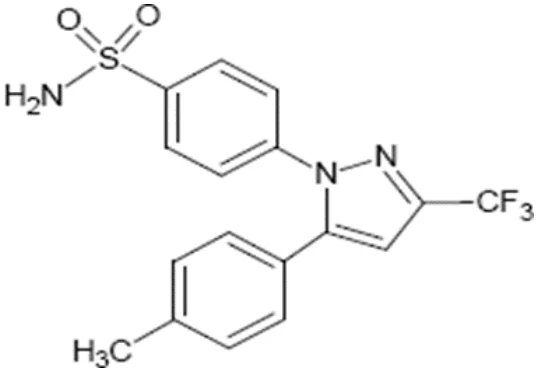
Proper name: Celecoxib
Chemical name: p-[5-p-tolyl-3-(trifluoromethyl) pyrazol-1-yl] benzenesulfonamide.
Molecular formula and molecular mass: C17H14F3N3O2S, 381.37
Structural formula: Celecoxib is a diaryl-substituted pyrazole and has the following structural formula:
Physicochemical properties
Description: Celecoxib is a white or almost white, crystalline powder.
Melting Range: The melting range of celecoxib is 158-163°C.
pH/Solubility: Soluble in anhydrous ethanol and in methylene chloride, practically insoluble in water, pH 6.20 1% w/v aqueous suspension
pKa: Celecoxib is weakly acidic with a pKa of 11.
Isomerism: Celecoxib does not exhibit isomerism.
14 CLINICAL TRIALS
14.1 Clinical Trials by Indication
Migraine with or without aura
Table 3 – Summary of patient demographics for clinical trials in migraine with or without aura
| Study # | Study design | Dosage, route of administration and duration | Study subjects (n) | Mean age (Range) | Sex M/F |
| Study 006 | Randomized, placebo-controlled, double-blind, multicenter study | ELYXYB 120 mg or placebo, oral, treatment of a single migraine attack | ELYXYB: 289 Placebo: 283 | 41.4 (18, 75) 40.4 (18, 73) | 52/237 38/245 |
| Study 007 | Randomized, placebo-controlled, double-blind, multicenter study | ELYXYB 120 mg or placebo, oral, treatment of a single migraine attack | ELYXYB: 285 Placebo: 282 | 40.5 (19, 72) 40.1 (18, 74) | 33/252 40/242 |
The efficacy of ELYXYB (celecoxib oral solution) for the acute treatment of migraine was demonstrated in two randomized, double-blind, placebo-controlled, single migraine attack studies (Study 006 and Study 007). Patients enrolled had a history of acute migraine, with 2 to 8 migraine attacks (with or without aura) and 14 or fewer headache days per month, and at least 48 hours of headache free time between migraine attacks. Patients were predominantly female (86%) and White (74%), with a mean age of 40.6 years (range 18 to 75 years). Patients were randomly assigned to receive either ELYXYB 120 mg or placebo. In both studies, patients were instructed to treat 1 migraine of moderate to severe intensity within one hour of the onset of the attack.
The co-primary endpoints were the proportion of patients who were pain-free (reduction of moderate or severe pain to no pain) at 2 hours post-dose and the proportion of patients who were free from their most bothersome symptom (MBS), self-identified at Screening between nausea, photophobia, or phonophobia, at 2 hours post-dose. Among patients who selected a MBS, the most commonly selected was photophobia (56%), followed by nausea (25%), and phonophobia (18%). Patients were allowed to take rescue medication 2 hours after the study drug, however, opioids, antipsychotics, CYP2C9 inducers, CYP2D6 substrates, and celecoxib were prohibited. Results are presented in Table 4.
Table 4 – Results of studies 006 and 007 in migraine with or without aura
| Study 006 | Study 007 | |||
|---|---|---|---|---|
| Placebo | ELYXYB 120 mg | Placebo | ELYXYB 120 mg | |
| Pain Free at 2 hours | ||||
| % Responders | 25.8% | 32.9% | 21.7% | 35.6% |
| p-value | 0.075 | <0.001 | ||
| Most Bothersome Symptom Free at 2 hours | ||||
| % Responders | 45.0% | 58.9% | 44.8% | 57.8% |
| p-value | 0.003 | 0.007 | ||
14.2 Comparative Bioavailability Studies
Study 008 was a single-dose study designed to evaluate the comparative bioavailability of ELYXYB 120 mg under fasting conditions relative to Celebrex (celecoxib) capsules 400 mg under fed conditions, and also to determine effect of food on the single-dose bioavailability of ELYXYB in healthy adult subjects. Results of the comparative bioavailability assessment are provided in Table 5 and results of the food effect assessment are provided in Table 6.
Table 5 – Comparative bioavailability of ELYXYB and Celebrex
Celecoxib From measured data Arithmetic Mean (CV %) | ||||
| Parameter | ELYXYB (celecoxib oral solution, 25 mg/mL) 120 mg N = 24 | Celebrex (celecoxib) capsules, 400 mg1 N = 23 | % Ratio of Geometric Means | 90% Confidence Interval |
AUCT (ng·h/mL) | 3319 (37.2) | 12450 (42.7) | 26.92 | 25.68, 28.21 |
AUCI (ng·h/mL) | 3568 (38.5) | 12890 (42.7) | 27.70 | 26.44, 29.01 |
CMAX (ng/mL) | 993.0 (21.9) | 1811 (40.3) | 56.84 | 51.68, 62.51 |
TMAX2 (h) | 1.00 (0.67, 3.00) | 3.50 (1.65, 6.00) | Not applicable | Not applicable |
| T½ (h) | 6.05 (36.9) | 6.15 (36.3) | Not applicable | Not applicable |
1 GD Searle LLC, USA
2 Median (range)
Table 6 – Effect of food on the pharmacokinetics of ELYXYB
Celecoxib From measured data Arithmetic Mean (CV %) | ||||
| Parameter | ELYXYB (celecoxib oral solution, 25 mg/mL) 120 mg fasting N = 24 | ELYXYB (celecoxib oral solution, 25 mg/mL) 120 mg fed N = 24 | % Ratio of Geometric Means | 90% Confidence Interval |
AUCT (ng·h/mL) | 3319 (37.2) | 3452 (33.6) | 104.96 | 100.54, 109.58 |
AUCI (ng·h/mL) | 3568 (38.5) | 3683 (34.8) | 103.85 | 100.28, 107.55 |
Celecoxib From measured data Arithmetic Mean (CV %) | ||||
| Parameter | ELYXYB (celecoxib oral solution, 25 mg/mL) 120 mg fasting N = 24 | ELYXYB (celecoxib oral solution, 25 mg/mL) 120 mg fed N = 24 | % Ratio of Geometric Means | 90% Confidence Interval |
CMAX (ng/mL) | 993.0 (21.9) | 514.4 (33.8) | 50.51 | 46.42, 54.95 |
TMAX1 (h) | 1.00 (0.67, 3.00) | 3.00 (0.55, 4.00) | Not applicable | Not applicable |
| T½ (h) | 6.05 (36.9) | 5.70 (36.6) | Not applicable | Not applicable |
1 Median (range)
15 MICROBIOLOGY
No microbiological information is required for this drug product.
16 NON-CLINICAL TOXICOLOGY
No toxicology studies were conducted with ELYYXB. Safety margins were estimated using the exposures obtained with celecoxib capsules.
General Toxicology
All of the findings seen in animals treated with celecoxib are consistent with the known pharmacological action of the compound (i.e., inhibition of PG synthesis) and/or occurred at exposures and maximal plasma concentrations of the active moiety (i.e., celecoxib) that are greater than projected for therapeutic effect. Celecoxib is not mutagenic and is not carcinogenic in rodents. GI injury is seen with celecoxib only at exposures that are greater than needed for therapeutic use. Significant departures from the comparator NSAIDs are seen with celecoxib in animals, including: 1) greater margins of safety for GI injury in sensitive animal species, 2) absence of injury to the fundic stomach and large intestine when administered by gavage or capsule, 3) no effect on hemostasis, 4) absence of renal papillary necrosis in chronic rodent studies, and 5) absence of dystocia. Based on these findings, celecoxib is considered safe for use in humans.
No evidence of toxicity or adverse pharmacological effect was produced by celecoxib in animals at the expected exposures and maximal plasma concentrations of the clinical doses (200 and 400 mg/day).
No sign of GI injury was seen in 6-month chronic studies with rats at exposures that are 3- to 6-fold greater than the expected exposures with the clinical doses, or at maximal plasma concentrations that are also 3- to 6-fold the Cmax of the clinical doses. Similarly, no sign of GI injury was seen in dogs after 12 months of dosing at mean exposures and maximal plasma concentrations that are 2- to 5-fold greater than the respective exposures and Cmax produced by the clinical doses.
Higher exposures produced dose-limiting GI injury in rats and dogs. The morphological appearance of the GI injury produced by celecoxib is similar to that seen with NSAIDs and thus, is not a novel form of injury. Exposures in rats in the chronic toxicity study that are 6- to 12-fold greater than the exposures at the range of clinical doses produced GI injury and death. The injury was seen more frequently in females due to higher exposures associated with the dimorphism seen in rats. Exposures approximately 4- to 9-fold greater than the exposures at the clinical dose range produced GI injury and death in dogs in a 4-week subchronic study. The mucosal injury is reversible in dogs with cessation of dosing with celecoxib. GI injury is an expected consequence of COX-1 inhibition, however the requirement for high exposures of celecoxib to produce injury is consistent with the pharmacological concept of COX-2 specific inhibition within the therapeutic dosage range.
No adverse pharmacological effect of celecoxib on central nervous system or pulmonary function were seen at plasma levels of celecoxib that are 2- to 5-fold and 3- to 6-fold, respectively, greater than the maximal plasma concentrations at the clinical dose range. No effect on template bleeding time was seen in dogs at exposures sufficient to produce GI injury and death. A few cardiovascular changes were observed in anesthetized animals given celecoxib intravenously, and included small sporadic increases in left ventricular end-diastolic pressure in dogs at plasma concentrations 3- to 7-fold greater than the Cmax produced by the clinical doses, and increases in mean arterial, systolic and diastolic blood pressures in guinea pigs at plasma concentrations that are 3- to 6-fold greater than the Cmax produced by the range of clinical doses. These changes are not suggestive of a clinically significant effect and are not expected at clinically relevant exposures in patients.
Decreased urinary sodium concentration (antinatriuresis) was seen in male and female rats at plasma concentrations at least 3-fold higher than the maximal plasma concentration produced by the clinical doses. Antinatriuresis is an expected pharmacological consequence of prostaglandin inhibition in the kidney. In studies of longer duration in rats, antinatriuresis was seen after 6 weeks of dosing at exposures that are 2- to 4-fold greater than the exposures at the range of clinical doses. No evidence of antinatriuresis was seen after 13 or 26 weeks at exposures that are 6- and 9-fold greater, respectively, than the exposure at the maximum daily clinical dose (400 mg/day).
Carcinogenicity
Carcinogenicity evaluations in rats and mice revealed no evidence of carcinogenicity or increases in the incidence of background tumors after at least 104 weeks of dosing. The carcinogenicity assessment of celecoxib was made in rats in which the average exposures throughout the study were as high as 4- to 9-fold greater in males and 5- to 10-fold greater in females than the exposures produced by the range of clinical doses. Evidence that the maximum tolerated dose (MTD) was exceeded was seen in both males and females as GI injury and death. The frequency of this injury was greater in females which were exposed to higher levels of celecoxib due to the dimorphism in rats. Significant reductions in survival were seen in the two highest male dose groups and all treated female groups as a result of the GI injury. A NOEL (no-observed-effect level) for the GI injury was established in males at exposures that are 1- to 2-fold the exposures at the range of clinical doses. A NOEL could not be established in females because exposures in these animals were generally higher than the no-effect exposure in males throughout the study.
The carcinogenicity evaluation in mice was made at average exposures throughout the study which were approximately 1- to 2.5-fold greater in males and 1- to 2-fold greater in females than the exposures at the clinical dose range. Evidence that the MTD was exceeded was seen in all treated groups as injury in all segments of the GI tract resulting in significant decreases in survival in all but the lowest dose groups. The frequency of injury was comparable in males and females because differential dosages were used to compensate for the dimorphism seen in mice. The use of diet admixture to expose the animals to celecoxib may have produced direct topical exposure of the GI tract which explains the appearance of the injury throughout the GI tract and the lower systemic exposures associated with injury in mice.
No other form of toxicity or irreversible injury was seen in rats, mice or dogs treated with celecoxib. Renal papillary necrosis was not seen in rats or mice, and occurred in two dogs with severe GI injury and hemorrhage. The GI injury seen in these dogs produced septicemia, bacterial emboli and volume depletion (due to hemorrhage) which are factors that predispose the renal papilla to injury.
Genotoxicity
Celecoxib is not mutagenic in bacteria (Ames assay) or mammalian cells. No evidence of clastogenicity or disruption of the mitotic apparatus was seen in vitro, or rats in vivo at exposures that are 6- to 12-fold greater in males and 16- to 33-fold greater in females than the exposures produced by the clinical doses. These results are consistent with the absence of carcinogenicity in the cancer bioassays conducted with celecoxib.
Reproductive and Developmental Toxicology
Celecoxib does not produce any effect on male or female fertility or male reproductive function in rats at exposures that are estimated to be 3.5-to 7-fold greater in males and 19- to 38-fold greater in females than the exposures associated with the range of clinical doses. No reproducible effect on ovulation was seen, but decreased embryonic viability reflected as pre- and post-implantation loss occurred in females treated with celecoxib at exposures that are 5- to 11-fold greater than the exposures at the clinical dose range. This effect was not seen after a recovery period during which treatment was ceased. Thus, this effect is the likely consequence of disruption of PG-dependent processes critical for implantation and maintenance of pregnancy and is not the result of permanent alteration of female reproductive function. A NOEL for all effects on early reproductive function in rats was established at exposures that are 4- to 8-fold greater than the exposures at the range of clinical doses.
Teratology evaluations conducted in rats and rabbits treated with celecoxib revealed no evidence of teratogenicity at exposures that are ~ 3-fold greater than exposures at the range of clinical doses. Diaphragmatic hernias appeared at high dosages in 3 of 4 teratology studies in rats at exposures that are 6- to 12-fold greater than clinical exposures. This malformation was also seen at a lower incidence in live offspring in the perinatal evaluation. An increase in the frequency of wavy ribs was observed in one rat teratology study but was not reproduced in a second study. Wavy ribs are reversible and are not regarded as an adverse finding of significance for humans. In rabbit teratology studies, a low incidence of ventricular septal defects (VSD) and other related anomalies, including enlarged aorta and pulmonary stenosis, was observed at systemic exposures approximately 5-fold the clinical exposures. The low incidence of VSD in celecoxib studies cannot be clearly distinguished from the background historical control data thus its relationship to treatment with celecoxib is uncertain. The NOELs for teratology evaluations in rats (10 mg/kg/day) and in rabbits (60 mg/kg/day) are associated with exposures that are ~ 3-fold greater than the clinical exposures.
Slight prolongation of gestation was seen in a perinatal evaluation in rats treated with celecoxib but was not dose-dependent and was within historical control data ranges. No evidence of dystocia or increased parturition time was seen in this study. There was no effect of celecoxib on the physical appearance of the pups with the exception of the diaphragmatic hernias previously discussed. There was no evidence of adverse effect on the survival, physical development, behavior and reproductive performance of the F1 generation, or on the development and survival of the F2 generation pups resulting from treatment of the F0 females with celecoxib. The highest plasma levels measured in treated dams are approximately 1-to 2-fold the Cmax of the clinical doses, while the highest plasma levels measured in neonates are approximately 5- to 10-fold greater than maximal plasma concentration of the clinical doses.