


Product Monograph - Evenity
1 INDICATIONS
EVENITY is indicated for:
- The treatment of osteoporosis in postmenopausal women at high risk for fracture, defined as a history of osteoporotic fracture, or multiple risk factors for fracture.
1.1 Pediatrics (< 18 years of age):
No data are available to Health Canada; therefore, Health Canada has not authorized an indication for pediatric use.
1.2 Geriatrics (≥ 65 years of age):
Of the 6544 postmenopausal women with osteoporosis treated with EVENITY in clinical studies, 5234 (80%) were ≥ 65 years old and 2390 (36.5%) were ≥ 75 years old.
2 CONTRAINDICATIONS
- EVENITY is contraindicated in patients who are hypersensitive to romosozumab or to any ingredient in the formulation, including any non-medicinal ingredient, or component of the container. For a complete listing, see Table 1 Dosage Forms, Strengths, Composition and Packaging.
- EVENITY is contraindicated in patients with hypocalcemia. Correct pre-existing hypocalcemia prior to initiating treatment with EVENITY (see WARNINGS AND PRECAUTIONS and ADVERSE REACTIONS).
3 SERIOUS WARNINGS AND PRECAUTIONS BOX
Serious Warnings and Precautions
Potential Risk of Myocardial Infarction, Stroke and Cardiovascular Death
|
4 DOSAGE AND ADMINISTRATION
4.1 Dosing Considerations
EVENITY is administered subcutaneously.
EVENITY should be administered by a health care professional or an individual trained by a health care professional.
After initial training in proper subcutaneous injection technique, an individual may self-inject EVENITY if a physician determines that is appropriate and with medical follow-up as necessary.
4.2 Recommended Dose and Dosage Adjustment
The recommended dose of EVENITY is 210 mg administered once every month as two consecutive subcutaneous injections of 105 mg each using the single-dose prefilled syringes for 12 doses.
Patients should be adequately supplemented with calcium and vitamin D (see CONTRAINDICATIONS, WARNINGS AND PRECAUTIONS and CLINICAL TRIALS).
Limit duration of use to 12 monthly doses. When a patient has completed the 12 months of EVENITY therapy, and osteoporosis therapy remains warranted, continued therapy with an anti-resorptive agent should be considered (see ACTION AND CLINICAL PHARMACOLOGY and CLINICAL TRIALS). In the absence of a follow on anti-resorptive therapy, bone mineral density (BMD) gains trend toward pre-treatment levels following cessation of EVENITY.
Health Canada has not authorized an indication for pediatric use.
No dosage adjustment may be required in patients with severe renal impairment (eGFR 15 to 29 mL/min/1.73 m2) or end-stage renal disease (ESRD) requiring hemodialysis; however, EVENITY should be used with caution (see WARNINGS AND PRECAUTIONS, Renal Impairment).
4.3 Administration
To administer the recommended dose of 210 mg, give two consecutive subcutaneous injections of 105 mg each.
Visually inspect EVENITY for particles and discolouration prior to administration. EVENITY is a clear to opalescent, colourless to light yellow solution. Do not use if the solution is cloudy or discoloured or contains particles.
Administer EVENITY in the abdomen, thigh, or upper arm subcutaneously. If you want to use the same injection site, make sure it is not the same spot on the injection site you used for a previous injection. Do not inject into areas where the skin is tender, bruised, red, or hard.
Comprehensive instructions for the administration of EVENITY are provided in the Patient Medication Information – How to take EVENITY section.
4.4 Missed Dose
If an EVENITY dose is missed, administer as soon as it can be rescheduled. Thereafter, EVENITY can be scheduled every month from the date of the last dose.
5 OVERDOSAGE
There is no experience with overdosage in clinical trials with EVENITY.
| For management of a suspected drug overdose, contact your regional poison control centre. |
6 DOSAGE FORMS, STRENGTHS, COMPOSITION AND PACKAGING
Table 1. Dosage Forms, Strengths, Composition and Packaging
| Route of Administration | Dosage Form / Strength / Composition | Non-medicinal Ingredients |
| Subcutaneous injection | Solution for injection 105 mg/1.17 mL | Acetate, calcium, polysorbate 20, sodium hydroxide, sucrose, and water for injection |
EVENITY is a sterile, preservative-free, clear to opalescent, colourless to light yellow solution, pH 5.2.
The elastomeric needle shield of the prefilled syringe is made from synthetic latex-free rubber.
EVENITY is provided as:
- Carton of two 105 mg (210 mg dose) single-use prefilled syringe in 1.17 mL of solution (90 mg/mL).
7 DESCRIPTION
EVENITY (romosozumab injection) is a humanized IgG2 monoclonal antibody with high affinity and specificity for sclerostin. By inhibiting sclerostin, romosozumab has a dual effect on bone, increasing bone formation and decreasing bone resorption. Romosozumab has an approximate molecular weight of 149 kDa and is produced in a mammalian cell line (Chinese hamster ovary) by recombinant DNA technology.
8 WARNINGS AND PRECAUTIONS
Please see the Serious Warnings and Precautions Box at the beginning of Part I: Health Professional Information.
General
Patients should be adequately supplemented with calcium and vitamin D during EVENITY treatment (see CONTRAINDICATIONS, and WARNINGS AND PRECAUTIONS, Endocrine and Metabolism -- Hypocalcemia).
Bone
Osteonecrosis of the Jaw
Osteonecrosis of the jaw (ONJ), which can occur spontaneously, is generally associated with tooth extraction and/or local infection with delayed healing and has occurred in EVENITY-treated patients in clinical trials (see Clinical Trial Adverse Reactions).
Evaluate patients for risk factors for ONJ before starting treatment. A dental examination with appropriate preventative dentistry is recommended prior to treatment with EVENITY in patients with risk factors for ONJ. Known risk factors for ONJ include previous treatment with bisphosphonates, older age, smoking, a diagnosis of cancer, concomitant therapies (e.g. chemotherapy, antiangiogenic biologics, corticosteroids, radiotherapy to head and neck), poor oral hygiene, invasive dental procedures (e.g. dental extractions, dental implants, and oral surgery), and co-morbid disorders (e.g. periodontal and/or other pre-existing dental disease, ill-fitting dentures, anemia, coagulopathy, and infection).
Patients should maintain good oral hygiene practices during treatment with EVENITY. Patients should receive routine dental check-ups, and immediately report any oral symptoms such as dental mobility, pain or swelling during treatment with EVENITY.
For patients in whom invasive dental procedures cannot be avoided, the clinical judgment of the treating physician should guide the management plan of each patient based on individual benefit-risk assessment.
Patients who are suspected of having or who develop ONJ during treatment with EVENITY should receive care by a dentist or an oral surgeon. Consider discontinuation of EVENITY treatment based on an individual benefit-risk assessment.
Atypical Femoral Fractures
Atypical low-energy or low-trauma fractures of the femoral shaft, which can occur spontaneously, have been reported in patients treated with EVENITY (see Clinical Trial Adverse Reactions).
Any patient who presents with new or unusual thigh, hip or groin pain should be suspected of having an atypical fracture and should be evaluated to rule out an incomplete femur fracture. Assess patients presenting with an atypical femur fracture for symptoms and signs of fracture in the contralateral limb. Consider interruption of EVENITY treatment based on an individual benefit-risk assessment.
Cardiovascular
Myocardial Infarction, Stroke, and Cardiovascular Death
In a randomized controlled trial in postmenopausal women at high risk of fracture, major adverse cardiovascular events (MACE), a composite of cardiovascular death, non-fatal myocardial infarction and non-fatal stroke, were reported more often in EVENITY-treated patients compared to patients treated with alendronate (see SERIOUS WARNINGS AND PRECAUTIONS BOX and Clinical Trial Adverse Reactions).
EVENITY treatment is not recommended in patients with a history of myocardial infarction or stroke. Consider whether the benefits outweigh the risks in patients with other cardiovascular or cerebrovascular disease or associated risk factors. During EVENITY treatment, patients that develop symptoms suggestive of myocardial infarction or stroke should undergo a prompt medical evaluation. EVENITY treatment should be discontinued in patients that experience a myocardial infarction or stroke.
Driving and Operating Machinery
No studies on the effect on the ability to drive or use heavy machinery have been performed in patients receiving EVENITY.
Endocrine and Metabolism
Hypocalcemia
Hypocalcemia has occurred in patients receiving EVENITY. Correct hypocalcemia prior to initiating EVENITY treatment.
Patients should be adequately supplemented with calcium and vitamin D during EVENITY treatment. Monitor patients for signs and symptoms of hypocalcemia (see CONTRAINDICATIONS and ADVERSE REACTIONS).
Patients with severe renal impairment (estimated glomerular filtration rate [eGFR] of 15 to 29 mL/min/1.73 m2) or receiving dialysis are at greater risk of developing hypocalcemia. In these patients, monitor serum calcium levels and ensure adequate supplementation with calcium and vitamin D. Instruct these patients about the symptoms of hypocalcemia and the importance of calcium and vitamin D supplementation.
Hepatic Impairment
The safety and effectiveness of EVENITY have not been studied in patients with hepatic impairment.
Immune
Hypersensitivity
Clinically significant hypersensitivity reactions, including angioedema, erythema multiforme, dermatitis, rash and urticaria have occurred in EVENITY-treated patients. If an anaphylactic or other clinically significant allergic reaction occurs, initiate appropriate therapy and discontinue further use of EVENITY (see CONTRAINDICATIONS and ADVERSE REACTIONS).
Renal Impairment
Patients with severe renal impairment (estimated glomerular filtration rate [eGFR] 15 to 29 mL/min/1.73 m2) or receiving dialysis are at greater risk of developing hypocalcemia (see CONTRAINDICATIONS and WARNINGS AND PRECAUTIONS– Endocrine and Metabolism: Hypocalcemia).
8.1 Special Populations
8.1.1 Pregnant Women
EVENITY is not indicated for use in women of reproductive potential and may cause fetal harm when administered to a pregnant woman based on findings in animal studies.
In reproductive and developmental toxicity studies in rats, maternal-fetal transfer of romosozumab was demonstrated and bone developmental changes and skeletal malformations including syndactyly and polydactyly were observed (see NON-CLINICAL TOXICOLOGY, Reproductive and Developmental Toxicology).
8.1.2 Breast-feeding
EVENITY is not indicated for use in nursing women. In animal studies where pregnant rats were given weekly doses of romosozumab from 6 weeks before cohabitation through mating and lactation at 10, 60, or 300 mg/kg (equivalent to 1.5, 19 or 56 times the clinical exposure following a monthly subcutaneous dose of 210 mg, based on AUC comparison), romosozumab was dose-dependently present in the serum of offspring on postnatal day 21 at 0.01 to 2.4 times maternal exposure due to gestational and/or lactational exposure.
8.1.3 Fertility
No data are available on the effect of EVENITY on human fertility. Animal studies in female and male rats did not show any effects on fertility endpoints at doses up to 300 mg/kg (100-fold the clinical dose) (see NON-CLINICAL TOXICOLOGY).
8.1.4 Pediatrics (< 18 years of age)
The safety and effectiveness of EVENITY has not been studied in pediatric patients. No data are available to Health Canada; therefore, Health Canada has not authorized an indication for pediatric use.
8.1.5 Geriatrics (≥ 65 years of age)
Of the 6544 postmenopausal women with osteoporosis treated with EVENITY in clinical studies, 5234 (80%) were ≥ 65 years old and 2390 (36.5%) were ≥ 75 years old. No overall differences in safety or efficacy were observed between these patients and younger patients.
9 ADVERSE REACTIONS
9.1 Adverse Reaction Overview
In Study 1 (FRAME) during the 12-month double-blind treatment period, the incidence of all-cause mortality was 0.7% (24/3576) in the placebo group and 0.8% (29/3581) in the EVENITY group. The incidence of non-fatal serious adverse events was 8.3% in the placebo group and 9.1% in the EVENITY group. The percentage of patients who withdrew from the study due to adverse events was 1.1% in the placebo group and 1.1% in the EVENITY group. The most common adverse reactions reported with EVENITY (greater than or equal to 5% and at a higher incidence than placebo) were arthralgia (13.1%) and headache (6.6%). The most common adverse reaction leading to discontinuation of EVENITY was arthralgia (6 patients [0.2%] in the placebo group and 5 patients [0.1%) in the EVENITY group).
In Study 2 (ARCH) during the 12-month double-blind treatment period, the incidence of all-cause mortality was 1.1% (22/2014) in the alendronate group and 1.5% (30/2040) in the EVENITY group. The incidence of non-fatal serious adverse events was 13.3% in the alendronate group and 11.9% in the EVENITY group. The percentage of patients who withdrew from the study due to adverse events was 1.2% in the alendronate group and 1.2% in the EVENITY group. The most common adverse reactions reported with EVENITY (greater than or equal to 5%) were arthralgia (8.1%) and headache (5.2%).
9.2 Clinical Trial Adverse Drug Reactions
Because clinical trials are conducted under very specific conditions the adverse reaction rates observed in the clinical trials may not reflect the rates observed in practice and should not be compared to the rates in the clinical trials of another drug. Adverse drug reaction information from clinical trials is useful for identifying drug-related adverse events and for approximating rates.
Treatment of Postmenopausal Osteoporosis in Women at High Risk of Fracture
Study 1 (FRAME) (placebo-controlled)
The safety of EVENITY in the treatment of postmenopausal osteoporosis in women at high risk of fracture was demonstrated in a multicenter, randomized, double-blind, placebo-controlled study of 7180 postmenopausal women aged 55 to 90 years (mean age of 71 years).
A total of 3581 and 3576 patients received at least 1 dose of EVENITY and placebo, respectively, administered once every month during the 12-month double-blind study period. Patients received at least 500 mg calcium and 600 international units (IU) vitamin D supplementation daily. Most patients (77%) received a loading dose of 50,000 to 60,000 IU of vitamin D within one week of randomization if their serum 25-hydroxyvitamin D concentrations were 40 ng/mL or less.
Study 2 (ARCH) (alendronate-controlled)
The safety of EVENITY in the treatment of postmenopausal osteoporosis in women at high risk of fracture was demonstrated in a multicenter, randomized, double-blind, alendronate-controlled study of 4093 postmenopausal women aged 55 to 90 years (mean age of 74 years).
A total of 2040 and 2014 patients received at least 1 dose of EVENITY and alendronate, respectively, with EVENITY administered once every month during the 12-month double-blind study period. A total of 3462 patients received at least 1 dose of alendronate in the open-label period. Patients received at least 500 mg calcium and 600 IU vitamin D supplementation daily. Most patients (74%) received a loading dose of 50,000 to 60,000 IU of vitamin D within one week of randomization if their serum 25-hydroxyvitamin D concentrations were 40 ng/mL or less.
Table 2 below summarizes the adverse events reported during the first 12 months of Study 1 (FRAME) and Study 2 (ARCH).
Table 2. Adverse Events Reported in Women with Post-Menopausal Osteoporosis at High Risk for Fracture in ≥ 2% of patients in EVENITY Group in Either Study and More Frequently in the EVENITY Group than the Placebo Group in Study 1 (FRAME) (First 12 Months Analysis)
| Study 1 (FRAME) | Study 2 (ARCH) | |||||||||||||
|---|---|---|---|---|---|---|---|---|---|---|---|---|---|---|
| SYSTEM ORGAN CLASS PREFERRED TERM | Placebo (N = 3576) n (%) | EVENITY 210 mg SC QM (N = 3581) n (%) | Alendronate 70 mg PO QW (N = 2014) n (%) | EVENITY 210 mg SC QM (N = 2040) n (%) | ||||||||||
| EYE DISORDERS | ||||||||||||||
| Cataract | 54 (1.5) | 70 (2.0) | 36 (1.8) | 49 (2.4) | ||||||||||
| GASTROINTESTINAL DISORDERS | ||||||||||||||
| Dyspepsia | 60 (1.7) | 70 (2.0) | 50 (2.5) | 54 (2.6) | ||||||||||
| GENERAL DISORDERS AND ADMINISTRATION SITE CONDITIONS | ||||||||||||||
| Asthenia | 79 (2.2) | 84 (2.3) | 53 (2.6) | 50 (2.5) | ||||||||||
| Oedema peripheral | 67 (1.9) | 86 (2.4) | 38 (1.9) | 34 (1.7) | ||||||||||
| INFECTIONS AND INFESTATIONS | ||||||||||||||
| Nasopharyngitis | 67 (1.9) | 73 (2.0) | 43 (2.1) | 41 (2.0) | ||||||||||
| METABOLISM AND NUTRITION DISORDERS | ||||||||||||||
| Dyslipidaemia | 74 (2.1) | 81 (2.3) | 28 (1.4) | 23 (1.1) | ||||||||||
| MUSCULOSKELETAL AND CONNECTIVE TISSUE DISORDERS | ||||||||||||||
| Arthralgia | 434 (12.1) | 468 (13.1) | 194 (9.6) | 166 (8.1) | ||||||||||
| Muscle spasms | 140 (3.9) | 163 (4.6) | 81 (4.0) | 70 (3.4) | ||||||||||
| Neck pain | 54 (1.5) | 80 (2.2) | 42 (2.1) | 34 (1.7) | ||||||||||
| NERVOUS SYSTEM DISORDERS | ||||||||||||||
| Headache | 208 (5.8) | 235 (6.6) | 110 (5.5) | 106 (5.2) | ||||||||||
| Paraesthesia | 62 (1.7) | 72 (2.0) | 34 (1.7) | 29 (1.4) | ||||||||||
| PSYCHIATRIC DISORDERS | ||||||||||||||
| Insomnia | 68 (1.9) | 72 (2.0) | 36 (1.8) | 34 (1.7) | ||||||||||
| Depression | 45 (1.3) | 48 (1.3) | 42 (2.1) | 42 (2.1) | ||||||||||
| RESPIRATORY, THORACIC AND MEDIASTINAL DISORDERS | ||||||||||||||
| Cough | 117 (3.3) | 130 (3.6) | 55 (2.7) | 74 (3.6) | ||||||||||
QM: Monthly; PO: by mouth; SC: subcutaneously
Major Adverse Cardiovascular Events (MACE)
During the 12-month double-blind treatment period of Study 1 (FRAME), myocardial infarction was reported in 9 (0.3%) EVENITY-treated patients and 8 (0.2%) placebo-treated patients. Stroke was reported in 8 (0.2%) EVENITY-treated patients and 10 (0.3%) placebo-treated patients. Cardiovascular death was reported in 17 (0.5%) EVENITY-treated patients and 15 (0.4%) placebo-treated patients. These events were reported in patients with and without a history of myocardial infarction or stroke. Overall, positively-adjudicated MACE (defined as non-fatal myocardial infarction, non-fatal stroke or cardiovascular death) were reported in 30 (0.8%) EVENITY-treated patients and 29 (0.8%) placebo-treated patients (hazard ratio: 1.03 [95% confidence interval (0.62, 1.72)]) for EVENITY compared to placebo.
During the 12-month double-blind treatment period of Study 2 (ARCH), myocardial infarction was reported in 16 (0.8%) EVENITY-treated patients and 5 (0.2%) alendronate-treated patients. Stroke was reported in 13 (0.6%) EVENITY-treated patients and 7 (0.3%) alendronate-treated patients. Cardiovascular death was reported in 17 (0.8%) EVENITY-treated patients and 12 (0.6%) alendronate-treated patients. These events were reported in patients with and without a history of myocardial infarction or stroke. Overall, positively-adjudicated MACE were reported in 41 (2.0%) EVENITY-treated patients and 22 (1.1%) alendronate-treated patients (hazard ratio: 1.87 [95% confidence interval (1.11, 3.14)]) for EVENITY compared to alendronate (see SERIOUS WARNINGS AND PRECAUTIONS BOX, WARNINGS AND PRECAUTIONS).
The adverse reactions described below are from the combined 12-month controlled treatment periods of Study 1 (FRAME) (placebo-controlled) and Study 2 (ARCH) (alendronate-controlled) (n = 11, 211).
Hypocalcemia
Across both trials, hypocalcemia adverse events were reported in 2 (<0.1%) EVENITY-treated patients and 1 (< 0.1%) control-treated patients. Decreases in albumin adjusted serum calcium to below the lower limit of normal (8.3 mg/dL) were reported in 14 (0.2%) EVENITY-treated patients and 10 (0.2%) control-treated patients. No patient receiving EVENITY developed serum calcium < 7.5 mg/dL. The nadir in albumin-adjusted serum calcium level occurred by month 1 after EVENITY dosing in patients with normal renal function (see CONTRAINDICATIONS and WARNINGS AND PRECAUTIONS).
Hypersensitivity
Across both trials, hypersensitivity reactions were reported in 364 (7%) EVENITY-treated patients and 365 (7%) control-treated patients. Reported reactions included angioedema (EVENITY:3 [< 0.1%]; control: 3 [< 0.1 %]), erythema multiforme (EVENITY: 1 [< 0.1%]; control: 0 [0%]), dermatitis (EVENITY: 32 [1%]; control: 42 [1%]), rash (EVENITY: 60 [1%]; control: 53 [1%]), and urticaria (EVENITY: 23 [0.4%]; control: 27 [0.5%]) (see CONTRAINDICATIONS and WARNINGS AND PRECAUTIONS).
Osteonecrosis of the jaw
Across both trials, osteonecrosis of the jaw occurred in one patient during treatment with EVENITY (see WARNINGS AND PRECAUTIONS).
Atypical femoral fractures
Across both trials, atypical femoral fracture occurred in one patient during treatment with EVENITY (see WARNINGS AND PRECAUTIONS).
Injection Site Reactions
Across both trials, injection site reactions occurred in 278 (5%) EVENITY-treated patients and 157 (3%) control-treated patients. The most commonly reported injection site reactions were pain (EVENITY: 94 [1.7%]; control: 70 [1.3%]) and erythema (EVENITY: 80 [1.4%]; control: 14 [0.3%]). Injection site reactions resulted in discontinuation of treatment in 7 (0.1%) EVENITY-treated patients and 3 (<0.1%) control-treated patients.
Immunogenicity
As with all therapeutic proteins, there is potential for immunogenicity. The immunogenicity of romosozumab has been evaluated using a screening immunoassay for the detection of binding anti-romosozumab antibodies. For patients whose sera tested positive in the screening immunoassay, an in vitro biological assay was performed to detect neutralizing antibodies.
Of the 5914 postmenopausal women dosed with 210 mg monthly EVENITY, 1072 (18.1%) developed anti-romosozumab binding antibodies. Of these, 50 (4.7%) had antibodies classified as neutralizing. Antibodies to romosozumab were generally not associated with changes in efficacy and safety of EVENITY.
9.3 Abnormal Laboratory Findings: Hematologic, Clinical Chemistry and Other Quantitative Data
Hypocalcemia
Hypocalcemia was observed in EVENITY-treated patients (see CONTRAINDICATIONS, WARNINGS AND PRECAUTIONS – Endocrine and Metabolism: Hypocalcemia and ADVERSE REACTIONS – Clinical Trial Adverse Drug Reactions: Hypocalcemia).
Serum phosphorous
During the double-blind period of Study 1 (FRAME), median serum phosphorous concentrations were decreased by 5% in EVENITY-treated patients and 0% in placebo-treated patients after 1 month. Median serum phosphorous concentrations remained decreased in EVENITY-treated patients for up to 12 months. During this time, 5 (0.1%) EVENITY-treated patients and 4 (0.1%) placebo-treated patients had a grade 3 (<2.0-1.0 mg/dL) below-normal phosphorus result; no grade 4 (<1.0 mg/dL) results were reported.
Alkaline phosphatase
During the double-blind period of Study 1 (FRAME), median serum alkaline phosphatase levels were increased by 29% in EVENITY-treated patients and returned to baseline by month 9. There were no increases in serum alkaline phosphatase levels in placebo-treated patients. No EVENITY-treated patients and 1 (< 0.1%) placebo-treated patient had a grade 3 (>5 – 20.0 x
ULN) above-normal alkaline phosphatase result; no grade 4 (>20.0 x ULN) results were reported.
Intact parathyroid hormone (iPTH)
During the double-blind period of Study 1 (FRAME), after two weeks of treatment, median serum iPTH levels increased by 37% in a subset of EVENITY-treated patients and by 5% in a subset of placebo-treated patients. The median serum iPTH remained above baseline levels in EVENITY-treated patients at 12 months.
Study 3 (STRUCTURE) (Women transitioning from alendronate therapy)
A multicentre, randomized, open-label study enrolled post-menopausal women with a mean age of 71 years (range 56 to 90 years) at high risk of fracture. A percentage of 99.5% of patients had been treated with alendronate in the past year, and all patients had been treated with bisphosphonates in the past 3 years (90.4% alendronate). In the EVENITY-treated patients (n=218), the types and subject incidence of adverse events reported after one year were not meaningfully different from those reported in patients in other clinical studies that had not transitioned from alendronate
9.4 Less Common Clinical Trial Adverse Drug Reactions
Listing 1 The following adverse events were reported in EVENITY-treated patients in Study 1 (FRAME) and Study 2 (ARCH) at frequencies < 2% and ≥ 0.1%; and for events reported in Study 1 (FRAME), more frequently in EVENITY-treated versus placebo-treated patients
BLOOD AND LYMPHATIC SYSTEM DISORDERS: leukopenia, neutrophilia
CARDIAC DISORDERS: atrial fibrillation, cardiac failure, mitral valve incompetence, tachycardia, tricuspid valve, incompetence, coronary artery disease, myocardial ischemia, acute myocardial infarction, ventricular extrasystoles, cardiomegaly, angina unstable, hypertensive heart disease, bradycardia, sinus bradycardia, bundle branch block left, left ventricular hypertrophy
EAR AND LABYRINTH DISORDERS: excessive cerumen production
ENDOCRINE DISORDERS: hypothyroidism, hyperthyroidism
EYE DISORDERS: glaucoma, dry eye, conjunctival hemorrhage, macular degeneration, eye pain, ocular hyperaemia, eye pruritus
GASTROINTESTINAL DISORDERS: dental caries, irritable bowel syndrome, chronic gastritis, dry mouth, loose tooth, diverticulum, gingival pain, gastritis erosive, aphthous ulcer, odynophagia, gastric polyps, mouth ulceration, oesophagitis, gastrointestinal haemorrhage, gastric disorder, ileus
GENERAL DISORDERS AND ADMINISTRATION SITE CONDITIONS: injection site pain, injection site erythema, non-cardiac chest pain, injection site pruritus, chest pain, injection site bruising, injection site swelling, injection site rash, drug intolerance, injection site haematoma, chest discomfort, cyst, feeling hot, face oedema, injection site urticaria
IMMUNE SYSTEM DISORDERS: hypersensitivity
INFECTIONS AND INFESTATIONS: pneumonia, cystitis, pharyngitis, sinusitis, rhinitis, conjunctivitis, herpes zoster, gingivitis, respiratory tract infection, viral infection, oral herpes, onychomycosis, tonsillitis, laryngitis, upper respiratory tract infection bacterial, conjunctivitis bacterial, tooth infection, tooth abscess, helicobacter infection, otitis externa, oral candidiasis, diverticulitis, acute sinusitis, herpes simplex, bacterial vaginosis, otitis media, genital herpes, diarrhoea infectious, infected skin ulcer, tonsillitis bacterial, gastroenteritis bacterial, skin infection
INJURY, POISONING AND PROCEDURAL COMPLICATIONS: limb injury, tooth fracture, wound, arthropod bite, road traffic accident, humerus fracture, tendon rupture, craniocerebral injury, anaemia postoperative, excoriation
INVESTIGATIONS: weight decreased, body height decreased
METABOLISM AND NUTRITION DISORDERS: hypercholesterolaemia, diabetes mellitus, hyperglycaemia, hypokalaemia, type 2 diabetes mellitus, hyponatraemia, hyperuricaemia, hypertriglyceridaemia, glucose tolerance impaired, hypoglycaemia, carbohydrate intolerance, diabetes mellitus inadequate control, dehydration
MUSCOSKELETAL AND CONNECTIVE TISSUE DISORDERS: bone pain, tendonitis, muscle contracture, bursitis, intervertebral disc disorder, arthritis, musculoskeletal stiffness, groin pain, synovial cyst, flank pain, plantar fasciitis, foot deformity, scoliosis, pain in jaw, musculoskeletal discomfort, joint stiffness, intervertebral disc degeneration
NEOPLASMS BENIGN, MALIGNANT AND UNSPECIFIED (INCL CYSTS AND POLYPS): skin papilloma, lipoma, lung neoplasm malignant, colon adenoma
NERVOUS SYSTEM DISORDERS: sciatica, hypoaesthesia, tension headache, tremor, neuralgia, amnesia, transient ischaemic attack, balance disorder, burning sensation, radiculopathy, cerebral atrophy, epilepsy, carotid arteriosclerosis, cerebral arteriosclerosis, polyneuropathy, loss of consciousness, memory impairment, transient ischemic attack, amnesia, cerebrovascular disorder, tremor, cerebral arteriosclerosis, Parkinson’s disease, vertebrobasilar insufficiency
PRODUCT ISSUES: device failure
PSYCHIATRIC DISORDERS: depression
RENAL AND URINARY DISORDERS: renal cyst, dysuria, chronic kidney disease, nephrolithiasis, haematuria, renal failure, hypertonic bladder
REPRODUCTIVE SYSTEM AND BREAST DISORDERS: breast pain, uterine prolapse, atrophic vulvovaginitis, cystocele vaginal hemorrhage
RESPIRATORY, THORACIC AND MEDIASTINAL DISORDERS: dyspnoea, asthma, epistaxis, productive cough, dysphonia, pulmonary hypertension, bronchitis chronic, rhinorrhoea pulmonary hypertension
SKIN AND SUBCUTANEOUS TISSUE DISORDERS: rash, alopecia, erythema, seborrhoeic dermatitis, skin disorder, xeroderma, night sweats, dermal cyst, rash generalised
SURGICAL AND MEDICAL PROCEDURES: Tooth extraction
VASCULAR DISORDERS: peripheral venous disease, arteriosclerosis, aortic arteriosclerosis, hypertensive crisis, peripheral arterial occlusive disease, phlebitis
10 DRUG INTERACTIONS
10.1 Overview
No drug interaction studies have been conducted with EVENITY.
10.2 Drug-Drug Interactions
Interactions with other drugs have not been established.
10.3 Drug-Food Interactions
Interactions with food have not been established.
10.4 Drug-Herb Interactions
Interactions with herbal products have not been established.
10.5 Drug-Laboratory Test Interactions
Interactions with laboratory tests have not been established.
11 ACTION AND CLINICAL PHARMACOLOGY
11.1 Mechanism of Action
EVENITY (romosozumab) is a humanized monoclonal antibody (IgG2) that inhibits the action of sclerostin, a regulatory factor in bone metabolism. Romosozumab increases bone formation and, to a lesser extent, decreases bone resorption. Animal studies showed that romosozumab stimulates new bone formation on trabecular and cortical bone surfaces by stimulating osteoblastic activity resulting in increases in trabecular and cortical bone mass and improvements in bone structure and strength.
11.2 Pharmacodynamics
In a clinical study of postmenopausal women with osteoporosis, EVENITY increased the bone formation marker procollagen type 1 N-telopeptide (P1NP) with a peak increase from baseline of approximately 145% relative to placebo 2 weeks after initiating treatment, followed by a return to concentrations seen with placebo at month 9 and a decline from baseline to approximately 15% below the concentration seen with placebo at month 12. EVENITY decreased the bone resorption marker type-1 collagen C-telopeptide (CTX) with a maximal reduction from baseline of approximately 55% relative to placebo 2 weeks after initiating treatment. CTX remained below concentrations seen with placebo at month 12.
In a clinical study of postmenopausal women with low bone mineral density, after discontinuation of EVENITY P1NP levels returned to baseline within 12 months; after discontinuation of EVENITY CTX levels increased above baseline levels within 3 months and returned toward baseline levels by month 12.
11.3 Pharmacokinetics
Romosozumab exhibited nonlinear pharmacokinetics with exposure increasing greater than dose proportionally (eg. 550-fold increase in mean area under the concentration-time curve from time 0 to infinity (AUCinf) for the 100-fold increase in subcutaneous doses ranging from 0.1 to 10 mg/kg [0.03 to 3.3 times the approved recommended dosage for a 70 kg woman]).
The presence of anti-romosozumab binding antibodies decreased romosozumab exposure up to 22%. The presence of neutralizing antibodies decreased romosozumab exposure up to 63% (see ADVERSE REACTIONS).
Absorption
Administration of a single dose of 210 mg EVENITY in healthy male and female subjects (n = 90, age range 21 to 65 years) resulted in a mean (standard deviation [SD]) maximum serum concentration (Cmax) of 22.2 (5.8) mcg/mL and a mean AUCinf of 389 (127) mcg*day/mL.The median time to maximum romosozumab concentration (Tmax) was 5 days (range: 2 to 7 days).
Following a 210 mg subcutaneous dose, bioavailability was estimated to be 81% based on population pharmacokinetic (popPK) analyses.
Steady-state concentrations were achieved by month 3 with minimal accumulation (less than 2-fold) following the monthly administration of 210 mg to postmenopausal women. The mean trough serum romosozumab concentrations at months 3, 6, 9, and 12 ranged from 8 to 13 mcg/mL.
Distribution
The volume of distribution at steady-state was estimated to be 3.92 L based on popPK model estimates for a patient of 61 kg of body weight.
Metabolism
The metabolic pathway of romosozumab has not been characterized. As a humanized IgG2 monoclonal antibody, romosozumab is expected to be degraded into small peptides and amino acids via catabolic pathways in a manner similar to endogenous IgG.
Elimination
Romosozumab exhibited nonlinear pharmacokinetics with the clearance of romosozumab decreasing as the dose increased. The estimated mean systematic clearance (CL/F) of romosozumab was 0.38 mL/hr/kg, following a single subcutaneous administration of 3 mg/kg (the approved recommended dosage for a 70 kg woman). The mean effective t1/2 was 12.8 days after 3 doses of 3 mg/kg (the approved recommended dosage for a 70 kg woman) every 4 weeks.
Special Populations
Based on a population pharmacokinetic analysis, age (20-89 years), gender, race, prior alendronate exposure, or disease state (low bone mass or osteoporosis) had no clinically meaningful effects on pharmacokinetics (˂ 20% change in exposure at steady state). Romosozumab exposure decreased with increasing body weight. This decrease had a minimal impact on lumbar spine BMD gain (< 20% change) based on exposure-response analyses.
Renal Impairment: Following a single 210 mg dose of romosozumab in a clinical study of 16 patients with severe renal impairment or ESRD requiring hemodialysis, mean Cmax and AUC were 29% and 44% higher in patients with severe renal impairment as compared to healthy subjects. Mean romosozumab exposure was similar between patients with ESRD requiring hemodialysis and healthy subjects. No dosage adjustment may be required in these patient populations; however, EVENITY should be used with caution (see WARNINGS AND PRECAUTIONS, Renal Impairment).
Hepatic Impairment: No clinical studies have been conducted to evaluate the effect of hepatic impairment.
12 STORAGE, STABILITY, AND DISPOSAL
Refrigerate at 2°C to 8°C in the original carton.
If removed from the refrigerator, EVENITY should be kept at controlled room temperature (up to 25°C) in the original carton and must be used within 30 days.
Protect EVENITY from direct light and do not expose to temperatures above 25°C.
Do not freeze.
Do not store EVENITY in extreme heat or cold.
Do not shake.
13 SPECIAL HANDLING INSTRUCTIONS
Prior to subcutaneous administration, allow EVENITY to sit at room temperature for at least 30 minutes before injecting for patient’s comfort. Do not warm in any other way.
Visually inspect the solution for particles and discolouration. Do not use if the solution is discoloured, cloudy, or contains particles.
Any unused product or waste material should be disposed of in accordance with local requirements.
PART II: SCIENTIFIC INFORMATION
14 PHARMACEUTICAL INFORMATION
| Drug Substance | |||
| Proper name: | romosozumab | ||
| Molecular mass: | 149 kDa (approximate) | ||
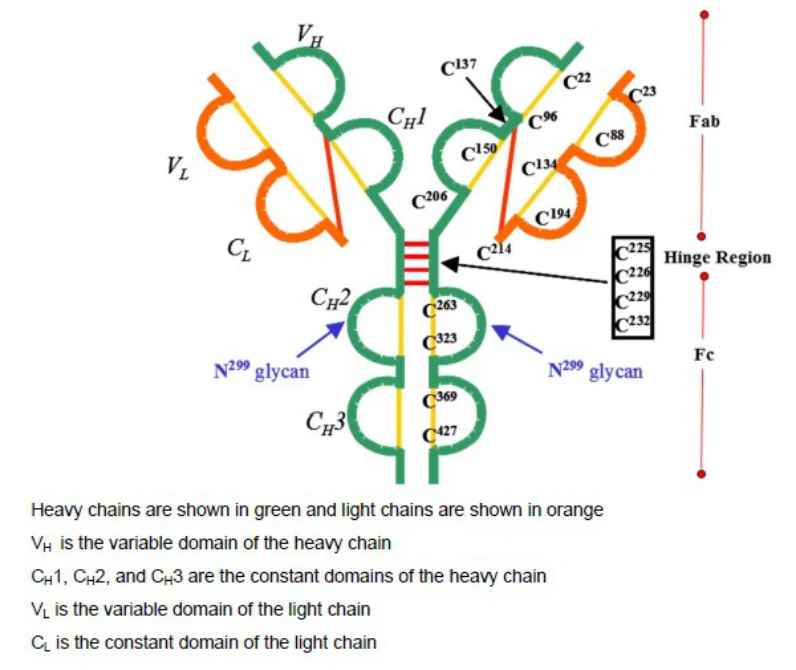
| Structural formula: | Figure 1. Schematic of Romosozumab Structure | ||
Product Characteristics
Romosozumab is a humanized IgG2 monoclonal antibody with high affinity and specificity for sclerostin. Romosozumab has an approximate molecular weight of 149 kDa and is produced in a mammalian cell line (Chinese hamster ovary) by recombinant DNA technology.
 |
15 CLINICAL TRIALS
15.1 Trial Design and Study Demographics
Table 3. Summary of Patient Demographics for Clinical Trials in Postmenopausal Women with Osteoporosis
| Study # | Trial design | Dosage, route of administration and duration* | Number of Women Involved in First 12 Months of Treatment | Mean age in Years (Range in Years) | Gender |
| Study 1 (FRAME) | Phase 3, multicentre, multinational, randomized, double-blind, placebo-controlled, parallel-group study | EVENITY 210 mg or placebo SC injection once every month for 12 months followed by denosumab 60 mg SC every 6 months, 36 month duration | 7180 EVENITY: 3589 Placebo: 3591 | 70.9 (55 to 90) | Female |
| Study 2 (ARCH) | Phase 3, multicentre, multinational, randomized, double-blind, alendronate-controlled, superiority study | EVENITY 210 mg SC injection once every month or oral weekly alendronate for 12 months followed by alendronate, 36 month median duration | 4093 EVENITY: 2046 Alendronate: 2047 | 74.3 (55 to 90) | Female |
*After the 12-month double blind study period, women in both arms transitioned to open-label denosumab 60 mg subcutaneous every 6 months for 12 months for Study 1 FRAME or open-label alendronate for Study 2 ARCH while remaining blinded to initial treatment assignment
Study 1 (FRAME) was a randomized, double-blind, placebo-controlled study of 7180 postmenopausal women aged 55 to 90 years (mean age of 70.9 years with bone mineral density (BMD) T-score less than or equal to −2.5 at the total hip or femoral neck.
Women were randomized to receive subcutaneous injections of either EVENITY (N = 3589) or placebo (N = 3591) once every month for 12 months with daily supplementation of 500 to 1000 mg calcium and 600 to 800 international units vitamin D. After the 12-month treatment period, women in both arms transitioned to open-label anti-resorptive therapy (denosumab) for 12 months while remaining blinded to their initial treatment.
The coprimary efficacy endpoints were new vertebral fracture at month 12 and month 24.
Study 2 (ARCH) was a randomized, double-blind, alendronate-controlled study of 4093 postmenopausal women aged 55 to 90 years (mean age of 74.3 years) with BMD T-score less than or equal to −2.5 at the total hip or femoral neck and either one moderate or severe vertebral fracture or two mild vertebral fractures, or BMD T-score less than or equal to -2.0 at the total hip or femoral neck and either two moderate or severe vertebral fractures or a recent history (ie. within the last 24 months) of a proximal femur fracture.
Women were randomized (1:1) to receive either monthly subcutaneous injections of EVENITY (N = 2046) or weekly oral alendronate dose (70 mg) (N = 2047) for 12 months, with daily supplementation of 500 to 1000 mg calcium and 600 to 800 international units vitamin D. After the 12-month treatment period, women in both arms transitioned to open-label alendronate while remaining blinded to their initial treatment.
The primary efficacy endpoints were the incidence of morphometric vertebral fracture at 24 months and time to the first clinical fracture through the primary analysis period. Clinical fracture was a composite endpoint of nonvertebral fracture and symptomatic vertebral fracture.
This was an event-driven trial, and the primary analysis was performed when all women who remained on the study had completed the month 24 study visit and clinical fracture events were confirmed for at least 330 women.
15.2 Clinical Study Results
15.2.1 Clinical Trial Results for Study 1 FRAME
Effect on Fractures
EVENITY significantly reduced the incidence of new vertebral fractures through month 12 (p < 0.001). In addition, the reduction in fracture risk persisted through the second year in women who received EVENITY during the first year and transitioned to denosumab compared to those who transitioned from placebo to denosumab (month 24; p < 0.001) (see Table 4). The incidence of nonvertebral fractures was not statistically significant when comparing EVENITY-treated women to placebo-treated women at month 12 or month 24.
Table 4. Effect of EVENITY on the Incidence and Risk of Fractures in Study 1 (FRAME)
Placebo/ Denosumab (N = 3591) n/N1 (%) | EVENITY/ Denosumab (N = 3589) n/N (%) | Absolute Risk Reduction (%) (95% CI)a | Relative Risk Reduction (%) (95% CI) | p-value b | |||
New vertebral fracture through Month 12 | 73/3591 (2.0) | 20/3589 (0.6) | 1.47 (0.84, 2.09) | 72 (49, 85) | <0.001 | ||
New vertebral fracture thorough Month 24 | 125/3591 (3.5) | 30/3589 (0.8) | 2.67 (1.78, 3.55) | 76 (60, 86) | <0.001 | ||
| N= Number of subjects randomized | |||||||
| a Absolute and relative risk reductions are based on the Mantel-Haenszel method adjusting for age and prevalent vertebral fracture strata. | |||||||
b P-value is based on logistic regression model for new vertebral fracture adjusting for age and prevalent vertebral fracture strata. Missing fracture status is imputed by multiple imputation for patients without observed fracture. | |||||||
Effect on Bone Mineral Density (BMD)
In a sensitivity analysis at month 12, the treatment differences between EVENITY and placebo in BMD were 11.2% at the lumbar spine, 5.2% at the total hip, and 4.7% at the femoral neck. At month 24, the treatment differences between EVENITY followed by denosumab and placebo followed by denosumab in BMD were 9.4% at the lumbar spine, 4.6% at the total hip, and 4.3% at the femoral neck.
After EVENITY discontinuation, BMD returns to approximately baseline levels within 12 months in the absence of follow-on antiresorptive therapy.
Effect on Bone Histology and Histomorphometry
A total of 154 transiliac crest bone biopsy specimens were obtained from 139 women at month 2, month 12, and/or month 24. All biopsies obtained were adequate for qualitative histology and 138 (89.6%) were adequate for full quantitative histomorphometry assessment. Qualitative histology assessments from patients treated with EVENITY showed normal bone architecture and quality at all time points. There was no evidence of woven bone, mineralization defects, or marrow fibrosis.
Histomorphometry assessments on biopsies at months 2 and 12 compared the effect of EVENITY with placebo (15 specimens at month 2 and 39 specimens at month 12 in the EVENITY group, 14 specimens at month 2 and 31 specimens at month 12 in the placebo group). After 2 months of EVENITY treatment, increases in histomorphometric indices consistent with bone formation at trabecular and endocortical surfaces were observed. These effects on bone formation were accompanied by decreases in indices consistent with bone resorption. After 12 months of EVENITY treatment, indices of both bone formation and resorption were decreased and bone volume, and trabecular and cortical thickness, were increased.
15.2.2 Clinical Trial Results for Study 2 ARCH
Effect on Fractures
EVENITY reduced the incidence of new vertebral fracture at 24 months (see Table 5).
Table 5. Effect of EVENITY on the Incidence of New Vertebral Fractures in Study 2 (ARCH)
Alendronate Alone (N = 2047) n/N1 (%) | EVENITY Followed by Alendronate (N = 2046) n/N1 (%) | Absolute Risk Reduction (%) (95% CI)a | Relative Risk Reduction (%) (95% CI)a | p-value b | |||||||
| New vertebral fracture through Month 24 | 243/2047 (11.9%) | 127/2046 (6.2%) | 5.79 (3.51, 8.06 | 48 (34, 60) | <0.001 | ||||||
| N= Number of subjects randomized | |||||||||||
| |||||||||||
Missing fracture status is imputed by multiple imputation for patients without observed fracture. | |||||||||||
EVENITY significantly reduced the risk of clinical fracture through the end of the primary analysis period (see Table 6). This was an event-driven trial and the duration of follow-up varied across subjects. The median duration of subject follow-up for the primary analysis period was 33 months. Subjects with nonvertebral fracture comprised 83% of the subjects with clinical fracture during the primary analysis period.
Table 6. Effect of EVENITY on the Risk of Clinical Fractures in Study 2 (ARCH)
| Proportion of Women with Fracture (%)a | Hazard Ratio (95% CI)c | p-valuec | |||||||
| Alendronate Alone (N = 2047) | EVENITY Followed by Alendronate (N = 2046) | ||||||||
| Clinical fracture through primary analysis periodb | 13.0% | 9.7% | 0.73 (0.61, 0.88) | <0.001 | |||||
N = Number of subjects randomized
- a. % = number of subjects who had a fracture through the primary analysis period/N*100%; the duration of follow-up varied across subjects.
- b. Primary analysis period ended when clinical fracture events were confirmed for at least 330 subjects and all subjects completed the month 24 study visit. The median duration (range) of follow-up for the primary analysis period was 33 (0, 56) months
- c. Hazard ratio and P-value are based on Cox proportional hazards model adjusting for age strata, baseline total hip BMD T-score, and presence of severe vertebral fracture at baseline
EVENITY followed by alendronate also significantly reduced the risk of nonvertebral fracture through the primary analysis period (with a median follow-up of 33 months), with a hazard ratio of 0.81 (95% CI: 0.66, 0.99; p = 0.04) compared to alendronate alone.
Effect on Bone Mineral Density (BMD)
EVENITY significantly increased BMD at the lumbar spine, total hip, and femoral neck compared with alendronate at month 12. The treatment differences in BMD were 7.4% at the lumbar spine, 2.9% at the total hip, and 2.8% at the femoral neck.
Twelve months of treatment with EVENITY followed by 12 months of treatment with alendronate significantly increased BMD compared with alendronate alone. The BMD increase with EVENITY over alendronate observed at month 12 was maintained at month 24. The treatment differences in BMD at month 24 were 6.8% at the lumbar spine, 3.2% at the total hip, and 3.2% at the femoral neck.
15.3 Treatment of Osteoporosis in Women Transitioning From Bisphosphonate Therapy (Study 3 STRUCTURE)
An open-label study enrolled post-menopausal women with a mean age of 71 years (range 56 to 90 years) at high risk of fracture. A percentage of 99.5% of patients had been treated with alendronate in the past year, and all patients had been treated with bisphosphonates in the past 3 years (90.4% alendronate). This study evaluated safety and BMD changes through 12 months of treatment with EVENITY compared with 12 months of treatment with teriparatide. In the EVENITY-treated patients (n=218) at Month 12 this therapy increased BMD from baseline by 9.8% at the lumbar spine, 2.9% at the total hip, and 3.2% at the femoral neck. The incidence of fractures was not evaluated in this study.
16 NON-CLINICAL TOXICOLOGY
General Toxicology
No adverse effects were noted in rats and monkeys after 26 once-weekly subcutaneous romosozumab doses up to 100 mg/kg, equivalent to systemic exposures of 38 and 93 times, respectively, the systemic exposure observed in humans following a monthly subcutaneous dose of 210 mg EVENITY (based on AUC comparison).
Bone safety studies of up to 12-month duration were conducted in ovariectomized rats and monkeys with once-weekly romosozumab doses yielding exposures ranging from 1 to 22 times the systemic exposure in humans given monthly doses of 210 mg, based on AUC comparison. Romosozumab increased bone mass and improved cancellous bone microarchitecture and cortical bone geometry by increasing bone formation on periosteal, endocortical, and trabecular surfaces, and decreasing bone resorption on trabecular and endocortical surfaces. The increases in bone mass were significantly correlated with increases in bone strength. In rats and monkeys, bone quality was maintained at all skeletal sites at doses ranging from 1 to 22 times human exposure, and slightly improved in vertebrae at 19 to 22 times human exposure. There was no evidence of mineralization defects, osteoid accumulation, or woven bone formation.
Carcinogenicity
In a rat carcinogenicity study, once-weekly romosozumab doses of 3, 10 or 50 mg/kg were administered by subcutaneous injection to Sprague-Dawley rats from 8 weeks up to 98 weeks of age, resulting in systemic exposures that were up to 19 times the systemic exposure observed in humans following a monthly subcutaneous dose of 210 mg EVENITY (based on AUC comparison). Romosozumab caused a dose-dependent increase in bone mass with trabecular and cortical bone thickening at all doses. There were no effects of romosozumab on mortality and romosozumab did not cause significant increases in tumor incidence in male or female rats.
Genotoxicity
Genotoxicity studies have not been conducted with romosozumab.
Reproductive and Developmental Toxicology
Reproductive and developmental effects of romosozumab were assessed in the rat in a preliminary and definitive embryo-fetal development study, a combined fertility and embryo-development study, and a pre-and postnatal development study.
Weekly administration of romosozumab to pregnant rats during the period of organogenesis at exposures greater than 32 times the clinical exposure produced skeletal abnormalities in the offspring. Administration of romosozumab to rats prior to mating and through to the end of lactation produced minimal to slight decreases in femoral bone mineral density and/or cortical circumferences in the offspring at 1.5 to 56 times the expected exposure in humans.
Skeletal malformations including syndactyly and polydactyly occurred in 1 out of 75 litters across all rat reproductive toxicity studies, in the litter of a dam given weekly subcutaneous romosozumab doses of 300 mg/kg (equivalent to at least 32 times the clinical exposure observed in humans following a monthly subcutaneous dose of 210 mg, based on AUC comparison).
In the offspring of female rats given weekly romosozumab doses from 6 weeks before cohabitation through mating and lactation, femoral periosteal and endocortical circumferences were slightly decreased at 10, 60, and 300 mg/kg (equivalent to 1.5, 19, and 56 times the clinical exposure following a monthly subcutaneous dose of 210 mg, based on AUC comparison). Cortical thickness was increased at 300 mg/kg (equivalent to 56 times expected clinical exposure). Femoral metaphyseal bone mineral density was slightly decreased at 60 and 300 mg/kg (equivalent to 19 and 56 times expected clinical exposure).
No effects on fertility were observed in male and female rats given subcutaneous romosozumab doses up to 300 mg/kg (up to 56 times the systemic exposure observed in humans following a monthly subcutaneous dose of 210 mg EVENITY, based on AUC comparison). No effects were noted in reproductive organs in rats and cynomolgus monkeys dosed subcutaneously for 6 months with weekly doses up to 100 mg/kg (exposures up to 38 and 93 times, respectively, the systemic exposure observed in humans administered monthly subcutaneous doses of 210 mg based on AUC comparison).