


Product Monograph - Fruzaqla
1 INDICATIONS
FRUZAQLA (fruquintinib capsules) is indicated for the treatment of adult patients with metastatic colorectal cancer (mCRC) who have been previously treated with or are not considered candidates for available standard therapies, including fluoropyrimidine-, oxaliplatin-, and irinotecan-based chemotherapy, an anti-VEGF agent, an anti-EGFR agent (if RAS wild-type), and either trifluridine-tipiracil or regorafenib.
1.1 Pediatrics
Pediatrics (<18 years of age): No data are available to Health Canada; therefore, Health Canada has not authorized an indication for pediatric use.
1.2 Geriatrics
Geriatrics (≥ 65 years of age): There were no observed overall differences in safety and effectiveness of FRUZAQLA in geriatric compared to younger patients.
2 CONTRAINDICATIONS
FRUZAQLA is contraindicated in patients who are hypersensitive to this drug or to any ingredient in the formulation, including any non-medicinal ingredient, or component of the container. For a complete listing, see 6 DOSAGE FORMS, STRENGTHS, COMPOSITION AND PACKAGING.
4 DOSAGE AND ADMINISTRATION
4.1 Dosing Considerations
FRUZAQLA should be initiated by a physician experienced in the administration of anticancer therapy.
4.2 Recommended Dose and Dosage Adjustment
The recommended dose of FRUZAQLA is 5 mg (one 5 mg capsule) administered orally once daily at approximately the same time each day for 21 consecutive days, followed by a 7 day rest period to comprise a complete cycle of 28 days.
Treatment with FRUZAQLA should be continued until disease progression or unacceptable toxicity occurs.
Dose Adjustments for Adverse Reactions
FRUZAQLA should be permanently discontinued in patients unable to tolerate a dose of 3 mg once daily. The recommended dose reduction schedule for adverse reactions is provided in Table 1.
Table 1 Recommended FRUZAQLA dose reduction schedule
| Dose Reduction Schedule | Dose and schedule | Number and strength of capsules |
|---|---|---|
| First dose reduction | 4 mg once daily | Four 1 mg capsules once daily |
| Second dose reduction | 3 mg once daily | Three 1 mg capsules once daily |
The recommended dose modifications for adverse reactions are provided in Table 2.
Table 2 Recommended dose modifications for FRUZAQLA for adverse reactions
| Adverse Reaction | Severity1 | Dose modification | |
|---|---|---|---|
| Hypertension | Grade 3 |
| |
| Grade 4 | Permanently discontinue. | ||
| Haemorrhagic Events | Grade 2 |
| |
| Grade ≥3 | Permanently discontinue. | ||
| Proteinuria | ≥2 g / 24 hours |
Permanently discontinue for nephrotic syndrome. | |
| Liver Function Test Abnormalities | Alanine aminotransferase (ALT) or aspartate aminotransferase (AST) greater than 3 times upper limit of normal (ULN) or bilirubin greater than 1.5 times ULN |
| |
| ALT or AST greater than 3 times ULN with concurrent total bilirubin greater than 2 times ULN (in the | Permanently discontinue. | ||
| absence of alternative etiologies) | ||
| AST or ALT greater than 20 times ULN or bilirubin greater than 10 times ULN | Permanently discontinue. | |
| Palmar-plantar Erythrodysaesthesia Syndrome (PPES) | Grade 2 |
|
| Grade 3 |
If the patient still experiences Grade 3 PPES after taking 3 mg daily, permanently discontinue. | |
| Other Adverse Reactions | Grade 3 |
|
| Grade 4 | Discontinue. Consider resuming at a reduced dose as per Table 1 if the toxicity recovers to Grade 1 or baseline and the potential benefit outweighs the risks. | |
ULN = upper limit of normal 1Graded per national cancer institute common terminology criteria for adverse events. Version 5.0 (NCI CTCAE v5). | ||
Special Population
Pediatrics: Health Canada has not authorized an indication for pediatric use.
Geriatric: No dosage adjustment is required in patients 65 years or above.
Hepatic Impairment: No dosage adjustment is required for patients with mild hepatic impairment (total bilirubin less than or equal to the ULN with AST greater than ULN or total bilirubin greater than 1 to 1.5 times ULN with any AST) (see 10 CLINICAL PHARMACOLOGY).
Limited data are available for patients with moderate hepatic impairment (total bilirubin greater than 1.5 times and less than 3 times ULN and any AST) (see 10 CLINICAL PHARMACOLOGY).
FRUZAQLA is not recommended for use in patients with severe hepatic impairment (total bilirubin greater than 3 times ULN and any AST) as FRUZAQLA has not been studied in this population.
Renal Impairment: No dosage adjustment is required for patients with mild, moderate, or severe renal impairment (see 10 CLINICAL PHARMACOLOGY).
4.4 Administration
FRUZAQLA is for oral use. FRUZAQLA can be taken with or without food and should be swallowed whole.
4.5 Missed Dose
If a dose is missed by less than 12 hours, it should be taken, and the next dose should be taken as scheduled.
If a dose is missed by more than 12 hours, it should be skipped, and the next dose should be taken as scheduled.
If a patient vomits after taking a dose, the patient should not repeat the dose on the same day, but resume the usual dosing as scheduled on the following day.
5 OVERDOSAGE
The highest dose of FRUZAQLA studied in clinical studies was 6 mg per day. The most frequently observed adverse drug reactions at this dose were increased blood thyroid stimulating hormone, palmar-plantar erythrodysaesthesia syndrome, proteinuria, and arthralgia.
The effects of FRUZAQLA overdose are unknown, and there is no known antidote for FRUZAQLA overdose. In the event of an overdose, interrupt FRUZAQLA, general supportive measures should be undertaken and observe until clinical stabilisation.
For management of a suspected drug overdose, contact your regional poison control centre.
6 DOSAGE FORMS, STRENGTHS, COMPOSITION AND PACKAGING
Table 3 Dosage Forms, Strengths, Composition and Packaging
FRUZAQLA is supplied as capsules as follows:
- 1 mg: Size 3 hard gelatin capsule with yellow opaque cap and white opaque body, imprinted with “HM013” over “1mg” on the body in black ink
- 5 mg: Size 1 hard gelatin capsule with red opaque cap and white opaque body, imprinted with “HM013” over “5mg” on the body in black ink
White high-density polyethylene (HDPE) bottle with child-resistant closure packaged in a carton. Each bottle contains 21 capsules and a desiccant cartridge to protect the capsules from moisture.
| Route of Administration | Dosage Form / Strength/Composition | Non-medicinal Ingredients |
| Oral | Capsule / 1 mg, 5 mg / fruquintinib | Corn starch, FD&C Blue No. 1 (brilliant blue FCF) (5 mg), FD&C Red No. 40 (allura red AC) (5 mg), FD&C Yellow No. 5 (tartrazine) (1 mg), FD&C Yellow No. 6 (sunset yellow FCF) (1 mg), gelatin, microcrystalline cellulose, pharmaceutical grade printing ink, talc, titanium dioxide |
7 WARNINGS AND PRECAUTIONS
Cardiovascular
Hypertension
In 911 patients with mCRC treated with FRUZAQLA, hypertension, including hypertensive crisis (0.3%), has been reported in 49.4% of patients treated with FRUZAQLA. Approximately half of these events occurred during the first 2 weeks after initiating treatment with FRUZAQLA. The incidence of Grade ≥3 hypertension was 19.1%. Median time to onset in FRUZAQLA-treated patients was 14 days (range: 1 day to 7.6 months). Three patients (0.3%) treated with FRUZAQLA experienced life-threatening hypertension. The majority of the events resolved. Hypertension leading to dose interruption or reduction, was reported in 3.1% and 3.7% of patients, respectively. In 0.5% of patients treated with FRUZAQLA, hypertension led to permanent treatment discontinuation.
Preexisting hypertension should be adequately controlled before starting FRUZAQLA treatment.
Hypertension should be medically managed with antihypertensive medicinal products and adjustment of the FRUZAQLA dose, if necessary (see 4 DOSAGE AND ADMINISTRATION). FRUZAQLA should be permanently discontinued for hypertension that cannot be controlled with antihypertensive therapy or in patients with hypertensive crisis.
Driving and Operating Machinery
Studies to evaluate the effects of FRUZAQLA on the ability to drive or operate machinery have not been conducted. FRUZAQLA may have a minor influence on the ability to drive and use machines. Fatigue may occur following administration of FRUZAQLA (see 8 ADVERSE REACTIONS).
Exercise caution when driving or operating a vehicle or potentially dangerous machinery.
Gastrointestinal
Gastrointestinal (GI) perforation
In 911 patients with mCRC treated with FRUZAQLA, GI perforation events were reported in 2.5% of patients. Fatal GI perforation was reported in 0.1% of patients treated with FRUZAQLA. The most common GI perforation event was intestinal perforation (0.7%). In 1.2% of patients treated with FRUZAQLA, GI perforation events led to dose discontinuation.
Symptoms of GI perforation should be monitored periodically during treatment with FRUZAQLA.
FRUZAQLA should be permanently discontinued in patients developing GI perforation.
Hepatic
Liver function test abnormalities
FRUZAQLA can cause liver injury.
In 911 patients with mCRC treated with FRUZAQLA, liver function test abnormalities have been reported in 37.7% of patients treated with FRUZAQLA, including fatal events in clinical studies (see 8 ADVERSE REACTIONS).
Most hepatobiliary disorders in patients treated with FRUZAQLA were mild to moderate in severity. The incidence of Grade ≥3 liver function test abnormalities were 8.8%. The most common liver function test abnormality events were AST increase (18.9%), ALT increase (16.4%), and total bilirubin increase (14.5%). Median time to onset in FRUZAQLA treated patients was 27 days (range: 4 days to 12 months).
Serious liver function test abnormalities were reported in 2.4% of patients. Fatal liver function test abnormalities were reported in 0.2% of patients. Liver function test abnormalities led to dose interruption and reduction in 5.0% and 1.9% of patients, respectively, and to permanent discontinuation in 1.9% of patients.
Liver function test abnormalities should be monitored before initiation and throughout the treatment with FRUZAQLA. Based on the severity and persistence of liver function abnormalities as manifested by elevated liver function tests, treatment should be withheld, and then reduced or permanently discontinued.
Infections
Infections, including fatalities, have been reported in patients treated with FRUZAQLA.
In 911 patients with mCRC treated with FRUZAQLA, infections were reported in 24.4% of the patients (see 8 ADVERSE REACTIONS). Most infection events in patients treated with FRUZAQLA were mild to moderate in severity. The incidence of Grade ≥3 infections was 6.9%. Serious infections were reported in 4.7% of patients. The incidence of infections leading to dose discontinuation was 0.8%. The most common infection were upper respiratory tract infection (3.2%) and pneumonia (2.5%). The most frequently reported serious and fatal infection was pneumonia (1.5% and 0.4% respectively).
FRUZAQLA should be withheld for Grade 3 or 4 infections or worsening of the infection of any grade. FRUZAQLA to be resumed at the same dose when infection is resolved.
Monitoring and Laboratory Tests
Hypertension should be monitored and managed using standard antihypertensive therapy during treatment with FRUZAQLA as clinically indicated.
The pregnancy status of females of reproductive potential should be verified prior to starting treatment with FRUZAQLA.
Urine protein should be monitored regularly.
Monitor hematologic and coagulation parameters in patients at risk of bleeding.
Monitor liver function before inititiation and periodically through out treatment.
Symptoms of GI perforation should be monitored periodically.
Neurologic
Posterior reversible encephalopathy syndrome (PRES)
In 911 patients with mCRC treated with FRUZAQLA, PRES has been reported with the use of FRUZAQLA (0.1%). PRES is a rare neurologic disorder that can present with headache, seizure, lethargy, confusion, altered mental function, blindness, and other visual or neurological disturbances, with or without associated hypertension. A diagnosis of PRES requires confirmation by brain imaging, preferably magnetic resonance imaging (MRI).
FRUZAQLA should be permanently discontinued in patients developing PRES. Control of hypertension and supportive medical management of other symptoms are recommended.
Peri-Operative Considerations
Impaired wound healing
No formal studies of the effect of FRUZAQLA on wound healing have been conducted.
In 911 patients with mCRC treated with FRUZAQLA, impaired wound healing has been reported in 1 patient (0.1%) treated with FRUZAQLA.
Patients are recommended to withhold FRUZAQLA for at least 2 weeks prior to surgery. FRUZAQLA should not be resumed for at least 2 weeks after surgery as clinically indicated when there is evidence of adequate wound healing.
Renal
Proteinuria has occurred in patients treated with FRUZAQLA. In 911 patients with mCRC treated with FRUZAQLA, proteinuria was reported in 35.8% of the patients. Most of the events in patients treated with FRUZAQLA were mild to moderate severity; the incidence of Grade ≥3 proteinuria events was 2.5%. Median time to onset in FRUZAQLA-treated patients was 22 days (range: 1 day to 1.3 years). The majority of the events recovered or resolved following dose interruption or reduction. In 1.6% of patients treated with FRUZAQLA, proteinuria led to permanent treatment discontinuation.
Urine protein should be monitored regularly. If urine dipstick proteinuria ≥2 g / 24 hours is detected, dose interruptions, adjustments, or discontinuation may be necessary. FRUZAQLA should be permanently discontinued in patients developing nephrotic syndrome (see 4 DOSAGE AND ADMINISTRATION).
Reproductive Health: Female and Male Potential
- Fertility
There are no data on the effects of FRUZAQLA on human fertility. Results from animal studies indicate that FRUZAQLA may impair male and female fertility (see 16 NON-CLINICAL TOXICOLOGY).
- Teratogenic Risk
FRUZAQLA may cause harm to the developing fetus and/or result in a loss of pregnancy. Advise women of the potential hazard to a fetus and to avoid becoming pregnant by using effective contraception during treatment and for at least 2 weeks after the last dose of FRUZAQLA.
Pregnancy testing is recommended for females of reproductive potential prior to initiating FRUZAQLA
Advise men to avoid fathering a child while receiving FRUZAQLA and for two weeks after the last dose of FRUZAQLA.
Skin
Palmar-plantar erythrodysaesthesia syndrome (PPES) is the most frequently reported dermatological adverse reaction. In 911 patients with mCRC treated with FRUZAQLA, PPES was reported in 34.6% of patients. The incidence of Grade ≥3 PPES events were 8.3%. Median time to onset in FRUZAQLA-treated patients was 19 days (range: 1 day to 8.0 months). The majority of the events recovered or resolved. PPES leading to dose interruption or reduction were reported in 6.5% and 6.4% of patients, respectively. In 0.5% of patients treated with FRUZAQLA, PPES led to permanent treatment discontinuation.
If Grade ≥2 skin reactions are detected, dose interruptions, adjustments, or discontinuation may be necessary (see 4 DOSAGE AND ADMINISTRATION).
Vascular
Arterial thromboembolic events
It is recommended to avoid starting treatment with FRUZAQLA in patients with a history of thromboembolic events (including deep vein thrombosis and pulmonary embolism) within the past 6 months or if they have a history of stroke and/or transient ischemic attack within the last 12 months. If arterial thrombosis is suspected, FRUZAQLA should be discontinued immediately.
Hemorrhage
In 911 patients with mCRC treated with FRUZAQLA, hemorrhagic events were reported in 27.3% of patients. Most haemorrhagic events in patients treated with FRUZAQLA were mild to moderate in severity; the incidence of Grade ≥3 hemorrhagic events were 2.3%. Median time to onset in FRUZAQLA-treated patients was 22 days (range: 1 day to 9.8 months). Fatal hemorrhagic events were reported in 0.5% of patients in the FRUZAQLA arm. In 1.3% of patients treated with FRUZAQLA, haemorrhagic events led to dose discontinuation. The most common haemorrhagic reactions were gastrointestinal haemorrhage (6.7%) and epistaxis (6.7%). The most frequently reported serious haemorrhagic event was gastrointestinal haemorrhage, which was reported in 1.5% of patients.
Monitor hematologic and coagulation profiles more frequently in patients at risk for bleeding, including those treated with anticoagulants or other concomitant medicinal products that increase the risk of bleeding.
In the event of severe bleeding requiring immediate medical intervention, fruquintinib should be permanently discontinued (see 4 DOSAGE AND ADMINISTRATION).
Aneurysm and Artery Dissection
The use of VEGF pathway inhibitors in patients with or without hypertension may promote the formation of aneurysms and/or artery dissections. Before starting treatment with fruquintinib, this risk should be carefully considered in patients with a history of risk factors such as hypertension or aneurysm.
7.1 Special Populations
7.1.1 Pregnant Women
There are no clinical data available on the use of FRUZAQLA in pregnant women.
Based on its mechanism of action, FRUZAQLA has the potential to cause fetal harm when administered to pregnant women. Studies in pregnant animals have shown fetal lethality and fetal malformations (see 16 NON-CLINICAL TOXICOLOGY). Therefore, FRUZAQLA should not be used during pregnancy.
Women of childbearing potential should be advised to use effective contraception during treatment and for at least 2 weeks following the last dose of FRUZAQLA.
If FRUZAQLA is used during pregnancy or if a patient becomes pregnant while on treatment or a female is impregnated by a male partner being treated with FRUZAQLA, the pregnant individual must be informed of the potential hazard to the fetus.
7.1.2 Breast-feeding
It is unknown whether FRUZAQLA or its metabolites are excreted in human milk. A risk to newborns/infants cannot be excluded.
Breast-feeding should be discontinued during treatment with FRUZAQLA and for at least 2 weeks after the last dose.
7.1.3 Pediatrics
Pediatrics (<18 years): No data are available to Health Canada; therefore, Health Canada has not authorized an indication for pediatric use.
8 ADVERSE REACTIONS
8.1 Adverse Reaction Overview
The overall safety profile of FRUZAQLA is based on pooled data from clinical studies with 911 patients with mCRC who were enrolled in three randomized, placebo-controlled studies (FRESCO-2, FRESCO and 2012-013-00CH1) (N=781); three open-label studies (2009-013-00CH1, 2012-013-00CH3 and 2015-013-00US1) (N=124); and an open-label lead-in cohort of FRESCO-2 (N=6). Patients were exposed to at least one dose (5 mg) of FRUZAQLA (5 mg once daily 3 weeks on/1 week off during a median of 3.68 months.
In this patient population, the most common adverse reactions of any grade (incidence ≥ 20%) were hypertension (49.3%), anorexia (35.6%), proteinuria (35.5%), PPES (34.6%), hypothyroidism (32.4%), dysphonia (28.6%), diarrhoea (26.3%), and asthenia (24.5%), the majority of which were of Grades 1 or 2 severity. The most common adverse reactions of Grade 3/4 (incidence ≥ 5%) were hypertension (19.1%) and PPES (8.3%).
Serious adverse events occurred in 30.1% of patients. The most common serious adverse reactions (incidence ≥ 1%) were gastrointestinal haemorrhage (1.5%), pneumonia (1.5%), hypertension (1.5%), and gastrointestinal perforation (1.3%).
The frequency of dose interruptions due to adverse events was 42.4%. The most common adverse reactions leading to dose interruption were palmar-plantar erythrodysaesthesia (6.5%) and proteinuria (5.5%).
The frequency of dose reduction due to adverse events was 24.7%. The most common adverse reactions leading to dose reduction were PPES (6.4%), hypertension (3.7%), and proteinuria (3.4%).
The frequency of treatment discontinuation due to adverse events was 18.0%. The most common adverse reactions leading to treatment discontinuation were proteinuria (1.6%), and gastrointestinal perforation (1%).
Deaths due to adverse events were reported in 7.1% of patients. The most common adverse reactions leading to death were pneumonia (0.4%) and gastrointestinal haemorrhage (0.2%).
8.2 Clinical Trial Adverse Reactions
Clinical trials are conducted under very specific conditions. The adverse reaction rates observed in the clinical trials; therefore, may not reflect the rates observed in practice and should not be compared to the rates in the clinical trials of another drug. Adverse reaction information from clinical trials may be useful in identifying and approximating rates of adverse drug reactions in real-world use.
FRESCO-2 Study
The safety of FRUZAQLA was evaluated in FRESCO-2, a randomized, double-blind, placebo-controlled study (see 14 CLINICAL TRIALS). Patients received either FRUZAQLA 5 mg daily for the first 21 days of each 28-day cycle plus best supportive care (BSC) (n=456) or matching placebo plus BSC (n=230).
The median duration of therapy with FRUZAQLA was 3 months (range: 0.3 to 19.1 months).
Table 4 summarizes the adverse reactions in FRESCO-2.
Table 4 Adverse Reactions Occurring in ≥10% (All Grades) of Patients treated with FRUZAQLA versus placebo in FRESCO-2.
| Adverse Reactions | FRUZAQLA + BSC N=456 | Placebo + BSC N=230 | ||
|---|---|---|---|---|
All Grades (%) | Grades 3-4 (%) | All Grades (%) | Grades 3-4 (%) | |
| Blood and Lymphatic Disorders | ||||
| Thrombocytopenia1 | 12 | 0.2 | 2 | 0.4 |
| Endocrine Disorders | ||||
| Hypothyroidism2 | 26 | 0.4 | 2 | 0 |
| Gastrointestinal Disorders | ||||
| Diarrhea3 | 24 | 4 | 11 | 0 |
| Stomatitis4 | 15 | 2 | 4 | 0.4 |
| General Disorders | ||||
| Asthenia | 34 | 8 | 23 | 4 |
| Fatigue | 20 | 4 | 16 | 0.9 |
| Mucosal inflammation | 14 | 0.4 | 3 | 0 |
| Hepatobiliary Disorders | ||||
| Total Bilirubin Increase5 | 12 | 4 | 7 | 5 |
| Aspartate aminotransferase increased | 11 | 2 | 5 | 1 |
| Alanine aminotransferase increased | 10 | 3 | 4 | 0.4 |
| Metabolism Disorders | ||||
| Anorexia6 | 33 | 3 | 24 | 2 |
| Musculoskeletal Disorders | ||||
| Musculoskeletal Discomfort7 | 14 | 0.7 | 4 | 0 |
| Arthralgia | 11 | 0.9 | 4 | 0 |
| Renal Disorders | ||||
| Proteinuria8 | 18 | 2 | 5 | 0.9 |
| Respiratory Disorders | |||||
|---|---|---|---|---|---|
| Dysphonia9 | 18 | 0 | 5 | 0 | |
| Skin and Subcutaneous Disorders | |||||
| Palmar-plantar erythrodysaesthesia10 | 19 | 6 | 3 | 0 | |
| Vascular Disorders | |||||
| Hypertension11 | 39 | 14 | 9 | 0.9 | |
The following terms represent a group of related events that describe a medical condition rather than a single event:
1 Thrombocytopenia includes Platelet count decreased, Thrombocytopenia
2 Hypothyroidism includes Blood thyroid stimulating hormone increased, Hypothyroidism
3 Diarrhea includes Diarrhoea
4 Stomatitis includes Aphthous ulcer, Gingival ulceration, Mouth ulceration, Stomatitis, Tongue ulceration
5 Total Bilirubin Increase includes Bilirubin conjugated increased, Blood bilirubin increased, Blood bilirubin unconjugated increased, Hyperbilirubinaemia, Jaundice, Jaundice cholestatic
6 Anorexia includes Decreased appetite, Weight decreased
7 Musculoskeletal Discomfort includes Bone pain, Muscle spasms, Musculoskeletal chest pain, Musculoskeletal pain, Neck pain, Pain in extremity
8 Proteinuria includes Albuminuria, Protein urine present, Proteinuria
9 Dysphonia includes Aphonia, Dysphonia
10 Palmar-plantar erythrodysaesthesia includes Palmar-plantar erythrodysaesthesia syndrome
11 Hypertension includes Blood pressure diastolic increased, Blood pressure increased, Diastolic hypertension, Hypertension, Hypertensive crisis
FRESCO Study
The safety of FRUZAQLA was evaluated in FRESCO, a randomized, double-blind, placebo-controlled study (see 14 CLINICAL TRIALS). Patients received either FRUZAQLA 5 mg daily for the first 21 days of each 28-day cycle plus BSC (n=278) or matching placebo plus BSC (n=137).
The median duration of therapy with FRUZAQLA was 3.68 months (range: 0.3 to 22.1 months).
Table 5 summarizes the adverse reactions in FRESCO.
Table 5 Adverse Reactions Occurring in ≥10% (All Grades) of Patients treated with FRUZAQLA versus placebo in FRESCO.
Adverse Reactions
FRUZAQLA + BSC N=278 | Placebo + BSC N=137 | |||||||||||
|---|---|---|---|---|---|---|---|---|---|---|---|---|
All Grades (%) | Grades 3-4 (%) | All Grades (%) | Grades 3-4 (%) | |||||||||
| Blood and Lymphatic Disorders | ||||||||||||
| Thrombocytopenia1 | 21 | 4 | 3 | 0 | ||||||||
| Leukopenia2 | 16 | 0.4 | 4 | 0.7 | ||||||||
| Neutropenia3 | 10 | 0.4 | 3 | 0 | ||||||||
| Endocrine Disorders | ||||||||||||
| Hypothyroidism4 | 41 | 0 | 4 | 0 | ||||||||
| Gastrointestinal Disorders | |||||||
|---|---|---|---|---|---|---|---|
| Diarrhea5 | 25 | 3 | 5 | 0 | |||
| Stomatitis6 | 24 | 0.7 | 0.7 | 0 | |||
| Gastrointestinal Haemorrhage7 | 13 | 1 | 5 | 0 | |||
| General Disorders | |||||||
| Fatigue | 14 | 2 | 11 | 2 | |||
| Asthenia | 13 | 0.7 | 2 | 0 | |||
| Hepatobiliary Disorders | |||||||
| Total Bilirubin Increase8 | 28 | 4 | 16 | 7 | |||
| Aspartate aminotransferase increased | 28 | 1 | 18 | 2 | |||
| Alanine aminotransferase increased | 23 | 0.7 | 11 | 2 | |||
| Metabolism Disorders | |||||||
| Anorexia9 | 38 | 4 | 20 | 0.7 | |||
| Musculoskeletal Disorders | |||||||
| Arthralgia | 13 | 0.4 | 2 | 0 | |||
| Musculoskeletal Discomfort10 | 13 | 2 | 3 | 2 | |||
| Renal Disorders | |||||||
| Proteinuria11 | 55 | 5 | 30 | 0 | |||
| Respiratory Disorders | |||||||
| Dysphonia | 38 | 0 | 2 | 0 | |||
| Throat Pain12 | 10 | 0 | 2 | 0 | |||
| Skin and Subcutaneous Disorders | |||||||
| Palmar-plantar erythrodysaesthesia13 | 49 | 11 | 3 | 0 | |||
| Vascular Disorders | |||||||
| Hypertension14 | 61 | 23 | 17 | 2 | |||
The following terms represent a group of related events that describe a medical condition rather than a single event:
1 Thrombocytopenia includes Platelet count decreased, Thrombocytopenia
2 Leukopenia includes Leukopenia, White blood cell count decreased
3 Neutropenia includes Neutropenia, Neutrophil count decreased
4 Hypothyroidism includes Blood thyroid stimulating hormone increased, Hypothyroidism
5 Diarrhea includes Diarrhoea
6 Stomatitis includes Aphthous ulcer, Gingival ulceration, Mouth ulceration, Stomatitis, Tongue ulceration
7 Gastrointestinal Haemorrhage includes Anal haemorrhage, Anastomotic haemorrhage, Gastric haemorrhage, Gastrointestinal haemorrhage, Haematochezia, Haemorrhoidal haemorrhage, Intestinal haemorrhage, Lower gastrointestinal haemorrhage, Rectal haemorrhage, Upper gastrointestinal haemorrhage
8 Total Bilirubin Increase includes Bilirubin conjugated increased, Blood bilirubin increased, Blood bilirubin unconjugated increased, Hyperbilirubinaemia, Jaundice, Jaundice cholestatic
9 Anorexia includes Decreased appetite, Weight decreased
10 Musculoskeletal Discomfort includes Bone pain, Muscle spasms, Musculoskeletal chest pain, Musculoskeletal pain, Neck pain, Pain in extremity
11 Proteinuria includes Albuminuria, Protein urine present, Proteinuria
12 Throat Pain includes Laryngeal discomfort, Laryngeal pain, Oropharyngeal discomfort, Oropharyngeal pain
13 Palmar-plantar erythrodysaesthesia includes Palmar-plantar erythrodysaesthesia syndrome
14 Hypertension includes Blood pressure diastolic increased, Blood pressure increased, Diastolic hypertension, Hypertension, Hypertensive crisis
8.3 Less Common Clinical Trial Adverse Reactions
Other clinically important adverse reactions (all grades) that occurred in <10% of patients treated with FRUZAQLA included:
Gastrointestinal disorders: gastrointestinal perforation, oral pain, pancreatic enzymes increased, pancreatitis (includes pancreatitis, pancreatitis acute)
Infections and infestations: upper respiratory tract infection
Metabolism and Nutrition disorders: hypokalemia
Nervous system disorders: posterior reversible encephalopathy syndrome
Respiratory, thoracic and mediastinal disorders: epistaxis, pneumonia
Skin and subcutaneous tissue disorders: rash
8.4 Abnormal Laboratory Findings
Table 6 Select Laboratory Abnormalities Worsening from Baseline Occurring in ≥10% of Patients in FRESCO-2
| Laboratory Abnormality* | FRUZAQLA + BSC (N=456)† | Placebo + BSC (N=230)† | ||
|---|---|---|---|---|
All Grades % | Grades 3-4 % | All Grades % | Grades 3-4 % | |
| Chemistry | ||||
| Alanine Aminotransferase Increased | 34 | 5 | 22 | 1 |
| Albumin Decreased | 35 | 2 | 32 | 1 |
| Aspartate Aminotransferase Increased | 36 | 4 | 24 | 2 |
| Bilirubin Increased | 30 | 7 | 21 | 8 |
| Calcium Decreased | 17 | 0.5 | 12 | 0 | ||
|---|---|---|---|---|---|---|
| Calcium Increased | 11 | 0.2 | 4 | 0 | ||
| Cholesterol Increased | 37 | 2 | 22 | 2 | ||
| Creatinine Increased | 17 | 0 | 13 | 0.9 | ||
| Magnesium Decreased | 20 | 0.5 | 10 | 0.5 | ||
| Potassium Decreased | 19 | 4 | 7 | 0.9 | ||
| Sodium Decreased | 35 | 1 | 27 | 0.9 | ||
| Triglycerides Increased | 53 | 3 | 22 | 1 | ||
| Hematology | ||||||
| Activated Partial Thromboplastin Time Increased | 21 | 3 | 18 | 2 | ||
| Leukocytes Decreased | 13 | 0.5 | 3 | 0.5 | ||
| Platelets Decreased | 30 | 0.2 | 5 | 0 | ||
* Graded according to NCI CTCAE version 5.0.
† Each test incidence is based on the number of patients who had both baseline and at least one on-study laboratory measurement available.
Table 7 Select Laboratory Abnormalities Worsening from Baseline Occurring in ≥10% of Patients in FRESCO
| Laboratory Abnormality* | FRUZAQLA + BSC (N=456)† | Placebo + BSC (N=230)† | ||
|---|---|---|---|---|
All Grades % | Grades 3-4 % | All Grades % | Grades 3-4 % | |
| Chemistry | ||||
| Alanine aminotransferase increased | 32 | 2 | 17 | 2 |
| Alkaline phosphatase increased | 38 | 4 | 34 | 5 |
| Aspartate aminotransferase increased | 40 | 4 | 29 | 2 |
| Blood bilirubin increased | 38 | 5 | 33 | 6 | ||
|---|---|---|---|---|---|---|
| Creatinine increased | 87 | 0.4 | 75 | 2 | ||
| Hypermagnesemia | 15 | 4 | 6 | 2 | ||
| Hyperglycemia | 43 | 1 | 31 | 2 | ||
| Hypernatremia | 12 | 0 | 4 | 0 | ||
| Hyperuricemia | 26 | 26 | 20 | 20 | ||
| Hypocalcemia | 25 | 0.4 | 11 | 0 | ||
| Hypokalemia | 22 | 2 | 15 | 2 | ||
| Hypomagnesemia | 13 | 0 | 7 | 0 | ||
| Hyponatremia | 32 | 6 | 29 | 5 | ||
| Serum amylase increased | 13 | 3 | 4 | 0 | ||
| Hematology | ||||||
| Neutrophil count decreased | 14 | 0.7 | 3 | 0 | ||
| Platelet count decreased | 29 | 4 | 6 | 0.7 | ||
| White blood cell decreased | 19 | 0.7 | 5 | 0 | ||
* Graded according to NCI CTCAE version 4.03.
† Each test incidence is based on the number of patients who had both baseline and at least one on-study laboratory measurement available.
8.5 Post-Market Adverse Reactions
The following adverse drug reactions have been identified from the worldwide post-marketing experience with FRUZAQLA. Because these reactions are reported voluntarily from a population of uncertain size, it is not always possible to reliably estimate their frequency or establish a causal relationship to drug exposure:
Vascular disorders: Artery dissection and artery aneurysm (including rupture).
9 DRUG INTERACTIONS
9.2 Drug Interactions Overview
CYP3A4 was the main enzyme among the CYP isoforms involved in the metabolism of fruquintinib, with minor contributions from CYP2C8, CYP2C9 and CYP2C19. Fruquintinib inhibited P-glycoprotein (P-gp) and breast cancer resistance protein (BCRP) in vitro and demonstrated pH-dependent aqueous solubility.
9.4 Drug-Drug Interactions
The drugs listed in this section are based on either drug interaction studies, or potential interactions due to the expected magnitude and seriousness of the interaction (i.e., those identified as contraindicated).
Effect of Other Drugs on Fruquintinib
Table 8 Established or Potential Drug-Drug Interactions for FRUZAQLA
| Proper name | Source of Evidence | Effect | Clinical comment |
|---|---|---|---|
| Pharmacokinetic Interactions (Drugs that may affect the exposure to fruquintinib) | |||
| Strong CYP3A Inducers (e.g., carbamazepine, phenobarbital, phenytoin, rifabutin, rifampin, St. John’s Wort) | CT | Co-administration of fruquintinib with rifampin (a strong CYP3A inducer) 600 mg once daily decreased fruquintinib AUC by 65% and decreased Cmax by 12%. | The concomitant use of FRUZAQLA with strong CYP3A inducers should be avoided. |
| Moderate CYP3A inducers (e.g., bosentan, efavirenz, etravirine, modafinil, nafcillin) | T | Co-administration of fruquintinib with efavirenz (a moderate CYP3A inducer) 600 mg once daily is predicted to decrease fruquintinib AUC by 32% and decrease Cmax by 4%. | If possible, avoid concomitant use of moderate CYP3A inducers with FRUZAQLA. If it is not possible to avoid concomitant use of a moderate CYP3A inducer and fruquintinib, continue to administer FRUZAQLA at the recommended dosage. |
| Weak CYP3A inducers | T | No clinically meaningful differences in the AUC of fruquintinib are predicted when fruquintinib is co administered with dexamethasone (a weak CYP3A inducer) 8 mg twice daily. | No dose adjustment of FRUZAQLA is needed during concomitant use with weak CYP3A inducers. |
| CYP3A Inhibitors | CT | Co-administration of fruquintinib with itraconazole (a strong | No dose adjustment of FRUZAQLA is needed during concomitant |
CYP3A inhibitor) 200 mg twice daily did not result in clinically meaningful changes in the area under the concentration-time curve (AUC) and Cmax of fruquintinib. | use with strong CYP3A inhibitors. | ||
| Gastric Acid Lowering Agents | CT | Co-administration of fruquintinib with rabeprazole (a proton pump inhibitor) 40 mg once daily did not result in clinically meaningful changes in the AUC of fruquintinib. | No dose adjustment of FRUZAQLA is needed during concomitant use with gastric acid lowering agents. |
|---|---|---|---|
| Pharmacokinetic Interactions (Fruquintinib may affect the exposure to other drugs) | |||
| Substrate of P-gp | CT | Co-administration of a single dose of dabigatran etexilate 150 mg (a P-gp substrate) with a single dose of fruquintinib 5 mg decreased AUC of dabigatran by 9%. | No dose adjustment is recommended for P-gp substrates during concomitant use with FRUZAQLA. |
| Substrate of BCRP | CT | Co-administration of a single 10 mg dose of rosuvastatin (a BCRP substrate) with a single 5 mg dose of fruquintinib decreased AUC of rosuvastatin by 19%. | No dose adjustment is recommended for BCRP substrates during concomitant use with FRUZAQLA. |
In vitro studies
Cytochrome P450 enzymes: Fruquintinib is not an inhibitor of CYP1A2, CYP2B6, CYP2C8, CYP2C9, CYP2C19, CYP2D6 and CYP3A, or an inducer of CYP1A2, CYP2B6, CYP3A.
Transporter systems: Fruquintinib is not a substrate of P-glycoprotein (P-gp), organic anion transport protein (OATP)1B1, or OATP1B3. Fruquintinib is not an inhibitor of OATP1B1, OATP1B3, organic anion transporter (OAT)1, OAT3, organic cation transporter (OCT)2, multidrug and toxin extrusion protein (MATE)1, or MATE2K.
9.5 Drug-Food Interactions
FRUZAQLA can be administered with or without food (see 10 CLINICAL PHARMACOLOGY).
9.6 Drug-Herb Interactions
St. John’s Wort (Hypericum perforatum) is a strong CYP3A inducer. Coadministration of St. John’s Wort with FRUZAQLA should be avoided (see Table 8).
9.7 Drug-Laboratory Test Interactions
Interactions with laboratory tests have not been established.
10 CLINICAL PHARMACOLOGY
10.1 Mechanism of Action
Fruquintinib is a small molecule tyrosine kinase inhibitor of vascular endothelial growth factor receptors (VEGFR) -1, -2, and -3 with half maximal inhibitory concentration (IC50) values of 33, 35, and 0.5 nM, respectively. In vitro studies showed fruquintinib inhibited VEGF-mediated endothelial cell proliferation and tubular formation. In vitro and in vivo studies showed fruquintinib inhibited VEGF-induced VEGFR-2 phosphorylation. In vivo studies showed fruquintinib inhibited tumor growth in a tumor xenograft mouse model of colon cancer.
10.2 Pharmacodynamics
Cardiac Electrophysiology
No prolongation of heart rate-corrected QT (QTc) interval (> 10 milliseconds) was observed at the recommended dosage of fruquintinib capsules. A concentration-QT analysis (N = 205) showed no evidence of association between fruquintinib plasma concentrations and changes in QTc interval from baseline.
10.3 Pharmacokinetics
Following repeat once-daily dosing, fruquintinib exposure (Cmax and AUC0-24h) increased in a dose-proportional manner across the dose range of 1 to 6 mg (0.2 to 1.2 times the recommended dosage). Fruquintinib steady state was achieved after 14 days, and the mean accumulation based on AUC0-24h was 4-fold relative to a single dose.
Table 9 Summary of Fruquintinib Pharmacokinetic Parameters at Steady State in Adult Cancer Patients
Cmax (ng/mL)a | Tmax (h)b | t½ (h)c | AUC0-24 (ng.h/mL)a | CL/F (mL/min)a | Vz/F (L)d | |||||||
| 5 mg QD 3/1 | 300 | 2.00 | 42 | 5880 | 14.8 | 48.5 | ||||||
| a: geometric mean; b: median; c: arithmetic mean; d: based on a population PK analysis; QD 3/1: once daily 3-week on/1-week off in a 28-day treatment cycle | ||||||||||||
Absorption
After oral administration of fruquintinib capsules, the median time to achieve peak plasma fruquintinib concentration (Tmax) was approximately 2 hours. At the recommended dose of 5 mg of fruquintinib capsules, the %coefficient of variation for fruquintinib Cmax and AUC0-24h at steady-state were 28% and 29%, respectively.
Effect of food
Compared to the fasting state, a high-fat meal had no clinically meaningful effect on fruquintinib pharmacokinetics in healthy subjects. Fruquintinib capsules can be administered with or without food.
Distribution
The apparent volume of distribution of fruquintinib is approximately 48.5 L. Plasma protein binding of fruquintinib is approximately 95%.
Metabolism
Fruquintinib is primary metabolised by CYP450 (CYP3A and CYP2C subfamilies) and non-CYP450 enzyme systems (sulfation and glucuronidation). CYP3A and to a lesser extent CYP2C8, CYP2C9, and CYP2C19 are the CYP450 enzymes involved in fruquintinib metabolism.
Elimination
Following administration of a single 5 mg radiolabelled fruquintinib in healthy subjects, approximately 60% of the dose was recovered in urine (0.5% unchanged), and 30% of the dose was recovered in faeces (5% unchanged).
Special Populations and Conditions
Age, Body weight, Gender, Race
No clinically significant differences in the pharmacokinetics of fruquintinib were observed based on age (18 to 82 years), body weight (48 to 108 kg), gender or race.
Hepatic Insufficiency
No clinically meaningful differences in the pharmacokinetics of fruquintinib were observed between patients with normal hepatic function and patients with mild (total bilirubin ≤ ULN with AST greater than ULN or total bilirubin > 1 to 1.5 times ULN with any AST) hepatic impairment.
Based on a dedicated hepatic impairment pharmacokinetic study, following administration of a single 2 mg oral dose of fruquintinib, no clinically meaningful differences in the dose-normalized AUC of fruquintinib were observed in subjects with moderate (Child Pugh B) hepatic impairment compared to subjects with normal hepatic function.
FRUZAQLA is not recommended for use in patients with severe hepatic impairment (Child Pugh C or total bilirubin greater than 3 times ULN and any AST) as FRUZAQLA has not been studied in this population.
Renal Insufficiency
Based on the population pharmacokinetic analyses, mild to moderate renal impairment (CrCL 30 to 89 mL/min) had no clinically meaningful impact on fruquintinib pharmacokinetics. Based on a dedicated pharmacokinetic study, moderate (CrCL 30 to 59 mL/min, N=8) or severe renal impairment (CrCL 15 to 29 mL/min, N=8) had no clinically meaningful impact on fruquintinib pharmacokinetics.
11 STORAGE, STABILITY AND DISPOSAL
Store at room temperature (15°C to 30°C). Store in the original container to protect from moisture. Keep the bottle tightly closed. Do not remove desiccant from the bottle.
12 SPECIAL HANDLING INSTRUCTIONS
None.
PART II: SCIENTIFIC INFORMATION
13 PHARMACEUTICAL INFORMATION
Drug Substance
Proper/Common name: fruquintinib
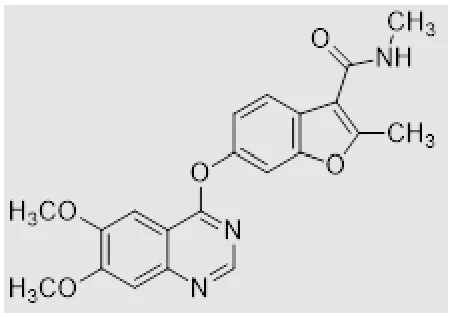
Chemical name: 6-[(6,7-dimethoxyquinazolin-4-yl)oxy]-N,2-dimethyl-1-benzofuran-3- carboxamide
Molecular formula and molecular mass: C21H19N3O5 393.39 g/mol
Structural formula:
Physicochemical properties:
Fruquintinib is a white to off-white powder with a dissociation constant (pKa) of 2.78. The aqueous solubility of fruquintinib is pH dependent, with a solubility of 0.9 μg/mL at pH 6.8 that increases under acidic conditions to 129.9 μg/mL at pH 1, at 37 °C.
14 CLINICAL TRIALS
14.1 Clinical Trials by Indication
Table 10 Summary of patient demographics for clinical trials in adult patients with previously treated metastatic colorectal cancer
| Study # | Study design | Dosage, route of administration and duration | Study subjects (n) | Median age (Range) | Sex |
| FRESCO-2 | Randomized, double-blind, placebo-controlled, multicentre, phase III study | Fruquintinib: 5mg orally once daily plus BSC, for 21 days on therapy followed by 7 days off therapy in a 28-day treatment cycle Placebo: orally once daily plus BSC, for 21 days on therapy followed by 7 days off therapy in a 28-day treatment cycle | Total: N=691 Fruquintinib plus BSC: N=461 Placebo plus BSC: N=230 | 64 years (25-86) | Male and female |
| FRESCO | Randomized, double-blind, placebo-controlled, multicentre phase III study | Fruquintinib: 5mg orally once daily plus BSC, for 21 days on therapy followed by 7 days off therapy in a 28-day treatment cycle Placebo: orally once daily plus BSC, for 21 days on therapy followed by 7 days off therapy in a 28-day treatment cycle | Total: N=416 Fruquintinib plus BSC: N=278 Placebo plus BSC: N=138 | 56 years (23-75) | Male and female |
| Abbreviations: BSC=Best Supportive Care | |||||
The safety and efficacy of FRUZAQLA plus best supportive care (BSC) was evaluated in two randomized, placebo-controlled, double-blind, phase III studies (FRESCO-2 and FRESCO) in patients with metastatic colorectal cancer (mCRC) previously treated with but not limited to oxaliplatin- and irinotecan-based chemotherapies.
FRESCO-2 Study
The efficacy of FRUZAQLA was evaluated in a global, randomized, double-blind, placebo-controlled, multicentre, phase III study (FRESCO-2) in 691 patients with mCRC who had been previously treated with standard approved therapies including fluoropyrimidine-, oxaliplatin-, and irinotecan based chemotherapy; an anti- VEGF biological therapy; an anti- EGFR therapy if RAS wild type, and have progressed on or had intolerance to trifluridine/tipiracil and/or regorafenib. Patients were considered intolerant to trifluridine/tipiracil or regorafenib if they received at least 1 dose of either agent and were discontinued from therapy for reasons other than progressive disease. Patients with MSI-H or dMMR tumors were previously treated with immune checkpoint inhibitors, and patients with BRAF V600E mutant tumors were previously treated with a BRAF inhibitor, if approved and available in the patients’ respective country or region.
Randomization was stratified by prior therapy (trifluridine/tipiracil vs. regorafenib vs. both trifluridine/tipiracil and regorafenib), RAS status (wild-type vs. mutant) and duration of metastatic disease (≤ 18 months vs. > 18 months). Patients with an ECOG PS ≥ 2, left ventricular fraction ≤ 50%, systolic blood pressure > 140 mm Hg or diastolic blood pressure > 90 mm Hg, urine protein ≥ 1 g/24h, or body weight < 40 kg were excluded. The primary efficacy endpoint was overall survival (OS). The key secondary efficacy endpoint was PFS as assessed by the investigator using RECIST, version 1.1. Other supportive secondary endpoints included tumour objective response rate (ORR), disease control rate (DCR; including complete response, partial response, and stable disease), duration of response (DoR), and safety.
Among the 691 randomized patients, the median age was 64 years (range: 25 to 86), with 47% ≥ 65 years of age. 55.7% of patients were male, 80.9% were White, 8.8% Asian, 2.9% Black or African American, and had an ECOG PS of 0 (43.1%) or 1 (56.9%). Tumor RAS wild-type was reported in 36.9% of patients at study entry. The median duration of metastatic disease was 39 months (range: 6 months to 16.1 years). The median number of prior lines of therapy for metastatic disease was 4 (range: 2 to 16).
In addition to treatment with fluoropyrimidine, oxaliplatin, and irinotecan-based chemotherapy, 96.4% of patients received prior anti-VEGF therapy, 38.8% received prior anti-EGFR therapy, 52.2 % received trifluridine/tipiracil, 8.4% received regorafenib, 39.4% received both trifluridine/tipiracil and regorafenib, 4.6% received immunotherapy, and 2.3% received BRAF inhibitor. The addition of FRUZAQLA to BSC resulted in a statistically significant improvement in OS and PFS compared to placebo plus BSC (see Table 11 and Figure 1).
FRESCO Study
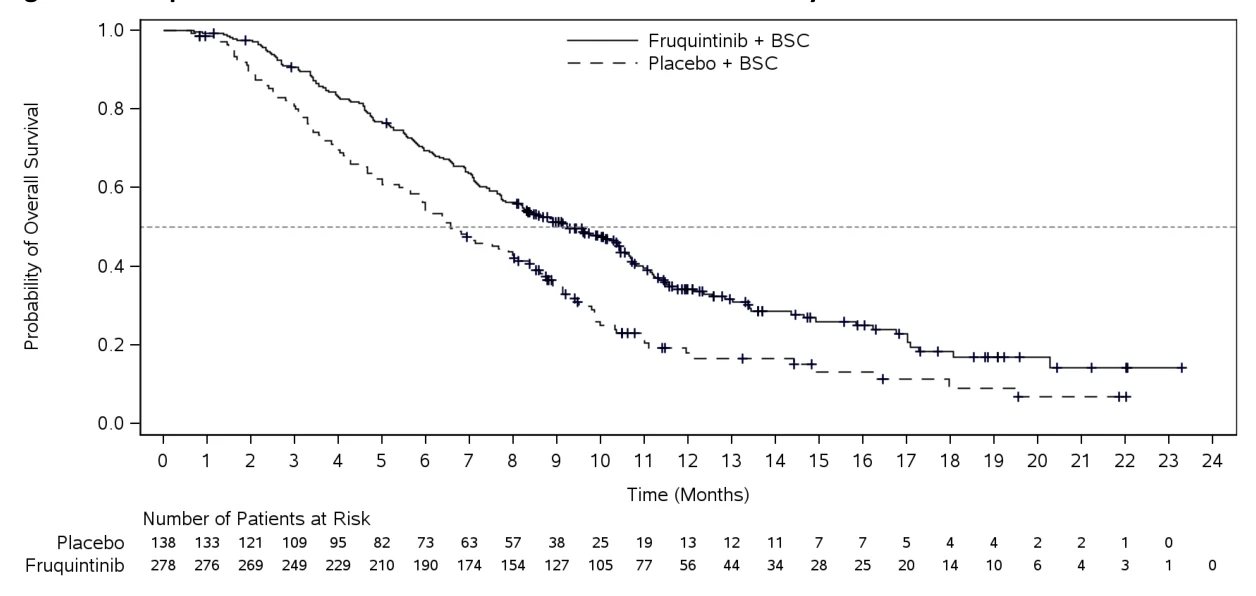
The efficacy of FRUZAQLA was evaluated in a randomized, double-blind, placebo-controlled, multicentre phase III study (FRESCO) conducted in China in 416 patients with previously treated mCRC. Randomisation was stratified by prior use of VEGF inhibitor (yes vs. no) and K RAS gene status (wild type vs. mutant).
Patients with an Eastern Cooperative Oncology Group (ECOG) performance status (PS) ≥ 2, left ventricular fraction ≤ 50%, systolic blood pressure > 140 mm Hg or diastolic blood pressure > 90 mm Hg, urine protein ≥ 1 g/24h, and body weight < 40 kg were excluded. The primary efficacy endpoint was overall survival (OS). Secondary efficacy endpoints included progression-free survival (PFS) as assessed by the investigator using Response Evaluation Criteria in Solid Tumors (RECIST) version 1.1, tumour objective response rate (ORR), disease control rate (DCR; including complete response, partial response and stable disease), duration of response (DoR), and safety.
Among the 416 randomized patients, the median age was 56 years (range: 23 to 75), with 19% ≥ 65 years of age. 61.3% of patients were male, all were Asian (100%), and had an ECOG PS of 0 (27%) or 1 (73%). The median number of prior lines of therapy for metastatic disease was 2 (range: 2 to 3). Tumor K-Ras mutation was reported in 44% of patients at study entry.
In addition to treatment with fluoropyrimidine-, oxaliplatin- and irinotecan-based chemotherapy, 30% of patients received prior anti-VEGF therapy, and 14% received prior anti-EGFR therapy. The addition of FRUZAQLA to BSC resulted in a statistically significant improvement in OS and PFS compared to placebo plus BSC (see Table 11 and Figure 2).
Table 11 Efficacy Results from FRESCO-2 and FRESCO Studies
| FRESCO-2 | FRESCO | |||||||||||||
| Endpoint | FRUZAQLA + BSC N=461 | Placebo + BSC N=230 | FRUZAQLA + BSC N=278 | Placebo + BSC N=138 | ||||||||||
| OS | ||||||||||||||
Median in months (95% CI) | 7.4 (6.7, 8.2) | 4.8 (4.0, 5.8) | 9.3 (8.2, 10.5) | 6.6 (5.9, 8.1) | ||||||||||
Hazard ratio1 (95% CI) | 0.66 (0.55, 0.80) | 0.65 (0.51, 0.83) | ||||||||||||
| p-value2 | < 0.001 | < 0.001 | ||||||||||||
| PFS3 | ||||||||||||||
| Median in months (95% CI) | 3.7 (3.5, 3.8) | 1.8 (1.8, 1.9) | 3.7 (3.7, 4.6) | 1.8 (1.8, 1.8) | ||||||||||
Hazard ratio1 (95% CI) | 0.32 (0.27 – 0.39) | 0.26 (0.21 – 0.34) | ||||||||||||
| p-value2 | < 0.001 | < 0.001 |
Abbreviations: CI=Confidence Interval; HR=Hazard Ratio; N=Number of Patients; OS=Overall Survival; PFS=Progression-free Survival; ORR=Objective Response Rate; DCR=Disease Control Rate; CR=complete response; PR=partial response; SD=stable disease; BSC: Best Standard of Care. The median OS and PFS were calculated using the Kaplan-Meier method. 1The HR and its 95% CI were estimated using stratified Cox's proportional hazards model (accounting for the stratification factors), in which the treatment arm is the only covariate in the model. 2p-value (2-sided) was calculated using the stratified log-rank test to account for the stratification factors. 3Assessed by the investigator using RECIST, version 1.1 | ||
Figure 1. Kaplan-Meier curve for Overall Survival in FRESCO-2 study
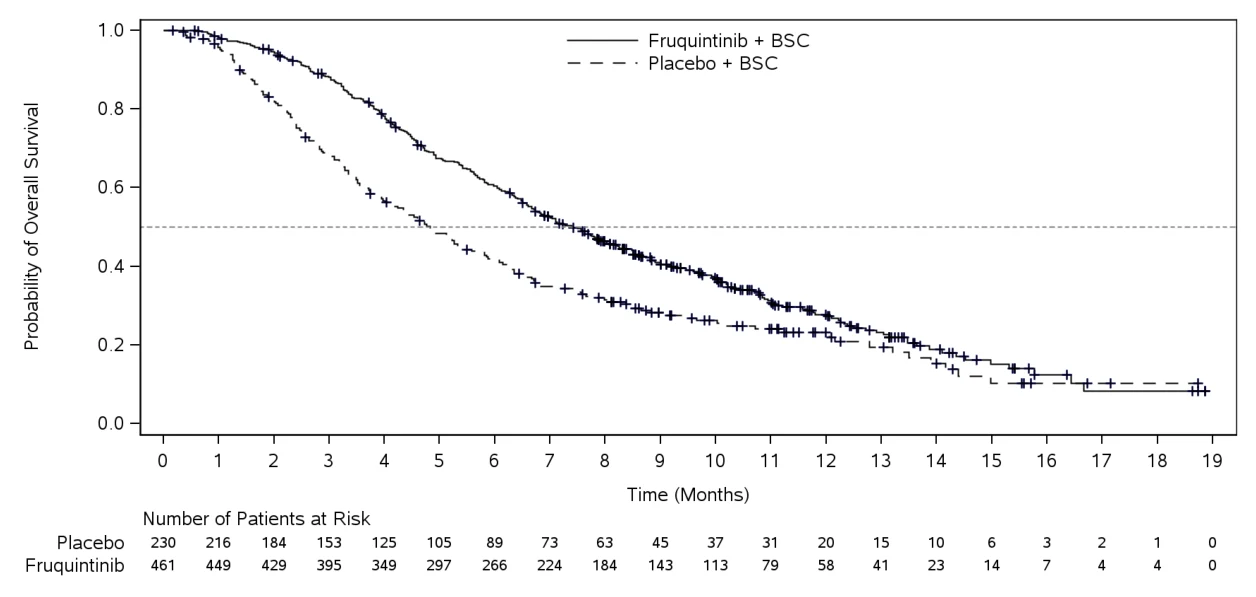
Figure 2. Kaplan-Meier curve for Overall Survival in FRESCO study
14.2 Comparative Bioavailability Studies
Not applicable.
14.3 Immunogenicity
Not applicable.
15 MICROBIOLOGY
Not Applicable.
16 NON-CLINICAL TOXICOLOGY
General Toxicology:
In repeat dose animal toxicity studies, the main target organ effects were identified in the gastrointestinal tract (diarrhea and gastrointestinal bleeding, degeneration, necrosis, and inflammation in the Brunner’s gland), hepatobiliary system (elevated ALP, ALT, AST, CHOL, TBIL, and TG, along with hepatocyte necrosis/degeneration, hepatocyte swelling, vacuolation, granulomatous inflammation and bile duct hyperplasia), immune system (decreased lymphocytes and atrophy of thymus, atrophy of spleen, mast cell infiltration in the mesenteric lymph nodes), skeletal system ( increased thickness of the physis in the femur, brown teeth, and broken/lost teeth), kidneys (elevated BUN, degeneration of renal glomerulus, and hyaline casts, vacuolation of tubular epithelial cells, urine protein), hematopoietic system (decreased hematopoietic cells in the bone marrow), pancreas (increased amylase and lipase) and adrenal gland (congestion, hemorrhage, and vacuolation). All findings were reversible or partially reversible after 4 weeks without treatment, apart from the skeletal system (brown teeth, broken/lost teeth) and adrenal gland vacuolation. These toxicities were observed at exposures that were below those achieved clinically at steady state.
Carcinogenicity:
Carcinogenicity studies have not been conducted with fruquintinib.
Genotoxicity:
Fruquintinib was considered negative for mutagenic or clastogenic potential in the in vitro bacterial reverse mutation (Ames) test or the in vitro Chinese hamster ovary chromosome aberration assay, respectively. Fruquintinib was also negative for clastogenic and aneugenic potential in the in vivo rat micronucleus test or alkaline comet assays.
Reproductive and Developmental Toxicology:
In a rat fertility and early embryonic development study with fruquintinib, male and female reproductive indices were decreased at exposures approximately 3.2 and 0.8 fold the human AUC respectively. However, females had increases in the number and percent of resorptions, post-implantation loss and a decrease in the number and percent of viable fetuses.
In an embryo-fetal developmental study in rats, embryo lethality and teratogenic effects consisting of external visceral and skeletal anomalies were observed. External anomalies included head and tail malformations and edema. Visceral evaluation showed an increase in malformations of malpositioned or absent blood vasculature. Skeletal evaluations showed increases in vertebral anomalies as well as increased incidences of variations, such as unossified forelimb metacarpals and/or phalanxes.
These findings occurred at exposures that were below those achieved clinically at steady state.
Special Toxicology
Fruquintinib was not considered to have phototoxic potential in the skin based on an in vivo phototoxicity study in guinea pigs. This finding occurred at exposures that were greater than those observed clinically at steady state.