


Patient Medication Information: uses, side effects, how to take - Fucithalmic (Amdipharm, PM 00053758)
What is FUCITHALMIC used for?
FUCITHALMIC is used in adults and children (2 years of age and older) to treat eye infections.
Antibacterial drugs like FUCITHALMIC treat only bacterial infections. They do not treat viral infections. Although you may feel better early in treatment, FUCITHALMIC should be used exactly as directed. Misuse or overuse of FUCITHALMIC could lead to the growth of bacteria that will not be killed by FUCITHALMIC (resistance). This means that FUCITHALMIC may not work for you in the future. Do not share your medicine.
How does FUCITHALMIC work?
FUCITHALMIC is a topical antibiotic for the eye. FUCITHALMIC works by killing or stopping the growth of bacteria which cause infections.
What are the ingredients in FUCITHALMIC?
Medicinal ingredient: fusidic acid
Non-medicinal ingredients: benzalkonium chloride (preservative), carbomer, disodium edetate, mannitol, sodium hydroxide, water
FUCITHALMIC comes in the following dosage forms:
Viscous eye drops; 1 %
Do not use FUCITHALMIC if:
- you are allergic to fusidic acid or any of the other ingredients in FUCITHALMIC including the preservative benzalkonium chloride.
To help avoid side effects and ensure proper use, talk to your healthcare professional before you take FUCITHALMIC. Talk about any health conditions or problems you may have, including if:
- your eye infection gets worse during treatment or if there are no signs of improvement.
you are pregnant or if you become pregnant during treatment with FUCITHALMIC.
- you are breastfeeding or planning to breastfeed. FUCITHALMIC can pass into your breastmilk.
Other warnings you should know about:
- Do not wear contact lenses (hard or soft) when using FUCITHALMIC. Wearing contact lenses when you have an eye infection could be harmful to your eyes. In addition, the preservative in FUCITHALMIC may damage your contact lenses.
- Stop using FUCITHALMIC and contact your healthcare professional if you have any type of skin irritation (other than stinging when putting FUCITHALMIC in your eyes) or reaction.
Tell your healthcare professional about all the medicines you take, including any drugs, vitamins, minerals, natural supplements or alternative medicines.
How to take FUCITHALMIC:
- FUCITHALMIC is for use in the eyes only.
- Always use FUCITHALMIC exactly as your healthcare professional has told you.
- Although your infection may start to get better after 3 to 5 days of treatment, it is important that you continue to use FUCITHALMIC for the entire time recommended by your healthcare professional.
- If your infection is not better after 7 days contact your healthcare professional.
- Misuse or overuse of FUCITHALMIC could lead to the growth of bacteria that will not be killed by FUCITHALMIC. This means that FUCITHALMIC may not work for you in the future.
Usual dose:
- Apply one drop of FUCITHALMIC to both eyes twice daily for the entire time period recommended by your healthcare professional (usually 7 days).
- Even though you may only have an infection in one eye, your healthcare professional may ask you to treat both eyes to prevent spread of the infection.
How to use FUCITHALMIC:
 |
|
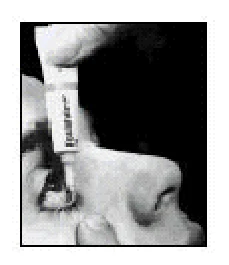
- Gently pull down your lower eyelid and squeeze one drop from the tube into your lower eyelid as shown in the picture. You may find a mirror useful when using FUCITHALMIC.
- Be careful not to touch the tip of the tube to your eye or any other surface, to avoid contamination.
- FUCITHALMIC comes out of the tube as a single viscous drop, which quickly turns to liquid in your eye.
- If the drops are for children, you may put the drops in their eyes when they are lying down or asleep.
Overdose:
Missed Dose:
If you forget to use FUCITHALMIC at the right time, use it as soon as you remember. Then continue with the next dose at the regular time.
What are possible side effects from using FUCITHALMIC?
These are not all the possible side effects you may feel when taking FUCITHALMIC. If you experience any side effects not listed here, contact your healthcare professional.
Side effects may include:
- stinging, irritation or burning of the eyes
- watery eyes, tearing
- eye pain
- swelling of the eyelid, eyelid stickiness
- temporary blurring of vision after using the drops
- headache
- worsening of the eye infection
| If you think you have used too much FUCITHALMIC, contact your healthcare professional, hospital emergency department or regional poison control centre immediately, even if there are no symptoms. |
Serious side effects and what to do about them
| Symptom / effect | Talk to your healthcare professional | Stop taking drug and get immediate medical help |
| Only if severe | In all cases | |
RARE Allergic reaction: rash, hives, swelling of the face, lips, tongue or throat, difficulty swallowing or breathing | ||
| √ | ||
If you have a troublesome symptom or side effect that is not listed here or becomes bad enough to interfere with your daily activities, talk to your healthcare professional.
Storage:
- Store FUCITHALMIC at 2-25°C.
- Keep this and all medications out of reach and sight of children.
- FUCITHALMIC should be discarded 28 days after it is first opened.
If you want more information about FUCITHALMIC:
- Talk to your healthcare professional
- Find the full product monograph that is prepared for healthcare professionals and includes this Patient Medication Information by visiting the Health Canada website, https://www.canada.ca/en/health-canada.html; the manufacturer’s website, https://methapharm.com/products/ or by calling 1-800-287-7686 (Ext. 7804)
Reporting Side Effects
You can report any suspected side effects associated with the use of health products to
Health Canada by:
- Visiting the Web page on Adverse Reaction Reporting (https://www.canada.ca/en/health-canada/services/drugs--health-products/medeffect-canada/adverse-reaction-reporting.html) for information on how to report online, by mail or by fax; or
- Calling toll-free at 1-866-234-2345.
NOTE: Contact your health professional if you need information about how to manage your side effects. The Canada Vigilance Program does not provide medical advice.