


Product Monograph - Giotrif
SUMMARY PRODUCT INFORMATION
| Route of Administration | Dosage Form / Strength | Clinically Relevant Nonmedicinal Ingredients |
| Oral | Film-coated Tablets 20, 30, 40 mg afatinib (as afatinib dimaleate) | colloidal anhydrous silica, crospovidone, lactose monohydrate, magnesium stearate, microcrystalline cellulose For a complete listing see Dosage Forms, Composition and Packaging section. |
INDICATIONS AND CLINICAL USE
GIOTRIF (afatinib) is indicated as monotherapy for the treatment of Epidermal Growth Factor Receptor (EGFR) tyrosine kinase inhibitor naïve patients with metastatic (including cytologically proven pleural effusion) adenocarcinoma of the lung with activating EGFR mutation(s).
- A validated test is required to identify EGFR mutation status.
- Clinical efficacy was based on progression-free survival and objective response rate. There was no difference in overall survival (OS) between the two arms; however, the subgroup analysis of OS demonstrated an OS benefit in patients harbouring Del 19 but no OS benefit was demonstrated in patients with the L858R point mutation.
- Safety and efficacy of GIOTRIF have not been established in patients with EGFR mutations other than Del 19 and exon 21 L858R point mutation (see CLINICAL TRIALS).
GIOTRIF (afatinib) is indicated as monotherapy for the treatment of patients with locally advanced or metastatic non-small cell lung cancer (NSCLC) of squamous histology progressing after platinum-based chemotherapy (see CLINICAL TRIALS).
Close monitoring and proactive management of diarrhea is essential for successful GIOTRIF treatment (see WARNINGS AND PRECAUTIONS).
Geriatrics (> 65 years of age): More adverse events ≥ Common Terminology Criteria for Adverse Events (CTCAE) Grade 3 were reported for patients ≥ 65 years than patients < 65 years in clinical trials (see WARNINGS AND PRECAUTIONS, Special Populations).
Pediatrics (< 18 years of age): The safety and efficacy of GIOTRIF have not been studied in pediatric patients. Treatment of children or adolescents with GIOTRIF is not recommended.
CONTRAINDICATIONS
GIOTRIF is contraindicated in patients with known hypersensitivity to afatinib or to any of the ingredients of the product. For a complete listing (see DOSAGE FORMS, COMPOSITION AND PACKAGING).
WARNINGS AND PRECAUTIONS
Serious Warnings and Precautions
The following are clinically significant and/or life-threatening adverse events:
|
General
Assessment of EGFR mutation status
EGFR mutation-status must be confirmed prior to starting GIOTRIF therapy. When assessing the EGFR mutation status a well-validated and robust methodology is necessary to avoid false negative or false positive determinations.
Clinical data supporting the efficacy of GIOTRIF in EGFR TKI naïve patients with uncommon EGFR mutations including the T790M mutation are limited. Although individual responses were observed in some patients with uncommon mutations, evidence for activity in patients with tumours harbouring de novo T790M mutations appears to be more limited in the pivotal LUX-Lung 3 study (see Clinical Trials).
GIOTRIF contains lactose. Patients with rare hereditary conditions of galactose intolerance, the Lapp lactase deficiency or glucose-galactose malabsorption should not take this medicine.
Ocular adverse reactions, including blurred vision and keratitis, have been reported in patients treated with GIOTRIF and may impact patients’ ability to drive or operate machines.
Carcinogenesis and Mutagenesis
Carcinogenicity studies have not been conducted with GIOTRIF. GIOTRIF demonstrated no significant mutagenic or genotoxic potential in vitro or in vivo under biological conditions (see TOXICOLOGY, Genotoxicity).
Cardiovascular
Left ventricular function
Afatinib inhibits HER2 and left ventricular dysfunction has been associated with HER2 inhibition. In the pivotal trial, all patients in the GIOTRIF arm were measured for left ventricular ejection fraction (LVEF) at baseline and during the study; however routine LVEF monitoring was not compulsory for patients in the chemotherapy arm. A total of 52 (25%) patients in the GIOTRIF arm experienced 10 – 20% LVEF decrease from baseline; 12 (5.9%) patients had LVEF decrease greater than 20%, among which 3 patients experienced LVEF decrease below the lower limit of normal for the particular study site.
GIOTRIF has not been studied in patients with abnormal LVEF or those with significant cardiac history. In patients with cardiac risk factors and those with conditions that can affect left ventricular function, cardiac monitoring, including an assessment of LVEF at baseline and during GIOTRIF treatment, should be considered.
In patients who develop relevant cardiac signs/symptoms during treatment or an ejection fraction below the institution’s lower limit of normal, cardiac consultation as well as GIOTRIF treatment interruption or discontinuation should be considered.
Gastrointestinal
Diarrhea
Diarrhea, including severe diarrhea, has been reported during treatment with GIOTRIF (see ADVERSE REACTIONS). Diarrhea has resulted in dehydration, clinically significant hypokalemia and/or renal impairment, and in rare cases fatal outcomes (see ADVERSE REACTIONS). In the pivotal trials, 74.7% to 96.1% of the patients in the GIOTRIF arm, experienced diarrhea during the course of the study, of which 9.9% to 14.8% were CTCAE Grade 3 diarrhea. Diarrhea usually occurred within the first 2 weeks of treatment. Grade 3 diarrhea most frequently occurred within the first 6 weeks of treatment. Serious diarrhea occurred in 4.6% to 6.6% of patients. Diarrhea led to dose reduction and permanent discontinuation of GIOTRIF in 14.8% to 19.7% and 1.3% to 4.1% of patients, respectively. The majority of patients with diarrhea (52.0 to 92.7%) were treated with anti-propulsives.
Close monitoring and proactive management of diarrhea is essential for successful GIOTRIF treatment. Early and appropriate intervention can prevent the development of more severe diarrhea. In the protocol of LUX-Lung 3 study, it was recommended that loperamide should be made available at the start of GIOTRIF therapy and kept with the patient at all times. The recommendations for diarrhea management were as follows:
- If any diarrhea is experienced (CTCAE Grade 1), 2 tablets of 2 mg loperamide should be taken immediately, followed by 1 tablet of 2 mg loperamide with every loose bowel movement, up to a maximum daily dose of 10 tablets, i.e., 20 mg loperamide.
- Patients should be advised to avoid lactose-containing products or any foods known to aggravate diarrhea.
- Oral hydration is essential regardless of severity; appropriate rehydration (1.5 L/m2/day plus equivalent of actual fluid loss) and electrolyte replacement has to be ensured for CTCAE Grade 2 and 3 diarrhea.
- For CTCAE Grade 3 diarrhea or CTCAE Grade 2 diarrhea lasting ≥ 48 hours despite adequate anti-diarrheal treatment, GIOTRIF must be paused until recovery to CTCAE Grade ≤ 1. Upon recovery, GIOTRIF should be resumed at a reduced dose according to the dose reduction scheme.
- If diarrhea does not resolve to CTCAE ≤ 1 within 14 days despite optimal supportive care and GIOTRIF treatment interruption, the patient must not receive further GIOTRIF treatment.
Close monitoring and proactive management of diarrhea including adequate hydration combined with anti-diarrheal agents (e.g., loperamide) is essential for successful GIOTRIF treatment of patients. Antidiarrheal agents should be readily available to the patients so that treatment can be initiated at first signs of diarrhea and if necessary, their dose should be escalated to the highest recommended approved dose. Antidiarrheal agents should be continued until loose bowel movements cease for 12 hours. Patients with severe diarrhea will require interruption and dose reduction or discontinuation of GIOTRIF therapy (see DOSAGE AND ADMINISTRATION). Patients should also be advised to drink an adequate amount of fluids to make up for the fluid lost through diarrhea. Patients who become dehydrated may require hospitalization and administration of intravenous electrolytes and fluids.
Prior to the start of GIOTRIF therapy, prescribers should ensure that patients are well informed of the risk of diarrhea and are able to proactively manage this side effect. Patients should be provided with contact information of a physician experienced in cancer treatment and seek advice on diarrhea management.
Patients with significant or recent gastrointestinal disorders with diarrhea as a major symptom, e.g., Crohn’s disease, malabsorption or severe diarrhea of any etiology were excluded from the clinical trial. GIOTRIF is not recommended in this patient population.
Gastrointestinal perforations
Gastrointestinal perforation, including fatalities, have been reported during treatment with GIOTRIF in 0.2% of patients across all randomized controlled clinical trials. In the majority of cases, gastrointestinal perforation was associated with other known risk factors, including concomitant medications such as corticosteroids, NSAIDs, or anti-angiogenic agents, an underlying history of gastrointestinal ulceration, underlying diverticular disease, age, or bowel metastases at sites of perforation. However, in reported cases, not all patients had predisposing risk factors. Approximately one third of all reported cases (clinical trial and post-marketing) of gastrointestinal perforation were fatal. Permanently discontinue GIOTRIF in patients who develop gastrointestinal perforation.
Hepatic/Biliary/Pancreatic
Hepatotoxicity
Hepatic failure, including fatalities, has been reported during treatment with GIOTRIF in less than 1% of patients. In patients receiving GIOTRIF 40 mg, the frequencies of alanine amino transferase (ALT), aspartate amino transferase (AST), alkaline phosphatase (ALKP) and total bilirubin Grade 2 ranged from 1.7% to 7.2%, 1.7% to 4.6%, 3.2% to 6.4%, and 0% to 1.4%, respectively. The values ≥ Grade 3 were 0.9% to 2.8%, 1.1% to 2.0%, 1.9% to 4.0% and 0% to 2.2% respectively.
Periodic liver function testing should be performed for all patients. GIOTRIF dose interruption may be necessary in patients who experience worsening of liver function (see DOSAGE AND ADMINISTRATION). In patients who develop severe hepatic impairment while taking GIOTRIF, treatment should be discontinued.
Immune
Potential for allergic, immune-based adverse reactions
Afatinib binds to plasma proteins and hemoglobin via covalent binding (see DETAILED PHARMACOLOGY). The presence of covalently modified proteins in the blood may constitute a possible risk for allergic, immune-based adverse reactions.
Ophthalmologic
Keratitis
Symptoms such as acute or worsening eye inflammation, lacrimation, light sensitivity, blurred vision, eye pain and/or red eye should be referred promptly to an ophthalmology specialist. In the pivotal trials, the overall rate of keratitis ranged from 0.3% to 2.2%. Grade 3 keratitis was reported in 1 (0.4%) patient. If a diagnosis of ulcerative keratitis is confirmed, treatment with GIOTRIF should be interrupted or discontinued. If keratitis is diagnosed, the benefits and risks of continuing treatment should be carefully considered. GIOTRIF should be used with caution in patients with a history of keratitis, ulcerative keratitis or severe dry eye. Contact lens use is also a risk factor for keratitis and ulceration (see ADVERSE REACTIONS).
Respiratory
Interstitial Lung Disease (ILD)
ILD or ILD-like events (such as lung infiltration, pneumonitis, acute respiratory distress syndrome (ARDS), alveolitis allergic), including fatalities, were reported in patients receiving GIOTRIF for treatment of NSCLC. Drug related ILD-like events were reported in 0.7% of patients treated with GIOTRIF across all clinical trials (including 0.5% of patients with CTCAE Grade ≥ 3 ILD-like adverse reactions). In LUX-Lung 3 and 8, the incidence of drug-related ILD-like events was 1.3%. ILD-like events were fatal in 0.4% to 0.8% of patients, respectively (see ADVERSE REACTIONS).
Careful assessment of all patients with an acute onset and/or unexplained worsening of pulmonary symptoms (dyspnea, cough, fever) should be performed to exclude ILD. GIOTRIF should be interrupted pending investigation of these symptoms. If ILD is diagnosed, GIOTRIF should be permanently discontinued and appropriate treatment instituted as necessary.
Patients with a history of ILD have been excluded in clinical trials. GIOTRIF is not recommended for this patient subpopulation.
Skin
Skin related adverse events
Grade 3 cutaneous reactions characterized by bullous, blistering, and exfoliating lesions occurred in 6 (0.15%) of the 3865 patients who received GIOTRIF across clinical trials. In LUX-Lung 3 and 8, the overall incidence of cutaneous reactions consisting of rash, erythema, and acneiform rash ranged from 70% to 90% and the incidence of Grade 3 cutaneous reactions ranged from 6.6% to 16.2%. Palmar-plantar erythrodysaesthesia syndrome (PPE) was observed in 1.5% to 6.6% of patients. Grade 3 CTCAE PPE was reported in 0% to1.3% of patients.
In general, rash manifests as a mild or moderate erythematous and acneiform rash, which may occur or worsen in areas exposed to sun. Bullous, blistering and exfoliative skin conditions have been reported including rare cases suggestive of Stevens-Johnson syndrome (SJS) and toxic epidermal necrolysis (TEN).
In vitro studies have shown that GIOTRIF has phototoxic potential and in rats afatinib accumulated in the retina and skin (see TOXICOLOGY).
Patients should be advised to avoid sun exposure or wear sufficient sun protection. Early intervention of dermatologic reactions can facilitate continuous GIOTRIF treatment. Patients with prolonged or severe skin reactions require temporary interruption of therapy, dose reduction or discontinuation (see DOSAGE AND ADMINISTRATION), additional therapeutic intervention, and referral to a specialist with expertise in managing these dermatologic effects. GIOTRIF treatment should be discontinued if the patient develops severe bullous, blistering or exfoliating conditions.
Paronychia
In the pivotal studies paronychia was reported in 11.0% to 56.8% of patients. Grade 3 paronychia was reported in 0.5% to 11.4% of patients. Paronychia led to dose reduction in 0.8% to 13.1% of patients and 0.3% to 0.9% of patients discontinued.
The frequency or severity of paronychia may be reduced by prevention measures and good skin care. Patients should be advised to avoid trauma to the nails or finger tips and avoid chemicals that can be harmful, such as soaps, detergents and nail products. Patients should be advised to keep the hands clean and dry. If mild paronychia develops, topical antibiotics/antiseptics and/or steroids may be beneficial. For moderate to severe cases, topical or systemic antibiotics and/or steroids as well as periodic silver nitrate application may be beneficial.
Drug Interactions
P-glycoprotein (P-gp) interactions
Strong inhibitors of P-gp if administered prior to GIOTRIF may lead to increased exposure to afatinib and therefore should be used with caution. If P-gp inhibitors need to be taken, they should be administered simultaneously with or after GIOTRIF. Concomitant treatment with strong inducers of P-gp may decrease exposure to afatinib (see DOSAGE AND ADMINISTRATION, DRUG INTERACTIONS and DETAILED PHARMACOLOGY, Drug-drug Interactions).
Special Populations
Pregnant Women: Based on the mechanism of action, afatinib has the potential to cause fetal harm (see TOXICOLOGY).
Administration of afatinib to pregnant rabbits at doses of 5 mg/kg/day or greater resulting in exposures 0.2 times human AUC and greater was associated with increased post implantation loss and, in animals showing maternal toxicity, abortion at late gestational stages. There were reduced fetal weights as well as visceral and dermal variations.
There are no studies in pregnant women using GIOTRIF. GIOTRIF should not be used in pregnant women. Women of childbearing potential should be advised to avoid becoming pregnant while receiving treatment with GIOTRIF. Adequate contraceptive methods should be used during therapy and for at least 2 weeks after the last dose. If the patient becomes pregnant while receiving GIOTRIF, the patient should be apprised of the potential hazard to the fetus.
Fertility: Fertility studies in humans have not been performed with GIOTRIF. Nonclinical toxicology studies have shown effects on reproductive organs. In a dedicated fertility study in rats, there was an increase in the incidence of low or no sperm count at 6 mg/kg or greater, though overall fertility was not affected. Females showed a mild decrease in the number of corpora lutea at the highest dose of 8 mg/kg.
Nursing Women: Non-clinical data in lactating rats showed that afatinib was excreted into milk of the dams. The average concentrations in milk at time points 1 hour and 6 hours post dose were approximately 80 and 150-fold above the respective concentration in plasma (see TOXICOLOGY). Based on this finding, it is likely that afatinib is excreted in human milk. Mothers should be advised against breast-feeding while receiving GIOTRIF until at least 2 weeks after last dose.
Pediatrics (<18 years of age): The safety and efficacy of GIOTRIF have not been studied in pediatric patients. Treatment of children or adolescents with GIOTRIF is not recommended.
Geriatrics (>65 years of age): Elderly patients may be more likely to experience a higher grade of some adverse events associated with EGFR inhibition particularly diarrhea. In patients treated with GIOTRIF 40 mg (n=497) monotherapy CTCAE grade 3 and 4 AEs were reported in 38.8% of patients <65 and in 53.9% of those ≥ 65. Grade 3 diarrhea was reported in 8.2% of patients <65 and in 14.4% of those ≥ 65. Elderly patients should be closely monitored for drug-related toxicities.
Female gender, lower body weight and underlying renal impairment: Higher exposure to afatinib has been observed in female patients, patients with lower body weight and those with underlying renal impairment. This could result in a higher risk of developing EGFR mediated adverse events such as diarrhea, rash and stomatitis. Closer monitoring is recommended in patients with these risk factors.
Renal impairment: Exposure to afatinib was found to be increased in patients with moderate or severe renal impairment. Adjustments to the starting dose are not necessary in patients with mild or moderate renal impairment. In patients with severe renal impairment (estimated glomerular filtration rate [eGFR*] 15 to 29 mL/min/1.73 m2, administer GIOTRIF at a starting dose of 30 mg once daily. GIOTRIF treatment in patients with eGFR <15 mL/min or on dialysis were not studied and is not recommended.
*Use the Modification of Diet in Renal Disease [MDRD] formula to estimate eGFR.
Hepatic impairment: Patients with severe hepatic impairment (Child Pugh C) were not studied. Treatment with GIOTRIF is not recommended for these patients.
Monitoring and Laboratory Tests
Assessment of EGFR Mutation Status: EGFR mutation-positive status must be confirmed prior to starting GIOTRIF therapy in patients with adenocarcinoma of the lung. When assessing the EGFR mutation status, a well-validated and robust methodology is necessary to avoid false negative or false positive determination.
Clinical Chemistry: Liver function tests should be performed at baseline and periodically during GIOTRIF therapy. Close monitoring of liver function testing should be considered in patients with hepatic impairment (see Hepatic/Biliary/Pancreatic).
Renal function and serum electrolytes including potassium should be monitored particularly in patients at high risk of dehydration (see Gastrointestinal).
Left Ventricular Function Testing: In patients with cardiac risk factors and those with conditions that can affect left ventricular function, cardiac monitoring, including an assessment of LVEF at baseline and during GIOTRIF treatment, should be considered.
ADVERSE REACTIONS
Adverse Drug Reaction Overview
The safety evaluation of GIOTRIF is based on the data from 3,865 patients, including 2,135 NSCLC patients treated with GIOTRIF monotherapy at or above the recommended dose. The types of adverse drug reactions (ADRs) were generally associated with the EGFR inhibitory mode of action of afatinib. The most frequent ADRs were diarrhea and skin related adverse events as well as stomatitis and paronychia. ILD-like adverse reactions were reported in 0.7% in all GIOTRIF treated patients and ranged from 1.3% to 2.8% of patients treated with GIOTRIF in the LUX-Lung 3 and 8 pivotal clinical trials. Overall, dose reduction led to a lower frequency of common adverse reactions. In patients treated with once daily GIOTRIF 40 mg, dose reductions due to ADRs occurred in 27% to 57% of the patients. Discontinuation due to ADRs diarrhea and rash ranged from1.3% to 4.1% and 0% to 2.6%, respectively. Bullous, blistering and exfoliative skin conditions have been reported including rare cases suggestive of Stevens-Johnson and toxic epidermal necrolysis.
Clinical Trial Adverse Drug Reactions
Because clinical trials are conducted under very specific conditions the adverse reaction rates observed in the clinical trials may not reflect the rates observed in practice and should not be compared to the rates in the clinical trials of another drug. Adverse drug reaction information from clinical trials is useful for identifying drug-related adverse events and for approximating rates.
Pivotal phase III trial (LUX-Lung 3)
In the pivotal LUX-Lung 3 study, a total of 229 patients not previously treated with an EGFR inhibitor (EGFR TKI-naïve patients) were treated with GIOTRIF with a starting dose of 40 mg once daily until disease progression or intolerance. In the control arm, a total of 111 patients received pemetrexed/cisplatin up to 6 cycles. The median durations of treatment were 336 and 105 days in the GIOTRIF and chemotherapy arms, respectively.
Adverse events reported in ≥ 10% of GIOTRIF-treated patients are presented in the Table 1 below. The incidence of diarrhea and rash AEs was higher in the GIOTRIF-treated patients than in those treated with pemetrexed/cisplatin.
Overall, serious AEs were reported in 28.8 % of patients. The most frequent serious AEs (≥1%) were diarrhea (6.6%), vomiting (4.8%), dyspnea (1.7%), fatigue (1.7%), dehydration (1.3%), pneumonia (1.3%), and stomatitis (1.3%). Fatal adverse events related to GIOTRIF included one event each of dyspnea, ARDS (ILD), sepsis and death (not otherwise specified).
Clinical trials of GIOTRIF excluded patients with an abnormal left ventricular ejection fraction (LVEF), i.e., below the institutional lower limit of normal. In LUX-Lung 3, all patients were evaluated for LVEF at screening and every 9 weeks thereafter in the GIOTRIF-treated group and as needed in the pemetrexed/cisplatin group. More GIOTRIF-treated patients (2.2%; n=5) experienced ventricular dysfunction (defined as diastolic dysfunction, left ventricular dysfunction, or ventricular dilation; all < Grade 3) compared to chemotherapy-treated patients (0.9%; n=1).
From pooled data of 2,135 NSCLC patients treated with GIOTRIF monotherapy, events of cardiac failure (acute left ventricular failure, cardiac failure, and diastolic dysfunction) assessed as drug related by the investigator have been reported uncommonly (< 1%).
Dose reductions due to AEs occurred in 57% of GIOTRIF-treated patients. Overall dose reduction appeared to have led to a lower frequency of common adverse events (e.g. after first dose reduction, frequency for diarrhea regardless of causality decreased from 96% to 52%).
The most common (>1%) AEs leading to dose reduction in patients treated with GIOTRIF included diarrhea (19.7%), rash (19.2%), paronychia (13.1%), stomatitis (10%), decreased appetite (3.1%), vomiting (3.1%), Palmar-plantar erythrodysesthesia syndrome (1.7%), ALT increase (1.3%), AST increase (1.3%), glomerular filtration rate (GFR) decreased (1.3%), nausea (1.3%) and pruritus (1.3%).
Discontinuation of GIOTRIF therapy due to AEs occurred in 14% of patients and 15% in the pemetrexed/cisplatin arm.
Discontinuation of GIOTRIF therapy due to ADRs occurred in 8% patients and 11.7% in the pemetrexed/cisplatin arm. The most common (≥0.5%) GIOTRIF AEs that led to discontinuation in the pivotal study were diarrhea (1.3%), dyspnea (0.9%), ILD (0.9%), pleural effusion (0.9%), pneumonia (0.9%) and paronychia (0.9%).
Table 1: Adverse Events Reported in ≥10% of GIOTRIF-Treated Patients in LUX-Lung 3
GIOTRIF n=229 | Pemetrexed/Cisplatin n=111 | ||||||||||||||
|---|---|---|---|---|---|---|---|---|---|---|---|---|---|---|---|
| Adverse Events a | All Grades (%) | Grade 3 (%) | Grade 4 (%) | All Grades (%) | Grade 3 (%) | Grade 4 (%) | |||||||||
| Gastrointestinal disorders | |||||||||||||||
| Diarrhea | 96 | 15 | 0 | 23 | 2 | 0 | |||||||||
| Stomatitis1 | 71 | 8 | <1 | 15 | 1 | 0 | |||||||||
| Nausea | 25 | 1 | 0 | 68 | 4 | 0 | |||||||||
| Vomiting | 23 | 4 | 0 | 47 | 3 | 0 | |||||||||
| Constipation | 13 | 0 | 0 | 35 | 0 | 0 | |||||||||
| Cheilitis | 12 | 0 | 0 | 1 | 0 | 0 | |||||||||
| Skin and subcutaneous tissue disorders | |||||||||||||||
| Rash2 | 71 | 14 | 0 | 11 | 0 | 0 | |||||||||
| Dermatitis acneiform3 | 35 | 3 | 0 | 0 | 0 | 0 | |||||||||
| Pruritus4 | 21 | 0 | 0 | 1 | 0 | 0 | |||||||||
| Dry skin5 | 31 | 0 | 0 | 2 | 0 | 0 | |||||||||
| Alopecia | 13 | 0 | 0 | 18 | 0 | 0 | |||||||||
| Infections and infestations | |||||||||||||||
| Paronychia6 | 58 | 11 | 0 | 0 | 0 | 0 | |||||||||
| Nasopharyngitis | 14 | 0 | 0 | 8 | 0 | 0 | |||||||||
| Cystitis7 | 13 | 1 | 0 | 5 | 0 | 0 | |||||||||
| Upper respiratory tract infection | 11 | 0 | 0 | 4 | 0 | 0 | |||||||||
| Metabolism and nutrition disorders | |||||||||||||||
| Decreased appetite | 29 | 4 | 0 | 55 | 4 | 0 | |||||||||
| Hypokalaemia8 | 11 | 2 | 2 | 5 | 3 | 1 | |||||||||
| Respiratory, thoracic and mediastinal disorders | |||||||||||||||
| Epistaxis | 17 | 0 | 0 | 2 | 1 | 0 | |||||||||
| Cough | 15 | 0 | 0 | 19 | 1 | 0 | |||||||||
| Rhinorrhea9 | 11 | 0 | 0 | 6 | 0 | 0 | |||||||||
| Investigations | |||||||||||||||
| Weight decreased | 17 | 1 | 0 | 14 | 1 | 0 | |||||||||
| Alanine aminotransferase increased | 11 | 2 | 0 | 4 | 0 | 0 | |||||||||
| Psychiatric disorder | |||||||||||||||
| Insomnia | 15 | 0 | 0 | 9 | 0 | 0 | |||||||||
| Nervous system disorders | |||||||||||||||
| Headache | 14 | 0 | 0 | 17 | 0 | 0 | |||||||||
| Dizziness | 11 | 0 | 0 | 11 | 0 | 0 | |||||||||
| General disorders and administration site conditions | |||||||||||||||
| Pyrexia10 | 12 | 0 | 0 | 6 | 0 | 0 | |||||||||
| Musculoskeletal and connective tissue disorder | |||||||||||||||
| Back pain | 14 | 0 | 0 | 12 | 2 | 0 | |||||||||
| Eye disorders | |||||||||||||||
| Conjunctivitis11 | 11 | 0 | 0 | 3 | 0 | 0 | |||||||||
a Grades are based on NCI CTCAE v 3.0
1 Includes stomatitis, apthous stomatitis, mucosal inflammation, mouth ulceration, oral mucosa erosion, mucosal erosion, mucosal ulceration
2 Includes group of rash preferred terms
3 Includes acne, acne pustular, dermatitis acneiform
4 Includes pruritus, pruritus generalized
5 Includes dry skin, skin chapped
6 Includes paronychia, nail infection, nail bed infection
7 Includes cystitis, urinary tract infection
8 Includes hypokalemia, blood potassium decreased
9 Includes rhinorrhea, nasal inflammation
10 Includes pyrexia, body temperature increased
11Includes conjunctivitis, conjunctival irritation, conjunctival hyperemia
Table 2: Adverse Reactions of Laboratory Abnormalities from Investigations SOC Reported in ≥ 10% of GIOTRIF-Treated Patients in LUX-Lung 3
GIOTRIF N=229 | Pemetrexed/Cisplatin N=111 | ||||||||
|---|---|---|---|---|---|---|---|---|---|
| Adverse Reaction | All Grades (%) | Grades 3-4 (%) | All Grades (%) | Grades 3-4 (%) | |||||
| Alanine aminotransferase increased | 11 | 2 | 4 | 0 | |||||
| Hypokalemia1 | 11 | 4 | 5 | 4 | |||||
1 Includes hypokalemia, blood potassium decreased
SOC = system organ class
Adverse Events Considered Drug Related to GIOTRIF by the Investigator in 1 to 10% of Patients in LUX-Lung 3 (All Grades)
Infections and Infestations: Cystitis (4%), Rhinitis (2%), Cellulitis (1%), Herpes zoster (1%), Upper respiratory tract infection (1%)
Blood and lymphatic system disorders: Anemia (3%), Leukopenia (2%)
Gastrointestinal disorders: Dyspepsia (4%), Dry mouth (4%), Abdominal pain (3%), Constipation (3%), Abdominal distension (2%), Abdominal pain upper (2%), Gastritis (2%), Gastroesophageal reflux disease (2%), Dysphagia (1%), Abdominal discomfort (1%), Gingival bleeding (1%), Proctalgia (1%), Tongue ulceration (1%)
Hepatobiliary disorders: Hepatic function abnormal (2%)
Nervous system disorder: Dysgeusia (7%), Headache (5%), Dizziness (4%), Hypoesthesia (2%)
Musculoskeletal and connective tissue disorders: Muscle spasm (3%), Back pain (2%), Myalgia (2%), Arthralgia (1%), Musculoskeletal chest pain (1%)
Skin and subcutaneous tissue disorders: Alopecia (10%), Palmar-plantar erythrodysesthesia syndrome (7%), Nail disorder (6.1%), Hypertrichosis (3%), Pain of skin (3%), Skin hyperpigmentation (1%)
Renal and urinary disorders: Renal impairment/Renal failure (4%), Proteinuria (1%),
Eye disorders: Conjunctivitis (8%), Dry eye (5%), Keratitis (2%), Blepharitis (2%), Lacrimation increased (2%), Cataract (1%), Eye discharge (1%), Vision blurred (1%)
Investigations: Alanine aminotransferase increased (7%), Aspartate aminotransferase increased (5%), Blood alkaline phosphatase increased (2%), Hemoglobin decreased (1%)
General disorders and administration site conditions: Pyrexia (5%), Asthenia (4%), Edema peripheral (3%), Edema (2%), Xerosis (2%), Chest pain (1%)
Psychiatric disorders: Insomnia (5%)
Metabolism and nutrition disorders: Hypokalemia (6%), Dehydration (2%)
Respiratory, thoracic and mediastinal disorders: Rhinorrhea (10%), Cough (3%), Nasal dryness (3%), Dyspnea (2%), Oropharyngeal pain (2%), Hemoptysis (1%), Interstitial lung disease (1%)
Vascular disorders: Hypertension (2%)
Injury, poisoning and procedural complications: Wound (1%)
Clinically important, afatinib–related AEs < 1% include:
Blood and lymphatic system disorders: Lymphopenia, Neutropenia
Cardiac disorders: Mitral valve incompetence
Gastrointestinal disorders: Pancreatitis acute
General disorders and administration site conditions: Death
Infections and infestations: Sepsis
Investigations: Blood amylase increased, Blood creatine phosphokinase increased, Neutrophil count decreased
Metabolism and nutrition disorders: Hypocalcemia, Hyponatremia
Respiratory, thoracic and mediastinal disorders: Pulmonary embolism
Skin and subcutaneous tissue disorders: Hyperkeratosis
Pivotal Phase III (LUX-Lung 8)
In the pivotal LUX-Lung 8 (1200.125) trial a total of 392 patients with squamous NSCLC were treated with GIOTRIF with a starting dose of 40 mg once daily and a total of 395 patients were treated with 150 mg erlotinib once daily. All patients were required to have 1) been previously treated with at least 4 cycles of platinum based chemotherapy, 2) recovered from previous therapy related toxicities, 3) an ECOG status of 0 or 1, and 4) adequate organ function including a normal left ventricular ejection fraction (LVEF). Patients continued treatment until progression of disease or intolerance to treatment. The mean duration of treatment was longer in the afatinib treatment group (120.8 days) than in the erlotinib treatment group (97.2 days).
Adverse events reported in ≥ 10% of GIOTRIF-treated patients are presented in the Table 3 below. The incidence of diarrhea, stomatitis, and paronychia were substantially higher in the GIOTRIF-treated patients compared to erlotinib.
Overall, serious AEs were reported in 44.1% of patients in both treatment groups. The most frequent AEs for GIOTRIF were pneumonia (6.6%), malignant neoplasm progression (5.9%), diarrhea (4.6%), dehydration (3.1%), and dyspnea (3.1%). Events of dehydration were generally associated with diarrhea. Adverse events with a fatal outcome were reported in 19.6% of patients in the GIOTRIF group and 18.0% in the erlotinib group. Fatal events were mainly related to disease progression (e.g., malignant neoplasm progression) and/or signs and symptoms thereof (e.g., dyspnea). Fatal AEs were classified as drug-related for 6 patients (1.5%) in the GIOTRIF group and 5 patients (1.3%) in the erlotinib group. In the GIOTRIF treatment group, 2 drug-related deaths were designated within the preferred term (PT) interstitial lung disease and 1 death was attributed to each of the following PTs: pneumonia, respiratory failure, acute renal failure, and general physical health deterioration. In the erlotinib treatment group, the 5 drug-related deaths were attributed to peritonitis, ILD, pneumonia, pneumonitis, and intestinal obstruction.
The most frequently reported serious AEs in the erlotinib group were dyspnea (7.6%), pneumonia (4.1%), malignant neoplasm progression (4.1%), and respiratory failure (3.0%).
Overall, 26.5% in the GIOTRIF treatment group had AEs that led to a dose reduction. The most frequent of these events were diarrhea (14.8%), rash/acne (5.9%), and stomatitis (3.1%). In the erlotinib treatment group, 14.2% had AEs that led to a dose reduction. The most frequent AEs were rash/acne+ (9.4%), and diarrhea (3.5%).
AEs that led to treatment discontinuation were reported for 20.2% of patients in the GIOTRIF group. The AEs that most frequently led to treatment discontinuation were diarrhea (4.1%) and rash/acne (2.6%). Drug-related AEs led to discontinuation for 10.5% of patients.
In the erlotinib group, AEs that led to treatment discontinuation were reported for 17.0% of patients. The AEs that most frequently led to treatment discontinuation were diarrhea (1.5%) and rash/acne (2.0%). Drug-related AEs led to discontinuation for 4.8% of patients.
Table 3: Adverse Events Reported in ≥10% of GIOTRIF-Treated Patients in LUX-Lung 8
Afatinib N=392 | Erlotinib N=395 | |||||||||||||||
|---|---|---|---|---|---|---|---|---|---|---|---|---|---|---|---|---|
| Adverse Events | All Grades (%) | Grade 3 (%) | Grade 4 (%) | All Grades (%) | Grade 3 (%) | Grade 4 (%) | ||||||||||
| Total with adverse events | 100 | 32 | 6 | 98 | 35 | 5 | ||||||||||
| Gastrointestinal disorders | ||||||||||||||||
| Diarrhea | 75 | 10 | 0.8 | 41 | 3 | 0.3 | ||||||||||
| Stomatitis | 30 | 4 | 11 | 0.5 | ||||||||||||
| Nausea | 21 | 2 | 16 | 1 | 0.3 | |||||||||||
| Vomiting | 13 | 0.8 | 10 | 1 | 0.3 | |||||||||||
| Constipation | 11 | 11 | 0.3 | |||||||||||||
| Skin and subcutaneous tissue disorders | ||||||||||||||||
| Rash/Acne | 70 | 7 | 70 | 11 | ||||||||||||
| Rash | 61 | 5 | 57 | 8 | ||||||||||||
| Acne | 14 | 1 | 18 | 3 | ||||||||||||
| Pruritus | 10 | 0.3 | 13 | |||||||||||||
| Dry skin | 9 | 0.5 | 12 | |||||||||||||
| General disorders and administrative site conditions | ||||||||||||||||
| Fatigue | 34 | 5 | 0.3 | 30 | 6 | 0.8 | ||||||||||
| Metabolism and nutrition disorders | ||||||||||||||||
| Decreased appetite | 25 | 3 | 26 | 2 | ||||||||||||
| Respiratory, thoracic and mediastinal disorders | ||||||||||||||||
| Dyspnea | 20 | 3 | 0.8 | 24 | 5 | 1.0 | ||||||||||
| Cough | 17 | 0.5 | 18 | 0.5 | ||||||||||||
| Hemoptysis | 13 | 0.5 | 12 | 0.5 | 0.3 | |||||||||||
| Infections and infestations | ||||||||||||||||
| Paronychia | 11 | 0.5 | 5 | 0.3 | ||||||||||||
| Investigations | ||||||||||||||||
| Weight decreased | 10 | 0.5 | 13 | 0.5 | ||||||||||||
| Blood and lymphatic system disorders | ||||||||||||||||
| Anemia | 9 | 2 | 0.5 | 11 | 2 | |||||||||||
Laboratory Abnormalities
Table 4: Laboratory Abnormalities Occurring in ≥10% of GIOTRIF Arm and at ≥2% Higher Incidence than in Erlotinib Arm in Lux-Lung 8
| Laboratory Abnormality | GIOTRIF N=392 | Erlotinib N=395 | ||||||||
|---|---|---|---|---|---|---|---|---|---|---|
All Grades (%) | Grades 3-4 (%) | All Grades (%) | Grades 3-4 (%) | |||||||
| Increased alkaline phosphate | 34 | 2 | 31 | 0 | ||||||
| Decreased white blood cell count | 12 | 1 | 8 | 1 | ||||||
| Decreased potassium | 11 | 1 | 8 | 1 | ||||||
Adverse Events Considered Drug Related to GIOTRIF by the Investigator in 1 to 10% of Patients in LUX-Lung 8 (All Grades)
Blood and lymphatic system disorders: Anemia (3%)
Eye disorders: Conjunctivitis (2%), Dry eye (2%)
Gastrointestinal disorders: Vomiting (8%), Mouth ulceration (4%), Abdominal pain upper (2%), Abdominal pain (2%), Oral pain (2%), Constipation (2%), Dyspepsia (1%), Dry mouth (1%)
General disorders and administration site conditions: Fatigue (8%), Asthenia (6%)
Infections and Infestations: Folliculitis (2%), Fungal infection (1%), Rhinitis (1%)
Investigations: Weight decreased (3%), Alanine aminotransferase increased (1%), Blood creatinine increased (1%), Blood magnesium decreased (1%)
Metabolism and nutrition disorders: Dehydration (4%), Hypokalemia (2%)
Musculoskeletal and connective tissue disorders: Muscle spasm (1%)
Nervous system disorders: Dysgeusia (2%)
Renal and urinary disorders: Renal failure acute (1%)
Respiratory, thoracic and mediastinal disorders: Epistaxis (2%), Dyspnea (2%), Cough (1%), Rhinorrhea (1%)
Skin and subcutaneous tissue disorders: Dermatitis acneiform (10%), Dry skin (9%), Pruritis (8%), Acne (4%), Skin exfoliation (3%), Skin fissures (3%), Skin toxicity (2%), Dermatitis
(2%), Palmar-plantar erythrodysesthesia syndrome (2%), Alopecia (1%), Erythema (1%), Xeroderma (1%)
Clinically important, afatinib–related AEs < 1% include:
Gastrointestinal disorders: Gastrointestinal perforation
Post-Market Adverse Drug Reactions
- Stevens-Johnson Syndrome, Toxic Epidermal Necrolysis and gastrointestinal perforation
DRUG INTERACTIONS
Overview
Reactions catalysed by CYP450 enzymes play a negligible role in the metabolism and elimination of afatinib. Afatinib is also not an inhibitor of CYP450 enzymes (CYP1A2, 2B6, 2C8, 2C9, 2C19, and 3A4). Therefore, drug-drug interactions of afatinib with compounds that are substrates and/or modulate CYP450 enzyme activity are considered unlikely to occur. In contrast, afatinib is a substrate and an inhibitor of P-glycoprotein (P-gp). Drugs that alter P-gp function may affect systemic exposure to afatinib while in turn afatinib may increase systemic exposure of co-administered drugs that are P-gp substrates.
Drug-Drug Interactions
P-glycoprotein (P-gp) interactions
Based on in vitro data, afatinib is a substrate and inhibitor of P-gp. Based on clinical data, concomitant administration of strong P-gp inhibitors or inducers may alter exposure to afatinib. Results of a drug interaction trial demonstrated that afatinib exposure and plasma concentrations were increased when GIOTRIF was administered after the strong P-gp inhibitor ritonavir. In another trial where ritonavir was administered simultaneously with or after GIOTRIF, afatinib exposure and plasma levels were not significantly increased. If administered prior to GIOTRIF, strong P-gp inhibitors (including but not limited to ritonavir, cyclosporine A, ketoconazole, itraconazole, erythromycin, verapamil, quinidine, tacrolimus, nelfinavir, saquinavir, and amiodarone) may increase exposure to afatinib (see WARNINGS AND PRECAUTIONS and DETAILED PHARMACOLOGY, Drug-drug Interactions).
Strong P-gp inducers (including but not limited to rifampicin, carbamazepine, phenytoin, phenobarbital or St. John’s Wort) may decrease exposure to afatinib (see WARNINGS AND PRECAUTIONS and DETAILED PHARMACOLOGY, Drug-drug Interactions).
Drug-Food Interactions
Co-administration of a high-fat meal with GIOTRIF resulted in a significant decrease of exposure to afatinib by about 50% in regard to Cmax and 39% in regard to AUC0-∞. GIOTRIF should be administered without food (see DOSAGE AND ADMINISTRATION and Pharmacokinetics).
Drug-Lifestyle Interactions
Smoking history and alcohol consumption had no significant impact on the pharmacokinetics of afatinib.
DOSAGE AND ADMINISTRATION
Dosing Considerations
GIOTRIF treatment should be continued until disease progression or until no longer tolerated by the patient (see Table 5).
Patients with renal impairment
Exposure to afatinib was found to be increased in patients with moderate or severe renal impairment. Adjustments to the starting dose are not necessary in patients with mild or moderate renal impairment. In patients with severe renal impairment (estimated glomerular filtration rate [eGFR*] 15 to 29 mL/min/1.73 m2), administer GIOTRIF at a starting dose of 30 mg once daily. GIOTRIF treatment in patients with eGFR <15 mL/min or on dialysis is not recommended.
*Use the Modification of Diet in Renal Disease [MDRD] formula to estimate eGFR.
Patients with hepatic impairment
Adjustments to the starting dose are not recommended in patients with mild or moderate hepatic impairment. GIOTRIF treatment is not recommended in patients with severe (Child-Pugh C) hepatic impairment.
Pediatric population
Treatment of children or adolescents with GIOTRIF is not recommended.
Use of P-glycoprotein (P-gp) inhibitors
Concurrent use of strong P-gp inhibitors or inducers with GIOTRIF should be avoided. If P-gp inhibitors need to be taken, they should be administered simultaneously with or after GIOTRIF. Patients should be closely monitored for GIOTRIF-related toxicities that may warrant GIOTRIF dose adjustment (see WARNINGS AND PRECAUTIONS, DRUG INTERACTIONS, Recommended Dose and Dosage Adjustment and DETAILED PHARMACOLOGY, Drug-drug Interactions).
Recommended Dose and Dosage Adjustment
The recommended starting dose of GIOTRIF is 40 mg orally once daily.
Take GIOTRIF on an empty stomach at least 1 hour before or 3 hours after eating (see DRUG INTERACTIONS and Pharmacokinetics). Tablets should be swallowed whole with water.
For patients with emesis, a replacement dose of GIOTRIF is NOT to be taken to make up any potential loss. Take the next dose as scheduled.
Dose adjustment for adverse reactions
Symptomatic adverse drug reactions (e.g. severe/persistent diarrhea or skin related adverse reactions) may be successfully managed by treatment interruption and dose reductions of GIOTRIF as outlined in Table 5 (see ADVERSE REACTIONS; for further details on management of specific drug related Adverse Events (AEs) see WARNINGS AND PRECAUTIONS).
Table 5: Dose Adjustment Information for Adverse Reactions
| CTCAEa Drug Related Adverse Event | Recommended Dosing of GIOTRIF | |
|---|---|---|
| Grade 1 or Grade 2 | No interruption b | No dose adjustment |
| Prolonged or intolerable Grade 2c | Interrupt for up to 14 days until Grade 0/1 b | Resume with dose reduction by 10 mg decrements d |
| Any Grade ≥ 3 | Interrupt for up to 14 days until Grade 0/1 b | Resume with dose reduction by 10 mg decrements d |
a NCI CTCAE v 3.0
b In case of diarrhea, anti-diarrheal medicines (e.g. loperamide) should be taken immediately and continued for persistent diarrhea until bowel movements cease for 12 hours.
c ≥ 48 hours of diarrhea, ≥ 7 days of rash, ≥ 7 days of nausea and/or vomiting despite anti-emetic treatment, renal impairment (measured by serum creatinine, newly developed proteinuria, or newly developed decrease in glomerular filtration rate of more than 50%) or ≥ 7 days of other drug-related Aes of CTCAE Grade 2 that are poorly tolerated
d If the patient has not recovered to CTCAE Grade ≤ 1 within 14 days or if the patient cannot tolerate 20 mg/day, GIOTRIF should be permanently discontinued.
For Interstitial Lung Disease (ILD) see WARNINGS AND PRECAUTIONS, Respiratory, Interstitial Lung Disease.
Missed Dose
If a dose of GIOTRIF is missed, it should be taken during the same day as soon as the patient remembers. However, if the next scheduled dose is due within 8 hours then the missed dose must be skipped.
OVERDOSAGE
Symptoms
The highest dose of GIOTRIF studied in a limited number of patients in Phase I clinical trials was 160 mg once daily for 3 days and 100 mg once daily for 2 weeks. The adverse reactions observed at this dose were primarily dermatological (rash) and gastrointestinal events (especially diarrhea). Overdose in 2 healthy adolescents involving the ingestion of 360 mg each of GIOTRIF (as part of a mixed drug ingestion) was associated with adverse drug reactions of nausea, vomiting, asthenia, dizziness, headache, abdominal pain and elevated amylase (< 1.5 times ULN). Both recovered from these adverse events.
Treatment
There is no specific antidote for overdose with GIOTRIF. In cases of suspected overdose, GIOTRIF should be withheld and supportive care instituted. If indicated, elimination of unabsorbed afatinib may be achieved by emesis or gastric lavage.
| For management of a suspected drug overdose, contact your regional Poison Control Centre. |
ACTION AND CLINICAL PHARMACOLOGY
Mechanism of Action
Afatinib covalently binds to the kinase domains of EGFR (ErbB1), HER2 (ErbB2), and HER4 (ErbB4) and irreversibly inhibits tyrosine kinase autophosphorylation, resulting in downregulation of ErbB Family signaling.
Pharmacodynamics
Effects on the QT interval
The potential impact of continuous dosing of GIOTRIF 50 mg on the QT interval was evaluated in a dedicated study of 60 cancer patients. The median treatment duration was 56.5 days and 49 patients were evaluable for the assessment of QT. The primary QT internal analysis (i.e. average time-matched, heart rate-corrected QT interval by Fridericia’s formula [QTcF] change from baseline to Day 14 of Course 1 over 1 to 24 hours following administration of GIOTRIF) showed a decrease of 0.3 ms (2-sides 90% CI -2.8, 2.3).
Pharmacokinetics
Absorption and Distribution: Following oral administration of GIOTRIF, maximum concentrations (Cmax) of afatinib are observed approximately 2 to 5 hours post dose. Mean Cmax and AUC0-∞ values increased slightly more than proportional in the dose range from 20 mg to 50 mg GIOTRIF. Systemic exposure to afatinib is decreased by 50% (Cmax) and 39% (AUC0-∞), when administered with a high-fat meal compared with administration in the fasted state. Based on population pharmacokinetic data derived from clinical trials in various tumour types, an average decrease of 26% in AUCτ,ss was observed when food was consumed within 3 hours before or 1 hour after taking GIOTRIF.
In vitro binding of afatinib to human plasma proteins is approximately 95%. The volume of distribution was 1,940 L for single dose treatment and 2,770 L at steady state. The absolute bioavailability of GIOTRIF is unknown.
Metabolism and Excretion:
Enzyme-catalyzed metabolic reactions play a negligible role for afatinib in vivo. Covalent adducts to proteins are the major circulating metabolites of afatinib.
Following administration of an oral solution of 15 mg afatinib, 85.4% of the dose was recovered in the feces and 4.3% in urine. The parent compound, afatinib, accounted for 88% of the recovered dose. The apparent terminal half-life is 37 hours. Steady state plasma concentrations of afatinib are achieved within 8 days of multiple dosing of afatinib resulting in an accumulation of 2.77-fold (AUC) and 2.11-fold (Cmax).
Hepatic impairment
Afatinib is mainly eliminated by biliary/fecal excretion. Volunteers with mild (Child Pugh A) and moderate (Child Pugh B) hepatic impairment had similar exposure in comparison to those without hepatic impairment. Patients with mild and moderate hepatic impairment as identified by abnormal liver tests did not correlate with any significant change in afatinib exposure.
Renal impairment
Less than 5% of a single dose of afatinib is excreted via the kidneys. Exposure to afatinib in subjects with renal impairment was compared to healthy volunteers following a single dose of 40 mg GIOTRIF. Subjects with moderate renal impairment (estimated glomerular filtration rate [eGFR] of 30 to 59 mL/min according to MDRD formula) had an exposure of 101% (Cmax) and 122% (AUC0-tz) in comparison to their healthy controls. Subjects with severe renal impairment (eGFR of 15 to 29 mL/min according to MDRD formula) had an exposure of 122% (Cmax) and 150% (AUC0-tz) in comparison to their healthy controls. Based on this trial and population pharmacokinetic analysis of data derived from clinical trials in various tumour types it is concluded, that adjustments to the starting dose in patients with mild (eGFR 60-89 mL/min) or moderate (eGFR 30-59 mL/min) renal impairment are not necessary (see Special Populations and Dosage And Administration). In patients with severe renal impairment (eGFR 15-29 mL/min), administer GIOTRIF at a starting dose of 30 mg once daily (see Special Populations and Dosage And Administration). GIOTRIF has not been studied in patients with eGFR <15 mL/min or on dialysis.
Body Weight, Gender, Age and Race
Based on the population pharmacokinetic analysis, body weight, gender, age and race do not have a clinically important effect on exposure to afatinib.
STORAGE AND STABILITY
Store at 15 – 30oC.
SPECIAL HANDLING INSTRUCTIONS
Open only one pouch at a time until all the tablets in the blister card are consumed before opening the next pouch.
Store the blister card in the original package in order to protect from moisture and light.
Store in a safe place and out of the reach of children.
DOSAGE FORMS, COMPOSITION AND PACKAGING
GIOTRIF film-coated tablets are provided in a 7-count perforated unit dose blister card. One blister card is packed together with a desiccant sachet in a laminated aluminium pouch. One, 2 or 4 pouches are packed into a folding box resulting in pack sizes of 1 x 7, 2 x 7, or 4 x 7 film coated tablets per pack, respectively.
GIOTRIF film-coated tablets are available in three different strengths of 40 mg, 30 mg, and 20 mg of afatinib (as a free base) corresponding to 59.12 mg, 44.34 mg, and 29.56 mg of afatinib dimaleate, respectively:
- 20 mg tablets are white to slightly yellowish, round, biconvex, bevel-edged tablets debossed with the code “T20” on one side and with “BI” on the other
- 30 mg tablets are dark blue, round, biconvex, bevel-edged tablets debossed with the code “T30” on one side and with “BI” on the other
- 40 mg tablets are light blue, round, biconvex, bevel-edged tablets and debossed with the code “T40” on one side and with “BI” on the other
Excipients
Tablet Core: colloidal anhydrous silica, crospovidone, lactose monohydrate, magnesium stearate, microcrystalline cellulose
Film coating: hypromellose 2910, macrogol 400, polysorbate 80, talc, titanium dioxide Colourant containing indigo carmine aluminium hydroxide (only used for 40 mg and 30 mg tablets)
PART II : SCIENTIFIC INFORMATION
PHARMACEUTICAL INFORMATION
Drug Substance
Common name: INN: Afatinib
Modified INN: Afatinib dimaleate
Chemical name:
INN Modified: (2E)-N-[4-(3-chloro-4-fluoroanilino)-7-{[(3S)-oxolan-3-yl]oxy}quinoxazolin-6-yl]-4-(di-methylamino)but-2-enamide dimaleate
Abstract Name (9CI): 2-Butenamide, N-[4-[(3-chloro-4-fluorophenyl)amino]-7-[[(3S)-tetrahydro-3-furanyl]oxy]-6-quinazolinyl]-4-(dimethyl-amino)-, (2E)-, (2Z)-2-butenedioate (1:2)
ATC code: L01XE13
Molecular formula and molecular mass: C24H25ClFN5O3 × 2 C4H4O4 or C32H33ClFN5O11
718.1 g/mol (salt form)
485.9 g/mol (free base)
Structural formula:
| COOH COOH COOH COOH N N NH F Cl O O NH O N CH3 CH3 |
Physical Appearance: White to brownish yellow powder.
Aqueous Solubility: Highly soluble in water and in aqueous buffer media up to pH 6 (> 50 mg/mL). Between pH 6 and 7 the solubility decreases significantly but still exceeds 1 mg/mL. Above pH 7 the solubility is reduced further to the low solubility of its free base (0.04 mg/ml at pH > 8).
Partition Coefficient: log P = 4.7 (at pH > 9)
log D = 3.8 (at pH 7.4)
The free base of BIBW 2992 MA2 has two ionizable groups due to presence of a dimethylamine and a quinazoline moiety: pKa1 = 8.2 ± 0.1
pKa2 = 5.0 ± 0.1
CLINICAL TRIALS
The efficacy and safety of GIOTRIF monotherapy in the treatment of patients with adenocarcinoma of the lung harbouring activating EGFR mutations and not previously treated with an EGFR tyrosine kinase inhibitor was evaluated in one randomised, controlled trial (LUX-Lung 3) and one single arm Phase II trial, (LUX-Lung 2).
LUX-Lung 3 (1200.32)
In the first line setting, the efficacy and safety of GIOTRIF in patients with EGFR mutation-positive metastatic (including cytologically proven pleural effusion) adenocarcinoma of the lung were assessed in a global, randomised, multicenter, open-label trial (LUX-Lung 3). Patients, naïve to prior systemic treatment for their advanced or metastatic disease, were centrally screened for the presence of 29 different EGFR mutations using a polymerase chain reaction (PCR) based method (TheraScreen®: EGFR29 Mutation Kit, Qiagen Manchester Ltd).
Patients (N=345) were randomised (2:1) to receive once daily oral GIOTRIF 40 mg (N=230) until disease progression or intolerance, or pemetrexed (500mg/m2) and cisplatin (75 mg/m2) given every 21 days (N=115) up to 6 cycles. Randomisation was stratified according to EGFR mutation status (L858R; Del 19; other) and race (Asian; non-Asian). Median duration of treatment was 336 and 105 days for the GIOTRIF and chemotherapy arms, respectively.
Among the patients randomised, 65% were female, the median age was 61 years, 26% were Caucasian and 72% were Asian, the baseline ECOG performance status was 0 (39%) or 1 (61%) with 11% and 89% having stage IV disease respectively. 89% of the patients had the two common EGFR mutations (Del 19 and L858R) with 11% having other less common mutations. Patients with active brain system metastases (i.e., stable < 4 weeks and/or symptomatic and/or requiring treatment with anticonvulsants or steroids and/or leptomeningeal disease) were excluded from the study.
A statistically significant improvement in PFS as determined by the independent review (primary efficacy endpoint) was demonstrated for patients in the GIOTRIF arm compared with those in the control chemotherapy arm.
Figure 1: Kaplan-Meier Curve for PFS by treatment group in LUX Lung 3 Study (Overall Population, independent review)
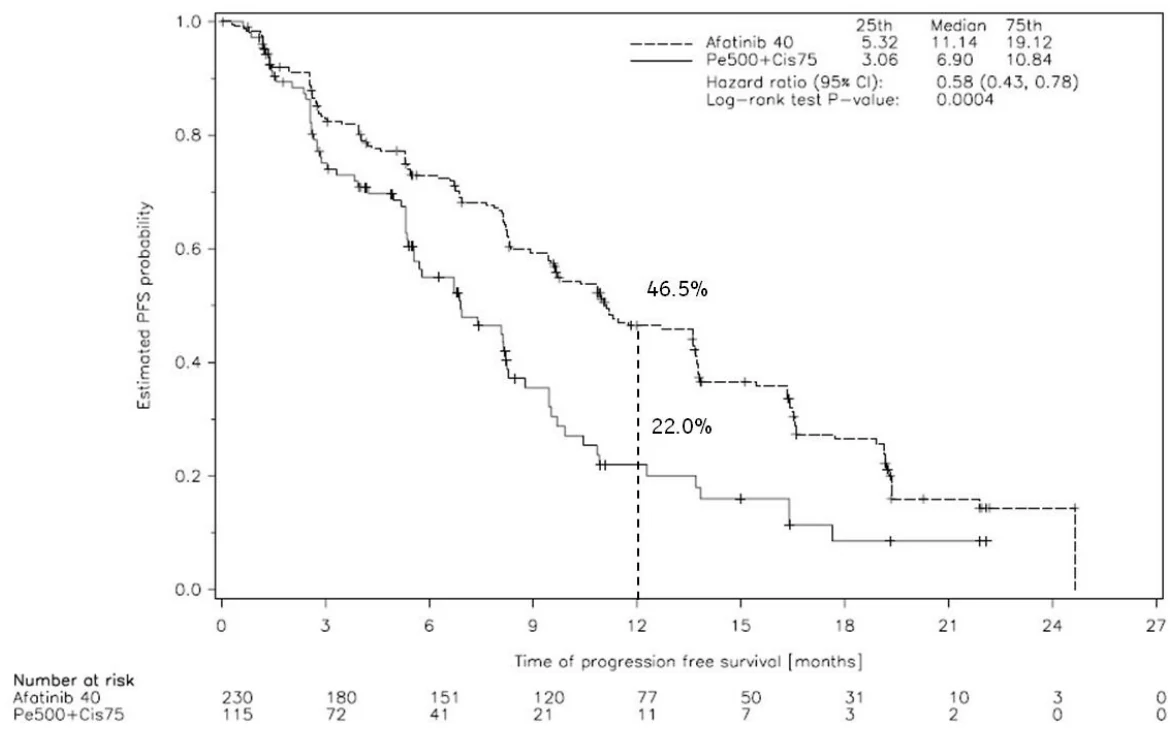
Table 6: Efficacy results of GIOTRIF versus pemetrexed/cisplatin (LUX-Lung 3) based on primary analysis (Independent review)
| Overall Trial Population | Afatinib (N=230) | Pemetrexed/ Cisplatin (N=115) | Hazard Ratio/Odds Ratio (95%CI) | p-value4 |
|---|---|---|---|---|
Progression-free survival (PFS)3 Months (median) 95% CI | 11.1 (9.6, 13.6) | 6.9 (5.4, 8.2) | HR 0.58 (0.43-0.78) | 0.0004 |
Objective Response Rate (CR+PR)1 95% CI | 56.1%2 (49.4, 62.6) | 22.6%2 (15.3, 31.3) | ORR 4.66 (2.77-7.83) | <0.0001 |
Overall Survival (OS) Months (median) 3 95% CI | 28.1 (24.6, 33.0) | 28.2 (20.7, 33.2) | HR 0.91 (0.66-1.25) | 0.55 |
Response Duration Months (median) 95% CI | 11.1 (8.5, 12.6) | 5.5 (4.1, 8.3) | - | - |
1 CR=complete response; PR=partial response
2 Complete response: n=1 in the GIOTRIF arm; n=0 in the chemotherapy arm
3 Updated OS analysis as of January 2013, based on 175 events
Overall survival
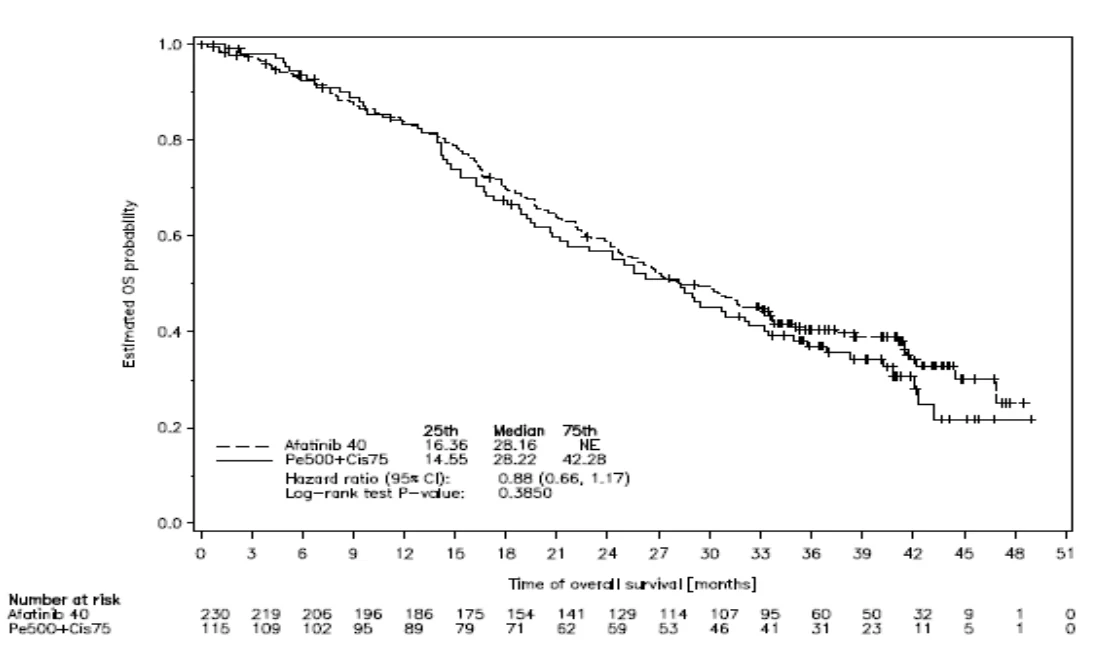
The median follow-up time for OS in this trial was 40.8 months. The median OS was 28.2 months in the afatinib arm and 28.2 months in the chemotherapy arm (HR 0.88; p = 0.3850).
Figure 2: Probability of overall survival / randomized set
Subgroup analyses were conducted based on the stratification factor of EGFR mutation status (Del 19 vs. L858R vs. other) and mutation category (common [Del 19 or L858R] vs. uncommon [other]).
The treatment effect of afatinib on OS was stronger in the subgroup of patients with common EGFR mutations than in the total population compared with chemotherapy. For patients with common EGFR mutations, the median OS was 31.6 months in the afatinib arm and 28.2 months in the chemotherapy arm (HR 0.78; 95% CI 0.579, 1.057; p = 0.1090). Within the subgroup of patients with common EGFR mutations, there was a significant improvement in overall survival of patients harbouring Del 19 disease when afatinib was used first-line vs. chemotherapy (HR 0.54; p = 0.0015; 95% CI 0.36, 0.79).
There was no significant difference in OS for patients with EGFR mutations of the category
L858R (HR 1.30; 95% CI 0.80, 2.11; p = 0.2919).
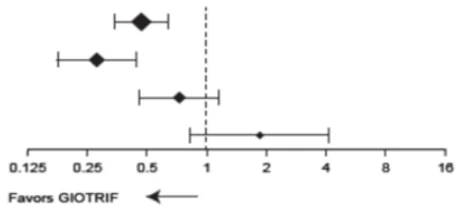
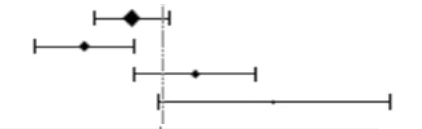
PFS and OS results of the subgroup analyses are shown in Figure 3.
Figure 3: Forest Plot of PFS and OS for Common (Del 19, L858R) and Uncommon (other) EGFR Mutation Categories
| Median PFS (months) | |||
| EGFR mutation category | |||
| HR | |||
| GIOTRIF | Pem/Cis | ||
| Del 19/L858R (Common; N=308) | |||
| 0.47 | 13.6 | 6.9 | |
| Del 19 (n=170) | 0.28 | 13.7 | 5.6 |
| L858R (n=138) | 0.73 | 10.8 | 8.1 |
| Other (Uncommon; N=37 | 1.89 | 2.8 | 9.9 |
| Median OS (months) | |||
| EGFR mutation category | |||
| HR | |||
| GIOTRIF | Pem/Cis | ||
| Del 19/L858R (Common; N=307) | |||
| 0.78 | 31.6 | 28.2 | |
| Del 19 (n=169) | 0.54 | 33.3 | 21.1 |
| L858R (n=138) | 1.30 | 27.6 | 40.3 |
| Other (Uncommon; n=38) | 2.42 | 15.4 | 40.8 |

Symptom control and health-related quality of life (HRQOL)
The pre-specified HRQOL endpoints were symptoms of cough, dyspnea and pain. On treatment, completion rate of questionnaires ranged between 78% and 99%. Compared to chemotherapy, GIOTRIF significantly delayed the time to deterioration for cough (median not reached ver. 8 months for GIOTRIF vs. chemotherapy; HR 0.60, 95% CI: 0.41, 0.87) and dyspnea (median 10.3 vs. 2.9 months; HR 0.68, 95% CI: 0.50, 0.93). No significant difference was reported for pain (median 4.2 vs. 3.1 months; HR 0.83, 95% CI: 0.62, 1.10). The time to deterioration was shorter in the GIOTRIF arm for diarrhea (HR 7.736) and sore mouth (HR 2.47). No treatment difference was reported in the time to deterioration of the global health status (HR 1.01).
LUX-Lung 2 (1200.22)
LUX-Lung 2 was an open label single arm Phase II trial which investigated the efficacy and safety of GIOTRIF as a monotherapy in EGFR TKI-naïve patients with locally advanced or metastatic adenocarcinoma of the lung (stage IIIB or IV) harboring EGFR-activating mutations. A total of 129 patients were enrolled in the first-line (N=61) or second-line setting (N= 68) (i.e. after failure of one prior chemotherapy regimen).
In the first-line setting, confirmed ORR was 66% by independent review, compared to 57% of the second-line patients.
Analysis of GIOTRIF’s efficacy in EGFR TKI naïve patients with tumours harbouring uncommon EGFR Mutations (LUX-Lung 2, -3, and -6)
In three clinical trials of GIOTRIF with prospective tumour genotyping (Phase 3 trials LUX-Lung 3 and – 6, and single arm Phase 2 trial LUX-Lung 2), an analysis was conducted of data from a total of 75 TKI-naive patients with advanced (stage IIIb–IV) lung adenocarcinomas harbouring uncommon EGFR mutations, which were defined as all mutations other than Del 19 and L858R mutations. Patients were treated with GIOTRIF 40 mg (all three trials) or 50 mg (LUX-Lung 2) orally once daily.
In patients with tumours harbouring either G719X (N=18), L861Q (N=16), or S768I substitution mutation (N=8), the confirmed ORR was 72.2%, 56.3%, 75.0%, respectively, and the median duration of response was 13.2 months, 12.9 months and 26.3 months, respectively.
GIOTRIF in previously treated patients with metastatic NSCLC of squamous histology
LUX-Lung 8 (1200.125)
The efficacy and safety of GIOTRIF as second-line treatment for patients with advanced NSCLC of squamous histology was investigated in a randomized open-label global Phase III trial LUX-Lung 8. Patients who received at least 4 cycles of platinum-based therapy in the first line setting were subsequently randomized 1:1 to daily GIOTRIF 40 mg or erlotinib 150 mg until progression. Dose escalation of GIOTRIF to 50 mg was allowed after first cycle (28 days) on treatment in case of no or limited drug related adverse events (i.e. absence of diarrhea, skin rash, stomatitis, and/or other drug related events above CTCAE Grade 1), compliant dosing and no prior dose reduction. Randomization was stratified by race (Eastern Asian vs non Eastern Asian). The primary endpoint was PFS (analysed when at least 372 events were reported by independent review) using RECIST v. 1.1. OS was the key secondary endpoint (analysed at first 632 deaths). Other secondary endpoints included ORR, and HRQOL.
Overall 795 patients were randomized. The median age of patients in the trial was 64.0 years; 83.8% of patients were male, 72.8% were White, and 21.6% were Eastern Asian. Of the 91.6% who were classified as “other current or ex-smokers”, 19.6% were current smokers. At the time of screening 32.7% of patients had an ECOG performance score of 0 and 66.8% had a score of 1. Almost all patients (99.4%) had Stage IIIB (12.1%) or IV (87.3%) disease at screening. Overall, 3.5% of patients were reported to have a histologic sub classification of mixed and 0.5% had histologic sub classification of undifferentiated. The remainder (96.0%) of patients had a histologic sub classification reported as squamous only.
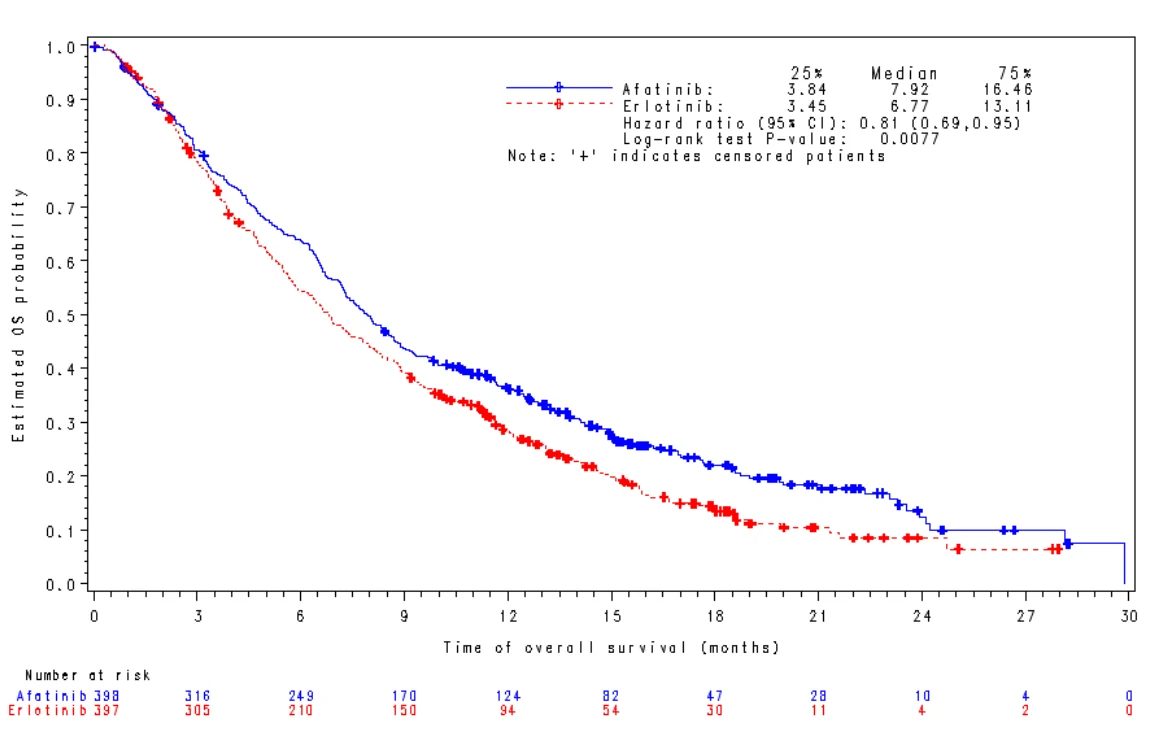
The study demonstrated that second-line GIOTRIF resulted in a statistically significant improvement in PFS and OS of patients with squamous NSCLC compared to erlotinib. In the primary PFS analysis median PFS was 2.43 months in the GIOTRIF group and 1.94 months on erlotinib (HR=0.82, 95% CI (0.676, 0.998), p=0.0427). The final PFS analysis including all randomized patients confirmed earlier results (see Table 8). The primary analysis of OS demonstrated significant reduction in the risk of death for patients treated with GIOTRIF compared with erlotinib (HR=0.81 95% CI (0.69, 0.95), p=0.0077).
Table 8: Efficacy results for GIOTRIF vs erlotinib in LUX-Lung 8
GIOTRIF (N=335) | Erlotinib (N=334) | Hazard Ratio/ Odds Ratio (95%CI) p-value1 | |
|---|---|---|---|
PFS Months (median) | 2.43 (1.91, 2.92) | 1.94 (1.87, 2.17) | HR 0.822 (0.68, 1.00) 0.0427 |
OS Months (median) | 7.92 (7.19, 8.74) | 6.77 (5.85, 7.79) | HR 0.81 (0.69, 0.95) 0.0077 |
Objective Response Rate (CR+PR)* | 5.5% (3.49, 8.24) | 2.8% (1.39, 4.90) | OR 2.06 (0.98, 4.32) 0.0551 |
*CR=complete response; PR=partial response; SD=stable disease
1 p-value for PFS/OS based on stratified log-rank test; p-value for Objective Response Rate and based on logistic regression
Figure 4: Probability of progression-free survival (Independent Review) / randomised set
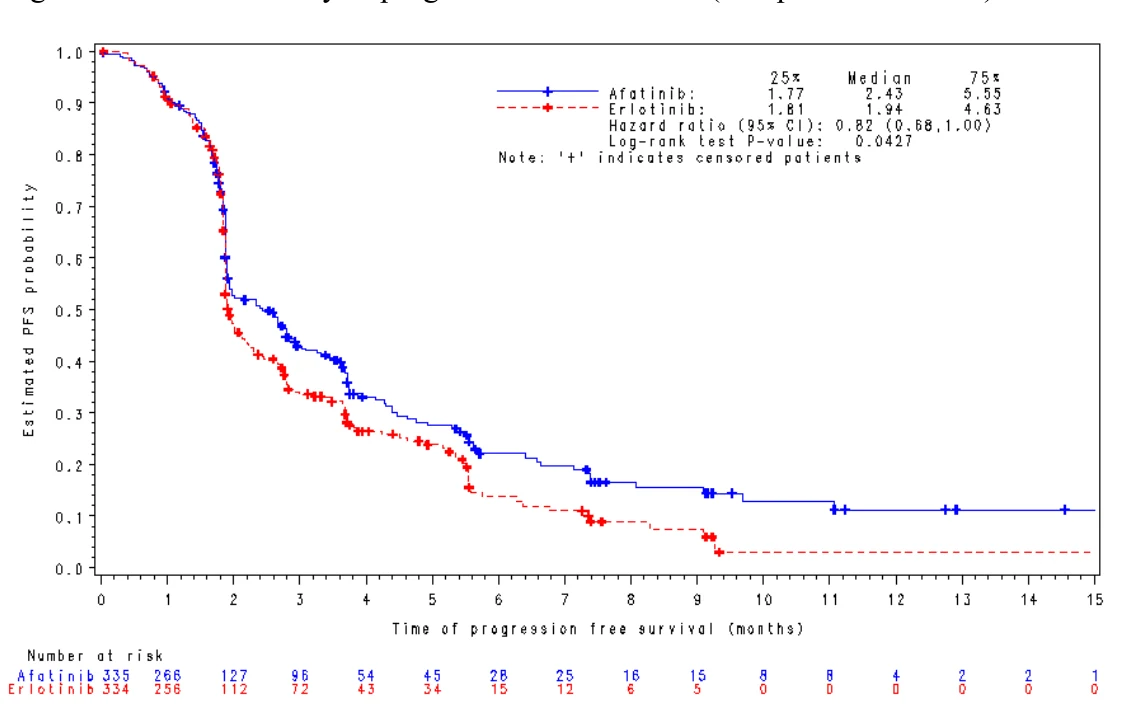
Figure 5: Kaplan-Meier curves of overall survival / randomised set
The pre-specified HRQOL endpoints were symptoms of cough, dyspnea, and pain as well as global health status/HRQOL as measured by the EORTC QLQ-C30 and QLQ-LC13 questionnaires. Afatinib and erlotinib treatment were compared in terms of the proportion of patients with a status change, time to deterioration, and change in scores over time. On treatment completion rate of questionnaires ranged between 69% and 99%. Significantly more patients in the GIOTRIF group reported improvement in the global health status/quality of life compared to erlotinib (35.7% vs 28.3%, p=0.0406). HighFer proportion of GIOTRIF patients had improvement in cough (43.4% vs 35.2%, p=0.0294) and dyspnea (51.3% vs 44.1%, p=0.0605), while no difference was observed for pain (40.2% vs 39.2%, p=0.7752). GIOTRIF significantly delayed the time to deterioration of dyspnea (HR 0.79, p=0.0078). GIOTRIF significantly delayed time to deterioration of dyspnea versus erlotinib: 2.63 months vs. 1.91 months, respectively. Median time to deterioration of cough was 4.53 months with afatinib and 3.65 months with erlotinib (HR 0.89, p=0.2562); no difference was observed for time to deterioration of pain (HR 0.99, p=0.8690). The time to deterioration of diarrhea and sore mouth was significantly shorter in the afatinib arm (HR 1.81 and 1.59, respectively). A higher number of patients reported dysphagia in the afatinib arm compared to erlotinib (HR 1.12). Mean scores over time for cough, dyspnea, and pain, as well as for physical, role, cognitive, and emotional functioning, were significantly better for GIOTRIF than for erlotinib. Mean scores over time were significantly worse for diarrhea, sore mouth and dysphagia for afatinib compared to erlotinib. There were no differences between afatinib and erlotinib for changes in global health score/HRQoOL over time.
DETAILED PHARMACOLOGY
The basic PK characteristics of afatinib were comparable between healthy volunteers and patients with cancer, and there were no differences in the afatinib PK between patients with various advanced solid tumours. Since the absolute bioavailability for afatinib is unknown, volume of distribution and clearance values should be interpreted with caution.
Absorption and distribution
Maximum plasma concentrations (Cmax) of afatinib were achieved about 2 to 5 hours after administration. Thereafter, afatinib plasma concentrations declined biexponentially, suggesting 2-compartmental disposition kinetics.
The mean in vitro protein binding of [14C]-afatinib to plasma samples was 95.0% and nonsaturable up to 500 nM. Afatinib was equally distributed into blood cells. Binding of afatinib to human serum albumin (45 g/L) was moderate (79.6%). Binding of 150 nM afatinib to human alpha-1-acid-glycoprotein (AGP) increased with the protein concentration from 11.6% at 0.1 g/L AGP to 90.6% at 10 g/L AGP. The volume of distribution was high after single dose treatment (1,940 L) and at steady state (2,770 L).
Afatinib covalently binds to human serum albumin and hemoglobin.
Metabolism and Elimination
Afatinib is metabolised only to a minor extent. The metabolism of afatinib is governed by Michael addition reactions, leading to adduct formation to proteins or small nucleophilic molecules. Reactions catalysed by CYP450 enzymes play a negligible role in the metabolism of afatinib in humans.
Based on a trial with [14C]-labelled afatinib, the major route of excretion of afatinib is via the feces (85.4%); only 4.3% of [14C]-radioactivity was excreted via the kidney. The parent compound accounted for 88% of the excreted radioactivity; the overall recovery of [14C]-radioactivity was 89.5%.
The terminal half-life of afatinib was 21.4 h after a single dose and 37.2 h at steady state. The overall geometric mean values for clearance were comparable after single dose treatment (1,050 mL/min) and at steady state (898 mL/min).
Dose Proportionality, Accumulation, and Variability
Afatinib shows non-linear PK, with a slightly more-than-dose-proportional increase in exposure (Cmax and AUC0-∞) in the dose range from 20 mg to 50 mg.
Steady state plasma concentrations were attained within the first 8 days of treatment with GIOTRIF. The overall geometric mean accumulation ratios at doses of 10 to 100 mg were 2.77 based on AUC0-∞ and 2.11 based on Cmax. Afatinib trough plasma concentrations remained stable over the observed treatment period (up to 6 months and longer).
A moderate to high inter-individual variability was observed for the plasma concentrations per time point in all dose groups. In the 40 mg dose group, the geometric coefficient of variation ranged from 50.8% to 221%. The intra-individual variability determined for afatinib plasma concentrations at trough ranged from 22.2% to 67.5%.
Intrinsic factors
The influence of intrinsic factors on the PK characteristics of afatinib was investigated in population PK analyses based on sparse data from several Phase II and III studies. Summarised below are the results of the combined population PK analysis of GIOTRIF monotherapy in 927 patients with cancer of which 764 patients had NSCLC.
Effects of age, race, gender, and body weight on afatinib exposure were considered not clinically relevant.
Creatinine clearance (CrCL): Exposure to afatinib increased with reduced creatinine clearance (CrCL). Compared to patients with a CrCL value of 90 to 120 mL/min (no renal impairment), exposure (AUCτ,ss) to afatinib increased by 20% and 40% in patients with CrCL values of 90 to 60 (mild renal impairment) or 59 to 30 mL/min (moderate renal impairment) respectively. Steady state maximum plasma concentrations (Cmax.ss) of afatinib also increased with reduced creatinine clearance (CrCL). Compared to patients with a CrCL value of 90 to120 mL/min (no renal impairment), afatinib Cmax.ss increased by 15% and 30% in patients with CrCL values of 90 to 60 (mild renal impairment) or 59 to 30 mL/min (moderate renal impairment) respectively.
The individual effect sizes of ECOG performance score, lactate dehydrogenase levels, alkaline phospatase levels, and total protein were considered not clinically relevant.
Extrinsic factors
Dietary status had a statistically significant effect on afatinib exposure and absorption. Administration of GIOTRIF after a high-fat, highly-caloric breakfast reduced the Cmax by 50% and the AUC0-∞ by 39%. Median time to reach Cmax under fed conditions was significantly higher (6.90 h) than under fasted conditions (3.02 h).
Special populations
Afatinib exposure to a single dose of afatinib (50 mg) was similar in healthy volunteers with no hepatic impairment and those with mild (Child Pugh A) or moderate (Child Pugh B) hepatic impairment. These results are consistent with population PK analyses, where no effect on afatinib exposure could be determined in patients with clinical laboratory test results indicative of impaired hepatic function (ALT, AST, bilirubin).
Exposure – response evaluation
There was no clear trend observed between afatinib trough plasma concentrations and objective response. Severity of diarrhea and rash (measured by maximum CTCAE grades) increased with increasing trough plasma concentrations of afatinib.
Drug-drug interactions
Drug transporters:
P-glycoprotein (P-gp) and Breast cancer resistance protein (BCRP)
Effect of afatinib on P-gp and BCRP substrates
Based on in vitro data, afatinib is a substrate and moderate inhibitor of P-gp and a substrate and an inhibitor of the transporter BCRP.
Effect of BCRP inhibitors and P-gp inhibitors and inducers on afatinib
Two trials were performed to investigate the effect of ritonavir, a P-gp substrate and inhibitor and a BCRP inhibitor, on the bioavailability of afatinib.
In the first trial, ritonavir (200 mg twice daily for 3 days) was administered 1 hour before a single dose of GIOTRIF 20 mg, which led to an increase in afatinib exposure by 38.5% based on Cmax and by 47.6% based on AUC0-∞. The time to reach maximum plasma concentrations (tmax) of afatinib was not impacted by ritonavir; similarly the distribution and elimination phases of afatinib were not altered. In the second trial, ritonavir (200 mg twice daily for 3 days) was administered simultaneously with or 6 h after GIOTRIF 40 mg. Afatinib exposure was not substantially affected for either dosing schedule.
The effect of P-gp induction on the PK of afatinib was studied with the potent P-gp inducer rifampicin. In this trial, pre-treatment with rifampicin (600 mg once daily for 7 days) resulted in a decrease in the afatinib exposure (single dose, 40 mg) by 21.6% based on Cmax and 33.8% based on AUC0-∞.
The effect of afatinib on BCRP substrates has not been evaluated in vivo.
Drug Uptake Transport Systems
In vitro drug-drug interaction data indicated that afatinib is unlikely a substrate for or an inhibitor of OATP1B1, OATP1B3, OATP2B1, OAT1, OAT3, OCT1, OCT2, and OCT3 transporters.
Drug metabolising enzymes:
Cytochrome P450 (CYP) enzymes
Effect of CYP enzyme inducers and inhibitors on afatinib
In vitro data indicated that drug-drug interactions with afatinib due to inhibition or induction of CYP enzymes by concomitant medications are considered unlikely. In humans, it was found that enzyme-catalyzed metabolic reactions play a negligible role in the metabolism of afatinib. Approximately 2% of the afatinib dose was metabolized by FMO3. CYP3A4-dependent N-demethylation was too low to be quantitatively detected.
Effect of afatinib on CYP enzymes
Afatinib is not an inhibitor or an inducer of CYP enzymes. Therefore, GIOTRIF is unlikely to affect the metabolism of other co-administered medicines that are dependent on CYP enzymes.
UDP-glucuronosyltransferase 1A1 (UGT1A1)
In vitro data indicated that drug-drug interactions with afatinib due to inhibition of UGT1A1 are considered unlikely.
Nonclinical Pharmacokinetics
Quantitative whole body autoradiography studies in rats upon single oral dosing demonstrated that [14C] afatinib-related radioactivity was rapidly and well distributed into most tissues, except for the CNS. The distribution of radioactivity in pigmented rats resembled to that found in albino rats, except for that in the retina of the eye, where the concentration of the radioactivity was very high, and was nearly constant up to 96 hrs post-dose. In a tissue distribution study upon repeat oral dosing in male rats, trough levels in blood, plasma and tissues increased over time. The accumulation factors were in the range of 6.7 (brain) to 23.8 (skin). Exposure to the CNS was low upon single oral dosing, yet accumulation in the brain was noted upon repeat dosing of afatinib.
PHARMACODYNAMICS
Aberrant ErbB signaling triggered by EGFR mutations and/or amplification, HER2 amplification or mutation and/or ErbB ligand or receptor overexpression contributes to the malignant phenotype in subsets of patients across multiple cancer types.
In preclinical disease models with ErbB pathway deregulation, afatinib as a single agent effectively blocks EGFR or HER-2 receptor signaling resulting in tumour growth inhibition or tumour regression in xenograft models of lung, breast and head/neck cancers. Afatinib effectively blocks phosphorylation of the kinase domain of wild-type EGFR or EGFR with the activating L858R mutation in in vitro kinase assays. Afatinib inhibits proliferation of NSCLC cell lines in culture that overexpress wild-type EGFR or that possess the L858R activating mutation. Afatinib inhibits proliferation of cell lines that also possess the EGFR T790M resistance mutation (EGFR L858R/T790M). However, IC50 values in in vitro kinase assays were 35-fold higher when the T790M mutation was present (see Table 9 below).
Table 9: In Vitro Kinase Screen: Afatinib EGFR Inhibitor Activity Against Wild-type and EGFR Mutants
| Compound | Kinase | IC50 [nM] |
| Afatinib | wild-type EGFR | 1.05 ± 0.08 |
| Afatinib | L858R EGFR | 0.30 ± 0.18 |
| Afatinib | L858R/T790M EGFR | 10.5 ± 0.70 |
The results from the in vitro kinase assays were consistent with cell based assays. The effective concentration of afatinib required for 50% inhibition of proliferation (EC50) of NSCLC cells expressing the L858R mutation was 0.39 nM (H3255) compared to an EC50 of > 107 nM in cells expressing the EGFR L858R/T790M double mutant (H1975).
The acquisition of a secondary T790M mutation is a major mechanism of acquired resistance to afatinib and gene dosage of the T790M-containing allele correlates with the degree of resistance in vitro. The T790M mutation is found in approximately 50% of patients' tumours upon disease progression on afatinib, for which T790M targeted EGFR TKIs may be considered as a next line treatment option.
Cardiovascular: Afatinib inhibited hERG (human ether-à-go-go-related gene) channel currents expressed in mammalian cells (HEK 293) with an IC50 of 2.4 μM (measured concentrations). Afatinib did not alter the action potential duration (APD) in isolated guinea pig papillary muscles and there were no significant effects of intravenous dosing of afatinib up to 20 mg/kg in anesthetized domestic pigs on ECG intervals – QT, QRS and PR.
Left ventricular contractility (+LVdp/dt-max) decreased in domestic pigs following graded increases of intravenous infusions of afatinib at 6.65 and 20 mg/kg. The maximum decrease in contractility was 20% at the highest dose. Mean afatinib concentrations of 1200 and 7110 nmol/L were observed at the end of the infusion of the 6.65 and 20 mg/kg doses respectively.
TOXICOLOGY
Chronic Toxicity
In oral repeated-dose studies for up to 26 weeks in rats or 52 weeks in minipigs, the main target organs for toxicity were in the skin (dermal changes, epithelial atrophy and folliculitis in rats), the gastrointestinal tract (diarrhea, erosions in the stomach, epithelial atrophy in rats and minipigs) and the kidneys (papillary necrosis in rats). Epithelial atrophy of the upper respiratory tract, prostate, seminal vesicles, uterus, vagina and the cornea of the eyes was observed in either or both species, likely to be mediated by the pharmacodynamic activity of afatinib. Total systemic exposure (AUC) at the no-observed-adverse-effect level (NOAEL) in animals was consistently lower than that observed in patients (see Table 10 ). Accumulation occurred in rats and was more pronounced in males than in females.
Table 10: No-observed-adverse-effect level (NOAEL) of afatinib in repeat dose toxicity studies in rat and minipig and comparison of systemic exposure at the NOAEL to human exposure.
| Species, Duration of Treatment | NOAEL (mg/kg/day) | Ratio of Mean Animal AUC to Human AUC* |
| Rat, 4 weeks | 4 | 0.41 (males); 0.29 (females) |
| Rat, 13 weeks | 2 | 0.14 (males); 0.067 (females) |
| Rat, 26 weeks | 1.5 | 0.16 (males); 0.052 (females) |
| Minipig, 4 weeks | 1 | 0.058 (males); 0.049 (females) |
| Minipig, 13 weeks | 0.5 | 0.013 (males); 0.0081 (females) |
| Minipig, 52 weeks | 0.5 | 0.014 (males); 0.010 (females) |
*For animal data, AUC at the end of the treatment period was utilized. For humans, data derived from population PK studies at 40 mg/day afatinib at steady state were used (mean Cmax=102 nmol/L, mean AUC=1893 nmol*h/L). Differences in protein binding between animal species and human were not taken into account.
Reproductive Toxicity
The effect of afatinib on embryo-fetal development was assessed in rats and rabbits. Notable effects included abortions at maternally toxic dose (rabbit), skeletal alterations consisting of incomplete ossifications/unossified elements (rat), reduced fetal weights as well as mainly visceral and dermal variations (rabbit). The respective total systemic exposures (AUC) in these studies were below expected human exposure in both rats (0.4 times) and rabbit (0.22 times).
Radiolabelled afatinib administered orally to rats on Day 11 of lactation was excreted into milk of the dams. The average concentrations in milk at time points 1 h and 6 h post dose were approximately 80 and 150-fold above the respective concentration in plasma.
A study in male and female rats by the oral route up to the maximum tolerated dose revealed no significant impact on fertility. The total systemic exposure (AUC0-24h) that could be achieved in male and female rats was in the range or less than that observed in patients (1.0 times and 0.43 times, respectively).
Pre-/postnatal development up to maximum tolerated doses was studied in rats. Effects were limited to lower birth weight and body weight gain of offspring, but without affecting the attainment of developmental landmarks, sexual maturation, or performance with behavioral assessments. The highest total systemic exposure (AUC0-24h) that could be achieved in female rats was less than that observed in patients (0.19 times).
Fertility
Nonclinical toxicology studies have shown effects on reproductive organs. In a dedicated fertility study in rats, there was an increase in the incidence of low or no sperm count at 6 mg/kg or greater, though overall fertility was not affected. Females showed a mild decrease in the number of corpora lutea at the highest dose of 8 mg/kg.
Phototoxicity
Studies have shown that afatinib absorbs light in the range of natural sunlight and demonstrated phototoxic potential in the in vitro 3T3 NRU assay.
Genotoxicity
A marginal response to afatinib was observed in a single tester strain of a bacterial (Ames) mutagenicity assay. However, no mutagenic or genotoxic potential could be identified in an in vitro chromosomal aberration test at non-cytotoxic concentrations as well as the in vivo bone marrow micronucleus assay, the in vivo Comet assay and an in vivo 4-week oral mutation study in the Muta™ Mouse.
REFERENCES
- 1. Common terminology criteria for adverse events v3.0 (CTCAE) (publish date: December 12, 2003). http://ctep.cancer.gov/forms/CTCAEv3.pdf ; Cancer Therapy Evaluation Program, Common Terminology Criteria for Adverse Events, Version 3.0, DCTD, NCI, NIH, DHHS, March 31, 2003, Publish Date: December 12, 2003 2003.
- 2. Sharma SV, Bell DW, Settleman J, Haber DA. Epidermal growth factor receptor mutations in lung cancer.Nat Rev Cancer 2007;7:169-81.
- 3. Ionescu, D. N. Impact of the College of American Pathologists, the International Association for the Study of Lung Cancer, and the Association for Molecular Pathology clinical practice guidelines for EGFR and ALK testing in lung cancer in Canada. Curr Oncol, Vol. 20, pp. 220-226 (2013).
- 4. Sequist LV, Yang JC, Yamamoto N, et al. Phase III study of afatinib or cisplatin plus pemetrexed in patients with metastatic lung adenocarcinoma with EGFR mutations. J Clin Oncol. 2013 Sep 20;31(27):3327-34.
- 5. Yang JC, Hirsh V, Schuler M, et al. Symptom control and quality of life in LUX-Lung 3: a phase III study of afatinib or cisplatin/pemetrexed in patients with advanced lung adenocarcinoma with EGFR mutations. J Clin Oncol. 2013 Sep 20;31(27):3342-50.
- 6. Wu YL, Zhou C, Hu CP, et al. Afatinib versus cisplatin plus gemcitabine for first-line treatment of Asian patients with advanced non-small-cell lung cancer harbouring EGFR mutations (LUX-Lung 6): an open-label, randomised phase 3 trial. Lancet Oncol. 2014 Feb;15(2):213-22.
- 7. Yang JC, Wu YL, Schuler M, et al. Afatinib versus cisplatin-based chemotherapy for EGFR mutation-positive lung adenocarcinoma (LUX-Lung 3 and LUX-Lung 6): analysis of overall survival data from two randomised, phase 3 trials. Lancet Oncol. 2015 Feb;16(2):141-51.
- 8. Solca F1, Dahl G, Zoephel A,et al. Target binding properties and cellular activity of afatinib (BIBW 2992), an irreversible ErbB family blocker. J Pharmacol Exp Ther. 2012 Nov;343(2):342-50.
- 9. Sebastian M, Schmittel A, Reck M. First-line treatment of EGFR-mutated nonsmall cell lung cancer: critical review on study methodology. Eur Respir Rev. 2014 Mar 1;23(131):92-105.
- 10. James C-H Yang J, Sequist LV, Geater SL et al. Clinical activity of afatinib in patients with advanced non-small-cell lung cancer harbouring uncommon EGFR mutations: a combined post-hoc analysis of LUX-Lung 2, LUX-Lung 3, and LUX-Lung 6. Lancet Oncol 2015; 16: 830–38.
- 11. Sharma SV, Bell DW, Settleman J et al. Epidermal growth factor receptor mutations in lung cancer. Nature Reviews Cancer 2007; 7:169-181.
- 12. Shen YC, Tseng GC, Yu CY et al. Comparing the effects of afatinib with gefitinib or Erlotinib in patients with advanced-stage lung adenocarcinoma harboring non-classical epidermal growth factor receptor mutations. Lung Cancer 2017;110:56-62.
- 13. O’Kane GM, Bradbury PA, Feld R et al. Uncommon EGFR mutations in advanced non-small cell lung cancer. Lung Cancer 2017: 109:137-144.