


Product Monograph - Lazcluze
Recent Major Label Changes
| [2026-08] |
|---|---|
| [2026-08] |
Table of Contents
Recent Major Label Changes .......................................................................................... 2
Table of Contents ............................................................................................................. 2
Part 1: Healthcare Professional Information ................................................................ 4
- 1.
Indications..................................................................................................................... 4
1.1. Pediatrics .................................................................................................................... 4
1.2. Geriatrics .................................................................................................................... 4
- 2. Contraindications .......................................................................................................... 4
- 3. Serious Warnings and Precautions Box ........................................................................... 4
- 4.
Dosage and Administration ............................................................................................ 4
4.1. Dosing Considerations ............................................................................................... 4
4.2. Recommended Dose and Dosage Adjustment .......................................................... 5
4.4. Administration ........................................................................................................... 7
4.5. Missed Dose ............................................................................................................... 7
- 5. Overdose ....................................................................................................................... 7
- 6. Dosage Forms, Strengths, Composition, and Packaging .................................................. 8
- 7.
Warnings and Precautions ............................................................................................. 8
Cardiovascular ........................................................................................................................ 8
Driving and Operating Machinery .......................................................................................... 9
Monitoring and Laboratory Tests ........................................................................................... 9
Ophthalmologic ...................................................................................................................... 9
Reproductive Health ............................................................................................................. 10
Respiratory ........................................................................................................................... 10
Skin ....................................................................................................................................... 10
7.1. Special Populations .................................................................................................. 11
7.1.1. Pregnancy ......................................................................................................... 11
7.1.2. Breastfeeding ................................................................................................... 11
7.1.3. Pediatrics .......................................................................................................... 11
7.1.4. Geriatrics .......................................................................................................... 11
- 8.
Adverse Reactions ....................................................................................................... 11
8.1. Adverse Reaction Overview ..................................................................................... 11
8.2. Clinical Trial Adverse Reactions ............................................................................... 12
8.3. Less Common Clinical Trial Adverse Reactions ........................................................ 14
8.4. Abnormal Laboratory Findings: Hematologic, Clinical Chemistry, and Other Quantitative Data ................................................................................................................. 14
8.5. Post-Market Adverse Reactions ............................................................................... 15
- 9.
Drug Interactions ......................................................................................................... 15
9.2. Drug Interactions Overview ..................................................................................... 15
9.3. Drug-Behaviour Interactions .................................................................................... 15
9.4. Drug-Drug Interactions ............................................................................................ 15
9.5. Drug-Food Interactions ............................................................................................ 17
9.6. Drug-Herb Interactions ............................................................................................ 17
9.7. Drug-Laboratory Test Interactions........................................................................... 17
- 10.
Clinical Pharmacology .................................................................................................. 17
10.1. Mechanism of Action ............................................................................................... 17
10.2. Pharmacodynamics .................................................................................................. 17
10.3. Pharmacokinetics ..................................................................................................... 18
- 11. Storage, Stability, and Disposal .................................................................................... 19
- 12. Special Handling Instructions ....................................................................................... 19
Part 2: Scientific Information .............................................................................................. 20
- 13. Pharmaceutical Information ........................................................................................ 20
- 14.
Clinical Trials ............................................................................................................... 21
14.1. Clinical Trials by Indication ...................................................................................... 21
First-Line Treatment of Adult Patients With Locally Advanced or Metastatic NSCLC with EGFR Exon 19 Deletions or Exon 21 L858R Substitution Mutations .................................... 21
- 15. Microbiology ............................................................................................................... 24
- 16. Non-Clinical Toxicology ................................................................................................ 24
Patient Medication Information .................................................................................... 27
Part 1: Healthcare Professional Information
1. Indications
- LAZCLUZE® (lazertinib) in combination with amivantamab is indicated for the first-line treatment of adult patients with locally advanced (not amenable to curative therapy) or metastatic non-small cell lung cancer (NSCLC) with epidermal growth factor receptor (EGFR) exon 19 deletions or exon 21 L858R substitution mutations (see 14 Clinical Trials)
When using LAZCLUZE in combination with amivantamab, consult the product monograph for amivantamab for further information on this drug.
1.1. Pediatrics
Pediatrics (< 18 years of age): No data are available to Health Canada; therefore, Health Canada has not authorized an indication for pediatric use.
1.2. Geriatrics
Geriatrics (≥ 65 years of age): No adjustment of the starting dose is recommended based on age. Evidence from clinical studies suggests that use of LAZCLUZE in combination with amivantamab in the geriatric population is associated with differences in safety. Differences were seen in subgroup analyses for efficacy in geriatrics patients, however no formal statistical testing of efficacy was planned for subgroup analyses by age and interpretation of these differences is non-conclusive (see 7.1.4 Geriatrics, 14.1 Clinical Trials by Indication, and 10.3 Pharmacokinetics).
2. Contraindications
LAZCLUZE is contraindicated in patients who are hypersensitive to this drug or to any ingredient in the formulation, including any non-medicinal ingredient, or component of the container. For a complete listing, see 6 Dosage Forms, Strengths, Composition, and Packaging.
- 3. Serious Warnings and Precautions Box
Serious Warnings and Precautions
|
|---|
4. Dosage and Administration
4.1. Dosing Considerations
- Before initiation of LAZCLUZE therapy, EGFR mutation-positive status must have been established using a validated test method.
- LAZCLUZE is to be used in combination with amivantamab. The recommended dosage of amivantamab is 1050 mg (if body weight < 80 kg) or 1400 mg (if body weight ≥80 kg) administered by intravenous (IV) infusion in 28-day cycles, once weekly for the first 4 weeks (with a split dose on days 1 and 2) and then once every 2 weeks at week 5 onwards. Refer to the amivantamab product monograph for further information on dosing considerations for amivantamab.
- Prophylactic anticoagulation is recommended to be used for the first four months of LAZCLUZE + amivantamab therapy (See 7 Warnings and Precautions, Cardiovascular).
4.2. Recommended Dose and Dosage Adjustment
The recommended dosage of LAZCLUZE is 240 mg once daily, taken orally, in combination with amivantamab until disease progression or no longer tolerated by the patient. It is recommended to administer LAZCLUZE any time prior to amivantamab when given on the same day.
The recommended dose reductions for adverse reactions associated with LAZCLUZE are presented in Table 1.
Table 1 - Recommended LAZCLUZE Dose Reductions for Adverse Reactions
| Dose Reduction | Recommended Dosage |
|---|---|
| Initial dose | 240 mg once daily |
| 1st dose reduction | 160 mg once daily |
| 2nd dose reduction | 80 mg once daily |
| 3rd dose reduction | Discontinue LAZCLUZE |
Dose modifications for specific adverse reactions are presented in Table 2.
Table 2 - Recommended Actions for Adverse Reactions Following Administration of LAZCLUZE and amivantamab
| Adverse Reaction | Severity† | Dose Modification | |
|---|---|---|---|
| Adverse Reaction | Severity† | Dose Modification | |
| Adverse Reaction | Severity† | Dose Modification | |
| Interstitial Lung Disease (ILD)/ pneumonitis (see 7 Warnings and Precautions, Respiratory and 8 Adverse Reactions) | Any Grade |
| |
| Venous Thromboembolic (VTE) Events (see 7 Warnings and Precautions, Cardiovascular and 8 Adverse Reactions) | Grade 2 or 3 |
| |
| Grade 4 or recurrent Grade 2 or 3 despite therapeutic level of anticoagulation |
| ||
| |||
| Skin and Nail Reactions (including dermatitis acneiform, pruritus, dry skin) (see 7 Warnings and Precautions, Skin and 8 Adverse Reactions) | Grade 1 |
| |
| Grade 2 |
| ||
| Grade 3 |
| ||
Grade 4 (including severe bullous, blistering or exfoliating skin conditions) |
| ||
| Symptomatic congestive heart failure (see 7 Warnings and Precautions, Cardiovascular and 8 Adverse Reactions) | Any Grade |
| |
| Other Adverse Reactions (see 7 Warnings and Precautions and 8 Adverse Reactions) | Grade 3-4 |
| |
† Severity criteria per CTCAE version 5.0
Refer to the amivantamab product monograph for information about dose modifications for infusion-related reactions (IRR).
4.4. Administration
This medicinal product is for oral use. Swallow tablets whole with or without food. Do not crush, split, or chew the tablet. If vomiting occurs any time after taking LAZCLUZE, instruct the patient to take the next dose at its next regularly scheduled time.
4.5. Missed Dose
If a dose of LAZCLUZE is missed, it can be administered within 12 hours. If more than 12 hours have passed since the dose was to be given, do not administer the missed dose and administer the next dose per the usual dosing schedule.
5. Overdose
The maximum tolerated dose of LAZCLUZE has not been determined. In clinical trials, daily doses of up to 320 mg once daily have been administered.
There is no known specific antidote for LAZCLUZE overdose. In the event of an overdose, stop LAZCLUZE and undertake general supportive measures. Patients should be closely monitored for signs or symptoms of adverse reactions.
| For management of a suspected drug overdose, contact your regional poison control centre. |
|---|
- 6. Dosage Forms, Strengths, Composition, and Packaging
Table 3 - Dosage Forms, Strengths, Composition and Packaging
LAZCLUZE 80 mg tablets
Each tablet contains 80 mg of lazertinib (as mesylate monohydrate).
Yellow, oval film-coated tablet debossed with “LZ” on one side and “80” on the other side.
LAZCLUZE 80 mg tablets are available in HDPE bottles of 60 tablets.
LAZCLUZE 240 mg tablets
Each tablet contains 240 mg of lazertinib (as mesylate monohydrate).
Reddish purple, oval film-coated tablet, debossed with “LZ” on one side and “240” on the other side. LAZCLUZE 240 mg tablets are available in HDPE bottles of 30 tablets.
7. Warnings and Precautions
Cardiovascular
Left Ventricular Dysfunction and Cardiomyopathy
Left Ventricular Ejection Fraction (LVEF) reductions of >10 percentage points and a drop to below lower limit of normal occurred in 3.4% of patients treated with LAZCLUZE in combination with amivantamab and who had a baseline LVEF assessment. A total of 7.4% of patients treated with LAZCLUZE in combination with amivantamab reported cardiomyopathy events (defined as cardiac failure, chronic cardiac failure, congestive cardiac failure, pulmonary edema, ejection fraction decreased, left ventricular dysfunction).
Based on the available clinical trial data, a causal relationship between effects on changes in cardiac contractility and LAZCLUZE has not been established, however, causality cannot be
| Route of Administration | Dosage Form / Strength/Composition | Non-medicinal Ingredients |
| Oral | Tablet, 80 mg and 240 mg lazertinib (as lazertinib mesylate) | LAZCLUZE 80 mg film-coated tablets: croscarmellose sodium, glyceryl monocaprylocaprate type I, hydrophobic colloidal silica, macrogol (PEG) polyvinyl alcohol graft copolymer, magnesium stearate, mannitol, microcrystalline cellulose, polyvinyl alcohol partially hydrolyzed, talc, titanium dioxide, yellow iron oxide. LAZCLUZE 240 mg film-coated tablets: black iron oxide, croscarmellose sodium, glyceryl monocaprylocaprate type I, hydrophobic colloidal silica, macrogol (PEG) polyvinyl alcohol graft copolymer, magnesium stearate, mannitol, microcrystalline cellulose, polyvinyl alcohol partially hydrolyzed, red iron oxide, talc, titanium dioxide. |
completely ruled out. In patients with cardiac risk factors and those with conditions that can affect LVEF, cardiac monitoring, including an assessment of LVEF at baseline and during treatment, should be considered. In patients who develop relevant cardiac signs/symptoms during treatment, cardiac monitoring including LVEF assessment should be considered. Discontinuation of treatment with LAZCLUZE should be considered in patients who develop congestive heart failure. See 7 Warnings and Precautions, Monitoring and Laboratory Test; 4.2 Recommended Dose and Dosage Adjustment.
Venous Thromboembolic (VTE) Events
Venous thromboembolic (VTE) events, including deep venous thrombosis (DVT) and pulmonary embolism (PE), including fatal events, were reported in patients receiving LAZCLUZE in combination with amivantamab (see 8 Adverse Reactions). VTE events occurred predominantly in the first four months of therapy.
Prophylactic anticoagulation is recommended to be used for the first four months of treatment to prevent VTE. Prophylactic anticoagulation beyond 4 months may be considered based on individual patient risk factors. Use of anticoagulants should align with clinical guidelines; use of Vitamin K antagonists is not recommended.
Monitor for signs and symptoms of VTE events. Treat patients with VTE events with anticoagulants as clinically indicated. For patients with Grade 4 or recurrent Grade 2 or 3 VTE events despite therapeutic levels of anticoagulation, withhold LAZCLUZE and permanently discontinue amivantamab. Administer anticoagulation treatment as clinically indicated. Once anticoagulation treatment has been initiated, treatment can continue with LAZCLUZE at the same dose level at the discretion of the healthcare professional (see 4.2 Recommended Dose and Dosage Adjustment).
Driving and Operating Machinery
No studies on the effects on the ability to drive and use machines have been performed. If patients experience visual impairment, dizziness or other symptoms affecting their ability to concentrate and react, it is recommended that they do not drive or use machines until the effect subsides.
Monitoring and Laboratory Tests
Electrolyte levels (calcium, potassium, and magnesium) should be assessed prior to initiating therapy with LAZCLUZE, and monitored periodically during treatment with LAZCLUZE, particularly in patients at risk for these electrolyte abnormalities. Hypocalcemia, hypokalemia, and hypomagnesemia should be corrected prior to LAZCLUZE administration (see 8 Adverse Reactions).
In patients with cardiac risk factors and those with conditions that can affect left ventricular ejection fraction (LVEF), cardiac monitoring, including an assessment of LVEF at baseline and during treatment, should be considered. In patients who develop relevant cardiac signs/symptoms during treatment, cardiac monitoring including LVEF assessment should be considered.
Ophthalmologic
Keratitis occurred in patients receiving LAZCLUZE with amivantamab. Refer patients presenting with worsening eye symptoms promptly to an ophthalmologist and advise discontinuation of contact lenses until symptoms are evaluated. Withhold dose, reduce or permanently discontinue LAZCLUZE based on the severity of symptoms (see 4.2 Recommended Dose and Dosage Adjustment).
Reproductive Health
- Fertility
There are no data on the effect of LAZCLUZE on human fertility. Results from animal studies have shown that LAZCLUZE has effects on male and female reproductive organs and could impair fertility (see 16 Non-Clinical Toxicology).
- Contraception
Advise female patients of reproductive potential to use effective contraception during treatment and for 3 weeks after the final dose of LAZCLUZE. Advise male patients with female partners of reproductive potential to use effective contraception (e.g., condom) and not donate or store semen during treatment and for 3 weeks after the last dose of LAZCLUZE (see 7.1.1 Pregnancy). The recommended duration of contraception may need to be extended if amivantamab is co-administered. Refer to the product monograph for amivantamab for further information.
Respiratory
Interstitial lung disease (ILD)/pneumonitis, including fatal events, have been reported in patients receiving LAZCLUZE (see 8 Adverse Reactions). Monitor patients for symptoms indicative of ILD/pneumonitis (e.g., dyspnea, cough, fever). If symptoms develop, interrupt treatment with LAZCLUZE pending investigation of these symptoms. Evaluate suspected ILD and initiate appropriate treatment as necessary. Discontinue LAZCLUZE in patients with confirmed ILD (see 4.2 Recommended Dose and Dosage Adjustment).
Skin
Skin and nail reactions may occur when treated with LAZCLUZE.
Rash (including dermatitis acneiform), palmar-plantar erythrodysesthesia, pruritis and dry skin occurred in patients receiving LAZCLUZE with amivantamab (see 8 Adverse Reactions).
When initiating treatment with LAZCLUZE, consider prophylactic therapy to reduce the risk and severity of skin and nail reactions. This includes administration of an oral antibiotic (doxycycline or minocycline, 100 mg twice daily) starting on Day 1 for the first 12 weeks of LAZCLUZE treatment. After completion of oral antibiotic therapy, application of a topical antibiotic lotion to the scalp (clindamycin 1%) should be used for the next 9 months of LAZCLUZE treatment. Recommend a non-comedogenic skin moisturizer on the face and whole body (except scalp) and a 4% chlorhexidine solution to wash hands and feet while on treatment. Ceramide-based moisturizers or other formulations that provide long-lasting skin hydration are preferred. Avoid formulations with drying agents such as alcohol. The prophylactic regimen demonstrated a reduction in dermatologic adverse events (Grade 2 and higher) compared to standard dermatologic management used in clinical practice.
Instruct patients to limit sun exposure during and for 2 months after LAZCLUZE therapy. Protective clothing and use of broad-spectrum UVA/UVB sunscreen are advisable.
If skin or nail reactions develop, administer supportive care, including topical corticosteroids and topical and/or oral antibiotics. For Grade 3 reactions, or poorly tolerated Grade 2, add systemic antibiotics, administer oral steroids and consider dermatologic consultation. Promptly refer patients presenting with severe rash, atypical appearance or distribution, or lack of improvement within 2 weeks to a dermatologist. Withhold, dose reduce or permanently discontinue LAZCLUZE and amivantamab based on severity of symptoms (see 4.2 Recommended Dose and Dosage Adjustment).
7.1. Special Populations
7.1.1. Pregnancy
There are no data from the use of lazertinib in pregnant women. Studies in animals have shown reproductive toxicity (reduced embryo-fetal survival and decreases in fetal weight) (see 16 Non-Clinical Toxicology). Based on its mechanism of action and animal data, lazertinib may cause fetal harm when administered to a pregnant woman. LAZCLUZE should not be used during pregnancy unless the benefit of treatment to the woman is considered to outweigh the potential risks to the fetus. Verify the pregnancy status of female patients of reproductive potential prior to initiating LAZCLUZE.
7.1.2. Breastfeeding
It is not known whether lazertinib or its metabolites are excreted in human milk or affects milk production. Because the risk to the breast-feeding child cannot be excluded, advise women not to breast-feed during treatment and for 3 weeks after the last dose of LAZCLUZE.
7.1.3. Pediatrics
Pediatrics (<18 years of age): The safety and efficacy of LAZCLUZE in pediatric patients has not been established; therefore, Health Canada has not authorized an indication for pediatric use.
7.1.4. Geriatrics
Geriatrics (≥ 65 years of age): There are limited clinical data with lazertinib in patients 75 years or over. Older patients (≥ 65 years of age) reported more Grade 4 and Grade 5 adverse reactions compared to patients < 65 years of age (21% vs. 7%). The incidence of serious adverse reactions was 62% in patients ≥ 65 years of age and 38% in patients <65 years of age. While the rates of drug interruptions and dose reductions were similar, the rate of adverse reactions leading to any treatment discontinuation was higher in patients ≥ 65 years of age compared to patients < 65 years of age (47% vs. 25%).
8. Adverse Reactions
8.1. Adverse Reaction Overview
The adverse reactions reported in ≥20% of patients who received LAZCLUZE in combination with amivantamab were paronychia, infusion related reaction (amivantamab-specific), rash, hypoalbuminemia (amivantamab-specific), alanine aminotransferase increased, edema peripheral, constipation, diarrhea, dermatitis acneiform, stomatitis, aspartate aminotransferase increased, COVID-19, decreased appetite, pruritus, anemia, nausea, and hypocalcemia.
Dose interruption of LAZCLUZE due to adverse reactions occurred in 71% patients. Adverse reactions requiring dose interruption of LAZCLUZE in ≥5% of patients included rash, paronychia, COVID-19, dermatitis acneiform, alanine aminotransferase increased, and aspartate aminotransferase increased.
Dose reduction of LAZCLUZE due to adverse reactions occurred in 42% patients. Adverse reactions requiring dose reduction of LAZCLUZE in ≥5% of patients included paronychia, rash and dermatitis acneiform.
Twenty percent of patients permanently discontinued LAZCLUZE due to adverse reactions. Adverse reactions leading to LAZCLUZE discontinuation in ≥1% of patients were ILD/pneumonitis, pneumonia, and pulmonary embolism.
Serious adverse reactions occurred in 49% of patients who received LAZCLUZE in combination with amivantamab. Serious adverse reactions in >2% of patients who received LAZCLUZE in combination with amivantamab included pulmonary embolism (6.2%), pneumonia (4.0%), deep vein thrombosis (2.9%), ILD/pneumonitis (2.9%), COVID-19 (2.4%) infusion related reaction (2.1%; amivantamab-specific), rash (2.1%) and pleural effusion (2.1%).
Fatal adverse reactions occurred in 7% of patients who received LAZCLUZE in combination with amivantamab, which included death not otherwise specified (1.2%); sepsis and respiratory failure (1% each); pneumonia, myocardial infarction, and sudden death (0.7% each); cerebral infarction, pulmonary embolism (PE), and COVID-19 infection (0.5% each); and ILD/pneumonitis, acute respiratory distress syndrome (ARDS), and cardiopulmonary arrest (0.2% each).
8.2. Clinical Trial Adverse Reactions
Because clinical trials are conducted under very specific conditions, the adverse reaction rates observed in the clinical trials may not reflect the rates observed in practice and should not be compared to the rates in the clinical trials of another drug. Adverse reaction information from clinical trials is useful for identifying drug-related adverse events and for approximating rates.
The safety data described below reflect exposure to LAZCLUZE in combination with amivantamab in 421 treatment-naïve patients with locally advanced or metastatic NSCLC whose tumors have EGFR exon 19 deletion or exon 21 L858R substitution mutation in the MARIPOSA study. Patients in MARIPOSA received LAZCLUZE 240 mg orally once daily and amivantamab intravenously at 1,050 mg (for patients < 80 kg) or 1,400 mg (for patients ≥ 80 kg) once weekly for 4 weeks, then every 2 weeks thereafter starting at week 5. Patients in the osimertinib arm received 80 mg osimertinib once daily. The median treatment duration was 18.5 months (range 0.2 to 31.4 months) for the LAZCLUZE + amivantamab arm and the median treatment duration was 18.0 months (range: 0.2 to 32.7 months) for the osimertinib arm.
Among the 421 patients who received LAZCLUZE in combination with amivantamab, 83.6% were exposed to LAZCLUZE for ≥ 6 months and 73.2% were exposed to LAZCLUZE for > 1 year. For details on the study population, see 14 Clinical Trials.
Table 4 summarizes the adverse reactions (≥ 10%) in MARIPOSA.
Table 4 - Adverse Reactions (≥ 10%) in First-line Treatment of Patients with Locally Advanced or Metastatic NSCLC with EGFR Exon 19 Deletion or Exon 21 L858R Substitution Mutations in MARIPOSA
LAZCLUZE + Amivantamab n=421 | Osimertinib n=428 | |||||||||||
LAZCLUZE + Amivantamab n=421 | Osimertinib n=428 | |||||||||||
System Organ Class Adverse Reaction | All Grades (%) | Grade 3-4 (%) | All Grades (%) | Grade 3-4 (%) | ||||||||
System Organ Class Adverse Reaction | All Grades (%) | Grade 3-4 (%) | All Grades (%) | Grade 3-4 (%) | ||||||||
| Eye disorders | ||||||||||||
| Ocular infections, irritations and inflammationsa | 15 | 0.5 | 4 | 0 | ||||||||
| Gastrointestinal disorders | ||||||||||||
| Stomatitisb | 43 | 2 | 26 | 0.5 | ||||||||
| Constipation | 29 | 0 | 13 | 0 | ||||||||
| Diarrhea | 29 | 2 | 44 | 0.7 | ||||||||
| Nausea | 21 | 1 | 14 | 0.2 | ||||||||
| Vomiting | 12 | 0.5 | 5 | 0 | ||||||||
| Haemorrhoids | 10 | 0.2 | 2 | 0.2 | ||||||||
| General disorders and administration site conditions | ||||||||||||
| Edemac | 47 | 3 | 9 | 0 | ||||||||
| Fatigued | 32 | 4 | 20 | 2 | ||||||||
| Pyrexia | 12 | 0 | 9 | 0 | ||||||||
| Infections and Infestations | ||||||||||||
| Paronychia | 68 | 11 | 28 | 0.5 | ||||||||
| Injury, Poisoning and Procedural Complications | ||||||||||||
| Infusion related reactione | 63 | 6 | 0 | 0 | ||||||||
| Metabolism and nutrition disorders | ||||||||||||
| Decreased appetite | 24 | 1 | 18 | 1 | ||||||||
| Musculoskeletal and connective tissue disorders | ||||||||||||
| Muscle spasms | 17 | 0.5 | 7 | 0 | ||||||||
| Pain in extremity | 15 | 0.2 | 5 | 0 | ||||||||
| Myalgia | 13 | 0.7 | 4 | 0 | ||||||||
| Back pain | 11 | 0.2 | 11 | 0 | ||||||||
| Nervous system disorders | ||||||||||||
| Paresthesiaf | 34 | 2 | 10 | 0.2 | ||||||||
| Headache | 13 | 0.2 | 13 | 0 | ||||||||
| Dizziness | 12 | 0 | 7 | 0 | ||||||||
| Skin and subcutaneous tissue disorders | ||||||||||||
| Rashg | 88 | 26 | 47 | 0.7 | ||||||||
| Dry skinh | 26 | 1 | 20 | 0.5 | ||||||||
| Pruritus | 24 | 0.5 | 17 | 0.2 | ||||||||
| Vascular disorders | ||||||||||||
| Venous thromboembolismi | 36 | 11 | 8 | 3 | ||||||||
a Includes Blepharitis, Conjunctival hyperemia, Conjunctivitis, Episcleritis, Eye pruritus, Noninfective conjunctivitis, Ocular hyperemia
b Includes Angular cheilitis, Aphthous ulcer, Mouth ulceration, Mucosal inflammation, Stomatitis
c Includes Eye edema, Eyelid edema, Face edema, Generalized edema, Localized edema, Edema, Edema peripheral, Periorbital edema, Periorbital swelling, Peripheral swelling, Swelling face
d Includes Asthenia, Fatigue
e Amivantamab specific adverse reactions
f Includes Dysesthesia, Hypoesthesia, Neuropathy peripheral, Paresthesia, Peripheral motor neuropathy, Peripheral sensorimotor neuropathy, Peripheral sensory neuropathy, Polyneuropathy
g Includes Acne, Dermatitis, Dermatitis acneiform, Erythema, Folliculitis, Rash, Rash erythematous, Rash macular, Rash maculo-papular, Rash pruritic, Rash pustular, Skin lesion
h Includes Dry skin, Eczema, Eczema asteatotic, Skin fissures, Xeroderma, Xerosis
i Includes Axillary vein thrombosis, Deep vein thrombosis, Embolism, Embolism venous, Jugular vein thrombosis, Portal vein thrombosis, Pulmonary embolism, Pulmonary infarction, Sigmoid sinus thrombosis, Superior sagittal sinus thrombosis, Thrombosis, Vena cava thrombosis, Venous thrombosis, Venous thrombosis limb
8.3. Less Common Clinical Trial Adverse Reactions
Clinically relevant adverse reactions in <10% of patients who received LAZCLUZE in combination with amivantamab include:
Eye disorders: Dry eye (9%), vision blurred (3%), keratitis (3%), trichomegaly (1%), visual acuity reduced (1%), visual impairment (1%), eye disorders (1%), and growth of eyelashes (1%) (see 7 Warnings and Precautions, Ophthalmologic)
Hepatobiliary disorders: hyperbilirubinemia (7%)
Gastrointestinal disorders: gingival bleeding (5%)
Metabolism and nutrition disorders: Hypomagnesemia (5%)
Skin and subcutaneous tissue disorders: nail toxicity (8%, including ingrowing nail, nail disorder, nail infection, nail toxicity, onychoclasis, onycholysis, onychomadesis); palmar-plantar erythrodysesthesia syndrome (6%); skin ulcer (5%); alopecia (4%); and urticaria (1%) (see 7 Warnings and Precautions, Skin)
Renal and urinary disorders: hematuria (5%)
Respiratory, thoracic and mediastinal disorders: epistaxis (8%), interstitial lung disease (ILD) / pneumonitis (3%) (see 7 Warnings and Precautions, Respiratory)
8.4. Abnormal Laboratory Findings: Hematologic, Clinical Chemistry, and Other Quantitative Data
Table 5 summarizes the laboratory abnormalities in MARIPOSA.
Table 5 - Select Laboratory Abnormalities (≥ 20%) That Worsened from Baseline in First-line Patients with Locally Advanced or Metastatic NSCLC with EGFR Exon 19 Deletion or Exon 21 L858R Substitution Mutations in MARIPOSA+
| Laboratory Abnormality | LAZCLUZE + Amivantamab n=421 | Osimertinib n=428 | |||||||||
| Laboratory Abnormality | LAZCLUZE + Amivantamab n=421 | Osimertinib n=428 | |||||||||
All Grades (%) | Grades 3 or 4 (%) | All Grades (%) | Grades 3 or 4 (%) | ||||||||
All Grades (%) | Grades 3 or 4 (%) | All Grades (%) | Grades 3 or 4 (%) | ||||||||
| Chemistry | |||||||||||
| Decreased Albumin | 89 | 8 | 22 | <1 | |||||||
| Increased Alanine Aminotransferase | 65 | 7 | 29 | 3 | |||||||
| Increased Aspartate Aminotransferase | 52 | 4 | 36 | 2 | |||||||
| Increased alkaline phosphatase | 45 | 0.5 | 15 | 0.5 | |||||||
| Decreased Calcium (Corrected) | 41 | 1 | 27 | 1 | |||||||
| Increased Gamma Glutamyl Transferase | 39 | 3 | 24 | 2 | |||||||
| Decreased Sodium | 38 | 7 | 35 | 5 | |||||||
| Decreased potassium | 30 | 5 | 16 | 1.2 | |||||||
| Increased Creatinine | 26 | 1 | 35 | 1 | |||||||
| Decreased magnesium | 25 | 0.7 | 10 | 0.2 | |||||||
| Increased Magnesium | 12 | 3 | 20 | 5 | |||||||
| Hematology | |||||||||||
| Decreased Platelet Count | 52 | 1 | 57 | 1 | |||||||
| Decreased Hemoglobin | 47 | 4 | 56 | 2 | |||||||
| Decreased White Blood Cell | 38 | 1 | 66 | 1 | |||||||
| Decreased Neutrophil Count | 15 | 1 | 33 | 1 | |||||||
+ The denominator used to calculate the rate is the number of patients with a baseline value and at least one post-treatment value for the specific lab test.
8.5. Post-Market Adverse Reactions
Hepatic/Biliary: Hepatotoxicity (including increased alanine aminotransferase, aspartate aminotransferase, alkaline phosphatase and bilirubin). Isolated reports of alkaline phosphatase increased and prolonged elevated bilirubin have been identified with lazertinib monotherapy.
9. Drug Interactions
9.2. Drug Interactions Overview
Lazertinib is primarily metabolized by glutathione conjugation, either enzymatic via glutathione S-transferase (GST) or non-enzymatic, as well as by CYP3A4 Clinical studies and physiological based PK models demonstrate that strong CYP3A4 inducers can decrease the exposure of lazertinib. Lazertinib is an inhibitor of CYP3A4 and may increase exposure of co-administered CYP3A4 substrates and the risk of exposure related toxicity. Lazertinib is an inhibitor of BCRP transporter and may increase exposure of co-administered BCRP substrates and the risk of exposure related toxicity.
9.3. Drug-Behaviour Interactions
No formal drug-behaviour interaction studies have been conducted with LAZCLUZE.
9.4. Drug-Drug Interactions
Effect of Other Drugs on LAZCLUZE
CYP3A4 inducers
The co-administration of 240 mg lazertinib with rifampin (strong CYP3A4 inducer) decreased lazertinib plasma exposure. Lazertinib geometric mean ratios (90% CI) for Cmax and AUC0-120h were 0.28 (0.23, 0.34) and 0.17 (0.14, 0.19) respectively, when co-administered with rifampin, relative to lazertinib alone. Based on physiological based PK model analysis, no clinically relevant decrease in lazertinib exposure is expected when LAZCLUZE is co-administered with weak or moderate CYP3A4 inducers. PBPK model simulations for co-administration of lazertinib with the moderate CYP3A4 inducer efavirenz (600 mg once daily) predicted an approximate 50% decrease in AUC. The co-administration of LAZCLUZE with moderate or strong CYP3A4 inducers should be avoided.
CYP3A4 inhibitors
The co-administration of 160 mg lazertinib with itraconazole (strong CYP3A4 inhibitor) increased lazertinib plasma exposure. The lazertinib geometric mean ratios (90% CI) for Cmax and AUC0-120h were 1.19 (1.08, 1.30) and 1.46 (1.39, 1.53) respectively, when co-administered with itraconazole, relative to lazertinib alone.
The effect of the co-administration of strong CYP3A4 inhibitors with the recommended dose of 240 mg lazertinib has not been evaluated. The effect of moderate CYP3A4 inhibitors on lazertinib exposure has not been evaluated. No dose adjustments are required when LAZCLUZE is used with CYP3A4 inhibitors. However, close monitoring for LAZCLUZE related adverse reactions is recommended when co-administered with moderate or strong CYP3A4 inhibitors.
Gastric acid reducing agents
Results of a retrospective PK analysis from a patient population study suggest that there was no clinically relevant change in lazertinib plasma exposure when co-administered with gastric acid reducing agents. No dose adjustments are required when LAZCLUZE is used with gastric acid reducing agents.
Effect of LAZCLUZE on Other Drugs
CYP3A4 Substrates
The co-administration of midazolam (CYP3A4 substrate) with 160 mg lazertinib increased midazolam plasma exposure by less than 50%. The midazolam geometric mean ratios (90% CI) for Cmax and AUC0-last were 1.39 (1.23, 1.58) and 1.47 (1.34, 1.60) respectively, when co-administered with lazertinib, relative to midazolam alone. Lazertinib is an inhibitor of CYP3A4 enzyme. For sensitive CYP3A4 substrates with narrow therapeutic index, monitor for adverse reactions as increased plasma exposure of co-administered CYP3A4 substrates may increase the risk of exposure-related toxicity.
BCRP substrate
The co-administration of rosuvastatin (BCRP substrate) with 160 mg lazertinib increased rosuvastatin plasma exposure by approximately 2-fold. The rosuvastatin geometric mean ratios (90% CI) for Cmax and AUC0-last were 2.24 (1.82, 2.76) and 2.02 (1.70, 2.40) respectively, when co-administered with lazertinib, relative to rosuvastatin alone. Lazertinib is an inhibitor of BCRP transporter. For sensitive BCRP substrates with narrow therapeutic index, monitor for adverse reactions as increased plasma exposure of co-administered BCRP substrates may increase the risk of exposure-related toxicity.
OCT1 substrate
The co-administration of metformin (OCT1 substrate) with 160 mg lazertinib did not increase metformin plasma exposure. The metformin geometric mean ratios (90% CI) for Cmax and AUC0-last were 0.81 (0.72, 0.91) and 0.94 (0.83, 1.06) respectively, when co-administered with lazertinib, relative to metformin alone. Lazertinib is not an inhibitor of OCT1 transporter.
In vitro findings suggest that lazertinib may inhibit UGT1A1; however, due to lack of effect on indirect bilirubin levels in clinical study and physiological based PK model analysis, no clinically relevant interaction is expected.
The drugs listed in Table 6 are based on drug interaction studies.
Table 6 - Established or Potential Drug-Drug Interactions
| Common name | Source of Evidence | Effect | Clinical comment |
| CYP3A4 inducers | CT PBPK model | Co-administration of 240 mg lazertinib with rifampin (strong CYP3A4 inducer) or efavirenz (a moderated CYP3A4 inducer) decreased lazertinib plasma exposure. | Concomitant use with moderate or strong CYP3A4 inducers should be avoided. |
| CYP3A4 Substrates (e.g., midazolam) | CT | Co-administration of midazolam (CYP3A4 substrate) with 160 mg lazertinib increased midazolam plasma exposure by less than 50%. | Use with caution and monitor for adverse reactions. |
| BCRP substrate (e.g., rosuvastatin) | CT | Co-administration of rosuvastatin (BCRP substrate) with 160 mg lazertinib increased rosuvastatin plasma exposure by approximately 2-fold. | Use with caution and monitor for adverse reactions. |
Legend: CT = Clinical Trial
No formal drug-herb interaction studies have been conducted with LAZCLUZE.
9.5. Drug-Food Interactions
LAZCLUZE may be taken with or without food.
9.6. Drug-Herb Interactions
No formal drug-herb interaction studies have been conducted with LAZCLUZE.
9.7. Drug-Laboratory Test Interactions
No formal drug-laboratory test interaction studies have been conducted with LAZCLUZE.
10. Clinical Pharmacology
10.1. Mechanism of Action
Lazertinib is a third generation, EGFR tyrosine kinase inhibitor (TKI). It selectively inhibits both primary activating EGFR mutations (exon 19 deletions and exon 21 L858R substitution mutations) while having less activity against wild-type EGFR.
10.2. Pharmacodynamics
Based on the exposure-response analyses for efficacy, no apparent relationship between lazertinib exposure and progression-free survival was observed at the dose regimen of 240 mg once daily. A similar exposure-response analyses for safety, concluded that paresthesia and stomatitis appeared to show a trend of increasing occurrence with increase in lazertinib exposure.
Cardiac electrophysiology
A dedicated QT study was not performed with LAZCLUZE. As a substitute, an exposure-response analysis was performed with clinical data from a phase I/II study, which suggested no clinically relevant relationship between lazertinib plasma concentration and change in QTc interval. The 2-sided upper bound of the 90% CI of the change in QTc interval at steady state Cmax in subjects administered either the recommended dose of 240 mg once daily or the highest tested clinical dose of 320 mg once daily was 5.83 and 7.23 msec respectively.
10.3. Pharmacokinetics
Following single and multiple once daily oral administration of LAZCLUZE, lazertinib maximum plasma concentration (Cmax) and area under plasma concentration time curve (AUC) increased approximately dose proportionally across 20 to 320 mg dose range. The steady state plasma exposure was achieved by day 15 of the administration of 240 mg once daily administration and approximately 2-fold accumulation of lazertinib was observed.
The lazertinib plasma exposure was comparable when lazertinib was administered either in combination with amivantamab or as a monotherapy.
Table 7 - Summary of lazertinib Pharmacokinetic Parameters Mean (%CV)
| Cmax (ng/mL) | Tmax (h) | t½ (h) | AUC0-24 (ng/h/mL) | CL/F (L/h) | Vd (L) | |
| Single Dose | 434 (29.0%) | 1.99 (range 1.98-4.00) | 64.7 (32.8%) | 2866.24 (34.0%) | 44.5 (29.5%) | 4264 (43.2%) |
Absorption: The median time to reach lazertinib Cmax after a single dose or multiple once daily oral administration of LAZCLUZE was comparable and ranged from 2 to 4 hours.
Following administration of 240 mg lazertinib with a high-fat meal (800~1000 kcal, approximately 50% fat content), the Cmax and AUC of lazertinib were comparable to that under fasting conditions suggesting lazertinib can be taken with or without food.
Distribution: Lazertinib was extensively distributed, with mean (CV%) apparent volume of distribution of 4264 L (43.2%) following a single 240 mg dose. Lazertinib mean (CV%) plasma protein binding was approximately 99.2% (0.13%) in humans.
Metabolism: Lazertinib is primarily metabolized by glutathione conjugation, either enzymatically via glutathione-S-transferase (GST) or non-enzymatically, as well as by CYP3A4 to a lesser extent. The most abundant metabolites are glutathione catabolites and considered clinically inactive. The plasma exposure of lazertinib was affected by GSTM1 mediated metabolism, leading to higher exposure (up to 2-fold difference) in null GSTM1 patients. No clinically significant differences in safety or efficacy were observed as a function of GSTM1 genotype in patients receiving LAZCLUZE in combination with amivantamab.
Elimination: The mean (CV%) apparent clearance and terminal elimination half-life of lazertinib at 240 mg dose were 44.5 (29.5%) L/h and 64.7 (32.8%) hours respectively.
Excretion: Following a single oral dose of radiolabeled lazertinib, approximately 86% of the dose was recovered in feces (<5% as unchanged) and 4% in urine (<0.2% as unchanged).
Special populations and conditions
Pediatrics (< 18 years of age): The pharmacokinetics of lazertinib in pediatric patients have not been investigated.
Geriatrics (≥ 65 years of age): Based on population PK analysis, no clinically meaningful age-based differences in pharmacokinetics of lazertinib were observed.
Sex, Body Weight, Race/Ethnicity: No clinically meaningful differences in lazertinib pharmacokinetics were observed based on sex, body weight, race, ethnicity.
Hepatic Insufficiency: Based on findings from clinical pharmacology study, moderate hepatic impairment (Child-Pugh Class B) had no clinically meaningful effect on lazertinib single dose PK. Based on population PK analysis, no dose adjustment is required for patients with mild (total bilirubin ≤ ULN and AST > ULN or ULN < total bilirubin ≤ 1.5×ULN and any AST) or moderate (1.5×ULN < total bilirubin ≤ 3×ULN and any AST) hepatic impairment. Data in patients with moderate hepatic impairment are limited (n=2). Considering that hepatic CYP3A4 metabolism is one of the primary elimination pathways, close monitoring for adverse reactions is needed.
No data are available in patients with severe hepatic impairment (total bilirubin > 3×ULN and any AST).
Renal Insufficiency: Based on population PK analysis, no dose adjustment is required for patients with mild or moderate renal impairment with estimated glomerular filtration rate (eGFR) of 15 to 89 mL/min. Data in patients with severe renal impairment (eGFR of 15 to 29 mL/min) are limited. No data are available in patients with end stage renal disease (eGFR < 15 mL/min).
- 11. Storage, Stability, and Disposal
Store at 15°C to 30°C. Keep out of the sight and reach of children.
12. Special Handling Instructions
Not applicable.
Part 2: Scientific Information
13. Pharmaceutical Information
Drug Substance
Proper name / Common name: lazertinib mesylate
Chemical name: N-[5-[[4-[4-[(Dimethylamino)methyl]-3-phenyl-1H-pyrazol-1-yl] pyrimidin-2-yl]amino]-4-methoxy-2-(morpholin-4-yl)phenyl]acrylamide methanesulfonate hydrate (1:1:1).
Molecular formula: C30H34N8O3·CH4O3S∙H2O
Molecular mass: The molecular weight of lazertinib mesylate monohydrate salt is 668.77 (554.66+96.10+18.02) grams/mole; the molecular weight of the free base is 554.66 grams/mole (JNJ-73841937-AAA)
Structure:
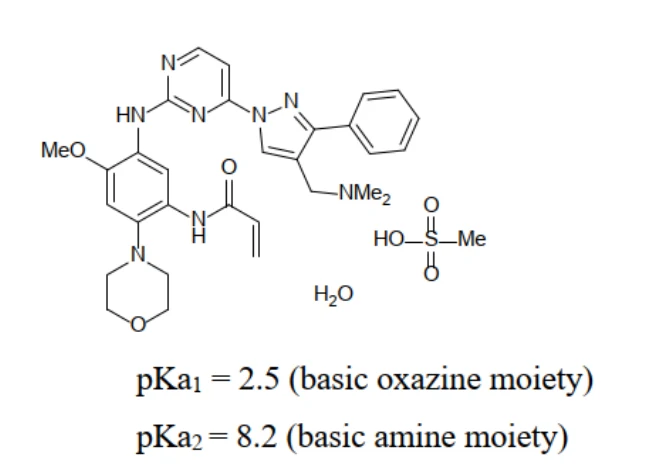
Physicochemical properties: Lazertinib (as lazertinib mesylate monohydrate) is soluble below pH 3.9, practically insoluble at, or above, pH 3.9 in aqueous media.
14. Clinical Trials
14.1. Clinical Trials by Indication
First-Line Treatment of Adult Patients With Locally Advanced or Metastatic NSCLC with EGFR Exon 19 Deletions or Exon 21 L858R Substitution Mutations
Trial Design and Study Demographics
Table 8 - Description of the MARIPOSA study in patients with locally advanced or metastatic NSCLC with EGFR exon 19 deletions or exon 21 L858R substitution mutations.
| Study # | Trial design | Dosage, route of administration and duration | Study subjects (n) |
MARIPOSA 73841937N SC3003 | A Phase 3 randomized multicenter study to compare the efficacy and safety of the combination of amivantamab and lazertinib (Arm A) versus osimertinib monotherapy (Arm B) and lazertinib monotherapy (Arm C) as first-line treatment in patients with EGFRm NSCLC. | LAZCLUZE + amivantamab arm:
Osimertinib arm:
LAZCLUZE arm:
| LAZCLUZE + amivantamab arm: N=429 osimertinib arm: N=429 LAZCLUZE arm: N=216 |
The MARIPOSA study is a randomized, active-controlled, multicenter phase 3 study assessing the efficacy and safety of LAZCLUZE (lazertinib) in combination with amivantamab as compared to osimertinib monotherapy as first-line treatment in patients with EGFR-mutated locally advanced or metastatic NSCLC not amenable to curative therapy. Patient samples were required to have one of the two common EGFR mutations (exon 19 deletion or exon 21 L858R substitution mutation), as identified by local testing.
A total of 1074 patients were randomized (2:2:1) to receive open label treatment with LAZCLUZE in combination with amivantamab, and double-blinded treatment with osimertinib monotherapy, or LAZCLUZE monotherapy (an unapproved regimen for NSCLC) until disease progression or unacceptable toxicity. Randomization was stratified by EGFR mutation type (exon 19 deletion or exon 21 L858R substitution mutation), race (Asian or non-Asian), and history of brain metastasis (yes or no). Evaluation of efficacy relied upon comparison between the LAZCLUZE + amivantamab arm and the osimertinib arm.
Baseline demographics and disease characteristics were balanced across the treatment arms. The median age in the LAZCLUZE + amivantamab arm was 64 (range: 25–88) years, and 63.0 (range 28-88) years in the osimertinib arm. In the LAZCLUZE + amivantamab arm, 45% of patients were ≥ 65 years, 64% were female, 58% were Asian, and 38% were White. In the osimertinib arm, 45% of patients were ≥ 65 years, 59% were female, 59% were Asian and 38% were White. In the LAZCLUZE + amivantamab arm, baseline Eastern Cooperative Oncology Group (ECOG) performance status was 0 (33%) or 1 (67%); 70% never smoked; 41% had prior brain metastases; and 97% had Stage IV cancer at screening. In the osimertinib arm, baseline ECOG performance status was 0 (35%) or 1 (65%); 69% never smoked; 40% had prior brain metastases, and 97% had Stage IV cancer at screening. With regard to EGFR mutation status, 60% were exon 19 deletions and 40% were exon 21 L858R substitution mutations for both treatment arms.
Study Results
The primary efficacy endpoint for the MARIPOSA study was progression-free survival (PFS), defined as the time from randomization until the date of objective disease progression or death, whichever came first, based on blinded independent central review (BICR) using Response Evaluation Criteria in Solid Tumors (RECIST) v1.1. Key secondary endpoints were overall survival (OS), objective response rate (ORR) and duration of response (DOR).
LAZCLUZE in combination with amivantamab demonstrated a statistically significant and clinically meaningful improvement in PFS by BICR assessment, with a 30% reduction in the risk of progression compared with osimertinib (HR=0.70 [95% CI: 0.58, 0.85], p=0.0002). The corresponding median PFS was 23.7 months (95% CI: 19.12, 27.66) for the LAZCLUZE in combination with amivantamab arm and 16.6 months (95% CI: 14.78, 18.46) for the osimertinib arm.
While the ORR was comparable between the arms, the median DOR among confirmed responders was longer with LAZCLUZE in combination with amivantamab (25.8 vs 16.7 months).
Table 9 and Figure 1 summarize key efficacy results for LAZCLUZE in combination with amivantamab.
Table 9 - Efficacy Results in the MARIPOSA Study by BICR Assessment
| LAZCLUZE + amivantamab (N=429) | Osimertinib (N=429) | |||||||||
|---|---|---|---|---|---|---|---|---|---|---|
| LAZCLUZE + amivantamab (N=429) | Osimertinib (N=429) | |||||||||
| Progression-free survival (PFS)a | ||||||||||
| Number of events | 192 | 252 | ||||||||
| Median, months (95% CI) | 23.7 (19.12, 27.66) | 16.6 (14.78, 18.46) | ||||||||
| HR (95% CI); p-value | 0.70 (0.58, 0.85); p=0.0002 | |||||||||
| Objective response rate (ORR)a,b | ||||||||||
| ORR % (95% CI) | 78% (71.4%, 82.1%) | 73% (69.0%, 77.5%) | ||||||||
| Complete response | 5.4% | 3.5% | ||||||||
| Partial response | 73.0% | 69.9% | ||||||||
| Duration of response (DOR)a,c | ||||||||||
| Median (95% CI), months | 25.8 (20.14, NE) | 16.7 (14.75, 18.53) | ||||||||
BICR – blinded independent central review; CI – confidence intervals
a BICR by RECIST v.1.1
b Confirmed responses in ITT population
c In confirmed responders
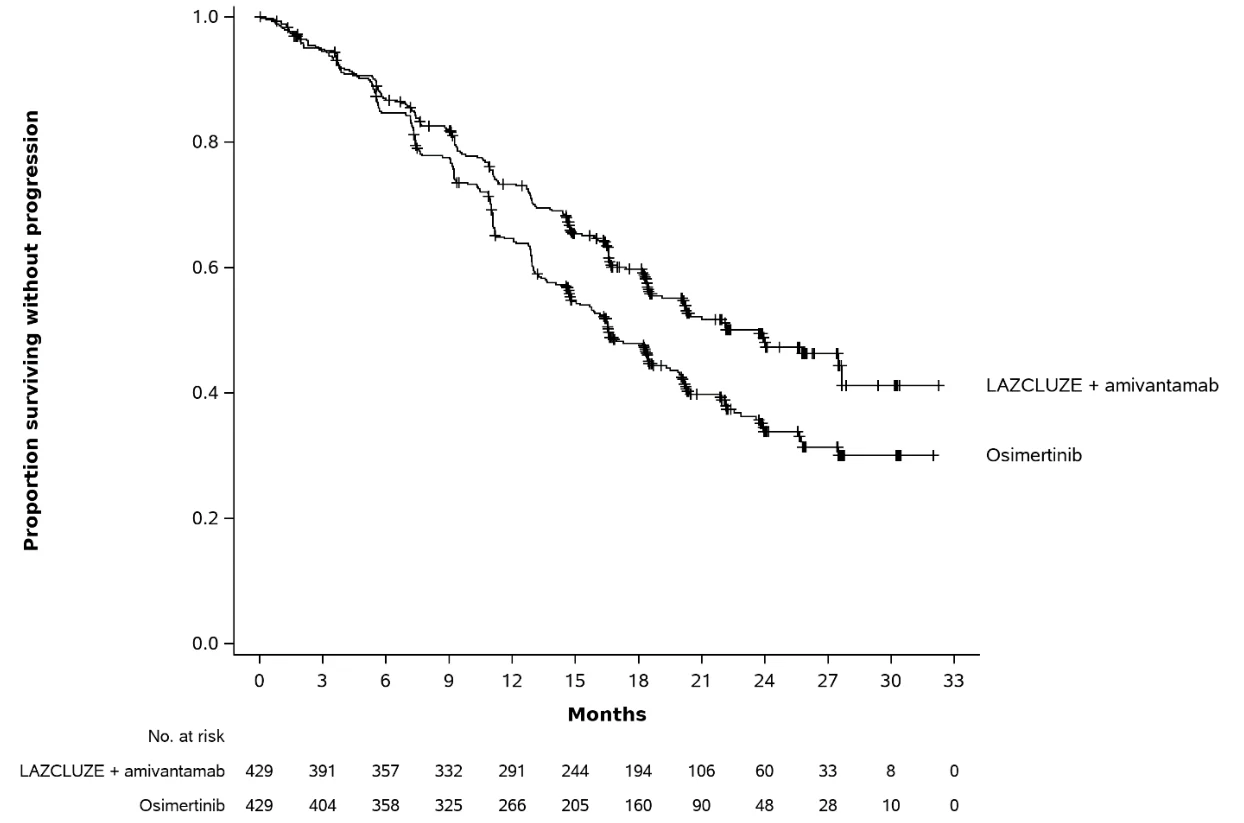
Figure 1 - Kaplan-Meier curve of PFS in previously untreated NSCLC patients by BICR assessment
The OS results were immature at the current analysis, with ~65% of pre-specified deaths for the final analysis reported. No trend towards a detriment was observed in the full analysis set.
Results of pre-specified exploratory analyses of central nervous system (CNS) ORR and DOR by BICR in the subset of patients with measurable intracranial lesions at baseline for the combination of LAZCLUZE and amivantamab demonstrated similar intracranial ORR to the control. Per protocol, all patients in MARIPOSA had serial brain MRIs to assess intracranial response and duration. Results are summarized in Table 10.
Table 10 - Intracranial ORR by BICR assessment in subjects with measurable intracranial lesions at baseline
| LAZCLUZE + amivantamab (N=180) | Osimertinib (N=187) | |||||
|---|---|---|---|---|---|---|
| Intracranial Tumor Response Assessment | ||||||
| Number of confirmed responders | 122 | 129 | ||||
| Intracranial ORR (CR+PR), % (95% CI) | 67.8 (60.4,74.5) | 69.0 (61.8,75.5) | ||||
| Complete response % | 55.0 | 52.4 | ||||
Subgroup Analyses
The outcomes of the subgroup analyses for PFS were generally consistent across the prespecified subgroups; however, differences were seen in subgroups of geriatric patients. No formal statistical testing was planned for subgroup analyses and the clinical interpretation of the subgroup analyses is therefore limited (see Table 11).
Table 11 - Progression-Free survival for pre-defined subgroups based on age in MARIPOSA study by BICR assessment
| Subgroups | HR (95% CI) | Events / N LAZCLUZE + Amivantamab | Events / N Osimertinib | ||||||
|---|---|---|---|---|---|---|---|---|---|
| Age | |||||||||
| <65 | 0.50 (0.39, 0.65) | 94/235 | 153/237 | ||||||
| ≥65 | 1.06 (0.80, 1.41) | 98/194 | 99/192 | ||||||
| <75 | 0.70 (0.57, 0.85) | 165/378 | 220/376 | ||||||
| ≥75 | 0.77 (0.46, 1.30) | 27/51 | 32/53 | ||||||
15. Microbiology
No microbiological information is required for this drug product.
16. Non-Clinical Toxicology
General Toxicity
In repeat-dose oral general toxicology studies up to 13-weeks duration in rats and dogs, lazertinib induced multi-organ histologic hyperplasia at exposures approximately equivalent or greater than the human exposure at the recommended dose of 240 mg. Hyperplasia was not reversible in the mandibular lymph node in the 4-week rat study.
In a 4-week toxicology study, lazertinib induced cardiac toxicity in two dogs characterized by histologic findings in the heart (degeneration/necrosis of the myocardium and vessels, fibrosis, hemorrhage, thrombus, mixed cell/vessel inflammation) at 20 mg/kg (approximately 4.8 times the clinical AUC at the 240 mg human dose). One of these dogs also exhibited increased cardiac troponin I and premature ventricular complexes. Myocardial degeneration, vessel inflammation, and fibrosis were not seen after a 2-week recovery period.
In the rat 4-week study, lazertinib induced renal toxicity characterized by histologic hyperplasia and inflammation in the kidney at doses ≥ 25 mg/kg (approximately 0.9 times the human exposure at the recommended dose of 240 mg/day based on AUC), along with increased urea nitrogen and histologic papillary necrosis, tubule degeneration/regeneration, and tubule dilatation at exposures approximately 4.4 times the human exposure at the recommended dose of 240 mg/day based on AUC. Increased urea nitrogen, papillary necrosis, and tubule dilatation showed evidence of recovery. In the 13-week toxicology study in dogs, one animal exhibited unilateral tubule cell renal carcinoma at 8 mg/kg/day (approximately 2 times the human exposure at the recommended dose of 240 mg/day based on AUC). Other renal findings in dogs included tubule degeneration/regeneration and infarct, which showed evidence of recovery.
In a 4-week study in rats, liver toxicity included increased single cell hepatocyte necrosis at ≥75 mg/kg/day with regenerative extramedullary hematopoiesis, and Kupffer cell hypertrophy (in males only at ≥50 mg/kg/day). At ≥75 mg/kg/day, Kupffer cell hypertrophy and single cell hepatocellular necrosis persisted and centrilobular hepatocellular vacuolation was observed in the recovery group. In a 13-week study in rats, liver enzyme increases (minimally to mildly increased ALT and AST in males at ≥12.5 mg/kg/day and a non-dose related, minimally increased AST in females at ≥25 mg/kg/day) correlated with microscopic findings of Kupffer cell hypertrophy/hyperplasia only at the high dose of 50 mg/kg/day, suggesting hepatocellular damage.
Lung inflammation and hyperplasia of alveolar type II cells were noted in both males and females in a 13-week study in dogs at 4 or 8 mg/kg/day and was resolved in males and partially recovered in females. In a 13-week study in rats, minimal to slight alveolar macrophage infiltrate was observed at 25 and 50 mg/kg/day in both sexes, with partial reversibility in males and full reversibility in females.
In a 13-week study in rats, in the 50 mg/kg/day group, corneal atrophy, corneal erosion/ulcer of the eyelids, epidermal erosion/ulcer with exudate or hyperplasia, and chronic/active inflammation in the eyelids were observed. In a 4-week study in dogs, epithelial atrophy in the cornea of the eye was present in both sexes at ≥5 mg/kg/day and showed evidence of recovery.
In a 4-week study in rats skin lesions including scabs, alopecia, hair follicle degeneration, acanthosis, erosion/ulcer, epidermal surface exudate, and mixed cell inflammation were observed at ≥50 mg/kg/day. Epidermal atrophy of the skin/subcutis was presented in a 4-week dog study at 20 mg/kg/day and showed evidence of recovery.
In a 4-week study in rats, villus blunting/fusion in duodenum was noted at ≥50 mg/kg/day and persisted in the 2-week recovery female group. In the 4- and 13-week studies in dog, esophageal epithelial atrophy was observed and showed evidence of recovery. In a 13-week study in dog, increased jejunum villi blunting/fusion and erosion/ulcer were observed in 1 female.
Carcinogenicity
No long-term animal studies have been performed to evaluate the carcinogenic potential of lazertinib.
Genotoxicity
No evidence of genotoxicity for lazertinib was observed in in vitro bacterial mutagenicity, in vitro chromosomal aberration, and in vivo micronucleus tests in rats.
Reproductive Toxicology
In a fertility and early embryonic development study in male and female rats, lazertinib induced an increase in post-implantation loss and a decrease in the number of live fetuses at 30 mg/kg/day (a dose level approximating the human clinical exposure at the recommended dose of 240 mg).
In the repeat-dose oral general toxicology studies, lazertinib induced histologic tubular degeneration in the testis; cellular lumen debris, degeneration/necrosis, and reduced sperm in the epididymis at exposures approximately equivalent to human exposure at the clinical dose. In female rats, decreased corpora lutea in the ovary and atrophy in the uterus and vagina were observed (at exposures approximately 2 times the human exposure at the recommended clinical dose). Findings in female reproductive organs were reversible. The tubular degeneration in the testis observed in rats at exposures approximately 4 times the human exposure at the recommended dose was not reversible within a 2-week recovery period.
In embryo-fetal development rat study adverse effects at 60 mg/kg/day included significant decreases in maternal body weight gain, overall body weight, food consumption and gravid uterine weight suggesting maternal toxicity at this dose. Decreases in fetal body weights in association with maternal toxicity were observed in rats at 60 mg/kg/day (exposure approximately 4 times higher than the human clinical exposure at 240 mg).
In an embryo-fetal development study in rabbits, lazertinib caused maternal toxicity (reduced body weight and food consumption leading to moribund condition and early termination) and misaligned caudal vertebra and unossified hyoid bone were observed in fetuses at 45 mg/kg/day, a maternal exposure approximating the human clinical exposure at 240 mg.