


Product Monograph - PMS-Erlotinib
SUMMARY PRODUCT INFORMATION
| Route of Administration | Dosage Form / Strength | All Non-Medicinal Ingredients |
| Oral | Tablet / 100 mg and 150 mg | Hydroxypropyl Cellulose, Hydroxypropyl Methyl Cellulose, Lactose Monohydrate, Magnesium Stearate, Microcrystalline Cellulose, Polyethylene Glycol, Sodium Lauryl Sulphate, Sodium Starch Glycolate and Titanium Dioxide. |
INDICATIONS AND CLINICAL USE
pms-ERLOTINIB (erlotinib) is indicated as monotherapy for the treatment of patients with locally advanced or metastatic non-small cell lung cancer (NSCLC) after failure of at least one prior chemotherapy regimen, and whose EGFR expression status is positive or unknown (see CLINICAL TRIALS, Phase III Studies in NSCLC, Relation of Results to EGFR Protein Expression Status [as Determined by Immunohistochemistry]).
pms-ERLOTINIB is also indicated as monotherapy for maintenance treatment in patients with locally advanced or metastatic non-small cell lung cancer with EGFR activating mutations after 4 cycles of standard platinum-based first-line chemotherapy.
The efficacy of erlotinib hydrochloride as maintenance treatment has not been demonstrated in patients with metastatic NSCLC whose tumours do not harbour an activating mutation (see CLINICAL TRIALS).
pms-ERLOTINIB is also indicated as monotherapy for the first-line treatment of patients with locally advanced (stage III b, not amenable to curative therapy) or metastatic (stage IV) non-small cell lung cancer (NSCLC) with EGFR activating mutations.
This indication was based on progression-free survival (PFS). No statistically significant difference in overall survival (OS) or quality of life (QoL) was demonstrated in the first-line setting (see CLINICAL TRIALS).
Geriatrics (> 65 years of age)
There have been no specific studies in elderly patients.
Of the total number of patients participating in the phase III study, BR.21 (N = 731), 62% were less than 65 years of age and 38% of patients were aged 65 years or older. The survival benefit was maintained across both age groups. No meaningful differences in safety or pharmacokinetics were observed between younger and older patients. Therefore, no dosage adjustments are recommended in elderly patients.
Of the total number of stable disease patients participating in the phase III study, SATURN (N = 487), 67% were less than 65 years of age and 33% of patients were aged 65 years or older. For patients over 65 years of age, exploratory subgroup analyses demonstrate a benefit, but the benefit is not statistically significant (see CLINICAL TRIALS).
In the EURTAC study, of the total number of patients (N = 153), 50% of patients were aged 65 years or older and 50% were less than 65 years of age. For patients over 65 years of age, exploratory subgroup analyses demonstrate a benefit in PFS (HR = 0.28, 95% CI [0.15; 0.55]). No meaningful differences in safety were observed between younger and older patients.
Pediatrics (< 18 years of age)
The safety and efficacy of erlotinib in the pediatric population has not been established.
CONTRAINDICATIONS
pms-ERLOTINIB (erlotinib) is contraindicated in patients with
- severe hypersensitivity to erlotinib or to any component of pms-ERLOTINIB. For a complete listing, see DOSAGE FORMS, COMPOSITION AND PACKAGING.
WARNINGS AND PRECAUTIONS
Serious Warnings and Precautions
|
|
Drug Interactions
Erlotinib is metabolized in the liver by the hepatic cytochromes in humans, primarily CYP3A4 and to a lesser extent by CYP1A2 and the pulmonary isoform CYP1A1. Potential interactions may occur with drugs which are metabolized by, or are inhibitors or inducers of, these enzymes (see DRUG INTERACTIONS).
Gastrointestinal
Diarrhea, Dehydration, Electrolyte Imbalance and Renal Failure
Diarrhea has occurred in patients on erlotinib and moderate or severe diarrhea should be treated with loperamide. In some cases, dose reduction may be necessary. In the event of severe or persistent diarrhea, nausea, anorexia, or vomiting associated with dehydration, pms-ERLOTINIB therapy should be interrupted and appropriate measures should be taken to treat the dehydration (see DOSAGE AND ADMINISTRATION).
Gastrointestinal Hemorrhage
Gastrointestinal hemorrhage was seen in 2% of patients receiving erlotinib therapy on study BR.21 in NSCLC. No cases were reported on the placebo arm. Confounding factors include concomitant NSAID use and history of ulcer disease. In the pivotal EURTAC study, one patient died due to gastrointestinal hemorrhage in the erlotinib arm. This patient had a history of gastrointestinal hemorrhage of which the etiology was unknown. In patients who develop gastrointestinal hemorrhage or whose existing gastrointestinal hemorrhage worsens while receiving pms-ERLOTINIB, the drug should be discontinued (see ADVERSE REACTIONS, Clinical Trial Adverse Drug Reactions, Gastrointestinal disorders).
Gastrointestinal Perforation
Patients receiving erlotinib are at increased risk of developing gastrointestinal perforation, which was observed uncommonly, including some cases with a fatal outcome. Patients receiving concomitant anti-angiogenic agents, corticosteroids, NSAIDs, and/or taxane based chemotherapy, or who have prior history of peptic ulceration or diverticular disease are at increased risk. However, in reported cases, not all patients had predisposing risk factors. One third of cases were fatal. pms-ERLOTINIB should be permanently discontinued in patients who develop gastrointestinal perforation (see ADVERSE REACTIONS, Clinical Trial Adverse Drug Reactions, Gastrointestinal disorders).
Hepatotoxicity
Hepatitis
Asymptomatic increases in liver transaminases have been observed in patients receiving erlotinib. Therefore, liver function testing (transaminases, bilirubin, and alkaline phosphatase)
should be considered at baseline and periodically during pms-ERLOTINIB treatment. Dose reduction or interruption of pms-ERLOTINIB therapy should be considered if liver function changes are severe (see ADVERSE REACTIONS).
Hepatic Failure
Fatal cases of hepatic failure including hepatorenal syndrome have been reported during use of erlotinib. Confounding factors in some patients have included pre-existing liver disease, impaired hepatic function and/or concomitant hepatotoxic medications. Close monitoring of liver function testing should be considered in these patients. pms-ERLOTINIB dosing should be interrupted or discontinued if significant changes in liver function are observed. pms-ERLOTINIB treatment is not recommended in patients with severe hepatic impairment including those with total bilirubin of > 3x ULN and/or transaminases of > 5x ULN (see WARNINGS AND PRECAUTIONS, Special Populations, Patients with hepatic impairment; and ADVERSE REACTIONS).
Muscle Effects
Rhabdomyolysis
The combination of erlotinib and a statin may increase the potential for statin-induced myopathy, including rhabdomyolysis, which was observed rarely.
Ocular
Very rare cases of corneal perforation or ulceration have been reported during use of erlotinib. Permanent vision loss has been reported in one patient. Other ocular disorders including abnormal eyelash growth, keratoconjunctivitis sicca or keratitis have been observed with erlotinib treatment which are also risk factors for corneal perforation/ulceration. Recent corneal surgery and contact lens wearing could be a risk factor for corneal ulceration/perforation for patients receiving erlotinib. The optimum timing of erlotinib therapy in relation to ophthalmic/corneal surgery is not known. pms-ERLOTINIB therapy should be interrupted or discontinued if patients present with acute/worsening ocular disorders such as eye pain (see ADVERSE REACTIONS, Clinical Trial Adverse Drug Reactions).
There have been very rare post-marketing reports of uveitis in patients treated with erlotinib.
Renal
There have been rare reports of hypokalaemia and renal failure (including fatalities) mainly in patients receiving concomitant chemotherapy but also in a few patients receiving erlotinib as monotherapy. Some reports of renal failure were secondary to severe dehydration due to diarrhea, vomiting and/or anorexia while others were confounded by concomitant use of chemotherapy. In more severe or persistent cases of diarrhea, or cases leading to dehydration, particularly in groups of patients with aggravating risk factors (known renal disease, concurrent vomiting, concomitant medications, symptoms or diseases or other predisposing conditions including advanced age), pms-ERLOTINIB therapy should be interrupted and appropriate measures taken to intensively rehydrate the patients intravenously. In addition, renal function and serum electrolytes including potassium should be monitored particularly in patients at high risk of dehydration (see WARNINGS AND PRECAUTIONS, Gastrointestinal).
Respiratory
Interstitial Lung Disease (ILD)
Cases of ILD-like events, including fatalities, have been reported uncommonly in patients receiving erlotinib for treatment of NSCLC or other advanced solid tumours. In the pivotal study BR.21 in NSCLC, the incidence of serious ILD-like events was 0.8% in both the erlotinib and placebo arms. In a meta-analysis of NSCLC randomized, controlled clinical trials, the incidence of ILD-like events was 0.9% on erlotinib compared to 0.4% in patients in the control arms. In the pivotal EURTAC study, at interim analysis, one patient experienced grade 3 ILD-like adverse event (i.e., pneumonitis) treatment in the erlotinib arm and later died likely due to unresolved ILD. The overall incidence in erlotinib treated patients from all studies (including uncontrolled studies and studies with concurrent chemotherapy) is approximately 0.7%. Some examples of reported diagnoses in patients suspected of having ILD-like events include pneumonitis, radiation pneumonitis, hypersensitivity pneumonitis, interstitial pneumonia, interstitial lung disease, obliterative bronchiolitis, pulmonary fibrosis, Acute Respiratory Distress Syndrome, lung infiltration and alveolitis. Symptoms started from 5 days to more than 9 months (median 47 days) after initiating erlotinib. Most of the cases were associated with confounding or contributing factors such as concomitant or prior chemotherapy, prior radiotherapy, pre-existing parenchymal lung disease, metastatic lung disease, or pulmonary infections.
In patients who develop acute onset of new and/or progressive unexplained pulmonary symptoms, such as dyspnea, cough and fever, pms-ERLOTINIB therapy should be interrupted pending diagnostic evaluation. If ILD is diagnosed, pms-ERLOTINIB should be discontinued and appropriate treatment initiated as necessary (see ADVERSE REACTIONS; and DOSAGE AND ADMINISTRATION).
Skin
Bullous and Exfoliative Skin Disorders
Bullous, blistering and exfoliative skin conditions have been reported, including very rare cases suggestive of Stevens-Johnson syndrome/Toxic epidermal necrolysis, which in some cases were fatal (see ADVERSE REACTIONS, Clinical Trial Adverse Drug Reactions). pms-ERLOTINIB treatment should be interrupted or discontinued if the patient develops severe bullous, blistering or exfoliating conditions.
Rash
In pivotal trial BR.21, over three quarters of patients developed a rash. Nine percent (9%) of patients had severe rash, and 6% required dose reduction. Median time to onset of rash was 8 days. In the EURTAC study, 60 patients (80%) in the erlotinib arm experienced “rash” as defined by the standard term “EGFR-associated rash”, compared to 2 patients (2.7%) in the chemotherapy arm; dose modifications (interruptions or reductions) for rash were needed in 11% of patients.
Special Populations
Patients with Brain Metastases
Pivotal trial BR.21 excluded patients with CNS metastases that were symptomatic, and those with asymptomatic metastases but not on a stable dose of corticosteroids for at least 4 weeks prior to randomization. Therefore, the safety of erlotinib in this patient population is unknown.
In the EURTAC study, 20 patients in total with asymptomatic and stable CNS metastases were enrolled; no conclusions can be drawn on the efficacy or safety of this small subgroup.
Pregnant Women
There are no adequate or well-controlled studies in pregnant women using erlotinib. Studies in animals have shown reproductive toxicity (see TOXICOLOGY). The potential risk for humans is unknown. Women of childbearing potential must be advised to avoid pregnancy while on pms-ERLOTINIB. Adequate contraceptive methods should be used during therapy, and for at least 2 weeks after completing therapy. Treatment should only be continued in pregnant women if the potential benefit to the mother outweighs the risk to the fetus. If pms-ERLOTINIB is used during pregnancy, the patient must be informed of the potential hazard to the fetus or potential risk for loss of the pregnancy.
Nursing Women
It is not known whether erlotinib is excreted in human milk. No studies have been conducted to assess the impact of erlotinib on milk production or its presence in breast milk. As the potential for harm to the nursing infant is unknown, mothers should be advised against breastfeeding while receiving pms-ERLOTINIB and for at least 2 weeks after the final dose.
Patients with Hepatic Impairment
Erlotinib is eliminated by hepatic metabolism and biliary excretion. A pharmacokinetic study was conducted in patients with advanced solid tumours comparing patients with moderate hepatic impairment (Child-Pugh score 7-9) and patients with adequate hepatic function. Ten of the fifteen patients with moderate hepatic impairment died during erlotinib treatment or within 30 days of the last dose. Five of the 10 patients died within the first month after initiating erlotinib treatment. Six of the 10 patients who died had baseline total bilirubin > 3 x ULN suggesting severe hepatic impairment. Patients with hepatic impairment should be closely monitored during therapy with pms-ERLOTINIB. pms-ERLOTINIB dosing should be interrupted or discontinued if significant changes in liver function are observed. The use of pms-ERLOTINIB in patients with severe hepatic impairment is not recommended (see WARNINGS AND PRECAUTIONS, Hepatotoxicity; and ADVERSE REACTIONS).
In pivotal trial BR.21, adequate hepatic function was defined as total bilirubin < 1.5 x ULN and ALT/SGPT < 2x ULN, unless clearly attributable to liver metastases, in which cases < 5 x ULN was allowed. Approximately 20% of patients on BR.21 had liver metastases. In the EURTAC study, adequate hepatic function was defined as total bilirubin ≤ 1.0 ULN; ALT/SGPT < 2.5 ULN and alkaline phosphatase ≤ 5 x ULN (except in the presence of exclusive bone metastases and in the absence of any liver disorder). Asymptomatic increases in liver transaminases have been observed in erlotinib treated patients; therefore, liver function testing
(transaminases, bilirubin, and alkaline phosphatase) should be considered at baseline and periodically during pms-ERLOTINIB treatment. Dose reduction or interruption of pms-ERLOTINIB should be considered if significant changes in liver function are observed (see ADVERSE REACTIONS, Abnormal Hematologic and Clinical Chemistry Findings).
Monitoring and Laboratory Tests
Assessment of EGFR Mutation Status
EGFR mutation-positive status must be confirmed prior to starting first-line or maintenance pms-ERLOTINIB therapy, because the clinical benefit of first-line erlotinib is unclear compared to first-line chemotherapy doublet in advanced NSCLC with wild-type EGFR or unknown mutation status, based on data of the pivotal EURTAC trial (see INDICATIONS AND CLINICAL USE; and CLINICAL TRIALS). When assessing the EGFR mutation status, it is important that a well-validated and robust methodology is chosen to minimize the possibility of false negative or false positive determination.
The pivotal EURTAC study enrolled patients whose tumours had either EGFR exon 19 deletion mutations or exon 21 L858R point mutation. The clinical evidence is limited to support the use of erlotinib for other EGFR mutations (see CLINICAL TRIALS).
Hematology and Clinical Chemistry
Interaction with coumarin-derived anticoagulants, including warfarin, leading to increased International Normalized Ratio (INR) and bleeding events, which in some cases were fatal, have been reported in patients receiving erlotinib. Patients taking coumarin derivative anticoagulants should be monitored regularly for any changes in prothrombin time or INR (see DRUG INTERACTIONS).
The combination of erlotinib and a statin may increase the potential for statin-induced myopathy, including rhabdomyolysis, which was observed rarely.
Liver function tests should be performed at baseline and periodically during pms-ERLOTINIB therapy. Close monitoring of liver function testing should be considered in patients with hepatic impairment (see WARNINGS AND PRECAUTIONS, Hepatic failure).
Renal function and serum electrolytes including potassium should be monitored particularly in patients at high risk of dehydration (see WARNINGS AND PRECAUTIONS, Renal)
Other
pms-ERLOTINIB tablets contain lactose and should not be administered to patients with rare hereditary problems of galactose intolerance, Lapp lactase deficiency or glucose-galactose malabsorption.
ADVERSE REACTIONS
Clinical Trial Adverse Drug Reactions
Safety evaluation of erlotinib is based on the data from more than 1,275 patients treated with erlotinib.
The adverse drug reactions (ADRs) reported with erlotinib are summarized in the tables below and are based on data from clinical trials. The listed ADRs were those reported in at least 10% (in the erlotinib group) of patients and occurred more frequently (≥ 3%) in patients treated with erlotinib than in the comparator arm.
Second/Third Line Therapy
The ADRs listed in Table 1 are based on data from a randomized double-blind study (BR.21) conducted in 731 patients with locally advanced or metastatic NSCLC after failure of at least one prior chemotherapy regimen. Patients were randomized 2:1 to receive erlotinib 150 mg or placebo. Study drug was taken orally once daily until disease progression or unacceptable toxicity.
The most frequent ADRs were rash and diarrhea (any Grade 75% and 54%, respectively), most were Grade 1/2 in severity and manageable without intervention. Grade 3/4 rash and diarrhea occurred in 9% and 6%, respectively in erlotinib -treated patients and each resulted in study discontinuation in 1% of patients. Dose reduction for rash and diarrhea was needed in 6% and 1% of patients, respectively. In study BR 21, the median time to onset of rash was 8 days, and the median time to onset of diarrhea was 12 days.
In pivotal trial BR.21, serious gastrointestinal hemorrhage was seen in 8 patients treated with erlotinib (2%) and there were no cases in placebo treated patients. The gastrointestinal hemorrhage was fatal in 2 patients treated with erlotinib. Confounding factors include concomitant NSAID use and history of peptic ulcer disease. The incidence of serious interstitial lung disease in BR.21 was 0.8% in each treatment arm. There was 1 case of fatal pneumonitis (fatal outcome of ILD) in each treatment arm.
| Table 1: ADRs Occurring More Frequently (≥ 3%) in the Erlotinib Group Than in the Placebo Group and in ≥ 10% of Patients in the Erlotinib Group in Study BR 21 | ||||||||||||||
|---|---|---|---|---|---|---|---|---|---|---|---|---|---|---|
Erlotinib N = 485 | Placebo N = 242 | |||||||||||||
| NCI-CTC Grade | Any Grade | 3 | 4 | Any Grade | 3 | 4 | ||||||||
| MedDRA Preferred Term | % | % | % | % | % | % | ||||||||
| Total patients with any AE | 99 | 40 | 22 | 96 | 36 | 22 | ||||||||
Eye Disorders Conjunctivitis Keratoconjunctivitis sicca | 12 12 | < 1 0 | 0 0 | 2 3 | < 1 0 | 0 0 | ||||||||
Gastrointestinal Disorders Diarrhea Nausea Vomiting Stomatitis Abdominal pain | 54 33 23 17 11 | 6 3 2 < 1 2 | < 1 0 < 1 0 < 1 | 18 24 19 3 7 | < 1 2 2 0 1 | 0 0 0 0 < 1 | ||||||||
General Disorders and Administration Site Conditions Fatigue | 52 | 14 | 4 | 45 | 16 | 4 | ||||||||
Infections and Infestations* Infection | 24 | 4 | 0 | 15 | 2 | 0 | ||||||||
Metabolism and Nutrition Disorders Anorexia | 52 | 8 | 1 | 38 | 5 | < 1 | ||||||||
Respiratory, Thoracic and Mediastinal Disorders Dyspnea Cough | 41 33 | 17 4 | 11 0 | 35 29 | 15 2 | 11 0 | ||||||||
Skin and Subcutaneous Tissue Disorders Rash Pruritus Dry skin | 75 13 12 | 8 < 1 0 | < 1 0 0 | 17 5 4 | 0 0 0 | 0 0 0 | ||||||||
*Severe infections, with or without neutropenia, have included pneumonia, sepsis, and cellulitis
Maintenance Therapy
The ADRs listed in Table 2, are based on data from the double-blind, randomized, placebo- controlled Phase III study (BO18192) conducted in 889 patients with advanced, recurrent or metastatic NSCLC following first-line standard platinum-based chemotherapy. No new safety signals were identified.
The most frequent ADRs seen in patients treated with erlotinib in study BO18192 were rash and diarrhea (any Grade 49% and 20%, respectively), most were Grade 1/2 in severity and manageable without intervention. Grade 3 rash and diarrhea occurred in 6% and 2% of patients, respectively. No Grade 4 rash or diarrhea was observed. Rash and diarrhea resulted in discontinuation of erlotinib in 1% and < 1% of patients, respectively. Dose modifications (interruptions or reductions) for rash and diarrhea were needed in 8.3% and 3.2% of patients, respectively.
| Table 2: ADRs Occurring More Frequently (≥ 3%) in the Single-Agent Erlotinib Group Than in the Placebo Group and in ≥ 3% of Patients in the Erlotinib Group in Study BO18192 (SATURN) | ||||||
|---|---|---|---|---|---|---|
Erlotinib N = 433 | Placebo N = 445 | |||||
| NCI-CTC Grade | Any Grade | Grade 3 | Grade 4 | Any Grade | Grade 3 | Grade 4 |
| MedDRA Preferred Term | % | % | % | % | % | % |
| Rash | 49.2 | 6.0 | 0 | 5.8 | 0 | 0 |
| Diarrhea | 20.3 | 1.8 | 0 | 4.5 | 0 | 0 |
| Fatigue | 9.0 | 1.8 | 0 | 5.8 | 1.1 | 0 |
| Anorexia | 9.2 | < 1 | 0 | 4.9 | < 1 | 0 |
| Pruritus | 7.4 | < 1 | 0 | 2.7 | 0 | 0 |
| Acne | 6.2 | < 1 | 0 | 0 | 0 | 0 |
| Dermatitis acneiform | 4.6 | < 1 | 0 | 1.1 | 0 | 0 |
| Dry Skin | 4.4 | 0 | 0 | < 1 | 0 | 0 |
| Weight decreased | 3.9 | < 1 | 0 | < 1 | 0 | 0 |
| Paronychia | 3.9 | < 1 | 0 | 0 | 0 | 0 |
First-Line Treatment of Patients with EGFR-Activating Mutation-Positive NSCLC
The ADRs listed in Table 3 are based on data from an open-label, randomized phase III study, EURTAC, conducted in 154 patients. The safety of erlotinib for first-line treatment of NSCLC patients with EGFR activating mutations was assessed in 75 patients; no new safety signals were observed in these patients.
The most frequent ADRs seen in patients treated with erlotinib in the EURTAC study were rash and diarrhea (any Grade 80% and 57%, respectively) (Table 3). Rash was defined by the standard AE group term “EGFR-associated rash” and included rash, acne, folliculitis, erythema, exfoliative rash, dermatitis, rash erythematous, skin toxicity, pruritis, and eczema. Most were Grade 1/2 in severity and manageable without intervention. Grade 3 rash and diarrhea occurred in 9% and 4% of patients, respectively. No Grade 4 rash or diarrhea was observed. Both rash and diarrhea resulted in discontinuation of erlotinib in 1% of patients. Dose modifications (interruptions or reductions) for rash and diarrhea were needed in 11% and 7% of patients, respectively.
| Table 3: ADRs Occurring in ≥ 3% of Patients in the Erlotinib or Chemotherapy Group in EURTAC Study | ||||||
|---|---|---|---|---|---|---|
Erlotinib N= 75 | Chemotherapy N = 74 | |||||
| NCI-CTC Grade | Any Grade | Grade 3 | Grade 4 | Any Grade | Grade 3 | Grade 4 |
| MedDRA Preferred Term | n (%) | n (%) | n (%) | n (%) | n (%) | n (%) |
| Total patients with any AE | ||||||
Gastrointestinal Disorders Diarrhoea Nausea Vomiting Constipation Stomatitis Abdominal pain Abdominal pain upper Dry mouth Dyspepsia | 43 (57.3) 17 (22.7) 10 (13.3) 6 (8.0) 8 (10.7) 5 (6.7) 2 (2.7) 2 (2.7) 4 (5.3) | 3 (4.0) 1 (1.3) - - - - - - - | - - - - - - - - - | 14 (18.9) 30 (40.5) 16 (21.6) 16 (21.6) 7 (9.5) 2 (2.7) 4 (5.4) 4 (5.4) 0 (0) | - 4 (5.4) 3 (4.1) - - - - 1 (1.4) - | - - - - - - - - - |
General Disorders and Administration Site Conditions Asthenia Chest pain Pyrexia Mucosal inflammation Pain Oedema peripheral Xerosis Malaise | 40 (53.3) 13 (17.3) 8 (10.7) 13 (17.3) 7 (9.3) 4 (5.3) 6 (8.0) 0 (0) | 5 (6.7) 1 (1.3) - 1 (1.3) 1 (1.3) - - - | - - - - - - - - | 51 (68.9) 10 (13.5) 10 (13.5) 4 (5.4) 1 (1.4) 3 (4.1) 0 (0) 3 (4.1) | 13 (17.6) - - - - - - 1 (1.4) | - - - - - - - - |
Respiratory, Thoracic and Mediastinal Disorders Cough Dyspnea Epistaxis Productive cough Dysphonia Pulmonary embolism Respiratory failure | 34 (45.3) 31 (41.3) 3 (4.0) 3 (4.0) 3 (4.0) 3 (4.0) 0 (0) | 1 (1.3) 6 (8.0) - - - 2 (2.7) - | - - - - - - - | 26 (35.1) 19 (25.7) 4 (5.4) 3 (4.1) 2 (2.7) 2 (2.7) 3 (4.1)* | - 1 (1.4) - - - 1 (1.4) 1 (1.4) | - - - - - 1 (1.4) - |
Skin and Subcutaneous Tissue Disorders Rash Alopecia Dry skin Acne Pruritus Erythema Nail disorder Skin fissures Exfoliative rash Hypertrichosis Palmar-plantar erythrodysaesthesia syndrome Dermatitis Dermatitis acneiform Rash erythematous Skin toxicity | 37 (49.3) 11 (14.7) 13 (17.3) 9 (12.0) 8 (10.7) 4 (5.3) 5 (6.7) 4 (5.3) 4 (5.3) 4 (5.3) 3 (4.0) 3 (4.0) 3 (4.0) 3 (4.0) 3 (4.0) | 4 (5.3) - 1 (1.3) - - - - - - - - - - 1 (1.3) 1 (1.3) | - - - - - - - - - - - - - - - | 1 (1.4) 13 (17.6) 2 (2.7) 0 (0) 1 (1.4) 1 (1.4) 0 (0) 1 (1.4) 0 (0) 0 (0) 1 (1.4) 0 (0) 0 (0) 0 (0) 0 (0) | - 2 (2.7) - - - - - - - - - - - - - | - - - - - - - - - - - - - - - |
| Table 3: ADRs Occurring in ≥ 3% of Patients in the Erlotinib or Chemotherapy Group in EURTAC Study | ||||||
| Table 3: ADRs Occurring in ≥ 3% of Patients in the Erlotinib or Chemotherapy Group in EURTAC Study | ||||||
Erlotinib N= 75 | Chemotherapy N = 74 | |||||
Erlotinib N= 75 | Chemotherapy N = 74 | |||||
| NCI-CTC Grade | Any Grade | Grade 3 | Grade 4 | Any Grade | Grade 3 | Grade 4 |
| NCI-CTC Grade | Any Grade | Grade 3 | Grade 4 | Any Grade | Grade 3 | Grade 4 |
| MedDRA Preferred Term | n (%) | n (%) | n (%) | n (%) | n (%) | n (%) |
Blood and Lymphatic System Disorder Anaemia Neutropenia Leukopenia Thrombocytopenia Lymphopenia Febrile neutropenia | 8 (10.7) 0 (0) 2 (2.7) 1 (1.3) 3 (4.0) 0 (0) | - - - - 1 (1.3) - | 1 (1.3) - - - - - | 34 (45.9) 27 (36.5) 10 (13.5) 9 (12.2) 1 (1.4) 3 (4.1) | 3 (4.1) 11 (14.9) 4 (5.4) 4 (5.4) 1 (1.4) 1 (1.4) | - 5 (6.8) - 5 (6.8) - 2 (2.7) |
Metabolism and Nutrition Disorders Decreased appetite | 21 (28.0) | - | - | 25 (33.8) | - | - |
Musculoskeletal and Connective Tissue Disorders Back pain Arthralgia Musculoskeletal pain Musculoskeletal chest pain Bone pain Muscle spasms | 12 (16.0) 5 (6.7) 7 (9.3) 3 (4.0) 3 (4.0) 3 (4.0) | - - 1 (1.3) - 1 (1.3) - | - - - - - - | 4 (5.4) 3 (4.1) 1 (1.4) 4 (5.4) 1 (1.4) 0 (0) | - 1 (1.4) - - - - | - - - - - - |
Infections and Infestations Paronychia Nasopharyngitis Folliculitis Respiratory tract infection Infection Urinary tract infection | 12 (16.0) 5 (6.7) 6 (8.0) 3 (4.0) 3 (4.0) 3 (4.0) | - - 1 (1.3) 1 (1.3) - - | - - - - - - | 0 (0) 2 (2.7) 0 (0) 3 (4.1) 1 (1.4)** 1 (1.4) | - - - 2 (2.7) - - | - - - - - - |
Nervous System Disorders Headache Neurotoxicity Paraesthesia Dysgeusia Dizziness | 5 (6.7) 3 (4.0) 3 (4.0) 1 (1.3) 3 (4.0) | - - - - - | - - - - - | 5 (6.8) 5 (6.8) 4 (5.4) 5 (6.8) 2 (2.7) | - - - - - | - - - - - |
Investigations Alanine aminotransferase increased Weight decreased Blood creatinine increased Gamma-glutamyltransferase increased White blood cell count decreased Platelet count Platelet count decreased | 4 (5.3) 4 (5.3) 1 (1.3) 3 (4.0) 0 (0) 0 (0) 0 (0) | 2 (2.7) - - - - - - | - - - - - - - | 1 (1.4) 1 (1.4) 3 (4.1) 1 (1.4) 4 (5.4) 3 (4.1) 3 (4.1) | - - - 1 (1.4) - - 1 (1.4) | - - - - - - 1 (1.4) |
Psychiatric Disorders Insomnia Anxiety | 3 (4.0) 4 (5.3) | - - | - - | 7 (9.5) 4 (5.4) | - 1 (1.4) | - - |
| MedDRA Preferred Term | n (%) | n (%) | n (%) | n (%) | n (%) | n (%) |
Ear and Labyrinth Disorders Tinnitus | 1 (1.3) | - | - | 8 (10.8) | - | - |
Eye Disorders Conjunctivitis | 9 (12.0) | - | - | 0 (0) | - | - |
Congenital, Familial and Genetic Disorders Trichomegaly | 5 (6.7) | - | - | 0 (0) | - | - |
Hepatobiliary Disorders Hyperbilirubinemia | 5 (6.7) | 1 (1.3) | - | 0 (0) | - | - |
Renal and Urinary Disorders Renal failure | 1 (1.3) | - | - | 3 (4.1) | - | - |
Neoplasms Benign, Malignant and Unspecified (incl., Cysts and Polys) Tumour pain | 0 (0) | - | - | 3 (4.1) | - | - |
Multiple occurrences of the same adverse event in one individual counted only once
* includes 1 Grade 5 respiratory failure;
** 1 grade 5 infection
In the EURTAC study, eight (9%) and 12 (14%) patients died due to adverse events regardless of the causality in the chemotherapy arm and erlotinib arm, respectively. In the erlotinib arm, Grade 5 AEs that were probably related to the treatment included one case of hepatotoxicity with probable hepatorenal syndrome, one case of ILD-like event (i.e., pneumonitis) and one case of gastrointestinal hemorrhage. Five fatal infections and infestations (pneumonia, sepsis, upper respiratory tract infection) were reported in the erlotinib arm, compared to 1 case in the chemotherapy arm.
Other Observations
The primary safety population was defined as the 856 patients treated with at least one 150 mg dose of erlotinib monotherapy during Phase II and Phase III studies in NSCLC (A248-1007, BR.21) and other Phase I through II studies in populations other than NSCLC. This population also takes into consideration the 242 patients who received placebo in study BR.21. The following common and uncommon adverse reactions have been observed in patients who received erlotinib monotherapy in the primary safety population.
The following common and uncommon adverse reactions have been observed in patients who received erlotinib in the primary safety population.
The following terms are used to rank the undesirable effects by frequency: very common (> 1/10); common (> 1/100, < 1/10); uncommon (> 1/1,000, < 1/100); rare (> 1/10,000, < 1/1,000); very rare (< 1/10,000) including isolated reports.
Gastrointestinal Disorders
Gastrointestinal perforations have been reported uncommonly (in less than 1% of patients) with erlotinib treatment, in some cases with fatal outcomes (see WARNINGS AND PRECAUTIONS, Gastrointestinal).
Cases of gastrointestinal bleeding have been commonly reported, including some fatalities, some associated with concomitant warfarin administration (see also DRUG INTERACTIONS) and some with concomitant NSAID administration.
Eye Disorders
Keratitis has been reported commonly in clinical trials of erlotinib. Corneal ulcerations or perforations have been reported very rarely in patients receiving erlotinib treatment (see WARNINGS AND PRECAUTIONS, Ocular).
Skin and Subcutaneous Tissue Disorders
Rash has been reported very commonly in patients receiving erlotinib and in general, manifests as a mild or moderate erythematous and papulopustular rash, which may occur or worsen in sun exposed areas. For patients who are exposed to sun, protective clothing, and/or use of sun screen (e.g., mineral-containing) may be advisable. Acne, dermatitis acneiform and folliculitis have been observed commonly, most of these events were mild or moderate and non- serious. Skin fissures, mostly non-serious, were reported commonly and in the majority of cases were associated with rash and dry skin. Other mild skin reactions such as hyperpigmentation have been observed uncommonly (in less than 1% of patients).
Bullous, blistering and exfoliative skin conditions have been reported, including very rare cases suggestive of Stevens-Johnson syndrome/Toxic epidermal necrolysis, which in some cases were fatal (see WARNINGS AND PRECAUTIONS, Skin).
Hair and nail changes, mostly non-serious, were reported in clinical trials, e.g., paronychia was reported commonly, and hirsutism and brittle and loose nails were reported uncommonly. Abnormal eyelash growth including; in-growing eyelashes, excessive growth and thickening of the eyelashes have been reported.
Abnormal Hematologic and Clinical Chemistry Findings
Hepato-Biliary Disorders
Liver function test abnormalities (including elevated alanine aminotransferase [ALT], aspartate aminotransferase [AST], bilirubin) have been observed commonly. These were mainly mild or moderate in severity, transient in nature or associated with liver metastases]. Grade 2 (> 2.5 -5.0 x ULN) ALT elevations occurred in 4% and < 1% of erlotinib and placebo treated patients, respectively. Grade 3 (< 5.0 -20.0 x ULN) elevations were not observed in erlotinib treated patients. Fatal cases of hepatic failure including hepatorenal syndrome have been reported during use of erlotinib. Confounding factors in some cases have included pre-existing liver disease, hepatic impairment and/or concomitant hepatotoxic medications (see WARNINGS AND PRECAUTIONS).
Less Common Clinical Trial Adverse Drug Reactions (< 1%)
Respiratory, thoracic and mediastinal disorders: There have been uncommon reports of serious interstitial lung disease (ILD)-like events, including fatalities, in patients receiving pms-ERLOTINIB for treatment of NSCLC and other advanced solid tumours (see WARNINGS AND PRECAUTIONS).
Post-Market Adverse Drug Reactions
Nervous System Disorders
Headaches and dizziness.
Skin and Subcutaneous Tissue Disorders
Hair and nail changes, dermatitis acneiform, erythema, hirsutism, eyelash/eyebrow changes, paronychia and brittle and loose nails, radiotherapy induced cutaneous phototoxicity.
Eye Disorders
Uveitis.
DRUG INTERACTIONS
Overview
Erlotinib is metabolized in the liver by the hepatic cytochromes in humans, primarily CYP3A4 and to a lesser extent by CYP1A2, and the pulmonary isoform CYP1A1. Potential interactions may occur with drugs which are metabolized by, or are inhibitors or inducers of, these enzymes.
Drug-Drug Interactions
Comprehensive testing of drug-drug interactions with erlotinib has not been done.
Potent inhibitors of CYP3A4 activity decrease erlotinib metabolism and increase erlotinib plasma concentrations. Inhibition of CYP3A4 metabolism by ketoconazole (200 mg p.o. BID for 5 days) resulted in increased exposure to erlotinib (86% in median erlotinib exposure [AUC]) a 69% increase in Cmax when compared to erlotinib alone. When erlotinib was co-administered with ciprofloxacin, an inhibitor of both CYP3A4 and CYP1A2, the erlotinib exposure [AUC] and maximum concentration (Cmax) increased by 39% and 17%, respectively. Therefore, caution should be used when administering pms-ERLOTINIB with potent CYP3A4 or combined CYP3A4/CYP1A2 inhibitors. These include, but are not limited to, calcium channel blockers (e.g., diltiazem, verapamil); antifungals (e.g., ketoconazole, fluconazole, itraconazole, voriconazole); macrolide antibiotics (e.g., erythromycin, clarithromycin); fluoroquinolone antibiotics (e.g. ciprofloxacin, norfloxacin); some HIV antivirals (e.g., ritonavir, indinavir); and grapefruit juice. In these situations, the dose of pms-ERLOTINIB should be reduced if toxicity is observed (see DOSAGE AND ADMINISTRATION).
Potent inducers of CYP3A4 activity increase erlotinib metabolism and significantly decrease erlotinib plasma concentrations. Induction of CYP3A4 metabolism by rifampicin (600 mg p.o. QD for 7 days) resulted in a 69% decrease in the median erlotinib AUC, following a 150 mg dose of erlotinib, as compared to erlotinib alone. In a separate study, pre-treatment and co-administration of rifampicin with a single 450 mg dose of erlotinib reduced the mean erlotinib exposure [AUC] to 57.5% of what was observed at a single 150 mg erlotinib dose in the absence of rifampicin treatment. On the other hand, systemic exposure of the active metabolites (OSI-413 and OSI-420) of erlotinib was largely unaffected by rifampicin treatment. As a result, the active metabolites consist of 18% of the total erlotinib exposure following the concomitant administration compared to only 5% when erlotinib was given alone. Alternative treatments lacking potent CYP3A4 inducing activity should be considered when possible.
Other CYP3A4 inducers include, but are not limited to, barbiturates (e.g., phenobarbital); anticonvulsants (e.g., carbamazepine, phenytoin); glucocorticoids; pioglitazone; St. John’s Wort, and some HIV antivirals (e.g., efavirenz, nevirapine). Alternate treatments lacking potent CYP3A4 inducing activity should be considered when possible.
Pre-treatment or co-administration of erlotinib did not alter the clearance of the prototypical CYP3A4 substrates midazolam and erythromycin. Significant interactions with the clearance of other CYP3A4 substrates are therefore unlikely. Oral availability of midazolam did appear to decrease by up to 24%, which was however not attributed to effects on CYP3A4 activity.
The solubility of erlotinib is pH dependent. Erlotinib solubility decreases as pH increases. Drugs that alter the pH of the upper GI tract may alter the solubility of erlotinib and hence its bioavailability. Co-administration of erlotinib with omeprazole, a proton pump inhibitor, decreased the erlotinib exposure [AUC] and [Cmax] by 46% and 61%, respectively. There was no change to Tmax or half-life. Concomitant treatment of erlotinib with 300 mg ranitidine once daily, an H2-receptor antagonist, decreased erlotinib exposure [AUC] and Cmax by 33% and 54%, respectively. Therefore, co-administration of drugs reducing gastric acid production with pms-ERLOTINIB should be avoided where possible. Increasing the dose of erlotinib when co-administered with such agents is not likely to compensate for this loss of exposure. However, when erlotinib was dosed in a staggered manner, 2 hours before the morning dose and 10 hours after the evening dose of ranitidine 150 mg b.i.d., erlotinib exposure [AUC] and Cmax decreased only by 15% and 17%, respectively. If patients need to be treated with such drugs, then an H2-receptor antagonist such as ranitidine should be considered and used in a staggered manner. pms-ERLOTINIB must be taken at least 2 hours before the morning dose and 10 hours after the evening dose of the H2-receptor antagonist dosing.
International Normalized Ratio (INR) elevations and bleeding events including gastrointestinal bleeding (see WARNINGS AND PRECAUTIONS; and ADVERSE REACTIONS) have been reported in clinical studies, some associated with concomitant warfarin administration. Patients taking warfarin or other coumarin derivative anticoagulants should be monitored regularly for any changes in prothrombin time or INR.
Both erlotinib and coumarin derivative anticoagulants compete for CYP3A4/A5 and albumin binding sites, which may result in elevated levels of these anticoagulants and increase the potential risk for bleeding complications.
Drug-Food Interactions
Grapefruit juice has CYP3A4 inhibitory activity, therefore ingestion of grapefruit juice while on pms-ERLOTINIB therapy may lead to decreased erlotinib metabolism and increased erlotinib plasma concentrations (see DRUG INTERACTIONS).
Drug-Herb Interactions
St. John’s Wort is a potent CYP3A4 inducer. Co-administration with pms-ERLOTINIB can lead to increased erlotinib metabolism and decreased erlotinib plasma concentrations (see DRUG INTERACTIONS).
Drug-Lifestyle Interactions
Smokers should be advised to stop smoking as cigarette smoking, which is known to induce CYP1A1 and CYP1A2, has been shown to reduce erlotinib exposure by 50-60% (see DOSAGE AND ADMINISTRATION, Dosing Considerations).
DOSAGE AND ADMINISTRATION
EGFR mutation testing should be performed, and EGFR mutation-positive status must be confirmed prior to initiation of pms-ERLOTINIB (erlotinib) as first line, second line or maintenance therapy in patients with locally advanced or metastatic NSCLC.
The recommended daily dose of pms-ERLOTINIB is 150 mg taken orally with a glass of plain water, at least one hour before or two hours after the ingestion of food.
Dosage Adjustment
When dose reduction is necessary, it is recommended to reduce in 50 mg steps.
Diarrhea can mostly be managed by loperamide. Patients with severe diarrhea that are unresponsive to loperamide or associated with dehydration may require a dose reduction or temporary interruption of therapy. Patients with severe skin reactions may also require a dose reduction or temporary interruption of therapy (see WARNINGS AND PRECAUTIONS).
In patients who develop acute onset of new and/or progressive unexplained pulmonary symptoms, such as dyspnea, cough and fever, pms-ERLOTINIB therapy should be interrupted pending diagnostic evaluation. If ILD is diagnosed, pms-ERLOTINIB should be discontinued and appropriate treatment initiated as necessary (see WARNINGS AND PRECAUTIONS).
In patients being concomitantly treated with a potent CYP3A4 inhibitor such as, but not limited to, ketoconazole, itraconazole, voriconazole, clarithromycin, telithromycin, troleandomycin, or atazanavir, a dose reduction should be considered in the presence of severe adverse events (see DRUG INTERACTIONS).
Dosing Considerations
Hepatic Impairment
Erlotinib is eliminated by hepatic metabolism and biliary excretion. Although erlotinib exposure following a single 150 mg was similar in patients with moderately impaired hepatic function (Child-Pugh score 7-9) compared with patients with adequate hepatic function, ten of the fifteen patients with hepatic impairment died during treatment or within 30 days of the last dose of erlotinib. A reduced dose should be considered for patients with moderate hepatic impairment. Hepatic function should be closely monitored in patients with pre-existing liver disease, hepatic impairment and/or taking concomitant hepatotoxic medications. pms-ERLOTINIB dosing should be interrupted or discontinued if significant changes in liver function tests are observed. The use of pms-ERLOTINIB in patients with severe hepatic dysfunction including total bilirubin of > 3 x ULN and/or transaminases of > 5 x ULN is not recommended (see WARNINGS AND PRECAUTIONS, Special Populations, Patients with Hepatic Impairment)
Renal Impairment
The safety and efficacy of erlotinib has not been studied in patients with renal impairment.
Geriatric Use
No meaningful differences in safety or pharmacokinetics were observed between younger and older patients; therefore, no dosing adjustment is necessary.
Smokers
Cigarette smoking has been shown to reduce erlotinib exposure by 50-60%. The maximum tolerated dose of erlotinib hydrochloride in NSCLC patients who concurrently smoked cigarettes was 300 mg. Efficacy and long-term safety of a dose higher than the recommended 150 mg has not been established in patients who continue to smoke cigarettes (see DRUG INTERACTIONS, Drug-Lifestyle Interactions)
Missed Dose
A double-dose should not be administered to make up for forgotten individual doses.
Special Instructions for Disposal
THE RELEASE OF PHARMACEUTICALS IN THE ENVIRONMENT SHOULD BE MINIMIZED. MEDICINES SHOULD NOT BE DISPOSED OF VIA WASTEWATER AND DISPOSAL THROUGH HOUSEHOLD WASTE SHOULD BE AVOIDED. ANY UNUSED MEDICINAL PRODUCT OR WASTE MATERIAL SHOULD BE DISPOSED OF IN ACCORDANCE WITH LOCAL REQUIREMENTS.
OVERDOSAGE
Single oral doses of erlotinib up to 1,000 mg in healthy subjects, and up to 1,600 mg given as a single dose once weekly in cancer patients have been tolerated. Repeated twice daily doses of 200 mg in healthy subjects were poorly tolerated after only a few days of dosing. Based on the data from these studies, severe adverse events such as diarrhea, rash and possibly liver transaminase elevation may occur above the recommended dose of 150 mg. In case of suspected overdose, pms-ERLOTINIB should be withheld and symptomatic treatment initiated.
| For management of a suspected drug overdose, contact your regional Poison Control Centre. |
ACTION AND CLINICAL PHARMACOLOGY
Erlotinib is a Human Epidermal Growth Factor Receptor Type 1/Epidermal Growth Factor Receptor (HER1/EGFR) tyrosine kinase inhibitor.
Mode of Action: The mechanism of clinical antitumour action of erlotinib is not fully characterized. Erlotinib potently inhibits the intracellular phosphorylation of HER1/EGF receptor. HER1/EGF receptor is expressed on the cell surface of normal cells and cancer cells. Specificity of erlotinib inhibition on other tyrosine kinase receptors of the ErbB family has not been characterized.
Pharmacokinetics
Absorption
Oral erlotinib is well-absorbed and has an extended absorption phase, with mean peak plasma levels occurring at 4 hours after oral dosing. A study in normal healthy volunteers provided an estimate of bioavailability of 59%. The exposure after an oral dose may be increased by food.
Following absorption, erlotinib is highly bound in blood, with approximately 95% bound to blood components, primarily to plasma proteins (i.e. albumin and alpha-1 acid glycoprotein [AAG]), with a free fraction of approximately 5%.
Distribution
Erlotinib has a mean apparent volume of distribution of 232 L and distributes into tumour tissue of humans. In a study of 4 patients (3 with non-small cell lung cancer [NSCLC], and 1 with laryngeal cancer) receiving 150 mg daily oral doses of erlotinib, tumour samples from surgical excisions on Day 9 of treatment revealed tumour concentrations of erlotinib that averaged 1,185 ng/g of tissue. This corresponded to an overall average of 63% of the steady state observed peak plasma concentrations. The primary active metabolites were present in tumours at concentrations averaging 160 ng/g tissue, which corresponded to an overall average of 113% of the observed steady state peak plasma concentrations. Tissue distribution studies using whole body autoradiography following oral administration with [14C] labeled erlotinib in athymic nude mice with HN5 tumour xenografts have shown rapid and extensive tissue distribution with maximum concentrations of radiolabeled drug (approximately 73% of that in plasma) observed at 1 hour. Higher radioactivity exposure (4 – 8-fold as measured in other peripheral tissues) was observed in kidney and liver in these studies.
Metabolism
Erlotinib is metabolized in the liver by the hepatic cytochromes in humans, primarily CYP3A4 and to a lesser extent by CYP1A2, and the pulmonary isoform CYP1A1. In vitro studies indicate approximately 80-95% of erlotinib metabolism is by the CYP3A4 enzyme. There are three main metabolic pathways identified: 1) O-demethylation of either side chain or both, followed by oxidation to the carboxylic acids; 2) oxidation of the acetylene moiety followed by hydrolysis to the aryl carboxylic acid; and 3) aromatic hydroxylation of the phenyl-acetylene moiety. The primary metabolites of erlotinib produced by O-demethylation of either side chain are present in plasma at levels that are < 10% of erlotinib and display similar pharmacokinetics as erlotinib. The metabolites and trace amounts of erlotinib are excreted predominantly via the feces (> 90%), with renal elimination accounting for only a small amount of an oral dose.
Excretion
Clearance
A population pharmacokinetic analysis in 591 patients receiving single agent erlotinib shows a mean apparent clearance of 4.47 L/hour with a median half-life of 36.2 hours. Therefore, the time to reach steady state plasma concentration would be expected to occur in approximately 7-8 days. No significant relationships between predicted apparent clearance and patient age, body weight, gender, and ethnicity were observed.
Serum total bilirubin, AAG concentrations and smoking are major confounding factors for erlotinib clearance. Increased serum concentration of total bilirubin or AAG was associated with reduced erlotinib clearance and an increase in systemic exposure. Smokers had a 24% higher rate of erlotinib clearance.
Exposure
Following a 150 mg oral dose of erlotinib, at steady state, the median time to reach maximum plasma concentrations is approximately 4.0 hours with median maximum plasma concentrations achieved of 1,995 ng/mL. Prior to the next dose at 24 hours, the median minimum plasma concentrations are 1,238 ng/mL. Median AUC achieved during the dosing interval at steady state are 41,300 ng·hr/mL.
Special Populations and Conditions
Hepatic Impairment: Erlotinib is mainly cleared by the liver. A pharmacokinetic study was conducted in patients with advance solid tumours comparing patients with moderate hepatic impairment (Child-Pugh score 7-9) and those with adequate hepatic function. Erlotinib exposure following a single 150 mg dose was similar in patients with moderate hepatic impairment and those with adequate hepatic function whereas the steady-state pharmacokinetic parameters following erlotinib daily dosing were not measured. Safety and pharmacokinetics of erlotinib in patients with severe hepatic impairment is unknown (see WARNINGS AND PRECAUTIONS; and DOSAGE AND ADMINISTRATION, Dosing Considerations).
Renal Impairment: Erlotinib and its metabolites are not significantly excreted by the kidneys, as less than 9% of a single dose is excreted in the urine. No clinical studies have been conducted in patients with compromised renal function.
Smokers: A pharmacokinetic study in non-smoking and currently cigarette smoking healthy subjects has shown that cigarette smoking leads to increased clearance of, and decreased exposure to, erlotinib. The AUC0-infinity in smokers was about 1/3 of that in never/former smokers (n = 16 in each of smoker and never/former smoker arms). This reduced exposure in current smokers is presumably due to induction of CYP1A1 in lung and CYP1A2 in the liver.
In the pivotal Phase III NSCLC trial, current smokers achieved erlotinib steady-state trough plasma concentration of 0.65 mcg/mL (n = 16), which was approximately 2-fold less than the former smokers or patients who had never smoked (1.28 mcg/mL, n = 108). This effect was accompanied by a 24% increase in apparent erlotinib plasma clearance.
In a phase I dose escalation study in NSCLC, patients who were current smokers, pharmacokinetic analyses at steady-state indicated a dose-proportional increase in erlotinib exposure when the erlotinib dose was increased from 150 mg to 300 mg (see DRUG INTERACTIONS, Drug-Lifestyle Interactions).
STORAGE AND STABILITY
Store between 15°C and 30°C. Do not use after the expiry date stated on the label.
SPECIAL HANDLING INSTRUCTIONS
Keep out of the reach and sight of children.
DOSAGE FORMS, COMPOSITION AND PACKAGING
Tablets
100 mg: White to yellowish, round, biconvex, bevel-edged, coated tablets debossed with “ERL” on one side and “100” on the other side. Each tablet contains erlotinib hydrochloride, corresponding to 100 mg of erlotinib, and the following non-medicinal ingredients: Hydroxypropyl Cellulose, Hydroxypropyl methyl Cellulose, Lactose Monohydrate, Magnesium Stearate, Microcrystalline Cellulose, Polyethylene Glycol, Sodium Lauryl Sulphate, Sodium Starch Glycolate and Titanium Dioxide. Available in blister packs of 30 tablets and bottle of 100 tablets.
150 mg: White to yellowish, round, biconvex, bevel-edged, coated tablets debossed with “ERL” on one side and “150” on the other side. Each tablet contains erlotinib hydrochloride, corresponding to 150 mg of erlotinib, and the following non-medicinal ingredients: Hydroxypropyl Cellulose, Hydroxypropyl Methyl Cellulose, Lactose Monohydrate, Magnesium Stearate, Microcrystalline Cellulose, Polyethylene Glycol, Sodium Lauryl Sulphate, Sodium Starch Glycolate and Titanium Dioxide. Available in blister packs of 30 tablets and bottle of 100 tablets.
PART II: SCIENTIFIC INFORMATION
PHARMACEUTICAL INFORMATION
Drug Substance
Proper name/INN: Erlotinib
Common name: Erlotinib hydrochloride
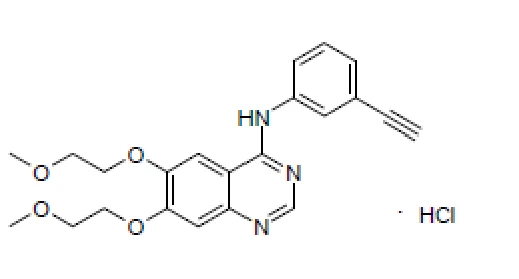
Chemical name: N-(3-ethynylphenyl)-6, 7-bis (2-methoxyethoxy)-4-quinazolinamine, monohydrochloride
Molecular formula C22H23N3O4 x HCl
Molecular mass: 429.9 g/mol (hydrochloride), 393.4 g/mol (free base)
Structural formula:
Physicochemical properties:
Description: Erlotinib hydrochloride is a white to pale-yellow crystalline, non-hygroscopic powder.
Solubility: Slightly soluble in methanol and acetic acid in water and practically insoluble in acetonitrile, acetone, ethyl acetate, hexane and water. Aqueous solubility of erlotinib hydrochloride is dependent on pH with increased solubility at a pH of less than 5 due to protonation of the secondary amine. Over the pH range of 1.4 to 9.6, maximal solubility of approximately 0.4 mg/mL occurs at a pH of approximately 2.
Melting Point: Erlotinib melts between 215°C and 230°C
pKa: pKa in aqueous solution is 5.42
Partition coefficient: In n-octanol/water pH 7.7 was determined with 3.37 at 20°C.
CLINICAL TRIALS
Comparative Bioavailability Studies
A single center, randomized, single-dose, blinded, two-way, crossover comparative bioavailability study was conducted under fasting conditions on 36 healthy male and female subjects. The rate and extent of absorption of erlotinib were measured and compared following a single dose (1 x 150 mg) of the Test and the Reference formulations. The bioavailability of the two formulations of erlotinib was equivalent under fasting conditions. The results from measured data based on maximum 35 subjects are presented in the following summary tables
SUMMARY TABLE OF THE COMPARATIVE BIOAVAILABILITY DATA
Erlotinib (1 x 150 mg tablet) From measured data Geometric Mean Arithmetic Mean (CV %) | ||||
|---|---|---|---|---|
| Parameter | Test* | Reference† | % Ratio of Geometric Means | 90 % Confidence Interval |
AUC0-721 (ng·h/mL) | 18,198.5 19,461.1 (35.3) | 19,787.4 20,922.8 (31.8) | 92.0 | 85.5 – 99.0 |
AUCI 2 (ng·h/mL) | 20,503.3 21,669.3 (33.7) | 22,425.5 23,407.3 (30.0) | 91.4 | 85.0 – 98.4 |
Cmax (ng/mL) | 1,032.5 1,111.0 (35.4) | 941.7 1,029.5 (39.0) | 109.7 | 98.1 – 122.6 |
Tmax§ (h) | 2.05 (0.67 – 4.00) | 2.25 (1.00 – 24.00) | ||
T½€3 (h) | 16.70 (27.4) | 17.45 (32.6) | ||
* pms-ERLOTINIB 150 mg tablet, Pharmascience Inc., Montréal, QC, Canada
† TARCEVA® 150 mg tablet, Hoffman-La Roche Ltd., Mississauga, ON, Canada were purchased in Canada.
§ Expressed as the median (range)
€ Expressed as the arithmetic mean (CV %)
1 Sample size of 34 subjects for AUC0-72
2 Sample size of 33 subjects for AUCI
3 Sample size of 33 subjects for T½
Phase III Studies in NSCLC
Second/Third Line Therapy
Study Demographics and Trial Design
The efficacy and safety of erlotinib in second/third-line therapy of NSCLC was demonstrated in a randomized, double-blind, placebo-controlled trial (BR 21)2. This study was conducted in 17 countries, in 731 patients with locally advanced or metastatic NSCLC after failure of at least one chemotherapy regimen. Patients were randomized 2:1 to receive erlotinib 150 mg or placebo orally once daily. Study endpoints included overall survival, response rate, duration of response, progression-free survival (PFS), and safety. The primary end-point was survival.
Due to the 2:1 randomization, 488 patients were randomized to erlotinib and 243 patients to placebo. Patients were not selected for HER1/EGFR status, gender, race, smoking history or histologic classification. Almost half of patients (326 patients, 45%) had EGFR expression status characterized.
Table 4 summarizes the demographic and disease characteristics of the study population. Demographic characteristics between the two treatment groups were well-balanced. Approximately 2/3 of the population was male. About one fourth had a baseline ECOG PS of 2, and about 10% had ECOG PS 3. Fifty percent of patients had received only one prior chemotherapy regimen. About three quarters of the population were current or ex-smokers.
Table 4: Demographics and Disease Characteristics of Study Population
Erlotinib (N = 488) | Placebo (N = 243) | |
|---|---|---|
| Characteristics | N (%) | N (%) |
| Gender | ||
| Female | 173 (35) | 83 (34) |
| Male | 315 (65) | 160 (66) |
| Age (Years) | ||
| < 65 | 299 (61) | 153 (63) |
| ≥ 65 | 189 (39) | 90 (37) |
| Race | ||
| White | 379 (78) | 188 (77) |
| 18 (4) | 12 (5) | |
| Asian | 63 (13) | 28 (12) |
| Other | 28 (6) | 15 (6) |
| ECOG Performance Status | ||
| 0 | 64 (13) | 34 (14) |
| 1 | 256 (52) | 132 (54) |
| 2 | 126 (26) | 56 (23) |
| 3 | 42 (9) | 21 (9) |
| Weight Loss in Previous 6 Months | ||
| < 5% | 320 (66) | 166 (68) |
Erlotinib (N = 488) | Placebo (N = 243) |
| Characteristics | N (%) | N (%) |
|---|---|---|
| 5 – 10% | 96 (20) | 36 (15) |
| > 10% | 52 (11) | 29 (12) |
| Unknown | 20 (4) | 12 (5) |
| Smoking History | ||
| Never Smoked | 104 (21) | 42 (17) |
| Current or Ex-smoker | 358 (73) | 187 (77) |
| Unknown | 26 (5) | 14 (6) |
| Histological Classification | ||
| Adenocarcinoma | 246 (50) | 119 (49) |
| Squamous | 144 (30) | 78 (32) |
| Undifferentiated Large Cell | 41 (8) | 23 (9) |
| Mixed Non-Small Cell | 11 (2) | 2 (< 1) |
| Other | 46 (9) | 21 (9) |
| Time from Initial Diagnosis to Randomization (Months) | ||
| < 6 | 63 (13) | 34 (14) |
| 6 – 12 | 157 (32) | 85 (35) |
| > 12 | 268 (55) | 124 (51) |
| Best Response to Prior Therapy at Baseline* | ||
| CR/PR | 196 (40) | 96 (40) |
| PD | 101 (21) | 51 (21) |
| SD | 191 (39) | 96 (40) |
| Number of Prior Regimens at Baseline* | ||
| One | 243 (50) | 121 (50) |
| Two | 238 (49) | 119 (49) |
| Three | 7 (1) | 3 (1) |
| Exposure to Prior Platinum at Baseline* | ||
| Yes | 454 (93) | 224 (92) |
| No | 34 (7) | 19 (8) |
* Stratification factor as documented at baseline; distribution differs slightly from values reported at time of randomization.
Study Results
Survival was evaluated in the intent-to-treat population. The median overall survival was 6.7 months in the erlotinib group (95% CI, 5.5 to 7.8 months) compared with 4.7 months in the placebo group (95% CI, 4.1 to 6.3 months) (p = 0.001) (see Figure 1). The primary survival analysis was adjusted for the stratification factors as reported at the time of randomization (ECOG PS, best response to prior therapy, number of prior regimens, and exposure to prior platinum) and HER1/EGFR status. In this primary analysis, the adjusted hazard ratio (HR) for death in the erlotinib group relative to the placebo group was 0.73 (95% CI, 0.60 to 0.87) (p = 0.001). The percent of patients alive at 1 year was 31.2% and 21.5%, for the erlotinib and placebo groups, respectively.
Figure 1 depicts the Kaplan-Meier curves for overall survival. The primary survival and PFS analyses were stratified by ECOG performance status, best response to prior therapy, number of prior regimens, and exposure to prior platinum.
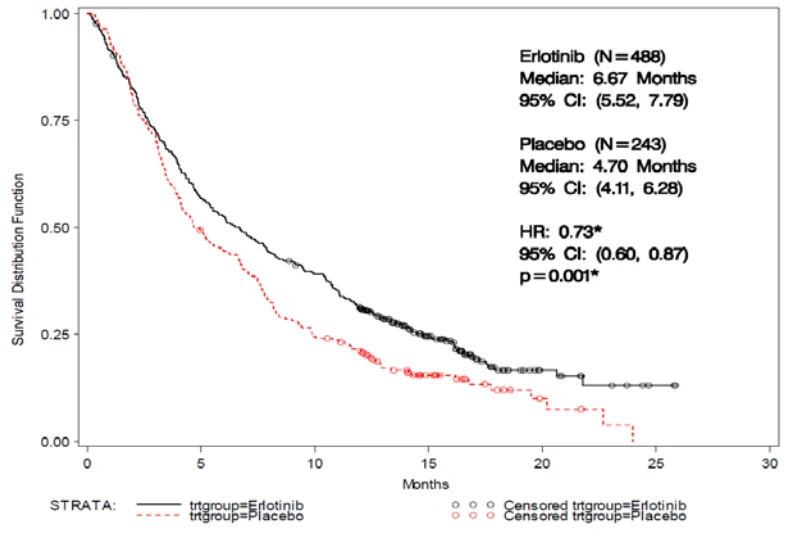
Figure 1: Overall Survival – Primary Stratified Analysis
*HR and p-value adjusted for stratification factors at randomization and EGFR expression status.
Note: Depicted in Figure 2, are the univariate hazard ratios (HR) for death in the erlotinib patients relative to the placebo patients, the 95% confidence intervals (CI) for the HR, and the sample size (N) in each patient subgroup. The hash mark on the horizontal bar represents the HR, and the length of the horizontal bar represents the 95% confidence interval. A hash mark to the left of the vertical line corresponds to a HR that is less than 1.00, which indicates that survival is better in the erlotinib arm relative to the placebo arm in that subgroup.
A series of subsets of patients formed by the values of stratification factors were explored in univariate analyses to assess the robustness of the overall survival result. The effect of erlotinib on survival was similar across most subsets. Of note, the survival benefit of erlotinib was comparable in patients with a baseline ECOG PS of 2 – 3 (HR = 0.77) or a PS of 0 – 1 (HR = 0.73), and patients who had received one chemotherapy regimen (HR = 0.76) or two or more regimens (HR = 0.76).
In an exploratory analysis, a survival benefit of erlotinib was also observed in patients who did not achieve an objective tumour response (by RECIST). This was evidenced by a hazard ratio for death of 0.82 among patients whose best response was stable disease or progressive disease.
The median PFS was 9.7 weeks in the erlotinib group (95% CI, 8.4 to 12.4 weeks) compared with 8.0 weeks in the placebo group (95% CI, 7.9 to 8.1 weeks). The HR for progression, adjusted for stratification factors and HER1/EGFR status, was 0.61 (95% CI, 0.51 to 0.73) (p < 0.001). The percent of PFS at 6 months was 24.5% and 9.3%, respectively, for the erlotinib and placebo groups.
The objective response rate by RECIST in the erlotinib group was 8.9% (95% CI, 6.4% to 12.0%). The median duration of response was 34.3 weeks, ranging from 9.7 to 57.6+ weeks. Two responses (0.9%, 95% CI, 0.1% to 3.4%) were reported in the placebo group. The proportion of patients who experienced complete response, partial response or stable disease was 44.0% and 27.5%, respectively, for the erlotinib and placebo groups (p = 0.004).
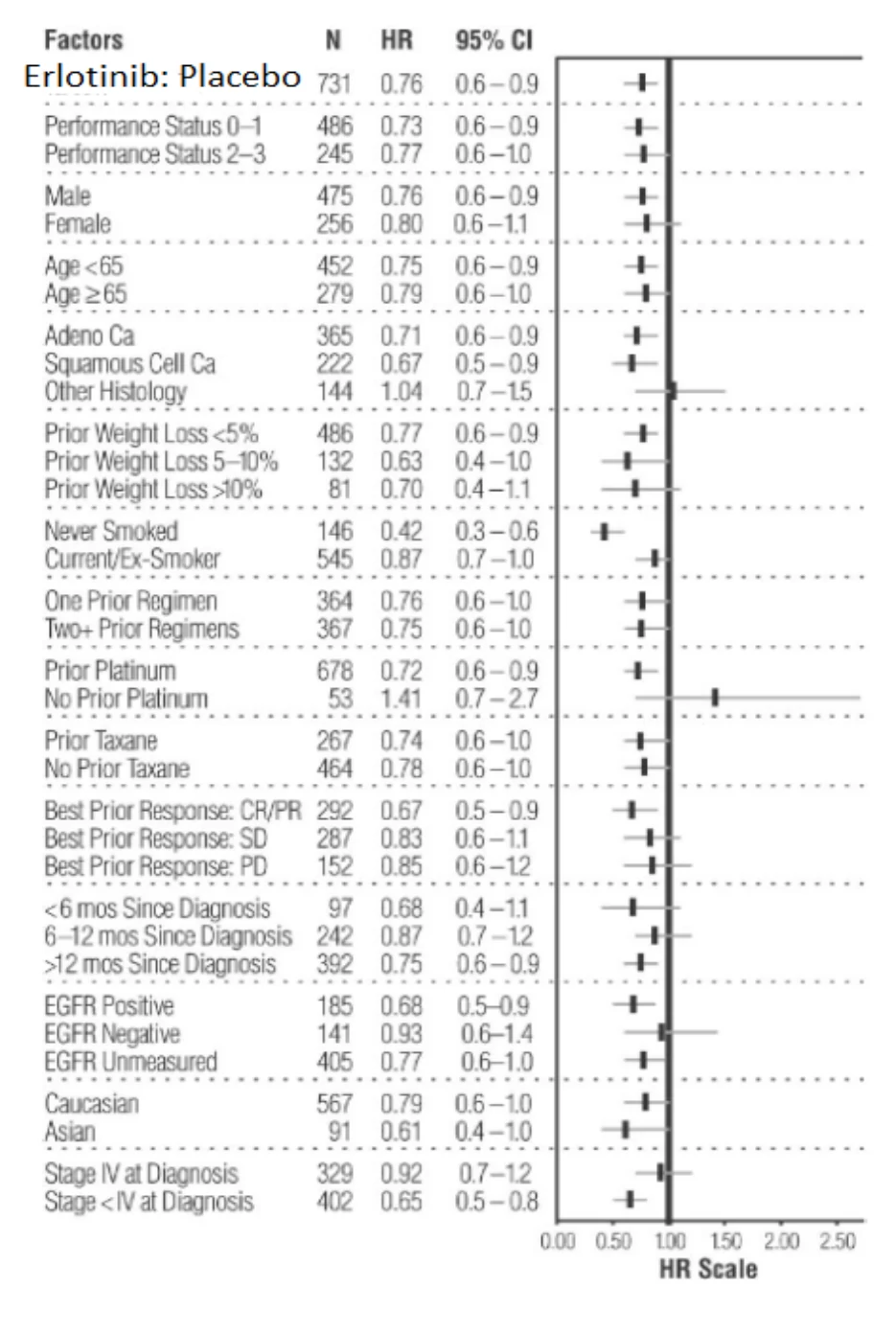
Figure 2: Hazard Ratio for Survival by Pretreatment Characteristics
Table 5: Survival, Progression-Free Survival and Tumour Response in the Intent-to-Treat Population.
| Erlotinib | Placebo | Hazard Ratio | 95% CI | p-value | |
| Median Survival | 6.7 months | 4.7 months | 0.73* | 0.60 – 0.87 | < 0.001 |
| 1-yr Survival | 31.2% | 21.5% | |||
| Median Progression- Free Survival | 9.7 weeks | 8.0 weeks | 0.61 | 0.51 – 0.73 | < 0.001 |
| Tumour Response (CR+PR) | 8.9% | 0.9% | < 0.001 | ||
| Median Response Duration | 34.3 weeks | 15.9 weeks |
Relation of Results to EGFR Protein Expression Status (as Determined by Immunohistochemistry)
In BR.21, a positive EGFR expression status was defined as having at least 10% of cells staining for EGFR (based on immunohistochemical [IHC] assays of EGFR protein expression). Only 326 patients (45%) had known EGFR status.
Erlotinib prolonged survival in the EGFR-positive subgroup (n = 185; HR = 0.68; 95% CI = 0.49 – 0.94; p = 0.020 two-sided univariate Log-Rank test unadjusted for multiple comparisons) and the subgroup whose EGFR status was unknown (n = 405; HR = 0.77; 95% CI = 0.61 – 0.98; p = 0.031). The benefit was not evident in the EGFR negative subgroup (N = 141; HR = 0.93; 95% CI = 0.63 – 1.36; p = 0.696). Figures 3-5 depict the Kaplan-Meier curves for survival in EGFR positive, EGFR unknown, and EGFR negative patients.
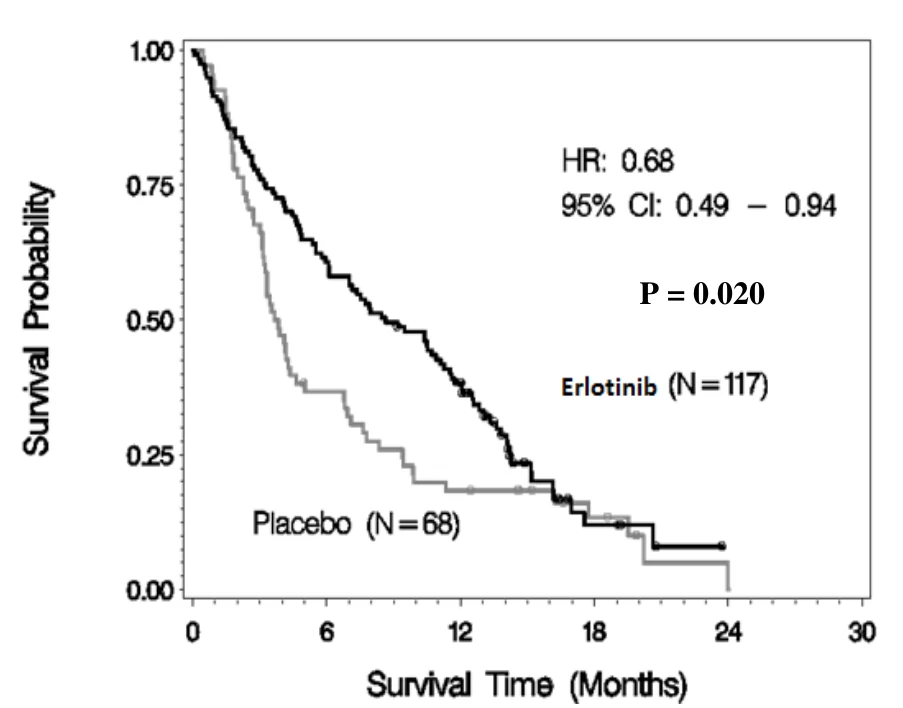
Figure 3: Survival in EGFR Positive Patients – Updated EGFR Data
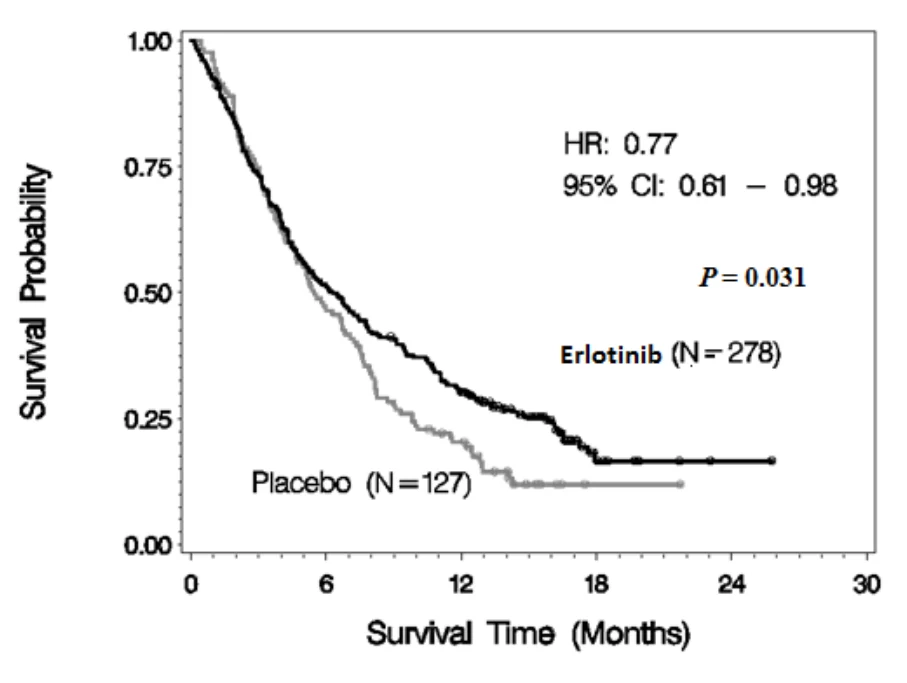
Figure 4: Survival in EGFR Unknown Patients – Updated EGFR Data
P = 0.020
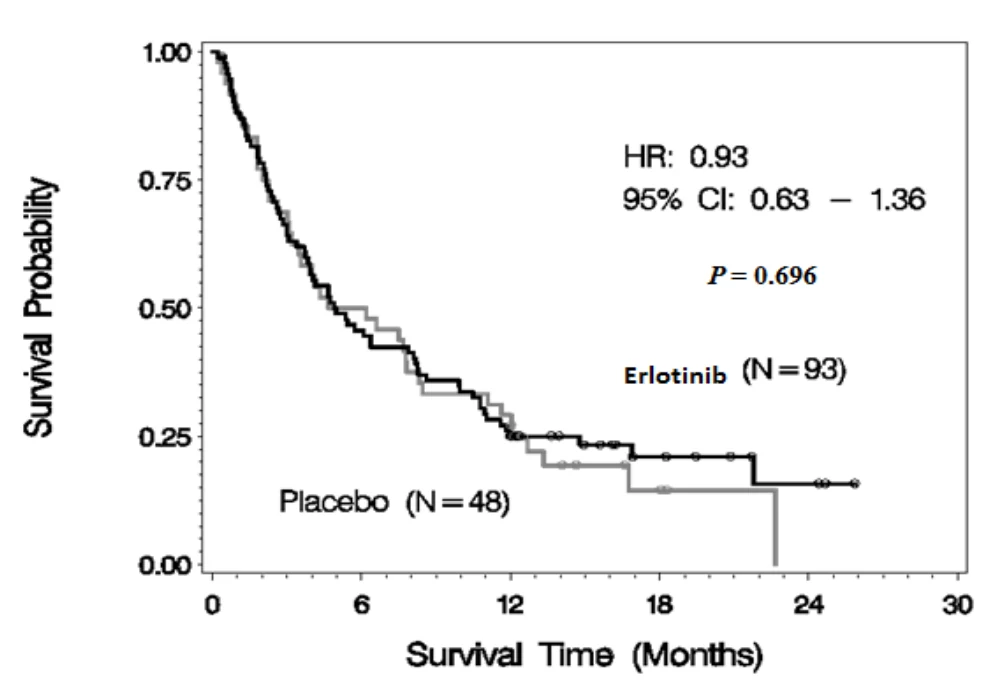
Figure 5: Survival in EGFR Negative Patients – Updated EGFR Data
An update of efficacy data was requested by a regulatory agency and the follow-up data are shown in Tables 6-8. Note that “Original” refers to data obtained when 33% of patients on BR.21 had known EGFR status and “Updated” refers to data obtained when 45% of patients on BR.21 had known EGFR status.
Table 6: Study BR.21- Overall Survival by EGFR Status
| Erlotinib | Placebo | Hazard Ratio | 95% CI | p-value | ||||||||||
|---|---|---|---|---|---|---|---|---|---|---|---|---|---|---|
| Survival – stratified Log-Rank (Original) | 0.73 | (0.61, 0.86) | < 0.001a | |||||||||||
| Survival – stratified Log-Rank (Updated) | 0.74 | (0.61, 0.89) | 0.001a | |||||||||||
| Survival | N | Median | N | Median | ||||||||||
| EGFR positive (Original) | 78 | 10.7 mo. | 49 | 3.8 mo. | 0.65 | (0.43, 0.97) | 0.033b | |||||||
| EGFR positive (Updated) | 117 | 8.6 mo. | 68 | 3.7 mo. | 0.68 | (0.49, 0.94) | 0.020b | |||||||
| EGFR negative (Original) | 74 | 5.2 mo. | 37 | 7.5 mo. | 1.01 | (0.65, 1.57) | 0.958b | |||||||
| EGFR negative (Updated) | 93 | 5.0 mo. | 48 | 5.4 mo. | 0.93 | (0.63, 1.36) | 0.696b | |||||||
| EGFR unknown (Original) | 336 | 6.0 mo. | 157 | 5.1 mo. | 0.76 | (0.61, 0.93) | 0.008b | |||||||
| EGFR unknown (Updated) | 278 | 6.3 mo. | 127 | 5.5 mo. | 0.77 | (0.61, 0.98) | 0.031b | |||||||
a Two-sided, stratified Log-Rank test, adjusted for stratification factors and EGFR status
b Two-sided, univariate Log-Rank test, unadjusted for multiple comparisons
Table 7: Study BR.21 Progression-Free Survival (PFS) by EGFR Status
| Erlotinib | Placebo | Hazard Ratio | 95% CI | p-value | ||||||||||
|---|---|---|---|---|---|---|---|---|---|---|---|---|---|---|
| PFS – stratified Log-Rank (Original) | 0.59 | (0.50, 0.70) | < 0.001a | |||||||||||
| PFS – stratified Log-Rank (Updated) | 0.61 | (0.51, 0.74) | < 0.001a | |||||||||||
| PFS | N | Median | N | Median | ||||||||||
| EGFR positive (Original) | 78 | 16.1 wk. | 49 | 7.9 wk. | 0.49 | (0.33, 0.72) | < 0.001b | |||||||
| EGFR positive (Updated) | 117 | 16.0 wk. | 68 | 7.9 wk. | 0.49 | (0.35, 0.68) | < 0.001b | |||||||
| EGFR negative (Original) | 74 | 8.1 wk. | 37 | 8.1 wk. | 0.91 | (0.59, 1.39) | 0.657b | |||||||
| EGFR negative (Updated) | 93 | 8.1 wk. | 48 | 7.9 wk. | 0.80 | (0.55, 1.16) | 0.226b | |||||||
| EGFR unknown (Original) | 336 | 9.7 wk. | 157 | 7.9 wk. | 0.56 | (0.46, 0.70) | < 0.001b | |||||||
| EGFR unknown (Updated) | 278 | 9.7 wk. | 127 | 8.0 wk. | 0.60 | (0.47, 0.75) | < 0.001b | |||||||
a Two-sided, stratified Log-Rank test, adjusted for stratification factors and EGFR status
b Two-sided, univariate Log-Rank test, unadjusted for multiple comparisons
Table 8: Study BR.21 Tumour Response by EGFR Status
| Erlotinib | Placebo | p-value | ||||||||
| Tumour Response (CR+PR) (1) | N | Response Rate | N | Response Rate | ||||||
| EGFR positive (Original) | 69 | 11.6% | 39 | 0.0% | 0.049b | |||||
| EGFR positive (Updated) | 106 | 11.3% | 55 | 0.0% | 0.009b | |||||
| EGFR negative (Original) | 62 | 3.2% | 33 | 3.0% | 1.000b | |||||
| EGFR negative (Updated) | 80 | 3.8% | 44 | 2.3% | 1.000b | |||||
| EGFR unknown (Original) | 296 | 9.5% | 139 | 0.7% | 0.001b | |||||
| EGFR unknown (Updated) | 241 | 9.5% | 112 | 0.9% | 0.002b | |||||
b Two-sided Fisher’s exact test, unadjusted for multiple comparisons
In an exploratory analysis, for the subgroup of patients who never smoked, EGFR status also appeared to be predictive of erlotinib survival benefit. Patients who never smoked and whose tumours were EGFR positive had a large erlotinib survival benefit (n = 26; HR = 0.28; 95% CI = 0.13 – 0.61).
Tumour responses were observed in all EGFR subgroups: 11.3% in the EGFR positive subgroup, 9.5% in the EGFR unknown subgroup, and 3.8% in the EGFR negative subgroup. On the placebo arm, tumour responses were as follows: 0% in EGFR positive; 0.9% in EGFR unknown; and 2.3% in EGFR negative. Note that central review was performed for the first 330 randomized patients on BR.21; for the following 401 patients, only investigators’ assessments were performed. Therefore, investigator bias cannot be excluded.
There was an improvement in progression-free survival in the EGFR positive subgroup (median PFS erlotinib 16 wks. vs placebo 7.9 wks., HR = 0.49; 95% CI = 0.35 – 0.68) and EGFR unknown subgroup (median PFS erlotinib 9.7 wks. vs placebo 8.0 wks., HR = 0.60; 95% CI = 0.47 – 0.75). However, the benefit was not evident in the EGFR negative subgroup (median PFS erlotinib 8.1 wks. vs. placebo 7.9 wks., HR = 0.80; 95% CI = 0.55 – 1.16).
Maintenance Therapy
The efficacy and safety of erlotinib as first-line maintenance therapy of NSCLC was investigated in a randomized, double-blind, placebo-controlled trial (BO18192)7. This study was conducted in 889 patients with locally advanced or metastatic NSCLC who did not progress (i.e., with documented Complete Response, Partial Response or Stable Disease) during 4 cycles of platinum-based doublet chemotherapy. Tumour measurements (i.e., RECIST Criteria) were to be assessed within a maximum 2 weeks before starting erlotinib/placebo. Patients were randomized 1:1 to receive erlotinib 150 mg or placebo orally once daily. The primary end- point of the study was progression-free survival (PFS) in all patients6.
Baseline demographic and disease characteristics were well-balanced between the two treatment arms. Patients with ECOG PS > 1, significant hepatic or renal co-morbidities were not included in the study.
ITT Population Results
The primary PFS analysis in all patients (N = 889) showed a PFS hazard ratio (HR) of 0.71 (95 % CI, 0.62 to 0.82; p < 0.0001) for the erlotinib group relative to the placebo group. The median PFS was 12.3 weeks in the erlotinib group compared with 11.1 weeks in the placebo group.
Concerning the secondary endpoint of overall survival, the HR was 0.81 (95% CI, 0.70 to 0.95; p = 0.0088). The median overall survival was 12.0 months in the erlotinib group vs. 11.0 months in the placebo group.
However, the largest benefit was observed in a predefined exploratory analysis in patients with EGFR-activating mutations (n = 49) demonstrating a substantial PFS benefit (HR = 0.10, 95% CI, 0.04 to 0.25; p < 0.0001) with median PFS increased from 13.0 months in the placebo arm to 44.6 months in the TARCEVA arm, and an overall survival HR of 0.83 (95% CI, 0.34 to 2.02). Sixty-seven percent of placebo patients in the EGFR mutation positive subgroup received second or further line treatment with EGFR-TKIs.
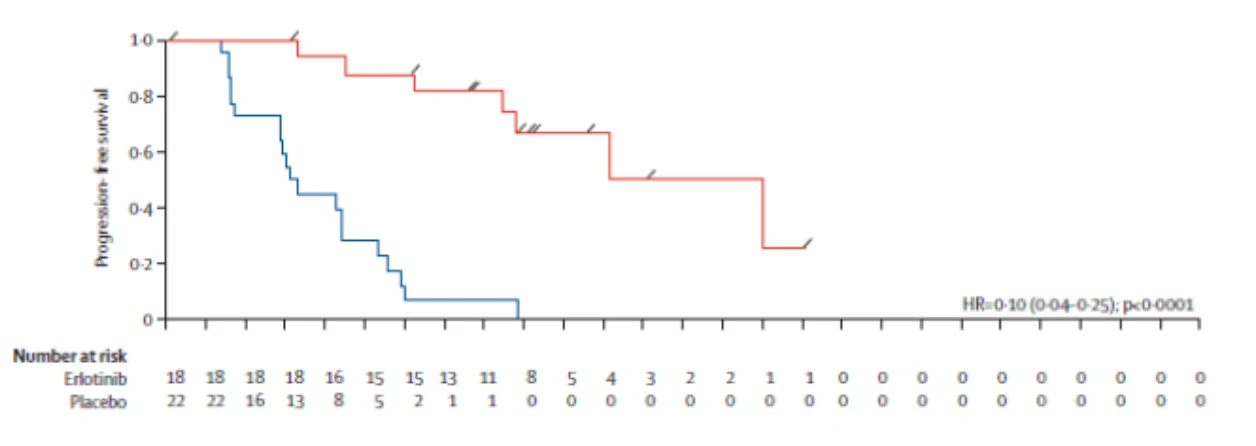
Figure 6: Kaplan-Meier Curve of Progression-Free Survival in Patients with EGFR
Activating Mutations
The BO25460 (IUNO) study was conducted in 643 patients with advanced NSCLC whose tumours did not harbor an EGFR-activating mutation (exon 19 deletion or exon 21 L858R mutation) and who had not experienced disease progression after four cycles of platinum-based chemotherapy.
The objective of the study was to compare the overall survival of maintenance therapy with erlotinib hydrochloride vs. erlotinib hydrochloride administered at the time of disease progression. The study did not meet its primary endpoint. OS of erlotinib hydrochloride in maintenance was not superior to erlotinib hydrochloride as second line treatment in patients whose tumour did not harbor an EGFR-activating mutation (HR= 1.02, 95% CI, 0.85 to 1.22, p = 0.82). The secondary endpoint of PFS showed no clinically meaningful difference between erlotinib hydrochloride and placebo in maintenance treatment (HR = 0.94, 95 % CI, 0.80 to 1.11; p = 0.48).
Based on the data from the BO25460 (IUNO) study, erlotinib hydrochloride use is not recommended for maintenance treatment in patients without an EGFR activating mutation.
First-line Therapy for Patients with EGFR Activating Mutations
Study Demographics and Trial Design
The efficacy of erlotinib in first-line treatment of patients with EGFR activating mutations in NSCLC was demonstrated in a phase III, randomized, open-label trial (EURTAC). This study was conducted in Caucasian patients with metastatic (Stage IV) or locally advanced NSCLC (Stage IIIB) who have not received previous chemotherapy or any systemic antitumour therapy for their advanced disease and who present with mutations in the tyrosine kinase domain of the EGFR (exon 19 deletions or exon 21 L858R mutation).
Patients with confirmed EGFR mutations were randomized 1:1 to receive erlotinib 150 mg daily until progression or up to 4 cycles of platinum based doublet chemotherapy (cisplatin plus gemcitabine, cisplatin plus docetaxel, carboplatin plus gemcitabine, or carboplatin plus docetaxel). Randomization was stratified by the ECOG performance status (ECOG = 0, 1, or 2) and EGFR mutation type (Exon 19 deletions or Exon 21 L858R mutation).
Table 9 summarizes the demographic and disease characteristics of the study population.
Table 9: Demographics and Disease Characteristics of Study Population (EURTAC)
Erlotinib (N = 77) | Chemotherapy (N = 76) | ||||||||
|---|---|---|---|---|---|---|---|---|---|
| Characteristics | N (%) | N (%) | |||||||
| Gender | |||||||||
| Female | 52 (68%) | 60 (79%) | |||||||
| Male | 25 (32%) | 16 (21%) | |||||||
| Age (Years) | |||||||||
| < 65 | 38 (49%) | 39 (51%) | |||||||
| ≥ 65 | 39 (51%) | 37 (49%) | |||||||
| Race | |||||||||
| White | 77 (100%) | 76 (100%) | |||||||
| Weight (kg) (kg) | |||||||||
| Mean | 68.40 | 64.66 | |||||||
| Median | 65.00 | 62.00 | |||||||
| Min-Max | 42.0-119.0 | 49.0-102.0 | |||||||
| Smoking Status N (%) N (%) | |||||||||
| Current smoker | 3 (4%) | 10 (13%) | |||||||
| Never smoked | 54 (70%) | 56 (74%) | |||||||
| Past smoker | 20 (26%) | 10 (13%) | |||||||
| ECOG Performance Status | |||||||||
| 0 | 23 (30%) | 26 (34%) | |||||||
| 1 | 44 (57%) | 41 (54%) | |||||||
| 2 | 10 (13%) | 9 (12%) | |||||||
| Location and Type of Mutation | |||||||||
| Deletion exon 19 | 49 (64%) | 48 (63%) | |||||||
| Mutation exon 21 | 28 (36%) | 28 (37%) | |||||||
| Histological Classification | |||||||||
| Squamous cell carcinoma | 1 (1%) | 0 | |||||||
| Adenocarcinoma | 73 (95%) | 67 (88%) | |||||||
| Large cell carcinoma | 3 (4%) | 1 (1%) | |||||||
| Bronchioloalveolar carcinoma | 0 | 2 (3%) | |||||||
| Other | 0 | 6 (8%) | |||||||
| Stage of NSCLC at Baseline | |||||||||
N3 not candidate for thoracic radiotherapy | 1 (1%) | 0 | |||||||
| Stage IIIb (with pleural effusion) | 6 (8%) | 5 (7%) | |||||||
| Stage IV (metastatic) | 69 (91%) | 71 (93%) | |||||||
| Previous Therapy for NSCLC | |||||||||
| Surgical procedures | 15 (19%) | 17 (22%) | |||||||
Erlotinib (N = 77) | Chemotherapy (N = 76) | ||||||||
| Characteristics | N (%) | N (%) |
|---|---|---|
| Radiotherapy | 19 (25%) | 12 (16%) |
| Previous Chemotherapy | ||
| Platinum compounds | 7 (9%) | 2 (3%) |
| Antineoplastic agents | 5 (7%) | 1 (1%) |
| Antimetabolites | 2 (3%) | 0 |
| Taxanes | 1 (1%) | 0 |
Study Results
The primary endpoint of investigator assessed progression-free survival (PFS), was determined at a pre-planned interim analysis [N = 153, hazard ratio (HR) = 0.42, 95 % CI, 0.27 – 0.64; p < 0.0001 for the erlotinib group (n = 77) relative to the chemotherapy group (n = 76)] (Table 10, Figure 7). A 58% reduction in the risk of disease progression or death was observed. In the erlotinib vs. chemotherapy arms respectively, median PFS was 9.4 and 5.2 months and objective response rate (ORR) was 54.5 % and 10.5%. At interim analysis the median duration of follow- up was 14.3 months in the erlotinib arm vs. 10.7 months in the chemotherapy arm. A sensitivity PFS analysis was conducted based on a retrospective independent review of the scans: the median PFS was 10.4 months in the erlotinib group compared with 5.4 months in the chemotherapy group (HR = 0.47, 95 % CI, 0.27-0.78; p = 0.003). The number of patients included in the investigator assessment of PFS was 129; the number of patients assessed by IRC was 107. The overall concordance rate between investigator and IRC assessment of PFS was 70 %. The study was powered for PFS but not for overall survival (OS). The OS data were immature (35 %) at the time of the interim analysis (HR = 0.80, 95 % CI, 0.47 to 1.37, p = 0.4170), (35.1 % and 35.5% deaths in erlotinib and chemotherapy arms respectively).
At an updated exploratory analysis, 111 PFS events had been observed and the median PFS in the erlotinib arm was 9.7 months compared to 5.2 months in the chemotherapy arm (HR 0.37; [95% CI 0.25 to 0.54]). The overall survival data remained immature at the updated exploratory analysis, when 69 patients (40%) had died (31 patients in the chemotherapy arm and 38 patients in the erlotinib arm). The median OS was 19.5 months in the chemotherapy arm and 19.3 months in the erlotinib arm (HR = 1.04, 95% CI, 0.65 to 1.68, p = 0.8702).
When considering the overall survival data, it is important to note that there was a high level of crossover in the chemotherapy arm (77 %, n = 67 patients) and 76 % of patients in the chemotherapy arm (n = 66 patients) received a TKI (predominantly erlotinib) as post- progression therapy.
Table 10: Primary Analysis (Full Analysis Set): Survival, Progression-Free Survival and Objective Response Rate in Patients with EGFR-Activating Mutations (EURTAC Results)
| Erlotinib | Platinum Doublet | Hazard Ratio | 95% CI | p-value** | |
Median Progression-free Survival (Investigator Assessment) | 9.4 months | 5.2 months | 0.42 | 0.27-0.64 | < 0.0001 |
Median Progression-Free Survival (IRC Assessment) | 10.4 months | 5.4 months | 0.47 | 0.27-0.78 | p = 0.003 |
Objective Response Rate | 54.5% | 10.5% | -- | 30.2-57.9 | < 0.0001 |
Overall Survival* | 22.9 months | 18.8 months | 0.80 | 0.47-1.37 | p = 0.4170 |
* from the interim analysis (35% of deaths), overall survival follow-up is ongoing
** p-values not adjusted for multiple testing.
Figure 7: Kaplan-Meier Curve of PFS (FAS)
Erlotinib Administered Concurrently with Chemotherapy in NSCLC:
Results from two, multicenter, placebo-controlled, randomized, Phase III trials conducted in first line patients with locally advanced or metastatic NSCLC showed no clinical benefit with the concurrent administration of erlotinib with doublet platinum based chemotherapy2, 3.
DETAILED PHARMACOLOGY
As animal data is only to be included where human studies are lacking or deficient, this section is not applicable. Clinical pharmacology is presented in section “ACTION AND CLINICAL PHARMACOLOGY”.
MICROBIOLOGY
Not applicable.
TOXICOLOGY
Chronic Toxicity
Narrow therapeutic safety index of erlotinib was observed in long-term toxicity studies in mammals. The plasma concentration at the ‘no adverse effect level’ in the 12-month dog study was 2.4 mcg/mL, which is only slightly higher than human therapeutic concentration. When an approximately 2-fold human therapeutic plasma exposure was reached in beagle dogs, severe intolerable toxicity occurred, and the study had to be terminated at day 12.
Chronic dosing effects observed in at least 1 animal species or study included effects on the cornea (atrophy, ulceration), skin (follicular degeneration and inflammation, redness, and alopecia), ovary (atrophy), liver (liver necrosis), kidney (renal papillary necrosis and tubular dilatation), and gastrointestinal tract (delayed gastric emptying and diarrhea). Red blood cell (RBC) counts, hematocrit and hemoglobin were decreased and reticulocytes were increased. White blood cells (WBCs), primarily neutrophils, were increased. There were treatment-related increases in alanine aminotransferase (ALT), aspartate aminotransferase (AST), and bilirubin.
In vitro studies of erlotinib showing inhibition of hERG channels and effect on rabbit Purkinje fibers were inconclusive due to poor solubility of erlotinib. There was evidence suggesting QT/QTc prolongation in female dogs with plasma concentrations within the human therapeutic level.
Carcinogenicity Studies
No long-term animal studies have been done to evaluate the carcinogenic potential of erlotinib.
Mutagenicity Studies
Erlotinib was not mutagenic or clastogenic in a battery of genetic toxicology studies including the in vitro Ames bacterial assay, in vitro Chinese hamster ovary (CHO)/hypoxanthine-guanine phosphoribosyl-transferase (HGPRT) assay, in vitro cryogenic assay human peripheral lymphocytes, and in vivo mouse micronucleus assy.
Although in vivo genotoxicity studies were limited by solubility of erlotinib, erlotinib did not induce micronuclei in the polychromatic bone marrow erythrocytes of male and female mice up to a concentration of 24 mcg/mL.
Fertility, Reproduction and Developmental Toxicity
Data from reproductive toxicology tests in rats and rabbits indicate that, following exposure to erlotinib at doses near the maximum tolerated dose (MTD) and/or doses that were maternally toxic, there was embryotoxicity, but there was no evidence of impaired fertility, teratogenicity, or abnormal pre- or postnatal physical or behavioral development. Maternal toxicity in both rats and rabbits in these studies occurred at plasma exposure levels that were similar to those in humans following a 150 mg dose of erlotinib.
REFERENCES
- 1. Shepherd FA, Pereira J, Ciuleanu TE, Tan EH, Hirsh V, Thongprasert S et al. A randomized placebo-controlled trial of erlotinib in patients with advanced non-small cell lung cancer (NSCLC) following failure of 1st line or 2nd line chemotherapy. A National Cancer Institute of Canada Clinical Trials Group (NCIC CTG) trial. N Engl J Med. 2005 Jul 14;353(2):123-32.
- 2. Herbst RS, Prager D, Hermann R, et al. TRIBUTE: A phase III trial of erlotinib HCl (OSI-774) combined with carboplatin and paclitaxel chemotherapy in advanced non- small cell lung cancer. J Clin Oncol 2005;23(25):5892-5899.
- 3. Gatzemeier, U et al. Results of a phase III trial of erlotinib (OSI-774) combined with cisplatin and gemcitabine (GC) chemotherapy in advanced non-small cell lung cancer (NSCLC). J Clin Oncol. 2007 Apr 20;25(12):1545-52.
- 4. Papadopolous, R., Chasapi, V. & Bachariou, A. (2008) Trichomegaly Induced by Erlotinib. Orbit 27:329-330.
- 5. Huang Yi-Sheng, An She-Juan, Chen Zhi-Hong & Wu Yi-Long. Three cases of severe hepatic impairment caused by erlotinib. British Journal of Clinical Pharmacology. 2009; 68(3): 464-467.
- 6. Cappuzzo, F et al. Erlotinib as maintenance treatment in advanced non-small-cell lung cancer: a multicentre, randomised, placebo-controlled phase 3 study. Lancet. 2010 June;11(6): 521-529.
- 7. Coudert et al. Survival benefit with erlotinib maintenance therapy in patients with advanced non-small-cell lung cancer (NSCLC) according to response to first line chemotherapy. Ann Oncol doi: 10.1093/annonc/mdr125 .2011 May 24.4.
- 8. Rosell et al. Erlotinib versus standard chemotherapy as first-line treatment for European patients with advanced EGFR mutation-positive non-small-cell lung cancer (EURTAC): a multicentre, open-label, randomised phase 3 trial. Lancet Oncol. 2012 Feb;13(3):239-46.
- 9. TARCEVA® Product Monograph, Hoffmann-La Roche Limited, dated September 4, 2018, Control no. 216181.