


Product Monograph - Glyxambi
SUMMARY PRODUCT INFORMATION
| Route of Administration | Dosage Form / Strength | Clinically Relevant Nonmedicinal Ingredients |
| oral | tablet empagliflozin/linagliptin: 10 mg/5 mg and 25 mg/5 mg | Mannitol For a complete listing see DOSAGE FORMS, COMPOSITION AND PACKAGING section. |
INDICATIONS AND CLINICAL USE
GLYXAMBI (empagliflozin and linagliptin) is indicated for use in combination with metformin as an adjunct to diet and exercise, to achieve glycemic control in adult patients with type 2 diabetes mellitus (T2DM) who are:
- inadequately controlled on metformin and empagliflozin, or
- inadequately controlled on metformin and linagliptin or
- already controlled with the free combination of metformin, empagliflozin and linagliptin.
Geriatrics (≥65 years of age): GLYXAMBI is not recommended in patients aged 75 years and older due to limited experience. GLYXAMBI should be used with caution in patients 65 years and older. A greater increase in risk of adverse reactions related to volume depletion and renal impairment or failure was seen with empagliflozin, a component of GLYXAMBI, in elderly compared to younger patients (see WARNINGS AND PRECAUTIONS).
Pediatrics (<18 years of age): GLYXAMBI should not be used in pediatric patients. The safety and effectiveness of GLYXAMBI or its individual components have not been established in this patient population.
CONTRAINDICATIONS
GLYXAMBI is contraindicated in patients with:
- a history of a hypersensitivity reaction to GLYXAMBI, its active substances, its excipients or to any dipeptidyl peptidase 4 (DPP-4) inhibitor or sodium-glucose co-transporter 2 (SGLT2) inhibitor. For a complete listing of ingredients, see DOSAGE FORMS, COMPOSITION AND PACKAGING;
- renal impairment with an estimated glomerular filtration rate (eGFR) less than 45 mL/min/1.73 m2 or on dialysis;
- diabetic ketoacidosis (DKA);
- type 1 diabetes mellitus.
WARNINGS AND PRECAUTIONS
Serious Warnings and Precautions Diabetic Ketoacidosis
|
|---|
Cardiovascular
Patients with Congestive Heart Failure: A limited number of patients with a history of congestive heart failure participated in clinical studies with GLYXAMBI. Use in this population is not recommended.
Patients at Risk for Volume Depletion, Hypotension and/or Electrolyte Imbalances: GLYXAMBI should not be used in patients who are volume-depleted.
Empagliflozin causes diuresis that may be associated with decreases in blood pressure.
Caution should be exercised in patients for whom a GLYXAMBI-induced decrease in blood pressure could pose a risk. This includes patients with known cardiovascular disease, patients on anti-hypertensive therapy (particularly loop diuretics), elderly patients, patients with low systolic blood pressure, or patients with intercurrent conditions that may lead to volume depletion (such as gastrointestinal illness).
In these patients, physical examination and careful monitoring of blood pressure, hematocrit, serum electrolytes and renal function tests are recommended (see WARNINGS AND PRECAUTIONS, Monitoring and Laboratory Tests, and ADVERSE REACTIONS, Description of Selected Adverse Reactions).
Temporary interruption of treatment with GLYXAMBI is recommended for patients who develop volume depletion until the fluid loss is corrected.
Cerebrovascular Accidents: Caution should be observed in patients at high risk for cerebrovascular accidents.
In a long-term cardiovascular outcome trial, empagliflozin (10 mg and 25 mg treatment groups combined) was associated with a non-significant trend for a higher risk of fatal/non-fatal stroke compared to the placebo group [hazard ratio (HR): 1.18; 95% confidence interval (CI): 0.89, 1.56]. A causal relationship between empagliflozin and stroke has not been established.
Patients using Insulin: GLYXAMBI was not studied and is not indicated in combination with insulin (see INDICATIONS AND CLINICAL USE and CLINICAL TRIALS). In a clinical trial investigating linagliptin, an increase in cardiovascular risk could not be excluded when linagliptin was taken with insulin.
Endocrine and Metabolism
Diabetic Ketoacidosis: GLYXAMBI is contraindicated in patients with DKA or type 1 diabetes mellitus (see CONTRAINDICATIONS). GLYXAMBI should not be used for the treatment of DKA or in patients with a history of DKA. The diagnosis of T2DM should therefore be confirmed before initiating GLYXAMBI.
Clinical trial and post-market cases of DKA, a serious life-threatening condition requiring urgent hospitalization, have been reported in patients with T2DM treated with empagliflozin, or other SGLT2 inhibitors. Fatal cases of DKA have been reported in patients taking empagliflozin. In a number of reported cases, the presentation of the condition was atypical with only moderately increased blood glucose values below 13.9 mmol/L (250 mg/dL) (see ADVERSE REACTIONS).
Reports of ketoacidosis, including life-threatening and fatal cases, have also been identified in postmarketing surveillance in patients with type 1 diabetes mellitus receiving SGLT2 inhibitors, including empagliflozin. The safety and efficacy of empagliflozin in patients with type 1 diabetes have not been established. Limited data from clinical trials suggest that DKA occurs with common frequency when patients with type 1 diabetes are treated with SGLT2 inhibitors. GLYXAMBI is contraindicated in patients with type 1 diabetes mellitus (see CONTRAINDICATIONS). Prior to starting GLYXAMBI treatment, the diagnosis of T2DM should be confirmed.
Patients with type 2 diabetes treated with GLYXAMBI who present with signs and symptoms consistent with severe metabolic acidosis should be assessed for ketoacidosis regardless of presenting blood glucose levels, as ketoacidosis associated with empagliflozin may be present even if blood glucose levels are less than 13.9 mmol/L (250 mg/dL).
The risk of DKA must be considered in the event of non-specific symptoms such as nausea, vomiting, anorexia, abdominal pain, excessive thirst, difficulty breathing, confusion, unusual fatigue, or sleepiness. If these symptoms occur, regardless of blood glucose level, GLYXAMBI treatment should be immediately discontinued, patients should be assessed for DKA immediately, and prompt treatment should be instituted.
Treatment with GLYXAMBI should be interrupted in T2DM patients who are hospitalized for major surgical procedures, serious infections, or acute serious medical illnesses. Monitoring of ketones is recommended in these patients, even after treatment with GLYXAMBI has been interrupted or discontinued.
For patients who undergo scheduled surgery, consider temporarily discontinuing GLYXAMBI treatment prior to surgery.
SGLT2 inhibitors have been shown to increase blood ketones in clinical trial subjects.
Before initiating GLYXAMBI, consider factors in the patient history that may predispose to ketoacidosis including pancreatic insulin deficiency from any cause, caloric restriction, and alcohol abuse.
Conditions that can precipitate DKA while taking GLYXAMBI include a very low carbohydrate diet (as the combination may further increase ketone body production), patients with conditions that lead to restricted food intake or severe dehydration, patients with increased insulin requirement due to an acute medical illness, surgery, or alcohol abuse, patients with a low beta-cell function reserve [e.g., type 2 diabetes patients with low C-peptide or latent autoimmune diabetes in adults (LADA)], pancreatic disorders suggesting insulin deficiency (e.g., type 1 diabetes, history of pancreatitis, or pancreatic surgery), insulin dose reduction (including insulin pump failure), and patients with a history of ketoacidosis. GLYXAMBI should be used with caution in these patients. These patients should be monitored closely.
In patients treated with GLYXAMBI, consider monitoring for ketoacidosis and temporarily discontinuing GLYXAMBI in clinical situations known to predispose to ketoacidosis (e.g., prolonged fasting due to acute illness or prior to and following surgery). In these situations, monitoring of ketones should be performed, even if GLYXAMBI treatment has been interrupted or discontinued. Ensure risk factors for ketoacidosis are resolved prior to restarting GLYXAMBI.
Educate patients on the signs and symptoms of ketoacidosis and instruct patients to discontinue GLYXAMBI and seek medical attention immediately if signs and symptoms occur.
Hypoglycemia: GLYXAMBI has not been studied and is not indicated in combination with insulin or insulin secretagogues, such as sulfonylureas (see INDICATIONS AND CLINICAL USE). The use of linagliptin or empagliflozin in combination with these drugs has been shown to increase the risk of hypoglycemia (see DRUG INTERACTIONS).
Loss of Control of Blood Glucose: When a patient stabilized on GLYXAMBI is exposed to stress such as fever, trauma, infection, or surgery, a loss of control of blood glucose may occur. At such times, it may be necessary to temporarily discontinue GLYXAMBI and administer insulin.
Use with P-gp/cytochrome P450 (CYP) 3A4 Inducers: Glycemic control should be carefully assessed when GLYXAMBI is used concomitantly with a potent P-gp inducer or a potent CYP3A4 inducer. The concomitant administration of potent inducers of P-gp or CYP3A4 (e.g., rifampicin) may decrease exposure to linagliptin, which may reduce the glycemic lowering effect of GLYXAMBI (see DRUG INTERACTIONS).
Increases in Low-Density Lipoprotein Cholesterol (LDL-C): LDL-C levels should be monitored in patients treated with GLYXAMBI. Dose-related increases in LDL-C are seen with GLYXAMBI treatment (see WARNINGS AND PRECAUTIONS, Monitoring and Laboratory Tests and ADVERSE REACTIONS, Abnormal Hematologic and Clinical Chemistry Findings).
Genitourinary
Genital Mycotic Infections: There is an increased risk of genital mycotic infections with GLYXAMBI, particularly for patients with a history of genital mycotic infections (see ADVERSE REACTIONS, Description of Selected Adverse Reactions).
Urinary Tract Infections (including urosepsis and pyelonephritis): Treatment with GLYXAMBI increases the risk for urinary tract infections. There have been clinical trial and post-marketing reports of serious urinary tract infections, including urosepsis and pyelonephritis, in patients treated with empagliflozin. Some of these cases required hospitalization (see ADVERSE REACTIONS, Description of Selected Adverse Reactions). Temporary interruption of GLYXAMBI should be considered in patients with complicated urinary tract infections.
Necrotizing fasciitis of the perineum (Fournier’s gangrene): Post-marketing cases of necrotizing fasciitis of the perineum (also known as Fournier’s gangrene), a rare, but serious and life-threatening necrotizing infection requiring urgent surgical intervention, have been reported in female and male patients with diabetes mellitus treated with SGLT2 inhibitors, including empagliflozin. Serious outcomes have included hospitalization, multiple surgeries, and death.
Patients treated with GLYXAMBI who present with pain or tenderness, erythema, swelling in the genital or perineal area, fever, or malaise should be evaluated for necrotizing fasciitis. If suspected, GLYXAMBI should be discontinued and prompt treatment should be instituted (including broad-spectrum antibiotics and surgical debridement if necessary).
Hematologic
Elevated Hemoglobin and Hematocrit: GLYXAMBI should be used with caution in patients with an elevated hematocrit. Mean hemoglobin and hematocrit increased in patients administered GLYXAMBI, as did the frequency of patients with abnormally elevated values for hemoglobin/hematocrit (see ADVERSE REACTIONS, Abnormal Hematologic and Clinical Chemistry Findings).
Hepatic/Biliary/Pancreatic
Hepatic: Use of GLYXAMBI in patients with severe hepatic insufficiency is not recommended (see DOSAGE AND ADMINISTRATION, Recommended Dose and Dosage Adjustment and ACTION AND CLINICAL PHARMACOLOGY). GLYXAMBI was not investigated in patients with hepatic impairment. Substantial elevations in hepatic transaminases have been reported in GLYXAMBI-treated patients in clinical trials; however, a causal relationship with GLYXAMBI has not been established.
Pancreatic: Acute pancreatitis was reported in a patient taking GLYXAMBI in a clinical trial. There have been reports of acute and chronic pancreatitis in patients taking linagliptin in clinical trials and post-market reports of acute pancreatitis in patients taking linagliptin. Reports of acute pancreatitis, including fatal and non-fatal hemorrhagic or necrotizing pancreatitis, were noted in patients taking DPP-4 inhibitors other than linagliptin. After initiation of GLYXAMBI, patients should be observed carefully for signs and symptoms of pancreatitis. If pancreatitis is suspected, GLYXAMBI should be promptly discontinued and appropriate management initiated. It is unknown whether patients with a history of pancreatitis are at increased risk for the development of pancreatitis while using GLYXAMBI. Risk factors for pancreatitis include a history of: pancreatitis, gallstones, alcoholism, or hypertriglyceridemia (see ADVERSE REACTIONS).
Immune
Hypersensitivity Reactions: GLYXAMBI is contraindicated in patients with a history of a hypersensitivity reaction to GLYXAMBI, its active substances, its excipients or to any DPP-4 inhibitor or SGLT2 inhibitor (see CONTRAINDICATIONS).
Serious hypersensitivity reactions, including anaphylaxis, angioedema, bronchial reactivity, rash, and urticaria, were observed with linagliptin and/or empagliflozin in clinical trials and/or post-marketing reports (see ADVERSE REACTIONS). If a hypersensitivity reaction is suspected, discontinue GLYXAMBI, assess for other potential causes for the event, and institute alternative treatment for diabetes.
There have been post-marketing reports of exfoliative skin conditions, including Stevens-Johnson syndrome, with members of the DPP-4 inhibitor class. Onset of these reactions occurred within the first 3 months after initiation of treatment, with some reports occurring after the first dose.
Immunocompromised Patients: A dose-related mean decrease in absolute lymphocyte count was observed in patients treated with some members of the DPP-4 inhibitor class. When clinically indicated, such as in settings of unusual or prolonged infection, lymphocyte count should be measured. The effect of linagliptin on lymphocyte counts in patients with lymphocyte abnormalities (e.g., human immunodeficiency virus) is unknown. Immunocompromised patients, such as patients who have undergone organ transplantation or patients diagnosed with human immunodeficiency syndrome have not been studied. Therefore, the efficacy and safety profile of GLYXAMBI in these patients have not been established.
Renal
GLYXAMBI is contraindicated in patients with renal impairment with an eGFR less than 45 mL/min/1.73 m2 or on dialysis (see CONTRAINDICATIONS).
Renal function should be assessed prior to initiation of GLYXAMBI and regularly thereafter. GLYXAMBI should not be initiated in patients with an eGFR <60 mL/min/1.73 m2, and must be discontinued if eGFR falls below 45 mL/min/1.73 m2. In patients developing moderate renal impairment (eGFR ≥45 mL/min/1.73 m2 to 60 mL/min/1.73 m2), close monitoring of renal function is recommended (see WARNINGS AND PRECAUTIONS, Monitoring and Laboratory Tests, DOSAGE AND ADMINISTRATION, Recommended Dose and Dosage Adjustment and ACTION AND CLINICAL PHARMACOLOGY).
GLYXAMBI contains empagliflozin, which is not expected to be effective in patients with moderate to severe renal impairment and is associated with more frequent adverse reactions. Empagliflozin increases serum creatinine and decreases eGFR in a dose dependent fashion. Renal function abnormalities can occur after initiating GLYXAMBI. Patients with hypovolemia are more susceptible to these changes (see ADVERSE REACTIONS).
Skin
Ulcerative and necrotic skin lesions have been reported with members of the DPP-4 inhibitor class. There is limited experience of GLYXAMBI use in patients with diabetic skin complications. In keeping with routine care of the diabetic patient, monitoring for skin disorders is recommended.
Bullous pemphigoid: Postmarketing cases of bullous pemphigoid requiring hospitalization have been reported with the use of linagliptin and other DPP-4 inhibitors. In reported cases, patients typically recovered with topical or systemic immunosuppressive treatment and discontinuation of the DPP-4 inhibitor. Tell patients to report development of blisters or erosions while receiving GLYXAMBI. If bullous pemphigoid is suspected, GLYXAMBI should be discontinued and referral to a dermatologist should be considered for diagnosis and appropriate treatment.
Special Populations
Pregnant Women: GLYXAMBI must not be used in pregnancy. There are limited data for the use of GLYXAMBI or its individual components in pregnant women. When pregnancy is detected, GLYXAMBI should be discontinued. Based on results from animal studies, empagliflozin may affect renal development and maturation (see TOXICOLOGY).
Nursing Women: GLYXAMBI must not be used in nursing women. No data in humans are available on the excretion of empagliflozin or linagliptin into milk. Available animal data have shown excretion of empagliflozin and linagliptin in milk. A risk to human newborns/infants cannot be excluded. As functional maturation of the kidneys in humans continues in the first 2 years of life, there may be a risk to the developing kidney if GLYXAMBI is used during breastfeeding.
Pediatrics (<18 years of age): GLYXAMBI should not be used in pediatric patients. The safety and efficacy of GLYXAMBI or its individual components have not been established in this population.
Geriatrics (≥65 years of age): GLYXAMBI is not recommended in patients aged 75 years and older due to limited experience. GLYXAMBI should be used with caution in patients 65 years and older. A greater increase in risk of adverse reactions related to volume depletion and renal impairment or failure was seen with empagliflozin in elderly compared to younger patients. GLYXAMBI is expected to have diminished antihyperglycemic efficacy in elderly patients as older patients are more likely to have impaired renal function.
Monitoring and Laboratory Tests
Blood Glucose and HbA1c: Response to GLYXAMBI should be monitored by periodic measurements of blood glucose and HbA1c levels.
When GLYXAMBI is co-administered with strong inducers of P-gp or CYP3A4, blood glucose should be monitored more closely. In cases of insufficient glycemic control, a change of the P-gp/CYP3A4 inducer to a non P-gp/CYP3A4 inducing compound or a change of GLYXAMBI to another antidiabetic agent should be considered (see DRUG INTERACTIONS).
Hepatic Function: Hepatic function should be assessed before starting treatment and periodically thereafter.
Low-Density Lipoprotein Cholesterol: LDL-C levels should be measured at baseline and at regular intervals during treatment with GLYXAMBI due to dose-dependent increases in LDL-C seen with GLYXAMBI therapy (see ADVERSE REACTIONS, Abnormal Hematologic and Clinical Chemistry Findings).
Renal Function: Renal function should be assessed prior to initiation of GLYXAMBI and regularly thereafter. GLYXAMBI is contraindicated in patients with renal impairment with an eGFR less than 45 mL/min/1.73 m2 (see CONTRAINDICATIONS). GLYXAMBI should not be initiated in patients with an eGFR <60 mL/min/1.73 m2, and must be discontinued if eGFR falls below 45 mL/min/1.73 m2. In patients developing moderate renal impairment (eGFR ≥45 mL/min/1.73 m2 to 60 mL/min/1.73 m2), close monitoring of renal function is recommended (see DOSAGE AND ADMINISTRATION, Recommended Dose and Dosage Adjustment).
Monitoring of renal function is recommended prior to and following initiation of any concomitant drug which might have an impact on renal function.
Intravascular Volume: GLYXAMBI is not recommended for use in patients with hypovolemia (see DOSAGE AND ADMINISTRATION). Before initiating GLYXAMBI, assess volume status, particularly in patients at risk, such as patients with known cardiovascular disease, patients on anti-hypertensive therapy (particularly loop diuretics), elderly patients, or patients with low systolic blood pressure (see WARNINGS AND PRECAUTIONS, Cardiovascular, ADVERSE REACTIONS, Description of Selected Adverse Reactions, and DOSAGE AND ADMINISTRATION). Volume status should also be assessed in cases of intercurrent conditions that may lead to fluid loss (such as a gastrointestinal illness) for patients already taking GLYXAMBI. In these patients, physical examination and careful monitoring of blood pressure, hematocrit, serum electrolytes and renal function tests are recommended. Temporary interruption of treatment with GLYXAMBI should be considered until fluid loss is corrected.
ADVERSE REACTIONS
Adverse Drug Reaction Overview
The safety evaluation of GLYXAMBI included analyses based on short-term pooled safety data derived from three Phase III studies. It included 733 patients treated with GLYXAMBI as add-on to metformin [n = 359 treated with metformin + GLYXAMBI 25/5 (empagliflozin 25 mg + linagliptin 5 mg) and n = 374 treated with metformin + GLYXAMBI 10/5 (empagliflozin 10 mg + linagliptin 5 mg)] for up to 26 weeks. One study included a long term extension period that enrolled 686 patients treated with metformin and GLYXAMBI for up to 52 weeks.
The most frequent (>2.0%) adverse events (regardless of causality) reported in the pooled data of patients treated with GLYXAMBI as an add-on to metformin were urinary tract infection, nasopharyngitis, upper respiratory tract infection, gastroenteritis and bronchitis. The most common (>1%) treatment-related adverse events were urinary tract infection and lipase increased. The most common events that led to discontinuation were blood creatinine increased (0.6%) in the GLYXAMBI 25/5 group, and lipase increased (0.5%) in the GLYXAMBI 10/5 group. Serious adverse reactions were reported by 1 patient treated with GLYXAMBI 25/5 who experienced bullous dermatitis/dyshidrotic eczema and 3 patients treated with GLYXAMBI 10/5 who collectively experienced acute pancreatitis, back pain, vomiting and urinary tract infection.
Overall, the safety profile of GLYXAMBI was comparable to the safety profiles of the individual components (empagliflozin and linagliptin).
Linagliptin: In the pool of placebo-controlled trials conducted for linagliptin, nasopharyngitis was observed most frequently with linagliptin compared to placebo (5.9% vs. 4.7%, respectively).
The main causes for discontinuation for linagliptin were diarrhea (0.2%), glomerular filtration rate decreased (0.3%), hyperglycemia (0.2%) and hypoglycemia (0.2%).
In the pooled clinical trial program, pancreatitis was reported in 8 of 4302 patients (0.18%) treated with linagliptin (including 3 patients reported following the last administered dose of linagliptin) compared with 1 of 2364 patients (0.04%) treated with placebo.
Empagliflozin: The most frequent adverse drug reaction of empagliflozin was hypoglycemia, which depended on the type of background therapy used in the respective studies.
Clinical Trial Adverse Drug Reactions
Because clinical trials are conducted under very specific conditions, the adverse reaction rates observed in the clinical trials may not reflect the rates observed in practice and should not be compared to the rates in the clinical trials of another drug. Adverse drug reaction information from clinical trials is useful for identifying drug-related adverse events and for approximating rates.
The adverse reactions shown in Tables 1 and 2 listed by system organ class, were reported in two clinical trials with GLYXAMBI:
In one study (1275.9, Table 1), following an open-label period with metformin (≥1500 mg/day) and linagliptin 5 mg, patients with T2DM who did not achieve adequate glycemic control were randomized to metformin + GLYXAMBI 10/5 (empagliflozin 10 mg + linagliptin 5 mg), metformin + GLYXAMBI 25/5 (empagliflozin 25 mg + linagliptin 5 mg) or continued on metformin + linagliptin 5 mg background therapy for 24 weeks.
In the other study (1275.10, Table 2), patients who did not achieve adequate glycemic control with open-label treatment with metformin (≥1500 mg/day) and empagliflozin 10 mg were randomized to receive either metformin + GLYXAMBI 10/5 or continue on metformin + empagliflozin 10 mg background therapy for 24 weeks. Patients who did not achieve adequate glycemic control with open-label treatment with metformin (≥1500 mg/day) and empagliflozin 25 mg were randomized to receive either metformin + GLYXAMBI 25/5 or continue on metformin + empagliflozin 25 mg background therapy for 24 weeks.
Table 1 Adverse Events Reported in ≥2% of Patients in Any Treatment Arm: GLYXAMBI in Patients with T2DM Inadequately Controlled on Linagliptin and Metformin (Study 1275.9)
System organ class/ Preferred term | GLYXAMBI 10/5 + Metformin N = 112 n (%) | GLYXAMBI 25/5 + Metformin N = 110 n (%) | Lina 5 + Metformin N = 110 n (%) |
|---|---|---|---|
| Blood and lymphatic system disorders | |||
| Anemia | 0 (0.0) | 1 (0.9) | 3 (2.7) |
| Gastrointestinal disorders | |||
| Abdominal pain upper | 1 (0.9) | 0 (0.0) | 3 (2.7) |
| Diarrhea | 4 (3.6) | 3 (2.7) | 4 (3.6) |
| Dyspepsia | 0 (0.0) | 2 (1.8) | 3 (2.7) |
| Toothache | 0 (0.0) | 3 (2.7) | 0 (0.0) |
| Infections and infestations | |||
| Bronchitis | 1 (0.9) | 2 (1.8) | 3 (2.7) |
| Gastroenteritis | 2 (1.8) | 3 (2.7) | 0 (0.0) |
| Nasopharyngitis | 5 (4.5) | 4 (3.6) | 8 (7.3) |
| Sinusitis | 4 (3.6) | 2 (1.8) | 0 (0.0) |
| Upper respiratory tract infection | 1 (0.9) | 3 (2.7) | 1 (0.9) |
| Urinary tract infection | 8 (7.1) | 3 (2.7) | 7 (6.4) |
| Investigations | |||
| Amylase increased | 3 (2.7) | 2 (1.8) | 1 (0.9) |
| Lipase increased | 4 (3.6) | 3 (2.7) | 6 (5.5) |
| Metabolism and nutrition disorders | |||
| Hyperglycemia | 1 (0.9) | 1 (0.9) | 7 (6.4) |
| Hypoglycemia | 2 (1.8) | 3 (2.7) | 2 (1.8) |
| Musculoskeletal and connective tissue disorders | |||
| Arthralgia | 3 (2.7) | 3 (2.7) | 2 (1.8) |
| Back Pain | 5 (4.5) | 4 (3.6) | 4 (3.6) |
| Nervous system disorders | |||
| Dizziness | 3 (2.7) | 1 (0.9) | 5 (4.5) |
| Headache | 3 (2.7) | 2 (1.8) | 8 (7.3) |
| Psychiatric disorders | |||
| Anxiety | 3 (2.7) | 0 (0.0) | 4 (3.6) |
| Respiratory, thoracic and mediastinal disorders | |||
| Oropharyngeal pain | 3 (2.7) | 0 (0.0) | 2 (1.8) |
| Skin and subcutaneous tissue disorders |
System organ class/ Preferred term | GLYXAMBI 10/5 + Metformin N = 112 n (%) | GLYXAMBI 25/5 + Metformin N = 110 n (%) | Lina 5 + Metformin N = 110 n (%) |
|---|---|---|---|
| Pruritus | 0 (0.0) | 3 (2.7) | 0 (0.0) |
| Vascular disorders | |||
| Hypertension | 2 (1.8) | 1 (0.9) | 3 (2.7) |
Abbreviations: GLYXAMBI 10/5 = empagliflozin 10 mg + linagliptin 5 mg; GLYXAMBI 25/5 = empagliflozin 25 mg + linagliptin 5 mg; Lina 5 = linagliptin 5 mg
Table 2 Adverse Events Reported in ≥2% of Patients in Any Treatment Arm: GLYXAMBI in Patients with T2DM Inadequately Controlled on Empagliflozin and Metformin (Study 1275.10)
System organ class/ Preferred term | GLYXAMBI 10/5 + Metformin N = 126 n (%) | Empa 10 + Metformin N = 128 n (%) | GLYXAMBI 25/5 + Metformin N = 112 n (%) | Empa 25 + Metformin N = 112 n (%) | |
|---|---|---|---|---|---|
| Infections and infestations | |||||
| Asymptomatic Bacteriuria | 1 (0.8) | 1 (0.8) | 3 (2.7) | 1 (0.9) | |
| Bronchitis | 4 (3.2) | 1 (0.8) | 1 (0.9) | 1 (0.9) | |
| Cystitis | 2 (1.6) | 3 (2.3) | 0 (0.0) | 2 (1.8) | |
| Nasopharyngitis | 8 (6.3) | 3 (2.3) | 2 (1.8) | 8 (7.1) | |
| Urinary tract infection | 10 (7.9) | 6 (4.7) | 11 (9.8) | 7 (6.3) | |
| Investigations | |||||
| Lipase increased | 4 (3.2) | 1 (0.8) | 7 (6.3) | 7 (6.3) | |
| Metabolism and nutrition disorders | |||||
| Dyslipidemia | 0 (0.0) | 4 (3.1) | 1 ( 0.9) | 2 (1.8) | |
| Hyperglycemia | 3 (2.4) | 4 (3.1) | 0 (0.0) | 5 (4.5) | |
| Hypoglycemia | 1 (0.8) | 0 (0.0) | 0 (0.0) | 4 (3.6) | |
| Musculoskeletal and connective tissue disorders | |||||
| Arthralgia | 3 (2.4) | 2 (1.6) | 1 (0.9) | 1 (0.9) | |
| Back Pain | 5 (4.0) | 5 (3.9) | 0 (0.0) | 4 (3.6) | |
| Pain in extremity | 0 (0.0) | 1 (0.8) | 3 (2.7) | 0 (0.0) | |
| Nervous system disorders | |||||
| Headache | 4 (3.2) | 2 (1.6) | 1 (0.9) | 2 (1.8) | |
| Psychiatric disorders | |||||
| Depression | 2 (1.6) | 0 (0.0) | 2 (1.8) | 4 (3.6) |
| Reproductive system and breast disorders | |||||
|---|---|---|---|---|---|
| Balanoposthitis | 1 (0.8) | 1 (0.8) | 1 (0.9) | 4 (3.6) | |
| Vascular disorders | |||||
| Hypertension | 3 (2.4) | 3 (2.3) | 3 (2.7) | 2 (1.8) |
Abbreviations: GLYXAMBI 10/5 = empagliflozin 10 mg + linagliptin 5 mg; GLYXAMBI 25/5 = empagliflozin 25 mg + linagliptin 5 mg; Empa 10 = empagliflozin 10 mg; Empa 25 = empagliflozin 25 mg.
Less common clinical trial adverse drug reactions for GLYXAMBI1 or its individual components, linagliptin2 or empagliflozin3 (and not reported in Tables 1 or 2 above)
Gastrointestinal disorders: abdominal distention2, constipation1, gastritis2, nausea2, pancreatitis1, vomiting1.
General disorders and administration site conditions: asthenia2, malaise,2 thirst1,3.
Infections and infestations: balanitis (candidia)3, candiduria3, fungal infection1, genital candidiasis3, genital infection (vaginal1 and penile3), genital infection fungal1, genitourinary tract infection3, pyelonephritis3, scrotal abscess3, urogenital infection fungal3, urosepsis3, vaginitis bacterial3, vulvovaginitis1.
Investigations: aspartate aminotransferase increased2, blood creatinine increased3, glomerular filtration rate decreased1, weight decreased1.
Metabolism and nutrition disorders: dehydration3, hypovolemia.3
Musculoskeletal and connective tissue disorders: myalgia.2
Nervous system disorders: tremor.2
Renal and urinary disorders: dysuria1, nocturia1, oliguria3, pollakiuria1, polyuria1, renal impairment3, renal failure acute3.
Respiratory and thoracic: cough.2
Vascular disorders: hypotension1, orthostatic hypotension3, volume depletion.3
- 1. Based on pooled safety data from GLYXAMBI trials
- 2. Based on Trajenta® experience (see Trajenta® Canadian Product Monograph).
- 3.
Based on Jardiance® experience (see Jardiance® Canadian Product Monograph). The adverse drug reaction
“thirst” was reported with a frequency of ˃1% in patients treated with JARDIANCE (see Jardiance® Canadian Product Monograph).
Description of Selected Adverse Reactions
The incidences below are calculated for side effects regardless of causality.
Blood creatinine increased and glomerular filtration rate decreased: In short-term pooled safety data analyses of GLYXAMBI on a background of metformin, the incidence of patients with increased blood creatinine (GLYXAMBI 25/5: 0.6%; GLYXAMBI 10/5: 0%) and or decreased glomerular filtration rate (GLYXAMBI 25/5: 0.6%; GLYXAMBI 10/5: 0.8%) were comparable to those reported from the empagliflozin clinical trials.
In clinical studies performed with empagliflozin, increases in creatinine (mean change from baseline after 12 weeks: empagliflozin 10 mg: 1.77 µmol/L, empagliflozin 25 mg: 0.88 µmol/L) and decreases in eGFRs (mean change from baseline after 12 weeks: empagliflozin 10 mg: -1.34 mL/min/1.73 m2, empagliflozin 25 mg: -1.37 mL/min/1.73 m2) were observed. These changes were reversible in some patients during continuous treatment or after drug discontinuation (see WARNINGS AND PRECAUTIONS, Renal, Monitoring and Laboratory Tests and Renal Function).
Diabetic ketoacidosis: Cases of DKA, a serious life-threatening condition requiring urgent hospitalization, have been reported in patients with T2DM treated with empagliflozin, or other SGLT2 inhibitors. Fatal cases of DKA have been reported in patients treated with empagliflozin. In some cases, the presentation of the condition was atypical, with blood glucose levels only moderately elevated (<13.9 mmol/L (250 mg/dL)) (see WARNINGS AND PRECAUTIONS, Endocrine and Metabolism). GLYXAMBI is contraindicated in patients with type 1 diabetes or patients with diabetic ketoacidosis (see CONTRAINDICATION).
Genital mycotic infection: In short-term pooled safety data analyses of GLYXAMBI on a background of metformin, the incidence of genital infection adverse events (GLYXAMBI 25/5: 3.1%; GLYXAMBI 10/5: 3.5%) were comparable to those reported from the empagliflozin clinical trials.
In empagliflozin trials, vaginal moniliasis, vulvovaginitis, balanitis and other genital infections were reported more frequently for empagliflozin 10 mg (4.1%) and empagliflozin 25 mg (3.7%) compared to placebo (0.9%). Discontinuation from study due to genital infection occurred in 0.2% of patients treated with either empagliflozin 10 or 25 mg and 0% of placebo treated patients.
Patients with a prior history of genital infections were more likely to experience a genital infection event. Genital infection events were reported more frequently in female patients (5.4%, 6.4% and 1.5%, for empagliflozin 10 mg, empagliflozin 25 mg and placebo, respectively) than in male patients (3.1%, 1.6% and 0.4%, for empagliflozin 10 mg, empagliflozin 25 mg and placebo, respectively).
Hypoglycemia: In a 24-week study (1275.9) that investigated GLYXAMBI in patients with T2DM inadequately controlled on a background of linagliptin and metformin, the incidence of hypoglycemia was 2.7% in the metformin + GLYXAMBI 25/5 group, 2.7% in the metformin + GLYXAMBI 10/5 group and 3.6% in the metformin + linagliptin group. One patient in the metformin + GLYXAMBI 25/5 group had a severe hypoglycemic episode requiring assistance.
In a 24-week study (1275.10) that investigated GLYXAMBI in patients with T2DM inadequately controlled on a background of empagliflozin and metformin, 4 patients in the metformin + empagliflozin 25 mg group had a hypoglycemic episode requiring assistance.
Increased urination: In short-term pooled safety data analyses of GLYXAMBI on a background of metformin, the incidence of increased urination adverse events (GLYXAMBI 25/5: 1.7%; GLYXAMBI 10/5: 0.8%) were comparable to those reported from the empagliflozin clinical trials.
In clinical studies performed with empagliflozin adverse reactions of increased urination (e.g., polyuria, pollakiuria, and nocturia) were reported by 3.4%, 3.2% and 1.0% of patients treated with empagliflozin 10 mg, empagliflozin 25 mg and placebo, respectively. Nocturia was reported by 0.3%, 0.8%, and 0.4% of patients treated with empagliflozin 10 mg, empagliflozin 25 mg, and placebo, respectively.
Renal impairment: In a clinical study performed with empagliflozin in T2DM patients with renal impairment, adverse reactions related to renal impairment, volume depletion and urinary tract and genital infections increased with worsening renal function (see WARNINGS AND PRECAUTIONS, Renal). Use of empagliflozin was associated with increases in serum creatinine and decreases in eGFR, and patients with moderate renal impairment at baseline (eGFR 30 to <60 mL/min/1.73 m2), displayed larger mean changes.
Urinary tract infections: In short-term pooled safety data analyses of GLYXAMBI on a background of metformin, the incidence of urinary tract infection adverse events (GLYXAMBI 25/5: 9.2%; GLYXAMBI 10/5: 8.8%) were comparable to those reported from the empagliflozin clinical trials.
In clinical studies performed with empagliflozin the incidence of urinary tract infections (e.g., urinary tract infection, asymptomatic bacteriuria, and cystitis) occurred in 9.3%, 7.6%, and 7.6% of patients treated with empagliflozin 10 mg, empagliflozin 25 mg, and placebo, respectively. Patients with a history of chronic or recurrent urinary tract infections were more likely to experience a urinary tract infection.
Urinary tract infection events were reported more frequently in female patients (18.3% and 15.5% for empagliflozin 10 mg and empagliflozin 25 mg respectively, 12.5% for placebo) than in male patients (2.2% and 1.6% for empagliflozin 10 mg and empagliflozin 25 mg respectively, 3.1% for placebo). The incidence of pyelonephritis and urosepsis with empagliflozin was <0.1% and similar to placebo.
In elderly patients, the incidence of urinary tract infections with empagliflozin compared to placebo was greater than in younger patients.
Volume depletion and hypotension: In short-term pooled safety data analyses of GLYXAMBI, the incidence of patients with volume depletion adverse events (GLYXAMBI 25/5: 0.6%; GLYXAMBI 10/5: 0.5%) were comparable to those reported from the empagliflozin clinical trials.
Adverse reactions related to volume depletion (including the predefined terms blood pressure (ambulatory) decreased, blood pressure systolic decreased, dehydration, hypotension, hypovolaemia, orthostatic hypotension, and syncope) were reported for 0.5%, 0.3% and 0.3% of patients treated with empagliflozin 10 mg, empagliflozin 25 mg and placebo, respectively. The incidence of volume depletion was increased in patients ≥75 years of age, with adverse events reported for 2.3%, 4.4%, and 2.1% of patients treated with empagliflozin 10 mg, empagliflozin 25 mg, and placebo, respectively.
Abnormal Hematologic and Clinical Chemistry Findings
Hematocrit increased: In a clinical study (1275.9), mean percent changes from baseline in hematocrit were 3.3% for metformin + GLYXAMBI 10/5 and 4.2% for metformin + GLYXAMBI 25/5, compared to 0.2% in the metformin + linagliptin group. A greater incidence in shifts from normal levels of hematocrit at baseline to levels above the normal range were also observed in the GLYXAMBI arms: 5.1% for metformin + GLYXAMBI 10/5 and 7.8% for metformin + GLYXAMBI 25/5, compared to 1.0% in the metformin + linagliptin group.
In a long-term cardiovascular outcome trial with empagliflozin, statistically significant differences from placebo in mean change from baseline in hematocrit were observed from week 12 to week 206, inclusive. A greater incidence in elevations of hematocrit or hemoglobin above the normal ranges occurred in patients receiving empagliflozin than in those receiving placebo (2.5%, 3.2% and 0.5% for empagliflozin 10 mg, empagliflozin 25 mg, and placebo, respectively).
Serum lipase increased: In a clinical study (1275.10), a higher risk of an increase in serum lipase was observed for patients treated with metformin + GLYXAMBI 25/5 compared to metformin + empagliflozin 25 mg.
Low-density lipoprotein cholesterol: In a clinical study (1275.9), increases in LDL-C were observed with GLYXAMBI on a background of metformin. Mean percent changes from baseline in LDL-C, corrected for metformin + linagliptin 5 mg background therapy, were 1.1% for GLYXAMBI 10/5 and 8.0% for GLYXAMBI 25/5 at week 12.
In clinical studies performed with empagliflozin, LDL-C increases with empagliflozin were observed. Placebo-corrected mean percent changes from baseline in LDL-C were 3.5% for empagliflozin 10 mg and 4.6% for empagliflozin 25 mg.
Uric acid: In a long-term cardiovascular outcome trial, statistically significant reductions in uric acid were observed at most time points during empagliflozin treatment. At week 12, the placebo-adjusted mean change from baseline was -0.36 mg/dL in both the empagliflozin 10 mg and empagliflozin 25 mg treatment groups.
In clinical studies with linagliptin, increases in uric acid occurred in 1.3% of patients in the placebo group and in 2.7% of patients in the linagliptin group. There is insufficient information on the net effect of GLYXAMBI on serum uric acid.
Increases in serum creatinine and decreases in eGFR: In clinical studies performed with empagliflozin, the mean change from baseline for eGFR (mL/min/1.73 m2) at week 24 was -0.55, -1.41 and -0.32, for empagliflozin 10 mg, empagliflozin 25 mg and placebo respectively. The mean change from baseline for creatinine (µmol/L) was 0.66, 1.28 and 0.35 for empagliflozin 10 mg, empagliflozin 25 mg and placebo, respectively.
Electrolytes: In a clinical study (1275.9), a greater risk for potentially clinically significant low values of serum bicarbonate was observed in patients treated with GLYXAMBI on a background of metformin relative to patients treated with metformin + linagliptin 5 mg.
In a long-term cardiovascular outcome trial with empagliflozin, the following shifts from normal range at baseline to below or above the normal range at worst value on treatment were reported in the treated set:
- Increases in serum sodium above the upper limit of normal occurred more frequently in patients receiving empagliflozin than in those receiving placebo (6.8%, 6.7%, and 4.4% for empagliflozin 10 mg, empagliflozin 25 mg, and placebo, respectively).
- Decreases in serum potassium below the lower limit of normal occurred slightly more frequently in patients receiving empagliflozin than in those receiving placebo (4.8%, 4.4%, and 3.9% for empagliflozin 10 mg, empagliflozin 25 mg, and placebo, respectively).
- Decreases in serum magnesium below the lower limit of normal occurred more frequently in patients receiving placebo (13.8%, 11.7%, and 35.0% for empagliflozin 10 mg, empagliflozin 25 mg, and placebo, respectively), while increases in serum magnesium above the upper limit of normal occurred more frequently in patients receiving empagliflozin than in those receiving placebo (2.0%, 2.7%, and 0.8% for empagliflozin 10 mg, empagliflozin 25 mg, and placebo, respectively).
- Decreases of serum bicarbonate below the lower limit of normal occurred more frequently in patients receiving empagliflozin than in those receiving placebo (43.0%, 44.2%, and 34.7% for empagliflozin 10 mg, empagliflozin 25 mg, and placebo, respectively).
- Increases of serum phosphate above the upper limit of normal occurred more frequently in patients receiving empagliflozin than in those receiving placebo (11.8%, 12.6% and 9.7% for empagliflozin 10 mg, empagliflozin 25 mg, and placebo, respectively).
In a pool of four placebo-controlled trials, elevations of serum phosphate above the normal range occurred more frequently in patients receiving empagliflozin than in those receiving placebo (1.5%, 1.9% and 0.4% for empagliflozin 10 mg, empagliflozin 25 mg, and placebo, respectively).
Post-Marketing Adverse Drug Reactions
Additional adverse reactions have been identified during post-marketing use of GLYXAMBI’s individual components (empagliflozin or linagliptin). Because these reactions are reported voluntarily from a population of uncertain size, it is generally not possible to reliably estimate their frequency or establish a causal relationship to drug exposure.
Linagliptin:
Hepatic/biliary/pancreatic: pancreatitis (see WARNINGS AND PRECAUTIONS, Hepatic/biliary/pancreatic).
Immune system disorders: angioedema, urticaria, hypersensitivity, mouth ulceration (see WARNINGS AND PRECAUTIONS, Immune).
Musculokeletal and connective tissue disorders: arthralgia, rhabdomyolysis.
Skin and subcutaneous tissue disorders: rash, bullous pemphigoid (see WARNINGS AND PRECAUTIONS, Immune).
Empagliflozin:
Metabolism: diabetic ketoacidosis (see WARNINGS AND PRECAUTIONS, Serious Warnings and Precautions).
Skin and subcutaneous tissue disorders: rash, angioedema and urticaria.
Infections and infestations: Necrotizing fasciitis of the perineum (Fournier´s gangrene) (see WARNINGS AND PRECAUTIONS, Genitourinary).
DRUG INTERACTIONS
Overview
Specific pharmacokinetic drug interaction studies with GLYXAMBI have not been performed, although such studies have been conducted with its individual components: linagliptin and empagliflozin (see linagliptin and empagliflozin respective product monographs for more details).
The efficacy of GLYXAMBI may be reduced, due to decreased exposure to linagliptin, when administered in combination with a strong P-gp or CYP3A4 inducer (such as carbamazepine, dexamethasone, phenobarbital, phenytoin, St John’s wort and rifampin). Therefore, glycemic control should be carefully assessed when GLYXAMBI is used concomitantly with strong P-gp or CYP3A4 inducers.
Empagliflozin is primarily metabolized via uridine 5’-diphosphoglucuronosyltransferases (UGT). Co-administration with known inducers of UGT enzymes should be avoided due to a risk of decreased efficacy of GLYXAMBI.
GLYXAMBI should be used with caution in patients taking diuretics, particularly loop diuretics, due to the increased risk of adverse events of dehydration and hypotension.
The use of GLYXAMBI in combination with insulin or sulfonylureas can increase the risk of hypoglycemia. GLYXAMBI is not indicated in combination with insulin or sulfonylureas.
GLYXAMBI has not been studied in combination with pioglitazone and is therefore not indicated in combination with pioglitazone.
Drug-Drug Interactions
Rifampin (Rifampicin): Co-administration of linagliptin with rifampicin decreased the Cmax and AUC of linagliptin by 43.8% and 39.6%, respectively. This decreased DPP-4 inhibition by about 30% at trough. Thus, the efficacy of linagliptin may be reduced when administered in combination with a strong P-gp or CYP3A4 inducer, particularly if these are administered long-term. Therefore, glycemic control should be carefully assessed when GLYXAMBI is used concomitantly with rifampin (see WARNINGS AND PRECAUTIONS, Endocrine and Metabolism, and Monitoring and Laboratory Tests).
Inducers of P-gp or CYP3A4 isozymes: The co-administration of linagliptin and potent inducers of P-gp and CYP3A4, other than rifampin (such as carbamazepine, dexamethasone, phenobarbital and phenytoin) have not been studied but may result in a decreased plasma concentration of linagliptin and an increased concentration of its major metabolite. Therefore, glycemic control should be carefully assessed when GLYXAMBI is used concomitantly with a potent P-gp/CYP3A4 inducer. Using CYP3A4 inducers like carbamazepine, dexamethasone, phenobarbital, phenytoin, and rifampin may reduce the glycemic lowering effect of GLYXAMBI (see WARNINGS AND PRECAUTIONS, Endocrine and Metabolism, and Monitoring and Laboratory Tests).
UGT inducers: Empagliflozin is primarily metabolized via uridine 5’-diphosphoglucuronosyltransferases (UGT). The effect of UGT induction on empagliflozin has not been studied. Nevertheless, co-medication with known inducers of UGT enzymes should be avoided because of risk of decreased efficacy of GLYXAMBI.
Lithium: Concomitant use of GLYXAMBI, or other SGLT2 inhibitors, with lithium may decrease blood lithium levels through increased renal lithium elimination. Therefore, serum lithium concentration should be monitored more frequently with GXYXAMBI initiation or following dose changes or following discontinuation. Patient should be referred to the lithium prescribing doctor to monitor serum lithium concentration so as to maintian clinical supervision as reqruired during treatment.
Pharmacodynamic Interactions
Diuretics: GLYXAMBI should be used with caution in patients taking diuretics, particularly loop diuretics, due to the increased risk of adverse events of dehydration and hypotension (see WARNINGS AND PRECAUTIONS, Cardiovascular; ADVERSE REACTIONS, Description of Selected Adverse Reactions and DOSAGE AND ADMINISTRATION).
Insulin: GLYXAMBI was not studied and is not indicated in combination with insulin. The use of linagliptin or empagliflozin in combination with insulin can increase the risk of hypoglycemia.
Pioglitazone: GLYXAMBI has not been studied in combination with pioglitazone and is therefore not indicated in combination with pioglitazone.
Sulfonylureas: The use of linagliptin or empagliflozin in combination with sulfonylureas has been shown to increase the risk of hypoglycemia. Sulfonylureas, including glyburide, have not been studied, and are therefore not indicated in combination with GLYXAMBI.
Drug-Food Interactions
Interactions with specific foods have not been established.
Drug-Herb Interactions
Interactions with herbal products have not been established. St. John’s wort (Hypericum perforatum) is a CYP3A4 inducer and co-administration with GLYXAMBI may result in loss of efficacy or reduced clinical response.
Drug-Laboratory Interactions
Due to its mechanism of action, patients taking GLYXAMBI will test positive for glucose in their urine.
Monitoring glycemic control with 1,5-anhydroglucitol (1,5-AG) assay is not recommended as measurements of 1,5AG are unreliable in assessing glycemic control in patients taking SGLT2 inhibitors. Use alternative methods to monitor glycemic control.
Drug-Lifestyle Interactions
The effects of smoking, diet, and alcohol use on the pharmacokinetics of linagliptin and/or empagliflozin have not been specifically studied. A very low carbohydrate diet or high alcohol consumption while taking GLYXAMBI can precipitate DKA (see WARNINGS AND PRECAUTIONS, Endocrine and Metabolism).
No studies on the effects of linagliptin or empagliflozin on the ability to drive and use machines have been performed. When driving or using machines, it should be taken into account that dizziness has been reported in studies with the combined use of linagliptin and empagliflozin.
DOSAGE AND ADMINISTRATION
Dosing Considerations
Antihyperglycemic agents: The safety and efficacy of this medicine in combination with glucagon-like peptide 1 (GLP-1) analogues, pioglitazone, insulin and its analogues, or sulphonylureas have not been established and are not indicated in combination with GLYXAMBI (see INDICATIONS AND CLINICAL USE, WARNINGS AND PRECAUTIONS, Endocrine and Metabolism and DRUG INTERACTIONS).
Diuretics: GLYXAMBI should be used with caution in patients taking diuretics, particularly loop diuretics, due to the increased risk of adverse events due to volume depletion (see WARNINGS AND PRECAUTIONS, Cardiovascular, ADVERSE REACTIONS, Description of Selected Adverse Reactions, and DRUG INTERACTIONS).
Recommended Dose and Dosage Adjustment
For patients with T2DM inadequately controlled on:
- metformin and linagliptin 5 mg, the recommended dose of GLYXAMBI is empagliflozin 10 mg/linagliptin 5 mg, once daily.
- metformin and empagliflozin 10 mg, the recommended dose of GLYXAMBI is empagliflozin 10 mg/linagliptin 5 mg, once daily.
- metformin and empagliflozin 25 mg, the recommended dose of GLYXAMBI is empagliflozin 25 mg/linagliptin 5 mg, once daily.
GLYXAMBI can be taken with or without food and at any time of day, preferably at the same time of the day.
Tablets are to be swallowed whole.
In patients with evidence of volume depletion, this condition should be corrected prior to initiation of GLYXAMBI (see WARNINGS AND PRECAUTIONS, Cardiovascular, and Monitoring and Laboratory Tests).
Hepatic Impairment: No dosage adjustment for GLYXAMBI is necessary for patients with mild or moderate hepatic impairment (see ACTION AND CLINICAL PHARMACOLOGY, Pharmacokinetics). Experience in patients with severe hepatic impairment is limited. Therefore, GLYXAMBI is not recommended for use in this population. Empagliflozin exposure is increased in patients with severe hepatic impairment (see WARNINGS AND PRECAUTIONS, Hepatic/Biliary/Pancreatic).
Renal Impairment: Renal function must be assessed prior to initiation of GLYXAMBI therapy and periodically thereafter (see WARNINGS AND PRECAUTIONS, Monitoring and Laboratory Tests).
GLYXAMBI is contraindicated in patients with an eGFR less than 45 mL/min/1.73 m2 or on dialysis
(see CONTRAINDICATIONS).
GLYXAMBI should not be initiated in patients with an eGFR <60 mL/min/1.73 m2.
GLYXAMBI should be discontinued if eGFR falls below 45 mL/min/1.73 m2 (see WARNINGS AND PRECAUTIONS, Renal; ADVERSE REACTIONS and ACTION AND CLINICAL PHARMACOLOGY). In patients developing moderate renal impairment (eGFR ≥45 mL/min/1.73 m2 to 60 mL/min/1.73 m2), close monitoring of renal function is recommended.
No dosage adjustment is indicated in patients with mild renal impairment (eGFR ≥60 mL/min/1.73 m2).
Pediatrics (<18 years of age): The safety and effectiveness of GLYXAMBI or its individual components in pediatric patients have not been established. GLYXAMBI should not be used in patients under 18 years of age.
Geriatrics (≥65 years of age): No dose adjustment for GLYXAMBI is required based on age. However, elderly patients may have reduced renal function and be at greater risk for adverse reactions related to volume depletion. GLYXAMBI should be used with caution in patients 65 years and older. GLYXAMBI is not recommended in patients aged 75 years and older due to limited experience (see WARNINGS AND PRECAUTIONS, Special Populations).
Missed Dose
If a dose is missed, it should be taken as soon as the patient remembers. If the dose is missed by more than 12 hours, the dose should be skipped and the next dose taken as scheduled. A double dose of GLYXAMBI should not be taken on the same day.
OVERDOSAGE
In the event of an overdose, it is reasonable to employ the usual supportive measures, e.g., remove unabsorbed material from the gastrointestinal tract, employ clinical monitoring and institute clinical measures as required.
| For management of a suspected drug overdose, contact your regional Poison Control Centre. |
|---|
ACTION AND CLINICAL PHARMACOLOGY
Mechanism of Action
GLYXAMBI combines 2 antihyperglycemic agents with complementary mechanisms of action to improve glycemic control in patients with T2DM: empagliflozin, a SGLT2 inhibitor, and linagliptin, a DPP-4 inhibitor.
Linagliptin
Linagliptin is a potent, reversible and selective inhibitor of the enzyme DPP-4 which is involved in the inactivation of the incretin hormones, GLP-1 and glucose-dependent insulinotropic polypeptide (GIP). These incretin hormones are rapidly degraded by the enzyme DPP-4. Both incretin hormones are involved in the physiological regulation of glucose homeostasis. GLP-1 and GIP are secreted by the intestine at a low basal level throughout the day and concentrations are increased in response to a meal. GLP-1 and GIP increase insulin biosynthesis and secretion from pancreatic beta cells in the presence of normal and elevated blood glucose levels.
Furthermore GLP-1 also reduces glucagon secretion from pancreatic alpha cells, resulting in a reduction in hepatic glucose production. Linagliptin binds to DPP-4 in a reversible manner and thus leads to an increase and a prolongation of active incretin levels. Linagliptin glucose-dependently increases insulin secretion and lowers glucagon secretion thus resulting in an overall improvement in the glucose homoeostasis.
Empagliflozin
SGLT2 is the predominant transporter responsible for reabsorption of glucose from the glomerular filtrate back into the circulation. Empagliflozin is an inhibitor of SGLT2. By inhibiting SGLT2, empagliflozin reduces renal reabsorption of filtered glucose and lowers the renal threshold for glucose, and thereby increases urinary glucose excretion.
Pharmacodynamics
Linagliptin
Linagliptin binds selectively to DPP-4 and exhibits a >10,000-fold selectivity versus closely related proteases DPP-8 or DPP-9 activity in vitro. Linagliptin treatment resulted in an inhibition of plasma DPP-4 in clinical studies. The plasma DPP-4 activity was inhibited in a dose-dependent manner after single dose administration of linagliptin. At steady-state, plasma DPP-4 activity was inhibited over 24 h by more than 80% in most patients receiving linagliptin 5 mg once daily. Linagliptin glucose-dependently increases insulin secretion and lowers glucagon secretion.
Empagliflozin
Urinary Glucose Excretion: In patients with T2DM, urinary glucose excretion increased immediately following a dose of empagliflozin and was maintained at the end of a 4-week treatment period averaging approximately 64 grams per day with empagliflozin 10 mg and 78 grams per day with empagliflozin 25 mg, once daily.
Urinary Volume: In a 5-day study, the mean 24-hour urine volume increase from baseline was 341 mL on Day 1 and 135 mL on Day 5 of empagliflozin 25 mg treatment.
Cardiac Electrophysiology:
Linagliptin
In a randomized, placebo-controlled crossover study, 44 healthy subjects were administered a single oral dose of linagliptin 5 mg, linagliptin 100 mg (20 times the recommended dose), and placebo. No increase in the QTc, PR, or QRS intervals was observed with either the recommended dose of 5 mg or the 100 mg dose. A small increase in heart rate was seen at the linagliptin 100 mg dose, with a peak effect of about 4 bpm at 1 h post-dosing. No significant increase in heart rate was observed after the 5 mg therapeutic dose. The mean Cmax values were 7 nM for the single 5 mg dose and 267 nM for the single 100 mg dose.
Empagliflozin
In a randomized, double-blind, placebo-controlled, active-comparator, crossover study, 30 healthy subjects were administered a single oral dose of empagliflozin 25 mg, empagliflozin 200 mg (8 times the maximum recommended dose), moxifloxacin, and placebo. The empagliflozin 25 mg and empagliflozin 200 mg treatments were not observed to affect the QTc interval, the QRS duration, the PR interval, or heart rate.
Pharmacokinetics
Pharmacokinetics of the Fixed Dose Combination
Administration of GLYXAMBI with a high-fat, high-calorie meal resulted in a reduction in peak exposure of both empagliflozin (39%) and linagliptin (32%); however, overall exposure was not affected. These differences are not likely to be clinically meaningful.
The pharmacokinetic parameters of empagliflozin and linagliptin in patients administered GLYXAMBI were not studied. The lack of pharmacokinetic interaction between linagliptin and empagliflozin was demonstrated in a drug-drug interaction study with linagliptin 5 mg and empagliflozin 50 mg.
Pharmacokinetics of the Single Components
Empagliflozin
Table 3 Summarya of Empagliflozin’s Pharmacokinetic Parameters in T2DM Patients
| Single oral dose mean | Cmax,ss (nmol/L) mean (% CV) | Tmax,ss (h) (% CV) | AUCτ,ss (nmol·h/L) (% CV) | CL/Fss (mL/min) (% CV) |
| 25 mg qd | 687 (18.4) | 1.5 (49.9) | 4740 (21.2) | 203 (21.4) |
| 10 mg qd | 259 (24.8) | 1.7 (42.5) | 1870 (15.9) | 202 (15.9) |
Abbreviations: CL/Fss = clearance of the analyte plasma following extra-vascular administration (at steady state)
a Parameters after oral administration of multiple doses of empagliflozin (on Day 28)
Linagliptin
The pharmacokinetics of linagliptin has been characterized in healthy subjects and patients with T2DM.
Table 4 Summary of Linagliptin’s Pharmacokinetic Parameters in Healthy Volunteers
Cmax (nmol/L) | Tmax (h) | AUC0-24 (nmol·h/L) | Renal clearance CLR (mL/min) | |
|---|---|---|---|---|
| Single oral dose (5 mg) mean | 8.90 | 1.5 | 139 | 70 |
Absorption
Linagliptin
The absolute bioavailability of the 10 mg tablet was investigated versus 5 mg given intravenously. As the pharmacokinetics of linagliptin change with increasing plasma concentrations due to concentration-dependent protein binding, a modelling approach was identified as the appropriate method for bioavailability assessment. The absolute bioavailability of the 10 mg tablet was estimated to be around 30%.
After oral administration of a 5 mg dose to healthy subjects, linagliptin was rapidly absorbed, with maximum linagliptin plasma concentrations (Cmax) attained at about 1.5 hours. The Cmax and AUC values increased in a less than dose-proportional manner. Following a 5 mg single oral dose of linagliptin to healthy subjects, the mean plasma AUC0-∞ value for linagliptin was 139 nmol•h/L and the corresponding plasma Cmax value was 8.90 nmol/L. The intra-subject and inter-subject coefficients of variation for linagliptin AUC were 12.6% and 28.5%, respectively. The corresponding values for linagliptin Cmax were 25.1% and 40.3%, respectively.
After once-daily dosing, steady-state plasma concentrations of linagliptin 5 mg are reached by the third dose. Plasma AUC of linagliptin increased approximately 33% following 5 mg doses at steady-state compared to the first dose. The pharmacokinetics of linagliptin were consistent in healthy subjects and in patients with T2DM.
Empagliflozin
After oral administration in patients with T2DM, empagliflozin was rapidly absorbed with peak plasma concentrations occurring at a median Tmax 1.5 h post-dose. Thereafter, plasma concentrations declined in a biphasic manner with a rapid distribution phase and a relatively slow terminal elimination phase. The steady-state mean plasma AUC and Cmax were 1870 nmol•h/L and 259 nmol/L, respectively, with empagliflozin 10 mg once daily treatment, and 4740 nmol•h/L and 687 nmol/L, respectively, with empagliflozin 25 mg once daily treatment. Population pharmacokinetic analysis results suggested that empagliflozin exposure (AUC) in T2DM patients is approximately 33% higher for doses less than 400 mg compared to healthy volunteers.
Distribution
Linagliptin
As a result of tissue binding, the mean apparent volume of distribution at steady-state following a single 5 mg intravenous dose of linagliptin to healthy subjects is approximately 1110 litres, indicating that linagliptin extensively distributes to the tissues. Plasma protein binding of linagliptin is concentration-dependent, decreasing from about 99% at 1 nmol/L to 75-89% at ≥30 nmol/L, reflecting saturation of binding to DPP-4 with increasing concentration of linagliptin. At high concentrations (>30 nM) the plasma protein binding of linagliptin was constant with a moderate bound fraction between 70-80%. Plasma binding was not altered in patients with renal or hepatic impairment.
Empagliflozin
The apparent steady-state volume of distribution of empagliflozin was estimated to be 73.8 L, based on a population pharmacokinetic analysis. Following administration of an oral [14C]-empagliflozin solution to healthy subjects, the red blood cell partitioning was approximately 36.8% and plasma protein binding was 86.2%, mainly to albumin. Protein binding is independent of plasma empagliflozin concentration. There were no relevant changes in the protein binding of empagliflozin due to renal or hepatic impairment.
Metabolism
Linagliptin
Following oral administration, the majority (about 90%) of linagliptin was excreted unchanged, indicating that metabolism represents a minor elimination pathway. In vitro studies indicated that linagliptin is a substrate of CYP3A4. A small fraction of absorbed linagliptin is metabolized to a pharmacologically inactive metabolite, which shows a steady-state exposure of 13.3% relative to linagliptin.
Empagliflozin
No major metabolites of empagliflozin were detected in human plasma and the most abundant metabolites were three glucuronide conjugates (2-O-, 3-O-, and 6-O-glucuronide). Systemic exposure of each metabolite was less than 10% of total drug-related material. In vitro studies suggested that the primary route of metabolism of empagliflozin in humans is glucuronidation by the uridine 5'-diphospho-glucuronosyltransferases UGT2B7, UGT1A3, UGT1A8, and UGT1A9.
Excretion
Linagliptin
Following oral administration of 10 mg [14C] linagliptin dose to healthy subjects, approximately 85% of radioactivity was recovered in feces (80%) and urine (5.4%) within 4 days of dosing. Renal clearance at steady-state (CLR,ss) was approximately 70 mL/min.
Plasma concentrations of linagliptin decline in, at least, a biphasic manner with a long terminal half-life (> than 100 hours). This long half-life is mostly related to the saturable, tight binding of linagliptin to DPP-4 and does not contribute to the accumulation of the drug. The accumulation half-life of linagliptin, as determined from accumulation after oral administration of multiple doses of linagliptin 5 mg, is approximately 12 hours.
Empagliflozin
The apparent terminal elimination half-life of empagliflozin was estimated to be 12.4h and apparent oral clearance was 10.6 L/h based on the population pharmacokinetic analysis. Following administration of an oral [14C]-empagliflozin solution to healthy subjects, approximately 95.6% of the drug related radioactivity was eliminated in faeces (41.2%) or urine (54.4%). The majority of drug related radioactivity recovered in feces was unchanged parent drug and approximately half of drug related radioactivity excreted in urine was unchanged parent drug.
Dose proportionality, accumulation and steady-state pharmacokinetics
Linagliptin
Linagliptin shows non-linear pharmacokinetics in the dose range of 1 to 10 mg, which includes the therapeutic 5 mg dose. As a consequence, the pharmacokinetic parameters are concentration dependent due to the non-linearity exhibited by linagliptin.
Empagliflozin
Systemic exposure of multiple dose empagliflozin in male and female diabetic patients increased in a dose-proportional manner between the doses of 2.5 mg to 100 mg once daily for both AUC and Cmax. The single-dose and steady-state pharmacokinetics parameters of empagliflozin were similar suggesting linear pharmacokinetics with respect to time.
With once-daily dosing, steady-state plasma concentrations of empagliflozin were reached by the fifth dose. Consistent with the half-life, up to 23% accumulation with respect to plasma AUC, was observed at steady state.
Special Populations and Conditions
Pediatrics (<18 years of age): GLYXAMBI should not be used in pediatric patients. Studies characterizing the pharmacokinetics of empagliflozin or linagliptin in pediatric patients have not been performed.
Geriatrics (≥65 years of age): Age did not have a clinically meaningful impact on the pharmacokinetics of empagliflozin or linagliptin based on population pharmacokinetic analysis.
Linagliptin: Elderly subjects (65 to 80 years) had comparable plasma concentrations of linagliptin compared to younger subjects.
Empagliflozin: Changes in AUCτ,ss were decreased by 8.06% for patients 35 years of age and increased by 6.43%, and 10.1% for patients 65 and 75 years of age, respectively, compared to patients with an age of 50 years and assuming normal renal function (eGFR 100 mL/min/1.73 m2). This is not considered clinically meaningful.
Body Mass Index (BMI): Body mass index had no clinically relevant effect on the pharmacokinetics of empagliflozin or linagliptin.
Empagliflozin: The changes in AUCτ,ss were increased by 7.48% for patients with BMI of 20 kg/m2 and decreased by 5.82%, 10.4%, and 17.3% for patients with BMI of 30, 35 and 40 kg/m2, respectively, compared to patients with a BMI of 25 kg/m2. This is not considered clinically meaningful.
Gender: Gender had no clinically relevant effect on the pharmacokinetics of empagliflozin or linagliptin.
Empagliflozin: AUCτ,ss in females was 12.8% higher compared to males. This difference is not considered clinically meaningful.
Race: Race had no clinically relevant effect on the pharmacokinetics of empagliflozin or linagliptin.
Linagliptin: Race had no obvious effect on the plasma concentrations of linagliptin based on a composite analysis of available pharmacokinetic data.
Empagliflozin: Based on the population pharmacokinetic analysis, AUC was estimated to be 13.5% higher in Asian patients with a BMI of 25 kg/m2 compared to non-Asian patients with a BMI of 25 kg/m2. This is not considered clinically meaningful.
Hepatic Insufficiency: Experience in patients with severe hepatic impairment is limited. Therefore, GLYXAMBI is not recommended for use in this population (see DOSAGE AND ADMINISTRATION, Hepatic Impairment).
Linagliptin: In patients with mild or moderate hepatic insufficiency (according to the Child-Pugh classification), mean AUC and Cmax of linagliptin were similar to healthy matched controls following administration of multiple 5 mg doses of linagliptin. While Phase I data showed no clinically relevant effect of severe hepatic impairment on linagliptin pharmacokinetics following administration of single 5 mg dose, use of GLYXAMBI in these patients is not recommended due to lack of clinical experience.
Empagliflozin: In subjects treated with empagliflozin having mild, moderate, or severe hepatic impairment according to the Child-Pugh classification, AUC of empagliflozin increased approximately by 23%, 47%, and 75%; and Cmax by approximately 4%, 23%, and 48%, respectively, compared to subjects with normal hepatic function. Experience in patients with severe hepatic impairment is limited.
Renal Insufficiency: GLYXAMBI is contraindicated in patients with an eGFR less than 45 mL/min/1.73 m2 or on dialysis. GLYXAMBI should not be initiated in patients with an eGFR <60 mL/min/1.73 m2. GLYXAMBI should be discontinued if eGFR falls below 45 mL/min/1.73 m2 (see DOSAGE AND ADMINISTRATION, Renal Impairment).
Linagliptin: A multiple-dose, open-label study was conducted to evaluate the pharmacokinetics of linagliptin 5 mg in patients (n = 6 in each group) with mild and moderate renal impairment compared to subjects with normal renal function. A single-dose pharmacokinetic study of linagliptin was conducted in patients with severe renal impairment (n = 6) and End Stage Renal Disease (n = 6). The studies included patients with renal impairment classified on the basis of creatinine clearance as mild (50 to 80 mL/min), moderate (30 to 50 mL/min), and severe (<30 mL/min), as well as patients with ESRD on hemodialysis. In addition, patients with T2DM and severe renal impairment (n = 10) were compared to T2DM patients with normal renal function (n = 11) in a multiple-dose study.
After a single oral dose of linagliptin, exposure was 1.2 to 1.6-fold higher for patients with renal impairment (with or without T2DM) than for subjects with normal renal function (with or without T2DM).
Under steady-state conditions, (oral administration of multiple 5 mg doses), pharmacokinetic characteristics in patients with mild renal impairment were comparable to those of subjects with normal renal function. An overall increase in AUCτ,ss exposure of approximately 1.1 to 1.7-fold was observed for patients with mild or moderate renal impairment (without T2DM) or severe renal impairment (with T2DM) relative to controls with normal renal function (with or without T2DM). In addition linagliptin trough concentrations measured in phase III were similar in patients with mild, moderate or severe renal impairment and patients with normal renal function. There is lack of clinical experience with linagliptin in patients with ESRD and those on dialysis.
Empagliflozin: In patients with mild (eGFR: 60-<90 mL/min/1.73 m2), moderate (eGFR: 30-<60 mL/min/1.73 m2), severe (eGFR: <30 mL/min/1.73 m2) renal impairment and patients with kidney failure/end stage renal disease (ESRD), AUC of empagliflozin increased by approximately 18%, 20%, 66%, and 48%, respectively, compared to subjects with normal renal function. Peak plasma levels of empagliflozin were similar in subjects with moderate renal impairment and kidney failure/ESRD compared to patients with normal renal function. Peak plasma levels of empagliflozin were roughly 20% higher in subjects with mild and severe renal impairment as compared to subjects with normal renal function. Population pharmacokinetic analysis showed that the apparent oral clearance of empagliflozin decreased with a decrease in eGFR leading to an increase in drug exposure. However, the fraction of empagliflozin that was excreted unchanged in urine, and urinary glucose excretion, declined with decrease in eGFR (see DOSAGE AND ADMINISTRATION).
Genetic Polymorphisms:
Empagliflozin: The influence of UGT genetic polymorphisms on the pharmacokinetics of empagliflozin has not been evaluated.
STORAGE AND STABILITY
Store at room temperature (15-30°C).
SPECIAL HANDLING INSTRUCTIONS
Store in a safe place and out of the reach of children.
DOSAGE FORMS, COMPOSITION AND PACKAGING
Each film-coated tablet of GLYXAMBI 10 mg/5 mg contains empagliflozin 10 mg and linagliptin 5 mg. Each film-coated tablet of GLYXAMBI 25 mg/5 mg contains empagliflozin 25 mg and linagliptin 5 mg.
10 mg/5 mg film-coated tablets are pale yellow, arc triangular, flat-faced, bevel-edged, film-coated tablets. One side is debossed with the Boehringer Ingelheim company symbol; the other side is debossed with "10/5".
25 mg/5 mg film-coated tablets are pale pink, arc triangular, flat-faced, bevel-edged, film-coated tablets. One side is debossed with the Boehringer Ingelheim company symbol; the other side is debossed with "25/5".
Non-medicinal ingredients: copovidone, corn starch, crospovidone, magnesium stearate, mannitol, pregelatinized starch, talc. The film coating contains the following non-medicinal ingredients: hypromellose, mannitol, polyethylene glycol, talc, titanium dioxide.
PVC/aluminium unit dose blisters in cartons containing 3 x 10 tablets.
PART II: SCIENTIFIC INFORMATION
PHARMACEUTICAL INFORMATION
Drug Substance
Common name: empagliflozin
Chemical name: (1S)-1,5-anhydro-1-(4-chloro-3-{4-[(3S)-tetrahydrofuran-3 yloxy]benzyl}phenyl)-D-glucitol
Molecular formula: C23H27ClO7
Molecular mass: 450.91 g/mol
Structural formula:
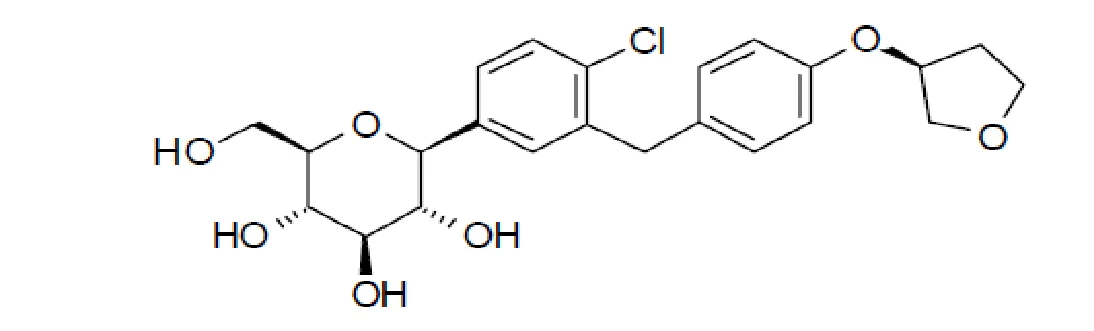
Empagliflozin is a white to yellowish, not hygroscopic solid powder, very slightly soluble in water (0.28 mg/mL), sparingly soluble in methanol (33.4 mg/mL), slightly soluble in ethanol (8.0 mg/mL), slightly soluble in acetonitrile (2.6 mg/mL), slightly soluble in 50% methanol in water (6.4 mg/mL), soluble in 50% acetonitrile in water (68 mg/mL), and practically insoluble in toluene (<0.001 mg/mL).
Solubility data of empagliflozin in aqueous media at room temperature: Water (pH 8.6) 0.28 mg/mL; 0.1N HCl (pH 1.1) 0.30 mg/mL; McIlvaine buffer pH 4.0 (pH 4.1) 0.21 mg/mL; McIlvaine buffer pH 7.4 (pH 7.5) 0.14 mg/mL.
Drug Substance
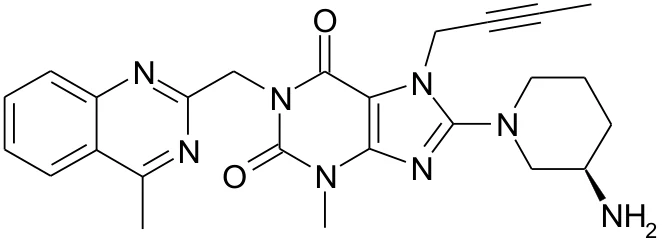
Common name: linagliptin
Chemical name: 1H-Purine-2,6-dione, 8-[(3R)-3-amino-1-piperidinyl]-7-(2-butyn-
1-yl)-3,7-dihydro-3-methyl-1-[(4-methyl-2-quinazolinyl)methyl]-
Molecular formula and molecular mass: C25H28N8O2, 472.54 g/mol
Structural formula:
Physicochemical properties: White to yellowish crystalline solid substance, very slightly soluble in water, soluble in methanol, sparingly soluble in ethanol, very slightly soluble in isopropanol and in acetone.
pKa: pKa1 = 8.6; pKa2 = 1.9
Partition Co-efficient: Log P = 1.7 (free base); Log D (pH 7.4) = 0.4
Melting Temperature: 202-209°C
CLINICAL TRIALS
Study Demographics and Trial Design
Indications for GLYXAMBI are supported by two pivotal studies discussed below.
Table 5 Summary of patient demographics for clinical trials
| Study No. | Trial design | Dosage, route of administration and duration | Study subjects (n = FAS number) | Mean age years (SD) | Gender (%M/%F) |
| GLYXAMBI in Patients with T2DM Inadequately Controlled on Linagliptin and Metformin | |||||
| 1275.9 | GLYXAMBI 10/5 + metformin GLYXAMBI 25/5 + metformin Lina 5 + metformin Tablets, orally, once daily Randomized treatment: 24-week | n = 109 n = 110 n = 108 | 54.3 (9.6) 55.4 (9.9) 55.9 (9.7) | 61/39 65/35 56/44 | |
| GLYXAMBI in Patients with T2DM Inadequately Controlled on Empagliflozin and Metformin | |||||
| 1275.10 | GLYXAMBI 10/5 + metformin Empa 10 + metformin GLYXAMBI 25/5 + metformin Empa 25 + metformin Tablets, orally, once daily Randomized treatment: 24-week | n = 122 n = 125 n = 110 n = 110 | 56.6 (9.5) 56.8 (9.4) 56.6 (9.8) 56.1 (10.6) | 57/43 56/44 47/53 57/43 | |
Abbreviations: FAS = Full Analysis Set: treated patients with a pre-randomization baseline and at least one on-treatment HbA1c assessment; SD = standard deviation GLYXAMBI 10/5 = empagliflozin 10 mg + linagliptin 5 mg; GLYXAMBI 25/5 = empagliflozin 25 mg + linagliptin 5 mg; Empa 25 = empagliflozin 25 mg; Empa 10 = empagliflozin 10 mg; Lina 5 = linagliptin 5 mg; T2DM = type 2 diabetes mellitus
Study results
GLYXAMBI in Patients with T2DM Inadequately Controlled on Linagliptin and Metformin (Study 1275.9)
Following a 16-week open-label period with metformin (≥1500 mg/day) and linagliptin 5 mg, patients with T2DM who did not achieve adequate glycemic control were randomized (1:1:1) to receive 24-week double-blind treatment with either metformin + GLYXAMBI 10/5 (empagliflozin 10 mg + linagliptin 5 mg), metformin + GLYXAMBI 25/5 (empagliflozin 25 mg + linagliptin 5 mg) or metformin + linagliptin 5 mg (background therapy). The study was not designed to evaluate the efficacy of GLYXAMBI 25/5 in patients with T2DM inadequately controlled with GLYXAMBI 10/5.
Approximately 15% of randomized patients were aged ≥65 years (2% aged ≥75 years). Approximately 58% were White, 27% were Asian and 9% were Black. The mean body mass index (BMI) was 30.2 kg/m2. Approximately 62% of patients had been diagnosed with T2DM for longer than 5 years, and approximately 7% for less than or equal to 1 year.
The primary endpoint of the study was the difference in change from baseline HbA1c at week 24. Key secondary endpoints were change from baseline fasting plasma glucose (FPG) and body weight, at week 24. Metformin + GLYXAMBI 10/5 and metformin + GLYXAMBI 25/5 each provided statistically significant improvements in HbA1c, FPG and body weight after 24 weeks of treatment compared to metformin + linagliptin 5 mg (see Table 6).
The proportion of patients with a baseline HbA1c ≥7.0% who achieved a target HbA1c of <7% at week 24 was 37.0% in the metformin + GLYXAMBI 10/5 group, 32.7% in the metformin + GLYXAMBI 25/5, and 17.0% in the metformin + linagliptin 5 mg group.
Table 6 Efficacy Parameters in the Clinical Study Comparing GLYXAMBI + Metformin to Linagliptin + Metformin in Patients with T2DM Inadequately Controlled on Linagliptin + Metformin (Study 1275.9)
Abbreviations: GLYXAMBI 10/5 = empagliflozin 10 mg + linagliptin 5 mg; GLYXAMBI 25/5 = empagliflozin 25 mg + linagliptin 5 mg; Lina 5 = linagliptin 5 mg
1N = Full Analysis Set (FAS): treated patients with a pre-randomization baseline and at least one on-treatment HbA1c assessment
2MMRM (mixed model repeated measures) model on FAS (observed case) includes baseline HbA1c, baseline eGFR (modification of diet in renal disease), geographical region, visit treatment, and treatment by visit interaction. For FPG, baseline FPG is also included. For weight, baseline weight is also included.
| GLYXAMBI 10/5 + Metformin | GLYXAMBI 25/5 + Metformin | Lina 5 + Metformin | ||||||||
|---|---|---|---|---|---|---|---|---|---|---|
| Efficacy Parameter | ||||||||||
| HbA1c (%) - 24 weeks2 | ||||||||||
| N1 | 109 | 110 | 106 | |||||||
| Baseline (mean) | 7.97 | 7.97 | 7.96 | |||||||
Change from baseline (adjusted mean) | -0.65 | -0.56 | 0.14 | |||||||
Difference from Lina 5 + Metformin (adjusted mean) (95% CI) | -0.79 (-1.02, -0.55) p<0.001 | -0.70 (-0.93, -0.46) p<0.001 | ||||||||
| FPG (mmol/L) – 24 weeks2 | ||||||||||
| N1 | 109 | 109 | 106 | |||||||
| Baseline (mean) | 9.32 | 9.44 | 9.04 | |||||||
Change from baseline (adjusted mean) | -1.46 | -1.75 | 0.34 | |||||||
Difference from Lina 5 + Metformin (adjusted mean) (95% CI) | -1.80 (-2.31, -1.28) p<0.01 | -2.09 (-2.61, -1.57) p<0.01 | ||||||||
| Body Weight (kg) – 24 weeks2 | ||||||||||
| N1 | 109 | 110 | 106 | |||||||
| Baseline (mean) in kg | 88.4 | 84.4 | 82.3 | |||||||
| Change from baseline (adjusted mean) | -3.1 | -2.5 | -0.3 | |||||||
Difference from Lina 5 + Metformin (adjusted mean) (95% CI) | -2.8 (-3.5, -2.1) p<0.01 | -2.2 (-2.9, -1.5) p<0.01 | ||||||||
GLYXAMBI in Patients with T2DM Inadequately Controlled on Empagliflozin and Metformin (Study 1275.10)
Following a 16-week open-label period with metformin (≥1500 mg/day) and either empagliflozin 10 mg or empagliflozin 25 mg, patients with T2DM who did not achieve adequate glycemic control were randomized to receive 24-week double-blind treatment. Patients who received open-label treatment with metformin and empagliflozin 10 mg were randomized (1:1) to receive either metformin + GLYXAMBI 10/5 or metformin + empagliflozin 10 mg, while patients who received open-label treatment with metformin and empagliflozin 25 mg were randomized (1:1) to receive either metformin + GLYXAMBI 25/5 or metformin + empagliflozin 25 mg. The study was not designed to evaluate the efficacy of GLYXAMBI 25/5 in patients with T2DM inadequately controlled with GLYXAMBI 10/5.
Approximately 19% of randomized patients were aged ≥65 years (3% aged ≥75 years). Approximately 97% were White and 3% were Black/African American. Approximately 60% of patients had been diagnosed with T2DM for longer than 5 years, and approximately 9% for less than or equal to 1 year. The mean body mass index (BMI) of patients randomized to receive metformin + GLYXAMBI 10/5 or metformin + empagliflozin 10 mg was 31.0 kg/m2. The mean body mass index (BMI) of patients randomized to receive metformin + GLYXAMBI 25/5 or metformin + empagliflozin 25 mg was 31.4 kg/m2.
The primary endpoint of the study was the difference in change from baseline HbA1c at week 24. The key secondary endpoint was change from baseline FPG, at week 24. Metformin + GLYXAMBI 10/5 and metformin + GLYXAMBI 25/5 each provided statistically significant improvements in HbA1c and FPG after 24 weeks of treatment compared to metformin + empagliflozin 10 mg or metformin + empagliflozin 25 mg, respectively (see Table 7).
The proportion of patients with a baseline HbA1c ≥7.0% who achieved a target HbA1c of <7% at week 24 was 25.9% in the metformin + GLYXAMBI 10/5 group compared to 10.9% in the metformin + empagliflozin 10 mg group.
The proportion of patients with a baseline HbA1c ≥7.0% who achieved a target HbA1c of <7% at week 24 was 36.0% in the metformin + GLYXAMBI 25/5 group compared to 15.0% in the metformin + empagliflozin 25 group.
Table 7 Efficacy Parameters in the Clinical Study Comparing GLYXAMBI + Metformin to Empagliflozin + Metformin in Patients with T2DM Inadequately Controlled on Empagliflozin + Metformin (Study 1275.10)
| GLYXAMBI 10/5 + Metformin | Empa 10 + Metformin | GLYXAMBI 25/5 + Metformin | Empa 25 + Metformin | |||||
|---|---|---|---|---|---|---|---|---|---|
| Efficacy Parameter | |||||||||
| HbA1c (%) – 24 weeks2 | |||||||||
| N1 | 122 | 125 | 109 | 108 | |||||
| Baseline (mean) | 8.04 | 8.03 | 7.82 | 7.88 | |||||
Change from baseline (adjusted mean) | -0.53 | -0.21 | -0.58 | -0.10 | |||||
| Difference from Empa + Metformin (adjusted mean) (95% CI) | -0.32 (-0.52, -0.13) p<0.001 | -0.47 (-0.66, -0.28) p<0.001 | |||||||
| FPG (mmol/L) – 24 weeks2 | |||||||||
| N1 | 120 | 123 | 107 | 107 | |||||
| Baseline (mean) | 8.76 | 8.64 | 8.45 | 8.61 | |||||
Change from baseline (adjusted mean) | -0.44 | 0.21 | -0.68 | -0.24 | |||||
| Difference from Empa + Metformin (adjusted mean) (95% CI) | -0.65 (-1.15, -0.16) p<0.05 | -0.44 (-0.87, -0.01) p<0.05 | |||||||
Abbreviations: GLYXAMBI 10/5 = empagliflozin 10 mg + linagliptin 5 mg; GLYXAMBI 25/5 = empagliflozin 25 mg + linagliptin 5 mg; Empa 10 = empagliflozin 10 mg; Empa 25 = empagliflozin 25 mg
1N = Full Analysis Set (FAS): treated patients with a pre-randomization baseline and at least one on-treatment HbA1c assessment
2MMRM (mixed model repeated measures) model on FAS (observed case includes baseline HbA1c, baseline eGFR (modification of diet in renal disease), geographical region, visit treatment, and treatment by visit interaction. For FPG, baseline FPG is also included.
DETAILED PHARMACOLOGY
Linagliptin
DPP-4 is a membrane bound protease expressed in many tissues including kidneys, liver, intestine, lymphocytes and vascular endothelial cells. A significant level of DPP-4 activity is also observed in plasma, which likely originates from multiple tissues that express the enzyme. The most important physiological substrates of DPP-4 are the incretins Glucagon-Like Peptide-1 (GLP-1) and Glucose-dependent Insulinotropic Peptide (GIP). DPP-4 catalyzes the degradation and inactivation of incretion and inhibition of DPP-4 increases the duration of these short lived endogenous incretin hormones. Both GLP-1 and GIP exert potent glucose-dependent insulinotropic actions and thereby contribute to the maintenance of post-meal glycemic control.
Linagliptin is a potent inhibitor (IC50 = 1 nM) of human DPP-4 and exhibits high selectivity versus a variety of proteases including DPP-8 and DPP-9 (>10,000-fold). In obese and diabetic animals (Zucker fa/fa rat, Zucker Diabetic Fatty Rat (ZDF) and db/db mice) linagliptin enhanced glucose-induced elevations of intact GLP-1 and insulin and lowered glucose levels with an ED50 of 1 mg/kg and below. These data indicate that linagliptin is an efficacious anti-diabetic drug.
The metabolism of linagliptin is primarily mediated by the CYP isozyme CYP3A4 to one pharmacologically inactive metabolite. In in vitro studies, linagliptin is a weak competitive and a weak to moderate inhibitor of CYP3A4. Linagliptin is not an inhibitor of CYP1A1, 1A2, 2A6, 2B6, 2C8, 2C9, 2C19, 2D6, 2E1 or 4A11 and is not an inducer of CYP1A2, CYP2B6 or CYP3A4. Linagliptin is a P-gp substrate, and inhibits P-gp mediated transport of digoxin with low potency in vitro. Based on these results and in vivo drug interaction studies, linagliptin is considered unlikely to cause interactions with other P-gp substrates.
The main metabolite of linagliptin CD 1790 neither inhibited DPP-4 activity nor interacted with a variety of receptors, channels and enzymes.
Linagliptin has a pharmacological profile that suggests good tolerability. Safety pharmacology studies did not indicate a risk of arrhythmia including those associated with a prolongation of the QT interval. No relevant effects on cardiovascular parameters were observed in safety pharmacology and toxicology studies in the Cynomolgus monkey at oral dosages up to and including 300 mg/kg/day (2523-fold clinical Cmax). The safety pharmacology assessment of neurological (CNS) and respiratory effects in rats after oral administration did not identify any effects on behaviour, spontaneous locomotor activity or body temperature at 600 mg/kg. Transient decreases in respiratory rate were observed at this dose. There were no effects on respiratory effects at 60 mg/kg.
Co-administration of a single oral dose of linagliptin 5 mg and twice daily oral doses of ritonavir 200 mg, a potent inhibitor of P-gp and CYP3A4, for three days increased the AUC and Cmax of linagliptin approximately two-fold and three-fold, respectively. Simulations of steady-state plasma concentrations of linagliptin, with and without ritonavir, indicated that the increase in exposure of linagliptin would not be associated with an increase in accumulation. These changes in linagliptin pharmacokinetics were not considered to be clinically relevant. Therefore, clinically relevant interactions with linagliptin would not be expected with other P-gp/CYP3A4 inhibitors.
The propensity of linagliptin to be involved in clinically meaningful drug-drug interactions mediated by plasma protein binding displacement is low, considering that linagliptin is only moderately bound to serum albumin and alpha-1-acid-glycoprotein.
Empagliflozin
Empagliflozin demonstrated good in vitro potency towards inhibition of human (IC50 of 1.3 nM) and rat (IC50 of 1.7 nM) renal SGLT2 transporters. The three major human metabolites of empagliflozin, all glucuronides, exhibited very weak activity toward the SGLT2 transporter in vitro, with IC50 values ranging from 860-1435 nM. Oral doses of empagliflozin increased urinary glucose excretion in diabetic rodents and normoglycemic dogs. This triggered the lowering of blood glucose in diabetic rodents after single oral dosing, as well as after chronic treatment.
Empagliflozin is a substrate for P-gp and breast cancer resistance protein (BCRP), but it does not inhibit these efflux transporters at therapeutic doses. Based on in vitro studies, empagliflozin is considered unlikely to cause interactions with drugs that are P-gp substrates. Empagliflozin is a substrate of the human uptake transporters OAT3, OATP1B1, and OATP1B3, but not OAT1 and OCT2. Empagliflozin does not inhibit any of these human uptake transporters at clinically relevant plasma concentrations therefore no effect of empaglifozin is anticipated on concomitantly administered drugs that are substrates of these uptake transporters.
The overall exposure (AUC) of empagliflozin increased by 59%, 35% and 53%, when co-administered with gemfibrozil (CYP2C8 and OATP1B1 inhibitor), rifampicin (OATP1B1 and 1B3 inhibitor) and probenecid (UGT, OAT3 inhibitor) respectively. These interactions were not considered clinically relevant. In subjects with normal renal function, co-administration of empagliflozin with probenecid resulted in a 30% decrease in the fraction of empagliflozin excreted in urine without any effect on 24-hour urinary glucose excretion. The relevance of this observation to patients with renal impairment is unknown. The effect of gemfibrozil, rifampicin or probenecid on empagliflozin has not been studied in patients receiving GLYXAMBI.
Empagliflozin does not inhibit, inactivate, or induce CYP450 isoforms. Empagliflozin does not inhibit UGT1A1. Therefore, no effect of empagliflozin is anticipated on concomitantly administered drugs that are substrates of the major CYP450 isoforms or UGT1A1.
TOXICOLOGY
General Toxicity
Combination of Empagliflozin and Linagliptin
General toxicity studies in rats up to 13 weeks were performed with the combination of empagliflozin and linagliptin. Signs of toxicity were observed at exposures greater than 13 times the clinical AUC exposure. There was no apparent additive toxicity caused by the combination of empagliflozin and linagliptin.
Linagliptin
Linagliptin was well tolerated and the minimum lethal dose after a single oral dose was 1000 mg/kg in rats and mice. Repeat oral dosing was associated with lethality/moribund euthanasia at ≥600 mg/kg (>3000 times human clinical exposure) in rats, 600 mg/kg (>3000 times human clinical exposure) in mice, 150 mg/kg (>1500 times human clinical exposure) in dogs and one monkey at 100 mg/kg (>750 times human clinical exposure). In dogs, a pseudo-allergic reaction occurred at ≥15 mg/kg and Cmax 3690 nmol/L (>300 times human clinical Cmax). The reaction was characterized by reddening and swelling of ears, circumocular region, as well as upper lips and vomiting. The reaction typically occurred 10 to 90 min post-dose and then disappeared gradually and correlated reasonably with increases in circulating histamine concentrations. Linagliptin was associated with changes that appear secondary to irritation with high local concentrations of linagliptin in the GI tract after oral administration or in the biliary tract associated with excretion of drug. These ranged from minimal to slight epithelial hypertrophy/hyperplasia to ulcers and affected the gastrointestinal tract, gallbladder and biliary epithelium with or without peribiliary changes in mice (≥120 mg/kg, >400 times human clinical exposure), rats (≥300 mg/kg, >1500 times human clinical exposure), dogs (≥45 mg/kg, >200 times human clinical exposure) and monkeys (≥25 mg/kg, >100 times human clinical exposure).
Linagliptin administration also results in metabolic effects that appear secondary to prolonged action of incretins as a result of DPP-4 inhibition. These include increased glycogen deposits in the hepatocytes of rat, mouse and monkey and decreases in cholesterol and triglycerides. The changes in the liver were not adverse at lower doses but at 300 mg/kg in the mouse and 100 mg/kg in the rat, there were either histological indication of adverse liver effects and/or increases in plasma markers for hepato-biliary perturbation. There were effects on kidney function or integrity in mouse, rat and monkey. In the monkey, there were no microscopic changes in the kidney but increases in plasma creatinine, kidney weight and urinary protein at ≥150 mg/kg (>1500 times human clinical exposure). In the rat, plasma creatinine and urea, increases in kidney weight and/or microscopic tubular damage were noted at ≥100 mg/kg. In the mouse, overt kidney toxicity was evident at 600 mg/kg. Linagliptin is an inducer of phospholipidosis in the rat. At 600 mg/kg, foam cells in liver, lung, lymph nodes, spleen, thymus and bone marrow were noted. Also in the rat at doses of ≥100 mg/kg, foci of foam cells were noted in the lung and at 60 mg/kg (approximately 400 times human clinical exposure) in the carcinogenicity study, there was an increased incidence of cholesterol cleft granuloma. There were no indications of effects on the immune system at doses up to 100 mg/kg (approximately 800 times human clinical exposure) for 52 weeks in the monkey, at doses up to 300 mg/kg (approximately 1800 times human clinical exposure) for 26 weeks in the rat, or in the mouse at 600 mg/kg (approximately 3300 times human clinical exposure) for 13 weeks. Increased apoptosis in the thymus, spleen and lymph nodes in rats and monkeys occurred at high doses and were attributed to stress and nonspecific toxicity. The NOAEL after 52 weeks dosing was 10 mg/kg/day in the monkey and 30 mg/kg/day in a 26 week study in rats. At these doses, AUC values were 40 times human clinical exposure in the monkey and 66 times in the rat.
Empagliflozin
Empagliflozin demonstrated low acute toxicity. The single lethal oral dose of empagliflozin was greater than 2000 mg/kg in mice and rats.
Repeat-dose oral toxicity studies were conducted in mice, rats and monkeys for up to 13, 26, and 52 weeks, respectively. Signs of toxicity were generally observed at exposures greater than or equal to 10 times the human exposure (AUC) at the maximum recommended dose of 25 mg. Most toxicity was consistent with secondary pharmacology related to urinary glucose loss and included decreased body weight and body fat, increased food consumption, diarrhea, dehydration, decreased serum glucose and increases in other serum parameters reflective of increased protein metabolism, gluconeogenesis and electrolyte imbalances, urinary changes such as polyuria and glucosuria. Increases in liver weight, elevated hepatic enzyme activities (e.g., AST and ALT) and hepatocellular vacuolation were observed in mice, rats and dogs. These changes in the liver may be related to gluconeogenesis and/or mobilization of lipid for energy production. The main target organ of empagliflozin toxicity was the kidney. Microscopic changes in the kidney were observed across species and included tubular karyomegaly, single cell necrosis, cystic hyperplasia and hypertrophy (mouse), renal mineralization and cortical tubular vacuolation (rat), and tubular nephropathy and interstitial nephritis (dog).
In a 2-year study in mice, mortality associated with urinary tract lesions was dose-dependently increased for males given empagliflozin at oral doses of ≥100 mg/kg/day (≥4 times the clinical dose of 25 mg based on AUC comparisons).
Carcinogenicity
No carcinogenicity studies with the combination of empagliflozin and linagliptin have been performed.
Linagliptin
A two-year carcinogenicity study was conducted in male and female rats given oral doses of linagliptin of 6, 18, and 60 mg/kg/day. There was no increase in the incidence of tumors in any organ up to 60 mg/kg/day. This dose results in exposures approximately 400 times the human exposure at the maximum recommended daily adult human dose (MRHD) of 5 mg/day based on AUC comparisons. A two-year carcinogenicity study was conducted in male and female mice given oral doses of 8, 25 and 80 mg/kg/day. There was no evidence of a carcinogenic potential up to 80 mg/kg/day, approximately 240 times human clinical exposure.
Empagliflozin
The carcinogenic potential of empagliflozin was evaluated in 2-year studies in mice and rats. Empagliflozin did not increase the incidence of tumors in female rats up to the highest dose of 700 mg/kg/day (up to 72 times the clinical dose of 25 mg based on AUC comparisons). In male rats, treatment-related benign vascular proliferative lesions (hemangiomas) of the mesenteric lymph node were observed at 700 mg/kg/day (approximately 42 times the clinical dose of 25 mg based on AUC comparisons), but not at 300 mg/kg/day which corresponds to approximately 26 times the clinical exposure from 25 mg dose. These tumors are common in rats and the incidence (18%) was within literature historical control (0-26%). No vascular lesions were seen in the mouse and dog. Empagliflozin did not increase the incidence of tumors in female mice at doses up to 1000 mg/kg/day (up to, approximately 62 times the clinical dose of 25 mg based on AUC comparisons). Renal tumors were observed in male mice at 1000 mg/kg/day (approximately 45 times the clinical dose of 25 mg based on AUC comparisons), but not at 300 mg/kg/day which corresponds to approximately 11 times the clinical exposure from a 25 mg dose. The mode of action for these tumors may be dependent on the natural predisposition of the male mouse to renal pathology which is exacerbated by a male mouse kidney-specific cytotoxic oxidative metabolite. Therefore the renal tumors found in mice may not be relevant to patients given clinical doses of empagliflozin.
Genotoxicity
No genotoxicity studies with the combination of empagliflozin and linagliptin have been performed.
The mutagenic and clastogenic potential of linagliptin were tested in an in vitro Ames bacterial assay, an in vitro cytogenetics assay in primary human lymphocytes, and an in vivo oral micronucleus assay in rats. Linagliptin was not mutagenic or clastogenic in these studies. The major metabolite was not mutagenic in an in vitro Ames bacterial assay or clastogenic in human lymphocytes.
Empagliflozin was not genotoxic in the Ames bacterial mutagenesis test, the L5178/tk+/- mouse lymphoma assay, or the in vivo rat micronucleus test.
Reproductive and Developmental Toxicity
Combination of Empagliflozin and Linagliptin
The combination of empagliflozin and linagliptin administered during the period of organogenesis were not teratogenic in rats up to and including a combined dose of 700 mg/kg/day empagliflozin and 140 mg/kg/day linagliptin, which is 253- and 353-times the clinical AUC exposure, respectively. Reduced fetal body weights were observed with the combination of 700 mg/kg/day empagliflozin and 140 mg/kg/day linagliptin. Maternal effects (reduced body weight gain and food consumption) were seen in a combination of ≥300 mg/kg/day empagliflozin and 60 mg/kg/day linagliptin which is 99- and 227-times the clinical AUC exposure, respectively. No morphological and histopathological changes in the kidneys of fetuses were observed after administration of empagliflozin alone, linagliptin alone or after administration of the combined products during organogenesis in the rat (gestation days 7 to 16).
Linagliptin
In rat fertility studies with oral gavage doses of 10, 30 and 240 mg/kg/day, males were treated for 4 weeks prior to mating and during mating; females were treated 2 weeks prior to mating through gestation day 6. No adverse effect on early embryonic development, mating, fertility, and bearing live young were observed up to the highest dose of 240 mg/kg/day (approximately 900 times the human clinical exposure of 5 mg/day based on AUC comparisons).
In the studies on embryo-fetal development in rats and rabbits, linagliptin was not teratogenic at dosages up to and including 240 mg/kg/day (approximately 900 times human clinical exposure) in the rat and 150 mg/kg/day (approximately 1900 times human clinical exposure) in the rabbit. In the rat, at 240 mg/kg minor maternal toxicity was noted and there was a slight increased resorption rate, slight retardation of skeletal ossification, and also slightly increased incidence of flat and thickened ribs. Administration of 25 and 150 mg/kg to pregnant rabbits resulted in decreased mean body weight gain and decreased food consumption at 150 mg/kg. At 150 mg/kg, linagliptin treatment was associated with intrauterine death, runts (fetuses weighing less than 65% of the weighted control mean values) and an increased incidence of visceral and skeletal variations. A NOAEL of 30 mg/kg/day (approximately 50 times human clinical exposure) and 25 mg/kg/day (approximately 80 times human clinical exposure) was derived for embryo-fetal toxicity in the rat and the rabbit, respectively.
In a pre- and post-natal development toxicity study in rats, treatment of the pregnant dams (the F0 generation) at 300 mg/kg (approximately 1500 times human clinical exposure) during gestation and lactation caused decreased maternal body weight gain and food consumption observed during gestation and lactation. The F1 generation of dams treated at 300 mg/kg also showed reduced body weight during lactation and weaning. Their physical post-natal development proceeded in a normal range, except for delayed descensus testis and delayed preputial separation. These effects correlated with reduced body weight and were attributed to general growth retardation. The NOAEL was 30 mg/kg for both maternal and offspring toxicity (approximately 50 times human clinical exposure).
Empagliflozin
In a study of fertility and early embryonic development in rats, empagliflozin had no effects on mating and fertility in males or females or early embryonic development up to the highest dose of 700 mg/kg/day (approximately 50 times the clinical dose of 25 mg based on AUC comparisons).
Empagliflozin administered during the period of organogenesis was not teratogenic at doses up to 300 mg/kg/day in the rat or rabbit, which corresponds to approximately 48 times or 128 times the clinical dose of 25 mg based on AUC comparisons, respectively. Doses of empagliflozin causing maternal toxicity in the rat also caused the malformation of bent limb bones at exposures approximately 155 times the clinical exposure from a 25 mg dose. Maternally toxic doses in the rabbit also caused increased embryo-fetal loss at doses approximately 139 times the clinical dose of 25 mg based on AUC comparisons.
In a pre- and post-natal toxicity study in rats, empagliflozin was administered from gestation day 6 through to lactation day 20 (weaning) at 10, 30 and 100 mg/kg/day, and pups were indirectly exposed in utero and throughout lactation. There was no evidence of maternal toxicity up to the high dose of 100 mg/kg/day; however, a reduction in F1 pup body weight gains, mainly during lactation, was observed at doses of ≥30 mg/kg/day (≥4 times the clinical dose of 25 mg based on AUC comparisons). The F1 male pups also had learning and memory deficits at 100 mg/kg (approximately 16 times the clinical dose of 25 mg based on AUC comparisons) on post-natal day (PND) 22, but not on PND 62. These neurobehavioral effects were likely to be secondary to the retarded growth rates of the F1 male pups. The NOAEL for F1 neonatal toxicity was 10 mg/kg/day (approximately 1.4 times the clinical dose of 25 mg based on AUC comparisons).
In a juvenile toxicity study, empagliflozin was administered directly to young rats from post-natal day 21 until postnatal day 90 at oral doses of 1, 10, 30 and 100 mg/kg/day. Increases in kidney weights were observed in males at ≥10 mg/kg/day (≥0.7 times the clinical dose of 25 mg based on AUC comparisons) and in females at ≥30 mg/kg/day (≥4 times the clinical dose of 25 mg based on AUC comparisons). Minimal to mild renal tubular and pelvic dilation was seen at 100 mg/kg/day, which approximate 11-times the clinical dose of 25 mg based on AUC comparisons. These findings were absent after a 13-week, drug-free recovery period.