


Product Monograph - Kazano
Recent Major Label Changes
| 7 Warnings and Precautions, Endocrine and Metabolism, Lactic Acidosis | 03/2026 |
|---|
Table of Contents
Sections or subsections that are not applicable at the time of authorization are not listed.
Recent Major Label Changes ................................................................................................... 2
Table of Contents ................................................................................................................... 2
Part 1: Healthcare Professional Information ........................................................................... 5
- 1.
Indications ....................................................................................................................... 5
1.1. Pediatrics .................................................................................................................. 5
1.2. Geriatrics .................................................................................................................. 5
- 2. Contraindications ............................................................................................................ 5
- 3. Serious Warnings and Precautions Box ............................................................................ 6
- 4.
Dosage and Administration ............................................................................................. 6
4.1. Dosing Considerations .............................................................................................. 6
4.2. Recommended Dose and Dosage Adjustment ......................................................... 7
4.4. Administration .......................................................................................................... 8
4.5. Missed Dose ............................................................................................................. 8
- 5. Overdose ......................................................................................................................... 8
- 6. Dosage Forms, Strengths, Composition and Packaging .................................................... 9
- 7.
Warnings and Precautions ............................................................................................... 9
General ................................................................................................................................. 9
Cardiovascular .................................................................................................................... 10
Driving and Operating Machinery ....................................................................................... 10
Endocrine and Metabolism ................................................................................................. 10
Hematologic ....................................................................................................................... 13
Hepatic/Biliary/Pancreatic .................................................................................................. 13
Immune .............................................................................................................................. 14
Monitoring and Laboratory Tests ....................................................................................... 15
Neurologic .......................................................................................................................... 15
Perioperative Considerations ............................................................................................. 15
Renal ................................................................................................................................... 16
Reproductive Health ........................................................................................................... 16
Skin ..................................................................................................................................... 17
7.1. Special Populations ................................................................................................ 17
7.1.1. Pregnancy ...................................................................................................... 17
7.1.2. Breastfeeding ................................................................................................ 17
7.1.3. Pediatrics ....................................................................................................... 17
7.1.4. Geriatrics ....................................................................................................... 17
- 8.
Adverse Reactions ......................................................................................................... 18
8.1. Adverse Reaction Overview .................................................................................... 18
8.2. Clinical Trial Adverse Reactions .............................................................................. 20
8.3. Less Common Clinical Trial Adverse Reactions ....................................................... 24
8.4. Abnormal Laboratory Findings: Hematologic, Clinical Chemistry and Other Quantitative Data ............................................................................................................... 24
8.5. Post-Market Adverse Reactions ............................................................................. 24
- 9.
Drug Interactions ........................................................................................................... 26
9.2. Drug Interactions Overview .................................................................................... 26
9.3. Drug-Behavioural Interactions ................................................................................ 26
9.4. Drug-Drug Interactions ........................................................................................... 27
9.5. Drug-Food Interactions........................................................................................... 29
9.6. Drug-Herb Interactions ........................................................................................... 29
9.7. Drug-Laboratory Test Interactions ......................................................................... 29
- 10.
Clinical Pharmacology ................................................................................................... 29
10.1. Mechanism of Action .............................................................................................. 29
10.2. Pharmacodynamics ................................................................................................ 30
10.3. Pharmacokinetics ................................................................................................... 30
- 11. Storage, Stability and Disposal....................................................................................... 35
- 12. Special Handling Instructions ......................................................................................... 35
Part 2: Scientific Information ................................................................................................ 36
- 13. Pharmaceutical Information .......................................................................................... 36
- 14.
Clinical Trials .................................................................................................................. 36
14.1. Clinical Trials by Indication ..................................................................................... 36
- 15. Microbiology ................................................................................................................. 51
- 16. Non-Clinical Toxicology .................................................................................................. 51
Patient Medication Information ........................................................................................... 55
Part 1: Healthcare Professional Information
1. Indications
KAZANO (alogliptin and metformin hydrochloride tablets) is indicated for use as an adjunct to diet and exercise to improve glycemic control in adult patients with type 2 diabetes mellitus inadequately controlled on metformin or in patients already being treated with the combination of alogliptin and metformin.
Add-on combination: KAZANO is indicated for use as a triple combination therapy in adult patients with type 2 diabetes mellitus to improve glycemic control with:
- pioglitazone
- insulin
when the existing dual therapy with metformin, along with diet and exercise, does not provide adequate glycemic control (see 14 Clinical Trials).
1.1. Pediatrics
Pediatrics (< 18 years of age): No data are available to Health Canada; therefore, Health Canada has not authorized an indication for pediatric use.
1.2. Geriatrics
Geriatrics (≥ 65 years of age): KAZANO should be used with caution in geriatric patients. No dose adjustment is necessary based on age. However, dosing of KAZANO should be carefully titrated in patients with advanced age due to the potential for decreased renal and cardiac function in this population. KAZANO is contraindicated in patients with severe renal impairment. See 2 Contraindications. More frequent monitoring of renal function is necessary to aid in prevention of metformin-associated lactic acidosis, particularly in the elderly. See 4 Dosage and Administration, 7 Warnings and Precautions and 10 Clinical Pharmacology.
2. Contraindications
KAZANO (alogliptin and metformin hydrochloride tablets) is contraindicated in:
- unstable and/or insulin-dependent (type 1) diabetes mellitus.
- acute or chronic metabolic acidosis, including diabetic ketoacidosis, with or without coma, history of ketoacidosis with or without coma. Diabetic ketoacidosis should be treated with insulin.
- in patients with a history of lactic acidosis, irrespective of precipitating factors. See 7 Warnings and Precautions.
- in the presence of severe renal impairment [estimated glomerular filtration rate (eGFR) <30 mL/min/1.73 m2], end stage renal disease, in patients on dialysis, or when renal function is not known. See 7 Warnings and Precautions.
- in excessive alcohol intake, acute or chronic. See 7 Warnings and Precautions and 9 Drug Interactions.
- in patients suffering from severe hepatic dysfunction, since severe hepatic dysfunction has been associated with some cases of lactic acidosis, KAZANO should generally be avoided in patients with clinical or laboratory evidence of hepatic disease.
in cases of cardiovascular collapse and in disease states associated with hypoxemia such as
- cardiorespiratory insufficiency, which are often associated with hyperlactacidemia.
- during stress conditions, such as severe infections, trauma or surgery and the recovery phase thereafter.
- in patients suffering from severe dehydration or shock.
- inpatients with known hypersensitivity to alogliptin, metformin or to any of the ingredients listed in the formulation, including any non-medicinal ingredients, or component of the container. See 8 Adverse Reactions. For a complete listing see 6 Dosage Forms, Strengths, Composition and Packaging.
- during period around administration of iodinated contrast materials, because use of such products may result in acute alteration of renal function. See 7 Warnings and Precautions.
- during pregnancy and breastfeeding. See 7 Warnings and Precautions.
3. Serious Warnings and Precautions Box
|
|---|
4. Dosage and Administration
4.1. Dosing Considerations
The dose of KAZANO should be individualized on the basis of the patient’s current treatment regimen whilst not exceeding the maximum recommended total daily dose of 25 mg alogliptin and 2000 mg metformin.
For patients switching from separate tablets of alogliptin and metformin, both alogliptin and metformin should be dosed at the total daily dose already being taken; the individual dose of alogliptin should be halved as it will be taken twice daily whilst the dosing of metformin should remain unchanged.
For patients switching from separate tablets of alogliptin and metformin as part of triple therapy in combination with insulin, the dose of insulin should be maintained, and both alogliptin and metformin should be dosed at the total daily dose already being taken; the individual dose of alogliptin should be halved as it will be taken twice daily whilst the dosing of metformin should remain unchanged. See 7 Warnings and Precautions.
Factors that may increase the risk of lactic acidosis should be reviewed before considering initiation of KAZANO, especially in elderly and patients with renal impairment.
Caution should be exercised when using concomitant medication(s) that may decrease renal function (like diuretics, particularly loop diuretics) or may interfere with the disposition of metformin, such as cationic drugs, that are eliminated by renal tubular secretion, due to the increased risk of developing lactic acidosis during co-administration. See 9 Drug Interactions.
4.2. Recommended Dose and Dosage Adjustment
For patients inadequately controlled on metformin alone, the recommended dose of KAZANO should provide alogliptin dosed at 12.5 mg twice daily (25 mg total daily dose) and metformin hydrochloride at a similar dose (500 mg, 850 mg or 1000 mg twice daily) to that already being taken.
For patients inadequately controlled on dual therapy with metformin and pioglitazone, the dose of the thiazolidinedione should be maintained, and KAZANO administered concomitantly; alogliptin should be dosed at 12.5 mg twice daily (25 mg total daily dose) and metformin hydrochloride at a similar dose (500 mg, 850 mg or 1000 mg twice daily) to that already being taken.
Special Populations
Renal Impairment
KAZANO is contraindicated in patients with severe renal impairment (eGFR <30 mL/min/1.73 m2), end stage renal disease, or on dialysis. See 2 Contraindications.
KAZANO should not be used in patients with moderate renal impairment (eGFR ≥30 to <60 mL/min/1.73 m2) because these patients require a lower daily dosage of alogliptin than what is available in the fixed combination KAZANO product. See 7 Warnings and Precautions, Renal.
The maximum daily dose of alogliptin and metformin, as single components, in patients with an eGFR <60 mL/min/1.73 m2 is 12.5 mg and 2000 mg, respectively. Metformin dose should be adjusted in patients with eGFR ≤ 45 mL/min/1.73 m2 whilst not exceeding 1000 mg/day.
Renal function should be assessed before initiation of treatment with KAZANO and at least annually thereafter. In patients with an eGFR <60 mL/min/1.73 m2, more intensive monitoring for glycemic and renal biomarkers and signs and symptoms of renal dysfunction is recommended. See 7 Warnings and Precautions, Monitoring and Laboratory Tests.
Discontinue for iodinated contrast imaging procedures:
Discontinue KAZANO prior to, or at the time of, an iodinated contrast imaging procedure in patients with renal impairment (eGFR< 60 mL/min/1.73 m2), in patients with a history of liver disease, alcoholism or heart failure; or in patients who will be administered intra-arterial iodinated contrast. Re-evaluate eGFR 48 hours after the imaging procedure; restart KAZANO if renal function is acceptable and found to be stable. See 7 Warnings and Precautions, Renal.
Hepatic Impairment
Due to its metformin component, KAZANO is contraindicated in patients with severe hepatic impairment and should not be used in patients with clinical or laboratory evidence of hepatic disease. See 2 Contraindications. Metformin use in patients with impaired hepatic function has been associated with some cases of lactic acidosis. See 7 Warnings and Precautions.
Pediatrics (< 18 years of age)
No data are available to Health Canada; therefore, Health Canada has not authorized an indication for pediatric use.
Geriatrics (≥ 65 years of age)
KAZANO should be used with caution in patients 65 years of age and older. No dose adjustment is necessary based on age. However, dosing of KAZANO should be carefully titrated in patients with advanced age due to the potential for decreased renal and cardiac function in this population. KAZANO is contraindicated in patients with severe renal impairment. See 2 Contraindications, 7.1 Warnings and Precautions, Special Populations and 10 Clinical Pharmacology. More frequent monitoring of renal function is necessary to aid in prevention of metformin-associated lactic acidosis, particularly in the elderly.
4.4. Administration
KAZANO should be taken twice daily because of the pharmacokinetics of its metformin component. It should also be taken with meals to reduce the gastrointestinal undesirable effects associated with metformin. The tablets should be swallowed whole with water.
4.5. Missed Dose
If a dose is missed, it should be taken as soon as the patient remembers. A double dose should not be taken at the same time.
5. Overdose
No data are available with regard to overdose of KAZANO.
Alogliptin
The highest doses of alogliptin administered in clinical trials were single doses of 800 mg to healthy subjects and doses of 400 mg once daily for 14 days to patients with type 2 diabetes mellitus (equivalent to 32 times and 16 times the recommended total daily dose of 25 mg alogliptin, respectively). No serious adverse events were observed at these doses.
Minimal quantities of alogliptin are removed by hemodialysis (approximately 7% of the drug was removed during a 3-hour hemodialysis session). Therefore, hemodialysis is of little benefit in removing alogliptin in an overdose situation. It is not known if alogliptin is removed by peritoneal dialysis.
Metformin
Lactic acidosis should be excluded. The drug should be discontinued and proper supportive therapy instituted. Overdose of metformin hydrochloride has occurred, including ingestion of amounts greater than 50 grams. Hypoglycemia was reported in approximately 10% of cases. Lactic acidosis has been reported in approximately 32% of metformin overdose cases. See 7 Warnings and Precautions, Endocrine and Metabolism – Lactic Acidosis.
Metformin is dialyzable with a clearance of up to 170 mL/min under good hemodynamic conditions. Therefore, hemodialysis may be useful for removal of accumulated drug from patients in whom metformin overdosage is suspected.
Pancreatitis may occur in the context of a metformin overdose. See 7 Warnings and Precautions.
Management
In the event of an overdose, clinical monitoring and supportive measures should be employed as dictated by the patient’s clinical status.
The most effective method of removing lactate and metformin is hemodialysis.
| For the most recent information in the management of a suspected drug overdose, contact your regional poison control centre or Health Canada’s toll-free number, 1-844 POISON-X (1-844-764-7669). |
|---|
6. Dosage Forms, Strengths, Composition and Packaging
Table 1 – Dosage Forms, Strengths, Composition and Packaging
Description
KAZANO is supplied as film-coated tablets as follows:
Strength
Description
12.5mg+500mg
Pale yellow, oblong, biconvex, film-coated tablet with “12.5/500” debossed on one side and “322M” debossed on the other side
12.5mg+850mg
Light yellow, oblong, biconvex, film-coated tablet with “12.5/850” debossed on one side and “322M” debossed on the other side
12.5mg+1000mg
Pale yellow, oblong, film-coated tablets with “12.5/1000” debossed on one side and “322M” debossed on the other side
Each KAZANO tablet contains 17 mg alogliptin benzoate which is equivalent to 12.5 mg of alogliptin and 1000 mg, 850 mg, or 500 mg metformin hydrochloride.
KAZANO tablets are supplied in aluminum/aluminum blister strips of 56 tablets in a carton box (8 blister strips of 7 tablets) or high-density polyethylene (HDPE) bottles of 60 tablets.
7. Warnings and Precautions
See 3 Serious Warnings and Precautions Box.
General
KAZANO should not be used in patients with type 1 diabetes mellitus or for the treatment of diabetic ketoacidosis.
| Route of Administration | Dosage Form / Strength / Composition | Non-medicinal Ingredients |
| Oral | Film-Coated Tablets 12.5 mg alogliptin (as alogliptin benzoate)/500 mg metformin hydrochloride, 12.5 mg alogliptin (as alogliptin benzoate)/850 mg metformin hydrochloride, 12.5mg alogliptin (as alogliptin benzoate)/1000 mg metformin hydrochloride | Crospovidone, mannitol, magnesium stearate, microcrystalline cellulose (PH 101 and KG-1000), and povidone. In addition, the film-coating contains the following non-medicinal ingredients: hypromellose (2910), talc, titanium dioxide, and ferric oxide (yellow). |
Cardiovascular
Congestive Heart Failure:
Alogliptin
There is limited experience with alogliptin therapy in patients with congestive heart failure of New York Heart Association (NYHA) functional classes III and IV. KAZANO should therefore, be used with caution in these patients.
Hypoxic States:
Metformin hydrochloride
Cardiovascular collapse (shock) from whatever cause, acute congestive heart failure, acute myocardial infarction and other conditions characterized by hypoxemia have been associated with lactic acidosis and may also cause prerenal azotemia. When such events occur in patients on KAZANO therapy, the drug should be promptly discontinued.
Driving and Operating Machinery
Patients should be warned about driving or operating a vehicle or potentially dangerous machinery under conditions where a risk of hypoglycemia is present (see 7 Warnings and Precautions, Hypoglycemia). When KAZANO is used in combination with a sulfonylurea or in combination with insulin patients should be advised to take precautions to avoid hypoglycemia while driving or operating a vehicle or potentially dangerous machinery.
Endocrine and Metabolism
Hypoglycemia:
Alogliptin
The incidence of hypoglycemia was greater in studies of alogliptin as add-on therapy to metformin with pioglitazone and as add-on therapy to metformin with insulin compared to active-control or placebo, respectively.
Insulin is known to cause hypoglycemia. Therefore, a lower dose of insulin may be considered to reduce the risk of hypoglycemia when this drug is used in combination with alogliptin.
Hypoglycemia could occur when caloric intake is deficient, when strenuous exercise is not compensated by caloric supplementation, or during concomitant use with other glucose lowering agents (such as sulfonylureas and insulin) or ethanol. Elderly, debilitated, or malnourished patients and those with adrenal or pituitary insufficiency or alcohol intoxication are particularly susceptible to hypoglycemic effects. Hypoglycemia may be difficult to recognize in the elderly, and in people who are taking β-adrenergic blocking drugs.
The patients should be warned about driving a vehicle or operating machinery under these conditions where risk of hypoglycemia is present.
Loss of Control of Blood Glucose: When a patient stabilized on any diabetic regimen is exposed to stress such as fever, trauma, infection, or surgery, a temporary loss of glycemic control may occur. At such times, it may be necessary to withhold KAZANO and temporarily administer insulin. KAZANO may be reinstituted after the acute episode is resolved. The effectiveness of oral antidiabetic drugs in lowering blood glucose to a targeted level decreases in many patients over a period of time. This phenomenon, which may be due to progression of the underlying disease or to diminished responsiveness to the drug, is known as secondary failure, to distinguish it from primary failure in which the drug is ineffective during initial therapy.
Should secondary failure occur with KAZANO, therapeutic alternatives should be considered.
Hypothyroidism:
Metformin hydrochloride
Metformin induces a reduction in thyrotropin (thyroid stimulating hormone (TSH)) levels in patients with treated or untreated hypothyroidism. Regular monitoring of TSH levels is recommended in patients with hypothyroidism.
Studies have shown that metformin reduces plasma TSH levels, often to subnormal levels, when it is administered to patients with untreated hypothyroidism or to hypothyroid patients effectively treated with Levothyroxine. The metformin-induced reduction of plasma TSH levels is not observed when metformin is administered to patients with normal thyroid function. Metformin has been suggested to enhance the inhibitory modulation of thyroid hormones on TSH secretion.
Levothyroxine can reduce the hypoglycemic effect of metformin. Careful monitoring of blood glucose levels is recommended in patients with hypothyroidism treated with levothyroxine, especially when thyroid hormone therapy is initiated, changed, or stopped (See 7 Warnings and Precautions, Monitoring and Laboratory Tests).
Lactic Acidosis:
Metformin hydrochloride
Lactic acidosis is a rare, but serious and potentially fatal metabolic complication that can occur due to metformin accumulation during treatment with KAZANO; when it occurs, it is fatal in approximately 50% of cases. Lactic acidosis may also occur in association with a number of pathophysiologic conditions, including diabetes mellitus, and whenever there is significant tissue hypoperfusion and hypoxemia. Lactic acidosis is characterized by elevated blood lactate levels (>5 mmol/L), decreased blood pH, electrolyte disturbances with an increased anion gap, and an increased lactate/pyruvate ratio. When metformin is implicated as the cause of lactic acidosis, metformin plasma levels >5 mcg/mL are generally found.
The reported incidence of lactic acidosis in patients receiving metformin hydrochloride is very low (approximately 0.03 cases/1000 patient-years, with approximately 0.015 fatal cases/1000 patient-years). Reported cases have occurred primarily in diabetic patients with significant renal impairment, including both intrinsic renal disease and renal hypoperfusion, often in the setting of multiple concomitant medical/surgical problems and multiple concomitant medications. See 4 Dosage and Administration.
Patients with congestive heart failure requiring pharmacologic management, in particular those with unstable or acute congestive heart failure who are at risk of hypoperfusion and hypoxemia, are at increased risk of lactic acidosis. In particular, treatment of the elderly should be accompanied by careful monitoring of renal function. See 7.1 Warnings and Precautions, Special Populations. The risk of lactic acidosis increases with the degree of renal dysfunction and the patient's age. The risk of lactic acidosis may, therefore, be significantly decreased by regular monitoring of renal function in patients taking metformin and by use of the minimum effective dose of metformin.
In addition, metformin should be promptly withheld in the presence of any condition associated with hypoxemia, dehydration, or sepsis. Because impaired hepatic function may significantly limit the ability to clear lactate, metformin should generally be avoided in patients with clinical or laboratory evidence of hepatic disease.
Patients should be cautioned against excessive alcohol intake, either acute or chronic, when taking metformin, since alcohol potentiates the effects of metformin hydrochloride on lactate metabolism. In addition, metformin should be temporarily discontinued prior to any intravascular radiocontrast study and for any surgical procedure.
The onset of lactic acidosis often is subtle, and accompanied only by nonspecific symptoms such as malaise, myalgias, respiratory distress, increasing somnolence, and nonspecific abdominal distress. There may be associated hypothermia, hypotension, and resistant bradyarrhythmias with more marked acidosis. The patient and the patient's physician must be aware of the possible importance of such symptoms and the patient should be instructed to notify the physician immediately if they occur. Metformin should be withdrawn until the situation is clarified. Serum electrolytes, ketones, blood glucose, and if indicated, blood pH, lactate levels, and even blood metformin levels may be useful. Once a patient is stabilized on any dose level of metformin, gastrointestinal symptoms, which are common during initiation of therapy, are unlikely to be drug related. Later occurrence of gastrointestinal symptoms could be due to lactic acidosis or other serious disease.
Levels of fasting venous plasma lactate above the upper limit of normal but less than 5 mmol/L in patients taking metformin do not necessarily indicate impending lactic acidosis and may be explainable by other mechanisms, such as poorly controlled diabetes or obesity, vigorous physical activity, or technical problems in sample handling.
Lactic acidosis should be suspected in any diabetic patient with metabolic acidosis lacking evidence of ketoacidosis (ketonuria and ketonemia).
Lactic acidosis is a medical emergency that must be treated in a hospital setting. In a patient with lactic acidosis who is taking metformin, the drug should be discontinued immediately and general supportive measures promptly instituted. Because metformin hydrochloride is dialyzable (with a clearance of up to 170 mL/min under good hemodynamic conditions), prompt hemodialysis is recommended to correct the acidosis and remove the accumulated metformin. Such management often results in prompt reversal of symptoms and recovery. See 2 Contraindications and 7 Warnings and Precautions, Cardiovascular, Hepatic and Renal.
Physicians should instruct their patients to recognize the symptoms which could be a signal of the onset of lactic acidosis. If acidosis of any kind develops, KAZANO should be discontinued immediately.
Patients with known or suspected mitochondrial diseases
In patients with known mitochondrial diseases such as Mitochondrial Encephalopathy with Lactic Acidosis, and Stroke-like episodes (MELAS) syndrome and Maternally inherited diabetes and deafness (MIDD), metformin is not recommended due to the risk of lactic acidosis exacerbation and neurologic complications which may lead to worsening of the disease.
In case of signs and symptoms suggestive of MELAS syndrome or MIDD after the intake of metformin-containing products including KAZANO, immediate withdrawal of KAZANO should be considered and prompt diagnostic evaluation should be performed.
Change in Clinical Status of Patients with Previously Controlled Type 2 Diabetes Mellitus: As KAZANO contains metformin, any patient with type 2 diabetes mellitus previously well controlled on KAZANO who develops laboratory abnormalities or clinical illness (especially vague and poorly defined illness) should be evaluated promptly for evidence of ketoacidosis or lactic acidosis. Evaluation should include serum electrolytes and ketones, blood glucose and, if indicated, blood pH, lactate, pyruvate and metformin levels. If acidosis of either form occurs, KAZANO must be stopped immediately and other appropriate corrective measures initiated.
Vitamin B12 Levels:
Metformin hydrochloride
Impairment of vitamin B12 absorption has been reported in some patients treated with metformin. Long-term treatment with metformin has been associated with a decrease in serum vitamin B12 levels which may cause peripheral neuropathy. Serious cases of peripheral neuropathy have been reported with metformin treatment, one of the components of KAZANO. Therefore, measurements of serum vitamin B12 are advisable at least every one to two years in patients on long-term treatment with KAZANO.
A decrease to subnormal levels of previously normal serum Vitamin B12 levels, without clinical manifestations, is observed in approximately 7% of patients receiving metformin in controlled clinical trials of 29 weeks duration. Such decrease, possibly due to interference with B12 absorption from the B12-intrinsic factor complex, is, however, very rarely associated with anemia and appears to be rapidly reversible with discontinuation of metformin or Vitamin B12 supplementation. Measurement of hematologic parameters on an annual basis is advised in patients on KAZANO and any apparent abnormalities should be appropriately investigated and managed. See 7 Warnings and Precautions, Monitoring and Laboratory Tests.
Hematologic
Metformin hydrochloride
Serious cases of metformin-induced hemolytic anemia, some with fatal outcome, have been reported. See 8 Adverse Reactions. Two mechanisms were described for the metformin-induced immune hemolytic anemia; formation of an antibody against the erythrocyte-metformin complex and autoantibody formation. Monitoring of hematologic parameters is recommended. See 7 Warnings and Precautions, Monitoring and Laboratory Tests.
Hepatic/Biliary/Pancreatic
Hepatic:
KAZANO is contraindicated in patients with severe hepatic dysfunction and should not be used in patients with clinical or laboratory evidence of hepatic disease. See 2 Contraindications.
Alogliptin
There have been post-marketing reports of fatal and non-fatal hepatic failure in patients taking Alogliptin, although some of the reports contain insufficient information necessary to establish the probable cause.
Patients with type 2 diabetes may have fatty liver disease which may cause liver test abnormalities, and they may also have other forms of liver disease, many of which can be treated or managed. Therefore, obtaining a liver test panel and assessing the patient before initiating alogliptin therapy is recommended. In patients with abnormal liver tests, KAZANO should be initiated with caution.
Measure liver tests promptly in patients who report symptoms that may indicate liver injury, including fatigue, anorexia, right upper abdominal discomfort, dark urine or jaundice. In this clinical context, if the patient is found to have clinically significant liver enzyme elevations and if abnormal liver tests persist or worsen, KAZANO should be interrupted and investigation done to establish the probable cause.
Alogliptin has not been studied in patients with severe hepatic impairment (Child-Pugh score >9) and is, therefore, not recommended for use in such patients. See 4 Dosage and Administration and 10 Clinical Pharmacology.
Metformin hydrochloride
Impaired hepatic function has been associated with some cases of lactic acidosis.
Pancreatitis:
Alogliptin
Events of acute pancreatitis have been reported with alogliptin in clinical trials and in post-marketing reports. Reports of acute pancreatitis, including fatal and non-fatal hemorrhagic or necrotizing pancreatitis, were noted in patients taking KAZANO and other members of this class. After initiation of KAZANO, patients should be observed carefully for signs and symptoms of pancreatitis. If pancreatitis is suspected, KAZANO should be promptly discontinued and appropriate management should be initiated. See 8 Adverse Reactions.
Metformin hydrochloride
Serious cases of pancreatitis have been reported in patients receiving metformin. The reported pancreatitis cases occurred either in the context of an acute metformin overdose or in patients receiving therapeutic doses of metformin with concurrent renal failure and/or lactic acidosis, indicating metformin accumulation.
Immune
Hypersensitivity Reactions:
Alogliptin
Post-marketing events of serious hypersensitivity reactions in patients treated with KAZANO such as anaphylaxis, angioedema, and severe cutaneous adverse reactions including Stevens-Johnson syndrome have been reported and have been associated with other DPP-4 inhibitors. A single event of serum sickness was observed with KAZANO treatment in a clinical trial. If a hypersensitivity reaction is suspected, discontinue KAZANO, assess for other potential causes for the event, and institute alternative treatment for diabetes. See 2 Contraindications and 8 Adverse Reactions. Use caution in a patient with a history of angioedema with another DPP-4 inhibitor, since it is unknown whether such patients will be predisposed to angioedema with KAZANO.
Immunocompromised Patients:
Alogliptin
A dose-related mean decrease in absolute lymphocyte count was observed with other dipeptidyl peptidase 4 (DPP-4) inhibitors. When clinically indicated, such as in settings of unusual or prolonged infection, lymphocyte count should be measured. The effect of alogliptin on lymphocyte counts in patients with lymphocyte abnormalities (e.g. human immunodeficiency virus) is unknown. Immunocompromised patients, such as patients who have undergone organ transplantation or patients diagnosed with human immunodeficiency syndrome have not been studied in the alogliptin clinical program. Therefore, the efficacy and safety profile of alogliptin in these patients has not been established.
Monitoring and Laboratory Tests
Blood Glucose and HbA1c: Periodic measurements of blood glucose and HbA1c levels should be performed, with a goal of decreasing these levels towards the normal range. HbA1c is especially useful for evaluating long-term glycemic control.
Hematology: Initial and periodic monitoring of hematologic parameters (e.g., hemoglobin/hematocrit and red blood cell indices) should be performed, at least on an annual basis.
A close monitoring of the International Normalized Ratio (INR) is recommended in patients concurrently administering metformin and phenprocoumon or other antivitamin K anticoagulants. See 9 Drug Interactions.
Periodic measurements of serum vitamin B12 levels should be performed in patients on long-term treatment with KAZANO especially in patients with anemia or neuropathy. See 7 Warnings and Precautions, Endocrine and Metabolism.
Hypothyroidism: Regular monitoring of thyroid-stimulating hormone (TSH) levels is recommended in patients with hypothyroidism.
Renal Function: KAZANO is contraindicated in patients with an estimated glomerular rate (eGFR) <30 mL/min/1.73 m2. See 2 Contraindications. Renal function should be monitored prior to initiating treatment with KAZANO, and regularly thereafter:
- at least once a year in patients with normal renal function.
- More frequent monitoring in patients with renal impairment (eGFR <60 mL/min/1.73 m2) and in elderly patients. See 4 Dosage and Administration.
- Monitoring of renal function is recommended prior to and following initiation of any concomitant drug which might have an impact on renal function. See 9 Drug Interactions.
Hepatic Function: Obtaining a liver test panel and assessing the patient before initiating KAZANO therapy is recommended.
Neurologic
Metformin hydrochloride
Serious cases of metformin-induced encephalopathy have been reported. See 8 Adverse Reactions. Some of these cases were reported without association with lactic acidosis, hypoglycemia, or renal impairment.
Perioperative Considerations
Metformin hydrochloride
KAZANO therapy should be temporarily suspended for any surgical procedure (except minor procedures not associated with restricted intake of food and fluids). KAZANO should be discontinued 2 days before surgical intervention and should not be restarted until the patient's oral intake has resumed and renal function has been evaluated as acceptable and found to be stable. See 4 Dosage and Administration.
Renal
KAZANO is contraindicated in patients with severe renal impairment (eGFR <30 mL/min/1.73 m2). See 2 Contraindications.
KAZANO should not be used in patients with moderate renal impairment (eGFR ≥30 and <60 mL/min/1.73 m2) because these patients require a lower daily dosage of alogliptin than what is available in the fixed combination KAZANO product. See 4 Dosage and Administration. Patients with moderate renal impairment (eGFR ≥30 and <60 ml/min/1.73 m2) could shift to the individual monocomponents instead of the fixed combination KAZANO product.
Renal function should be assessed before initiation of treatment with KAZANO and at least annually thereafter. In patients with eGFR less than 60 mL/min/1.73 m2, more intensive monitoring for glycemic and renal biomarkers and signs and symptoms of renal dysfunction is recommended. In patients at increased risk of further progression of renal impairment and in the elderly, renal function should be assessed more frequently. See 7 Warnings and Precautions, Monitoring and Laboratory Tests, Geriatrics (≥ 65 years of age), and Endocrine and Metabolism – Lactic Acidosis.
Special caution should be exercised in situations where renal function may become impaired, for example in the elderly, in the case of dehydration, or when initiating antihypertensive therapy or diuretic therapy and when starting therapy with a non-steroidal anti-inflammatory (NSAID). Therefore, consider more frequent monitoring of renal function.
Metformin hydrochloride
Metformin is known to be substantially excreted by the kidney, and the risk of metformin accumulation and lactic acidosis increases with the degree of impairment of renal function.
Use of Concomitant Medications that May Affect Renal Function or Metformin Disposition: Concomitant medication(s) that may affect renal function or result in significant hemodynamic change or may interfere with the disposition of metformin, such as cationic drugs that are eliminated by renal tubular secretion (see 9 Drug Interactions), should be used with caution. The concomitant use of KAZANO with these specific drugs may increase the risk of metformin-associated lactic acidosis and therefore, consider more frequent monitoring of patients.
Administration of Iodinated Contrast Agents: The intravascular administration of iodinated contrast agents in radiological studies (for example, intravenous urogram, intravenous cholangiography, angiography, and computed tomography (CT) scans with intravascular contrast materials) can lead to renal failure which has been associated with lactic acidosis in patients receiving metformin. See 2 Contraindications. Therefore, in patients with renal impairment (eGFR <60 mL/min/1.73 min2), in patients with a history of hepatic impairment, alcoholism, or heart failure, or in patients who will be administered intra-arterial iodinated contrast, KAZANO should be discontinued prior to, or at the time of, the test and not reinstituted until 48 hours afterwards, and only after renal function has been re-evaluated and found to be acceptable and stable. See 9 Drug Interactions and 4 Dosage and Administration.
Reproductive Health
See 2 Contraindications, 7.1.1 Pregnancy, and 16 Non-clinical Toxicology.
Fertility
No data are available on the effect of KAZANO on human fertility.
Skin
Bullous pemphigoid:
Alogliptin
Post-marketing cases of bullous pemphigoid requiring hospitalization have been reported with the use of alogliptin and other DPP-4 inhibitors. In reported cases, patients typically recovered with topical or systemic immunosuppressive treatment and discontinuation of the DPP-4 inhibitor.
Tell patients to immediately report development of blisters or erosions while receiving KAZANO. If bullous pemphigoid is suspected, KAZANO should be discontinued and referral to a dermatologist should be considered for diagnosis and appropriate treatment.
7.1. Special Populations
7.1.1. Pregnancy
KAZANO is contraindicated during pregnancy. See 2 Contraindications. There are no adequate or well-controlled studies in pregnant patients with KAZANO or its individual components. Animal studies do not indicate direct or indirect harmful effects with respect to developmental toxicity. See 16 Non-Clinical Toxicology.
Because recent information suggests that abnormal blood glucose levels during pregnancy are associated with a higher incidence of congenital abnormalities, there is a consensus among experts that insulin be used during pregnancy to maintain blood glucose levels as close to normal as possible.
The extent of exposure in pregnancy during clinical trials: very limited.
7.1.2. Breastfeeding
KAZANO is contraindicated during breastfeeding. See 2 Contraindications. It is unknown whether alogliptin is excreted in human milk. Alogliptin is secreted in the milk of lactating rats. A risk to the breast-fed child cannot be excluded.
Metformin is excreted in human milk in small amounts. A risk to the breastfed child cannot be excluded. KAZANO must, therefore, not be used in breastfeeding patients.
7.1.3. Pediatrics
Pediatrics (< 18 years of age): No data are available to Health Canada; therefore, Health Canada has not authorized an indication for pediatric use.
7.1.4. Geriatrics
Geriatrics (> 65 years of age): KAZANO should be used with caution in geriatric patients. No dose adjustment is necessary based on age. However, dosing of KAZANO should be carefully titrated in patients with advanced age due to the potential for decreased renal and cardiac function in this population. KAZANO should not be used in patients with renal impairment. See 2 Contraindications, 4 Dosage and Administration, 7 Warnings and Precautions, and 10 Clinical Pharmacology. More frequent monitoring of renal function is necessary to aid in prevention of metformin-associated lactic acidosis, particularly in the elderly.
8. Adverse Reactions
8.1. Adverse Reaction Overview
Clinical studies conducted to support the efficacy and safety of KAZANO involved the co-administration of alogliptin and metformin as separate tablets. However, the results of bioequivalence studies have demonstrated that KAZANO film-coated tablets are bioequivalent to the corresponding doses of alogliptin and metformin co-administered as separate tablets.
The information provided is based on a total of 7151 patients with type 2 diabetes mellitus, including 2414 patients treated with alogliptin 25 mg/day and metformin (500 mg/day – 3400 mg/day), who participated in 7 Phase 3 double-blind, placebo- or active-controlled clinical studies These studies evaluated the effects of co-administered alogliptin and metformin on glycemic control and their safety as initial combination therapy, as dual therapy in patients initially treated with metformin alone, and as add-on therapy to pioglitazone or insulin.
The safety profile of co-administered alogliptin and metformin was consistent with that of the individual components as demonstrated in clinical trials for alogliptin and from the comprehensive data available for metformin. As such, the following section outlines the undesirable effects of the individual components of KAZANO (alogliptin/metformin) as reported in their respective product monographs.
Alogliptin
Alogliptin was generally well-tolerated in controlled clinical studies with an overall incidence of adverse events in patients treated with alogliptin 25 mg comparable to placebo. In a phase 2 and phase 3 controlled study pool the most common adverse events observed in 3750 patients treated alogliptin 25 mg (with or without other oral antidiabetic agents, including metformin) were headache (5.7%), upper respiratory tract infection (5.7%) and nasopharyngitis (5.6%).
The incidence of serious adverse events was low in both treatment groups (alogliptin 25 mg 5.7 % vs 3.2 % placebo). The most frequently reported treatment-related serious adverse event in patients treated with alogliptin 25 mg was hypoglycemia (0.12%). The main causes for discontinuation in patients treated with alogliptin 25 mg/day occurring more frequently than in placebo were decreased creatinine renal clearance (0.6%), increased blood creatinine (0.2%), renal impairment (0.2%); vomiting (0.1%); peripheral oedema (0.1%); anxiety (<0.1%); and cardiac failure congestive (<0.1%).
Pancreatitis:
In a pooled analysis of 14 Phase 2 and 3 studies, including a cardiovascular outcomes trial, pancreatitis was reported in 11 of 5902 (0.2%) patients receiving alogliptin 25 mg daily, compared to 5 of 5183 (<0.1%) patients receiving all comparators. See 7 Warnings and Precautions, Hepatic/Biliary/Pancreatic. In the completed cardiovascular outcomes study, pancreatitis was reported for 10 (0.4%) subjects in the alogliptin group and 7 (0.3%) subjects in the placebo group, which equates to reporting rates of 3 and 2 events per 1000 years with alogliptin and placebo, respectively.
Serious Hypersensitivity Reactions:
Serious cutaneous events and a single event of serum sickness were reported with patients administering therapeutic doses of alogliptin in clinical trials. Post-market events of anaphylaxis, angioedema, and severe cutaneous adverse reactions including Stevens-Johnson syndrome have been reported with alogliptin. See 7 Warnings and Precautions, Hypersensitivity Reactions.
Metformin hydrochloride
The adverse events most commonly associated with metformin (alogliptin/metformin) are diarrhea, nausea, and upset stomach.
Lactic Acidosis:
The reported incidence of lactic acidosis in patients receiving metformin hydrochloride is very low (approximately 0.03 cases / 1000 patient-years, with approximately 0.015 fatal cases / 1000 patient-years). See 7 Warnings and Precautions, and 5 Overdose.
Gastrointestinal Reactions:
Very common: (>1/10) Gastrointestinal symptoms (diarrhea, nausea, vomiting, abdominal bloating, flatulence, and anorexia) are the most common reactions to metformin and are approximately 30% more frequent in patients on metformin monotherapy than in placebo-treated patients, particularly during initiation of metformin therapy. These symptoms are generally transient and resolve spontaneously during continued treatment. Occasionally, temporary dose reduction may be useful.
Because gastrointestinal symptoms during therapy initiation appear to be dose-related, they may be decreased by gradual dose escalation and by having patients take metformin (metformin HCl) with meals. See 4 Dosage and Administration.
Because significant diarrhea and/or vomiting can cause dehydration and prerenal azotemia, metformin should be temporarily discontinued, under such circumstances.
For patients who have been stabilized on metformin, non-specific gastrointestinal symptoms should not be attributed to therapy unless intercurrent illness or lactic acidosis have been excluded.
Special Senses:
Common (≥1/100): During initiation of metformin therapy complaints of taste disturbance are common, i.e. metallic taste.
Dermatologic Reactions:
Very rare (<1/10,000 and isolated reports): The incidence of rash/dermatitis in controlled clinical trials was comparable to placebo for metformin monotherapy and to sulfonylurea for metformin /sulfonylurea therapy. Reports of skin reactions such as erythema, pruritus, and urticaria are very rare.
Hematologic:
During controlled clinical trials of 29 weeks duration, approximately 9% of patients on metformin monotherapy and 6% of patients on metformin /sulfonylurea therapy developed asymptomatic subnormal serum vitamin B12 levels; serum folic acid levels did not decrease significantly. However, only five cases of megaloblastic anemia have been reported with metformin administration (none during U.S. clinical studies) and no increased incidence of neuropathy has been observed. See 7 Warnings and Precautions, Endocrine and Metabolism.
Decrease of vitamin B12 absorption with decrease of serum levels during long-term use of metformin is rare (≥1/10,000 and <1/1,000). Consideration of such etiology is recommended if a patient presents with megaloblastic anemia.
Hepatic:
Very rare (<1/10,000 and isolated reports): Liver function tests abnormalities or hepatitis resolving upon metformin discontinuation has been documented in isolated reports.
8.2. Clinical Trial Adverse Reactions
Clinical trials are conducted under very specific conditions. Therefore, the frequencies of adverse reactions observed in the clinical trials may not reflect frequencies observed in clinical practice and should not be compared to frequencies reported in clinical trials of another drug.
In Phase 3 controlled studies, adverse events reported, regardless of causality assessment, in ≥1% of patients treated with alogliptin and metformin are shown in Table 2 and Table 3.
Table 2 – Treatment-Emergent Adverse Events by Preferred Term with Incidence in Metformin + Alogliptin 25 mg ≥ 1% and in Excess of Metformin + Placebo (Study SYR-322-MET-008) | |||||
Table 2 – Treatment-Emergent Adverse Events by Preferred Term with Incidence in Metformin + Alogliptin 25 mg ≥ 1% and in Excess of Metformin + Placebo (Study SYR-322-MET-008) | |||||
System Organ Class/ Preferred Term | Metformin + Alogliptin 25 mg (N = 207) | Metformin + Placebo (N = 104) | |||
System Organ Class/ Preferred Term | Metformin + Alogliptin 25 mg (N = 207) | Metformin + Placebo (N = 104) | |||
| Gastrointestinal disorders | |||||
| Abdominal pain | 2 (1.0%) | 0 | |||
| Constipation | 5 (2.4%) | 1 (1.0%) | |||
| Dyspepsia | 5 (2.4%) | 0 | |||
| Vomiting | 3 (1.4%) | 0 | |||
| General disorders and administration site conditions | |||||
| Fatigue | 4 (1.9%) | 1 (1.0%) | |||
| Non-cardiac chest pain | 3 (1.4%) | 0 | |||
| Oedema peripheral | 3 (1.4%) | 1 (1.0%) | |||
| Infections and infestations | |||||
| Bronchitis | 6 (2.9%) | 2 (1.9%) | |||
| Gastroenteritis | 3 (1.4%) | 0 | |||
| Herpes simplex | 2 (1.0%) | 0 | |||
| Influenza | 4 (1.9%) | 0 | |||
| Paronychia | 2 (1.0%) | 0 | |||
| Viral infection | 3 (1.4%) | 0 | |||
| Vulvovaginal mycotic infection | 2 (1.0%) | 0 | |||
| Injury, poisoning and procedural complications | |||||
| Contusion | 2 (1.0%) | 0 | |||
| Injury | 2 (1.0%) | 0 | |||
| Limb injury | 3 (1.4%) | 0 | |||
| Procedural pain | 2 (1.0%) | 0 | |||
| Metabolism and nutrition disorders | |||||
| Decreased appetite | 4 (1.9%) | 0 | |||
| Hyperlipidaemia | 3 (1.4%) | 1 (1.0%) | |||
| Hyperuricaemia | 3 (1.4%) | 1 (1.0%) | |||
| Hyponatraemia | 2 (1.0%) | 0 | |||
| Musculoskeletal and connective tissue disorders | |||||
| Back pain | 4 (1.9%) | 1 (1.0%) | |||
| Musculoskeletal pain | 4 (1.9%) | 0 | |||
| Myalgia | 2 (1.0%) | 0 | |||
| Osteoarthritis | 3 (1.4%) | 1 (1.0%) | |||
| Nervous system disorders | |||||
| Dizziness | 3 (1.4%) | 0 | |||
| Respiratory, thoracic and mediastinal disorders | |||||
| Cough | 5 (2.4%) | 1 (1.0%) | |||
| Nasal congestion | 2 (1.0%) | 0 | |||
| Skin and subcutaneous tissue disorders | |||||
| Dermatitis contact | 3 (1.4%) | 1 (1.0%) | |||
| Dry skin | 2 (1.0%) | 0 | |||
| Eczema | 2 (1.0%) | 0 | |||
| Pruritus | 3 (1.4%) | 0 | |||
| Rash | 5 (2.4%) | 0 | |||
| Table 3 – Treatment-Emergent Adverse Events by Preferred Term with Incidence in Metformin + Alogliptin 25 mg ≥1% and in Excess of Metformin + Glipizide (Study SYR-322_305) | |||||
| Table 3 – Treatment-Emergent Adverse Events by Preferred Term with Incidence in Metformin + Alogliptin 25 mg ≥1% and in Excess of Metformin + Glipizide (Study SYR-322_305) | |||||
System Organ Class/ Preferred Term | Metformin + Alogliptin 25 mg (N = 878) | Metformin + Glipizide (N = 869) | |||
System Organ Class/ Preferred Term | Metformin + Alogliptin 25 mg (N = 878) | Metformin + Glipizide (N = 869) | |||
| Blood and lymphatic system disorders | |||||
| Anaemia | 37 (4.2%) | 32 (3.7%) | |||
| Neutropenia | 10 (1.1%) | 7 (0.8%) | |||
| Eye disorders | |||||
| Conjunctivitis | 9 (1.0%) | 8 (0.9%) | |||
| Gastrointestinal disorders | |||||
| Abdominal pain | 22 (2.5%) | 17 (2.0%) | |||
| Constipation | 22 (2.5%) | 20 (2.3%) | |||
| Gastroesophageal reflux disease | 17 (1.9%) | 8 (0.9%) | |||
| Haemorrhoids | 9 (1.0%) | 4 (0.5%) | |||
| Nausea | 32 (3.6%) | 21 (2.4%) | |||
| Toothache | 18 (2.1%) | 10 (1.2%) | |||
| Vomiting | 22 (2.5%) | 17 (2.0%) | |||
| Hepatobiliary disorders | |||||
| Cholelithiasis | 9 (1.0%) | 4 (0.5%) | |||
| Infections and infestations | |||||
| Gastroenteritis | 25 (2.8%) | 17 (2.0%) | |||
| Nasopharyngitis | 67 (7.6%) | 61 (7.0%) | |||
| Pharyngitis | 20 (2.3%) | 12 (1.4%) | |||
| Pneumonia | 14 (1.6%) | 7 (0.8%) | |||
| Sinusitis | 29 (3.3%) | 29 (3.3%) | |||
| Upper respiratory tract infection | 90 (10.3%) | 76 (8.7%) | |||
| Injury, poisoning and procedural complications | |||||
| Contusion | 12 (1.4%) | 7 (0.8%) | |||
| Investigations | |||||
| Blood pressure increased | 9 (1.0%) | 5 (0.6%) | |||
| C-reactive protein increased | 22 (2.5%) | 13 (1.5%) | |||
| Creatinine renal clearance decreased | 34 (3.9%) | 32 (3.7%) | |||
| Lipase increased | 9 (1.0%) | 4 (0.5%) | |||
| Metabolism and nutrition disorders | |||||
| Decreased appetite | 9 (1.0%) | 6 (0.7%) | |||
| Hypercholesterolaemia | 13 (1.5%) | 7 (0.8%) | |||
| Hyperuricaemia | 14 (1.6%) | 9 (1.0%) | |||
| Musculoskeletal and connective tissue disorders | |||||
| Arthralgia | 42 (4.8%) | 40 (4.6%) | |||
| Muscle spasms | 11 (1.3%) | 10 (1.2%) | |||
| Musculoskeletal chest pain | 11 (1.3%) | 3 (0.3%) | |||
| Osteoarthritis | 21 (2.4%) | 18 (2.1%) | |||
| Spinal osteoarthritis | 9 (1.0%) | 6 (0.7%) | |||
| Nervous system disorders | |||||
| Headache | 61 (6.9%) | 46 (5.3%) | |||
| Neuropathy peripheral | 14 (1.6%) | 7 (0.8%) | |||
| Paraesthesia | 13 (1.5%) | 10 (1.2%) | |||
| Sciatica | 9 (1.0%) | 3 (0.3%) | |||
| Renal and urinary disorders | |||||
| Nephrolithiasis | 13 (1.5%) | 6 (0.7%) | |||
| Respiratory, thoracic and mediastinal disorders | |||||
| Dyspnoea | 9 (1.0%) | 6 (0.7%) | |||
| Oropharyngeal pain | 17 (1.9%) | 8 (0.9%) | |||
| Vascular disorders | |||||
| Hypertension | 68 (7.7%) | 65 (7.5%) | |||
8.3. Less Common Clinical Trial Adverse Reactions
The following additional adverse events (i.e. not reported in Table 2 or Table 3 above) were drug-related reported at an incidence of <1% in alogliptin + metformin clinical trials (reported in more than one patient, with higher frequency than comparator):
Blood and lymphatic system disorders:
Iron deficiency anaemia, Lymphocytosis, Lymphopenia, Thrombocytopenia
Cardiac disorders:
Ventricular extrasystoles
Ear and labyrinth disorders:
Vertigo
Gastrointestinal disorders:
Flatulence, Hyperchlorhydria, upper abdominal pain
General disorders and administration site conditions:
Chest pain
Hepatobiliary disorders:
Hyperbilirubinaemia
Investigations:
Amylase increased, Creatinine renal clearance increased, Gamma-glutamyltransferase increased, Hepatic enzyme increased, Platelet count decreased, Weight decreased, Weight increased
Metabolism and nutrition disorders:
Dyslipidaemia, Hyperglycaemia, Hyperkalaemia, Hyperphosphataemia
Nervous system disorders:
Dysgeusia
Renal and urinary disorders:
Renal impairment
Respiratory, thoracic and mediastinal disorders:
Epistaxis
Skin and subcutaneous tissue disorders:
Dermatitis allergic, Rash maculo-papular
Vascular disorders:
Hypertensive crisis
8.4. Abnormal Laboratory Findings: Hematologic, Clinical Chemistry and Other Quantitative Data
Alogliptin
Overall, no clinically significant trend in abnormal laboratory findings were seen in patients treated with alogliptin in clinical trials compared with patients treated with placebo or active comparators.
8.5. Post-Market Adverse Reactions
Because these reactions are reported voluntarily from a population of uncertain size, it is generally not possible to reliably estimate their frequency or establish a causal relationship to drug exposure.
Alogliptin
Additional adverse reactions have been identified during post-marketing use of alogliptin, one of the components of KAZANO. These reactions have been reported when alogliptin has been used alone and/or in combination with other antihyperglycemic agents.
Gastrointestinal disorders:
acute pancreatitis, nausea, vomiting, diarrhea
Hepatobiliary disorders:
hepatic dysfunction including hepatic failure
Immune system disorders:
Hypersensitivity reactions, including anaphylaxis
Musculoskeletal and connective tissue disorders:
arthralgia, rhabdomyolysis
Renal and urinary disorders:
Tubulointerstitial nephritis (TIN)
Skin and subcutaneous tissue disorders:
exfoliative skin conditions including Stevens-Johnson syndrome, angioedema, urticaria, bullous pemphigoid
Metformin
Blood and Lymphatic System Disorders:
hemolytic anemia, some with a fatal outcome.
Gastrointestinal Disorders:
abdominal discomfort, abdominal distension, abdominal pain, abdominal pain upper, constipation, diarrhea, dry mouth, dyspepsia, flatulence, gastric disorder, gastric ulcer, gastrointestinal disorder, nausea, vomiting.
Hepatobiliary Disorders:
liver function tests abnormalities or hepatitis resolving upon metformin discontinuation, autoimmune hepatitis, drug-induced liver injury, hepatitis.
Investigations:
blood lactic acid increased, reduction of thyrotropin level in patients with treated or untreated hypothyroidism.
Metabolism and Nutrition Disorders:
lactic acidosis, decrease of vitamin B12 absorption with decrease of serum levels during long-term use of metformin, weight decreased, decreased appetite, peripheral neuropathy in patients with vitamin B12 deficiency, hypomagnesemia in the context of diarrhea.
Nervous System Disorders:
encephalopathy
Skin and Subcutaneous Tissue Disorders:
photosensitivity, erythema, pruritus, rash, skin lesion, and urticaria.
9. Drug Interactions
9.2. Drug Interactions Overview
Alogliptin and Metformin hydrochloride
Co-administration of 100 mg alogliptin once daily and 1000 mg metformin hydrochloride twice daily for 6 days in healthy subjects had no clinically relevant effects on the pharmacokinetics of alogliptin or metformin.
Specific pharmacokinetic drug interaction studies have not been performed with KAZANO. The following section outlines the interactions observed with the individual components of KAZANO (alogliptin/metformin) as reported in their respective Product Monographs.
Alogliptin
Alogliptin is primarily excreted unchanged in the urine and metabolism by the cytochrome P450 (CYP) enzyme system is negligible. See 10 Clinical Pharmacology.
In vitro studies indicate that alogliptin does not induce CYP1A2, CYP2B6, CYP2C9, CYP2C19 or CYP3A4 and does not inhibit CYP1A2, CYP2B6, CYP2C8, CYP2C9, CYP2C19, CYP2D6 or CYP3A4 at concentrations achieved with the recommended total daily dose of 25 mg alogliptin. As a result, alogliptin is not expected to interact with substances which induce, inhibit or are known substrates of cytochrome P450 enzymes. Furthermore, clinical data suggest that interactions with p-glycoprotein inhibitors are not expected, and no drug-drug interactions were observed with alogliptin and other renally excreted drugs in clinical studies.
Metformin hydrochloride
Certain drugs may potentiate the effect of metformin, particularly sulfonylurea type of drugs in the treatment of diabetes. The simultaneous administration of these two types of drugs could produce a hypoglycemic reaction, especially if they are given in patients already receiving other drugs which, themselves, can potentiate the effect of sulfonylureas. These drugs can be: long-acting sulfonamides, tuberculostatics, phenylbutazone, clofibrate, monoamine oxidase inhibitors, salicylates, probenecid and propranolol.
In healthy volunteers, the pharmacokinetics of propranolol and ibuprofen were not affected by metformin when co-administered in single-dose interaction studies. Metformin is negligibly bound to plasma proteins and is, therefore, less likely to interact with highly protein-bound drugs such as salicylates, sulfonamides, chloramphenicol, and probenecid, as compared to sulfonylureas, which are extensively bound to serum proteins.
9.3. Drug-Behavioural Interactions
Effects of Smoking, Alcohol, and Diet
The effects of smoking, diet, and alcohol use on the pharmacokinetics of KAZANO have not been specifically studied.
Patients should be cautioned against excessive alcohol intake, either acute or chronic, when taking KAZANO, since alcohol intake potentiates the effect of metformin on lactate metabolism. See 2 Contraindications. The risk of lactic acidosis is increased in acute alcohol intoxication, particularly in case of fasting or malnutrition or hepatic insufficiency. It is recommended that consumption of alcohol and alcohol-containing medicinal product be avoided.
Effects on Ability to Drive and Use Machines
No specific studies on the effects of KAZANO on the ability to drive and use machines have been performed. Patients should be warned about driving a vehicle or operating machinery under conditions where a risk of hypoglycemia is present, such as when KAZANO is used in combination with a sulfonylurea or in combination with insulin. See 7 Warnings and Precautions, Endocrine and Metabolism, Metformin.
9.4. Drug-Drug Interactions
Effects of Other Drugs on Alogliptin
Clinical data suggest that alogliptin is not susceptible to interactions when administered concomitantly with gemfibrozil (a CYP2C8/9 inhibitor), fluconazole (a CYP2C9 inhibitor), ketoconazole (a CYP3A4 inhibitor), cyclosporine (a p-glycoprotein inhibitor) or voglibose (an alpha-glucosidase inhibitor).
Results from clinical studies also demonstrate that there are no clinically relevant effects of digoxin, metformin, cimetidine, pioglitazone or atorvastatin on the pharmacokinetics of alogliptin.
Effects of Alogliptin on Other Drugs
In vitro studies suggest that alogliptin does not inhibit nor induce CYP 450 isoforms at concentrations achieved with the recommended dose of 25 mg alogliptin. See 10 Clinical Pharmacology. In studies in vitro, alogliptin was found to be neither a substrate nor an inhibitor of key transporters associated with drug disposition in the kidney: organic anion transporter-1, organic anion transporter-3 or organic cationic transporter-2 (OCT2). Furthermore, clinical data do not suggest interaction with p-glycoprotein inhibitors or substrates.
In clinical studies, alogliptin had no clinically relevant effect on the pharmacokinetics of caffeine, (R)-warfarin, pioglitazone, glyburide, tolbutamide, (S)-warfarin, dextromethorphan, atorvastatin, midazolam, an oral contraceptive (norethindrone and ethinyl estradiol), digoxin, fexofenadine, metformin, or cimetidine, thus providing in vivo evidence of a low propensity to cause interaction with substrates of CYP1A2, CYP3A4, CYP2D6, CYP2C9, p-glycoprotein, and OCT2.
In healthy subjects, alogliptin had no effect on prothrombin time (PT) or International Normalized Ratio (INR) when administered concomitantly with warfarin.
Combination with Other Anti-diabetic Drugs
Results from studies with metformin, pioglitazone (thiazolidinedione), voglibose (alpha-glucosidase inhibitor) and glyburide (sulphonylurea) have shown no clinically relevant pharmacokinetic interactions. See 10 Clinical Pharmacology.
Interactions with Metformin
Carbonic Anhydrase Inhibitors: Topiramate or other carbonic anhydrase inhibitors (e.g., zonisamide, acetazolamide or dichlorphenamide) frequently decrease serum bicarbonate and induce non-anion gap, hyperchloremic metabolic acidosis. Concomitant use of these drugs may induce metabolic acidosis. Use these drugs with caution in patients treated with metformin, as the risk of lactic acidosis may increase.
Glyburide: In a single-dose interaction study in NIDDM subjects, co-administration of metformin and glyburide did not result in any changes in either metformin pharmacokinetics or pharmacodynamics. Decreases in glyburide AUC and Cmax were observed, but were highly variable. The single-dose nature of this study and the lack of correlation between glyburide blood levels and pharmacodynamics effects, makes the clinical significance of this interaction uncertain.
Furosemide: A single-dose study, metformin-furosemide drug interaction study in healthy subjects demonstrated that pharmacokinetic parameters of both compounds were affected by coadministration. Furosemide increased the metformin plasma and blood Cmax by 22% and blood AUC by 15%, without any significant change in metformin renal clearance. When administered with metformin, the Cmax and AUC of furosemide were 31% and 12% smaller, respectively, than when administered alone, and the terminal half-life was decreased by 32%,
without any significant change in furosemide renal clearance. No information is available about the interaction of metformin and furosemide when coadministered chronically.
Nifedipine: A single-dose, metformin-nifedipine drug interaction study in healthy volunteers demonstrated that co-administration of nifedipine increased plasma metformin Cmax and AUC by 20% and 9%, respectively, and increased the amount excreted in the urine. Tmax and half-life were unaffected. Nifedipine appears to enhance the absorption of metformin. Metformin had minimal effects on nifedipine.
Drugs that reduce metformin clearance: Concomitant use of drugs that interfere with common renal tubular transport systems involved in the renal elimination of metformin (e.g. organic cationic transporter-2 [OCT2] / multidrug and toxin extrusion [MATE] inhibitors such as ranolazine, vandetanib, dolutegravir, cimetidine) could increase systemic exposure to metformin and may increase the risk for lactic acidosis. See 7 Warnings and Precautions. In both single- and multiple-dose metformin-cimetidine drug interaction studies, there was a 60% increase in peak metformin plasma and whole blood concentrations and a 40% increase in plasma and whole blood metformin AUC was observed. There was no change in elimination half-life in the single dose study. Metformin had no effect on cimetidine pharmacokinetics. Therefore, close monitoring of glycemic control, dosage adjustments within the recommended posology and changes in diabetic treatment should be considered when such product are co-administered.
Levothyroxine: Levothyroxine can reduce the glucose-lowering effect of metformin. Monitoring of blood glucose levels is recommended, especially when thyroid hormone therapy is initiated, changed, or stopped (see 7 Warnings and Precautions), and KAZANO dosage adjusted as necessary.
ACE inhibitors may decrease the blood glucose levels. When such drugs are administered to patients receiving metformin HCl, the patient should be closely observed to maintain adequate glycemic control.
Anticoagulant: Elimination rate of the anticoagulant phenprocoumon has been reported to be increased by 20% when used concurrently with metformin HCl. Therefore, patients receiving phenprocoumon or other antivitamin K anticoagulants should have their International Normalized Ratio (INR) closely monitored when both types of drugs are used simultaneously. See 7 Warnings and Precautions. In such cases, an important increase of prothrombin time may occur upon cessation of KAZANO therapy, with an increased risk of hemorrhage.
Other: Certain drugs tend to produce hyperglycemia and may lead to a loss of glycemic control when administered with KAZANO. These include thiazide and other diuretics, corticosteroids, phenothiazines, thyroid products, estrogens, estrogen plus progestogen, oral contraceptives, phenytoin, nicotinic acid, sympathomimetics, calcium channel blocking drugs, isoniazid, and beta-2 agonists.
9.5. Drug-Food Interactions
There are no known interactions with food.
9.6. Drug-Herb Interactions
Interactions with herbal products have not been established.
9.7. Drug-Laboratory Test Interactions
Metformin hydrochloride
The intravascular administration of iodinated contrast agents may lead to renal failure resulting in metformin accumulation and a risk of lactic acidosis. See 2 Contraindications and 7 Warnings and Precautions.
10. Clinical Pharmacology
10.1. Mechanism of Action
KAZANO combines two antihyperglycemic medications with complementary and distinct mechanisms of action to improve glycemic control in patients with type 2 diabetes mellitus: alogliptin, a dipeptidyl-peptidase-4 (DPP-4) inhibitor, and metformin, a member of the biguanide class.
Alogliptin
Increased concentrations of the incretin hormones such as glucagon-like peptide-1 (GLP-1) and glucose-dependent insulinotropic peptide (GIP) are released into the bloodstream from the small intestine in response to meals. These hormones cause insulin release from the pancreatic beta cells in a glucose-dependent manner but are inactivated by the DPP-4 enzyme within minutes. GLP-1 also lowers glucagon secretion from pancreatic alpha cells, reducing hepatic glucose production. In patients with type 2 diabetes, concentrations of GLP-1 are reduced but the insulin response to GLP-1 is preserved. Alogliptin is a potent, reversible and selective inhibitor of dipeptidyl peptidase-4 (DPP-4) that slows the inactivation of the incretin hormones, thereby increasing their concentrations and reducing fasting and postprandial glucose concentrations in a glucose-dependent manner in patients with type 2 diabetes mellitus. In summary, alogliptin is expected to improve glycemic control by inhibiting DPP-4 activity.
Alogliptin does not inhibit the activity of other closely related enzymes in vitro at concentrations 15-fold greater than the mean human plasma exposure at the recommended clinical dose. Alogliptin (mean IC50 = 6.9) is greater than 10,000 fold more selective for DPP-4 than other related enzymes including DPP-8 and DPP-9.
Metformin hydrochloride
Metformin is an antihyperglycemic agent, which improves glucose tolerance in patients with type 2 diabetes, lowering both basal and postprandial plasma glucose. Metformin is a biguanide derivative producing an antihyperglycemic effect which is observed in diabetic patients or in diabetic animals. Its pharmacologic mechanisms of action are different from other classes of oral antihyperglycemic agents. Metformin may decrease hepatic glucose production, decrease intestinal absorption of glucose, and improve insulin sensitivity by increasing peripheral glucose uptake and utilization. Unlike sulfonylureas, metformin does not produce hypoglycemia in either patients with type 2 diabetes or normal subjects (except in special circumstances, see 7 Warnings and Precautions, Hypoglycemia) and does not cause hyperinsulinemia. With metformin therapy, insulin secretion remains unchanged while fasting insulin levels and day-long plasma insulin response may actually decrease.
10.2. Pharmacodynamics
Alogliptin
Administration of 25 mg alogliptin to patients with type 2 diabetes mellitus produced peak inhibition of DPP-4 within 1 to 2 hours and exceeded 93% both after a single 25 mg dose and after 14 days of once-daily dosing. Inhibition of DPP-4 remained above 81% at 24 hours after 14 days of dosing. The 4-hour postprandial glucose concentrations were consistently reduced from baseline following breakfast, lunch and dinner. When these glucose concentrations were averaged across all 3 meals and corrected from baseline, 14 days of treatment with 25 mg alogliptin resulted in a mean reduction in 4-hour post prandial glucose compared to placebo (-1.30 mmol/L versus 0.65 mmol/L, respectively).
Cardiac Electrophysiology: In a single-blind, randomized, placebo- and positive-controlled, parallel group ECG assessment study, healthy subjects received alogliptin 50 mg once daily (N=62), alogliptin 400 mg once daily (N=62), or placebo (N=63) for 7 days. ECG data were collected at baseline and on Days 1 and 7 of treatment at 0 hour and at 0.5, 1, 2, 3, 4, 5, 6, 8, 10, 12, 14, 16, 18, and 23.5 hour post-dose. In the alogliptin 50 mg group, the maximum mean difference from placebo in the QTcF interval was 4.5 ms (90% CI 0.4, 8.5) at 2 hour post-dosing on Day 7 of treatment. In the alogliptin 400 mg treatment group, the maximum mean difference from placebo was 5.8 ms (90% CI 1.8, 9.7) at 1 hour post-dosing on Day 7 of treatment. The therapeutic 25 mg dose of alogliptin was not tested in this study; however, based on pharmacokinetic-pharmacodynamic modelling, no QTcF prolongation is predicted at the 25 mg dose, assuming a mean steady-state Cmax of 152.78 ng/mL. No effects on heart rate or the QRS duration were observed at the 50 mg and 400 mg doses tested in this study.
Metformin hydrochloride
In humans, independently of its action on glycemia, metformin has favorable effects on lipid metabolism. This has been shown at therapeutic doses in controlled, medium-term or long-term clinical studies; metformin reduces total cholesterol, LDL cholesterol and triglyceride levels.
10.3. Pharmacokinetics
Alogliptin
The pharmacokinetics of alogliptin have been studied in healthy subjects and in patients with type 2 diabetes mellitus (Table 4), and were comparable between the two populations.
| Table 4 – Summary of Alogliptin Steady State Pharmacokinetic Parameters (Arithmetic Mean ± SD) in Patients with T2DM | ||||||||||
|---|---|---|---|---|---|---|---|---|---|---|
Tmax* (hr) | Cmax (ng/mL) | t1/2 (hr) | AUC(0-24) (ng∙hr/mL) | Clearance (L/hr) | Volume of Distribution (L) | |||||
| Alogliptin 25 mg at Steady State in Patients with T2DM | 1.1 (0.8, 4.5) | 153 ± 39 | 21.1 ± 8.8 | 1474 ± 214 | 10.4 ± 2.3 | 299 ± 77 | ||||
*Tmax is presented as Median (Min, Max).
After multiple-dose administration up to 400 mg for 14 days in patients with type 2 diabetes, accumulation of alogliptin was minimal with an increase in total (i.e., AUC) and peak (i.e., Cmax) alogliptin exposures of 34% and 9%, respectively. Total and peak exposure to alogliptin increased proportionally across single doses and multiple doses of alogliptin ranging from 25 mg to 400 mg. The inter-subject coefficient of variation for alogliptin AUC was 17%.
The results of bioequivalence studies in healthy subjects demonstrated that KAZANO film-coated tablets are bioequivalent to the corresponding doses of alogliptin and metformin co-administered as separate tablets.
Co-administration of 100 mg alogliptin once daily and 1000 mg metformin hydrochloride twice daily for 6 days in healthy subjects had no clinically relevant effects on the pharmacokinetics of alogliptin or metformin.
Administration of KAZANO with food resulted in no change in total exposure (AUC) to alogliptin or metformin. However, mean peak plasma concentrations of alogliptin and metformin were decreased by 13% and 28% when KAZANO was administered with food, respectively. There was no change in the time to peak plasma concentration (Tmax) for alogliptin, but there was a delayed Tmax for metformin of 1.5 hours. These changes are not likely to be clinically significant.
KAZANO should be taken twice daily because of the pharmacokinetics of its metformin component. It should also be taken with meals to reduce the gastrointestinal undesirable effects associated with metformin. See 4 Dosage and Administration.
The pharmacokinetics of KAZANO in patients < 18 years old have not been established. No data are available. See 4 Dosage and Administration.
The following sections outline the pharmacokinetic properties of the individual components of KAZANO (alogliptin/metformin) as reported in their respective product monographs.
Absorption:
Alogliptin
The pharmacokinetics of alogliptin have been studied in healthy subjects and in patients with type 2 diabetes mellitus and have been shown to be generally similar.
The absolute bioavailability of alogliptin is approximately 100%.
Administration with a high-fat meal resulted in no change in total and peak exposure to alogliptin. Alogliptin may, therefore, be administered with or without food.
After administration of single oral doses of up to 800 mg in healthy subjects, alogliptin was rapidly absorbed with peak plasma concentrations occurring 1 to 2 hours (median Tmax) after dosing.
No clinically relevant accumulation after multiple dosing was observed in either healthy subjects or in patients with type 2 diabetes mellitus.
Total and peak exposure to alogliptin increased proportionately across single doses of 6.25 mg up to 100 mg alogliptin (covering the therapeutic dose range). The inter-subject coefficient of variation for alogliptin AUC was small (17%).
Metformin hydrochloride
The absolute bioavailability of a metformin hydrochloride 500 mg tablet given under fasting conditions is approximately 50 to 60%. Studies using single oral doses of metformin hydrochloride tablets 500 mg to 1500 mg, and 850 mg to 2550 mg, indicate that there is a lack of dose proportionality with increasing doses, which is due to decreased absorption rather than an alteration in elimination. Food decreases the extent of and slightly delays the absorption of metformin, as shown by approximately a 40% lower mean peak plasma concentration (Cmax), a 25% lower area under the plasma concentration versus time curve (AUC), and a 35 minute prolongation of time to peak plasma concentration (Tmax) following administration of a single 850 mg tablet of metformin with food, compared to the same tablet strength administered fasting. The clinical relevance of these decreases is unknown.
Distribution:
Alogliptin
Following a single intravenous dose of 12.5 mg alogliptin to healthy subjects, the volume of distribution during the terminal phase was 417 liters indicating that the drug is well distributed into tissues.
Alogliptin is 20% bound to plasma proteins.
Metformin hydrochloride
The apparent volume of distribution (V/F) of metformin following single oral doses of metformin hydrochloride tablets 850 mg averaged 654 ± 358 L. Metformin is negligibly bound to plasma proteins, in contrast to sulfonylureas, which are more than 90% protein bound. Metformin partitions into erythrocytes, most likely as a function of time. At usual clinical doses and dosing schedules of metformin hydrochloride tablets, steady state plasma concentrations of metformin are reached within 24 to 48 hours and are generally <1 mcg/mL. During controlled clinical trials of metformin, maximum metformin plasma levels did not exceed 5 mcg/mL, even at maximum doses.
Metabolism:
Alogliptin
Alogliptin does not undergo extensive metabolism and 60 to 71% of the dose is excreted as unchanged drug in the urine.
Two minor metabolites were detected following administration of an oral dose of [14C] alogliptin, N-demethylated alogliptin, M-I (< 1% of the parent compound), and N-acetylated alogliptin, M-II (< 6% of the parent compound). M-I is an active metabolite and is a highly selective inhibitor of DPP-4 similar to alogliptin; M-II does not display any inhibitory activity towards DPP-4 or other DPP-related enzymes. In vitro data indicate that CYP2D6 and CYP3A4 contribute to the limited metabolism of alogliptin.
Alogliptin exists predominantly as the (R)-enantiomer (> 99%) and undergoes little or no chiral conversion in vivo to the (S)-enantiomer. The (S)-enantiomer is not detectable at therapeutic doses.
Metformin hydrochloride
Metformin is excreted unchanged in the urine and does not undergo hepatic metabolism (No metabolites have been identified in humans) nor biliary excretion.
Elimination:
Alogliptin
The recommended total daily dose of 25 mg alogliptin was eliminated with a mean terminal half-life (T1/2) of approximately 21 hours.
Following administration of an oral dose of [14C] alogliptin, 76% of total radioactivity was eliminated in the urine and involved some active renal tubular secretion, and 13% was recovered in the feces.
Metformin hydrochloride
Renal clearance is approximately 3.5 times greater than creatinine clearance, which indicates that tubular secretion is the major route of metformin elimination. Following oral administration, approximately 90% of the absorbed drug is eliminated via the renal route within the first 24 hours, with a plasma elimination half-life of approximately 6.2 hours. In blood, the elimination half-life is approximately 17.6 hours, suggesting that the erythrocyte mass may be a compartment of distribution.
Linearity:
Alogliptin
Total exposure (AUC(0-inf)) to alogliptin following administration of a single dose was similar to exposure during one dose interval (AUC(0-24)) after 6 days of once daily dosing. This indicates linear kinetics of alogliptin after multiple dosing.
Special Populations and Conditions:
Pediatrics
No studies with KAZANO have been performed in pediatric patients. Health Canada has not authorized an indication for pediatric use.
Geriatrics
Alogliptin
Age (65 to 85 years old) did not have any clinically relevant effect on the pharmacokinetics of alogliptin. No dose adjustment is necessary.
Metformin
Limited data from controlled pharmacokinetic studies of metformin in healthy elderly subjects suggest that total plasma clearance of metformin is decreased, the half life is prolonged, and Cmax is increased, compared to healthy young subjects. From these data, it appears that the change in metformin pharmacokinetics with aging is primarily accounted for by a change in renal function. See 7.1.4 Warnings and Precautions, Geriatrics, and 4 Dosage and Administration.
Sex
Pharmacokinetics of alogliptin do not differ significantly between males and females. No dose adjustment is necessary based on gender.
Genetic Polymorphism
The effect of genetic polymorphisms on the pharmacokinetics of alogliptin has not been studied, as alogliptin is not extensively metabolized and the majority is excreted unchanged in the urine.
Ethnic Origin
Pharmacokinetics of alogliptin do not differ significantly between the white, black, and Asian populations. No dose adjustment is necessary based on race.
Hepatic Insufficiency
KAZANO is contraindicated in patients with severe hepatic impairment and should not be used in patients with clinical or laboratory evidence of hepatic disease. See 4 Dosage and Administration.
Alogliptin
Total exposure to alogliptin was approximately 10% lower and peak exposure was approximately 8% lower in patients with moderate hepatic impairment compared to healthy control subjects. The magnitude of these reductions was not considered to be clinically relevant. Therefore, no dose adjustment is necessary for patients with mild to moderate hepatic impairment (Child-Pugh scores of 5 to 9). Alogliptin has not been studied in patients with severe hepatic impairment (Child-Pugh score >9, see 7 Warnings and Precautions).
Metformin
No pharmacokinetic studies of metformin have been conducted in patients with hepatic insufficiency.
Renal Insufficiency
Use of metformin in patients with renal impairment increases the risk for lactic acidosis.
KAZANO is contraindicated in patients with severe renal impairment (eGFR <30 mL/min/1.73 m2). See 2 Contraindications.
Additionally, KAZANO should not be used in patients with moderate renal impairment with eGFR ≥30 to <60 mL/min/1.73 m2 because these patients require a lower daily dosage of alogliptin than what is available in the fixed combination KAZANO product. See 7 Warnings and Precautions and 4 Dosage and Administration.
Alogliptin
A single-dose of 50 mg alogliptin was administered to 4 groups of patients with varying degrees of renal impairment (creatinine clearance (CrCl) using the Cockcroft-Gault formula):mild (CrCl = >50 to ≤80 ml/min), moderate (CrCl = ≥30 to ≤50 ml/min), severe (CrCl = <30 ml/min) and End-Stage Renal Disease (ESRD) on haemodialysis.
An approximate 1.7-fold increase in AUC for alogliptin was observed in patients with mild renal impairment. However, as the distribution of AUC values for alogliptin in these patients was within the same range as control subjects, no dose adjustment for patients with mild renal impairment is necessary. See 7 Warnings and Precautions.
In patients with moderate or severe renal impairment, or ESRD on haemodialysis, an increase in systemic exposure to alogliptin of approximately 2- and 4-fold was observed, respectively. (Patients with ESRD underwent haemodialysis immediately after alogliptin dosing. Based on mean dialysate concentrations, approximately 7% of the drug was removed during a 3-hour haemodialysis session.) Therefore, in order to maintain systemic exposures to alogliptin that are similar to those observed in patients with normal renal function, lower doses of alogliptin should be used in patients with moderate or severe renal impairment, or ESRD requiring dialysis. See 7 Warnings and Precautions.
There was no significant difference in exposure to the active metabolite, M-I (< 1% of the parent compound), in patients with mild renal impairment compared to control subjects. Total exposure to M-I was approximately 2- and 3-fold higher in patients with moderate or severe renal impairment, respectively. However, the ratios of AUC for M-I/alogliptin in control subjects and patients with severe renal impairment or ESRD were similar.
Metformin
In patients with decreased renal function (based on measured creatinine clearance (<60 mL/min), the plasma and blood half-lifes of metformin are prolonged and the renal clearance is decreased in proportion to the decrease in creatinine clearance. See 2 Contraindications and 7 Warnings and Precautions.
11. Storage, Stability and Disposal
Store KAZANO at room temperature (15° to 30°C). Keep out of reach and sight of children.
12. Special Handling Instructions
There are no special requirements for KAZANO.
Part 2: Scientific Information
13. Pharmaceutical Information
Drug Substance:
| Proper name: | Alogliptin benzoate | metformin hydrochloride |
|---|---|---|
| Chemical name: | 2-({6-[(3R)-3-aminopiperidin-1-yl]-3-methyl- 2,4-dioxo-3,4-dihydropyrimidin-1(2H)-yl}methyl) benzonitrile monobenzoate | 1,1-Dimethylbiguanide hydrochloride |
| Molecular formula: | C18H21N5O2•C7H6O2 | C4H11N5.HCl |
| Molecular mass: | 461.51 (benzoate salt) 339.39 (free base) | 165.63 |
| Structural formula: | ||
| Physicochemical properties: | White to off-white, crystalline powder containing one asymmetric carbon in the aminopiperidine moiety. It is soluble in dimethylsulfoxide, sparingly soluble in methanol, water and aqueous solutions across the physiologic pH range; slightly soluble in ethanol, and very slightly soluble in octanol and isopropyl acetate. Melting point: 182.5°C. | White, crystalline powder; odourless or almost odourless; hygroscopic, with a bitter taste. Freely soluble in water and aqueous solutions across the physiologic pH range, slightly soluble in alcohol and practically insoluble in acetone and in methylene chloride. Melting point: between 222°C and 226°C. |
14. Clinical Trials
14.1. Clinical Trials by Indication
Clinical studies conducted to support the efficacy of KAZANO involved the co-administration of alogliptin and metformin as separate tablets. However, the results of bioequivalence studies have
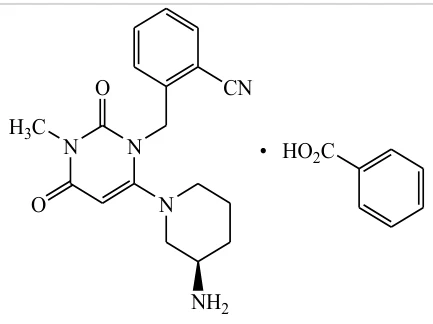 | 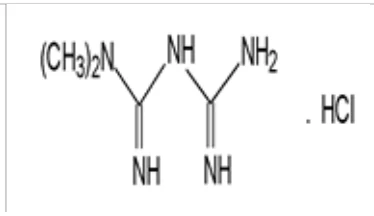 |
demonstrated that KAZANO film-coated tablets are bioequivalent to the corresponding doses of alogliptin and metformin co-administered as separate tablets.
A total of 7151 patients with type 2 diabetes mellitus, including 2414 patients treated with alogliptin 25 mg/day and metformin, participated in 7 Phase 3 double-blind, placebo- or active-controlled clinical studies conducted to evaluate the effects of co-administered alogliptin and metformin on glycemic control and their safety. In these studies, 418(17.3%) alogliptin 25mg day plus metformin-treated patients were ≥65 years old.
Overall, treatment with the recommended daily dose of 25 mg alogliptin improved glycemic control when given as add-on combination therapy to metformin. This was determined by clinically relevant and statistically significant reductions in glycosylated hemoglobin (HbA1c) compared to control from baseline to study endpoint. Reductions in HbA1c were similar across different subgroups including age, gender, race and body mass index (BMI). Clinically meaningful reductions in HbA1c compared to control were also observed with 25 mg alogliptin regardless of baseline background medication dose, for subjects with a baseline HbA1c >7.5. Higher baseline HbA1c was associated with a greater reduction in HbA1c.
Alogliptin as add-on therapy to Metformin
| Table 5 – Summary of patient demographics for clinical trials of alogliptin as an add-on combination therapy with metformin | |||||||||
| Study # | Study design | Dosage (patients enrolled/completing the trial), route of administration and duration | Study subjects (N=number) | Mean age (Range) | Sex (M- Male F- Female) | ||||
| SYR-322-MET-008 | Phase 3, randomized, double-blinded, placebo-controlled, 3-treatment arm design Efficacy (HbA1c) | MET with: ALO 12.5 mg (213/176) ALO 25 mg (207/165) PBO (104/72) Total (524/413) Oral administration Treatment duration: 26 weeks Subjects with T2DM being treated with MET alone | 527 | 54.7 (22-80) years | 265 (50.3%) Men, 262 (49.7%) Women | ||||
| Table 6 – Results of study SYR-322_008 of alogliptin as an add-on therapy to metformin: Glycemic Parameters at Week 26 | |||||||||
|---|---|---|---|---|---|---|---|---|---|
Alogliptin 25 mg | Placebo | ||||||||
| HbA1c (%) | N=207 | N=104 | |||||||
| Baseline (mean) | 7.93 | 8.01 | |||||||
| Change from Baseline at Week 26† | -0.59 ± 0.054 (n=203) | -0.10 ± 0.076 (n=103) | |||||||
| Difference vs. Placebo† | -0.48%* [-0.67, -0.30] | ||||||||
| Patients (%) achieving HbA1c ≤7% at Week 26 | 44.4% | 18.3% | |||||||
| FPG (mmol/L) | N=204 | N=104 | |||||||
| Baseline (mean) | 9.54 | 9.96 | |||||||
| Change from Baseline at Week 26† | -0.97 ± 0.14 (n=204) | 0.0 ± 0.20 (n=104) | |||||||
| Difference vs. Placebo† | -0.97 mmol/L* [-1.44, -0.49] | ||||||||
†Least squares mean ± SE
*p<0.001, [ ] shows two-sided 95% confidence interval
Figure 1 – Change from Baseline at Week 26 in HbA1c When Alogliptin 25 mg is added to Metformin
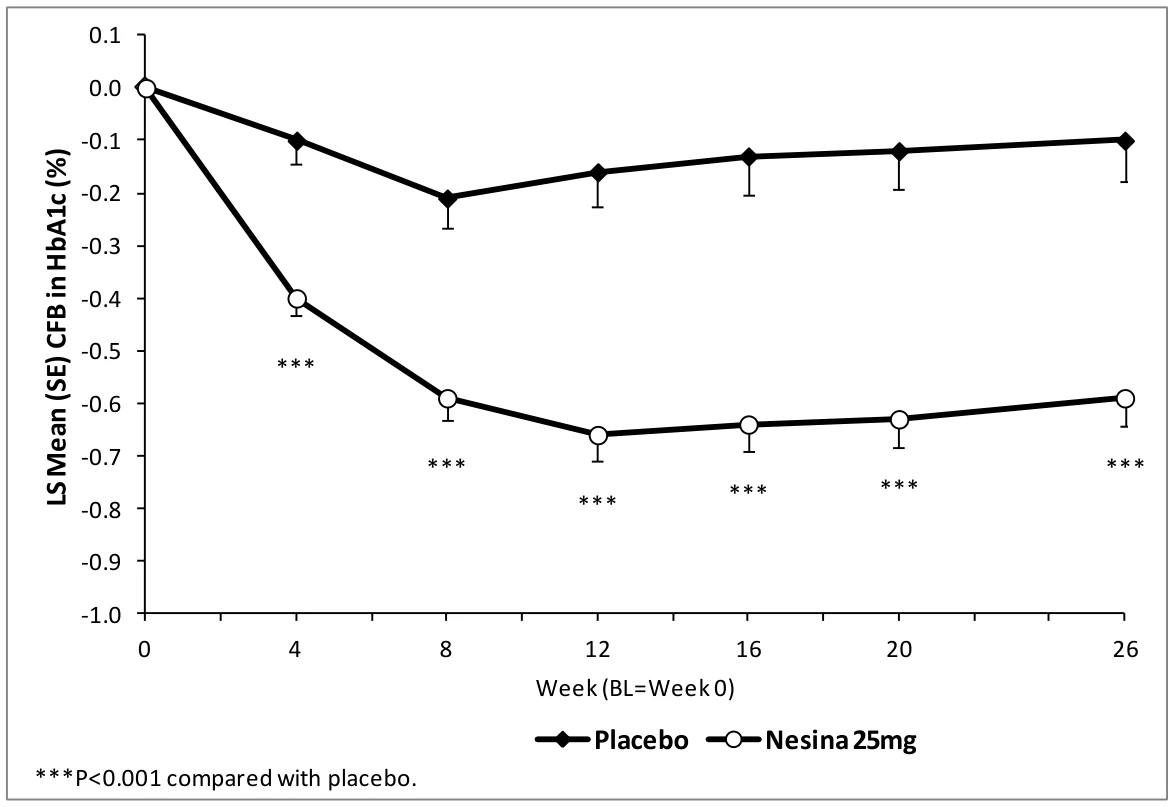
The addition of 25 mg alogliptin once daily to metformin hydrochloride therapy (mean dose = 1847 mg) resulted in statistically significant improvements from baseline in HbA1c and FPG at Week 26 when compared to the addition of placebo (Figure 1 and Table 6). Significant improvements in HbA1c vs the addition of placebo were noted as early as 4 weeks (p<0.001) after the start of alogliptin, and these remained significant at every time point until Week 26. Significant improvements in FPG vs. placebo (p<0.001) were noted as early as 1 week after the start of alogliptin, and these improvements in FPG remained significant at every time point until Week 26. Body weight did not differ significantly between the groups.
Significantly more patients receiving 25 mg alogliptin (44.4%) achieved target HbA1c levels of ≤ 7.0% compared to those receiving placebo (18.3%) at Week 26 (p<0.001). Also, significantly fewer patients receiving 25 mg alogliptin (8.2%) required hyperglycemic rescue compared to those receiving placebo (24.0%) during the study (p=0.003).
| Table 7 – Summary of patient demographics for clinical trials of alogliptin as an add-on combination therapy with metformin vs glipizide add-on to metformin | ||||||||||
| Study # | Study design | Dosage (patients enrolled/completing the trial), route of administration and duration | Study subjects (N=number) | Mean age (Range) | Sex (M- Male F- Female) | |||||
| SYR-322_305 (ENDURE) | Phase 3, randomized, double-blinded, active comparator Efficacy (HbA1c) | MET+ALO 12.5 mg (880/472) MET+ALO 25 mg (885/493) MET+Glipizide (874-/427) Total (2639/1392) Oral administration Treatment duration: 52 weeks and 104 weeks Subjects with T2DM and inadequate glycemic control on MET ≥1500 mg (or MTD) alone | 2639 | 55.4 (21-80) years | 1312 (49.7%) Men, 1327 (50.3%) Women | |||||
In a 104 week study to evaluate durability of glycemic control, patients were randomized to the addition of either alogliptin 25 mg daily (n = 885), alogliptin 12.5 mg daily (n = 880) or glipizide (n = 874) to a background of metformin. Patients receiving glipizide were given an initial dosage of 5 mg/day. After at least 2 weeks, patients receiving glipizide who demonstrated persistent hyperglycemia (FPG ≥13.9 mmol/L) could be up-titrated by the investigator in 5 mg increments in 4-week intervals, up to a maximum of 20 mg per day, over the following 18 weeks. Thereafter, the glipizide dose was to have been maintained for the remainder of the trial. The mean daily dose of glipizide following the titration period was 5.2 mg/day.
The addition of alogliptin 25 mg once daily to metformin therapy (mean dose = 1835 mg) resulted in improvements from baseline in HbA1c at Week 52 and Week 104 that were statistically non-inferior to those produced by glipizide plus metformin therapy (mean dose = 1824 mg). Based on 537 per-protocol patients in the alogliptin 25mg plus metformin group and 509 per-protocol patients in the glipizide plus metformin group at Week 52, using the last observation carried forward (LOCF), the mean decrease from baseline HbA1c was -0.61% with alogliptin 25 mg and -0.52% with glipizide. These results were maintained at Week 104.
Results of secondary endpoints, based on the Full Analysis Set assessed at Week 104 (LOCF) showed that the mean change from baseline in FPG was -0.18 mmol/L with alogliptin 25 mg and 0.30 mmol/L with glipizide. Alogliptin did not have any meaningful change on body weight up to Week 104.
Alogliptin as Add-on Therapy to Pioglitazone
| Table 8– Summary of patient demographics for clinical trials of alogliptin as an add-on combination therapy with pioglitazone | |||||||||
| Study # | Study design | Dosage (patients enrolled/completing the trial), route of administration and duration | Study subjects (N=number) | Mean age (Range) | Sex (M- Male F- Female) | ||||
| SYR-322-TZD-009 | Phase 3, randomized, double-blinded, placebo-controlled, 3-treatment arm Efficacy (HbA1c) | PIO+SU or MET with: ALO 12.5 mg (197/153) ALO 25 mg (199/160) PBO (97/71) Total (493/384) Oral administration Treatment duration: 26 weeks Subjects with T2DM being treated with a TZD (PIO) alone or in combination with MET or an SU | 493 | 55.4 (24-80) years | 287 (58.2%) Men, 206 (41.8%) Women | ||||
| Table 9 – Results of study SYR-322-009 of alogliptin as an add-on therapy to pioglitazone: Glycemic Parameters at Week 26 | ||||||||
|---|---|---|---|---|---|---|---|---|
Alogliptin 25 mg | Placebo | |||||||
| HbA1c (%) | N=199 | N=97 | ||||||
| Baseline (mean) | 8.01 | 7.97 | ||||||
| Change from Baseline at Week 26† | 0.80 ± 0.056 (n=195) | -0.19 ± 0.081 (n=95) | ||||||
| Difference vs. Placebo† | -0.61%* [-0.80, -0.41] | |||||||
| Patients (%) achieving HbA1c ≤7% at Week 26 | 49.2 | 34.0 | ||||||
| FPG (mmol/L) | N=199 | N=97 | ||||||
| Baseline (mean) | 9.41 | 9.53 | ||||||
| Change from Baseline at Week 26† | -1.10 ± 0.15 (n=197) | -0.32 ± 0.21 (n=97) | ||||||
| Difference vs Placebo† | -0.78 mmol/L* [-1.29, -0.28] | |||||||
†Least squares mean ± SE
*p<0.01, [ ] shows two-sided 95% confidence interval
The addition of 25 mg alogliptin once daily to pioglitazone therapy (mean dose = 35.0 mg, with or without metformin or a sulphonylurea) resulted in statistically significant improvements from baseline in HbA1c (see Figure 2) and FPG at Week 26 when compared to the addition of placebo (Table 9). Approximately 56% and 21% of subjects were receiving metformin or sulfonylurea at baseline. Clinically meaningful reductions in HbA1c compared to placebo were also observed with 25 mg alogliptin regardless of whether patients were receiving concomitant metformin or sulphonylurea therapy. Significantly more patients receiving 25 mg alogliptin (49.2%) achieved target HbA1c levels of ≤7.0% compared to those receiving placebo (34.0%) at Week 26 (p=0.004). Also, fewer patients receiving 25 mg alogliptin (9.0%) required hyperglycaemic rescue compared to those receiving placebo (12.4%) during the study. Body weight did not differ significantly between the groups.
Alogliptin as Add-on Therapy to Pioglitazone with Metformin
| Table 10 – Summary of patient demographics for clinical trials of alogliptin as an add-on combination therapy to pioglitazone with metformin | |||||||||
| Study # | Study design | Dosage (patients enrolled/completing the trial), route of administration and duration | Study subjects (N=number) | Mean age (Range) | Sex (M- Male F- Female) | ||||
| 01-06-TL-322OPI-004 | Phase 3, randomized, double-blinded, 2-treatment arm Efficacy (HbA1c) | MET+ALO 25+PIO 30 mg (404/283) MET+PIO 45 mg (399/243) Total (803/526) Oral administration Treatment duration: 52 weeks Subjects with T2DM and inadequate glycemic control on MET (≥1500 mg or MTD) and PIO 30 mg | 803 | 55.1 (25-80) years | 389 (48.4%) Women, 414 (51.6%) Men | ||||
| Table 11 – Results of study 322OPI-004 of alogliptin as an add-on therapy to pioglitazone and metformin: Glycemic Parameters at Week 52 | |||||||||
|---|---|---|---|---|---|---|---|---|---|
| Alogliptin 25 mg + Metformin hydrochloride (≥1500) + Pioglitazone 30 mg | Metformin hydrochloride (≥1500) + Pioglitazone 45 mg | ||||||||
| HbA1c (%) | N=404 | N=399 | |||||||
| Baseline (mean) | 8.24 | 8.14 | |||||||
| Change from Baseline at Week 52 (Per protocol set)† | -0.70 ± 0.048 (n=303) | -0.29 + 0.048 (n =306) | |||||||
| Difference vs Metformin + Pioglitazone† | -0.42% [-infinity, -0.28] | ||||||||
| Patients (%) achieving HbA1c ≤7% at Week 52 | 33.2 | 21.3 | |||||||
| FPG (mmol/L) | N=404 | N=399 | |||||||
| Baseline (mean) | 8.98 | 9.00 | |||||||
| Change from Baseline at Week 52 (Full Analysis Set)† | -0.81 ± 0.10 (n=399) | -0.21 + 0.10 (n=396) | |||||||
| Difference vs. Metformin + Pioglitazone† | -0.60 mmol/L* <-0.90, -0.32> | ||||||||
†Least squares mean ± SE
*p<0.001, [ ] shows one-sided 97.5% confidence interval, < > shows two-sided 95% confidence interval
Figure 2 – Change from Baseline at Week 26 in HbA1c When Alogliptin 25 mg is Added on to Pioglitazone with Metformin
The addition of 25 mg alogliptin once daily to 30 mg pioglitazone in combination with metformin hydrochloride therapy (mean dose = 1867.9 mg) resulted in clinically meaningful improvements from baseline in HbA1c at Week 52 that were statistically superior to those produced by 45 mg pioglitazone in combination with metformin hydrochloride therapy (mean dose = 1847.6 mg, Table 11 and Figure 2). The significant reductions in HbA1c observed with 25 mg alogliptin plus 30 mg pioglitazone and metformin were consistent over the entire 52-week treatment period compared to 45 mg pioglitazone and metformin (p<0.001 at all time points). In addition, mean change from baseline in FPG at Week 52 for 25 mg alogliptin plus 30 mg pioglitazone and metformin was significantly greater than that for 45 mg pioglitazone and metformin (p<0.001). Significantly more patients receiving 25 mg alogliptin plus 30 mg pioglitazone and metformin (33.2%) achieved target HbA1c levels of ≤7.0% compared to those receiving 45 mg pioglitazone and metformin (21.3%) at Week 52 (p<0.001). Also, fewer patients receiving 25 mg alogliptin plus 30 mg pioglitazone and metformin (10.9%) required hyperglycemic rescue compared to those receiving 45 mg pioglitazone and metformin (21.7%) during the study (p<0.001). Body weight did not differ significantly between the groups.
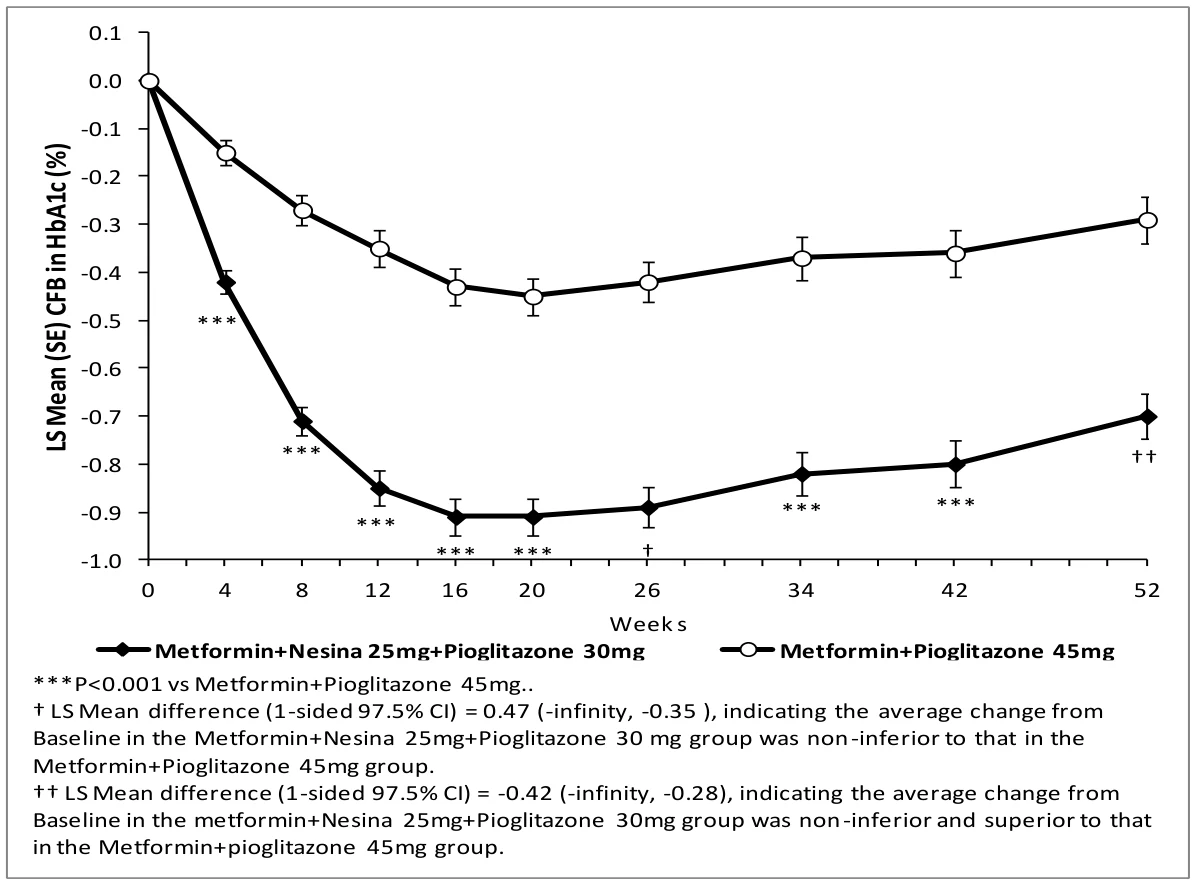
Alogliptin as Add-on Therapy to Insulin (with or without Metformin)
| Table 12 – Summary of patient demographics for clinical trials of alogliptin as an add-on combination therapy to insulin (with or without metformin) | |||||||||
| Study # | Study design | Dosage (patients enrolled/completing the trial), route of administration and duration | Study subjects (N=number) | Mean age (Range) | Sex (M- Male F- Female) | ||||
| SYR-322-INS-011 | Phase 3, randomized, double-blinded, placebo-controlled, 3-treatment arm Efficacy (HbA1c) | Insulin with/without MET with: ALO 12.5 mg (131/83) ALO 25 mg (129/77) PBO (129/55) Total (389/215) Oral administration Treatment duration: 26 weeks Subjects with T2DM being treated with insulin alone or in combination with MET | 390 | 55.4 (23-80) years | 229 (58.7%) Women, 161 (41.3%) Men | ||||
| Table 13 – Results of study 322-INS-011 of alogliptin as an add-on therapy to insulin (with or without metformin): Glycemic Parameters at Week 26 | ||||||||||
|---|---|---|---|---|---|---|---|---|---|---|
Alogliptin 25 mg | Placebo | |||||||||
| HbA1c (%) | N=129 | N=129 | ||||||||
| Baseline (mean) | 9.27 | 9.28 | ||||||||
| Change from Baseline at Week 26† | -0.71 ± 0.078 (n=126) | -0.13 ± 0.077 (n=126) | ||||||||
| Difference vs Placebo† | -0.59% * [-0.80, -0.37] | |||||||||
| Patients (%) achieving HbA1c ≤7% at Week 26 | 7.8 | 0.8 | ||||||||
| FPG (mmol/L) | N=129 | N=129 | ||||||||
| Baseline (mean) | 10.34 | 10.88 | ||||||||
| Change from Baseline at Week 26† | -0.65 ± 0.32 (n=128) | 0.32± 0.32 (n=127) | ||||||||
| Difference vs. Placebo † | -0.98 mmol/L * [-1.85, -0.09] | |||||||||
†Least squares mean ± SE.
*p<0.05, [ ] shows two-sided 95% confidence interval
Figure 3 – Change from Baseline at Week 26 in HbA1c When Alogliptin 25 mg is Added to Insulin
Alogliptin was investigated in patients with a baseline HbA1c ≥8.0 and taking insulin at doses ranging from 15 to 100 IU/day either as monotherapy (42% of the total sample) or in combination with insulin (58% of the total sample). The majority of insulins used in this study were mixed and basal classes. The addition of 25 mg alogliptin once daily to insulin therapy (mean dose = 56.5 IU, with or without metformin) resulted in statistically significant improvements from baseline in HbA1c (see Figure 3) and FPG at Week 26 when compared to the addition of placebo (Table 13). The completion rates in the study were low (42% completed in the placebo group and 60% completed in the alogliptin 25 mg group). Fewer patients receiving 25 mg alogliptin (19.4%) required hyperglycemic rescue compared to those receiving placebo (40%) during the study. Clinically meaningful reductions in HbA1c compared to placebo were also observed with 25 mg alogliptin regardless of whether patients were receiving concomitant metformin therapy. Significant improvements in HbA1c vs. placebo were noted as early as 4 weeks after the start of alogliptin, which remained significant at every time point until study end. More patients receiving 25 mg alogliptin (7.8%) achieved target HbA1c levels of ≤7.0% compared to those receiving placebo (0.8%) at Week 26. Also, significantly fewer patients receiving 25 mg alogliptin (19.4%) required hyperglycemic rescue compared to those receiving placebo (40.0%) during the study (p<0.001). Body weight did not differ significantly between the groups.
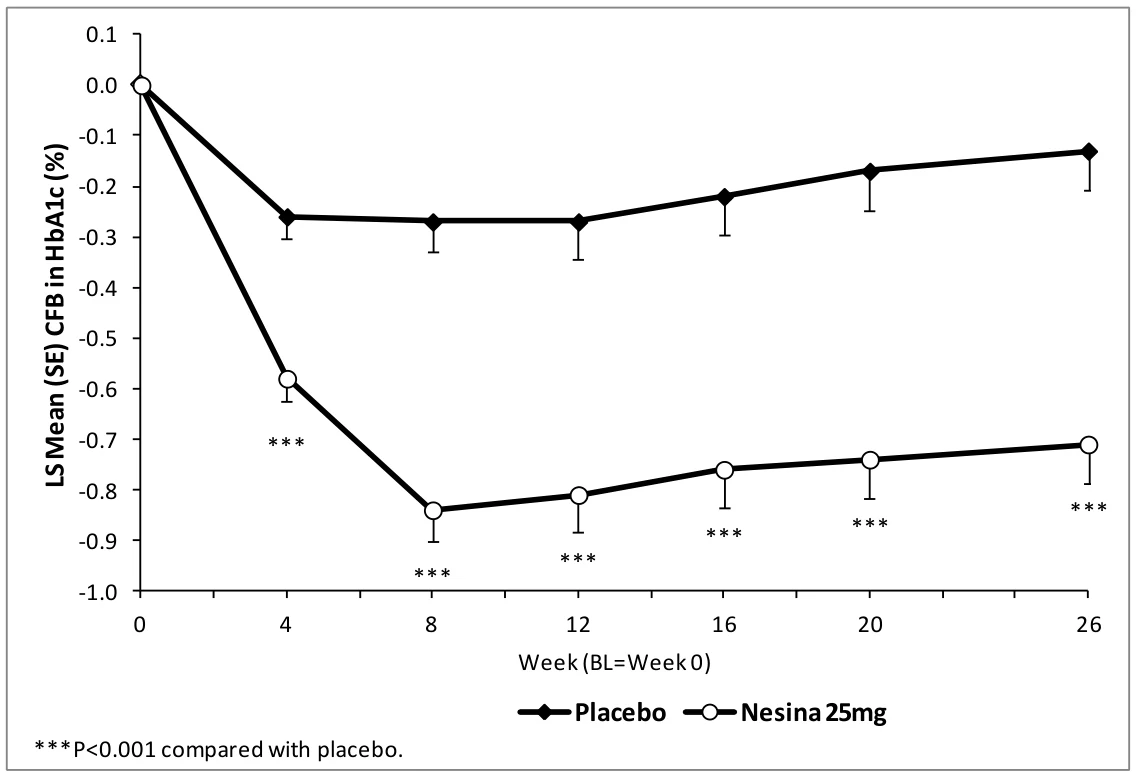
Patients with Renal Impairment
Alogliptin
The efficacy and safety of the recommended doses of alogliptin in a subgroup of patients with type 2 diabetes mellitus and mild and moderate renal impairment were reviewed and found to be consistent with the profile obtained in patients with normal renal function.
Geriatrics (≥ 65 years old)
Alogliptin
Treatment with 25 mg alogliptin once daily resulted in improvements from baseline in HbA1c at Week 52 that were non-inferior (HbA1c change from baseline to Week 52 = -0.14%) to those produced by glipizide (HbA1c change from baseline to Week 52 = -0.09%; mean dose of glipizide = 5.4 mg).
Other Studies
Cardiovascular Safety (SYR-322_402) EXAMINE
| Table 14 – Summary of patient demographics for clinical trials evaluating cardiovascular outcomes with alogliptin vs placebo and standard of care in subjects with type 2 diabetes mellitus and acute coronary syndrome | ||||||||||
| Study # | Study design | Dosage (patients enrolled/completing the trial), route of administration and duration | Study subjects (N=number) | Mean age (Range) | Sex (M- Male F- Female) | |||||
| SYR-322_402 (EXAMINE) | Phase 3b, randomized, double-blinded, placebo-controlled, 2-treatment arm Safety (time from randomization to the first occurrence of any event in the primary MACE composite [CV death, nonfatal MI, and nonfatal stroke]) | ALO (25 mg, 12.5 mg, and 6.25 mg QD based on renal function) versus matching placebo Oral administration Treatment duration: mean 17 months; Study participation: mean 19 months Subjects with T2DM and recent ACS | 5380 | 60.9 (26-91) years | 3651 (67.9%) Men, 1729 (32.1%) Women | |||||
In a prospective, multicenter, randomized, double-blind, placebo-controlled cardiovascular outcomes safety study, treatment with alogliptin resulted in rates of major adverse cardiovascular events (MACE) that were comparable to those observed with placebo in addition to standard of care among patients with type 2 diabetes and a history of acute coronary syndrome within 15 to 90 days prior to randomization. Subjects were randomized in a 1:1 ratio to alogliptin or placebo. Randomization was stratified based on country and screening renal function (normal renal function/mild renal impairment vs moderate/severe renal impairment including ESRD). The assigned dose of alogliptin was based on renal function at screening:
- Subjects with normal renal function or mild renal impairment (eGFR ≥60 mL/min using the MDRD formula at Screening) received alogliptin 25 mg QD or matching placebo.
- Subjects with moderate renal impairment (eGFR ≥30 and <60 mL/min using the MDRD formula at Screening) received alogliptin 12.5 mg QD or matching placebo.
- Subjects with severe renal impairment/ESRD (eGFR <30 mL/min using the MDRD formula at Screening) received alogliptin 6.25 mg QD or matching placebo.
The cardiovascular outcomes safety study was conducted with 5,380 patients (67.9% male, 32.1% female) to examine the effect of alogliptin compared with placebo (when added to standard of care) on major adverse cardiovascular events (MACE) including time to the first occurrence of any event in the composite of cardiovascular death, nonfatal myocardial infarction and nonfatal stroke. At baseline, patients had a mean age of 61 years, mean duration of diabetes of 9.2 years, and mean HbA1c of 8.0%. Cardiovascular history reported for patients in this study included: MI (88%), congestive heart failure (27.9%), unstable angina (31.1%), cerebrovascular accident (CVA) (7.2%), hypertension (83.1%), dyslipidemias (27.0%). Renal function category at baseline was categorized as normal in 15.6% of subjects, mild impairment in 55.3% of subjects, moderate impairment in 26.2% of subjects, and severe impairment/ESRD in 2.9% of subjects. Geographical distribution was 28.0% from Eastern Europe and Africa, 25.9% from Mexico and Central/South America, 18.8% from Asia/Pacific, 15.9% from United States and Canada, and 11.4% from Western Europe, Australia, New Zealand, and the Middle East.
The study demonstrated that alogliptin did not increase the risk of having a MACE compared to placebo [Hazard Ratio: 0.96; 1-sided 99% Confidence Interval: 0-1.16]. In the alogliptin group, 11.3% of patients experienced a MACE compared to 11.8% of patients in the placebo group (Table 15). For the analysis of each component of the primary MACE composite endpoint, time to first event was defined as the time from the date of randomization to the date of first occurrence of the component, only if it was counted in the primary MACE composite endpoint; otherwise, the subject was censored at the day of last contact.
| Table 15 – MACE Reported in Cardiovascular Outcomes Study | |||||||
|---|---|---|---|---|---|---|---|
| Number of Patients (%) | |||||||
| Alogliptin | Placebo | Hazard Ratio (1-sided 99% CI) | |||||
| N=2,701 | N=2,679 | ||||||
| Primary Composite Endpoint [First Event of CV Death, Nonfatal MI or Nonfatal Stroke] | 305 (11.3) | 316 (11.8) | 0.96 (0 - 1.16) | ||||
| Cardiovascular Death | 89 (3.3) | 111 (4.1) | |||||
| Nonfatal Myocardial Infarction | 187 (6.9) | 173 (6.5) | |||||
| Nonfatal Stroke | 29 (1.1) | 32 (1.2) | |||||
There were 703 patients who experienced an event within the secondary MACE composite endpoint (first event of cardiovascular death, nonfatal myocardial infarction, nonfatal stroke and urgent revascularization due to unstable angina). In the alogliptin group, 12.7% (344 subjects) experienced an event within the secondary MACE composite endpoint, compared with 13.4% (359 subjects) in the placebo group [Hazard Ratio = 0.95; 1-sided 99% Confidence Interval: 0-1.14].
Adjudicated events of total mortality, cardiovascular death, fatal/nonfatal myocardial infarction, fatal/nonfatal stroke, and heart failure resulting in death or hospitalization in all subjects (i.e., not excluding those events occurring after a non-fatal event included in a composite endpoint) had hazard ratios with 2-sided 95% confidence intervals including unity.
| Table 16 – Other Adjudicated Events Reported in All Subjects in Cardiovascular Outcomes Study | ||||||
|---|---|---|---|---|---|---|
| Number of Patients (%) | Hazard Ratio (2-sided 95% CI) | |||||
| Alogliptin | Placebo | |||||
| N=2701 | N=2679 | |||||
| All Cause Mortality | 153 (5.7%) | 173 (6.5%) | 0.875 (0.705, 1.088) | |||
| Cardiovascular Death | 112 (4.1%) | 130 (4.9%) | 0.851 (0.662, 1.096) | |||
| Myocardial Infarction: Fatal and Nonfatal | 204 (7.6%) | 190 (7.1%) | 1.071 (0.878, 1.305) | |||
| Stroke: Fatal and Nonfatal | 36 (1.3%) | 44 (1.6%) | 0.814 (0.524, 1.264) | |||
| Heart Failure: Hospitalization for Heart Failure and Death due to Heart Failure or Cardiogenic Shock | 121 (4.5%) | 99 (3.7%) | 1.226 (0.940, 1.599) | |||
15. Microbiology
No microbiological information is required for this drug product.
16. Non-Clinical Toxicology
Alogliptin and Metformin in Combination:
Repeat-dose toxicity studies of up to 13 weeks duration and an embryo-fetal developmental toxicity study have been conducted in rats with the combined substances in alogliptin and metformin.
General Toxicology
Concomitant treatment with alogliptin and metformin did not produce new toxicities and no effects on the toxicokinetics of either compound were observed.
Reproductive Toxicology
No treatment-related fetal abnormalities occurred following concomitant administration of 100 mg/kg/day alogliptin with 150 mg/kg/day metformin to pregnant rats. These doses produced estimated exposure margins of 28- to 29-fold for alogliptin and 2- to 2.5-fold for metformin at the maximum recommended human dose (MRHD) of 25 mg/day and 2000 mg/day, respectively. At notably higher doses of metformin (500 mg/kg/day) administered concomitantly with the same 100 mg/kg/day alogliptin dose, 5 abnormal fetuses were noted in 2 litters (4 fetuses from the same litter). This dose combination produced estimated exposure margins of 20-fold and 5- to 6-fold the MRHD for alogliptin and metformin, respectively.
Alogliptin and Metformin Tested Individually:
General Toxicity
Alogliptin
Nonclinical data reveal no special hazard for humans based on conventional studies of safety pharmacology, repeated dose toxicity, genotoxicity, carcinogenic potential, and reproduction and development toxicity.
The no-observed-adverse-effect level (NOAEL) in the repeated dose toxicity studies in rats and dogs up to 26- and 39-weeks in duration, respectively, produced exposure margins that were approximately 147- and 227-fold, respectively, the exposure in humans at the recommended total daily dose of 25 mg alogliptin.
Acute Toxicity
Alogliptin
Alogliptin was well tolerated by study animals. The single lethal oral dose of alogliptin in rats and dogs exceeded 1471 mg/kg and 368 mg/kg, respectively.
Chronic Toxicity
Alogliptin
The toxicity potential of alogliptin was evaluated in a series of repeated dose toxicity studies in rats and dogs of up to 26 and 39 weeks in duration, respectively. In rats, the main target organs of toxicity of alogliptin were the liver, kidney and urinary bladder. Moderate liver toxicity was noted at doses of ≥900 mg/kg/day as reflected by elevated serum AST, ALT and/or ALP activities, increased liver weights, as well as minimal to mild centrilobular hepatocellular hypertrophy. At doses of ≥1333 mg/kg/day, in addition to the liver, toxicities on kidney and urinary bladder were evident. In the kidneys, renal tubular degeneration and/or regeneration and renal tubular dilatation and/or necrosis were observed. In the urinary bladder, transitional cell hyperplasia (simple or papillary/nodular), hemorrhage, and inflammation, erosion/ulceration, and dilatation were noted. The urinary bladder and/or kidney complications contributed in part to an increase in mortality in rats from 1333 to 2000 mg/kg/day. The no-observed-adverse-effect-level in rats was 400 mg/kg, approximately 147 times the exposure in humans at the maximum recommended human adult dose (MRHD) of 25 mg alogliptin. In dogs, reddened ears and facial swelling, without associated histopathological changes, were noted at doses of ≥30 mg/kg/day. The no-observed-adverse-effect-level in dogs derived from the 39week study was 100 mg/kg/day, approximately 112 times the exposure in humans at the MRHD.
Carcinogenicity:
Alogliptin
A two-year carcinogenicity study was conducted in rats at oral doses of 75, 400 and 800 mg/kg/day alogliptin. No treatment-related tumors were observed in either male or female rats given 75 mg/kg/day alogliptin (approximately 27 times human exposure at the MRHD). Increases in the combined incidence of C-cell adenoma and/or carcinoma were only observed in male rats at doses of ≥400 mg/kg/day (≥245 times human exposure at the MRHD). Increases in non-neoplastic histopathological changes in the liver, lung, urinary bladder, testes, epididymis, and prostate were noted in rats at doses that were at least 240 times the exposure in humans at the MRHD.
A two-year carcinogenicity study was conducted in mice at oral doses of 50, 150 and 300 mg/kg/day alogliptin. No treatment-related tumors were observed in either male or female mice at doses up to 300 mg/kg/day, approximately 51 times the exposure in humans at the MRHD.
Metformin hydrochloride
Long-term carcinogenicity studies have been performed in rats (dosing duration of 104 weeks) and mice (dosing duration of 91 weeks) at doses up to and including 900 mg/kg/day and 1500 mg/kg/day, respectively. These doses are both approximately 4 times the maximum recommended human daily dose of 2000 mg based on body surface area comparisons. No evidence of carcinogenicity with metformin was found in either male or female mice.
Similarly, there was no tumorigenic potential observed with metformin in male rats. There was, however, an increased incidence of benign stromal uterine polyps in female rats treated with 900 mg/kg/day.
Genotoxicity:
Alogliptin
Alogliptin was negative in a battery of genetic toxicology studies, including the Ames bacterial assay (microbial mutagenesis test), an in vitro cytogenetic assay in mouse lymphoma cells, and an in vivo mouse micronucleus study.
Reproductive and Developmental Toxicology:
Reproduction
Alogliptin
No adverse effects of alogliptin were observed upon fertility, reproductive performance, or early embryonic development in rats given alogliptin orally at doses up to 500 mg/kg/day (up to approximately 191 times human exposure at the MRHD) prior to and throughout mating. Although fertility was not affected, a slight increase in the percent of abnormal sperm was noted at 1000 mg/kg/day (approximately 392 times human exposure at the MRHD).
Metformin hydrochloride
Fertility of male or female rats was unaffected by metformin when administered at doses as high as 600 mg/kg/day, which is approximately three times the maximum recommended human daily dose based on body surface area comparisons.
Development
Alogliptin
Placental transfer of alogliptin occurs in rats following oral dosing. Alogliptin was not teratogenic in rabbits and rats at oral doses up to 200 and 500 mg/kg/day (up to approximately 149 and 180 times human exposure at the MRHD) given during organogenesis, respectively. Higher doses of alogliptin resulted in maternal toxicity, and were associated with delayed and/or lack of ossification of bones and decreased fetal body weights. The non-observed-adverse-effect-level for embryo-fetal development in rabbits and rats was 200 mg/kg/day and 500 mg/kg/day (approximately 149 and 180 times human exposure at the MRHD), respectively.
Alogliptin at oral doses up to 250 mg/kg/day (up to approximately 95 times human exposure at the MRHD) given to pregnant rats from gestation Day 6 to lactation Day 20 did not harm the developing embryo or affect offspring growth and development. Higher doses of alogliptin, providing exposures exceeding 200 times the exposure in humans at the MRHD, decreased F1 offspring body weights and induced some developmental effects.
No alogliptin-related effects were observed in juvenile rats following repeated oral dosing for 4 and 8 weeks at doses up to 300 mg/kg/day (up to approximately 63 and 75 times human exposure at the MRHD, respectively).
Metformin hydrochloride
Metformin was not teratogenic in rats and rabbits at doses up to 600 mg/kg/day. This represents an exposure of about 2 and 6 times the maximum recommended human daily dose of 2000 mg based on body surface area comparisons for rats and rabbits, respectively.
Determination of fetal concentrations demonstrated a partial placental barrier to metformin.