


Product Monograph - Synjardy
Recent Major Label Changes
| 7 Warnings and Precautions, Genitourinary, Necrotizing fasciitis of the perineum (Fournier’s gangrene) | 2025-07 |
|---|---|
| 7 Warnings and Precautions, Endocrine and Metabolism, Patients with known or suspected mitochondrial diseases | 2026-05 |
Table of Contents
Certain sections or subsections that are not applicable at the time of the preparation of the most recent authorized product monograph are not listed.
Recent Major Label Changes ................................................................................................... 2
Table of Contents .................................................................................................................... 2
Part 1: Healthcare Professional Information ............................................................................ 5
- 1.
Indications ........................................................................................................................ 5
1.1. Pediatrics ........................................................................................................................ 5
1.2. Geriatrics ........................................................................................................................ 5
- 2. Contraindications ............................................................................................................. 6
- 3. Serious Warnings and Precautions Box ............................................................................. 7
- 4.
Dosage and Administration .............................................................................................. 7
4.1. Dosing Considerations .................................................................................................... 7
4.2. Recommended Dose and Dosage Adjustment ................................................................ 8
4.4. Administration ................................................................................................................ 9
4.5. Missed Dose .................................................................................................................... 9
- 5. Overdose ........................................................................................................................ 10
- 6.
Dosage Forms, Strengths, Composition, and Packaging .................................................. 10
6.1. Physical Characteristics ........................................................................................... 11
- 7.
Warnings and Precautions .............................................................................................. 11
General ................................................................................................................................ 11
Cardiovascular ..................................................................................................................... 11
Cerebrovascular Accidents ...................................................... Error! Bookmark not defined.
Driving and Operating Machinery ............................................ Error! Bookmark not defined.
Endocrine and Metabolism ...................................................... Error! Bookmark not defined.
Genitourinary .......................................................................... Error! Bookmark not defined.
Hematologic ............................................................................ Error! Bookmark not defined.
Hepatic/Biliary/Pancreatic ....................................................... Error! Bookmark not defined.
Immune ................................................................................... Error! Bookmark not defined.
Monitoring and Laboratory Tests ............................................ Error! Bookmark not defined.
Neurologic ............................................................................... Error! Bookmark not defined.
Perioperative Considerations .................................................. Error! Bookmark not defined.
Renal .................................................................................................................................... 20
7.1. Special Populations ................................................................................................. 21
7.1.1. Pregnancy ...................................................................................................... 21
7.1.2. Breast-feeding ............................................................................................... 21
7.1.3. Pediatrics ....................................................................................................... 21
7.1.4. Geriatrics ....................................................................................................... 22
- 8.
Adverse Reactions .......................................................................................................... 22
8.1. Adverse Reaction Overview ..................................................................................... 22
8.2. Clinical Trial Adverse Reactions ............................................................................... 24
8.3. Less Common Clinical Trial Adverse Reactions ........................................................ 25
8.4. Abnormal Laboratory Findings: Hematologic, Clinical Chemistry and Other Quantitative Data ................................................................................................................ 26
8.5. Post-Market Adverse Reactions .............................................................................. 29
- 9.
Drug Interactions ............................................................................................................ 30
9.2. Drug Interactions Overview ..................................................................................... 30
9.3. Drug-Behaviour Interactions ................................................................................... 30
9.4. Drug-Drug Interactions ............................................................................................ 31
9.5. Drug-Food Interactions............................................................................................ 37
9.6. Drug-Herb Interactions ............................................................................................ 37
9.7. Drug-Laboratory Test Interactions .......................................................................... 37
- 10.
Clinical Pharmacology .................................................................................................... 38
10.1. Mechanism of Action ............................................................................................... 38
10.2. Pharmacodynamics ................................................................................................. 38
10.3. Pharmacokinetics .................................................................................................... 39
- 11. Storage, Stability, and Disposal ....................................................................................... 42
- 12. Special Handling Instructions .......................................................................................... 42
Part 2: Scientific Information ................................................................................................. 43
- 13. Pharmaceutical Information ........................................................................................... 43
- 14.
Clinical Trials ................................................................................................................... 44
14.1. Clinical Trials by Indication ...................................................................................... 44
14.2. Comparative Bioavailability Studies ........................................................................ 51
- 15. Microbiology .................................................................................................................. 61
- 16. Non-Clinical Toxicology ................................................................................................... 61
- 17. Supporting Product Monographs .................................................................................... 64
Patient Medication Information ............................................................................................ 65
Part 1: Healthcare Professional Information
1. Indications
SYNJARDY (empagliflozin and metformin hydrochloride tablets) is indicated as an adjunct to diet and exercise to improve glycemic control in adult patients with type 2 diabetes mellitus inadequately controlled on:
- metformin;
- sulfonylurea in combination with metformin;
- pioglitazone in combination with metformin;
- insulin in combination with metformin;
- In patients already being treated and achieving glycemic control with:
- metformin and empagliflozin as separate tablets;
- sulfonylurea in combination with metformin and empagliflozin as separate tablets;
- pioglitazone in combination with metformin and empagliflozin as separate tablets;
- insulin in combination with metformin and empagliflozin as separate tablets.
Important Limitations of Use: In combination therapy, use of empagliflozin with insulin mix (regular or analogue mix) has not been studied. Therefore, SYNJARDY should not be used with insulin mix (see 14 Clinical Trials.
1.1. Pediatrics
Pediatrics (<18 years of age): SYNJARDY should not be used in pediatric patients. Safety and efficacy of SYNJARDY have not been established in patients under 18 years of age; therefore, Health Canada has not authorized an indication for pediatric use (see 7.1.3 Pediatrics).
1.2. Geriatrics
Geriatrics (≥65 years of age): A greater increase in risk of adverse reactions was seen with empagliflozin in the elderly, compared to younger patients, therefore, SYNJARDY should be used with caution in this population (see 7.1.4 Geriatrics, 4.1 Dosing Considerations). Empagliflozin is expected to have diminished glucose lowering efficacy in elderly patients as older patients are more likely to have impaired renal function.
Metformin is eliminated by the kidney and the risk of serious adverse reactions to the drug is greater in patients with impaired renal function. SYNJARDY is contraindicated in patients with severe renal impairment (estimated glomerular filtration rate (eGFR) <30 mL/min/1.73 m2) (see 2 Contraindications,7 Warnings and Precautions, Renal). Because aging is associated with reduced renal function, SYNJARDY treatment should not be initiated in patients older than 80 years of age, unless their renal function is not significantly reduced. In patients with advanced age, SYNJARDY should be carefully titrated to establish the minimum dose for adequate glycemic effect. More careful and frequent monitoring of renal function is necessary to aid in prevention of metformin-associated lactic acidosis (see 7 Warnings and Precautions, Endocrine and Metabolism, Lactic Acidosis, 7.1.4 Geriatrics , 4.1 Dosing consideration , 4.2 Recommended Dose and Dosage Adjustment, Geriatrics).
2. Contraindications
SYNJARDY is contraindicated in patients:
- With unstable and/or insulin-dependent (Type I) diabetes mellitus.
- With acute or chronic metabolic acidosis, diabetic ketoacidosis, with or without coma, history of ketoacidosis with or without coma.
- With a history of lactic acidosis, irrespective of precipitating factors.
- With severe renal impairment [estimated glomerular filtration rate (eGFR) <30 mL/min/1.73 m2)], end-stage renal disease, in patients on dialysis or when renal function is not known (see 7 Warnings and Precautions, Renal).
- With excessive alcohol intake, acute or chronic.
- Suffering from severe hepatic dysfunction, since severe hepatic dysfunction has been associated with some cases of lactic acidosis. SYNJARDY should generally be avoided in patients with clinical or laboratory evidence of hepatic disease.
- In cases of cardiovascular collapse and in disease states associated with hypoxemia such as cardiorespiratory insufficiency, which are often associated with hyperlactacidemia.
- During stress conditions, such as severe infections, trauma or surgery and the recovery phase thereafter.
- Suffering from dehydration or shock.
- With a known hypersensitivity or allergy to empagliflozin, metformin hydrochloride or any ingredient in the formulation, including any non-medical ingredient or component of the container. For a complete listing (see 6 Dosage Forms, Strengths, Composition and Packaging).
- During pregnancy and breastfeeding.
- Undergoing radiological studies involving intravascular administration of iodinated contrast materials, because the use of such products may result in acute alteration of renal function. SYNJARDY should be temporarily discontinued during period around administration of iodinated contrast materials (see 7 Warnings and Precautions, Renal).
3. Serious Warnings and Precautions Box
Lactic Acidosis
Diabetic Ketoacidosis
|
|---|
4. Dosage and Administration
4.1. Dosing Considerations
Lactic Acidosis: The metformin component in SYNJARDY is substantially excreted by the kidney, and the risk of metformin accumulation and lactic acidosis increases with the degree of impairment of renal function. SYNJARDY is contraindicated in patients with severe renal impairment [estimated glomerular filtration rate (eGFR) <30 mL/min/1.73 m2)], end-stage renal disease, in patients on dialysis or when renal function is not known (see 2 Contraindications). Factors that may increase the risk of lactic acidosis should be reviewed before considering initiation of SYNJARDY in patients with renal impairment.
Care should be taken in dose selection for the elderly and should be based on careful and regular monitoring of renal function. Generally, elderly patients should not be titrated to the maximum dose of metformin. Renal function must be assessed prior to initiation of SYNJARDY and periodically thereafter in patients with normal renal function, and more frequent monitoring in patients with renal impairment (eGFR<60 mL/min/1.73 m2) and in elderly patients (see 7 Warnings and Precautions, Renal).
- Volume status should be assessed and, if necessary be corrected, prior to initiation of SYNJARDY therapy (see 7 Warnings and Precautions, Cardiovascular).
- Concomitant Use with Insulin or an Insulin Secretagogue (e.g., sulfonylurea): When SYNJARDY is used as add-on therapy with insulin or an insulin secretagogue, a lower dose of insulin or the insulin secretagogue may be considered to reduce the risk of hypoglycemia (see 7 Warnings and Precautions, Endocrine and Metabolism, Use with medication known to cause hypoglycemia, Empagliflozin).
- Temporary interruption for surgery: SYNJARDY treatment should be interrupted for a minimum of 3 days, when possible, prior to major surgical procedures or procedures associated with prolonged fasting. Monitor for DKA in the post-procedural period. Ensure risk factors for ketoacidosis are resolved and that the patient is clinically stable and has resumed oral intake before considering SYNJARDY treatment re-initiation (see 7 Warnings and Precautions, Endocrine and Metabolism, Treatment Interruption considerations).
- Diuretics: SYNJARDY should be used with caution in patients taking diuretics, particularly loop diuretics, due to the increased risk of adverse events due to volume depletion during co-administration (see 7 Warnings and Precautions, Renal). Diuretics, especially loop diuretics, may also increase the risk of lactic acidosis due to their potential of decreasing renal function (see 9 Drug Interactions, Other). SYNJARDY dosage should be adjusted as necessary.
- Cationic Drugs: SYNJARDY should be used with caution in patients taking cationic drugs that are eliminated by renal tubular secretion, due to the increased risk of developing lactic acidosis during co-administration (see 7 Warnings and Precautions, Renal, Monitoring and Laboratory Tests, 9 Drug Interactions, Cationic Drugs). Dose adjustment of SYNJARDY or the interfering drug is recommended.
- Concomitant Use with Drugs affecting glycemic status: Consideration for SYNJARDY dosage adjustment should be made, as necessary, when SYNJARDY is simultaneously administered with drugs that produce hyperglycemia or hypoglycemia, especially at the initiation of treatment with the interfering drug and upon its discontinuation (see 7 Warnings and Precautions, Monitoring and Laboratory Tests, 9 Drug Interactions, Other).
- Levothyroxine: Levothyroxine can reduce the hypoglycemic effect of metformin. Monitoring of blood glucose levels is recommended, especially when thyroid hormone therapy is initiated, changed, or stopped (see 7 Warnings and Precautions, Endocrine and Metabolism, Hypothyroidism, 7 Warnings and Precations, Monitoring and Laboratory Tests). SYNJARDY dosage should be adjusted as necessary (see 9 Drug Interactions, Levothyroxine).
4.2. Recommended Dose and Dosage Adjustment
The recommended dose of SYNJARDY is one tablet twice daily with meals.
The dosage should be individualized on the basis of the patient’s current regimen, effectiveness, and tolerability while not exceeding the maximum recommended daily dose of 25 mg of empagliflozin and 2000 mg of metformin. The maximum daily dose of metformin in patients with an eGFR ≥30 mL/min/1.73 m2 to <45 mL/min/1.73 m2 is 1000 mg.
SYNJARDY is available in the following dosage strengths:
- 5 mg empagliflozin/500 mg metformin hydrochloride
- 5 mg empagliflozin/850 mg metformin hydrochloride
- 5 mg empagliflozin/1000 mg metformin hydrochloride
- 12.5 mg empagliflozin/500 mg metformin hydrochloride
- 12.5 mg empagliflozin/850 mg metformin hydrochloride
- 12.5 mg empagliflozin/1000 mg metformin hydrochloride
- In patients on metformin (alone or in combination with a sulfonylurea, pioglitazone, or insulin), switch to SYNJARDY containing empagliflozin 5 mg (10 mg total daily dose) with a similar total daily dose of metformin.
- Patients switching from separate tablets of empagliflozin (10 mg or 25 mg total daily dose) and metformin to SYNJARDY should receive the same daily dose of empagliflozin and metformin already being taken or the nearest therapeutically appropriate dose of metformin.
Pediatrics (<18 years of age): The safety and efficacy of SYNJARDY in pediatric and adolescent patients have not been established. Therefore, Health Canada has not authorized an indication for pediatric use (see 1.1 Pediatrics, 7.1.3 Pediatrics).
Geriatrics (≥65 years of age): Due to the potential for decreased renal function in elderly patients, the dosage of SYNJARDY should be adjusted based on renal function. More frequent monitoring of renal function is necessary. SYNJARDY treatment should not be initiated in patients older than 80 years of age, unless their renal function is not significantly reduced, as elderly patients are more susceptible to developing lactic acidosis (see 1.2 Geriatrics and see 7 Warnings and Precautions, Endocrine and Metabolism, Lactic Acidosis). In elderly patients, the initial and maintenance dose should be conservative, and any dose adjustment should be based on careful assessment of renal function. Renal function should be monitored more frequently and generally, SYNJARDY should not be titrated to the maximum dose (see 4.1 Dosing Considerations, 7.1.4 Geriatrics).
Renal Impairment
SYNJARDY is contraindicated in patients with severe renal impairment [estimated glomerular filtration rate (eGFR) <30 mL/min/1.73 m2)], end-stage renal disease, in patients on dialysis or when renal function is not known due to the metformin component and the risk of lactic acidosis. (see 2 Contraindications).
Hepatic Impairment
SYNJARDY is contraindicated in patients with severe hepatic dysfunction and should not be used in patients with clinical or laboratory evidence of hepatic disease (see 2 Contraindications). Empagliflozin exposure is increased in patients with severe hepatic impairment. Metformin use in patients with impaired hepatic function has been associated with some cases of lactic acidosis (see 7 Warnings and Precautions, Hepatic/Biliary/Pancreatic).
4.4. Administration
To minimize gastric intolerance for metformin component in SYNJARDY such as nausea and vomiting, SYNJARDY tablets should be taken orally with meals and should be taken whole, with a glass of water.
4.5. Missed Dose
If a dose is missed, it should be taken as soon as the patient remembers. However, a double dose should not be taken at the same time. In that case, the missed dose should be skipped.
5. Overdose
Empagliflozin
It is reasonable to employ usual supportive measures, e.g., remove unabsorbed material from the gastrointestinal tract, employ clinical monitoring, and institute supportive treatment as dictated by the patient’s clinical status. The removal of SYNJARDY by hemodialysis has not been studied.
Metformin hydrochloride
Available information concerning treatment of a massive overdosage of metformin hydrochloride is very limited. It would be expected that adverse reactions of a more intense character including epigastric discomfort, nausea and vomiting followed by diarrhea, drowsiness, weakness, dizziness, malaise and headache might be seen. Should those symptoms persist, lactic acidosis should be excluded. The drug should be discontinued, and proper supportive therapy should be instituted (see 7 Warning Precautions, Lactic Acidosis).
Overdose of metformin hydrochloride has occurred, including ingestion of amounts greater than 50 grams. Hypoglycemia was reported in approximately 10% of cases. Lactic acidosis has been reported in approximately 32% of metformin overdose cases (see 7 Warnings and Precautions, Lactic Acidosis).
Metformin is dialyzable with a clearance of up to 170 mL/min under good hemodynamic conditions. Therefore, hemodialysis may be useful for the removal of accumulated drug from patients in whom metformin overdosage is suspected.
Pancreatitis may occur in the context of a metformin overdose (see 7 Warnings and Precautions, Hepatic/Biliary/Pancreatic).
| For the most recent information in the management of a suspected drug overdose, contact your regional poison control centre or Health Canada’s toll-free number, 1-844 POISON-X (1-844-764-7669). |
|---|
- 6. Dosage Forms, Strengths, Composition, and Packaging
Table 1 – Dosage Forms, Strengths, and Composition
| Route of Administration | Dosage Form / Strength/Composition | Non-medicinal Ingredients |
| Oral | Film Coated tablets/ (5 mg/500 mg) corresponding to 5 mg empagliflozin and 500 mg metformin hydrochloride. | iron oxide yellow, macrogol 400, magnesium stearate, maize starch, silica - colloidal anhydrous, talc, titanium dioxide. |
| Oral | Film Coated tablets/ (5 mg/850 mg) corresponding 5 mg empagliflozin and 850 mg metformin hydrochloride | |
| Oral | Film Coated tablets/ (5 mg/1000 mg) corresponding to 5 mg empagliflozin and 1000 mg metformin hydrochloride | |
6.1. Physical Characteristics
Table 2 - Dosage Form Appearance and Packaging
7. Warnings and Precautions
See 3 Serious Warnings and Precautions Box.
General
SYNJARDY is not indicated for use in patients with type 1 diabetes and should not be used for the treatment of diabetic ketoacidosis.
Cardiovascular
Empagliflozin
Use in Patients at Risk for Volume Depletion, Hypotension and/or Electrolyte Imbalances:
| Oral | Film Coated tablets/ (12.5 mg/500 mg) corresponding to 12.5 mg empagliflozin and 500 mg metformin hydrochloride | copovidone, hypromellose, iron oxide black and iron oxide red, macrogol 400, magnesium stearate, maize starch, silica - colloidal anhydrous, talc, titanium dioxide. |
| Oral | Film Coated tablets/ (12.5 mg/850 mg) corresponding to 12.5 mg empagliflozin and 850 mg metformin hydrochloride | |
| Oral | Film Coated tablets/ (12.5 mg/1000 mg) corresponding to 12.5 mg empagliflozin and 1000 mg metformin hydrochloride | |
| Dosage Form/Strength | Appearance | Packaging |
| Oral/ (5 mg/500 mg) | orange yellow, oval, biconvex film-coated tablets; one side debossed with “S5” and company symbol; the other side debossed with “500”. | blister packages of 6 sheets x 10 tablets (commercial pack) and 1 sheet x 10 tablets (sample). |
| Oral/ (5 mg/850 mg) | yellowish white, oval, biconvex film-coated tablets; one side debossed with “S5” and company symbol; the other side debossed with “850”. | |
| Oral/ (5 mg/1000 mg) | brownish yellow, oval, biconvex film-coated tablets; one side debossed with “S5” and company symbol; the other side debossed with “1000”. | |
| Oral/ (12.5 mg/500 mg) | pale brownish purple, oval, biconvex film-coated tablets; one side debossed with “S12”and company symbol; the other side debossed with “500”. | |
| Oral/ (12.5 mg/850 mg) | are pinkish white, oval, biconvex film-coated tablets; one side debossed with “S12” and company symbol; the other side debossed with “850”. | |
| Oral/ (12.5 mg/1000 mg) | dark brownish purple, oval, biconvex film-coated tablets; one side debossed with “S12” and company symbol; the other side debossed with “1000”. | |
SYNJARDY is not recommended for use in patients who are volume depleted.
Due to its mechanism of action, SYNJARDY causes diuresis that may be associated with decreases in blood pressure.
Caution should be exercised in patients for whom an empagliflozin induced drop in blood pressure could pose a risk, such as patients with known cardiovascular disease, patients on antihypertensive therapy (particularly loop diuretics), elderly patients, patients with low systolic blood pressure, or in case of intercurrent conditions that may lead to volume depletion (such as gastrointestinal illness).
Careful monitoring of volume status is recommended. Temporary interruption of SYNJARDY should be considered for patients who develop volume depletion until the depletion is corrected (see 7 Warnings and Precautions, Monitoring and Laboratory Tests and 8.4 Abnormal Laboratory Findings: Hematologic, Clinical Chemistry and Other Quantitative Data, Volume depletion).
Cerebrovascular Accidents
In the EMPA-REG OUTCOME trial, empagliflozin 10 mg and 25 mg treatment groups combined, was associated with a non-significant trend for a higher risk of fatal/non-fatal stroke compared to the placebo group: HR 1.18 (95% CI 0.89, 1.56).
A causal relationship between empagliflozin and stroke has not been established; however, caution should be observed in patients at high risk for cerebrovascular accidents.
Metformin hydrochloride
Hypoxic states: Cardiovascular collapse (shock) from whatever cause, acute congestive heart failure, acute myocardial infarction and other conditions characterized by hypoxemia have been associated with lactic acidosis and may also cause prerenal azotemia. When such event occurs in patients on SYNJARDY therapy, the drug should be promptly discontinued.
Driving and Operating Machinery
No studies have been performed to examine the effects of SYNJARDY on the ability to drive or to use machines. However, patients should be warned about driving a vehicle or operating machinery under conditions where risks of hypoglycemia are present and when SYNJARDY is used in combination with insulin or an insulin secretagogue (see 7 Warnings and Precautions, Endocrine and Metabolism, Metformin hydrochloride, Hypoglycemia). Patients should also be alerted to the elevated risk of adverse reactions related to reduced intravascular volume, such as postural hypotension, dizziness, or light-headedness (see 7 Warnings and Precautions, Endocrine and Metabolism, Use with medications known to cause hypoglycemia, Empagliflozin).
Endocrine and Metabolism
Empagliflozin
Diabetic ketoacidosis: Clinical trial and post-market cases of diabetic ketoacidosis (DKA), a serious life-threatening condition requiring urgent hospitalization, have been reported in patients treated with empagliflozin, or other SGLT2 inhibitors. Fatal cases of DKA have been reported in patients taking empagliflozin. In a number of reported cases, the presentation of the condition was atypical with only moderately increased blood glucose values, below 14 mmol/L (250 mg/dL) (see 8.4 Abnormal
Laboratory Findings: Hematologic, Clinical Chemistry and Other Quantitative Data Clinical Trial Findings, Diabetic ketoacidosis).
Reports of ketoacidosis, including life-threatening and fatal cases, have been identified in post-marketing surveillance in patients with type 1 and type 2 diabetes mellitus receiving SGLT2 inhibitors, including empagliflozin. The safety and efficacy of empagliflozin in patients with type 1 diabetes have not been established. Limited data from clinical trials suggest that DKA occurs with common frequency when patients with type 1 diabetes are treated with SGLT2 inhibitors.
SYNJARDY is contraindicated in patients with type 1 diabetes (see 2 Contraindications). The diagnosis of type 2 diabetes mellitus should therefore be confirmed before initiating SYNJARDY.
Patients with type 2 diabetes treated with SYNJARDY who present with signs and symptoms consistent with severe metabolic acidosis should be assessed for ketoacidosis regardless of presenting blood glucose levels, as ketoacidosis associated with SYNJARDY may be present even if blood glucose levels are less than 13.9 mmol/L (250 mg/dL).
The risk of diabetic ketoacidosis must be considered in the event of non-specific symptoms such as nausea, vomiting, anorexia, abdominal pain, excessive thirst, difficulty breathing, confusion, unusual fatigue, or sleepiness.
If these symptoms occur, regardless of blood glucose level, SYNJARDY treatment should be immediately discontinued, patients should be immediately assessed for diabetic ketoacidosis, and prompt treatment should be instituted.
SGLT2 inhibitors have been shown to increase blood ketones in clinical trial subjects.
Before initiating SYNJARDY, consider factors in the patient history that may predispose to ketoacidosis including pancreatic insulin deficiency from any cause, caloric restriction, and alcohol abuse.
Conditions that can precipitate DKA while taking empagliflozin include patients on a very low carbohydrate diet (as the combination may further increase ketone body production), patients with conditions that lead to restricted food intake or severe dehydration, patients with increased insulin requirement due to an acute medical illness, surgery, or alcohol abuse, patients with a low beta-cell function reserve [e.g., type 2 diabetes patients with low C-peptide or latent autoimmune diabetes in adults (LADA)], pancreatic disorders suggesting insulin deficiency (e.g., type 1 diabetes, history of pancreatitis, or pancreatic surgery), insulin dose reduction (including insulin pump failure), and patients with a history of ketoacidosis. SYNJARDY should be used with caution in these patients. These patients should be monitored closely.
Caution should be taken when reducing the insulin dose in patients requiring insulin (see 4.1 Dosing Considerations, Concomitant Use with Insulin or an Insulin Secretagogue).
SYNJARDY is contraindicated in patients with diabetic ketoacidosis (see 2 Contraindications). SYNJARDY should not be used for the treatment of DKA or in patients with a history of DKA (see 3 Serious Warnings and Precautions Box).
Prolonged diabetic ketoacidosis
Diabetic ketoacidosis may be prolonged in some patients. In most post-marketing adverse event reports where SYNJARDY treatment was stopped at or before diagnosis, ketoacidosis lasted for 3 days or more despite SYNJARDY discontinuation and standard treatment of diabetic ketoacidosis.
Treatment Interruption considerations
Temporarily discontinue treatment with SYNJARDY in T2DM patients who are hospitalized for major surgical procedures, or will undergo scheduled surgery, and in patients who are hospitalized for serious infections or acute serious medical illnesses. Withhold SYNJARDY treatment for at least 3 days, if possible, prior to major surgery or any other procedures associated with prolonged fasting, when, based on the drug pharmacology, most of SYNJARDY would be expected to be eliminated. Monitoring for DKA is recommended in these patients even if drug treatment has been interrupted or discontinued. Ensure risk factors for ketoacidosis are resolved prior to considering SYNJARDY treatment re-initiation (see 4.1 Dosing Considerations, Temporary interruption for surgery).
Educate patients on the signs and symptoms of ketoacidosis and instruct patients to discontinue SYNJARDY and seek medical attention immediately if signs and symptoms occur.
Use with medications known to cause hypoglycemia:
Empagliflozin
Insulin secretagogues and insulin are known to cause hypoglycemia. The use of SYNJARDY in combination with an insulin secretagogue (e.g., sulfonylurea) or insulin was associated with a higher rate of hypoglycemia compared with placebo in a clinical trial (see 8.4 Abnormal Laboratory Findings: Hematologic, Clinical Chemistry and Other Quantitative Data, Hypoglycemia). Therefore, a lower dose of the insulin secretagogue or insulin may be required to reduce the risk of hypoglycemia when used in combination with SYNJARDY (see 4.1 Dosing Considerations, Concomitant Use with Insulin or an Insulin Secretagogue (e.g., sulfonylurea)).
Increases in low-density lipoprotein (LDL-C): Dose-related increases in LDL-C are seen with empagliflozin treatment (see 8.4 Abnormal Hematologic and Clinical Chemistry Findings, LDL-C). LDL-C levels should be monitored.
Metformin hydrochloride
Change in clinical status of previously controlled diabetes patients:
A diabetic patient previously well controlled on SYNJARDY who develops laboratory abnormalities or clinical illness (especially vague and poorly defined illness) should be evaluated promptly for evidence of ketoacidosis or lactic acidosis. Evaluation should include serum electrolytes and ketones, blood glucose and, if indicated, blood pH, lactate, pyruvate and metformin levels. If acidosis of either form occurs, SYNJARDY must be stopped immediately, and appropriate corrective measures must be initiated.
Hypoglycemia: Hypoglycemia does not occur in patients receiving metformin alone under usual circumstances of use, but could occur when caloric intake is deficient, when strenuous exercise is not compensated by caloric supplementation or during concomitant use with other glucose lowering agents or ethanol.
Elderly, debilitated or malnourished patients and those with adrenal or pituitary insufficiency or alcohol intoxication are particularly susceptible to hypoglycemic effects.
Hypoglycemia may be difficult to recognize in the elderly, and in people who are taking beta-adrenergic blocking drugs.
Hypothyroidism: Metformin induces a reduction in thyrotropin (thyroid stimulating hormone (TSH)) levels in patients with treated or untreated hypothyroidism (see 8.5 Post-Market Adverse Reactions).
Regular monitoring of TSH levels is recommended in patients with hypothyroidism (see 7 Warnings and Precautions, Monitoring and Laboratory Tests).
Studies have shown that metformin reduces plasma TSH levels, often to subnormal levels, when it is administered to patients with untreated hypothyroidism or to hypothyroid patients effectively treated with Levothyroxine. The metformin induced reduction of plasma TSH levels is not observed when metformin is administered to patients with normal thyroid function. Metformin has been suggested to enhance the inhibitory modulation of thyroid hormones on TSH secretion.
Levothyroxine can reduce the hypoglycemic effect of metformin. Careful monitoring of blood glucose levels is recommended in patients with hypothyroidism treated with Levothyroxine, especially when thyroid hormone therapy is initiated, changed, or stopped (see 7 Warnings and Precautions, Monitoring and Laboratory Tests and 9 Drug Interactions, Levothyroxine).
Lactic Acidosis: Lactic acidosis is a rare, but serious, metabolic complication that can occur due to metformin accumulation during treatment with SYNJARDY; when it occurs, it is fatal in approximately 50% of cases. Lactic acidosis may also occur in association with a number of pathophysiologic conditions, including diabetes mellitus, and whenever there is significant tissue hypoperfusion and hypoxemia. Lactic acidosis is characterized by elevated blood lactate levels (>5 mmol/L), decreased blood pH, electrolyte disturbances with an increased anion gap, and an increased lactate/pyruvate ratio. When metformin is implicated as the cause of lactic acidosis, metformin plasma levels >5 μg/mL are generally found.
The reported incidence of lactic acidosis in patients receiving metformin hydrochloride is very low (approximately 0.03 cases/1000 patient-years, with approximately 0.015 fatal cases/1000 patient-years). Reported cases have occurred primarily in diabetic patients with significant renal insufficiency, including both intrinsic renal disease and renal hypoperfusion, often in the setting of multiple concomitant medical/surgical problems and multiple concomitant medications.
Patients with congestive heart failure requiring pharmacologic management, in particular those with unstable or acute congestive heart failure who are at risk of hypoperfusion and hypoxemia, are at increased risk of lactic acidosis. In particular, treatment of the elderly should be accompanied by careful monitoring of renal function. SYNJARDY treatment should not be initiated in patients ≥80 years of age unless their renal function is not reduced, as these patients are more susceptible to developing lactic acidosis. The risk of lactic acidosis increases with the degree of renal dysfunction and the patient's age. The risk of lactic acidosis may, therefore, be significantly decreased by regular monitoring of renal function in patients taking metformin and by use of the minimum effective dose of metformin.
In addition, SYNJARDY should be promptly withheld in the presence of any condition associated with hypoxemia, dehydration, or sepsis. Because impaired hepatic function may significantly limit the ability to clear lactate, SYNJARDY should generally be avoided in patients with clinical or laboratory evidence of hepatic disease.
Patients should be cautioned against excessive alcohol intake, either acute or chronic, when taking SYNJARDY since alcohol potentiates the effects of metformin hydrochloride on lactate metabolism. In addition, SYNJARDY should be temporarily discontinued prior to any intravascular radiocontrast study and for any surgical procedure.
The onset of lactic acidosis often is subtle, and accompanied only by nonspecific symptoms such as malaise, myalgias, respiratory distress, increasing somnolence, and nonspecific abdominal distress. There may be associated hypothermia, hypotension, and resistant bradyarrhythmias with more marked acidosis. The patient and the patient's physician must be aware of the possible importance of such symptoms and the patient should be instructed to notify the physician immediately if they occur. SYNJARDY should be withdrawn until the situation is clarified. Serum electrolytes, ketones, blood glucose, and if indicated, blood pH, lactate levels, and even blood metformin levels may be useful. Once a patient is stabilized on any dose level of metformin, gastrointestinal symptoms, which are common during initiation of therapy, are unlikely to be drug related. Later occurrence of gastrointestinal symptoms could be due to lactic acidosis or other serious disease.
Levels of fasting venous plasma lactate above the upper limit of normal but less than 5 mmol/L in patients taking metformin do not necessarily indicate impending lactic acidosis and may be explainable by other mechanisms, such as poorly controlled diabetes or obesity, vigorous physical activity, or technical problems in sample handling.
Lactic acidosis should be suspected in any diabetic patient with metabolic acidosis lacking evidence of ketoacidosis (ketonuria and ketonemia).
Lactic acidosis is a medical emergency that must be treated in a hospital setting. In a patient with lactic acidosis who is taking SYNJARDY, the drug should be discontinued immediately, and general supportive measures promptly instituted. Because metformin hydrochloride is dialyzable (with a clearance of up to 170 mL/min under good hemodynamic conditions), prompt hemodialysis is recommended to correct the acidosis and remove the accumulated metformin (see 2 Contraindications and 7 Warnings and Precautions, Cardiovascular, Hepatic/Biliary/Pancreatic, and Renal).
Physicians should instruct their patients to recognize the symptoms which could be a signal of the onset of lactic acidosis. If acidosis of any kind develops, SYNJARDY should be discontinued immediately, and the patient should be immediately hospitalized.
Patients with known or suspected mitochondrial diseases:
In patients with known mitochondrial diseases such as Mitochondrial Encephalopathy with Lactic Acidosis, and Stroke-like episodes (MELAS) syndrome and Maternally inherited diabetes and deafness (MIDD), metformin is not recommended due to the risk of lactic acidosis exacerbation and neurologic complications which may lead to worsening of the disease.
In case of signs and symptoms suggestive of MELAS syndrome or MIDD after the intake of metformin-containing products, including SYNJARDY, immediate withdrawal of SYNJARDY should be considered, and prompt diagnostic evaluation should be performed.
Loss of control of blood glucose: When a patient stabilized on any diabetic regimen is exposed to stress such as fever, trauma, infection, or surgery, a temporary loss of glycemic control may occur. At such times, it may be necessary to withhold SYNJARDY and temporarily administer insulin. SYNJARDY may be reinstituted after the acute episode is resolved.
Vitamin B12 levels: Impairment of vitamin B12 absorption has been reported in some patients treated with metformin. Therefore, measurements of serum vitamin B12 are advisable at least every one to two years in patients on long-term treatment with SYNJARDY.
A decrease to subnormal levels of previously normal serum Vitamin B12 levels, without clinical manifestations, is observed in approximately 7% of patients receiving metformin in controlled clinical trials of 29 weeks duration. Such decrease, possibly due to interference with B12 absorption from the B12-intrinsic factor complex, is, however, very rarely associated with anemia and appears to be rapidly reversible with discontinuation of metformin or with Vitamin B12 supplementation. Measurement of hematologic parameters on an annual basis is advised in patients on SYNJARDY, and any apparent abnormalities should be appropriately investigated and managed (see 7 Warnings and Precautions, Monitoring and Laboratory Tests). Certain individuals (those with inadequate Vitamin B12 or calcium intake or absorption) appear to be predisposed to developing subnormal Vitamin B12 levels.
Long-term treatment with metformin has been associated with a decrease in serum vitamin B12 levels which may cause peripheral neuropathy. Serious cases of peripheral neuropathy have been reported with metformin treatment in the context of vitamin B12 deficiency (see 8.5 Post-Market Adverse Reactions). Monitoring of serum vitamin B12 levels is recommended (see 7 Warnings and Precautions, Monitoring and Laboratory Tests).
Genitourinary
Empagliflozin
Genital Mycotic Infections: SYNJARDY increases the risk of genital mycotic infections, particularly for patients with a history of genital mycotic infections (see 8.4 Abnormal Laboratory Findings: Hematologic, Clinical Chemistry and Other Quantitative Data, Genital Mycotic Infections).
Urinary tract infections (including urosepsis and pyelonephritis): SYNJARDY increases the risk for urinary tract infections (see 8.4 Abnormal Laboratory Findings: Hematologic, Clinical Chemistry and Other Quantitative Data, Urinary Tract Infections). There have been postmarketing reports of serious urinary tract infections including urosepsis and pyelonephritis, some of them requiring hospitalization, in patients receiving empagliflozin and other SGLT2 inhibitors. Evaluate patients for signs and symptoms of urinary tract infections and treat promptly, if indicated. Temporary interruption of SYNJARDY treatment should be considered in patients with complicated urinary tract infections.
Necrotizing fasciitis of the perineum (Fournier’s gangrene): Cases of necrotizing fasciitis of the perineum (also known as Fournier’s gangrene), a rare, but serious and life-threatening necrotizing infection requiring urgent surgical intervention, have been reported in female and male patients treated with SGLT2 inhibitors, including empagliflozin. Serious outcomes have included hospitalization, multiple surgeries, and death.
Patients treated with SYNJARDY who present with pain or tenderness, erythema, swelling in the genital or perineal area, fever, or malaise should be evaluated for necrotizing fasciitis. If suspected, SYNJARDY should be discontinued, and prompt treatment should be instituted (including broad-spectrum antibiotics and surgical debridement if necessary).
Hematologic
Empagliflozin
Elevated Hemoglobin and Hematocrit: Mean hemoglobin and hematocrit increased in patients administered SYNJARDY, as did the frequency of patients with abnormally elevated values for hemoglobin/hematocrit (see 8.4 Abnormal Hematologic and Clinical Chemistry Findings, Hematocrit). SYNJARDY should be used with caution in patients with an elevated hematocrit.
Metformin hydrochloride
Serious cases of metformin-induced hemolytic anemia, some with a fatal outcome, have been reported (see 8.5 Post-Market Adverse Reactions). Two mechanisms were described for the metformin-induced immune hemolytic anemia; formation of an antibody against the erythrocyte- metformin complex and autoantibody formation. Monitoring of hematologic parameters is recommended (see 7 Warnings and Precautions, Monitoring and Laboratory Tests).
Hepatic/Biliary/Pancreatic
SYNJARDY is contraindicated in patients with severe hepatic dysfunction and should be avoided in patients with clinical or laboratory evidence of hepatic disease (see 2 Contraindications).
Empagliflozin
Substantial elevations in hepatic transaminases have been reported in empagliflozin treated patients in clinical trials; however a causal relationship with empagliflozin has not been established (see 4.2 Recommended Dose and Dosage Adjustment, Hepatic Impairment and 10 Clinical Pharmacology, Hepatic Insufficiency).
Metformin hydrochloride
Impaired hepatic function has been associated with some cases of lactic acidosis, therefore, metformin should generally be avoided in patients with clinical or laboratory evidence of hepatic disease.
Metformin is contraindicated in patients suffering from severe hepatic dysfunction (see 2 Contraindications).
Serious cases of pancreatitis have been reported in patients receiving metformin (see 8.5 Post-Market Adverse Reactions). The reported pancreatitis cases occurred either in the context of an acute metformin overdose (see 5 Overdose) or in patients receiving therapeutic doses of metformin with concurrent renal failure and/or lactic acidosis, indicating metformin accumulation.
Immune
Hypersensitivity Reactions: SYNJARDY is contraindicated in patients with a history of hypersensitivity reaction to the active substances or to any ingredient in the formulation, including any non-medical ingredient or component of the container. For a complete listing (see 6 Dosage Forms, Composition and Packaging). Serious hypersensitivity reactions, including rash, angioedema, and urticaria have been observed with empagliflozin in post marketing reports (see 8.5 Post-Market Adverse Reactions). If a hypersensitivity reaction occurs, discontinue SYNJARDY; treat promptly per standard of care, and monitor until signs and symptoms resolve.
Monitoring and Laboratory Tests
Periodic cardiovascular, ophthalmic, hematological, hepatic, and renal assessments are recommended. (see 7 Warning and Precautions).
Blood Glucose and HbA1c: Response to SYNJARDY treatment should be monitored by periodic measurements of fasting blood glucose and HbA1c levels with a goal of decreasing these levels toward the normal range.
Due to its mechanism of action, patients taking SYNJARDY will test positive for glucose in their urine.
Hematology: Initial and periodic monitoring of hematologic parameters (e.g., hemoglobin/hematocrit and red blood cell indices) should be performed regularly. While megaloblastic anemia has rarely been seen with metformin therapy, if this is suspected, Vitamin B12 deficiency should be excluded.
Impairment of vitamin B12 absorption has been reported in some patients, and long-term treatment with metformin has been associated with reductions in vitamin B12 serum levels. Periodic measurements of serum vitamin B12 levels should be performed in patients on long-term treatment with metformin, especially in patients with anemia or neuropathy (see 7 Warnings and Precautions, Endocrine and Metabolism, Vitamin B12 levels).
Regular monitoring of thyroid-stimulating hormone (TSH) levels is recommended in patients with hypothyroidism (see 7 Warnings and Precautions, Endocrine and Metabolism, Hypothyroidism, and 8.5 Post-Market Adverse Reactions).
For hypothyroid patients treated with Levothyroxine, careful monitoring of blood glucose levels is recommended, especially when thyroid hormone therapy is initiated, changed, or stopped (see 7 Warnings and Precautions,, Endocrine and Metabolism, Hypothyroidism, and 9 Drug Interactions, Levothyroxine).
For patients concurrently administering metformin and phenprocoumon or other antivitamin K anticoagulants, a close monitoring of the International Normalized Ratio (INR) is recommended (see 9 Drug Interactions, Other).
Reduced Intravascular Volume: SYNJARDY is not recommended for use in patients who are volume depleted (see 4.1 Dosing Considerations, Diuretics). Before initiating SYNJARDY, assess volume status, particularly in patients at risk (see 7 Warnings and Precautions, Cardiovascular, and 4.1 Dosing Considerations, Diuretics), as well as in case of intercurrent conditions that may lead to fluid loss (such as a gastrointestinal illness) for patients already taking SYNJARDY. In these patients, careful monitoring of volume status (e.g., physical examination, blood pressure measurements, laboratory tests including hematocrit, serum electrolytes, and renal function tests) is recommended. Temporary interruption of treatment with SYNJARDY should be considered until fluid loss is corrected.
LDL-Cholesterol: LDL-cholesterol levels should be measured at baseline and at regular intervals during treatment with SYNJARDY due to dose-dependent increases in LDL-C seen with empagliflozin therapy.
Neurologic
Metformin hydrochloride
Serious cases of metformin induced encephalopathy have been reported (see 8.5 Post-Market Adverse Reactions). Some of these cases were reported without association with lactic acidosis, hypoglycemia, or renal impairment.
Perioperative Considerations
Temporarily discontinue treatment with SYNJARDY in T2DM patients who are hospitalized for major surgical procedures or will undergo scheduled surgery. Ensure risk factors for ketoacidosis are resolved and that the patient is clinically stable and has resumed oral intake before considering SYNJARDY treatment re-initiation. Monitoring for DKA is recommended in these patients (see 7 Warnings and Precautions, Endocrine and Metabolism, Treatment Interruption considerations and 4.1 Dosing Considerations, Temporary interruption for surgery).
Renal
SYNJARDY is contraindicated in patients with severe renal impairment [estimated glomerular filtration rate (eGFR) <30 mL/min/1.73 m2)], end-stage renal disease, in patients on dialysis or when renal function is not known (see 4.2 Recommended Dose and Dosage Adjustment, Renal Impairment). Renal function should be assessed prior to initiation of SYNJARDY and regularly thereafter with more frequent monitoring in patients with renal impairment (eGFR<60 mL/min/1.73m2) and in elderly patients. In patients with eGFR less than 60 mL/min/1.73 m2, more intensive monitoring for glycemic and renal biomarkers and signs and symptoms of renal dysfunction is recommended, especially if the eGFR is less than 45 mL/min/1.73 m2 (see 4.2 Recommended Dose and Dosage Adjustment, Renal Impairment). SYNJARDY must be discontinued if the eGFR decreased to ≤ 30mL/min/1.73 m2 (see 2 Contraindications).
Monitoring of renal function is recommended prior to and following initiation of any concomitant drug which might have an impact on renal function (see Monitoring and Laboratory Tests, 9 Drug Interactions, Cationic Drugs, Other and 4.2 Recommended Dose and Dosage Adjustment, Renal Impairment).
Empagliflozin
Empagliflozin increases serum creatinine and decreases eGFR in a dose dependent fashion. Renal function abnormalities can occur after initiating empagliflozin. Patients with hypovolemia are more susceptible to these changes.
Metformin hydrochloride
Metformin is known to be substantially excreted by the kidney and the risk of metformin accumulation and lactic acidosis increases with the degree of impairment of renal function. In geriatric patients, SYNJARDY should be carefully titrated to establish the minimum dose for adequate glycemic effect, because aging is associated with reduced renal function. In elderly patients, renal function should be monitored more frequently, and the dose should be adjusted based on renal function. Generally, SYNJARDY should not be titrated to the maximum dose (see 4.1 Dosing Considerations, Lactic Acidosis, 4.2 Recommended Dose and Dosage Adjustment, Geriatrics).
Special caution should be exercised in situations where renal function may become impaired, for example in geriatric patients, in case of dehydration, when initiating antihypertensive therapy or diuretic therapy, and when starting therapy with an NSAID.
Use of concomitant medications that may affect renal function or metformin disposition
Concomitant medication(s) that may affect renal function or result in significant hemodynamic change or may interfere with disposition of SYNJARDY, such as cationic drugs that are eliminated by renal tubular secretion should be used with caution (see 9 Drug Interactions, Cationic Drugs).
More frequent glucose monitoring should be considered when SYNJARDY is simultaneously administered with cationic drugs that are excreted via renal tubular secretion, or with drugs that produce hyperglycemia or hypoglycemia, especially at the initiation of treatment with the interfering drug (s) and upon their discontinuation (see 9 Drug Interactions, Cationic Drugs, Other).
Radiological studies involving the use of intravascular iodinated contrast materials
Intravascular contrast studies with iodinated materials (for example, intravenous urogram, intravenous cholangiography, angiography, and computed tomography (CT) scans with intravascular contrast material) can lead to acute alteration of renal function and have been associated with lactic acidosis in patients receiving metformin (see 2 Contraindications). Therefore, in patients in whom any such study is planned, SYNJARDY should be temporarily discontinued at the time of or prior to the procedure, withheld for 48 hours subsequent to the procedure, and reinstituted only after renal function has been re-evaluated and found to be acceptable and stable.
7.1. Special Populations
7.1.1. Pregnancy
SYNJARDY is contraindicated during pregnancy (see 2 Contraindications). Safety in pregnancy has not been established. When pregnancy is detected, SYNJARDY should be discontinued.
Empagliflozin
There are limited data from the use of empagliflozin in pregnancy. Based on results from animal studies, SGLT-2 inhibitors may affect renal development and maturation (see 16 Non-Clinical Toxicology).
Metformin hydrochloride
Safety of metformin hydrochloride in pregnancy has not been established. There are no adequate and well-controlled studies of metformin in pregnancy. Metformin was not teratogenic in rats and rabbits at doses up to 600 mg/kg/day, or about two times the maximum recommended human daily dose on a body surface area basis. Determination of fetal concentrations demonstrated a partial placental barrier to metformin (see 16 Non-Clinical Toxicology).
7.1.2. Breastfeeding
SYNJARDY is contraindicated in breast-feeding (see 2 Contraindications).
Empagliflozin
No data in humans are available on excretion of empagliflozin into milk. Available animal data have shown excretion of empagliflozin in milk reaching levels up to 5 times higher than that in the maternal plasma (see 16 Non-Clinical Toxicology). As functional maturation of the kidneys in humans continues in the first 2 years of life, there may be a risk to the developing kidney if SYNJARDY is used during breastfeeding.
Metformin hydrochloride
Metformin hydrochloride is excreted into human breast milk. Studies in lactating rats show that metformin is excreted into milk and reaches levels comparable to those in plasma.
7.1.3. Pediatrics
Pediatrics (<18 years of age): No data are available to Health Canada; therefore, Health Canada has not authorized an indication for pediatric use (see 1.1 Pediatrics).
7.1.4. Geriatrics
Geriatrics (≥65 years of age):
Empagliflozin
A total of 2721 (32%) patients treated with empagliflozin were 65 years and over, and 491 (6%) were 75 years and over in the pool of double-blind, controlled clinical safety and efficacy studies of empagliflozin.
A greater increase in risk of adverse reactions related to urinary tract infections was seen with empagliflozin in the elderly, compared to younger patients and increased in patients who were 75 years of age and older. A greater increase in risk of adverse reactions related to volume depletion was seen with empagliflozin in patients ≥75 years of age. SYNJARDY is expected to have diminished glucose lowering efficacy in elderly patients as older patients are more likely to have impaired renal function. Therefore, SYNJARDY should be used with caution in this population (see 1.2 Geriatrics and 10 Clinical Pharmacology, Geriatrics).
Metformin hydrochloride
Controlled clinical studies of metformin hydrochloride did not include sufficient numbers of elderly patients to determine whether they respond differently from younger patients. Metformin is known to be substantially excreted by the kidney and because the risk of serious adverse reactions to the drug is greater in patients with impaired renal function, SYNJARDY is contraindicated in patients with severe renal impairment (see 2 Contraindications and 7 Warnings and Precautions, Renal). Because aging is associated with reduced renal function, SYNJARDY should be used with caution as age increases with careful and more frequent monitoring of renal function, as elderly patients are more susceptible to developing lactic acidosis (see 7 Warnings and Precautions, Endocrine and Metabolism, Lactic Acidosis, and Monitoring and Laboratory Tests). SYNJARDY treatment should not be initiated in patients older than 80 years of age, unless their renal function is not significantly reduced (see 1.2 Geriatrics). Care should be taken in dose selection which should be based on careful and regular monitoring of renal function. SYNJARDY should be carefully titrated to establish the minimum dose for adequate glycemic effect and generally, elderly patients should not be titrated to the maximum dose (see 4.2 Recommended Dose and Dosage Adjustment, Geriatrics).
8. Adverse Reactions
There have been no clinical studies conducted with SYNJARDY (empagliflozin/metformin hydrochloride) tablets.
8.1. Adverse Reaction Overview
Empagliflozin
A total of 10 004 patients with type 2 diabetes were treated with empagliflozin in clinical studies to evaluate the safety of empagliflozin, alone or in combination to support the indications. In clinical trials, 2856 patients received treatment with empagliflozin 10 mg and 3738 patients received treatment with empagliflozin 25 mg for at least 24 weeks; 601 were treated with empagliflozin 10 mg and 881 patients were treated with empagliflozin 25 mg for at least 76 weeks.
In these trials, the frequency of AEs leading to discontinuation was similar by treatment groups for placebo (5.3%) and empagliflozin 10 mg (4.8%) and 25 mg (4.9%).
Placebo controlled double-blinded trials of 18 to 24 weeks of exposure included 2971 patients, of which 995 were treated with placebo, 999 were treated with empagliflozin 10 mg and 977 were treated with empagliflozin 25 mg.
The most frequent adverse drug reaction was hypoglycaemia, which depended on the type of background therapy used in the respective studies (see 8.4 Abnormal Laboratory Findings: Hematologic, Clinical Chemistry and Other Quantitative Data, Clinical Trial Findings, Hypoglycemia).
Metformin hydrochloride
Lactic Acidosis: Very rare (<1/10, 000 and isolated reports) (see 7 Warnings and Precautions, Endocrine and Metabolism, Lactic Acidosis, and 5 Overdose, Metformin Hydrochloride).
Gastrointestinal Reactions: Very common (>1/10). Gastrointestinal symptoms (diarrhea, nausea, vomiting, abdominal bloating, flatulence, and anorexia) are the most common reactions to metformin hydrochloride and are approximately 30% more frequent in patients on metformin monotherapy than in placebo-treated patients, particularly during initiation of metformin therapy.
Because significant diarrhea and/or vomiting can cause dehydration and prerenal azotemia, SYNJARDY should be temporarily discontinued, under such circumstances.
For patients who have been stabilized on metformin, nonspecific gastrointestinal symptoms should not be attributed to therapy unless intercurrent illness or lactic acidosis have been excluded.
Special Senses: Common (≥1/100). During initiation of metformin hydrochloride therapy, complaints of taste disturbance are common, i.e., metallic taste.
Dermatologic Reactions: Very rare (<1/10,000 and isolated reports). The incidence of rash/dermatitis in controlled clinical trials was comparable to placebo for metformin monotherapy and to sulfonylurea for metformin/sulfonylurea therapy. Reports of skin reactions such as erythema, pruritus, and urticaria are very rare.
Hematologic: Decrease of vitamin B12 absorption with decrease of serum levels during long-term use of metformin is rare (≥1/10,000 and <1/1,000). Consideration of such etiology is recommended if a patient presents with megaloblastic anemia.
Hepatic: Very rare (<1/10,000 and isolated reports). Liver function tests abnormalities or hepatitis resolving upon metformin discontinuation has been documented in isolated reports.
Empagliflozin and Metformin hydrochloride
A total of 7052 patients with type 2 diabetes were treated in clinical studies to evaluate the safety of empagliflozin plus metformin, of which 4740 patients were treated with empagliflozin plus metformin, either alone, or in combination to support the indications. In these trials 1270 patients received treatment with empagliflozin 10 mg plus metformin and 2065 patients received treatment with empagliflozin 25 mg plus metformin for at least 24 weeks; 643 patients received treatment with empagliflozin 10 mg plus metformin and 1286 patients received treatment with empagliflozin 25 mg plus metformin for at least 76 weeks.
Placebo controlled double-blinded trials of 18 to 24 weeks of exposure included 3456 patients, of which 1271 were treated with empagliflozin 10 mg plus metformin and 1259 with empagliflozin 25 mg plus metformin.
The most frequently reported adverse event in clinical trials was hypoglycaemia, which depended on the type of background therapy used in the respective studies (see description of selected side effects).
No additional side effects were identified in clinical trials with empagliflozin plus metformin compared to the side effects of the single components.
8.2. Clinical Trial Adverse Reactions
Clinical trials are conducted under very specific conditions. Therefore, the frequencies of adverse reactions observed in the clinical trials may not reflect frequencies observed in clinical practice and should not be compared to frequencies reported in clinical trials of another drug.
In a pooled dataset of the five 24-week placebo-controlled clinical trials and 18-week data from the placebo-controlled study as add-on to insulin therapy, adverse events regardless of causality that occurred in ≥1% of patients receiving empagliflozin and more commonly than in patients given placebo (excluding hypoglycemia), are shown in Table 3.
Table 3 - Adverse Events Reported in ³1% of Patients Treated with Empagliflozin and More Frequently than in Patients Treated with Placebo
System organ class Preferred term | Empagliflozin 10 mg n = 999 N (%) | Empagliflozin 25 mg n = 977 N (%) | Placebo n = 995 N (%) | ||
|---|---|---|---|---|---|
System organ class Preferred term | Empagliflozin 10 mg n = 999 N (%) | Empagliflozin 25 mg n = 977 N (%) | Placebo n = 995 N (%) | ||
| Gastrointestinal disorders | |||||
| Nausea | 23 (2.3) | 11 (1.1) | 14 (1.4) | ||
| Constipation | 14 (1.4) | 8 (0.8) | 12 (1.2) | ||
| Toothache | 10 (1.0) | 3 (0.3) | 5 (0.5) | ||
| Dry mouth | 3 (0.3) | 10 (1.0) | 1 (0.1) | ||
| General disorders and administration site conditions | |||||
| Fatigue | 19 (1.9) | 6 (0.6) | 11 (1.1) | ||
| Thirst | 15 (1.5) | 12 (1.2) | 0 (0) | ||
| Infections and infestations | |||||
| Urinary tract infection | 82 (8.2) | 60 (6.1) | 58 (5.8) | ||
| Upper respiratory tract infection | 31 (3.1) | 39 (4.0) | 38 (3.8) | ||
| Vaginal infection1 | 6 (1.4) | 4 (1.0) | 2 (0.4) | ||
| Bronchitis | 13 (1.3) | 9 (0.9) | 10 (1.0) | ||
| Gastroenteritis | 13 (1.3) | 10 (1.0) | 9 (0.9) | ||
| Sinusitis | 11 (1.1) | 9 (0.9) | 7 (0.7) | ||
| Vulvovaginal candidiasis1 | 5 (1.1) | 3 (0.7) | 0 (0) | ||
| Vulvovaginal mycotic infection1 | 4 (0.9) | 7 (1.7) | 0 (0) | ||
| Influenza | 9 (0.9) | 12 (1.2) | 11 (1.1) | ||
| Vulvitis1 | 0 (0) | 5 (1.2) | 0 (0) | ||
| Investigations | |||||
| Weight decreased | 5 (0.5) | 14 (1.4) | 2 (0.2) | ||
| Metabolism and nutrition disorders | |||||
| Hypoglycemia | 78 (7.8) | 79 (8.1) | 61 (6.1) | ||
| Dyslipidemia | 39 (3.9) | 28 (2.9) | 34 (3.4) | ||
| Hyperlipidemia | 8 (0.8) | 12 (1.2) | 8 (0.8) | ||
| Musculoskeletal and connective tissue disorders | |||||
| Arthralgia | 24 (2.4) | 22 (2.3) | 22 (2.2) | ||
| Muscle spasms | 9 (0.9) | 10 (1.0) | 7 (0.7) | ||
| Renal and urinary disorders | |||||
| Pollakiuria | 19 (1.9) | 15 (1.5) | 5 (0.5) | ||
| Polyuria | 14 (1.4) | 10 (1.0) | 1 (0.1) | ||
| Reproductive system and breast disorders | |||||
| Balanoposthitis2 | 7 (1.3) | 1 (0.2) | 0 (0) | ||
| Vulvovaginal pruritus1 | 11 (2.5) | 8 (1.9) | 3 (0.6) | ||
| Respiratory, thoracic and mediastinal disorders | |||||
| Cough | 14 (1.4) | 12 (1.2) | 11 (1.1) | ||
1Percentages calculated with the number of female subjects in each group as denominator: placebo (N=481), empagliflozin 10 mg (N=443), empagliflozin 25 mg (N=420).
2Percentages calculated with the number of male subjects in each group as denominator: placebo (N=514), empagliflozin 10 mg (N=556), empagliflozin 25 mg (N=557).
8.3. Less Common Clinical Trial Adverse Reactions (<1%)
Empagliflozin
Infections and infestations: Balanitis, balanitis candida, candiduria, genital candidiasis, genital infection, genital infection fungal, genitourinary tract infection, penile infection, pyelonephritis, scrotal abscess, urinary tract infection bacterial, urogenital infection fungal, urosepsis, vaginitis bacterial, vulvovaginitis.
Investigations: Blood glucose decreased, blood creatinine increased, glomerular filtration rate decreased, hematocrit increased.
Metabolism and nutrition disorders: Dehydration, hypovolemia.
Renal and urinary disorders: Nocturia, oliguria, renal impairment, renal failure acute, dysuria.
Skin and subcutaneous disorders: Pruritus.
Vascular disorders: Hypotension, orthostatic hypotension.
Adverse drug reactions (ADRs) were identified based on a comprehensive assessment of biological plausibility, mechanism of action, dose dependence in incidence rate, time of onset, seriousness, and consistency of findings across pivotal Phase 3 clinical studies.
8.4. Abnormal Laboratory Findings: Hematologic, Clinical Chemistry and Other Quantitative Data
Clinical Trial Findings
Hypoglycemia: The frequency of hypoglycemia depended on the type of background therapy used in each study (see Table 4). The incidence of hypoglycaemia is increased when SYNJARDY was administered with insulin or a sulfonylurea (see 7 Warnings and Precautions, Endocrine and Metabolism, Use with medications known to cause hypoglycemia).
Table 4 - Incidence of Overalla and Severeb Hypoglycaemic Events in Controlled Clinical Studies
| Background with Metformin (24 weeks) | |||
|---|---|---|---|
Placebo+ Metformin (n=206) | EMPAGLIFLOZIN 10 mg + Metformin (n=217) | EMPAGLIFLOZIN 25 mg + Metformin (n=214) | |
| Overall (%) | 0.5 | 1.8 | 1.4 |
| Severe (%) | 0 | 0 | 0 |
| Background with Metformin + Sulfonylurea (24 weeks) | |||
Placebo (n=225) | EMPAGLIFLOZIN 10 mg +Metformin+ Sulfonylurea (n=224) | EMPAGLIFLOZIN 25 mg + Metformin + Sulfonylurea (n=217) | |
| Overall (%) | 8.4 | 16.1 | 11.5 |
| Severe (%) | 0 | 0 | 0 |
| Background with Pioglitazone +/- Metformin (24 weeks) | |||
Placebo (n=165) | EMPAGLIFLOZIN 10 mg +Pioglitazone+/- Metformin (n=165) | EMPAGLIFLOZIN 25 mg + Pioglitazone +/- Metformin (n=168) | |
| Overall (%) | 1.8 | 1.2 | 2.4 |
| Severe (%) | 0 | 0 | 0 |
| In combination with MDI Insulin + Metformin (18 weeks) | |||
Placebo (n=135) | EMPAGLIFLOZIN 10 mg (n=128) | EMPAGLIFLOZIN 25 mg (n=137) | |
| Overall (%) | 40 | 39.1 | 41.6 |
| Severe (%) | 0.7 | 0 | 0.7 |
aOverall hypoglycaemic events: plasma or capillary glucose of less than or equal to 3.89 mmol/L bSevere hypoglycaemic events: requiring assistance regardless of blood glucose
Twice Daily Dosing
The incidence of hypoglycemia in a Phase 2 clinical study with twice daily dosing (empagliflozin in combination with metformin) was reported in four patients, with one patient in treatment arm empagliflozin 10 mg once daily (0.5%), empagliflozin 5 mg twice daily (0.5%), empagliflozin 25 mg once daily (0.5%) and placebo (0.9%) respectively; none in the empagliflozin 12.5 mg twice daily arm. There were no cases of severe hypoglycemia reported in the empagliflozin or placebo groups.
Urinary tract infection: In a pooled dataset of the five 24-week placebo-controlled clinical trials and 18-week data from the placebo-controlled study as add-on to insulin therapy, the frequency of urinary tract infections (e.g., urinary tract infection, asymptomatic bacteriuria, and cystitis) occurred in 9.3%, 7.6%, and 7.6% of patients treated with empagliflozin 10 mg, 25 mg, and placebo, respectively. Patients with a history of chronic or recurrent urinary tract infections were more likely to experience a urinary tract infection.
Urinary tract infection events were reported more frequently in female patients (18.3% and 15.5% for empagliflozin 10 mg and 25 mg respectively, 12.5% for placebo) than in male patients (2.2% and 1.6% for empagliflozin 10 mg and 25 mg respectively, 3.1% for placebo). The incidence of pyelonephritis and urosepsis with empagliflozin was <0.1% and similar to placebo.
In elderly patients the incidence of urinary tract infections with empagliflozin compared to placebo was greater than in younger patients (see 7 Warnings and Precautions, Genitourinary).
Genital Mycotic Infections: In a pooled dataset of the five 24-week placebo-controlled clinical trials and 18-week data from the placebo-controlled study as add-on to insulin therapy, the frequency of vaginal moniliasis, vulvovaginitis, balanitis and other genital infections were reported more frequently for empagliflozin 10 mg (4.1%) and empagliflozin 25 mg (3.7%) compared to placebo (0.9%). Patients with a prior history of genital infections were more likely to experience a genital infection event.
Genital infection events were reported more frequently in female patients (5.4%, 6.4% and 1.5%, for empagliflozin 10 mg, 25 mg, or placebo, respectively) than in male patients (3.1%, 1.6% and 0.4%, for empagliflozin 10 mg, 25 mg, or placebo, respectively). Discontinuation from study due to genital infection occurred in 0.2% of patients treated with either empagliflozin 10 mg or 25 mg and 0% of placebo treated patients.
Phimosis occurred more frequently in patients treated with empagliflozin 10 mg (less than 0.1%) and empagliflozin 25 mg (0.1%) than placebo (0%) in the pooled 24-week placebo-controlled trials.
Increased urination: In the pool of five placebo-controlled clinical trials, adverse reactions of increased urination (e.g., polyuria, pollakiuria, and nocturia) were reported by 3.4%, 3.2% and 1.0% of patients treated with empagliflozin 10 mg, 25 mg and placebo, respectively. Nocturia was reported by 0.3%, 0.8%, and 0.4% of patients treated with empagliflozin 10 mg, 25 mg, and placebo respectively.
Volume depletion: Adverse reactions related to volume depletion (including the predefined terms blood pressure (ambulatory) decreased, blood pressure systolic decreased, dehydration, hypotension, hypovolemia, orthostatic hypotension, and syncope) were reported for 0.5%, 0.3%, and 0.3% of patients treated with empagliflozin 10 mg, 25 mg and placebo, respectively. The incidence of volume depletion was increased in patients ≥75 years of age, with adverse events reported for 2.3%, 4.4%, and 2.1% of patients treated with empagliflozin 10 mg, 25 mg, and placebo, respectively.
Cardiovascular safety: In a prospective meta-analysis of independently adjudicated cardiovascular events from 7 phase II and III clinical studies involving 8247 patients with type 2 diabetes (placebo N=2816, empagliflozin 10 mg N=2614, and empagliflozin 25 mg N=2817), empagliflozin did not increase cardiovascular risk as measured by a composite endpoint based on time to first occurrence of CV death (including fatal stroke and fatal myocardial infarction), non-fatal myocardial infarction, non-fatal stroke, or hospitalization for unstable angina.
Blood creatinine increased and glomerular filtration rate decreased: In placebo-controlled, double-blind studies up to 76 weeks, increases in creatinine (mean change from baseline after 12 weeks: empagliflozin 10 mg 0.02 mg/dL, empagliflozin 25 mg 0.01 mg/dL) and decreases in estimated glomerular filtration rates (mean change from baseline after 12 weeks: empagliflozin 10 mg -1.34 mL/min/1.73m2, empagliflozin 25 mg -1.37 mL/min/1.73m2) have been observed. These changes were reversible in some patients during continuous treatment or after drug discontinuation (see 7 Warnings and Precautions, Renal, and Monitoring and Laboratory Tests).
Diabetic ketoacidosis: Cases of diabetic ketoacidosis (DKA), a serious life-threatening condition requiring urgent hospitalization, have been reported in patients treated with empagliflozin, or other SGLT2 inhibitors. Fatal cases of DKA have been reported in patients taking empagliflozin. In some cases, the presentation of the condition was atypical, with blood glucose values only moderately elevated (below 14 mmol/L (250 mg/dL)) (see 7 Warnings and Precautions, Endocrine and Metabolism Diabetic ketoacidosis). SYNJARDY is contraindicated in patients with type 1 diabetes or patients with diabetic ketoacidosis (see 2 Contraindications).
Abnormal Hematologic and Clinical Chemistry Findings
Empagliflozin
Increases in serum creatinine and decreases in eGFR: In a pool of four-placebo-controlled trials, the mean change from baseline for eGFR (mL/min/1.73 m2) at week 24 was -0.55, -1.41 and -0.32, for empagliflozin 10 mg, 25 mg and placebo respectively. The mean change from baseline for creatinine (µmol/L) was 0.66, 1.28 and 0.35 for empagliflozin 10 mg, 25 mg and placebo, respectively.
Increases in serum phosphate: Elevations of serum phosphate above the normal range occurred more frequently in patients receiving empagliflozin than in those receiving placebo (1.5%, 1.9% and 0.4% for empagliflozin 10 mg, 25 mg, and placebo, respectively) in a pool of four placebo-controlled trials.
Low density lipoprotein Cholesterol (LDL-C): In a pool of four placebo-controlled studies, LDL-C increases with empagliflozin were observed. Placebo-corrected mean changes from baseline in LDL-C were 2.3 mg/dL (3.5%) for empagliflozin 10 mg and 3.3 mg/dL (4.6%) for empagliflozin 25 mg.
Hematocrit: In a pool of four placebo-controlled studies, hematocrit increases with empagliflozin were observed. Mean changes from baseline in hematocrit were 2.3%, 2.6% and -0.8% for empagliflozin 10 mg, 25 mg and placebo respectively. Elevations of hematocrit or hemoglobin above the normal ranges occurred more frequently in patients receiving empagliflozin than in those receiving placebo (2.5%, 3.2% and 0.5% for empagliflozin 10 mg, 25 mg, and placebo, respectively).
Metformin hydrochloride
In controlled clinical trials of metformin of 29 weeks duration, a decrease to subnormal levels of previously normal serum Vitamin B12 levels, without clinical manifestations, was observed in approximately 7% of patients. Such decrease, possibly due to interference with B12 absorption from the B12-intrinsic factor complex, is, however, very rarely associated with anemia and appears to be rapidly reversible with discontinuation of metformin or Vitamin B12 supplementation. In clinical trials, only five cases of megaloblastic anemia have been reported with metformin administration and no increased incidence of neuropathy has been observed. However, serious cases of peripheral neuropathy have been reported with metformin treatment in the post-marketing experience in patients with vitamin B12 deficiency (see 7 Warnings and Precautions, Endocrine and Metabolism, Vitamin B12 levels, and Monitoring and Laboratory Tests, see 8.5 Post-Market Adverse Reactions).
8.5. Post-Market Adverse Reactions
Because these reactions were reported voluntarily from a population of uncertain size, it is not always possible to reliably estimate their frequency or establish a causal relationship to drug exposure.
Empagliflozin
Hepatic/Biliary/Pancreatic: Acute pancreatitis.
Infections and infestations: Necrotizing fasciitis of the perineum (Fournier´s gangrene).
Metabolism and nutrition disorders: diabetic ketoacidosis.
Reproductive system and breast disorders: Acquired phimosis.
Skin and subcutaneous tissue disorders: allergic skin reactions (e.g., rash, angioedema and urticaria).
Metformin hydrochloride
Blood and Lymphatic System Disorders: Hemolytic anemia, some with a fatal outcome.
Gastrointestinal Disorders: Abdominal discomfort, abdominal distension, abdominal pain, abdominal pain upper, constipation, diarrhea, dry mouth, dyspepsia, flatulence, gastric disorder, gastric ulcer, gastrointestinal disorder, nausea, vomiting.
Hepatobiliary Disorders: Liver function tests abnormalities or hepatitis resolving upon metformin discontinuation, autoimmune hepatitis, drug-induced liver injury, hepatitis, pancreatitis.
Investigations: Blood lactic acid increased. Hypomagnesemia in the context of diarrhea. Reduction of thyrotropin level in patients with treated or untreated hypothyroidism.
Metabolism and Nutrition Disorders: Lactic acidosis, decrease of Vitamin B12 absorption with decrease of serum levels during long-term use of metformin, weight decreased, decreased appetite.
Nervous System Disorders: Encephalopathy. Peripheral neuropathy in patients with vitamin B12 deficiency.
Skin and Subcutaneous Tissue Disorders: Photosensitivity, erythema, pruritus, rash, skin lesion, and urticaria.
9. Drug Interactions
9.2. Drug Interactions Overview
Specific pharmacokinetic drug interaction studies with SYNJARDY have not been performed; however, such studies have been conducted with the individual empagliflozin and metformin components.
Empagliflozin
In vitro assessment of interactions
In vitro data suggest that the primary route of metabolism of empagliflozin in humans is glucuronidation by the uridine 5'-diphospho-glucuronosyltransferases UGT2B7, UGT1A3, UGT1A8, and UGT1A9. The relative contribution of each isoform to empagliflozin clearance has not been determined.
Empagliflozin does not inhibit, inactivate, or induce CYP450 isoforms. Empagliflozin does not inhibit UGT1A1. Therefore, no effect of empagliflozin is anticipated on concomitantly administered drugs that are substrates of the major CYP450 isoforms or UGT1A1. The effect of UGT induction on empagliflozin exposure has not been evaluated.
Empagliflozin is a substrate for P-glycoprotein (P-gp) and breast cancer resistance protein (BCRP), but it does not inhibit these efflux transporters at therapeutic doses. Based on in vitro studies, empagliflozin is considered unlikely to cause interactions with drugs that are P-gp substrates. Empagliflozin is a substrate of the human uptake transporters OAT3, OATP1B1, and OATP1B3, but not OAT1 and OCT2. Empagliflozin does not inhibit any of these human uptake transporters at clinically relevant plasma concentrations; therefore, no effect of empagliflozin is anticipated on concomitantly administered drugs that are substrates of these uptake transporters.
Metformin hydrochloride
In healthy volunteers, the pharmacokinetics of propranolol and ibuprofen were not affected by metformin when co-administered in single-dose interaction studies.
Metformin is negligibly bound to plasma proteins and is, therefore, less likely to interact with highly protein-bound drugs such as salicylates, sulfonamides, chloramphenicol, and probenecid, as compared to sulfonylureas, which are extensively bound to serum proteins.
9.3. Drug-Behaviour Interactions
Patients should be alerted to the elevated risk of adverse reactions related to reduced intravascular volume, such as postural hypotension, and to the risk of hypoglycemia when SYNJARDY is used in combination with insulin or an insulin secretagogue.
Alcohol
Patients should be cautioned against excessive alcohol intake, either acute or chronic, when taking SYNJARDY, since alcohol intake potentiates the effect of metformin on lactate metabolism (see 2 Contraindications). The risk of lactic acidosis is increased in acute alcohol intoxication, particularly in case of fasting or malnutrition or hepatic insufficiency. SYNJARDY is contraindicated in patients with clinical or laboratory evidence of hepatic disease (see 2 Contraindications). It is recommended that consumption of alcohol and alcohol-containing medicinal product be avoided.
9.4. Drug-Drug Interactions
Empagliflozin
Pharmacokinetic interactions
Effects of other co-administered drugs on empagliflozin
In clinical studies, empagliflozin pharmacokinetics were similar with and without co-administration of metformin, glimepiride, pioglitazone, sitagliptin, linagliptin, warfarin (CYP2C9 substrate), verapamil (P-gp inhibitor), ramipril, simvastatin (CYP3A4, OATP1B1, OATP1B3 substrate), torasemide and hydrochlorothiazide in healthy volunteers (see Table 5). Empagliflozin overall exposure (AUC) increased by 59%, 35% and 53%, when co-administered with gemfibrozil (CYP2C8 and OATP1B1 inhibitor), rifampicin (OATP1B1 and 1B3 inhibitor) and probenecid (UGT, OAT3 inhibitor) respectively and were not considered clinically relevant. In subjects with normal renal function, co-administration of empagliflozin with probenecid resulted in a 30% decrease in the fraction of empagliflozin excreted in urine without any effect on 24-hour urinary glucose excretion. The relevance of this observation to patients with renal impairment is unknown.
Table 5 - Effect of Other Co-Administered Drugs on Pharmacokinetics of Empagliflozin
| Co-administered drug | Source of Evidence | Dose of co-administered drug | Dose of EMPAGLIFLOZIN | Geometric Mean ratio (Ratio with/without co-administered drug) No effect=1.0 | Clinical comment | |
|---|---|---|---|---|---|---|
| Co-administered drug | Source of Evidence | Dose of co-administered drug | Dose of EMPAGLIFLOZIN | Geometric Mean ratio (Ratio with/without co-administered drug) No effect=1.0 | Clinical comment | |
| Co-administered drug | Source of Evidence | Dose of co-administered drug | Dose of EMPAGLIFLOZIN | Geometric Mean ratio (Ratio with/without co-administered drug) No effect=1.0 | Clinical comment | |
AUC (90% CI) | Cmax (90% CI) | |||||
AUC (90% CI) | Cmax (90% CI) | |||||
AUC (90% CI) | Cmax (90% CI) | |||||
| Metformin | CT | 1000 mg, bid, 5 days | 50 mg, qd, 5 days | 0.97 (0.92; 1.02) | 1.00 (0.89; 1.14) | No dose adjustment of SYNJARDY required |
| Glimepiride | CT | 1 mg, single dose | 50 mg, qd, 6 days | 0.95 (0.92; 0.99) | 0.96 (0.88; 1.03) | No dose adjustment of SYNJARDY required |
| Pioglitazone | CT | 45 mg, q.d., 7 days | 50 mg, qd, 7 days | 1.00 (0.96; 1.05) | 0.93 (0.85; 1.03) | No dose adjustment of SYNJARDY required |
| Warfarin | CT | 25 mg, single dose | 25 mg, qd, 7 days | 1.01 | 1.01 | No dose adjustment |
| (0.97; 1.05) | (0.90; 1.13) | of SYNJARDY required | ||||
| Sitagliptin | CT | 100 mg, qd, 5 days | 50 mg, qd, 5 days | 1.10 (1.04; 1.17) | 1.08 (0.97; 1.19) | No dose adjustment of SYNJARDY required |
| Linagliptin | CT | 5 mg, qd, 7 days | 50 mg, qd, 7 days | 1.02 (0.97; 1.07) | 0.88 (0.79; 0.99) | No dose adjustment of SYNJARDY required |
| Hydrochloro-thiazide | CT | 25 mg, qd, 5 days | 25 mg, qd, 5 days | 1.07 (0.97; 1.18) | 1.03 (0.89; 1.19) | No dose adjustment of SYNJARDY required |
| Torasemide | CT | 5 mg, qd, 5 days | 25 mg, qd, 5 days | 1.08 (1.00; 1.16) | 1.08 (0.98; 1.18) | No dose adjustment of SYNJARDY required |
| Verapamil | CT | 120 mg, single dose | 25 mg, single dose | 1.03 (0.99; 1.07) | 0.92 (0.85; 1.00) | No dose adjustment of SYNJARDY required |
| Ramipril | CT | 5 mg, qd, 5 days | 25 mg, qd, 5 days | 0.97 (0.93; 1.00) | 1.04 (0.98; 1.12) | No dose adjustment of SYNJARDY required |
| Gemfibrozil | CT | 600 mg, bid, 5 days | 25 mg, single dose | 1.59 (1.52; 1.66) | 1.15 (1.06; 1.25) | No dose adjustment of |
| SYNJARDY required | ||||||
| Simvastatin | CT | 40 mg, single dose | 25 mg, single dose | 1.02 (0.99; 1.05) | 1.09 (0.97; 1.24) | No dose adjustment of SYNJARDY required |
| Rifampicin | CT | 600 mg, single dose | 10 mg, single dose | 1.35 (1.30; 1.41) | 1.75 (1.60; 1.92) | No dose adjustment of SYNJARDY required |
| Probenecid | CT | 500 mg, bid, 4 days | 10 mg, single dose | 1.53 (1.46; 1.61) | 1.26 (1.14; 1.39) | No dose adjustment of SYNJARDY required |
For single dose, AUC is AUC0-∞; for multiple doses, AUC is AUCt,ss
Legend: CT = Clinical Trial
Effects of empagliflozin on other co-administered drugs
In clinical studies, empagliflozin had no clinically relevant effect on the pharmacokinetics of metformin, glimepiride, pioglitazone, sitagliptin, linagliptin, warfarin (CYP2C9 substrate), digoxin (P-gp substrate), ramipril, simvastatin (CYP3A4, OATP1B1, OATP1B3 substrate), hydrochlorothiazide, torasemide and oral contraceptives ethinyl estradiol and norgestrel (CYP3A4 substrate) when co-administered in healthy volunteers (see Table 6).
Table 6 - Effect of Empagliflozin on Pharmacokinetics of Other Co-Administered Drugs
| Dose of co-administere d drug | Source of Evidence | Dose of EMPAGLIFLOZIN | Geometric Mean ratio (Ratio with/without co-administered drug) No effect=1.0 | Clinical comment | ||||
|---|---|---|---|---|---|---|---|---|
| Dose of co-administere d drug | Source of Evidence | Dose of EMPAGLIFLOZIN | Geometric Mean ratio (Ratio with/without co-administered drug) No effect=1.0 | Clinical comment | ||||
AUC (90% CI) | Cmax (90% CI) | |||||||
AUC (90% CI) | Cmax (90% CI) | |||||||
| Metformin | 1000 mg, bid, 5 days | CT | 50 mg, qd, 5 days | 1.01 (0.96; 1.06) | 1.04 (0.97; 1.11) | No dose adjustment required for metformin | ||
| Glimepiride | 1 mg, single dose | CT | 50 mg, qd, 6 days | 0.93 (0.86; 1.01) | 1.04 (0.89; 1.21) | No dose adjustment required for glimepiride | ||
| Pioglitazone | 45 mg, q.d., 7 days | CT | 50 mg, qd, 7 days | 1.58 (1.48; 1.69) | 1.88 (1.66; 2.12) | No dose adjustment required for pioglitazone | ||
45 mg, q.d., 7 days | CT | 10 mg, q.d., 9d | 0.90 (0.78; 1.04) | 0.88 (0.74; 1.04) | ||||
45 mg, q.d., 7 days | CT | 25 mg, q.d., 9d | 0.89 (0.73; 1.09) | 0.90 (0.67; 1.22) | ||||
45 mg, q.d., 7 days | CT | 50 mg, q.d., 9d | 0.91 (0.77; 1.07) | 0.90 (0.71; 1.14) | ||||
Warfarin (R-warfarin) | 25 mg, single dose | CT | 25 mg, qd, 7 days | 0.98 (0.95; 1.02) | 0.98 (0.91; 1.05) | No dose adjustment required for warfarin | ||
| (S-warfarin) | CT | 0.96 (0.93; 0.98) | 0.99 (0.92; 1.06) | |||||
| Sitagliptin | 100 mg, qd, 5 days | CT | 50 mg, qd, 5 days | 1.03 (0.99; 1.07) | 1.08 (1.01; 1.17) | No dose adjustment required for sitagliptin | ||
| Linagliptin | 5 mg, qd, 7 days | CT | 50 mg, qd, 7 days | 1.03 (0.96; 1.11) | 1.01 (0.87; 1.19) | No dose adjustment required for linagliptin | ||
| Digoxin | 0.5 mg, single dose | CT | 25 mg, qd, 8 days | 1.06 (0.97; 1.16) | 1.14 (0.99; 1.31) | No dose adjustment required for digoxin | ||
Microgynon® tablet | Ethinylestra -diol, 30 μg, qd, 7 days | CT | 25 mg, q.d., 7 days | 1.03 (0.98; 1.08) | 0.99 (0.93; 1.05) | No dose adjustment required for oral contraceptiv es | ||
Levonorge-strel 150 μg, qd, 7 days | CT | 1.02 (0.99; 1.05) | 1.06 (0.99; 1.13) | |||||
| Hydrochloro- | 25 mg, | CT | 25 mg, qd, | 0.96 | 1.02 | No dose | ||
| thiazide | qd, 5 days | 5 days | (0.89; 1.04) | (0.89; 1.17) | adjustment required for hydrochlorot hiazide | |||
| Torasemide | 5 mg, qd, 5 days | CT | 25 mg, qd, 5 days | 1.01 (0.99; 1.04) | 1.04 (0.94; 1.16) | No dose adjustment required for torasemide | ||
| CT | M1 meta -bolit e | 1.04 (1.00 ; 1.09) | 1.03 (0.94; 1.12) | |||||
| CT | M3 meta -bolit e | 1.03 (0.96 ; 1.11) | 1.02 (0.98; 1.07) | |||||
| Ramipril | 5 mg, qd, 5 days | CT | 25 mg, qd, 5 days | 1.08 (1.01; 1.16) | 1.04 (0.90; 1.20) | No dose adjustment required for ramipril | ||
| CT | Rami -prilat | 0.99 (0.96 ; 1.01) | 0.98 (0.93; 1.04) | |||||
| Simvastatin | 40 mg, single dose | CT | 25 mg, single dose | 1.01 (0.80; 1.28) | 0.97 (0.76; 1.24) | No dose adjustment required for simvastatin | ||
| CT | Simv astat in acid | 1.05 (0.90 ; 1.22) | 0.97 (0.85; 1.11) | |||||
For single dose, AUC is AUC0-∞; for multiple dose, AUC is AUCt,ss
Legend: CT = Clinical Trial
Pharmacodynamic interactions
Diuretics: Empagliflozin may add to the diuretic effect of loop diuretics and may increase the risk of dehydration and hypotension. Caution is recommended when SYNJARDY is co-administered with diuretics; particularly loop diuretics (see 7 Warnings and Precautions, Renal and 4.1 Dosing Considerations, Diuretics).
Pharmacokinetic Interactions
Lithium: Concomitant use of SYNJARDY or other SGLT2 inhibitors, with lithium may decrease blood lithium levels through increased renal lithium elimination. Therefore, serum lithium concentration should be monitored more frequently with SYNJARDY initiation or following dose changes or following discontinuation. Patient should be referred to the lithium prescribing doctor to monitor serum lithium concentration so as to maintain clinical supervision as required during treatment.
Metformin hydrochloride
Glyburide: In a single-dose interaction study in NIDDM subjects, co-administration of metformin and glyburide did not result in any changes in either metformin pharmacokinetics or pharmacodynamics. Decreases in glyburide AUC and Cmax were observed but were highly variable. The single-dose nature of this study and the lack of correlation between glyburide blood levels and pharmacodynamics effects make the clinical significance of this interaction uncertain.
Furosemide: A single-dose study, metformin-furosemide drug interaction study in healthy subjects demonstrated that pharmacokinetic parameters of both compounds were affected by co-administration.
Furosemide increased the metformin plasma and blood Cmax by 22% and blood AUC by 15%, without any significant change in metformin renal clearance. When administered with metformin, the Cmax and AUC of furosemide were 31% and 12% smaller, respectively, than when administered alone, and the terminal half-life was decreased by 32%, without any significant change in furosemide renal clearance. No information is available about the interaction of metformin and furosemide when co-administered chronically.
Nifedipine: A single-dose, metformin-nifedipine drug interaction study in healthy volunteers demonstrated that co-administration of nifedipine increased plasma metformin Cmax and AUC by 20% and 9%, respectively, and increased the amount excreted in the urine. Tmax and half-life were unaffected. Nifedipine appears to enhance the absorption of metformin. Metformin had minimal effects on nifedipine.
Cationic Drugs: Cationic drugs (e.g., amiloride, digoxin, morphine, procainamide, quinidine, quinine, ranitidine, triamterene, trimethoprim, and vancomycin) that are eliminated by renal tubular secretion theoretically have the potential for interaction with metformin by competing for common renal tubular transport systems. Such an interaction has been observed between metformin and oral cimetidine in normal healthy volunteers in both single and multiple dose, metformin-cimetidine drug interaction studies, with a 60% increase in peak metformin plasma and whole blood concentrations and a 40% increase in plasma and whole blood metformin AUC was observed. There was no change in elimination half-life in the single-dose study. Metformin had no effect on cimetidine pharmacokinetics.
Therefore, careful patient monitoring (see 7 Warnings and Precautions, Monitoring and Laboratory Tests) and dose adjustment of SYNJARDY or the interfering drug is recommended in patients who are taking cationic medications that are excreted via renal tubular secretion (see 4.1 Dosing Considerations, Cationic Drugs).
Levothyroxine: Levothyroxine can reduce the hypoglycemic effect of metformin. Monitoring of blood glucose levels is recommended, especially when thyroid hormone therapy is initiated, changed, or stopped (see 7 Warnings and Precautions, Monitoring and Laboratory Tests) and SYNJARDY dosage should be adjusted as necessary (see 4.1 Dosing Considerations, Levothyroxine).
Other: Other drugs tend to produce hyperglycemia and may lead to a loss of blood sugar control. These include thiazide and other diuretics, corticosteroids, phenothiazines, thyroid hormone replacement drugs e.g., levothyroxine, estrogens, estrogen plus progestogen, oral contraceptives, phenytoin, nicotinic acid, sympathomimetics, calcium channel blocking drugs, isoniazid, and beta-2-agonists.
ACE-inhibitors may decrease the blood glucose levels. When such drugs are administered to patients receiving SYNJARDY, the patient should be closely observed to maintain adequate glycemic control. More frequent blood glucose monitoring may be required, especially at the beginning of treatment with the interfering drug. If necessary, adjust the SYNJARDY dosage during therapy with the respective interfering drug and upon its discontinuation (see 4.1 Dosing Considerations, Concomitant Use with Drugs affecting glycemic status).
Diuretics, especially loop diuretics, may increase the risk of lactic acidosis due to their potential to decrease renal function (see 4.1 Dosing Considerations, Diuretics).
Anticoagulant: Elimination rate of the anticoagulant phenprocoumon has been reported to be increased by 20% when used concurrently with metformin. Therefore, a close monitoring of the International Normalized Ratio (INR) is recommended in patients concurrently receiving phenprocoumon or other antivitamin K anticoagulants (see 7 Warnings and Precautions, Monitoring and Laboratory Tests). In such cases, an important increase of prothrombin time may occur upon cessation of SYNJARDY therapy, with an increased risk of hemorrhage.
9.5. Drug-Food Interactions
Interactions with food have not been established.
9.6. Drug-Herb Interactions
Interactions with herbal products have not been established.
9.7. Drug-Laboratory Test Interactions
Empagliflozin
Due to its mechanism of action, patients taking SYNJARDY will test positive for glucose in their urine. Monitoring glycemic control with 1,5-AG assay is not recommended as measurements of 1,5-AG are unreliable in assessing glycemic control in patients taking SGLT2 inhibitors. Use alternative methods to monitor glycemic control.
Metformin hydrochloride
Intravascular contrast studies with iodinated materials can lead to acute alteration of renal function and have been associated with lactic acidosis in patients receiving metformin (see 2 Contraindications and 7 Warnings and Precautions, Renal).
10. Clinical Pharmacology
10.1. Mechanism of Action
Empagliflozin and metformin hydrochloride
SYNJARDY (empagliflozin and metformin hydrochloride) combines two oral antihyperglycemic agents with complementary mechanisms of action to improve glycemic control in patients with type 2 diabetes: empagliflozin, a sodium-glucose co-transporter 2 (SGLT2) inhibitor, and metformin hydrochloride, a member of the biguanide class.
Empagliflozin
Sodium-glucose co-transporter 2 (SGLT2) is the predominant transporter responsible for reabsorption of glucose from the glomerular filtrate back into the circulation. Empagliflozin is an inhibitor of SGLT2. By inhibiting SGLT2, empagliflozin reduces renal reabsorption of filtered glucose and lowers the renal threshold for glucose and thereby increases urinary glucose excretion.
Metformin hydrochloride
Metformin is a biguanide derivative producing an antihyperglycemic effect which can only be observed in man or in the diabetic animal and only when there is insulin secretion. Metformin, at therapeutic doses, does not cause hypoglycemia when used alone in man or in the non-diabetic animal, except when using a near lethal dose. Metformin has no effects on the pancreatic beta cells. The mode of action of metformin is not fully understood. It has been postulated that metformin might potentiate the effect of insulin or that it might enhance the effect of insulin on the peripheral receptor site. This increased sensitivity seems to follow an increase in the number of insulin receptors on cell surface membranes.
10.2. Pharmacodynamics
Empagliflozin
Urinary Glucose Excretion: In patients with type 2 diabetes, urinary glucose excretion increased immediately following a dose of SYNJARDY and was maintained at the end of a 4-week treatment period averaging at approximately 64 grams per day with 10 mg empagliflozin and 78 grams per day with 25 mg SYNJARDY once daily.
Urinary Volume: In a 5-day study, mean 24-hour urine volume increase from baseline was 341 mL on Day 1 and 135 mL on Day 5 of empagliflozin 25 mg treatment.
Cardiac Electrophysiology: In a randomized, double-blind, placebo-controlled, active-comparator, crossover study, 30 healthy subjects were administered a single oral dose of empagliflozin 25 mg, empagliflozin 200 mg (8 times the maximum recommended dose), moxifloxacin, and placebo. The empagliflozin 25 mg and 200 mg treatments were not observed to affect the QTc interval, the QRS duration, the PR interval, or heart rate.
Metformin hydrochloride
Few data are available on the relationship between pharmacodynamics and pharmacokinetics, and therefore the effect of metformin on glucose control cannot be predicted from pharmacokinetic data alone. Tissue concentrations of metformin in the dual target sites of the liver and muscle appear to be more informative, and the deep metformin compartment supplying these tissues is critical and related to plasma concentrations. The glucose-lowering action of metformin takes time to be fully expressed and also that activity is not lost immediately on drug withdrawal.
10.3. Pharmacokinetics
The bioavailability of metformin and empagliflozin in SYNJARDY tablets was shown to be comparable to that of individual empagliflozin and metformin tablets administered in free combination (see 14.2 Comparative Bioavailability Studies).
Empagliflozin
Table 7 - Summarya of Empagliflozin Pharmacokinetic Parameters in T2DM Patients
| Single dose mean | Cmax,ss (nmol/L) mean (% CV) | Tmax,ss (h) (% CV) | AUCτ,ss (nmol.h/L) (% CV) | CL/Fss (ml/min) (% CV) |
| 25 mg qd | 687 (18.4) | 1.5 (49.9) | 4740 (21.2) | 203 (21.4) |
| 10 mg qd | 259 (24.8) | 1.72 (42.5) | 1870 (15.9) | 202 (15.9) |
a parameters after oral administration of multiple doses of empagliflozin (Day 28)
Absorption
Empagliflozin
After oral administration in patients with T2DM, empagliflozin was rapidly absorbed with peak plasma concentrations occurring at a median Tmax 1.5 h post-dose. Thereafter, plasma concentrations declined in a biphasic manner with a rapid distribution phase and a relatively slow terminal elimination phase. The steady state mean plasma AUC and Cmax were 1870 nmol•h/L and 259 nmol/L, respectively, with 10 mg empagliflozin once daily treatment, and 4740 nmol•h/L and 687 nmol/L, respectively, with 25 mg empagliflozin once daily treatment. Population pharmacokinetic analysis results suggested that empagliflozin exposure (AUC) in T2DM patients is approximately 33% higher for doses less than 400 mg compared to healthy volunteers.
Administration of 12.5 mg empagliflozin as a single SYNJARDY 12.5mg/1000mg tablet after intake of a high-fat and high calorie meal resulted in slightly lower exposure; AUC decreased by approximately 9% and Cmax decreased by approximately 28%, compared to fasted condition. The observed effect of food on empagliflozin pharmacokinetics was not considered clinically relevant and empagliflozin may be administered with or without food. As metformin is recommended to be taken with food, SYNJARDY is recommended to be taken with food.
Metformin hydrochloride
The absolute bioavailability of a metformin hydrochloride 500 mg tablet given under fasting conditions is approximately 50% to 60%. Studies using single oral doses of metformin hydrochloride 500 mg to 1500 mg, and 850 mg to 2550 mg, indicate that there is a lack of dose proportionality with increasing doses, which is due to decreased absorption rather than an alteration in elimination. Food decreases the absorption of metformin, as shown by approximately a 26 % lower mean peak plasma concentration (Cmax), and a 12 % lower area under the plasma concentration versus time curve (AUC), and a 35-minute prolongation of time to peak plasma concentration (tmax) following administration of a 1000mg metformin as single SYNJARDY 12.5mg/1000mg tablet with food, compared to the same tablet strength administered fasting. The clinical relevance of these decreases is unknown. To reduce the gastrointestinal side effects associated with metformin, SYNJARDY is recommended to be taken with food.
Distribution:
Empagliflozin
The apparent steady-state volume of distribution was estimated to be 73.8 L, based on a population pharmacokinetic analysis. Following administration of an oral [14C]-empagliflozin solution to healthy subjects, the red blood cell partitioning was approximately 36.8% and plasma protein binding was 86.2%, mainly to albumin. Protein binding is independent of plasma empagliflozin concentration. There were no relevant changes in protein binding of empagliflozin due to renal or hepatic impairment.
Metformin hydrochloride
Plasma protein binding is negligible. Metformin partitions into erythrocytes. The blood peak is lower than the plasma peak and appears at approximately the same time. The red blood cells most likely represent a secondary compartment of distribution. The mean volume of distribution (Vd) ranged between 63-276L.
Metabolism:
Empagliflozin
No major metabolites of empagliflozin were detected in human plasma and the most abundant metabolites were three glucuronide conjugates (2-O-, 3-O-, and 6-O-glucuronide). Systemic exposure of each metabolite was less than 10% of total drug-related material. In vitro studies suggested that the primary route of metabolism of empagliflozin in humans is glucuronidation by the uridine 5'-diphospho-glucuronosyltransferases UGT2B7, UGT1A3, UGT1A8, and UGT1A9.
Metformin hydrochloride
Metformin is not metabolized. Its main sites of concentration are the intestinal mucosa and the salivary glands. The plasma concentration at steady-state ranges about 1 to 2 mcg/mL. Certain drugs may potentiate the effects of metformin (see 7 Warnings and Precautions and 9 Drug Interactions).
Elimination
Empagliflozin
The apparent terminal elimination half-life of empagliflozin was estimated to be 12.4h and apparent oral clearance was 10.6 L/h based on the population pharmacokinetic analysis. Following administration of an oral [14C]-empagliflozin solution to healthy subjects, approximately 95.6% of the drug related radioactivity was eliminated in faeces (41.2%) or urine (54.4%). The majority of drug related radioactivity recovered in faeces was unchanged parent drug and approximately half of drug related radioactivity excreted in urine was unchanged parent drug.
Metformin hydrochloride
The drug is excreted in urine at high renal clearance rate of about 450 mL/min. The initial elimination of metformin is rapid with a half-life varying between 1.7 and 3 hours. The terminal elimination phase accounting for about 4 to 5 % of the absorbed dose is slow with a half-life between 9 and 17 hours.
Special Populations and Conditions
Pediatrics
Pediatrics (<18 years of age): Studies characterizing the pharmacokinetics of empagliflozin and metformin in paediatric patients have not been performed. Therefore, SYNJARDY should not be used in this patient population (see 1.1 Pediatrics).
Geriatrics
SYNJARDY
Geriatrics (≥65 years of age): Studies characterizing the pharmacokinetics of empagliflozin and metformin after administration of SYNJARDY in geriatric patients have not been performed. Due to the potential for decreased renal function in elderly subjects, the dosage of SYNJARDY should be adjusted based on renal function. Regular assessment of renal function is necessary. SYNJARDY treatment should not be initiated in patients older than 80 years of age, unless measurement of creatinine clearance demonstrates that renal function is not reduced, as elderly patients are more susceptible to developing lactic acidosis (see 1.2 Geriatrics, and 7 Warnings and Precautions, Endocrine and Metabolism, Lactic Acidosis).
Empagliflozin
Age did not have a clinically meaningful impact on the pharmacokinetics of empagliflozin based on the population pharmacokinetic analysis. The changes in AUCτ,ss were decreased by 8.06% for patients 35 years of age and increased by 6.43%, and 10.1% for patients 65 and 75 years of age, respectively, compared to patients with an age of 50 years and assuming normal renal function (eGFR 100 mL/min/1.73 m2).
Metformin hydrochloride
Controlled clinical studies of metformin did not include sufficient numbers of elderly patients to determine whether they respond differently from younger patients.
Sex
Empagliflozin
Sex had no clinically relevant effect on the pharmacokinetics of empagliflozin based on the population pharmacokinetic analysis. AUCτ,ss in females was 12.8% higher compared to males.
Genetic Polymorphism
Empagliflozin
The influence of UGT1A9 and other UGT genetic polymorphisms on the pharmacokinetics of empagliflozin have not been evaluated.
Ethnic Origin
- 13.5% higher in Asian patients with a BMI of 25 kg/m2 compared to non-Asian patients with a BMI of 25 kg/m2. These changes are not considered clinically meaningful.
Hepatic Insufficiency
SYNJARDY
Use of SYNJARDY is contraindicated in patients with severe hepatic insufficiency and in patients with clinical or laboratory evidence of hepatic disease (see 2 Contraindications).
Empagliflozin
In subjects with mild, moderate, and severe hepatic impairment according to the Child-Pugh classification, AUC of empagliflozin increased approximately by 23%, 47%, and 75% and Cmax by approximately 4%, 23%, and 48%, respectively, compared to subjects with normal hepatic function. Experience in patients with severe hepatic impairment is limited.
Renal Insufficiency
SYNJARDY is contraindicated in patients with renal insufficiency due to the metformin component and the risk of lactic acidosis (see 2 Contraindications).
Obesity
Empagliflozin
BMI had no clinically relevant effect on the pharmacokinetics of empagliflozin based on the population pharmacokinetic analysis. The changes in AUCτ,ss were increased by 7.48% for patients with BMI of 20 kg/m2 and decreased by 5.82%, 10.4%, and 17.3% for patients with BMI of 30, 35 and 40 kg/m2, respectively, compared to patients with a BMI of 25 kg/m2.
- Storage, Stability, and Disposal
SYNJARDY tablets should be stored at room temperature (15°C – 30°C)
Do not throw away any medicines via wastewater or household waste. Ask your pharmacist how to dispose medicines you no longer use. These measures will help protect the environment.
12. Special Handling Instructions
Store in a safe place and out of the reach and sight of children.
Part 2: Scientific Information
13. Pharmaceutical Information
Drug Substance: Empagliflozin and metformin hydrochloride
Non-proprietary name of the drug substance: Empagliflozin | Non-proprietary name of the drug substance: Metformin Hydrochloride |
|---|---|
| Chemical name: (1S)-1,5-anhydro-1-(4-chloro-3-{4-[(3S)-tetrahydrofuran-3-yloxy]benzyl}phenyl)-D-glucitol | Chemical name: N, N-dimethyl biguanide hydrochloride |
| CAS number: 864070-44-0 | CAS number: 1115-70-4 |
| Molecular formula and molecular mass: C23H27ClO7 450.91 g/mol | Molecular formula and molecular mass: C4H11N5.HCl 165.63 g/mol |
Structural formula: 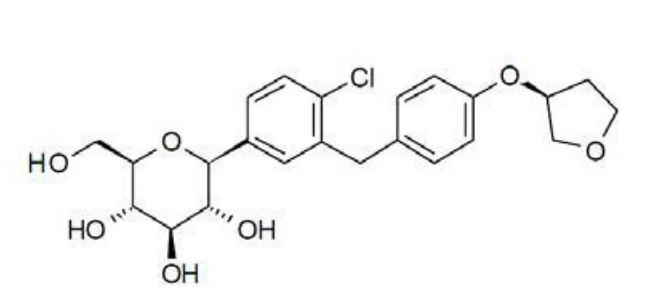 | Structural formula: 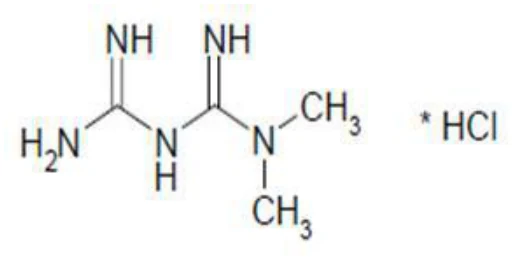 |
| Physicochemical properties: Empagliflozin is a white to yellowish, not hygroscopic solid powder, very slightly soluble in water (0.28 mg/mL), sparingly soluble in methanol (33.4 mg/mL), slightly soluble in ethanol (8.0 mg/mL), slightly soluble in acetonitrile (2.6 mg/mL), slightly soluble in 50% methanol in water (6.4 mg/mL), soluble in 50% acetonitrile in water (68 mg/mL), and practically insoluble in toluene (<0.001 mg/mL). | Physicochemical properties: Metformin hydrochloride is a white to off-white crystalline compound. Metformin hydrochloride is freely soluble in water and is practically insoluble in acetone, ether, and chloroform. |
| Solubility data of empagliflozin in aqueous media at room temperature: Water (pH 8.6) 0.28 mg/mL; 0.1N HCl (pH 1.1) 0.30 mg/mL; McIlvaine buffer pH 4.0 (pH 4.1) 0.21 mg/mL; McIlvaine buffer pH 7.4 (pH 7.5) 0.14 mg/mL. |
14. Clinical Trials
There have been no clinical studies conducted with SYNJARDY (empagliflozin/metformin hydrochloride) tablets. The bioavailability of metformin and empagliflozin in SYNJARDY tablets was shown to be comparable to that of individual empagliflozin and metformin tablets administered in free combination (see 14.2 Comparative Bioavailability Studies).
Empagliflozin
Treatment with empagliflozin in combination with metformin, glimepiride, pioglitazone, or basal and prandial insulin (with metformin) produced clinically relevant and statistically significant improvements in mean change from baseline at Week 24 in HbA1c, fasting plasma glucose (FPG), blood pressure and 2-hour post-prandial glucose (where measured), compared to placebo or control. In the double-blind placebo-controlled extension of these studies, reductions of HbA1c and body weight were sustained up to Week 76. HbA1c reductions were seen across subgroups including gender, age, race, duration of disease, baseline BMI and patients with high baseline HbA1c >10%.
14.1. Clinical Trials by Indication
Study demographics and trial design
Table 8 - Summary of Patient Demographics for Clinical Trials in specific indication
| Study # | Study design | Dosage, route of administration and duration | Study subjects (n) | Age (range) | Sex |
| Study # | Study design | Dosage, route of administration and duration | Study subjects (n) | Age (range) | Sex |
| Add-on Combination Therapy with Metformin | |||||
| 1245.23 | Randomised, multicentre, double-blind, placebo-controlled, parallel group | Empagliflozin 10 mg, 25 mg , placebo tablets, Tablets, orally, once daily Run-in: 2 weeks placebo open-label Randomised Treatment: 24 weeks Extension: up to 76 weeks Follow-up: 1 week | Total: 707/706 Empagliflozin: 10 mg: 217/217 25 mg: 214/213 Placebo: 207/207 | Empagliflozin: 10 mg: 55.5 (9.9) 25 mg: 55.6 (10.2) Placebo: 56.0 (9.7) | Empagliflozin: 10 mg: 58/42 25 mg: 56/44 Placebo: 56/44 |
| 1245.28 | Randomised, multicentre, double blind, active-controlled, parallel-group | Empagliflozin 25 mg Glimepiride (Amaryl®):1 to 4 mg Placebo (run-in period) tablets, oral, once daily Run-in: 2 weeks Treatment: 104 weeks Extension: 104 weeks Follow-up: 4 weeks | Total: 1549/1545 (until interim database lock) Empagliflozin: 25 mg: 769/765 Glimepiride 1 to 4 mg: 780/780 | Empagliflozin: 25 mg: 56.2 (10.3) Glimepiride: 55.7 (10.4) | Empagliflozin: 25 mg: 56/43 Glimepiride: 54/46 |
| Add-on Combination Therapy with Metformin and a Sulfonylurea | |||||
| 1245.23 + | Randomised, multicentre, double-blind, placebo-controlled, parallel group | Empagliflozin 10 mg, 25 mg , placebo tablets, orally, once daily Run-in: 2 weeks placebo open-label Randomised treatment: 24 weeks Extension: up to 76 weeks Follow-up: 1 week | Total: 669/666 Empagliflozin: 10 mg: 226/225 25 mg: 218/216 Placebo: 225/225 | Empagliflozin: 10 mg: 57.0 (9.2) 25 mg: 57.4 (9.3) Placebo: 56.9 (9.2) | Empagliflozin: 10 mg: 50/50 25 mg: 53/47 Placebo: 50/50 |
| Add-on Combination Therapy with Pioglitazone | |||||
| 1245.19 | Randomised, multicentre, double-blind, placebo-controlled parallel group | Empagliflozin 10mg or 25 mg vs placebo Tablets, orally, once daily Run-in: 2 weeks placebo open-label Randomised treatment: 24 weeks Extension: up to 76 weeks Follow-up: 1 week | Total 499/498 patients Empagliflozin 10 mg: 165/165 25 mg: 168/168 Placebo: 166/165 | Empagliflozin: 10 mg: 54.7 (9.9) 25 mg: 54.2 (8.9) Placebo: 54.6 (10.5) | Empagliflozin: 10 mg: 50/50 25 mg: 50/50 Placebo: 44/56 |
| Add-on Combination Therapy with MDI of Basal and Prandial Insulin (with or without Metformin) | |||||
| 1245.49 | Randomized, multicentre, double-blind, placebo-controlled, parallel group | E 10mg, 25 mg Placebo tablets, oral, once daily Randomised treatment: 52 weeks Week 1-18 &41-52 - stable insulin dose Week 19-40, treat-to-target insulin dose | Total: 566/563 Empagliflozin: 10 mg: 187/186 25 mg: 190/189 Placebo:189/188 | Empagliflozin: 10 mg: 56.7 (8.7) 25 mg: 58.0 (9.4) Placebo: 55.3 (10.1) | Empagliflozin: 10 mg: 52/48 25 mg: 44/56 Placebo: 40/60 |
Add-on Therapy with Metformin (Study 1245.23)
A double-blind, placebo-controlled study of 24 weeks duration was conducted to evaluate the efficacy and safety of empagliflozin in patients not sufficiently treated with metformin. As shown in Table 9 statistically significant (p<0.0001) reductions in HbA1c, FPG and body weight relative to placebo were observed with empagliflozin 10 mg and 25 mg at Week 24.
Table 9 - Results of a 24-Week (LOCF) Placebo-Controlled Study of EMPAGLIFLOZIN as Add-on Combination with Metformin
| Efficacy Parameter | Placebo | EMPAGLIFLOZIN 10 mg | EMPAGLIFLOZIN 25 mg |
|---|---|---|---|
| N | 207 | 217 | 213 |
| HbA1c (%) | |||
| Baseline (mean) | 7.90 | 7.94 | 7.86 |
| Change from baseline1 | -0.13 | -0.70 | -0.77 |
| Difference from placebo1 (97.5% CI) | -0.57* (-0.72, -0.42) | -0.64* (-0.79, -0.48) | |
| N | 184 | 199 | 191 |
| Patients2 (%) achieving HbA1c <7% | 16.4 | 40.6 | 40.8 |
| N | 207 | 216 | 213 |
| FPG (mmol/L) | |||
| Baseline (mean) | 8.66 | 8.58 | 8.29 |
| Change from baseline1 | 0.35 | -1.11 | -1.24 |
| Difference from placebo1 (95% CI) | -1.47 (-1.74, -1.20) | -1.59 (-1.86, -1.32) | |
| N | 207 | 217 | 213 |
| Body Weight (kg) | |||
| Baseline (mean) | 79.73 | 81.59 | 82.21 |
| Change from baseline1 | -0.45 | -2.08 | -2.46 |
| Difference from placebo1(97.5% CI) | -1.63* (-2.17, -1.08) | -2.01* (-2.56, -1.46) |
1 mean adjusted for baseline value
2 The HbA1c responder analyses were performed on FAS with a noncompleters considered failure (NCF) imputation approach by determining the percentage of patients that fulfil responder criteria.
*p-value <0.0001
The first measurement of HbA1c after initiation of the treatment period occurred at week 6 and resulted in significant reductions in HbA1c with empagliflozin 10 mg and 25 mg vs placebo (-0.46% and -0.51% respectively; p<0.0001) which were sustained over time.
Add-on Therapy with Metformin - Active-Controlled Study versus Glimepiride (Study 1245.28)
In a study comparing the efficacy and safety of empagliflozin 25 mg versus glimepiride (4 mg) in patients with inadequate glycemic control on metformin alone, as shown in Table 10, empagliflozin daily resulted in a statistically significant (p<0.0001) reduction in HbA1c, FPG and body weight at Week 104. Systolic blood pressure (SBP, mmHg) change from baseline was -3.1, and 2.5 for empagliflozin 25 mg, and glimepiride respectively.
Treatment with empagliflozin resulted in statistically significantly lower proportion of patients with hypoglycaemic events compared to glimepiride (2.5% for empagliflozin 25 mg, 24.2% for glimepiride, p<0.0001).
Table 10 - Results at 104-Week (LOCF) in an Active-Controlled Study Comparing EMPAGLIFLOZIN to Glimepiride as Add-on to Metformin
| Efficacy Parameter | EMPAGLIFLOZIN 25 mg | Glimepiride |
|---|---|---|
| N | 765 | 780 |
| HbA1c (%) | ||
| Baseline (mean) | 7.92 | 7.92 |
| Change from baseline1 | -0.66 | -0.55 |
| Difference from glimepiride1 (97.5% CI) | -0.11*(-0.20, -0.01) | |
| N | 690 | 715 |
| Patients2 (%) achieving HbA1c <7% | 37.5 | 32.6 |
| N | 764 | 779 |
| FPG (mmol/L) | ||
| Baseline (mean) | 8.33 | 8.32 |
| Change from baseline1 | -0.85 | -0.17 |
| Difference from glimepiride1 (95% CI) | -0.69 (-0.86, -0.52) | |
| N | 765 | 780 |
| Body Weight (kg) | ||
| Baseline (mean) | 82.52 | 83.03 |
| Change from baseline1 | -3.12 | 1.34 |
| Difference from glimepiride1 (97.5% CI) | -4.46** (-4.87, -4.05) |
1 mean adjusted for baseline value
2 The HbA1c responder analyses were performed on FAS with a noncompleters considered failure (NCF) imputation approach by determining the percentage of patients that fulfil responder criteria.
* p<0.0001 for non-inferiority, p<0.0153 for superiority
** p-value <0.0001
The first measurement of HbA1c after initiation of the treatment period occurred at week 4 and resulted in reductions in HbA1c with empagliflozin 25 mg and glimepiride vs baseline (-0.41% and -0.43% respectively) which were sustained over time.
Add-on Therapy with Metformin and Sulfonylurea (Study 1245.23+)
A double-blind, placebo-controlled study of 24 weeks duration was conducted to evaluate the efficacy and safety of empagliflozin in patients not sufficiently treated with a combination of metformin and a sulphonylurea. As shown in Table 11, treatment with empagliflozin resulted in statistically significant (p<0.0001) reductions in HbA1c and body weight, and clinically meaningful reductions in FPG compared to placebo at Week 24.
Table 11 - Results of a 24-Week (LOCF) Placebo-Controlled Study of EMPAGLIFLOZIN as Add-on Therapy to Metformin with a Sulfonylurea
| Efficacy Parameter | Placebo | EMPAGLIFLOZIN 10 mg | EMPAGLIFLOZIN 25 mg |
|---|---|---|---|
| N | 225 | 225 | 216 |
| HbA1c (%) | |||
| Baseline (mean) | 8.15 | 8.07 | 8.10 |
| Change from baseline1 | -0.17 | -0.82 | -0.77 |
| Difference from placebo1 (97.5% CI) | -0.64* (-0.79, -0.49) | -0.59* (-0.74, -0.44) | |
| N | 216 | 209 | 202 |
| Patients2 (%) achieving HbA1c <7% | 11.1 | 31.1 | 34.3 |
| N | 224 | 225 | 215 |
| FPG (mmol/L) | |||
| Baseline (mean) | 8.42 | 8.38 | 8.68 |
| Change from baseline1 | 0.31 | -1.29 | -1.29 |
| Difference from placebo1 (95% CI) | -1.60 (-1.90, -1.30) | -1.60 (-1.90, -1.29) | |
| N | 225 | 225 | 216 |
| Body Weight (kg) | |||
| Baseline (mean) | 76.23 | 77.08 | 77.50 |
| Change from baseline1 | -0.39 | -2.16 | -2.39 |
| Difference from placebo1 (97.5% CI) | -1.76* (-2.25, -1.28) | -1.99* (-2.48, -1.50) |
1 mean adjusted for baseline value
2 The HbA1c responder analyses were performed on FAS with a noncompleters considered failure (NCF) imputation approach by determining the percentage of patients that fulfil responder criteria.
*p-value <0.0001
The first measurement of HbA1c after initiation of the treatment period occurred at week 6 and resulted in significant reductions in HbA1c with empagliflozin 10 mg and 25 mg vs placebo (-0.58% and -0.6% respectively; p<0.0001) which were sustained over time.
Add-on Therapy with MDI of Basal and Prandial Insulin (with Metformin) (Study 1245.49)
The efficacy and safety of empagliflozin as add on to multiple daily injections of basal and prandial insulin with metformin were evaluated at Week 18 and Week 52 in a randomized, double-blind, placebo-controlled study of empagliflozin 10 mg and 25 mg. From Week 1 to Week 18, patients were to maintain a stable insulin dose. From Week 19 to 40, treat-to-target insulin dose adjustments were to be made as needed in order to achieve glucose treat-to-target values (pre-prandial 5.5 mmol/L and post-prandial 7.8 mmol/L). From Week 41 to Week 52, patients were to maintain a stable insulin dose, and adjustments were to be made for safety reasons only. Insulin mix, regular and/or analogue mix, have not been studied.
The primary endpoint was the change from baseline in HbA1c after 18 weeks of treatment, analyzed on the full analysis set (FAS-18). As shown in Table 12, statistically significant reduction in HbA1c relative to placebo was observed with empagliflozin 10 mg and 25 mg at Week 18.
Table 12 - Results of 18-Week Placebo-Controlled Study- FAS (LOCF−18) of EMPAGLIFLOZIN in Combination with Insulin with Metformin
| Efficacy Parameter | Placebo | EMPAGLIFLOZIN 10 mg | EMPAGLIFLOZIN 25 mg |
| All patients, N | 188 | 186 | 189 |
| Insulin+metformin, N (%) | 135 (71.8) | 128 (68.8) | 137 (72.5) |
| HbA1c (%) | |||
| Baseline2 (mean) (SE) | 8.29 (0.06) | 8.42 (0.06) | 8.29 (0.06) |
| Change from baseline1 mean (SE) (at Week 18) | -0.58 (0.06) | -0.99 (0.06) | -1.03 (0.06) |
Difference from placebo1 97.5% confidence interval | -- | -0.41 (-0.61, -0.21) | -0.45 (-0.65, -0.25) |
| p-value | -- | <0.0001 | <0.0001 |
During the first 18 weeks of treatment, the background insulin dose was not to be changed.
SE= standard error
1 adjusted mean for baseline HbA1c, eGFR and geographical region
2 Model included baseline HbA1c (p<0.0001) as a linear covariate, baseline eGFR (MDRD) (p=0.7812), treatment (p<0.0001), baseline background medication (p=0.0541), and treatment by baseline background medication interaction (p=0.3254) as fixed effects.
Add-on Therapy with Pioglitazone (with or without Metformin, Study 1245.19)
The efficacy and safety of empagliflozin were evaluated in a double-blind, placebo-controlled study of 24 weeks duration in patients not sufficiently treated with a combination of metformin and pioglitazone or pioglitazone alone. As shown in Table 13, empagliflozin in combination with pioglitazone (mean dose ≥30 mg) with or without metformin resulted in statistically significant (p<0.0001) reductions in HbA1c, fasting plasma glucose, and body weight compared to placebo at Week 24.
Table 13 - Results of a 24-Week (LOCF) Placebo-Controlled Study of EMPAGLIFLOZIN as Add-on to Pioglitazone
| Efficacy Parameter | Placebo | EMPAGLIFLOZIN 10 mg | EMPAGLIFLOZIN 25 mg |
|---|---|---|---|
| N | 165 | 165 | 168 |
| HbA1c (%) | |||
| Baseline (mean) | 8.16 | 8.07 | 8.06 |
| Change from baseline1 | -0.11 | -0.59 | -0.72 |
| Difference from placebo1 (97.5% CI) | -0.48* (-0.69, -0.27) | -0.61* (-0.82, -0.40) | |
| N | 155 | 151 | 160 |
| Patients2 (%) achieving HbA1c <7% | 9.7 | 27.9 | 31.5 |
| N | 165 | 163 | 168 |
| FPG (mmol/L) | |||
| Baseline (mean) | 8.43 | 8.44 | 8.43 |
| Change from baseline1 | 0.37 | -0.94 | -1.23 |
| Difference from placebo1 (97.5% CI) | -1.32 (-1.72, -0.91) | -1.61 (-2.01, -1.21) | |
| N | 165 | 165 | 168 |
| Body Weight (kg) | |||
| Baseline (mean) | 78.1 | 77.97 | 78.93 |
| Change from baseline1 | 0.34 | -1.62 | -1.47 |
| Difference from placebo1 (97.5% CI) | -1.95* (-2.64, -1.27) | -1.81* (-2.49, -1.13) |
1 mean adjusted for baseline value
2 The HbA1c responder analyses were performed on FAS with a noncompleters considered failure (NCF) imputation approach by determining the percentage of patients that fulfil responder criteria.
*p-value <0.0001
The first measurement of HbA1c after initiation of the treatment period occurred at week 6 and resulted in significant reductions in HbA1c with empagliflozin 10 mg and 25 mg vs placebo (-0.4% and -0.51% respectively; p<0.0001) which were sustained over time.
Empagliflozin twice daily versus once daily as add on to metformin therapy (1276.10)
The efficacy and safety of empagliflozin twice daily versus once daily (daily dose of 10 mg and 25 mg) as add-on therapy in patients with insufficient glycaemic control on metformin monotherapy was evaluated in a double-blind placebo-controlled study of 16 weeks duration.
The total number of randomized patients per stratum was: 219 (empagliflozin 12.5 mg bid), 218 (empagliflozin 25 mg qd), 219 (empagliflozin 5 mg bid), 220 (empagliflozin 10 mg qd) and 107 (placebo).
In all treatment groups, empagliflozin provided significant HbA1c (SE), [95% CI] reductions compared with placebo at 16 weeks: -0.61% (0.09), [(−0.79,−0.44)] for empagliflozin 12.5 mg bid, -0.50% (0.09), [(−0.68,−0.32)] for empagliflozin 25 mg once daily, -0.44% (0.09), [(−0.62,−0.27)] for empagliflozin 5 mg twice daily, and -0.42% (0.09), [(−0.60,−0.25)] for empagliflozin 10 mg once daily (p<0.0001 for each comparisons).
14.2. Comparative Bioavailability Studies
The bioavailability of metformin and empagliflozin in SYNJARDY tablets was shown to be comparable to that of individual empagliflozin and metformin tablets administered in free combination.
The results of bioequivalence studies in healthy subjects demonstrated that SYNJARDY (empagliflozin/metformin hydrochloride) 5 mg/500 mg, 5 mg/850 mg, 5 mg/1000 mg, 12.5 mg/500 mg, 12.5 mg/850 mg, and 12.5 mg/1000 mg combination tablets are bioequivalent to co-administration of corresponding doses of empagliflozin and metformin as individual tablets.
Administration of 12.5 mg empagliflozin/1000 mg metformin under fed conditions resulted in a 9% decrease in AUC and a 28% decrease in Cmax for empagliflozin, when compared to fasted conditions. For metformin, AUC decreased by 12% and Cmax decreased by 26% compared to fasting conditions. The observed effect of food on empagliflozin and metformin is not considered to be clinically relevant.
However, as metformin is recommended to be given with meals, SYNJARDY is also proposed to be given with food.
Table 14 - Summary Table of the Comparative Bioavailability Data
Empagliflozin (1 x 12.5 mg) From measured data uncorrected for potency Geometric Mean Arithmetic Mean (CV %) | ||||
| Parameter | Test* | Reference† | % Ratio of Geometric Means | 90% Confidence Interval |
AUCT‡ (nmol×h/L) | 2610 2640 (15.1) | 2760 2800 (18.6) | 94.39 | 89.22 – 99.87 |
AUCI (nmol×h/L) | 2680 2710 (15.0) | 2820 2860 (18.5) | 94.94 | 89.85 – 100.33 |
Cmax (nmol/L) | 253 259 (20.3) | 400 405 (15.8) | 64.30 | 55.97 – 73.87 |
Tmax§ (h) | 3.00 (1.00 – 8.00) | 1.75 (1.00-2.50) | ||
T½€ (h) | 16.7 (43.0) | 16.0 (61.3) | ||
* Identity of the test product: Treatment C (fed): Empagliflozin 12.5 mg/metformin hydrochloride 1000 mg FDC tablet, oral [B101002752]
† Identity of the reference product, including the manufacturer, and origin (country of purchase): Treatment B (fasted): Individual tablets of empagliflozin 2.5 mg and 10 mg tablet, oral, [2.5 mg: B091004302, 10 mg: 909475A] and metformin hydrochloride 1000 mg tablet, oral [X1750]
‡ For drugs with a half-life greater than 24 hours AUCT should be replaced with AUC0-72
§ Expressed as the median (range)
€ Expressed as the arithmetic mean (CV%)
Table 15 - Summary Table of the Comparative Bioavailability Data
Metformin (1 x 1000 mg) From measured data uncorrected for potency Geometric Mean Arithmetic Mean (CV %) | ||||
| Parameter | Test* | Reference† | % Ratio of Geometric Means | 90% Confidence Interval |
AUCT‡ (ng×h/L) | 9330 9550 (19.7) | 9470 9720 (22.3) | 96.96 | 87.23 – 107.78 |
AUCI (ng×h/L) | 10100 10200 (15.6) | 9910 10100 (21.2) | 100.67 | 91.70 – 110.51 |
Cmax (ng/mL) | 1120 1180 (25.5) | 1480 1530 (23.4) | 75.13 | 63.68 – 88.64 |
Tmax§ (h) | 3.00 (1.50 – 8.00) | 2.50 (1.50 – 4.00) | ||
T½€ (h) | 30.5 (89.0) | 17.8 (76.9) | ||
* Identity of the test product: Treatment C (fed): Empagliflozin 12.5 mg/metformin hydrochloride 1000 mg FDC tablet, oral [B101002752]
† Identity of the reference product, including the manufacturer, and origin (country of purchase): Treatment B (fasted): Individual tablets of empagliflozin 2.5 mg and 10 mg tablet, oral, [2.5 mg: B091004302, 10 mg: 909475A] and metformin hydrochloride 1000 mg tablet, oral [X1750]
‡ For drugs with a half-life greater than 24 hours AUCT should be replaced with AUC0-72
§ Expressed as the median (range)
€ Expressed as the arithmetic mean (CV%)
Comparative Bioavailability of Metformin
The comparative bioavailability of metformin was assessed in a randomized, two-way cross-over study in healthy adult male and female subjects. Subjects were administered single doses of 500 mg metformin as SYNJARDY fixed dose combination (FDC) tablets (1 x 12.5 mg/500 mg empagliflozin/metformin) or as individual Glucophage® (metformin hydrochloride) (sanofi-aventis Canada Inc.) tablets (1 x 500 mg) in combination with a single empagliflozin 12.5 mg dose (1 x 2.5 mg + 1 x 10 mg), in the fed state.
Table 16 - Summary Table of the Comparative Bioavailability Data
Metformin (1 x 500 mg) From measured data Adjusted Geometric Mean Arithmetic Mean (CV %) | ||||
| Parameter | Test* | Reference† | % Ratio of Geometric Means | 90% Confidence Interval |
AUCT (ng×h/mL) | 6256 6380 (19.9) | 6347 6490 (19.9) | 98.6 | 94.7 – 102.6 |
AUCI (ng×h/mL) | 6410 6540 (20.2) | 6522 6660 (20.2) | 98.3 | 94.5 – 102.2 |
Cmax (ng/mL) | 746.3 762 (20.5) | 754.3 773 (22.0) | 98.9 | 95.9 – 102.1 |
Tmax§ (h) | 4.00 (1.00 – 8.00) | 4.00 (1.00 – 6.00) | ||
T½ € (h) | 20.0 (80.4) | 24.1 (80.2) | ||
*Empagliflozin/metformin FDC 12.5 mg empagliflozin/500 mg metformin tablet (Boehringer Ingelheim, Germany)
† Empagliflozin 10 mg and 2.5 mg tablets (Boehringer Ingelheim, Germany) administered with Glucophage® (metformin hydrochloride) 500 mg tablets (sanofi-aventis Canada, Inc., Canada)
§ Expressed as the median (range)
€Expressed as the arithmetic mean (CV%)
Comparative Bioavailability of Empagliflozin
The comparative bioavailability of empagliflozin was assessed in three randomized, four-way cross-over studies conducted in healthy adult male and female subjects. Subjects were administered single doses of 5 mg or 12.5 mg empagliflozin as SYNJARDY fixed dose combination tablets or as individual empagliflozin and metformin tablets administered together, under fed conditions.
Bioavailability of empagliflozin in SYNJARDY fixed dose combination tablets (1 x 5 mg/500 mg or 1 x 12.5 mg/500 mg empagliflozin/metformin) compared with the free combination of individual empagliflozin (1 x 5 mg or 1 x 2.5 mg + 1 x 10 mg) tablets administered with 1 x 500 mg metformin:
Table 17 - Summary Table of the Comparative Bioavailability Data
Empagliflozin (1 x 5 mg) From measured data Geometric Mean Arithmetic Mean (CV %) | ||||
| Parameter | Test* | Reference† | % Ratio of Geometric Means | 90% Confidence Interval |
AUCT (nmol×h/L) | 1080 1090 (15.9) | 1040 1060 (18.3) | 102.77 | 99.15 – 106.52 |
AUCI (nmol×h/L) | 1110 1120 (15.9) | 1070 1090 (18.3) | 102.79 | 99.08 – 106.63 |
Cmax (nmol/L) | 109 112 (23.4) | 106 108 (23.3) | 102.96 | 97.92 – 108.26 |
Tmax§ (h) | 2.50 (1.00 – 6.00) | 2.75 (1.00 – 5.00) | ||
T½€ (h) | 10.2 (23.8) | 9.76 (28.6) | ||
*Empagliflozin/metformin FDC 5 mg empagliflozin/500 mg metformin tablet (Boehringer Ingelheim, Germany)
†Empagliflozin 5 mg tablets (Boehringer Ingelheim, Germany) administered with Glucophage® (metformin hydrochloride) 500 mg tablet (Merck Pharma GmbH, Germany).
§ Expressed as the median (range)
€ Expressed as the arithmetic mean (CV%)
Table 18 - Summary Table of the Comparative Bioavailability Data
Empagliflozin (1 x 12.5 mg) From measured data Geometric Mean Arithmetic Mean (CV %) | ||||
| Parameter | Test* | Reference† | % Ratio of Geometric Means | 90% Confidence Interval |
AUCT (nmol×h/L) | 2740 2780 (16.1) | 2830 2870 (17.5) | 98.00 | 93.53 – 102.69 |
AUCI (nmol×h/L) | 2780 2820 (16.0) | 2870 2910 (17.5) | 97.92 | 93.53 – 102.52 |
Cmax (nmol/L) | 294 302 (24.4) | 282 292 (26.7) | 104.61 | 99.88 – 109.56 |
Tmax§ (h) | 2.50 (1.00 – 8.00) | 2.52 (0.667 – 5.00) | ||
T½€ (h) | 12.3 (30.4) | 11.7 (34.1) | ||
*Empagliflozin/metformin FDC 12.5 mg empagliflozin/500 mg metformin tablet (Boehringer Ingelheim, Germany)
†Empagliflozin 2.5 mg + 10 mg tablets (Boehringer Ingelheim, Germany) administered with Glucophage® (metformin hydrochloride) 500 mg tablet (Merck Pharma GmbH, Germany).
§ Expressed as the median (range)
€ Expressed as the arithmetic mean (CV%)
Bioavailability of empagliflozin in SYNJARDY fixed dose combination tablets (1 x 5 mg/850 mg or 1 x 12.5 mg/850 mg empagliflozin/metformin) compared with the free combination of individual empagliflozin (1 x 5 mg or 1 x 2.5 mg + 1 x 10 mg) tablets administered with 1 x 850 mg metformin:
Table 19 - Summary Table of the Comparative Bioavailability Data
*Empagliflozin/metformin FDC 5 mg empagliflozin/850 mg metformin tablet (Boehringer Ingelheim, Germany)
†Empagliflozin 5 mg tablets (Boehringer Ingelheim, Germany) administered with Glucophage® (metformin hydrochloride) 850 mg tablet (Merck Pharma GmbH, Germany).
§ Expressed as the median (range)
€ Expressed as the arithmetic mean (CV%)
Empagliflozin (1 x 5 mg) From measured data Geometric Mean Arithmetic Mean (CV %) | ||||
| Parameter | Test* | Reference† | % Ratio of Geometric Means | 90% Confidence Interval |
AUCT (nmol×h/L) | 963 995 (25.0) | 946 971 (23.2) | 100.31 | 97.41 – 103.30 |
AUCI (nmol×h/L) | 986 1020 (24.8) | 968 994 (22.9) | 100.30 | 97.40 – 103.29 |
Cmax (nmol/L) | 103 106 (21.9) | 101 104 (25.5) | 100.97 | 95.94 – 106.27 |
Tmax§ (h) | 2.50 (0.667 – 6.03) | 2.50 (0.667 – 6.00) | ||
T½€ (h) | 8.6 (17.1) | 8.3 (21.2) | ||
Table 20 - Summary Table of the Comparative Bioavailability Data
Empagliflozin (1 x 12.5 mg) From measured data Geometric Mean Arithmetic Mean (CV %) | ||||
| Parameter | Test* | Reference† | % Ratio of Geometric Means | 90% Confidence Interval |
AUCT (nmol×h/L) | 2520 2590 (24.6) | 2490 2590 (30.1) | 101.20 | 96.89 – 105.71 |
AUCI (nmol×h/L) | 2560 2640 (24.9) | 2530 2630 (30.6) | 101.31 | 96.89 – 105.93 |
Cmax (nmol/L) | 266 272 (20.5) | 258 263 (21.3) | 102.70 | 98.75 – 106.81 |
Tmax§ (h) | 3.00 (0.983 – 8.03) | 3.00 (0.667 – 6.05) | ||
T½€ (h) | 9.7 (28.7) | 9.4 (29.7) | ||
*Empagliflozin/metformin FDC 12.5 mg empagliflozin/850 mg metformin tablet (Boehringer Ingelheim, Germany)
†Empagliflozin 2.5 mg + 10 mg tablets (Boehringer Ingelheim, Germany) administered with Glucophage® (metformin hydrochloride) 850 mg tablet (Merck Pharma GmbH, Germany).
§ Expressed as the median (range)
€ Expressed as the arithmetic mean (CV%)
Bioavailability of empagliflozin in SYNJARDY fixed dose combination tablets (1 x 5 mg/1000 mg or 1 x 12.5 mg/1000 mg empagliflozin/metformin) compared with the free combination of individual empagliflozin (1 x 5 mg or 1 x 2.5 mg + 1 x 10 mg) tablets administered with 1 x 1000 mg metformin:
Table 21 - Summary Table of the Comparative Bioavailability Data
Empagliflozin (1 x 5 mg) From measured data Geometric Mean Arithmetic Mean (CV %) | ||||
| Parameter | Test* | Reference† | % Ratio of Geometric Means | 90% Confidence Interval |
AUCT‡ (nmol×h/L) | 962 974 (16.6) | 903 917 (19.0) | 105.98 | 102.73 – 109.33 |
AUCI (nmol×h/L) | 988 1000 (16.5) | 927 941 (18.8) | 106.00 | 102.73 – 109.39 |
Cmax (nmol/L) | 108 110 (17.9) | 103 104 (14.4) | 104.54 | 99.15 – 110.22 |
Tmax§ (h) | 2.50 (0.667 – 5.00) | 2.50 (0.667 – 5.00) | ||
T½€ (h) | 10.8 (37.1) | 10.2 (30.6) | ||
*Empagliflozin/metformin FDC 5 mg empagliflozin/1000 mg metformin tablet (Boehringer Ingelheim, Germany)
† Empagliflozin 5 mg tablets (Boehringer Ingelheim, Germany) administered with Glucophage® (metformin hydrochloride) 1000 mg tablets (Merck Pharma GmbH, Germany).
‡ For drugs with a half-life greater than 24 hours AUCT should be replaced with AUC0-72
§ Expressed as the median (range)
€Expressed as the arithmetic mean (CV%)
Table 22 - Summary Table of the Comparative Bioavailability Data
Empagliflozin (1 x 12.5 mg) From measured data Geometric Mean Arithmetic Mean (CV %) | ||||
| Parameter | Test* | Reference† | % Ratio of Geometric Means | 90% Confidence Interval |
AUCT‡ (nmol×h/L) | 2530 2580 (19.1) | 2510 2560 (21.0) | 98.82 | 94.78 – 103.04 |
AUCI (nmol×h/L) | 2580 2630 (19.3) | 2570 2620 (21.4) | 98.88 | 94.88 – 103.06 |
Cmax (nmol/L) | 276 284 (26.4) | 258 268 (29.6) | 106.52 | 95.86 – 118.35 |
Tmax§ (h) | 2.00 (0.667 – 6.00) | 2.75 (0.667 – 8.00) | ||
T½€ (h) | 10.6 (31.5) | 11.5 (31.6) | ||
*Empagliflozin/metformin FDC 12.5 mg empagliflozin/1000 mg metformin tablet (Boehringer Ingelheim, Germany)
† Empagliflozin 2.5 mg + 10 mg tablets (Boehringer Ingelheim, Germany) administered with Glucophage® (metformin hydrochloride) 1000 mg tablets (Merck Pharma GmbH, Germany).
‡ For drugs with a half-life greater than 24 hours AUCT should be replaced with AUC0-72
§ Expressed as the median (range)
€Expressed as the arithmetic mean (CV%)
15. Microbiology
No microbiological information is required for this drug product.
16. Non-Clinical Toxicology
General Toxicology:
Single-dose toxicity
Empagliflozin
Empagliflozin demonstrated low acute toxicity. The single lethal oral dose of empagliflozin was greater than 2000 mg/kg in mice and rats.
Repeat-dose toxicity
Empagliflozin and metformin hydrochloride
The repeat-dose toxicity of empagliflozin in combination with metformin was evaluated in a pivotal 90-day rat study at 200:0, 0:400, 50:100, 100:200 and 200:400 mg/kg/day empagliflozin:metformin. While treatment with empagliflozin in combination with metformin was not associated with new toxicities, exacerbation of several parameters (including hypochloremia; a marker for acid-base disturbances) was observed at 100:200 and 200:400 mg/kg/day empagliflozin:metformin when compared with empagliflozin alone and metformin alone. The no-observed-adverse-effect-level (NOAEL) was considered to be 50:100 mg/kg/day empagliflozin:metformin (approximately 4-times the maximum daily dose of empagliflozin of 25 mg and 2-times the maximum daily dose of metformin of 2000 mg, both based on AUC) based on the observation of hypochloremia at 100:200 and 200:400 mg/kg/day empagliflozin:metformin.
Empagliflozin
Repeat-dose oral toxicity studies were conducted in mice, rats and monkeys for up to 13, 26, and 52 weeks, respectively. Signs of toxicity were generally observed at exposures greater than or equal to 10 times the human exposure (AUC) at the maximum recommended dose of 25 mg. Most toxicity was consistent with secondary pharmacology related to urinary glucose loss and included decreased body weight and body fat, increased food consumption, diarrhea, dehydration, decreased serum glucose and increases in other serum parameters reflective of increased protein metabolism, gluconeogenesis and electrolyte imbalances, urinary changes such as polyuria and glycosuria. Increases in liver weight, elevated hepatic enzyme activities (e.g., AST and ALT) and hepatocellular vacuolation were observed in mice, rats and dogs. These changes in the liver may be related to gluconeogenesis and/or mobilization of lipid for energy production. The main target organ of empagliflozin toxicity was the kidney. Microscopic changes in the kidney were observed across species and included tubular karyomegaly, single cell necrosis, cystic hyperplasia and hypertrophy (mouse), renal mineralization and cortical tubular vacuolation (rat), and tubular nephropathy and interstitial nephritis (dog).
In a 2-year study in mice, mortality associated with urinary tract lesions was dose-dependently increased for males given empagliflozin at oral doses of ≥100 mg/kg/day (≥4 times the clinical dose of 25 mg based on AUC comparisons).
Metformin hydrochloride
The repeat-dose toxicity of metformin was evaluated in a two-week rat study at 100, 200 and 1000 mg/kg/day and a 90-day rat study at 200:0, 0:400, 50:100, 100:200 and 200:400 mg/kg/day empagliflozin:metformin. Metformin was well tolerated up to 400 mg/kg/day which approximates 5-times the maximum daily dose of metformin of 2000 mg (based on AUC), with no remarkable toxicological findings at this dose level. At 1000 mg/kg/day, myocardial hypertrophy, vacuolation of the adrenal medulla, pituitary hyperplasia, depletion of zymogen granules in the pancreas, and reduced size of cortical areas in the thymus was observed.
Genotoxicity:
Empagliflozin
Empagliflozin was not genotoxic in the Ames bacterial reverse mutation assay, the L5178/tk+/-mouse lymphoma assay, or the in vivo rat micronucleus test.
Metformin hydrochloride
Metformin was not genotoxic in the Ames bacterial reverse mutation assay, mouse lymphoma assay, chromosome aberration test (human lymphocytes), and the in vivo mouse micronucleus assay.
Carcinogenicity:
Empagliflozin
The carcinogenic potential of empagliflozin was evaluated in 2-year studies in mice and rats. Empagliflozin did not increase the incidence of tumors in female rats up to the highest dose of 700 mg/kg/day (up to 72 times the clinical dose of 25 mg based on AUC comparisons). In male rats, treatment-related benign vascular proliferative lesions (hemangiomas) of the mesenteric lymph node were observed at 700 mg/kg/day (approximately 42 times the clinical dose of 25 mg based on AUC comparisons), but not at 300 mg/kg/day which corresponds to approximately 26 times the clinical exposure from 25 mg dose. These tumors are common in rats and the incidence (18%) was within literature historical control (0-26%). No vascular lesions were seen in the mouse and dog. Empagliflozin did not increase the incidence of tumors in female mice at doses up to 1000 mg/kg/day (up to, approximately 62 times the clinical dose of 25 mg based on AUC comparisons). Renal tumors were observed in male mice at 1000 mg/kg/day (approximately 45 times the clinical dose of 25 mg based on AUC comparisons), but not at 300 mg/kg/day which corresponds to approximately 11 times the clinical exposure from a 25 mg dose. The mode of action for these tumors may be dependent on the natural predisposition of the male mouse to renal pathology which is exacerbated by a male mouse kidney-specific cytotoxic oxidative metabolite. Therefore, the renal tumors found in mice may not be relevant to patients given clinical doses of empagliflozin.
Metformin hydrochloride
Long-term carcinogenicity studies have been performed in rats (dosing duration of 104 weeks) and mice (dosing duration of 91 weeks) at doses up to and including 900 mg/kg/day and 1500 mg/kg/day, respectively. These doses are both approximately 4 times the maximum recommended human daily dose of 2000 mg based on body surface area comparisons. No evidence of carcinogenicity with metformin was found in either male or female mice. Similarly, there was no tumorigenic potential observed with metformin in male rats. An increased incidence of benign stromal uterine polyps in female rats treated with 900 mg/kg/day.
Reproductive and Developmental Toxicology:
Empagliflozin and metformin hydrochloride
The effect of empagliflozin in combination with metformin on embryo-fetal development was evaluated in Wistar Han rats at 30:60, 100:200, 300:600, 300:0 and 0:600 mg/kg empagliflozin:metformin administered from gestation day (GD) 7 to 16. Fetal skeletal malformations were observed at 300:600 mg/kg empagliflozin:metformin and consisted of flat and thickened rib, cleft cervical vertebral body, and sternebrae branched, fused or misshapen and were considered metformin related. This was based on an embryo-fetal development study in Wistar Han rats with metformin at 200, 500 and 1000 mg/kg administered from GD 7 to 16. Fetal external and skeletal malformations were observed at 500 and 1000 mg/day (systemic exposure equal to 11 and 23 times the MRHD of 2000 mg/day, respectively) and consisted of unilateral anophthalmia (1 fetus at 1000 mg/kg), polydactylia (1 fetus at 1000 mg/kg), flat and thickened rib (500 and 1000 mg/kg), rib z-shaped (1000 mg/kg). The NOAEL was considered to be 200 mg/kg (systemic exposure equal to 4 times the MRHD of 2000 mg/day). The NOAEL was considered to be 100:200 mg/kg empagliflozin:metformin, which approximates 14-times the maximum daily dose of empagliflozin of 25 mg and 4-times the maximum daily dose of metformin of 2000 mg (based on AUC).
Empagliflozin
In a study of fertility and early embryonic development in rats, empagliflozin had no effects on mating and fertility in males or females or early embryonic development up to the highest dose of 700 mg/kg/day (approximately 50 times the clinical dose of 25 mg based on AUC comparisons).
Empagliflozin administered during the period of organogenesis was not teratogenic at doses up to 300 mg/kg/day in the rat or rabbit, which corresponds to approximately 48 times or 128 times the clinical dose of 25 mg based on AUC comparisons, respectively. Doses of empagliflozin causing maternal toxicity in the rat also caused the malformation of bent limb bones at exposures approximately 155 times the clinical exposure from a 25 mg dose. Maternally toxic doses in the rabbit also caused increased embryofetal loss at doses approximately 139 times the clinical dose of 25 mg based on AUC comparisons.
In a pre- and postnatal toxicity study in rats, empagliflozin was administered from gestation day 6 through to lactation day 20 (weaning) at 10, 30 and 100 mg/kg/day, and pups were indirectly exposed in utero and throughout lactation. There was no evidence of maternal toxicity up to the high dose of 100 mg/kg/day; however, a reduction in F1 pup body weight gains, mainly during lactation, was observed at doses of ≥30 mg/kg/day (≥4 times the clinical dose of 25 mg based on AUC comparisons). The F1 male pups also had learning and memory deficits at 100 mg/kg (approximately 16 times the clinical dose of 25 mg based on AUC comparisons) on postnatal day (PND) 22, but not on PND 62. These neurobehavioral effects were likely to be secondary to the retarded growth rates of the F1 male pups. The NOAEL for F1 neonatal toxicity was 10 mg/kg/day (approximately 1.4 times the clinical dose of 25 mg based on AUC comparisons).
Metformin hydrochloride
Metformin was not teratogenic in Sprague Dawley rats and rabbits at doses up to 600 mg/kg/day at about 2 times the MRHD based on body surface area comparisons. Fertility of male or female Sprague Dawley rats was unaffected by metformin when administered at doses as high as 600 mg/kg/day, which is approximately 2 times the MRHD based on body surface area comparisons.
Juvenile Toxicity:
Empagliflozin
In a juvenile toxicity study, empagliflozin was administered directly to young rats from post-natal day 21 until postnatal day 90 at oral doses of 1, 10, 30 and 100 mg/kg/day. Increases in kidney weights were observed in males at ≥ 10 mg/kg/day (≥ 0.7 times the clinical dose of 25 mg based on AUC comparisons) and in females at ≥ 30 mg/kg/day (≥ 4 times the clinical dose of 25 mg based on AUC comparisons). Minimal to mild renal tubular and pelvic dilation was seen at 100 mg/kg/day, which approximates 11-times the clinical dose of 25 mg based on AUC comparisons. These findings were absent after a 13-week, drug-free recovery period.
17. Supporting Product Monographs
- 1. [GLUCOPHAGE®] [Tablets, 500 mg, 850 mg], submission control [211582], Product Monograph, [Sanofi-Aventis Canada Inc.]. [April 7, 2026]
- 2. JARDIANCE Tablets, submission control [285974], Product Monograph [Boehringer Ingelheim Canada Ltd], [Oct 09, 2024]
- 3. PRZ-Metformin tablets, submission control [263913], Product Monograph [Pharmaris Canada Inc.]. [Jan 23, 2023]